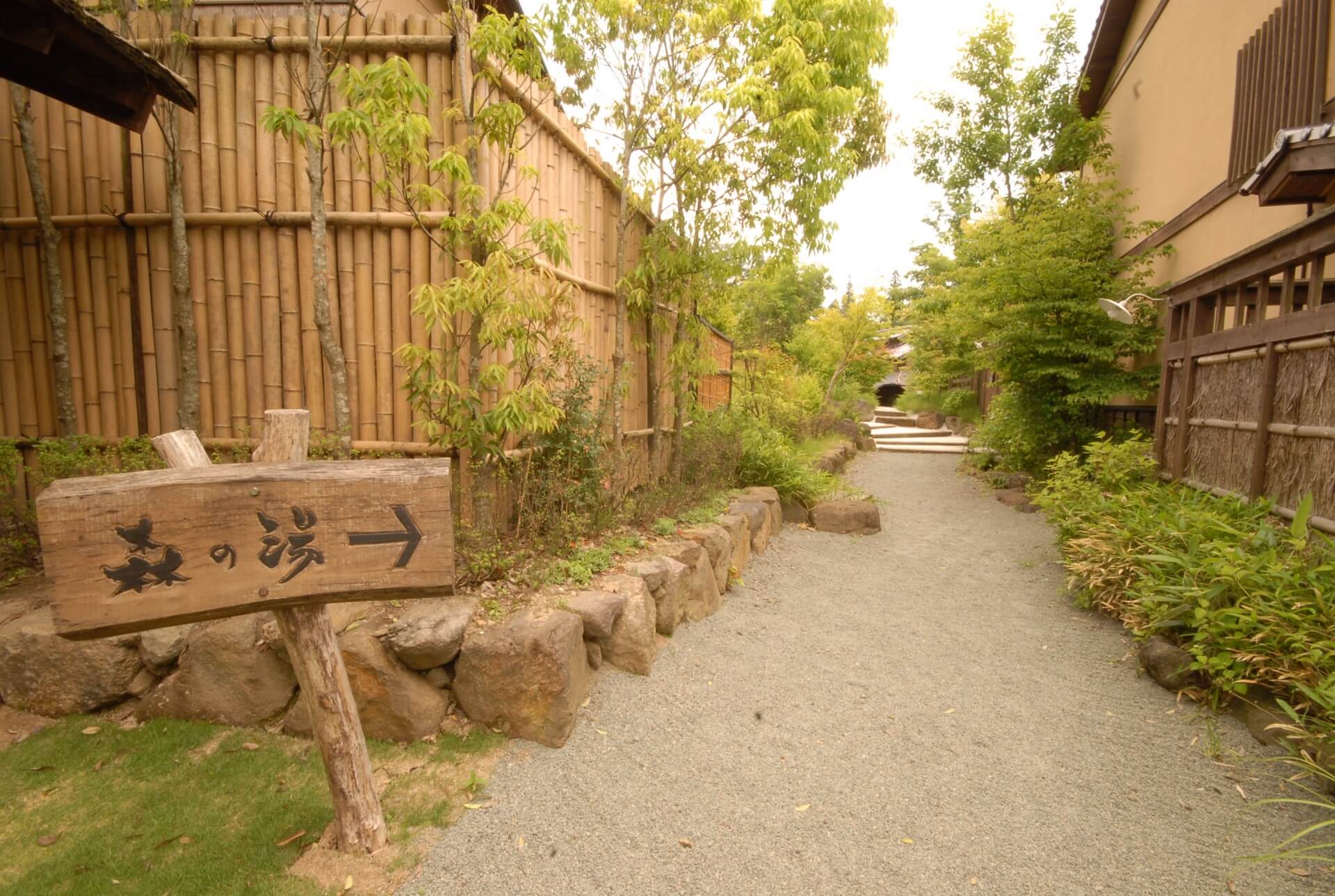
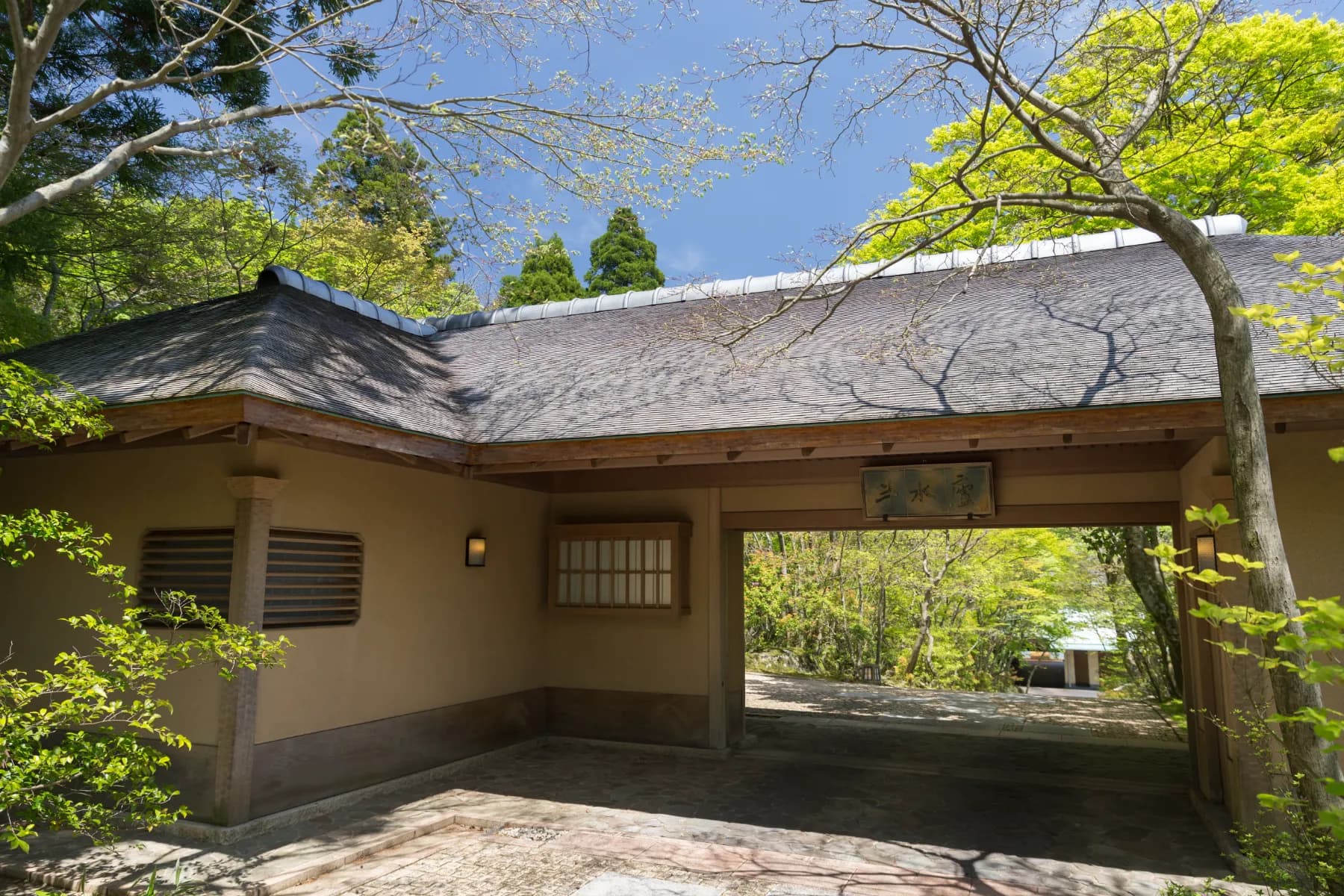
A budget ryokan is a full-service traditional inn — tatami room, onsen bath, usually two meals — at hostel-adjacent prices, not a stripped-down compromise. Stays listed on this site start at ¥9,800 per person with dinner and breakfast included, and the seven levers below show how to hit that tier without losing what makes a ryokan a ryokan.
A ryokan stay can cost ¥9,800 per person — half-board, riverside rotenburo, full kaiseki — or ¥84,000. The difference in experience is real, but it is not eight times better. You do not need to spend luxury money to feel the actual ryokan. You need to know which lever drops the price without dropping the things that matter. This is the budget playbook.
The tatami is the same. The onsen water is the same. The silence at night is the same. What changes at a budget ryokan isn't the soul of the experience — it's the thread count of the sheets and whether your sashimi is tuna or sea bream. And honestly? The tuna is delicious.
The Biggest Money Hack: Skip Meals
This sounds like heresy after reading our kaiseki guide, but hear us out. At most ryokans, the kaiseki dinner accounts for 40-60% of the room rate. A room that costs ¥25,000 per person with dinner might be ¥12,000 as "sudomari" (素泊まり) — room only.
The trick is to stay at a ryokan in an onsen town with great restaurants. Kinosaki Onsen is perfect for this — the town is packed with affordable crab restaurants, izakayas, and ramen shops. You get the full ryokan experience (tatami room, yukata, onsen hopping across the town's seven public bathhouses with the yumepa pass given at check-in) (Visit Kinosaki (official tourism site)) and eat out for a fraction of the kaiseki price.

Tip
Compromise option: book "ippaku-asashoku" (one night with breakfast only). You skip the expensive dinner but still get the traditional Japanese breakfast — which is an experience in itself. Usually saves 30-40% compared to full board.
Weekday vs. Weekend: The 40% Rule
This one is simple but huge. Most ryokans charge 30-40% more for Friday and Saturday nights compared to Sunday through Thursday. The exact same room, the exact same food, dramatically different price.
If you have any flexibility in your itinerary, shifting your ryokan stay to a Tuesday or Wednesday night can save you ¥10,000-¥20,000 per person. That's the cost of a whole extra night at a budget property.
The Regions Nobody Talks About
Hakone is famous. It's also expensive, because millions of tourists from Tokyo visit every year. But Japan has over 3,000 onsen areas — Beppu City alone has close to 3,000 hot spring sources, representing more than 10% of all vents in the country (Japan National Tourism Organization) — and many of the lesser-known ones offer equally striking experiences at half the price.
 Pin to Pinterest
Kusatsu Onsen (Gunma) — One of Japan's top three onsen, with the country's largest naturally occurring volume of hot spring water and the famous yubatake hot-water field at the town center (Japan National Tourism Organization). Kusatsu also topped Japan's national hot springs popularity ranking for the second straight year in 2025 (Nippon.com). Yet room rates are 20-30% cheaper than Hakone, and many ryokans offer "jigoku-mushi" — food cooked in volcanic steam.
Beppu (Oita) — The onsen capital of Japan, boasting the largest volume of hot spring water in the country (Japan National Tourism Organization). Extremely affordable, with budget ryokans starting around ¥6,000. The sand baths — heated by the springs and offered at historic Takegawara Onsen (founded 1879) — are an experience you literally can't get anywhere else (Japan National Tourism Organization).
Takayama (Gifu) — A mountain town with Edo-period streets and seven sake breweries that each have over 100 years of history (down from 56 breweries around 330 years ago in the middle of the Edo period) (Japan National Tourism Organization), plus phenomenal Hida wagyu beef. Ryokans here are significantly cheaper than Kyoto but with equal charm and better food per yen.
The "One Night" Strategy
If you absolutely want the full kaiseki-and-onsen luxury experience but can't afford multiple nights: book one night at a mid-range ryokan and spend the rest of your trip at hotels or hostels.
One night is enough. You arrive at 3 PM, soak in the onsen, eat kaiseki, sleep on tatami, take a morning bath, eat a traditional breakfast, and check out at 10 AM. That's 19 hours of immersion for the price of a single night. Many travelers say their one ryokan night was the highlight of a two-week Japan trip.
Tip
Our recommendation: allocate ¥15,000-¥20,000 per person for one spectacular night rather than ¥10,000 x 2 for two mediocre ones. The quality jump between ¥10,000 and ¥20,000 ryokans is dramatic.
More Money-Saving Tricks
Book early. The best-value rooms sell out first because experienced travelers know which ryokans are underpriced for their quality.
Travel off-season. January-February (excluding New Year's) and June are the cheapest months. You might get a ¥30,000 room for ¥18,000.
Check for "last-minute plans." Japanese booking sites like Jalan and Rakuten often feature discounted same-week availability. Ryokans would rather fill a room cheaply than leave it empty.
Share a room. Ryokan pricing is per person, but many rooms accommodate 3-4 guests. Groups of friends can split a premium room and each pay less than a budget single.
The Bottom Line
The most expensive ryokans in Japan are extraordinary. But a ryokan experience doesn't require extraordinary money. The core of what makes a ryokan stay singular — the quiet, the mineral water, the tatami under your feet, the absolute attention to your comfort — exists at every price point.
Budget Tier Breakdown (Indicative Per-Person Numbers)
Indicative rates per person, two people sharing, half-board. Tier 1 (¥8,000-15,000/person): family-run minshuku-style ryokans, shared bath, room-style breakfast/dinner. The Yufuin, Kinosaki, and Yunomine cohorts are the easiest entry points. Tier 2 (¥15,000-25,000/person): mid-size ryokans with rotenburo (outdoor bath), in-room kaiseki, en-suite Japanese-style room. This is the sweet spot for first-time guests. Tier 3 (¥25,000-45,000/person): named ryokans with private rotenburo per room, a-la-carte kaiseki, 10-12 guest rooms maximum. Tier 4 (¥45,000-90,000/person): luxury ryokans — Asaba, Kayotei, Beniya Mukayu, Tawaraya. The kaiseki crosses into ¥30,000 per dinner territory and the room becomes the destination.
You can pressure-test these tiers yourself in our interactive ryokan price explorer, which filters every inn we list by region, budget, and private-onsen availability.
The Five Levers That Drop Price Without Dropping Experience
1. Weekday over weekend. Most ryokans charge 20-40% more Friday and Saturday night. A Sunday-Monday or Monday-Tuesday booking at the same room is the cheapest single move. 2. Half-board over full-board. Two meals (dinner + breakfast) is the standard kaiseki ryokan experience. Three meals is unnecessary; lunch is rarely the kitchen's strength. 3. Smaller room category. Most ryokans charge per-room not per-person, but room-size tiers can differ by ¥10,000-20,000 between the entry tatami room and the corner suite. The kaiseki is the same. 4. Shoulder-season weeks. Late June, early September, mid-November (post-foliage), late February (post-snow) are the four windows when properties run discount plans without anyone advertising it. 5. Direct ryokan booking on the property's own website (not OTAs). Many family-run ryokans offer a 5-10% loyalty discount and a flexible-cancellation tier that the OTA aggregators do not surface.
Tip
On Trip.com filter the Hakone / Kyoto / Yufuin results by room area (m²) ascending. The smallest tatami rooms at each property often sit at the bottom of the search and disappear from the default sort — that is where the price arbitrage lives.
Regions Where Budget Ryokans Are Genuinely Strong
Some ryokan towns are budget-friendly by structural design — many small properties, shared baths the norm, kaiseki not always included. Kinosaki (Hyogo) — 7 public bath houses + 100+ small ryokans, ¥12,000-18,000 per person with shared bath, yukata-and-geta culture city-wide. Yufuin (Oita) — 80+ properties, the largest cluster, ¥10,000-22,000 the typical range, walkable to art museums and a private-onsen experience without the Hakone premium. Yunomine (Wakayama) — UNESCO World Heritage town, ¥8,000-15,000 family-run ryokans, with inexpensive kashikiri (private bath) bookings. Naruko (Miyagi) — Tohoku's underrated onsen town, ¥10,000-16,000, with sulfur water and a distinct Edo-period preserved core. Avoid the Hakone / Atami / Karuizawa cluster for budget — those three are the most rate-inflated weekend ryokan regions.
When to Pay More
The bracket not to skimp on is the kaiseki. If the trip is two nights in a region, one approach is Tier 1 on night one (testing the town) and Tier 3 on night two (eating the kitchen's best work). The kaiseki delta from ¥10,000 to ¥30,000 per dinner is the most direct price-to-quality conversion in Japanese hospitality. Conversely, the room-size delta is the easiest lever to cut — a 10 m² tatami room with the right view is more memorable than a 24 m² suite with a bad one. Cross-link: best kaiseki ryokans in Japan for the ryokans where dinner is the headline act.
Do not skip the ryokan night because you think it is out of reach. It is not. Pick the lever — region, day of week, half-board, room category — that fits the wallet you brought, and book the rest of the trip around that one tatami night. Cross-link: first-time ryokan guide for the etiquette side, best ryokans near Tokyo for the cheapest access from Haneda, and 13 verified budget ryokans under ¥20,000 for vetted picks you can book tonight.
Ready to book?
More ryokan you can book
Compare live availability and prices across booking sites.

Sawanoya Ryokan
澤の屋旅館
Tokyo·Budget
from US$50 · per person · per nightfrom ≈ US$100 total for 2 guests



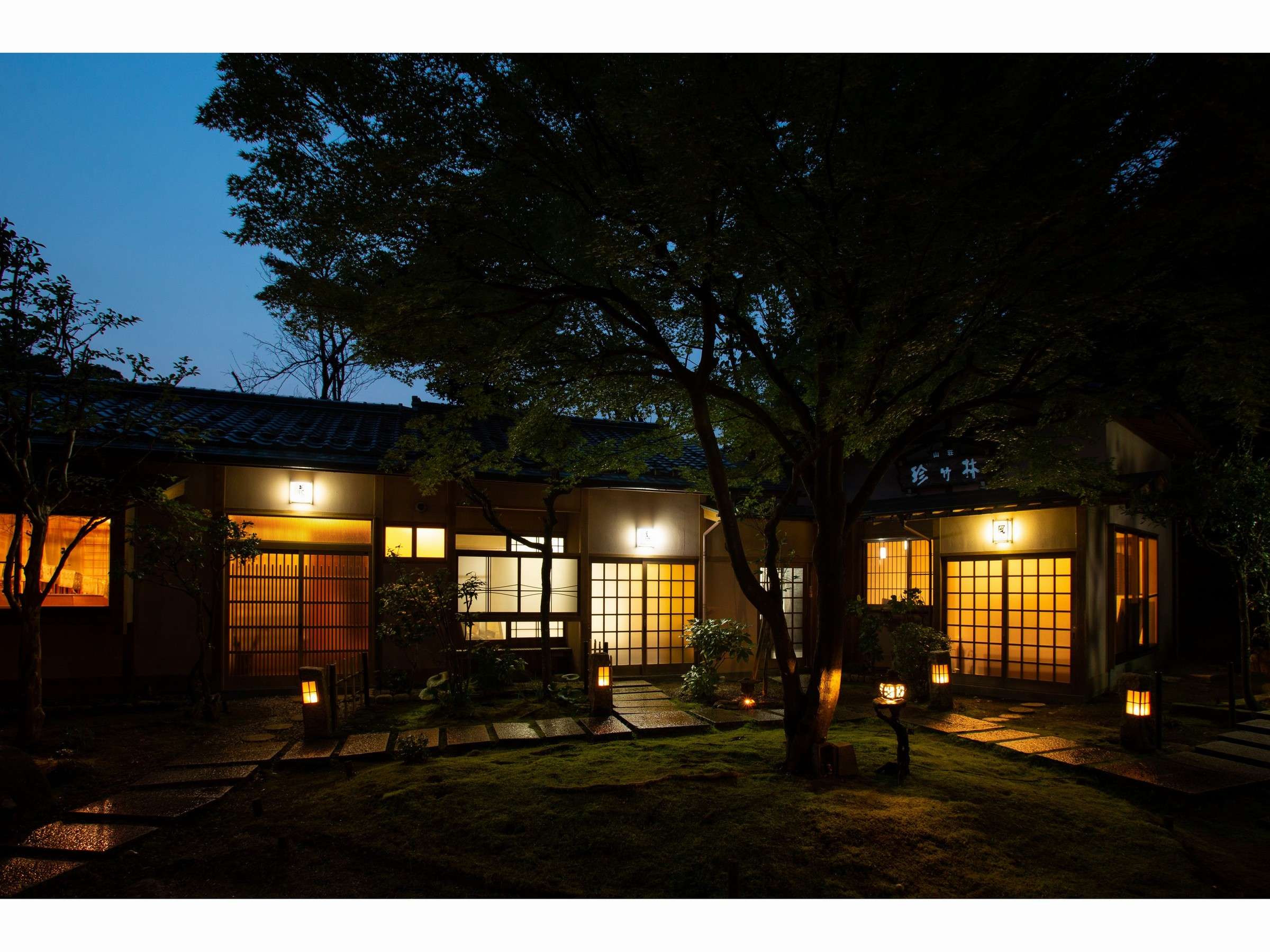
Fujimiya
城崎温泉 富士見屋
Kinosaki·Budget
from US$51 · per person · per nightfrom ≈ US$102 total for 2 guests
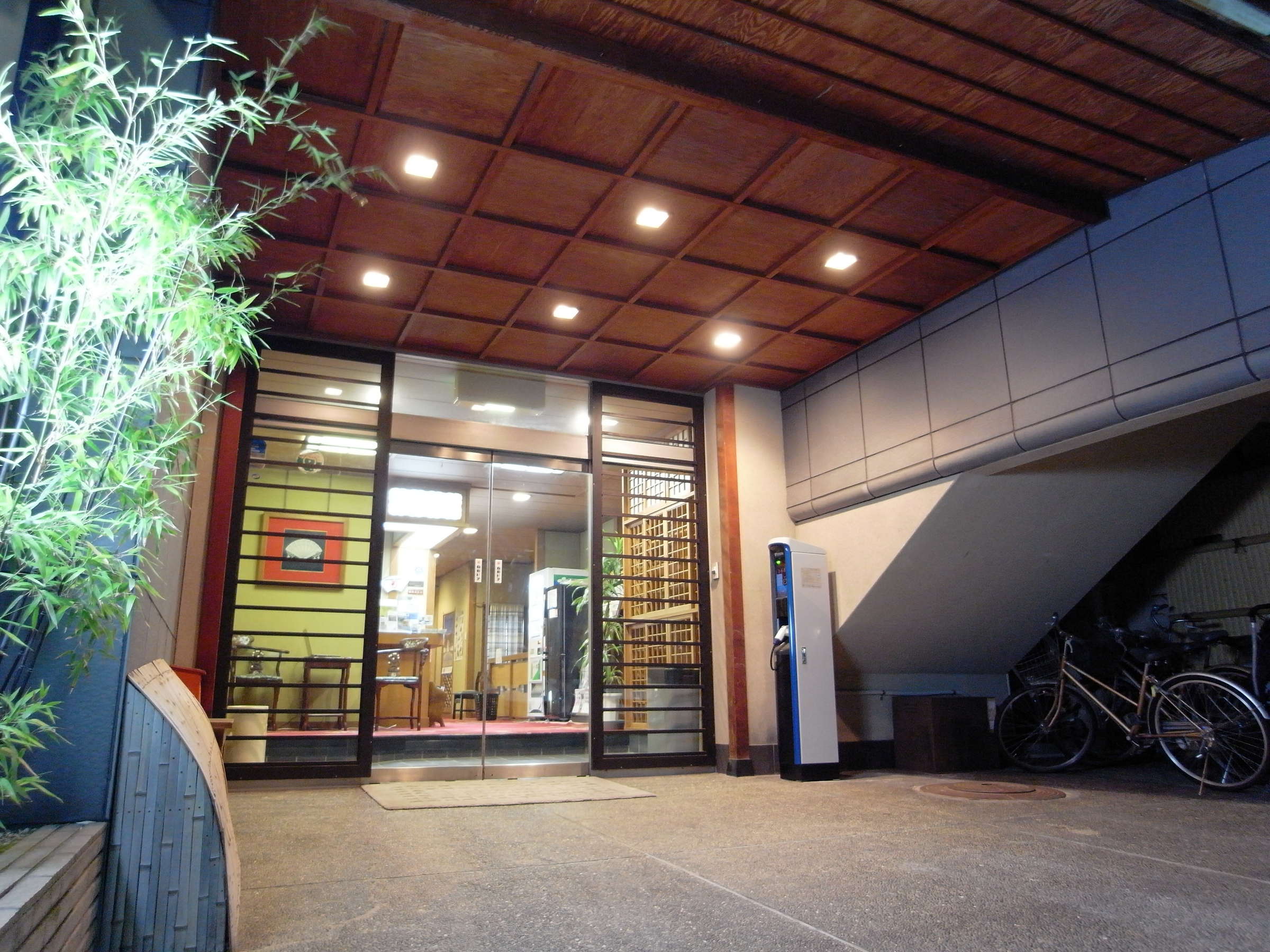
Ryokan Yamamuro
旅館 山室
Kanazawa·Budget
from US$50 · per person · per nightfrom ≈ US$100 total for 2 guests
Booking links may earn us a commission at no extra cost to you.
FAQ
Frequently asked questions
How can skipping meals reduce the cost of a ryokan stay?+
Skipping meals, especially dinner, is the biggest money hack. The kaiseki dinner often accounts for 40-60% of the room rate. Booking "sudomari" (room only) can reduce a ¥25,000 room to ¥12,000. Opting for "ippaku-asashoku" (breakfast only) saves 30-40% while still providing a traditional Japanese breakfast experience.
How much cheaper are ryokans during the week compared to weekends?+
Ryokans typically charge 30-40% more for Friday and Saturday nights compared to Sunday through Thursday. Shifting your stay to a weekday can save ¥10,000-¥20,000 per person. This means you can experience the exact same room and food for a significantly lower price by being flexible with your itinerary.
What are some affordable ryokan towns outside of popular areas like Hakone?+
Consider Kusatsu Onsen in Gunma, which is 20-30% cheaper than Hakone and offers mineral-rich waters. Beppu in Oita is extremely affordable, with budget ryokans starting around ¥6,000, known for its sand baths. Takayama in Gifu provides Edo-period charm and better food per yen than Kyoto, with significantly cheaper ryokans.
Is a single night at a ryokan sufficient for a full experience?+
Yes, one night is often enough for a deeply immersive experience. You can arrive at 3 PM, enjoy the onsen, kaiseki dinner, tatami sleep, morning bath, and traditional breakfast before checking out at 10 AM. This provides 19 hours of immersion. It's recommended to allocate ¥15,000-¥20,000 per person for one spectacular night.
What are other effective strategies to save money on a ryokan booking?+
To save more, book early as best-value rooms sell out fast. Travel during off-season months like January-February (excluding New Year's) and June, which can reduce a ¥30,000 room to ¥18,000. Also, check Japanese booking sites like Jalan for last-minute discounts, and consider sharing a room with 3-4 guests to split costs.
Still deciding?
Browse ryokans across JapanBooking.com