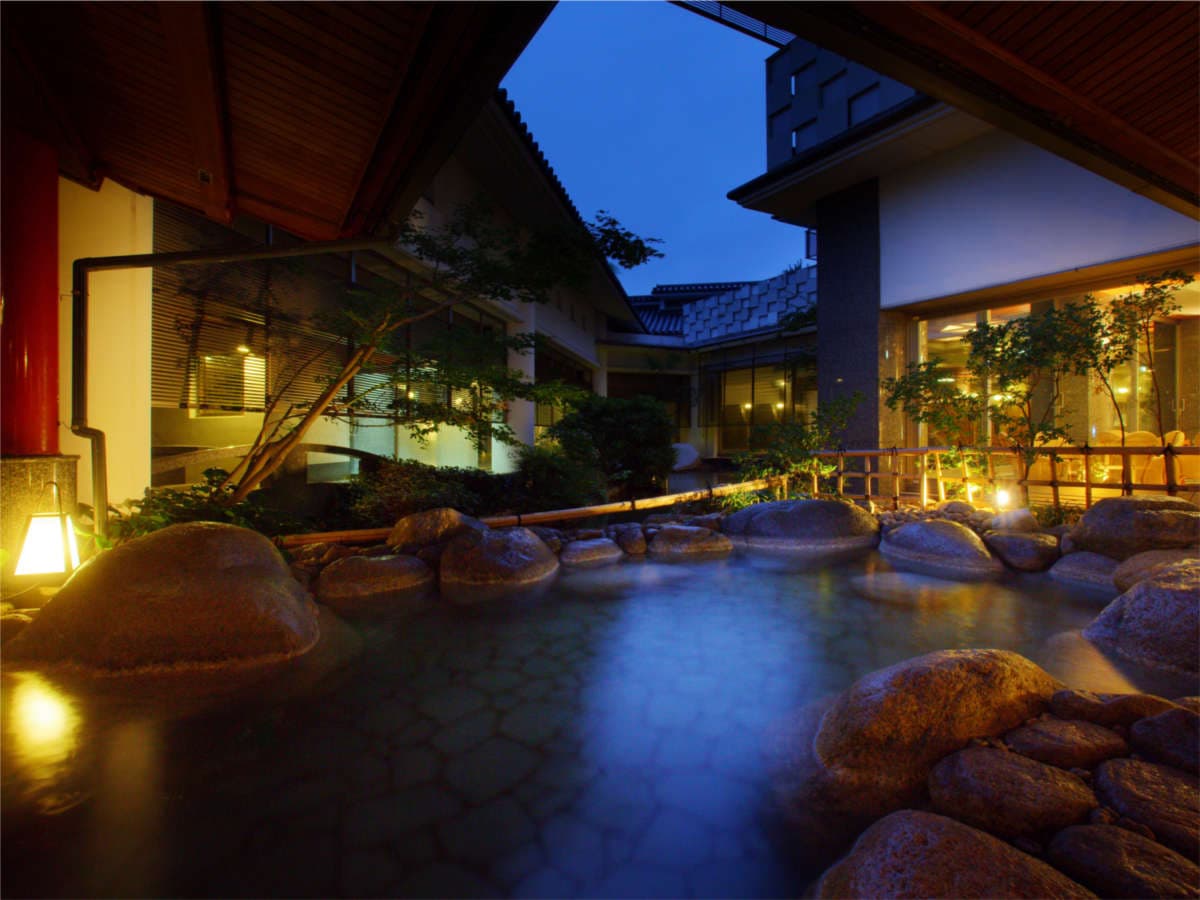
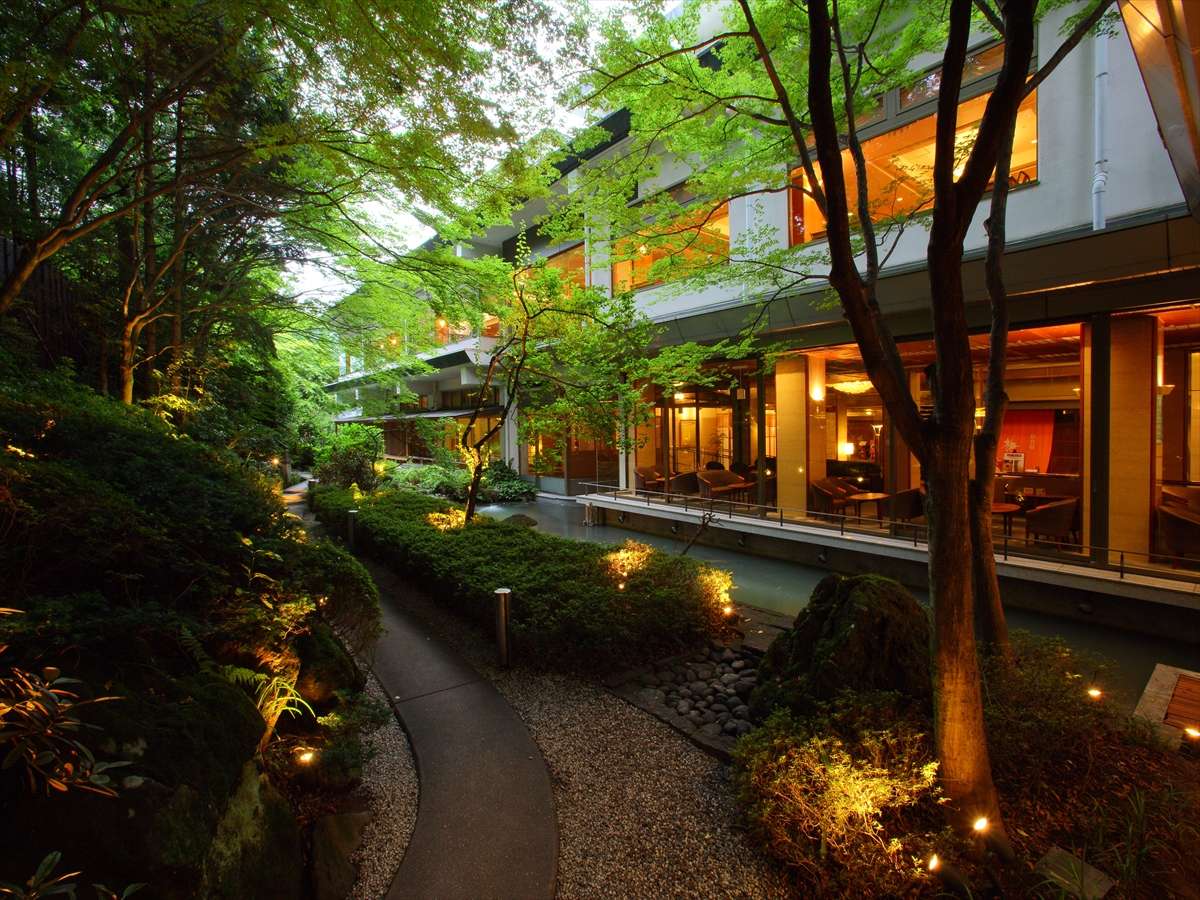
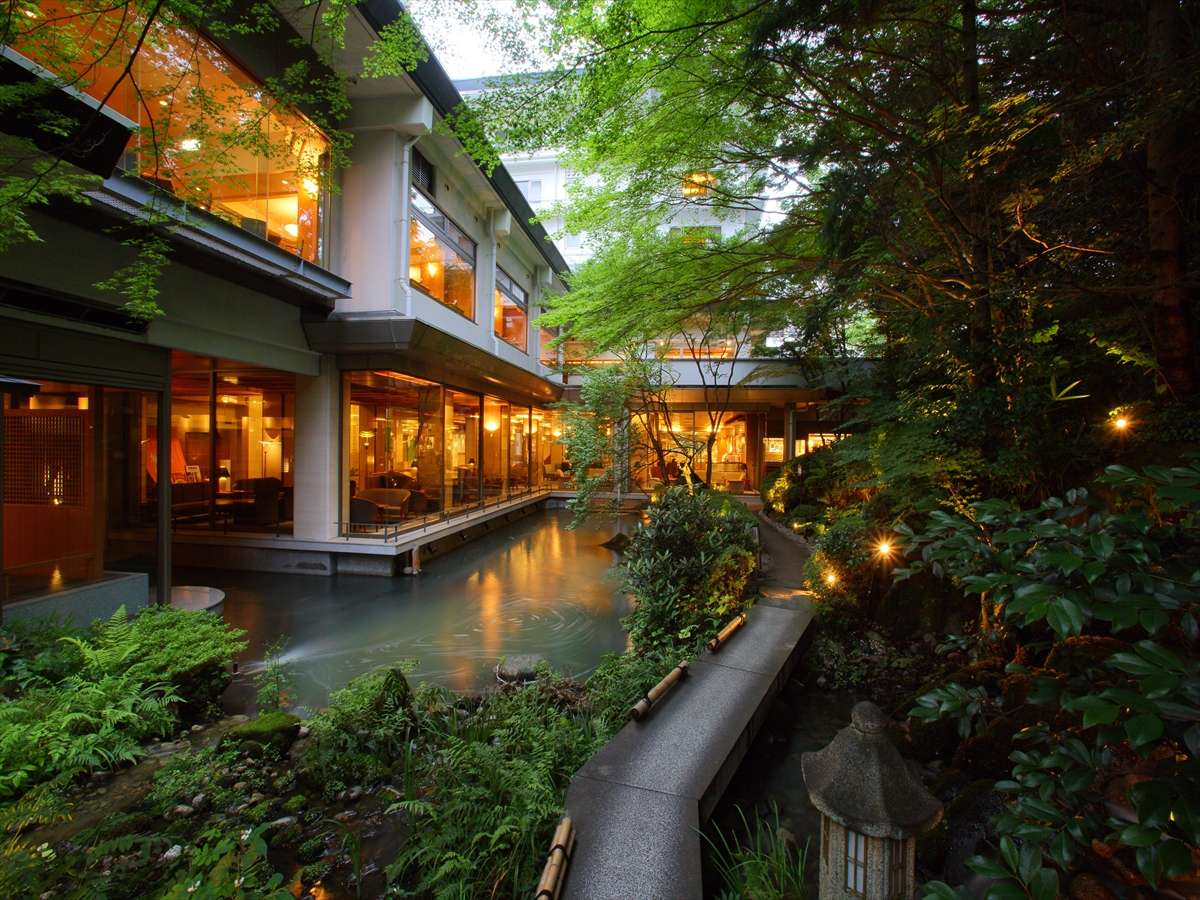
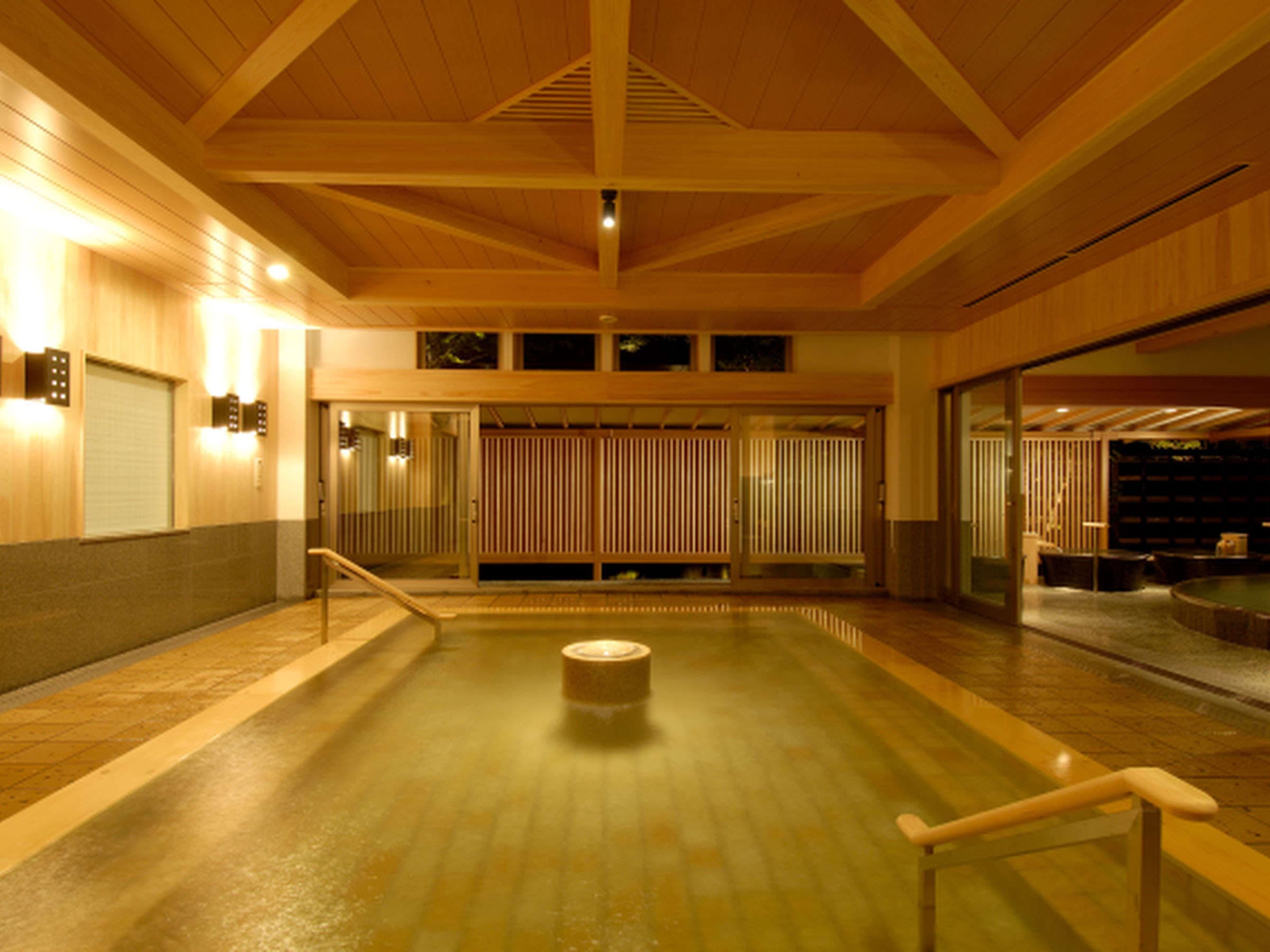
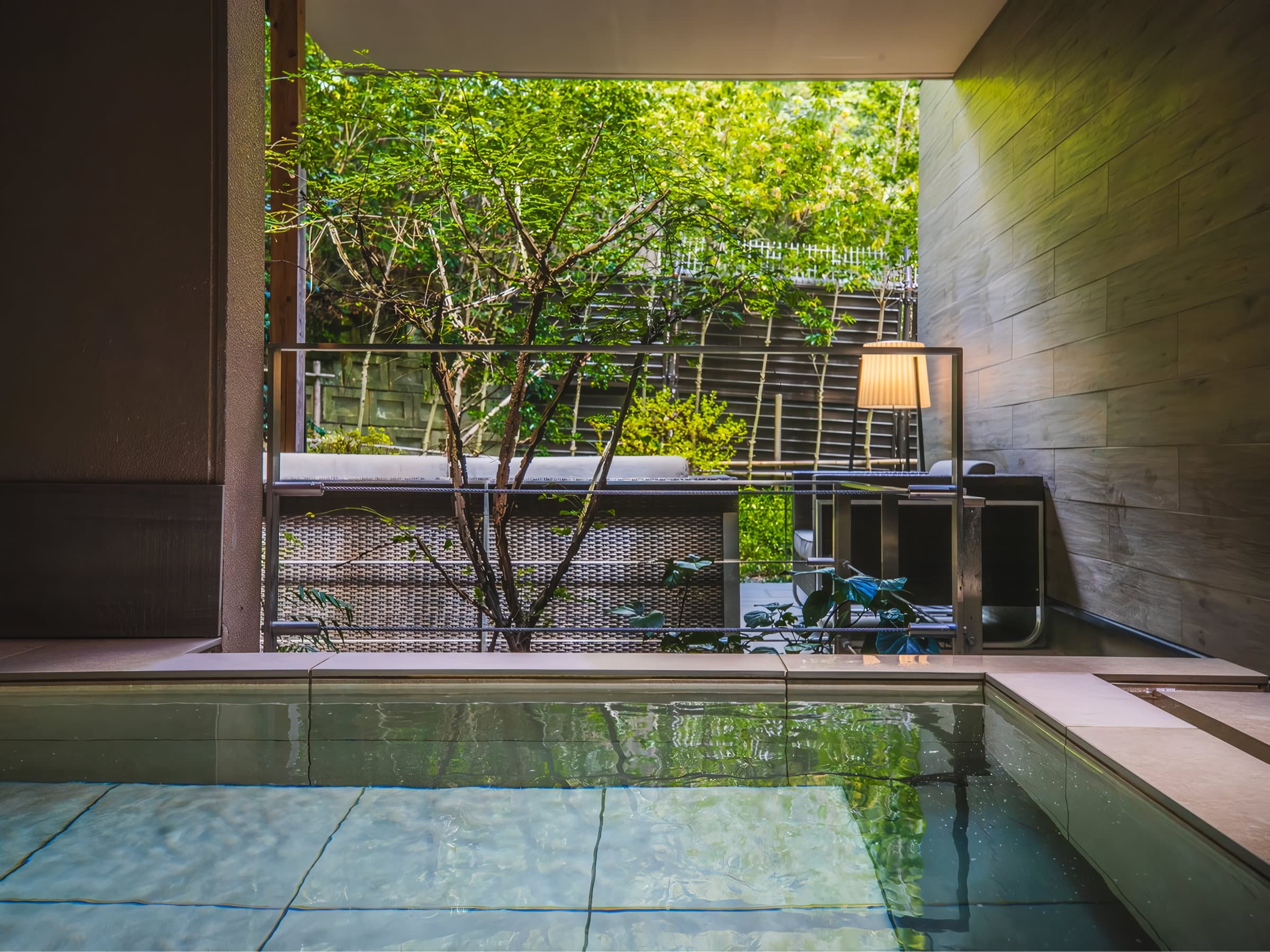
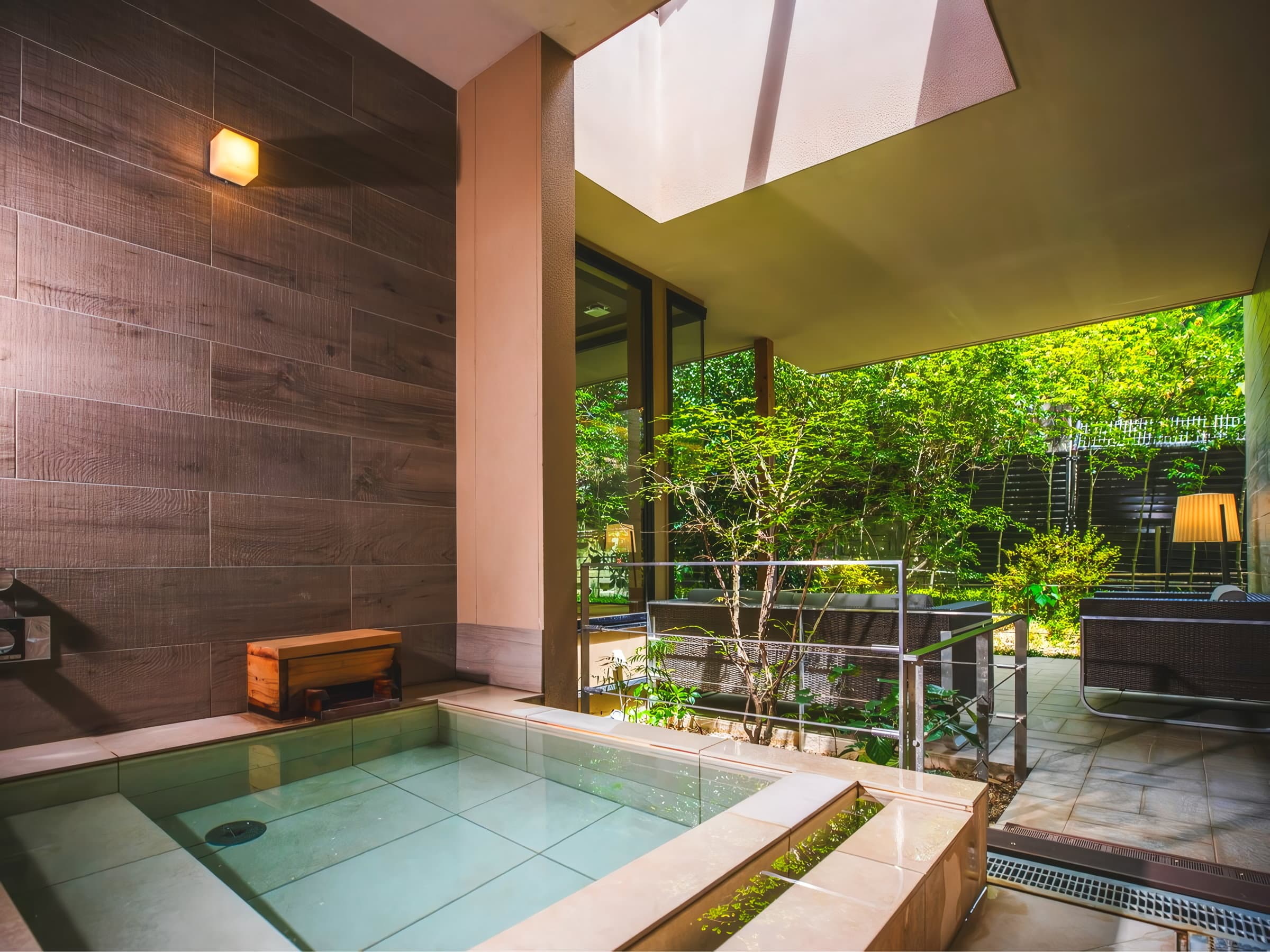
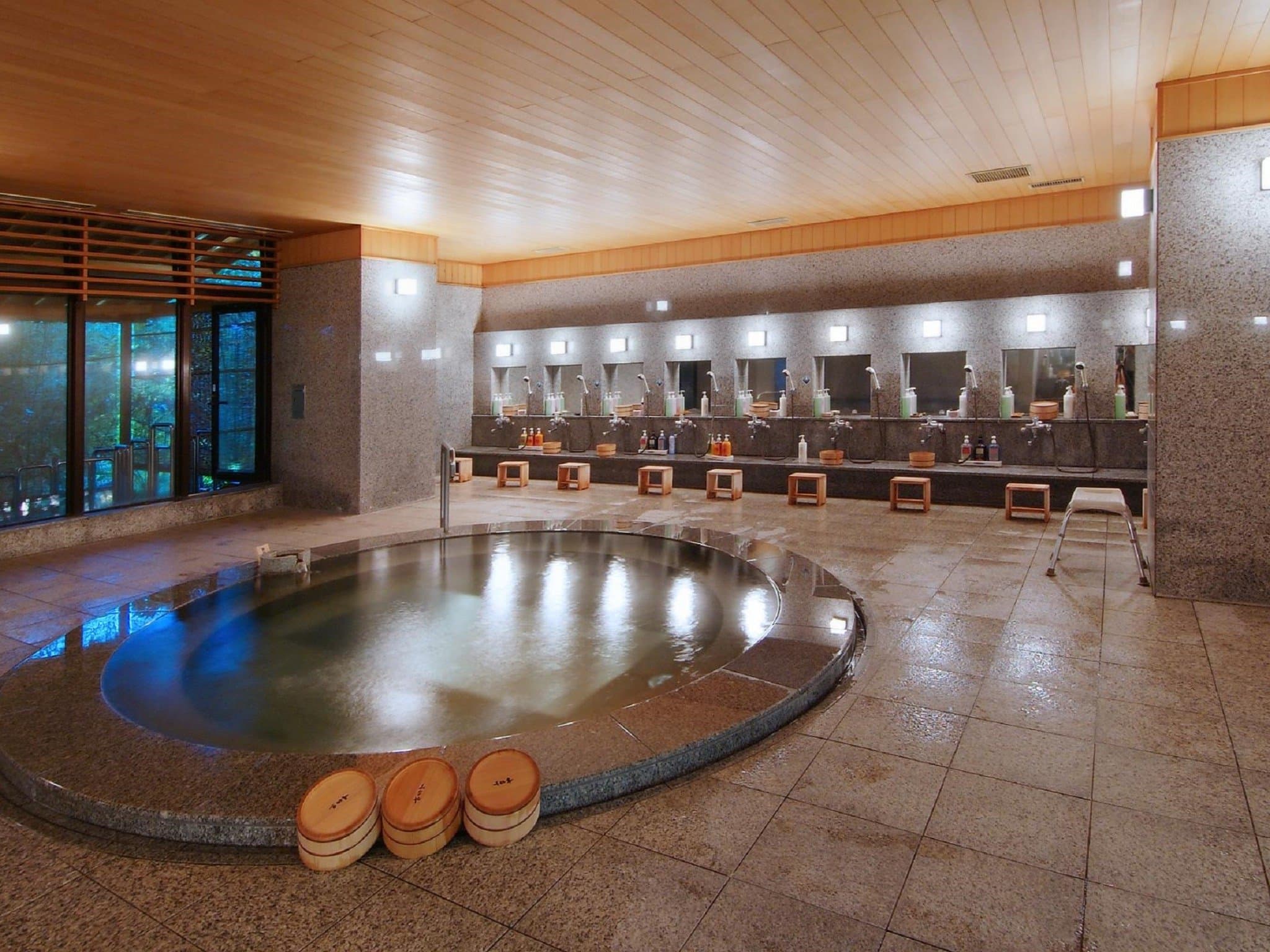
Bains onsen
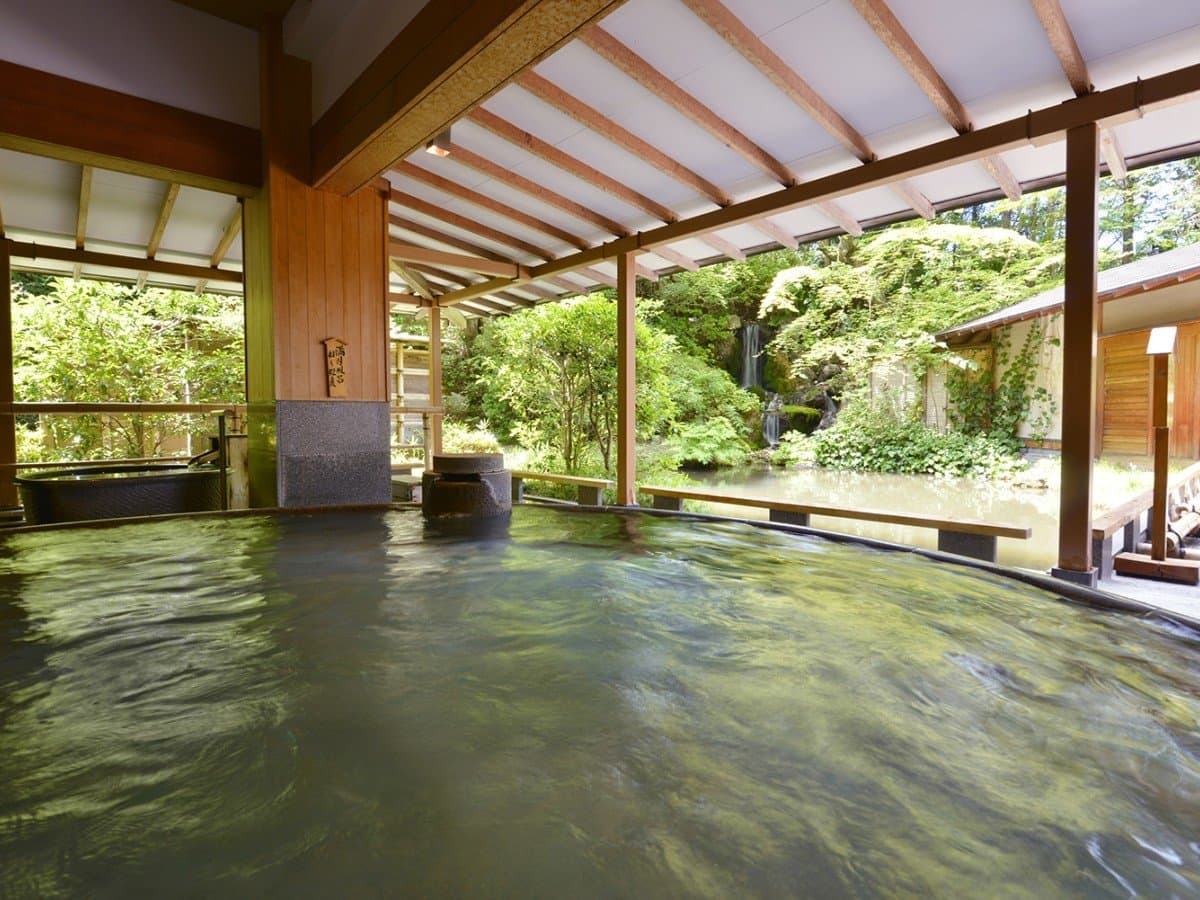
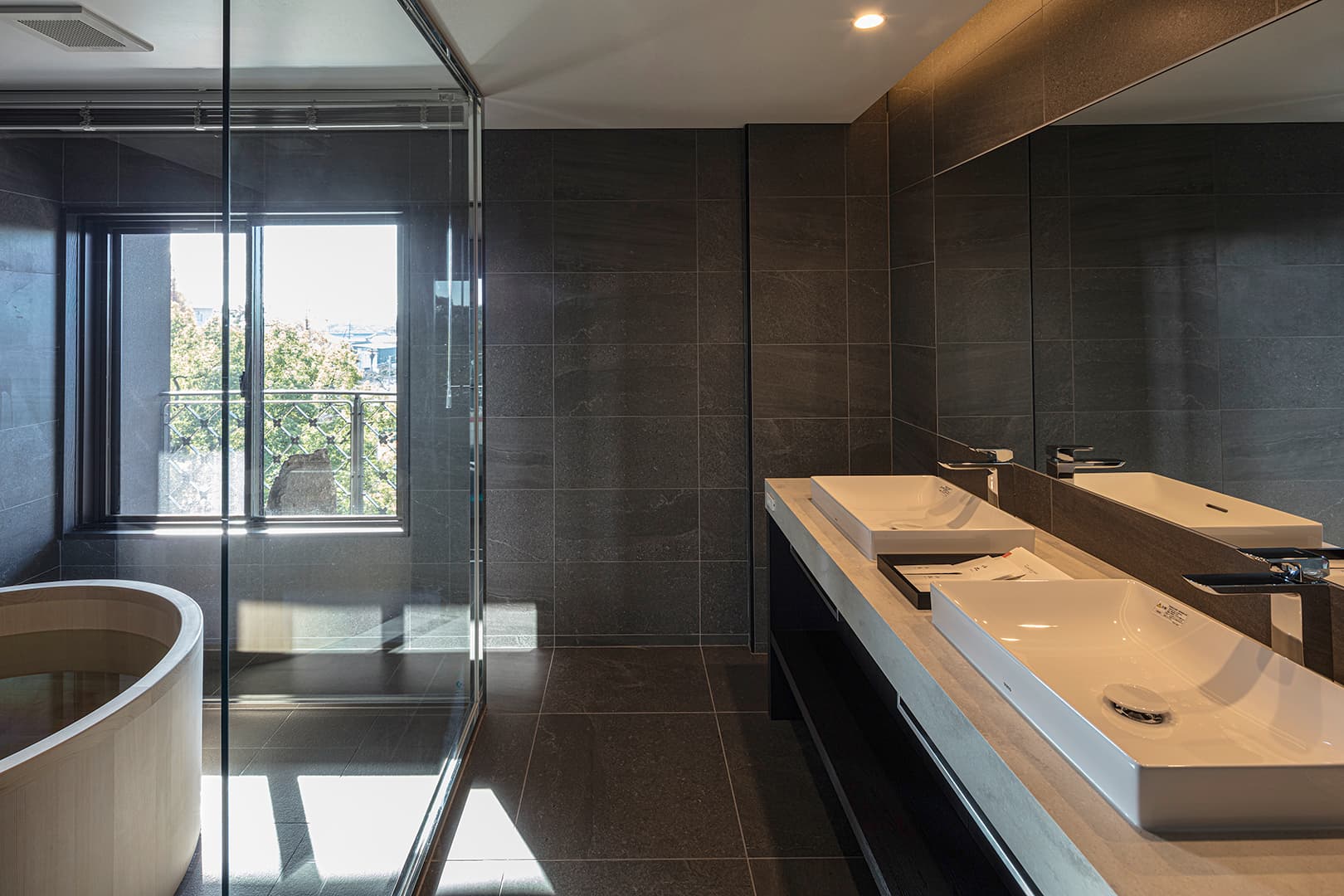
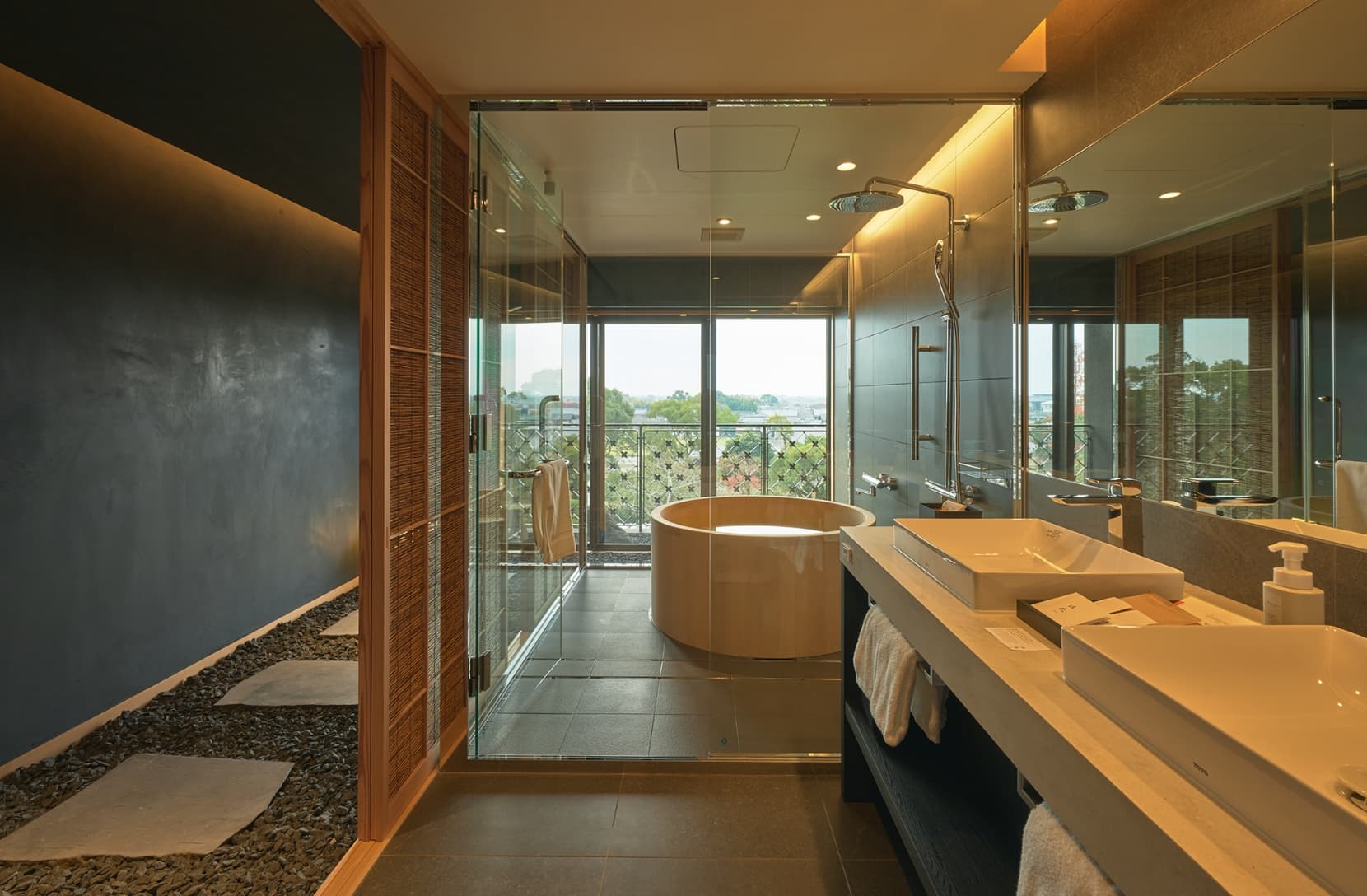
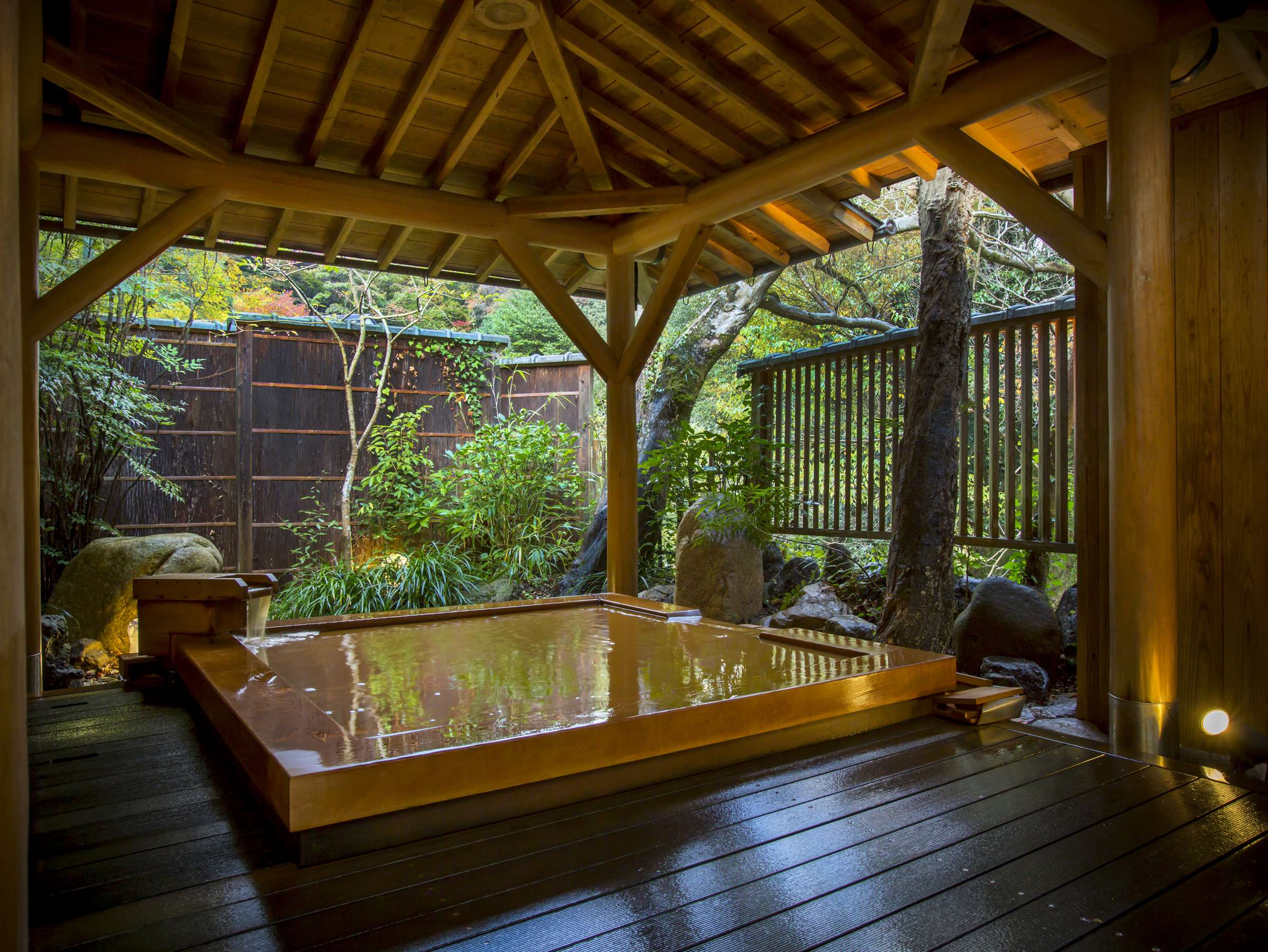
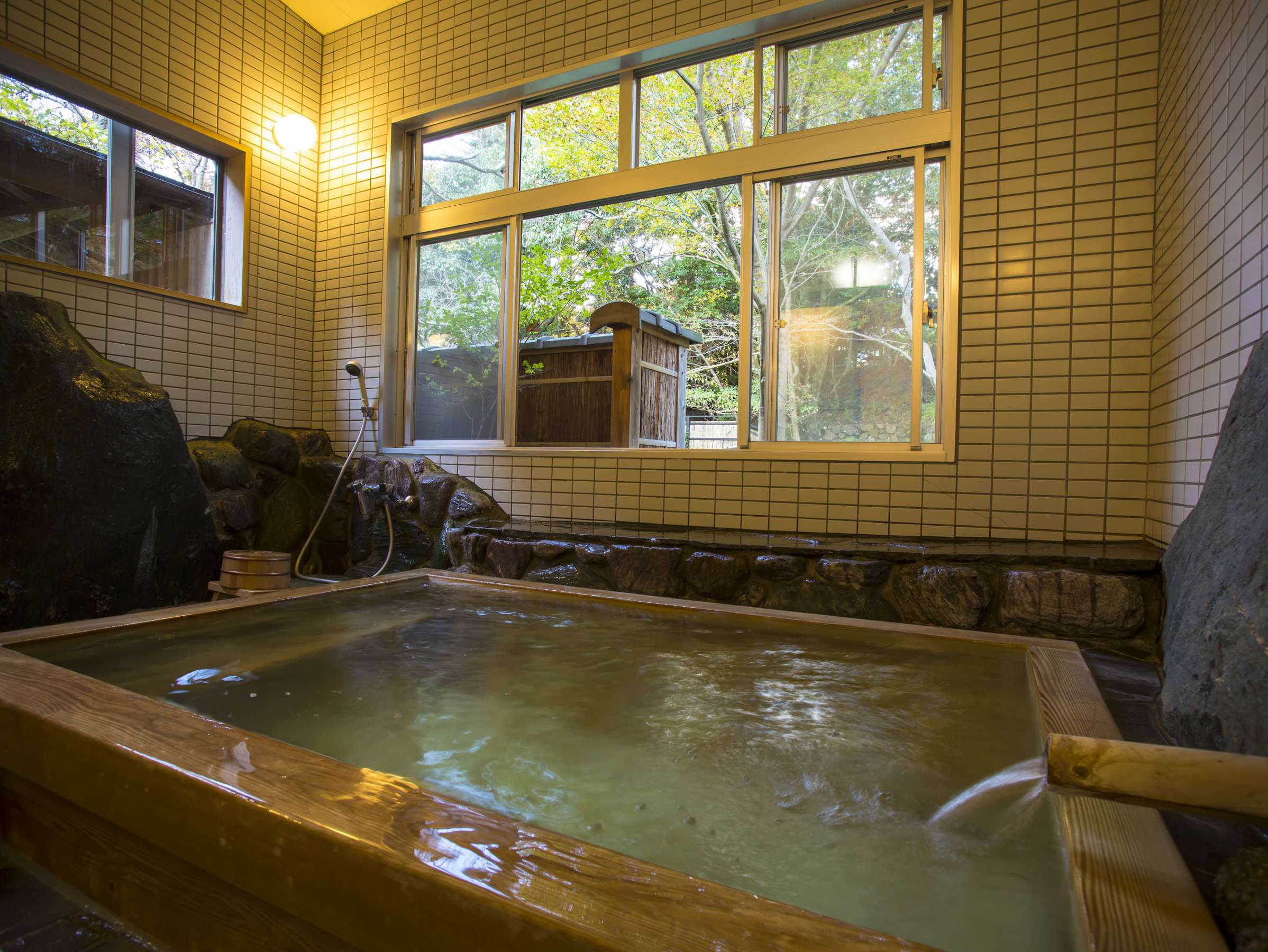
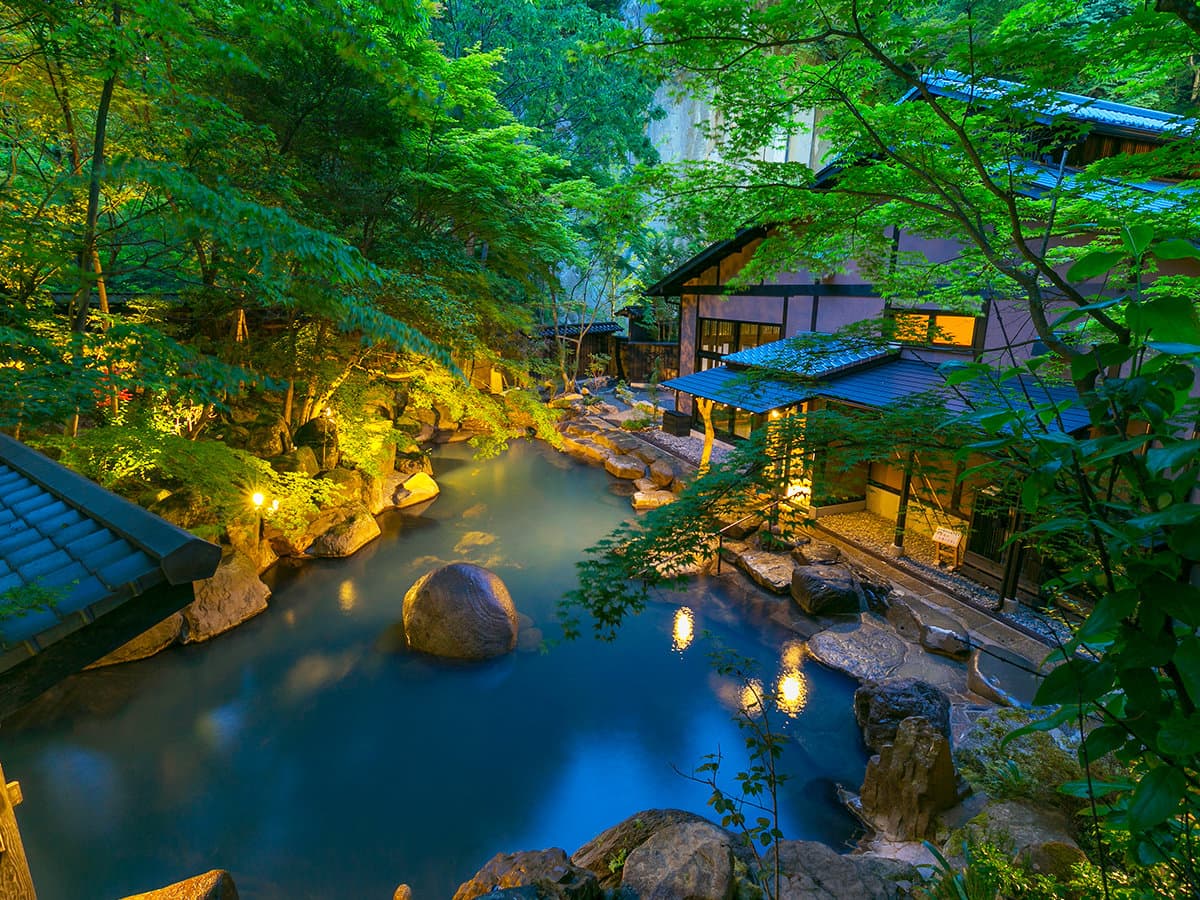
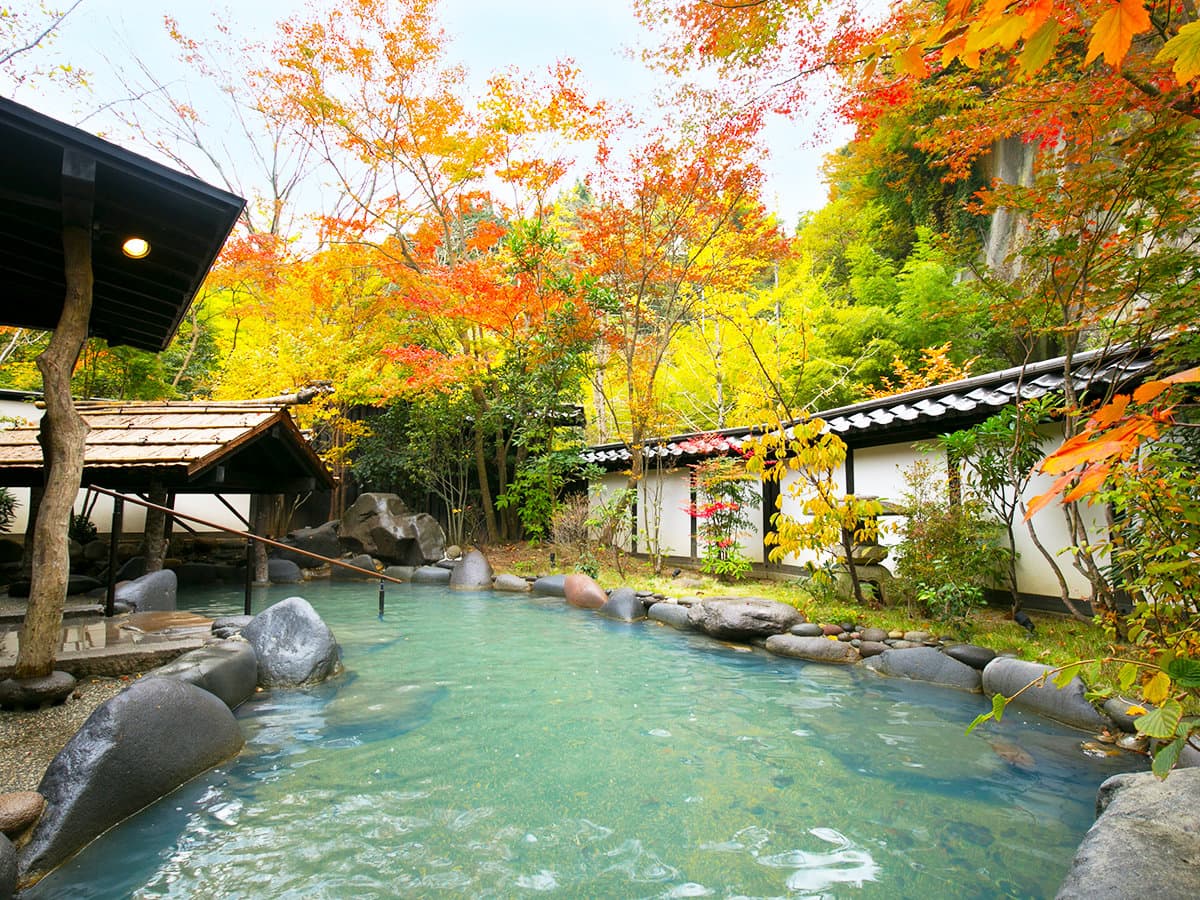
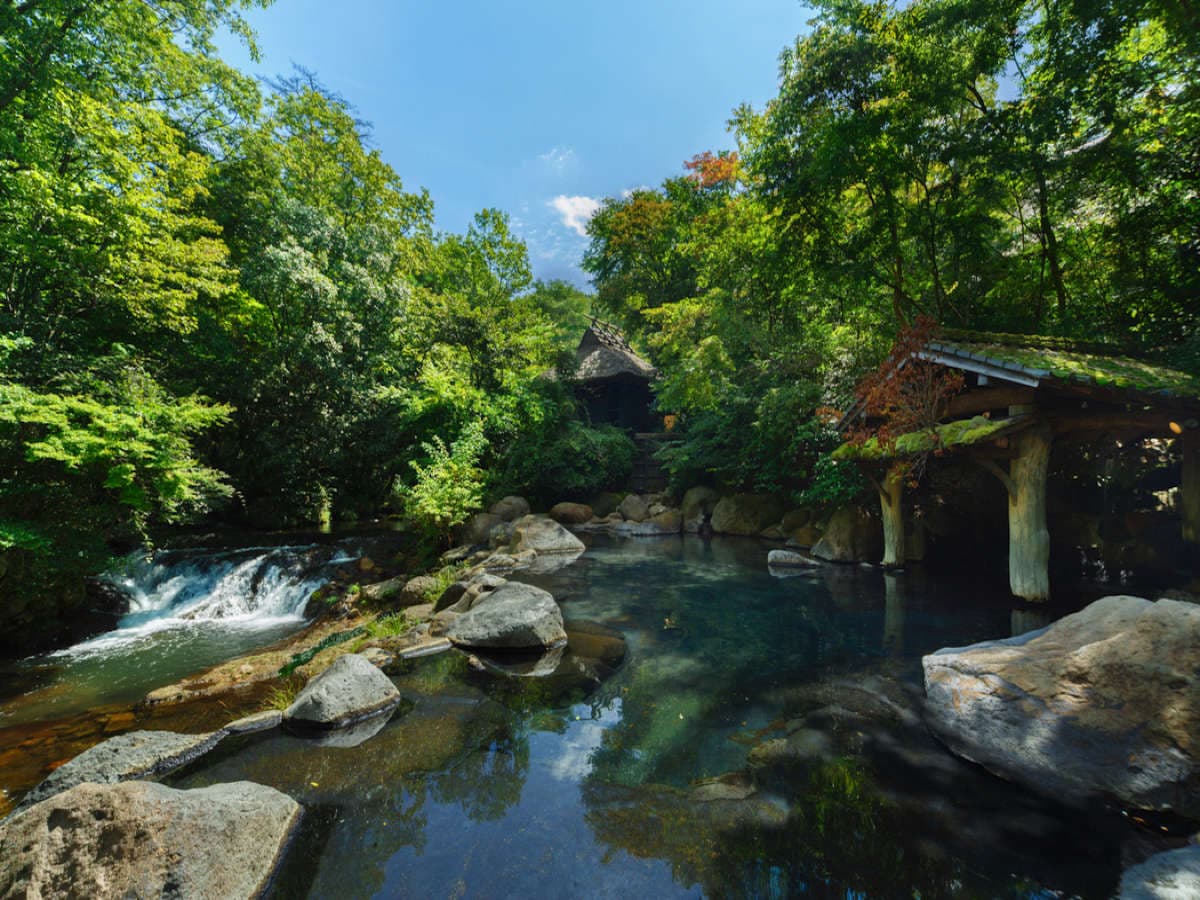
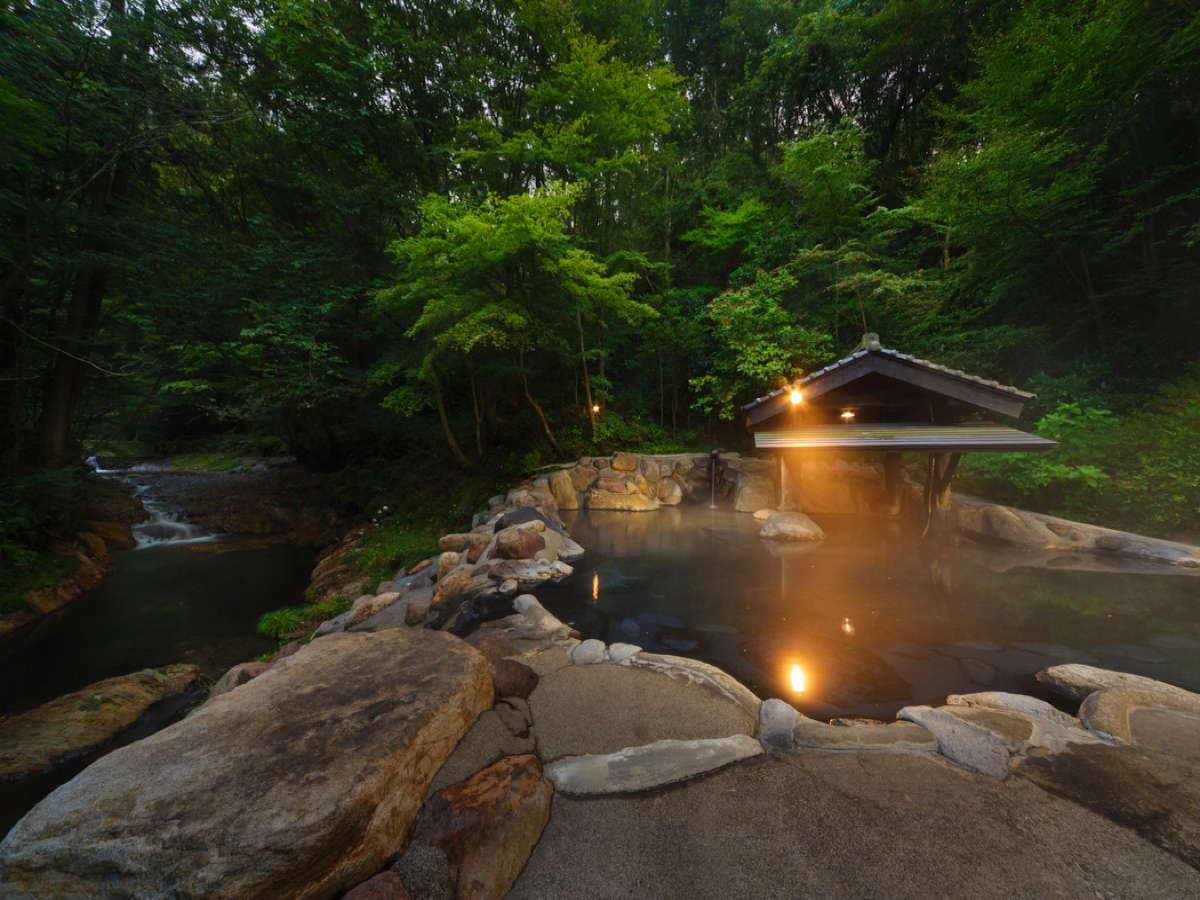
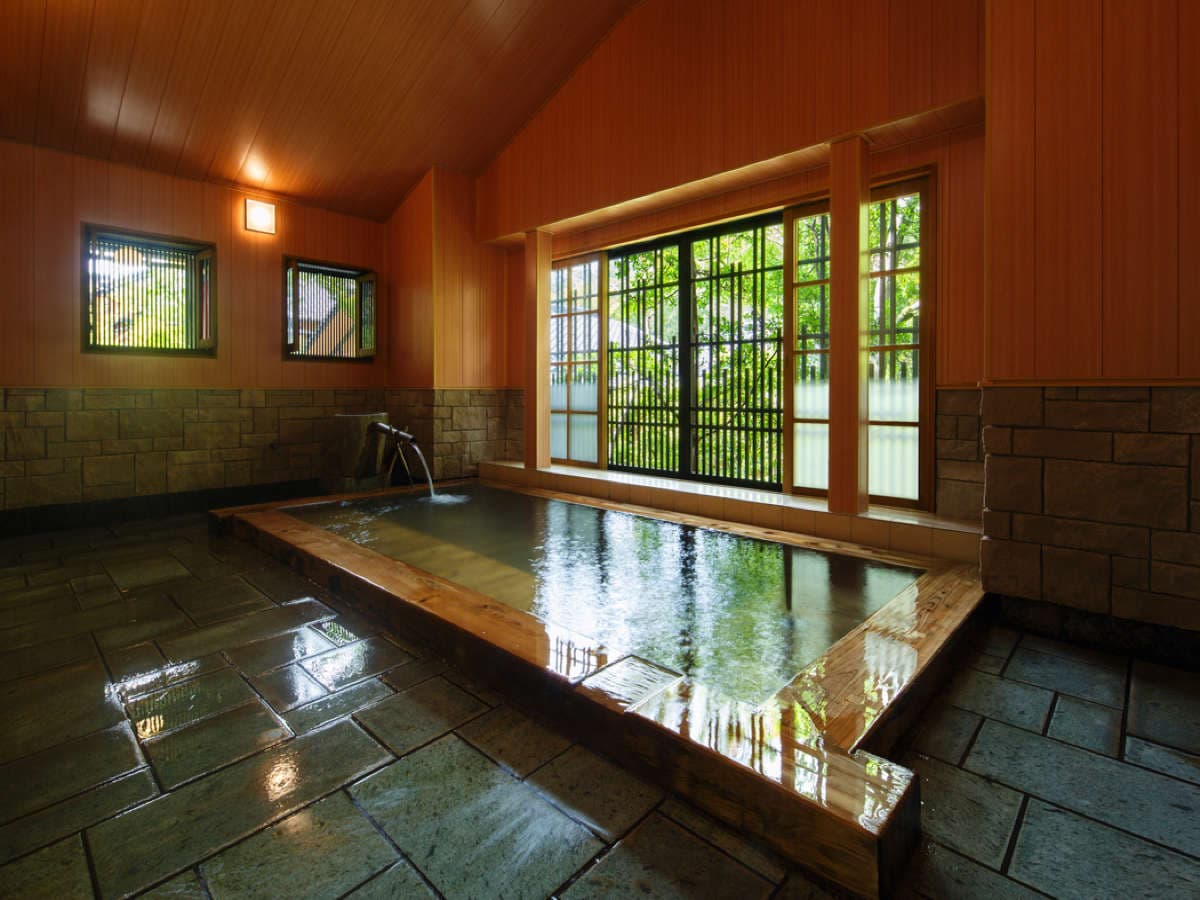
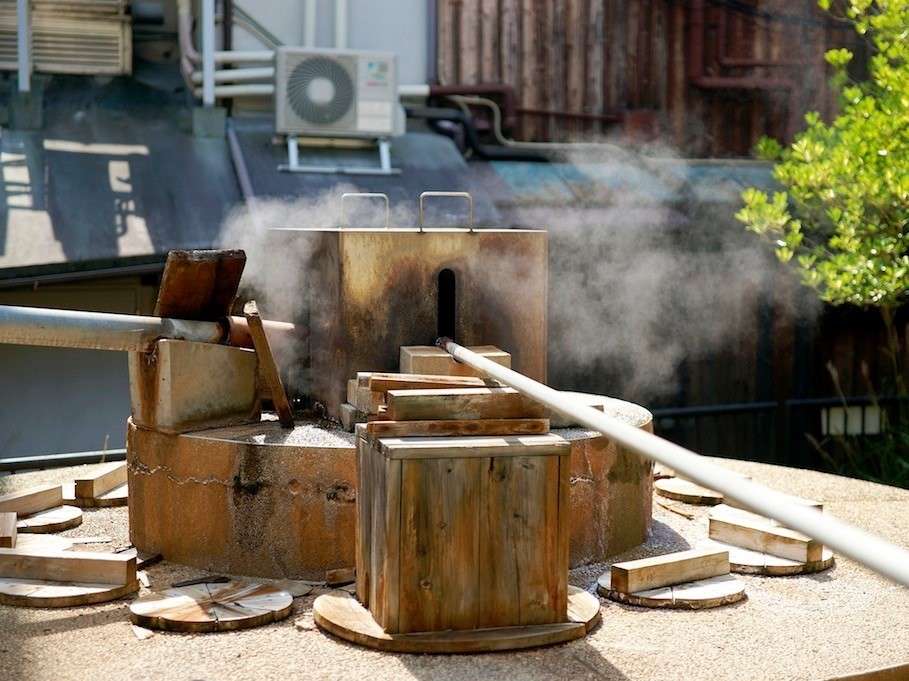
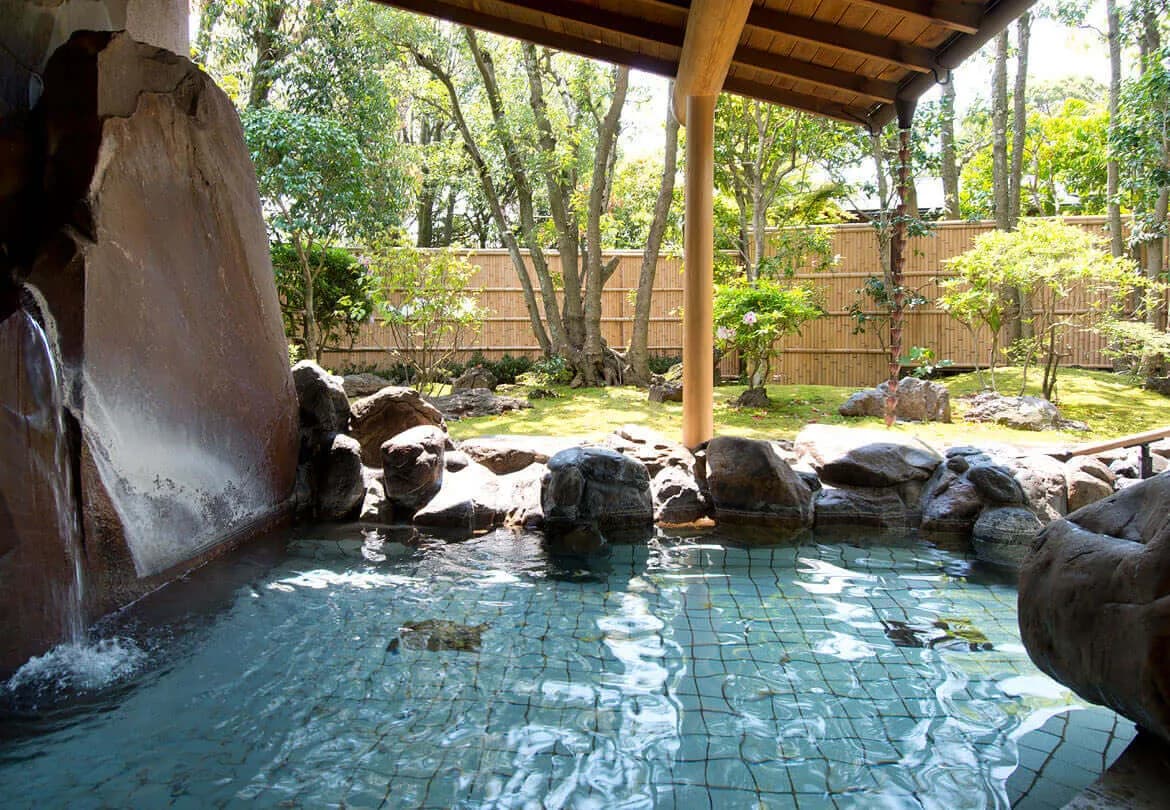
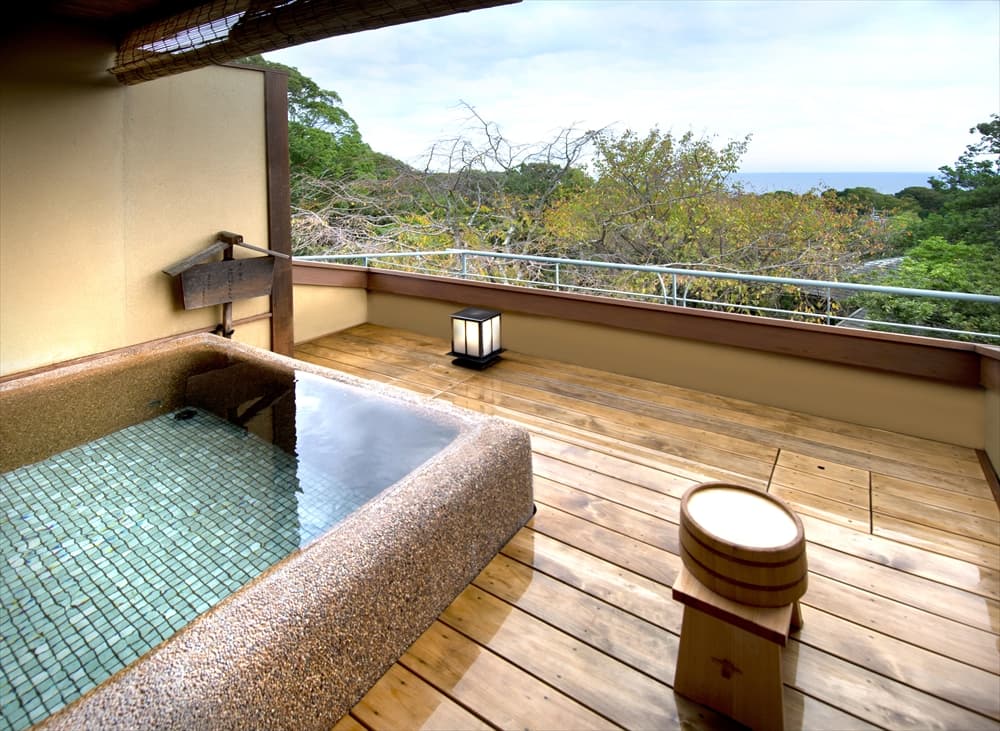
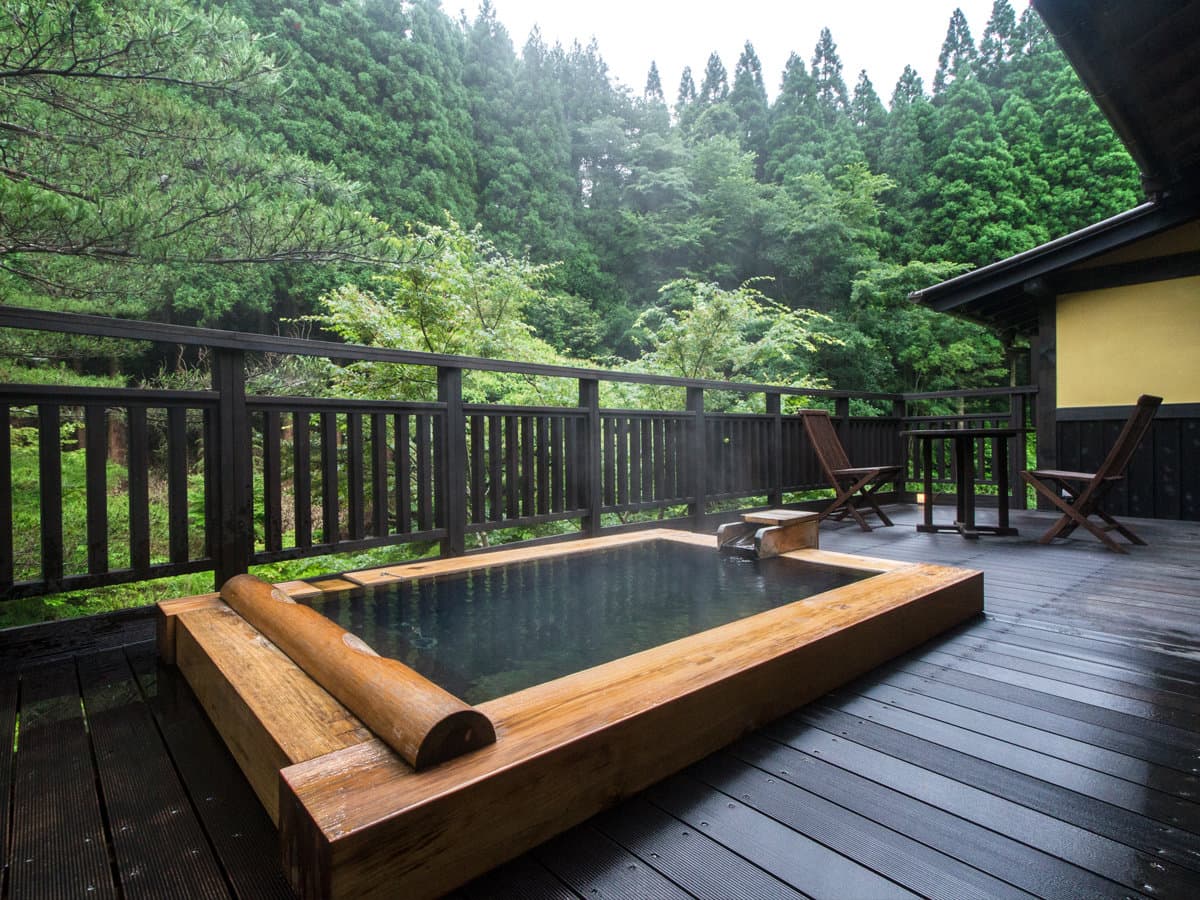
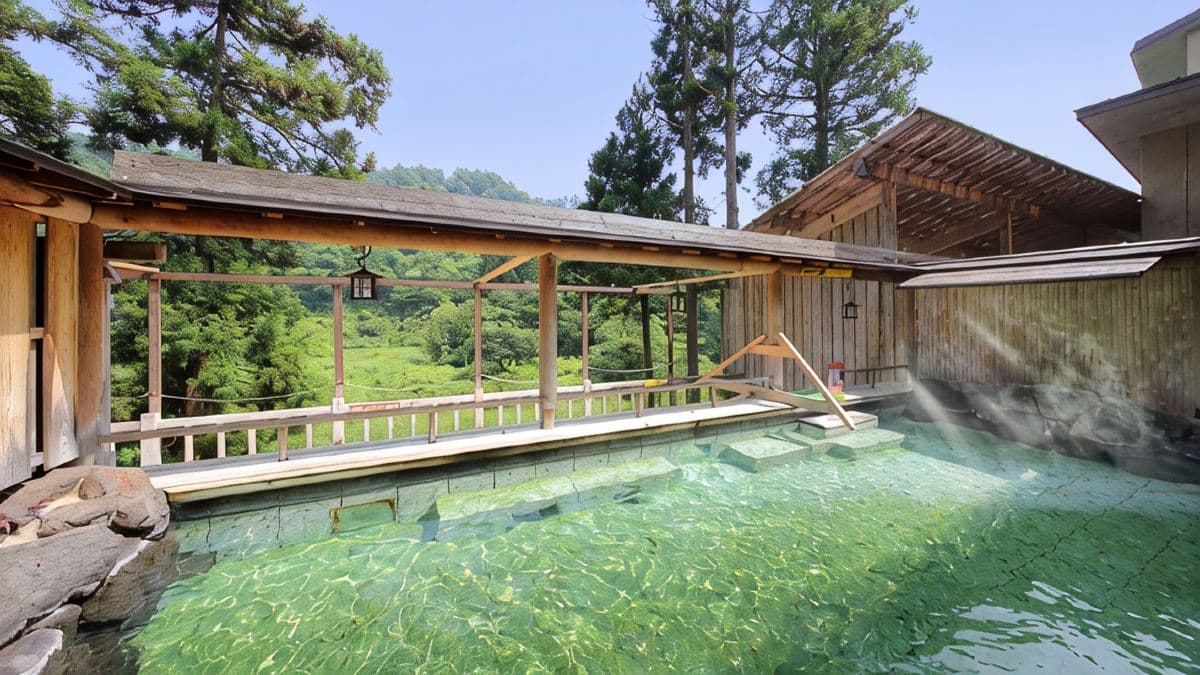
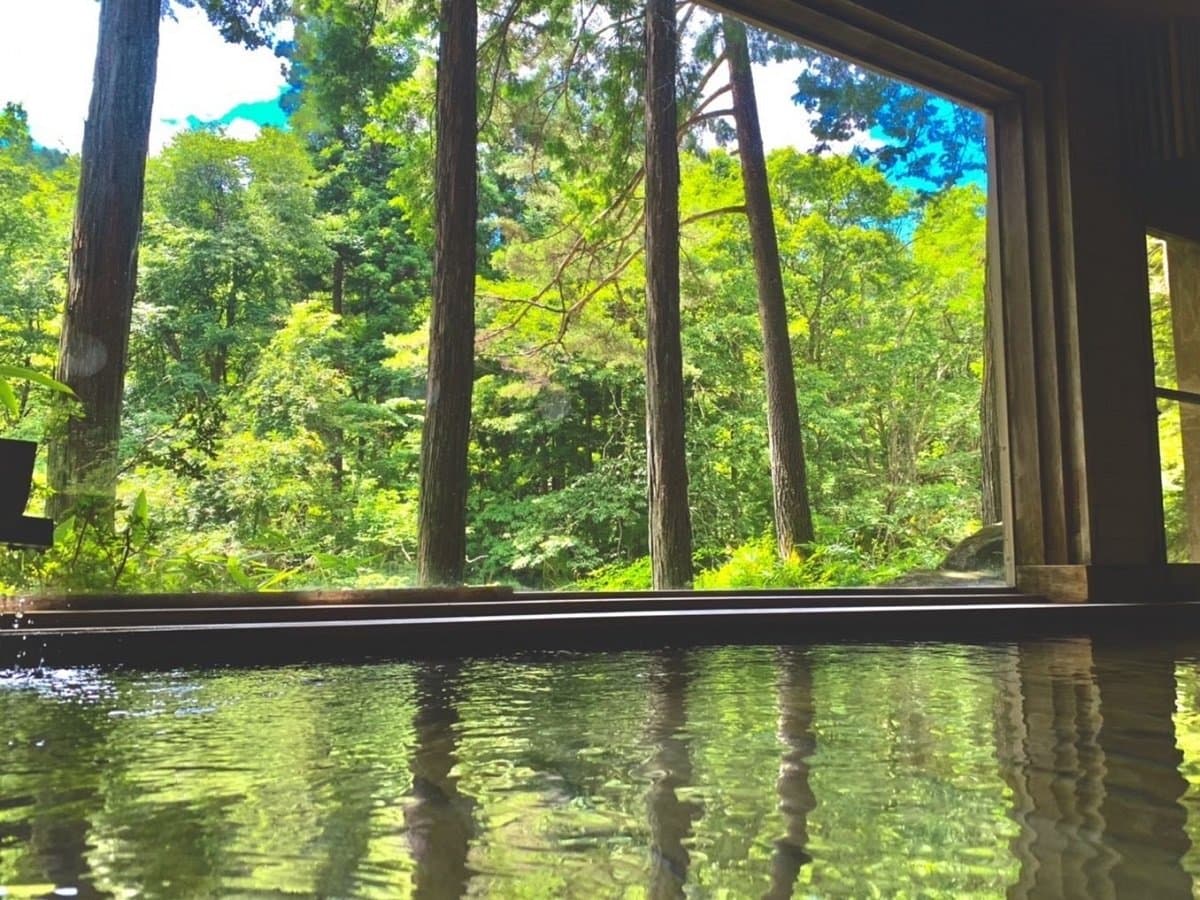
De l'eau de source chaude naturelle puisée dans les profondeurs volcaniques. Les minéraux de chaque région créent des propriétés curatives uniques.

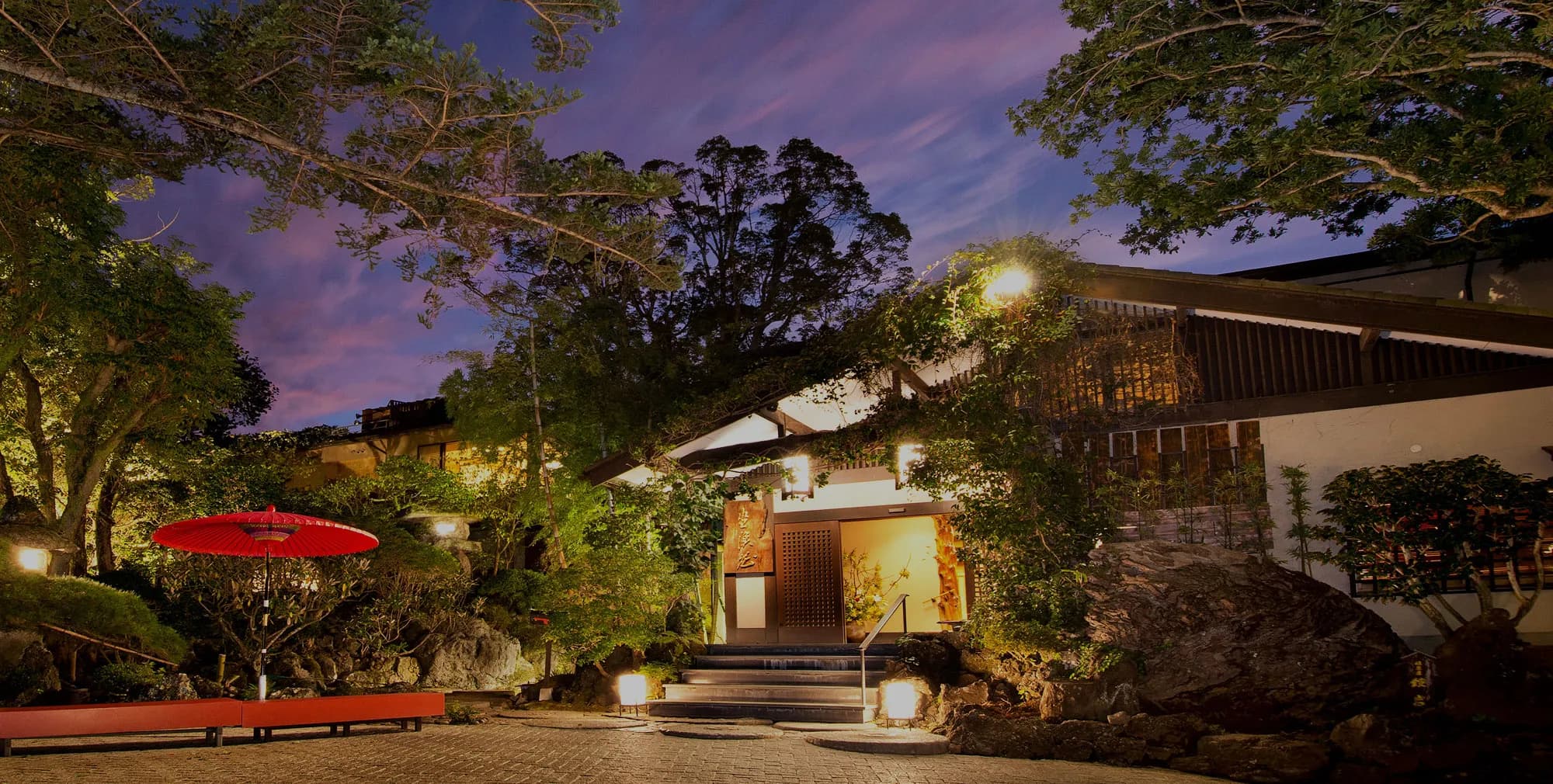
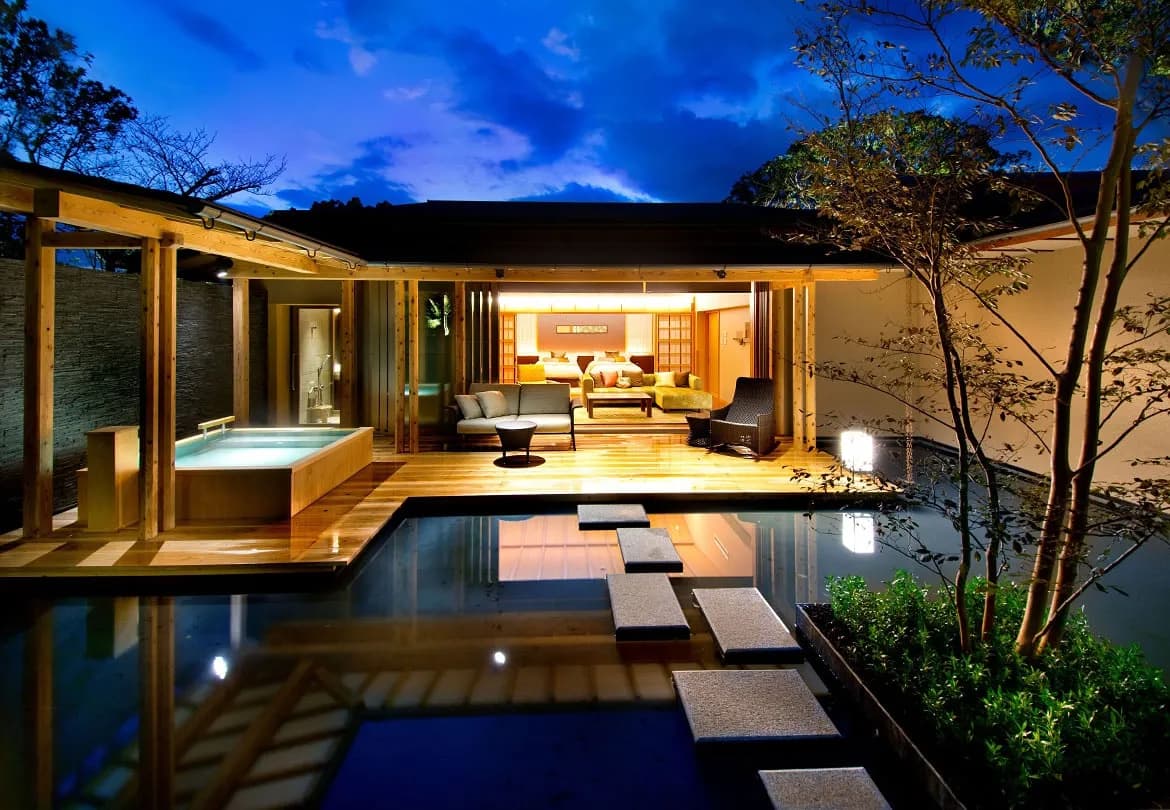
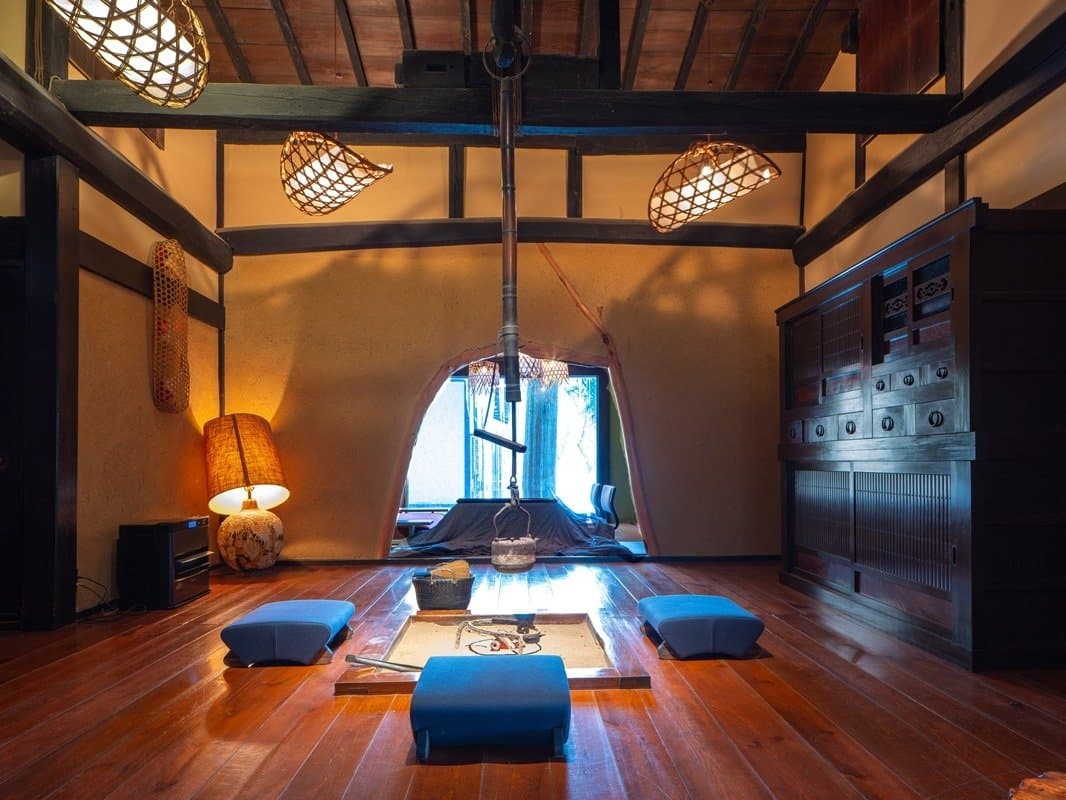
Des ryokans triés sur le volet avec onsen, cuisine kaiseki et traditions intemporelles.
633 ryokans sélectionnés à travers 37 régions
Ce qui le rend unique
De l'eau de source chaude naturelle puisée dans les profondeurs volcaniques. Les minéraux de chaque région créent des propriétés curatives uniques.

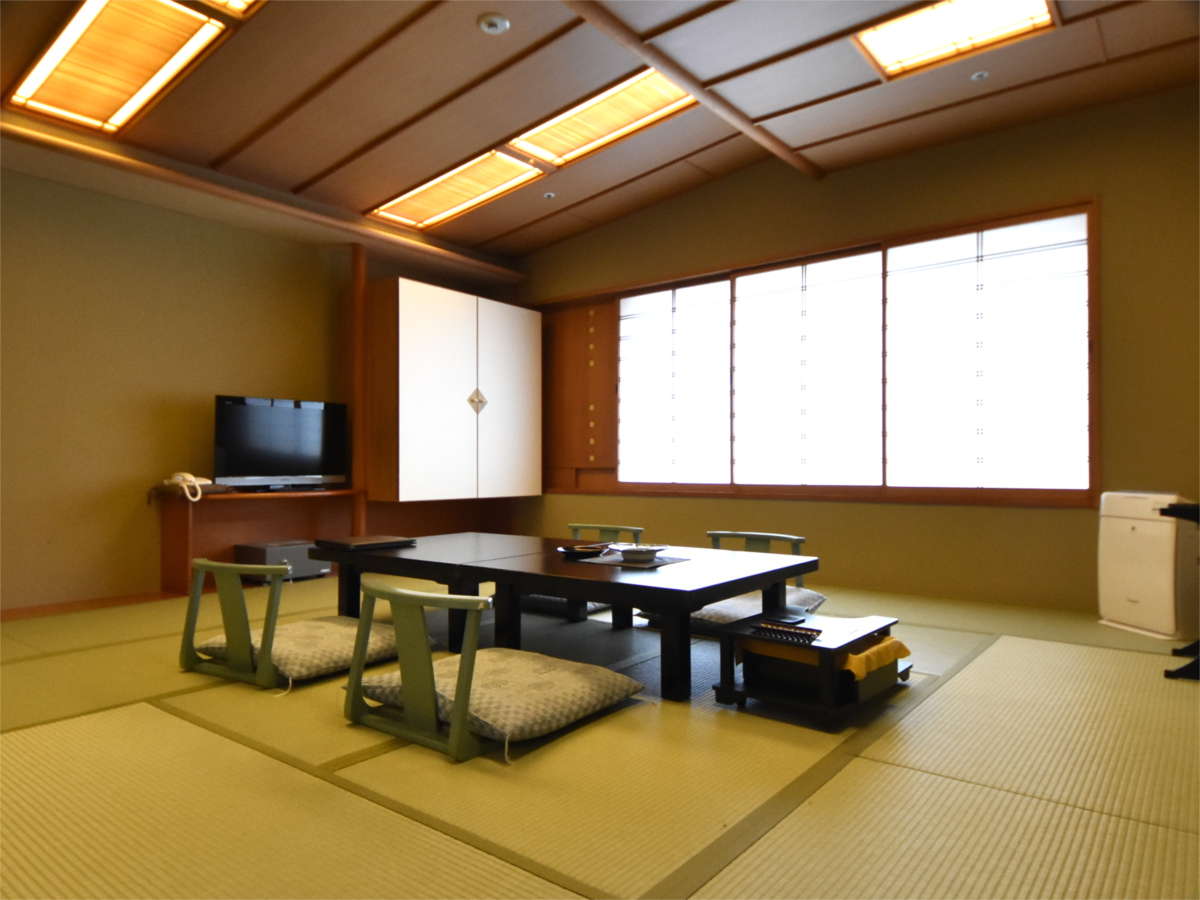
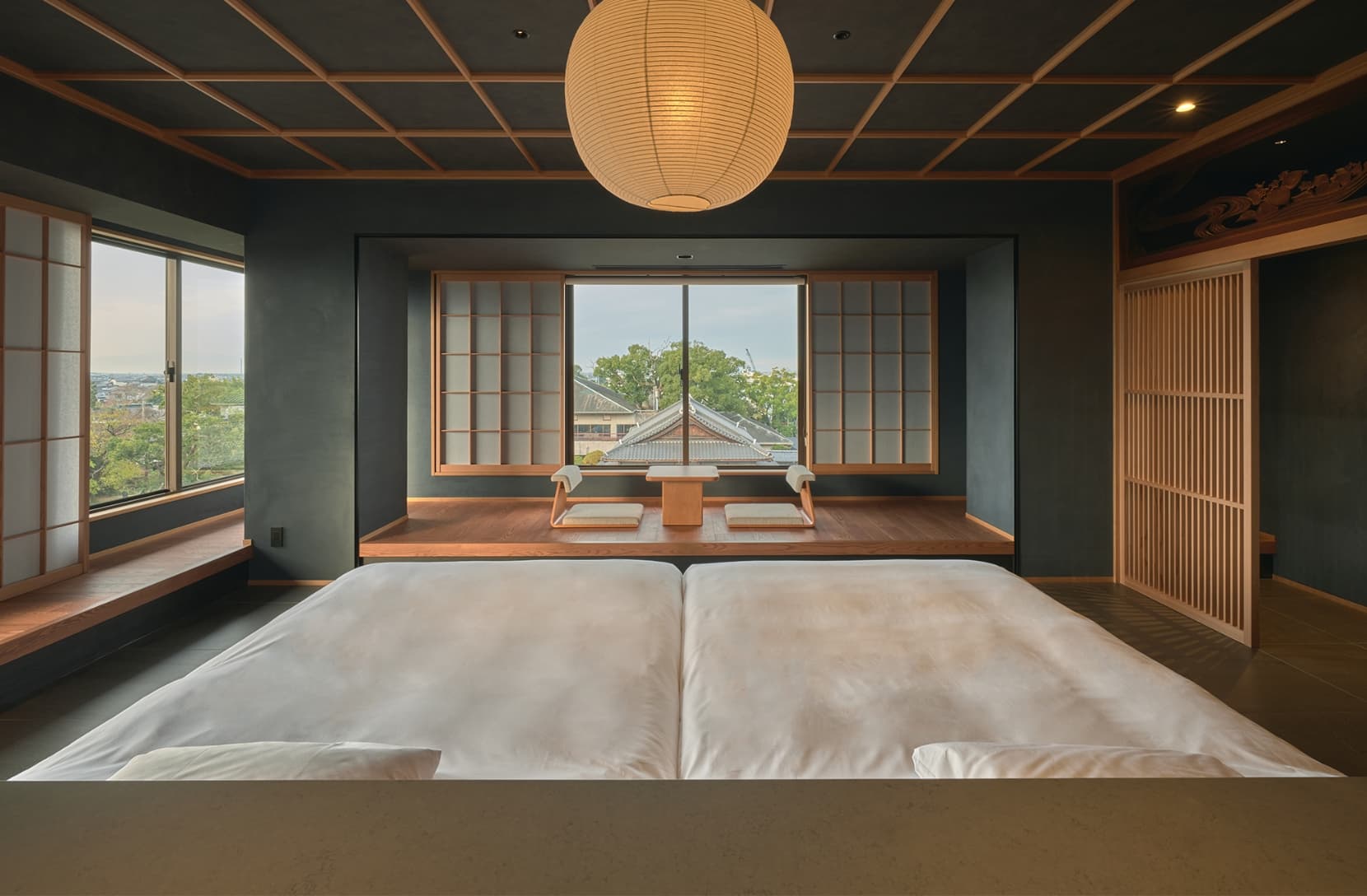
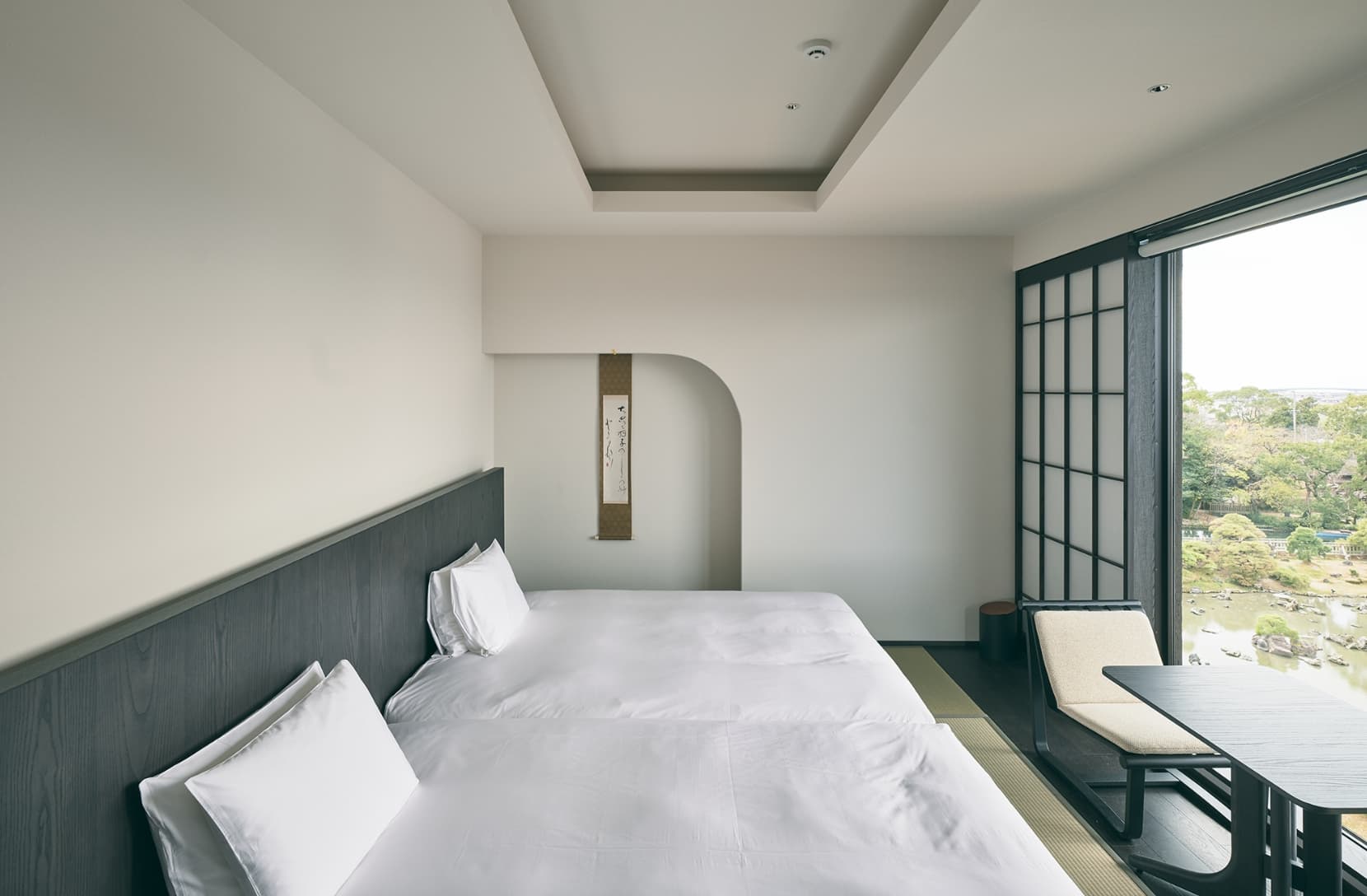
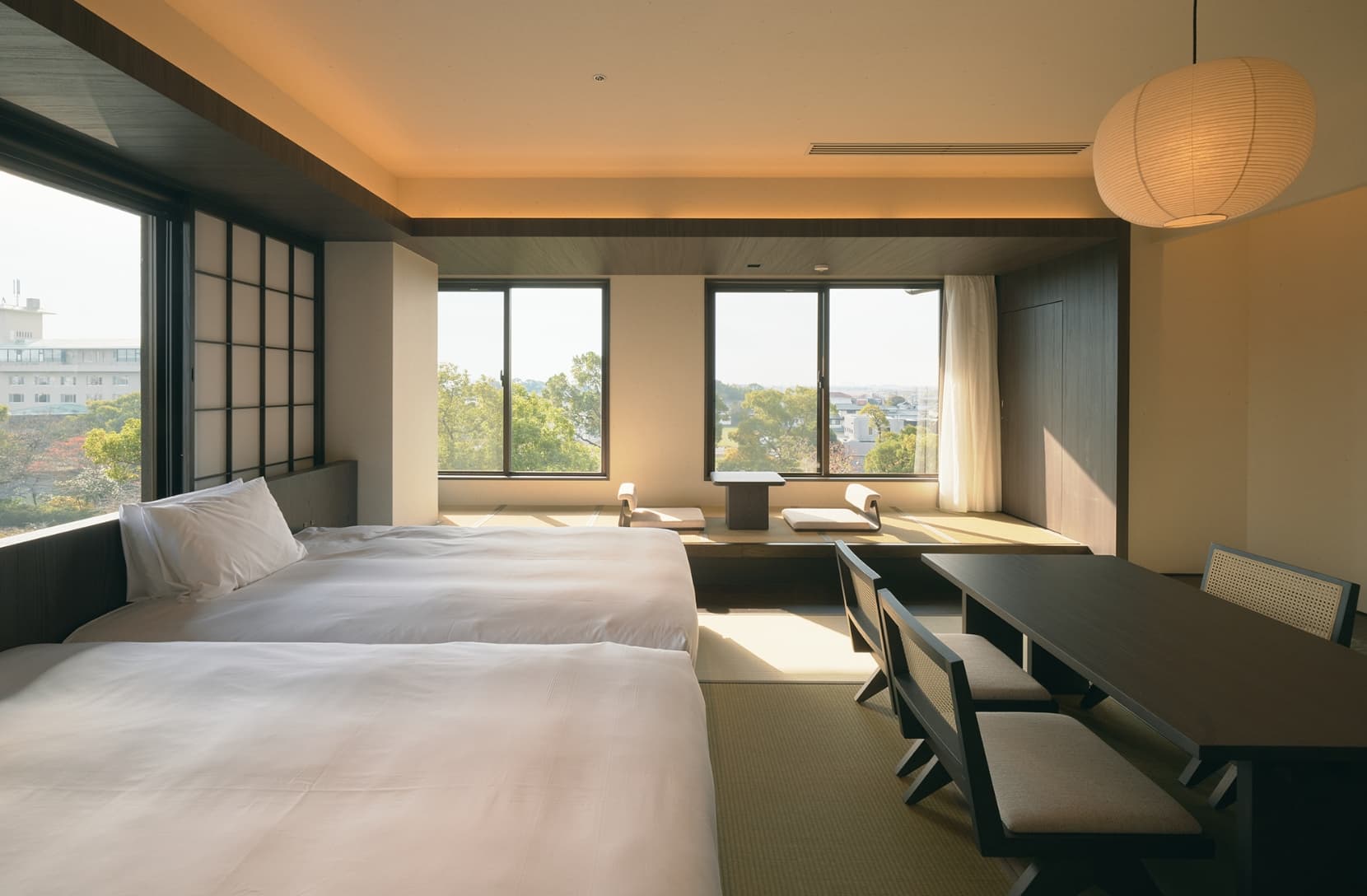
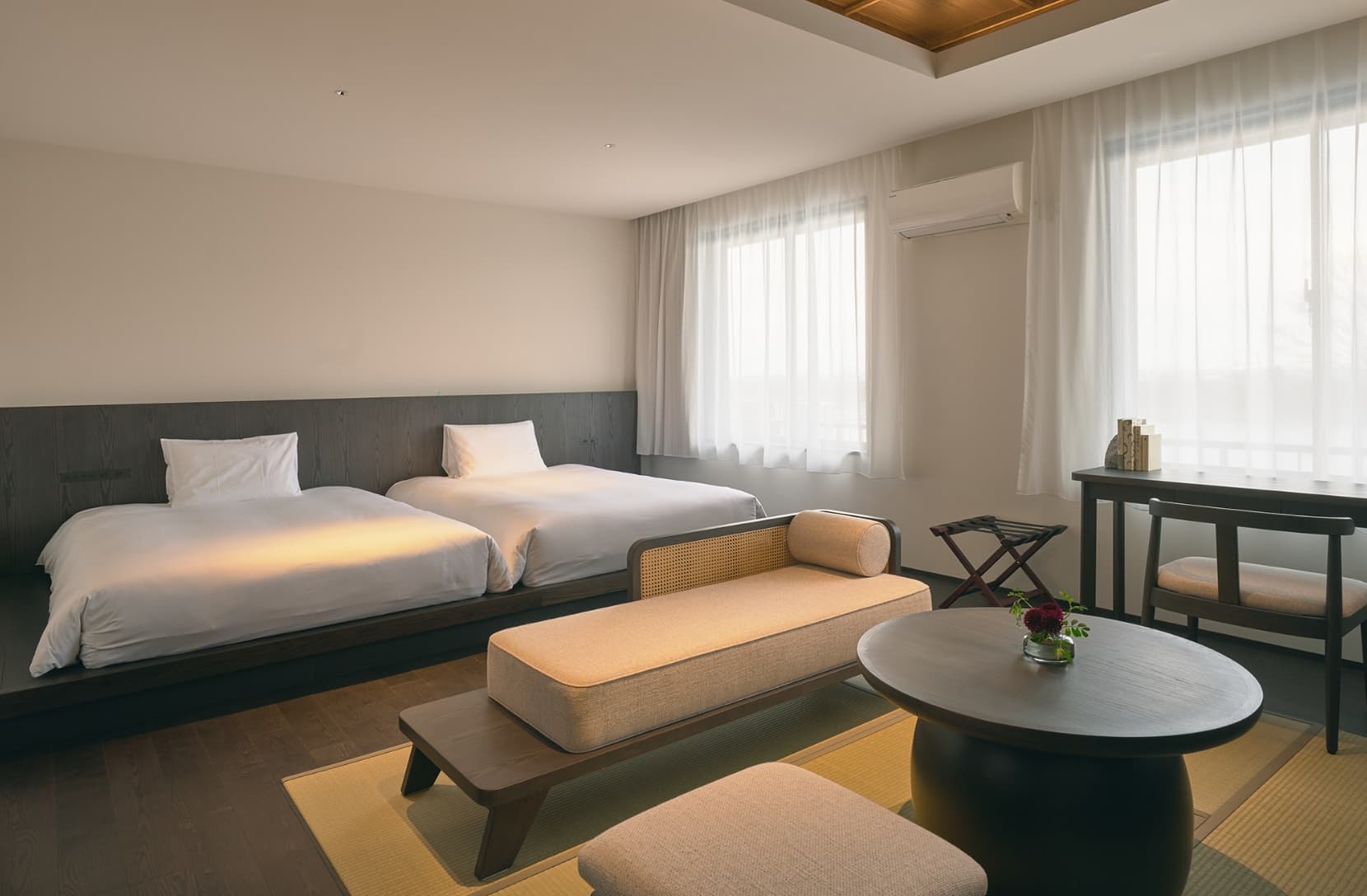
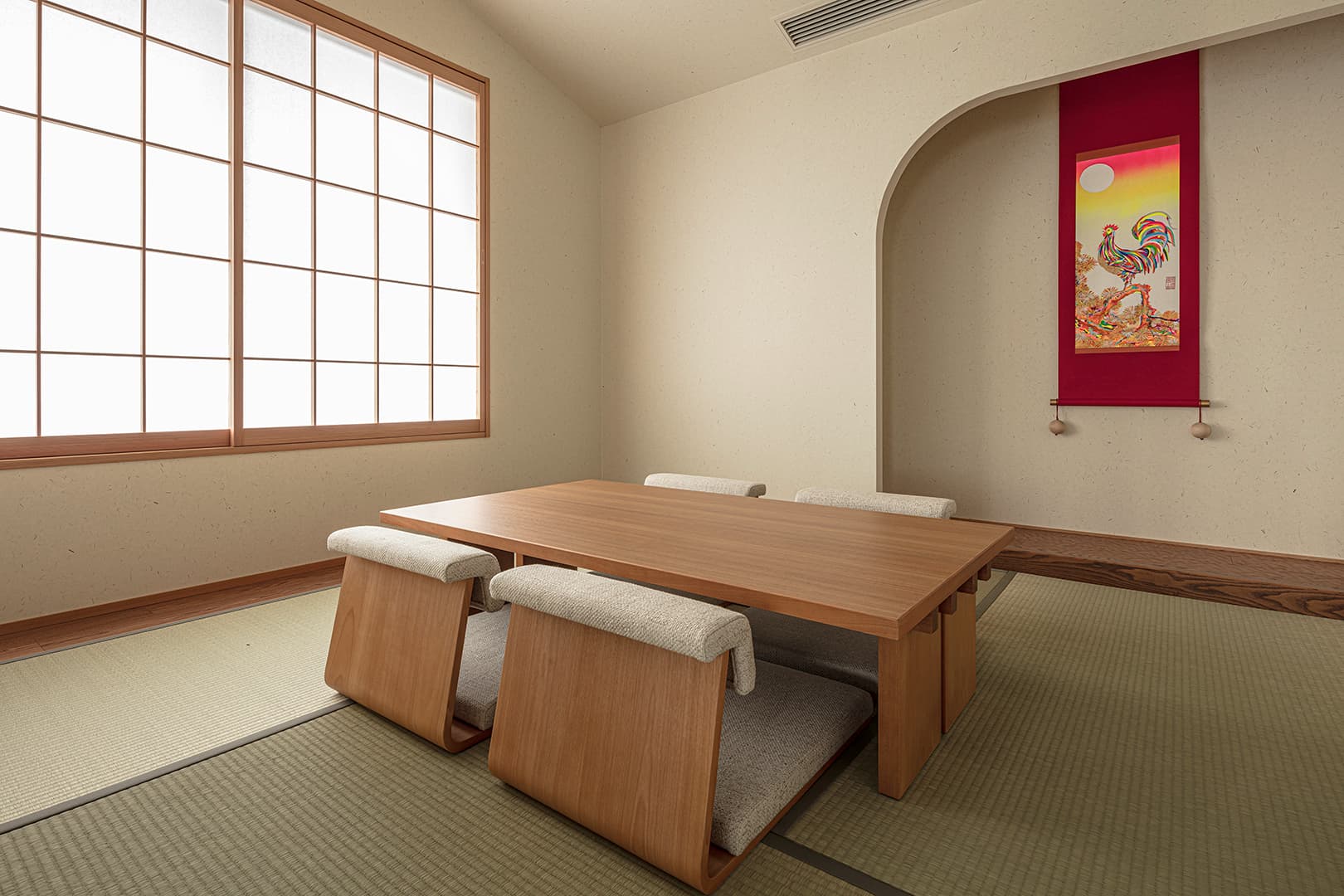
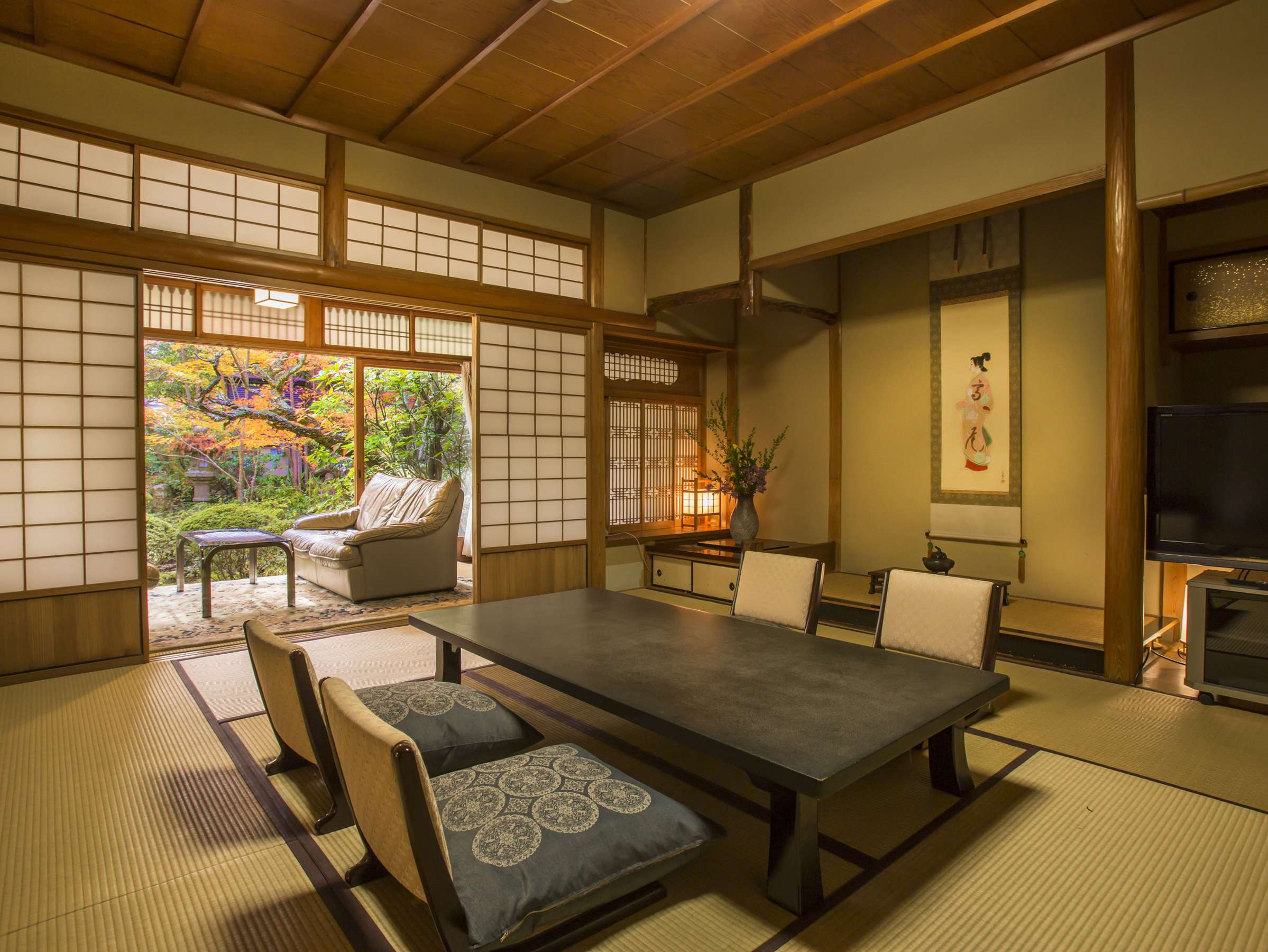
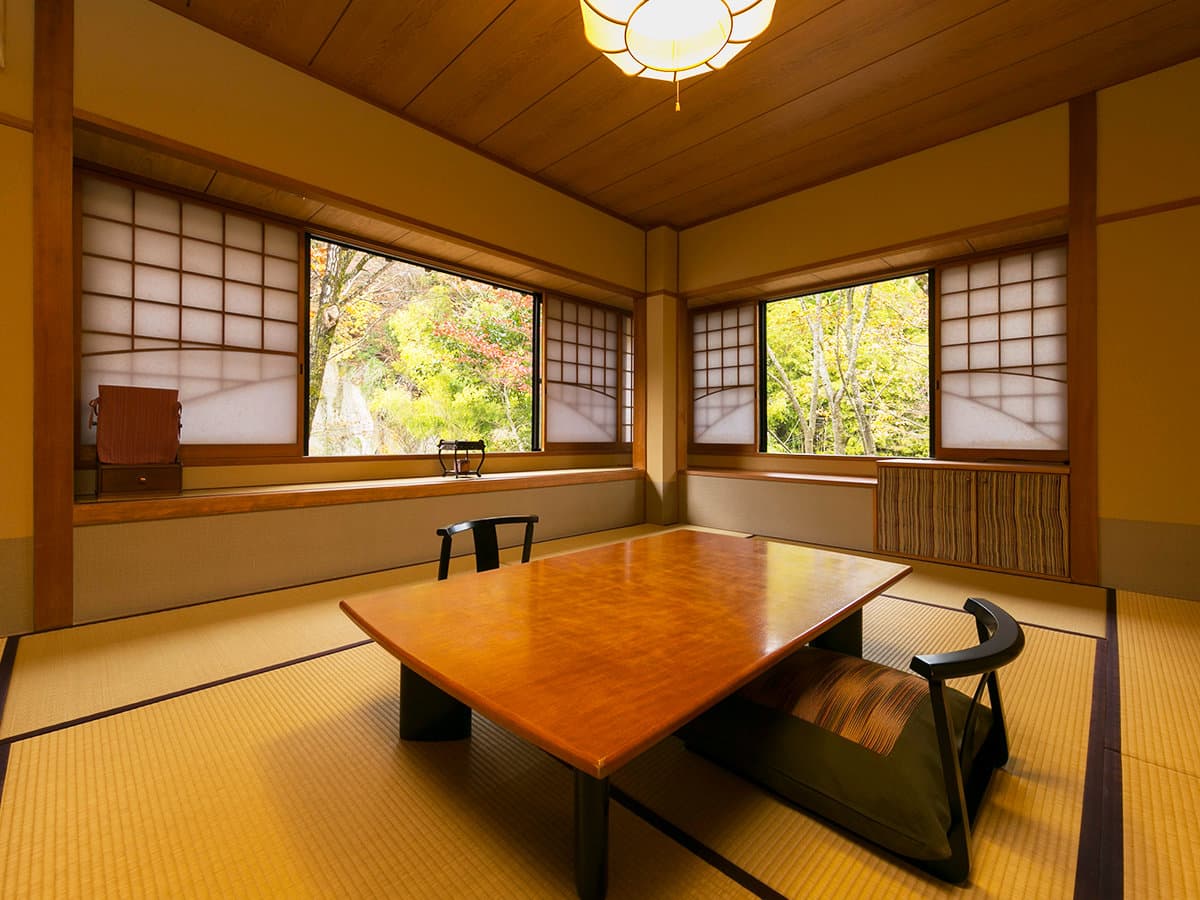
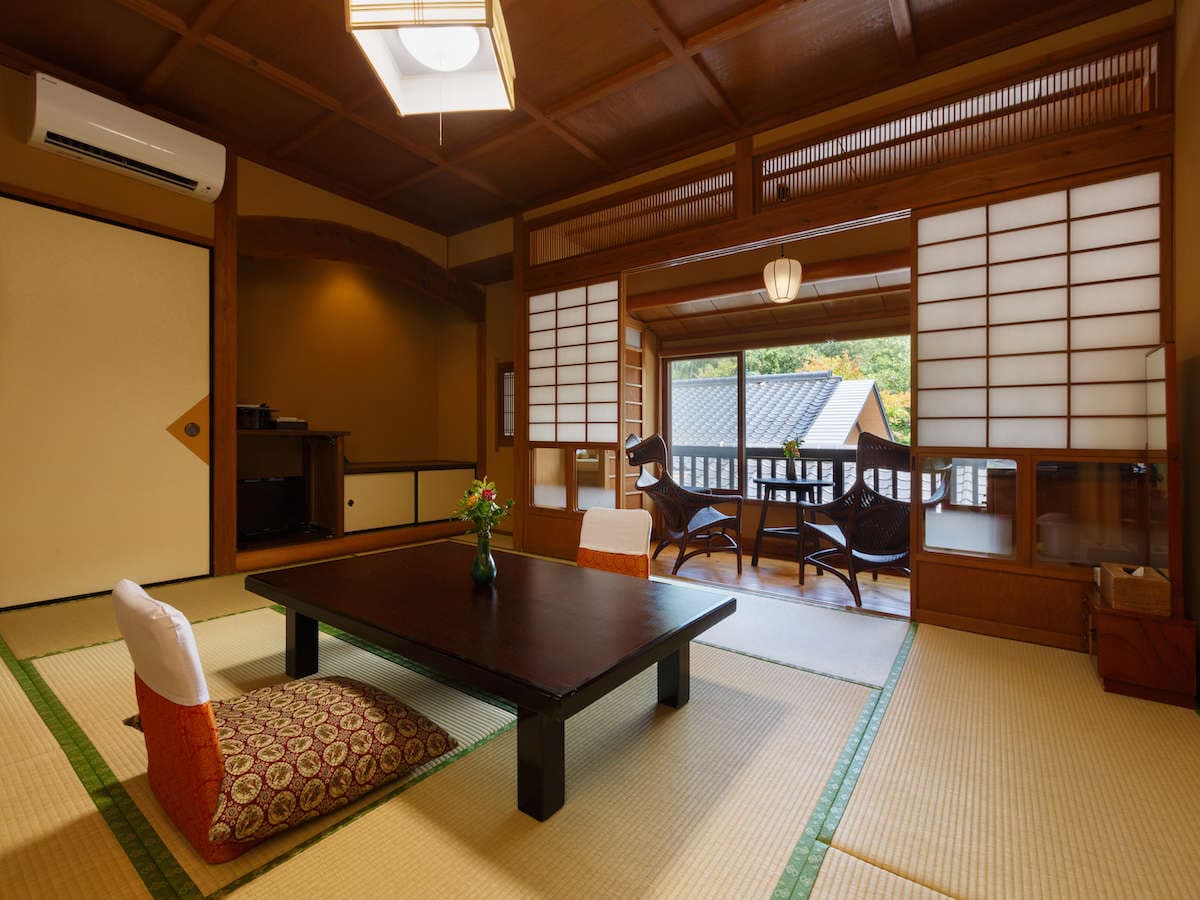
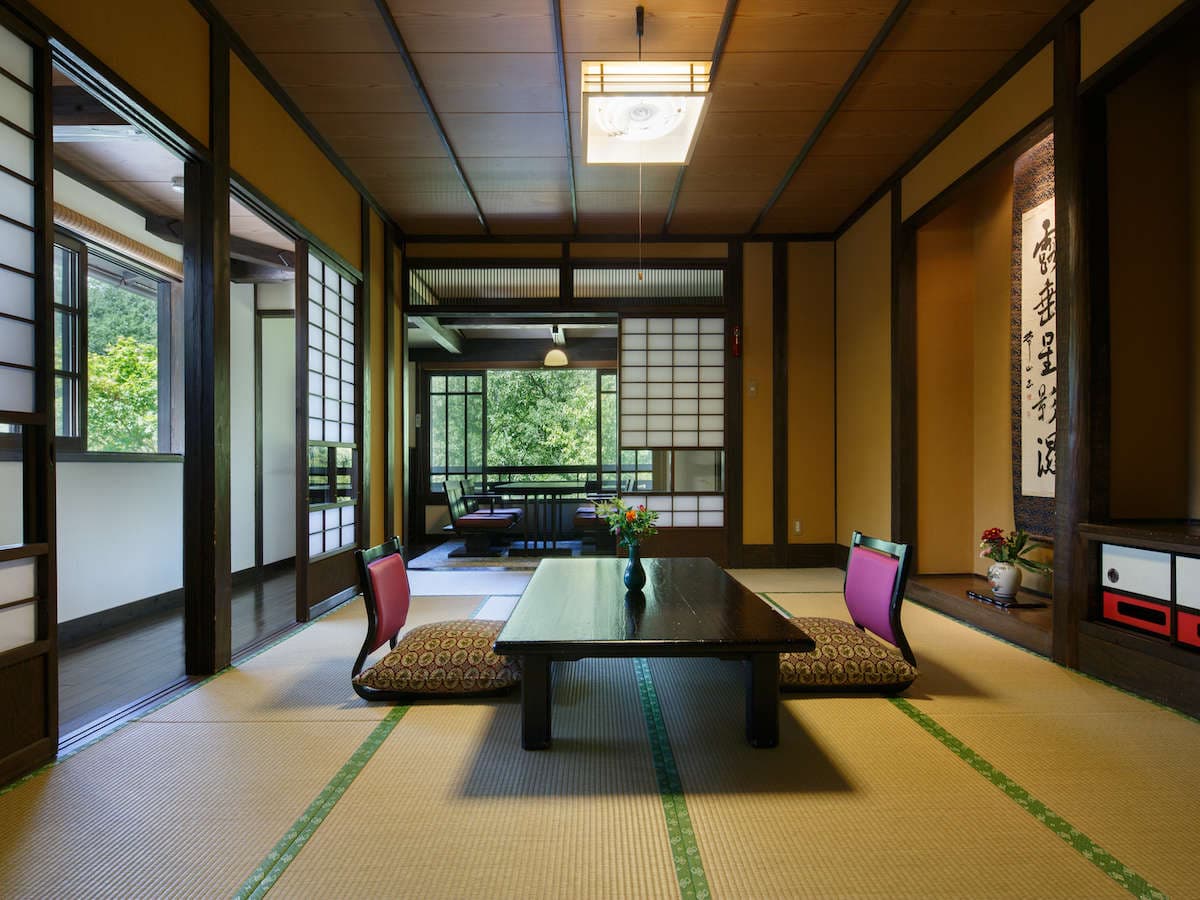
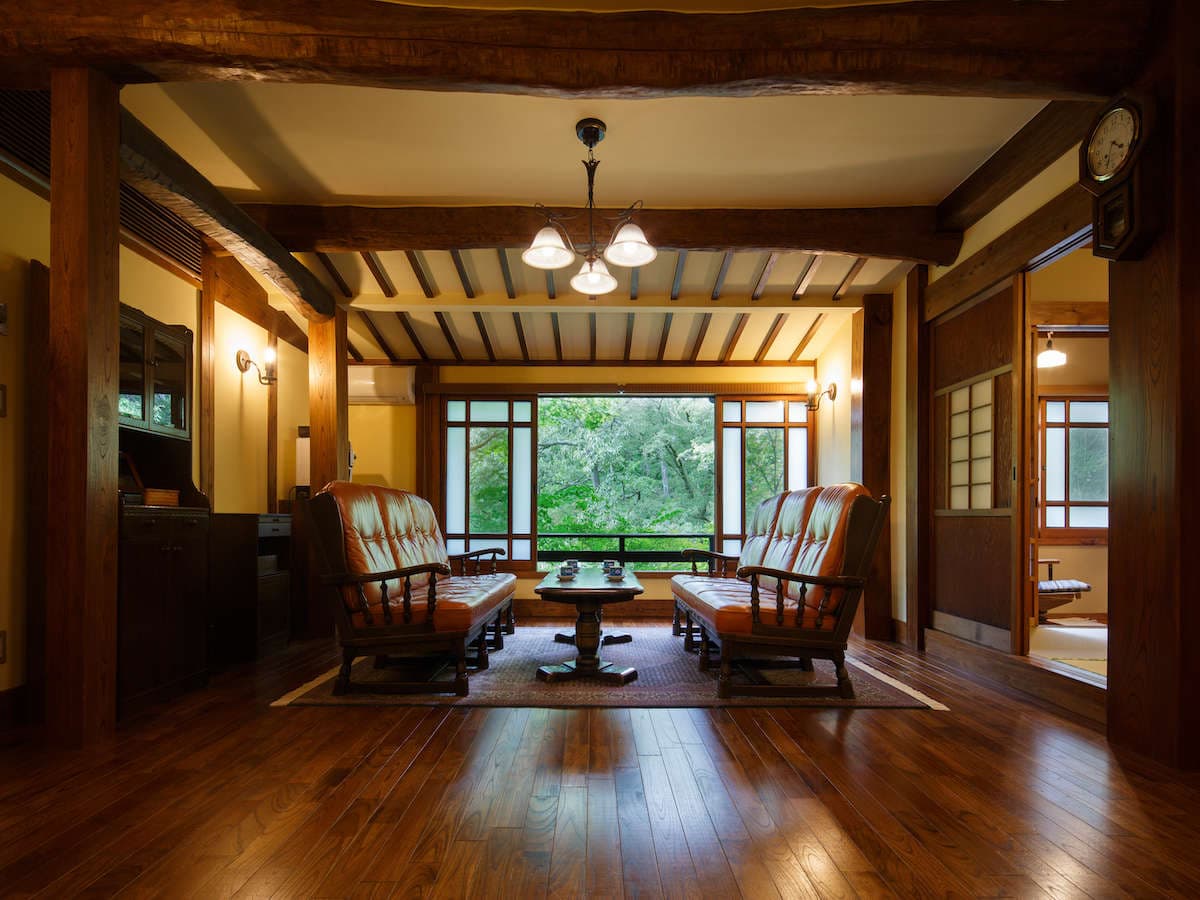
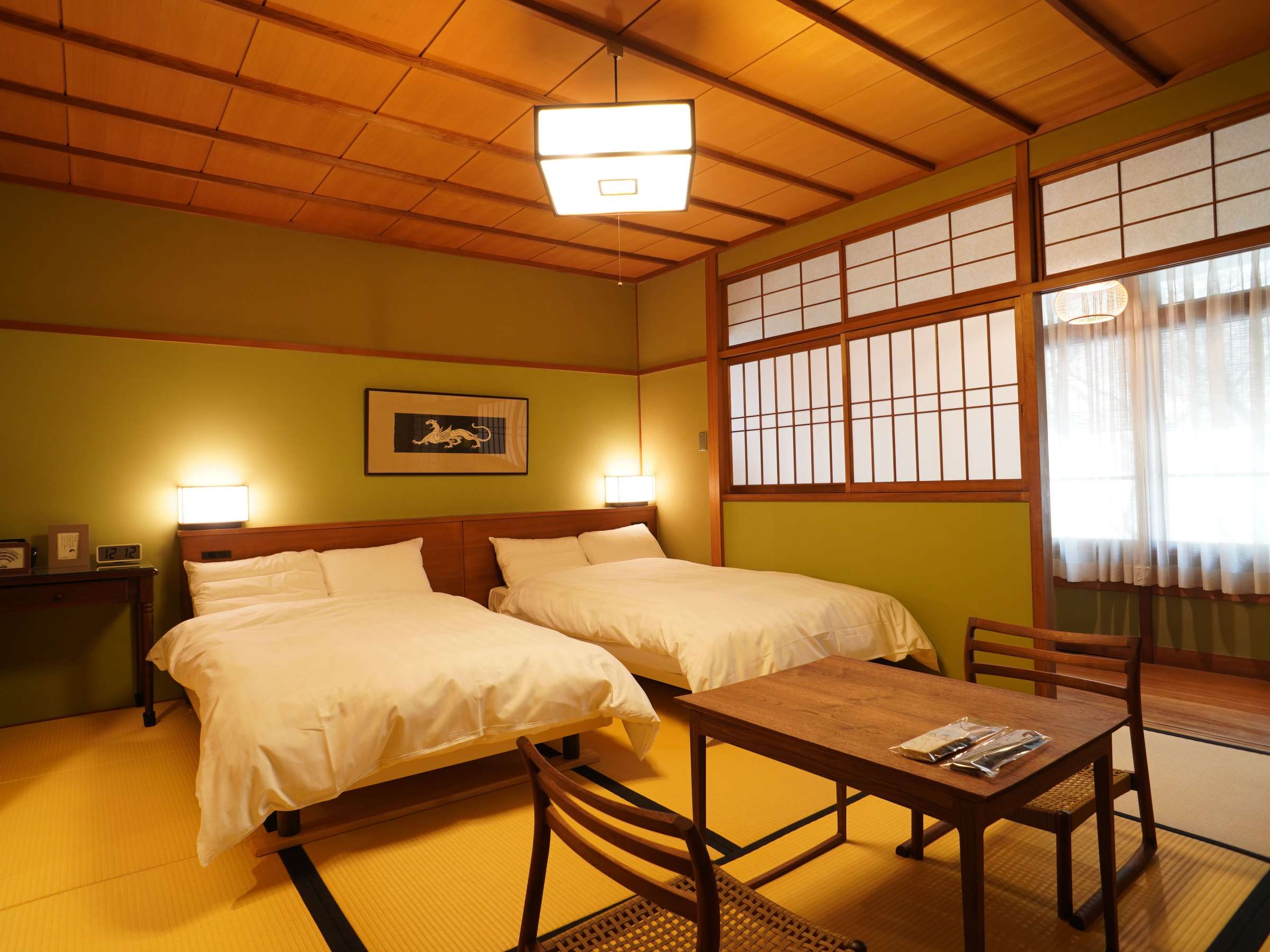
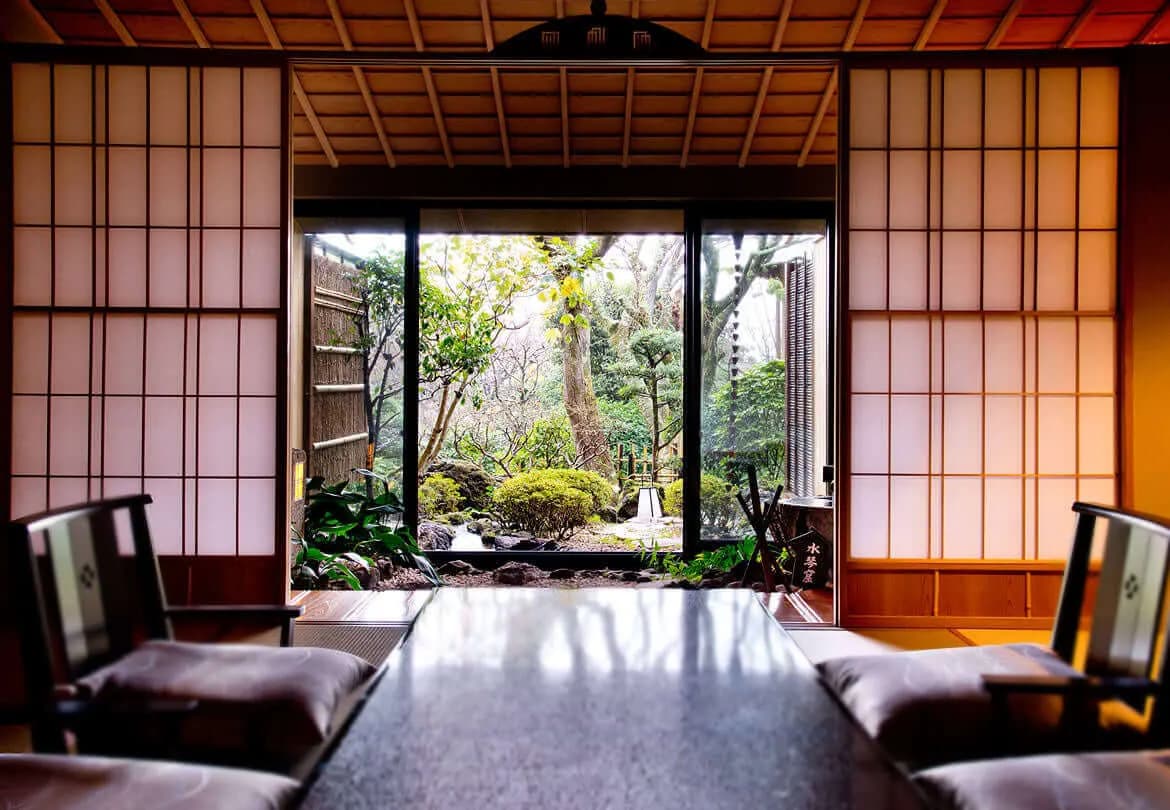
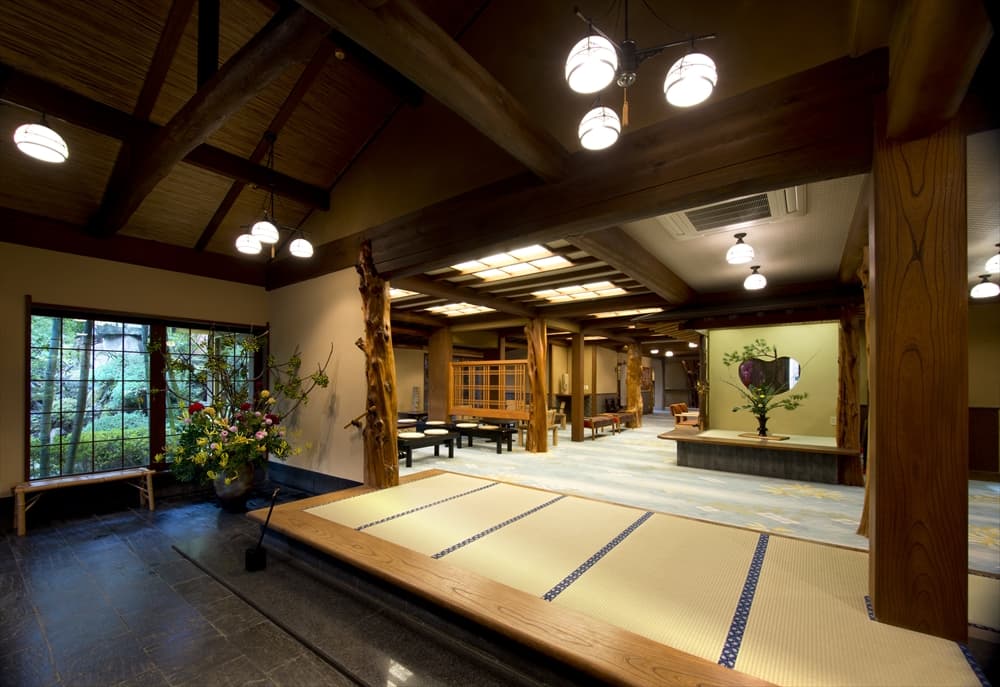
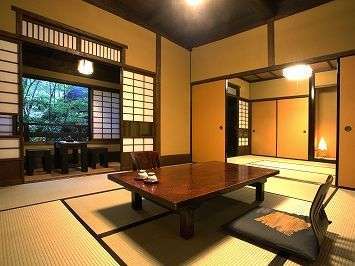
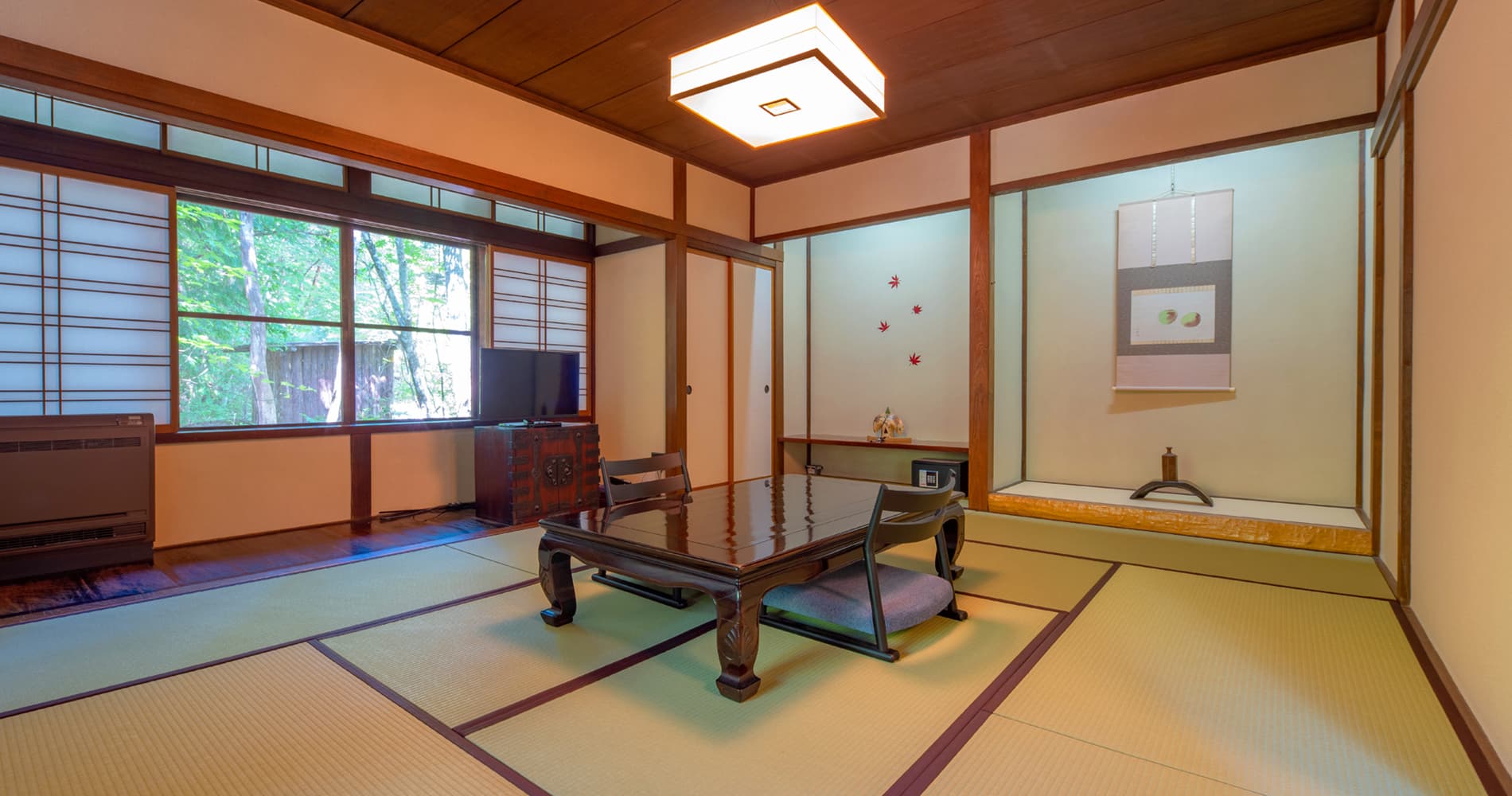
Un sol traditionnel en nattes de paille tressée, frais en été et chaud en hiver. Retirez vos chaussures et sentez des siècles de savoir-faire sous vos pieds.

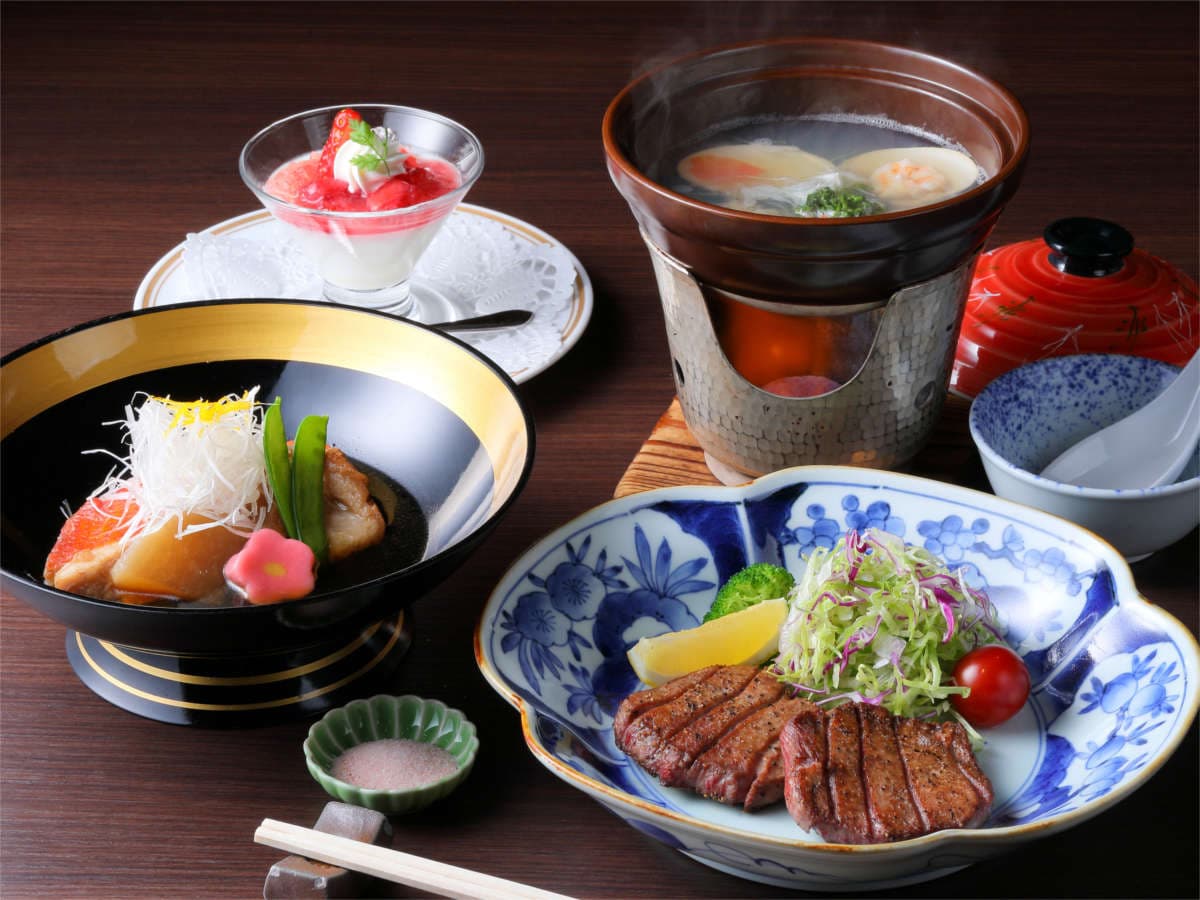
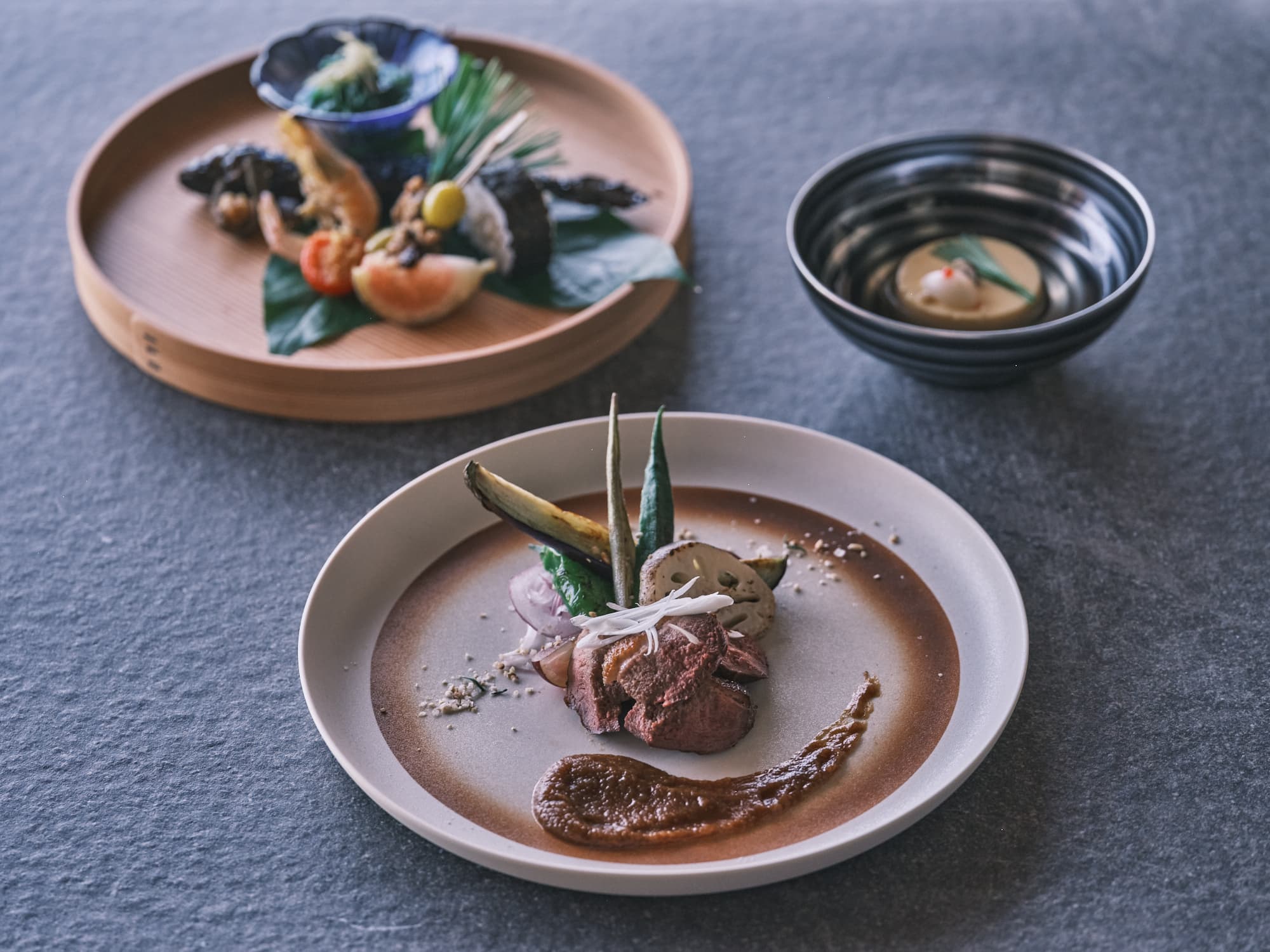
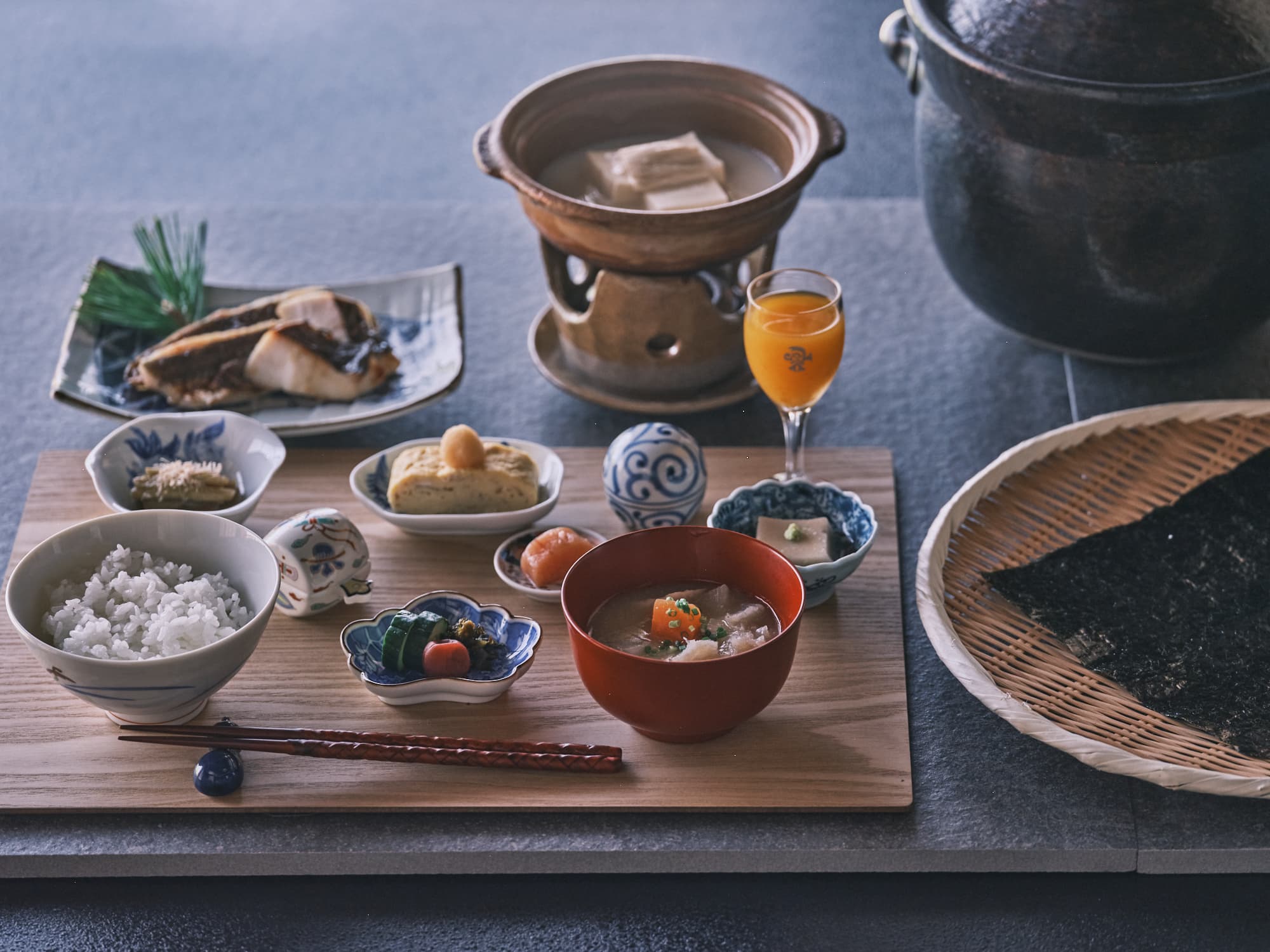
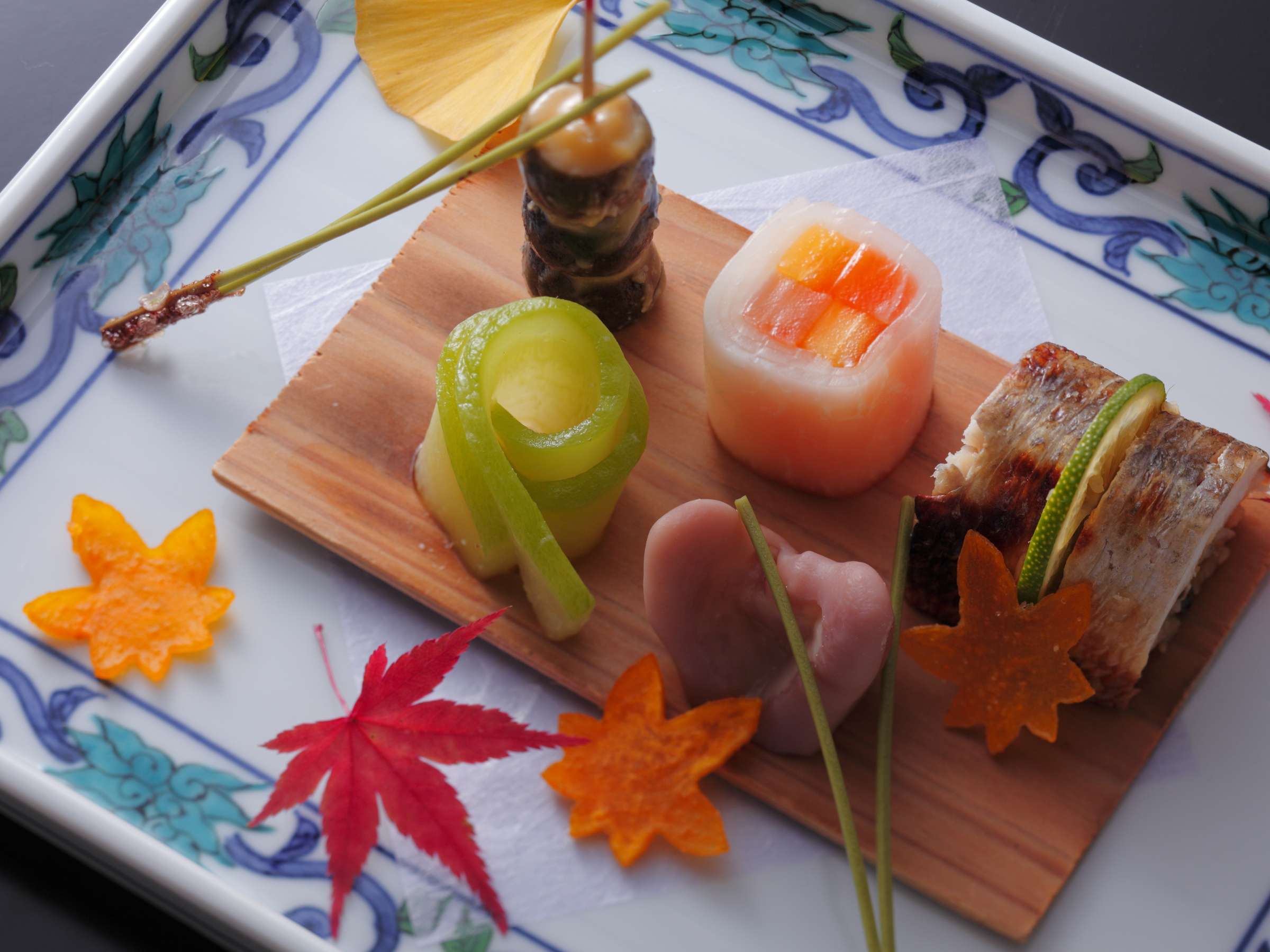
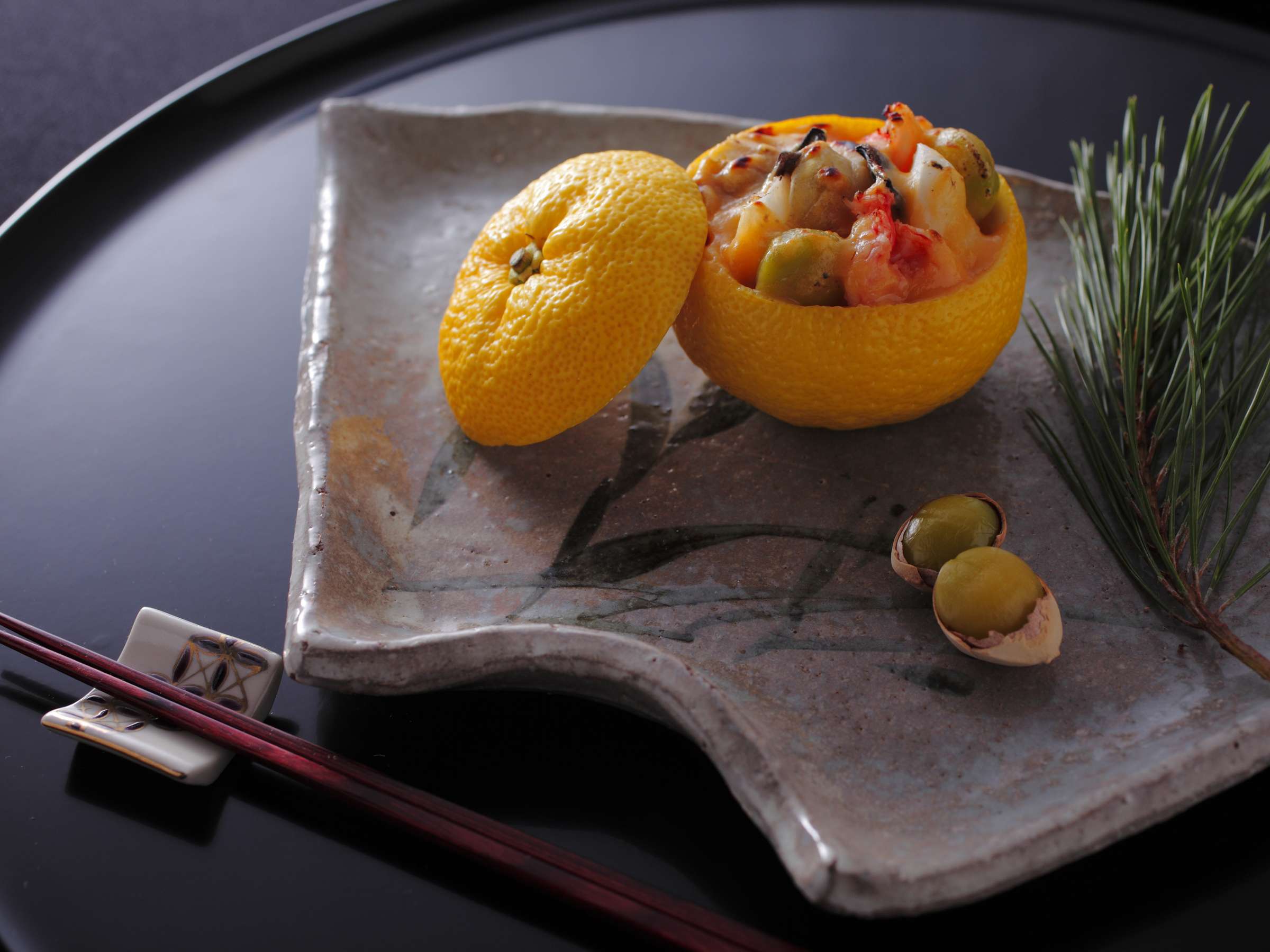
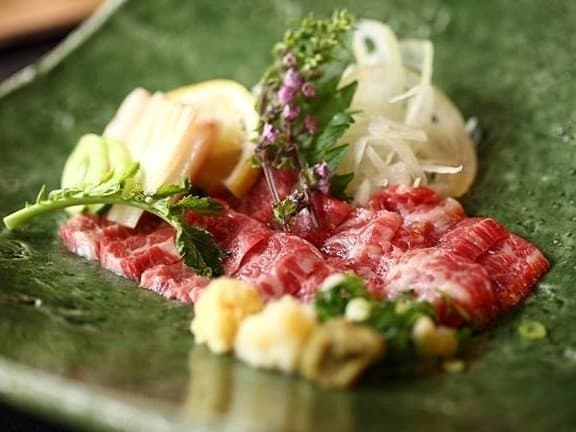
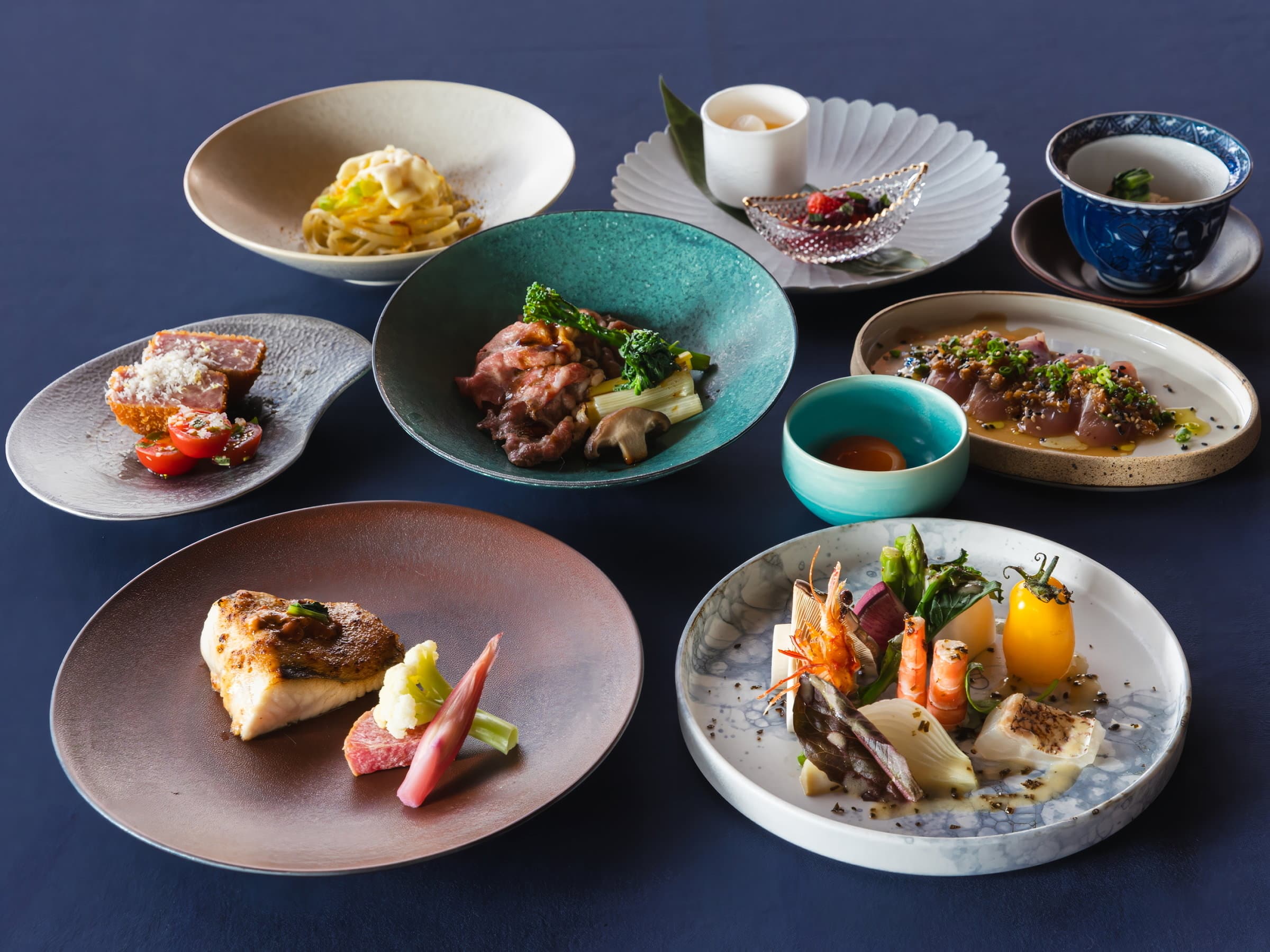
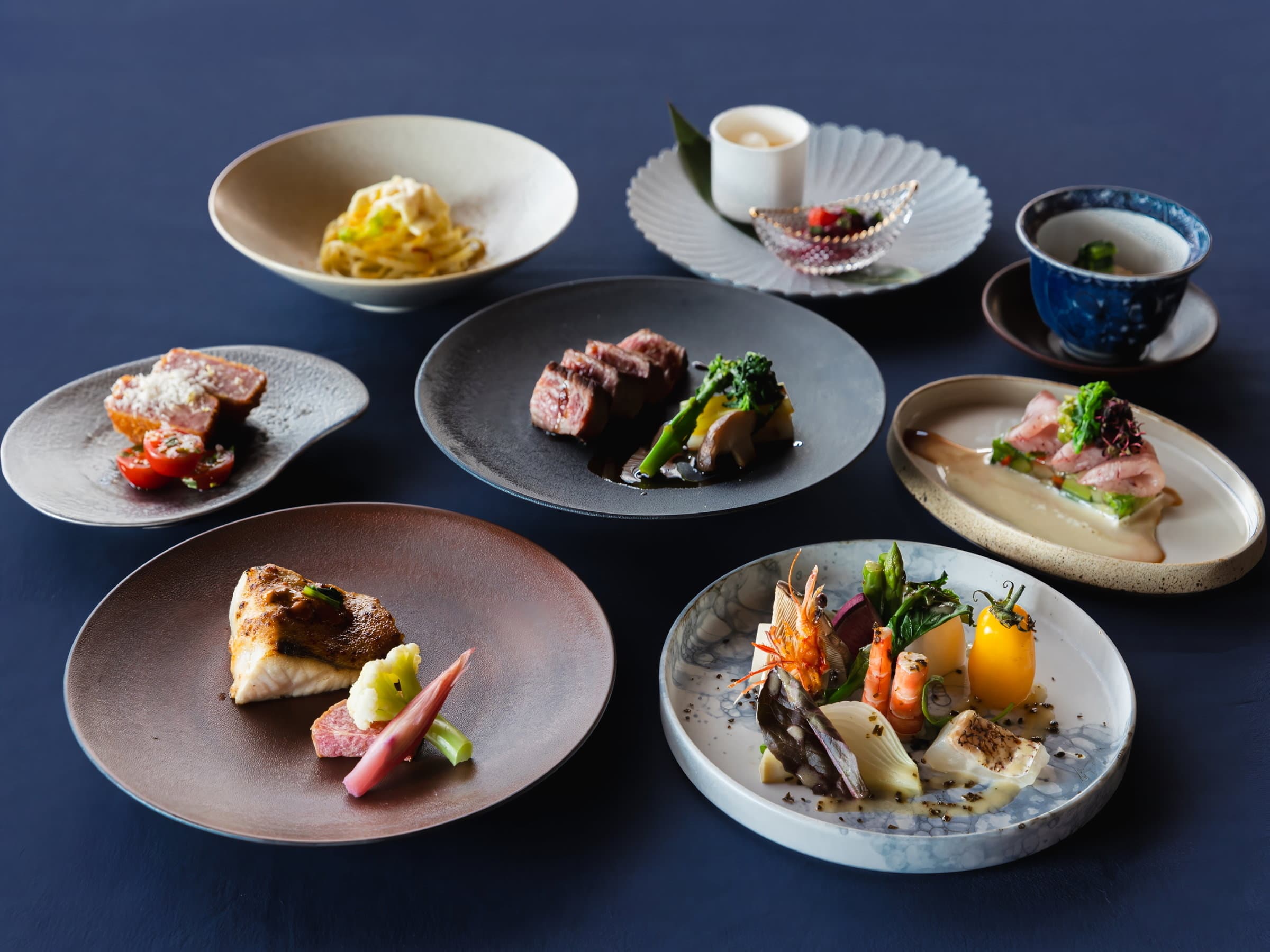
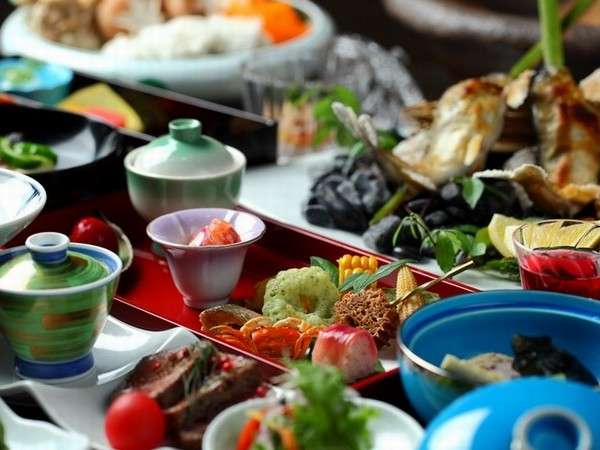
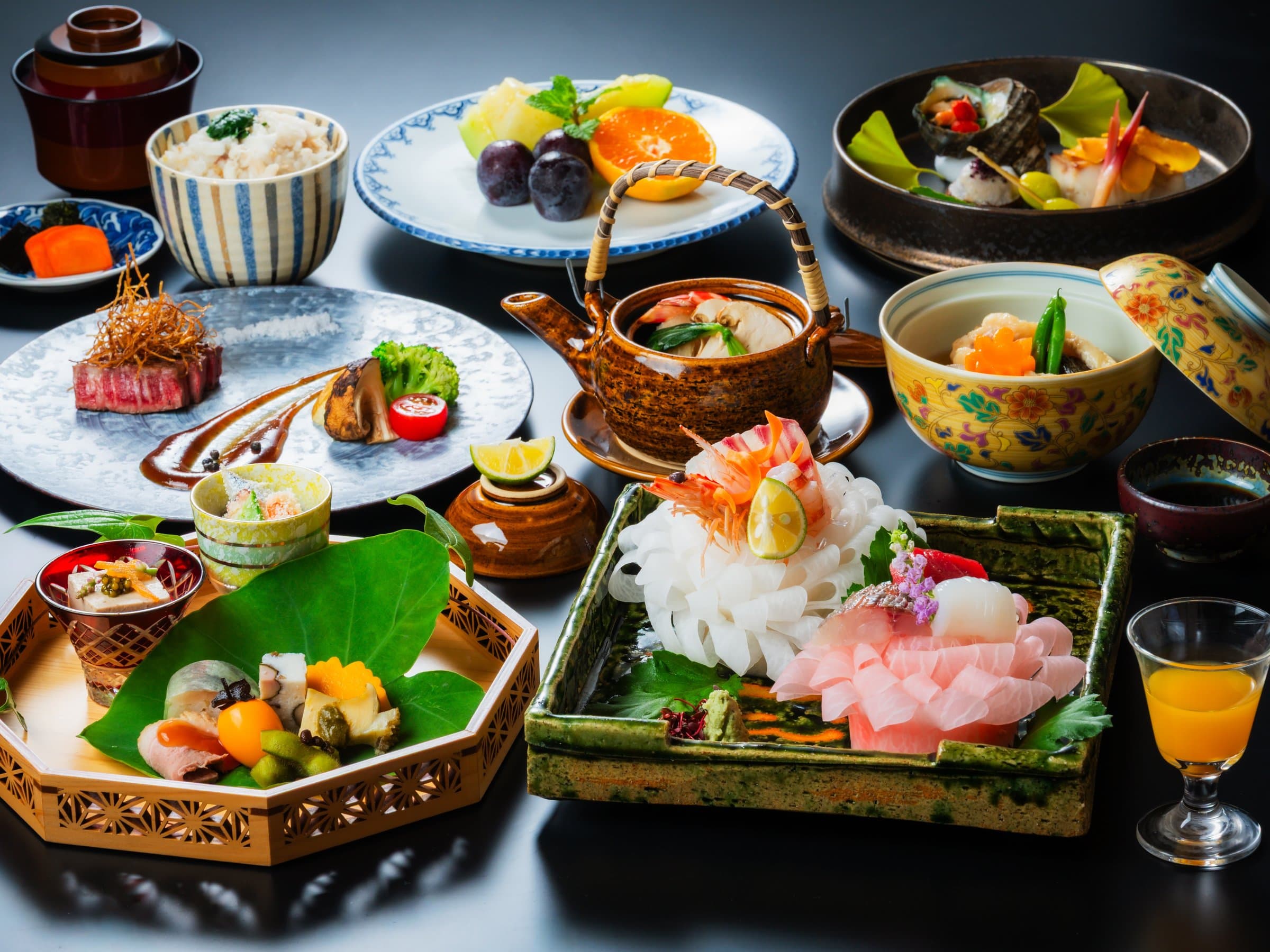
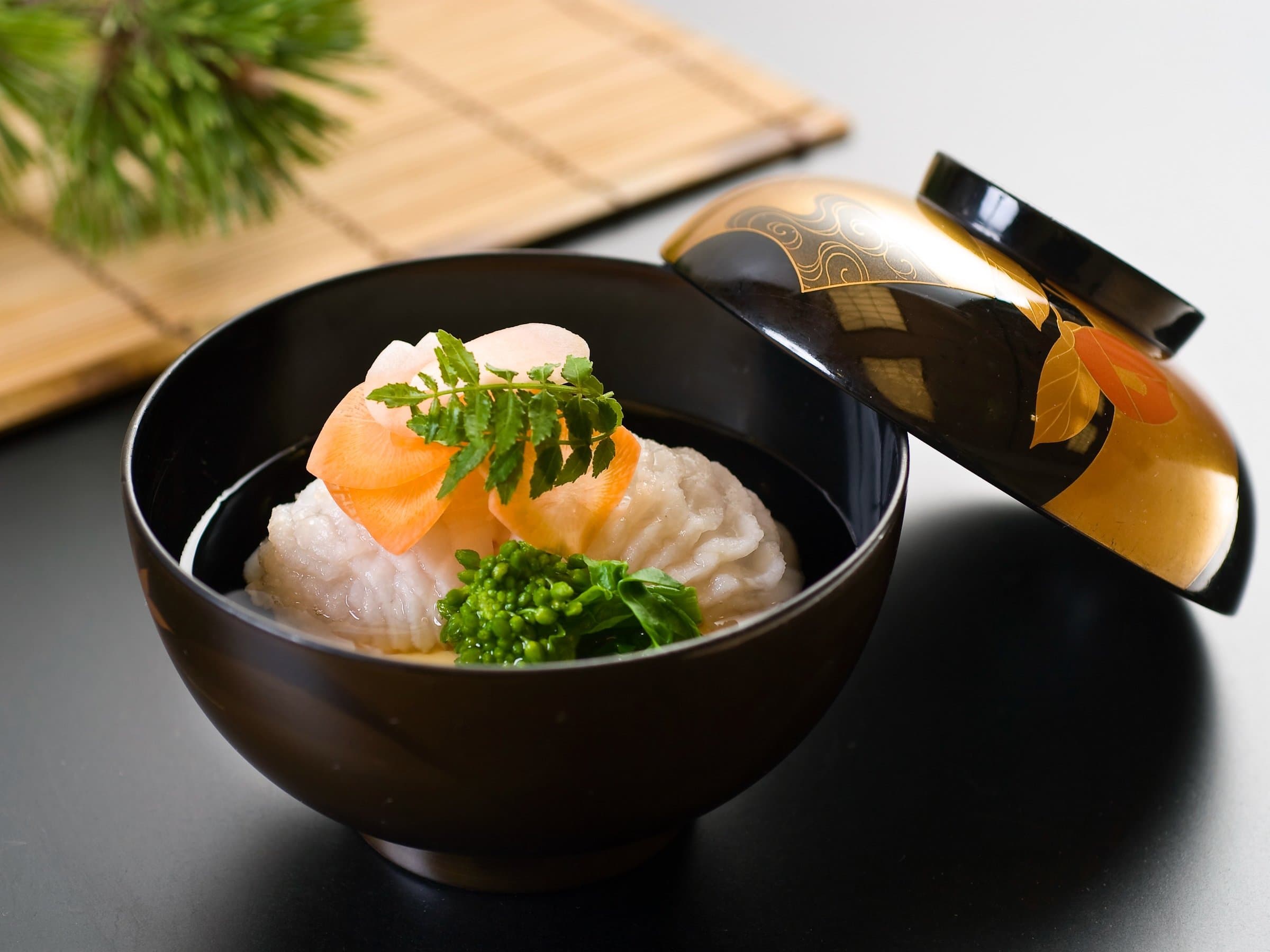
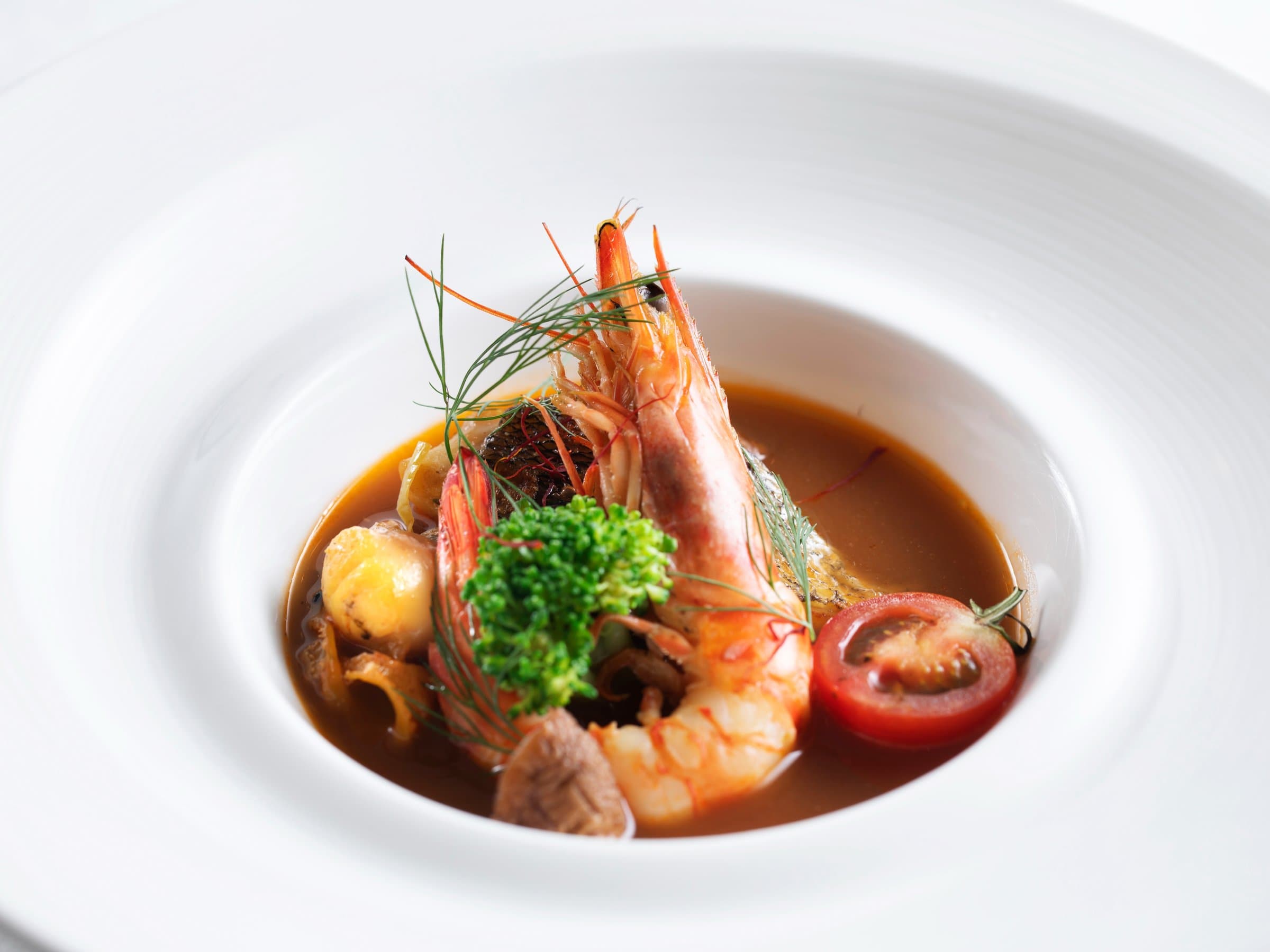
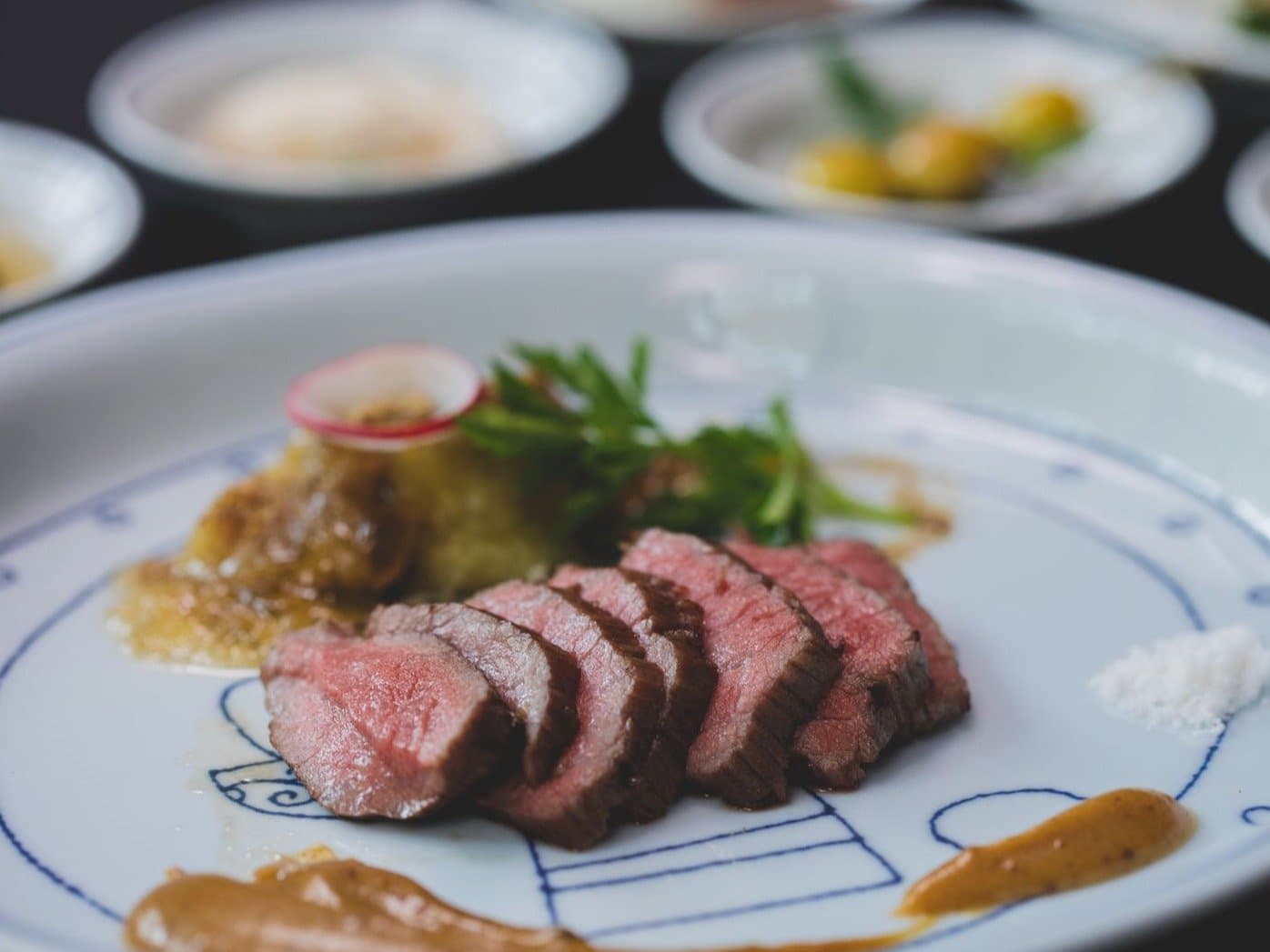
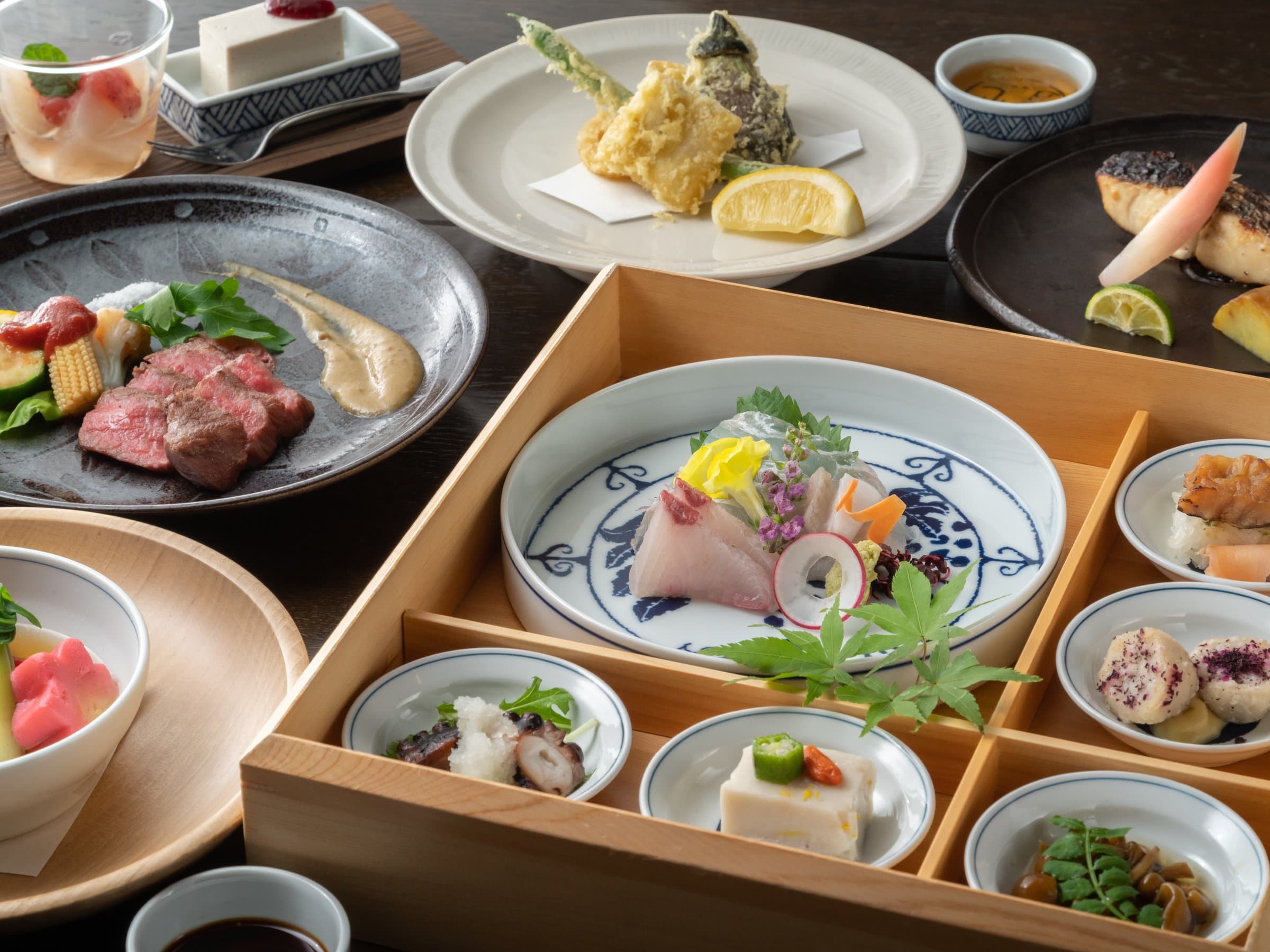
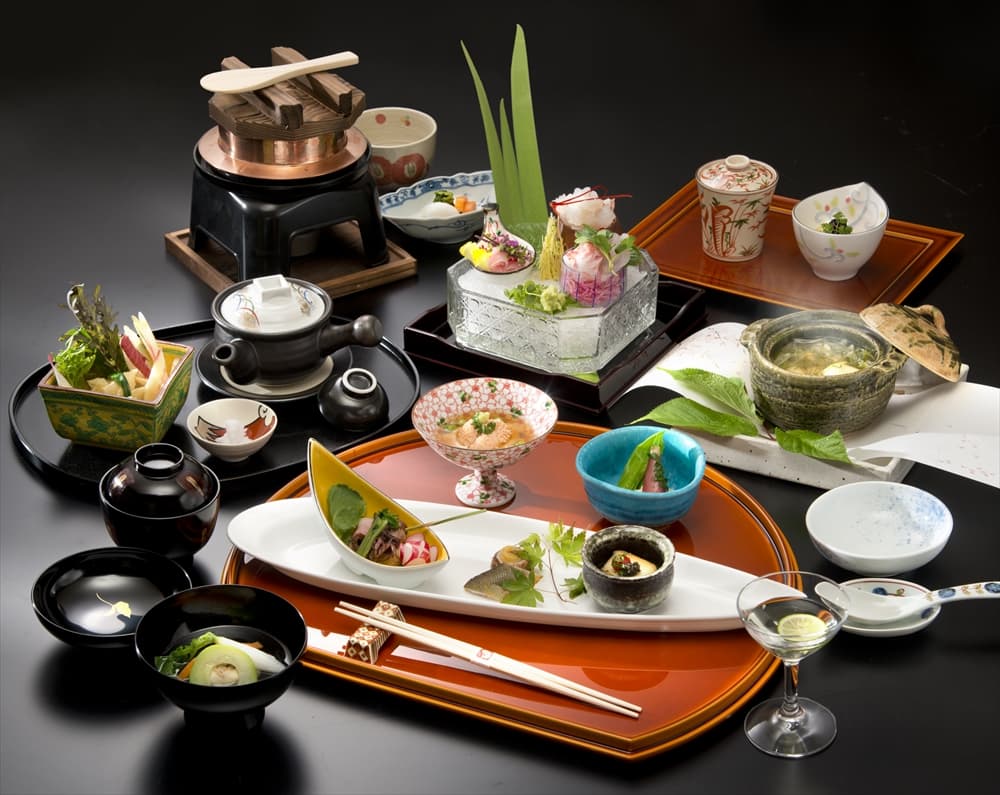
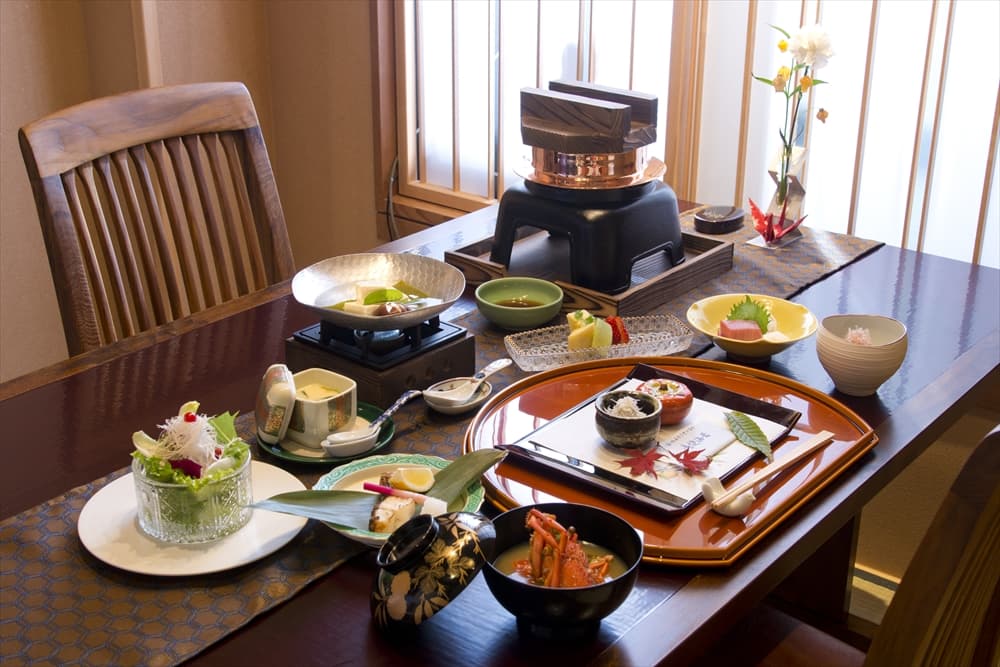
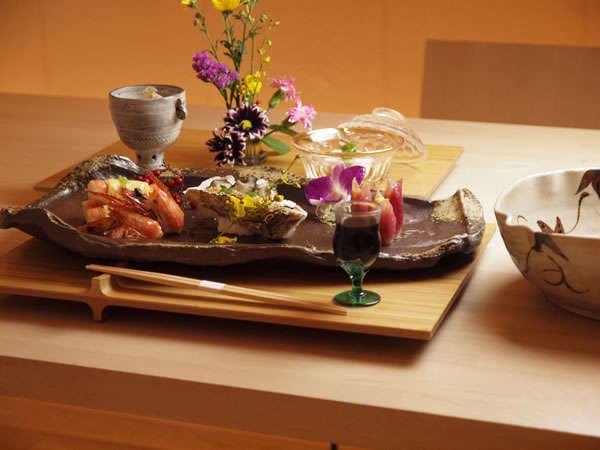
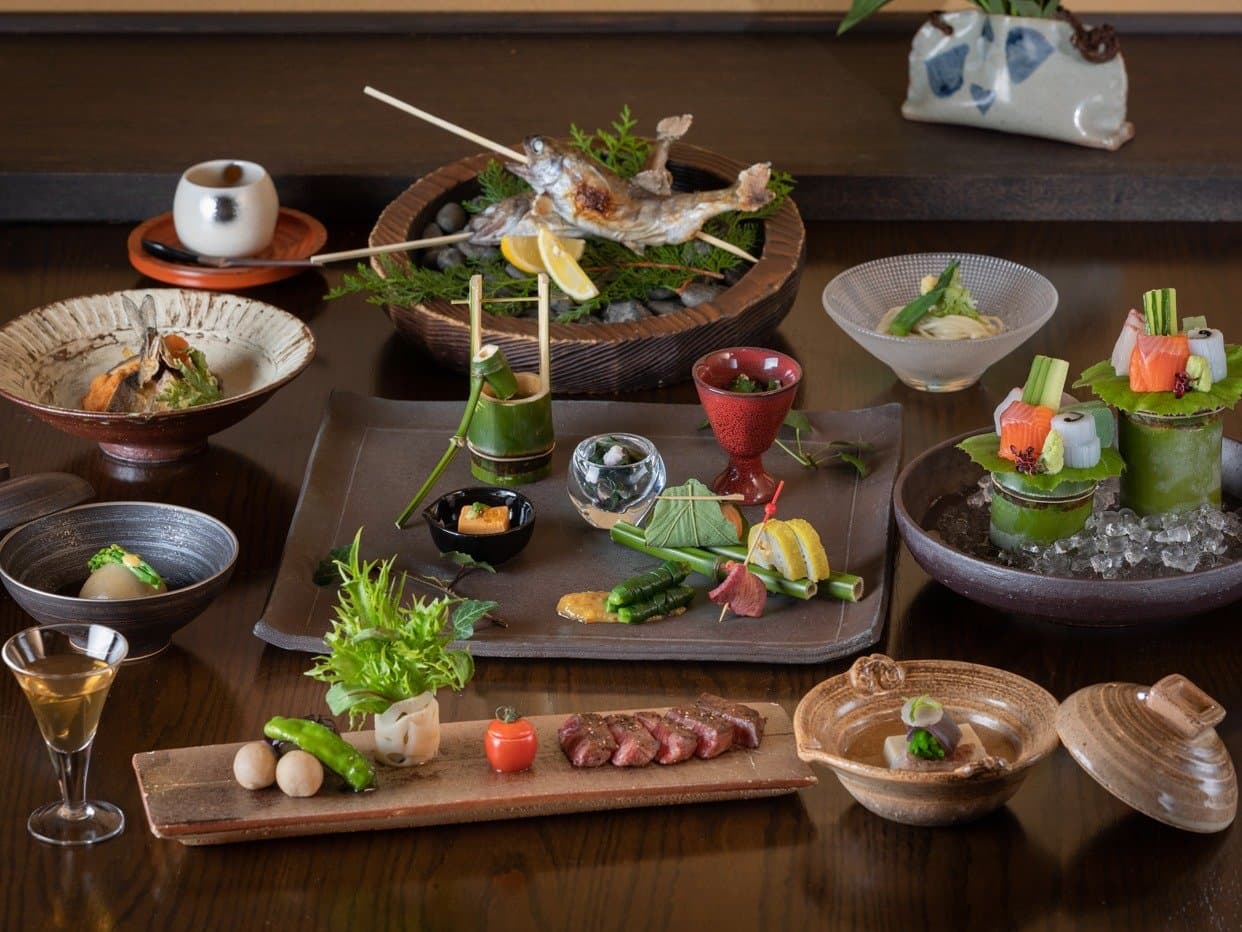
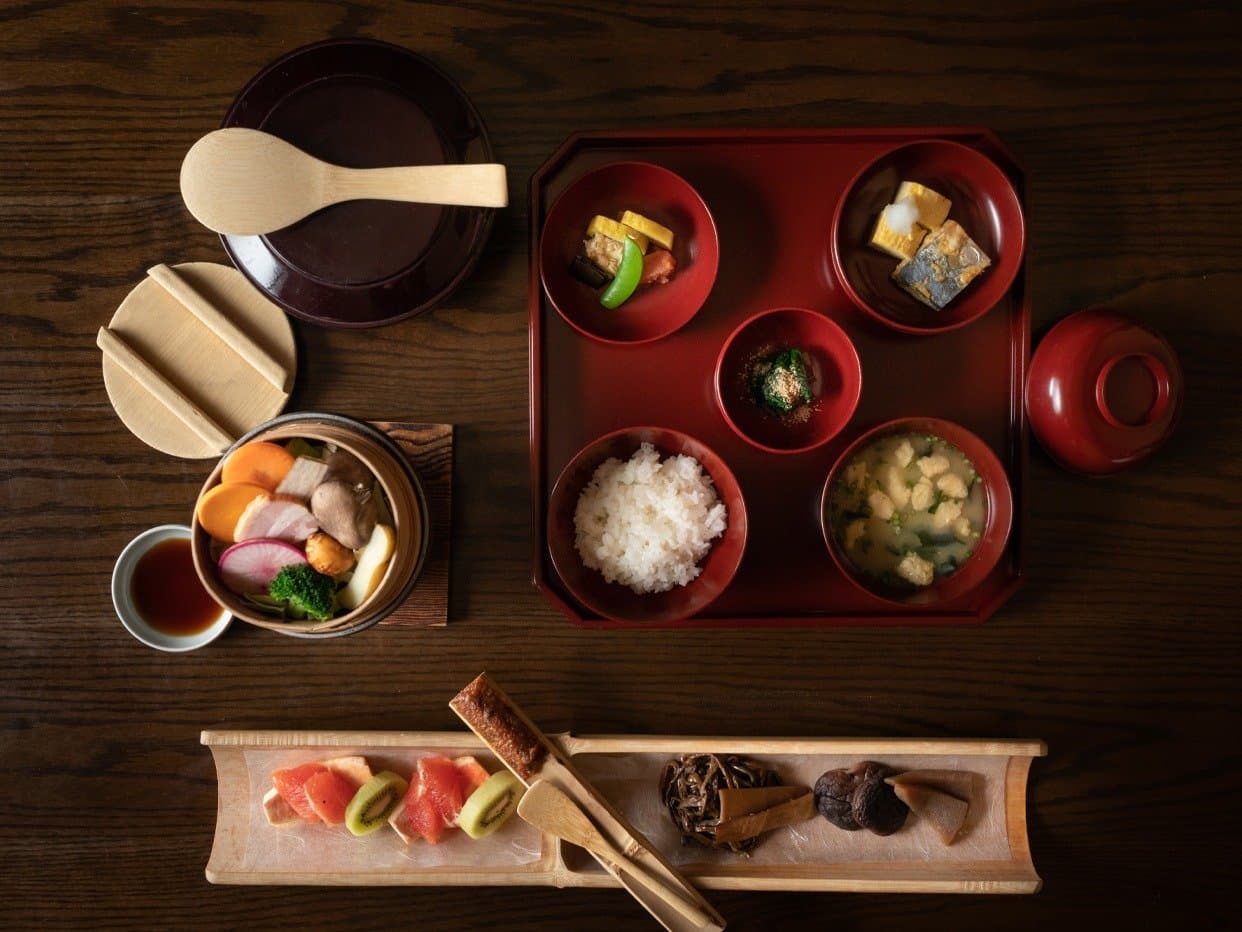
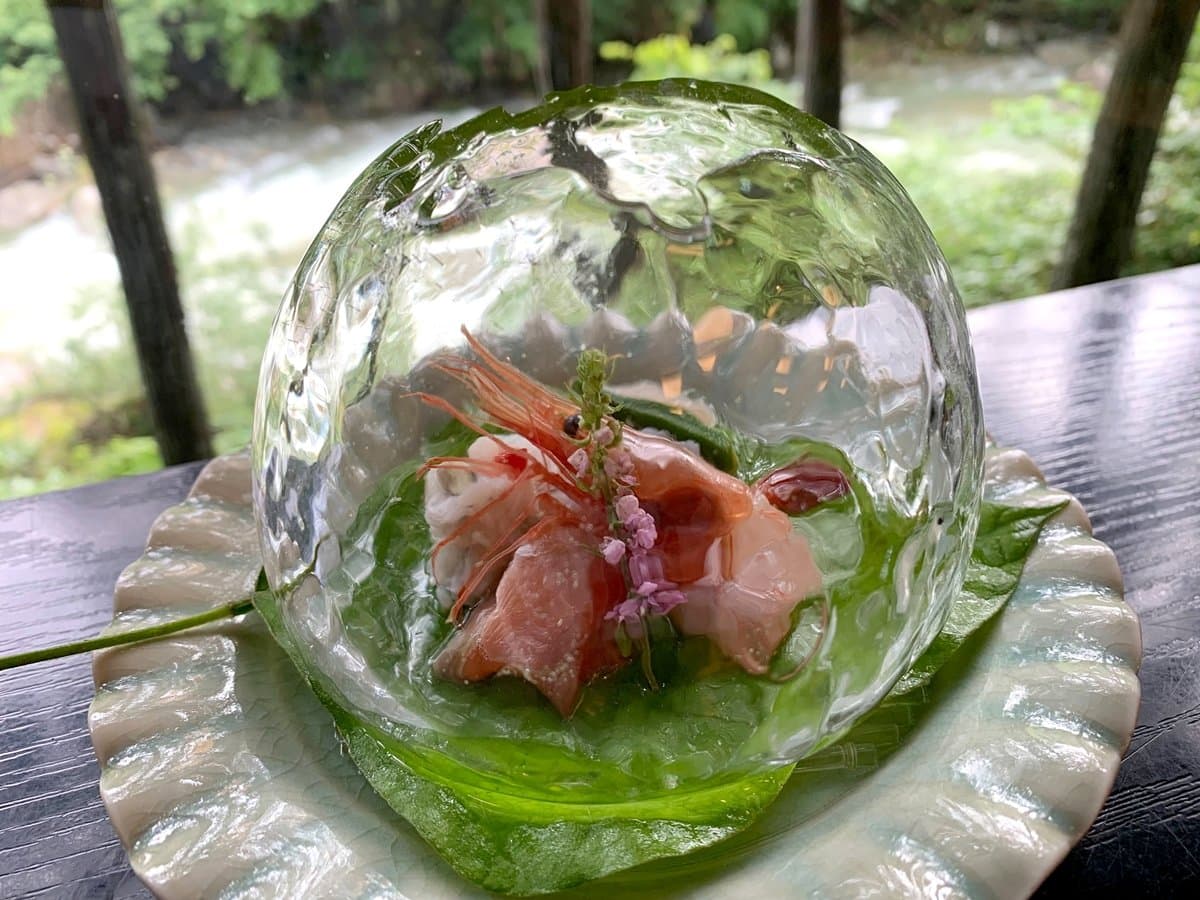
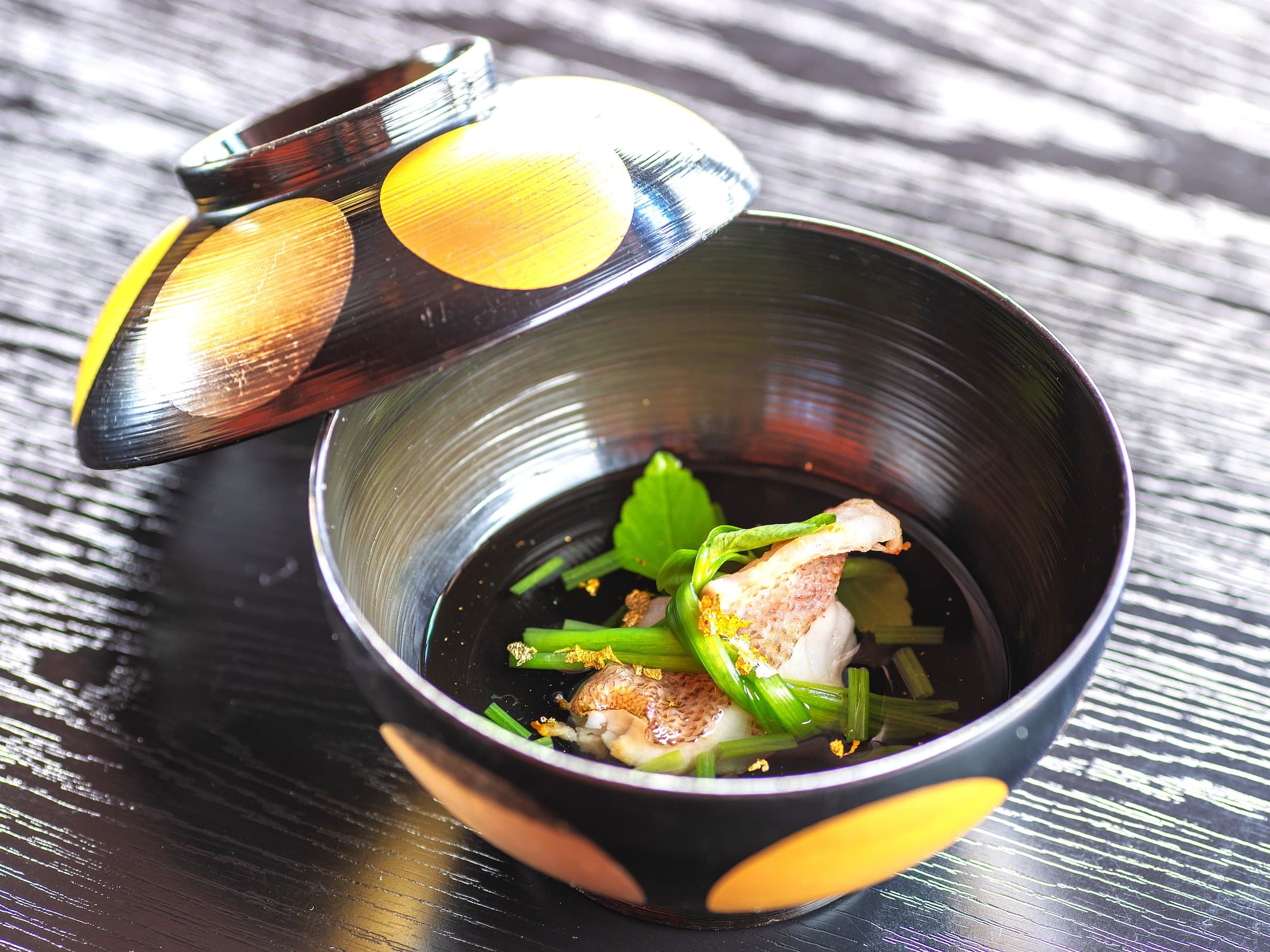
Un dîner composé de plusieurs plats qui change au fil des saisons. Chaque plat est une œuvre d'art — présenté sur des céramiques artisanales avec des ingrédients sourcés le matin même.

Un peignoir en coton offert à votre arrivée. Portez-le au dîner, au bain, dans le quartier. C'est votre uniforme pour une relaxation totale.

L'art japonais d'anticiper les besoins d'un hôte avant qu'ils ne se manifestent. Ce n'est pas un simple service — c'est une philosophie qui transforme chaque instant de votre séjour.
SÉLECTION
Aimez les ryokan qui vous plaisent : ils sont enregistrés dans vos favoris pour les comparer plus tard.
ホテルニュー水戸屋
à partir de ≈167 € · par personne et par nuità partir de ≈ 334 € au total pour 2 personnes
柊家旅館
à partir de ≈439 € · par personne et par nuità partir de ≈ 878 € au total pour 2 personnes
柳川藩主立花邸 御花
à partir de ≈228 € · par personne et par nuità partir de ≈ 456 € au total pour 2 personnes
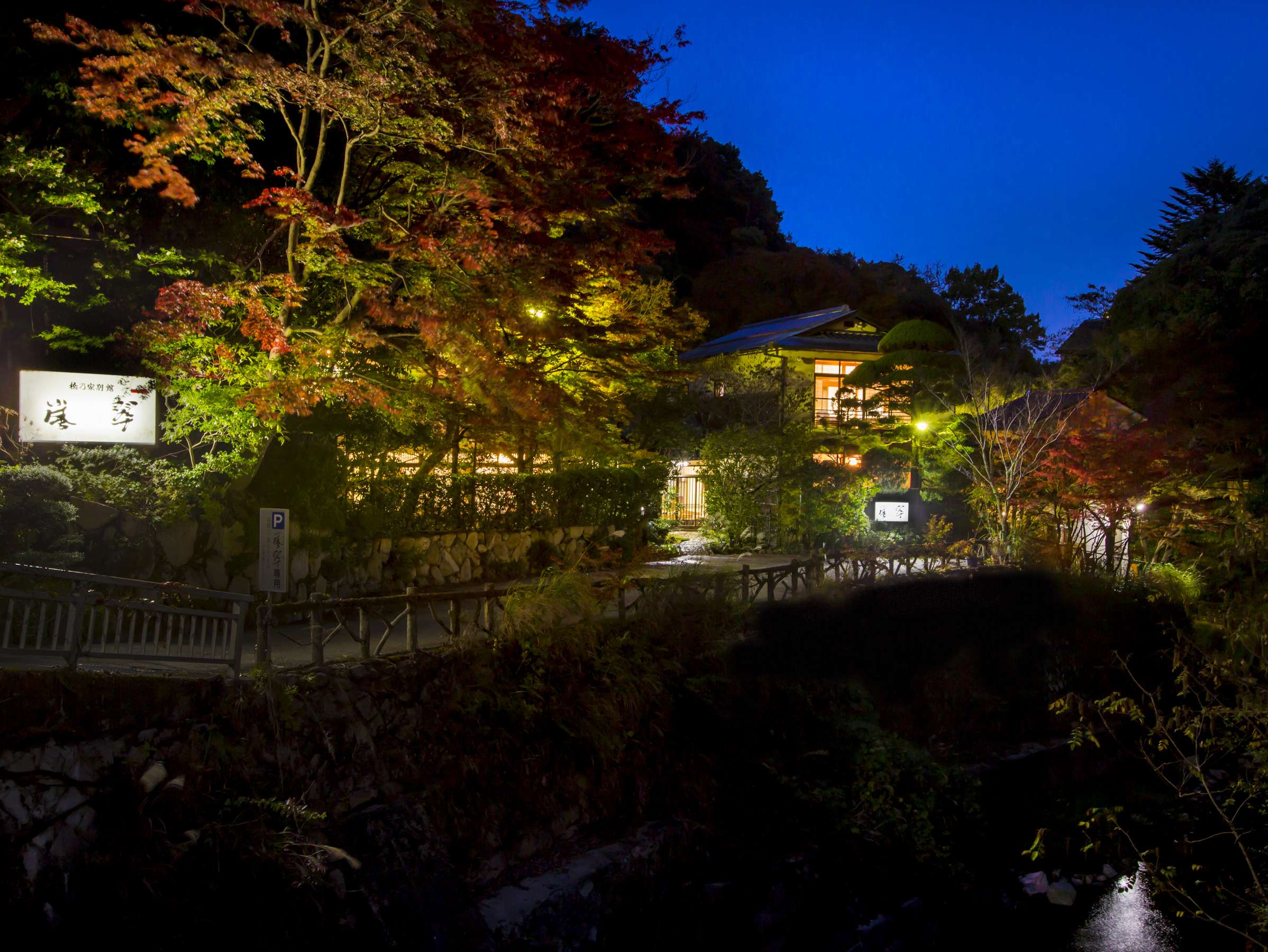
橋乃家別館 嵐翠
à partir de ≈404 € · par personne et par nuità partir de ≈ 808 € au total pour 2 personnes
黒川荘
à partir de ≈176 € · par personne et par nuità partir de ≈ 352 € au total pour 2 personnes
雲仙九州ホテル
à partir de ≈219 € · par personne et par nuità partir de ≈ 438 € au total pour 2 personnes
滝乃家
à partir de ≈307 € · par personne et par nuità partir de ≈ 614 € au total pour 2 personnes
山みず木
à partir de ≈132 € · par personne et par nuità partir de ≈ 264 € au total pour 2 personnes
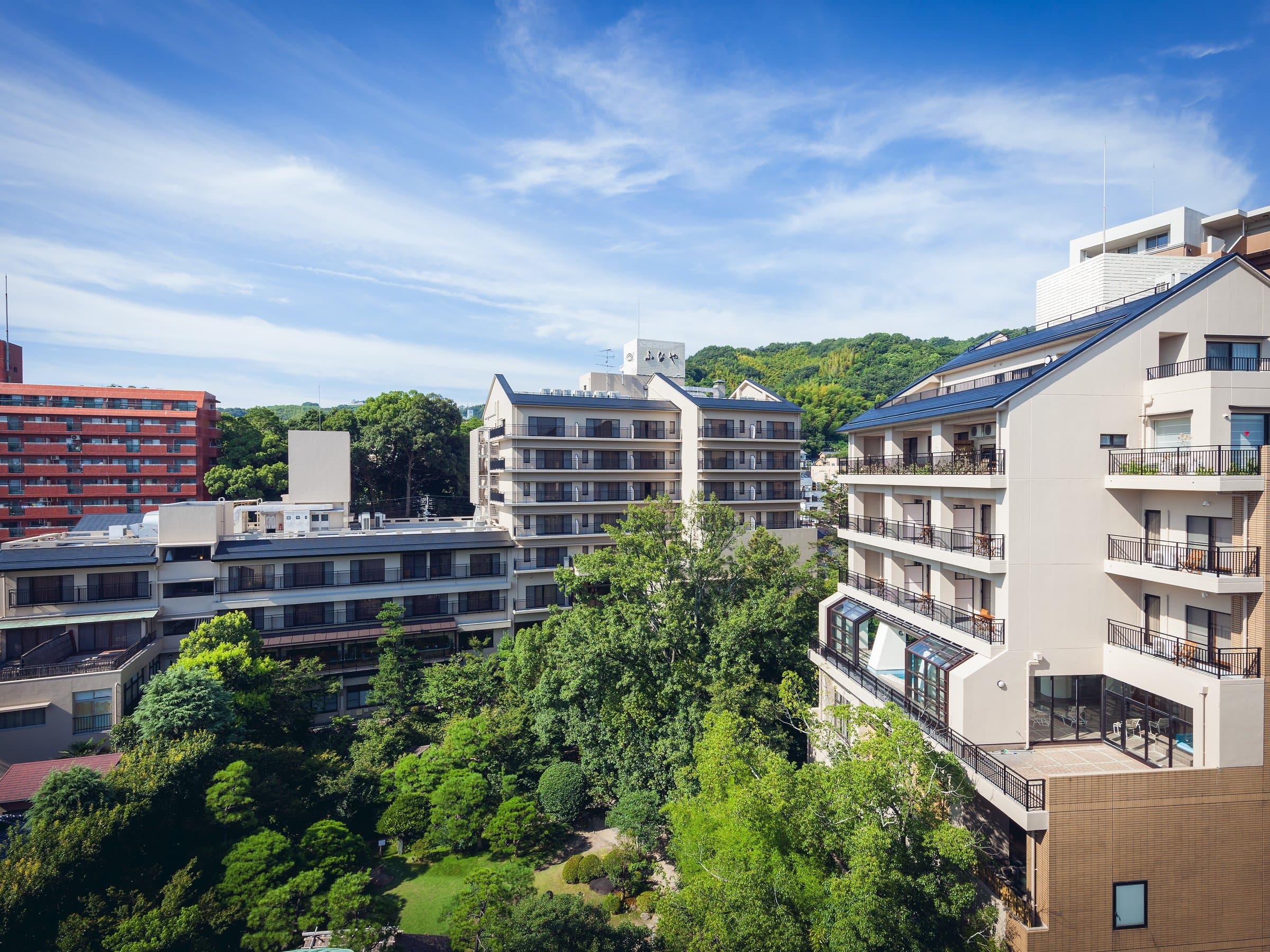
道後温泉 ふなや
à partir de ≈140 € · par personne et par nuità partir de ≈ 280 € au total pour 2 personnes
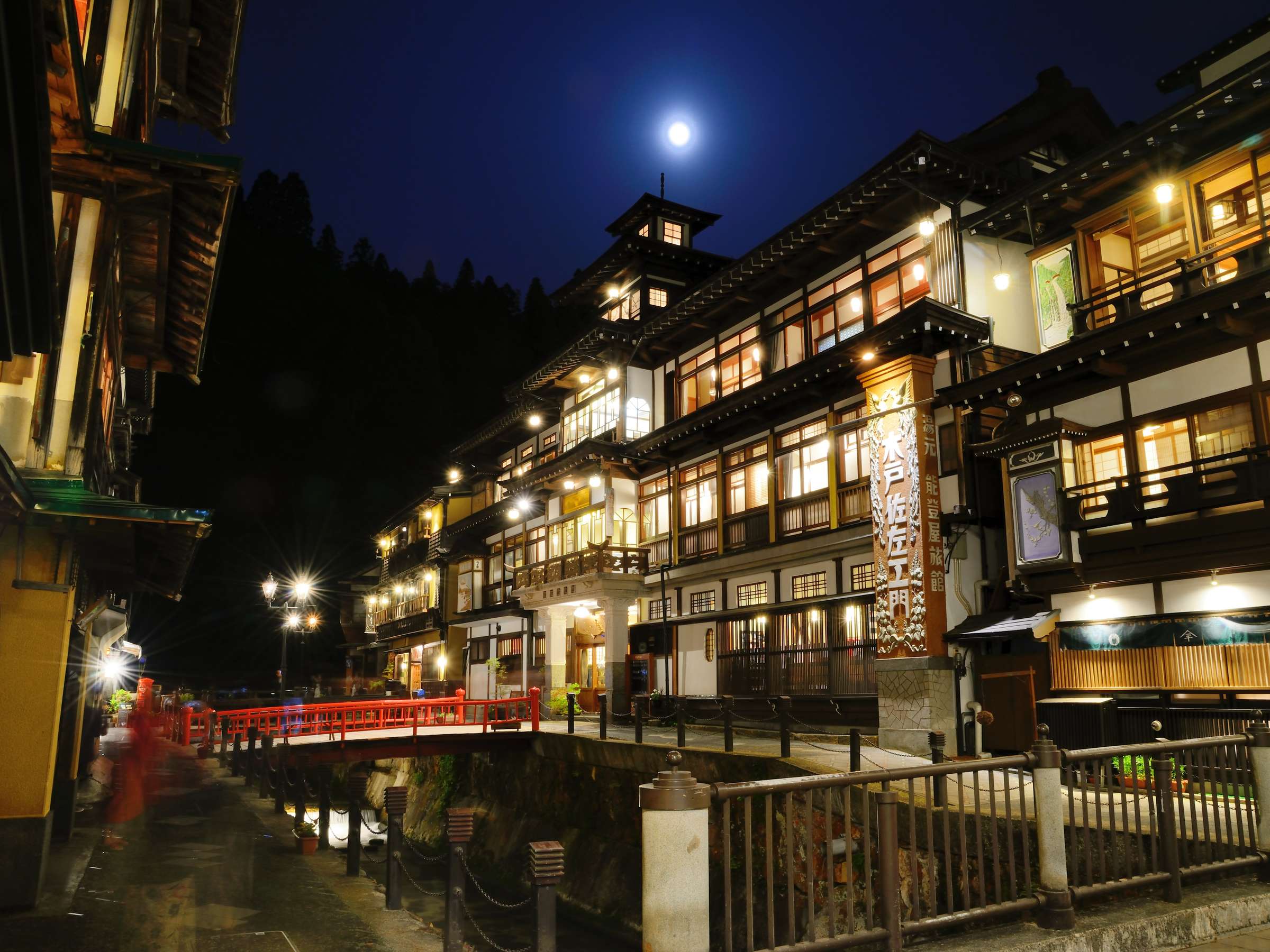
能登屋旅館
à partir de ≈219 € · par personne et par nuità partir de ≈ 438 € au total pour 2 personnes
陶泉 御所坊
à partir de ≈206 € · par personne et par nuità partir de ≈ 412 € au total pour 2 personnes
ABBA RESORTS IZU - 坐漁荘
à partir de ≈439 € · par personne et par nuità partir de ≈ 878 € au total pour 2 personnes
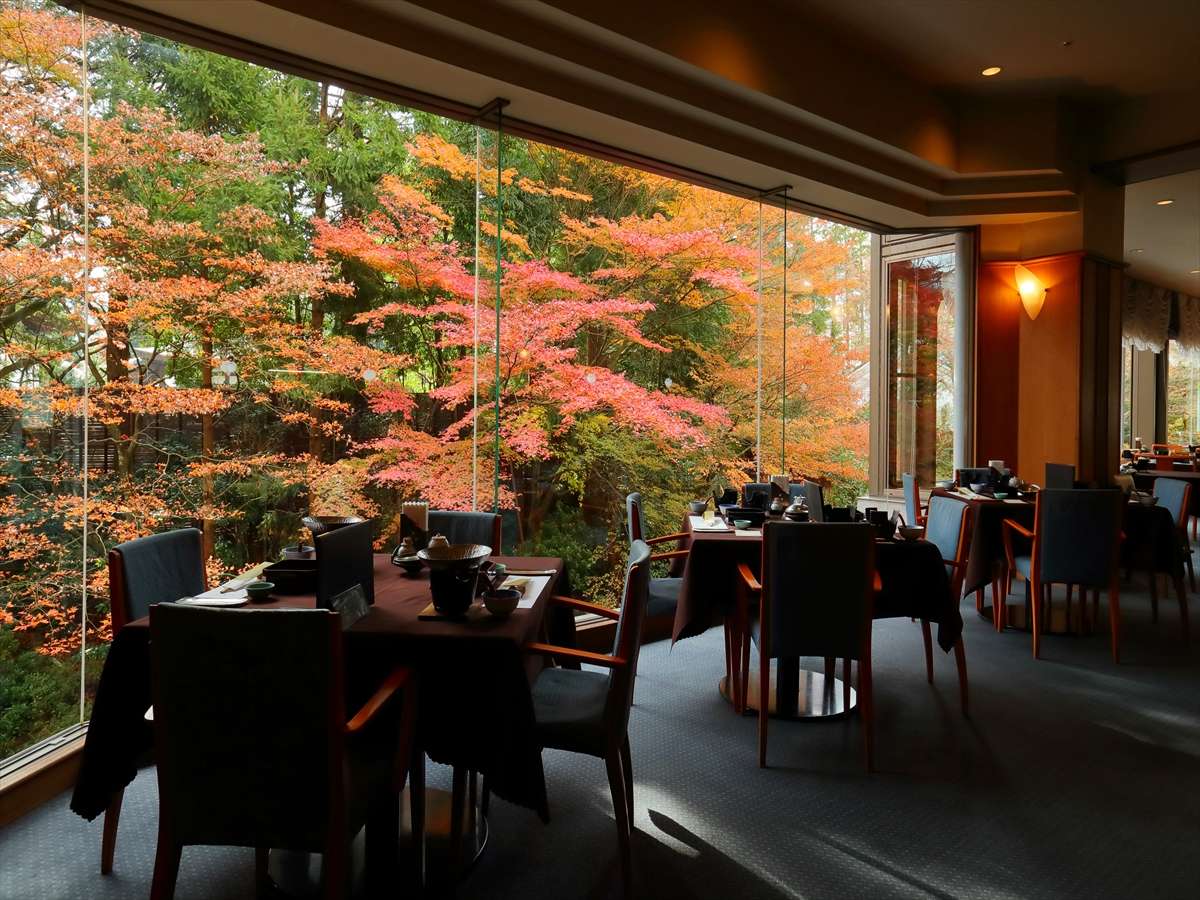
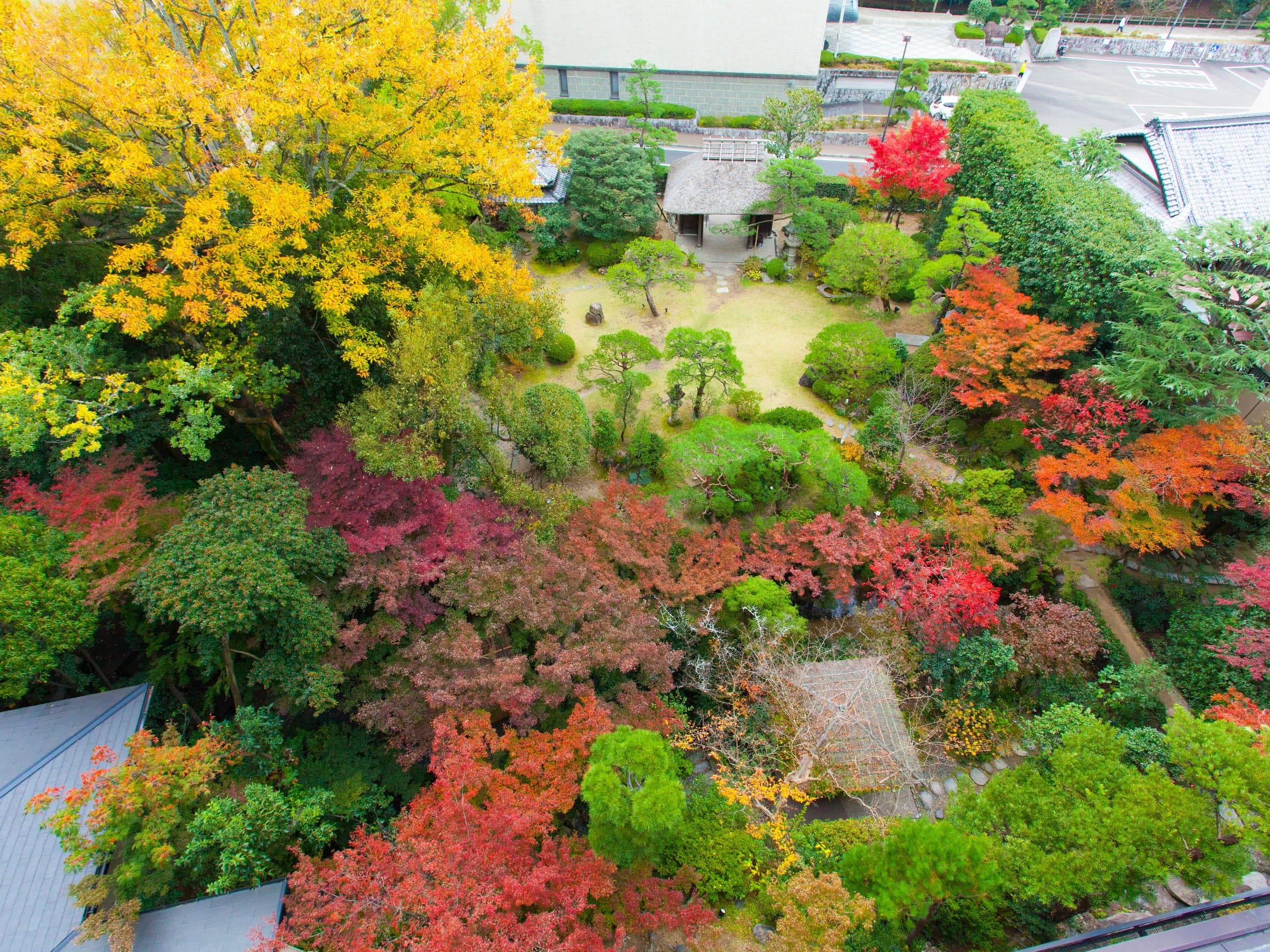
AUTOMNE · Planifiez selon la saison
La pleine saison varie d'une année à l'autre. Vérifiez tarifs et disponibilités sur chaque site de réservation.
強羅花壇
à partir de ≈439 € · par personne et par nuità partir de ≈ 878 € au total pour 2 personnes
中禅寺金谷ホテル
à partir de ≈176 € · par personne et par nuità partir de ≈ 352 € au total pour 2 personnes
藤屋
à partir de ≈233 € · par personne et par nuità partir de ≈ 466 € au total pour 2 personnes
雲仙九州ホテル
à partir de ≈219 € · par personne et par nuità partir de ≈ 438 € au total pour 2 personnes
黒川荘
à partir de ≈176 € · par personne et par nuità partir de ≈ 352 € au total pour 2 personnes
柊家旅館
à partir de ≈439 € · par personne et par nuità partir de ≈ 878 € au total pour 2 personnes
旅館 山河
à partir de ≈219 € · par personne et par nuità partir de ≈ 438 € au total pour 2 personnes
山みず木
à partir de ≈132 € · par personne et par nuità partir de ≈ 264 € au total pour 2 personnes
能登屋旅館
à partir de ≈219 € · par personne et par nuità partir de ≈ 438 € au total pour 2 personnes
元奈古
à partir de ≈176 € · par personne et par nuità partir de ≈ 352 € au total pour 2 personnes
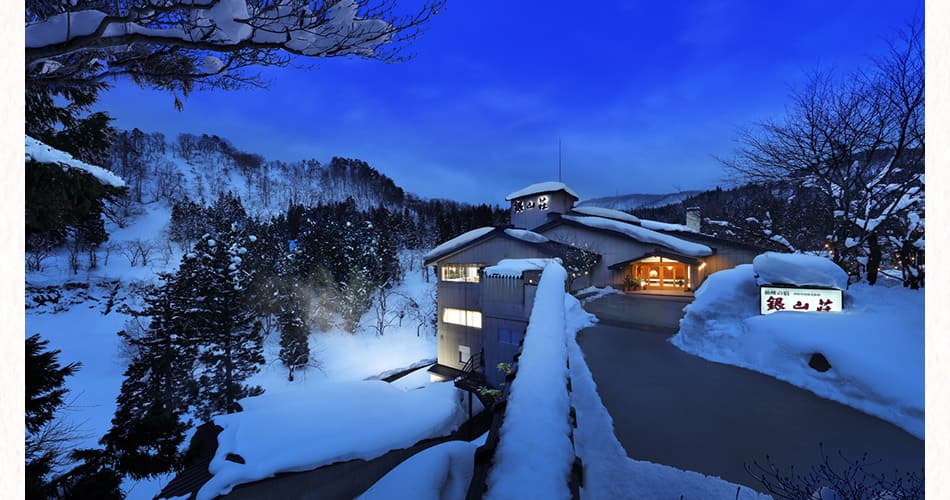
仙峡の宿 銀山荘
à partir de ≈176 € · par personne et par nuità partir de ≈ 352 € au total pour 2 personnes
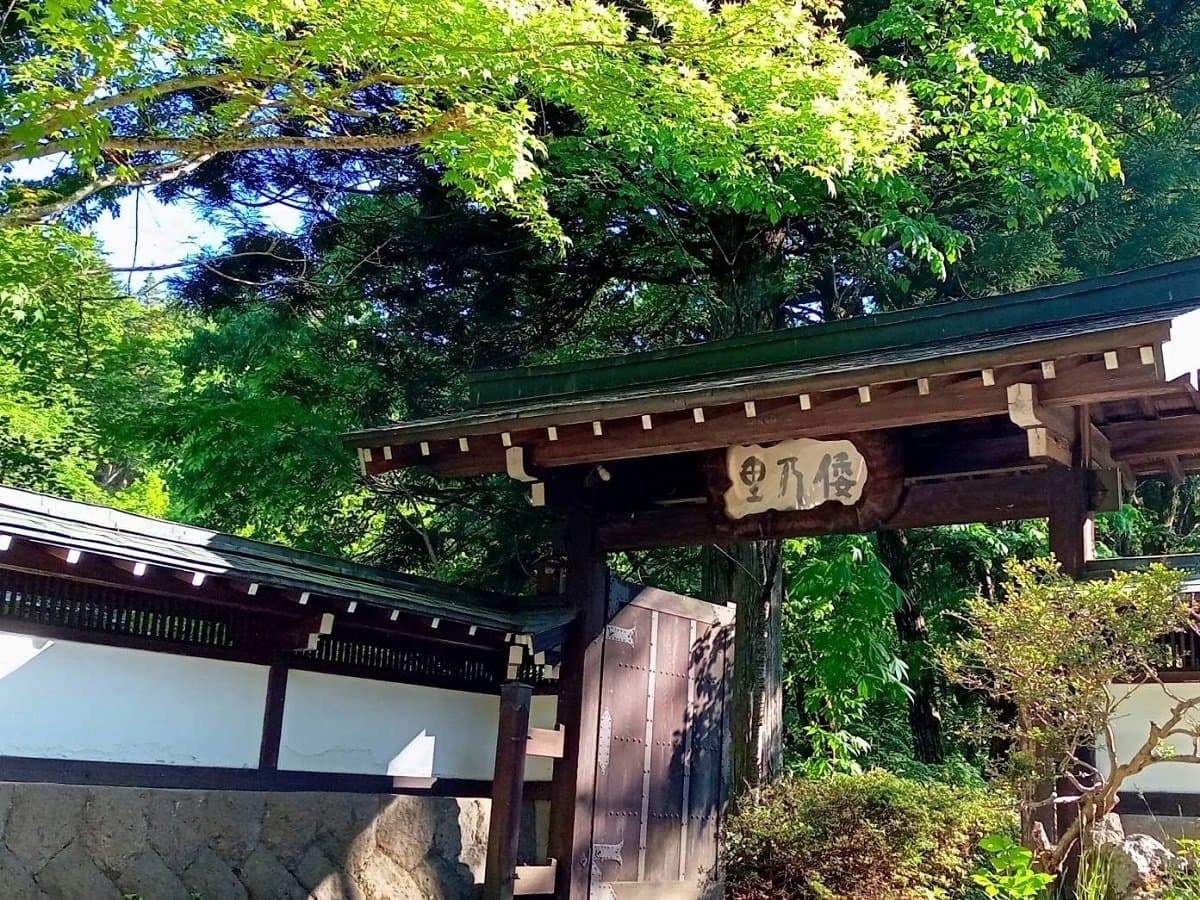
倭乃里
à partir de ≈439 € · par personne et par nuità partir de ≈ 878 € au total pour 2 personnes
Destinations
地域から探す
633 ryokans dans 37 destinations
Survolez la carte pour afficher une région · cliquez sur son nom pour la garder
Kanto関東
170 ryokans · 8 destinations
Journal

Votre premier séjour en ryokan sera comme aucune expérience hôtelière que vous ayez jamais vécue. Voici ce qui se passe dès l'instant où vous franchissez la porte — pour que vous puissiez vous détendre et apprécier chaque minute.

Kyoto est la seule ville où le ryokan est la culture — non son complément. 19 auberges triées sur le volet dans 5 quartiers historiques (Gion, Higashiyama, Arashiyama, Nakagyo, Pontocho), tarifs vérifiés mai 2026.

Le kaiseki n'est pas un simple dîner — c'est un voyage chorégraphié à travers les saisons, les textures et des siècles de philosophie culinaire.
Découvrez notre sélection des plus belles auberges traditionnelles du Japon.
Parcourir la collection