



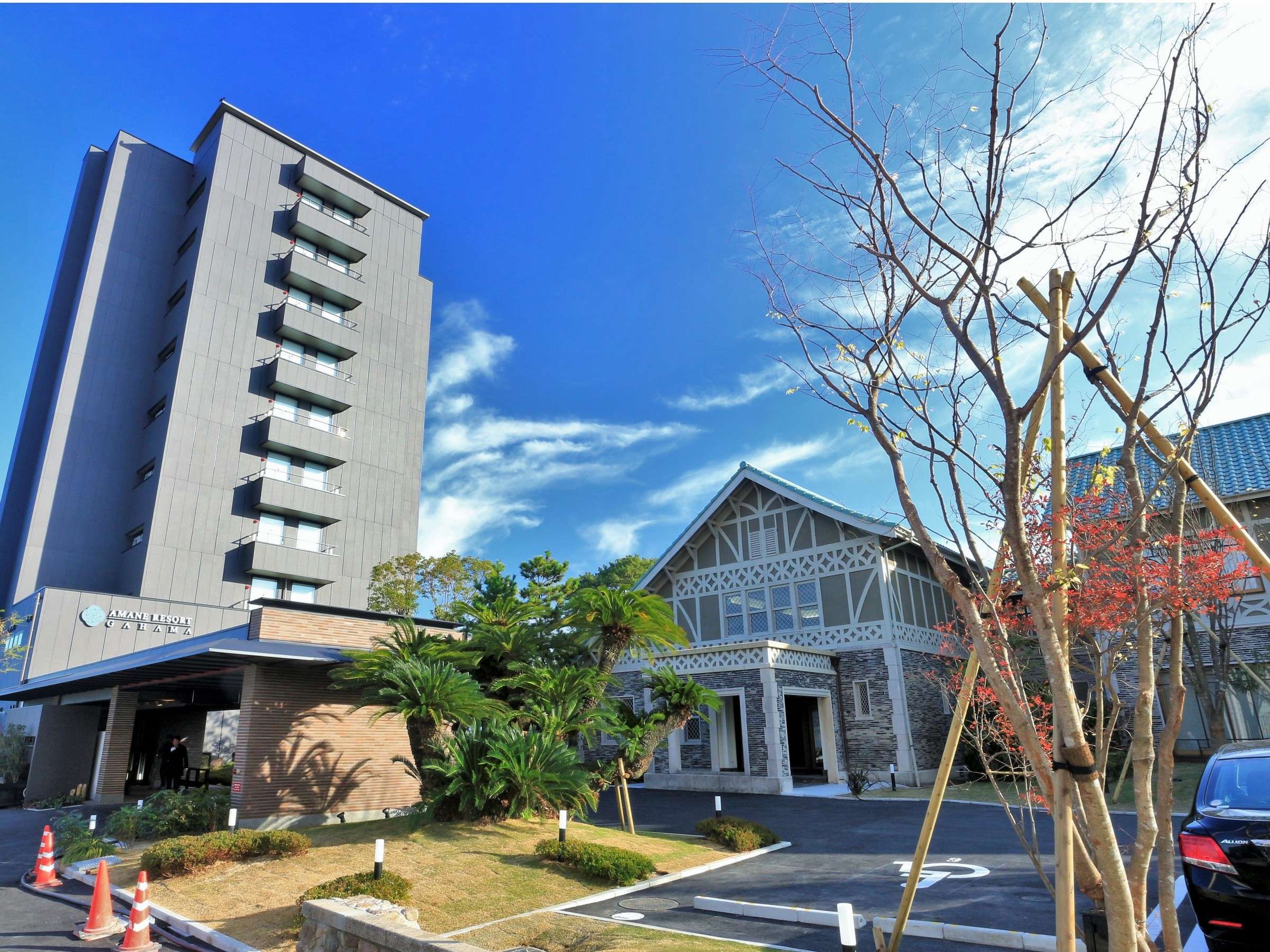
from US$260 · per person · per nightfrom ≈ US$520 total for 2 guests
9.575 reviews
EN OKPrivate bath (type unconfirmed)
Book on Agoda
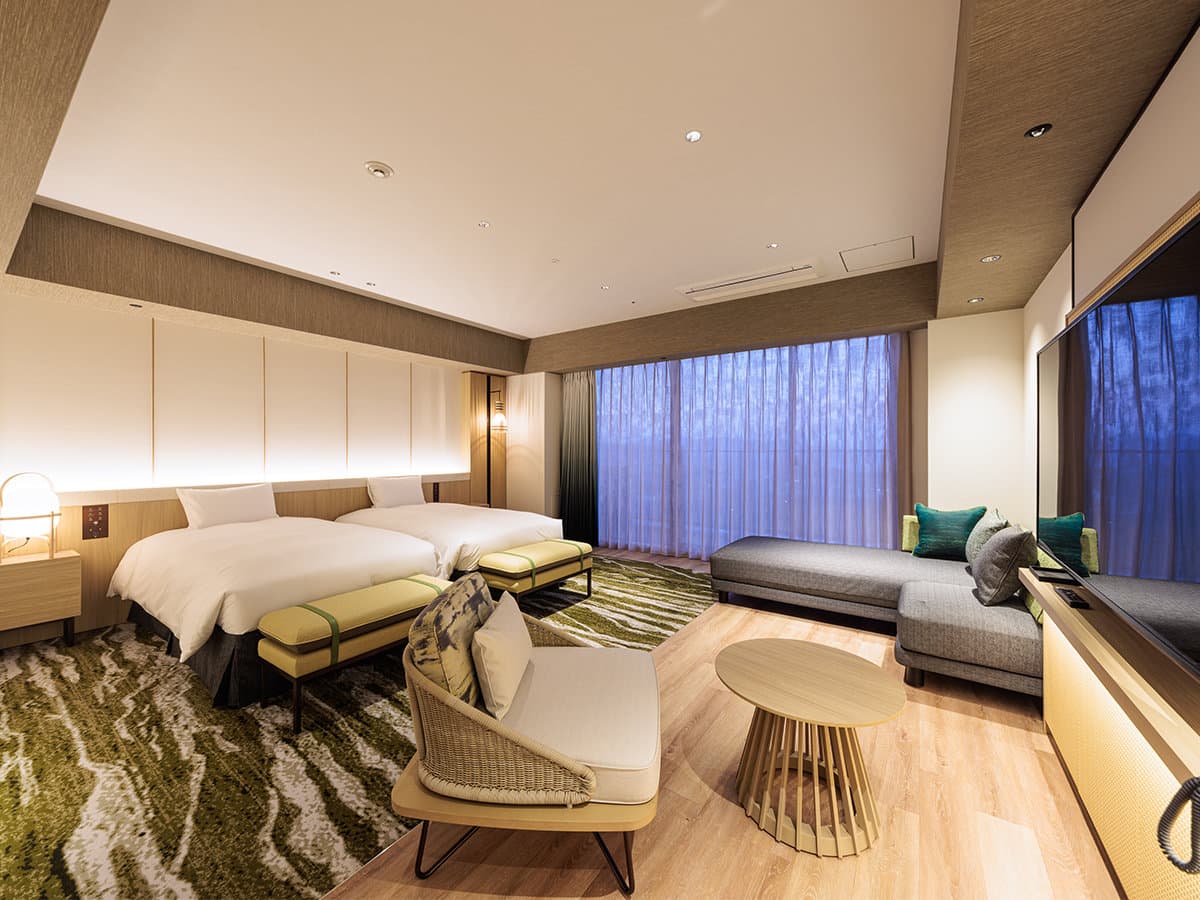
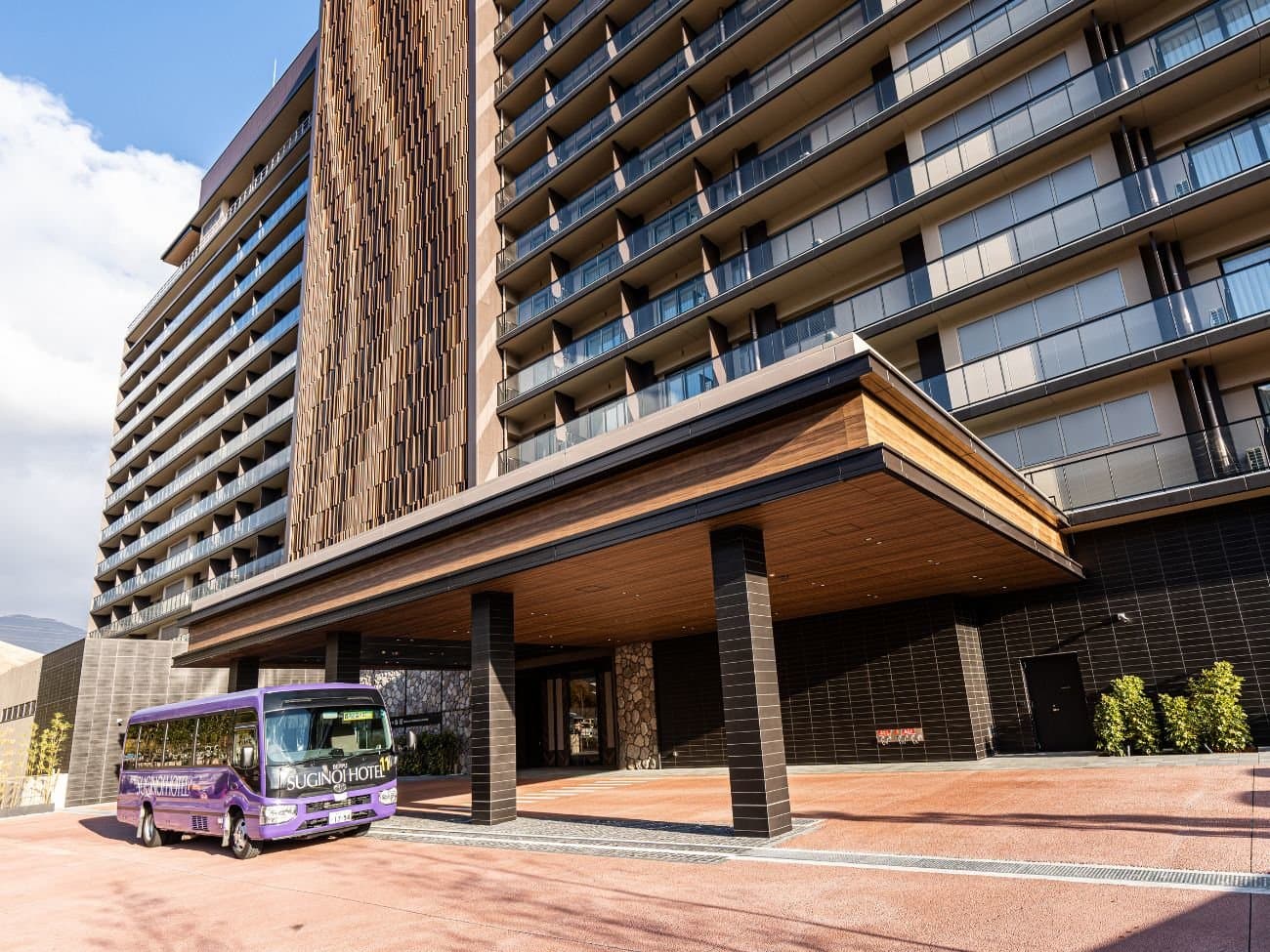
杉乃井ホテル
Reviewed by Japan Ryokan Guide editorial team·Independent publication·How we verify
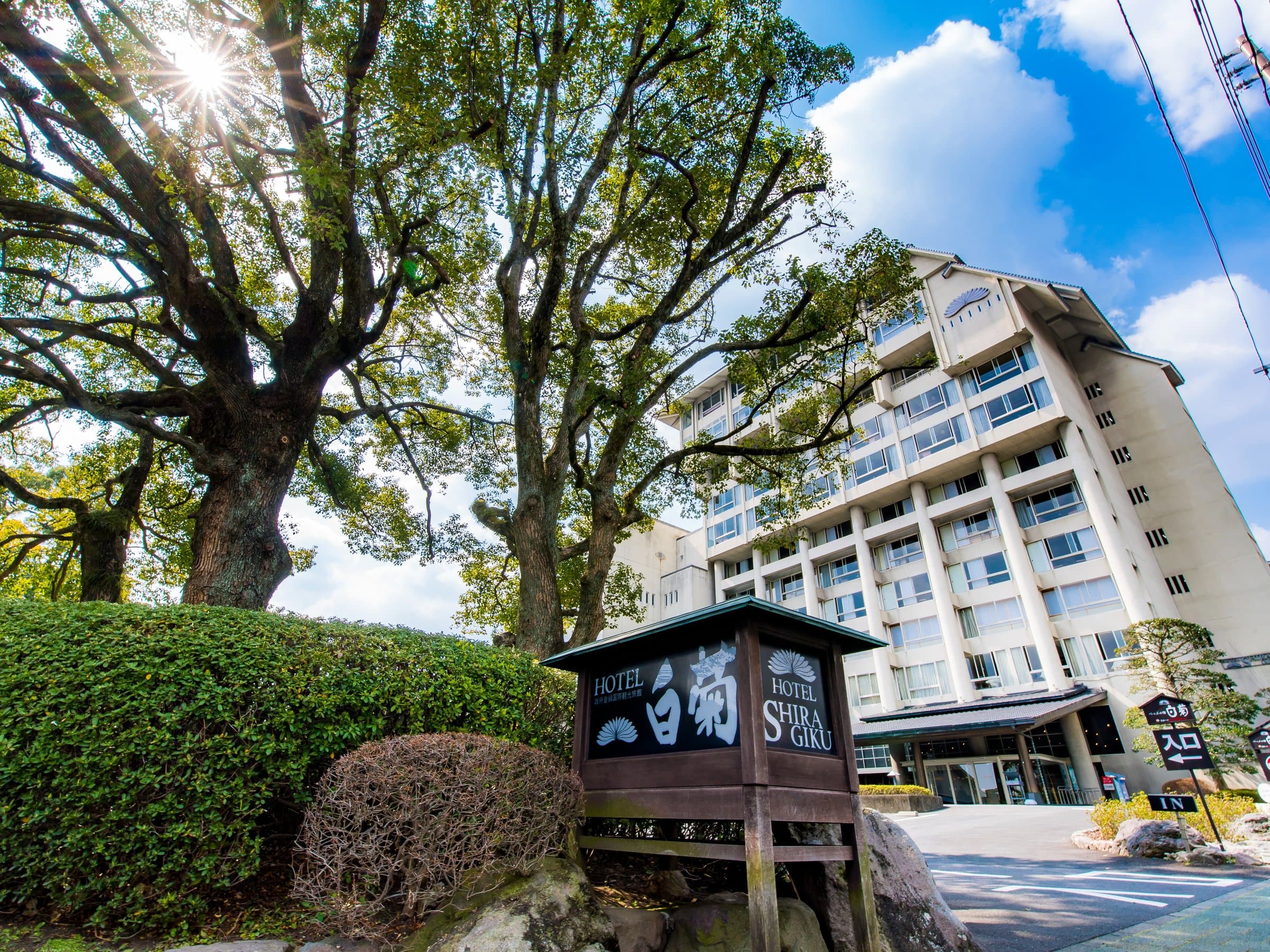
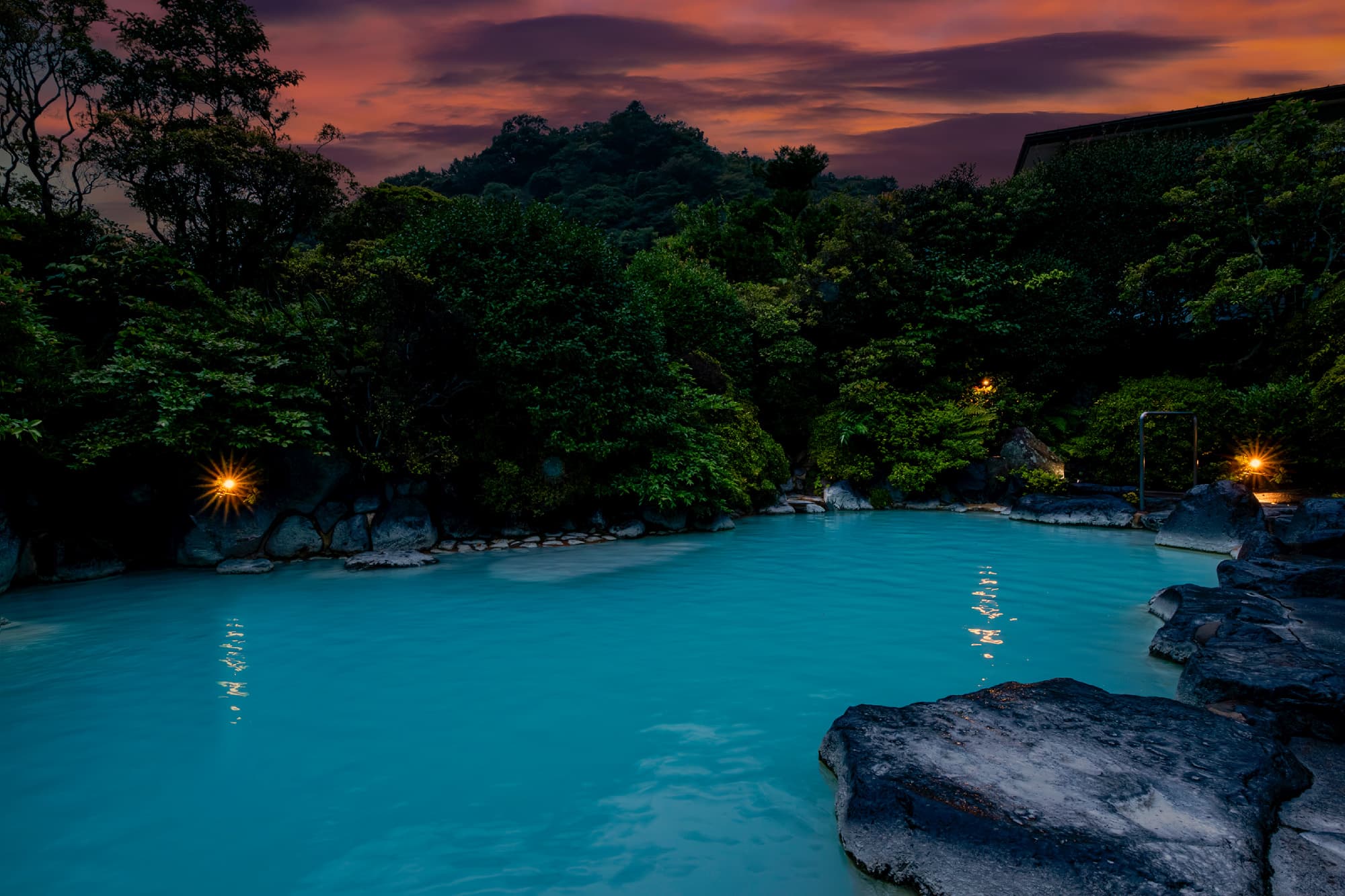
Checked against the official site · Sep 2026Kyushu's most popular resort hotel perched on a hillside, famous for its spectacular terraced onsen "Tanay" and Aqua Garden fountain shows.
Answers taken from the inn’s or its operator’s official website, with the exact wording. We only show what the site states.
泥酔者及び刺青(入れ墨)・タトゥーをされている方のご利用・ご入場はお断りしております。Private bathing for tattooed guests: not clearly stated on the official site — ask the inn before booking.
アレルギー対応をご希望のお客さまには、特定原材料8品目を使用していない「ふく会席Vegetarian, Vegan, Halal: not clearly stated on the official site — ask the inn before booking.
Not clearly stated on the official site — ask the inn before booking.
Not clearly stated on the official site — ask the inn before booking.
Check availability and prices on Trip.com, Booking.com, and Agoda.
Suginoi Hotel
Check prices on 3 sites — each opens with your dates
Check-in — Check-out
Booking links may earn us a commission at no extra cost to you.
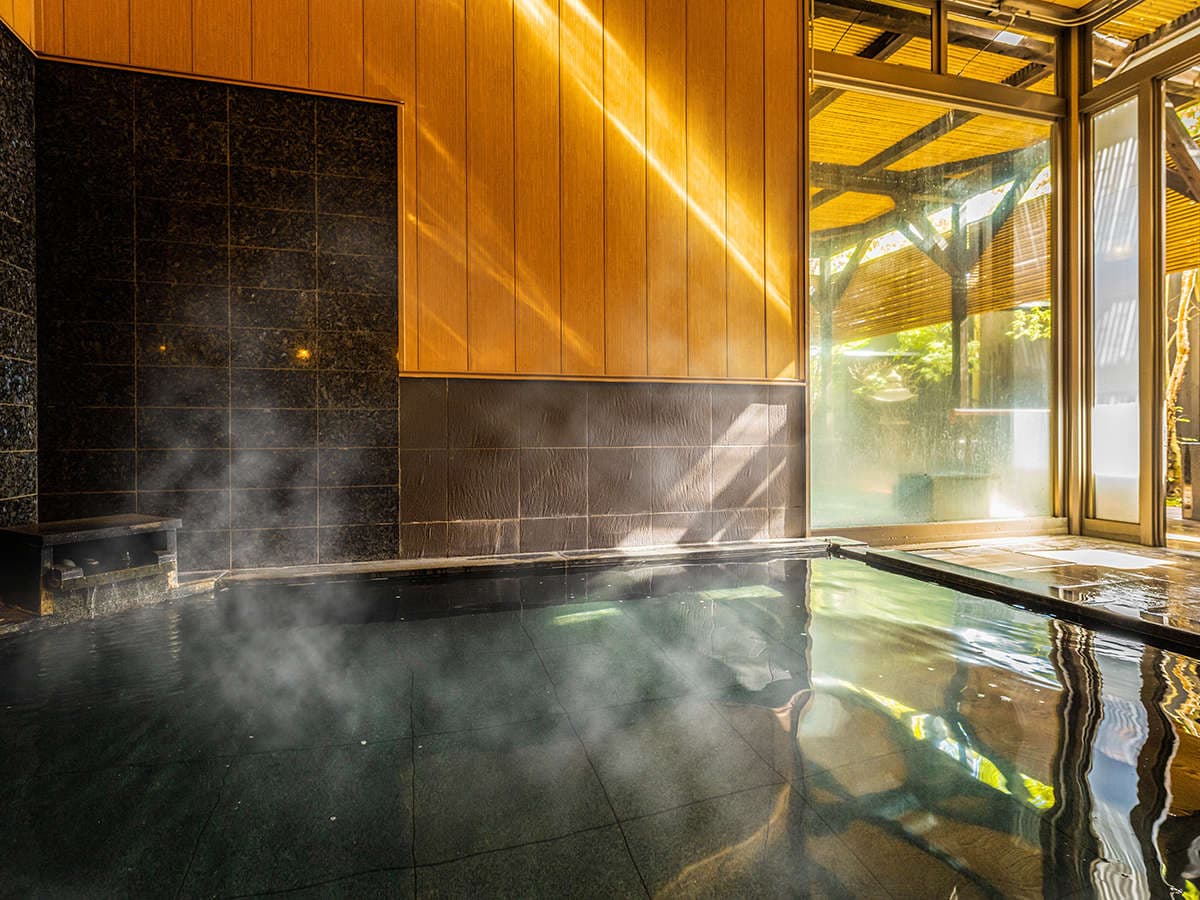
Five-tier cascading open-air onsen with panoramic Beppu Bay views
Nightly fountain shows and projection mapping over the water garden
The most popular hotel in Kyushu — fully renovated in 2023
Kaiseki dinner and Japanese breakfast are usually included at this mid-tier ryokan. Sudomari (room-only) plans may be offered as a cheaper alternative — verify the meal plan when booking. Dining is most often served in a communal dining hall.
Dietary requests (vegetarian, halal, gluten-free, allergies) should be communicated at booking, not on arrival — the kitchen pre-orders ingredients several days ahead.
10 questions about Suginoi Hotel
Plan your Japan trip
Booked your ryokan? Lock in the basics for a smooth trip — stay connected from arrival, ride unlimited Shinkansen, and skip the rush hour crowds.
Unlimited Shinkansen + JR trains for 7/14/21 days. Pays for itself in 2-3 long-distance trips.
View on KlookStay connected from the moment you land — instant activation, no physical SIM swap.
View on Airalo4G unlimited data. Great for groups — airport pickup, return at any major station.
View on KlookAffiliate disclosure: we earn a small commission when you book through these links — at no extra cost to you. This helps keep our ryokan guides free.
More in Beppu

潮騒の宿 晴海
An oceanfront resort where every room features a private open-air bath overlooking Beppu Bay — some at "zero meters above sea level."
from US$250 · per person · per nightfrom ≈ US$500 total for 2 guests

竹と椿のお宿 花べっぷ
A bamboo-and-camellia themed ryokan just 6 minutes from JR Beppu Station, awarded 5-Star Ryokan status.
from US$150 · per person · per nightfrom ≈ US$300 total for 2 guests
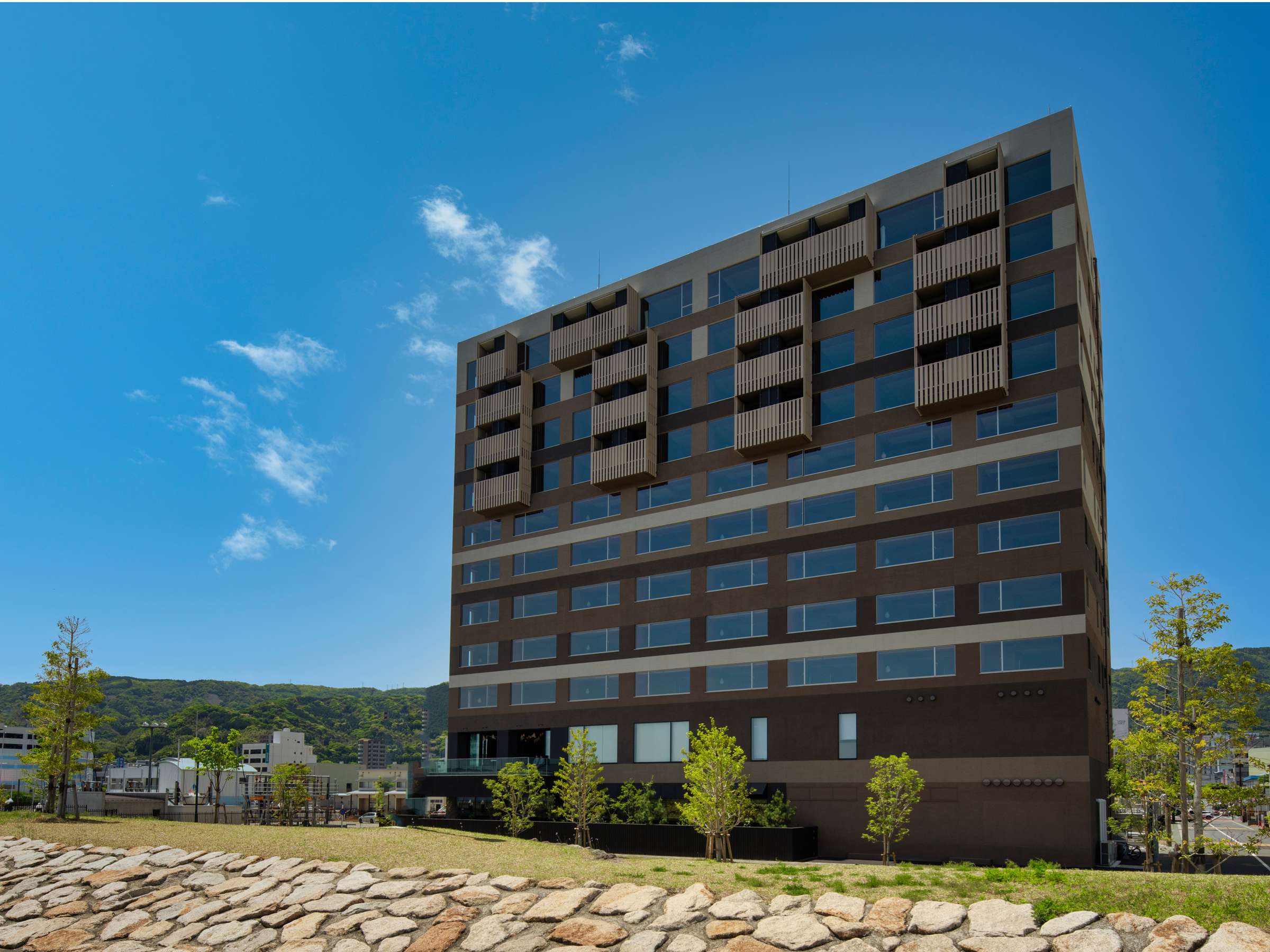
界 別府
Hoshino Resorts' boutique onsen hotel celebrating Beppu's vibrant onsen culture with a dramatic "Yu-no-Hiroba" hot spring plaza.
from US$300 · per person · per nightfrom ≈ US$600 total for 2 guests
| Ryokan | From | Rating | Book |
|---|---|---|---|
| from US$260/person/night≈ US$520 for 2 | 9.5 75 reviews | Book on Agoda |
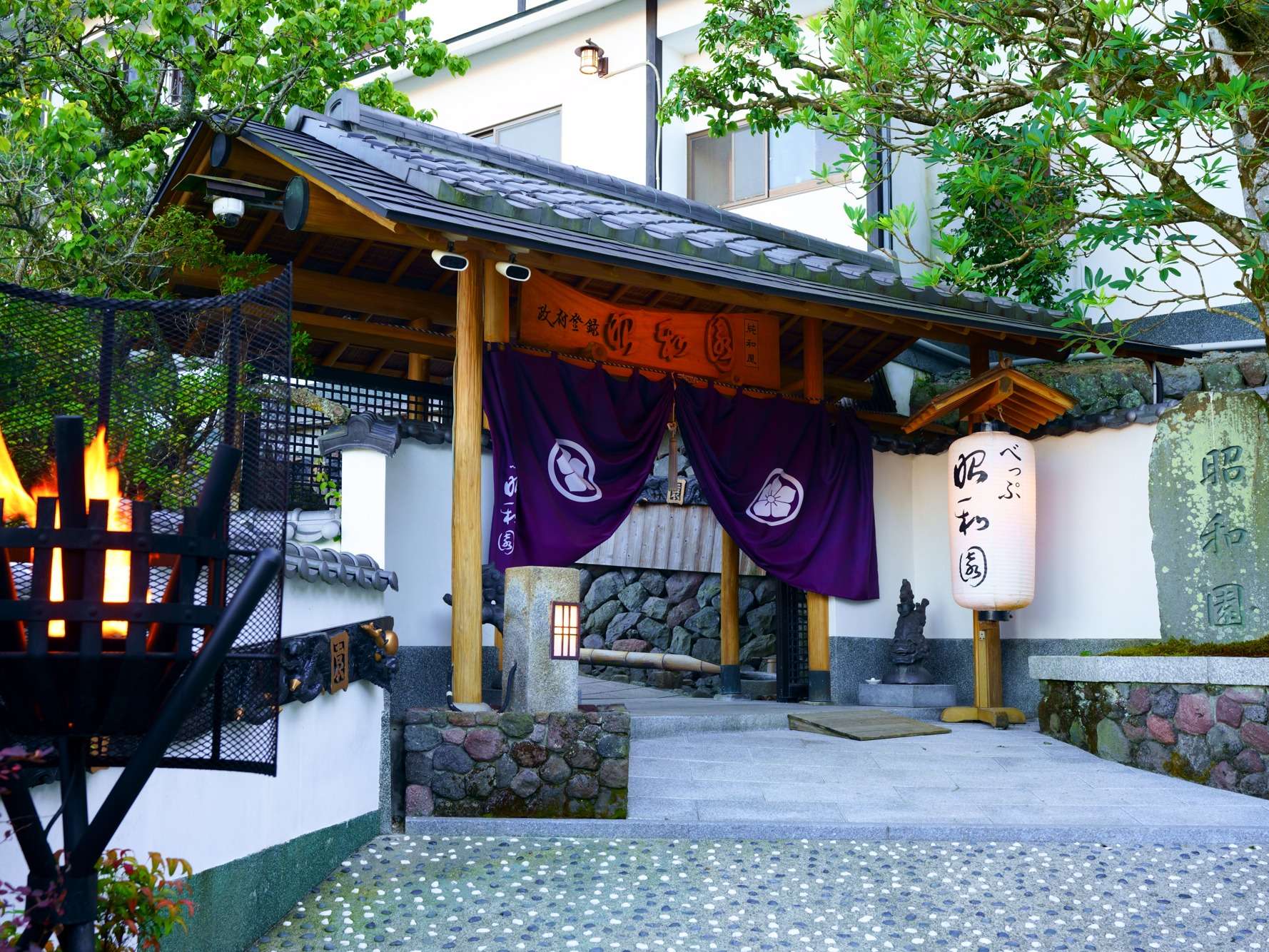
 | from US$251/person/night≈ US$502 for 2 | 9.5 57 reviews | Book on Agoda |
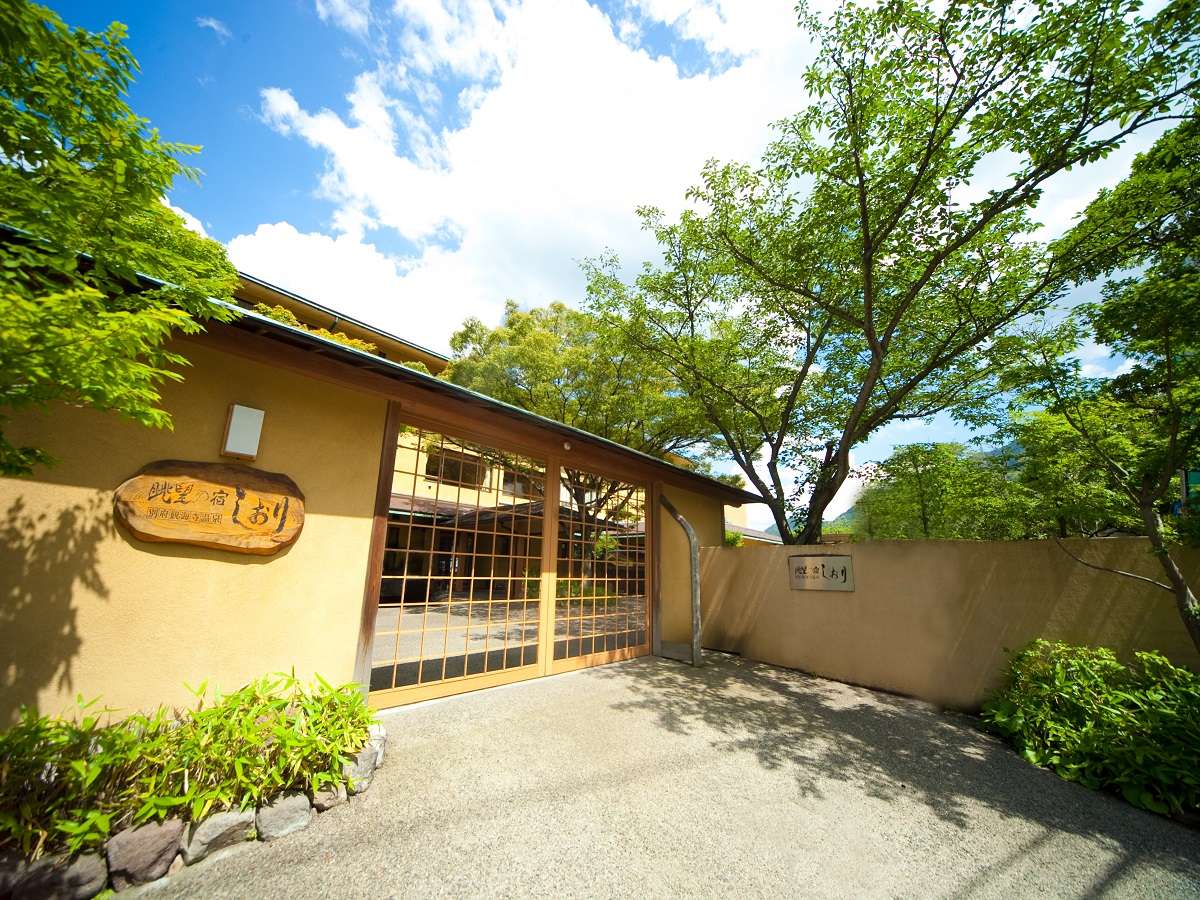
 | from US$400/person/night≈ US$800 for 2 | 9.3 65 reviews | Book on Agoda |
 | from US$350/person/night≈ US$700 for 2 | 9.2 85 reviews | Book on Agoda |
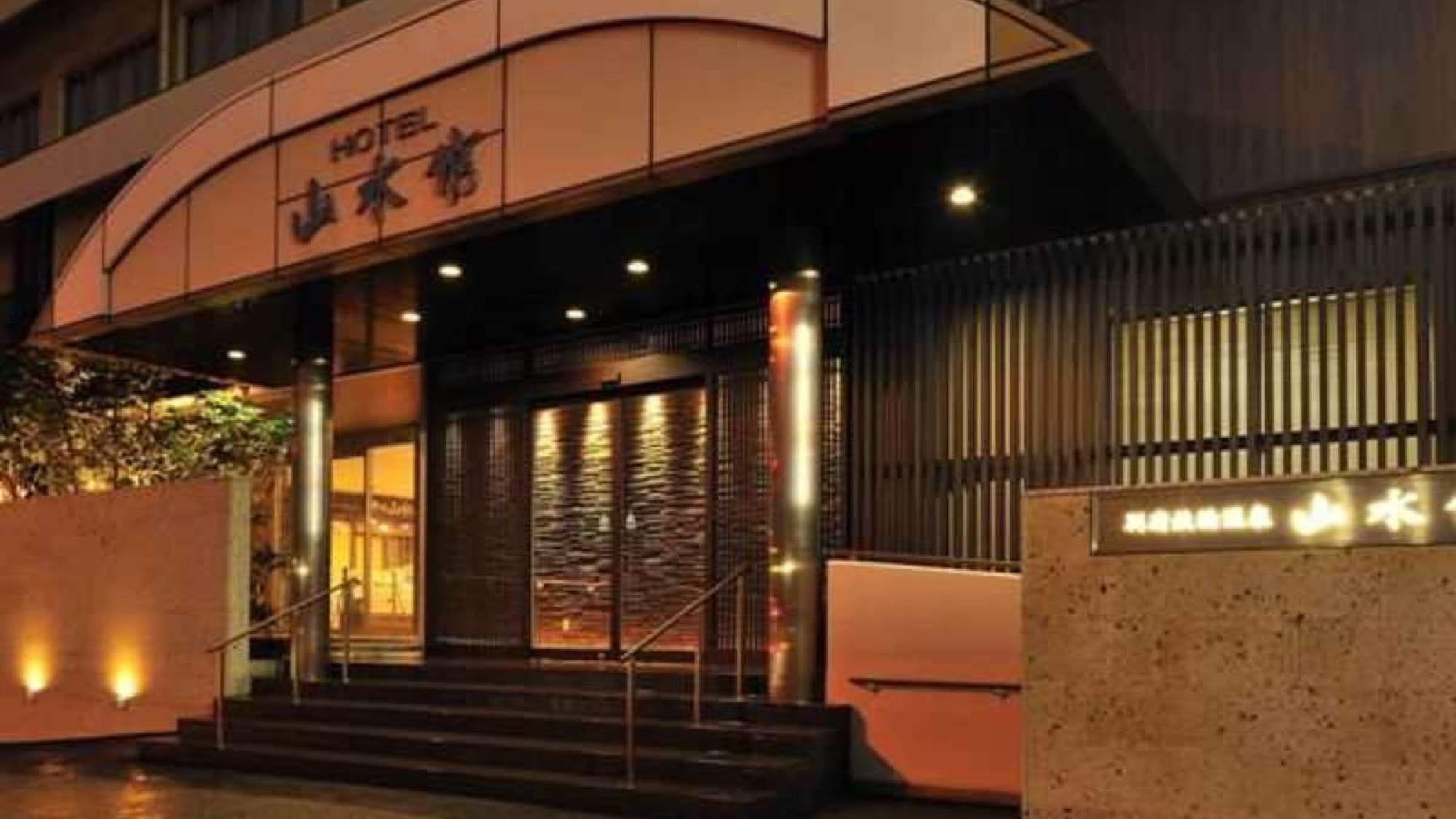
 | from US$150/person/night≈ US$300 for 2 | 9.2 55 reviews | Book on Booking.com |
| from US$300/person/night≈ US$600 for 2 | 9.1 350 reviews | Book on Booking.com |
| from US$250/person/night≈ US$500 for 2 | 9.0 680 reviews | Book on Booking.com |
 | from US$130/person/night≈ US$260 for 2 | 9.0 56 reviews | Book on Agoda |
 | from US$150/person/night≈ US$300 for 2 | 8.9 1,580 reviews | Book on Trip.com |
| from US$150/person/night≈ US$300 for 2 | 8.8 1,240 reviews | Book on Booking.com |
 | from US$466/person/night≈ US$932 for 2 | 8.8 854 reviews | Book on Trip.com |
 | from US$214/person/night≈ US$428 for 2 | 8.8 560 reviews | Book on Agoda |
Beppu
Beppu
Beppu
Beppu
Beppu
Beppu
Beppu
Prices shown are approximate starting rates per person per night. We may earn a commission on bookings.
Nearby experiences

Booking links may earn us a commission at no extra cost to you.
Related Articles
Explore