



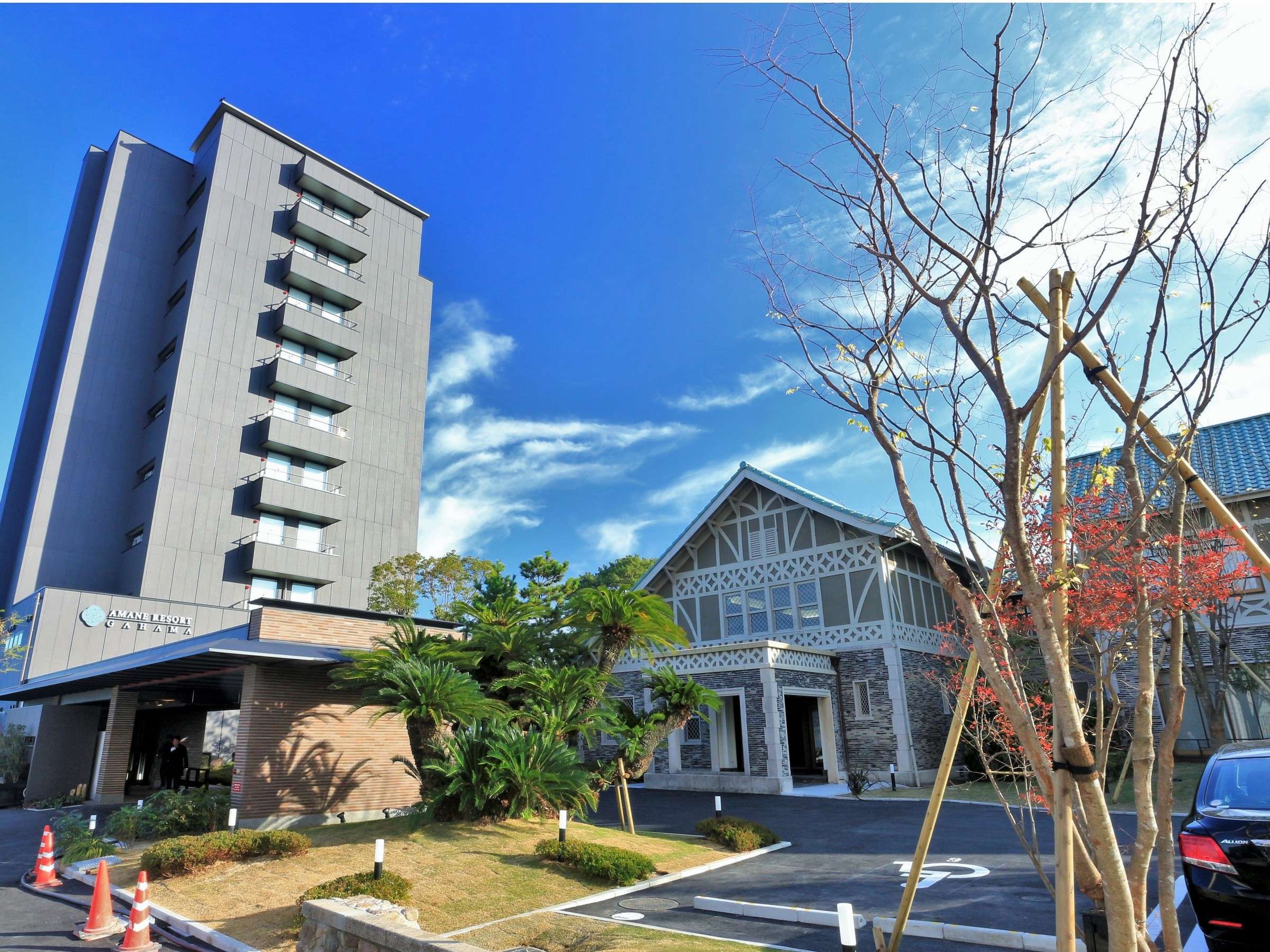
from US$260 · per person · per nightfrom ≈ US$520 total for 2 guests
9.575 reviews
EN OKPrivate bath (type unconfirmed)
Book on Agoda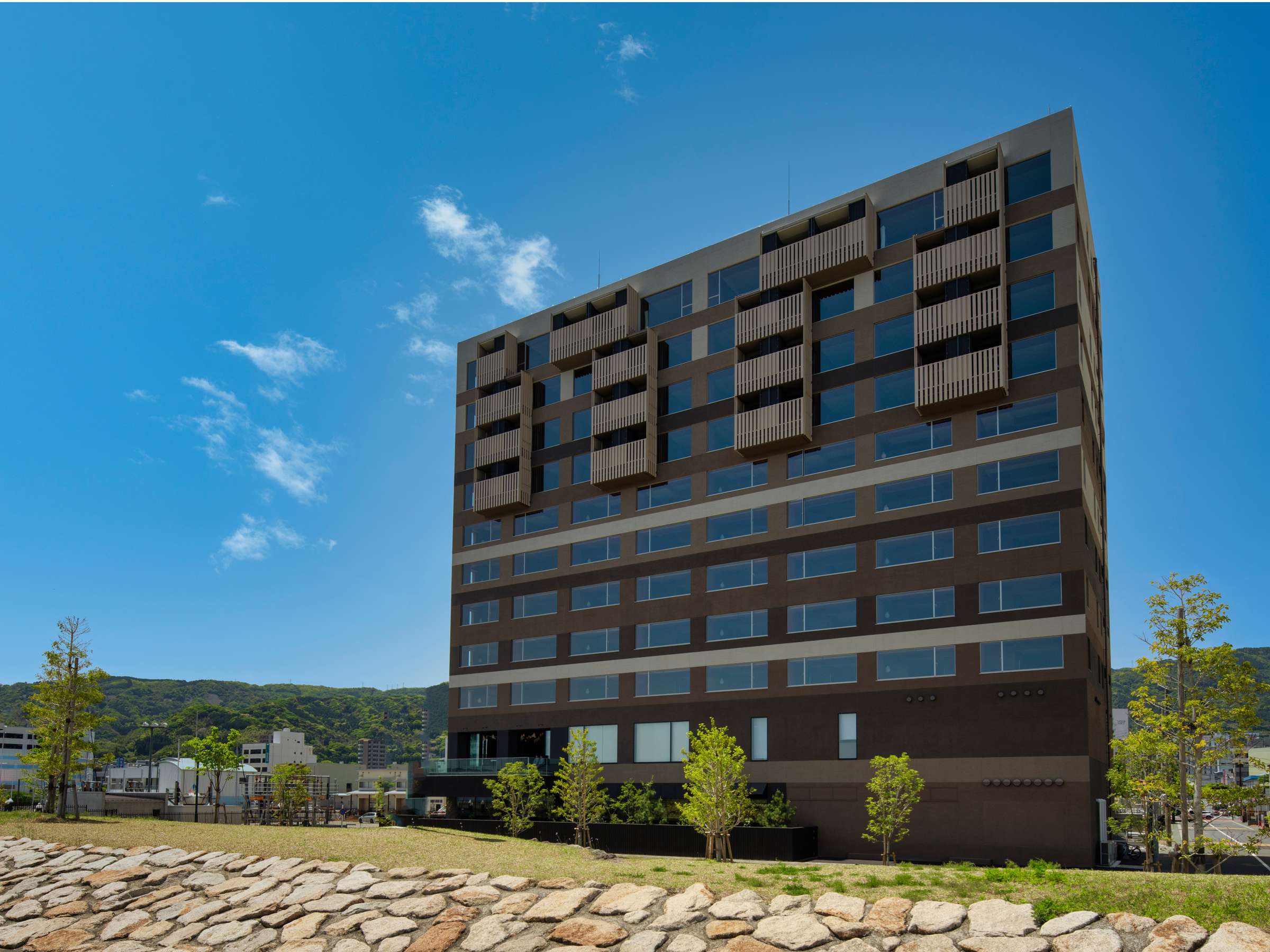
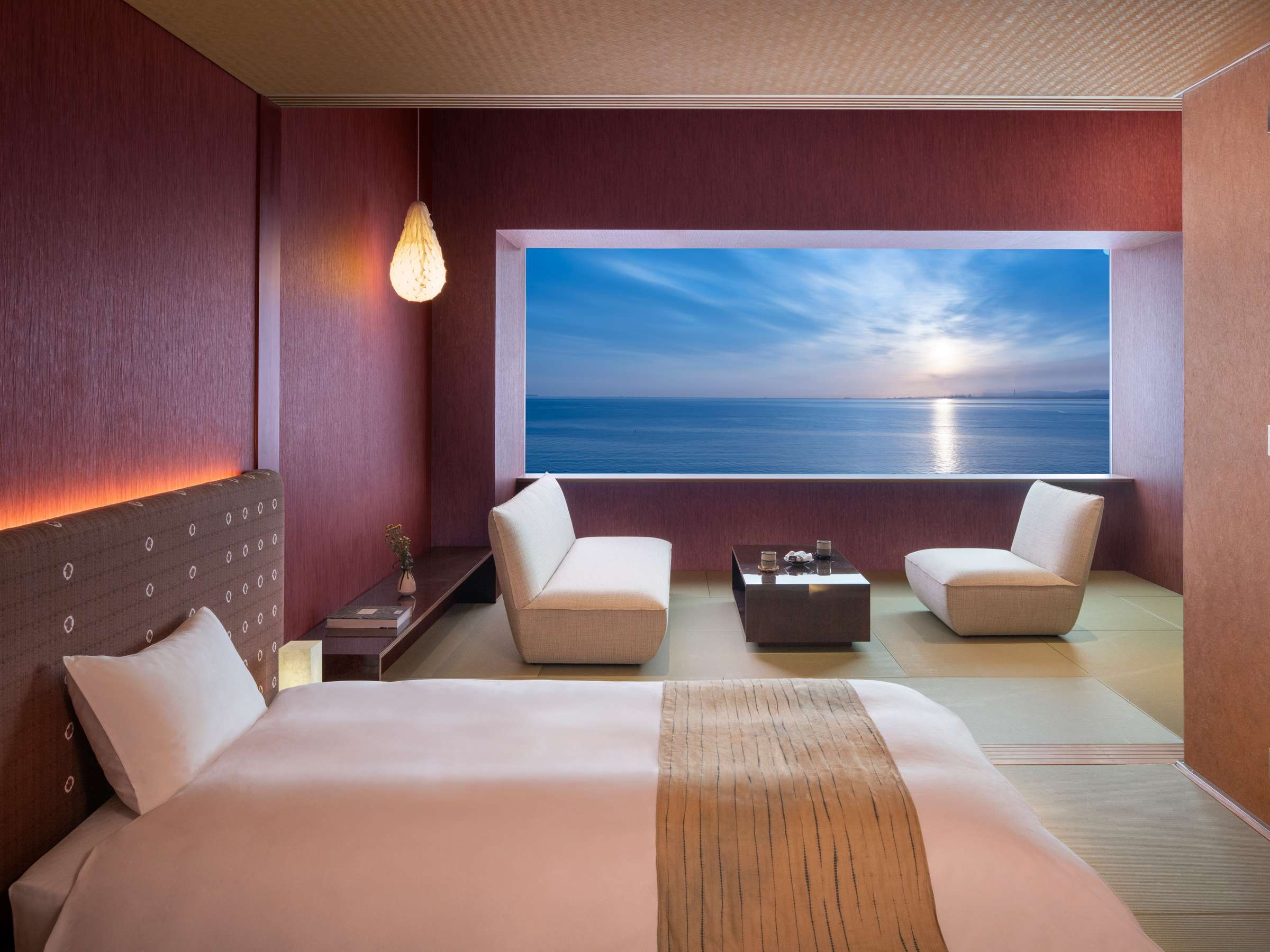
界 別府
Reviewed by Japan Ryokan Guide editorial team·Independent publication·How we verify
Checked against the official site · Sep 2026Hoshino Resorts' boutique onsen hotel celebrating Beppu's vibrant onsen culture with a dramatic "Yu-no-Hiroba" hot spring plaza.
Answers taken from the inn’s or its operator’s official website, with the exact wording. We only show what the site states.
私たちは、お客様の文化背景や価値観を尊重し、刺青・タトゥーをされているお客様の利用を制限しておりません。Private bathing for tattooed guests: not clearly stated on the official site — ask the inn before booking.
ベジタリアンのお客様にもお召し上がりいただける料理をご用意しています。Vegan, Halal, Gluten-free: not clearly stated on the official site — ask the inn before booking.
Not clearly stated on the official site — ask the inn before booking.
温泉宿へひとり旅をしてみたいけれど最初の一歩が踏み出せない。そんな方に向け、温泉旅館「界」が”おひとりプロデューサー”まろ氏と共同開発したプランです。Check availability and prices on Booking.com, Trip.com, and Agoda.
Kai Beppu
Check prices on 3 sites — each opens with your dates
Check-in — Check-out
Booking links may earn us a commission at no extra cost to you.
Part of Japan's premier hospitality group — impeccable Kai standard
Dramatic indoor hot spring plaza with art installations
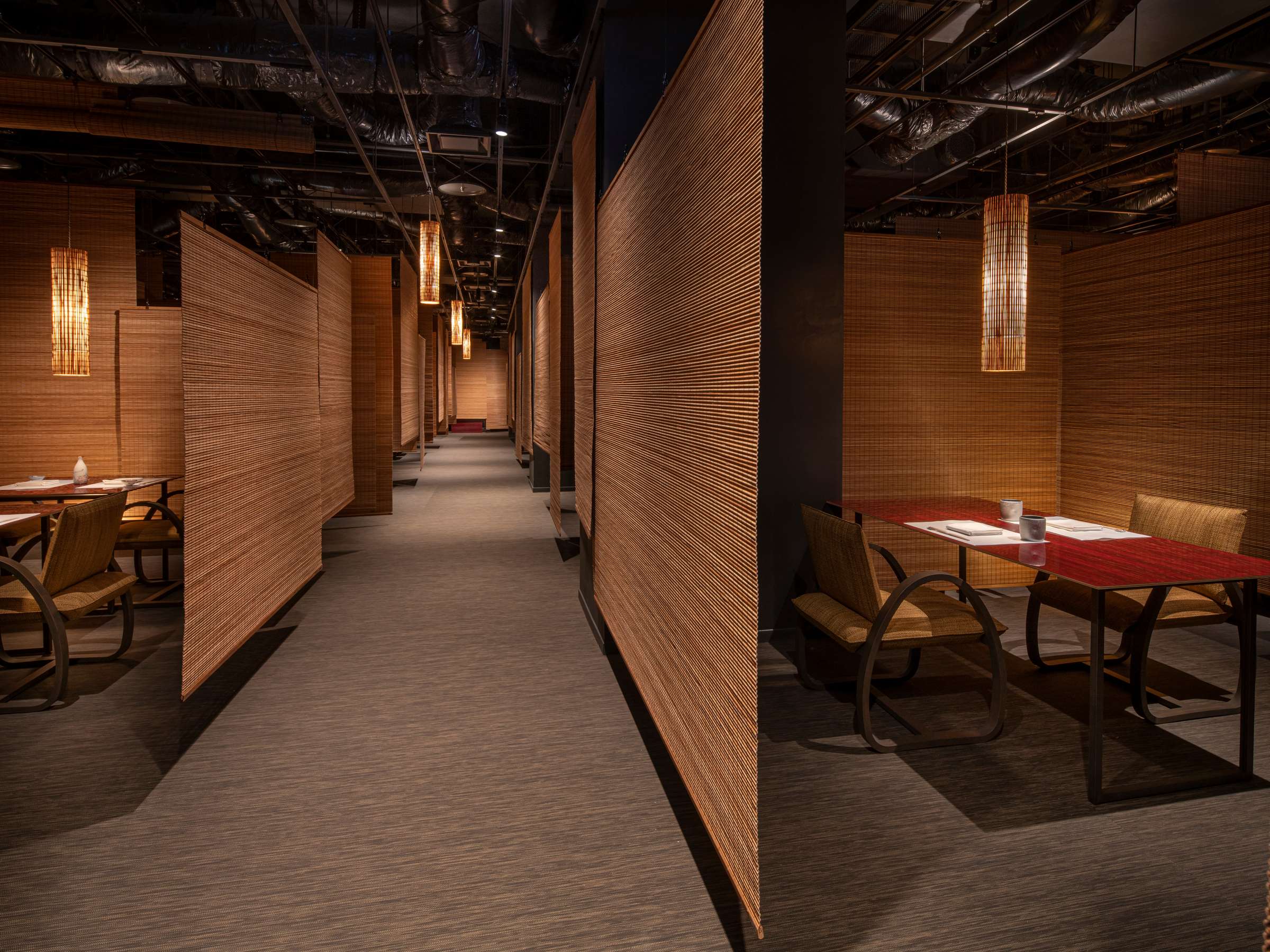
Experience Beppu's famous hell-steamed cooking alongside kaiseki
Multi-course kaiseki dinner and traditional Japanese breakfast are typically included in the nightly rate at this luxury ryokan. Premium kaiseki tiers, in-room dining (heya-shoku), and private dining rooms (koshitsu) may be available — request these preferences when booking through Trip.com or Booking.com.
Dietary requests (vegetarian, halal, gluten-free, allergies) should be communicated at booking, not on arrival — the kitchen pre-orders ingredients several days ahead.
12 questions about Kai Beppu
Plan your Japan trip
Booked your ryokan? Lock in the basics for a smooth trip — stay connected from arrival, ride unlimited Shinkansen, and skip the rush hour crowds.
Unlimited Shinkansen + JR trains for 7/14/21 days. Pays for itself in 2-3 long-distance trips.
View on KlookStay connected from the moment you land — instant activation, no physical SIM swap.
View on Airalo4G unlimited data. Great for groups — airport pickup, return at any major station.
View on KlookAffiliate disclosure: we earn a small commission when you book through these links — at no extra cost to you. This helps keep our ryokan guides free.
These Beppu ryokan offer a similar onsen-town experience at a meaningfully lower price — ranked by traveler review count.

杉乃井ホテル
Kyushu's most popular resort hotel perched on a hillside, famous for its spectacular terraced onsen "Tanay" and Aqua Garden fountain shows.
from US$62 · per person · per nightfrom ≈ US$124 total for 2 guests
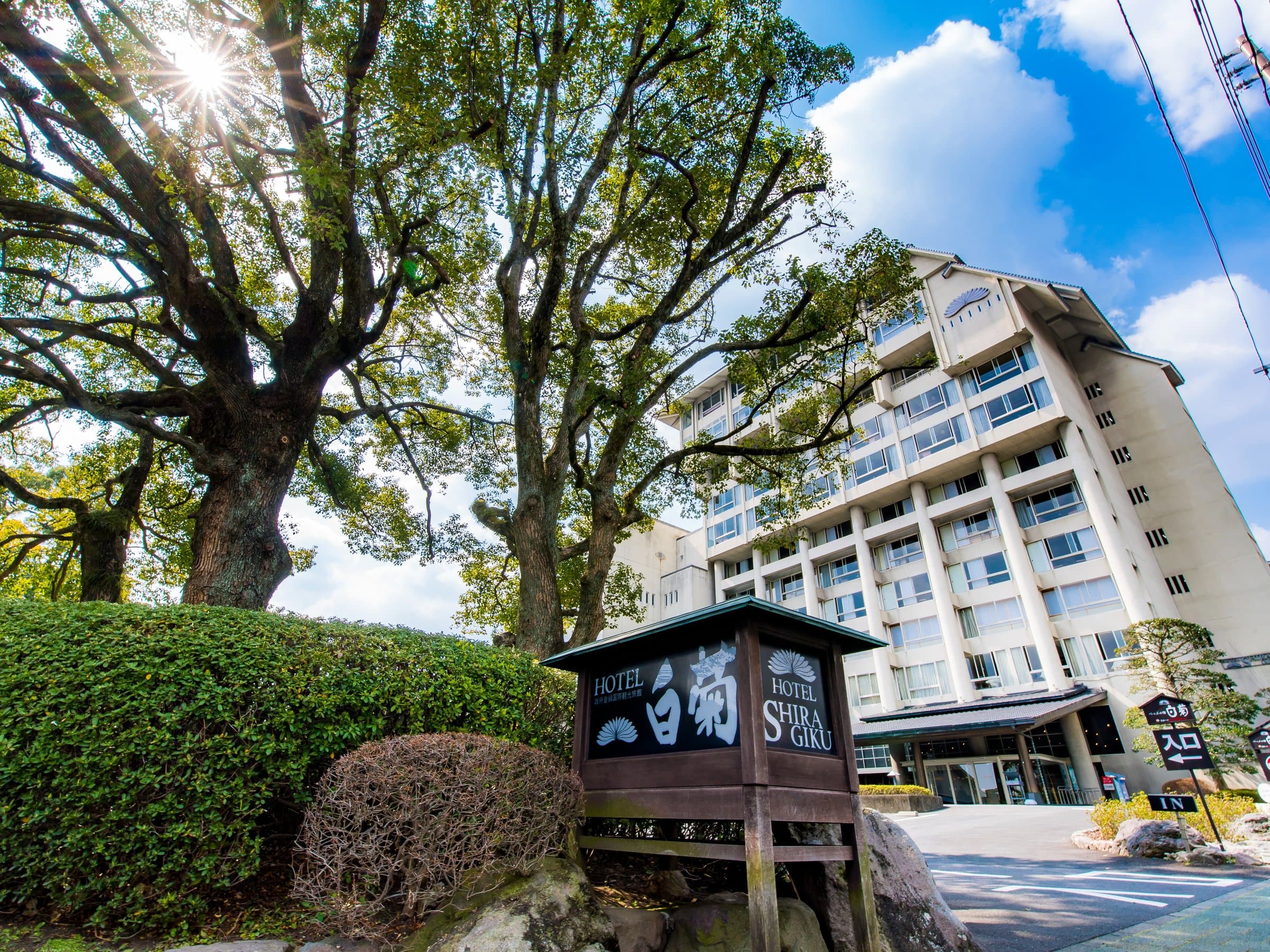
ホテル白菊
A grand onsen hotel 8 minutes from Beppu Station, celebrated for its Michelin-starred cuisine and elegant Japanese garden baths.
from US$150 · per person · per nightfrom ≈ US$300 total for 2 guests

竹と椿のお宿 花べっぷ
A bamboo-and-camellia themed ryokan just 6 minutes from JR Beppu Station, awarded 5-Star Ryokan status.
from US$150 · per person · per nightfrom ≈ US$300 total for 2 guests
More in Beppu
杉乃井ホテル
Kyushu's most popular resort hotel perched on a hillside, famous for its spectacular terraced onsen "Tanay" and Aqua Garden fountain shows.
from US$62 · per person · per nightfrom ≈ US$124 total for 2 guests

潮騒の宿 晴海
An oceanfront resort where every room features a private open-air bath overlooking Beppu Bay — some at "zero meters above sea level."
from US$250 · per person · per nightfrom ≈ US$500 total for 2 guests
竹と椿のお宿 花べっぷ
A bamboo-and-camellia themed ryokan just 6 minutes from JR Beppu Station, awarded 5-Star Ryokan status.
from US$150 · per person · per nightfrom ≈ US$300 total for 2 guests
| Ryokan | From | Rating | Book |
|---|---|---|---|
| from US$260/person/night≈ US$520 for 2 | 9.5 75 reviews | Book on Agoda |
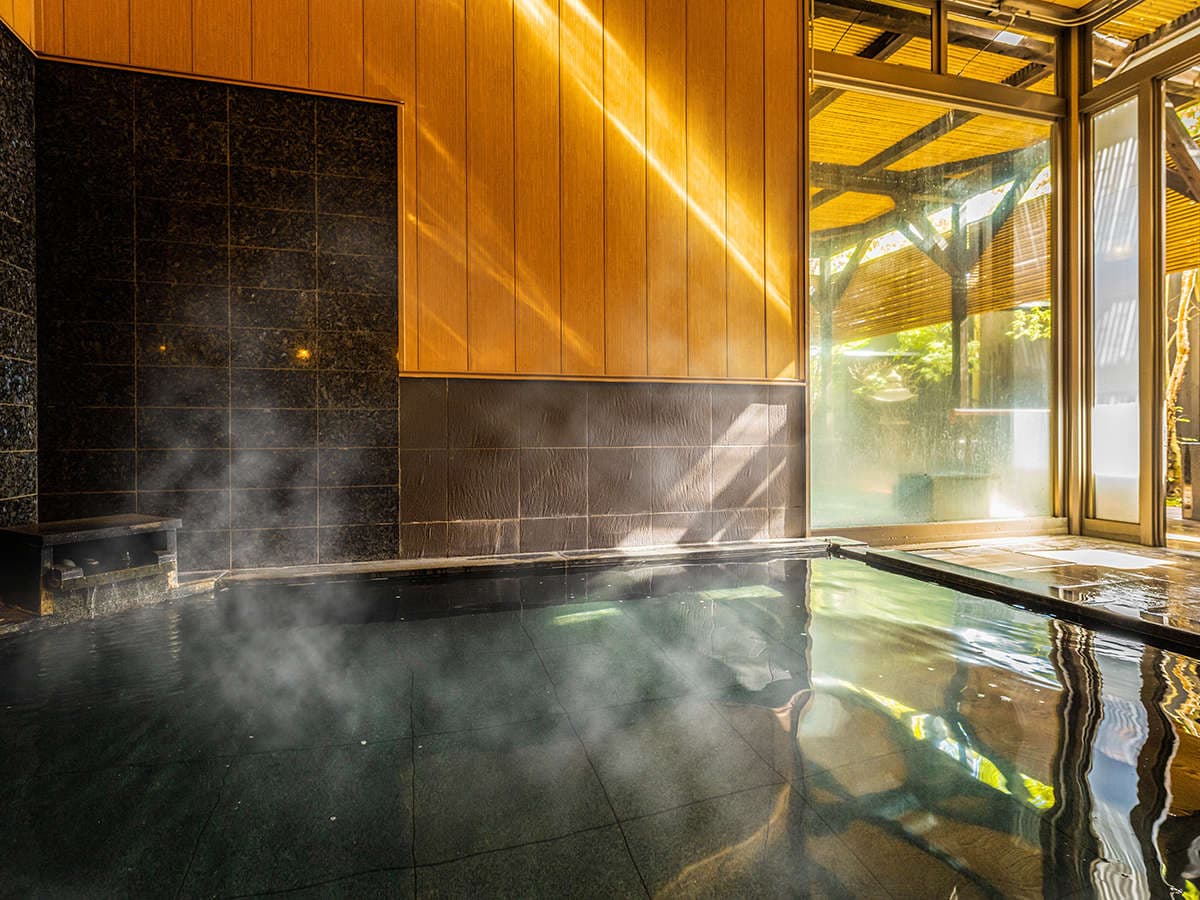 | from US$251/person/night≈ US$502 for 2 | 9.5 57 reviews | Book on Agoda |
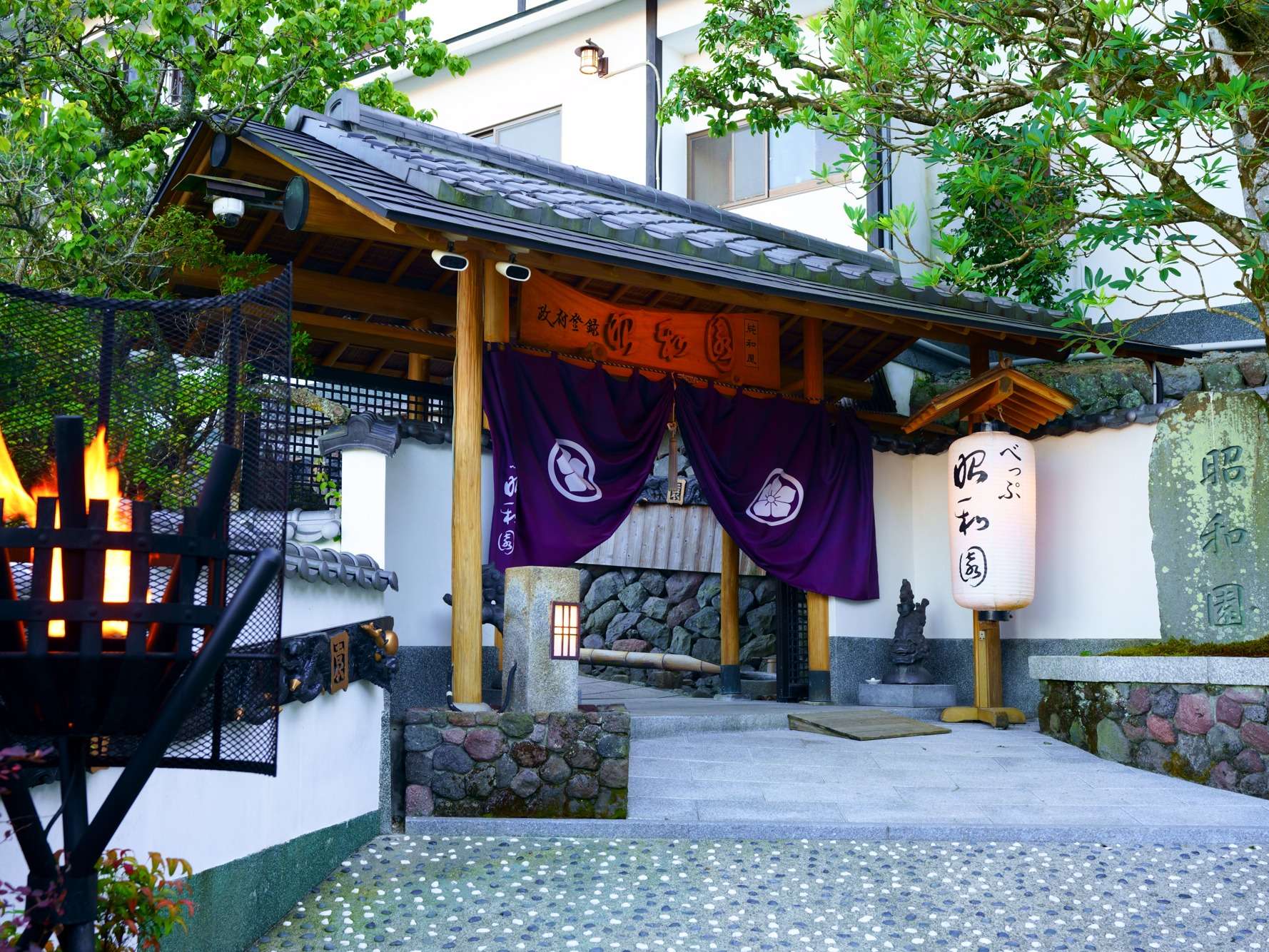 | from US$400/person/night≈ US$800 for 2 | 9.3 65 reviews | Book on Agoda |
 | from US$350/person/night≈ US$700 for 2 | 9.2 85 reviews | Book on Agoda |
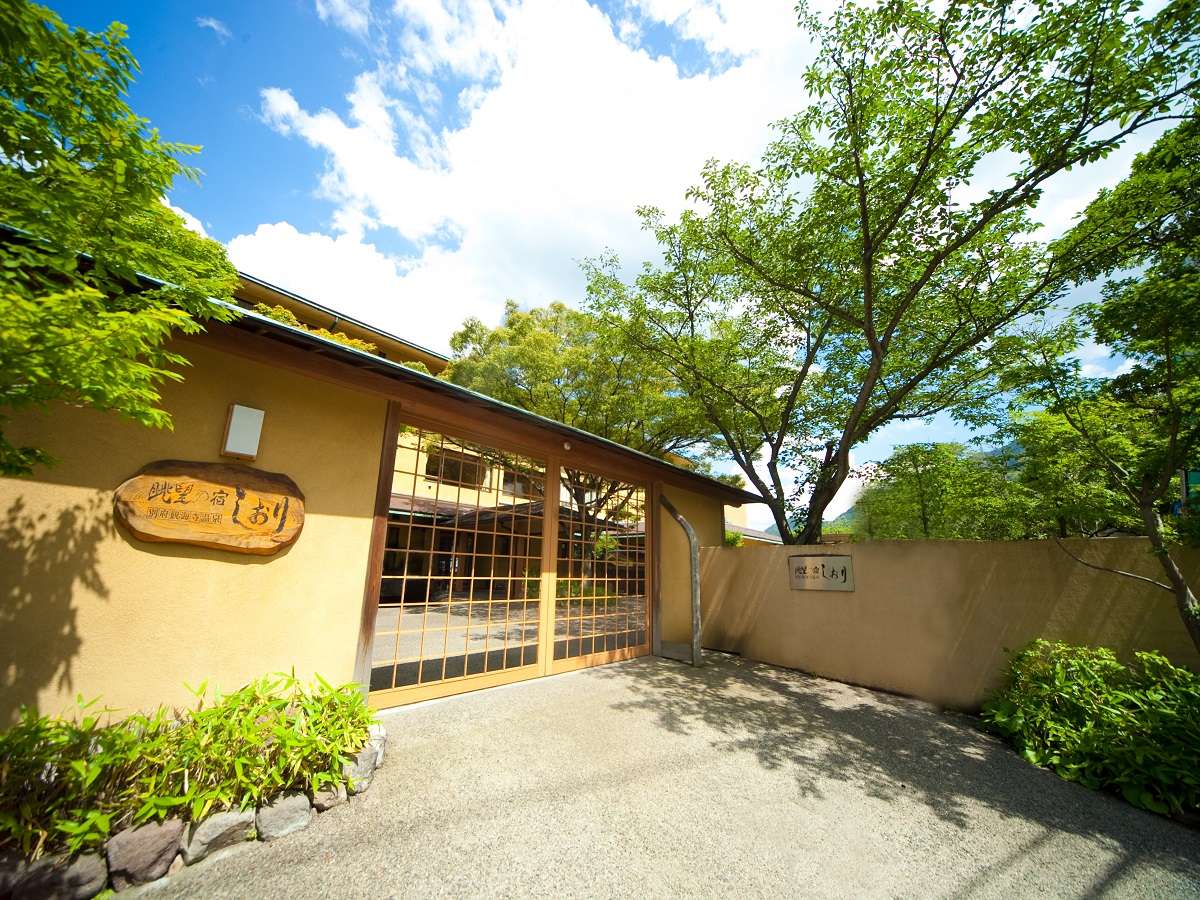 | from US$150/person/night≈ US$300 for 2 | 9.2 55 reviews | Book on Booking.com |
| from US$250/person/night≈ US$500 for 2 | 9.0 680 reviews | Book on Booking.com |
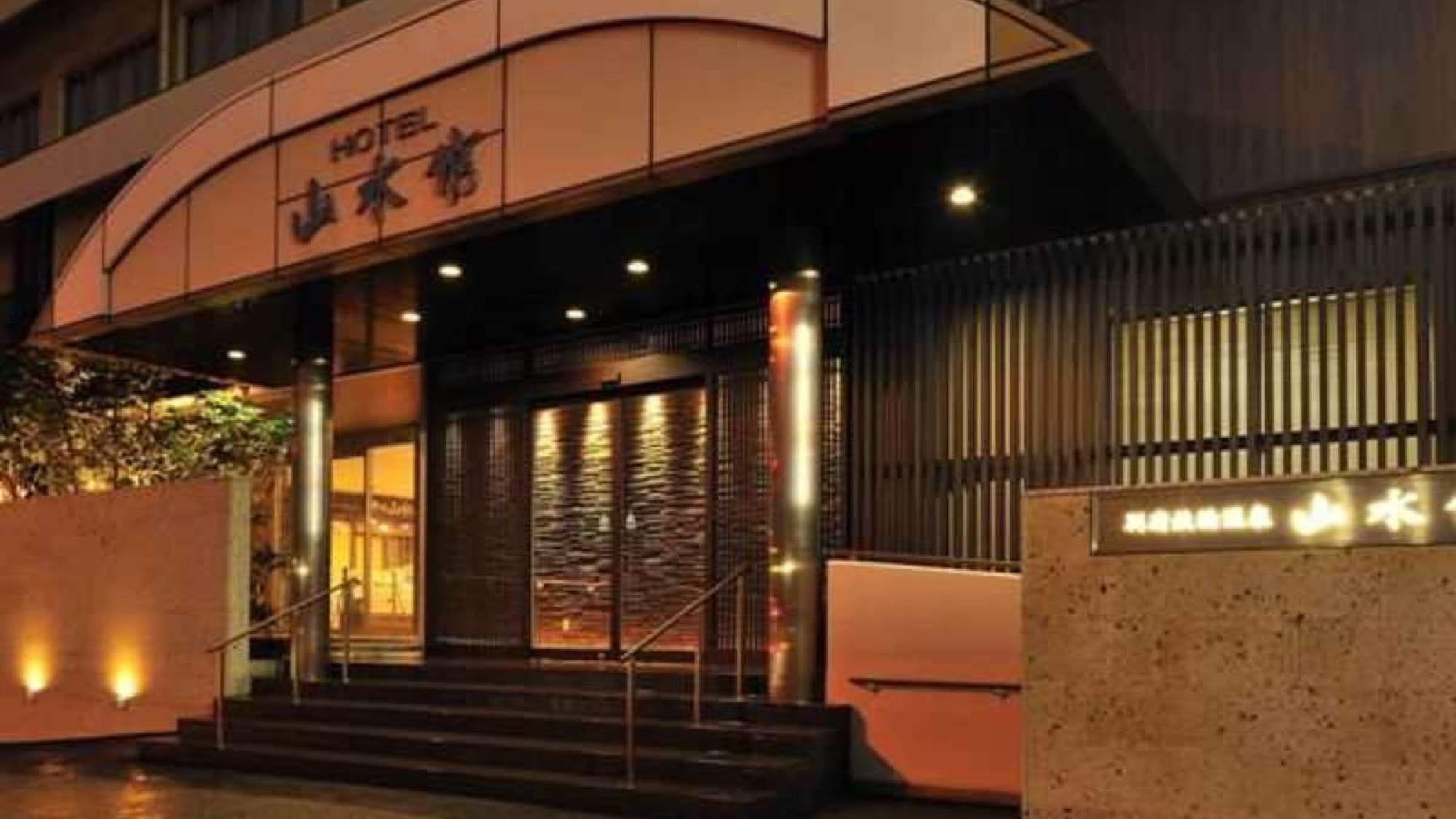 | from US$130/person/night≈ US$260 for 2 | 9.0 56 reviews | Book on Agoda |
| from US$150/person/night≈ US$300 for 2 | 8.9 1,580 reviews | Book on Trip.com |
| from US$150/person/night≈ US$300 for 2 | 8.8 1,240 reviews | Book on Booking.com |
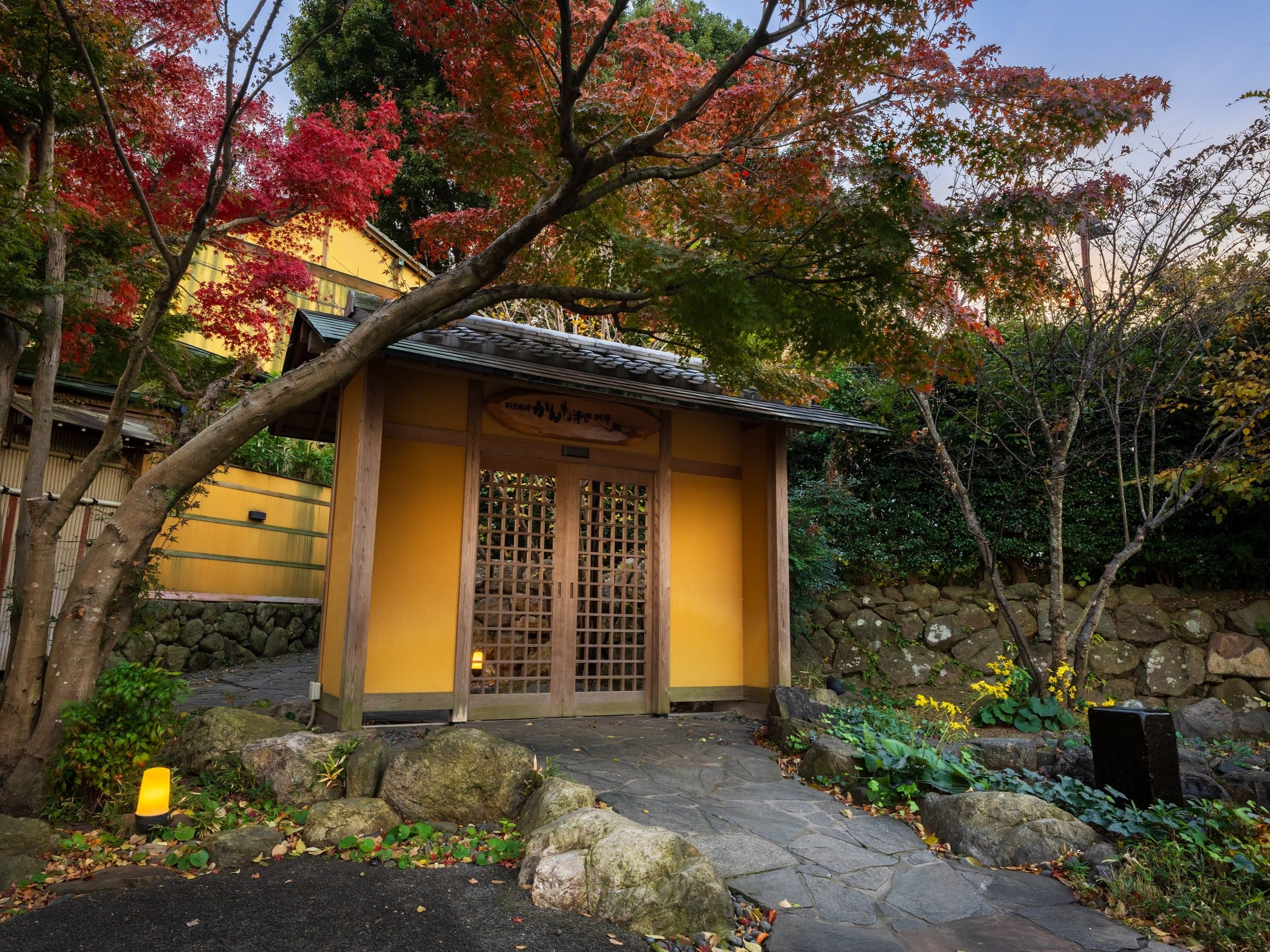 | from US$466/person/night≈ US$932 for 2 | 8.8 854 reviews | Book on Trip.com |
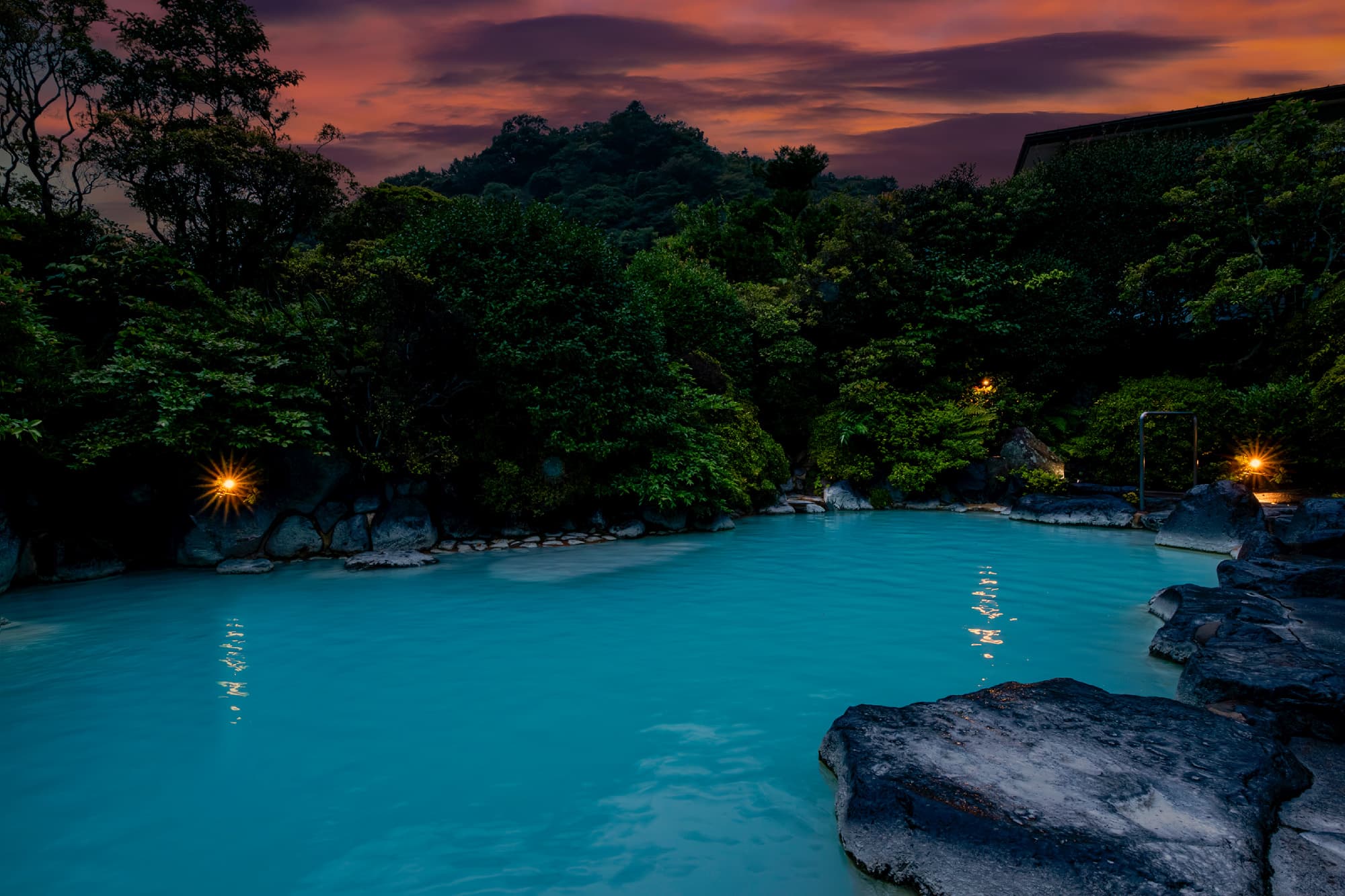 | from US$214/person/night≈ US$428 for 2 | 8.8 560 reviews | Book on Agoda |
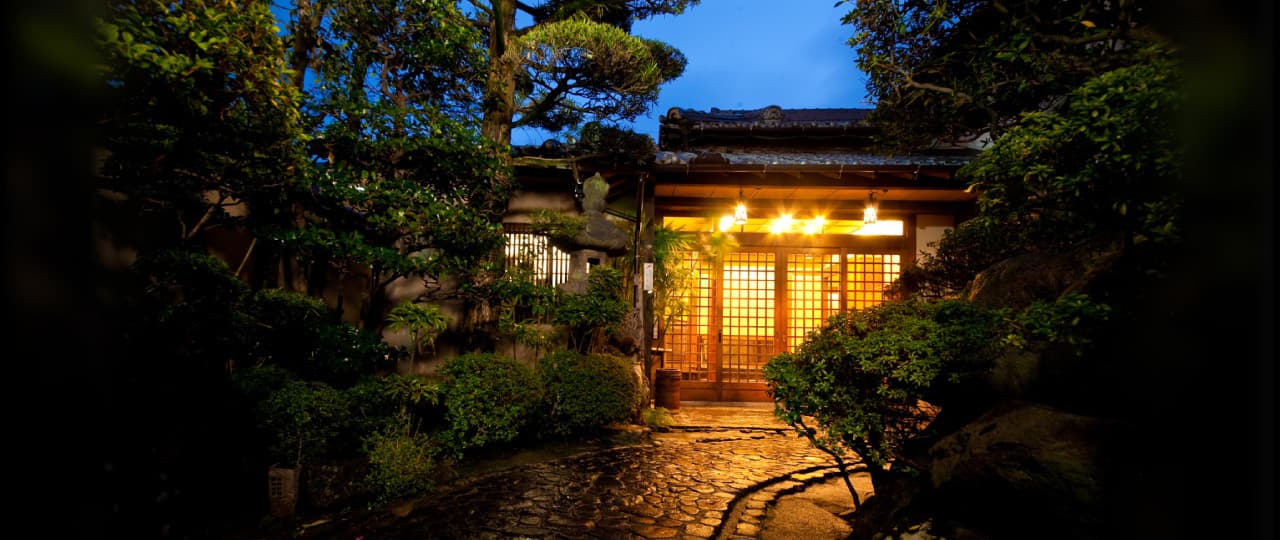 | from US$100/person/night≈ US$200 for 2 | 8.6 137 reviews | Book on Booking.com |
Beppu
Beppu
Beppu
Beppu
Beppu
Beppu
Beppu
Beppu
Prices shown are approximate starting rates per person per night. We may earn a commission on bookings.
Nearby experiences

Booking links may earn us a commission at no extra cost to you.
Related Articles
Explore