Destination
Hakuba
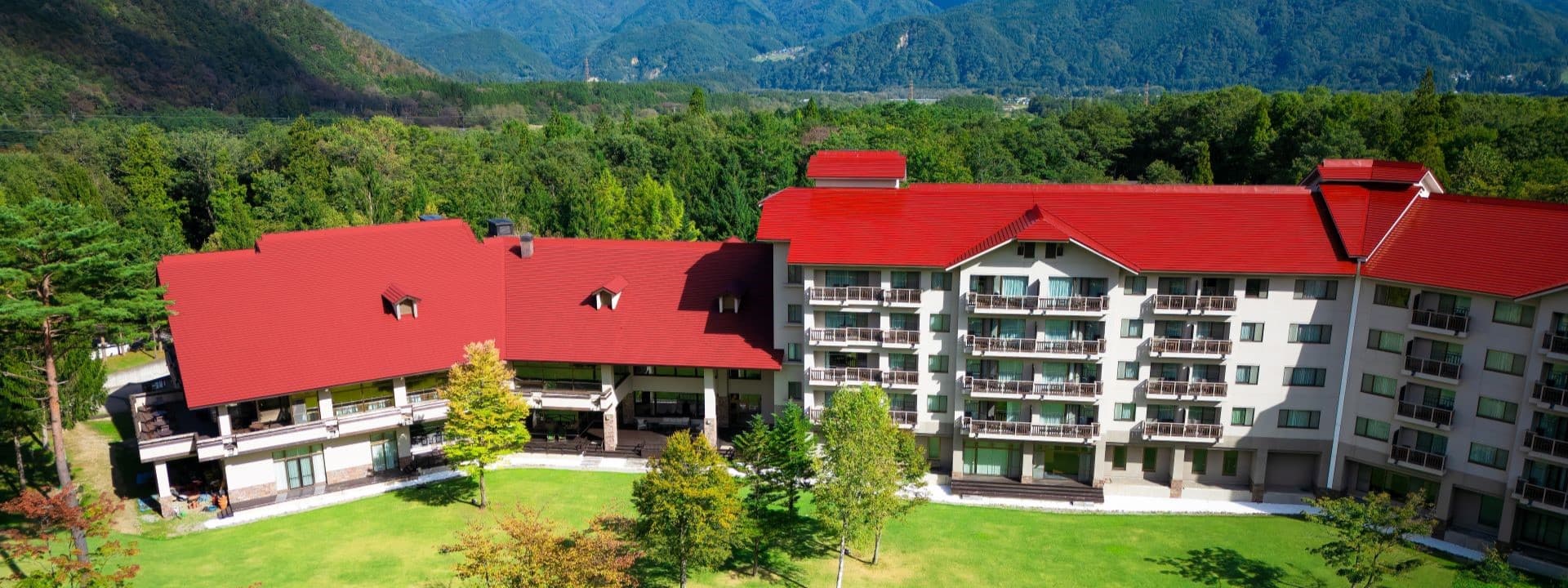
Hakuba sits in the heart of the Japanese Alps in Nagano Prefecture 窶� host town of the 1998 Winter Olympics and home to eleven lift-connected ski areas spread across the Hakuba Valley. The Goryu / Hakuba 47 / Happo One trio anchors the valley with its longest runs and biggest vertical, while Iwatake, Norikura, and Cortina offer quieter pistes that suit families and beginners. Powder snow is Hakuba's calling card 窶� the valley averages roughly eleven metres of January snowfall, the deepest reliable accumulation anywhere in central Japan. Outside ski season Hakuba reinvents itself for Northern Alps hiking (Mt. Karamatsu, Mt. Goryu, Mt. Yari), Lake Aoki water sports, and onsen day-trips at neighbouring Tsugaike Heights. The ryokan and pension scene is concentrated in Wadano (Happo One base), Echoland (international aprティs nightlife), Misorano (quieter family side), and Iwatake village. The valley is accessible from Tokyo by JR Chuo Line Limited Express Azusa to Matsumoto plus a one-hour bus, by Hokuriku Shinkansen to Nagano plus Alpico Express Bus, or by direct ski bus during winter.
Browse Hakuba stays on Trip.com
Our editorial picks for Hakuba are coming soon. In the meantime, see live availability and prices for ryokans and hotels in Hakuba directly on Trip.com.
Browse Hakuba hotels on Trip.comComing Soon
We're curating ryokans for Hakuba. Check back soon.
Blog
Related Articles
Frequently Asked Questions
8 questions about Hakuba
Hakuba Valley is a single lift-pass cluster of eleven resorts, each with a different tilt. First-timers and families do well at Iwatake, Goryu's "Toomi" beginner side, or Hakuba Norikura — wide, gentle pistes and English-language school presence. Intermediates gravitate to Happo One's middle-mountain reds and Hakuba 47's long groomers. Powder seekers chase Cortina's tree runs (the most reliably deep base), Tsugaike's backcountry gates, and Happo One's upper bowls on a storm day.
For most trips of three days or more, yes. The Hakuba Valley Ticket grants access to all the lift-connected resorts on a single QR pass and includes the inter-resort shuttle bus. A single-resort pass is only cheaper if you plan to ski one mountain for the entire trip — which is rare in a valley where the snow quality shifts day to day and the inter-resort hops are 10-25 minutes by shuttle. Day-of upgrades to the Valley Ticket are also available at most resort base offices.
Yes — Hakuba has the strongest English-instructor density of any Japan ski destination. Hakuba International Ski School (HISS) operates out of Happo One with native-English instructors and dedicated kids' programs. Evergreen International Ski School runs out of Goryu and Hakuba 47 with a similar setup. Both schools sell half-day, full-day, and multi-day group lessons in English; book at least four to six weeks ahead for the peak January-February window.
Summer Hakuba is the gateway to Northern Alps hiking — Mt. Karamatsu (via the Happo Ike Yamaso lift), Mt. Goryu, and longer ridge walks to Mt. Yari all start in the valley. Lake Aoki, ten minutes south, has SUP and canoe rentals June through September. Tsugaike Heights offers an alpine wildflower walk plus the gondola-accessed Tsugaike Nature Park. Onsen day trips include Mimizuku no Yu, Kurashita no Yu, and Tenjin no Yu — all open year-round.
Three routes. (1) JR Chuo Line Limited Express Azusa from Shinjuku to Matsumoto (~3h45m), then the Alpico bus to Hakuba (~1h) — scenic and direct, but the bus leg can be tight with toddlers. (2) Hokuriku Shinkansen from Tokyo Station to Nagano (~1h30m), then the Alpico Express Bus from Nagano Station (~1h) — fastest combined, kindest on small kids, and the Shinkansen's onboard luggage racks accept ski bags. (3) Winter-season direct ski buses from Shinjuku — cheapest but a 4-5 hour overnight or day ride. Most ryokans and pensions offer a free pickup from Hakuba Station or the Wadano bus terminal on request.
Hakuba is not a famous onsen town like Kusatsu, but the valley has a respectable cluster. Mimizuku no Yu sits above Happo One with a sweeping valley view and is the most-recommended day-use bath. Kurashita no Yu, in central Hakuba village, is the locals' choice with a strong sulphur spring. Tenjin no Yu (Wadano area) is the most ryokan-typical setup with both indoor and outdoor baths. Many Wadano and Echoland ryokans also pipe in spring water to their own in-house baths.
Hakuba's deepest, most reliable powder is the first three weeks of January through the first week of February, when the valley sits directly in the path of Siberian storm cycles. Mid-December and the second half of February still ski well but storm frequency drops. Early March is the spring-skiing window — bluebird days, softening snow, longer daylight, and lower lift-ticket prices. The Goryu/47/Happo One trio stays open into early May; Tsugaike and Cortina close earlier.
Hakuba sits in the middle. Niseko (Hokkaido) has the lightest, driest powder and the highest international-staff density but is the longest travel from Tokyo and the priciest. Nozawa Onsen (also Nagano) is the smallest and most onsen-traditional — one big village mountain, walkable hot-spring street, but limited English ski-school capacity. Hakuba offers the most ski terrain of the three, the most English-language schools, and the broadest mix of ryokan-style and Western lodging. For a family of four on a one-week Japan trip with kids 6-12, Hakuba is typically the most balanced pick.