エリア
逋ス鬥ャ
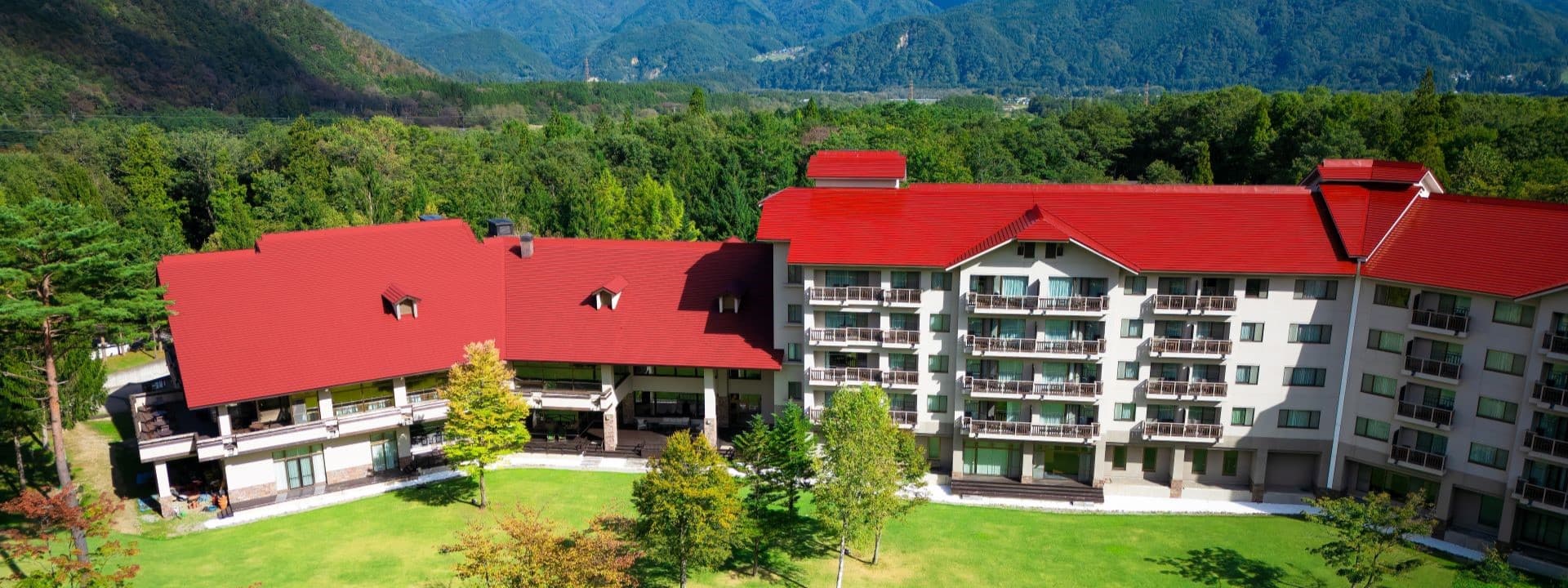
逋ス鬥ャ縺ッ髟キ驥守恁縲∝圏繧「繝ォ繝励せ縺ョ縺オ縺ィ縺薙m縺ォ菴咲スョ縺吶k譌・譛ャ螻域欠縺ョ螻ア蟯ウ繝ェ繧セ繝シ繝医〒縺吶\�1998蟷エ髟キ驥主�蟄」繧ェ繝ェ繝ウ繝斐ャ繧ッ縺ョ髢句ぎ蝨ー縺ァ縺ゅj縲∫區鬥ャ繝舌Ξ繝シ縺ォ縺ッ11縺ョ繧ケ繧ュ繝シ蝣エ縺後Μ繝輔ヨ騾」邨。縺ァ蠎�′縺」縺ヲ縺�∪縺吶\ゆコ皮ォ懊�47繝サ蜈ォ譁ケ蟆セ譬ケ縺ョ繝医Μ繧ェ縺瑚ーキ繧定ア。蠕エ縺励\�聞縺�さ繝シ繧ケ縺ィ螟ァ縺阪↑讓咎ォ伜キョ繧定ェ�k荳\譁ケ縲∝イゥ蟯ウ繝サ荵鈴檮繝サ繧ウ繝ォ繝√リ縺ッ繝輔ぃ繝溘Μ繝シ繧��邏夊\⒤↓縺。繧�≧縺ゥ濶ッ縺�撕縺九↑繧イ繝ャ繝ウ繝�′謠�>縺セ縺吶\ら區鬥ャ縺ョ莉」蜷崎ゥ槭→縺�∴縺ー繝代え繝\繝シ繧ケ繝弱�窶披\�1譛医�蟷ウ蝮�剄髮ェ驥上�邏�11繝。繝シ繝医Ν縺ォ驕斐@縲∵悽蟾樔クュ螟ョ驛ィ縺ァ繧ゅ▲縺ィ繧ゆソ。鬆シ縺ァ縺阪k髮ェ驥上r隱�j縺セ縺吶\ゅせ繧ュ繝シ繧キ繝シ繧コ繝ウ繧帝屬繧後l縺ー縲∝柏譚セ蟯ウ繝サ莠皮ォ懷イウ繝サ讒阪Ω蟯ウ縺ェ縺ゥ蛹励い繝ォ繝励せ邵ヲ襍ー縺ョ襍キ轤ケ縺ィ縺ェ繧翫\�搨譛ィ貉悶�SUP繧�き繝後�縲∵ よア 鬮伜次縺ァ縺ョ貂ゥ豕画律蟶ー繧翫↑縺ゥ螟上�螻ア蟯ウ繝ェ繧セ繝シ繝医→縺励※蜀阪�縺ォ縺弱o縺�∪縺吶\ょョソ縺ッ蜥檎伐驥趣シ亥XIII譁ケ蟆セ譬ケ鮗難シ峨\√お繧ウ繝シ繝ゥ繝ウ繝会シ亥嵜髫幄牡雎翫°縺ェ繧「繝励Ξ繝サ繧ケ繧ュ繝シ陦暦シ峨\∵キア遨コ�亥ョカ譌丞髄縺代�關ス縺。逹\縺�◆荳\蟶ッ�峨\∝イゥ蟯ウ譚代↓髮�クュ縺励※縺�∪縺吶\よ擲莠ャ縺九i縺ッ迚ケ諤・縺ゅ★縺輔〒譚セ譛ャ邨檎罰縲∝圏髯ク譁ー蟷ケ邱壹〒髟キ驥朱ァ⒨オ檎罰縺ョ繧「繝ォ繝斐さ迚ケ諤・繝舌せ縲∝�蟄」縺ョ逶エ陦後せ繧ュ繝シ繝舌せ縺ョ3繝ォ繝シ繝医〒繧「繧ッ繧サ繧ケ縺ァ縺阪∪縺吶\�
逋ス鬥ャの宿泊施設をTrip.comで探す
逋ス鬥ャの編集部おすすめ宿は近日公開予定です。それまでは、Trip.comで逋ス鬥ャの旅館・ホテルの空室と料金をご確認いただけます。
Trip.comで逋ス鬥ャのホテルを見る近日公開
逋ス鬥ャの旅館を厳選中です。もうしばらくお待ちください。
ブログ
関連記事
よくある質問
逋ス鬥ャに関する8件の質問
逋ス鬥ャ Valley is a single lift-pass cluster of eleven resorts, each with a different tilt. First-timers and families do well at Iwatake, Goryu's "Toomi" beginner side, or Hakuba Norikura — wide, gentle pistes and English-language school presence. Intermediates gravitate to Happo One's middle-mountain reds and Hakuba 47's long groomers. Powder seekers chase Cortina's tree runs (the most reliably deep base), Tsugaike's backcountry gates, and Happo One's upper bowls on a storm day.
For most trips of three days or more, yes. The Hakuba Valley Ticket grants access to all the lift-connected resorts on a single QR pass and includes the inter-resort shuttle bus. A single-resort pass is only cheaper if you plan to ski one mountain for the entire trip — which is rare in a valley where the snow quality shifts day to day and the inter-resort hops are 10-25 minutes by shuttle. Day-of upgrades to the Valley Ticket are also available at most resort base offices.
Yes — 逋ス鬥ャ has the strongest English-instructor density of any Japan ski destination. Hakuba International Ski School (HISS) operates out of Happo One with native-English instructors and dedicated kids' programs. Evergreen International Ski School runs out of Goryu and Hakuba 47 with a similar setup. Both schools sell half-day, full-day, and multi-day group lessons in English; book at least four to six weeks ahead for the peak January-February window.
Summer Hakuba is the gateway to Northern Alps hiking — Mt. Karamatsu (via the Happo Ike Yamaso lift), Mt. Goryu, and longer ridge walks to Mt. Yari all start in the valley. Lake Aoki, ten minutes south, has SUP and canoe rentals June through September. Tsugaike Heights offers an alpine wildflower walk plus the gondola-accessed Tsugaike Nature Park. Onsen day trips include Mimizuku no Yu, Kurashita no Yu, and Tenjin no Yu — all open year-round.
Three routes. (1) JR Chuo Line Limited Express Azusa from Shinjuku to Matsumoto (~3h45m), then the Alpico bus to Hakuba (~1h) — scenic and direct, but the bus leg can be tight with toddlers. (2) Hokuriku Shinkansen from Tokyo Station to Nagano (~1h30m), then the Alpico Express Bus from Nagano Station (~1h) — fastest combined, kindest on small kids, and the Shinkansen's onboard luggage racks accept ski bags. (3) Winter-season direct ski buses from Shinjuku — cheapest but a 4-5 hour overnight or day ride. Most ryokans and pensions offer a free pickup from Hakuba Station or the Wadano bus terminal on request.
Hakuba is not a famous onsen town like Kusatsu, but the valley has a respectable cluster. Mimizuku no Yu sits above Happo One with a sweeping valley view and is the most-recommended day-use bath. Kurashita no Yu, in central Hakuba village, is the locals' choice with a strong sulphur spring. Tenjin no Yu (Wadano area) is the most ryokan-typical setup with both indoor and outdoor baths. Many Wadano and Echoland ryokans also pipe in spring water to their own in-house baths.
逋ス鬥ャ's deepest, most reliable powder is the first three weeks of January through the first week of February, when the valley sits directly in the path of Siberian storm cycles. Mid-December and the second half of February still ski well but storm frequency drops. Early March is the spring-skiing window — bluebird days, softening snow, longer daylight, and lower lift-ticket prices. The Goryu/47/Happo One trio stays open into early May; Tsugaike and Cortina close earlier.
逋ス鬥ャ sits in the middle. Niseko (Hokkaido) has the lightest, driest powder and the highest international-staff density but is the longest travel from Tokyo and the priciest. Nozawa Onsen (also Nagano) is the smallest and most onsen-traditional — one big village mountain, walkable hot-spring street, but limited English ski-school capacity. 逋ス鬥ャ offers the most ski terrain of the three, the most English-language schools, and the broadest mix of ryokan-style and Western lodging. For a family of four on a one-week Japan trip with kids 6-12, Hakuba is typically the most balanced pick.