8 min readUpdated July 2026
Quick Comparison
8 picks| Ryokan | From | Rating | Features | Book |
|---|---|---|---|---|
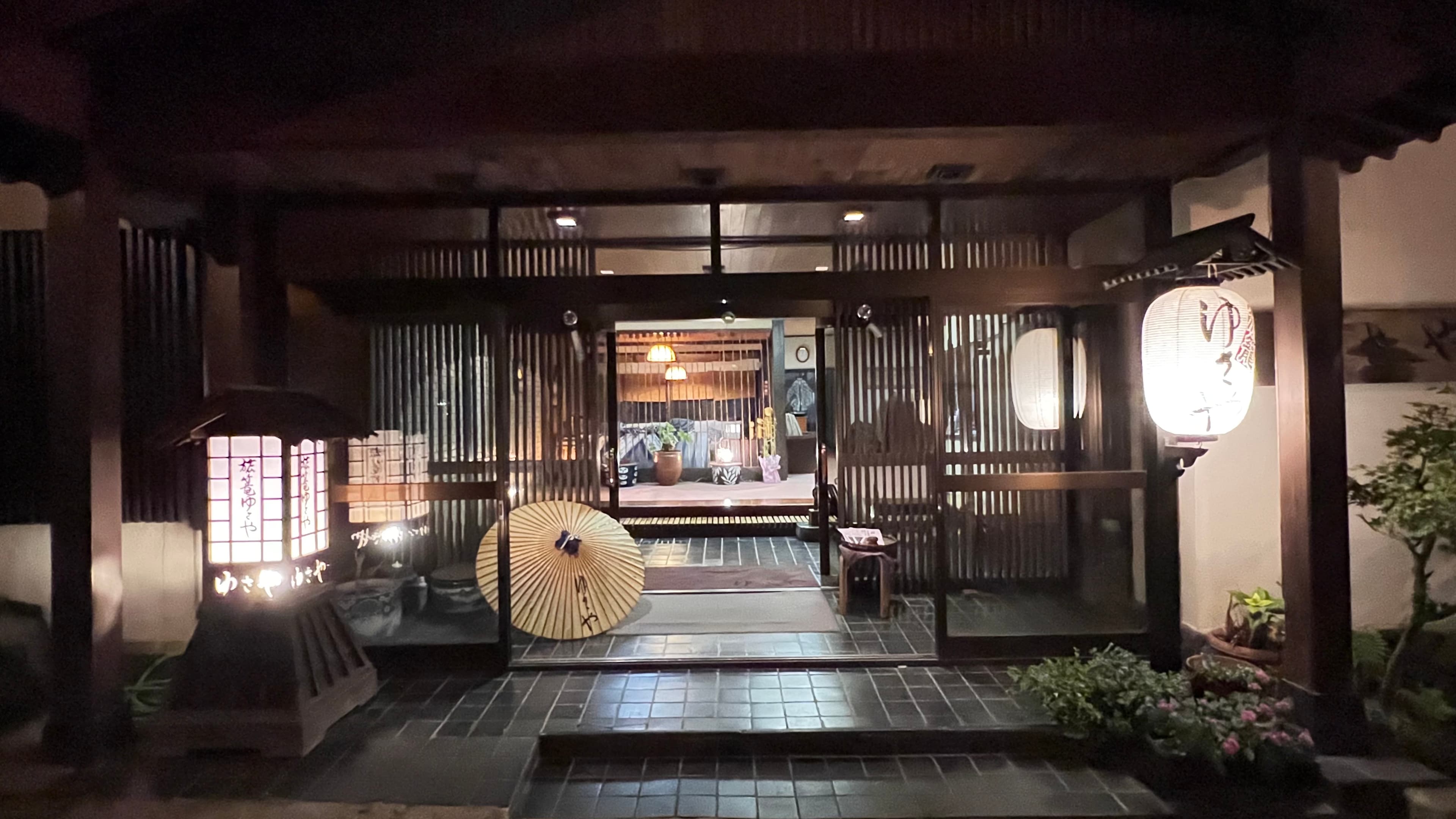 Yusaya Ryokan Naruko | from $259 | 9.6 390 reviews | Private Onsen | Book on Agoda |
TAOYA Akiu Akiu | from $130 | 9.2 137 reviews | Onsen | Book on Booking.com |
 Wakamatsuya Zao | from $200 | 9.6 40 reviews | Private Onsen | Book on Booking.com |
 | from $350 | 9.6 276 reviews | EN OKPrivate Onsen | Book on Booking.com |
 Dai-ichi Takimotokan Noboribetsu | from $120 | 9.4 3,050 reviews | EN OKOnsen | Book on Booking.com |
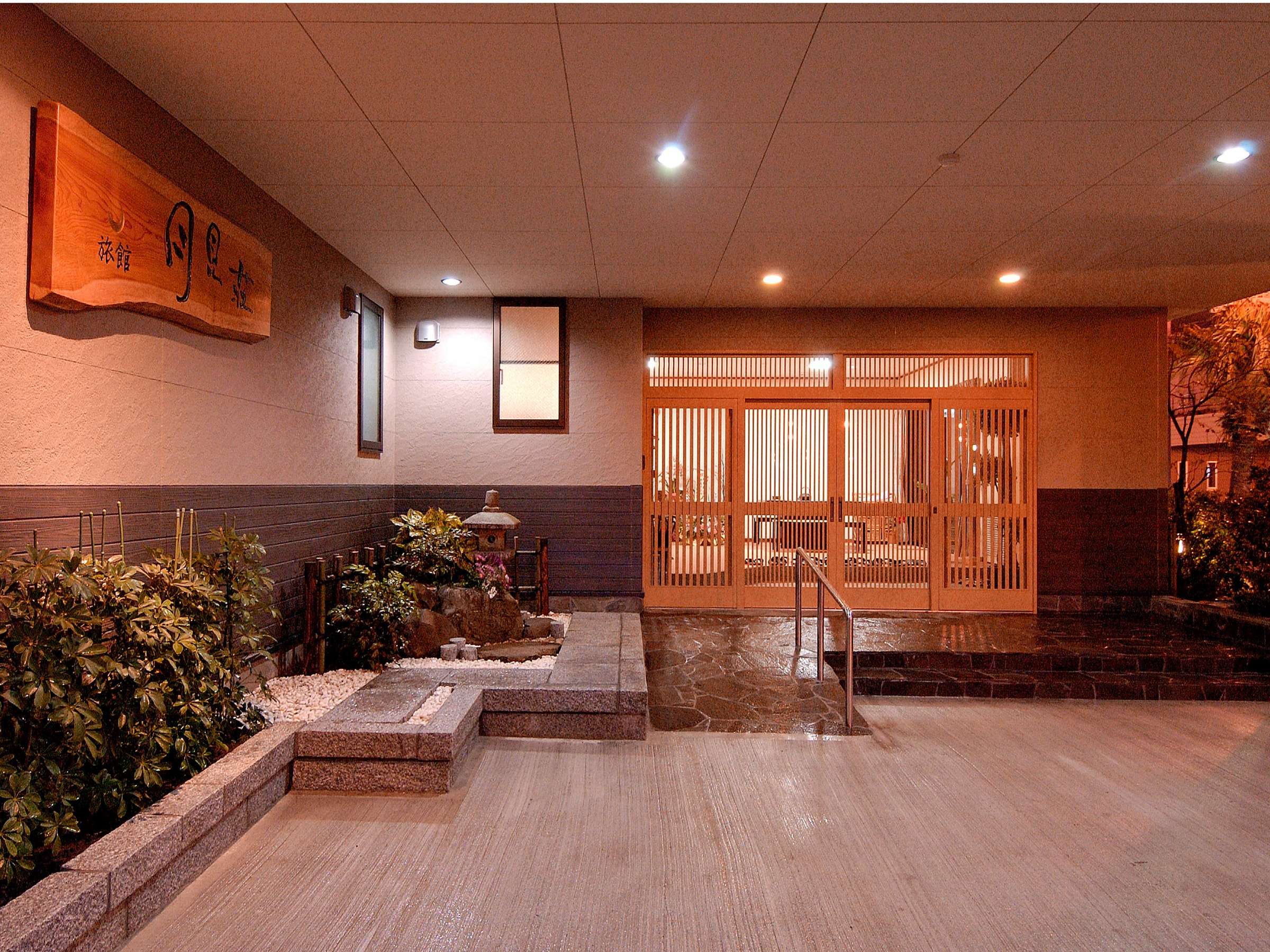 | from $218 | 10.0 840 reviews | Onsen | Book on Agoda |
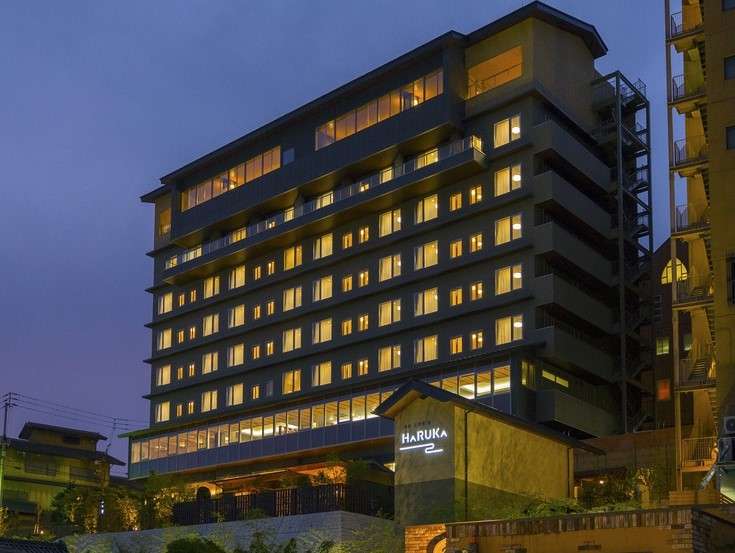 | from $100 | 9.6 361 reviews | EN OKOnsen | Book on Booking.com |
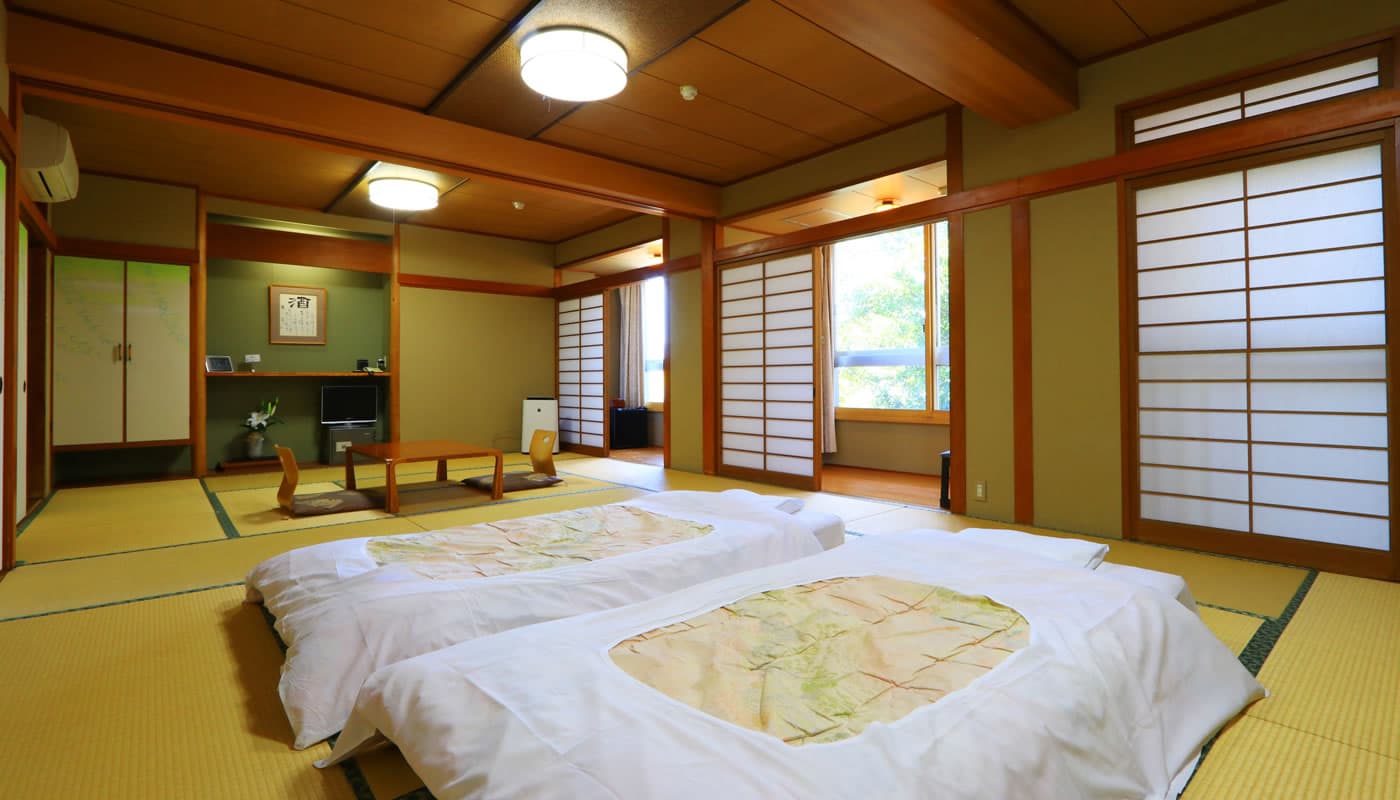 Yamaichi Bekkan Miyajima | from $190 | 9.6 295 reviews | EN OK | Book on Booking.com |
Yusaya Ryokan
Naruko
TAOYA Akiu
Akiu
Wakamatsuya
Zao
Dai-ichi Takimotokan
Noboribetsu
Yamaichi Bekkan
Miyajima
Prices shown are approximate starting rates per person per night. We may earn a commission on bookings.
If you've already done Tokyo and Kyoto, the smartest onsen trip is the one that skips them entirely — fly into a regional airport and you can be soaking in a hot spring the same afternoon. Taiwan has one of the densest networks of direct flights to Japan's secondary airports of any country, which means repeat visitors can bypass the crowded Golden Route completely and land within a short hop of a genuine onsen town.
I'm Sora, and I've spent years mapping which onsen towns are worth the trip and which ryokans actually deliver. This guide is built around a single idea: less transit, more soaking. Six regional airports, six onsen regions, and the specific inns I'd book at each — grounded in the fuller area guides on this site, not invented flight schedules.
Why skip Tokyo?
The Golden Route — Tokyo, Hakone, Kyoto, Osaka — is a superb first trip. It is a frustrating third one. Repeat visitors already know the drill, and adding a shinkansen leg out of Tokyo to reach a good onsen can eat a full travel day before you've dipped a toe in the water.
The alternative is simple: fly into a regional airport that already sits near an onsen region. Japan has a surprising number of these secondary gateways — Sendai, New Chitose and Hakodate in Hokkaido, Kagoshima, Takamatsu and Matsuyama on Shikoku, Hiroshima, and Komatsu on the Hokuriku coast. From several of these, direct and seasonal flights run from Taipei and Kaohsiung on carriers like China Airlines, EVA Air, Starlux and Tigerair. Land, grab a train or bus, and the onsen town is often roughly an hour away.
The payoff is real: no Tokyo transfer, less time in transit, and onsen towns that see far fewer international visitors than Hakone or Kinosaki. Below is the map.
The direct-flight onsen map
| Fly into | Onsen region | From airport | Known for |
|---|---|---|---|
| Sendai (SDJ) | Tohoku — Naruko / Akiu / Zao | Akiu ~40 min by car; Naruko & Zao by rail/bus | Nine spring types, kokeshi towns, snow monsters |
| New Chitose / Hakodate (CTS / HKD) | Noboribetsu, Hokkaido | ~1 hr 40 min by bus from New Chitose | Hell Valley crater, 9 spring types under one roof |
| Kagoshima (KOJ) | Ibusuki, South Kyushu | ~1 hr by JR limited express | Volcanic sand baths (suna-mushi) |
| Takamatsu / Matsuyama (TAK / MYJ) | Dogo, Shikoku | ~40–50 min by bus from Matsuyama Airport | Japan's oldest onsen, the 1894 Honkan bathhouse |
| Hiroshima (HIJ) | Miyajima / Setouchi | Rail to Miyajimaguchi + 10-min ferry | Floating torii, island-after-dark |
| Komatsu (KMQ) | Wakura / Kaga, Hokuriku | Rail toward Nanao, then Noto Railway | Noto seaside kaiseki, Japan's most famous ryokan |
Transit times above are drawn from the full area guides on this site and phrased conservatively — confirm current schedules when you book, and treat direct flights as direct-or-seasonal depending on the season.
Sendai (SDJ) → Tohoku's onsen country
Sendai is the gateway to three very different Tohoku onsen towns, and it suits the traveler who wants variety within a single base region. Akiu sits about 40 minutes by car from downtown Sendai — the most accessible major onsen town to any Tohoku regional capital. Naruko, a mountain-valley town famous for its lacquered kokeshi dolls, packs nine of Japan's eleven classified spring types into one compact place. Zao, up in the Yamagata mountains, is where you go for the snow monsters — Aomori fir trees frozen into ghostly shapes from December through early March.
For a Naruko stay, Yusaya is the town's standout — a quiet, high-rated inn (9.6, nearly 400 reviews, from around $259) built around genuinely good water. Near Sendai, TAOYA Akiu is the easy mid-range pick (9.2, around $130), an all-inclusive-style resort a short drive from the city. Up at Zao, Wakamatsuya (9.6, around $200) puts you close to the ropeway for snow-monster viewing.
Dig deeper in the full guides: Full Naruko guide, Full Akiu guide, and Full Zao guide.
Tip
Tohoku rail adds up quickly. If you're combining two of these three towns with Sendai as a base, price a JR East Pass (Tohoku area) against point-to-point tickets before you book — the Yamagata and Tohoku shinkansen legs are where a pass usually pays for itself.
New Chitose / Hakodate (CTS / HKD) → Noboribetsu, Hokkaido
Noboribetsu is Hokkaido's onsen heavyweight and the reason to fly north. Its water comes from the Jigokudani (Hell Valley) crater — a 450-metre-wide field of steam vents and boiling mud pools that feeds nine chemically distinct spring types into the town below. From New Chitose Airport the trip is roughly an hour and forty minutes by bus; the crater walk itself is free and about ten minutes on foot from most ryokans. This gateway suits the traveler who wants dramatic scenery and serious bathing without a long haul from the airport.
At the top end, Takinoya is the town's most tranquil high-end stay (9.6, 276 reviews, from around $350). But the standout value pick in all of Japan might be Dai-ichi Takimotokan — a giant, 24-hour-front-desk property piping nearly all nine spring types into 35 baths under one roof, with over 3,000 reviews and rates from around $120. It's the rare place that's both a bargain and a bucket-list soak.
More detail in the Full Noboribetsu guide, including the nine-spring-type primer.
Tip
Dai-ichi Takimotokan is one of the most English-accessible ryokans in Hokkaido, with front-desk support and an onsen orientation for first-timers — a good choice if this is your first big Japanese bathhouse and you want the etiquette explained.
Kagoshima (KOJ) → Ibusuki, South Kyushu
Ibusuki is where you go for something you genuinely can't do anywhere else: the suna-mushi sand bath. Geothermal vents heat the black volcanic sand on Surigahama Beach to a steady 50–55°C, and attendants bury you up to the neck for ten to fifteen minutes. From Kagoshima-Chuo Station it's about an hour by the JR Ibusuki-Makurazaki Line limited express, and Kagoshima's semi-tropical climate makes this a viable year-round pick — a good fit for travelers who want warmth and novelty over snow.
Ryokan Tsukimiso is the town's darling — a perfect 10.0 across 840 reviews, from around $218. If you want a private on-site sand bath rather than the public hall, Hotel Yoshimatsu (9.6, around $200) is one of the few properties that offers exactly that.
Full context in the Full Ibusuki guide.
Tip
Sand-bath sessions are weather-dependent and can fill on busy days. If your ryokan has its own private sand bath, book it when you reserve the room; if you're using the public Saraku hall, go early in the day and check the tide, since the beach section closes around high water.
Takamatsu / Matsuyama (TAK / MYJ) → Dogo, Shikoku
Dogo is the oldest documented hot spring in Japan, with bathing history recorded over 1,300 years back into the 8th-century chronicles. Its landmark Honkan bathhouse — the 1894 wooden building Hayao Miyazaki named as one of the ingredients of Spirited Away's bathhouse — reopened in December 2024 after a five-year renovation. Fly into Matsuyama and it's roughly 40–50 minutes by limousine bus to the onsen; this gateway is for the traveler who cares about history and atmosphere over snow or scenery.
Kowakuen Haruka is the value star here (9.6, 361 reviews, from around $100) — rebuilt in 2019 and the only property with a direct elevator connection to the Honkan. For a luxury stay steeped in history, Dogo Onsen Funaya (9.6, from around $160) has operated since 1627 and sits a two-minute walk from the Honkan.
Read the Full Dogo guide for the Honkan reopening and the Imperial bath tier most travelers miss.
Hiroshima (HIJ) → Miyajima / Setouchi
Miyajima is the island of the floating torii — and the single best reason to stay overnight rather than day-trip is that after the last ferries leave around 5 pm, the illuminated shrine forecourt empties and the island is essentially yours. From Hiroshima, take the rail line to Miyajimaguchi and cross on the short ferry. This gateway suits travelers who want an island stay and one of Japan's most photographed views without the daytime crush.
Yamaichi Bekkan is the well-priced favourite (9.6, 295 reviews, from around $190), and Itsukushima Iroha (9.5, around $200) is a strong island option close to the shrine and the evening quiet.
See the Full Miyajima guide for tide timing and shrine access.
Tip
Mind the last ferry. Day-trippers must leave, but so must anyone not staying on the island — the final departures run late evening, and the island's restaurants mostly close by 5 pm, so staying overnight (with your ryokan's kaiseki dinner) is the only way to have the after-dark torii to yourself.
Komatsu (KMQ) → Wakura / Kaga, Hokuriku
Wakura Onsen sits on a peninsula in Nanao Bay on the Noto coast — the most accessible seaside onsen on the Sea of Japan side of central Honshu, reached by rail toward Nanao and then the Noto Railway. This is the gateway for the traveler who wants coastline, winter yellowtail kaiseki, and a stay at Japan's most famous ryokan.
That ryokan was Kagaya — a 200-plus-room flagship with a service reputation that drew guests from around the world. It has been closed for post-earthquake reconstruction since January 2024 and is scheduled to reopen by the end of fiscal 2028, around March 2029, so it cannot be booked now. For a seaside stay at a gentler price, Biwanso (9.2, around $150) is the mid-range pick.
Status (verified July 2026): Kagaya is closed for post-earthquake reconstruction and is scheduled to reopen by the end of fiscal 2028, around March 2029, as a rebuilt 33-room flagship . We keep this profile for context — do not plan a stay until reopening is confirmed.
More in the Full Wakura guide, including the Noto kaiseki season.
Onsen by direct flight, compared
Four picks that capture the range — a Hokkaido crater soak, a Kyushu sand bath, Shikoku's historic value stay, and a Tohoku classic:
Quick Comparison
4 picks| Ryokan | From | Rating | Features | Book |
|---|---|---|---|---|
| from $350 | 9.6 276 reviews | EN OKPrivate Onsen | Book on Booking.com |
| from $218 | 10.0 840 reviews | Onsen | Book on Agoda |
| from $100 | 9.6 361 reviews | EN OKOnsen | Book on Booking.com |
Yusaya Ryokan Naruko | from $259 | 9.6 390 reviews | Private Onsen | Book on Agoda |
Yusaya Ryokan
Naruko
Prices shown are approximate starting rates per person per night. We may earn a commission on bookings.
Which gateway should you pick?
Quick decision helper. Want snow and drama? Fly to Sendai for Zao's snow monsters or New Chitose for Noboribetsu's Hell Valley. Want an experience you can't get anywhere else? Kagoshima for Ibusuki's volcanic sand baths. Chasing history? Matsuyama for Dogo, the oldest onsen in Japan. Want an island and a famous view? Hiroshima for Miyajima. Want Wakura's seaside onsen? Komatsu — Kagaya is closed for reconstruction, so Biwanso is the pick there now.
When to go & flight notes
Snow season (roughly December to early March) is prime time for Zao and Noboribetsu — and it's exactly when the best rooms disappear first, so book those months ahead. Ibusuki works year-round thanks to Kyushu's mild climate, with spring and autumn most comfortable for outdoor sand bathing. Dogo, Miyajima and Wakura are pleasant across the shoulder seasons.
On flights: several of these regional airports see direct or seasonal service from Taipei and Kaohsiung on carriers including China Airlines, EVA Air, Starlux and Tigerair, but routes and frequencies shift by season. Check current schedules directly, and pair a cheap regional flight with an early onsen booking rather than the other way around.
Ready to book?
Book one of these top picks
Compare live availability and prices across all three platforms.
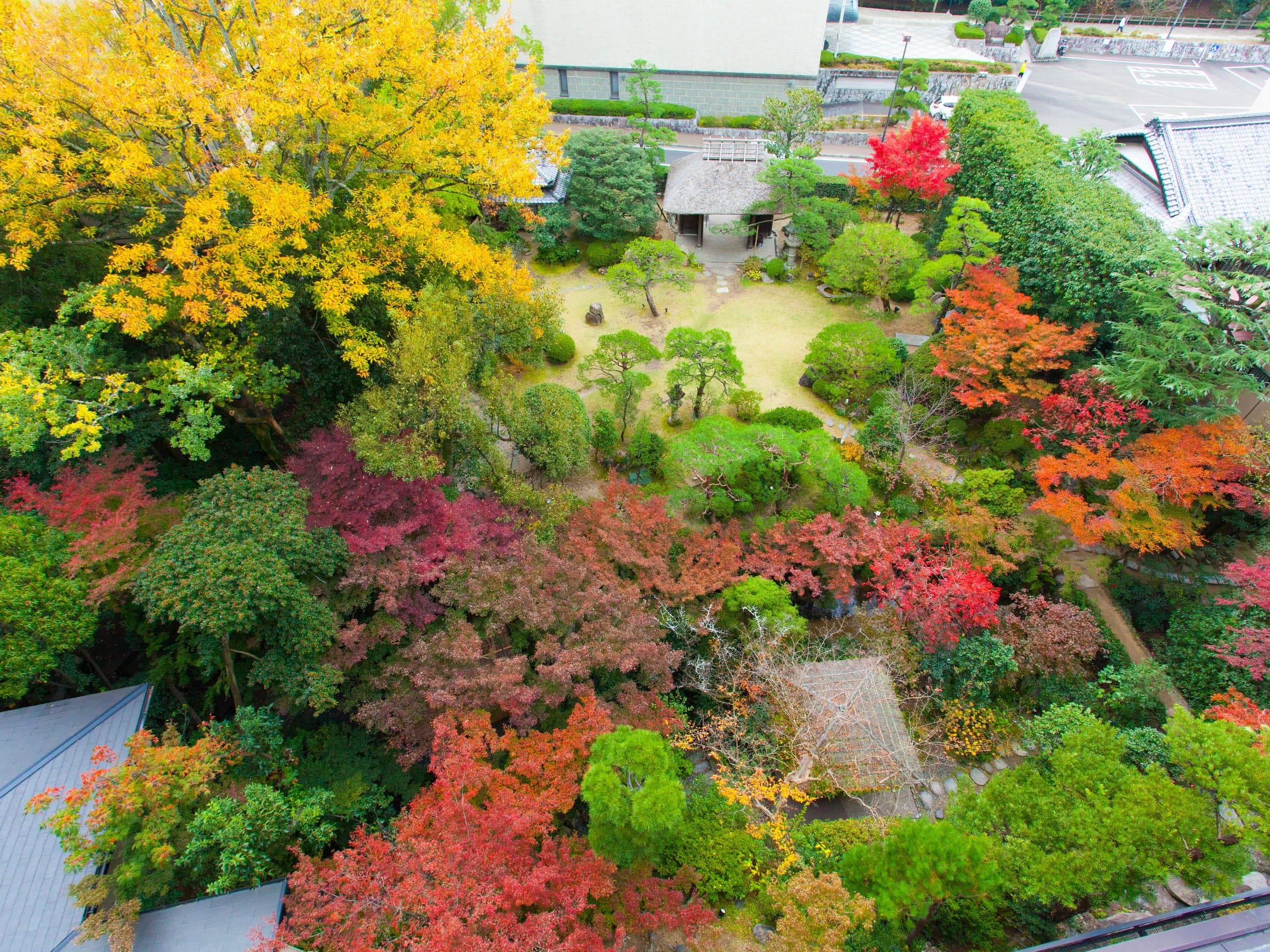
Booking links may earn us a commission at no extra cost to you.
Correction, September 2026. Kagaya in Wakura Onsen has been closed for post-earthquake reconstruction since January 2024 and is scheduled to reopen by the end of fiscal 2028, around March 2029, at 33 rooms rather than the 232 it had . In this article Kagaya was described as bookable with a starting rate; it is now stated as closed. Checked against each property's own website on 2026-09-20.
FAQ
Frequently asked questions
Which Japanese airports have direct flights from Taiwan for an onsen trip?+
Several regional gateways see direct or seasonal service from Taipei and Kaohsiung, including Sendai (SDJ), New Chitose and Hakodate in Hokkaido, Kagoshima (KOJ), Takamatsu and Matsuyama on Shikoku, Hiroshima (HIJ), and Komatsu (KMQ). Carriers on Japan routes from Taiwan include China Airlines, EVA Air, Starlux and Tigerair, but routes and frequencies change by season — always confirm current schedules before booking.
Which onsen is closest to its airport?+
Akiu near Sendai is one of the shortest hops — roughly 40 minutes by car from the city. Dogo is about 40–50 minutes by bus from Matsuyama Airport, and Ibusuki is around an hour by limited express from Kagoshima-Chuo. Noboribetsu is roughly an hour and forty minutes by bus from New Chitose. Times are drawn from our full area guides; confirm current schedules when you book.
Which of these is best for snow, sand baths, or a first-timer?+
For snow, fly to Sendai for Zao's snow monsters or New Chitose for Noboribetsu's Hell Valley. For the volcanic sand bath (suna-mushi) you can't do anywhere else, fly to Kagoshima for Ibusuki. For a first-timer who wants etiquette explained in English, Dai-ichi Takimotokan in Noboribetsu is one of the most English-accessible ryokans in Hokkaido.
Is a JR Pass worth it for these trips?+
It depends on the gateway. For a Sendai-based Tohoku trip combining two of Naruko, Akiu and Zao, a regional JR East Pass can beat point-to-point tickets because of the shinkansen legs. For a single short hop like Kagoshima to Ibusuki or Matsuyama to Dogo, a pass rarely pays off — price it against individual tickets first.
What's the cheapest good pick?+
Two stand out. Dai-ichi Takimotokan in Noboribetsu pipes nearly all nine of the town's spring types into 35 baths under one roof, has over 3,000 reviews, and starts around $120 — remarkable value for a bucket-list soak. In Dogo, Kowakuen Haruka starts around $100, was rebuilt in 2019, and has a direct elevator link to the historic Honkan bathhouse.
Can you do a fly-direct onsen trip in a long weekend?+
Yes — that's the whole point of skipping Tokyo. With a direct regional flight and a short airport-to-onsen hop, you can land, check into your ryokan, and soak the same afternoon, then have a full day and a leisurely departure. The shorter the airport-to-onsen leg, the more soaking time you get, which is why gateways like Sendai (Akiu) and Kagoshima (Ibusuki) work especially well for a compact trip.