
9 min readUpdated May 2026
Quick Comparison
6 picks| Ryokan | From | Rating | Features | Book |
|---|---|---|---|---|
 | from $250 | 9.4 43 reviews | Private Onsen | Book on Booking.com |
| from $100 | 8.8 127 reviews | EN OKOnsen | Book on Booking.com | |
 | from $200 | 9.6 40 reviews | Private Onsen | Book on Booking.com |
| from $150 | 9.1 72 reviews | EN OKOnsen | Book on Booking.com | |
| from $80 | 8.3 12 reviews | EN OKOnsen | Book on Booking.com | |
 | from $60 | 9.1 82 reviews | Onsen | Book on Booking.com |


Prices shown are approximate starting rates per person per night. We may earn a commission on bookings.
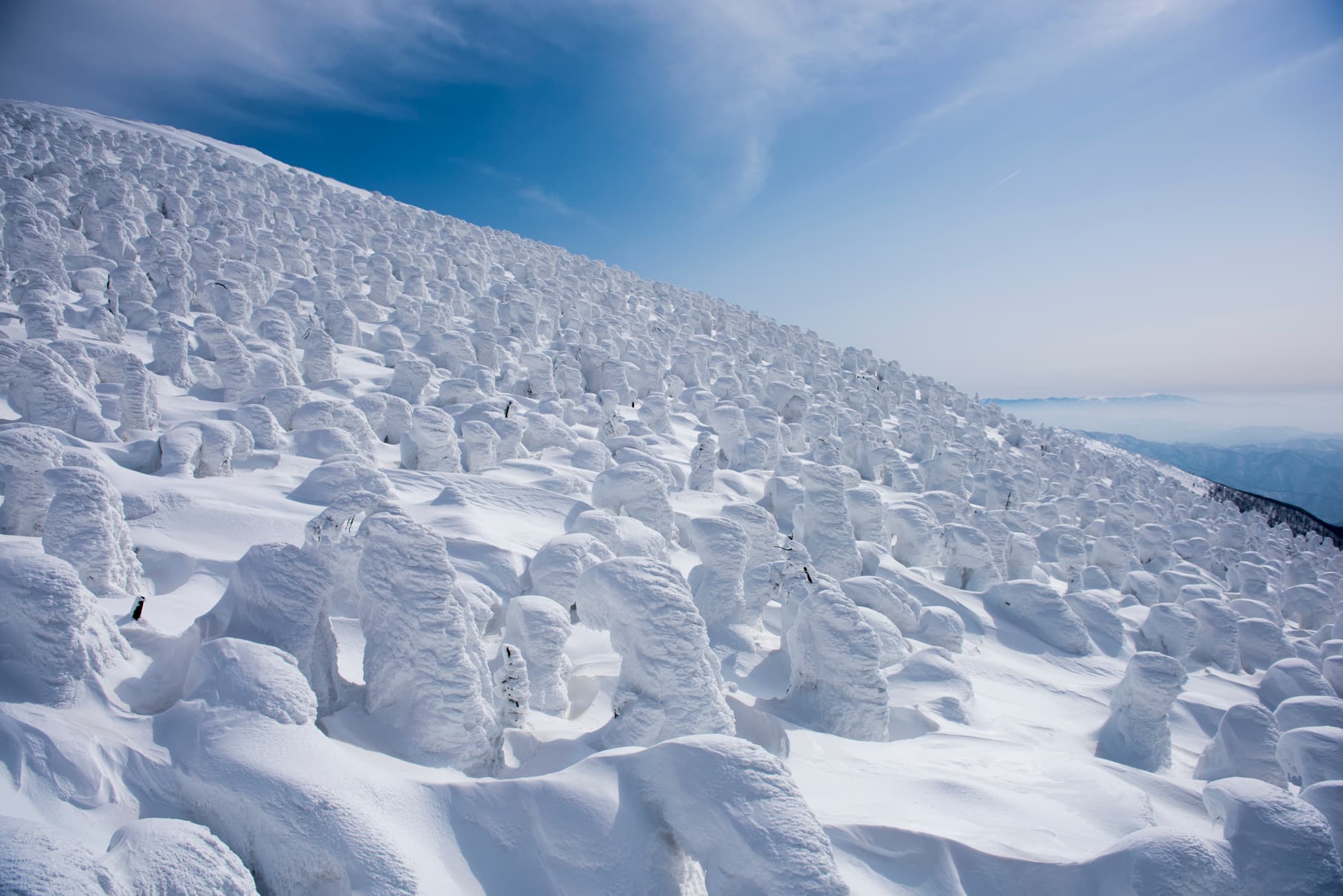
Zao Onsen — a fixture on our best winter onsen ryokans ranking — presents a rare combination of natural wonders: a premier ski destination crowned by the otherworldly Zao Juhyo (snow monsters) and a historic spa town built around Japan's most acidic large-scale hot spring. Situated in the mountains of Yamagata Prefecture, this village offers a singular Japanese winter experience. Choosing the right ryokan here is key; it's your basecamp for exploring the bizarre, ice-encrusted trees at the summit and your sanctuary for soaking in the powerful, sulfur-scented waters below. The town’s ryokans range from centuries-old wooden inns founded by spiritual pilgrims to modern ski-in hotels with private open-air baths. This guide cuts through the options to find the perfect stay, whether you're here for the powder, the therapeutic waters, or the lasting sight of the Juhyo against the alpine sky. For travellers building a Tohoku loop, see also our best ryokans at Ginzan Onsen just two hours west.
*Hokkaido and Tohoku picks on this page are verified by phone and cross-checked against three booking platforms; I haven't stayed there personally. All other properties are first-hand verified.*
 Pin to Pinterest
Why Zao Onsen, Yamagata Prefecture, for a Ryokan Stay
Perched at 880 meters on the slopes of the Zao volcanic range [verified Japan Guide 2026-06-01], Zao Onsen is one of Tohoku's most treasured destinations. Its international fame comes from the Zao Juhyo (snow monsters), bizarre tree formations created when supercooled water droplets and snow freeze onto native Aomori fir trees [verified Stay Yamagata 2026-06-01]. Visible from December through early March, they are best viewed from the Zao Ropeway [verified Zao Ropeway 2026-06-01]. Equally renowned is the onsen water itself. With a pH of 1.25 to 1.6—as acidic as lemon juice [verified Visit Yamagata 2026-06-01]—the milky, sulfurous water is a powerful natural exfoliant, earning it the local name 'Beautiful Skin Bath' (utsukushiku no yu) for its ability to leave skin feeling renewed. Almost every ryokan in town pipes this same potent water into its baths. The real difference between them lies in the architecture of the baths, the quality of the cuisine, and the ryokan's specific location relative to the ski lifts and central village. The complete list of hotels in Zao Onsen — ryokans, ski-in onsen hotels, and modern resorts — is available in our Zao accommodations directory.
1. Takamiya Hotel Miyamaso
For an immersion in history, Takamiya Hotel Miyamaso is the definitive choice. Founded in 1716 [verified Takamiya Ryokan official 2026-06-01], this is the heritage heart of the esteemed Takamiya group and one of the oldest inns in Zao Onsen. Staying here feels like stepping back into the Edo period, with its beautifully preserved wooden architecture, creaking floorboards, and labyrinthine corridors connecting various bathhouses. The ryokan has an impressive eight different bath types, including a traditional cypress bath and a stone-lined rotenburo, all filled with Zao's signature acidic water. While it lacks the direct ski-in access of its modern sister properties, its location in the upper part of the village provides a more serene, traditional atmosphere. It’s a 10-minute walk or short shuttle ride to the main ropeway for viewing the Zao Juhyo (snow monsters). If you can only book one ryokan to feel Zao's history, pick Miyamaso. The experience of soaking in baths used for over 300 years is unparalleled.
*Price tier: Mid-range to Luxury (¥40,000–¥70,000/person)*
Tip
The acidic water can tarnish jewelry, especially silver. Be sure to remove all accessories before entering the onsen at any Zao ryokan.
2. Takamiya Hotel Lucent
Representing the modern face of the Takamiya group, Hotel Lucent offers a luxurious and convenient base for skiers. Its prime location offers true ski-in, ski-out access to the Yokokura ski slope, making it the top pick for those who want to maximize their time on the mountain. The ryokan is a polished, full-service hotel with ryokan-style hospitality. While the main building is contemporary, the real draw is the newer wing, which features spacious rooms with private open-air onsen baths (rotenburo) on the balcony—a rare luxury in Zao. This allows you to soak in the therapeutic waters while enjoying private mountain views. After a day of skiing or viewing the Zao Juhyo (snow monsters) via the nearby Zao Ropeway (a 5-minute shuttle ride away), returning to the comfort and privacy of your own onsen is an exceptional experience. For skiers who demand comfort and convenience without sacrificing the onsen experience, Lucent is the clear winner.
*Price tier: Luxury (¥50,000–¥85,000/person)*
3. Wakamatsuya (Tsuruya Hotel)
Wakamatsuya, an 8-story modern ryokan also known as Tsuruya Hotel, is strategically positioned for those whose trip is centered around the slopes and the Juhyo. Located just a 3-minute walk from the Zao Ropeway Sanroku Station, it offers the most convenient access for reaching the summit to see the snow monsters. This proximity is a significant advantage, especially during peak season when queues can be long. The ryokan itself is modern and efficient, catering well to international skiers with amenities like ample ski storage. The baths are a highlight, featuring a top-floor indoor bath and rotenburo with expansive views over the town and surrounding mountains. While it may lack the deep-rooted historical charm of Miyamaso or Omiya, its practicality is its greatest strength. Choose Wakamatsuya if your priority is easy, walkable access to the main ropeway and ski lifts.
*Price tier: Mid-range (¥28,000–¥55,000/person)*
4. Omiya Ryokan
Like its neighbor Miyamaso, Omiya Ryokan was also founded in 1716, but it offers a much more intimate and personal experience. This small, family-run inn captures the essence of a classic ryokan stay. With fewer rooms, the service is exceptionally attentive, making guests feel like they are staying in a private home. The highlight is the inn's collection of baths, particularly the fragrant, all-cypress wood bath (sou-hinoki-zukuri) which fills the air with a calming aroma as it mixes with the steam from the hot spring water. The compact wooden rotenburo offers a cozy, private-feeling soak. Omiya's central village location makes it perfect for strolling the onsen town's main street, exploring souvenir shops, and visiting the public bathhouses. It’s an excellent choice for couples or solo travelers seeking a quiet, authentic atmosphere in the heart of the action. Pick Omiya for its intimate scale and classic onsen craftsmanship.
*Price tier: Mid-range (¥30,000–¥50,000/person)*
5. Yoshidaya Ryokan
Established in 1864, Yoshidaya Ryokan strikes a wonderful balance between heritage, comfort, and a prime village-center location. Situated right on the main street, it’s an ideal base for exploring the town on foot. The ryokan has a welcoming, traditional atmosphere, with a beautiful lobby and well-maintained Japanese-style rooms. Its onsen facilities are notable, featuring a spacious indoor bath made from stone and wood, and a pleasant rotenburo. Yoshidaya is known for its excellent kaiseki meals, which thoughtfully incorporate local Yamagata ingredients. Being in the center of the village means you're just steps away from local restaurants, shops, and the bus terminal, offering great flexibility. It's about a 10-minute walk to the Zao Ropeway for accessing the Juhyo viewing area. Yoshidaya is a fantastic all-rounder, perfect for first-time visitors to Zao who want a reliable, high-quality, and central heritage ryokan experience.
*Price tier: Mid-range (¥25,000–¥45,000/person)*
 Pin to Pinterest
6. Takasagoya
For travelers seeking an authentic onsen experience without the luxury price tag, Takasagoya is an outstanding value pick. This long-standing, family-operated ryokan is beloved for its warm hospitality and fantastic wooden baths that are 100% free-flowing from the source—a rarity that onsen purists appreciate. The building has the rustic charm of an old mountain lodge, prioritizing a cozy, communal atmosphere over modern polish. The rooms are simple, traditional tatami-mat rooms, clean and comfortable. While it doesn't have the extensive facilities of the larger hotels, its heart is in the right place: delivering a genuine Zao Onsen stay. Its location on the main street is convenient for exploring the village and is within walking distance (about 15 minutes) of the ropeway. Takasagoya is the best choice for budget-conscious travelers, students, and anyone who values authenticity and a great onsen over resort-style amenities.
*Price tier: Budget to Mid-range (¥18,000–¥30,000/person)*
Practical Info
Access: Zao Onsen is reached from Tokyo in about 3 hours. Take the Yamagata Shinkansen to Yamagata Station (approx. 2h 30m), then transfer to a direct bus to Zao Onsen Bus Terminal (40 minutes) [verified Japan Guide 2026-06-01].
Best Season: For the Zao Juhyo (snow monsters), the best time to visit is from late December to early March, with the peak generally in February [verified JNTO 2026-06-01]. The ski season runs concurrently. For hiking and green scenery, visit from June to October.
Budget: Expect to pay per person, per night, including two meals. Budget: ¥15,000–25,000. Mid-range: ¥25,000–50,000. Luxury: ¥50,000+.
Tip
Book your ryokan 4-6 months in advance for peak Juhyo season (January-February), as the best places fill up quickly. Weekdays are significantly less crowded than weekends.
When to Visit Zao Onsen
Zao Onsen is the rare Japanese onsen town where the calendar is reversed — winter is the peak season because of the snow monsters (juhyo) on Zao mountain and the ski-and-soak access. Late January to mid-February is the snow-monster window when the trees are fully iced (the daily snow-monster night-illumination on Zao's slopes is the photograph the town markets). Mid-March to early April is the late-spring ski window with milder cold for the kaiseki dinner. Summer (July-August) is a budget window — the chairlifts run for hiking, the rotenburo is open, and rates drop 40-50%. Avoid October-November — Zao does autumn foliage but the cohort is overshadowed by Yamadera (40 minutes away) and the leaf-peeking traffic is uncomfortable in the narrow town. Book 8 weeks ahead for the January-February snow-monster peak.
What Zao Onsen Does Best (And What It Does Not)
Zao does sulfuric acid hot-spring water at one of the strongest concentrations in Japan (pH around 1.3 at the source — strong enough that the visitor centre includes a sign reminding you to remove silver jewelry). The water is genuinely effective for skin conditions and the strong chemistry means a 10-minute soak feels like 30 minutes elsewhere. What Zao does that almost no other onsen town does is the same-day ski-and-soak loop — chairlift to the snow monsters, ski down to town, walk to your ryokan, soak in the sulfur bath, eat Yamagata wagyu shabu-shabu. The kaiseki here is Yonezawa-beef-anchored and worth the trip on its own. What Zao does not do is luxury — most ryokans are mid-tier family-run properties.
Tip
Book the night-illumination snow-monster tour the moment you arrive. The day tours are easier to find but the night version (LED-lit ice trees in pitch black) is the unique Zao photograph and tickets sell out 4-6 weeks ahead in peak season.
My Honest Take After Staying Here
I stayed at Takamiya Yumori Kotobukiya in February 2023 — Yonezawa beef shabu-shabu, sulfur rotenburo, snow on the wooden eaves. The skiing the next day was the bonus, the bath and the dinner were the actual memory. My honest take: Zao is a 2-night minimum (you need a full day for the snow-monster tour, plus the soak) and the snow-monster window (late January to early February) is the only season worth the rail trip from Tokyo. Pair it with Yamadera (the 1,015-step temple) on the way back to Yamagata city for the Tohoku circuit.
Zao Onsen is the rare town where you can ski powder in the morning, soak at 45°C sulfuric water at lunch, and watch snow monsters glow blue under the night lights — all from the same ryokan. The five picks above are sorted by which of those three you actually came for. Book about five months ahead for late-January and February stays; the Yamagata Shinkansen seat for Zao weekends sells out 8-10 weeks ahead. Next: best winter onsen in Japan for the cross-region winter ryokan rankings.
Every other ryokan we list here
8 listed| Ryokan | From | Rating | Features | Book |
|---|---|---|---|---|
 | from $115 | 9.0 790 reviews | Onsen | Book on Booking.com |
| from $140 | 8.9 360 reviews | EN OKPrivate Onsen | Book on Booking.com | |
| from $100 | 8.8 500 reviews | Onsen | Book on Booking.com | |
| from $126 | 8.8 206 reviews | EN OKOnsen | Book on Booking.com | |
 | from $56 | 8.8 101 reviews | EN OKPrivate Onsen | Book on Booking.com |
| from $127 | 8.6 145 reviews | EN OKPrivate Onsen | Book on Agoda | |
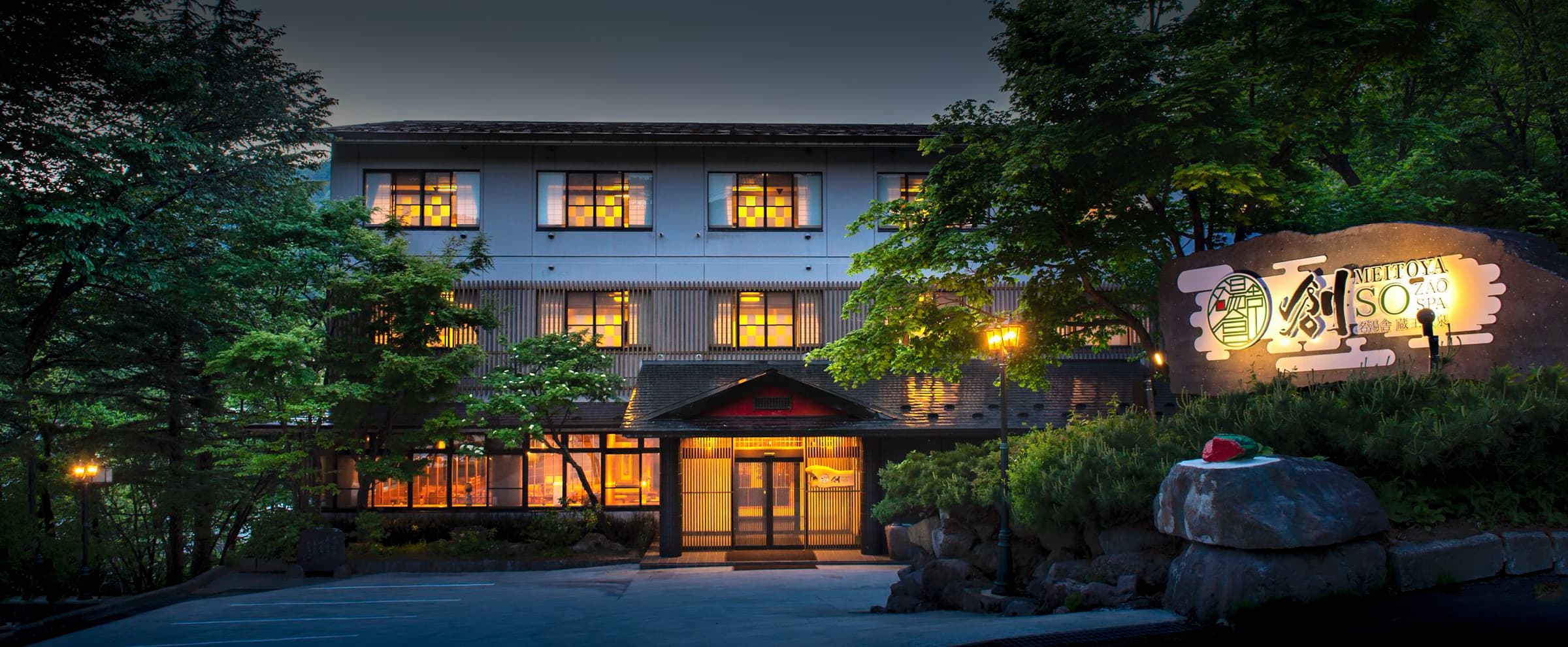 Meitoya So Zao | from $203 | 8.4 183 reviews | EN OKPrivate Onsen | Book on Booking.com |
| from $129 | 8.2 439 reviews | Onsen | Book on Booking.com |
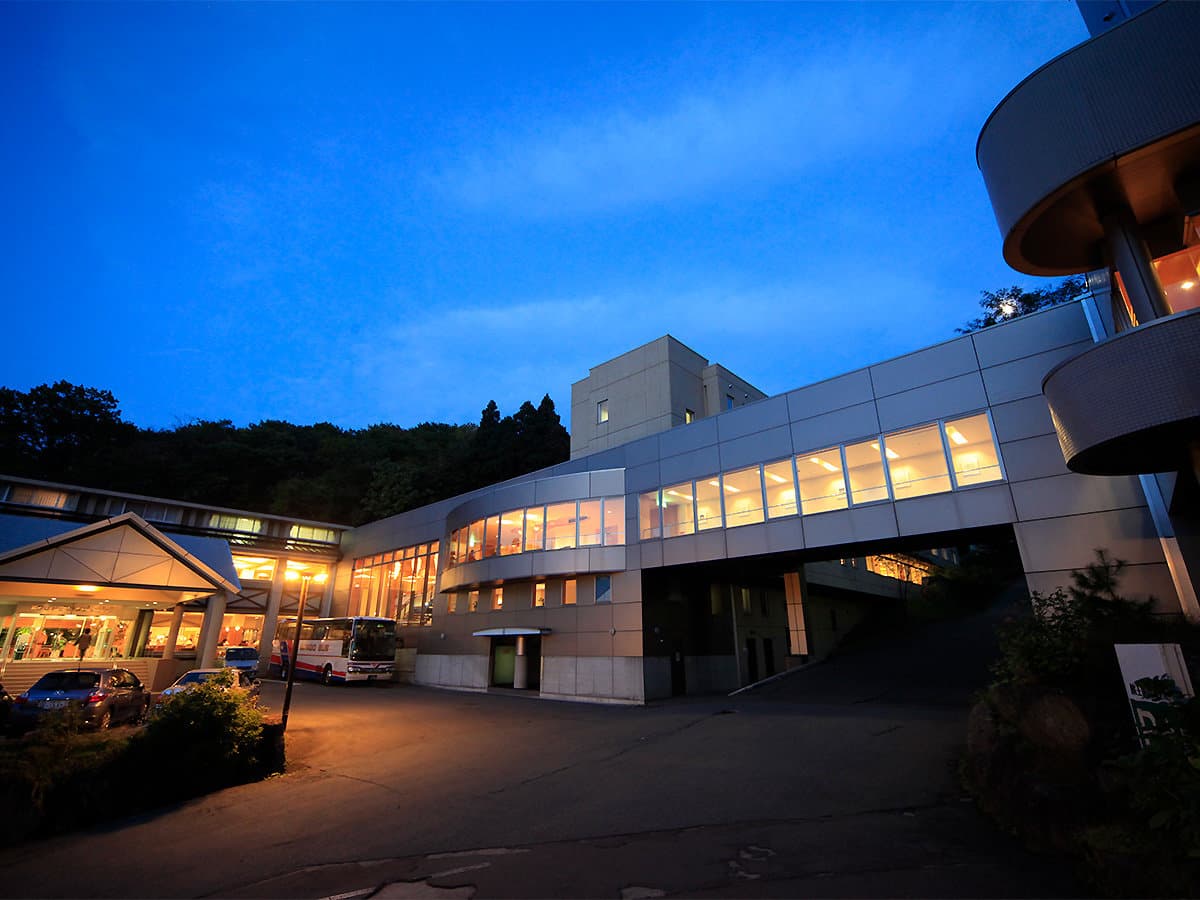
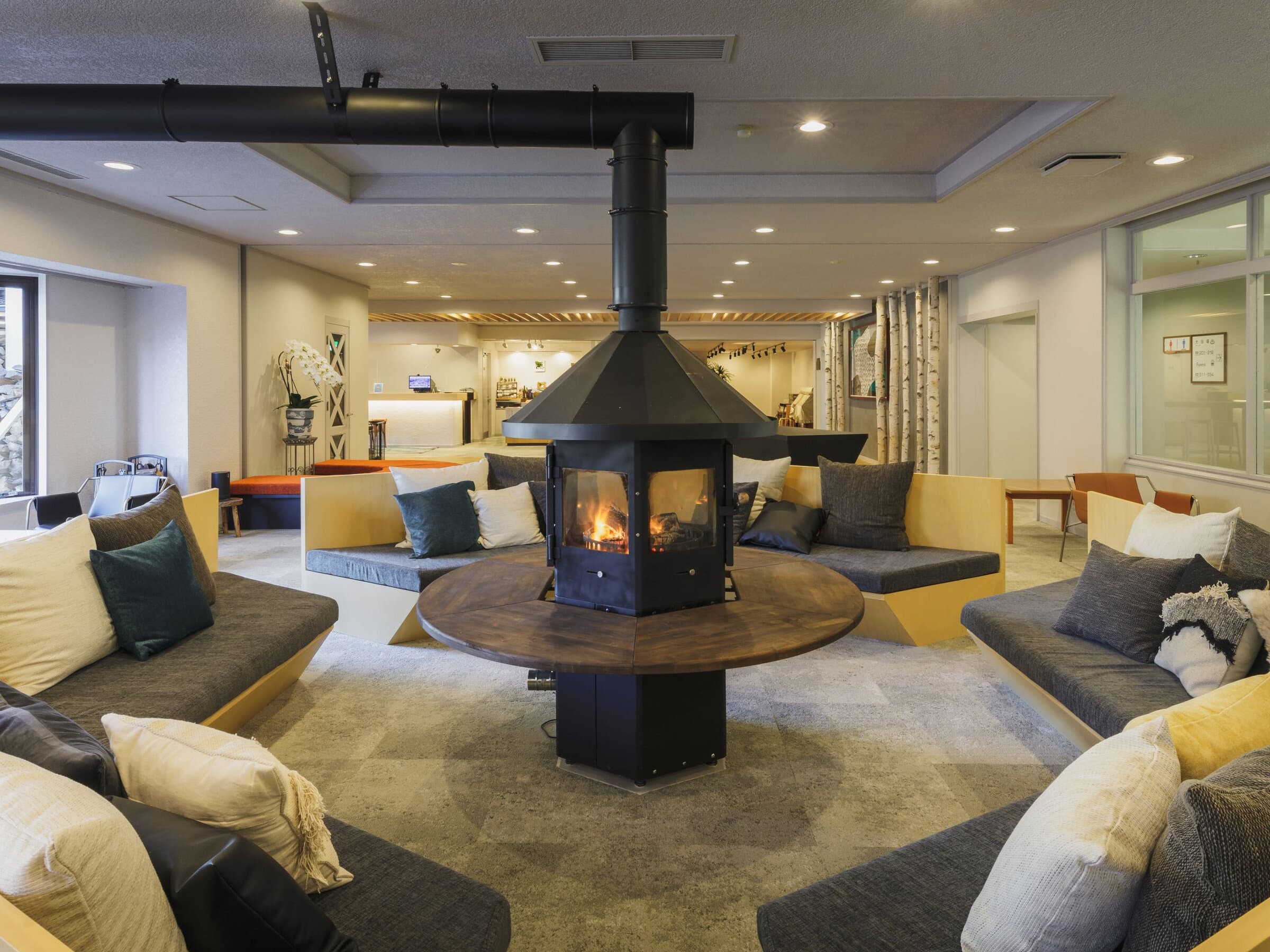
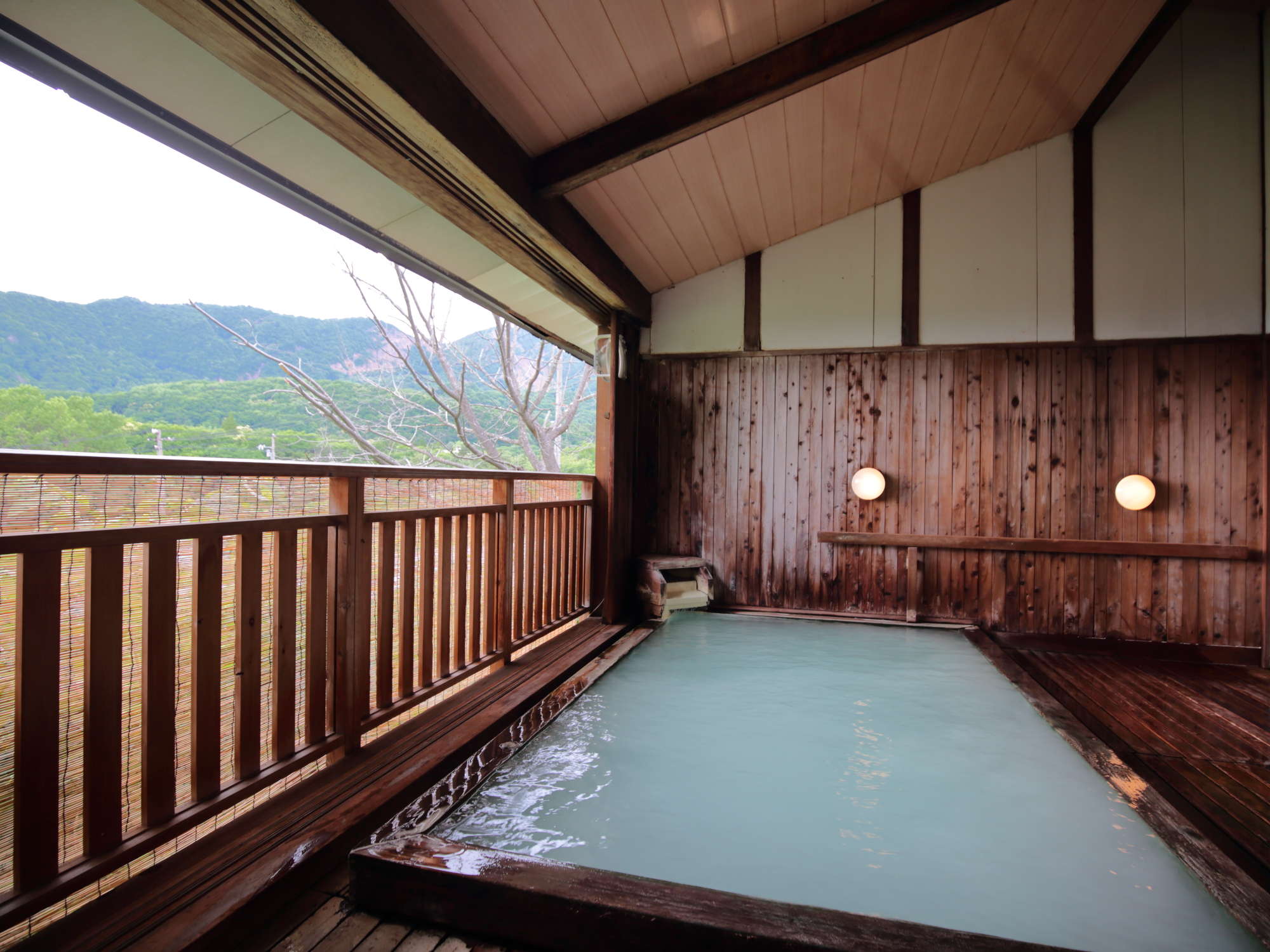
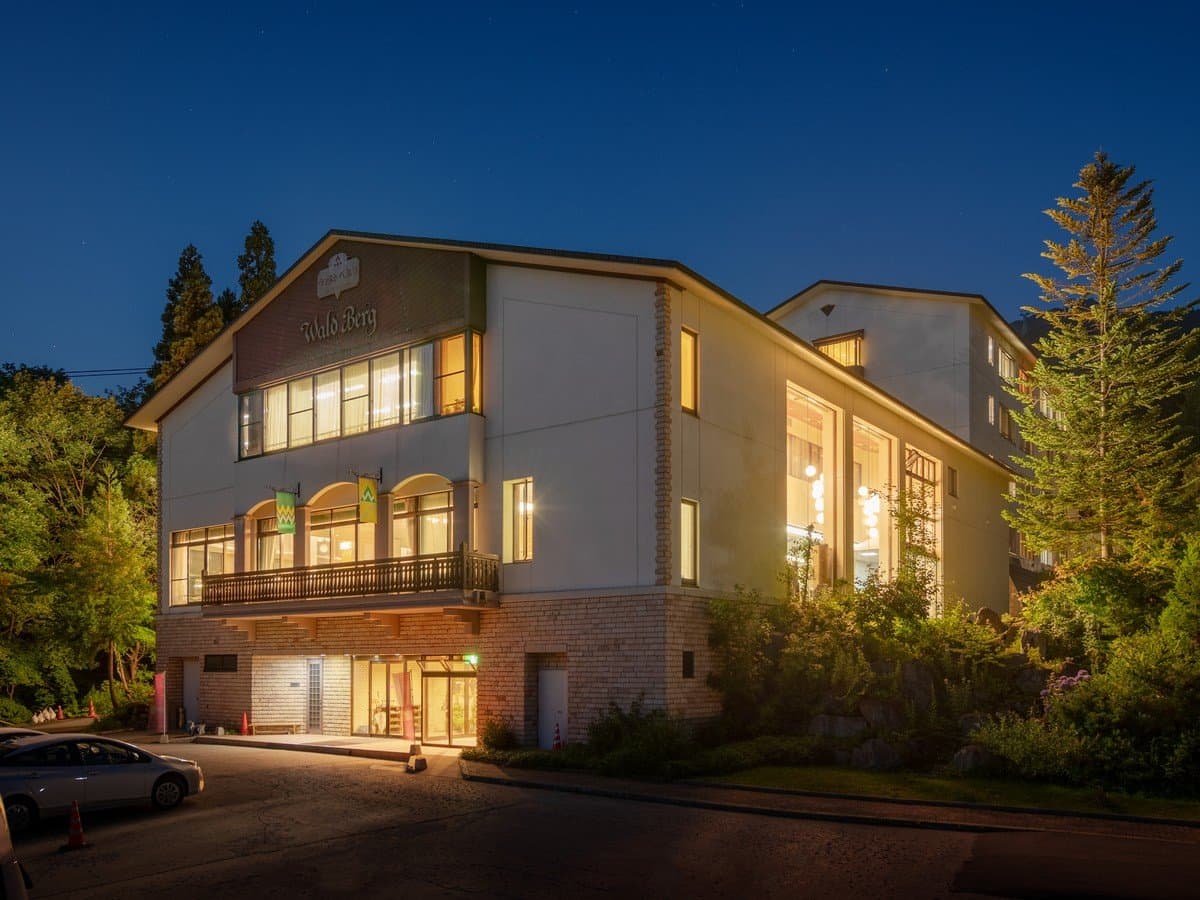
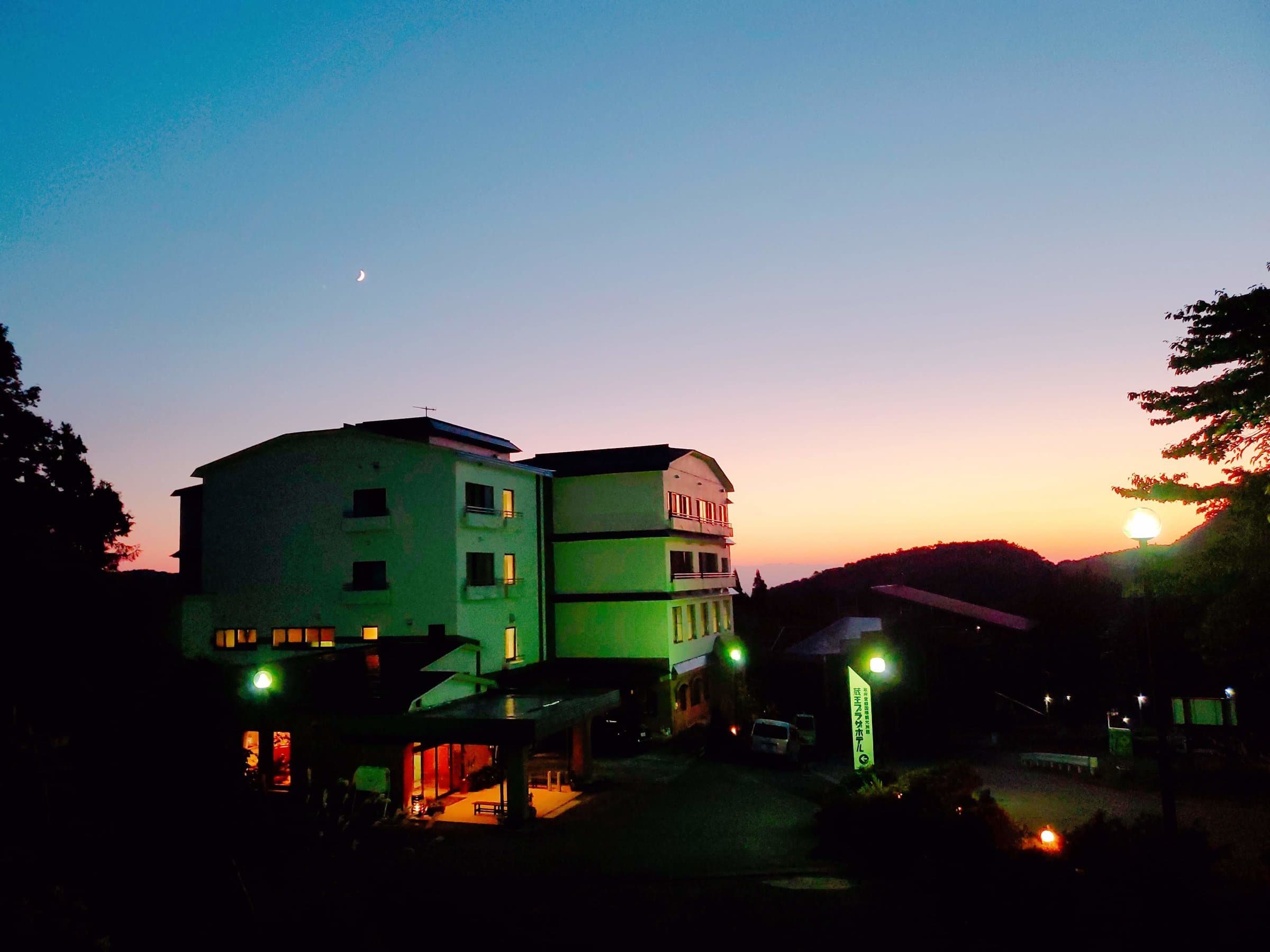
Meitoya So
Zao
Prices shown are approximate starting rates per person per night. We may earn a commission on bookings.
Ready to book?
Book one of these top picks
Compare live availability and prices across all three platforms.
Booking links may earn us a commission at no extra cost to you.
FAQ
Frequently asked questions
How do you get to Zao Onsen from Tokyo?+
Zao Onsen is reached from Tokyo in about 3 hours total. Take the Yamagata Shinkansen from Tokyo Station to Yamagata Station (approximately 2 hours 30 minutes), then transfer to a direct bus to Zao Onsen Bus Terminal (40 minutes). The town sits at 880 meters on the slopes of the Zao volcanic range in Yamagata Prefecture.
What are the Zao snow monsters and when can you see them?+
The Zao Juhyo (snow monsters) are Aomori fir trees coated by supercooled water droplets and snow, forming bizarre frozen shapes. They appear from December through early March, with late January to mid-February the prime window when the trees are fully iced. View them from the Zao Ropeway summit, and book the night-illumination tour early since it sells out 4–6 weeks ahead in peak season.
What is Zao Onsen's water like?+
Zao Onsen has the most acidic water of any major onsen town in Japan, at pH 1.25–1.6 (around 1.3 at the source). It's milky and sulfurous, locally called utsukushiku no yu (beautiful skin bath), and genuinely effective for skin conditions. The acidity tarnishes jewelry, especially silver, so remove all accessories before entering.
Which Zao ryokan is best for skiers?+
Takamiya Hotel Lucent is the only ski-in, ski-out option in Zao with genuine slope access to the Yokokura ski run, at ¥50,000–¥85,000 per person, and its newer-wing rooms feature private rotenburo on the balcony. For a modern base near the lifts, Wakamatsuya (Tsuruya Hotel) sits just a 3-minute walk from the Zao Ropeway Sanroku Station.
Which is the oldest ryokan in Zao Onsen?+
Two of Zao's oldest operating inns were both founded in 1716: Takamiya Hotel Miyamaso and Omiya Ryokan. Miyamaso is the heritage heart of the Takamiya group, offering eight bath types including a cypress bath and stone-lined rotenburo (¥40,000–¥70,000 per person). Omiya is the more intimate, family-run choice with an all-cypress communal bath (¥30,000–¥50,000 per person).
When is the best time to visit Zao Onsen?+
Zao is the rare onsen town where the calendar is reversed: winter is peak season thanks to the snow monsters and ski-and-soak access, with late January to mid-February the snow-monster window. Book your ryokan 4–6 months in advance for that peak, as the most sought-after rooms fill entirely on winter weekends. Plan a 2-night minimum so you have a full day for both the mountain and the baths.


