
11 min readUpdated June 2026
Quick Comparison
3 picks| Ryokan | From | Rating | Features | Book |
|---|---|---|---|---|
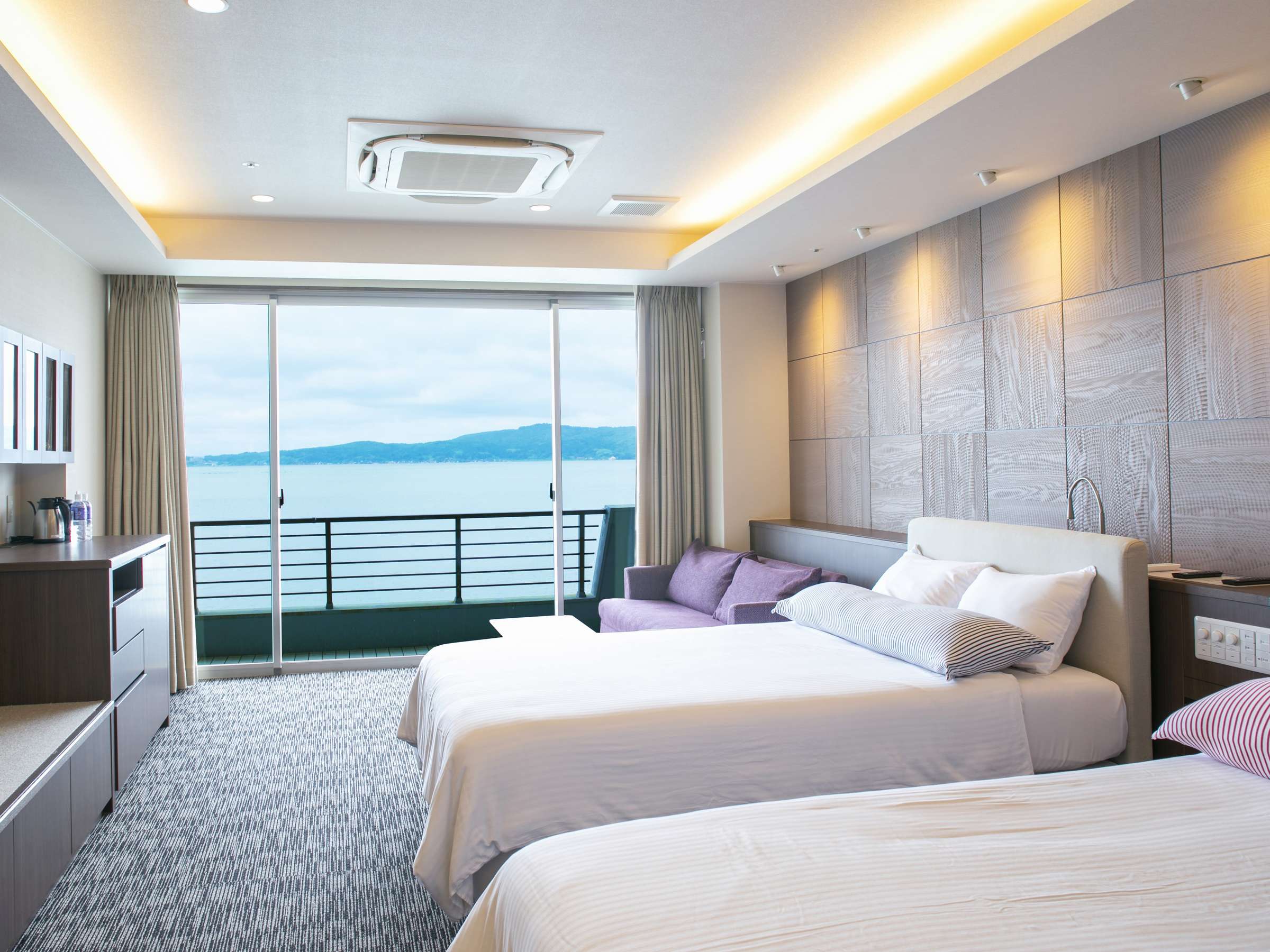 | from $150 | 9.2 9 reviews | EN OKPrivate Onsen | Book on Booking.com |
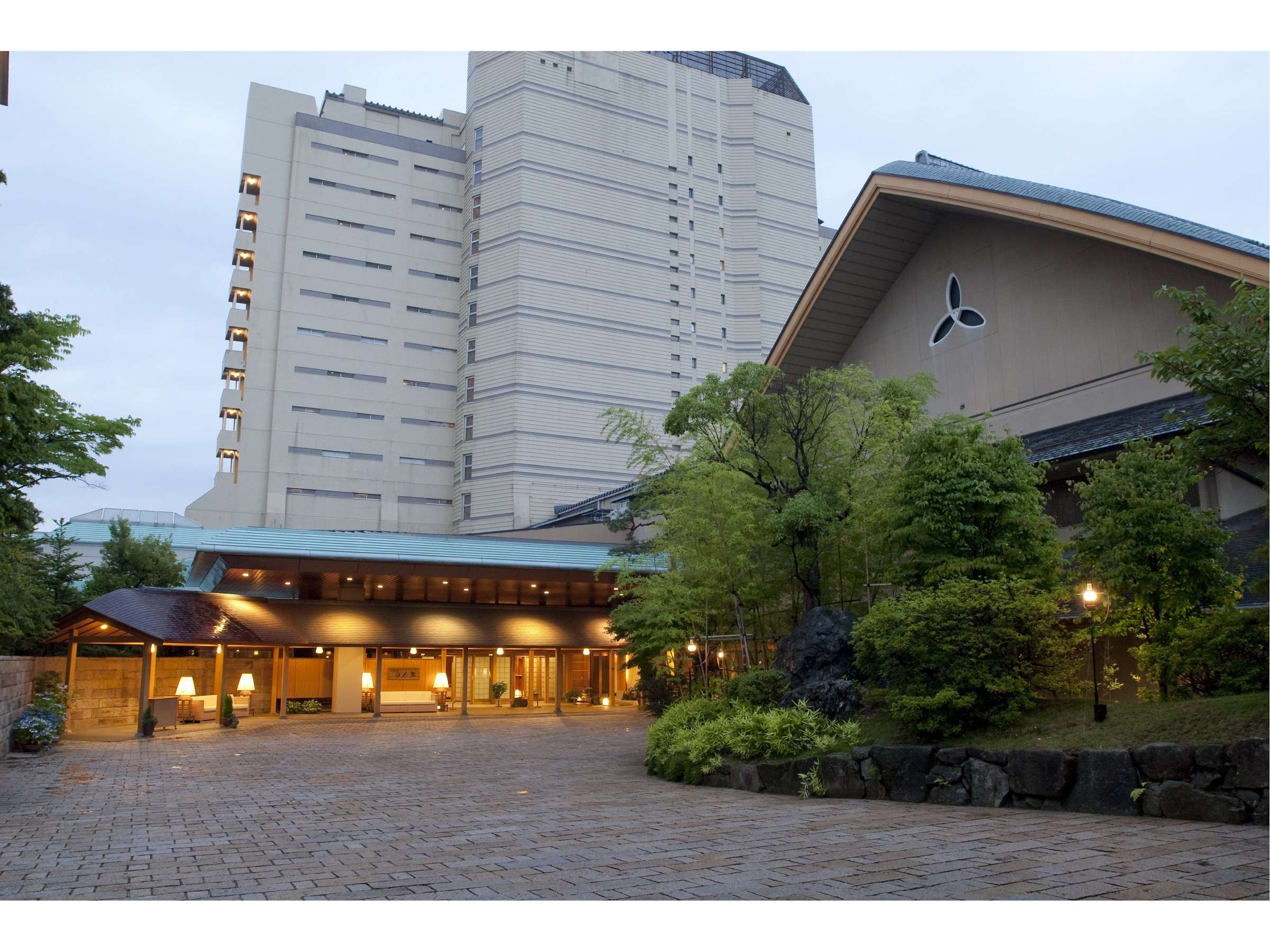 | from $200 | 8.4 17 reviews | EN OKPrivate Onsen | Book on Booking.com |
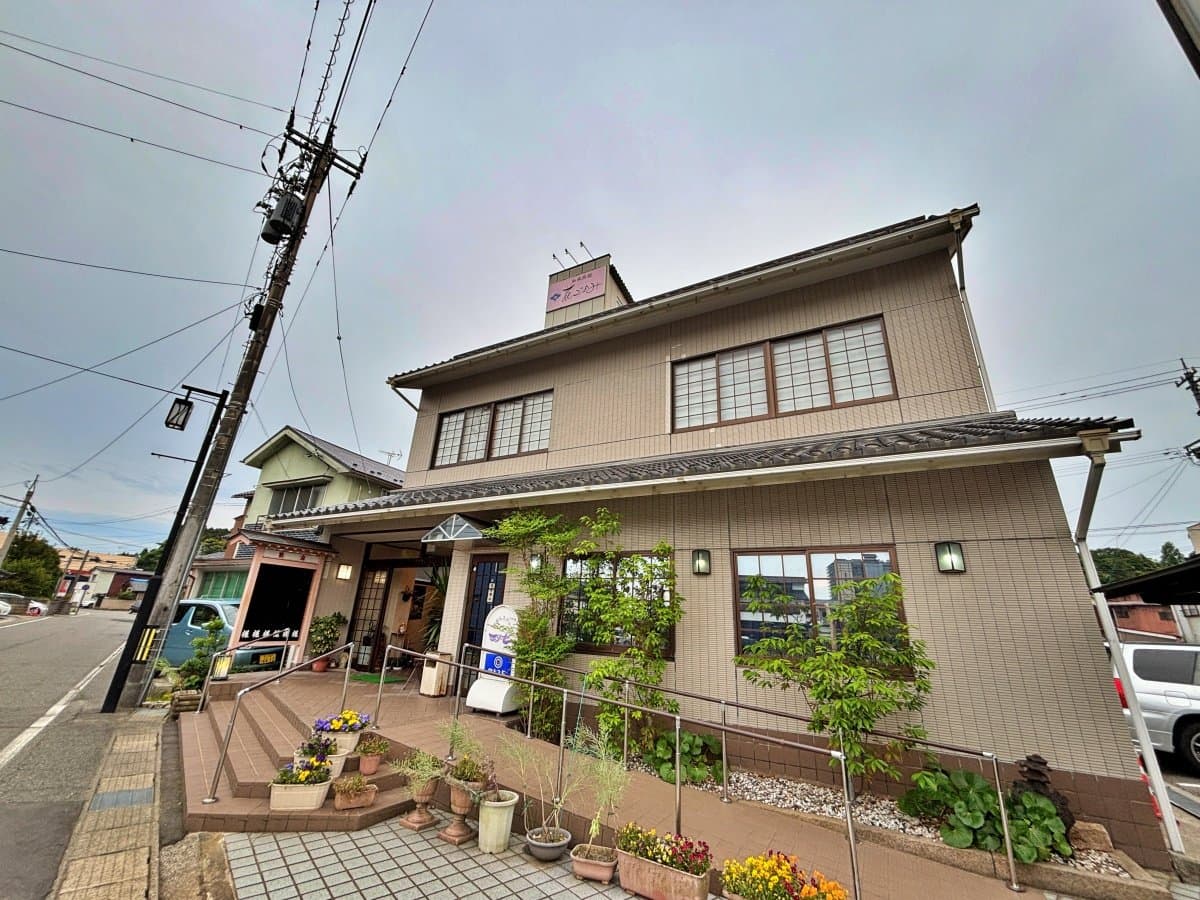 | from $80 | 8.8 410 reviews | Onsen | Book on Booking.com |
Prices shown are approximate starting rates per person per night. We may earn a commission on bookings.
Wakura Onsen is one of those towns where its identity is drawn directly from the sea. Perched on the Noto Peninsula coastline of Nanao Bay, this 1,200-year-old spa destination — with hot springs first recorded gushing around 806–810 CE [verified Wakura Onsen Tourist Association 2026-06-05] — is one of the few places in Japan where thermal water rich in salt flows directly from the seabed. This unique geography creates a ryokan experience found nowhere else, where open-air baths overlook the calm bay they source their water from. Following the significant 2024 Noto Peninsula earthquake — a magnitude 7.6 quake that struck on January 1, 2024 at 16:10 JST [verified Wikipedia 2026-06-05] — the region has shown incredible resilience. A visit to Wakura Onsen now goes beyond vacation; it's a direct and meaningful way to support the local communities as they rebuild, ensuring this special corner of Japan continues to thrive. Our guide focuses on the best ryokans, vetted for their quality, hospitality, and commitment to providing an authentic Noto experience.
 Pin to Pinterest
Why Wakura Onsen, Ishikawa Prefecture (Noto Peninsula, 60 minutes from Kanazawa) for ryokans
The allure of Wakura Onsen lies in its water. The hot springs are a rare sodium-and-calcium chloride saltwater type, emerging at roughly 80°C from the seabed of Nanao Bay [verified Wakura Onsen Tourist Association 2026-06-05]. This chloride-rich water is renowned for its exceptional heat-retaining properties, meaning the warming effect on the body lasts significantly longer than that of freshwater onsen. The water is also said to have sterilizing effects and to aid with skin ailments, making it both therapeutic and deeply relaxing. This natural wonder has shaped the town's history for over a millennium — in 1880, Wakura's mineral water was even awarded third prize at a global mineral springs exposition held in Germany [verified Japan National Tourism Organization 2026-06-05].
Every ryokan in Wakura is built to celebrate this connection to the sea. From expansive bathhouses with panoramic windows to private open-air baths on guest room balconies, the experience is designed to merge the hot spring with its source. Staying here means immersing yourself in the unique terroir of The Noto Peninsula coastline of Nanao Bay, with 1,200-year-old salt-water hot springs flowing from the seabed; it is more than a backdrop but the very essence of your visit. This focus on a single, powerful natural element makes Wakura a premier destination for onsen connoisseurs.
Tip
Earthquake recovery status (verified July 2026): Wakura is rebuilding from the January 2024 Noto earthquake, and its flagships are on long timelines — Kagaya is closed and scheduled to reopen by the end of fiscal 2028, around March 2029. Aenokaze is closed for reconstruction with new reservations stopped and no reopening date published on its own site. Tadaya is suspended indefinitely. Picks 1–3 below (Biwanso, Notoraku, Hanagoyomi) welcome guests now, as do TAOYA Wakura, Hamazuru, and Housenkaku; Hotel Kaibo and Noshu Iroha operate with partial facilities, and Noto Kaishu reopens July 16, 2026. We keep the closed flagships listed for context — do not plan a stay at them until reopening is confirmed.
1. Yukemuri no Yado Biwanso
Status: Reopened provisionally on November 11, 2025 with a reduced room count; some baths remain limited during reconstruction. Bookable now — stays directly support the recovery.
Biwanso excels at framing the landscape. This large, modern ryokan is designed to maximize the memorable views of Nanao Bay from nearly every vantage point. The name evokes a lakeside resort, and that is precisely the feeling it cultivates—a serene, expansive atmosphere with water stretching to the horizon. Its open-air baths on the top floor are particularly noteworthy, providing a panoramic vista that is especially beautiful at sunrise and sunset. Rooms are spacious and comfortable, with many featuring private hot spring baths on their balconies. Biwanso strikes a balance between the scale of a resort and the focused relaxation of an onsen hotel, making it a strong choice for families and couples who prioritize a striking view alongside their bathing experience. It's a reliable and visually impressive option for a Wakura stay.
Price tier: Mid-range to Luxury (¥40,000 - ¥80,000)
2. Notoraku
Representing the modern boutique side of Wakura, Hotel Notoraku offers a stylish and slightly more casual experience. With a focus on contemporary Japanese design, it appeals to travelers who may find the formality of a traditional ryokan intimidating. The interiors are clean, with smart design choices and a welcoming ambiance. Notoraku features its own impressive set of onsen, including展望大浴場 (scenic large baths) that live up to their name with excellent bay views. It's a well-rounded property that delivers on the core promises of a Wakura Onsen stay—great baths, ocean views, and delicious Noto Peninsula cuisine—in a package that feels fresh, modern, and accessible. It's an excellent mid-range to luxury choice for those seeking comfort and style without the pageantry of the ultra-luxury properties.
Price tier: Mid-range (¥35,000 - ¥60,000)
3. Hanagoyomi
Proving that a stay in Wakura Onsen doesn't require a limitless budget, Hanagoyomi offers excellent value and a thoroughly enjoyable experience. While more modest in scale than its larger neighbors, it provides a comfortable base to experience The Noto Peninsula coastline of Nanao Bay, with 1,200-year-old salt-water hot springs flowing from the seabed, at a more approachable price point. The ryokan offers both Japanese-style tatami rooms and Western-style rooms, catering to a variety of preferences. The onsen facilities are clean and well-maintained, allowing guests to fully enjoy the famous therapeutic waters. The food is a highlight, featuring fresh local seafood from the Noto Peninsula. For travelers on a moderate budget, or those planning a longer trip around Japan, Hanagoyomi is a smart and satisfying choice that doesn't compromise on the essential Wakura experience.
Price tier: Mid-range (¥25,000 - ¥50,000)
Three flagships closed for reconstruction
Kagaya, Aenokaze and Tadaya were the first three picks here until September 2026. All three have been closed since the January 2024 Noto earthquake. Kagaya is scheduled to reopen by the end of fiscal 2028, around March 2029. Aenokaze publishes no reopening date, and Tadaya is suspended indefinitely. Their profiles stay as history. None of them is bookable, and none is in this guide's structured data.
Kagaya
Status: Closed for reconstruction since the January 2024 earthquake. Kagaya is scheduled to reopen by the end of fiscal 2028, around March 2029, as a rebuilt flagship of 33 rooms over seven floors, sleeping 110 — smaller than the property it replaces . The profile below is kept as context for what Japan's most decorated ryokan will return as.
The undisputed titan of Wakura Onsen, Kagaya is an institution. For decades it has topped the industry-voted 'Top 100 Hotels & Ryokans in Japan' ranking — most recently placing first in the 46th edition of that professionals' survey [verified Kagaya Official 2026-06-05] — and its reputation for impeccable *omotenashi* (Japanese hospitality) is legendary. This is not an intimate inn but a grand resort, comprising several wings built along the bay. The experience is one of flawless service and overwhelming choice, from the three distinct public bath areas to the dozens of kaiseki menu variations. Guest rooms offer sweeping views of the water, and the most luxurious suites feature private open-air baths. The arrival and departure ceremonies, where rows of kimono-clad staff greet and bid farewell to guests, are a sight to behold. For years, if you could book only one ryokan for a once-in-a-lifetime splurge, Kagaya was the definitive choice. It is the grandest expression of hospitality on The Noto Peninsula coastline of Nanao Bay, with 1,200-year-old salt-water hot springs flowing from the seabed.
Price tier when it was trading: Ultra-luxury (¥100,000+)
Aenokaze
Status: Closed for reconstruction since the January 2024 earthquake. Its own site carries a closure banner and has stopped taking new reservations; it publishes no reopening date and no room count for the rebuild, so we state none.
Aenokaze was the sister property for travellers who appreciated Kagaya's service standards but wanted a more contemporary aesthetic. Situated right next door, Aenokaze offers a modern, minimalist take on the luxury ryokan experience. Its defining feature is that every single guest room faces Nanao Bay, guaranteeing an ocean view. The interiors are bright, airy, and less formal than its grander sibling, appealing to couples and modern design enthusiasts. Guests at Aenokaze also benefit from access to some of Kagaya's palatial onsen facilities, offering the best of both worlds. The ryokan is particularly known for its energetic evening performances featuring local taiko drumming and traditional arts, adding a dynamic cultural element to your stay. It paired top-tier hospitality with a fresh, 21st-century sensibility.
Price tier when it was trading: Luxury (¥50,000 - ¥100,000)
Tadaya
Status: Suspended since the January 2024 earthquake, with no announced reopening date.
Founded in 1885 [verified Tadaya Official 2026-06-05], Tadaya offers a journey back in time. As one of Wakura's most historic properties — and the oldest ryokan in Wakura Onsen — it provides a more intimate and classical alternative to the area's larger resorts. The ryokan exudes a quiet dignity, with beautiful wooden architecture, serene gardens, and a prized location on a small point jutting into Nanao Bay. Its most famous bath, 'Benten no Yu,' floats over the bay, offering an unparalleled sense of bathing directly in the sea. Tadaya prides itself on its artistic heritage, with rooms and corridors decorated with fine ceramics and calligraphy. Tadaya was where travellers went for a connection to the Meiji-era grace of Wakura Onsen, and for a ryokan that valued tradition and tranquility over scale. It offers a heritage-rich perspective on the area's famous saltwater springs.
Price tier when it was trading: Luxury (¥50,000 - ¥100,000)
 Pin to Pinterest
Practical Info: Planning Your Wakura Onsen Trip
Access: The gateway to Wakura Onsen is Kanazawa — see also our Kanazawa ryokan ranking. From Tokyo, take the Hokuriku Shinkansen to Kanazawa (approx. 2.5 hours). From Kanazawa Station, take the Limited Express Noto Kagaribi train directly to Wakura-Onsen Station — about 58 minutes, with five round-trip services daily [verified Kanazawa Station Guide 2026-06-05].
Best Season: While the onsen are a delight year-round, winter offers the classic experience of soaking in a steaming outdoor bath in the crisp air. Spring and autumn are ideal for pleasant weather to explore the wider Noto Peninsula.
Budget: Prices are per person, per night, including two meals. Expect to pay ¥25-50k for mid-range and ¥50-100k for luxury. The ¥100k+ ultra-luxury tier in Wakura was Kagaya's, and Kagaya is closed.
Tip
Crucially, verify the current operating status of any ryokan directly or via their official website before booking. The 2024 Noto Peninsula earthquake caused significant damage — total losses across inns, hot-spring facilities, shops, and coastal seawalls in Wakura alone topped ¥100 billion, and all 21 inns in the resort were forced to close immediately after the quake [verified Wakura Onsen Tourist Association 2026-06-05] — and while the area is welcoming visitors, conditions can change.
When to Visit Wakura
Wakura Onsen sits on the Noto Peninsula's east coast (Ishikawa Prefecture) and the seasonal math is dominated by fresh seafood seasonality. November to March is the peak — snow crab (zuwai-gani) season is the actual reason to come, and the kaiseki at every ryokan in town anchors the dinner on it. November 6 to March 20 is the legal snow-crab season in this region; outside this window the kaiseki is built around different ingredients (yellowtail in spring, sea urchin in summer). Cherry blossom here is two weeks earlier than Kyoto, early April. Avoid late summer typhoon season (August-September) — the Noto Peninsula coastline is exposed and rough weather impacts ferry and rail access. Book 8-10 weeks ahead for the November-February crab peak — the entire Hokuriku circuit (Kanazawa-Wakura) is at its busiest then.
What Wakura Does Best (And What It Does Not)
Wakura does two things at world-class level: hot-spring water that emerges directly from the sea floor (the only major coastal onsen in Japan with this geology — the water is genuinely saline, classified as a sodium-chloride spring), and winter snow-crab kaiseki. The most famous ryokan in town, Kagaya, is regularly ranked in Japan's top-3 ryokans by domestic awards (35+ years running in Professional Ryokan Awards). What Wakura does not do is foreign-tourist English-language signage — most of the town runs on Japanese domestic high-end travel. If you want the genuine top-end ryokan experience and you do not need English subtitles, Wakura is the answer that locals would give you.
Tip
If snow crab is the priority, book a kaiseki with the whole-crab single-pot course (called 'maru-yaki' or 'kani-suki' depending on property) rather than the regular crab kaiseki. The whole-crab course is ¥8,000-15,000 more per person but it is the version that justifies the rail trip from Tokyo.
My Honest Take After Staying Here
I stayed at Wakura once in February for the snow-crab kaiseki, at a mid-tier ryokan (not Kagaya — that one is a separate budget level). The dinner was a 9-course kaiseki built around a 2.5 kg snow crab split four ways, with sashimi, grilled legs, hot-pot, and the brain-broth porridge as the final course. My honest take: this is the single most memorable kaiseki dinner I have had in eighty-nine ryokan stays, and it is the meal worth building a Hokuriku trip around. Pair Wakura with Kanazawa (75 minutes by Limited Express) for the city-and-onsen 3-night Hokuriku loop. This is one of the great underrated regions in Japan.
A stay in Wakura Onsen is a unique opportunity to experience a piece of Japan's living geological heritage. The sensation of soaking in mineral-rich water drawn from the ocean floor while gazing out at that same ocean is profoundly memorable. By choosing to stay in one of these exceptional ryokans, you are not only treating yourself to a singular Japanese experience but also playing a vital role in the recovery and future of the beautiful Noto Peninsula. If that seaward soak is what draws you here, explore more of Japan's best baths that look straight out to sea before you decide. Book your stay and support this incredible community.
Every other ryokan we list here
7 listed| Ryokan | From | Rating | Features | Book |
|---|---|---|---|---|
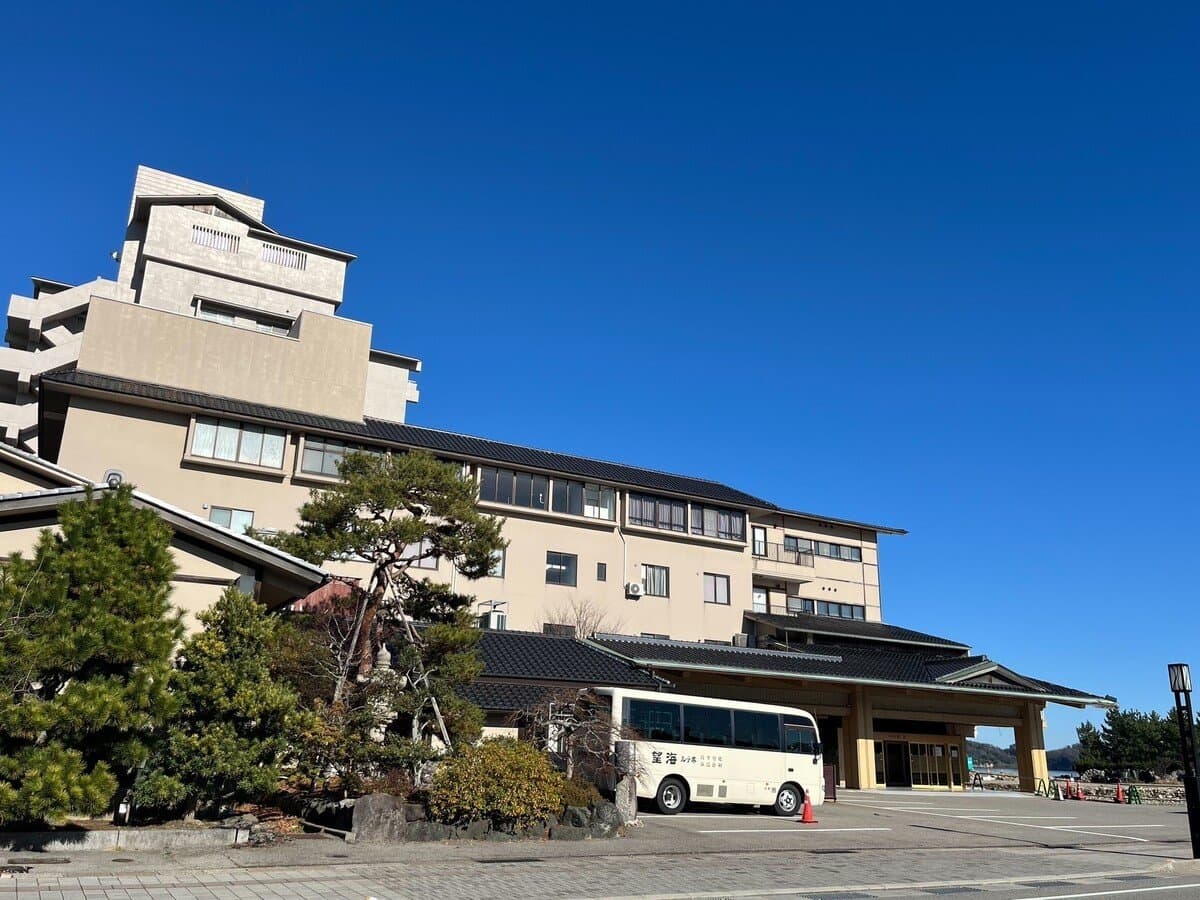 | from $120 | 9.1 8 reviews | EN OKOnsen | Book on Booking.com |
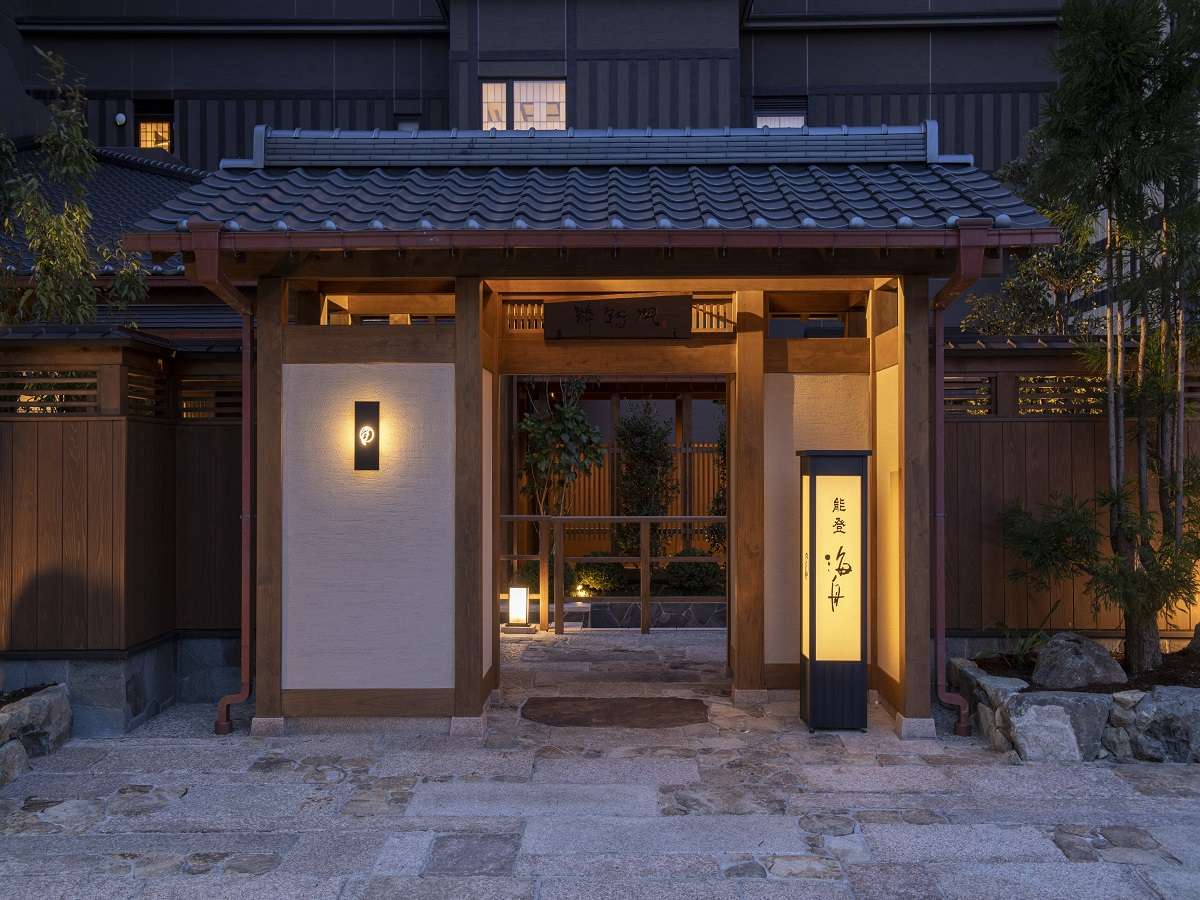 | from $411 | 9.0 185 reviews | EN OKPrivate Onsen | Book on Booking.com |
 Noshu Iroha Wakura | from $105 | 8.6 469 reviews | Private Onsen | Book on Agoda |
 | from $70 | 8.6 33 reviews | Onsen | Book on Agoda |
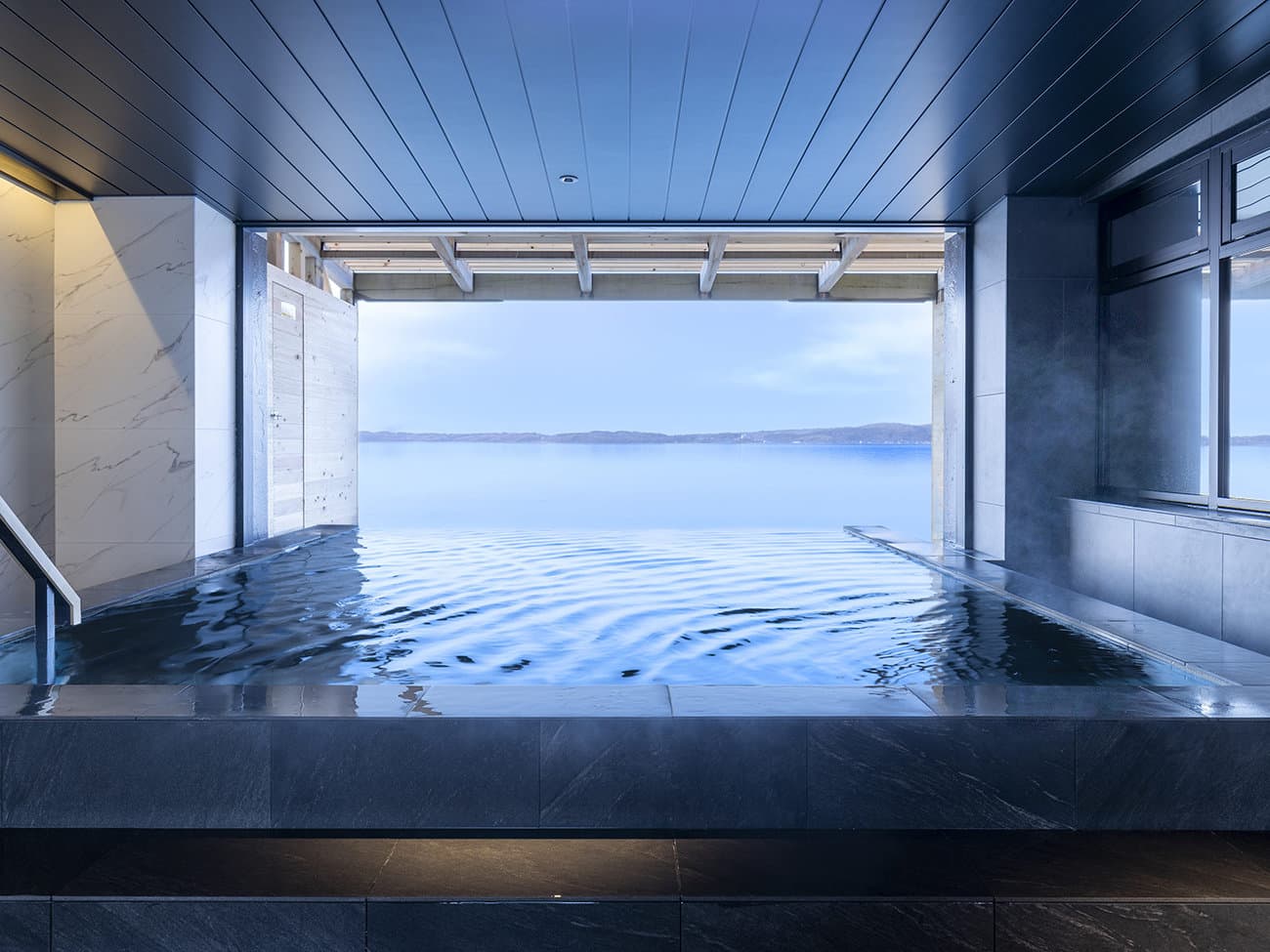 TAOYA Wakura Wakura | from $100 | 8.3 28 reviews | EN OKOnsen | Book on Booking.com |
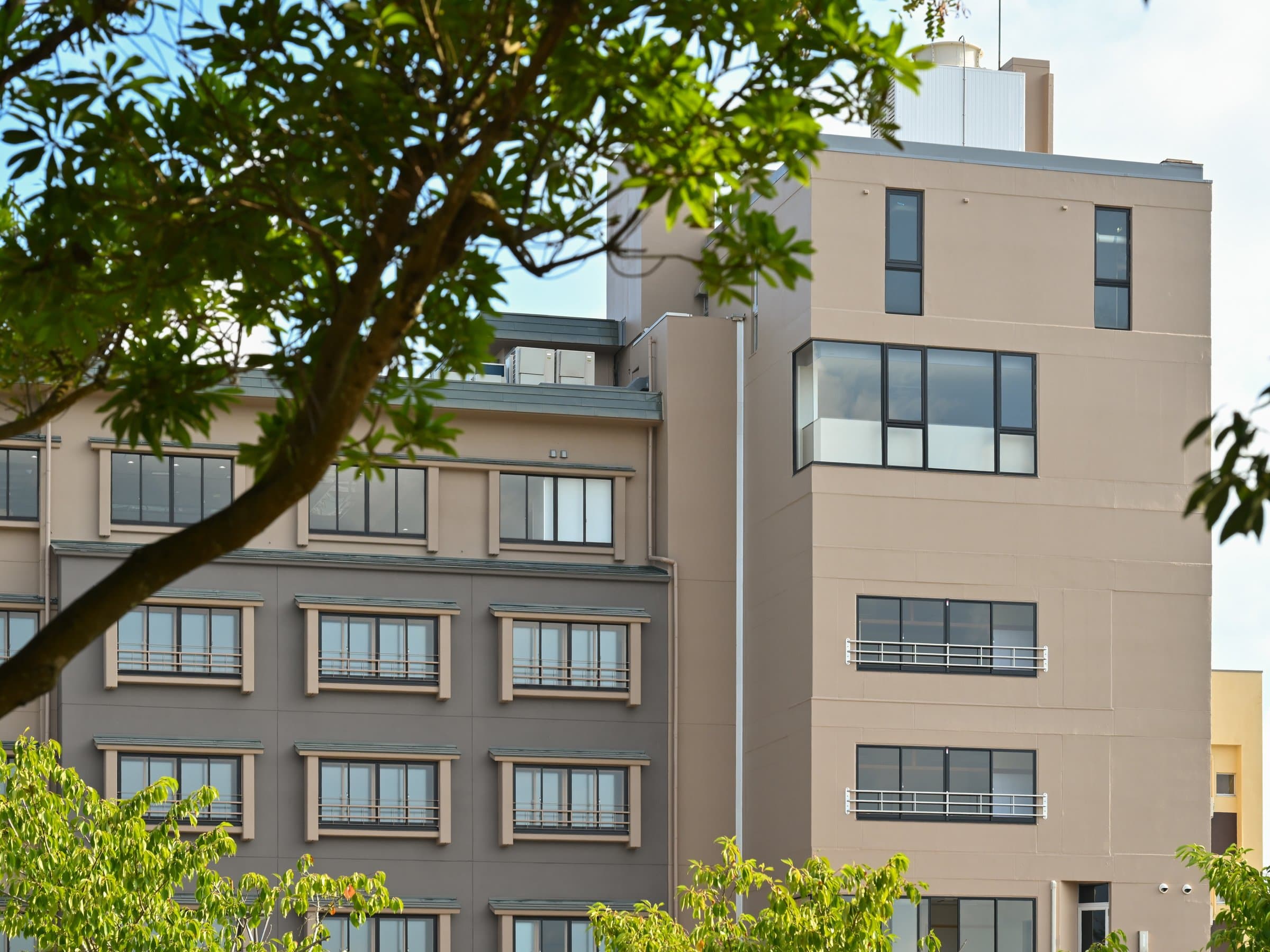 Wakura Onsen Hamazuru Wakura | from $115 | 8.2 230 reviews | Private Onsen | Book on Agoda |
 Tenku-no-Yado Daikanso Wakura | from $130 | 7.2 6 reviews | EN OKOnsen | Book on Booking.com |
Noshu Iroha
Wakura
TAOYA Wakura
Wakura
Wakura Onsen Hamazuru
Wakura
Tenku-no-Yado Daikanso
Wakura
Prices shown are approximate starting rates per person per night. We may earn a commission on bookings.
Ready to book?
Book one of these top picks
Compare live availability and prices across all three platforms.
Booking links may earn us a commission at no extra cost to you.
Correction, September 2026. Kagaya in Wakura Onsen has been closed for post-earthquake reconstruction since January 2024 and is scheduled to reopen by the end of fiscal 2028, around March 2029, at 33 rooms rather than the 232 it had . Aenokaze is closed for reconstruction and publishes no reopening date on its own site; Tadaya is suspended indefinitely. In this article the ranking is the three properties that are open; Kagaya, Aenokaze and Tadaya moved out of the numbering into a section of their own, and the title and meta now say three open and three closed. All three also came out of the recommendation panel, the structured data and the comparison table; the reopening date and room count were corrected against Kagaya's own announcement, and the rate examples built on Kagaya were removed. The profiles stay as history, with the present-tense recommendations in them — “the perfect fit”, “an exceptional choice” — rewritten in the past. Checked against each property's own website on 2026-09-20.
FAQ
Frequently asked questions
What makes Wakura Onsen unique?+
Wakura Onsen is unique because its thermal water, rich in salt, flows directly from the seabed of Nanao Bay. This rare saltwater type is drawn from a geological fault, offering exceptional heat-retaining properties. The water is also known for sterilizing effects and aiding skin ailments, providing a deeply therapeutic and relaxing experience found in few other places.
How do I travel to Wakura Onsen from Tokyo?+
To reach Wakura Onsen from Tokyo, first take the Hokuriku Shinkansen to Kanazawa, which takes approximately 2.5 hours. From Kanazawa Station, transfer to the Limited Express Noto Kagaribi train. This train will take you directly to Wakura-Onsen Station in about 60 minutes, making Kanazawa the primary gateway.
What is the best time of year to visit Wakura Onsen?+
While Wakura Onsen is enjoyable year-round, winter offers the classic experience of soaking in a steaming outdoor bath amidst crisp air. For those wishing to explore the wider Noto Peninsula, spring and autumn provide ideal pleasant weather. Each season offers a distinct atmosphere for experiencing the unique saltwater springs.
What are the typical prices for a ryokan stay in Wakura Onsen?+
Prices for a ryokan stay in Wakura Onsen are per person, per night, and include two meals. Mid-range properties typically cost ¥25,000-¥50,000. Luxury options range from ¥50,000-¥100,000, while the ultra-luxury tier starts at ¥100,000. Kagaya, which anchored that tier, is closed for reconstruction and quotes no rates.
Which ryokan is considered the top choice in Wakura Onsen?+
Kagaya held that title for more than 30 consecutive years in the industry's own ranking, but it has been closed for post-earthquake reconstruction since January 2024 and is scheduled to reopen by the end of fiscal 2028, around March 2029. Of the Wakura ryokans open now, Yukemuri no Yado Biwanso is the strongest pick: it reopened in November 2025 with a reduced room count and frames Nanao Bay from nearly every vantage point.
Is Yukemuri no Yado Biwanso in Wakura Onsen open again?+
Yes. Biwanso (ゆけむりの宿 美湾荘), the bay-view ryokan on Nanao Bay in Ishikawa Prefecture's Noto Peninsula, resumed provisional operations on November 11, 2025 after damage from the January 2024 earthquake, and is accepting bookings through 2026. Some facilities remain limited during reconstruction (part of the baths are closed and elevator work is ongoing), and stays are positioned as recovery-support visits.


