Le Japon compte plus de 3 000 zones de sources chaudes réparties dans tout le pays, du Kyushu subtropical au Hokkaido glacé. Chaque préfecture en possède au moins une douzaine. La plupart sont tout à fait correctes — un bain chaud, un repas honnête, une nuit tranquille. Mais « tout à fait correct », ce n’est pas pour cela que vous avez traversé la moitié du globe.
Les villes de cette liste sont différentes. Ce sont des lieux où l’onsen n’est pas un simple équipement — c’est la raison d’être même de la ville. Les rues sentent le soufre. Les rivières coulent d’un blanc laiteux. Les habitants se baignent dans la même eau depuis des siècles, et la culture du bain a tout façonné, de l’architecture à la cuisine en passant par la manière dont les gens se saluent. Ce sont les villes d’onsen pour lesquelles il vaut la peine de remanier votre itinéraire. Si vous ne voyez pas encore très bien ce qui distingue vraiment une ville d’onsen du ryokan où vous dormez, mieux vaut clarifier cette distinction avant de planifier votre séjour autour de l’un ou de l’autre.
1. Kusatsu Onsen (Gunma) — La championne incontestée
 Épingler sur Pinterest
Kusatsu est en tête du classement des onsen établi par les Japonais eux-mêmes depuis 20 années consécutives, et une fois sur place, on comprend pourquoi. La ville s’organise autour du yubatake — une immense structure en bois au centre de la ville, où l’eau de source brûlante dévale des canaux et refroidit jusqu’à une température supportable pour le bain. La nuit, il est illuminé et fumant, et le spectacle est véritablement saisissant. Aucune autre ville d’onsen ne possède une telle pièce maîtresse.
Mais la véritable vedette, c’est l’eau elle-même. Les sources de Kusatsu sont naturellement acides (pH 2,05–2,1 selon source vérifiée Kusatsu Onsen Official 2026-06-04), assez puissantes pour dissoudre une pièce d’un yen en une semaine. Ce n’est pas une eau minérale douce — c’est une eau médicinale, et vous la sentez agir sur votre peau en quelques minutes. Les Japonais disent que l’eau de Kusatsu guérit tout, sauf le chagrin d’amour, et ils ne plaisantent qu’à moitié. Pour la liste complète des hébergements de Kusatsu — ryokans traditionnels, hôtels onsen modernes et auberges économiques —, consultez notre annuaire dédié à Kusatsu.
La ville propose 19 bains publics gratuits (soto-yu), pour la plupart de minuscules cabanes en bois entretenues par les associations de quartier. Aller de bain en bain en yukata et en sandales geta, avec la vapeur qui s’élève des grilles sous vos pieds, est l’une des grandes expériences sensorielles du Japon. Ne manquez pas le bain en plein air du parc Sainokawara — un immense rotenburo creusé dans une gorge au bord de la rivière.
Tip
Meilleure saison : l’hiver (décembre–février) pour les bains enneigés et la vapeur spectaculaire. Accès : 2,5 heures depuis Tokyo en bus express (3 300 ¥). Budget : 8 000–25 000 ¥ par personne et par nuit. Réservez le bus depuis le terminal de bus express de Shinjuku — c’est moins cher et plus pittoresque que l’itinéraire en train.
2. Beppu (Oita, Kyushu) — La capitale de l’onsen
Si Kusatsu est le choix des connaisseurs, Beppu est la championne du peuple. Cette ville de taille moyenne sur la côte est du Kyushu produit plus d’eau de source chaude que n’importe quel autre endroit au Japon — et se classe deuxième au monde après Yellowstone, avec plus de 130 000 tonnes jaillissant du sol chaque jour à travers 2 909 griffons source vérifiée Beppu Onsen / Wikipedia 2026-06-04. La vapeur s’échappe des caniveaux, des parkings et des jardins dans toute la ville. Les habitants cuisinent littéralement à la vapeur géothermique.
Ce qui rend Beppu si fascinante, c’est sa variété. En 20 minutes de route, vous pouvez essayer huit types de bains différents : onsen classique, bains de sable où des employés vous ensevelissent dans du sable volcanique naturellement chauffé sur la plage, bains de boue, bains de vapeur et bains en plein air face au Pacifique. Le célèbre Jigoku Meguri (circuit des Enfers) vous fait passer devant des bassins bouillonnants d’eau bleu cobalt, rouge sang et blanc laiteux — trop chauds pour s’y baigner, mais stupéfiants à voir.

Beppu est aussi la grande destination onsen la plus économique du Japon. Les bains publics de quartier coûtent à peine 100 ¥, et d’excellents ryokans commencent autour de 6 000 ¥ par personne. Pour le détail, notre guide où loger vraiment à Beppu avec un petit budget indique quelles auberges bon marché valent la réservation. La gastronomie — fondée sur les produits de la mer locaux et la cuisine jigoku-mushi (cuite à la vapeur des « enfers ») — dépasse largement ce qu’on attendrait. Goûtez le pudding cuit à la vapeur. Ça sonne attrape-touristes. C’est extraordinaire.
Tip
Meilleure saison : toute l’année, mais le printemps (mars–avril) est idéal pour des températures agréables. Accès : vol jusqu’à l’aéroport d’Oita (1,5 heure depuis Tokyo), puis 45 minutes de bus. Budget : 6 000–30 000 ¥ par personne et par nuit. Ne manquez pas le bain de sable de Beppu Beach Onsen — arrivez tôt, car il ferme à marée montante.
3. Hakone (Kanagawa) — Le classique accessible
La proximité de Hakone avec Tokyo — 85 minutes en train express Romancecar — en a fait la destination onsen la plus visitée du Japon. Cela signifie deux choses : d’une part, c’est incroyablement pratique. D’autre part, l’endroit peut sembler bondé et hors de prix si vous ne savez pas vous y prendre.
La clé, à Hakone, c’est de choisir le bon secteur. La plupart des excursionnistes à la journée se regroupent autour de la gare de Hakone-Yumoto. Évitez-la. Enfoncez-vous dans les montagnes — Gora, Sengokuhara ou Ashinoko (le secteur du lac) — et vous pourrez explorer des séjours à Hakone qui méritent leur réputation : collines boisées, vues sur le mont Fuji par temps clair et ryokans haut de gamme dotés de rotenburo privés qui justifient chaque yen — consultez les séjours à Kawaguchiko pour la liste complète.
L’eau de Hakone varie selon les secteurs, car la région repose sur plusieurs sources volcaniques. Certaines sources donnent une eau claire et peu minéralisée ; d’autres sont soufrées et opaques. La vallée d’Owakudani, où l’on peut manger des œufs cuits dans les sources sulfureuses volcaniques (chaque œuf ajouterait, dit-on, sept ans à votre vie), rappelle de façon spectaculaire que vous vous baignez sur un volcan actif.
Tip
Meilleure saison : l’automne (novembre) pour les feuillages, ou l’hiver pour les vues sur le Fuji. Accès : 85 minutes depuis Shinjuku en Odakyu Romancecar (2 330 ¥). Budget : 15 000–60 000 ¥ par personne et par nuit. Achetez le Hakone Free Pass pour des transports locaux illimités — il fait économiser de l’argent et simplifie le système déroutant de funiculaire, téléphérique, bus et bateau.
4. Kinosaki Onsen (Hyogo) — La ville d’onsen parfaite
Si vous pouviez concevoir la ville d’onsen idéale à partir de rien, vous obtiendriez sans doute quelque chose de très proche de Kinosaki. Un unique canal bordé de saules traverse le centre, enjambé par des ponts de pierre. Sept bains publics — Jizo-yu, Yanagi-yu, Ichino-yu, Goshono-yu, Mandara-yu, Kono-yu et Sato-no-yu — jalonnent la rue principale, chacun avec son style architectural propre et une composition minérale différente source vérifiée Japan Guide 2026-06-04. Votre ryokan vous remet un pass donnant accès aux sept. Vous passez la soirée à flâner de bain en bain en yukata et en sandales geta en bois, le claquement du bois résonnant contre les façades. Comparez les ryokans et hôtels onsen de Kinosaki pour en trouver un qui propose le pass des bains et la saison du kaiseki au crabe adaptés à votre voyage.
Ce rituel — appelé soto-yu meguri (la tournée des bains extérieurs) — est ce qui rend Kinosaki unique. D’autres villes d’onsen ont de beaux bains. Kinosaki offre une soirée entièrement chorégraphiée qui transforme toute la ville en votre spa. Entre deux bains, vous vous glissez dans les boutiques pour une glace à l’italienne, un saké local ou des croquettes de crabe. La ville est si petite que vous n’avez jamais besoin de plan.
À propos de crabe : Kinosaki se trouve sur la côte de la mer du Japon et, de novembre à mars, la ville devient l’un des meilleurs endroits du Japon pour déguster le crabe matsuba (crabe des neiges). Un kaiseki complet au crabe dans un ryokan de Kinosaki — sashimi de crabe, pattes de crabe grillées, fondue au crabe, riz au crabe — est un repas à vivre au moins une fois.
5. Kurokawa Onsen (Kumamoto, Kyushu) — Le joyau caché qui ne l’est plus
Nichée dans une étroite vallée fluviale au cœur des montagnes du Kyushu, Kurokawa était une ville d’onsen moribonde dans les années 1980. Puis les propriétaires de ryokans ont fait quelque chose de radical : ils ont coopéré. Au lieu de se faire concurrence, ils ont créé un pass commun pour la tournée des bains (nyuyoku tegata), unifié l’esthétique de la ville autour du bois sombre et de la pierre naturelle, et planté des arbres pour masquer les bâtiments modernes. Résultat : la ville d’onsen la plus cohérente visuellement du Japon — un lieu qui semble n’avoir pas changé depuis 200 ans, alors que ce design est voulu.
Les bains y sont creusés dans les falaises au bord de la rivière, entourés de forêt. Certains sont des bains troglodytes où l’eau goutte des surplombs rocheux. D’autres sont perchés au-dessus de la rivière avec vue sur la gorge en contrebas. Le pass tegata à 1 300 ¥ vous permet de choisir trois bains parmi environ 28 ryokans participants source vérifiée JNTO 2026-06-04, et la marche de l’un à l’autre — par des sentiers forestiers et des ponts de bois — fait la moitié du plaisir.
 Épingler sur Pinterest
6. Ginzan Onsen (Yamagata) — Le conte de fées
Si vous avez vu une photo nocturne d’une ville d’onsen japonaise en vous disant « ça ne peut pas être réel », il s’agissait probablement de voir les ryokans de Ginzan Onsen. Ce minuscule hameau de ryokans en bois de l’ère Taisho — construits entre 1912 et 1926 en charpente de bois brut et plâtre blanc le long de la rivière Ginzan source vérifiée Wikipedia 2026-06-04 — borde les deux rives d’une étroite gorge dans la campagne de la préfecture de Yamagata. Des lampes à gaz éclairent les ponts. La vapeur monte des bouches d’aération dans la rue. En hiver, quand la neige recouvre chaque toit et que les stalactites de glace pendent des avant-toits, on se croirait dans un film de Miyazaki — et d’ailleurs, on le compare souvent aux bains du Voyage de Chihiro, même si le Studio Ghibli affirme qu’il n’y a pas eu de modèle unique.
Le hic ? Les ryokans recommandés de Ginzan Onsen sont très peu nombreux — une douzaine de ryokans seulement, la plupart avec moins de 10 chambres. Réserver demande de s’y prendre des mois à l’avance, surtout pour les week-ends d’hiver. C’est aussi un lieu vraiment isolé : plus de 4 heures depuis Tokyo, avec deux correspondances en train et un bus. Mais cet isolement fait partie de la magie. Quand la nuit tombe et que les derniers excursionnistes repartent, le silence est extraordinaire. Seulement le bruit de la rivière, le sifflement de la vapeur et vos pas sur la neige fraîche.
Fujiya, le ryokan le plus célèbre de la ville, a été rénové par l’architecte Kengo Kuma et vaut la folie si vous parvenez à obtenir une réservation. Mais honnêtement, chaque ryokan de la rue principale offre à peu près la même vue — parce que la vue, c’est la rue.
7. Noboribetsu (Hokkaido) — La force de la nature
 Épingler sur Pinterest
La page Noboribetsu Onsen ne fait pas dans la subtilité. La principale attraction de la ville est Jigokudani (la vallée de l’Enfer) — un cratère volcanique où l’eau bouillante jaillit de la terre, où des jets de vapeur fusent de fumerolles soufrées et où le sol lui-même est chaud au toucher. Des statues de démons gardent l’entrée. L’air sent l’œuf pourri. C’est spectaculaire, un peu intimidant, et absolument inoubliable.
La récompense de toute cette agressivité volcanique, c’est l’une des eaux d’onsen les plus riches en minéraux du Japon. Noboribetsu compte neuf types de sources différents qui descendent de Jigokudani — sources sulfureuses, ferrugineuses, salines, acides — et de nombreux ryokans acheminent plusieurs types dans des bains séparés pour que vous puissiez les comparer source vérifiée JNTO 2026-06-04. L’effet sur la peau après une journée de bains est remarquable : douce, lisse et légèrement picotante.
Noboribetsu penche davantage vers les grands hôtels de type resort que vers les ryokans intimistes, ce qui convient à certains voyageurs et en déçoit d’autres. Dai-ichi Takimotokan compte plus de 30 bains différents. Si vous préférez plus petit, regardez du côté des établissements de Karurusu Onsen, un hameau plus calme à 8 km, à l’eau plus douce et incolore et à l’atmosphère plus traditionnelle.
8. Dogo Onsen (Ehime, Shikoku) — L’ancestrale
Les ryokans recommandés de Dogo Onsen sont en usage continu depuis plus de 1 000 ans, ce qui en fait l’une des plus anciennes sources chaudes du Japon. Le célèbre Dogo Onsen Honkan — un bain public en bois de trois étages construit en 1894 et désigné en décembre 1994 comme le premier bain public du Japon classé Bien culturel important national source vérifiée Dogo Onsen Official 2026-06-04 — est peut-être le plus beau bâtiment de bains publics au monde. Son architecture digne d’un château, avec un héron blanc perché sur la tour du toit, est l’image qui vient à l’esprit de la plupart des Japonais lorsqu’ils entendent le mot « onsen ». Parcourez les hébergements de Dogo — ryokans et hôtels à distance de marche du Honkan — pour un séjour qui associe le pèlerinage culturel à un hébergement confortable.
Le Honkan a récemment achevé une rénovation de sept ans, et il est plus beau que jamais. Pour 700 ¥, vous pouvez vous baigner dans le grand bain en granit. Pour 1 700 ¥, vous accédez au bain Tama-no-Yu, plus orné, avec du thé et des dango (boulettes de riz) servis ensuite dans un salon de repos en tatami. L’option la plus exclusive — le bain impérial Yushinden — ne se visite que sur rendez-vous et présente des paravents dorés et du bois laqué qui n’ont pas changé depuis la dernière visite de l’Empereur.
La ville autour du Honkan est charmante, bien qu’un peu touristique — rues à arcades, glace à l’italienne au mikan (mandarine) et une curieuse tour-horloge qui donne un spectacle de marionnettes mécaniques toutes les heures. Les meilleurs ryokans de Dogo Onsen n’ont pas les paysages spectaculaires des villes d’onsen de montagne, mais son poids historique et la beauté saisissante du Honkan en font une étape incontournable.

Comment choisir : une grille de décision
Avec huit options aussi remarquables, le choix peut sembler écrasant. Voici une grille fondée sur ce qui compte le plus pour vous.
Votre toute première ville d’onsen ? Commencez par Kinosaki. C’est la plus intuitive, la plus facile à parcourir à pied et la plus indulgente pour les débutants. Le système de tournée des bains guide pratiquement votre soirée à votre place.
Vous voyagez avec un chien ? La plupart des villes d’onsen interdisent strictement les animaux — notre guide des établissements vérifiés acceptant les animaux, par région réduit le choix à un petit nombre d’établissements à travers le Japon dont l’accueil est confirmé.
La meilleure qualité d’eau ? Kusatsu, sans hésiter. Son eau acide et riche en minéraux est hors catégorie. Beppu arrive en deuxième position pour la variété de ses types de sources.
La plus photogénique ? Ginzan en hiver. Rien d’autre ne s’en approche. Kurokawa est une solide deuxième pour son cadre de gorge fluviale boisée.
La meilleure pour la table ? Kinosaki (saison du crabe en hiver) ou Beppu (produits de la mer et jigoku-mushi toute l’année). Dans les deux cas, la cuisine justifie à elle seule le voyage.
La plus facile depuis Tokyo ? Hakone, à 85 minutes. Kusatsu, à 2,5 heures en bus. Tout le reste demande une demi-journée de trajet ou plus.
Le meilleur rapport qualité-prix ? Beppu. Il n’y a pas photo. Vous pouvez vivre une expérience onsen fantastique pour 6 000–8 000 ¥ la nuit.
Dernier conseil : n’essayez pas de tout faire
La tentation est de sauter d’une ville d’onsen à l’autre en passant une nuit dans chacune. Résistez-y. Les villes d’onsen se révèlent lentement — le meilleur bain est souvent celui que vous prenez à 6 h du matin, quand personne d’autre n’est réveillé. Le meilleur repas a lieu le deuxième soir, quand le chef se souvient que vous avez aimé le saké local. La vraie magie d’une ville d’onsen, ce n’est pas le premier bain. C’est le troisième.
Choisissez une ou deux villes qui correspondent à vos priorités, restez au moins deux nuits dans chacune et laissez le rythme bain-repas-sommeil-bain s’installer. Ce ne sont pas simplement des vacances. C’est une transformation.
Tip
Vous préparez votre première nuit au Japon ? Si votre itinéraire passe par Kyoto, sachez que la ville se trouve en dehors de la ceinture volcanique des onsen du Japon — mais sa tradition du ryokan est sans doute la plus profonde du pays. Machiya historiques transformées en auberges, kaiseki fondé sur les produits du marché Nishiki et accès à pied à Gion offrent un autre type de séjour. Consultez le guide des ryokans de Kyoto avant de vous engager sur une seule ville d’onsen comme unique étape. Avant votre première nuit, notre guide 2026 explique comment se déroule réellement l’expérience du ryokan — du rituel d’arrivée au dîner en yukata, jusqu’au bain matinal avant le départ.
Envie d’approfondir par région ? Nous avons préparé des guides dédiés pour chacune des villes d’onsen moins couvertes du Japon : Ginzan Onsen (Yamagata), Kurokawa (Kumamoto), Noboribetsu (Hokkaido), Dogo (Ehime), Ibusuki (Kagoshima), Tamatsukuri (Shimane), Unzen (Nagasaki), Wakura (Ishikawa), ainsi que notre visite guidée de la ville de Ginzan pour une première visite. Pour des annuaires par lieu qui comparent côte à côte tous les ryokans et hôtels d’une ville donnée, essayez les hôtels d’Ibusuki, les hôtels de Yufuin ou les hébergements de Zao Onsen (ou consultez notre classement des ryokans de Zao). Vous pouvez aussi parcourir les 25 villes classées géographiquement dans notre guide complet des régions d’onsen du Japon.
- Hakone ou Nikko : quelle ville d’onsen réserver — temps de trajet, qualité de l’eau, prix et politique sur les tatouages comparés.
Deux des villes de cette liste se font face de part et d’autre d’une crête dans la préfecture d’Oita. Notre site partenaire consacre à ce duo un guide à part entière : les établissements distingués de Yufuin et Beppu.
Prêt à réserver ?
Réservez l'un de ces ryokans favoris
Comparez les disponibilités et les tarifs en direct sur les sites de réservation.

Tsutsujitei
つつじ亭
Kusatsu·Luxe
à partir de ≈351 € · par personne et par nuità partir de ≈ 702 € au total pour 2 personnes



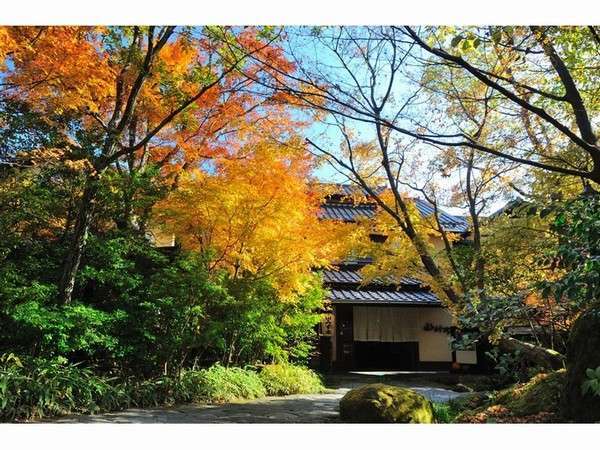
Yamamizuki
山みず木
Kurokawa·Luxe
à partir de ≈132 € · par personne et par nuità partir de ≈ 264 € au total pour 2 personnes

Nishimuraya Honkan
西村屋本館
Kinosaki·Luxe
à partir de ≈351 € · par personne et par nuità partir de ≈ 702 € au total pour 2 personnes
Les liens de réservation peuvent générer une commission sans coût supplémentaire.
FAQ
Questions fréquentes
Qu’est-ce qui distingue les meilleures villes d’onsen du Japon des autres ?+
Ces villes sont uniques parce que l’onsen est au cœur de leur identité. Les rues sentent souvent le soufre, les rivières coulent d’un blanc laiteux, et la culture du bain a tout façonné, de l’architecture à la cuisine. Les habitants se baignent dans ces eaux depuis des siècles, ce qui en fait des destinations pour lesquelles il vaut la peine de remanier son itinéraire.
Quelle ville d’onsen recommander pour une première visite au Japon ?+
Kinosaki Onsen est recommandée pour une première visite grâce à son organisation intuitive, praticable à pied et indulgente pour les débutants. Son système de tournée des bains « soto-yu meguri », où l’on flâne en yukata entre sept bains publics, guide pratiquement la soirée et donne l’impression que toute la ville est un spa.
Quelle ville d’onsen offre la meilleure qualité d’eau et des expériences de bain uniques ?+
Kusatsu Onsen est réputée pour son eau très acide (pH 2,1) et riche en minéraux, considérée comme médicinale et assez puissante pour dissoudre une pièce d’un yen. Elle possède le spectaculaire yubatake, une structure centrale en bois servant à refroidir l’eau de source, et propose 19 bains publics gratuits, dont l’immense bain en plein air du parc Sainokawara.
Quelle est la ville d’onsen la plus facile d’accès depuis Tokyo, et la plus économique ?+
Hakone est la plus facile d’accès depuis Tokyo, à 85 minutes en Odakyu Romancecar. Côté budget, Beppu est imbattable, avec une expérience onsen fantastique pour 6 000–8 000 ¥ la nuit. Plus éloignée de Tokyo, Beppu dispose de bains publics de quartier à partir de 100 ¥ seulement.
Quelle ville d’onsen est considérée comme la plus photogénique, surtout en hiver ?+
Ginzan Onsen est considérée comme la plus photogénique, en particulier en hiver. Son minuscule hameau de ryokans en bois de l’ère Taisho borde une étroite gorge, éclairée par des lampes à gaz. Lorsque la neige recouvre les toits et que les stalactites de glace pendent, la scène devient singulière, digne d’un conte de fées — on la compare souvent à l’univers du « Voyage de Chihiro ».
Vous hésitez encore ?
Voir les ryokans au JaponBooking.com