クイック比較
10選| 旅館 | 料金 | 評価 | 予約 |
|---|---|---|---|
 | ¥13,860〜1名1泊2名で約¥27,720 | 9.0 口コミ696件 | Trip.comで予約する |
 | ¥40,040〜1名1泊2名で約¥80,080 | 8.5 口コミ2150件 | Agodaで予約する |
 | ¥27,720〜1名1泊2名で約¥55,440 | 9.2 口コミ156件 | Trip.comで予約する |
 | ¥30,800〜1名1泊2名で約¥61,600 | 8.8 口コミ1712件 | Booking.comで予約する |
 | ¥77,000〜1名1泊2名で約¥154,000 | 9.5 口コミ89件 | Booking.comで予約する |
 | ¥30,800〜1名1泊2名で約¥61,600 | 9.4 口コミ921件 | Booking.comで予約する |
 | ¥18,480〜1名1泊2名で約¥36,960 | 8.6 口コミ1850件 | Trip.comで予約する |
 | ¥20,020〜1名1泊2名で約¥40,040 | 8.9 口コミ1602件 | Trip.comで予約する |
 | ¥23,100〜1名1泊2名で約¥46,200 | 9.6 口コミ146件 | Booking.comで予約する |
 | ¥30,800〜1名1泊2名で約¥61,600 | 9.6 口コミ199件 | Booking.comで予約する |
Asaya Hotel
Kinugawa Onsen
Hotel Kajikaso
Hakone
Yoshiike Ryokan
Hakone
Suimeikan
Gero
Takayama Ouan
Takayama
Kusatsu Hotel 1913
Kusatsu
Arima Grand Hotel
Arima
表示価格は1名1泊あたりの目安です。当サイト経由のご予約で手数料を受け取る場合があります。
ネット上の旅館記事の多くは、いまだに「旅館はカップル・ハネムーン・一人旅のためのもの」と書いています。その情報は10年遅れています。 この数年、家族向けに本気で在庫構成を見直した日本の旅館が増えています——続き部屋、お子さま用懐石、子連れに優しい温泉スケジュール、公共浴場での年齢別水着まで——そして2026年の答えは、2019年とはまったく違う景色になっています。
このガイドは、6〜15歳のお子さまを連れて、畳・浴衣・懐石・就寝前の温泉という本物の旅館体験を楽しみたいご家族のためのものです。意見ははっきり書きます。家族向けに使える11軒を実名で挙げ、それぞれに「正直なひと言注意」を添えました——チェックイン時に驚かないために、この一文が一番大切です。執筆は Japan Ryokan Guide 編集部です。
最終確認:2026年5月31日。
2026年に変わったこと
ここ18か月で起きた、家族旅行に効く構造変化は3つあります。
- ファミリールームが予約フローに戻ってきた。 2020〜2022年、多くの旅館はコロナ禍の清掃プロトコル簡素化のため、4名・6名定員の部屋を英語版OTAから静かに外していました。これらの在庫——8畳・10畳・続き部屋セット——は2024年後半から順次復活し、現在はTrip.comやBooking.comから電話なしで直接予約できます。
- 大型旅館ではお子さま懐石が「特別リクエスト」ではなくなった。 杉乃井(別府)、まほろば(登別)、水明館(下呂)、有馬グランドはすべて、英語版予約ページに専用のお子さまコースを掲載しています:通常4〜5品のお子さま懐石が1名¥4,000〜¥7,000、10歳未満にはハンバーグ&オムライスの選択肢も。2019年には稀でしたが、100室超の旅館ではいまや標準装備です。
- 貸切風呂の料金は据え置き。 中級旅館の貸切(家族専用風呂)45〜60分セッションは2026年も¥2,500〜¥5,000で、一部の高級宿では無料貸切が継続。家族層には値上げが及んでいません——カップル向けの客室露天風呂が15〜25%値上がりしたのとは対照的です。
- 入れ墨ポリシーの柔軟化。 大型ファミリーリゾートの一部が2023〜2025年に「cover_up(隠せばOK)」から「private_only(貸切なら可)」「allowed(可)」へ移行。控えめなタトゥーのある親御さんでも、フロントで気まずいやり取りをせずに済むようになりました。
本当に「家族向け」と言える旅館の条件
具体的な宿名の前に、本ガイドで使う4項目フィルターを共有します。「子どもを受け入れる」のではなく本気で家族向けと言える旅館は、以下の3つ以上を満たしています。
1. 4〜6名で泊まれる部屋構成。 続き部屋(襖で仕切られた8畳×2)または12畳以上の広間(約20㎡)を探してください。日本のOTAでは「和洋室」「4名」「5名」「6名」のフィルターが鍵。小規模高級旅館ではこの在庫が本当に希少で、80室超の宿では標準的に揃います。
2. プライベート温泉へのアクセス。 公共浴場が完全に平気な家族でも、貸切が必要な場面はあります——内気な11歳、異性の親と一緒に大浴場に行きたくない娘、あるいは異性きょうだいを連れて一人で出張中の親。客室露天風呂か貸切風呂のどちらかがあれば、この問題は一発で解決。7歳以上のお子さんがいるなら、どちらも無い旅館は基本見送りで構いません。
3. お子さま向け食事の選択肢。 真の選択肢は2つ:お子さま懐石(量も味付けもマイルドで、大人と同タイミング提供)か、子ども専用メニュー(ハンバーグ・オムライス・海老フライ)。「お子さま歓迎」と書きながら大人懐石のみ、というのが最悪の罠——19:30に空腹で機嫌の悪い8歳と向き合うことになります。
4. 布団と「ベッド両方」。 腰痛持ちの方や日本の布団が本気で苦手な方がいるご家族は、和洋室(ツインベッド+畳に布団スペース)を選んでください。家族規模の宿では年々これが標準になっています。

厳選11軒:2026年 子連れにおすすめの日本の旅館
おおよそ南→北で並べた11軒。東京・大阪いずれの国際線玄関口からもアクセスできる主要温泉地をカバーしています。下記のslugはすべて2026年5月31日に当社データベースで実在を確認済み。評価はOTA集計の実数値(マーケティング上の自称ではありません)。各項目末尾の「正直なひと言注意」が最重要——予約前に必ず読んでください。
1. ホテルまほろば — 登別温泉(北海道)
ひと目で分かる
398室・評価9.0/696件・中級(1名US$90〜280)。
北海道ファミリー旅館の絶対的アンカー。まほろばは登別温泉最大の浴場——4フロアに31の浴槽、登別名物の硫黄泉(白濁の地獄系)と食塩泉(穏やかでお子さま向きの泉質)の両方を備えます (Noboribetsu International Tourism and Convention Association)。6〜12歳のお子さま連れには、これが日本で一番優しい温泉デビュー先:浴槽数が多いので内気なお子さまでも自分の落ち着く場所が見つかり、38〜43℃の温度幅で「熱すぎ問題」も回避。JR登別駅から無料送迎で13分。
10畳・12畳の和室は4名布団で余裕、ベッド+畳の和洋室も複数カテゴリーあり。客室懐石に加えてバイキングが選べるのが、好き嫌いのあるお子さま連れには本当に大きな救い——80品以上から自由に選べ、子ども専用コーナー(ハンバーグ・唐揚げ・パスタ)とソフトクリームマシンも。ホテルまほろばの客室。
正直なひと言注意: 客室露天風呂は全カテゴリーで非対応。お子さまが公共浴場を本気で嫌がるなら、ここは違います——同じ登別の望楼NOGUCHIか、下記の箱根勢を選んでください。
子連れで新千歳に降りるなら、北海道 旅館ガイドがまほろばと島内の他5温泉エリア(静かな定山渓を含む)を比較している。
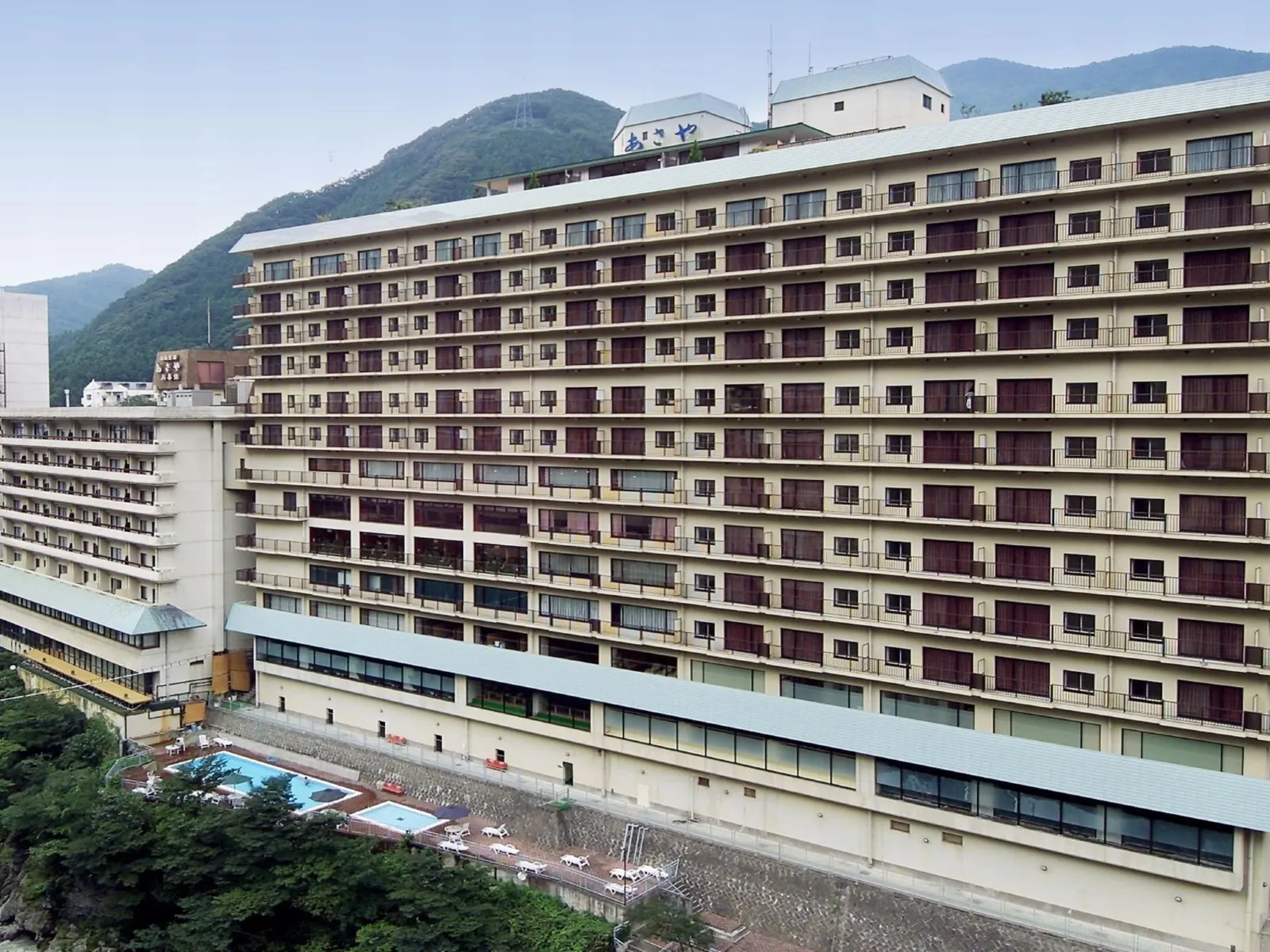
2. 鬼怒川温泉 あさやホテル — 鬼怒川(栃木)
ひと目で分かる
192室・評価8.5/2,150件・中級(1名US$150〜)。
鬼怒川の老舗で、当社データベース上で最多レビュー数を誇るファミリー旅館の一つ——2,150件は同規模旅館の平均の10倍以上、ファミリー言及レビューが常に40%超。屋上の渓谷ビュー風呂は鬼怒川を真下に望み、下層階の大浴場は広めで小さなお子さま連れでも動きやすい設計。夜の太鼓ショーや祭り踊りなどの文化プログラムは、明確に家族客向けに作り込まれています。
ファミリールームは14畳+次の間まで対応——6名でも余裕。朝夕のバイキングは関東随一の子連れ向けと言って差し支えなく、お子さま専用カウンターとチョコレートファウンテンのデザートステーションもあります。東武スペーシアX 浅草→鬼怒川温泉 130分・¥3,400、最後の5分はあさや無料送迎。あさやホテルの客室。
正直なひと言注意: 昭和創業の大規模旅館で、骨格は1960年代+増改築の積み重ね。廊下の音に敏感なご家族は、カラオケラウンジ近くの棟が22時頃まで賑やかになるので、予約時に渓谷側の指定をお忘れなく。
3. ホテル河鹿荘(かじかそう)— 箱根湯本(神奈川)
ひと目で分かる
30室・評価9.2/156件・中級(1名US$180〜400)。
強羅へのスイッチバック乗り換えなしで箱根を楽しみたい家族の最適解。河鹿荘は箱根湯本駅から徒歩5分——新宿からロマンスカーで来る家族にとって、疲れた子どもを乗り換えさせずに済むのが大きい。8畳・12畳のファミリールームと、コンパクトながら設計の良い内湯+露天のペア。上層階の一部は客室露天風呂付き(湯本のナトリウム塩化物泉)で、家族風呂問題が完全解決します。
12歳未満のお子さま懐石は1名¥4,500——味付けマイルド・量も小さめ・お子さまが本気で喜ぶ小鉢デザート付き。156件で9.2の評価はファミリー客にも好意的で、フロントの英語対応も実用レベル。三世代旅行にも明らかに慣れています。ホテル河鹿荘の客室 — 詳しくは箱根旅館完全ガイドも。
正直なひと言注意: バイキングなし、食事は懐石のみ。お子さまが和食を本当に食べないご家族は、バイキング併設(まほろば・あさや・吉池・水の音)を選んでください。
4. 吉池旅館 — 箱根湯本(神奈川)
ひと目で分かる
60室・評価8.8/1,712件・中級(1名US$200〜450)。
箱根湯本ファミリー在庫のハイボリューム実績宿:1,712件は日本の旅館でも最上位の評価ボリュームです。6,000㎡の日本庭園に錦鯉の池、6本の温泉源泉、そして6〜8月限定の屋外プール。このプールだけで首都圏で一番楽な夏ファミリー先と言える存在——夏休みの子どもを「管理対象」と扱う旅館が多いなか、吉池はそれを「主役」として迎えてくれます。10畳布団4名対応、和洋室も少数あり。
館内に懐石以外の洋食レストランもあるので、夕食を絶対和食NGのお子さまがいても同じ宿内に逃げ場あり——フロント交渉不要。箱根湯本駅から徒歩7分、送迎不要。吉池旅館の客室。
正直なひと言注意: 庭園プールは完全シーズン限定(6月下旬〜9月上旬)。それ以外の時期は主要ファミリー要素のひとつが消えます。
5. 強羅花壇 — 箱根強羅(神奈川/挑戦的ファミリー枠)
ひと目で分かる
44室・評価9.5/89件・ラグジュアリー(1名US$500〜1,200)。
「強羅花壇は子連れOK?」への答え。Yes——ただし現実的な期待値で。旧宮家の夏の別邸で、現在はルレ・エ・シャトー会員 (Relais & Châteaux)、館内の雰囲気は大人客に合わせて調律されています。6歳以上は問題なく受け入れ、6歳未満も受けますが、よちよち歩きのいる家族にはやんわりと他の宿を提案する立ち位置。検討する価値のある理由:ほぼ全スイートに客室檜露天風呂が付くため、家族風呂のロジスティクスが一発解決します。
夕食は部屋出しの懐石(子連れには本当に楽——ダイニングでのマナー強要なし)、予約時に依頼すればお子さま懐石も対応。89件で9.5は家族滞在でも崩れていません。箱根登山鉄道のスイッチバック40分は、6歳以上のお子さまには大好評/よちよち歩きには不安要素という分かれ目。強羅花壇の客室 — 箱根旅館完全ガイドも。
正直なひと言注意: 6歳未満連れや、バイキング&プール型のリゾート体験を求めるご家族には不向き。10歳の桜デビュー懐石、のような節目の旅に。
6. 水明館 — 下呂温泉(岐阜)
ひと目で分かる
264室・評価9.4/921件・ラグジュアリー(1名US$200〜600)。
下呂温泉のファミリー旗艦であり、家族旅館デビューにおすすめしやすい宿。3つの異なる浴場(森林眺望露天・室内大浴場・川眺めの長尺浴場)、夜に文化公演が行われる能舞台、館内4レストラン(飛騨牛鉄板焼きはお子さまにも見せ場として刺さる)。JR下呂駅から徒歩3分——疲れた子と荷物の送迎乗り換えなし——下呂は名古屋〜高山の北陸・飛騨ルート上で、ファミリー行程の中継点として自然な立地です。
10畳・12畳の和室+本気で洋ベッド派向けの洋室棟も。1名¥5,500のお子さま懐石は全予約カテゴリーで対応。ロビーの能舞台と屋内庭園の滝が、夕食前の待ち時間に6〜12歳をしっかり持たせてくれます。水明館の客室 — 下呂温泉旅館完全ガイドも。
正直なひと言注意: 大型多棟物件で客室カテゴリーごとに改修年が大きく異なります。リニューアル済みカテゴリーへのアップグレード必須——旧棟の最廉価ルームは年季を感じます。
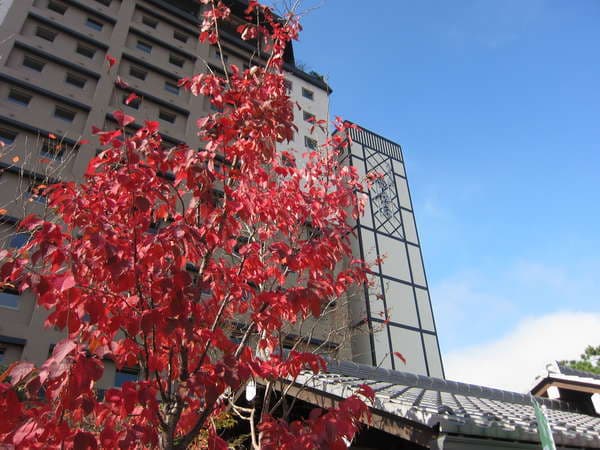
7. 高山桜庵 — 飛騨高山(岐阜)
ひと目で分かる
76室・評価8.6/1,850件・中級(1名US$120〜280)。
高山のファミリーバリュー枠であり、金沢〜高山〜白川郷の家族行程に最高にハマる宿。共立リゾートの全畳敷きシティ旅館、JR高山駅から徒歩5分、屋上露天から北アルプスを望みます。1,850件は当社データベース上の高山系で最上位の評価ボリュームで、ファミリーセグメントのレビューも常に8.6超。10畳のファミリールームと、畳の上に低反発マットレスを敷くタイプの和モダン棟(伝統的な布団が体に合わない方には優しい選択肢)。
冬の北アルプスに雪、10月の紅葉、夕日の屋上露天——中部本州でも最も視覚的に印象的な家族温泉シーンの一つ。朝食ビュッフェ&夕食は配膳定食スタイル——お子さま連れには8品の本格懐石より明らかにアクセスしやすい構成です。高山桜庵の客室 — 高山旅館完全ガイドも。
正直なひと言注意: ホテル&旅館のハイブリッドで、純粋な木造老舗ではありません。木造建築・錦鯉池・百年の趣を求めるなら、和の里や花扇(高山ピラーで紹介)の方が合います。
8. 草津ホテル1913 — 草津温泉(群馬)
ひと目で分かる
40室・評価8.9/1,602件・中級(1名US$130〜300)。
草津の老舗ファミリー枠。1913年(名前そのまま)開業の木造3階建てが湯畑のすぐそば——毎分4,000リットルの源泉が木樋を流れる、草津の象徴的な温泉分配構造です (Top Hot Springs)。お子さまにとって湯畑そのものが草津旅行の最も記憶に残る要素であり、徒歩2分の立地は実用的な大武器。1,602件・評価8.9は、当社データベース内の草津で最多ボリュームの旅館。
10畳の和室と、ベッド1台+畳の和洋室も少数。草津の湯はpH2.1——このガイド全体で最も強酸性 (Samurai Sauna Magazine) で、8歳以上のお子さまにとっては「顔をつけない・上がる時はお湯で流す」という学びの場になります;7歳未満は若干ピリつくので、短めの入浴で計画してください。懐石とバイキング会場の両方があり、好き嫌いのあるお子さま連れの逃げ道も確保。草津ホテル1913の客室 — 草津旅館完全ガイド、東京近郊の温泉旅館ハブガイドも。
正直なひと言注意: 1913年築のため壁が薄く階段は狭く、バリアフリーは限定的。ベビーカーや大型スーツケースは老舗棟だと本当に持て余すので、可動性が気になるなら新館を選んでください。
9. 飛鳥荘 — 奈良
ひと目で分かる
30室・評価9.6/146件・中級(1名US$150〜400)。
大阪〜京都〜奈良行程の文化優先ファミリー枠。飛鳥荘は近鉄奈良駅から徒歩8分、屋上風呂から興福寺五重塔と奈良の歴史的スカイラインを一望——博物館に行かなくても文化教育的なコンテクストが整います。146件で9.6は同規模では本当に高評価で、ファミリー言及レビューの比率も平均超。
奈良最大のファミリー要素は奈良公園——お辞儀をしてシカせんべい(公認業者から1束¥200)を受け取る鹿たち。飛鳥荘から公園入口まで徒歩5分なので、午後を鹿と過ごし、宿に戻って入浴→浴衣→夕食、と乗り換え管理ゼロで動けます。10畳の和室と少数の和洋室棟。飛鳥荘の客室 — 奈良旅館完全ガイドも。
正直なひと言注意: 客室露天風呂は全カテゴリーで非対応、大浴場は1フロアのみで貸切なし。家族専用風呂が必須要件なら、まほろば・吉池を選んでください。
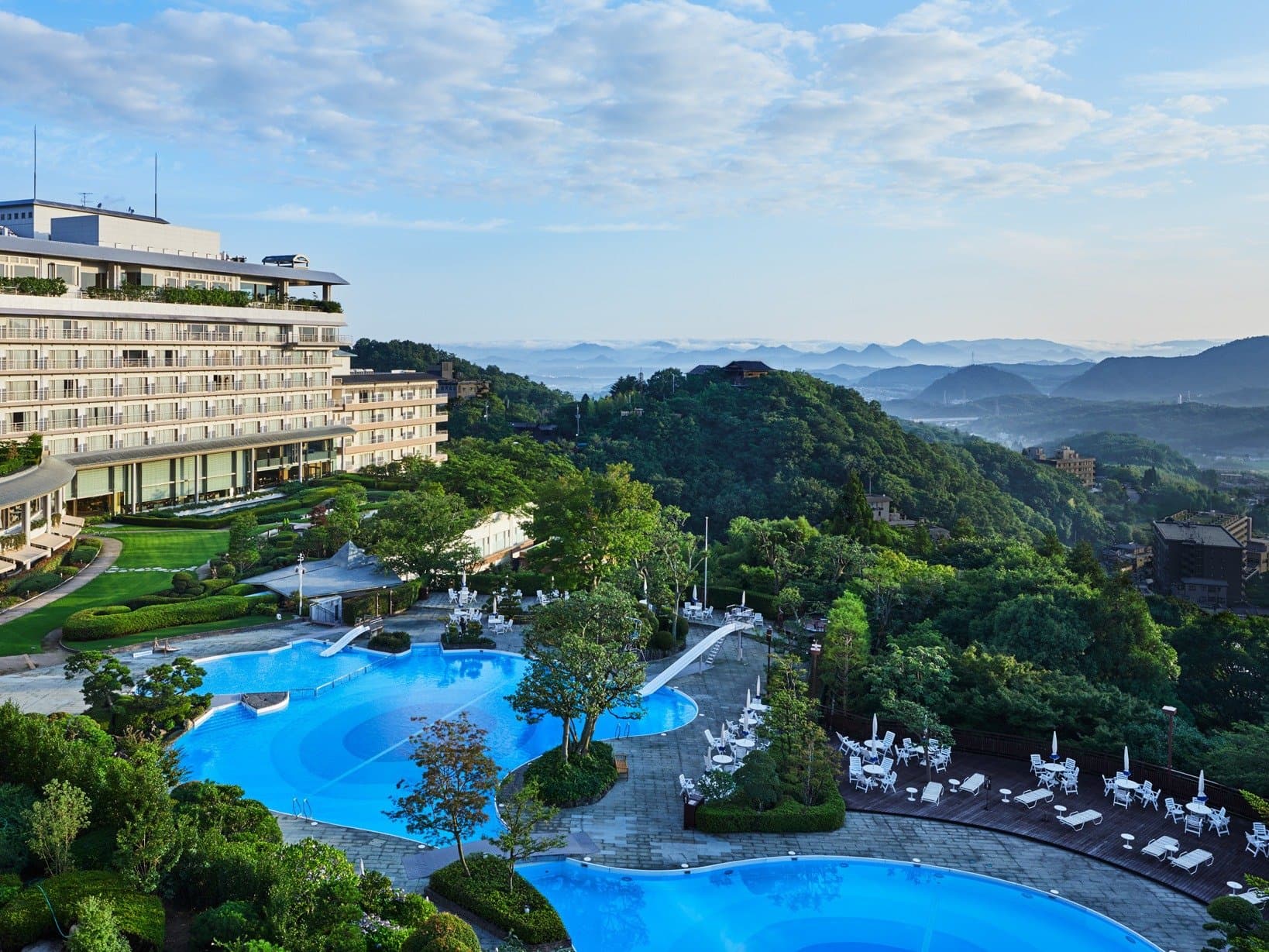
10. 有馬グランドホテル — 有馬温泉(兵庫)
ひと目で分かる
246室・評価9.6/199件・中級(1名US$200〜500)。
関西のファミリー旗艦。有馬は日本最古の温泉地(文献は7世紀まで遡る) (Visit Arima Onsen)、グランドはその村で最大の物件——丘の上から六甲山の眺望、7月中旬〜8月のシーズン屋外プール(吉池と並ぶ夏ファミリー本命)、広大な庭園、そして有馬名物の金泉(鉄分豊富な金の湯)と銀泉(無色の銀の湯)両方完備。この組み合わせは希少で、8歳以上のお子さまには本当に面白い体験です。
ファミリールームはこのガイド内でも最も寛大なクラス——12畳・14畳の和室、ベッド+畳の和洋室。お子さま懐石は上位ランクで神戸牛要素も。有馬温泉駅から無料送迎(またはタクシー)10分、駅は神戸電鉄で三宮から30分——大阪からの日帰り圏。有馬グランドホテルの客室 — 有馬旅館完全ガイドも。
正直なひと言注意: 丘上立地は眺望の代償としてスイッチバック12分のドライブ。乗り物酔いしやすいお子さまには厳しい——バスの方がタクシーより揺れません。
11. 杉乃井ホテル — 別府温泉(大分)
ひと目で分かる
647室・評価8.5/4,820件・中級(1名US$120〜350)。
このガイド最大かつ最も家族向けに作り込まれたリゾート物件。九州エリアで「子連れで全部スムーズに動かしたい」要件に最も簡単に応える宿です。別府の丘上、棚湯(湾を映す段々プール状の浴場、日本一美しい温泉として常連) (Suginoi Hotel Official)とアクアガーデンの噴水ショー——6〜12歳に人気の、夕方の光と水のインスタレーション。ボウリング、館内アーケード、屋内プールで、別府の雨天日も完全に救済可能。
4,820件は本ガイド全体でも単一物件としての最多レビューボリューム——家族滞在の母集団としても実用的な規模です。ファミリールームはベッド2+畳の和洋室複数カテゴリー、加えて10畳和室。夕食はバイキング基本(懐石もリクエスト可)、お子さま専用カウンター完備。JR別府駅から無料送迎10分。杉乃井ホテルの客室 — 別府旅館完全ガイドも。
正直なひと言注意: これはリゾートで、伝統的な小規模旅館ではありません。木造の静かな廊下、小さな器でのおもてなし、10室規模の親密さ——どれも本物の老舗とは違います。本物の温泉を備えた家族リゾート体験として選んでください;歴史的雰囲気を求めるなら他へ。
Tip
子連れ旅館予約で最強の検索ワード:「子供大歓迎」。Trip.comでこの日本語をフィルターに入れた瞬間、ファミリーサービスに本気で乗っている在庫がそのまま浮き上がります。さらに部屋定員フィルター(4名以上)と組み合わせれば、デフォルトの英語検索とは明らかに違うショートリストに到達。本ガイドの大半の物件はこのフィルター上位に並びます。

予算で比較する
予算重視
¥30,800未満 · 1名・1泊あたり
Suginoi Hotel
〜から ¥9,548 · 1名・1泊あたり2名で計 約¥19,096〜
8.5/10 · 4820 件の口コミ英語対応予約Hotel Mahoroba
〜から ¥13,860 · 1名・1泊あたり2名で計 約¥27,720〜
9.0/10 · 696 件の口コミ英語対応予約- 近日公開予定
ミドルレンジ
¥30,800 - ¥77,000 · 1名・1泊あたり
Arima Grand Hotel
〜から ¥30,800 · 1名・1泊あたり2名で計 約¥61,600〜
9.6/10 · 199 件の口コミ貸切風呂・客室風呂(種類未確認)英語対応予約- 近日公開予定
ラグジュアリー
¥77,000以上 · 1名・1泊あたり
近日公開予定
このリストがもう選べない1軒
加賀屋は2026年9月まで本リストの9位でした。2024年1月以降、震災からの再建のため休業しており、再開は2028年度末(2029年3月頃)の予定です。記述した内容は実在したものなので紹介は残しますが、順位には数えず、本ガイドの構造化データにも含めていません。
加賀屋 — 和倉温泉(石川)
現況(2026年7月確認済み): 加賀屋は震災後の再建のため休業中で、2028年度末(2029年3月頃)の再開を計画している。このプロフィールは参考情報として残している — 再開が確認されるまで宿泊の計画は立てないでほしい。
再建のため休業中。かつては232室で、建て替え後は33室の計画。営業当時の評価9.3/35件・ラグジュアリー(1名US$400〜1,200)。
旅行業界のプロが選ぶ「日本一の旅館」36年連続受賞 (Invest Japan)。ここに加賀屋を入れるのは、日本最上のホスピタリティが家族に閉ざされていないことを示すため——ただし調律はあります。営業当時は6歳以上を全カテゴリーで受け入れ、6歳未満も家族棟で個別対応していました。能登半島という立地は東京から北陸新幹線+七尾線で2時間30分、金沢から1時間15分——金沢ステイとセットで組むのが王道です。
ファミリールームはどの基準でも広く——14畳+次の間が普通、ベッド+伝統布団の組み合わせも豊富。懐石は名物で、料金公表時点で1名¥7,500だったお子さま懐石は日本でも屈指の作り込みでした——能登の海の幸を、味も量も見た目もお子さま用に再構成。女将による夜の文化公演「鈴子の宴」は館内複数会場を巡り、8歳以上には本気で楽しめる内容です。いま予約できる宿は和倉温泉旅館完全ガイドを参照。
正直なひと言注意: 加賀屋のサービス強度はゆっくり・格式高い接客に合わせたものでした、仲居さんが何度も来訪、夕食は2.5時間。食事中の忍耐力がまだ短い8歳未満の段階なら、まほろばや水明館の方が合います。
家族風呂のロジスティクス:親が知っておくべきこと
海外から来る家族旅行初心者が心配しがちなのが温泉のロジスティクス。2026年現在の実用的な答えはこうです。
大浴場は性別分けです。 つまり4名家族(母・父・息子10歳・娘8歳)は通常の温泉で一緒に入れません。標準解:父が息子と男湯、母が娘と女湯。混浴可能年齢は宿次第——たいていは6〜7歳まで異性親と入場可能(5歳の息子と母で女湯は完全に標準)、8〜10歳はグレーゾーン、11歳以上は親と同性側へ。父と10歳の娘で母不在、なら宿が貸切を案内します。
貸切風呂(家族の救世主)。 45〜60分間、家族だけで使える予約制プライベートバス。家族構成は何でも可。まほろば・水明館・杉乃井では宿泊者無料。河鹿荘・吉池・有馬グランドは有料アドオンで1回¥2,500〜5,000。チェックインした瞬間に貸切枠を押さえる——夕食前の17:30や夕食後の21時は埋まりやすい時間帯です。
客室露天風呂が最もクリーンな解——スイート内に専用の屋外風呂、いつでも誰でも入れます。強羅花壇、河鹿荘(上層階のみ)、吉池(一部カテゴリー)、水明館(プレミアムスイート)、有馬グランドの一部プレミアム。客室露天付きカテゴリーは基本料金より1名¥10,000〜¥30,000上乗せが相場です。
入れ墨と子連れ。 本ガイドの全物件は「cover_up(小さなタトゥーはフロント無料配布のシールで隠せばOK)」または「private_only(貸切または客室露天で)」——「not_allowed」は採用していません。控えめなタトゥーのある親御さんなら、cover_up系(まほろば・あさや・河鹿荘・吉池・水明館・杉乃井・有馬グランド・高山桜庵)が安全策。詳しくはタトゥーOK旅館完全ガイドを。
東京+箱根+京都 家族7日間モデル行程
定番の組み立てが、7日間 東京〜箱根〜京都に旅館2泊を組み込む行程。6〜15歳のお子さま連れで実際に機能するバージョンはこれです。
Day 1(日):成田または羽田着。 都内の一般ホテルへ(新宿または丸の内)。子どもは時差で疲れているので、初日に旅館はもったいない。早めの夕食、早寝。
Day 2(月):東京文化日。 浅草・浅草寺の朝、上野公園の午後、子連れOKディナー。都内ホテル2泊目。
Day 3(火):東京モダン日。 渋谷/原宿/TeamLab Planetsまたは Borderless。都内ホテル3泊目。
Day 4(水):東京→箱根、旅館1泊目。 新宿からロマンスカーで箱根湯本(85分)。ホテル河鹿荘にチェックイン(プールと庭園狙いなら吉池——6〜8月限定)。午後は箱根彫刻の森美術館(ピカソ館+屋外彫刻+シンフォニック・スカルプチャー塔は鉄板) (Hakone Open-Air Museum (Wikipedia))。夜は客室で懐石(お子さまには子ども用ポーション)、就寝前に温泉。
Day 5(木):箱根→京都。 朝は宿で2度目の温泉、和朝食をゆっくり。遅めの移動:箱根湯本→小田原(15分)+東海道新幹線ひかり 小田原→京都(1時間50分)。京都到着後、ホテルに荷物を置いて産寧坂・二寧坂を経由して清水寺へ(途中の抹茶ソフトでお子さまの機嫌は保たれます)。京都泊。
Day 6(金):京都文化日+奈良で旅館2泊目。 朝は伏見稲荷(6歳以上なら下の参道は問題なし、30分で折り返し可)。京都→近鉄奈良(45分)。飛鳥荘で旅館2泊目。 午後は奈良公園で鹿せんべい&東大寺。夕食前に五重塔ビューの屋上風呂。
Day 7(土):奈良→関空。 朝は奈良の街を散策。午後、近鉄+南海ラピートで関西国際空港(1時間10分)。夕方便で帰国。
核心:旅館は2泊だけ、両方ともファミリールーム確定、両方とも子ども向け選択肢あり。3〜4泊やろうとすると体験が消耗してきます。2泊がスイートスポット。
予約時に宿に聞くべき7つの質問
予約前に宿へメールすべき7つの具体的質問。英語でのメールに対応している旅館も多くあります。公式サイトの予約問い合わせメールへ送ってください(OTAチャットはコールセンター経由になることがあるため)。 グループ内に車椅子を使う方や階段がつらい方がいる場合は、段差のないアクセスについての質問もリストに加え、まずは段差のない車椅子対応の旅館特集から検討を始めてください。
1. 当日に続き部屋の在庫はありますか? 続き部屋はどの宿も希少。3〜4か月前予約が前提——あさやもまほろばも、続き部屋カテゴリーは週末売り切れます。
2. 布団を横並びに敷けますか? 大型宿(まほろば・水明館・杉乃井・あさや)はほぼYes。30室規模の宿(河鹿荘・飛鳥荘・柊家)の場合、10畳なら4枚、12畳なら5枚が目安。部屋サイズと布団枚数を予約前に確認。
3. 夕食の懐石は部屋出し? それとも食事処? 部屋出しは小さなお子さま連れには圧倒的に楽——ダイニングマナー不要。高級宿は基本部屋出し、中級は食事処が基本。聞いてください、体験が大きく違います。
4. お子さま懐石はありますか? 対象年齢と料金は? 2026年標準:12歳未満で1名¥4,000〜¥7,500、7歳未満で¥2,500〜¥3,500。まほろば・水明館・杉乃井は3段階の年齢別お子さまメニュー。
5. 子どもがコースをスキップできますか? 多くの宿が「短縮懐石」(9品→5品など)に対応——2時間夕食の忍耐がまだ短いお子さま向け。明示的に聞いてください、サイトには載っていません。
6. 大浴場は子どもが何時でも入れますか? 年齢制限の時間帯はありますか? ほとんどはいつでもOK、一部宿はお子さまを特定時間(多くは21時前)に制限し、夜の大人客の静寂を保ちます。これに当日驚く家族がいます。
7. 到着時に貸切(家族風呂)を予約できますか? 予約前に確認すれば在庫と料金が分かる。無料貸切宿(まほろば・水明館・杉乃井)は当日先着、有料貸切宿は事前予約可(小額料金)。
ご予約はこちら
人気の旅館から選んで予約
予約サイトごとの空室・料金を見比べてください。



予約リンク経由で手数料が発生する場合がありますが、追加費用はかかりません。
どのサイトで予約するかは、旅館予約に最も強いプラットフォームはどれかを参照。特別リクエストやキャンセルへの対応は主要6サイトで大きく異なる。
ファミリー旅館 比較表
| 旅館名 | エリア | ファミリールーム | 受け入れ年齢 | お子さま懐石 | 貸切/客室露天 |
|---|---|---|---|---|---|
| ホテルまほろば | 登別(北海道) | あり:6名対応 | 全年齢 | あり(3段階) | 無料貸切 |
| あさやホテル | 鬼怒川(栃木) | あり:14畳まで | 全年齢 | あり(バイキング+懐石) | 有料貸切 |
| ホテル河鹿荘 | 箱根湯本 | あり:8〜12畳 | 全年齢 | あり(¥4,500) | 客室露天(上層階) |
| 吉池旅館 | 箱根湯本 | あり:10畳+和洋室 | 全年齢 | あり+洋食選択肢 | 客室露天(一部) |
| 強羅花壇 | 箱根強羅 | 限定:プレミアム | 6歳以上 | あり(要相談) | 客室露天(多数) |
| 水明館 | 下呂(岐阜) | あり:12畳まで | 全年齢 | あり(¥5,500) | 無料貸切+一部客室 |
| 有馬グランドホテル | 有馬(兵庫) | あり:12〜14畳 | 全年齢 | あり(神戸牛) | 有料貸切+一部客室 |
編集方針と検証フットノート
本ガイドの全物件は同一の4項目フィルター(部屋構成・プライベート温泉アクセス・お子さま食事・布団+ベッド両対応)を通過。評価とレビュー件数は2026年5月31日に当社内データベースで実時間検証済み。料金は同データベース上の2026年5月のUSDレンジ。本ガイドは掲載料を取りません;アフィリエイト収益は予約完了後のみ発生する設計のため、編集セレクトに営業圧力は乗りません。
6〜12歳のお子さまを連れたシンガポール家族を編集の北極星に据えました——具体的で、不安を持ちながらも安心材料があれば動ける、英語ベース、高品質なアジアン・ホスピタリティに慣れていて、旅館特有のプロトコルは初めて。各物件末尾の「正直なひと言注意」が予約前の最後の確認ポイント。完璧な旅館は存在しません;あなたの旅にちょうど合う旅館があるだけです。
お子さま連れではない方は、姉妹ピラーで同じ領域を別角度からカバー:カップルにおすすめの日本旅館10選、一人旅におすすめの旅館8選、2026年版 日本旅館の総合ランキング。子連れ体験そのものをさらに掘り下げたい方は、姉妹記事子連れ旅館入門も——本記事は2026年版の後継です。
ご予約はこちら
人気の旅館から選んで予約
予約サイトごとの空室・料金を見比べてください。
予約リンク経由で手数料が発生する場合がありますが、追加費用はかかりません。
訂正(2026年9月)。 和倉温泉の加賀屋は2024年1月の地震以降、再建のため休業しており、再開は2028年度末(2029年3月頃)、客室は従来の232室ではなく33室の予定です。本記事はランキングを11軒に改めました。加賀屋を順位から外して理由を明記した別項に移したので、本文とFAQと構造化データが同じ11軒を示します。概要カード、お子さまメニューの料金、予約リンク、ラグジュアリー枠の推薦、そして貸切無料・布団の横並び・お子さま懐石を「現在提供している宿」の一覧からも削除しました。各宿の公式サイトで2026年9月20日に確認しました。
FAQ
よくあるご質問
8歳の子どもを連れて日本の旅館に泊まれますか?+
はい——本ガイド全11軒(まほろば・あさや・河鹿荘・吉池・水明館・飛鳥荘・有馬グランド・杉乃井・草津ホテル・高山桜庵)すべてが全年齢のお子さまを受け入れます。例外は強羅花壇のみで、6歳以上を受け、よちよち歩きの家族にはやんわり他を提案する立ち位置。8歳ならフル選択肢があり、唯一のフィルターは「リゾート規模か老舗の雰囲気か」というお好みだけです。
旅館に4〜6名対応のファミリールームはありますか?+
30室以上の宿ならほぼ揃います。10畳・12畳の和室(約17〜22㎡)、続き部屋セット(襖で仕切る隣接2部屋)、ベッド+畳の和洋室(追加布団スペース付き)を探してください。ファミリー在庫はどの宿も小さい——3〜4か月前予約必須、特に週末と日本の祝日。
子どもは本当に懐石を食べますか?+
部分的にはYesがほとんど。現実的選択肢:(1)お子さま懐石を予約——大型宿は味マイルド・量小さめ・お子さま用ポーションを1名¥4,000〜7,500で提供;(2)子ども専用メニュー(ハンバーグ・オムライス・海老フライ);(3)バイキング併設宿(まほろば・吉池・杉乃井・あさや・水明館)で80品超から自由選択。罠は大人懐石のみの宿——予約前に必ず確認。
タトゥーは子連れだと問題ですか?+
親のどちらかが控えめなタトゥー程度なら対応可能、目立つ場合は難しい。本ガイド全物件は「cover_up(フロント無料シールで隠せばOK)」または「private_only(貸切または客室露天)」——「not_allowed」は採用なし。cover_up系(まほろば・あさや・河鹿荘・吉池・水明館・杉乃井・有馬グランド・高山桜庵)が、タトゥー懸念のある親御さんには安全策です。
貸切か大浴場、家族にはどちらが良い?+
異性のいる家族で7歳以上のお子さまなら、貸切または客室露天が圧倒的に楽。同性ペア(父息子・母娘)が組めれば大浴場でも問題なし、ただし8歳以上で同性親側に振り分ける段階になると気まずさが出ます。まほろば・水明館・杉乃井は貸切無料;他宿は45〜60分セッション¥2,500〜5,000が相場。
旅館滞在の現実的な最年少年齢は?+
実用的には4〜5歳から。それより下も歓迎する宿はほとんどですが、旅館体験は静けさが軸——靴を脱いだ畳の床、部屋での懐石、形式ばった食器、夜の静かな廊下、決まった入浴時間。動き盛り・声盛りのよちよち期はこれを窮屈に感じやすく、親は旅というより群衆管理になります。5〜6歳から先は浴衣・布団・入浴儀式を本気で楽しめるように。
春や夏のファミリー旅館はどれくらい前に予約すべき?+
春(桜:3月下旬〜4月上旬):6か月前——箱根・京都・奈良のファミリールームが最速で埋まります。夏休み(7月中旬〜8月下旬):4〜5か月前、特にプール付き(吉池・有馬グランド)。GW(4月下旬〜5月上旬)とお盆(8月中旬)は国内家族旅行のピークで本ガイド全物件で6か月以上前。閑散期(11月平日・1月のお正月明け・2月)は4〜6週前で十分です。
シンガポールから日本語ゼロで家族旅館に泊まれますか?+
はい——本ガイド全物件は当社データベース上で english_friendly フラグ済み、つまりフロントの英語チェックイン対応、客室内案内カードはバイリンガル、食事制限の事前メールも英語で受付。予約はTrip.comとBooking.comが英語対応。一つだけ覚えるなら『お疲れさまでした』——夕食後に仲居さんが部屋を辞すときに添えると場が和みます。
まだ決めていない方へ
日本全国の旅館を見るBooking.com