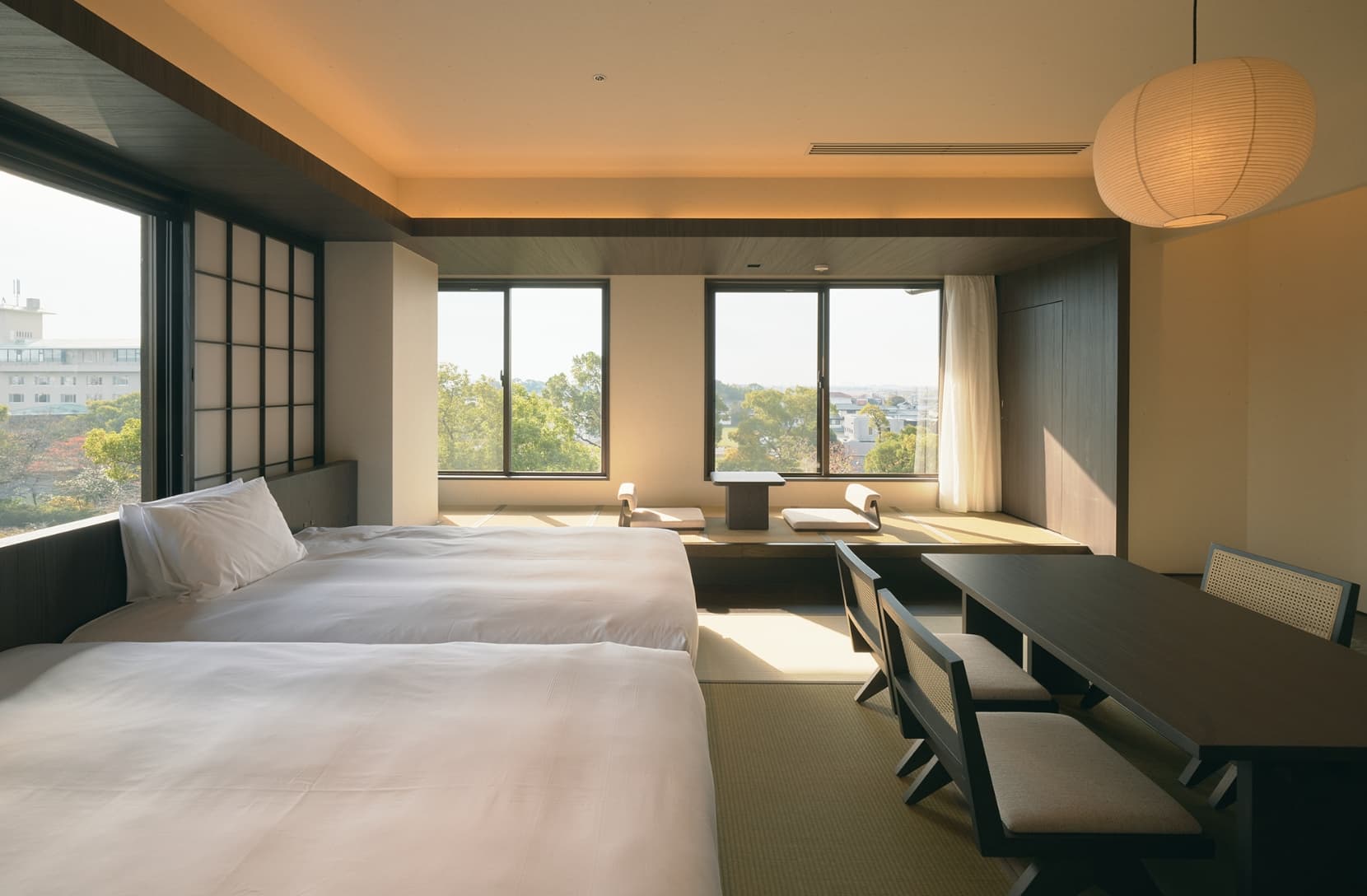
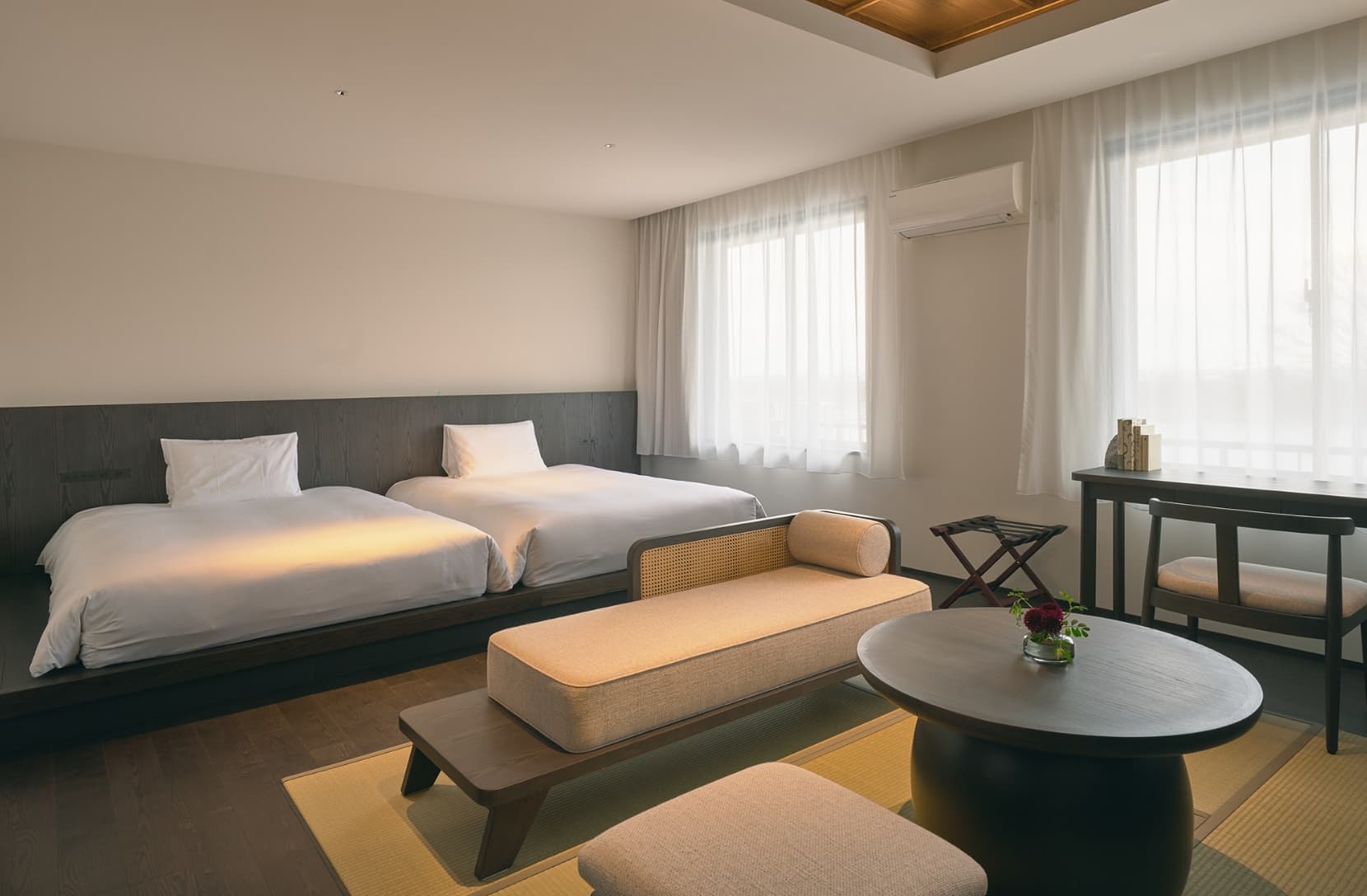
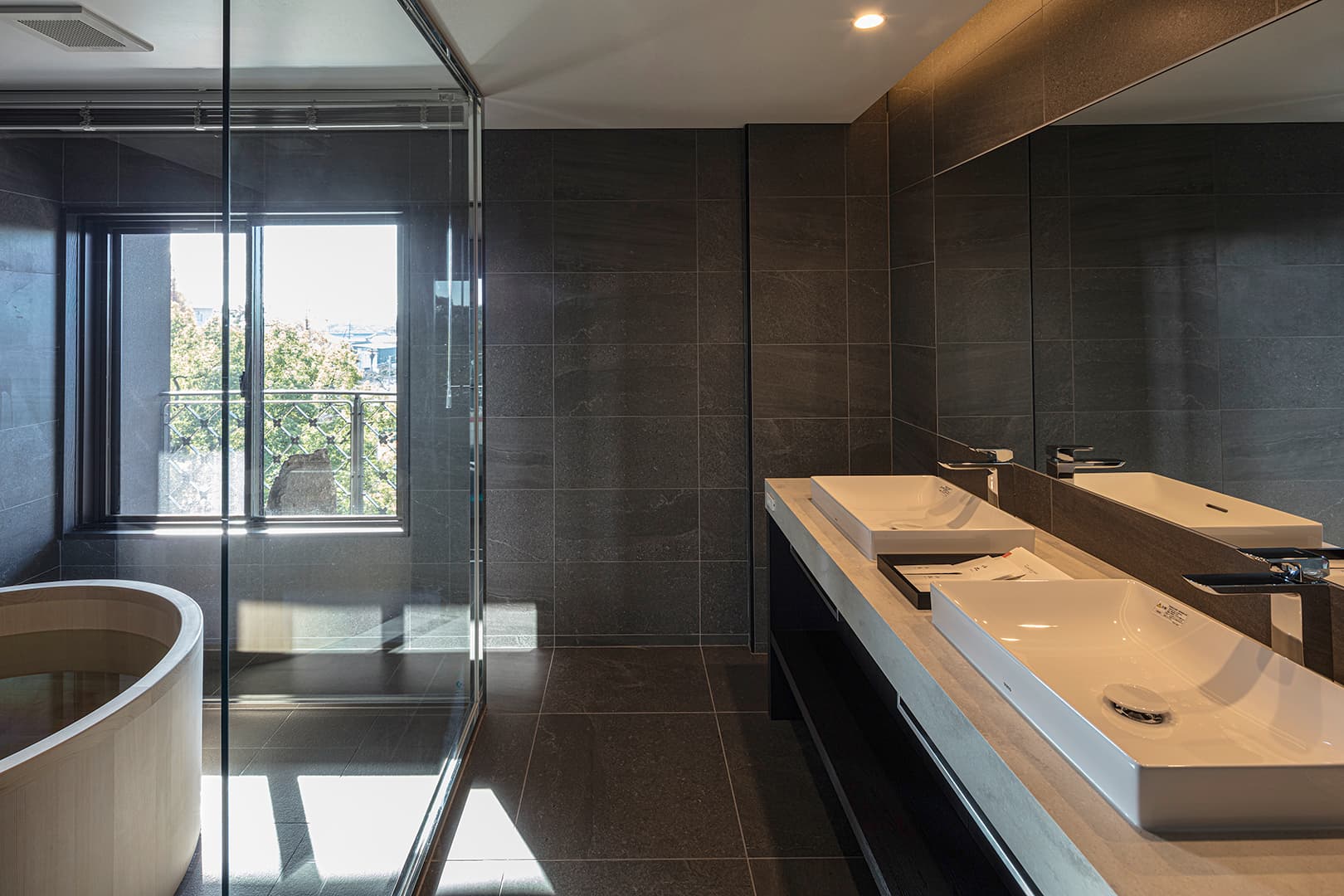
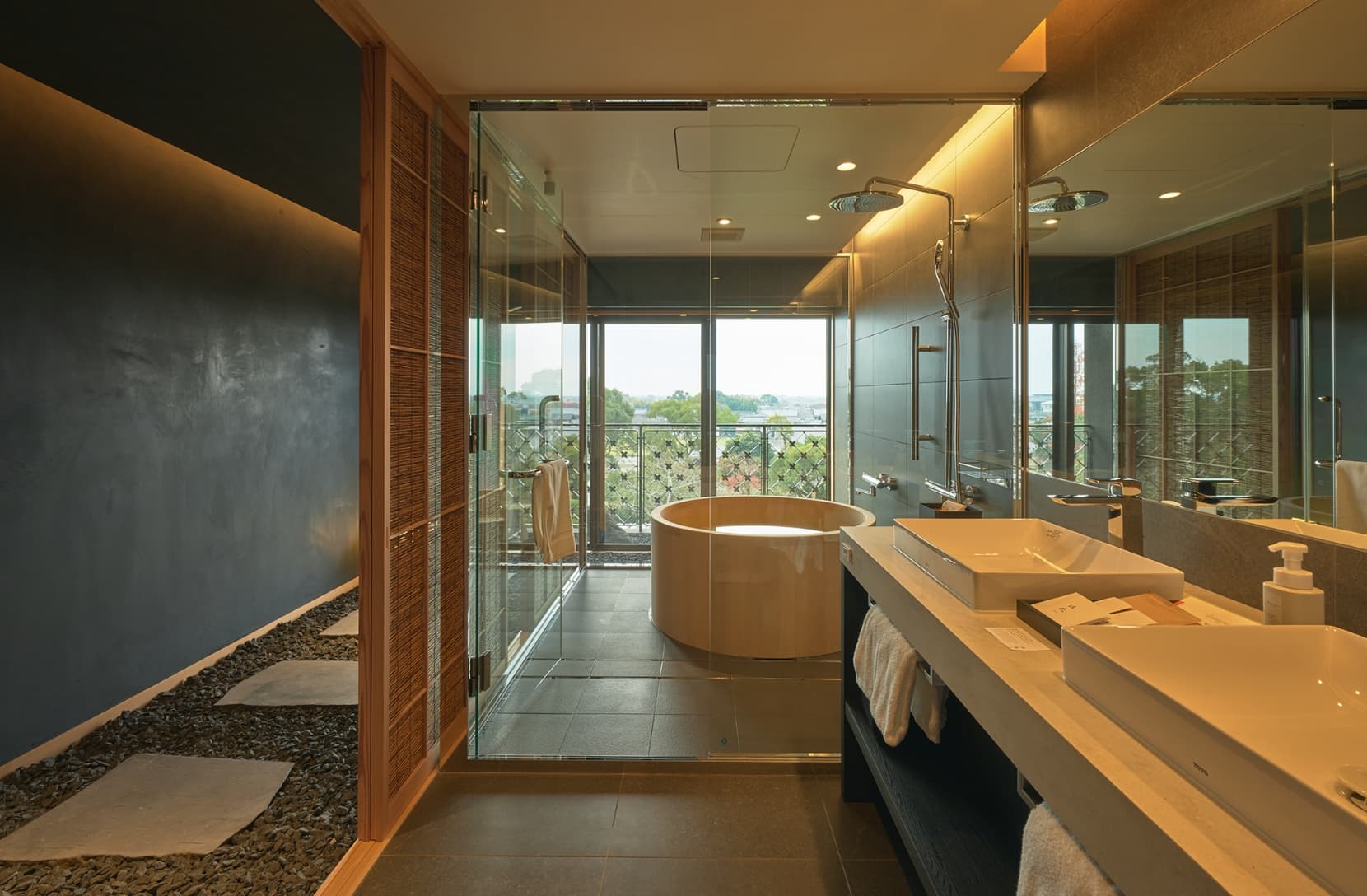
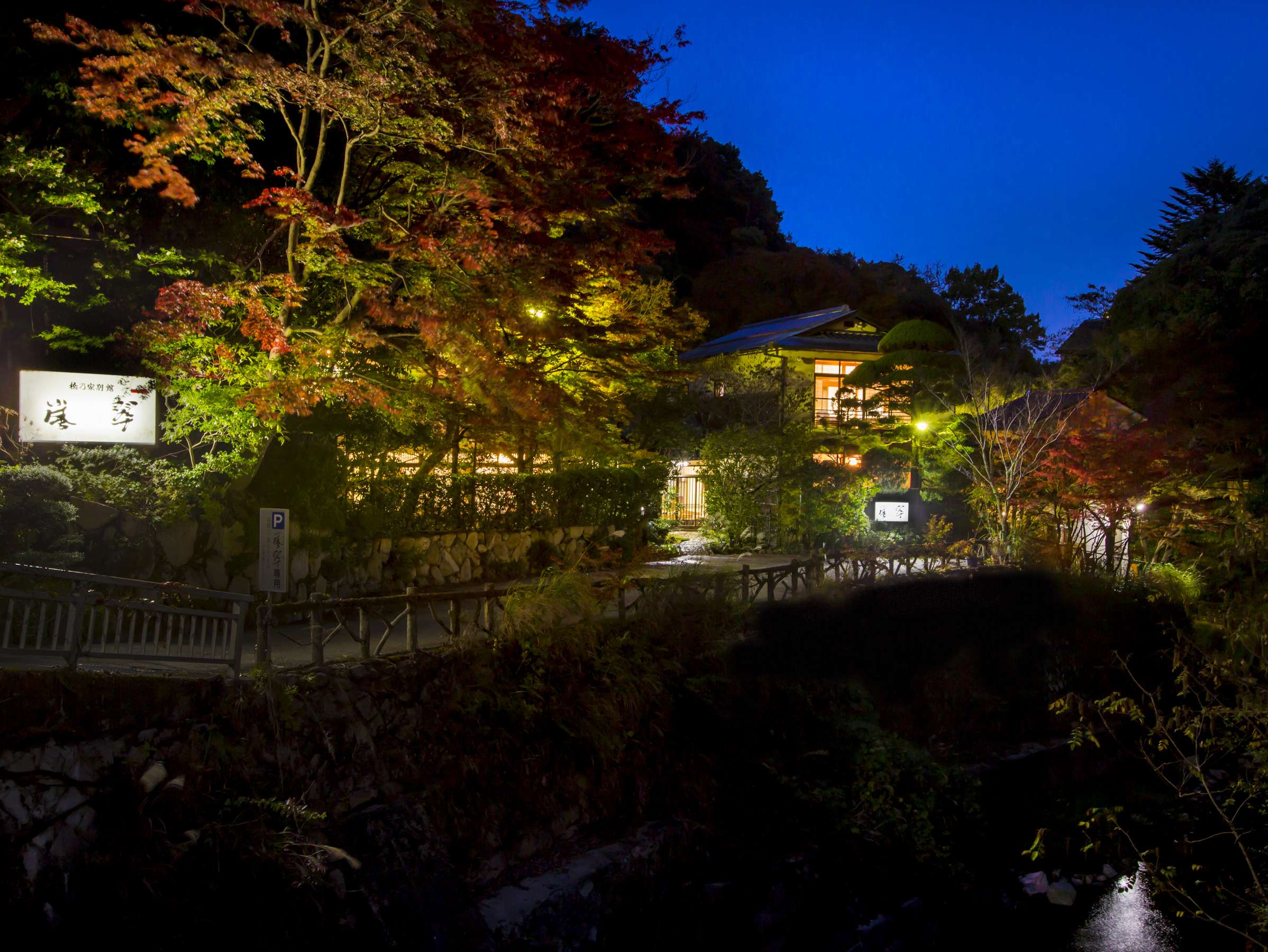
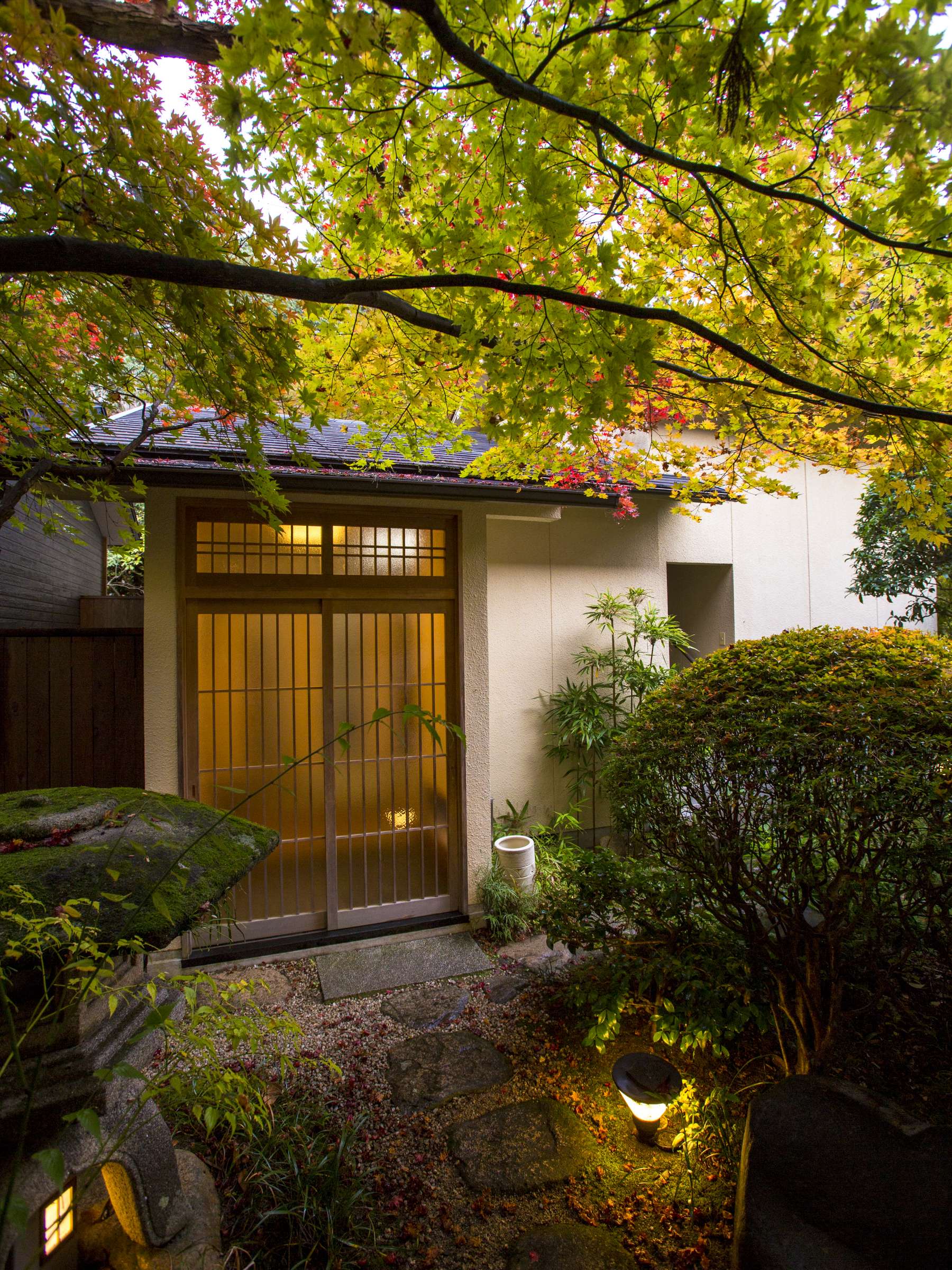
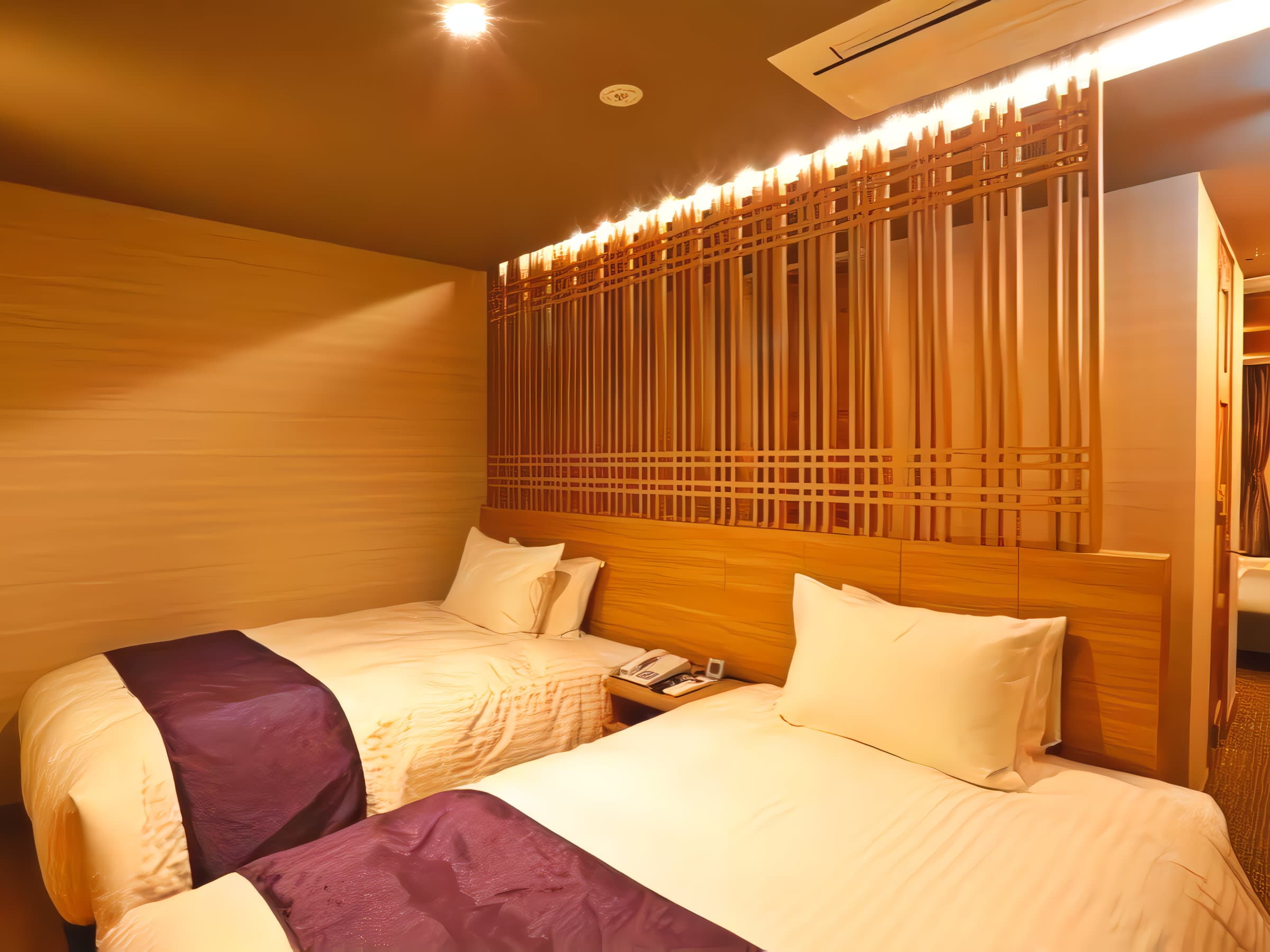
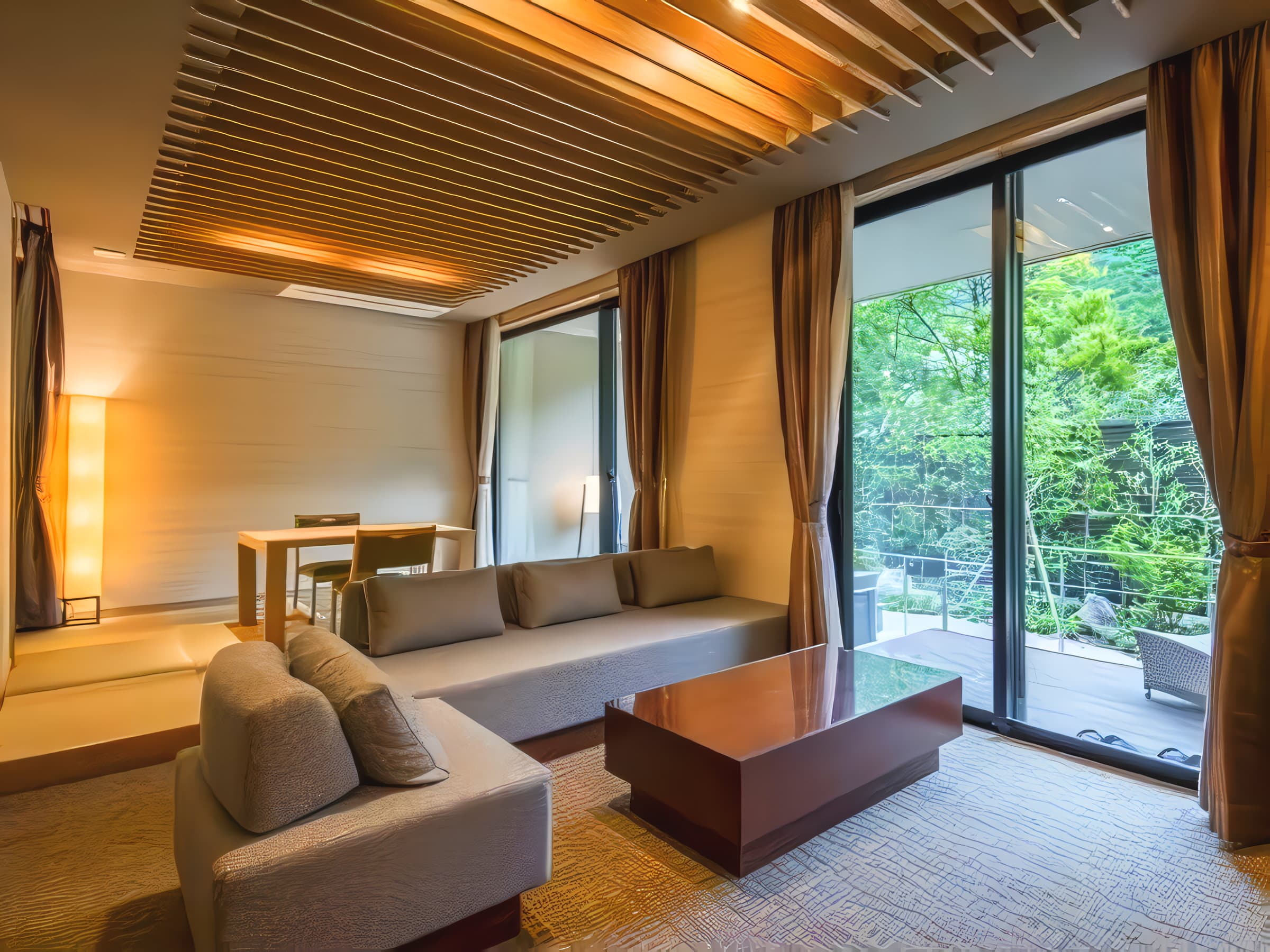
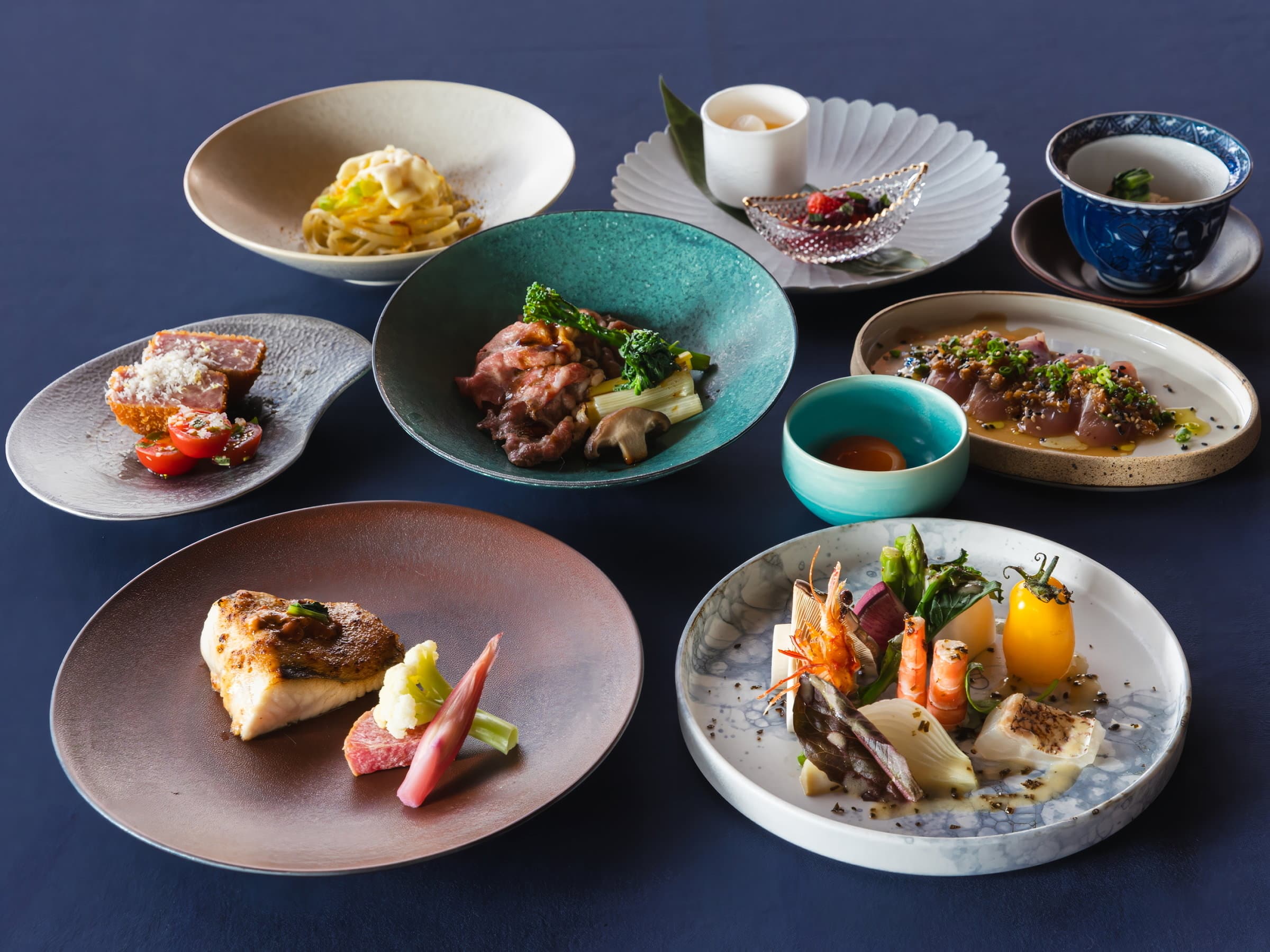
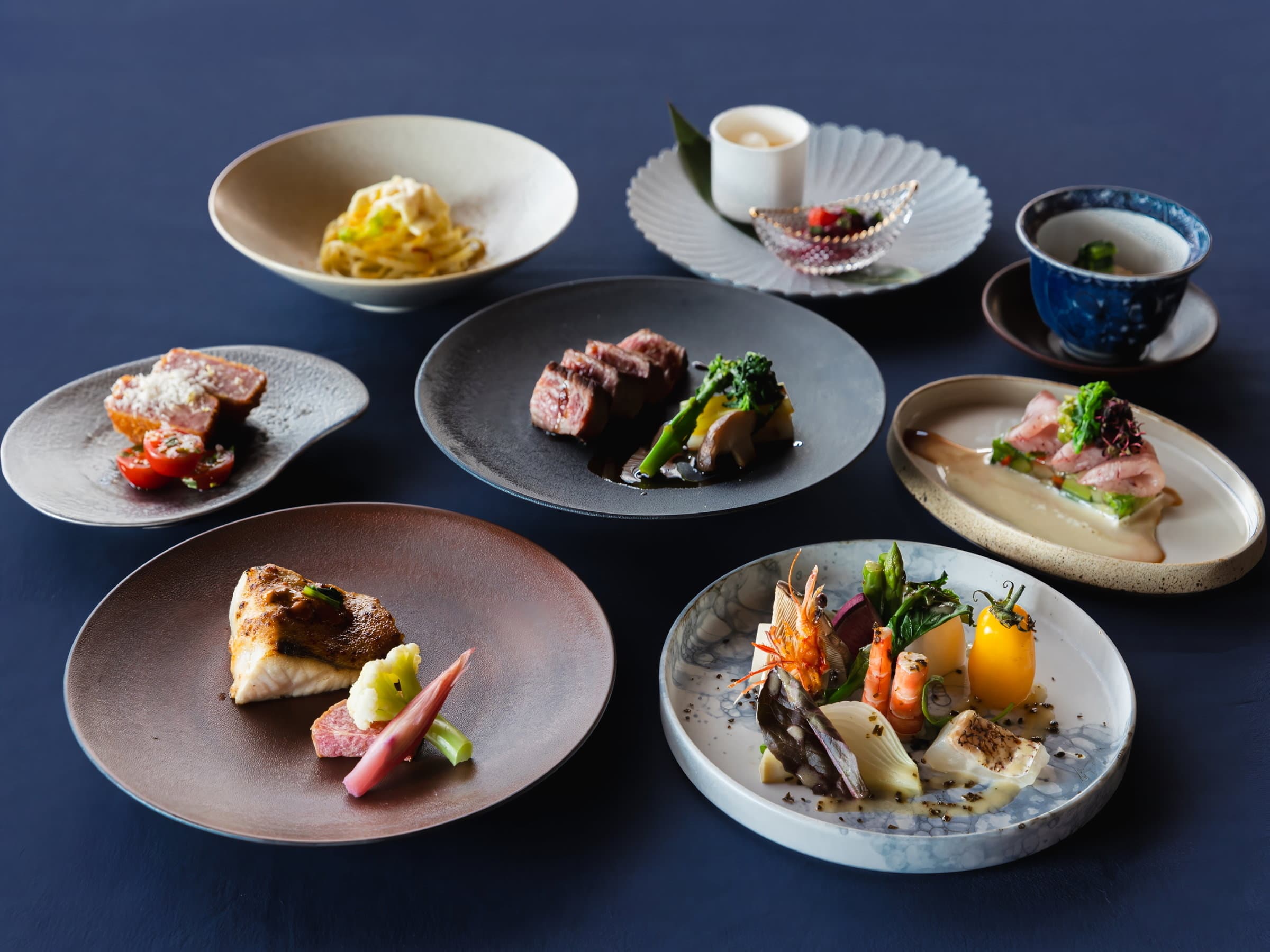
Ryokan Ohana
譟ウ蟾晁掠荳サ遶玖干驍ク 蠕。闃ア
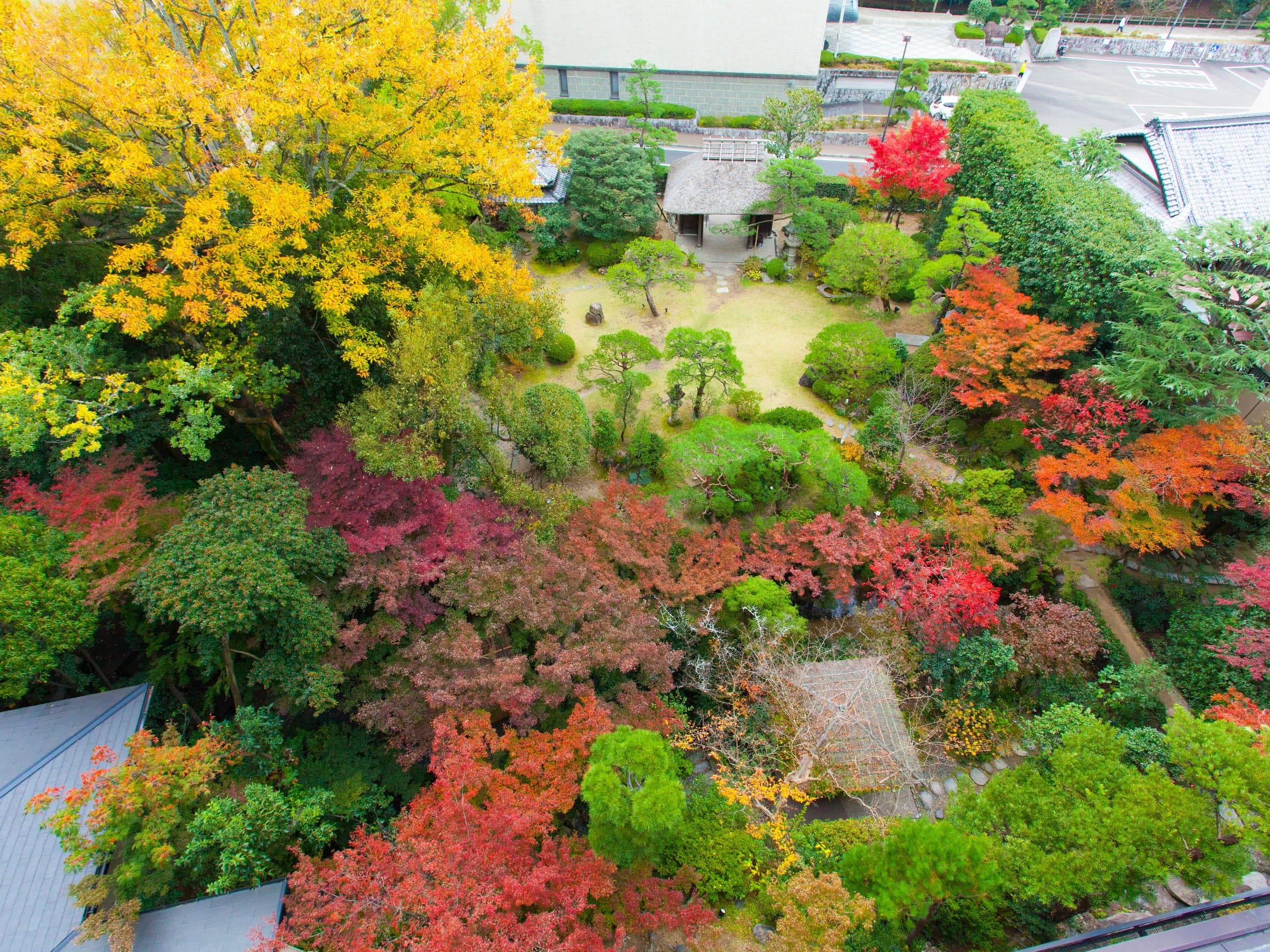
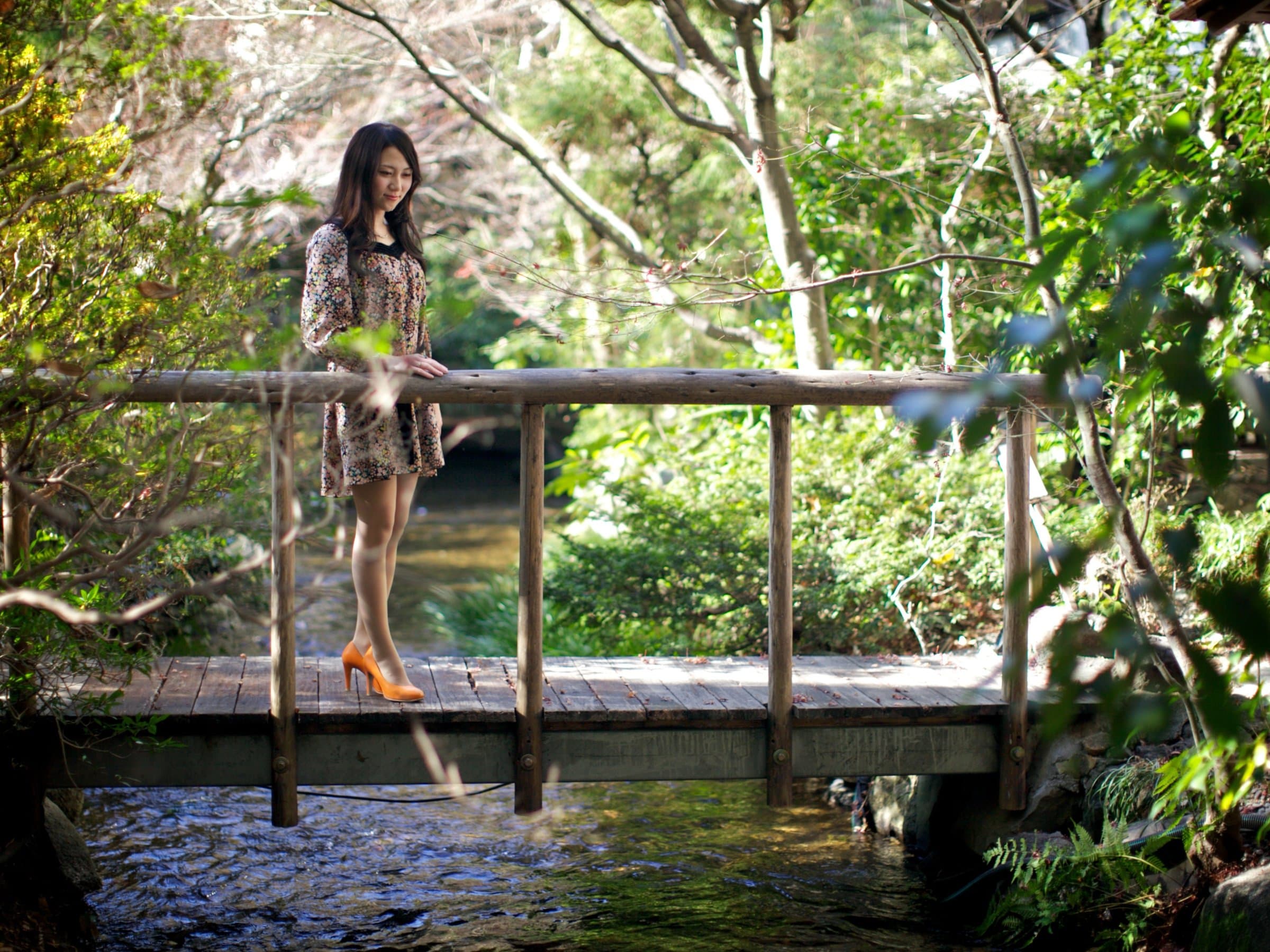
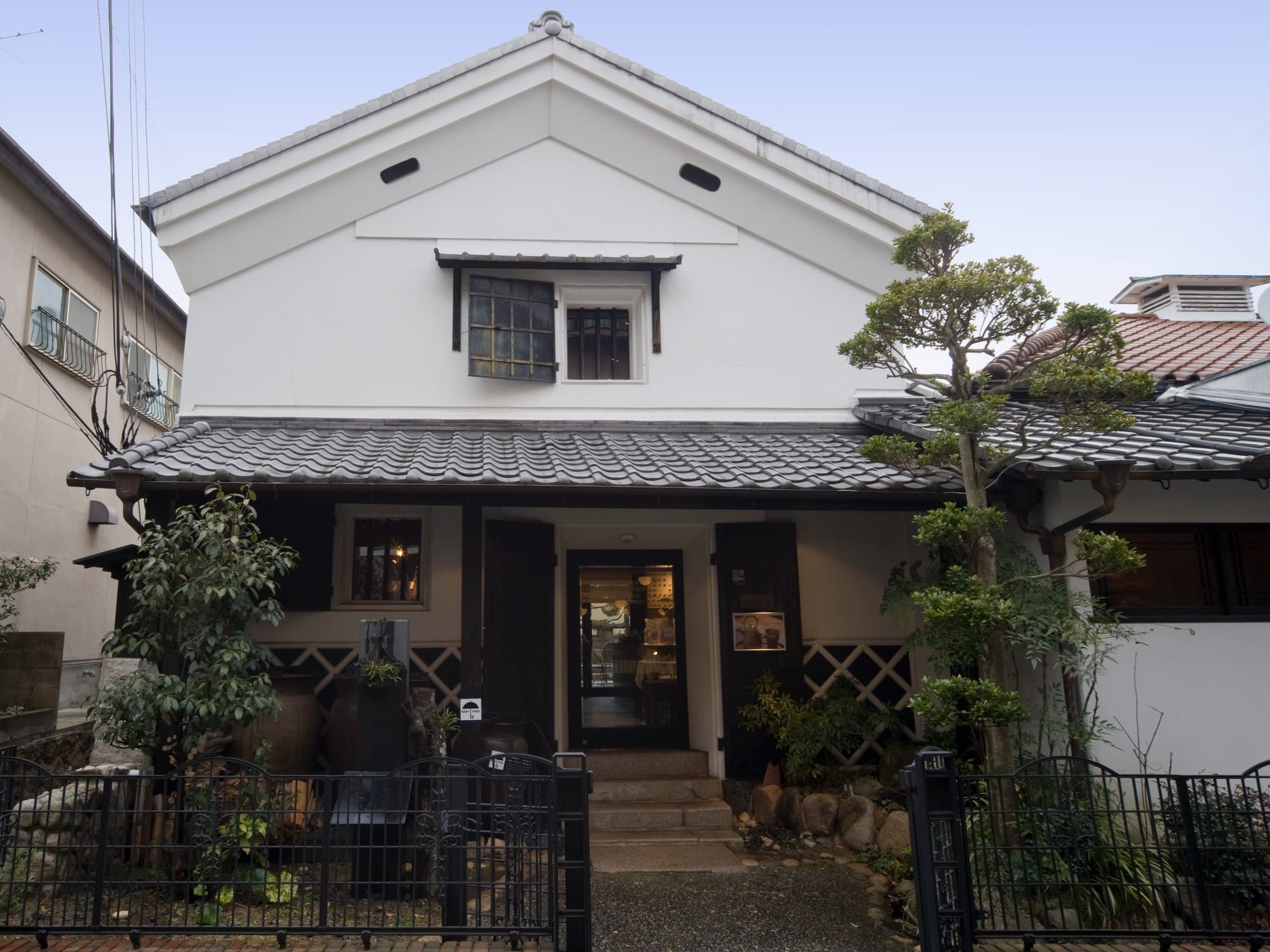
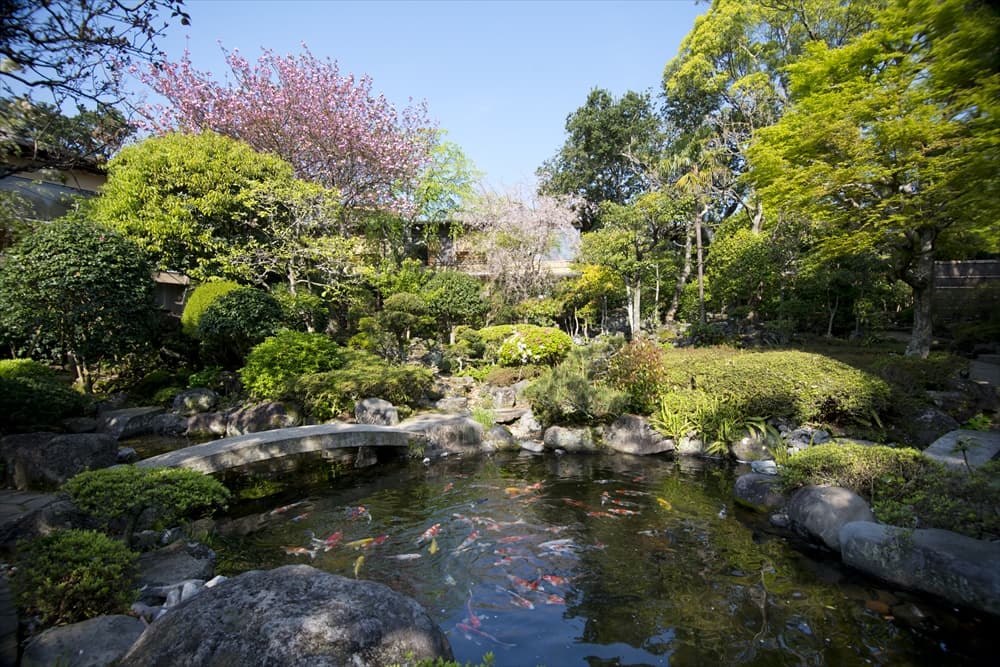
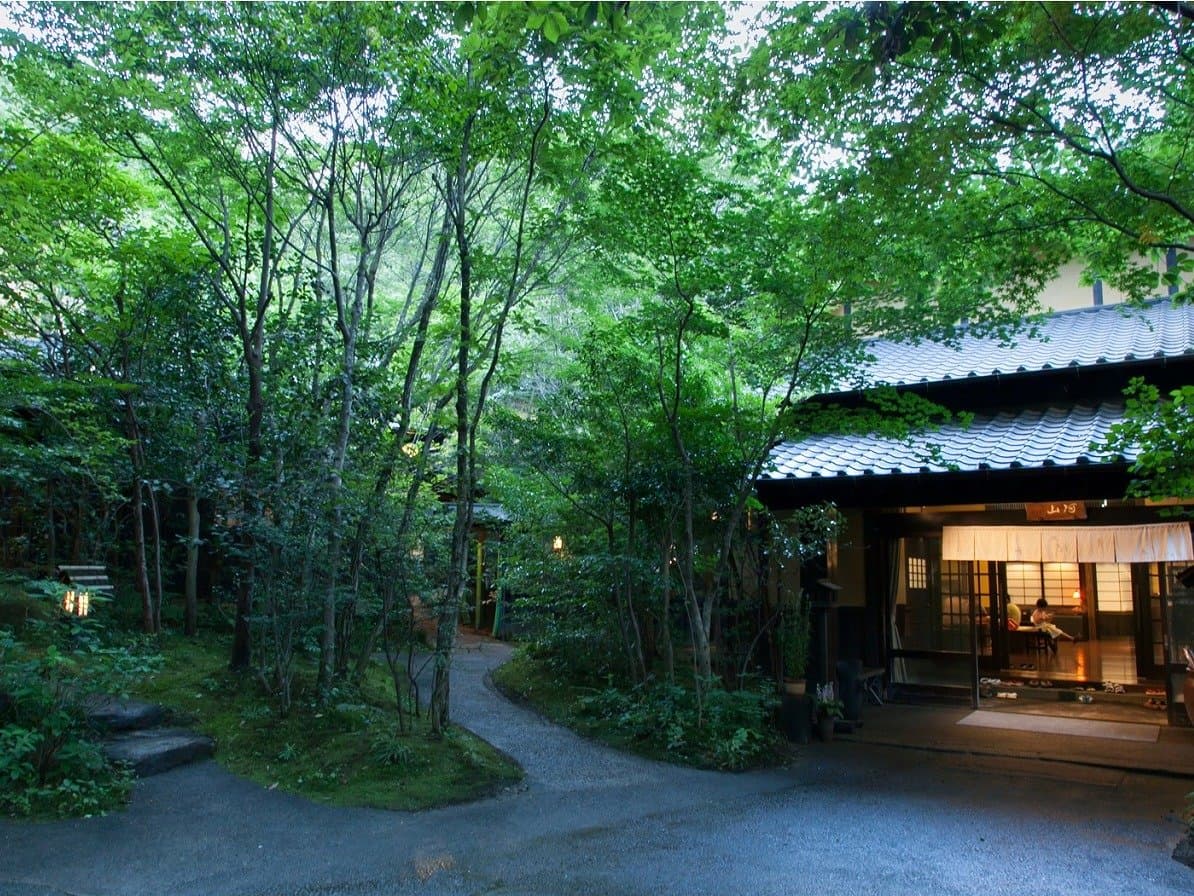
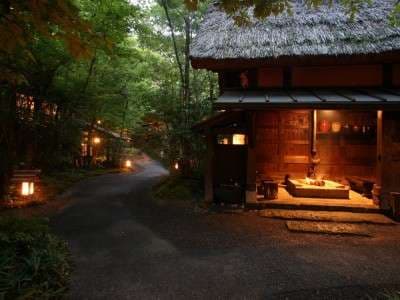
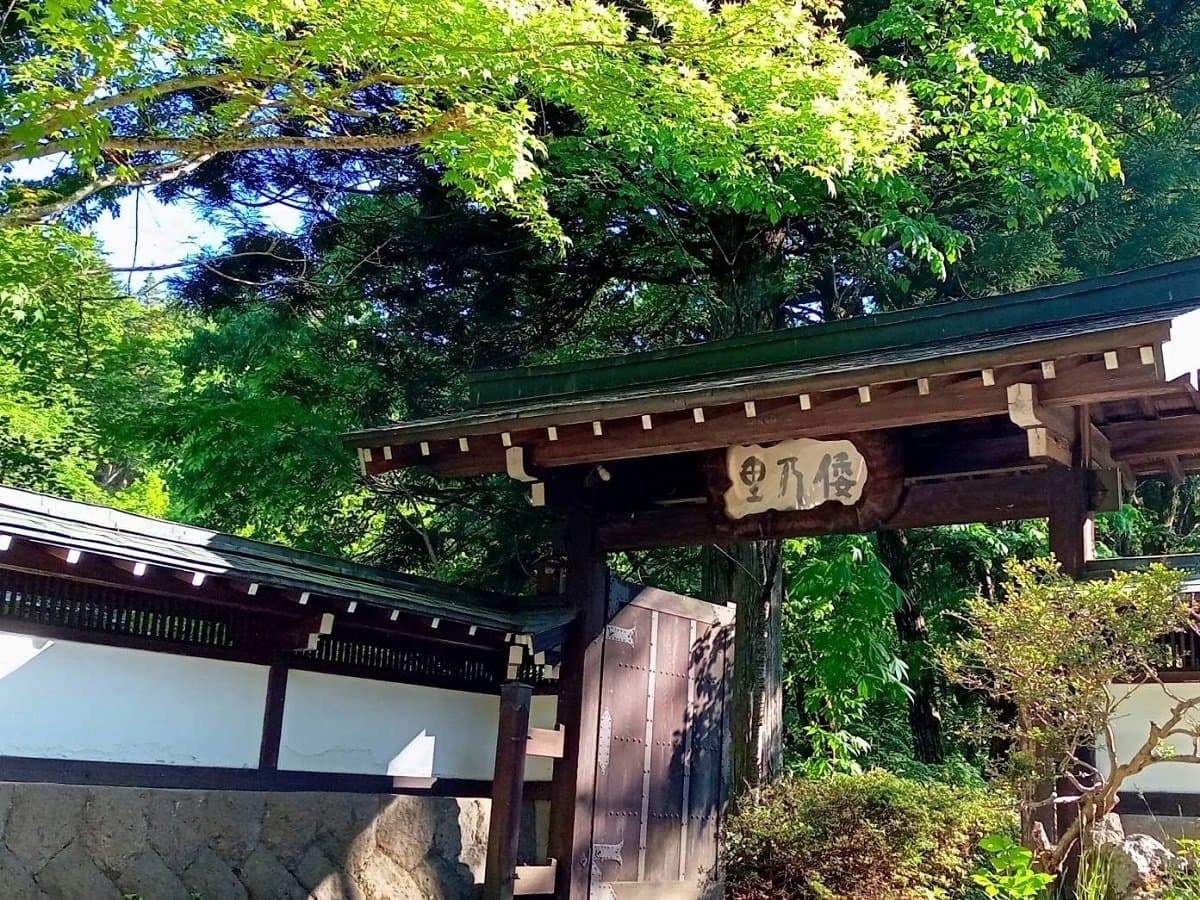
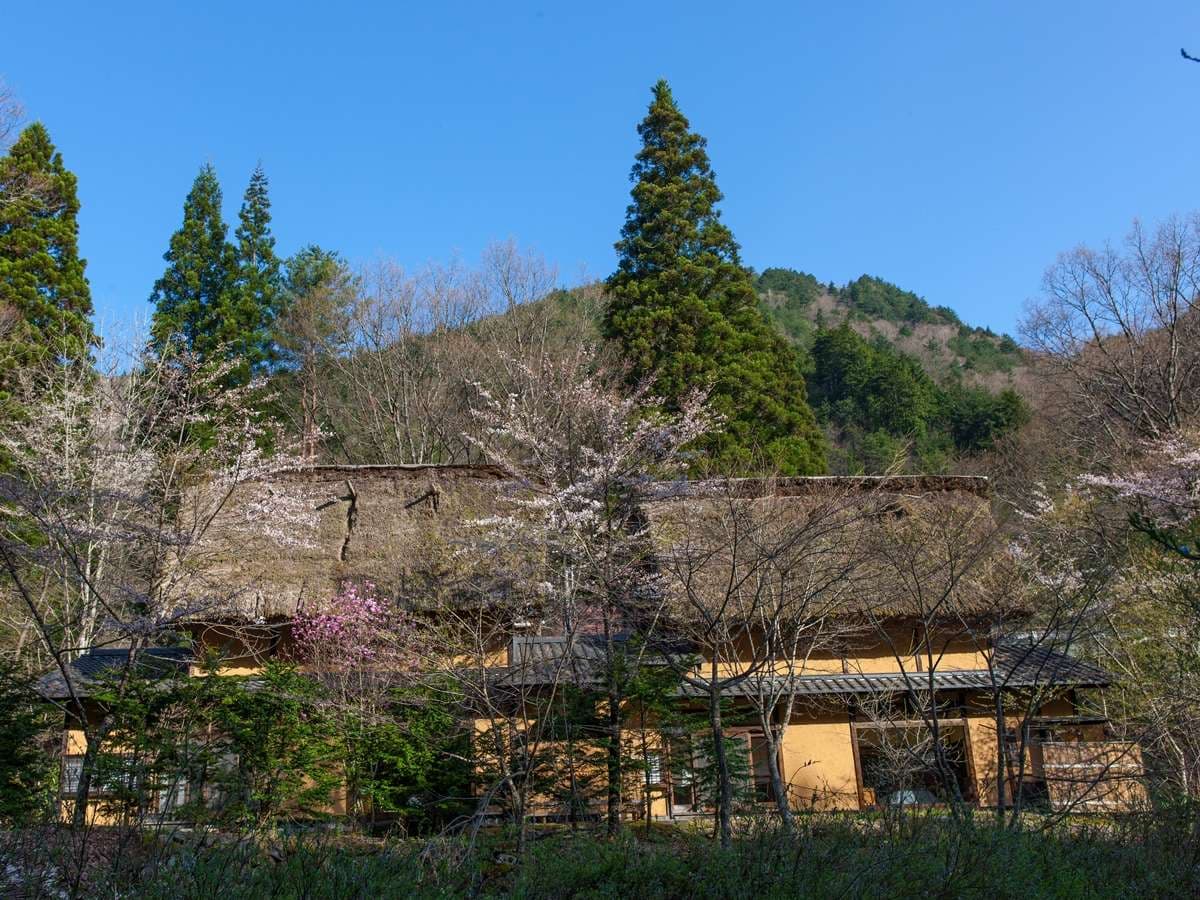
The former Tachibana family residence in Yanagawa 窶� a designated national place of scenic beauty and the only such site in Japan where overnight guests can stay, with kaiseki cuisine and a celebrated pine garden.
快速開始
Photo: 望雲 / hotelboun.com客房
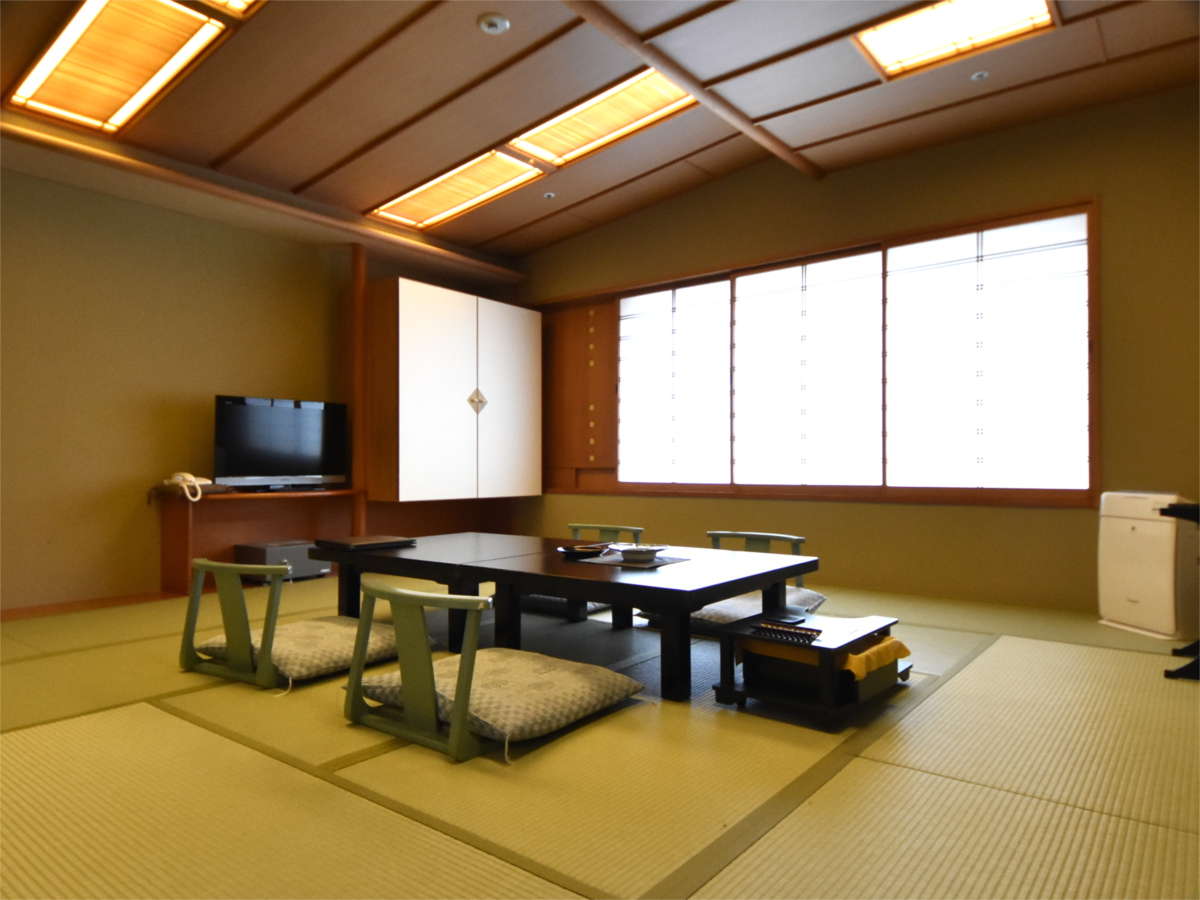
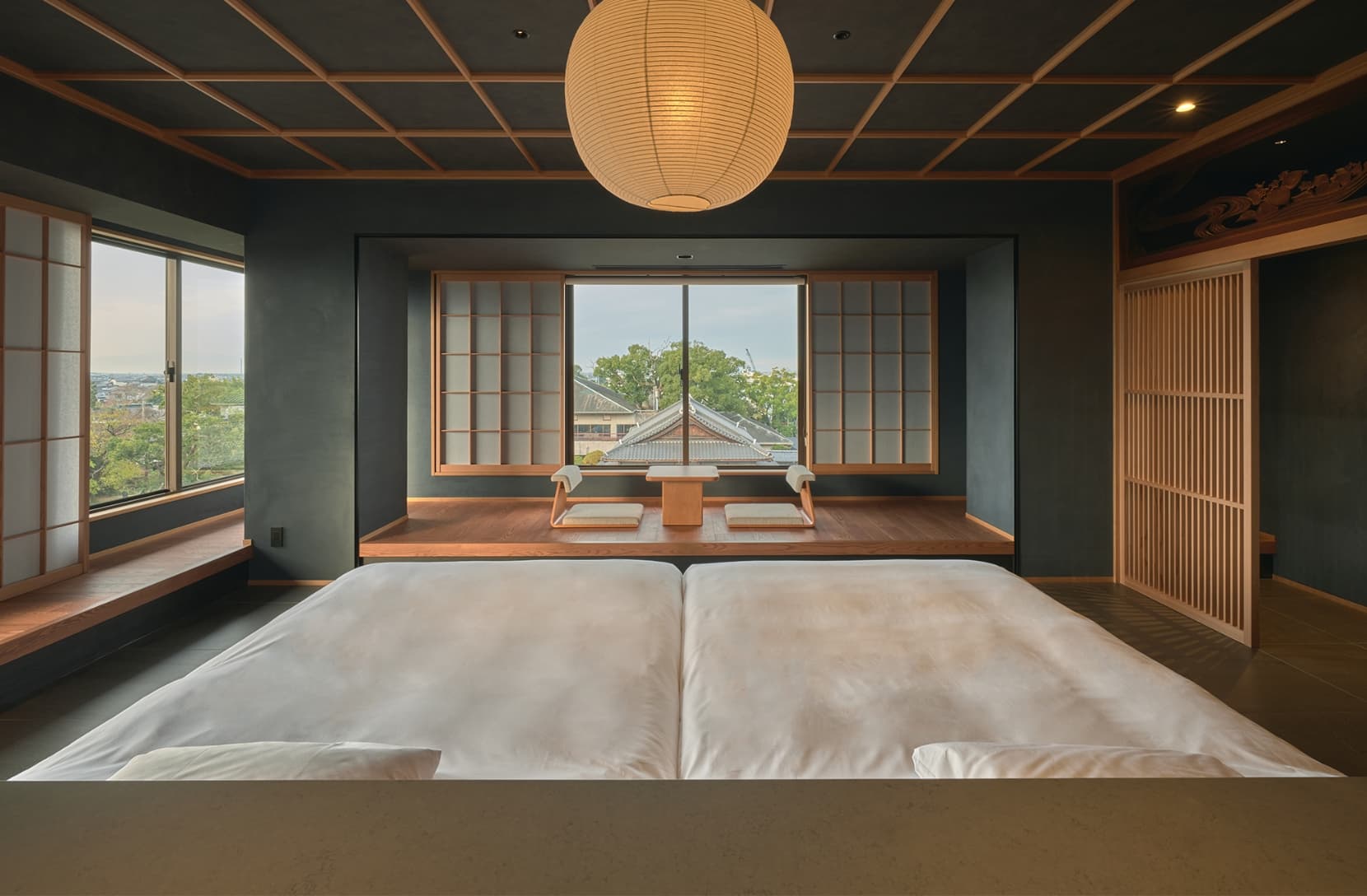
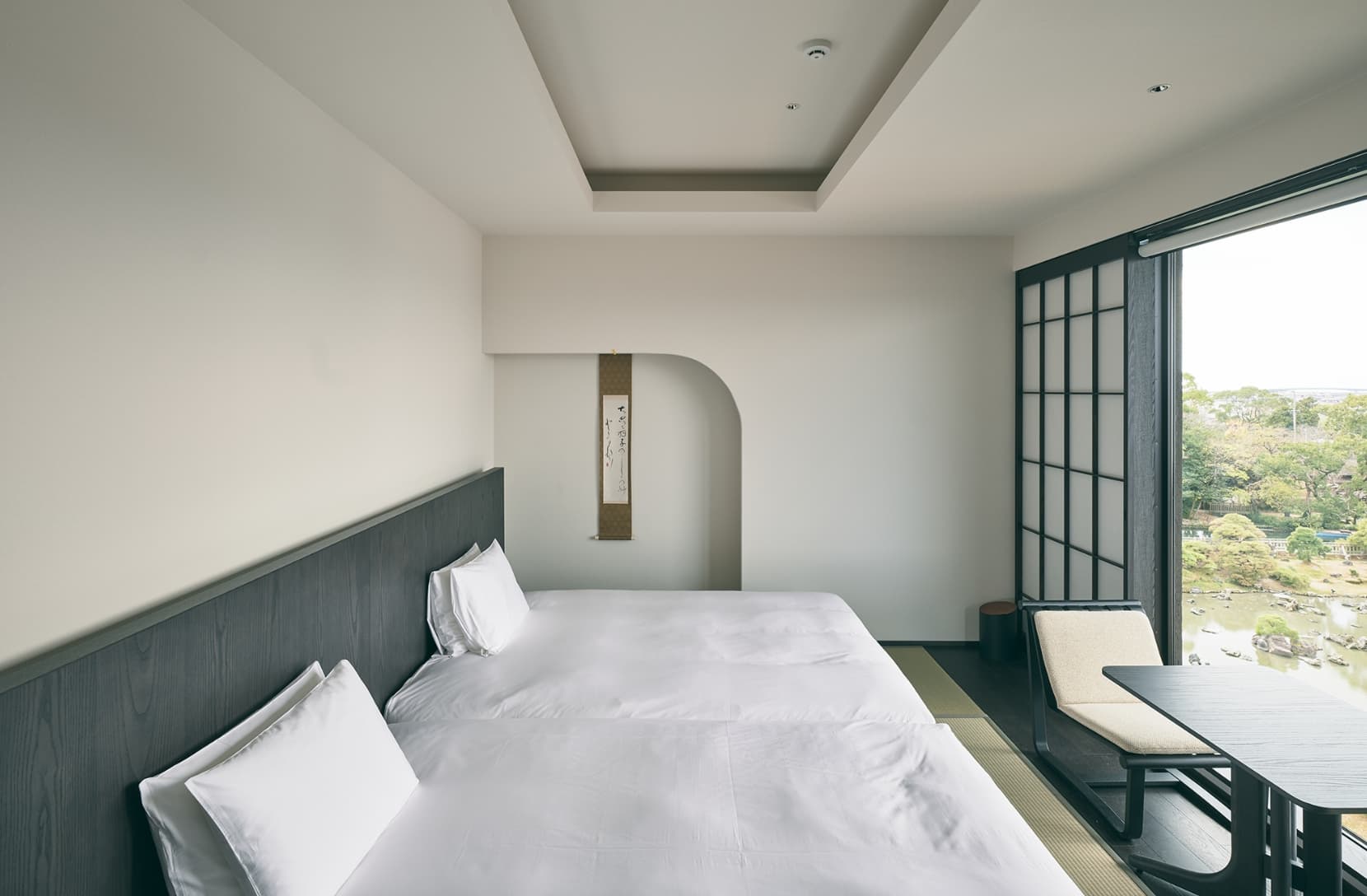
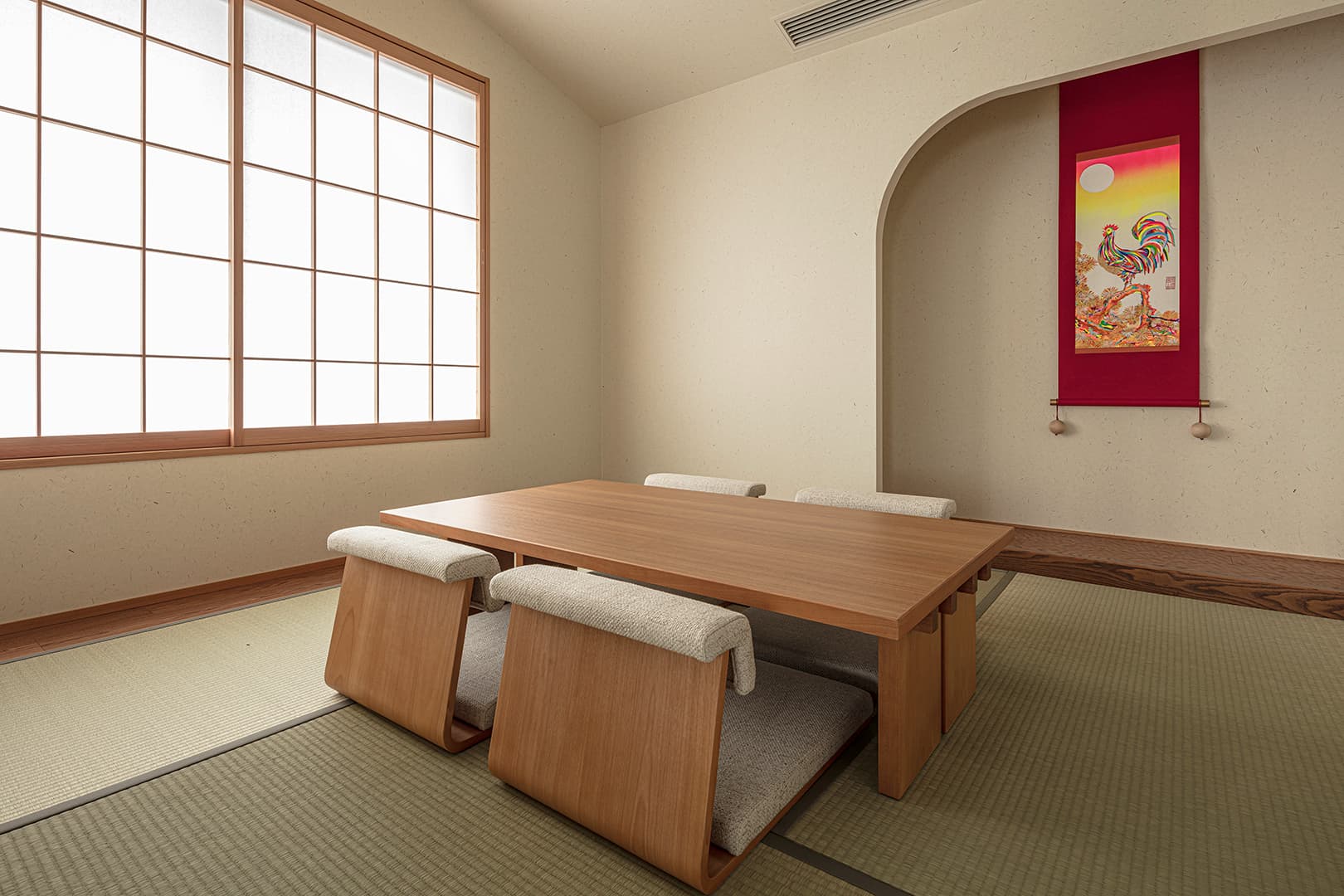
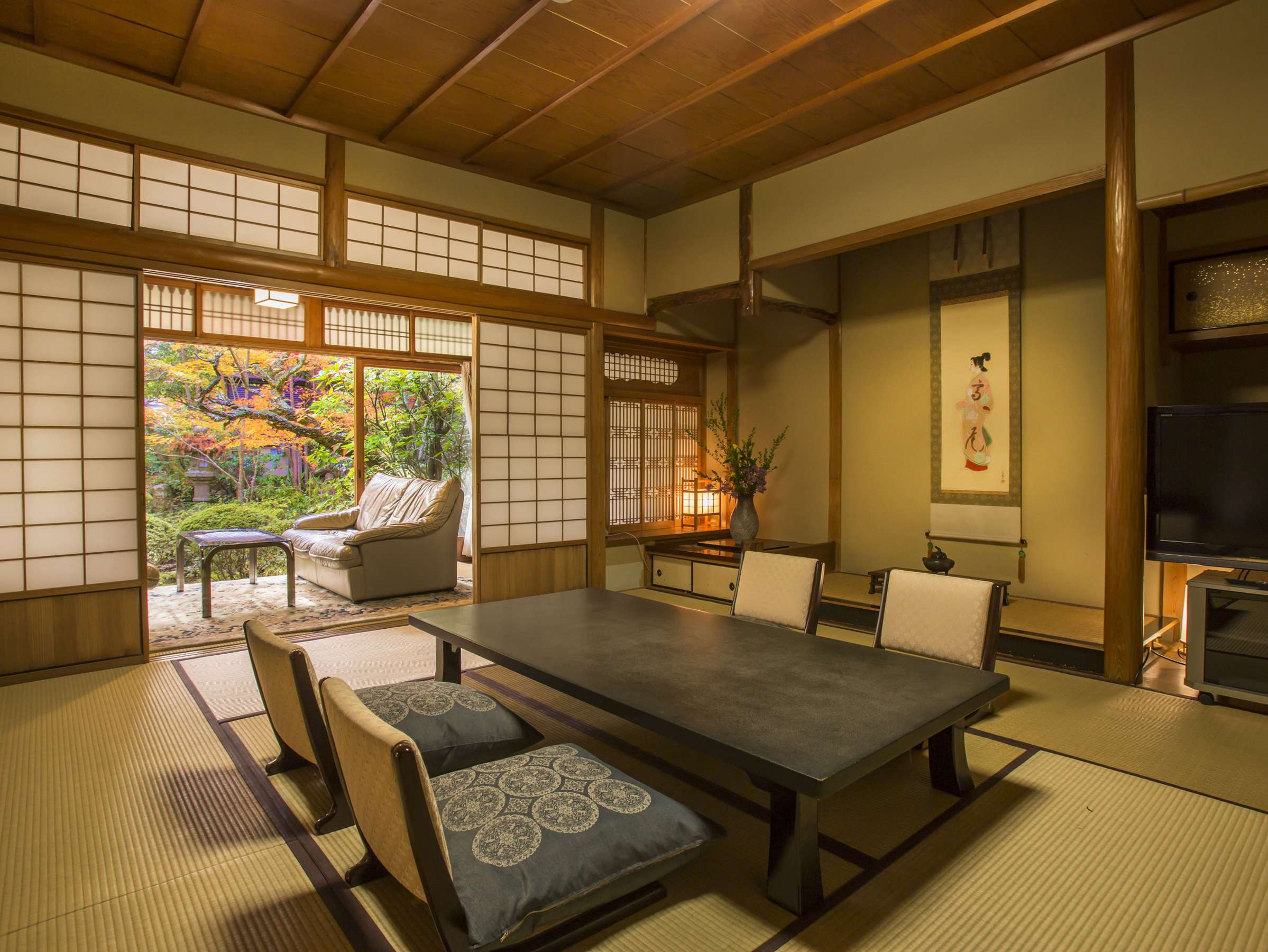
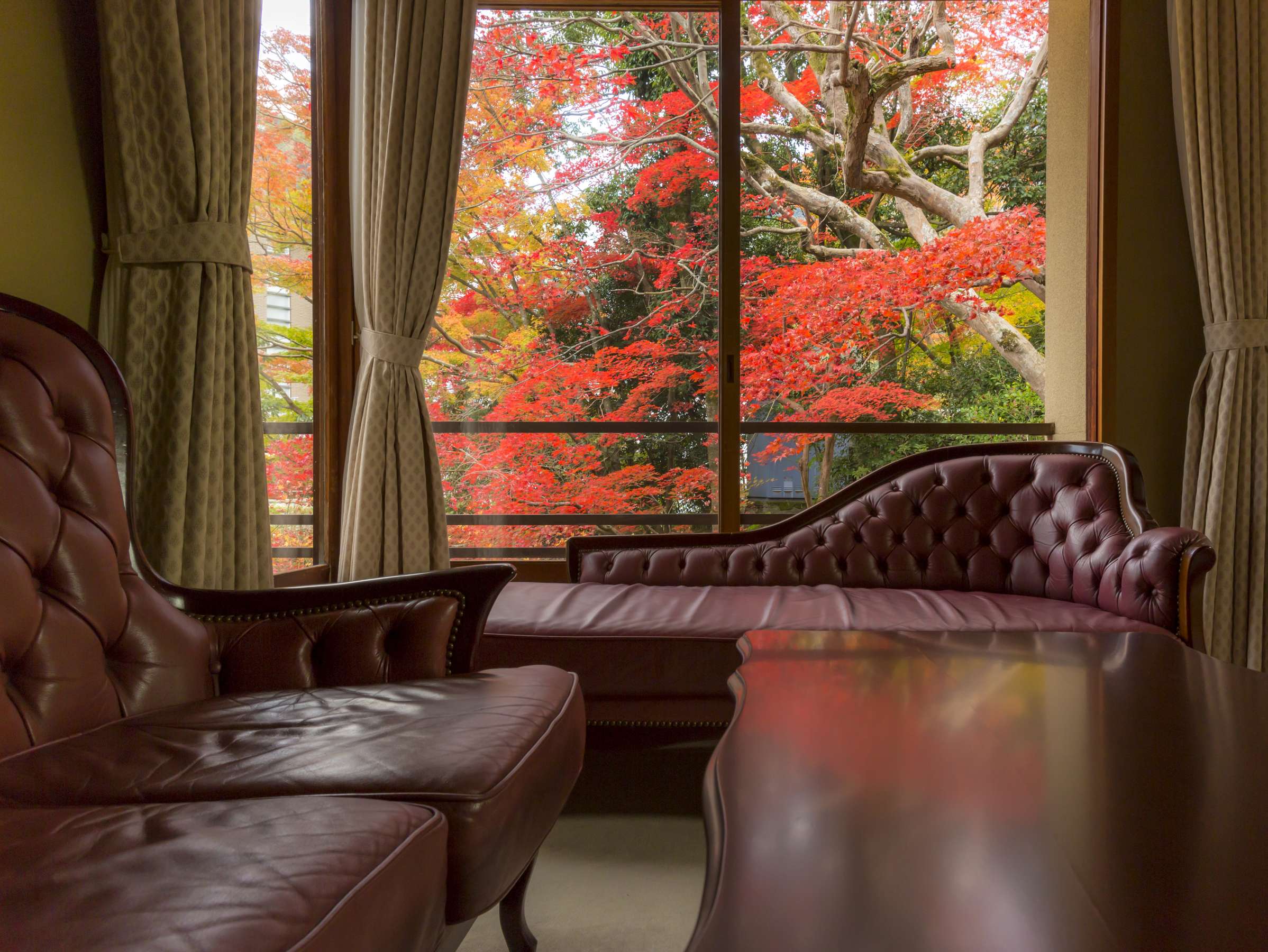
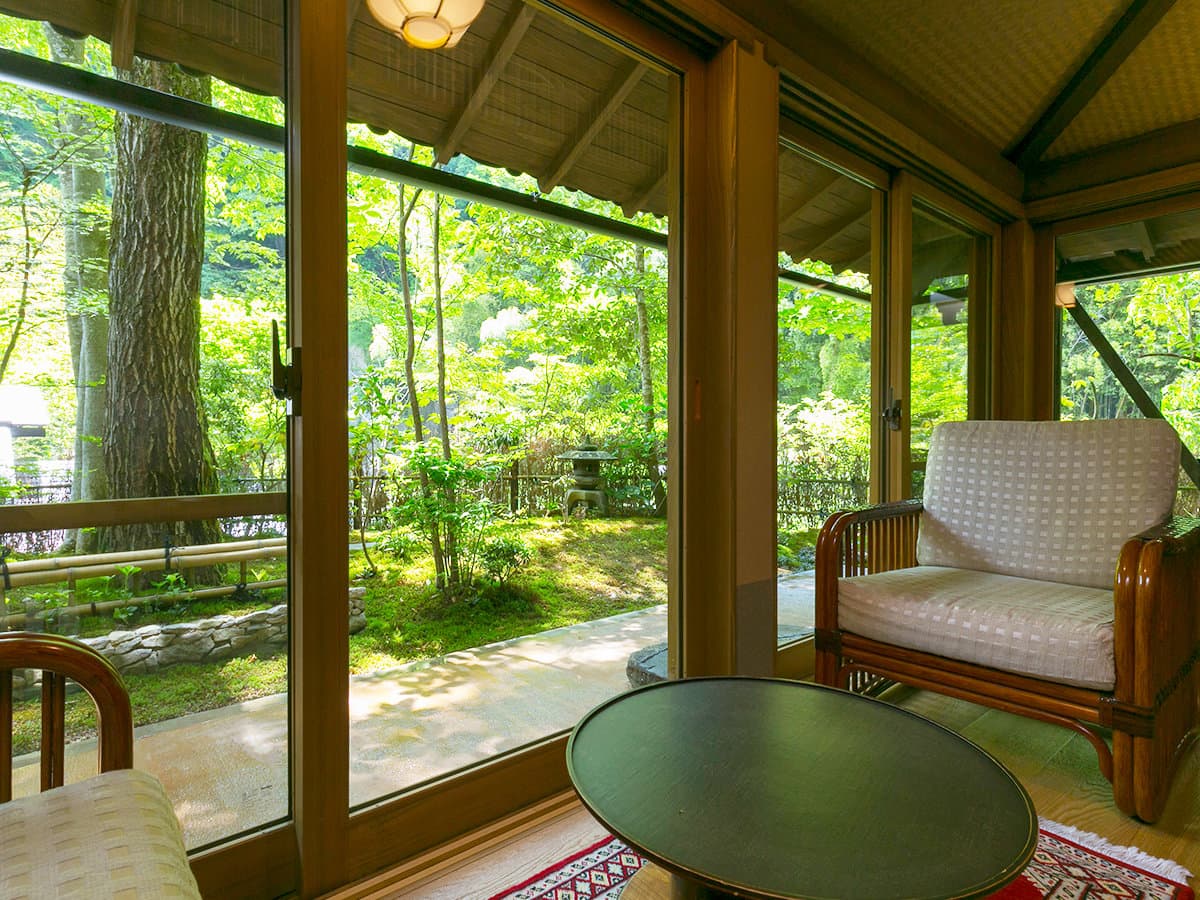
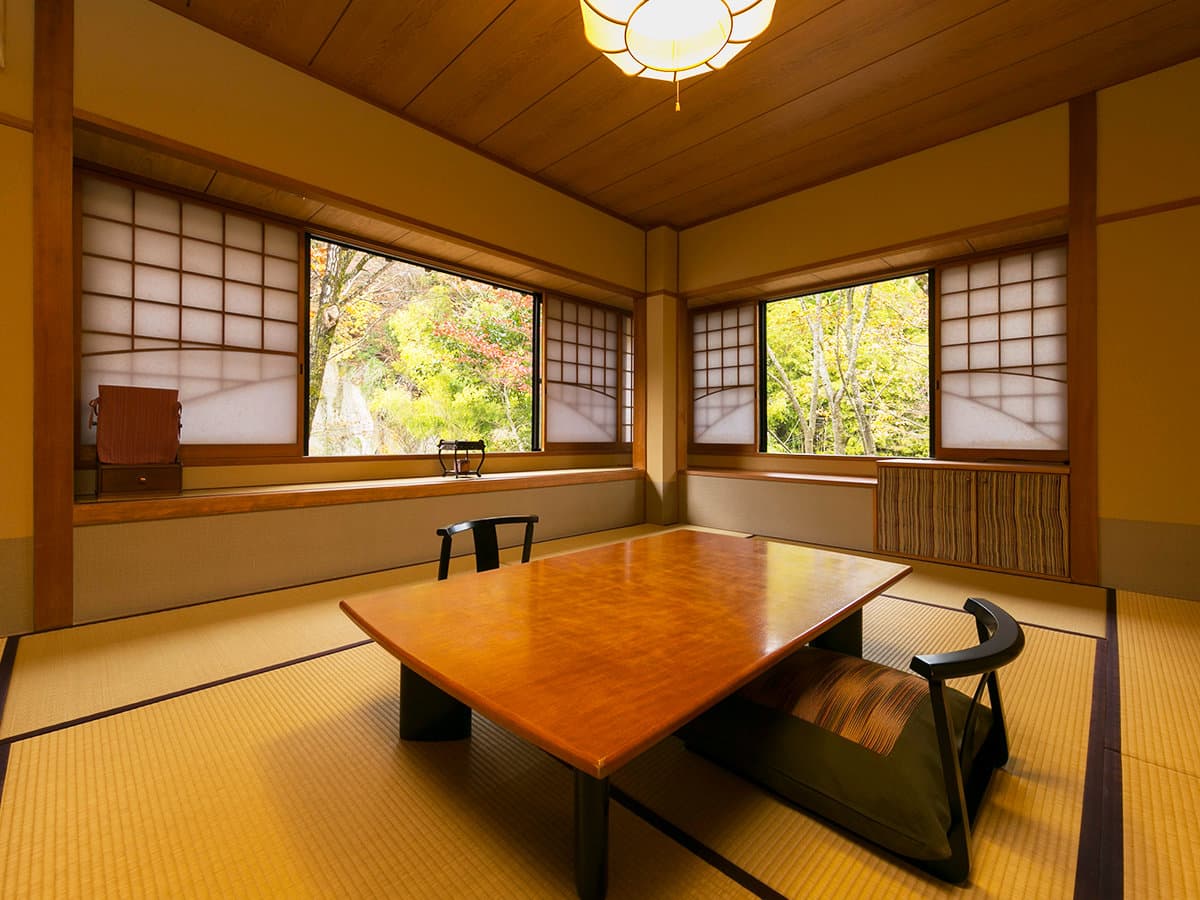
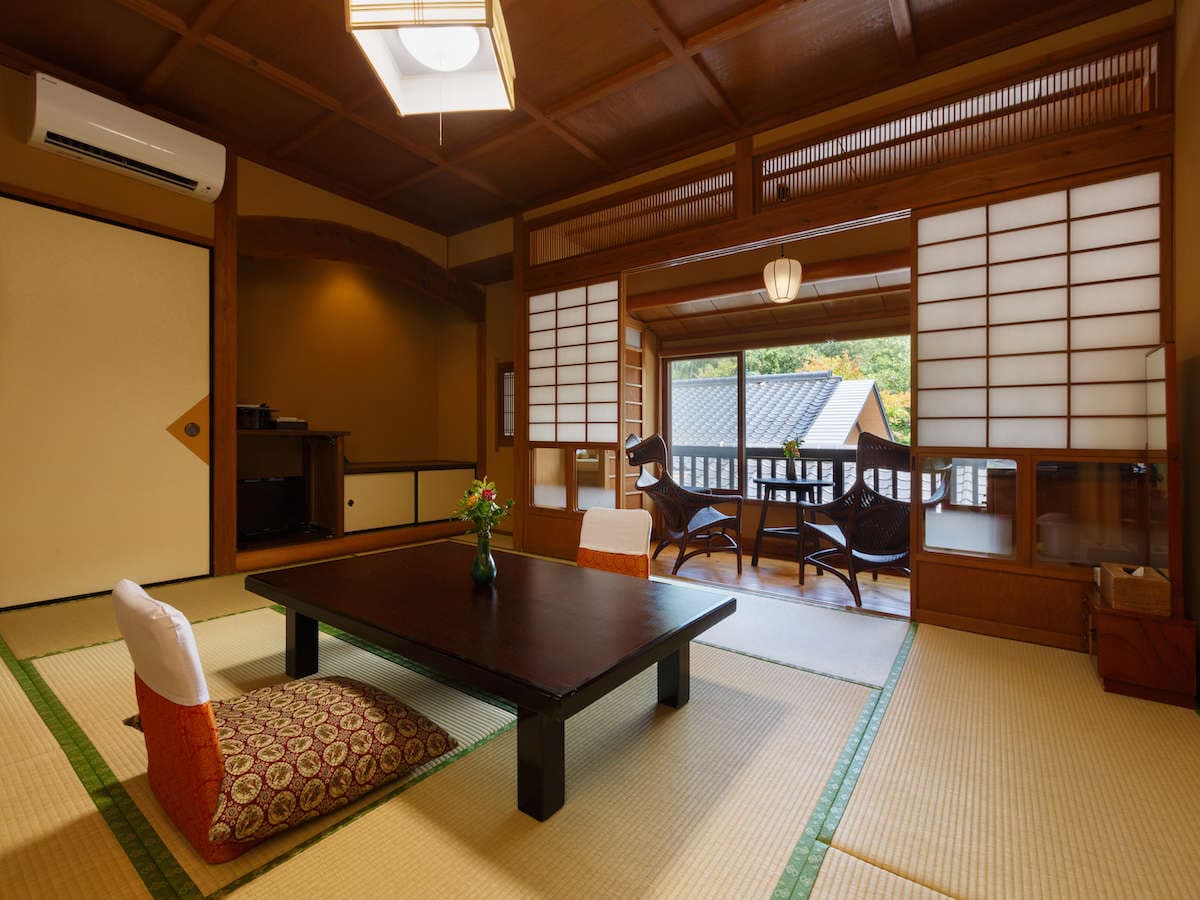
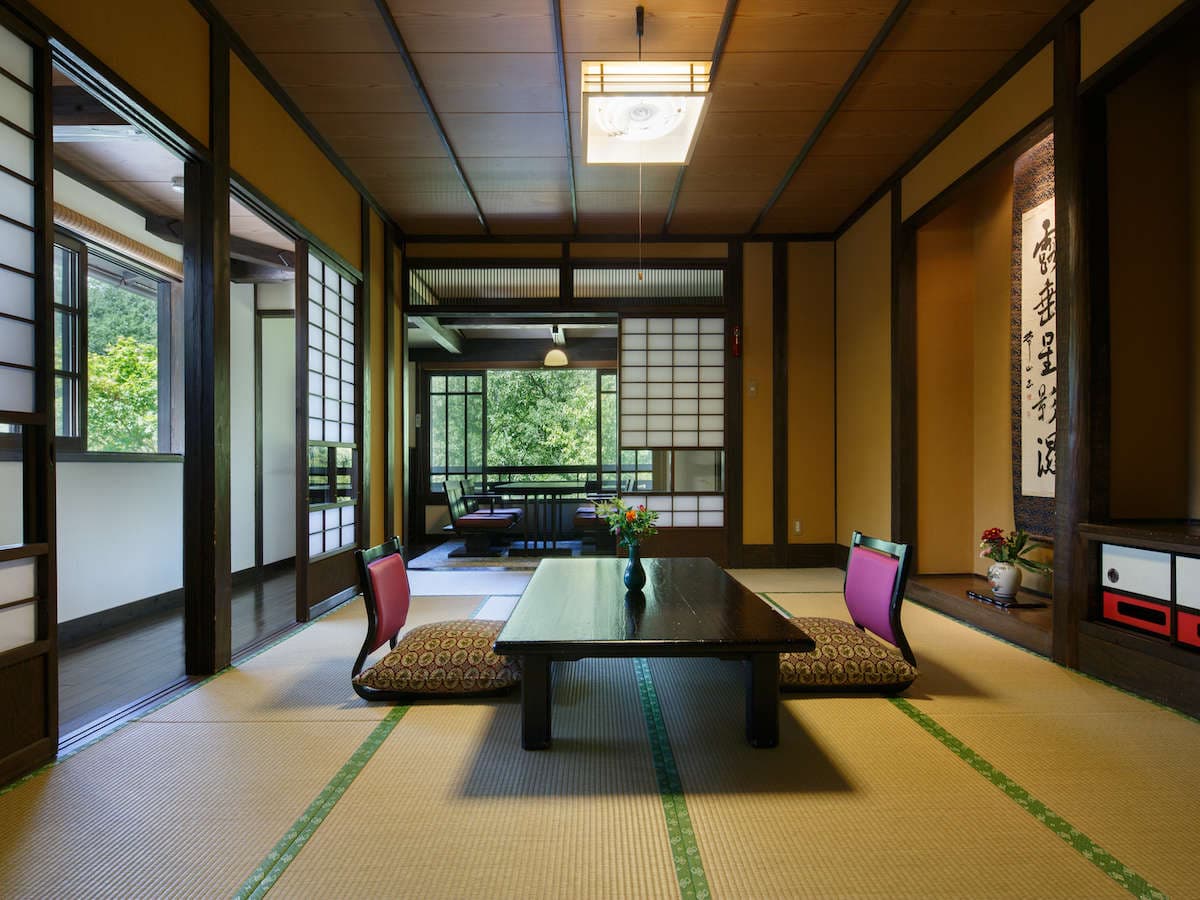
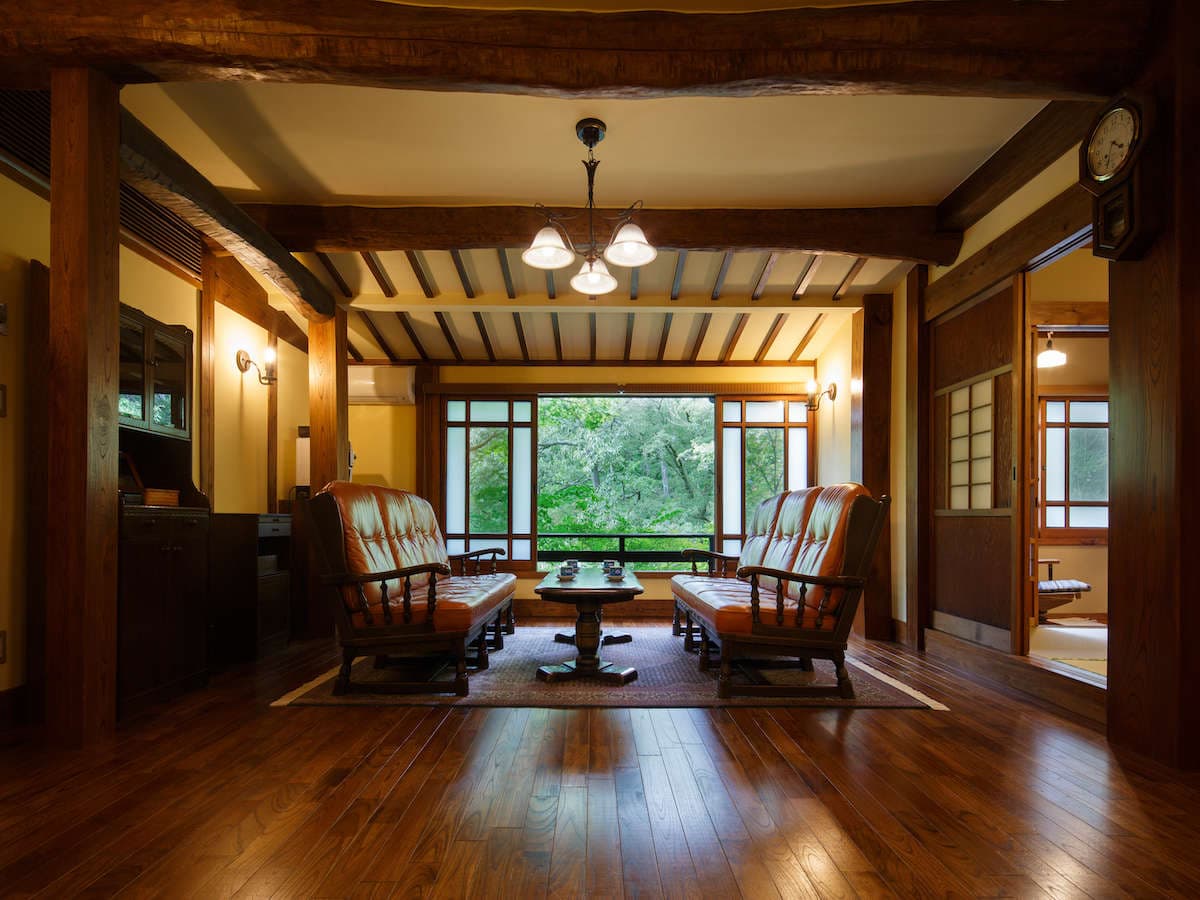
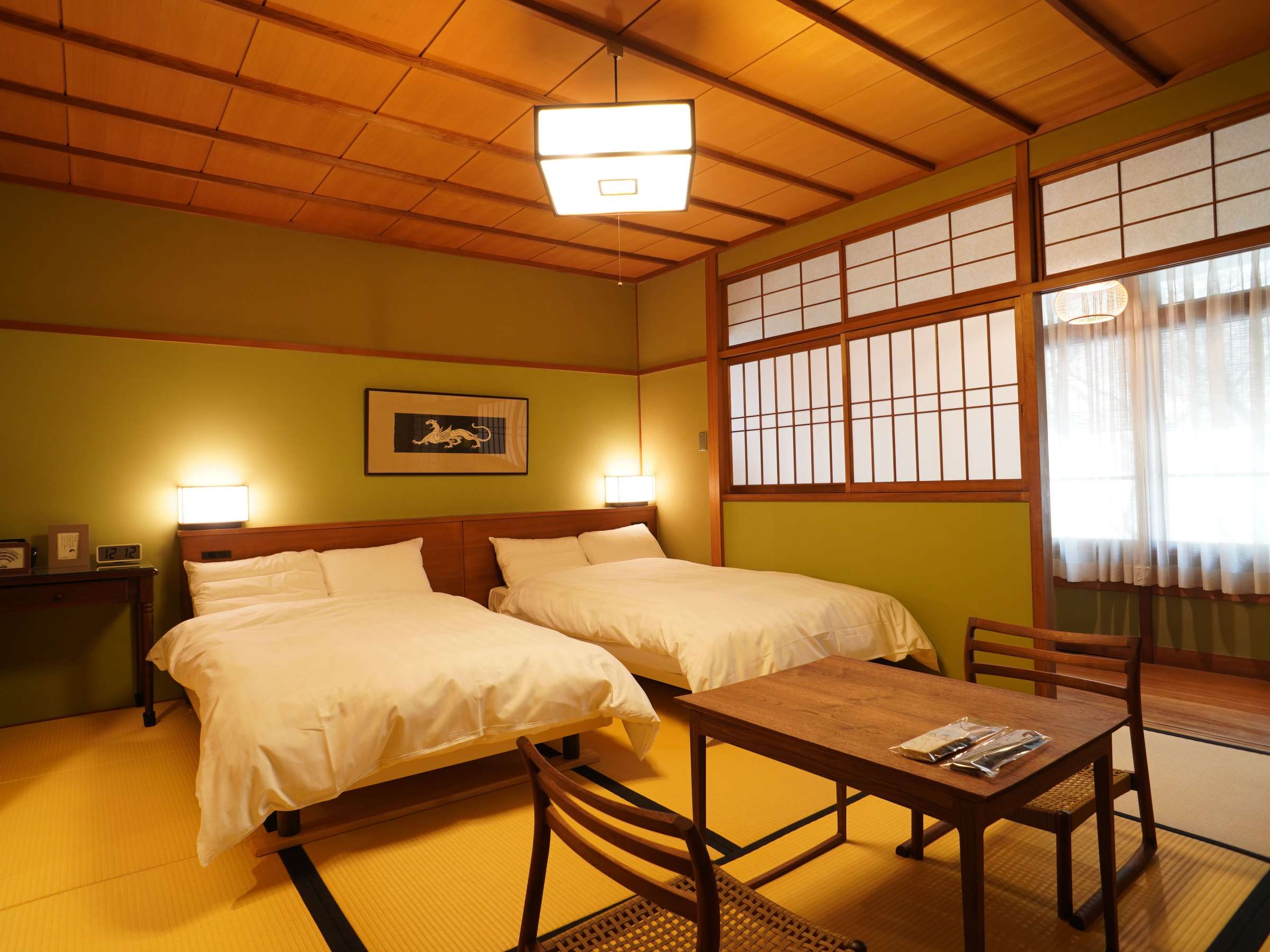
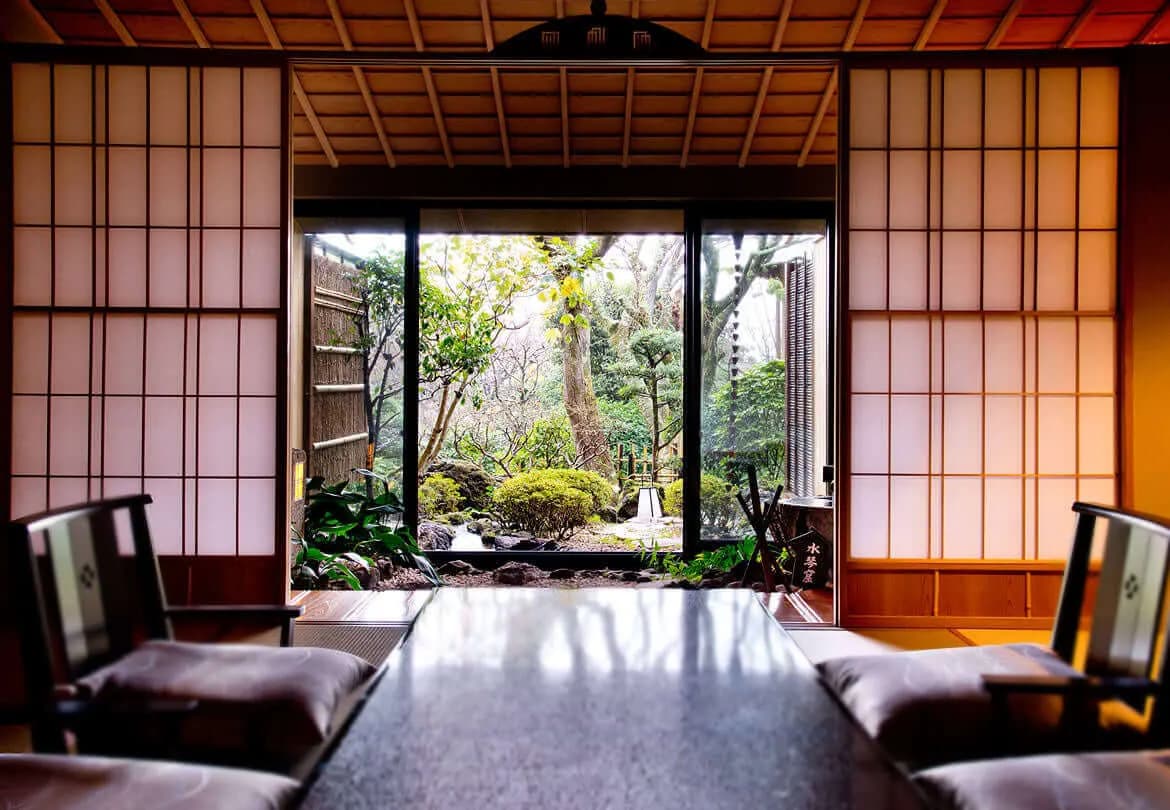
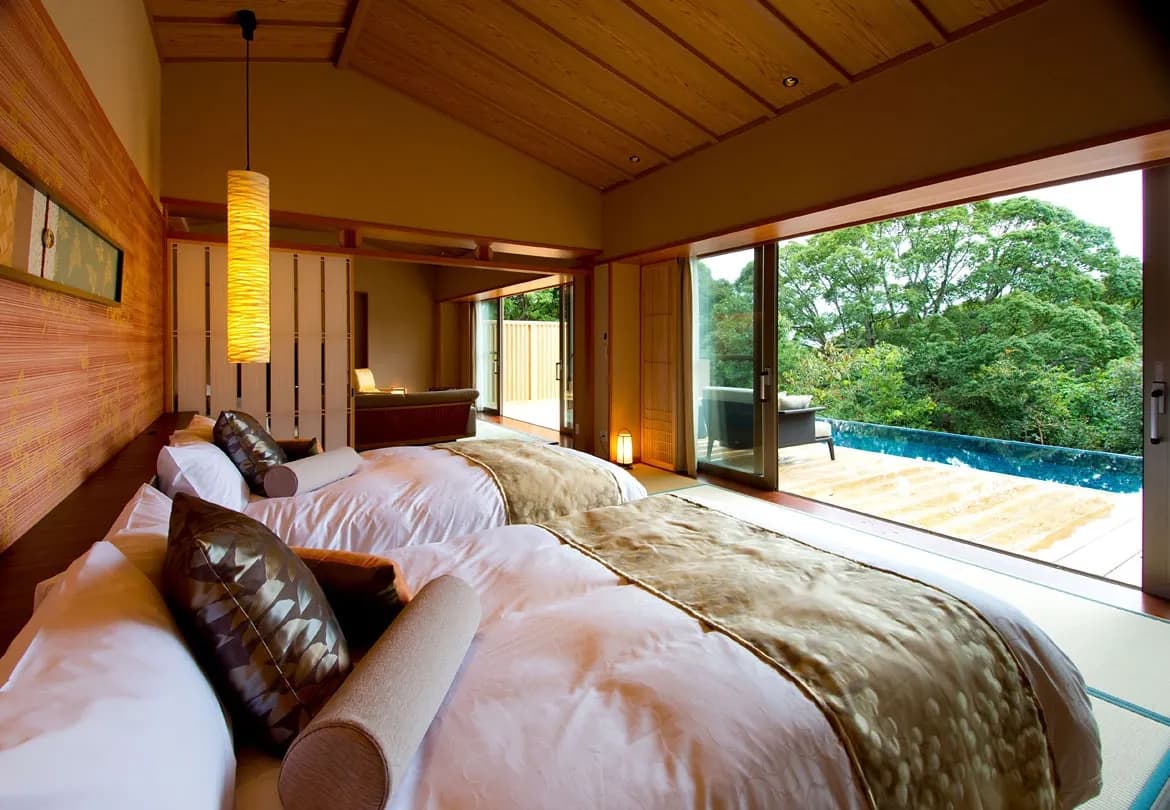
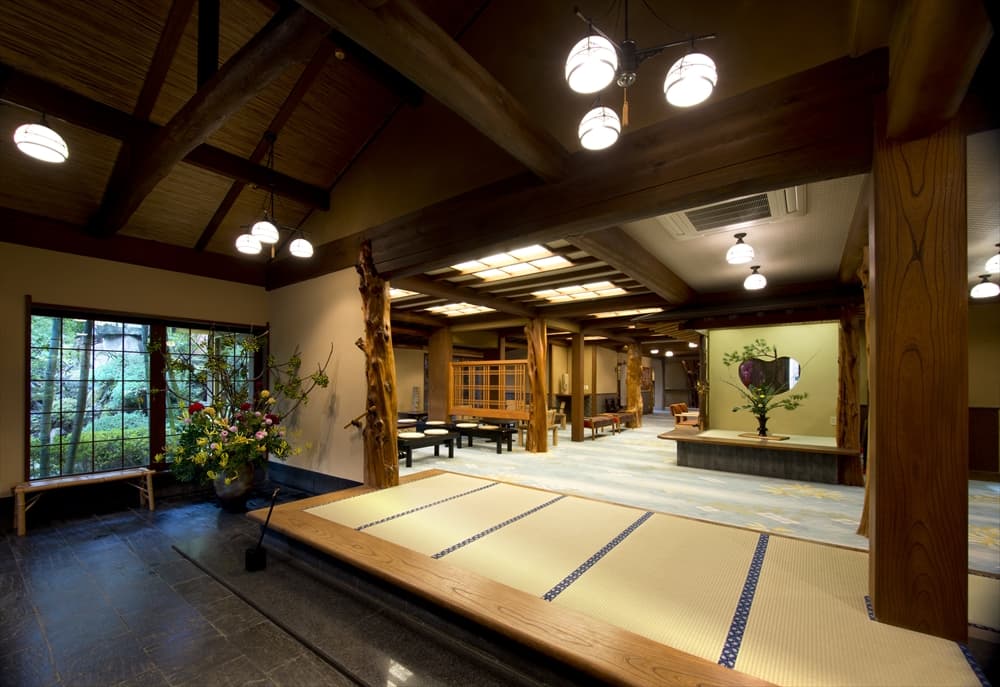
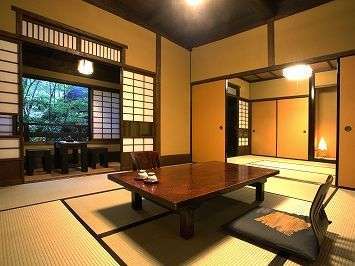
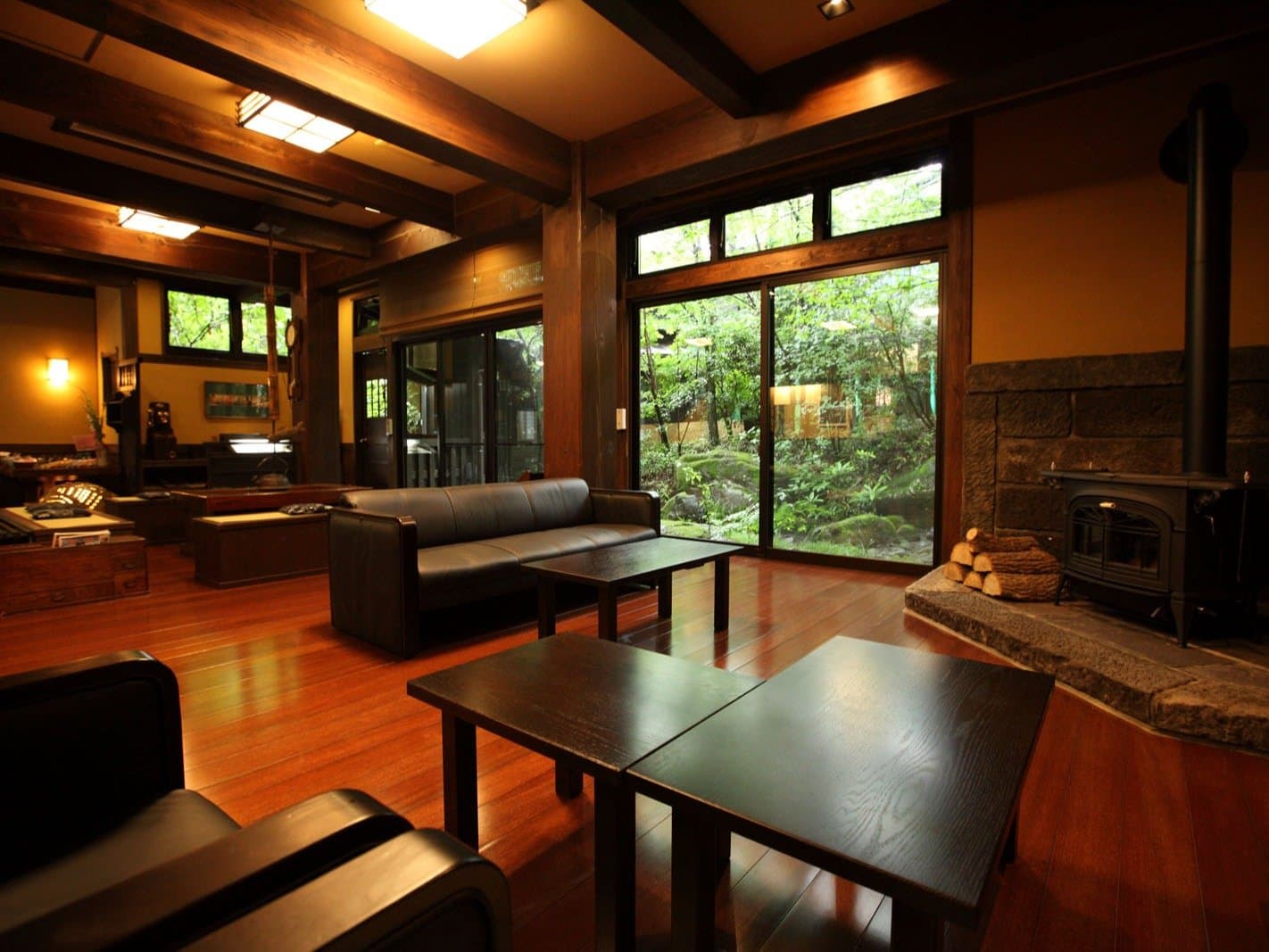
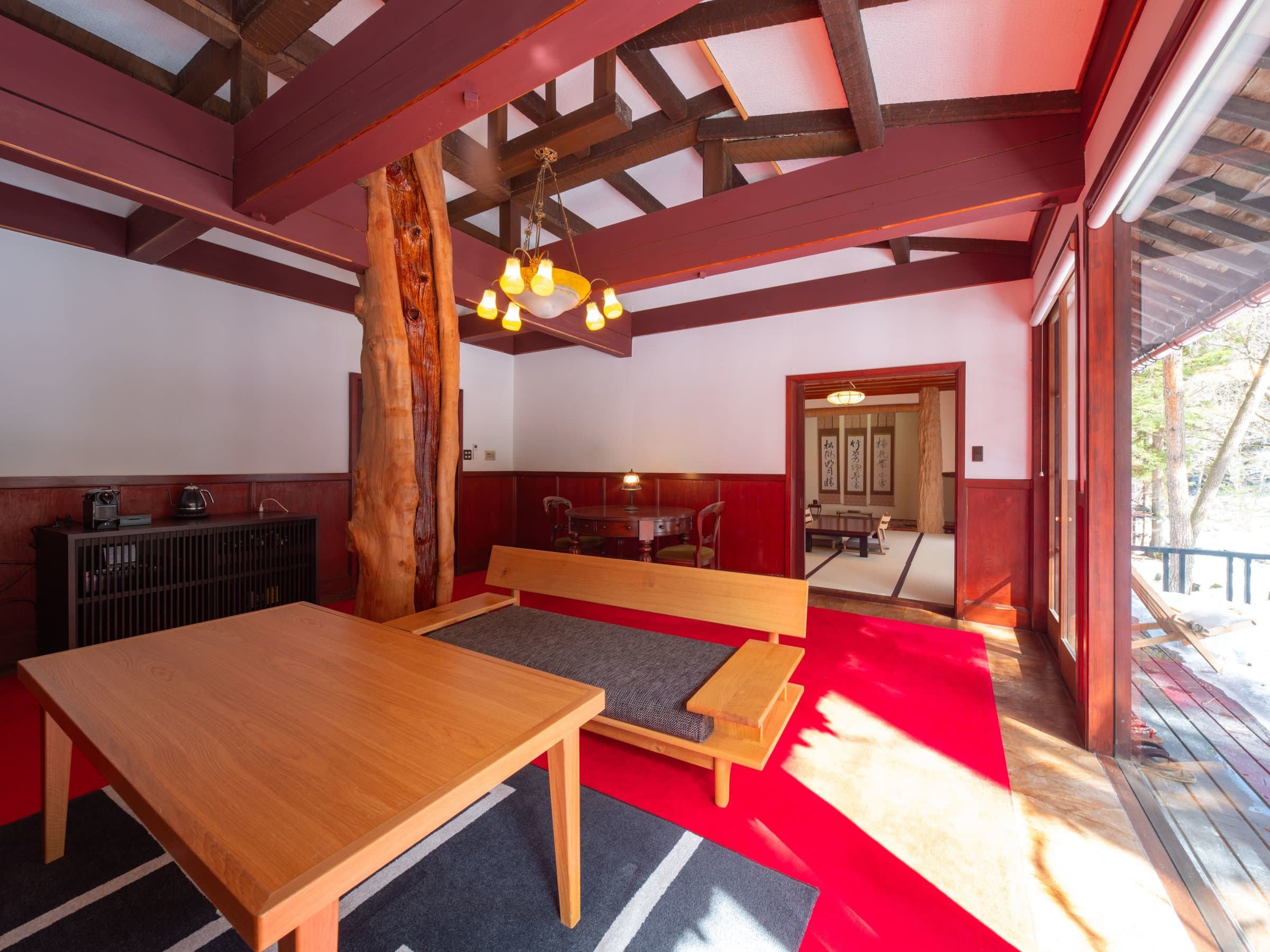
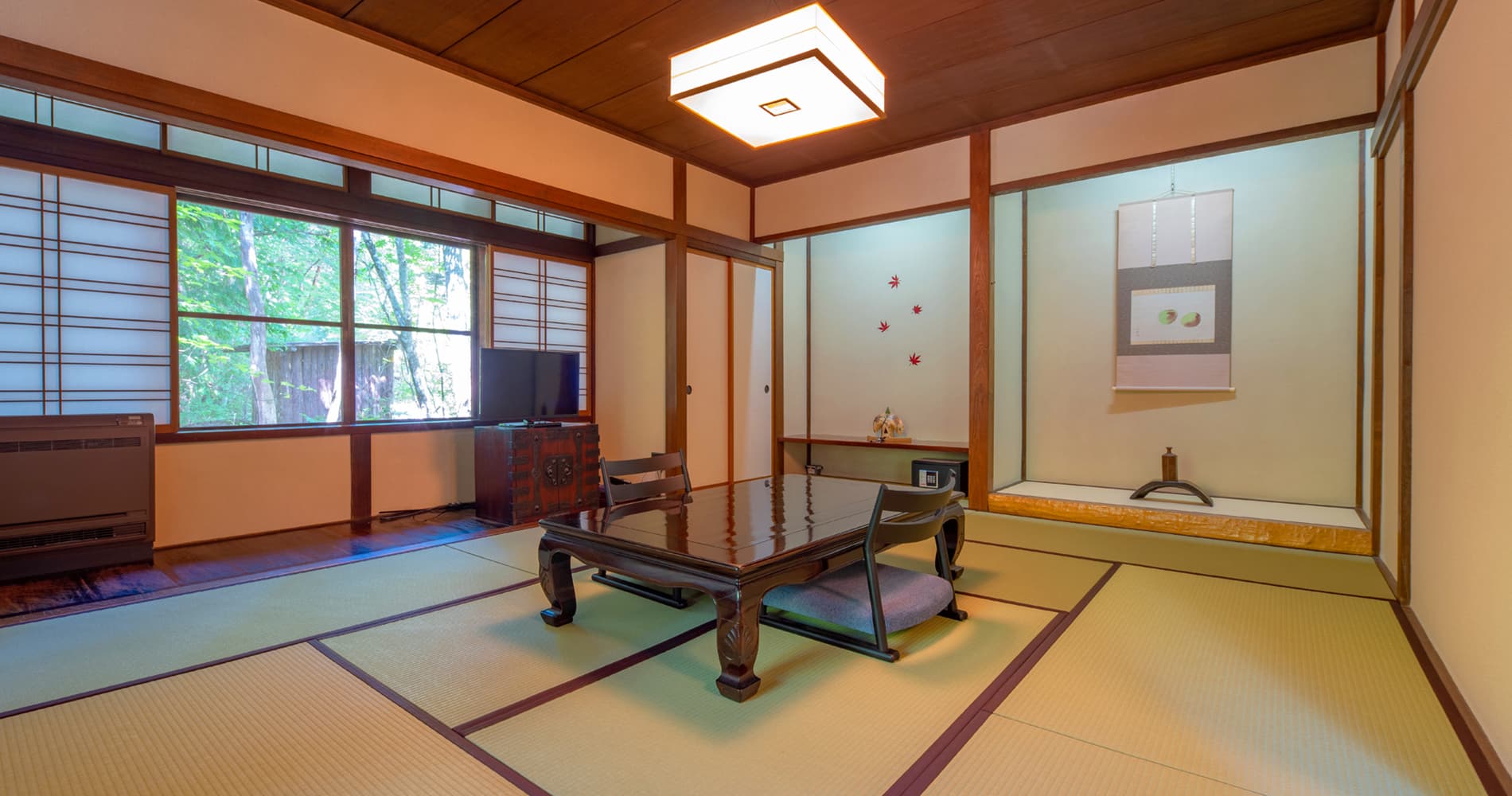
踏上柔軟的榻榻米。房間極簡——矮桌、坐墊、一幅掛軸。窗外,私人庭園低語。這裡,日本慢了下來。
衣著
從旅途裝束換上清爽的棉質浴衣。在腰間繫上腰帶。您現在穿著的,正是四百年來賓客在此穿著的樣式。
沐浴
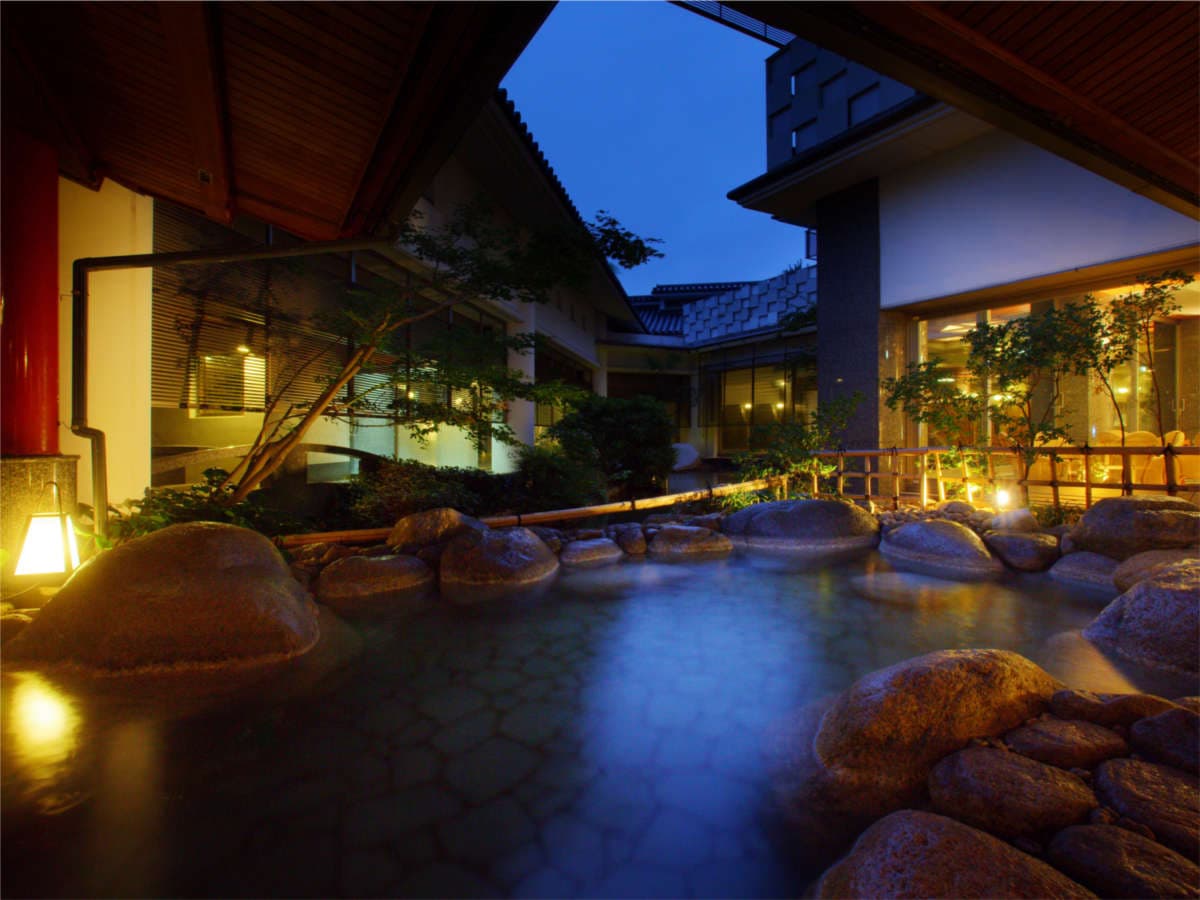
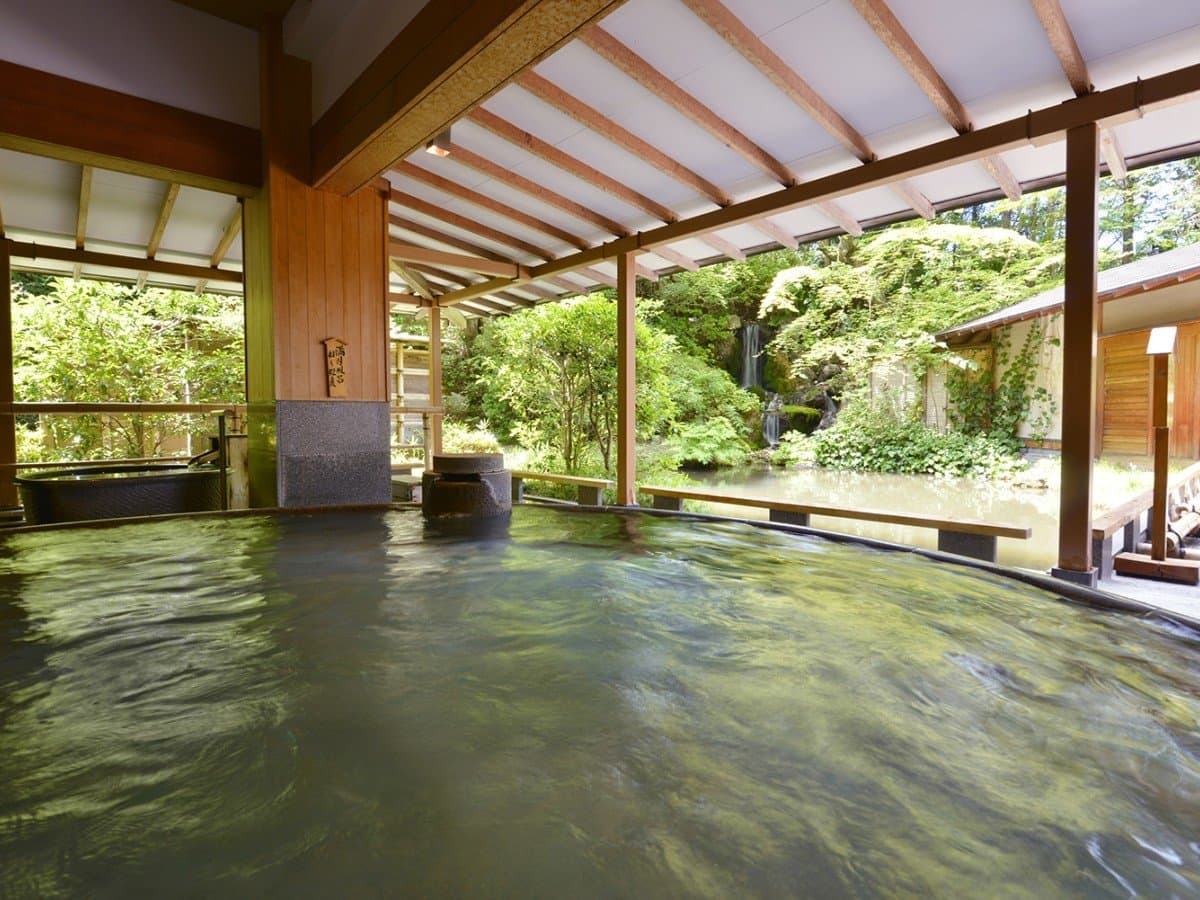
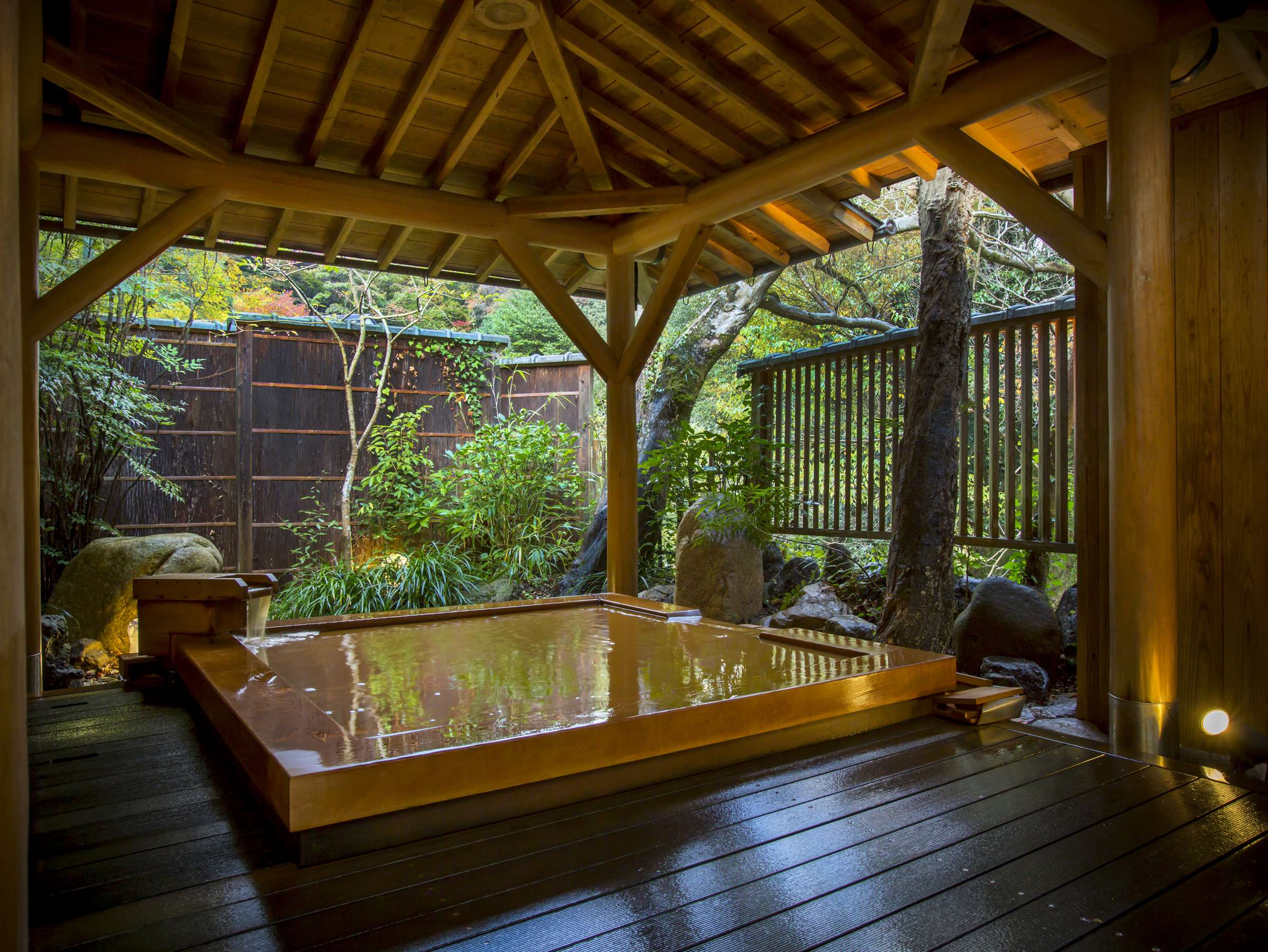
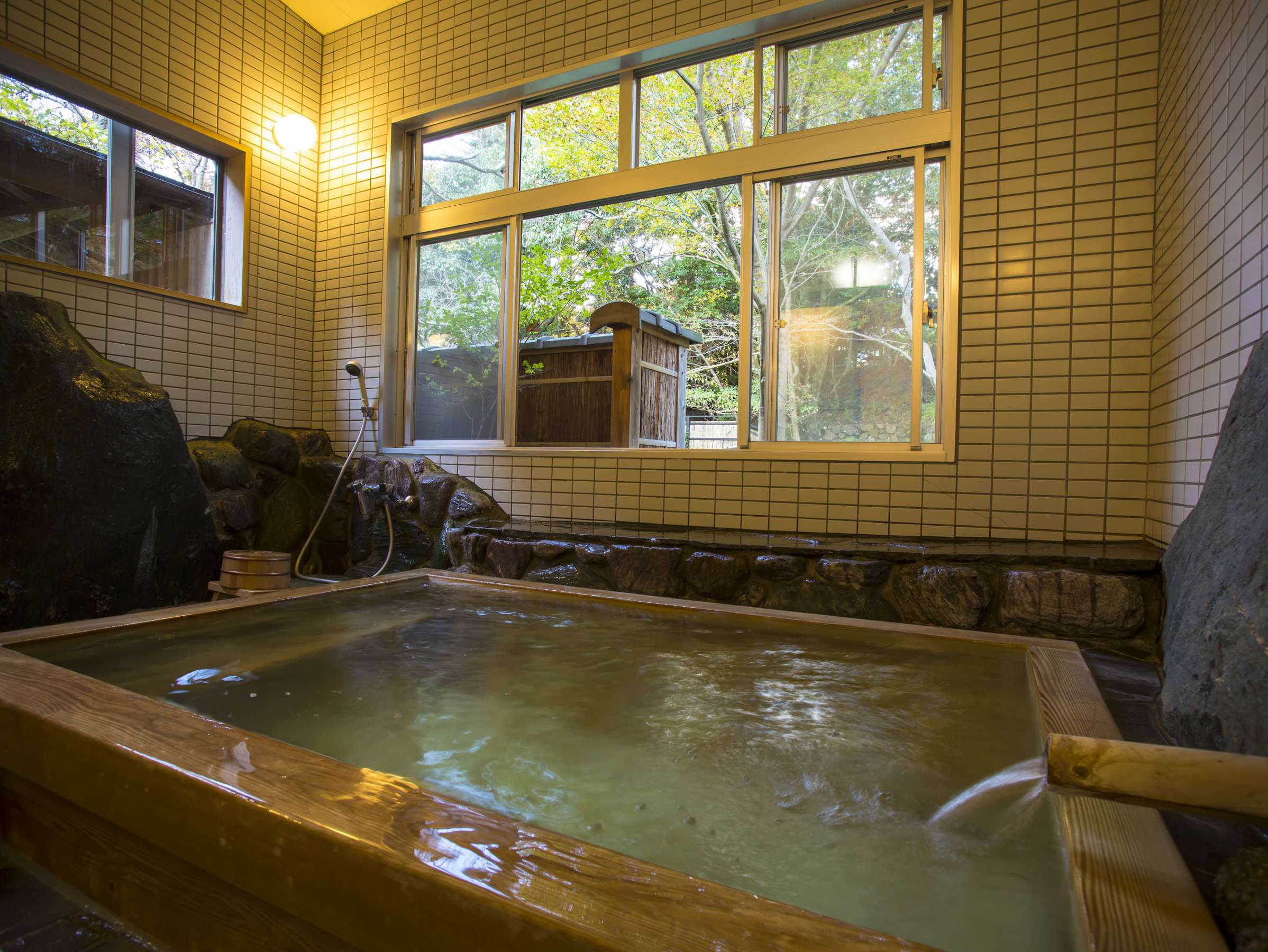
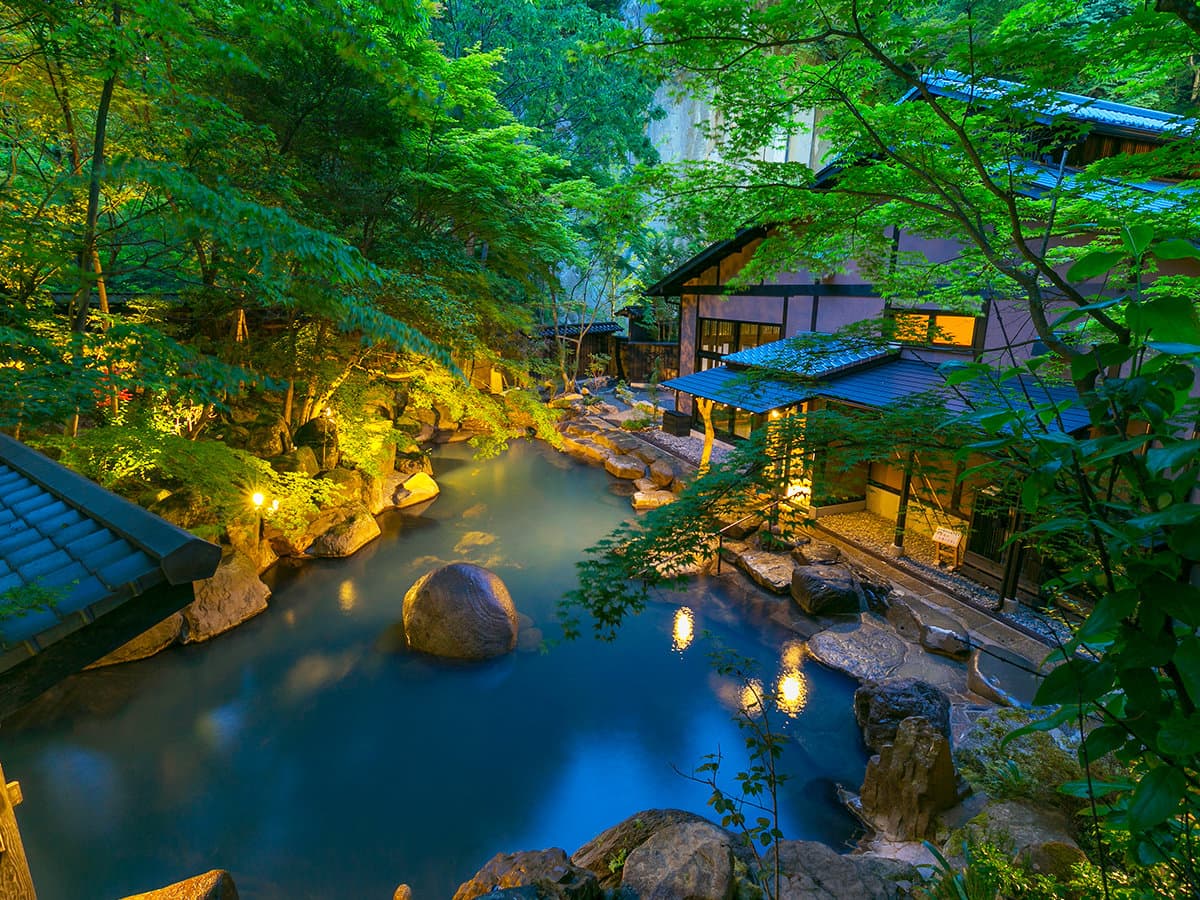
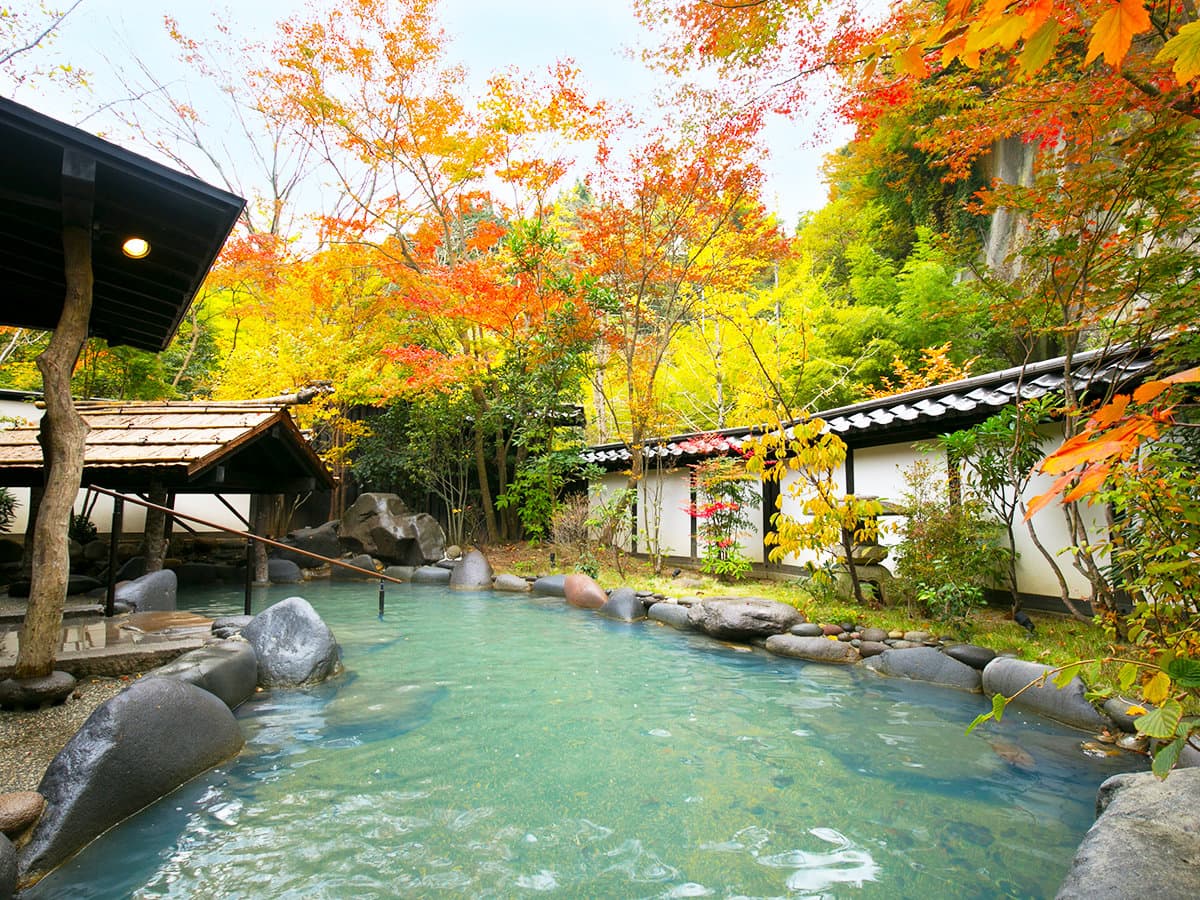
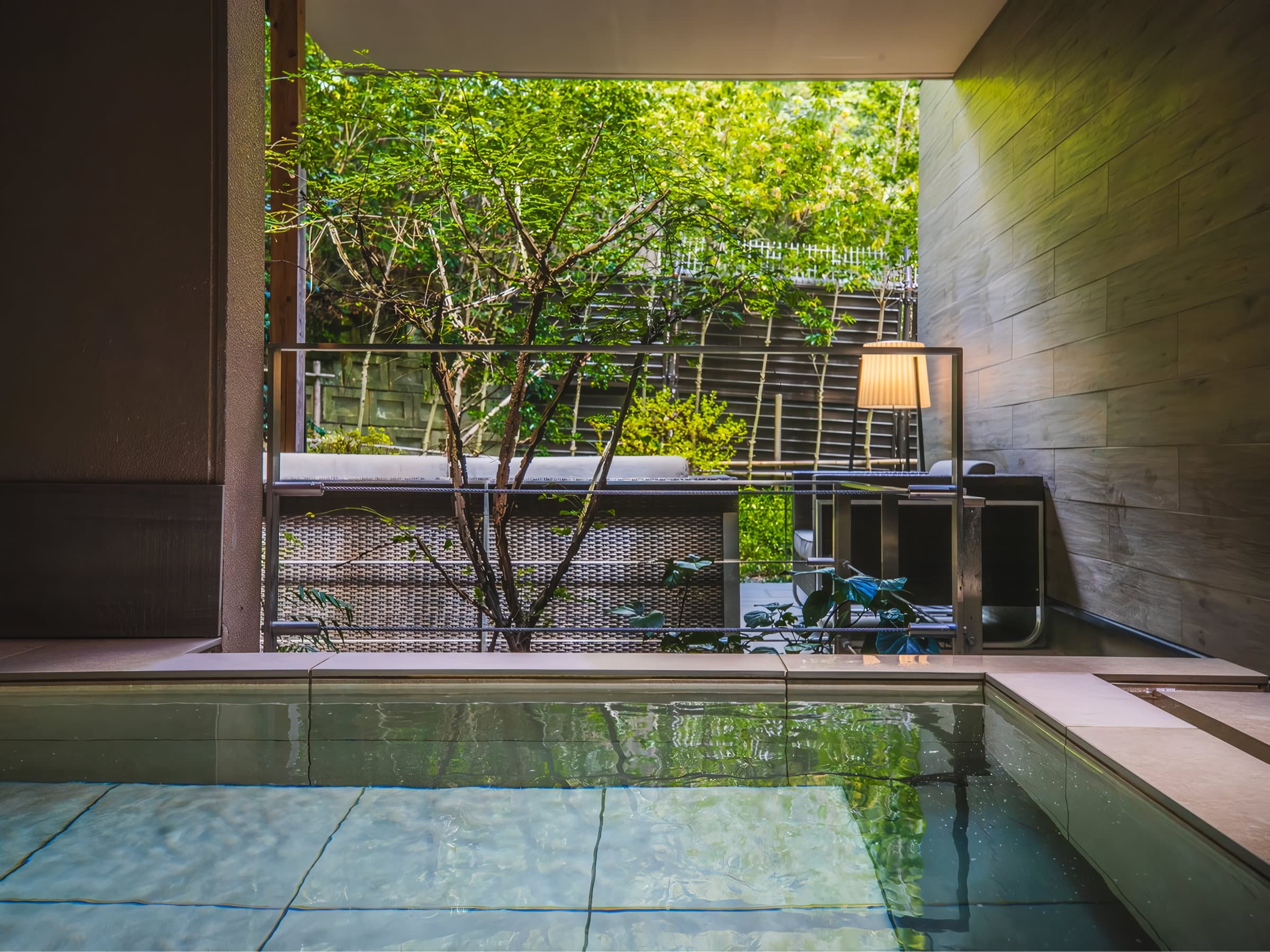
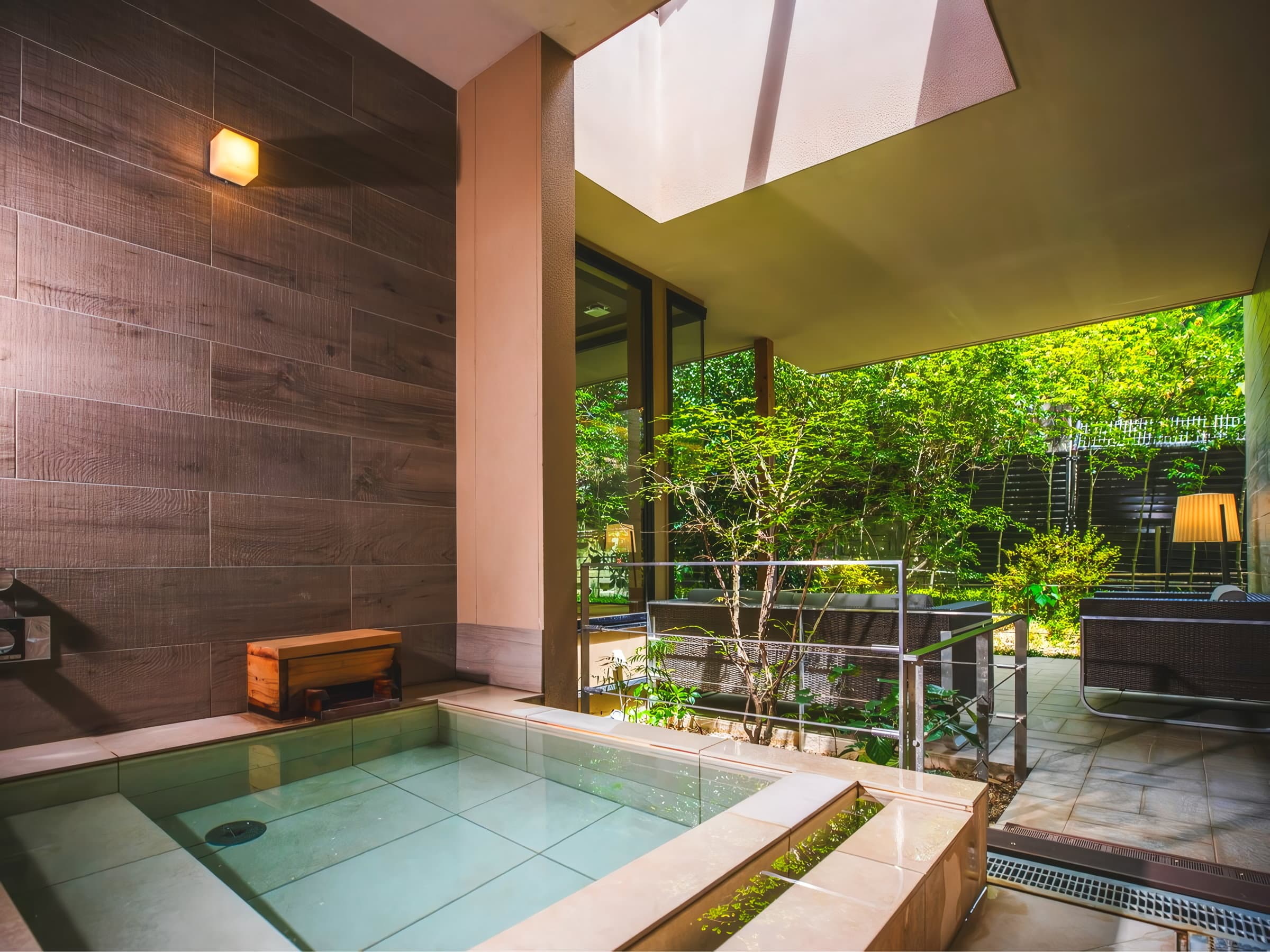
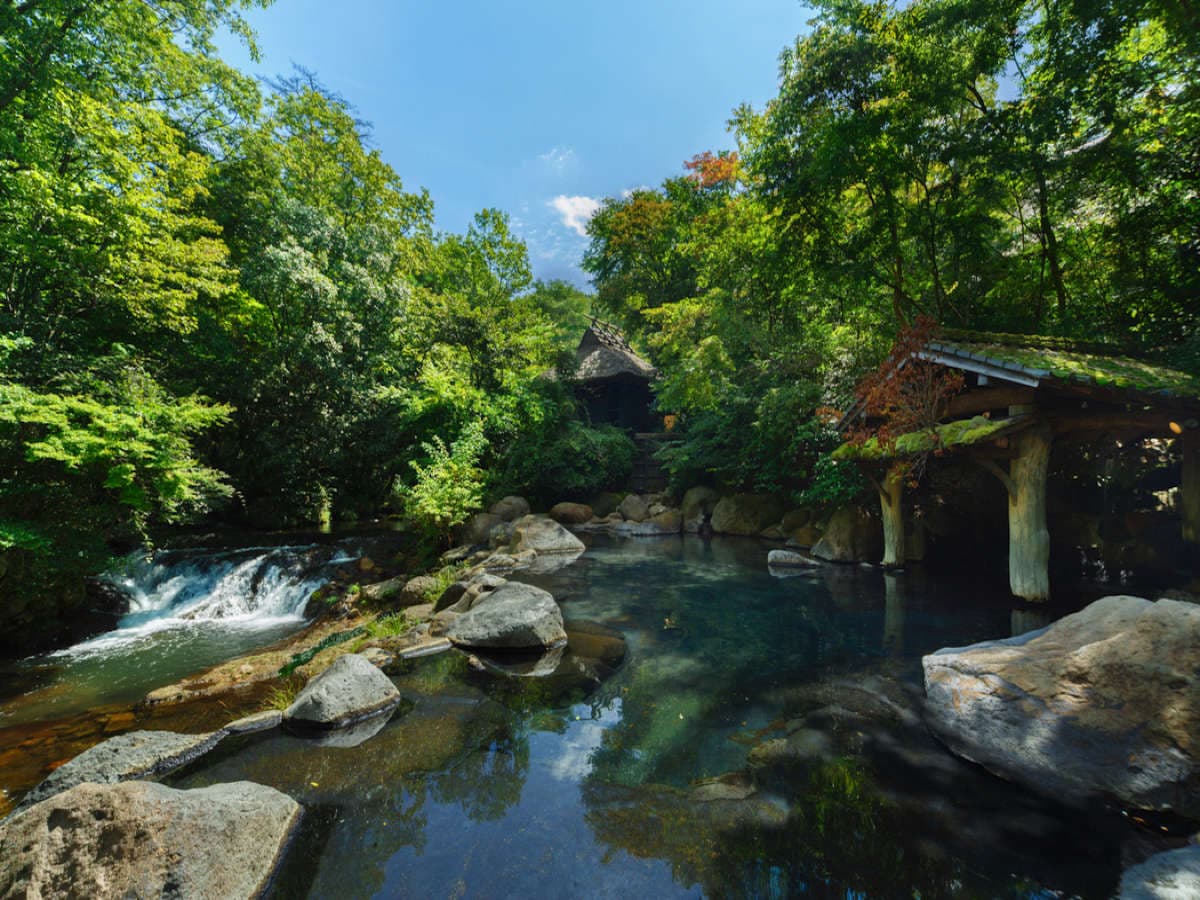
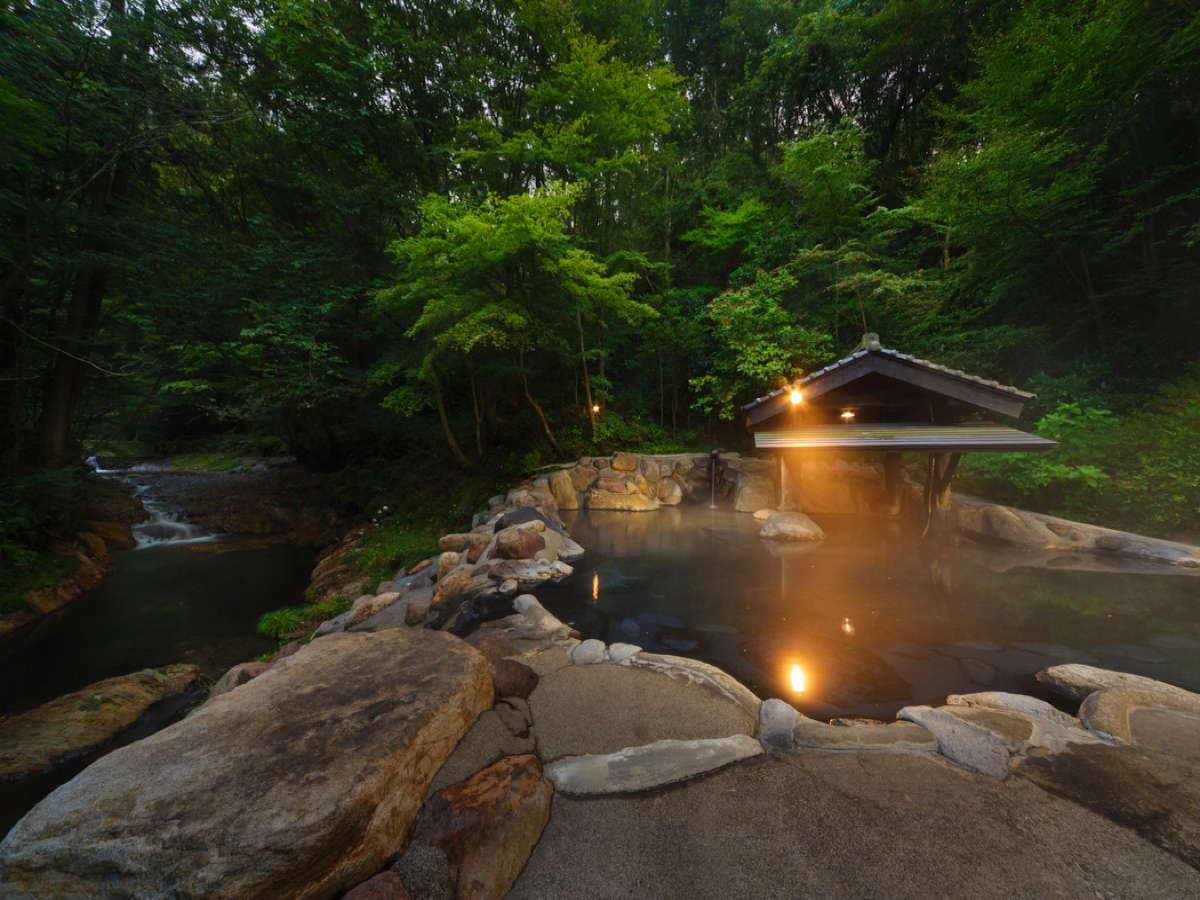
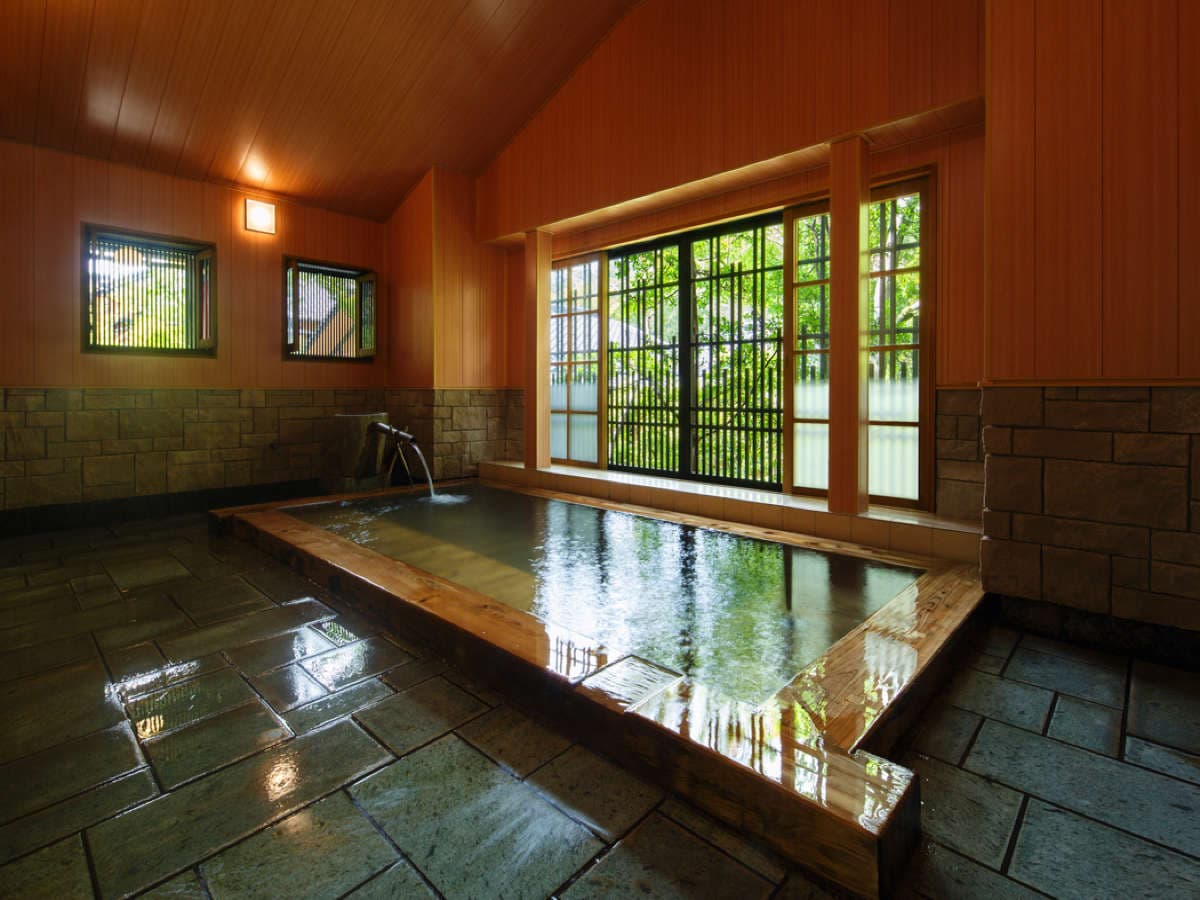
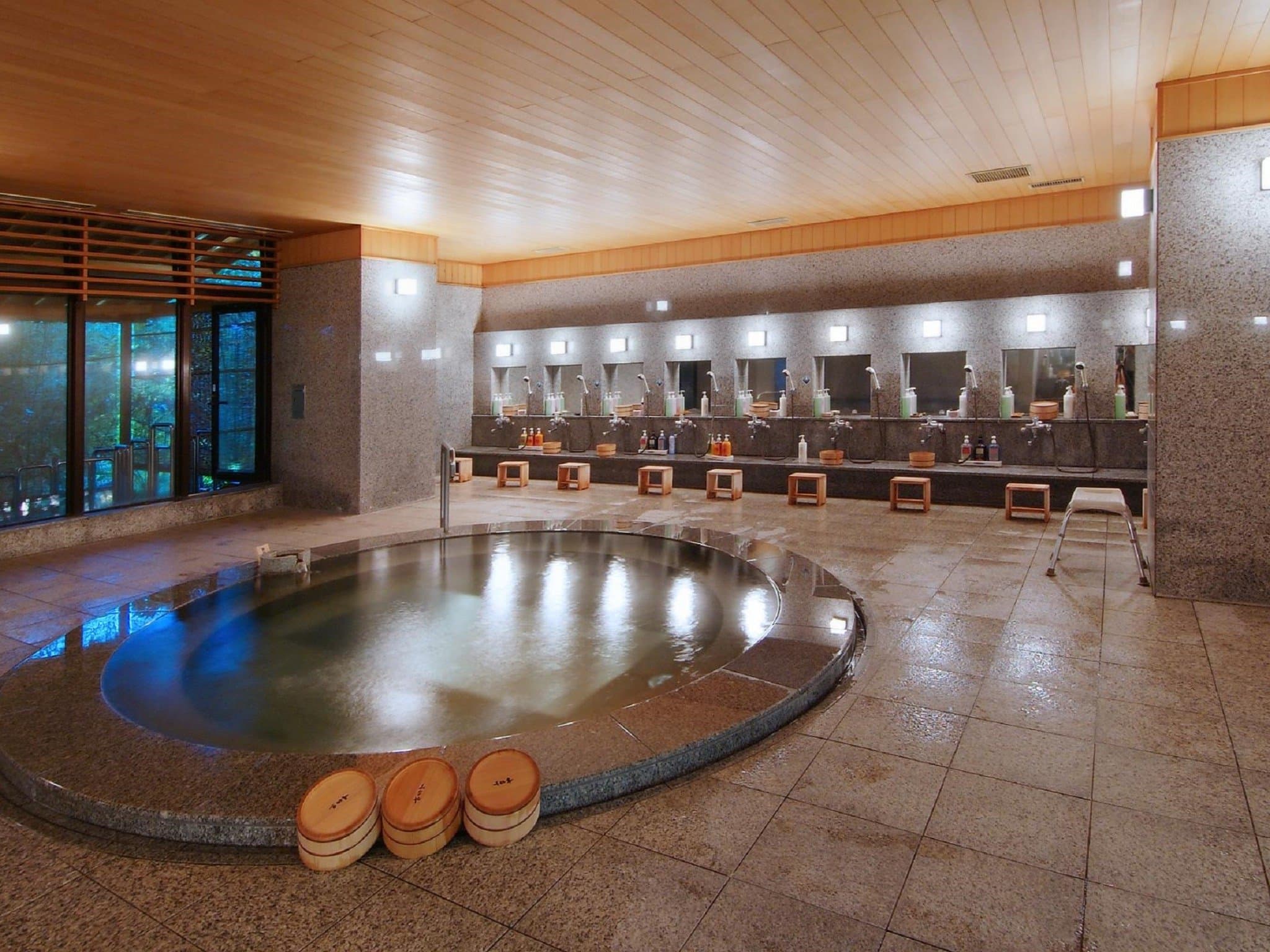
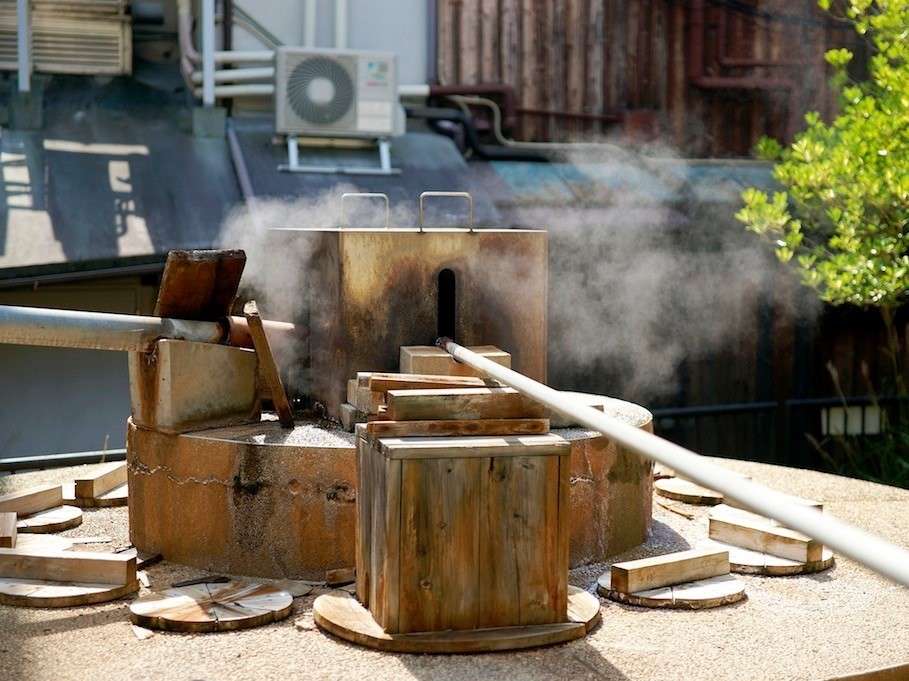
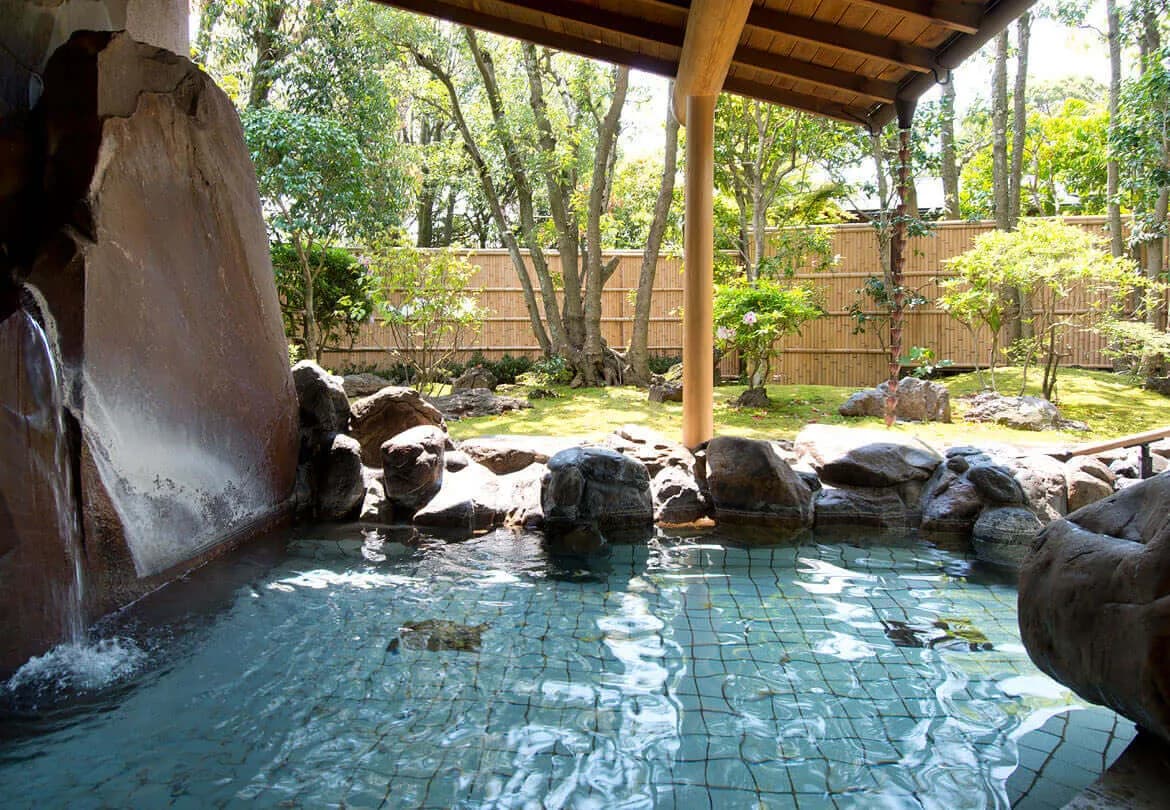
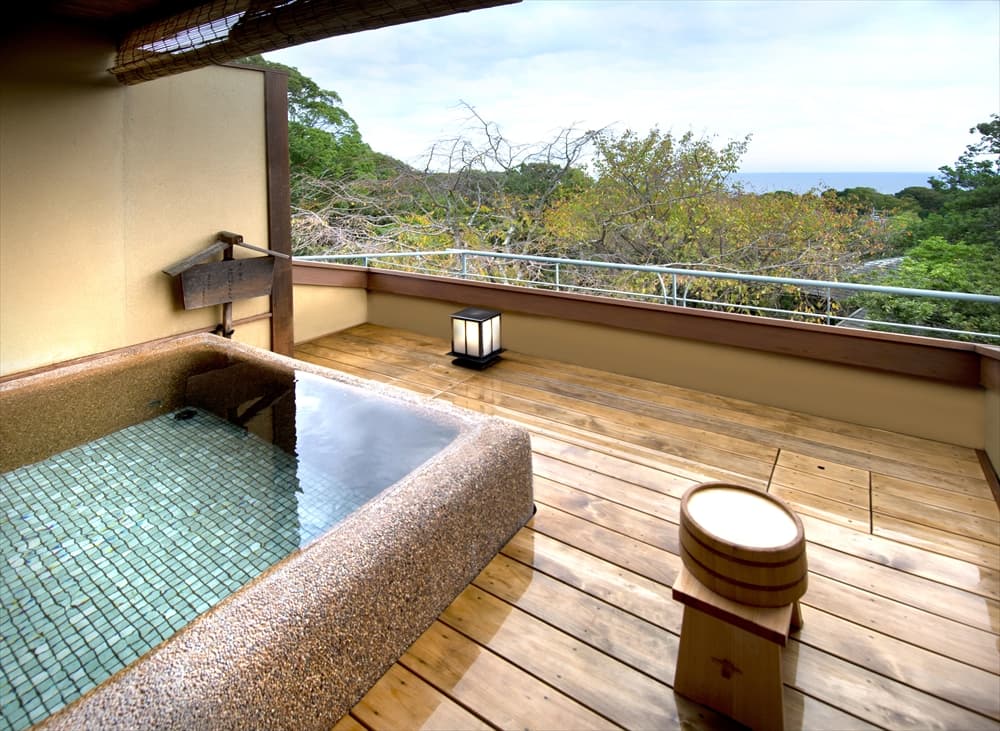
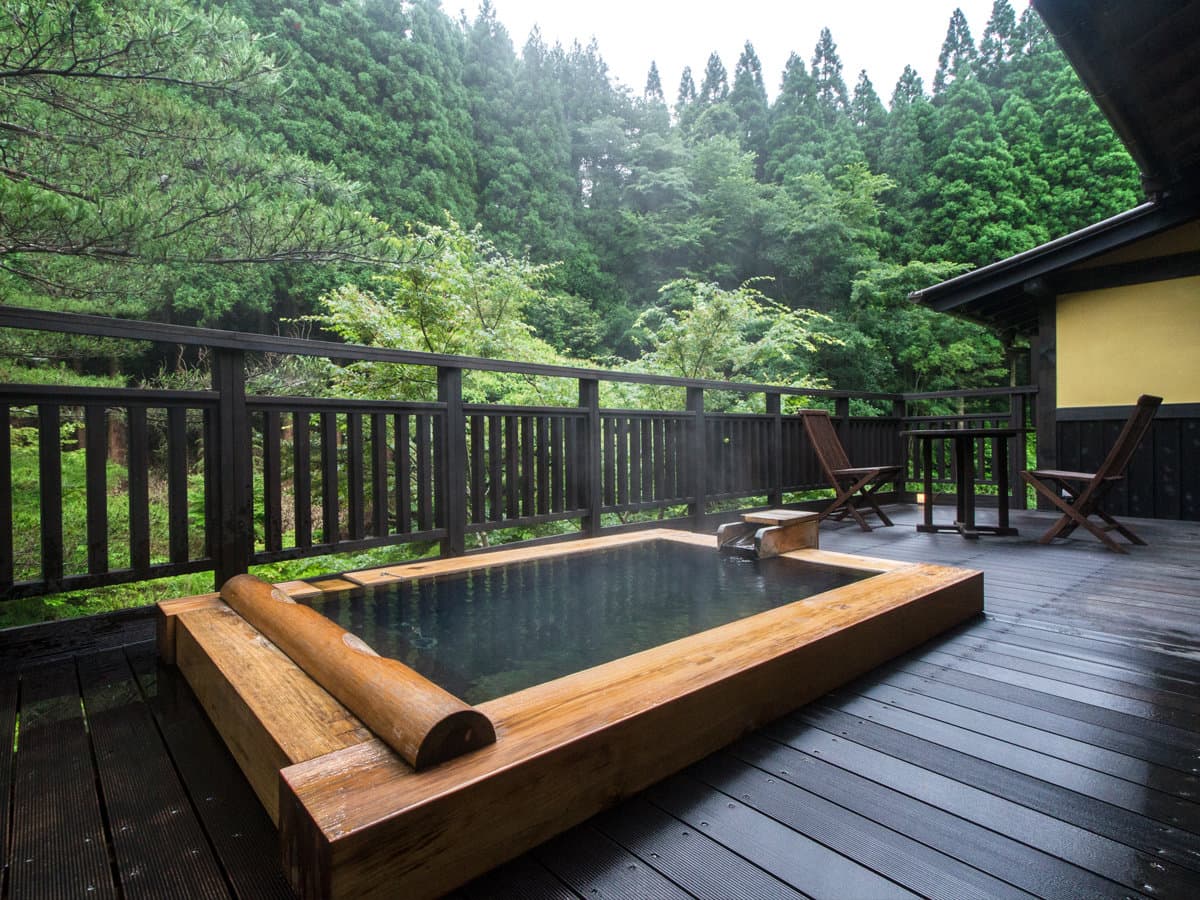
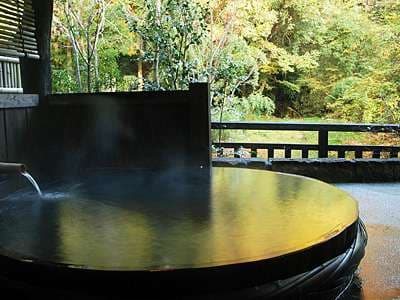
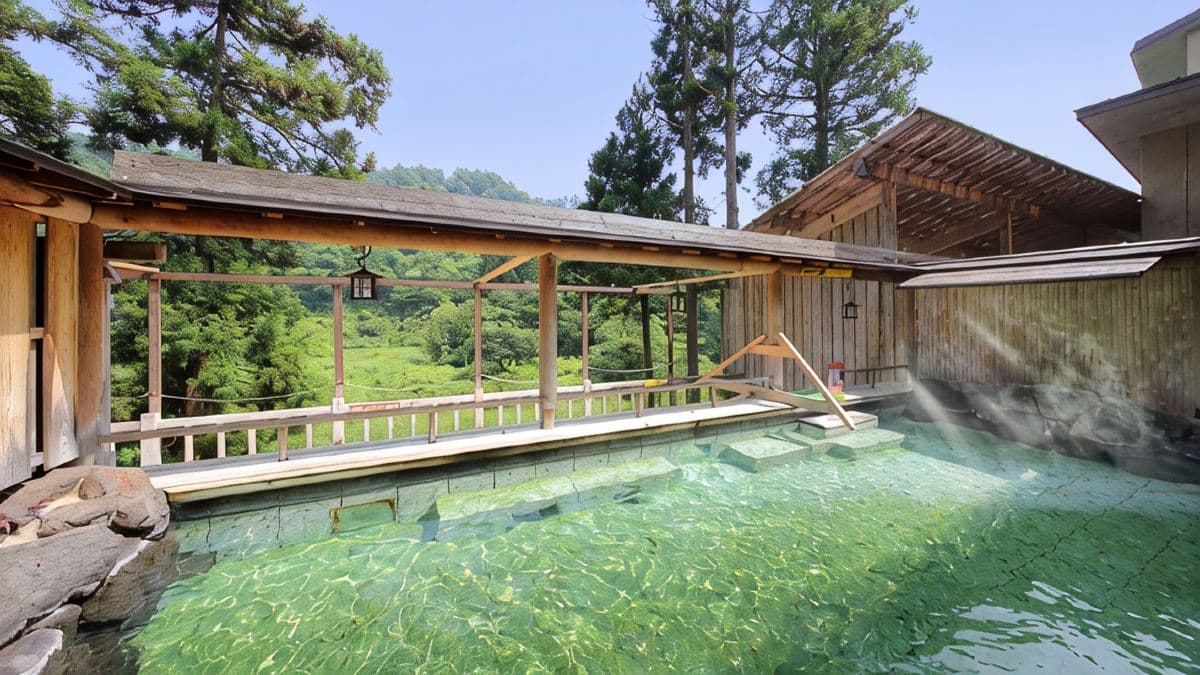
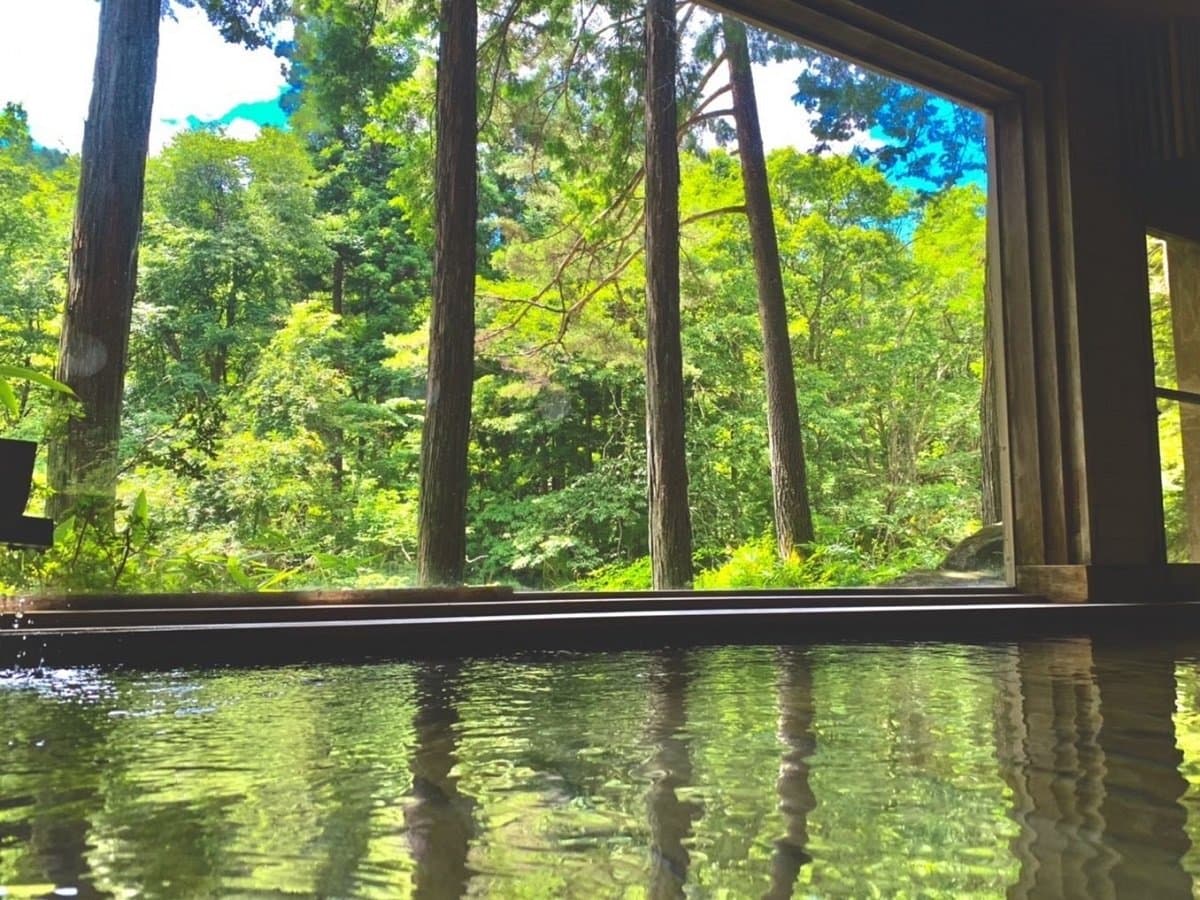
緩緩浸入大地加熱的富含礦物質的泉水中。蒸氣在古老的石塊間升騰。肌肉鬆弛。時間消融。
美饌
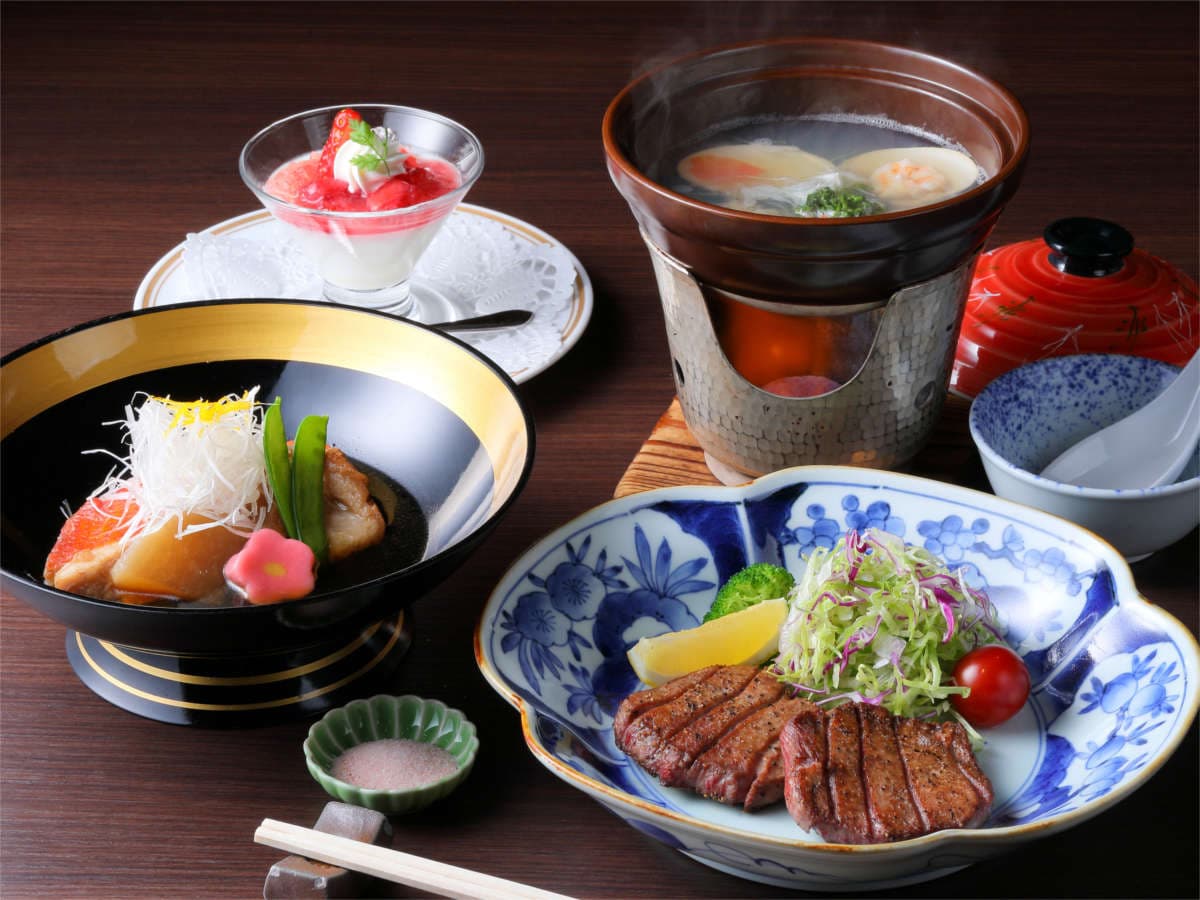
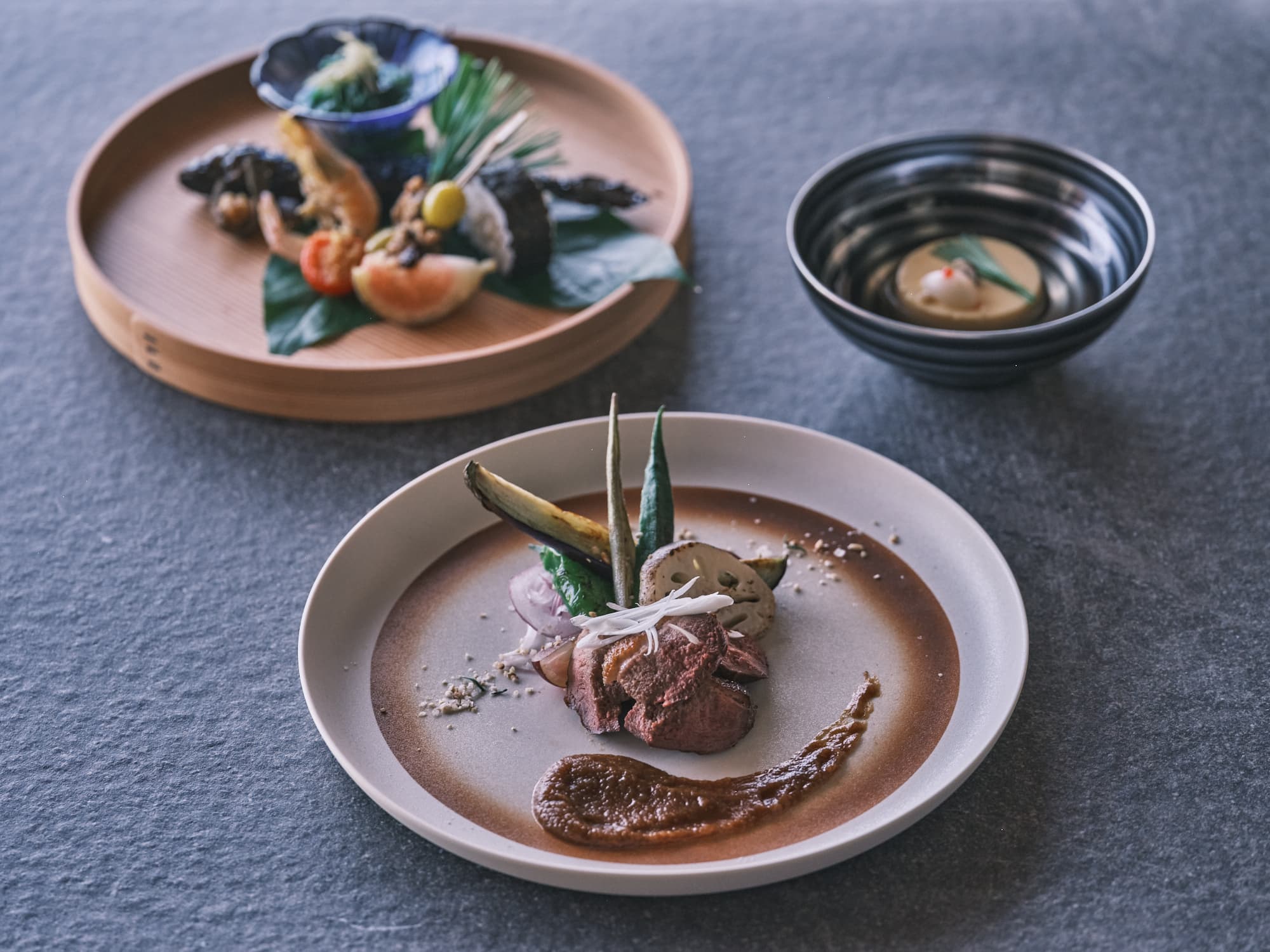
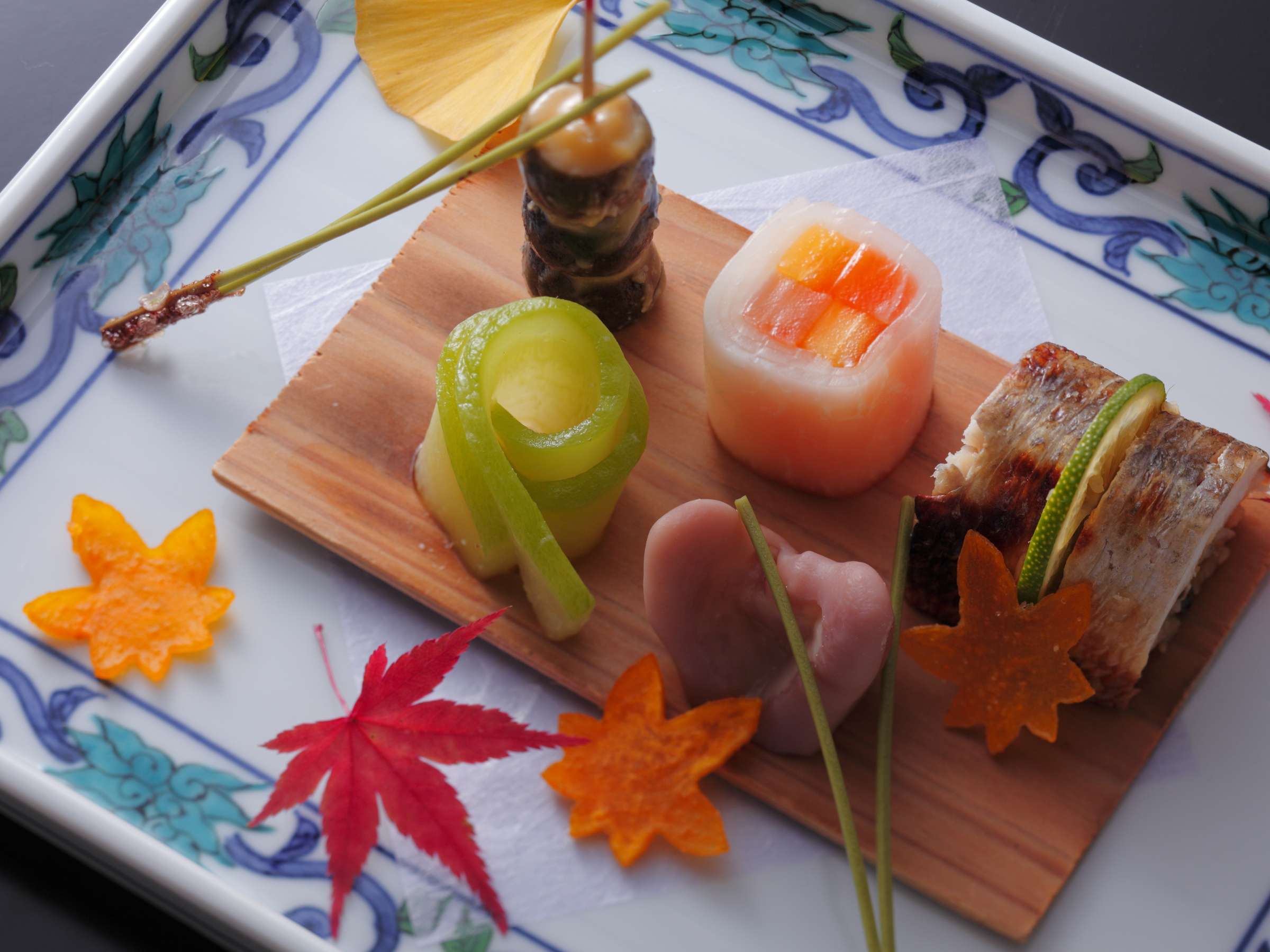
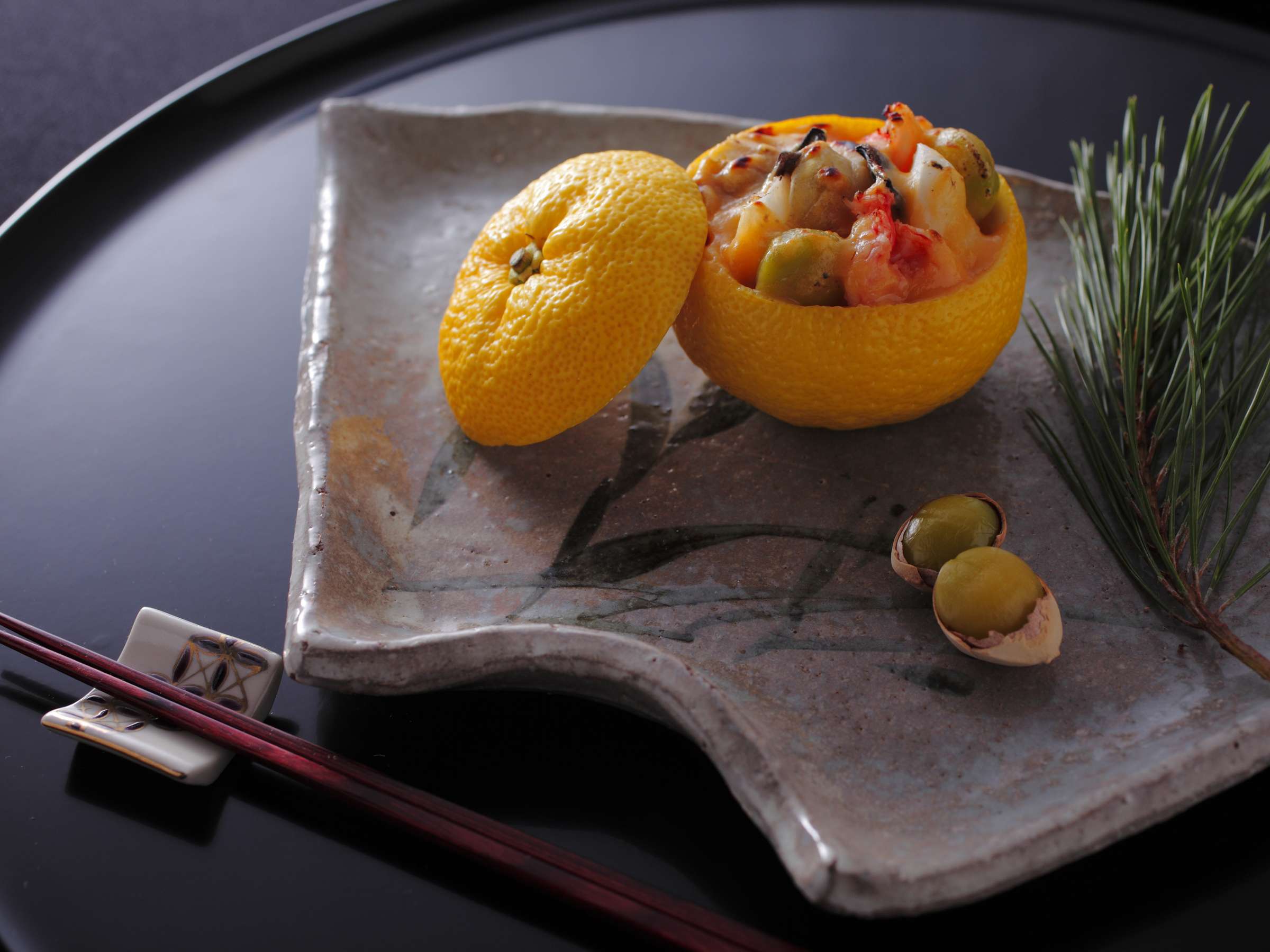
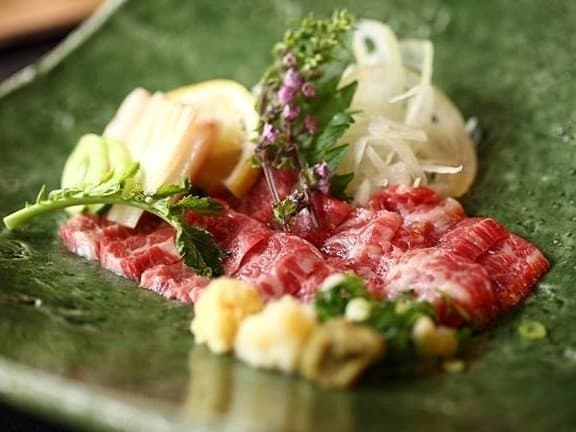
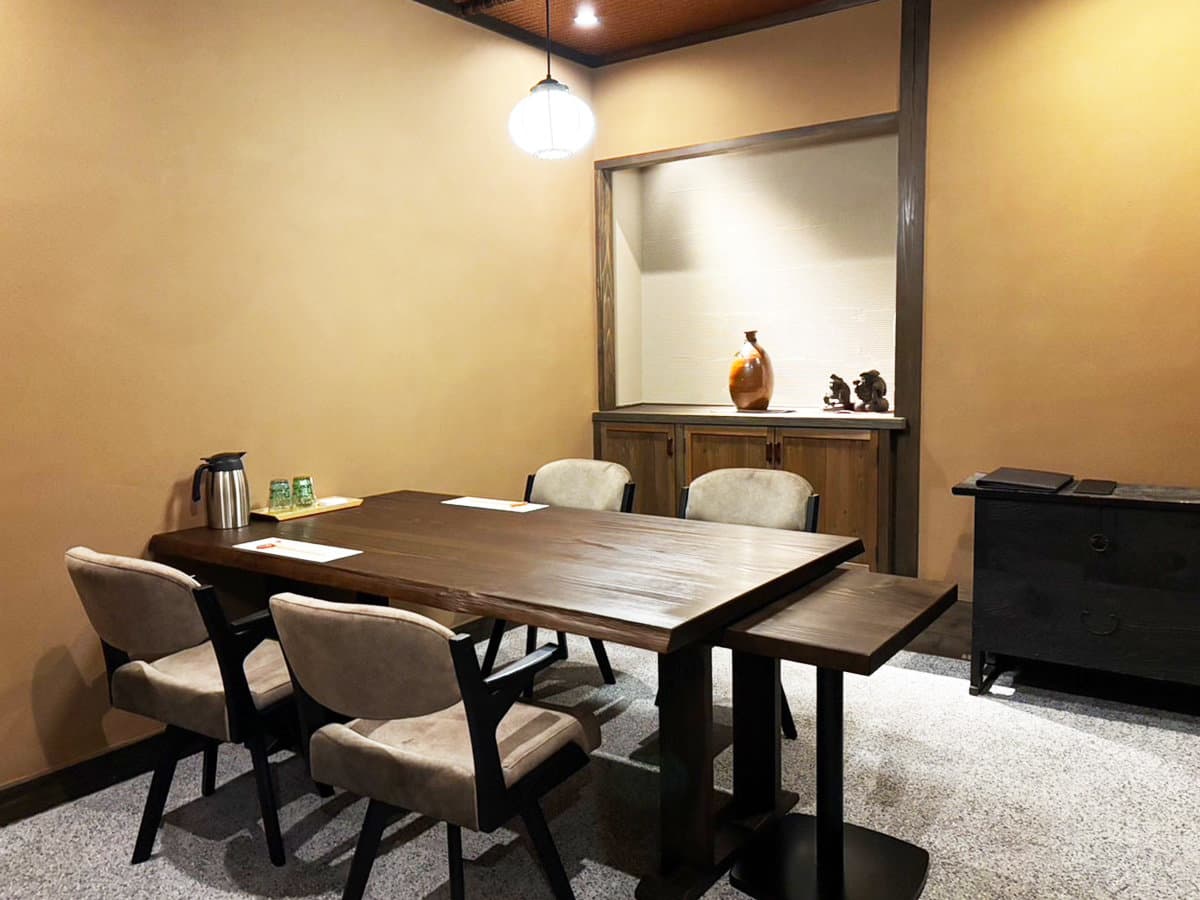
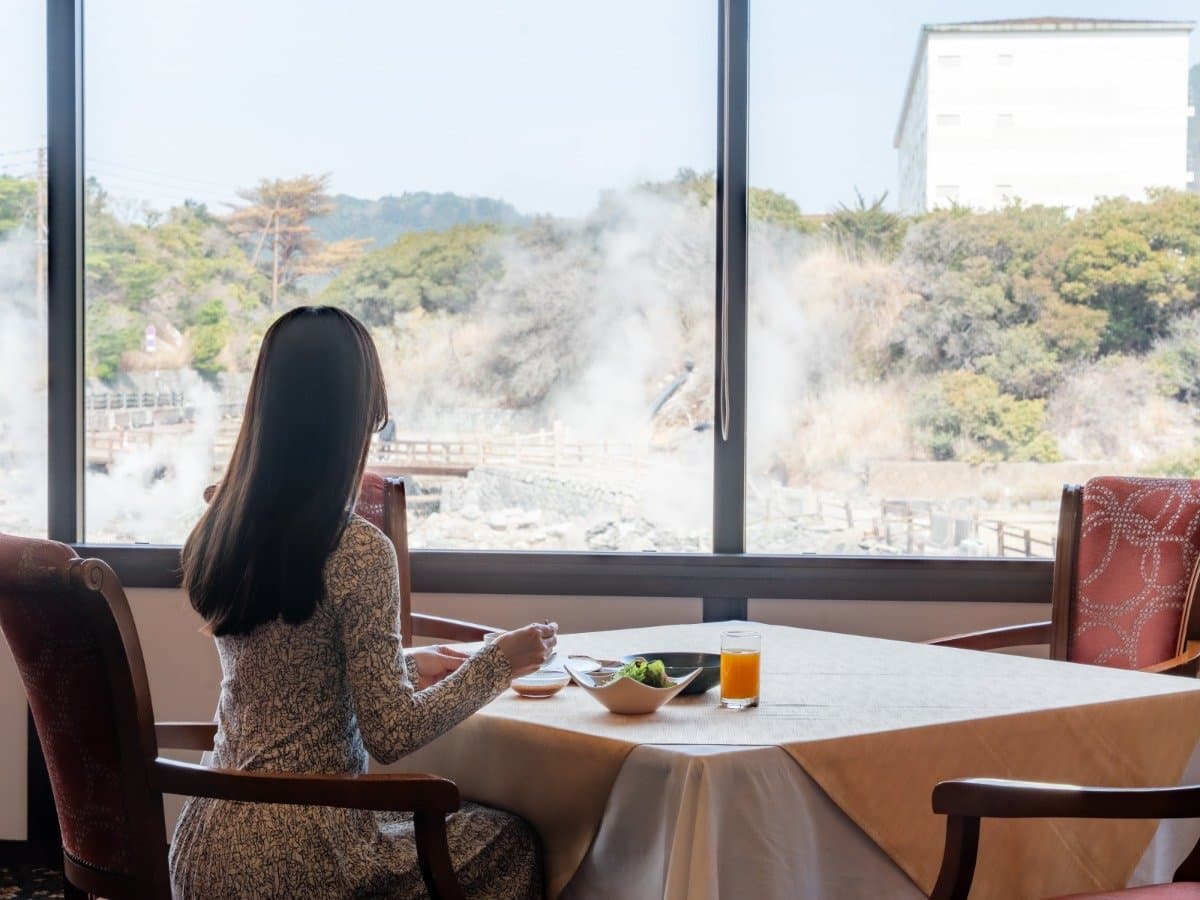
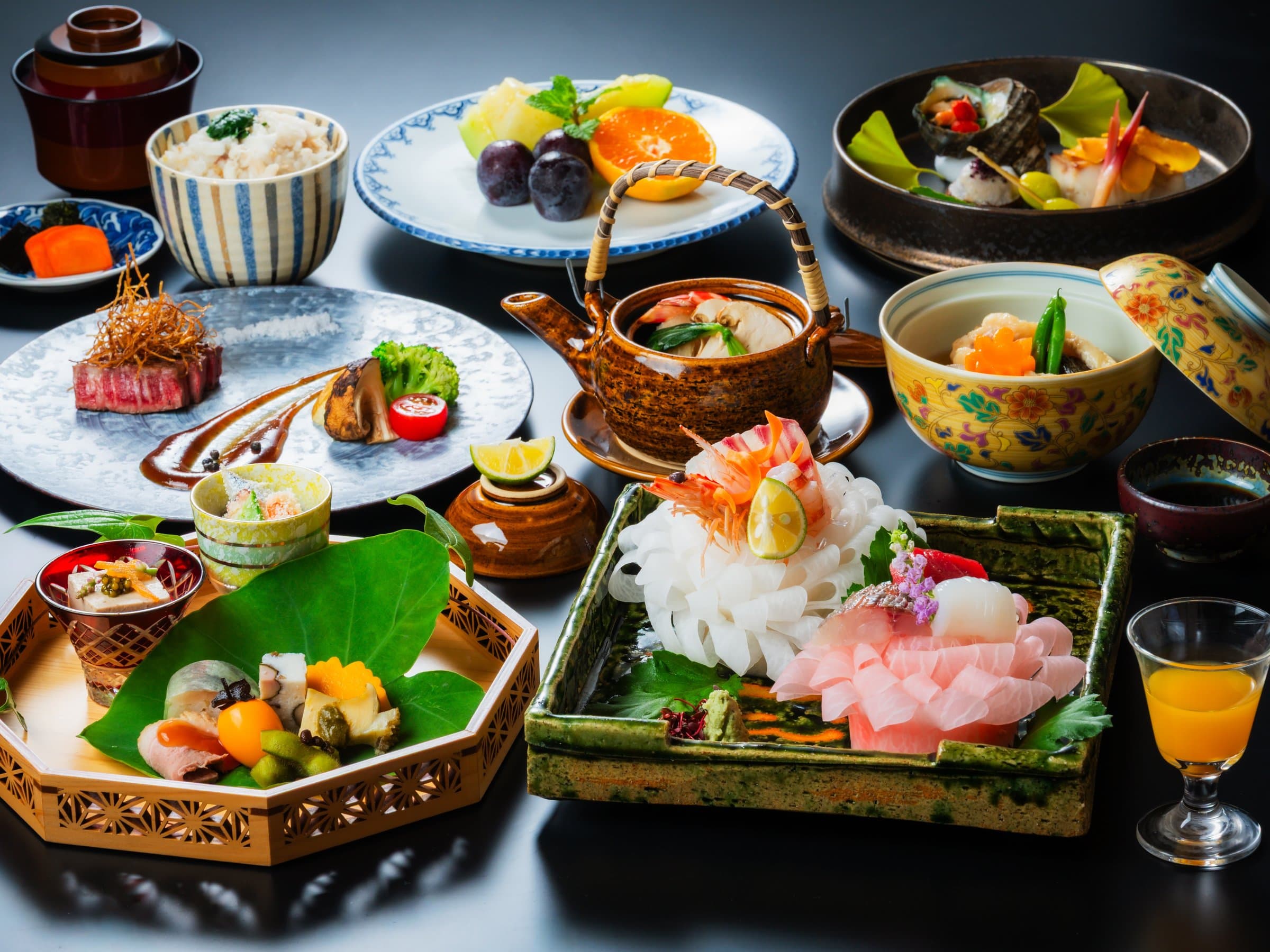
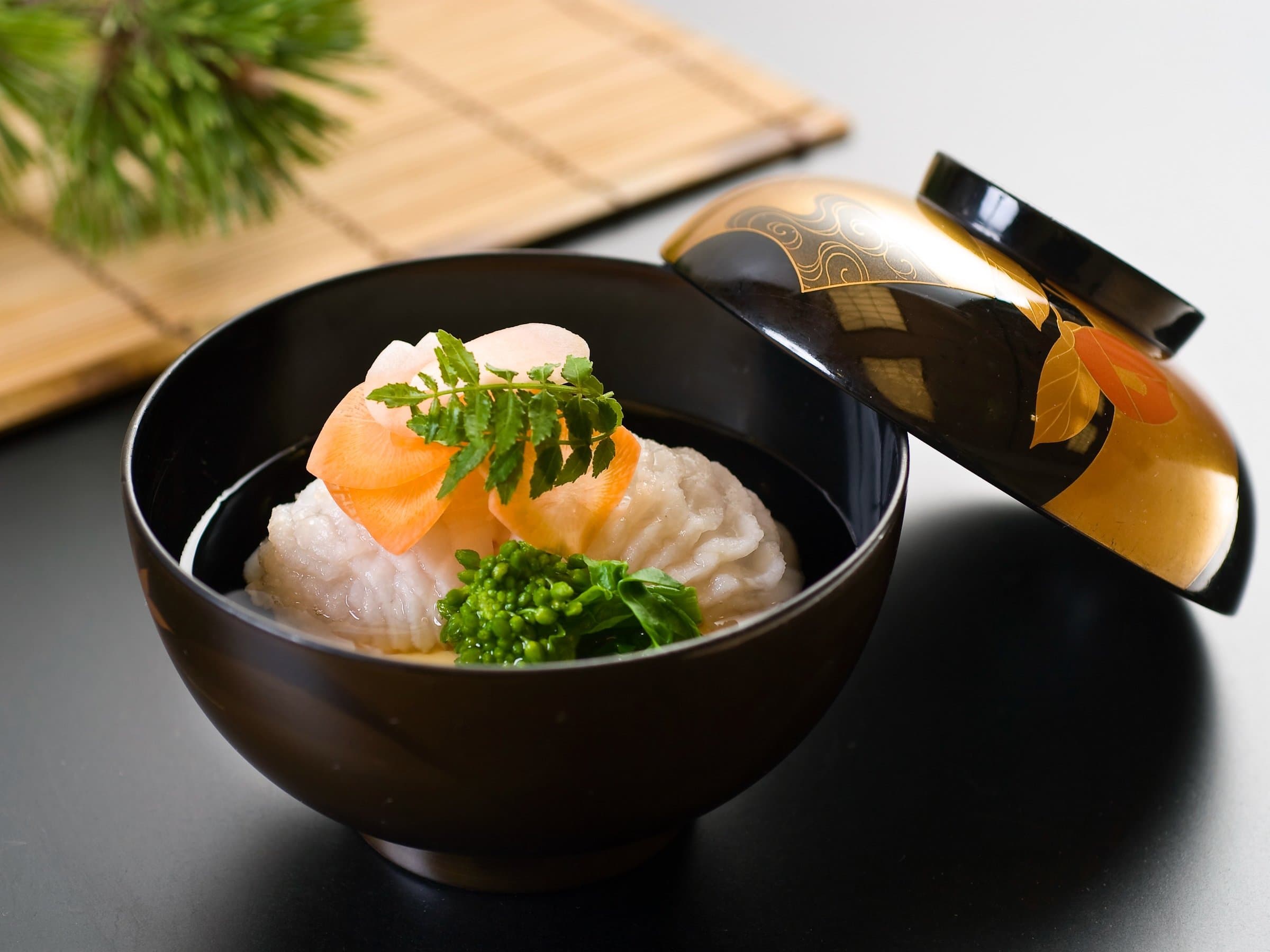
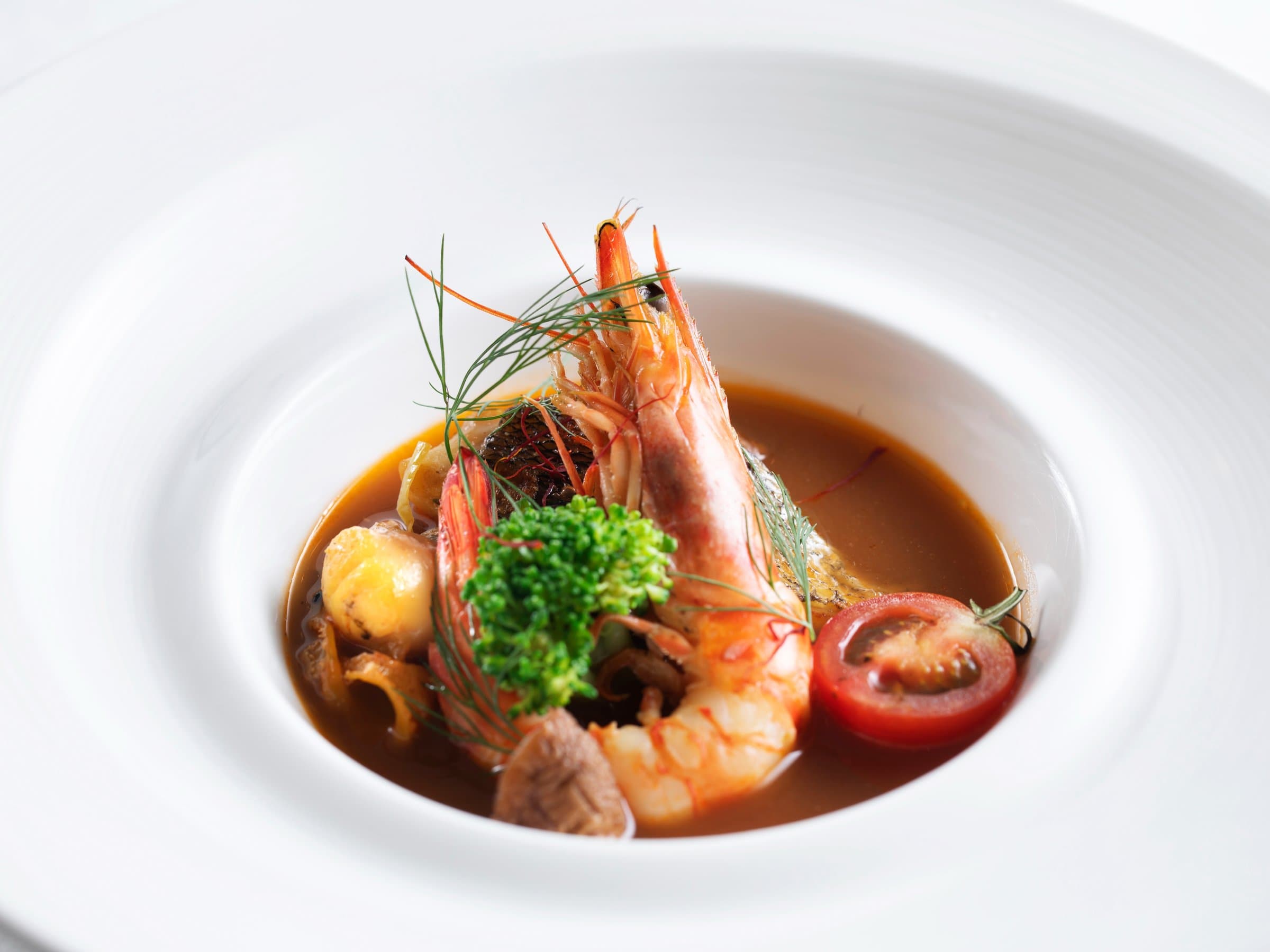
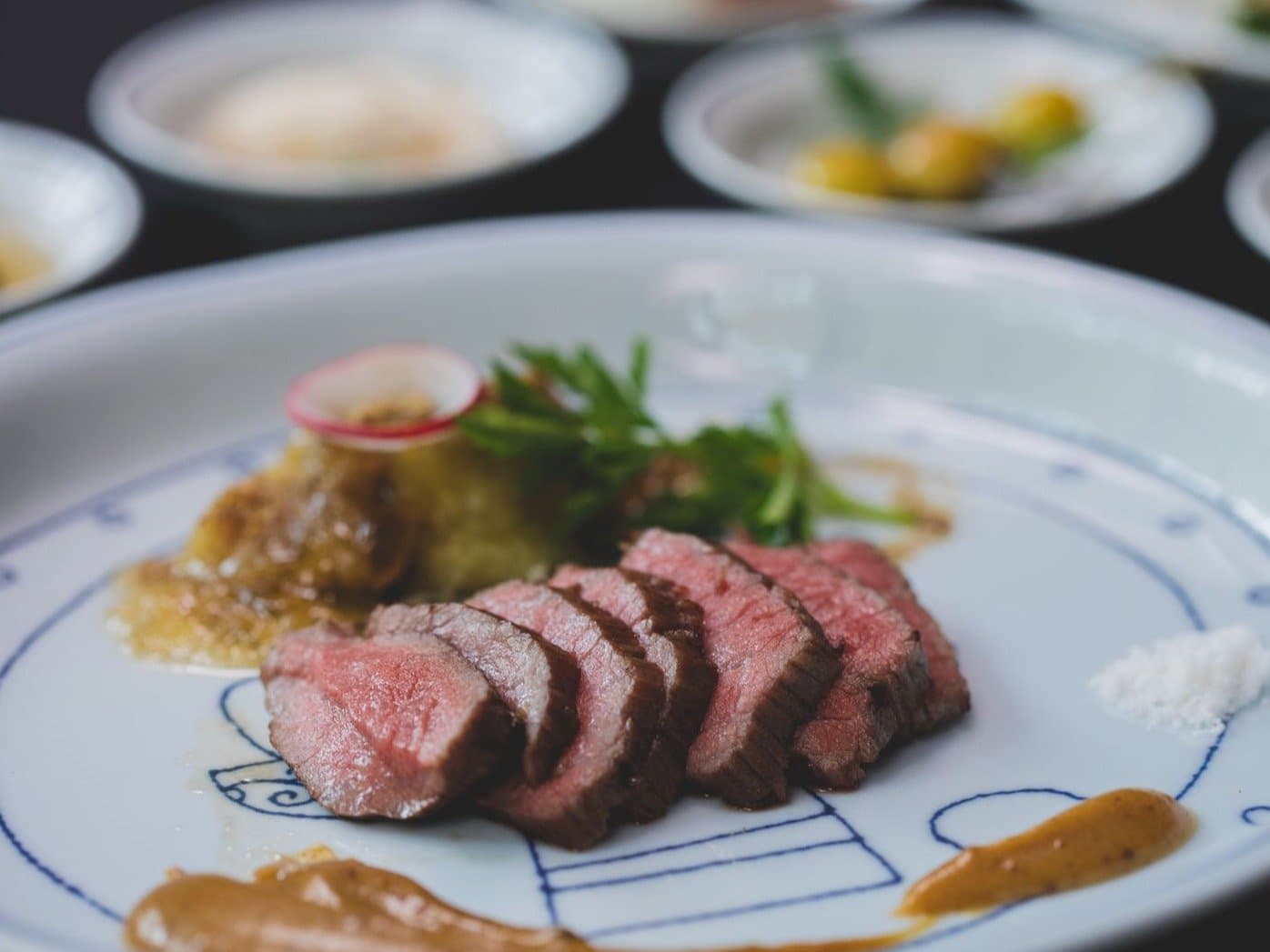
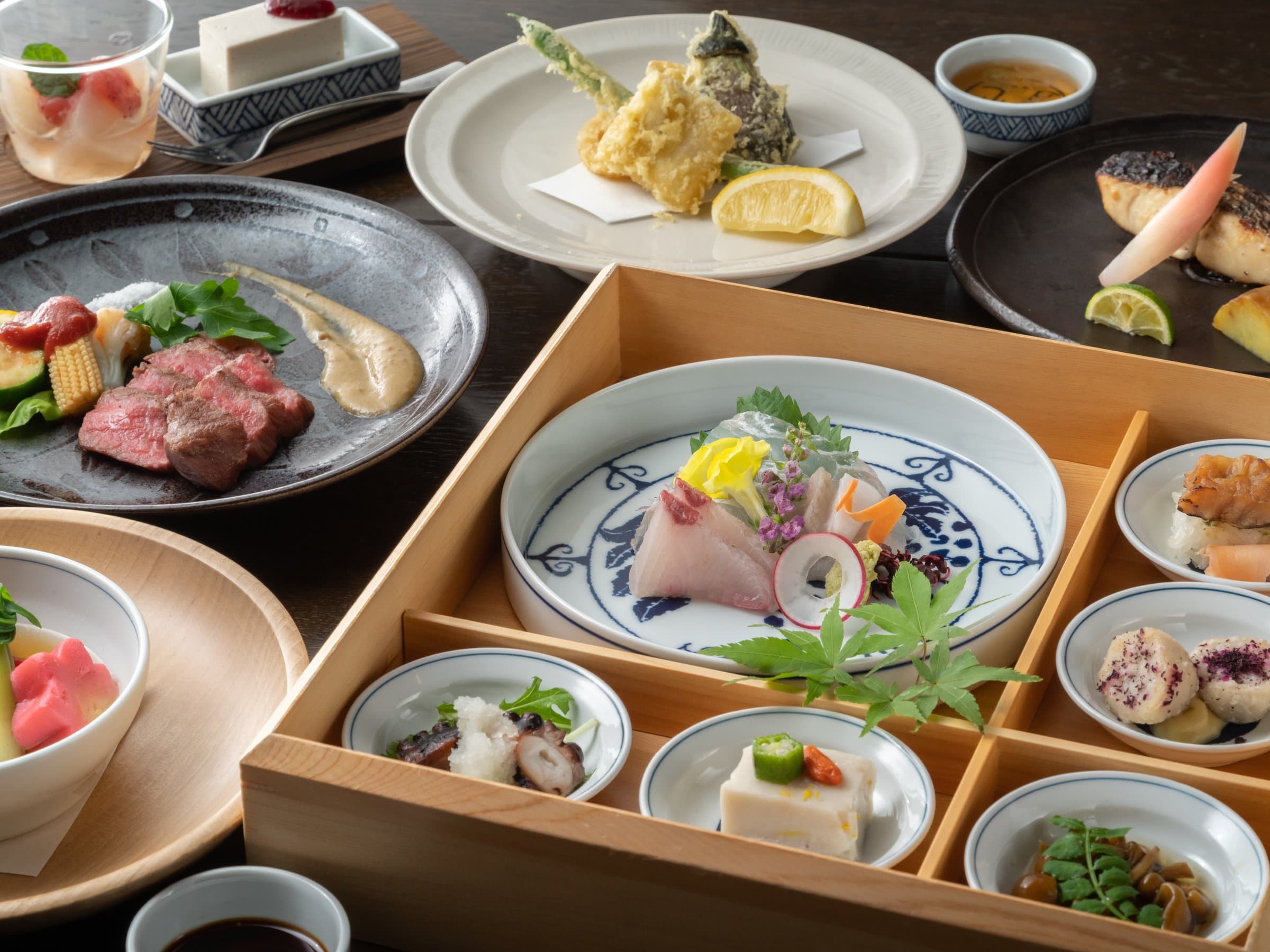
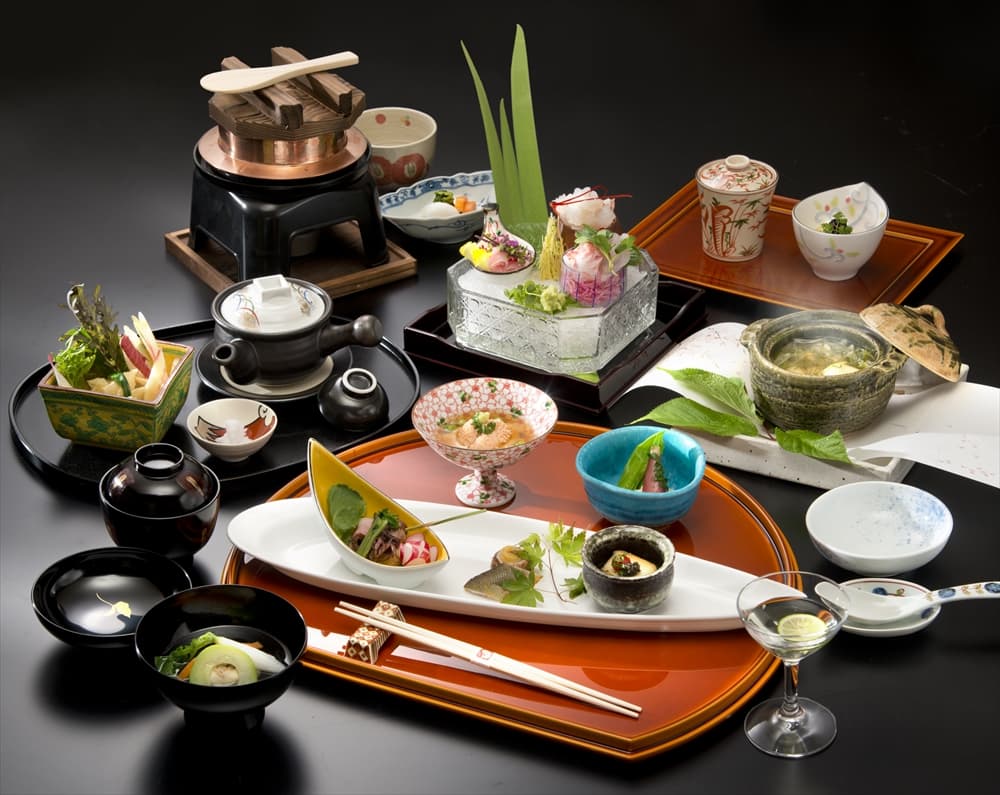
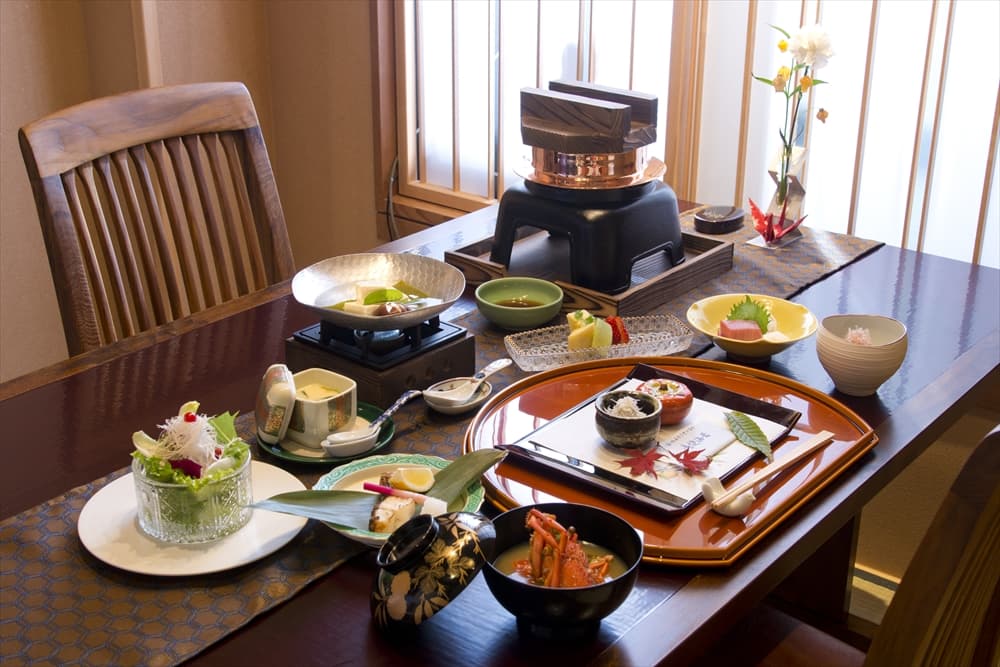
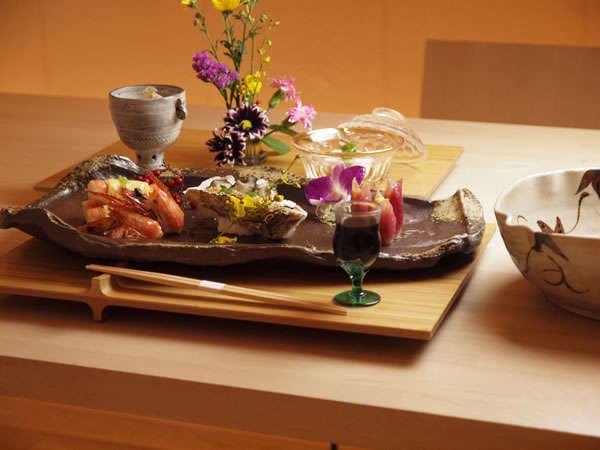
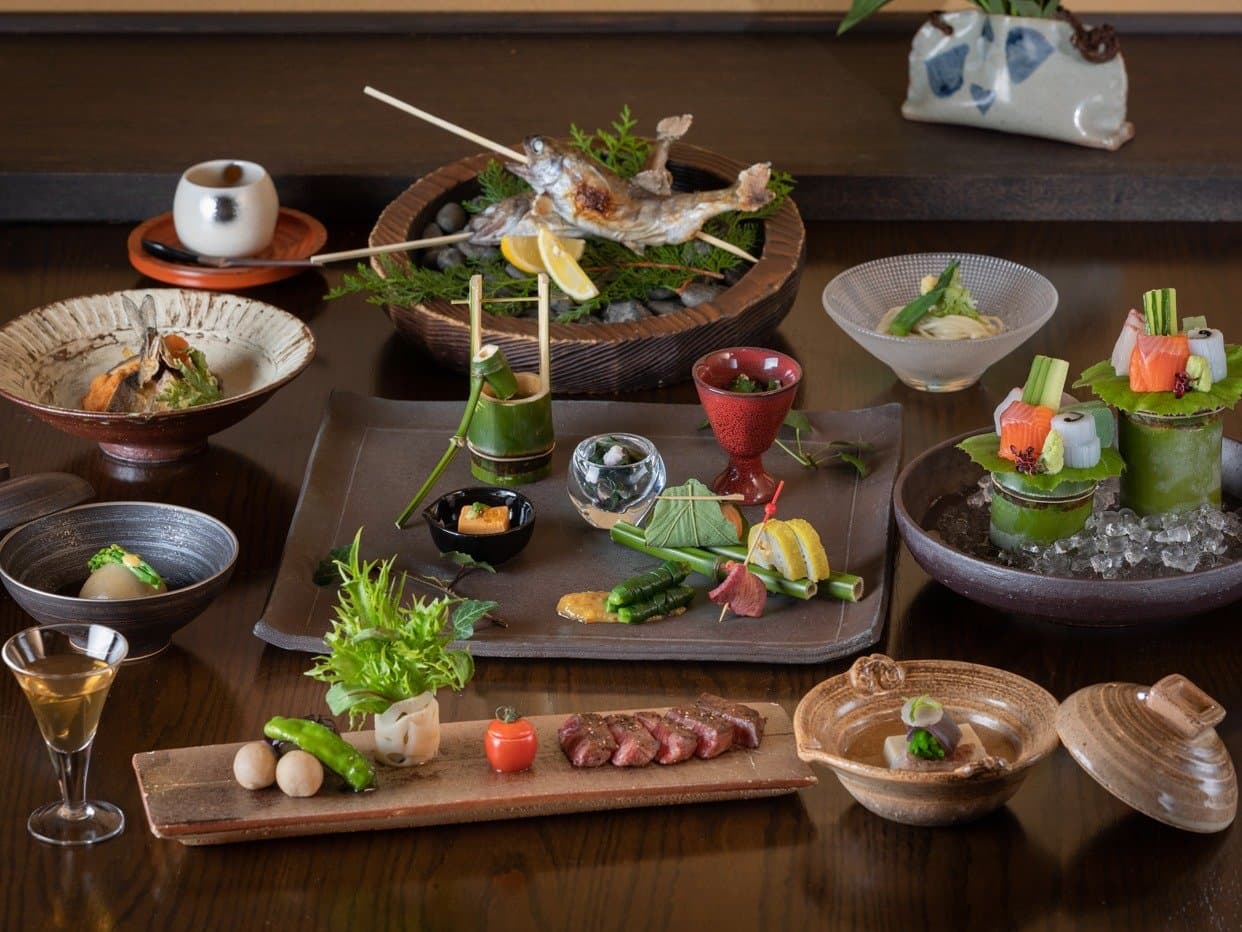
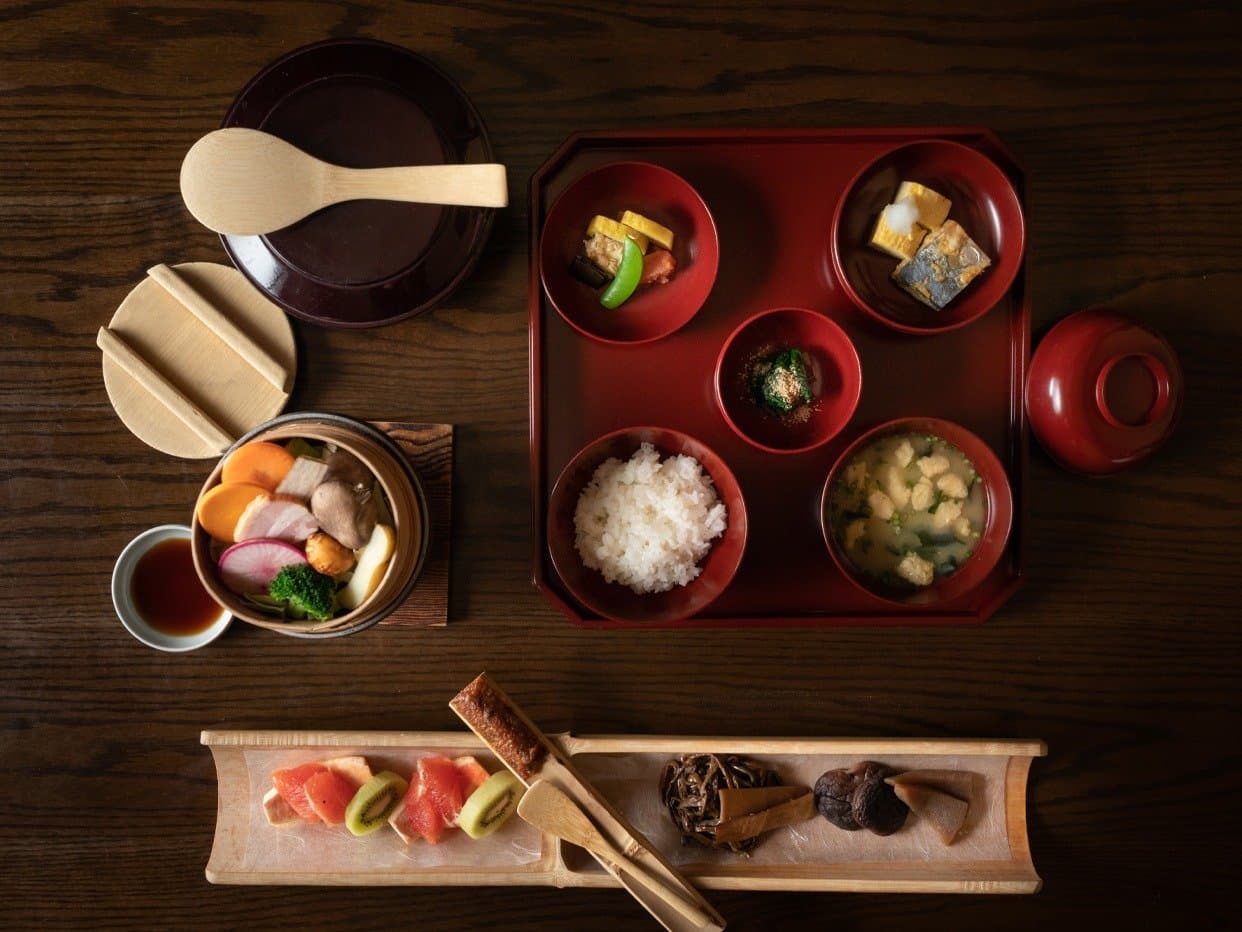
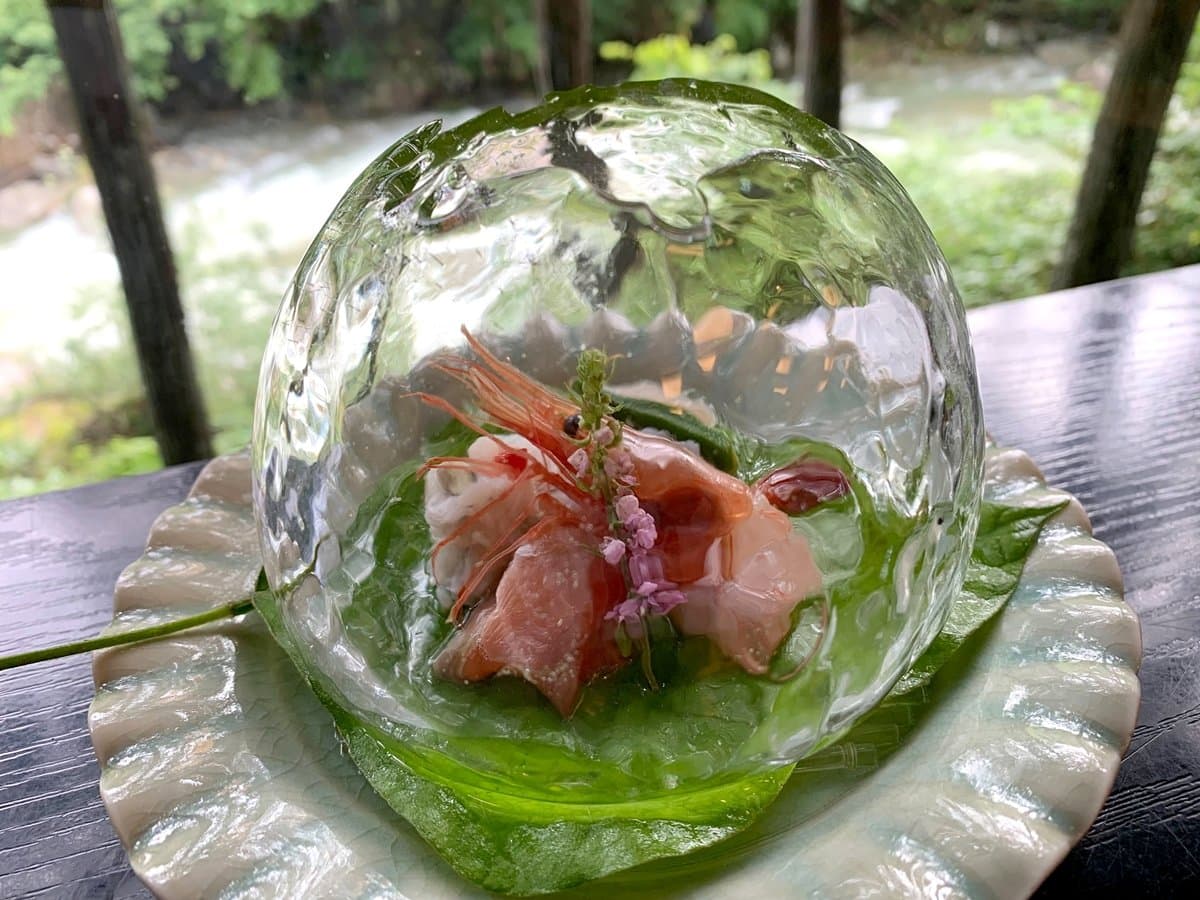
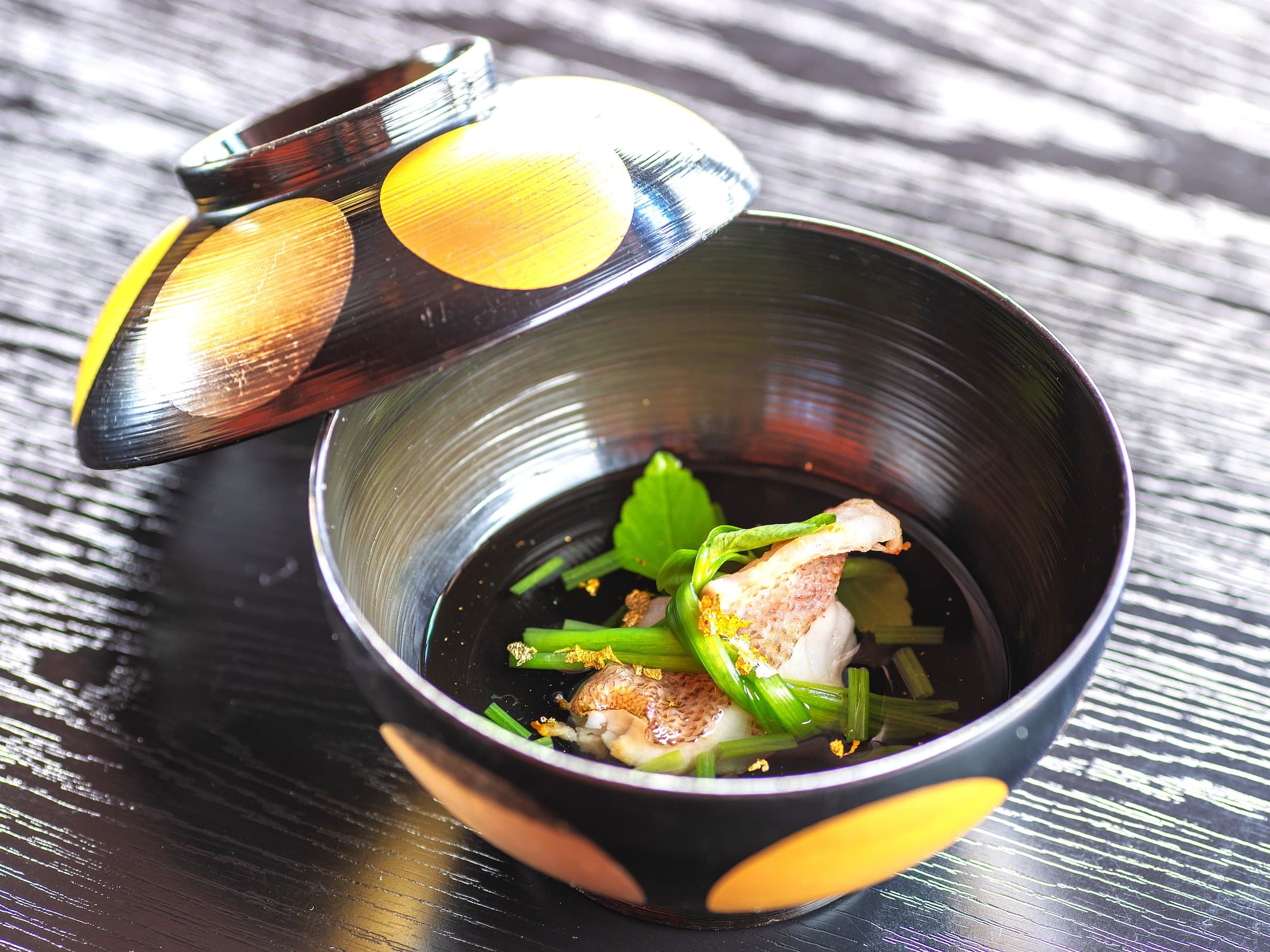
晚餐如一列小小的傑作緩緩登場——每道菜都是對季節的冥想。在地鮮魚、山間野菜、為每道菜精心搭配的陶瓷器皿。
安眠
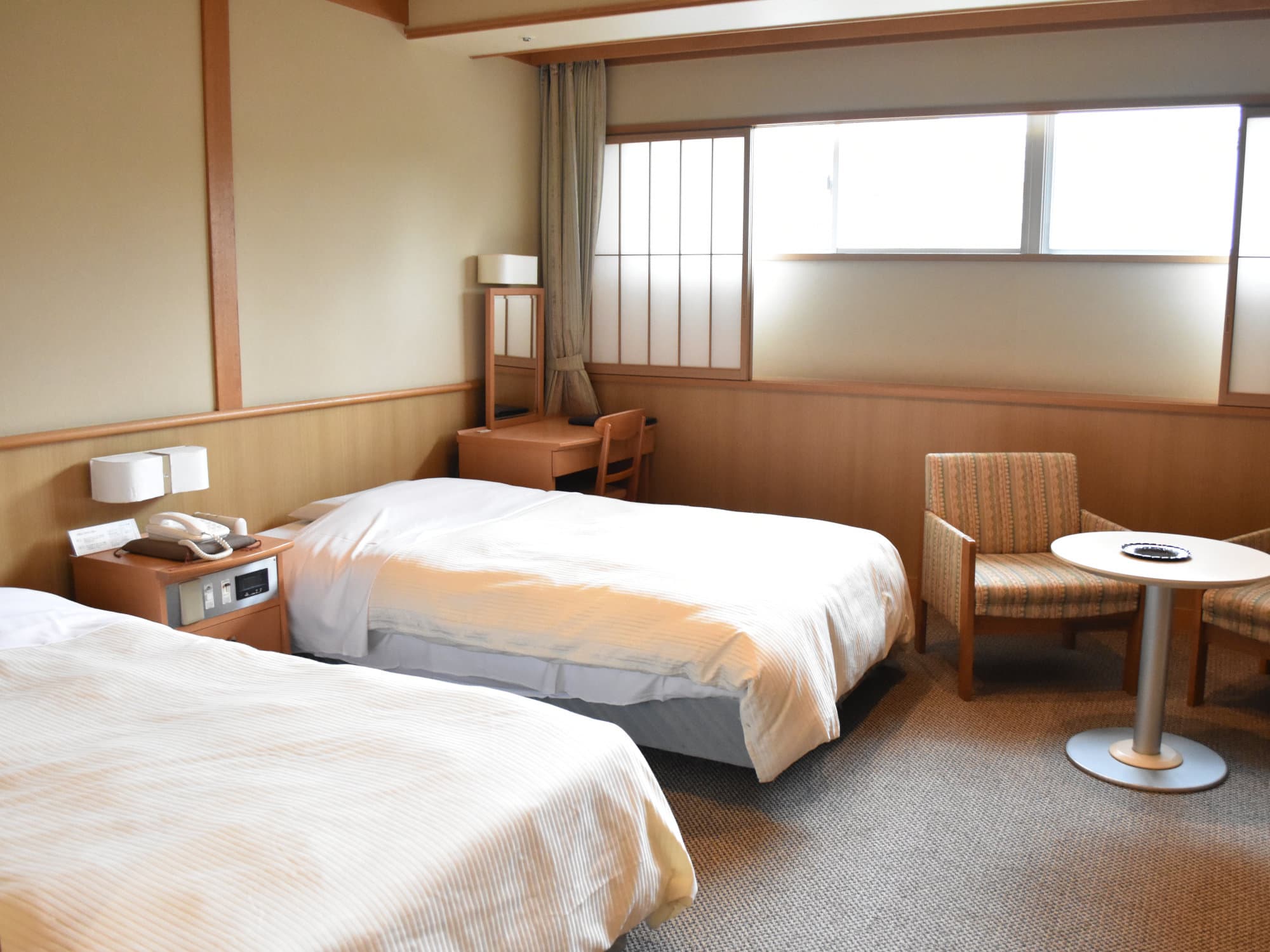
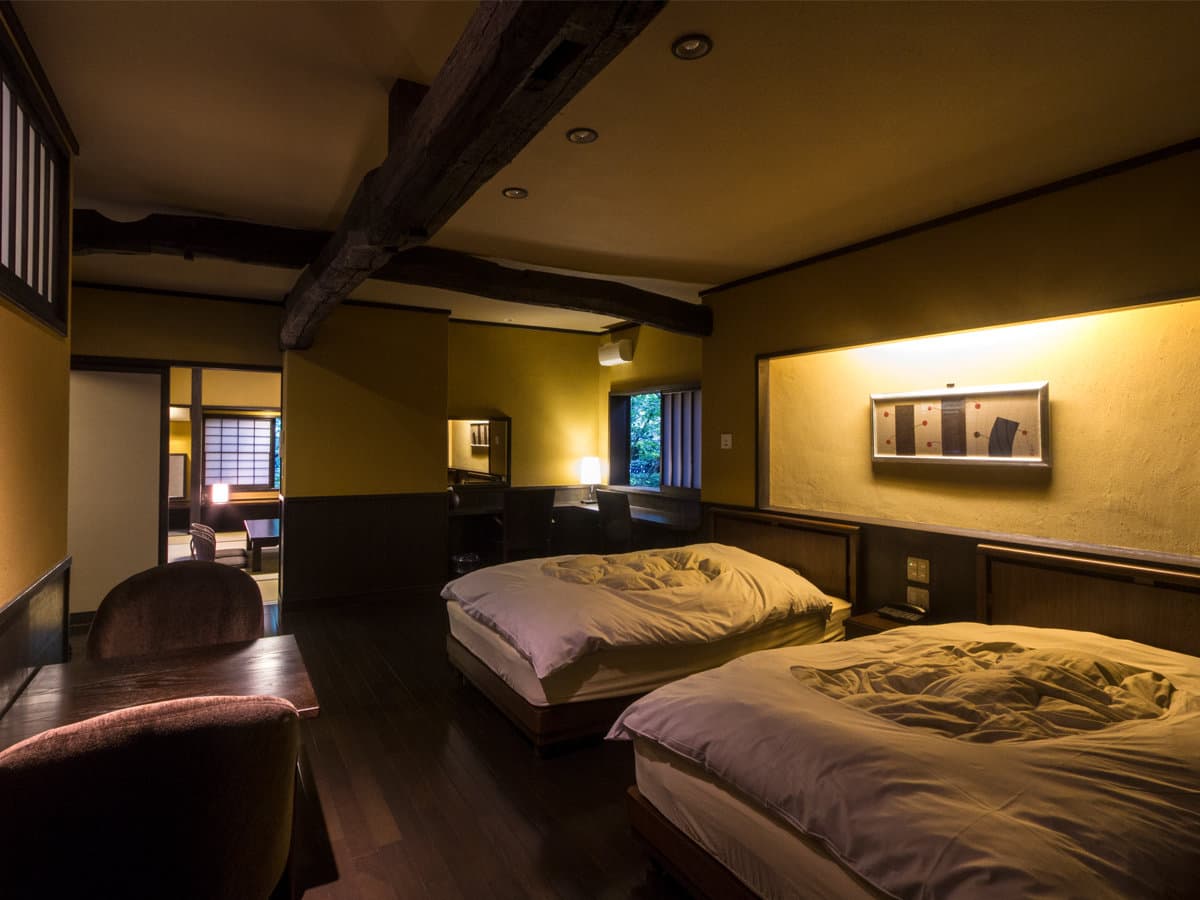
用餐期間,無形的雙手悄然改變了您的房間。厚實的蒲團出現在榻榻米上,鋪上清爽的床單。旅途中最深沉的睡眠正等待著您。
款待
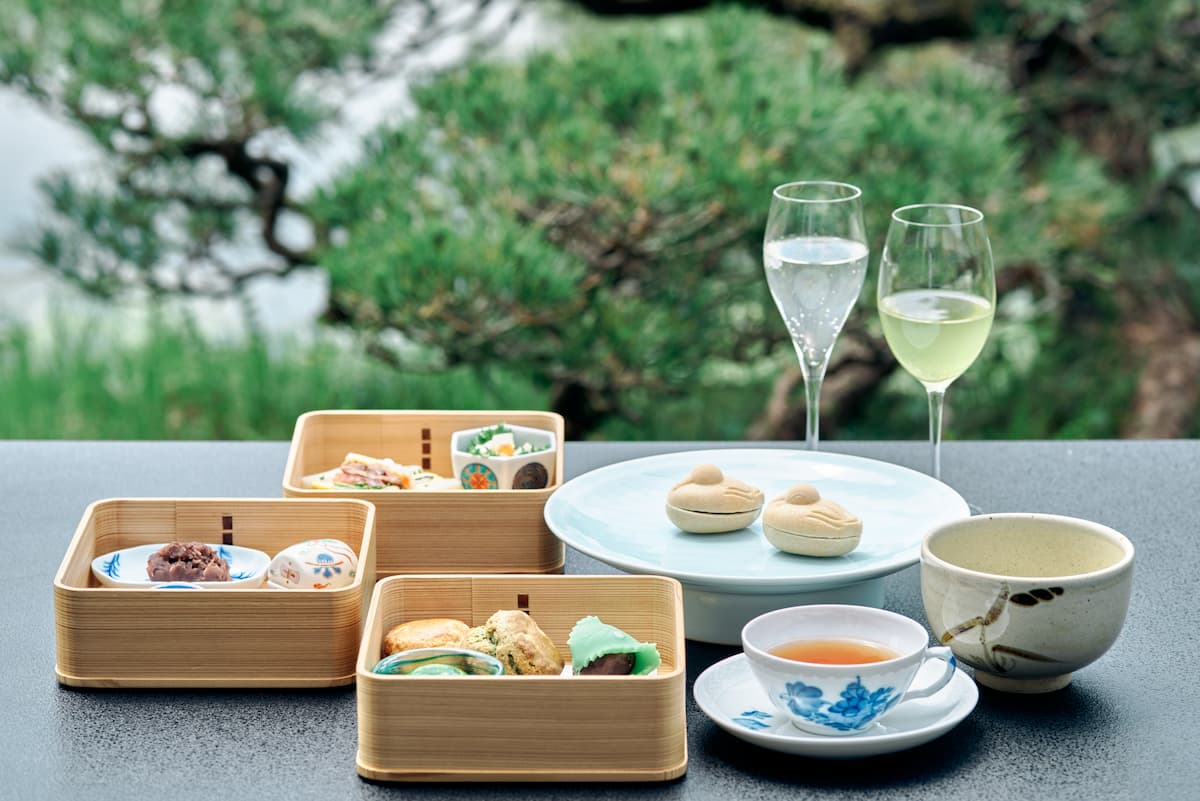
款待之心是預見的藝術——在您意識到口渴之前,茶已送到。每個需求在開口之前就已被滿足。這不是服務,而是一種哲學。
旅館的獨特之處
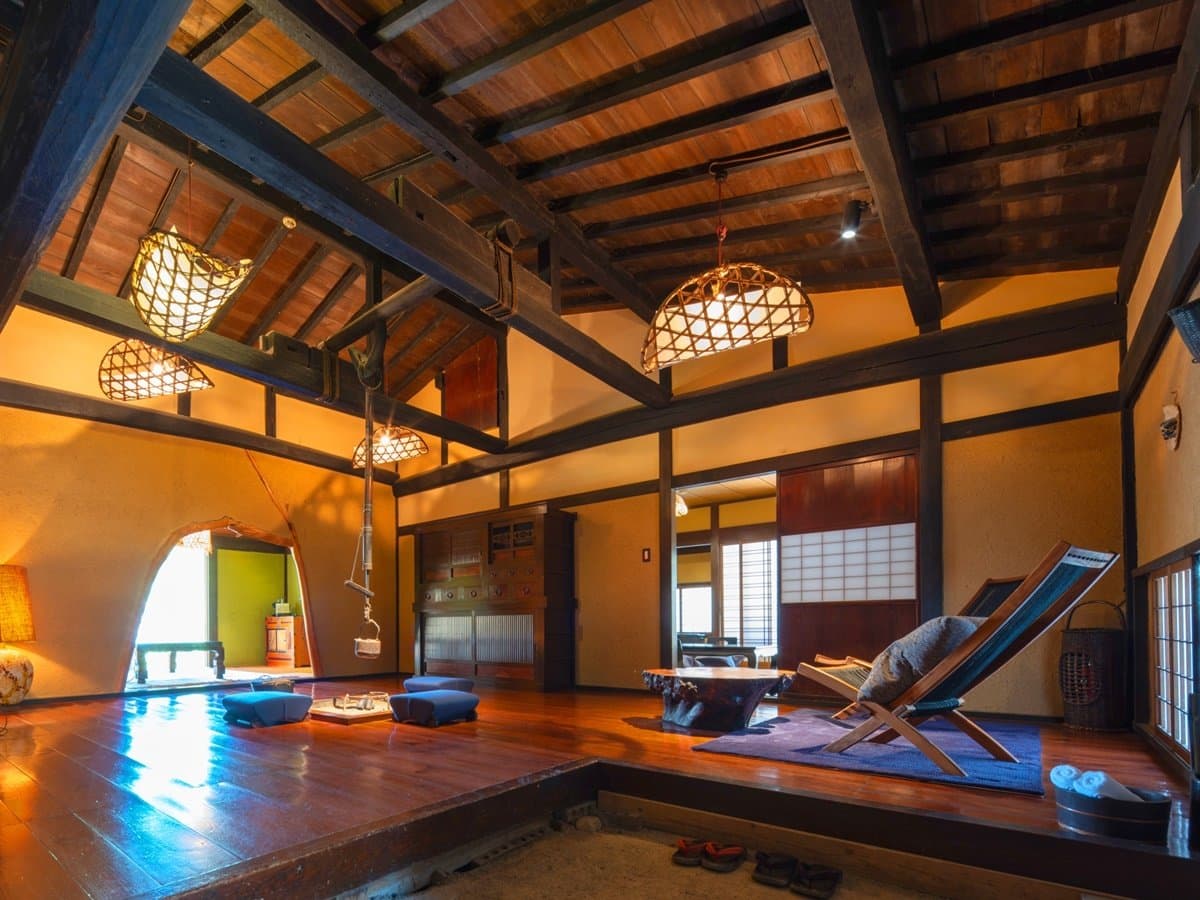
傳統編織草蓆地板,夏涼冬暖。脫下鞋子,感受腳下數百年的匠人工藝。

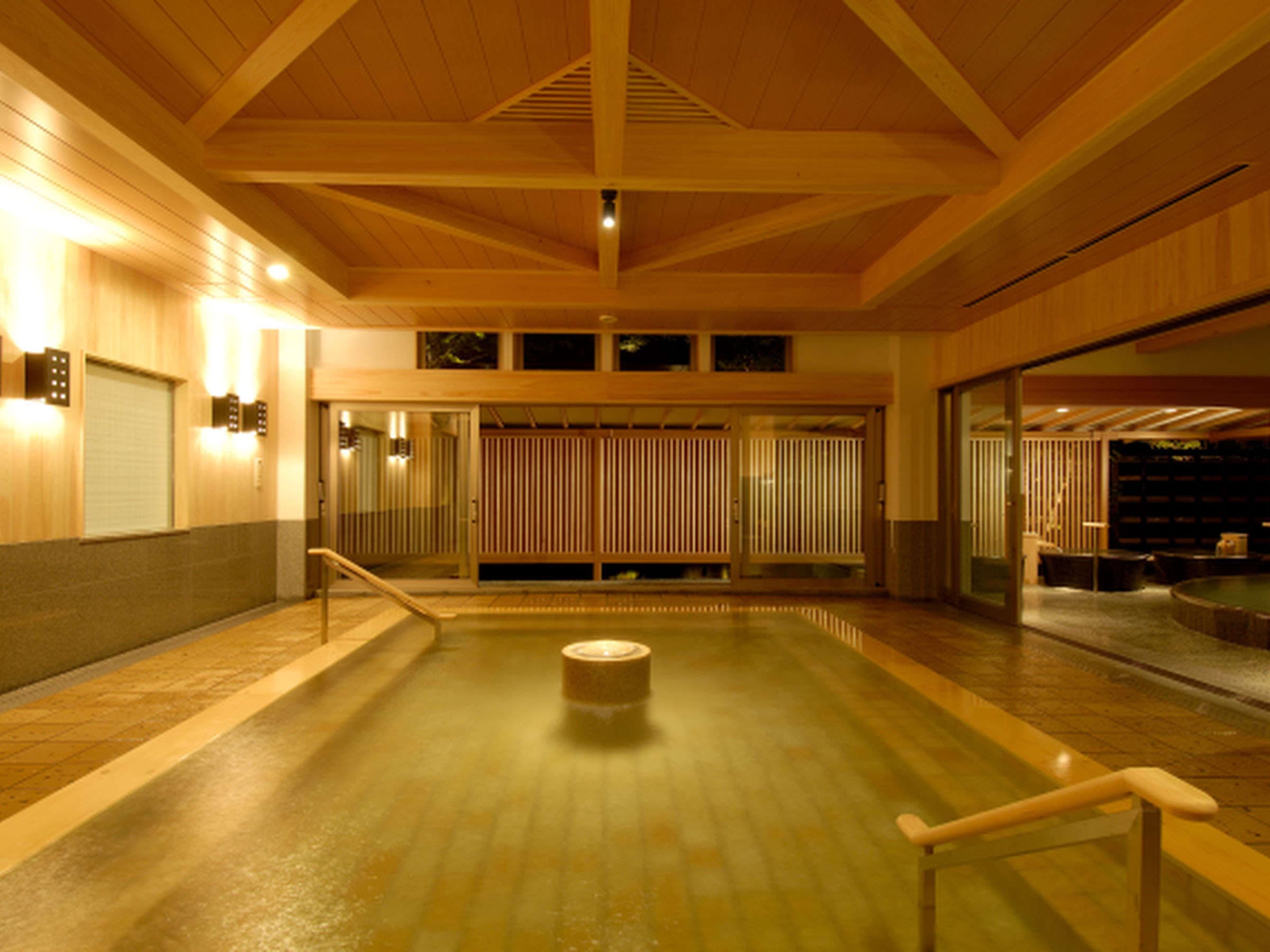
汲取自地底深處火山源的天然溫泉水。每個地區獨特的礦物成分帶來不同的療癒功效。
隨季節更迭的多道式晚餐。每道菜都是藝術品——盛於手工陶瓷器皿,使用當日清晨採購的食材。
入住時提供的棉質長袍。穿著它去用餐、泡湯、在街區散步。這是您徹底放鬆的標準裝束。
睡在直接鋪在榻榻米上的厚實雲朵般的床墊上。晚餐時工作人員會為您鋪好寢具——地板上的極致舒適。
在客人開口之前就預見其需求的日本待客藝術。不僅是服務——更是一種讓住宿每一刻都煥然一新的哲學。
甄選
譟ウ蟾晁掠荳サ遶玖干驍ク 蠕。闃ア
The former Tachibana family residence in Yanagawa 窶� a designated national place of scenic beauty and the only such site in Japan where overnight guests can stay, with kaiseki cuisine and a celebrated pine garden.
伝承千年の宿 佐勘
Akiu's 1,000-year-old grand ryokan — historically the yumori (bath-keeper) of Date Masamune's lord, with riverside open-air baths and 171 rooms.
起價 ¥33,880 /每晚 · 每人
8.6/10鳴子観光ホテル
Best known for "Genzo no Yu" — four separate baths in different color tones (blue, white, black, green) reflecting Naruko's spring-chemistry diversity.
起價 ¥24,640 /每晚 · 每人
8.8/10湯元 吉祥
Luxury hilltop ryokan with detached villas, in-room rotenburo on many plans, and sweeping mountain views — Naruko's most upmarket address.
起價 ¥35,420 /每晚 · 每人
星野リゾート 界 秋保
星野集團2023年最新旗艦飯店,位於東北仙台近郊秋保溫泉,49間客房直面名取川峽谷。
起價 ¥43,120 /每晚 · 每人
8.6/10仙台秋保温泉 迎賓館 櫻離宮
Ten suites only, every room with private outdoor rotenburo — 2023 renovation, Sendai-beef teppanyaki kaiseki, 4-star.
起價 ¥52,360 /每晚 · 每人
旅遊目的地
A stunning coastal peninsula just 1-2 hours from Tokyo, Izu offers everything from secluded mountain onsen to dramatic ocean cliffs. From the literary hot spring town of Shuzenji to the sun-drenched beaches of Shimoda, Izu has been Japans favorite getaway for centuries.
探索發現Hokkaido's premier hot spring resort, renowned for Jigokudani (Hell Valley) and nine different mineral spring types. Located in Shikotsu-Toya National Park, this volcanic onsen town draws over 3 million visitors annually.
探索發現Famous for Japans only natural sand bath experience, Ibusuki sits on the southern tip of the Satsuma Peninsula where geothermal heat warms the black sand along the coastline. With views of Mount Kaimon and serene Lake Ikeda, Ibusuki offers a uniquely relaxing onsen destination.
探索發現One of Japans three most famous hot springs alongside Kusatsu and Arima, Gero has been celebrated since the Edo period for its silky alkaline waters. Nestled along the Hida River between Nagoya and Takayama, this charming onsen town offers free foot baths and the Yumeguri Tegata spa pass.
探索發現Wakura Onsen is a 1,200-year-old hot spring resort on the shores of Nanao Bay at the base of the Noto Peninsula. Home to Kagaya, voted Japan's best ryokan for 36 consecutive years, Wakura is renowned for its sodium-chloride-rich seaside hot springs and fresh Noto seafood kaiseki. The town is slowly recovering from the devastating January 2024 Noto Peninsula earthquake.
探索發現Japans first permanent capital (710-784 CE), Nara is home to some of the countrys oldest temples including Todai-ji with its Great Buddha. Over 1,200 free-roaming sika deer greet visitors in the sprawling Nara Park, a UNESCO World Heritage landscape.
探索發現Miyajima (Itsukushima) is a sacred island in Hiroshima Bay, famous for the iconic floating torii gate of Itsukushima Shrine, a UNESCO World Heritage Site. With ancient temples, primeval forests on Mount Misen, and charming waterfront ryokans, the island offers an unforgettable blend of spiritual beauty and traditional hospitality just a short ferry ride from the mainland.
探索發現Known as the "Hot Spring of Beauty" (美肌の湯), Tamatsukuri Onsen is one of Japan's oldest hot springs with a history spanning over 1,300 years. Located in Shimane Prefecture near the legendary Izumo Taisha Grand Shrine, the town lines the Tamayu River with atmospheric footbaths, traditional ryokans, and silky alkaline waters said to make skin luminous.
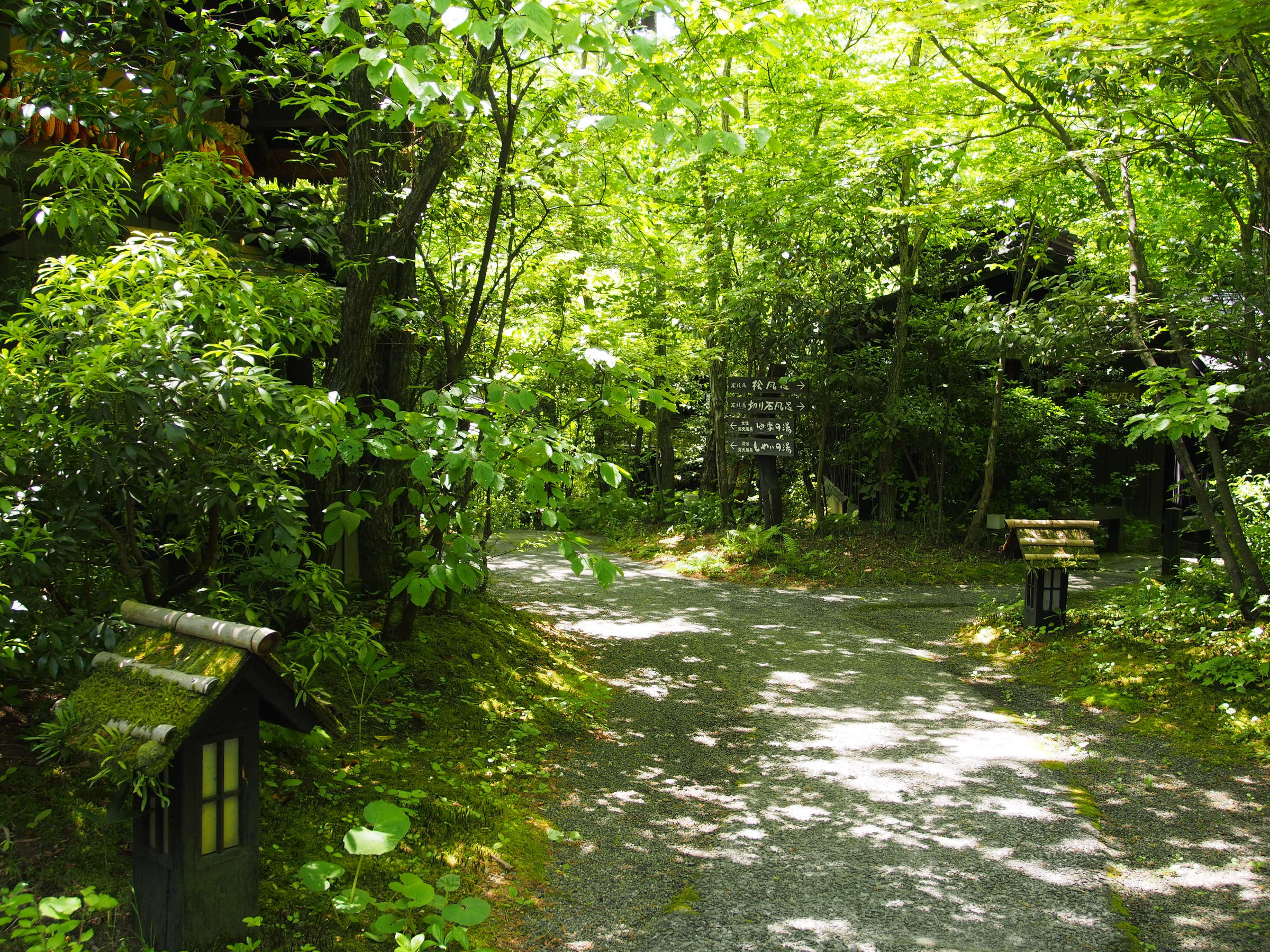
探索發現Nestled in a forested valley north of Mount Aso, Kurokawa Onsen is one of Japans most atmospheric hot spring villages. Famous for its cave baths, the nyuto tegata bath-hopping pass, and a charming mountain village where every ryokan shares its onsen with visitors.
探索發現Perched at 700 meters in Japan's first designated national park, Unzen Onsen is a dramatic hot spring town surrounded by volcanic steam vents and bubbling mud pools known as Jigoku (hell). The sulfur-rich waters have drawn visitors for centuries, and the area carries a somber history as a site of Christian martyr persecution during the Edo period.
探索發現A refined onsen town nestled beneath the twin peaks of Mt. Yufu, Yufuin blends natural beauty with art galleries, boutique shops, and some of Japans most exclusive ryokans. The mystical morning mist rising from Kinrin Lake has drawn travelers for centuries.
探索發現Kanazawa is a beautifully preserved castle town on the Sea of Japan coast, home to Kenrokuen — one of Japan's three most celebrated gardens — the atmospheric Higashi Chaya geisha quarter, and exquisite Kaga cuisine. Spared from wartime bombing, the city retains centuries of samurai and merchant culture, making its ryokans a living continuation of Edo-period hospitality traditions.
探索發現One of Japans three oldest hot spring towns, Arima Onsen is famous for its two unique spring types: the iron-rich golden kinsen and the clear carbonated ginsen. Just 30 minutes from Kobe, this compact hillside town offers world-class ryokans, charming narrow lanes, and 1,400 years of bathing heritage.
探索發現A legendary hidden hot spring (hitou) nestled deep in the Northern Alps of Nagano Prefecture, where milky-white mineral waters have been cherished for centuries. Known as "the hot spring where three days of bathing wards off three years of colds," this tiny village of just a dozen ryokans sits at 1,400 meters elevation along the Yugawa Valley, surrounded by pristine mountain forests within Chubu-Sangaku National Park.
探索發現Japans oldest hot spring with a history spanning over 3,000 years. Its iconic bathhouse Dogo Onsen Honkan -- said to have inspired Studio Ghiblis Spirited Away -- stands at the heart of a charming onsen town in Matsuyama, Shikoku.
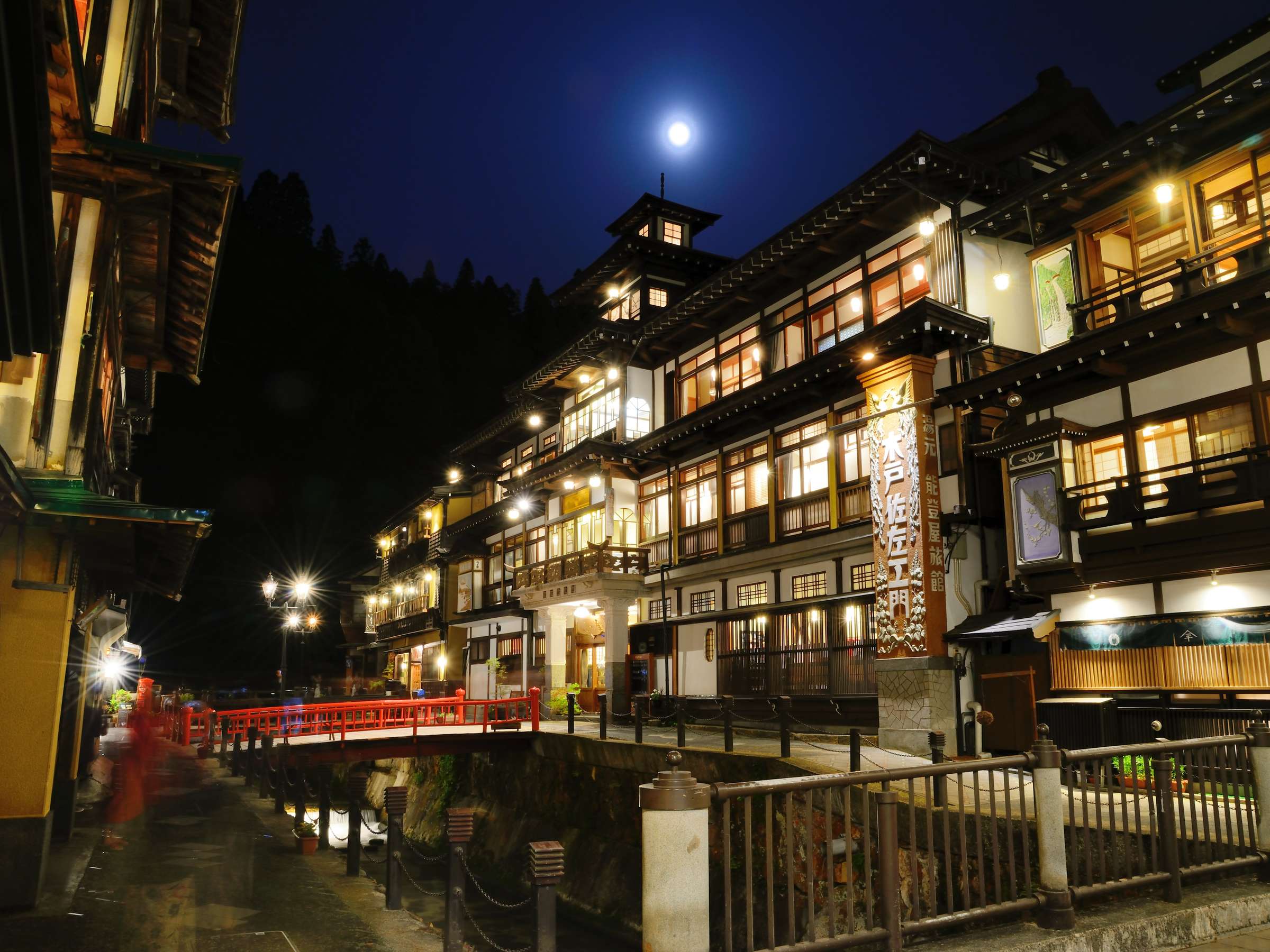
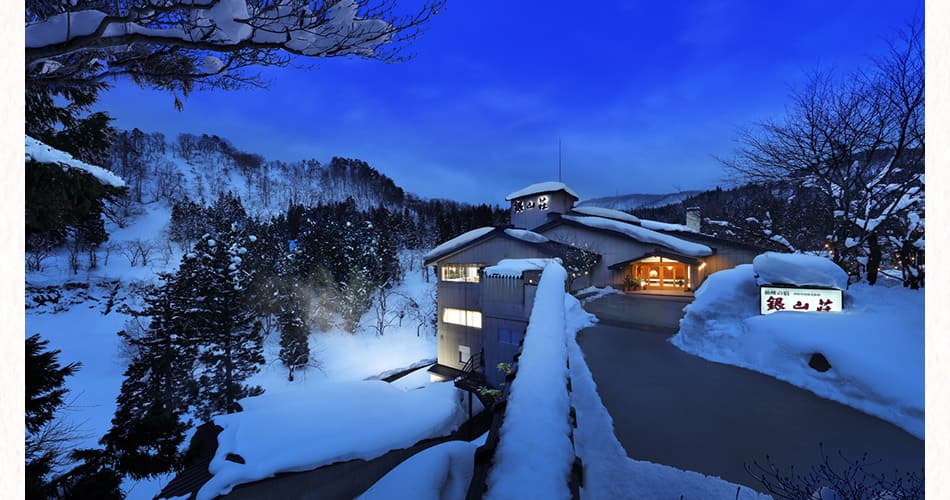
探索發現A fairytale hot spring village hidden in the mountains of Yamagata Prefecture, where Taisho-era wooden ryokans line both banks of the Ginzan River, illuminated by gas lamps at dusk. Originally built around a 15th-century silver mine, this tiny town of just 13 inns is one of Japans most photogenic destinations.
探索發現The cultural heart of Japan, Kyoto is home to thousands of temples, traditional tea houses, and some of the country's most iconic ryokans. Stay in a machiya-style inn and experience geisha culture, zen gardens, and kaiseki cuisine at its finest.
探索發現Just 90 minutes from Tokyo, Hakone is Japan's premier hot spring resort town. With stunning views of Mt. Fuji, open-air onsen baths, and forested mountain trails, it's the perfect ryokan getaway from the city.
探索發現While Tokyo is known for its modernity, the capital still harbors hidden ryokan gems. From historic inns in Asakusa to refined establishments in quieter neighborhoods, experience traditional hospitality in the world's largest city.
探索發現One of Japan's top three hot spring towns, Kusatsu is famous for its naturally hot, acidic waters said to cure every ailment except lovesickness. The iconic Yubatake (hot water field) sits at the town center, surrounded by traditional inns.
探索發現Nestled in the Japanese Alps, Takayama is a beautifully preserved Edo-era town famous for its morning markets, sake breweries, and Hida beef. The town's wooden merchant houses and quiet ryokans offer an authentic glimpse into traditional mountain life.
探索發現Home to the ornate Toshogu Shrine and surrounded by cedar forests and waterfalls, Nikko is a UNESCO World Heritage site just two hours from Tokyo. Its hot spring ryokans offer the perfect retreat after exploring the area's stunning temples and nature.
探索發現A charming hot spring town on the Sea of Japan coast, Kinosaki is famous for its seven public bathhouses connected by a willow-lined canal. Guests stroll between baths in yukata and wooden geta sandals — the quintessential Japanese onsen town experience.
探索發現Japan's hot spring capital, Beppu produces more geothermal water than anywhere else in the country. The city's famous "hells" (jigoku) are spectacular natural hot springs, and its diverse bathing options range from sand baths to mud baths to classic onsen.
探索發現A legendary mountain onsen town in Yamagata Prefecture, Zao is famous for its powerful acidic sulfur hot springs, spectacular snow monsters (juhyo) in winter, and the emerald Okama crater lake in summer. Perched at the base of the Zao mountain range, the village doubles as one of Tohoku's premier ski resorts with breathtaking ropeway rides through frozen forests.
探索發現Hakuba sits in the heart of the Japanese Alps in Nagano Prefecture 窶� host town of the 1998 Winter Olympics and home to eleven lift-connected ski areas spread across the Hakuba Valley. The Goryu / Hakuba 47 / Happo One trio anchors the valley with its longest runs and biggest vertical, while Iwatake, Norikura, and Cortina offer quieter pistes that suit families and beginners. Powder snow is Hakuba's calling card 窶� the valley averages roughly eleven metres of January snowfall, the deepest reliable accumulation anywhere in central Japan. Outside ski season Hakuba reinvents itself for Northern Alps hiking (Mt. Karamatsu, Mt. Goryu, Mt. Yari), Lake Aoki water sports, and onsen day-trips at neighbouring Tsugaike Heights. The ryokan and pension scene is concentrated in Wadano (Happo One base), Echoland (international aprティs nightlife), Misorano (quieter family side), and Iwatake village. The valley is accessible from Tokyo by JR Chuo Line Limited Express Azusa to Matsumoto plus a one-hour bus, by Hokuriku Shinkansen to Nagano plus Alpico Express Bus, or by direct ski bus during winter.
探索發現Atami is Tokyo's closest proper onsen town — a 40-minute Kodama Shinkansen ride from Tokyo Station drops you directly at the harbor's edge. The town climbs steeply from a sheltered bay on the Izu Peninsula's northeast coast, with steaming sodium chloride springs that have been famous since the 8th century and were favored by both shoguns and Showa-era literary figures. Today Atami balances faded showa-retro hotels with a new generation of small luxury ryokans — Fufu, Sekaie, Kakurezato — that have made it a serious rival to Hakone for short Tokyo escape weekends. The town is compact enough to walk between hot-spring inns, the Atami Sun Beach promenade, Kinomiya Shrine's 2,000-year-old camphor tree, and the harbor restaurants serving the morning's catch from Sagami Bay.
探索發現Fukuoka is Kyushu's largest city and the most natural gateway to Japan for travellers arriving from Korea 窶� Fukuoka Airport sits just 3 km east of Hakata Station and is one of the very few Japanese airports with a direct subway link into the city centre, while the Camellia Line ferry runs nightly between Busan and Hakata Port. Hakata-ku, the historic core, anchors a compact downtown where Shinkansen platforms, tonkotsu-ramen counters and the famous yatai food stalls along the Naka River are all walkable from one another. Day trips fan out easily: Dazaifu Tenmangu, the great Tenjin shrine dedicated to Sugawara no Michizane and surrounded by some 6,000 plum trees, is a short Nishitetsu ride south; the Yanagawa canal town's donkobune punting boats are 50 km down the same line; and the Chikugo River onsen towns of Harazuru and Chikugogawa offer a real hot-spring night within an hour of Hakata. Fukuoka is the rare big Japanese city you can use as a single base for ramen, shrines, hot springs, and a Korea hop.
探索發現On the northern shore of Lake Kawaguchi, Fujikawaguchiko offers Japan's most photographed Mt. Fuji panorama. The lakeside ryokans here trade Hakone's mountain forest for unobstructed water-and-mountain symmetry 窶� the same view Hokusai painted from a nearby ridge.
探索發現Naruko Onsen-kyō is one of Tohoku's most varied hot-spring districts — a 1,000-year-old cluster of five neighborhoods (Naruko, Higashi-Naruko, Kawatabi, Nakayamadaira, Onikobe) tucked into the mountains of northern Miyagi. The region produces nine of Japan's eleven recognized spring types within walking distance of each other, making it the country's most chemically diverse onsen town. The area is also the historic capital of kokeshi-doll woodcraft, and the Naruko Gorge (Naruko-kyō) draws photographers for its peak autumn foliage.
探索發現Akiu Onsen is a 1,500-year-old hot-spring town just 30 minutes by car from downtown Sendai — historically one of Japan's "Three Imperial Hot Springs" (along with Arima and Dōgō), favored by Date Masamune's clan and earlier the Yamato imperial court. The ryokan lineup spans modern destination resorts (Hoshino KAI Akiu, Saryo Soen) and centuries-old establishments (Hotel Sakan, est. ~1000), all clustered along the dramatic Natori River gorge near the 55-meter Akiu Otaki Falls — one of Japan's Three Great Waterfalls.
探索發現