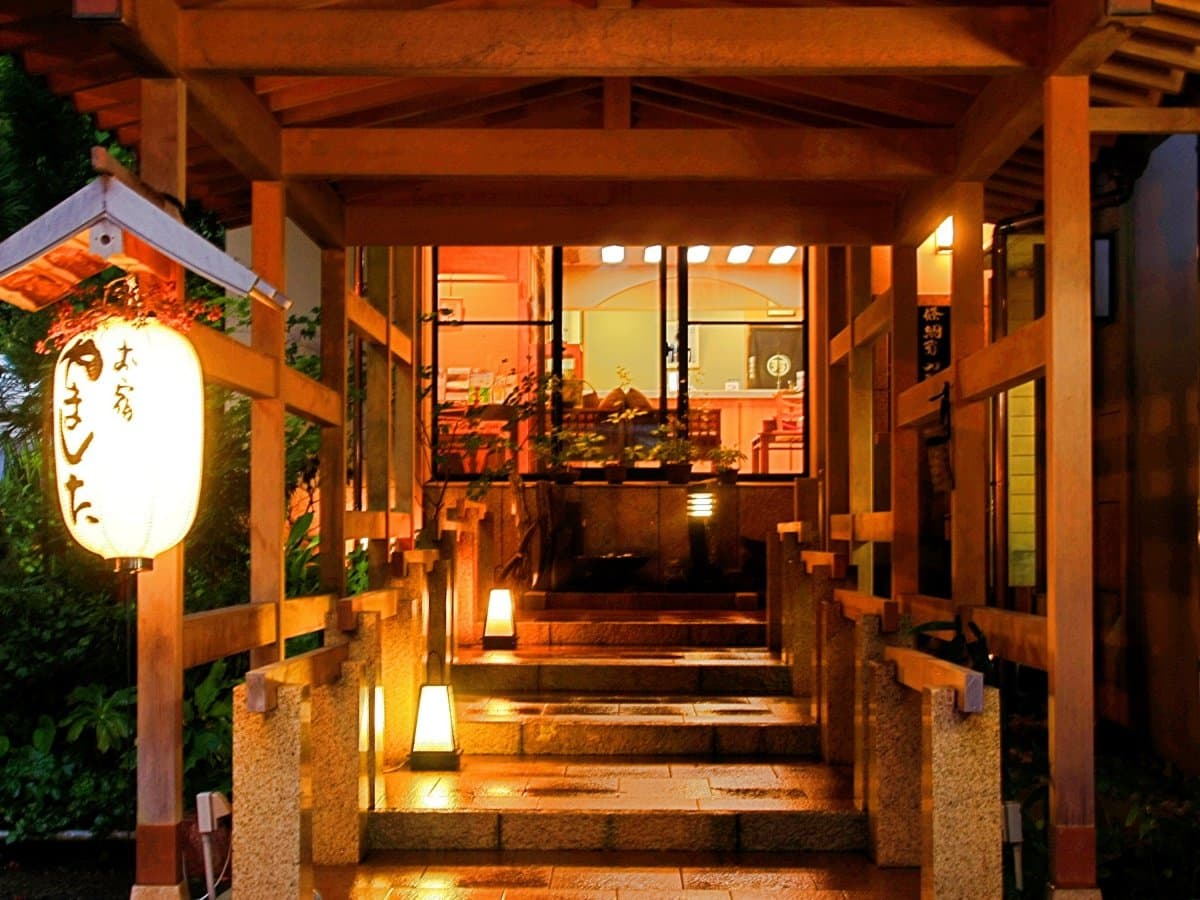
快速比較
精選8家| 旅館 | 起價 | 評分 | 預訂 |
|---|---|---|---|
 | ¥77,000起≈ NT$15,460每人每晚2人約¥154,000 | 9.5 89則評價 | 上 Booking.com 訂房 |
 | ¥61,600起≈ NT$12,370每人每晚2人約¥123,200 | 9.3 124則評價 | 上 Booking.com 訂房 |
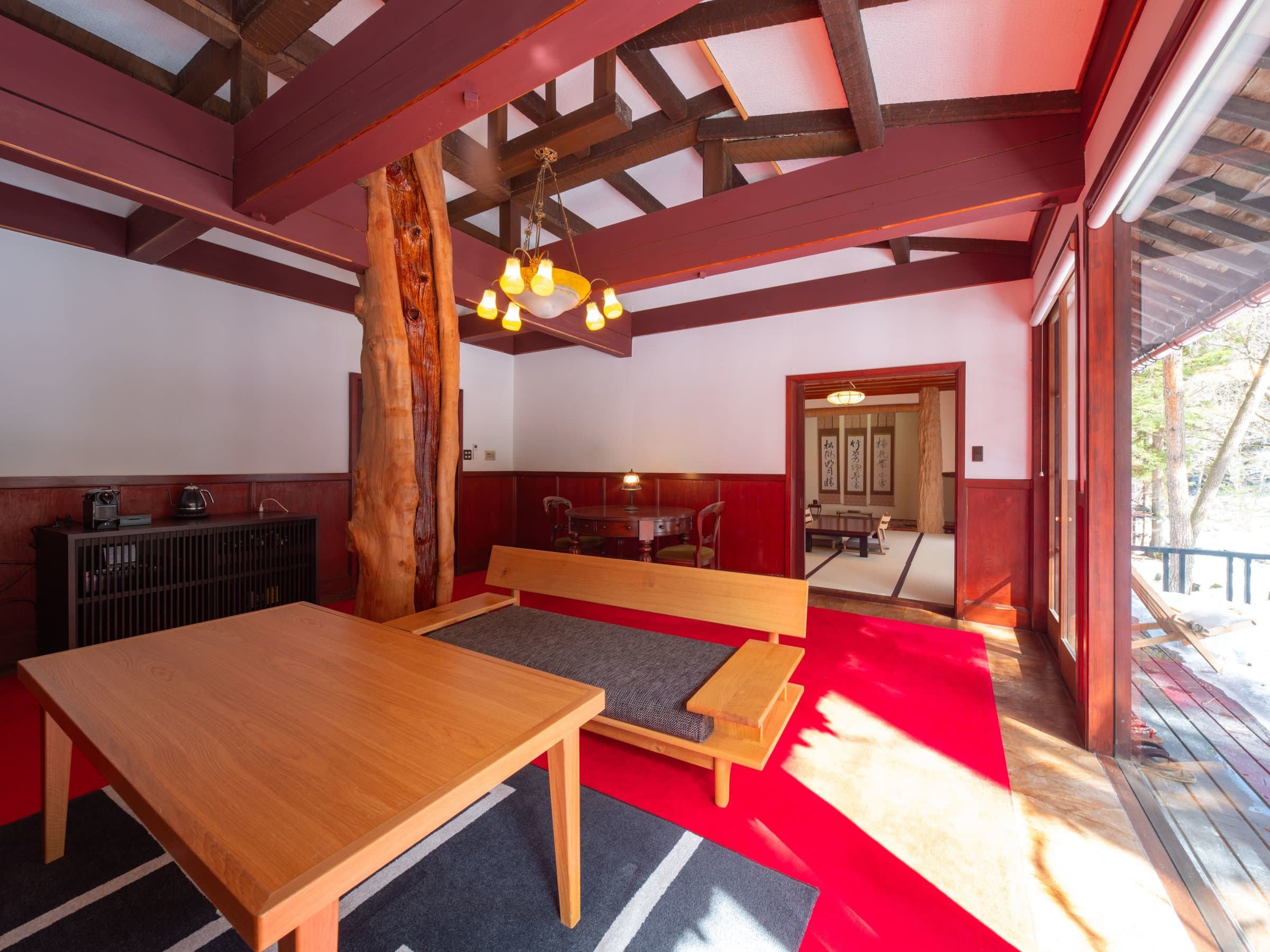 | ¥77,000起≈ NT$15,460每人每晚2人約¥154,000 | 9.5 85則評價 | 上 Trip.com 訂房 |
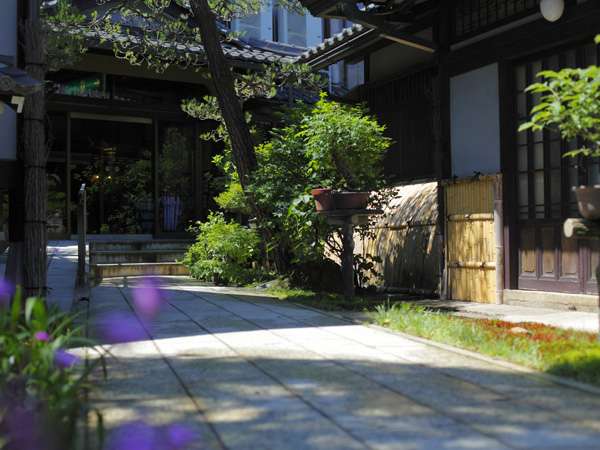 | ¥61,600起≈ NT$12,370每人每晚2人約¥123,200 | 9.2 290則評價 | 上 Agoda 訂房 |
 | ¥61,600起≈ NT$12,370每人每晚2人約¥123,200 | 9.1 310則評價 | 上 Trip.com 訂房 |
 | ¥38,500起≈ NT$7,730每人每晚2人約¥77,000 | 9.0 680則評價 | 上 Booking.com 訂房 |
 | ¥30,800起≈ NT$6,180每人每晚2人約¥61,600 | 9.0 856則評價 | 上 Trip.com 訂房 |
 | ¥27,720起≈ NT$5,570每人每晚2人約¥55,440 | 9.2 156則評價 | 上 Trip.com 訂房 |
Hakone Ginyu
Hakone
Wanosato
Takayama
Hanaougi Bettei Iiyama
Takayama
FUFU Nikko
Nikko
Amane Resort Seikai
Beppu
顯示價格為每人每晚的起價(約值)。透過本站預訂,我們可能獲得佣金。
有那麼一瞬間——蒸氣從水面緩緩升起、群山溶於薄霧、四下無人——你會明白人們為什麼願意飛越半個地球只為一汪私湯。私湯的價格從湯之峰家庭經營的1萬8千日圓貸切,到淺羽別館15萬日圓的別墅露天都有,但價格從來不是決定一湯好壞的關鍵。真正重要的,是那晚的預約時段、泉質與視野能否對上。下文20間,就是我們用這個標準排序的清單。
公共溫泉本身很美好,它是共享、是文化,也是每位來日的旅人至少該體驗一次的事。但對許多國際旅客而言,與陌生人一同裸湯仍是極大的心理門檻。私湯把這個門檻整個拿掉,讓你以自己的節奏、與伴侶、與家人,或單純與自己,沉浸在火山礦泉水中。
本指南完整告訴你:如何找、如何訂、如何享受一間有私湯的日本旅館。
2026最新動態:私湯旅館的新趨勢
2026年6月更新——擴充至20間。 本榜已與Trip.com、Booking.com及各飯店官網重新比對。自上次更新以來的重點變化:
刺青政策悄悄鬆動。 後疫情時代國際旅遊大爆發,迫使多間中高階旅館在客室露天風呂這塊默默調整刺青規範。由於客室內的私湯不涉及公共空間,業者實際風險為零——愈來愈多飯店把這點明文寫進規範。可參考我們的刺青可入旅館指南。
訂房前置期繼續拉長。 2024年時,露天風呂房型還可以提前6–8週訂到;2026年的合理區間是中價位3–4個月、奢華等級5–6個月。箱根的秋季週末會在數個月前全滿;淺羽的櫻花週末,會在開放預約180天前的48小時內被秒殺。
星野品牌持續擴張。 星野集團在「界」副品牌的兩間設施新增客室露天風呂選項,把中奢級的可及範圍再往前推。
2026年6月版新增5間,總計20間。 新增:淺羽(修善寺,Relais & Châteaux)、山莊無量塔(由布院設計型小屋)、黑川野之湯(每間客室皆配露天風呂)、箱根小湧谷水之音(雙泉源、2023年翻新)、由布院龜之井別莊(1921年創業的獨棟小屋)。每間皆標註湯型(包租/客室露天風呂/套房溫泉/小屋)與泉質——資料引自各設施的溫泉分析書與JNTO的泉質分類體系。20間全部在我們的旅館資料庫中通過交叉驗證。
為什麼私湯如此重要
私湯的吸引力不只是「不必害羞」。私湯意味著你完全掌握體驗節奏。何時入浴由你決定——可以是滿月凌晨兩點,也可以是山谷被晨光點亮的破曉時分。沒有禮儀要拿捏、沒有刺青焦慮、也沒有自我意識的拉扯。
對情侶而言,這是質變的體驗。日本傳統的公共浴池一律男女分浴;私湯讓你們能一起泡湯——對許多人而言,這正是選擇旅館而非飯店的全部理由。情侶向首選請見我們的情侶旅館推薦。
對攜帶幼兒的家庭而言,這也是非常務實的選擇:學步兒在公共浴池裡會讓所有人壓力很大,私湯則讓孩子盡情玩水而不打擾其他客人。
旅館私湯有幾種形態?
並非所有「私湯」體驗都一樣。理解差異能讓你訂到真正想要的房型——避免抵達後才發現與想像不符的失落。
客室露天風呂(客室露天風呂)——黃金標準 建在客室內或私人露臺上的開放式溫泉湯池。從和室拉開障子,眼前就是冒著熱氣的湯池與景緻。多見於高階房與套房,物超所值。多採源泉掛流,溫泉水持續循環、礦物不衰減。適合:想一起泡湯的情侶、在意刺青的客人、想在半夜或破曉自由入浴的旅人、追求極致自主的人。
露臺露天風呂(テラス露天風呂)——觀景湯 客室形態的變體:露天湯設在私人露臺或陽臺,而非嵌在客室建物內。同樣私密、同樣專屬,但天候影響大——12月寒雨或盛夏酷熱會改變體驗。代價換來的通常是更好的視野(位置更高、視線更開闊)。適合:把景觀看得比全天候使用更重要的客人。
包租湯(貸切風呂)——可預約的私人浴室 獨立的私人浴室,由所有住客輪流預約使用,每組獨享40–60分鐘。可在入住時預約或事前預約。這是最划算的私湯方式:許多中價位旅館免費提供,部份則收費¥2,000–¥5,000/場。適合:預算有限的旅人、想要私密但不想付完整高階房價的客人、想在公共浴池之餘偶爾享受私湯的單人旅人。注意:這不是客室內的湯。你得離開房間、走到包租湯間、再走回來。預約時務必確認——人氣旅館的時段往往下午就被訂光。
家族湯(家族風呂)——家庭浴室 包租湯的變體,專為小團體或家庭設計。預約機制相同——只供你們一組使用——但浴池通常較大。部份設施對沒有小孩的情侶也以「家族湯」名義銷售。通常需另付預約費。適合:帶小孩的家庭、想要「共浴但私密」的三至四人小團體。
套房溫泉(スイート溫泉)——完整私人沐浴空間 部份奢華旅館蓋了整片私人沐浴區:室內湯、露天湯、雨淋浴、石製或檜木浴桶、躺臥區一應俱全。這類設施已經介於傳統旅館與精品溫泉度假村之間。適合:蜜月私湯旅館、重大紀念日、把浴室本身當成目的地的旅人。每人每晚通常¥80,000–¥200,000+。
快速決策表:
- 刺青+完全私密 → 客室露天風呂或套房
- 想要私密但不想多付房錢 → 包租湯(入住時立刻預約)
- 最佳視野 → 露臺露天風呂
- 家庭/兒童 → 家族湯或客室露天
- 在意水溫控制 → 客室內(露天湯冬季降溫快)
 釘選到Pinterest
私湯的真實預算?
直接看實際數字。價格隨地區、季節與設施而有差異。
入門級(每人每晚¥15,000–¥30,000) 包租湯等級——可預約的私人浴室+標準房。黑川溫泉與伊豆半島為主流陣地。能體驗私湯但不必付客室加成。
中價位(每人每晚¥30,000–¥60,000) 客室湯從此處開始出現:陽臺上的半露天湯或小型私人室外湯。懷石更精緻、服務更細膩。箱根與城崎在此價帶選擇豐富。
奢華級(每人每晚¥60,000–¥150,000+) 附景觀的完整露天風呂套房、多道懷石、專屬客室擔當。箱根、熱海、由布院主導此一級距。頂端設施的湯池本身就是藝術——石雕、檜木、懸於溪谷之上。
以上皆為一泊二食(含晚餐與早餐)。¥50,000/人含兩道精彩餐食,把餐費攤算後其實合理。
私湯旅館的最佳區域
先選地區,再選旅館。 如果你已經決定好目的地,我們也為每個主要溫泉鄉分別整理了經過查證的私人溫泉指南——是根據我們資料庫建立的精選清單,而不是把本頁重新排序:富士山與河口湖(6 間精選)、箱根(8 間)、日光(6 間)、別府(6 間)、有馬溫泉(6 間)以及由布院(6 間)。下方各地區說明會解釋每個溫泉鄉的泉質與浴池形式有何不同。
箱根(箱根)——交通便捷的經典 距東京僅90分鐘,是國際旅客最熱門的溫泉目的地,理由充分:高品質私湯旅館的密度無與倫比。泉質依區域不同——大涌谷的硫磺泉、湯本的鹼性泉——許多設施在天氣晴朗時還能看到富士山景旅館。若這是你第一次的旅館體驗,箱根是最穩當的選擇。
伊豆半島(伊豆)——沿海溫泉 位於箱根以南沿海,伊豆能給的東西多數溫泉鄉給不出:從私湯眺望大海。海邊露天湯加上鮮魚懷石的組合在此獨樹一格。修善寺一帶較為閑靜傳統,熱海等海濱小鎮則融合現代奢華與舊時氛圍。
黑川溫泉(黒川溫泉)——山中小村 位於熊本縣山中,黑川是個迷你溫泉村,幾乎每間旅館的湯都很好。著名的「入湯手形」可巡訪多間露天湯,許多旅館同時也提供私湯選項。氛圍極致迷人——燈籠映照的小徑、木造小橋、四面冒著蒸氣。
城崎溫泉(城崎溫泉)——共浴與獨享並存 面向日本海的傳統溫泉鄉,以七座外湯(公共浴場)聞名 。但這裡的旅館同樣提供出色的私湯,外湯巡禮(穿浴衣木屐)加上回到客室的私湯,形成獨一無二的層次體驗。冬季入住可在懷石中享用新鮮的松葉蟹——雄性松葉蟹的捕撈季為11月6日至3月20日(濱坂漁業協同組合)。
正對富士山的河口湖也值得一提——北岸多間旅館兼得房內浴池與山景,河口湖指南查證了哪些真正名副其實。
各地區私湯密度:你的搜尋該聚焦在哪?
並非所有溫泉區的私湯供給都相同。聚焦如下:
箱根——密度最高、最易抵達。 客室露天風呂旅館在全日本最集中,東京90分鐘可達。多個泉質分佈在不同小區。缺點:人人都知道,所以價格最高、檔期最緊。本榜20間中有5間在此(強羅花壇、箱根吟遊、河鹿莊、一之湯本館、箱根小湧谷水之音)。
由布院——除箱根外中奢密度最佳。 每人¥40,000以上的房型基本上私湯是標配。含鈉碳酸氫鹽泉比硫磺泉溫和——非常適合溫泉新手,碳酸氫離子帶來類似肥皂的潔淨感,正是由布院「美人湯」名號的由來 。山谷晨霧是附加福利。
有馬溫泉——關西基地。 距神戶30分鐘、京都90分鐘。兩種傳奇泉質:金湯(金——含鐵與鹽分、鏽褐色)與銀湯(銀——透明、含碳酸)。是關西行程加一晚的理想之選。
別府——海景+強勁礦物含量。 九州的溫泉首都。海景檔的私湯選項豐富。同等品質下,房價比箱根親民。
草津——私湯選擇有限、水質卓越。 本榜中私湯供給最稀少——多數旅館共用湯畑公共泉源。對深度溫泉愛好者仍值得專程一訪。
京都——稀少且多為非天然。 此地的「私湯」幾乎都是加熱自來水。值得為款待與位置而住,但別為溫泉本身而住。
城崎——最佳混合體驗。 唯一同時提供社交型溫泉鄉氛圍與貨真價實私湯的目的地。
全日本20間最佳私湯旅館
以下20間,來自我們經查核的旅館資料庫,並與Booking.com、Expedia、Trip.com及各飯店官網交叉比對。每一間都至少滿足下列其中之一:客室露天風呂、含於房價內的包租湯、完整套房溫泉、或附私人露天湯的別墅——並且擁有9.0+評價、米其林Key或Relais & Châteaux會員資格。每筆條目都標註湯型(包租/露天風呂/套房/小屋)、泉質(鹼性單純泉、硫磺泉、含鈉氯化物、含鈉碳酸氫鹽、含鐵金湯等,引自JNTO與都道府縣溫泉協會分類),以及為什麼這間值得專程選私湯——不是因為它「有湯」才列入,而是因為「私湯體驗本身」就是訂房的全部理由。價格為2026年每人每晚(一泊二食),2026年6月查核。
1. 強羅花壇 — 箱根,⭐ 9.5(89條評價)— $500–1,200
位於強羅的前皇室避暑別邸,過去四十年間定義了「奢華旅館」的標準。每間套房皆有自己的室內或露天湯,引自箱根溫泉源;懷石每週隨季節更換。箱根最難訂的設施——櫻花與紅葉週末請於90天前預約。
一目瞭然
2. 箱根吟遊 — 箱根,⭐ 9.3(124條評價)— $400–900
懸崖邊的設施,全部19間客室皆有俯瞰早川溪谷的露天風呂。建築結構以最大化視野為原則——幾乎每條動線盡頭都是山景。若想要「自家湯下方是溪谷」的奢侈,又不想跑到祖谷那種偏遠地,這是最容易實現的版本。
3. 和之裡 — 高山,⭐ 9.5(85條評價)— $500–1,200
米其林Key 2024 。一棟160年歷史的合掌造茅葺農家,整棟逐根樑木拆解,遷建至高山郊外宮川河畔的秘境 。共8間客房,其中2間附私人露天湯,其餘共用一座小型包租湯系統。代價是距高山市區20分鐘車程——換來的是夜晚的全然寂靜。
4. 花扇別邸 飯山 — 高山,⭐ 9.2(290條評價)— $400–800
限定成人入住,16間客室全部附私人露天風呂,引自姊妹館飛驒亭花扇所使用的同一道滑順「美人湯」泉源。年齡限制讓背景音始終低調——情侶與蜜月客群選此有其道理。建議搭配高山老街的一日漫遊與飛驒牛晚餐。
5. FUFU日光 — 日光,⭐ 9.1(310條評價)— $400–900
全套房配置,每間皆附私人溫泉湯,地點就在田母澤皇室別邸隔壁。建築上比榜上的歷史型旅館新很多,但客室格局與湯池尺寸的細膩度可能是榜上最用心——可完全推開的障子讓湯池與庭園連成一片、深底的浸泡浴桶、獨立淋浴區。最佳搭配是首日的日光神社區。
一目瞭然
6. Amane Resort Seikai — 別府,⭐ 9.0(680條評價)— $250–600
本榜山嶽系的海景對照組。每間客室都有俯瞰別府灣的私湯;低樓層的部份套房幾乎「海拔零米」——漲潮時湯池與海面連成一線。別府水質礦物含量極高——市內擁有超過2,000處溫泉源,涵蓋日本認定10種泉質中的7種,沿海以氯化物泉為主、內陸以硫酸鹽泉居多 。
7. ONSEN RYOKAN YUEN別邸代田 — 東京,⭐ 9.0(856條評價)— $200–600
「不離開東京也能享私湯」的選項。位於下北澤,從新宿搭電車7分鐘可達,使用從箱根運來的真正天然溫泉。共8間套房附私人露天風呂。代價:以城市的喧囂換得「不必犧牲一個移動日就能加上一晚旅館」的便利。
8. 河鹿莊飯店 — 箱根,⭐ 9.2(156條評價)— $180–400
箱根中價位首選。距箱根湯本車站5分鐘,交通完全無壓力。多種房型配備半露天的私湯,每晚價位大約是吟遊或花壇的一半。當第一次入住的旅客預算碰不到奢華等級、又無論如何不想放棄私湯時,這裡是合適的選擇。
9. 一之湯本館 — 箱根,⭐ 9.1(187條評價)— $70–160
預算解答。一棟1630年創業的四層木造數寄屋造,2009年被指定為日本國家登錄有形文化財(編號14-0155),仍保留少數附私人浴室的客室,房價落在$70–160 。建物確實顯出歲月感、湯池尺寸偏小,但泡的是與$500/晚奢華設施完全相同的箱根泉源。
10. 柊家旅館 — 京都,⭐ 9.6(67條評價)— $500–1,200
京都對「歷史中心區也能有私湯嗎?」的回答。柊家自1818年(文政元年)創業以來,接待過文豪、皇室與首相 。嚴格而論,京都的水並不符合日本對「天然溫泉」的定義(京都的地質先天不利),但客室內的御風呂與一流款待已足夠值得——對許多旅人而言,這是日本之旅最難忘的一夜。
一目瞭然
11. 由布院草菴秋桜 — 由布院,⭐ 9.4(142條評價)— $350–750
由布院的私湯密度僅次於箱根,而草菴秋桜捕捉到這座小鎮的精髓:附露臺露天風呂的客室、俯瞰稻田、以大分當令食材為主的懷石、步行10分鐘可至金鱗湖的晨霧攝影點。此地是含鈉碳酸氫鹽泉——明顯比箱根硫磺泉柔和,對敏感肌也更友善。情侶把這裡訂為「九州版箱根吟遊」。秋季最好的房型於3個月前售罄。
12. 有馬御所坊 — 有馬溫泉(神戶),⭐ 9.3(78條評價)— $400–900
有馬溫泉是日本文獻記載最古老的溫泉鄉之一,擁有兩種傳奇泉質:金湯(含鐵與鹽分,接觸空氣後鐵離子氧化呈鏽褐色)與銀湯(無色、含碳酸,且帶微量鐳輻射)。御所坊是少數兩種泉質皆可使用的設施,私湯可選擇單一泉源或混合注水。距大阪、京都皆90分鐘以內——關西行程加一晚的理想之選。
13. 別府神和苑 — 別府,⭐ 9.1(203條評價)— $200–500
位於鐵輪區——別府最古老、最具氛圍的溫泉地帶,街道上隨處冒著蒸氣。神和苑佔據傳統庭園宅邸,提供免費的包租湯服務,兩處戶外私湯可供住客預約。當地泉水為蒸氣加熱的天然溫泉(蒸し湯),與沉浸式泡湯是真正不同的感受。可順道走訪附近的「地獄巡遊」。
14. 城崎西村屋本館 — 城崎,⭐ 9.2(312條評價)— $300–700
日本最有畫面感的溫泉鄉旗艦。城崎獨樹一格:客人按設計同時享受私湯與公共浴——穿浴衣木屐、夜裡穿梭七大外湯,再回到設施內的包租湯為一夜畫下私密句點。西村屋本館自1879年營運至今,是鎮上私湯選擇最多的設施。冬季懷石加入松葉蟹。對「想要私湯又想要溫泉鄉氛圍」的旅人而言,這是榜上唯一兩者兼得的選擇。
15. 草津望雲 — 草津,⭐ 9.0(156條評價)— $250–550 | 湯型:客室露天風呂 | 泉質:酸性硫磺泉(pH 2.1,硫酸鹽-氯化物-鋁泉)
草津是日本最負盛名的硫磺溫泉鄉——湯畑主泉源的水pH值2.1,名列地球上最酸的天然溫泉之一,並具有實證抗菌效果(大腸桿菌在水中存活不到一分鐘)。望雲的客室私湯直接引自此泉源——這在草津並不常見:當地多數旅館共用湯畑泉源。代價是水質強烈——每次入浴建議15–20分鐘為上限,破皮或敏感肌者請特別注意。若你是深度溫泉迷、想體驗日本化學上最具個性的私湯,這就是答案。為什麼值得選私湯:水質太過強悍,公共浴對許多旅人並不舒適——擁有私湯讓你可以「微調」入浴節奏(短時泡、清水沖、再來一次),不必排隊或讓別人等。
16. 淺羽 — 修善寺(伊豆半島),⭐ 9.4(96條評價)— $600–1,500 | 湯型:客室檜木湯+可指定放水時間 | 泉質:鹼性單純泉(pH 8.5+)
淺羽是其他旅館想成為的旅館。在修善寺桂川畔運營超過530年——創業一代於1484年抵達 (Asaba official site)——融合博物館級建築與懸於庭園池上的能舞臺。Relais & Châteaux成員;懷石屢屢入選《文藝春秋》年度十大。標誌性的客室檜木湯由你指定放水時間,而非旅館決定——這個細節體現了淺羽全部的哲學。水質為修善寺的鹼性單純泉,礦物溫和、肌膚絲滑,這正是適合木製湯桶的水:太刺激的水會在一年內腐蝕檜木。為什麼值得選私湯:淺羽賣的不是熱水池,而是「在你指定時間、由檜木香氣浸滿房間裡放水的私人入浴儀式」。櫻花與紅葉週末會在開放預約48小時內滿房。
一目瞭然
17. 山莊無量塔 — 由布院,⭐ 9.5(88條評價)— $700–2,000 | 湯型:私人露臺上的別墅露天湯 | 泉質:含鈉碳酸氫鹽(美人湯)
本榜建築最具原創性的設施。藤本仁宏於1992年買下一棟茅葺農家,移建至由布嶽山腳的林地,重組為「一間旅館一間湯」——多座歷史建物從新潟縣搬運而來 (Sanso Murata)。十二棟別墅在數十年間陸續完成,價格沒有兩棟相同,因為沒有兩棟空間相同。高價別墅在私人露臺設有露天石湯,可眺望森林溪谷。此地泉源為由布院的含鈉碳酸氫鹽泉——碳酸氫離子對肌膚表層帶來實證的肥皂式潔淨感,這也是由布院被宣傳為「美人湯」的根據 。為什麼值得選私湯:別墅而非客室的格局意味你的湯就在你自己的建物裡,而不是鄰著走廊——這是「實體旅館」最接近私人別墅的形態。館內Tan's Bar備有頂級單一麥芽,泡完一杯收尾正好。
18. 黑川野之湯 — 黑川,⭐ 9.6(54條評價)— $400–800 | 湯型:客室露天風呂(每間客室皆有)| 泉質:含鈉氯化物-碳酸氫鹽(黑川泉源)
黑川溫泉(熊本)的11室秘境,早期的設計決定就是:每間客室皆設客室露天風呂。官方公共浴政策標示為「貸切限定」——但格局本身讓這條政策幾乎無關緊要,因為當每位客人的陽臺都已有源泉直注的湯,沒人需要公共浴池。黑川的水是含鈉氯化物-碳酸氫鹽複合泉,兼顧兩種效果:鹽分鎖住熱量(離湯後仍持續溫暖),碳酸氫鹽則帶來美人湯典型的滑順餘韻。為什麼值得選私湯:54條評價中維持9.6的高均評,對此一形態而言極為穩定——代表「客室湯」本身就在扛起住客滿意度的大梁,而非單靠餐食或服務。對有刺青的旅人也是利多:完全不需暴露於公共空間。
19. 箱根小湧谷水之音 — 箱根,⭐ 9.1(210條評價)— $200–550 | 湯型:私人庭園浴室(2023年翻新)| 泉質:雙泉源——含鈉泉+硫酸鈣泉
本設施結構上的特色,是同時引兩道獨立泉源(含鈉與硫酸鈣),住一晚就能實感兩者差異——硫酸鈣明顯讓肌膚更柔,含鈉則保溫更久。2023年的私人庭園浴翻新讓石緣與檜木細節仍保鮮銳。兩翼住宿配置讓情侶或團體可在傳統榻榻米區與當代平臺床區之間自由選擇,又共享同一處湯區。步行可達小湧谷纜車站,是計畫繞箱根火山口圈圈行程的旅人實質優勢。為什麼值得選私湯:雙泉源比較是單一泉源設施無法複製的——私湯在此不只是奢侈配備,而是真正意義上的「品湯」體驗。
20. 由布院龜之井別莊 — 由布院,⭐ 9.4(412條評價)— $500–1,100 | 湯型:附私人室內+露天湯的獨棟小屋 | 泉質:含鈉碳酸氫鹽(美人湯)
由布院經典。21棟獨棟小屋散佈於金鱗湖附近的林園——每棟皆有自家檜木室內湯與私人露天風呂,皆引自設施的由布院源泉。1921年創業,可說是定義了現代由布院旅館美學的設施:以鄉野奢華取代都會正式、懷石以大分當令為核心、湯之嶽本館設有小型藏書區與酒吧串起整體動線。水質與山莊無量塔、草菴秋桜相同,為溫和的含鈉碳酸氫鹽泉,浴後肌膚有美人湯典型的肥皂感絲滑——這也是由布院之所以被稱為美人湯的原因。為什麼值得選私湯:每棟內室內+露天的雙湯格局,意味無論二月大雪或夏季颱風夜雨,你的湯都不打折。山谷晨霧是每位客人都會帶回家的照片。
快速比較
精選3家| 旅館 | 起價 | 評分 | 預訂 |
|---|---|---|---|
| ¥77,000起≈ NT$15,460每人每晚2人約¥154,000 | 9.5 89則評價 | 上 Booking.com 訂房 |
 | ¥92,400起≈ NT$18,550每人每晚2人約¥184,800 | 9.4 13則評價 | 上 Agoda 訂房 |
 | ¥107,800起≈ NT$21,650每人每晚2人約¥215,600 | 9.4 10則評價 | 上 Trip.com 訂房 |
Asaba
Izu
Sanso Murata
Yufuin
顯示價格為每人每晚的起價(約值)。透過本站預訂,我們可能獲得佣金。
一覽表——20間全名單
| # | 旅館 | 區域 | 湯型 | 泉質 | 級距 |
|---|---|---|---|---|---|
| 1 | 強羅花壇 | 箱根 | 套房溫泉(室內+露天) | 含鈉氯化物(強羅泉源) | 奢華+ |
| 2 | 箱根吟遊 | 箱根 | 客室露天風呂(全19間) | 鹼性單純泉(宮之下) | 奢華 |
| 3 | 和之裡 | 高山 | 包租湯+2間客室露天 | 鹼性單純泉(奧飛驒) | 奢華 |
| 4 | 花扇別邸 飯山 | 高山 | 客室露天風呂(全16間,限成人) | 含鈉碳酸氫鹽(飛驒之湯) | 奢華 |
| 5 | FUFU日光 | 日光 | 套房溫泉(全套房) | 鹼性單純泉(日光湯元混合) | 奢華 |
| 6 | Amane Resort Seikai | 別府 | 客室露天風呂(海景) | 含鈉氯化物+硫酸鹽 | 中奢 |
| 7 | YUEN別邸代田 | 東京 | 客室露天風呂(8間套房) | 由箱根運入(鹼性) | 中奢 |
| 8 | 河鹿莊飯店 | 箱根 | 半露天私湯(指定房型) | 鹼性單純泉(湯本) | 中價位 |
| 9 | 一之湯本館 | 箱根 | 附私湯(指定房型) | 鹼性單純泉(塔之澤) | 入門 |
| 10 | 柊家 | 京都 | 客室御風呂(加熱水,非天然) | 加熱自來水(京都無地熱) | 奢華+ |
| 11 | 由布院草菴秋桜 | 由布院 | 露臺露天風呂 | 含鈉碳酸氫鹽 | 中奢 |
| 12 | 有馬御所坊 | 有馬 | 可由金湯/銀湯注水的私湯 | 含鐵氯化物(金)+鐳碳酸(銀) | 奢華 |
| 13 | 別府神和苑 | 別府 | 包租湯(2處戶外,免費) | 含鈉氯化物+蒸氣(蒸し湯) | 中價位 |
| 14 | 城崎西村屋本館 | 城崎 | 包租湯(選擇豐富) | 含鈉氯化物(城崎) | 奢華 |
| 15 | 草津望雲 | 草津 | 客室露天風呂(湯畑泉源) | 酸性硫磺泉(pH 2.1) | 中奢 |
| 16 | 淺羽 | 修善寺(伊豆) | 客室檜木湯,指定時間放水 | 鹼性單純泉(修善寺,pH 8.5+) | 奢華+ |
| 17 | 山莊無量塔 | 由布院 | 私人露臺上的別墅露天湯 | 含鈉碳酸氫鹽 | 至奢 |
| 18 | 黑川野之湯 | 黑川 | 客室露天風呂(共11間皆有) | 含鈉氯化物-碳酸氫鹽 | 奢華 |
| 19 | 水之音 | 箱根 | 翻新私人庭園湯(2023) | 雙泉:含鈉+硫酸鈣 | 中奢 |
| 20 | 由布院龜之井別莊 | 由布院 | 獨棟小屋室內+露天 | 含鈉碳酸氫鹽 | 奢華 |
如何選出這20間(方法論與泉質驗證)How we picked
依序套用四道篩選。(1) 從我們的資料庫中,提取所有「客室或別墅露天風呂、套房溫泉、包租湯」於結構上確有記載(非僅從名稱推測)的條目,共回傳41間候選。(2) 要求9.0+的Booking.com/Trip.com綜合評分,且至少40條已驗證評價;4條評論的9.8分無法告訴我們任何事。篩到28間。(3) 強制區域分散:箱根有10間達標,我們封頂在4間,避免發表50%集中在單一都道府縣的榜單。(4) 為每間的泉質標註,我們交叉查核設施日文版的溫泉分析書(日本溫泉場法定文件)、所在都道府縣溫泉協會的區域分類、以及JNTO的全國泉質分類。若某設施使用的是市政加熱水而非天然泉源(京都柊家、東京YUEN別邸代田部份引箱根水),我們直接寫明,不含糊。價格為2026年每人每晚,引自官方料金錶與2026年5月Trip.com即時資料;會隨季節與匯率浮動,但級距排序穩定。下次預定重新驗證:2026年11月,趕在冬季訂房季前。
由Japan Ryokan Guide 編輯部撰寫並查核。上述20間依設施官方資訊與日文版溫泉分析書查證。編輯方針:/about/editor。

如何預訂私湯旅館
訂對房型至關重要。以下是正確姿勢。
在訂房平臺上明確搜尋「客室露天風呂付(含客室露天湯)」。英文網站上可勾選「private bath」或「in-room onsen」。日文網站如Jalan或樂天旅遊,使用「客室風呂」篩選即可縮小範圍。
旺季提早預約。 私湯客室是最先賣光的。秋季紅葉(10–11月)與櫻花季(3月底至4月)請提前3–6個月預訂。黃金週(4月底至5月初)與新年期間需要更長的前置期。
詳閱泉源細節。 部分「私湯」其實是加熱自來水,不是天然溫泉。請尋找「天然溫泉」或「源泉掛流」字樣,確保正宗——真正的溫泉礦物含量才會帶來健康與美膚效益。
考慮平日入住。 許多旅館從週日至週四提供顯著優惠。同樣房型,週二的房價可能比週六便宜30–40%。
Tip
預訂時務必確認私湯使用的是天然溫泉(天然溫泉)或一般加熱水。兩者在體驗與美膚效果上差異顯著。使用源泉掛流的設施提供最正宗的溫泉體驗。
讓旅人錯失私湯的5個訂房盲點
1. 在有私湯的設施訂了最便宜的房型。 這是最常見的失誤。同一間旅館可能有12種房型,但只有3種包含客室湯。平臺列表寫「提供私湯」是因為設施有,但你訂的那一型不一定有。對策:在Booking.com或Trip.com篩選時,從房型下拉清單找到明確標示「附私湯」或「附露天風呂」的房型,別只仰賴設施層級的篩選。
2. 把包租湯和客室湯混為一談。 包租湯是另一處需以40–60分鐘為單位預約的私人浴室。許多旅人看到頁面寫「私人浴室」就訂了,到場後拿到的是一把木鑰匙、預約時段是晚上7點半,地點在中庭對面。對策:「客室露天風呂付き(きゃくしつろてんぶろつき)」這串日文就是你要的關鍵字。貼到飯店官網上查、或訂房前直接問。
3. 預設所有私湯都是真正的溫泉水。 在都會區或京都一帶的設施,客室湯可能是一般加熱水而非天然溫泉。許多旅人理解後並不介意——但這個選擇應該是有意識做的。對策:請在房型說明中尋找「天然溫泉」字樣,而不只是「風呂付き(附浴室)」。
4. 依公共浴池的照片選擇設施。 行銷照片偏好氣勢恢宏的公共露天風呂,因為視覺衝擊最強。客室內的湯往往較小、較不上鏡。對策:請向設施(Trip.com聊天室或直接郵件)索取你要訂的那一型房的具體照片。
5. 忘了私湯客室最先賣光。 任一旅館的私湯客室僅佔庫存15–30%,卻是國際旅客100%的需求標的。它們比其他房型早三個月售罄。對策:設施開放預約後(通常90天前,少數180天前),第一時間預訂私湯客室;並參考最佳訂房時機以掌握季節性節奏。
這些失誤多半是因為選錯訂房平臺——我們的六站比較告訴你哪個訂房網站真正能幫你訂到私人溫泉客房。
入住期間會遇到什麼
第一次見到自己的私湯,會有種小小的領悟。仲居(客室擔當)會帶你看湯池、說明水溫控制(如有)、示範水太燙時如何加冷水。
入浴前務必淋浴。 即使是私湯,禮儀依舊:在淋浴區徹底洗淨後再進湯。這不只是傳統,也讓礦泉水保持清潔。
不要把湯水放掉。 多數私人露天風呂採持續溢流,水會自動流動;旅館有自己的供排水系統。
多泡幾次。 旅館之夜的最佳節奏是:抵達、泡、晚餐、泡、就寢、起床、泡、早餐。18小時泡三次聽起來很多,但破曉前的那一泡——四周靜謐、水溫近乎燙——往往是客人記得最深的一次。
多數旅館備齊所有沐浴用品:浴巾(小條遮羞與擦臉、大條擦身)、浴衣、常見保養品。部分奢華設施另加入浴鹽、湯邊的冷飲、季節花卉漂浮等小細節。

Tip
請設個日出前30分鐘的鬧鐘,趁天色還暗時溜進私湯。看著天空在群山或海面之上漸漸轉亮,同時泡在熱氣升騰的礦泉水裡——這是旅館能給你最難忘的體驗之一,也是只有私湯住客才能不慌不忙享受的時刻。
誰其實可以不選私湯(老實說)
如果預算真的緊,可以跳過。 為私湯加價的¥15,000–¥30,000/人,買到的是大約90分鐘無法與他人共享的浸泡時間。把同樣的金額分配到中價位旅館(公共浴池水準佳)的兩晚住宿,整體旅程體驗常常更好。我們的平價旅館攻略會把這筆帳算給你看。
如果你是單人旅人而且對自身私密性敏感,請再三斟酌。 聽起來很反直覺——對私密性敏感的單人旅人不正是私湯的理想客嗎?但實務上,單人在私湯旅館的一夜,就是獨自在房內吃飯、獨自在房內泡湯、從頭到尾沒和任何客人說過話。有人覺得完美,也有人發現自己其實想要小型公共湯裡那一點柔和的社交。若不確定,請參考單人旅館精選——傾向較小型、住客與員工互動較多的設施。
私湯值得多付這筆嗎?
老實說?對多數第一次來的旅人,值得。同一設施內,私湯客室通常每人每晚加價¥10,000–¥30,000。換來的是:無限次私湯使用、自由選擇何時泡、以及——對情侶而言——能一起共享日本公共浴池傳統會分隔開的體驗。
預算有限者,中價位旅館的包租湯是不錯的折衷:能享私湯而不必付完整房型加成。
不論哪種,私湯旅館都是國際旅客能體驗到「最具日本特色」的奢華——世界上沒有別處能複製這種感覺。
Tip
如果預算吃緊,可以挑選把包租湯作為住客免費服務的旅館。黑川溫泉與城崎溫泉的許多傳統旅館提供免費的私湯時段——不用訂高階房,也能擁有這段體驗。
想知道這筆溢價有多普遍?涵蓋560間的日本旅館指數拆解了我們追蹤的所有地區的價格與私人溫泉可及性。
我們如何選出這20間——方法論與查核細節
依序套用三道篩選。第一,從我們的資料庫中提取所有`has_private_onsen = true`的條目——意指附客室露天風呂、含於房價的包租湯、完整套房溫泉、別墅露天湯,或引自設施泉源的客室御風呂。光此一步即回傳41間。
第二,交叉核對評分與評價數。Booking.com評分低於9.0、或已驗證評價不足40條者一律剔除——評論稀薄是比平均分更強的負面訊號,4條評論的9.8分本身沒有意義。第三,強制區域分散。箱根有10間達標,我們只留4間。即使資料支持,我們也拒絕讓50%的榜單集中在單一都道府縣。
我們依據:(a) Booking.com過去12個月的評論細項、(b) 食べログ或地方美食媒體對懷石的報導,以及 (c) 設施日文官網上各房型的湯池描述。價格區間引自2026年官方料金錶與2026年5月的Trip.com即時資料——會隨季節與匯率變動,但相對級距排序穩定。
「verified May 2026」是什麼意思:我們於2026-05-29逐一重跑了文中每一個對外連結與設施網址。設施確認營業且開放預訂。價格在所述區間的±15%以內。泉質聲明(天然溫泉vs加熱水)透過日文版設施頁面再次確認。下次預定重新驗證:2026年11月。
深度延伸閱讀:本指南是一個交叉驗證網絡中的一個節點。若你比較在意特定地區而非「私湯」這個篩選軸:
若想以米其林星鑰或 Relais & Châteaux 等評鑑為標準來挑選,也可以參考我們的姊妹網站:私人風呂溫泉旅館推薦:日本獲獎名宿比較。
本站收錄的更多包租溫泉旅館
20家| 旅館 | 起價 | 評分 | 預訂 |
|---|---|---|---|
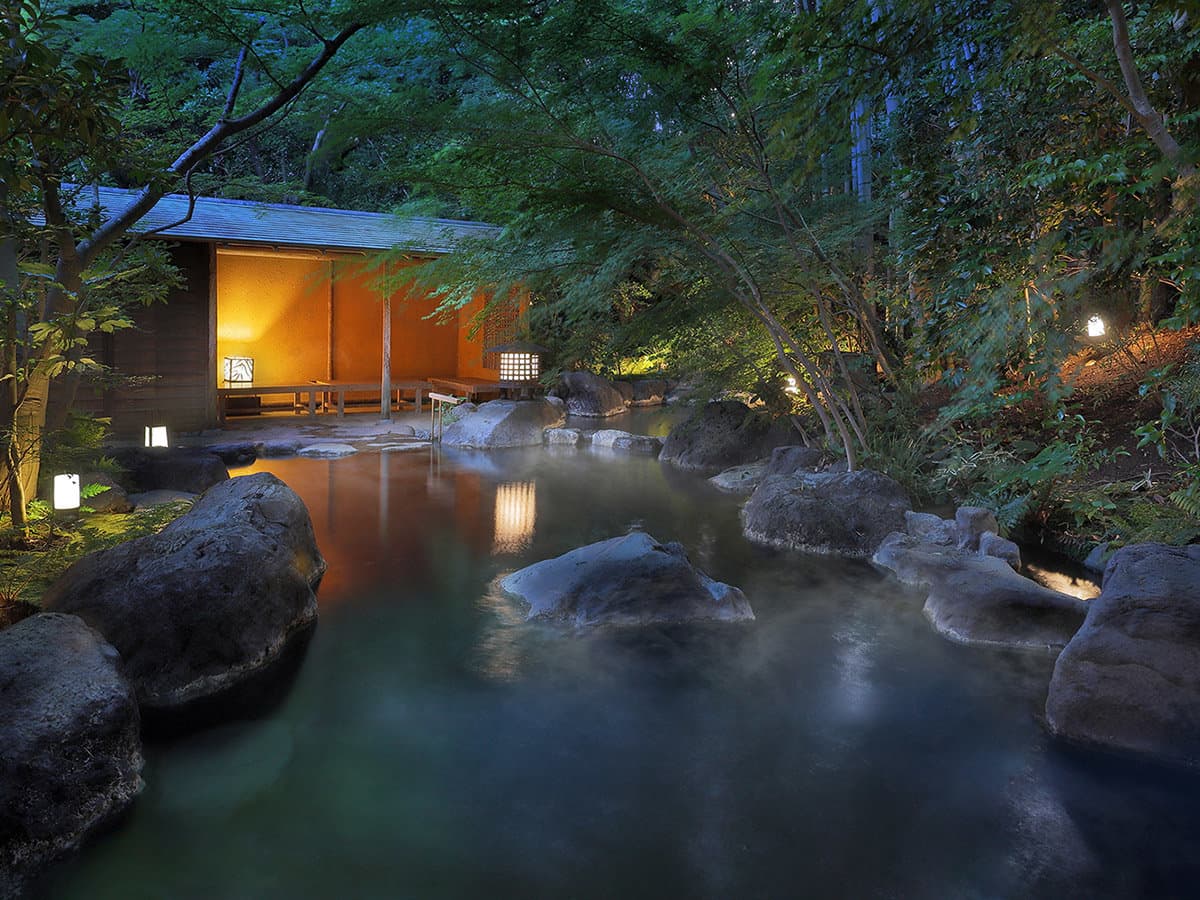 | ¥66,066起≈ NT$13,270每人每晚2人約¥132,132 | 10.0 44則評價 | 上 Trip.com 訂房 |
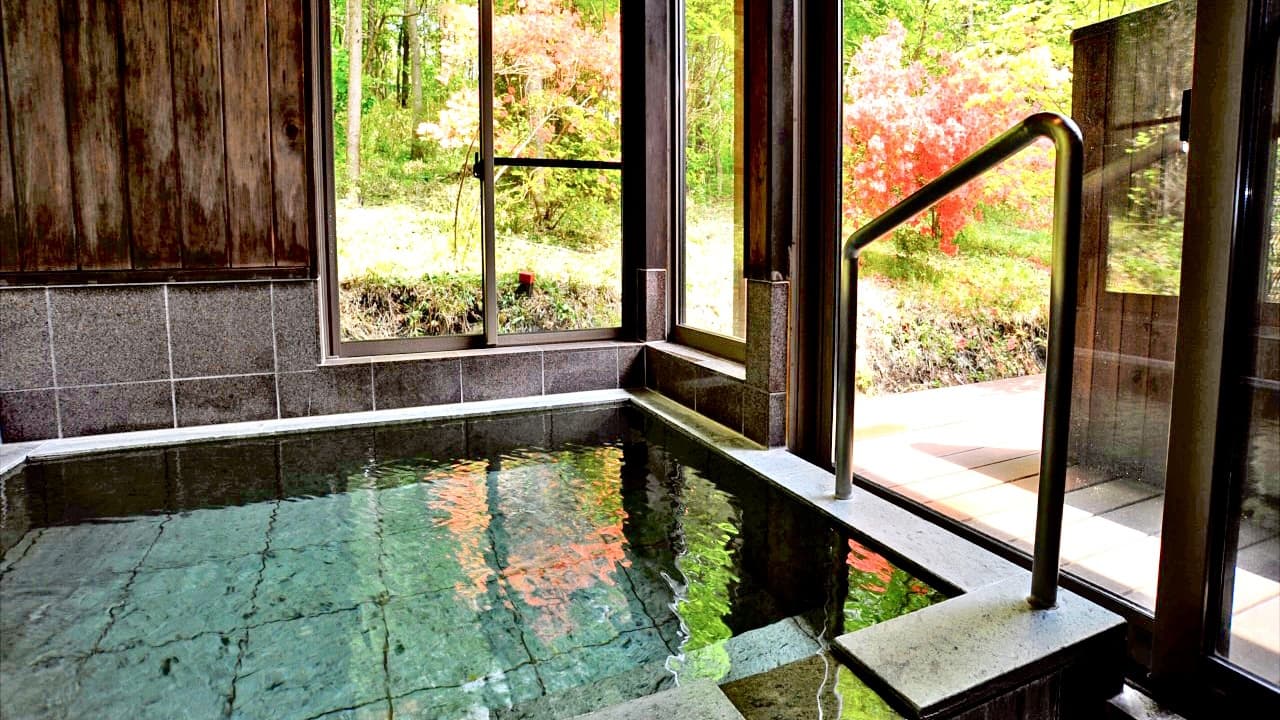 | ¥33,880起≈ NT$6,800每人每晚2人約¥67,760 | 10.0 | 上 Trip.com 訂房 |
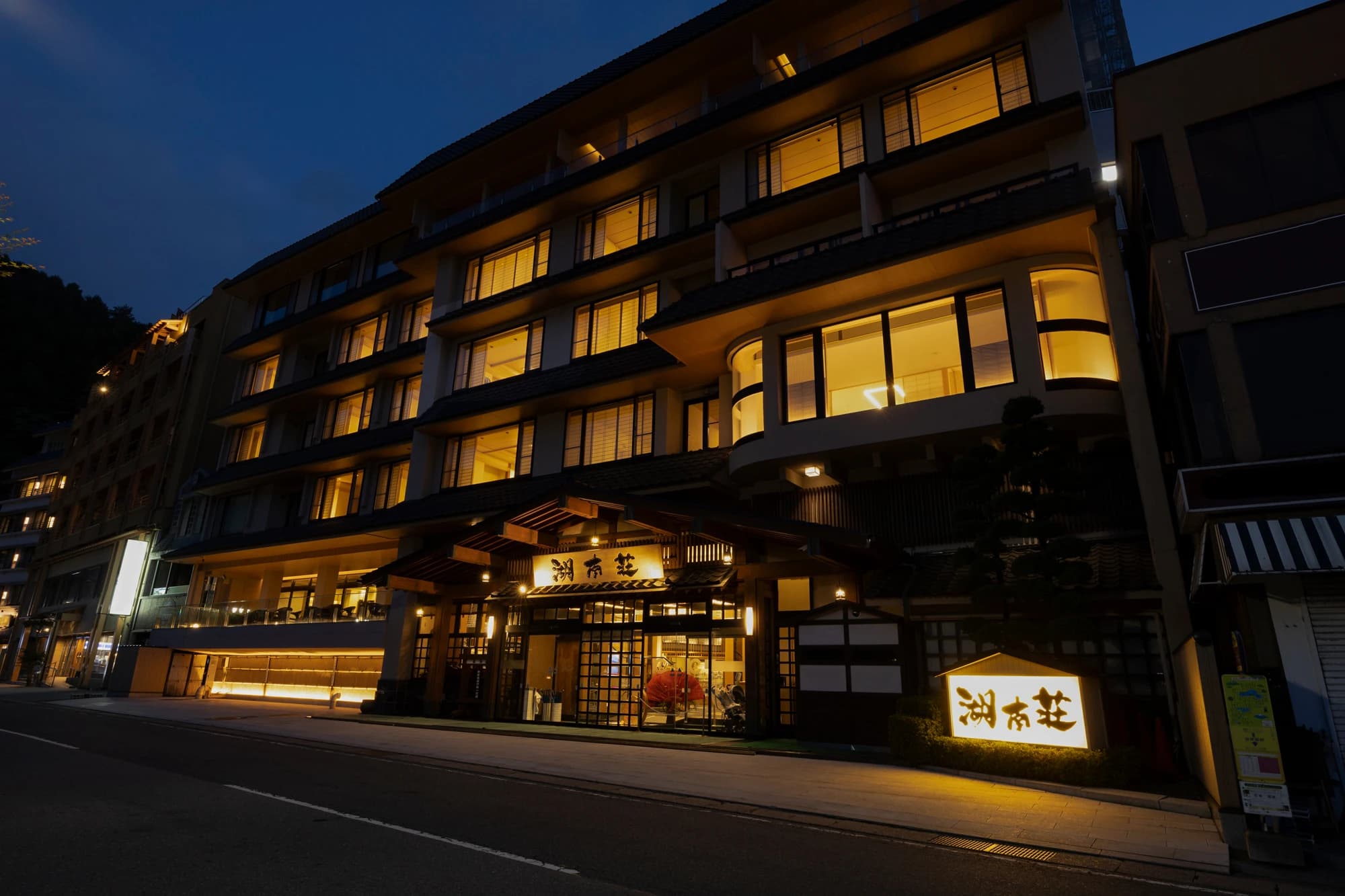 | ¥30,800起≈ NT$6,180每人每晚2人約¥61,600 | 9.9 17則評價 | 上 Trip.com 訂房 |
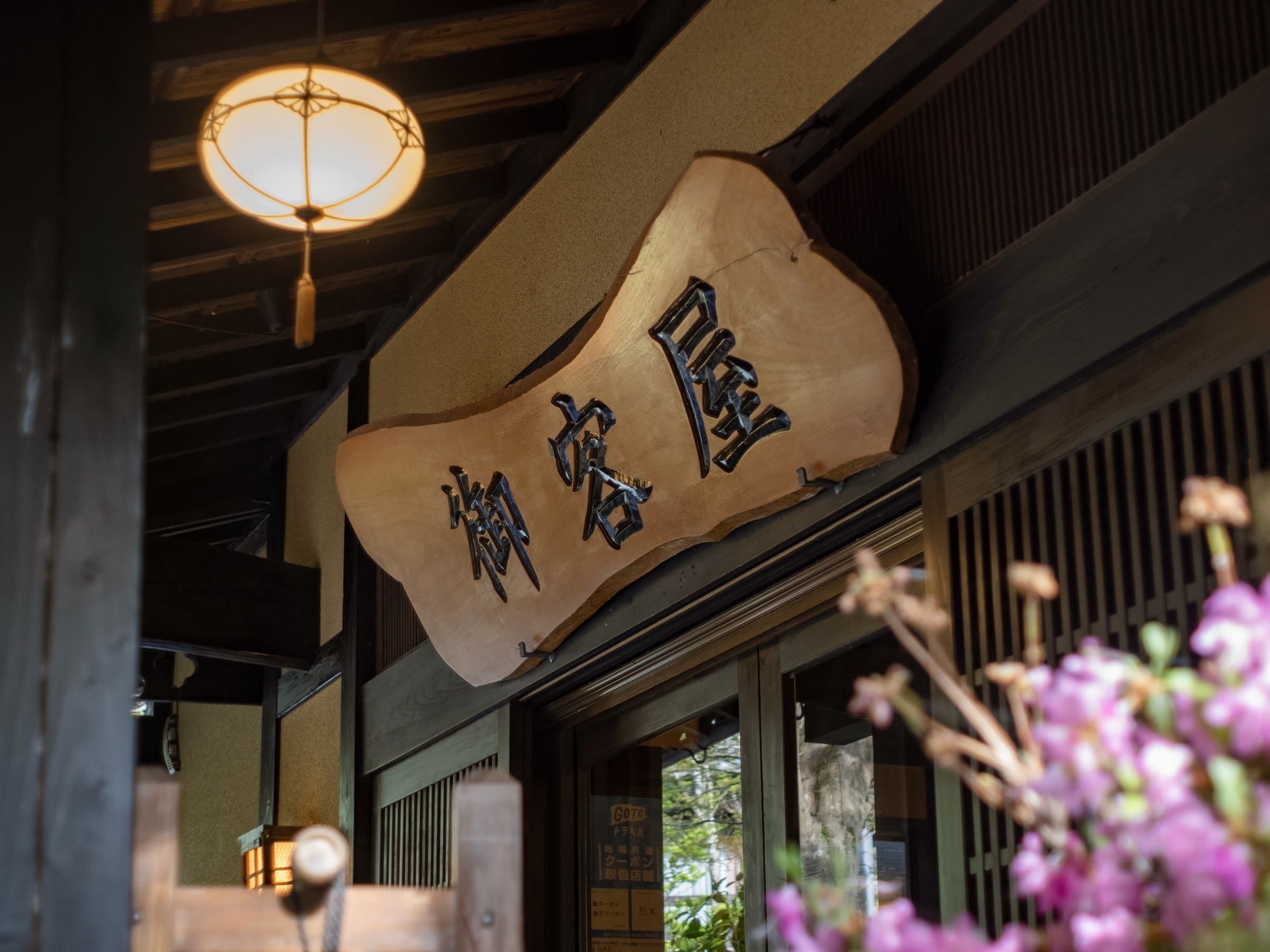 | ¥14,630起≈ NT$2,940每人每晚2人約¥29,260 | 9.8 2589則評價 | 上 Agoda 訂房 |
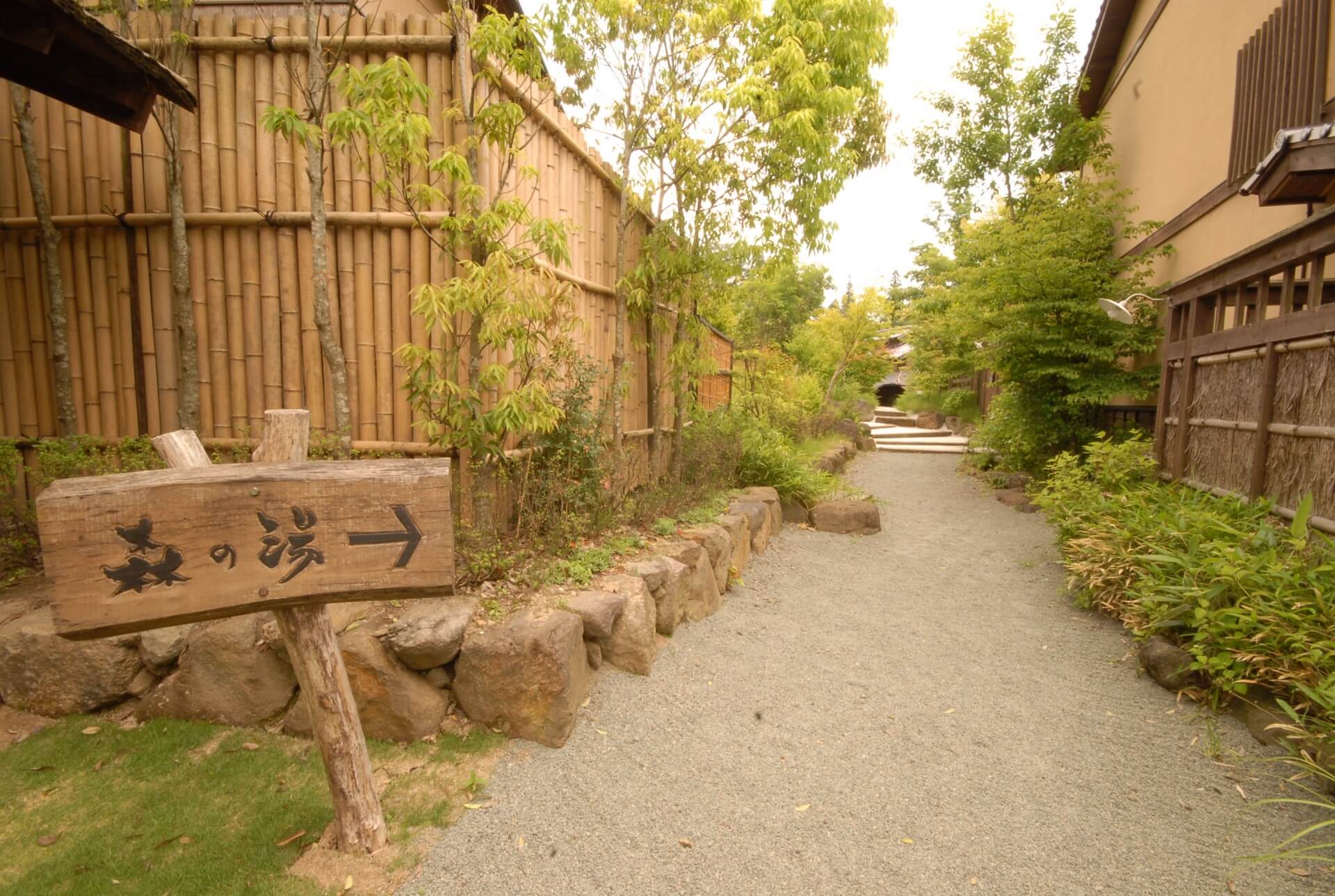 | ¥24,640起≈ NT$4,950每人每晚2人約¥49,280 | 9.8 871則評價 | 上 Booking.com 訂房 |
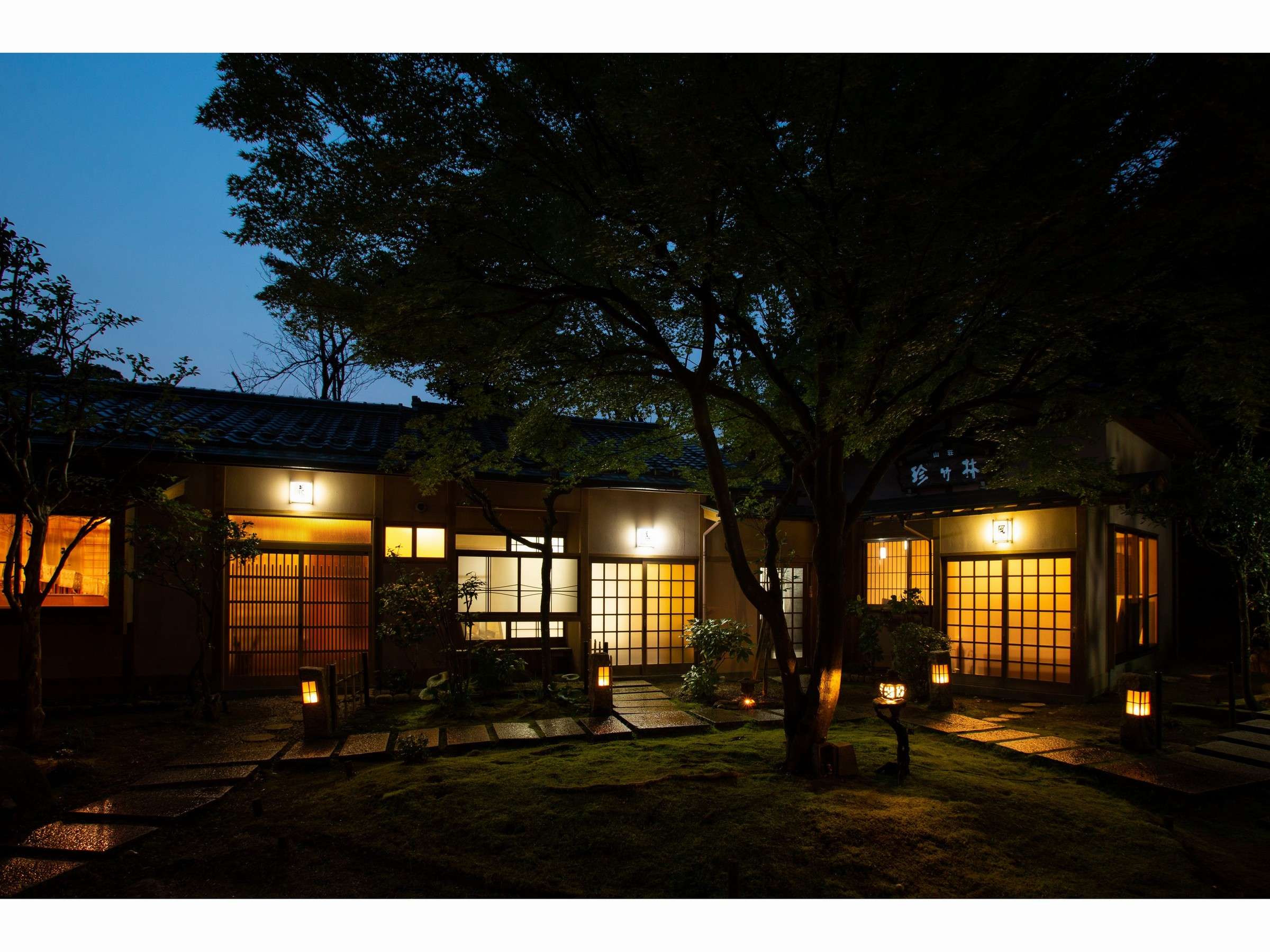 | ¥7,854起≈ NT$1,580每人每晚2人約¥15,708 | 9.8 154則評價 | 上 Booking.com 訂房 |
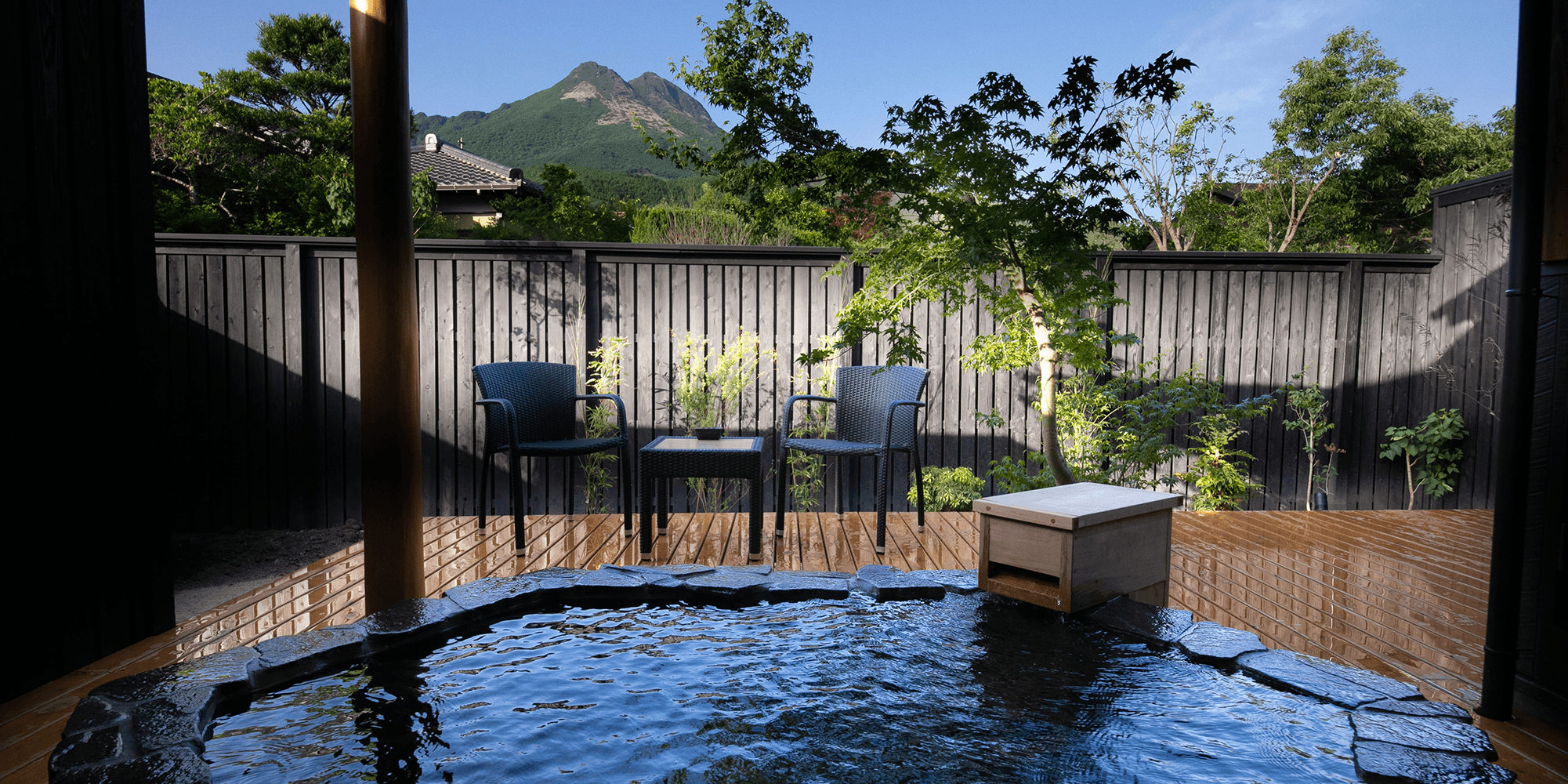 | ¥37,730起≈ NT$7,580每人每晚2人約¥75,460 | 9.8 127則評價 | 上 Agoda 訂房 |
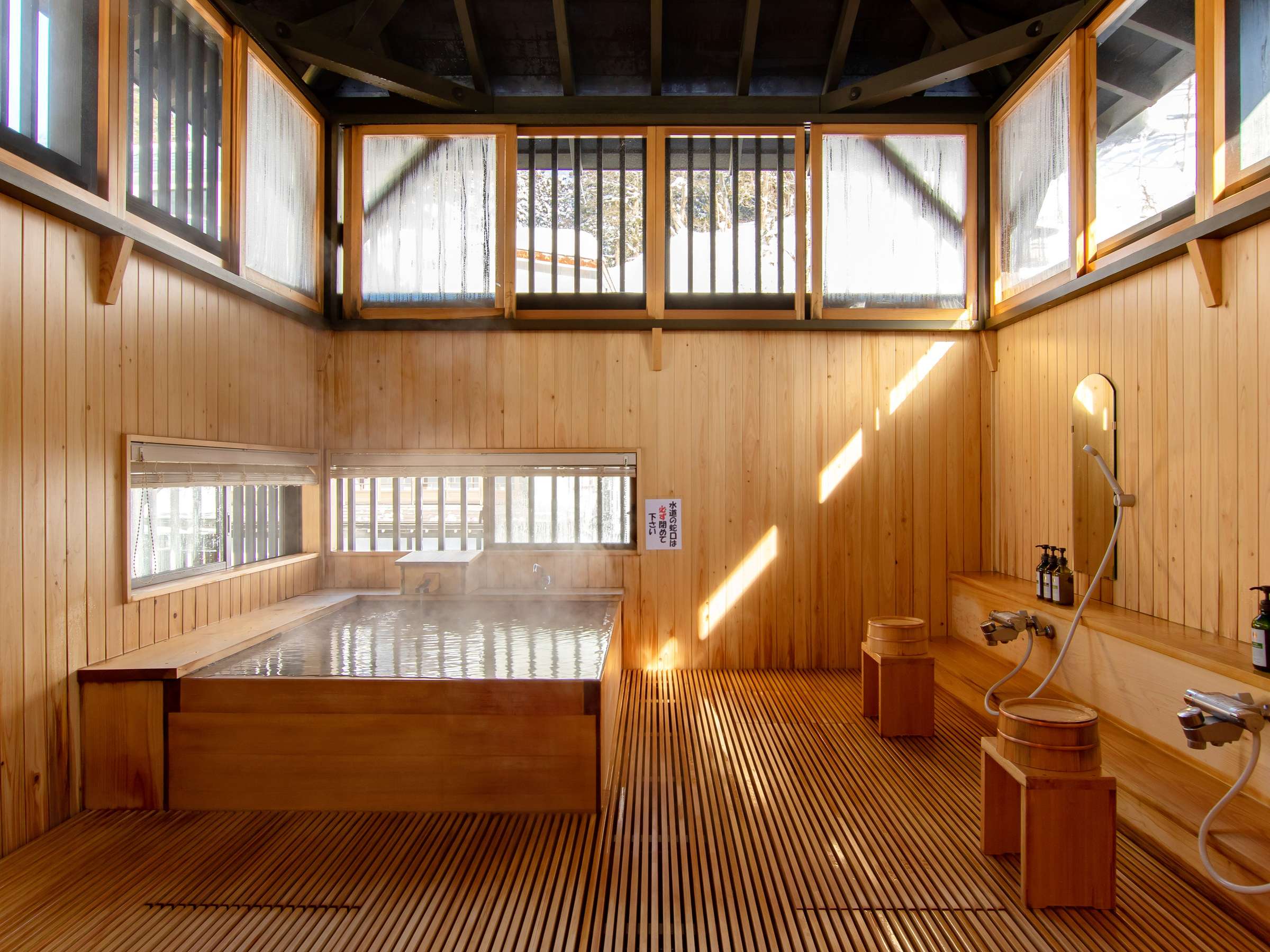 | ¥30,800起≈ NT$6,180每人每晚2人約¥61,600 | 9.8 81則評價 | 上 Agoda 訂房 |
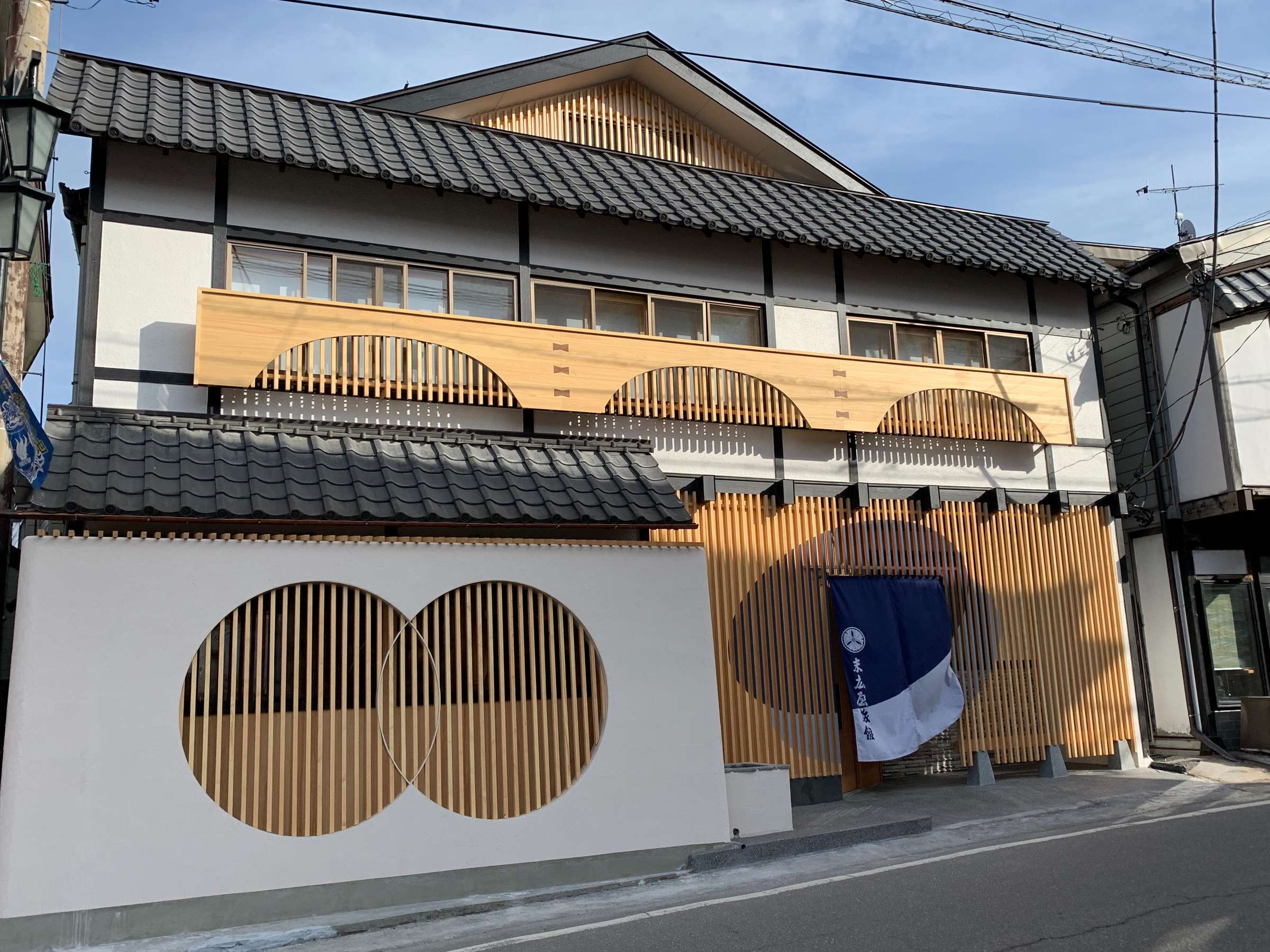 | ¥24,332起≈ NT$4,890每人每晚2人約¥48,664 | 9.8 61則評價 | 上 Trip.com 訂房 |
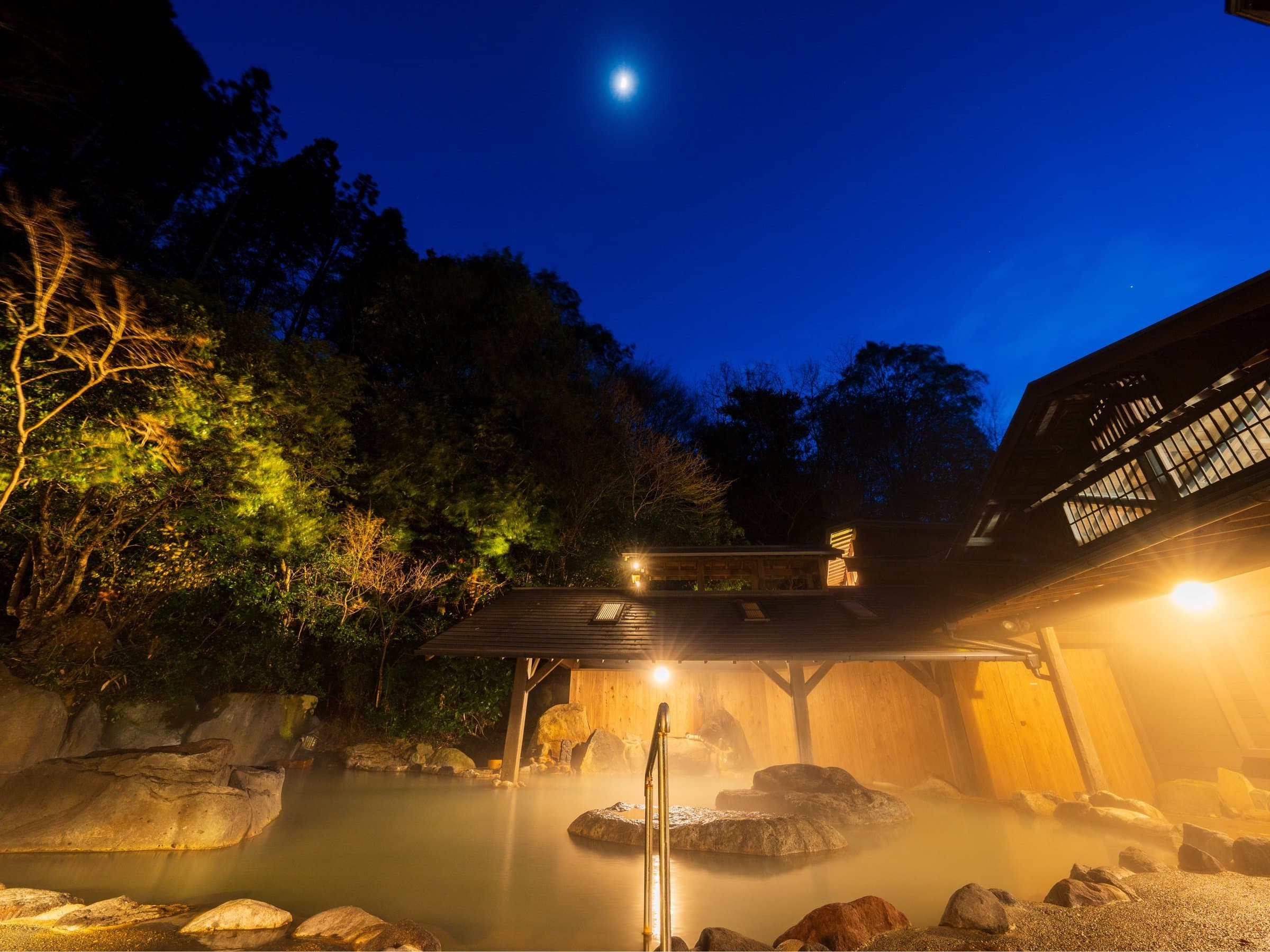 | ¥23,100起≈ NT$4,640每人每晚2人約¥46,200 | 9.8 47則評價 | 上 Agoda 訂房 |
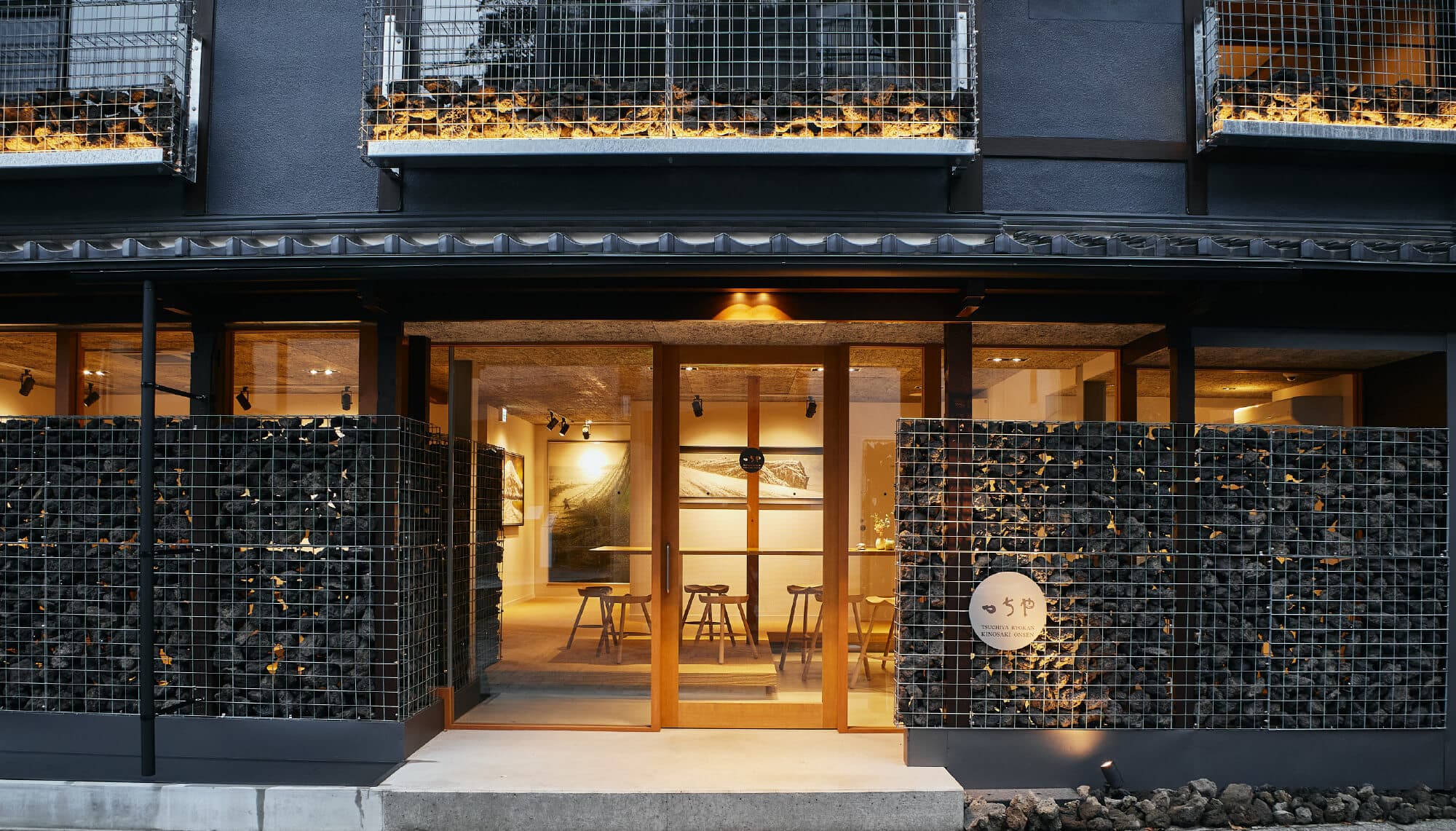 | ¥42,966起≈ NT$8,630每人每晚2人約¥85,932 | 9.8 24則評價 | 上 Agoda 訂房 |
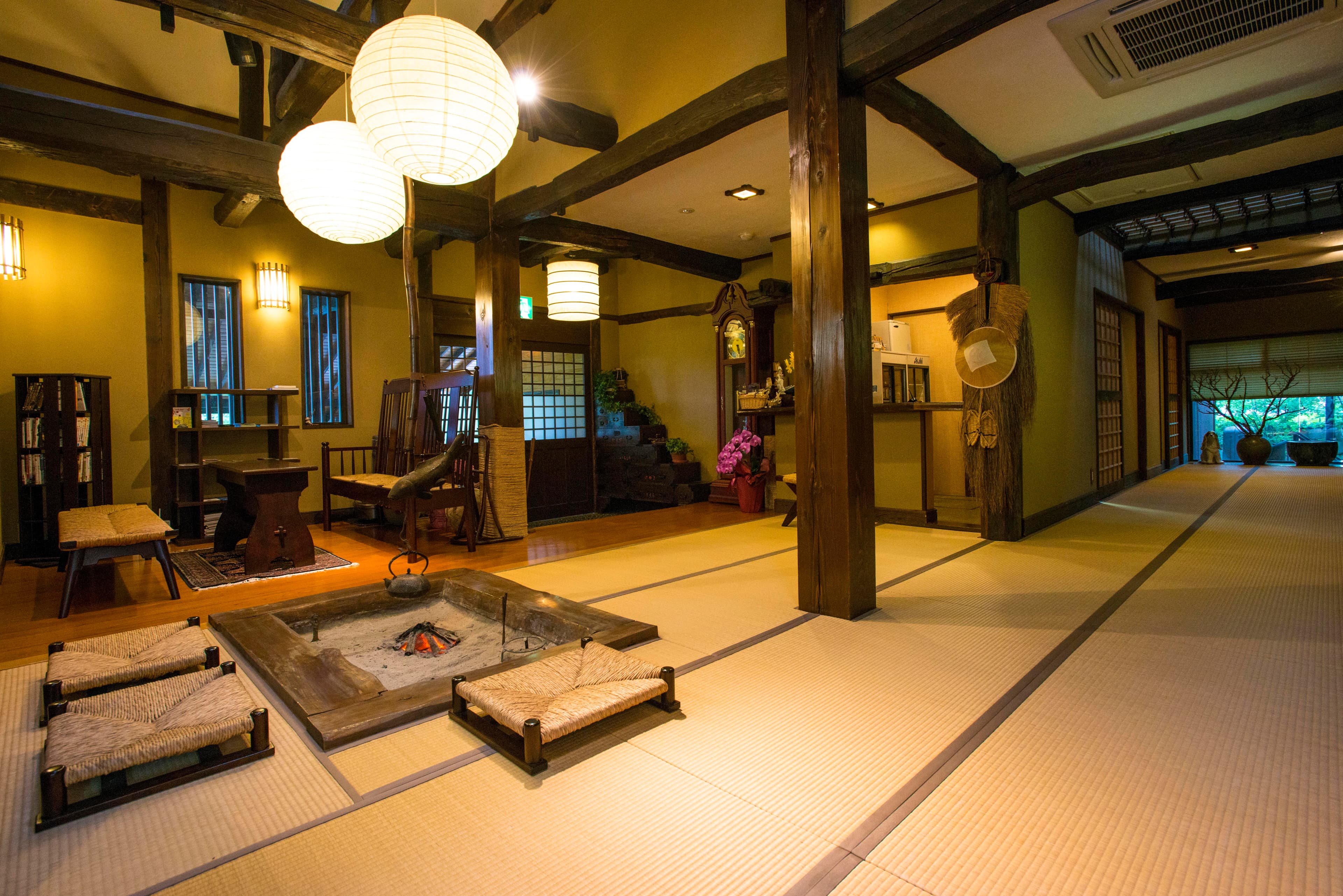 | ¥69,300起≈ NT$13,920每人每晚2人約¥138,600 | 9.8 | 上 Agoda 訂房 |
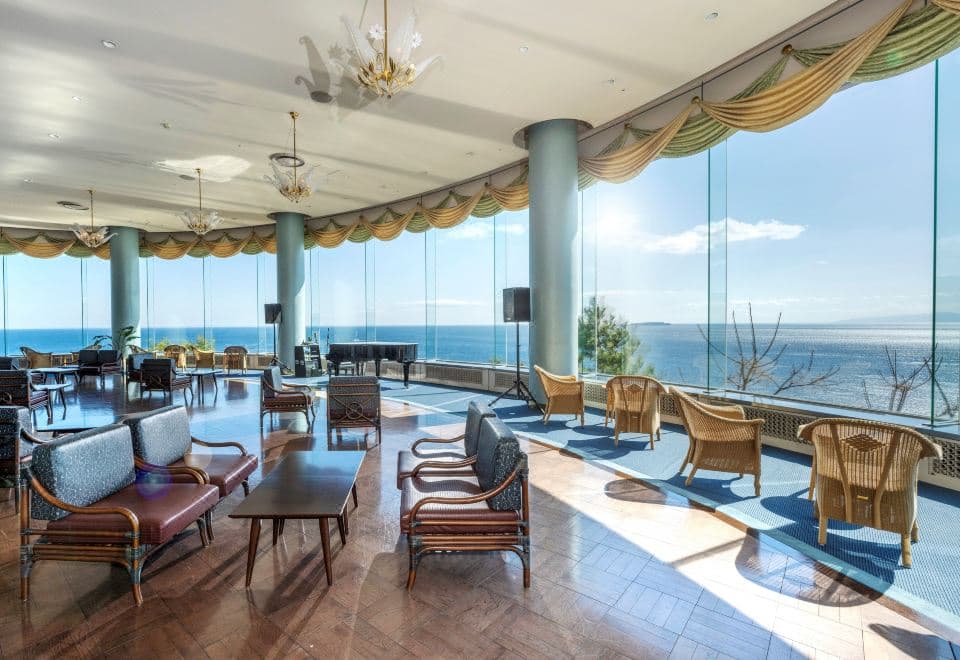 | ¥24,178起≈ NT$4,860每人每晚2人約¥48,356 | 9.7 237則評價 | 上 Trip.com 訂房 |
 | ¥41,580起≈ NT$8,350每人每晚2人約¥83,160 | 9.7 201則評價 | 上 Agoda 訂房 |
 | ¥92,092起≈ NT$18,490每人每晚2人約¥184,184 | 9.7 136則評價 | 上 Booking.com 訂房 |
 | ¥30,800起≈ NT$6,180每人每晚2人約¥61,600 | 9.7 106則評價 | 上 Agoda 訂房 |
 | ¥62,370起≈ NT$12,520每人每晚2人約¥124,740 | 9.7 84則評價 | 上 Booking.com 訂房 |
 | ¥30,800起≈ NT$6,180每人每晚2人約¥61,600 | 9.7 72則評價 | 上 Trip.com 訂房 |
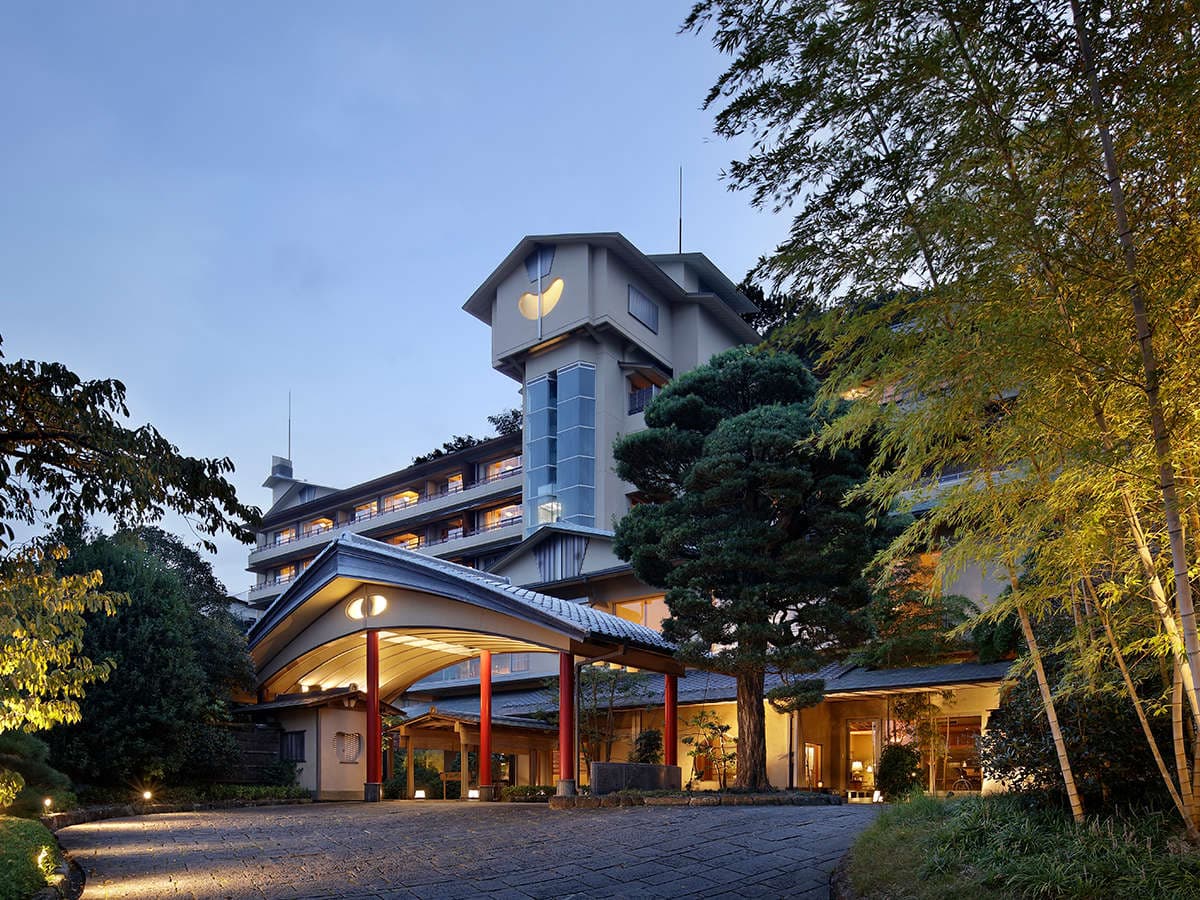 | ¥27,104起≈ NT$5,440每人每晚2人約¥54,208 | 9.7 71則評價 | 上 Booking.com 訂房 |
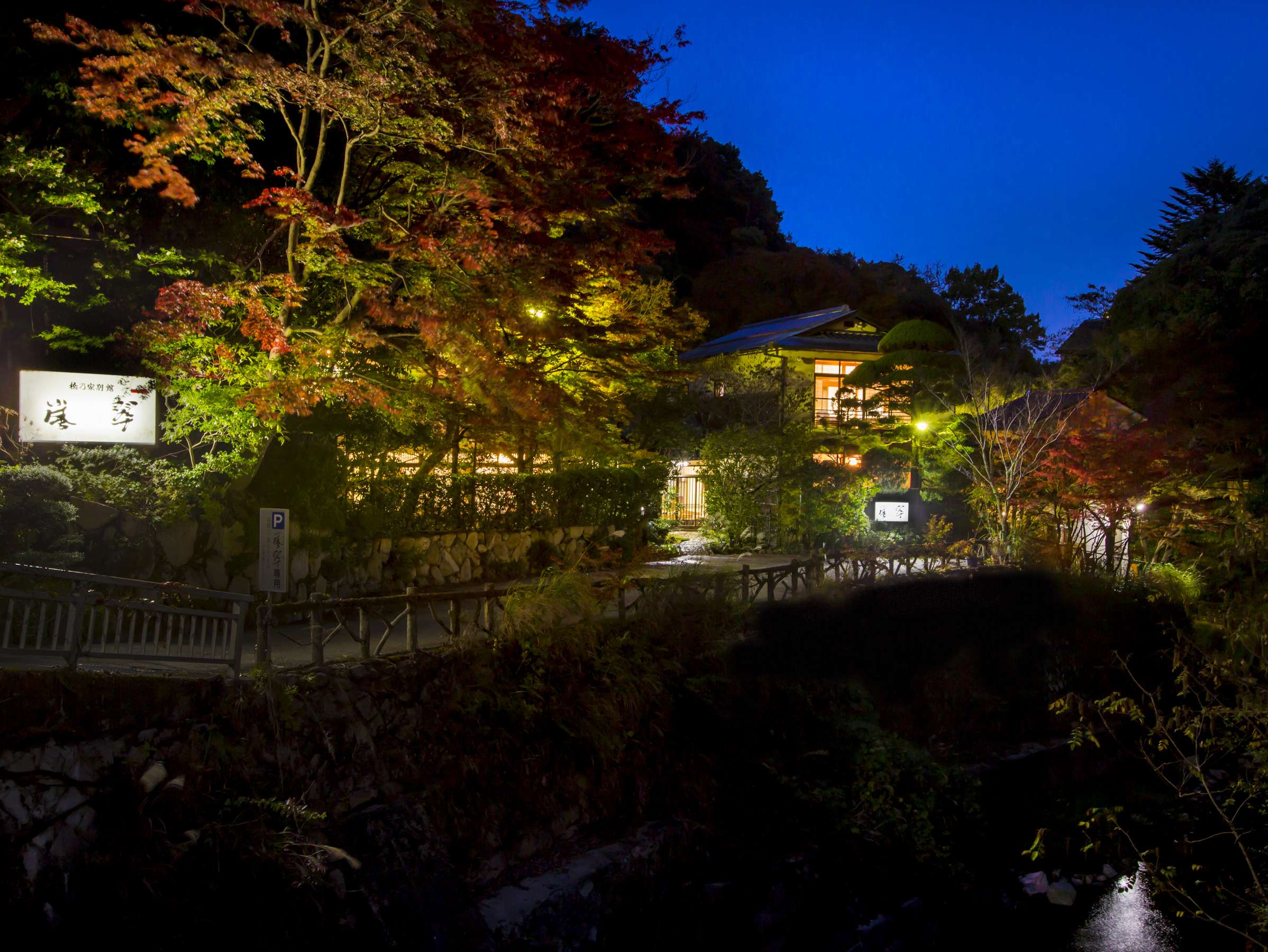 | ¥70,840起≈ NT$14,230每人每晚2人約¥141,680 | 9.7 51則評價 | 上 Agoda 訂房 |
Akane-an
Nasu
湖南莊
Fuji Kawaguchiko
Okyakuya
Kurokawa
Ryokan Kounoyu
Kurokawa
Oyado Den Rikyu
Yufuin
Nagasawa Heihachi
Ginzan
Suehiroya Ryokan
Kusatsu
Yamabiko Ryokan
Kurokawa
Tsuchiya Ryokan
Kinosaki
Onyado Nakada
Nasu
Sanso Warabino
Yufuin
Hinoharu Ryokan
Yufuin
Bettei Amafuru Oka
Ibusuki
Kurokawa-So
Kurokawa
顯示價格為每人每晚的起價(約值)。透過本站預訂,我們可能獲得佣金。
準備好預訂了嗎?
從這些精選旅館中預訂
一次比較各訂房網站的即時空房與房價。
¥77,000起≈ NT$15,460 · 每人每晚2人合計約¥154,000起



¥61,600起≈ NT$12,370 · 每人每晚2人合計約¥123,200起
透過預訂連結可能產生佣金,但不會增加您的費用。
想在客房浴池享受草津的酸性泉水,可在草津私人湯屋旅館合輯查看全部選擇。
FAQ
常見問題
日本私湯旅館每晚大約多少錢?+
價格依設施差異不小,入門級附包租湯的旅館從每人每晚¥15,000–¥30,000起;中價位附客室湯為¥30,000–¥60,000;奢華等級的完整露天風呂套房可達¥60,000–¥150,000+。以上多已含晚餐與早餐。
旅館的私湯體驗有哪些類型?+
主要有三型。客室露天風呂(客室露天風呂):直接位於房內或露臺的開放式湯池,多採源泉掛流。包租湯(貸切風呂):可預約45–60分鐘、供住客輪流使用的私人浴室。套房溫泉:部份奢華旅館提供整片私人沐浴空間。
私湯旅館什麼時候訂最合適?+
建議盡早預訂,特別是秋季紅葉(10–11月)與櫻花季(3月底至4月)需提前3–6個月。黃金週與新年需要更長的前置期。也可考慮平日入住,週間房價往往比週六便宜30–40%。
使用旅館私湯時應該注意什麼?+
入浴前務必淋浴洗淨身體,以保持礦泉水的清潔。不要放掉湯水——源泉掛流的湯會持續溢流。建議多泡幾次,破曉前的那一泡尤其難忘。旅館通常提供浴巾、浴衣與保養用品。
什麼樣的旅人最適合選擇私湯旅館?+
私湯特別適合想一起泡湯的情侶(公共浴池男女分浴)、攜帶幼兒的家庭(孩子可自在玩水)、希望享受獨享空間的單人旅客、以及對刺青或裸湯感到不安的旅人。
怎麼確保私湯使用的是天然溫泉?+
預訂時請尋找「天然溫泉」或「源泉かけ流し」字樣,這是貨真價實的礦泉、能完整提供健康與美膚效益的關鍵。部份「私湯」可能使用加熱自來水,所以泉源資訊一定要先確認。
露天風呂和客室溫泉差在哪?+
露天風呂(露天風呂)只代表「戶外湯」——對天敞開,常見庭園或自然景觀。客室溫泉則表示湯位於你的客室內、不與他人共用。兩者可重疊:最佳組合是「客室露天風呂」——既私密又在你房間。但也存在共用的露天湯、或位於室內的客室湯。預訂時兩個面向都要確認。
私湯一定是加熱的天然溫泉嗎?+
不一定,這是最常見的誤解之一。在箱根、草津、別府、由布院這類地熱豐沛的區域,客室湯多半引自天然泉源。京都、東京、大阪這類都會幾乎都是加熱自來水——這些地下並無地熱可用。請務必在日文房型說明中查找「天然溫泉」或「源泉かけ流し」,或直接向設施詢問。
客室私湯的水多久換一次?+
依系統而定。源泉掛流(かけ流し)會持續以新水替換——舊水從溢流口排走、新水從泉源注入,水永遠保持新鮮。循環過濾系統則回收加熱湯水並以紫外線或氯處理。高階設施多採掛流;入門級常採循環。入住時可向旅館詢問所屬系統。掛流系統不需自行放水換水,盡情泡多次都可以。
可以讓私湯整夜開著嗎?+
若為源泉掛流,答案是可以——許多客人就這樣做。設施的供排水系統就是為此設計,多餘的水會自然從溢流口排走。部份旅館會在歡迎說明中明文提及。若是加熱循環系統,整夜開著由你決定,但可能影響另計的水電費。不確定時可在館內服務時向仲居詢問——他們會告訴你該設施的常規做法。
如果是私湯,刺青還算問題嗎?+
對完全客室內的私湯而言:實務上幾乎不是問題。沒有共用空間、沒有其他客人、入浴時也沒有業者在場。許多在公共浴池維持刺青禁止的旅館,會私下表示客室湯本身不在稽查範圍。但規範因設施而異,部份明訂全館一律禁止。若你在意這點,請使用我們的刺青可入旅館指南,名單上的政策皆已確認。包租湯方面,業者會在使用之間進入清掃——這部分規範就比較不一致。
附客室露天風呂的房比標準房通常加價多少?+
同一設施內,每人每晚通常加價¥10,000–¥30,000。在奢華等級(如強羅花壇、和之裡),私湯已內建在所有房型——你比較的對象是其他同級設施,而非「無私湯的標準房」。河鹿莊飯店這類中價位設施,訂房頁通常能看到明確的差額。若是把包租湯當成單次加購(而非整間升等),常見價格為¥2,500–¥5,000/45–60分鐘,部份旅館免費提供。
還在猶豫?
瀏覽日本旅館Booking.com