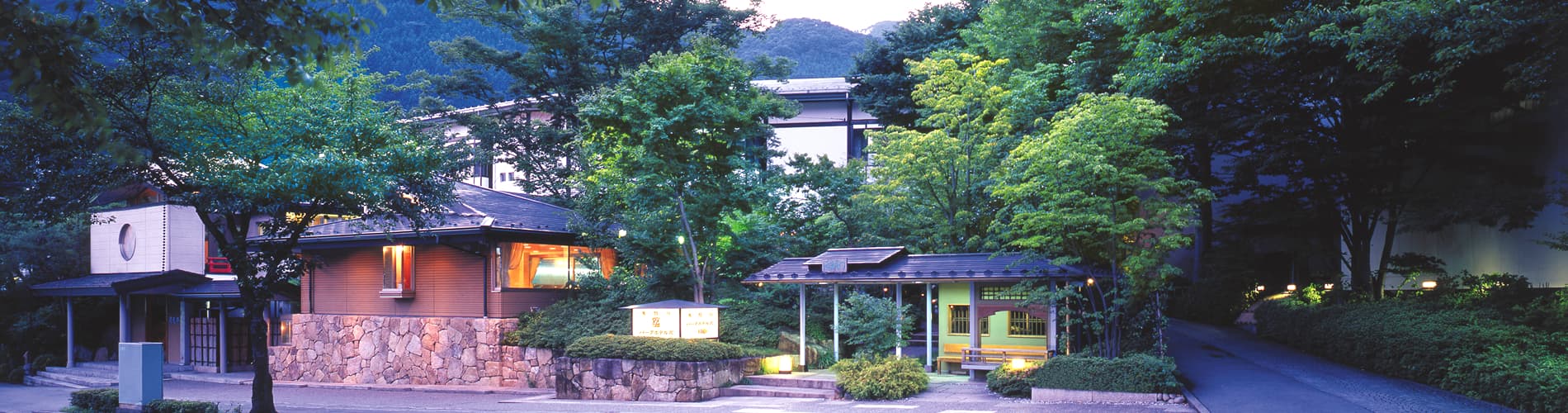
日本清真旅館完全指南:穆斯林旅行者必讀(2026年)
Maarten Heerlien via Wikimedia Commons
guides|May 2026|18 min read

日本清真旅館完全指南:穆斯林旅行者必讀(2026年)

Stone lantern and courtyard garden of Toshiharu Ryokan illuminated at night
Maarten Heerlien via Wikimedia Commons, CC BY 2.0

*All properties verified as of May 2026. Halal certifications and menu offerings change — confirm directly before booking.*

Finding a halal ryokan in Japan is harder than it should be — not because the options don't exist, but because information scattered across forums contradicts itself. This guide cuts through that. It explains the certification framework, flags alcohol hidden inside standard Japanese cooking, and gives you 11 verified properties with prices, phone numbers, and a copy-paste booking email.

Japan ranked in the top five non-OIC countries in the Mastercard-CrescentRating Global Muslim Travel Index 2024, and a halal tourism market projected to reach USD 598.9 million in 2025 is growing fast. [verified Future Market Insights 2026-05-09] The country had over 150 mosques nationwide by 2025. [verified The News Agency 2026-05-09] The infrastructure is here — you just need to know what to ask for.

→ [Jump to verified property profiles](#top-11-halal-ryokans)

If this is your first ryokan stay, the [first-time ryokan guide](/blog/first-time-ryokan-guide) covers check-in etiquette, yukata dressing, and how kaiseki meals are structured.

Quick pick: best halal ryokans by traveler type

Not everyone needs to read the whole guide first. Use this table if you know what you're looking for.

| Traveler Type | Best Pick | Why | |---|---|---| | Editor's Pick: Best Overall | YUZANSO (Shiga) | Halal-certified since 2014, private Lake Biwa onsen, most affordable certified option | | Best for Halal Wagyu | AYUNOSATO (Kumamoto) | Only certified halal wagyu on this list, Michelin-selected | | Best for Families | Otaru Kourakuen (Hokkaido) | 28 rooms with private onsen built in, no reservation hassle | | Best Prayer Infrastructure | Kinugawa Park Hotels (Nikko) | Purpose-built ablution room, multiple onsen styles | | Best Kyoto Base | Risshisha Machiya (Kyoto) | CrescentRating-rated, prayer mat in every room as standard | | Best Free Private Bath | Spa Village KAMAYA (Nikko) | Family kashikiri included at no charge | | Best Luxury Setting | Yachiyo (Kyoto) | Nanzenji temple district, vegetarian kaiseki — source meals externally |

Halal-certified vs. Muslim-friendly ryokan: why the difference matters

This is the single most important distinction in this guide.

Halal-certified means a recognized certification body — Japan Halal Association (JHA), Muslim Professional Japan Association (MPJA), or Japan Halal Unit Association (JHUA), all recognized by Malaysia's JAKIM, Singapore's MUIS, Indonesia's BPJPH, and the Gulf States Approval Agency — has inspected the kitchen, verified the ingredient supply chain, and issued a certificate with a number you can look up. When you eat at a halal-certified ryokan, you are not guessing. The kitchen staff have been trained, cooking sake has been removed, mirin has been replaced with a certified substitute, and cross-contamination with non-halal preparation has been addressed systematically.

Muslim-friendly means something different: the property has made a good-faith effort to accommodate Muslim guests, typically by removing pork dishes and alcohol beverages from the menu. The kitchen itself is not certified. Cross-contamination is possible. Whether mirin — the sweet rice wine used as a base ingredient in most Japanese sauces — has been removed depends entirely on that particular kitchen's preparation. This is acceptable for many travelers, but it is not the same standard as certification.

A third informal tier exists in the luxury segment: properties offering vegetarian kaiseki on request. These contain no pork and no obvious alcohol, but they are not Muslim-friendly in any formal sense. The vegetarian category can overlap with halal dietary needs, but it is not a reliable substitute for anyone who observes halal strictly. These properties are included under Tier 3 with explicit caveats.

Tip

**Tip:** Always ask for the certificate number or certification body name when a ryokan claims halal status. Legitimate certified properties will share this information readily. If a property says "we are halal" but can't name the certifying body, treat it as Muslim-friendly at best.

The hidden alcohol problem in halal ryokan kaiseki meals

What the forum threads don't tell you matters more than most travelers realize.

Standard Japanese kaiseki cooking uses mirin — a sweet fermented rice wine — as a foundational ingredient in glazes, simmered dishes, teriyaki preparations, and dipping sauces. Hon-mirin (genuine mirin) contains 10–14% alcohol. [verified Muhammadiyah official fatwa 2026-05-09] It is not a seasoning applied lightly at the table; it is cooked into dishes from the start. Even a simple piece of grilled fish may be brushed with a mirin-based tare before it reaches you.

Cooking sake presents the same issue. It's added to broths and marinades primarily to suppress fishy odors — so it appears in fish and seafood dishes, which form the backbone of most kaiseki courses. A ryokan that says "we remove pork and alcohol from the menu" may mean they've removed the beer list and the pork belly, while the sea bream is still cooked with a sake-based marinade.

Regular soy sauce (shoyu) also contains 1.5–3% alcohol from fermentation. Indonesia's MUI considers it halal because its purpose is not as an intoxicant, but interpretations vary — at a Muslim-friendly kitchen, confirm which soy sauce is in use. [verified HalalMUI 2026-05-09]

Then there's dashi, the foundational stock. Seaweed-based (kombu) dashi is halal. Shiitake mushroom dashi is halal. But the most common dashi in Japanese cooking combines kombu with katsuobushi (bonito flakes) — a fish product that is generally permissible — but prepared in the same kitchen where alcohol-based sauces are in use, raising cross-contamination concerns.

"Mirin-style condiment" (shin-mirin) is often used as a lower-alcohol substitute, but it still contains up to 1% alcohol and appears in many kitchens that consider themselves Muslim-accommodating.

At a halal-certified kitchen, all these ingredients have been replaced and the substitution has been verified. At a Muslim-friendly kitchen, ask specifically about each one.

Tip

**What to Ask:** "Does your kitchen use mirin, cooking sake, or alcohol-based sauces?" If the answer is "we remove pork and alcohol beverages from the menu" — that is not a mirin-free kitchen. Follow up specifically: *「みりんやお酒は料理に入っていますか?」 (Mirin ya osake wa ryōri ni haitte imasu ka?)* — "Is mirin or sake used in the cooking?"

Halal onsen Japan: using private baths (kashikiri-buro) as a Muslim traveler

The word that solves the onsen question for Muslim travelers is kashikiri-buro (貸切風呂) — a fully private reserved bath.

Unlike public onsen, where guests bathe communally without clothing, a kashikiri-buro is reserved exclusively for your party for a set window of time, typically 40 to 90 minutes. [verified Japan Switch Ultimate Guide to Private Onsen 2026-05-09] The space is fully enclosed. No other guests enter. There is no staff present during the session. Female guests can wear modest swimwear or a towel wrap, and no one will see or comment. This is the standard solution used by Muslim families at Japanese ryokans, and it works well.

Sessions are often complimentary for in-house guests or carry a small surcharge of ¥1,000–¥3,000. At Spa Village KAMAYA in Nikko, the family kashikiri bath is included at no additional charge for all guests. At Otaru Kourakuen in Hokkaido, 28 of the 34 rooms have private open-air hot spring baths attached directly — no reservation process required, full privacy built into the room design.

En-suite rotenburo (outdoor baths attached directly to your room) are the premium option: you have a private outdoor onsen accessible only from your room, at any time. This configuration is available at YUZANSO in Shiga and at AYUNOSATO in Kumamoto, both halal-certified properties.

One practical note: kashikiri slots at popular ryokans fill quickly, particularly on weekends and during cherry blossom season (late March to mid-April). Book at least 2–3 months ahead during peak periods — the bath slot is as important to reserve as the room itself.

Empty private outdoor onsen bath surrounded by bamboo screen and stone basin at Yufuin
Wikimedia Commons, CC BY 3.0

Tip

**Booking Tip:** When emailing ahead, specify both your halal meal requirement and your bath preference in the same message. Write: "We would like to reserve a private onsen session (kashikiri-buro). Could you confirm availability and any additional cost?" Not all ryokans have private baths — this is a filter criterion to apply before booking, not something to arrange on arrival.

For a wider selection of properties with guaranteed private bath access, see our guide to [private onsen ryokans in Japan](/blog/ryokan-private-onsen).

Prayer facilities at Japanese ryokans: what to expect

Dedicated prayer rooms are uncommon but no longer exceptional. Both YUZANSO (Shiga) and Kinugawa Park Hotels (Nikko) have purpose-built prayer rooms with ablution facilities. Spa Village KAMAYA has a prayer room. Risshisha Machiya Hotels in Kyoto provides prayer mat, qibla mark, qibla compass, and prayer clothing in every single room — you don't need to ask.

Most Muslim-friendly properties stop at the prayer mat and a qibla direction note. Bathroom sinks work well for wudu. Some properties with dedicated prayer rooms have low taps specifically for ablution — ask at check-in whether a qibla direction card is available. The standard phrase: *「メッカの方角を教えてください。」 (Mekka no hōgaku o oshiete kudasai.)* — "Please tell me the direction of Mecca."

From anywhere in Japan, the qibla direction is northwest. Tokyo faces approximately 293°; Kyoto approximately 292°; Osaka approximately 293°. A phone app like Muslim Pro or Athan handles this reliably. Bring a backup compass if you're staying in remote mountain onsen towns, which frequently have limited connectivity.

Pack these regardless of property tier: a compact travel prayer mat, a downloaded qibla app with offline function, and modest swimwear for private onsen use.

Top 11 halal and Muslim-friendly ryokans in Japan (2026)

Color-coded regions map of Japan showing Hokkaido, Tohoku, Kanto, Kansai, and Kyushu
Peter Fitzgerald via Wikimedia Commons, CC BY-SA 3.0

The 11 properties below are organized into three tiers based on halal status. Read the tier explanation before choosing based on price or location alone.

| Property | Region | Halal Status | Private Onsen | Est. Price/Person | |---|---|---|---|---| | YUZANSO | Shiga | Certified | In-room | ¥7,150 (meal) | | AYUNOSATO | Kumamoto | Certified | In-room | ¥16,000+ | | Otaru Kourakuen | Hokkaido | Muslim-friendly | 28 rooms | ¥7,000+ | | Bentenkaku | Miyagi | Muslim-friendly | Private baths | ¥1,000 day-use | | Kinugawa Park Hotels | Tochigi | Muslim-friendly | Yes | ¥864 day-use onsen | | Spa Village KAMAYA | Tochigi | Muslim-friendly | Free kashikiri | Check Trip.com | | Risshisha Machiya | Kyoto | CrescentRating | No onsen | Check Trip.com | | Hotel ROAN | Ishikawa | Muslim-friendly | Free 50 min | Check Trip.com | | Yachiyo | Kyoto | Vegetarian only | Semi-private | ¥132,000+/night | | Hozugawatei | Kyoto area | Request-based | Unconfirmed | ¥56,600+/night | | Fufu Kyoto | Kyoto | Vegetarian only | Onsen on-site | ¥91,300+/night |

1. Satoyu Mukashibanashi YUZANSO — Shiga (halal-certified) ⭐ Editor's Pick: Best Value Certified

YUZANSO has held its halal certification since May 2014 — one of the longest-running certified ryokans in Japan, a meaningful trust signal when so many properties make recent or unverifiable claims. The kitchen operates with separated halal kitchenware and storage, priority-sourced halal ingredients, and a Muslim staff member assigned to assist at halal dinners.

The in-room baths overlook Lake Biwa, Japan's largest freshwater lake. Travelers who have stayed here consistently note that the halal kaiseki at YUZANSO feels indistinguishable from a standard multi-course ryokan dinner — the lacquerware, the pacing, and the seasonal presentation remain unchanged. The kitchen substitutes mirin with halal-compliant alternatives without compromising presentation. The halal dinner course runs approximately ¥7,150 per person [verified Food Diversity Today 2026-05-09], making this the most budget-accessible halal-certified option on this list. A dedicated prayer room with ablution facilities is on-site.

One transparency note: YUZANSO's English-language pages do not name the specific certifying body. Confirm the current certifier directly when booking — call 077-578-1144 and ask for the certificate details. YUZANSO's staff are accustomed to the question.

Pros: Halal certification since 2014, in-room rotenburo, prayer room on-site, most affordable certified option, close to Kyoto. Cons: Certifying body not named on English pages; smaller property means limited weekend availability.

Tip

**Scarcity note:** YUZANSO is a smaller property, and halal dinner preparation requires advance kitchen staffing. Weekends and Golden Week (late April to early May) fill fast — book 6–8 weeks ahead.

Best for: Budget-conscious travelers who need full certification without compromise, and anyone routing through Kyoto.

2. Hitoyoshi Ryokan AYUNOSATO — Kumamoto (halal-certified, Michelin-selected) ⭐ Editor's Pick: Best Halal Dining

AYUNOSATO is the only halal-certified accommodation in Kumamoto Prefecture and the only property on this list serving certified halal wagyu beef. It obtained halal certification in 2019 and sources its wagyu through Zenkaimeat, one of the few halal-certified beef processors in Japan. The standard halal meal course runs ¥16,000 + tax per person for one night with two meals; the wagyu upgrade adds ¥7,000 + tax per person. Verify current pricing directly before booking at info@ayunosato.jp or 0966-22-2171, as rates change seasonally. [verified Food Diversity Today 2026-05-09]

Multi-course Japanese kaiseki dinner spread with lacquerware bowls and hot pot at ryokan
Jpatokal via Wikimedia Commons, CC BY-SA 4.0

No other halal ryokan in Japan combines Michelin recognition (selected in 2018) with a certified halal kitchen. Every room has a private in-room hot spring, and for guests who want to use the public bath, the property provides special bathing garments. Hitoyoshi is approximately 2.5 hours from Fukuoka by train — pair it with Kagoshima or a Kyushu road trip rather than treating it as a standalone destination from Tokyo.

Pros: Only certified halal wagyu on this list, Michelin-selected, private in-room onsen in every room, bathing garments provided for public baths. Cons: Remote location (2.5 hrs from Fukuoka); 3 days' advance notice required; halal dinner limited to a handful of tables per evening.

Tip

**Scarcity note:** AYUNOSATO requires 3 days' advance notice for halal meals. Only a handful of tables per evening are set for halal service — contact as soon as your travel dates are fixed.

Best for: Travelers who want a high-end kaiseki experience with certified halal wagyu, and anyone building a Kyushu itinerary.

3. Otaru Kourakuen — Hokkaido (Muslim-friendly, 28 private onsen rooms) ⭐ Editor's Pick: Best for Families

Otaru Kourakuen is the standout option for Hokkaido, and its scale of private onsen access is unmatched on this list. Of its 34 guest rooms, 28 have private open-air hot spring baths attached directly — no reservation queue, no time limits, full privacy from the moment you check in. The property runs a dedicated halal kitchen using separate cookware, tableware, and preparation surfaces, with no alcohol used even for kitchen disinfection. Halal meal plans start from ¥7,000 + tax per person, with a Halal Shabu Shabu hot pot option and multi-course plans up to ¥10,000 + tax. [verified Otaru Kourakuen official site 2026-05-09]

Prayer rugs are provided in guest rooms, and the property includes a map of local mosques and halal restaurants in Otaru. The one caveat: no named certification body is listed on their English pages — the property is Muslim-friendly with halal-sourced meats, not a certified facility. Three days' advance booking is required for the halal meal service. For more options in the region, see our [best ryokans in Hokkaido](/en/ryokans/hokkaido) guide.

Pros: 28 rooms with private open-air onsen, dedicated halal kitchen, prayer rugs provided, halal meal plans from ¥7,000. Cons: No named certification body; 3 days' advance booking required; limited halal dining outside the ryokan in Otaru itself.

Best for: Families and groups who prioritize private onsen access; anyone combining a ryokan stay with Hokkaido's ski season or summer hiking.

4. Naruko Onsen Bentenkaku — Miyagi (Muslim-friendly, English spoken)

Bentenkaku is the most accessible Muslim-friendly ryokan in the Tohoku region. What sets it apart is the English fluency of the owner, Takenobu Kikuchi, who developed the halal program independently. "Halal food does not imply that it is only for the consumption of Muslims; everyone can enjoy halal food," Kikuchi told Visit Miyagi — a pragmatic attitude that shows in how straightforwardly the property handles special requests.

Private baths with bamboo enclosures are available, and both English and Chinese are spoken on-site. Day trips are an option: ¥1,000 includes access to a private open-air bath even without an overnight stay. [verified Visit Miyagi official tourism site 2026-05-09] One significant planning note: Bentenkaku requires 10 days' advance notice for halal meals — the longest requirement on this list. Book well ahead, not the week before departure. Phone: 0229-83-2461.

Pros: English and Chinese spoken, private bamboo-enclosure baths, day-use option from ¥1,000. Cons: 10 days' advance notice required for halal meals; no formal certification; limited halal infrastructure in surrounding Naruko Onsen town.

Best for: Travelers who want English support, who are comfortable with Muslim-friendly (non-certified) status, or who want a less-toured Tohoku onsen town.

5. Kinugawa Park Hotels — Nikko, Tochigi (Muslim-friendly, dedicated prayer room)

Kinugawa Park Hotels sits in Kinugawa Onsen, about two hours from Tokyo, and is the more infrastructure-complete of the two Nikko options for Muslim travelers. The property has a dedicated prayer room (small mosque) with purpose-built ablution facilities available at any time — not just a prayer mat in the room, an actual space. The halal-labeled ingredient menu uses separated kitchen preparation with specialized cookware and tableware. [verified Food Diversity Today 2026-05-09]

The onsen selection is extensive — cypress, Edo-inspired, wooden boat barrel, rocky, and open-air formats — and private baths are available for Muslim guests. Day-use onsen access runs ¥864 for non-guests. The proximity to Nikko's UNESCO World Heritage shrines makes this a natural base for two to three days. Advance notice is required for halal meal preparation; contact directly at 0288-77-1289 to confirm timing. For a full itinerary built around Nikko, see our [best ryokans near Nikko](/en/ryokans/nikko) guide.

Pros: Dedicated prayer room with ablution facilities, five distinct onsen formats, strong proximity to Nikko UNESCO shrines, two hours from Tokyo. Cons: No formal halal certification; advance notice required; advance notice window not published — call to confirm.

Best for: Middle Eastern travelers who prioritize formal prayer infrastructure, and anyone using Tokyo as a base and adding a Nikko excursion.

6. Spa Village KAMAYA — Nikko, Tochigi (Muslim-friendly, free private bath)

KAMAYA sits further into Oku Nikko at Yumoto Onsen, a quieter location than Kinugawa with milky-white sulfur thermal water. Step into the kashikiri bath here and the opacity stops you — the water is the color of diluted milk, and the sulfur note hangs faintly in the cold mountain air outside, a distinctly alpine contrast to the warmth of the rock surround. The halal menu uses local ingredients — yuba (bean curd skin), fresh fish, mountain vegetables, mushrooms — with separate kitchenware and storage. A prayer room is available.

The standout operational detail: the family kashikiri bath is included for all guests at no additional charge, with no advance reservation required. [verified Food Diversity Today 2026-05-09] Couples in particular tend to find KAMAYA more intimate than the larger Kinugawa Park Hotels. Rates vary by season and room type — check Trip.com or Booking.com for current pricing before booking.

Pros: Family kashikiri bath free and unreserved, halal menu with local ingredients, quieter mountain setting than Kinugawa. Cons: No formal certification; advance notice required for halal meals; limited English support confirmed.

Best for: Couples wanting a boutique feel and guaranteed private bath with no surcharge.

7. Risshisha Machiya Hotels — Kyoto (CrescentRating-rated, Muslim-friendly)

Risshisha operates a collection of traditional Kyoto machiya townhouses — long narrow buildings with internal courtyard gardens — rather than a single ryokan property. The Muslim travel credentials are among the strongest in Kyoto. Every room has a prayer mat, qibla mark, qibla compass, and prayer clothing as standard. Ablution-capable hot water taps are in all bathrooms. [verified Risshisha official halal page 2026-05-09]

The property holds a [CrescentRating](https://www.crescentrating.com) rating — the leading global Muslim travel certification recognized across Southeast Asia and the Middle East — and its halal menu is approved by the Japan Islamic Trust, including halal wagyu sukiyaki sourced from a certified slaughterhouse. Rates vary by property and season; check Trip.com or contact the property directly for current pricing. One honest note: Risshisha is a machiya hotel, not a traditional ryokan with on-site onsen. If you need both a Kyoto base and on-site private onsen access, compare against [Kyoto ryokans with private onsen](/en/ryokans/kyoto) for alternatives. Contact: info-rss@risshisha-group.com or +81-75-468-1417.

Pros: CrescentRating-rated, Japan Islamic Trust-approved menu, prayer kit in every room as standard, central Kyoto locations. Cons: No on-site onsen; machiya townhouse format differs from traditional ryokan; room rates not listed publicly.

Best for: Travelers who value globally recognized Muslim travel ratings, a Kyoto townhouse aesthetic, and a property where Muslim travel needs are built into the room design from the start.

8. Ichirino Kogen Hotel ROAN — Ishikawa (Muslim-friendly, Hakusan region)

ROAN sits in the mountains of Hakusan City, Ishikawa Prefecture, about an hour from Kanazawa by car — a natural stop for anyone traveling the Hokuriku Shinkansen route between Tokyo and Kyoto. The property uses halal-certified seasonings in an alcohol-free, pork-free kitchen, and has a dedicated Islamic prayer space with ablution area.

Two private onsen — an indoor Hinoki (cypress wood) bath and an outdoor rock bath — are exclusively reservable for Muslim guests at no charge for 50-minute sessions. [verified Japan Muslim Guide 2026-05-09] Rates vary by season and room type — check Booking.com or Trip.com for current pricing before booking. The one-week advance notice requirement is firm; this is not a property where halal meals can be arranged on short notice. The location also provides easy access to Shirakawa-go, the UNESCO World Heritage village of traditional Japanese farmhouses.

Pros: Two dedicated private onsen at no charge, prayer space with ablution area, Shirakawa-go day trip viable, Hokuriku Shinkansen route makes it practical. Cons: 1 week advance notice required; limited English support; remote mountain location means no halal dining outside the property.

Best for: Itinerary flexibility travelers doing the Tokyo–Kanazawa–Kyoto route, and those who want mountain scenery alongside onsen access.

9. Kyoto Nanzenji Garden Ryokan Yachiyo — Kyoto (luxury, vegetarian kaiseki)

Raked gravel and stone garden at Nanzen-ji temple in Kyoto with white walls and tiled roofs
Jakub Halun via Wikimedia Commons, CC BY 4.0

Be clear-eyed about what Yachiyo offers and doesn't. The property is set in the Nanzenji temple district, one of Kyoto's most architecturally significant neighborhoods. The low wooden corridors, stone garden, and tatami rooms with garden views represent a historically significant ryokan aesthetic going back generations. Vegetarian kaiseki is available on advance request.

The trade-off is absolute: no halal kitchen, no certification body to verify, and no private bath in all room categories — this is a setting purchase, not a halal infrastructure purchase. Strictly observant travelers should arrange meals externally and use Yachiyo as accommodation only. The semi-outdoor private baths attached to room patios provide modesty for bathing, and tatami rooms work naturally as prayer spaces. Given proximity to [Kyoto's halal restaurant scene](/en/ryokans/kyoto), sourcing external halal meals for every sitting is feasible. The nightly rate starts at approximately ¥132,000 (~USD 880). [verified Halalzilla 2026-05-09]

Pros: Architecturally exceptional Nanzenji setting, semi-private patio baths, tatami rooms suitable for prayer, near Kyoto halal restaurants. Cons: No halal kitchen, no certification, not all rooms include private bath — strictly observant travelers must source all meals externally.

Best for: Luxury travelers whose primary priority is historic setting and architectural significance, who plan to source halal meals from nearby Kyoto restaurants.

10. Syoenso Hozugawatei — Kameoka, Kyoto (luxury, no-pork no-alcohol on request)

Hozugawatei sits on the Hozu River in Kameoka, west of Kyoto city, in a secluded riverside setting that sits noticeably removed from the city's tourist density. No-pork, no-alcohol meals are available on advance request, and vegetarian options are offered — but there is no formal certification and the kitchen has not been verified against a halal standard. The one limitation is that onsen access has not been independently confirmed in available sources; guests should verify bath options directly when booking.

What differentiates Hozugawatei from Yachiyo is scale and seclusion. The wooden verandas hang over the river — in autumn, foliage closes in on three sides and the water does the rest of the interior design work. Put it plainly: you sit at the low table, the sliding door frames the gorge, and nothing else competes for your attention. The large tatami rooms accommodate prayer space without difficulty. Nightly rates start at approximately ¥56,600 (~USD 380). [verified Halalzilla 2026-05-09] The property pairs naturally with a Hozu River boat excursion, which runs the gorge between Kameoka and Arashiyama — one of Kansai's more underrated half-day experiences.

Pros: Seclusion from Kyoto crowds, riverside tatami rooms suited to prayer, pairs well with Hozu River boat trip. Cons: No halal certification; onsen access unconfirmed — verify directly before booking; limited halal dining outside the property.

Best for: Luxury travelers wanting seclusion from Kyoto's crowds, who are comfortable with request-based dietary accommodation and understand its limitations.

11. Fufu Kyoto — Kyoto (luxury, near Kyoto Mosque)

Fufu Kyoto's most useful quality for Muslim travelers is geographic: the property sits near the Kyoto Islamic Cultural Center (Kyoto Mosque), which means Friday prayer and halal grocers are accessible on foot or a short taxi ride. The onsen is on-site, with natural hot spring access. Vegetarian meals can be arranged on request. Like Yachiyo and Hozugawatei, there is no halal certification — strictly observant travelers should plan meals externally.

Nightly rates start at approximately ¥91,300 (~USD 610). [verified Halalzilla 2026-05-09] Private bath arrangements are not confirmed in available sources — email the property before booking to verify kashikiri-buro availability. This is the right choice for a traveler who wants to attend Friday prayer at Kyoto Mosque and spend the rest of the weekend in a high-end ryokan setting.

Pros: Walking distance to Kyoto Mosque, on-site hot spring onsen, high-end setting. Cons: No halal certification; private bath availability unconfirmed; meals must be sourced externally for strictly observant travelers.

Best for: Luxury travelers attending Friday prayer at Kyoto Mosque who want a high-end property as a base.

How to book a halal ryokan in Japan: advance notice, platforms, and what to say

Booking a halal ryokan in Japan requires two separate actions: reserving the room and communicating your halal requirements directly. The booking platform alone is not sufficient.

Advance notice requirements by property: - Otaru Kourakuen: 3 days minimum - AYUNOSATO: 3 days minimum - YUZANSO: advance phone reservation required (call 077-578-1144) - Ichirino Kogen Hotel ROAN: 1 week minimum - Naruko Onsen Bentenkaku: 10 days minimum — plan this one first

For halal-certified properties (YUZANSO, AYUNOSATO), the certification is pre-existing — you are confirming they can accommodate your party on your specific dates, not asking them to create a halal meal from scratch. For Muslim-friendly properties, the preparation is more bespoke, which is why lead times are longer.

Platform guidance: Trip.com covers 217 of the 224 ryokans indexed on this site and has a special request field at checkout. Use it, but do not stop there — send a direct email or call to confirm. Many smaller ryokans in onsen towns do not have staff monitoring OTA special request fields in real time. Direct booking via the ryokan website allows more detailed requests in free text, and some properties (Risshisha, AYUNOSATO) prefer email contact for halal arrangements.

After sending your email, if there's no reply within 48 hours, follow up by phone. To open a call in Japanese: *「ハラールのご予約について確認したいのですが。」 (Harāru no goyoyaku ni tsuite kakunin shitai no desu ga.)* — "I would like to confirm my halal reservation."

Tip

**Copy-Paste Email Template:** Subject: Halal Meal Request — [Your Name], [Check-in Date] Dear [Ryokan Name] Team, We are a party of [number] Muslim travelers checking in on [date] and checking out on [date]. We follow a halal diet and would like to confirm the following: 1. Can your kitchen provide halal-certified meals, or meals that are strictly free from pork, alcohol, mirin, and cooking sake? 2. Is mirin or cooking sake used in any of the dishes? 3. What is your dashi stock made from? 4. Can we reserve a private onsen (kashikiri-buro) for our group? Please advise on cost and availability. 5. Is a prayer mat and qibla direction available in the room? Please let us know your advance preparation requirements. We are happy to confirm our dietary needs in writing before arrival. Thank you very much.

Useful Japanese phrases for Muslim travelers

Show these on your phone screen at check-in — Japanese script is more reliably understood by staff than romanized English. Screenshot this section before you leave home and save it offline.

| Japanese | Romaji | English | |---|---|---| | ハラールの食べ物はありますか? | Harāru no tabemono wa arimasu ka? | Do you have halal food? | | 豚肉は使っていますか? | Butaniku wa tsukatte imasu ka? | Does this contain pork? | | アルコールを使わずに調理できますか? | Arukōru o tsukawazu ni chōri dekimasu ka? | Can you cook without alcohol? | | みりんやお酒は料理に入っていますか? | Mirin ya osake wa ryōri ni haitte imasu ka? | Is mirin or sake used in the cooking? | | だしに何を使っていますか? | Dashi ni nani o tsukatte imasu ka? | What do you use for the dashi stock? | | 礼拝室はありますか? | Reihaishitsu wa arimasu ka? | Is there a prayer room? | | お祈りをする場所はありますか? | Oinori o suru basho wa arimasu ka? | Is there a place where I can pray? | | メッカの方角を教えてください。 | Mekka no hōgaku o oshiete kudasai. | Please tell me the direction of Mecca. | | 貸切風呂を予約したいです。 | Kashikiri buro o yoyaku shitai desu. | I would like to reserve a private bath. | | ハラール食を事前に予約したいのですが。 | Harāru shoku o jizen ni yoyaku shitai no desu ga. | I would like to pre-order a halal meal. |

Tip

**Pro Tip:** Japanese ryokan staff may not recognize romanized Japanese words spoken aloud. Showing the kanji column on your phone screen is the most reliable method. If you're arriving at night when English-speaking staff may not be on duty, have the phrase table ready at check-in.

Before you need these phrases, confirm your property has availability.

Staying at a halal ryokan in Japan during Ramadan

Suhoor is the first problem. Standard ryokan breakfasts run from 7am to 9am — well after Fajr. At most properties, there is no pre-dawn kitchen service by default. The workaround: the evening before, tell staff you need food prepared for an early morning meal. Most cooperative ryokans will provide a cold bento box or onigiri left outside your door. If you're at a certified halal property (YUZANSO or AYUNOSATO), note this in your booking email so they can plan ahead.

Iftar timing actually aligns well with ryokan dinner service. The standard kaiseki dinner at most ryokans is served between 5:30pm and 7pm — the earlier end of that range aligns with iftar timing during winter months, and even summer iftars in Japan (around 7pm in July) fall within or just after the service window. Ask the ryokan to serve dinner at the latest available slot if needed.

During Ramadan, Fajr in Tokyo can be as early as 3:15am in summer. Bring a dedicated prayer time app (Athan or Muslim Pro) set to your exact location rather than relying on generic prayer time tables. Ryokans are quiet between 10pm and 7am by convention, which suits the Ramadan schedule — tarawih in your room after dinner is undisturbed.

Tip

**Suhoor Request Phrase:** Tell staff the evening before: *「明日の朝、早い時間に食べ物をお願いできますか?」 (Ashita no asa, hayai jikan ni tabemono wo onegai dekimasu ka?)* — "Could you prepare food for an early morning meal tomorrow?" Most cooperative ryokans will leave a cold bento or onigiri set outside your room before dawn. Pack halal snack bars as a backup in case the request doesn't land.

What to pack for a halal-friendly ryokan stay

A few items make the difference between a smooth stay and a frustrating one at any tier of property. Pack these regardless of where you're staying:

- Compact travel prayer mat — Muslim-friendly properties increasingly provide one, but certified halal properties are the only ones guaranteed to have it - Qibla compass or downloaded qibla app with offline mode — mountain onsen towns frequently have weak signal - Modest swimwear or burkini for private onsen use — ryokans do not provide these, and there is no rental option - Printed or screenshot copies of the Japanese phrase table above — saved offline on your phone, not relying on internet access - Halal snack reserves — particularly useful if your ryokan serves only halal dinner (not lunch), or for suhoor backup during Ramadan - Halal snacks sourced from Tokyo, Osaka, or Kyoto before travel — onsen towns outside major cities have almost no halal shopping infrastructure - List of your certification body names (JHA, MPJA, JHUA) to verify any new certification claims at check-in

If you're staying at a machiya-style property like Risshisha with no on-site onsen, a small towel or furoshiki cloth serves as a practical bag for carrying bathing supplies to a nearby public facility.

Nearby halal restaurants for your Japan ryokan stay

Most Muslim-friendly ryokans serve halal only at dinner, which leaves breakfast and lunch to source externally. Plan your regional food strategy before arrival.

Japan regions map showing Hokkaido, Tohoku, Kanto, Kansai, Chubu, and Kyushu in distinct colors
Peter Fitzgerald via Wikimedia Commons, CC BY-SA 3.0

Kyoto and Kansai: The densest halal infrastructure outside Tokyo. Halal Wagyu Kaiseki RIN in Gion, halal grocers near Kyoto Mosque (in the Sakyo district), and a cluster of Muslim-friendly restaurants in the Fushimi and Gion areas. If staying at Risshisha, Fufu Kyoto, or any of the Kyoto Tier 3 properties, lunch sourcing is not a problem.

Tokyo (Nikko gateway): Stock up before heading to Nikko. Tokyo's halal restaurant network in Shinjuku, Asakusa, and Akihabara is extensive — take what you need for two or three days, because Kinugawa Onsen town itself has limited options beyond the ryokan.

Hokkaido (Otaru/Sapporo): Sapporo has a growing halal scene; Otaru itself is limited. The practical approach for Otaru Kourakuen guests: stop in Sapporo first, buy supplies, then head to Otaru. The ryokan's on-site halal meals cover dinner adequately.

Hakone / Kanagawa: As of May 2026, no halal-certified ryokan in Hakone has been independently verified. For the nearest Muslim-friendly options, consider properties in Nikko (Kinugawa Park Hotels, Spa Village KAMAYA) or browse our [Hakone ryokan guide](/en/ryokans/hakone) for general recommendations. Stock up on halal provisions in Tokyo before making the trip.

Kumamoto/Hitoyoshi (AYUNOSATO area): Halal options in Hitoyoshi city are very limited. The halal wagyu dinner at the ryokan is the primary halal meal of the day. Supplement with convenience store onigiri with seaweed or umeboshi — plain rice-based items are free of pork and alcohol and available at every 7-Eleven and FamilyMart.

Ishikawa/Kanazawa (Hotel ROAN area): Kanazawa has expanded its halal restaurant offering since 2023. Check [Halal Gourmet Japan](https://www.halalgourmet.jp/en/) before arrival — it covers 3,000+ verified restaurants across Japan with certification level filters, and it works with offline maps.

Tip

**App Tip:** Download Halal Gourmet Japan and Halal Navi before your trip — both are JNTO-recommended, both work offline, and both allow filtering by certification level. HalalTrip covers prayer rooms and mosques in addition to restaurants. For remote onsen towns, these are the only reliable way to locate halal options within a reasonable radius.

Frequently asked questions: halal ryokan Japan

Is there halal food in Japanese ryokans?

Yes, but availability varies significantly. Two halal-certified ryokans — YUZANSO and AYUNOSATO — offer verified halal meals as a standard service. Several Muslim-friendly properties offer pork-free and alcohol-free meals on advance request. Otaru Kourakuen uses halal-sourced meats in a dedicated kitchen, though it holds no named facility-level certification. Strictly observant travelers should book halal-certified properties; those comfortable with Muslim-friendly accommodation have more options.

Can Muslims use onsen in Japan?

Yes — through private onsen reservations called kashikiri-buro. These are fully enclosed, time-reserved baths for your group only, with no staff present and no other guests. Modest swimwear or towel wraps can be worn. Communal onsen (public, nude, gender-separated) are not suitable for most Muslim travelers, but kashikiri options exist at most of the properties listed in this guide.

Which ryokans in Japan are halal-certified?

The two fully halal-certified ryokans verified for this guide are YUZANSO in Shiga (certified since May 2014) and AYUNOSATO in Kumamoto (certified since 2019). Risshisha Machiya Hotels in Kyoto holds a CrescentRating rating — a globally recognized Muslim travel designation — with its menu approved by the Japan Islamic Trust. These are the strongest credentials currently verified.

What is the difference between halal-certified and Muslim-friendly?

Halal-certified means a recognized certification body has inspected and verified the kitchen, ingredients, and preparation process. Muslim-friendly means the property has made an accommodation effort — typically removing pork dishes and alcohol beverages — but the kitchen has not been independently certified. The distinction matters most for mirin (cooking rice wine), cooking sake, and cross-contamination risk in preparation.

Is mirin used in ryokan food halal?

Mirin is a sweet fermented rice wine used as a base cooking ingredient throughout Japanese cuisine. Hon-mirin (traditional mirin) contains 10–14% alcohol and is not halal. [verified Muhammadiyah 2026-05-09] Mirin-style condiment (shin-mirin) contains less than 1% and its permissibility is a matter of scholarly debate. Halal-certified kitchens replace mirin entirely with certified substitutes. Muslim-friendly kitchens may or may not have done so — always ask specifically.

How far in advance do I need to request halal food at a ryokan?

Minimum three days for most properties; one week for Ichirino Kogen Hotel ROAN; 10 days for Naruko Onsen Bentenkaku. Never assume same-day or next-day halal meal preparation is possible. Make the request simultaneously with the room reservation — include it in your booking email.

Can I stay at a ryokan during Ramadan in Japan?

Yes. The main logistical challenge is suhoor — standard ryokan breakfasts begin at 7am, long after Fajr. Request a cold bento or onigiri from the ryokan the evening before, or pack halal snacks as backup. Iftar timing aligns reasonably well with ryokan dinner service, which typically runs 5:30–7pm. Certified halal properties like YUZANSO and AYUNOSATO have experience accommodating Ramadan guests; note your schedule in your booking email.

Are there private onsen options for Muslim travelers in Japan?

Yes — kashikiri-buro (private reserved onsen) are available at most properties on this list. Some ryokans go further: Otaru Kourakuen has 28 rooms with private open-air baths attached, YUZANSO and AYUNOSATO both have in-room private hot springs, and Spa Village KAMAYA includes family kashikiri at no extra charge. For a full breakdown, see our guide to [private onsen ryokans in Japan](/blog/ryokan-private-onsen).

Do halal ryokans cost more?

Not necessarily. YUZANSO's halal dinner runs approximately ¥7,150 per person and Otaru Kourakuen's halal meal plans start from ¥7,000 per person — both are budget-accessible. Luxury properties like Yachiyo (¥132,000/night) reflect their tier, not a halal premium. Certification status does not correlate with price.

Final thoughts: your halal ryokan Japan checklist

Traditional Japanese tatami room with shoji screens, tokonoma alcove, and garden view beyond
Kikusha via Wikimedia Commons, CC BY-SA 4.0

The framework is simple once you know it: halal-certified for meals, private onsen for modesty, advance communication for everything else. The anxiety that comes with first-time Muslim travel to Japan is almost entirely the product of not having that framework spelled out — once you do, the choices become straightforward.

Japan's halal tourism infrastructure has improved at a pace most travelers don't realize until they start looking. The halal tourism market was projected to reach USD 598.9 million in 2025 [verified Future Market Insights 2026-05-09], the mosque count has grown from four in the 1980s to more than 150 today, and certifications have been added in recent years across multiple regions. The Kobe Muslim Mosque, built in 1935, was the first in Japan — and the country has not stopped expanding its Muslim-friendly infrastructure since. [verified JNTO Muslim-Friendly Tourism Guide 2026-05-09]

The 11 properties listed here represent the current state of what's verified and bookable. Use this guide as your pre-booking checklist for halal ryokan Japan: certification status first, mirin question second, kashikiri-buro confirmed third. Share it with your travel group before anyone starts comparing prices — the framework takes five minutes to read and saves hours of forum searching.

Ready to book? Browse Muslim-friendly ryokans on Trip.com and filter by your preferred region.

[Browse all ryokans in Japan](/en/ryokans)

夜燈照亮的東壽旅館石燈籠與中庭花園
Maarten Heerlien via Wikimedia Commons, CC BY 2.0

*所有資訊已於2026年5月核實。清真認證與菜單內容隨時可能變更,預訂前請直接向旅館確認。*

在日本尋找清真旅館(halal ryokan)比想像中困難——不是因為沒有選擇,而是各論壇上的資訊相互矛盾,讓人無從入手。本指南旨在釐清這些混亂:解釋認證體系的運作方式,指出日本料理中隱藏的酒精成分,並提供11家經過核實的旅館資訊,包含價格、電話號碼和可直接複製使用的預訂郵件範本。

在萬事達卡—新月評級「2024年全球穆斯林旅遊指數」中,日本躋身非OIC國家前五名。清真旅遊市場預計於2025年達到約新台幣180億元(約合5.989億美元)的規模,且仍在快速成長。[來源:Future Market Insights,2026年5月9日核實] 截至2025年,全國已有超過150座清真寺。[來源:The News Agency,2026年5月9日核實] 基礎設施已然具備——你只需知道該問什麼。

→ [直接跳至經過核實的旅館簡介](#top-11-halal-ryokans)

如果這是您第一次入住旅館,[旅館初次入住指南](/blog/first-time-ryokan-guide)詳細介紹了入住禮儀、浴衣穿法和懷石料理的用餐方式。

依旅遊類型快速選擇:最佳清真旅館

如果您已知道自己的需求,可直接參考下表。

| 旅遊類型 | 最佳選擇 | 推薦理由 | |---|---|---| | 編輯推薦:綜合最佳 | YUZANSO(滋賀) | 自2014年起持有清真認證,客房內設俯瞰琵琶湖私人溫泉,是認證旅館中性價比最高的選擇 | | 最佳清真和牛體驗 | AYUNOSATO(熊本) | 列表中唯一提供認證清真和牛的旅館,米其林入選 | | 最佳親子旅遊 | 小樽光陸苑(北海道) | 28間客房附設私人露天溫泉,無需預約,隱私性強 | | 最佳禮拜設施 | 鬼怒川Park飯店(日光) | 專門建造的淨禮室,多種溫泉形式 | | 最佳京都據點 | 立志舍町屋飯店(京都) | 新月評級認證,每間客房標配禮拜墊 | | 最佳免費私人浴池 | Spa Village KAMAYA(日光) | 家庭包場浴池免費提供 | | 最佳奢華環境 | 山ちよ(京都) | 南禪寺區,素食懷石——餐食需自行在外解決 |

清真認證與「穆斯林友善型」旅館的差別——為何重要

這是本指南最關鍵的區分。

清真認證意味著認可的認證機構——日本清真協會(JHA)、穆斯林專業日本協會(MPJA)或日本清真聯合協會(JHUA),均獲馬來西亞JAKIM、新加坡MUIS、印尼BPJPH和海灣國家認可機構承認——已對廚房進行實地檢查,核實食材供應鏈,並頒發帶有可查詢編號的證書。在清真認證旅館用餐,無需猜測。廚房工作人員接受過專項培訓,料酒已被移除,味醂(みりん)已被認證替代品取代,非清真食材的交叉污染問題也得到系統性處理。

穆斯林友善型含義不同:旅館已誠意十足地為穆斯林賓客提供便利,通常是從菜單中去除豬肉菜餚和含酒精飲料。廚房本身未獲認證。交叉污染仍有可能發生。味醂——絕大多數日本醬汁中作為基礎原料的甜米酒——是否已被去除,完全取決於該廚房的具體操作。這對許多旅行者來說是可以接受的,但與認證標準不同。

在奢華市場還存在非正式的第三層級:應要求提供素食懷石料理的旅館。這類料理不含豬肉和明顯的酒精,但不具備任何意義上的穆斯林友善標準。素食類別與清真飲食需求有時重疊,但對於嚴格遵守清真規定的人而言並不可靠。此類旅館以第三層級形式收錄,並附有明確說明。

Tip

**提示:** 當旅館聲稱具有清真資質時,請務必索取證書編號或認證機構名稱。合法認證旅館會毫不猶豫地提供這些資訊。如果旅館說「我們是清真的」卻無法說出認證機構名稱,請將其視為穆斯林友善型。

清真旅館懷石料理中的隱性酒精問題

論壇上沒有告訴你的,往往比大多數旅行者意識到的更重要。

日本標準懷石料理中使用味醂——一種甜味發酵米酒——作為光澤醬汁、燉菜、照燒和沾醬的基礎原料。本味醂(傳統味醂)酒精含量為10–14%。[來源:穆罕默迪耶官方法特瓦,2026年5月9日核實] 它並非在餐桌上少量添加的調味料,而是從烹飪之初便加入菜餚中。即使是一塊簡單的烤魚,上桌前也可能塗抹了以味醂為基礎的醬汁。

料理酒(cooking sake)也存在同樣的問題。它主要用於湯底和醃料以去除腥味,因此廣泛出現在以魚類和海鮮為主的懷石料理中。一家聲稱「去除豬肉和酒精」的旅館,可能只是拿掉了酒水單和豬肉,而鯛魚仍用含清酒的醃料烹製。

普通醬油(shoyu)也因發酵含有1.5–3%的酒精。印尼MUI認為其屬於清真,因為其用途並非使人醉醺醺,但各方解讀不一——在穆斯林友善型廚房,請確認使用的是哪種醬油。[來源:HalalMUI,2026年5月9日核實]

還有高湯(だし,dashi)。以海帶(昆布)為基礎的高湯是清真的。以香菇為基礎的高湯也是清真的。但日本料理中最常見的高湯是昆布與柴魚片(Katsuobushi,鰹魚花)的組合——柴魚片作為魚製品通常被允許食用——但若在使用含酒精醬汁的同一廚房中製作,則存在交叉污染的隱患。

「味醂風調味料」(新味醂,shin-mirin)常作為低酒精替代品使用,但仍含有高達1%的酒精,在許多自稱穆斯林友善的廚房中仍有使用。

在清真認證廚房,所有這些原料均已被替代,且替代情況經過核實。在穆斯林友善型廚房,請逐一具體詢問。

Tip

**應該詢問的問題:**「您的廚房使用味醂、料理酒或含酒精醬汁嗎?」如果回答是「我們從菜單中去除豬肉和含酒精飲料」——這並不等於不使用味醂。請進一步具體確認:*「みりんやお酒は料理に入っていますか?」(Mirin ya osake wa ryōri ni haitte imasu ka?)* ——「料理中使用了味醂或清酒嗎?」

日本溫泉與清真旅遊:作為穆斯林旅行者使用私人浴池(貫切風呂)

解決穆斯林旅行者溫泉問題的關鍵詞是貫切風呂(貸切風呂,kashikiri-buro)——完全私人的預約制浴室。

與賓客裸體共浴的公共溫泉不同,貫切風呂在規定時段(通常40至90分鐘)內為您的團隊獨家預約使用。[來源:Japan Switch私人溫泉終極指南,2026年5月9日核實] 空間完全封閉,無其他賓客進入,使用期間無工作人員在場。女性賓客可穿著端莊的泳衣或毛巾,不會被看見或受到評論。這是穆斯林家庭在日本旅館中使用的標準解決方案,效果良好。

包場浴池對於住店賓客通常免費,或收取¥1,000–¥3,000的小額附加費。日光Spa Village KAMAYA的家庭貫切浴池對所有賓客免費,無需額外付費。北海道小樽光陸苑34間客房中有28間直接附設私人露天溫泉浴池——無需預約,隱私性從房間設計之初便得到保障。

露天風呂(rotenburo,直接連接客房的室外浴池)是高端選項:您擁有僅從客房進入的私人室外溫泉,隨時可用。這種配置可在滋賀的YUZANSO和熊本的AYUNOSATO找到,兩者均為清真認證旅館。

實用提示:熱門旅館的貫切風呂預約位特別是在週末和賞櫻季(3月下旬至4月中旬)迅速被占滿。旺季請至少提前2至3個月預訂——浴池預約與客房預約同等重要。

由布院竹屏與石盤環繞的空露天私人溫泉浴
Wikimedia Commons, CC BY 3.0

Tip

**預訂提示:** 發送預訂郵件時,請在同一封郵件中同時說明清真餐食需求和浴池偏好。請寫:「我們希望預約私人溫泉時段(貫切風呂),請告知是否有空位及額外費用。」並非所有旅館都提供私人浴池——這是預訂前應當確認的篩選條件,而非入住後臨時安排。

如需更多保證有私人浴池的旅館選擇,請參閱[日本私人溫泉旅館指南](/blog/ryokan-private-onsen)。

日本旅館的禮拜設施:實際情況

專用禮拜室不常見,但已不再是例外。YUZANSO(滋賀)和鬼怒川Park飯店(日光)設有配備淨禮設施的專用禮拜室。Spa Village KAMAYA設有禮拜室。京都立志舍町屋飯店在每間客房標配禮拜墊、朝向麥加方向標記、朝向羅盤和禮拜服——無需另外索取。

大多數穆斯林友善型旅館只提供禮拜墊和朝向麥加的方向說明。洗手台可用於淨禮(wudu)。部分設有專用禮拜室的旅館安裝了專為淨禮設計的低水龍頭——入住時請詢問是否提供朝向卡。標準用語:*「メッカの方角を教えてください。」(Mekka no hōgaku o oshiete kudasai.)* ——「請告訴我麥加的方向。」

在日本任何地方,朝拜方向均為西北方。東京約293°,京都約292°,大阪約293°。Muslim Pro或Athan等手機應用程式能可靠處理這一問題。如果您入住偏遠山區溫泉小鎮——這些地方訊號經常較弱——請攜帶備用指南針。

無論旅館級別如何,這些物品都建議隨身攜帶:便攜旅行禮拜墊、已下載具備離線功能的朝向應用程式,以及私人溫泉使用的端莊泳衣。

日本清真及穆斯林友善型旅館TOP 11(2026年)

展示北海道、東北、關東、關西和九州的日本地圖
Peter Fitzgerald via Wikimedia Commons, CC BY-SA 3.0

以下11家旅館按清真狀態分為三個層級。請在僅憑價格或位置做選擇之前,先閱讀層級說明。

| 旅館 | 地區 | 清真狀態 | 私人溫泉 | 參考價格/人 | |---|---|---|---|---| | YUZANSO | 滋賀 | 認證 | 客房內 | ¥7,150(餐食) | | AYUNOSATO | 熊本 | 認證 | 客房內 | ¥16,000起 | | 小樽光陸苑 | 北海道 | 穆斯林友善 | 28間客房 | ¥7,000起 | | 鳴子溫泉弁天閣 | 宮城 | 穆斯林友善 | 私人浴池 | ¥1,000日間使用 | | 鬼怒川Park飯店 | 栃木 | 穆斯林友善 | 有 | ¥864日間溫泉 | | Spa Village KAMAYA | 栃木 | 穆斯林友善 | 免費貫切風呂 | 請查詢Trip.com | | 立志舍町屋飯店 | 京都 | 新月評級 | 無溫泉 | 請查詢Trip.com | | 市之瀨高原飯店ROAN | 石川 | 穆斯林友善 | 免費50分鐘 | 請查詢Trip.com | | 山ちよ | 京都 | 僅素食 | 半私人 | ¥132,000起/晚 | | 保津川亭 | 京都周邊 | 可申請 | 未確認 | ¥56,600起/晚 | | Fufu Kyoto | 京都 | 僅素食 | 場地內溫泉 | ¥91,300起/晚 |

1. 里山昔話 YUZANSO(ゆうざんそう) — 滋賀(清真認證) ⭐ 編輯推薦:認證旅館中最具性價比

YUZANSO自2014年5月起持有清真認證——是日本持證時間最長的清真旅館之一,在眾多認證資質模糊或難以核實的旅館中,這是值得信賴的重要信號。廚房使用分開的清真炊具和儲存設施,優先採購清真食材,並在清真晚宴期間配備穆斯林員工協助服務。

客房浴池俯瞰日本最大的淡水湖——琵琶湖。入住者一致反映,YUZANSO的清真懷石料理與標準多道菜旅館晚餐幾乎沒有區別——漆器擺盤、上菜節奏和時令呈現方式保持不變。廚房用合規替代品代替味醂,不影響菜餚外觀。清真晚餐套餐每人約¥7,150,[來源:Food Diversity Today,2026年5月9日核實]是本列表中價格最親民的清真認證選項。場地內設有配備淨禮設施的專用禮拜室。

透明度說明:YUZANSO的英文頁面未註明具體認證機構。預訂時請直接聯絡確認——撥打077-578-1144詢問認證詳情。YUZANSO的工作人員對這類問題早已習以為常。

優點: 自2014年起獲清真認證、客房露天風呂、場地內禮拜室、認證旅館中價格最低、距京都較近。缺點: 英文頁面未註明認證機構;旅館規模較小,週末空位有限。

Tip

**稀缺提示:** YUZANSO規模較小,清真晚餐準備需提前安排廚房人員。週末和黃金週(4月下旬至5月初)很快訂滿——建議提前6至8週預訂。

適合族群: 需要完整認證但注重預算的旅行者,以及行程經過京都的旅行者。

2. 人吉旅館 AYUNOSATO(あゆのさと) — 熊本(清真認證,米其林入選) ⭐ 編輯推薦:最佳清真餐飲

AYUNOSATO是熊本縣唯一獲得清真認證的住宿設施,也是本列表中唯一提供認證清真和牛的旅館。該旅館於2019年取得清真認證,透過日本少數清真認證牛肉加工商之一的「全開肉業(Zenkaimeat)」採購和牛。標準清真餐食套餐為一泊兩食,每人¥16,000含稅;和牛升級每人額外加收¥7,000含稅。價格隨季節變動,請在預訂前直接聯絡info@ayunosato.jp或撥打0966-22-2171確認。[來源:Food Diversity Today,2026年5月9日核實]

旅館餐桌上擺放漆碗和火鍋的多道日式懷石料理
Jpatokal via Wikimedia Commons, CC BY-SA 4.0

日本沒有其他旅館同時擁有米其林認可(2018年入選)和清真認證廚房。每間客房均設私人客室溫泉,對於希望使用公共浴池的賓客,旅館還提供專用浴衣。人吉距福岡乘火車約2.5小時——建議將其納入鹿兒島遊覽或九州公路旅行路線,而非從東京單獨前往。

優點: 列表中唯一認證清真和牛、米其林入選、每間客房均設私人溫泉、提供公共浴池用浴衣。缺點: 位置偏遠(距福岡2.5小時);需提前3天告知;每晚清真餐飲桌位數量有限。

Tip

**稀缺提示:** AYUNOSATO的清真餐食需提前3天告知。每晚設定清真服務的餐桌數量極少——旅行日期確定後請立即聯絡。

適合族群: 追求高端懷石體驗並希望品嚐認證清真和牛的旅行者,以及安排九州行程的旅行者。

3. 小樽光陸苑 — 北海道(穆斯林友善,28間私人溫泉客房) ⭐ 編輯推薦:最佳親子旅遊

小樽光陸苑是北海道最突出的清真旅館選擇,其私人溫泉覆蓋率在本列表中首屈一指。34間客房中28間直接附設私人露天溫泉浴池——無需排隊,無時間限制,入住即享全程私密。旅館設有專用清真廚房,使用獨立的炊具、餐具和操作台,即使廚房消毒也不使用酒精。清真餐食套餐每人從¥7,000含稅起,提供清真涮涮鍋選項和最高¥10,000含稅的多道菜套餐。[來源:小樽光陸苑官網,2026年5月9日核實]

客房內提供禮拜墊,旅館還提供小樽附近清真寺和清真餐廳地圖。需注意一點:其英文頁面未註明認證機構名稱——該旅館是穆斯林友善型,使用清真食材,而非認證設施。清真餐食服務需提前3天預訂。更多周邊地區選擇,請參閱[北海道最佳旅館](/en/ryokans/hokkaido)指南。

優點: 28間客房附露天溫泉、專用清真廚房、提供禮拜墊、清真餐食套餐從¥7,000起。缺點: 未註明認證機構;需提前3天預訂;小樽當地清真餐飲選擇有限。

適合族群: 優先考慮私人溫泉的家庭和團體;將旅館住宿與北海道滑雪季或夏季健行旅行相結合的旅行者。

4. 鳴子溫泉弁天閣 — 宮城(穆斯林友善,英語服務)

弁天閣是東北地區最方便的穆斯林友善型旅館。其突出之處在於旅館主人菊地武信獨立開發了清真服務項目,且能流利使用英語。「清真食品並非只供穆斯林食用,任何人都可以享用」,菊地對宮城觀光部門表示——這種務實態度體現在旅館處理特別要求時的簡潔效率上。

旅館設有竹圍隔斷的私人浴池,提供英語和中文服務。日間遊覽也是一個選擇:¥1,000即可使用私人露天浴池,無需過夜。[來源:宮城官方旅遊網站,2026年5月9日核實] 重要提醒:弁天閣的清真餐食需提前10天告知——是本列表中提前期最長的。請提前規劃,不要在出發前一週才預訂。電話:0229-83-2461。

優點: 提供英語和中文服務、竹圍私人浴池、日間使用選項從¥1,000起。缺點: 清真餐食需提前10天告知;無正式認證;鳴子溫泉街周邊清真設施有限。

適合族群: 需要英語支援的旅行者,接受穆斯林友善(非認證)狀態的旅行者,或希望體驗遊客較少的東北溫泉小鎮的旅行者。

5. 鬼怒川Park飯店 — 栃木·日光(穆斯林友善,專用禮拜室)

鬼怒川Park飯店位於鬼怒川溫泉,距東京約兩小時,是日光地區兩家穆斯林旅遊設施中基礎設施更為完善的一家。旅館設有專用禮拜室(小型清真寺),配備專門建造的淨禮設施,可隨時使用——不僅是客房中的禮拜墊,而是實際的專用禮拜空間。清真標識食材菜單採用獨立的專用炊具和餐具進行分開烹飪。[來源:Food Diversity Today,2026年5月9日核實]

溫泉種類豐富——柏木、江戶風格、木桶、岩石和露天等多種形式——穆斯林賓客可使用私人浴池。非住宿賓客日間溫泉入場費為¥864。旅館鄰近日光聯合國教科文組織世界遺產神社,是兩至三天行程的理想據點。清真餐食準備需提前告知,請直接撥打0288-77-1289確認具體時間要求。如需日光為主題的完整行程,請參閱[日光附近最佳旅館](/en/ryokans/nikko)指南。

優點: 配備淨禮設施的專用禮拜室、五種溫泉形式、緊鄰日光聯合國教科文組織遺址、距東京兩小時。缺點: 無正式清真認證;需提前告知;提前時間未公開——需電話確認。

適合族群: 重視正式禮拜設施的中東旅行者,以及以東京為據點前往日光一日遊的旅行者。

6. Spa Village KAMAYA — 栃木·日光(穆斯林友善,私人浴池免費)

KAMAYA位於奧日光湯元溫泉深處,比鬼怒川更寧靜,以乳白色硫磺溫泉水聞名。踏入貫切浴池時,水的不透明度令人眼前一亮——乳白色的泉水令人印象深刻,室外山間冷空氣中飄來淡淡的硫磺氣息,與溫熱的岩石圍壁形成鮮明的山地對比。清真菜單使用當地食材——腐竹(yuba)、鮮魚、山蔬菜、蘑菇——並使用獨立炊具和儲存設施。旅館設有禮拜室。

最突出的服務細節:家庭貫切浴池對所有賓客免費提供,無需提前預約。[來源:Food Diversity Today,2026年5月9日核實] 情侶們普遍認為KAMAYA比規模更大的鬼怒川Park飯店更有親密感。價格隨季節和房型變動——預訂前請在Trip.com或Booking.com查詢最新價格。

優點: 家庭貫切浴池免費且無需預約、使用當地食材的清真菜單、比鬼怒川更寧靜的山間環境。缺點: 無正式認證;清真餐食需提前告知;英語支援有限。

適合族群: 希望享受精品感且無附加費保證私人浴池的情侶。

7. 立志舍町屋飯店 — 京都(新月評級認證,穆斯林友善)

立志舍經營著一批傳統京都町屋民宅——細長的建築,內有庭院花園——而非單一旅館物業。其穆斯林旅遊資質是京都最強的之一。每間客房均標配禮拜墊、朝向麥加方向標記、朝向羅盤和禮拜服。所有浴室均安裝了適合淨禮的熱水龍頭。[來源:立志舍官方清真頁面,2026年5月9日核實]

該旅館持有[新月評級](https://www.crescentrating.com)認證——東南亞和中東廣泛認可的全球領先穆斯林旅遊認證——其清真菜單獲日本伊斯蘭信托認可,提供來自認證屠宰場的清真和牛壽喜鍋。價格因旅館和季節而異;請在Trip.com查詢或直接聯絡旅館了解當前價格。誠實說明:立志舍是一家町屋飯店,而非場地內有溫泉的傳統旅館。如果您既需要京都據點又需要場地內私人溫泉,請參考[京都有私人溫泉的旅館](/en/ryokans/kyoto)作比較。聯絡方式:info-rss@risshisha-group.com 或 +81-75-468-1417。

優點: 新月評級認證、日本伊斯蘭信托認可菜單、每間客房標配禮拜套裝、京都中心位置。缺點: 無場地內溫泉;町屋形式與傳統旅館不同;房價未公開列出。

適合族群: 重視全球認可的穆斯林旅遊評級、京都町屋美學,以及從房間設計之初便將穆斯林旅行需求融入其中的旅館的旅行者。

8. 市之瀨高原飯店ROAN — 石川(穆斯林友善,白山地區)

ROAN位於石川縣白山市山中,距金澤開車約一小時——對於乘坐北陸新幹線往返東京和京都的旅行者來說,這是一個理想的停留地點。旅館使用清真認證調味料,廚房不含酒精和豬肉,並設有專用伊斯蘭禮拜空間及淨禮區域

兩個私人溫泉——室內檜木浴池和室外岩石浴池——專供穆斯林賓客免費預約使用,每次50分鐘。[來源:Japan Muslim Guide,2026年5月9日核實] 價格隨季節和房型變動——預訂前請在Booking.com或Trip.com查詢最新價格。提前一週告知的要求不可變通,無法臨時安排清真餐食。旅館位置還便於前往白川鄉——聯合國教科文組織世界遺產傳統日本農家村落,適合一日遊。

優點: 兩個專用私人溫泉免費、配淨禮區域的禮拜空間、可前往白川鄉一日遊、北陸新幹線路線上交通便利。缺點: 需提前1週告知;英語支援有限;偏遠山區,旅館外無清真餐飲。

適合族群: 安排東京–金澤–京都路線的行程靈活旅行者,以及希望在溫泉體驗之餘欣賞山地風光的旅行者。

9. 京都南禪寺庭院旅館山ちよ — 京都(奢華,素食懷石)

京都南禪寺白牆瓦頂下的枯山水石庭
Jakub Halun via Wikimedia Commons, CC BY 4.0

請對山ちよ提供和不提供的內容保持清醒認知。旅館位於南禪寺區,這是京都建築意義最重大的街區之一。低矮的木廊道、石庭和俯瞰庭院的榻榻米客房,體現了數代相傳的歷史旅館美學。素食懷石料理可提前預約。

權衡之下取捨明確:無清真廚房,無可核實的認證機構,並非所有房型均設私人浴池——這是一次環境選擇,而非清真基礎設施選擇。嚴格遵守清真規定的旅行者應自行在外解決所有餐食,僅將山ちよ作為住宿使用。附帶半室外私人浴池的客房陽台提供入浴私密性,榻榻米客房自然適合作為禮拜空間。鑑於[京都清真餐廳](/en/ryokans/kyoto)的便利性,每餐從外部採購清真食物是可行的。每晚價格約從¥132,000起(約合美元880元)。[來源:Halalzilla,2026年5月9日核實]

優點: 南禪寺卓越建築環境、半私人陽台浴池、榻榻米客房適合禮拜、靠近京都清真餐廳。缺點: 無清真廚房、無認證、並非所有客房設私人浴池——嚴格遵守清真規定的旅行者須自行解決所有餐食。

適合族群: 將歷史環境和建築價值放在首位、計劃從附近京都餐廳採購清真餐食的奢華旅行者。

10. 翠嵐荘保津川亭 — 龜岡·京都(奢華,可申請無豬無酒菜單)

保津川亭位於京都西部龜岡市的保津川畔,僻靜的河邊環境與市內的旅遊密度明顯分隔。無豬無酒菜單可提前申請,素食選項也有提供——但無正式認證,廚房未經清真標準核實。溫泉使用情況在現有資料中未得到獨立確認,賓客應在預訂時直接核實浴池選項。

保津川亭與山ちよ的差別在於規模感和幽靜程度。木製廊台懸於河面之上——秋季時節,楓葉從三面合圍,流水承擔了室內其餘的裝飾工作。簡言之:坐在低矮的桌旁,拉門框出山谷景致,沒有其他任何事物爭奪您的注意力。寬敞的榻榻米客房可輕鬆騰出禮拜空間。每晚價格約從¥56,600起(約合美元380元)。[來源:Halalzilla,2026年5月9日核實] 旅館與保津川遊船(連接龜岡至嵐山的峽谷漂流)搭配極為合適——這是關西地區頗為低調的半日體驗。

優點: 遠離京都人群的幽靜環境、適合禮拜的河畔榻榻米客房、與保津川遊船搭配遊覽。缺點: 無清真認證;溫泉設施未確認——預訂前需直接核實;旅館外無清真餐飲。

適合族群: 希望遠離京都人群、接受申請式飲食安排並了解其局限性的奢華旅行者。

11. Fufu Kyoto — 京都(奢華,鄰近京都清真寺)

Fufu Kyoto對穆斯林旅行者最實用的優勢在於地理位置:旅館位於京都伊斯蘭文化中心(京都清真寺)附近,步行或短程計程車即可參加週五禮拜和採購清真食材。旅館場地內設有天然溫泉。素食餐食可提前申請。與山ちよ和保津川亭一樣,旅館無清真認證——嚴格遵守清真規定的旅行者應計劃在外自行解決餐食。

每晚價格約從¥91,300起(約合美元610元)。[來源:Halalzilla,2026年5月9日核實] 現有資料中未確認私人浴池安排——預訂前請發郵件核實貫切風呂是否可用。對於希望在京都清真寺參加週五禮拜、同時在高端旅館中度過週末的旅行者,這是合適的選擇。

優點: 距京都清真寺步行可達、場地內天然溫泉、高端環境。缺點: 無清真認證;私人浴池可用性未確認;嚴格遵守清真規定的旅行者須自行解決餐食。

適合族群: 在京都清真寺參加週五禮拜、希望以高端旅館為據點的奢華旅行者。

如何預訂日本清真旅館:提前告知、平台選擇及溝通技巧

預訂清真旅館需要兩個獨立步驟:預訂客房,以及直接傳達清真需求。僅依靠預訂平台是不夠的。

各旅館提前告知要求: - 小樽光陸苑:最少3天前 - AYUNOSATO:最少3天前 - YUZANSO:需提前電話預約(077-578-1144) - 市之瀨高原飯店ROAN:最少1週前 - 鳴子溫泉弁天閣:最少10天前 — 請最先規劃這家

對於清真認證旅館(YUZANSO、AYUNOSATO),認證已經存在——您是在確認特定日期能否接待您的團隊,而不是要求他們從頭準備清真餐食。穆斯林友善型旅館的準備工作更加客製化,這也是提前期更長的原因。

平台選擇建議: Trip.com覆蓋本站收錄的224家旅館中的217家,結帳時有特別需求欄。請填寫,但不要就此停止——請發送郵件或致電直接確認。許多溫泉小鎮的小型旅館沒有員工即時監控OTA特別需求欄。透過旅館官網直接預訂,可以在文字欄中提出更詳細的要求,部分旅館(立志舍、AYUNOSATO)更傾向於透過郵件處理清真安排。

發送郵件後如果48小時內未收到回覆,請致電跟進。用日語開場白:*「ハラールのご予約について確認したいのですが。」(Harāru no goyoyaku ni tsuite kakunin shitai no desu ga.)* ——「我想確認清真預訂的相關事宜。」

Tip

**可直接複製使用的預訂郵件範本:** 主旨:清真餐食申請 — [您的姓名],[入住日期] 尊敬的[旅館名稱]團隊, 我們是[人數]名穆斯林旅行者,計劃於[日期]入住,[日期]退房。我們遵循清真飲食,希望確認以下事項: 1. 您的廚房能否提供清真認證餐食,或嚴格不含豬肉、酒精、味醂和料理酒的餐食? 2. 菜餚中是否使用味醂或料理酒? 3. 您的高湯(だし)用什麼食材熬製? 4. 我們能否為團隊預約私人溫泉(貫切風呂)?請告知費用和空位情況。 5. 客房內是否提供禮拜墊和朝向麥加方向指引? 請告知您的提前準備要求。我們樂意在抵達前以書面形式確認飲食需求。 非常感謝。

穆斯林旅行者實用日語短語

辦理入住時將這些短語展示在手機螢幕上——日語漢字和假名比羅馬字更容易被工作人員辨認。出發前截圖保存此部分,並確保可離線查看。

| 日語 | 羅馬字 | 中文含義 | |---|---|---| | ハラールの食べ物はありますか? | Harāru no tabemono wa arimasu ka? | 請問有清真食品嗎? | | 豚肉は使っていますか? | Butaniku wa tsukatte imasu ka? | 這道菜含豬肉嗎? | | アルコールを使わずに調理できますか? | Arukōru o tsukawazu ni chōri dekimasu ka? | 可以不使用酒精烹飪嗎? | | みりんやお酒は料理に入っていますか? | Mirin ya osake wa ryōri ni haitte imasu ka? | 料理中使用了味醂或清酒嗎? | | だしに何を使っていますか? | Dashi ni nani o tsukatte imasu ka? | 高湯用什麼食材熬製? | | 礼拝室はありますか? | Reihaishitsu wa arimasu ka? | 請問有禮拜室嗎? | | お祈りをする場所はありますか? | Oinori o suru basho wa arimasu ka? | 有可以做禮拜的地方嗎? | | メッカの方角を教えてください。 | Mekka no hōgaku o oshiete kudasai. | 請告訴我麥加的方向。 | | 貸切風呂を予約したいです。 | Kashikiri buro o yoyaku shitai desu. | 我想預約私人浴池。 | | ハラール食を事前に予約したいのですが。 | Harāru shoku o jizen ni yoyaku shitai no desu ga. | 我想提前預訂清真餐食。 |

Tip

**實用提示:** 旅館工作人員可能無法辨認大聲朗讀的日語羅馬字。在手機螢幕上展示日語列是最可靠的方法。如果您夜間抵達,可能沒有英語工作人員當班,請在辦理入住時提前備好短語表。

在用上這些短語之前,請先確認您的旅館有空房。

齋戒月期間在日本旅館入住

封齋前食(Suhoor)是首要挑戰。標準旅館早餐在早上7點至9點供應——遠在晨禮(Fajr)之後。大多數旅館預設不提供黎明前的廚房服務。解決方法:前一天晚上告知工作人員您需要準備早餐前的食物。大多數配合度高的旅館會在門外留一份冷便當盒或飯糰。如果您住在認證清真旅館(YUZANSO或AYUNOSATO),請在預訂郵件中註明,以便旅館提前安排。

開齋食(Iftar)的時間與旅館晚餐服務配合良好。大多數旅館的標準懷石晚餐在下午5:30至7點間供應——這個區間較早的時段與冬季開齋時間吻合,即使是日本夏季(7月前後約晚7點)的開齋時間也落在服務窗口內或稍後。如有需要,請要求旅館在最晚可用時段供應晚餐。

齋戒月期間,東京的晨禮時間夏季可早至凌晨3:15。請下載針對您所在位置的禮拜時間應用程式(Athan或Muslim Pro),而非依賴通用禮拜時間表。旅館習慣上晚10點至早7點保持安靜,這與齋戒月的作息相契合——晚餐後在房間內進行他拉威赫禮拜也不會受到打擾。

Tip

**封齋前食申請短語:** 前一晚告知工作人員:*「明日の朝、早い時間に食べ物をお願いできますか?」(Ashita no asa, hayai jikan ni tabemono wo onegai dekimasu ka?)* ——「明天早晨,能否為我準備早餐前的食物?」大多數配合度高的旅館會在天亮前在您的房間門外留一份冷便當或飯糰。如果請求未能傳達,請攜帶清真零食作為備用。

清真旅館住宿行前備品清單

以下幾樣物品對於任何級別的旅館都至關重要,無論住在哪裡都建議攜帶:

- 便攜旅行禮拜墊 — 穆斯林友善型旅館提供的越來越多,但有保證的只有清真認證旅館 - 朝向羅盤或已下載離線功能的朝向應用程式 — 山區溫泉小鎮訊號常常很弱 - 私人溫泉使用的端莊泳衣或布基尼 — 旅館不提供,也無法租借 - 上述日語短語表的列印版或截圖 — 離線保存在手機中,不依賴網路 - 清真零食儲備 — 特別適用於旅館只提供清真晚餐(不含午餐)的情況,或齋戒月期間封齋前食的備用 - 從東京、大阪或京都出發前採購清真食品 — 主要城市以外的溫泉小鎮幾乎沒有清真購物條件 - 認證機構名稱列表(JHA、MPJA、JHUA)——用於在入住時核實任何新的認證聲明

如果您住在無場地內溫泉的町屋式旅館(如立志舍), 一塊小毛巾或風呂敷布可作為實用的浴具袋,方便前往附近公共浴室使用。

旅館住宿期間附近的清真餐廳

大多數穆斯林友善型旅館只在晚餐提供清真餐食,早餐和午餐需要自行解決。請在抵達前規劃好各地區的飲食策略。

以不同顏色區分北海道、東北、關東、關西、中部和九州的日本地區地圖
Peter Fitzgerald via Wikimedia Commons, CC BY-SA 3.0

京都及關西地區: 東京以外清真基礎設施最為完善的地區。祇園的清真和牛懷石餐廳RIN、京都清真寺附近(左京區)的清真食材店,以及伏見、祇園地區聚集的穆斯林友善型餐廳。入住立志舍、Fufu Kyoto或任何京都第三層級旅館的旅行者,午餐採購不成問題。

東京(前往日光的門戶): 前往日光前請在東京備好食物。東京新宿、淺草和秋葉原的清真餐廳網路十分密集——請備足兩三天的食物,因為鬼怒川溫泉街本身的選擇十分有限。

北海道(小樽/札幌): 札幌的清真餐飲場景不斷壯大;小樽本身選擇有限。對於小樽光陸苑的住客,實際做法是先在札幌停留購買食物,再前往小樽。旅館的清真晚餐已能充分滿足需求。

箱根/神奈川: 截至2026年5月,尚無在箱根經獨立核實的清真認證旅館。距離最近的穆斯林友善型旅館可考慮日光的選擇(鬼怒川Park飯店、Spa Village KAMAYA),或參閱[箱根旅館指南](/en/ryokans/hakone)的一般推薦。前往前請在東京備足清真食物。

熊本/人吉(AYUNOSATO周邊): 人吉市的清真選擇極為有限。旅館的清真和牛晚餐是當天的主要清真餐食。可用海苔或梅干飯糰補充——簡單的米飯類食品不含豬肉和酒精,在每家7-Eleven和全家便利店均有販售。

石川/金澤(Hotel ROAN周邊): 金澤自2023年以來已擴充清真餐廳供應。抵達前請在[Halal Gourmet Japan](https://www.halalgourmet.jp/en/)查詢——該平台收錄了日本全國3,000餘家認證餐廳,可按認證級別篩選,並支援離線地圖。

Tip

**應用程式提示:** 出行前請下載Halal Gourmet Japan和Halal Navi——兩者均為JNTO推薦、支援離線使用,並可按認證級別篩選。HalalTrip還額外覆蓋禮拜室和清真寺資訊。在偏遠溫泉小鎮,這些是唯一可靠的清真選項定位工具。

常見問題:日本清真旅館

日本旅館有清真食品嗎?

有,但供應情況因旅館差異顯著。兩家清真認證旅館——YUZANSO和AYUNOSATO——將經核實的清真餐食作為標準服務提供。多家穆斯林友善型旅館可提前申請不含豬肉和酒精的餐食。小樽光陸苑在專用廚房中使用清真食材,但不持有任何已命名的設施級認證。嚴格遵守清真規定的旅行者應預訂清真認證旅館;接受穆斯林友善住宿的旅行者則有更多選擇。

穆斯林可以使用日本溫泉嗎?

可以——透過名為「貫切風呂(kashikiri-buro)」的私人溫泉預約。這是完全封閉、有時間限定的浴池,僅供您的團隊使用,無工作人員在場,無其他客人。可穿著端莊泳衣或毛巾入浴。公共溫泉(公共裸浴、男女分開)不適合大多數穆斯林旅行者,但本指南列出的大多數旅館均提供貫切風呂選項。

日本哪些旅館獲得清真認證?

本指南核實的兩家完全清真認證旅館是滋賀的YUZANSO(自2014年5月起認證)和熊本的AYUNOSATO(自2019年起認證)。京都立志舍町屋飯店持有新月評級認證——東南亞和中東廣泛認可的全球穆斯林旅遊認證——其菜單獲日本伊斯蘭信托認可。這些是目前經核實的最強資質。

清真認證與穆斯林友善型有什麼差別?

清真認證意味著認可的認證機構已對廚房、食材和烹飪流程進行檢查並予以認證。穆斯林友善型意味著旅館已做出配合努力——通常是去除豬肉菜餚和含酒精飲料——但廚房未經獨立認證。這一差別對於味醂(料理米酒)、料理酒及烹飪過程中的交叉污染風險最為重要。

旅館料理中使用的味醂是清真食品嗎?

味醂是日本料理中廣泛使用的甜發酵米酒調味料。本味醂(傳統味醂)酒精含量為10–14%,不屬於清真。[來源:穆罕默迪耶,2026年5月9日核實] 味醂風調味料(新味醂)酒精含量低於1%,其是否被允許食用是伊斯蘭學界爭議的問題。清真認證廚房完全以認證替代品取代味醂。穆斯林友善型廚房可能已替代,也可能未替代——請務必具體詢問。

在旅館申請清真食品需要提前多久?

大多數旅館至少提前3天;市之瀨高原飯店ROAN需提前1週;鳴子溫泉弁天閣需提前10天。請勿假設可以當天或次日安排清真餐食準備。請與客房預訂同時提出請求——將其包含在預訂郵件中。

齋戒月期間可以在日本旅館入住嗎?

可以。主要後勤挑戰是封齋前食——旅館標準早餐從早上7點開始,遠在晨禮之後。前一天晚上向旅館申請一份冷便當或飯糰,或自備清真零食。開齋時間與旅館晚餐服務(通常下午5:30至7點)配合較好。YUZANSO和AYUNOSATO等清真認證旅館有接待齋戒月客人的經驗;請在預訂郵件中註明您的日程安排。

日本有穆斯林旅行者使用的私人溫泉選項嗎?

有——貫切風呂(私人預約制溫泉)可在本列表大多數旅館使用。部分旅館更進一步:小樽光陸苑有28間附設露天浴池的客房,YUZANSO和AYUNOSATO每間客房均設私人溫泉,Spa Village KAMAYA的家庭貫切風呂免費提供。詳情請參閱[日本私人溫泉旅館指南](/blog/ryokan-private-onsen)。

清真旅館的費用更貴嗎?

不一定。YUZANSO的清真晚餐每人約¥7,150,小樽光陸苑的清真餐食套餐每人從¥7,000起——兩者均在可接受的價格範圍內。山ちよ(¥132,000起/晚)等奢華旅館反映的是其檔次,而非清真附加費。認證狀態與價格無相關性。

總結:日本清真旅館住宿檢查清單

設有障子、床之間壁龕和庭景的傳統日式榻榻米房間
Kikusha via Wikimedia Commons, CC BY-SA 4.0

掌握了方法框架,一切便簡單明瞭:餐食選清真認證旅館,隱私靠貫切風呂,其他一切提前溝通。 初次前往日本的穆斯林旅行者所感到的焦慮,幾乎完全來自於沒有人把這個框架清晰地呈現出來——一旦理解了,選擇便變得直觀。

日本的清真旅遊基礎設施正以大多數旅行者在開始研究之前所未意識到的速度不斷完善。清真旅遊市場預計於2025年達到約新台幣180億元(約合5.989億美元),[來源:Future Market Insights,2026年5月9日核實] 清真寺數量已從1980年代的4座增長至今天的150餘座,近年來多個地區新增了清真認證。1935年建造的神戶穆斯林清真寺是日本的第一座清真寺——此後這個國家的穆斯林友善基礎設施便從未停止擴張。[來源:JNTO穆斯林友善旅遊指南,2026年5月9日核實]

本文列出的11家旅館代表了目前經過核實、可供預訂的清真旅館現狀。請將本指南作為日本清真旅館預訂前的檢查清單:首先確認認證狀態,其次詢問味醂問題,第三確認貫切風呂的可用性。在任何人開始比較價格之前,先將本指南分享給旅行團隊——讀懂這個框架只需五分鐘,卻能省去數小時在論壇上搜尋的時間。

準備好了嗎?請在Trip.com瀏覽穆斯林友善型旅館,依您偏好的地區篩選。

[瀏覽日本全部旅館](/en/ryokans)

Ready to book?

Find Your Ryokan

Browse our curated collection of traditional ryokans. Filter by region, price, and amenities.

開始探索