日本旅館一人旅完全指南:2026年最真實攻略
Daniel Trotta / Pexels
ryokan-guides|May 2026|18 min read

日本旅館一人旅完全指南:2026年最真實攻略

Picture yourself at dusk: cedar-scented steam rising off the rotenburo, your yukata hanging from a wooden peg, the valley below going dark. No one else in the bath. No one to agree with about dinner. Just you, the sulfur-tinged water, and the sound of the river.

That experience is not reserved for couples. But if you're researching a ryokan for solo travelers in Japan, you've probably hit the same wall I did before my first solo stay — websites that talk about "romantic escapes" and "couples retreats," while your real questions go unanswered. Will I pay double? Will it feel strange eating alone? Can I even use the onsen without speaking Japanese?

This guide gives you honest answers to all of it — single supplements, onsen etiquette, which regions are genuinely easy to navigate solo, and specific properties across every price tier from $130 to $467+ per room. I'll also flag the trade-offs, because no ryokan is without catches for solo travelers, and knowing them upfront saves you a bad surprise at check-in.

According to JNTO data published by [Nippon.com](https://www.nippon.com/en/japan-data/h02673/), Japan welcomed a record 42.7 million international visitors in 2025 — up 15.8% over the year before, with US visitors alone surpassing 3 million for the first time. [verified Source 2026-01-20] Solo travel is a fast-growing slice of that wave, yet the ryokan industry hasn't fully caught up in how it markets to you. The properties themselves are more welcoming than the brochures suggest.

If you're new to ryokans altogether, start with our [what to expect at a ryokan](/blog/first-time-ryokan-guide) guide before reading on — it covers the basics so this article can focus on what's specifically different for solo guests.

Is it awkward to stay at a ryokan alone? The honest answer

Short answer: not really — but there's one specific moment worth preparing for.

Ryokan staff are trained in *omotenashi*, a philosophy of anticipatory hospitality focused entirely on the guest in front of them. According to the Japan Ryokan & Hotel Association, omotenashi — anticipating a guest's needs before they ask — is what distinguishes a ryokan stay from a hotel booking. In practice, this means your attendant doesn't care that you're alone; they care that your tea is the right temperature and your futon is laid out before you return from the bath. Solo guests often report getting more attentive service than couples, because the staff's attention isn't divided.

The communal onsen is where solo travelers most often expect awkwardness — and where they find the least. Japanese onsen culture is built on silence and mutual respect. You walk in, wash at the shower station, lower yourself into the water, and no one speaks. There is no expected conversation. No one will approach you, ask where you're from, or notice that you're alone. I've sat in communal baths at 7am and 10pm and exchanged nothing more than a nod with other guests.

The one moment that can feel exposed is dinner. Kaiseki is served in a dining room or, at better properties, in your own room — and a single place setting at a table designed for two is the small awkward beat that solo travelers notice. It passes quickly. But if you'd rather skip it entirely:

Tip

**Tip:** Request in-room kaiseki service when you book. Most mid-range and luxury ryokans offer this. It transforms dinner from a potential awkward moment into the highlight of your stay.

The honest trade-off: ryokans are architecturally and culturally built around the couple or small group. Some rooms feel large for one person. Some dinner courses arrive in quantities calibrated for two appetites.

None of this makes you unwelcome — it just means the experience was designed around a different default, and solo travelers adapt easily once they know what to expect.

What surprised me most about solo ryokan travel: I was completely unhurried. Every onsen session on my own schedule. Every meal paced by my own appetite. The *omotenashi* attention felt more personal, not less.

Single supplements: what you'll pay and how to minimize the cost

This is the financial reality that stops many solo travelers before they even book. Here's how it works.

Most ryokans price their rooms per person per night, with dinner and breakfast included. This differs from Western hotels, where you pay per room and breakfast is optional. A room listed at 40,000 JPY typically means 40,000 JPY *per person* — so a couple pays 80,000 JPY total.

For solo travelers, this creates two possible outcomes. Some properties have a two-person minimum and will charge you the double rate regardless — a 100% single supplement. Others will negotiate a solo rate, typically 70–90% of the double price. A growing number of properties, at the budget and luxury ends of the market, price per room — making solo stays proportionally reasonable.

Here's how pricing breaks down by tier: [verified Source 2026-05-06]

| Tier | USD per night | JPY per night | Solo notes | |------|--------------|--------------|------------| | Budget | $130–$200 | 20,000–30,000 JPY | Smaller family-run properties; most flexible on solo pricing | | Mid-range | $230–$370 | 35,000–55,000 JPY | Best tier for solo travelers balancing cost and quality; more explicit solo acceptance | | Luxury | $467–$1,000+ | 70,000–150,000+ JPY | Many properties at this tier price per room, which can make solo stays proportionally reasonable |

Pricing approximate; see the [Ryokan Retreat 2026 price guide](https://ryokanretreat.com/how-much-does-a-ryokan-cost/) for a full breakdown by tier.

Four strategies to reduce solo costs:

1. Book on Booking.com with occupancy set to 1 adult — the search surfaces rooms with solo pricing and hides properties requiring two guests minimum. 2. Travel during shoulder season: May (post-Golden Week), September, or early December. Peak demand is when properties are least flexible on pricing. 3. Book Sunday–Thursday. Weekend pressure on popular ryokans eases mid-week, and some apply lower per-person rates off-peak. 4. Target smaller onsen towns — Kinosaki, Kusatsu, Nozawa Onsen — over Hakone and Kyoto, where demand and baseline prices are both higher.

A note on Kyoto's new accommodation tax (2026)

If you're booking a Kyoto ryokan, budget carefully. Kyoto raised its accommodation tax from March 1, 2026, and the top tier now reaches 10,000 JPY per person per night [verified Source 2026-05-06] — for a solo traveler at a luxury Kyoto property priced above 100,000 JPY/room, that's an additional ~$67 in tax on top of your room rate. See the [Kyoto accommodation tax announcement](https://en.japantravel.com/news/kyoto-lodging-taxes-to-increase-from-march-2026/71333) for full tier details.

For solo travelers on a tighter budget, this is material. Consider neighboring areas — Fushimi, Arashiyama-adjacent towns, or Uji — or explore our [Kyoto ryokan area guide](/kyoto) for properties where the math still works. Onsen tax applies everywhere: typically 150–500 JPY per person per night, paid at checkout.

[Search solo-friendly ryokans on Booking.com](https://www.booking.com/searchresults.html?ss=ryokan+japan&group_adults=1)

Communal onsen as a solo bather: what solo female travelers (and everyone else) can actually expect

The onsen is why most people choose a ryokan over a regular hotel. As a solo traveler, it's also the space that generates the most pre-trip anxiety — and the most post-trip relief.

The communal bath is not a social space. It is built on silence, nudity, and mutual disregard in the most respectful sense of the word. You walk in, wash thoroughly at the individual shower stations, and enter the mineral water. Other guests will not speak to you. You will not be stared at. There is no performance involved.

Gender separation is absolute and clearly marked. Look for 男 (*otoko*, men) with a blue curtain and 女 (*onna*, women) with a red curtain. Never enter the wrong bath. At some ryokans, the men's and women's baths rotate morning and evening — your staff will explain the schedule at check-in.

For women traveling solo, the women's bath is almost always quieter. Solo female travelers consistently report greater comfort in ryokan onsen than they anticipated — partly because the culture actively discourages interaction, and partly because the women's bath tends to be less crowded than the men's.

For LGBTQ+ travelers or anyone uncomfortable with gendered bathing spaces, the cleaner solution is a private bath reservation (*kashikiri*) — a 45-minute block in a sealed, single-use bath booked at check-in for typically 1,000–3,000 JPY. Many luxury and mid-range rooms come with an in-room private onsen as standard. This sidesteps the gender-separation question entirely and is the option I'd recommend for anyone who wants the onsen experience without navigating the communal space.

Traditional hinoki wooden soaking tub in a Kyoto courtyard framed by shoji screens and moss
A hinoki (cypress) soaking tub at a Kyoto property — the private bath experience that sidesteps communal-bath anxiety entirely — Gül Işık (ekrulila) / Pexels

Tip

**Onsen rules at a glance:** 1. Shower before entering — thoroughly 2. No towels in the water (fold it and set it aside) 3. No phones or cameras — ever 4. Speak quietly or not at all 5. Rinse and dry before returning to the changing room 6. Drink water after bathing — the mineral water is dehydrating

Tattoo policy: how to check before you book

This is where "it depends" is genuinely the honest answer. Communal baths at many traditional ryokans still prohibit visible tattoos, a policy that traces back to associations with organized crime. One widely cited 2023 survey found approximately 44% of Japanese respondents still supported the ban — though the original polling organization was not independently confirmed, and what's clear from industry reporting is that attitudes are shifting, especially among younger Japanese.

Properties in Hakone, Kyoto, and Niseko-area resorts are increasingly tattoo-welcoming. The safest steps:

1. Check the property's website for an explicit tattoo policy — a growing number publish this in English. 2. Email the ryokan directly before booking: *"I have a visible tattoo. Is the communal onsen available to me, or should I use a private bath?"* Simple, direct, and any reputable property will respond clearly. 3. Book a room with an in-room private onsen (*rotenburo* or *hinoki* bath) — this eliminates the question at the room level.

Private bath reservations (*kashikiri*) are available at most mid-range and luxury ryokans: typically 1,000–3,000 JPY for a 45-minute block booked at check-in. Tattoos have no restrictions in private baths.

For vetted properties with confirmed tattoo-friendly communal baths, see our [tattoo-friendly ryokan guide](/blog/tattoo-friendly-ryokans).

Best regions for solo ryokan travel in Japan

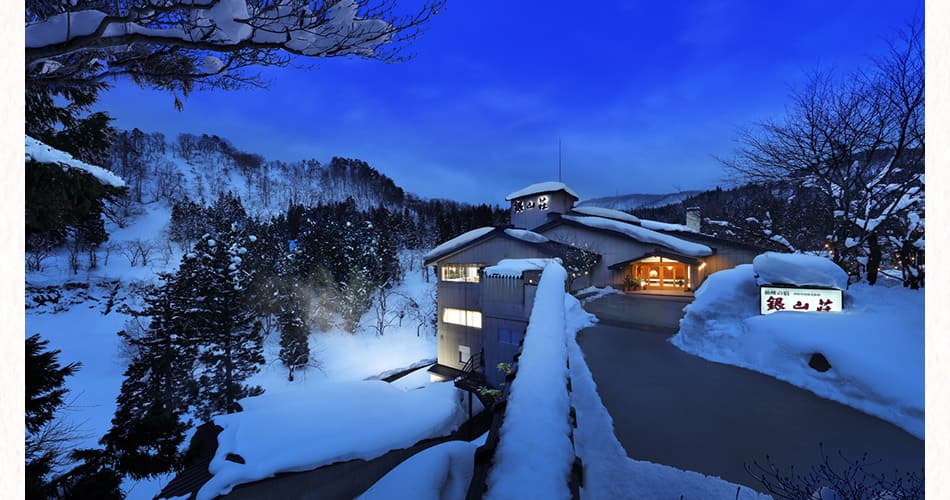
Snow-covered traditional Japanese ryokan multi-story wooden building in winter
A traditional ryokan exterior under winter snow — the iconic architecture of Japan's onsen towns — 家豪 陳 (Chen Jia-hao) / Pexels

Four regions stand out for solo travelers, evaluated on three criteria: solo booking availability, English-friendliness, and ease of independent navigation.

Hakone ryokans — Best for first-time solo ryokan visitors

Hakone is the most accessible ryokan region from Tokyo — 85 minutes on the Odakyu Romance Car from Shinjuku (~1,200 JPY). [verified Source 2026-05-06] The Hakone Free Pass (from 6,500 JPY, 2-day) covers all local transport including the ropeway, Hakone-Tozan railway, and lake boats, making independent navigation stress-free for a solo traveler who hasn't memorized the bus schedule. [verified Source 2026-05-06]

English-speaking staff are more common here than at rural alternatives. Solo booking availability is generally good, and the price range spans budget to ultra-luxury. The Fuji views are best enjoyed at your own pace — no one to compromise with on when to wake up. Mid-week stays reduce crowds and improve your odds on solo room availability.

Kinosaki Onsen — Best for solo onsen town immersion

Kinosaki is 2.5 hours from Kyoto or Osaka by JR limited express (JR Pass accepted). [verified Source 2026-05-06] Its structure suits solo exploration almost by design. When you check in, you receive a yukata and access to all seven public bathhouses in town. Each has a different character — a wooden riverside bath, a cave bath, a rooftop bath. Solo travelers can work through all seven over two nights on whatever schedule they like.

The town is walkable end-to-end in 20 minutes. The atmosphere is quieter and more traditional than Hakone. One caveat: fewer staff speak English here than at more internationally trafficked destinations. Email your booking in advance and confirm communication options.

Kusatsu Onsen ryokans — Best for serious onsen enthusiasts on a budget

Kusatsu is more than three hours from Tokyo via the JR Agatsuma Line — further than Hakone, and more rewarding for it. [verified Source 2026-05-06] The town centers on the yubatake, a latticed wooden field where sulfurous spring water cools before being channeled to the baths. Free public baths (*sotoyu*) are scattered throughout town, which matters on a solo budget.

Budget-tier ryokan options start at approximately 20,000 JPY per person per night including meals. The waters here are among Japan's most therapeutic — highly acidic, high-sulfur, genuinely different from the milder onsen at coastal resort towns. Expect a mostly Japanese-speaking domestic crowd; email booking is strongly recommended over phone.

Kyoto ryokans — Best for culture-first solo travelers (with budget awareness)

Kyoto gives solo travelers access to temple circuits, the Gion geisha district, and kaiseki dining that ranks among Japan's finest — and its heavy international tourism infrastructure means most ryokans have English menus and some English-speaking staff. For culture, it's unmatched.

The 2026 tax change matters here, though. A solo traveler at a mid-range Kyoto ryokan (50,000–100,000 JPY/night) now pays 4,000 JPY/night in accommodation tax. At luxury level (100,000+ JPY), it's 10,000 JPY. [verified Source 2026-05-06] Factor this in when comparing Kyoto prices to other regions.

Book 4–6 months ahead for cherry blossom (late March–April) and autumn foliage (mid-October–November). Solo availability during those windows is competitive.

Best ryokans for solo travelers in Japan: 5 specific picks

These picks were selected against solo-traveler criteria: single booking availability, English support, private bath access, and value-per-person pricing. They span four regions and three budget tiers.

Single-place kaiseki course served on a red lacquer tray with chopsticks and seasonal small dishes
A kaiseki opening course at a Tokyo ryokan — the red lacquer tray, the placement of the chopsticks, and the careful dish selection are the same wherever you eat alone in Japan — Photo: Chris 73 / Wikimedia Commons, CC BY-SA 3.0

1. Fukuya (Kinosaki Onsen) — Best budget solo pick

A traditional family-run ryokan in Kinosaki that accepts single bookings without making a production of it. The yukata and seven-bathhouse pass are included in your rate — for a solo traveler, those seven baths across two nights are the entire itinerary, no logistics required. Basic English communication is available; booking by email is recommended over phone.

Honest weakness: The rooms are functional rather than atmospheric. If you're after a design-forward interior, look elsewhere. The bathhouses are the experience here, not the room.

Price: approximately 25,000–35,000 JPY per person including meals [approximate; verify current availability at Booking.com]

[Check availability on Booking.com](https://www.booking.com/searchresults.html?ss=Fukuya+Kinosaki+Onsen&group_adults=1)

2. Ichinoyu Honkan (Hakone) — Best entry-level Hakone solo pick

Historic property in Hakone-Yumoto, walking distance from the station — which removes the transport anxiety that can make a first solo ryokan stay feel complicated. English menus and staff make communication manageable. Communal onsen is available, and private *kashikiri* bath reservations can be made at check-in for tattooed guests.

Honest weakness: The location in Hakone-Yumoto puts you in the busiest, most tourist-trafficked part of the area. For seclusion, take the Hakone-Tozan railway further up the mountain.

Price: approximately 20,000–35,000 JPY per person including meals [approximate; verify current availability at Booking.com]

[Check availability on Booking.com](https://www.booking.com/searchresults.html?ss=Ichinoyu+Honkan+Hakone&group_adults=1)

3. Tamanoyu (Yufuin, Oita) — Best for solo off-the-beaten-path

Tamanoyu is one of Yufuin's most established ryokans — a traditional property in the pastoral Oita highlands where the pace is slower and the clientele is mostly Japanese domestic travelers rather than international tour groups. For solo travelers, that atmosphere is the draw. Yufuin is a compact town; most ryokans, including Tamanoyu, sit within walking distance of Yunotsubo Kaido, the main street of craft shops and cafes. Outdoor rotenburo face the unmistakable silhouette of Mount Yufu, the 1,584-meter dormant volcano that defines the Yufuin skyline. Solo guests are accommodated without fuss.

Access is straightforward: fly to Oita Airport and take the bus to Yufuin — roughly 70 minutes. No shinkansen transfer required. For a solo traveler managing their own luggage, the simplicity is real.

Honest weakness: English support is limited compared to Hakone properties. Book through Booking.com or Japanican rather than attempting a phone reservation, and communicate dietary needs well in advance through the platform message system.

Price: approximately 30,000–55,000 JPY per person including meals [approximate; verify current availability at Booking.com]

[Check availability on Booking.com](https://www.booking.com/searchresults.html?ss=Tamanoyu+Yufuin&group_adults=1)

4. Gora Kadan (Hakone) — Best mid-range solo splurge

Gora Kadan's architecture reflects its origins as a private villa — stone garden paths, rooms that feel considered rather than assembled. The history shows in the details. English-speaking staff are a genuine strength. In-room private baths are available, and the kaiseki is among the best in Hakone. Book 2–3 months ahead for mid-week availability.

Honest weakness: At this price tier, the single supplement calculation deserves scrutiny. Confirm solo pricing explicitly before booking — some room types assume two guests.

Price: approximately 60,000–100,000 JPY per person including meals [approximate; verify current availability at Booking.com]

[Check availability on Booking.com](https://www.booking.com/searchresults.html?ss=Gora+Kadan+Hakone&group_adults=1)

5. Beniya Mukayu (Kaga Onsen, Ishikawa) — Best luxury solo experience

Beniya Mukayu consistently ranks among Japan's top ten ryokans, and for solo travelers it has one structural advantage: at this luxury tier, many properties price per room rather than per person — confirm with the property or Booking.com listing before booking, but if that applies, the solo math becomes far more reasonable. Every room has a private indoor and outdoor onsen — the communal bath question is moot. English-speaking staff can accommodate complex dietary requirements with advance notice.

The Michelin Guide's ["Reinvention of the Ryokan"](https://guide.michelin.com/us/en/article/travel/the-reinvention-of-the-ryokan-michelin-keys-guide) piece highlights properties like Beniya Mukayu as exemplars of how the top tier of Japanese ryokan has evolved: private onsen access, museum-quality design, and kaiseki drawing on regional produce — in Beniya Mukayu's case, the seafood and vegetables of Ishikawa's Noto Peninsula.

Honest weakness: Kaga Onsen requires more travel logistics than Hakone — from Tokyo, it's a shinkansen to Kaga-Onsen Station on the Hokuriku Shinkansen, approximately 2.5 hours. Worth planning for, not winging.

Price: approximately 80,000–200,000 JPY per person including meals [approximate; verify current availability at Booking.com]. Book direct or via Japanican — availability is limited year-round.

[Check availability on Booking.com](https://www.booking.com/searchresults.html?ss=Beniya+Mukayu+Kaga+Onsen&group_adults=1)

Dining alone at a ryokan: kaiseki for one

Kaiseki is the centerpiece of any ryokan stay — typically 8 to 12 courses of seasonal Japanese cuisine, moving from cold appetizers through grilled fish, simmered vegetables, rice, and miso to fresh fruit. It is extraordinary to eat alone. You can pay attention to every plate in a way that's harder when you're managing conversation.

Three configurations exist at most ryokans, from most to least comfortable for solo diners:

1. In-room dinner served by your attendant — the most common option at mid-range and luxury properties, and the best choice for solo travelers. Request it explicitly when you book, not after arrival. 2. Private dining alcoves in a communal dining room — common at smaller properties. Less exposed than open shared dining; you have your own enclosed space. 3. Open shared dining room — the least common at quality ryokans. Functional, and the self-consciousness fades quickly once the first course arrives.

Dietary restrictions — vegetarian, vegan, halal, severe allergies — are possible at many ryokans, but the kitchen needs lead time. Communicate at booking, ideally 2+ weeks ahead, using the platform's message field or a direct email to the property. A smaller family-run ryokan cooking for six guests cannot pivot a kaiseki menu on arrival day.

Breakfast is usually simpler: rice, miso, grilled fish, tamagoyaki, pickles. Served in the dining room and casual enough that solo breakfast feels unremarkable.

How to book a ryokan as a solo foreign traveler

Platform choice matters more for solo foreign travelers than for groups, because you're relying on English-language confirmation and clear solo-occupancy pricing.

Ranked by usefulness for English-speaking solo travelers:

1. Booking.com — widest English-language selection, free cancellation on many properties, and critically: set occupancy to 1 adult to surface solo-priced rooms and hide properties requiring two-person minimum. 2. Agoda — surfaces properties not listed on Booking.com; useful for last-minute. 3. Japanican (JTB) — lists rural and family-run ryokans absent from international platforms. Worth checking for smaller, off-the-beaten-path properties. 4. Rakuten Travel — strong for mid-range Japanese properties, but the interface is less English-optimized.

Tip

**Booking window:** Quality ryokans at popular destinations book out 2–3 months in advance during shoulder season. For cherry blossom (late March–April) or autumn foliage (mid-October–November), book 4–6 months ahead. The top 20–30 ryokans in Japan often have 6–12 month waits. [verified Source 2026-05-06]

At booking, communicate: dietary restrictions, tattoo status if relevant to communal baths, preferred dining configuration (in-room vs. communal), and a *kashikiri* private bath time slot request if needed. Phone reservations at rural ryokans in English are often not possible — email or online booking is more reliable.

One practical note: older ryokans may only accept cash or Suica/Pasmo IC card at checkout. Credit card acceptance is not universal. Confirm payment methods when booking and carry sufficient yen. See the [Japan Guide ryokan reservations guide](https://www.japan-guide.com/e/e2029_reservations.html) for additional logistics detail.

[Browse solo-friendly ryokans — set to 1 guest](https://www.booking.com/searchresults.html?ss=ryokan+japan&group_adults=1)

One night or two? An honest recommendation for solo travelers

One night is valid if budget is the constraint or you're fitting a ryokan into a broader itinerary. You get the kaiseki dinner, overnight in the futon, Japanese breakfast, and at least two onsen sessions. The experience is complete.

Two nights is the better recommendation for solo travelers. The first evening goes to navigating the unfamiliar — learning the bath schedule, working out the yukata tie, orienting yourself in a building with no hallway signage in your language. By the second day, you're settled. You use the onsen at dawn because you feel like it. You wander the surrounding town in the afternoon. The unhurried pace that makes ryokan travel distinctive only fully arrives when you stop managing logistics.

If you can only do one ryokan stay in Japan, do two nights. If budget forces one night, book it anyway.

One caveat: same-day booking is not standard. Kaiseki preparation requires advance notice. Book at minimum 1–2 days ahead, and realistically weeks ahead for any property worth staying at. [verified Source 2026-05-06]

What to pack for a solo ryokan stay

The honest packing list for a solo ryokan stay is almost entirely about what not to bring.

The ryokan handles your entire evening routine — yukata, tabi socks, toothbrush and basic toiletries, razor, tenugui hand towel for the onsen, hair dryer, in-room tea, and often a small evening snack. I showed up to my first ryokan with a full toiletry bag and used almost none of it.

What the ryokan won't cover — and what matters for solo travelers navigating independently:

- Your preferred shampoo and conditioner if your hair has specific needs (ryokan brands are variable and sometimes sparse) - Prescription medications, obviously - A small drawstring bag for the onsen changing room — keeps your belongings organized in a shared space - Google Translate downloaded with the Japanese offline pack — the camera translation function is the single most useful solo-travel tool in Japan, essential for bath rules, menus, and anything posted only in Japanese

Green tea in a painted ceramic cup and a wagashi sweet on a decorated dish placed on tatami mat
The welcome tea and wagashi sweet — provided by the ryokan on arrival, no packing required — Viridiana Rivera / Pexels

The connectivity piece matters more when you're traveling alone. A pocket WiFi device or Japan SIM card is not optional — it's the difference between a confident solo traveler and one standing in front of a bus schedule they can't read. Download Google Maps offline before you leave home.

Dress code: the yukata is the expected evening attire within and around the ryokan. No formal clothing needed. Bath areas are strictly no-camera zones; the room and gardens are fair game.

Final thoughts: solo ryokan travel is worth it

The anxieties are real. Single supplements exist. Some properties aren't solo-friendly. A few dinner rooms will give you a table that feels large for one. These are small inconveniences, not barriers.

What you get — and what I'd struggle to find elsewhere in Japan — is a full day inside a culture that is genuinely hospitable, in a space designed for sensory immersion, at a pace you set entirely on your own. The *omotenashi* attention lands differently when there's no one else competing for it. The midnight onsen is available because you're the one who decides to get up.

Choosing the right ryokan for solo travelers in Japan comes down to three decisions made before you arrive: the region that fits your priorities, the property tier that fits your budget, and the communication you send at booking — dietary needs, bath preferences, in-room dinner request. Get those right and the ryokan does the rest.

Tip

**Timing tip:** Post-Golden Week (May 6 onward) is one of the best-value windows for solo ryokan travel. Crowds and prices drop sharply after the holiday rush, and Japan's late-spring landscape — irises, fresh green foliage, comfortable temperatures — is exceptional. [verified Source 2026-05-06]

Use the region guide above to find your fit. Book at least 2–3 months out. Or start browsing now — [browse all Japan ryokans by region](/ryokans) to find properties that match your budget and dates.

Silhouette of a person standing at a shoji screen window overlooking a Japanese stone garden
A private moment — the ryokan garden visible through shoji screens, the kind of stillness solo travel makes possible — Gül Işık (ekrulila) / Pexels

[Browse solo-friendly ryokans in Japan](https://www.booking.com/searchresults.html?ss=ryokan+japan&group_adults=1)

Frequently asked questions

Can you stay at a ryokan alone? Yes. Single occupancy bookings are accepted at most ryokans, though some traditional properties require a two-person minimum during peak seasons. On Booking.com, setting occupancy to 1 adult surfaces solo-available properties and filters out those requiring a two-person minimum. Solo stays are especially common at budget and luxury tiers — the middle tier requires a bit more searching, but options exist across all regions covered in this guide.

Do ryokans charge a single supplement? Many do, but the amount and structure vary widely. Some ryokans price per room, making solo stays the full room rate regardless of occupancy. Others price per person with meals included and may charge 70–90% of a double rate for solo guests. At the luxury tier, per-room pricing is more common, which can make solo stays comparatively reasonable. Booking mid-week in shoulder season — May, September, early December — reduces the likelihood of a peak-season supplement.

Is it awkward to stay at a ryokan alone? Not really. Ryokan staff are trained in omotenashi hospitality and treat each guest individually — your solo status won't register as unusual to them. The communal onsen is built on quiet and mutual respect; solo bathing is entirely unremarkable. The one moment solo travelers notice most is dinner, particularly in open dining rooms. Requesting in-room kaiseki service when you book removes that entirely, and most mid-range and luxury properties offer it.

Can you go to a ryokan onsen with tattoos? It depends on the property. Communal baths at many traditional ryokans still prohibit tattoos, though policies are shifting — particularly in Hakone, Kyoto, and Niseko-area properties, where tattoo-welcoming communal baths are increasingly common. Private baths (*kashikiri*) and in-room rotenburo have no tattoo restrictions. The safest approach is to email the specific property before booking and ask directly. See our [vetted tattoo-welcoming properties](/blog/tattoo-friendly-ryokans) for confirmed options.

Can you stay at a Japanese ryokan without speaking Japanese? Yes, especially at ryokans in major tourist areas like Hakone, Kyoto, and Kinosaki. Most have English menus, English bath rules posted in the changing room, and at least one staff member with basic conversational English. Email booking is more reliable than phone for English communication at smaller or rural properties. The Google Translate camera function handles the rest — download the Japanese offline pack before you leave home.

How much does a ryokan cost per person for a solo traveler? Budget ryokans start at approximately $130–$200 per room per night (20,000–30,000 JPY) including dinner and breakfast. Mid-range properties run $230–$370 per room. Luxury properties start at $467 and can exceed $1,000 per room per night. Solo travelers should also budget for onsen tax (150–500 JPY per person per night) and, in Kyoto, the new 2026 accommodation tax of up to 10,000 JPY per person per night at the luxury tier. All pricing approximate per the Ryokan Retreat 2026 price guide. [verified Source 2026-05-06]

Is one night enough at a ryokan for a solo traveler? One night is a complete experience — kaiseki dinner, overnight on a futon, Japanese breakfast, and at least two onsen sessions. But two nights is the better recommendation for solo travelers. The first evening goes to orienting yourself: the bath schedule, the yukata, the rhythms of the place. The second day is when you relax into it. If budget allows only one night, still go — it's worth it. Just know that two nights is when the experience opens up.

想像一下黃昏時分:露天浴池(露天風呂)升騰著帶著雪松香氣的水霧,浴衣掛在木製衣架上,山谷在暮色中漸漸沉寂。浴池裡只有你一人。沒有人需要商量晚餐吃什麼。只有你自己、那帶著淡淡硫磺氣息的溫泉水,和遠處河流的聲音。

這樣的體驗並非情侶的專屬。但如果你正在查找日本旅館一人旅的資訊,你大概已經撞上了同一堵牆——所有網站講的都是「浪漫之旅」和「情侶套餐」,而你真正想問的問題卻得不到回答。一個人住要付雙人房的錢嗎?一個人吃飯會不會很尷尬?不會說日語能用溫泉嗎?

本指南將誠實回答所有這些問題——單人附加費的真實情況、溫泉禮儀、哪些地區真正適合獨自前往,以及橫跨各價位(約$130至$467以上/晚)的具體旅館推薦。我也會如實指出每家旅館對獨行旅客的不足之處,因為提前知道這些,能讓你在入住時不會遭遇意外。

根據[日本國家旅遊局(JNTO)發布的數據](https://www.nippon.com/en/japan-data/h02673/),2025年日本共接待外國遊客4,270萬人次,創歷史新高,同比增長15.8%,僅美國遊客就首次突破300萬人次。[資訊核實日期 2026-01-20] 一人旅行正在這一浪潮中快速增長,但旅館業的行銷方式還沒有完全跟上。旅館本身,比那些宣傳冊所呈現的,要歡迎獨行客得多。

如果你對旅館完全陌生,建議先閱讀我們的[旅館初體驗指南](/blog/first-time-ryokan-guide)再回來——那篇文章涵蓋了基礎知識,本文可以專注講獨行旅客特有的注意事項。

一個人住旅館會尷尬嗎?最真實的回答

簡短回答:不太會——但有一個特定的時刻值得提前做好心理準備。

旅館員工受到「おもてなし」(omotenashi,款待之道)文化的薰陶,這是一種以眼前賓客為中心、主動預判需求的待客哲學。日本旅館·飯店協會指出,這種「在客人開口之前便感知需求」的精神,正是旅館住宿區別於一般飯店預訂的核心。在實際體驗中,這意味著:服務員根本不在意你是不是一個人來的,他們在意的是你的茶水溫度是否合適、你從浴室回來之前布團是否已經鋪好。許多獨行旅客反映,他們得到的服務反而比情侶更為周到——因為員工的注意力不用分散。

共用浴池(大浴場)是很多人以為會最尷尬的地方——事實上卻恰恰相反。日本溫泉文化建立在沉默與相互尊重的基礎之上。你走進去,在獨立淋浴台徹底清洗身體,然後進入溫泉水中。沒有人會跟你說話。沒有人會盯著你看。沒有人會問你從哪裡來,或者注意到你是一個人。我曾在清晨七點和晚上十點分別泡過大浴場,與其他客人交換的最多只是一個點頭。

唯一可能讓人感到侷促的時刻是晚餐。懷石料理(kaiseki)在餐廳供應,或在高檔旅館中直接送到房間——一張為兩人設計的桌子上只擺著一套餐具,是獨行旅客最容易留意到的小小尷尬。但這種感覺轉瞬即逝。如果你完全不想面對這一刻:

Tip

**小提示:** 訂房時請求「房間內用餐」服務。大多數中高檔旅館都提供此選項。晚餐會從一個潛在的尷尬時刻,變成整個旅程的亮點。

說實話,旅館在建築設計和文化傳統上都是為兩人或小團體打造的。有些房間對一個人來說顯得太大。有些料理課程的份量是按照兩人的食量設計的。

這些都不意味著你不受歡迎——只是說明這個體驗原本是為另一種「預設狀態」設計的。一旦你了解了會發生什麼,獨行旅客很快就能適應。

我在旅館一人旅中最大的驚喜:完全不用趕時間。每次泡溫泉都按自己的心情來。每頓飯都按自己的胃口來。「款待之道」的細心照料,在獨享的情況下,反而顯得更為私密和深刻。

單人附加費:你實際會多花多少錢,以及如何省錢

這是讓很多獨行旅客打退堂鼓的經濟現實。讓我們來理清楚。

大多數旅館按每人每晚定價,含晚餐和早餐。這與西方飯店的按房間收費、早餐另計不同。標價40,000日圓(約NT$8,500,約$270)通常意味著40,000日圓*每人*——兩人同住則總價80,000日圓。

對獨行旅客來說,有兩種可能的結果。部分旅館要求最少兩人入住,無論如何都會按雙人標準收費——相當於100%的單人附加費。另一些旅館會提供單人優惠價,通常是雙人價的70%至90%。還有越來越多的旅館,尤其是在預算級和奢華級兩端,按房間定價——使獨行旅客的花費相對合理。

各價位的大致參考如下:[資訊核實日期 2026-05-06]

| 價位 | 每晚(新台幣約) | 每晚(日圓) | 單人旅備注 | |------|----------------|-------------|-----------| | 經濟型 | NT$5,700–8,700(約$130–$200) | 20,000–30,000日圓 | 多為小型家庭經營旅館;單人定價最為靈活 | | 中檔 | NT$10,000–16,100(約$230–$370) | 35,000–55,000日圓 | 最適合獨行旅客兼顧性價比與品質;明確接受單人預訂的旅館更多 | | 奢華型 | NT$20,300–43,500以上(約$467–$1,000+) | 70,000–150,000日圓以上 | 此價位許多旅館按房間定價,單人住宿相對合算 |

以上價格僅供參考;詳細的價位分析請參閱[Ryokan Retreat 2026年價格指南](https://ryokanretreat.com/how-much-does-a-ryokan-cost/)。

降低單人旅費用的四個策略:

1. 在Booking.com上將入住人數設置為「1位成人」——系統會自動篩選出提供單人定價的旅館,過濾掉要求最少兩人的房源。 2. 選擇淡季出行:黃金週後的5月、9月或12月初。旺季時旅館在價格上最沒有彈性。 3. 選擇週日至週四入住。熱門旅館的週末壓力在工作日會有所緩解,部分旅館會在淡季工作日降低單人房價。 4. 選擇城崎、草津、野澤溫泉等小型溫泉鄉,而非箱根和京都——後者的需求量和基礎價格都更高。

京都新住宿稅說明(2026年起)

如果你計畫預訂京都旅館,請務必精打細算。京都自2026年3月1日起提高了住宿稅,最高檔位已達到每人每晚10,000日圓[資訊核實日期 2026-05-06]——如果你是獨行旅客,入住價格超過10萬日圓/間的奢華旅館,僅稅款就額外增加了約10,000日圓。完整的稅率詳情請查看[京都住宿稅官方公告](https://en.japantravel.com/news/kyoto-lodging-taxes-to-increase-from-march-2026/71333)。

預算有限的獨行旅客可以考慮周邊地區——伏見、嵐山附近的小鎮或宇治——或參考我們的[京都旅館區域指南](/kyoto),找到性價比依然合適的選擇。此外,溫泉稅全國普遍徵收:通常為每人每晚150至500日圓,在退房時結清。

[在Booking.com搜尋適合獨行旅客的旅館](https://www.booking.com/searchresults.html?ss=ryokan+japan&group_adults=1)

一個人泡大浴場:女性獨行旅客(以及所有人)實際上會遇到什麼

溫泉,是大多數人選擇旅館而非普通飯店的首要原因。對獨行旅客來說,這裡也是出發前最令人擔心的地方——以及回來後最慶幸自己多慮了的地方。

大浴場不是社交場所。它建立在沉默、裸體和最有禮貌意義上的「互不打擾」之上。你走進去,在獨立淋浴台徹底清洗,然後進入溫泉水中。其他客人不會跟你說話。沒有人會盯著你看。這裡不需要任何表演。

男女浴場完全分開,標示清晰。尋找掛著藍色門簾的男浴(男,*otoko*)和掛著紅色門簾的女浴(女,*onna*)。切勿走錯。部分旅館早晚會互換男女浴場——員工會在入住時說明時間表。

對於女性獨行旅客,女浴幾乎總是更安靜。女性獨行旅客普遍反映,旅館溫泉的體驗比預期舒適得多——一方面因為文化上本就不鼓勵交流,另一方面女浴通常比男浴人少。

對於LGBTQ+旅客或任何對性別分浴感到不適的人,更乾淨的解決方案是預約包浴(貸切風呂,*kashikiri*)——入住時預訂45分鐘的全封閉私人浴室,通常收費1,000至3,000日圓(約NT$210–630)。許多奢華和中檔客房標配獨立室內外私人溫泉。這完全繞開了性別分浴的問題,是我推薦給任何想體驗溫泉但不想面對大浴場的人的首選方案。

京都旅館院落中的傳統檜木泡澡桶,四周有障子和苔蘚
京都一處旅館的檜木浴池——完全繞開大浴場焦慮的私人溫泉體驗——Gül Işık (ekrulila) / Pexels

Tip

**溫泉禮儀速查:** 1. 入浴前徹底沖洗身體 2. 毛巾不入水(疊好放在一旁) 3. 任何時候禁止攜帶手機或相機 4. 保持安靜或完全不說話 5. 離開前沖洗並擦乾身體,再返回更衣室 6. 泡完後多喝水——溫泉水會導致脫水

刺青政策:訂房前如何確認

這確實是一個「因地而異」的問題。許多傳統旅館的大浴場至今仍禁止刺青,這一政策源於歷史上與有組織犯罪的關聯。2023年的一項調查顯示,約44%的日本受訪者仍然支持這一禁令(不過原調查機構未經獨立核實),但從業界報導來看,這種態度正在轉變,在年輕人中尤為明顯。

箱根、京都和新雪谷(ニセコ)附近的旅館越來越多地對刺青持開放態度。最穩妥的步驟:

1. 查看旅館官網上關於刺青的明確說明——越來越多的旅館以英文公開這一政策。 2. 訂房前直接發電子郵件詢問旅館:*「我有明顯的刺青。我可以使用大浴場嗎,還是應該預約私人浴室?」* 簡單直接,任何正規旅館都會明確回覆。 3. 預訂配有室內私人溫泉(露天風呂或檜木浴池)的客房——從房型層面徹底規避這個問題。

包浴(*kashikiri*)在大多數中高檔旅館均可預約:通常是在入住時預訂45分鐘,費用1,000至3,000日圓。私人浴室對刺青沒有任何限制。

如需查找已確認刺青友好大浴場的旅館,請參閱我們的[刺青友好旅館指南](/blog/tattoo-friendly-ryokans)。

日本獨行旅館旅行的最佳區域

冬季白雪覆蓋的傳統日本旅館多層木造建築
冬雪中的傳統旅館外觀——日本溫泉鄉的標誌性建築——家豪 陳 (Chen Jia-hao) / Pexels

以下四個區域對獨行旅客最為友好,評判標準包括:單人預訂的便利性、英語服務水準,以及獨自行動的便捷程度。

箱根旅館 — 旅館一人旅的最佳入門之選

箱根是從東京出發最方便的旅館目的地——從新宿乘小田急浪漫特快約85分鐘(約1,200日圓,折合約NT$255)。[資訊核實日期 2026-05-06] 箱根周遊券(2日券起價6,500日圓)涵蓋纜車、箱根登山鐵道、遊覽船等所有當地交通,即便沒有背下公車時刻表,獨行旅客也能輕鬆自由出行。[資訊核實日期 2026-05-06]

這裡的英語服務員比偏遠地區多得多。單人預訂一般不成問題,價格從經濟型到頂級豪華都有。獨自欣賞富士山的景色,完全按照自己的節奏——不需要跟任何人商量幾點起床。工作日入住可以避開人群,也更容易訂到單人客房。

城崎溫泉 — 沉浸式溫泉小鎮獨行旅的最佳選擇

城崎溫泉乘JR特急列車從京都或大阪出發約2.5小時(可使用JR周遊券)。[資訊核實日期 2026-05-06] 這個小鎮的結構簡直是為獨行旅行者量身打造的。入住時會收到浴衣和七個外湯的入浴通行證。每個外湯各有特色——有河邊的木造湯屋、洞窟風呂、屋頂露天浴池。獨行旅客可以在兩夜之間隨心所欲地體驗全部七處。

小鎮從頭走到尾只需20分鐘。氛圍比箱根更寧靜、更傳統。提醒一點:這裡會說英語的員工比熱門國際旅遊地少。提前發電子郵件預訂,並確認溝通方式。

草津溫泉旅館 — 性價比最高的正宗溫泉體驗

草津乘JR吾妻線從東京出發需三小時以上——比箱根遠,但也因此更值得一去。[資訊核實日期 2026-05-06] 小鎮的中心是湯畑(yubatake)——一片格柵狀的木質裝置,硫磺溫泉水在此冷卻後被引入各浴場。全鎮散布著可以免費入浴的公共外湯(*sotoyu*),對預算有限的獨行旅客來說是實實在在的福利。

經濟型旅館選擇從每人每晚約20,000日圓起(含餐)。這裡的溫泉水是日本最具療效的——強酸性、高硫磺,與海濱度假區那種溫和溫泉截然不同。客源以國內遊客為主,幾乎全程日語環境;強烈建議發電子郵件預訂,而非打電話。

京都旅館 — 文化體驗優先的獨行旅客首選(需注意預算)

京都為獨行旅客提供了寺廟巡遊、祇園花街和日本頂級懷石料理——豐富的國際旅遊基礎設施意味著大多數旅館有英文菜單和部分英文服務員。在文化體驗方面,京都無可替代。

但2026年的稅收變化不得不考慮。獨行旅客在京都中檔旅館(50,000至100,000日圓/晚)住宿,現在每晚需繳納4,000日圓的住宿稅。奢華檔(10萬日圓以上)則為10,000日圓。[資訊核實日期 2026-05-06] 與其他地區比較價格時,務必將這筆稅計算在內。

櫻花(3月下旬至4月)和紅葉(10月中旬至11月)期間,請提前4至6個月預訂。這些時間窗口的單人客房競爭激烈。

日本最適合獨行旅客的旅館推薦:精選5家

以下旅館根據獨行旅客標準篩選:單人預訂可行性、英文支援、私人浴室使用權以及單人性價比。涵蓋四個地區和三個價位。

紅色漆器托盤上擺放的筷子和應季小菜,懷石料理的前菜
東京某旅館的懷石料理先付——紅漆托盤、筷子的擺放方式,以及精心搭配的餐具,無論你在日本的哪裡獨自用餐,這些細節都是一樣的——Photo: Chris 73 / Wikimedia Commons, CC BY-SA 3.0

1. 福屋(城崎溫泉) — 經濟型獨行旅館首選

城崎溫泉一家傳統家庭經營旅館,接受單人預訂,沒有任何特別提示或區別對待。浴衣和七處外湯通行證都含在房價裡——對獨行旅客來說,兩晚體驗七處外湯就是全部行程,無需任何額外安排。提供基礎英語溝通;建議透過電子郵件而非電話預訂。

真實缺點: 客房功能性強,氛圍感不足。如果你對設計感有要求,請另選別處。這裡的亮點是外湯,不是房間本身。

參考價格: 每人每晚約25,000至35,000日圓(含餐)[參考價格;請在Booking.com確認當前空房情況]

[在Booking.com查看空房](https://www.booking.com/searchresults.html?ss=Fukuya+Kinosaki+Onsen&group_adults=1)

2. 一之湯本館(箱根) — 箱根入門級獨行旅館首選

位於箱根湯本的歷史老宅,步行即可到達車站——消除了第一次旅館獨行旅最容易焦慮的交通問題。英文菜單和員工讓溝通無障礙。可使用大浴場,有刺青的客人可在入住時預約包浴(*kashikiri*)。

真實缺點: 箱根湯本是整個地區遊客最密集的地方。如需清靜,可乘箱根登山鐵道深入山中。

參考價格: 每人每晚約20,000至35,000日圓(含餐)[參考價格;請在Booking.com確認當前空房情況]

[在Booking.com查看空房](https://www.booking.com/searchresults.html?ss=Ichinoyu+Honkan+Hakone&group_adults=1)

3. 玉之湯(由布院,大分縣) — 最適合探索冷門目的地的獨行旅館

玉之湯是由布院最具代表性的旅館之一——坐落於大分縣的田園高原上,節奏悠緩,客源以日本國內遊客為主,而非國際旅遊團。對獨行旅客來說,這種氛圍正是吸引力所在。由布院是一個小巧的小鎮;包括玉之湯在內的大多數旅館,步行即可到達手工藝品店和咖啡廳林立的主街「湯の坪街道」。室外露天浴池正對由布岳——那座海拔1,584公尺、輪廓分明的休眠火山,是由布院天際線的標誌。旅館接待獨行旅客,沒有任何多餘的繁文縟節。

前往方式簡便:飛抵大分機場後乘公車約70分鐘即達由布院,無需轉乘新幹線。對自己搬行李的獨行旅客來說,這份簡單是實實在在的便利。

真實缺點: 英語服務比箱根旅館有限。請透過Booking.com或Japanican預訂,不要嘗試電話預訂,飲食需求請提前透過平台訊息系統詳細說明。

參考價格: 每人每晚約30,000至55,000日圓(含餐)[參考價格;請在Booking.com確認當前空房情況]

[在Booking.com查看空房](https://www.booking.com/searchresults.html?ss=Tamanoyu+Yufuin&group_adults=1)

4. 強羅花壇(箱根) — 最適合獨行旅客的中檔奢華體驗

強羅花壇的建築風格源自其作為私人別墅的歷史——石板庭院小徑、每個細節都經過深思熟慮而非草率拼湊的客房,歷史積澱在細節中流露。英文服務是其切實優勢。可預約客房私人浴室,懷石料理是箱根一流水準。工作日房間建議提前2至3個月預訂。

真實缺點: 在這個價位,單人附加費的計算需要仔細核對。請在預訂前明確確認單人房價——部分房型預設按兩人入住計算。

參考價格: 每人每晚約60,000至100,000日圓(含餐)[參考價格;請在Booking.com確認當前空房情況]

[在Booking.com查看空房](https://www.booking.com/searchresults.html?ss=Gora+Kadan+Hakone&group_adults=1)

5. 苗代無何有(加賀溫泉,石川縣) — 最奢華的獨行旅館體驗

苗代無何有始終位列日本最佳旅館前十名,對獨行旅客而言有一個結構性優勢:在奢華價位,許多旅館按房間定價而非按人頭——在預訂前請與旅館或Booking.com房源頁面確認,一旦適用,單人住宿的費用就會合理得多。每間客房均配有私人室內和室外溫泉,大浴場的問題根本不存在。英文服務員可以在提前告知的情況下滿足複雜的飲食需求。

米其林指南的[《旅館的再發明》](https://guide.michelin.com/us/en/article/travel/the-reinvention-of-the-ryokan-michelin-keys-guide)一文將苗代無何有列為日本頂級旅館演變的典範:私人溫泉、博物館級的設計,以及取材於當地物產的懷石料理——在苗代無何有的案例中,就是石川縣能登半島的海鮮和蔬菜。

真實缺點: 加賀溫泉的交通比箱根複雜——從東京乘北陸新幹線到加賀溫泉站約需2.5小時。值得認真規劃,不適合臨時起意。

參考價格: 每人每晚約80,000至200,000日圓(含餐)[參考價格;請在Booking.com確認當前空房情況]。建議透過官網或Japanican預訂——全年空房有限。

[在Booking.com查看空房](https://www.booking.com/searchresults.html?ss=Beniya+Mukayu+Kaga+Onsen&group_adults=1)

在旅館獨自用餐:一個人的懷石料理

懷石料理(kaiseki)是任何旅館住宿的核心——通常是8至12道應季日本菜餚,從冷前菜經烤魚、燉蔬菜、白米飯和味噌湯,最終以新鮮水果收尾。獨自用餐其實是非常特別的體驗。你可以專注於每一道菜,而不必同時顧著聊天。

大多數旅館有三種就餐方式,按獨行旅客的舒適度從高到低排列:

1. 房間內用餐,由服務員送餐——中高檔旅館最常見的方式,也是獨行旅客的最佳選擇。請在預訂時明確提出,而非到達後才說。 2. 餐廳內的獨立包廂式座位——小型旅館常見。比開放式餐廳更私密,有屬於自己的封閉空間。 3. 開放式公共餐廳——品質旅館中較少見。功能上沒有問題,而且上了第一道菜之後,那種侷促感很快就會消失。

飲食限制——素食、純素、清真、嚴重過敏——許多旅館都可以配合,但廚房需要提前準備。請在預訂時溝通,最好提前兩週以上,透過平台訊息或直接發電子郵件給旅館。一家只為六位客人做飯的家庭小旅館,無法在入住當天臨時調整懷石菜單。

早餐通常更簡單:米飯、味噌湯、烤魚、玉子燒、醃菜。在餐廳供應,氛圍輕鬆,獨自用早餐毫無違和感。

外國獨行旅客如何預訂旅館

對於獨行外國旅客來說,平台的選擇比團隊旅行更為重要——因為你依賴英文確認和明確的單人入住定價。

按對英語獨行旅客的實用性排名:

1. Booking.com ——英文房源最多,許多旅館支援免費取消,最重要的是:將入住人數設為1位成人,系統會篩選出單人定價的房間,過濾掉要求兩人以上的旅館。 2. Agoda ——可以找到Booking.com上沒有的旅館;適合臨時預訂。 3. Japanican(JTB) ——收錄了國際平台上看不到的偏遠地區和家庭經營旅館,適合尋找小眾、冷僻目的地的旅客。 4. 樂天旅遊 ——中檔日本旅館選擇豐富,但英文介面的友好度不如其他平台。

Tip

**預訂時間窗口:** 熱門目的地的優質旅館,即便在淡季也常在2至3個月前就訂滿。賞櫻(3月下旬至4月)或紅葉(10月中旬至11月)期間,請提前4至6個月預訂。日本最頂級的20至30家旅館,往往需要提前6至12個月排隊。[資訊核實日期 2026-05-06]

預訂時請說明:飲食限制、與大浴場相關的刺青情況、就餐方式偏好(房間內或餐廳)、以及是否需要預約包浴時間段。在英語環境下向鄉村旅館打電話預訂往往不可行——電子郵件或線上預訂更為可靠。

一個實用提醒:較舊的旅館退房時可能只接受現金或Suica/Pasmo IC卡。信用卡並非萬能。預訂時確認支付方式,並攜帶足夠的日圓現金。更多預訂細節請參閱[Japan Guide旅館預訂指南](https://www.japan-guide.com/e/e2029_reservations.html)。

[瀏覽適合獨行旅客的旅館(設為1位住客)](https://www.booking.com/searchresults.html?ss=ryokan+japan&group_adults=1)

住一晚還是兩晚?給獨行旅客的真心建議

住一晚是合理選擇,如果預算有限或旅館只是更大行程中的一站。你可以體驗到懷石晚餐、在蒲團上過夜、日式早餐和至少兩次泡溫泉。體驗是完整的。

住兩晚是對獨行旅客更好的建議。第一個晚上往往用於適應陌生環境——摸清入浴時間表、學會繫浴衣腰帶、在沒有母語標示的走廊裡找到方向感。到了第二天,你已經安頓下來。天亮時想泡溫泉就去泡。下午隨意逛逛周邊小鎮。那種讓旅館旅行與眾不同的從容感,只有在你不再忙於處理各種事務之後才會真正降臨。

如果在日本只能入住一次旅館,請選擇住兩晚。如果預算只夠一晚,還是要去——值得的。

一個注意事項:旅館通常不接受當天預訂。懷石料理的準備需要提前時間。最晚要提前1至2天預訂,實際上對於任何值得入住的旅館,提前幾週才是合理安排。[資訊核實日期 2026-05-06]

旅館獨行旅行李清單

旅館獨行旅真正的打包清單,幾乎全是關於「不需要帶什麼」的。

旅館會打理好你整個晚間所需——浴衣、足袋襪子、牙刷和基本盥洗用品、剃鬚刀、溫泉用手巾、吹風機、房間茶水,以及通常還有一份晚間小點心。我第一次入住旅館時帶了整整一袋盥洗用品,幾乎沒用上。

旅館不會提供——而獨行旅客自主出行時真正需要的:

- 適合自己髮質的洗髮精和護髮素(旅館提供的品牌品質參差不齊,有時份量也很少) - 處方藥(這是當然) - 一個小型束口袋,用於在溫泉更衣室整理個人物品——在共用空間裡保持物品有序 - 下載了日語離線包的Google翻譯——相機翻譯功能是日本獨行旅最實用的工具,無論是溫泉規則公告、菜單,還是任何只有日文的告示,都能輕鬆應對

榻榻米上擺著手繪陶瓷茶杯中的綠茶和裝飾盤中的和菓子
入住時的迎賓茶和和菓子——旅館已經準備好,無需自備——Viridiana Rivera / Pexels

網路連線在獨行旅行時更為重要。隨身WiFi或日本SIM卡不是可選項——它決定了你能否自信地獨自出行,還是站在看不懂的公車時刻表前手足無措。出發前請下載Google Maps離線地圖。

服裝:浴衣是旅館內部及周邊傍晚時分的標準著裝。不需要正裝。浴場區域嚴禁拍照;客房和庭園則可以隨意記錄。

結語:旅館獨行旅值得一試

那些顧慮是真實存在的。單人附加費確實存在。確實有些旅館不太適合獨行旅客。確實有些餐廳會給你一張感覺太大的單人桌。這些是小小的不便,不是障礙。

你能得到的——在日本其他地方很難複製的體驗——是在一個真心好客的文化中度過完整的一天,置身於一個為全方位感官沉浸而設計的空間裡,完全按照自己的節奏。「款待之道」的細心關懷,在沒有其他人爭搶的時候,會以截然不同的方式抵達你的內心。深夜的溫泉之所以成為可能,是因為起不起床由你自己決定。

選擇適合自己的日本旅館一人旅,歸根結底在於出發前做好三個決定:符合你優先需求的地區,符合預算的旅館檔次,以及訂房時準確傳達的資訊——飲食需求、溫泉偏好、房間內用餐申請。把這三點做好,剩下的交給旅館來完成。

Tip

**時間小提示:** 黃金週結束後(5月6日起)是旅館獨行旅性價比最高的窗口之一。節假日人潮和高價退去,日本的晚春風景——鳶尾花、清新嫩綠的樹葉、宜人的氣溫——格外迷人。[資訊核實日期 2026-05-06]

使用上方的地區指南找到適合你的目的地。提前至少2至3個月預訂。或者現在就開始瀏覽——[按地區瀏覽日本所有旅館](/ryokans),找到符合你預算和日期的旅館。

一個人站在障子屏風旁俯瞰日本石庭院的剪影
屬於自己的一刻——透過障子看到的旅館庭院,獨行旅才能創造的那種寧靜——Gül Işık (ekrulila) / Pexels

[瀏覽日本獨行旅館](https://www.booking.com/searchresults.html?ss=ryokan+japan&group_adults=1)

常見問題解答

一個人可以住旅館嗎? 可以。大多數旅館接受單人預訂,但部分傳統旅館在旺季要求最少兩人入住。在Booking.com上將入住人數設為1位成人,即可篩選出提供單人預訂的旅館,過濾掉要求兩人以上的房源。經濟型和奢華型價位的單人住宿尤為普遍——中檔價位需要多花些時間搜尋,但本指南涉及的所有地區都有選擇。

旅館會收取單人附加費嗎? 許多旅館會,但金額和形式各不相同。部分旅館按房間定價,無論入住幾人都是同一價格。其他旅館按人頭含餐定價,獨行客通常需支付雙人價的70%至90%。在奢華價位,按房間定價更為常見,單人住宿的相對費用會更合理。選擇淡季(5月、9月、12月初)工作日入住,可以降低旺季附加費的可能性。

一個人住旅館會尷尬嗎? 不太會。旅館員工受款待之道訓練,對每位客人都單獨對待——你是獨行旅客不會讓他們感到異常。大浴場建立在安靜和相互尊重的基礎之上;一個人泡溫泉完全平常。最容易讓獨行旅客注意到的時刻是晚餐,尤其在開放式餐廳。預訂時申請房間內用餐,這個問題就完全消失了,大多數中高檔旅館都能提供。

有刺青可以去旅館溫泉嗎? 視旅館而定。許多傳統旅館的大浴場仍然禁止刺青,但政策正在變化——尤其是箱根、京都和新雪谷附近的旅館,刺青友好的大浴場越來越多。私人浴室(*kashikiri*)和客房內露天風呂對刺青沒有限制。最安全的做法是在預訂前直接發電子郵件詢問具體旅館。已確認刺青友好的旅館請參閱我們的[刺青友好旅館推薦](/blog/tattoo-friendly-ryokans)。

不會說日語也能住旅館嗎? 可以,尤其是箱根、京都、城崎等主要旅遊區的旅館。大多數都有英文菜單、更衣室內的英文溫泉規則,以及至少一名具備基礎英語會話能力的員工。較小或偏遠的旅館,電子郵件或網上預訂比電話更可靠。其餘的交給Google翻譯的相機功能解決——出發前請下載日語離線包。

旅館獨行旅大概需要多少錢? 經濟型旅館每晚起價約20,000至30,000日圓(約NT$4,250–6,350,含晚餐和早餐)。中檔旅館為35,000至55,000日圓。奢華旅館從70,000日圓起,每晚可超過150,000日圓。另需預算溫泉稅(每人每晚150至500日圓)以及京都新稅制下最高每人每晚10,000日圓的住宿稅。所有價格均為參考值,詳見Ryokan Retreat 2026年價格指南。[資訊核實日期 2026-05-06]

一晚夠嗎? 一晚已經是完整的體驗——懷石晚餐、在蒲團上過夜、日式早餐和至少兩次泡溫泉。但對獨行旅客而言,兩晚是更好的選擇。第一個晚上用於熟悉環境:入浴時間表、浴衣、旅館的節奏。第二天才是真正放鬆的開始。如果預算只夠一晚,還是要去——值得的。只是要知道,兩晚才是體驗真正敞開的時候。

Ready to book?

Find Your Ryokan

Browse our curated collection of traditional ryokans. Filter by region, price, and amenities.

開始探索