快速比较
精选8家| 旅馆 | 起价 | 评分 | 预订 |
|---|---|---|---|
 | 30,800日元起每人每晚2人约61,600日元 | 9.8 81条评价 | 上Agoda订房 |
 | 27,720日元起每人每晚2人约55,440日元 | 9.0 267条评价 | 上Trip.com订房 |
 | 38,500日元起每人每晚2人约77,000日元 | 9.6 5条评价 | 上Agoda订房 |
 | 30,800日元起每人每晚2人约61,600日元 | 9.2 39条评价 | 上Trip.com订房 |
 | 30,800日元起每人每晚2人约61,600日元 | 9.5 37条评价 | 上Agoda订房 |
 | 46,200日元起每人每晚2人约92,400日元 | 9.3 32条评价 | 上Booking.com订房 |
 | 38,500日元起每人每晚2人约77,000日元 | 9.9 8条评价 | 上Agoda订房 |
 | 40,964日元起每人每晚2人约81,928日元 | 8.4 306条评价 | 上Trip.com订房 |
Nagasawa Heihachi
Ginzan
Notoya Ryokan
Ginzan
Takimikan
Ginzan
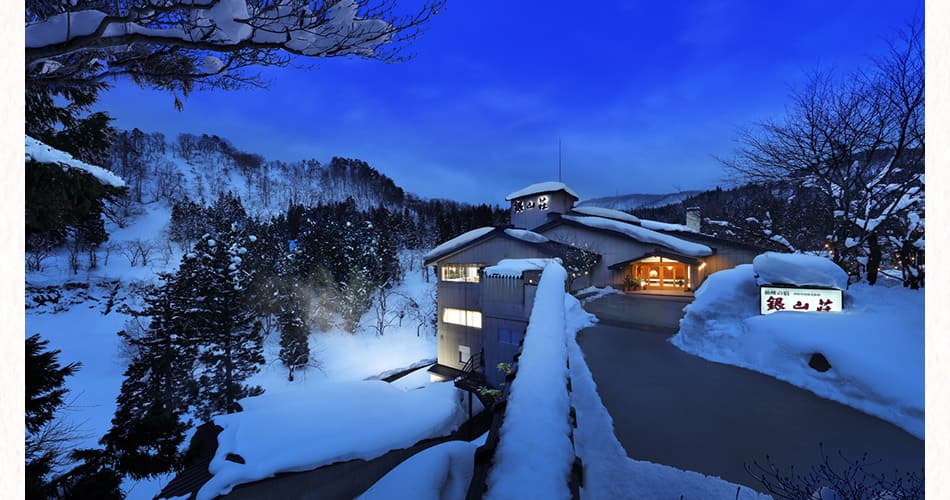
Ginzanso
Ginzan
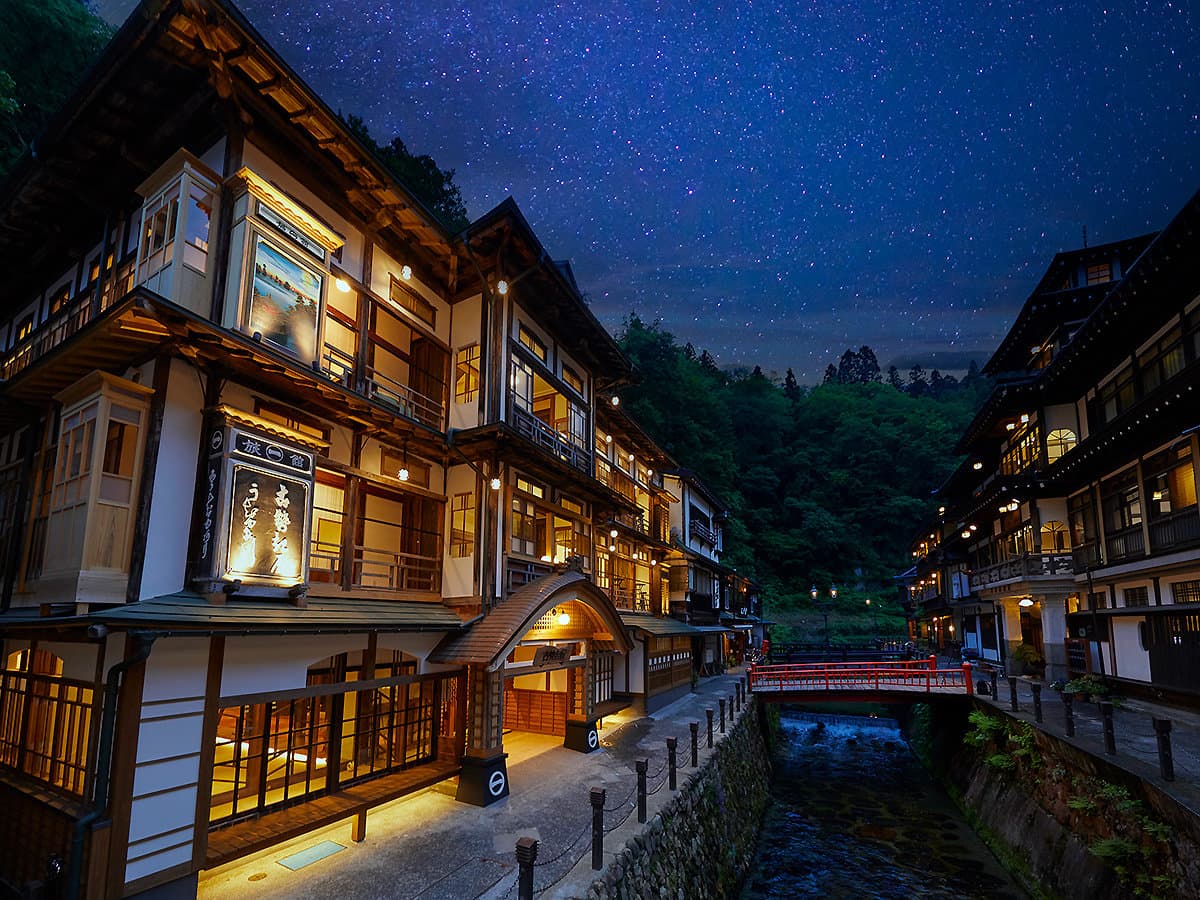
Honkan Kosekiya
Ginzan
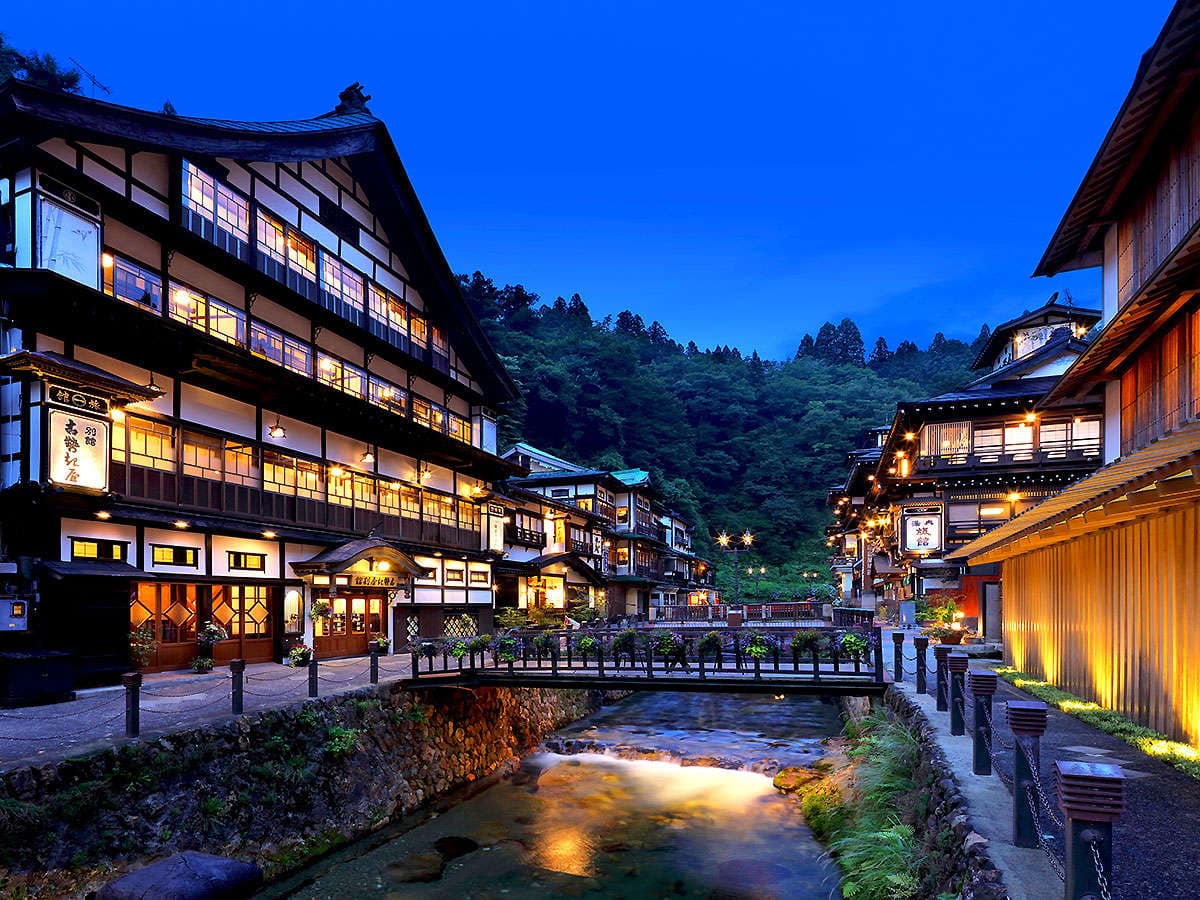
Fujiya Inn
Ginzan
显示价格为每人每晚的起步价(约值)。通过本站预订,我们可能获得佣金。
 保存到Pinterest
冬日银山温泉标志性的滝见桥与旅馆街 — 雪中大正建筑在煤气灯映照下的夜景(照片:Bruno Plus / Wikimedia Commons, CC-BY 4.0)
前言
第一个触动你的不是寒冷,而是山风中带来的硫磺气息,以及那片琥珀色的光晕。河岸边排列着真正燃烧煤气的路灯。木质阳台上积雪厚重。银山温泉地区页面 — 银山川在两排大正时代木造旅馆之间流淌,房内灯光透过障子纸像纸灯笼一样透出来。如果你正在权衡银山温泉最好的旅馆(日式旅馆)选哪家,那你已经问对了问题——因为在这里,住在哪里决定了整段体验的质量。 (National Geographic)
银山温泉位于山形县深山之中,沿着一条300米的石板路,分布着13家旅馆。2026年,《国家地理》将山形县评为年度最佳旅行目的地之一,特别点名推荐了瀧见馆和藤屋旅馆 (National Geographic)。这座温泉小镇的景观与宫崎骏动画电影《千与千寻》(日文原名:千と千尋の神隠し)中的汤屋小镇惊人地相似——吉卜力工作室从未正式承认这种联系,但视觉上的相似令人难以忽视。这两件事的叠加,让这个此前几乎不为外界所知的小村庄,迎来了英语世界搜索热度的井喷。
问题在于:大多数英文攻略只是描述氛围便戛然而止。你能感受到那种意境,却找不到具体价格、包租浴与共用温泉的区别、预订需要提前多久,以及哪家旅馆适合独自旅行者或有纹身的蜜月夫妇。本指南涵盖全部13家旅馆,提供经核实的价格、各家的温泉设施详情,以及每家旅馆究竟适合哪类旅客的直接答案。如果你在规划日本最值得去的温泉小镇之旅,银山温泉值得列入候选名单——但也要对预订的难度心中有数。
为什么银山温泉与日本其他旅馆村落截然不同
2024年,日本接待了创纪录的约3,690万名外国游客 (Nippon.com),其中到访山形县的不足1% (National Geographic)。这一数字即将发生改变。《国家地理》的推荐特别点名了瀧见馆和藤屋旅馆,意味着从2026年起,这两家旅馆将面临需求的跨越式增长。如果你是在相关文章在旅行论坛上疯传之后读到本文的——确实已经疯传了——那么冬季的空房已经比一年前紧张许多。
《国家地理》将银山温泉描述为"让人想到大正时代(1912—26年)小说场景,而非现代度假村的地方" (National Geographic)。这个定位准确无误。日本没有任何其他目的地能够同时具备这种建筑保护程度与完整运营的温泉基础设施。
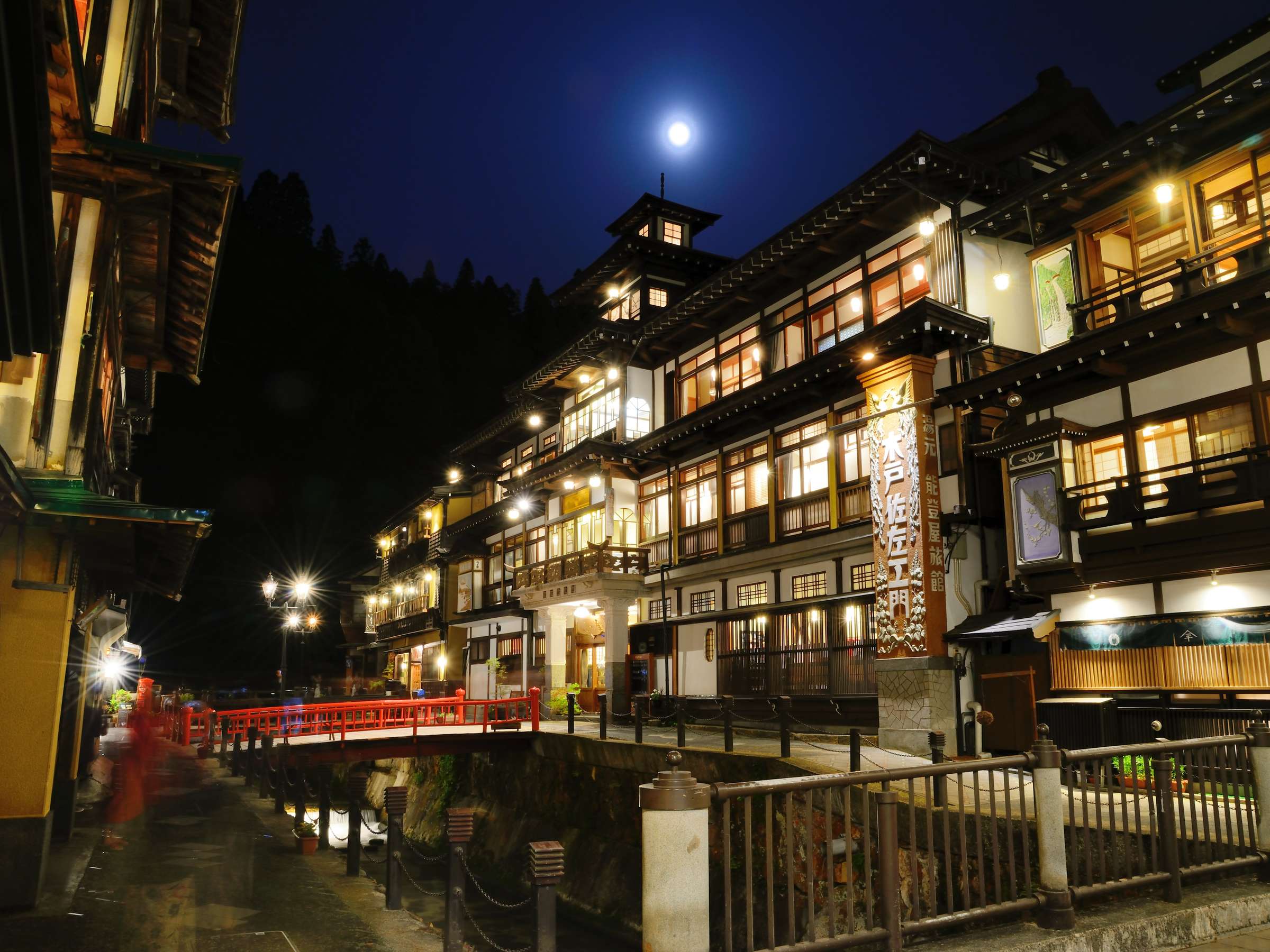
银山温泉的存在源于一座银矿。"银山"二字,字面意思就是"银之山",延沢银山(Nobesawa Ginzan)矿于1689年因大规模排水工程未能克服地下水渗入而被废弃 (Wikipedia)。供矿工沐浴的温泉泉眼随后对外开放。到了大正时代(1912—1926年),富裕的商人和城市工人纷纷前来泡汤,他们修建的多层木制旅馆至今仍矗立在银山川两岸。当地法规明确保护大正时代的街道风貌——禁止现代混凝土外立面,禁止破坏时代美感的招牌,完全禁止车辆驶入温泉区域。照片中的景象与亲眼所见别无二致,这在日本已属罕见,在一个仍在运营的温泉小镇则几乎闻所未闻。关于山形县更广泛的旅游信息,可参阅山形县旅游官方网站。
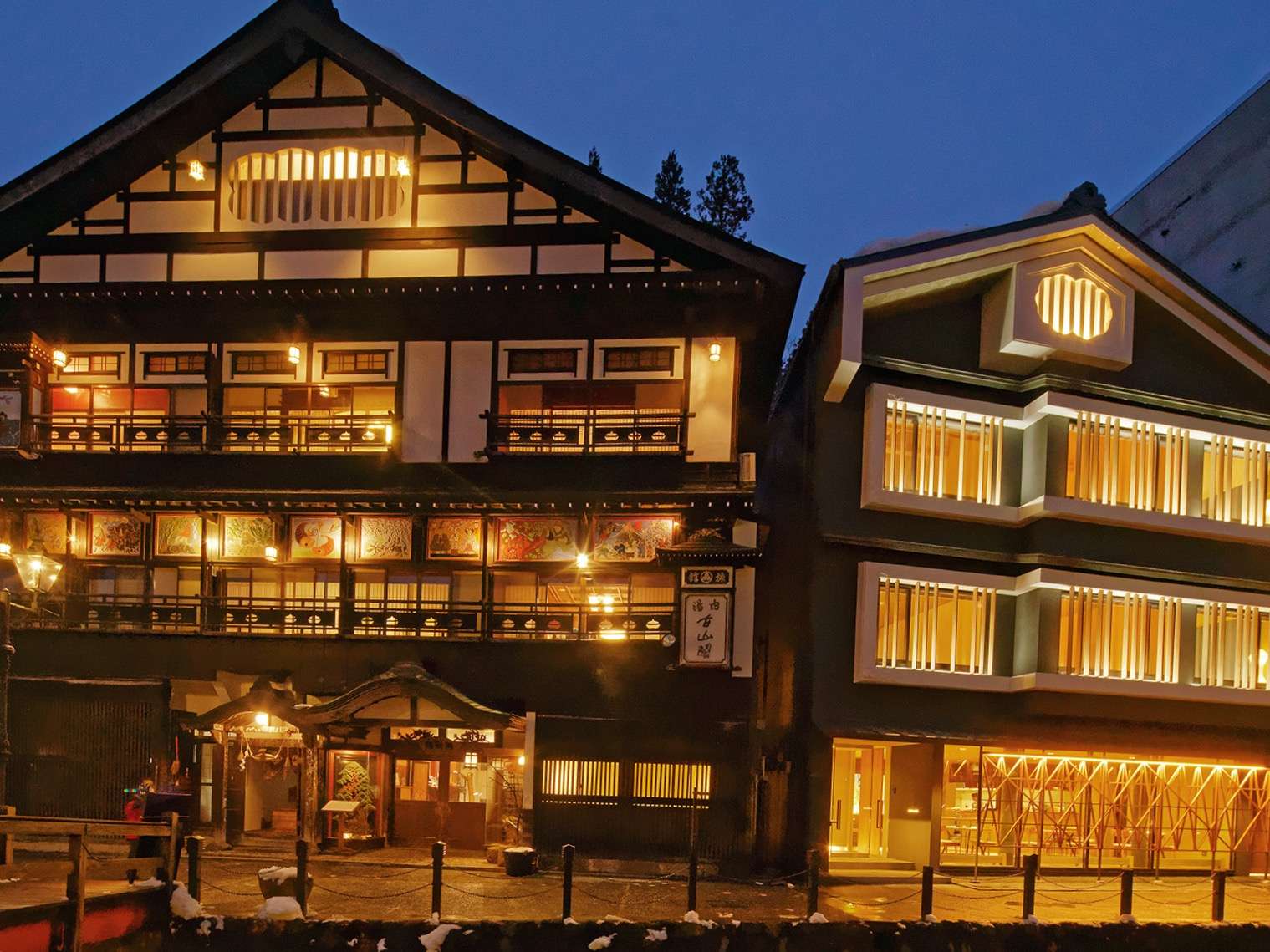
这300米的距离还有另一层意义:在银山温泉,住宿位置并不是有意义的差异因素。全部13家旅馆都在彼此步行5分钟的范围内。真正影响选择的是价格档次、包租温泉与共用温泉的区别、英文预订的便利度,以及餐饮质量。本指南正是围绕这些因素来构建的。若想了解山形县最值得住的旅馆,银山温泉是旗舰代表——但这个县在这个小山谷之外还有更多值得探索的温泉。银山温泉地区指南涵盖了小镇层面的详细信息。
温泉小镇还有共用的公共浴场。由建筑师隈研吾设计、2001年竣工的公共浴场"白银之汤"(しろがねの湯)(Kengo Kuma & Associates),人均500日元(约¥25人民币),包括住在没有私人设施的经济型旅馆的住客也可以使用。(注:调研截止日期时,该浴场两个浴池之一处于关闭状态——抵达前请确认最新开放情况。)沿河还设有全年免费开放的足浴。
快速对比:银山温泉13家旅馆一览
所有价格均为每人每晚含晚餐(怀石料理多道菜)和早餐的价格——这是日本旅馆的标准计费方式。两人同住的房费大约是单人价格的两倍。美元换算使用约145日元/美元的汇率(2026年5月汇率),仅供参考。具体价格因房型和季节而异。人民币换算使用约20日元/人民币的参考汇率。
| 旅馆名称 | 每人价格(¥,含2餐) | 每人价格(USD约) | 房间数 | 包租温泉 | 英文预订 | 预订提前期 | 最适合 |
|---|---|---|---|---|---|---|---|
| 旅馆 松本 | ¥20,000—25,000 | 约$138—172 | 10 | 无 | 有(第三方平台) | 秋季:提前6—8周;冬季:提前3—4个月 | 经济实惠;初次体验者 |
| 御宿 弥那田屋(やなだ屋) | ¥18,700起 | 约$129起 | 4 | 未确认 | 未确认 | 冬季:提前3—6个月 | 情侣;私密体验 |
| 昭和馆 | ¥20,000—30,000 | 约$138—207 | 13 | 无 | 未确认 | 夏季:提前1—2个月;冬季:提前3—4个月 | 家庭;交通便利 |
| 古山阁(こざんかく) | ¥26,550起 | 约$183起 | 8 | 有(包租) | 有限 | 冬季:提前3—6个月 | 团体;仅限现金 |
| 能登屋旅馆 | ¥25,300—28,600 | 约$174—197 | 15 | 有(洞窟浴+包租) | 有(在线) | 冬季:提前3—6个月 | 历史爱好者;独行侠 |
| 本馆 古势起屋 | 请联系旅馆 | — | 14 | 无 | 有 | 冬季:提前3—6个月 | 大正风情爱好者 |
| 古势起屋别馆 | 请联系旅馆 | — | 14 | 无 | 有 | 冬季:提前3—6个月 | 饮食需求;银联用户 |
| 旅笼 伊藤屋(いとうや) | ¥22,000起 | 约$152起 | 4 | 有(全包租) | 仅日文官网 | 冬季:提前6—12个月 | 私密体验;纹身友好 |
| 旅馆 永泽平八 | ¥22,000起 | 约$152起 | 7 | 有(露天包租) | 有限 | 冬季:提前6—12个月 | 情侣;冬日氛围 |
| 银山庄(ぎんざんそう) | ¥24,000—39,600 | 约$165—273 | 40 | 有(豪华房) | 有 | 秋季:提前2—3个月;冬季:提前3—6个月 | 家庭;团体;初次体验者 |
| 仓乃叶(CLANUOVA) | ¥30,000 | 约$207 | 6 | 有 | 有限;仅限现金 | 冬季:提前3—6个月 | 情侣;美食爱好者 |
| 瀧见馆 | ¥26,700—42,800 | 约$184—295 | 18 | 仅别馆 | 邮件可沟通 | 秋冬季:提前3—6个月 | 美食家;景观爱好者 |
| 藤屋旅馆 | 每人41,000日元起(含早晚餐) | 每人266美元(含早晚餐) | 8 | 有(5间私汤) | 有(预订平台) | 冬季:提前6—12个月 | 情侣;设计爱好者;高端体验 |
 保存到Pinterest
银山温泉,银山川两岸300米内排列着全部13家旅馆(照片:Wikimedia Commons, CC-BY-SA 2.0)
Tip
预订平台说明: 大多数旅馆可通过 Trip.com、Booking.com 或 Expedia 预订,这是覆盖银山温泉最全面的三个平台。Trip.com 的日本旅馆库存通常最为完整。
经济档(每人¥22,000以下):最具性价比的选择
在银山温泉,"经济实惠"是相对而言的。即便是这个价位,你依然能获得榻榻米客房、以山形牛和山野菜为特色的多道怀石料理晚餐、早餐,以及真正的"掛け流し"(源泉直流,不循环利用)温泉水。通常需要放弃的是客内私人浴池,以及在某些情况下的英文前台服务。公共浴场"白银之汤"(500日元)可弥补温泉体验的差距。
这个档次的所有旅馆都包含晚餐——这不是银山温泉的特例,而是日本全国旅馆的标准。担心"只住经济型旅馆"的客人不必顾虑:这里最平价的旅馆提供的晚餐,如果在山形市的独立餐厅点,至少要花8,000日元(约400元人民币)以上。
旅馆 松本
松本旅馆是银山温泉最实惠的过夜选择,含两餐价格约¥20,000—25,000每人 [haveyaseenjapan.com;HotelsCombined 5月价格]。这是一家10间客房的家庭经营旅馆,就在红桥旁边,紧邻沿河步道,让你身处每晚煤气灯点亮的核心地带,却不必支付藤屋的高昂价格。客房是传统的榻榻米加被褥样式。温泉需使用周边共用设施,无私人浴池。英文预订可通过 Klook 和乐天旅游完成。共用浴场的纹身政策尚未确认——请直接联系旅馆询问。对于第一次体验旅馆、以温泉小镇本身为主角的旅客而言,松本旅馆物超所值。秋季需提前6—8周预订;冬季需提前3—4个月。
御宿 弥那田屋
4间客房,每晚最多接待4组客人,晚餐以尾花泽和牛牛排和涮涮锅为主角——弥那田屋是小镇上最安静的住宿之一。含两餐价格从¥18,700/人起 [yanadaya.com,2026年5月15日确认],是进入银山温泉独特体验的最实惠门槛。旅馆提供彩色浴衣(大多数旅馆只提供白色或藏青色),有顶露台提供温泉煮鸡蛋和饮品——寒夜里的一份小仪式感。浴室是包租还是共用在官网上未有说明,预订前请直接联系确认。纹身政策同样未确认——值得直接询问。4间客房意味着比价格所暗示的更快满房。适合希望体验四间客房小旅馆亲密感、每晚享用顶级和牛、且费用明显低于大多数私汤旅馆的情侣。
昭和馆
昭和馆位于银山温泉主区入口,对于无需协调旅馆接送即可抵达的客人而言位置便利。含两餐价格约¥20,000—30,000/人 [Trip.com/Tripadvisor,约略价格]。最大亮点是2楼全天24小时开放的露天浴场——男女分开,直接引入源泉,包括降雪时也整夜开放。怀石晚餐以山形牛和刺身为主;早餐有用传统地炉(kamado,灶台)烹制的红花米饭,这是值得一提的地方特产。13间客房、容量50人,在这个价格档里相对更容易订到房间。共用浴场纹身政策未确认——预订前请直接询问。 适合希望便捷抵达、享受露天浴体验而不想支付豪华价格的家庭或团体。

日本冬日传统建筑——与山形县银山温泉经济档旅馆相近的美学风格(照片:Pexels, CC0)
中档(每人¥22,000—¥43,000):九家旅馆,各有侧重
这是银山温泉中覆盖范围最广的档次——13家中有9家的起价都在这个区间——也是真正需要仔细甄别的地方。私人温泉的有无、英文预订体验、餐饮理念和客房数量,在这组旅馆中差异相当显著。以下按客房数从少到多排列,方便你一眼看出私密感与规模的取舍。
Tip
各季节预订提前期参考: 冬季周末(12月—2月),中档旅馆需提前3—6个月,4间客房的旅馆(如伊藤屋)需提前6—12个月;红叶高峰期(10月下旬—11月上旬)需提前2—3个月;春季赏樱周(4月中旬)需提前4—6周;夏季最宽松,提前1—2个月即可。客房数越少,无论什么季节都订满得越快。
旅笼 伊藤屋
伊藤屋将私密浴场的理念发挥到极致:全部浴池均为包租,每晚仅接待4组客人。就是这样。客房内的温泉系统意味着无需迁就共用浴池时段,无需应对纹身政策的问题,也不会在水中碰到其他客人。2楼的雪见浴池是标志性设施——小型私人浴缸,直接俯瞰白雪覆盖的山谷。含两餐价格从¥22,000/人起 [hatago-itouya.com,2026年5月15日确认],两人预订的实际金额会体现出旅馆的专属性质。怀石料理以尾花泽牛为主,配以本地采摘的菌菇和鱼类。官网仅有日文,因此没有日语能力或旅行社帮助的情况下,通过第三方平台预订是最实际的英文路径。鉴于最多仅接待4组,冬季日期需要在预订窗口开放的第一时间出手。适合追求最大私密度的情侣,以及有纹身且希望泡温泉而不想面对政策门槛的旅行者。
旅馆 永泽平八(旅馆 永澤平八)
7间客房,亮点是雪景中的露天包租浴——在万籁俱寂的山谷中,一处仰望露天星空的专属浴桶,晚饭后无需考虑共用浴场的时间。大正时代的建筑风格流露出亲密感,而非宏伟气势。冬日外观与露天浴拍出来的效果极佳,因此这家旅馆频繁出现在摄影攻略中,但这是品质使然,而非选择它的理由。含两餐价格从约¥22,000/人起(按两人¥44,000/晚折算)[jalan.net,2026年5月15日确认]。英文现场服务未经确认,谨慎起见应视为有限。露天包租浴的纹身政策可能可以接纳——预订前请直接确认。 对于希望在小型旅馆享受可靠包租温泉的情侣而言,永泽平八值得花额外精力去预订。
古山阁
古山阁含两餐价格从¥26,550/人起 [gltjp.com,2026年5月15日确认],但有一个每位外国游客都必须提前知道的重要注意事项:古山阁仅收现金,不接受信用卡。 请在离开山形市之前准备好足够的日元。旅馆是昭和初期的历史性木造旅馆,内部忠实还原了那个年代的风貌——复古沙发、古董钟表、令人踏实的木梁吱呀声。共用浴场有两处(女汤为木制、男汤为石制),另有两处可供全体住客先到先用的包租浴。有纹身的客人可使用包租浴。前台英文支持有限,通过第三方平台预订更为方便。古山阁还有一间可容纳最多8人的宽敞套房,是银山温泉为数不多适合小型团体同行的选择之一。
能登屋旅馆
能登屋创立于明治25年,即1892年,现存建筑于1921年完工,并被指定为国家有形文化财 (Nippon.com)。含两餐价格¥25,300—28,600/人 [selected-ryokan.com,2026年5月15日确认]。老民居建筑沿用了明治时代以来未曾改变的传统榫卯技法。据说是创业时便开始使用的洞窟温泉现在以包租(私汤)形式开放,另有一处可观赏瀑布的露天观景浴池。部分资料特别提及能登屋的外立面与《千与千寻》中的汤屋相似,但吉卜力工作室从未正式确认这一关联。能登屋还曾是NHK晨间剧《阿信》(おしん,1983—84年)的拍摄地。官网提供英文在线预订,电话预订仅接受日文。有纹身的客人可使用包租浴;共用浴场政策尚不明确——请直接确认。 馆内提供茶饮和轻食的茶室,即便只是日归游,也适合在此停留休息。在此过夜,独行旅客和历史爱好者能最充分地感受能登屋的氛围。
仓乃叶(CLANUOVA)
仓乃叶于2017年作为古山阁的新馆开业,做了一件银山温泉其他旅馆都未曾尝试的事情:晚餐是使用山形食材烹制的意法融合料理。主厨兼老板在东京修炼后回乡,以尾花泽牛和河北町蔬菜为主料,运用意大利技法料理,搭配山形及意大利出产的葡萄酒。仅有6间客房(容量12人),是以客房数论全镇最私密的旅馆。含两餐价格约¥30,000/人 [gltjp.com,2026年5月15日确认]。客人可使用古山阁3楼的包租浴及1楼的公共浴场。馆名融合了意大利语"nuovo(新)"和"classico(经典)"——洋式客房俯瞰历史温泉街,这种不寻常的组合出人意料地和谐。英文支持有限,与古山阁相同,建议通过平台预订。古山阁/仓乃叶均为现金结算——请携带足够日元。适合追求不一样体验的美食爱好者和情侣。
瀧见馆
瀧见馆位于银山温泉山坡的最高处——从字面意义上是全村海拔最高的旅馆——那里的全景露天浴是整个山谷中视野最开阔的温泉体验之一。晴朗的冬日里,眼前是无遮挡的积雪屋顶连绵的画卷。含两餐价格¥26,700—42,800/人 [selected-ryokan.com,2026年5月15日确认],根据房型横跨中档到高档价位。招牌菜是用尾花泽产荞麦手打的荞麦面——瀧见馆自制的这种特定地方品种确实物有所值。怀石料理同样以尾花泽牛为主角。《国家地理》2026年山形专题特别将其列为推荐住宿。旅馆也曾是NHK晨间剧《阿信》(1983—84年)的拍摄地。本馆仅有共用浴场;别邸"别邸・瀧みたて"坐落于白银瀑布脚下,别馆住客可使用专属包租温泉。共用浴场的纹身政策尚未确认——预订前请直接联系。 据悉英文邮件沟通可用于安排大石田站的接送,需提前预约。适合美食爱好者和冬日景观痴迷者。
银山庄
银山庄拥有40间客房、容量200人,是银山温泉规模最大的旅馆,创立于1900年前后,也是历史最悠久的旅馆之一,曾是NHK晨间剧《阿信》的拍摄地 [selected-ryokan.com,2026年5月15日确认]。规模带来的是最流畅的服务体验:英文网站、国际预订渠道全面支持,以及从JR大石田站的免费班车。豪华客房附带引入三种泉质(硫磺泉、氯化物泉、硫酸盐泉)的露天温泉浴池,且有纹身的客人可使用包租浴 [selected-ryokan.com]。公共浴场也向住客开放。含两餐价格¥24,000—39,600/人 [selected-ryokan.com,2026年5月15日确认]——起步价处于中档;上限对应俯瞰河景的高级豪华客房。银山庄也是冬季周边游最便利的出发地:1月至3月可参加藏王树冰(juhyo,冰树)观赏游。对于希望获得顺畅体验的初次旅馆旅客,以及需要适应较大家庭团体的客人,这是全村唯一真正能满足需求的旅馆。
本馆 古势起屋
古势起屋本馆以银山温泉第一座大正时代建筑著称,在一座将建筑视为核心价值的小镇上,这一地位举足轻重。美学风格兼具复古与现代:彩色玻璃、古董陈设,以及山景、河景、纯和风三种客房类型。目前英文来源暂无法确认价格,请直接查阅官网或 Booking.com 获取最新价格。两处室内浴场男女轮换使用,仅开放16:00—24:00;本馆无露天浴,住客可使用银山庄的设施。共用室内浴场纹身政策未经确认。 从JR大石田站每天有3班免费班车,大幅简化了新干线换乘后的最后一段旅程。适合想在日本建筑史中留宿一夜却无需支付豪华价位的旅行者。
古势起屋别馆
别馆坐落于历史街区的中心地带,与本馆共享同样的大正时代美学。14间客房容纳30名客人,人均空间略大于本馆。价格目前同样无法在英文来源核实。实际操作上的亮点:古势起屋别馆是银山少数明确接受银联(UnionPay)的旅馆(对中国大陆旅客及部分东南亚持卡人尤为便利),且有书面记录的饮食需求处理流程——过敏原替换约需额外支付¥1,500,须在预订时提出申请。全馆免费Wi-Fi。每天3班大石田站班车。仅有共用浴场,无包租温泉——共用浴场纹身政策未注明,请直接询问。 适合有饮食限制,或来自以银联为主要支付方式地区的旅行者。
 保存到Pinterest
浴衣——银山温泉所有旅馆的标准晚间着装(照片:Wikimedia Commons, CC BY 2.0)
高端档(每人41,000日元起,含早晚餐):银山温泉的顶级体验
选择银山最高价位的真实理由:客房私汤或专属温泉、媲美独立高端餐厅水平的怀石料理,以及小到像私人府邸而非酒店的客房数量。与城崎或箱根的豪华旅馆相比,银山的高端价位通常低20—30%,部分原因是直到现在才真正进入国际旅行者的视野。
这种状况不会持续。请尽早预订。
 保存到Pinterest
雪中冬日傍晚的银山温泉旅馆与银山川(照片:Koichi_Hayakawa / Wikimedia Commons,CC BY 4.0)
藤屋旅馆
藤屋是最直接将银山温泉推向国际舞台的旅馆,《国家地理》2026年度最佳旅行目的地专题文章明确点名 (National Geographic)。旅馆历史可追溯至江户时代,但现有建筑由建筑师隈研吾于2006年彻底重新设计 (Kengo Kuma & Associates)——他同样主持设计了东京国立竞技场和同一条街上的"白银之汤"公共浴场。隈研吾运用竹制"虫笼"屏风和"Dalle de Verre"彩色玻璃,创造出同时兼具古意与肃穆感的空间。仅有8间客房(容量21人),晚餐在客房内服务。5处私人温泉浴池——24小时免费使用——是这里唯一的入浴设施,完全没有共用浴场。这意味着在藤屋,有纹身的客人完全不受任何限制,这是一种罕见且明确的优势。价格为每人每晚41,000日元起(含早晚餐,官网,2026年10月查询)。价格区间较宽,原因在于三种房型(带私汤的A型、B型、带带顶门廊的C型)差异显著。冬季日期请提前6—12个月预订——这不是夸大其词。旅馆在约13:30和15:30从大石田站发车接送,须提前预约。适合情侣、建筑爱好者,以及希望以最有意识的方式体验银山温泉精髓的旅行者。
哪家旅馆最适合你?按旅行类型推荐
首次体验旅馆的旅客: 选择银山庄。英文网站、国际预订渠道、准时可靠的班车接送以及充足的员工配置,都能让学习曲线变得平缓。你依然能获得完整的榻榻米加怀石料理体验,却不会遇到小型旅馆可能存在的沟通障碍。抵达前请阅读旅馆初次体验指南。
蜜月或周年纪念情侣: 藤屋或旅笼伊藤屋。两者都有完全私密的浴场,彻底消除共用浴场的社交因素。藤屋带来的是隈研吾建筑与某种精致感,足以让顶级价位显得物有所值。伊藤屋则以中档起步价提供雪见浴和最大限度的独处体验。如预算有限,永泽平八以相近起步价提供同样的私人露天浴亲密感。
独行旅客: 能登屋旅馆。1892年创立的文化财认定有着货真价实的历史底蕴,¥25,300—28,600的价格不失合理,而这座小镇本身的规模,恰好让夜间独自沿着煤气灯亮着的河岸漫步成为整段体验的核心——那正是独行旅客来此的意义所在。洞窟浴是一个令人念念不忘的细节。
冬季摄影爱好者: 建筑外观选能登屋和永泽平八;俯瞰雪中小镇的高处全景露天浴选瀧见馆。三家旅馆彼此相距不过步行3分钟,拍摄角度各不相同。
携子家庭: 银山庄。这是全村唯一拥有足够房间数和运营体系来支撑家庭出行的旅馆。预订时请务必确认儿童价格和餐食安排——旅馆餐饮的分量和形式是为成人设计的,大多数旅馆要求提前告知。
有纹身的旅客: 藤屋(所有浴场私人——不受限)或旅笼伊藤屋(同上)。如果前两家订不到,银山庄和能登屋有供纹身客人使用的包租浴。古山阁同样有包租浴对纹身客人开放,但请记住现金结算的要求。
注重美食且寻求不同体验的旅客: 仓乃叶(CLANUOVA)提供使用山形食材的意法融合怀石料理——是全村最与众不同的餐饮选项。瀧见馆有用尾花泽荞麦自制的手打荞麦面。御宿弥那田屋在全村规模最小、最亲密的环境中每晚提供和牛牛排和涮涮锅。
银山温泉本就以家族经营的小旅馆为主,银山温泉小型旅馆合集汇总了其中最温馨的几家。
冬季与其他季节的银山温泉:何时造访,预订什么
冬季(12月—2月) 是旺季,每年1月在社交媒体上疯传的照片就是原因。木造屋顶上的积雪、笼罩在冰冷河面上的琥珀色煤气灯、在飘雪中泡露天温泉——这就是驱动大量国际搜索的银山温泉冬日旅馆体验。它是真实存在的,值得付出额外的计划心力。但需注意:旅客管理现已正式化。12月20日至3月1日期间,下午5点后日归游客每小时限额100人;晚上8点后仅允许过夜旅客进入小镇。日归游客须将车停在大正浪漫馆游客中心(约2公里外),乘坐付费班车(¥1,150)进村 (Time Out Tokyo)。如果你是过夜旅客,这些限制对你完全不适用——这是选择预订房间而非日归的最有力论据。
冬季预订提前期: 大多数中档旅馆需提前3—6个月。藤屋和伊藤屋需提前6—12个月。部分旅馆约在一年前开放冬季预订。
秋季红叶(9月—11月) 被普遍认为是最被低估的季节。旅馆街上方山坡覆盖着橙红色的枫叶,与白色灰泥墙和深色木结构形成鲜明对比。红叶高峰期为10月下旬至11月上旬。需提前3—6个月预订。
春季(3月—5月) 银山川沿岸盛开樱花,通常在4月中旬;冬雪融化后,白银瀑布水量最大。人流量少于冬季或秋季。雪见的魔幻感已消散,但绿意盎然的山谷呈现出不同的、更为宁静的面貌。樱花高峰期提前4—6周预订;春季其余时段相对宽裕。
夏季(6月—8月) 是淡季。山间位置使气温明显低于城市的酷暑。空房最多,价格往往最低。没有积雪衬托的煤气灯少了几分戏剧感,但小镇上方的徒步小径全线开放,无需冬装的浴衣夕游确实令人心旷神怡。通常提前1—2个月即可。
黄金周(4月底—5月初)和盂兰盆节(8月中旬): 需提前6个月预订,或重新考虑日期。这两个节假日期间,全国旅行者同时涌向同一个目的地。
从东京和山形前往银山温泉的交通指南
掌握路线后,前往并不困难。日本铁路通票指南详细介绍了新干线预订事宜——山形新干线由JR运营,JR Pass持有者无需为新干线部分额外付费。
从东京出发: 1. 从东京站乘坐JR山形新干线"翼号(Tsubasa)"前往大石田站(大石田駅)。车程约200分钟(3小时20分钟),每1—2小时一班。无JR Pass的单程票价约¥13,780 [selected-ryokan.com 交通指南,2026年5月15日确认]。 2. 从大石田站乘坐山形交通(山交バス)路线巴士前往银山温泉。车程约40分钟,单程¥1,000(仅限现金——该路线巴士不接受IC卡),每天约5—6趟往返 (Live Japan)。 3. 大多数旅馆提供大石田站免费接送——预订时请确认并预约。从东京到银山温泉的全程时间约3小时20分钟至3小时50分钟。
从山形机场出发: 直达银山温泉的巴士(无需预约):75分钟,¥2,000。合乘出租车(需在前一天下午5点前预约):60分钟,¥4,800—5,300。
从仙台出发: 乘高速巴士至尾花泽,再转乘路线巴士,约2小时10分钟,¥2,760—2,790。
冬季自驾注意事项: 12月20日至3月1日,非过夜旅客的私家车无法进入银山温泉温泉区域。过夜旅客请向旅馆询问停车事宜——停车场距旅馆街步行5—10分钟,旅馆提供接送服务。出发前请确保车辆装有雪地胎。
入住须知:银山温泉的旅馆礼仪
首次入住旅馆的旅客有时在最初的一个小时内不确定该如何行动。以下是入住的基本流程。
- 入住通常在14:00至15:00之间(昭和馆为14:00以后,古山阁从14:30起)。在玄关脱鞋,换上拖鞋后工作人员会引领你前往客房。
- 浴衣由旅馆提供,可在客房内、公共区域及沿河夜游时穿着。这是普遍的旅馆习惯,你会看到所有人都这样穿。
- 晚餐通常在18:00至19:00之间,在客房内或私人用餐室供应。以怀石料理形式呈现——多道菜依次送上。请在预订时而非入住当天告知饮食限制。
- 温泉礼仪: 进入共用浴场前,请在淋浴处将全身彻底洗净冲净。毛巾不可接触浴池水面。保持安静。大多数旅馆不建议饮酒后入浴。
- 退房通常在10:00—11:00(古山阁10:00,昭和馆12:00)。早餐在7:30—9:00之间供应,具体时间因旅馆而异。
- 支付方式: 大多数旅馆接受主要信用卡。古山阁和仓乃叶(CLANUOVA)仅限现金——请携带足够日元。 古势起屋别馆接受银联。
小镇全长300米。煤气灯在黄昏点亮。晚饭后,穿着浴衣沿着河岸缓缓步行——即便气温远低于零度——这才是来这里的真正意义。
银山是该地区六大温泉区中最上镜的一个——东北最佳旅馆指南将它与藏王、鸣子、乳头逐一对比。
银山温泉旅馆常见问题
银山温泉有几家旅馆?
银山温泉共有13家旅馆,从经济档的约¥18,700/人起,到豪华档的每晚¥68,000以上/人不等。全部13家旅馆沿银山川两岸排列在一条300米的石板路上 [ginzanonsen.jp]。
各旅馆之间的位置几乎没有差别——整条街从头走到尾只需5分钟。真正区分它们的是价格、包租与共用温泉的选择,以及英文预订的便利程度。
银山温泉哪家旅馆最好?
对于重视私密性和设计感的情侣,藤屋是最佳选择——8间客房、5处全包租温泉、隈研吾建筑设计,以及2026年《国家地理》的点名。对于希望顺畅体验英文服务的初次旅客,银山庄是最实际的选择。预算有限的旅客可选择能登屋,一座有着130年历史的文化财指定旅馆,¥25,300/人起,实至名归。
没有一家旅馆适合所有旅客。纹身旅客专区和上文各档次的详细解读,会比任何排行榜更快帮你缩小选择范围。
应该提前多久预订银山温泉的旅馆?
冬季周末(12月—2月):小型豪华旅馆提前6—12个月,中档提前3—4个月。红叶高峰期(10月下旬—11月):提前3—6个月。春季樱花期:提前4—6周。夏季:提前1—2个月。黄金周和盂兰盆节:至少提前6个月。
大多数旅馆只有4—18间客房,比酒店逻辑预示的更快满房——规模最小的旅馆客房数甚至少于有些酒店的一个楼层。日期确定后请立即预订。
银山温泉的旅馆有包租温泉吗?
多家旅馆提供贷切浴(包租温泉)或客房内温泉浴池。藤屋和旅笼伊藤屋完全采用私汤制度,没有任何共用浴场,因此对纹身旅客完全开放。经济型旅馆使用男女分开的共用浴场,以及公共浴场"白银之汤"(500日元)。
每家旅馆的包租温泉详情请参见上方对比表。纹身旅客相关信息详见推荐指南专区。
冬季去银山温泉值得吗?
值得——冬季是旺季有其充分理由。积雪将大正时代的木造建筑装扮成与《千与千寻》中的汤屋小镇惊人相似的景观(吉卜力工作室从未正式确认这一关联)。山形县被选入《国家地理》2026年度最佳旅行目的地。过夜旅客完全不受日归游客限制的约束。
主要实际注意事项:小型旅馆的冬季周末需提前6—12个月预订。平日入住竞争少得多,人也明显更少。
如何从东京前往银山温泉?
从东京站乘坐JR山形新干线"翼号"至大石田站(约3小时20分钟,单程¥13,780;JR Pass新干线段有效)。然后乘坐山交巴士前往银山温泉(35分钟,¥1,000)。大多数旅馆提供大石田站免费接送——预订房间时请一并安排 [selected-ryokan.com 交通指南]。
冬季限制期(12月20日—3月1日)以外可自驾,但非过夜旅客的车辆无法进入温泉区域。过夜旅客请向旅馆咨询停车场及接送服务。
准备好预订银山温泉的旅馆了吗?
最热门旅馆的最佳客房在冬季旺季高峰日前12个月便已售罄——这不是营造紧迫感的话术,而是一座最大旅馆仅有40间客房、最小旅馆只有4间的小镇的现实状况。13家旅馆,一条300米的石板路。日本被拍摄最多次的温泉小镇,在2026年《国家地理》的选定之后,已稳稳站上国际旅行者的视野之中。含两餐价格从每人不足¥20,000起。
保存到Pinterest银山温泉 — 13家旅馆共同构成一幅完整的大正街道风貌,全长300米(照片:Bruno Plus / Wikimedia Commons, CC-BY 4.0)
若想了解山形县全境旅馆,请参阅山形最佳旅馆指南——银山温泉是山形的旗舰,但整个县的温泉资源远不止这一个山谷。
准备好预订了吗?
从这些精选旅馆中预订
一次比较各订房平台的实时空房与房价。



通过预订链接可能产生佣金,但不会增加您的费用。
付款前先看看我们的6大旅馆预订平台对比——银山温泉房源极少,选哪个平台直接决定你能看到哪些房间。
FAQ
常见问题
银山温泉有多少家旅馆?+
银山温泉目前共有13家旅馆在营,人均价格从经济型的约¥18,700到高端奢华的每晚逾¥68,000不等。这13家旅馆全部沿银山川两岸排列,集中在一条长约300米的单一街道上[ginzanonsen.jp]。各家住宿在地理位置上并无实质差异——整条街道步行五分钟便可走完。真正区分它们的,是价位、私汤与共用温泉的差异,以及英语预订的便利程度。
银山温泉最好的旅馆是哪家?+
对注重私密感与设计感的情侣而言,Fujiya Inn是不二之选——仅8间客房、5处全包场私人温泉浴池,由隈研吾设计,并入选《国家地理》2026年度推荐。对于初次到访、希望顺畅英语体验的旅行者,Ginzanso是最务实的选择。预算有限的旅行者则可选择Notoya——这家有着130年历史的指定文化财产,人均起价¥25,300,性价比实在。没有哪一家旅馆能满足所有旅行者的需求。文中关于纹身旅行者的专题内容与各档次详细分析,将比任何排名都更快帮你锁定适合自己的住宿。
预订银山温泉旅馆需要提前多久?+
冬季周末(12月至2月):小型高端住宿需提前6至12个月;中端住宿需提前3至4个月。秋叶赏枫高峰(10月下旬至11月):提前3至6个月。春季赏樱季:提前4至6周。夏季:提前1至2个月。黄金周及盂兰盆节:至少提前6个月。大多数住宿客房数量仅在4至18间之间,比酒店逻辑上显示的订满速度更快——最小的住宿客房数量甚至少于某些酒店的单层房间数。一旦确定出行日期,请立即预订。
银山温泉的旅馆有私人温泉浴池吗?+
多家住宿提供包场汤(私汤预约制)或客房内独立温泉浴池。Fujiya Inn和Hatago Itouya仅设私人浴池,完全没有共用大浴场,因此对有纹身的旅行者完全友好。经济型住宿则提供男女分开的共用大浴场,以及公共浴池白银之汤(¥500)。各住宿私汤详情请参阅文中对比表格。有纹身的旅行者可查看推荐板块中的专属子章节。
冬天去银山温泉值得吗?+
非常值得——冬季是旺季,理由充分。积雪将大正时代的木造建筑群变成一幅与《千与千寻》中澡堂小镇惊人相似的绝美画卷(吉卜力工作室从未正式确认这一渊源)。山形县已入选《国家地理》2026年度全球最佳目的地。住宿过夜的客人可完全避开对日间游览者的管控限制。需注意的是:冬季周末小型住宿需提前6至12个月预订。平日入住竞争压力小得多,人流也明显较少。
从东京如何前往银山温泉?+
从东京站乘坐JR山形新干线翼号至大石田站(约需3小时20分钟,单程¥13,780;JR Pass适用于新干线路段)。随后换乘山形交通巴士前往银山温泉(35分钟,¥1,000)。大多数旅馆提供从大石田站出发的免费接送服务——预订客房时请一并预约[selected-ryokan.com 交通指南]。冬季管制期以外可自驾前往,但12月20日至3月1日期间,非住宿日间游览者不得驾车进入温泉区域。住宿客人请向旅馆咨询停车场及接送服务事宜。
可以当天往返游览银山温泉吗?+
可以,但傍晚时段的体验现已需要提前预约。自2024至2025年冬季起,日间游览者若想在高峰时段17时至20时欣赏煤气灯美景,须提前购买定时入场票(每人约¥1,150至¥1,200,含从大正浪漫馆停车场出发的强制摆渡车)。20时后整个温泉村将对非住宿客人关闭,因此若想在最静谧的氛围中感受煤气灯与雪景交织的浪漫,唯有选择留宿过夜。
还在犹豫?
浏览日本旅馆Booking.com