

27 min readUpdated June 2026
Quick Comparison
10 picks| Ryokan | From | Rating | Features | Book |
|---|---|---|---|---|
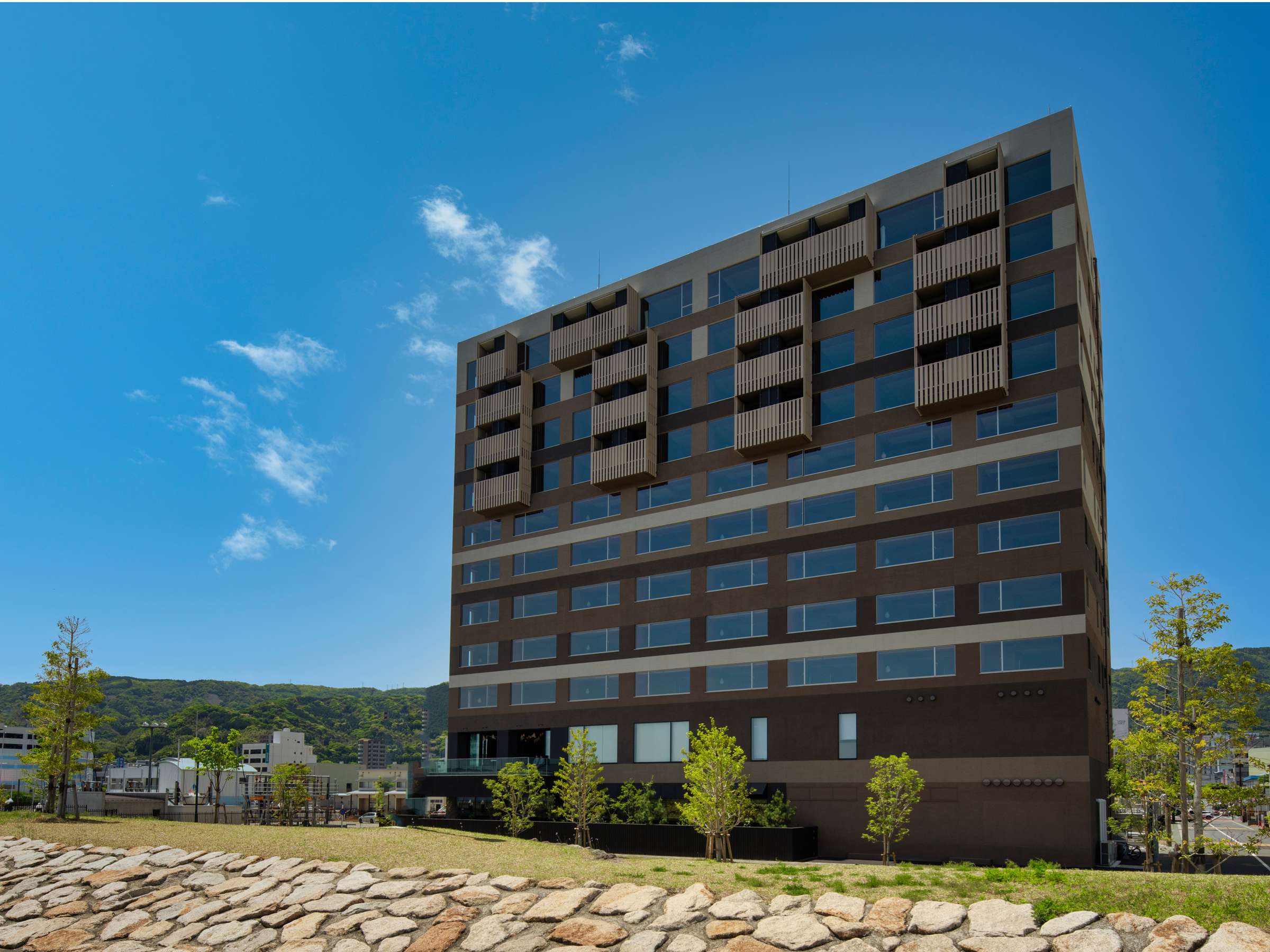 Kai Beppu Beppu | from $300 | 9.1 350 reviews | EN OKOnsen | Book on Booking.com |
 Amane Resort Seikai Beppu | from $250 | 9.0 680 reviews | EN OKPrivate Onsen | Book on Booking.com |
 Sanso Kannawa-en Beppu | from $350 | 9.2 85 reviews | Private Onsen | Book on Booking.com |
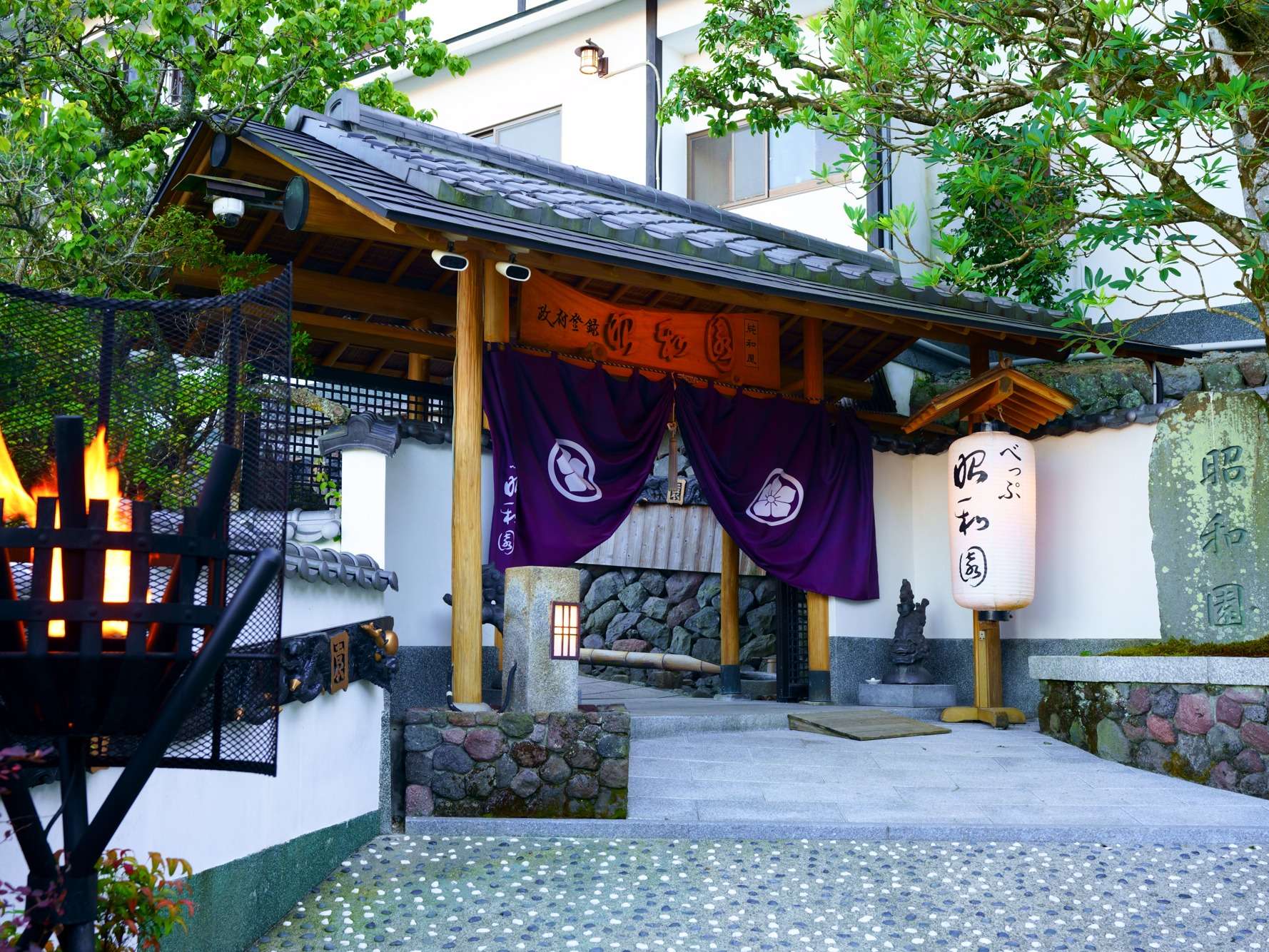 Beppu Showoen Beppu | from $400 | 9.3 65 reviews | Private Onsen | Book on Booking.com |
 | from $120 | 8.5 4,820 reviews | EN OKOnsen | Book on Booking.com |
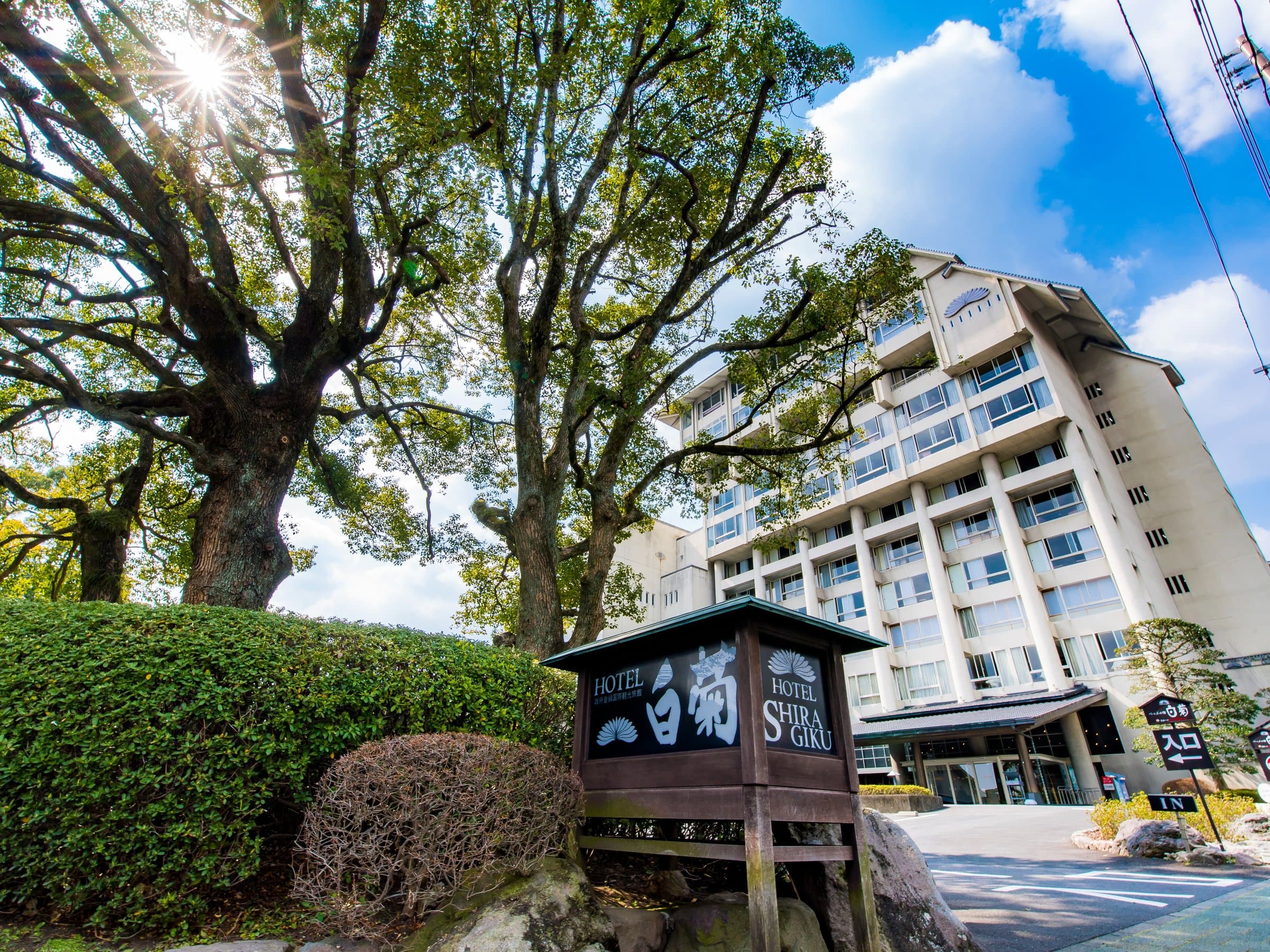 Hotel Shiragiku Beppu | from $150 | 8.9 1,580 reviews | EN OKPrivate Onsen | Book on Booking.com |
 Hana Beppu Beppu | from $150 | 8.8 1,240 reviews | EN OKPrivate Onsen | Book on Booking.com |
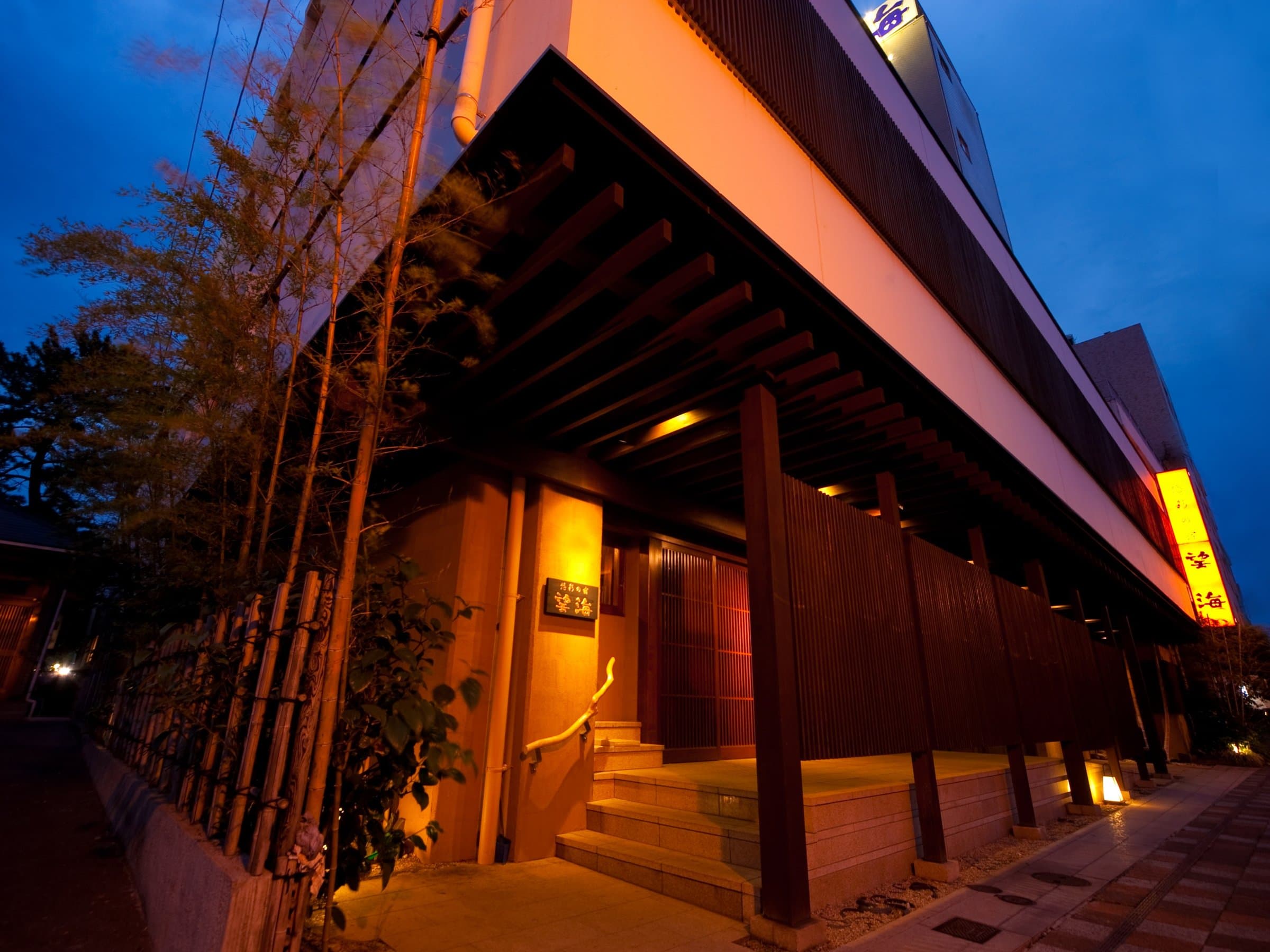 Yusai no Yado Bokai Beppu | from $130 | 8.3 520 reviews | EN OKPrivate Onsen | Book on Booking.com |
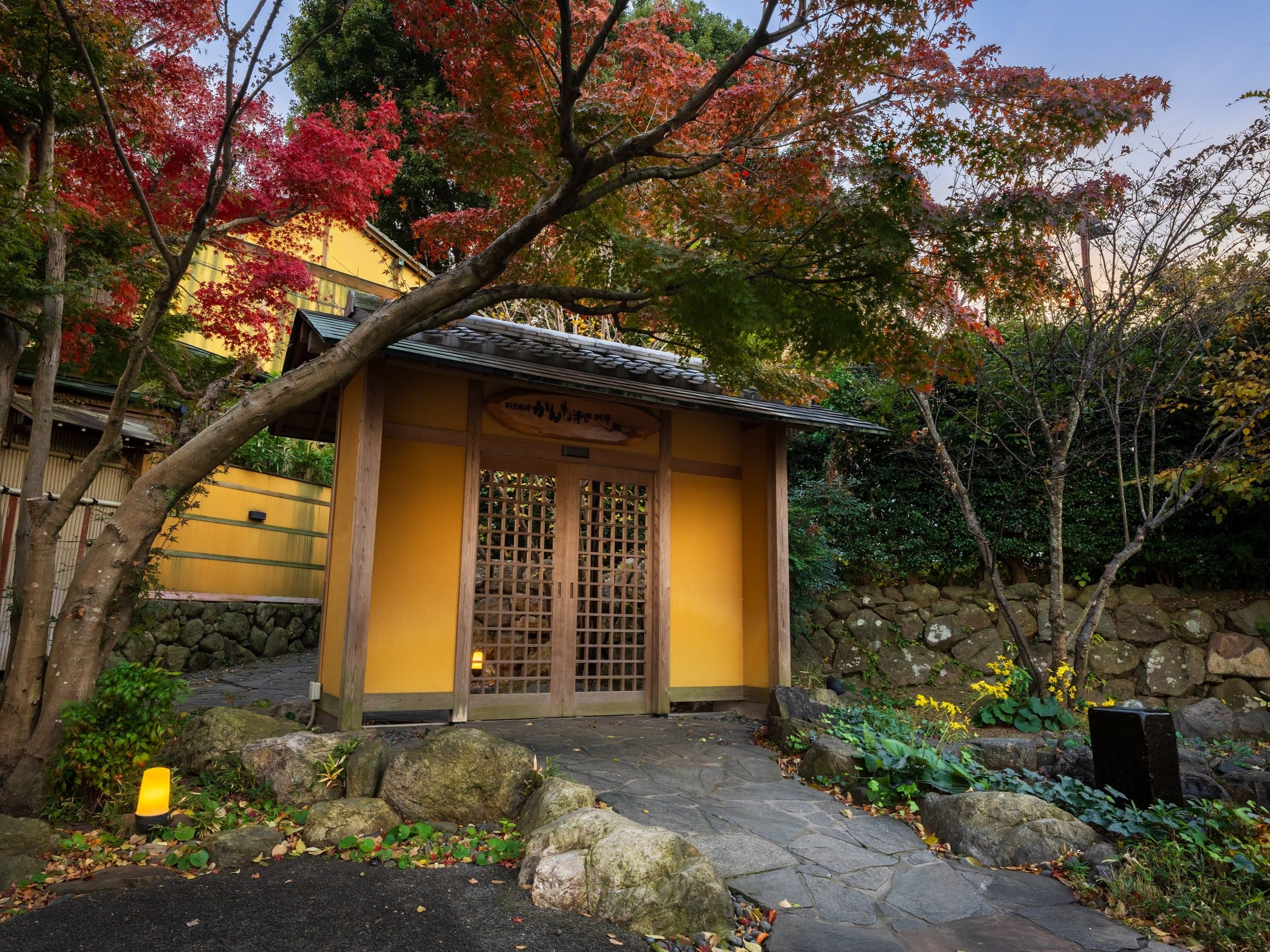 | from $466 | 8.8 854 reviews | EN OKPrivate Onsen | Book on Booking.com |
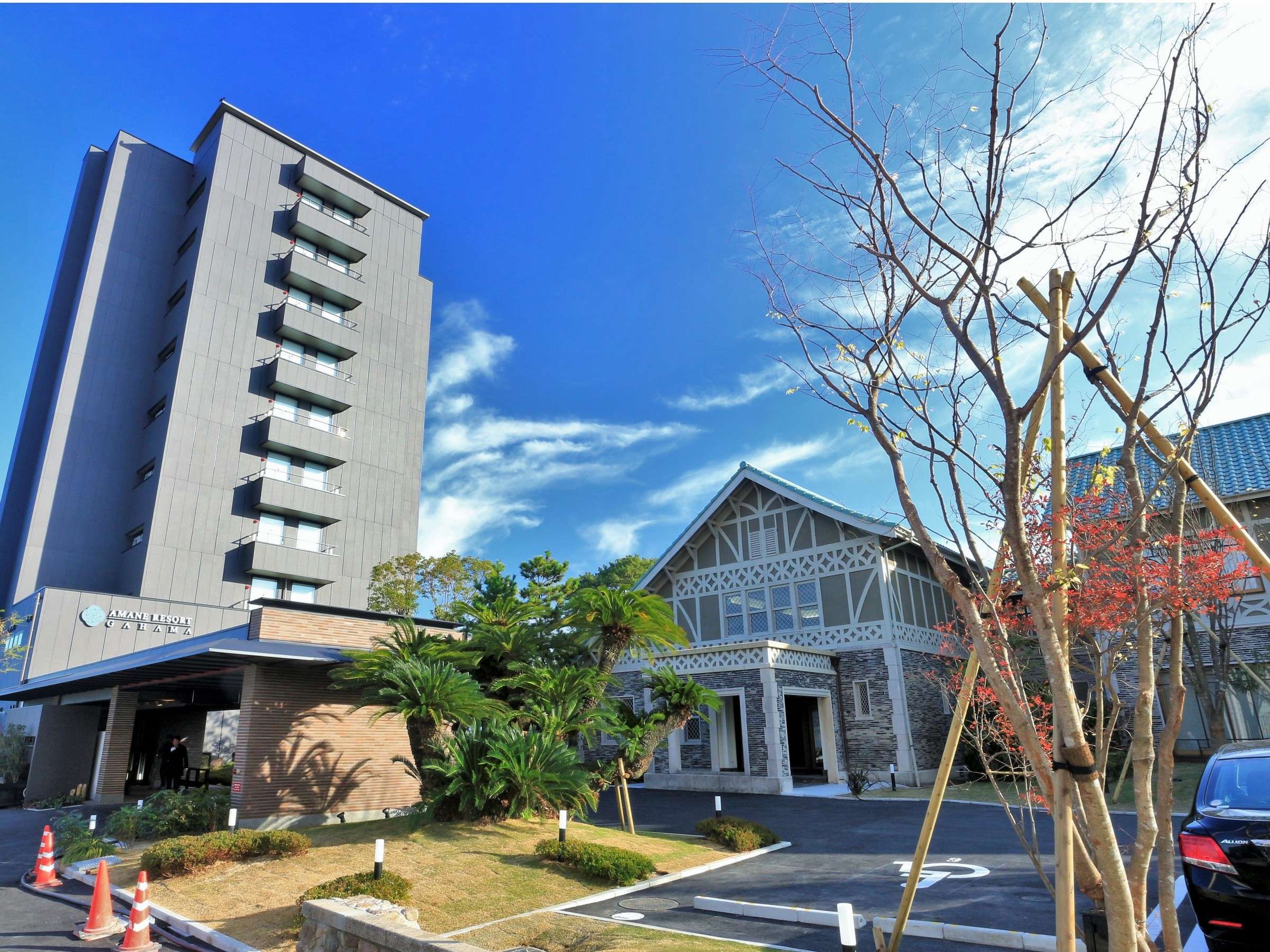 | from $260 | 9.5 75 reviews | EN OKPrivate Onsen | Book on Booking.com |
Kai Beppu
Beppu
Amane Resort Seikai
Beppu
Sanso Kannawa-en
Beppu
Beppu Showoen
Beppu
Hotel Shiragiku
Beppu
Hana Beppu
Beppu
Yusai no Yado Bokai
Beppu
Prices shown are approximate starting rates per person per night. We may earn a commission on bookings.
At 5:42am in late November, Kannawa was already steaming. I'd walked out of my ryokan in a yukata, the thermometer reading 4°C, and every drainage grate in the alley was exhaling a white column of geothermal vapor. The entire district smells faintly of sulfur in the morning — not unpleasant, more like the earth reminding you what it can do. That's Beppu. Not a onsen town that happens to have tourism, but a city that was built around the fact that 130,000 tonnes of hot spring water discharge through it every day.
The best ryokan in Beppu is Kai Beppu — Hoshino Resorts' 70-room boutique onsen hotel celebrating the city's vibrant onsen culture with a Bungo-Kagura nightly performance and the only on-property guided introduction to Beppu Hatto's eight-district water chemistry. But Kai is the best *first-timer luxury pick*, not the best ryokan unconditionally. Sanso Kannawa-en beats it for heritage and kaiseki at the same price tier. Amane Resort Seikai beats it for in-room rotenburo. The right answer depends on which zone you choose first — and in Beppu, zone-choice is the real decision. This guide works through all 15 picks by district.
For travellers booking 1–3 days out — Beppu's largest underserved reader profile — the highest-confidence pick is Suginoi Hotel at around $120 per room per night. It carries 4,820+ verified reviews (the most of any property in the city), 647 rooms (the largest same-day inventory in Beppu), free shuttles from JR Beppu and Oita Airport, and access to the bucket-list Tana-Yu terrace bath. For food-first last-minute travellers, Hotel Shiragiku at $150 is the runner-up — 111 rooms, Michelin-noted kaiseki, 8-min walk from the station. See our Beppu last-minute deals page for live mid-range availability ranked by review volume.
Tip
Disclosure: Japan Ryokan Guide earns a commission when you book through partner links. We don't accept payment from ryokans for inclusion or placement. All 15 properties were selected on merit criteria: source-water onsen, English booking access, price transparency, and review quality. Prices shown are approximate USD per person per night with two meals unless noted; verify current rates before booking.
Tip
Same-day check-in? Beppu has the strongest same-day inventory of any major Kyushu onsen city. Suginoi Hotel (647 rooms, Kankaiji), Hotel Shiragiku (111 rooms, station-side), Hana Beppu (63 rooms, station-side) and Amane Resort Seikai (79 rooms, Kamegawa coast) typically release same-day rooms until around 18:00 JST, especially mid-week. The Beppu last-minute live deals page sorts the three most reliable mid-range picks, refreshed nightly. For broader context see our last-minute ryokan booking guide.
What's New in Beppu (Updated May 2026)
- Jigoku ticket price confirmed: The 7-hell combination ticket remains ¥2,200 as of May 2026 — no increase from 2025. - Amane Resort expansion: The Amane group now operates two Beppu properties — the original Seikai (Kamegawa oceanfront) and the newer GAHAMA (also Kamegawa coastline, opened late 2024). Both included in this guide with clear differentiation. - Tattoo policy update: Hyotan Onsen (Kannawa, 2 min from jigoku gate) has maintained its tattoo-welcome policy through 2026, confirmed via official signage. Remains the best public bath pick for tattooed travelers. - Transport note: The JR Sonic limited express Hakata–Beppu fare is currently ¥6,000 reserved (covered by JR Pass and Northern Kyushu rail pass). No timetable changes since December 2025. - New addition: Ryotei Matsubaya (Kankaiji) added to this guide — 9.4/10 rating, 4-type private bath, strong kaiseki, now the definitive Kankaiji alternative to Showoen for travelers wanting more room count and bath variety.
Quick-Compare: 15 Beppu Ryokans at a Glance
| # | Ryokan | From (USD) | Rooms | District | Best For |
|---|---|---|---|---|---|
| 1 | Kai Beppu | $300 | 70 | Beppu / station | First-time luxury + Hatto cultural intro |
| 2 | Amane Resort Seikai | $250 | 79 | Kamegawa coast | Oceanfront in-room rotenburo |
| 3 | Sanso Kannawa-en | $350 | 18 | Kannawa | Heritage, Noh-stage kaiseki |
| 4 | Beppu Showoen | $400 | 11 | Kankaiji | Detached-cottage privacy |
| 5 | Suginoi Hotel | $120 | 647 | Kankaiji | Tana-Yu terrace bath, families |
| 6 | Hotel Shiragiku | $150 | 111 | Beppu / station | Michelin-starred kaiseki |
| 7 | Hana Beppu | $150 | 63 | Beppu / station | Boutique 5-Star, 6 min from station |
| 8 | Yusai no Yado Bokai | $130 | 50 | Beppu / station | Best value + own-source onsen |
| 9 | Kappo Ryokan Kannawa Bettei | $466 | 6 | Kannawa | All-room private bath, jigoku walk |
| 10 | Amane Resort GAHAMA | $260 | 17 | Kamegawa coast | All-room rotenburo, newer build |
| 11 | Ryotei Matsubaya | $251 | 18 | Kankaiji | 4-type private bath, 9.4/10 |
| 12 | Okamotoya Ryokan | $214 | 10 | Myoban | Milky sulfur water, only Myoban option |
| 13 | Hotel Sansuikan | $130 | 74 | Horita | Therapeutic springs, families |
| 14 | Ryokan Chobonoyado Shiori | $150 | 15 | Kamegawa coast | Quiet coastal, 15-room scale |
| 15 | Ryokan Sennari | $100 | 8 | Beppu / station | Lowest entry price, authentic |
*Prices per person per night with two meals; verify current rates.*
Beppu vs Yufuin: which to base in (and the surprise answer)
Yes — Beppu is the right base for travelers prioritizing onsen variety, and Yufuin is the right add-on for atmosphere. The honest answer most forum debates land on is *one night each*, with Beppu first and Yufuin second. Beppu produces 2,300+ hot spring sources across eight distinct bathing zones (Beppu Hatto), offering sand, mud, steam, and mineral baths in a way no other Japanese town matches.
The highway bus takes 25 minutes door-to-door from Beppu Kitahama to Yufuin; the Kamenoi local bus runs about 50 minutes. If you only have one night, choose Beppu. If you have two, sleep in Beppu first (gritty, geological, alive) and Yufuin second (boutique, scenic, calm). Our companion guide on how Yufuin's quieter mountain ryokans differ covers the second-night picks in the same depth, and the Yufuin area page shows live pricing for the full local inventory.
Beppu's ordinary-city aesthetic is the feature, not the bug. Yufuin was rebuilt as a resort town in the 1970s. Beppu was never rebuilt; it has been a working bath city for 1,300 years. The *gritty plus geothermal* combination is the entire reason you came.
Beppu Hatto: the 8 onsen districts explained
Beppu Hatto (別府八湯) refers to the city's eight historic onsen districts — the defining structure that separates Beppu from every other onsen destination in Japan. Choose the zone first; then pick the property. (Beppu City Tourism — Eight Kinds of Onsen)
| District | Character | Water type | Best for |
|---|---|---|---|
| Beppu Onsen | Station-side, convenient, izakaya scene | Sodium chloride | First arrivals, transit convenience |
| Kannawa Onsen | Steam vents, jigoku center, atmospheric alleys | Chloride-sulfate | Geological theater, steam-cooking |
| Myoban Onsen | Sulfur crystals, milky water, yunohana huts | Sulfur-rich, milky | Most distinctive mineral soak |
| Kankaiji Onsen | Hilltop above Beppu Bay, sea views | Simple alkaline | Sea-view luxury, Tana-Yu terrace |
| Hamawaki Onsen | Oldest district (birthplace of Beppu bathing) | Sodium chloride | History seekers, sand bath access |
| Kamegawa Onsen | Coastline facing Beppu Bay | Sodium chloride | Oceanfront rooms, Beach Sand Spa |
| Horita Onsen | Quiet residential, therapeutic culture | Sodium bicarbonate | Longer stays, therapeutic bathing |
| Shibaseki Onsen | Forested hills near Blood Pond Hell | Sodium bicarbonate | Rural escape, family baths |
Kannawa (鉄輪) is where the steam comes from. Drainage vents push white columns of vapor into the air every morning; the jigoku sit a 90-minute walking loop apart; *jigoku-mushi* steam-cooking is the local specialty. Sleep here for the geological theater — Sanso Kannawa-en is the heritage pick, Kappo Ryokan Kannawa Bettei the boutique all-private-bath pick.
Kankaiji (観海寺) is the hilltop ridge over Beppu Bay. Views are the headline. Sleep here for the Tana-Yu terrace bath at Suginoi, the detached-cottage privacy of Beppu Showoen, or the 4-type private bath variety at Ryotei Matsubaya.
Beppu Station zone is the convenient pick. Within ten minutes of JR Beppu Station: Kai Beppu, Hana Beppu, Hotel Shiragiku, Bokai, Ryokan Sennari, and the 1879 Takegawara Onsen public bath.
Kamegawa (亀川) is the coast. Amane Resort Seikai and GAHAMA both sit on the Kamegawa coastline with every room facing the bay. Ryokan Chobonoyado Shiori offers a quieter coastal alternative.
Myoban (明礬) is the sulfur district — milky waters, thatched yunohana huts. Okamotoya is the primary English-bookable overnight ryokan here. Horita (堀田) and Shibaseki (柴石) are smaller districts — Hotel Sansuikan (Horita) and the public Shibaseki Onsen are the highlights. The broader Beppu area guide covers each district's day-pass baths in detail.
Tip
Zone-pick rule of thumb: Kannawa for jigoku and steam atmosphere, Kankaiji for views and luxury, Beppu Station for transit convenience and izakaya nightlife, Kamegawa for oceanfront rooms, Myoban for sulfur chemistry. Decide the zone before the property — the eight chemistries genuinely differ, and Beppu's 2,300-source density makes a zone choice the most consequential decision of your trip.
How we picked these 15 ryokans
We screened every operating ryokan and ryokan-style hotel in Beppu against five criteria: verified source-water onsen, English-readable booking or English-capable front desk, public price transparency, 200+ reviews averaging 4.0+ across two platforms, and meaningful authenticity in one of the eight Beppu Hatto districts. We then applied a district-coverage filter — ensuring all eight zones have at least representative coverage, even where English-friendly inventory is thin (Myoban, Horita, Shibaseki).
No ryokan on this list paid to be included. Properties are drawn from our database of 224 vetted ryokans across 25 onsen destinations. The peer post — best ryokans in Miyajima — plus the national 2026 ryokan picks — covers the Setouchi side of the same trip.
Beppu ryokans range from about $100 per person per night at compact authentic properties (Sennari) to $900 at the luxury detached-cottage tier (Showoen). Mid-range with kaiseki and onsen typically costs $150–$400; luxury picks $300–$900. Beppu has more sub-$200 inventory than Yufuin — one reason we recommend it as the first night of a two-night Oita combo.
1. Kai Beppu — Best for first-time luxury onsen culture
Best for First-time visitors who want the cultural framework explained — Hoshino Resorts' Kai brand specializes in this.
District Beppu Onsen (station-side, Kitahama waterfront) · Tier ¥¥¥¥
At a glance 70 rooms · ~$300–$600 USD · 5-min taxi from JR Beppu Station, 50-min bus from Oita Airport.
Onsen Sodium chloride waters from a Beppu source. The signature "Yu-no-Hiroba" hot spring plaza sits at the center, with a rooftop open-air bath looking toward Beppu Bay. No in-room rotenburo; bathing is communal in the Hoshino style. (See our refresher on onsen etiquette before your first soak.)
Kaiseki Bungo beef and Seki-saba (Bungo Channel mackerel) lead the menu in a contemporary kaiseki framework accessible to first-timers. Breakfast features the Yu-no-Hana Tsubo mineral-broth tray.
Standout Kai's on-site cultural program — a nightly Bungo-Kagura performance based on Oita's regional dance, plus a free guided intro to the eight Beppu Hatto districts. This is the one property where the programming explicitly teaches you Beppu before you go bath-hopping. Kai Beppu sits comfortably in our nationwide luxury ryokan rankings.
Tattoo policy Cover-up required in public baths. No in-room bath.
Honest trade-off No private in-room onsen — if rotenburo-in-the-room is your priority, book Seikai or Showoen. Station-side means a 15-minute taxi to Kannawa. Rates run $300–$600 per person per night with two meals [verify current availability]. You can see Kai Beppu room types and rates on our directory page, or browse availability at the full Beppu area guide.
Tip
Yu-no-Hiroba sunset booking trick — request the rooftop open-air slot at check-in for ~30 minutes before sunset (the bath rotates between men's and women's daily, so check the schedule card). The east-facing bay turns brass about forty minutes before sunset and the city below switches its lights on block by block. Most guests miss this and end up bathing after dinner in the dark.
2. Amane Resort Seikai — Best for oceanfront private rotenburo rooms
Best for Couples and tattooed travelers who want a private open-air bath in the room with the bay straight ahead.
District Kamegawa coastline · Tier ¥¥¥¥
At a glance 79 rooms · ~$250–$600 USD · 10-min taxi from JR Beppu Station, 30-min bus from Oita Airport.
Onsen Every guest room has a private open-air rotenburo overlooking Beppu Bay — a handful of lower-floor suites have "zero-meter" baths flush with the high-tide line. Public baths available with separate kashikiri bookings. Tattoo-friendly by default via private rooms throughout.
Kaiseki Beppu Bay seafood — live tiger prawn, Kanburi winter yellowtail, seasonal crab — in a kaiseki framework emphasizing the coastline ingredient chain. Morning miso with dried Seki-aji is one of the better ryokan breakfasts in Kyushu.
Standout The "zero-meter" low-floor suites where the bath rail sits at sea level — fall tide, evening light, the entire bay going still. Compare Seikai and Kai Beppu side by side.
Tattoo policy Tattoo-friendly via private in-room rotenburo throughout — public baths require cover-up.
Honest trade-off Kamegawa is 10 minutes from Kannawa jigoku by taxi. Rates run $250–$600 per person per night. See full Seikai details.
3. Sanso Kannawa-en — Best for heritage and Noh-stage kaiseki
Best for Travelers who want the most traditional ryokan experience in Beppu and are comfortable with limited English service.
District Kannawa (the steam district) · Tier ¥¥¥¥
At a glance 18 rooms · ~$350–$800 USD · 20-min taxi from JR Beppu Station.
Onsen Rare cobalt-blue waters from the property's own Kannawa source, presented in stone tubs amongst moss-covered grounds. Several suites have in-room rotenburo, with reservable kashikiri baths at check-in.
Kaiseki The highest-tier kaiseki in Beppu — Noh theater performances have been staged here, and the kaiseki courses follow the same cultural discipline. Oita mountain and sea proteins in a multi-course format rivaling Kyoto presentations. See our kaiseki guide for travelers.
Standout The Noh stage on the grounds — one of a handful of ryokans in Japan with an authentic Noh performance space. In the steam district's morning fog, the thatched roofline emerging from the vapor is the definitive Beppu image.
Tattoo policy Private kashikiri and suite rotenburo: tattoo-friendly. Public bath: cover-up required.
Honest trade-off Limited English — book through third-party platforms. Rates run $350–$800 per person per night. See Sanso Kannawa-en details · Browse Beppu guide.
4. Beppu Showoen — Best for villa-style privacy on a 6,000-tsubo estate
Best for Honeymooners and milestone-trip travelers who want the highest-tier privacy and don't want to share a property with more than 22 other guests.
District Kankaiji hilltop · Tier ¥¥¥¥
At a glance 11 rooms · ~$400–$900 USD · 15-min taxi from JR Beppu Station, 50-min bus from Oita Airport.
Onsen Each of the 11 detached cottages has its own private rotenburo — sodium-chloride waters from a Kankaiji source, fed gensen-kakenagashi (free-flowing, no recirculation). A wooden bathhouse near the central garden provides an additional communal soak.
Kaiseki The most expensive kaiseki in Beppu — mountain-influenced Oita seasonal produce with Bungo beef, Hita Sugi cedar-plank presentations, and a sake list curated from Oita's craft breweries.
Standout The estate itself — 6,000 tsubo of former gold mine land, terraced in the Japanese garden tradition with a small stream running between the cottages. At 11 rooms, it's genuinely private. For similar scale and privacy in a different Kyushu setting, Kurokawa Onsen's ryokan cluster offers comparison.
Tattoo policy All rotenburo are in private cottages — no communal bath exposure. Effectively fully tattoo-friendly.
Honest trade-off Limited English service. Rates run $400–$900 per person per night — the highest in Beppu. See full Showoen details.
5. Suginoi Hotel — Best for the Tana-Yu terrace bath and family scale
Best for First-time onsen-goers nervous about ryokan etiquette, families with kids, and the bucket-list infinity-bath photograph.
District Kankaiji ridge · Tier ¥¥–¥¥¥ (large resort hotel, not a traditional ryokan)
At a glance 647 rooms · ~$120–$350 USD · 10-min taxi from JR Beppu Station; free shuttle from station and Oita Airport.
Onsen Tana-Yu (棚湯) — a five-tiered open-air infinity-style onsen looking down over Beppu Bay. The most-photographed bath in Kyushu. No in-room onsen.
Note on category Suginoi Hotel is NOT a traditional ryokan — it's a large resort hotel. We include it because international travelers frequently search for it. For couples wanting the bucket-list photograph with proper ryokan kaiseki, combine a Tana-Yu day pass with an overnight at Showoen or Kannawa-en.
Standout The Tana-Yu terrace bath at sunset — one of the genuinely unmissable onsen experiences in Kyushu. Aqua Beat water park adds family appeal. Compare Suginoi vs traditional Beppu ryokan. Travelling with children? See how Suginoi stacks up against the best family ryokans nationwide.
Why it dominates the same-day market With 4,820+ verified reviews — the highest count of any Beppu property by a wide margin — and 647 rooms (the largest single inventory in the city), Suginoi is structurally the most reliable same-day pick in Beppu. The $120 starting rate is roughly half the cost of a traditional kaiseki ryokan at the same tier, and the free shuttles from JR Beppu Station and Oita Airport remove the taxi-cost penalty most other Kankaiji properties impose. For travellers booking 1–3 days out, this is the single highest-confidence Beppu pick at any price point.
Tattoo policy Cover-up required in all public baths.
Honest trade-off 647 rooms means resort energy, not ryokan intimacy. Buffet dining, not kaiseki. Rates run $120–$350 per room per night. Full Suginoi details.
Tip
Tana-Yu rotation hack — Tana-Yu's 5-tier terrace alternates between men's and women's bath nightly, and the bay-side terraces face the city while the back-side terraces face the woods. Check the rotation card at the front desk on arrival and plan your sunset bath around the bay-side schedule. Most guests don't realize this and end up on the woods-side at sunset; the difference is the entire reason to book here.
6. Hotel Shiragiku — Best for Michelin-starred kaiseki near the station
Best for Food-first travelers who want the city's most decorated kaiseki kitchen with station-walking access.
District Beppu Onsen (station-side) · Tier ¥¥¥
At a glance 111 rooms · ~$150–$400 USD · 8-min walk from JR Beppu Station, 50-min bus from Oita Airport.
Onsen Two grand garden public baths — an indoor onsen and an outdoor rotenburo amongst landscaped maples — drawn from a Beppu source. Several suites have in-room private baths. The garden bath is one of the few station-area baths that genuinely merits the walk.
Kaiseki The strongest kaiseki kitchen by critical recognition in Beppu — Oita seasonal produce driven, with Bungo beef as the signature protein. The menu rotates with Seki-aji (horse mackerel) and Seki-saba (mackerel) from Saganoseki. For the full kaiseki context, see our kaiseki primer for travelers.
Standout Station proximity plus Michelin-quality food — the combination that beats Kannawa for food-first travelers who don't want to spend 20 minutes in a taxi before dinner. Korean and English signage throughout. Compare Shiragiku and Hana Beppu on the area guide.
Tattoo policy Cover-up required in public baths. Suite in-room baths: tattoo-friendly.
Honest trade-off Station-side means it misses the Kannawa steam atmosphere. Rates run $150–$400 per person per night with kaiseki. Full Shiragiku details.
7. Hana Beppu — Best for boutique mid-range 6 minutes from JR Beppu
Best for Couples and small groups wanting a 5-Star-classified ryokan at mid-range pricing without resort-hotel scale.
District Beppu Onsen (station-side) · Tier ¥¥¥
At a glance 63 rooms · ~$150–$400 USD · 6-min walk from JR Beppu Station, 50-min bus from Oita Airport.
Onsen Bamboo-and-camellia-themed bathing — public indoor and outdoor baths plus reservable kashikiri private baths, with select rooms offering in-room private baths. Beppu source, sodium-chloride-leaning, gensen-kakenagashi at the public baths.
Kaiseki Contemporary kaiseki with an emphasis on local Oita seafood and mountain vegetables — more approachable in format than Kannawa-en but more curated than Shiragiku's hotel scale. Jigoku-mushi steam-basket is available as an in-room dining option on advance request. For tattooed travelers: kashikiri baths and in-room baths are fully accessible.
Standout The 5-Star classification and boutique room count make this the clearest mid-range comparison to Kai Beppu — similar price ceiling, smaller scale, more intimate service. Browse Hana Beppu booking options or see how it compares at the area guide.
Tattoo policy Cover-up in public baths; kashikiri and in-room baths are tattoo-friendly.
Honest trade-off Station-side, not Kannawa — 15 minutes from the steam district by taxi. Rates run $150–$400 per person per night.
8. Yusai no Yado Bokai — Best value with private onsen near the station
Best for Mid-range travelers who want a private in-room bath without paying luxury rates, with station-walking convenience.
District Beppu Onsen (station-side) · Tier ¥¥
At a glance 50 rooms · ~$130–$300 USD · 10-min walk from JR Beppu Station, 50-min bus from Oita Airport.
Onsen Bokai operates its own hot spring source on the property — a real differentiator at this price — and several rooms have private in-room baths from that source. The public bath is smaller and more domestic-feeling than Shiragiku's garden bath, but the source-water quality is genuine.
Kaiseki Family-run kaiseki with Beppu Bay seafood emphasis — live fish tanks at the kitchen, daily-catch-driven menu. Not Michelin-decorated, but one of the most honest renditions of Beppu's coastal food culture at this price tier.
Standout Own-source hot spring at $130/night with private room onsen option — the value-to-onsen-authenticity ratio beats anything else in the station zone. See Bokai details and book · Full Beppu area guide.
Tattoo policy Cover-up in public bath; in-room rotenburo rooms are tattoo-friendly by default.
Honest trade-off 10-min walk from station, and the scale is family-inn rather than boutique ryokan. English service is functional but not strong. Rates run $130–$300 per person per night.
9. Kappo Ryokan Kannawa Bettei — Best for all-private-bath jigoku immersion
Best for Couples and tattooed travelers who want jigoku walking distance and guaranteed private-bath access without sharing communal baths.
District Kannawa · Tier ¥¥¥¥
At a glance 6 rooms · ~$466–$600 USD · 2-min drive from Hells of Beppu, 20-min taxi from JR Beppu Station.
Onsen All 6 rooms have private in-room hot spring baths — 3 with open-air rotenburo plus indoor bath, 3 with indoor bath only. An additional private kashikiri bath is rentable outside guest rooms. Kannawa water chemistry: chloride-sulfate blend. No communal bath — every soak here is private.
Standout The smallest property in the Kannawa district with 100% private bath coverage. The jigoku gate is a 2-minute walk — you can soak in your rotenburo while geothermal steam columns rise in view. The perfect pick for tattooed travelers who want Kannawa atmosphere without communal bath anxiety. See tattoo-friendly ryokans in Japan.
Tattoo policy Fully tattoo-friendly — all bathing is private throughout.
Honest trade-off 6 rooms means it sells out for peak weekends months in advance. English booking via Booking.com and Trip.com. Rates run $466–$600 per person per night with two meals. Browse Beppu Kannawa picks at the area guide.
10. Amane Resort GAHAMA — Best oceanfront alternative in the Amane collection
Best for Travelers who want Seikai-style oceanfront in-room rotenburo at a slightly more accessible price point, with newer room infrastructure.
District Kamegawa coastline · Tier ¥¥¥
At a glance 17 rooms · ~$260–$350 USD · Kamegawa coast, 10-min taxi from JR Beppu Station, 30-min from Oita Airport.
Onsen All rooms feature in-room open-air rotenburo with Beppu Bay views. The property sits on the same Kamegawa coastline as Amane Resort Seikai — same bay orientation, comparable water source. Opened late 2024, meaning newer fixtures and room design versus Seikai's more established infrastructure.
Standout The Amane group's second Beppu property offers the same "every room faces the bay" commitment as Seikai but with a smaller property scale (17 vs 79 rooms) and updated interiors. The ocean-facing rotenburo in every room makes this an automatic tattoo-friendly pick via private baths. Compare both Amane properties and Beppu oceanfront options.
Tattoo policy Fully tattoo-friendly via private in-room rotenburo throughout.
Honest trade-off Newer opening means fewer reviews than Seikai. Rates run $260–$350 per person per night. English booking via Booking.com, Trip.com, Expedia.
11. Ryotei Matsubaya — Best Kankaiji ryokan for private bath variety
Best for Travelers who want Kankaiji hilltop views and maximum private bath flexibility — 4 types of private bath, top-rated service.
District Kankaiji Onsen · Tier ¥¥¥¥
At a glance 18 rooms (Oka no Sou + Tsuki no Sou) · ~$251–$741 USD · 15-min taxi from JR Beppu Station.
Onsen Four types of private bath: open-air rotenburo, indoor mineral bath, garden-side bath, and natural spring plunge pool. Tsuki no Sou wing rooms have in-room private onsen. Water: Kankaiji alkaline spring. 9.4/10 guest rating — highest of any Kankaiji property in this guide.
Kaiseki One of Beppu's most celebrated kaiseki kitchens — the premium Tsukino Sou menu is a chef's-choice omakase with no written menu. Core kaiseki uses Bungo beef, Oita sea bream, and Seki mackerel. How this fits into Japan's kaiseki hierarchy.
Standout Sea view (Beppu Bay from east-facing rooms), 4-type private bath access, and the strongest reviews in Kankaiji make Matsubaya the best argument against Showoen for travelers wanting more bath flexibility over total estate privacy. Compare Matsubaya, Showoen, and Suginoi at the area guide.
Tattoo policy All private baths tattoo-friendly. Public indoor mineral bath: cover-up required.
Honest trade-off Oka no Sou rooms are more budget-friendly (~$251) but smaller. English booking via Expedia and Ikyu.com. Rates run $251–$741+ per person per night with kaiseki.
12. Okamotoya Ryokan — Best for Myoban sulfur chemistry immersion
Best for Water chemistry travelers who specifically want Myoban's milky blue-white sulfur water — the most distinctive mineral soak in Beppu.
District Myoban Onsen · Tier ¥¥¥
At a glance ~10 rooms · ~$214 USD per person with meals · 1-min walk from Myoban Onsen public bath, 20-min taxi from JR Beppu Station.
Onsen Naturally celadon-tinted, sulfur-rich, acidic spring that gushes unheated from the source — sky-blue in sunlight, milky in overcast. Guests describe the texture as softer than Kannawa's chloride water. Open-air bath plus indoor bath; public access (no in-room option at standard rooms). This is the only English-bookable overnight ryokan in the Myoban district.
Standout Myoban's *yunohana* tradition — thatched straw huts where sulfur crystals precipitate from the spring air — is visible from the approach road. Staying overnight at Okamotoya is the only way to soak Myoban water at leisure. Even if staying elsewhere, a day-pass to Myoban Onsen (¥500–¥800 walk-in) is worth the 20-minute taxi for the water contrast. See Myoban district detail at the Beppu area guide.
Tattoo policy Public bath only — private session required for tattooed guests.
Honest trade-off Remote from Kannawa and station-side nightlife — best as a dedicated mineral immersion night. Limited English; book via Rakuten Travel, Klook, or Expedia. Rates run ~$214 per person per night with meals.
13. Hotel Sansuikan — Best mid-range pick in the Horita district
Best for Families and longer-stay travelers who want Horita's therapeutic sodium bicarbonate waters at an accessible price.
District Horita Onsen · Tier ¥¥
At a glance 74 rooms · ~$130–$250 USD · Horita district, 15-min taxi from JR Beppu Station.
Onsen Horita's sodium hydrogen carbonate spring — historically associated with extended therapeutic bathing — is the water type closest to a true "skin-softening" alkaline soak. Hotel Sansuikan draws directly from the Horita source, with public indoor and outdoor baths plus private kashikiri options. The larger room count makes it the most accessible family option outside Suginoi.
Standout Horita is Beppu's quietest district — no tourist foot traffic, no jigoku lines, residential neighbourhood bathing culture. Sansuikan is the practical anchor for anyone who wants to experience a district beyond the Kannawa-Kankaiji-Station circuit. The nearby Sakura Yu Onsen (20 individually-designed private baths, ¥2,000–¥3,000 per session) adds variety from the same base. Explore Horita and Shibaseki via the broader Beppu area guide.
Tattoo policy Kashikiri private baths: tattoo-friendly. Public baths: cover-up required.
Honest trade-off Hotel rather than ryokan in atmosphere — less nakai service, more self-directed. Limited English; Booking.com and Agoda are the most reliable channels. Rates run $130–$250 per person per night.
14. Ryokan Chobonoyado Shiori — Best quiet coastal pick outside the resort strip
Best for Travelers who want a coastal Beppu stay without the scale of Seikai or GAHAMA — a smaller, quieter property facing the same bay.
District Kamegawa / south coast · Tier ¥¥¥
At a glance 15 rooms · ~$150–$300 USD · South Tateishi coastal area, 1-min shuttle from nearest bus stop.
Onsen Private kashikiri baths bookable within the property, with bay and garden views. Water source: coastal Kamegawa-adjacent spring. Smaller bath infrastructure than Seikai — the appeal is intimacy and ocean view over bath variety.
Standout At 15 rooms, Shiori operates at genuine ryokan scale — nakai service, curated kaiseki using Beppu Bay seafood, and a pace that larger Kamegawa properties can't replicate. The ocean view from the private baths is comparable to Seikai's lower-floor rooms. Access is by shuttle from the bus stop — the property's isolated position on the south coast is its main selling point. Browse coastal Beppu options at the area guide.
Tattoo policy Private kashikiri baths: tattoo-friendly. Confirm at booking.
Honest trade-off More remote than other picks — not walkable to any amenities. English booking via Japanese OTAs (Jalan, Rakuten Travel); limited English front desk. Rates run $150–$300 per person per night with meals.
15. Ryokan Sennari — Best compact authentic pick at the lowest entry price
Best for Solo travelers and budget-conscious couples who want genuine Beppu ryokan atmosphere without resort pricing.
District Beppu Onsen (station-side, Noguchi-motomachi) · Tier ¥¥
At a glance 8 rooms · ~$100–$200 USD · Walking distance from JR Beppu Station.
Onsen Private baths within the facility — small family-run bathing infrastructure from a Beppu source. The lack of a grand public bath is by design: 8 rooms works better with reservable private slots than with competing communal schedules.
Standout At 8 rooms, Sennari operates at the scale where the proprietor personally greets every guest, the ingredients for the evening meal arrived that morning from Beppu Bay, and the ryokan runs at a rhythm that larger properties structurally can't achieve. The entry price point ($100+) is the lowest for a genuine source-water ryokan in Beppu. For solo travelers who want ryokan culture at budget scale, see our broader solo traveler ryokan guide and budget ryokan tips.
Tattoo policy Private baths within facility: tattoo-friendly. Confirm at booking.
Honest trade-off Very limited English — book via Jalan or Rakuten Travel. 8 rooms means weekend availability disappears fast; book 4–6 weeks ahead. Rates run $100–$200 per person per night. Browse all station-side Beppu options.
The Beppu jigoku tour: the honest take most blogs don't write
The Beppu jigoku-meguri (Hells Tour) costs ¥2,200 for all seven officially designated hells and takes 2–3 hours. The hells reach about 98°C and are explicitly viewing-only — you cannot soak in any of them. Most first-time visitors don't realize this until they arrive. The structural insight: book a Kannawa ryokan or use Hyotan Onsen (two minutes from the ticket gate) for the actual bathing, and treat the jigoku as 90 minutes of geothermal scenery rather than a bath day.
The seven designated jigoku are Umi-jigoku (Sea Hell, cobalt blue), Chinoike-jigoku (Blood Pond, iron-red), Tatsumaki-jigoku (Waterspout), Kamado-jigoku (Stove), Oniyama-jigoku (Monster Mountain), Shiraike-jigoku (White Pond), and Yama-jigoku (Mountain). The ¥2,200 combination ticket covers all seven. The Blood Pond (Chinoike) and Sea Hell (Umi-jigoku) are the two worth prioritizing; skip Oniyama if short on time.
Optimal duration: Walk the Kannawa cluster (5 jigoku, walkable) in the morning, take a taxi to the Chinoike-Tatsumaki cluster (2 jigoku, separate location), then soak at Hyotan Onsen before lunch. The whole loop fits inside a half-day — a Kannawa ryokan stay gives you the jigoku walk in the morning and the evening soak at your property without any taxi scramble. For a dedicated Kyushu activity itinerary, the Beppu area guide covers the full jigoku ticket and transport logistics.
Tip
Tattoo-friendly playbook — Beppu is the most tattoo-tolerant onsen city in Japan, with 100+ facilities accepting tattoos. Hyotan Onsen accepts tattoos, all kashikiri (private) baths at the listed ryokans are unconditionally tattoo-friendly, and the in-room rotenburo at Seikai, GAHAMA, Showoen, Kannawa Bettei, Kannawa-en suites, Hana Beppu, and Bokai bypass the question entirely. For a deeper city-by-city breakdown, see our guide to our 293-property tattoo policy registry, broken down area by area.
Jigoku-mushi: steam-cooking cuisine unique to Kannawa
Jigoku-mushi (地獄蒸し) is the practice of cooking food in bamboo baskets over a natural geothermal vent — a technique documented in Kannawa since the Kamakura period and found nowhere else in Japan at this scale. Ingredients are placed in cedar baskets over a 95–100°C vent. Cooking times: eggs 8 min, sweet potato 30 min, corn 15 min, fish 10 min.
Where to try it:
- Jigoku Mushi Kobo Kannawa — the city-operated public workshop, ¥600 entry plus ingredients at cost, walk-in. 3 minutes from Umi-jigoku. - Sanso Kannawa-en kaiseki — geothermal basket-cooked proteins woven into the seasonal kaiseki menu. - Hana Beppu — optional in-room jigoku-mushi dining kit on advance request. - Kappo Ryokan Kannawa Bettei — open kitchen format; the technique is visible from the dining counter.
The Jigoku Mushi Kobo visit pairs naturally with a half-day jigoku tour — budget 1 hour after the hells circuit.
Sand baths, mushiyu, and the hot-spring volume context
Beppu's two unique experiences alongside jigoku-mushi are the sand bath (砂湯 sunayu) and the steam bath (蒸し湯 mushiyu).
The sand bath: attendants bury you to the neck in volcanic sand heated from below by spring water, dose is ten minutes. Two options: Takegawara Onsen (built 1879, Tangible Cultural Property) — ¥1,500 walk-in, indoor, photogenic; Beppu Beach Sand Spa (Shoningahama Beach, Kamegawa) — ¥1,500, outdoor, ocean backdrop. Both worth a half-hour even if your ryokan has excellent baths. Our Ibusuki guide covers the comparable southern Kyushu sand bath for comparison.
The steam bath (mushiyu) — a sealed steam room over a natural vent, ten minutes. Hyotan Onsen in Kannawa has one. The volume context: Beppu produces approximately 130,000 tonnes of spring water daily across 2,300+ sources — more than any other onsen city in Japan. That's the geological reality behind 8 distinct district chemistries in a single city.
Getting to Beppu: Oita Airport, Sonic from Fukuoka, and the Yufuin combo
Beppu has two clean access routes from outside Kyushu, plus the Yufuin loop.
From Tokyo or Osaka: 90-minute direct flight to Oita Airport (OIT), then airport limousine bus to Beppu Station — 45 minutes, ¥1,500. JAL and ANA fly Haneda–Oita several times daily.
From Fukuoka: JR Sonic limited express runs Hakata–Beppu in about 2 hours 5 minutes, ¥6,000 reserved (covered by JR Pass and Northern Kyushu rail pass). The Sonic departs roughly twice per hour. Connect from Fukuoka Airport (FUK) via local train to Hakata. Total airport-to-Beppu: ~2h 30m.
From Yufuin: Kamenoi Bus, 25–50 minutes (express vs local), ¥900–¥1,400. The standard Oita combo loop.
For a broader Kyushu itinerary, see best ryokans in Kurokawa — which fits naturally as a third stop after Beppu and Yufuin.
Tip
Yufuin combo plan — the structurally best 2-night Oita itinerary is one night in Beppu (Kannawa or station-side) followed by one night in Yufuin. The Kamenoi Bus takes 25–50 minutes between the two depending on service type. Use Yamato Takkyubin to forward your suitcase from Beppu to Yufuin (around ¥1,400 same-day or next-day) so you arrive in Yufuin with only an overnight bag. See how Yufuin's quieter mountain ryokans differ for the second-night picks.
Best time of year to stay at a Beppu ryokan
Beppu is a year-round destination — unlike Yufuin or Hakone, the bathing infrastructure is the city, not the season. Four windows reward different priorities.
Late November to early December for steam season. Cold air against 98°C jigoku produces the most photogenic steam columns of the year — Kannawa alleys at 6am between November 20 and December 10 are visually the strongest moment to be in Beppu.
Mid-February for plum bloom at Nakayama-no-ike. The small plum park 30 minutes from JR Beppu Station blooms two weeks before mainland Honshu, one of the earliest visible spring signals in Japan. Combine with a Kankaiji sunset soak at Suginoi.
July–August for the sea bath window. Beppu Bay water temperatures reach 28–29°C, making the Kamegawa beach sand spa and Seikai's zero-meter rotenburo genuinely ocean-adjacent in feel. Korean summer tour groups fill large properties (Suginoi, Shiragiku) — budget room booking 2–3 months ahead for mid-tier picks.
Avoid Golden Week (late April–early May) and the August Obon window (August 13–16) unless you've pre-booked 3+ months ahead. Beppu's proximity to Fukuoka makes it a domestic weekend-trip target — availability collapses faster than in more remote onsen towns.
Tip
Korean tourists frame Beppu's culture differently — Korean travelers have historically been the largest single foreign-tourist segment to Beppu (Ritsumeikan academic study put the share at 53–74% in 2001–2002, and Busan-Fukuoka short-haul plus direct Oita flights mean Korean coach tours remain heavy through 2026). What this means practically: most large ryokans (Suginoi, Shiragiku, Hana Beppu) have native Korean signage and Korean-language menus, the hells tour pamphlets are typically printed in Korean before English, and weekend availability in spring and autumn is tighter due to short-haul demand from Busan. Travel to Beppu midweek from late autumn through winter for the best combination of availability and steam-season conditions.
Final thoughts: choose your zone, then your ryokan
The case for Beppu over Yufuin is structural rather than aesthetic. Yufuin photographs better; Beppu lives more interestingly. The 2,300 hot spring sources, eight Beppu Hatto zones, 130,000 tonnes of daily discharge, and jigoku theater on suburban streets add up to a working onsen city you can move through rather than a postcard you visit.
If you are reading this within three days of arrival, skip the luxury tier and book Suginoi Hotel, Hotel Shiragiku or Amane Resort Seikai directly from the Beppu last-minute deals page. The four luxury picks above (Kannawa-en, Showoen, Kai Beppu, Seikai's premium suites) typically book 8–12 weeks ahead for the foliage and crab seasons; the mid-tier picks reliably hold same-day rooms until evening, deliver the same eight-Hatto access via Kamenoi day passes, and convert the saved budget into a second night in Yufuin — which is what actually changes the trip.
Kai Beppu for first-time luxury with Hatto education. Amane Resort Seikai for oceanfront in-room rotenburo. Sanso Kannawa-en for heritage, Noh-stage kaiseki, cobalt-blue water. Beppu Showoen for villa-style privacy on an 11-cottage estate. Suginoi Hotel for the bucket-list Tana-Yu terrace bath and the highest review count of any Beppu property (4,820+). Hotel Shiragiku for Michelin-starred kaiseki near the station. Hana Beppu for boutique 5-Star service 6 minutes from JR Beppu. Bokai for the best private-onsen value at $130. Kappo Ryokan Kannawa Bettei for 100% private baths at jigoku walking distance. Amane Resort GAHAMA for the Amane oceanfront experience at a newer property. Ryotei Matsubaya for 4-type private bath variety and a 9.4/10 Kankaiji rating. Okamotoya for Myoban's distinctive sulfur chemistry. Hotel Sansuikan for Horita's therapeutic waters at family price. Ryokan Chobonoyado Shiori for intimate coastal bathing at 15-room scale. Ryokan Sennari for the lowest entry price to a genuine source-water Beppu experience.
For the full property comparison and booking links, visit the Beppu area guide. For the Kyushu onsen-town comparison, see best ryokans in Yufuin and best ryokans in Kurokawa. For the full Kyushu onsen picture alongside every other region of Japan, see the Japan onsen destinations by region overview. If Beppu is your first ryokan, our first-time ryokan guide covers what to expect.
*Prices, tattoo policies, and onsen status re-verified May 2026. Last check: 2026-05-25.*
Ready to book?
Book one of these top picks
Compare live availability and prices across all three platforms.
Booking links may earn us a commission at no extra cost to you.
Beppu is one node in a bigger loop — our best ryokans in Kyushu guide connects it with Yufuin, Kurokawa, Ibusuki, and Unzen via Fukuoka.
Want Beppu's steam without the shared baths? Our collection of Beppu inns with private onsen covers every verified in-room option.
FAQ
Frequently asked questions
Which Beppu Hatto district should first-timers choose?+
Kannawa — it's where the steam is, the jigoku hells are walking distance, and jigoku-mushi cooking is on every corner. Sanso Kannawa-en is the traditional pick; Kappo Ryokan Kannawa Bettei is the boutique private-bath pick. Is the Beppu jigoku-meguri (Hells Tour) worth it? Yes for first-timers, with caveats. The ¥2,200 combination ticket covers all seven hells in 2–3 hours, but the hells are viewing-only at 98°C — you cannot soak in any of them. Prioritize Umi-jigoku and Chinoike-jigoku; skip Oniyama; then walk two minutes to Hyotan Onsen for actual bathing. Beppu vs Kurokawa — which is more authentic? Different kind of authentic. Kurokawa is authentically *rural* — a single ryokan village in a mountain valley. Beppu is authentically *working-city* — the oldest continuously operating bath city in Japan. Both are worth visiting. See our Kurokawa guide. Tattoos at Beppu onsen — actually OK? Beppu is the most tattoo-tolerant onsen city in Japan. Hyotan Onsen publicly accepts tattoos. Any ryokan with kashikiri baths or in-room rotenburo bypasses the communal bath question entirely — which includes 10 of the 15 picks here. See our tattoo-friendly ryokan guide. Cheapest Beppu ryokan with private bath? Ryokan Sennari from ~$100. Yusai no Yado Bokai from ~$130 with select in-room private onsen and its own source-water spring. How long should I stay in Beppu? One night for the jigoku tour and a single district soak; two nights to bath-hop across zones. Most travelers fold a Yufuin overnight into the second night. What's jigoku-mushi cooking? Steam-cooking ingredients in bamboo baskets over a natural geothermal vent — a Kannawa specialty since the Kamakura period. Jigoku Mushi Kobo Kannawa public workshop is ¥600 walk-in. Can I do Beppu + Yufuin in 2 nights? Yes — the standard Oita itinerary. Night 1 Beppu (Kannawa or station-side), night 2 Yufuin. Kamenoi Bus takes 25–50 minutes. The Yufuin companion guide has the second-night picks.
Beppu or Yufuin: which should I base in first?+
Beppu if you want maximum onsen volume, multiple chemistry types in one district, jigoku-mushi steam cooking, and a working onsen city to walk around. Yufuin if you want a cleaner, more scenic mountain ryokan experience with a single specialty (sodium chloride) and stronger Instagram. They are 60 minutes apart by JR Yufuin no Mori — many travelers do both on a 2-night plan, basing the longer night in Beppu for the deeper soak variety.
Is the Beppu jigoku (hells) tour worth the ¥2,200 ticket?+
For first-time visitors, yes — the seven jigoku show the raw geothermal activity that feeds the city in a way no ryokan bath conveys, and the 2-hour walking route between them is the only place to grasp Beppu's onsen scale. Skip if you have less than half a day or you have already stayed at Kannawa-area ryokans where the steam is unavoidable just walking the streets.
Which Beppu ryokans are tattoo-friendly?+
Per-pick policy is documented in each listing above. Reliable fully-tattoo-friendly options (no shared-onsen restriction): Kai Beppu, Amane Resort Seikai, Beppu Showoen, Kappo Ryokan Kannawa Bettei, Amane Resort GAHAMA, Ryotei Matsubaya, Yusai no Yado Bokai. Properties with kashikiri (private bath) workarounds for tattooed guests: Hotel Shiragiku, Hana Beppu, Hotel Sansuikan. Always confirm in writing at booking.
What is jigoku-mushi and where can I try it?+
Jigoku-mushi is a Kannawa-specific cuisine where seafood and vegetables are steamed in baskets directly over 100°C jigoku vents in the road. Dedicated jigoku-mushi kobo restaurants in Kannawa let you cook your own ingredients in the public steamers (¥600–¥1,500 per basket, 20–30 minutes total). Many Kannawa ryokans (Sanso Kannawa-en, Kappo Ryokan Kannawa Bettei) also serve jigoku-steamed kaiseki on the in-room dinner course.
When is the best time of year to stay at a Beppu ryokan?+
Late October through early March is the peak Beppu season — the steam in Kannawa is most visible against the cold air, fugu (Oita is a fugu prefecture) is in season November–February, and the visible plume of vapor from the jigoku peaks in winter. Avoid Golden Week (late April–early May) and the August Obon week unless booked 4–6 months ahead. Cherry blossoms come late-March in the lower districts. Summer is shoulder for ryokans, prime for sand baths at Takegawara.


