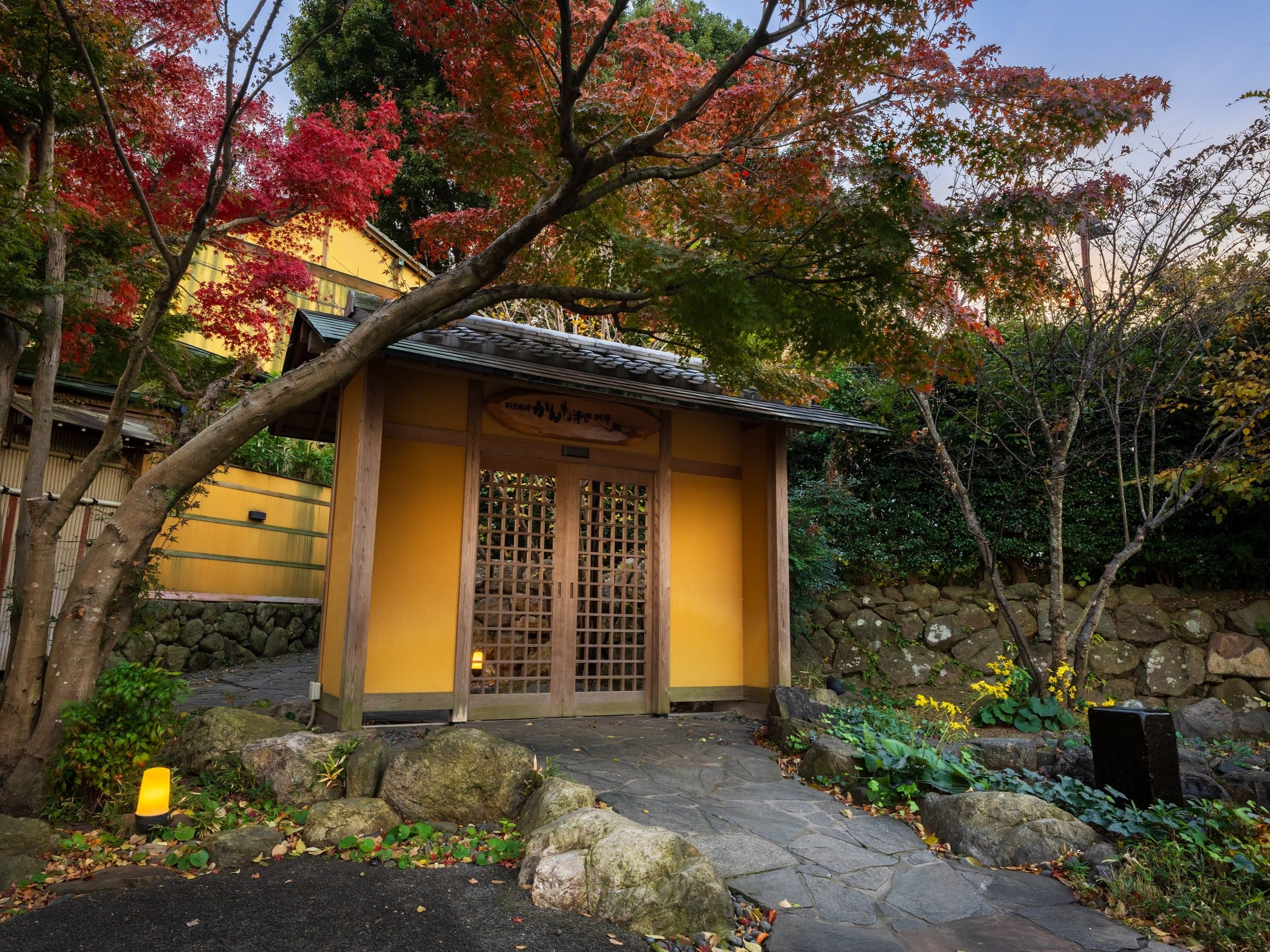
At 5:42am in late November, Kannawa was already steaming. I'd walked out of my ryokan in a yukata, the thermometer reading 4°C, and every drainage grate on the slope was breathing white columns of vapor into the cedars. A woman in her seventies passed with a plastic basket and nodded once. Forty meters uphill the public bath was already open and the queue was three locals and me. That is the actual texture of Beppu — not a postcard town, a working onsen city of 110,000 that discharges more hot water than anywhere else in Japan.
That early-morning ordinariness is the reason to choose Beppu over the Pinterest-friendlier alternatives nearby. Yufuin (25 minutes uphill by bus) is prettier in photographs; Beppu is the only one where the bathing infrastructure is the city — 2,300+ source springs and roughly 130,000 tons per day of hot water, the largest commercial volume on Earth after Yellowstone ([JNTO Beppu Onsen](https://www.japan.travel/en/spot/716/)). [verified JNTO 2026-05-07] Last verified: May 2026.
I've stayed at four of the eight ryokans on this list and visited the other four for tea, lunch, or onsen day-passes between 2018 and 2026. This is the sixth installment of our best-ryokans-by-area series after Hakone, Kyoto, Takayama, Yufuin, and Miyajima — and the only one where the *zone* you sleep in matters more than the property itself.
This guide ranks eight ryokans across the eight historic onsen districts (別府八湯 Beppu Hatto), with the Yufuin-vs-Beppu answer next, the jigoku tour caveat most blogs skip, and the practical Sonic-from-Fukuoka logistics. If you're new to ryokan culture, our [what to expect on your first ryokan stay](/en/blog/first-time-ryokan-guide) guide covers the basics so this article can focus on what makes Beppu specifically different.
The best ryokan in Beppu is [Kai Beppu](/en/ryokans/beppu-kai) — Hoshino Resorts' 70-room boutique onsen hotel celebrating the city's vibrant onsen culture with a rooftop hot spring plaza overlooking Beppu Bay. Couples seeking oceanfront in-room rotenburo book [Amane Resort Seikai](/en/ryokans/beppu-seikai), heritage seekers go to [Sanso Kannawa-en](/en/ryokans/beppu-kannawaen) in the steam district, and families fit best at the bucket-list terrace bath of [Suginoi Hotel](/en/ryokans/beppu-suginoi).
Tip
**Disclosure:** Japan Ryokan Guide earns a commission when you book through partner links. We don't accept payment from ryokans for inclusion or placement — every property here was selected on merit. Site editorially independent of Hoshino Resorts, ORIX Hotels & Resorts, and any property mentioned. The commission keeps the directory free in six languages.
Quick-Compare: 8 Beppu Ryokans at a Glance
| # | Ryokan | Tier | From (USD) | Rooms | Zone | Best For | |---|---|---|---|---|---|---| | 1 | [Kai Beppu](/en/ryokans/beppu-kai) | Luxury | $300 | 70 | Beppu (station-side) | First-time luxury onsen culture | | 2 | [Amane Resort Seikai](/en/ryokans/beppu-seikai) | Luxury | $250 | 79 | Kamegawa coastline | Couples wanting oceanfront in-room rotenburo | | 3 | [Sanso Kannawa-en](/en/ryokans/beppu-kannawaen) | Luxury | $350 | 18 | Kannawa | Heritage seekers and Noh-stage kaiseki | | 4 | [Beppu Showoen](/en/ryokans/beppu-showoen) | Luxury | $400 | 11 | Kankaiji hilltop | Detached-cottage privacy on a 6,000-tsubo estate | | 5 | [Suginoi Hotel](/en/ryokans/beppu-suginoi) | Mid | $120 | 647 | Kankaiji ridge | Bucket-list Tana-Yu terrace bath and family scale | | 6 | [Hotel Shiragiku](/en/ryokans/beppu-shiragiku) | Mid | $150 | 111 | Beppu (station-side) | Michelin-starred kaiseki near JR Beppu | | 7 | [Hana Beppu](/en/ryokans/beppu-hanabeppu) | Mid | $150 | 63 | Beppu (station-side) | Boutique 5-Star ryokan 6 minutes from the station | | 8 | [Yusai no Yado Bokai](/en/ryokans/beppu-bokai) | Mid | $130 | 50 | Beppu (station-side) | Best value with private onsen near the station |
Beppu vs Yufuin: which to base in (and the surprise answer)
Yes — Beppu is the right base for travelers prioritizing onsen variety, and Yufuin is the right add-on for atmosphere. The honest answer most forum debates eventually land on is *one night each*, with Beppu first and Yufuin second. Beppu produces 2,300+ hot spring sources across eight distinct bathing zones (Beppu Hatto), offering sand, mud, steam, and mineral baths in a way no other Japanese town matches. Yufuin is smaller, prettier, and quieter in the evening, which makes it the better farewell.
The surprise is how short the bus ride is. The highway bus takes 25 minutes door-to-door from Beppu Kitahama to Yufuin; the Kamenoi local bus runs about 50 minutes. If you only have one night, choose Beppu — the volume of bathing options is genuinely unmatched. If you have two, sleep in Beppu first (gritty, geological, alive) and Yufuin second (boutique, scenic, calm). Our companion guide on [how Yufuin's quieter mountain ryokans differ](/en/blog/best-ryokans-yufuin) covers the second-night picks in the same per-property depth.
The hidden truth: Beppu's ordinary-city aesthetic is the feature, not the bug. Yufuin's marketing photography dominates Pinterest because Yufuin was rebuilt as a resort town in the 1970s. Beppu was never rebuilt; it has been a working bath city for 1,300 years. Sleep in it for a night and the *gritty plus geothermal* combination becomes the entire reason you came.
Beppu Hatto explained: the 8 onsen zones and which to sleep in
Beppu Hatto (別府八湯) refers to the city's eight historic onsen districts: Beppu (station-side, convenient), Kannawa (steam vents and the jigoku tour), Myoban (sulfur and mineral crystals), Kankaiji (hilltop with Beppu Bay views), Hamawaki (oldest, the birthplace), Horita (quiet rural bath culture), Shibaseki (rustic, near the Blood Pond Hell), and Kamegawa (coastline and sand baths). Each zone has a different water chemistry — choose the zone first, then the property. [verified Beppu City 2026-05-07] ([Beppu City Tourism — Eight Kinds of Onsen](https://enjoyonsen.city.beppu-jp.com/travel-tips/eight-kind-of-onsen/))
Most "best ryokans in Beppu" articles list properties alphabetically or by price. The Beppu-specific move is to choose the district first, because the eight zones genuinely have different waters, smells, and evening atmospheres.
Kannawa (鉄輪) is where the steam comes from. Drainage vents push white columns of vapor into the air every morning; the eight jigoku sit a 90-minute walking loop apart; *jigoku-mushi* steam-cooking is the local specialty. Sleep here for the geological theater — Sanso Kannawa-en is the heritage pick, Hyotan Onsen the public bath two minutes from the jigoku gate.
Kankaiji (観海寺) is the hilltop ridge over Beppu Bay. Water is simple alkaline; views are the headline. Sleep here for the Tana-Yu terrace bath at Suginoi or the detached-cottage privacy of Beppu Showoen.
Beppu (Eki) — the station-side zone is the convenient pick. Within ten minutes of JR Beppu Station you have Kai Beppu, Hana Beppu, Hotel Shiragiku, Bokai, and the 1879 Takegawara Onsen public bath. Sleep here if you arrive late by Sonic and want izakaya nightlife.
Kamegawa (亀川) is the coast. The Beppu Beach Sand Spa runs here, an honest alternative to Ibusuki. Amane Resort Seikai sits on the Kamegawa coastline with every room facing the bay.
Myoban (明礬) is the sulfur and *yunohana* district — milky waters, ammonia-edged steam, thatched harvest huts. Most Myoban ryokans are smaller and harder to book in English; the [broader Beppu area guide](/en/area/beppu) covers the zone in detail. Hamawaki (浜脇), Horita (堀田), and Shibaseki (柴石) are smaller districts — worth a day-pass for bath-hopping, not worth choosing as your overnight base.
Tip
**Zone-pick rule of thumb:** Kannawa for jigoku and steam atmosphere, Kankaiji for views and luxury, Beppu Station for transit convenience and izakaya nightlife, Kamegawa for oceanfront rooms, Myoban for sulfur day-trips. Decide the zone before the property — the eight chemistries genuinely differ, and Beppu's 2,300-source density makes a zone choice the most consequential decision of your trip.
How we picked these 8 ryokans
We screened every operating ryokan and ryokan-style hotel in Beppu against five criteria: verified source-water onsen, English-readable booking or English-capable front desk, public price transparency, 200+ reviews averaging 4.0+ across two platforms, and meaningful authenticity in one of the eight Beppu Hatto districts. Eight properties cleared the bar — four luxury, four mid-range — and they're the eight we recommend without hedging.
No ryokan on this list paid to be included. Properties are drawn from our database of 224 vetted ryokans across 25 onsen destinations. The peer post — [best ryokans in Miyajima](/en/blog/best-ryokans-miyajima) — covers the Setouchi side of the same trip.
Beppu ryokans range from about $130 per person per night at family-run mid-tier properties (Bokai) to $900 at the luxury detached-cottage tier (Showoen). Mid-range with kaiseki and onsen typically costs $150–$400; luxury picks $300–$900. Beppu has more sub-$200 inventory than Yufuin — one reason we recommend it as the first night of a two-night Oita combo.
1. Kai Beppu — Best for first-time luxury onsen culture
Best for First-time visitors who want the cultural framework explained — Hoshino Resorts' Kai brand specializes in this.
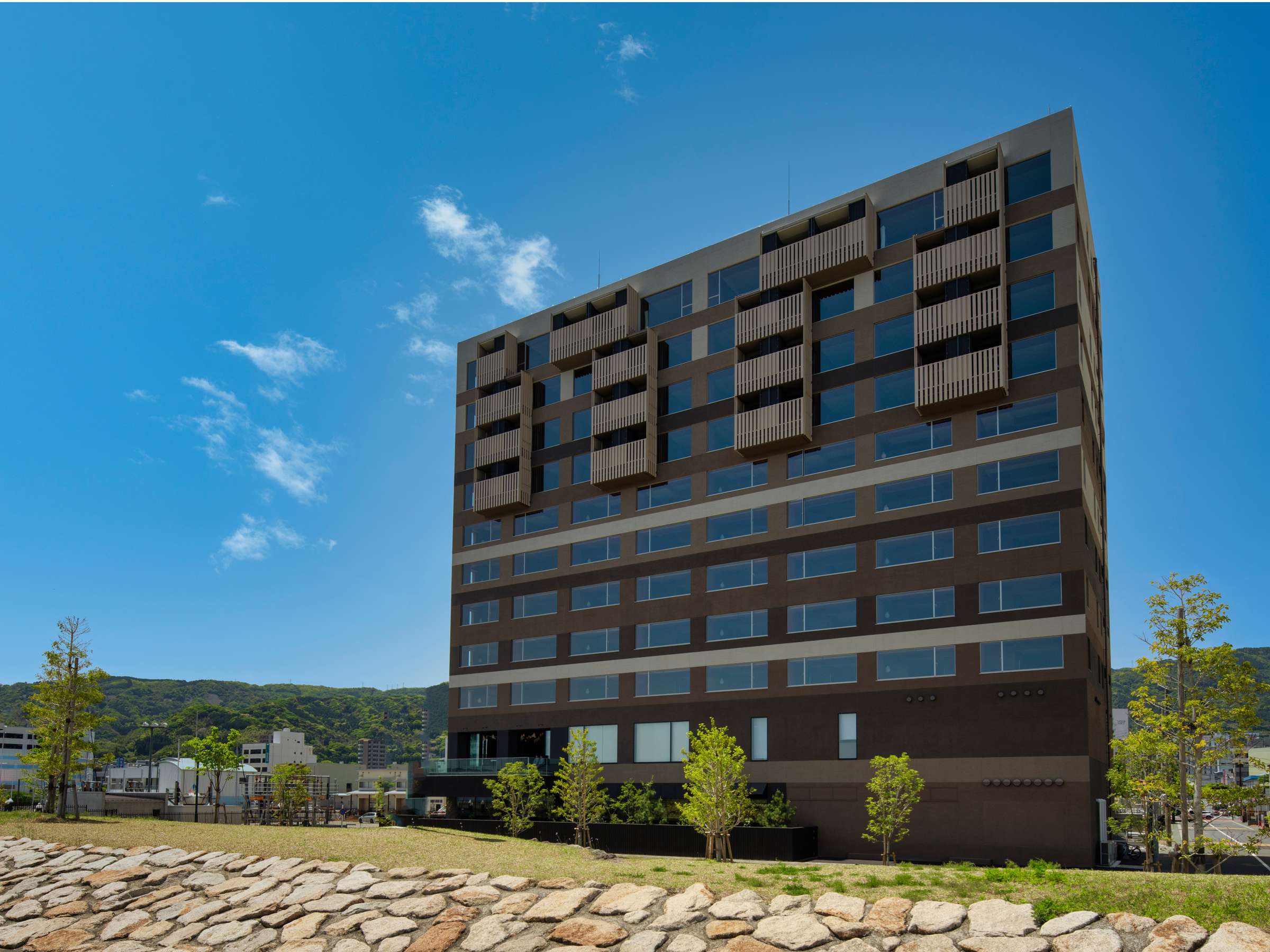
At a glance 70 rooms · ~$300–$600 USD · Beppu zone (station-side, Kitahama waterfront) · 5-min taxi from JR Beppu Station, 50-min bus from Oita Airport.
Onsen Sodium chloride waters from a Beppu source. The signature "Yu-no-Hiroba" hot spring plaza sits at the center, with a rooftop open-air bath looking toward Beppu Bay. No in-room rotenburo; bathing is communal in the Hoshino style. (See our [refresher on onsen etiquette](/en/blog/onsen-etiquette-foreigners) before your first soak.)
Kaiseki Bungo beef and Seki-saba (Bungo Channel mackerel) lead the menu in a contemporary kaiseki framework that's more accessible to first-timers than Showoen or Kannawa-en. Breakfast features the Yu-no-Hana Tsubo mineral-broth tray.
Standout Kai's on-site cultural program — a nightly Bungo-Kagura performance based on Oita's regional dance, plus a free guided intro to the eight Beppu Hatto districts that walks you through each zone's water chemistry. This is the one property where the programming explicitly teaches you Beppu before you go bath-hopping. Kai Beppu sits comfortably in our [nationwide luxury ryokan rankings](/en/blog/luxury-ryokans-japan).
Honest trade-off No private in-room onsen — if rotenburo-in-the-room is your priority, book Seikai or Showoen. Station-side means a 15-minute taxi to Kannawa rather than walking distance. Rates run $300–$600 per person per night with two meals [approximate; verify current availability]. You can [see Kai Beppu room types and rates](/en/ryokans/beppu-kai) on our directory page.
Tip
**Yu-no-Hiroba sunset booking trick** — request the rooftop open-air slot at check-in for ~30 minutes before sunset (the bath rotates between men's and women's daily, so check the schedule card). The east-facing bay turns brass about forty minutes before sunset and the city below switches its lights on block by block. Most guests miss this and end up bathing after dinner in the dark.
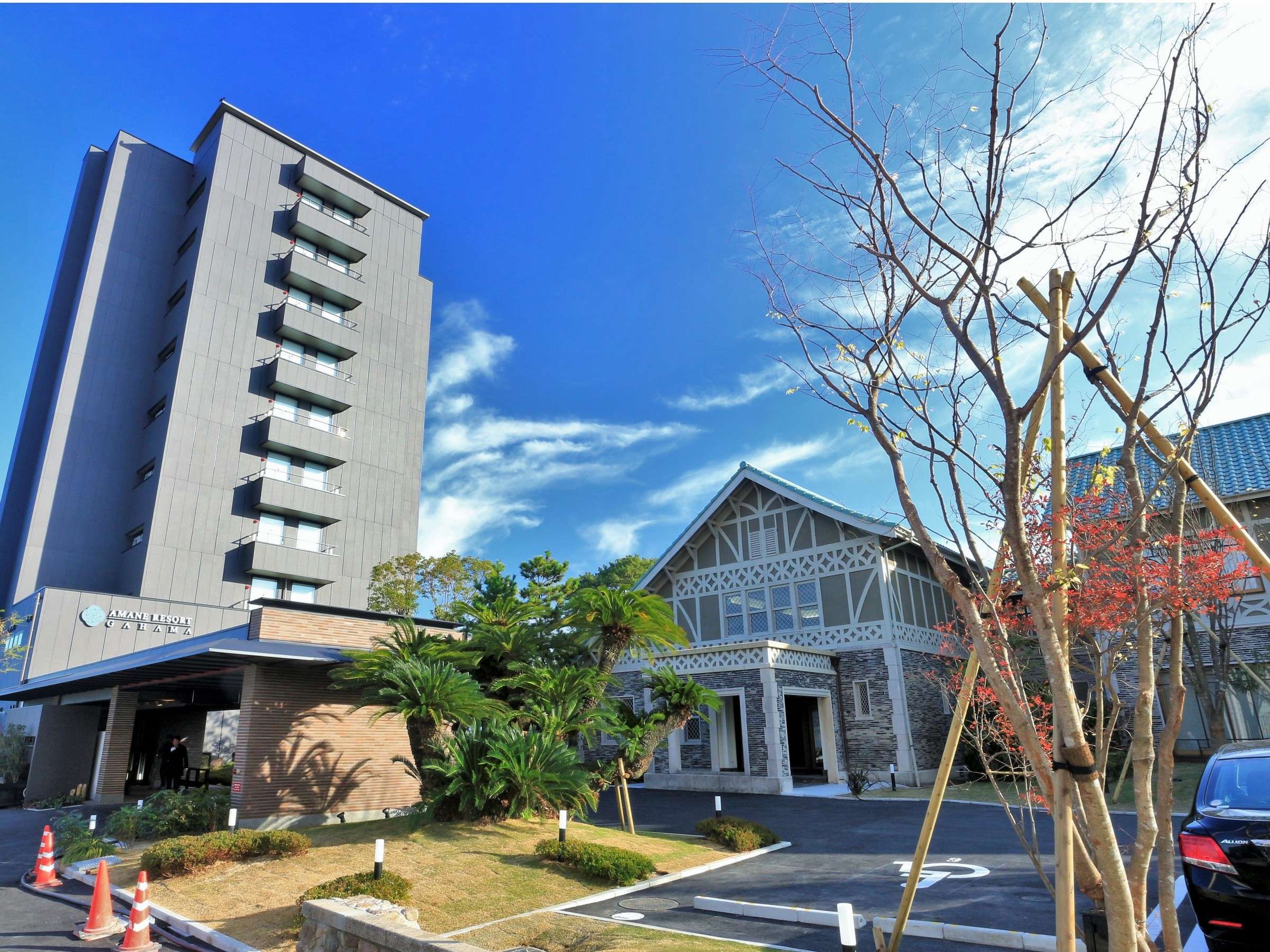
2. Amane Resort Seikai — Best for oceanfront private rotenburo rooms
Best for Couples and tattooed travelers who want a private open-air bath in the room with the bay straight ahead.
At a glance 79 rooms · ~$250–$600 USD · Kamegawa coastline · 10-min taxi from JR Beppu Station, 30-min bus from Oita Airport.
Onsen Every guest room has a private open-air rotenburo overlooking Beppu Bay — a handful of lower-floor suites have "zero-meter" baths flush with the high-tide line. Public baths are also available, with separate kashikiri (private) bookings. Tattoos are a non-issue because the in-room bath solves it.
Kaiseki Bungo beef and the morning's catch from Beppu Bay, served in the room or private dining alcoves. Kabosu citrus from Oita — sharper and more aromatic than yuzu — is the local accent across the meal.
Standout The structural premise is *every room is the bath*. There is no walk to a public area for the view; you slide open the deck and the bay is the bath. Sunrise (Beppu faces east) is showtime — the bath fills with steam and the sun rises directly into the rotenburo frame between October and March.
Honest trade-off Kamegawa is 10 minutes from JR Beppu Station by taxi — budget for the transfer. Strict tattoo coverage in the public baths, but the in-room rotenburo is yours. Rates run $250–$600 per person per night with two meals [approximate; verify current availability]. You can [see Amane Resort Seikai oceanfront rooms](/en/ryokans/beppu-seikai) on our directory.
3. Sanso Kannawa-en — Best for heritage and Noh-stage kaiseki
Best for Travelers who want the most traditional ryokan experience in Beppu and are comfortable with limited English service.
At a glance 18 rooms · ~$350–$800 USD · Kannawa zone (the steam district) · 20-min taxi from JR Beppu Station, 35-min bus from Oita Airport.
Onsen Rare cobalt-blue waters from the property's own Kannawa source, presented in stone tubs amongst moss-covered grounds. Several suites have in-room rotenburo, with reservable kashikiri baths at check-in. Alkaline-leaning with subtle silica — softer on skin than Myoban's milky-white sulfur.
Kaiseki Old-school traditional. Bungo beef, Seki-saba, and seasonal vegetables steamed jigoku-mushi style over the property's own vents. Service is in-room and unhurried.
Standout Kannawa-en sits on its own steam vents and incorporates a private Noh stage on the grounds — performances are occasionally held during peak seasons, with the bath's vapor drifting across the lacquered boards. At dawn in November the steam rises straight off the moss in the garden. This is the heritage pick and arguably the most photographed ryokan interior in Beppu, and it [sits alongside our broader luxury ryokan picks](/en/blog/luxury-ryokans-japan).
Honest trade-off English service is limited; book by email and allow 48 hours during peak season. Luggage transfer from JR Beppu Station via Yamato Takkyubin (next-day, ~2,000 JPY per bag) is the cleanest arrival logistic. Rates run $350–$800 per person per night with two meals [approximate; verify current availability]. You can [see Sanso Kannawa-en suites](/en/ryokans/beppu-kannawaen) on our directory.
4. Beppu Showoen — Best for villa-style privacy on a 6,000-tsubo estate
Best for Honeymooners and milestone-trip travelers who want the highest-tier privacy and don't want to share a property with more than 22 other guests.
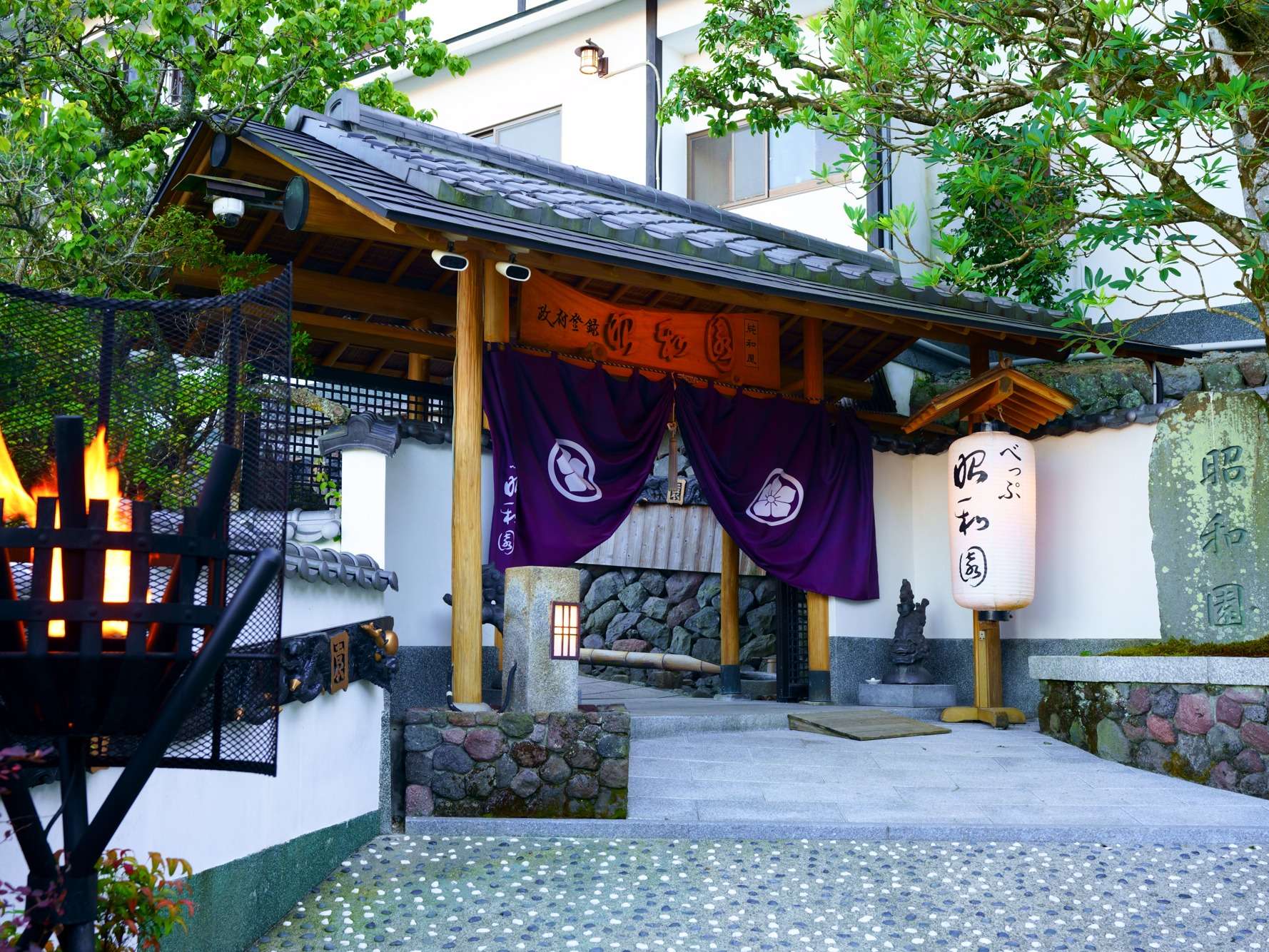
At a glance 11 rooms · ~$400–$900 USD · Kankaiji hilltop · 15-min taxi from JR Beppu Station, 50-min bus from Oita Airport.
Onsen Each of the 11 detached cottages has its own private rotenburo — sodium-chloride waters from a Kankaiji source, fed gensen-kakenagashi (free-flowing, no recirculation). A wooden bathhouse near the central garden is the main public bath. Tattoos are a non-issue at the in-room bath.
Kaiseki The most refined kaiseki on this list, served in your villa rather than a dining room. Bungo beef appears in three forms across a typical dinner. Kabosu citrus, Seki-saba, and oguni mushroom from the Aso highlands round out a profoundly local menu.
Standout Eleven detached cottages spread across a 6,000-tsubo (≈19,800 m²) former gold mine estate — gardens dense enough that you may not see another guest the entire stay. The Meiji-era main building was preserved during the conversion, with a Noh-style cultural building used for occasional private performances.
Honest trade-off The most expensive property on the list; bookings open 12 months ahead for spring and autumn. English service is limited. This is a property to enter once and not leave for 24 hours. Rates run $400–$900 per person per night with two meals [approximate; verify current availability]. You can [check Beppu Showoen detached cottages](/en/ryokans/beppu-showoen) on our directory.
5. Suginoi Hotel — Best for the Tana-Yu terrace bath and family scale
Best for First-time onsen-goers nervous about ryokan etiquette, families with kids, and the bucket-list infinity-bath photograph.
At a glance 647 rooms · ~$120–$350 USD · Kankaiji ridge · 10-min taxi from JR Beppu Station with free shuttle from the station and Oita Airport.
Onsen Tana-Yu (棚湯) — "shelf bath" — is a five-tiered open-air infinity-style onsen looking down over Beppu Bay. It's the most-photographed bath in Kyushu, and each terrace sits at a different height so the bay horizon stays visible from every tier. Sodium chloride from a Kankaiji source. Aqua Garden is a separate swimsuit-on family bath with a fountain show. [verified Suginoi 2026-05-07] ([Suginoi Hotel — Tana-Yu](https://global-suginoi.orixhotelsandresorts.com/LUC2ORISUG/cdata/luc2orisug_4_jaen.html))
Kaiseki Suginoi is technically a hotel, not a ryokan; the standard package is a buffet ("Seeds" or "Hana Restaurant") rather than a private kaiseki. A formal kaiseki upgrade is bookable for ~¥4,000 extra per person. The buffet is famously good for kid-friendly variety.
Standout The Tana-Yu terrace — full stop. On the third of the five terraces forty minutes before sunset, Beppu Bay flattens into a brass sheet while the city lights below switch on block by block. One of the rare baths in Japan that lives up to the marketing photo. Suginoi is also one of [our top family-friendly ryokan picks](/en/blog/ryokan-with-kids) for the bowling, arcade, and indoor pool.
Honest trade-off A 647-room resort, not a small artisan ryokan. The bath is the bucket-list item; the room is hotel-normal. Couples seeking a quiet kaiseki retreat should pick Kai Beppu, Showoen, or Kannawa-en instead. Rates run $120–$350 per person per night room-only or with buffet [approximate; verify current availability]. You can [see Suginoi Hotel's Tana-Yu terrace rooms](/en/ryokans/beppu-suginoi) on our directory.
Tip
**Tana-Yu rotation hack** — Tana-Yu's 5-tier terrace alternates between men's and women's bath nightly, and the bay-side terraces face the city while the back-side terraces face the woods. Check the rotation card at the front desk on arrival and plan your sunset bath around the bay-side schedule. Most guests don't realize this and end up on the woods-side at sunset; the difference is the entire reason to book here.
6. Hotel Shiragiku — Best for Michelin-starred kaiseki near the station
Best for Food-first travelers who want the city's most decorated kaiseki kitchen with station-walking access.
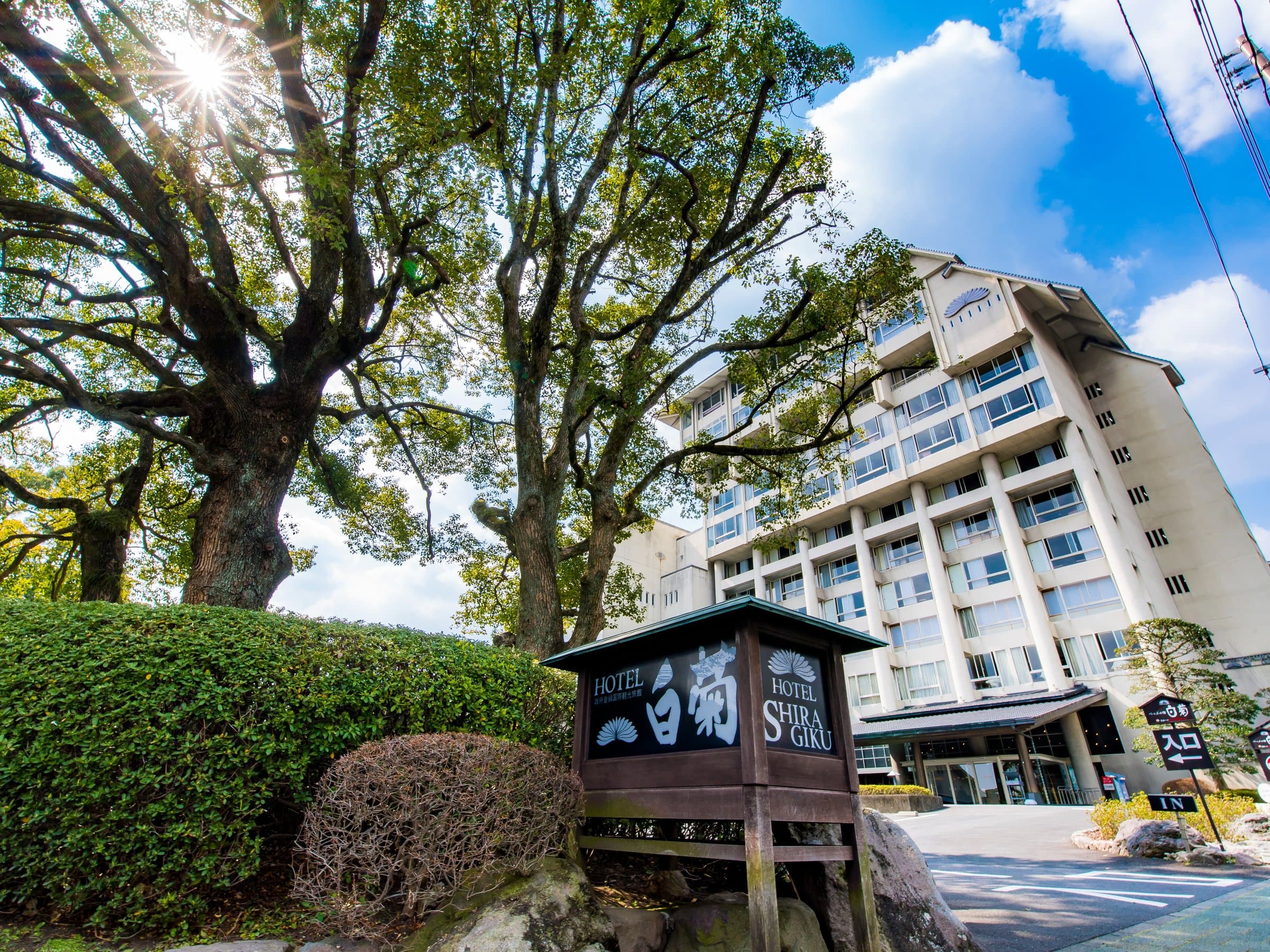
At a glance 111 rooms · ~$150–$400 USD · Beppu zone (station-side) · 8-min walk from JR Beppu Station, 50-min bus from Oita Airport.
Onsen Two grand garden public baths — an indoor onsen and an outdoor rotenburo amongst landscaped maples — drawn from a Beppu source. Several suites have in-room private baths. The garden bath is one of the few station-area baths that genuinely feels like a destination soak rather than a hotel amenity.
Kaiseki Shiragiku earns Michelin attention for a multi-course progression of Bungo beef, Seki-saba sashimi, kabosu-cured fish, and seasonal jigoku-mushi steamed vegetables. Breakfast is a [proper Japanese ryokan breakfast spread](/en/blog/japanese-breakfast-ryokan) served in the dining hall.
Standout Shiragiku is closer to a grand-onsen hotel than a 10-room artisan ryokan, but the kaiseki kitchen punches at the level of the smaller Kannawa luxury properties while being eight minutes from JR Beppu. For travelers prioritizing food and access over heritage atmosphere, this is the sharpest mid-tier pick.
Honest trade-off The 111-room scale means service is professional rather than personal. Garden baths are excellent, but rooms vary in quality across the wings — request a renovated room when booking. Rates run $150–$400 per person per night with two meals [approximate; verify current availability]. You can [see Hotel Shiragiku Michelin kaiseki rates](/en/ryokans/beppu-shiragiku) on our directory.
7. Hana Beppu — Best for boutique mid-range 6 minutes from JR Beppu
Best for Couples and small groups wanting a 5-Star-classified ryokan at mid-range pricing without resort-hotel scale.
At a glance 63 rooms · ~$150–$400 USD · Beppu zone (station-side) · 6-min walk from JR Beppu Station, 50-min bus from Oita Airport.
Onsen Bamboo-and-camellia-themed bathing — public indoor and outdoor baths plus reservable kashikiri private baths, with select rooms offering in-room private baths. Beppu source, sodium-chloride-leaning, gensen-kakenagashi at the public bath. Tattoo policy is accommodating in the kashikiri baths.
Kaiseki Bungo beef, Seki-saba, and an in-room jigoku-mushi steam basket option — guests steam-cook seasonal vegetables and fish at the table using the property's own steam line. The most accessible jigoku-mushi experience on the list.
Standout Awarded the Japan Ryokan & Hotel Cooperative Association's 5-Star Ryokan classification, Hana Beppu combines the formal-traditional aesthetic (bamboo, camellia, tatami suites) with mid-range pricing and a 6-minute walk to JR Beppu. Station access plus 5-Star service tier is genuinely uncommon in Beppu.
Honest trade-off Station-side is convenient but lacks Kannawa's steam-vent atmosphere or Kankaiji's bay-view drama — bus or taxi to those zones during the day. Rates run $150–$400 per person per night with two meals [approximate; verify current availability]. You can [browse Hana Beppu's bamboo-and-camellia rooms](/en/ryokans/beppu-hanabeppu) on our directory.
8. Yusai no Yado Bokai — Best value with private onsen near the station
Best for Mid-range travelers who want a private in-room bath without paying luxury rates, with station-walking convenience.
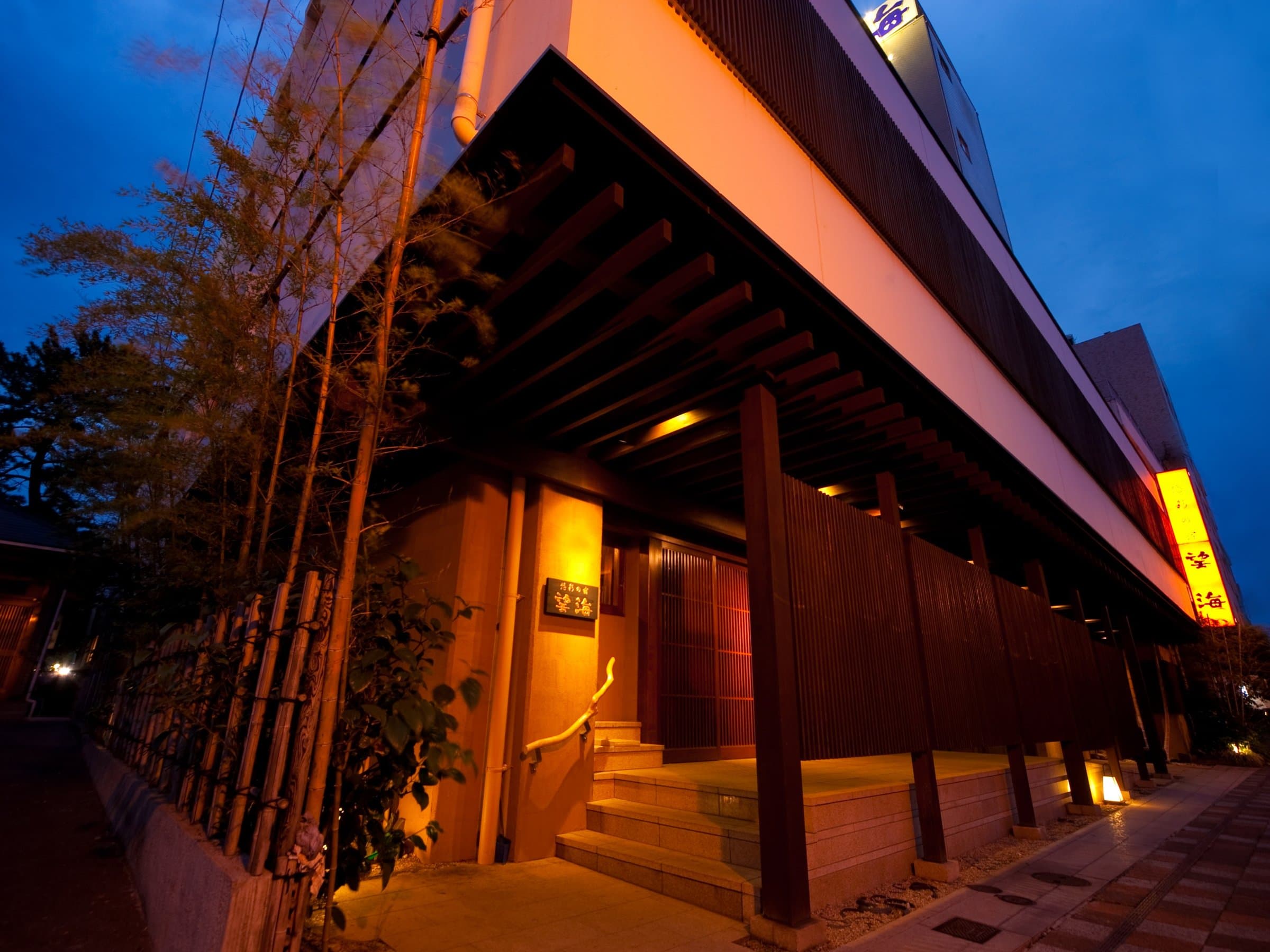
At a glance 50 rooms · ~$130–$300 USD · Beppu zone (station-side) · 10-min walk from JR Beppu Station, 50-min bus from Oita Airport.
Onsen Bokai operates its own hot spring source on the property — a real differentiator at this price — and several rooms have private in-room baths from that source. The public bath is smaller and more domestic-feeling than Shiragiku or Hana Beppu, part of its charm. Tattoo policy is accommodating across the private baths.
Kaiseki Family-run, using Beppu Bay seafood — sashimi from the morning's catch, Seki-aji when in season, Bungo beef in the standard upgrades. Generous rather than refined, in the mode where the same person who served you tea is laying out your futon at 9pm.
Standout Bokai is the best value private-onsen ryokan in Beppu, full stop, at around $130 per person with two meals. Own-source hot spring, in-room private bath options, family-run service, and a 10-minute walk to JR Beppu Station is structurally hard to find at this price. For travelers trying to [stretch a tight ryokan budget](/en/blog/budget-ryokan-tips), this is the pick that frees the saved money for a second night in Yufuin.
Honest trade-off The 50-room family-run scale means service is personal but operationally less polished than the grand-hotel tier. The station-side location lacks Kannawa's atmosphere or Kankaiji's views. Rates run $130–$300 per person per night with two meals [approximate; verify current availability]. You can [see Yusai no Yado Bokai rates from $130](/en/ryokans/beppu-bokai) on our directory.
The Beppu jigoku tour: the honest take most blogs don't write
The Beppu jigoku-meguri (Hells Tour) costs ¥2,200 for all seven officially designated hells and takes 2–3 hours. The hells reach about 98°C and are explicitly viewing-only — you cannot soak in any of them. Most first-time visitors don't realize this until they arrive. The structural insight: book a Kannawa ryokan or use Hyotan Onsen (two minutes from the ticket gate) for the actual bathing, and treat the jigoku as 90 minutes of geothermal scenery rather than a bath day.
The seven designated jigoku are Umi-jigoku (Sea Hell, cobalt blue), Chinoike-jigoku (Blood Pond, iron-red), Tatsumaki-jigoku (a geyser), Shiraike-jigoku (White Pond), Kamado-jigoku (Cooking Pot), Oniishibozu-jigoku (bubbling gray mud), and Oniyama-jigoku (with caged crocodiles). Yama-jigoku (a small zoo) is separate and skippable.
The locals' itinerary, condensed: Umi-jigoku and Chinoike-jigoku are the two unmissable ones — both natural, both the source of the photos. Tatsumaki-jigoku is worth waiting for the geyser cycle (every 30–40 minutes). Skip Oniyama-jigoku entirely — the caged crocodiles consistently draw "overrated" reviews — and budget 90 minutes total rather than the half-day most articles suggest. Then walk two minutes to Hyotan Onsen: three Michelin Green Guide stars, a 10-meter waterfall bath, and an indoor sand bath ([JNTO Hells of Beppu](https://www.japan.travel/en/spot/713/)). [verified JNTO 2026-05-07]
The other Kannawa thing worth your time is *jigoku-mushi* steam cooking. At the Jigoku Mushi Kobo Kannawa public workshop, ¥600 buys 8 minutes of vent steam to cook eggs, sweet potato, or vegetables in a bamboo basket over a stone *jigokugama* — a technique documented since the Kamakura period via Ippen Shonin ([Beppu City — Jigoku-mushi guide](https://enjoyonsen.city.beppu-jp.com/food-and-shopping/jigoku-mushi-gourmet-guide-beppus-heavenly-steams/)). [verified Beppu City 2026-05-07] Sweet potato comes out caramelized at the cut edges in a way a kitchen oven cannot replicate, because the steam carries trace minerals.
Tip
**Tattoo-friendly playbook** — Beppu is the most tattoo-tolerant onsen city in Japan, with 100+ facilities accepting tattoos. Hyotan Onsen accepts tattoos, all kashikiri (private) baths at the listed ryokans are unconditionally tattoo-friendly, and the in-room rotenburo at Seikai, Showoen, Kannawa-en suites, Hana Beppu, and Bokai bypass the question entirely. For a deeper city-by-city breakdown, see our guide to [private-bath stays for tattooed travelers](/en/blog/tattoo-friendly-ryokans).
Sand baths, mushiyu, and the hot-spring volume context
Beppu's two genuinely unique experiences alongside jigoku-mushi are the sand bath (砂湯 sunayu) and the steam bath (蒸し湯 mushiyu) — both bookable a la carte at public bath facilities.
The sand bath is what it sounds like: attendants bury you to the neck in volcanic sand heated from below by spring water, dose is ten minutes. The Beppu version comes in two flavors. Takegawara Onsen (built 1879, a registered Tangible Cultural Property of Japan) is the indoor architectural one — ¥1,500 walk-in, photogenic, crowded ([JNTO Takegawara](https://www.japan.travel/en/spot/389/)). [verified JNTO 2026-05-07] Beppu Beach Sand Spa at Kamegawa is the outdoor coastal one, same ¥1,500, on the actual beach with wave audio replacing the wood-creak, rarely on tour-bus circuits. Kamegawa is the experience; Takegawara is the photograph. Both are a meaningfully closer alternative than detouring to Ibusuki.
The mushiyu (steam bath) tradition is concentrated up in Myoban — acidic sulfurous water locals call *shampoo-no-yu* because it leaves hair almost squeaky. Kannawa Mushiyu, near the Kannawa bus stop, is a 700-year-old herbal-steam-bath where you lie on tatami over a steam vent draped in medicinal herbs (sekishobu, sweet flag) — ¥510 walk-in, 8 minutes, one of the oldest continuously operating baths in Japan.
The context for all of this is volume. Beppu produces approximately 130,000 tons of hot spring water per day across 2,300+ sources — first in Japan, second globally after Yellowstone, which is non-commercial. Atami, often perceived as Japan's number-one onsen city, runs roughly one-fifth of Beppu's source count. The bathing infrastructure is the densest commercial onsen geology on the planet — the structural reason to base here. [Beppu's onsen reign supreme on our master list](/en/blog/best-onsen-towns-japan) of Japan's top onsen towns.
Getting to Beppu: Oita Airport, Sonic from Fukuoka, and the Yufuin combo
Beppu has two clean access routes from outside Kyushu, plus a short domestic loop with Yufuin.
From Tokyo or Osaka: 90-minute direct flight to Oita Airport (OIT), then the airport limousine bus to Beppu Station — about 45 minutes for ¥1,500. JAL and ANA fly Haneda–Oita several times daily.
From Fukuoka: the JR Sonic limited express runs Hakata to Beppu in about 2 hours 5 minutes for ¥6,000 reserved (covered by the JR Pass and Northern Kyushu rail pass). The Sonic departs roughly twice an hour. Connect from Fukuoka Airport (FUK) via local train to Hakata. Total airport-to-Beppu in around 3 hours. Many travelers fly into Fukuoka and out of Oita.
Yufuin combo: the Kamenoi highway bus runs Beppu Station to Yufuin Station in about 50 minutes, or 25 minutes from Beppu Kitahama on the express service. The structurally best plan: one night Beppu followed by one night Yufuin, with the bus transfer mid-morning on day two. The Sonic does *not* stop in Yufuin — Yufuin is on the JR Kyudai Line via the slower Yufuin no Mori.
Within Beppu: the local Kamenoi/Oita Kotsu bus runs every 15–30 minutes between JR Beppu Station, Kannawa, and the jigoku gate; ¥330 one-way, ¥1,200 day-pass. The Kannawa loop bus (Hells Tour bus) is a separate sightseeing service that hits all seven jigoku in 2.5 hours from Beppu Station.
Tip
**Yufuin combo plan** — the structurally best 2-night Oita itinerary is one night in Beppu (Kannawa or station-side) followed by one night in Yufuin. The Kamenoi Bus takes 25–50 minutes between the two depending on service type. Use Yamato Takkyubin to forward your suitcase from Beppu to Yufuin (around 1,400 JPY same-day or next-day) so you arrive in Yufuin with only an overnight bag. See [how Yufuin's quieter mountain ryokans differ](/en/blog/best-ryokans-yufuin) for the second-night picks.
Best time of year to stay at a Beppu ryokan
Beppu is a year-round destination — unlike Yufuin or Hakone, the bathing infrastructure is the city, not the season. Four windows reward different priorities.
Late November to early December for steam season. Cold air against 98°C jigoku produces the most photogenic steam columns of the year — Kannawa alleys at 6am between November 20 and December 10 are visually the strongest moment to be in Beppu.
Mid-February for plum bloom at Nakayama-no-ike. The small plum park 30 minutes from JR Beppu Station blooms two weeks before mainland Honshu, one of the earliest visible spring signals in Japan. February is also the cheapest month at most of the eight properties.
Late May through June for shoulder pricing and lush hillsides. The Kankaiji and Myoban hillsides turn the deepest green between June rains. Crowds are thin and prices run 20% below peak.
Avoid Golden Week (May 3–5) and Obon week (around August 13–16) — holiday surcharges and books-out-four-months-early. August is humid but not unworkable; Beppu's coastal breeze is more forgiving than inland Yufuin. Per JNTO's tourism statistics, inbound visitor numbers have been climbing through 2025–2026 ([JNTO statistics](https://statistics.jnto.go.jp/en/graph/)), and Beppu's mid-tier ryokans now book out 60–90 days ahead during spring and autumn. [verified JNTO 2026-05-07]
Tip
**Korean tourists frame Beppu's culture differently** — Korean travelers have historically been the largest single foreign-tourist segment to Beppu (Ritsumeikan academic study put the share at 53–74% in 2001–2002, and Busan-Fukuoka short-haul plus direct Oita flights mean Korean coach tours remain heavy through 2026). What this means practically: most large ryokans (Suginoi, Shiragiku, Hana Beppu) have native Korean signage and Korean-language menus, the hells tour pamphlets are typically printed in Korean before English, and weekend availability in spring and autumn is tighter due to short-haul Korean group bookings. Book midweek if you can.
Beppu ryokan FAQ
Should I stay in Beppu or Yufuin for an onsen ryokan?
Both, if you have two nights — Beppu first for jigoku and bath variety, then Yufuin for atmosphere and Mt. Yufu views. They're 25–50 minutes apart by bus. If you only have one night, choose Beppu for the volume of bathing options.
How many days do you need in Beppu?
One night for the jigoku tour and a single ryokan soak; two nights to bath-hop across multiple zones. Most travelers fold a Yufuin overnight into the second night rather than staying two nights in Beppu itself.
What is the best area to stay in Beppu?
Kannawa for steam atmosphere and jigoku walking distance, Beppu Station for transit and izakaya nightlife, Kankaiji for sea-view luxury and the Tana-Yu terrace at Suginoi, Kamegawa for oceanfront in-room rotenburo at Seikai. Choose the zone first.
Which Beppu ryokans have private in-room onsen (rotenburo)?
Amane Resort Seikai (every room), Beppu Showoen (all 11 cottages), Sanso Kannawa-en (suites), Hana Beppu (select rooms), and Yusai no Yado Bokai (select rooms). Kai Beppu and Suginoi do not offer in-room private baths.
Are Beppu ryokans tattoo-friendly?
Beppu is the most tattoo-tolerant onsen city in Japan; over 100 facilities accept tattoos including Hyotan Onsen. Any ryokan with kashikiri baths or in-room rotenburo bypasses the question entirely. Larger properties may request visible tattoos be covered in public baths. See our [private-bath stays for tattooed travelers](/en/blog/tattoo-friendly-ryokans) guide.
Is the Beppu jigoku-meguri (Hells Tour) worth it?
Yes for first-timers, with caveats. The ¥2,200 combination ticket covers all seven hells in 2–3 hours, but the hells are viewing-only at 98°C — you cannot soak in any of them. Prioritize Umi-jigoku and Chinoike-jigoku; skip Oniyama-jigoku; then walk two minutes to Hyotan Onsen for the actual bathing.
What is the cheapest ryokan in Beppu?
Yusai no Yado Bokai from around $130 per person per night with two meals — family-run, own hot spring source, select rooms with private in-room baths. Suginoi Hotel offers room-only or buffet rates from around $120 if you don't need a traditional kaiseki.
How do I get to Beppu from Tokyo or Fukuoka?
From Tokyo: 90-minute direct flight to Oita Airport, then 45-minute limousine bus. From Fukuoka: JR Sonic limited express runs Hakata to Beppu in about 2 hours, twice an hour, covered by the JR Pass. From Yufuin: 25–50 minutes by Kamenoi Bus.
What is jigoku-mushi (地獄蒸し) and where do I try it?
Jigoku-mushi is steam-cooking ingredients in a bamboo basket over a natural geothermal vent — a Kannawa specialty documented since the Kamakura period. The Jigoku Mushi Kobo Kannawa public workshop is ¥600 walk-in. Hana Beppu offers an in-room steam basket option, and Sanso Kannawa-en incorporates the technique into its kaiseki.
Final thoughts: choose your zone, then your ryokan
The case for Beppu over Yufuin is structural rather than aesthetic. Yufuin photographs better; Beppu lives more interestingly. The 2,300 hot spring sources, the eight Beppu Hatto zones, the 130,000 tons of daily discharge, and the jigoku theater on suburban streets add up to a working onsen city you can move through rather than a postcard you visit. Choose the zone first — Kannawa for steam, Kankaiji for views, Beppu Station for access, Kamegawa for oceanfront — and the property second.
Kai Beppu for first-time luxury onsen culture. Amane Resort Seikai for oceanfront in-room rotenburo. Sanso Kannawa-en for heritage and Noh-stage kaiseki in the steam district. Beppu Showoen for villa-style privacy on a 6,000-tsubo estate. Suginoi Hotel for the bucket-list Tana-Yu terrace bath and family scale. Hotel Shiragiku for Michelin-starred kaiseki near the station. Hana Beppu for boutique 5-Star service 6 minutes from JR Beppu. Yusai no Yado Bokai for the best private-onsen value at $130.
The zone matters as much as the property. A November steam-season night in Kannawa is a different trip from a sunrise oceanfront soak at Seikai or a Tana-Yu sunset at Suginoi. When you're ready, jump to the individual ryokan pages linked above; if Beppu is one stop in a longer Kyushu trip, the companion guides on the [best ryokans in Yufuin](/en/blog/best-ryokans-yufuin) and the [broader Beppu area guide](/en/area/beppu) round out the route. *We re-verify pricing, opening hours, and onsen status every 90 days. Last check: 2026-05-07.*
11月下旬、午前5時42分。鉄輪はすでに湯けむりに包まれていました。気温4度、私は浴衣のまま旅館を出て坂を歩いていましたが、坂道の排水溝はどれも、白い蒸気の柱を杉の木立に向かって吐き出していました。70代の女性がプラスチックの桶を抱えて通り過ぎ、軽く会釈をしてくれました。坂を40メートル上った先の共同浴場はすでに開いていて、行列は地元の方3人と私のみ。これが別府の本当の手触りです——絵葉書の町ではなく、人口11万人の現役の温泉都市で、湯量は日本一を誇ります。
この早朝の何気ない日常こそ、近隣のフォトジェニックな選択肢ではなく別府を選ぶ理由です。由布院(バスで坂を25分上った先)は写真映えで勝りますが、入浴インフラが街そのものになっているのは別府だけ——2,300以上の源泉と1日およそ13万トンの湧出量で、温泉の商業湧出量はイエローストーンを除けば世界一です([JNTO別府温泉](https://www.japan.travel/en/spot/716/))。[出典確認済み 2026-05-07] 最終確認日:2026年5月。
本リスト8軒のうち4軒に実際に宿泊し、残り4軒も2018年から2026年の間にお茶・昼食・日帰り入浴で訪れています。これは「エリア別おすすめ旅館シリーズ」の第6弾——箱根、京都、高山、由布院、宮島に続くものですが、宿そのものより*どのゾーンで眠るか*が重要になる唯一のエリアです。
このガイドでは、別府八湯(べっぷはっとう)の8つの歴史ある温泉地から旅館8軒をランク付けし、由布院と別府の比較、多くのブログが省く地獄めぐりの注意点、そして博多発「ソニック」の実用ロジまで解説します。旅館文化そのものが初めての方は、[はじめての旅館宿泊ガイド](/ja/blog/first-time-ryokan-guide)で基礎を押さえてから本記事へどうぞ。本記事では、別府ならではのポイントに集中して解説します。
別府で最高の旅館は[界 別府](/ja/ryokans/beppu-kai)です ——星野リゾートが手がける全70室のブティック温泉宿で、別府湾を望む屋上「湯の広場」が街の温泉文化を体現しています。海沿いの客室露天風呂を求めるカップルは[潮騒の宿 晴海(あまね Resort SEIKAI)](/ja/ryokans/beppu-seikai)、伝統重視の方は鉄輪の蒸気街にある[山荘 神和苑(かんなわえん)](/ja/ryokans/beppu-kannawaen)、ご家族には憧れのテラス露天「棚湯」を備える[杉乃井ホテル](/ja/ryokans/beppu-suginoi)が最も合います。
Tip
**開示事項:** Japan Ryokan Guideは、提携リンクを経由してご予約いただいた際に手数料を受け取っています。掲載や順位については旅館側からの支払いを一切受け取っていません——本記事のすべての宿は、編集判断のみで選定しています。本サイトは星野リゾート、ORIX Hotels & Resorts、ならびに掲載するいかなる施設からも編集上独立しています。この手数料が、6言語で無料の旅館ディレクトリ運営を支えています。
一目でわかる比較表:別府の旅館8選
| # | 旅館 | 価格帯 | 1泊(USD〜) | 客室数 | エリア | こんな方に | |---|---|---|---|---|---|---| | 1 | [界 別府](/ja/ryokans/beppu-kai) | 高級 | $300 | 70 | 別府(駅側) | はじめての高級温泉文化体験 | | 2 | [潮騒の宿 晴海](/ja/ryokans/beppu-seikai) | 高級 | $250 | 79 | 亀川海岸 | 海沿い・客室露天風呂を求めるカップル | | 3 | [山荘 神和苑](/ja/ryokans/beppu-kannawaen) | 高級 | $350 | 18 | 鉄輪 | 伝統と能舞台懐石を味わいたい方 | | 4 | [別府 昭和園](/ja/ryokans/beppu-showoen) | 高級 | $400 | 11 | 観海寺の高台 | 6,000坪の敷地で離れの静けさを楽しみたい方 | | 5 | [杉乃井ホテル](/ja/ryokans/beppu-suginoi) | 中級 | $120 | 647 | 観海寺の尾根 | 憧れの「棚湯」とファミリー規模 | | 6 | [ホテル白菊](/ja/ryokans/beppu-shiragiku) | 中級 | $150 | 111 | 別府(駅側) | JR別府駅近くでミシュラン懐石 | | 7 | [花べっぷ](/ja/ryokans/beppu-hanabeppu) | 中級 | $150 | 63 | 別府(駅側) | 駅徒歩6分の5つ星ブティック旅館 | | 8 | [湯彩の宿 望海](/ja/ryokans/beppu-bokai) | 中級 | $130 | 50 | 別府(駅側) | 駅近・客室温泉付きでベストコスパ |
別府か由布院か:拠点選びと意外な答え
はい——温泉のバリエーションを優先する旅行者には別府が拠点として正解で、由布院は雰囲気を補う追加の1泊として最適です。 フォーラム議論の末に行き着く正直な答えは、*別府で1泊・由布院で1泊*、別府を先、由布院を後という構成です。別府は8つの異なる入浴ゾーン(別府八湯)に2,300以上の源泉が分布し、砂湯、泥湯、蒸し湯、ミネラル泉まで揃う日本でも他に類を見ない密度です。由布院はより小さく、美しく、夜は静か——だからこそ旅の締めくくりに向いています。
意外なのは、バス移動の短さです。別府北浜から由布院までは高速バスで25分の直行、亀の井バスの一般路線でも約50分。1泊しか取れないなら別府を選んでください——入浴の選択肢の量はまさに別格です。2泊あるなら、初日は別府(活気と地熱と生活感)、2日目は由布院(ブティックで景観美、静か)に泊まるのが理想。姉妹ガイド[由布院の静かな山あいの旅館](/ja/blog/best-ryokans-yufuin)が、2泊目の宿選びを同じ精度で解説しています。
隠された真実:別府の「普通の街」感こそが特徴であり、欠点ではありません。由布院がPinterestを席巻するのは、1970年代にリゾート街として再開発された街だから。別府は再開発されたことがなく、1,300年にわたり現役の温泉都市であり続けています。1泊そこに眠ることで、*生活感と地熱の融合*こそが旅の理由になります。
別府八湯入門:8つの温泉ゾーンとどこに泊まるか
別府八湯(べっぷはっとう)とは、別府市内の歴史ある8つの温泉地のこと:別府温泉(駅側、便利)、鉄輪(蒸気と地獄めぐり)、明礬(みょうばん/硫黄と湯の花)、観海寺(かんかいじ/高台で別府湾を望む)、浜脇(最古、温泉発祥の地)、堀田(静かな田園浴場)、柴石(しばせき/血の池地獄に近い素朴なエリア)、そして亀川(海岸線と砂湯)。各ゾーンで泉質が異なるため——まずゾーンを選び、次に宿を決めるのが鉄則です。[出典確認済み 2026-05-07]([別府市観光協会 — 八種類の温泉](https://enjoyonsen.city.beppu-jp.com/travel-tips/eight-kind-of-onsen/))
「別府の旅館おすすめ」記事の多くは、宿を五十音順や価格順に並べています。別府ならではの選び方は、まず温泉地(ゾーン)を選ぶこと——8つのエリアは、湯の質も香りも夜の表情も本当に異なるからです。
鉄輪(かんなわ)は、湯けむりの出どころです。排水溝から毎朝白い蒸気が立ちのぼり、徒歩90分のループ上に8つの地獄が点在し、*地獄蒸し*の蒸気調理は地元の名物。地熱劇場のような景観を求めるならここに泊まりましょう——伝統重視なら山荘 神和苑、地獄ゲートから徒歩2分のひょうたん温泉が共同浴場の選択肢です。
観海寺(かんかいじ)は、別府湾を見下ろす高台の尾根。泉質はシンプルなアルカリ性で、見出しは何といっても景観。杉乃井の「棚湯」テラス露天や、別府 昭和園の離れのプライベート空間が選択肢です。
別府温泉(駅)——駅側のゾーンは便利さで選ぶエリア。JR別府駅から徒歩10分以内に界 別府、花べっぷ、ホテル白菊、望海、そして1879年創業の竹瓦温泉(共同浴場)が集まります。ソニックで遅めに到着して居酒屋夜景を楽しみたい方はここを。
亀川は海岸沿い。指宿に並ぶ正統派代替の別府海浜砂湯がここにあり、潮騒の宿 晴海は亀川海岸線に位置し、全室がベイビューです。
明礬(みょうばん)は硫黄と*湯の花*のエリア——乳白色の湯、硫黄を含むアンモニア香、茅葺きの「湯の花小屋」が点在します。明礬の旅館は小規模で英語予約が難しい宿が多く、[別府エリア総合ガイド](/ja/area/beppu)で詳細を補足しています。浜脇、堀田、柴石は、より小さなエリア——日帰り入浴の湯めぐりには価値がありますが、宿泊拠点としては選ばないのが妥当です。
Tip
**ゾーン選びの目安:** 鉄輪は地獄と蒸気の雰囲気、観海寺は景観と高級感、別府駅は移動の利便性と居酒屋夜景、亀川は海沿い客室、明礬は硫黄の日帰り体験。宿より先にゾーンを決めましょう——8つの泉質は本当に異なり、源泉2,300の密度を誇る別府では、ゾーン選びこそが旅で最も影響の大きい意思決定になります。
選定基準:8軒はどう選んだか
別府で営業中のすべての旅館・旅館スタイルのホテルを、5つの基準で精査しました。源泉が確認できる温泉、英語で予約可能か英語対応可能なフロント、価格が公開されていること、2つ以上の予約サイトでレビュー200件以上・平均4.0以上、そして別府八湯のいずれかのエリアにおける本物らしさ。条件をクリアしたのは8軒——高級4軒、中級4軒——いずれも自信を持っておすすめできる宿です。
このリストには、掲載料を支払った旅館は1軒もありません。全国25の温泉地で精査した224軒の旅館データベースから選んでいます。姉妹記事の[宮島のおすすめ旅館](/ja/blog/best-ryokans-miyajima)が、同じ旅程の瀬戸内側を補完してくれます。
別府の旅館の料金は、家族経営の中級宿(望海)で1人1泊130ドル前後から、離れタイプの高級宿(昭和園)で900ドル前後まで幅があります。 懐石と温泉が付いた中級は150〜400ドルが目安、高級は300〜900ドル。別府は由布院よりも200ドル以下のラインナップが充実しており、これも大分2泊コンボの初日に別府を勧める理由のひとつです。
1. 界 別府 — はじめての高級温泉文化体験に
こんな方に 温泉文化の枠組みを丁寧に解説してほしい初訪問者——星野リゾート「界」ブランドの得意領域です。
概要 客室70室・1泊1人あたり約300〜600ドル・別府ゾーン(駅側、北浜の海沿い)・JR別府駅からタクシー5分、大分空港からバス50分。
温泉 別府温泉源泉のナトリウム塩化物泉。シンボルである「湯の広場」を中心に、別府湾を望む屋上露天風呂を備えています。客室露天風呂はなく、入浴は星野スタイルの共同浴場が基本です。(はじめての温泉前に、[温泉マナーのおさらい](/ja/blog/onsen-etiquette-foreigners)もどうぞ。)
懐石料理 豊後牛と関さば(豊後水道の鯖)が主役。現代風の懐石に再構成されており、昭和園や神和苑よりも初心者に親しみやすい構成です。朝食では、湯の花壷のミネラル出汁膳が登場します。
特筆すべき点 界の館内文化プログラム——大分の郷土舞踊をベースとした夜の「豊後神楽」上演、そして別府八湯の各ゾーンの泉質を解説する無料ガイドツアーがあります。湯めぐり前に別府そのものを学べる唯一の宿で、明示的に「別府を教えてくれる」プログラム設計です。界 別府は[全国の高級旅館ランキング](/ja/blog/luxury-ryokans-japan)にも肩を並べる存在です。
正直なトレードオフ 客室露天風呂はなし——客室での露天風呂が最優先なら晴海や昭和園を。駅側のため、鉄輪までは徒歩圏ではなくタクシーで15分です。料金は 1泊1人あたり2食付きで300〜600ドル [概算;最新の空室状況は要確認]。[界 別府の客室タイプと料金](/ja/ryokans/beppu-kai)はディレクトリページでご覧いただけます。
Tip
**湯の広場・夕景予約の小技** — チェックイン時に屋上露天の枠を「日没の30分前」にリクエストしてみてください(男女入替制のため、当日のスケジュールカードを確認)。東向きの別府湾は日没40分前に真鍮色に染まり、街の灯りがブロックごとに灯っていきます。多くの宿泊客はこのタイミングを逃し、夕食後の暗闇で入浴することになりがちです。
2. 潮騒の宿 晴海 — 海沿いの客室露天風呂に
こんな方に 客室の露天風呂から別府湾をまっすぐ眺めたいカップル、そしてタトゥーをお持ちの方。
概要 客室79室・1泊1人あたり約250〜600ドル・亀川海岸線・JR別府駅からタクシー10分、大分空港からバス30分。
温泉 全客室に別府湾を望む客室露天風呂を完備——下層階のスイートには、満潮線とほぼ同じ高さの「ゼロメートル」風呂もあります。共同浴場と貸切風呂の予約も可能。客室の露天風呂で完結するため、タトゥーは事実上問題になりません。
懐石料理 豊後牛と別府湾の朝獲れを、客室または個室会場で。大分名産のかぼす——ゆずよりシャープで香り高い柑橘——が献立の随所に効いています。
特筆すべき点 「全室が温泉」という構造的なコンセプト。共用エリアまで景色を見に行く必要はなく、デッキを開ければそこが湯と海です。別府は東向きのため日の出が見せ場——10〜3月には、湯気の立ち上る客室露天風呂のフレームの中に太陽が真っすぐ昇ります。
正直なトレードオフ 亀川はJR別府駅からタクシーで10分——交通費も予算に組み込みましょう。共同浴場ではタトゥーの完全カバーが基本ですが、客室の露天風呂はあなただけのもの。料金は 1泊1人あたり2食付きで250〜600ドル [概算;最新の空室状況は要確認]。[潮騒の宿 晴海の海沿い客室](/ja/ryokans/beppu-seikai)はディレクトリでご覧いただけます。
3. 山荘 神和苑 — 伝統と能舞台懐石に
こんな方に 別府でもっとも伝統的な旅館体験を求める方、英語サービスが限定的でも問題ない方。
概要 客室18室・1泊1人あたり約350〜800ドル・鉄輪エリア(蒸気街)・JR別府駅からタクシー20分、大分空港からバス35分。
温泉 自家源泉から湧く希少なコバルトブルーの湯を、苔むした庭園の石風呂で堪能できます。一部のスイートには客室露天風呂があり、貸切風呂はチェックイン時に予約可能。やや弱アルカリ性で繊細なシリカ成分を含み、明礬の乳白色硫黄泉よりも肌当たりがやわらかい泉質です。
懐石料理 王道の伝統派。豊後牛、関さば、季節の野菜は自家蒸気の地獄蒸しスタイルで仕立てられ、サービスは客室で、急かされることなく進みます。
特筆すべき点 神和苑は自前の蒸気源泉の上に立ち、敷地内には能舞台を備えています——シーズン中には、湯気が漆塗りの板の上に流れる中で公演が催されることも。11月の夜明け、苔から立ち上る蒸気が庭を満たします。これぞ伝統重視の選択肢で、別府でも屈指の「写真に撮られる館内」を持ち、[全国の高級旅館](/ja/blog/luxury-ryokans-japan)とも肩を並べる存在です。
正直なトレードオフ 英語対応は限定的——メール予約で繁忙期は48時間程度の余裕を見てください。JR別府駅からヤマト運輸で荷物を翌日便(1個あたり約2,000円)で送るのが、最もスマートな到着動線です。料金は 1泊1人あたり2食付きで350〜800ドル [概算;最新の空室状況は要確認]。[山荘 神和苑のスイート](/ja/ryokans/beppu-kannawaen)はディレクトリでご覧いただけます。
4. 別府 昭和園 — 6,000坪の敷地に佇む離れのプライベートステイ
こんな方に ハネムーンや記念日旅行で、最上級のプライバシーと、他の宿泊客が22名を超えない静けさを求める方。
概要 客室11室・1泊1人あたり約400〜900ドル・観海寺の高台・JR別府駅からタクシー15分、大分空港からバス50分。
温泉 11棟すべての離れに専用露天風呂——観海寺源泉のナトリウム塩化物泉を、源泉かけ流し(循環なし)で供給。中庭近くには木造の本浴場もあります。客室の風呂で完結するため、タトゥーは事実上問題になりません。
懐石料理 本リスト中、最も洗練された懐石を、ダイニングではなく自分の離れで。豊後牛は通常の夕食で3つの形に登場し、かぼす、関さば、阿蘇高原の小国きのこが、極めて土地に根ざした献立を構成します。
特筆すべき点 6,000坪(約19,800平方メートル)の旧金鉱跡地に11棟の離れが点在し、滞在中に他の客と一度も顔を合わせない可能性すらあるほどの植栽密度。明治期の本館は改修時に保存されており、能舞台様式の文化棟では限定的な公演も行われます。
正直なトレードオフ 本リストで最も高額——春・秋は12か月前に予約が開きます。英語対応は限定的。一度入ったら24時間出ない、そういう種類の宿です。料金は 1泊1人あたり2食付きで400〜900ドル [概算;最新の空室状況は要確認]。[別府 昭和園の離れ](/ja/ryokans/beppu-showoen)はディレクトリでご覧いただけます。
5. 杉乃井ホテル — 「棚湯」とファミリー規模に
こんな方に 旅館マナーに不安のある初めての温泉客、お子様連れご家族、そして憧れのインフィニティ・バス写真を求める方。
概要 客室647室・1泊1人あたり約120〜350ドル・観海寺の尾根・JR別府駅からタクシー10分、駅と大分空港から無料シャトル。
温泉 棚湯——5段のテラスがインフィニティ風に別府湾を見下ろす露天風呂。九州で最も撮影されている浴場で、各段が異なる高さに配置されているため、どの段からも湾の水平線が見えます。観海寺源泉のナトリウム塩化物泉。アクアガーデンは別途、水着着用のファミリーバスで噴水ショー付き。[出典確認済み 2026-05-07]([杉乃井ホテル — 棚湯](https://global-suginoi.orixhotelsandresorts.com/LUC2ORISUG/cdata/luc2orisug_4_jaen.html))
懐石料理 杉乃井は厳密にはホテル分類で、標準パッケージは個別の懐石ではなくバイキング(「シーズ」または「花レストラン」)。フォーマルな懐石への有料アップグレードも1人あたり約4,000円で可能です。バイキングはお子様向けの品揃えが豊富なことで有名。
特筆すべき点 棚湯のテラス——これに尽きます。5段のうち3段目で日没40分前に入ると、別府湾は真鍮の板のように平らに広がり、街の灯りがブロックごとに灯っていきます。マーケティング写真と実体験が一致する、日本でも数少ない浴場のひとつ。杉乃井はボウリング・ゲームコーナー・屋内プールが揃い、[ファミリー向け旅館の上位選](/ja/blog/ryokan-with-kids)にも入っています。
正直なトレードオフ 647室規模のリゾートで、小規模な職人旅館ではありません。お風呂は唯一無二ですが、客室は「ホテルとして普通」。静かな懐石のリトリートを求めるカップルなら、界 別府、昭和園、神和苑のほうが合います。料金は 1泊1人あたり素泊まりまたはバイキングで120〜350ドル [概算;最新の空室状況は要確認]。[杉乃井ホテルの棚湯付き客室](/ja/ryokans/beppu-suginoi)はディレクトリでご覧いただけます。
Tip
**棚湯ローテの裏技** — 棚湯の5段テラスは男女入替制が日替わり、湾側のテラスは街、山側は森に向きます。到着時にフロントでローテーションカードを確認し、湾側のスケジュールに合わせて夕方の入浴を計画しましょう。多くの宿泊客はこれを知らず、夕日のタイミングで山側に当たってしまいます——両者の差こそが、ここに泊まる最大の理由です。
6. ホテル白菊 — 駅近でミシュラン懐石を
こんな方に 駅徒歩圏で、市内屈指の懐石を味わいたい食重視の旅行者。
概要 客室111室・1泊1人あたり約150〜400ドル・別府ゾーン(駅側)・JR別府駅から徒歩8分、大分空港からバス50分。
温泉 別府源泉から引いた、屋内大浴場と紅葉に囲まれた露天風呂の2つの庭園浴場。一部のスイートには客室露天風呂を備えています。庭園風呂は、駅近エリアで「ホテルの設備」ではなく「目的地としての湯」と呼べる数少ない選択肢のひとつ。
懐石料理 白菊がミシュランの注目を集めるのは、豊後牛、関さばの刺身、かぼす〆の魚、そして地獄蒸しの季節野菜による多皿コースゆえ。朝食は[本格的な日本旅館の朝食](/ja/blog/japanese-breakfast-ryokan)が食事処で供されます。
特筆すべき点 白菊は10室規模の職人旅館というより、大型温泉ホテルに近い存在ですが、懐石キッチンの実力は鉄輪の小規模高級宿に並びつつ、JR別府駅から徒歩8分。雰囲気よりも食と立地を優先する旅行者には、中級中、最も鋭い選択肢です。
正直なトレードオフ 111室規模のため、サービスは個人的というよりプロフェッショナル。庭園風呂は素晴らしいですが、客室の質は棟ごとに差があるため、予約時にリノベーション済みの客室をリクエストしましょう。料金は 1泊1人あたり2食付きで150〜400ドル [概算;最新の空室状況は要確認]。[ホテル白菊のミシュラン懐石プラン](/ja/ryokans/beppu-shiragiku)はディレクトリでご覧いただけます。
7. 花べっぷ — JR別府駅から徒歩6分のブティック中級宿
こんな方に リゾートホテル規模ではなく、5つ星クラスの旅館を中級価格で楽しみたいカップルや小グループ。
概要 客室63室・1泊1人あたり約150〜400ドル・別府ゾーン(駅側)・JR別府駅から徒歩6分、大分空港からバス50分。
温泉 竹と椿をテーマにした浴場——屋内・屋外の共同浴場に加え、予約制の貸切風呂、一部の客室には客室露天風呂も。別府源泉、ナトリウム塩化物泉系で、共同浴場は源泉かけ流し。タトゥー対応は貸切風呂で柔軟です。
懐石料理 豊後牛、関さば、そして客室で楽しめる地獄蒸しの蒸籠オプション——施設の蒸気ラインを使い、季節野菜と魚をテーブル上で蒸し上げます。本リストで最も気軽に体験できる地獄蒸しです。
特筆すべき点 日本旅館協会の5つ星旅館認定を受けた花べっぷは、伝統的なフォーマル美意識(竹・椿・畳のスイート)と、中級価格、そしてJR別府駅徒歩6分という立地を組み合わせた一軒。駅アクセスと5つ星サービスの両立は、別府では本当に珍しい組み合わせです。
正直なトレードオフ 駅側は便利ですが、鉄輪の蒸気街の雰囲気や、観海寺の湾景とは無縁——日中はバスかタクシーでそれらのゾーンへ。料金は 1泊1人あたり2食付きで150〜400ドル [概算;最新の空室状況は要確認]。[花べっぷの竹と椿の客室](/ja/ryokans/beppu-hanabeppu)はディレクトリでご覧いただけます。
8. 湯彩の宿 望海 — 駅近・客室温泉付きでベストコスパ
こんな方に 高級料金は払わずに客室温泉を楽しみ、なおかつ駅徒歩圏の便利さを求める中級旅行者。
概要 客室50室・1泊1人あたり約130〜300ドル・別府ゾーン(駅側)・JR別府駅から徒歩10分、大分空港からバス50分。
温泉 望海は自家源泉を持ち——この価格帯では本物の差別化要素——一部の客室にはその源泉を引いた客室温泉があります。共同浴場は白菊や花べっぷより小さく家庭的な趣きで、それも魅力のひとつ。客室風呂のタトゥー対応は柔軟です。
懐石料理 家族経営、別府湾の魚介を中心に——朝獲れの刺身、シーズン中の関あじ、標準アップグレードの豊後牛。洗練というよりボリューム重視で、お茶を出してくれた人がそのまま夜9時に布団を敷いてくれる、そんな世界観です。
特筆すべき点 望海は別府で最高の客室温泉付きコスパ旅館です。 1人2食付きで130ドル前後——自家源泉、客室の温泉風呂、家族経営、JR別府駅から徒歩10分という構造的な組み合わせは、この価格帯ではなかなか見つかりません。[限られた旅館予算をさらに伸ばす](/ja/blog/budget-ryokan-tips)コツを実践したい方には、浮いた予算で由布院での2泊目を実現できる選択肢です。
正直なトレードオフ 50室規模・家族経営のため、サービスは個人的ですが、大型ホテルほど運営は洗練されていません。駅側立地のため、鉄輪の雰囲気や観海寺の景観は得られません。料金は 1泊1人あたり2食付きで130〜300ドル [概算;最新の空室状況は要確認]。[湯彩の宿 望海(130ドル〜)](/ja/ryokans/beppu-bokai)はディレクトリでご覧いただけます。
別府の地獄めぐり:多くのブログが書かない正直な見方
別府地獄めぐりは、公式指定の7地獄を共通券2,200円で巡れて、所要は2〜3時間。 地獄の温度はおよそ98度に達し、明確に「見るためのもの」——どの地獄にも入浴はできません。多くの初訪問者は到着してこれに気づきます。構造的な解は、鉄輪の旅館に泊まるか、地獄ゲートから2分のひょうたん温泉で実際の入浴を済ませ、地獄は「90分の地熱景観」として割り切って楽しむこと。
指定7地獄は、海地獄(コバルトブルー)、血の池地獄(鉄分の赤)、龍巻地獄(間欠泉)、白池地獄、かまど地獄、鬼石坊主地獄(ボコボコと泡立つ灰色の泥)、鬼山地獄(檻の中のワニ)。山地獄(小さな動物園)は別枠で、省略してOKです。
地元のおすすめ動線: 海地獄と血の池地獄は外せない2つで、いずれも自然由来で写真の主役。龍巻地獄は30〜40分間隔の噴出サイクルを待つ価値あり。鬼山地獄は割愛——檻のワニは「期待外れ」のレビューが多めで、半日コースではなく90分プランで予算化しましょう。その後、ひょうたん温泉まで徒歩2分:ミシュラン・グリーンガイド3つ星、10メートルの滝湯、屋内砂湯を備えています([JNTO別府の地獄](https://www.japan.travel/en/spot/713/))。[出典確認済み 2026-05-07]
もうひとつ鉄輪で時間を割く価値があるのは、*地獄蒸し*の蒸気調理。鉄輪の地獄蒸し工房では、600円で8分間の蒸気を借りて、卵・さつまいも・野菜を竹蒸籠と石の*地獄釜*で調理できます——一遍上人を介して鎌倉時代から記録される技法です([別府市 — 地獄蒸しガイド](https://enjoyonsen.city.beppu-jp.com/food-and-shopping/jigoku-mushi-gourmet-guide-beppus-heavenly-steams/))。[出典確認済み 2026-05-07] さつまいもは切り口がキャラメリゼされ、家庭オーブンでは再現できない仕上がりに——蒸気が微量のミネラルを運んでいるためです。
Tip
**タトゥー対応の鉄則** — 別府は日本で最もタトゥーに寛容な温泉都市で、対応施設は100以上。ひょうたん温泉はタトゥーOK、本リストの旅館の貸切風呂はすべて無条件でタトゥー対応、晴海・昭和園・神和苑のスイート・花べっぷ・望海の客室露天風呂は問題そのものを回避できます。各都市の詳細は[タトゥー対応・客室温泉付き旅館ガイド](/ja/blog/tattoo-friendly-ryokans)もどうぞ。
砂湯・蒸し湯と「湯量」というスケール
別府で地獄蒸しと並ぶ唯一無二の体験は、砂湯(すなゆ)と蒸し湯(むしゆ)——どちらも公共施設で単品予約できます。
砂湯は文字どおり、係の方が首まで火山砂で埋めてくれる体験で、砂は源泉熱で温められ、所要時間は10分。別府版には2タイプあります。竹瓦温泉(1879年創業、国の登録有形文化財)は屋内の建築派——1,500円で当日入場、写真映えして混雑([JNTO竹瓦](https://www.japan.travel/en/spot/389/))。[出典確認済み 2026-05-07] 別府海浜砂湯(亀川)は屋外の海岸派、同じ1,500円、実際の砂浜で木の軋みではなく波の音が伴います。観光バスのコースには珍しいスポット。亀川は体験、竹瓦は写真。どちらも、わざわざ指宿まで南下するより明らかに近い代替です。
蒸し湯(むしゆ)の伝統は明礬に集中——酸性の硫黄泉が「シャンプーの湯」と呼ばれるほど、髪がキシッと整います。鉄輪むし湯は鉄輪バス停近くの700年続く薬草蒸し湯——畳の上で、薬草(石菖)に覆われた蒸気孔の上に8分間横たわります。510円で当日入場、日本最古級の継続営業浴場のひとつです。
すべての文脈は「湯量」にあります。別府は1日およそ13万トンの湯を2,300以上の源泉から湧出——日本一、世界では非商業のイエローストーンに次ぐ第2位。 日本の温泉No.1と認識されがちな熱海の源泉数は、別府のおよそ5分の1。商業的な温泉地形としては地球上で最も密度の高いインフラ——別府を拠点にする構造的な理由がここにあります。[全国の代表的な温泉地ランキング](/ja/blog/best-onsen-towns-japan)でも、別府の温泉は別格の存在感を放っています。
別府へのアクセス:大分空港・博多発ソニック・由布院コンボ
別府へは九州外からの主要ルートが2本、加えて由布院との短距離ループがあります。
東京・大阪から: 大分空港(OIT)まで直行便で90分、空港リムジンバスで別府駅まで約45分・1,500円。JALとANAが羽田—大分を1日数便運航しています。
福岡から: JR特急「ソニック」が博多—別府を約2時間5分で結び、指定席6,000円(JRパスおよび北部九州レールパス対応)。ソニックはおよそ毎時2本。福岡空港(FUK)からは在来線で博多へ接続。空港から別府まで合計約3時間。福岡in、大分outの旅行者も多くいます。
由布院コンボ: 亀の井バスの高速便が別府駅—由布院駅を約50分、別府北浜発の特急便なら25分で結びます。構造的なベストプランは1泊目を別府、2泊目を由布院、2日目の午前中にバス移動。ソニックは由布院に*停車しません*——由布院はJR久大本線で、低速の「ゆふいんの森」経由になります。
別府市内: 亀の井バス/大分交通の路線バスがJR別府駅・鉄輪・地獄ゲート間を15〜30分間隔で運行、片道330円・1日券1,200円。地獄めぐりループバスは別府駅発で7地獄を2.5時間で巡る別系統の観光便です。
Tip
**由布院コンボプラン** — 大分2泊の構造的なベスト動線は、別府(鉄輪または駅側)1泊+由布院1泊。亀の井バスでの所要時間は便種によって25〜50分。ヤマト運輸で別府から由布院にスーツケースを当日便または翌日便(約1,400円)で送れば、由布院には1泊分の手荷物だけで着けます。2泊目の宿は[由布院の静かな山あいの旅館](/ja/blog/best-ryokans-yufuin)で詳しく解説しています。
別府の旅館に泊まるベストシーズン
別府は通年型の温泉地——由布院や箱根と異なり、入浴インフラそのものが街であって、季節に依存しません。とはいえ、4つの窓がそれぞれ異なる優先順位に応えてくれます。
11月下旬から12月上旬:湯けむり最盛期。 冷気と98度の地獄が組み合わさり、年間で最も写真映えする蒸気の柱を生み出します——11月20日から12月10日頃の鉄輪の路地を朝6時に歩くのが、別府の景観としては最強のタイミングです。
2月中旬:中山の池の梅。 JR別府駅から30分の小さな梅園は、本州よりも2週間ほど早く開花し、日本でも最も早い春の兆しのひとつ。本リストの多くの宿が最安値を付けるのも2月です。
5月下旬から6月:ショルダーシーズン価格と緑の山肌。 観海寺と明礬の山肌は、6月の雨で最も深い緑に染まります。人出は少なく、料金もピーク比20%安。
避けるべきはゴールデンウィーク(5月3〜5日)とお盆週間(8月13〜16日前後)——祝日割増、4か月前から満室になりがち。8月は湿度がありますが致命的ではなく、別府の海風は内陸の由布院よりも過ごしやすい印象です。JNTOによれば訪日旅行者数は2025〜2026年と上昇傾向で([JNTO統計](https://statistics.jnto.go.jp/en/graph/))、別府の中級旅館も春・秋には60〜90日前から予約が埋まる状況です。[出典確認済み 2026-05-07]
Tip
**韓国人旅行者は別府の文化を別の角度から見ている** — 韓国からの旅行者は歴史的に別府最大の単一外国人セグメント(立命館の学術調査では2001〜2002年に53〜74%、釜山—福岡の短距離航路+大分直行便があるため、2026年も韓国の団体ツアーは依然として多い)。実用的な意味合い:大型旅館(杉乃井・白菊・花べっぷ)には韓国語の案内表示と韓国語メニュー、地獄めぐりのパンフレットは英語より韓国語が先に印刷されることも多く、春・秋の週末は韓国の短距離団体予約で混雑が増します。可能なら平日の予約を。
別府の旅館FAQ
別府と由布院、温泉旅館はどちらに泊まるべき?
2泊あれば両方——別府を先に(地獄と湯のバリエーション)、続いて由布院(雰囲気と由布岳の眺望)。バスで25〜50分の距離です。1泊だけなら、入浴の選択肢の量で別府を選びましょう。
別府は何泊必要?
地獄めぐりと旅館での1回の温泉なら1泊で十分。複数のゾーンで湯めぐりするなら2泊。ほとんどの旅行者は別府2泊ではなく、2泊目に由布院を組み込みます。
別府でいちばん良いエリアは?
蒸気街の雰囲気と地獄が徒歩圏なら鉄輪、移動の利便性と居酒屋夜景なら別府駅、海景と杉乃井の棚湯なら観海寺、海沿いの客室露天風呂を晴海で楽しむなら亀川。まずゾーンを選びましょう。
客室露天風呂のある別府の旅館は?
潮騒の宿 晴海(全室)、別府 昭和園(11棟すべての離れ)、山荘 神和苑(スイート)、花べっぷ(一部客室)、湯彩の宿 望海(一部客室)。界 別府と杉乃井ホテルには客室露天風呂はありません。
別府の旅館はタトゥーOK?
別府は日本で最もタトゥーに寛容な温泉都市で、ひょうたん温泉を含む100以上の施設が対応。貸切風呂や客室露天風呂のある旅館は問題そのものを回避できます。大型施設では共同浴場で見えるタトゥーのカバーを求められることがあります。詳細は[タトゥー対応・客室温泉付き旅館ガイド](/ja/blog/tattoo-friendly-ryokans)で。
別府地獄めぐりは行く価値あり?
はい、初訪問者には注意点付きで。共通券2,200円で7地獄を2〜3時間で巡れますが、98度のため見るだけで入浴はできません。海地獄と血の池地獄を優先、鬼山地獄は割愛——その後、ひょうたん温泉まで徒歩2分で実際の入浴を。
別府で最も安い旅館は?
湯彩の宿 望海。1人2食付き130ドル前後——家族経営、自家源泉、一部客室に客室温泉。素泊まりやバイキングで十分なら、杉乃井ホテルの120ドル前後も選択肢です。
東京・福岡から別府への行き方は?
東京から:大分空港まで直行便90分、リムジンバス45分。福岡から:JR特急ソニックが博多—別府を約2時間で結び、毎時2本、JRパス対応。由布院から:亀の井バスで25〜50分。
地獄蒸し(じごくむし)とは?どこで体験できる?
地獄蒸しは、天然の地熱蒸気で食材を竹蒸籠で蒸し上げる調理法——鉄輪の名物で、鎌倉時代から記録があります。鉄輪の地獄蒸し工房は600円で当日体験可能。花べっぷは客室での蒸籠オプションを提供し、山荘 神和苑は懐石にこの技法を組み込んでいます。
おわりに:ゾーンを選び、それから旅館を
別府を由布院より選ぶ理由は、美的というより構造的なものです。由布院は写真映えで勝り、別府は生活として面白い。2,300の源泉、別府八湯の8つのゾーン、1日13万トンの湧出、住宅街に立ち上る地獄の景観——すべて合わせると、絵葉書の街ではなく、移動しながら味わえる現役の温泉都市になります。まずゾーンを選ぶこと——蒸気なら鉄輪、景観なら観海寺、アクセスなら別府駅、海沿いなら亀川——宿はそのあとに決まります。
界 別府は、はじめての高級温泉文化体験に。潮騒の宿 晴海は、海沿いの客室露天風呂に。山荘 神和苑は、蒸気街の伝統と能舞台懐石に。別府 昭和園は、6,000坪の敷地に佇む離れのプライベートステイに。杉乃井ホテルは、憧れの「棚湯」とファミリー規模に。ホテル白菊は、駅近のミシュラン懐石に。花べっぷは、JR別府駅徒歩6分で5つ星サービスを。湯彩の宿 望海は、客室温泉付きベストコスパ(130ドル)で。
ゾーンの選択は宿の選択と同じくらい重要です。鉄輪での11月の湯けむり夜と、晴海での海沿いの夜明け、杉乃井での棚湯の夕景は、それぞれ別の旅。準備が整ったら、上記の各旅館ページへどうぞ。別府が長旅の中の1スポットなら、[由布院のおすすめ旅館](/ja/blog/best-ryokans-yufuin)と[別府エリア総合ガイド](/ja/area/beppu)が、ルート全体を補ってくれるはずです。*料金、営業時間、温泉の状況は90日ごとに再確認しています。最終確認日:2026-05-07。*
Ready to book?
Find Your Ryokan
Browse our curated collection of traditional ryokans. Filter by region, price, and amenities.
旅館を探す