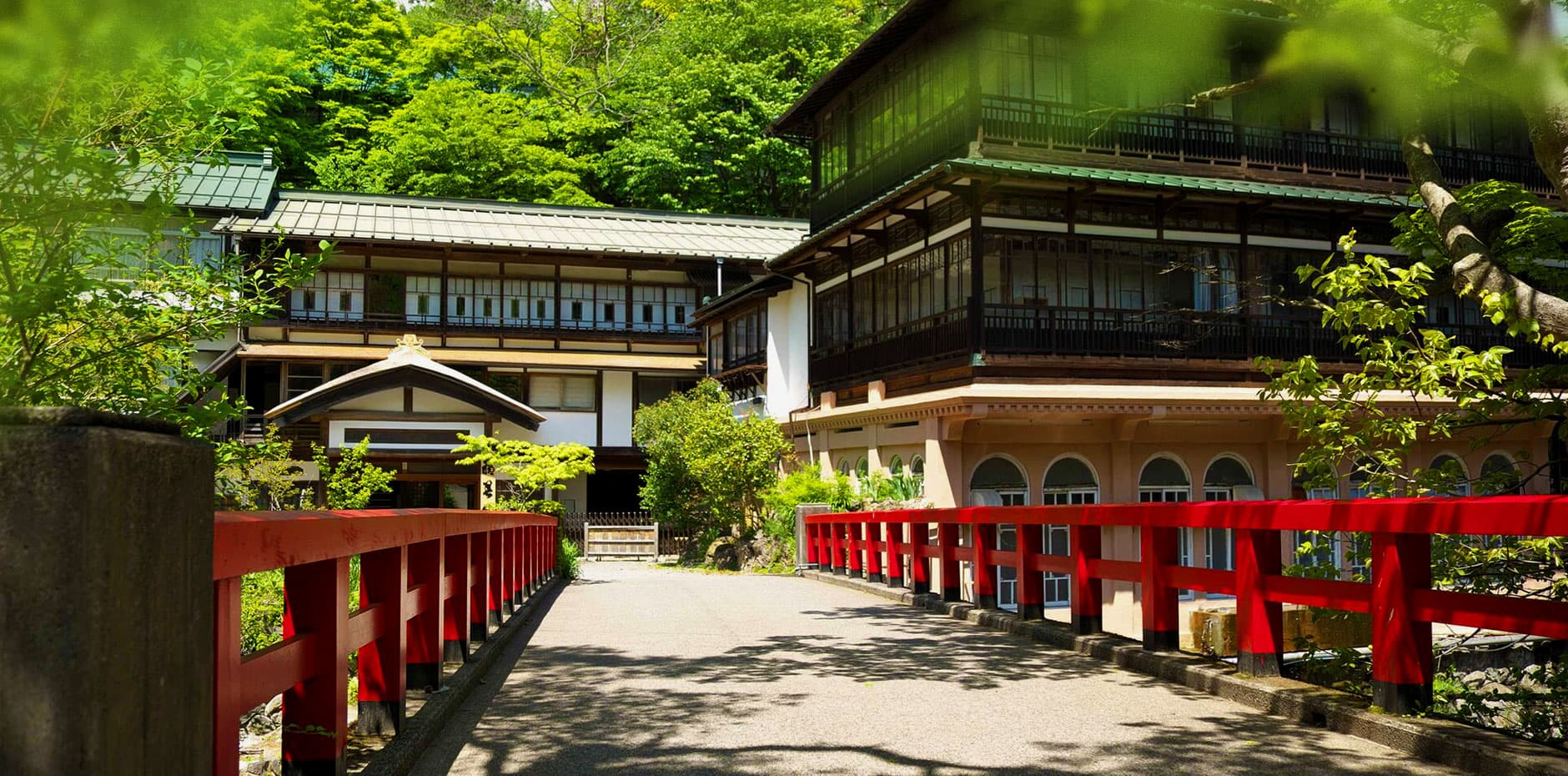
旅館とホテルの違いはどこにあるのか——旅館は「和風の装飾が入った部屋」ではなく、お客様の一夜のために組み立てられた一軒の家、その全体の段取りなのです。本ガイドは、のれんをくぐる前に知っておきたい、初めての方への申し送りです。
ご安心ください:誰もあなたがルールを知っていることを期待していません。旅館のスタッフは外国人ゲストに慣れており、ちょっとしたマナーの行き違いは眉をひそめるのではなく、微笑みで迎えられます。何が起きるかを事前に知っておくことで、戸惑いの可能性がある体験が深く楽しいものへと変わります。本ガイドは典型的な旅館滞在を時間軸でご案内するので、何ひとつ不意打ちにはなりません。言語の壁が心配な方へ:英語対応旅館ガイドには、以下のすべてのステップを流暢な英語でご案内できる、確認済みバイリンガルフロントの10軒を掲載しています。
初めての旅館宿泊に何を持っていくか
旅館は思った以上のアメニティを用意しています——浴衣、大小のタオル、歯ブラシ、ヘアブラシ、シャンプーとコンディショナー、洗顔料や基礎スキンケア用品も多くの宿で提供されています。特定のこだわり商品がなければ、洗面用具は持参不要です。 バスローブは不要——浴衣が滞在中その役割を果たします。スリッパも用意されています(廊下用とトイレ用の2種類——混同しないようご注意を)。
実際に持参すべきもの:(1)大浴場用の小バッグ——こだわりのシャンプーがあれば持参し、小さなフェイシャルクレンザー、長い髪の方はヘアタイ(お湯に浸からないよう必須)。(2)浴衣だけでは寒い・開放感が気になる方向けの予備の下着とやわらかいTシャツ。(3)旅館が用意していないものへの対応:コンタクトレンズ液、処方薬、使い慣れたヘアケア用品。(4)現金——地方の小規模旅館では外国発行のクレジットカードが使えないことがまだ多い。¥30,000〜¥50,000の現金があれば2泊分の追加費用(飲み物、貸切風呂、入湯税、自動販売機)に対応できます。
Tip
持ち物の完全なチェックリスト(季節変動版:冬の温泉地と夏の京都では必要なものが違います)は旅館の持ち物リストでご確認ください。
到着:最初の5分間が大切
ほとんどの旅館のチェックイン時間は午後3時〜5時——予想より早め、そしてその理由があります。旅館のスケジュールは夕食(通常18時〜19時)中心に構成されているため、早めに着くことで落ち着いて施設を探索し、食事前に最初のお風呂に入る時間が生まれます。
玄関に入ると、スリッパの列と段差に気がつきます。ここで靴を脱ぎます。 扉の方向に向けて丁寧に揃えて置くか——もしくはスタッフが預かって保管してくれます。廊下では室内履きスリッパを使用します。伝統的な旅館では、畳敷きの客室に入る前にそのスリッパも脱ぎます。
スタッフが「いらっしゃいませ」と深いお辞儀で出迎えてくれます。座って待つスペース、または直接客室にご案内されてチェックインすることも。洋式ホテルと異なり、チェックインは客室で行われることが多い——スタッフが抹茶と小さな和菓子を持参し、施設の案内と食事時間の説明をしてくれます。まず東京を経由する旅程の方は、東京駅から旅館へのアクセスガイドで新幹線の乗り継ぎ、荷物の転送、主要旅館エリアへの最終アクセスを詳しく解説しています。

客室:畳、お茶、ミニマリズムの世界
伝統的な旅館の客室は意図的にシンプルです。畳敷きの床(固くて草の香りのするい草の床)、中央の低いテーブル、座布団、そして掛け軸と季節の生け花が飾られた床の間が。ベッドはありません。それについてはのちほど。
テーブルの上や入口付近には浴衣が置かれています——滞在中のユニフォームとなる軽い綿の着物です。寒い時期には別途どてら(綿入り半纏)が用意されていることも。浴衣には細い帯が付属します。正しい着方は:左前(左を上に)(右前は故人の旅支度——この一点だけは覚えておく価値のあるマナーです) 。
すぐに浴衣を着てください。夕食、温泉、朝食、温泉地での外出と、滞在中ずっと着ることになります。浴衣を着ることはコスプレ的な行為ではなく、ドレスコードです。 最初の10分は少し照れくさいですが、そのあとは驚くほど着慣れてくるでしょう。
Tip
緑茶と一緒に出される和菓子やお餅の「お迎え菓子」は単なるサービスではありません——戦略的な意味があります。まもなく熱い温泉に浸かる前の血糖補給のため。必ず食べましょう。
温泉:初めての日本式入浴
多くの初心者が最も緊張するパート——完全に謎を解き明かしましょう。温泉(天然温泉の大浴場)は旅館体験の核心であり、一度入ってしまえば、なぜ不安だったのかと思うでしょう。
基本ルール:
1. 完全に裸で入浴します。 水着も下着も不可。大浴場は男女別です(男は「男」、女は「女」と表示)。入浴前の移動中は小タオルで前を隠せますが、お湯には絶対に入れません。
2. 入浴前に全身を洗います。 浴室の壁沿いには椅子とシャワー台が並び、シャンプー、コンディショナー、ボディーソープが置いてあります。椅子に座り、全身を洗い、きれいに流してから浴槽へ。これは省略できません。 お湯は皆で共有するものであり、洗わずに入ることは旅館で犯しうる最大のマナー違反です。
3. ゆっくりと入浴します。 お湯は通常40〜43℃(104〜109°F)——洋式バスタブよりもはるかに熱い。 徐々に体を沈め、慣れてから肩まで浸かりましょう。
4. タオルをお湯に入れません。 小タオルは頭の上に置くか(写真でよく見るあのスタイル)、岩の脇に置いてください。
5. 静かに過ごします。 温泉は瞑想とくつろぎの場所。低い声で話し、スマートフォンや写真撮影は不可。

ほとんどの旅館には室内浴(内風呂)と屋外浴(露天風呂)の両方があります。露天風呂は目玉——火山性の温泉に浸かりながら山、森、雪景色を眺める体験は、日本が誇る五感の至福です。
初回は入りすぎないように。15〜20分で十分です。 特に熱いお風呂に慣れていない場合、のぼせは本当に起きます。 いつでも再び入れます——ほとんどの旅館の大浴場は午後遅くから深夜まで、そして早朝も開放されています。
Tip
温泉に入るベストタイミングはチェックイン直後(大浴場がまだ空いている)と朝食前の早朝(6時〜7時)。多くの旅館で夜間に男女の大浴場が入れ替わるので、両方を体験できます。
夕食:懐石体験
旅館の夕食は食事ではありません——イベントです。懐石(懐石料理)は8〜14品の小皿を90分〜2時間かけて味わう料理の体験です。 多くの旅館では客室で専属の仲居さんがサービスしてくれます。別の食事処(個室または半個室)で食べる宿もあります。
料理はひと品ずつ、それぞれ趣の異なる器に盛り付けられて運ばれます。進行は伝統的な構成に従います:前菜、造り、焼き物、蒸し物、炊き合わせ、ご飯、デザート——すべてその土地のその季節の最良の食材で構成されています。
初心者へのアドバイス:
すべて試してみましょう。 見たことのない食材が登場します。中には即座に大好きになるものもあるでしょう。柚子漬けの鯛や栗豆腐が好きかどうかは、口にしてみて初めてわかります。
ペースに気をつけましょう。 一品一品は少量に見えますが積み重なります。7〜8品目あたりで「少しずつ14品」がかなりの量だと実感するでしょう。全部食べきれなくても大丈夫——少し残すことは全く問題ありません。
ご飯が出たら終盤のサインです。 ご飯、お味噌汁、お漬物が出てきたら大詰め。その後にデザート(通常は新鮮なフルーツか軽いお菓子)が来て夕食は終了です。
食事制限について? ほとんどの旅館で、事前に連絡すればベジタリアン、ヴィーガン、アレルギー対応が可能です。豚肉不使用の懐石を求める旅行者には、ハラールフレンドリーな旅館ガイドをご確認ください——掲載施設の礼拝室の有無とハラールキッチンの実施状況を確認済みです。

就寝:布団という選択
夕食中(あるいは戻った後)、スタッフが客室に入り布団を畳の上に敷いてくれます。分厚い綿の敷き布団の上に掛け布団をかけ、そば殻の枕。これまで床で眠ったことがない方は半信半疑かもしれません。それは正当な疑問です。
実際のところ:畳の上の日本式布団は驚くほど快適です。 畳にはちょうどよい弾力があり、布団は予想以上に厚い。ほとんどの外国人ゲストはよく眠れます——熱い温泉、懐石の夕食、完全な静寂の組み合わせは理想的な睡眠環境を生み出します。
腰に不安がある場合は、フォームマットレス等の追加を旅館に依頼してください(準備している宿もあります)。ベッドや段差のない浴場が必要な年配のご家族との旅行には、シニアの親と楽しむ旅館の選び方も参考になります。それでも床での就寝が難しい場合は、ベッドを選べる現代型旅館を選択する方法もあります——「ベッドルーム」と指定して予約を。
朝食中や入浴中に布団は片付けられ、客室は昼の姿に戻ります。同じ空間が居間から寝室へ、そして再び居間へと変わるこの変容は、日本の伝統的な建築の巧みなデザイン原理のひとつです。
朝のルーティン:入浴、朝食、チェックアウト
目覚ましをセットするか——セットしなくても、不思議なほど爽快感を持って6時頃に自然に目が覚めることが多いでしょう。旅館の朝のルーティンは特定のリズムに従います。
朝の入浴(6時〜7時30分)。 朝食前にもう一度温泉へ。朝の入浴は夜の入浴とはまったく違う体験です——光が違い、空気が涼しく、大浴場はほぼ貸し切り状態。常連の温泉愛好者の多くは朝の入浴の方が良いと言います。
朝食(7時30分〜9時)。 日本の旅館の朝食は正式な食事です:焼き魚(通常鮭または鯖)、お味噌汁、ご飯、お漬物、だし巻き卵、海苔、納豆(一度は試してみましょう)、小鉢の数々。夕食と同様に複数の小皿が美しく並べられてサービスされます。
この朝食を経験すると、ホテルの朝食が物足りなく感じるでしょう。 それほど素晴らしいのです。朝の温泉の後に味わうお味噌汁の温かさ、完璧に炊いたご飯、香ばしい焼き魚——日本の日常の偉大な喜びのひとつです。
チェックアウトは通常10時〜11時です。 日本ではチップを渡しません——チップは絶対に渡さないでください。 夕食を給仕してくれた仲居さんにも、荷物を運んでくれたスタッフにも、誰にも。チップは期待されておらず、困惑や気まずさを生むことがあります。 サービス料は室料に含まれています。
旅館を出るとき、スタッフが靴を持ってきてくれ、玄関まで荷物を運んでくれ、お辞儀でお見送りしてくれます。多くの伝統的な旅館では見えなくなるまで外で見守ってくれます。小さなことですが、長く記憶に残ります。
旅館でのお金、支払い、チップ
大規模な旅館(1名¥30,000以上/泊または国際的な旅館)はクレジットカードに対応しています。 VisaとMastercardはほぼ全施設で使えます。Amexの対応は限定的(約50%程度)。JCBは日本人旅行者に好まれますが、Visaが使えるところはどこでも対応しています。小さめの伝統的な旅館の中には現金のみの宿もあります——「小さめ」は予算向けだけでなく、静かな温泉地の10室の家族経営の宿も含まれます。予約が直接予約(Booking.comやTrip.com経由でない)の場合は事前に支払い方法を確認してください。
室料の上に使う現金: 入湯税(¥150〜¥300/名、ほとんどの温泉地でチェックアウト時——旅館ではなく地方自治体への納付) 、貸切風呂の予約料(45分¥2,000〜¥5,000)、夕食中の飲み物(¥800〜¥3,000/品)、フロントでの小物購入(記念品、選べる浴衣¥3,000〜¥8,000)。チェックアウト時の合計額は室料より高くなることを想定してください。
チップは文化的な慣習ではなく、渡すと混乱を招きます。 仲居さんに、フロントに、布団の下に現金を残さないでください。サービス料に対する真摯な感謝を示したい場合は、チェックアウト時に日本語または英語のお礼の手紙を書くか、夕食時に仲居さんへ小さなお土産(お菓子など、故郷の銘菓など)を手渡すのが喜ばれます。現金は気まずさを生みます。手紙とお土産は歓迎されます。
初めての旅館選び:3つの決断の問い
問1:文化的な距離に、どのくらい心地よさを感じますか? 旅行スタイルが刺激を好み冒険的なら、由布院や黒川温泉の人里離れた旅館が報われる体験をもたらします。最初の旅館体験をより安心したいなら、箱根や熱海(熱海初めての旅館ガイドもご覧ください)の旅館を選ぶと、90分以内に東京へ戻れます——箱根の初心者向けおすすめ旅館では英語対応チェックインと急行バスアクセスに優れた宿をご紹介しています。東京近郊の旅館リストはまさにこの問いのためにまとめられています。 どのエリアが日程に合うかわからない場合は、日本の温泉地域ガイドが全25の目的地を地理別に整理していますので、旅程に合った温泉エリアを見つけるのに役立ちます。
問2:タトゥーはありますか? ほとんどの旅館では大浴場でのタトゥー入浴を禁止しています。 当サイトが560軒のタトゥーポリシーを集計したデータでは、完全禁止はポリシー明示済みの宿の8.8%にとどまり、多くは貸切風呂で入浴可能です。見えるタトゥーがある場合、3つの選択肢があります:(a)客室内温泉付きの旅館を予約する、(b)貸切風呂(予約制個室風呂)付きの旅館を予約する、(c)明確にタトゥーフレンドリーを謳う旅館を予約する。タトゥーフレンドリー旅館ガイドで確認済みの宿を紹介しています。チェックイン時にタトゥーポリシーについて話し合う事態は避けたいところです。
問3:ひとり旅、カップル、家族連れですか? それぞれで旅館のおすすめが変わります。ひとり旅行者は多くの施設で1名あたり20〜50%の割増料金が発生します——ひとり旅向け旅館リストではひとり旅を歓迎し、不当な料金を設けていない宿を紹介しています。カップルには貸切風呂付きの客室がお勧め——貸切風呂ガイドで厳選宿をご確認ください。家族連れには明確な子ども歓迎のポリシーが必要で、多くの高級旅館は12歳以下の宿泊を断っています。子ども連れ旅館ガイドでファミリーに対応した宿を案内しています。
よくある失敗(その回避法)
浴衣を右前に着てしまう。 常に左前。右前は故人を葬る際の着せ方です。間違えた場合はスタッフが優しく直してくれますが、最初から正しく着られるに越したことはありません。
畳の上でスリッパを履いたまま歩く。 畳の上に入る前にスリッパを脱いでください。スリッパは廊下用です。い草・藺草の床が見えたら、素足か靴下で。
遅刻。 夕食時間を過ぎると、厨房はすでに料理を準備してしまっており、タイミングが崩れます。遅れる場合は必ず電話を。夕食18時に対して17時以降の到着はギリギリです。
体を洗わずに温泉に入る。 上でも述べましたが、繰り返します:共用の浴槽に入る前には必ずシャワー台で全身を洗ってから。毎回必ず。
浴室内での撮影。 大浴場の脱衣所や浴室内でのカメラやスマートフォンは、たとえ誰もいなくても厳禁です。これは厳格に守られているルールです。
浴槽のお湯を抜いてしまう。 洋式のバスタブと違い、温泉は抜きません。お湯は常に流れており、全ゲストが共有するものです。上がったら体を拭き、浴槽をそのままにして退出してください。
浴衣の前合わせから温泉スリッパでの畳歩きまで、旅館での鉄板ミスの全貌を知りたい方は、外国人旅行者が旅館で犯す13の最悪なミスという記事に、その場で使えるリカバリーセリフ付きで詳しく解説されています。
Tip
旅行前に日本語のフレーズシートをダウンロードしておきましょう。覚えておきたいフレーズ:「すみません」(すみません)、「ありがとうございます」(ありがとうございます)、「おいしいです」(おいしいです)、「温泉は何時からですか?」(温泉は何時からですか?)。スタッフに大変喜ばれます。
このガイドについて(執筆者より)
このガイドは、(a)各旅館の公式サイトと予約サイトの掲載情報、(b)公開されている観光情報、(c)日本語旅行メディア(Hanako、OZマガジン、旅色)との継続的な照合に基づいています。特定の慣行を「一般的」または「普遍的」と記述している場合、それは単一の情報源ではなく複数の宿の公開情報に基づいています。地域によって慣行が異なる場合(京都と城崎の浴衣習慣、都市部と地方での支払い方法)は明示的に注記しています。価格とポリシーは6ヶ月ごとに再確認しています。次回の再確認予定:2026年11月。
最後に
初めての旅館滞在は、多くのルールに圧倒されそうに感じるでしょう。ここで靴を脱いで、あそこでスリッパに履き替えて、着物はこの方向に着て、入浴前に洗って、チップは渡さないで、スマートフォンは出さないで。文字にすると頭がいっぱいになります。
しかし実際には、すべてが自然に流れていきます。旅館はひとつひとつのステップが次のステップへと論理的につながるように設計されています。到着して、着替えて、入浴して、食事して、眠って、また入浴して、また食事して、出発する。この構造は実は解放的です——何も決めなくていいのです。あとはそのリズムに乗るだけ。
何世紀にもわたる日本のおもてなしによって磨かれたそのリズムは、これまでのどんな旅でも経験したことのない、最も安らかで、最も記憶に残る夜を生み出してくれます。考えすぎないでください。靴を脱いで、一歩踏み出してください。
最初の旅の計画は始まりましたか?富士山の眺めがバケットリストにある方は、富士山を望む旅館ガイドがまずの出発点として最適です。また多くの初心者に人気なのが京都の歴史旅館——新幹線から歩いて行ける場所にありながら、現代から千年離れた別世界です。
大切な旅を計画中のおふたりへ。 このガイドのすべてが当てはまり、さらにその先を行く情報をまとめたカップル向け旅館ガイドでは、ロマンスとプライバシー、カップル専用温泉を重視した宿を厳選しています。まだ一泊にコミットするか迷っている方は、多くの旅館の日帰り温泉プランが、到着の儀式、入浴、場合によっては軽食まで一日の午後に体験させてくれます——泊まりを決める前の試し体験として最適です。泊まると決めたら、旅館に何泊すべきかのモデル日程ガイドで1泊・2泊・3泊の違いを比較してみてください。
ご予約はこちら
予約できるほかの旅館
予約サイトごとの空室・料金を見比べてください。

¥77,000〜 · 1名・1泊あたり2名で計 約¥154,000〜





予約リンク経由で手数料が発生する場合がありますが、追加費用はかかりません。
FAQ
よくあるご質問
旅館のチェックイン時間は通常何時ですか?+
ほとんどの旅館のチェックイン時間は15時〜17時で、一般的なホテルより早めです。この時間設定は、通常18時〜19時に提供される夕食前に落ち着いて施設を探索し、最初のお風呂に入る時間を確保するためです。
旅館で提供される浴衣の正しい着方を教えてください。+
浴衣は軽い綿の着物で滞在中のユニフォームとなります。常に左前(左を上に)に着てください。右前は故人の着せ方です。夕食、温泉、朝食、温泉地での外出など、滞在中ずっと浴衣を着ます。
旅館の温泉で守るべき最も重要なマナーは何ですか?+
男女別の大浴場で完全に裸で入浴します。最も重要なのは、共用の浴槽に入る前に必ずシャワー台で全身を洗うことです。小タオルはお湯に入れず、40〜43℃の熱いお湯にゆっくり体を沈め、静かに過ごしましょう。
旅館の懐石夕食ではどんな体験ができますか?+
旅館の夕食は8〜14品の懐石料理で、90分〜2時間かけて楽しむイベントです。客室または個室の食事処でサービスされます。見慣れない食材も含めてすべて試し、少量の積み重ねを意識してペースを保ちましょう。ご飯が出たら食事の終盤のサインです。
旅館の布団での就寝はどんな感じですか?+
夕食中にスタッフが畳の上に布団を敷いてくれます。厚みのある綿製の敷き布団は驚くほど快適で、温泉、懐石、静寂の相乗効果でほとんどのゲストがよく眠れます。腰に不安がある場合は追加の布団層をリクエストできます。
旅館のスタッフにチップを渡すべきですか?+
いいえ、日本ではチップは期待されておらず、文化的な慣習でもありません。仲居さんにも荷物を運んでくれたスタッフにも誰にも渡さないでください。サービス料は室料に含まれており、チップは混乱を招くことがあります。
まだ決めていない方へ
日本全国の旅館を見るBooking.com