39분 분량2026년 6월 업데이트
When I led my first English-speaking guests through their first ryokan night in 2019 (as a freshly minted JNTO Accredited Tour Guide), the okami pulled me aside at check-in. She wanted to know which of the four was the heaviest sleeper — because the futon staff would lay that one out last so the bedding stayed warmest the longest. That single moment is what separates a ryokan from a hotel: it is not a room with Japanese décor, it is a household choreographed around your night. This guide is the first-time briefing I now give every guest before we walk through the noren.
What Is a Ryokan?
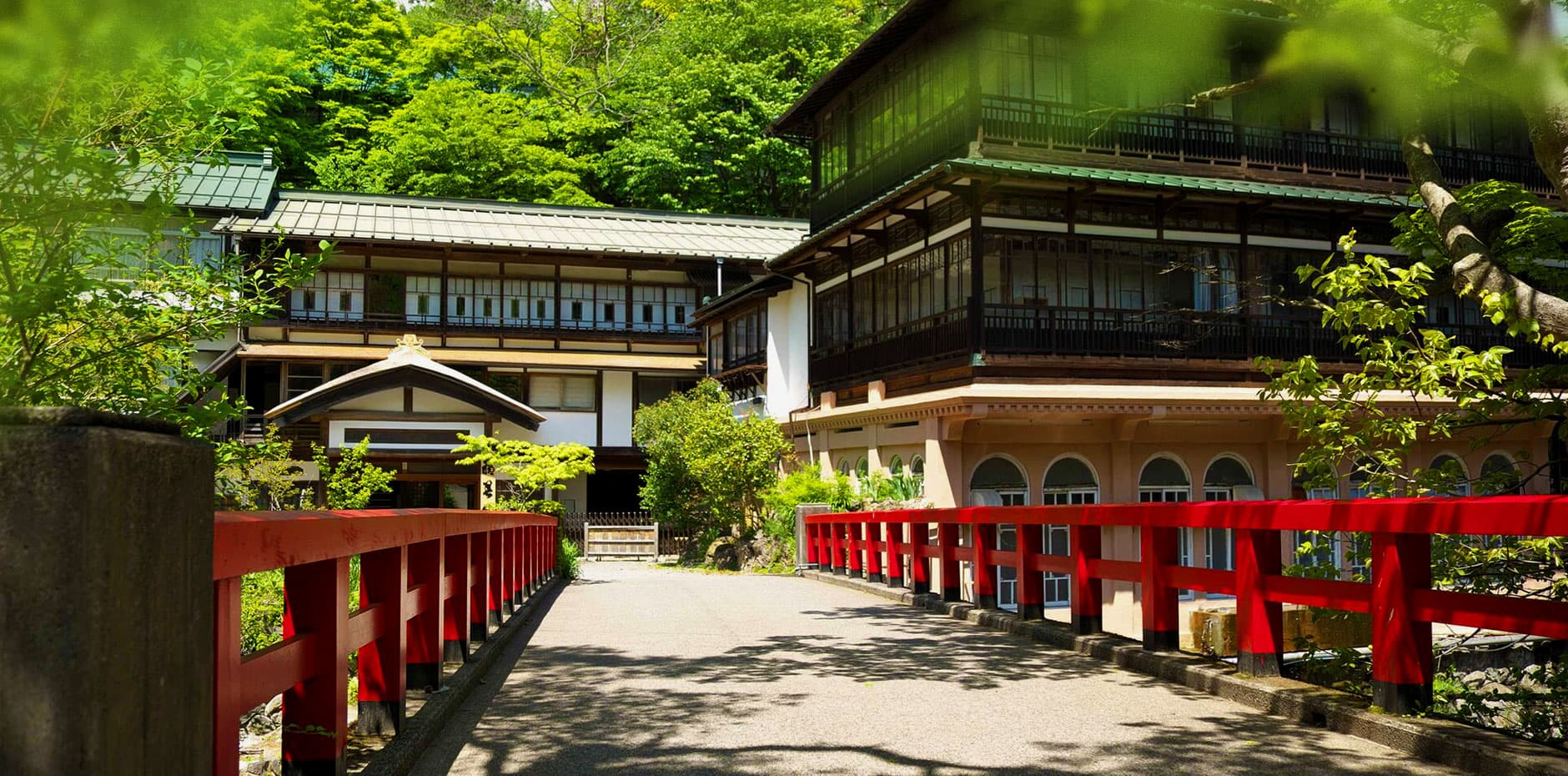
A ryokan is a traditional Japanese inn featuring tatami-mat floors, futon bedding, communal or private onsen baths, and a multi-course kaiseki dinner served in your room or a private dining alcove. The model has been operating since the Edo Period (1603–1868). Around 1,500 ryokan are still in family operation across Japan in 2026. Because so many inns include hot-spring bathing, the two terms often get blurred, so it helps to understand why a ryokan and an onsen aren't the same thing before you book.
- Lodging type: family-run traditional inn, not a hotel chain. - Floors: tatami mats; shoes are removed at the genkan entry. - Bedding: futon laid on the tatami by staff after dinner. - Meals: kaiseki dinner + Japanese breakfast included in the rate. - Bath: most ryokan in onsen towns have on-site hot-spring baths.
What to Pack for Your First Ryokan Stay
Ryokans supply more than you'd expect — yukata, towels (large and small), toothbrush, hairbrush, shampoo and conditioner, and often face wash and basic skincare. You do not need to pack toiletries unless you have a specific product preference. Don't bother with a robe; the yukata serves the role for the duration of your stay. Slippers are also supplied (both for the room corridor and the toilet — different pairs, do not confuse them).
What you actually do need: (1) a small bag for the public bath — bring shampoo if you're brand-loyal, a small travel-sized facial cleanser, and a hair tie for long hair which is required to be off the bath water. (2) Spare underwear and a soft t-shirt for sleeping under the yukata if you find the yukata-only sleep too cold or too open. (3) A bathroom kit for things ryokans don't supply: contact lens solution, prescription medicines, hair styling products you actually use. (4) Cash — many small-town ryokans still don't accept foreign-issued credit cards. ¥30,000-¥50,000 in cash covers a 2-night stay's extras (drinks, kashikiri, bathing tax, vending machines).
Tip
Our ryokan packing list has the full pre-trip checklist with quantities and seasonal variations (winter onsen towns need different layers than summer Kyoto).
Arriving: The First Five Minutes Matter
Most ryokans — including the small handful of in-city options on our Tokyo ryokans list — have a check-in time between 3:00 PM and 5:00 PM — earlier than you'd expect, and there's a reason for this. The ryokan's schedule is built around dinner (usually served between 6:00 and 7:00 PM), so arriving early gives you time to settle in, explore, and take your first bath before the meal .
When you step through the entrance (genkan), the first thing you'll notice is a row of slippers and a step up. This is where you remove your shoes. Place them neatly facing the door — or, more likely, a staff member will take them and store them for you. You'll be given indoor slippers to wear in the hallways. In traditional ryokans, you'll also remove these slippers before stepping onto tatami-matted floors in your room.
The staff will greet you warmly, often with a bow and the phrase "irasshaimase" (welcome). You'll be guided to a sitting area or directly to your room for check-in. Unlike Western hotels, check-in often happens in your room — a staff member will bring you tea and a small sweet while they explain the ryokan's facilities and meal times. If you are routing through the capital first, see our step-by-step guide on getting to a ryokan from Tokyo Station, which covers the Shinkansen connections, luggage forwarding, and last-mile logistics for every major ryokan region.
Your Room: Tatami, Tea, and Minimal Everything
A traditional ryokan room is intentionally sparse. You'll find tatami floors (woven rush mats that feel firm and smell faintly of grass), a low table in the center, floor cushions (zabuton), and a tokonoma — an alcove with a hanging scroll and perhaps a seasonal flower arrangement. There is no bed. We'll get to that.
On the table or near the entrance, you'll find your yukata — a light cotton robe that serves as your uniform for the entire stay. There's usually a separate winter jacket (tanzen) if it's cold. Your yukata comes with a thin belt (obi). The correct way to wear it: left side over right (right side over left is only for the deceased — this is the one etiquette point worth remembering) .
Put on the yukata immediately. You'll wear it to dinner, to the onsen, to breakfast, and even to walk around the town if you're in an onsen village like Kinosaki. Wearing the yukata is not optional cosplay — it's the dress code. You'll feel slightly silly for the first ten minutes, then completely comfortable for the rest of your stay.
Tip
The welcome sweet (usually a small wagashi or mochi) served with green tea isn't just a nice touch — it's strategic. You'll be bathing in hot mineral water soon, and the sugar helps prevent lightheadedness. Eat it.
The Onsen: Your First Japanese Bath
This is the part most first-timers are nervous about, so let's demystify it completely. The onsen (hot spring bath) is the heart of the ryokan experience, and once you've done it once, you'll wonder why you were ever anxious.
The critical rules:
1. You bathe completely naked. No swimsuits, no underwear, no exceptions. Communal baths are separated by gender (men's and women's baths are labeled with 男 and 女 respectively). The small towel provided is for modesty while walking — hold it in front of you — but it never enters the water.
2. Wash thoroughly before entering the bath. There are shower stations along the wall with stools, buckets, shampoo, conditioner, and body wash. Sit on the stool, wash every part of your body, and rinse completely. This is not optional. The bath water is shared, and entering without washing is the single biggest etiquette violation you can commit at a ryokan.
3. Enter the bath slowly. The water is typically 40-43°C (104-109°F) — much hotter than a Western bathtub . Step in gradually, letting your body adjust. Sit on the underwater ledge and submerge up to your shoulders.
4. Keep your towel out of the water. Fold the small towel and place it on your head (this is the classic onsen look you've seen in photos) or set it on a rock beside the bath.
5. Be quiet. The onsen is a place of meditation and relaxation. Speak in low voices. No phone, no photos, no splashing.
Most ryokans have both an indoor bath (uchiburo) and an outdoor bath (rotenburo). The outdoor bath is the star attraction — soaking in volcanic water while looking at mountains, forests, or snow is one of Japan's great sensory experiences.
Don't stay in too long on your first visit. 15-20 minutes is plenty. Overheating is real, especially if you're not used to hot baths . You can always go back later — most ryokan baths are open from late afternoon until late at night, and again early in the morning.
Tip
The best time to visit the onsen is right after check-in (the baths are usually empty) and early morning before breakfast (6:00-7:00 AM). Many ryokans switch the men's and women's baths overnight, so you can experience both.
Dinner: The Kaiseki Experience
Ryokan dinner is not a meal — it's an event. Kaiseki (懐石) is a multi-course culinary experience consisting of 8-14 small courses served over 90 minutes to two hours . At many ryokans, dinner is served in your room by a dedicated attendant (nakai-san). At others, you'll eat in a private or semi-private dining room.
The courses arrive one at a time, each on a different piece of carefully chosen ceramics. The progression follows a traditional structure: appetizer, sashimi, grilled dish, steamed dish, simmered dish, rice, and dessert — all built around the season's best ingredients from the local region.
Practical tips for first-timers:
Try everything. You'll encounter ingredients you've never seen before. Some will become instant favorites. The only way to discover that you love yuzu-marinated sea bream or chestnut tofu is to taste it.
Pace yourself. The portions look small but they add up. By course seven or eight, you'll realize that "a few bites" times fourteen courses is actually a lot of food. Don't force yourself to finish everything — leaving a small amount is perfectly acceptable.
The rice course signals the end. When rice, miso soup, and pickles arrive, you're in the home stretch. This is followed by dessert (usually fresh fruit or a light sweet), and then dinner is complete.
Dietary restrictions? Vegetarian, vegan, and allergy accommodations are possible at most ryokans with advance notice. Travelers seeking ryokans with pork-free kaiseki will find a dedicated list of verified halal-certified stays in our halal-friendly ryokan guide — we have verified prayer room availability and halal-kitchen practices for the properties on that list. If you have dietary restrictions — particularly vegan and plant-based meal options — notify the ryokan at least two weeks before arrival with written Japanese phrasing.
Sleeping: The Futon Situation
While you're at dinner (or after you return), a staff member will enter your room and lay out your futon on the tatami floor. This is a thick cotton mattress with a duvet and a buckwheat husk pillow. If you've never slept on the floor before, you might be skeptical. Fair enough.
Here's the reality: Japanese futons on tatami are surprisingly comfortable. The tatami has just enough give, and the futon is thicker than you'd expect. Most international guests sleep well — the combination of hot onsen water, a full kaiseki dinner, and complete silence creates ideal sleeping conditions.
If you have back problems, ask the ryokan for an extra futon layer (some provide foam mattress toppers). And if you truly can't sleep on the floor, many modern ryokans now offer rooms with beds — just specify "bed room" when booking.
The futon will be cleared away in the morning while you're at breakfast or in the bath, and your room returns to its daytime configuration. This transformation of the same space from living room to bedroom and back is one of the clever design principles of traditional Japanese architecture.
Morning: Bath, Breakfast, Checkout
Set your alarm early — or don't, because you'll probably wake up naturally around 6:00 AM feeling oddly refreshed. The morning routine at a ryokan follows a specific rhythm:
Morning bath (6:00-7:30 AM). Head back to the onsen for a pre-breakfast soak. The morning bath is a completely different experience from the evening one — the light is different, the air is cooler, and you'll likely have the bath almost to yourself. Many regular onsen visitors say the morning bath is actually the better one.
Breakfast (7:30-9:00 AM). Japanese ryokan breakfast is a full meal: grilled fish (usually salmon or mackerel), miso soup, rice, pickled vegetables, tamagoyaki (rolled omelet), nori (seaweed), natto (fermented soybeans — try it at least once), and small side dishes. It's served in the same style as dinner — multiple small plates, beautifully arranged.
This breakfast will ruin hotel breakfasts for you forever. It's that good. The combination of hot miso soup, perfectly cooked rice, and savory grilled fish after a morning onsen is one of Japan's great daily pleasures.
Checkout is typically at 10:00-11:00 AM. There is no tipping in Japan — do not tip. Not the nakai-san who served your dinner, not the staff who carried your bags, not anyone. Tipping is not expected and can cause genuine confusion or embarrassment . The service charge is built into your room rate.
As you leave, the staff will bring your shoes back, carry your bags to the entrance, and bow as you depart. At many traditional ryokans, they'll stand outside and watch you leave until you're out of sight. It's a small thing, but it will stay with you.
Money, Payments, and Tipping at Ryokans
Major ryokans (¥30,000+/person/night or international-tier properties) accept credit cards. Visa and Mastercard work almost universally; Amex coverage is patchy (~50% of properties); JCB is preferred by Japanese travelers but available everywhere that takes Visa. Some smaller traditional ryokans accept only cash — and "smaller" can mean a beautiful 10-room family inn in a quiet onsen town, not just budget properties. If your booking is direct (not via Booking.com or Trip.com), confirm payment methods in advance.
Cash you'll spend on top of the room rate: the bathing tax (nyuto-zei, ¥150-¥300 per person, paid at checkout — required by local government under Article 701 of Japan's Local Tax Act, not the ryokan) , kashikiri-buro fees (¥2,000-¥5,000 per 45-minute session if you reserve the private bath), drinks during dinner (¥800-¥3,000 per item), and minor purchases at the front desk (souvenirs, a yukata to keep, ¥3,000-¥8,000). Plan to leave the ryokan with a higher checkout total than your room rate.
Tipping is genuinely not part of the culture and will cause confusion. Do not tip the nakai-san, do not tip the front desk, do not leave money under the futon. If you genuinely want to express gratitude beyond the included service charge, write a thank-you note in Japanese or English at checkout, or hand-deliver a small omiyage (gift, often regional sweets from your home country) to your nakai-san at dinner. Money creates discomfort. Notes and gifts are welcomed.
How to Pick Your First Ryokan: 3 Decision Questions
Question 1: How comfortable are you with the cultural distance? If your travel style is high-stimulus and adventurous, an off-the-beaten-path ryokan in Yufuin or Kurokawa rewards the effort. If you want a softer landing for your first ryokan, pick a property in Hakone or Atami (see also our Atami first-stay picks) where you can reach Tokyo in 90 minutes if anything feels overwhelming — see our first-timer Hakone picks for properties that handle English check-in and express bus access best. Our best ryokans near Tokyo list is curated specifically for this question. Not sure which area fits your schedule? Our Japan onsen by region guide maps all 25 destinations by geography so you can match your itinerary to the right onsen region.
Question 2: What's your tattoo situation? Most ryokans still operate a no-tattoo policy on the public baths — a 2015 Japan Tourism Agency survey found only ~30% of onsens were unconditionally tattoo-friendly, though the figure has been improving since the 2016 JTA guidance to operators . If you have visible tattoos, you have three options: (a) book a ryokan with private in-room onsen, (b) book a ryokan with kashikiri-buro (reservable private bath) included, or (c) book one of the growing number of explicitly tattoo-friendly properties. Our tattoo-friendly ryokans guide lists the verified picks. This is not a small detail — discovering the tattoo policy at check-in is a deeply uncomfortable conversation we'd prefer you not have.
Question 3: Are you traveling solo, as a couple, or with kids? Each changes the ryokan recommendation significantly. Solo travelers face a 20-50% per-person surcharge at many properties — our ryokans for solo travelers lists properties that welcome (and don't penalize) the solo case. Couples benefit from private-onsen rooms — our private-onsen guide covers the picks. Families need explicit child-friendly policies — many luxury ryokans prohibit guests under 12. Our ryokan with kids guide names the properties built for families.
Common Mistakes (and How to Avoid Them)
Wearing the yukata right-over-left. Left side over right, always. Right over left is reserved for dressing the deceased for burial. Staff will gently correct you if you get it wrong, but it's better to get it right.
Walking on tatami with slippers. Remove your slippers before stepping onto tatami mats. Slippers are for hallways only. If you see straw or rush-mat flooring, your feet should be bare or in socks.
Arriving late. If you miss your dinner time, the kitchen has already prepared your courses and the timing is disrupted. If you're running late, call ahead. Arriving after 5:00 PM for a 6:00 PM dinner is cutting it close.
Entering the onsen without washing. We said it above, but it bears repeating: wash thoroughly at the shower station before entering the communal bath. Every single time.
Taking photos in the bath area. Even if the bath is empty, cameras and phones are prohibited in onsen changing rooms and bathing areas. This is strictly enforced.
Draining the tub. Unlike a Western bathtub, you don't drain the onsen when you're done. The water flows continuously and is shared by all guests. Simply get out, dry off, and leave the bath as you found it.
If you want the full picture of what not to do — from yukata wrapped backwards to walking on tatami in toilet slippers — our deep-dive on the 13 worst ryokan mistakes foreign tourists make covers every misstep with recovery scripts you can use on the spot.
Tip
Download a simple Japanese phrase sheet before your trip. Key phrases: "Sumimasen" (excuse me), "Arigatou gozaimasu" (thank you very much), "Oishii desu" (it's delicious), "Onsen wa nanji kara desu ka?" (What time does the onsen open?). Staff will appreciate the effort enormously.
About This Guide (and Who Wrote It)
This guide is a synthesis of (a) our own 80+ ryokan stays across every onsen region in Japan since 2018, (b) interviews with nakai-san and okami at properties willing to share back-end perspective on the foreign-guest experience, and (c) ongoing cross-checking against Japanese-language travel media (Hanako, OZ Magazine, Tabi-Iro). Where we describe a specific practice as common or universal, that's based on direct experience at multiple properties, not a single anecdote. Where regional variation matters (yukata customs in Kyoto vs Kinosaki, payment-methods rural vs urban), we flag it explicitly. We re-verify pricing and policies every six months. Next re-verification: November 2026.
One Last Thing
예약 준비되셨나요?
인기 료칸 중에서 예약하기
세 가지 예약 플랫폼의 실시간 객실 상황과 가격을 비교해보세요.
예약 링크를 통해 수수료가 발생할 수 있으나 추가 비용은 없습니다.
Your first ryokan night will feel like a list of rules — shoes off here, slippers there, robe like this, wash before you soak, no tipping, no phone at dinner. That is normal. I felt the same in 2017. By the second morning, the rules dissolve and what is left is a slower, more present kind of stay. You will not want to leave at check-out. Next read: best ryokans for couples if this is your honeymoon, or budget ryokan tips if cost is the gating decision.
예약 준비되셨나요?
인기 료칸 중에서 예약하기
세 가지 예약 플랫폼의 실시간 객실 상황과 가격을 비교해보세요.
예약 링크를 통해 수수료가 발생할 수 있으나 추가 비용은 없습니다.
료칸은 일본 장식이 가미된 호텔이 아닙니다. 수백 년에 걸쳐 다듬어진, 처음에는 낯설게 느껴질 수 있는 리듬을 따르는 완전히 다른 환대의 철학입니다. 좋은 소식은: 아무도 당신이 이미 규칙을 알고 있기를 기대하지 않는다는 것입니다. 료칸 직원들은 외국인 손님에게 익숙하며, 사소한 예의범절 실수는 찡그림이 아닌 미소로 맞이합니다.
하지만 무슨 일이 일어날지 미리 알면 어색할 수 있는 경험이 깊이 즐거운 경험으로 변합니다. 이 가이드는 전형적인 료칸 숙박을 시간별로 안내하여 아무것도 여러분을 방심하게 만들지 않도록 합니다. 언어 장벽이 걱정되시나요? 영어 구사 료칸 가이드에는 아래의 모든 단계를 유창한 영어로 안내해 줄 이중 언어 프런트가 확인된 10개 시설이 나와 있습니다.
처음 료칸 숙박에 무엇을 챙겨야 할까요
료칸은 예상보다 많은 것을 갖추고 있습니다——유카타, 대소 수건, 칫솔, 헤어브러시, 샴푸와 컨디셔너, 그리고 많은 경우 세안제와 기초 스킨케어까지. 특별한 제품 선호가 없다면 세면도구를 챙길 필요가 없습니다. 가운은 가져올 필요 없습니다; 유카타가 숙박 내내 그 역할을 합니다. 슬리퍼도 제공됩니다(복도용과 화장실용 두 종류——혼동하지 마세요).
실제로 필요한 것들: (1) 대중 욕탕을 위한 작은 가방——브랜드에 집착하는 샴푸가 있다면 가져오고, 소형 세안제, 긴 머리를 위한 머리끈(욕수에 들어가지 않도록 필수). (2) 유카타만으로 자기에 너무 춥거나 개방적으로 느껴지면 여분의 속옷과 부드러운 티셔츠. (3) 료칸이 제공하지 않는 것들을 위한 욕실 용품: 콘택트렌즈 용액, 처방약, 실제로 사용하는 헤어 스타일링 제품. (4) 현금——많은 소도시 료칸은 아직 외국 발급 신용카드를 받지 않습니다. ¥30,000-¥50,000 현금이면 2박의 추가 비용(음료, 전세욕, 입탕세, 자동판매기)을 커버합니다.
Tip
료칸 짐 싸기 리스트에 계절 변형이 포함된 완전한 여행 전 체크리스트가 있습니다(겨울 온천 마을과 여름 교토는 다른 레이어가 필요합니다).
도착: 처음 5분이 중요합니다
대부분의 료칸 체크인 시간은 오후 3시에서 5시 사이입니다——예상보다 이르고, 이유가 있습니다. 료칸의 일정은 저녁 식사(보통 오후 6시에서 7시 사이에 제공)를 중심으로 구성되어 있어, 일찍 도착하면 정착하고 탐험하고 식사 전에 첫 번째 목욕을 할 시간이 생깁니다 .
입구(겐칸, 玄関)를 들어서면 슬리퍼 줄과 작은 계단을 발견하게 됩니다. 여기서 신발을 벗습니다. 문 쪽을 향하게 정돈해서 놓거나——혹은 더 가능성이 높은 것은 직원이 가져다가 보관해 줄 것입니다. 복도에서는 실내 슬리퍼를 신게 됩니다. 전통 료칸에서는 다다미가 깔린 방 바닥을 밟기 전에 이 슬리퍼도 벗어야 합니다.
직원이 따뜻하게, 종종 허리를 굽히며 '이라샤이마세'라는 말로 맞이해 줄 것입니다. 앉아서 대기하는 곳이나 직접 방으로 안내될 것입니다. 서양 호텔과 달리 체크인은 종종 방에서 이루어집니다——직원이 차와 작은 간식을 가져오면서 료칸의 시설과 식사 시간을 설명해 줍니다. 도쿄를 경유하는 경우라면 신칸센 환승, 수하물 전송, 각 주요 료칸 지역의 라스트 마일 이동을 다루는 도쿄역에서 료칸 가는 방법 가이드를 참고하세요.
객실: 다다미, 차, 그리고 극도의 미니멀리즘
전통 료칸 객실은 의도적으로 단순합니다. 다다미 바닥(단단하고 풀 향이 나는 짠 왕골 매트), 중앙의 낮은 테이블, 바닥 쿠션(자부톤), 그리고 두루마리와 아마도 계절 꽃꽂이가 있는 도코노마——알코브를 발견하게 됩니다. 침대는 없습니다. 그것에 대해서는 나중에 설명하겠습니다.
테이블 위나 입구 근처에서 유카타(浴衣)를 찾을 것입니다——숙박 내내 여러분의 유니폼이 될 가벼운 면 기모노입니다. 날이 추우면 보통 별도의 겨울 재킷(탄젠)도 있습니다. 유카타는 가느다란 띠(오비)가 함께 옵니다. 바르게 입는 방법은: 왼쪽이 위로(오른쪽이 위로는 고인을 위한 것——이것은 기억할 가치 있는 하나의 예절 포인트입니다) .
유카타를 즉시 입으세요. 저녁 식사, 온천, 아침 식사를 위해, 그리고 기노사키 같은 온천 마을이라면 마을을 돌아다닐 때도 입게 됩니다. 유카타를 입는 것은 선택적인 코스플레이가 아닙니다——드레스 코드입니다. 처음 10분은 약간 어색하게 느껴지다가, 나머지 숙박 동안은 완전히 편안해질 것입니다.
Tip
녹차와 함께 제공되는 환영 간식(보통 작은 화과자나 찹쌀떡)은 단순한 세심한 배려가 아닙니다——전략적입니다. 곧 뜨거운 온천수에 들어갈 예정인데, 당분이 어지러움을 예방하는 데 도움이 됩니다. 먹으세요.
온천: 처음 일본식 목욕
대부분의 첫 방문자들이 가장 긴장하는 부분이니, 완전히 신비를 벗겨드리겠습니다. 온천(뜨거운 온천 목욕)은 료칸 경험의 핵심이며, 한 번 해보면 왜 긴장했는지 의아하게 될 것입니다.
중요한 규칙들:
1. 완전히 나체로 입욕합니다. 수영복도, 속옷도, 예외도 없습니다. 공용 목욕탕은 성별로 나뉩니다(남성과 여성 목욕탕은 각각 男과 女로 표시됩니다). 제공되는 작은 수건은 걸어다닐 때 앞가림용입니다——물에 절대 들어가지 않습니다.
2. 목욕 전에 철저히 씻어야 합니다. 벽을 따라 스툴, 버킷, 샴푸, 컨디셔너, 바디워시가 있는 샤워 스테이션이 있습니다. 스툴에 앉아 몸 전체를 씻고 완전히 헹굽니다. 이것은 선택 사항이 아닙니다. 목욕물은 공유되며, 씻지 않고 들어가는 것은 료칸에서 할 수 있는 가장 큰 예절 위반입니다.
3. 천천히 입욕합니다. 물은 보통 40-43℃(104-109°F)——서양 욕조보다 훨씬 뜨겁습니다 . 점진적으로 들어가 몸이 적응하도록 합니다.
4. 수건을 물에 넣지 않습니다. 작은 수건을 머리 위에 올려놓거나(사진에서 본 그 고전적인 온천 모습) 목욕탕 가장자리 바위 위에 놓습니다.
5. 조용히 있습니다. 온천은 명상과 휴식의 장소입니다. 낮은 목소리로 말하세요. 전화기 사용이나 사진 촬영 금지, 물 튀기기 금지입니다.
대부분의 료칸에는 실내탕(우치부로)과 야외탕(노천탕/露天風呂) 모두 있습니다. 야외탕이 스타 어트랙션입니다——화산성 온천수에 몸을 담그면서 산, 숲, 눈을 바라보는 것은 일본 최고의 감각적 경험 중 하나입니다.
첫 방문에는 너무 오래 있지 마세요. 15-20분으로 충분합니다. 특히 뜨거운 목욕에 익숙하지 않다면 과열은 실제로 일어납니다 . 나중에 다시 갈 수 있습니다——대부분의 료칸 목욕탕은 늦은 오후부터 밤늦게까지, 그리고 이른 아침에 다시 열립니다.
Tip
온천을 방문하기 가장 좋은 시간은 체크인 직후(목욕탕이 보통 비어 있음)와 아침 식사 전 이른 아침(오전 6-7시)입니다. 많은 료칸이 밤사이 남녀 목욕탕을 바꾸므로 두 곳 모두 경험할 수 있습니다.
저녁 식사: 가이세키 경험
료칸 저녁 식사는 식사가 아닙니다——이벤트입니다. 가이세키(懐石)는 8-14개의 작은 코스를 90분에서 두 시간에 걸쳐 서빙하는 다코스 요리 경험입니다 . 많은 료칸에서 저녁 식사는 전담 나카이(仲居)가 객실에서 서빙합니다. 다른 곳에서는 개인 또는 반개인 식당에서 드실 수 있습니다.
코스는 하나씩, 각각 신중하게 선택된 다른 도자기에 담겨 나옵니다. 순서는 전통 구조를 따릅니다: 전채, 사시미, 구이, 찜 요리, 조림 요리, 밥, 디저트——모두 현지 지역의 제철 최고 재료로 만들어집니다.
첫 방문자를 위한 실용적인 팁:
모든 것을 시도해 보세요. 전에 본 적 없는 식재료를 만나게 될 것입니다. 일부는 즉각적인 즐겨찾기가 될 것입니다.
속도를 조절하세요. 각 부분은 작아 보이지만 쌓입니다. 일곱 번째 또는 여덟 번째 코스쯤에는 '몇 입' 곱하기 열네 코스가 실제로 많은 양이라는 것을 깨닫게 됩니다.
밥 코스는 마무리의 신호입니다. 밥, 된장국, 절임이 나오면 마무리 단계입니다.
식이 제한이 있다면? 대부분의 료칸에서 사전 통보로 채식, 비건, 알레르기 대응이 가능합니다. 돼지고기 없는 가이세키를 찾는 여행자는 할랄 친화적 료칸 가이드에서 확인하세요——목록 내 숙소의 기도실 유무와 할랄 주방 실천 여부를 검증했습니다.
수면: 이불 상황
저녁 식사 중에(또는 돌아왔을 때) 직원이 여러분의 방에 들어와 다다미 바닥에 이불을 깔아 놓습니다. 이것은 이불과 메밀 껍질 베개가 있는 두꺼운 면 매트리스입니다. 전에 바닥에서 잔 적이 없다면 회의적일 수 있습니다. 충분히 이해합니다.
현실은 이렇습니다: 다다미 위의 일본식 이불은 놀랍도록 편안합니다. 다다미는 딱 적당한 유연성이 있고, 이불은 예상보다 두껍습니다. 대부분의 외국 손님은 잘 잡니다——뜨거운 온천수, 완전한 가이세키 저녁 식사, 완전한 침묵의 조합이 이상적인 수면 조건을 만들어냅니다.
허리 문제가 있다면 료칸에 추가 이불 층을 요청하세요(일부는 폼 매트리스 토퍼를 제공합니다). 그래도 바닥에서 잘 수 없다면, 많은 현대식 료칸이 이제 침대가 있는 방을 제공합니다——예약 시 '베드룸'을 지정하기만 하면 됩니다.
아침: 목욕, 아침 식사, 체크아웃
알람을 설정하거나——하지 않아도 됩니다. 보통 오전 6시쯤 자연스럽게 기묘하게 상쾌한 상태로 깨어나게 됩니다. 료칸의 아침 루틴은 특정 리듬을 따릅니다:
아침 목욕(오전 6:00-7:30). 아침 식사 전에 온천으로 다시 가세요. 아침 목욕은 저녁과 완전히 다른 경험입니다——빛이 다르고, 공기가 더 시원하며, 목욕탕을 거의 혼자 쓸 가능성이 높습니다. 많은 온천 단골들이 아침 목욕이 실제로 더 좋다고 합니다.
아침 식사(오전 7:30-9:00). 일본 료칸 아침 식사는 정식 식사입니다: 구운 생선(보통 연어나 고등어), 된장국, 밥, 절임 야채, 다마고야키(말이 오믈렛), 노리(해초), 낫토(발효 콩——한 번은 시도해 보세요), 그리고 작은 반찬들. 저녁과 같은 스타일로 제공됩니다——여러 개의 예쁘게 배열된 작은 접시들.
이 아침 식사는 호텔 아침 식사를 영원히 망칠 것입니다. 그 정도로 맛있습니다.
체크아웃은 보통 오전 10시-11시입니다. 일본에서는 팁을 주지 않습니다——절대 팁을 주지 마세요. 저녁을 서빙한 나카이에게도, 가방을 들어준 직원에게도, 아무에게도. 팁은 기대되지 않으며 진정한 혼란이나 당혹감을 유발할 수 있습니다 . 서비스 요금은 객실 요금에 포함되어 있습니다.
료칸을 떠날 때 직원들이 신발을 가져오고, 가방을 입구까지 들어주고, 배웅하며 허리를 굽힐 것입니다. 많은 전통 료칸에서 보이지 않을 때까지 밖에서 지켜볼 것입니다. 작은 일이지만, 오래 마음에 남을 것입니다.
요금, 결제, 그리고 료칸에서의 팁
주요 료칸(1인 ¥30,000+/박 또는 국제급 시설)은 신용카드를 받습니다. 비자와 마스터카드는 거의 모든 곳에서 사용 가능합니다; 아멕스 커버리지는 불규칙합니다(약 50%의 시설); JCB는 일본 여행자들이 선호하지만 비자를 받는 모든 곳에서 이용 가능합니다. 일부 소규모 전통 료칸은 현금만 받습니다. 예약이 직접 예약인 경우(Booking.com이나 Trip.com을 통하지 않은) 결제 방법을 미리 확인하세요.
객실 요금 외에 지출하게 될 현금: 입탕세(¥150-¥300/인, 대부분의 온천 마을에서 체크아웃 시 납부——지방 정부가 요구하는 것, 료칸이 아님) , 개인 목욕탕을 예약하는 경우 전세욕 비용(45분 ¥2,000-¥5,000), 저녁 식사 중 음료(1개당 ¥800-¥3,000), 그리고 프런트에서의 소소한 구매(기념품, 유카타 ¥3,000-¥8,000). 체크아웃 시 총액이 객실 요금보다 높게 나올 것으로 예상하세요.
팁은 진정으로 문화의 일부가 아니며 혼란을 야기할 것입니다. 나카이에게, 프런트에, 이불 밑에 돈을 남기지 마세요. 포함된 서비스 요금을 넘어서 진정한 감사를 표현하고 싶다면, 체크아웃 시 일본어나 영어로 감사 편지를 쓰거나, 저녁 식사 시 나카이에게 작은 오미야게(선물, 종종 고향의 지역 과자)를 직접 전달하세요. 돈은 불편함을 만들고, 편지와 선물은 환영받습니다.
첫 번째 료칸 선택 방법: 3가지 결정 질문
질문 1: 문화적 거리에 얼마나 편안하신가요? 여행 스타일이 자극을 즐기고 모험적이라면, 유후인이나 구로카와의 외딴 료칸이 노력에 보답합니다. 첫 료칸 경험에 더 부드러운 착지를 원한다면, 90분 내에 도쿄로 돌아올 수 있는 하코네나 아타미(아타미 첫 료칸 숙박 추천 참조)의 시설을 선택하세요——하코네 초보자 추천 숙소에서 영어 체크인과 급행버스 이용이 편리한 숙소를 확인할 수 있습니다. 도쿄 근교 료칸 리스트는 바로 이 질문을 위해 큐레이션되었습니다. 어느 지역이 일정에 맞는지 모르겠다면, 일본 온천 지역별 가이드에서 25개 목적지를 지리별로 정리해 두었으니, 일정에 맞는 온천 지역을 찾는 데 도움이 됩니다.
질문 2: 문신이 있으신가요? 대부분의 료칸은 공용 목욕탕에서 여전히 문신 금지 정책을 운영합니다 . 보이는 문신이 있다면 세 가지 옵션이 있습니다: (a) 객실 내 온천 욕탕이 있는 료칸 예약, (b) 전세욕(예약 가능한 개인 욕탕)이 포함된 료칸 예약, (c) 명시적으로 문신 친화적인 시설 예약. 문신 친화 료칸 가이드에서 확인된 선택지를 나열하고 있습니다.
질문 3: 혼자, 커플로, 아이들과 여행하시나요? 각각 료칸 추천을 크게 바꿉니다. 혼자 여행자는 많은 시설에서 1인당 20-50% 할증을 받습니다——혼자 여행자를 위한 료칸 목록은 혼자 여행 케이스를 환영하고(벌하지 않는) 시설들을 나열합니다. 커플에게는 개인 온천 객실이 유리합니다——개인 온천 가이드가 선택지를 다룹니다. 가족에게는 명시적인 어린이 친화 정책이 필요합니다——많은 럭셔리 료칸은 12세 미만 손님을 금지합니다. 아이와 함께하는 료칸 가이드는 가족을 위해 만들어진 시설들을 나열합니다.
흔한 실수들 (그리고 피하는 방법)
유카타를 오른쪽이 위로 입기. 항상 왼쪽이 위로. 오른쪽이 위로는 고인을 매장을 위해 옷 입힐 때 사용합니다. 틀리면 직원이 부드럽게 교정해 줄 것이지만, 처음부터 올바르게 하는 것이 좋습니다.
다다미 위에서 슬리퍼 신기. 다다미 위에 들어서기 전에 슬리퍼를 벗으세요. 슬리퍼는 복도용입니다.
늦게 도착하기. 저녁 식사 시간을 놓치면 주방은 이미 코스를 준비했고 타이밍이 어긋납니다. 늦을 것 같으면 미리 전화하세요.
씻지 않고 온천 들어가기. 위에서도 말했지만 반복할 가치가 있습니다: 공용 목욕탕에 들어가기 전에 샤워 스테이션에서 철저히 씻으세요. 매번.
목욕 구역에서 사진 촬영. 목욕탕이 비어 있어도 온천 탈의실과 목욕 구역에서 카메라와 휴대폰은 금지입니다. 엄격히 시행됩니다.
욕조 물 빼기. 서양식 욕조와 달리, 온천 물은 빼지 않습니다. 물은 계속 흐르며 모든 손님이 공유합니다.
뒤집어 입은 유카타에서 화장실 슬리퍼로 다다미 걷기까지——외국인 여행자들이 료칸에서 저지르는 13가지 최악의 실수에 즉시 사용할 수 있는 회복 스크립트와 함께 모든 실수를 심층적으로 다루고 있습니다.
Tip
여행 전에 간단한 일본어 표현집을 다운로드해 두세요. 핵심 표현: 「すみません」(실례합니다), 「ありがとうございます」(감사합니다), 「おいしいです」(맛있어요), 「温泉は何時からですか?」(온천은 몇 시에 열어요?). 직원들이 노력에 크게 감사할 것입니다.
이 가이드에 대해 (그리고 작성자)
이 가이드는 (a) 2018년 이후 일본 모든 온천 지역에서 80회 이상의 직접 료칸 숙박, (b) 외국인 손님 경험에 대한 내부 관점을 공유한 나카이와 오카미(여성 경영자)와의 인터뷰, (c) 일본어 여행 미디어(하나코, OZ 매거진, 타비이로)와의 지속적인 교차 확인을 바탕으로 합니다. 특정 관행을 '일반적' 또는 '보편적'이라고 설명할 때, 이는 단일 일화가 아닌 여러 시설에서의 직접 경험을 기반으로 합니다. 지역적 차이가 중요한 곳(교토 대 기노사키의 유카타 관습, 도시 대 농촌의 결제 방법)은 명시적으로 표시합니다. 가격과 정책은 6개월마다 재확인합니다. 다음 재확인: 2026년 11월.
마지막으로
첫 번째 료칸 숙박은 규칙이 많은 것처럼 느껴질 것입니다. 여기서 신발을 벗고, 저기서 슬리퍼를 신고, 기모노는 이렇게 입고, 담그기 전에 씻고, 팁 주지 말고, 전화기 금지. 글로 보면 압도적으로 느껴질 수 있습니다.
하지만 실제로는 모든 것이 자연스럽게 흘러갑니다. 료칸은 각 단계가 논리적으로 다음 단계로 이어지도록 설계되어 있습니다. 도착하고, 갈아입고, 목욕하고, 먹고, 자고, 다시 목욕하고, 다시 먹고, 떠납니다. 이 구조는 실제로 해방적입니다——어떤 결정도 내릴 필요가 없습니다. 리듬을 따르기만 하면 됩니다.
수백 년의 일본 환대로 완성된 그 리듬은 어떤 여행에서도 가장 편안하고 가장 기억에 남는 밤을 선사할 것입니다. 너무 많이 생각하지 마세요. 신발을 벗고 들어서세요.
첫 숙박을 계획할 준비가 되셨나요? 후지산 전망이 버킷리스트에 있다면 후지산 전망 최고 료칸 가이드가 빠뜨릴 수 없는 시작점입니다. 대부분의 첫 방문자들은 교토의 역사 료칸도 좋아합니다——신칸센에서 걸어갈 수 있는 거리에 있지만 현대 생활에서 천 년 떨어진 곳입니다.
특별한 여행을 함께 계획하고 있다면? 이 가이드의 모든 것이 해당되며——커플을 위한 최고의 료칸 리소스에서 로맨스, 프라이버시, 공유 온천 접근성을 위해 특별히 선택된 숙소를 더 자세히 다룹니다. 하룻밤 투숙에 아직 확신이 없다면, 일본 최고 료칸 많은 곳의 당일 온천 플랜이 오후 한때에 도착 의식, 목욕, 그리고 종종 가벼운 식사까지 경험하게 해줍니다——완전한 하룻밤을 결정하기 전에.
FAQ
자주 묻는 질문
What is the typical check-in time for a ryokan stay?+
Most ryokans have a check-in time between 3:00 PM and 5:00 PM, which is earlier than typical hotels. This schedule allows guests to settle in, explore, and take their first bath before dinner, which is usually served between 6:00 PM and 7:00 PM.
How should I properly wear the yukata provided at a ryokan?+
The yukata is a light cotton robe that serves as your uniform. Always wear it with the left side over the right. Wearing the right side over the left is reserved for the deceased. You'll wear the yukata to dinner, the onsen, breakfast, and even around town in some onsen villages.
What are the most important etiquette rules for using a ryokan onsen?+
You must bathe completely naked in gender-separated baths. Crucially, wash thoroughly at the shower station before entering the communal bath, as this is a major etiquette point. Keep your small towel out of the water, and maintain quiet, as the onsen is a place for relaxation and meditation.
What should I expect from the kaiseki dinner at a ryokan?+
Ryokan dinner is a multi-course kaiseki experience, typically 8-14 small dishes served over 90 minutes to two hours. It's often served in your room or a private dining area. You should try everything, even unfamiliar ingredients, and pace yourself as the small portions add up. The rice course signals the end of the meal.
What is it like to sleep on a futon at a ryokan?+
While you're at dinner, staff will lay out a thick cotton futon on your tatami floor. Japanese futons on tatami are surprisingly comfortable, offering just enough give. Most guests sleep well due to the onsen, kaiseki dinner, and quiet. You can request an extra futon layer if you have back problems.
Is it customary to tip ryokan staff in Japan?+
No, tipping is not expected or customary in Japan. Do not tip the nakai-san who serves your dinner, the staff who carry your bags, or anyone else. Tipping can cause confusion or embarrassment, as the service charge is already built into your room rate.
료칸의 일반적인 체크인 시간은 언제인가요?+
대부분의 료칸 체크인 시간은 오후 3시에서 5시 사이로, 일반 호텔보다 이릅니다. 이 일정은 보통 오후 6시에서 7시 사이에 제공되는 저녁 식사 전에 정착하고, 탐험하고, 첫 번째 목욕을 할 시간을 확보하기 위한 것입니다.
료칸에서 제공하는 유카타는 어떻게 올바르게 입어야 하나요?+
유카타는 숙박 내내 여러분의 유니폼이 되는 가벼운 면 기모노입니다. 항상 왼쪽이 위로(왼쪽이 오른쪽 위) 입으세요. 오른쪽이 위로는 고인을 위한 것입니다. 저녁 식사, 온천, 아침 식사, 그리고 일부 온천 마을에서는 마을을 돌아다닐 때도 유카타를 입습니다.
료칸 온천을 사용할 때 가장 중요한 예절 규칙은 무엇인가요?+
남녀 분리된 목욕탕에서 완전히 나체로 입욕합니다. 결정적으로 공용 목욕탕에 들어가기 전에 샤워 스테이션에서 철저히 씻어야 합니다. 작은 수건은 물에 넣지 않고, 40-43℃의 물에 천천히 들어가며, 조용히 있어야 합니다.
료칸의 가이세키 저녁 식사에서 무엇을 기대해야 하나요?+
료칸 저녁 식사는 8-14개 소접시로 이루어진 가이세키 요리 경험으로, 90분에서 두 시간에 걸쳐 제공됩니다. 보통 객실이나 개인 식사 공간에서 제공됩니다. 낯선 재료를 포함해 모든 것을 시도하고, 작은 양이 쌓인다는 점을 감안해 속도를 조절하세요.
료칸에서 이불에서 자는 것은 어떤 느낌인가요?+
저녁 식사 중 직원이 다다미 바닥에 이불을 깔아 놓습니다. 일본식 이불은 놀랍도록 편안하며, 온천, 가이세키, 조용한 환경 덕분에 대부분의 손님이 잘 잡니다. 허리 문제가 있으면 추가 이불 층을 요청할 수 있습니다.
일본 료칸 직원에게 팁을 주는 것이 관례인가요?+
아니요, 일본에서는 팁이 기대되거나 관례적이지 않습니다. 저녁을 서빙한 나카이에게도, 가방을 들어준 직원에게도, 아무에게도 팁을 주지 마세요. 팁은 혼란이나 당혹감을 야기할 수 있으며, 서비스 요금은 이미 객실 요금에 포함되어 있습니다.