혼자 떠나는 일본 료칸 여행: 2026년 솔직한 완전 가이드
Daniel Trotta / Pexels
ryokan-guides|May 2026|18 min read

혼자 떠나는 일본 료칸 여행: 2026년 솔직한 완전 가이드

Picture yourself at dusk: cedar-scented steam rising off the rotenburo, your yukata hanging from a wooden peg, the valley below going dark. No one else in the bath. No one to agree with about dinner. Just you, the sulfur-tinged water, and the sound of the river.

That experience is not reserved for couples. But if you're researching a ryokan for solo travelers in Japan, you've probably hit the same wall I did before my first solo stay — websites that talk about "romantic escapes" and "couples retreats," while your real questions go unanswered. Will I pay double? Will it feel strange eating alone? Can I even use the onsen without speaking Japanese?

This guide gives you honest answers to all of it — single supplements, onsen etiquette, which regions are genuinely easy to navigate solo, and specific properties across every price tier from $130 to $467+ per room. I'll also flag the trade-offs, because no ryokan is without catches for solo travelers, and knowing them upfront saves you a bad surprise at check-in.

According to JNTO data published by [Nippon.com](https://www.nippon.com/en/japan-data/h02673/), Japan welcomed a record 42.7 million international visitors in 2025 — up 15.8% over the year before, with US visitors alone surpassing 3 million for the first time. [verified Source 2026-01-20] Solo travel is a fast-growing slice of that wave, yet the ryokan industry hasn't fully caught up in how it markets to you. The properties themselves are more welcoming than the brochures suggest.

If you're new to ryokans altogether, start with our [what to expect at a ryokan](/blog/first-time-ryokan-guide) guide before reading on — it covers the basics so this article can focus on what's specifically different for solo guests.

Is it awkward to stay at a ryokan alone? The honest answer

Short answer: not really — but there's one specific moment worth preparing for.

Ryokan staff are trained in *omotenashi*, a philosophy of anticipatory hospitality focused entirely on the guest in front of them. According to the Japan Ryokan & Hotel Association, omotenashi — anticipating a guest's needs before they ask — is what distinguishes a ryokan stay from a hotel booking. In practice, this means your attendant doesn't care that you're alone; they care that your tea is the right temperature and your futon is laid out before you return from the bath. Solo guests often report getting more attentive service than couples, because the staff's attention isn't divided.

The communal onsen is where solo travelers most often expect awkwardness — and where they find the least. Japanese onsen culture is built on silence and mutual respect. You walk in, wash at the shower station, lower yourself into the water, and no one speaks. There is no expected conversation. No one will approach you, ask where you're from, or notice that you're alone. I've sat in communal baths at 7am and 10pm and exchanged nothing more than a nod with other guests.

The one moment that can feel exposed is dinner. Kaiseki is served in a dining room or, at better properties, in your own room — and a single place setting at a table designed for two is the small awkward beat that solo travelers notice. It passes quickly. But if you'd rather skip it entirely:

Tip

**Tip:** Request in-room kaiseki service when you book. Most mid-range and luxury ryokans offer this. It transforms dinner from a potential awkward moment into the highlight of your stay.

The honest trade-off: ryokans are architecturally and culturally built around the couple or small group. Some rooms feel large for one person. Some dinner courses arrive in quantities calibrated for two appetites.

None of this makes you unwelcome — it just means the experience was designed around a different default, and solo travelers adapt easily once they know what to expect.

What surprised me most about solo ryokan travel: I was completely unhurried. Every onsen session on my own schedule. Every meal paced by my own appetite. The *omotenashi* attention felt more personal, not less.

Single supplements: what you'll pay and how to minimize the cost

This is the financial reality that stops many solo travelers before they even book. Here's how it works.

Most ryokans price their rooms per person per night, with dinner and breakfast included. This differs from Western hotels, where you pay per room and breakfast is optional. A room listed at 40,000 JPY typically means 40,000 JPY *per person* — so a couple pays 80,000 JPY total.

For solo travelers, this creates two possible outcomes. Some properties have a two-person minimum and will charge you the double rate regardless — a 100% single supplement. Others will negotiate a solo rate, typically 70–90% of the double price. A growing number of properties, at the budget and luxury ends of the market, price per room — making solo stays proportionally reasonable.

Here's how pricing breaks down by tier: [verified Source 2026-05-06]

| Tier | USD per night | JPY per night | Solo notes | |------|--------------|--------------|------------| | Budget | $130–$200 | 20,000–30,000 JPY | Smaller family-run properties; most flexible on solo pricing | | Mid-range | $230–$370 | 35,000–55,000 JPY | Best tier for solo travelers balancing cost and quality; more explicit solo acceptance | | Luxury | $467–$1,000+ | 70,000–150,000+ JPY | Many properties at this tier price per room, which can make solo stays proportionally reasonable |

Pricing approximate; see the [Ryokan Retreat 2026 price guide](https://ryokanretreat.com/how-much-does-a-ryokan-cost/) for a full breakdown by tier.

Four strategies to reduce solo costs:

1. Book on Booking.com with occupancy set to 1 adult — the search surfaces rooms with solo pricing and hides properties requiring two guests minimum. 2. Travel during shoulder season: May (post-Golden Week), September, or early December. Peak demand is when properties are least flexible on pricing. 3. Book Sunday–Thursday. Weekend pressure on popular ryokans eases mid-week, and some apply lower per-person rates off-peak. 4. Target smaller onsen towns — Kinosaki, Kusatsu, Nozawa Onsen — over Hakone and Kyoto, where demand and baseline prices are both higher.

A note on Kyoto's new accommodation tax (2026)

If you're booking a Kyoto ryokan, budget carefully. Kyoto raised its accommodation tax from March 1, 2026, and the top tier now reaches 10,000 JPY per person per night [verified Source 2026-05-06] — for a solo traveler at a luxury Kyoto property priced above 100,000 JPY/room, that's an additional ~$67 in tax on top of your room rate. See the [Kyoto accommodation tax announcement](https://en.japantravel.com/news/kyoto-lodging-taxes-to-increase-from-march-2026/71333) for full tier details.

For solo travelers on a tighter budget, this is material. Consider neighboring areas — Fushimi, Arashiyama-adjacent towns, or Uji — or explore our [Kyoto ryokan area guide](/kyoto) for properties where the math still works. Onsen tax applies everywhere: typically 150–500 JPY per person per night, paid at checkout.

[Search solo-friendly ryokans on Booking.com](https://www.booking.com/searchresults.html?ss=ryokan+japan&group_adults=1)

Communal onsen as a solo bather: what solo female travelers (and everyone else) can actually expect

The onsen is why most people choose a ryokan over a regular hotel. As a solo traveler, it's also the space that generates the most pre-trip anxiety — and the most post-trip relief.

The communal bath is not a social space. It is built on silence, nudity, and mutual disregard in the most respectful sense of the word. You walk in, wash thoroughly at the individual shower stations, and enter the mineral water. Other guests will not speak to you. You will not be stared at. There is no performance involved.

Gender separation is absolute and clearly marked. Look for 男 (*otoko*, men) with a blue curtain and 女 (*onna*, women) with a red curtain. Never enter the wrong bath. At some ryokans, the men's and women's baths rotate morning and evening — your staff will explain the schedule at check-in.

For women traveling solo, the women's bath is almost always quieter. Solo female travelers consistently report greater comfort in ryokan onsen than they anticipated — partly because the culture actively discourages interaction, and partly because the women's bath tends to be less crowded than the men's.

For LGBTQ+ travelers or anyone uncomfortable with gendered bathing spaces, the cleaner solution is a private bath reservation (*kashikiri*) — a 45-minute block in a sealed, single-use bath booked at check-in for typically 1,000–3,000 JPY. Many luxury and mid-range rooms come with an in-room private onsen as standard. This sidesteps the gender-separation question entirely and is the option I'd recommend for anyone who wants the onsen experience without navigating the communal space.

Traditional hinoki wooden soaking tub in a Kyoto courtyard framed by shoji screens and moss
A hinoki (cypress) soaking tub at a Kyoto property — the private bath experience that sidesteps communal-bath anxiety entirely — Gül Işık (ekrulila) / Pexels

Tip

**Onsen rules at a glance:** 1. Shower before entering — thoroughly 2. No towels in the water (fold it and set it aside) 3. No phones or cameras — ever 4. Speak quietly or not at all 5. Rinse and dry before returning to the changing room 6. Drink water after bathing — the mineral water is dehydrating

Tattoo policy: how to check before you book

This is where "it depends" is genuinely the honest answer. Communal baths at many traditional ryokans still prohibit visible tattoos, a policy that traces back to associations with organized crime. One widely cited 2023 survey found approximately 44% of Japanese respondents still supported the ban — though the original polling organization was not independently confirmed, and what's clear from industry reporting is that attitudes are shifting, especially among younger Japanese.

Properties in Hakone, Kyoto, and Niseko-area resorts are increasingly tattoo-welcoming. The safest steps:

1. Check the property's website for an explicit tattoo policy — a growing number publish this in English. 2. Email the ryokan directly before booking: *"I have a visible tattoo. Is the communal onsen available to me, or should I use a private bath?"* Simple, direct, and any reputable property will respond clearly. 3. Book a room with an in-room private onsen (*rotenburo* or *hinoki* bath) — this eliminates the question at the room level.

Private bath reservations (*kashikiri*) are available at most mid-range and luxury ryokans: typically 1,000–3,000 JPY for a 45-minute block booked at check-in. Tattoos have no restrictions in private baths.

For vetted properties with confirmed tattoo-friendly communal baths, see our [tattoo-friendly ryokan guide](/blog/tattoo-friendly-ryokans).

Best regions for solo ryokan travel in Japan

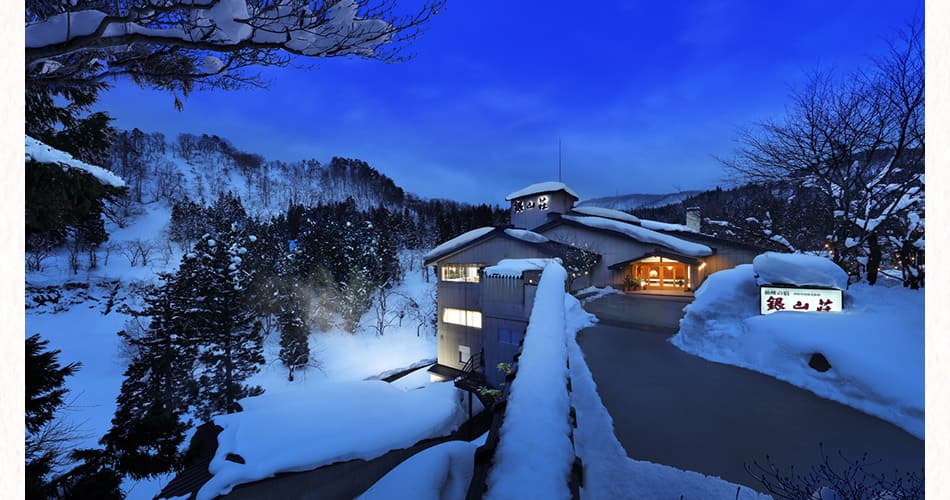
Snow-covered traditional Japanese ryokan multi-story wooden building in winter
A traditional ryokan exterior under winter snow — the iconic architecture of Japan's onsen towns — 家豪 陳 (Chen Jia-hao) / Pexels

Four regions stand out for solo travelers, evaluated on three criteria: solo booking availability, English-friendliness, and ease of independent navigation.

Hakone ryokans — Best for first-time solo ryokan visitors

Hakone is the most accessible ryokan region from Tokyo — 85 minutes on the Odakyu Romance Car from Shinjuku (~1,200 JPY). [verified Source 2026-05-06] The Hakone Free Pass (from 6,500 JPY, 2-day) covers all local transport including the ropeway, Hakone-Tozan railway, and lake boats, making independent navigation stress-free for a solo traveler who hasn't memorized the bus schedule. [verified Source 2026-05-06]

English-speaking staff are more common here than at rural alternatives. Solo booking availability is generally good, and the price range spans budget to ultra-luxury. The Fuji views are best enjoyed at your own pace — no one to compromise with on when to wake up. Mid-week stays reduce crowds and improve your odds on solo room availability.

Kinosaki Onsen — Best for solo onsen town immersion

Kinosaki is 2.5 hours from Kyoto or Osaka by JR limited express (JR Pass accepted). [verified Source 2026-05-06] Its structure suits solo exploration almost by design. When you check in, you receive a yukata and access to all seven public bathhouses in town. Each has a different character — a wooden riverside bath, a cave bath, a rooftop bath. Solo travelers can work through all seven over two nights on whatever schedule they like.

The town is walkable end-to-end in 20 minutes. The atmosphere is quieter and more traditional than Hakone. One caveat: fewer staff speak English here than at more internationally trafficked destinations. Email your booking in advance and confirm communication options.

Kusatsu Onsen ryokans — Best for serious onsen enthusiasts on a budget

Kusatsu is more than three hours from Tokyo via the JR Agatsuma Line — further than Hakone, and more rewarding for it. [verified Source 2026-05-06] The town centers on the yubatake, a latticed wooden field where sulfurous spring water cools before being channeled to the baths. Free public baths (*sotoyu*) are scattered throughout town, which matters on a solo budget.

Budget-tier ryokan options start at approximately 20,000 JPY per person per night including meals. The waters here are among Japan's most therapeutic — highly acidic, high-sulfur, genuinely different from the milder onsen at coastal resort towns. Expect a mostly Japanese-speaking domestic crowd; email booking is strongly recommended over phone.

Kyoto ryokans — Best for culture-first solo travelers (with budget awareness)

Kyoto gives solo travelers access to temple circuits, the Gion geisha district, and kaiseki dining that ranks among Japan's finest — and its heavy international tourism infrastructure means most ryokans have English menus and some English-speaking staff. For culture, it's unmatched.

The 2026 tax change matters here, though. A solo traveler at a mid-range Kyoto ryokan (50,000–100,000 JPY/night) now pays 4,000 JPY/night in accommodation tax. At luxury level (100,000+ JPY), it's 10,000 JPY. [verified Source 2026-05-06] Factor this in when comparing Kyoto prices to other regions.

Book 4–6 months ahead for cherry blossom (late March–April) and autumn foliage (mid-October–November). Solo availability during those windows is competitive.

Best ryokans for solo travelers in Japan: 5 specific picks

These picks were selected against solo-traveler criteria: single booking availability, English support, private bath access, and value-per-person pricing. They span four regions and three budget tiers.

Single-place kaiseki course served on a red lacquer tray with chopsticks and seasonal small dishes
A kaiseki opening course at a Tokyo ryokan — the red lacquer tray, the placement of the chopsticks, and the careful dish selection are the same wherever you eat alone in Japan — Photo: Chris 73 / Wikimedia Commons, CC BY-SA 3.0

1. Fukuya (Kinosaki Onsen) — Best budget solo pick

A traditional family-run ryokan in Kinosaki that accepts single bookings without making a production of it. The yukata and seven-bathhouse pass are included in your rate — for a solo traveler, those seven baths across two nights are the entire itinerary, no logistics required. Basic English communication is available; booking by email is recommended over phone.

Honest weakness: The rooms are functional rather than atmospheric. If you're after a design-forward interior, look elsewhere. The bathhouses are the experience here, not the room.

Price: approximately 25,000–35,000 JPY per person including meals [approximate; verify current availability at Booking.com]

[Check availability on Booking.com](https://www.booking.com/searchresults.html?ss=Fukuya+Kinosaki+Onsen&group_adults=1)

2. Ichinoyu Honkan (Hakone) — Best entry-level Hakone solo pick

Historic property in Hakone-Yumoto, walking distance from the station — which removes the transport anxiety that can make a first solo ryokan stay feel complicated. English menus and staff make communication manageable. Communal onsen is available, and private *kashikiri* bath reservations can be made at check-in for tattooed guests.

Honest weakness: The location in Hakone-Yumoto puts you in the busiest, most tourist-trafficked part of the area. For seclusion, take the Hakone-Tozan railway further up the mountain.

Price: approximately 20,000–35,000 JPY per person including meals [approximate; verify current availability at Booking.com]

[Check availability on Booking.com](https://www.booking.com/searchresults.html?ss=Ichinoyu+Honkan+Hakone&group_adults=1)

3. Tamanoyu (Yufuin, Oita) — Best for solo off-the-beaten-path

Tamanoyu is one of Yufuin's most established ryokans — a traditional property in the pastoral Oita highlands where the pace is slower and the clientele is mostly Japanese domestic travelers rather than international tour groups. For solo travelers, that atmosphere is the draw. Yufuin is a compact town; most ryokans, including Tamanoyu, sit within walking distance of Yunotsubo Kaido, the main street of craft shops and cafes. Outdoor rotenburo face the unmistakable silhouette of Mount Yufu, the 1,584-meter dormant volcano that defines the Yufuin skyline. Solo guests are accommodated without fuss.

Access is straightforward: fly to Oita Airport and take the bus to Yufuin — roughly 70 minutes. No shinkansen transfer required. For a solo traveler managing their own luggage, the simplicity is real.

Honest weakness: English support is limited compared to Hakone properties. Book through Booking.com or Japanican rather than attempting a phone reservation, and communicate dietary needs well in advance through the platform message system.

Price: approximately 30,000–55,000 JPY per person including meals [approximate; verify current availability at Booking.com]

[Check availability on Booking.com](https://www.booking.com/searchresults.html?ss=Tamanoyu+Yufuin&group_adults=1)

4. Gora Kadan (Hakone) — Best mid-range solo splurge

Gora Kadan's architecture reflects its origins as a private villa — stone garden paths, rooms that feel considered rather than assembled. The history shows in the details. English-speaking staff are a genuine strength. In-room private baths are available, and the kaiseki is among the best in Hakone. Book 2–3 months ahead for mid-week availability.

Honest weakness: At this price tier, the single supplement calculation deserves scrutiny. Confirm solo pricing explicitly before booking — some room types assume two guests.

Price: approximately 60,000–100,000 JPY per person including meals [approximate; verify current availability at Booking.com]

[Check availability on Booking.com](https://www.booking.com/searchresults.html?ss=Gora+Kadan+Hakone&group_adults=1)

5. Beniya Mukayu (Kaga Onsen, Ishikawa) — Best luxury solo experience

Beniya Mukayu consistently ranks among Japan's top ten ryokans, and for solo travelers it has one structural advantage: at this luxury tier, many properties price per room rather than per person — confirm with the property or Booking.com listing before booking, but if that applies, the solo math becomes far more reasonable. Every room has a private indoor and outdoor onsen — the communal bath question is moot. English-speaking staff can accommodate complex dietary requirements with advance notice.

The Michelin Guide's ["Reinvention of the Ryokan"](https://guide.michelin.com/us/en/article/travel/the-reinvention-of-the-ryokan-michelin-keys-guide) piece highlights properties like Beniya Mukayu as exemplars of how the top tier of Japanese ryokan has evolved: private onsen access, museum-quality design, and kaiseki drawing on regional produce — in Beniya Mukayu's case, the seafood and vegetables of Ishikawa's Noto Peninsula.

Honest weakness: Kaga Onsen requires more travel logistics than Hakone — from Tokyo, it's a shinkansen to Kaga-Onsen Station on the Hokuriku Shinkansen, approximately 2.5 hours. Worth planning for, not winging.

Price: approximately 80,000–200,000 JPY per person including meals [approximate; verify current availability at Booking.com]. Book direct or via Japanican — availability is limited year-round.

[Check availability on Booking.com](https://www.booking.com/searchresults.html?ss=Beniya+Mukayu+Kaga+Onsen&group_adults=1)

Dining alone at a ryokan: kaiseki for one

Kaiseki is the centerpiece of any ryokan stay — typically 8 to 12 courses of seasonal Japanese cuisine, moving from cold appetizers through grilled fish, simmered vegetables, rice, and miso to fresh fruit. It is extraordinary to eat alone. You can pay attention to every plate in a way that's harder when you're managing conversation.

Three configurations exist at most ryokans, from most to least comfortable for solo diners:

1. In-room dinner served by your attendant — the most common option at mid-range and luxury properties, and the best choice for solo travelers. Request it explicitly when you book, not after arrival. 2. Private dining alcoves in a communal dining room — common at smaller properties. Less exposed than open shared dining; you have your own enclosed space. 3. Open shared dining room — the least common at quality ryokans. Functional, and the self-consciousness fades quickly once the first course arrives.

Dietary restrictions — vegetarian, vegan, halal, severe allergies — are possible at many ryokans, but the kitchen needs lead time. Communicate at booking, ideally 2+ weeks ahead, using the platform's message field or a direct email to the property. A smaller family-run ryokan cooking for six guests cannot pivot a kaiseki menu on arrival day.

Breakfast is usually simpler: rice, miso, grilled fish, tamagoyaki, pickles. Served in the dining room and casual enough that solo breakfast feels unremarkable.

How to book a ryokan as a solo foreign traveler

Platform choice matters more for solo foreign travelers than for groups, because you're relying on English-language confirmation and clear solo-occupancy pricing.

Ranked by usefulness for English-speaking solo travelers:

1. Booking.com — widest English-language selection, free cancellation on many properties, and critically: set occupancy to 1 adult to surface solo-priced rooms and hide properties requiring two-person minimum. 2. Agoda — surfaces properties not listed on Booking.com; useful for last-minute. 3. Japanican (JTB) — lists rural and family-run ryokans absent from international platforms. Worth checking for smaller, off-the-beaten-path properties. 4. Rakuten Travel — strong for mid-range Japanese properties, but the interface is less English-optimized.

Tip

**Booking window:** Quality ryokans at popular destinations book out 2–3 months in advance during shoulder season. For cherry blossom (late March–April) or autumn foliage (mid-October–November), book 4–6 months ahead. The top 20–30 ryokans in Japan often have 6–12 month waits. [verified Source 2026-05-06]

At booking, communicate: dietary restrictions, tattoo status if relevant to communal baths, preferred dining configuration (in-room vs. communal), and a *kashikiri* private bath time slot request if needed. Phone reservations at rural ryokans in English are often not possible — email or online booking is more reliable.

One practical note: older ryokans may only accept cash or Suica/Pasmo IC card at checkout. Credit card acceptance is not universal. Confirm payment methods when booking and carry sufficient yen. See the [Japan Guide ryokan reservations guide](https://www.japan-guide.com/e/e2029_reservations.html) for additional logistics detail.

[Browse solo-friendly ryokans — set to 1 guest](https://www.booking.com/searchresults.html?ss=ryokan+japan&group_adults=1)

One night or two? An honest recommendation for solo travelers

One night is valid if budget is the constraint or you're fitting a ryokan into a broader itinerary. You get the kaiseki dinner, overnight in the futon, Japanese breakfast, and at least two onsen sessions. The experience is complete.

Two nights is the better recommendation for solo travelers. The first evening goes to navigating the unfamiliar — learning the bath schedule, working out the yukata tie, orienting yourself in a building with no hallway signage in your language. By the second day, you're settled. You use the onsen at dawn because you feel like it. You wander the surrounding town in the afternoon. The unhurried pace that makes ryokan travel distinctive only fully arrives when you stop managing logistics.

If you can only do one ryokan stay in Japan, do two nights. If budget forces one night, book it anyway.

One caveat: same-day booking is not standard. Kaiseki preparation requires advance notice. Book at minimum 1–2 days ahead, and realistically weeks ahead for any property worth staying at. [verified Source 2026-05-06]

What to pack for a solo ryokan stay

The honest packing list for a solo ryokan stay is almost entirely about what not to bring.

The ryokan handles your entire evening routine — yukata, tabi socks, toothbrush and basic toiletries, razor, tenugui hand towel for the onsen, hair dryer, in-room tea, and often a small evening snack. I showed up to my first ryokan with a full toiletry bag and used almost none of it.

What the ryokan won't cover — and what matters for solo travelers navigating independently:

- Your preferred shampoo and conditioner if your hair has specific needs (ryokan brands are variable and sometimes sparse) - Prescription medications, obviously - A small drawstring bag for the onsen changing room — keeps your belongings organized in a shared space - Google Translate downloaded with the Japanese offline pack — the camera translation function is the single most useful solo-travel tool in Japan, essential for bath rules, menus, and anything posted only in Japanese

Green tea in a painted ceramic cup and a wagashi sweet on a decorated dish placed on tatami mat
The welcome tea and wagashi sweet — provided by the ryokan on arrival, no packing required — Viridiana Rivera / Pexels

The connectivity piece matters more when you're traveling alone. A pocket WiFi device or Japan SIM card is not optional — it's the difference between a confident solo traveler and one standing in front of a bus schedule they can't read. Download Google Maps offline before you leave home.

Dress code: the yukata is the expected evening attire within and around the ryokan. No formal clothing needed. Bath areas are strictly no-camera zones; the room and gardens are fair game.

Final thoughts: solo ryokan travel is worth it

The anxieties are real. Single supplements exist. Some properties aren't solo-friendly. A few dinner rooms will give you a table that feels large for one. These are small inconveniences, not barriers.

What you get — and what I'd struggle to find elsewhere in Japan — is a full day inside a culture that is genuinely hospitable, in a space designed for sensory immersion, at a pace you set entirely on your own. The *omotenashi* attention lands differently when there's no one else competing for it. The midnight onsen is available because you're the one who decides to get up.

Choosing the right ryokan for solo travelers in Japan comes down to three decisions made before you arrive: the region that fits your priorities, the property tier that fits your budget, and the communication you send at booking — dietary needs, bath preferences, in-room dinner request. Get those right and the ryokan does the rest.

Tip

**Timing tip:** Post-Golden Week (May 6 onward) is one of the best-value windows for solo ryokan travel. Crowds and prices drop sharply after the holiday rush, and Japan's late-spring landscape — irises, fresh green foliage, comfortable temperatures — is exceptional. [verified Source 2026-05-06]

Use the region guide above to find your fit. Book at least 2–3 months out. Or start browsing now — [browse all Japan ryokans by region](/ryokans) to find properties that match your budget and dates.

Silhouette of a person standing at a shoji screen window overlooking a Japanese stone garden
A private moment — the ryokan garden visible through shoji screens, the kind of stillness solo travel makes possible — Gül Işık (ekrulila) / Pexels

[Browse solo-friendly ryokans in Japan](https://www.booking.com/searchresults.html?ss=ryokan+japan&group_adults=1)

Frequently asked questions

Can you stay at a ryokan alone? Yes. Single occupancy bookings are accepted at most ryokans, though some traditional properties require a two-person minimum during peak seasons. On Booking.com, setting occupancy to 1 adult surfaces solo-available properties and filters out those requiring a two-person minimum. Solo stays are especially common at budget and luxury tiers — the middle tier requires a bit more searching, but options exist across all regions covered in this guide.

Do ryokans charge a single supplement? Many do, but the amount and structure vary widely. Some ryokans price per room, making solo stays the full room rate regardless of occupancy. Others price per person with meals included and may charge 70–90% of a double rate for solo guests. At the luxury tier, per-room pricing is more common, which can make solo stays comparatively reasonable. Booking mid-week in shoulder season — May, September, early December — reduces the likelihood of a peak-season supplement.

Is it awkward to stay at a ryokan alone? Not really. Ryokan staff are trained in omotenashi hospitality and treat each guest individually — your solo status won't register as unusual to them. The communal onsen is built on quiet and mutual respect; solo bathing is entirely unremarkable. The one moment solo travelers notice most is dinner, particularly in open dining rooms. Requesting in-room kaiseki service when you book removes that entirely, and most mid-range and luxury properties offer it.

Can you go to a ryokan onsen with tattoos? It depends on the property. Communal baths at many traditional ryokans still prohibit tattoos, though policies are shifting — particularly in Hakone, Kyoto, and Niseko-area properties, where tattoo-welcoming communal baths are increasingly common. Private baths (*kashikiri*) and in-room rotenburo have no tattoo restrictions. The safest approach is to email the specific property before booking and ask directly. See our [vetted tattoo-welcoming properties](/blog/tattoo-friendly-ryokans) for confirmed options.

Can you stay at a Japanese ryokan without speaking Japanese? Yes, especially at ryokans in major tourist areas like Hakone, Kyoto, and Kinosaki. Most have English menus, English bath rules posted in the changing room, and at least one staff member with basic conversational English. Email booking is more reliable than phone for English communication at smaller or rural properties. The Google Translate camera function handles the rest — download the Japanese offline pack before you leave home.

How much does a ryokan cost per person for a solo traveler? Budget ryokans start at approximately $130–$200 per room per night (20,000–30,000 JPY) including dinner and breakfast. Mid-range properties run $230–$370 per room. Luxury properties start at $467 and can exceed $1,000 per room per night. Solo travelers should also budget for onsen tax (150–500 JPY per person per night) and, in Kyoto, the new 2026 accommodation tax of up to 10,000 JPY per person per night at the luxury tier. All pricing approximate per the Ryokan Retreat 2026 price guide. [verified Source 2026-05-06]

Is one night enough at a ryokan for a solo traveler? One night is a complete experience — kaiseki dinner, overnight on a futon, Japanese breakfast, and at least two onsen sessions. But two nights is the better recommendation for solo travelers. The first evening goes to orienting yourself: the bath schedule, the yukata, the rhythms of the place. The second day is when you relax into it. If budget allows only one night, still go — it's worth it. Just know that two nights is when the experience opens up.

해 질 녘을 상상해 보세요. 노천탕(로텐부로)에서 피어오르는 편백 향기를 머금은 수증기, 나무 옷걸이에 걸린 유카타, 어둠 속으로 서서히 잠겨 드는 계곡. 욕탕에는 나 혼자. 저녁 메뉴를 누군가와 상의할 필요도 없습니다. 오직 나 자신과 은은한 유황 향의 온천수, 그리고 강물 소리뿐.

이런 경험이 커플만을 위한 것은 아닙니다. 하지만 혼자 떠나는 일본 료칸 여행을 검색해 봤다면, 저와 똑같은 벽에 부딪힌 적 있으실 겁니다. 사이트마다 "로맨틱한 둘만의 여행"과 "커플 숙박"만 얘기하고, 정작 궁금한 질문에는 아무도 답해 주지 않습니다. 혼자 가면 두 배로 내야 하나요? 혼자 밥 먹는 게 어색하지 않을까요? 일본어를 못해도 온센을 이용할 수 있나요?

이 가이드는 그 모든 질문에 솔직하게 답합니다. 1인 추가 요금(싱글 서플리먼트)의 현실, 온센 예절, 혼자 다니기 진짜 편한 지역, 그리고 1박 약 \$130부터 \$467 이상까지 각 가격대별 구체적인 료칸 추천을 다룹니다. 단점도 빠짐없이 짚어드립니다. 미리 알고 가면 체크인에서 당황하는 일이 없으니까요.

[일본 국가관광국(JNTO) 데이터](https://www.nippon.com/en/japan-data/h02673/)에 따르면, 2025년 일본을 찾은 외국인 관광객은 역대 최고인 4,270만 명으로, 전년 대비 15.8% 증가했으며 미국인 방문객만도 처음으로 300만 명을 넘었습니다. [정보 확인일 2026-01-20] 1인 여행은 이 흐름 속에서 빠르게 성장하고 있지만, 료칸 업계의 마케팅은 아직 거기에 충분히 따라오지 못하고 있습니다. 하지만 료칸 자체는 브로슈어가 보여주는 것보다 훨씬 더 1인 여행자를 반깁니다.

료칸이 처음이신 분은 [료칸 첫 방문 가이드](/blog/first-time-ryokan-guide)를 먼저 읽고 오시면 좋습니다. 기본기를 다지고 오시면, 이 글이 1인 여행자에게 특히 다른 점에 더 집중할 수 있습니다.

료칸에 혼자 묵으면 어색할까요? 솔직한 답변

짧게 답하면: 생각보다 어색하지 않습니다 — 단, 한 가지 장면만큼은 미리 마음의 준비를 해두시면 좋습니다.

료칸 직원들은 '오모테나시(おもてなし)'로 훈련받습니다. 손님의 필요를 먼저 헤아리는, 일본 특유의 환대 정신이죠. 일본 료칸·호텔 협회에 따르면, 이 "묻기 전에 먼저 알아채는 배려"야말로 료칸 숙박을 일반 호텔 예약과 구분 짓는 핵심입니다. 실제로는 이런 의미입니다. 담당 직원은 손님이 혼자라는 사실에 관심이 없습니다. 차 온도가 적당한지, 욕탕에서 돌아오기 전에 이불이 깔려 있는지, 그것만 신경 씁니다. 1인 손님이 커플보다 오히려 더 세심한 서비스를 받는다는 이야기도 많습니다. 신경 쓸 손님이 한 명이니 집중력이 분산되지 않기 때문입니다.

대부분의 사람들이 가장 어색할 거라고 예상하는 곳이 대욕장(온센 공용탕)입니다. 그런데 실제로는 오히려 가장 편안한 공간이 됩니다. 일본 온센 문화는 침묵과 상호 존중 위에 세워져 있습니다. 탕 안에 들어가서 각자의 샤워 시설에서 몸을 씻고, 온천수에 몸을 담그면 됩니다. 아무도 말을 걸지 않습니다. 어디서 왔냐거나, 혼자냐는 말도 없습니다. 저는 새벽 7시에도 밤 10시에도 대욕장에 들어갔지만, 다른 손님과 나눈 건 고개 한 번 까닥하는 것이 전부였습니다.

유일하게 어색함을 느낄 수 있는 순간은 저녁 식사입니다. 가이세키(懐石, 일본 전통 코스 요리)는 식당에서 제공되거나, 좋은 료칸이라면 객실에서 제공됩니다. 두 사람용 테이블에 혼자 앉는 그 장면이 1인 여행자들이 가장 많이 신경 쓰는 부분입니다. 하지만 금방 지나갑니다. 그 장면 자체를 피하고 싶다면:

Tip

**팁:** 예약할 때 객실 내 식사(인룸 다이닝)를 요청하세요. 중급 이상의 대부분 료칸에서 가능합니다. 저녁 식사가 어색한 순간에서 여행의 하이라이트로 바뀝니다.

솔직히 말씀드리면, 료칸은 건축적으로도 문화적으로도 두 사람이나 소그룹을 기준으로 설계되어 있습니다. 방이 혼자 쓰기엔 조금 넓게 느껴질 수 있고, 식사 코스의 양이 두 사람 기준으로 나올 수 있습니다.

그렇다고 환영받지 못한다는 뜻은 아닙니다. 설계의 기본값이 다를 뿐이고, 1인 여행자는 무엇을 예상해야 하는지 알고 나면 금방 적응합니다.

료칸 1인 여행에서 제가 가장 놀란 점은, 완전히 서두를 필요가 없다는 것이었습니다. 온센은 전부 내 일정에 맞춰서. 식사도 내 식욕에 맞춰서. '오모테나시'의 세심한 배려는 독차지할수록 오히려 더 개인적으로 다가옵니다.

1인 추가 요금: 실제로 얼마나 내야 할까, 그리고 줄이는 방법

많은 1인 여행자들이 예약도 하기 전에 포기하게 만드는 경제적 현실입니다. 구조를 제대로 파악해 봅시다.

대부분의 료칸은 1인 1박 요금으로 책정되며, 석식과 조식이 포함됩니다. 객실 요금으로 책정하고 조식이 별도인 서구식 호텔과 다릅니다. 4만 엔(약 ₩370,000, 약 $270)이라는 표시가 있다면 보통 4만 엔은 *1인당* 요금입니다. 두 사람이 묵으면 총 8만 엔이 됩니다.

1인 여행자에게는 두 가지 결과가 생깁니다. 최소 2인을 요구하면서 혼자 가도 두 사람 요금을 내야 하는 료칸이 있습니다(100% 싱글 서플리먼트). 다른 곳은 보통 두 사람 요금의 70~90% 수준의 1인 요금을 제시합니다. 그리고 예산형과 고급형 양 끝에는 객실 단위로 요금을 책정해 1인 여행자에게도 합리적인 가격이 되는 료칸이 늘어나고 있습니다.

가격대별 참고 기준입니다: [정보 확인일 2026-05-06]

| 등급 | 1박 요금(원화 참고) | 1박 요금(엔화) | 1인 여행 메모 | |------|-------------------|--------------|-------------| | 경제형 | 약 ₩185,000–275,000 ($130–$200) | 20,000–30,000엔 | 소규모 가족 운영 료칸이 많으며 1인 요금에 유연함 | | 중급형 | 약 ₩335,000–540,000 ($230–$370) | 35,000–55,000엔 | 비용과 품질의 균형이 가장 좋은 구간; 1인 예약을 적극 수용하는 곳이 많음 | | 럭셔리형 | 약 ₩680,000–1,460,000 이상 ($467–$1,000+) | 70,000–150,000엔 이상 | 이 가격대에서는 객실 단위 요금제 료칸이 많아 1인 투숙 비용이 상대적으로 합리적일 수 있음 |

가격은 참고값입니다. 자세한 가격대별 분석은 [Ryokan Retreat 2026 가격 가이드](https://ryokanretreat.com/how-much-does-a-ryokan-cost/)를 참고하세요.

1인 여행 비용을 줄이는 4가지 전략:

1. Booking.com에서 인원을 '성인 1명'으로 설정해 검색하세요. 1인 요금을 제공하는 객실이 표시되고, 2인 이상 필수인 곳이 걸러집니다. 2. 어깨 시즌에 여행하세요: 5월(골든위크 이후), 9월, 또는 12월 초. 성수기에는 료칸이 요금에서 가장 유연성이 없습니다. 3. 일~목요일에 예약하세요. 인기 있는 료칸의 주말 압박은 평일에 줄어들고, 일부 료칸은 비성수기 평일에 낮은 1인 요금을 적용합니다. 4. 하코네나 교토보다 기노사키, 구사츠, 노자와온센 같은 소규모 온센 마을을 선택하세요. 수요도, 기본 요금도 낮습니다.

교토 신규 숙박세 안내 (2026년~)

교토 료칸을 예약할 계획이라면 예산을 꼼꼼히 세우세요. 교토는 2026년 3월 1일부터 숙박세를 인상했으며, 최고 구간은 1인 1박 10,000엔에 달합니다 [정보 확인일 2026-05-06]. 1박 10만 엔 이상의 고급 교토 료칸에 혼자 묵는다면, 객실 요금에 더해 약 10,000엔의 세금이 추가됩니다. 구간별 세율 전체 내용은 [교토 숙박세 개편 공식 발표](https://en.japantravel.com/news/kyoto-lodging-taxes-to-increase-from-march-2026/71333)를 확인하세요.

예산이 빠듯한 1인 여행자라면 인근 지역도 고려해 볼 만합니다. 후시미, 아라시야마 인근 마을, 또는 우지 등이 있으며, 여전히 합리적인 요금의 숙소를 찾으려면 [교토 료칸 지역 가이드](/kyoto)를 참고하세요. 온센세는 전국적으로 부과됩니다. 보통 1인 1박 150~500엔이며 체크아웃 시 정산합니다.

[Booking.com에서 1인 여행자 친화 료칸 검색하기](https://www.booking.com/searchresults.html?ss=ryokan+japan&group_adults=1)

혼자 대욕장 이용하기: 여성 솔로 여행자(와 모든 분)가 실제로 경험하는 것

온센이야말로 대부분의 사람들이 일반 호텔 대신 료칸을 선택하는 가장 큰 이유입니다. 1인 여행자에게는 출발 전 가장 걱정되는 공간이기도 하고, 다녀온 뒤 가장 기우였다고 느끼는 공간이기도 합니다.

대욕장은 사교의 장이 아닙니다. 침묵과 나체, 그리고 가장 예의 바른 의미에서의 '서로 신경 쓰지 않음' 위에 세워진 공간입니다. 안에 들어가서 각자 샤워 시설에서 꼼꼼하게 씻은 후 온천수에 몸을 담그면 됩니다. 다른 손님들은 말을 걸지 않습니다. 쳐다보지도 않습니다. 아무것도 '수행'할 필요가 없습니다.

남녀 탕은 완전히 분리되어 있으며 표시도 명확합니다. 파란 노렌 커튼의 남탕(男, 오토코)과 빨간 노렌 커튼의 여탕(女, 온나)을 잘 확인하세요. 절대 잘못 들어가지 않도록 해야 합니다. 일부 료칸에서는 아침저녁으로 남녀 탕이 바뀝니다. 체크인 시 직원이 시간표를 설명해 드립니다.

여성 솔로 여행자의 경우, 여탕은 거의 항상 더 조용합니다. 여성 1인 여행자들은 예상보다 훨씬 편안했다고 한결같이 말합니다. 교류를 적극적으로 삼가는 문화, 그리고 여탕이 남탕보다 덜 붐비는 경향이 있기 때문입니다.

LGBTQ+ 여행자나 성별 분리 탕이 불편한 분께는 가시키리(貸切) 전세 욕탕이 훨씬 깔끔한 해결책입니다. 체크인 시 예약하는 45분짜리 완전 독립 개인 욕탕으로, 요금은 보통 1,000~3,000엔(약 ₩9,000~28,000)입니다. 많은 고급 및 중급 객실에는 개인 실내외 온센이 기본으로 포함되어 있습니다. 성별 분리 문제를 완전히 피할 수 있어서, 대욕장 없이 온센을 경험하고 싶은 분께 제가 가장 추천하는 방법입니다.

교토 료칸 안뜰에 있는 전통 히노키 목욕통, 장지문과 이끼로 둘러싸인 풍경
교토 한 료칸의 히노키(편백) 욕조 — 대욕장 걱정 없이 온센을 즐길 수 있는 개인 욕탕 — Gül Işık (ekrulila) / Pexels

Tip

**온센 이용 예절 요약:** 1. 입수 전 꼼꼼히 샤워하기 2. 수건을 물에 담그지 않기 (접어서 옆에 두기) 3. 스마트폰과 카메라는 절대 반입 금지 4. 조용히 하거나 아예 말하지 않기 5. 나가기 전 몸 헹구고 닦은 후 탈의실로 돌아가기 6. 입욕 후에는 수분 보충을 — 온천수는 탈수를 유발할 수 있습니다

문신 정책: 예약 전 확인하는 방법

이 문제만큼은 "료칸마다 다르다"는 것이 가장 솔직한 답입니다. 많은 전통 료칸의 대욕장은 아직도 문신을 금지하고 있는데, 조직폭력배와의 역사적 연관에서 비롯된 정책입니다. 2023년 설문조사에서 일본인 응답자의 약 44%가 여전히 금지를 지지한다는 결과가 있었지만(원래 설문 기관은 독립적으로 확인되지 않음), 업계 보도를 보면 특히 젊은 세대를 중심으로 인식이 바뀌고 있습니다.

하코네, 교토, 니세코 인근 리조트에서는 문신 허용 대욕장이 점점 늘고 있습니다. 가장 안전한 방법:

1. 료칸 공식 홈페이지에서 문신 관련 정책을 확인하세요. 영어로 게재하는 곳이 늘고 있습니다. 2. 예약 전에 료칸으로 직접 이메일을 보내세요: *"저는 눈에 띄는 문신이 있습니다. 대욕장을 이용할 수 있나요, 아니면 개인 욕탕을 이용해야 하나요?"* 간결하고 직접적인 질문에 제대로 된 료칸이라면 명확하게 답해 줄 겁니다. 3. 객실 내 개인 온센(로텐부로 또는 히노키 욕조)이 있는 방을 예약하세요. 그러면 아예 대욕장에 갈 필요가 없어집니다.

가시키리 개인 욕탕은 대부분의 중·고급 료칸에서 예약할 수 있습니다. 보통 체크인 시 45분 블록을 1,000~3,000엔에 예약합니다. 개인 욕탕에는 문신에 관한 제한이 없습니다.

문신 허용 대욕장이 확인된 료칸은 [문신 친화 료칸 가이드](/blog/tattoo-friendly-ryokans)를 참고하세요.

일본 솔로 료칸 여행의 최적 지역

겨울 눈 속의 전통 일본 료칸 다층 목조 건물
겨울 눈을 맞은 전통 료칸 외관 — 일본 온센 마을의 상징적인 건축 — 家豪 陳 (Chen Jia-hao) / Pexels

세 가지 기준(1인 예약 가능성, 영어 지원, 혼자 이동하기 편리함)으로 평가한 솔로 여행자에게 특히 좋은 네 곳을 소개합니다.

하코네 료칸 — 료칸 첫 솔로 여행자에게 최적

하코네는 도쿄에서 가장 접근하기 쉬운 료칸 지역입니다. 신주쿠에서 오다큐 로망스카로 약 85분(약 1,200엔, 약 ₩11,000). [정보 확인일 2026-05-06] 하코네 프리패스(2일권 6,500엔부터)를 사면 케이블카, 하코네 등산철도, 유람선 등 모든 현지 교통을 이용할 수 있어 버스 시간표를 외우지 않아도 혼자 자유롭게 다닐 수 있습니다. [정보 확인일 2026-05-06]

영어 가능한 직원이 지방 대안 지역보다 훨씬 많습니다. 1인 예약도 일반적으로 무난하며, 경제형부터 최고급까지 가격대가 다양합니다. 후지산 전망을 내 페이스대로 즐길 수 있습니다. 몇 시에 일어날지 누군가와 상의할 필요가 없죠. 평일 숙박은 혼잡을 줄이고 1인 객실을 잡을 가능성도 높여줍니다.

기노사키 온센 — 온천 마을 몰입 솔로 여행에 최적

기노사키는 교토나 오사카에서 JR 특급으로 약 2시간 30분(JR 패스 사용 가능). [정보 확인일 2026-05-06] 마을 구조 자체가 솔로 여행을 위해 설계된 것 같습니다. 체크인하면 유카타와 마을 내 일곱 개 공중 목욕탕 이용권을 받습니다. 강가의 목조 탕, 동굴 탕, 옥상 탕 등 각기 다른 개성의 일곱 곳을 이틀 밤 동안 원하는 순서로 돌면 됩니다.

마을 한쪽 끝에서 다른 쪽 끝까지 걸어서 20분이면 됩니다. 분위기는 하코네보다 조용하고 더 전통적입니다. 한 가지 주의 사항: 영어 가능한 직원이 국제 관광지보다 적습니다. 예약은 이메일로 하고, 소통 방법을 미리 확인하세요.

구사츠 온센 료칸 — 진지한 온센 마니아의 가성비 선택

구사츠는 JR 아가쓰마선으로 도쿄에서 3시간 이상 걸립니다. 하코네보다 멀지만, 그만큼 더 보람이 있습니다. [정보 확인일 2026-05-06] 마을 중심에는 유바타케(湯畑)가 있습니다. 유황 온천수가 나무 격자 구조물에서 식혀진 뒤 각 욕탕으로 흘러들어가는 곳입니다. 마을 곳곳에 무료로 이용할 수 있는 공중 외탕(소토유)이 있어 예산 절약을 중요시하는 1인 여행자에게 실질적인 도움이 됩니다.

경제형 료칸은 석식 포함 1인 1박 약 20,000엔부터 시작합니다. 이곳의 온천수는 일본에서 가장 치료 효과가 높은 것으로 꼽힙니다. 강한 산성과 높은 유황 함량은 해변 리조트의 순한 온센과는 완전히 다른 경험입니다. 국내 일본인 여행자 위주라 거의 모든 대화가 일본어로 진행됩니다. 전화보다는 이메일 예약을 강력히 권장합니다.

교토 료칸 — 문화 체험 우선 솔로 여행자에게 최적 (예산 주의)

교토는 사원 순례, 기온 게이샤 거리, 일본 최고 수준의 가이세키까지 솔로 여행자에게 온갖 문화 경험을 제공합니다. 풍부한 국제 관광 인프라 덕분에 대부분의 료칸에 영문 메뉴와 영어 가능 직원이 있습니다. 문화적 측면에서 교토는 독보적입니다.

하지만 2026년 세금 변화를 무시할 수는 없습니다. 교토 중급 료칸(1박 5만~10만 엔)에 혼자 묵으면 이제 1박에 4,000엔의 숙박세가 붙습니다. 럭셔리 등급(10만 엔 이상)은 10,000엔입니다. [정보 확인일 2026-05-06] 교토 요금을 다른 지역과 비교할 때 반드시 이 세금을 포함해서 계산하세요.

벚꽃 시즌(3월 하순~4월)과 단풍 시즌(10월 중순~11월)에는 4~6개월 전 예약이 필요합니다. 이 기간의 1인 객실 경쟁은 치열합니다.

솔로 여행자를 위한 일본 최고의 료칸 추천 5곳

아래 료칸들은 1인 예약 가능성, 영어 지원, 개인 욕탕 이용 가능 여부, 1인 가성비를 기준으로 선정했습니다. 네 개 지역, 세 가지 가격대에 걸쳐 있습니다.

빨간 칠기 쟁반 위에 젓가락과 제철 소요리가 담긴 가이세키 첫 코스
도쿄 료칸의 가이세키 선부(先付) — 빨간 칠기 쟁반, 젓가락 놓는 방식, 정성스러운 그릇 선택은 일본 어디서 혼자 밥을 먹든 한결같습니다 — Photo: Chris 73 / Wikimedia Commons, CC BY-SA 3.0

1. 후쿠야 (기노사키 온센) — 가성비 솔로 여행 료칸 1위

기노사키의 전통 가족 운영 료칸으로, 1인 예약을 아무렇지 않게 받아줍니다. 유카타와 일곱 개 외탕 이용권이 요금에 포함됩니다. 솔로 여행자에게 이틀 밤 동안 일곱 탕을 하나씩 경험하는 것이 일정 전체가 되고, 따로 알아볼 것도 없습니다. 기본적인 영어 소통 가능; 전화보다 이메일 예약 권장.

솔직한 약점: 객실은 기능적이지만 분위기가 있지는 않습니다. 디자인에 신경 쓰인다면 다른 곳을 알아보세요. 이곳의 핵심 경험은 객실이 아니라 외탕입니다.

가격 기준: 1인 1박 약 25,000~35,000엔 (식사 포함) [참고가; Booking.com에서 현재 이용 가능 여부 확인 필요]

[Booking.com에서 공실 확인하기](https://www.booking.com/searchresults.html?ss=Fukuya+Kinosaki+Onsen&group_adults=1)

2. 이치노유 혼칸 (하코네) — 하코네 입문 솔로 여행 료칸 1위

하코네유모토의 역사 있는 료칸으로, 역에서 도보 거리에 있어 처음 솔로 료칸 여행에서 생기기 쉬운 교통 불안감을 없애줍니다. 영문 메뉴와 직원 덕분에 소통이 원활합니다. 대욕장 이용 가능, 문신 있는 분은 체크인 시 가시키리 전세 욕탕 예약이 가능합니다.

솔직한 약점: 하코네유모토는 이 지역에서 관광객이 가장 많이 몰리는 곳입니다. 한적함을 원한다면 하코네 등산철도를 타고 더 위쪽 산으로 올라가세요.

가격 기준: 1인 1박 약 20,000~35,000엔 (식사 포함) [참고가; Booking.com에서 현재 이용 가능 여부 확인 필요]

[Booking.com에서 공실 확인하기](https://www.booking.com/searchresults.html?ss=Ichinoyu+Honkan+Hakone&group_adults=1)

3. 다마노유 (유후인, 오이타) — 색다른 곳을 원하는 솔로 여행자에게 최적

다마노유는 유후인을 대표하는 전통 료칸 중 한 곳으로, 오이타 목가적 고원에 자리해 속도가 느리고 손님 대부분이 국내 여행자입니다. 국제 여행 단체보다 조용하고 정겨운 분위기를 원하는 솔로 여행자에게 딱 맞습니다. 유후인은 작은 마을이라 다마노유를 포함한 대부분의 료칸이 공예품 가게와 카페가 늘어선 메인 스트리트 '유노츠보 카이도'에서 도보권에 있습니다. 야외 로텐부로에서는 해발 1,584m의 유후다케 화산이 눈앞에 솟아 있습니다. 1인 손님도 별다른 설명 없이 자연스럽게 받아줍니다.

이동 방법도 간단합니다. 오이타 공항에 도착해 버스로 약 70분이면 유후인에 닿습니다. 신칸센 환승 없음. 짐을 직접 가지고 다니는 솔로 여행자에게 이 단순함은 실질적인 강점입니다.

솔직한 약점: 하코네 료칸에 비해 영어 지원이 제한적입니다. 전화 예약 대신 Booking.com이나 자파니칸을 통해 예약하고, 식이 제한 사항은 예약 플랫폼 메시지 기능으로 미리 충분히 전달해 두세요.

가격 기준: 1인 1박 약 30,000~55,000엔 (식사 포함) [참고가; Booking.com에서 현재 이용 가능 여부 확인 필요]

[Booking.com에서 공실 확인하기](https://www.booking.com/searchresults.html?ss=Tamanoyu+Yufuin&group_adults=1)

4. 고라 가단 (하코네) — 솔로 여행자를 위한 중급 특별 지출 최적

고라 가단의 건축은 원래 개인 별장이었던 역사를 그대로 담고 있습니다. 돌담 정원 산책로, 즉흥이 아닌 세심하게 구성된 객실. 역사가 디테일에서 묻어납니다. 영어 가능 직원이 진짜 강점입니다. 객실 내 개인 욕탕 이용 가능, 가이세키는 하코네 최고 수준입니다. 평일 예약은 2~3개월 전에 하세요.

솔직한 약점: 이 가격대에서는 1인 추가 요금 계산을 꼼꼼히 해야 합니다. 일부 객실 타입은 2인 기준으로 설정되어 있으니, 예약 전에 1인 요금을 명확히 확인하세요.

가격 기준: 1인 1박 약 60,000~100,000엔 (식사 포함) [참고가; Booking.com에서 현재 이용 가능 여부 확인 필요]

[Booking.com에서 공실 확인하기](https://www.booking.com/searchresults.html?ss=Gora+Kadan+Hakone&group_adults=1)

5. 베니야 무카유 (가가 온센, 이시카와) — 최고급 솔로 료칸 경험

베니야 무카유는 일본 최고 료칸 TOP 10에 꾸준히 이름을 올립니다. 솔로 여행자에게 구조적 강점이 있다면, 이 럭셔리 가격대에서는 인원이 아닌 객실 단위로 요금을 책정하는 곳이 많다는 점입니다. 베니야 무카유도 예약 전에 확인이 필요하지만, 적용된다면 1인 여행 비용이 훨씬 합리적으로 달라집니다. 모든 객실에 실내 개인 욕탕과 야외 개인 온센이 있어 대욕장 문제는 아예 없습니다. 영어 가능 직원이 있으며, 미리 알려주시면 복잡한 식이 제한도 대응 가능합니다.

미쉐린 가이드의 ["료칸의 재발명"](https://guide.michelin.com/us/en/article/travel/the-reinvention-of-the-ryokan-michelin-keys-guide) 기사는 베니야 무카유 같은 곳을 일본 최상급 료칸이 진화한 전형으로 소개합니다. 개인 온센 이용, 미술관 수준의 디자인, 이시카와 노토반도의 해산물과 채소를 활용한 가이세키까지.

솔직한 약점: 가가 온센은 하코네보다 이동 준비가 더 필요합니다. 도쿄에서 호쿠리쿠 신칸센을 타고 가가 온센역까지 약 2시간 30분. 즉흥이 아닌 계획적인 여행에 적합합니다.

가격 기준: 1인 1박 약 80,000~200,000엔 (식사 포함) [참고가; Booking.com에서 현재 이용 가능 여부 확인 필요]. 공식 사이트 또는 자파니칸을 통해 예약하길 권장합니다. 연중 내내 공실이 적습니다.

[Booking.com에서 공실 확인하기](https://www.booking.com/searchresults.html?ss=Beniya+Mukayu+Kaga+Onsen&group_adults=1)

료칸에서 혼자 식사하기: 1인 가이세키의 세계

가이세키(懐石)는 모든 료칸 숙박의 핵심입니다. 제철 일본 요리를 8~12코스로 즐기는 코스 요리로, 차가운 전채에서 시작해 구운 생선, 조림, 밥, 된장국을 거쳐 신선한 과일로 마무리됩니다. 혼자 먹는 가이세키는 실은 특별한 경험입니다. 대화를 관리할 필요 없이 한 접시 한 접시에 온전히 집중할 수 있습니다.

대부분의 료칸에서 제공하는 세 가지 식사 방식(솔로 다이너 편안함 순):

1. 객실 내 식사(인룸 다이닝), 담당자가 직접 배달 — 중·고급 료칸에서 가장 흔한 방식이며 솔로 여행자에게 최선입니다. 예약 시 명확하게 요청하세요. 도착 후 요청하면 늦을 수 있습니다. 2. 식당 내 개인 공간(파티션 석) — 소규모 료칸에서 많이 볼 수 있습니다. 개방형 식당보다 아늑하고 자신만의 공간이 있습니다. 3. 개방형 공용 식당 — 품질 좋은 료칸에서는 드문 방식. 기능상 문제없고, 첫 코스가 나오면 어색함은 금방 사라집니다.

식이 제한(채식, 비건, 할랄, 심각한 알레르기)은 많은 료칸에서 가능하지만, 주방에 준비 시간이 필요합니다. 예약 시 미리 알려주세요. 이상적으로는 2주 이상 전에, 플랫폼 메시지나 직접 이메일로 전달하세요. 6명 식사를 직접 준비하는 소규모 가족 운영 료칸은 입실 당일에 가이세키 메뉴를 바꿀 수 없습니다.

조식은 보통 더 간단합니다. 밥, 된장국, 생선구이, 다시마키 계란말이, 절임류. 식당에서 제공되며 가볍고 편안해서 혼자 먹어도 전혀 어색하지 않습니다.

외국인 솔로 여행자를 위한 료칸 예약 방법

솔로 외국인 여행자에게는 플랫폼 선택이 그룹 여행보다 훨씬 중요합니다. 영어 예약 확인과 명확한 1인 요금 표시에 의존해야 하기 때문입니다.

영어권 솔로 여행자 실용성 순위:

1. Booking.com — 영어 선택지가 가장 많고 많은 숙소에서 무료 취소 가능. 핵심은: 인원을 '성인 1명'으로 설정하면 1인 요금 객실이 표시되고 2인 이상 필수 숙소가 걸러집니다. 2. Agoda — Booking.com에 없는 숙소를 찾을 수 있어 막판 예약에 유용합니다. 3. 자파니칸(JTB) — 국제 플랫폼에는 없는 지방 및 가족 운영 료칸이 많습니다. 소규모 비교적 덜 알려진 숙소를 원한다면 꼭 확인하세요. 4. 라쿠텐 트래블 — 중급 일본 숙소 선택지가 풍부하지만 영어 인터페이스 편의성이 다른 플랫폼보다 떨어집니다.

Tip

**예약 타이밍:** 인기 목적지의 좋은 료칸은 어깨 시즌에도 2~3개월 전에 마감됩니다. 벚꽃(3월 하순~4월)이나 단풍(10월 중순~11월) 시즌에는 4~6개월 전 예약이 필요합니다. 일본 최상위 20~30개 료칸은 6~12개월 전부터 대기가 생기는 경우도 많습니다. [정보 확인일 2026-05-06]

예약 시 알려야 할 것: 식이 제한, 대욕장과 관련된 문신 여부, 선호하는 식사 방식(객실 내 또는 식당), 가시키리 개인 욕탕 시간대 요청 여부. 지방 료칸에 영어로 전화 예약하는 것은 현실적으로 어려운 경우가 많습니다. 이메일이나 온라인 예약이 더 확실합니다.

실용적인 팁: 오래된 료칸은 체크아웃 시 현금이나 Suica/Pasmo IC카드만 받는 경우가 있습니다. 신용카드 사용이 보편적이지 않습니다. 예약 시 결제 방법을 확인하고 충분한 엔화 현금을 챙기세요. 더 자세한 예약 안내는 [Japan Guide 료칸 예약 가이드](https://www.japan-guide.com/e/e2029_reservations.html)를 참고하세요.

[솔로 여행자 친화 료칸 검색하기 (1인 설정)](https://www.booking.com/searchresults.html?ss=ryokan+japan&group_adults=1)

1박 vs 2박? 솔로 여행자를 위한 솔직한 조언

1박도 충분히 완결된 경험입니다. 가이세키 저녁 식사, 이불 위의 하룻밤, 일본식 조식, 최소 두 번의 온센. 다 있습니다.

2박이 솔로 여행자에게는 더 좋은 선택입니다. 첫날 저녁은 낯선 환경 적응에 쓰입니다. 입욕 시간표 파악, 유카타 띠 묶기, 모국어 안내판이 없는 복도에서 방향 잡기. 이틀째가 되면 자리를 잡습니다. 새벽에 온센이 가고 싶으면 바로 가면 됩니다. 오후에는 주변 마을을 어슬렁거립니다. 료칸 여행을 특별하게 만드는 그 여유로운 페이스는, 잡일 처리를 멈췄을 때 비로소 찾아옵니다.

일본에서 딱 한 번 료칸 숙박을 할 수 있다면, 2박으로 하세요. 예산상 어쩔 수 없이 1박이라도, 그래도 가세요.

한 가지 주의사항: 당일 예약은 일반적이지 않습니다. 가이세키 준비에는 사전 시간이 필요합니다. 최소 1~2일 전에 예약하고, 실제로는 묵을 가치 있는 숙소라면 몇 주 전 예약이 현실적입니다. [정보 확인일 2026-05-06]

료칸 솔로 여행 짐 싸기 목록

료칸 솔로 여행의 진짜 짐 목록은 거의 전부가 "가져가지 않아도 되는 것"에 관한 겁니다.

료칸이 저녁 루틴 전체를 책임집니다. 유카타, 발가락 양말(다비), 칫솔과 기본 세면도구, 면도기, 온센용 테누구이 타월, 헤어드라이어, 객실 차, 그리고 대개 저녁 간식까지. 저는 처음 료칸에 갔을 때 세면도구를 가득 챙겨갔는데 거의 쓰지 않았습니다.

료칸이 제공하지 않는 것 — 혼자 이동하는 솔로 여행자에게 진짜 필요한 것:

- 자신의 모발에 맞는 샴푸와 컨디셔너 (료칸 브랜드는 품질 편차가 있고 양이 적을 수 있음) - 처방 의약품 (이건 당연히) - 온센 탈의실용 작은 주머니 — 공용 공간에서 개인 물건을 정리하기 좋습니다 - Google 번역 일본어 오프라인 팩 다운로드 — 카메라 번역 기능은 일본 솔로 여행에서 가장 유용한 도구입니다. 온센 규칙 안내, 메뉴, 일본어로만 된 안내문까지 전부 해결됩니다

다다미 위에 그림이 그려진 도자기 찻잔의 녹차와 장식 접시 위의 화과자
도착 시 제공되는 웰컴 차와 화과자 — 료칸이 준비해 두니 따로 챙길 필요 없습니다 — Viridiana Rivera / Pexels

연결성 문제는 혼자 여행할 때 더 중요합니다. 포켓 와이파이 또는 일본 SIM 카드는 선택이 아닙니다. 이게 있고 없고에 따라 자신감 있게 혼자 다닐 수 있는 여행자가 되느냐, 읽을 수 없는 버스 시간표 앞에서 멍하니 서 있게 되느냐가 결정됩니다. 출발 전에 Google 지도 오프라인 지도도 꼭 다운로드해 두세요.

복장: 유카타는 저녁 이후 료칸 내부와 주변에서 기본 복장입니다. 정장은 필요 없습니다. 욕탕 구역은 카메라 완전 반입 금지, 객실과 정원은 자유롭게 촬영해도 됩니다.

마치며: 료칸 솔로 여행은 할 가치가 있습니다

걱정은 현실입니다. 1인 추가 요금도 존재합니다. 솔로 여행자에게 맞지 않는 료칸도 있습니다. 혼자 앉기에 너무 큰 식탁이 있는 식당도 있을 겁니다. 하지만 이것들은 작은 불편이지 장벽이 아닙니다.

얻을 수 있는 것 — 일본 어디서도 쉽게 찾기 어려운 것 — 은 진심으로 환대하는 문화 속에서, 모든 감각을 위해 설계된 공간에서, 완전히 자신만의 페이스로 하루를 보내는 경험입니다. '오모테나시'의 세심한 배려는 혼자 독차지할 때 다르게 전달됩니다. 한밤의 온센에 들어갈 수 있는 것은 내가 그러기로 결정했기 때문입니다.

일본 료칸 솔로 여행에서 올바른 선택을 하는 것은 결국 도착 전에 내리는 세 가지 결정에 달려 있습니다. 내 우선순위에 맞는 지역, 예산에 맞는 가격대, 예약 시 전달하는 정확한 정보(식이 제한, 욕탕 선호, 객실 내 식사 요청). 이 세 가지를 제대로 하면, 나머지는 료칸이 알아서 해줍니다.

Tip

**타이밍 팁:** 골든위크가 끝난 후(5월 6일~)는 솔로 료칸 여행의 가성비가 가장 좋은 시기 중 하나입니다. 연휴 인파와 가격이 급격히 가라앉고, 일본의 늦봄 풍경 — 붓꽃, 신선하고 생생한 초록 잎, 쾌적한 기온 — 이 더없이 아름답습니다. [정보 확인일 2026-05-06]

위의 지역 가이드를 이용해 나에게 맞는 곳을 찾으세요. 최소 2~3개월 전에 예약하세요. 또는 지금 바로 검색을 시작하세요. [지역별로 일본 모든 료칸 보기](/ryokans)에서 예산과 날짜에 맞는 숙소를 찾을 수 있습니다.

장지문 창 앞에 서서 일본 돌 정원을 바라보는 사람의 실루엣
나만의 시간 — 장지문 너머 보이는 료칸 정원, 솔로 여행이 만들어내는 그런 고요함 — Gül Işık (ekrulila) / Pexels

[일본 솔로 여행 료칸 둘러보기](https://www.booking.com/searchresults.html?ss=ryokan+japan&group_adults=1)

자주 묻는 질문

료칸에 혼자 묵을 수 있나요? 네. 대부분의 료칸에서 1인 예약을 받습니다. 다만 일부 전통 료칸은 성수기에 최소 2인 조건이 있습니다. Booking.com에서 인원을 '성인 1명'으로 설정하면 1인 이용 가능한 료칸만 표시되고 2인 이상 필수인 곳은 걸러집니다. 1인 숙박은 특히 경제형과 럭셔리형에서 흔합니다. 중급형은 조금 더 찾아봐야 하지만, 이 가이드에서 다루는 모든 지역에서 선택지가 있습니다.

료칸은 싱글 서플리먼트를 받나요? 많은 곳에서 받지만 금액과 방식은 제각각입니다. 일부 료칸은 객실 단위로 요금을 받아 인원 상관없이 같은 금액입니다. 다른 곳은 식사 포함 1인 요금으로, 2인 요금의 70~90%를 1인에게 적용하기도 합니다. 럭셔리 가격대에서는 객실 단위 요금제가 더 일반적이어서 1인 숙박 비용이 상대적으로 합리적일 수 있습니다. 어깨 시즌(5월, 9월, 12월 초) 평일 예약으로 성수기 추가 요금 가능성을 줄이세요.

료칸에 혼자 묵으면 어색하지 않나요? 생각보다 어색하지 않습니다. 료칸 직원들은 오모테나시 정신으로 훈련받아 각 손님을 개별적으로 대합니다. 혼자 오셨다는 것이 이상하게 느껴지지 않을 겁니다. 대욕장은 조용함과 상호 존중 위에 세워져 있어 혼자 입욕하는 것이 전혀 이상하지 않습니다. 솔로 여행자가 가장 신경 쓰이는 순간은 저녁 식사, 특히 개방형 식당에서입니다. 예약 시 객실 내 가이세키 식사를 요청하면 그 고민은 완전히 사라지고, 대부분의 중·고급 료칸에서 제공됩니다.

문신이 있으면 료칸 온센에 들어갈 수 있나요? 료칸마다 다릅니다. 많은 전통 료칸의 대욕장은 아직도 문신을 금지하지만, 정책이 바뀌고 있습니다. 특히 하코네, 교토, 니세코 인근에서 문신 허용 대욕장이 늘고 있습니다. 가시키리 개인 욕탕과 객실 내 로텐부로는 문신 제한이 없습니다. 가장 안전한 방법은 예약 전에 해당 료칸에 직접 이메일로 확인하는 것입니다. 확인된 문신 허용 료칸은 [문신 친화 료칸 추천](/blog/tattoo-friendly-ryokans)을 참고하세요.

일본어를 못해도 료칸에 묵을 수 있나요? 네. 특히 하코네, 교토, 기노사키 같은 주요 관광지의 료칸에서는 영문 메뉴, 탈의실 내 영어 온센 규칙 안내, 기본 영어 회화가 가능한 직원 한 명 이상은 있습니다. 소규모나 지방 료칸의 경우 전화보다 이메일이나 온라인 예약이 훨씬 안정적입니다. 나머지는 Google 번역 카메라 기능으로 해결하세요. 출발 전 일본어 오프라인 팩을 꼭 다운로드해 두세요.

솔로 여행자의 료칸 비용은 얼마나 되나요? 경제형 료칸은 석식·조식 포함 1박 약 20,000~30,000엔(약 ₩185,000~275,000)부터 시작합니다. 중급형은 35,000~55,000엔. 럭셔리형은 70,000엔부터 시작하며 1박 150,000엔 이상이 될 수도 있습니다. 온센세(1인 1박 150~500엔)와 교토에서는 2026년 신규 숙박세 최대 1인 1박 10,000엔도 예산에 포함하세요. 모든 금액은 Ryokan Retreat 2026 가격 가이드 기준 참고값입니다. [정보 확인일 2026-05-06]

솔로 여행자에게 1박으로 충분한가요? 1박도 완결된 경험입니다. 가이세키 저녁 식사, 이불 위의 하룻밤, 일본식 조식, 최소 두 번의 온센. 하지만 솔로 여행자에게는 2박이 더 좋은 선택입니다. 첫날 저녁은 환경에 익숙해지는 데 쓰입니다. 입욕 시간표, 유카타, 료칸의 리듬. 이틀째가 진짜 이완의 시작입니다. 예산이 1박밖에 허락하지 않아도 가세요. 단, 2박이 되어야 진짜 경험이 열린다는 것을 알고 가세요.

Ready to book?

Find Your Ryokan

Browse our curated collection of traditional ryokans. Filter by region, price, and amenities.

탐색 시작하기