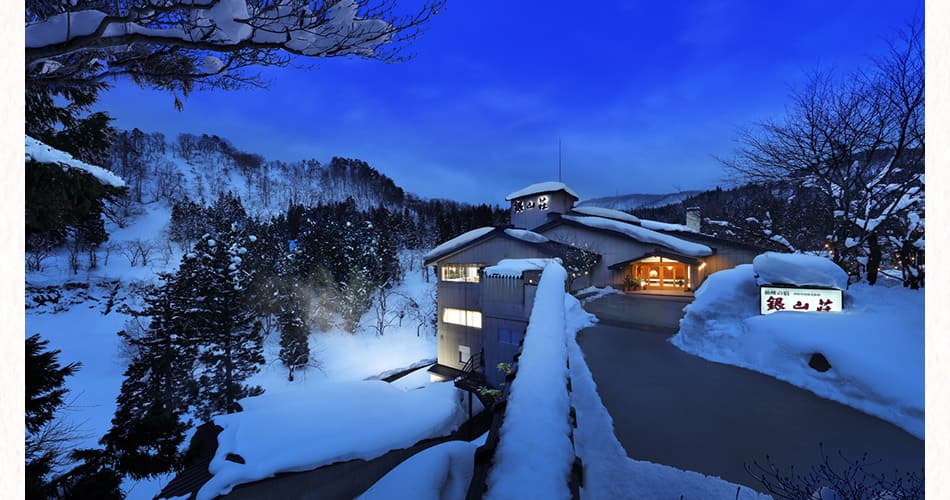
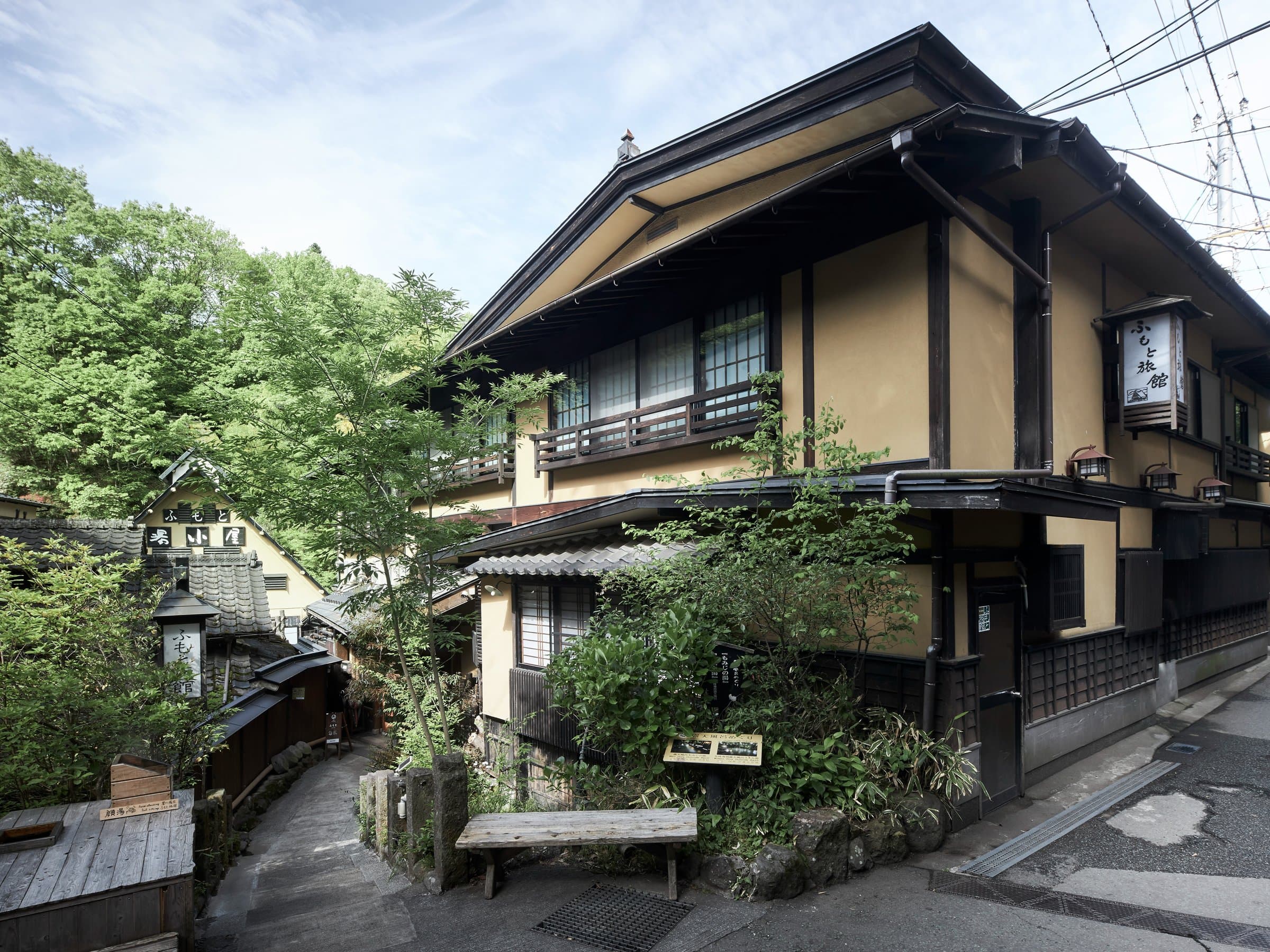
Picture yourself at dusk: cedar-scented steam rising off the rotenburo, your yukata hanging from a wooden peg, the valley below going dark. No one else in the bath. No one to agree with about dinner. Just you, the sulfur-tinged water, and the sound of the river.
That experience is not reserved for couples. But if you're researching a ryokan for solo travelers in Japan, you've probably hit the same wall I did before my first solo stay — websites that talk about "romantic escapes" and "couples retreats," while your real questions go unanswered. Will I pay double? Will it feel strange eating alone? Can I even use the onsen without speaking Japanese?
This guide gives you honest answers to all of it — single supplements, onsen etiquette, which regions are genuinely easy to navigate solo, and specific properties across every price tier from $130 to $467+ per room. I'll also flag the trade-offs, because no ryokan is without catches for solo travelers, and knowing them upfront saves you a bad surprise at check-in.
According to JNTO data published by [Nippon.com](https://www.nippon.com/en/japan-data/h02673/), Japan welcomed a record 42.7 million international visitors in 2025 — up 15.8% over the year before, with US visitors alone surpassing 3 million for the first time. [verified Source 2026-01-20] Solo travel is a fast-growing slice of that wave, yet the ryokan industry hasn't fully caught up in how it markets to you. The properties themselves are more welcoming than the brochures suggest.
If you're new to ryokans altogether, start with our [what to expect at a ryokan](/blog/first-time-ryokan-guide) guide before reading on — it covers the basics so this article can focus on what's specifically different for solo guests.
Is it awkward to stay at a ryokan alone? The honest answer
Short answer: not really — but there's one specific moment worth preparing for.
Ryokan staff are trained in *omotenashi*, a philosophy of anticipatory hospitality focused entirely on the guest in front of them. According to the Japan Ryokan & Hotel Association, omotenashi — anticipating a guest's needs before they ask — is what distinguishes a ryokan stay from a hotel booking. In practice, this means your attendant doesn't care that you're alone; they care that your tea is the right temperature and your futon is laid out before you return from the bath. Solo guests often report getting more attentive service than couples, because the staff's attention isn't divided.
The communal onsen is where solo travelers most often expect awkwardness — and where they find the least. Japanese onsen culture is built on silence and mutual respect. You walk in, wash at the shower station, lower yourself into the water, and no one speaks. There is no expected conversation. No one will approach you, ask where you're from, or notice that you're alone. I've sat in communal baths at 7am and 10pm and exchanged nothing more than a nod with other guests.
The one moment that can feel exposed is dinner. Kaiseki is served in a dining room or, at better properties, in your own room — and a single place setting at a table designed for two is the small awkward beat that solo travelers notice. It passes quickly. But if you'd rather skip it entirely:
Tip
**Tip:** Request in-room kaiseki service when you book. Most mid-range and luxury ryokans offer this. It transforms dinner from a potential awkward moment into the highlight of your stay.
The honest trade-off: ryokans are architecturally and culturally built around the couple or small group. Some rooms feel large for one person. Some dinner courses arrive in quantities calibrated for two appetites.
None of this makes you unwelcome — it just means the experience was designed around a different default, and solo travelers adapt easily once they know what to expect.
What surprised me most about solo ryokan travel: I was completely unhurried. Every onsen session on my own schedule. Every meal paced by my own appetite. The *omotenashi* attention felt more personal, not less.
Single supplements: what you'll pay and how to minimize the cost
This is the financial reality that stops many solo travelers before they even book. Here's how it works.
Most ryokans price their rooms per person per night, with dinner and breakfast included. This differs from Western hotels, where you pay per room and breakfast is optional. A room listed at 40,000 JPY typically means 40,000 JPY *per person* — so a couple pays 80,000 JPY total.
For solo travelers, this creates two possible outcomes. Some properties have a two-person minimum and will charge you the double rate regardless — a 100% single supplement. Others will negotiate a solo rate, typically 70–90% of the double price. A growing number of properties, at the budget and luxury ends of the market, price per room — making solo stays proportionally reasonable.
Here's how pricing breaks down by tier: [verified Source 2026-05-06]
| Tier | USD per night | JPY per night | Solo notes | |------|--------------|--------------|------------| | Budget | $130–$200 | 20,000–30,000 JPY | Smaller family-run properties; most flexible on solo pricing | | Mid-range | $230–$370 | 35,000–55,000 JPY | Best tier for solo travelers balancing cost and quality; more explicit solo acceptance | | Luxury | $467–$1,000+ | 70,000–150,000+ JPY | Many properties at this tier price per room, which can make solo stays proportionally reasonable |
Pricing approximate; see the [Ryokan Retreat 2026 price guide](https://ryokanretreat.com/how-much-does-a-ryokan-cost/) for a full breakdown by tier.
Four strategies to reduce solo costs:
1. Book on Booking.com with occupancy set to 1 adult — the search surfaces rooms with solo pricing and hides properties requiring two guests minimum. 2. Travel during shoulder season: May (post-Golden Week), September, or early December. Peak demand is when properties are least flexible on pricing. 3. Book Sunday–Thursday. Weekend pressure on popular ryokans eases mid-week, and some apply lower per-person rates off-peak. 4. Target smaller onsen towns — Kinosaki, Kusatsu, Nozawa Onsen — over Hakone and Kyoto, where demand and baseline prices are both higher.
A note on Kyoto's new accommodation tax (2026)
If you're booking a Kyoto ryokan, budget carefully. Kyoto raised its accommodation tax from March 1, 2026, and the top tier now reaches 10,000 JPY per person per night [verified Source 2026-05-06] — for a solo traveler at a luxury Kyoto property priced above 100,000 JPY/room, that's an additional ~$67 in tax on top of your room rate. See the [Kyoto accommodation tax announcement](https://en.japantravel.com/news/kyoto-lodging-taxes-to-increase-from-march-2026/71333) for full tier details.
For solo travelers on a tighter budget, this is material. Consider neighboring areas — Fushimi, Arashiyama-adjacent towns, or Uji — or explore our [Kyoto ryokan area guide](/kyoto) for properties where the math still works. Onsen tax applies everywhere: typically 150–500 JPY per person per night, paid at checkout.
[Search solo-friendly ryokans on Booking.com](https://www.booking.com/searchresults.html?ss=ryokan+japan&group_adults=1)
Communal onsen as a solo bather: what solo female travelers (and everyone else) can actually expect
The onsen is why most people choose a ryokan over a regular hotel. As a solo traveler, it's also the space that generates the most pre-trip anxiety — and the most post-trip relief.
The communal bath is not a social space. It is built on silence, nudity, and mutual disregard in the most respectful sense of the word. You walk in, wash thoroughly at the individual shower stations, and enter the mineral water. Other guests will not speak to you. You will not be stared at. There is no performance involved.
Gender separation is absolute and clearly marked. Look for 男 (*otoko*, men) with a blue curtain and 女 (*onna*, women) with a red curtain. Never enter the wrong bath. At some ryokans, the men's and women's baths rotate morning and evening — your staff will explain the schedule at check-in.
For women traveling solo, the women's bath is almost always quieter. Solo female travelers consistently report greater comfort in ryokan onsen than they anticipated — partly because the culture actively discourages interaction, and partly because the women's bath tends to be less crowded than the men's.
For LGBTQ+ travelers or anyone uncomfortable with gendered bathing spaces, the cleaner solution is a private bath reservation (*kashikiri*) — a 45-minute block in a sealed, single-use bath booked at check-in for typically 1,000–3,000 JPY. Many luxury and mid-range rooms come with an in-room private onsen as standard. This sidesteps the gender-separation question entirely and is the option I'd recommend for anyone who wants the onsen experience without navigating the communal space.

Tip
**Onsen rules at a glance:** 1. Shower before entering — thoroughly 2. No towels in the water (fold it and set it aside) 3. No phones or cameras — ever 4. Speak quietly or not at all 5. Rinse and dry before returning to the changing room 6. Drink water after bathing — the mineral water is dehydrating
Tattoo policy: how to check before you book
This is where "it depends" is genuinely the honest answer. Communal baths at many traditional ryokans still prohibit visible tattoos, a policy that traces back to associations with organized crime. One widely cited 2023 survey found approximately 44% of Japanese respondents still supported the ban — though the original polling organization was not independently confirmed, and what's clear from industry reporting is that attitudes are shifting, especially among younger Japanese.
Properties in Hakone, Kyoto, and Niseko-area resorts are increasingly tattoo-welcoming. The safest steps:
1. Check the property's website for an explicit tattoo policy — a growing number publish this in English. 2. Email the ryokan directly before booking: *"I have a visible tattoo. Is the communal onsen available to me, or should I use a private bath?"* Simple, direct, and any reputable property will respond clearly. 3. Book a room with an in-room private onsen (*rotenburo* or *hinoki* bath) — this eliminates the question at the room level.
Private bath reservations (*kashikiri*) are available at most mid-range and luxury ryokans: typically 1,000–3,000 JPY for a 45-minute block booked at check-in. Tattoos have no restrictions in private baths.
For vetted properties with confirmed tattoo-friendly communal baths, see our [tattoo-friendly ryokan guide](/blog/tattoo-friendly-ryokans).
Best regions for solo ryokan travel in Japan

Four regions stand out for solo travelers, evaluated on three criteria: solo booking availability, English-friendliness, and ease of independent navigation.
Hakone ryokans — Best for first-time solo ryokan visitors
Hakone is the most accessible ryokan region from Tokyo — 85 minutes on the Odakyu Romance Car from Shinjuku (~1,200 JPY). [verified Source 2026-05-06] The Hakone Free Pass (from 6,500 JPY, 2-day) covers all local transport including the ropeway, Hakone-Tozan railway, and lake boats, making independent navigation stress-free for a solo traveler who hasn't memorized the bus schedule. [verified Source 2026-05-06]
English-speaking staff are more common here than at rural alternatives. Solo booking availability is generally good, and the price range spans budget to ultra-luxury. The Fuji views are best enjoyed at your own pace — no one to compromise with on when to wake up. Mid-week stays reduce crowds and improve your odds on solo room availability.
Kinosaki Onsen — Best for solo onsen town immersion
Kinosaki is 2.5 hours from Kyoto or Osaka by JR limited express (JR Pass accepted). [verified Source 2026-05-06] Its structure suits solo exploration almost by design. When you check in, you receive a yukata and access to all seven public bathhouses in town. Each has a different character — a wooden riverside bath, a cave bath, a rooftop bath. Solo travelers can work through all seven over two nights on whatever schedule they like.
The town is walkable end-to-end in 20 minutes. The atmosphere is quieter and more traditional than Hakone. One caveat: fewer staff speak English here than at more internationally trafficked destinations. Email your booking in advance and confirm communication options.
Kusatsu Onsen ryokans — Best for serious onsen enthusiasts on a budget
Kusatsu is more than three hours from Tokyo via the JR Agatsuma Line — further than Hakone, and more rewarding for it. [verified Source 2026-05-06] The town centers on the yubatake, a latticed wooden field where sulfurous spring water cools before being channeled to the baths. Free public baths (*sotoyu*) are scattered throughout town, which matters on a solo budget.
Budget-tier ryokan options start at approximately 20,000 JPY per person per night including meals. The waters here are among Japan's most therapeutic — highly acidic, high-sulfur, genuinely different from the milder onsen at coastal resort towns. Expect a mostly Japanese-speaking domestic crowd; email booking is strongly recommended over phone.
Kyoto ryokans — Best for culture-first solo travelers (with budget awareness)
Kyoto gives solo travelers access to temple circuits, the Gion geisha district, and kaiseki dining that ranks among Japan's finest — and its heavy international tourism infrastructure means most ryokans have English menus and some English-speaking staff. For culture, it's unmatched.
The 2026 tax change matters here, though. A solo traveler at a mid-range Kyoto ryokan (50,000–100,000 JPY/night) now pays 4,000 JPY/night in accommodation tax. At luxury level (100,000+ JPY), it's 10,000 JPY. [verified Source 2026-05-06] Factor this in when comparing Kyoto prices to other regions.
Book 4–6 months ahead for cherry blossom (late March–April) and autumn foliage (mid-October–November). Solo availability during those windows is competitive.
Best ryokans for solo travelers in Japan: 5 specific picks
These picks were selected against solo-traveler criteria: single booking availability, English support, private bath access, and value-per-person pricing. They span four regions and three budget tiers.

1. Fukuya (Kinosaki Onsen) — Best budget solo pick
A traditional family-run ryokan in Kinosaki that accepts single bookings without making a production of it. The yukata and seven-bathhouse pass are included in your rate — for a solo traveler, those seven baths across two nights are the entire itinerary, no logistics required. Basic English communication is available; booking by email is recommended over phone.
Honest weakness: The rooms are functional rather than atmospheric. If you're after a design-forward interior, look elsewhere. The bathhouses are the experience here, not the room.
Price: approximately 25,000–35,000 JPY per person including meals [approximate; verify current availability at Booking.com]
[Check availability on Booking.com](https://www.booking.com/searchresults.html?ss=Fukuya+Kinosaki+Onsen&group_adults=1)
2. Ichinoyu Honkan (Hakone) — Best entry-level Hakone solo pick
Historic property in Hakone-Yumoto, walking distance from the station — which removes the transport anxiety that can make a first solo ryokan stay feel complicated. English menus and staff make communication manageable. Communal onsen is available, and private *kashikiri* bath reservations can be made at check-in for tattooed guests.
Honest weakness: The location in Hakone-Yumoto puts you in the busiest, most tourist-trafficked part of the area. For seclusion, take the Hakone-Tozan railway further up the mountain.
Price: approximately 20,000–35,000 JPY per person including meals [approximate; verify current availability at Booking.com]
[Check availability on Booking.com](https://www.booking.com/searchresults.html?ss=Ichinoyu+Honkan+Hakone&group_adults=1)
3. Tamanoyu (Yufuin, Oita) — Best for solo off-the-beaten-path
Tamanoyu is one of Yufuin's most established ryokans — a traditional property in the pastoral Oita highlands where the pace is slower and the clientele is mostly Japanese domestic travelers rather than international tour groups. For solo travelers, that atmosphere is the draw. Yufuin is a compact town; most ryokans, including Tamanoyu, sit within walking distance of Yunotsubo Kaido, the main street of craft shops and cafes. Outdoor rotenburo face the unmistakable silhouette of Mount Yufu, the 1,584-meter dormant volcano that defines the Yufuin skyline. Solo guests are accommodated without fuss.
Access is straightforward: fly to Oita Airport and take the bus to Yufuin — roughly 70 minutes. No shinkansen transfer required. For a solo traveler managing their own luggage, the simplicity is real.
Honest weakness: English support is limited compared to Hakone properties. Book through Booking.com or Japanican rather than attempting a phone reservation, and communicate dietary needs well in advance through the platform message system.
Price: approximately 30,000–55,000 JPY per person including meals [approximate; verify current availability at Booking.com]
[Check availability on Booking.com](https://www.booking.com/searchresults.html?ss=Tamanoyu+Yufuin&group_adults=1)
4. Gora Kadan (Hakone) — Best mid-range solo splurge
Gora Kadan's architecture reflects its origins as a private villa — stone garden paths, rooms that feel considered rather than assembled. The history shows in the details. English-speaking staff are a genuine strength. In-room private baths are available, and the kaiseki is among the best in Hakone. Book 2–3 months ahead for mid-week availability.
Honest weakness: At this price tier, the single supplement calculation deserves scrutiny. Confirm solo pricing explicitly before booking — some room types assume two guests.
Price: approximately 60,000–100,000 JPY per person including meals [approximate; verify current availability at Booking.com]
[Check availability on Booking.com](https://www.booking.com/searchresults.html?ss=Gora+Kadan+Hakone&group_adults=1)
5. Beniya Mukayu (Kaga Onsen, Ishikawa) — Best luxury solo experience
Beniya Mukayu consistently ranks among Japan's top ten ryokans, and for solo travelers it has one structural advantage: at this luxury tier, many properties price per room rather than per person — confirm with the property or Booking.com listing before booking, but if that applies, the solo math becomes far more reasonable. Every room has a private indoor and outdoor onsen — the communal bath question is moot. English-speaking staff can accommodate complex dietary requirements with advance notice.
The Michelin Guide's ["Reinvention of the Ryokan"](https://guide.michelin.com/us/en/article/travel/the-reinvention-of-the-ryokan-michelin-keys-guide) piece highlights properties like Beniya Mukayu as exemplars of how the top tier of Japanese ryokan has evolved: private onsen access, museum-quality design, and kaiseki drawing on regional produce — in Beniya Mukayu's case, the seafood and vegetables of Ishikawa's Noto Peninsula.
Honest weakness: Kaga Onsen requires more travel logistics than Hakone — from Tokyo, it's a shinkansen to Kaga-Onsen Station on the Hokuriku Shinkansen, approximately 2.5 hours. Worth planning for, not winging.
Price: approximately 80,000–200,000 JPY per person including meals [approximate; verify current availability at Booking.com]. Book direct or via Japanican — availability is limited year-round.
[Check availability on Booking.com](https://www.booking.com/searchresults.html?ss=Beniya+Mukayu+Kaga+Onsen&group_adults=1)
Dining alone at a ryokan: kaiseki for one
Kaiseki is the centerpiece of any ryokan stay — typically 8 to 12 courses of seasonal Japanese cuisine, moving from cold appetizers through grilled fish, simmered vegetables, rice, and miso to fresh fruit. It is extraordinary to eat alone. You can pay attention to every plate in a way that's harder when you're managing conversation.
Three configurations exist at most ryokans, from most to least comfortable for solo diners:
1. In-room dinner served by your attendant — the most common option at mid-range and luxury properties, and the best choice for solo travelers. Request it explicitly when you book, not after arrival. 2. Private dining alcoves in a communal dining room — common at smaller properties. Less exposed than open shared dining; you have your own enclosed space. 3. Open shared dining room — the least common at quality ryokans. Functional, and the self-consciousness fades quickly once the first course arrives.
Dietary restrictions — vegetarian, vegan, halal, severe allergies — are possible at many ryokans, but the kitchen needs lead time. Communicate at booking, ideally 2+ weeks ahead, using the platform's message field or a direct email to the property. A smaller family-run ryokan cooking for six guests cannot pivot a kaiseki menu on arrival day.
Breakfast is usually simpler: rice, miso, grilled fish, tamagoyaki, pickles. Served in the dining room and casual enough that solo breakfast feels unremarkable.
How to book a ryokan as a solo foreign traveler
Platform choice matters more for solo foreign travelers than for groups, because you're relying on English-language confirmation and clear solo-occupancy pricing.
Ranked by usefulness for English-speaking solo travelers:
1. Booking.com — widest English-language selection, free cancellation on many properties, and critically: set occupancy to 1 adult to surface solo-priced rooms and hide properties requiring two-person minimum. 2. Agoda — surfaces properties not listed on Booking.com; useful for last-minute. 3. Japanican (JTB) — lists rural and family-run ryokans absent from international platforms. Worth checking for smaller, off-the-beaten-path properties. 4. Rakuten Travel — strong for mid-range Japanese properties, but the interface is less English-optimized.
Tip
**Booking window:** Quality ryokans at popular destinations book out 2–3 months in advance during shoulder season. For cherry blossom (late March–April) or autumn foliage (mid-October–November), book 4–6 months ahead. The top 20–30 ryokans in Japan often have 6–12 month waits. [verified Source 2026-05-06]
At booking, communicate: dietary restrictions, tattoo status if relevant to communal baths, preferred dining configuration (in-room vs. communal), and a *kashikiri* private bath time slot request if needed. Phone reservations at rural ryokans in English are often not possible — email or online booking is more reliable.
One practical note: older ryokans may only accept cash or Suica/Pasmo IC card at checkout. Credit card acceptance is not universal. Confirm payment methods when booking and carry sufficient yen. See the [Japan Guide ryokan reservations guide](https://www.japan-guide.com/e/e2029_reservations.html) for additional logistics detail.
[Browse solo-friendly ryokans — set to 1 guest](https://www.booking.com/searchresults.html?ss=ryokan+japan&group_adults=1)
One night or two? An honest recommendation for solo travelers
One night is valid if budget is the constraint or you're fitting a ryokan into a broader itinerary. You get the kaiseki dinner, overnight in the futon, Japanese breakfast, and at least two onsen sessions. The experience is complete.
Two nights is the better recommendation for solo travelers. The first evening goes to navigating the unfamiliar — learning the bath schedule, working out the yukata tie, orienting yourself in a building with no hallway signage in your language. By the second day, you're settled. You use the onsen at dawn because you feel like it. You wander the surrounding town in the afternoon. The unhurried pace that makes ryokan travel distinctive only fully arrives when you stop managing logistics.
If you can only do one ryokan stay in Japan, do two nights. If budget forces one night, book it anyway.
One caveat: same-day booking is not standard. Kaiseki preparation requires advance notice. Book at minimum 1–2 days ahead, and realistically weeks ahead for any property worth staying at. [verified Source 2026-05-06]
What to pack for a solo ryokan stay
The honest packing list for a solo ryokan stay is almost entirely about what not to bring.
The ryokan handles your entire evening routine — yukata, tabi socks, toothbrush and basic toiletries, razor, tenugui hand towel for the onsen, hair dryer, in-room tea, and often a small evening snack. I showed up to my first ryokan with a full toiletry bag and used almost none of it.
What the ryokan won't cover — and what matters for solo travelers navigating independently:
- Your preferred shampoo and conditioner if your hair has specific needs (ryokan brands are variable and sometimes sparse) - Prescription medications, obviously - A small drawstring bag for the onsen changing room — keeps your belongings organized in a shared space - Google Translate downloaded with the Japanese offline pack — the camera translation function is the single most useful solo-travel tool in Japan, essential for bath rules, menus, and anything posted only in Japanese

The connectivity piece matters more when you're traveling alone. A pocket WiFi device or Japan SIM card is not optional — it's the difference between a confident solo traveler and one standing in front of a bus schedule they can't read. Download Google Maps offline before you leave home.
Dress code: the yukata is the expected evening attire within and around the ryokan. No formal clothing needed. Bath areas are strictly no-camera zones; the room and gardens are fair game.
Final thoughts: solo ryokan travel is worth it
The anxieties are real. Single supplements exist. Some properties aren't solo-friendly. A few dinner rooms will give you a table that feels large for one. These are small inconveniences, not barriers.
What you get — and what I'd struggle to find elsewhere in Japan — is a full day inside a culture that is genuinely hospitable, in a space designed for sensory immersion, at a pace you set entirely on your own. The *omotenashi* attention lands differently when there's no one else competing for it. The midnight onsen is available because you're the one who decides to get up.
Choosing the right ryokan for solo travelers in Japan comes down to three decisions made before you arrive: the region that fits your priorities, the property tier that fits your budget, and the communication you send at booking — dietary needs, bath preferences, in-room dinner request. Get those right and the ryokan does the rest.
Tip
**Timing tip:** Post-Golden Week (May 6 onward) is one of the best-value windows for solo ryokan travel. Crowds and prices drop sharply after the holiday rush, and Japan's late-spring landscape — irises, fresh green foliage, comfortable temperatures — is exceptional. [verified Source 2026-05-06]
Use the region guide above to find your fit. Book at least 2–3 months out. Or start browsing now — [browse all Japan ryokans by region](/ryokans) to find properties that match your budget and dates.

[Browse solo-friendly ryokans in Japan](https://www.booking.com/searchresults.html?ss=ryokan+japan&group_adults=1)
Frequently asked questions
Can you stay at a ryokan alone? Yes. Single occupancy bookings are accepted at most ryokans, though some traditional properties require a two-person minimum during peak seasons. On Booking.com, setting occupancy to 1 adult surfaces solo-available properties and filters out those requiring a two-person minimum. Solo stays are especially common at budget and luxury tiers — the middle tier requires a bit more searching, but options exist across all regions covered in this guide.
Do ryokans charge a single supplement? Many do, but the amount and structure vary widely. Some ryokans price per room, making solo stays the full room rate regardless of occupancy. Others price per person with meals included and may charge 70–90% of a double rate for solo guests. At the luxury tier, per-room pricing is more common, which can make solo stays comparatively reasonable. Booking mid-week in shoulder season — May, September, early December — reduces the likelihood of a peak-season supplement.
Is it awkward to stay at a ryokan alone? Not really. Ryokan staff are trained in omotenashi hospitality and treat each guest individually — your solo status won't register as unusual to them. The communal onsen is built on quiet and mutual respect; solo bathing is entirely unremarkable. The one moment solo travelers notice most is dinner, particularly in open dining rooms. Requesting in-room kaiseki service when you book removes that entirely, and most mid-range and luxury properties offer it.
Can you go to a ryokan onsen with tattoos? It depends on the property. Communal baths at many traditional ryokans still prohibit tattoos, though policies are shifting — particularly in Hakone, Kyoto, and Niseko-area properties, where tattoo-welcoming communal baths are increasingly common. Private baths (*kashikiri*) and in-room rotenburo have no tattoo restrictions. The safest approach is to email the specific property before booking and ask directly. See our [vetted tattoo-welcoming properties](/blog/tattoo-friendly-ryokans) for confirmed options.
Can you stay at a Japanese ryokan without speaking Japanese? Yes, especially at ryokans in major tourist areas like Hakone, Kyoto, and Kinosaki. Most have English menus, English bath rules posted in the changing room, and at least one staff member with basic conversational English. Email booking is more reliable than phone for English communication at smaller or rural properties. The Google Translate camera function handles the rest — download the Japanese offline pack before you leave home.
How much does a ryokan cost per person for a solo traveler? Budget ryokans start at approximately $130–$200 per room per night (20,000–30,000 JPY) including dinner and breakfast. Mid-range properties run $230–$370 per room. Luxury properties start at $467 and can exceed $1,000 per room per night. Solo travelers should also budget for onsen tax (150–500 JPY per person per night) and, in Kyoto, the new 2026 accommodation tax of up to 10,000 JPY per person per night at the luxury tier. All pricing approximate per the Ryokan Retreat 2026 price guide. [verified Source 2026-05-06]
Is one night enough at a ryokan for a solo traveler? One night is a complete experience — kaiseki dinner, overnight on a futon, Japanese breakfast, and at least two onsen sessions. But two nights is the better recommendation for solo travelers. The first evening goes to orienting yourself: the bath schedule, the yukata, the rhythms of the place. The second day is when you relax into it. If budget allows only one night, still go — it's worth it. Just know that two nights is when the experience opens up.
黄昏時を想像してみてください。露天風呂から漂う杉の香りを帯びた湯気、木製の衣紋掛けにかかった浴衣、眼下の谷がゆっくりと暗くなっていく。湯船に他の客はいない。夕食の相談をする相手もいない。ただ自分と、わずかに硫黄の香りがする湯と、川の音だけ。
そんな体験は、カップルだけのものではありません。とはいえ、旅館でのひとり旅を調べていると、「ロマンチックな二人旅」「カップルのための隠れ家」という言葉ばかりが目につき、肝心な疑問には誰も答えてくれない——そんな経験をしたことはないでしょうか。一人だと料金が倍になる?食事が気まずくなる?日本語が話せなくても温泉に入れる?
このガイドでは、それらの疑問すべてに正直にお答えします。一人旅割増料金(シングルサプリメント)の実態、温泉のマナー、一人旅がしやすいエリア、1泊約2万円から6万7,000円超まで各価格帯の具体的な宿をご紹介します。デメリットもきちんと伝えます。事前に把握しておけば、チェックイン時に嫌な思いをせずに済むからです。
[日本政府観光局(JNTO)のデータ](https://www.nippon.com/en/japan-data/h02673/)によれば、2025年の訪日外国人数は過去最高の4,270万人を記録し、前年比15.8%増。米国からの訪問者は初めて300万人を超えました。そのうちひとり旅の割合は急増していますが、旅館業界のマーケティングはまだそこに追いついていません。でも、宿そのものは、パンフレットが示す以上に一人旅を歓迎しています。
旅館が初めてという方は、先にこちらの[旅館ではじめての宿泊ガイド](/blog/first-time-ryokan-guide)をご覧ください。基礎知識を押さえてから戻ってくると、このガイドの内容がより深く理解できます。
一人で旅館に泊まるのは気まずい?本音でお答えします
結論から言えば、それほど気まずくはありません——ただ、一か所だけ心構えが必要な場面があります。
旅館のスタッフは「おもてなし」の精神で育てられています。これは、目の前のお客様のニーズを先回りして察する、旅館ならではのホスピタリティです。日本旅館・ホテル連盟によれば、この「先読みの気配り」こそが、旅館滞在をホテル宿泊と分かつものだとされています。実際、担当仲居さんはあなたが一人旅であることを気にしません。お茶の温度が適切か、お風呂から戻る前に布団がきちんと敷かれているか、それだけに集中しています。一人旅のお客様のほうがかえって丁寧なサービスを受けるという話もよく聞きます。気を配る相手が一人だから、注意が分散しないのです。
温泉の大浴場は、ひとり旅で最も気を揉む場所かもしれません——でも実際に入ってみると、それが杞憂だったとわかります。温泉文化の根本にあるのは、沈黙と互いへの敬意です。浴室に入り、かけ湯をして、湯に身を沈める。誰も話しかけてきません。出身地を聞かれることも、一人でいることを気にされることもありません。私自身、朝7時も夜10時も大浴場でうなずき合う程度のやり取りしかしたことがありません。
唯一「少し落ち着かない」と感じやすいのが夕食の場面です。懐石料理は食事処か、上質な宿であれば部屋食として提供されます。二人掛けのテーブルに一人分の器が並ぶ光景は、確かに少しだけ気になるもの。ただ、それはすぐに過ぎ去ります。それでも気になるなら:
Tip
**ヒント:** 予約時に部屋食をリクエストしましょう。中〜高価格帯の旅館の多くが対応しています。夕食が「少し気まずい場面」から「滞在のハイライト」に変わります。
正直に言えば、旅館はそもそも二人または小グループのために設計されています。部屋が一人には少し広すぎると感じることもあれば、料理の量が二人分を想定していることもあります。
それでも「歓迎されていない」わけではまったくありません。設計の前提が違うだけです。何を期待すべきかがわかっていれば、ひとり旅客はすぐに順応できます。
ひとり旅で旅館に泊まって最も驚いたこと——急かされないことでした。温泉はすべて自分のタイミングで。食事は自分の食欲のペースで。「おもてなし」の気配りは、独り占めにすることで、むしろより深く感じられました。
一人旅割増料金(シングルサプリメント)の実態と節約法
予約に踏み切れない最大の理由が「料金」です。仕組みをきちんと理解しておきましょう。
旅館のほとんどは1名1泊あたりの料金で設定されており、夕食と朝食が込みになっています。「1室〇万円」で朝食別の欧米式ホテルとは根本的に異なります。40,000円と表示されていれば、それは通常「お一人様4万円」——二人なら合計8万円になります。
一人旅の場合、二通りの結果が生じます。「2名利用が前提」として、一人でも二人分の料金を請求する宿があります(100%の割増)。一方、一人料金として二人分の70〜90%程度で設定してくれる宿もあります。また、予算帯と高価格帯の両端では、1室単位で料金を設定している宿も増えており、一人旅でも割合的に妥当な金額になります。
価格帯別の目安はこちらです: [情報確認日 2026年5月6日]
| 価格帯 | 1泊の目安(円) | 1泊の目安(USD) | 一人旅メモ | |--------|----------------|-----------------|-----------| | リーズナブル | 2万〜3万円 | $130〜$200 | 家族経営の小さな宿が多く、一人料金に柔軟 | | スタンダード | 3万5千〜5万5千円 | $230〜$370 | コスパと品質のバランスが最もよい帯域。一人旅の受け入れに積極的な宿が多い | | ラグジュアリー | 7万〜15万円以上 | $467〜$1,000以上 | 1室料金制の宿が多く、一人旅でも割安になることがある |
料金は目安です。詳細は[Ryokan Retreat 2026年版料金ガイド](https://ryokanretreat.com/how-much-does-a-ryokan-cost/)をご参照ください。
一人旅の費用を抑える4つの方法:
1. Booking.comで人数を「大人1名」に設定して検索する。一人旅対応の宿だけが表示され、2名以上必須の宿は自動的に除外されます。 2. ゴールデンウィーク後の5月、9月、12月初旬などオフピーク期に旅行する。繁忙期は料金交渉の余地が最も少ない時期です。 3. 日曜〜木曜に予約する。週末の混雑が緩和される平日は、単価を下げている宿もあります。 4. 箱根や京都よりも城崎温泉、草津、野沢温泉などの小さな温泉地を選ぶ。需要も相場も全体的に低めです。
京都の新しい宿泊税について(2026年〜)
京都の旅館を予約する際は、税金を含めた総額で予算を立てましょう。京都市は2026年3月1日から宿泊税を引き上げており、最高税率は1名1泊につき10,000円となっています [情報確認日 2026年5月6日]。1室10万円超のラグジュアリー旅館に一人旅で泊まる場合、宿泊料金に加えてさらに10,000円の税がかかります。詳細な料金区分は[京都市宿泊税改定の公式発表](https://en.japantravel.com/news/kyoto-lodging-taxes-to-increase-from-march-2026/71333)をご確認ください。
予算が限られている場合、伏見・嵐山周辺・宇治など京都市外のエリアも検討する価値があります。また、コストが折り合う宿については[京都旅館エリアガイド](/kyoto)も参考にしてください。温泉税は全国一律でかかります——通常、チェックアウト時に1名1泊あたり150〜500円。
[Booking.comでひとり旅向け旅館を検索する](https://www.booking.com/searchresults.html?ss=ryokan+japan&group_adults=1)
大浴場をひとりで使う——女性ひとり旅(とそれ以外の方)が実際に感じること
温泉こそ、旅館をビジネスホテルではなく旅館として選ぶ最大の理由ではないでしょうか。一人旅においては、出発前に最も不安を感じる場所であり、同時に帰ってきてから「心配いらなかった」と最も強く感じる場所でもあります。
大浴場は社交の場ではありません。静寂と裸体と、礼儀正しい「互いに気にしない」文化の上に成り立っています。浴室に入り、各自のシャワー台でしっかり体を洗い、湯に入る。他の客から話しかけられることはありません。見られることもない。何かを「演じる」必要もない。
男女の浴場は完全に分かれており、わかりやすく表示されています。男湯(青い暖簾)と女湯(赤い暖簾)を間違えないようにしましょう。宿によっては朝晩で男女が入れ替わることがあります。チェックイン時にスタッフが説明してくれます。
女性ひとり旅の場合、女湯は男湯よりも空いていることが多く、静かです。実際に泊まった女性ひとり旅客のほとんどが、予想以上に快適だったと述べています。文化的に「関わらない」ことが暗黙のルールになっており、かつ物理的にも混んでいないからです。
LGBTQの方、あるいは性別で分かれた入浴空間に抵抗がある方には、貸切風呂(かしきり)という選択肢があります。チェックイン時に予約する45分間の完全個室浴場で、料金は通常1,000〜3,000円。ハイクラスおよびスタンダード価格帯の多くの客室には、最初から部屋付きの露天風呂や内風呂がついているものもあります。男女別浴場の問題を完全に回避できるため、大浴場の雰囲気が苦手な方には迷わずこちらをおすすめします。

Tip
**温泉の基本マナー(まとめ):** 1. 入湯前にしっかりかけ湯をする 2. タオルを湯に浸けない(折りたたんで脱衣所か浴槽の縁に置く) 3. スマートフォンやカメラは絶対に持ち込まない 4. 静かに、あるいは無言で 5. 上がる前に体を洗い流し、しっかり拭いて脱衣所へ 6. 入浴後は水分補給を——温泉水は脱水を招くことがあります
タトゥーに関するルール:予約前の確認方法
「宿による」というのが正直なところです。多くの伝統的な旅館では、組織犯罪との関係から、大浴場でのタトゥーを禁止しています。2023年の調査では日本人回答者の約44%が今もその方針を支持しているとされていますが(調査機関は独立確認未済)、業界全体を見渡すと、特に若い世代を中心に意識は変わりつつあります。
箱根、京都、ニセコ周辺の宿ではタトゥーOKが増えています。安全策としては:
1. 宿の公式サイトでタトゥーに関するポリシーを確認する(英語で掲載している宿も増えています) 2. 予約前に宿へ直接メールで確認する: 「私にはタトゥーがあります。大浴場を利用できますか、それとも貸切風呂を使うべきでしょうか?」明確で直接的な質問に、まともな宿なら明確に答えてくれます 3. 部屋付き露天風呂(または檜風呂)のある客室を選ぶ——そもそも大浴場に行く必要がなくなります
貸切風呂(かしきり)はスタンダード〜ラグジュアリークラスのほとんどの旅館で利用可能です。通常、チェックイン時に45分間の枠を1,000〜3,000円で予約できます。貸切風呂にはタトゥーの制限はありません。
タトゥーOKの大浴場が確認された宿については、[タトゥーOK旅館ガイド](/blog/tattoo-friendly-ryokans)をご覧ください。
ひとり旅に向いている旅館エリアはどこか

一人旅のしやすさを、「一人での予約のしやすさ」「外国語対応力」「一人で動きやすさ」の三点から評価し、特に優れた4つのエリアを紹介します。
箱根の旅館 — 旅館ひとり旅の入門として最適
箱根は東京から最もアクセスしやすい旅館エリアです。新宿から小田急ロマンスカーで約85分(約1,200円)。[情報確認日 2026年5月6日] 箱根フリーパス(2日間6,500円〜)があれば、ロープウェイ・箱根登山鉄道・湖上の遊覧船を含む公共交通機関がすべて利用でき、バスの時刻を覚えなくても一人で動けます。[情報確認日 2026年5月6日]
英語対応スタッフが多く、一人旅の受け入れ体制も整っています。価格帯はリーズナブルから超高級まで揃っています。富士山の眺めは自分のペースで楽しめる——起床時間を誰かに合わせる必要がないのはひとり旅の特権です。平日宿泊なら混雑が和らぎ、一人旅用の客室も空きやすくなります。
城崎温泉 — 温泉街のひとり旅没入感として最適
城崎温泉は京都・大阪から特急で約2時間30分(JRパス利用可)。[情報確認日 2026年5月6日] 一人旅のために設計されたかのような街の構造をしています。チェックイン時に浴衣と7つの外湯めぐり入湯券が渡され、川沿いの木造湯小屋、洞窟風呂、屋上の湯など、それぞれ個性の異なる7つの外湯を自分のペースで巡れます。
街全体を端から端まで歩いても20分。箱根より静かで、より昔ながらの温泉地らしい雰囲気があります。一つ注意点: 英語対応スタッフは箱根と比べて少なめです。予約はメールで行い、コミュニケーション手段を事前に確認しておきましょう。
草津温泉の旅館 — 本格的な温泉好きに最適(コスパ重視)
草津はJR吾妻線経由で東京から3時間以上——箱根より遠いですが、それだけの価値があります。[情報確認日 2026年5月6日] 街の中心にある湯畑(格子状の木製の畔で熱湯を冷ます施設)は草津のシンボルで、冷やされた湯が各浴場へと引かれていきます。街中に無料で入れる外湯(「そとゆ」)が点在しており、予算重視のひとり旅に助かります。
リーズナブル価格帯の旅館は1名1泊2万円〜(食事込み)から。草津の湯は強酸性・高硫黄分で、海沿いのリゾート地の温泉とは明らかに異なる本格的な薬効があります。国内旅行者が主な客層のため、日本語のみ対応のケースが多いです。電話ではなくメールでの予約を強くおすすめします。
京都の旅館 — 文化体験重視のひとり旅に最適(予算に要注意)
京都は寺社仏閣めぐり、祇園の花街、最高峰の懐石料理など、文化体験のすべてが揃ったエリアです。国際観光客が多いため、英語メニューや英語対応スタッフのいる宿が多いのも強みです。
ただし、2026年の税制変更には注意が必要です。スタンダード価格帯(5万〜10万円/泊)では宿泊税が1名4,000円。ラグジュアリー(10万円超)では10,000円になります。[情報確認日 2026年5月6日] 他エリアと比較する際は、必ずこの税金を加味してください。
桜(3月下旬〜4月)と紅葉(10月中旬〜11月)の時期は4〜6ヶ月前の予約が必要です。特にひとり旅用の客室は競争率が高くなります。
ひとり旅向け旅館おすすめ5選
以下の宿は、「一人での予約受け入れ」「英語対応」「プライベート浴場の有無」「一人あたりの料金の割安感」を基準に選びました。4つのエリア、3つの価格帯にわたっています。

1. 福や(城崎温泉) — コスパ重視のひとり旅に最適
城崎温泉の老舗家族経営旅館。一人旅の受け入れを当たり前のこととして淡々と対応してくれます。浴衣と7つの外湯めぐり入湯券が宿泊料金に含まれており、2泊で7つの外湯を制覇するだけで旅程が完結します。基本的な英語対応あり。電話より電子メールでの予約を推奨。
正直なデメリット: 客室はあくまで機能的で、デザイン性という点では見劣りがします。内装にこだわる方には向きません。ここでの体験の本質は、客室ではなく外湯にあります。
価格の目安: 1名1泊2万5千〜3万5千円(食事込み)[目安。最新の空室状況はBooking.comで確認を]
[Booking.comで空室確認](https://www.booking.com/searchresults.html?ss=Fukuya+Kinosaki+Onsen&group_adults=1)
2. 一の湯本館(箱根) — 箱根入門のひとり旅に最適
箱根湯本にある歴史ある旅館。駅から徒歩圏内のため、初めてのひとり旅でも交通の不安がありません。英語メニューとスタッフ対応により言葉の壁を感じにくく、大浴場も利用できます。タトゥーのある方はチェックイン時に貸切風呂(かしきり)の予約が可能です。
正直なデメリット: 箱根湯本エリアは最も観光客が集中する場所です。静けさを求めるなら、箱根登山鉄道でさらに山の上へ行くことをおすすめします。
価格の目安: 1名1泊2万〜3万5千円(食事込み)[目安。最新の空室状況はBooking.comで確認を]
[Booking.comで空室確認](https://www.booking.com/searchresults.html?ss=Ichinoyu+Honkan+Hakone&group_adults=1)
3. 玉の湯(由布院、大分) — 穴場のひとり旅に最適
由布院を代表する老舗旅館のひとつ。大分の牧歌的な高原に佇み、国際的なツアーグループではなく国内旅行者が主な客層のため、ゆったりとした雰囲気が魅力です。由布院は小さな街で、玉の湯を含むほとんどの旅館は、工芸品店やカフェが並ぶメインストリート「湯の坪街道」から徒歩圏内にあります。露天風呂からは、標高1,584mの休火山・由布岳のシルエットが眼前に広がります。一人旅客は余計なフォローなしに自然に受け入れてもらえます。
アクセスも単純明快。大分空港に到着後、バスで由布院まで約70分。新幹線の乗り換えは不要。荷物を自分で管理するひとり旅において、この手軽さは実質的な価値があります。
正直なデメリット: 英語サポートは箱根の旅館と比べて限られています。電話予約は避け、Booking.comかジャパニカン経由で予約し、食事の希望は予約時のメッセージ欄でしっかり伝えておきましょう。
価格の目安: 1名1泊3万〜5万5千円(食事込み)[目安。最新の空室状況はBooking.comで確認を]
[Booking.comで空室確認](https://www.booking.com/searchresults.html?ss=Tamanoyu+Yufuin&group_adults=1)
4. 強羅花壇(箱根) — ちょっと贅沢なひとり旅に最適
かつて皇族の別荘として使われていた歴史を持つ強羅花壇は、石畳の庭の小径、丁寧に設えられた客室に、その歴史がにじみ出ています。英語対応スタッフが充実しており、部屋付き露天風呂も選べます。懐石は箱根でも指折りの質です。平日の予約は2〜3ヶ月前を目安に。
正直なデメリット: この価格帯では、一人旅料金の設定をよく確認する必要があります。2名利用を前提としている客室タイプもあるため、予約前に一人旅料金を明示的に確認してください。
価格の目安: 1名1泊6万〜10万円(食事込み)[目安。最新の空室状況はBooking.comで確認を]
[Booking.comで空室確認](https://www.booking.com/searchresults.html?ss=Gora+Kadan+Hakone&group_adults=1)
5. べにや無何有(加賀温泉、石川) — 最上のひとり旅体験に最適
べにや無何有は、日本のトップ10旅館の常連です。一人旅という観点から見た構造的なメリットは、このラグジュアリー価格帯では「1室料金制」の宿が多いこと——べにや無何有でも、予約前に宿かBooking.comのページで確認が必要ですが、適用されれば一人旅の割高感がぐっと薄れます。すべての客室に専用の内風呂と露天風呂が付いているため、大浴場の心配は無用。英語対応スタッフが在籍しており、複雑な食事制限にも事前連絡で対応可能です。
ミシュランガイドの["旅館の再発明"](https://guide.michelin.com/us/en/article/travel/the-reinvention-of-the-ryokan-michelin-keys-guide)という記事では、べにや無何有のような宿を日本の旅館の最高峰の進化形として紹介しています。プライベートな温泉、美術館級のデザイン、そして能登半島(石川県)の海産物と野菜を活かした懐石料理。
正直なデメリット: 箱根と比べると、加賀温泉へのアクセスには少々手間がかかります。東京から北陸新幹線で加賀温泉駅まで約2時間30分。勢いで行くのではなく、きちんと計画に組み込む必要があります。
価格の目安: 1名1泊8万〜20万円(食事込み)[目安。最新の空室状況はBooking.comで確認を]。公式サイトかジャパニカン経由での予約を推奨——年間を通じて空室が少ないです。
[Booking.comで空室確認](https://www.booking.com/searchresults.html?ss=Beniya+Mukayu+Kaga+Onsen&group_adults=1)
旅館でのひとり食事——一人前の懐石料理という体験
懐石料理は旅館滞在の中心です——旬の日本料理を8〜12品にわたって楽しむコース料理で、冷菜から始まり、焼き魚、炊き合わせ、ご飯、味噌汁を経て水菓子(フルーツ)で締めくくられます。ひとりで食べることは、実は贅沢な体験です。会話を管理せずに済む分、一皿ずつに集中できます。
多くの旅館で見られる3つのスタイル(快適さの高い順):
1. 部屋食——仲居さんが部屋まで配膳してくれる形式。中〜高価格帯で最も一般的で、ひとり旅客にとって最良の選択です。予約時に明示的にリクエストしましょう——到着後では遅い場合があります。 2. 個室風のブース席(食事処内)——小規模な宿に多い形式。開放型の食事処よりも落ち着ける、自分だけのスペースがあります。 3. 開放型の食事処——品質の高い旅館ではあまり見られない形式。機能的ではあり、最初の一品が出れば気まずさはすぐに消えます。
食事制限(ベジタリアン、ヴィーガン、ハラール、重篤なアレルギー)に対応している旅館も多いですが、食材調達の都合上、事前連絡が必要です。理想的には2週間以上前、予約時のメッセージ欄か旅館へのメールでお知らせください。6名分の食事を自炊する家族経営の小さな旅館では、到着当日の懐石メニュー変更は難しいのが実情です。
朝食はシンプルです。ご飯、味噌汁、焼き魚、だし巻き卵、漬物。食事処でのスタイルが多く、ひとりで食べていても全く違和感がありません。
外国人ひとり旅客のための旅館予約方法
プラットフォームの選択は、グループ旅行より一人旅のほうが重要です。英語での予約確認と、一人利用の料金表示の明確さが必要だからです。
英語話者のひとり旅向け:おすすめ順:
1. Booking.com ——英語での選択肢が最も豊富で、多くの宿でキャンセル無料。重要なのは、人数を「大人1名」に設定すること。一人用料金の客室が表示され、2名以上必須の宿が除外されます。 2. Agoda ——Booking.comに載っていない宿が見つかることがあります。直前予約にも便利。 3. ジャパニカン(JTB) ——国際プラットフォームには掲載されていない、地方・家族経営の旅館が充実しています。穴場を探すなら要チェック。 4. 楽天トラベル ——スタンダード価格帯の宿が充実していますが、英語インターフェースの使いやすさは他より劣ります。
Tip
**予約のタイミング:** 人気観光地の質の高い旅館は、オフシーズンでも2〜3ヶ月前には埋まります。桜(3月下旬〜4月)や紅葉(10月中旬〜11月)の時期は4〜6ヶ月前の予約が必要。日本トップクラスの20〜30軒は半年〜1年先まで満室というケースもあります。[情報確認日 2026年5月6日]
予約時に伝えるべきこと: 食事制限、大浴場利用に関係するタトゥーの有無、食事スタイルの希望(部屋食か食事処か)、貸切風呂(かしきり)の時間枠希望。地方の旅館への英語での電話予約は現実的でないことが多く、メール・オンライン予約のほうが確実です。
実用的な注意点: 古い旅館ではチェックアウト時に現金またはSuica/PASMOのみ受け付けている場合があります。クレジットカードが使えるとは限りません。予約時に支払い方法を確認し、十分な現金を用意しておきましょう。予約全般の詳細は[Japan Guide 旅館予約ガイド](https://www.japan-guide.com/e/e2029_reservations.html)も参考になります。
[ひとり旅向け旅館を一覧で見る(大人1名設定)](https://www.booking.com/searchresults.html?ss=ryokan+japan&group_adults=1)
1泊と2泊、どちらにすべきか——ひとり旅客への本音のアドバイス
1泊でも完結した体験になります。夕食の懐石、布団での一夜、和の朝食、少なくとも2回の入浴——それで十分です。
2泊のほうがおすすめです。初日の夜は、どうしても「慣れない場所での適応」に費やされます——入浴の時間割を把握したり、浴衣の帯を結んだり、表示が日本語だけの廊下で方向感覚を掴んだり。2日目になれば、すっかり落ち着いています。夜明けに気が向けばそのまま温泉へ。午後は周辺の街をぶらりと歩く。ひとり旅が本来持つ「急かされない感覚」は、ようやくこのとき訪れます。
日本で旅館に1回しか泊まれないなら、2泊を選びましょう。予算の都合で1泊になっても、それでも行く価値はあります。
注意点: 当日予約は基本的に受け付けていません。懐石料理の仕込みには時間がかかるためです。最低でも1〜2日前には予約を。泊まる価値のある宿なら、数週間前の予約が現実的です。[情報確認日 2026年5月6日]
旅館ひとり旅のパッキングリスト
旅館のひとり旅で持っていくべきものは、実は「持っていかなくていいもの」がほとんどです。
旅館が夜の支度をすべて整えてくれます——浴衣、足袋ソックス、歯ブラシ・基本的アメニティ、剃刀、温泉用の手拭い、ドライヤー、部屋のお茶、そして夜食のお菓子まで。初めて旅館に泊まったとき、フルセットのポーチを持参したのに、ほとんど使いませんでした。
旅館が提供しないもの——特にひとりで動く場合に重要なもの:
- 自分の髪質に合ったシャンプー・コンディショナー(旅館のアメニティは品質にばらつきがあり、量が少ない場合も) - 処方薬(これはもちろん) - 脱衣所での小物整理用の巾着袋——共有スペースで荷物をまとめておくのに便利 - Google翻訳の日本語オフラインパックのダウンロード——カメラ翻訳機能は日本ひとり旅で最も役立つツールです。温泉のルール掲示、メニュー、日本語のみの案内板など、何でも対応できます

通信環境はひとり旅ではより重要です。ポケットWiFiまたは日本のSIMカードは任意ではありません——これがあるかどうかで、自信を持って行動できる旅行者になれるかどうかが変わります。出発前にGoogle Mapsのオフラインマップも忘れずにダウンロードしておきましょう。
服装について: 旅館内および周辺では浴衣が夕方以降の定番スタイルです。フォーマルな服は不要。浴場はカメラ・スマホ類の完全持ち込み禁止ですが、客室や庭園は撮影可能です。
まとめ:ひとり旅の旅館は、行く価値がある
不安は現実のものです。一人旅割増料金は存在します。ひとり旅向きでない宿もあります。二人掛けの席に一人分の食器というシーンもあるでしょう。でもそれは小さな不便であって、障壁ではありません。
旅館でのひとり旅で得られるもの——それは日本のどこにいても見つけにくいものです。心から歓迎してくれる文化の中で、五感をじっくり満たすために作られた空間に身を置き、完全に自分のペースで過ごす一日。「おもてなし」の気配りは、独り占めにすることで違う深さで届きます。真夜中の温泉に入れるのは、自分がそう決めたからです。
旅館でのひとり旅を成功させるために本当に必要なのは、出発前の3つの判断です。優先事項に合ったエリア選び、予算に合った価格帯選び、そして予約時の的確な情報共有(食事制限・温泉の希望・部屋食リクエスト)。この3つを正しく行えば、あとは旅館がすべてやってくれます。
Tip
**タイミングのヒント:** ゴールデンウィーク後(5月6日以降)は、ひとり旅の旅館として最もコスパのよい時期のひとつです。連休の混雑と料金の高騰が一気に落ち着き、菖蒲の花、鮮やかな新緑、過ごしやすい気温という晩春の景色が旅を彩ります。[情報確認日 2026年5月6日]
上のエリアガイドで自分に合った場所を見つけてください。予約は最低でも2〜3ヶ月前に。あるいは今すぐ検索を始めても——[日本の旅館を地域から探す](/ryokans)から、予算と日程に合った宿を見つけることができます。

[ひとり旅向け旅館を探す(日本全国)](https://www.booking.com/searchresults.html?ss=ryokan+japan&group_adults=1)
よくある質問
旅館にひとりで泊まれますか? はい。ほとんどの旅館は一人予約を受け付けています。ただし、繁忙期には2名以上を条件とする宿もあります。Booking.comで人数を「大人1名」に設定すると、一人旅対応の宿だけが表示され、2名以上必須の宿は自動的に除外されます。一人予約はリーズナブル価格帯とラグジュアリー価格帯で特に一般的ですが、スタンダード価格帯でも、少し探せばこのガイドで紹介したどのエリアでも見つかります。
旅館に一人旅割増料金(シングルサプリメント)はかかりますか? 多くの場合かかりますが、金額や仕組みは宿によって異なります。1室料金制の宿なら、利用人数に関係なく室料をそのまま支払うだけです。食事込みで一人あたりの料金設定の宿では、二人分の70〜90%程度の一人料金が適用される場合があります。ラグジュアリー価格帯では1室料金制が比較的多く、一人旅でも割合的に妥当になりやすい。平日宿泊+オフシーズン(5月、9月、12月初旬)は繁忙期割増が生じにくく狙い目です。
旅館にひとりで泊まるのは気まずいですか? それほどでもありません。旅館スタッフはおもてなしの精神で育っており、一人旅のお客様を普通のこととして扱います。大浴場は静寂と互いへの敬意が基本。ひとりで入浴することは全く不自然ではありません。最も気になる場面があるとすれば夕食で、特に開放型の食事処の場合です。予約時に部屋食をリクエストすれば、その心配は完全になくなります。中〜高価格帯の宿ならほぼ対応してもらえます。
タトゥーがあっても旅館の温泉に入れますか? 宿によって異なります。多くの伝統的な旅館では大浴場でのタトゥーを禁止していますが、対応は変わりつつあります——特に箱根・京都・ニセコエリアではタトゥーOKの大浴場が増えています。貸切風呂(かしきり)や部屋付き露天風呂にはタトゥーの制限はありません。最も安全な方法は、予約前に宿へ直接メールで確認することです。確認済みのタトゥーOK旅館については[タトゥーOK旅館ガイド](/blog/tattoo-friendly-ryokans)をご覧ください。
日本語が話せなくても旅館に泊まれますか? はい。特に箱根・京都・城崎など主要観光地の旅館は、英語メニュー・英語での浴場利用案内・英語対応スタッフ(少なくとも一人)が整っています。地方・小規模旅館では電話予約より電子メール・オンライン予約のほうが確実です。あとはGoogle翻訳のカメラ機能で対応できます——出発前に日本語のオフラインパックをダウンロードしておきましょう。
旅館のひとり旅の費用はどのくらいですか? リーズナブル価格帯は1室1泊2万〜3万円($130〜$200、食事込み)が目安です。スタンダード価格帯は3万5千〜5万5千円、ラグジュアリーは7万円以上で1泊15万円超になることも。別途、温泉税(1名1泊150〜500円)と、京都の場合は2026年新税制による最大10,000円の宿泊税が加算されます。いずれも目安であり、詳細はRyokan Retreat 2026年版料金ガイドを参照。[情報確認日 2026年5月6日]
旅館のひとり旅は1泊で十分ですか? 1泊でも完結した体験になります——懐石料理、布団での一夜、和の朝食、最低2回の入浴。それで十分です。ただし、ひとり旅には2泊のほうがおすすめです。初日の夜は慣れることに費やされ——入浴の時間割を覚え、浴衣を着慣れ、宿の流れを掴む。2日目になってようやく、本当の意味でくつろぎが訪れます。予算が1泊しか許さないとしても、行きましょう。ただ、2泊になって初めて旅館の本質が開かれると知っておいてください。
Ready to book?
Find Your Ryokan
Browse our curated collection of traditional ryokans. Filter by region, price, and amenities.
旅館を探す