日本旅馆一人旅完全指南:2026年最真实攻略
Daniel Trotta / Pexels
ryokan-guides|May 2026|18 min read

日本旅馆一人旅完全指南:2026年最真实攻略

Picture yourself at dusk: cedar-scented steam rising off the rotenburo, your yukata hanging from a wooden peg, the valley below going dark. No one else in the bath. No one to agree with about dinner. Just you, the sulfur-tinged water, and the sound of the river.

That experience is not reserved for couples. But if you're researching a ryokan for solo travelers in Japan, you've probably hit the same wall I did before my first solo stay — websites that talk about "romantic escapes" and "couples retreats," while your real questions go unanswered. Will I pay double? Will it feel strange eating alone? Can I even use the onsen without speaking Japanese?

This guide gives you honest answers to all of it — single supplements, onsen etiquette, which regions are genuinely easy to navigate solo, and specific properties across every price tier from $130 to $467+ per room. I'll also flag the trade-offs, because no ryokan is without catches for solo travelers, and knowing them upfront saves you a bad surprise at check-in.

According to JNTO data published by [Nippon.com](https://www.nippon.com/en/japan-data/h02673/), Japan welcomed a record 42.7 million international visitors in 2025 — up 15.8% over the year before, with US visitors alone surpassing 3 million for the first time. [verified Source 2026-01-20] Solo travel is a fast-growing slice of that wave, yet the ryokan industry hasn't fully caught up in how it markets to you. The properties themselves are more welcoming than the brochures suggest.

If you're new to ryokans altogether, start with our [what to expect at a ryokan](/blog/first-time-ryokan-guide) guide before reading on — it covers the basics so this article can focus on what's specifically different for solo guests.

Is it awkward to stay at a ryokan alone? The honest answer

Short answer: not really — but there's one specific moment worth preparing for.

Ryokan staff are trained in *omotenashi*, a philosophy of anticipatory hospitality focused entirely on the guest in front of them. According to the Japan Ryokan & Hotel Association, omotenashi — anticipating a guest's needs before they ask — is what distinguishes a ryokan stay from a hotel booking. In practice, this means your attendant doesn't care that you're alone; they care that your tea is the right temperature and your futon is laid out before you return from the bath. Solo guests often report getting more attentive service than couples, because the staff's attention isn't divided.

The communal onsen is where solo travelers most often expect awkwardness — and where they find the least. Japanese onsen culture is built on silence and mutual respect. You walk in, wash at the shower station, lower yourself into the water, and no one speaks. There is no expected conversation. No one will approach you, ask where you're from, or notice that you're alone. I've sat in communal baths at 7am and 10pm and exchanged nothing more than a nod with other guests.

The one moment that can feel exposed is dinner. Kaiseki is served in a dining room or, at better properties, in your own room — and a single place setting at a table designed for two is the small awkward beat that solo travelers notice. It passes quickly. But if you'd rather skip it entirely:

Tip

**Tip:** Request in-room kaiseki service when you book. Most mid-range and luxury ryokans offer this. It transforms dinner from a potential awkward moment into the highlight of your stay.

The honest trade-off: ryokans are architecturally and culturally built around the couple or small group. Some rooms feel large for one person. Some dinner courses arrive in quantities calibrated for two appetites.

None of this makes you unwelcome — it just means the experience was designed around a different default, and solo travelers adapt easily once they know what to expect.

What surprised me most about solo ryokan travel: I was completely unhurried. Every onsen session on my own schedule. Every meal paced by my own appetite. The *omotenashi* attention felt more personal, not less.

Single supplements: what you'll pay and how to minimize the cost

This is the financial reality that stops many solo travelers before they even book. Here's how it works.

Most ryokans price their rooms per person per night, with dinner and breakfast included. This differs from Western hotels, where you pay per room and breakfast is optional. A room listed at 40,000 JPY typically means 40,000 JPY *per person* — so a couple pays 80,000 JPY total.

For solo travelers, this creates two possible outcomes. Some properties have a two-person minimum and will charge you the double rate regardless — a 100% single supplement. Others will negotiate a solo rate, typically 70–90% of the double price. A growing number of properties, at the budget and luxury ends of the market, price per room — making solo stays proportionally reasonable.

Here's how pricing breaks down by tier: [verified Source 2026-05-06]

| Tier | USD per night | JPY per night | Solo notes | |------|--------------|--------------|------------| | Budget | $130–$200 | 20,000–30,000 JPY | Smaller family-run properties; most flexible on solo pricing | | Mid-range | $230–$370 | 35,000–55,000 JPY | Best tier for solo travelers balancing cost and quality; more explicit solo acceptance | | Luxury | $467–$1,000+ | 70,000–150,000+ JPY | Many properties at this tier price per room, which can make solo stays proportionally reasonable |

Pricing approximate; see the [Ryokan Retreat 2026 price guide](https://ryokanretreat.com/how-much-does-a-ryokan-cost/) for a full breakdown by tier.

Four strategies to reduce solo costs:

1. Book on Booking.com with occupancy set to 1 adult — the search surfaces rooms with solo pricing and hides properties requiring two guests minimum. 2. Travel during shoulder season: May (post-Golden Week), September, or early December. Peak demand is when properties are least flexible on pricing. 3. Book Sunday–Thursday. Weekend pressure on popular ryokans eases mid-week, and some apply lower per-person rates off-peak. 4. Target smaller onsen towns — Kinosaki, Kusatsu, Nozawa Onsen — over Hakone and Kyoto, where demand and baseline prices are both higher.

A note on Kyoto's new accommodation tax (2026)

If you're booking a Kyoto ryokan, budget carefully. Kyoto raised its accommodation tax from March 1, 2026, and the top tier now reaches 10,000 JPY per person per night [verified Source 2026-05-06] — for a solo traveler at a luxury Kyoto property priced above 100,000 JPY/room, that's an additional ~$67 in tax on top of your room rate. See the [Kyoto accommodation tax announcement](https://en.japantravel.com/news/kyoto-lodging-taxes-to-increase-from-march-2026/71333) for full tier details.

For solo travelers on a tighter budget, this is material. Consider neighboring areas — Fushimi, Arashiyama-adjacent towns, or Uji — or explore our [Kyoto ryokan area guide](/kyoto) for properties where the math still works. Onsen tax applies everywhere: typically 150–500 JPY per person per night, paid at checkout.

[Search solo-friendly ryokans on Booking.com](https://www.booking.com/searchresults.html?ss=ryokan+japan&group_adults=1)

Communal onsen as a solo bather: what solo female travelers (and everyone else) can actually expect

The onsen is why most people choose a ryokan over a regular hotel. As a solo traveler, it's also the space that generates the most pre-trip anxiety — and the most post-trip relief.

The communal bath is not a social space. It is built on silence, nudity, and mutual disregard in the most respectful sense of the word. You walk in, wash thoroughly at the individual shower stations, and enter the mineral water. Other guests will not speak to you. You will not be stared at. There is no performance involved.

Gender separation is absolute and clearly marked. Look for 男 (*otoko*, men) with a blue curtain and 女 (*onna*, women) with a red curtain. Never enter the wrong bath. At some ryokans, the men's and women's baths rotate morning and evening — your staff will explain the schedule at check-in.

For women traveling solo, the women's bath is almost always quieter. Solo female travelers consistently report greater comfort in ryokan onsen than they anticipated — partly because the culture actively discourages interaction, and partly because the women's bath tends to be less crowded than the men's.

For LGBTQ+ travelers or anyone uncomfortable with gendered bathing spaces, the cleaner solution is a private bath reservation (*kashikiri*) — a 45-minute block in a sealed, single-use bath booked at check-in for typically 1,000–3,000 JPY. Many luxury and mid-range rooms come with an in-room private onsen as standard. This sidesteps the gender-separation question entirely and is the option I'd recommend for anyone who wants the onsen experience without navigating the communal space.

Traditional hinoki wooden soaking tub in a Kyoto courtyard framed by shoji screens and moss
A hinoki (cypress) soaking tub at a Kyoto property — the private bath experience that sidesteps communal-bath anxiety entirely — Gül Işık (ekrulila) / Pexels

Tip

**Onsen rules at a glance:** 1. Shower before entering — thoroughly 2. No towels in the water (fold it and set it aside) 3. No phones or cameras — ever 4. Speak quietly or not at all 5. Rinse and dry before returning to the changing room 6. Drink water after bathing — the mineral water is dehydrating

Tattoo policy: how to check before you book

This is where "it depends" is genuinely the honest answer. Communal baths at many traditional ryokans still prohibit visible tattoos, a policy that traces back to associations with organized crime. One widely cited 2023 survey found approximately 44% of Japanese respondents still supported the ban — though the original polling organization was not independently confirmed, and what's clear from industry reporting is that attitudes are shifting, especially among younger Japanese.

Properties in Hakone, Kyoto, and Niseko-area resorts are increasingly tattoo-welcoming. The safest steps:

1. Check the property's website for an explicit tattoo policy — a growing number publish this in English. 2. Email the ryokan directly before booking: *"I have a visible tattoo. Is the communal onsen available to me, or should I use a private bath?"* Simple, direct, and any reputable property will respond clearly. 3. Book a room with an in-room private onsen (*rotenburo* or *hinoki* bath) — this eliminates the question at the room level.

Private bath reservations (*kashikiri*) are available at most mid-range and luxury ryokans: typically 1,000–3,000 JPY for a 45-minute block booked at check-in. Tattoos have no restrictions in private baths.

For vetted properties with confirmed tattoo-friendly communal baths, see our [tattoo-friendly ryokan guide](/blog/tattoo-friendly-ryokans).

Best regions for solo ryokan travel in Japan

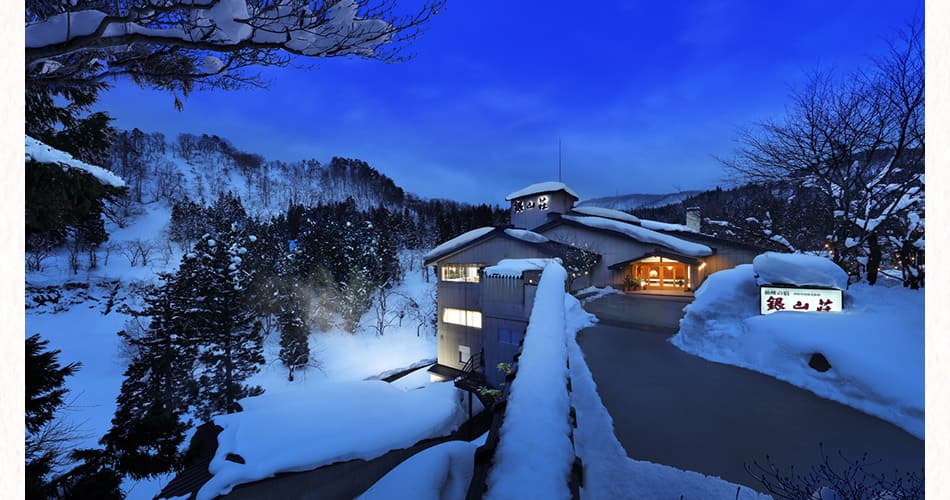
Snow-covered traditional Japanese ryokan multi-story wooden building in winter
A traditional ryokan exterior under winter snow — the iconic architecture of Japan's onsen towns — 家豪 陳 (Chen Jia-hao) / Pexels

Four regions stand out for solo travelers, evaluated on three criteria: solo booking availability, English-friendliness, and ease of independent navigation.

Hakone ryokans — Best for first-time solo ryokan visitors

Hakone is the most accessible ryokan region from Tokyo — 85 minutes on the Odakyu Romance Car from Shinjuku (~1,200 JPY). [verified Source 2026-05-06] The Hakone Free Pass (from 6,500 JPY, 2-day) covers all local transport including the ropeway, Hakone-Tozan railway, and lake boats, making independent navigation stress-free for a solo traveler who hasn't memorized the bus schedule. [verified Source 2026-05-06]

English-speaking staff are more common here than at rural alternatives. Solo booking availability is generally good, and the price range spans budget to ultra-luxury. The Fuji views are best enjoyed at your own pace — no one to compromise with on when to wake up. Mid-week stays reduce crowds and improve your odds on solo room availability.

Kinosaki Onsen — Best for solo onsen town immersion

Kinosaki is 2.5 hours from Kyoto or Osaka by JR limited express (JR Pass accepted). [verified Source 2026-05-06] Its structure suits solo exploration almost by design. When you check in, you receive a yukata and access to all seven public bathhouses in town. Each has a different character — a wooden riverside bath, a cave bath, a rooftop bath. Solo travelers can work through all seven over two nights on whatever schedule they like.

The town is walkable end-to-end in 20 minutes. The atmosphere is quieter and more traditional than Hakone. One caveat: fewer staff speak English here than at more internationally trafficked destinations. Email your booking in advance and confirm communication options.

Kusatsu Onsen ryokans — Best for serious onsen enthusiasts on a budget

Kusatsu is more than three hours from Tokyo via the JR Agatsuma Line — further than Hakone, and more rewarding for it. [verified Source 2026-05-06] The town centers on the yubatake, a latticed wooden field where sulfurous spring water cools before being channeled to the baths. Free public baths (*sotoyu*) are scattered throughout town, which matters on a solo budget.

Budget-tier ryokan options start at approximately 20,000 JPY per person per night including meals. The waters here are among Japan's most therapeutic — highly acidic, high-sulfur, genuinely different from the milder onsen at coastal resort towns. Expect a mostly Japanese-speaking domestic crowd; email booking is strongly recommended over phone.

Kyoto ryokans — Best for culture-first solo travelers (with budget awareness)

Kyoto gives solo travelers access to temple circuits, the Gion geisha district, and kaiseki dining that ranks among Japan's finest — and its heavy international tourism infrastructure means most ryokans have English menus and some English-speaking staff. For culture, it's unmatched.

The 2026 tax change matters here, though. A solo traveler at a mid-range Kyoto ryokan (50,000–100,000 JPY/night) now pays 4,000 JPY/night in accommodation tax. At luxury level (100,000+ JPY), it's 10,000 JPY. [verified Source 2026-05-06] Factor this in when comparing Kyoto prices to other regions.

Book 4–6 months ahead for cherry blossom (late March–April) and autumn foliage (mid-October–November). Solo availability during those windows is competitive.

Best ryokans for solo travelers in Japan: 5 specific picks

These picks were selected against solo-traveler criteria: single booking availability, English support, private bath access, and value-per-person pricing. They span four regions and three budget tiers.

Single-place kaiseki course served on a red lacquer tray with chopsticks and seasonal small dishes
A kaiseki opening course at a Tokyo ryokan — the red lacquer tray, the placement of the chopsticks, and the careful dish selection are the same wherever you eat alone in Japan — Photo: Chris 73 / Wikimedia Commons, CC BY-SA 3.0

1. Fukuya (Kinosaki Onsen) — Best budget solo pick

A traditional family-run ryokan in Kinosaki that accepts single bookings without making a production of it. The yukata and seven-bathhouse pass are included in your rate — for a solo traveler, those seven baths across two nights are the entire itinerary, no logistics required. Basic English communication is available; booking by email is recommended over phone.

Honest weakness: The rooms are functional rather than atmospheric. If you're after a design-forward interior, look elsewhere. The bathhouses are the experience here, not the room.

Price: approximately 25,000–35,000 JPY per person including meals [approximate; verify current availability at Booking.com]

[Check availability on Booking.com](https://www.booking.com/searchresults.html?ss=Fukuya+Kinosaki+Onsen&group_adults=1)

2. Ichinoyu Honkan (Hakone) — Best entry-level Hakone solo pick

Historic property in Hakone-Yumoto, walking distance from the station — which removes the transport anxiety that can make a first solo ryokan stay feel complicated. English menus and staff make communication manageable. Communal onsen is available, and private *kashikiri* bath reservations can be made at check-in for tattooed guests.

Honest weakness: The location in Hakone-Yumoto puts you in the busiest, most tourist-trafficked part of the area. For seclusion, take the Hakone-Tozan railway further up the mountain.

Price: approximately 20,000–35,000 JPY per person including meals [approximate; verify current availability at Booking.com]

[Check availability on Booking.com](https://www.booking.com/searchresults.html?ss=Ichinoyu+Honkan+Hakone&group_adults=1)

3. Tamanoyu (Yufuin, Oita) — Best for solo off-the-beaten-path

Tamanoyu is one of Yufuin's most established ryokans — a traditional property in the pastoral Oita highlands where the pace is slower and the clientele is mostly Japanese domestic travelers rather than international tour groups. For solo travelers, that atmosphere is the draw. Yufuin is a compact town; most ryokans, including Tamanoyu, sit within walking distance of Yunotsubo Kaido, the main street of craft shops and cafes. Outdoor rotenburo face the unmistakable silhouette of Mount Yufu, the 1,584-meter dormant volcano that defines the Yufuin skyline. Solo guests are accommodated without fuss.

Access is straightforward: fly to Oita Airport and take the bus to Yufuin — roughly 70 minutes. No shinkansen transfer required. For a solo traveler managing their own luggage, the simplicity is real.

Honest weakness: English support is limited compared to Hakone properties. Book through Booking.com or Japanican rather than attempting a phone reservation, and communicate dietary needs well in advance through the platform message system.

Price: approximately 30,000–55,000 JPY per person including meals [approximate; verify current availability at Booking.com]

[Check availability on Booking.com](https://www.booking.com/searchresults.html?ss=Tamanoyu+Yufuin&group_adults=1)

4. Gora Kadan (Hakone) — Best mid-range solo splurge

Gora Kadan's architecture reflects its origins as a private villa — stone garden paths, rooms that feel considered rather than assembled. The history shows in the details. English-speaking staff are a genuine strength. In-room private baths are available, and the kaiseki is among the best in Hakone. Book 2–3 months ahead for mid-week availability.

Honest weakness: At this price tier, the single supplement calculation deserves scrutiny. Confirm solo pricing explicitly before booking — some room types assume two guests.

Price: approximately 60,000–100,000 JPY per person including meals [approximate; verify current availability at Booking.com]

[Check availability on Booking.com](https://www.booking.com/searchresults.html?ss=Gora+Kadan+Hakone&group_adults=1)

5. Beniya Mukayu (Kaga Onsen, Ishikawa) — Best luxury solo experience

Beniya Mukayu consistently ranks among Japan's top ten ryokans, and for solo travelers it has one structural advantage: at this luxury tier, many properties price per room rather than per person — confirm with the property or Booking.com listing before booking, but if that applies, the solo math becomes far more reasonable. Every room has a private indoor and outdoor onsen — the communal bath question is moot. English-speaking staff can accommodate complex dietary requirements with advance notice.

The Michelin Guide's ["Reinvention of the Ryokan"](https://guide.michelin.com/us/en/article/travel/the-reinvention-of-the-ryokan-michelin-keys-guide) piece highlights properties like Beniya Mukayu as exemplars of how the top tier of Japanese ryokan has evolved: private onsen access, museum-quality design, and kaiseki drawing on regional produce — in Beniya Mukayu's case, the seafood and vegetables of Ishikawa's Noto Peninsula.

Honest weakness: Kaga Onsen requires more travel logistics than Hakone — from Tokyo, it's a shinkansen to Kaga-Onsen Station on the Hokuriku Shinkansen, approximately 2.5 hours. Worth planning for, not winging.

Price: approximately 80,000–200,000 JPY per person including meals [approximate; verify current availability at Booking.com]. Book direct or via Japanican — availability is limited year-round.

[Check availability on Booking.com](https://www.booking.com/searchresults.html?ss=Beniya+Mukayu+Kaga+Onsen&group_adults=1)

Dining alone at a ryokan: kaiseki for one

Kaiseki is the centerpiece of any ryokan stay — typically 8 to 12 courses of seasonal Japanese cuisine, moving from cold appetizers through grilled fish, simmered vegetables, rice, and miso to fresh fruit. It is extraordinary to eat alone. You can pay attention to every plate in a way that's harder when you're managing conversation.

Three configurations exist at most ryokans, from most to least comfortable for solo diners:

1. In-room dinner served by your attendant — the most common option at mid-range and luxury properties, and the best choice for solo travelers. Request it explicitly when you book, not after arrival. 2. Private dining alcoves in a communal dining room — common at smaller properties. Less exposed than open shared dining; you have your own enclosed space. 3. Open shared dining room — the least common at quality ryokans. Functional, and the self-consciousness fades quickly once the first course arrives.

Dietary restrictions — vegetarian, vegan, halal, severe allergies — are possible at many ryokans, but the kitchen needs lead time. Communicate at booking, ideally 2+ weeks ahead, using the platform's message field or a direct email to the property. A smaller family-run ryokan cooking for six guests cannot pivot a kaiseki menu on arrival day.

Breakfast is usually simpler: rice, miso, grilled fish, tamagoyaki, pickles. Served in the dining room and casual enough that solo breakfast feels unremarkable.

How to book a ryokan as a solo foreign traveler

Platform choice matters more for solo foreign travelers than for groups, because you're relying on English-language confirmation and clear solo-occupancy pricing.

Ranked by usefulness for English-speaking solo travelers:

1. Booking.com — widest English-language selection, free cancellation on many properties, and critically: set occupancy to 1 adult to surface solo-priced rooms and hide properties requiring two-person minimum. 2. Agoda — surfaces properties not listed on Booking.com; useful for last-minute. 3. Japanican (JTB) — lists rural and family-run ryokans absent from international platforms. Worth checking for smaller, off-the-beaten-path properties. 4. Rakuten Travel — strong for mid-range Japanese properties, but the interface is less English-optimized.

Tip

**Booking window:** Quality ryokans at popular destinations book out 2–3 months in advance during shoulder season. For cherry blossom (late March–April) or autumn foliage (mid-October–November), book 4–6 months ahead. The top 20–30 ryokans in Japan often have 6–12 month waits. [verified Source 2026-05-06]

At booking, communicate: dietary restrictions, tattoo status if relevant to communal baths, preferred dining configuration (in-room vs. communal), and a *kashikiri* private bath time slot request if needed. Phone reservations at rural ryokans in English are often not possible — email or online booking is more reliable.

One practical note: older ryokans may only accept cash or Suica/Pasmo IC card at checkout. Credit card acceptance is not universal. Confirm payment methods when booking and carry sufficient yen. See the [Japan Guide ryokan reservations guide](https://www.japan-guide.com/e/e2029_reservations.html) for additional logistics detail.

[Browse solo-friendly ryokans — set to 1 guest](https://www.booking.com/searchresults.html?ss=ryokan+japan&group_adults=1)

One night or two? An honest recommendation for solo travelers

One night is valid if budget is the constraint or you're fitting a ryokan into a broader itinerary. You get the kaiseki dinner, overnight in the futon, Japanese breakfast, and at least two onsen sessions. The experience is complete.

Two nights is the better recommendation for solo travelers. The first evening goes to navigating the unfamiliar — learning the bath schedule, working out the yukata tie, orienting yourself in a building with no hallway signage in your language. By the second day, you're settled. You use the onsen at dawn because you feel like it. You wander the surrounding town in the afternoon. The unhurried pace that makes ryokan travel distinctive only fully arrives when you stop managing logistics.

If you can only do one ryokan stay in Japan, do two nights. If budget forces one night, book it anyway.

One caveat: same-day booking is not standard. Kaiseki preparation requires advance notice. Book at minimum 1–2 days ahead, and realistically weeks ahead for any property worth staying at. [verified Source 2026-05-06]

What to pack for a solo ryokan stay

The honest packing list for a solo ryokan stay is almost entirely about what not to bring.

The ryokan handles your entire evening routine — yukata, tabi socks, toothbrush and basic toiletries, razor, tenugui hand towel for the onsen, hair dryer, in-room tea, and often a small evening snack. I showed up to my first ryokan with a full toiletry bag and used almost none of it.

What the ryokan won't cover — and what matters for solo travelers navigating independently:

- Your preferred shampoo and conditioner if your hair has specific needs (ryokan brands are variable and sometimes sparse) - Prescription medications, obviously - A small drawstring bag for the onsen changing room — keeps your belongings organized in a shared space - Google Translate downloaded with the Japanese offline pack — the camera translation function is the single most useful solo-travel tool in Japan, essential for bath rules, menus, and anything posted only in Japanese

Green tea in a painted ceramic cup and a wagashi sweet on a decorated dish placed on tatami mat
The welcome tea and wagashi sweet — provided by the ryokan on arrival, no packing required — Viridiana Rivera / Pexels

The connectivity piece matters more when you're traveling alone. A pocket WiFi device or Japan SIM card is not optional — it's the difference between a confident solo traveler and one standing in front of a bus schedule they can't read. Download Google Maps offline before you leave home.

Dress code: the yukata is the expected evening attire within and around the ryokan. No formal clothing needed. Bath areas are strictly no-camera zones; the room and gardens are fair game.

Final thoughts: solo ryokan travel is worth it

The anxieties are real. Single supplements exist. Some properties aren't solo-friendly. A few dinner rooms will give you a table that feels large for one. These are small inconveniences, not barriers.

What you get — and what I'd struggle to find elsewhere in Japan — is a full day inside a culture that is genuinely hospitable, in a space designed for sensory immersion, at a pace you set entirely on your own. The *omotenashi* attention lands differently when there's no one else competing for it. The midnight onsen is available because you're the one who decides to get up.

Choosing the right ryokan for solo travelers in Japan comes down to three decisions made before you arrive: the region that fits your priorities, the property tier that fits your budget, and the communication you send at booking — dietary needs, bath preferences, in-room dinner request. Get those right and the ryokan does the rest.

Tip

**Timing tip:** Post-Golden Week (May 6 onward) is one of the best-value windows for solo ryokan travel. Crowds and prices drop sharply after the holiday rush, and Japan's late-spring landscape — irises, fresh green foliage, comfortable temperatures — is exceptional. [verified Source 2026-05-06]

Use the region guide above to find your fit. Book at least 2–3 months out. Or start browsing now — [browse all Japan ryokans by region](/ryokans) to find properties that match your budget and dates.

Silhouette of a person standing at a shoji screen window overlooking a Japanese stone garden
A private moment — the ryokan garden visible through shoji screens, the kind of stillness solo travel makes possible — Gül Işık (ekrulila) / Pexels

[Browse solo-friendly ryokans in Japan](https://www.booking.com/searchresults.html?ss=ryokan+japan&group_adults=1)

Frequently asked questions

Can you stay at a ryokan alone? Yes. Single occupancy bookings are accepted at most ryokans, though some traditional properties require a two-person minimum during peak seasons. On Booking.com, setting occupancy to 1 adult surfaces solo-available properties and filters out those requiring a two-person minimum. Solo stays are especially common at budget and luxury tiers — the middle tier requires a bit more searching, but options exist across all regions covered in this guide.

Do ryokans charge a single supplement? Many do, but the amount and structure vary widely. Some ryokans price per room, making solo stays the full room rate regardless of occupancy. Others price per person with meals included and may charge 70–90% of a double rate for solo guests. At the luxury tier, per-room pricing is more common, which can make solo stays comparatively reasonable. Booking mid-week in shoulder season — May, September, early December — reduces the likelihood of a peak-season supplement.

Is it awkward to stay at a ryokan alone? Not really. Ryokan staff are trained in omotenashi hospitality and treat each guest individually — your solo status won't register as unusual to them. The communal onsen is built on quiet and mutual respect; solo bathing is entirely unremarkable. The one moment solo travelers notice most is dinner, particularly in open dining rooms. Requesting in-room kaiseki service when you book removes that entirely, and most mid-range and luxury properties offer it.

Can you go to a ryokan onsen with tattoos? It depends on the property. Communal baths at many traditional ryokans still prohibit tattoos, though policies are shifting — particularly in Hakone, Kyoto, and Niseko-area properties, where tattoo-welcoming communal baths are increasingly common. Private baths (*kashikiri*) and in-room rotenburo have no tattoo restrictions. The safest approach is to email the specific property before booking and ask directly. See our [vetted tattoo-welcoming properties](/blog/tattoo-friendly-ryokans) for confirmed options.

Can you stay at a Japanese ryokan without speaking Japanese? Yes, especially at ryokans in major tourist areas like Hakone, Kyoto, and Kinosaki. Most have English menus, English bath rules posted in the changing room, and at least one staff member with basic conversational English. Email booking is more reliable than phone for English communication at smaller or rural properties. The Google Translate camera function handles the rest — download the Japanese offline pack before you leave home.

How much does a ryokan cost per person for a solo traveler? Budget ryokans start at approximately $130–$200 per room per night (20,000–30,000 JPY) including dinner and breakfast. Mid-range properties run $230–$370 per room. Luxury properties start at $467 and can exceed $1,000 per room per night. Solo travelers should also budget for onsen tax (150–500 JPY per person per night) and, in Kyoto, the new 2026 accommodation tax of up to 10,000 JPY per person per night at the luxury tier. All pricing approximate per the Ryokan Retreat 2026 price guide. [verified Source 2026-05-06]

Is one night enough at a ryokan for a solo traveler? One night is a complete experience — kaiseki dinner, overnight on a futon, Japanese breakfast, and at least two onsen sessions. But two nights is the better recommendation for solo travelers. The first evening goes to orienting yourself: the bath schedule, the yukata, the rhythms of the place. The second day is when you relax into it. If budget allows only one night, still go — it's worth it. Just know that two nights is when the experience opens up.

想象一下黄昏时分:露天浴池(露天风吕)升腾着带着雪松香气的水雾,浴衣挂在木制衣架上,山谷在暮色中渐渐沉寂。浴池里只有你一人。没有人需要商量晚餐吃什么。只有你自己、那带着淡淡硫磺气息的温泉水,和远处河流的声音。

这样的体验并非情侣的专属。但如果你正在查找日本旅馆一人旅的信息,你大概已经撞上了同一堵墙——所有网站讲的都是"浪漫之旅"和"情侣套餐",而你真正想问的问题却得不到回答。一个人住要付双人房的钱吗?一个人吃饭会不会很尴尬?不会说日语能用温泉吗?

本指南将诚实回答所有这些问题——单人附加费的真实情况、温泉礼仪、哪些地区真正适合独自前往,以及横跨各价位(约$130至$467以上/晚)的具体旅馆推荐。我也会如实指出每家旅馆对独行旅客的不足之处,因为提前知道这些,能让你在入住时不会遭遇意外。

根据[日本国家旅游局(JNTO)发布的数据](https://www.nippon.com/en/japan-data/h02673/),2025年日本共接待外国游客4,270万人次,创历史新高,同比增长15.8%,仅美国游客就首次突破300万人次。[信息核实日期 2026-01-20] 一人旅行正在这一浪潮中快速增长,但旅馆业的营销方式还没有完全跟上。旅馆本身,比那些宣传册所呈现的,要欢迎独行客得多。

如果你对旅馆完全陌生,建议先阅读我们的[旅馆初体验指南](/blog/first-time-ryokan-guide)再回来——那篇文章涵盖了基础知识,本文可以专注讲独行旅客特有的注意事项。

一个人住旅馆会尴尬吗?最真实的回答

简短回答:不太会——但有一个特定的时刻值得提前做好心理准备。

旅馆员工受到"おもてなし"(omotenashi,款待之道)文化的熏陶,这是一种以眼前宾客为中心、主动预判需求的待客哲学。日本旅馆·饭店协会指出,这种"在客人开口之前便感知需求"的精神,正是旅馆住宿区别于一般酒店预订的核心。在实际体验中,这意味着:服务员根本不在意你是不是一个人来的,他们在意的是你的茶水温度是否合适、你从浴室回来之前布团是否已经铺好。许多独行旅客反映,他们得到的服务反而比情侣更为周到——因为员工的注意力不用分散。

共用浴池(大浴场)是很多人以为会最尴尬的地方——事实上却恰恰相反。日本温泉文化建立在沉默与相互尊重的基础之上。你走进去,在独立淋浴台彻底清洗身体,然后进入温泉水中。没有人会跟你说话。没有人会盯着你看。没有人会问你从哪里来,或者注意到你是一个人。我曾在清晨7点和晚上10点分别泡过大浴场,与其他客人交换的最多只是一个点头。

唯一可能让人感到局促的时刻是晚餐。怀石料理(kaiseki)在餐厅供应,或在高档旅馆中直接送到房间——一张为两人设计的桌子上只摆着一套餐具,是独行旅客最容易留意到的小小尴尬。但这种感觉转瞬即逝。如果你完全不想面对这一刻:

Tip

**小提示:** 订房时请求"房间内用餐"服务。大多数中高档旅馆都提供此选项。晚餐会从一个潜在的尴尬时刻,变成整个旅程的亮点。

说实话,旅馆在建筑设计和文化传统上都是为两人或小团体打造的。有些房间对一个人来说显得太大。有些料理课程的分量是按照两人的食量设计的。

这些都不意味着你不受欢迎——只是说明这个体验原本是为另一种"默认状态"设计的。一旦你了解了会发生什么,独行旅客很快就能适应。

我在旅馆一人旅中最大的惊喜:完全不用赶时间。每次泡温泉都按自己的心情来。每顿饭都按自己的胃口来。"款待之道"的细心照料,在独享的情况下,反而显得更为私密和深刻。

单人附加费:你实际会多花多少钱,以及如何省钱

这是让很多独行旅客打退堂鼓的经济现实。让我们来理清楚。

大多数旅馆按每人每晚定价,含晚餐和早餐。这与西方酒店的按房间收费、早餐另计不同。标价40,000日元(约¥1,900,约$270)通常意味着40,000日元*每人*——两人同住则总价80,000日元。

对独行旅客来说,有两种可能的结果。部分旅馆要求最少两人入住,无论如何都会按双人标准收费——相当于100%的单人附加费。另一些旅馆会提供单人优惠价,通常是双人价的70%至90%。还有越来越多的旅馆,尤其是在预算级和奢华级两端,按房间定价——使独行旅客的花费相对合理。

各价位的大致参考如下:[信息核实日期 2026-05-06]

| 价位 | 每晚(人民币约) | 每晚(日元) | 单人旅备注 | |------|-----------------|-------------|-----------| | 经济型 | ¥950–¥1,450(约$130–$200) | 20,000–30,000日元 | 多为小型家庭经营旅馆;单人定价最为灵活 | | 中档 | ¥1,670–¥2,700(约$230–$370) | 35,000–55,000日元 | 最适合独行旅客兼顾性价比与品质;明确接受单人预订的旅馆更多 | | 奢华型 | ¥3,400–¥7,250以上(约$467–$1,000+) | 70,000–150,000日元以上 | 此价位许多旅馆按房间定价,单人住宿相对合算 |

以上价格仅供参考;详细的价位分析请参阅[Ryokan Retreat 2026年价格指南](https://ryokanretreat.com/how-much-does-a-ryokan-cost/)。

降低单人旅费用的四个策略:

1. 在Booking.com上将入住人数设置为"1位成人"——系统会自动筛选出提供单人定价的旅馆,过滤掉要求最少两人的房源。 2. 选择淡季出行:五一假期后的5月、9月或12月初。旺季时旅馆在价格上最没有弹性。 3. 选择周日至周四入住。热门旅馆的周末压力在工作日会有所缓解,部分旅馆会在淡季工作日降低单人房价。 4. 选择城崎、草津、野泽温泉等小型温泉乡,而非箱根和京都——后者的需求量和基础价格都更高。

京都新宿住税说明(2026年起)

如果你计划预订京都旅馆,请务必精打细算。京都自2026年3月1日起提高了住宿税,最高档位已达到每人每晚10,000日元[信息核实日期 2026-05-06]——如果你是独行旅客,入住价格超过10万日元/间的奢华旅馆,仅税款就额外增加了约10,000日元。完整的税率详情请查看[京都住宿税官方公告](https://en.japantravel.com/news/kyoto-lodging-taxes-to-increase-from-march-2026/71333)。

预算有限的独行旅客可以考虑周边地区——伏见、嵐山附近的小镇或宇治——或参考我们的[京都旅馆区域指南](/kyoto),找到性价比依然合适的选择。此外,温泉税全国普遍征收:通常为每人每晚150至500日元,在退房时结清。

[在Booking.com搜索适合独行旅客的旅馆](https://www.booking.com/searchresults.html?ss=ryokan+japan&group_adults=1)

一个人泡大浴场:女性独行旅客(以及所有人)实际上会遇到什么

温泉,是大多数人选择旅馆而非普通酒店的首要原因。对独行旅客来说,这里也是出发前最令人担心的地方——以及回来后最庆幸自己多虑了的地方。

大浴场不是社交场所。它建立在沉默、裸体和最礼貌意义上的"互不打扰"之上。你走进去,在独立淋浴台彻底清洗,然后进入温泉水中。其他客人不会跟你说话。没有人会盯着你看。这里不需要任何表演。

男女浴场完全分开,标识清晰。寻找挂着蓝色门帘的男浴(男,*otoko*)和挂着红色门帘的女浴(女,*onna*)。切勿走错。部分旅馆早晚会互换男女浴场——员工会在入住时说明时间表。

对于女性独行旅客,女浴几乎总是更安静。女性独行旅客普遍反映,旅馆温泉的体验比预期舒适得多——一方面因为文化上本就不鼓励交流,另一方面女浴通常比男浴人少。

对于LGBTQ+旅客或任何对性别分浴感到不适的人,更干净的解决方案是预约包浴(贷切风吕,*kashikiri*)——入住时预订45分钟的全封闭私人浴室,通常收费1,000至3,000日元(约¥50–¥140)。许多奢华和中档客房标配独立室内外私人温泉。这完全绕开了性别分浴的问题,是我推荐给任何想体验温泉但不想面对大浴场的人的首选方案。

京都旅馆院落中的传统桧木泡澡桶,四周有障子和苔藓
京都一处旅馆的桧木浴池——完全绕开大浴场焦虑的私人温泉体验——Gül Işık (ekrulila) / Pexels

Tip

**温泉礼仪速查:** 1. 入浴前彻底冲洗身体 2. 毛巾不入水(叠好放在一旁) 3. 任何时候禁止携带手机或相机 4. 保持安静或完全不说话 5. 离开前冲洗并擦干身体,再返回更衣室 6. 泡完后多喝水——温泉水会导致脱水

纹身政策:订房前如何确认

这确实是一个"因地而异"的问题。许多传统旅馆的大浴场至今仍禁止纹身,这一政策源于历史上与有组织犯罪的关联。2023年的一项调查显示,约44%的日本受访者仍然支持这一禁令(不过原调查机构未经独立核实),但从行业报道来看,这种态度正在转变,在年轻人中尤为明显。

箱根、京都和新雪谷(ニセコ)附近的旅馆越来越多地对纹身持开放态度。最稳妥的步骤:

1. 查看旅馆官网上关于纹身的明确说明——越来越多的旅馆以英文公开这一政策。 2. 订房前直接发邮件询问旅馆:*"我有明显的纹身。我可以使用大浴场吗,还是应该预约私人浴室?"* 简单直接,任何正规旅馆都会明确回复。 3. 预订配有室内私人温泉(露天风吕或桧木浴池)的客房——从房型层面彻底规避这个问题。

包浴(*kashikiri*)在大多数中高档旅馆均可预约:通常是在入住时预订45分钟,费用1,000至3,000日元。私人浴室对纹身没有任何限制。

如需查找已确认纹身友好大浴场的旅馆,请参阅我们的[纹身友好旅馆指南](/blog/tattoo-friendly-ryokans)。

日本独行旅馆旅行的最佳区域

冬季白雪覆盖的传统日本旅馆多层木造建筑
冬雪中的传统旅馆外观——日本温泉乡的标志性建筑——家豪 陳 (Chen Jia-hao) / Pexels

以下四个区域对独行旅客最为友好,评判标准包括:单人预订的便利性、英语服务水平,以及独自行动的便捷程度。

箱根旅馆 — 旅馆一人旅的最佳入门之选

箱根是从东京出发最方便的旅馆目的地——从新宿乘小田急浪漫特快约85分钟(约1,200日元,折合约¥55)。[信息核实日期 2026-05-06] 箱根周游券(2日券起价6,500日元)涵盖缆车、箱根登山铁道、游览船等所有当地交通,即便没有背下公交时刻表,独行旅客也能轻松自由出行。[信息核实日期 2026-05-06]

这里的英语服务员比偏远地区多得多。单人预订一般不成问题,价格从经济型到顶级豪华都有。独自欣赏富士山的景色,完全按照自己的节奏——不需要跟任何人商量几点起床。工作日入住可以避开人群,也更容易订到单人客房。

城崎温泉 — 沉浸式温泉小镇独行旅的最佳选择

城崎温泉乘JR特急列车从京都或大阪出发约2.5小时(可使用JR通票)。[信息核实日期 2026-05-06] 这个小镇的结构简直是为独行旅行者量身打造的。入住时会收到浴衣和七个外汤的入浴通行证。每个外汤各有特色——有河边的木造汤屋、洞窟风呂、屋顶露天浴池。独行旅客可以在两夜之间随心所欲地体验全部七处。

小镇从头走到尾只需20分钟。氛围比箱根更宁静、更传统。提醒一点:这里会说英语的员工比热门国际旅游地少。提前发邮件预订,并确认沟通方式。

草津温泉旅馆 — 性价比最高的正宗温泉体验

草津乘JR吾妻线从东京出发需三小时以上——比箱根远,但也因此更值得一去。[信息核实日期 2026-05-06] 小镇的中心是汤畑(yubatake)——一片格栅状的木质装置,硫磺温泉水在此冷却后被引入各浴场。全镇散布着可以免费入浴的公共外汤(*sotoyu*),对预算有限的独行旅客来说是实实在在的福利。

经济型旅馆选择从每人每晚约20,000日元起(含餐)。这里的温泉水是日本最具疗效的——强酸性、高硫磺,与海滨度假区那种温和温泉截然不同。客源以国内游客为主,几乎全程日语环境;强烈建议发邮件预订,而非打电话。

京都旅馆 — 文化体验优先的独行旅客首选(需注意预算)

京都为独行旅客提供了寺庙巡游、祇园花街和日本顶级懐石料理——丰富的国际旅游基础设施意味着大多数旅馆有英文菜单和部分英文服务员。在文化体验方面,京都无可替代。

但2026年的税收变化不得不考虑。独行旅客在京都中档旅馆(50,000至100,000日元/晚)住宿,现在每晚需缴纳4,000日元的住宿税。奢华档(10万日元以上)则为10,000日元。[信息核实日期 2026-05-06] 与其他地区比较价格时,务必将这笔税计算在内。

樱花(3月下旬至4月)和红叶(10月中旬至11月)期间,请提前4至6个月预订。这些窗口期的单人客房竞争激烈。

日本最适合独行旅客的旅馆推荐:精选5家

以下旅馆根据独行旅客标准筛选:单人预订可行性、英文支持、私人浴室使用权以及单人性价比。涵盖四个地区和三个价位。

红色漆器托盘上摆放的筷子和应季小菜,怀石料理的前菜
东京某旅馆的怀石料理先付——红漆托盘、筷子的摆放方式,以及精心搭配的餐具,无论你在日本的哪里独自用餐,这些细节都是一样的——Photo: Chris 73 / Wikimedia Commons, CC BY-SA 3.0

1. 福屋(城崎温泉) — 经济型独行旅馆首选

城崎温泉一家传统家庭经营旅馆,接受单人预订,没有任何特别提示或区别对待。浴衣和七处外汤通行证都含在房价里——对独行旅客来说,两晚体验七处外汤就是全部行程,无需任何额外安排。提供基础英语沟通;建议通过邮件而非电话预订。

真实缺点: 客房功能性强,氛围感不足。如果你对设计感有要求,请另选别处。这里的亮点是外汤,不是房间本身。

参考价格: 每人每晚约25,000至35,000日元(含餐)[参考价格;请在Booking.com确认当前空房情况]

[在Booking.com查看空房](https://www.booking.com/searchresults.html?ss=Fukuya+Kinosaki+Onsen&group_adults=1)

2. 一之汤本馆(箱根) — 箱根入门级独行旅馆首选

位于箱根汤本的历史老宅,步行即可到达车站——消除了第一次旅馆独行旅最容易焦虑的交通问题。英文菜单和员工让沟通无障碍。可使用大浴场,有纹身的客人可在入住时预约包浴(*kashikiri*)。

真实缺点: 箱根汤本是整个地区游客最密集的地方。如需清静,可乘箱根登山铁道深入山中。

参考价格: 每人每晚约20,000至35,000日元(含餐)[参考价格;请在Booking.com确认当前空房情况]

[在Booking.com查看空房](https://www.booking.com/searchresults.html?ss=Ichinoyu+Honkan+Hakone&group_adults=1)

3. 玉之汤(由布院,大分县) — 最适合探索偏门目的地的独行旅馆

玉之汤是由布院最具代表性的旅馆之一——坐落于大分县的田园高原上,节奏悠缓,客源以日本国内游客为主,而非国际旅游团。对独行旅客来说,这种氛围正是吸引力所在。由布院是一个小巧的小镇;包括玉之汤在内的大多数旅馆,步行即可到达手工艺品店和咖啡馆林立的主街"汤の坪街道"。室外露天浴池正对由布岳——那座海拔1,584米、轮廓分明的休眠火山,是由布院天际线的标志。旅馆接待独行旅客,没有任何多余的繁文缛节。

前往方式简便:飞抵大分机场后乘公共汽车约70分钟即达由布院,无需转乘新干线。对自己搬行李的独行旅客来说,这份简单是实实在在的便利。

真实缺点: 英语服务比箱根旅馆有限。请通过Booking.com或Japanican预订,不要尝试电话预订,饮食需求请提前通过平台消息系统详细说明。

参考价格: 每人每晚约30,000至55,000日元(含餐)[参考价格;请在Booking.com确认当前空房情况]

[在Booking.com查看空房](https://www.booking.com/searchresults.html?ss=Tamanoyu+Yufuin&group_adults=1)

4. 强罗花坛(箱根) — 最适合独行旅客的中档奢华体验

强罗花坛的建筑风格源自其作为私人别墅的历史——石板庭院小径、每个细节都经过深思熟虑而非草率拼凑的客房,历史积淀在细节中流露。英文服务是其切实优势。可预约客房私人浴室,懐石料理是箱根一流水准。工作日房间建议提前2至3个月预订。

真实缺点: 在这个价位,单人附加费的计算需要仔细核对。请在预订前明确确认单人房价——部分房型默认按两人入住计算。

参考价格: 每人每晚约60,000至100,000日元(含餐)[参考价格;请在Booking.com确认当前空房情况]

[在Booking.com查看空房](https://www.booking.com/searchresults.html?ss=Gora+Kadan+Hakone&group_adults=1)

5. 苗代无何有(加贺温泉,石川县) — 最奢华的独行旅馆体验

苗代无何有始终位列日本最佳旅馆前十名,对独行旅客而言有一个结构性优势:在奢华价位,许多旅馆按房间定价而非按人头——在预订前请与旅馆或Booking.com房源页面确认,一旦适用,单人住宿的费用就会合理得多。每间客房均配有私人室内和室外温泉,大浴场的问题根本不存在。英文服务员可以在提前告知的情况下满足复杂的饮食需求。

米其林指南的[《旅馆的再发明》](https://guide.michelin.com/us/en/article/travel/the-reinvention-of-the-ryokan-michelin-keys-guide)一文将苗代无何有列为日本顶级旅馆演变的典范:私人温泉、博物馆级的设计,以及取材于当地物产的懐石料理——在苗代无何有的案例中,就是石川县能登半岛的海鲜和蔬菜。

真实缺点: 加贺温泉的交通比箱根复杂——从东京乘北陆新干线到加贺温泉站约需2.5小时。值得认真规划,不适合临时起意。

参考价格: 每人每晚约80,000至200,000日元(含餐)[参考价格;请在Booking.com确认当前空房情况]。建议通过官网或Japanican预订——全年空房有限。

[在Booking.com查看空房](https://www.booking.com/searchresults.html?ss=Beniya+Mukayu+Kaga+Onsen&group_adults=1)

在旅馆独自用餐:一个人的怀石料理

怀石料理(kaiseki)是任何旅馆住宿的核心——通常是8至12道应季日本菜肴,从冷前菜经烤鱼、煮蔬菜、白米饭和味噌汤,最终以新鲜水果收尾。独自用餐其实是非常特别的体验。你可以专注于每一道菜,而不必同时顾着聊天。

大多数旅馆有三种就餐方式,按独行旅客的舒适度从高到低排列:

1. 房间内用餐,由服务员送餐——中高档旅馆最常见的方式,也是独行旅客的最佳选择。请在预订时明确提出,而非到达后才说。 2. 餐厅内的独立包厢式座位——小型旅馆常见。比开放式餐厅更私密,有属于自己的封闭空间。 3. 开放式公共餐厅——品质旅馆中较少见。功能上没有问题,而且上了第一道菜之后,那种局促感很快就会消失。

饮食限制——素食、纯素、清真、严重过敏——许多旅馆都可以配合,但厨房需要提前准备。请在预订时沟通,最好提前两周以上,通过平台消息或直接发邮件给旅馆。一家只为六位客人做饭的家庭小旅馆,无法在入住当天临时调整怀石菜单。

早餐通常更简单:米饭、味噌汤、烤鱼、玉子烧、腌菜。在餐厅供应,氛围轻松,独自用早餐毫无违和感。

外国独行旅客如何预订旅馆

对于独行外国旅客来说,平台的选择比团队旅行更为重要——因为你依赖英文确认和明确的单人入住定价。

按对英语独行旅客的实用性排名:

1. Booking.com ——英文房源最多,许多旅馆支持免费取消,最重要的是:将入住人数设为1位成人,系统会筛选出单人定价的房间,过滤掉要求两人以上的旅馆。 2. Agoda ——可以找到Booking.com上没有的旅馆;适合临时预订。 3. Japanican(JTB) ——收录了国际平台上看不到的偏远地区和家庭经营旅馆,适合寻找小众、冷僻目的地的旅客。 4. 乐天旅游 ——中档日本旅馆选择丰富,但英文界面的友好度不如其他平台。

Tip

**预订时间窗口:** 热门目的地的优质旅馆,即便在淡季也常在2至3个月前就订满。赏樱(3月下旬至4月)或红叶(10月中旬至11月)期间,请提前4至6个月预订。日本最顶级的20至30家旅馆,往往需要提前6至12个月排队。[信息核实日期 2026-05-06]

预订时请说明:饮食限制、与大浴场相关的纹身情况、就餐方式偏好(房间内或餐厅)、以及是否需要预约包浴时间段。在英语环境下向乡村旅馆打电话预订往往不可行——邮件或在线预订更为可靠。

一个实用提醒:较旧的旅馆退房时可能只接受现金或Suica/Pasmo IC卡。信用卡并非万能。预订时确认支付方式,并携带足够的日元现金。更多预订细节请参阅[Japan Guide旅馆预订指南](https://www.japan-guide.com/e/e2029_reservations.html)。

[浏览适合独行旅客的旅馆(设为1位住客)](https://www.booking.com/searchresults.html?ss=ryokan+japan&group_adults=1)

住一晚还是两晚?给独行旅客的真心建议

住一晚是合理选择,如果预算有限或旅馆只是更大行程中的一站。你可以体验到怀石晚餐、在蒲团上过夜、日式早餐和至少两次泡温泉。体验是完整的。

住两晚是对独行旅客更好的建议。第一个晚上往往用于适应陌生环境——摸清入浴时间表、学会系浴衣腰带、在没有母语标识的走廊里找到方向感。到了第二天,你已经安顿下来。天亮时想泡温泉就去泡。下午随意逛逛周边小镇。那种让旅馆旅行与众不同的从容感,只有在你不再忙于处理各种事务之后才会真正降临。

如果在日本只能入住一次旅馆,请选择住两晚。如果预算只够一晚,还是要去——值得的。

一个注意事项:旅馆通常不接受当天预订。怀石料理的准备需要提前时间。最晚要提前1至2天预订,实际上对于任何值得入住的旅馆,提前几周才是合理安排。[信息核实日期 2026-05-06]

旅馆独行旅行李清单

旅馆独行旅真正的打包清单,几乎全是关于"不需要带什么"的。

旅馆会打理好你整个晚间所需——浴衣、足袋袜子、牙刷和基本洗漱用品、剃须刀、温泉用手巾、吹风机、房间茶水,以及通常还有一份晚间小点心。我第一次入住旅馆时带了整整一袋洗漱用品,几乎没用上。

旅馆不会提供——而独行旅客自主出行时真正需要的:

- 适合自己发质的洗发水和护发素(旅馆提供的品牌质量参差不齐,有时分量也很少) - 处方药(这是当然) - 一个小型抽绳袋,用于在温泉更衣室整理个人物品——在共用空间里保持物品有序 - 下载了日语离线包的Google翻译——相机翻译功能是日本独行旅最实用的工具,无论是温泉规则公告、菜单,还是任何只有日文的告示,都能轻松应对

榻榻米上摆着手绘陶瓷茶杯中的绿茶和装饰盘中的和果子
入住时的迎宾茶和和果子——旅馆已经准备好,无需自带——Viridiana Rivera / Pexels

网络连接在独行旅行时更为重要。随身WiFi或日本SIM卡不是可选项——它决定了你能否自信地独自出行,还是站在看不懂的公交时刻表前手足无措。出发前请下载Google Maps离线地图。

着装:浴衣是旅馆内部及周边傍晚时分的标准着装。不需要正装。浴场区域严禁拍照;客房和庭园则可以随意记录。

结语:旅馆独行旅值得一试

那些顾虑是真实存在的。单人附加费确实存在。确实有些旅馆不太适合独行旅客。确实有些餐厅会给你一张感觉太大的单人桌。这些是小小的不便,不是障碍。

你能得到的——在日本其他地方很难复制的体验——是在一个真心好客的文化中度过完整的一天,置身于一个为全方位感官沉浸而设计的空间里,完全按照自己的节奏。"款待之道"的细心关怀,在没有其他人争抢的时候,会以截然不同的方式抵达你的内心。深夜的温泉之所以成为可能,是因为起不起床由你自己决定。

选择适合自己的日本旅馆一人旅,归根结底在于出发前做好三个决定:符合你优先需求的地区,符合预算的旅馆档次,以及订房时准确传达的信息——饮食需求、温泉偏好、房间内用餐申请。把这三点做好,剩下的交给旅馆来完成。

Tip

**时间小贴士:** 黄金周结束后(5月6日起)是旅馆独行旅性价比最高的窗口之一。节假日人潮和高价退去,日本的晚春风景——鸢尾花、清新嫩绿的树叶、宜人的气温——格外迷人。[信息核实日期 2026-05-06]

使用上方的地区指南找到适合你的目的地。提前至少2至3个月预订。或者现在就开始浏览——[按地区浏览日本所有旅馆](/ryokans),找到符合你预算和日期的旅馆。

一个人站在障子屏风旁俯瞰日本石庭院的剪影
属于自己的一刻——透过障子看到的旅馆庭院,独行旅才能创造的那种宁静——Gül Işık (ekrulila) / Pexels

[浏览日本独行旅馆](https://www.booking.com/searchresults.html?ss=ryokan+japan&group_adults=1)

常见问题解答

一个人可以住旅馆吗? 可以。大多数旅馆接受单人预订,但部分传统旅馆在旺季要求最少两人入住。在Booking.com上将入住人数设为1位成人,即可筛选出提供单人预订的旅馆,过滤掉要求两人以上的房源。经济型和奢华型价位的单人住宿尤为普遍——中档价位需要多花些时间搜索,但本指南涉及的所有地区都有选择。

旅馆会收取单人附加费吗? 许多旅馆会,但金额和形式各不相同。部分旅馆按房间定价,无论入住几人都是同一价格。其他旅馆按人头含餐定价,独行客通常需支付双人价的70%至90%。在奢华价位,按房间定价更为常见,单人住宿的相对费用会更合理。选择淡季(5月、9月、12月初)工作日入住,可以降低旺季附加费的可能性。

一个人住旅馆会尴尬吗? 不太会。旅馆员工受款待之道训练,对每位客人都单独对待——你是独行旅客不会让他们感到异常。大浴场建立在安静和相互尊重的基础之上;一个人泡温泉完全平常。最容易让独行旅客注意到的时刻是晚餐,尤其在开放式餐厅。预订时申请房间内用餐,这个问题就完全消失了,大多数中高档旅馆都能提供。

有纹身可以去旅馆温泉吗? 视旅馆而定。许多传统旅馆的大浴场仍然禁止纹身,但政策正在变化——尤其是箱根、京都和新雪谷附近的旅馆,纹身友好的大浴场越来越多。私人浴室(*kashikiri*)和客房内露天风吕对纹身没有限制。最安全的做法是在预订前直接发邮件询问具体旅馆。已确认纹身友好的旅馆请参阅我们的[纹身友好旅馆推荐](/blog/tattoo-friendly-ryokans)。

不会说日语也能住旅馆吗? 可以,尤其是箱根、京都、城崎等主要旅游区的旅馆。大多数都有英文菜单、更衣室内的英文温泉规则,以及至少一名具备基础英语会话能力的员工。较小或偏远的旅馆,电子邮件或网上预订比电话更可靠。其余的交给Google翻译的相机功能解决——出发前请下载日语离线包。

旅馆独行旅大概需要多少钱? 经济型旅馆每晚起价约20,000至30,000日元(约¥950–¥1,450,含晚餐和早餐)。中档旅馆为35,000至55,000日元。奢华旅馆从70,000日元起,每晚可超过150,000日元。另需预算温泉税(每人每晚150至500日元)以及京都新税制下最高每人每晚10,000日元的住宿税。所有价格均为参考值,详见Ryokan Retreat 2026年价格指南。[信息核实日期 2026-05-06]

一晚够吗? 一晚已经是完整的体验——怀石晚餐、在蒲团上过夜、日式早餐和至少两次泡温泉。但对独行旅客而言,两晚是更好的选择。第一个晚上用于熟悉环境:入浴时间表、浴衣、旅馆的节奏。第二天才是真正放松的开始。如果预算只够一晚,还是要去——值得的。只是要知道,两晚才是体验真正敞开的时候。

Ready to book?

Find Your Ryokan

Browse our curated collection of traditional ryokans. Filter by region, price, and amenities.

开始探索