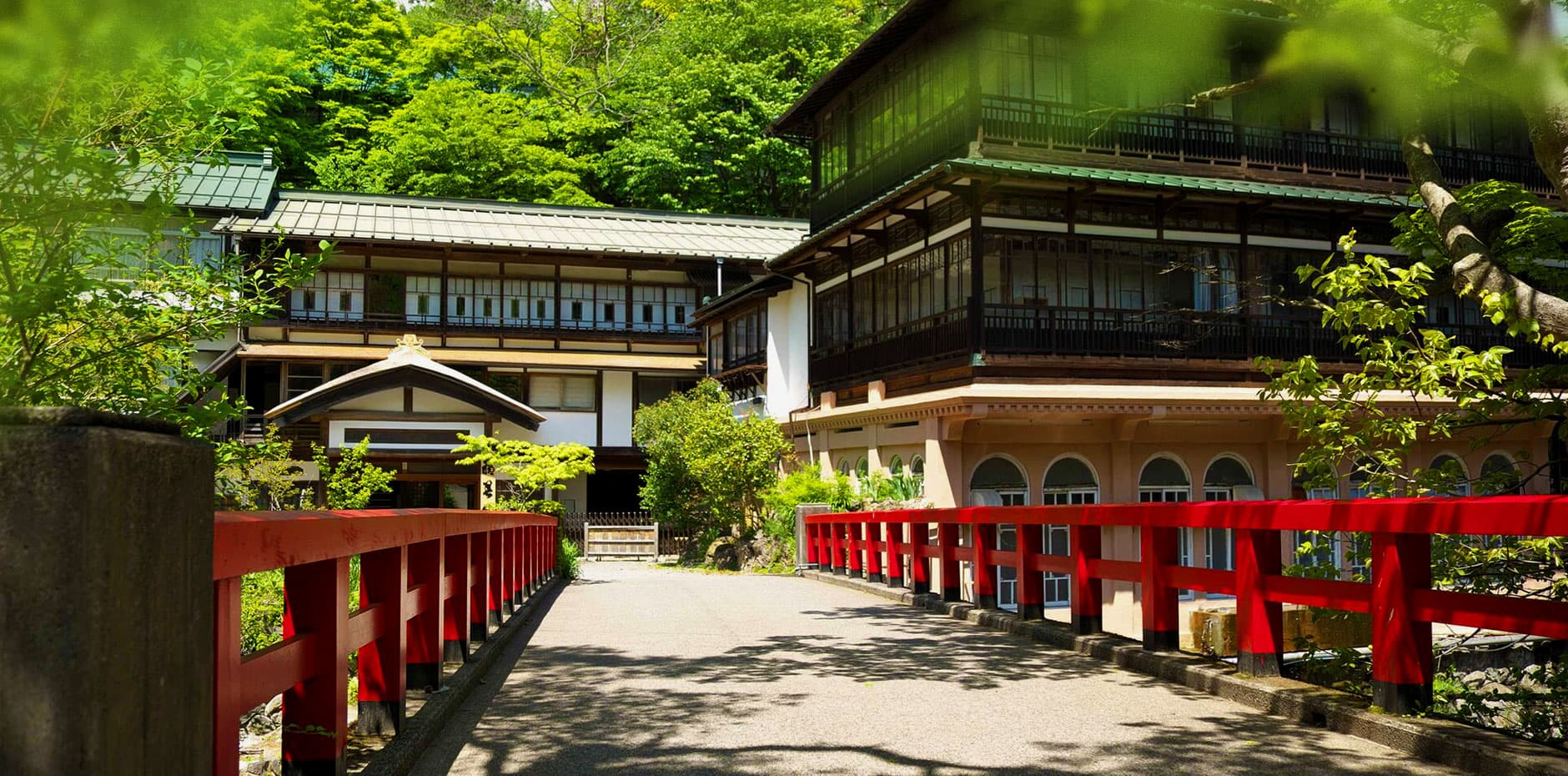
La différence entre un ryokan et un hôtel tient en une phrase : ce n'est pas une chambre habillée à la japonaise, c'est une maisonnée tout entière chorégraphiée autour de votre nuit. Ce guide est le briefing à lire avant de franchir le noren.
Rassurez-vous : personne ne s'attend à ce que vous connaissiez déjà les règles. Le personnel des ryokans est habitué aux hôtes internationaux, et les petites erreurs d'étiquette sont accueillies avec le sourire, pas avec le froncement de sourcils. Mais savoir à quoi s'attendre transforme une expérience potentiellement intimidante en un moment profondément agréable. Ce guide vous accompagne heure par heure à travers un séjour type pour que rien ne vous prenne au dépourvu. Vous êtes préoccupé par la barrière de la langue ? Notre guide sur les ryokans anglophones au Japon répertorie dix établissements à la réception bilingue vérifiée, où chaque étape ci-dessous est expliquée en anglais courant.
Que Préparer pour votre Premier Séjour en Ryokan
Les ryokans fournissent plus que vous ne l'imaginez — yukata, serviettes (grandes et petites), brosse à dents, brosse à cheveux, shampooing et après-shampooing, et souvent du démaquillant et des soins de base. Vous n'avez pas besoin d'apporter des produits de toilette sauf si vous avez une préférence particulière. Ne vous encombrez pas d'une robe de chambre ; le yukata remplit ce rôle pour toute la durée de votre séjour. Des chaussons sont également fournis (aussi bien pour les couloirs de la chambre que pour les toilettes — deux paires différentes, ne les confondez pas).
Ce dont vous avez vraiment besoin : (1) un petit sac pour le bain public — apportez du shampooing si vous y tenez vraiment, un nettoyant facial de voyage et un élastique à cheveux pour les longs cheveux qui doivent être attachés hors de l'eau. (2) Des sous-vêtements de rechange et un t-shirt souple pour dormir sous le yukata si vous trouvez que dormir en yukata seul est trop froid ou trop ouvert. (3) Une trousse de salle de bains pour les articles non fournis par les ryokans : solution pour lentilles de contact, médicaments sur ordonnance, produits coiffants que vous utilisez vraiment. (4) Des espèces — de nombreux ryokans de petites villes n'acceptent toujours pas les cartes de crédit émises à l'étranger. ¥30 000 à ¥50 000 en espèces couvrent les extras d'un séjour de 2 nuits (boissons, kashikiri, taxe de bain, distributeurs automatiques).
Tip
Notre liste d'emballage pour ryokan comprend la liste de contrôle complète avant le départ avec les quantités et les variations saisonnières (les villes thermales en hiver nécessitent des couches différentes de celles de Kyoto en été).
À l'Arrivée : Les Cinq Premières Minutes Comptent
La plupart des ryokans ont une heure d'arrivée entre 15 h et 17 h — plus tôt que vous ne l'imaginez, et il y a une raison à cela. L'emploi du temps du ryokan est organisé autour du dîner (généralement servi entre 18 h et 19 h), donc arriver tôt vous laisse le temps de vous installer, d'explorer et de prendre votre premier bain avant le repas.
Lorsque vous franchissez l'entrée (genkan), la première chose que vous remarquerez est une rangée de chaussons et une marche vers le haut. C'est là que vous retirez vos chaussures. Placez-les soigneusement face à la porte — ou, plus vraisemblablement, un membre du personnel les prendra et les rangera pour vous. On vous donnera des chaussons d'intérieur à porter dans les couloirs. Dans les ryokans traditionnels, vous retirerez également ces chaussons avant de marcher sur les planchers de tatami de votre chambre.
Le personnel vous accueillera chaleureusement, souvent avec une révérence et la formule « irasshaimase » (bienvenue). Vous serez conduit à un salon ou directement dans votre chambre pour l'enregistrement. Contrairement aux hôtels occidentaux, l'enregistrement se fait souvent dans votre chambre — un membre du personnel vous apportera du thé et un petit gâteau tout en vous expliquant les installations du ryokan et les horaires des repas. Si vous transitez d'abord par la capitale, consultez notre guide étape par étape pour se rendre dans un ryokan depuis la gare de Tokyo, qui couvre les correspondances Shinkansen, l'acheminement des bagages et la logistique du dernier kilomètre pour chaque grande région de ryokan.

Votre Chambre : Tatami, Thé et Minimalisme
Une chambre de ryokan traditionnel est intentionnellement sobre. Vous y trouverez des sols de tatami (nattes de jonc tressé qui ont juste assez de souplesse et sentent légèrement l'herbe), une table basse au centre, des coussins au sol (zabuton) et un tokonoma — une alcôve avec un rouleau suspendu et peut-être un arrangement floral saisonnier. Il n'y a pas de lit. Nous y reviendrons.
Sur la table ou près de l'entrée, vous trouverez votre yukata — une légère robe en coton qui sert d'uniforme pendant tout le séjour. Il y a généralement une veste d'hiver supplémentaire (tanzen) s'il fait froid. Votre yukata est accompagné d'une fine ceinture (obi). La façon correcte de le porter : côté gauche sur le côté droit (côté droit sur le gauche est réservé aux défunts — c'est le seul point d'étiquette qui mérite vraiment d'être mémorisé).
Enfilez le yukata immédiatement. Vous le porterez pour le dîner, à l'onsen, au petit-déjeuner et même pour vous promener dans la ville si vous êtes dans un village thermal comme Kinosaki. Porter le yukata n'est pas un cosplay facultatif — c'est le code vestimentaire. Vous vous sentirez légèrement ridicule pendant les dix premières minutes, puis parfaitement à l'aise pour le reste de votre séjour.
Tip
Le gâteau de bienvenue (généralement un petit wagashi ou un mochi) servi avec le thé vert n'est pas qu'une simple attention — c'est stratégique. Vous allez bientôt vous baigner dans une eau minérale chaude, et le sucre aide à prévenir les étourdissements. Mangez-le.
L'Onsen : Votre Premier Bain Japonais
C'est la partie qui rend nerveux la plupart des primo-visiteurs, alors démystifions-la complètement. L'onsen (bain de source chaude) est le cœur de l'expérience ryokan, et une fois que vous l'avez fait une fois, vous vous demanderez pourquoi vous étiez jamais anxieux.
Les règles essentielles :
1. Vous vous baignez complètement nu. Pas de maillot de bain, pas de sous-vêtements, aucune exception. Les bains communaux sont séparés par sexe (les bains pour hommes et pour femmes sont indiqués par 男 et 女 respectivement). La petite serviette fournie sert à la modestie lors des déplacements — tenez-la devant vous — mais elle n'entre jamais dans l'eau.
2. Lavez-vous soigneusement avant d'entrer dans le bain. Des postes de douche se trouvent le long du mur avec des tabourets, des seaux, du shampooing, de l'après-shampooing et du gel douche. Asseyez-vous sur le tabouret, lavez chaque partie de votre corps et rincez soigneusement. Ce n'est pas facultatif. L'eau du bain est partagée, et entrer sans se laver est la plus grande violation de l'étiquette que vous puissiez commettre dans un ryokan.
3. Entrez dans le bain lentement. L'eau est généralement à 40-43 °C (104-109 °F) — bien plus chaude qu'une baignoire occidentale. Entrez progressivement, en laissant votre corps s'adapter. Asseyez-vous sur le rebord immergé et plongez jusqu'aux épaules.
4. Gardez votre serviette hors de l'eau. Pliez la petite serviette et placez-la sur votre tête (c'est le look classique d'onsen que vous avez vu en photos) ou posez-la sur un rocher à côté du bain.
5. Restez silencieux. L'onsen est un lieu de méditation et de relaxation. Parlez à voix basse. Pas de téléphone, pas de photos, pas d'éclaboussures.

La plupart des ryokans ont à la fois un bain intérieur (uchiburo) et un bain extérieur (rotenburo). Le bain extérieur est la grande attraction — se tremper dans de l'eau volcanique en contemplant des montagnes, des forêts ou de la neige est l'une des grandes expériences sensorielles du Japon.
Ne restez pas trop longtemps lors de votre première visite. 15 à 20 minutes suffisent. La surchauffe est réelle, surtout si vous n'avez pas l'habitude des bains chauds. Vous pouvez toujours revenir plus tard — la plupart des bains de ryokan sont ouverts de la fin d'après-midi jusqu'à tard le soir, et à nouveau tôt le matin.
Tip
Le meilleur moment pour visiter l'onsen est juste après l'arrivée (les bains sont généralement vides) et tôt le matin avant le petit-déjeuner (6 h-7 h). De nombreux ryokans échangent les bains pour hommes et pour femmes pendant la nuit, vous pouvez donc expérimenter les deux.
Le Dîner : L'Expérience Kaiseki
Le dîner en ryokan n'est pas un repas — c'est un événement. Le kaiseki (懐石) est une expérience culinaire à plusieurs services composée de 8 à 14 petits plats servis sur 90 minutes à deux heures. Dans de nombreux ryokans, le dîner est servi dans votre chambre par une assistante dédiée (nakai-san). Dans d'autres, vous dînerez dans une salle privée ou semi-privée.
Les services arrivent un par un, chacun sur une pièce de céramique soigneusement choisie. La progression suit une structure traditionnelle : amuse-bouche, sashimi, plat grillé, plat à la vapeur, plat mijoté, riz et dessert — le tout élaboré autour des meilleurs ingrédients saisonniers de la région locale.
Conseils pratiques pour les primo-visiteurs :
Goûtez tout. Vous rencontrerez des ingrédients que vous n'avez jamais vus. Certains deviendront des favoris instantanés. La seule façon de découvrir que vous adorez la daurade marinée au yuzu ou le tofu aux châtaignes, c'est d'y goûter.
Gérez vos portions. Les portions semblent petites mais s'accumulent. Vers le septième ou huitième service, vous réaliserez que « quelques bouchées » fois quatorze services représentent en réalité beaucoup de nourriture. Ne vous forcez pas à tout finir — laisser une petite quantité est parfaitement acceptable.
Le service de riz signale la fin. Lorsque le riz, la soupe miso et les légumes marinés arrivent, vous approchez de la conclusion. Vient ensuite le dessert (généralement des fruits frais ou un gâteau léger), et le dîner est terminé.
Régimes alimentaires particuliers ? Les accommodations végétariennes, véganes et pour allergies sont possibles dans la plupart des ryokans avec un préavis suffisant. Les voyageurs qui recherchent des ryokans avec un kaiseki sans porc trouveront une liste dédiée de séjours certifiés halal vérifiés dans notre guide des ryokans halal — nous avons vérifié la disponibilité des salles de prière et les pratiques de cuisine halal pour les établissements figurant sur cette liste.

Le Sommeil : La Question du Futon
Pendant que vous êtes au dîner (ou après votre retour), un membre du personnel entrera dans votre chambre et déroulera votre futon sur le sol en tatami. Il s'agit d'un matelas en coton épais avec une couette et un oreiller en cosses de sarrasin. Si vous n'avez jamais dormi sur le sol, vous pourriez être sceptique. C'est compréhensible.
Voici la réalité : les futons japonais sur tatami sont étonnamment confortables. Le tatami offre juste assez de souplesse, et le futon est plus épais que vous ne l'imaginez. La plupart des hôtes internationaux dorment bien — la combinaison de l'eau chaude de l'onsen, d'un dîner kaiseki complet et d'un silence total crée des conditions de sommeil idéales.
Si vous avez des problèmes de dos, demandez au ryokan une couche de futon supplémentaire (certains fournissent des surmatelas en mousse). Si vous préparez ce voyage avec des parents âgés, nos conseils ryokan pour voyager avec des parents seniors couvrent en détail les lits, les ascenseurs et les bains de plain-pied. Et si vous ne pouvez vraiment pas dormir sur le sol, de nombreux ryokans modernes proposent désormais des chambres avec des lits — précisez simplement « chambre avec lit » lors de la réservation.
Le futon sera rangé le matin pendant que vous serez au petit-déjeuner ou au bain, et votre chambre retrouvera sa configuration diurne. Cette transformation du même espace, passant de salon en chambre à coucher et retour, est l'un des principes de conception ingénieux de l'architecture japonaise traditionnelle.
Le Matin : Bain, Petit-Déjeuner, Départ
Réglez votre réveil tôt — ou non, car vous vous réveillerez probablement naturellement vers 6 h du matin avec un sentiment étrange de fraîcheur. La routine matinale dans un ryokan suit un rythme précis :
Bain du matin (6 h-7 h 30). Retournez à l'onsen pour un trempage avant le petit-déjeuner. Le bain du matin est une expérience totalement différente de celui du soir — la lumière est différente, l'air est plus frais, et vous aurez probablement le bain presque pour vous seul. Beaucoup d'habitués des onsens affirment que le bain du matin est en réalité le meilleur.
Petit-déjeuner (7 h 30-9 h). Le petit-déjeuner japonais en ryokan est un repas complet : poisson grillé (généralement saumon ou maquereau), soupe miso, riz, légumes marinés, tamagoyaki (omelette roulée), nori (algues), natto (soja fermenté — essayez-le au moins une fois) et petits plats d'accompagnement. Il est servi dans le même style que le dîner — plusieurs petites assiettes, magnifiquement présentées.
Ce petit-déjeuner vous gâchera les petits-déjeuners d'hôtel pour toujours. Il est aussi bon que ça. La combinaison de soupe miso chaude, de riz parfaitement cuit et de poisson grillé savoureux après un onsen matinal est l'un des grands plaisirs quotidiens du Japon.
Le départ est généralement à 10 h-11 h. Il n'y a pas de pourboire au Japon — ne donnez pas de pourboire. Ni à la nakai-san qui a servi votre dîner, ni au personnel qui a porté vos bagages, ni à personne. Le pourboire n'est pas attendu et peut créer une véritable confusion ou embarras. Les frais de service sont inclus dans votre tarif de chambre.
À votre départ, le personnel vous rendra vos chaussures, portera vos bagages jusqu'à l'entrée et s'inclinera à votre départ. Dans de nombreux ryokans traditionnels, ils resteront dehors à vous regarder partir jusqu'à ce que vous soyez hors de vue. C'est un petit geste, mais il vous restera longtemps à l'esprit.
Argent, Paiements et Pourboires dans les Ryokans
Les grands ryokans (¥30 000+/personne/nuit ou établissements de niveau international) acceptent les cartes de crédit. Visa et Mastercard fonctionnent presque universellement ; la couverture Amex est limitée (~50 % des établissements) ; JCB est préféré par les voyageurs japonais mais disponible partout où Visa est accepté. Certains petits ryokans traditionnels n'acceptent que les espèces — et « petit » peut désigner une magnifique auberge familiale de 10 chambres dans une ville thermale tranquille, pas seulement des établissements économiques. Si votre réservation est directe (non via Booking.com ou Trip.com), confirmez les modes de paiement à l'avance.
Espèces que vous dépenserez en sus du tarif de la chambre : la taxe de bain (nyuto-zei, ¥150 à ¥300 par personne, payée au départ — requise par le gouvernement local, pas par le ryokan), les frais de kashikiri-buro (¥2 000 à ¥5 000 par tranche de 45 minutes si vous réservez le bain privé), les boissons lors du dîner (¥800 à ¥3 000 par article) et les achats mineurs à la réception (souvenirs, un yukata à conserver, ¥3 000 à ¥8 000). Prévoyez un total de départ plus élevé que votre tarif de chambre.
Le pourboire ne fait vraiment pas partie de la culture et provoquera de la confusion. Ne donnez pas de pourboire à la nakai-san, ne donnez pas de pourboire à la réception, ne laissez pas d'argent sous le futon. Si vous souhaitez vraiment exprimer votre gratitude au-delà des frais de service inclus, écrivez un mot de remerciement en japonais ou en anglais au départ, ou remettez en main propre un petit omiyage (cadeau, souvent des sucreries régionales de votre pays d'origine) à votre nakai-san lors du dîner. L'argent crée de la gêne. Les notes et les cadeaux sont accueillis avec plaisir.
Comment Choisir votre Premier Ryokan : 3 Questions Décisives
Question 1 : À quel point êtes-vous à l'aise avec le dépaysement culturel ? Si votre style de voyage est aventureux et à haute stimulation, un ryokan hors des sentiers battus à Yufuin ou Kurokawa récompense l'effort. Si vous préférez un atterrissage en douceur pour votre premier ryokan, choisissez un établissement à Hakone ou Atami (voir aussi notre sélection de premiers ryokans à Atami) d'où vous pouvez rejoindre Tokyo en 90 minutes si quoi que ce soit vous semble accablant — consultez notre sélection Hakone pour les premiers séjours pour les établissements qui gèrent le mieux l'enregistrement en anglais et l'accès par bus express. Notre liste des meilleurs ryokans près de Tokyo est spécialement conçue pour cette question. Vous ne savez pas quelle région correspond à votre programme ? Notre guide des régions d'onsen au Japon cartographie les 25 destinations par géographie pour vous aider à adapter votre itinéraire à la bonne zone thermale.
Question 2 : Quelle est votre situation en matière de tatouages ? La plupart des ryokans maintiennent encore une politique d'interdiction de tatouages dans les bains communs. Nos données sur les politiques de tatouage de 560 ryokans montrent toutefois qu'une interdiction totale ne concerne que 8,8 % des établissements affichant une politique claire — pour la plupart, le bain privé reste la solution. Si vous avez des tatouages visibles, vous avez trois options : (a) réserver un ryokan avec onsen privé en chambre, (b) réserver un ryokan avec kashikiri-buro (bain privé réservable) inclus, ou (c) réserver l'un des établissements explicitement accueillants pour les tatouages de plus en plus nombreux. Notre guide des ryokans acceptant les tatouages répertorie les choix vérifiés. Ce n'est pas un détail mineur — découvrir la politique de tatouage à l'enregistrement est une conversation profondément inconfortable que nous préférerions vous éviter.
Question 3 : Voyagez-vous seul, en couple ou avec des enfants ? Chaque situation modifie considérablement la recommandation du ryokan. Les voyageurs solo font face à une majoration de 20 à 50 % par personne dans de nombreux établissements — notre guide des ryokans pour voyageurs solitaires liste les établissements qui accueillent (et ne pénalisent pas) le cas du voyageur solo. Les couples bénéficient des chambres avec onsen privé — notre guide des onsens privés couvre les choix. Les familles ont besoin de politiques explicitement adaptées aux enfants — de nombreux ryokans de luxe interdisent aux enfants de moins de 12 ans. Notre guide des ryokans avec enfants nomme les établissements conçus pour les familles.
Erreurs Courantes (et Comment les Éviter)
Porter le yukata avec le côté droit sur le gauche. Côté gauche sur le côté droit, toujours. Droite sur gauche est réservé à l'habillage des défunts pour l'inhumation. Le personnel vous corrigera gentiment si vous vous trompez, mais mieux vaut bien faire du premier coup.
Marcher sur le tatami avec des chaussons. Retirez vos chaussons avant de marcher sur les nattes de tatami. Les chaussons sont réservés aux couloirs uniquement. Si vous voyez un revêtement de sol en paille ou en jonc, vos pieds doivent être nus ou en chaussettes.
Arriver en retard. Si vous manquez l'heure du dîner, la cuisine a déjà préparé vos services et le timing est perturbé. Si vous êtes en retard, appelez à l'avance. Arriver après 17 h pour un dîner à 18 h est trop juste.
Entrer dans l'onsen sans se laver. Nous l'avons dit plus haut, mais cela mérite d'être répété : lavez-vous soigneusement au poste de douche avant d'entrer dans le bain communal. Chaque fois sans exception.
Prendre des photos dans l'espace bain. Même si le bain est vide, les appareils photo et les téléphones sont interdits dans les vestiaires et les espaces de bain des onsens. Cette règle est strictement appliquée.
Vider la baignoire. Contrairement à une baignoire occidentale, vous ne videz pas l'onsen quand vous avez terminé. L'eau coule en continu et est partagée par tous les hôtes. Sortez simplement du bain, séchez-vous et laissez le bain tel que vous l'avez trouvé.
Si vous souhaitez une vue d'ensemble complète de ce qu'il ne faut pas faire — du yukata noué à l'envers aux chaussons de toilettes portés sur le tatami — notre guide approfondi sur les 13 pires erreurs commises par les touristes étrangers dans les ryokans couvre chaque faux pas avec des scripts de récupération utilisables sur le moment.
Tip
Téléchargez une fiche de phrases japonaises simples avant votre voyage. Expressions clés : « Sumimasen » (excusez-moi), « Arigatou gozaimasu » (merci beaucoup), « Oishii desu » (c'est délicieux), « Onsen wa nanji kara desu ka ? » (À quelle heure ouvre l'onsen ?). Le personnel appréciera énormément l'effort.
À Propos de ce Guide (et Qui l'a Rédigé)
Ce guide est une synthèse de (a) nos propres 80+ séjours en ryokan dans toutes les régions thermales du Japon depuis 2018, (b) des entretiens avec des nakai-san et des okami d'établissements désireux de partager leur perspective sur l'expérience des hôtes étrangers, et (c) une vérification croisée permanente avec les médias de voyage en langue japonaise (Hanako, OZ Magazine, Tabi-Iro). Lorsque nous décrivons une pratique comme courante ou universelle, cela est basé sur une expérience directe dans plusieurs établissements, pas sur une seule anecdote. Lorsque la variation régionale est importante (coutumes du yukata à Kyoto vs Kinosaki, modes de paiement en milieu rural vs urbain), nous le signalons explicitement. Nous revérifions les prix et les politiques tous les six mois. Prochaine revérification : novembre 2026.
Une Dernière Chose
Votre premier séjour en ryokan vous semblera rempli de règles. Retirez les chaussures ici, mettez les chaussons là, portez la robe dans ce sens, lavez-vous avant de tremper, ne donnez pas de pourboire, ne sortez pas votre téléphone. Cela peut sembler accablant sur le papier.
Mais dans la pratique, tout coule naturellement. Le ryokan est conçu de sorte que chaque étape mène logiquement à la suivante. Vous arrivez, vous vous changez, vous vous baignez, vous mangez, vous dormez, vous vous baignez à nouveau, vous mangez à nouveau, vous partez. La structure est en réalité libératrice — vous n'avez aucune décision à prendre. Vous suivez simplement le rythme.
Et ce rythme, perfectionné au fil de siècles d'hospitalité japonaise, vous offrira l'une des nuits les plus reposantes et les plus mémorables de tous vos voyages. N'y réfléchissez pas trop. Retirez simplement vos chaussures et entrez.
Prêt à planifier ce premier séjour ? Si une vue sur le mont Fuji figure sur votre liste de rêves, notre guide des meilleurs ryokans avec vue sur le mont Fuji est un point de départ incontournable. La plupart des primo-visiteurs adorent aussi les auberges historiques de Kyoto — accessibles à pied depuis le Shinkansen et à mille ans de la vie moderne.
Vous planifiez un voyage spécial ensemble ? Tout ce guide s'applique — et notre ressource sur les meilleurs ryokans pour les couples va plus loin, avec des choix spécialement sélectionnés pour le romantisme, l'intimité et l'accès partagé à l'onsen. Pas encore décidé à passer une nuit complète ? Un forfait onsen à la journée dans de nombreux meilleurs ryokans du Japon vous permet de vivre le rituel d'arrivée, le bain et souvent un repas léger — en un seul après-midi, avant de décider si vous souhaitez revenir pour la nuit complète.
Foire aux questions
Prêt à réserver ?
Autres ryokans réservables
Comparez les disponibilités et les tarifs en direct sur les sites de réservation.

à partir de ≈439 € · par personne et par nuità partir de ≈ 878 € au total pour 2 personnes




Hiiragiya Ryokan
柊家旅館
Kyoto·Luxe
à partir de ≈439 € · par personne et par nuità partir de ≈ 878 € au total pour 2 personnes

Asaba
あさば
Izu·Luxe
à partir de ≈527 € · par personne et par nuità partir de ≈ 1 054 € au total pour 2 personnes
Les liens de réservation peuvent générer une commission sans coût supplémentaire.
Prêt à réserver ?
Autres ryokans réservables
Comparez les disponibilités et les tarifs en direct sur les sites de réservation.
à partir de ≈439 € · par personne et par nuità partir de ≈ 878 € au total pour 2 personnes
Hiiragiya Ryokan
柊家旅館
Kyoto·Luxe
à partir de ≈439 € · par personne et par nuità partir de ≈ 878 € au total pour 2 personnes
Asaba
あさば
Izu·Luxe
à partir de ≈527 € · par personne et par nuità partir de ≈ 1 054 € au total pour 2 personnes
Les liens de réservation peuvent générer une commission sans coût supplémentaire.
Votre première nuit en ryokan ressemblera à une liste de règles — chaussures retirées ici, chaussons là, robe nouée comme ceci, se laver avant le bain, pas de pourboire, pas de téléphone au dîner. C'est normal. Dès le deuxième matin, les règles se dissolvent et il reste un séjour plus lent, plus présent. Vous n'aurez pas envie de partir au moment du check-out. Si vous vous demandez déjà si une seule nuit suffit, notre guide sur combien de nuits passer en ryokan compare les itinéraires d'une, deux et trois nuits. À lire ensuite : les meilleurs ryokans pour les couples si c'est votre lune de miel, ou conseils ryokan petit budget si le coût est la décision qui bloque.
Prêt à réserver ?
Autres ryokans réservables
Comparez les disponibilités et les tarifs en direct sur les sites de réservation.
à partir de ≈439 € · par personne et par nuità partir de ≈ 878 € au total pour 2 personnes
Hiiragiya Ryokan
柊家旅館
Kyoto·Luxe
à partir de ≈439 € · par personne et par nuità partir de ≈ 878 € au total pour 2 personnes
Asaba
あさば
Izu·Luxe
à partir de ≈527 € · par personne et par nuità partir de ≈ 1 054 € au total pour 2 personnes
Les liens de réservation peuvent générer une commission sans coût supplémentaire.
FAQ
Questions fréquentes
Quelle est l'heure d'arrivée typique pour un séjour en ryokan ?+
La plupart des ryokans ont une heure d'arrivée entre 15 h et 17 h, ce qui est plus tôt que les hôtels habituels. Cet horaire permet aux hôtes de s'installer, d'explorer et de prendre leur premier bain avant le dîner, qui est généralement servi entre 18 h et 19 h.
Comment dois-je porter correctement le yukata fourni dans un ryokan ?+
Le yukata est une légère robe en coton qui sert d'uniforme. Portez-le toujours avec le côté gauche sur le côté droit. Droite sur gauche est réservé aux défunts. Vous porterez le yukata pour le dîner, l'onsen, le petit-déjeuner et même en ville dans certains villages thermaux.
Quelles sont les règles d'étiquette les plus importantes pour utiliser un onsen dans un ryokan ?+
Vous devez vous baigner complètement nu dans des bains séparés par sexe. Il est essentiel de vous laver soigneusement au poste de douche avant d'entrer dans le bain communal, car c'est un point d'étiquette majeur. Gardez votre petite serviette hors de l'eau et maintenez le silence, car l'onsen est un lieu de relaxation et de méditation.
À quoi dois-je m'attendre pour le dîner kaiseki dans un ryokan ?+
Le dîner en ryokan est une expérience kaiseki à plusieurs services, généralement 8 à 14 petits plats servis sur 90 minutes à deux heures. Il est souvent servi dans votre chambre ou dans un espace de restauration privé. Goûtez à tout, même les ingrédients inconnus, et gérez vos portions car elles s'accumulent. Le service de riz signale la fin du repas.
Comment est-il de dormir sur un futon dans un ryokan ?+
Pendant que vous dînez, le personnel déroulera un épais futon en coton sur votre sol en tatami. Les futons japonais sur tatami sont étonnamment confortables, offrant juste assez de souplesse. La plupart des hôtes dorment bien grâce à l'onsen, au dîner kaiseki et au calme. Vous pouvez demander une couche de futon supplémentaire si vous avez des problèmes de dos.
Est-il coutumier de donner des pourboires au personnel d'un ryokan au Japon ?+
Non, le pourboire n'est pas attendu ni coutumier au Japon. Ne donnez pas de pourboire à la nakai-san qui sert votre dîner, au personnel qui porte vos bagages, ni à quiconque. Le pourboire peut provoquer de la confusion ou de l'embarras, car les frais de service sont déjà inclus dans le tarif de votre chambre.
Vous hésitez encore ?
Voir les ryokans au JaponBooking.com