37分鐘閱讀更新於 2026年6月
When I led my first English-speaking guests through their first ryokan night in 2019 (as a freshly minted JNTO Accredited Tour Guide), the okami pulled me aside at check-in. She wanted to know which of the four was the heaviest sleeper — because the futon staff would lay that one out last so the bedding stayed warmest the longest. That single moment is what separates a ryokan from a hotel: it is not a room with Japanese décor, it is a household choreographed around your night. This guide is the first-time briefing I now give every guest before we walk through the noren.
What Is a Ryokan?
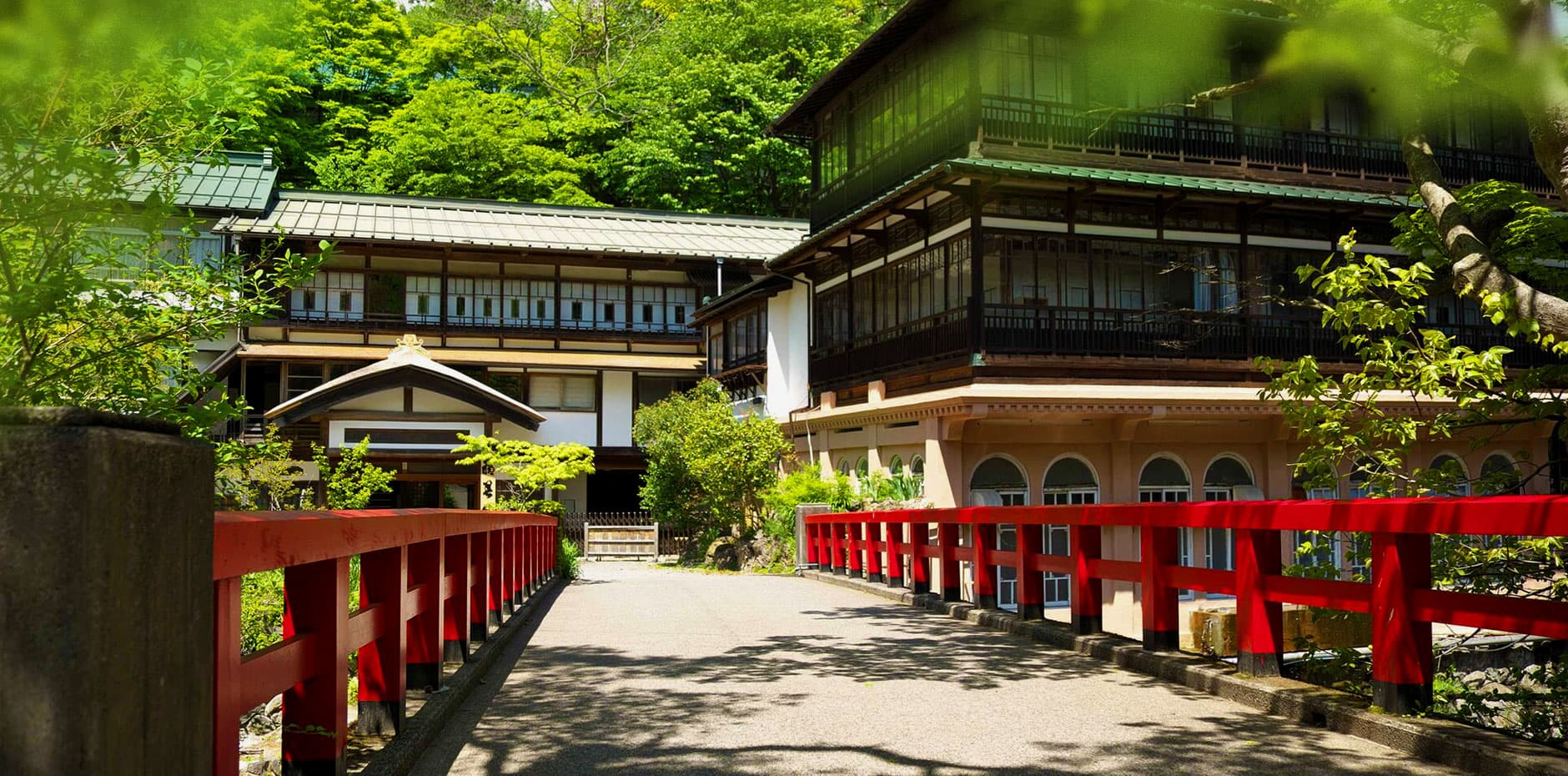
A ryokan is a traditional Japanese inn featuring tatami-mat floors, futon bedding, communal or private onsen baths, and a multi-course kaiseki dinner served in your room or a private dining alcove. The model has been operating since the Edo Period (1603–1868). Around 1,500 ryokan are still in family operation across Japan in 2026. Because so many inns include hot-spring bathing, the two terms often get blurred, so it helps to understand why a ryokan and an onsen aren't the same thing before you book.
- Lodging type: family-run traditional inn, not a hotel chain. - Floors: tatami mats; shoes are removed at the genkan entry. - Bedding: futon laid on the tatami by staff after dinner. - Meals: kaiseki dinner + Japanese breakfast included in the rate. - Bath: most ryokan in onsen towns have on-site hot-spring baths.
What to Pack for Your First Ryokan Stay
Ryokans supply more than you'd expect — yukata, towels (large and small), toothbrush, hairbrush, shampoo and conditioner, and often face wash and basic skincare. You do not need to pack toiletries unless you have a specific product preference. Don't bother with a robe; the yukata serves the role for the duration of your stay. Slippers are also supplied (both for the room corridor and the toilet — different pairs, do not confuse them).
What you actually do need: (1) a small bag for the public bath — bring shampoo if you're brand-loyal, a small travel-sized facial cleanser, and a hair tie for long hair which is required to be off the bath water. (2) Spare underwear and a soft t-shirt for sleeping under the yukata if you find the yukata-only sleep too cold or too open. (3) A bathroom kit for things ryokans don't supply: contact lens solution, prescription medicines, hair styling products you actually use. (4) Cash — many small-town ryokans still don't accept foreign-issued credit cards. ¥30,000-¥50,000 in cash covers a 2-night stay's extras (drinks, kashikiri, bathing tax, vending machines).
Tip
Our ryokan packing list has the full pre-trip checklist with quantities and seasonal variations (winter onsen towns need different layers than summer Kyoto).
Arriving: The First Five Minutes Matter
Most ryokans — including the small handful of in-city options on our Tokyo ryokans list — have a check-in time between 3:00 PM and 5:00 PM — earlier than you'd expect, and there's a reason for this. The ryokan's schedule is built around dinner (usually served between 6:00 and 7:00 PM), so arriving early gives you time to settle in, explore, and take your first bath before the meal .
When you step through the entrance (genkan), the first thing you'll notice is a row of slippers and a step up. This is where you remove your shoes. Place them neatly facing the door — or, more likely, a staff member will take them and store them for you. You'll be given indoor slippers to wear in the hallways. In traditional ryokans, you'll also remove these slippers before stepping onto tatami-matted floors in your room.
The staff will greet you warmly, often with a bow and the phrase "irasshaimase" (welcome). You'll be guided to a sitting area or directly to your room for check-in. Unlike Western hotels, check-in often happens in your room — a staff member will bring you tea and a small sweet while they explain the ryokan's facilities and meal times. If you are routing through the capital first, see our step-by-step guide on getting to a ryokan from Tokyo Station, which covers the Shinkansen connections, luggage forwarding, and last-mile logistics for every major ryokan region.
Your Room: Tatami, Tea, and Minimal Everything
A traditional ryokan room is intentionally sparse. You'll find tatami floors (woven rush mats that feel firm and smell faintly of grass), a low table in the center, floor cushions (zabuton), and a tokonoma — an alcove with a hanging scroll and perhaps a seasonal flower arrangement. There is no bed. We'll get to that.
On the table or near the entrance, you'll find your yukata — a light cotton robe that serves as your uniform for the entire stay. There's usually a separate winter jacket (tanzen) if it's cold. Your yukata comes with a thin belt (obi). The correct way to wear it: left side over right (right side over left is only for the deceased — this is the one etiquette point worth remembering) .
Put on the yukata immediately. You'll wear it to dinner, to the onsen, to breakfast, and even to walk around the town if you're in an onsen village like Kinosaki. Wearing the yukata is not optional cosplay — it's the dress code. You'll feel slightly silly for the first ten minutes, then completely comfortable for the rest of your stay.
Tip
The welcome sweet (usually a small wagashi or mochi) served with green tea isn't just a nice touch — it's strategic. You'll be bathing in hot mineral water soon, and the sugar helps prevent lightheadedness. Eat it.
The Onsen: Your First Japanese Bath
This is the part most first-timers are nervous about, so let's demystify it completely. The onsen (hot spring bath) is the heart of the ryokan experience, and once you've done it once, you'll wonder why you were ever anxious.
The critical rules:
1. You bathe completely naked. No swimsuits, no underwear, no exceptions. Communal baths are separated by gender (men's and women's baths are labeled with 男 and 女 respectively). The small towel provided is for modesty while walking — hold it in front of you — but it never enters the water.
2. Wash thoroughly before entering the bath. There are shower stations along the wall with stools, buckets, shampoo, conditioner, and body wash. Sit on the stool, wash every part of your body, and rinse completely. This is not optional. The bath water is shared, and entering without washing is the single biggest etiquette violation you can commit at a ryokan.
3. Enter the bath slowly. The water is typically 40-43°C (104-109°F) — much hotter than a Western bathtub . Step in gradually, letting your body adjust. Sit on the underwater ledge and submerge up to your shoulders.
4. Keep your towel out of the water. Fold the small towel and place it on your head (this is the classic onsen look you've seen in photos) or set it on a rock beside the bath.
5. Be quiet. The onsen is a place of meditation and relaxation. Speak in low voices. No phone, no photos, no splashing.
Most ryokans have both an indoor bath (uchiburo) and an outdoor bath (rotenburo). The outdoor bath is the star attraction — soaking in volcanic water while looking at mountains, forests, or snow is one of Japan's great sensory experiences.
Don't stay in too long on your first visit. 15-20 minutes is plenty. Overheating is real, especially if you're not used to hot baths . You can always go back later — most ryokan baths are open from late afternoon until late at night, and again early in the morning.
Tip
The best time to visit the onsen is right after check-in (the baths are usually empty) and early morning before breakfast (6:00-7:00 AM). Many ryokans switch the men's and women's baths overnight, so you can experience both.
Dinner: The Kaiseki Experience
Ryokan dinner is not a meal — it's an event. Kaiseki (懐石) is a multi-course culinary experience consisting of 8-14 small courses served over 90 minutes to two hours . At many ryokans, dinner is served in your room by a dedicated attendant (nakai-san). At others, you'll eat in a private or semi-private dining room.
The courses arrive one at a time, each on a different piece of carefully chosen ceramics. The progression follows a traditional structure: appetizer, sashimi, grilled dish, steamed dish, simmered dish, rice, and dessert — all built around the season's best ingredients from the local region.
Practical tips for first-timers:
Try everything. You'll encounter ingredients you've never seen before. Some will become instant favorites. The only way to discover that you love yuzu-marinated sea bream or chestnut tofu is to taste it.
Pace yourself. The portions look small but they add up. By course seven or eight, you'll realize that "a few bites" times fourteen courses is actually a lot of food. Don't force yourself to finish everything — leaving a small amount is perfectly acceptable.
The rice course signals the end. When rice, miso soup, and pickles arrive, you're in the home stretch. This is followed by dessert (usually fresh fruit or a light sweet), and then dinner is complete.
Dietary restrictions? Vegetarian, vegan, and allergy accommodations are possible at most ryokans with advance notice. Travelers seeking ryokans with pork-free kaiseki will find a dedicated list of verified halal-certified stays in our halal-friendly ryokan guide — we have verified prayer room availability and halal-kitchen practices for the properties on that list. If you have dietary restrictions — particularly vegan and plant-based meal options — notify the ryokan at least two weeks before arrival with written Japanese phrasing.
Sleeping: The Futon Situation
While you're at dinner (or after you return), a staff member will enter your room and lay out your futon on the tatami floor. This is a thick cotton mattress with a duvet and a buckwheat husk pillow. If you've never slept on the floor before, you might be skeptical. Fair enough.
Here's the reality: Japanese futons on tatami are surprisingly comfortable. The tatami has just enough give, and the futon is thicker than you'd expect. Most international guests sleep well — the combination of hot onsen water, a full kaiseki dinner, and complete silence creates ideal sleeping conditions.
If you have back problems, ask the ryokan for an extra futon layer (some provide foam mattress toppers). And if you truly can't sleep on the floor, many modern ryokans now offer rooms with beds — just specify "bed room" when booking.
The futon will be cleared away in the morning while you're at breakfast or in the bath, and your room returns to its daytime configuration. This transformation of the same space from living room to bedroom and back is one of the clever design principles of traditional Japanese architecture.
Morning: Bath, Breakfast, Checkout
Set your alarm early — or don't, because you'll probably wake up naturally around 6:00 AM feeling oddly refreshed. The morning routine at a ryokan follows a specific rhythm:
Morning bath (6:00-7:30 AM). Head back to the onsen for a pre-breakfast soak. The morning bath is a completely different experience from the evening one — the light is different, the air is cooler, and you'll likely have the bath almost to yourself. Many regular onsen visitors say the morning bath is actually the better one.
Breakfast (7:30-9:00 AM). Japanese ryokan breakfast is a full meal: grilled fish (usually salmon or mackerel), miso soup, rice, pickled vegetables, tamagoyaki (rolled omelet), nori (seaweed), natto (fermented soybeans — try it at least once), and small side dishes. It's served in the same style as dinner — multiple small plates, beautifully arranged.
This breakfast will ruin hotel breakfasts for you forever. It's that good. The combination of hot miso soup, perfectly cooked rice, and savory grilled fish after a morning onsen is one of Japan's great daily pleasures.
Checkout is typically at 10:00-11:00 AM. There is no tipping in Japan — do not tip. Not the nakai-san who served your dinner, not the staff who carried your bags, not anyone. Tipping is not expected and can cause genuine confusion or embarrassment . The service charge is built into your room rate.
As you leave, the staff will bring your shoes back, carry your bags to the entrance, and bow as you depart. At many traditional ryokans, they'll stand outside and watch you leave until you're out of sight. It's a small thing, but it will stay with you.
Money, Payments, and Tipping at Ryokans
Major ryokans (¥30,000+/person/night or international-tier properties) accept credit cards. Visa and Mastercard work almost universally; Amex coverage is patchy (~50% of properties); JCB is preferred by Japanese travelers but available everywhere that takes Visa. Some smaller traditional ryokans accept only cash — and "smaller" can mean a beautiful 10-room family inn in a quiet onsen town, not just budget properties. If your booking is direct (not via Booking.com or Trip.com), confirm payment methods in advance.
Cash you'll spend on top of the room rate: the bathing tax (nyuto-zei, ¥150-¥300 per person, paid at checkout — required by local government under Article 701 of Japan's Local Tax Act, not the ryokan) , kashikiri-buro fees (¥2,000-¥5,000 per 45-minute session if you reserve the private bath), drinks during dinner (¥800-¥3,000 per item), and minor purchases at the front desk (souvenirs, a yukata to keep, ¥3,000-¥8,000). Plan to leave the ryokan with a higher checkout total than your room rate.
Tipping is genuinely not part of the culture and will cause confusion. Do not tip the nakai-san, do not tip the front desk, do not leave money under the futon. If you genuinely want to express gratitude beyond the included service charge, write a thank-you note in Japanese or English at checkout, or hand-deliver a small omiyage (gift, often regional sweets from your home country) to your nakai-san at dinner. Money creates discomfort. Notes and gifts are welcomed.
How to Pick Your First Ryokan: 3 Decision Questions
Question 1: How comfortable are you with the cultural distance? If your travel style is high-stimulus and adventurous, an off-the-beaten-path ryokan in Yufuin or Kurokawa rewards the effort. If you want a softer landing for your first ryokan, pick a property in Hakone or Atami (see also our Atami first-stay picks) where you can reach Tokyo in 90 minutes if anything feels overwhelming — see our first-timer Hakone picks for properties that handle English check-in and express bus access best. Our best ryokans near Tokyo list is curated specifically for this question. Not sure which area fits your schedule? Our Japan onsen by region guide maps all 25 destinations by geography so you can match your itinerary to the right onsen region.
Question 2: What's your tattoo situation? Most ryokans still operate a no-tattoo policy on the public baths — a 2015 Japan Tourism Agency survey found only ~30% of onsens were unconditionally tattoo-friendly, though the figure has been improving since the 2016 JTA guidance to operators . If you have visible tattoos, you have three options: (a) book a ryokan with private in-room onsen, (b) book a ryokan with kashikiri-buro (reservable private bath) included, or (c) book one of the growing number of explicitly tattoo-friendly properties. Our tattoo-friendly ryokans guide lists the verified picks. This is not a small detail — discovering the tattoo policy at check-in is a deeply uncomfortable conversation we'd prefer you not have.
Question 3: Are you traveling solo, as a couple, or with kids? Each changes the ryokan recommendation significantly. Solo travelers face a 20-50% per-person surcharge at many properties — our ryokans for solo travelers lists properties that welcome (and don't penalize) the solo case. Couples benefit from private-onsen rooms — our private-onsen guide covers the picks. Families need explicit child-friendly policies — many luxury ryokans prohibit guests under 12. Our ryokan with kids guide names the properties built for families.
Common Mistakes (and How to Avoid Them)
Wearing the yukata right-over-left. Left side over right, always. Right over left is reserved for dressing the deceased for burial. Staff will gently correct you if you get it wrong, but it's better to get it right.
Walking on tatami with slippers. Remove your slippers before stepping onto tatami mats. Slippers are for hallways only. If you see straw or rush-mat flooring, your feet should be bare or in socks.
Arriving late. If you miss your dinner time, the kitchen has already prepared your courses and the timing is disrupted. If you're running late, call ahead. Arriving after 5:00 PM for a 6:00 PM dinner is cutting it close.
Entering the onsen without washing. We said it above, but it bears repeating: wash thoroughly at the shower station before entering the communal bath. Every single time.
Taking photos in the bath area. Even if the bath is empty, cameras and phones are prohibited in onsen changing rooms and bathing areas. This is strictly enforced.
Draining the tub. Unlike a Western bathtub, you don't drain the onsen when you're done. The water flows continuously and is shared by all guests. Simply get out, dry off, and leave the bath as you found it.
If you want the full picture of what not to do — from yukata wrapped backwards to walking on tatami in toilet slippers — our deep-dive on the 13 worst ryokan mistakes foreign tourists make covers every misstep with recovery scripts you can use on the spot.
Tip
Download a simple Japanese phrase sheet before your trip. Key phrases: "Sumimasen" (excuse me), "Arigatou gozaimasu" (thank you very much), "Oishii desu" (it's delicious), "Onsen wa nanji kara desu ka?" (What time does the onsen open?). Staff will appreciate the effort enormously.
About This Guide (and Who Wrote It)
This guide is a synthesis of (a) our own 80+ ryokan stays across every onsen region in Japan since 2018, (b) interviews with nakai-san and okami at properties willing to share back-end perspective on the foreign-guest experience, and (c) ongoing cross-checking against Japanese-language travel media (Hanako, OZ Magazine, Tabi-Iro). Where we describe a specific practice as common or universal, that's based on direct experience at multiple properties, not a single anecdote. Where regional variation matters (yukata customs in Kyoto vs Kinosaki, payment-methods rural vs urban), we flag it explicitly. We re-verify pricing and policies every six months. Next re-verification: November 2026.
One Last Thing
準備好預訂了嗎?
從這些精選旅館中預訂
比較三個預訂平臺的即時可用性和價格。
透過預訂連結可能產生佣金,但不會增加您的費用。
Your first ryokan night will feel like a list of rules — shoes off here, slippers there, robe like this, wash before you soak, no tipping, no phone at dinner. That is normal. I felt the same in 2017. By the second morning, the rules dissolve and what is left is a slower, more present kind of stay. You will not want to leave at check-out. Next read: best ryokans for couples if this is your honeymoon, or budget ryokan tips if cost is the gating decision.
準備好預訂了嗎?
從這些精選旅館中預訂
比較三個預訂平臺的即時可用性和價格。
透過預訂連結可能產生佣金,但不會增加您的費用。
日式旅館不是加了日本裝飾的飯店,而是一種完全不同的待客哲學——經過數百年的淬鍊,最初會有幾分陌生的節奏。好消息是:沒有人期望你事先了解所有規則。 旅館員工習慣於接待外國客人,小小的禮儀失誤換來的是微笑而非皺眉。
但事先知道會發生什麼,能把一次可能令人尷尬的體驗變成深度愉悅的體驗。本指南帶你逐小時走過一次典型的旅館住宿,讓你不會被任何事情打個措手不及。擔心語言障礙?我們的英語接待旅館指南列出了十家擁有經核實雙語前臺的旅館,以下每個步驟都會用流利英語為你講解。
第一次旅館住宿應該帶什麼
旅館提供的東西比你預想的多——浴衣、大小浴巾、牙刷、髮梳、洗髮精和潤髮乳,通常還有洗面乳和基礎護膚品。如果沒有特殊偏好,無需自備盥洗用品。 不必帶浴袍;浴衣在整個住宿期間承擔這個功能。拖鞋也會提供(走廊用和廁所用各一雙——千萬別混用)。
實際需要帶的東西:(1)進公共浴室的小袋——若有偏好的洗髮精請帶上、一小瓶旅行裝洗面乳,以及長髮者必備的髮圈(頭髮必須束起不得入水)。(2)備用內衣和柔軟 T 恤,如果覺得只穿浴衣睡覺太冷或太開放。(3)旅館不提供的護理品:隱形眼鏡藥水、處方藥、慣用的造型品。(4)現金——許多小鎮旅館仍不接受外國發行的信用卡。¥30,000–¥50,000 現金足以支付 2 晚住宿的額外消費(飲品、貸切風呂、入湯稅、自動販賣機)。
Tip
我們的旅館行李清單提供完整的行前清單,並附有季節變化版本(冬季溫泉鎮和夏季京都需要不同的穿搭)。
抵達:最初五分鐘很重要
多數旅館的入住時間在下午 3 點至 5 點之間——比你預期的早,這有其原因。旅館的日程圍繞晚餐(通常下午 6 點至 7 點供應)安排,所以提早抵達能讓你有時間安頓下來、探索環境並在用餐前泡個湯 。
踏入玄關(入口處),你會注意到一排拖鞋和一個臺階。這裡需要脫鞋。 把鞋整齊地擺放成面朝門的方向——更常見的情況是,員工會幫你收好保管。走廊裡會給你室內拖鞋穿。在傳統旅館,踏上鋪著榻榻米的客房地板前,你還需要脫掉這雙拖鞋。
員工會熱情地向你鞠躬並說「歡迎光臨」。你會被引到休息區或直接帶到房間辦理入住。與西式飯店不同,入住手續通常在房間裡完成——員工會送上茶和一塊小點心,同時為你介紹旅館設施和用餐時間。如果你的行程先經過東京,請參閱我們關於從東京車站前往旅館的詳細指南,涵蓋新幹線換乘、行李託運以及各主要旅館地區的最後一哩交通。
客房:榻榻米、茶與極簡之美
傳統日式旅館的客房是刻意的極簡。你會看到榻榻米地板(手感堅實、略帶青草香氣的編織燈芯草蓆)、中央的矮桌、地板坐墊(座布團)和床之間——一個陳設著掛軸和或許還有應季插花的壁龕。沒有床。我們稍後會講到這個。
桌上或入口附近,你會找到浴衣——一件輕薄棉質和服,將成為你整個住宿期間的「制服」。冷的時候通常還會另備一件棉襖(丹前)。浴衣配有一條細腰帶(腰帶)。正確的穿法是:左襟蓋右襟(右襟蓋左襟是給亡者穿的——這是唯一值得特別記住的禮儀要點)。
立刻換上浴衣。你會穿著它去吃晚餐、泡溫泉、吃早餐,在溫泉鄉的話甚至會穿著它出門散步。穿浴衣不是角色扮演——它是著裝規範。 你可能會感到略微彆扭的十分鐘,然後在剩下的住宿時間裡感到完全自在。
Tip
配綠茶供應的歡迎小點心(通常是一塊和菓子或麻糬)不僅僅是貼心服務——而是有策略意義的安排。你很快就要泡進熱礦泉水裡,糖分有助於預防頭暈。吃掉它。
溫泉:你的第一次日式泡湯體驗
這是多數初次來訪者最緊張的部分,所以讓我們徹底解開它的神秘面紗。溫泉(熱礦泉浴池)是旅館體驗的核心,一旦體驗過一次,你會納悶自己當初為何如此忐忑。
關鍵規則:
1. 完全裸身入浴。 不穿泳衣、不穿內衣,沒有例外。大浴場按性別分開(男湯和女湯分別標有「男」和「女」)。提供的小毛巾用於走路時遮擋——拿在身前——但絕對不能放入水中。
2. 入浴前徹底洗淨全身。 浴室牆邊設有配椅子、水桶、洗髮精、潤髮乳和沐浴露的淋浴臺。坐在椅子上,洗遍全身每一處,徹底沖洗乾淨。這不是可選項。 浴池的水是共用的,不洗乾淨就入浴是在旅館犯下的最嚴重禮儀錯誤。
3. 緩慢入浴。 水溫通常在 40–43°C(104–109°F)——比西式浴缸熱得多 。逐步入水,讓身體適應,然後在水下臺階上坐定,浸入至肩膀處。
4. 毛巾不入水。 將小毛巾摺好放在頭頂(這就是你在照片上看到的經典溫泉造型)或放在浴池邊的石頭上。
5. 保持安靜。 溫泉是冥想和放鬆的場所。用低聲交談。不得使用手機,不得拍照,不得戲水。
多數旅館既有室內浴(內風呂)也有室外浴(露天風呂)。露天風呂是明星——一邊泡在火山礦泉水中,一邊眺望山巒、森林或白雪,是日本最極致的感官享受之一。
第一次泡湯不要泡太久。15–20 分鐘已經足夠。 尤其是不習慣熱水浴的人,中暑是真實存在的風險 。你隨時可以再來——多數旅館浴場從傍晚開放至深夜,清晨也重新開放。
Tip
泡溫泉的最佳時機是入住後立即前往(浴場通常還沒人)以及早餐前的清晨(早上 6–7 點)。許多旅館會在夜間更換男女浴場,所以兩邊都能體驗到。
晚餐:懷石體驗
旅館晚餐不是一頓飯——它是一場盛事。懷石料理(懐石)是一場由 8–14 道小菜組成的多道料理體驗,歷時 90 分鐘至兩小時 。在許多旅館,晚餐由專屬仲居(女服務員)在你的客房內上菜。另一些旅館則在私人或半私人用餐室供應。
菜餚依序上桌,每道都盛放在精心挑選的不同器皿中。上菜順序遵循傳統結構:前菜、刺身、烤物、蒸物、煮物、米飯和甜點——全部以當地當季最優食材呈現。
初次體驗者的實用建議:
每樣都試試。 你會遇到從未見過的食材。有些會立刻成為你的最愛。只有品嘗過,你才能知道自己是否喜歡柚子醃鯛魚或栗子豆腐。
注意節奏。 每道看上去量少,但加在一起相當可觀。到第七、八道的時候,你會意識到「每道幾口」乘以十四道實際上是非常多的食物。吃不完沒有關係——剩下一點點完全可以接受。
米飯上桌代表接近尾聲。 當米飯、味噌湯和漬物上來時,就快結束了。之後是甜點(通常是新鮮水果或輕食甜點),然後晚餐完畢。
飲食限制? 多數旅館提前告知可以安排素食、純素和過敏替代方案。尋找無豬肉懷石料理的旅客可在我們的清真友善旅館指南中找到經過驗證的清真認證住宿名單——我們已核實名單內每間旅館的禮拜室設施與清真廚房操作規範。若你有飲食限制——特別是純素與植物性餐食選項——請在抵達前至少兩週通知旅館,並附上日文書面說明。
就寢:被褥的體驗
你在吃晚餐時(或回來後),工作人員會進入你的房間,將被褥鋪在榻榻米地板上。這是一床厚棉墊褥,配上一床厚棉被和一個蕎麥殼枕頭。如果你以前從未在地板上睡過覺,你可能會抱持懷疑態度。這完全可以理解。
實際情況是:鋪在榻榻米上的日式被褥出乎意料地舒適。 榻榻米有恰到好處的彈性,被褥比你想像的要厚。多數國際客人都睡得很好——熱溫泉、豐盛的懷石晚餐和完全的寧靜共同創造了理想的睡眠條件。
如果你有背部問題,可以請旅館加一層墊褥(有些旅館會提供泡棉床墊)。如果確實無法在地板上睡覺,許多現代旅館現在提供有床鋪的客房——只需在預訂時指明「床鋪客房」即可。
早餐時或你去泡湯時,被褥會被收起來,房間恢復白天的佈局。同一空間從起居室變成臥室再變回起居室——這是日本傳統建築巧妙的設計原理之一。
早晨:泡湯、早餐、退房
設一個鬧鐘——或者不設,因為你很可能會在早上 6 點左右自然醒來,感覺莫名地精神煥發。旅館早晨的日程遵循特定節奏:
晨間泡湯(6:00–7:30)。 早餐前再去一次溫泉。晨間泡湯與傍晚截然不同——光線不同,空氣更清涼,你很可能獨享整個浴場。許多溫泉常客說晨間泡湯其實更棒。
早餐(7:30–9:00)。 日式旅館早餐是一頓正式的餐食:烤魚(通常是鮭魚或鯖魚)、味噌湯、米飯、漬物、玉子燒、海苔、納豆(發酵黃豆——至少嘗一次)和幾款小菜。上菜風格與晚餐相同——多款精美擺盤的小碟。
體驗這頓早餐後,你會再也忍受不了飯店早餐。 真的如此。晨間溫泉之後,一碗熱騰騰的味噌湯、一碗完美蒸熟的米飯和一條香氣四溢的烤魚——這是日本日常生活中的偉大樂趣之一。
退房時間通常是早上 10 點至 11 點。 在日本不需要給小費——千萬不要給小費。 不要給為你上菜的仲居,不要給幫你搬行李的員工,不要給任何人。給小費不僅不被期待,還可能引起真正的困惑或尷尬 。服務費已包含在房價中。
離開旅館時,員工會把你的鞋拿來,把行李搬到入口,並鞠躬目送你離開。在許多傳統旅館,他們會站在門外一直目送你直到看不見。這是一件小事,卻會在你心中長久留存。
旅館的費用、付款方式與小費
大型旅館(每人每晚 ¥30,000 起或國際級旅館)接受信用卡。 Visa 和 Mastercard 幾乎通行無阻;American Express 涵蓋面有限(約 50% 的旅館接受);JCB 是日本旅客的偏好,但凡接受 Visa 的地方均可使用。部分小型傳統旅館只收現金——「小型」不僅限於預算型旅館,也包括安靜溫泉小鎮裡精美的 10 間客房家庭經營旅館。如果你是直接預訂(非透過 Booking.com 或 Trip.com),請提前確認付款方式。
房價以外還會花費的現金: 入湯稅(入湯稅,¥150–¥300/人,退房時收取——這是地方政府根據日本《地方稅法》第 701 條徵收的稅,並非旅館收費)、如預訂私人浴池的貸切風呂費用(45 分鐘 ¥2,000–¥5,000)、晚餐期間的飲品(每項 ¥800–¥3,000),以及前臺的小件購買(伴手禮、可帶走的浴衣 ¥3,000–¥8,000)。請預計退房時的總額會高於房價。
給小費真的不屬於這裡的文化,會引起困惑。 不要給仲居小費,不要給前臺小費,不要在被褥下壓錢。如果你真心想表達對超出服務費標準的感謝,可以在退房時用日文或英文寫一張感謝便條,或者在晚餐時親手將一份小禮物(伴手禮,通常是來自你家鄉的地方特產甜點)送給仲居。錢會造成尷尬,便條和禮物則會被欣然接受。
如何選擇你的第一家旅館:3 個決策問題
問題一:你對文化距離有多大的適應能力? 如果你的旅行風格是高強度刺激、敢於冒險,由布院或黑川溫泉偏遠處的旅館會給你帶來豐厚回報。如果你想要第一次旅館體驗更為平緩,選擇箱根或熱海(另見熱海初次入住推薦)的旅館,90 分鐘內即可返回東京,萬一有什麼不適應——箱根初訪者推薦精選了英語入住服務與快速巴士交通便利的旅館。我們的東京近郊旅館列表正是為這個問題量身整理的。不確定哪個地區適合你的行程?我們的日本溫泉地區指南按地理位置整理了全部 25 個目的地,幫助你將行程與合適的溫泉地區配對。
問題二:你的刺青狀況如何? 多數旅館在公共浴場仍執行無刺青規定——根據 2015 年觀光廳調查,當時無條件接受刺青的溫泉約只有 30%,雖然 2016 年觀光廳對業者發出指引後比例正在提升 。如果你有顯眼的刺青,有三個選項:(a)預訂設有客房內溫泉浴池的旅館,(b)預訂含貸切風呂(可預約的私人浴池)的旅館,(c)預訂明確標榜刺青友善的旅館。我們的刺青友善旅館指南列出了經過核實的旅館。這不是小細節——在入住時就刺青政策展開討論是非常令人尷尬的場面,我們更希望你能提前避免。
問題三:你是獨自旅行、與伴侶同行還是帶著孩子? 這三種情況的旅館推薦截然不同。獨自旅行者在許多旅館面臨每人 20–50% 的附加費用——我們的獨行旅客旅館列表列出了歡迎(且不懲罰)獨自旅行者的旅館。情侶適合帶私人溫泉浴池的客房——我們的私湯旅館指南涵蓋相關推薦。家庭出行需要明確的兒童友善政策——許多豪華旅館禁止 12 歲以下入住。我們的親子旅館指南列出了專為家庭設計的旅館。
常見錯誤(及如何避免)
浴衣穿成右襟蓋左襟。 永遠左襟蓋右襟。右襟蓋左襟是給亡者穿的葬禮著法。如果你穿錯了,員工會溫和地糾正你,但最好一開始就穿對。
穿著拖鞋走在榻榻米上。 踏上榻榻米前脫掉拖鞋。拖鞋只用於走廊。看到燈芯草蓆地板時,你的腳應該是赤腳或穿襪子。
遲到。 如果你錯過了晚餐時間,廚房已經準備好了你的菜餚,時機安排已被打亂。如果你要遲到,提前打電話說明。晚上 6 點開餐,5 點後才到就已經太緊張了。
不洗澡就進溫泉。 我們上面說過,但值得重複:每次進公共浴池前,必須在淋浴臺徹底洗淨全身。每一次,沒有例外。
在浴室區域拍照。 即使浴場空無一人,更衣室和浴室區域禁止使用相機和手機。這一規定執行嚴格。
放掉浴池的水。 與西式浴缸不同,泡完溫泉不需要放水。水是持續流動的,由所有客人共享。只需起身、擦乾,讓浴池保持原狀離開。
如果你想全面瞭解應該避免什麼——從浴衣穿反到穿著廁所拖鞋踩上榻榻米——我們關於外國遊客在旅館最常犯的 13 個錯誤的深度文章,提供了每種失誤的即時補救話術。
Tip
出發前下載一份簡單的日語短句表。關鍵短句:「すみません」(不好意思)、「ありがとうございます」(非常感謝)、「おいしいです」(好吃)、「溫泉は何時からですか?」(溫泉幾點開放?)。員工會對你的努力深感讚賞。
關於本指南(及撰寫者)
本指南綜合以下內容:(a)2018 年以來在日本各溫泉地區 80 餘家旅館的親身住宿體驗,(b)與願意分享外國客人體驗內幕視角的仲居和女將(女老闆)的訪談,(c)持續與日語旅行媒體(Hanako、OZ Magazine、旅色)的交叉核實。當我們將某種做法描述為「常見」或「普遍」時,這是基於在多家旅館的直接體驗,而非單一案例。地區差異重要的地方(京都與城崎的浴衣慣例、城鄉付款方式差異)我們會明確標註。價格和政策每六個月重新核實一次。下次核實時間:2026 年 11 月。
最後的話
準備好預訂了嗎?
從這些精選旅館中預訂
比較三個預訂平臺的即時可用性和價格。
透過預訂連結可能產生佣金,但不會增加您的費用。
你的第一次旅館之夜會像一張規則清單——這裡脫鞋、那裡換拖鞋、和服這樣穿、泡湯前先洗身體、不給小費、晚餐時不滑手機。這很正常。我在 2017 年第一次時也有同感。到了第二天早上,規則自然消融,留下的是一種更慢、更專注於當下的住宿方式。退房時你會捨不得離開。下一篇推薦: 若這是你的蜜月,請看最佳情侶旅館;若預算是決定因素,請看平價旅館省錢攻略。
準備好預訂了嗎?
從這些精選旅館中預訂
比較三個預訂平臺的即時可用性和價格。
透過預訂連結可能產生佣金,但不會增加您的費用。
FAQ
常見問題
What is the typical check-in time for a ryokan stay?+
Most ryokans have a check-in time between 3:00 PM and 5:00 PM, which is earlier than typical hotels. This schedule allows guests to settle in, explore, and take their first bath before dinner, which is usually served between 6:00 PM and 7:00 PM.
How should I properly wear the yukata provided at a ryokan?+
The yukata is a light cotton robe that serves as your uniform. Always wear it with the left side over the right. Wearing the right side over the left is reserved for the deceased. You'll wear the yukata to dinner, the onsen, breakfast, and even around town in some onsen villages.
What are the most important etiquette rules for using a ryokan onsen?+
You must bathe completely naked in gender-separated baths. Crucially, wash thoroughly at the shower station before entering the communal bath, as this is a major etiquette point. Keep your small towel out of the water, and maintain quiet, as the onsen is a place for relaxation and meditation.
What should I expect from the kaiseki dinner at a ryokan?+
Ryokan dinner is a multi-course kaiseki experience, typically 8-14 small dishes served over 90 minutes to two hours. It's often served in your room or a private dining area. You should try everything, even unfamiliar ingredients, and pace yourself as the small portions add up. The rice course signals the end of the meal.
What is it like to sleep on a futon at a ryokan?+
While you're at dinner, staff will lay out a thick cotton futon on your tatami floor. Japanese futons on tatami are surprisingly comfortable, offering just enough give. Most guests sleep well due to the onsen, kaiseki dinner, and quiet. You can request an extra futon layer if you have back problems.
Is it customary to tip ryokan staff in Japan?+
No, tipping is not expected or customary in Japan. Do not tip the nakai-san who serves your dinner, the staff who carry your bags, or anyone else. Tipping can cause confusion or embarrassment, as the service charge is already built into your room rate.
旅館的典型入住時間是什麼時候?+
多數旅館的入住時間在下午 3 點至 5 點之間,比飯店早。這一安排讓客人有時間安頓下來、探索環境,並在晚上 6 點至 7 點供應的晚餐前泡個湯。
旅館提供的浴衣應該怎麼穿?+
浴衣是一件輕薄棉質和服,整個住宿期間都是你的制服。永遠左襟蓋右襟(左邊在上)穿著。右襟蓋左襟是給亡者穿的。你會穿著浴衣去吃晚餐、泡溫泉、吃早餐,甚至在某些溫泉鄉出門散步。
使用旅館溫泉最重要的禮儀規則是什麼?+
在男女分開的浴場裸身入浴。關鍵是入浴前必須在淋浴臺徹底洗淨全身,這是最重要的禮儀要求。小毛巾不得放入水中,並保持安靜,因為溫泉是放鬆與冥想的場所。
旅館的懷石晚餐體驗是怎樣的?+
旅館晚餐是由 8–14 道小菜組成的懷石料理體驗,歷時 90 分鐘至兩小時。通常在你的客房或私人用餐區供應。建議每道菜都嘗試,包括陌生的食材,並注意控制節奏,因為小份量加起來分量可觀。米飯上桌代表晚餐接近尾聲。
在旅館睡被褥是什麼感覺?+
晚餐期間工作人員會將厚棉被褥鋪在你的榻榻米地板上。鋪在榻榻米上的日式被褥出乎意料地舒適,富有恰到好處的彈性。多數客人在溫泉、懷石料理和寧靜環境的作用下都能睡得很好。如果有背部問題可以申請加鋪一層墊褥。
在日本的旅館員工通常需要給小費嗎?+
不需要,日本沒有給小費的習慣。不要給上菜的仲居、幫你搬行李的員工或任何人小費。給小費可能造成困惑或尷尬,因為服務費已包含在房價中。