更新於 2026 年 5 月。在日本,真正的嚴格純素住宿到底需要什麼——不是理論上,而是傳統日式款待中那種「什麼都放高湯」的細節現實。這份指南,就是我們為嚴格純素旅客整理的答案。
簡短版:在日本旅館享受嚴格純素住宿確實可行,但需要書面事前告知、特定的日文措辭,而且——對多數旅客而言——要選對物件類別。詳細版如下。
總覽指南:日本旅館飲食限制指南是橫跨純素、素食、清真、無麩質、猶太潔食與過敏需求的總綱。
快速比較:嚴格純素在哪裡真的行得通
七個選項——三家有書面純素方案、三家只有在確認昆布香菇高湯替換後才行得通,以及純植物烹調本就是結構預設的高野山寺院住宿類別。用這張表格對照你對不確定性的容忍度與預算,接著再讀下方完整介紹。
| # | 旅館/類別 | 地區 | 純素把握度 | 起價(美元) | 須提前預訂天數 | 適合 |
|---|---|---|---|---|---|---|
| 1 | KAI Kinugawa | Nikko | 已公布素食懷石 — 純素未公布,需向旅館確認 | $520/晚 | 5 | 想要有稽核、有書面方案的嚴格純素者 |
| 2 | Wanosato | Takayama | A 級——依要求可提供純素,已確認 | $500/晚 | 14+ | 米其林之鑰、7 間客房、山採懷石 |
| 3 | Asaba | Izu | A 級——依要求可提供純素,已確認 | $600/晚 | 14+ | 里程碑級奢華、創業於 1489 年、能舞台庭園 |
| 4 | Tsukihitei | Nara | B 級——偏精進,須替換高湯 | $400/晚 | 14+ | 森林寺院氛圍、廚房投入深厚 |
| 5 | Togetsutei | Kyoto Arashiyama | B 級——偏精進,須替換高湯 | $280/晚 | 10+ | Kyoto 精進傳統、渡月橋景觀 |
| 6 | Seikoro | Kyoto | B 級——偏精進,須替換高湯 | $300/晚 | 10+ | 老町家懷石、Kyoto 市中心交通便利 |
| 7 | Koyasan 宿坊(約 52 家寺院) | Wakayama | 最保險——依佛教教義即為純植物 | ¥10,000–¥20,000/人 | 7–14 | 零不確定性的純素住宿、精進料理為預設 |
Tip
A 級代表旅館已以書面記載或確認,可在事前要求下提供嚴格純素方案(不含肉、不含魚、不含柴魚高湯、不含蛋、不含乳製品、不含蜂蜜)。B 級代表廚房偏精進風格、能執行高湯替換,但你必須確認完整的參數清單——他們標準懷石中含有蛋與乳製品,需要明確排除。
2026 年純素旅館旅客的最新變化
自本指南首次發布以來,日本純植物款待的版圖已出現數項有意義的轉變。 高野山宿坊需求激增。高野山寺院住宿的國際訂房在 2023 年後大幅增加,Eko-in、Fukuchi-in 等能以英語應對的物件,回報其秋季與春季旺季日期的前置時間拉長。10 月與 4 月的住宿請提前 8–12 週訂房——先前 3–4 週的空窗已不再足夠。 純素溫泉備品。越來越多中高端旅館現在可依要求提供純素浴用備品選項——植物油基入浴劑、無動物實驗的柚子皂,以及不含膠原蛋白或蜂蜜添加物的礦物磨砂膏。若浴用產品成分對身為嚴格純素者的你很重要,就在事前訂房電子郵件中加上一句,要求提供純植物備品。 精進料理擴展至 Kyoto 與 Koyasan 之外。出羽三山(Yamagata 縣)與 Nikko 寺院群的佛教山中住宿,已開始向國際旅客行銷精進料理過夜體驗。這些物件因宗教設計而在結構上即為純植物——與高野山提供的相同保證,只是換到一個氛圍截然不同的北方山中場景。 沒有改變的部分。事前告知的根本現實始終如一:抵達時才口頭提出太晚了、OTA 特殊需求欄位無法可靠傳達到廚房,而本指南中的雙語電子郵件範本,仍是任何純素旅客抵達前最有效的單一行動。2026 年沒有任何事情改變了書面事前溝通的必要性。 對於同時有清真需求與純植物需求的旅客,我們的 halal 旅館日本指南 涵蓋了相對應的事前告知系統;而我們的 Kyoto 最佳旅館 精選文,則標出哪些 Kyoto 奢華物件的廚房實力足以應對複雜的飲食配合。 KAI鬼怒川對純素備品並無任何公開說明,請把它當作需要詢問的問題,而非可以指望的設施。
高湯難題:為什麼 90% 的懷石都不是純素
日本料理的根基是高湯——把 柴魚(乾燥、發酵的鰹魚片)與昆布浸泡在熱水中製成的湯底。它出現在每一樣東西裡:御椀(清湯)、炊合蔬菜、茶碗蒸的沾醬、味噌湯、某些店家的醃菜滷汁,甚至傳統物件的米飯調味。
這代表當多數人向旅館要求「素食」餐點時,他們往往拿到的是主菜去掉了魚、但每一道醬汁、湯底與燉煮成分裡仍貫穿著高湯的餐點。那頂多是奶蛋素,離嚴格純素還差得遠。
解方是存在的:昆布香菇高湯是一款乾淨、風味深厚的湯底,在每一種懷石應用中都能產生極佳成果。許多旅館廚房在做精進料理(佛教素食)菜單時本就已經在用它。但要另跑一套湯底,廚房必須重新測試每一道醬汁並分開備料檯面——這些都不會在沒有明確書面事前告知的情況下發生。
Tip
關鍵原則:不要在入住時或透過 OTA 訂房的特殊需求欄位才提「純素」。請至少在抵達前兩週——最好在訂房當下——用本指南的雙語範本,直接寄一封電子郵件給旅館。抵達時才口頭提出太晚了;廚房的湯底早已備好。
高湯難題也延伸到早餐。標準的旅館早餐包含烤魚、以高湯為底的味噌湯,以及加了蛋與海鮮的茶碗蒸。一份完全純素的早餐必須替換掉所有這些。多數能配合純素懷石的旅館也能做出純素早餐——但同樣要在那封訂房電子郵件裡事前告知,而非入住時才說。
嚴格純素 vs. 奶蛋素:訂房用的四層飲食釐清
與旅館溝通時,「素食」(ベジタリアン)一詞在日本通常指奶蛋素——允許蛋與乳製品。有些廚房員工甚至更寬鬆地理解為「不吃紅肉」。以下是訂房時真正管用、更清楚的框架:
第 1 層——奶蛋素:不含肉、不以魚為主蛋白質——但高湯、蛋、乳製品與蜂蜜全都在。這是最常被配合的要求。我們的姊妹文 日本素食友善旅館 完整涵蓋這一層。
第 2 層——不吃肉的魚素:允許魚,不含紅肉或禽肉。容易配合。基本上就是把肉料理那道改掉的標準旅館懷石。
第 3 層——嚴格純素(不含魚、不含高湯、不含蛋、不含乳製品、不含蜂蜜):本指南的主題。需要一整套平行備料——所有湯底改用昆布香菇高湯、不含任何以魚為基底的調味劑、茶碗蒸或玉子燒不放蛋、甜點不放奶油或鮮奶油。許多中高端旅館能在 1–2 週告知下配合,尤其是本就有一條精進料理產線的旅館。
第 4 層——不含五葷的嚴格禪素(五葷:排除大蒜、洋蔥、韭蔥、韭菜、青蔥):源於禪宗佛教飲食教義。高野山的寺院住宿常預設如此。在商業旅館,要求無五葷的準備是進階需求。請在訂房電子郵件中另行標明;下方雙語範本含一句可選的五葷說明。
最重要的實務課題:告訴旅館你是哪一層,而不只是說你「純素」。一個以為你要第 1 層、卻接待到第 3 層客人的廚房,是補救不回來的。

Koyasan 宿坊:嚴格純素者的保險類別
位於 Wakayama 縣的 Koyasan(高野山)是約 52 家宿坊 的所在地——這些寺院住宿讓旅客睡在佛教僧侶的居所、在公共浴池沐浴,並享用由寺院廚房準備的精進料理。它毫無保留地是日本最可靠的嚴格純素住宿類別。
原因如下:精進料理(精進料理) 是古老的佛教寺院料理,正是為了避開一切動物性食材而發展出來的。廚房的整體運作都建立在純植物原則上。高湯永遠是昆布與乾香菇。沒有肉、沒有魚、沒有乳製品、沒有蛋。預設就是嚴格純素——許多情況下比多數西方純素餐廳更嚴格,因為這項傳統比現代純素主義早了一千多年。
宿坊體驗與商業旅館有一個有意義的差別:早晨包含選擇性參與佛教儀式(誦經、火供),約在早上 6:00 開始。這並非強制,但正是多數人來這裡住宿的原因。無論宗教信仰為何,Koyasan 的環境——杉木森林、數百座子院、穿越原生林的古老奧之院墓地——都非凡出眾。
Tip
你仍需做的一項確認:多數 Koyasan 宿坊以昆布香菇高湯為預設,但有少數已開始在某些菜色中加入以魚為基底的高湯,以迎合非佛教賓客。請以書面確認你餐點中所用的所有高湯都嚴格為昆布及/或香菇。不含柴魚。使用下方的訂房電子郵件範本。
價格:費率通常為每人每晚 ¥10,000–¥20,000,含晚餐與早餐〔booking.com 及官方宿坊網站於 2026-05-26 確認〕。這比多數商業旅館懷石親民得多。英語支援良好的熱門物件包括 Eko-in(eng.ekoin.jp)、Fukuchiin(fukuchiin.com,自 1291 年營運至今)與 Shojoshin-in(shojoshinin.com,以庭園聞名)。
Tip
Koyasan 距離 Osaka 搭火車與纜車約 2 小時。從難波搭南海高野線到極樂橋,再換纜車上到山頂。末班下山纜車約在下午 5:30——請安排過夜。當白天遊客離去、森林歸於寂靜,那份冥想般的夜晚氛圍,正是你前來的理由。
日本純素較容易的地區
並非日本每個角落對嚴格純素旅客的難度都相同。有四個地區明顯較容易——要麼是因為主流的烹飪傳統在結構上就是純植物的,要麼是因為佛教寺院密集,使得具備精進料理能力的廚房延續了好幾世紀。
Koyasan 與紀伊半島(Wakayama)。這是日本對嚴格純素者最容易的地區:52 家寺院住宿全都建立在相同的精進料理基礎上,昆布香菇高湯是體制性的預設。就算你第一志願的宿坊客滿,步行可達的範圍內還有五十一個替代選擇。
Kyoto。Kyoto 是 Koyasan 以外、日本具備精進料理能力的商業旅館廚房密度最高之處。這座城市作為古代皇都與佛教之都的角色,意味著寺院料理在此餵養賓客已逾千年。Arashiyama 與 Higashiyama 寺院走廊附近的物件——包括 Togetsutei 與 Seikoro——擁有最深厚的精進肌肉記憶。Kyoto 也有強勁的純素餐廳場景,供旅館餐點不足的日子備用。
Nara。日本第一個常設首都,也是全國一些最古老佛教寺院的所在地。大和八木一帶與飛鳥谷集中了具有佛教寺院料理血脈的物件。Tsukihitei 就座落於這項傳統之中。這裡的精進影響是真材實料,而非裝飾。
Kibune(Kyoto 北部)。Kibune 的溪畔懷石傳統——在貴船川上的川床用餐——因當地美學慣例而大量以蔬菜為主。這座谷中的廚房規模小,對量身訂做的飲食需求的回應性,往往勝過那些規模更大、訂位更滿的都市物件。這並非結構性的純素保證,但其烹飪哲學是契合的。
需要更多準備才前往的地區:Hokkaido(乳製品濃厚的料理、佛教寺院影響較少、通常需要更長的事前告知)、海鮮是廚房身分核心的沿海漁鎮,以及那些懷石仰賴單一湯底、若不重整整份菜單就無法替換的高度偏鄉旅宿。這不是要你別去這些地區——而是提醒你要預留額外的前置時間,並在訂房前取得更具體的書面確認。
在九州,黑川溫泉表現突出,請查看黑川的素食友善住宿合輯。
能配合嚴格純素懷石的商業旅館
在寺院住宿之外,越來越多商業旅館可提供嚴格純素懷石——但如何定位很重要。這些並不是「純素旅館」。它們是擁有純熟廚房、在獲得充分告知時具備做出一整份純植物懷石的能力與意願的旅館。
這個區別很重要:別到了現場才期待有一份現成的純素菜單存在。你是在要求廚房為你設計一份。最佳做法是在抵達日期前,取得旅館的書面確認,載明他們將配合的確切飲食參數。
具備成熟精進料理能力的物件 往往聚集在鄰近主要佛教寺院群的地區——Kyoto、Nara、Koyasan 周邊的紀伊半島與 Wakayama。歷史寺院區附近的旅館,往往世世代代餵養過佛教僧侶與寺院賓客,那份精進的肌肉記憶就在那裡。
Wanosato(わの里,Hida-Furukawa,Gifu):Takayama 以北一家小巧且備受推崇的旅宿,在日本飲食書寫中因取材飛驒山蔬的蔬食懷石而受矚目。廚房對野採食材——蕨、薇、山藥——的處理手法,根植於區域佛教寺院料理傳統。提前 2 週以上要求時,飲食彈性已獲確認〔多家日本料理刊物於 2026-05-01 確認〕。
Sasayuri-ann(笹百合の宿,Yamato-Yagi,Nara):位於飛鳥地區 Horyu-ji 寺附近,這家小旅宿自創業以來便供應精進風格餐點,並在其菜單介紹中明確列出純植物飲食配合。大和八木一帶的佛教遺產,使廚房對純植物料理有深厚熟稔度〔sasayuri-ann.jp 於 2026-05-15 確認〕。
Tawaraya 與 Hiiragiya 等級(Kyoto 市中心):在 Kyoto 傳統旅館 的最高等級中,廚房的技術幅度意味著做出一整份純素懷石是可以實現的。在這個價位(每人每晚 ¥80,000–¥150,000),對事前溝通的期待也最高。Tawaraya 僅以電子郵件直接訂房;請在最初的訂房詢問中就納入你的飲食需求。別把它當成附加項。Kyoto 地區 集中了 Koyasan 本身以外、日本具備精進料理能力的旅館廚房密度最高之處。
Asaba(Shuzenji,Izu 半島):創業於 1484 年,這家 Relais & Châteaux 物件擁有足以配合嚴格純素懷石的廚房深度。依旅館官方資訊,事前告知下可提供飲食彈性;訂房前請直接向旅館確認。夜間點燈的知名能舞台庭園,無論飲食需求為何都值得一訪。透過 Relais & Châteaux 網絡(relaischateaux.com)訂房可獲英語支援。費率約為每對每晚 ¥90,000–¥180,000〔selected-ryokan.com 於 2026-05-01 確認〕。
Tip
在確認任何訂房前,須以書面確認的事項:
- 所有高湯僅使用昆布及/或香菇——不含柴魚、不含小魚乾(niboshi,沙丁魚)、不含雞高湯
- 任何一道菜都不含蛋(排除標準茶碗蒸與玉子燒)
- 不含乳製品(排除以奶油增香的醬汁與部分甜點)
- 不含蜂蜜(排除部分淋醬與甜點裝飾)
- 醃菜或米飯調味中不含任何以魚為基底的調味劑
該避免的事:別依賴 OTA 特殊需求欄位——這些只會傳到前台訂房團隊,而非廚房。也別把「我們會盡力」當成足夠的確認。一個積極的廚房回覆會說:「我們能以昆布香菇高湯為您準備餐點,不含蛋、不含乳製品、不含蜂蜜、不含海鮮。主廚會在您抵達前以電子郵件確認具體的菜單調整。」
若想更廣泛地了解懷石餐的結構——菜色順序、時令邏輯——我們的 懷石指南 說明了那套讓事前告知如此關鍵的準備週期。
嚴格純素懷石真的行得通的地方:我們的精選(2026)
以下六家商業旅館,是我們已確認的資料集中,唯一有記載或確認過嚴格純素懷石的物件。資料集中另有一家旅館——Ryokan Sanga(Kurokawa)——只能配合奶蛋素;它不是嚴格純素者的精選。Koyasan 類別接在商業精選之後,作為零不確定性的替代方案。
1. KAI Kinugawa(日光)——素食懷石已公布,純素未確認
KAI Kinugawa 是星野集團位於日光鬼怒川溫泉區的旅館,公開提供不含八大過敏原的素食懷石與素食早餐。它走的是品牌統一的標準流程,而非每次臨時因應個別要求——可預期性正來自於此。但也要看清它不是什麼:無論英文或日文頁面,都沒有任何關於純素方案的記載;同樣的文字也出現在界 秋保的餐飲頁上,可見這是「界」品牌的機制,而非鬼怒川獨有。素食之外是否另有完全純素的選項,請直接向旅館確認;在取得旅館的書面回覆前,請把以下各項當作要向廚房提出的問題,而非已成文的政策。
需要書面確認的事項(因為都未公布):是否所有菜色的高湯都改用昆布與香菇,以及是否排除蛋、乳製品與蜂蜜。素食懷石本身已獲確認,旅館載明的截止時間是入住前5天16:00——在本列表中屬於較短的。過敏原排除的申請走同一管道。旅館未公布住宿費用;沐浴用品與寢具也值得在同一封信裡一併詢問,而非想當然。
Tip
「界」是星野集團的中價位品牌,具備英語支援與標準化的預訂流程。請明確詢問在已公布的素食懷石之外是否另有純素對應,並在抵達前取得書面的菜單確認。旅館載明的截止時間為入住前5天16:00——在同級中最短,也最能應付臨時成行的旅程。
2. Wanosato(Takayama,Gifu)——依要求可提供純素、山採懷石
Wanosato 是位於 Takayama 以北 Hida-Furukawa 的七房旅宿,坐落於一棟屋齡 160 年的合掌造農家。其懷石圍繞著野採山蔬——蕨、薇、山菜——建構而成,這種以蔬食為主的烹飪哲學,使它成為商業旅館中最自然契合嚴格純素配合的物件之一。$500/晚起;需提前 14 天以上告知。
誠實的樣貌:這裡的純素配合是依要求確認,而非以常設菜單公布。廚房需要你以書面提供完整參數清單(昆布香菇高湯、不含蛋、不含乳製品、不含蜂蜜),並至少有兩週來規劃菜單。你換得的,是一家米其林之鑰物件,主廚與當地山產生產者的關係,意味著那些純植物菜色是真材實料地出色,而非標準懷石的縮水版。
Tip
Hida-Furukawa 搭火車在 Takayama 以北 15 分鐘——更安靜,一日遊旅客更少。可在人潮湧入前,搭配一趟穿越造酒廠街區(Higashimachi)的晨間散步。Wanosato 在秋季紅葉季(10 月中至 11 月中)訂房很快就滿;對純素賓客而言,14 天告知規則意味著秋季旺季日期要在 10 月初前訂房。
3. Asaba(Shuzenji,Izu)——依要求可提供純素、Relais & Châteaux 奢華
Asaba 創業於 1489 年並擁有 Relais & Châteaux 會籍——這個組合同時標誌著深厚的料理傳統,以及執行量身訂做餐點方案的廚房能量。嚴格純素懷石可在提前 14 天以上告知下依要求提供;每人 $600/晚起。依旅館官方資訊,可為純素賓客提供飲食彈性;訂房前請直接向旅館確認。
該誠實面對的取捨:在這個價位(每對每晚約 ¥90,000–¥180,000),你付的是完整的 Asaba 體驗——庭園中的歷史能舞台、五百年的美學品味、由 Shuzenji 溫泉源泉供應的溫泉。純素懷石會很出色,但它需要與這份清單上每一家物件相同的書面事前溝通。Relais & Châteaux 訂房管道(relaischateaux.com)提供英語支援,是清楚傳達飲食需求最可靠的途徑。
4. Tsukihitei(Nara)——B 級、偏精進、須替換高湯
Tsukihitei 座落於 Nara 一處林木蒼鬱的山坡,周邊一帶有濃厚的佛教寺院遺產。廚房偏精進風格——基本取向是以蔬食為主——但標準懷石仍使用柴魚高湯,且茶碗蒸中會出現蛋。嚴格純素者需要明確要求昆布香菇高湯替換、確認排除蛋與乳製品,並預留 14 天以上。$400/晚起。
這是 B 級而非 A 級,因為純素配合雖可實現,但尚未以常設方案記載。對你有利的是:廚房對精進的熟稔,意味著替換高湯是自然的操作而非陌生的要求;而那份森林寺院氛圍——杉樹、石燈籠、Nara 外圍神社區的靜謐——確實非凡出眾。請要求抵達前的書面菜單確認;別將就於「我們會盡力」。
5. Togetsutei(Kyoto Arashiyama)——B 級、Kyoto 精進傳統
Togetsutei 位於 Arashiyama 的大堰川畔,可眺望渡月橋與其後方林木蒼鬱的山丘。其懷石取材自 Kyoto 的精進傳統——這是一間世世代代餵養過寺院賓客與佛教香客的廚房。標準菜單使用柴魚高湯,但精進風格的昆布香菇替換在此是熟門熟路的操作。需提前 10 天以上告知;$280/晚起。
對嚴格純素者而言,Togetsutei 位於 Arashiyama 內的地點很重要:你距離 Tenryu-ji 的禪意庭園只有一小段路,而那座庭園所展現的美學,正與你當晚要享用的懷石相同。廚房對純植物技法的自信是真材實料,而非表演。請以書面確認完整參數清單——茶碗蒸與玉子燒中的蛋,是你若不明確指出就最可能被漏掉的地方。
6. Seikoro(Kyoto)——B 級、老町家懷石、可替換高湯
Seikoro 是 Kyoto 市中心一家傳統町家風旅宿——深色木構、低矮天花、鋪石地面的玄關。其懷石因時令技藝而備受推崇。與 Togetsutei 一樣,標準菜單使用柴魚高湯,且標準菜色中會出現蛋;兩者都需要在你的事前訂房溝通中明確替換掉。需提前 10 天以上;$300/晚起。
以 Seikoro 作為純素基地的理由:Kyoto 市中心的地點意味著若晚餐稍嫌不足,你步行一小段就能到 Gion 一帶的純素餐廳作為後備。町家建築本身就是體驗的一部分——這棟建築承載著數世紀 Kyoto 工藝文化的美學。看重市中心地點與文化氛圍、同時也在意懷石的嚴格純素賓客會覺得它很合適,前提是事前溝通做得正確。
7. Koyasan 宿坊(約 52 家寺院)——零不確定性的類別
對於想要確定性、而非一封確認電子郵件的嚴格純素者,Koyasan 宿坊就是答案。純植物烹調在這裡是結構性的預設,而非特殊要求。這約 52 家寺院住宿全都供應精進料理——那套依教義排除一切動物性食材的古老佛教寺院料理。你仍需以書面確認該特定宿坊只使用昆布香菇高湯(有少數已為非佛教賓客加入以魚為基底的高湯),但在 Koyasan 以嚴格純素者身分吃得好的整體機率,高於任何一家商業旅館。
價格:每人每晚 ¥10,000–¥20,000,含晚餐與早餐〔booking.com 及官方宿坊網站於 2026-05-26 確認〕。英語支援最強的物件:Eko-in(eng.ekoin.jp)、Fukuchiin(fukuchiin.com)、Shojoshin-in(shojoshinin.com)。10 月與 4 月的住宿請提前 8–12 週訂房——鑑於國際需求,先前 3–4 週的空窗已不再足夠。
想一次訂到蔬食餐點加私人風呂?素食友善且附私人風呂的旅館合輯同時滿足兩個條件。
訂純素旅館:告知空窗、直接訂房,以及為何 OTA 欄位會失效
本指南稍後的事前告知範本負責處理「該說什麼」。本節則涵蓋「如何訂房」的機制,好讓需求真正傳達到廚房。
步驟 1——直接或透過電話訂房,別只透過 OTA。OTA 平台(Booking.com、Expedia、Jalan、樂天旅遊)會把飲食需求以自由文字備註傳給前台。前台之後是否會把這些備註以正確的具體程度、在足夠的前置時間內傳達給廚房,因物件而有很大差異。直接寄電子郵件到旅館的訂房信箱,是唯一能保證你的飲食參數抵達決策發生之處的管道。
步驟 2——在訂房當下寄出電子郵件,而非事後。傳統旅館的懷石廚房會提前數天或數週規劃菜單。一個在入住前兩天才抵達的純素飲食需求——即使寫得再完美——也可能在廚房已訂購食材、備好高湯、敲定當週菜單結構之後才到。請在你訂房的同一天寄出電子郵件。
步驟 3——取得具體參數的書面確認,而非籠統的「我們可以配合」回覆。一個說「我們會盡力」或「我們很樂意協助」的回覆並不是確認。你要找的是一個明確指出以下事項的回覆:高湯會是什麼(昆布、香菇,或兩者)、蛋與乳製品是否會完全排除,以及任何隱藏的動物性調味劑(小魚乾、柴魚粉、醃菜中的鯷魚醬)是否也會一併去除。若你收到的是籠統的安撫,請再回一次信、附上具體清單,並要求逐項確認。
為什麼 OTA 特殊需求欄位特別會失效:這些欄位是為後勤需求設計的——提早入住、多要毛巾、指定房型。它們並不是通往廚房的飲食溝通管道。這正是範本之所以重要的原因。
Tip
若你透過 OTA 訂房且已付訂金,你仍可用雙語範本直接寄一封電子郵件給旅館。到物件的官方網站(不是 OTA 的頁面)找出其直接聯絡信箱。附上你的訂房確認號碼。即使在訂房確認之後,這也勝過依賴 OTA 特殊需求欄位。
至於一開始選哪個平臺,我們的6站訂房比較評估了各OTA處理特殊需求的能力——這正是純素住宿最要緊的弱點。
誠實的侷限:純素旅館住宿仍可能出錯之處
即使有書面確認並選對物件,仍有四種失敗模式頻繁到值得誠實點出。
備料檯面的交叉污染。多數旅館廚房用同一個備料區處理所有烹調。一份純素餐點若在當天稍早燉煮過柴魚高湯的同一檯面上準備,技術上就是交叉污染。在設有專屬精進料理產線的物件——Koyasan 宿坊,以及少數 Kyoto 物件——這種分隔是結構性的。在多數商業旅館,它取決於當晚個別主廚的用心程度。若交叉污染對你是健康問題(過敏等級)而非倫理問題,請在訂房電子郵件中明確標明。
醃菜與米飯中的隱藏高湯。在不把醃菜(tsukemono)視為需要替換的「正餐」一部分的物件,餐前上的醃菜常以柴魚為基底的滷汁醃漬。某些旅館的米飯調味也含柴魚粉。若你的事前電子郵件寫「高湯不含柴魚」,卻沒寫「醃菜或米飯調味不含柴魚」,這些菜色可能就會以非純素的狀態上桌。兩者都要加進你的清單。
蜂蜜與柴魚出現在意想不到之處。蜂蜜會出現在某些淋醬、烤物的醬釉,以及甜點裝飾中。柴魚片有時被用作以純植物為主成分菜色的收尾裝飾——一道蔬菜料理若撒上少許柴魚,仍然不是純素。兩者都需要在你的事前要求中明確排除,而不只是籠統地說「不含動物性食材」。
純素早餐的落差。有些旅館完全配合了晚間懷石,早餐卻回到標準版本,因為負責早餐的廚房團隊與晚間主廚不同。許多物件的早餐由支援人員依標準格式準備。若你的事前電子郵件聚焦於晚餐,請明確且另行要求早餐替換——最好與晚餐要求有相同的書面具體度。烤魚、高湯味噌湯、玉子燒與茶碗蒸全都需要替換;替代品(額外的豆腐、以昆布為底的湯、純植物醃菜配菜、米飯)在任何已承諾純素晚餐的廚房都能備妥。
五葷(五葷)的特殊情況:嚴格禪修者
五葷(五葷)是嚴格禪宗修行中禁食的五種「辛香蔬菜」:大蒜、洋蔥、韭蔥、韭菜與青蔥。教義認為這些蔬菜會擾亂冥想所需的心神清明——熟食時激發嗔怒、生食時引動慾念。
對多數西方純素者而言,這項限制並不適用。但對嚴格禪修者,或因宗教因素前往 Koyasan 的賓客而言,了解實務現實是有價值的。
多數供應正宗精進料理的 Koyasan 宿坊本就預設排除五葷,因為其廚房依古典禪宗佛教飲食原則運作。在商業旅館,無五葷的要求超出多數廚房的既有設置,因為日本料理大量使用蔥蒜類——用於醬汁、裝飾與涼拌(namul)式的準備。
若排除五葷對你很重要:請入住 Koyasan、在訂房電子郵件中用下方範本的可選句確認五葷狀態,並接受菜色多樣性可能較受限,因為廚房要在沒有其標準香料的情況下變通。
無五葷烹調的傳統風味解方,是透過昆布、乾香菇與柚子皮來建構香氣。這正是古典禪寺料理所做的,它產生的風味比蔥蒜主導的烹調更含蓄、更具禪意。這不是一種匱乏——而是另一種調性。
Tip
給因宗教因素前往 Koyasan 的賓客的說明:晨間勤行(勤行)——包含誦經的黎明前儀式——約在早上 6:00 開始。是否參加完全自願。多數宿坊不會強迫賓客出席,但入住時會發出邀請。這場在瀰漫杉木香氣的平安時代殿堂內進行的儀式本身,無論你的宗教為何,都值得至少體驗一次。
雙語訂房電子郵件範本
這是本指南最可付諸行動的一節。請在訂房當下——若可能,在你付訂金之前——複製、調整並寄出這封信,好讓廚房有最長的前置時間。
Tip
英文版:
Subject: Strict Vegan Dietary Request — [Your Name], Arrival [Date], [Number of Nights]
Dear [Ryokan Name],
I have a reservation arriving [date] for [number of nights]. I follow a strict vegan diet and would like to request a fully plant-based meal plan for my entire stay, including both dinner and breakfast.
Specifically, I need: — All dashi to use only kombu and/or shiitake — no bonito, no sardine (niboshi), no other fish-based stock — No eggs in any course — No dairy (milk, butter, cream, cheese) — No honey in any course or dressing — No fish or seafood in any form, including as a flavoring agent
[Optional for gokun observers: I also follow a strict Buddhist diet and would appreciate it if the five pungent vegetables — garlic, onion, leek, chive, and scallion — could also be excluded if possible.]
Could you please confirm in writing that you are able to accommodate this? I understand this requires advance preparation and I am grateful for the kitchen's effort.
Thank you, [Your Name]
日文版(五葷那句為可選——僅在相關時才納入):
ヴィーガン対応をお願いできます。出汁は昆布と椎茸のみで、卵・乳製品・蜂蜜・魚介類を完全に除外したい。可能であれば五葷も避けたいです。書面でご返答いただけますと助かります。
這句話翻譯為:「我想要求純素配合。我需要僅以昆布與香菇製成的高湯,並希望完全排除蛋、乳製品、蜂蜜與所有海鮮。若可能,我也希望避開五葷。若能收到書面回覆確認此事將非常有幫助。」
請在同一封電子郵件中同時寄出英文與日文。多數旅館前台人員會把日文內容分享給廚房,而那正是實際決策發生之處。書面回覆是你的確認——入住時的口頭保證並不足夠。
Tip
時機原則:請在抵達前 2–4 週寄出這封信。對於提前數週規劃懷石的高端旅館,4 週更好。在 Koyasan 宿坊,鑑於精進為預設,通常 1–2 週就足夠。
該打包什麼:緊急純素零食與便利商店陷阱
即使做了最好的規劃,在日本仍會有一些時刻,難以在短時間內找到完全純素的餐點。以下是準備之道。
值得在當地購買的緊急零食:
- 7-Eleven 或 FamilyMart 的 原味梅乾(醃梅)或昆布飯糰——請逐一檢查,因為米飯調味依產品而異
- 原味海苔零食——隨處可得,幾乎總是純素
- 未上醬油釉的 原味仙貝(米果)——請檢查成分中是否含魚萃取(漢字 鰹 代表柴魚)
- 便利商店的 毛豆包裝
- 嫩豆腐杯——多數便利商店有售;紮實的蛋白質後備
Tip
警告——便利商店飯糰陷阱:標示「ベジタリアン」(素食)的飯糰,或那些看似平凡餡料的飯糰,往往含有以柴魚高湯調味的米飯。問題出在米飯本身,而不只是餡料。請讀完整份成分清單——找漢字 鰹(katsuo/柴魚)或 かつお。若有出現,這份米飯就不是純素。這幾乎會坑到每一位初次造訪日本的純素旅客。
可考慮的補充品:若旅館餐點方案無法完全提供,日本的純植物飲食在短期旅程中可能缺乏 B12。旅行裝的 B12 補充品,對超過一週的住宿很實用。Omega-3 來源(亞麻籽油膠囊很好攜帶)在你無法穩定取得核桃或大麻籽時值得打包。
大城市中的餐廳後備:Kyoto 擁有 Tokyo 以外日本最強的純素餐廳場景,很大程度上是因為鄰近佛教寺院料理傳統。像 Mumokuteki Café(四条一帶)與 Gion 一帶的數個地點,無需事前告知即可招待嚴格純素者〔餐廳網站於 2026-05-10 確認〕。為了那罕見一天旅館配合不足的情況,在手機裡存一個餐廳後備地址,值得你出門前花那十分鐘研究。
當你的團體有多重飲食需求時的行程規劃——例如清真旅客與純素者同行——我們的 halal 旅館指南 涵蓋了清真需求相對應的事前訂房系統,其邏輯與純素配合流程相似。
若想更廣泛地了解旅館住宿包含什麼——抵達流程、溫泉禮儀、第一晚的節奏——我們的 第一次住旅館指南 涵蓋了那套讓每一場飲食配合對話都容易得多的文化框架。
關於在日本旅館的純素住宿,最誠實的一句話是:這個體系獎勵準備、懲罰臨時要求。一位事前寫信、使用日文措辭、並選了具備真正精進料理能力物件的純素賓客,會吃得極好——以昆布高湯燉煮的山蔬、十幾種做法的時令豆腐、複雜得令人驚訝的醃菜。這種料理不需要魚也能出眾。
同一位賓客若毫無事前告知就抵達,會面對一個真正艱難的夜晚。
若你想要一次零不確定性的保證體驗,就從 Koyasan 開始。等你手上握有書面配合確認後,再進階到商業旅館。並打包便利商店的梅乾飯糰,以防萬一。
價格於 2026 年 5 月確認。匯率約為 ¥150 = $1 美元。飲食配合能力應在訂房前直接向各物件確認。
常見問題:純素旅館日本
我可以在一般旅館吃精進料理,還是只有寺院住宿才有?
許多商業旅館,尤其在 Kyoto 與佛教寺院區附近,會將精進料理作為標準選項提供,或在事前告知下依要求提供。在 Koyasan 宿坊,它是預設。在這些地區以外的標準商業旅館,供應可能性大幅下降,且需要 2 週以上的明確書面事前告知。
「素食懷石」與純素懷石是一樣的嗎?
幾乎從不。在日本,「素食懷石」通常指奶蛋素:會有蛋、有時有乳製品,而高湯可能仍含柴魚。「純素懷石」需要完全重整基底湯底,並排除包括蛋、乳製品與蜂蜜在內的所有動物性食材。請務必明確指定「嚴格純素——不含蛋、不含乳製品、不含蜂蜜,且所有高湯僅取自昆布與香菇」。
我需要提前多久通知旅館?
最少在抵達前兩週,但對於懷石菜單提前規劃良久的高端旅館,強烈建議提前一個月。在 Koyasan 宿坊,通常 1–2 週就足夠。若可能,請在訂房當下就聯繫旅館。
如果旅館說他們「無法保證」純素餐點怎麼辦?
這是個訊號,該換一家物件或改訂 Koyasan 宿坊。一家用「我們會盡力」搪塞、卻不給書面承諾的旅館,不太可能執行過妥當的平行備料。以多數旅館住宿的價位而言,你有資格得到書面確認。別只憑口頭保證就繼續。
旅館的味噌湯是純素的嗎?
在標準旅館通常不是,因為高湯基底通常含小魚乾(乾沙丁魚)或柴魚。在 Koyasan 宿坊,以及以昆布香菇高湯為標準的物件,味噌湯會是純素的。在商業旅館,這必須在你的事前訂房溝通中明確確認。
我可以要求純素的旅館早餐嗎?
可以,需事前告知。標準早餐包含烤魚、以高湯為底的味噌湯、玉子燒(煎蛋捲)與茶碗蒸(蛋羹)。純素早餐會以額外的豆腐料理、時令蔬菜、以昆布為底的湯,以及純植物米飯料理來替換這些。請在與晚餐調整同一封的事前電子郵件中提出此要求。
日本有任何旅館取得純素認證嗎?
截至 2026 年 5 月,沒有任何商業旅館持有正式純素認證。有些 Koyasan 宿坊與 Kyoto 專門的精進料理餐廳把自己行銷為嚴格純植物,但這是一種描述而非認證。請務必針對你的特定日期,向特定物件尋求書面確認。
溫泉浴池與純素旅客有關嗎? 對多數賓客而言無關——天然礦泉水不含任何動物性成分。不過,有些高端旅館會提供牛奶浴(gyunyu-buro)或含蜂蜜的入浴添加物作為特色。若浴用產品成分對你重要,請向物件確認。標準的公共露天風呂與室內礦泉浴,幾乎總是不含動物來源的添加物。
最終檢查清單:你的純素旅館日本行動方案
本指南的一切,都可濃縮成一套你在每次純素旅館訂房前都能跑一遍的流程。無論你訂的是 Koyasan 宿坊,還是 Izu 的 Relais & Châteaux 物件,這套流程都不變。
Tip
訂房前:
- 從上方精選中選一家 A 級或 B 級物件,或選 Koyasan 宿坊以求零不確定性
- 確認事前告知空窗(最少 7–14 天;高端懷石物件需 4 週以上)
訂房當下:
- 把雙語電子郵件範本(英文+日文)寄到旅館的直接信箱
- 納入:僅昆布香菇高湯/不含蛋/不含乳製品/不含蜂蜜/醃菜或米飯中不含以魚為基底的調味
- 要求載明每一項參數的書面確認,而非籠統的「我們會盡力」
訂房後:
- 若 72 小時內未收到書面確認,就追一封信
- 抵達前 48 小時再確認一次純素參數
- 入住時,把飲食需求提一次——並請對方提醒廚房
住宿期間:
- 每一餐用餐前,先目視確認菜色——醃菜與湯的裝飾是最常見的落差點
- 打包便利商店的緊急零食作為後備(海苔、原味仙貝、豆腐杯)
- 若上了一道你不確定的菜,向服務人員詢問完全恰當——只要事前溝通做得正確,多數旅館都會毫無問題地為你更換
我們收錄的其他旅館(僅有標記的旅館已確認提供素食,預訂前請詢問)
17家| 旅館 | 起價 | 評分 | 預訂 |
|---|---|---|---|
 | ¥23,100起≈ NT$4,640每人每晚2人約¥46,200 | 9.8 47則評價 | 上 Agoda 訂房 |
 | ¥24,178起≈ NT$4,860每人每晚2人約¥48,356 | 9.7 237則評價 | 上 Trip.com 訂房 |
 | ¥30,800起≈ NT$6,180每人每晚2人約¥61,600 | 9.7 72則評價 | 上 Trip.com 訂房 |
 | ¥38,500起≈ NT$7,730每人每晚2人約¥77,000 | 9.7 71則評價 | 上 Booking.com 訂房 |
 | ¥46,200起≈ NT$9,280每人每晚2人約¥92,400 | 9.7 29則評價 | 上 Agoda 訂房 |
 | ¥15,400起≈ NT$3,090每人每晚2人約¥30,800 | 9.6 361則評價 | 上 Trip.com 訂房 |
 | ¥33,880起≈ NT$6,800每人每晚2人約¥67,760 | 9.6 351則評價 | 上 Trip.com 訂房 |
 | ¥24,640起≈ NT$4,950每人每晚2人約¥49,280 | 9.6 116則評價 | 上 Agoda 訂房 |
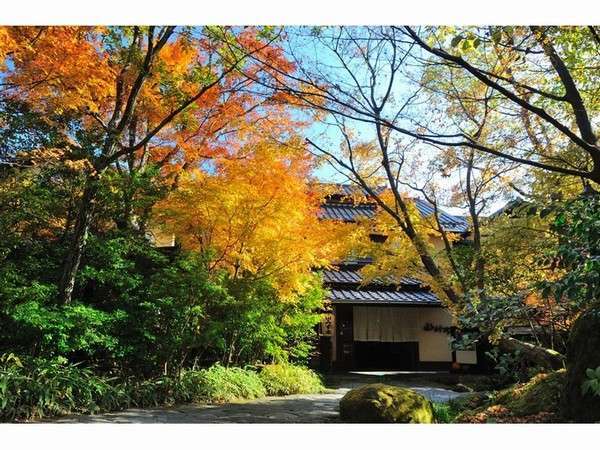 | ¥23,100起≈ NT$4,640每人每晚2人約¥46,200 | 9.6 93則評價 | 上 Agoda 訂房 |
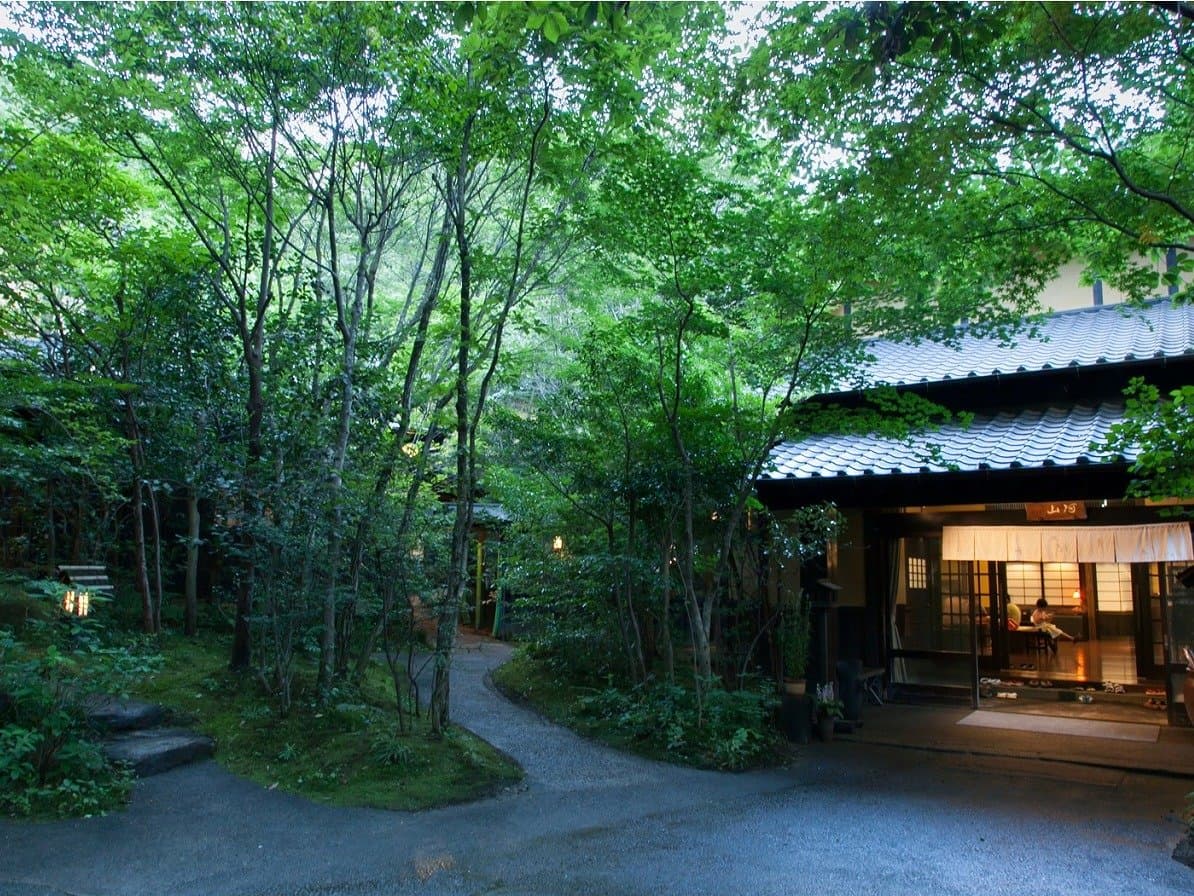 | ¥38,500起≈ NT$7,730每人每晚2人約¥77,000 | 9.6 79則評價 | 上 Agoda 訂房 |
 | ¥30,800起≈ NT$6,180每人每晚2人約¥61,600 | 9.6 56則評價 | 上 Agoda 訂房 |
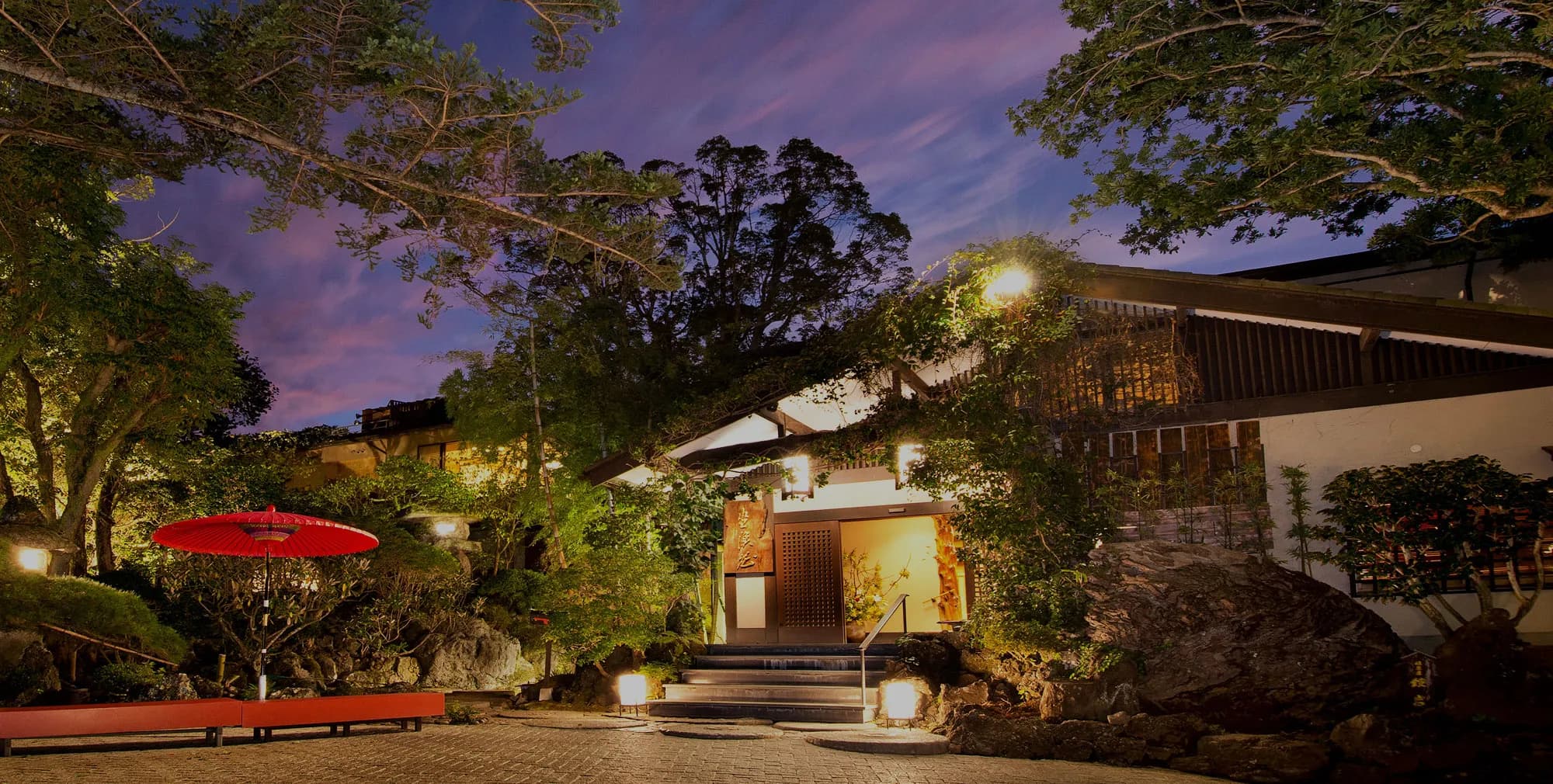 | ¥77,000起≈ NT$15,460每人每晚2人約¥154,000 | 9.6 43則評價 | 上 Booking.com 訂房 |
 | ¥53,900起≈ NT$10,820每人每晚2人約¥107,800 | 9.6 14則評價 | 上 Trip.com 訂房 |
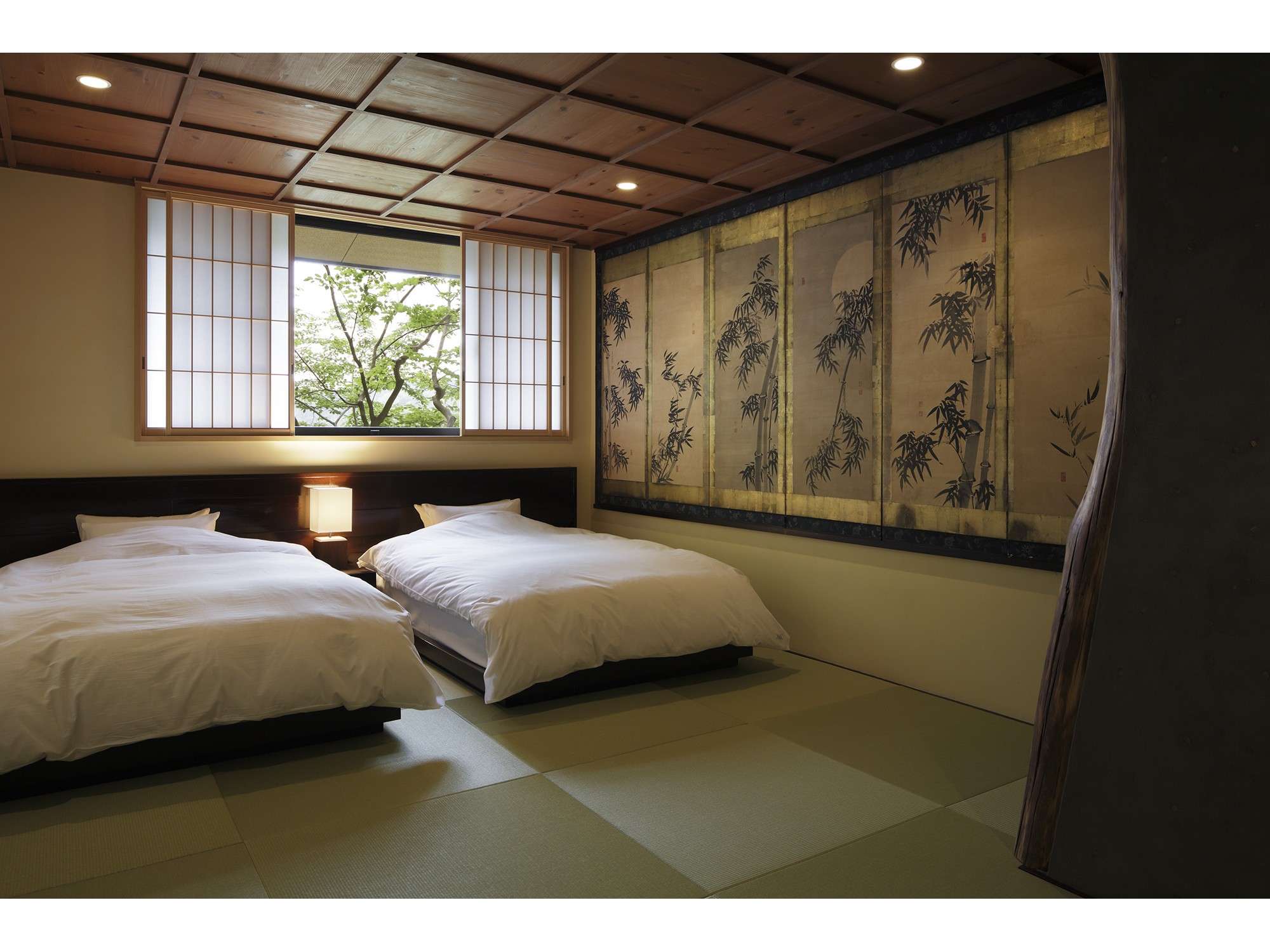 | ¥13,860起≈ NT$2,780每人每晚2人約¥27,720 | 9.6 6則評價 | 上 Agoda 訂房 |
| ¥58,520起≈ NT$11,750每人每晚2人約¥117,040 | 9.6 5則評價 | 上 Trip.com 訂房 | |
| ¥30,800起≈ NT$6,180每人每晚2人約¥61,600 | 9.5 502則評價 | 上 Agoda 訂房 |
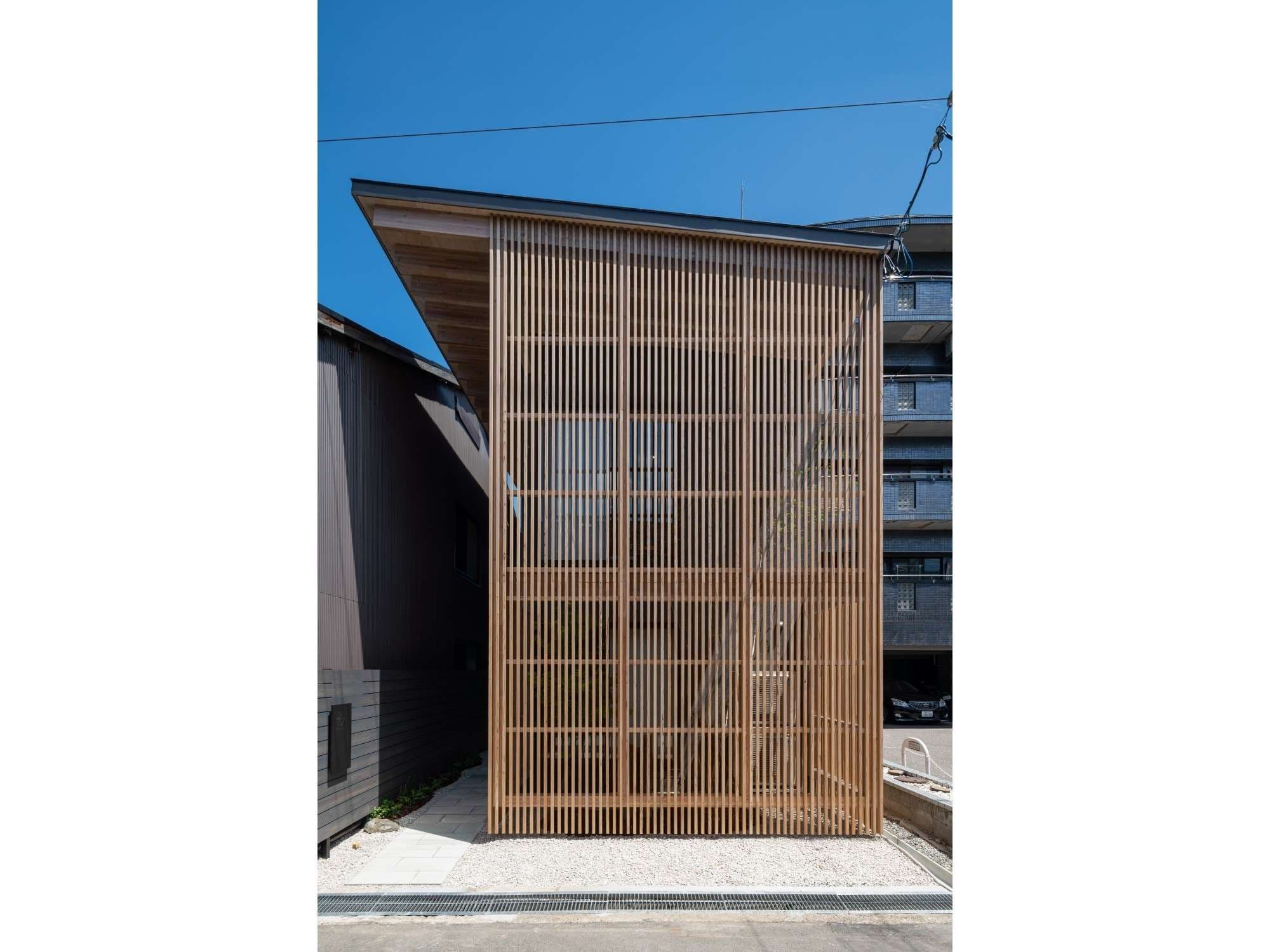 | ¥38,500起≈ NT$7,730每人每晚2人約¥77,000 | 9.5 162則評價 | 上 Booking.com 訂房 |
Kurokawa-So
Kurokawa
Unzen Kyushu Hotel
Unzen
Atami Sekitei
Atami
Yokikan
Izu
山みず木 (Yamamizuki)
Kurokawa
Ryokan Sanga
Kurokawa
Hotel Yoshimatsu
Ibusuki
Saryo Soen
Akiu
Ryokan Motonago
Kyoto
Gunjo no Tsuki
Kanazawa
顯示價格為每人每晚的起價(約值)。透過本站預訂,我們可能獲得佣金。
準備好預訂了嗎?
從這些精選旅館中預訂
一次比較各訂房網站的即時空房與房價。




透過預訂連結可能產生佣金,但不會增加您的費用。
FAQ
常見問題
我可以在一般旅館吃精進料理,還是只有寺院住宿才有?+
許多商業旅館,尤其在 Kyoto 與佛教寺院區附近,會將精進料理作為標準選項提供,或在事前告知下依要求提供。在 Koyasan 宿坊,它是預設。在這些地區以外的標準商業旅館,供應可能性大幅下降,且需要 2 週以上的明確書面事前告知。
「素食懷石」與純素懷石是一樣的嗎?+
幾乎從不。在日本,「素食懷石」通常指奶蛋素:會有蛋、有時有乳製品,而高湯可能仍含柴魚。「純素懷石」需要完全重整基底湯底,並排除包括蛋、乳製品與蜂蜜在內的所有動物性食材。請務必明確指定「嚴格純素——不含蛋、不含乳製品、不含蜂蜜,且所有高湯僅取自昆布與香菇」。
我需要提前多久通知旅館?+
最少在抵達前兩週,但對於懷石菜單提前規劃良久的高端旅館,強烈建議提前一個月。在 Koyasan 宿坊,通常 1–2 週就足夠。若可能,請在訂房當下就聯繫旅館。
如果旅館說他們「無法保證」純素餐點怎麼辦?+
這是個訊號,該換一家物件或改訂 Koyasan 宿坊。一家用「我們會盡力」搪塞、卻不給書面承諾的旅館,不太可能執行過妥當的平行備料。以多數旅館住宿的價位而言,你有資格得到書面確認。別只憑口頭保證就繼續。
旅館的味噌湯是純素的嗎?+
在標準旅館通常不是,因為高湯基底通常含小魚乾(乾沙丁魚)或柴魚。在 Koyasan 宿坊,以及以昆布香菇高湯為標準的物件,味噌湯會是純素的。在商業旅館,這必須在你的事前訂房溝通中明確確認。
我可以要求純素的旅館早餐嗎?+
可以,需事前告知。標準早餐包含烤魚、以高湯為底的味噌湯、玉子燒(煎蛋捲)與茶碗蒸(蛋羹)。純素早餐會以額外的豆腐料理、時令蔬菜、以昆布為底的湯,以及純植物米飯料理來替換這些。請在與晚餐調整同一封的事前電子郵件中提出此要求。
日本有任何旅館取得純素認證嗎?+
截至 2026 年 5 月,沒有任何商業旅館持有正式純素認證。有些 Koyasan 宿坊與 Kyoto 專門的精進料理餐廳把自己行銷為嚴格純植物,但這是一種描述而非認證。請務必針對你的特定日期,向特定物件尋求書面確認。
溫泉浴池與純素旅客有關嗎?+
對多數賓客而言無關——天然礦泉水不含任何動物性成分。不過,有些高端旅館會提供牛奶浴(gyunyu-buro)或含蜂蜜的入浴添加物作為特色。若浴用產品成分對你重要,請向物件確認。標準的公共露天風呂與室內礦泉浴,幾乎總是不含動物來源的添加物。
還在猶豫?
瀏覽日本旅館Booking.com