2026年5月更新。このガイドは、日本で厳格なヴィーガン滞在に本当に何が必要かをまとめたものだ。理屈の上ではなく、何にでも出汁が入っている伝統的なもてなしの、細部にまで踏み込んだ現実として。
手短に言えば、日本の旅館で厳格なヴィーガンとして滞在することは確かに可能だが、書面での事前連絡、具体的な日本語の言い回し、そして——多くの旅行者にとっては——適切なタイプの宿を選ぶことが必要になる。詳しくは以下のとおり。
総合ガイド: 旅館の食事制限対応ガイドは、ヴィーガン・ベジタリアン・ハラール・グルテンフリー・コーシャ・アレルギーまで横断する総論だ。
早見表:厳格なヴィーガンが本当に叶う宿
7つの選択肢——文書化されたヴィーガンプランがある3軒、昆布椎茸出汁への切り替えを確認できた場合のみ叶う3軒、そして植物性調理が構造的に標準となっている高野山の宿坊のカテゴリー。この表で不確実さへの許容度と予算を照らし合わせ、下の詳しい解説を読んでほしい。
| # | 旅館/カテゴリー | エリア | ヴィーガン確度 | 料金(USD) | 事前予約日数 | こんな人に |
|---|---|---|---|---|---|---|
| 1 | KAI Kinugawa | Nikko(日光) | ベジタリアン会席を公開 — ヴィーガンは未公開、要確認 | $520/泊 | 5日前 | 検証済みで書面化されたプランを求める厳格なヴィーガン |
| 2 | Wanosato | Takayama(高山) | Tier A——依頼でヴィーガン対応、確認済み | $500/泊 | 14日〜 | ミシュランキー、全7室、山の幸の懐石 |
| 3 | Asaba | Izu(伊豆) | Tier A——依頼でヴィーガン対応、確認済み | $600/泊 | 14日〜 | 節目の一泊、1489年創業、能舞台のある庭 |
| 4 | Tsukihitei | Nara(奈良) | Tier B——精進寄り、出汁の切り替えが必要 | $400/泊 | 14日〜 | 森の寺の趣、厨房の高い献身 |
| 5 | Togetsutei | 京都・嵐山 | Tier B——精進寄り、出汁の切り替えが必要 | $280/泊 | 10日〜 | 京都の精進の伝統、渡月橋の眺め |
| 6 | Seikoro | Kyoto(京都) | Tier B——精進寄り、出汁の切り替えが必要 | $300/泊 | 10日〜 | 由緒ある町家懐石、京都中心部へのアクセス |
| 7 | 高野山の宿坊(約52か寺) | Wakayama(和歌山) | 最も確実——仏教の教義により植物性 | ¥10,000〜¥20,000/人 | 7〜14日 | 不確実さゼロのヴィーガン滞在、精進料理が標準 |
Tip
Tier A とは、厳格なヴィーガンプラン(肉なし、魚なし、鰹の出汁なし、卵なし、乳製品なし、蜂蜜なし)を事前依頼で用意できると、旅館が書面で文書化または確認していることを意味します。Tier B とは、厨房が精進寄りで出汁の切り替えができるものの、全項目を確認する必要があることを意味します——標準の懐石には卵と乳製品が含まれており、明示的に除外を依頼する必要があります。
2026年、ヴィーガン旅館旅行者向けの新情報
このガイドが最初に公開されて以来、日本の植物性ホスピタリティの状況にはいくつかの意味ある変化が起きています。 高野山宿坊の需要急増。 高野山の宿坊への海外からの予約は2023年以降大きく増え、英語対応可能な恵光院や福智院などでは、人気の秋・春の日程で予約リードタイムが長くなっていると報告されています。10月と4月の滞在は8〜12週間前に予約を——これまでの3〜4週間前という余裕では、もはや足りません。 ヴィーガンの温泉アメニティ。 中〜高級の旅館では、依頼に応じてヴィーガン対応の入浴アメニティ——植物油ベースの入浴剤、動物実験なしの柚子石けん、コラーゲンや蜂蜜添加物を含まないミネラルスクラブ——を用意する宿が増えています。厳格なヴィーガンとして入浴剤の成分が気になるなら、事前予約メールに植物性アメニティを求める一文を加えましょう。 京都・高野山を越えて広がる精進料理。 出羽三山(山形県)や日光の寺社群の仏教の山の宿坊が、精進料理の宿泊体験を海外旅行者に向けて打ち出し始めています。これらの宿は宗教上の理由で構造的に植物性のみ——高野山と同じ保証を、まったく異なる趣の北国の山あいで得られます。 変わらないもの。 事前連絡という根本的な現実は変わりません。到着時の口頭依頼では遅すぎ、OTAの特別リクエスト欄は厨房に確実には届かず、このガイドの日英メールテンプレートは今なお、ヴィーガン旅行者が到着前に取れる最も効果的な一手です。2026年になっても、書面による事前連絡の必要性は何も変わっていません。 ハラルの要件を植物性のニーズと併せて持つ旅行者には、日本のハラル対応旅館ガイドが同様の事前連絡の仕組みを解説しています。また、京都のおすすめ旅館のまとめでは、複雑な食事対応をこなせる厨房の幅を持つ京都の高級宿を挙げています。 KAI Kinugawa はヴィーガンアメニティについて何も公開していません。期待できる設備ではなく、確認すべき質問として扱ってください。
出汁の問題:なぜ懐石の90%はヴィーガンではないのか
日本料理の土台は出汁——鰹節(乾燥・発酵させた鰹のフレーク)と昆布を湯に浸してとる出汁です。これはあらゆるものに顔を出します。お椀(すまし汁)、炊き合わせの野菜、茶碗蒸しのつけ地、味噌汁、宿によっては漬物の漬け汁、伝統的な宿では米の調味にまで。
つまり、多くの人が旅館に「ベジタリアン」の食事を頼んだとき、実際に出てくるのは主菜から魚が抜かれただけで、あらゆるソース・汁物・煮物には出汁が通ったままの食事、ということが多いのです。それはよくてラクト・オボ・ベジタリアン。厳格なヴィーガンには程遠いものです。
解決策はあります。昆布と椎茸の出汁は、澄んでいて深い旨みがあり、どんな懐石の場面でも優れた仕上がりになります。多くの旅館の厨房は、精進料理(仏教のベジタリアン料理)の献立で既にこれを使っています。ただし別立ての出汁をとるには、厨房がすべてのソースを試し直し、下ごしらえの調理面を分ける必要があります——そのどれも、書面での明確な事前連絡がなければ行われません。
Tip
重要ルール: チェックイン時やOTA予約の特別リクエスト欄で「ヴィーガン」と伝えてはいけません。少なくとも到着2週間前——理想は予約時——に、このガイドの日英テンプレートを使って旅館へ直接メールを送りましょう。到着時の口頭依頼では遅すぎます。厨房はすでに出汁を仕込み終えています。
出汁の問題は朝食にも及びます。標準的な旅館の朝食には、焼き魚、出汁ベースの味噌汁、卵と魚介の入った茶碗蒸しが含まれます。完全にヴィーガンの朝食にするには、これらすべてを差し替える必要があります。ヴィーガン懐石に対応できる旅館のほとんどはヴィーガンの朝食も用意できますが、それは同じ予約メールでの事前連絡がある場合に限られ、チェックイン時では間に合いません。
厳格なヴィーガン対ラクト・オボ・ベジタリアン:予約のための4段階の食事分類
旅館とやり取りする際、日本で「ベジタリアン」(ベジタリアン)という語は通常ラクト・オボ——卵と乳製品は可——を意味します。厨房のスタッフによっては、さらに緩く「赤身肉なし」の意味に取ることもあります。予約で実際に機能する、より明確な枠組みは次のとおりです。
Tier 1 — ラクト・オボ・ベジタリアン: 主なたんぱく源として肉なし・魚なし——ただし出汁・卵・乳製品・蜂蜜はすべて含まれます。最も一般的に対応してもらえる要望です。姉妹記事の日本のベジタリアン対応旅館が、この段階を詳しく解説しています。
Tier 2 — 魚は可のペスカタリアン: 魚は可、赤身肉と鶏肉はなし。対応は容易です。要は標準の旅館懐石の肉の一皿を変更したものです。
Tier 3 — 厳格なヴィーガン(魚なし、出汁なし、卵なし、乳製品なし、蜂蜜なし):本ガイドの主題です。完全な別立ての下ごしらえ体制が必要——すべての汁物に昆布椎茸出汁、魚由来の風味付けなし、茶碗蒸しや卵焼きに卵なし、デザートにバターや生クリームなし。中〜高級の多くの旅館は、特に精進料理のラインを既に持つ宿なら、1〜2週間前の連絡で対応できます。
Tier 4 — 五葷なしの厳格な禅ヴィーガン(五葷:にんにく、玉ねぎ、にら、あさつき、ねぎを除外):禅仏教の食の教義に根ざしています。高野山の宿坊はこれを標準で守ることが多いです。一般の旅館では、五葷抜きの依頼は踏み込んだ要望になります。予約メールで別途明記しましょう。下の日英テンプレートには任意の五葷の一文が含まれています。
最も大切な実践的教訓:自分が「ヴィーガン」だと伝えるだけでなく、どの段階なのかを旅館に伝えることです。あなたを Tier 1 だと理解した厨房が Tier 3 の客を迎えると、その場では立て直せません。

高野山の宿坊:厳格なヴィーガンにとっての鉄板カテゴリー
和歌山県の高野山には、約52の宿坊があります——僧坊に泊まり、共同浴場で入浴し、寺の厨房が作る精進料理をいただく寺の宿です。それは文句なしに、日本で厳格なヴィーガンにとって最も信頼できる宿泊カテゴリーです。
その理由はこうです。精進料理(精進料理)は、あらゆる動物性食材を避けるためにまさに発展した、古来の仏教の修道院料理です。厨房のすべての営みが植物性の原則で動いています。出汁は常に昆布と乾燥させたきのこ。肉なし、魚なし、乳製品なし、卵なし。標準が厳格なヴィーガンで——多くの場合、欧米のヴィーガンレストランよりも厳格です。この伝統は現代のヴィーガニズムより千年以上も古いのですから。
宿坊の体験は、一般の旅館とひとつ意味ある点で異なります。朝には午前6時ごろから、仏教の儀式(読経、護摩焚き)への任意の参加があります。義務ではありませんが、多くの人がここに泊まる理由でもあります。高野山の境内——杉木立、数百の塔頭、老木の間を延々と続く奥之院の古い墓域——は、宗教にかかわらず並外れて素晴らしいものです。
Tip
それでも必要なひとつの確認: 高野山の宿坊のほとんどは昆布椎茸出汁を標準としていますが、仏教徒でない客を意識して一部の料理に魚由来の出汁を取り入れ始めた宿もわずかにあります。食事に使うすべての出汁が厳密に昆布および/または椎茸のみであることを書面で確認しましょう。鰹はなし。下の予約メールテンプレートを使ってください。
料金: 一般的に1人1泊¥10,000〜¥20,000(夕食・朝食付き)です[booking.com および各宿坊公式サイト 2026-05-26 確認]。これは大半の一般の旅館懐石よりずっと手頃です。英語サポートが手厚い人気の宿には、恵光院(eng.ekoin.jp)、福智院(fukuchiin.com、1291年より営業)、清浄心院(shojoshinin.com、名園で知られる)があります。
Tip
高野山は大阪から電車とケーブルカーで2時間。難波から南海高野線で極楽橋まで行き、そこからケーブルカーで山上へ上がります。下りの最終ケーブルカーは午後5時30分ごろ——泊まりで計画しましょう。日帰りの人が去り、森が静まりかえる夕暮れの瞑想的な空気こそ、あなたがここへ来た理由です。
日本でヴィーガンが過ごしやすい地域
日本のどこもが、厳格なヴィーガン旅行者に同じ難しさを突きつけるわけではありません。4つの地域が、はっきりと過ごしやすい場所として際立ちます——支配的な食文化が構造的に植物性であるか、あるいは仏教寺院の密度の高さが、何世紀にもわたって精進対応の厨房を生かし続けてきたためです。
高野山と紀伊半島(和歌山)。 厳格なヴィーガンにとって日本で最も過ごしやすい地域です。52の宿坊がすべて同じ精進料理の土台で営まれ、昆布椎茸出汁が制度的な標準となっています。第一希望の宿坊が満室でも、歩いて行ける距離に残り51の選択肢があります。
京都。 京都は、高野山を除けば日本で精進対応可能な一般の旅館厨房の密度が最も高い街です。古の帝都・仏都としての役割ゆえに、寺の料理が千年以上にわたってここで客をもてなしてきました。嵐山や東山の寺社の界隈にある宿——Togetsutei や Seikoro を含む——には、最も深い精進の体の記憶が宿っています。京都には旅館の食事が物足りない日のための強力なヴィーガンレストランの層もあります。
奈良。 日本初の恒久的な都であり、国内で最も古い仏教寺院のいくつかを擁します。大和八木の一帯と飛鳥の谷には、仏教寺院料理の系譜を持つ宿が集まっています。Tsukihitei はこの伝統の中に位置します。ここでの精進の影響は装飾ではなく本物です。
貴船(京都北部)。 貴船の川床懐石の伝統——貴船川の上での川床料理——は、土地の美意識により大きく野菜中心です。この谷の厨房は小規模で、より大きく予約でいっぱいの都市の宿ではしばしば難しい、あつらえの食事依頼にも応じてくれます。構造的なヴィーガンの保証ではありませんが、料理の哲学が合致しています。
より入念な準備が必要な地域:北海道(乳製品の多い食文化、仏教寺院の影響が少なく、通常はより長い事前連絡が必要)、魚介が厨房のアイデンティティの中心にある沿岸の漁師町、そして懐石が、献立全体を作り直さない限り差し替えられない単一の出汁に頼るごく田舎の宿。これはそれらの地域に対する警告ではなく——余裕をもって準備し、予約前により具体的な書面での確認を取るよう促すものです。
九州では黒川温泉が有力です。黒川のベジタリアン対応の宿の特集をご覧ください。
厳格なヴィーガン懐石に対応する一般の旅館
寺の宿以外でも、厳格なヴィーガン懐石はますます多くの一般の旅館で用意できます——ただし、とらえ方が肝心です。これらは「ヴィーガン旅館」ではありません。十分な連絡があれば、完全な植物性懐石を作り上げる技量と意欲を持った厨房のある旅館なのです。
この区別は重要です。ヴィーガンの献立が存在すると期待して到着してはいけません。あなたは、厨房にそれを自分のために設計してもらうよう依頼しているのです。最善の方法は、対応してもらえる正確な食事条件を明記した書面での確認を、到着日より前に旅館から受け取ることです。
精進料理の実績が確立された宿は、主要な仏教寺院群の近くの地域——京都、奈良、高野山周辺の紀伊半島、和歌山——に集まる傾向があります。由緒ある寺町の近くの旅館は、何代にもわたって僧侶や寺の客をもてなしてきたことが多く、精進の体の記憶がそこにあります。
Wanosato(わの里、飛騨古川、岐阜): 高山の北にある小さく評価の高い宿で、飛騨の山菜を生かした野菜中心の懐石で日本の食の書き手に注目されています。わらび、ぜんまい、山芋といった野生の採取食材への厨房の向き合い方は、この地域の仏教寺院料理の伝統に根ざしています。2週間以上前に依頼すれば食事の柔軟な対応が確認されています[複数の日本の料理刊行物 2026-05-01 確認]。
Sasayuri-ann(笹百合の宿、大和八木、奈良): 飛鳥地方の法隆寺近くにあるこの小さな宿は、創業以来精進スタイルの食事を提供し、献立の説明で植物性の食事対応を明記しています。大和八木一帯の仏教遺産により、厨房は植物性の調理に深く親しんでいます[sasayuri-ann.jp 2026-05-15 確認]。
Tawaraya と Hiiragiya のクラス(京都中心部): 京都の伝統的な旅館の最上級では、厨房の技術の幅ゆえに完全なヴィーガン懐石が実現可能です。この価格帯(1人1泊¥80,000〜¥150,000)では、事前連絡への期待も最も高くなります。Tawaraya はメールのみで直接予約を受けます。最初の予約問い合わせに食事の要望を含めましょう。付け足しの扱いにしてはいけません。京都エリアは、高野山そのものを除けば日本で精進対応可能な旅館厨房の密度が最も高い場所です。
Asaba(修善寺、伊豆半島): 1484年創業のこのルレ・エ・シャトー加盟宿は、厳格なヴィーガン懐石に対応できる厨房の深みを持っています。宿の公式情報では、事前連絡があれば食事の柔軟な対応が可能とされています[Asaba 公式情報 2026-05-01 確認]。予約前に必ず宿へ直接ご確認ください。夜に照らし出される名高い能舞台の庭は、食事の要件にかかわらず訪れる価値があります。英語サポートのためにはルレ・エ・シャトーのネットワーク(relaischateaux.com)経由で予約を。料金は1組1泊おおよそ¥90,000〜¥180,000です[selected-ryokan.com 2026-05-01 確認]。
Tip
どの予約も確定する前に書面で確認すべきこと:
- すべての出汁を昆布および/または椎茸のみとする——鰹なし、煮干し(いわし)なし、鶏がらなし
- どの一皿にも卵なし(標準の茶碗蒸しと卵焼きを除外)
- 乳製品なし(バター仕立てのソースや一部のデザートを除外)
- 蜂蜜なし(一部のドレッシングやデザートの飾りを除外)
- 漬物や米の調味に魚由来の風味付けなし
避けるべきこと: OTAの特別リクエスト欄に頼ってはいけません——これらはフロントの予約担当に届くもので、厨房には届きません。そして「できる限り努めます」を十分な確認と受け取ってはいけません。前向きな厨房の返答はこう言います。「昆布椎茸出汁で、卵なし、乳製品なし、蜂蜜なし、魚介なしでお食事をご用意できます。具体的な献立の変更点は、ご到着前にシェフがメールでご確認いたします。」
懐石の食事の構成——コースの流れ、季節の論理——についての幅広い入門は、懐石ガイドが、事前連絡がこれほど不可欠になる仕込みの周期を解説しています。
厳格なヴィーガン懐石が本当に叶う宿:私たちの厳選(2026)
以下の6軒の一般の旅館は、私たちの検証済みデータセットで厳格なヴィーガン懐石が文書化または確認された唯一の宿です。データセットにはあと1軒——旅館山河(黒川)——がありますが、ラクト・オボ・ベジタリアンのみの対応で、厳格なヴィーガンの厳選には入りません。高野山のカテゴリーは、不確実さゼロの代替案として一般の厳選に続けて紹介します。
1. KAI Kinugawa(日光)——ベジタリアン会席は事前公開、ヴィーガンは未確認
KAI Kinugawa は日光の鬼怒川温泉エリアにある星野リゾートの宿で、8大アレルゲンを使わないベジタリアン会席とベジタリアン朝食を公開しています。依頼ごとにその場で応じるのではなく、ブランド共通の標準化された手順に載っている——予測が立つのはそのためです。ただし、そうでない点も押さえてください。ヴィーガンプランについては、英語ページにも日本語ページにも一切の記載がありません。同じ文言が界 秋保のお食事ページにも載っており、これは界ブランドの仕組みであって鬼怒川に固有のものではありません。ベジタリアンの奥にヴィーガン対応が存在するのかは、公開情報からは分かりません。以下の項目は「文書化された方針」ではなく「厨房に確認すべき質問」として扱ってください。
書面で確認すべきこと(いずれも公開されていないため):全コースで出汁が昆布・椎茸に置き換わるのか、卵・乳製品・蜂蜜が除かれるのか。ベジタリアン会席そのものは公式に公開されており、締切は到着の5日前16時——このリストの中では短い部類です。アレルゲン除去の依頼も同じ経路です。宿は宿泊料金を公開していません。アメニティや寝具も、当然と考えず同じメールで一緒に尋ねる価値があります。
Tip
KAI の宿は星野リゾートの中価格帯ブランドで、英語サポートと標準化された予約プロセスが整っています。公開されているベジタリアン会席の先にヴィーガン対応があるのかを明確に尋ね、到着前に書面で献立の確認を取りましょう。宿が示す締切は到着の5日前16時——このクラスでは最短で、直前の旅行にも対応しやすくなっています。
2. Wanosato(高山、岐阜)——依頼でヴィーガン対応、山の幸の懐石
Wanosato は高山の北、飛騨古川にある全7室の宿で、築160年の合掌造りの民家を用いています。その懐石は野生の山菜——わらび、ぜんまい、山菜——を軸に組み立てられ、野菜中心の料理の哲学は、一般の旅館の中で厳格なヴィーガン対応に最も自然になじむ宿のひとつにしています。$500/泊から。14日以上前の連絡が必要です。
正直なところ:ここでのヴィーガン対応は依頼に応じて確認されるもので、常設の献立として公開されているわけではありません。厨房は献立を組むのに、あなたの全条件(昆布椎茸出汁、卵なし、乳製品なし、蜂蜜なし)を書面で、少なくとも2週間の余裕をもって必要とします。その見返りに得られるのは、シェフと地元の山の生産者との関係ゆえに、植物性のコースが標準の懐石を削ったものではなく本当に見事な、ミシュランキーの宿です。
Tip
飛騨古川は高山から電車で北へ15分——より静かで、日帰り客も少なめです。人出が増える前に、朝の酒蔵の界隈(東町)を歩くのと組み合わせましょう。Wanosato は紅葉の季節(10月中旬〜11月中旬)にすぐ予約で埋まります。ヴィーガンの客にとっては、14日前ルールにより秋のピークの日程は10月初旬までに予約することになります。
3. Asaba(修善寺、伊豆)——依頼でヴィーガン対応、ルレ・エ・シャトーの上質
Asaba は1489年創業で、ルレ・エ・シャトーに加盟しています——深い料理の伝統と、あつらえの献立をこなす厨房の余力の両方を示す組み合わせです。厳格なヴィーガン懐石は14日以上前の連絡があれば依頼で用意でき、1人$600/泊から。宿の公式情報では、ヴィーガンの客への食事の柔軟な対応が可能とされています。予約前に必ず宿へ直接ご確認ください。
正直に伝えるべきトレードオフ:この価格帯(1組1泊おおよそ¥90,000〜¥180,000)では、Asaba の体験一式——庭に据えられた歴史ある能舞台、500年来の美意識、修善寺の温泉に恵まれた湯——にお金を払っているのです。ヴィーガン懐石は見事なものになりますが、このリストの他のどの宿とも同じく、書面での事前連絡が必要です。ルレ・エ・シャトーの予約経路(relaischateaux.com)は英語サポートを備え、食事の要件を明確に伝えるうえで最も確実なルートです。
4. Tsukihitei(奈良)——Tier B、精進寄り、出汁の切り替えが必要
Tsukihitei は奈良の森に覆われた山あいにあり、周辺には仏教寺院の遺産が色濃く残ります。厨房は精進寄り——基本の方向性は野菜中心——ですが、標準の懐石には今も鰹節出汁を使い、茶碗蒸しには卵が入ります。厳格なヴィーガンは、昆布椎茸出汁への切り替えを明示的に依頼し、卵と乳製品の除外を確認し、14日以上の余裕をみる必要があります。$400/泊から。
これが Tier A ではなく Tier B なのは、ヴィーガン対応が実現可能でも、まだ常設のプランとして文書化されていないためです。あなたに有利に働くのは、厨房が精進に親しんでいるおかげで出汁の切り替えが不慣れな依頼ではなく自然な作業であること、そして森の寺の趣——杉木立、石灯籠、奈良の外れの社の界隈の静けさ——が本当に並外れていることです。到着前に書面での献立確認を求めましょう。「できる限り努めます」で妥協してはいけません。
5. Togetsutei(京都・嵐山)——Tier B、京都の精進の伝統
Togetsutei は嵐山の大堰川沿いにあり、渡月橋とその背後の森の山並みを望みます。その懐石は京都の精進の伝統を汲んでいます——ここは何代にもわたって寺の客や仏教の巡礼者をもてなしてきた厨房です。標準の献立は鰹節出汁を使いますが、精進スタイルの昆布椎茸への切り替えはここでは慣れた作業です。10日以上前の連絡。$280/泊から。
厳格なヴィーガンにとって、嵐山の中にあるという Togetsutei の立地は意味を持ちます。天龍寺の禅庭まで歩いてすぐで、そこはその晩にいただく懐石と同じ美意識を体現しています。厨房の植物性の技法への自信は本物で、演出ではありません。全条件を書面で確認しましょう——茶碗蒸しや卵焼きの卵は、明示的に指定しなければ最も見落とされやすいところです。
6. Seikoro(京都)——Tier B、由緒ある町家懐石、出汁の切り替え可
Seikoro は京都中心部にある伝統的な町家造りの宿です——濃い色の木材、低い天井、石畳の玄関。その懐石は季節の技で高く評価されています。Togetsutei と同じく、標準の献立は鰹節出汁を使い、標準のコースには卵が入ります。どちらも事前予約の連絡で明示的に外してもらう必要があります。10日以上前。$300/泊から。
ヴィーガンの拠点としての Seikoro の利点:京都中心部の立地ゆえに、夜の食事がわずかに物足りなくても、祇園界隈のヴィーガンレストランまで歩いてすぐで補えます。町家建築そのものが体験の一部です——この建物は何世紀もの京都の職人文化の美意識を宿しています。懐石と併せて中心部の立地や文化的な趣を大切にする厳格なヴィーガンの客には、事前の連絡さえ正しく行えば、よい選択になるでしょう。
7. 高野山の宿坊(約52か寺)——不確実さゼロのカテゴリー
確認メールではなく確実さを求める厳格なヴィーガンには、高野山の宿坊が答えです。ここでは植物性の調理が構造的な標準であり、特別な依頼ではありません。約52の宿坊はすべて精進料理——教義によりあらゆる動物性食材を除外する、古来の仏教の修道院料理——を提供します。その特定の宿坊が昆布椎茸出汁のみを使うことは書面で確認する必要があります(仏教徒でない客のために魚由来の出汁を加えた宿がわずかにあります)が、高野山で厳格なヴィーガンとしてよい食事にありつける全体の確率は、どの一般の旅館よりも高いのです。
料金:1人1泊¥10,000〜¥20,000(夕食・朝食付き)[booking.com および各宿坊公式サイト 2026-05-26 確認]。英語サポートが最も手厚い宿:恵光院(eng.ekoin.jp)、福智院(fukuchiin.com)、清浄心院(shojoshinin.com)。10月と4月の滞在は8〜12週間前に予約を——海外からの需要を踏まえると、これまでの3〜4週間前という枠ではもう足りません。
植物性の食事と貸切風呂を一度に叶えたいなら、両条件で絞ったベジタリアン対応×貸切風呂の旅館特集をどうぞ。
ヴィーガン旅館の予約:連絡の時期、直接予約、そしてなぜOTAの欄では失敗するのか
本ガイドの後半にある事前連絡テンプレートが「何を伝えるか」を担います。この節では、依頼が本当に厨房に届くよう「どう予約するか」の実務を扱います。
ステップ1 — OTAだけを通さず、直接または電話で予約する。 OTAのプラットフォーム(Booking.com、Expedia、じゃらん、楽天トラベル)は、食事の要望を自由記述のメモとしてフロントに渡します。そのメモをフロントが厨房に——適切な具体性で、十分な余裕をもって——伝えるかどうかは、宿によって大きく異なります。旅館の予約用アドレスへの直接メールが、決定の下される場所にあなたの食事条件が届くことを保証する唯一の経路です。
ステップ2 — メールは予約後ではなく、予約時に送る。 伝統的な旅館の懐石の厨房は、何日も何週間も前から献立を組みます。チェックインの2日前に届いたヴィーガンの食事依頼は——たとえ完璧に書かれていても——厨房がすでに食材を発注し、出汁を仕込み、その週の献立の構成を固めた後に届くかもしれません。予約したその日にメールを送りましょう。
ステップ3 — 一般的な「対応できます」ではなく、具体的な条件について書面での確認を取る。 「できる限り努めます」や「喜んでお手伝いします」という返答は確認ではありません。あなたが求めるのは、出汁が何になるのか(昆布、椎茸、またはその両方)、卵と乳製品が完全に除外されるのか、そして隠れた動物性の風味付け(煮干し、鰹節の粉、漬物のアンチョビペースト)も取り除かれるのかを明記した返信です。一般的な安心の言葉が返ってきたら、もう一度具体的なリストを添えて返信し、各項目について確認を求めましょう。
なぜOTAの特別リクエスト欄はとりわけ失敗するのか: これらの欄は、実務的な要望——早めのチェックイン、追加のタオル、特定の部屋タイプ——のために設計されています。厨房への食事の連絡経路ではありません。OTAの欄に書いた食事条件が、正確なまま厨房に届く保証はありません。旅館への直接メールとテンプレートが重要なのはそのためです。
Tip
OTA経由で予約し、すでに手付金を払っている場合でも、日英テンプレートを使って旅館へ直接メールを送ることはできます。宿の直接連絡用メールアドレスは公式サイト(OTAの掲載ページではなく)で見つけましょう。予約確認番号を含めます。これは、予約が確定した後でも、OTAの特別リクエスト欄に頼るより確実です。
最初のプラットフォーム選びには、旅館予約サイト6社比較が役立つ。ヴィーガン滞在で最も重要になる弱点、つまり各OTAの特別リクエスト対応力を評価している。
正直な限界:それでもヴィーガン旅館の滞在がうまくいかない場面
書面での確認と適切な宿があってさえ、正直に挙げておくべき失敗のパターンが4つ、十分な頻度で繰り返されます。
下ごしらえの調理面での混入。 旅館の厨房のほとんどは、すべての調理に単一の下ごしらえ場所を使います。同じ日の早い時間に鰹出汁を煮込んだのと同じ面で作られたヴィーガンの食事は、厳密には混入しています。精進料理の専用ラインを持つ宿——高野山の宿坊、そして京都のわずかな宿——では、その分離が構造的です。大半の一般の旅館では、その晩の個々の料理人の注意次第です。混入が(倫理上ではなく)健康上の懸念(アレルギーレベル)なら、予約メールで明示的に伝えましょう。
漬物と米に隠れた出汁。 食事の初めに出される漬物は、それを差し替えの必要な「メインの食事」の一部とみなさない宿では、鰹ベースの液で漬けられていることがよくあります。一部の旅館では米の調味にも鰹の粉が入ります。事前メールに「出汁に鰹なし」とあっても「漬物や米の調味に鰹なし」と書いていなければ、これらの一皿はヴィーガンでないまま出てくるかもしれません。両方をリストに加えましょう。
思わぬところの蜂蜜と鰹。 蜂蜜は一部のドレッシング、焼き物のつや出し、デザートの飾りに現れます。鰹節(かつおぶし)は、植物性の主材料の料理の仕上げの飾りとして使われることがあります——小さな鰹節をのせた野菜料理も、やはりヴィーガンではありません。どちらも、一般的な「動物性食材なし」だけでなく、事前依頼で明示的に除外する必要があります。
ヴィーガンの朝食の抜け。 夕食の懐石には万全に対応しても、朝食を担当する厨房のチームが夜のシェフと別であるために、標準の朝食に戻ってしまう旅館があります。多くの宿の朝食は、標準の型に沿って補助スタッフが作ります。事前メールが夕食に集中していたなら、朝食の差し替えを明示的かつ別途——理想は夕食の依頼と同じ書面での具体性で——依頼しましょう。焼き魚、出汁の味噌汁、卵焼き、茶碗蒸しはすべて差し替えが必要です。代わりの品(追加の豆腐、昆布ベースの汁、植物性のみの漬物の副菜、ご飯)は、ヴィーガンの夕食にすでに応じた厨房ならどこでも用意できます。
五葷(五葷)の例外:厳格な禅の実践者
五葷(五葷)とは、厳格な禅仏教の修行で禁じられる五つの「香りの強い野菜」です:にんにく、玉ねぎ、にら、あさつき、ねぎ。これらの野菜は瞑想に必要な心の明澄を乱す——火を通すと攻撃性を、生では欲望を煽る——とする教義です。
欧米のヴィーガンのほとんどには、この制限は当てはまりません。しかし厳格な禅の実践者や、宗教上の理由で高野山に滞在する客にとっては、実際の事情を理解しておく価値があります。
本格的な精進料理を出す高野山の宿坊のほとんどは、厨房が古典的な禅仏教の食の原則で動いているため、標準で五葷を除外しています。一般の旅館では、五葷抜きの依頼は多くの厨房の想定を超えます。日本料理はソース、飾り、ナムル風の下ごしらえなど、ねぎ類を広く使うからです。
五葷の除外が大切なら:高野山に泊まり、下のテンプレートの任意の一文を使って予約メールで五葷の扱いを確認し、標準の香味野菜なしで厨房が工夫する分、料理の品数がより限られるかもしれないことを受け入れましょう。
五葷抜きの調理のための伝統的な旨みの解決策は、昆布、乾燥椎茸、柚子の皮で香りを組み立てることです。これはまさに古典的な禅寺の調理が行うことで、ねぎ類主体の調理よりも繊細で瞑想的な味わいを生みます。それは欠乏ではなく——異なる音域なのです。
Tip
宗教上の理由で高野山に滞在する客への注記: 朝のお勤め(勤行)——読経を伴う夜明け前の儀式——は午前6時ごろに始まります。参加は完全に任意です。宿坊のほとんどは客に参加を強いませんが、チェックイン時に案内があります。杉の香る平安期の御堂の内でとり行われるその儀式は、宗教にかかわらず一度は体験する価値があります。
日英併記の予約メールテンプレート
これは本ガイドで最も実践的な節です。予約時に——できれば手付金を払う前に——これをコピーして手直しし、送ってください。厨房が最大限の余裕を持てるように。
Tip
英語版:
件名:Strict Vegan Dietary Request — [Your Name], Arrival [Date], [Number of Nights]
Dear [Ryokan Name],
I have a reservation arriving [date] for [number of nights]. I follow a strict vegan diet and would like to request a fully plant-based meal plan for my entire stay, including both dinner and breakfast.
Specifically, I need: — All dashi to use only kombu and/or shiitake — no bonito, no sardine (niboshi), no other fish-based stock — No eggs in any course — No dairy (milk, butter, cream, cheese) — No honey in any course or dressing — No fish or seafood in any form, including as a flavoring agent
[Optional for gokun observers: I also follow a strict Buddhist diet and would appreciate it if the five pungent vegetables — garlic, onion, leek, chive, and scallion — could also be excluded if possible.]
Could you please confirm in writing that you are able to accommodate this? I understand this requires advance preparation and I am grateful for the kitchen's effort.
Thank you, [Your Name]
日本語版(五葷の一文は任意——該当する場合のみ含めてください):
ヴィーガン対応をお願いできます。出汁は昆布と椎茸のみで、卵・乳製品・蜂蜜・魚介類を完全に除外したい。可能であれば五葷も避けたいです。書面でご返答いただけますと助かります。
これは次の意味になります:「ヴィーガン対応をお願いしたいです。出汁は昆布と椎茸のみで作り、卵・乳製品・蜂蜜・すべての魚介類を完全に除外したいです。可能であれば、五葷(にんにく、玉ねぎ、にら、あさつき、ねぎ)も避けたいです。これを確認する書面でのご返信をいただけると大変助かります。」
英語と日本語を同じメールに両方入れて送りましょう。旅館のフロントスタッフのほとんどは日本語の文面を厨房と共有し、そこで実際の判断が下されます。書面での返信があなたの確認です——チェックイン時の口頭の保証では十分ではありません。
Tip
時期のルール: このメールは到着の2〜4週間前に送りましょう。何週間も前から懐石を組む高級旅館では、4週間前がより良いです。高野山の宿坊では、精進が標準であることを踏まえると、通常1〜2週間前で十分です。
持ち物リスト:緊急用のヴィーガンおやつと、コンビニの落とし穴
最善の計画を立てても、日本では完全にヴィーガンの食事を急には見つけにくい場面が出てきます。備え方は以下のとおりです。
現地で買う価値のある緊急用のおやつ:
- プレーンな梅干しまたは昆布のおにぎり(セブン-イレブンやファミリーマートで)——米の調味は商品ごとに異なるので、一つひとつ確認を
- 味付けのりのスナック——広く手に入り、ほぼ常にヴィーガン
- 醤油の照りがけがないプレーンなせんべい——原材料に魚のエキスがないか確認(漢字の「鰹」は鰹を示します)
- 枝豆のパック(コンビニで)
- 絹ごし豆腐のカップ——ほとんどのコンビニにあり、たんぱく質の確かな控え
Tip
警告——コンビニおにぎりの落とし穴: 「ベジタリアン」と表示されたおにぎりや、一見あっさりした具のものでも、鰹出汁で味付けした米を使っていることがよくあります。問題は具だけでなく、米そのものです。原材料表示を全部読みましょう——漢字の「鰹」(かつお)または「かつお」を探します。あれば、その米はヴィーガンではありません。これは日本に初めて来るヴィーガンのほぼ全員が引っかかります。
検討したいサプリメント: 旅館の食事プランが十分に使えないと、短い旅行では日本の植物性の食事はビタミンB12が不足しがちです。旅行用のB12サプリメントは、1週間を超える滞在では実用的です。オメガ3源(亜麻仁油カプセルは持ち運びに便利)は、くるみや麻の実に確実にありつけないなら持参する価値があります。
主要都市でのレストランの控え: 京都は、仏教寺院料理の伝統に近いことも大きく、東京を除けば日本で最も充実したヴィーガンレストランの層を持ちます。Mumokuteki Café(四条界隈)やいくつかの祇園界隈の店は、事前連絡なしで厳格なヴィーガンに対応します[各レストラン公式サイト 2026-05-10 確認]。旅館の対応が物足りない稀な日のために、レストランの控えの住所をスマホに入れておく価値は、出発前の10分の下調べに見合います。
グループに複数の食事ニーズがある旅行の計画——例えばハラルの旅行者とヴィーガンが一緒——には、ハラル旅館ガイドがハラル要件の同様の事前予約の仕組みを解説しており、ヴィーガン対応の流れと似た段取りをたどります。
旅館の滞在に何が含まれるか——到着の流れ、温泉の作法、初日の夜のリズム——についての幅広い入門は、初めての旅館ガイドが、あらゆる食事対応の会話をずっと進めやすくする文化的な枠組みを解説しています。
日本の旅館でのヴィーガン滞在について、最も正直にお伝えできること:この仕組みは準備を報い、直前の依頼を罰します。事前に書き送り、日本語の言い回しを使い、本物の精進料理の力を持つ宿を選ぶヴィーガンの客は、途方もなくよい食事にありつけます——昆布出汁で煮た山の幸、十種の仕立ての季節の豆腐、驚くほど複雑な漬物。この料理は、見事であるために魚を必要としないのです。
同じ客が事前連絡なしに到着すれば、本当に難しい夜に直面します。
不確実さゼロで保証された体験を求めるなら、まず高野山から始めましょう。書面での対応確認を手にしてから、一般の旅館へと進みましょう。そして念のため、コンビニで梅干しのおにぎりを買っておきましょう。
料金は2026年5月確認。為替レートはおおよそ¥150=$1 USD。食事対応の可否は、予約前に各宿へ直接確認してください。
よくある質問:日本のヴィーガン旅館
精進料理は普通の旅館で食べられますか、それとも寺の宿だけですか?
多くの一般の旅館、特に京都や仏教寺院の界隈の近くでは、精進料理を標準の選択肢として、または事前連絡があれば依頼で提供しています。高野山の宿坊では標準です。これらの地域以外の標準的な一般の旅館では、対応の可否は大きく下がり、2週間以上前の書面での明示的な事前連絡が必要です。
「ベジタリアン懐石」はヴィーガン懐石と同じですか?
ほぼ違います。日本では「ベジタリアン懐石」は通常ラクト・オボを意味します:卵と、時に乳製品が含まれ、出汁には鰹がまだ入っていることがあります。「ヴィーガン懐石」は、ベースの出汁を完全に組み直し、卵・乳製品・蜂蜜を含むあらゆる動物性食材を除外することを求めます。必ず「厳格なヴィーガン——卵なし、乳製品なし、蜂蜜なし、出汁はすべて昆布と椎茸のみ」と明記しましょう。
どのくらい前に旅館へ連絡する必要がありますか?
到着の最低2週間前ですが、懐石の献立をかなり前から組む高級旅館での滞在には、1か月前が強く望ましいです。高野山の宿坊では通常1〜2週間前で十分です。可能なら予約時に旅館へ連絡しましょう。
旅館がヴィーガンの食事を「保証できない」と言ったら?
これは別の宿を選ぶか、高野山の宿坊で予約するべき合図です。書面での約束なしに「できる限り努めます」とごまかす旅館は、きちんとした別立ての下ごしらえをこなせない可能性が高いです。大半の旅館滞在の価格帯なら、書面での確認を受けて当然です。口頭の保証だけで進めてはいけません。
旅館の味噌汁はヴィーガンですか?
標準的な旅館では通常そうではありません。出汁のベースに煮干し(乾燥いわし)や鰹節が含まれることが多いためです。高野山の宿坊や、昆布椎茸出汁を標準とする宿では、味噌汁はヴィーガンになります。一般の旅館では、事前予約の連絡でこれを明示的に確認する必要があります。
ヴィーガンの旅館の朝食は頼めますか?
はい、事前連絡があれば。標準の朝食には焼き魚、出汁ベースの味噌汁、卵焼き、茶碗蒸し(卵のカスタード)が含まれます。ヴィーガンの朝食はこれらを、追加の豆腐料理、季節の野菜、昆布ベースの汁、植物性のご飯料理で差し替えます。夕食の変更と同じ事前メールでこれを依頼しましょう。
日本にヴィーガン認証を受けた旅館はありますか?
2026年5月時点で、正式なヴィーガン認証を持つ一般の旅館はありません。一部の高野山の宿坊や京都の専門の精進料理店は、厳密に植物性であると打ち出していますが、これは説明であって認証ではありません。特定の日程について、その特定の宿から必ず書面での確認を取りましょう。
温泉の湯はヴィーガン旅行者に関係ありますか? ほとんどの客には関係ありません——天然の鉱泉の湯に動物性食材は含まれません。ただし一部の高級旅館は、特別な趣向としてミルク風呂(牛乳風呂)や蜂蜜入りの入浴添加物を提供します。入浴剤の成分が気になるなら、宿に確認しましょう。標準の共同露天風呂や屋内の鉱泉の湯は、ほぼ常に動物由来の添加物を含みません。
最終チェックリスト:日本のヴィーガン旅館の作戦
本ガイドのすべては、どのヴィーガン旅館の予約でも、前もって一通りこなせる手順に集約されます。高野山の宿坊を予約するのか、伊豆のルレ・エ・シャトーの宿を予約するのかにかかわらず、手順は変わりません。
Tip
予約する前に:
- 上の厳選から Tier A または Tier B の宿を選ぶ、または不確実さゼロなら高野山の宿坊を選ぶ
- 事前連絡の枠を確認する(最低7〜14日前。高級懐石の宿は4週間以上前)
予約時に:
- 日英併記のメールテンプレート(英語+日本語)を旅館の直接メールアドレスへ送る
- 含める内容:昆布椎茸出汁のみ/卵なし/乳製品なし/蜂蜜なし/漬物や米に魚由来の風味付けなし
- 一般的な「できる限り努めます」ではなく、各項目を明記した書面での確認を求める
予約後に:
- 72時間以内に書面での確認が来なければ催促する
- 到着の48時間前にヴィーガンの条件を再確認する
- チェックイン時に食事の依頼を一度伝え、厨房への念押しをお願いする
滞在中に:
- 各食事で、食べる前に品を目で確認する——漬物や汁物の飾りが最もよくある抜けの箇所です
- 緊急用のコンビニのおやつ(のり、プレーンなせんべい、豆腐のカップ)を控えとして持つ
- 不安な品が出てきたら、スタッフに尋ねてまったく差し支えありません——事前の連絡が正しく行われていれば、ほとんどの旅館は問題なく取り替えてくれます
掲載中のほかの旅館(ベジタリアン対応は印のある宿のみ宿に確認済み。予約前にお問い合わせください)
17軒| 旅館 | 料金 | 評価 | 予約 |
|---|---|---|---|
 | ¥23,100〜1名1泊2名で約¥46,200 | 9.8 口コミ47件 | Agodaで予約する |
 | ¥24,178〜1名1泊2名で約¥48,356 | 9.7 口コミ237件 | Trip.comで予約する |
 | ¥30,800〜1名1泊2名で約¥61,600 | 9.7 口コミ72件 | Trip.comで予約する |
 | ¥38,500〜1名1泊2名で約¥77,000 | 9.7 口コミ71件 | Booking.comで予約する |
 | ¥46,200〜1名1泊2名で約¥92,400 | 9.7 口コミ29件 | Agodaで予約する |
 | ¥15,400〜1名1泊2名で約¥30,800 | 9.6 口コミ361件 | Trip.comで予約する |
 | ¥33,880〜1名1泊2名で約¥67,760 | 9.6 口コミ351件 | Trip.comで予約する |
 | ¥24,640〜1名1泊2名で約¥49,280 | 9.6 口コミ116件 | Agodaで予約する |
 | ¥23,100〜1名1泊2名で約¥46,200 | 9.6 口コミ93件 | Agodaで予約する |
 | ¥38,500〜1名1泊2名で約¥77,000 | 9.6 口コミ79件 | Agodaで予約する |
 | ¥30,800〜1名1泊2名で約¥61,600 | 9.6 口コミ56件 | Agodaで予約する |
 | ¥77,000〜1名1泊2名で約¥154,000 | 9.6 口コミ43件 | Booking.comで予約する |
 | ¥53,900〜1名1泊2名で約¥107,800 | 9.6 口コミ14件 | Trip.comで予約する |
 | ¥13,860〜1名1泊2名で約¥27,720 | 9.6 口コミ6件 | Agodaで予約する |
| ¥58,520〜1名1泊2名で約¥117,040 | 9.6 口コミ5件 | Trip.comで予約する | |
| ¥30,800〜1名1泊2名で約¥61,600 | 9.5 口コミ502件 | Agodaで予約する |
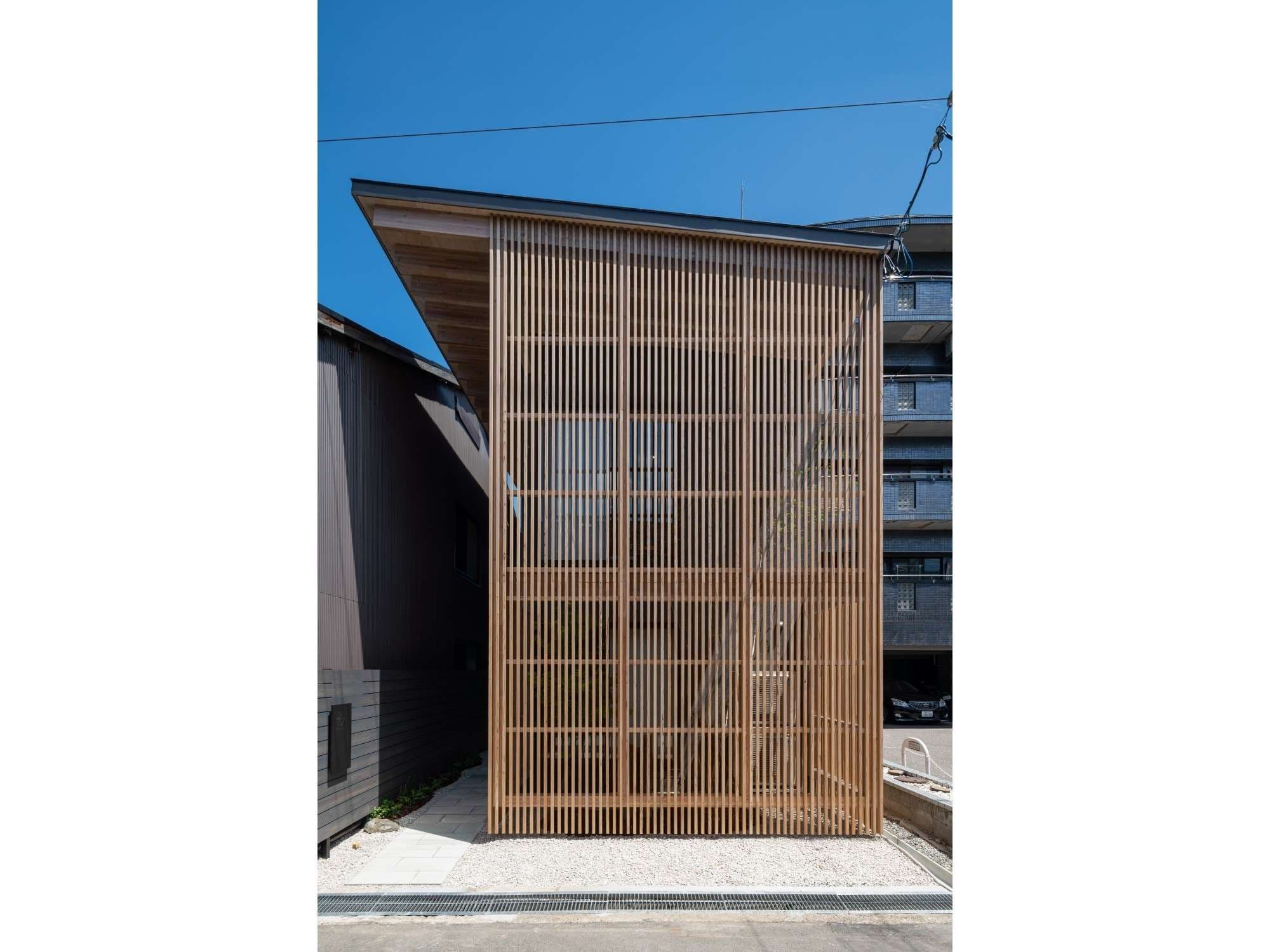 | ¥38,500〜1名1泊2名で約¥77,000 | 9.5 口コミ162件 | Booking.comで予約する |
熱海の隠れ里
Atami
Kurokawa-So
Kurokawa
Unzen Kyushu Hotel
Unzen
Atami Sekitei
Atami
Yokikan
Izu
山みず木
Kurokawa
Ryokan Sanga
Kurokawa
Hotel Yoshimatsu
Ibusuki
Saryo Soen
Akiu
Ryokan Motonago
Kyoto
Gunjo no Tsuki
Kanazawa
表示価格は1名1泊あたりの目安です。当サイト経由のご予約で手数料を受け取る場合があります。
ご予約はこちら
人気の旅館から選んで予約
予約サイトごとの空室・料金を見比べてください。




予約リンク経由で手数料が発生する場合がありますが、追加費用はかかりません。
FAQ
よくあるご質問
精進料理は普通の旅館で食べられますか、それとも寺の宿だけですか?+
多くの一般の旅館、特に京都や仏教寺院の界隈の近くでは、精進料理を標準の選択肢として、または事前連絡があれば依頼で提供しています。高野山の宿坊では標準です。これらの地域以外の標準的な一般の旅館では、対応の可否は大きく下がり、2週間以上前の書面での明示的な事前連絡が必要です。
「ベジタリアン懐石」はヴィーガン懐石と同じですか?+
ほぼ違います。日本では「ベジタリアン懐石」は通常ラクト・オボを意味します:卵と、時に乳製品が含まれ、出汁には鰹がまだ入っていることがあります。「ヴィーガン懐石」は、ベースの出汁を完全に組み直し、卵・乳製品・蜂蜜を含むあらゆる動物性食材を除外することを求めます。必ず「厳格なヴィーガン——卵なし、乳製品なし、蜂蜜なし、出汁はすべて昆布と椎茸のみ」と明記しましょう。
どのくらい前に旅館へ連絡する必要がありますか?+
到着の最低2週間前ですが、懐石の献立をかなり前から組む高級旅館での滞在には、1か月前が強く望ましいです。高野山の宿坊では通常1〜2週間前で十分です。可能なら予約時に旅館へ連絡しましょう。
旅館がヴィーガンの食事を「保証できない」と言ったら?+
これは別の宿を選ぶか、高野山の宿坊で予約するべき合図です。書面での約束なしに「できる限り努めます」とごまかす旅館は、きちんとした別立ての下ごしらえをこなせない可能性が高いです。大半の旅館滞在の価格帯なら、書面での確認を受けて当然です。口頭の保証だけで進めてはいけません。
旅館の味噌汁はヴィーガンですか?+
標準的な旅館では通常そうではありません。出汁のベースに煮干し(乾燥いわし)や鰹節が含まれることが多いためです。高野山の宿坊や、昆布椎茸出汁を標準とする宿では、味噌汁はヴィーガンになります。一般の旅館では、事前予約の連絡でこれを明示的に確認する必要があります。
ヴィーガンの旅館の朝食は頼めますか?+
はい、事前連絡があれば。標準の朝食には焼き魚、出汁ベースの味噌汁、卵焼き、茶碗蒸し(卵のカスタード)が含まれます。ヴィーガンの朝食はこれらを、追加の豆腐料理、季節の野菜、昆布ベースの汁、植物性のご飯料理で差し替えます。夕食の変更と同じ事前メールでこれを依頼しましょう。
日本にヴィーガン認証を受けた旅館はありますか?+
2026年5月時点で、正式なヴィーガン認証を持つ一般の旅館はありません。一部の高野山の宿坊や京都の専門の精進料理店は、厳密に植物性であると打ち出していますが、これは説明であって認証ではありません。特定の日程について、その特定の宿から必ず書面での確認を取りましょう。
温泉の湯はヴィーガン旅行者に関係ありますか?+
ほとんどの客には関係ありません——天然の鉱泉の湯に動物性食材は含まれません。ただし一部の高級旅館は、特別な趣向としてミルク風呂(牛乳風呂)や蜂蜜入りの入浴添加物を提供します。入浴剤の成分が気になるなら、宿に確認しましょう。標準の共同露天風呂や屋内の鉱泉の湯は、ほぼ常に動物由来の添加物を含みません。
まだ決めていない方へ
日本全国の旅館を見るBooking.com