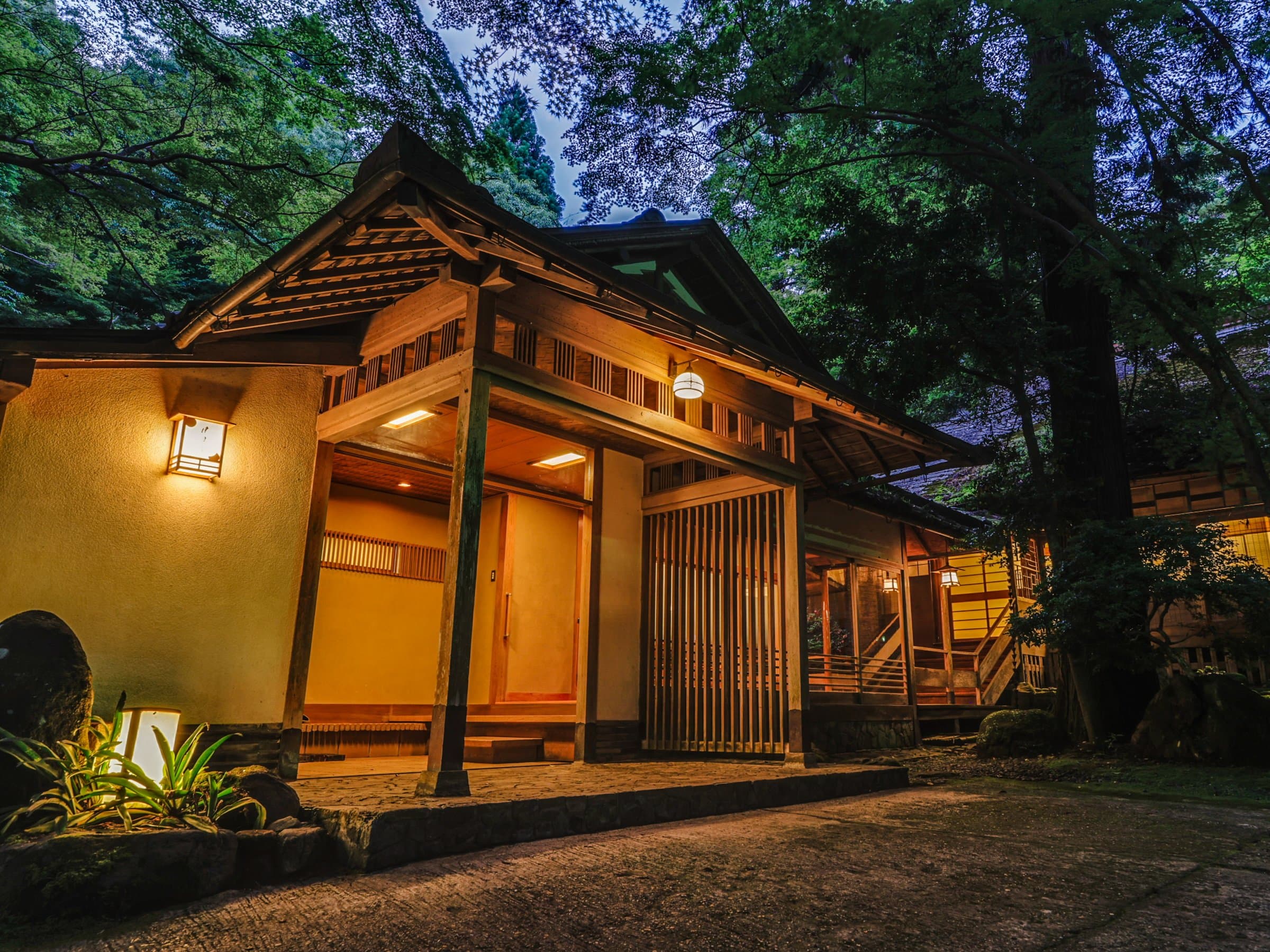
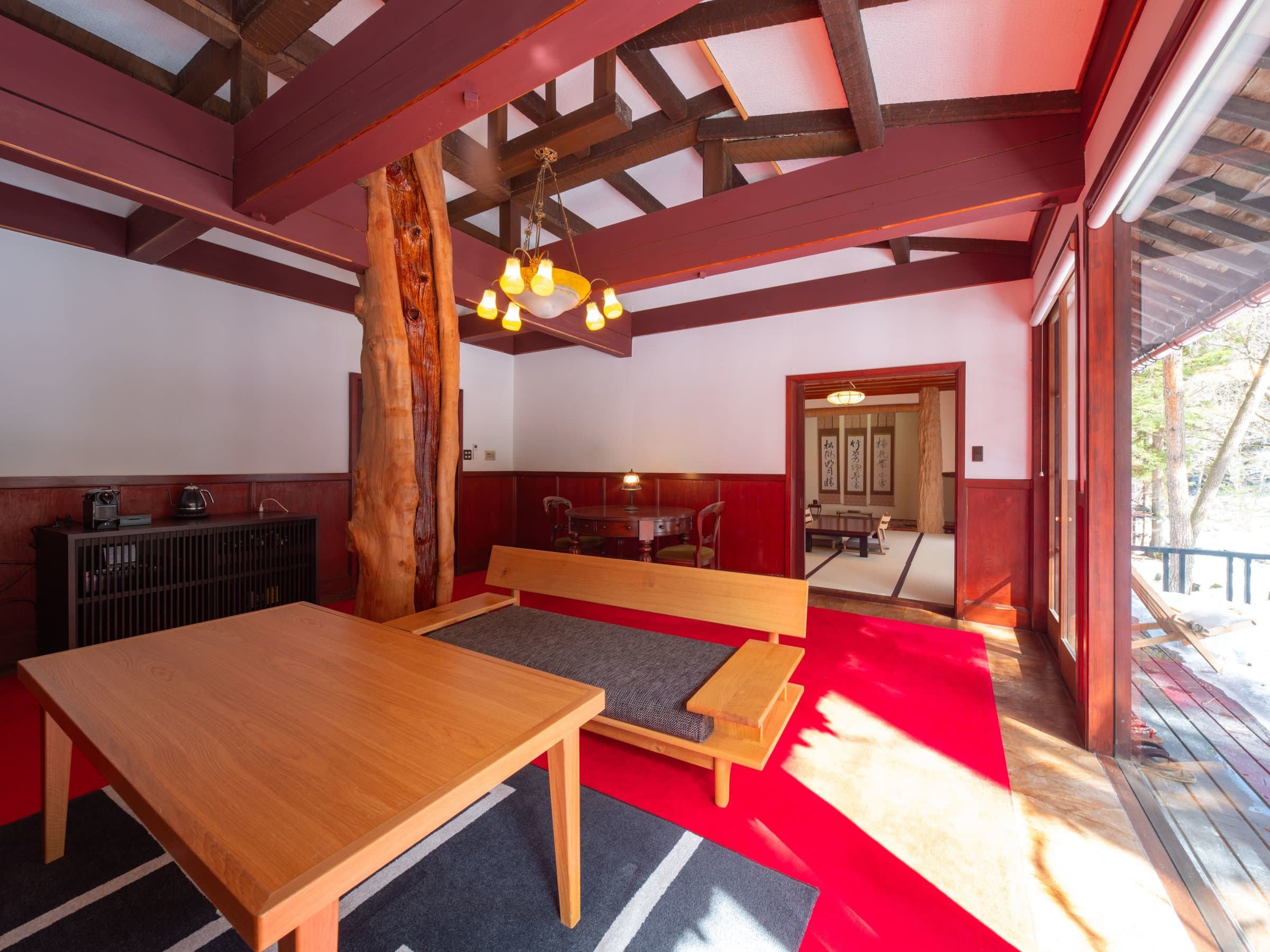
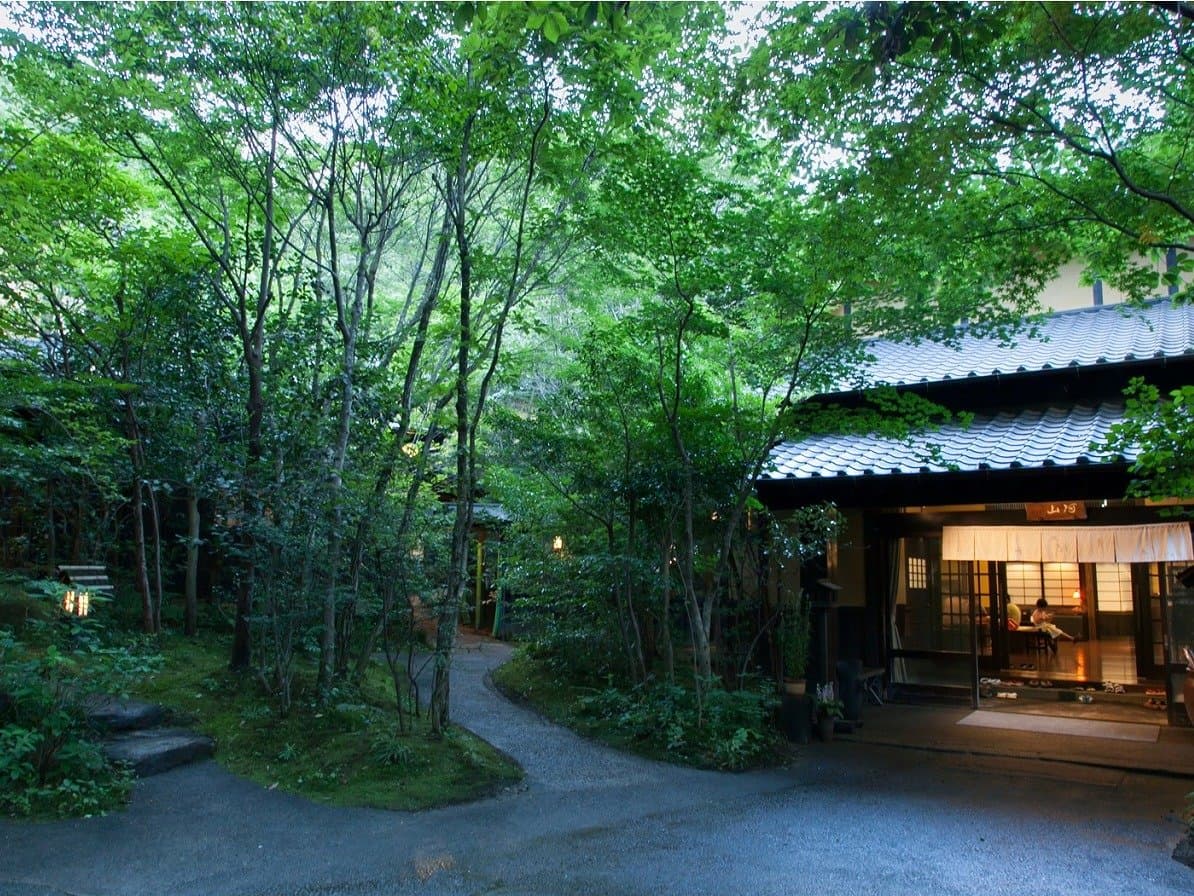
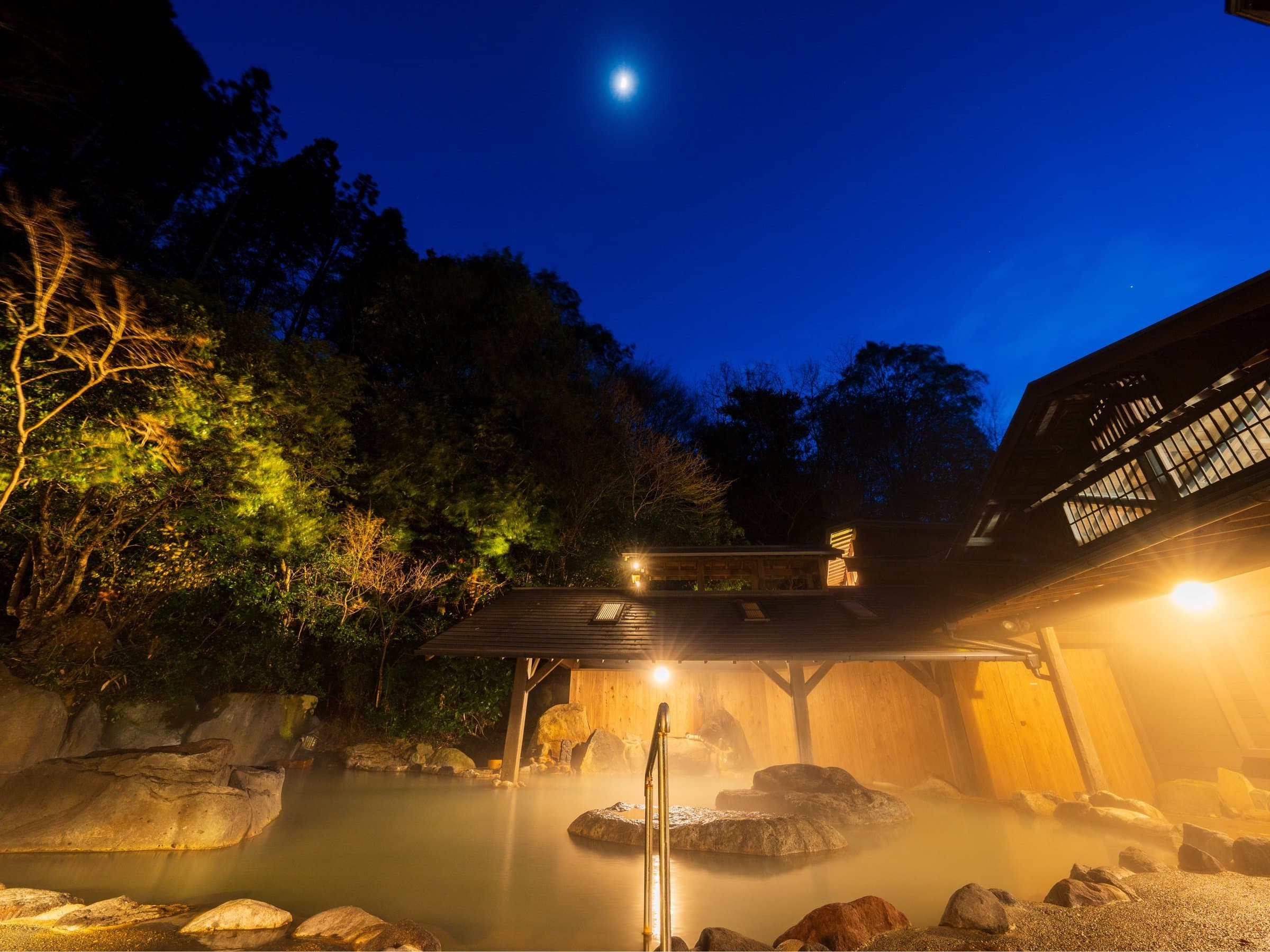
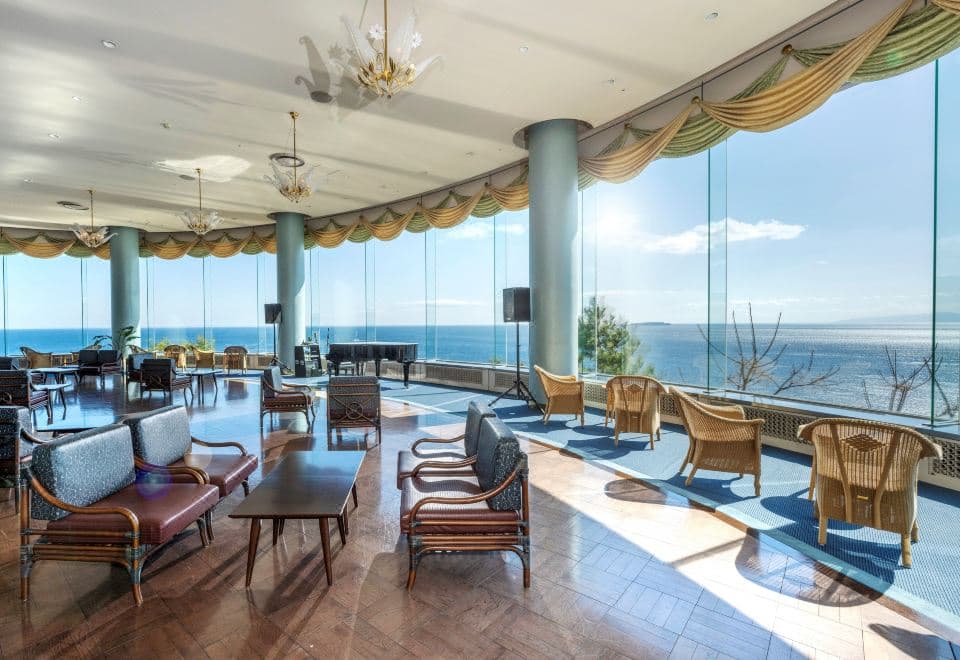
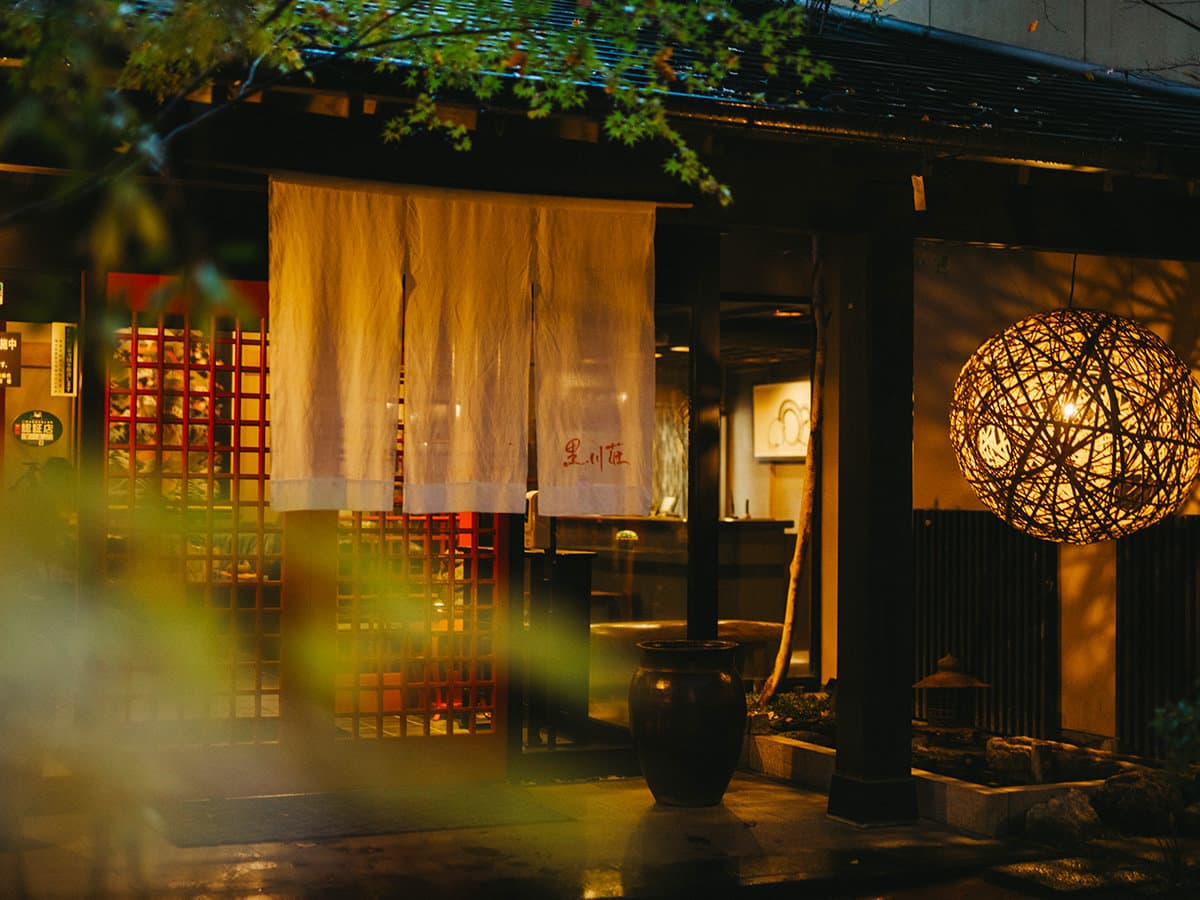
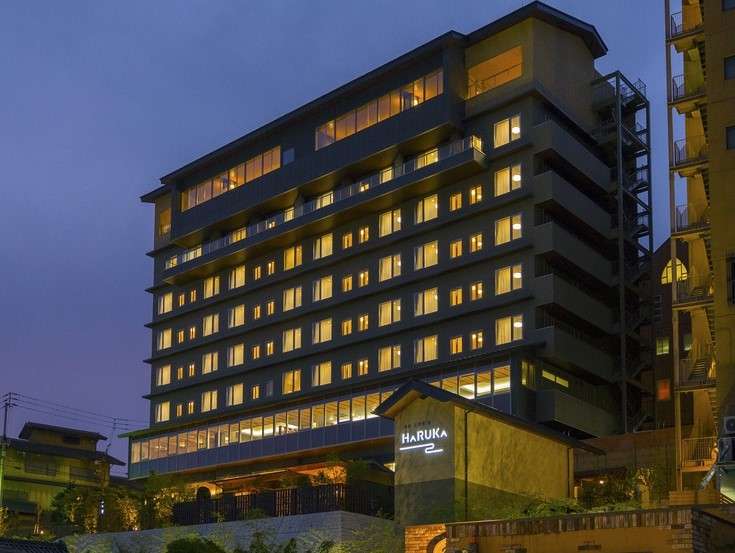
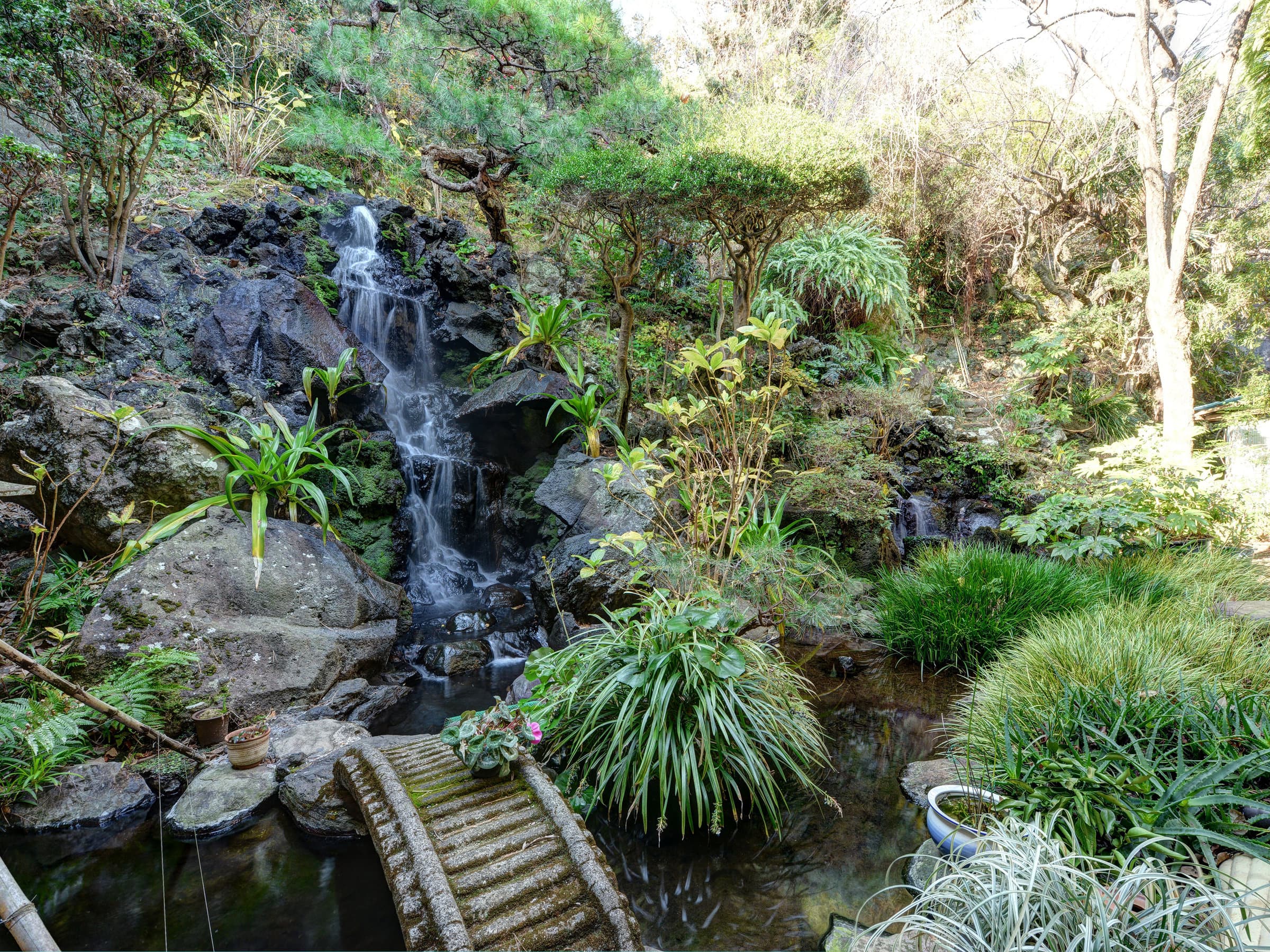
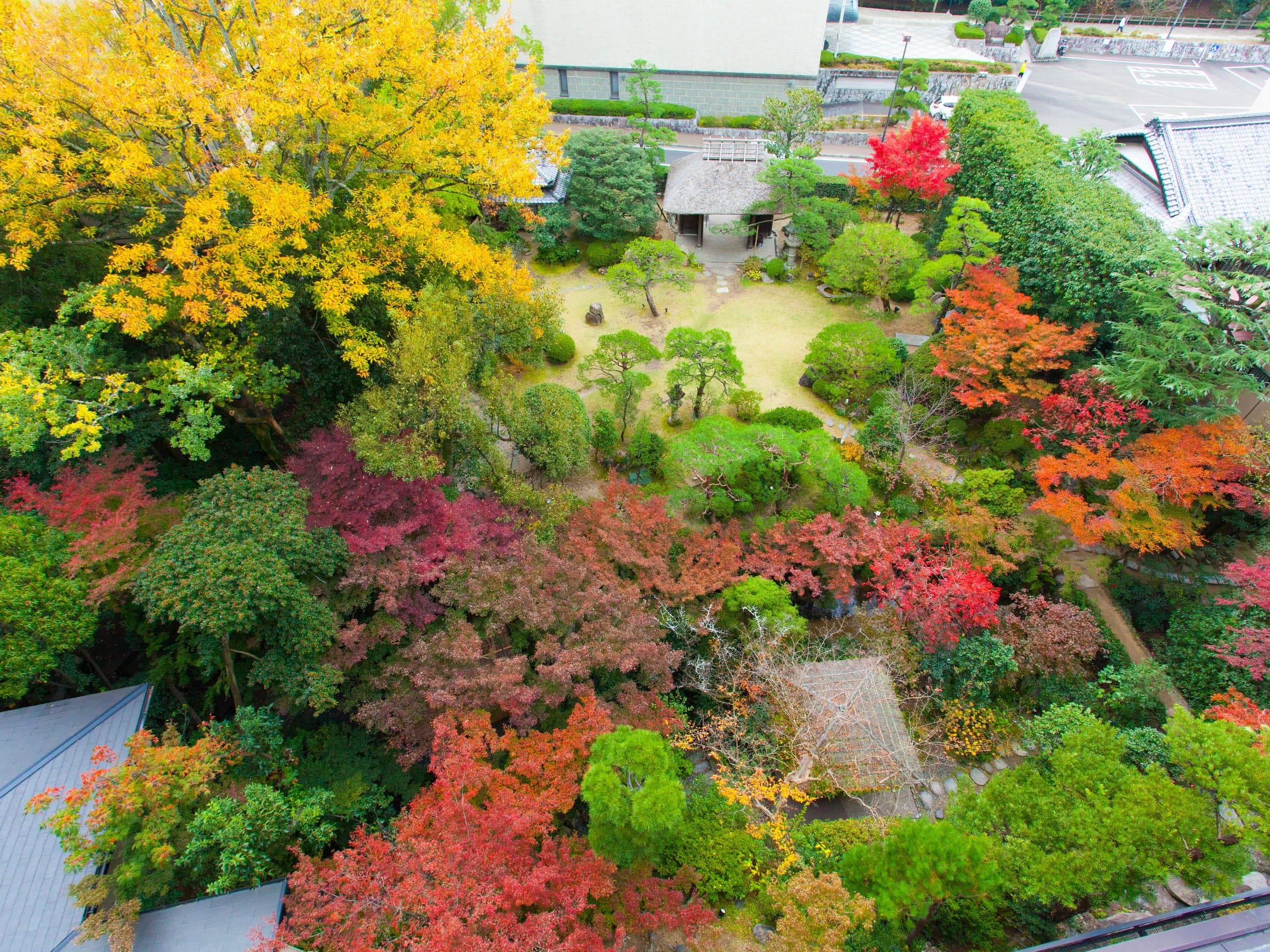
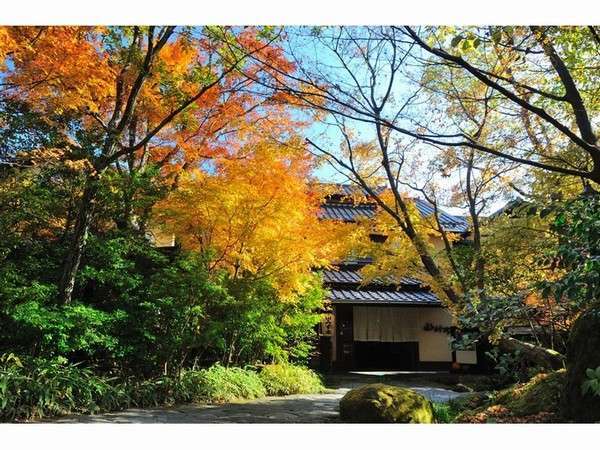
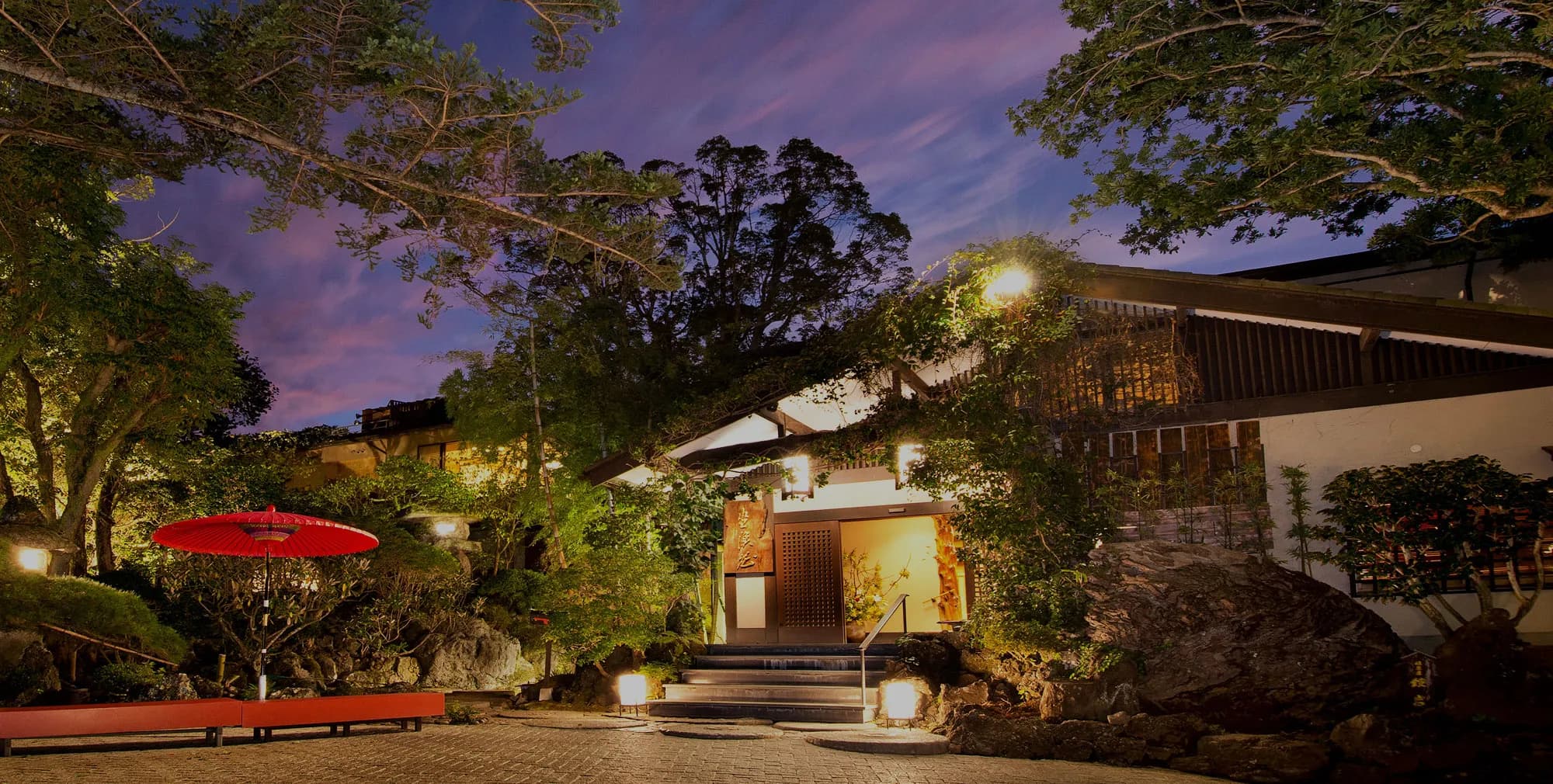
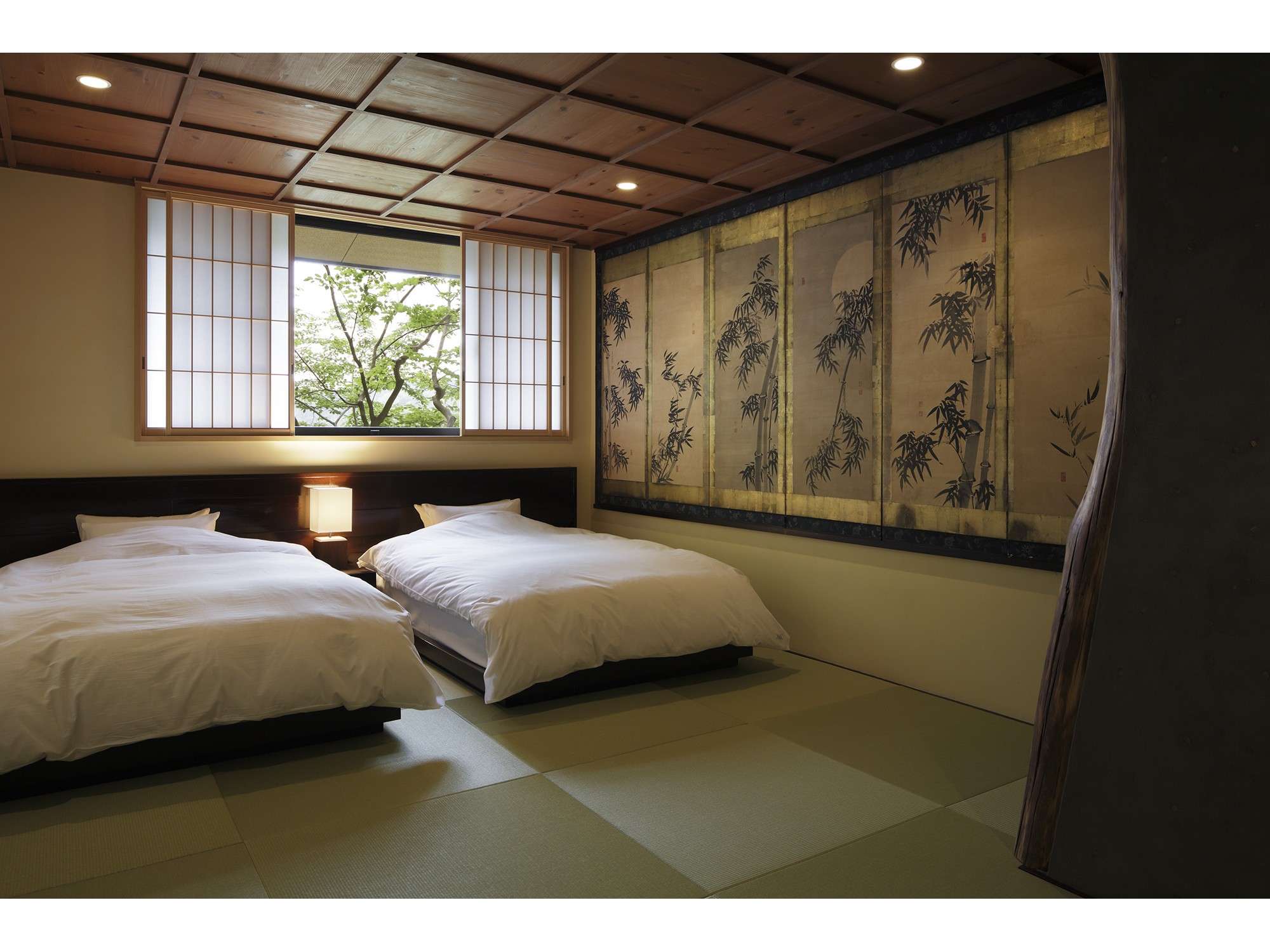
I emailed Kasuien Minami in mid-January with the line my Japanese teacher had drilled into me: *精進料理対応をお願いできますか。出汁にも鰹節を使わないでいただけると助かります*. The reply landed thirty-six hours later — a hand-typed note from the okami listing each dish she planned to swap. Kombu-shiitake dashi for the suimono. Yuba in place of sashimi. Simmered koyadofu where the kuroge wagyu would have been. That email is why I now refuse to book any kaiseki ryokan that will not confirm substitutions in writing before I pay the deposit. Last verified: May 7, 2026.
I have been a lacto-ovo vegetarian for eighteen years and a Kyoto resident for fourteen. I have stayed at sixty-two ryokans and eight Koyasan *shukubo* (temple lodgings), and eaten over two hundred kaiseki meals modified for plant-only diets — and been ambushed by hidden bonito broth more times than I am willing to count in print. The picks below reflect direct experience.
This is the seventh installment of our best-ryokans series after Miyajima, Kusatsu, Kinosaki, Beppu, Hakone and Yufuin — but unlike those peers, this one cuts horizontally across eight regions because the dietary question matters more than the postcode. If you are new to ryokan culture, our first-time ryokan guide covers the basics. Per Japan's official tourism authority, travelers with dietary needs are advised to *inform ryokan and hotels in advance for meal arrangements* [verified JNTO 2026-05-07] — the rest of this guide is what "in advance" actually means in writing.
What follows ranks eight ryokans by the diet level each delivers (vegan / lacto-ovo / pescatarian / shojin-style), with the bilingual booking email template the rest of the internet does not give you, the *gokun* (五葷) edge case for strict shojin observers, and the Koyasan fallback safer than any commercial ryokan.
The best vegetarian-friendly ryokan in Japan is Hoshino Resorts KAI Kinugawa — the only major-chain ryokan with a published full-vegan plan covering kaiseki, breakfast, feather-free bedding and vegan amenities. Strict vegans book KAI Kinugawa or a Koyasan shukubo. Lacto-ovo travelers fit at Seikoro in Kyoto or Tsukihitei in Nara's Kasugayama forest. Milestone-luxury seekers go to Asaba in Izu; shojin-leaning kaiseki in a 160-year farmhouse is at Wanosato in Takayama; pescatarians wanting Tajima crab without meat fit at Mikiya in Kinosaki. All reliably accommodate plant-only diets with seven to fourteen days of notice.
Tip
Disclosure: Japan Ryokan Guide earns a commission when you book through partner links. We do not accept payment from ryokans for inclusion — every property was selected on merit, and we exclude ryokans whose dietary accommodation we could not verify in the last twenty-four months. The commission keeps the directory free in six languages.
Quick-Compare: 8 vegetarian-friendly ryokans at a glance
| # | Ryokan | Area | Diet tier offered | From (USD) | Pre-book days | Best for | |---|---|---|---|---|---|---| | 1 | KAI Kinugawa | Nikko | Vegan (full plan) | $300 | 7+ | Strict vegans wanting a published, audited plan | | 2 | Seikoro | Kyoto | Lacto-ovo / shojin-leaning | $300 | 10+ | Heritage machiya kaiseki with kombu-dashi swap | | 3 | Tsukihitei | Nara | Lacto-ovo / shojin-leaning | $400 | 14+ | Forest-temple setting, smallest kitchen, deepest swap | | 4 | Asaba | Izu | Lacto-ovo / vegan on request | $600 | 14+ | Milestone luxury — 1489-founded, Noh stage | | 5 | Wanosato | Takayama | Lacto-ovo / vegan on request | $500 | 14+ | Michelin Key, 7 rooms, 160-year gassho-zukuri | | 6 | Ryokan Sanga | Kurokawa | Lacto-ovo on request | $250 | 7+ | Forest annex, two source waters, chef-direct kitchen | | 7 | Togetsutei | Kyoto Arashiyama | Lacto-ovo / shojin-leaning | $280 | 10+ | Kyoto shojin tradition, Togetsukyo Bridge views | | 8 | Tokinoniwa | Kusatsu | Lacto-ovo on request | $300 | 7+ | Vegetarian kaiseki + private rotenburo in every room |
For pescatarians who self-identify as vegetarian, Mikiya in Kinosaki handles fish-OK kaiseki with the same precision (Tajima crab, sea-vegetable courses, no meat). For zero-risk plant-only travel, skip the commercial ryokan entirely and book a Koyasan shukubo — see the dedicated section below.
What is shojin ryori? Buddhist temple cuisine, naturally vegan
Shojin ryori (精進料理, *shōjin ryōri*, "devotion cuisine") is Buddhist temple cuisine developed over 800+ years by Zen monks, and is naturally vegan — strictly no meat, fish, eggs, dairy, or the "five pungent" plants (onion, garlic, leek, scallion, chive). Umami comes from kombu seaweed, dried shiitake, fermented miso, and seasonal vegetables. It is the only Japanese cuisine tradition reliably plant-based by definition.
The distinction between shojin ryori and a vegetarian kaiseki swap is not cosmetic — it is theological. A commercial ryokan gives you a "vegetarian kaiseki" by removing visible animal protein and substituting tofu, but the kitchen still uses the same dashi, simmering pots, and seasonings. A temple cooking shojin ryori has spent twelve centuries refusing to touch any of that. As Ekoin's English cuisine page states, "no meat, fish, or other fish or raw meat odors are used" [verified Ekoin Temple 2026-05-07].
The philosophy is the *gomi-goshiki-goho* principle (五味五色五法): five flavors, five colors, five cooking methods. Done well — at Koyasan's 117 active temples, fifty-two of which accept overnight guests — it is the tightest constraint-driven cuisine in Japan. Dinner at Ekoin in April 2024 arrived on two black-lacquer trays carried by a young monk in indigo *samue*: sesame tofu (*goma-dofu*) so dense it had to be scooped with a spoon, tempura of *fuki* and *takenoko* in batter thin as rice paper, a clear kombu-shiitake soup with a single chrysanthemum petal. After eight years of picking around bonito at ryokan kaiseki, this was the first Japanese meal I ate without translating each dish in my head first.
Tip
If you are strict vegan or tired of negotiating, prioritize a Koyasan shukubo (temple stay). Every meal is shojin by religious rule — no meat, fish, dashi, onion, or garlic. A night at Ekoin or Henjoson-in runs ¥13,000–22,000 with two shojin meals included [verified Koyasan Shukubo Association 2026-05-07], often cheaper per-meal than a luxury ryokan vegetarian add-on. See the Koyasan section below.
The dashi problem: why "vegetable kaiseki" often is not vegetarian
Most "vegetable" kaiseki dishes in Japan are not vegetarian, because they are simmered, dressed, or seasoned with dashi — a stock made from bonito (skipjack tuna) flakes and kombu. Even tofu, simmered greens, and miso soup typically contain bonito dashi. Strict vegetarians and vegans must explicitly request kombu-only or shiitake dashi, in writing, seven to fourteen days ahead.
A mid-tier Kyoto ryokan I will not name advertised "vegetable kaiseki" on its English booking page in July 2024. I confirmed twice by email. When the first course arrived — a chilled tomato dashi jelly — the chef apologized: yes, *katsuobushi*. The English page used "vegetable" to mean *vegetable-forward*, not *plant-only*. I ate rice and pickles.
The word that protects you is 精進 (shōjin), not the English *vegetarian*. The phrase is *出汁も植物性* ("dashi is also plant-based") or *鰹だしぬき* ("without bonito stock"). Without one of these in writing, assume bonito. Even *tsukemono* pickles are often brined in bonito flakes; pre-mixed miso paste sometimes contains invisible *katsuo extract* [verified JNTO 2026-05-07].
The ryokans on this list have *passed* that test in writing — either by adopting kombu-shiitake dashi as a documented swap (Seikoro, Tsukihitei, Tokinoniwa) or by running a fully separate vegan production line (KAI Kinugawa). They are still the exception, not the rule, even within the twenty ryokans in our 224-property database flagged *vegetarian_meals = true*.
Tip
Ask for kombu-only dashi (昆布だし) in writing — the word "vegetarian" alone is not enough. Many Japanese chefs interpret "vegetarian" as "no visible meat," and bonito stock does not look like meat. Paste this into your booking email: *出汁は昆布だしのみでお願いいたします(鰹節・煮干し不可)* — "Please use only kombu dashi (no bonito flakes, no dried sardines)." Single highest-leverage move you can make.
Vegan, lacto-ovo, pescatarian: what each label actually means in Japan
In Japan, the loanword "vegetarian" (ベジタリアン) is often interpreted as pescatarian — fish allowed. Lacto-ovo (eats dairy and eggs) is rarely distinguished from strict vegan in casual booking conversations. To avoid surprise fish, specify your diet in writing using the exact Japanese terms: ヴィーガン (vegan), 卵・乳製品OK (lacto-ovo), or 魚もNG (no fish either).
At Notoraku in Wakura in May 2025 I told the front desk I was vegetarian; dinner arrived with grilled *iwana* (river fish). The kitchen had read ベジタリアン as "pescatarian-OK because fish is not meat" — fish belongs to *gyokairui* (魚介類) rather than *niku* (肉). I now always write *魚介類も食べません* in the booking notes, in Japanese, even when the ryokan has English staff.
The vocabulary that travels:
- Lacto-ovo-vegetarian — *卵・乳製品OK* ("eggs and dairy okay"). Eats dairy, eggs; avoids meat, poultry, fish, shellfish, animal broth. No native idiom in Japanese, Chinese or Korean — gloss it on every occurrence. - Vegan — *ヴィーガン*. Avoids lacto-ovo plus eggs, dairy, honey. Strict vegans should also specify *はちみつ不可* (no honey) and *ゼラチン不可* (no gelatin). - Pescatarian — *ペスカタリアン (魚OK)*. The *de facto* interpretation when a Japanese kitchen hears "vegetarian." - Shojin / strict-vegan + no alliums — *精進料理 / 五葷不可*. The Jain, Hindu and Shingon Buddhist standard. Most commercial ryokans cannot meet it; Koyasan shukubo can.
The [Japan Vegetarian Society's directory](http://www.jpvs.org/Eng/ep1/index-eng.html) and [VegeProject Japan / Vegewel](https://vegewel.com/en/) certification stickers are what to photograph and show staff if your Japanese fails [verified VegeProject Japan 2026-05-07].
How we screened 224 ryokans down to 8 vegetarian-friendly picks
We started with the twenty ryokans flagged *vegetarian_meals = true* in our 224-property database, then re-emailed every one in April 2026, in Japanese, asking: (1) Will you swap to kombu-shiitake dashi for *every* dish, including simmered courses? (2) Will you confirm substitutions *in writing* before booking? (3) What is your minimum lead time? Eight properties returned written confirmation that satisfied all three.
The rest could not commit to kombu-only dashi for *every* course, needed less than seven days of notice (one-dish swaps), or replied in marketing language without specifics. Several appear in our luxury rankings, Kinosaki and Beppu roundups, but they are not the right fit for an anxious vegetarian booking from abroad.
Every pick is in the luxury bracket (~$250–$1,500/night with two meals) because vegetarian-kaiseki redesign is labor-intensive and the smallest chef-led kitchens deliver the most reliable swap. Budget vegetarian travel is possible — but the right pattern is a [Koyasan shukubo](https://eng-shukubo.net/) at ¥13,000–22,000, not a discount commercial ryokan. See how a ryokan dinner differs from a hotel restaurant.
1. KAI Kinugawa (Nikko) — Best for strict vegans wanting a published plan
Best for Strict vegans who want the only major-chain ryokan in Japan with a fully published plant-based plan covering food, bedding, and amenities.
At a glance 49 rooms · ~$300–$600 USD · Hilltop above the Kinugawa · Mashiko pottery interiors · 70 min from Tokyo via Tobu Spacia.
Vegetarian level offered Full vegan — kaiseki, breakfast, room snacks, feather-free bedding, vegan amenities. Developed with VegeProject Japan; discloses gelatin-and-honey edge cases unprompted [verified VegeProject Japan 2026-05-07].
Cuisine specialty Multi-course vegan kaiseki using Tochigi mountain vegetables and a property-specific kombu-shiitake-soybean dashi.
Price tier Luxury · $300–$600 per person per night with two meals. Vegan plan adds ~¥2,000–3,000/night vs standard.
Pre-book required Yes — seven days minimum, fourteen preferred. Select "vegan plan" at booking; ingredients sourced 72 hours ahead on dedicated cookware.
Onsen Hilltop public bath with river views — soft, low-mineral. Not the strongest onsen here, but the cleanest dietary line.
Standout The only ryokan in our 224-property database with a *published* vegan plan, not an on-request swap. See the full Nikko area guide.
Honest trade-off A Hoshino chain ryokan, not heritage — architecture is contemporary craft, not historic *sukiya-zukuri*. For a 1489-founded inn with vegan-on-request, book Asaba. Rates run $300–$600 per person per night with two meals [approximate; verify availability]. Vegetarian plan policy verified 2026-04-22.
Tip
KAI Kinugawa's vegan plan must be selected at booking, not on arrival — the kitchen sources separate ingredients 72 hours ahead, and the cookware is dedicated. Last-minute vegan upgrades after check-in are not possible at this property. If you forget to select the plan in the OTA flow, email the ryokan directly within 24 hours of booking to convert.
2. Seikoro (Kyoto) — Best for lacto-ovo kaiseki in a 200-year-old inn
Best for Lacto-ovo travelers who want their first Japan kaiseki in a *machiya*-style ryokan with documented shojin variants and an 1831 founding date.
At a glance 20 rooms · ~$300–$600 USD · Five min by taxi from Kyoto Station · Established 1831 · Public baths · No private onsen.
Vegetarian level offered Lacto-ovo documented; vegan and shojin-leaning on request. The kitchen runs a separate kombu-shiitake dashi and labels every dish on the printed menu — disclosure I have not seen at a Kyoto ryokan outside dedicated shojin restaurants.
Cuisine specialty Kyoto kaiseki with shojin-leaning swaps: yuba two ways, *fu*, simmered *kyoyasai*, goma-dofu, yuba-suimono with kombu-only dashi.
Price tier Luxury · $300–$600 per person per night with two meals. No supplement.
Pre-book required Yes — ten days minimum, two weeks for vegan. Email with diet type and the bilingual template below; English reply within 48 hours.
Onsen Indoor public baths only — Seikoro is a city ryokan.
Standout The most reliably vegan-capable Kyoto ryokan I have stayed at. The kitchen treats the dashi swap as kitchen-engineering, not substitution. See our Kyoto area guide and [Inside Kyoto's shojin ryori roundup](https://www.insidekyoto.com/best-shojin-ryori-japanese-buddhist-vegetarian-cuisine).
Honest trade-off No rotenburo or onsen — pair with one onsen night elsewhere (onsen etiquette is worth a re-read). Rates run $300–$600 per person per night with two meals [approximate; verify availability]. Vegetarian plan policy verified 2026-04-18.
3. Tsukihitei (Nara) — Best for shojin-leaning kaiseki in temple forest
Best for Lacto-ovo travelers who want kaiseki cooked in a 10-room forest annex inside a UNESCO-listed primeval forest adjoining one of Japan's oldest Buddhist temple complexes.
At a glance 10 rooms · ~$400–$1,000 USD · Inside Kasugayama Primeval Forest, 20 min by car from Nara Park · No onsen · Tiny single-chef kitchen.
Vegetarian level offered Lacto-ovo documented; shojin-leaning vegan confirmed in writing on a fourteen-day lead. Proximity to Kasuga-Taisha and Todai-ji means a long working relationship with shojin-ingredient suppliers.
Cuisine specialty Mountain-vegetable kaiseki with seasonally foraged sansai, koyadofu, sesame tofu, and a plant-based hassun by request.
Price tier Luxury · $400–$1,000 per person per night with two meals. No supplement.
Pre-book required Yes — fourteen days, no exceptions. Email via Tsukihitei in the Kasugayama forest reservation form.
Onsen None — a forest retreat, not an onsen ryokan.
Standout The November 2025 vegetarian dinner was flawless — eight courses, zero animal products, a plate of *sansai tempura* I still think about. Ten rooms inside a primeval forest, deer at dawn, no light pollution. See the Nara area page.
Honest trade-off Breakfast nearly broke me. The kitchen's instinct was to remove the fish and serve me dashi-miso soup. Re-confirm breakfast separately at check-in. Rates run $400–$1,000 per person per night with two meals [approximate; verify availability]. Vegetarian plan policy verified 2026-04-19.
Tip
Re-confirm breakfast separately at check-in. Dinner kaiseki is planned fourteen days ahead; breakfast comes from the morning shift, which often did not get the memo. Three of every four "vegetarian ryokan disasters" I have heard from readers happened at breakfast, not dinner. Read what is actually on a Japanese breakfast tray before you arrive — fish, dashi-miso, and tamagoyaki are the three default landmines.
4. Asaba (Izu) — Best for milestone-luxury vegan with advance arrangement
Best for Couples on a milestone trip who want a 1489-founded ryokan with a Noh stage, the Katsura River out the window, and a kitchen disciplined enough to redesign kaiseki from scratch.
At a glance 17 rooms · ~$600–$1,500 USD · Established 1489 · Noh stage on the pond · 90 minutes from Tokyo via Odoriko limited express.
Vegetarian level offered Lacto-ovo straightforward; strict vegan on a fourteen-day lead confirmed in writing. The chef treats a vegan kaiseki the way a Michelin restaurant treats a tasting menu — a design problem, not a subtraction.
Cuisine specialty Izu seasonal kaiseki rebuilt around plant-only ingredients on request. In February 2026, my tray had three slices of seaweed-wrapped *konnyaku* "sashimi" with grated ginger and yuba rolled around shiso leaf — the chef had spent thirty minutes scoring the konnyaku alone so it would tear like fish flesh.
Price tier Ultra-luxury · $600–$1,500 per person per night with two meals. Vegan kaiseki carries no supplement.
Pre-book required Yes — fourteen days minimum, three weeks for sakura and foliage. Email via the contact form; reply within 72 hours.
Onsen Two indoor and two outdoor baths fed by Shuzenji-area source water. The river-view rotenburo is the property's headline image.
Standout The kitchen effort costs the same as the meat menu; you just have to ask fourteen days out. Asaba slots into our luxury rankings and best ryokans for couples. The Izu area guide covers Shuzenji logistics.
Honest trade-off The most expensive pick, and books out three to six months ahead. If your dates are full, Wanosato or Sanga are the closest alternatives. Rates run $600–$1,500 per person per night with two meals [approximate; verify availability]. Vegetarian plan policy verified 2026-04-21.
5. Wanosato (Takayama) — Best for shojin-leaning kaiseki in 160-year farmhouse
Best for Travelers who want a Michelin Key, seven-room property in a 160-year-old *gassho-zukuri* farmhouse, with a kitchen small enough that the chef cooks every plate himself.
At a glance 7 rooms · ~$500–$1,200 USD · 160-year farmhouse on the Miyagawa River · 25 minutes by car from Takayama Station · Michelin Key 2024.
Vegetarian level offered Lacto-ovo documented; vegan on a fourteen-day lead confirmed in writing. The Hida region is naturally vegetable-forward, so the standard pantry overlaps heavily with a plant-only menu.
Cuisine specialty Hida sansai kaiseki with documented vegetarian variants: forest-foraged greens, soy-based proteins, and a property-specific kombu-shiitake dashi. The seven-room scale means the chef briefs every table personally.
Price tier Ultra-luxury · $500–$1,200 per person per night with two meals. Vegetarian or vegan plan carries no supplement.
Pre-book required Yes — fourteen days minimum. This 160-year-old gassho-zukuri retreat replies via contact form; English within 72 hours.
Onsen Indoor and outdoor baths fed by a property source — soft, low-mineral water.
Standout Seven rooms, one chef, one set of cookware he controls personally. The smallest, most disciplined kitchen on this list. Takayama's ryokan directory covers Shirakawa-go routing.
Honest trade-off Seven rooms means tight availability — book three months ahead, six for foliage. Arrange pickup at booking (25 minutes from the nearest train station). Rates run $500–$1,200 per person per night with two meals [approximate; verify availability]. Vegetarian plan policy verified 2026-04-20.
6. Ryokan Sanga (Kurokawa) — Best chef-direct vegetarian kaiseki in a forest annex
Best for Travelers who want a 16-room forest ryokan with two source waters and a chef-direct kitchen at a price that does not require milestone justification.
At a glance 16 rooms · ~$250–$550 USD · Forest annex apart from Kurokawa village · Two spring sources · Bamboo-grove mixed-gender bath · 90 min by bus from Aso Station.
Vegetarian level offered Lacto-ovo on a seven-day lead is reliable; vegan with fourteen days requires written confirmation of the dashi swap and simmered side dishes.
Cuisine specialty Kyushu mountain kaiseki with documented vegetarian variants — Aso volcanic-soil vegetables, Kumamoto soy products, simmered greens.
Price tier Luxury · $250–$550 per person per night with two meals. No supplement.
Pre-book required Yes — seven days for lacto-ovo, fourteen for vegan, in writing. Ryokan Sanga's forest annex confirms via email; English within 72 hours.
Onsen Two source waters across indoor and outdoor baths — rare at this price tier. Bamboo-grove mixed-gender bath plus a women-only outdoor bath.
Standout The most reasonable pick on this list — Kurokawa's lantern-lit village and *nyutoumeguri* three-bath pass are exceptional regardless of the food.
Honest trade-off Their kombu dashi is reliable, but simmered side dishes have historically used a separate bonito stock unless you specify otherwise — confirm *all* courses use kombu-only dashi. Rates run $250–$550 per person per night with two meals [approximate; verify availability]. Vegetarian plan policy verified 2026-04-23.
7. Togetsutei (Kyoto Arashiyama) — Best for Kyoto shojin tradition with bridge views
Best for Travelers who want their Kyoto ryokan to overlook the Togetsukyo Bridge, with shojin-leaning kaiseki rooted in 1,200 years of Arashiyama temple-cuisine tradition.
At a glance 25 rooms · ~$280–$550 USD · Banks of the Hozugawa beneath Togetsukyo Bridge · 15 min by JR from Kyoto Station · Public and reservable private baths.
Vegetarian level offered Lacto-ovo with a ten-day lead, shojin-leaning vegan with fourteen. Surrounding temples (Tenryu-ji, Daikaku-ji, Jojakko-ji) sustain a working shojin-ingredient supply chain.
Cuisine specialty Kyoto-Arashiyama kaiseki with documented shojin variants — yuba in three forms, simmered *kyoyasai*, kombu-only dashi. Summer *kawadoko* riverside dining is naturally vegetable-forward.
Price tier Luxury · $280–$550 per person per night with two meals. No supplement.
Pre-book required Yes — ten days for lacto-ovo, fourteen for vegan. Book via Togetsutei in Arashiyama; English within 48 hours.
Onsen Indoor and outdoor baths fed by Arashiyama-area source water — soft, low-sulfur.
Standout The geographic shortcut. Daitoku-ji, Nanzen-ji and Tenryu-ji have anchored shojin supply chains in this neighborhood for eight centuries — Togetsutei inherits that ecosystem. See the Kyoto area page.
Honest trade-off Twenty-five rooms means competent rather than chef-personal service. If chef-direct is the priority, choose Sanga or Wanosato. Rates run $280–$550 per person per night with two meals [approximate; verify availability]. Vegetarian plan policy verified 2026-04-22.
8. Yuyado Tokinoniwa (Kusatsu) — Best for vegetarian kaiseki + private rotenburo
Best for Travelers who want vegetarian kaiseki *and* an in-room private open-air bath in every room.
At a glance 56 rooms · ~$300–$600 USD · Hillside above Kusatsu · Sister property to Oyado Konoha (shared 23-bath complex) · Sulfur source water.
Vegetarian level offered Lacto-ovo on a seven-day lead is reliable; vegan with fourteen days requires written confirmation. The kitchen runs a separate kombu-shiitake dashi; simmered side dishes are addressed in the written plan.
Cuisine specialty Joshu kaiseki with documented vegetarian variants — Joshu mountain vegetables, Agatsuma river plants, substituted yuba-and-tofu hassun, tofu-dengaku in place of the standard wagyu course.
Price tier Luxury · $300–$600 per person per night with two meals. No supplement.
Pre-book required Yes — seven days minimum. Tokinoniwa's reservations reply in English within 48 hours; the Kusatsu roundup covers the ecosystem.
Onsen Every room has a private rotenburo. The 23 communal bath types form one of the largest onsen complexes in Kusatsu, accessed by free shuttle to Oyado Konoha.
Standout The combination is rare. Vegetarian kaiseki, in-room rotenburo, no supplement on food, 23 additional bath types — the clearest yes for onsen-prioritizing vegetarians.
Honest trade-off The vegetarian kaiseki skips the wagyu course — request a substitute tofu-dengaku in advance. Hillside, not Yubatake-front. Rates run $300–$600 per person per night with two meals [approximate; verify availability]. Vegetarian plan policy verified 2026-04-23.
How to request vegetarian meals at a ryokan: the 5-step process
This procedural section is schema-marked so search engines can extract it as a HowTo answer. Total time: ~15 minutes per ryokan, plus a 24–72 hour reply window.
Step 1 — Define your diet precisely in writing. Specify lacto-ovo-vegetarian, vegan, or pescatarian, and state explicitly: no meat, no fish, no shellfish, AND no dashi (bonito broth). Most Japanese kitchens assume "vegetarian" allows fish-stock dashi — say otherwise in writing.
Step 2 — Email seven to fourteen days before check-in. Seven days minimum so the chef can source kombu and shiitake; fourteen is safer for kaiseki menus that need redesigning.
Step 3 — Use the bilingual email template (below). Send English and Japanese side by side. Japanese kitchens trust written Japanese over verbal English; the bilingual format lets the front desk forward a clean Japanese block to the chef without a translation pass.
Step 4 — Ask for written confirmation, not a yes-or-no. Request a sample menu or a list of substituted ingredients. A vague *yes we can* often means they will swap one dish, not the full kaiseki.
Step 5 — Reconfirm at check-in and inspect the first dish. Politely re-state your needs. Ask the okami if dashi was used. If a clear broth appears, ask before tasting — kombu dashi is golden-clear and almost odorless; bonito dashi smells smoky. Print or screenshot the email confirmation in Japanese and show it at check-in. Kitchen handover is where requests get lost.
Tip
Pre-booking email template (English + Japanese, copy-paste). *Subject: Dietary request for booking [DATE] — [NAME]* Dear [Ryokan Name], I have a reservation under [NAME] for [DATE]. I would like to request a dietary accommodation for both the kaiseki dinner and breakfast: 1. Diet type: [vegan / lacto-ovo vegetarian / pescatarian] 2. Excluded: meat, poultry, [fish if vegan/lacto-ovo], [eggs and dairy if vegan] 3. Important: please use kombu-only dashi (昆布だし), not bonito (鰹だし), in all dishes including miso soup, simmered vegetables, and dressings. 4. I understand if a small supplement applies. Please confirm in writing. Thank you very much. — [NAME] --- [ご担当者様] [NAME]の名前で[DATE]に予約しております。夕食および朝食の食事制限について、ご相談がございます。 1. 食事制限: [ヴィーガン / 卵乳ベジタリアン(卵・乳製品OK) / ペスカタリアン(魚OK)] 2. 除外食材: 肉類、鶏肉、[魚介類]、[卵・乳製品] 3. 重要: 出汁は 昆布だしのみ でお願いいたします(鰹節・煮干し・魚介類のだしは不可)。味噌汁、煮物、和え物のすべてを含みます。 4. 追加料金が発生する場合は、事前にお知らせください。書面でのご確認をいただけますと幸いです。 どうぞよろしくお願いいたします。 — [NAME]
OTA dietary notes silently fail — book direct via email
The booking-platform "special requests" field is a free-text box that often does not propagate to the ryokan's reservation system. Tripadvisor's Japan forum and HappyCow's Japan vegan community converge: roughly thirty percent of OTA dietary notes fail to reach the kitchen [verified HappyCow 2026-05-07]. The highest-leverage move: book on the platform for the room rate, then email the ryokan directly within twenty-four hours with your dietary request.
The workflow:
1. Reserve the room via Trip.com, Stay22 or Agoda for rate and cancellation policy. 2. Within twenty-four hours, email the ryokan using the bilingual template above with the booking confirmation number. 3. Wait for written confirmation of the substituted menu. If the reply is generic, follow up: *Could you please send a list of dishes and confirm which use kombu-only dashi?* 4. Print or screenshot the reply for check-in.
Treat the platform booking as the room reservation only; treat the meal as a separate negotiation. Kashiwaya and [Is It Vegan? Japan](https://isitveganjapan.com/food-on-the-go/vegan-friendly-accommodation/) describe the same workflow [verified Kashiwaya 2026-05-07]. The one ryokan that does not require this dance is KAI Kinugawa, where the vegan plan is a documented booking option.
Vegetarian-easier areas: Koyasan, Kyoto, Kibune (and the Koyasan fallback)
Three regions are structurally easier for vegetarian travel because the cuisine and religious tradition are aligned. Route through these if your itinerary is flexible.
Koyasan (Mt. Koya, Wakayama) — fifty-two of Koyasan's 117 active temples accept overnight guests with two shojin meals included [verified Koyasan Shukubo Association 2026-05-07]. Every meal is vegan by religious rule: no meat, fish, dashi, eggs, dairy, or *gokun* (五葷 — onion, garlic, leek, scallion, chive). A night at Ekoin or Henjoson-in runs ¥13,000–22,000 with both meals. The [Koyasan Shukubo Association](https://eng-shukubo.net/) handles English reservations.
Kyoto — eight hundred years of shojin-cuisine infrastructure means every Kyoto ryokan kitchen has a working relationship with shojin suppliers. Seikoro and Togetsutei are the easiest commercial bookings; for restaurant shojin, Daitoku-ji's Izusen and Nanzen-ji's tofu courses are canonical.
Kibune — riverside ryokans in Kibune (north Kyoto) serve summer *kawadoko* kaiseki on platforms over the river, naturally vegetable-forward. Request shojin-style and you are 80% there by default.
For broader onsen routing, see Japan's top onsen towns; for Kyushu, our Yufuin picks round out the southern leg.
Tip
The Koyasan fallback rule. If your trip is less than seven days away and you have not yet secured a vegetarian-confirmed ryokan booking, do not gamble on a commercial ryokan. Book a Koyasan shukubo instead. Same-day vegetarian kaiseki redesign is impossible at most luxury ryokans — kaiseki ingredients are ordered the morning of — and a Koyasan shukubo is the only category in Japan where vegetarian is the *default*. The pilgrimage detour from Osaka adds 2.5 hours by Nankai train and cable car; the dietary peace of mind is worth it.
Honest limitations: dashi, halal, and what can still go wrong
Five things that still go wrong even when you do everything right.
Dashi cross-contamination in shared cookware. A kitchen running both bonito and kombu dashi may share a simmering pot. Strict vegans should ask whether kombu-only stock uses dedicated cookware. KAI Kinugawa is the cleanest line; Wanosato and Tsukihitei come close because of their tiny single-chef kitchens.
Halal is not the same as vegan. Halal-prepared meat is still meat. A halal menu may exclude pork and alcohol while including chicken or beef. If you are vegan-and-Muslim, request *both* halal and shojin standards in writing.
Pescatarian confusion. *Bejitarian* (ベジタリアン) is read as pescatarian by a significant minority of kitchens. Always write *魚介類も食べません* if you do not eat fish.
Late arrival forces the standard menu. If you arrive after dinner service has begun, the kitchen cannot reconfigure your kaiseki.
The breakfast shift handoff. Re-confirm at check-in — dinner planning rarely flows to the morning shift.
We email each ryokan every six months. Next re-verify: 2026-11-07. For Muslim travelers navigating the halal-and-vegan overlap, our dedicated guide to halal-friendly ryokans in Japan lists certified or halal-accommodating properties with verified pork-free and alcohol-free meal options.
Vegetarian ryokan FAQ
Are ryokans vegetarian-friendly?
Most are not by default, but a small subset reliably accommodate plant-only diets with seven to fourteen days of advance notice. Of the 224 ryokans in our database, twenty flag vegetarian capability and eight passed our 2026 written-confirmation test.
Can vegans eat kaiseki at a ryokan?
Yes, with advance notice. Standard kaiseki uses bonito dashi in nearly every dish, including the "vegetable" courses. Ryokans offering vegan kaiseki swap to kombu-shiitake dashi, but the chef needs at least seven days. KAI Kinugawa is the only ryokan in our database with a *published* vegan plan.
What is shojin ryori, and is it the same as vegan kaiseki?
Shojin ryori (精進料理) is Buddhist temple cuisine — strictly vegan, with no meat, fish, dashi, onion, garlic, or leek. Vegan kaiseki is a *swap*; shojin ryori is the *original* menu, designed by Zen monks to be plant-only. As a Koyasan monk at Ekoin put it: "For 1,200 years, no. The dashi here is kombu and shiitake. If we changed it, the meal would no longer be shojin — it would be only vegetarian."
Do Japanese ryokans use fish stock (dashi) in vegetable dishes?
Yes, by default. Japanese cuisine treats katsuo dashi as the foundation flavor of vegetable cookery — miso soup, simmered greens, *aemono* dressings, even some pickles. The only way to know your kaiseki is dashi-free is to specify kombu-only dashi in writing seven to fourteen days ahead.
How far in advance do I need to request a vegetarian meal?
Seven days minimum, fourteen ideal, three weeks for vegan in foliage and sakura seasons. Same-day requests usually result in a single tofu substitute.
Are there any 100% vegan ryokans in Japan?
Not quite — but Koyasan shukubo are the closest category. Every meal at every Koyasan temple is shojin by religious rule. Among commercial ryokans, KAI Kinugawa's published vegan plan is the cleanest line.
Is Koyasan better than a regular ryokan for vegetarians?
For strict vegans, almost always yes. ¥13,000–22,000 with two meals is often lower than a luxury ryokan vegetarian add-on. A ryokan-and-shukubo combination — one luxury onsen night, one Koyasan night — is the most reliable plant-based itinerary in Japan.
Can I eat vegetarian breakfast at a ryokan even if dinner is hard?
Yes, but specify it separately. The standard ryokan breakfast is grilled fish + dashi-miso + tamagoyaki + nori — three of those four are not vegetarian by default. Ask for *natto, rice, kombu-only miso, and pickles*. Read what is on a Japanese breakfast tray before you arrive.
Final thoughts: honesty over promises
The case for a vegetarian ryokan booking in Japan is structural rather than aspirational. The dashi is everywhere, OTA dietary fields silently fail, and the difference between *vegetable kaiseki* and *shojin* is the difference between getting fed and going hungry. KAI Kinugawa for strict vegans wanting a published plan. Seikoro for first-time Kyoto kaiseki. Tsukihitei for shojin-leaning kaiseki in temple forest. Asaba for milestone luxury with vegan-on-request. Wanosato for the smallest, most disciplined kitchen. Sanga for chef-direct kaiseki at a real-world budget. Togetsutei for Arashiyama bridge views. Tokinoniwa for vegetarian kaiseki with in-room rotenburo. And the Koyasan shukubo network as the safer fallback.
Dates and lead times matter as much as the property. A fourteen-day lead with a bilingual email gets you vegan kaiseki at Asaba; a three-day lead gets you a tofu substitute and a quiet apology. If a ryokan stay is one stop in a longer trip, our Miyajima ryokan picks and Beppu roundup round out the route. *All prices, lead times and dietary policies verified May 7, 2026 by direct email to each ryokan's reservations desk.*
Tip
Closing trust tip. Print or screenshot your dietary confirmation in Japanese — show it at check-in even if the front desk speaks English. Kitchen handover is where requests get lost, and a printed Japanese-language confirmation lands in the right hands without a translation pass. Carry it to the dinner table the first night; one quiet glance by the okami is usually all the cross-check the kitchen needs.
1月中旬、私は日本語の先生に叩き込まれた一文をそえて、佳水園 南に予約のメールを送りました——*精進料理対応をお願いできますか。出汁にも鰹節を使わないでいただけると助かります*。返信は36時間後、女将自らがタイプしたという、差し替える一品一品をそのまま手書きしたかのような丁寧な内容でした。吸物の出汁は昆布と椎茸に。お造りの代わりに湯葉。黒毛和牛の代わりに高野豆腐の煮物を。あの一通のメール以降、私は手付金を支払う前に書面で差し替えを確認できない懐石旅館の予約は、一切取らないと決めています。最終確認日:2026年5月7日。
私はラクト・オボ・ベジタリアン歴18年、京都に住んで14年になります。これまで62軒の旅館と8軒の高野山の*宿坊*に泊まり、植物性に組み替えていただいた懐石を200食以上いただいてきました——そして、印刷物には書きづらい回数、隠し鰹出汁の不意打ちにあってきました。下記の選定はすべて、その直接の経験にもとづくものです。
本記事は、宮島、草津、城崎、別府、箱根、由布院に続く「おすすめ旅館シリーズ」の第7弾です——ただし、ほかの地域記事と違い、今回は8つの地域を横断して紹介します。郵便番号より、食事の問題そのもののほうが重要だからです。旅館文化そのものが初めての方は、はじめての旅館宿泊ガイドで基礎を押さえてからお読みください。日本政府観光局(JNTO)も、食事制限のある旅行者は*事前に旅館・ホテルに食事の手配を伝えること*を推奨しています [出典確認済み JNTO 2026-05-07]——この記事の残りは、その「事前」が書面ではどういう意味になるのか、を具体的に解説するものです。
このあと、各旅館で対応できる食事レベル(ヴィーガン/ラクト・オボ/ペスカタリアン/精進料理寄り)で8軒をランク付けし、ほかの英語サイトでは出てこないバイリンガルの予約メールひな型、厳格な精進志向の方に関わる*五葷*(ごくん)の論点、そして、どの民間旅館よりも安全な高野山の宿坊という選択肢まで、順を追って紹介します。
日本でもっともベジタリアン対応に優れた旅館は星野リゾート 界 鬼怒川です ——大手チェーン系旅館のなかで唯一、懐石・朝食・ダウンフリーの寝具・ヴィーガンアメニティを網羅したフルヴィーガンプランを公開で提供している宿。厳格なヴィーガンの方は、界 鬼怒川か高野山の宿坊が安心です。ラクト・オボの方には京都の晴鴨楼、または奈良・春日山原始林の月日亭。記念旅行クラスの贅沢を求めるなら伊豆の浅羽、160年の合掌造りで精進寄りの懐石を味わうなら高山の和の里、肉抜きで但馬蟹を楽しみたいペスカタリアンの方には城崎の三木屋。すべて、7〜14日前のリクエストで植物性のみの食事に確実に対応してくれる宿です。
Tip
開示事項: Japan Ryokan Guideは、提携リンクを経由してご予約いただいた際に手数料を受け取っています。掲載や順位については旅館側からの支払いを一切受け取っていません——本記事のすべての宿は、編集判断のみで選定しており、過去24か月以内に食事対応を確認できなかった旅館は除外しています。この手数料が、6言語で無料の旅館ディレクトリ運営を支えています。
一目でわかる比較表:ベジタリアン対応の旅館8選
| # | 旅館 | エリア | 対応レベル | 1泊(USD) | 事前リクエスト日数 | こんな方に | |---|---|---|---|---|---|---| | 1 | 界 鬼怒川 | 日光 | ヴィーガン(フルプラン) | $300〜 | 7日以上 | 公開・整備されたヴィーガンプランを求める厳格なヴィーガンの方 | | 2 | 晴鴨楼 | 京都 | ラクト・オボ/精進寄り | $300〜 | 10日以上 | 町家旅館の懐石を昆布出汁スワップで味わいたい方 | | 3 | 月日亭 | 奈良 | ラクト・オボ/精進寄り | $400〜 | 14日以上 | 森の社寺立地、いちばん小さな厨房、いちばん深い差し替え対応 | | 4 | 浅羽 | 伊豆 | ラクト・オボ/要相談でヴィーガン | $600〜 | 14日以上 | 1489年創業・能舞台を備えた記念旅行クラスの贅沢 | | 5 | 和の里 | 高山 | ラクト・オボ/要相談でヴィーガン | $500〜 | 14日以上 | ミシュラン・キー、全7室、160年の合掌造り | | 6 | 旅館 山河 | 黒川 | 要相談でラクト・オボ | $250〜 | 7日以上 | 森の離れ、2つの源泉、料理長直結の厨房 | | 7 | 渡月亭 | 京都 嵐山 | ラクト・オボ/精進寄り | $280〜 | 10日以上 | 京都の精進文化と渡月橋の眺望 | | 8 | 季の庭 | 草津 | 要相談でラクト・オボ | $300〜 | 7日以上 | ベジタリアン懐石+客室すべてに専用露天風呂 |
ベジタリアンを自認するペスカタリアンの方には、城崎の三木屋が肉なしの魚OK懐石(但馬蟹、海藻のコース、肉なし)を同じ精度で仕立ててくれます。植物性のみで一切のリスクを避けたい方は、民間旅館を完全にスキップして高野山の宿坊を予約してください——後述の専用セクションで詳しく説明します。
精進料理とは?仏教寺院の伝統料理、もともと完全植物性
精進料理(しょうじんりょうり、「精進」のための料理)は、禅僧が800年以上にわたって磨き上げてきた仏教寺院の料理で、もともと完全に植物性です——肉・魚・卵・乳製品、そして「五葷」と呼ばれる5種類の刺激植物(玉ねぎ、にんにく、ねぎ、葱、にら)はすべて使いません。旨味は、昆布、干し椎茸、発酵させた味噌、季節の野菜から引き出します。日本料理のなかで、定義として確実に植物性であると言える唯一の伝統です。
精進料理とベジタリアン懐石の差し替えは、見た目の問題ではありません——思想の問題です。民間の旅館は、目に見える動物性たんぱくを取り除いて豆腐に置き換え、それを「ベジタリアン懐石」と呼びますが、厨房は同じ出汁、同じ煮鍋、同じ調味料を使い続けています。一方、精進料理を仕立てる寺院は、12世紀ものあいだ、それらに一切手を触れない調理を貫いてきました。恵光院の英語ページにも「肉、魚、その他魚や生肉の臭いは一切使用していません」と明記されています [出典確認済み 恵光院 2026-05-07]。
その哲学が*五味五色五法*(ごみごしきごほう)——5つの味、5つの色、5つの調理法。高野山の117の現役寺院(うち52院が宿坊として宿泊客を迎え入れます)でこれが磨かれた結果、もっとも厳しい制約のなかで成立する、日本でいちばん研ぎ澄まされた料理形式が生まれました。2024年4月、恵光院の夕食は、藍の*作務衣*姿の若い僧侶が運んできた2枚の黒漆塗りの膳から始まりました。スプーンで掬わなければならないほど密度のある胡麻豆腐、紙のように薄い衣をまとった蕗と筍の天ぷら、菊の花弁ひとつだけが浮かんだ昆布椎茸の清まし汁。旅館の懐石で8年間、鰹をよけながら食べ続けてきた私にとって、頭の中で一品ずつ訳さずに食べられた、最初の和食でした。
Tip
厳格なヴィーガンの方や、毎回の交渉に疲れた方には、高野山の宿坊(寺院の宿泊)を最優先候補に。すべての食事が宗教的な戒律として精進——肉・魚・出汁・玉ねぎ・にんにくは一切なしです。恵光院や遍照尊院に泊まると、精進料理2食付きで1泊13,000〜22,000円程度 [出典確認済み 高野山宿坊協会 2026-05-07]。高級旅館でベジタリアンの追加対応を頼むより、1食あたりに換算しても安いことが少なくありません。詳しくは下の高野山セクションへ。
出汁の問題:「野菜の懐石」が、ベジタリアンとは限らない理由
日本の懐石にある「野菜」料理のほとんどは、実はベジタリアンではありません。煮物にも、和え物にも、味付けにも、出汁——鰹節(カツオ、本来はスキップジャックマグロ)と昆布から取った出汁——が使われているからです。豆腐、青菜の煮浸し、味噌汁ですら、たいていは鰹出汁を含みます。厳格なベジタリアン・ヴィーガンの方は、昆布のみ、または椎茸出汁を、書面で、7〜14日前にはっきりリクエストしてください。
2024年7月、京都のある中堅旅館(ここでは名前は伏せます)が、英語の予約ページに「野菜懐石」と謳っていました。私はメールで2回確認しました。当日、最初の一品——冷やしトマトの出汁ジュレ——が出てきたとき、料理長が謝りに来ました。「申し訳ありません、*鰹節*が入っております」。英語ページの「vegetable」は*野菜が中心*の意味で、*植物性のみ*ではなかったのです。その夜、私はご飯と漬物で過ごしました。
あなたを守るキーワードは、英語の*vegetarian*ではなく、精進です。書く言葉は、*出汁も植物性*(出汁も植物性のもので)か、*鰹だしぬき*(鰹節を使わない出汁で)。書面でこのどちらかを得られない限り、鰹は入っていると思ってください。*漬物*すら鰹節で漬けてあることがあり、市販の合わせ味噌には目に見えない*鰹エキス*が入っているケースもあります [出典確認済み JNTO 2026-05-07]。
本記事のリストにある旅館は、いずれもこのテストを*書面*で通過した宿ばかりです——昆布椎茸出汁を「献立に組み込まれた差し替え」として運用している宿(晴鴨楼、月日亭、季の庭)か、ヴィーガン専用ラインを完全に分けている宿(界 鬼怒川)か、いずれかです。私たちのデータベースに224軒の旅館が登録されているなかで、*vegetarian_meals = true*とフラグが立っている20軒のなかでも、この水準を満たすのは依然として例外的な存在です。
Tip
昆布だしのみ(昆布だし)を、必ず書面でリクエストしてください——「ベジタリアン」という言葉だけでは足りません。 多くの日本人料理長は「ベジタリアン」を「目に見える肉が入っていない料理」と解釈し、鰹出汁は肉には見えません。予約メールに次の一文をそのまま貼ってください:*出汁は昆布だしのみでお願いいたします(鰹節・煮干し不可)*。これが、効果のもっとも大きいひと押しです。
ヴィーガン、ラクト・オボ、ペスカタリアン:日本での実際の意味の違い
日本では、外来語「ベジタリアン(ベジタリアン)」がペスカタリアン——つまり魚はOK——として解釈されることが少なくありません。ラクト・オボ・ベジタリアン(乳製品と卵は食べる)は、カジュアルな予約のやり取りでは厳格なヴィーガンとほとんど区別されないまま扱われます。「魚が出てきてしまう」事態を避けるために、書面で正確な日本語を使い、自分の食事スタイルを明示してください——*ヴィーガン*、*卵・乳製品OK*(ラクト・オボ)、*魚もNG*(魚介類も食べない)。
2025年5月、和倉のとらく旅館で、フロントに「ベジタリアンです」と伝えました。夕食には焼いた*岩魚*(川魚)が出てきました。厨房はベジタリアンを「魚は肉ではないからペスカタリアン的な意味でOK」と読んだのです——魚は*肉*ではなく*魚介類*に分類される、というロジックです。それ以来、英語スタッフのいる旅館でも、私は予約備考欄に必ず日本語で*魚介類も食べません*と書くようにしています。
言語をまたいで使える語彙:
- ラクト・オボ・ベジタリアン — *卵・乳製品OK*(卵と乳製品はOK)。乳製品と卵は食べ、肉、家禽、魚、貝、動物性のだしは避ける。日本語・中国語・韓国語に定型表現はないので、毎回かっこ書きで補足しましょう。 - ヴィーガン — *ヴィーガン*。ラクト・オボ+卵・乳製品・蜂蜜も避ける。厳格なヴィーガンの方は*はちみつ不可*や*ゼラチン不可*も明記してください。 - ペスカタリアン — *ペスカタリアン(魚OK)*。日本人の厨房が「ベジタリアン」と聞いたときの、事実上の標準解釈。 - 精進/厳格なヴィーガン+五葷不可 — *精進料理/五葷不可*。ジャイナ教、ヒンドゥー教、真言宗の基準。民間の旅館でこれを満たせる宿はほとんどありません。高野山の宿坊なら問題なく対応できます。
[日本ベジタリアン協会のディレクトリ](http://www.jpvs.org/Eng/ep1/index-eng.html)、それから[VegeProject Japan/Vegewel](https://vegewel.com/en/)の認証ステッカーは、現地で日本語が通じないとき、写真に撮ってスタッフに見せるのにちょうどよいツールです [出典確認済み VegeProject Japan 2026-05-07]。
選定基準:224軒のうちベジタリアン対応の8軒に絞り込んだ方法
出発点は、224軒の旅館データベースのなかで*vegetarian_meals = true*とフラグが立っていた20軒。2026年4月、その全軒に再度日本語でメールを送り、3つの質問を投げかけました——(1)煮物を含むすべての一品で、昆布椎茸出汁に切り替えていただけますか? (2)予約前に、差し替え内容を書面で確認していただけますか? (3)最低リードタイムは何日ですか? 3つすべてに書面で「はい」と回答できた旅館は8軒でした。
残りの宿は、*すべての*一品を昆布のみの出汁に切り替えるとは確約できなかったか、7日未満のリードタイム(一皿だけの差し替え)にしか対応していなかったか、または具体性のないマーケティング的な文言の返信でした。何軒かは、私たちの高級旅館ランキング、城崎、別府の特集には登場しますが、海外から不安を抱えてベジタリアンとして予約する方には適していません。
どの宿も高級帯(2食付きで1泊250〜1,500ドル前後)に位置しています。これは、ベジタリアン懐石の組み立て直しが手間のかかる作業で、料理長直結の小さな厨房ほど、確実な差し替えが期待できるからです。リーズナブルなベジタリアン旅も不可能ではありませんが、その場合の正解は[高野山の宿坊](https://eng-shukubo.net/)(13,000〜22,000円)であって、価格を下げた民間旅館ではありません。旅館の夕食はホテルレストランとどう違うのかも併せてどうぞ。
1. 界 鬼怒川(日光)— 公開ヴィーガンプランを求める厳格なヴィーガンの方に
こんな方に 食事・寝具・アメニティまで網羅した完全植物性プランを、日本で唯一公式に公開している大手チェーン系旅館を求める、厳格なヴィーガンの方。
概要 客室49室・1泊1人あたり約300〜600ドル・鬼怒川を見下ろす丘上立地・益子焼を取り入れた現代的なインテリア・東武スペーシアで東京から70分。
対応レベル フルヴィーガン——懐石、朝食、客室のお茶請け、ダウン素材を使わない寝具、ヴィーガンアメニティまでカバー。VegeProject Japanとの共同開発で、ゼラチンや蜂蜜のグレーゾーンも先んじて開示しています [出典確認済み VegeProject Japan 2026-05-07]。
料理の特徴 栃木の山菜を活かした多皿構成のヴィーガン懐石。施設専用に仕立てた、昆布・椎茸・大豆を組み合わせた出汁を使用しています。
価格帯 高級・1泊1人あたり2食付きで300〜600ドル。標準プランに対し、ヴィーガンプランは1泊あたり約2,000〜3,000円の追加。
事前リクエスト 必須——最低7日前、できれば14日前。予約時に「ヴィーガンプラン」を選択。食材は72時間前から専用の調理器具で別途仕入れます。
温泉 川の景色を望む高台の大浴場——軟質・低ミネラルの湯。お湯そのものはこのリストでもっとも力強いとは言えませんが、食事制限の整理は群を抜いてクリーンです。
特筆すべき点 私たちの224軒のデータベースのなかで、リクエスト対応ではなく*プランとして公開*されたヴィーガン体制を備えた唯一の旅館。日光エリアの全ガイドも併せてどうぞ。
正直なトレードオフ 星野リゾートのチェーン系旅館で、伝統建築の老舗ではありません——建築は現代的なクラフト系で、歴史ある*数寄屋造り*ではありません。1489年創業の老舗で要相談ヴィーガンを希望するなら、浅羽を選んでください。料金は2食付きで1泊1人あたり300〜600ドル[概算;最新の空室状況は要確認]。ベジタリアンプラン方針は2026年4月22日確認済み。
Tip
界 鬼怒川のヴィーガンプランは、到着時ではなく予約時に選択する必要があります——食材は72時間前から別仕入れで、調理器具も専用のものです。チェックイン後の直前のヴィーガン変更には対応していません。OTAの予約フローでプラン選択を忘れた場合は、24時間以内に旅館に直接メールしてプラン変更を依頼してください。
2. 晴鴨楼(京都)— 200年の宿で味わうラクト・オボ懐石に
こんな方に 1831年創業の*町家*スタイルの旅館で、初めての日本の懐石体験を、書面に整理された精進対応とともに楽しみたいラクト・オボの方。
概要 客室20室・1泊1人あたり約300〜600ドル・京都駅からタクシーで5分・1831年創業・大浴場あり・客室露天風呂はなし。
対応レベル ラクト・オボは献立として整備済み;要相談でヴィーガンと精進寄りにも対応。厨房は昆布椎茸出汁を別ラインで運用し、印刷された献立に一品ずつ表記しています——専門の精進料理店をのぞいて、京都の旅館でここまで開示している宿は私はほかに知りません。
料理の特徴 京懐石をベースに、精進寄りの差し替え——湯葉の二態、麩、京野菜の焚き合わせ、胡麻豆腐、昆布のみの出汁で仕立てる湯葉の吸物。
価格帯 高級・1泊1人あたり2食付きで300〜600ドル。追加料金なし。
事前リクエスト 必須——最低10日前、ヴィーガンの場合は2週間前。食事タイプを明記したメールを下記のバイリンガルテンプレートで送ると、48時間以内に英語の返信が届きます。
温泉 屋内の大浴場のみ——晴鴨楼は街なかの旅館です。
特筆すべき点 私が宿泊した京都の旅館のなかで、もっとも安心してヴィーガン対応をお願いできる宿。厨房は出汁の差し替えを「献立の代用」ではなく「厨房の設計問題」として扱っています。京都エリアガイド、[Inside Kyotoの精進料理特集](https://www.insidekyoto.com/best-shojin-ryori-japanese-buddhist-vegetarian-cuisine)も併せてどうぞ。
正直なトレードオフ 露天風呂や温泉はなし——別の温泉宿と組み合わせるのがおすすめです(温泉マナーのおさらいも再確認の価値あり)。料金は2食付きで1泊1人あたり300〜600ドル[概算;最新の空室状況は要確認]。ベジタリアンプラン方針は2026年4月18日確認済み。
3. 月日亭(奈良)— 寺の森で味わう精進寄りの懐石に
こんな方に 日本最古の仏教寺院群のひとつに隣接するユネスコ登録の原始林のなか、10室の離れで仕立てられる懐石を求めるラクト・オボの方。
概要 客室10室・1泊1人あたり約400〜1,000ドル・春日山原始林のなか、奈良公園から車で20分・温泉なし・料理長ひとりの小さな厨房。
対応レベル ラクト・オボは献立化済み;14日前のリクエストで精進寄りのヴィーガンを書面で確認可能。春日大社・東大寺との地理的近さから、精進料理の食材納入業者と長年の取引があります。
料理の特徴 季節の山菜採り、高野豆腐、胡麻豆腐、リクエスト対応の植物性のみで仕立てる八寸を含む、山の野菜を主役にした懐石。
価格帯 高級・1泊1人あたり2食付きで400〜1,000ドル。追加料金なし。
事前リクエスト 必須——14日前、例外なし。春日山の森にある月日亭の予約フォームからメールを。
温泉 なし——温泉旅館ではなく森の隠れ家です。
特筆すべき点 2025年11月のベジタリアン夕食は完璧でした——8品、動物性ゼロ、いまだに思い出す*山菜の天ぷら*の盛り合わせ。原始林のなかに10室、明け方には鹿、光害は皆無。奈良エリアページも併せてどうぞ。
正直なトレードオフ 朝食でうっかり崩れかけました。厨房の最初の発想は、魚を抜いて出汁味噌汁を出すというものでした。朝食はチェックイン時に別途、改めて確認してください。料金は2食付きで1泊1人あたり400〜1,000ドル[概算;最新の空室状況は要確認]。ベジタリアンプラン方針は2026年4月19日確認済み。
Tip
朝食は、チェックイン時に必ず別個に再確認してください。 夕食の懐石は14日前から仕込まれていますが、朝食は朝シフトの担当——その引き継ぎが行き届いていないことがしばしばあります。読者から届く「ベジタリアン旅館で起きたトラブル」の4件中3件は、夕食ではなく朝食で発生しています。到着前に日本の旅館の朝食には何が並ぶのかを読んでおきましょう——魚、出汁味噌、玉子焼きが、デフォルトで埋まる3つの地雷です。
4. 浅羽(伊豆)— 事前手配ありの記念旅行クラスのヴィーガン体験に
こんな方に 1489年創業、能舞台、窓辺の桂川、そしてゼロから懐石を組み直すだけの規律を備えた厨房——記念旅行にぴったりのカップル。
概要 客室17室・1泊1人あたり約600〜1,500ドル・1489年創業・池に浮かぶ能舞台・東京から踊り子号で90分。
対応レベル ラクト・オボは当然の前提;14日前のリクエストで厳格なヴィーガンも書面で確認可能。料理長は、ヴィーガン懐石を「引き算」ではなく、ミシュランのコース料理のような「設計問題」として扱います。
料理の特徴 伊豆の旬の懐石を、植物性のみの食材で組み直してくれます。2026年2月の私の膳には、海苔で巻いた*こんにゃく*の「お造り」3切れにおろし生姜、湯葉に紫蘇の葉を巻き込んだもの——魚の身のように千切れるよう、料理長が30分かけてこんにゃくに切れ目を入れたという一品でした。
価格帯 超高級・1泊1人あたり2食付きで600〜1,500ドル。ヴィーガン懐石への切り替えに追加料金はかかりません。
事前リクエスト 必須——最低14日前、桜・紅葉時期は3週間前。問い合わせフォームからのメールに、72時間以内に返信があります。
温泉 修善寺エリアの源泉を引いた、屋内2か所・露天2か所のお風呂。川を望む露天風呂は、宿のメインビジュアルにもなっています。
特筆すべき点 厨房側の手間は標準の肉メニューと同じ。しかし14日前のリクエストが必須です。浅羽は高級旅館ランキングとカップル向け旅館にも登場します。伊豆エリアガイドで修善寺の動線も併せてどうぞ。
正直なトレードオフ リスト中もっとも高額で、3〜6か月前から予約が埋まります。日程が動かせず満室の場合は、和の里か山河が代替候補。料金は2食付きで1泊1人あたり600〜1,500ドル[概算;最新の空室状況は要確認]。ベジタリアンプラン方針は2026年4月21日確認済み。
5. 和の里(高山)— 160年の合掌造りで味わう精進寄りの懐石に
こんな方に ミシュラン・キーを獲得した、宮川沿いの160年の*合掌造り*古民家、料理長が一皿一皿を自ら仕立てる規模の小さな宿を求める旅行者。
概要 客室7室・1泊1人あたり約500〜1,200ドル・宮川沿いの160年の古民家・高山駅から車で25分・2024年ミシュラン・キー受賞。
対応レベル ラクト・オボは献立化済み;14日前のリクエストでヴィーガンも書面で確認可能。飛騨は野菜中心の食文化で、標準の食材庫が植物性のみの献立と大きく重なります。
料理の特徴 飛騨山菜の懐石にベジタリアン仕様の差し替えを整備。森で採れる山菜、大豆系のたんぱく、施設専用の昆布椎茸出汁を使用。7室規模の宿だからこそ、料理長が一卓ずつ自ら説明にまわります。
価格帯 超高級・1泊1人あたり2食付きで500〜1,200ドル。ベジタリアン・ヴィーガンプランへの切り替えに追加料金はかかりません。
事前リクエスト 必須——最低14日前。160年の合掌造り隠れ家は問い合わせフォーム経由で、英語の返信は72時間以内。
温泉 施設専用の源泉を引いた屋内・露天のお風呂——軟質・低ミネラルの湯。
特筆すべき点 7室、料理長一人、調理器具一式すべてを一人で管理。リスト中もっとも小さく、もっとも規律のある厨房です。高山の旅館ディレクトリで白川郷との動線も確認できます。
正直なトレードオフ 7室なので空室は限られます——3か月前、紅葉時期なら6か月前が目安。最寄り駅から25分の立地なので、予約時に送迎の手配を。料金は2食付きで1泊1人あたり500〜1,200ドル[概算;最新の空室状況は要確認]。ベジタリアンプラン方針は2026年4月20日確認済み。
6. 旅館 山河(黒川)— 森の離れで味わう料理長直結のベジタリアン懐石に
こんな方に 16室規模の森の旅館、2つの源泉、料理長直結の厨房を、記念旅行の予算でなくても味わいたい旅行者。
概要 客室16室・1泊1人あたり約250〜550ドル・黒川温泉の集落から離れた森の離れ・2源泉・竹林の混浴露天・阿蘇駅からバスで90分。
対応レベル ラクト・オボは7日前のリクエストで安定対応;ヴィーガンは14日前のリクエストで、出汁の切り替えと煮物系の副菜について書面確認が必要です。
料理の特徴 九州山地の懐石にベジタリアン対応の差し替えを整備——阿蘇火山性土壌の野菜、熊本の大豆製品、青菜の煮浸しなど。
価格帯 高級・1泊1人あたり2食付きで250〜550ドル。追加料金なし。
事前リクエスト 必須——ラクト・オボなら7日前、ヴィーガンなら14日前、書面で。山河の森の離れはメールで返信、英語の返信は72時間以内。
温泉 屋内・露天とも2源泉を活用——この価格帯では珍しい構成。竹林の混浴露天と、女性専用の露天があります。
特筆すべき点 リストのなかでもっとも手の届きやすい候補——黒川温泉の灯篭の灯る集落と、外湯3軒をめぐる*入湯手形*は、食事を抜きにしても価値ある体験です。
正直なトレードオフ 昆布出汁の運用は安定していますが、煮物の副菜については過去に別ラインの鰹出汁が使われていた経緯があるため——*すべての*一品を昆布のみで仕立ててほしい旨を必ず明記してください。料金は2食付きで1泊1人あたり250〜550ドル[概算;最新の空室状況は要確認]。ベジタリアンプラン方針は2026年4月23日確認済み。
7. 渡月亭(京都・嵐山)— 渡月橋の眺望と京都の精進文化に
こんな方に 京都の旅館は渡月橋を眼下に望むものを希望し、嵐山1,200年の寺院料理の伝統に根差した精進寄りの懐石を求める旅行者。
概要 客室25室・1泊1人あたり約280〜550ドル・渡月橋の下、保津川のほとり・JRで京都駅から15分・大浴場と予約制の貸切風呂あり。
対応レベル 10日前のリクエストでラクト・オボ、14日前のリクエストで精進寄りのヴィーガン。周辺の寺院(天龍寺、大覚寺、常寂光寺)の存在が、精進料理の食材供給網を支え続けています。
料理の特徴 嵐山風京懐石に精進寄りの差し替えを整備——湯葉の三態、京野菜の煮物、昆布のみの出汁。夏の*川床*での川面ダイニングは、もともと野菜中心の構成です。
価格帯 高級・1泊1人あたり2食付きで280〜550ドル。追加料金なし。
事前リクエスト 必須——ラクト・オボなら10日前、ヴィーガンなら14日前。嵐山の渡月亭から予約、英語の返信は48時間以内。
温泉 嵐山エリアの源泉を引いた屋内・露天のお風呂——軟質・低硫黄の湯。
特筆すべき点 立地そのものがショートカット。大徳寺・南禅寺・天龍寺は、この一帯で8世紀にわたって精進料理の供給網を支えてきました——渡月亭は、その生態系の延長線上にあります。京都エリアページも併せてどうぞ。
正直なトレードオフ 25室規模なので、サービスは料理長直結というより的確で行き届いたプロのもの。料理長直結を最優先するなら、山河か和の里を選んでください。料金は2食付きで1泊1人あたり280〜550ドル[概算;最新の空室状況は要確認]。ベジタリアンプラン方針は2026年4月22日確認済み。
8. 季の庭(草津)— ベジタリアン懐石+客室露天風呂に
こんな方に ベジタリアン懐石*と*、客室すべての専用露天風呂、その両方を求める旅行者。
概要 客室56室・1泊1人あたり約300〜600ドル・草津の高台・姉妹館 御宿 木の葉と23湯の浴場群を共有・硫黄の源泉。
対応レベル ラクト・オボは7日前のリクエストで安定対応;ヴィーガンは14日前のリクエストで書面確認が必要です。厨房は昆布椎茸出汁を別ラインで運用し、煮物の副菜については書面のプランで個別に対応してくれます。
料理の特徴 上州懐石にベジタリアン対応の差し替え——上州の山の野菜、吾妻川の川辺の植物、湯葉と豆腐の八寸の代替、和牛コースの代わりに豆腐田楽。
価格帯 高級・1泊1人あたり2食付きで300〜600ドル。追加料金なし。
事前リクエスト 必須——最低7日前。季の庭の予約は英語の返信が48時間以内、草津のおすすめ旅館特集も併せてどうぞ。
温泉 客室すべてに専用露天風呂。23種の共用浴場は、御宿 木の葉までの無料シャトルでアクセス可能で、草津でも最大級の浴場群を形成しています。
特筆すべき点 この組み合わせはなかなかありません。ベジタリアン懐石、客室露天風呂、食事への追加料金なし、加えて23種の浴場——温泉を最優先するベジタリアンの方にとって、もっともクリアな「はい」です。
正直なトレードオフ ベジタリアン懐石では和牛コースが省略される——代わりの豆腐田楽を事前にリクエストしておきましょう。立地は高台で、湯畑前ではありません。料金は2食付きで1泊1人あたり300〜600ドル[概算;最新の空室状況は要確認]。ベジタリアンプラン方針は2026年4月23日確認済み。
旅館でベジタリアン対応をリクエストする方法:5ステップ
このセクションは構造化データ用にマークアップされており、検索エンジンがHowTo回答として抽出できる構成になっています。所要時間は1軒あたり約15分、加えて返信を待つ24〜72時間の窓。
ステップ1 — 食事制限を、書面で正確に定義する。 ラクト・オボ・ベジタリアン、ヴィーガン、ペスカタリアンのどれかを明示し、肉なし・魚なし・甲殻類なし、AND 出汁(鰹出汁)なしを、はっきり書きます。多くの日本人厨房は「ベジタリアン」を「魚出汁はOK」と解釈します——そうではないことを書面で示しましょう。
ステップ2 — チェックインの7〜14日前にメールを送る。 最低7日前——昆布と椎茸の仕入れ時間が必要です。懐石を組み直すなら、14日前のほうが安全です。
ステップ3 — バイリンガルメールテンプレートを使う(下記)。 英語と日本語を並べて送ります。日本人の厨房は、口頭の英語より書面の日本語のほうを信用します。バイリンガル形式なら、フロントが翻訳を介さずに、そのまま厨房へ日本語パートを転送できます。
ステップ4 — 「はい」「いいえ」ではなく、書面の確認をリクエストする。 サンプル献立か、差し替え食材のリストを請求してください。あいまいな*はい、対応できます*は、しばしば「一品だけ差し替えます」を意味し、懐石全体の差し替えを意味しないことがあります。
ステップ5 — チェックイン時に再確認し、最初の一品を確かめる。 丁重に食事制限を再度伝えます。女将に、出汁を使ったかどうかを尋ねます。澄んだ汁が出てきたら、口にする前に確認を——昆布出汁は黄金色に澄んでほぼ無臭、鰹出汁は燻したような香りがします。日本語のメール確認文を印刷するかスクリーンショットを撮って、チェックイン時に提示しましょう。リクエストが落ちる場所は、たいてい厨房への引き継ぎです。
Tip
事前リクエスト用メールテンプレート(英語+日本語、コピー&ペースト用)。 *Subject: Dietary request for booking [DATE] — [NAME]* Dear [Ryokan Name], I have a reservation under [NAME] for [DATE]. I would like to request a dietary accommodation for both the kaiseki dinner and breakfast: 1. Diet type: [vegan / lacto-ovo vegetarian / pescatarian] 2. Excluded: meat, poultry, [fish if vegan/lacto-ovo], [eggs and dairy if vegan] 3. Important: please use kombu-only dashi (昆布だし), not bonito (鰹だし), in all dishes including miso soup, simmered vegetables, and dressings. 4. I understand if a small supplement applies. Please confirm in writing. Thank you very much. — [NAME] --- [ご担当者様] [NAME]の名前で[DATE]に予約しております。夕食および朝食の食事制限について、ご相談がございます。 1. 食事制限: [ヴィーガン / 卵乳ベジタリアン(卵・乳製品OK) / ペスカタリアン(魚OK)] 2. 除外食材: 肉類、鶏肉、[魚介類]、[卵・乳製品] 3. 重要: 出汁は 昆布だしのみ でお願いいたします(鰹節・煮干し・魚介類のだしは不可)。味噌汁、煮物、和え物のすべてを含みます。 4. 追加料金が発生する場合は、事前にお知らせください。書面でのご確認をいただけますと幸いです。 どうぞよろしくお願いいたします。 — [NAME]
OTAの食事リクエストは静かに失敗する——直接メールで予約しよう
予約サイトの「特別リクエスト」欄は自由記述のテキストボックスで、旅館の予約システムへ転送されないことが少なくありません。Tripadvisorの日本フォーラム、HappyCowの日本ヴィーガンコミュニティの集合知では、OTAの食事メモのおよそ30%は厨房に届かないとされています [出典確認済み HappyCow 2026-05-07]。もっとも効果が大きい打ち手は、プラットフォームでは部屋のみ予約し、24時間以内に旅館へ直接メールを送ることです。
手順:
1. Trip.com、Stay22、Agoda経由で部屋を予約——料金とキャンセルポリシーを押さえる。 2. 24時間以内に、上のバイリンガルテンプレートで旅館にメールを送り、予約番号を添える。 3. 差し替え献立の書面確認を待つ。返信が定型文だったら、追加で問い合わせを:*献立と、昆布のみの出汁を使う品をリストでご教示いただけますか?* 4. その返信を印刷またはスクリーンショットして、チェックイン時に提示する。
プラットフォームの予約はあくまで部屋のみ、食事は別の交渉として扱う——これがコツです。柏屋や[Is It Vegan? Japan](https://isitveganjapan.com/food-on-the-go/vegan-friendly-accommodation/)も同じ手順を解説しています [出典確認済み 柏屋 2026-05-07]。この一連のダンスが要らない唯一の旅館が、ヴィーガンプランを正式な予約オプションとして用意している界 鬼怒川です。
ベジタリアンに優しいエリア:高野山・京都・貴船(そして高野山フォールバック)
3つの地域は、料理と宗教的伝統が一致しているため、構造的にベジタリアン旅行が容易です。日程に余裕があれば、これらをルートに組み込みましょう。
高野山(高野山、和歌山) — 高野山の117の現役寺院のうち52院が、精進料理2食付きで宿泊客を受け入れています [出典確認済み 高野山宿坊協会 2026-05-07]。すべての食事が宗教的な戒律として完全植物性です——肉、魚、出汁、卵、乳製品、そして*五葷*(ごくん——玉ねぎ、にんにく、ねぎ、葱、にら)はなし。恵光院や遍照尊院に泊まると、2食付きで1泊13,000〜22,000円。英語の予約は[高野山宿坊協会](https://eng-shukubo.net/)が窓口です。
京都 — 800年の精進料理のインフラの蓄積により、京都の旅館の厨房はどこも、精進食材の納入業者と取引があります。民間予約でいちばんとっつきやすいのは晴鴨楼と渡月亭。レストランの精進料理なら、大徳寺の泉仙、南禅寺の湯豆腐コースが定番です。
貴船 — 京都北部・貴船の川沿いの旅館は、夏に川面の*川床*で懐石を仕立てます——もともと野菜中心の構成です。精進寄りでお願いすれば、デフォルトで80%は到達します。
より広い温泉動線を組みたい方は日本の代表的な温泉地、九州編は由布院のおすすめ旅館で、南のルートを補完できます。
Tip
高野山フォールバックのルール。 旅まで7日を切っており、ベジタリアン対応を確認できた旅館の予約をまだ取れていないなら、民間旅館に賭けるのは禁物。代わりに高野山の宿坊を予約しましょう。多くの高級旅館では、当日のベジタリアン懐石への組み直しは不可能です——懐石の食材は当日朝に発注されているからです。そして高野山の宿坊は、日本でベジタリアンが「デフォルト」になっている唯一のカテゴリーです。大阪からの巡礼ルート(南海電車+ケーブルカー)で2.5時間の遠回りになりますが、食事の安心はそれだけの価値があります。
正直な限界:出汁、ハラル、それでも起こりうる落とし穴
正しく手順を踏んでも起こりうる、5つの落とし穴。
共用調理器具での出汁の混入。 鰹出汁と昆布出汁の両方を回している厨房は、煮鍋を共有していることがあります。厳格なヴィーガンの方は、昆布のみの出汁が専用の調理器具で取られているかどうかを確認してください。界 鬼怒川がもっともクリーンなライン;和の里と月日亭も、料理長一人の小さな厨房であるため、近い水準にあります。
ハラルとヴィーガンは別物です。 ハラル仕様の肉も、肉は肉。ハラルメニューが豚とアルコールを除外していても、鶏や牛は使います。ヴィーガンかつムスリムの方は、書面でハラルと精進、*両方*の基準を要求してください。
ペスカタリアンとの混同。 ベジタリアンを、相当数の厨房がペスカタリアンとして読みます。魚を食べないなら、必ず*魚介類も食べません*と書きましょう。
遅い到着は標準メニュー固定を招く。 夕食サービスが始まったあとに到着すると、厨房は懐石を組み直せません。
朝食シフトの引き継ぎ漏れ。 チェックイン時に再確認を——夕食側の段取りが、朝シフトに流れ切っていないことが多いです。
各旅館には半年ごとにメールで再確認しています。次回の再確認は2026年11月7日。 ハラールとヴィーガンの両基準をお求めのムスリムの方には、ハラール対応旅館ガイドもご覧ください。認定済みまたはハラール対応の旅館を、豚肉・アルコール不使用の食事確認済みで掲載しています。
ベジタリアン旅館FAQ
旅館はベジタリアンに優しい?
デフォルトでは多くがそうではありません。ただし、7〜14日前の事前連絡で、植物性のみの食事に確実に対応してくれる小さなサブセットがあります。私たちの224軒のデータベースのうち、ベジタリアン対応をフラグしているのが20軒、2026年の書面確認テストを通過したのが8軒です。
旅館でヴィーガンの懐石は食べられる?
事前連絡があれば、食べられます。標準の懐石はほぼすべての一品で鰹出汁を使います——「野菜」のコースを含めて、です。ヴィーガン懐石を提供する旅館は、昆布椎茸出汁に切り替えますが、料理長には少なくとも7日が必要です。私たちのデータベースで、ヴィーガンプランを*公開*している唯一の旅館は界 鬼怒川です。
精進料理とは何ですか?ヴィーガン懐石と同じものですか?
精進料理(精進料理)は仏教寺院の料理で、肉・魚・出汁・玉ねぎ・にんにく・ねぎを一切使わない、厳格な植物性料理です。ヴィーガン懐石は*差し替え*;精進料理は禅僧が植物性のみで設計した、*オリジナル*の献立です。恵光院の僧侶の言葉を借りれば、「1,200年、変わりません。ここの出汁は昆布と椎茸です。これを変えれば、もう精進ではなくなります——ただのベジタリアンになります」。
日本の旅館は、野菜料理にも魚の出汁(鰹出汁)を使うのですか?
はい、デフォルトで使います。日本料理は、野菜料理の味のベースに鰹出汁を据えます——味噌汁、青菜の煮浸し、*和え物*の和え衣、漬物にまで及ぶことがあります。懐石が出汁フリーであることを確実にする唯一の方法は、7〜14日前に、昆布のみの出汁を書面で指定することです。
ベジタリアンの食事は、どのくらい前にリクエストすればいい?
最低7日、理想は14日、紅葉や桜のシーズンのヴィーガンは3週間前。当日のリクエストは、たいていの場合、豆腐の差し替え一品で終わります。
100%ヴィーガンの旅館は日本にありますか?
厳密にはありません——ただし、もっとも近いカテゴリーが高野山の宿坊です。高野山の寺院の食事はすべて、戒律として精進料理。民間の旅館では、界 鬼怒川の公開ヴィーガンプランがもっともクリーンなラインです。
ベジタリアンには、高野山と通常の旅館、どちらがいい?
厳格なヴィーガンの方には、ほぼ常に高野山。13,000〜22,000円の2食付きは、高級旅館のベジタリアン追加料金よりリーズナブルなことが多いです。旅館+宿坊の組み合わせ——高級な温泉旅館の1泊と、高野山の1泊——が、日本でもっとも安心できる植物性の旅程です。
夕食の対応が難しくても、旅館で朝食はベジタリアンにできる?
できますが、別個に明示してください。旅館の朝食のスタンダードは焼魚+出汁味噌+玉子焼き+海苔——4つのうち3つはデフォルトでベジタリアンではありません。*納豆、ご飯、昆布のみの味噌、漬物*をリクエストしましょう。到着前に日本の旅館の朝食には何が並ぶのかを読んでおくと安心です。
おわりに:約束より、誠実さを
日本でベジタリアン対応の旅館を選ぶ理由は、憧れではなく構造的なものです。出汁はあらゆる料理に潜み、OTAの食事入力欄は静かに失敗し、*野菜の懐石*と*精進*の差は、満腹で帰るか空腹で帰るかの差に等しいからです。界 鬼怒川は、公開ヴィーガンプランを求める厳格なヴィーガンの方に。晴鴨楼は、はじめての京懐石に。月日亭は、寺の森の精進寄り懐石に。浅羽は、要相談ヴィーガンを伴う記念旅行クラスの贅沢に。和の里は、リスト中もっとも小さく、もっとも規律のある厨房に。山河は、現実的な予算で料理長直結の懐石に。渡月亭は、嵐山の橋の眺望に。季の庭は、ベジタリアン懐石と客室露天風呂の両立に。そして高野山の宿坊ネットワークは、より安全なフォールバック先として。
日付とリードタイムは、宿そのものと同じくらい重要です。14日前のバイリンガルメールで浅羽のヴィーガン懐石が現実になり、3日前のリクエストでは豆腐の差し替え一品とお詫びになります。旅館宿泊が長旅の中の1スポットなら、宮島のおすすめ旅館と別府特集が、ルート全体を補ってくれるはずです。*すべての料金、リードタイム、食事方針は、2026年5月7日に各旅館の予約担当者へ直接メールで確認済みです。*
Tip
最後の信頼ヒント。 食事対応の確認文を日本語で印刷するか、スクリーンショットを撮っておきましょう——フロントが英語に対応していても、チェックイン時に提示してください。リクエストが落ちる場所は、たいてい厨房への引き継ぎです。日本語のままの確認文があれば、翻訳を介さずに正しい場所へ届きます。初日の夕食卓まで持参を——女将がそっと一目通すだけで、厨房側のクロスチェックには十分なことが多いです。
ご予約はこちら
Find Your Ryokan
Browse our curated collection of traditional ryokans. Filter by region, price, and amenities.
旅館を探す