4 min readUpdated September 2026
The question gets asked in travel forums every week and answered badly, usually with either "it's forbidden" or "nobody cares". Neither is right. Japanese onsen etiquette does ask menstruating guests to stay out of the communal water — you will occasionally see it on the same sign that asks guests to wash before entering — and whether a tampon or menstrual cup satisfies it is decided by each facility, not by custom. It is a house rule, so the sign at the entrance or a question at check-in is the answer.
So the honest guidance is in two parts: how to handle a communal bath if your trip lands on those days, and how to make the whole question disappear by booking a bath that belongs to your room. For general bathing rules see our onsen etiquette guide; this article covers only this.
What the etiquette actually asks
The norm exists because onsen water is shared and unchlorinated in the traditional sense — you rinse thoroughly before entering, and the bath is meant to stay clean for the next person. The request to refrain during menstruation follows from that. It is not written into any law; it is a house rule, and it varies from bath to bath. Whether a tampon or menstrual cup makes bathing acceptable is decided by each facility: some accept it, others ask guests to refrain during menstruation regardless, and the posted rules or a question at check-in settle it. What you do not do anywhere is wear a pad, because there is nothing to attach it to — you bathe without clothing.
If you are uncomfortable with any of that, the answer is not to skip onsen. It is to book a room with its own bath.
Why a private bath ends the question
A bath that belongs to your room — an in-room open-air tub, a cottage with its own spring — is not shared with anyone. The etiquette is about shared water, so it does not apply. (A reservable kashikiri bath is different: other guests use it in turn, so treat it as shared water unless the property says it is refilled between slots.) You bathe when you want, for as long as you want, and the ryokan never needs to know anything. Every pick below is flagged for private-bath access in our database, and the notes say what kind of bath it is. For the full private-onsen inventory see our private-onsen guide.
Ryokans where the bath is yours alone
At a glance
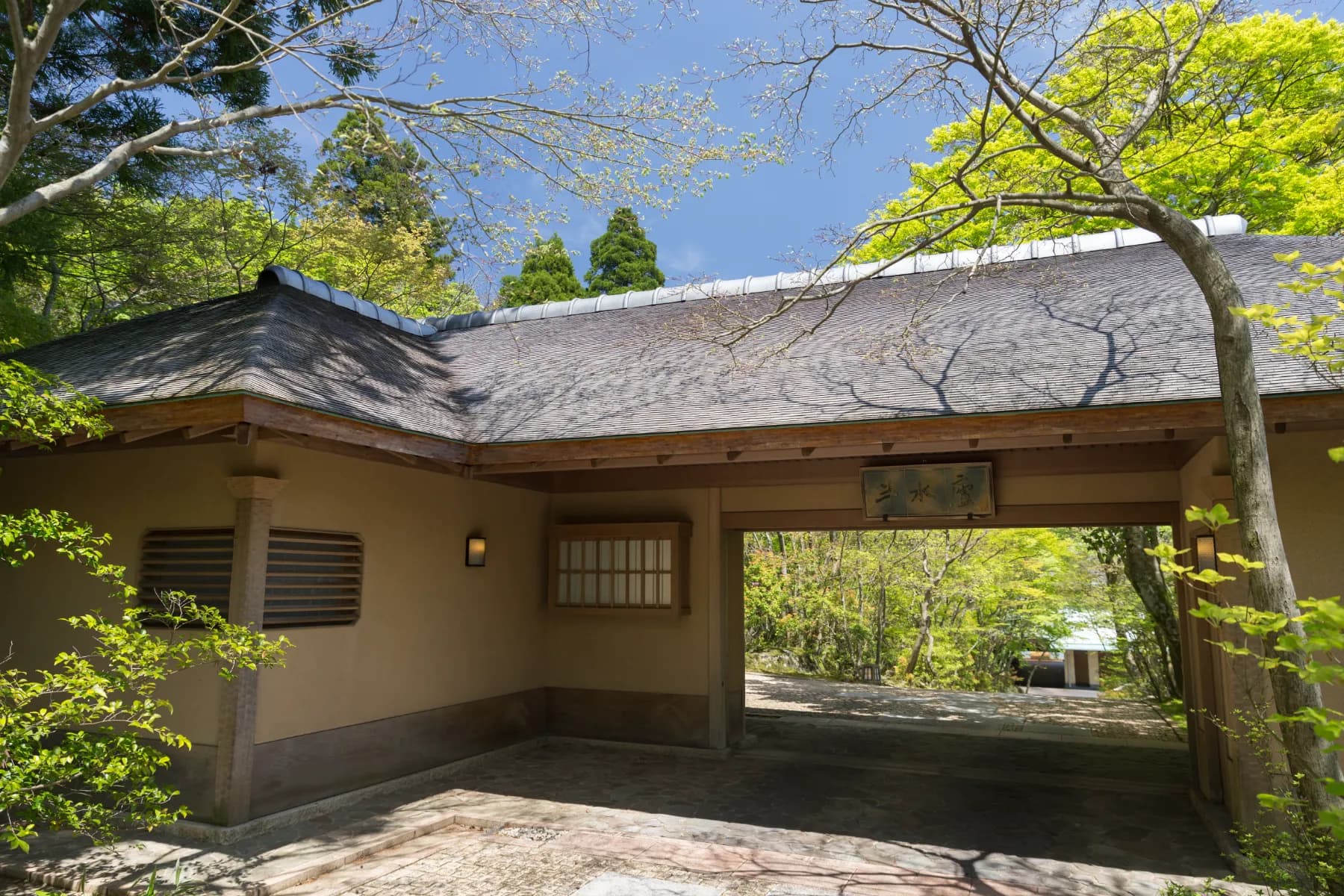
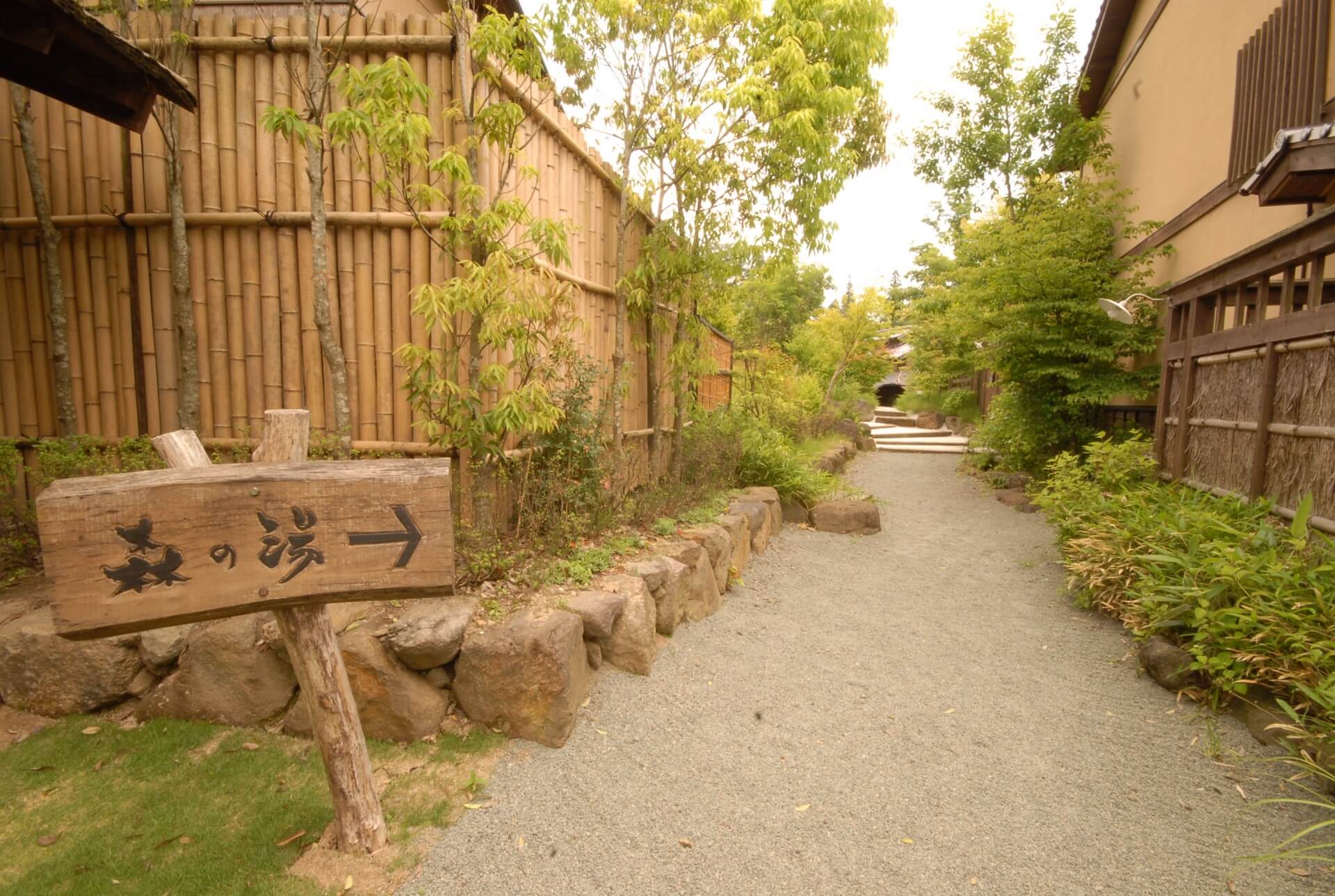
Ryokan Kounoyu (Kurokawa) is a nine-room property in Kurokawa Onsen where every room is a detached cottage with its own open-air bath fed by continuously flowing source water — the strongest version of "the water is yours". It is run as an annex of Fumoto Ryokan but booked separately, and the property also has a shared standing bath 1.62 metres deep that its owners market as the deepest in Japan, which you can simply skip. English-speaking. Rates start from about $160 per night.
At a glance
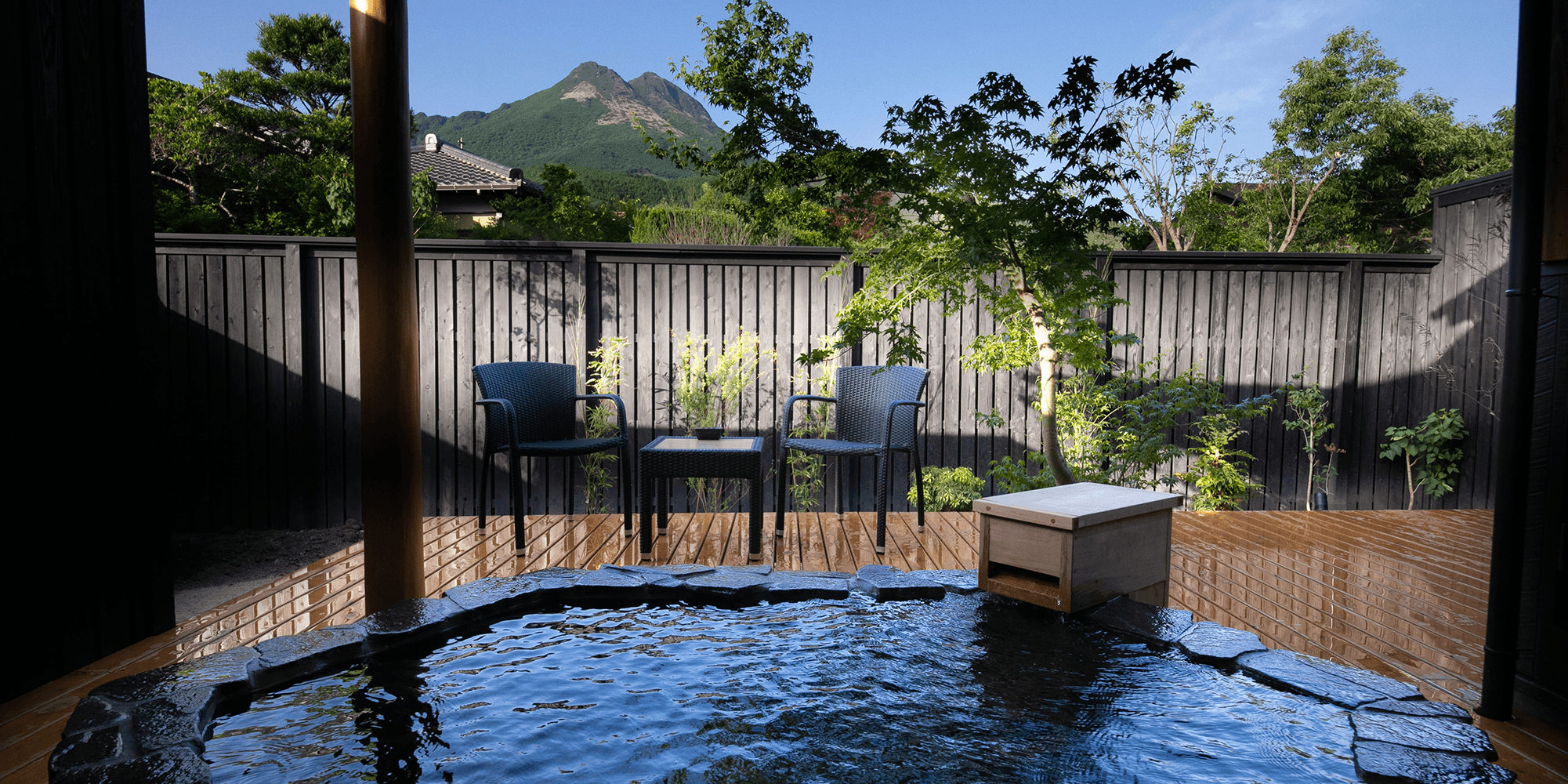
Oyado Den Rikyu (Yufuin) has seven detached rooms at the foot of Mt Yufu, each with both an indoor bath and a private open-air onsen, so you soak on your own schedule. Dinner is kaiseki and staff speak English. With seven rooms it has only seven rooms. Rates start from about $245 per night.
At a glance
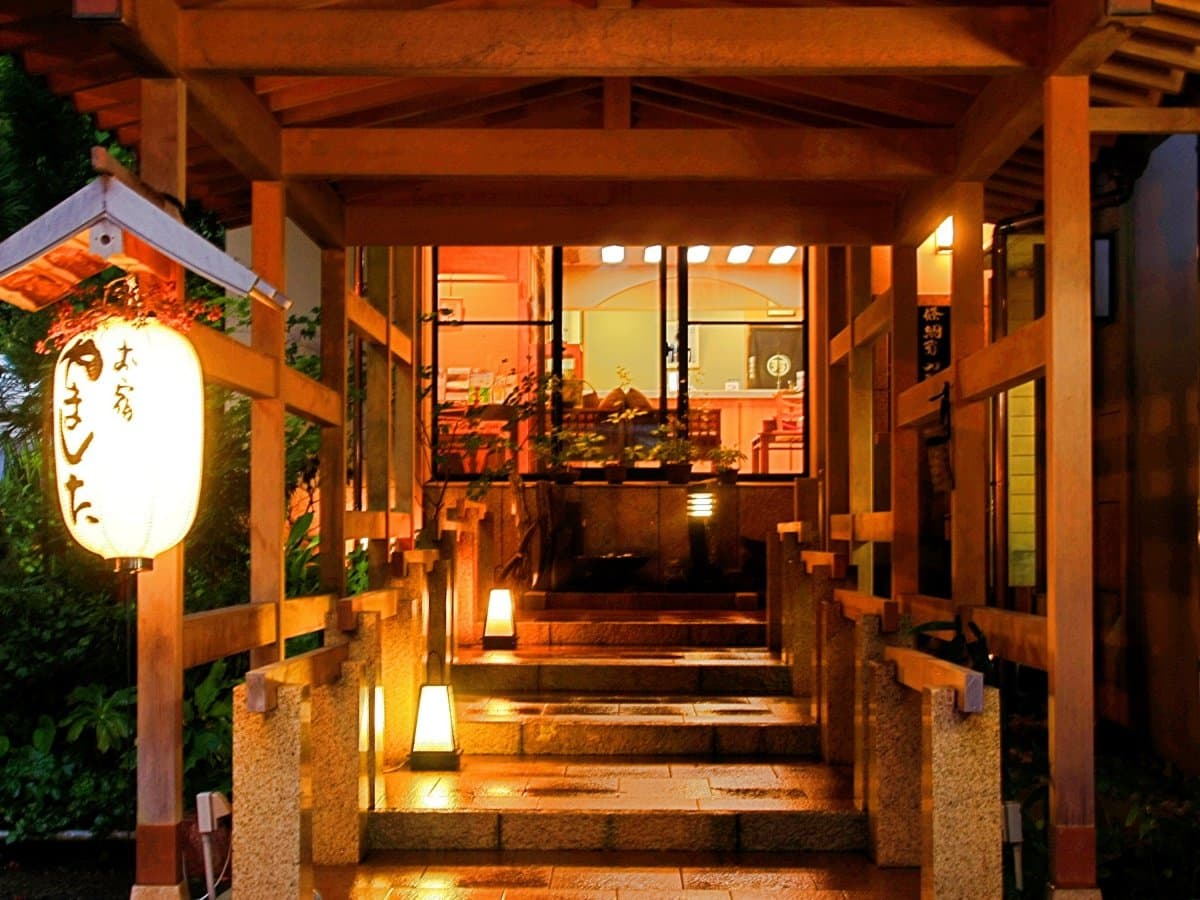
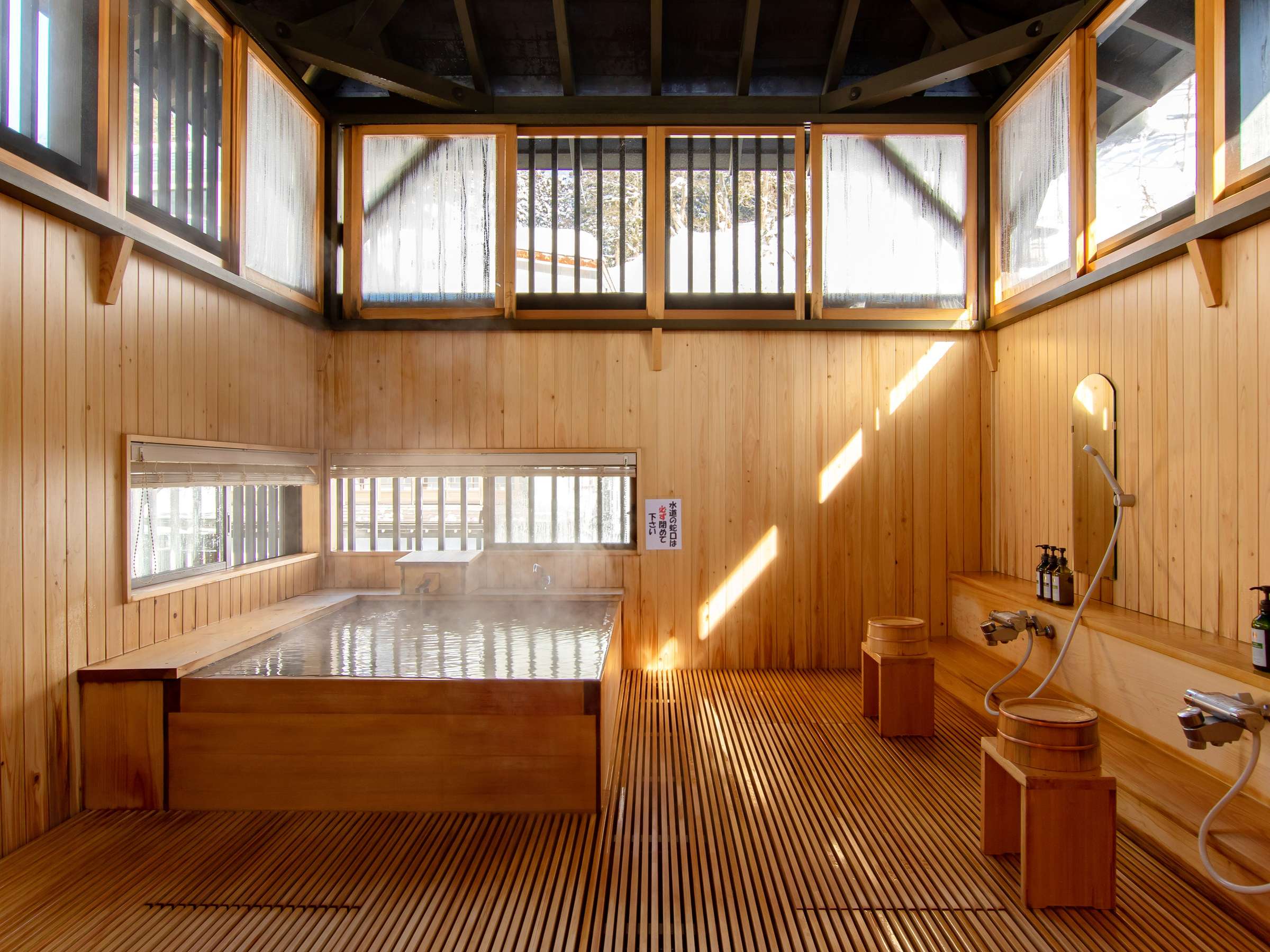
Nagasawa Heihachi (Ginzan) is a nine-room 1925 ryokan on the Ginzan Onsen streetscape with two private open-air baths for intimate bathing — reservable rather than in-room, so ask for a slot at check-in. River-side rooms overlook the famous townscape. Tattooed guests may use the private baths. English-speaking. Rates start from about $200 per night.
At a glance
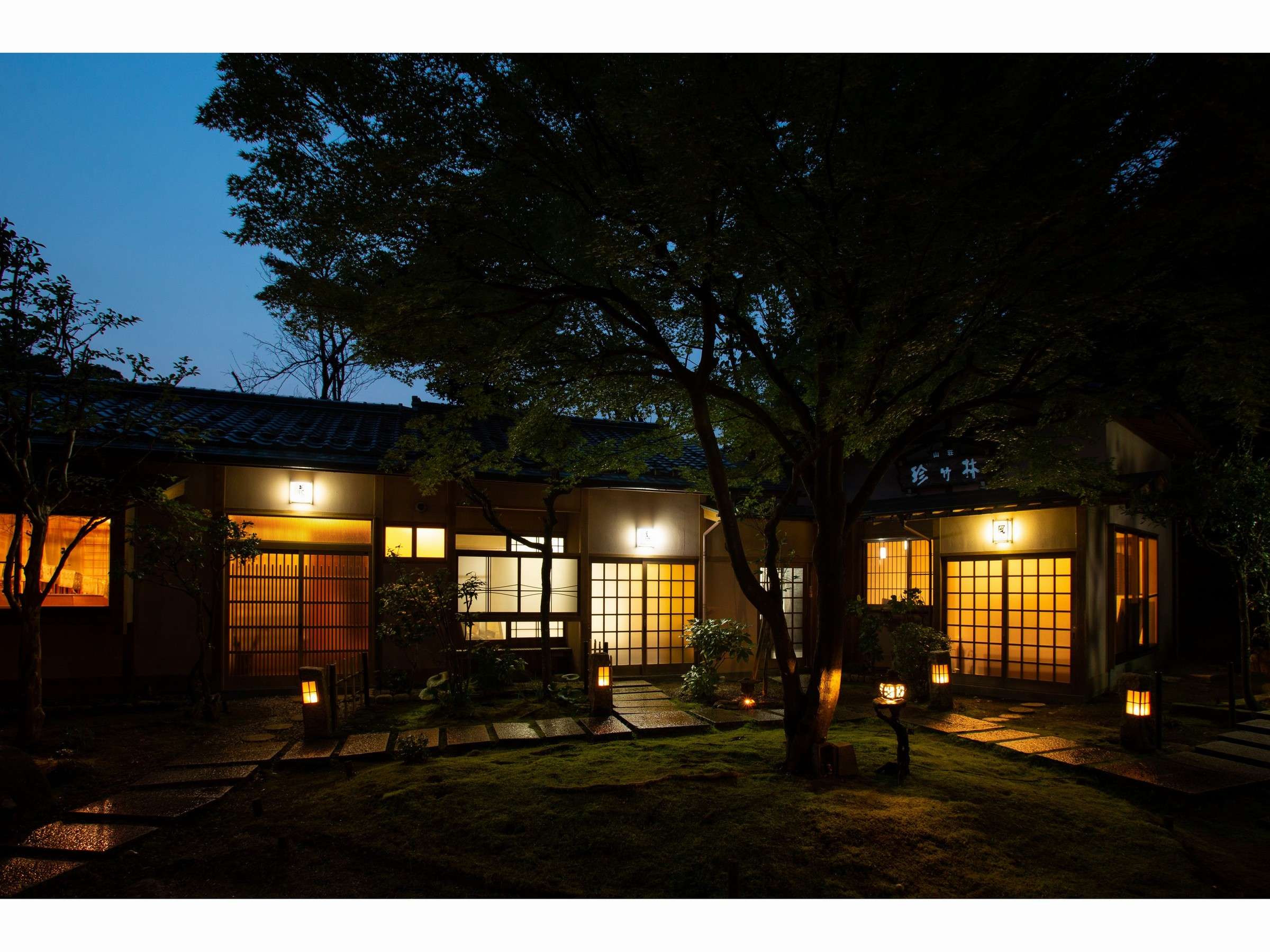
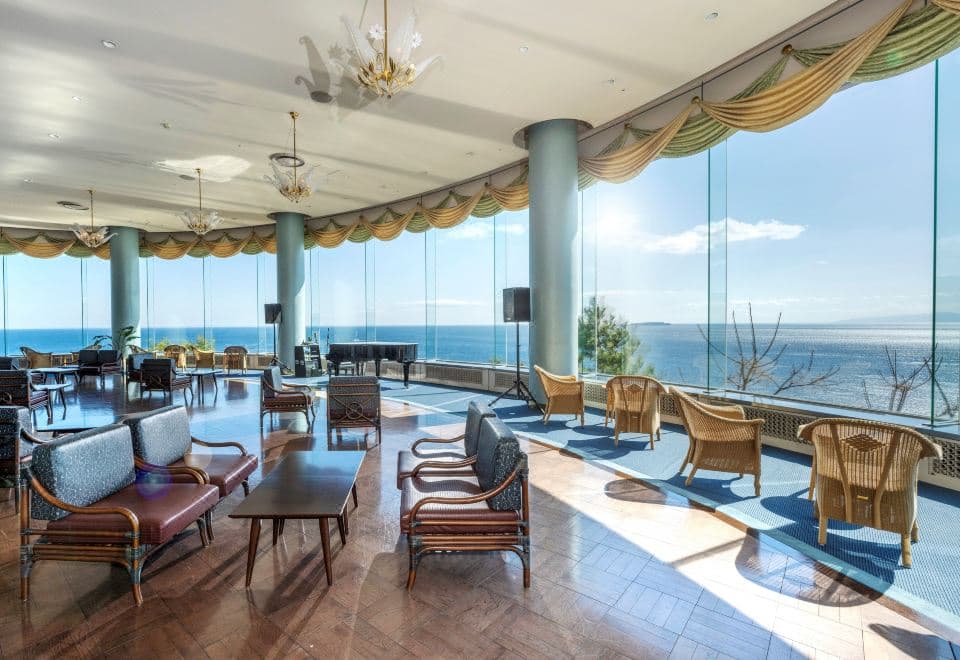
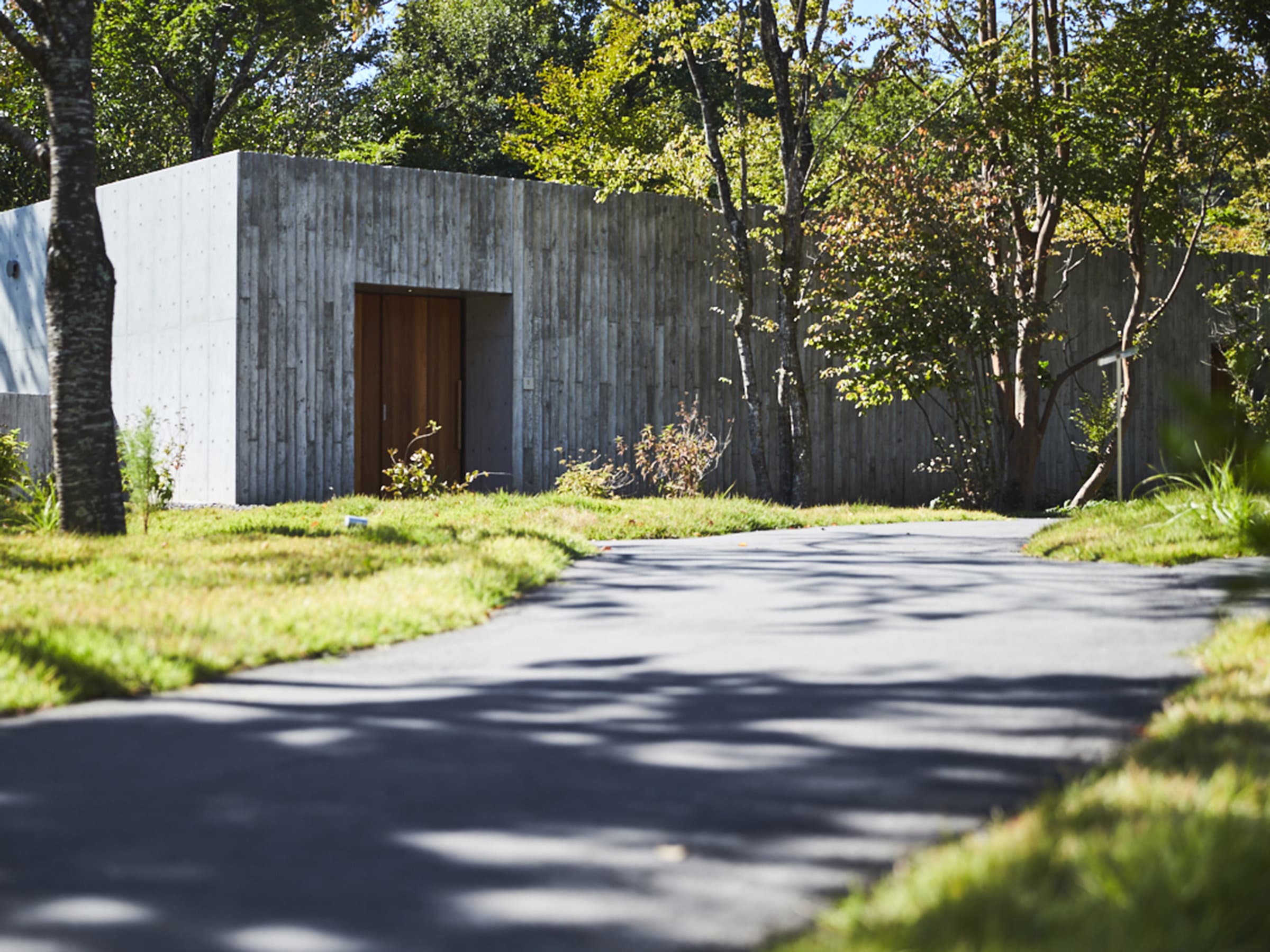
Atami Kakurezato (Atami) is an eight-room hideaway a short walk from Atami Station and Sun Beach. Each 70-square-metre suite includes a private soaking tub with free-flowing hot-spring water, and the design — high walls, private entrances, garden corridors — keeps the whole stay self-contained. Tattooed guests may use the private baths. English-speaking. Rates start from about $157 per night.
At a glance
Sanso Warabino (Yufuin) is all villas: 13 standalone suites above Yufuin, each with its own private open-air onsen drawn from a dedicated source spring. Tattooed guests can bathe in the in-room baths. It is the most secluded pick here and the one where you can go a whole stay without seeing another guest at the bath. Rates start from about $270 per night.
Tip
Book the bath, not just the property. "Private onsen" on a listing can mean an in-room tub or a shared bath you reserve by the hour. For this purpose, in-room is the one that removes the question; a reservable bath still works, but you are on a schedule.
Quick Comparison
5 picks| Ryokan | From | Rating | Features | Book |
|---|---|---|---|---|
 | from $160 | 9.8 871 reviews | EN OKPrivate Onsen | Book on Booking.com |
 Oyado Den Rikyu Yufuin | from $245 | 9.8 127 reviews | EN OKPrivate Onsen | Book on Booking.com |
 Nagasawa Heihachi Ginzan | from $200 | 9.8 81 reviews | EN OKPrivate Onsen | Book on Agoda |
 | from $157 | 9.7 237 reviews | EN OKPrivate Onsen | Book on Booking.com |
 | from $270 | 9.7 201 reviews | EN OKPrivate Onsen | Book on Agoda |
Oyado Den Rikyu
Yufuin
Nagasawa Heihachi
Ginzan
Prices shown are approximate starting rates per person per night. We may earn a commission on bookings.
Ready to book?
Book one of these top picks
Compare live availability and prices across all three platforms.
Booking links may earn us a commission at no extra cost to you.
FAQ
Frequently asked questions
Is it actually forbidden to enter an onsen on your period?+
It is a widely shared etiquette expectation rather than a law, and it varies by facility. Some bathhouses post a sign asking menstruating guests to refrain; others say nothing; some accept a tampon or menstrual cup and some do not. The polite baseline is to follow the posted rule, ask at check-in if there is none, and skip the shared water on heavy days.
Does a tampon or menstrual cup make it acceptable?+
It depends on the facility. Some baths accept a tampon or menstrual cup; others ask guests not to bathe during menstruation regardless. The concern is blood in shared water, so check the bath's posted rules or ask at check-in rather than assuming. Never bring a pad into the bathing area, since you bathe unclothed.
What about a private or in-room bath?+
An in-room bath changes everything: the water is yours, so the shared-water concern does not apply. A reservable kashikiri bath is shared in sequence with other guests, so the same etiquette applies unless the property says the tub is refilled between slots. If you are traveling on days you expect your period, book a room with its own bath.
Can I still use the ryokan's other facilities?+
Yes. Dinner, the room, the garden and any dry-side facilities are unaffected. Only the shared bathing water is the subject of the etiquette.