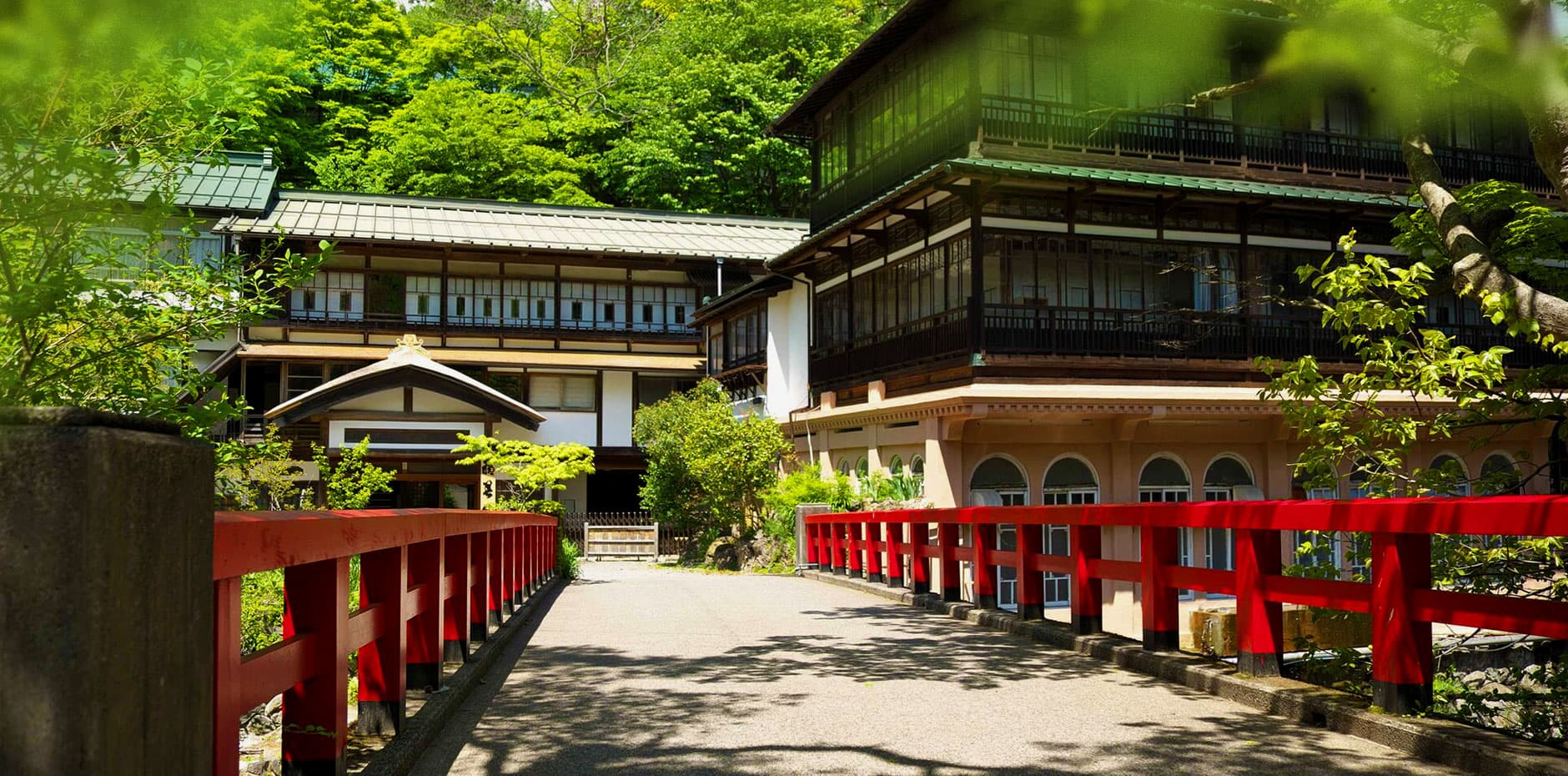
旅館とは、標準の1泊料金に何品もの懐石の夕食と朝食が含まれる、日本の伝統的な宿です。ホテルは部屋だけを売ります。 当サイトが追う旅館を見渡すと、ホテルとの費用計算をひっくり返すのは——畳ではなく——この二食込みの料金です。そして以下で比較する1名あたりの料金体系こそ、初めての方が予算を見誤るところです。
日本旅行の計画で、ほぼ必ず最初に浮かぶのがこの問いです——旅館とホテル、どちらに泊まるべきか?当サイトの答えは「両方、ただし正しい順番で」です。日本初旅行の前に比較記事を一本だけ読むなら、これを選んでほしいという想いで書きました。
旅館滞在は日本の旅行者が体験できる最も文化的に豊かな体験のひとつです。しかし同時に、ホテルより高く、より構造化されており、より馴染みが薄い体験でもあります。それこそが求めるものという旅行者もいれば、リラックスよりもストレスを生む旅行者もいます。
このガイドでは正直で詳細な比較を提供します——美化も否定もせず——あなたの旅行、予算、快適さのレベルに合った正しい選択ができるよう。
根本的な違い
ホテルは部屋を売ります。旅館は体験を売ります。
ホテルでは客室が拠点となります。朝に出発し、一日中観光して、寝るために帰ります。客室は機能的——ベッド、浴室、デスク、眺め。ホテルはデザイン上「見えない」存在で、旅行の一部になることなくそれを支援します。
旅館では、宿泊施設こそが体験そのものです。午後に到着し、浴衣に着替え 、温泉に浸かり、その夜のために準備された懐石料理を食べ、畳の上の布団で眠り、伝統的な朝食をとり、チェックアウト前にもう一度入浴する。旅館は旅行を「支援」するのではなく、その18時間で旅行そのものとなるのです。
これが核心的な問いです。宿泊施設に背景になってほしいのか、それともハイライトになってほしいのか?
価格:実際の数字
まず率直に向き合いましょう。
日本のホテルは基本的なビジネスホテル¥5,000/泊から高級ホテル¥50,000+/泊まで幅があります。東京・京都の優良な中価格帯ホテルは1室¥15,000〜¥25,000/泊(食事別)。
旅館は控えめな宿¥12,000/名/泊から超高級宿¥100,000+/名/泊まで。良質な中価格帯旅館は¥25,000〜¥45,000/名/泊。しかしここが重要なポイント:これはほぼ常に夕食と朝食を含んでいます。
公平な計算をしてみましょう。京都の中価格帯ホテルに泊まるカップルの場合:
- 客室代:¥20,000
- 良いレストランでの夕食:¥10,000〜¥15,000(2名分)
- 朝食:¥3,000〜¥5,000(2名分)
- 合計:¥33,000〜¥40,000
中価格帯旅館に泊まるカップルの場合:
- 夕食・朝食込み客室:¥30,000〜¥45,000/名×2名=¥60,000〜¥90,000
- 合計:¥60,000〜¥90,000
はい、旅館はまだ高い——おおよそホテルの2倍。しかし旅館の夕食は単独のレストランで¥15,000〜¥30,000/名の価値がある10〜12品の懐石料理である点を考慮すると、その差は縮まります。体験の対価としての価値は十分に見合います。
予算旅行者にとっては、小さな温泉地の旅館(¥15,000〜¥20,000/名・食事込み)なら、旅館がホテル+外食のコストと直接競合します。 日本旅館協会は、この1泊2食の1名あたり料金体系こそが旅館と洋式ホテルを分かつ商業的特徴だと指摘しています 。
それぞれの隠れたコスト
表面上の価格比較は、各選択肢の隠れた追加コストを考慮すると変わってきます。ホテル側の隠れたコスト: 施設外での夕食(東京で¥3,000〜¥8,000/名のちゃんとした食事、京都ならさらに高い)、朝食(ホテルで¥2,000〜¥3,000)、バーでのドリンク(¥800〜¥1,500/杯)、朝のカフェ代、夕食レストランまでの交通費。東京での3泊¥25,000/名/泊のホテル滞在に、旅を通じた飲食+交通費として¥30,000〜¥50,000が加算されます。
旅館側の隠れたコスト: 夕食時の飲み物はほぼ含まれません(ビール¥800〜¥1,500、日本酒¥1,000〜¥2,500/杯、ワイン¥4,000〜¥8,000/本)、入湯税(¥150〜¥300/名、ほとんどの温泉地でチェックアウト時) 、貸切風呂を予約する場合の費用(45分¥2,000〜¥5,000)、選択可能な浴衣などの小物(¥1,000〜¥3,000)。旅館側の隠れたコストは通常、室料の上に1名あたり¥3,000〜¥8,000/泊程度追加されます。
Tip
実質効果:見出しの¥40,000対¥80,000の差は、双方の隠れたコストを計算すると¥55,000対¥85,000程度まで縮まります——旅館への実質プレミアムは100%ではなく約50%。旅館の一泊コストガイドでは季節別・地域別の詳細な分析を提供しています。
ご予約はこちら
予約できるほかの旅館
予約サイトごとの空室・料金を見比べてください。

¥77,000〜 · 1名・1泊あたり2名で計 約¥154,000〜





予約リンク経由で手数料が発生する場合がありますが、追加費用はかかりません。
 Pinterestでピン
比較一覧
旅行者が最も重視するカテゴリーでホテルと旅館を比較します。
客室スタイル ホテル:洋式ベッド、カーペットまたはフローリング、標準的な家具。ほとんどの国際旅行者に馴染み深くて快適。 旅館:畳敷き、毎晩敷かれる布団、低い調度品、障子。美しく情趣豊かですが、欧米の旅行者にとっては本当に異なる体験です。
睡眠 ホテル:ベッド——スプリングまたはメモリーフォームのマットレス、世界中どこでも同じ体験。 旅館:畳の上の布団——固いい草の上に薄いマットレス。好きな方には最高。腰が痛くなる方もいます。腰に不安がある場合は、ベッドがある客室を旅館に確認してみてください。多くが洋室や両方の選択肢を提供しています。
浴室・入浴 ホテル:シャワーと浴槽付きの専用浴室。馴染み深く、プライベートで便利。 旅館:共用の温泉大浴場(男女別、裸での入浴) 。価格帯が上がるにつれ、個人用の風呂や客室内の浴室を備えた旅館もあります。温泉は最大の見どころのひとつですが、共同入浴への慣れが必要です。
食事 ホテル:含まれない。完全な自由——好きな場所で好きな時間に食事できます。 旅館:夕食と朝食が含まれ、決まった時間に提供(通常夕食18〜19時、朝食7時30分〜8時30分)。懐石の夕食は旬の地域食材を使った料理の傑作。ただし外食の自由はなくなります。
サービス ホテル:プロフェッショナルで効率的、ほぼ「見えない」。フロントがすべてを対応。自由に来去できます。 旅館:個人的で心のこもったサービス、時に寄り添いすぎるほど。専属の仲居さんが客室での食事提供、布団の準備、お茶の運びなどを担当 。温かく人間的ですが、プライバシーは限られます。
自由度 ホテル:最大限。決まった食事時間も、チェックアウトの儀式も、期待されるルーティンもなし。観光の拠点として完璧。 旅館:限られる。夕食は決まった時間。朝食も決まった時間。チェックインは通常15時以降、チェックアウトは10〜11時まで 。スケジュールは体験の一部ですが、一日を形作ります。
立地 ホテル:都心、交通拠点、観光地近く。観光のための最大限の利便性。 旅館:温泉地、山間部、歴史的地区などが多い。アクセスには地方の鉄道やバスが必要なことも。その遠さも魅力のひとつですが、移動時間は増えます。
比較で犯しやすい5つの間違い
1. ホテルの室料のみと旅館のオールインクルーシブ料金を比べる。 最もよくある比較の誤り。¥40,000の旅館の1泊には客室、懐石夕食(8〜14品)、和朝食、浴衣、温泉入浴、専属仲居のサービスが含まれています。¥40,000のホテルの1泊には客室のみ。正確に比較するには、夕食+朝食(東京で¥6,000〜¥12,000)をホテル側に加算してから差を計算してください。
2. ホテルの交通費が旅程の日数を食うことを見落とす。 東京では、ホテルから実際に行きたい観光スポットまで30〜60分かかります。箱根や熱海の旅館は目的地そのもの——夜に45分のJR山手線ループをする必要がありません。地方エリアの日程を組む際は、ホテルを選んだ場合に支払う日々の交通費と、目的地型旅館で支払うゼロの交通費を比較してください。2泊の箱根ホテル滞在は夕食レストランへの毎日の往復を加えると、2泊の箱根旅館滞在より合計コストが高くなることも多い。
3. 旅館を詰め込んだ観光日程の1〜2日目に入れる。 旅館は15時チェックイン・10時チェックアウト・18時夕食開始のリズムで動いています。観光日程の詰まった旅行者が旅館の夜を組み込もうとすると、夕食体験も朝の入浴も——最も価値の高い2要素が——失われます。対策: 旅館はゆったりした「スロー日」に予約する——旅の主役が旅館そのものである日、寺社の観光が旅館の周りに詰め込まれる日ではなく。
4. 「旅館スタイルのホテル」が旅館体験を提供すると思い込む。 大手ホテルチェーン(三井ガーデン、カンデオ、ドーミーイン)が「旅館スタイル」として畳の客室や大浴場を提供しています。これらは入浴設備を備えた洒落たホテルの客室——体験という意味では旅館ではありません。仲居さんも客室での食事提供も懐石の時間の流れもない。見分け方: 客室数が80室を超えていたり、バイキング朝食だったりしたらホテル。旅館初心者ガイドで体験の核心についての詳細を確認してください。
5. 費用節約のために懐石を省けると思い込む。 旅館に泊まりながら付属の懐石夕食を断れると考える旅行者もいます。一部の宿は素泊まりを受け付けますが、ほとんどは食材を確定ゲストに合わせて仕入れているため対応できません。認められた場合でも、夕食なしのプランは懐石フル料金から通常20〜30%しか安くなりません。対策: 90分の多品コース夕食を楽しめないなら旅館は予約せず、中価格帯のホテルに泊まって良い懐石レストランに行く方が賢明です。
旅館が優れた選択となる場合
文化体験を求めている——単に寝る場所としてではなく。 日本の文化に浸ることを主目的として旅行しているなら、旅館は他のどんな宿泊施設よりも直接的にその体験を届けます。畳の部屋、温泉のリチュアル、懐石の夕食、浴衣——それは伝統の途切れない糸であり、観察するのではなく参加するものです。
何かを祝っている。 結婚記念日、ハネムーン、節目の誕生日——旅館は特別な機会をホテルには不可能な方法で高めてくれます。個人的な心遣い、非日常の食事、空気感が数十年残る記憶を生み出します。
ゆっくりしたい。 日本の都市は刺激的です。ペースは容赦なく、刺激は絶え間ない。静かな温泉地の旅館での1〜2泊は本物のリセットをもたらします。別の文脈では窮屈に感じるかもしれない構造——決まった食事時間、入浴ルーティン——が実際には解放感につながります。夜の予定はすべて誰かが立ててくれている。あとは来て、その場に在るだけ。
食通。 懐石料理は日本の偉大な芸術形式のひとつです 。良い旅館の懐石夕食は、旬の食材と地元の特産品と何世紀もかけて磨かれた調理技術が紡ぎ出す10〜12品の連作。これだけでホテルとの価格差を正当化できます。
カップルでの旅行。 旅館体験は本質的にロマンチック——共に食べる食事、畳の部屋の親密さ、ふたりで浸かる貸切温泉の可能性。ホテルは利便性を、旅館は絆を提供します。
ムスリムの旅行者。 増加するムスリムフレンドリーな日本の旅館では、ハラール認定の食事や豚肉不使用の懐石に加え、礼拝マットやキブラ方向のガイドを用意しています。文化体験はそのままに、メニューが調整されています。

ホテルが優れた選択となる場合
スケジュールが詰まっている。 東京で3日間、観光予定が満載なら、ホテルの自由度が旅館の体験より価値を持ちます。早く出て遅く帰り、移動しながら食べる。旅館の決まったスケジュールは観光計画と相容れません。
予算を抑えたい。 中価格帯では計算が近づくものの、格安ホテルや安宿は控えめな旅館よりも大幅に安い。2週間の旅でコストを抑えるなら、宿泊より体験と食事に予算を振り向ける方が合理的なこともあります。
身体的な制限がある。 伝統的な旅館は階段、狭い廊下、段差、床座・床寝が多い。現代のホテルはバリアフリーに配慮しています。床からの立ち上がりが困難な場合、旅館は安らぎよりも不快感をもたらす可能性があります。
プライバシーと独立性を重視する。 旅館の細やかなサービスを過剰と感じる旅行者もいます。食事の給仕や布団敷きのために客室に入られることが歓待ではなく侵入に感じられるなら、ホテルの匿名的な効率の方が合っています。
幼い子ども連れ。 旅館でも家族は受け入れられますが、食事を楽しみ、夕食中おとなしく座り、温泉マナーを守れる年齢の方が体験が活きます。小さな子どもがいれば、ルームサービスと自分でコントロールできるお風呂があるホテルの方が実用的なことが多い。
安定したWi-Fiとデスクが必要。 ビジネス渡航者やリモートワーカーには機能的な作業環境が必要。ホテルはこれを安定的に提供します。旅館は美学と伝統を仕事環境の人間工学より優先します。
ホテルが旅館に勝ること
スケジュールの自由度の議論に加え、ホテルが具体的な点で本当に優れていることを正直に認めます。寝具。 日本以外で育った旅行者のほとんどにとって、洋式マットレス+洋式枕の方が畳の布団より快適です。布団は一度は体験する価値のある文化体験ですが、より良い睡眠ではありません。浴室の利便性。 誰とも共有しない個人用の浴室とシャワーとトイレは、機能的には共用の大浴場より便利です。温泉は体験として素晴らしい——ホテルの浴室はインフラとして素晴らしい。
Wi-Fiと作業環境。 ほとんどの旅館はWi-Fiはあるものの、デスクも椅子も、デジタルノマドへの対応もありません。出張中に90分のZoom会議が入るなら、ホテルが正解です。深夜の自由度。 旅館は22時ごろに玄関を閉めます——23時30分に帰ると夜番のスタッフを起こすことになります。ホテルは24時間フロント対応で、目立たずに出入りできます。冒険を好まない旅行者への安心感。 旅館は刺激の強い体験——新しい食べ物、新しい入浴マナー、新しい食事エチケット。日本旅行の主役を観光に置き、宿泊は「ただのホテル」でいいという旅行者の好みは有効であり、そうでないふりをする必要はありません。
ハイブリッドという選択:現代の旅館
さすが日本、両方の世界を融合させた宿泊カテゴリーが成長しています。現代型旅館やリゾートホテルの旅館フロアは、伝統的な体験の要素に洋式の快適さを組み合わせています。
畳敷きの部屋にベッド、モダンな設備の個室温泉風呂、食事処での懐石風夕食(客室配膳なし)、ブティックホテルの設備を備えた旅館の雰囲気。
これらのハイブリッドの特徴:
- 布団の代わりに(または選択として)ベッド
- 全客室に個室風呂——大浴場への心理的ハードルなし
- テーブルと椅子の食事処での夕食
- 柔軟なチェックイン・アウト時間
- 英語対応スタッフとバイリンガルの案内
旅館の文化的雰囲気を味わいながらも伝統形式に完全には踏み込みたくない旅行者には、これらのハイブリッドが優れた中間の選択肢です。箱根、熱海、京都の一部で特に人気があります。
Tip
伝統的な旅館体験へのフルコミットに迷いがあるなら、洋式ベッドと個室風呂を備えたモダン旅館を予約してみてください。懐石夕食、温泉入浴、雰囲気はそのままに、床での睡眠や共用入浴の戸惑いを避けられます。
賢い戦略:両方を体験する
経験豊富な日本旅行者が勧めるのは:どちらかを選ばず、両方を体験すること。
典型的な10〜14日間の日本旅程には旅館に1〜2泊、残りをホテルという組み合わせが収まります。最もよくある効果的なパターン:
- 東京: 3〜4泊はホテル(自由度が必要)
- 温泉地への日帰りまたは宿泊: 旅館に1〜2泊(箱根が東京から最寄り)
- 京都: 3〜4泊はホテル(見どころが多く、最大限の時間が欲しい)
- 大阪・広島・その他の都市: 自由度のためにホテル
このアプローチで旅館体験は旅のハイライトになります——デフォルトの宿泊ではなく。東京の電気的な強度と山の温泉地の静かな旅館の対比そのものが、日本旅行の醍醐味のひとつです。
予算の観点では、旅館1〜2泊に集中投資しながら残りを中価格帯のホテルで過ごすことで、全体コストを管理しやすくなります。旅館を「活動」として捉えてみてください——相撲観戦や懐石レストランへの予約と同じように——単なる宿泊ではなく。
7日間の旅程例 3パターン
パターン1——全ホテル(約¥210,000/名、7泊)
東京(3泊、中価格帯ホテル)→京都(3泊、中価格帯ホテル)→大阪(1泊、ビジネスホテル)。夕食+朝食は毎日¥6,000〜¥10,000の追加。向いている方: 観光スケジュールが詰まった初訪問者、出張の延長旅行、6歳以下の子ども連れ、旅館のエアコンが頼りにならない夏の旅行。食事+宿泊合計:概算¥250,000〜¥290,000/名。
パターン2——ハイブリッド5+2泊(約¥260,000/名、7泊)
東京(3泊、ホテル)→箱根または熱海の旅館(1泊、¥45,000)→京都(2泊、ホテル)→有馬または城崎温泉の旅館(1泊、¥45,000)。旅の中盤に2泊の旅館を配置して都市の密度を中断。向いている方: 旅程全体を旅館にしなくても旅館文化を体験したいモデル的な旅行者。これは日本再訪者の中で最も一般的な旅程です。合計:概算¥260,000〜¥310,000/名。
パターン3——全旅館(¥360,000+/名、7泊)
箱根(2泊)→高山(1泊)→京都高級旅館(2泊)→由布院または黒川温泉(2泊)。移動のたびに2〜4時間の乗り換えが伴います。向いている方: 「回復と文化」型の旅行者で観光よりも深みを求める方。料理だけで旅が充実します。現実的な注意: 5泊目には懐石疲れが来ます——熱心な食通でも、旅の中盤にシンプルな食事を求めたくなります。合計:概算¥360,000〜¥500,000/名。 複数拠点のルートを計画する際は、日本の8つの温泉エリアまとめが地域ごとのクラスターと移動時間を地図でまとめており、無駄な行き来を避けた宿泊計画に役立ちます。

簡易決断ガイド
まだ迷っているなら、これらの問いを試してみてください。
旅館を選ぶなら: ✓ 宿泊施設を体験として楽しみたい——単なる客室ではなく ✓ 畳での睡眠に(または好奇心から)抵抗がない ✓ 食を愛し、懐石の夕食を楽しみたい ✓ 決まった食事スケジュールに従える ✓ 温泉入浴を試したい(個室または共用) ✓ 温泉地や地方を旅する
ホテルを選ぶなら: ✓ 自由度と自主性を優先する ✓ 観光時間を最大化したい ✓ ベッドと慣れ親しんだ浴室環境を好む ✓ 主要都市に滞在する ✓ 長い旅程でコストを抑えたい ✓ 幼い子どもと旅行する
どちらが正解でも間違いでもありません。旅館はホテルには叶わない深みと文化的豊かさを加えます。ホテルは旅館には叶わない実用性と自由を加えます。最高の日本旅行には通常両方が含まれます。
Tip
旅館は旅程の最初や最後ではなく、中盤に予約しましょう。その頃には日本の習慣に慣れ、時差ぼけも解消され、ゆっくりして体験を十分に味わう準備が整っています。中盤に置くことで自然なリズムも生まれます——都市のエネルギー、地方の静寂、都市のエネルギーという流れ。
ご予約はこちら
予約できるほかの旅館
予約サイトごとの空室・料金を見比べてください。
¥77,000〜 · 1名・1泊あたり2名で計 約¥154,000〜
予約リンク経由で手数料が発生する場合がありますが、追加費用はかかりません。
ご予約はこちら
予約できるほかの旅館
予約サイトごとの空室・料金を見比べてください。
¥77,000〜 · 1名・1泊あたり2名で計 約¥154,000〜
予約リンク経由で手数料が発生する場合がありますが、追加費用はかかりません。
最後に
価格比較の根拠(方法論)
本記事の旅館価格帯は、当ディレクトリの中価格帯の宿(1名1泊¥15,000〜¥40,000、夕食・朝食込み)について、箱根・京都・高山・城崎・由布院のサンプルを2026年5月に調査した公開料金に基づいています。ホテルの価格帯は、同期間の東京・京都・大阪のBooking.comとRakuten Travelから、2名利用・1名あたりに換算して集計しています。¥5,000のカプセルホテルや¥30万の特別室旅館といった極端な外れ値は代表性がないため除外しています。飲み物、入湯税、レストランでの夕食などの隠れたコストは、Japan GuideとJNTOの公開平均を基に算出しました 。見出しの¥4万対¥8万の数字は中価格帯対中価格帯であり、格安対高級ではありません。
旅館滞在はホテル滞在のより良い版でも劣化版でもありません。何世紀にもわたる日本のおもてなしの伝統に根ざした根本的に異なる体験——五感すべてを使い、特別な場の感覚を生み出すように設計されていて、普通の宿泊施設には出せない「ハレの日感」があります。
日本の旅程に一夜でも組み込めるなら、ぜひそうしてください。インターネットがそう言うからではなく、数十年後、日本旅行を振り返ったとき、旅館の夜が最初に思い浮かぶ記憶になるからです。
ご予約はこちら
予約できるほかの旅館
予約サイトごとの空室・料金を見比べてください。
¥77,000〜 · 1名・1泊あたり2名で計 約¥154,000〜
予約リンク経由で手数料が発生する場合がありますが、追加費用はかかりません。
FAQ
よくあるご質問
旅館とホテルの根本的な違いは何ですか?+
ホテルは寝るための部屋を提供し、旅行を支援しますが、旅行の一部にはなりません。一方、旅館は宿泊施設そのものが体験であり、温泉入浴、懐石夕食、布団での睡眠などを含む没入型の体験を提供します。背景を求めるか、ハイライトを求めるかという問いです。
日本では旅館の方がホテルより費用が高いですか?+
はい、一般的に旅館の方が高くなります。カップルで中価格帯ホテルなら食事込みで¥33,000〜¥40,000程度ですが、夕食・朝食込みの中価格帯旅館(2名分)は¥60,000〜¥90,000になります。ただし懐石夕食の価値を考慮すると差は縮まります。
伝統的な旅館での就寝はどのようなものですか?+
伝統的な旅館では、固い畳の上に直接敷かれた布団(薄いマットレス)で眠ります。洋式ベッドとは大きく異なり、好む方もいれば腰に負担を感じる方もいます。現代の旅館では洋式の客室やベッドを用意している宿もあります。
日本での宿泊に旅館を選ぶのに向いているのはどんな場合ですか?+
深い文化体験を求める方、特別な記念日や祝い事のある方、または日本の都市の喧騒からリセットしたい方に旅館は最適です。懐石料理を愛する食通や、ロマンチックな時間を過ごしたいカップルにも理想的な選択肢です。
「現代型旅館」とはどのようなものですか?+
現代型旅館は伝統的な要素と洋式の快適さを融合させています。畳の部屋に洋式ベッド、個室温泉風呂、食事処での懐石風夕食などを提供し、温泉入浴や雰囲気といった旅館の文化的な魅力を保ちつつ、伝統形式の不便さを解消しています。
まだ決めていない方へ
日本全国の旅館を見るBooking.com