45分钟阅读更新于 2026年6月
A ryokan is a traditional Japanese inn whose standard nightly rate includes a multi-course kaiseki dinner and breakfast; a hotel sells you the room alone. Across the 293 ryokans we track, that two-meal pricing — not the tatami — is what flips the cost math against hotels, and the per-person rate model compared below is where first-timers misjudge their budget.
The short verdict: don't choose — do both. A typical 10-14 day Japan trip has room for 1-2 ryokan nights as a highlight with hotels the rest of the way, which keeps the cultural experience and overall costs both manageable.
I get this question almost every time I take English-speaking guests through a Japan itinerary: ryokan or hotel? The honest answer is both, but in a specific order. After eighty-nine ryokan nights across nineteen prefectures, plus the hotel side from my pre-JNTO consulting years, my framework is below. If you only read one comparison post before booking your first Japan trip, this is the one.
The Fundamental Difference
A hotel sells you a room. A ryokan sells you an experience.
At a hotel, your room is a base. You leave in the morning, explore all day, and return to sleep. The room is functional — bed, bathroom, desk, maybe a view. The hotel is invisible by design; it facilitates your trip without becoming part of it.
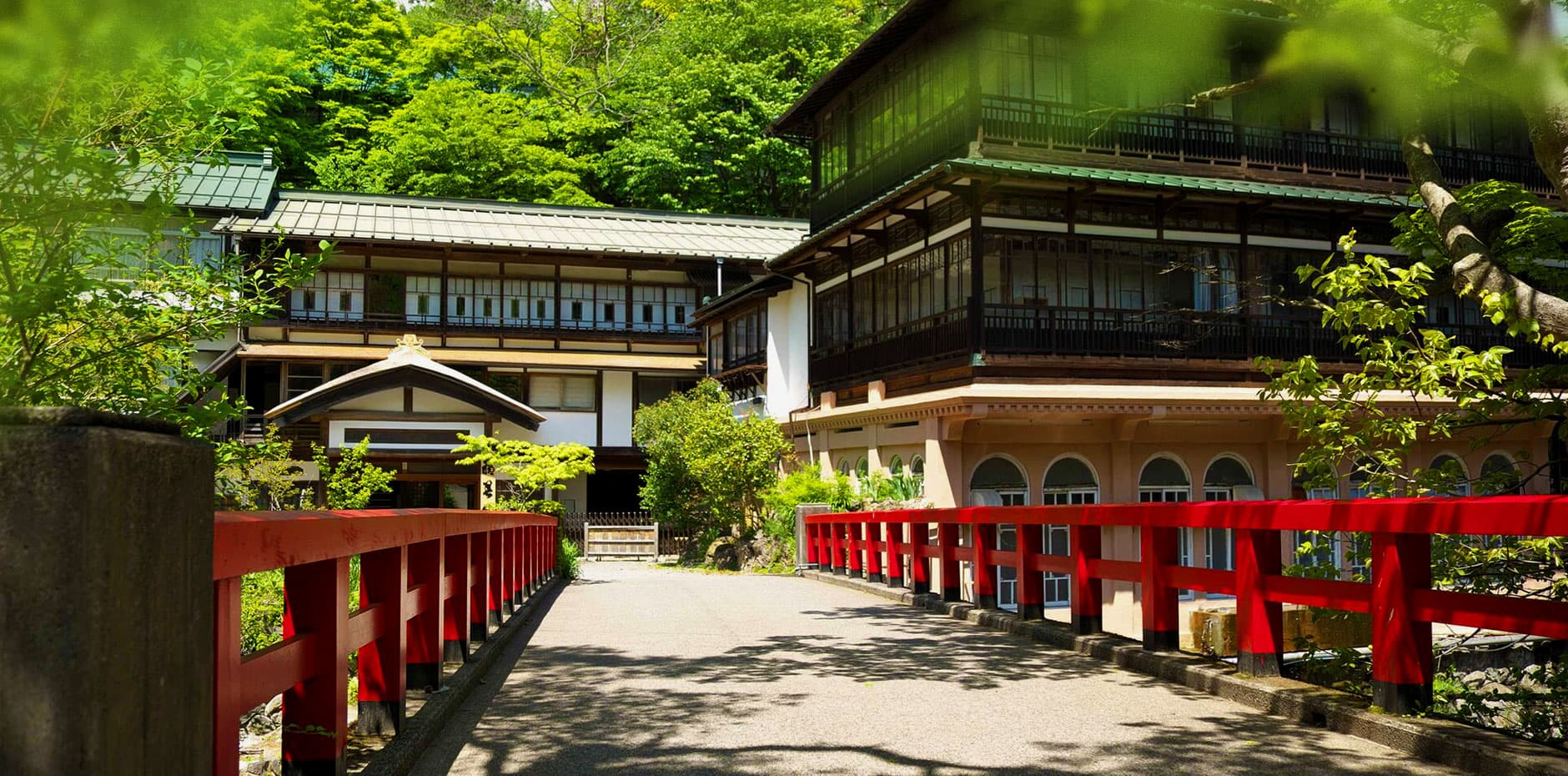
At a ryokan, the accommodation IS the experience. You arrive in the afternoon, change into a yukata robe (a light cotton garment whose name literally translates to 'bathing cloth' and that is lent free of charge to every guest as part of the inn's amenities) , soak in an onsen, eat a multi-course kaiseki dinner prepared specifically for that evening, sleep on futon laid out on tatami floors, wake to a traditional breakfast, and soak again before checkout. The ryokan doesn't facilitate your trip — it becomes your trip for those 18 hours.
This is the core question: do you want your accommodation to be a backdrop, or do you want it to be a highlight? If you're picturing the onsen bath when you read all this, it's worth taking a moment to sort out the ryokan-versus-onsen confusion first, since the inn is the place to stay and the onsen is just one of the things you do while you're there.
Price: The Real Numbers
Let's address the elephant in the room first.
Hotels in Japan range from ¥5,000/night for a basic business hotel to ¥50,000+/night for luxury properties. A solid mid-range hotel in Tokyo or Kyoto runs ¥15,000-¥25,000 per room per night. Meals are separate.
Ryokans range from ¥12,000/person/night for a modest inn to ¥100,000+/person/night for ultra-luxury properties. A good mid-range ryokan costs ¥25,000-¥45,000 per person per night. But here's the critical detail: this almost always includes dinner and breakfast.
So let's do fair math. A couple at a mid-range hotel in Kyoto: - Room: ¥20,000 - Dinner at a decent restaurant: ¥10,000-¥15,000 (for two) - Breakfast: ¥3,000-¥5,000 (for two) - Total: ¥33,000-¥40,000
A couple at a mid-range ryokan: - Room with dinner and breakfast: ¥30,000-¥45,000 per person × 2 = ¥60,000-¥90,000 - Total: ¥60,000-¥90,000
Yes, the ryokan is still more expensive — roughly double the hotel option. But the gap narrows when you consider that the ryokan dinner is typically a 10-12 course kaiseki meal that would cost ¥15,000-¥30,000 per person at a standalone restaurant. The experience you're getting for the price difference is substantial.
For budget travelers, there are simpler ryokans (especially in smaller onsen towns) where rates drop to ¥15,000-¥20,000 per person including meals. At that price point, a ryokan actually competes directly with hotel + dining costs. The Japan Ryokan Association notes that this ippaku-nishoku (one night, two meals) per-person pricing model is the defining commercial difference between a ryokan and a Western-style hotel . For a city-specific cost breakdown, our Kyoto ryokan roundup compares mid-range vs luxury picks with current Yen pricing.
The Hidden Costs Each Side Has
The headline price comparison breaks down once you account for what each option silently adds. Hotel-side hidden costs: dinner outside the property (¥3,000-¥8,000 per person for a real meal in Tokyo, more in Kyoto), breakfast (¥2,000-¥3,000 if you take the hotel's), drinks at the bar (¥800-¥1,500 per drink), morning coffee shop runs, transit to dinner restaurants. A 3-night Tokyo hotel stay at ¥25,000 per person per night easily adds another ¥30,000-¥50,000 in food + transit costs across the trip.
Ryokan-side hidden costs: drinks with dinner are almost never included (beer ¥800-¥1,500, sake ¥1,000-¥2,500 per pour, wine ¥4,000-¥8,000 per bottle), bathing tax (¥150-¥300 per person, paid at checkout in most onsen towns) , kashikiri-buro fees if you reserve the private bath (¥2,000-¥5,000 per 45 minutes), minor extras like a yukata of your choice (¥1,000-¥3,000 if the property offers premium options). The total ryokan-side hidden costs typically run ¥3,000-¥8,000 per person per night on top of the room rate.
Tip
Net effect: the apparent ¥40,000 vs ¥80,000 gap in our headline closes to roughly ¥55,000 vs ¥85,000 once both sides' hidden costs are counted — a 50% real premium for the ryokan, not 100%. Our ryokan cost-per-night guide breaks this down by season and region.
准备好预订了吗?
从这些精选旅馆中预订
比较三个预订平台的实时可用性和价格。
通过预订链接可能产生佣金,但不会增加您的费用。
Side-by-Side Comparison
Here's how hotels and ryokans compare across the categories that matter most to travelers:
Room Style Hotel: Western-style bed, carpet or hardwood floor, standard furniture. Familiar and comfortable for most international travelers. Ryokan: Tatami mat floors, futon bedding laid out each evening, low furniture, sliding paper doors. Beautiful and atmospheric, but genuinely different from what most Western travelers are used to.
Sleeping Hotel: Bed — spring or memory foam mattress, the same experience you'd get anywhere in the world. Ryokan: Futon on tatami — a thin mattress on a firm reed-mat floor. Some people love it. Some people wake up sore. If you have back problems, ask the ryokan if they have beds; many now offer Western-style rooms or rooms with both options.
Bathroom & Bathing Hotel: Private bathroom with shower and tub. Familiar, private, convenient. Ryokan: Shared communal onsen baths (gender-separated, nude bathing — a gender-segregation convention that became standard after Meiji-era regulations in the late 19th century) . Some ryokans also have private baths or in-room baths at higher price points. The onsen is one of the highlights, but it requires comfort with communal nudity.
Meals Hotel: Not included. Total flexibility — eat wherever you want, whenever you want. Ryokan: Dinner and breakfast included, served at set times (usually dinner 6-7 PM, breakfast 7:30-8:30 AM). The kaiseki dinner is a culinary masterpiece using seasonal, local ingredients. But you lose the flexibility to eat out.
Service Hotel: Professional, efficient, mostly invisible. Front desk handles everything. You come and go freely. Ryokan: Personal, attentive, sometimes hovering. A dedicated nakai-san (room attendant, traditionally a kimono-clad woman whose role evolved through the Taisho and Showa periods as the embodiment of omotenashi hospitality) may serve your meals in-room, lay out your futon, and bring tea . It's warm and human, but it also means less anonymity.
Flexibility Hotel: Maximum. No set meal times, no checkout rituals, no expected routines. Perfect for travelers who want a base for exploration. Ryokan: Limited. Dinner is at a set time. Breakfast is at a set time. Check-in is usually after 3 PM and checkout by 10-11 AM — a tight five-hour turnover window that ryokans use to air futons, reset tatami rooms, and prepare the next guest's welcome service . The schedule is part of the experience, but it shapes your day.
Location Hotel: City centers, transit hubs, near attractions. Maximally convenient for sightseeing. Ryokan: Often in onsen towns, rural areas, or historic districts. Getting there may require local trains or buses. The remoteness is part of the charm but adds travel time.
The honest, numbers-first comparison of a Japanese ryokan vs a Western hotel for a 2-night Japan stay in 2026.
| What you compare | Ryokan | Hotel |
|---|---|---|
| Nightly rate (per person, dinner+breakfast) | ¥30,000–¥90,000 | ¥15,000–¥45,000 (room only) |
| Bedding | Futon on tatami, laid by staff | Western bed, fixed in place |
| Dinner | Multi-course kaiseki, often in-room | Optional, restaurant or off-site |
| Bath | Onsen (private or shared) | Shower; no hot-spring access |
| Service style | Personal okami / nakai attendant | Front-desk, on-demand |
| Best for | 1–2 immersion nights | Long stays, city sightseeing |
5 Mistakes Travelers Make Comparing the Two
1. Comparing room-only hotel rate to all-inclusive ryokan rate. This is the single most common framing error. A ¥40,000 ryokan night includes the room, kaiseki dinner (8-14 courses), Japanese breakfast, yukata, onsen access, and personal nakai-san service. A ¥40,000 hotel night includes the room. The honest comparison requires adding dinner + breakfast (¥6,000-¥12,000 in Tokyo) to the hotel side before you can read the gap correctly. Fix: when budget-comparing, normalize both to "room + dinner + breakfast" and recompute.
2. Ignoring that hotel transit eats trip days. In Tokyo, your hotel is 30-60 minutes from most cultural attractions you'd actually want to visit. A ryokan in Hakone's ryokan district or Atami is the destination itself — your evening doesn't require a 45-minute Yamanote loop. Fix: when planning rural-area days, count the round-trip transit cost you'd pay at a hotel vs the zero transit cost you'd pay at a destination ryokan. A 2-night Hakone hotel stay often costs more total than a 2-night Hakone ryokan stay once you add daily transit to dinner restaurants.
3. Booking a ryokan for a 1-day or 2-day window. Ryokans operate on a 15:00-checkin, 10:00-checkout, 18:00-dinner-served rhythm. A traveler trying to fit a ryokan night into a packed sightseeing day loses both the dinner experience and the morning bath — the two highest-value elements. Fix: book ryokans for full "slow days" — typically mid-trip nights where the day's main activity IS the ryokan, not a temple itinerary that the ryokan fits around.
4. Assuming "ryokan-style hotel" delivers a ryokan experience. Major hotel chains (Mitsui Garden, Candeo, Dormy Inn) offer tatami room categories and large public baths that they market as "ryokan-style." These are nice hotel rooms with bath access; they are not ryokans in the experiential sense. No nakai-san, no in-room dining, no kaiseki rhythm. Fix: if the listing has more than 80 rooms or a buffet breakfast, it's a hotel. The first-time ryokan guide covers the experience markers in detail.
5. Assuming you'll skip the kaiseki to save money. Many travelers think they can book a ryokan and just opt out of the included kaiseki dinner. Some properties allow this (sudomari, room-only); most do not, because the kitchen pre-orders ingredients for confirmed guests. Even when allowed, the dinner-less ryokan rate is typically only 20-30% lower than the full kaiseki rate. Fix: if you can't enjoy a 90-minute multi-course dinner, you shouldn't be booking a ryokan — book a mid-tier hotel instead and eat at one good kaiseki restaurant outside.
When a Ryokan Is the Better Choice
You want a cultural experience, not just a place to sleep. If you're traveling to Japan specifically to immerse yourself in Japanese culture, a ryokan delivers that more directly than any other accommodation. The tatami rooms, the onsen ritual, the kaiseki dinner, the yukata robes — it's an unbroken thread of tradition that you participate in rather than observe.
You're celebrating something. Anniversaries, honeymoons, milestone birthdays — a ryokan elevates a special occasion in ways a hotel simply cannot. The personal attention, the extraordinary food, and the atmosphere create memories that last decades.
You want to slow down. Japan's cities are intense. The pace is relentless, the stimulation constant. A night or two at a ryokan in a quiet onsen town provides a genuine reset. The structure that might feel rigid in other contexts — set meal times, a bath routine — actually becomes liberating. Someone else has planned your evening. All you have to do is show up and be present.
You're a food lover. Kaiseki cuisine is one of Japan's great art forms — JNTO describes it as a tradition rooted in shun (seasonal peak-freshness ingredients) that traces back to the tea ceremony before evolving into the multi-course haute cuisine served at ryokan today . A good ryokan kaiseki dinner is a sequence of 10-12 small courses that showcase seasonal ingredients, local specialties, and centuries-old preparation techniques. This alone can justify the price premium over a hotel.
You're traveling as a couple. The ryokan experience is inherently romantic — the shared meals, the intimacy of a tatami room, the possibility of a private onsen bath together. Hotels offer convenience; ryokans offer connection.
You're a Muslim traveler. A growing number of Muslim-friendly ryokan in Japan now offer halal-certified meals or pork-free kaiseki alternatives alongside prayer mats and qibla direction guides. The cultural immersion remains intact; the menu is adapted.
Traveling with a pet adds another layer of planning — most ryokans do not accept animals, but a small verified subset does. See our list of ryokans that accept dogs if you are traveling with a canine companion.
If you have decided a ryokan is right for your trip, our 2026 guide walks through what a full ryokan stay actually involves — from the slippers at the entrance to the morning bath ritual before checkout.
When a Hotel Is the Better Choice
You're on a tight schedule. If you have three days in Tokyo and a packed itinerary, a hotel's flexibility is worth more than a ryokan's experience. You need to leave early, return late, and eat on the go. A ryokan's set schedule would conflict with sightseeing plans.
You're budget-conscious. While the math narrows at mid-range, budget hotels and hostels are significantly cheaper than even modest ryokans. If you're stretching your yen across a two-week trip, spending on activities and food rather than accommodation may make more sense.
You have mobility issues. Traditional ryokans often have stairs, narrow corridors, raised thresholds, and floor-level seating and sleeping. Modern hotels are built for accessibility. If getting up and down from floor level is difficult, a ryokan may cause physical discomfort rather than relaxation.
You value privacy and independence. Some travelers find the attentive service at ryokans overwhelming. If having someone enter your room to set up dinner or lay out futons feels intrusive rather than hospitable, a hotel's impersonal efficiency will suit you better.
You're traveling with young children. Ryokans can accommodate families, but the experience works best for guests old enough to enjoy the food, sit still during dinner, and follow onsen etiquette. With toddlers, a hotel with room service and a bath you control is often more practical.
You need reliable Wi-Fi and a desk. Business travelers or remote workers need functional workspace. Hotels deliver this consistently. Ryokans prioritize aesthetics and tradition over workstation ergonomics.
What Hotels Genuinely Beat Ryokans At
Beyond the schedule-flexibility argument, hotels win on specific dimensions worth being honest about. Bedding. A Western mattress + Western pillow is, for most travelers raised outside Japan, more comfortable than a futon on tatami. The futon is a cultural experience worth having once; it's not better sleep. Bathroom logistics. A hotel ensuite bathroom with a Western shower and toilet you don't share with anyone is, mechanically, more convenient than a shared public bath. The onsen is wonderful as an experience; the hotel bathroom is wonderful as infrastructure.
Wi-Fi and work setup. Most ryokans have functional Wi-Fi but no desk, no real chair, and no plan for the digital-nomad case. If you need to take a 90-minute Zoom call mid-trip, the hotel is the correct answer. Late-night flexibility. Ryokans lock the front door around 22:00; coming back at 23:30 means waking the night clerk. Hotels have 24-hour reception and you can come and go invisibly. Familiarity for less-adventurous travelers. A ryokan is a high-stimulus experience — new food, new bathing rules, new dining etiquette. For travelers who want their Japan trip to be mostly about sightseeing and would rather their accommodation "just be hotel," that's a valid preference and we shouldn't pretend it isn't.
The Hybrid Option: Modern Ryokans
Japan being Japan, there's a growing category of accommodation that blends both worlds. Modern ryokans and ryokan-style hotels offer elements of the traditional experience with Western comforts.
These properties might feature tatami-floored rooms with Western beds, private onsen baths with modern fixtures, kaiseki-inspired dinners served in a restaurant rather than your room, and the atmospheric design of a ryokan with the amenities of a boutique hotel.
Some notable characteristics of these hybrids: - Beds instead of futons (or a choice between the two) - Private baths in every room, reducing the pressure of communal bathing - Dinner served in a dining room with table-and-chair seating - More flexible check-in/out times - English-speaking staff and bilingual signage
For travelers who want the cultural flavor of a ryokan without committing fully to the traditional format, these hybrids offer an excellent middle ground. They've become particularly popular in Hakone, Atami, and parts of Kyoto.
Tip
If you're unsure about committing to a full traditional ryokan experience, book a modern ryokan that offers Western beds and private baths. You'll get the kaiseki dinner, the onsen access, and the atmosphere without the potential discomfort of sleeping on the floor or bathing communally.
The Smart Strategy: Do Both
Here's what experienced Japan travelers recommend: don't choose — do both.
A typical 10-14 day Japan itinerary has room for 1-2 nights at a ryokan and the rest at hotels. The most common and effective pattern:
- Tokyo: 3-4 nights at a hotel (you need the flexibility) - Day trip or overnight to an onsen town: 1-2 nights at a ryokan (Hakone is closest to Tokyo) - Kyoto: 3-4 nights at a hotel (with so much to see, you want maximum time) - Osaka/Hiroshima/other cities: Hotels for flexibility
This approach gives you the full ryokan experience as a highlight within your trip rather than your default accommodation. The contrast between Tokyo's electric intensity and a quiet ryokan in a mountain onsen town is itself one of the great pleasures of traveling in Japan.
Budget-wise, splurging on one or two ryokan nights while staying at moderate hotels the rest of the trip keeps overall costs manageable. Think of the ryokan as an activity — like buying tickets to a sumo tournament or a kaiseki restaurant — rather than just a place to sleep.
Three 7-Day Sample Itineraries
Approach 1 — All Hotel (~¥210,000 per person, 7 nights)
Tokyo (3 nights, mid-range hotel) → Kyoto (3 nights, mid-range hotel) → Osaka (1 night, business hotel). Add ¥6,000-¥10,000/day for dinner + breakfast outside. Best for: first-time visitors with packed sightseeing schedules, business-trip extensions, traveling with kids under 6, summer travel when ryokan AC is unreliable. Total food-and-stay: roughly ¥250,000-¥290,000 per person.
Approach 2 — Hybrid 5+2 (~¥260,000 per person, 7 nights)
Tokyo (3 nights, hotel) → Hakone or Atami ryokan (1 night, ¥45,000) → Kyoto (2 nights, hotel) → Arima or Kinosaki ryokan (1 night, ¥45,000). Two ryokan nights placed at trip mid-points to break up city density. Best for: the modal traveler who wants to experience ryokan culture without committing the full trip. This is the most common itinerary among repeat Japan visitors. Total: roughly ¥260,000-¥310,000 per person.
Approach 3 — All Ryokan (~¥360,000+ per person, 7 nights)
Hakone (2 nights) → Takayama (1 night) → Kyoto luxury ryokan (2 nights) → Yufuin or Kurokawa (2 nights). Each transition is a 2-4 hour train day. Best for: travelers on a "recovery and culture" trip rather than sightseeing. The cuisine alone fills the trip. Realistic warning: kaiseki palate fatigue is real by night 5 — even ardent food travelers tend to want one simple meal mid-trip. Total: roughly ¥360,000-¥500,000 per person. Planning multi-stop routing? Our guide covering all eight onsen regions in Japan maps regional clusters and travel times so you can sequence nights without backtracking.
Quick Decision Guide
Still not sure? Run through these questions:
Choose a ryokan if: ✓ You want your accommodation to be an experience, not just a room ✓ You're comfortable with (or curious about) sleeping on tatami ✓ You love food and want a kaiseki dinner ✓ You're willing to follow a set schedule for meals ✓ You want to try onsen bathing (private or communal) ✓ You're visiting an onsen town or rural area
Choose a hotel if: ✓ You prioritize flexibility and independence ✓ You want to maximize sightseeing time ✓ You prefer a bed and a familiar bathroom setup ✓ You're staying in a major city ✓ You need to keep costs down across a long trip ✓ You're traveling with very young children
There is no wrong answer here. A ryokan adds depth and cultural richness that hotels cannot match. Hotels add practicality and freedom that ryokans cannot match. The best Japan trips usually include both.
Tip
Book your ryokan night mid-trip rather than at the beginning or end. By that point you'll have adjusted to Japan's customs, recovered from jet lag, and be ready to slow down and fully appreciate the experience. Placing it mid-trip also creates a natural rhythm — city energy, rural calm, city energy.
准备好预订了吗?
从这些精选旅馆中预订
比较三个预订平台的实时可用性和价格。
通过预订链接可能产生佣金,但不会增加您的费用。
Final Thought
How We Sourced the Price Comparisons (Methodology)
Ryokan price ranges in this article reflect 2026 published rates for our directory's mid-tier picks ($150-$400 per person, dinner + breakfast included), sampled across Hakone, Kyoto, Takayama, Kinosaki, and Yufuin in May 2026. Hotel ranges are pulled from Booking.com and Rakuten Travel for Tokyo, Kyoto, and Osaka in the same window, normalized to per-person assuming double occupancy. We avoided extreme outliers on both sides — the ¥5,000 capsule hotel and the ¥300,000 imperial-suite ryokan are real but not representative. The hidden-cost figures (drinks, bathing tax, restaurant dinners) come from our own travel notes plus cross-checking with Japan Guide and JNTO published averages . The ¥40k vs ¥80k headline numbers are mid-range-vs-mid-range, not budget-vs-luxury.
A ryokan stay is not a better or worse version of a hotel stay. It is a different category — a stay rooted in centuries of Japanese hospitality, designed to engage all five senses, and built around a household rather than a service desk. My usual recommendation to a first-time visitor: one ryokan night, three to four hotel nights. Try the ryokan when the day before it ends near a hot-spring town. You will not regret the math. Cross-link: first-time ryokan guide. Once you have decided to book that one night, the next question is where to spend it — Hakone's onsen or a Kyoto machiya.
准备好预订了吗?
从这些精选旅馆中预订
比较三个预订平台的实时可用性和价格。
通过预订链接可能产生佣金,但不会增加您的费用。
日式旅馆是一种传统日本旅馆,其标准房价已含一顿多道菜的怀石晚餐和早餐;而酒店只卖你一间客房。 在我们追踪的293家旅馆中,真正让账面成本相对酒店翻盘的,是这种含两餐的定价——而非榻榻米;下文对比的「每人计价」模式,正是初次到访者最容易误判预算的地方。
每次有客人向我咨询日本行程,几乎第一个被问到的就是这个问题:该住旅馆还是酒店?2019年我取得JNTO通译案内士资格之后,已经在19都府县累积了89晚的旅馆住宿;而在此之前外资咨询时期,我也住遍了商务酒店。所以我诚实的回答是:"两个都住,但顺序要对"。如果你只能在第一次日本旅行前看一篇比较文章,我希望是这一篇。
住日式旅馆是在日本旅行者所能体验的最具文化深度的体验之一。但它同时也比酒店更贵、更程序化、更陌生。对某些旅行者来说,这正是他们想要的。对另一些人来说,它带来的是压力而非放松。
本指南提供诚实而详细的比较——不美化,不否定——让你根据自己的旅程、预算和舒适程度做出正确选择。
根本区别
酒店卖给你一个房间。日式旅馆卖给你一段体验。
在酒店,客房是据点。你早上出发,一整天探索,晚上回来睡觉。客房是功能性的——床、浴室、书桌,也许有个景观。酒店刻意设计成隐形的,它服务于你的行程而不成为其中一部分。
在日式旅馆,住宿本身就是体验。你下午到达,换上浴衣(一种轻便棉质衣物,名称字面意为「沐浴布」,旅馆免费提供给每位客人作为住宿设施的一部分),泡温泉,享用专为那一晚准备的多道怀石料理,睡在榻榻米上铺开的布被中,次日早起享用传统早餐,退房前再泡一次澡。旅馆不是「服务」你的旅程——它在那18小时里成为你的旅程。
这才是核心问题:你希望住宿成为背景,还是成为亮点?
价格:真实数字
先直接面对这个问题。
日本酒店从¥5,000/晚的基础商务酒店到¥50,000+/晚的豪华物业不等。东京或京都的优质中档酒店每间房每晚¥15,000-¥25,000,餐食另计。
日式旅馆从¥12,000/人/晚的简约旅馆到¥100,000+/人/晚的超豪华物业不等。优质中档旅馆每人每晚¥25,000-¥45,000。但有一个关键细节:这几乎总是包含晚餐和早餐的。
让我们做个公平计算。两人入住京都中档酒店: - 客房:¥20,000 - 像样餐厅的晚餐:¥10,000-¥15,000(两人) - 早餐:¥3,000-¥5,000(两人) - 合计:¥33,000-¥40,000
两人入住中档日式旅馆: - 含晚餐和早餐的房费:¥30,000-¥45,000/人×2=¥60,000-¥90,000 - 合计:¥60,000-¥90,000
是的,旅馆还是更贵——大约是酒店的两倍。但考虑到旅馆晚餐通常是独立餐厅里每人需¥15,000-¥30,000的10-12道怀石料理,差距就在缩小了。价差所对应的体验价值相当可观。
对于预算型旅行者,小温泉镇的简约旅馆(¥15,000-¥20,000/人含餐)实际上与酒店加餐饮的费用直接竞争。日本旅馆协会指出,这种「一泊二食」(一晚两餐)的按人定价模式,是旅馆与西式酒店在商业模式上的根本区别 。
双方各自的隐藏费用
标题价格比较一旦考虑到每种选择默默新增的费用就会改变。酒店方的隐藏费用: 住宿设施外的晚餐(东京正式餐食¥3,000-¥8,000/人,京都更高)、早餐(酒店自带¥2,000-¥3,000)、酒吧饮品(¥800-¥1,500/杯)、早晨咖啡馆消费、前往餐厅的交通费。在东京住3晚¥25,000/人/晚的酒店,整个行程的餐饮加交通费用可轻松再增加¥30,000-¥50,000。
旅馆方的隐藏费用: 晚餐饮品几乎不包含在内(啤酒¥800-¥1,500、清酒¥1,000-¥2,500/杯、葡萄酒¥4,000-¥8,000/瓶),泡汤税(¥150-¥300/人,大多数温泉镇退房时收取),如预订私人浴室的费用(45分钟¥2,000-¥5,000),以及前台的小件商品(纪念品、浴衣¥1,000-¥3,000)。旅馆方的隐藏费用通常为每人每晚在房价基础上再增加¥3,000-¥8,000。
Tip
实际效果:标题里¥40,000对¥80,000的差距,在算入双方隐藏费用后缩小至约¥55,000对¥85,000——旅馆的实际溢价约为50%,而非100%。我们的旅馆每晚费用指南按季节和地区进行了详细拆解。
准备好预订了吗?
从这些精选旅馆中预订
比较三个预订平台的实时可用性和价格。
通过预订链接可能产生佣金,但不会增加您的费用。
并排对比
以下是酒店与旅馆在旅行者最关心的类别上的比较:
客房风格 酒店:西式床铺、地毯或硬木地板、标准家具。对大多数国际旅行者来说熟悉而舒适。 旅馆:榻榻米地板、每晚铺设的布被、低矮家具、滑动纸门。美丽而富有情致,但对大多数西方旅行者而言确实与众不同。
睡眠 酒店:床——弹簧或记忆棉床垫,与世界任何地方体验相同。 旅馆:榻榻米上的布被——固体灯草垫上的薄床垫。有人喜爱,有人会腰酸。如有腰部问题,请询问旅馆是否有床型客房;现在很多提供西式或两种选择的客房。
浴室与沐浴 酒店:带淋浴和浴缸的私人浴室。熟悉、私密、方便。 旅馆:共用温泉浴池(男女分开,裸浴——这一性别分隔惯例在19世纪末明治时代规定后成为标准)。价位较高的旅馆也设有私人浴室或客房内浴池。温泉是最大亮点之一,但需要接受公共裸浴。
餐食 酒店:不含餐。完全自由——随时随地想吃什么就吃什么。 旅馆:含晚餐和早餐,在固定时间供应(通常晚餐18-19点,早餐7:30-8:30)。怀石晚餐是采用当季当地食材的烹饪杰作。但你将失去自由外食的灵活性。
服务 酒店:专业、高效,基本「隐形」。前台处理一切,你可以自由来去。 旅馆:个人化、体贴入微,有时近乎贴身。专属仲居(女服务员,传统上身着和服的女性角色,在大正与昭和时期演变为「お持て成し」待客之道的化身)可能在客房内为你上菜、铺被、送茶 。温暖而人性化,但也意味着私密感较弱。
灵活性 酒店:最大。没有固定用餐时间,没有退房仪式,没有既定日程。对想要灵活探索的旅行者非常适合。 旅馆:有限。晚餐固定时间,早餐固定时间,入住通常下午3点后,退房上午10-11点前——这是一个紧凑的5小时周转窗口,旅馆用来晾晒布被、复原榻榻米客房并准备下一位客人的迎宾服务 。日程是体验的一部分,但会影响你对全天的安排。
地理位置 酒店:市中心、交通枢纽、景点附近。为观光提供最大便利。 旅馆:多在温泉镇、山区或历史地区。可能需要乘坐地方列车或公交。偏远感是魅力所在,但会增加交通时间。
比较时容易犯的5个错误
1. 将酒店仅房费与旅馆全包费用对比。 这是最常见的比较误区。¥40,000的旅馆一晚包含客房、怀石晚餐(8-14道菜)、和式早餐、浴衣、温泉入浴以及专属仲居服务。¥40,000的酒店一晚只包含客房。诚实的比较需要在酒店一侧加上晚餐加早餐的费用(东京¥6,000-¥12,000)再来看差距。
2. 忽视酒店交通费对行程天数的侵蚀。 在东京,你的酒店距离大多数真正想去的文化景点有30-60分钟路程。箱根或熱海的旅馆本身就是目的地——傍晚不需要绕山手线45分钟去餐厅。规划地方旅游日时,请计算选酒店需要支付的日常往返交通费,对比目的地型旅馆零交通费。一次2晚箱根酒店之行,加上每天前往外面餐厅的交通费,总费用往往高于2晚箱根旅馆。
3. 将旅馆塞进行程最密集的1-2天。 旅馆运作在15点入住、10点退房、18点晚餐供应的节奏下。试图在满档观光日程中安排一晚旅馆的旅行者,会同时损失晚餐体验和早晨泡澡——这两者是旅馆价值最高的部分。解决方案: 把旅馆安排在真正「慢节奏」的日子里——那一天的主角就是旅馆本身,而不是把旅馆硬塞进寺庙日程的缝隙里。
4. 以为「旅馆风酒店」能提供旅馆体验。 大型酒店品牌(三井花园、Candeo、多美迎)提供榻榻米房型和大浴场并以「旅馆风」宣传。这些是带浴场的漂亮酒店客房;从体验层面看它们不是旅馆。没有仲居、没有客房内用餐、没有怀石的节奏。判断方法: 如果房间数超过80间,或提供自助早餐,那就是酒店。旅馆初次入住指南详细介绍了体验的核心要素。
5. 以为可以省掉怀石来省钱。 很多旅行者以为可以入住旅馆但不选含怀石晚餐的方案。部分旅馆允许纯住宿(素泊);多数不允许,因为厨房根据确认客人数量预订食材。即使允许,去掉晚餐后的房价通常也只比含怀石套餐便宜20-30%。解决方案: 如果你无法享受90分钟的多道料理晚餐,就不该预订旅馆——预订中档酒店并去一家好的怀石餐厅用餐更为明智。
旅馆是更好选择的情况
你想要的是文化体验,而不仅仅是一个睡觉的地方。 如果你来日本的首要目的是沉浸于日本文化,旅馆比任何其他住宿都更直接地提供这种体验。榻榻米客房、温泉仪式、怀石晚餐、浴衣——这是一条绵延不断的传统线索,你是参与者而非旁观者。
你在庆祝什么特别的事。 结婚周年纪念、蜜月、重要生日——旅馆以酒店无法企及的方式提升特别场合的体验。个人化关怀、非凡美食与氛围,共同创造数十年后仍难以忘怀的记忆。
你想放慢脚步。 日本的城市节奏紧张,刺激无处不在。在宁静温泉镇的旅馆住上一两晚,会带来真正的重置。在其他情境下感觉死板的结构——固定用餐时间、泡澡日程——实际上反而带来解脱。有人为你规划好了今晚的一切,你只需出现并专注当下。
你是美食爱好者。 怀石料理是日本伟大的艺术形式之一——JNTO将其描述为植根于「旬」(当季食材巅峰时刻)的传统,可追溯至茶道,后演变为如今旅馆所供应的多道高级料理 。一顿好的旅馆怀石晚餐是10-12道小菜的序列,呈现当季食材、当地特产与历经数百年磨砺的烹饪技艺。光凭这一点就足以证明溢价相比酒店是值得的。
你与伴侣同行。 旅馆体验天然浪漫——共享的餐食、榻榻米房间的亲密感、一起泡私人温泉浴池的可能。酒店提供便利;旅馆提供情感连接。
你是穆斯林旅行者。 越来越多的日本穆斯林友好型旅馆现在提供清真认证餐食或无猪肉怀石替代方案,以及祈祷毯和朝拜方向指引。文化沉浸体验不变,只是菜单做了调整。
酒店是更好选择的情况
你的行程非常紧张。 如果你在东京只有三天,安排了满满的观光计划,酒店的灵活性比旅馆的体验更值钱。你需要早出晚归,边走边吃。旅馆固定的日程安排会与观光计划发生冲突。
你注重预算。 虽然在中档价位双方差距在缩小,但格价酒店和旅社比即使是简朴的旅馆也便宜得多。如果你要把钱分摊到两周的长途旅行,把钱花在活动和美食而非住宿上可能更合算。
你有行动不便的问题。 传统旅馆往往有台阶、狭窄走廊、门槛和地面坐卧设施。现代酒店按无障碍标准建造。如果从地面站起来有困难,旅馆可能带来身体不适而非放松。
你重视隐私和独立性。 有些旅行者觉得旅馆贴身的服务令人窒息。如果有人进你的房间上菜或铺被被让你感觉是侵扰而非款待,酒店的匿名高效会更适合你。
你带着幼小的孩子出行。 旅馆可以接待家庭,但最适合能欣赏美食、晚餐时能安静坐着并遵守温泉礼仪的年龄段。带着幼童时,可以提供客房餐饮并由你自己掌控浴缸的酒店往往更实际。
你需要稳定的Wi-Fi和书桌。 商务出行者或远程工作者需要功能完善的工作空间。酒店能稳定满足这一需求。旅馆优先考虑美学和传统而非工作站的人体工学。
酒店真正胜过旅馆的方面
除了日程灵活性的论据之外,还有一些值得诚实承认的具体方面酒店确实更好。寝具。 对大多数在日本以外长大的旅行者来说,西式床垫加西式枕头比榻榻米上的布被更舒适。布被是一种值得体验一次的文化体验;它不是更好的睡眠。浴室便利性。 不需要与任何人共用的私人浴室加西式淋浴和马桶,在机能上比共用公共浴场更方便。温泉作为体验是美好的;酒店浴室作为基础设施是实用的。
Wi-Fi和工作设置。 大多数旅馆有可用的Wi-Fi,但没有书桌、没有真正的椅子,也没有为数字游民准备的方案。如果你需要在行程中途接一个90分钟的视频会议,酒店是正确答案。深夜灵活性。 旅馆大约22点关门;23点半回来意味着要叫醒夜班员工。酒店24小时前台接待,你可以自由出入而不引人注意。对冒险精神不足的旅行者的亲切感。 旅馆是高刺激的体验——新食物、新泡澡规则、新就餐礼仪。对于那些希望日本之行主要是观光,住宿就「像普通酒店」的旅行者,这是一种有效的偏好,我们不应假装不是。
混合选择:现代旅馆
日本就是日本,一个融合两种世界的住宿类别正在兴起。现代旅馆和旅馆式酒店提供传统体验的元素,同时具备西式舒适设施。
这些物业可能包含榻榻米地板加西式床铺、配备现代设施的私人温泉浴池、在餐厅而非客房供应的怀石风格晚餐,以及旅馆的氛围设计加上精品酒店的设施。
这些混合型住宿的显著特点: - 床铺代替布被(或可选择) - 每间客房设有私人浴室,减轻公共裸浴的心理压力 - 在有桌椅的餐厅内用晚餐 - 更灵活的入退房时间 - 英语接待员工和双语标识
对于想要旅馆文化氛围但不完全沉浸于传统形式的旅行者,这些混合型住宿提供了极好的中间地带。在箱根、熱海和京都部分地区尤其受欢迎。
Tip
如果对完全传统的旅馆体验心存顾虑,可以预订提供西式床铺和私人浴池的现代旅馆。你可以获得怀石晚餐、温泉入浴和氛围,同时避免睡地板或裸浴可能带来的不适。
聪明策略:两者都体验
经验丰富的日本旅行者推荐的是:不用二选一——两者都体验。
典型的10-14天日本行程可以安排1-2晚旅馆,其余住酒店。最常见且有效的模式:
- 东京: 3-4晚住酒店(需要灵活性) - 温泉镇日游或一日游: 1-2晚住旅馆(箱根是离东京最近的选择) - 京都: 3-4晚住酒店(景点众多,需要最大化时间) - 大阪/广岛/其他城市: 住酒店以获得灵活性
这种安排使旅馆体验成为旅程中的亮点,而非默认住宿。东京的电光火石与山间温泉镇的宁静旅馆之间的对比,本身就是在日本旅行的一大乐趣。
从预算角度看,集中在一两晚旅馆上大手笔,其余时间住中档酒店,可以使整体费用保持可控。把旅馆想作一项「活动」——就像买相扑比赛门票或去怀石餐厅就餐——而不仅仅是一个睡觉的地方。
7天行程样本三种方案
方案一——全酒店(约¥210,000/人,7晚)
东京(3晚,中档酒店)→京都(3晚,中档酒店)→大阪(1晚,商务酒店)。每天餐食加早餐额外支出¥6,000-¥10,000。适合: 行程密集的首次来日旅行者、商务旅行延伸的休闲游、6岁以下儿童随行、旅馆空调不可靠的夏季旅行。餐饮加住宿总计:约¥250,000-¥290,000/人。
方案二——混合5+2晚(约¥260,000/人,7晚)
东京(3晚,酒店)→箱根或热海旅馆(1晚,¥45,000)→京都(2晚,酒店)→有马或城崎温泉旅馆(1晚,¥45,000)。在行程中点安排两晚旅馆打断城市密度。适合: 想体验旅馆文化但不必全程住旅馆的典型旅行者。这是回头客中最常见的行程。总计:约¥260,000-¥310,000/人。
方案三——全旅馆(¥360,000+/人,7晚)
箱根(2晚)→高山(1晚)→京都豪华旅馆(2晚)→由布院或黑川温泉(2晚)。每次转移需要2-4小时的乘车时间。适合: 以「恢复与文化」为主题而非观光的旅行者。单是料理就足以填满行程。现实提醒: 到第5晚,怀石疲劳是真实存在的——即使是热情的美食旅行者,到旅途中点也往往想吃一顿简单的餐食。总计:约¥360,000-¥500,000/人。 计划多站行程?我们涵盖日本全部八大温泉地区的指南绘制了各地区集群和交通时间,帮助您合理排布住宿顺序,避免走回头路。
快速决策指南
还在犹豫?用这些问题过一遍:
选旅馆,如果: ✓ 你希望住宿成为体验而非仅是客房 ✓ 你(或出于好奇心)对榻榻米睡眠没有抵触 ✓ 你热爱美食并想要怀石晚餐 ✓ 你愿意遵循固定用餐时间 ✓ 你想尝试温泉泡澡(私人或共用) ✓ 你前往温泉镇或地方目的地
选酒店,如果: ✓ 你优先考虑灵活性和独立性 ✓ 你想最大化观光时间 ✓ 你偏爱床铺和熟悉的浴室设置 ✓ 你住在主要城市 ✓ 你需要在漫长的旅程中控制预算 ✓ 你与幼小的孩子同行
这里没有错误答案。旅馆增添了酒店无法比拟的深度和文化丰富感。酒店增添了旅馆无法比拟的实用性和自由度。最好的日本之旅通常两者兼备。
Tip
把旅馆夜安排在行程中间,而不是开头或结尾。到那时你已经适应了日本的习惯,从时差中恢复过来,准备好放慢脚步全身心享受体验。安排在中间也创造了自然的节奏——城市能量、乡野宁静、城市能量。
准备好预订了吗?
从这些精选旅馆中预订
比较三个预订平台的实时可用性和价格。
通过预订链接可能产生佣金,但不会增加您的费用。
准备好预订了吗?
从这些精选旅馆中预订
比较三个预订平台的实时可用性和价格。
通过预订链接可能产生佣金,但不会增加您的费用。
最后的话
价格比较来源(方法论)
本文的旅馆价格区间反映了2026年我们目录中中档旅馆(每人每晚¥15,000-¥40,000,含晚餐加早餐)的公开价格,样本覆盖箱根、京都、高山、城崎和由布院,采样时间为2026年5月。酒店价格区间来自Booking.com和Rakuten Travel上东京、京都和大阪同期数据,按两人入住、每人均摊标准化。两端极值——¥5,000的胶囊旅馆和¥300,000的顶级套房旅馆——真实存在但不具代表性,已排除。隐藏费用数据(饮品、泡汤税、外餐晚餐)来自我们自己的旅行记录,并与Japan Guide和JNTO公布的平均数据交叉核实 。标题中¥4万对¥8万的数字是中档对中档,不是预算对豪华的比较。
日式旅馆住宿不是酒店住宿更好或更差的版本,而是一种根本不同的体验——植根于数百年日本待客之道传统,旨在调动五感,营造一种普通住宿无法提供的仪式感。
如果你能在日本行程中安排哪怕一晚,你应该这样做。不是因为网上这么说,而是因为几十年后,当你回想日本之旅时,那一晚旅馆的经历将是你首先浮现的记忆。
准备好预订了吗?
从这些精选旅馆中预订
比较三个预订平台的实时可用性和价格。
通过预订链接可能产生佣金,但不会增加您的费用。
FAQ
常见问题
What is the fundamental difference between a ryokan and a hotel?+
A hotel provides a room as a base for sleeping, facilitating your trip without being part of it. A ryokan, however, offers an immersive experience where the accommodation *is* the trip, including activities like onsen bathing, kaiseki dinners, and sleeping on futons. It's about whether you want a backdrop or a highlight.
Is a ryokan stay more expensive than a hotel in Japan?+
Yes, a ryokan is generally more expensive. A mid-range hotel for a couple might cost ¥33,000-¥40,000 including meals, while a mid-range ryokan for two, including dinner and breakfast, costs ¥60,000-¥90,000. However, the ryokan's kaiseki dinner is a substantial value, and budget ryokans can compete with hotel+dining costs.
What is the sleeping arrangement like in a traditional ryokan?+
In a traditional ryokan, you sleep on a futon, which is a thin mattress laid directly on a firm tatami mat floor. This is a significant difference from Western beds. Some travelers find it comfortable, while others might wake up sore. Modern ryokans may offer Western-style rooms or beds.
When is a ryokan the better choice for accommodation in Japan?+
A ryokan is ideal if you seek a deep cultural experience, are celebrating a special occasion, or wish to slow down and relax. It's also perfect for food lovers due to the kaiseki cuisine, and for couples seeking a romantic, intimate setting. It offers an unbroken thread of tradition.
What is a "modern ryokan" and what does it offer?+
Modern ryokans blend traditional elements with Western comforts. They might feature tatami rooms with Western beds, private onsen baths, and kaiseki-inspired dinners served in a dining room. These hybrids offer the cultural flavor of a ryokan, like onsen access and atmosphere, without the potential discomforts of a fully traditional stay.
Is a ryokan worth the money?+
For most travelers, one or two ryokan nights are worth it as a cultural highlight rather than a default place to sleep. The included kaiseki dinner alone would cost ¥15,000-¥30,000 per person at a standalone restaurant, so the gap over a hotel narrows once you factor in dinner, breakfast, and onsen access. Treat the ryokan as an activity — like a sumo ticket or a fine kaiseki meal — and the premium is easy to justify; book hotels for the rest of the trip to keep total costs in check.
日式旅馆和酒店的根本区别是什么?+
酒店提供的是一个用来睡觉的房间,服务于你的行程而不成为其中一部分。日式旅馆则提供一种沉浸式体验,住宿本身就是行程——包括温泉浴、怀石晚餐和榻榻米睡眠。核心问题在于:你希望住宿成为背景,还是亮点。
在日本住旅馆比住酒店贵吗?+
是的,旅馆通常更贵。两人入住中档酒店含餐大约¥33,000-¥40,000,而两人入住中档旅馆含晚餐和早餐则需¥60,000-¥90,000。但考虑到怀石晚餐的价值,实际差距会缩小。
在传统日式旅馆的睡眠体验是怎样的?+
在传统旅馆,你睡在直接铺在固体榻榻米垫上的布被(薄床垫)上。这与西式床铺有很大不同,有人觉得很舒适,有人可能腰酸。现代旅馆可能提供西式客房或床铺。
什么情况下选择旅馆是更好的住宿选择?+
如果你追求深度文化体验、庆祝特别场合或想从城市喧嚣中得到真正放松,旅馆是理想选择。它也非常适合热爱美食的旅行者和寻求浪漫私密体验的情侣。
什么是「现代旅馆」,它提供什么?+
现代旅馆融合了传统元素与西式舒适设施。可能包含榻榻米房间配西式床铺、私人温泉浴池,以及在餐厅供应的怀石风格晚餐。这些混合型住宿在保留旅馆文化魅力的同时,消除了全传统住宿的部分不便。