A Curated Collection
The Art of
Japanese Hospitality
Handpicked ryokans with onsen, kaiseki cuisine, and timeless tradition.
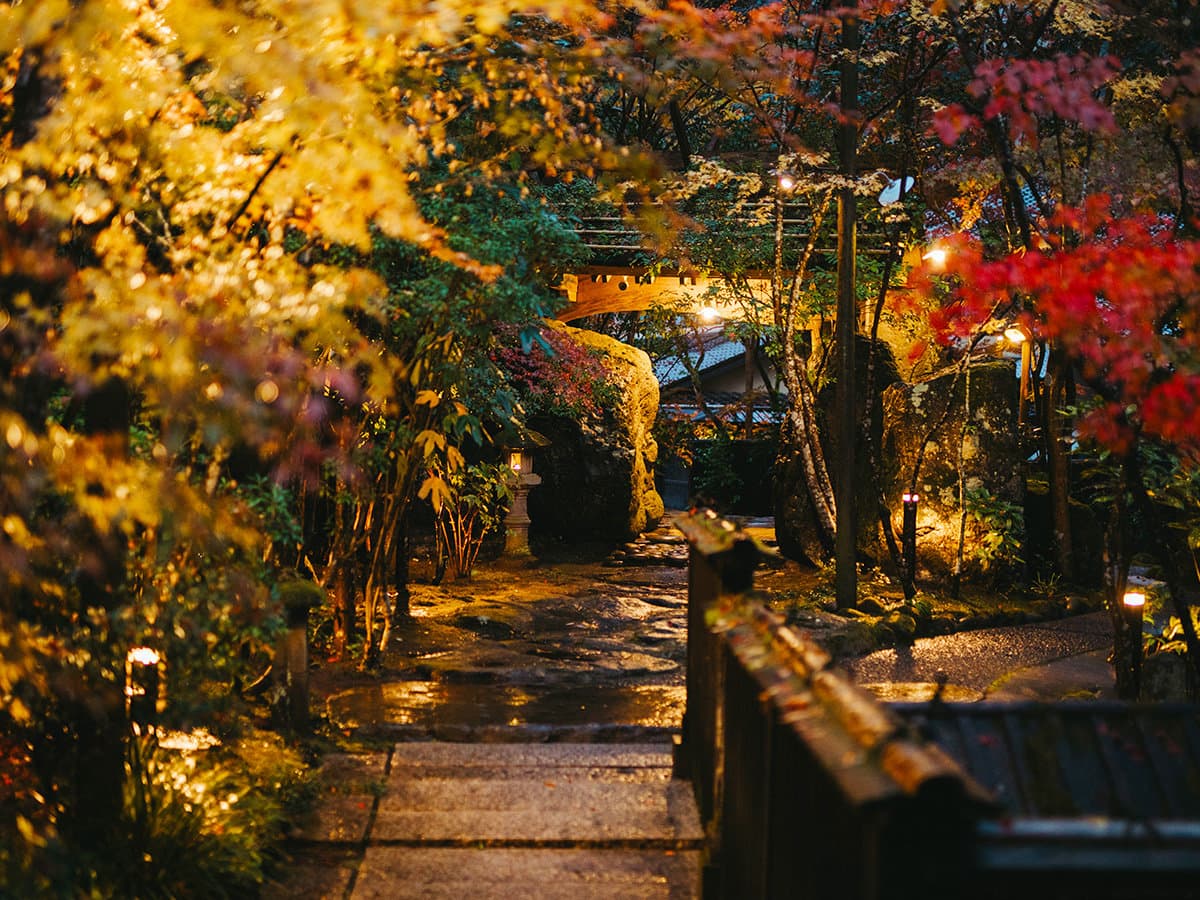
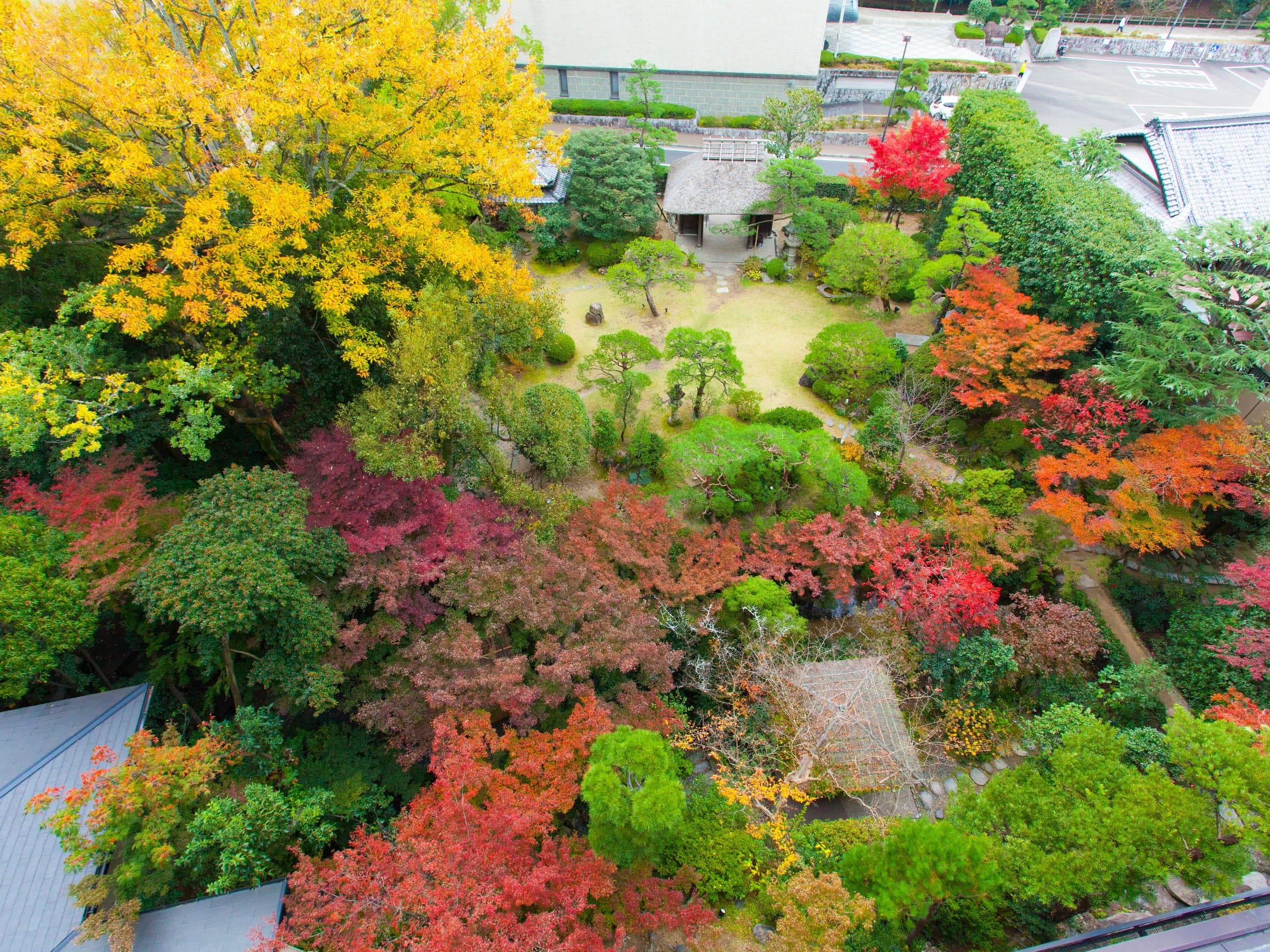
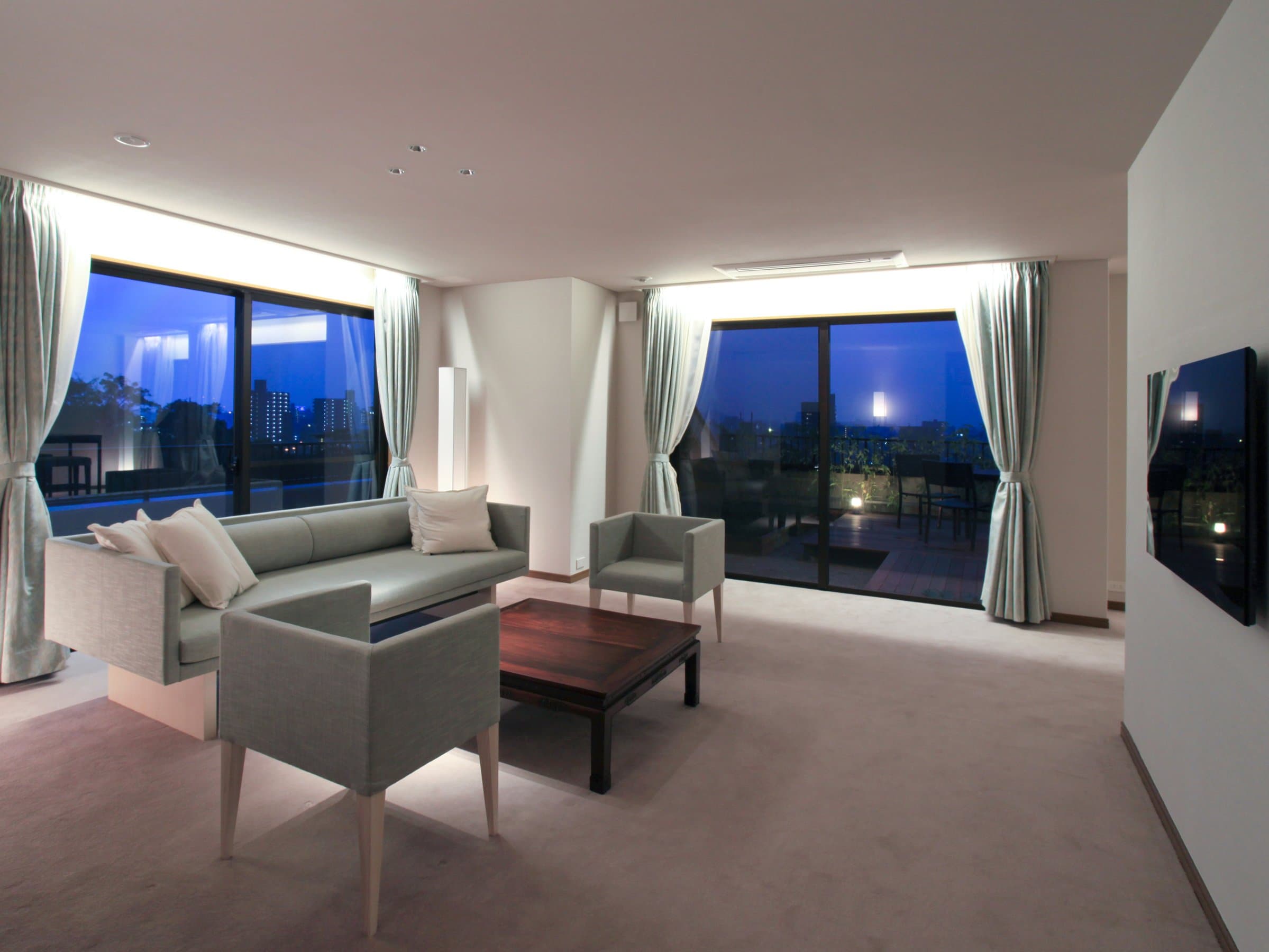
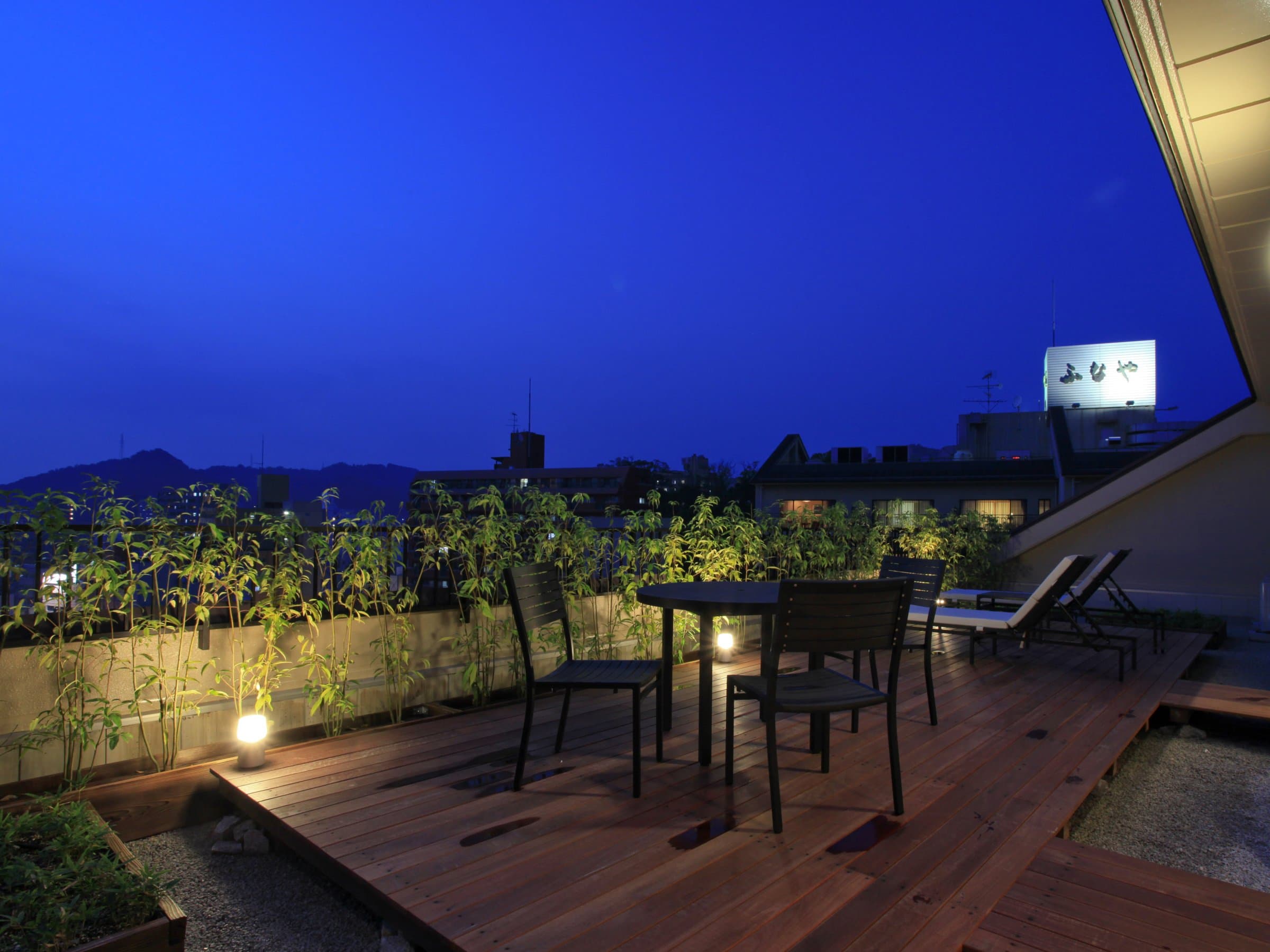
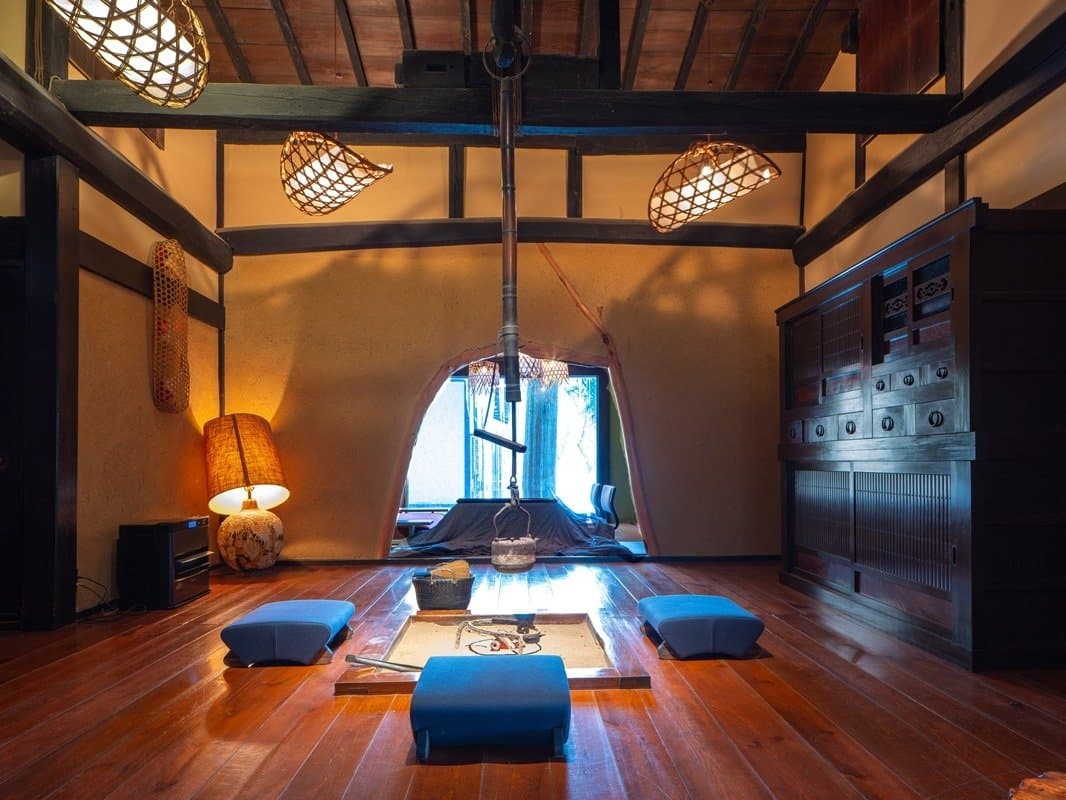
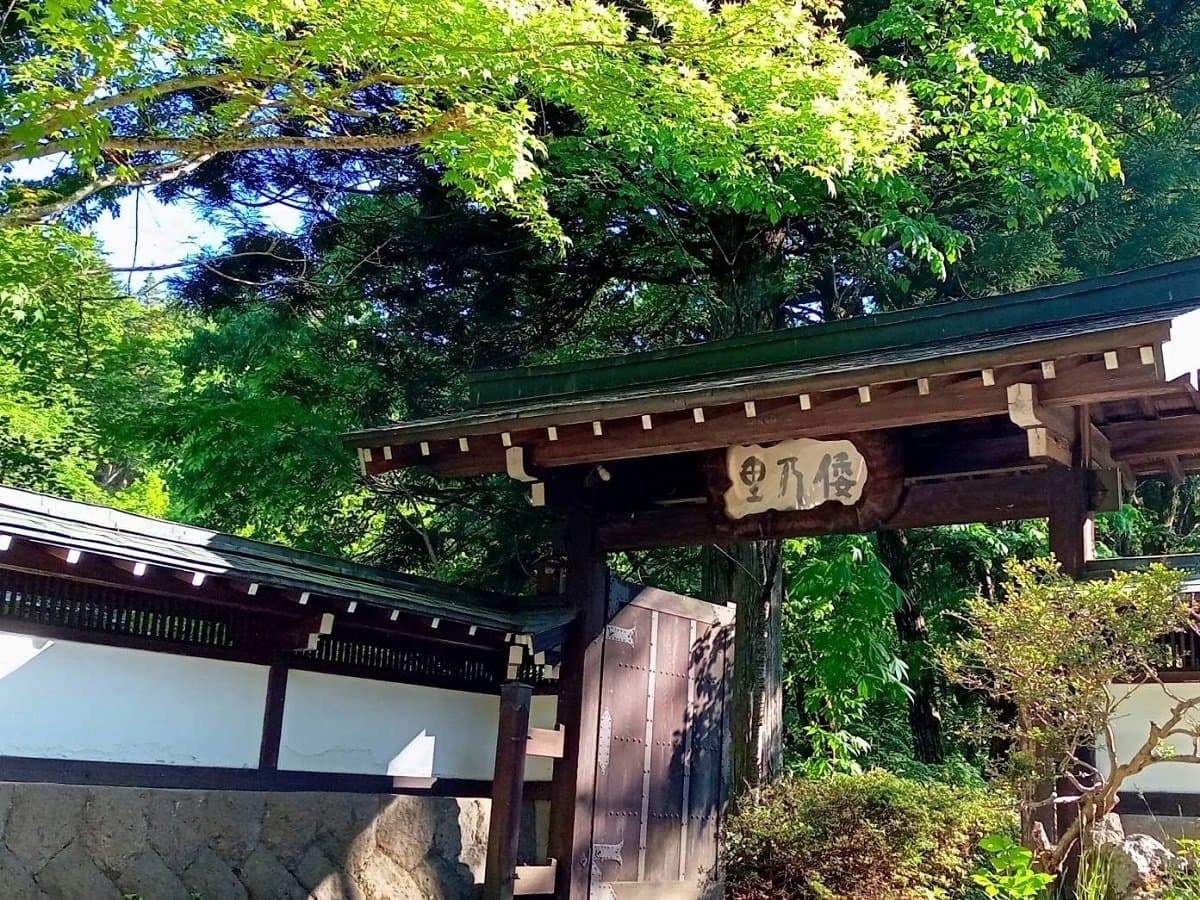
Photo: 望雲 / hotelboun.comThe Room
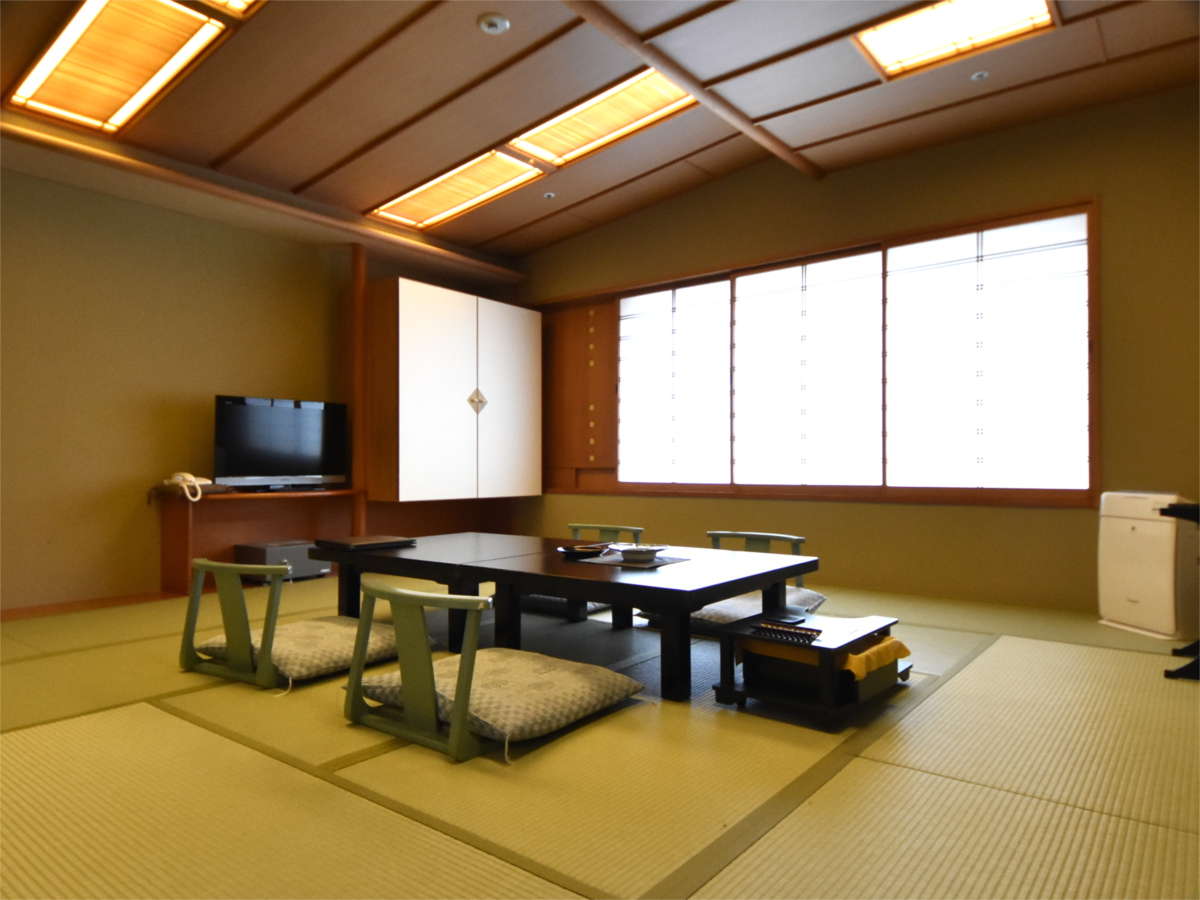
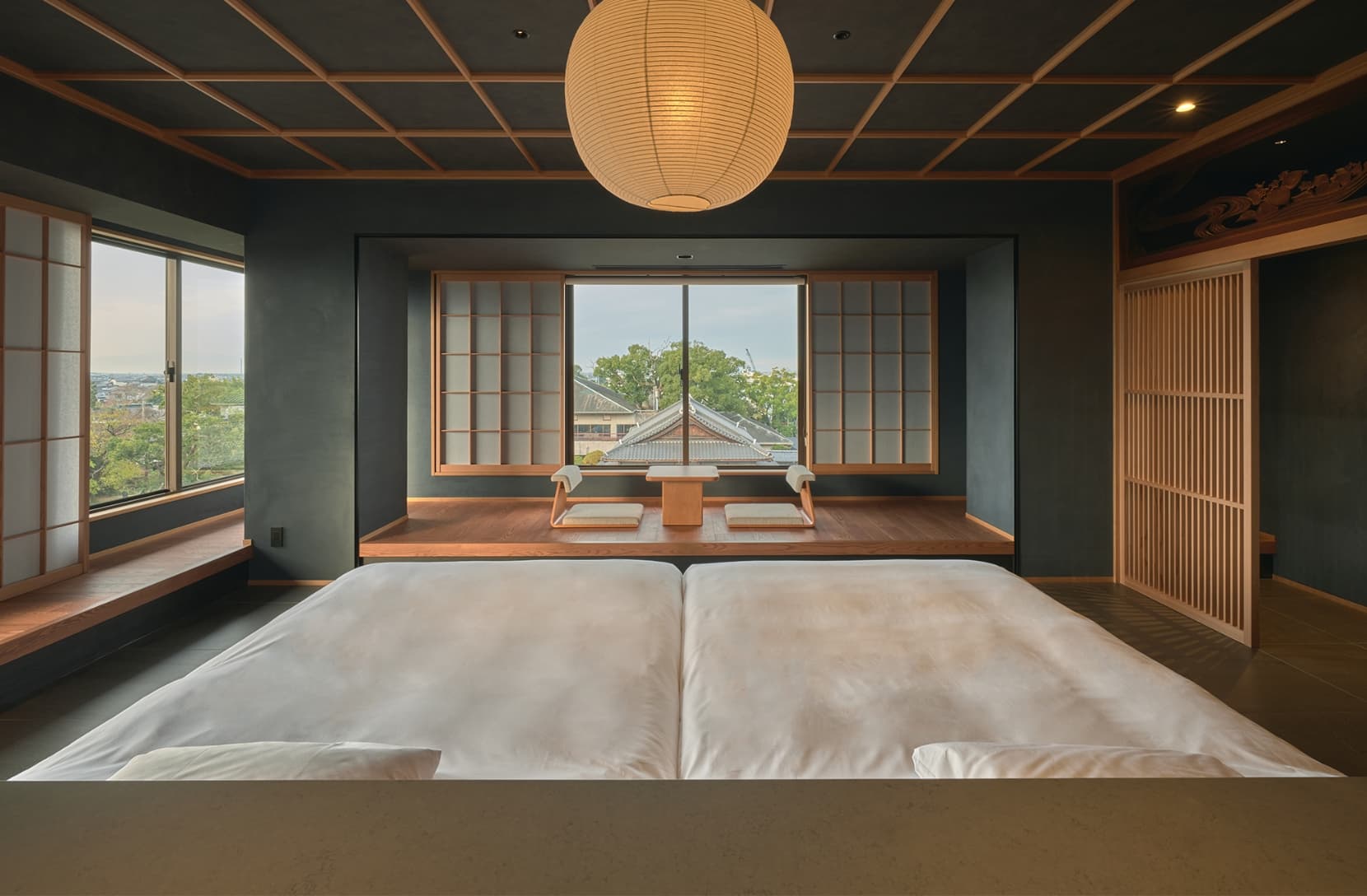
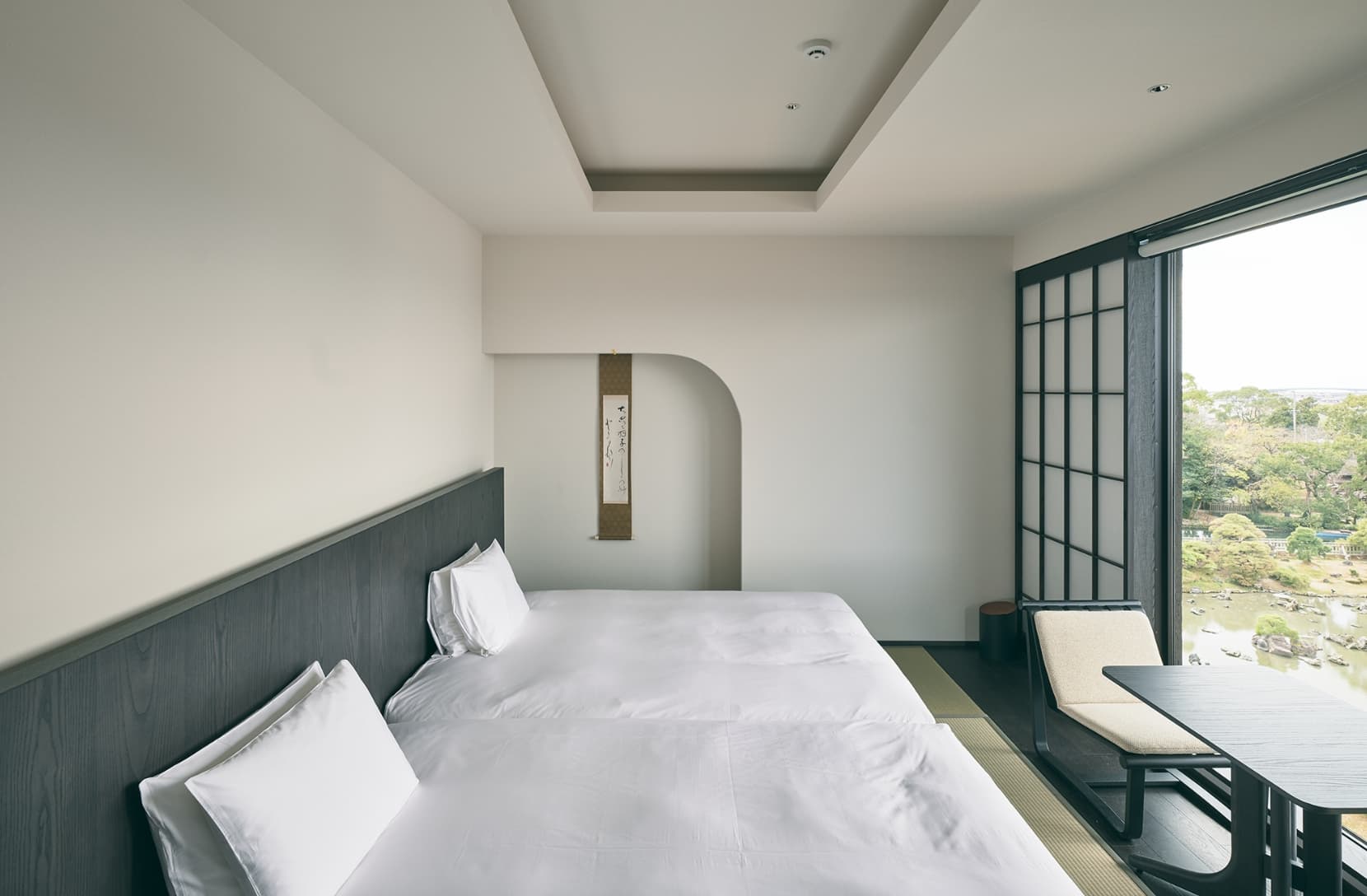
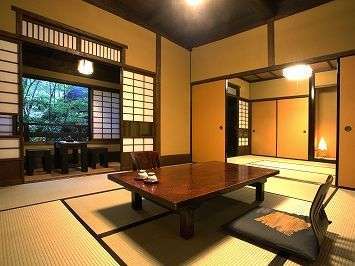
Step onto Tatami
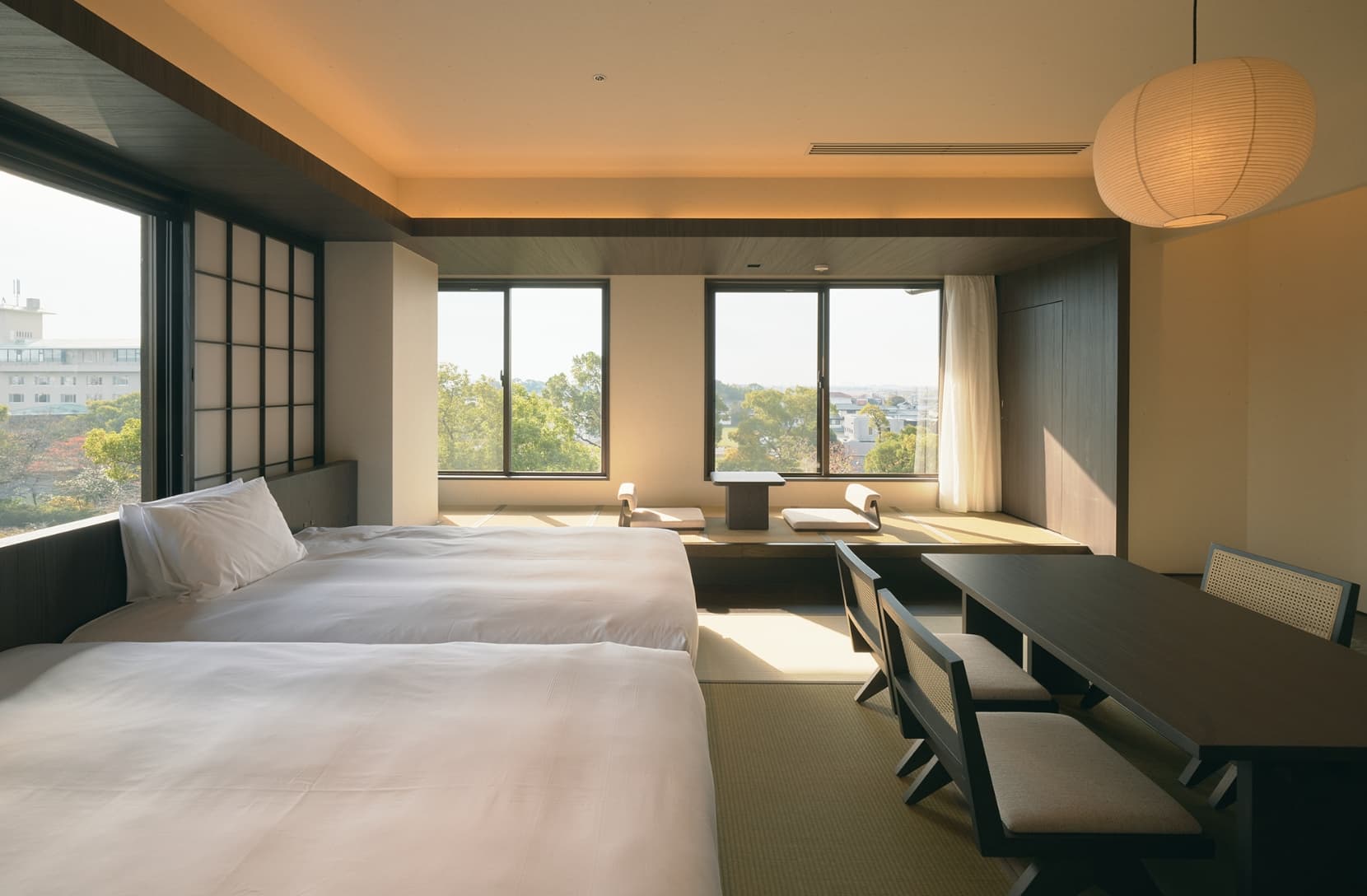
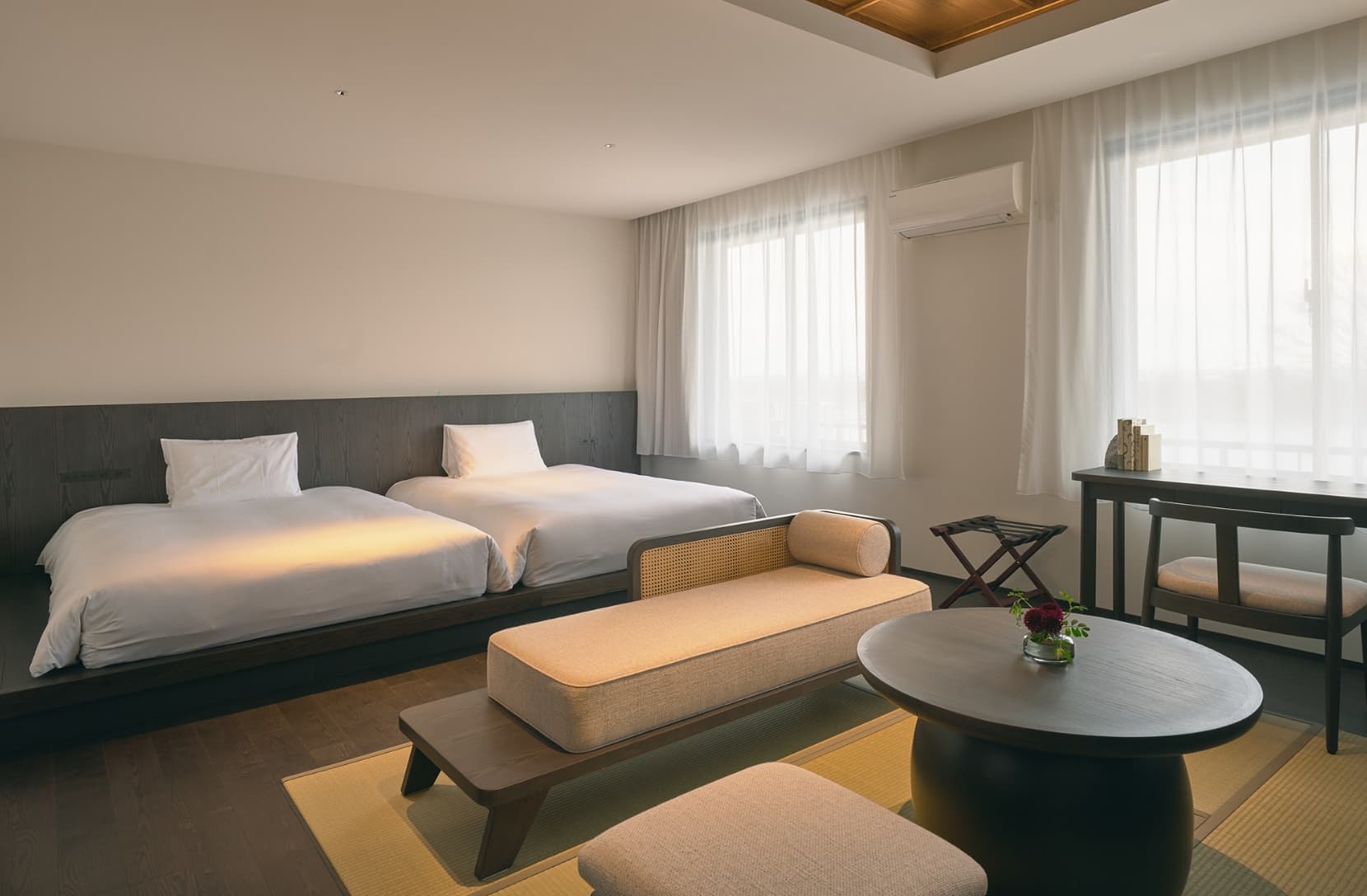
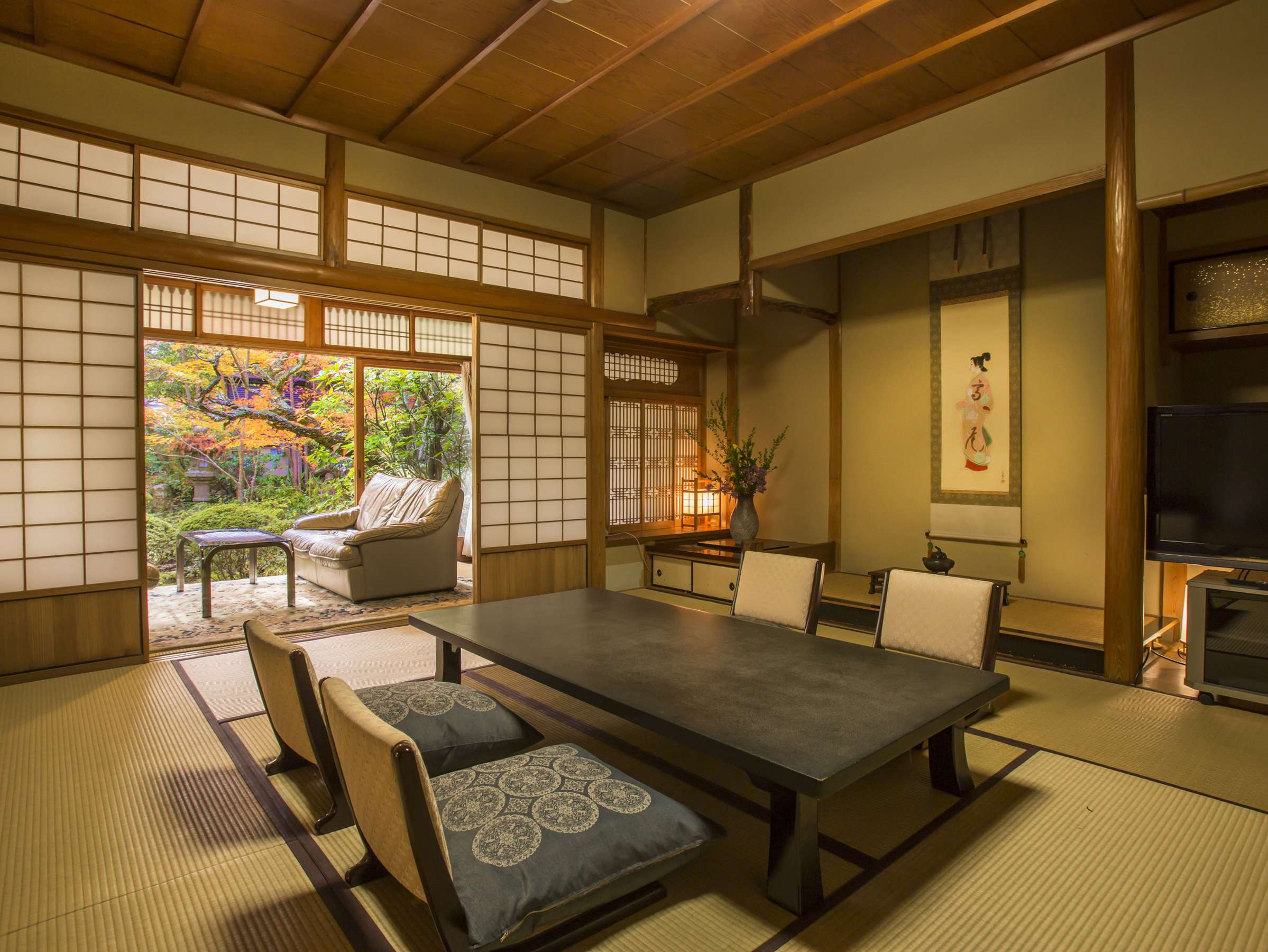
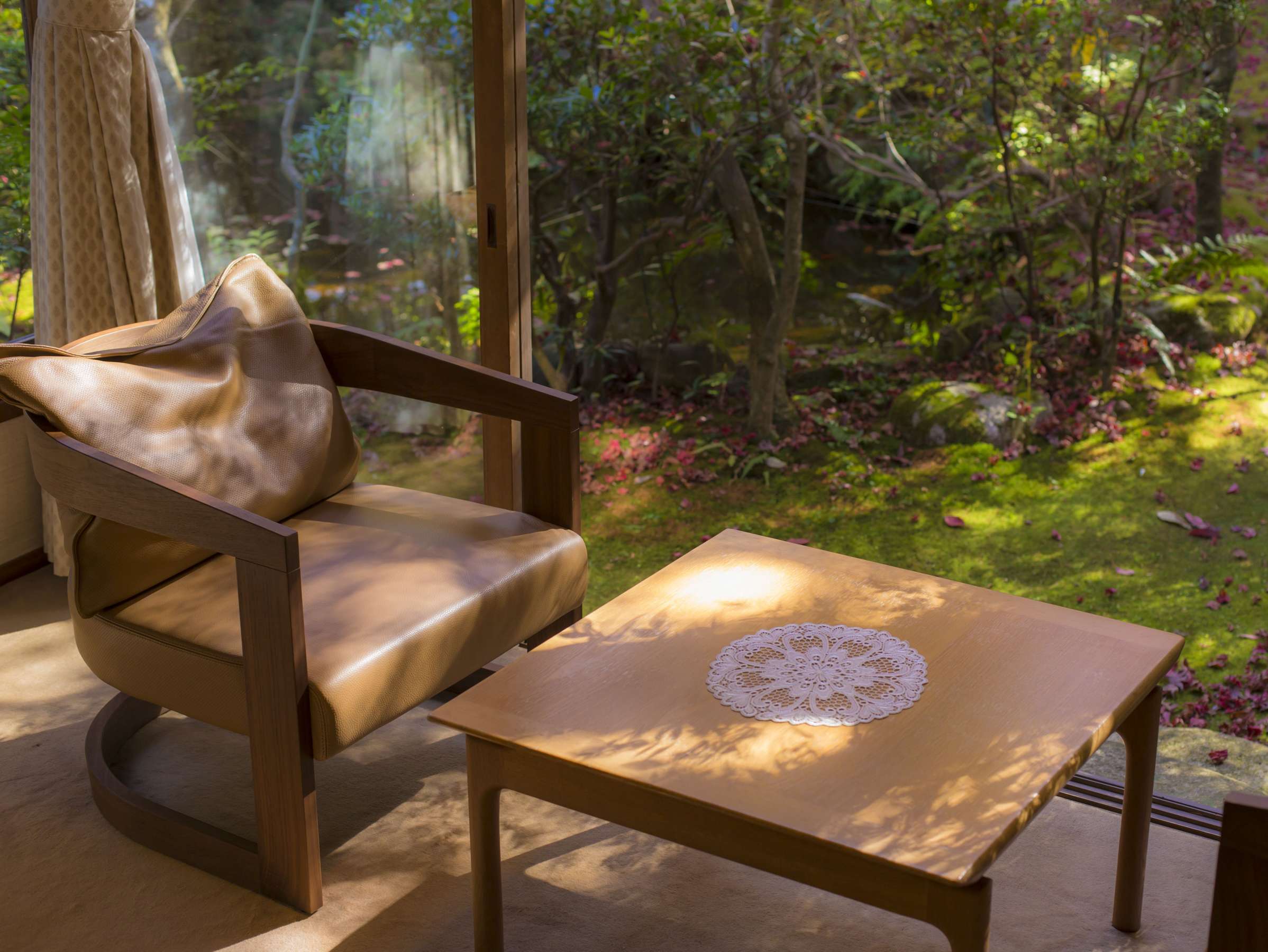
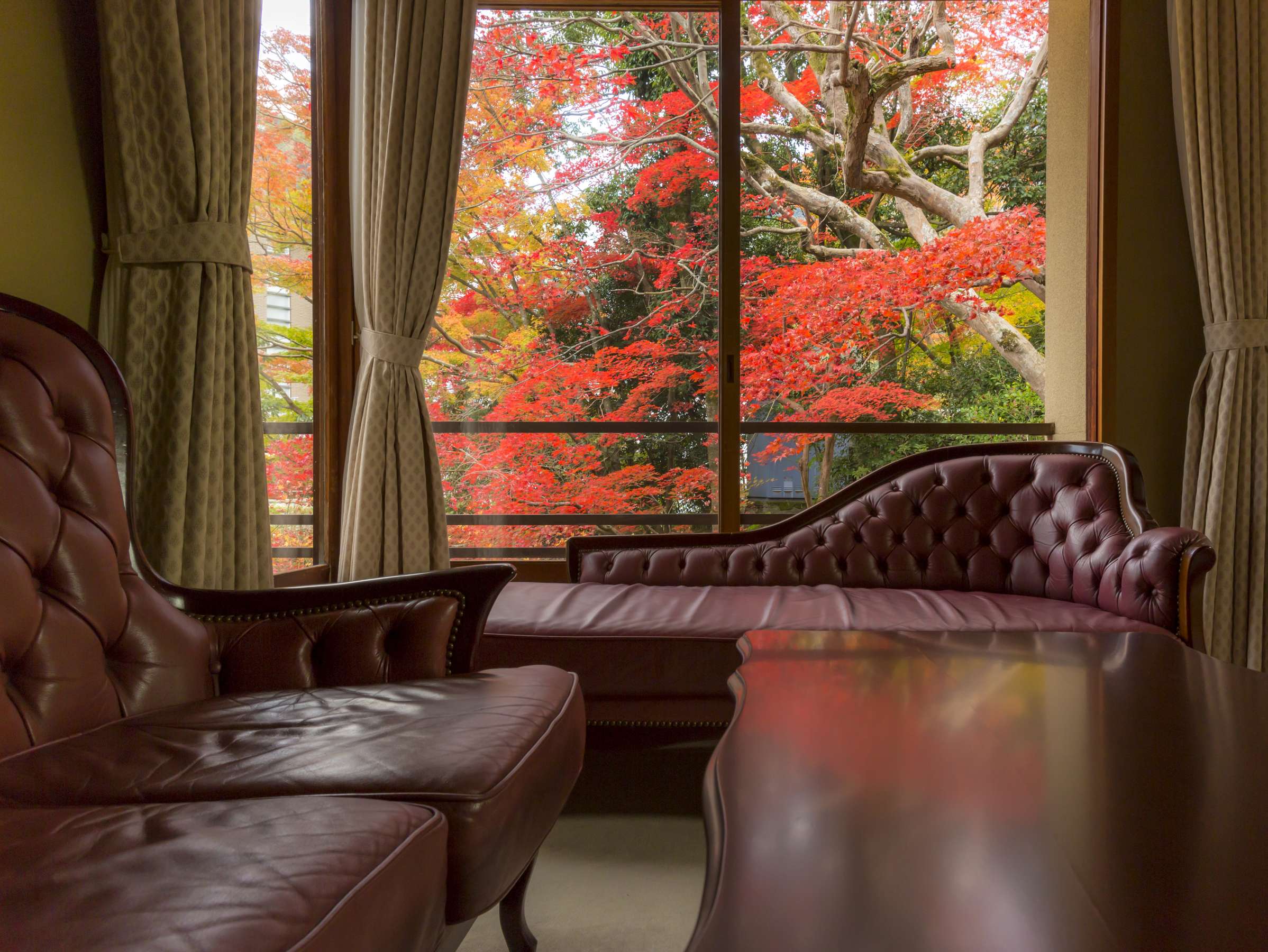
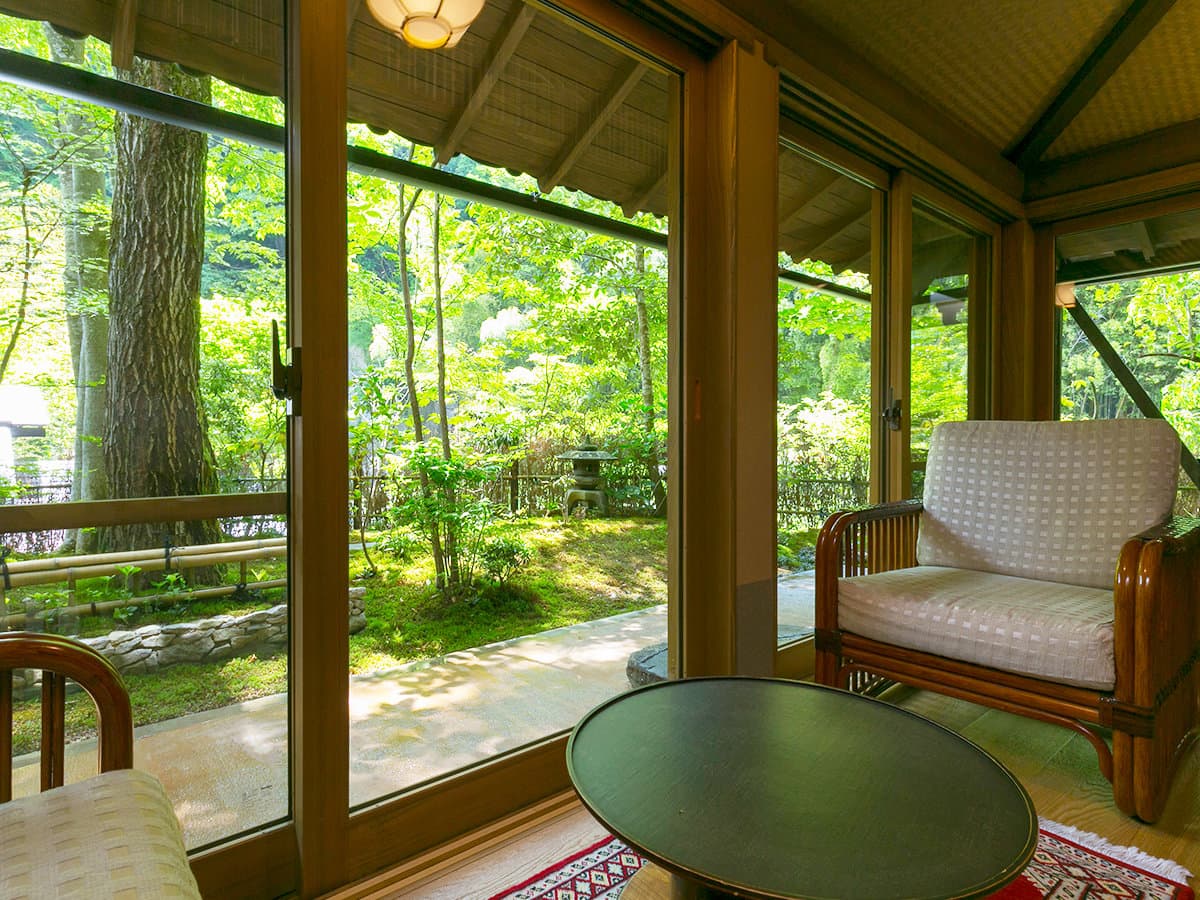
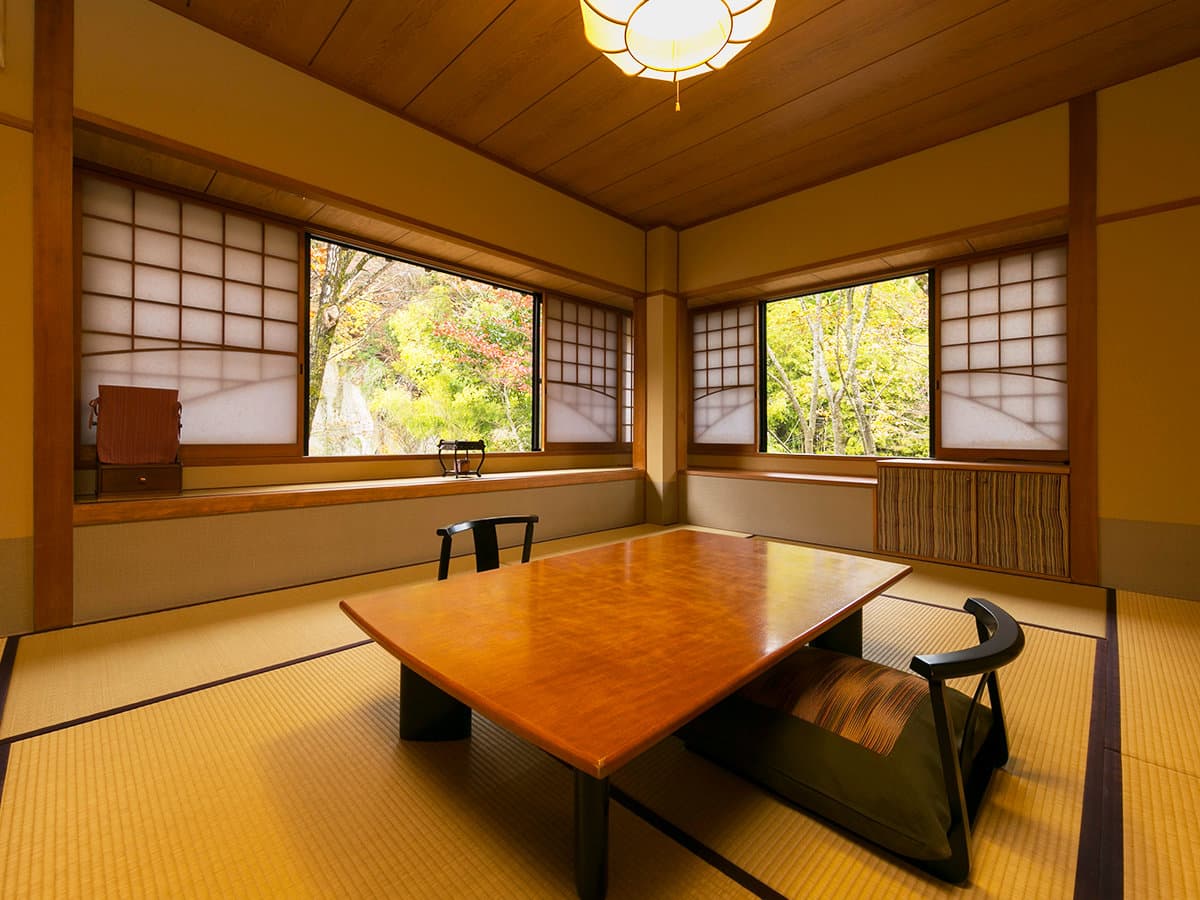
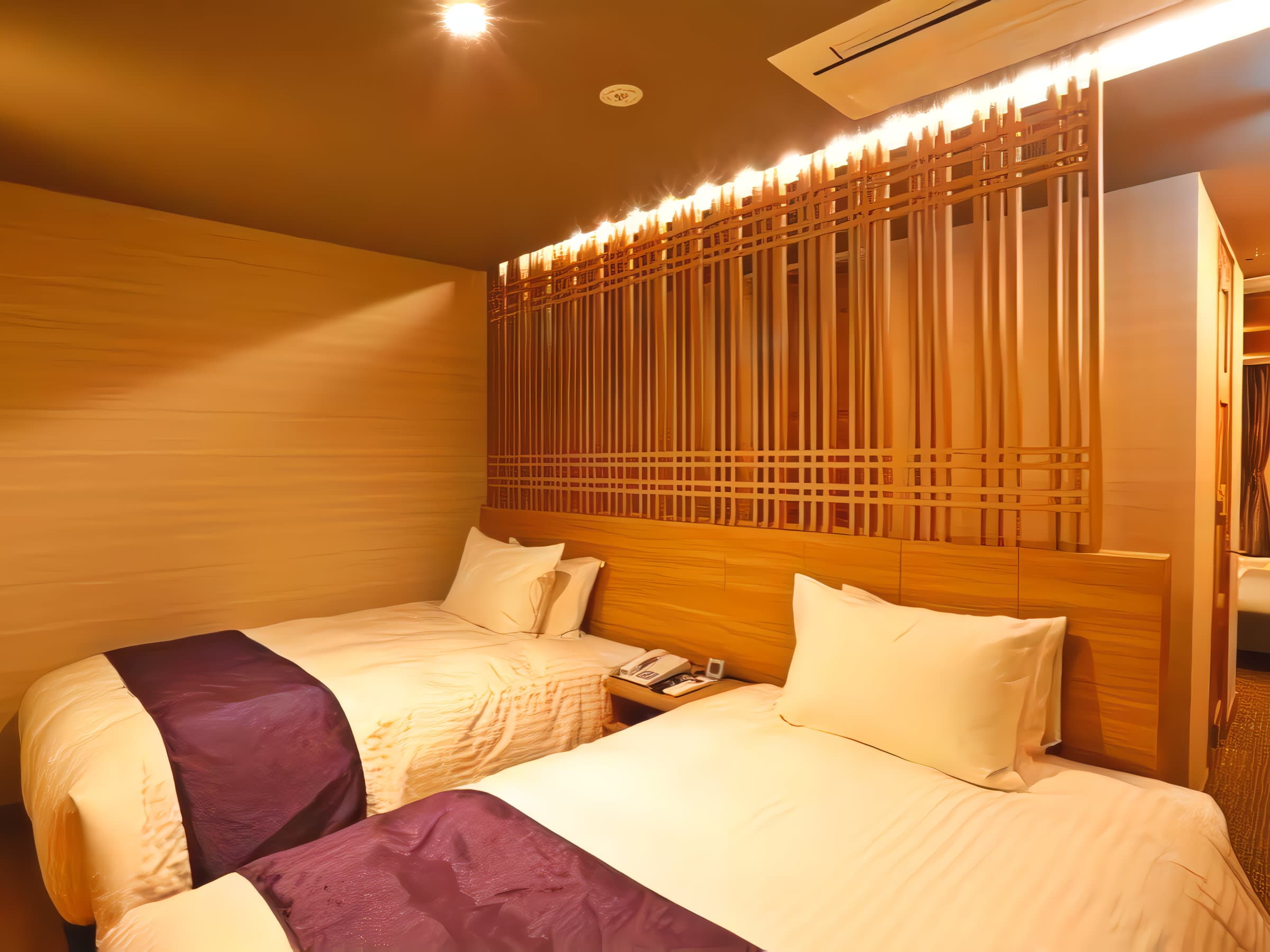
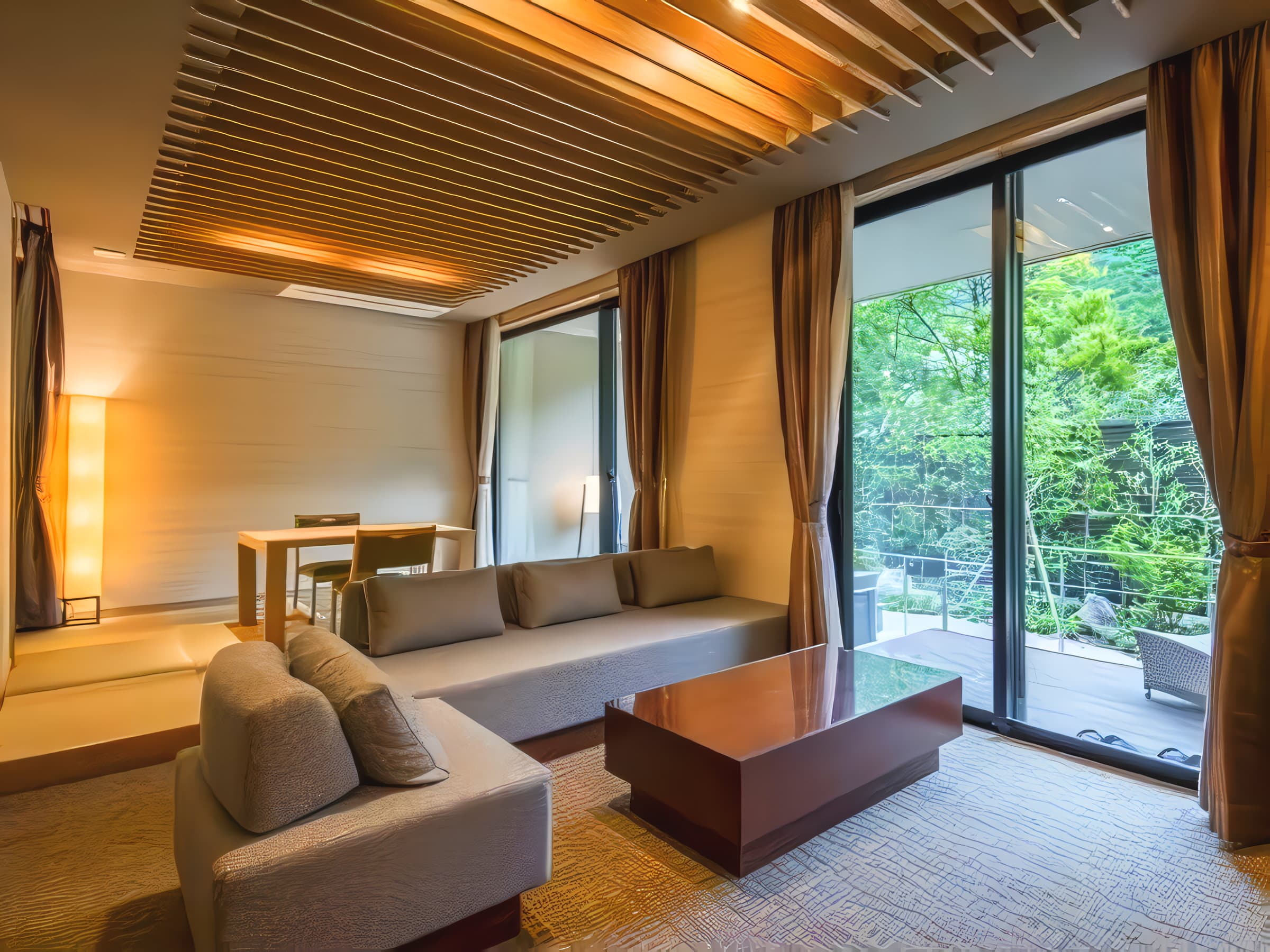
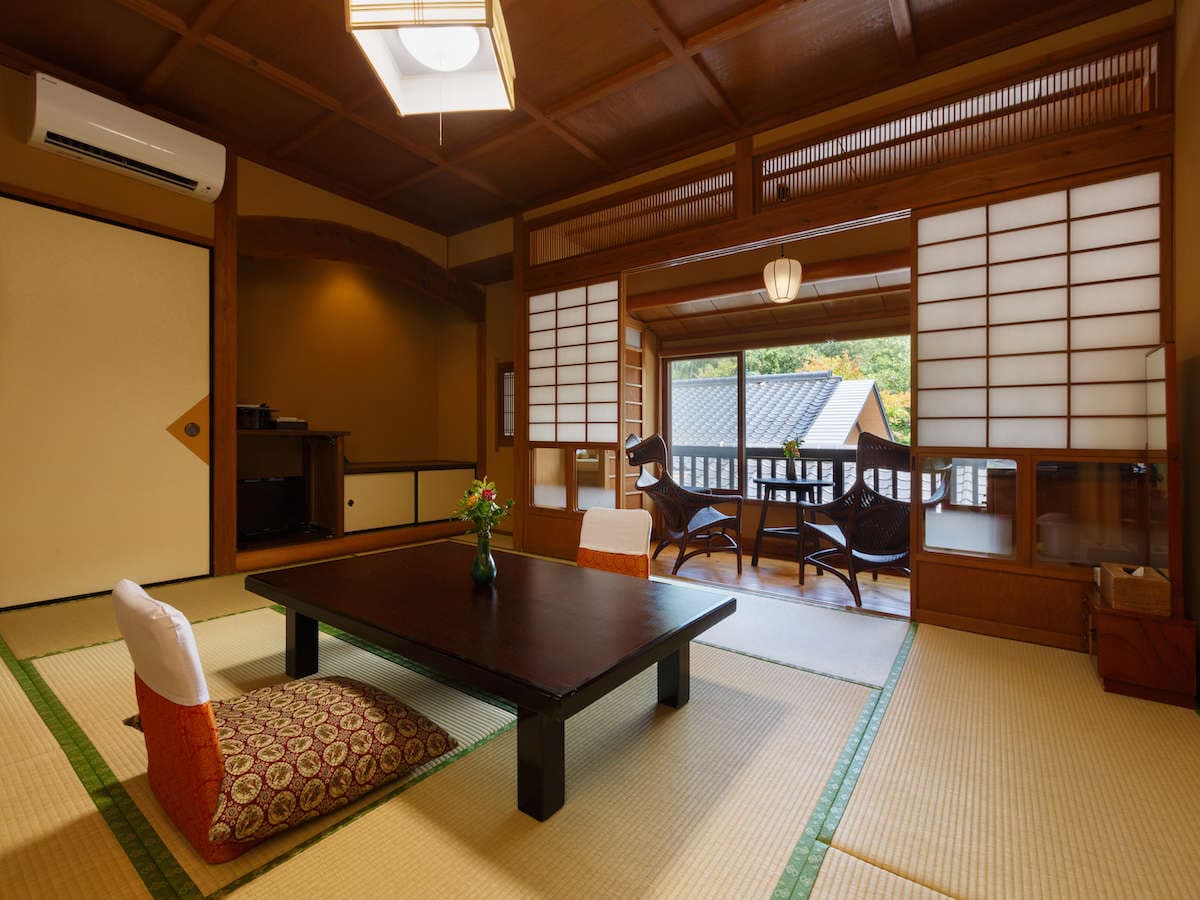
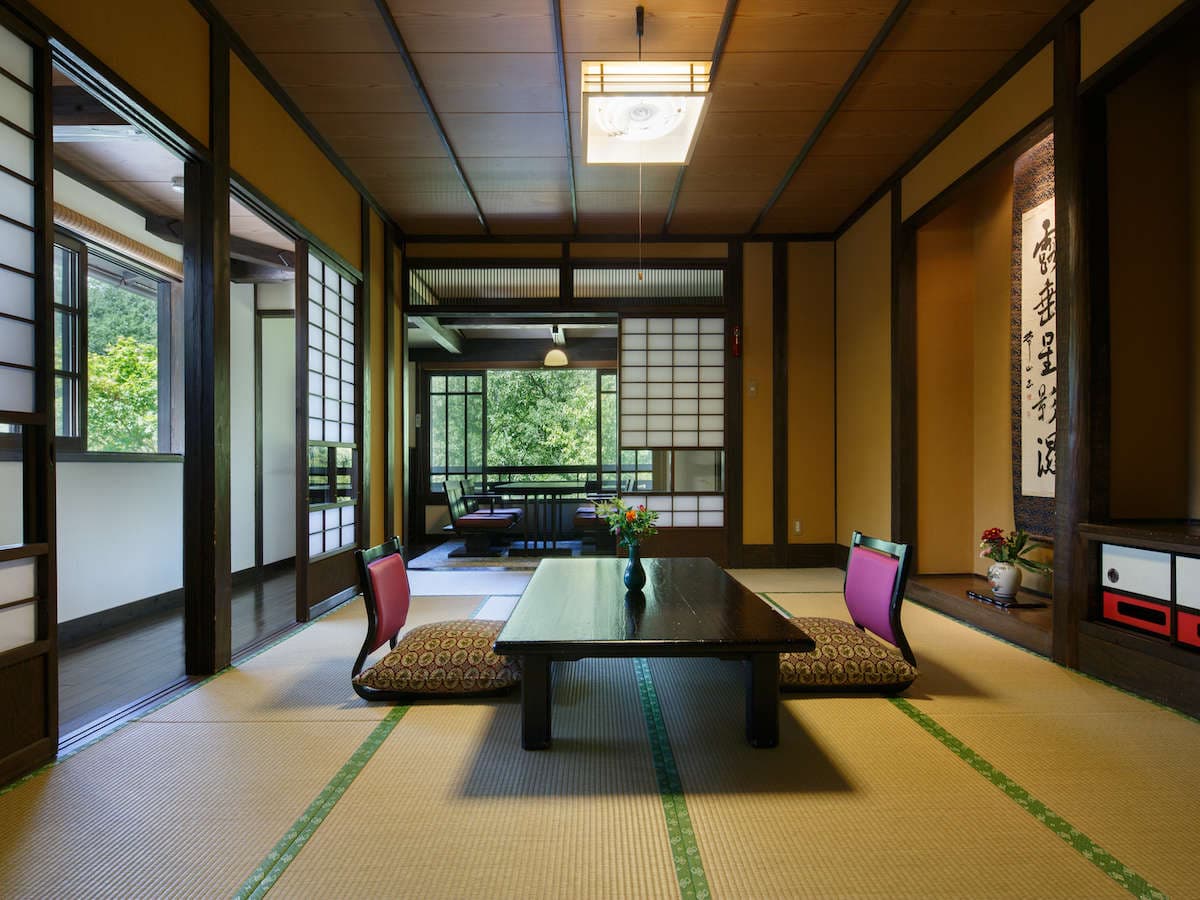
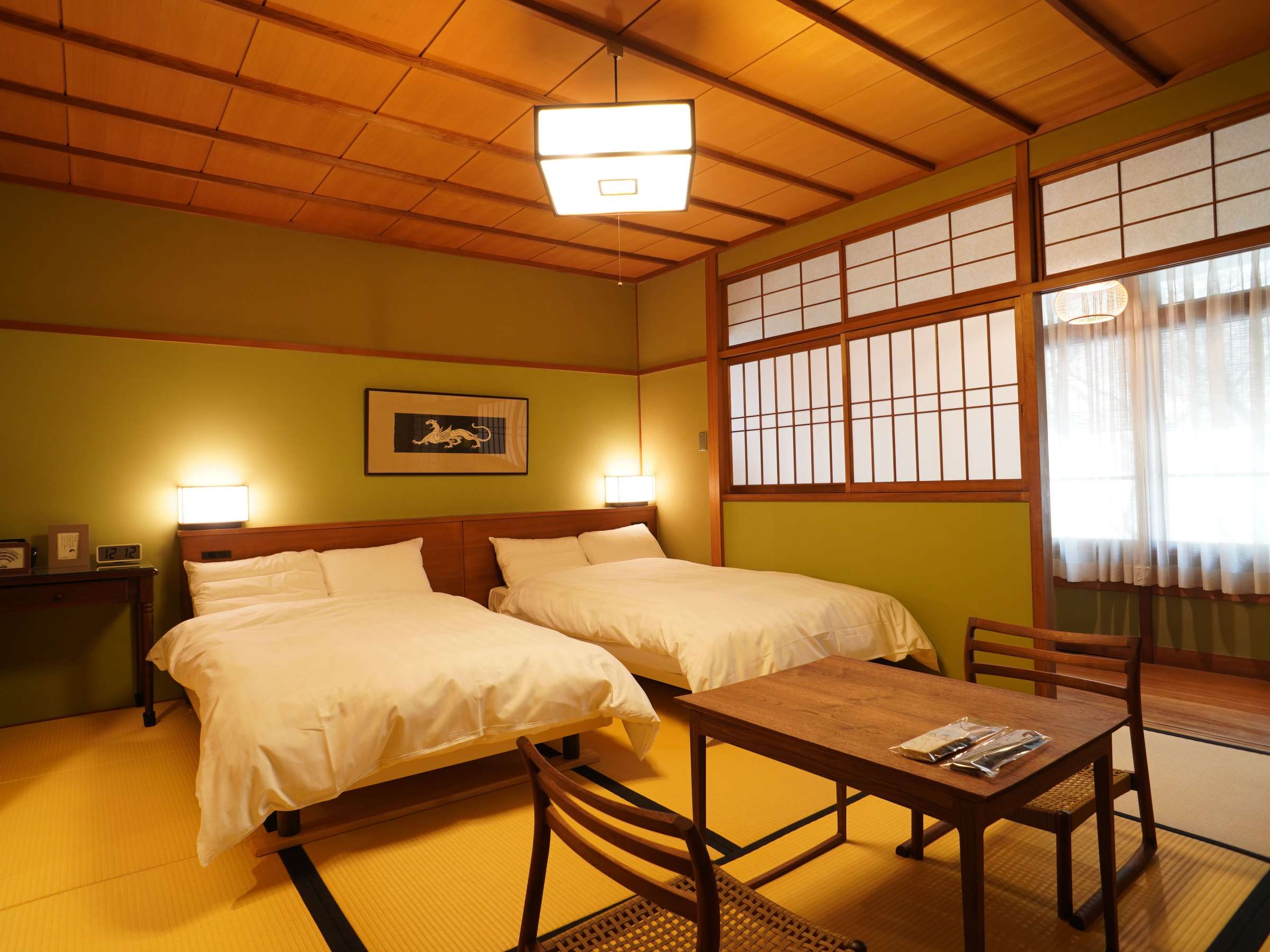
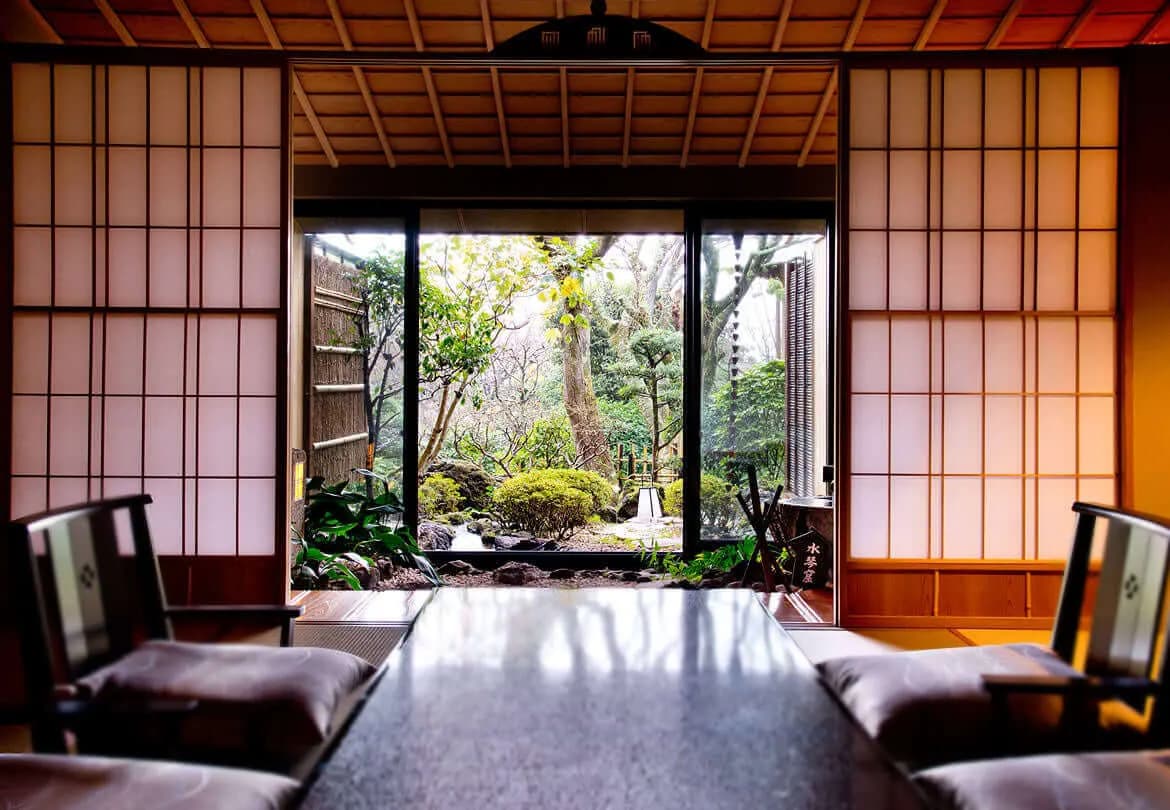
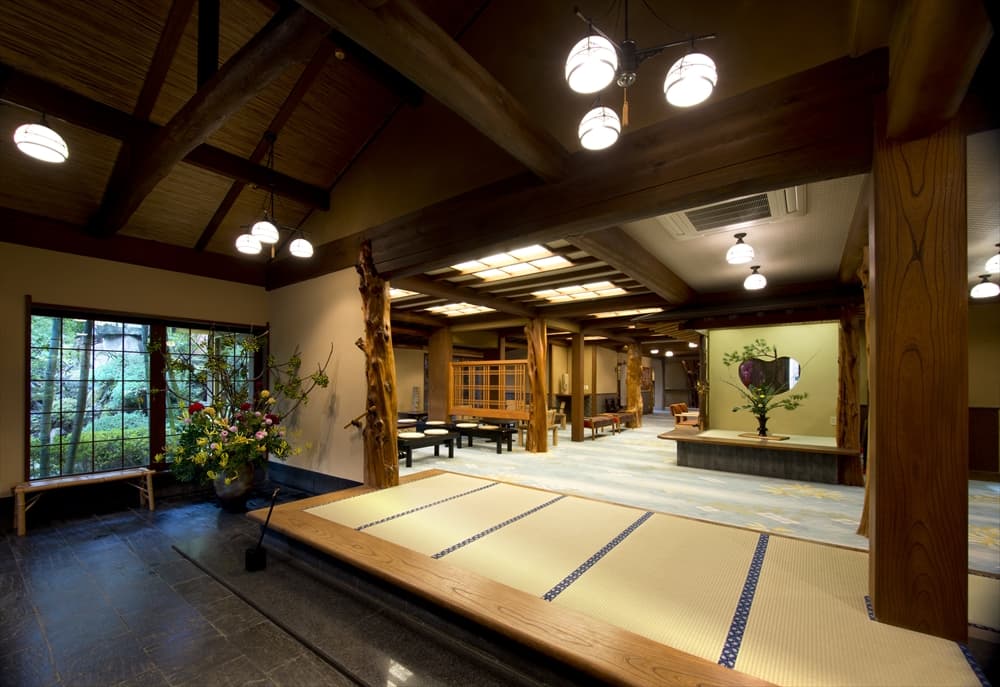
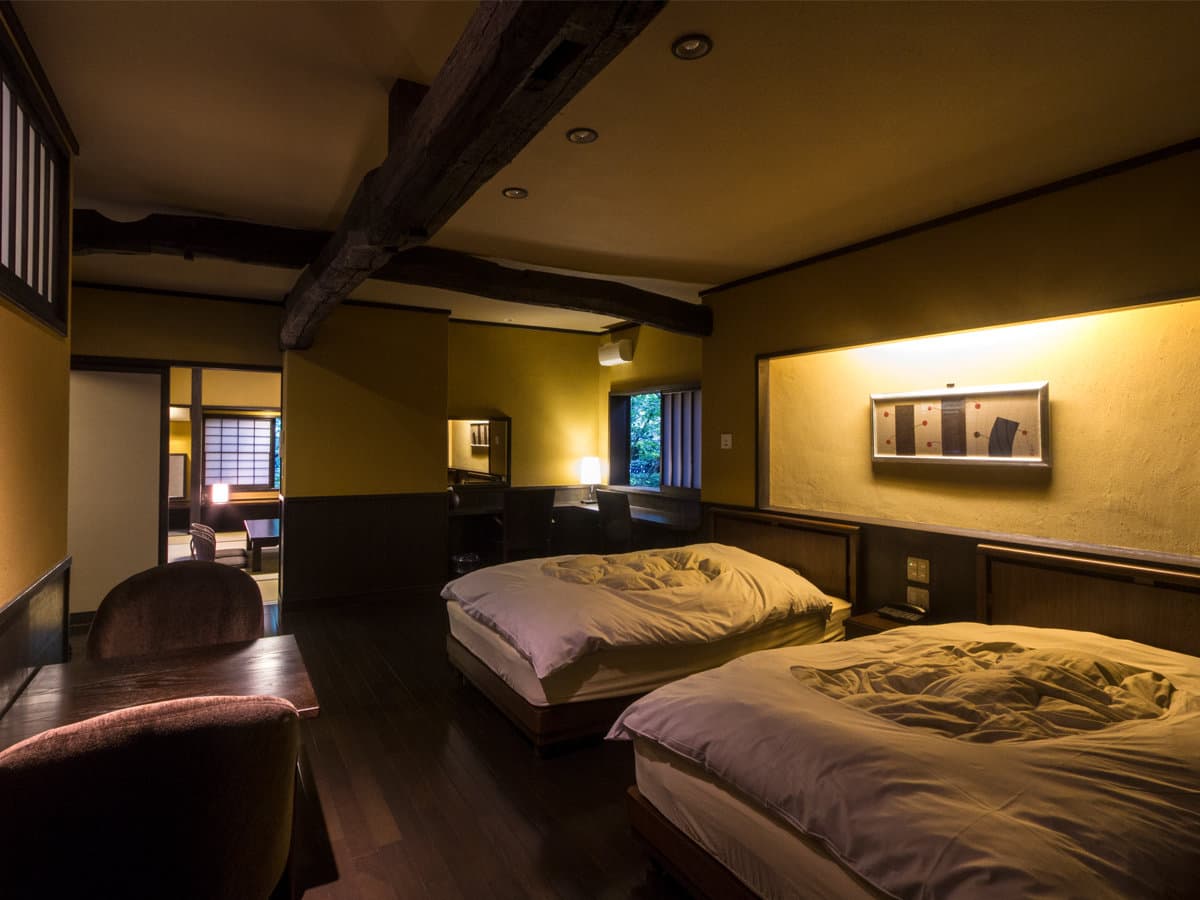
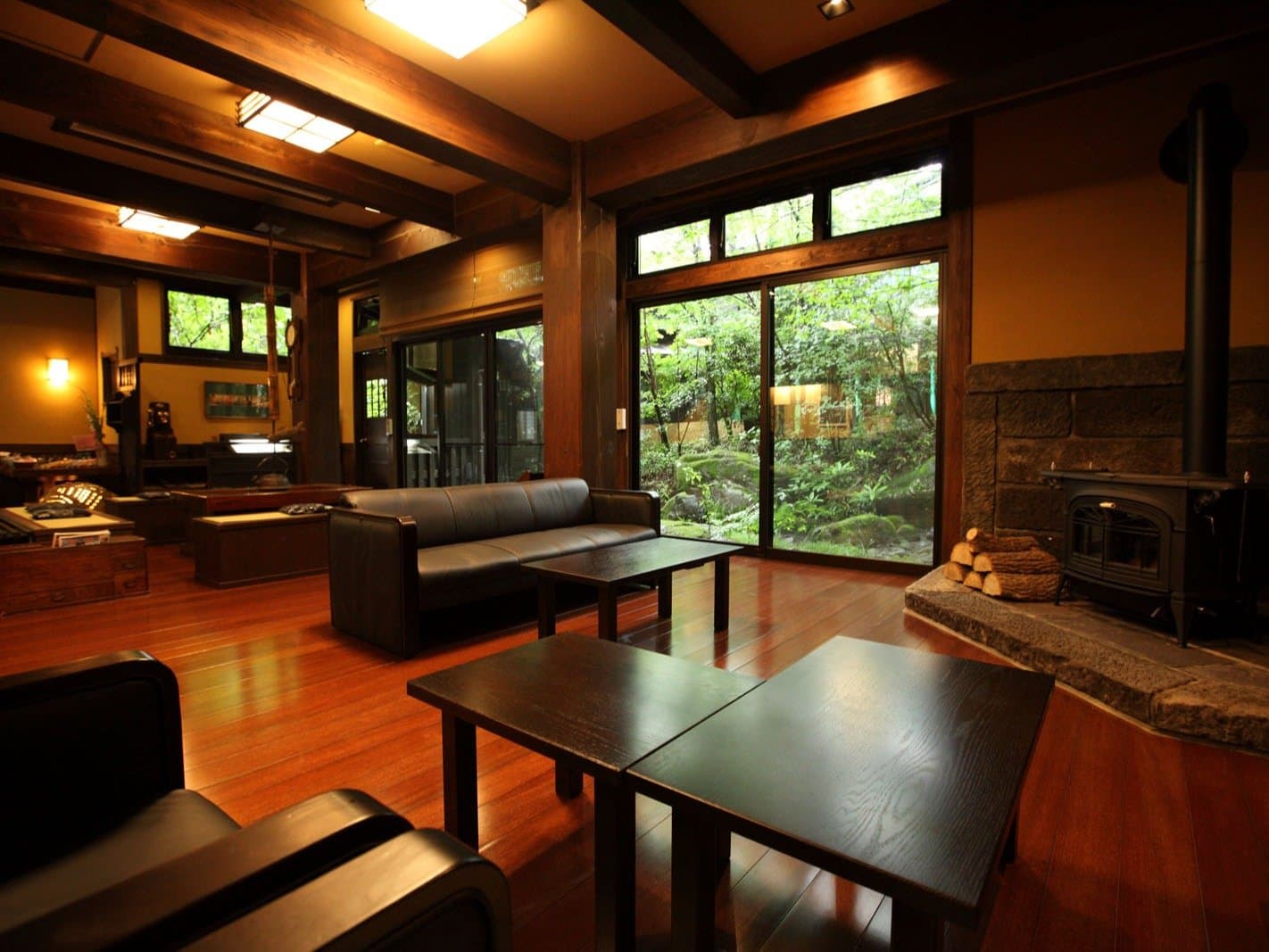
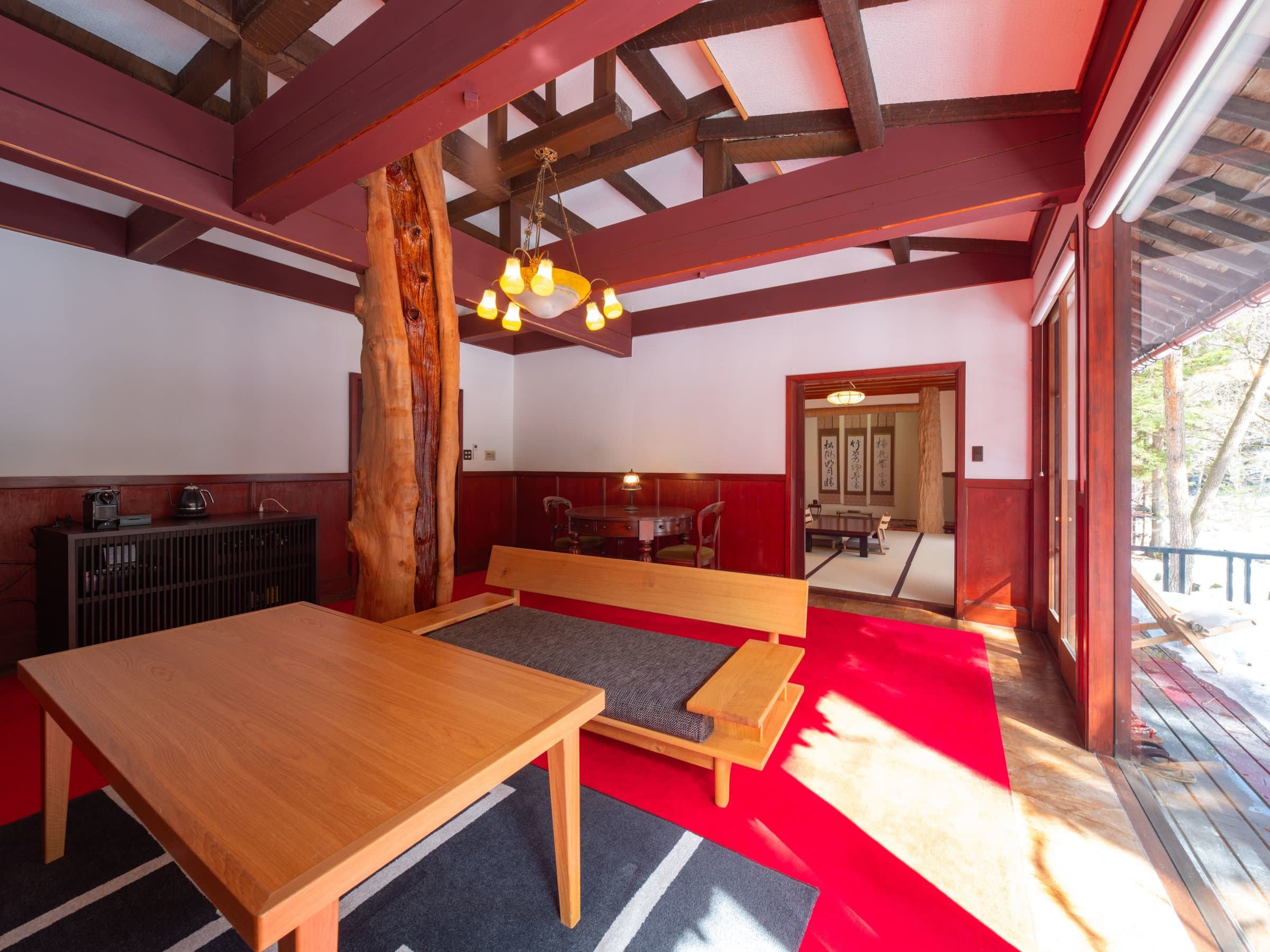
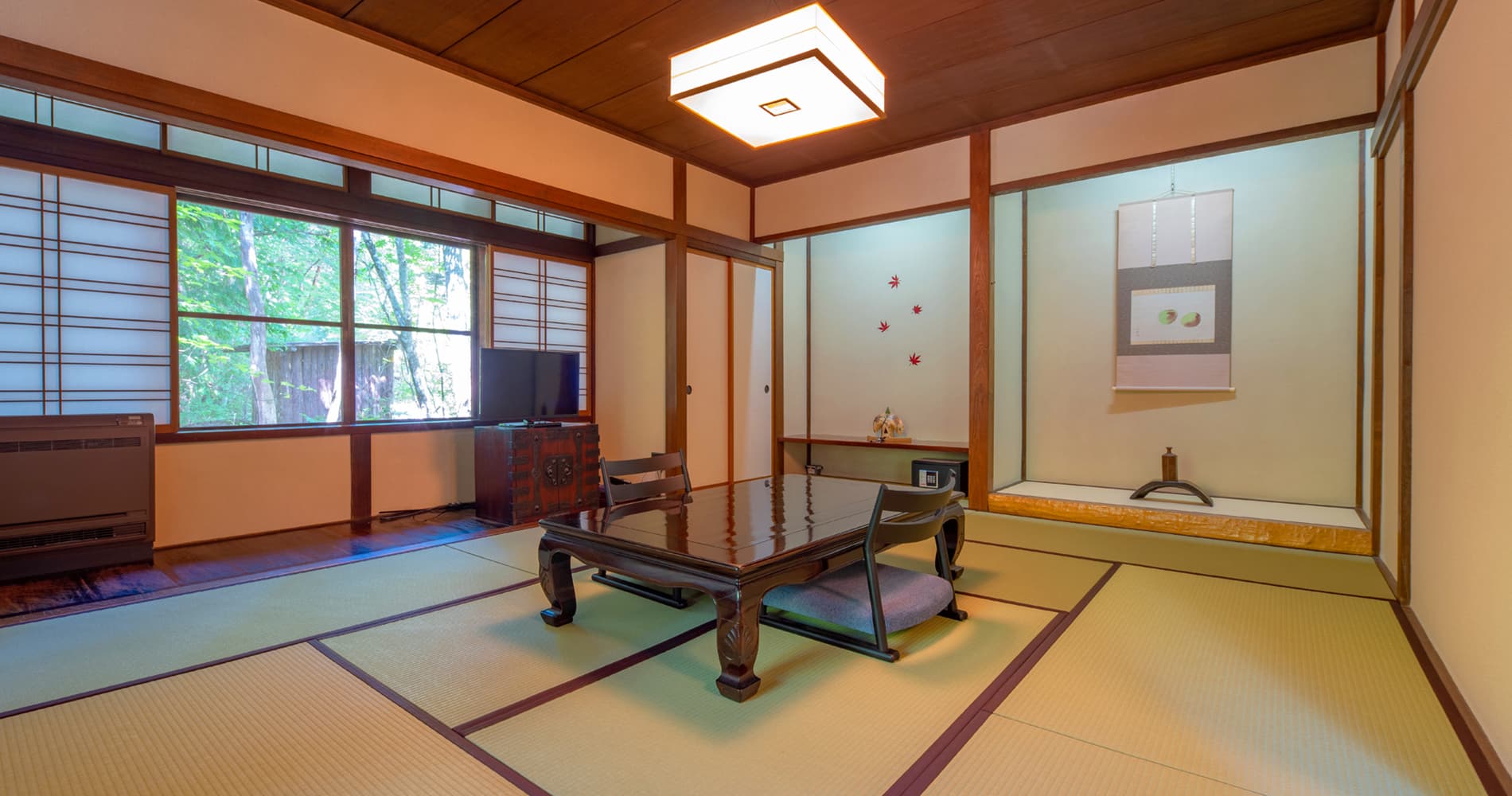
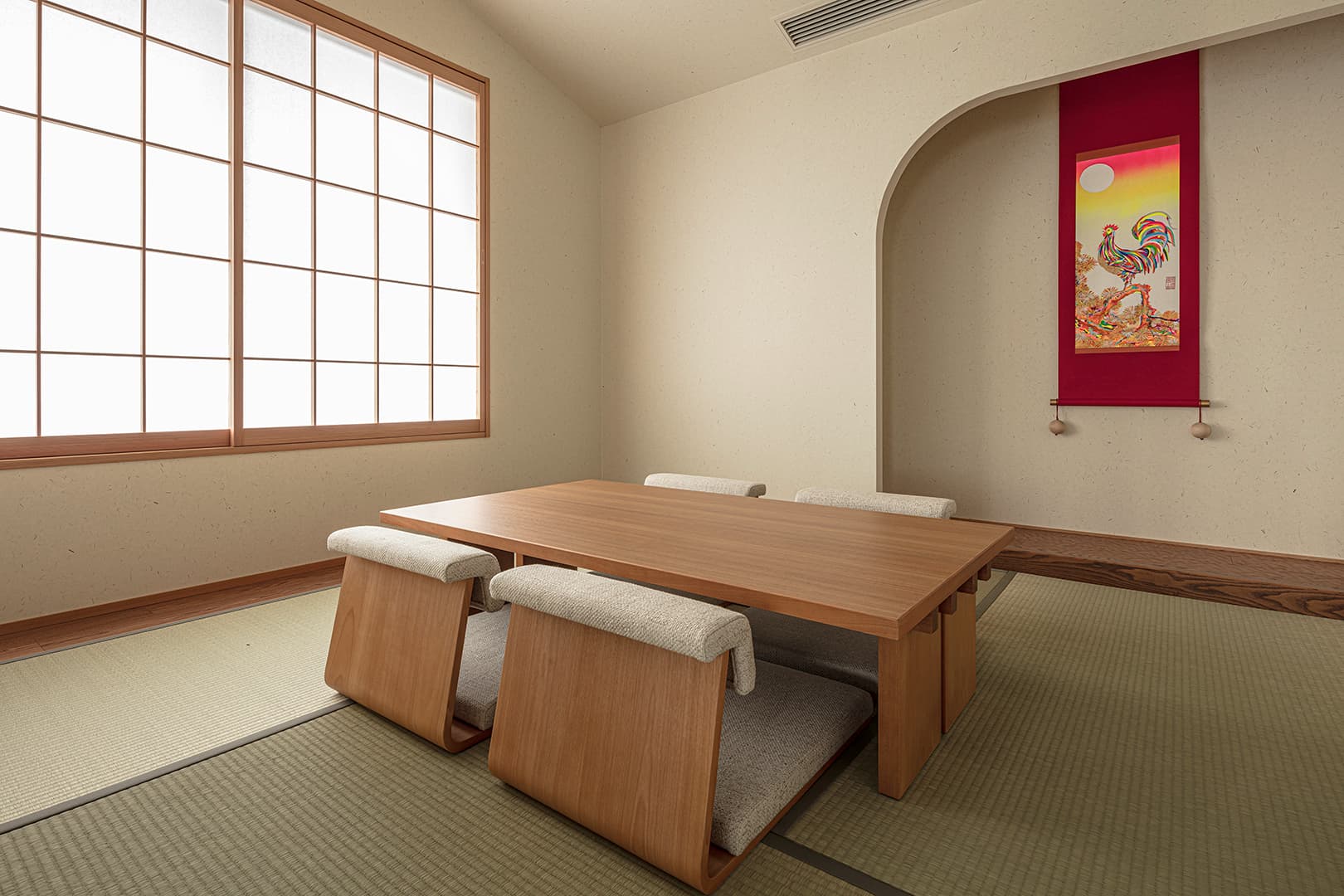
Slide open the shoji screen and step onto soft tatami mats. Your room is a canvas of simplicity — a low table, a scroll painting, a garden view. No clutter, no noise. Just space to breathe.
The Attire
Slip into Yukata
Change from your travel clothes into a lightweight cotton yukata. From this moment, you move at a different pace. Wear it to dinner, to the bath, to an evening stroll through quiet streets.
The Bath
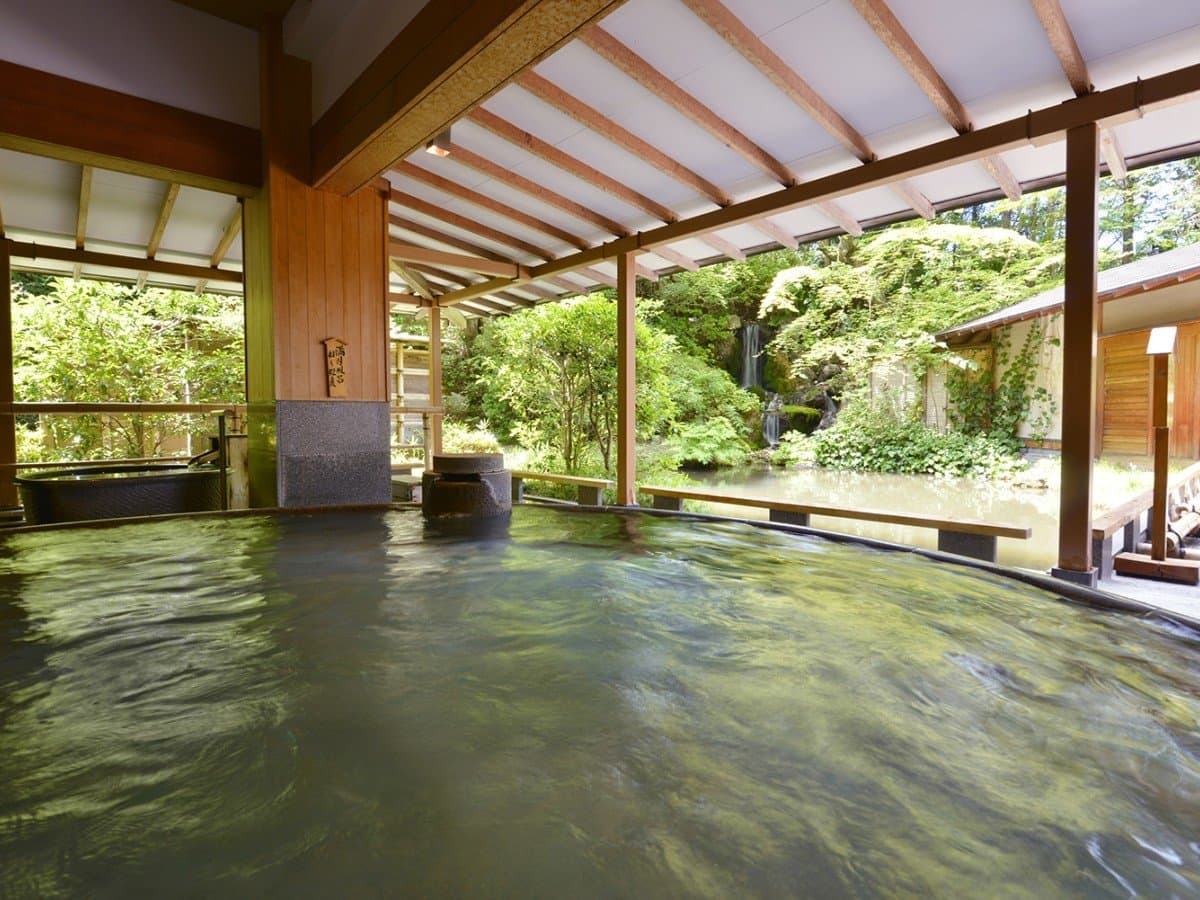
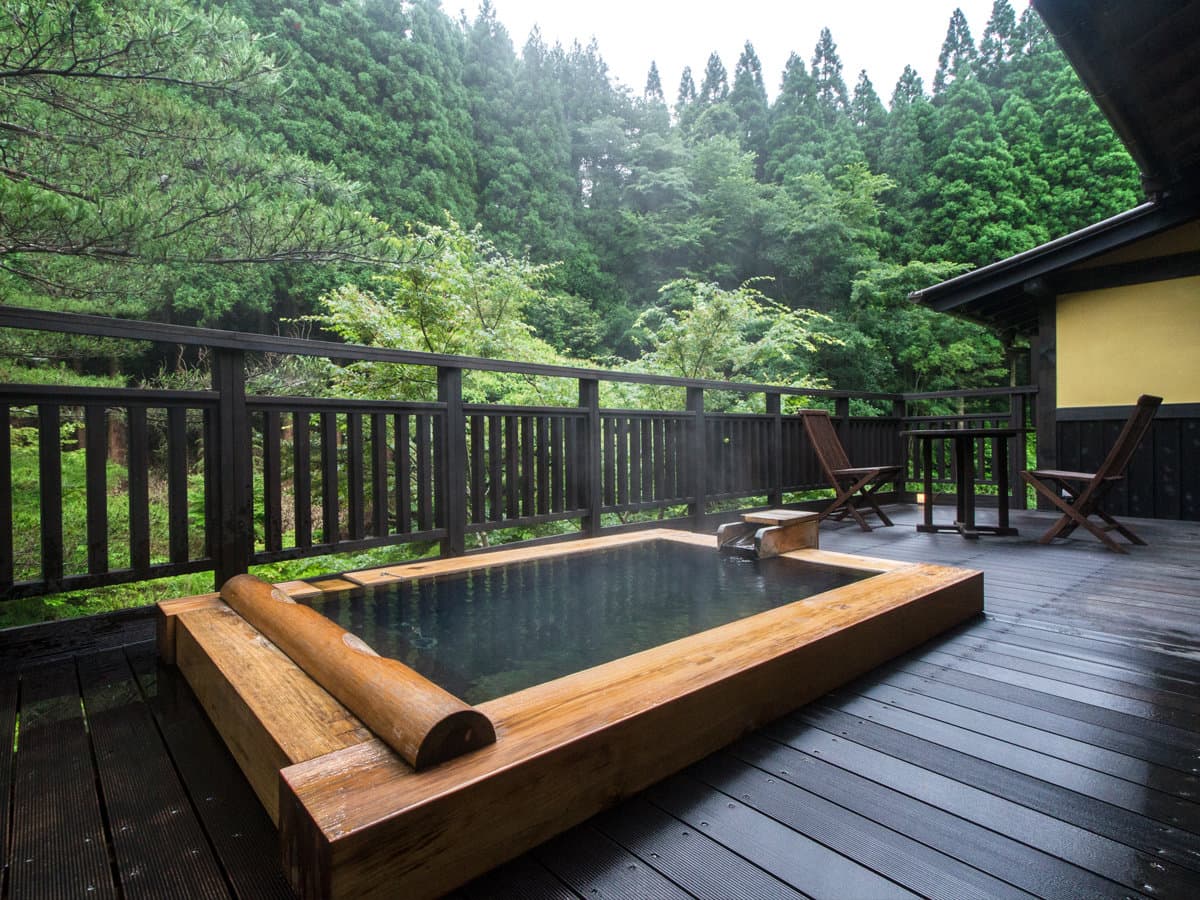
Soak in Onsen
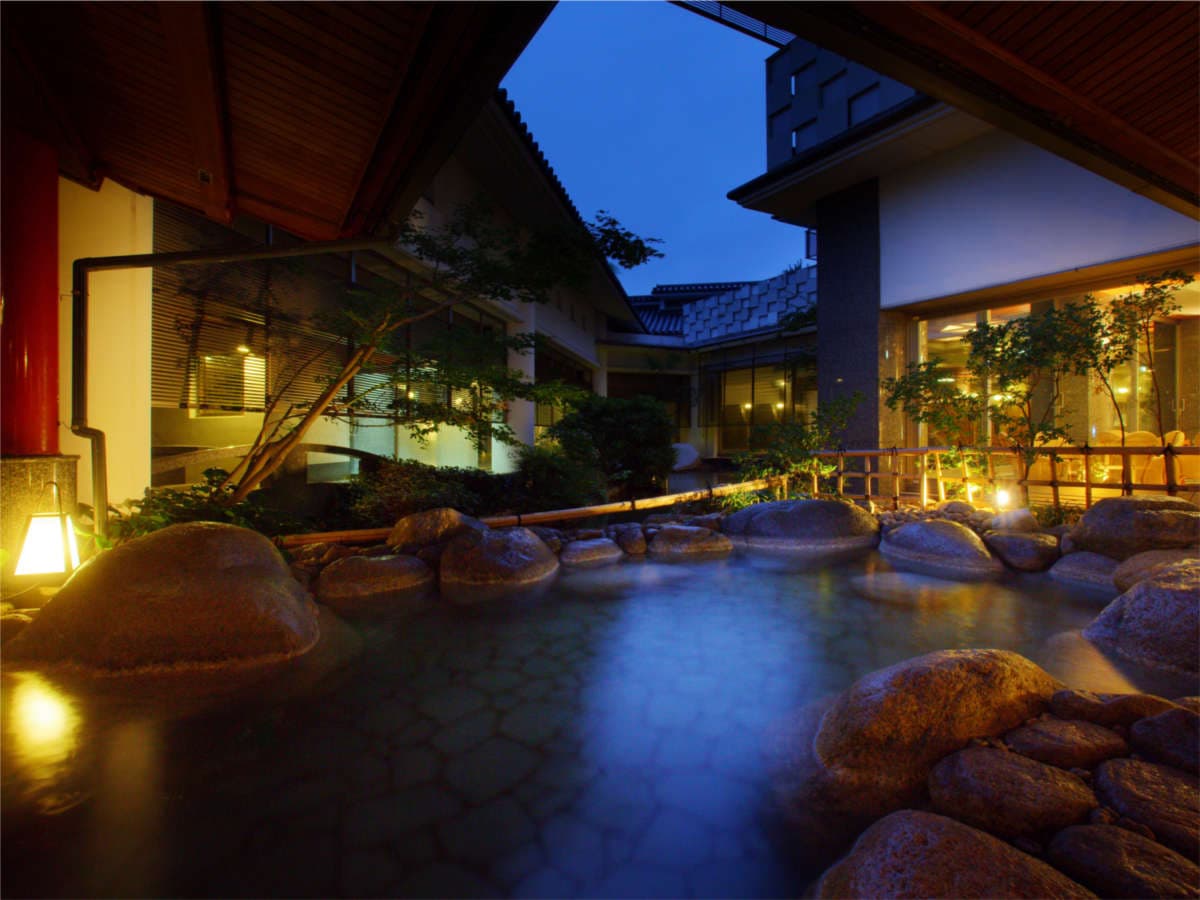
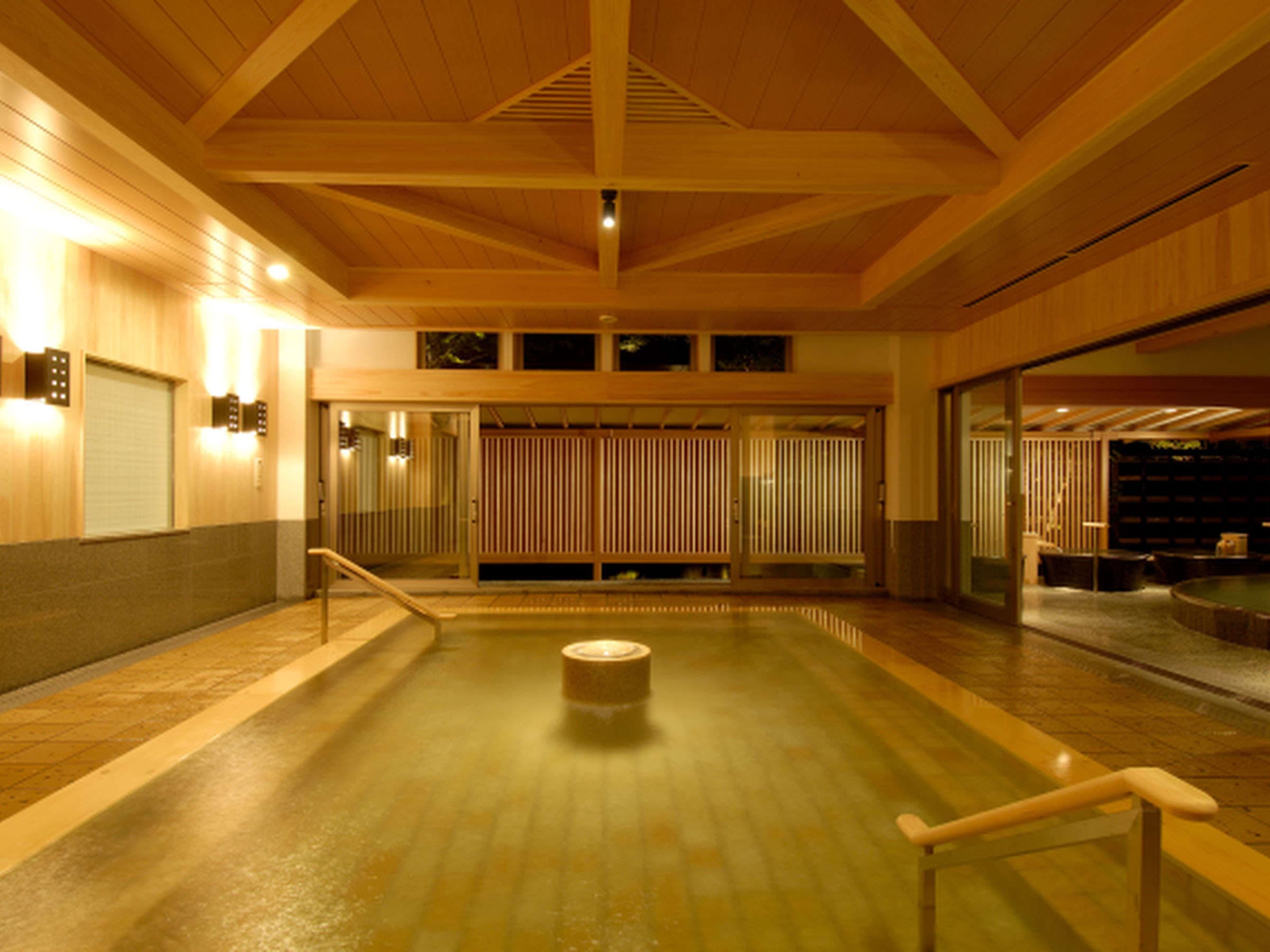
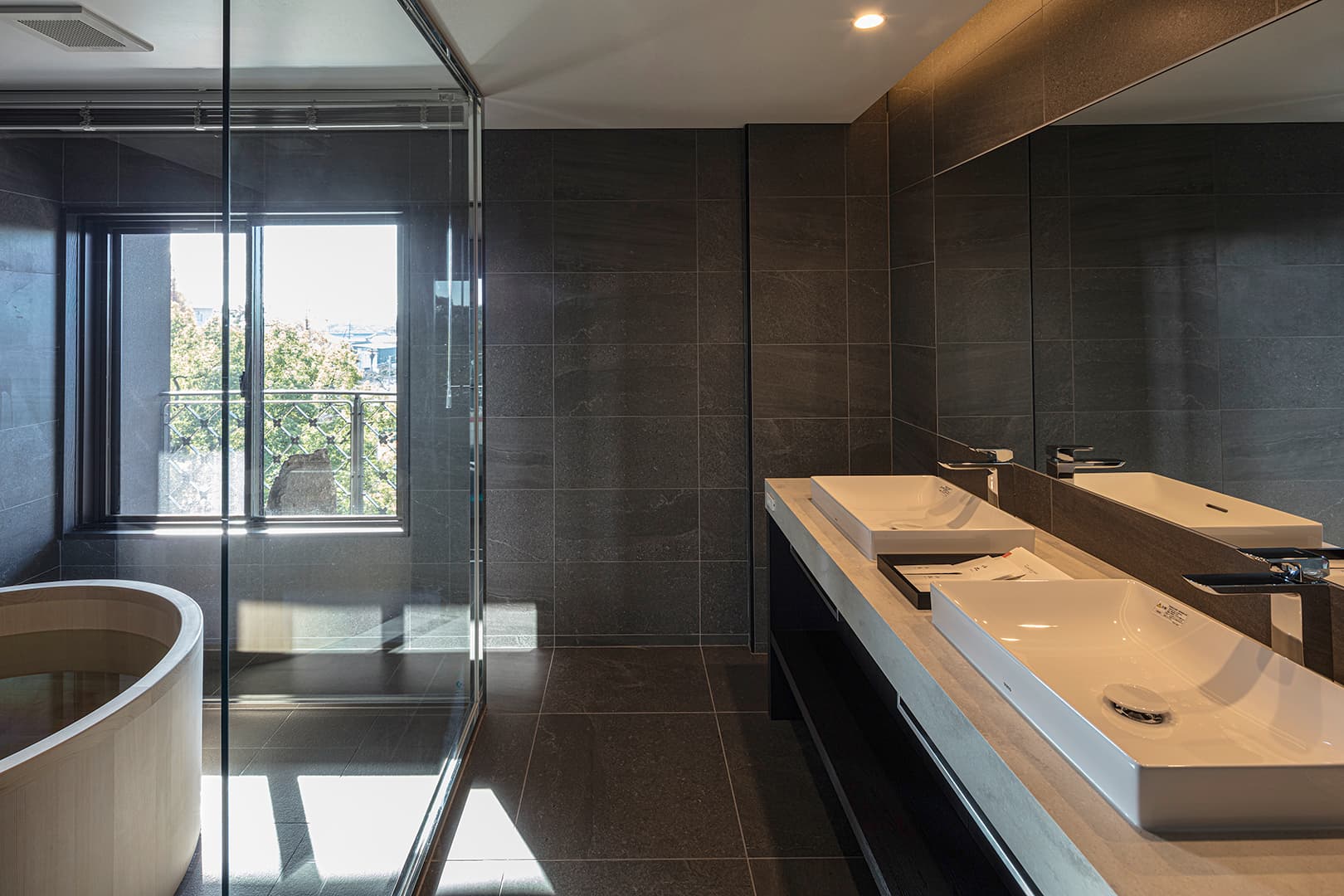
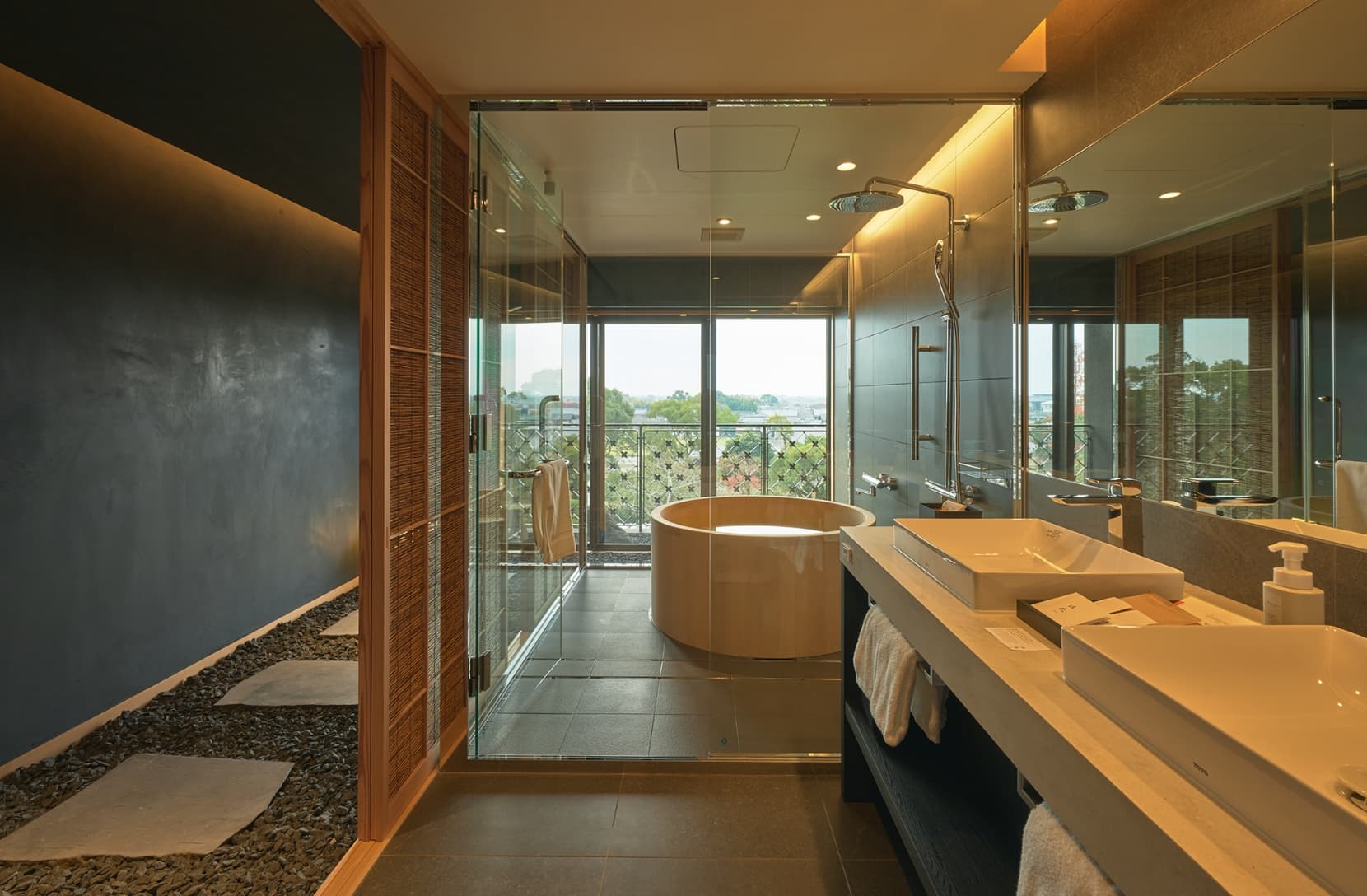
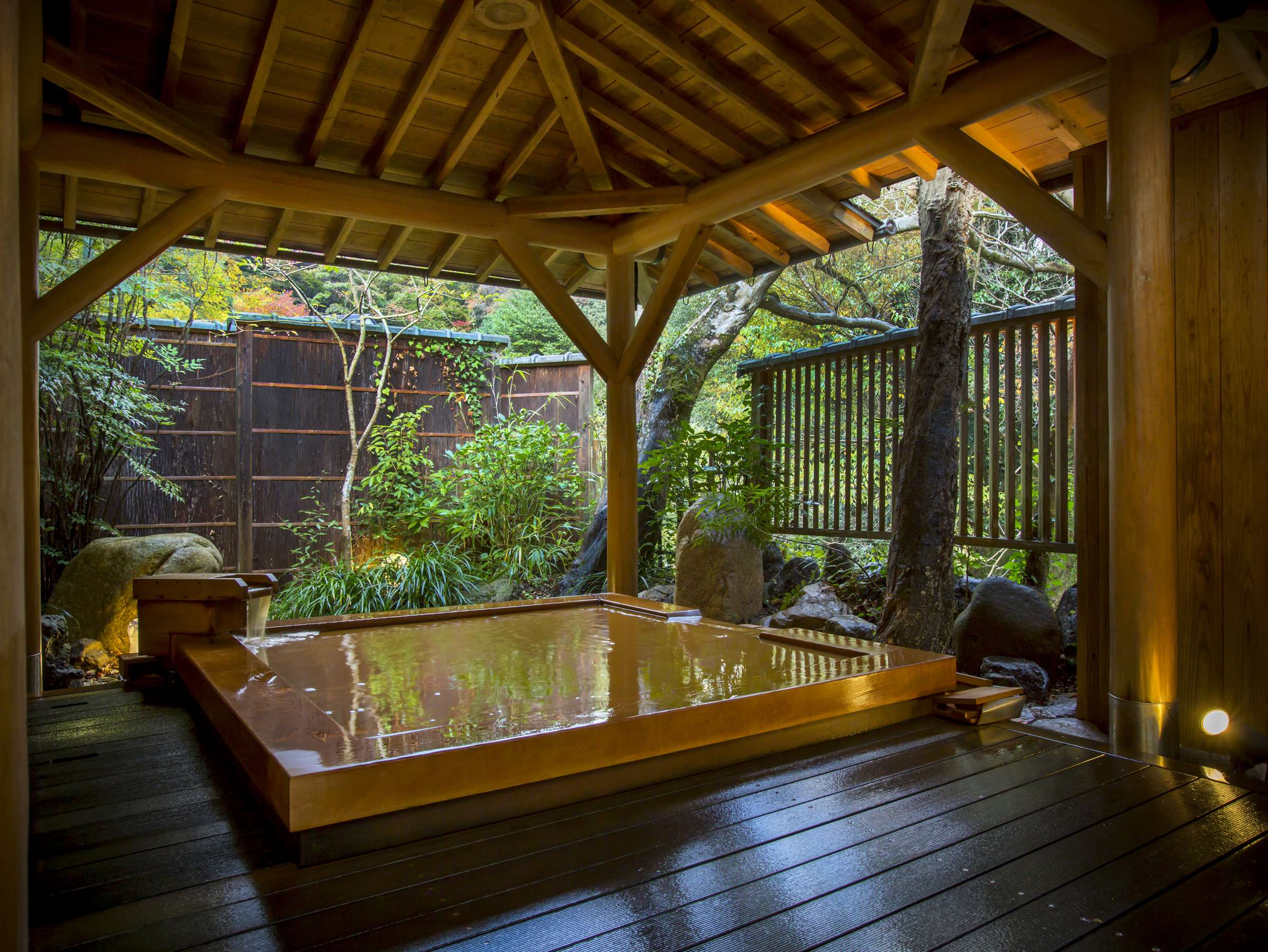
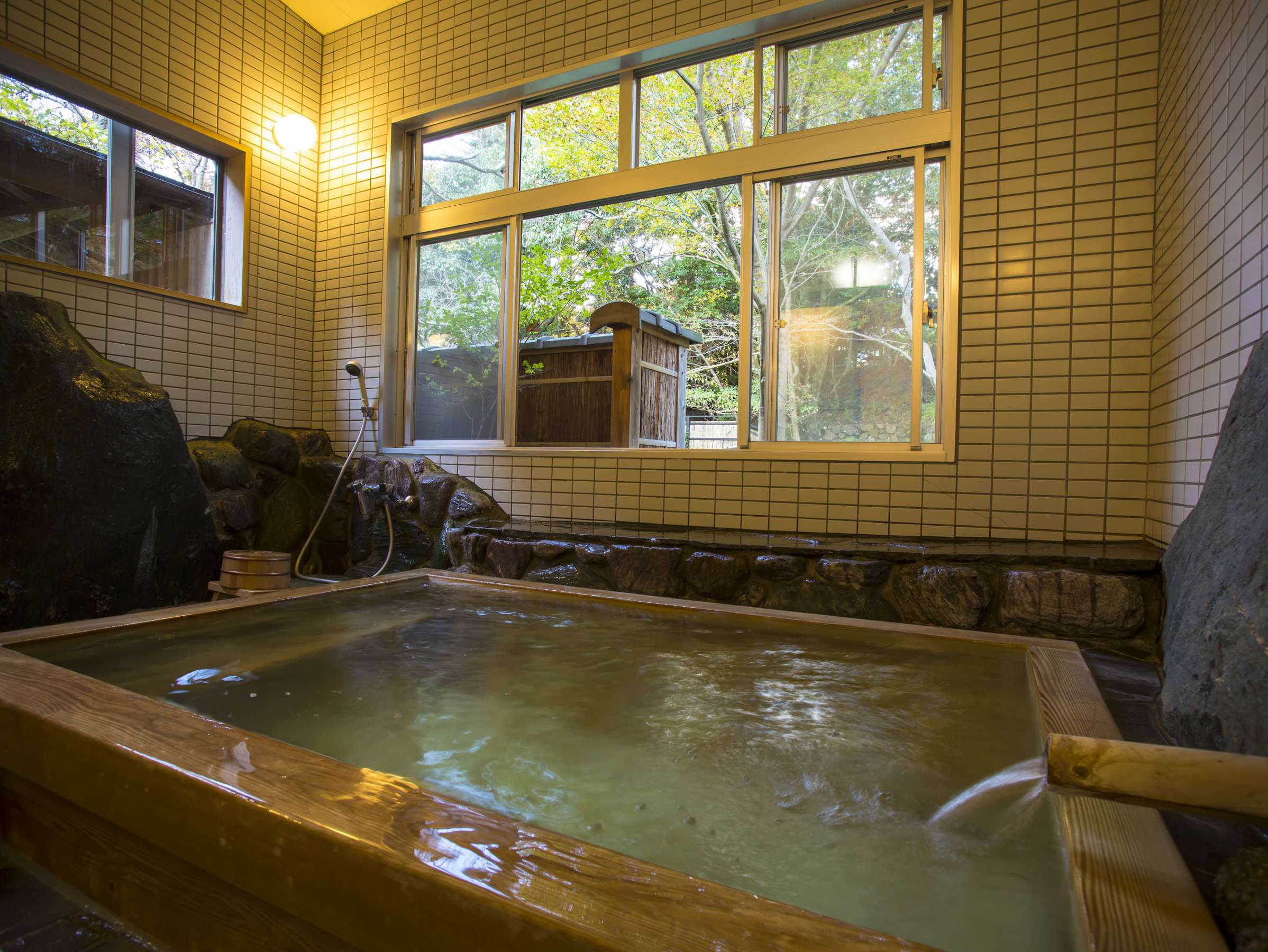
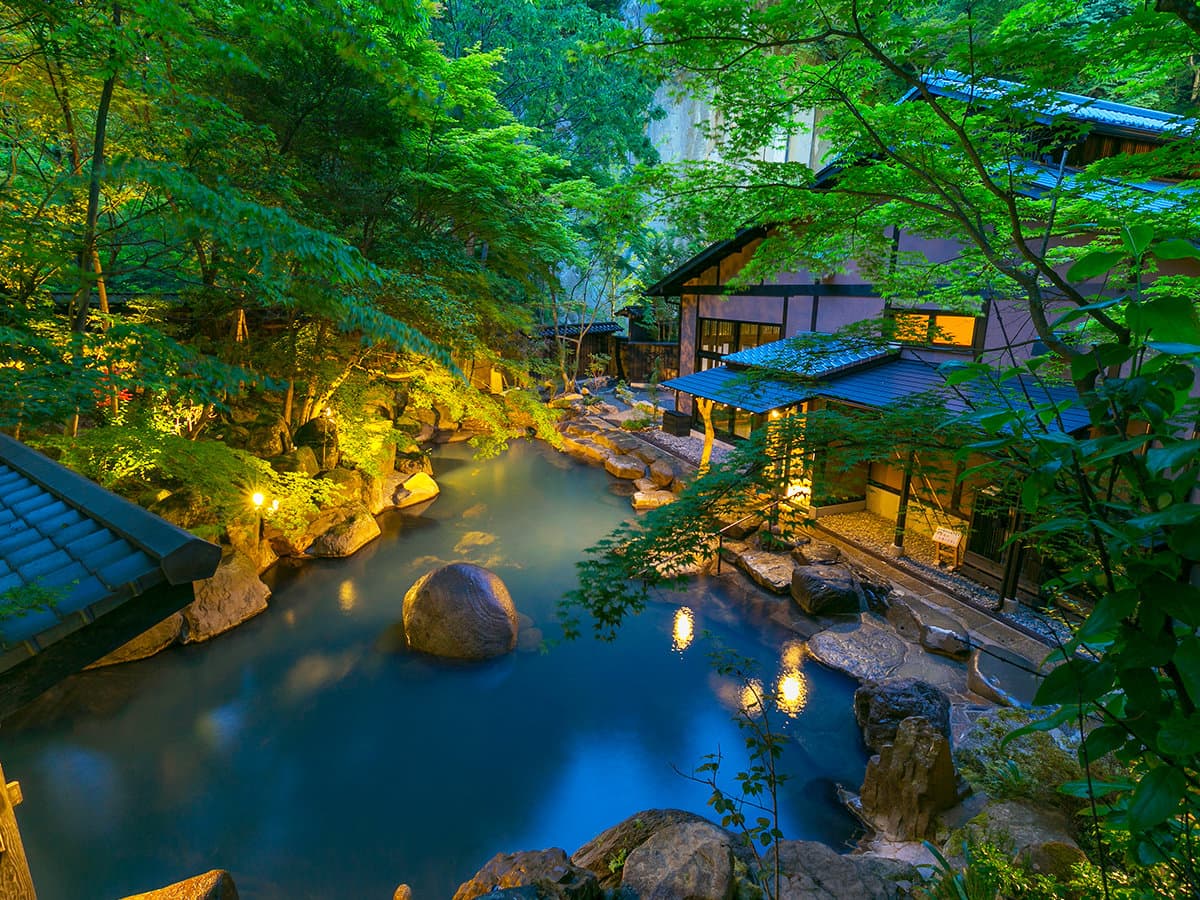
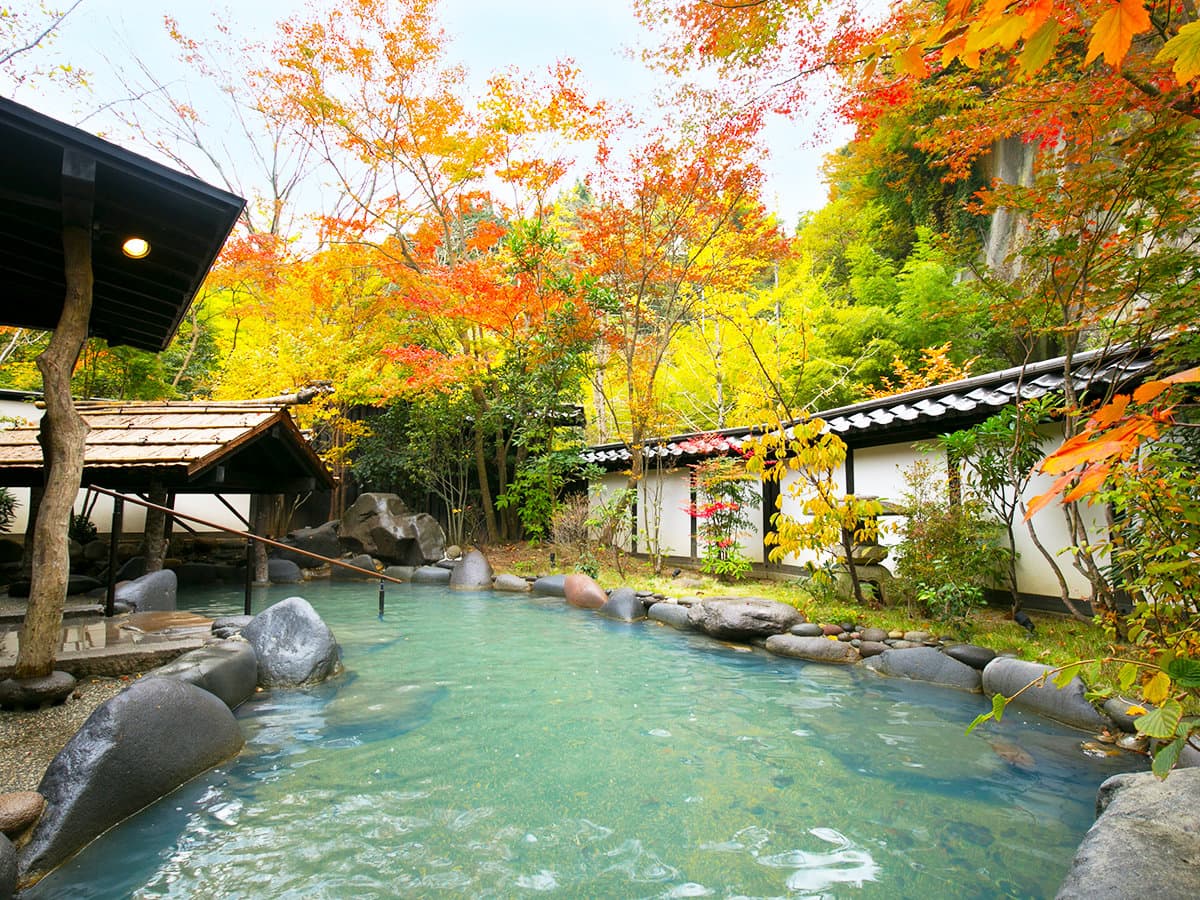
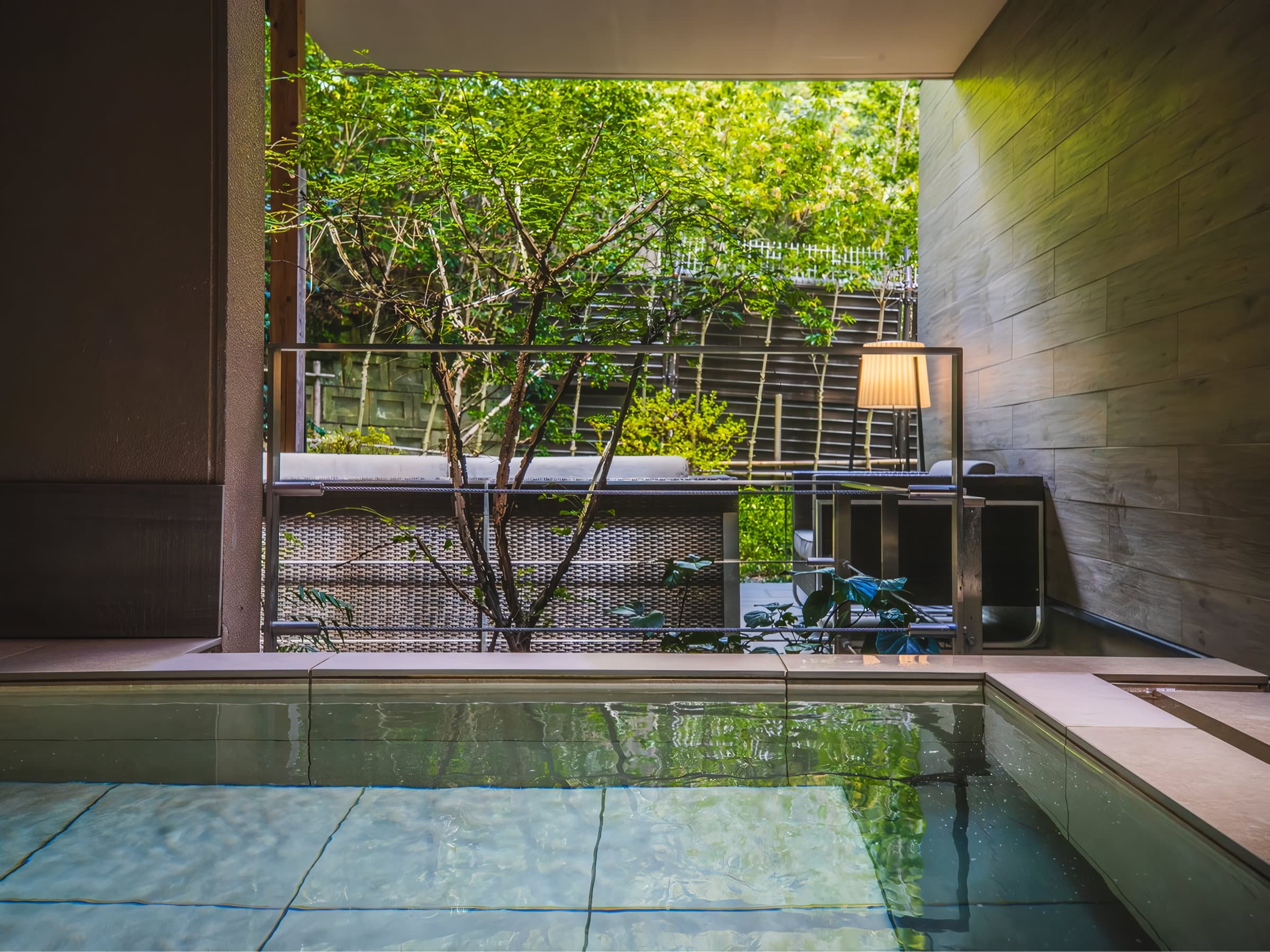
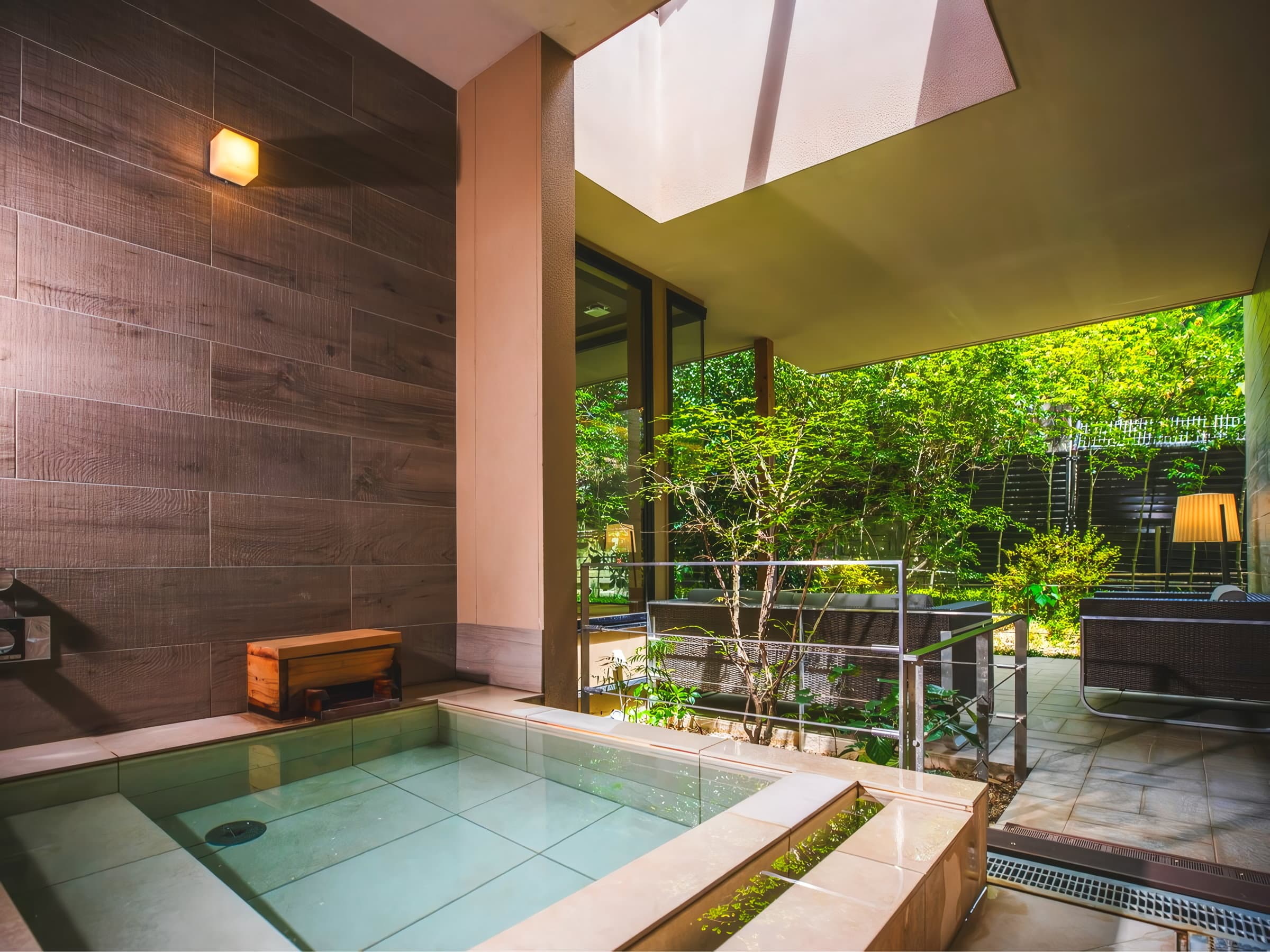
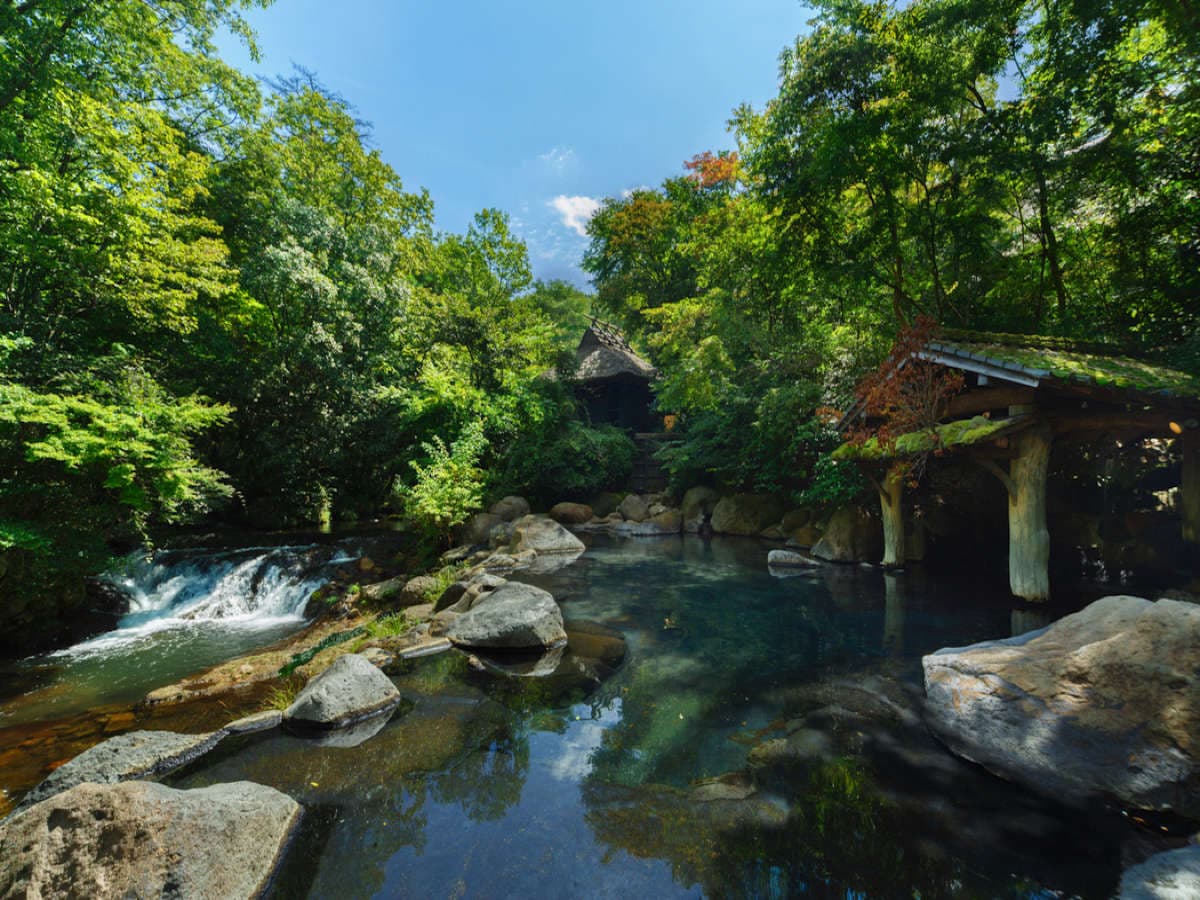
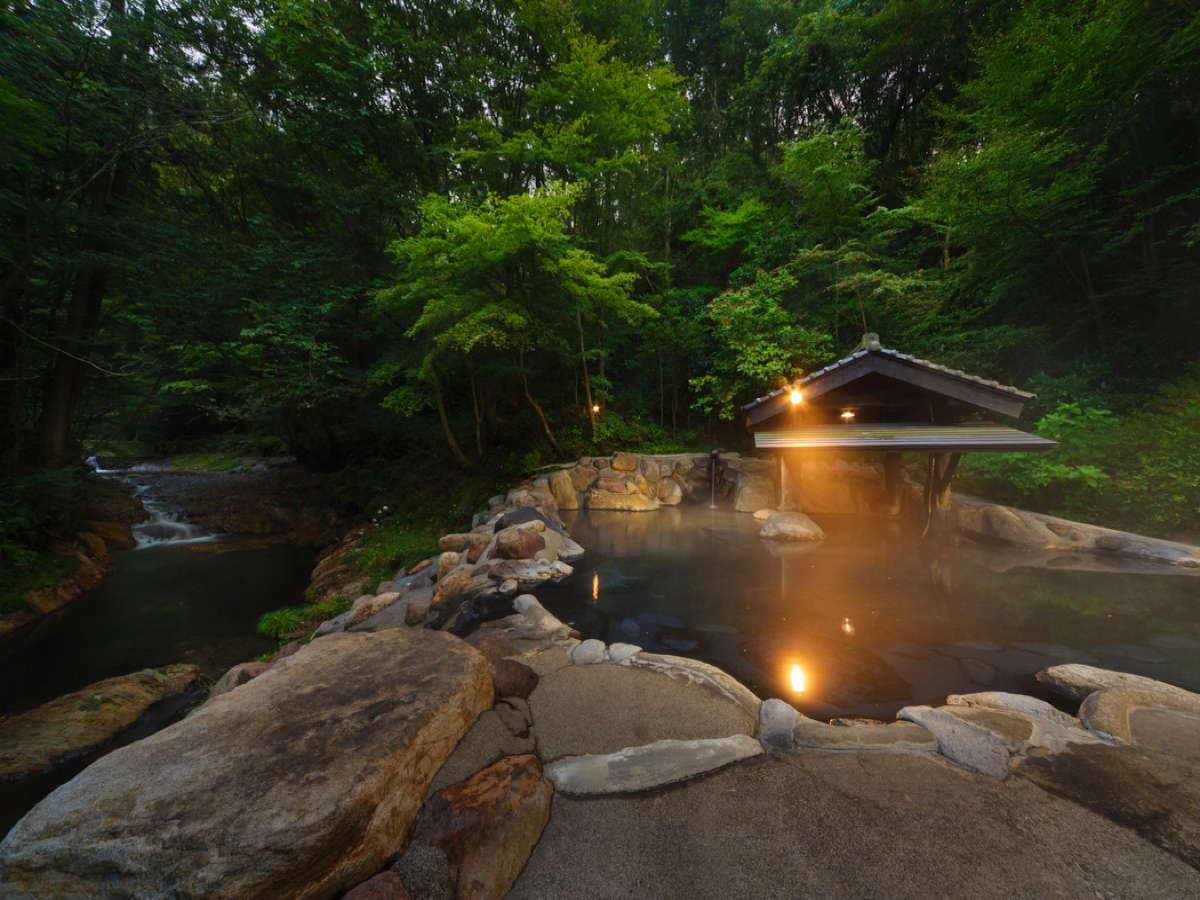
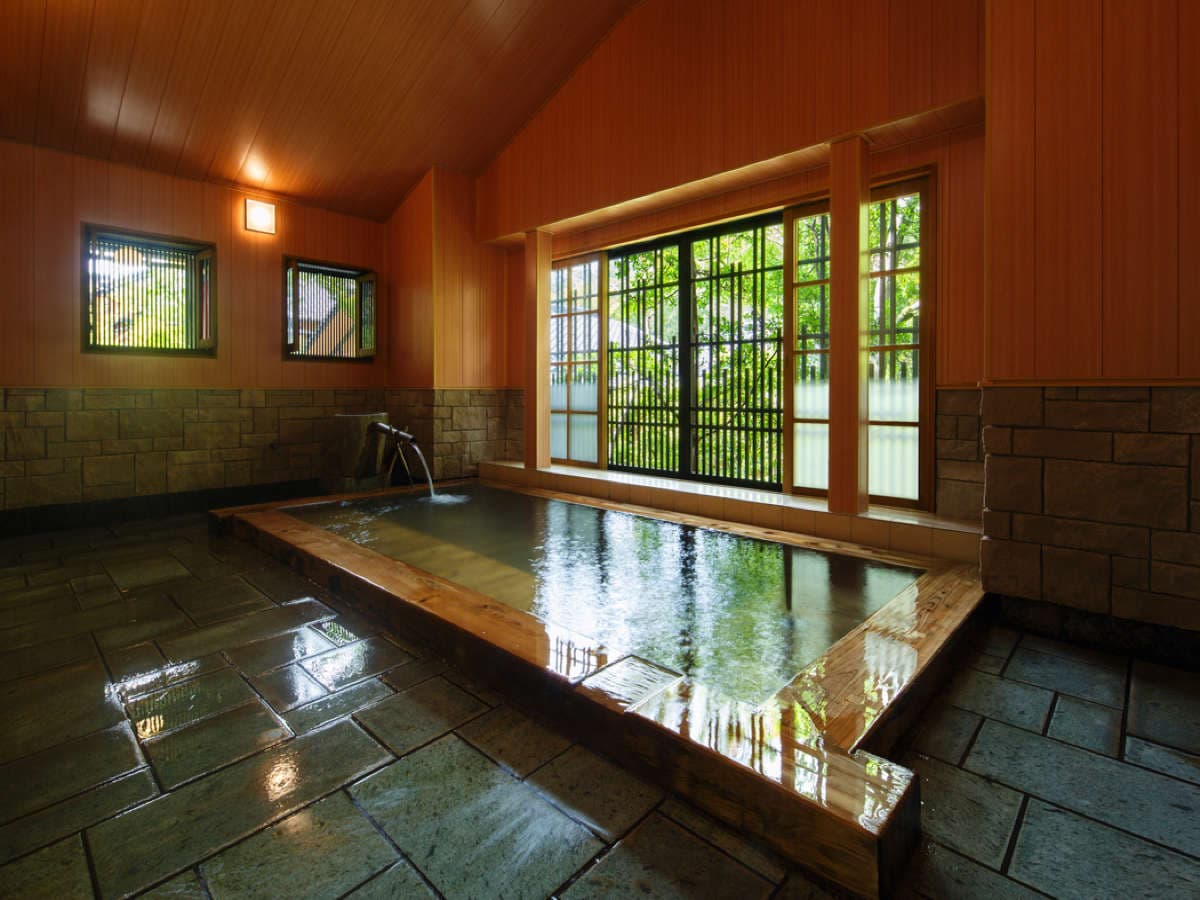
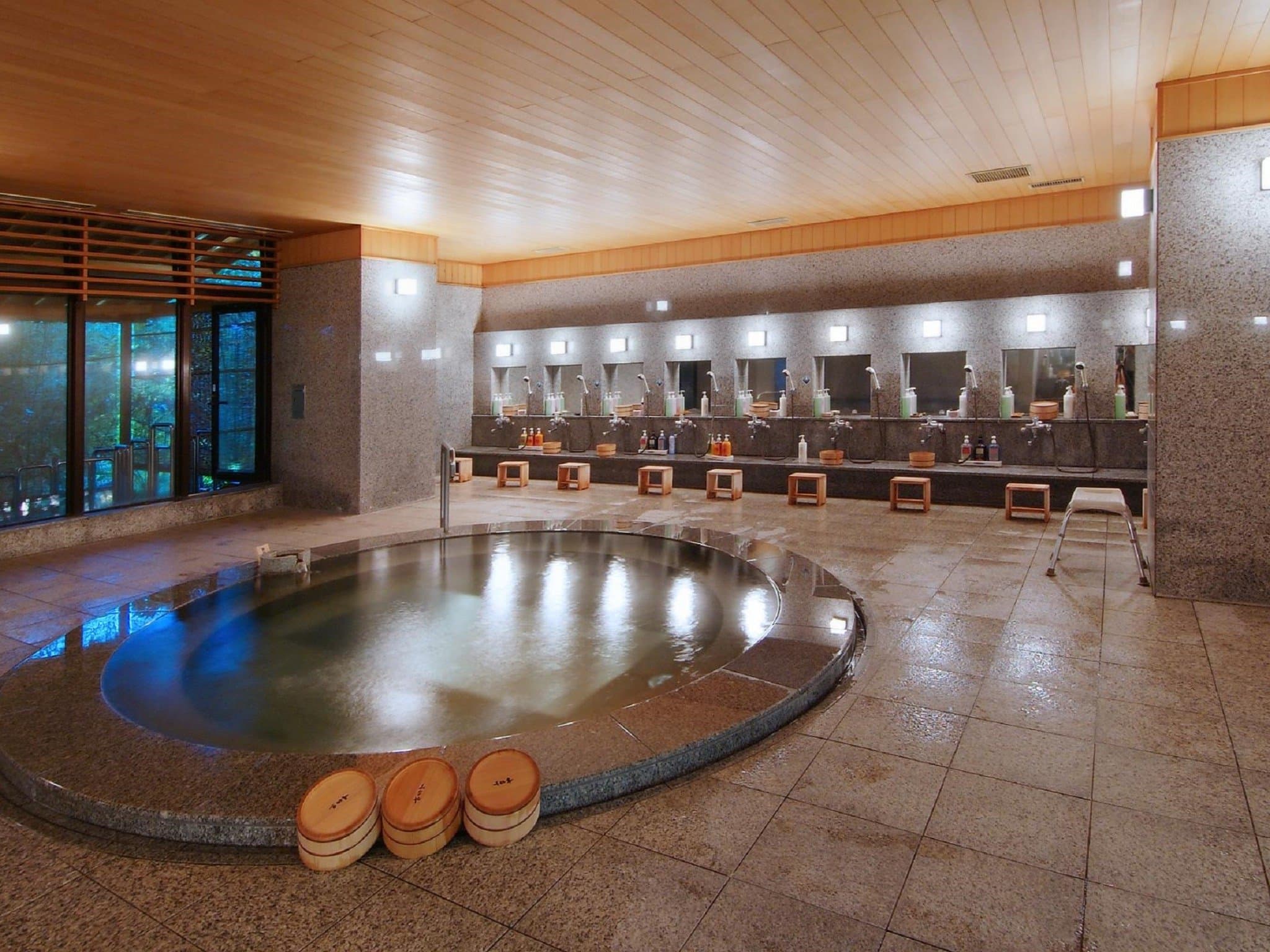
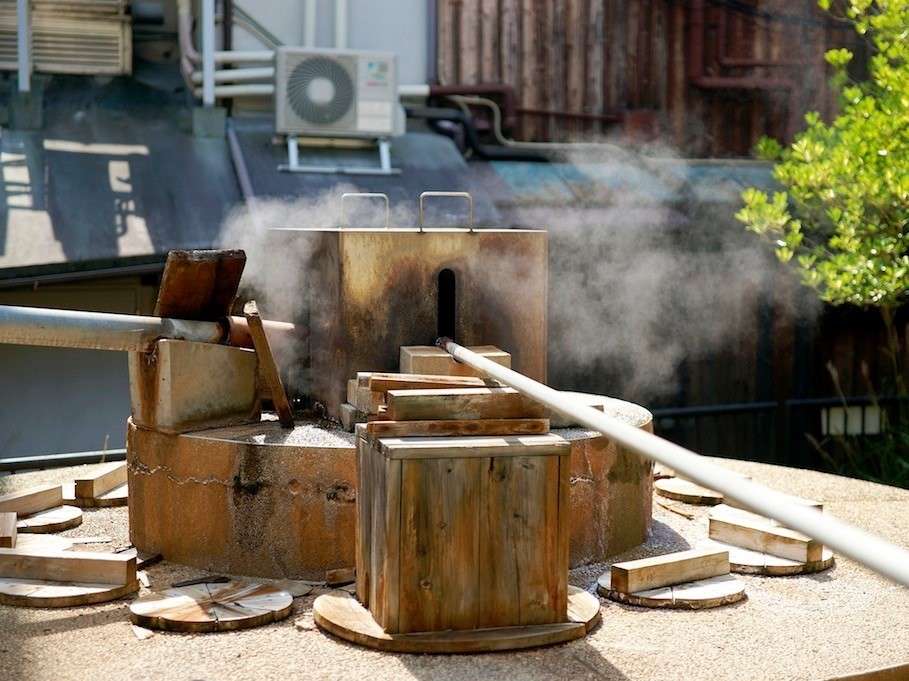
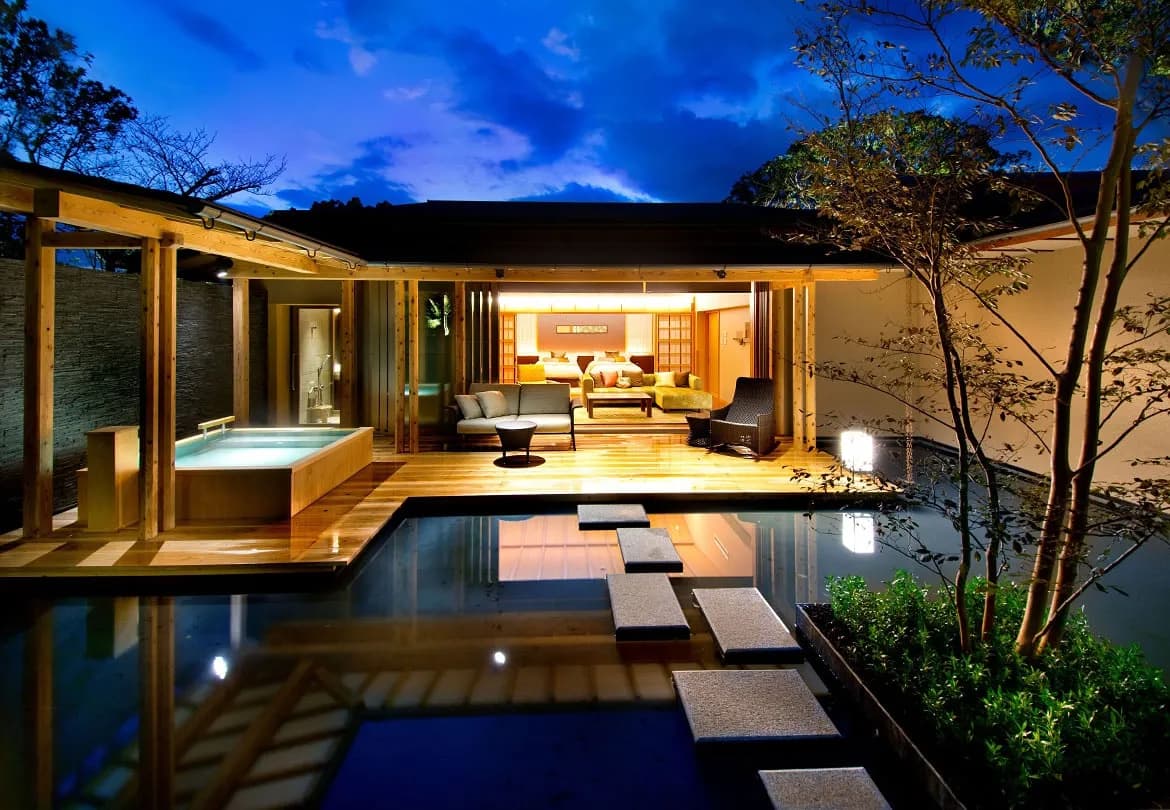
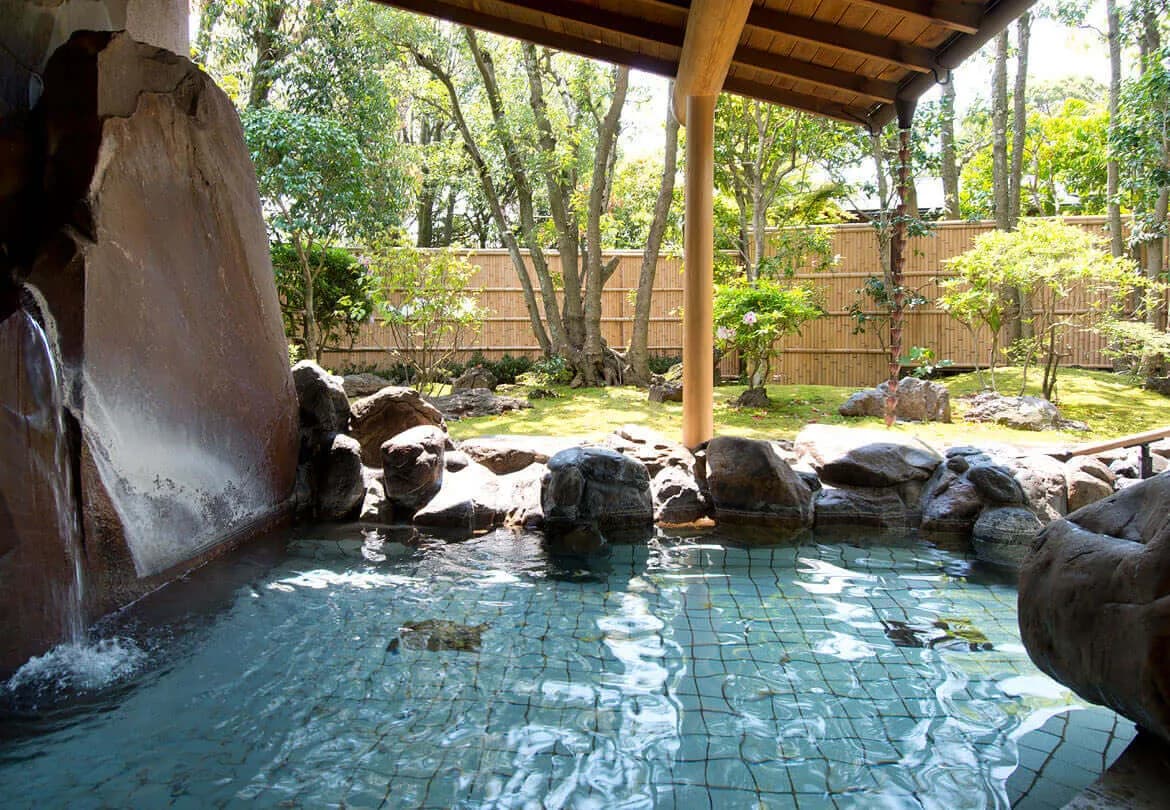
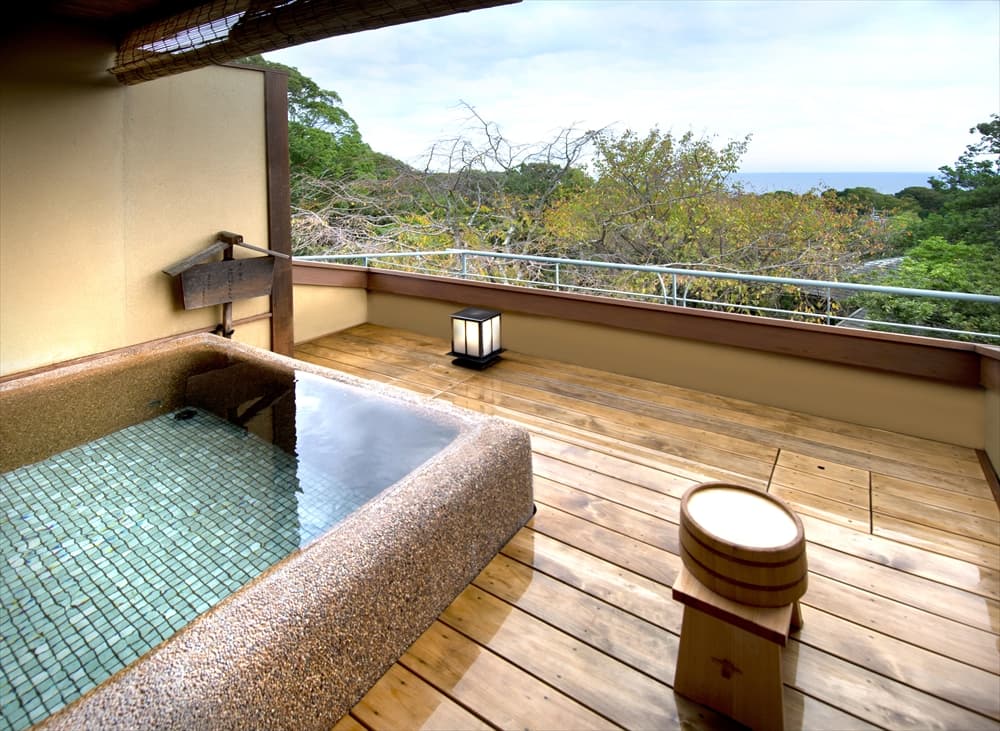
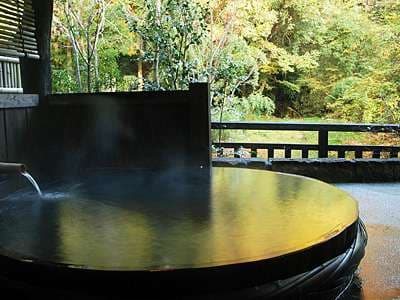
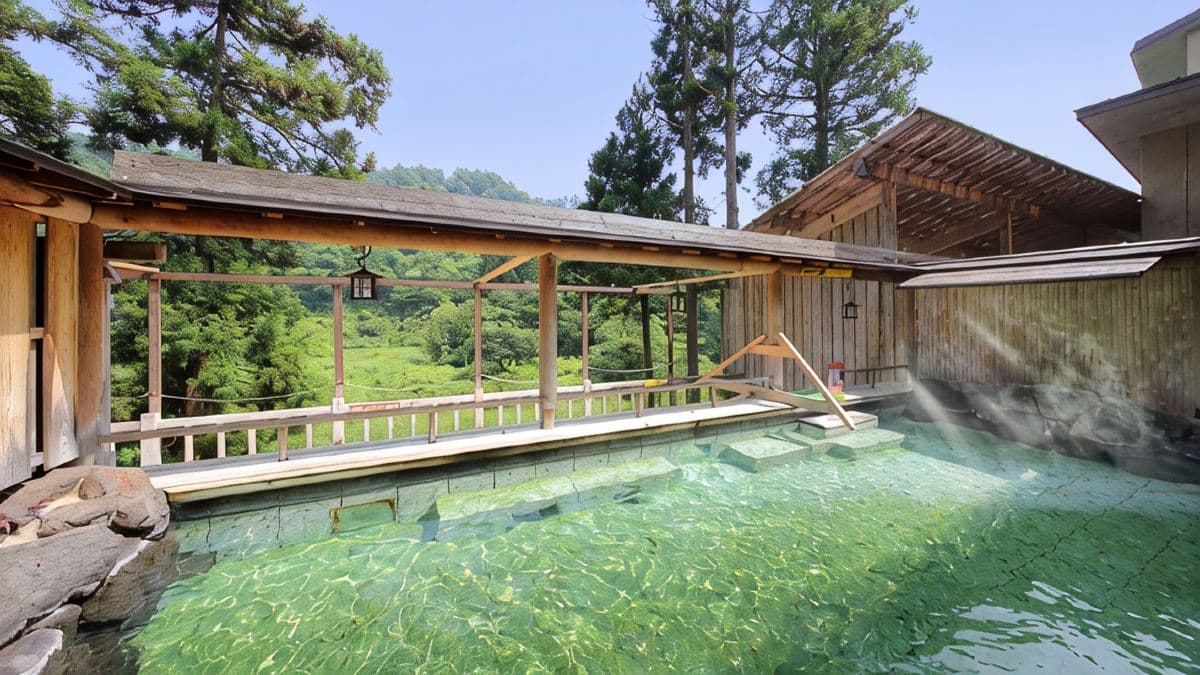
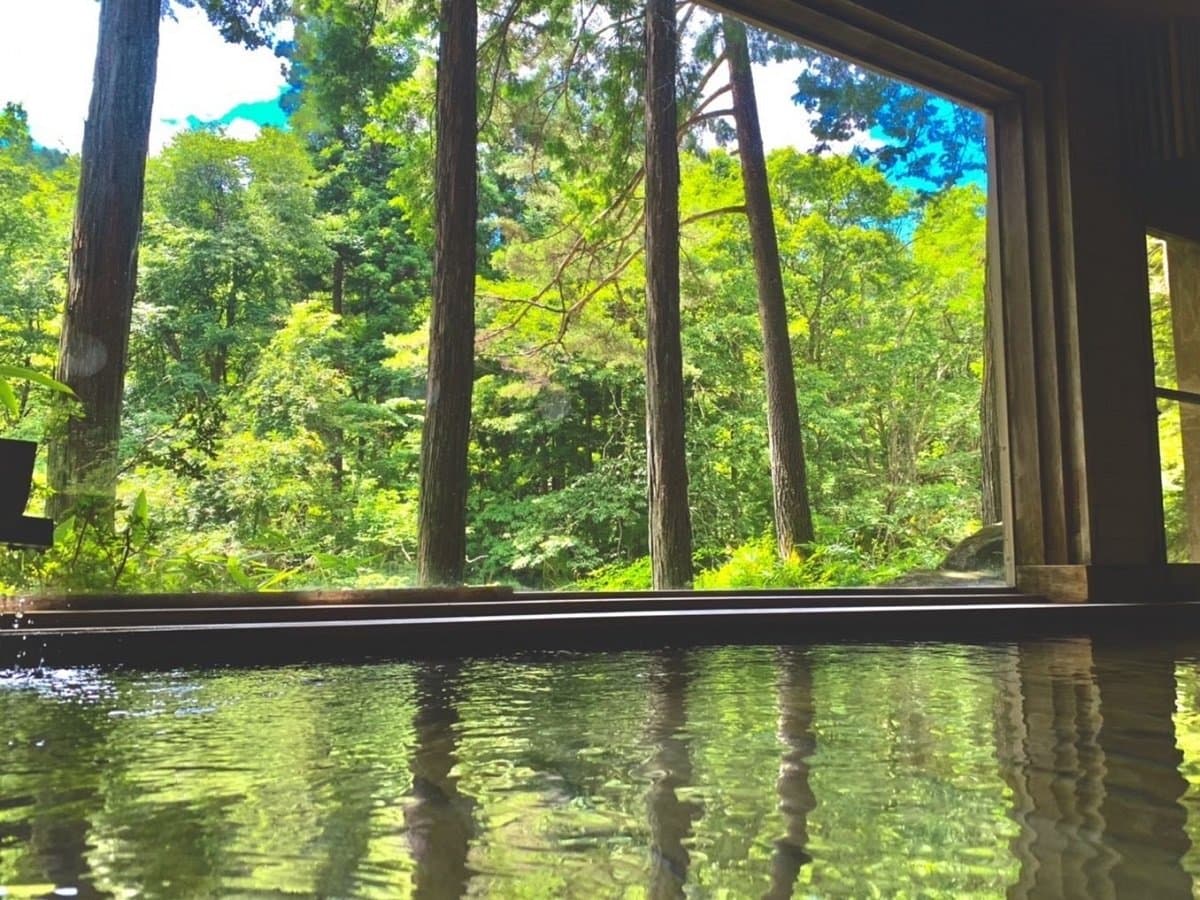
Lower yourself into naturally heated mineral waters. Feel the tension dissolve as steam rises around you. Whether under open skies or in a private cedar tub, this is Japan's oldest form of therapy.
The Cuisine
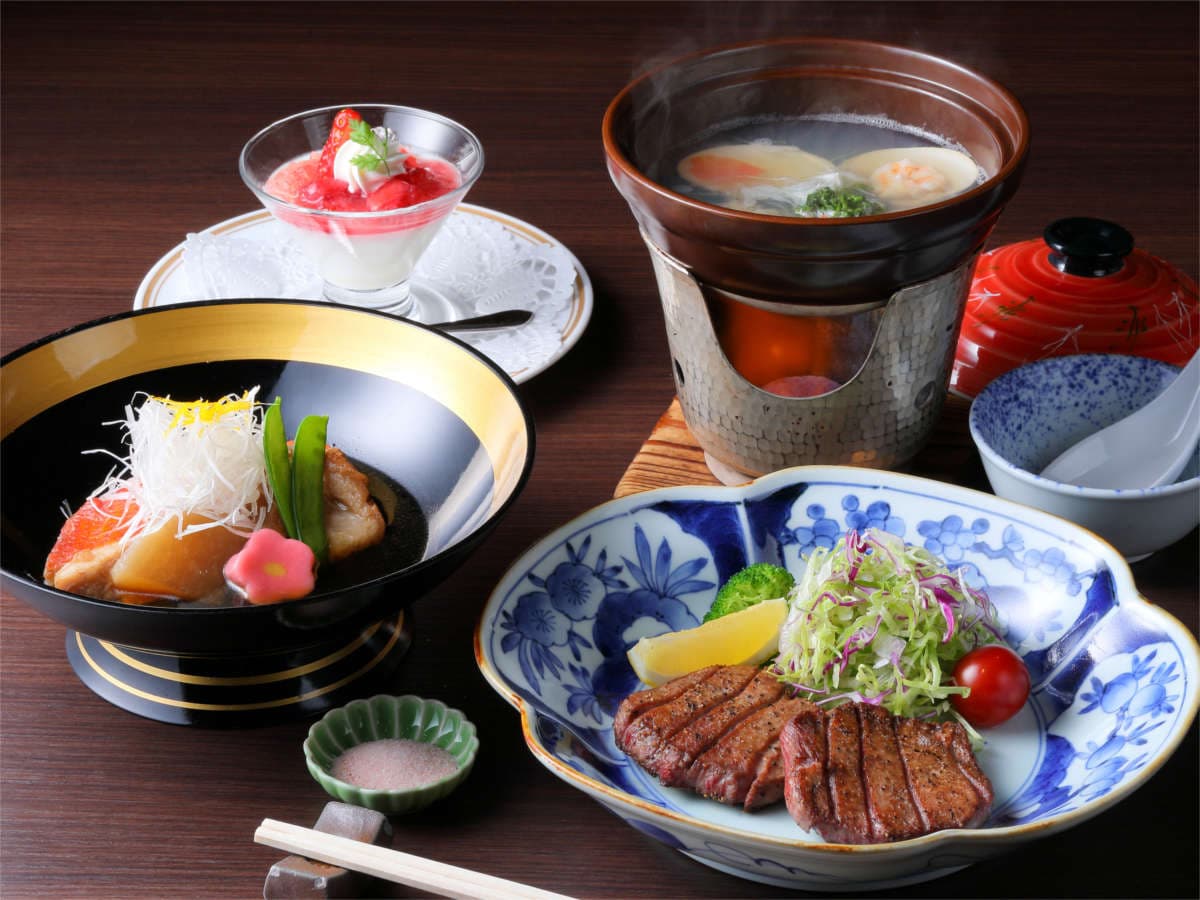
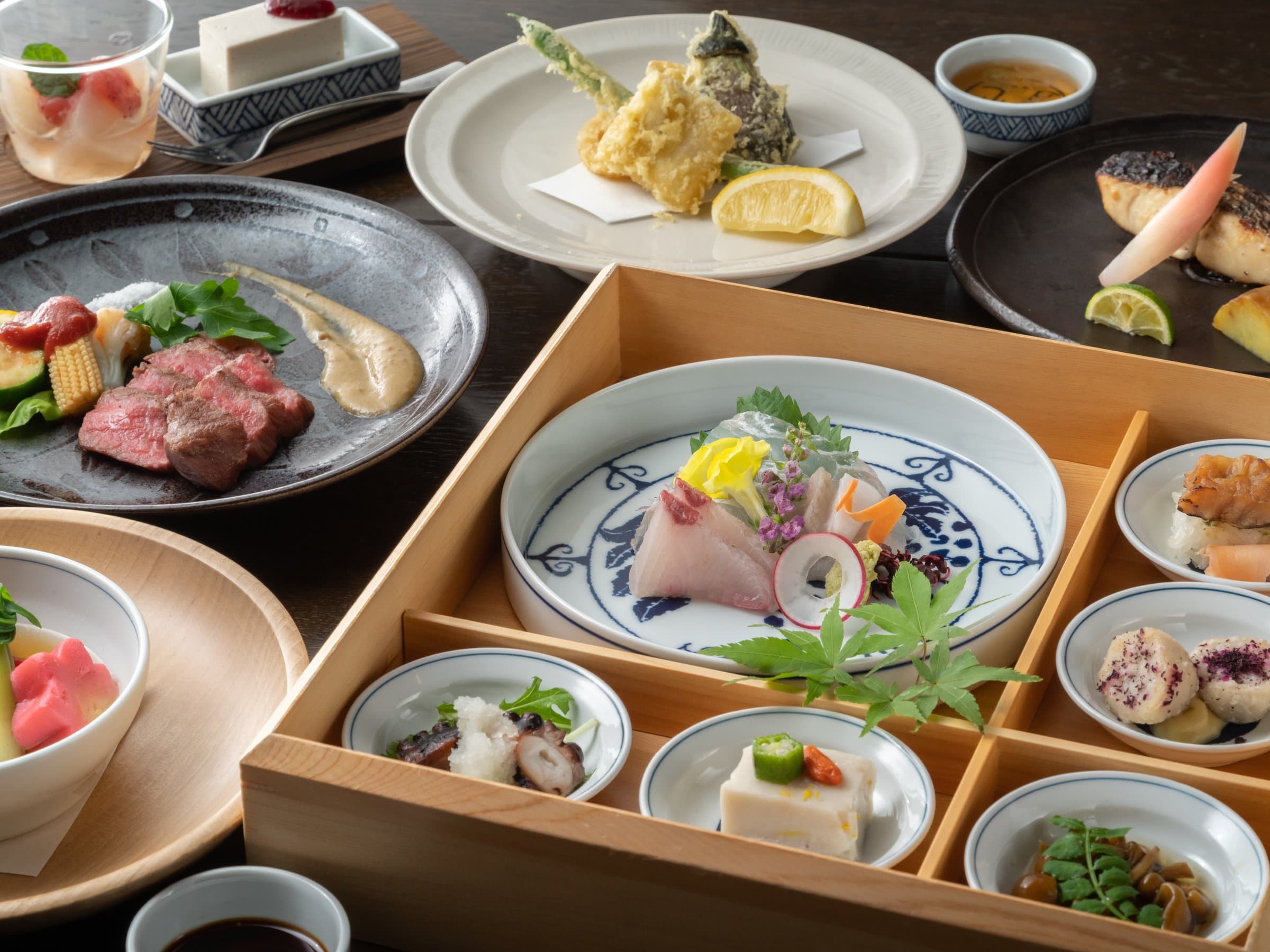
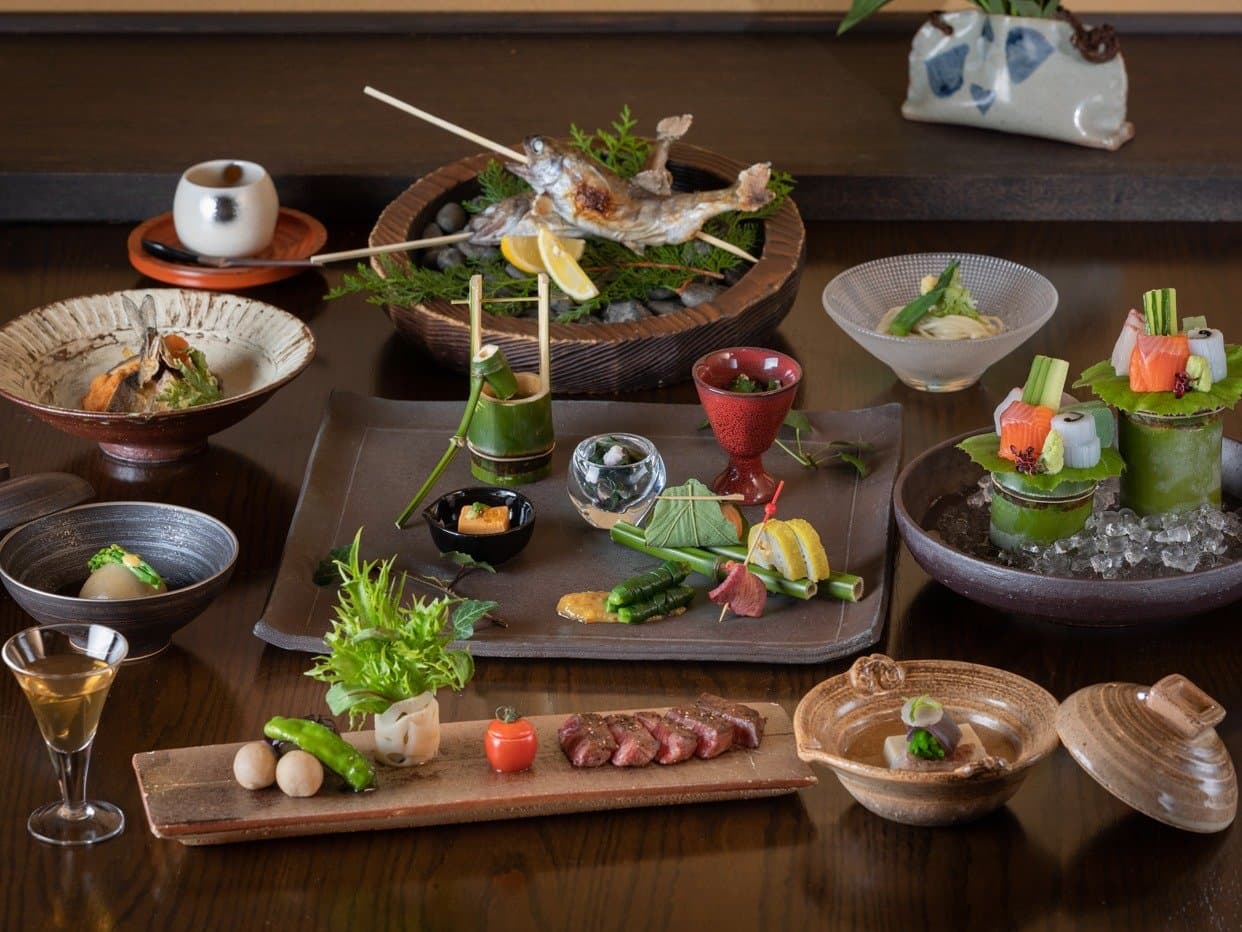
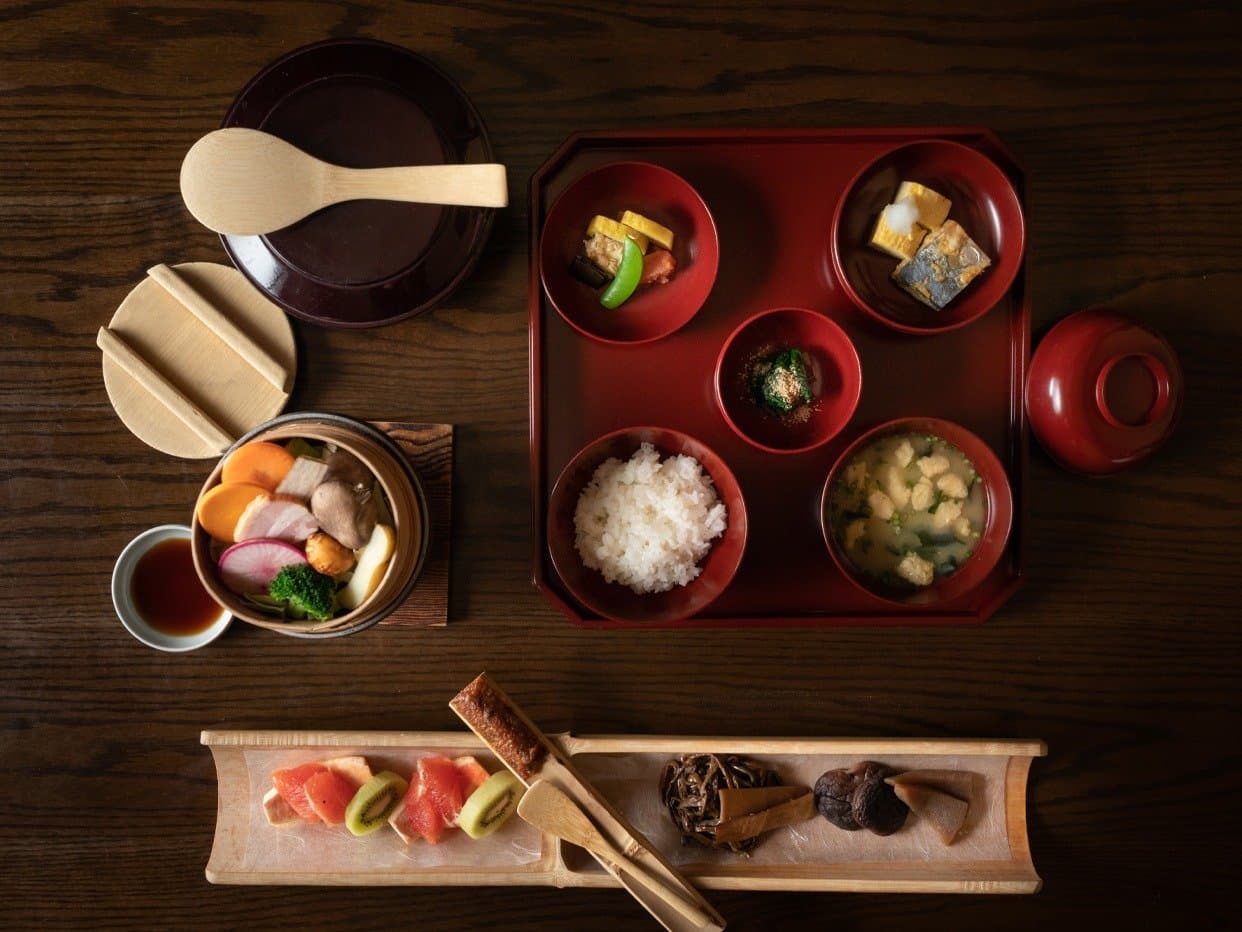
Taste Kaiseki
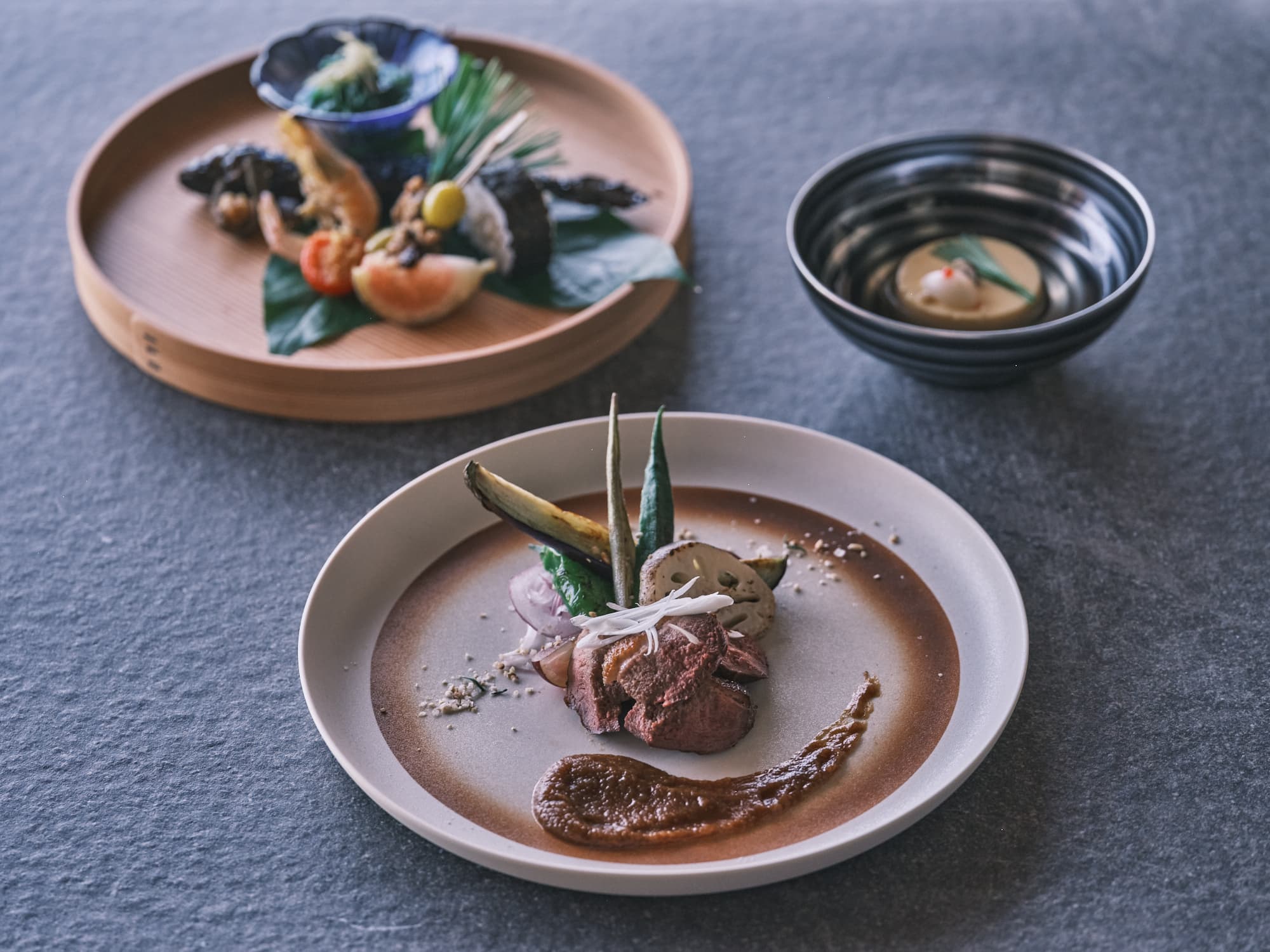
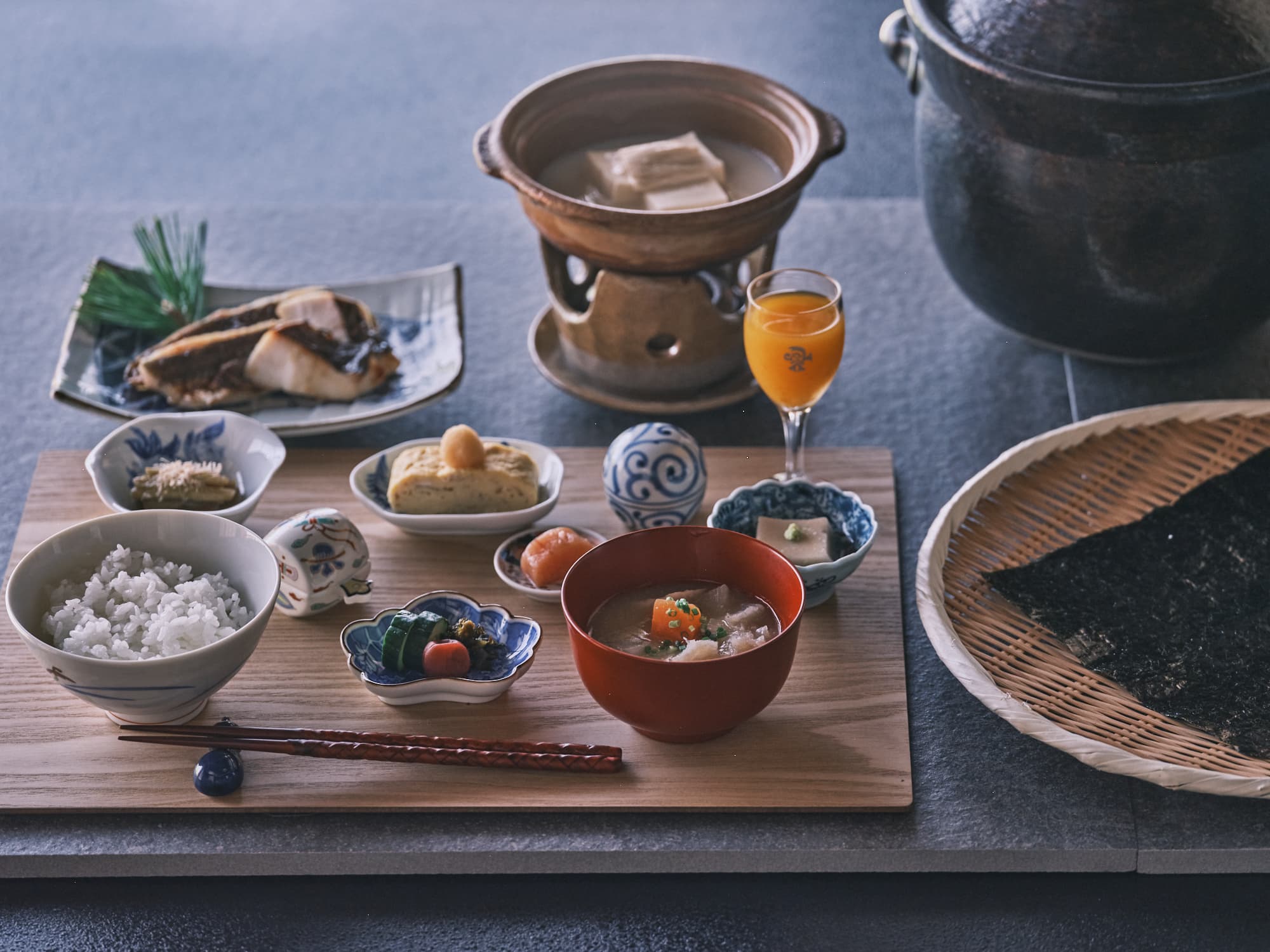
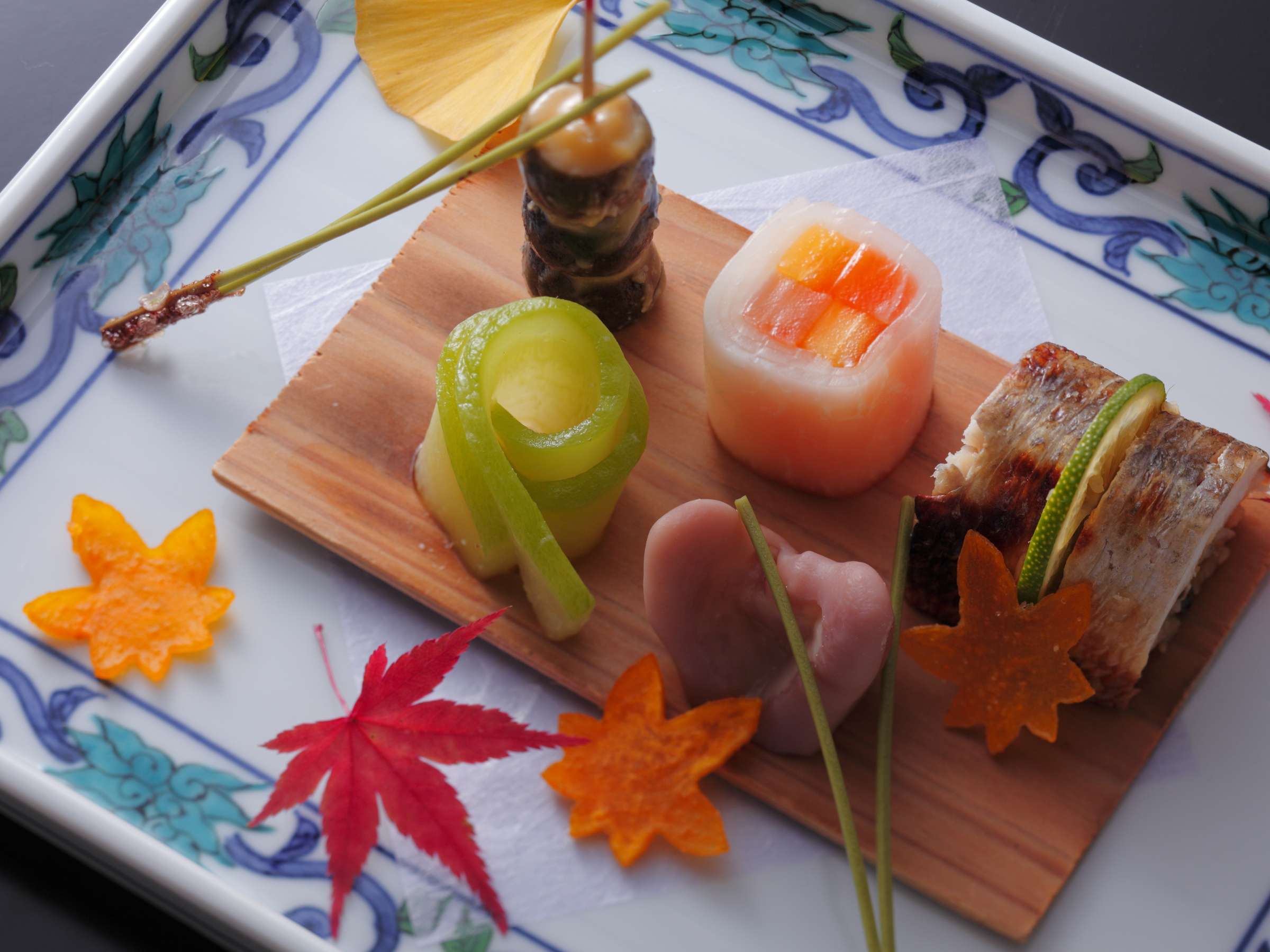
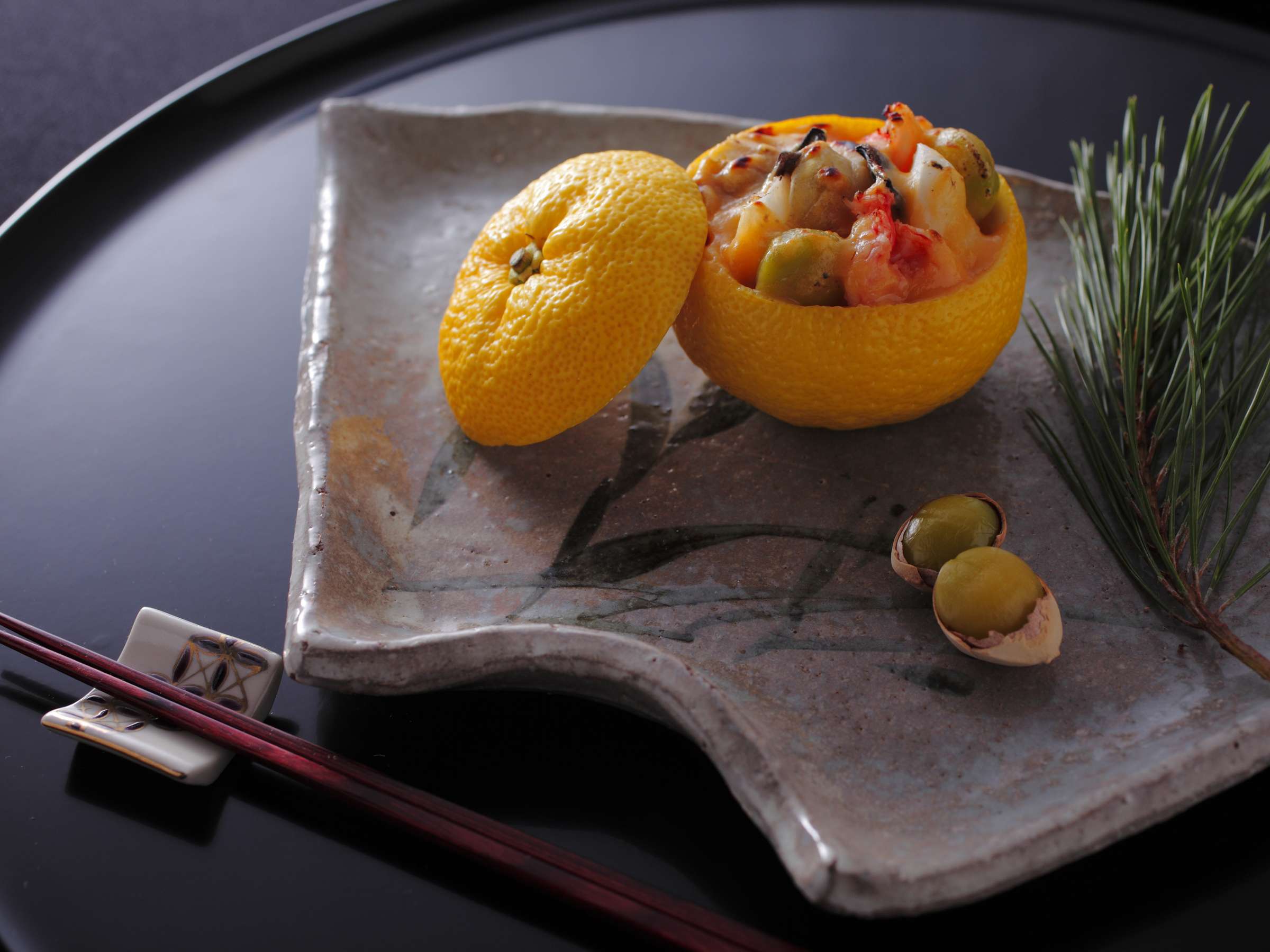
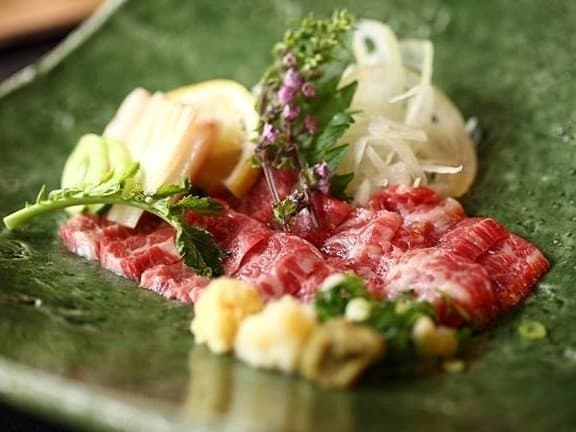
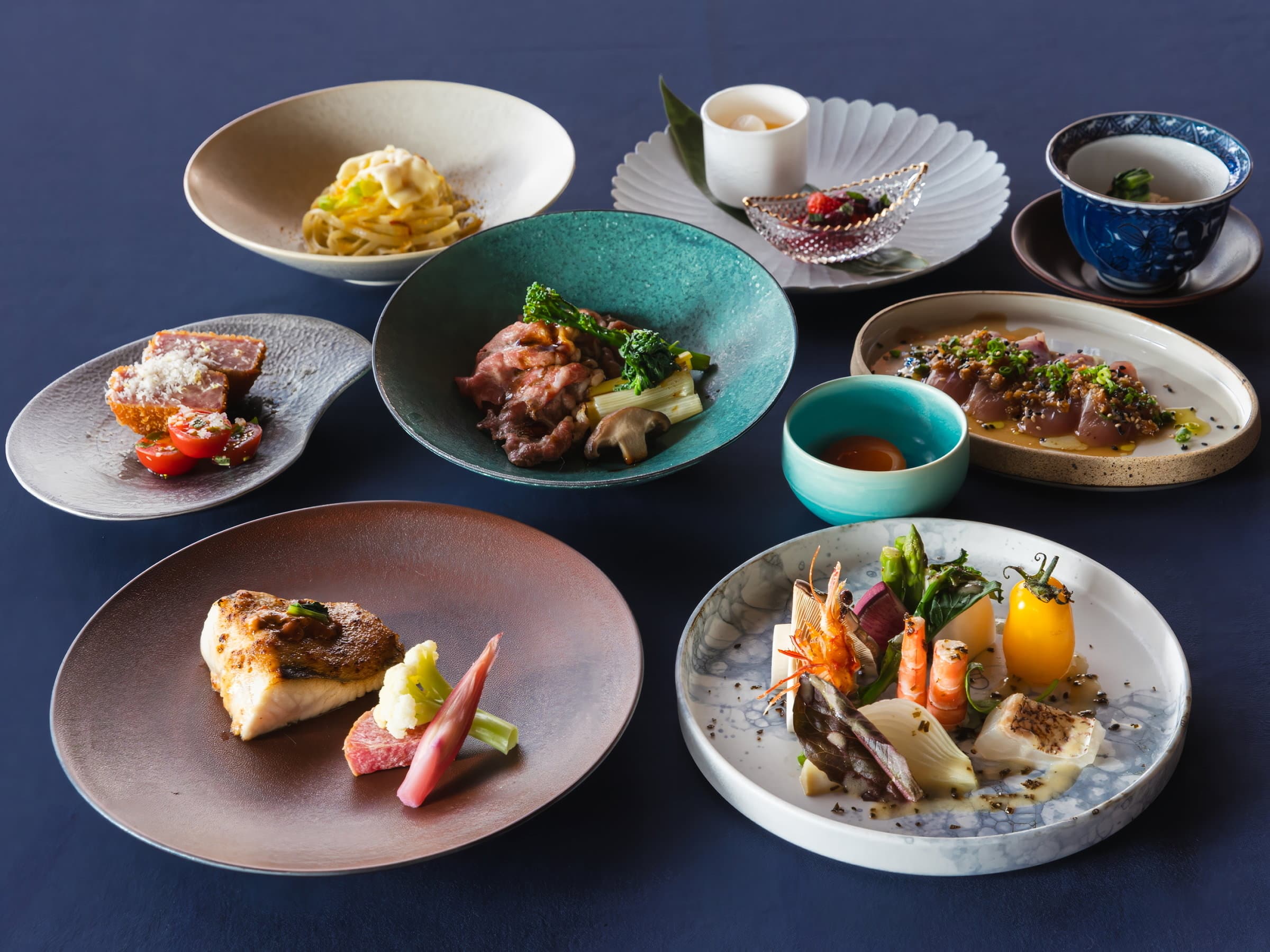
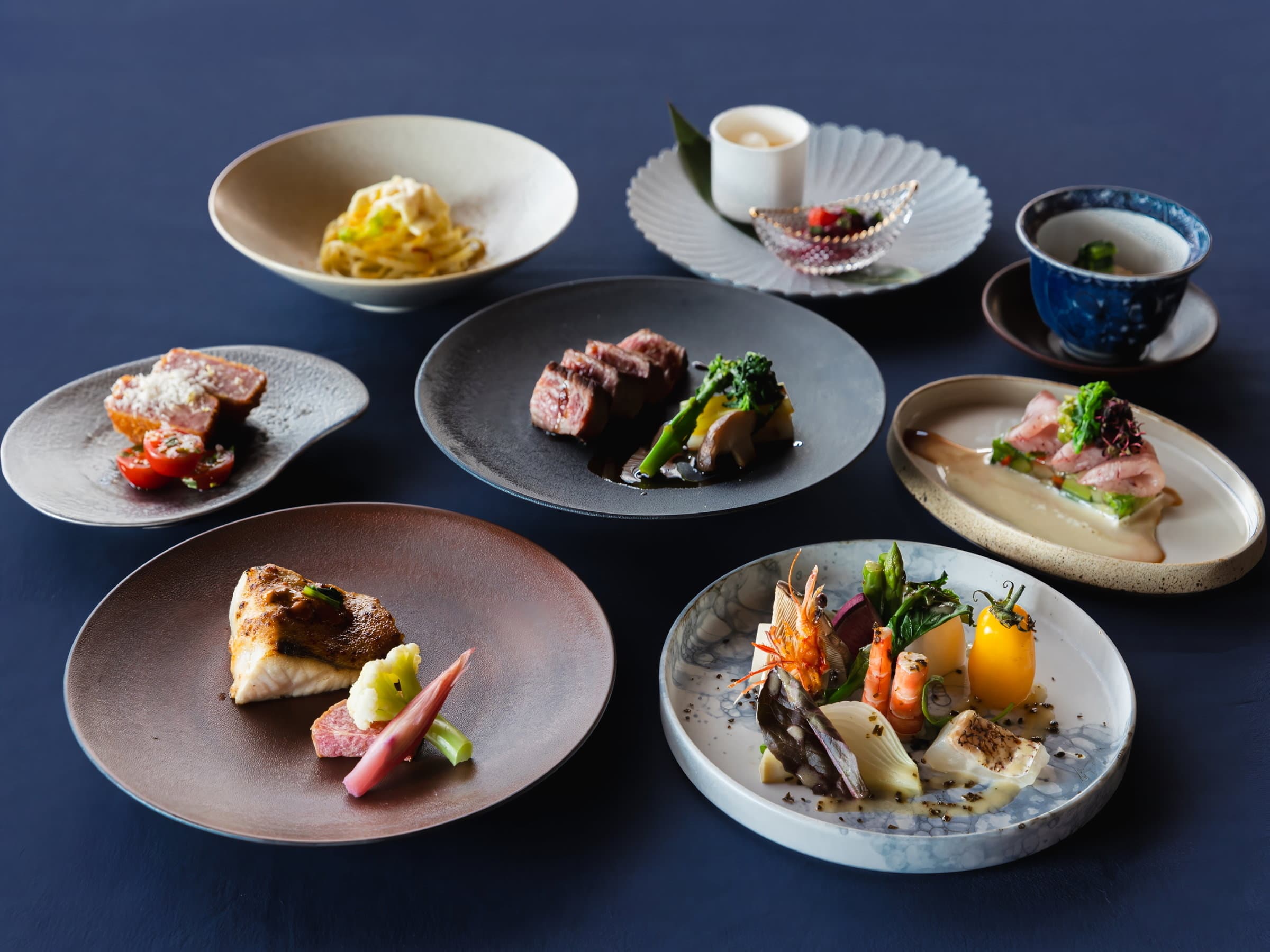
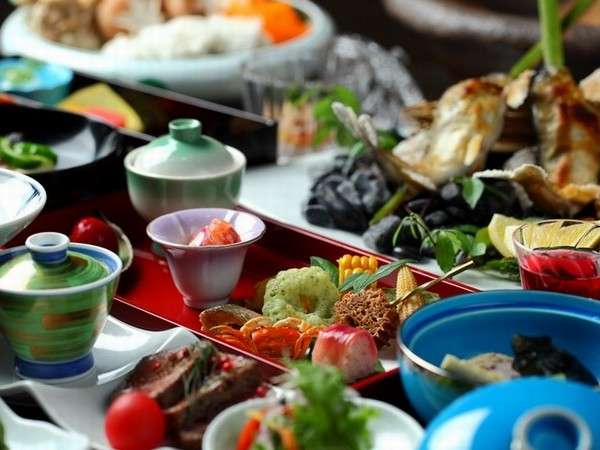
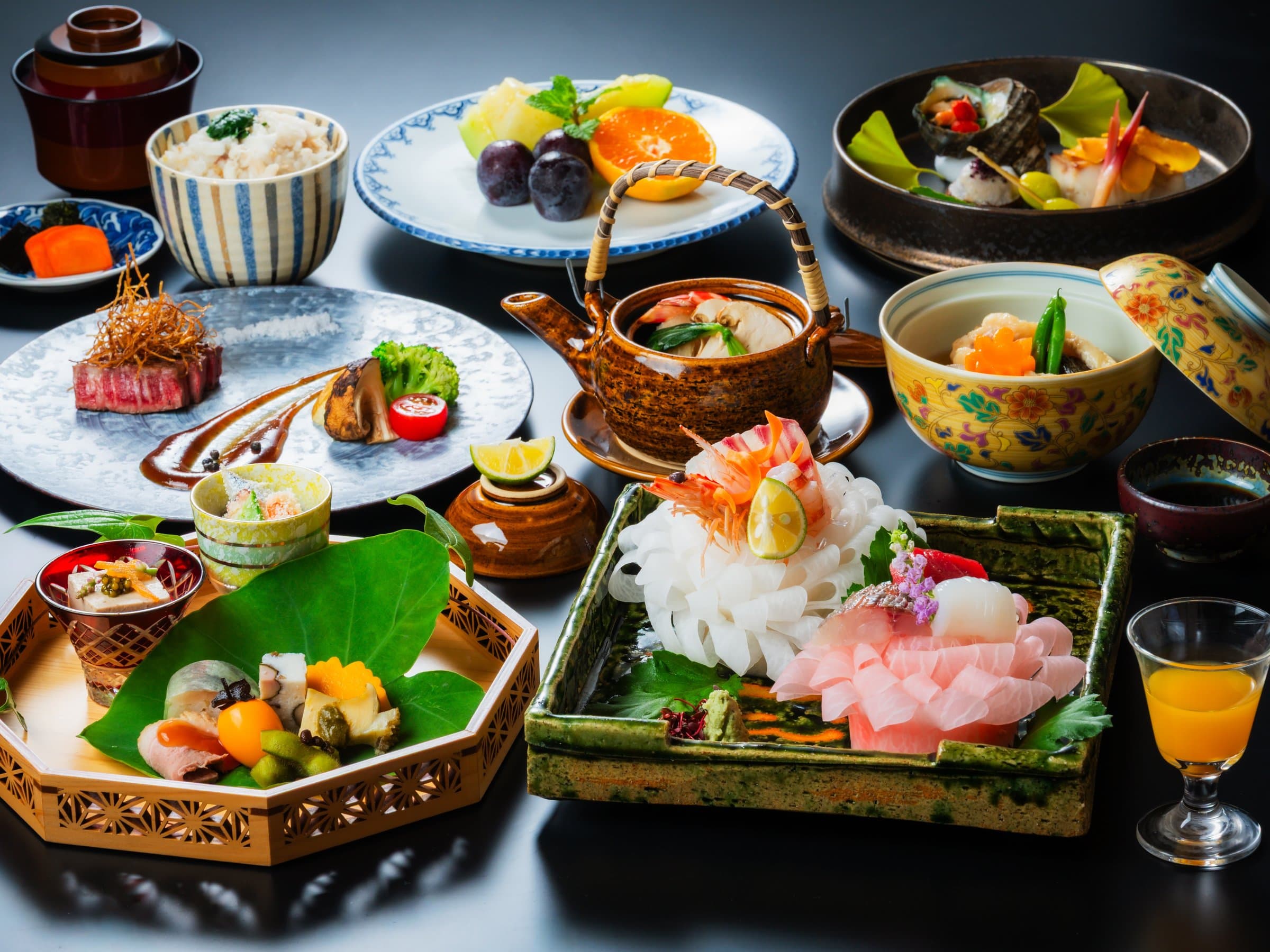
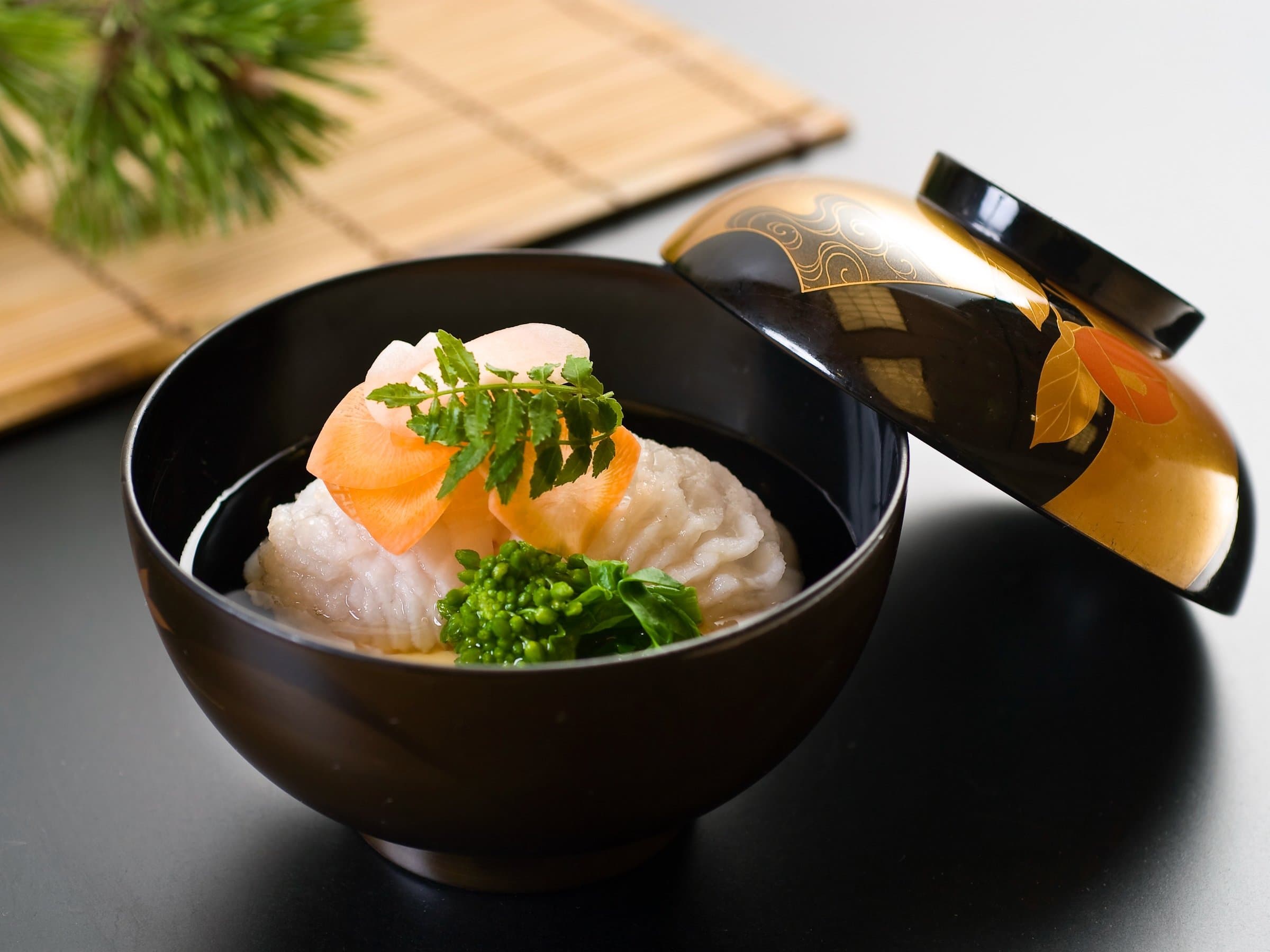
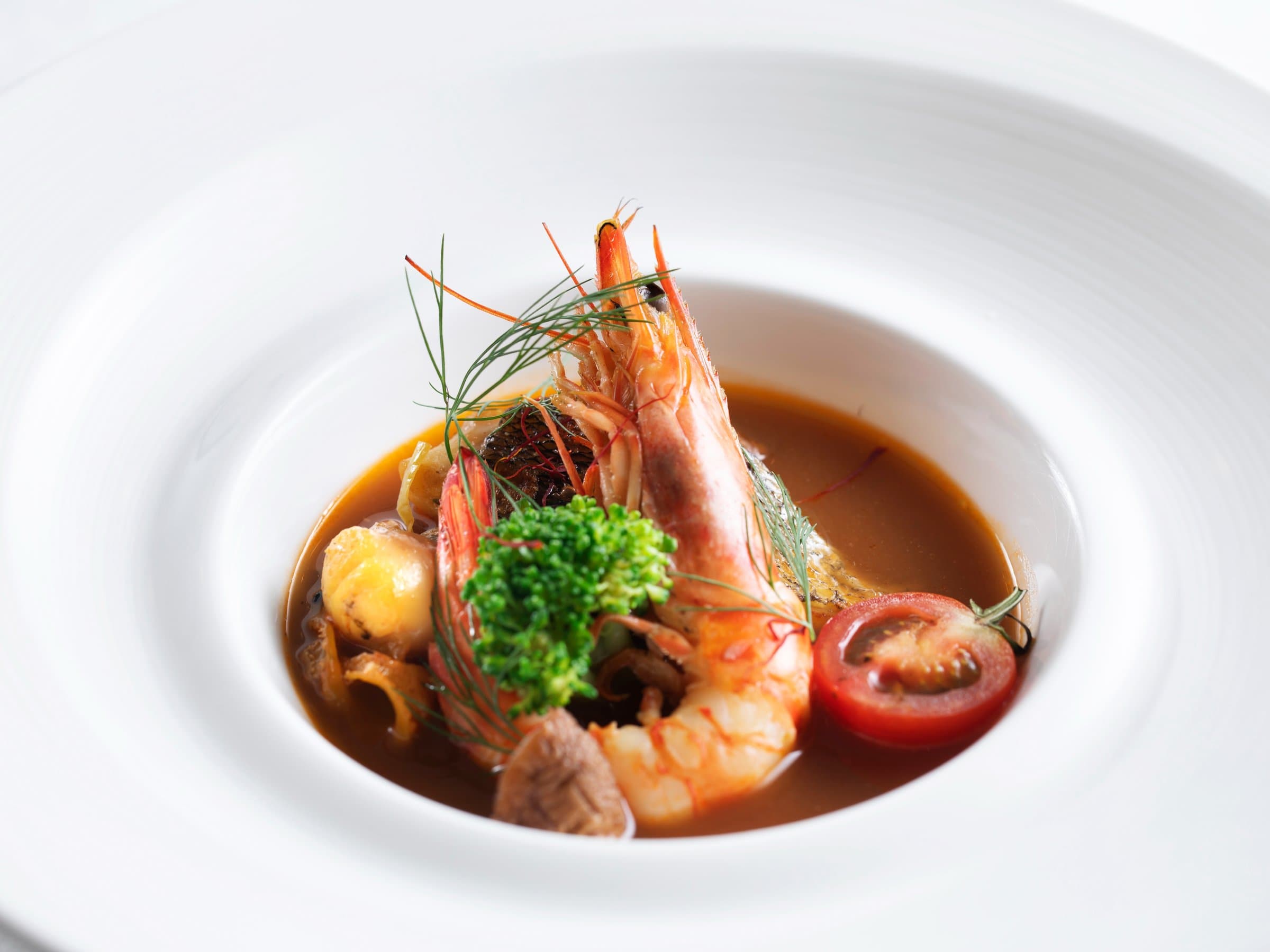
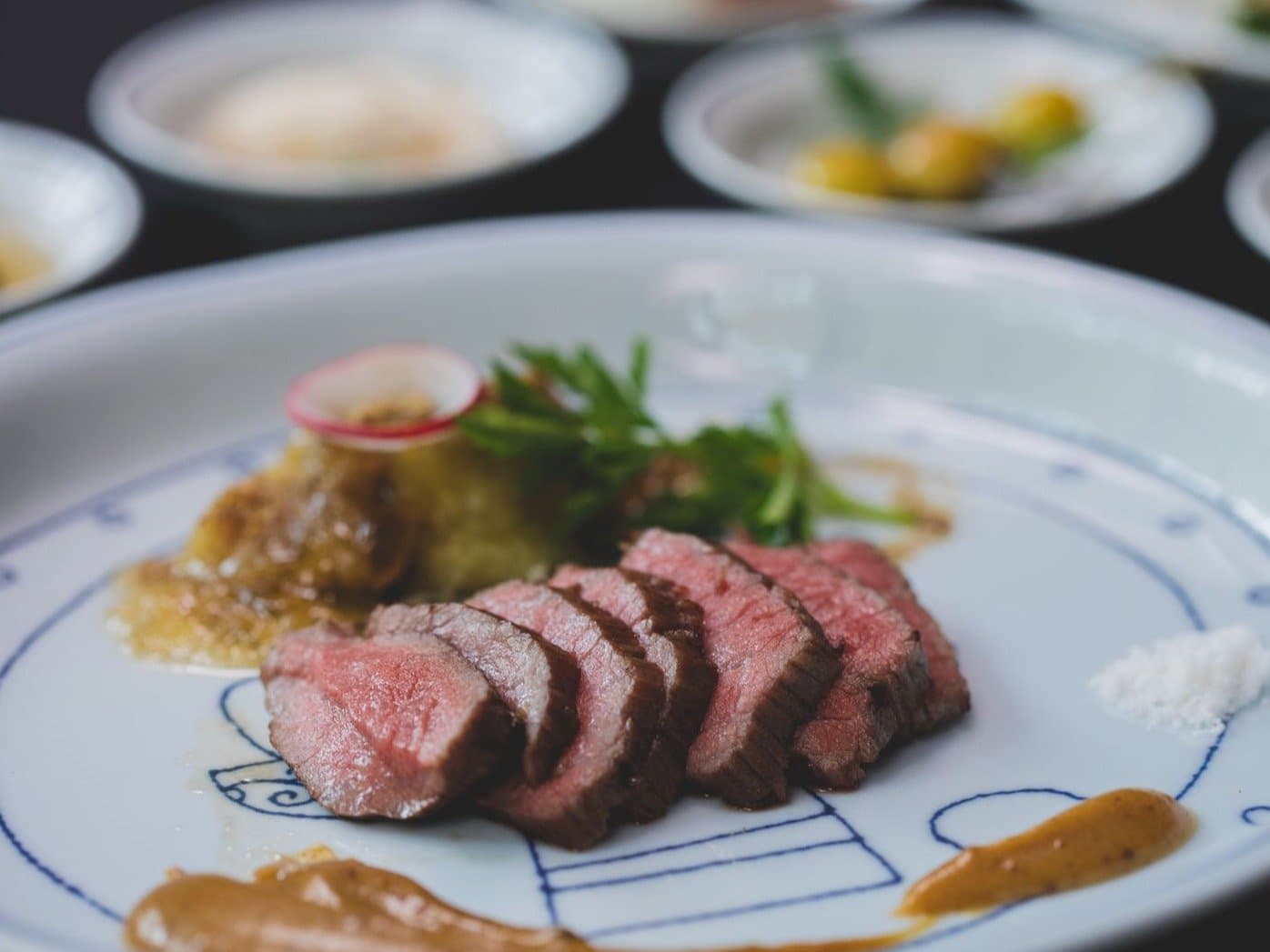
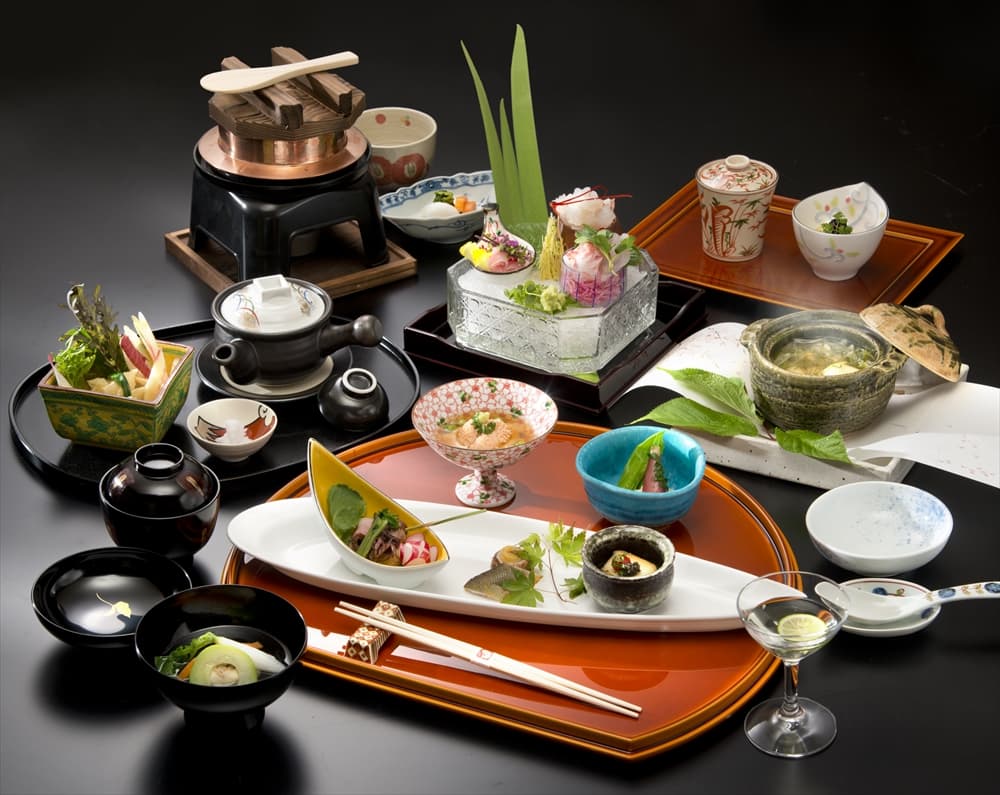
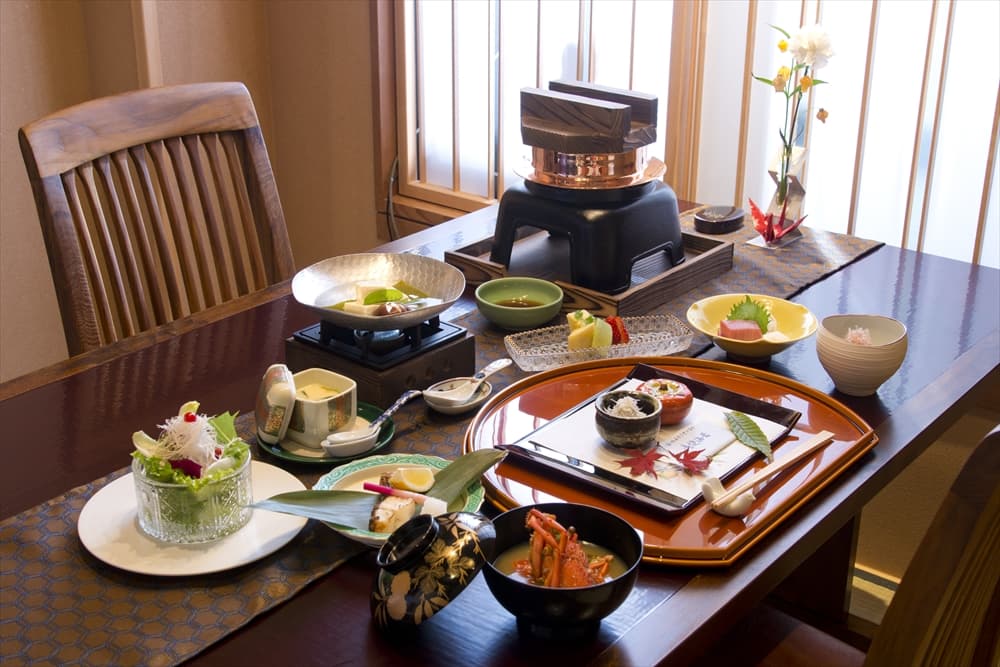
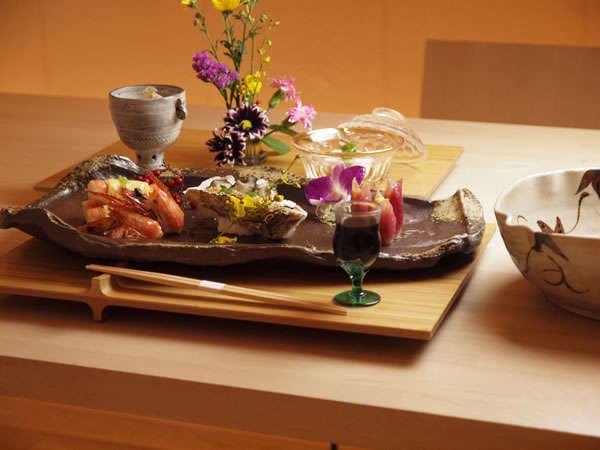
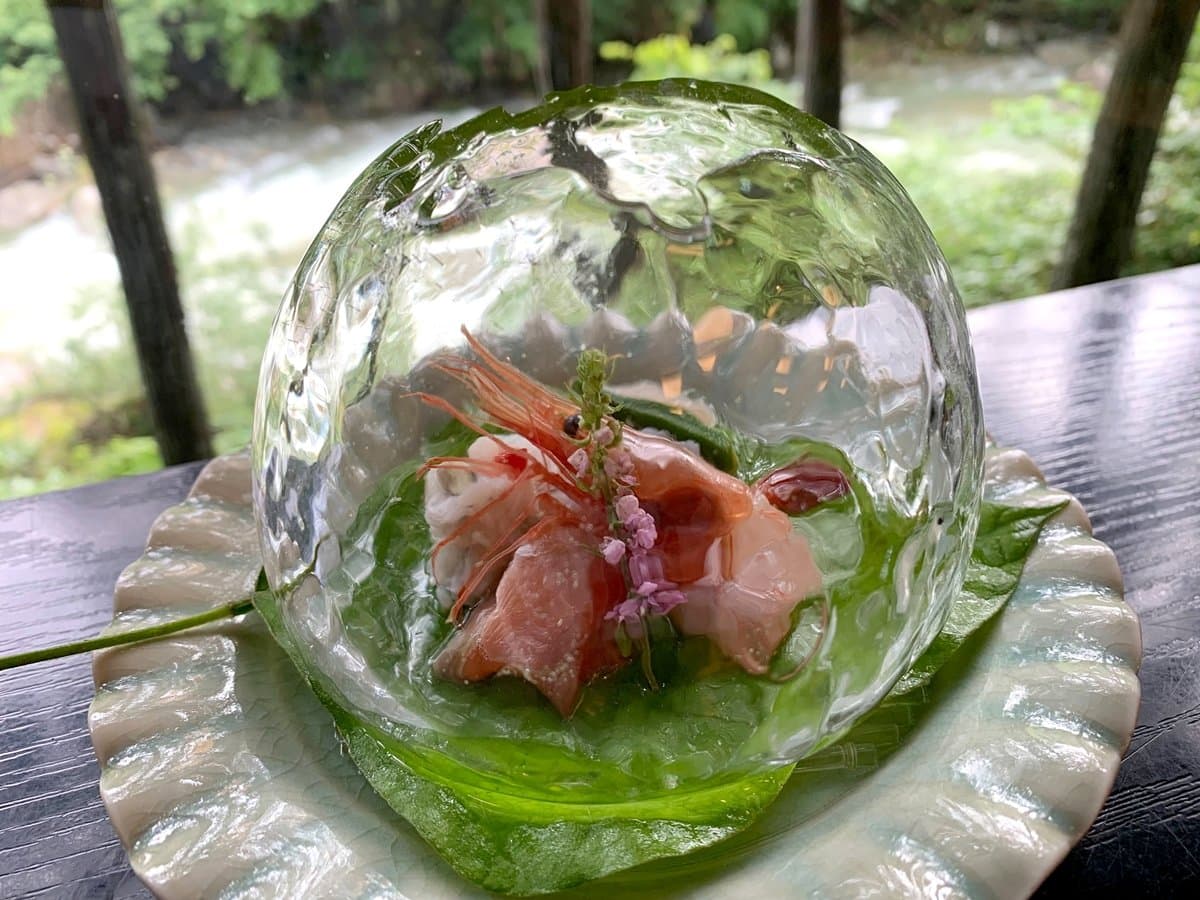
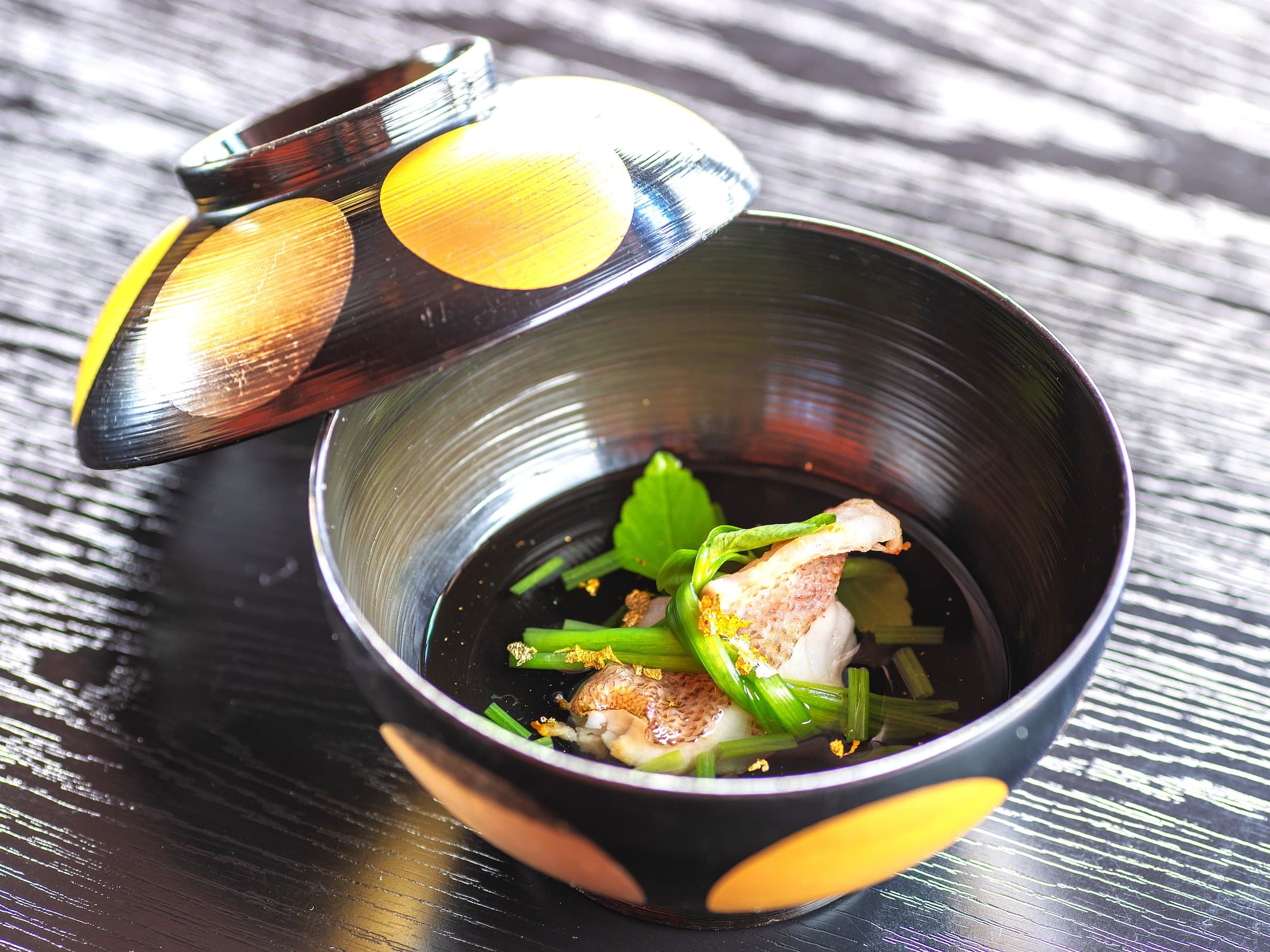
Dinner arrives as a procession of small, exquisite courses. Each dish is a seasonal poem — spring bamboo, summer river fish, autumn mushrooms, winter root vegetables. Eat with your eyes first.
The Rest
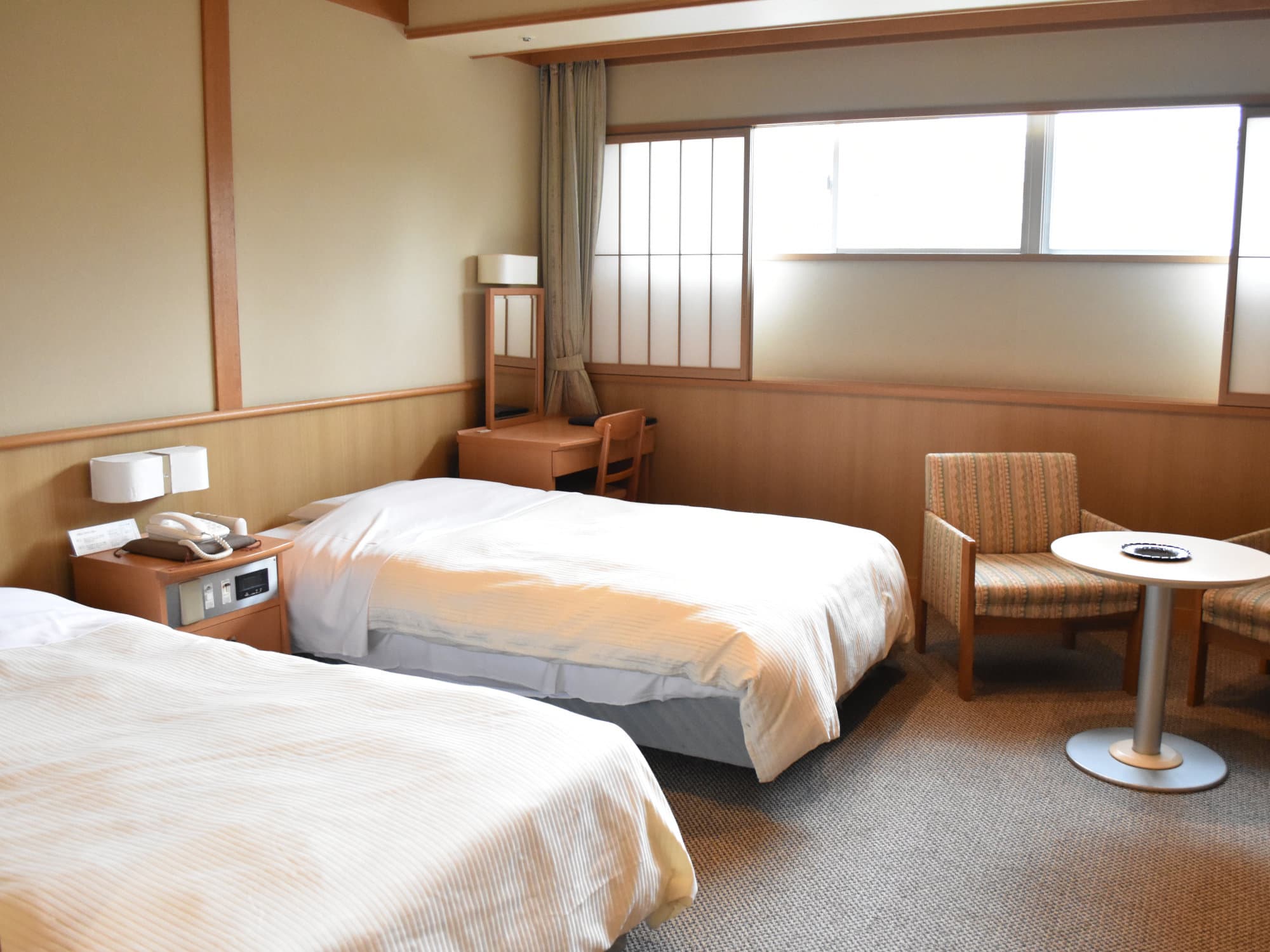
Sleep on Futon
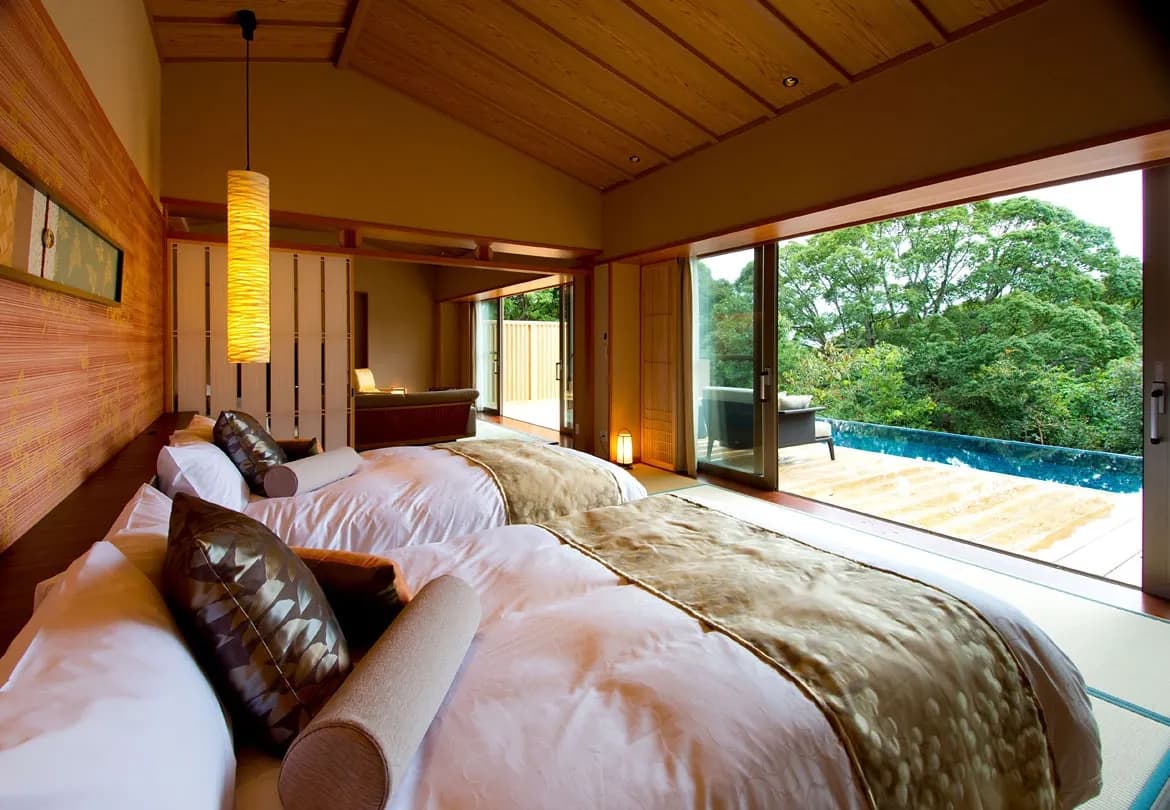
While you dine, staff quietly prepares your room. Return to find a thick futon laid on fresh tatami, crisp sheets turned down. Fall asleep to absolute silence.
The Hospitality
Experience Omotenashi
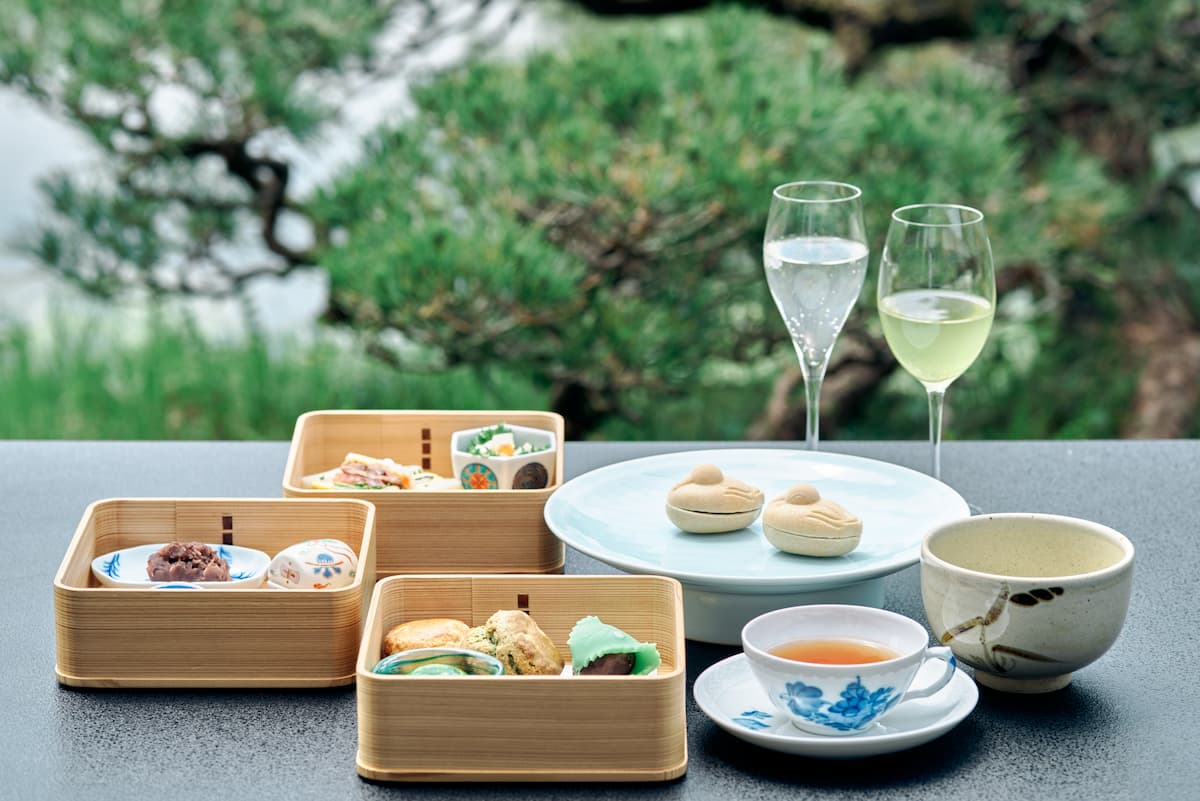
Omotenashi is the art of anticipating needs before they're spoken. A warm greeting at the door. Tea waiting in your room. Every detail considered so you can simply be present.
What Makes It Special
The Ryokan Difference
Tatami Rooms
Traditional woven straw-mat flooring that's cool in summer, warm in winter. Shoes off, stress gone.

Onsen Baths
Natural hot spring water rich in minerals. Public baths, private baths, and open-air rotenburo overlooking nature.
Kaiseki Cuisine
A multi-course dinner that changes with the seasons. Each dish is a small masterpiece of flavor, texture, and presentation.
Yukata Robes
A complimentary cotton robe you wear from the moment you arrive. Walk to dinner, soak in the bath, stroll the streets.
Futon Bedding
Sleep on a thick, cloud-like futon laid on fresh tatami. Staff prepares it while you're at dinner. Wake to birdsong.
Omotenashi
The Japanese art of anticipating your needs before you ask. Every detail — from the tea in your room to the slippers at the door — is considered.
Selection
精选推荐

Kai Beppu
界 別府
星野度假村的精品温泉酒店拥有引人注目的 "Yu-no-Hiroba "温泉广场,弘扬了别府生机勃勃的温泉文化。
起价 $300 //晚
9.1/10
Hana Beppu
竹と椿のお宿 花べっぷ
这是一家以竹子和山茶花为主题的旅馆,距离 JR 别府站仅 6 分钟车程,已被评为五星级旅馆。
起价 $150 //晚
8.8/10
Suginoi Hotel
杉乃井ホテル
九州最受欢迎的度假酒店依山而建,以壮观的梯田温泉 "Tanay "和 Aqua Garden 喷泉表演而闻名。
起价 $120 //晚
8.5/10
Amane Resort Seikai
潮騒の宿 晴海
这是一家海滨度假村,每间客房都设有私人露天浴池,可俯瞰别府湾,有些房间甚至 "海拔零米"。
起价 $250 //晚
9/10
Nishimuraya Honkan
西村屋本館
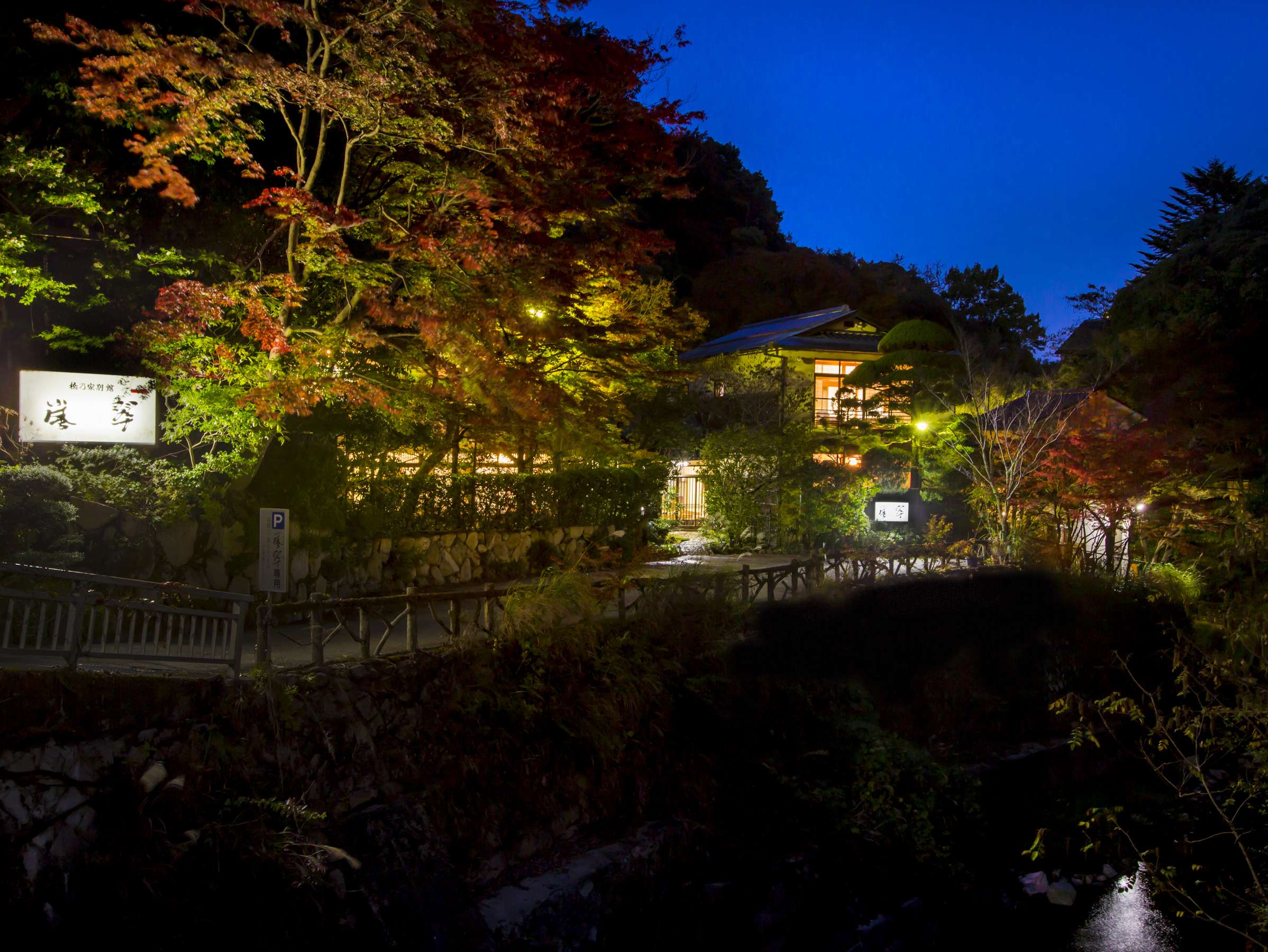
拥有 165 年历史的 Relais & Chateaux 旅馆--木之崎皇冠上的明珠和米其林推荐旅馆。
起价 $400 //晚
9.2/10
Mikiya
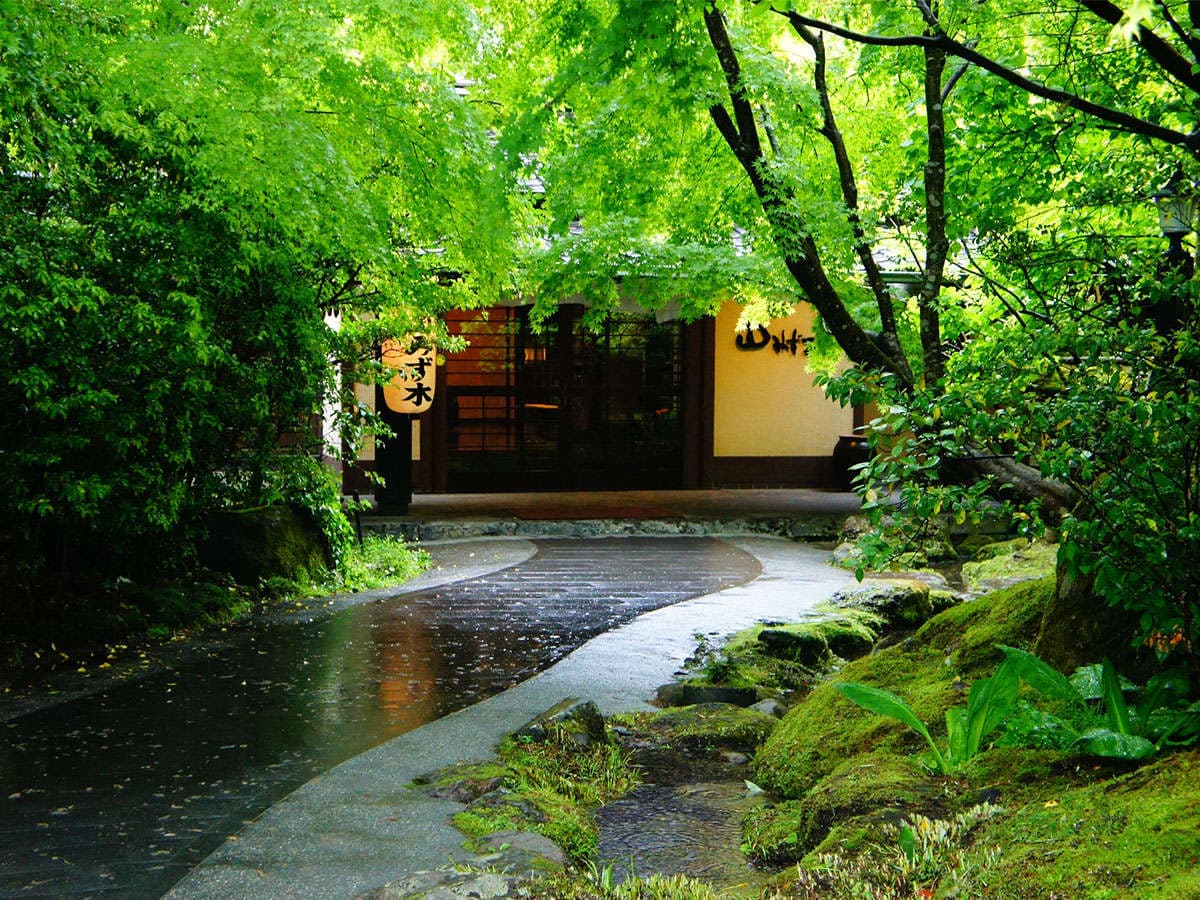
三木屋
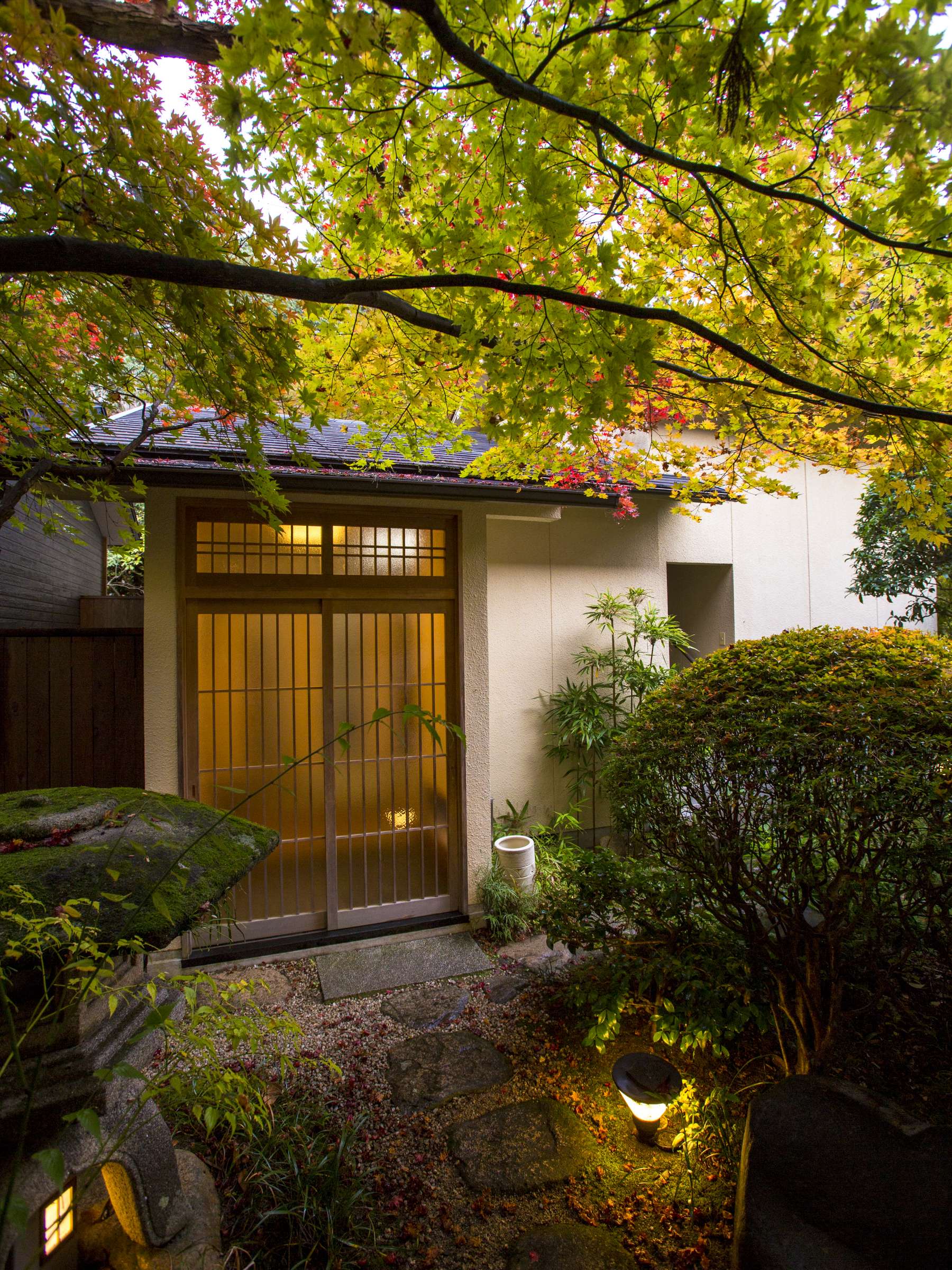
拥有 300 年历史的注册文化遗产--滋贺直也写下杰作 "在木之崎 "的旅馆。
起价 $300 //晚
9.1/10目的地
按地区浏览
Kyoto
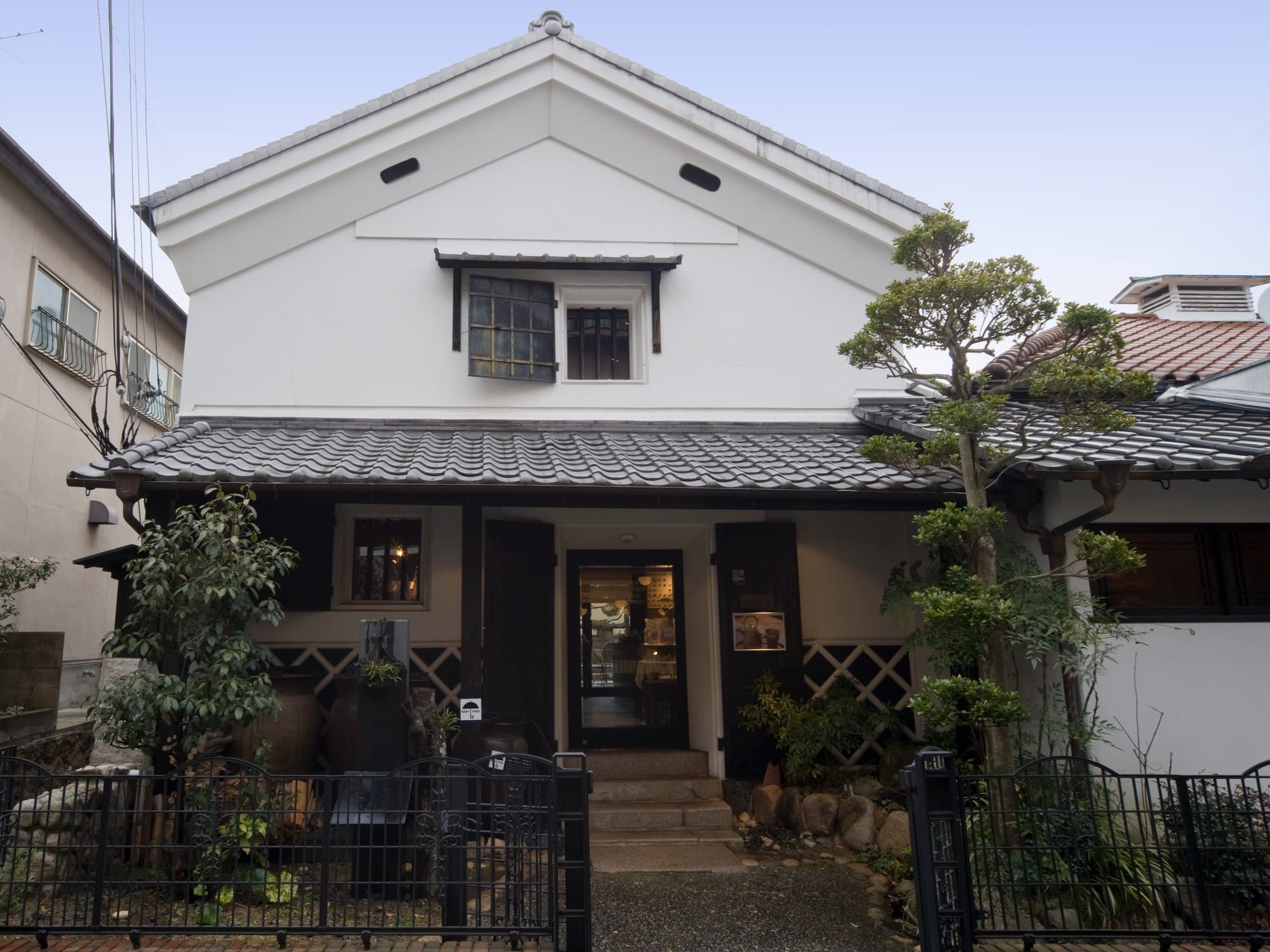
The cultural heart of Japan, Kyoto is home to thousands of temples, traditional tea houses, and some of the country's most iconic ryokans. Stay in a machiya-style inn and experience geisha culture, zen gardens, and kaiseki cuisine at its finest.
发现Hakone
Just 90 minutes from Tokyo, Hakone is Japan's premier hot spring resort town. With stunning views of Mt. Fuji, open-air onsen baths, and forested mountain trails, it's the perfect ryokan getaway from the city.
发现Tokyo
While Tokyo is known for its modernity, the capital still harbors hidden ryokan gems. From historic inns in Asakusa to refined establishments in quieter neighborhoods, experience traditional hospitality in the world's largest city.
发现Kusatsu Onsen
One of Japan's top three hot spring towns, Kusatsu is famous for its naturally hot, acidic waters said to cure every ailment except lovesickness. The iconic Yubatake (hot water field) sits at the town center, surrounded by traditional inns.
发现Takayama
Nestled in the Japanese Alps, Takayama is a beautifully preserved Edo-era town famous for its morning markets, sake breweries, and Hida beef. The town's wooden merchant houses and quiet ryokans offer an authentic glimpse into traditional mountain life.
发现Nikko
Home to the ornate Toshogu Shrine and surrounded by cedar forests and waterfalls, Nikko is a UNESCO World Heritage site just two hours from Tokyo. Its hot spring ryokans offer the perfect retreat after exploring the area's stunning temples and nature.
发现Kinosaki Onsen
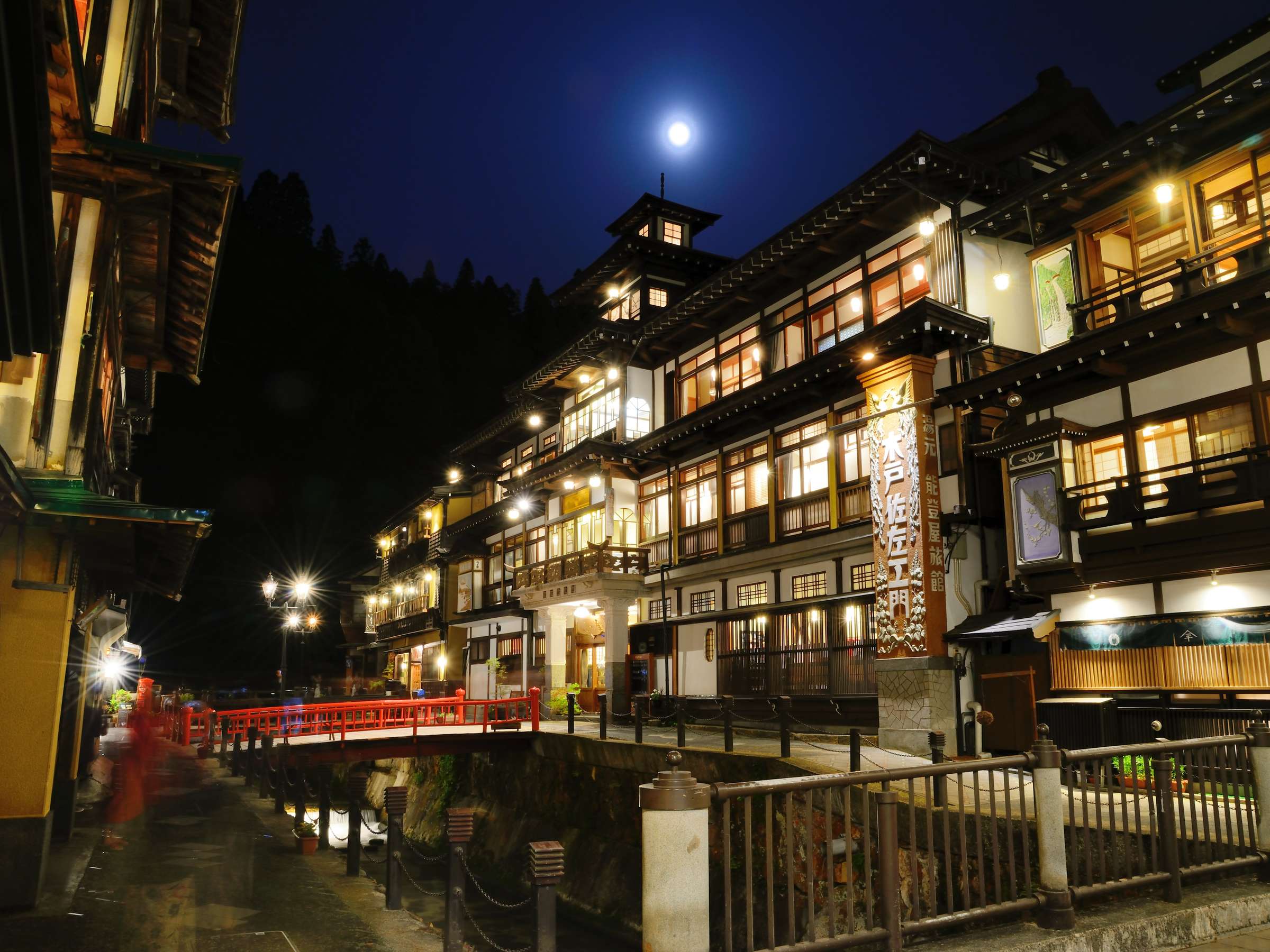
A charming hot spring town on the Sea of Japan coast, Kinosaki is famous for its seven public bathhouses connected by a willow-lined canal. Guests stroll between baths in yukata and wooden geta sandals — the quintessential Japanese onsen town experience.
发现Beppu
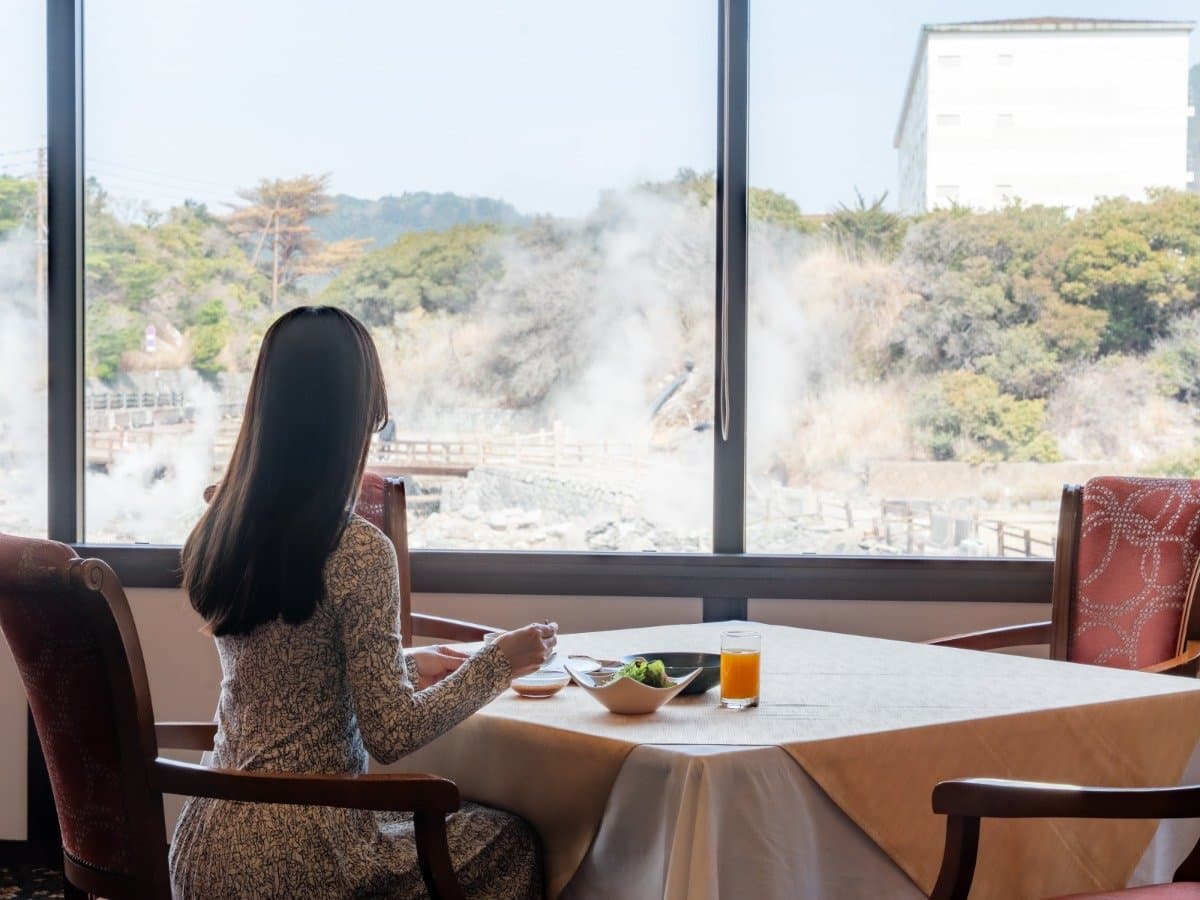
Japan's hot spring capital, Beppu produces more geothermal water than anywhere else in the country. The city's famous "hells" (jigoku) are spectacular natural hot springs, and its diverse bathing options range from sand baths to mud baths to classic onsen.
发现