

19分钟阅读更新于 2026年6月
快速比较
精选10家| 旅馆 | 起价 | 评分 | 特色 | 预订 |
|---|---|---|---|---|
 | 起价 ¥92,400 | 9.2 312条评价 | 英语OK温泉 | 上Booking.com订房 |
| 起价 ¥30,800 | 9.0 856条评价 | 英语OK包租温泉 | 上Booking.com订房 | |
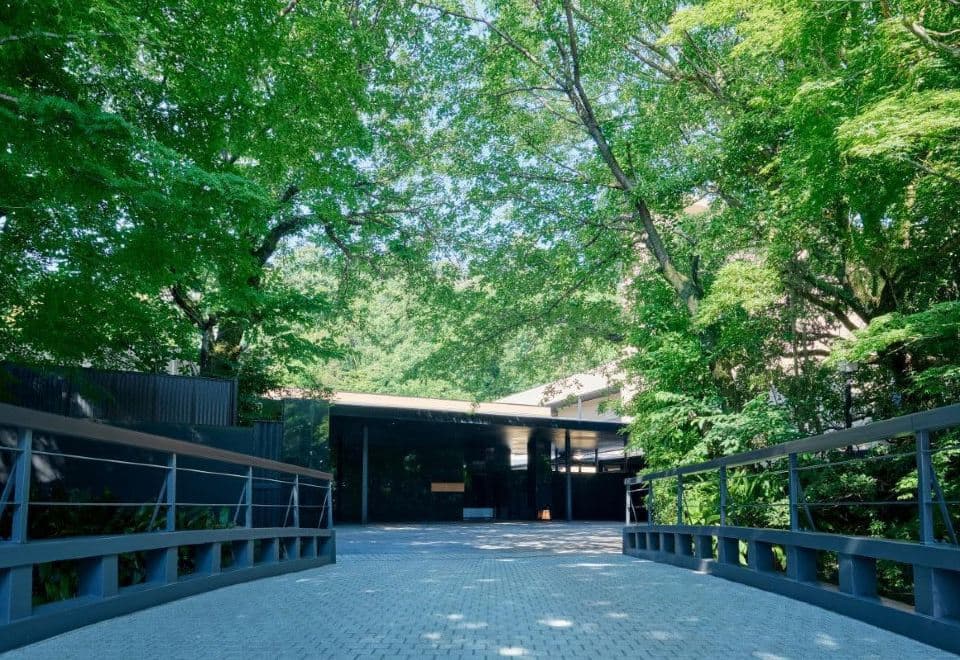 | 起价 ¥113,806 | 8.6 8条评价 | 英语OK包租温泉 | 上Booking.com订房 |
| 起价 ¥83,930 | 9.4 130条评价 | 英语OK包租温泉 | 上Booking.com订房 | |
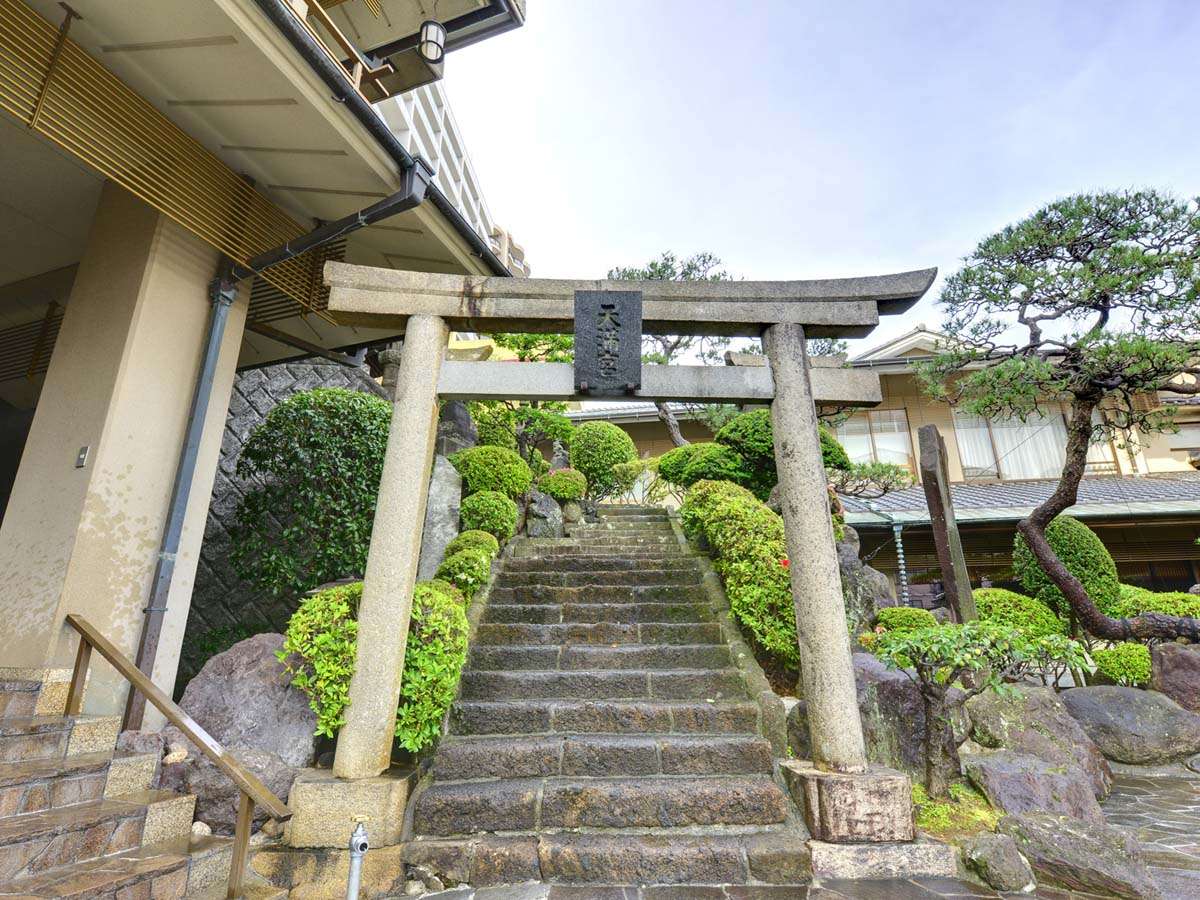 Furuya Ryokan Atami | 起价 ¥69,300 | 9.1 29条评价 | 英语OK包租温泉 | 上Booking.com订房 |
 | 起价 ¥46,200 | 9.7 29条评价 | 英语OK包租温泉 | 上Booking.com订房 |
| 起价 ¥24,178 | 9.7 237条评价 | 英语OK包租温泉 | 上Booking.com订房 | |
 Hakone Ginyu Hakone | 起价 ¥61,600 | 9.3 124条评价 | 英语OK包租温泉 | 上Booking.com订房 |
 Hotel Kajikaso Hakone | 起价 ¥27,720 | 9.2 156条评价 | 英语OK包租温泉 | 上Booking.com订房 |
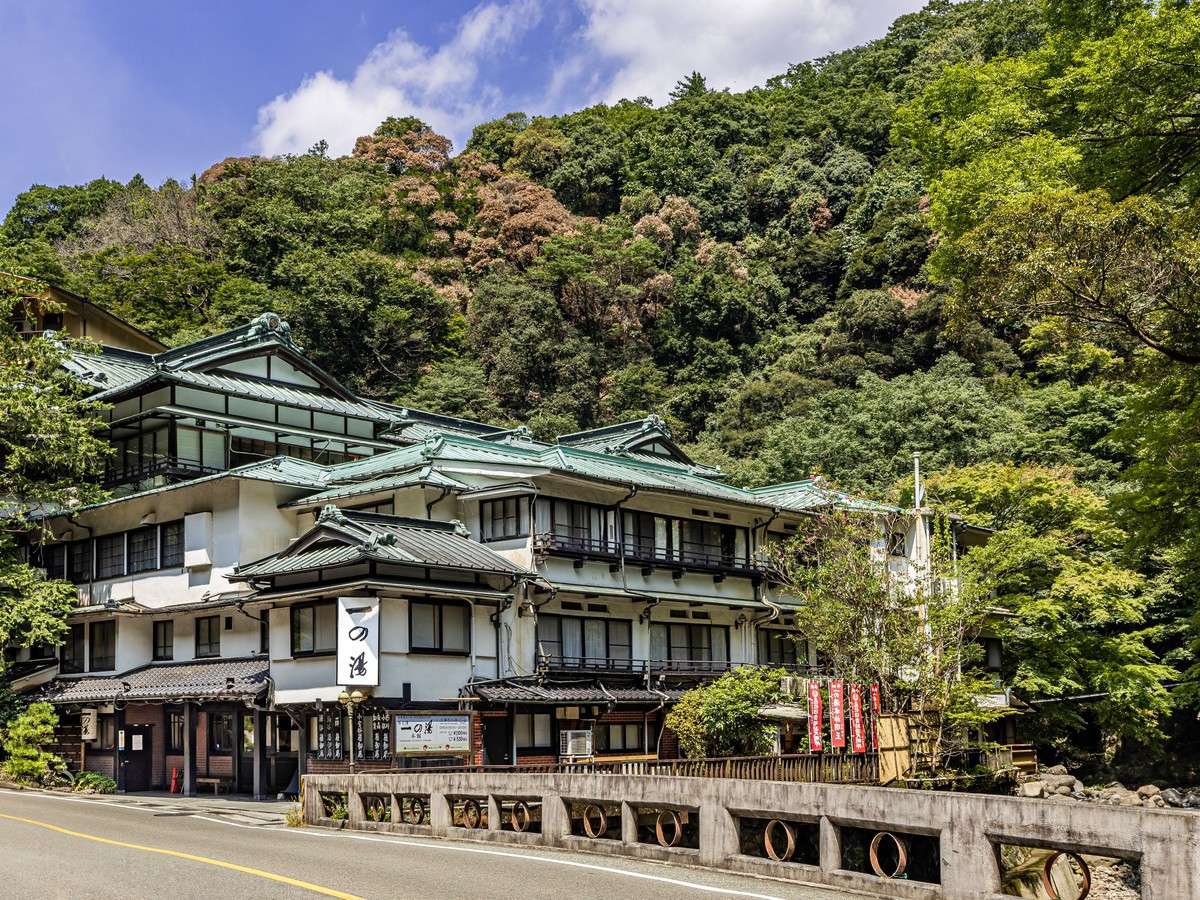 | 起价 ¥10,780 | 9.1 187条评价 | 英语OK包租温泉 | 上Booking.com订房 |

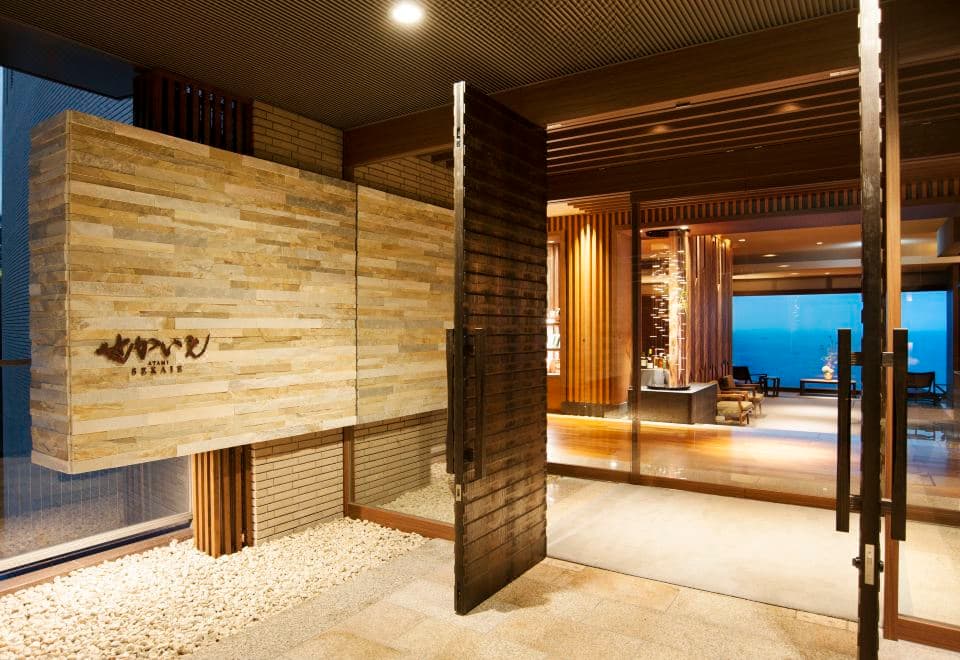
Furuya Ryokan
Atami
Hakone Ginyu
Hakone
Hotel Kajikaso
Hakone
显示价格为每人每晚的起步价(约值)。通过本站预订,我们可能获得佣金。
东京周边最佳的温泉旅馆,就是那些从东京站能最快抵达的——领头的是热海风风(Fufu Atami),乘东海道新干线 Kodama 只需 40 分钟(单程 ¥3,740),还有位于市中心大手町、零交通时间的虹夕诺雅东京(HOSHINOYA Tokyo)。 以我们的经验,决定这趟旅程的从来不是价格,而是交通时间。
东京 → 温泉 → 东京 这趟往返,我跑过的次数已经数不清了——通常是带着说英语的客人走 4 到 7 天的行程,偶尔也会在周六一个人去放空一下。让大多数「东京周边温泉」之旅破功的唯一变量,就是从东京站出发的交通时间,而几乎所有的清单文章都把它忽略了。下面这 30 家旅馆是按照从门口到露天风吕的分钟数排序(用我自己的出行记录核实过),而不是按价格梯队。如果你要在东京行程里加上一晚温泉,这就是我开始聊这件事的起点。
 保存到Pinterest
先选你的梯队,再选你的旅馆
每一处东京半径内的温泉,从东京站出发都属于三个交通时间梯队之一。先挑选与你行程长度相匹配的梯队,然后再挑旅馆。
梯队 1 —— 距东京站 90 分钟以内。 热海(新干线 Kodama 40 分钟)、箱根汤本(新干线 + 箱根登山铁道 70 分钟,或小田急浪漫特快 85 分钟),以及东京市中心自己的温泉旅馆(虹夕诺雅东京、由缘别邸 代田)都聚集在这里。这个梯队是为「一晚速逃」而生的——周五下班后离开东京市中心,晚上 8 点已经穿上浴衣,周一早上回到办公桌前,整个周末完好无损。热海的 Kodama 是全日本最快的正统温泉之旅;东京四小时车程内,没有任何一座温泉城市能比得上它 40 分钟门到门的交通。
梯队 2 —— 距东京站 90 到 150 分钟。 箱根强罗与箱根小涌谷(箱根上部的子区域,90–110 分钟)、轻井泽(北陆新干线 70 分钟)、日光(东武 Spacia X 110 分钟),以及鬼怒川(东武特急 140 分钟)。这是「周末深度」梯队——长到足以让你感觉真的离开了东京,又短到坐车本身不会变成旅程的主角。我们内部数据里大多数的住宿夜都集中在这里;要住两晚旅馆,这是黄金区间。
梯队 3 —— 距东京站 150 到 180+ 分钟。 草津(经北陆新干线到轻井泽 + JR 巴士,或上越新干线 + 从长野原草津口换 JR 巴士,约 3.5–4 小时)、伊香保、四万温泉,以及更深处的伊豆半岛(修善寺、河津、下田——距东京站 150–180 分钟)。这是「完全沉浸」梯队——这里的旅馆是真正的山间或乡野旅馆,去那里的路途本身就是体验的一部分。最少住两晚,否则你花在火车上的时间会比泡汤还多。
四万温泉11家旅馆(含千与千寻原型积善馆)的专项指南,请见四万温泉最佳旅馆。
| # | 旅馆 | 区域 | 起价(USD) | 从东京出发 | 适合 |
|---|---|---|---|---|---|
| 1 | 虹夕诺雅东京 | 东京(大手町) | $600 | 0 分钟 | 东京市中心唯一的奢华温泉塔 |
| 2 | 热海风风 | 热海 | $739 | Kodama 40 分钟 | 最快抵达的正统奢华温泉之逃 |
| 3 | 热海世界绘 | 热海 | $545 | Kodama 40 分钟 | 海景艺术旅馆,12 间套房 |
| 4 | 箱根银游 | 箱根(宫之下) | $400 | 70 分钟 | 悬崖边的箱根奢华,全房露天风吕 |
| 5 | 强罗花坛 | 箱根强罗 | $500 | 100 分钟 | 昔日皇室别邸,罗莱夏朵成员 |
| 6 | 风风日光 | 日光 | $400 | 120 分钟 | 紧邻日光世遗区的现代奢华 |
| 7 | 奈良屋 | 草津 | $350 | 240 分钟 | 汤畑旁的奢华,草津评分最高 |
梯队 1(90 分钟以内):速逃之选
 保存到Pinterest
距东京站 90 分钟以内的十家旅馆,按综合评分与交通便利度排名。下列每一家都已于 2026 年 5 月在我们的数据库中核实。
| # | 旅馆 | 区域 | 梯队 | 起价(USD) | 交通 | 适合 |
|---|---|---|---|---|---|---|
| 1 | 虹夕诺雅东京 | 东京 | 奢华 | $600 | 0 分钟(大手町) | 东京市中心唯一的奢华温泉塔 |
| 2 | 由缘别邸 代田 | 东京 | 奢华 | $200 | 距新宿 7 分钟 | 东京市内带私汤的精品温泉 |
| 3 | 热海风风 | 热海 | 奢华 | $739 | Kodama 40 分钟 | 最近正统温泉处的全套房 Sisley 水疗奢华 |
| 4 | 热海世界绘 | 热海 | 奢华 | $545 | Kodama 40 分钟 | 12 间套房海景艺术旅馆,相模湾景 |
| 5 | 古屋旅馆 | 热海 | 奢华 | $450 | Kodama 40 分钟 | 热海最古老——创于 1806 年,220 年传承 |
| 6 | 热海石亭 | 热海 | 奢华 | $300 | Kodama 40 分钟 | 10,000 m² 庭园宅邸,评分 9.7 |
| 7 | 热海隐里 | 热海 | 奢华 | $157 | Kodama 40 分钟 | 8 间客房精品隐世居,评分 9.7 |
| 8 | 箱根银游 | 箱根(宫之下) | 奢华 | $400 | 70 分钟 | 俯瞰早川峡谷的悬崖景,全房露天风吕 |
| 9 | 河鹿庄酒店 | 箱根汤本 | 中档 | $180 | 70 分钟 | 评分 9.2 的中档,带客房露天风吕 |
| 10 | 一之汤本馆 | 箱根塔之泽 | 经济 | $70 | 70 分钟 | 江户时代旅馆,登录有形文化财,$70 起价底 |
1. 虹夕诺雅东京 —— 大手町的奢华温泉塔
一目了然
梯队 1 · 距东京站 0 分钟 · 千代田区大手町。
梯队 1 里唯一的异类:一家完全不需要坐火车的奢华旅馆。虹夕诺雅东京于 2016 年开业,坐落在一座 17 层的黑色格栅塔楼里,距东京站丸之内一侧步行三分钟,至今仍是全日本唯一温泉位于东京市中心的顶级旅馆。泉水从大手町地下 1,500 米处涌出——是货真价实的天然氯化钠泉,而非循环再用的浴池。客人在大堂换上拖鞋,踩着榻榻米走向电梯,整座垂直建筑虽披着都市外壳,却依旧依照传统旅馆的礼仪运作。
为何归入梯队 1: 零交通时间。对于东京行程不容更改、又想要一晚正统旅馆体验的旅人来说,这是唯一站得住脚的答案。顶层的天空浴池俯瞰丸之内天际线;怀石料理出自主厨滨田统之(曾摘米其林星)之手。淡季 $600/晚起,旺季 $1,200+。请提前 4–6 周预订——旺季周末提前 8 周就会售罄。虹夕诺雅东京的温泉塔。
2. 热海风风 —— 最快抵达的正统奢华温泉之逃
一目了然
梯队 1 · 东海道新干线 Kodama 40 分钟 · 静冈县热海。
当客人的要求是「奢华、离东京近、住一晚」时,我送去最多初次访客的就是这家旅馆。Kodama 新干线从东京站到热海只需 40 分钟,自由席 ¥3,740;从热海站打车 5 分钟,就到了风风那座位于 Sun Beach 上方僻静住宅山谷里的 26 间套房旅馆。每间套房面积 60–100 平方米,都有由热海氯化钠泉供水的私人露天风吕。馆内的娇兰巴黎 Sisley 水疗中心,是全日本旅馆中唯一一家。
为何归入梯队 1: 交通摩擦真的是零——一趟新干线,不用换乘,没有箱根登山铁道那种之字形折返的杂技。我曾经在周五下班后晚上 6:30 离开东京市中心,8 点就泡在顶层天空浴池里了。含餐每人 $739–$1,500 美元。11 月(红叶)和 2 月(梅花祭)的周末请提前 3–4 个月预订。坦白的取舍:山谷地势意味着没有正面海景房——想要那个,热海世界绘才是选择。全部 9 家精选请见完整的热海支柱页。在我们目录上看热海风风的套房。
3. 热海世界绘 —— 12 间套房的海景艺术旅馆
一目了然
梯队 1 · Kodama 40 分钟 + 从热海站打车 10 分钟 · 热海伊豆山山坡。
梯队 1 里规模最小的奢华旅馆——仅十二间套房,分布在伊豆山山坡上两栋建筑里,每间都有一座面向太平洋、以丝柏或石材凿成的私人露天风吕。温泉水从源头直接流入客房浴池,没有任何循环。横跨相模湾、正对初岛的视野,是本综合页所有旅馆中最强的客房海景全景。如果你最看重的就是这片景色,热海世界绘也跻身全日本最强客房海景全景之列。
为何归入梯队 1: 乘 Kodama 距东京站依然只有 40 分钟。从热海站的免费接送解决了伊豆山的爬坡。含餐每人 $545–$1,400;请提前 4–6 个月预订——12 间客房意味着房态是本清单里最紧张的。旅馆为经济学者大前研一所有,兼作私人画廊,公共空间各处陈列着主人收藏的画作与陶瓷(部分已登录为日本国宝)。热海世界绘的 12 间海景套房。
4. 箱根银游 —— 悬崖边的箱根奢华,全房露天风吕
一目了然
梯队 1 · 新干线 + 箱根登山铁道 70 分钟,或从新宿乘小田急浪漫特快 · 箱根宫之下。
梯队 1 里我默认推荐的箱根之选,因为交通真的轻松——小田急浪漫特快从新宿站直达箱根汤本只要 85 分钟,再乘箱根登山铁道沿早川峡谷爬升 10 分钟到宫之下。银游坐落在河流上方的悬崖边:19 间客房每一间都有一座丝柏露天风吕,峡谷视野毫无遮挡。早川是整座箱根破火山口中最壮观的温泉河景之一。
为何归入梯队 1: 尽管位处箱根上部高地,浪漫特快路线让它距新宿不到 90 分钟——比同一条线路前往梯队 2 强罗各家明显更快。含餐每人 $400–$900。124 条已核实评价平均 9.3 分,是我们数据库中所有箱根奢华旅馆里最高的。坦白的取舍:悬崖地形狭窄,因此旅馆没有大型公共庭园——你房里的浴池才是重点。箱根银游的峡谷景套房。
5. 一之汤本馆 —— 经济价格底线上的江户时代传承旅馆
一目了然
梯队 1 · 新干线 + 箱根登山铁道 70 分钟 · 箱根塔之泽。
梯队 1 的经济之锚,也是整份 30 家清单中仅有的三家明治以前旅馆之一。一之汤本馆创于 1630 年,主楼是登录的日本有形文化财——这座悬挑于早川峡谷之上的木造三层建筑,本身就是一件文化遗产。每间客房都正对峡谷。在这个价位上,部分客房竟有带「挂流式」(kakenagashi,自然流淌、不循环)温泉的客房露天风吕——这在别处基本闻所未闻。
为何归入梯队 1: 箱根登山铁道上的塔之泽站在宫之下前一站,因此交通比箱根强罗上部各家更快。无露天风吕客房 $70 起;带客房露天风吕的房型 $150–250。187 条评价平均 9.1 分。坦白的取舍:1630 年的建筑意味着墙壁薄、楼梯窄、无障碍设施基础——只有当你要的就是传承氛围时才选它。一之汤本馆的传承客房。

梯队 2(90–150 分钟):周末深度游
 保存到Pinterest
距东京站 90 到 150 分钟的十家旅馆——住两晚的黄金区间。箱根强罗、日光与鬼怒川占主导。下列每个交通时间均为从东京站门到门、含最后一段接驳。
| # | 旅馆 | 区域 | 梯队 | 起价(USD) | 交通 | 适合 |
|---|---|---|---|---|---|---|
| 1 | 强罗花坛 | 箱根强罗 | 奢华 | $500 | 100 分钟 | 昔日皇室避暑别邸,罗莱夏朵成员 |
| 2 | 强罗环翠楼 | 箱根强罗 | 奢华 | $250 | 100 分钟 | 645 条评价的传承奢华,价格仅强罗花坛一半 |
| 3 | 箱根小涌园三河屋 | 箱根小涌谷 | 奢华 | $250 | 100 分钟 | 箱根上部的森林沉浸式温泉 |
| 4 | 水之音 | 箱根小涌谷 | 中档 | $150 | 100 分钟 | 河畔中档,带客房露天风吕 |
| 5 | 雪月花 | 箱根强罗 | 中档 | $170 | 110 分钟 | 强罗上部的全房露天风吕中档 |
| 6 | 风风日光 | 日光 | 奢华 | $400 | 120 分钟 | 日光世遗小镇里的现代奢华 |
| 7 | 日光金谷酒店 | 日光 | 奢华 | $200 | 110 分钟 | 1873 年开业至今——日本最古老的西式酒店旅馆 |
| 8 | 星野集团 界·鬼怒川 | 鬼怒川 | 奢华 | $300 | 140 分钟 | 鬼怒川峡谷上的星野品牌精致 |
| 9 | 别邸 笹音 | 鬼怒川 | 奢华 | $350 | 140 分钟 | 全房露天风吕,评分 9.2 的精品 |
| 10 | 朝阳酒店 | 鬼怒川 | 中档 | $150 | 140 分钟 | 2,150 条评价的鬼怒川经典老牌 |
6. 强罗花坛 —— 箱根昔日的皇室避暑别邸
一目了然
梯队 2 · 浪漫特快至箱根汤本 + 箱根登山铁道至强罗 100 分钟 · 箱根强罗。
无可争议的箱根奢华之锚。强罗花坛占据了闲院宫皇室分家昔日的避暑别墅,1952 年接手并改建为旅馆。旅馆是罗莱夏朵(Relais & Châteaux)成员,36 间套房中大多数都有以丝柏凿成、由强罗自有碳酸泉供水的私人客房露天风吕。庭园在 19 世纪末由皇室园艺师布局。
为何归入梯队 2: 箱根强罗位于登山之字形线路的上端——光是从箱根汤本到强罗的车程就要 40 分钟,沿破火山口壁包含三次折返换向。东京到强罗门到门总计约 100 分钟。含餐每人 $500–$1,500+。请至少提前 3 个月预订;旺季日期开放后数天内即售罄。怀石料理是亮点——许多客人将其列为全日本最佳之一。完整的箱根分析请见专门的箱根支柱页。强罗花坛的皇室套房。
7. 强罗环翠楼 —— 645 条评价的奢华,价格仅强罗花坛一半
一目了然
梯队 2 · 100 分钟 · 箱根强罗。
低调的强罗奢华之选。环翠楼距强罗站步行 5 分钟,36 间客房,评价档案颇为不寻常——645 条已核实评价平均 9.0 分,是箱根评价数量最高的奢华旅馆。旅馆围绕一座日式传统庭园而建,配挂流式温泉——强罗标志性的富碳酸泉水——由旅馆自有泉源持续供应。数间客房带客房露天风吕。
为何归入梯队 2: 与强罗花坛同样要走登山铁道至强罗的之字形线路。含餐每人 $250–$650——在同一片街区、同样的水质下,价格底线大约只有强罗花坛的一半。坦白的取舍:这是传承而非当代新建;客房的翻新年份差异很大,较旧的房型显出岁月痕迹。请加钱升级到翻修过、带露天风吕的日式客房。怀石料理选用箱根本地蔬菜与相模湾海鲜。强罗环翠楼的庭园客房。
8. 风风日光 —— 紧邻日光世遗区的现代奢华
 保存到Pinterest
一目了然
梯队 2 · 从浅草乘东武 Spacia X 110 分钟 · 栃木县日光。
日光最新的奢华旅馆——2020 年开业于市中心本町,距神桥步行 10 分钟,是通往日光世界文化遗产神社寺庙群(东照宫、二荒山、轮王寺)的门户。全部 24 间套房都有带丝柏浴槽的私人客房露天风吕,由日光汤元温泉供水——与海拔更高的中禅寺湖一带同源的高山硫磺泉。多道式怀石料理出自主厨赤川英隆之手。
为何归入梯队 2: 东武 Spacia X 从浅草直达东武日光站 110 分钟,¥3,180。Spacia X 是 2023 年 7 月 15 日推出的新一代高端服务——比 JR 转东武的路线舒适得多。含餐每人 $400–$1,200。最好搭配在东照宫待一天、在中禅寺湖待半天。风风日光紧邻世遗的套房——子区域的深度内容也可见日光支柱页。
9. 日光金谷酒店 —— 日本最古老的西式酒店旅馆,创于 1873 年
一目了然
梯队 2 · 东武 Spacia X 110 分钟 · 日光。
传承之锚。日光金谷于 1873 年作为日本第一家西式酒店开业——弗兰克·劳埃德·赖特、海伦·凯勒、阿尔伯特·爱因斯坦和查理·卓别林都曾下榻于此。建筑是登录的日本文化财。70 间客房将西式酒店格局与温泉、日式餐饮融为一体;它被归类为酒店而非纯粹的旅馆,但怀石料理和馆内温泉让它稳稳落在旅馆体验之内。
为何归入梯队 2: 从 JR / 东武日光站和神桥步行可达——是本清单所有旅馆中游览世遗区最方便的据点。每人 $200–$600,最便宜的房型 $200——以这份传承而论是绝佳的性价比。1,840 条已核实评价平均 8.6 分。坦白的取舍:这是一家传承酒店旅馆混合体,而非当代温泉隐居地——浴池仅有公共大浴场,无客房露天风吕。冲着历史来,别冲着浴池。日光金谷酒店的传承客房。
10. 星野集团 界·鬼怒川 —— 峡谷上的星野品牌精致
一目了然
梯队 2 · 东武特急 140 分钟 · 日光鬼怒川温泉。
鬼怒川之锚——也是星野集团「界」品牌的关东旗舰。48 间客房栖于鬼怒川峡谷崖边,全部带面向峡谷的阳台。公共浴场层层下降至河边,框入同样的峡谷景。鬼怒川的温泉水是来自河畔泉源的氯化钠泉,矿物质构成与热海相近。「界」品牌标志性的傍晚文化节目(现场三味线、漆器演示)每晚上演。
为何归入梯队 2: 东武 Spacia X / 东武特急从浅草直达鬼怒川温泉站 130 分钟,¥3,400;旅馆的免费班车搞定最后 5 分钟。门到门总计 140 分钟。含餐每人 $300–$700。鬼怒川峡谷四季皆壮观,但以 10 月下旬至 11 月中旬的红叶为巅峰;红叶周末请提前 3 个月预订。星野集团 界·鬼怒川的峡谷客房。

梯队 3(150–180+ 分钟):完全沉浸之选
 保存到Pinterest
距东京站 150 到 180+ 分钟的十家旅馆。这些是真正的山间或乡野旅馆,去那里的路途本身就是体验的一部分——最少住两晚才对得起这段车程。草津(日本排名第一的温泉镇)与更深处的伊豆半岛占主导。
| # | 旅馆 | 区域 | 梯队 | 起价(USD) | 交通 | 适合 |
|---|---|---|---|---|---|---|
| 1 | 浅羽 | 伊豆(修善寺) | 奢华 | $600 | 150 分钟 | 私家能舞台水池畔的罗莱夏朵 |
| 2 | 落合楼村上 | 伊豆(修善寺) | 奢华 | $500 | 150 分钟 | 战前传承,登录文化财 |
| 3 | 玉峰馆 | 伊豆(河津) | 奢华 | $430 | 180 分钟 | 山口处的精品奢华,全房露天风吕 |
| 4 | ABBA Resorts Izu - 坐渔庄 | 伊豆(伊东) | 奢华 | $500 | 90 分钟* | 海滨现代奢华(伊东市,介于梯队之间) |
| 5 | 新井旅馆 | 伊豆(修善寺) | 中档 | $230 | 150 分钟 | 1872 年传承旅馆,明治时代文化财 |
| 6 | 奈良屋 | 草津 | 奢华 | $350 | 240 分钟 | 汤畑旁的奢华,草津评分最高的旅馆 |
| 7 | 踯躅亭 | 草津 | 奢华 | $400 | 240 分钟 | 评分 9.3 的全套房草津精品 |
| 8 | 汤宿 时之庭 | 草津 | 奢华 | $300 | 240 分钟 | 草津奢华入门级的全房露天风吕 |
| 9 | 草津 Hotel 1913 | 草津 | 中档 | $130 | 240 分钟 | 1,602 条评价的汤畑旁传承,中档定价 |
| 10 | 御宿 木之叶 | 草津 | 中档 | $180 | 240 分钟 | 1,033 条评价的中档,家庭房产品强劲 |
*ABBA Resorts(伊东市)位于伊豆半岛东端边缘,技术上乘踊子号特急 90 分钟即可抵达——纳入梯队 3 是为了呈现更广的伊豆背景,但其实际交通档案更接近梯队 1。*
11. 浅羽 —— 私家能舞台水池畔的罗莱夏朵
一目了然
梯队 3 · 踊子号特急至修善寺 + 步行 15 分钟,150 分钟 · 伊豆半岛中部修善寺。
日本三家罗莱夏朵旅馆之一,也可以说是本综合页所有旅馆中最美的单体建筑选址。浅羽自 1675 年起就营业于修善寺村中心一座水池畔,水池中的小岛上建有一座能舞台——客人在餐厅里可在旺季观赏偶尔的能剧表演。17 间客房,每间都有由修善寺自有碱性泉源供水的私人客房露天风吕。
为何归入梯队 3: 踊子号特急从东京站到修善寺 150 分钟,¥4,710——直达,不换乘。含餐每人 $600–$1,800。怀石料理是本综合页档次最高的多道式料理。坦白的取舍:17 间客房意味着预订压力极大——任何季节都得至少提前 4–6 个月。修善寺村本身小到 20 分钟就能从头走到尾,所以旅馆本身就是目的地。浅羽的能舞台水池套房——也可见专门的伊豆支柱页。
12. 落合楼村上 —— 登录文化财,战前传承
一目了然
梯队 3 · 踊子号 + 巴士 20 分钟,150 分钟 · 伊豆半岛中部汤岛。
浅羽的传承对照组。落合楼村上于 1874 年开业于汤岛的一处河谷,整座主楼都是日本登录有形文化财——木造三层、数寄屋式的接合工艺,自 1930 年代起完全未经翻修。川端康成曾在此写下他部分小说的篇章。公共浴场使用来自山谷泉源的天然温泉水;数间客房带客房露天风吕。
为何归入梯队 3: 汤岛地处伊豆中部高原内陆,从东京需踊子号加巴士的交通。26 条评价平均 9.5 分——样本虽小但质量极高。含餐每人 $500–$1,000。坦白的取舍:传承意味着无障碍设施基础(无电梯、楼梯窄、传统铺盖仅限榻榻米)。冲着氛围来,别冲着现代设施。川端康成的文学渊源让这里成为日本文学读者的朝圣地。落合楼村上的传承客房。
13. 奈良屋 —— 汤畑旁的奢华,草津评分最高的旅馆
一目了然
梯队 3 · 北陆新干线至轻井泽 + JR 巴士,或上越新干线 + 从长野原草津口换 JR 巴士,4 小时 · 群马县草津。
草津奢华之锚。奈良屋坐落在汤畑旁——草津标志性的木造温泉分配结构,每分钟约有 4,000 升滚烫的源泉水穿过镇中心的木槽流淌——这意味着旅馆的公共浴场使用的是接近源温的原汤、未稀释的汤畑水。pH 2.1 的酸度是本综合页所有温泉中最高的之一。310 条评价平均 9.0 分。
为何归入梯队 3: 草津需要的交通是本综合页所有区域中最长的——没有直达火车。最快的路线是北陆新干线东京到轻井泽(70 分钟)+ JR 巴士轻井泽到草津温泉(80 分钟,¥2,300)。另一条:上越新干线东京到高崎(50 分钟)+ JR 吾妻线到长野原草津口(90 分钟)+ 巴士(25 分钟,¥710)。两条路线总计都约 4 小时。含餐每人 $350–$800。最少住 2 晚——再短你花在交通上的时间就比泡汤还多。完整的草津分析请见草津支柱页。奈良屋的汤畑旁客房。
14. 踯躅亭 —— 草津评分 9.3 的全套房精品
一目了然
梯队 3 · 4 小时 · 草津。
规模最小的草津奢华——单栋建筑里 17 间套房,全部带私人客房露天风吕。踯躅亭距汤畑步行 5 分钟,但位于一条更安静的支路上,以更僻静的入口换走了奈良屋那种汤畑正前方的喧闹。怀石料理选用草津本地物产(高海拔蔬菜、上州牛),葡萄酒搭配单是所有草津旅馆中最强的。45 条评价平均 9.3 分——草津评分最高的奢华选择。
为何归入梯队 3: 同样是 4 小时的草津交通。含餐每人 $400–$900。坦白的取舍:17 间客房意味着即便在草津旺季(11 月滑雪周、1 月雪祭、7 月烟火)之外预订压力也很大。前台英语有限——请经 Trip.com 预订。踯躅亭的全套房露天风吕客房。
15. 草津 Hotel 1913 —— 汤畑旁的传承,中档定价
一目了然
梯队 3 · 4 小时 · 草津。
远超其价位的中档草津之选。开业于 1913 年(故得此名),旅馆占据一座直接坐落在汤畑上的木造三层传承建筑——与奈良屋同样近水源,成本却不到一半。76 间客房,多为日式榻榻米,新翼中的部分客房提供现代西式。1,602 条已核实评价平均 8.9 分,使其成为我们数据库中评价数量最高的草津旅馆,而这个评分是货真价实赢来的:这是整份梯队 3 清单中性价比最高的体验。
为何归入梯队 3: 含餐每人 $130–$300。公共浴场使用原汤汤畑源泉水——同样的 pH 2.1 酸度,同样让皮肤刺麻的效果。坦白的取舍:这个价位没有客房露天风吕;传承翼的客房装修基础;较旧的部分显出 1913 年的岁月。冲着汤畑的位置和草津标志性的泉水来,别冲着设施。草津 Hotel 1913 的汤畑客房。

按预算比较
经济型
Under $200
更多即将推出
中端
$200 – $500
Atami Sekitei
起价 ¥46,200 · 每人
9.7/10 · 29 条评价私人温泉支持英语预订Hakone Ginyu
起价 ¥61,600 · 每人
9.3/10 · 124 条评价私人温泉支持英语预订- 更多即将推出
豪华
$500+

Gora Kadan
起价 ¥77,000 · 每人
9.5/10 · 89 条评价私人温泉支持英语预订- 更多即将推出
交通矩阵:JR 票价 + 交通时间速查表
下表由我们内部的票价与交通抓取工具维护——票价于 2026 年 5 月核实,时间为从东京站门到门测量。JR Pass 一栏标示了单为该目的地购买通票在经济上是否划算(几乎从不划算——只有在你同时还要去京都/大阪或关西时,通票经济性才开始成立)。
| 目的地 | 从东京站出发时间 | 列车 | 现金单程 | JR Pass 回本? |
|---|---|---|---|---|
| 虹夕诺雅东京 | 步行 3 分钟 | 无 | 无 | 无 |
| 热海 | 40 分钟 | 东海道新干线 Kodama(仅 Kodama 停靠;Hikari/Nozomi 跳过) | ¥3,740 | 否 |
| 箱根汤本 | 70 分钟 | 东海道新干线 Kodama + 箱根登山铁道 / 小田急浪漫特快(新宿) | ¥3,410 / ¥2,330 | 否——买箱根周游券 |
| 轻井泽 | 70 分钟 | 北陆新干线 | ¥5,490 | 勉强 |
| 箱根强罗 | 100 分钟 | 浪漫特快 + 登山之字形线路 | ¥3,140 | 否——买箱根周游券 |
| 日光 | 110 分钟 | 从浅草乘东武 Spacia X | ¥3,180 | 否(JR Pass 不含东武) |
| 鬼怒川温泉 | 140 分钟 | 东武 Spacia X / 特急 | ¥3,400 | 否(不含东武) |
| 修善寺(伊豆) | 150 分钟 | 踊子号特急 | ¥4,710 | 勉强 |
| 草津(经轻井泽) | 240 分钟 | 北陆新干线 + JR 巴士 | ¥7,790 | 否 |
| 草津(经长野原) | 240 分钟 | 上越新干线 + JR 吾妻线 + 巴士 | ¥6,710 | 勉强 |
从这张表能得出三条规则:
规则 1:去梯队 1 的目的地,绝不要单为这趟行程买 JR Pass。 热海现金往返是 ¥7,480;箱根经浪漫特快往返是 ¥4,660。一张 7 天 JR Pass 约 ¥50,000。只有你同时还要去京都,这笔账才算得过来。
规则 2:去箱根,买箱根周游券,别买任何 JR 产品。 小田急箱根周游券 ¥6,100(2 日,从新宿出发)涵盖浪漫特快加价、所有箱根登山铁道列车、缆车、空中缆车和芦之湖游船。JR 一侧没有对等产品。
规则 3:去东武目的地(日光、鬼怒川),JR Pass 毫无作用。 东武是独立的私营铁路。如果你同时还要去中禅寺湖和汤元,就买东武日光全区域周游券(¥4,780);如果不去,就买单程票。
如何选择:一晚 vs 周末 vs 深度住宿
只住一晚(周五傍晚到周六早上)? 梯队 1,没有例外。唯一站得住脚的选项是虹夕诺雅东京(零交通)和热海各家(40 分钟)。任何梯队 2 的选择都意味着你要在周六早上花时间从坐车中缓过来,而不是穿着浴衣享用早餐。对于只有一晚的初次访客,我的默认建议是:预算允许就订热海风风,中档就订樱屋旅馆(Sakuraya Ryokan),经济就订热海松月(Atami Shogetsu)——它们每一家都是从东京站乘一趟 Kodama 新干线可达。
周末(周五傍晚到周日下午)? 梯队 2 是黄金区间。箱根强罗给你上破火山口的旅馆体验,外加周六的箱根空中缆车和雕刻之森美术馆;日光给你周六的世遗区(东照宫、二荒山、轮王寺)和周日上午的中禅寺湖。对于从东京出发的单个周末之旅,最强的单一答案是风风日光搭配周六的东照宫——东武 Spacia X 的交通够快,让你周五傍晚到达时仍精神饱满。
住三晚或更久? 梯队 3 终于对得起这段车程了。草津是本清单中唯一连续 20 年蝉联日本第一温泉排名的温泉镇,其水质(pH 2.1 的药用酸度)与梯队 1 或 2 里的任何地方都截然不同。伊豆半岛中部的浅羽是这里所有旅馆中最美的单体选址。对于从东京出发、以旅馆为中心的 3 晚之旅,最强行程是在草津奈良屋住两晚 + 返程途中经修善寺在浅羽住一晚——全程交通约 6 小时,旅馆时间约 50 小时。
多区域之旅(一周)? 以东京为中心的辐射式行程行不通——火车折返太耗时间。更好的策略:东京 → 热海(1 晚,Kodama)→ 返回东京 → 箱根(2 晚,浪漫特快)→ 返回东京 → 日光(2 晚,Spacia X)。每一段都是一趟直达火车;各段之间折返回东京无法避免,但每次只花 40–110 分钟。
从你的温泉看富士山?
本综合页的三十家旅馆中,能看到富士山的不到一半,而拥有那个对称明信片角度的更是寥寥无几。热海各家(世界绘、石亭、天翠)提供横跨相模湾、面向西方的部分冬季景观——晴朗的冬日早晨能看到富士山,但取决于天气且不完整。箱根各家有破火山口景的子区段——箱根银游和部分强罗上部旅馆从特定房型能捕捉到富士山的锥形山体。
要保证看到富士山的角度——那个会出现在明信片上的对称景观——经典区域根本不在本综合页里。河口湖、山中湖以及更广的富士五湖地区,正面隔着平静的水面望向富士山,可拍到倒映的锥形山影。那些区域距新宿站 100–120 分钟,在最佳富士山景旅馆中有详细介绍,那篇以富士山为明确主题排出了 12 家旅馆。如果富士山景是你唯一不可妥协的要求,从那里开始,而不是这里。如果富士山景只是快速抵达东京之外的加分项,热海面向西方的冬季客房是最强的次选。
想稳拿明信片般的构图,还得去河口湖本湖——河口湖最佳旅馆整理了距新宿约2小时的北岸住宿。
东京半径内的纹身友好之选
这里的三十家旅馆中,最可靠的纹身友好路线是走客房露天风吕。每间客房都有私人露天风吕的旅馆——虹夕诺雅东京、热海风风、热海世界绘、热海隐里、箱根银游、强罗花坛(多数客房)、别邸 笹音、风风日光、浅羽、踯躅亭、汤宿 时之庭——让带纹身的客人完全在自己的私人套房里泡汤,无需踏入任何共用设施。这些旅馆的纹身政策在我们数据库中通常是 `private_only`,意思是旅馆不接受纹身进入共用大浴场,但在私人客房内或包租(可预约的家庭浴池)场合下完全接纳。
带包租浴(kashikiri-buro,可预约的私人家庭浴池)选项的中档旅馆是站得住脚的第二条路:樱屋、河鹿庄酒店、草津 Hotel 1913 等多家提供可预约的 45 分钟包租时段,带纹身的客人可以预订。预订时请用邮件确认——我们数据库里的政策文本已核实,但房型和季节性例外会变动。全日本范围的纹身政策指引请见纹身友好旅馆。箱根专属的纹身细分请见箱根支柱页。
各梯队的最佳到访时节
梯队 1(热海 / 箱根汤本 / 东京)——旺季为 1 月到 3 月,外加 11 月。 热海的梅花祭(1 月初到 3 月初)是最强的单一子时节——当日本其他地方还光秃秃时,这座 469 株梅树的庭园已经盛开,而风风和世界绘的定价明显比旺季周末好谈。箱根汤本海拔最低的旅馆整个冬天都开放且可靠,无需雪链;梯队 1 的奢华底线(风风、世界绘、银游)都在 1 月显示出全年最佳的房态。避开黄金周(4 月底到 5 月初)和盂兰盆节(8 月中)——这两段时间梯队 1 全线定价上涨 30–60%。
梯队 2(箱根上部 / 轻井泽 / 日光 / 鬼怒川)——旺季为 10 月下旬到 11 月中旬(秋季红叶)以及 1 月中(冬季温泉)。 日光的红叶巅峰货真价实顶级——中禅寺湖和华严瀑布周边的色彩,是本综合页所有区域中最壮观的。鬼怒川峡谷大约晚一周跟上。箱根强罗的红叶巅峰大致在同一窗口。轻井泽稍早一些——它的落叶松和枫树从 10 月下旬转色到 11 月初,届时高原村庄的夏季人潮已散去,所以请提前预订,并查阅我们独立的轻井泽住宿指南了解旅馆层面的时机。11 月的第二和第三个周末请提前 3 个月预订——这是梯队 2 全年定价最高的几周。
梯队 3(草津 / 伊豆半岛)——草津旺季为 1–2 月(冬季温泉 + 滑雪日交通),伊豆为 2–3 月(早梅)外加 11 月中(樱叶变色)。 草津的雪中温泉反差是本综合页所有区域中最强的:户外露天风吕在 4°C 的环境气温下,蒸汽从 42°C 的酸性水中升腾。草津还在 1 月下旬举办雪祭,并在汤畑全年上演「汤揉」(搅水)文化表演。伊豆的春日花开——2 月初的河津樱——比本土樱花季早了 6 周。更广的逐季指引请见最佳旅馆时节指南。
常见问题
从东京站出发最快的正统温泉旅馆是哪家?
热海风风,门到门 40 分钟,乘东海道新干线 Kodama(自由席单程 ¥3,740)。虹夕诺雅东京距东京站步行 3 分钟,更快,但它是一座都市塔楼,而非传统的独栋旅馆。要论交通最快的经典旅馆形态,答案就是热海风风。
这些旅馆需要 JR Pass 吗?
不需要,除非你同时还要去京都、大阪或更远的地方。从东京站出发的现金往返票价:热海 ¥7,480,箱根汤本 ¥6,820(经浪漫特快),轻井泽 ¥10,980,日光 ¥6,360(东武,非 JR),鬼怒川 ¥6,800(东武),修善寺 ¥9,420,草津 ¥15,580。7 天 JR Pass 约 ¥50,000——这笔账只有在多区域的规模上才算得过来。
箱根和热海哪个更便宜?
热海在每个梯队都明显更便宜。奢华底线:热海风风 $739 对强罗花坛 $1,200+。中档:热海天翠 $165 对水之音 $150(大致相当)。经济:热海松月 $60 对一之汤本馆 $70。差距最大的是奢华梯队,热海全套房露天风吕的 $700–$1,500 区间,整整低于箱根强罗 $1,200–$2,500 奢华底线一个档次。
带着周一早上的会议,我能从东京去住一晚旅馆吗?
能——但只有梯队 1 行得通。周五晚上 6:30 乘 Kodama 离开东京站,7:10 抵达热海。浴衣、晚餐、睡觉。周六早上泡汤、早餐,11:00 离开热海,11:40 回到东京市中心,整个周六下午和周日都还在前方。去梯队 2 或 3 的目的地,光是坐车就吃掉大半个周日——住两晚没问题,但带着周一早会只住一晚就行不通了。
东京周边最佳的秋季红叶在哪?
11 月中日光的中禅寺湖和华严瀑布是经典答案——色彩密度加上山湖组合,是本综合页所有区域中最壮观的。以风风日光或日光金谷为据点,经伊吕波坂之字形山路一日游中禅寺湖。次选:箱根强罗和箱根上部破火山口,大致同一窗口。第三:鬼怒川峡谷晚一周。
这些旅馆对英语友好吗?
大多数是——本综合页 30 家旅馆中有 27 家在我们数据库中标记为英语友好。例外通常是较旧的传承旅馆(踯躅亭、别邸 笹音、热海山木旅馆、福住楼),它们的前台主要以日语运作。对于这些,请经 Trip.com 或 Booking.com 预订,而不是直接官网——OTA 这一层会处理英语沟通。
哪个梯队最适合初次访客?
梯队 1——尤其是热海。40 分钟的 Kodama 交通意味着一次失误(坐错车、错过接驳)损失的是分钟而非小时。奢华底线(风风、世界绘)和中档(樱屋、天翠)都货真价实地强,又无需应付箱根登山铁道的之字形导航或东武与 JR 的区分。对于初次的旅馆之旅,热海风风是唯一最稳妥的答案。
梯队 1 和梯队 3 各应提前多久预订?
梯队 1:平季提前 3–6 周,红叶和梅花巅峰提前 3 个月。梯队 1 旅馆客房数量最多,库存最灵活。梯队 2:至少提前 2–3 个月,日光和箱根强罗的秋季红叶周末提前 4 个月。梯队 3:规模较小的精选(浅羽 17 间客房、踯躅亭 17 间客房)提前 4–6 个月——任何旺季它们都会提前数月订满。
富士山能见度——哪个区域最好?
要融入旅馆住宿的部分富士山景:热海(世界绘、石亭、天翠面向西方的冬季客房)。要那个对称的明信片角度:富士五湖(河口湖、山中湖),它位于本综合页之外——那片区域的专门介绍请见最佳富士山景旅馆。
典型的旅馆价格包含什么?
在日本,旅馆房价按人(而非按房)报价,并传统上同时包含晚餐和早餐。梯队 1 奢华底线($400+)意味着怀石晚餐、早餐、所有公共温泉使用权和浴衣;若房型注明则含客房露天风吕。中档($150–300)通常包含晚餐 + 早餐 + 温泉使用权。经济($60–150)各异——有些仅含早餐(热海松月),有些在低价端含全套怀石(一之汤本馆)。预订时请务必确认含餐与否——含餐与不含餐的每人报价可相差 ¥10,000 以上。
东京的温泉半径是日本旅游内容中被过度罗列的查询,而大多数清单文章失败的原因,是它们忽略了那个能让旅程破功的唯一变量——从东京站出发的交通时间。上面这 30 家旅馆按门口到露天风吕的分钟数排序,并配上真正匹配每一家的浪漫特快、新干线或特急。接下来:箱根最佳旅馆看 85 分钟的经典,热海最佳旅馆看 50 分钟的海岸之选,如果这是你第一晚睡榻榻米,就看初次旅馆指南。如果你还在权衡更大的行程问题——那一晚该留在箱根还是继续前往京都?——那篇分析能帮你定夺。
这些地区收录的其他温泉旅馆
20家| 旅馆 | 起价 | 评分 | 特色 | 预订 |
|---|---|---|---|---|
 | 起价 ¥66,066 | 10.0 44条评价 | 英语OK包租温泉 | 上Agoda订房 |
 Suehiroya Ryokan Kusatsu | 起价 ¥24,332 | 9.8 61条评价 | 包租温泉 | 上Agoda订房 |
| 起价 ¥27,104 | 9.7 71条评价 | 英语OK包租温泉 | 上Booking.com订房 | |
| 起价 ¥75,614 | 9.6 2132条评价 | 英语OK包租温泉 | 上Booking.com订房 | |
 Hotel Hana-An Nikko | 起价 ¥38,038 | 9.6 1653条评价 | 英语OK包租温泉 | 上Booking.com订房 |
| 起价 ¥14,938 | 9.6 924条评价 | 英语OK包租温泉 | 上Booking.com订房 | |
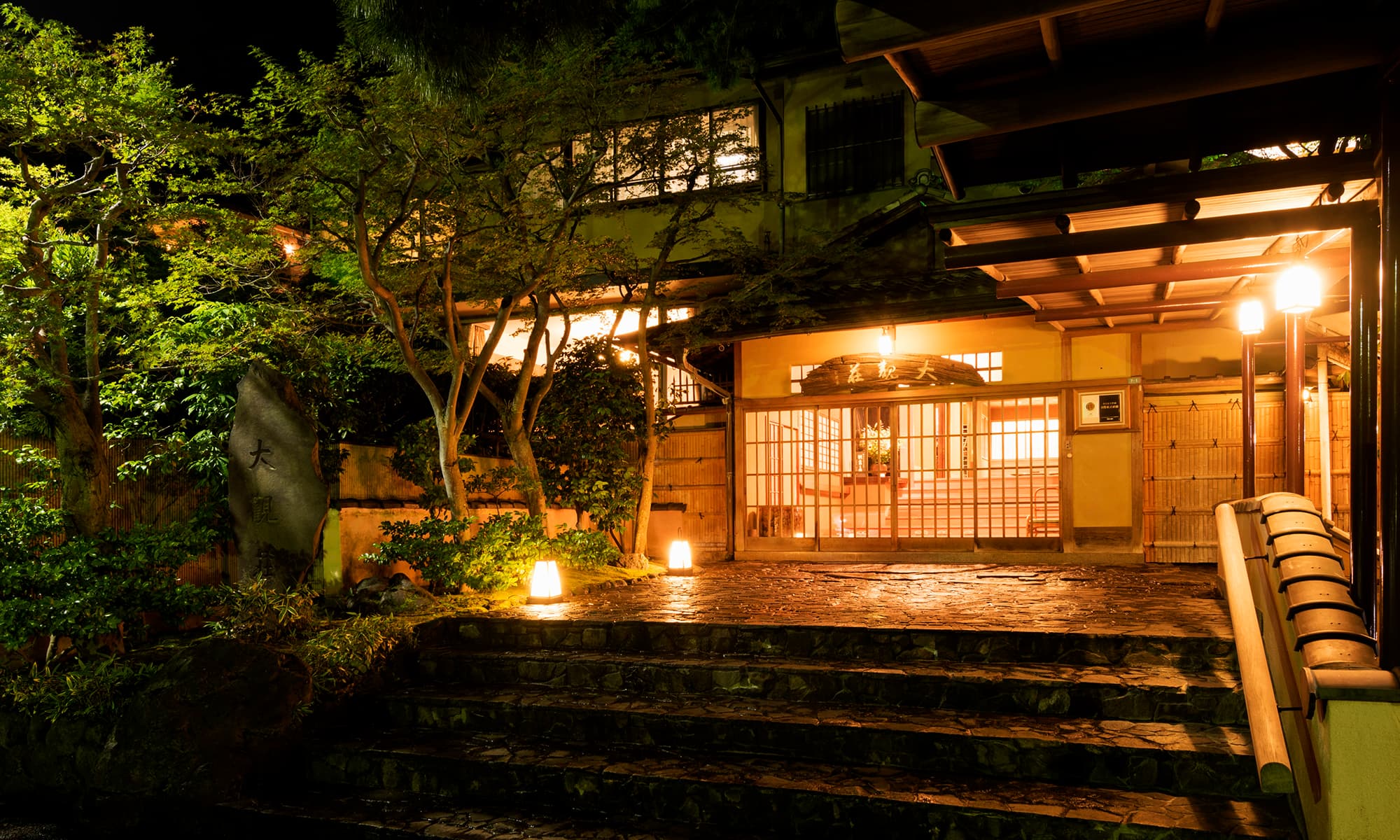 Atami Taikanso Atami | 起价 ¥71,302 | 9.6 593条评价 | 英语OK包租温泉 | 上Agoda订房 |
| 起价 ¥59,290 | 9.6 413条评价 | 包租温泉 | 上Agoda订房 | |
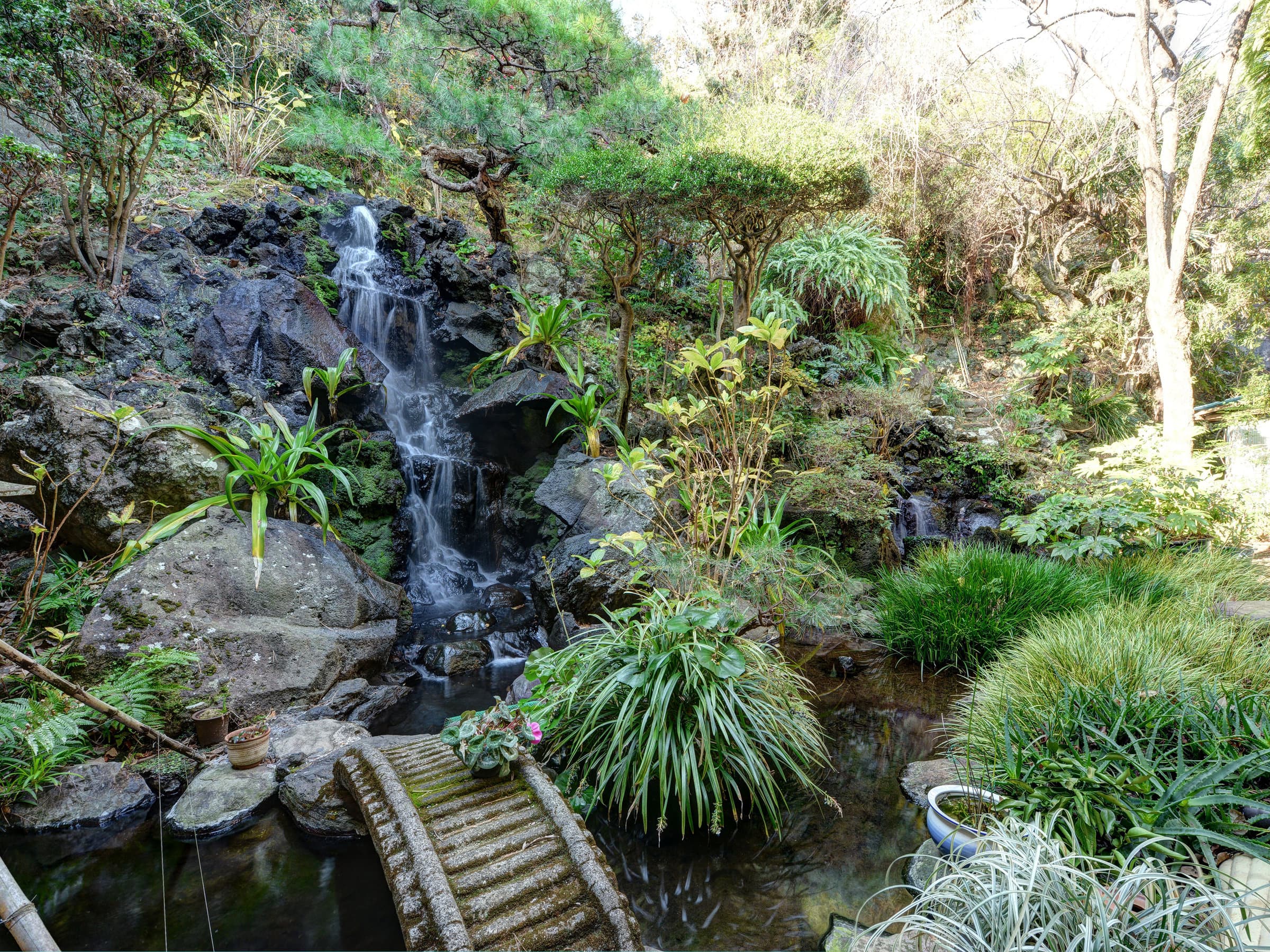 Yokikan Izu | 起价 ¥33,880 | 9.6 351条评价 | 英语OK包租温泉 | 上Booking.com订房 |
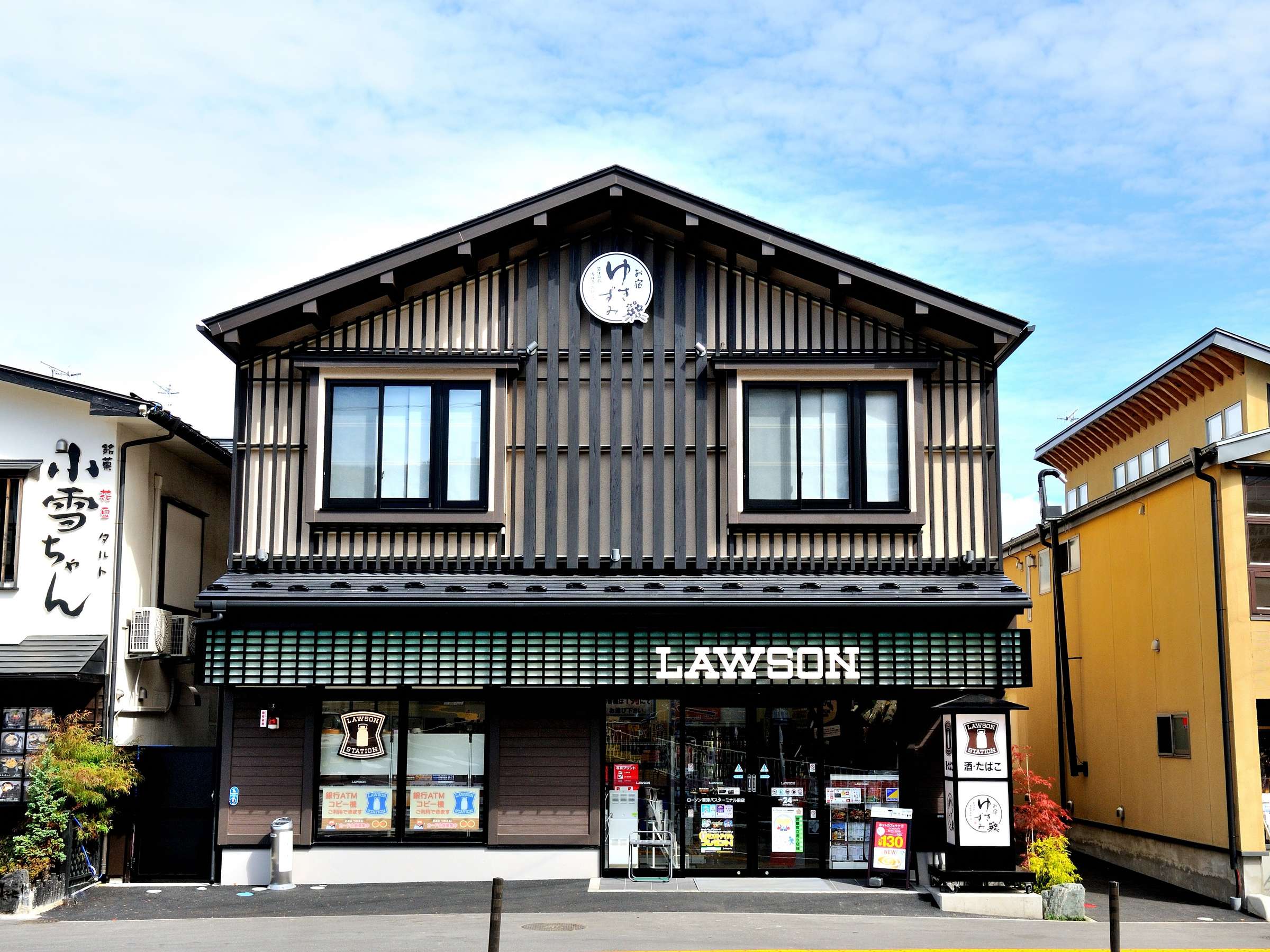 Oyado Yukizumi Kusatsu | 起价 ¥10,780 | 9.6 348条评价 | 温泉 | 上Booking.com订房 |
| 起价 ¥82,852 | 9.6 334条评价 | 包租温泉 | 上Agoda订房 | |
 Washintei Hogetsu Hakone | 起价 ¥38,962 | 9.6 293条评价 | 英语OK温泉 | 上Agoda订房 |
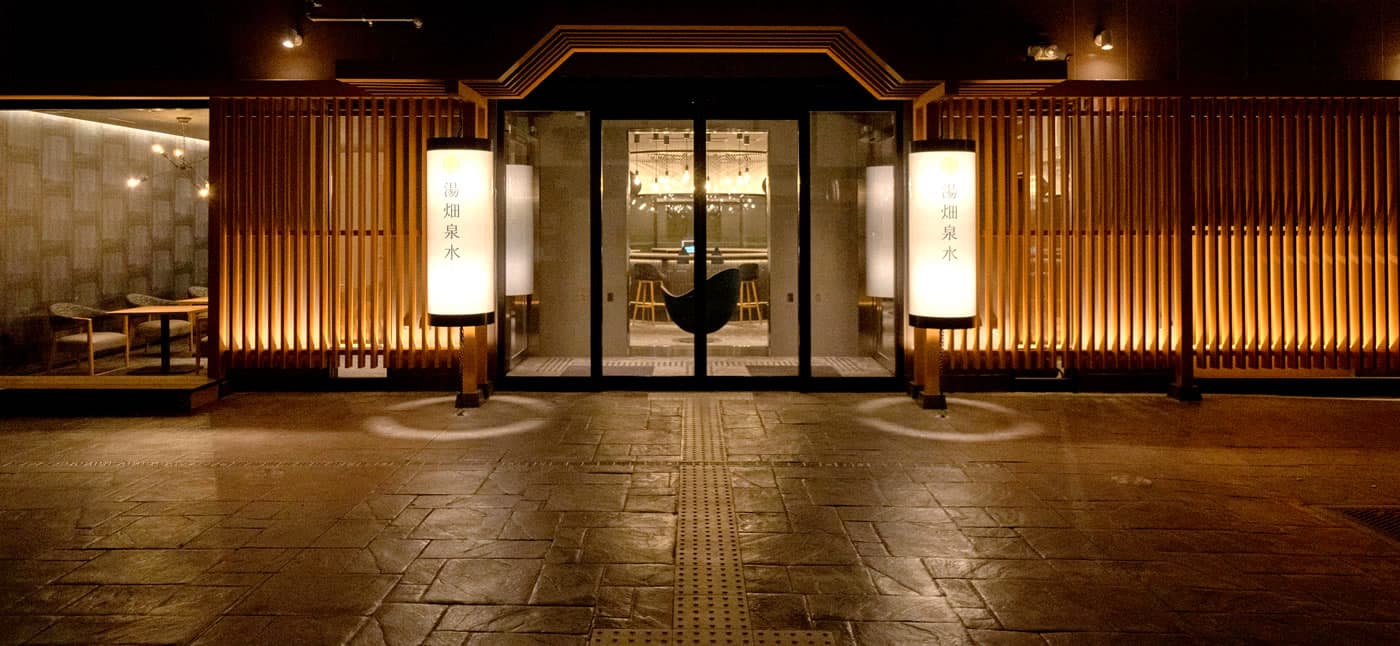 | 起价 ¥33,110 | 9.6 213条评价 | 包租温泉 | 上Booking.com订房 |
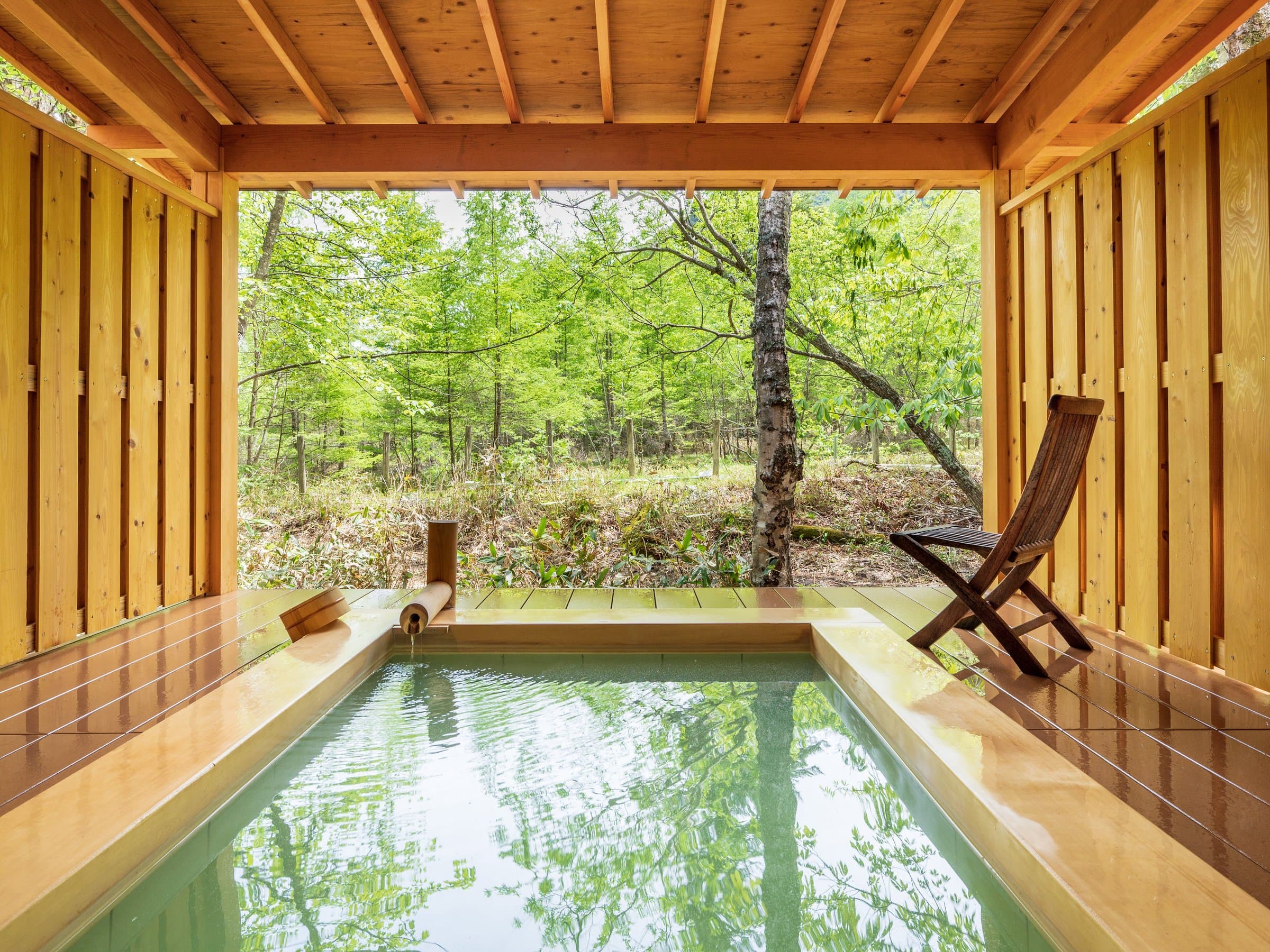 Okunikko Yuno-mori Nikko | 起价 ¥40,656 | 9.6 106条评价 | 英语OK包租温泉 | 上Booking.com订房 |
| 起价 ¥54,670 | 9.6 65条评价 | 英语OK包租温泉 | 上Booking.com订房 | |
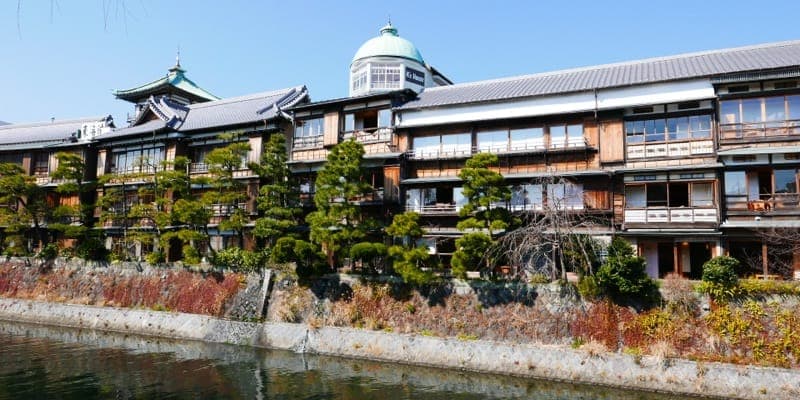 | 起价 ¥5,390 | 9.6 45条评价 | 英语OK温泉 | 上Booking.com订房 |
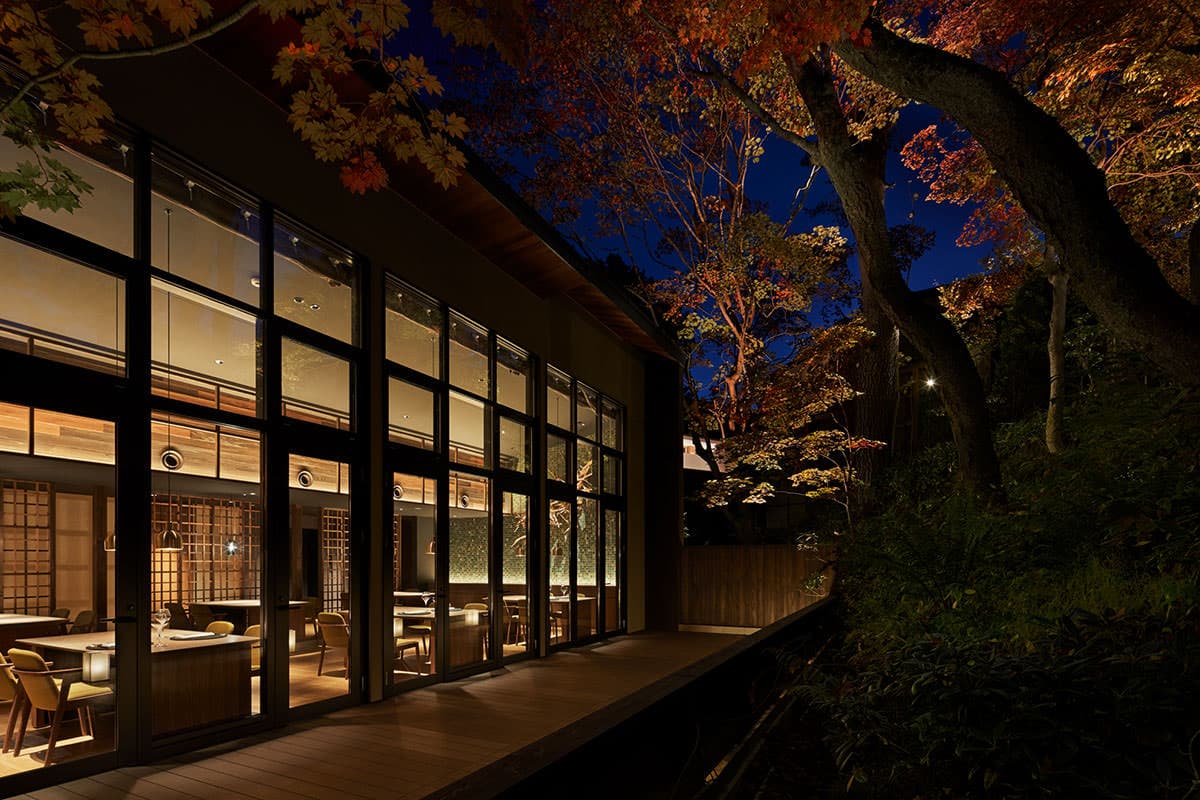 Kei Kusatsu | 起价 ¥70,840 | 9.5 77条评价 | 包租温泉 | 上Agoda订房 |
| 起价 ¥28,336 | 9.5 43条评价 | 英语OK温泉 | 上Booking.com订房 | |
| 起价 ¥37,730 | 9.4 1634条评价 | 英语OK包租温泉 | 上Booking.com订房 | |
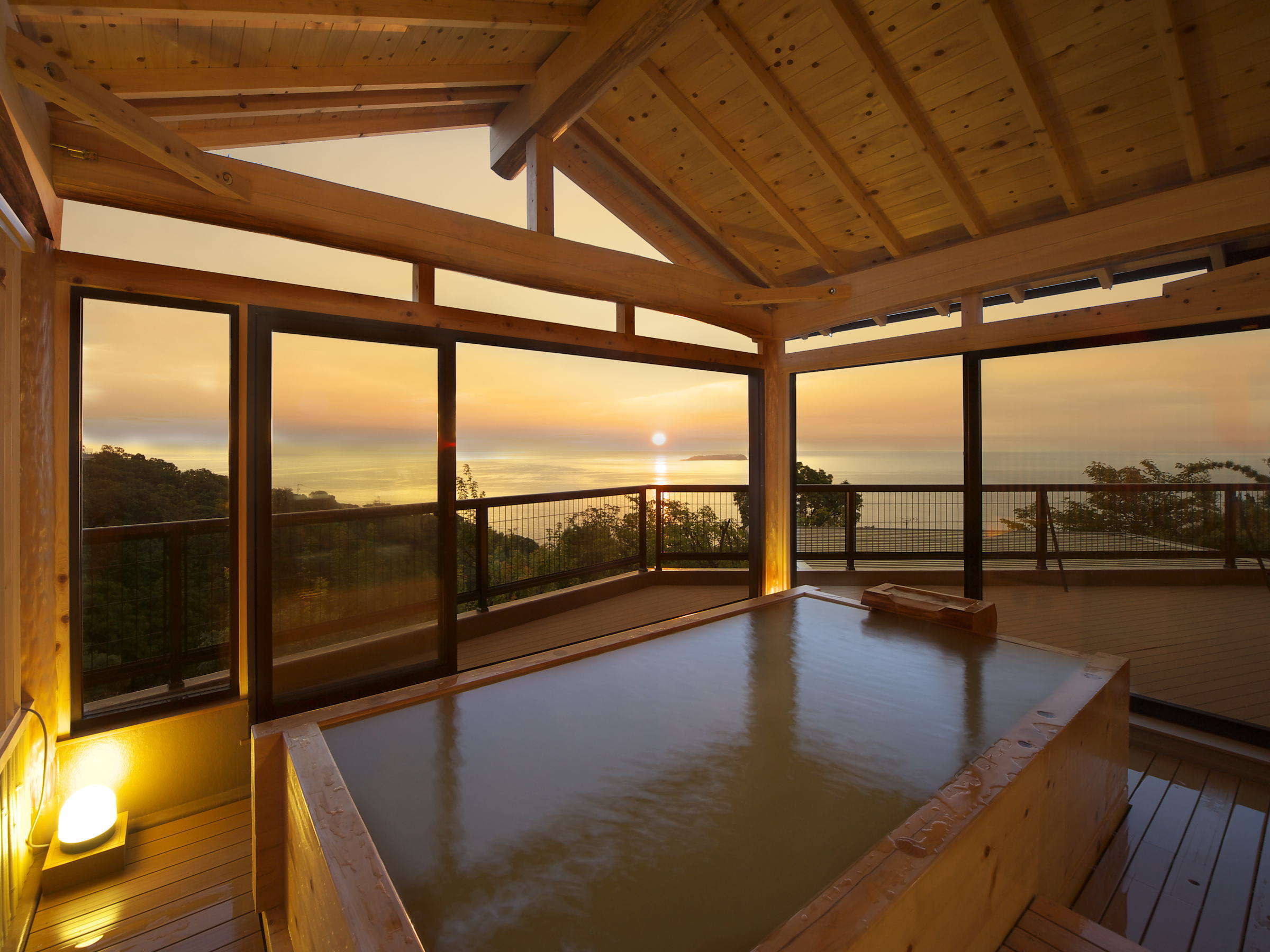 | 起价 ¥90,090 | 9.4 714条评价 | 英语OK包租温泉 | 上Booking.com订房 |
Suehiroya Ryokan
Kusatsu
Hotel Hana-An
Nikko
Atami Taikanso
Atami
Yokikan
Izu
Oyado Yukizumi
Kusatsu
Washintei Hogetsu
Hakone
Okunikko Yuno-mori
Nikko
Kei
Kusatsu
显示价格为每人每晚的起步价(约值)。通过本站预订,我们可能获得佣金。
准备好预订了吗?
从这些精选旅馆中预订
三大订房平台的实时空房与房价,一次比较。
通过预订链接可能产生佣金,但不会增加您的费用。
FAQ
常见问题
东京周边最佳的温泉旅馆是哪家?+
东京周边最佳的温泉旅馆取决于你能走多远,但要论最快抵达的正统奢华之逃,那就是热海风风,距东京站 40 分钟,乘东海道新干线 Kodama(单程 ¥3,740)。如果你完全无法离开东京市中心,虹夕诺雅东京是城内唯一的顶级温泉旅馆,位于大手町、零交通时间。要论周末深度,紧邻世遗区的风风日光是最强之选。
从东京站出发最快的正统温泉旅馆是哪家?+
热海风风,门到门 40 分钟,乘东海道新干线 Kodama(自由席单程 ¥3,740)。虹夕诺雅东京距东京站步行 3 分钟,更快,但它是一座都市塔楼,而非传统的独栋旅馆。要论交通最快的经典旅馆形态,答案就是热海风风。
这些旅馆需要 JR Pass 吗?+
不需要,除非你同时还要去京都、大阪或更远的地方。从东京站出发的现金往返票价远低于 7 天 JR Pass 的成本——热海 ¥7,480,箱根汤本 ¥6,820,轻井泽 ¥10,980,日光 ¥6,360,鬼怒川 ¥6,800,修善寺 ¥9,420,草津 ¥15,580。JR Pass 的经济性只有在多区域的规模上才成立。
箱根和热海哪个更便宜?+
热海在每个梯队都明显更便宜。奢华底线:热海风风 $739 对强罗花坛 $1,200+。中档:热海天翠 $165 对水之音 $150(大致相当)。经济:热海松月 $60 对一之汤本馆 $70。差距最大的是奢华梯队,热海全套房露天风吕的 $700-$1,500 区间,整整低于箱根强罗 $1,200-$2,500 奢华底线一个档次。
带着周一早上的会议,我能从东京去住一晚旅馆吗?+
能,但只有梯队 1 行得通。周五晚上 6:30 乘 Kodama 离开东京站,7:10 抵达热海,晚餐,睡觉。周六早上泡汤、早餐,11:40 前回到东京市中心,整个周六下午和周日都还在前方。去梯队 2 或 3 的目的地,光是坐车就吃掉大半个周日,这住两晚可行,但带着周一早会只住一晚就不行了。
东京周边最佳的秋季红叶在哪?+
11 月中日光的中禅寺湖和华严瀑布是经典答案。以风风日光或日光金谷酒店为据点,经伊吕波坂之字形山路一日游中禅寺湖。次选:箱根强罗和箱根上部破火山口,大致同一窗口。第三:鬼怒川峡谷晚一周左右。
这些旅馆对英语友好吗?+
大多数是——本综合页 30 家旅馆中有 27 家在我们数据库中标记为英语友好。例外通常是较旧的传承旅馆(踯躅亭、别邸 笹音、热海山木旅馆、福住楼),它们的前台主要以日语运作。对于这些,请经 Trip.com 或 Booking.com 预订,而不是直接官网——OTA 这一层会处理英语沟通。
哪个梯队最适合初次访客?+
梯队 1——尤其是热海。40 分钟的 Kodama 交通意味着一次失误(坐错车、错过接驳)损失的是分钟而非小时。奢华底线(风风、世界绘)和中档(樱屋、天翠)都货真价实地强,又无需应付箱根登山铁道的之字形导航或东武与 JR 的区分。对于初次的旅馆之旅,热海风风是唯一最稳妥的答案。
梯队 1 和梯队 3 各应提前多久预订?+
梯队 1:平季提前 3-6 周,红叶和梅花巅峰提前 3 个月。梯队 1 旅馆客房数量最多,库存最灵活。梯队 2:至少提前 2-3 个月,日光和箱根强罗的秋季红叶周末提前 4 个月。梯队 3:规模较小的精选(浅羽 17 间客房、踯躅亭 17 间客房)提前 4-6 个月——任何旺季它们都会提前数月订满。
富士山能见度——哪个区域最好?+
要融入旅馆住宿的部分富士山景:热海面向西方的冬季客房(世界绘、石亭、天翠)。要那个对称的明信片角度(富士山倒映在平静水面上),经典区域是富士五湖——河口湖和山中湖——它位于本综合页之外。那片区域的专门介绍请见最佳富士山景旅馆。
典型的旅馆价格包含什么?+
日本的旅馆房价按人(而非按房)报价,并传统上同时包含晚餐和早餐。梯队 1 奢华($400+)意味着怀石晚餐、早餐、所有公共温泉使用权和浴衣;若房型注明则含客房露天风吕。中档($150-300)通常包含晚餐 + 早餐 + 温泉使用权。经济($60-150)各异——有些仅含早餐,有些在低价端含全套怀石。预订时请务必确认含餐与否。


