
7分钟阅读更新于 2026年6月
快速比较
精选7家| 旅馆 | 起价 | 评分 | 特色 | 预订 |
|---|---|---|---|---|
 | 起价 ¥92,400 | 9.4 13条评价 | 英语OK包租温泉 | 上Booking.com订房 |
| 起价 ¥15,400 | 8.8 55条评价 | 英语OK温泉 | 上Booking.com订房 | |
 Arai Ryokan Izu | 起价 ¥35,420 | 9.3 91条评价 | 英语OK包租温泉 | 上Booking.com订房 |
 | 起价 ¥46,200 | 9.7 29条评价 | 英语OK包租温泉 | 上Booking.com订房 |
| 起价 ¥77,000 | 9.5 26条评价 | 英语OK包租温泉 | 上Booking.com订房 | |
| 起价 ¥45,430 | 8.7 42条评价 | 英语OK包租温泉 | 上Booking.com订房 | |
 | 起价 ¥5,390 | 9.6 45条评价 | 英语OK温泉 | 上Booking.com订房 |

Arai Ryokan
Izu
显示价格为每人每晚的起步价(约值)。通过本站预订,我们可能获得佣金。
伊豆半岛拥有 224 公里崎岖壮丽的海岸线,为寻求旅馆的游客提供了难得的三重体验:面向大海的露天风吕(室外温泉)、从西海岸眺望的富士山绝景,以及仅次于别府的日本第二大温泉密集区。这个位于静冈县的火山半岛——2018年因两条火山弧相撞的独特碰撞带地质被列为联合国教科文组织世界地质公园 [verified UNESCO 2018-04-17]——交通异常便利,从东京乘坐直达的“踊子号”特快列车仅需 90 分钟至 2.5 小时;列车名称即取自川端康成1926年的中篇小说《伊豆的舞女》[verified Wikipedia 2026-05-01],是首都周边最高雅的滨海度假胜地。无论您是向往其中心山谷的文学历史,还是钟情于南端的沙滩,伊豆都为日本最具代表性和最正宗的旅馆体验提供了绝美的自然背景。本指南精选了其中的佼佼者,平衡了传奇老店与现代精品旅馆,助您规划理想的住宿。
 保存到Pinterest
为何选择伊豆半岛(静冈县)的旅馆(从东京乘坐“踊子号”特快列车需 90 分钟至 2.5 小时,具体取决于目的地城镇)
在伊豆选择旅馆,首先意味着选择一个区域,因为伊豆半岛在地理和文化上分为四个独特的温泉区。东海岸的热海和伊东距离东京最近(最短仅需 50 分钟),氛围活泼,适合家庭出游,并拥有开阔的海景。山峦环抱的中部是修善寺,这座小镇拥有深厚的文学底蕴,诺贝尔文学奖得主川端康成曾在此写下《伊豆的舞女》。这里是伊豆的历史心脏。西海岸,特别是堂岛周边,以其骏河湾上壮丽的日落而闻名,远处的富士山构成了一幅绝美画卷——这是许多人梦寐以求的景色。最后,下田周边的南端则以其沙滩和与佩里准将登陆日本相关的独特历史而自豪。从东京出发的旅行时间差异很大,到热海不到一小时,而到下田则需 2.5 小时。了解这些区域至关重要,因为您对区域的选择将和您对旅馆的选择一样,共同决定您在伊豆半岛的体验。
1. 浅羽楼 (Asaba)
浅羽楼不仅是伊豆半岛最富盛名的旅馆,更是全日本最受尊崇的旅馆之一。它创立于 1675 年,是罗莱夏朵(Relais & Châteaux)集团的成员。这家位于历史悠久的修善寺温泉镇的旅馆仅有 17 间客房,提供无与伦比的精致体验。其标志性特色是宏伟的能剧舞台(“月桂殿”,明治后期1868–1912年间从东京迁建至此 [verified Asaba 2026-05-01]),它仿佛漂浮在广阔的中央池塘上,从大部分客房和主休息室都能欣赏到这一景致。这里每年仍会举行数场表演。旅馆的设计将数百年的历史与低调的现代奢华无缝融合,营造出一个宁静的庇护所。温泉水质柔软且具有疗愈效果,被引入由天然岩石雕刻而成的精致浴池中。如果您的预算只允许在日本体验一次顶级奢华旅馆,那么浅羽楼绝对是您的首选。 从世界级的怀石料理到无可挑剔的服务,它代表了日本待客之道的巅峰。浅羽楼位于伊豆中部,从东京乘坐火车到修善寺站约需 2 小时,之后再搭乘一小段出租车即可到达。
价格等级: 顶级奢华 (¥100,000+)
 保存到Pinterest
2. 堂岛银水 (Dogashima Ginsui)
要欣赏伊豆的标志性景观,西海岸的堂岛银水无人能及。这家旅馆以其露天风吕而闻名,从那里可以欣赏到骏河湾对岸南阿尔卑斯山的壮丽全景,晴天时还能看到富士山的完美剪影。从这些浴池看到的日落是许多游客珍藏的核心记忆。旅馆本身是一家大型现代度假式旅馆,但它围绕着这壮观的自然环境,提供了非凡的体验。客房宽敞且面向大海,许多房间还带有私人阳台。怀石料理大量使用从下方海湾捕获的新鲜本地海产。虽然它不像修善寺的旅馆那样历史悠久,但堂岛银水能让您深刻感受到伊豆半岛的海岸线及其最著名的山景。它位于西海岸,从东京到伊豆急下田站约需 2.5 小时火车车程,之后再乘坐 60 分钟的巴士。
价格等级: 奢华 (¥50,000–¥100,000)
3. 新井旅馆 (Arai Ryokan)
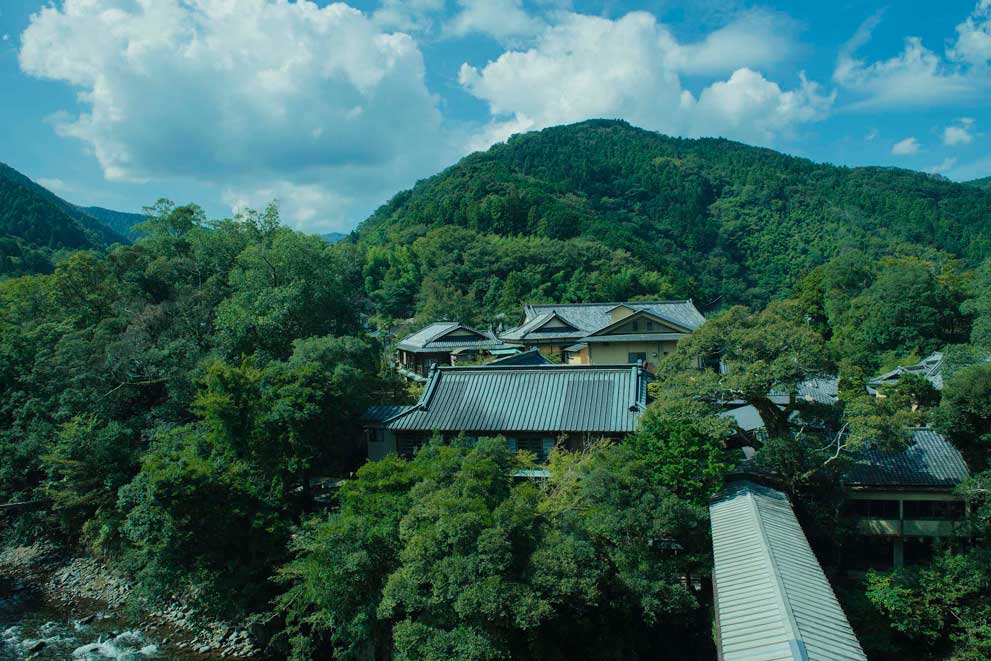
新井旅馆距离修善寺的浅羽楼仅几步之遥,提供了一种不同但同样引人入胜的历史韵味。它创立于 1872 年,是一处“登录有形文化财”。整个建筑群由木结构建筑组成,通过桥梁和蜿蜒的走廊相连,入住其中仿佛步入了一座活的博物馆。其主要魅力在于一系列精致的温泉浴池,包括宏伟的“天平大浴堂”,这是一座建于1934年、历时三年、未使用一根钉子的柏木结构大浴场 [verified 5-star Ryokans 2026-04-01],是传统木工的杰作。客房从历史悠久的主楼到较新的附楼各有不同,但所有房间都能欣赏到狩野川或旅馆精心维护的花园景致。新井旅馆曾是艺术家和作家的最爱,那种富有创造性和沉思的氛围至今仍在。相比浅羽楼,它为体验修善寺的文化遗产提供了一个更亲民的选择,同时又不失其原真性。旅馆位于修善寺,从东京乘坐火车约需 2 小时。
价格等级: 中档至奢华 (¥35,000–¥70,000)
 保存到Pinterest
4. 热海石亭 (Atami Sekitei)
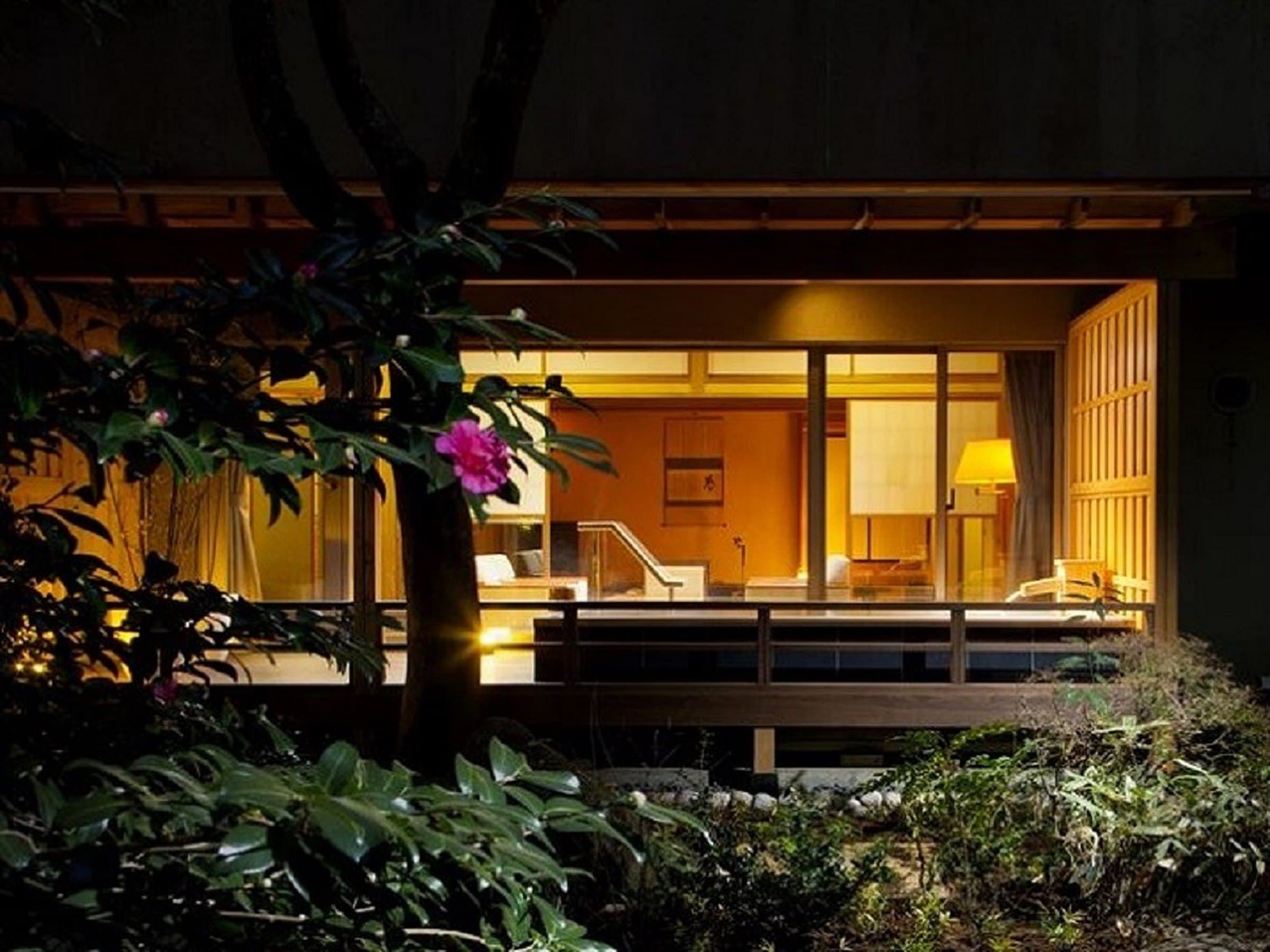
热海石亭代表了伊豆东海岸的现代奢华,是一处建在热海山坡上的精致度假地。旅馆由独立的数寄屋风格别墅组成,每栋别墅都设有私人露天风吕,可欣赏相模湾的壮丽景色。这种对隐私和现代舒适度的专注,使其成为情侣和寻求宁静假期的旅客的热门选择。虽然建筑风格传统,但设施却十分现代。旅馆的设计巧妙地利用了陡峭的山坡位置,确保每栋别墅都感觉与世隔绝。热海本身是伊豆最容易到达的温泉镇,从东京站乘坐新干线仅需 50 分钟,这使得热海石亭成为快速而奢华的度假的绝佳选择。它将热海的便利与私人别墅体验的宁静融为一体。
价格等级: 奢华 (¥50,000–¥100,000)
5. 落合楼 (Ochiairo)
坐落在汤岛山间的落合楼是伊豆另一处珍贵的“登录有形文化财”。这家旅馆创立于 1874 年,位于两条河流的交汇处,明治、大正及昭和初期曾是川端康成、岛崎藤村、梶井基次郎等文豪钟爱的隐居地 [verified Ochiairo 2026-04-15]。整栋建筑,包括其复杂的木雕栏间、优雅的走廊和 1920 年代的细节,本身就是一件艺术品。与海滨旅馆不同,落合楼的魅力在于它与森林和河流的深厚联系。潺潺的流水声是永恒的背景音。旅馆拥有数个美丽的温泉,包括一个独特的洞窟温泉和河畔露天风吕。与繁华的沿海城镇相比,它提供了一种更宁静、更质朴、历史感更浓厚的体验。对于那些对日本文学史和明治时代建筑感兴趣的人来说,落合楼是伊豆必游之地。它位于汤岛,通过修善寺站前往最为方便。
价格等级: 奢华 (¥60,000–¥120,000)
6. 大和馆 (Yamatokan)
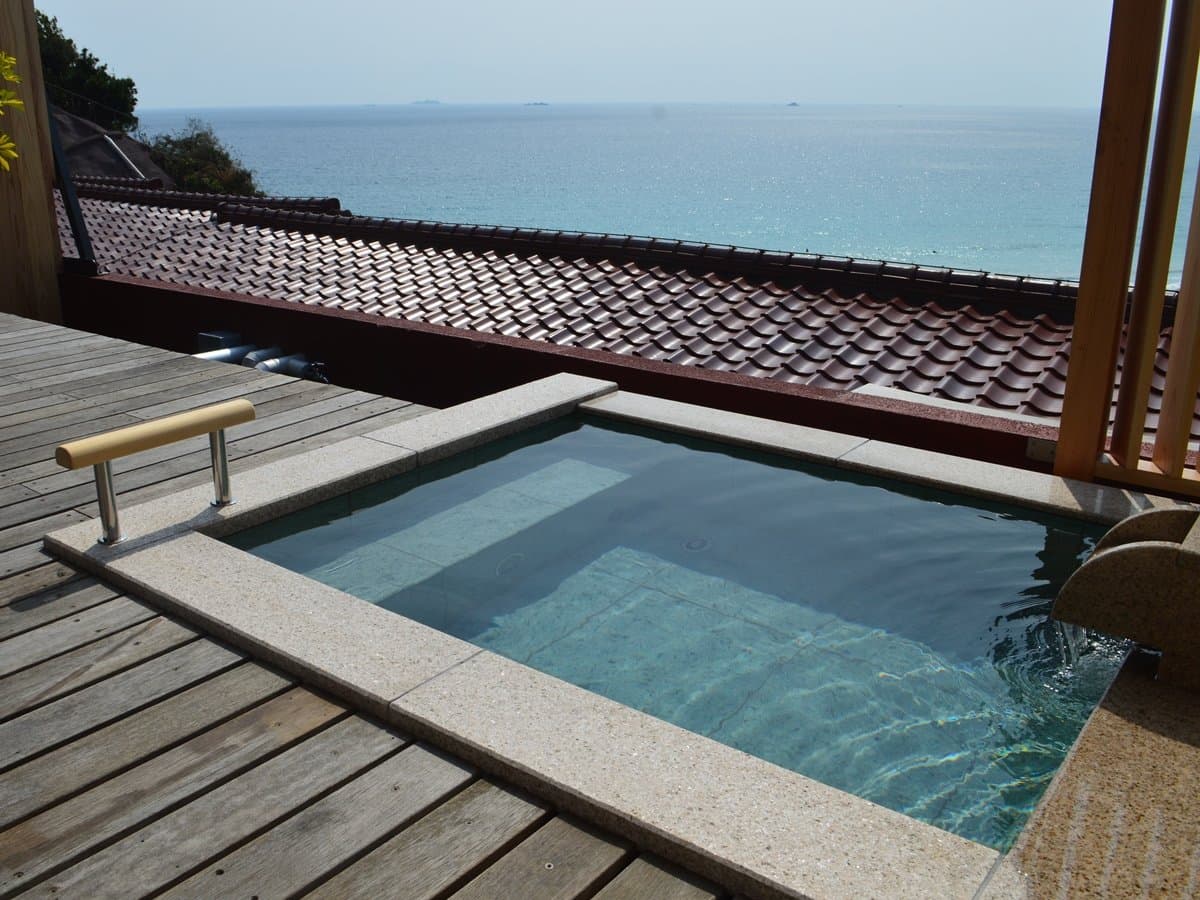
大和馆位于半岛南端的下田,提供经典的海滨温泉体验。其优越的地理位置就在多多户滨海滩上,意味着您从房间走到沙滩只需几秒钟。旅馆最突出的特色是其屋顶无边温泉,它仿佛与太平洋融为一体,提供广阔无垠的海景。与修善寺的传统旅馆相比,这是一家更为休闲、适合家庭的旅馆。客房明亮、现代,且全部面向大海。除了屋顶浴池,它还有其他几个大型公共温泉,其中一些可以私人预订。对于希望将温泉假期与海滩度假结合起来的旅客来说,大和馆是理想之选,尤其是在夏季。从东京到下田的火车车程约为 2.5 小时。
价格等级: 中档 (¥25,000–¥50,000)
7. K之家 伊东 (KS House Ito)
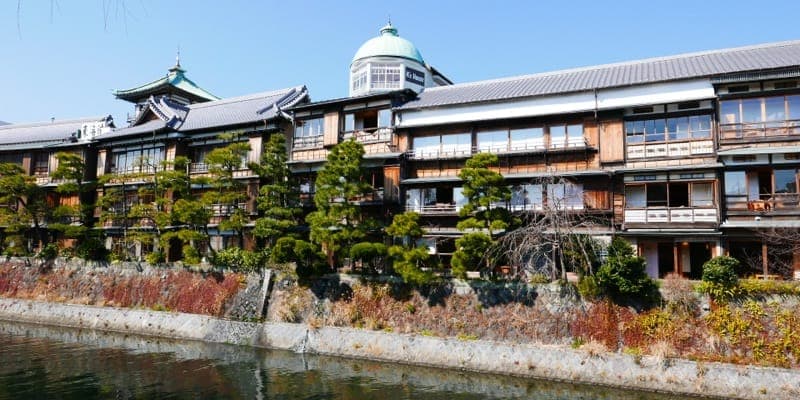
K之家 伊东证明了伊豆温泉之旅不必花费高昂,它提供了一个极具性价比且别具一格的选择。这是一座拥有 100 多年历史的旅馆建筑,已被注册为“有形文化财”,并被改造成现代化的青年旅舍。客人可以选择日式私人客房或宿舍床位。虽然不含餐食,但有一个大型公共厨房,并且其位于伊东温泉镇——伊东一镇即拥有约700处温泉源,每分钟涌泉量约33,000升,是日本涌量最大的温泉地之一 [verified Rakuten Travel 2026-04-01]——的中心位置,意味着步行即可到达数十家餐厅。最棒的是,它拥有自己的 100% 天然、源泉挂流式的温泉浴池,其中一个可以私人使用。对于背包客、独行旅客或任何希望在有限预算内体验伊豆历史和温泉的人来说,这里是完美的基地。伊东位于东海岸,从东京乘坐火车约需 100 分钟。
价格等级: 经济型 (¥5,000–¥15,000)
除了这7家,我们还持续更新覆盖修善寺、伊东到西海岸的伊豆带私汤的旅馆清单。
实用信息
交通: 从东京前往伊豆最便捷的方式是乘坐 JR“踊子号”或“蓝宝石踊子号”特快列车,该列车沿东海岸直达伊东和下田,并有车次接驳至修善寺。前往热海,最快的方式是乘坐东海道新干线(不到 1 小时)。
最佳季节: 伊豆是一个全年皆宜的目的地。春季(3月-4月)有樱花盛开,尤其是2月初便开放、缓慢绽放至3月初的河津樱——观赏期长达约一个月,在樱花品种中极为罕见 [verified Japan-guide 2026-02-17]。夏季(6月-8月)是下田海滩的理想季节。秋季(10月-11月)天气宜人,中部山区有红叶可赏。冬季(12月-2月)是温泉旺季,清澈干爽的空气为观赏富士山提供了最佳机会。
预算: 一家包含两餐的优质中档旅馆,预计每人每晚费用为 ¥25,000–¥50,000。像浅羽楼或热海石亭这样的豪华旅馆起价为 ¥50,000,最高可超过 ¥100,000。像 K之家这样的经济型选择可以在 ¥15,000 以下找到。
Tip
建议您提前预订“踊子号”特快列车的座位,尤其是在周末出行。前排的“绿色车厢”(头等座)座位在火车沿海岸线行驶时,可欣赏到伊豆半岛海岸线的壮丽全景。
从修善寺的历史优雅到西海岸壮丽的海岸风光,伊豆半岛为每一种品味和预算的游客都提供了合适的旅馆。它集世界一流的温泉、绝美的风景和从东京出发的便捷交通于一身,是任何寻求地道日式旅馆体验的旅行者不容错过的目的地。立即浏览我们精选的旅馆列表,预订您的完美伊豆之旅。
如果想以米其林钥匙或 Relais & Châteaux 等评级为标准来挑选,也可以参考我们的姐妹网站:伊豆温泉旅馆推荐:伊豆与热海获奖高端住宿。
本地区收录的其他旅馆
11家| 旅馆 | 起价 | 评分 | 特色 | 预订 |
|---|---|---|---|---|
 | 起价 ¥27,104 | 9.7 71条评价 | 英语OK包租温泉 | 上Booking.com订房 |
| 起价 ¥82,852 | 9.6 334条评价 | 包租温泉 | 上Agoda订房 | |
| 起价 ¥37,730 | 9.4 1634条评价 | 英语OK包租温泉 | 上Booking.com订房 | |
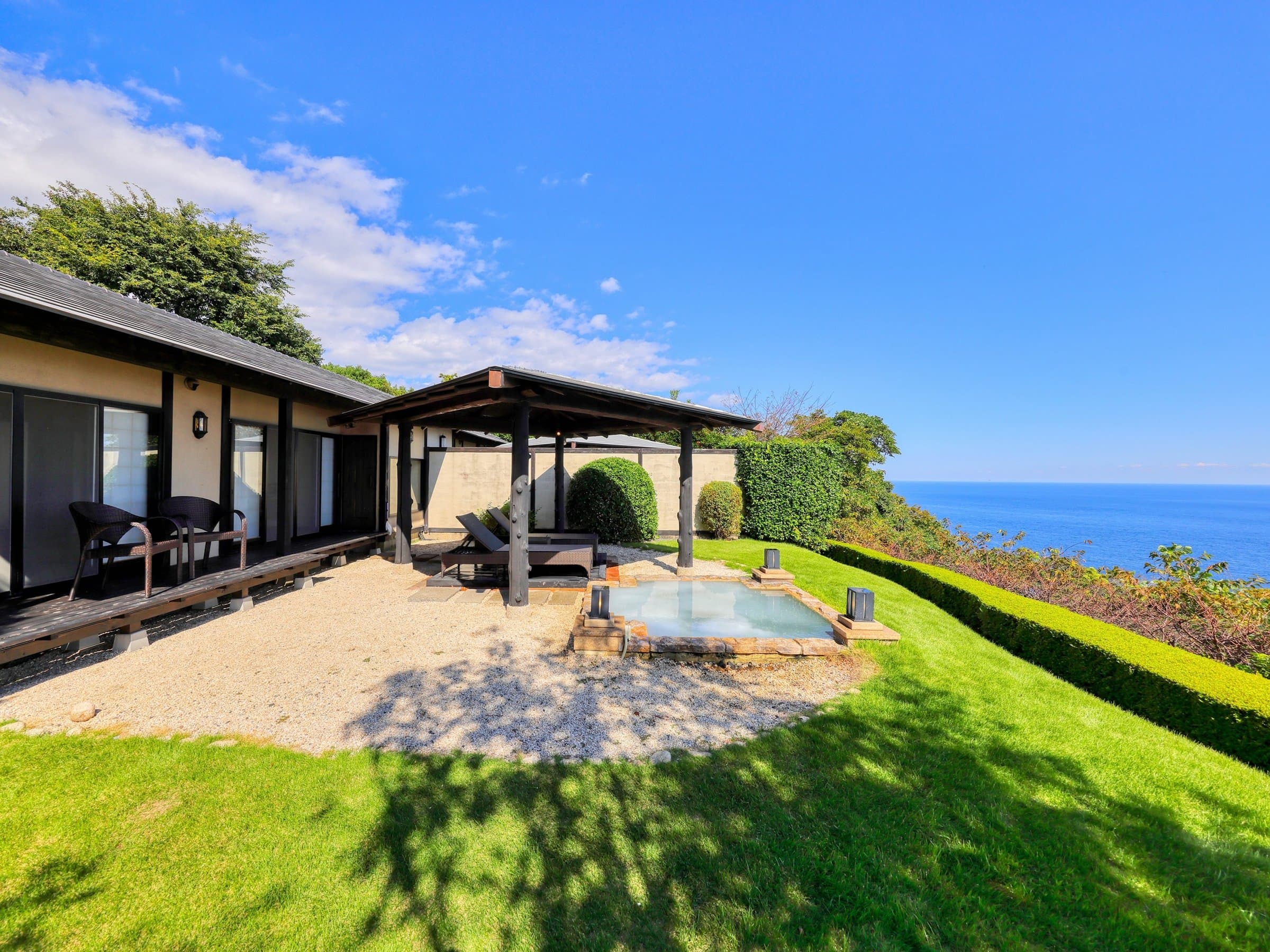 | 起价 ¥89,320 | 9.4 327条评价 | 包租温泉 | 上Booking.com订房 |
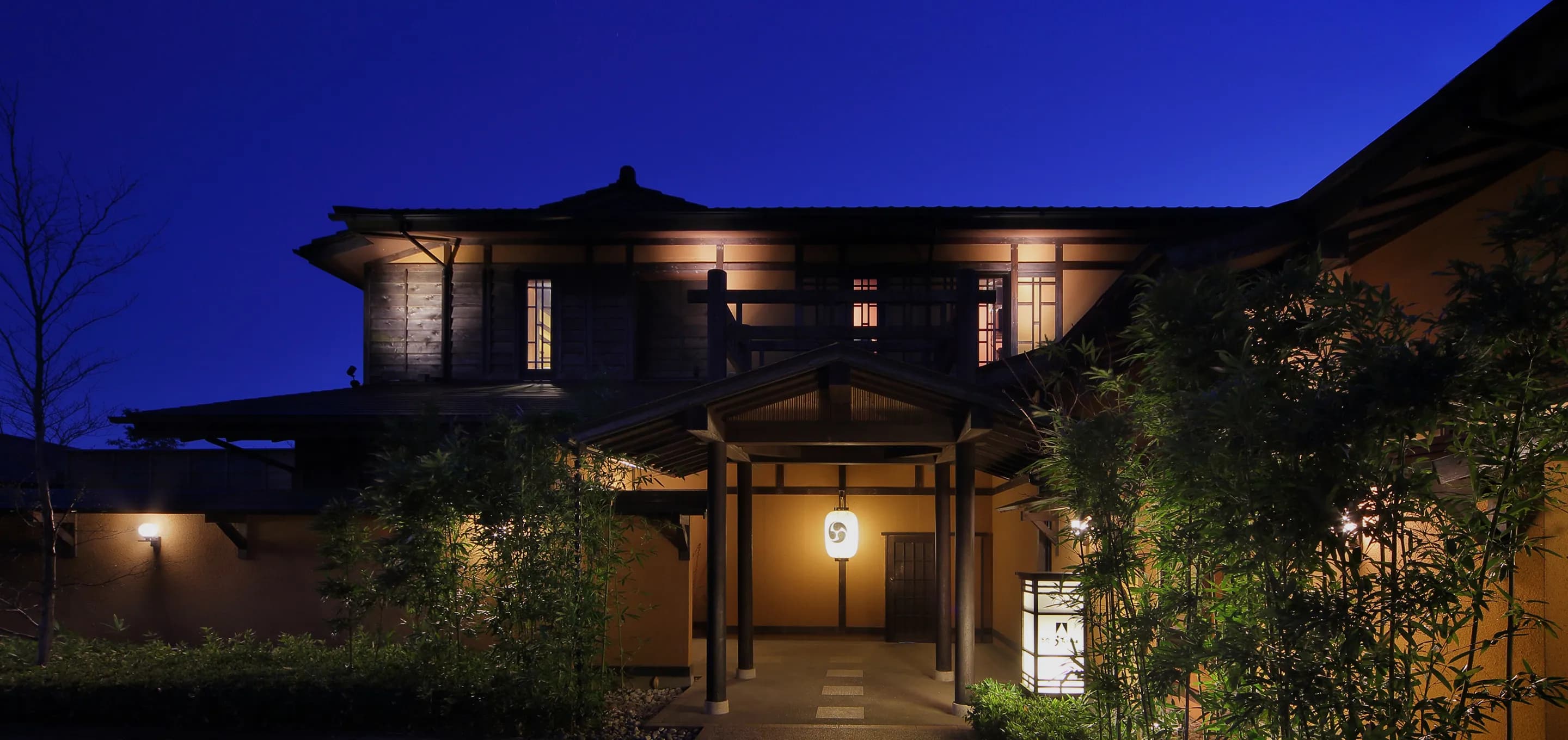
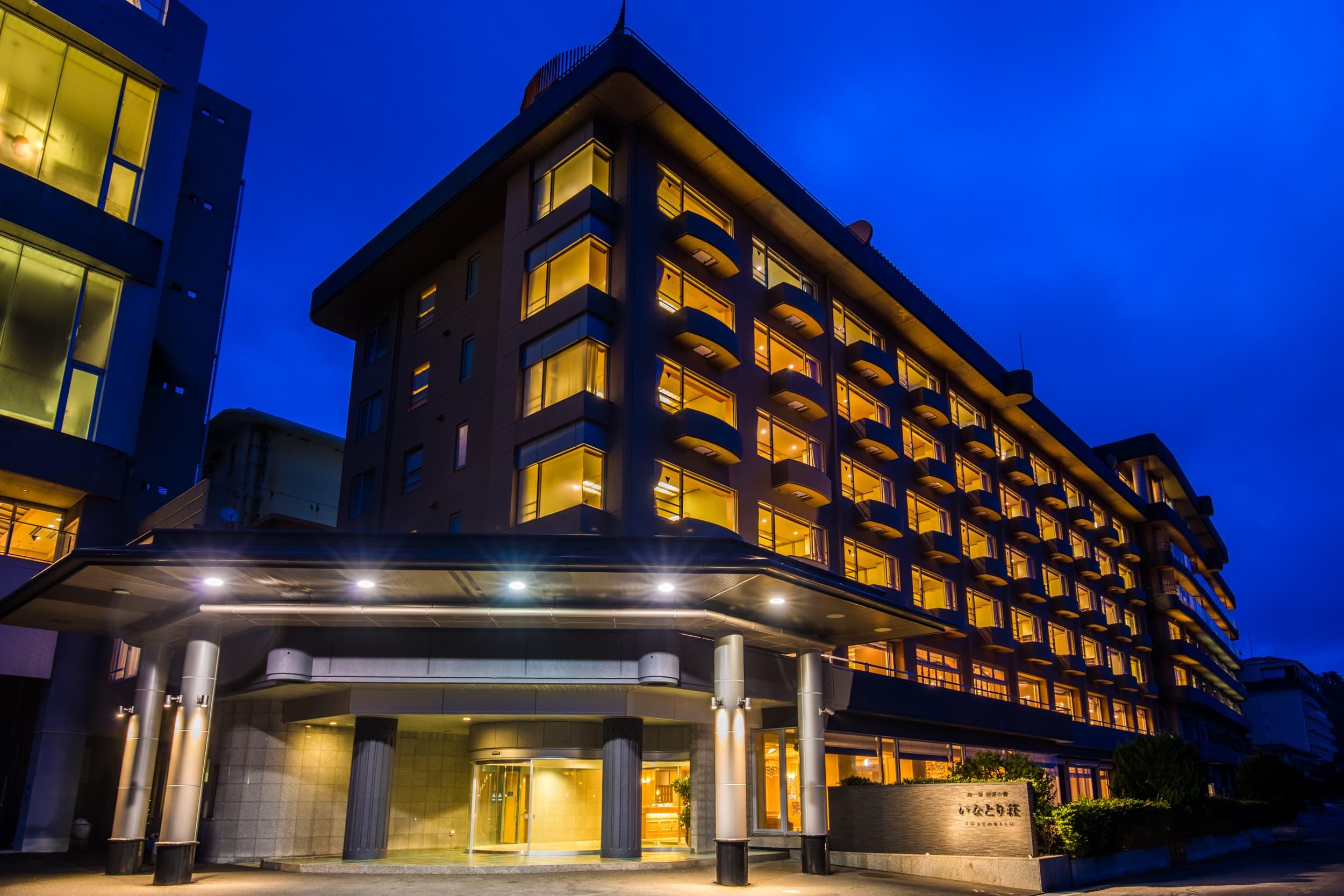 Inatoriso Izu | 起价 ¥19,712 | 9.2 1268条评价 | 包租温泉 | 上Booking.com订房 |
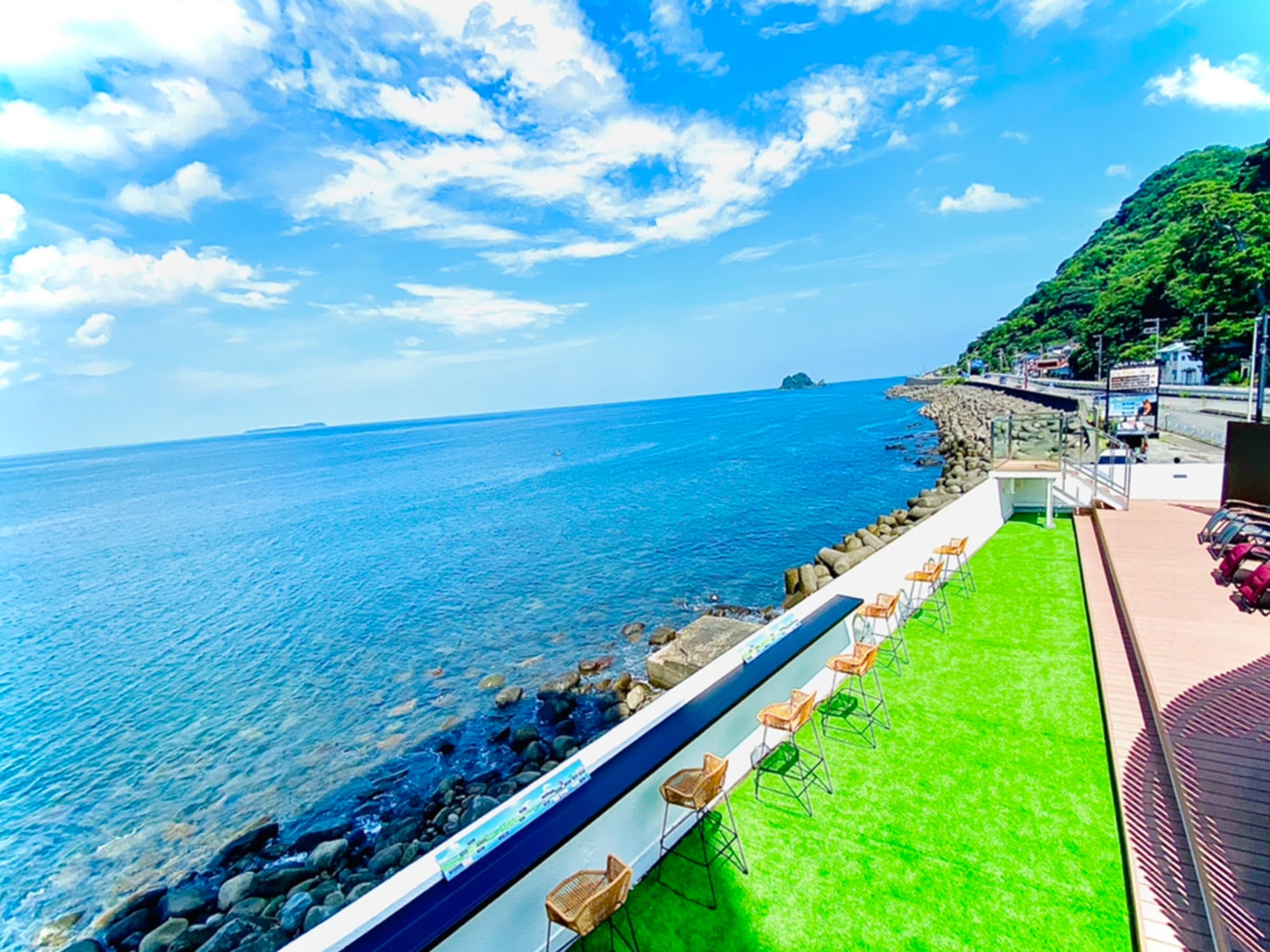
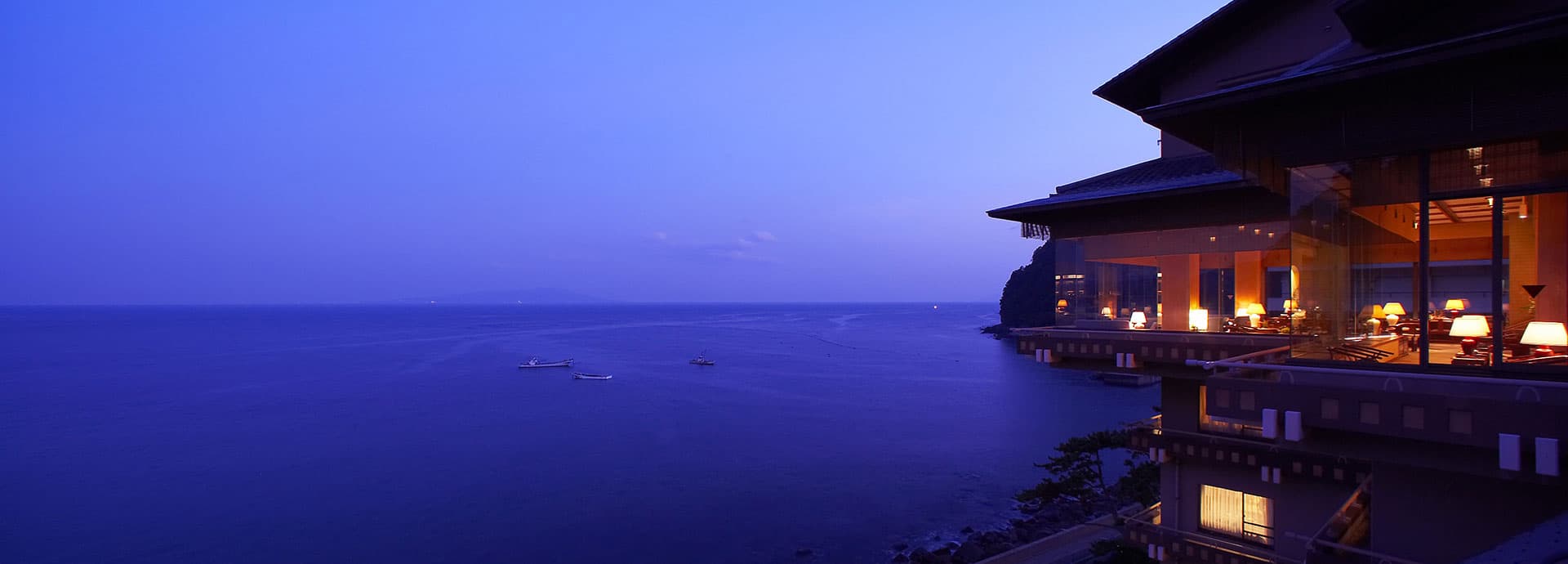 Bousui Izu | 起价 ¥42,196 | 9.1 135条评价 | 英语OK包租温泉 | 上Booking.com订房 |
| 起价 ¥15,862 | 9.0 1232条评价 | 英语OK包租温泉 | 上Booking.com订房 | |
| 起价 ¥41,426 | 9.0 374条评价 | 英语OK包租温泉 | 上Booking.com订房 | |
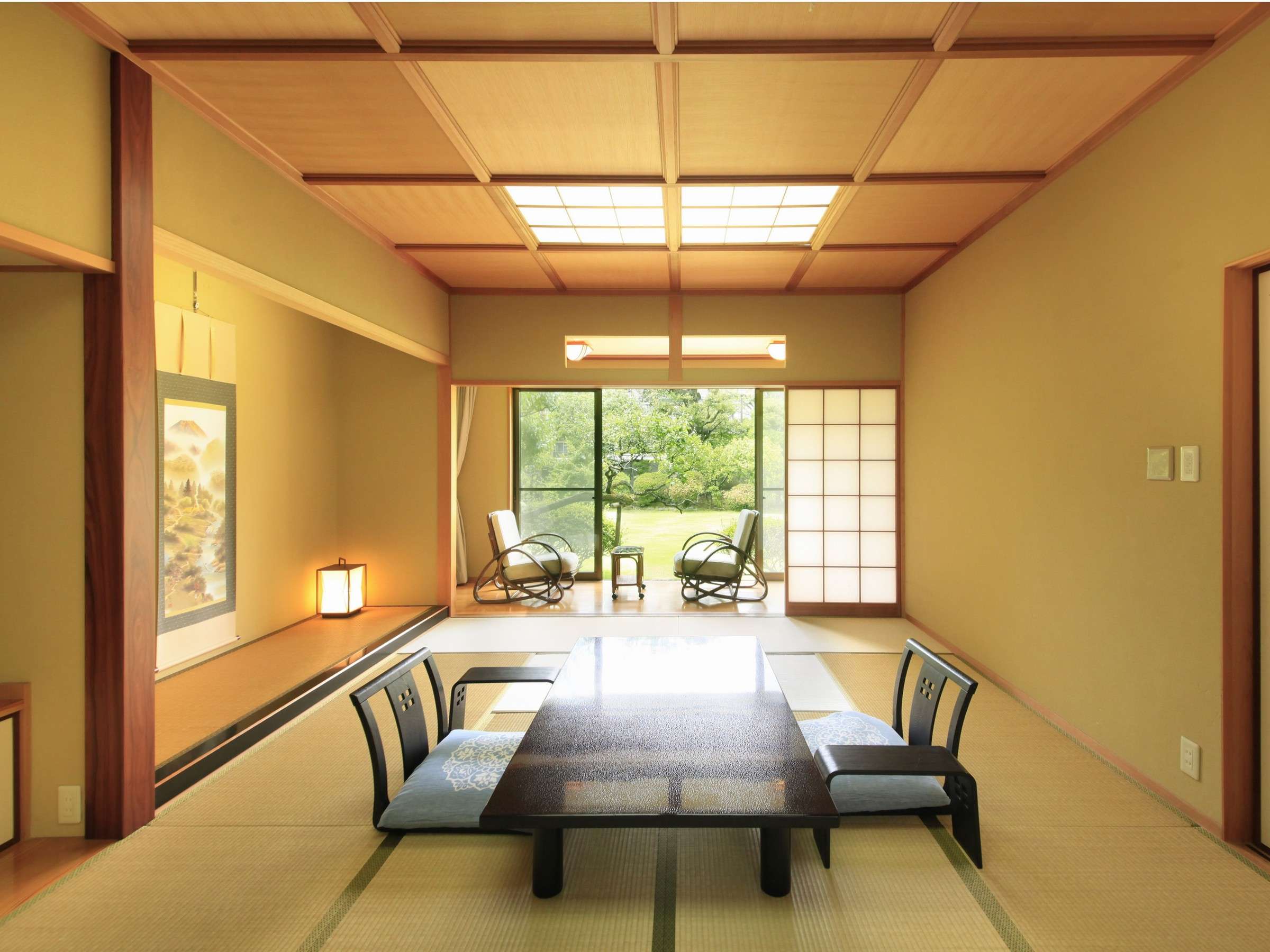 | 起价 ¥12,320 | 8.9 89条评价 | 英语OK包租温泉 | 上Booking.com订房 |
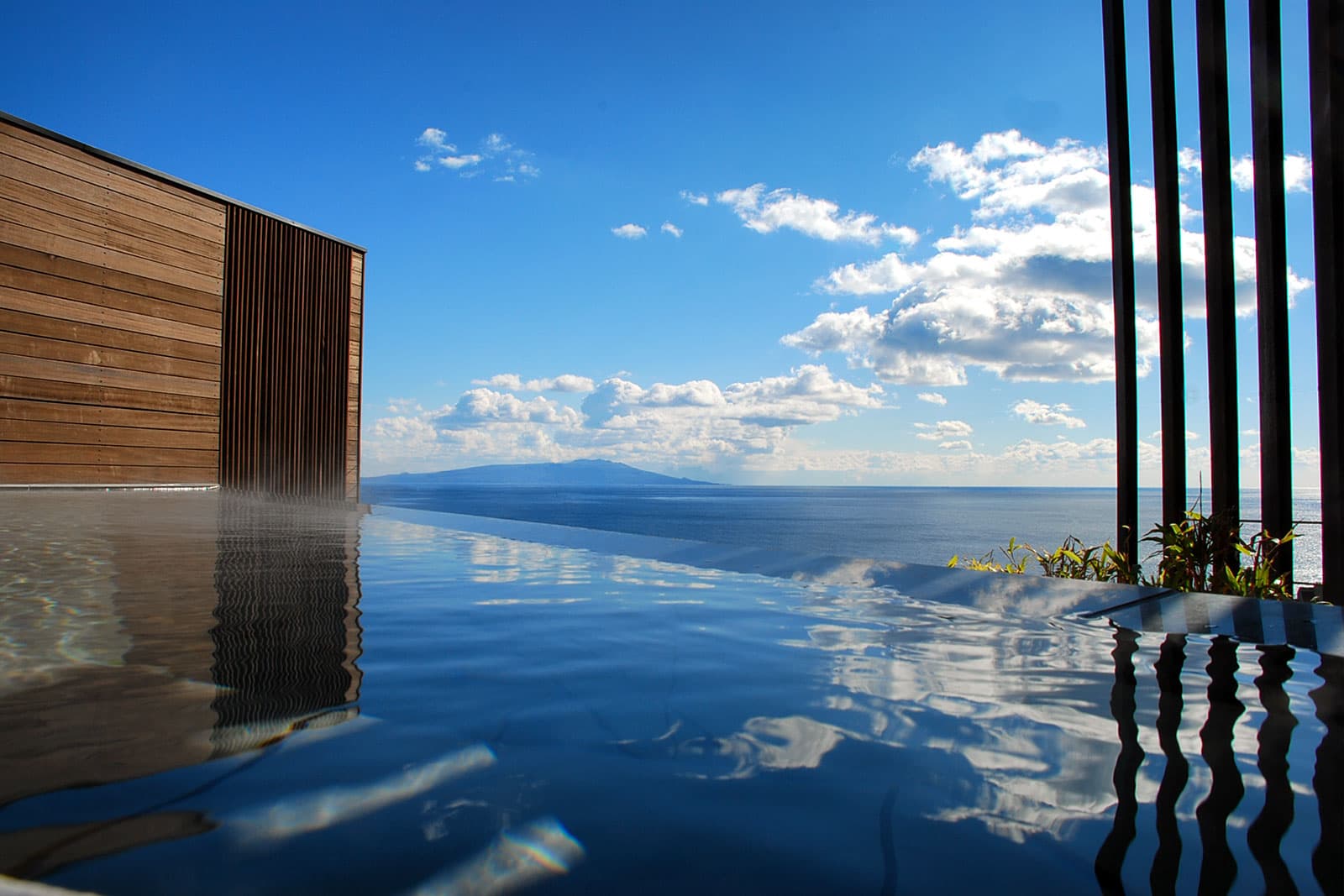
 Seiryuso Izu | 起价 ¥50,820 | 8.8 7条评价 | 英语OK包租温泉 | 上Booking.com订房 |
| 起价 ¥28,336 | 8.2 1283条评价 | 英语OK包租温泉 | 上Booking.com订房 |
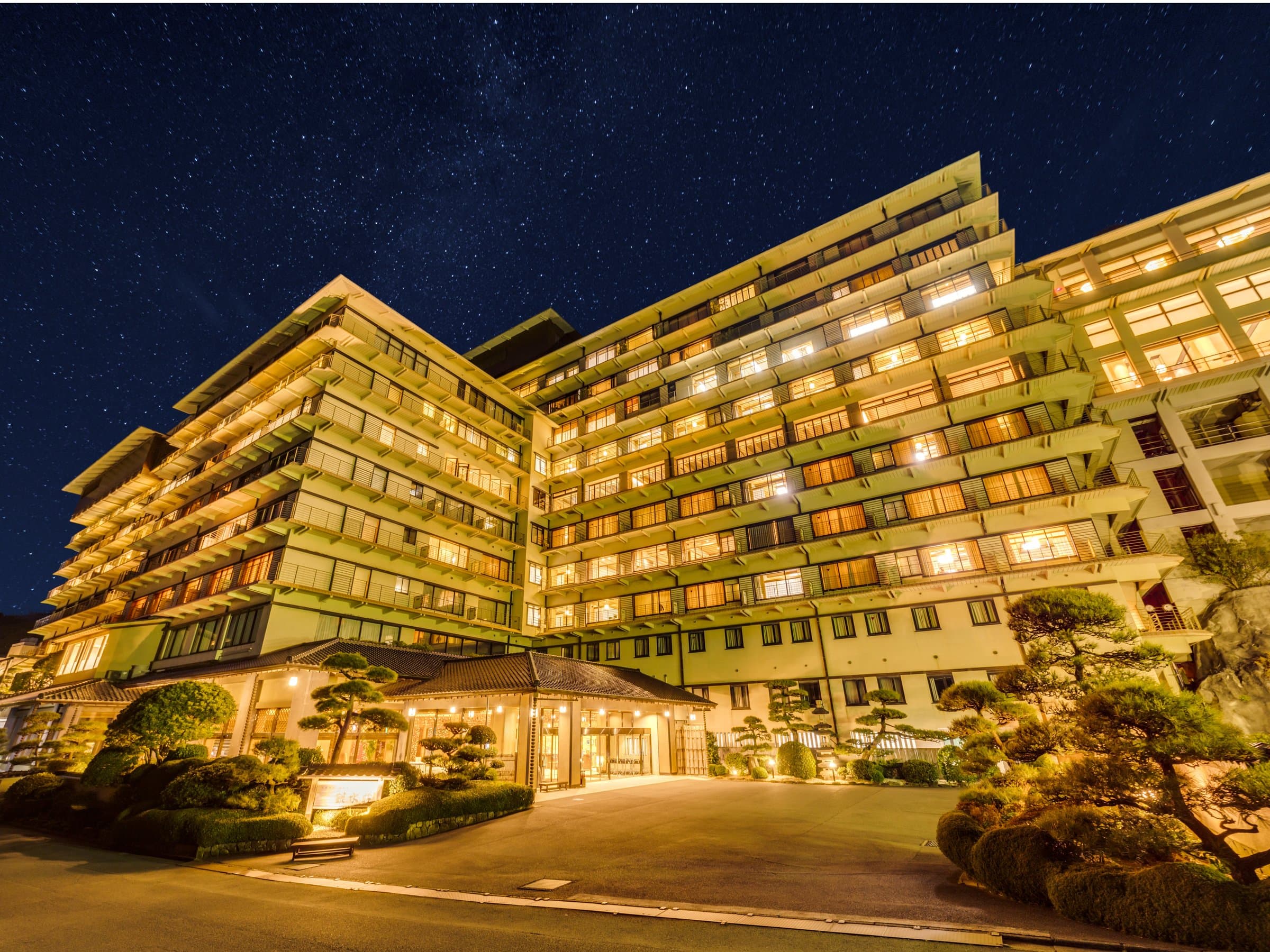
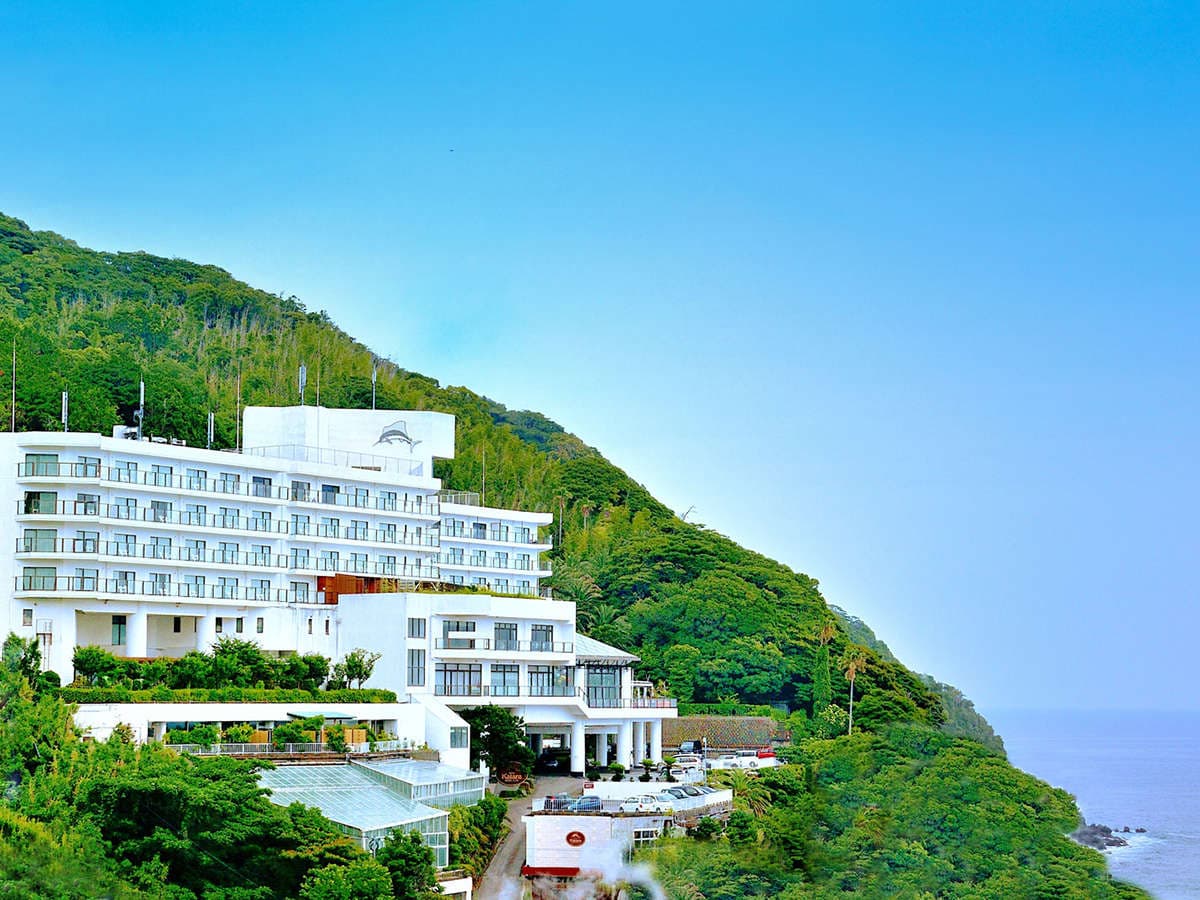
Inatoriso
Izu
Bousui
Izu
Seiryuso
Izu
显示价格为每人每晚的起步价(约值)。通过本站预订,我们可能获得佣金。
准备好预订了吗?
从这些精选旅馆中预订
三大订房平台的实时空房与房价,一次比较。
通过预订链接可能产生佣金,但不会增加您的费用。
FAQ
常见问题
How far is Izu from Tokyo, and how do I get there?+
The east coast of Izu Peninsula (Atami, Ito) is 40–60 minutes from Tokyo Station by Tokaido Shinkansen (Atami) or JR Odoriko limited express (Ito). Shimoda on the southern tip takes approximately 2 hours by JR Saphir Odoriko direct express. Shuzenji in central Izu — home to Asaba and Arai Ryokan — is roughly 90 minutes by Tokaido Shinkansen to Mishima, then Izu Hakone Railway Sunzu Line to Shuzenji Station. The west coast (Dogashima, Matsuzaki) requires an additional 45–60 minutes by bus from Shuzenji or Shimoda.
What is the most famous ryokan in Izu?+
Asaba in Shuzenji is the most internationally recognized — founded in 1675, a Relais & Châteaux member, and famous for its Noh stage built over a carp pond where performances are held for guests. With only 17 rooms and rates from approximately ¥60,000–¥150,000 per person, it is also one of Japan's most difficult reservations to secure during peak season. Arai Ryokan, a short walk away and founded in 1872, is a designated Registered Tangible Cultural Property offering a similar historic ambience at slightly more accessible pricing.
Which ryokan in Izu has the best views of Mt. Fuji?+
Dogashima Ginsui on the west coast is specifically renowned for Fuji views from its outdoor rotenburo — a panoramic vista across Suruga Bay toward the Southern Alps with Mt. Fuji visible on clear days. The sunset from these west-coast baths is a defining experience. Atami Sekitei, on the east coast above Sagami Bay, offers a different mountain-meets-ocean composition from its sukiya-style private villa baths. Both require clear weather — visiting between October and February maximizes the chance of Fuji being visible.
How much does a ryokan in Izu cost per person?+
Budget to mid-range options like KS House Ito (a converted 100-year-old ryokan building turned guesthouse) start from approximately ¥5,000–¥8,000 per person without meals. Mid-range traditional ryokans in Atami and Ito run ¥20,000–¥40,000 per person including dinner and breakfast. Premium properties like Atami Sekitei range from ¥50,000–¥100,000. Asaba at the top end runs ¥60,000–¥150,000+ per person. All per-person rates include kaiseki dinner and Japanese breakfast at traditional ryokans — the pricing structure differs from Western hotel room rates.
What is Izu Peninsula known for in terms of onsen?+
Izu has Japan's second-highest concentration of hot springs after Beppu, with over 2,000 onsen sources across the peninsula — Ito Onsen alone accounts for roughly 700 sources producing 33,000 liters per minute, among the largest gushing volumes in Japan [verified Rakuten Travel 2026-04-01]. Atami's springs are chloride-rich, known for skin smoothness. Shuzenji's springs (Shuzenji Onsen, the oldest in Izu) have a long history of literary and imperial patronage — Mishima Yukio and Kawabata Yasunari both wrote about the area. Dogashima and the west coast feature iodine-chloride springs. Yugashima's mountain springs, where Ochiairo sits, are cooler and more secreted than the coast.
When is the best season to visit Izu for a ryokan stay?+
Izu is a year-round destination with distinct seasonal draws. February brings the Kawazu Zakura early cherry blossoms (Japan's first, 1–2 weeks ahead of Tokyo's varieties) along the east coast — book 3–4 months ahead for this window. Autumn (October–November) offers foliage without Kyoto-level crowds, plus the clearest Mt. Fuji views of the year. Summer is peak domestic season with beach access, but coastal ryokans are hot and crowded. Winter is the quietest and most affordable period, and onsen quality is highest when the weather is coldest.
Is there a budget-friendly ryokan option in Izu?+
Yes — KS House Ito is the standout value option: a registered Tangible Cultural Property building over 100 years old, converted into a modern guesthouse with dormitory and private rooms. Private Japanese-style rooms start from approximately ¥5,000–¥7,000 per person. The building itself retains original architectural elements while offering common-space onsen access. For travelers wanting a full traditional ryokan experience (kaiseki included) at the lower end, several Ito and Atami ryokans offer weekday plans from ¥15,000–¥20,000 per person.


