
8 min readUpdated June 2026
Quick Comparison
7 picks| Ryokan | From | Rating | Features | Book |
|---|---|---|---|---|
 | from $600 | 9.4 13 reviews | EN OKPrivate Onsen | Book on Booking.com |
| from $100 | 8.8 55 reviews | EN OKOnsen | Book on Booking.com | |
 Arai Ryokan Izu | from $230 | 9.3 91 reviews | EN OKPrivate Onsen | Book on Booking.com |
 | from $300 | 9.7 29 reviews | EN OKPrivate Onsen | Book on Booking.com |
| from $500 | 9.5 26 reviews | EN OKPrivate Onsen | Book on Booking.com | |
| from $295 | 8.7 42 reviews | EN OKPrivate Onsen | Book on Booking.com | |
 | from $35 | 9.6 45 reviews | EN OKOnsen | Book on Booking.com |

Arai Ryokan
Izu
Prices shown are approximate starting rates per person per night. We may earn a commission on bookings.
A dramatic 224-kilometer stretch of rugged shore, The Izu Peninsula coastline offers a rare trifecta for ryokan seekers: ocean-facing rotenburo (outdoor baths), sublime Mt. Fuji views from its western coast, and Japan's second-highest concentration of hot springs after Beppu. Remarkably accessible, this volcanic peninsula in Shizuoka Prefecture — designated a UNESCO Global Geopark in 2018 for its unique collision-zone geology where two volcanic arcs meet [verified UNESCO 2018-04-17] — is just 90 minutes to 2.5 hours from Tokyo by the direct Odoriko limited express train, which itself is named after Kawabata's 1926 novella *The Izu Dancer* [verified Wikipedia 2026-05-01]. Whether you're drawn to the literary history of its central valleys or the sandy beaches of its southern tip, Izu provides a sharp natural backdrop for some of Japan's most landmark and authentic ryokan experiences. This guide selects the very best, balancing legendary institutions with modern boutique inns to help you plan your ideal stay.
 Pin to Pinterest
Why Izu Peninsula, Shizuoka Prefecture (90 minutes to 2.5 hours from Tokyo by Odoriko limited express, depending on destination town) for ryokans
Choosing a ryokan in Izu means first choosing a region, as the peninsula is geographically and culturally divided into four distinct onsen zones. The east coast, home to Atami and Ito, is the closest to Tokyo (as little as 50 minutes) and offers a lively, family-friendly atmosphere with expansive ocean views. In the mountainous center lies Shuzenji, a town of refined literary heritage where Nobel laureate Yasunari Kawabata penned “The Izu Dancer.” This is Izu's historic heart. The west coast, particularly around Dogashima, is famed for its dramatic sunsets over Suruga Bay, which frame Mt. Fuji in the distance—a bucket-list view for many. Finally, the southern tip around Shimoda has sandy beaches and a unique history tied to Commodore Perry's arrival in Japan. Travel time from Tokyo varies significantly, from under an hour for Atami to 2.5 hours for Shimoda. Understanding these zones is key; your choice of region will define your experience of The Izu Peninsula coastline as much as your choice of inn.
1. Asaba
Asaba is not just the most famous ryokan on the Izu Peninsula; it is one of the most revered in all of Japan. Founded in 1675 and a member of the exclusive Relais & Châteaux group, this 17-room inn in the historic onsen town of Shuzenji offers an experience of unparalleled refinement. Its signature feature is the magnificent Noh stage — known as the Gekkeiden, originally relocated from Tokyo during the late Meiji period (1868–1912) [verified Asaba 2026-05-01] — that appears to float on a vast central pond, viewable from most rooms and the main lounge. Performances are still held here several times a year. The ryokan’s design seamlessly blends centuries of history with understated modern luxury, creating a tranquil sanctuary. The hot spring water is soft and restorative, piped to exquisite baths carved from natural rock. If your budget allows for only one ultra-luxury ryokan experience in Japan, Asaba should be at the top of your list. It represents the pinnacle of Japanese hospitality, from its top-tier kaiseki cuisine to its flawless service. Asaba is located in central Izu, about a 2-hour train ride from Tokyo to Shuzenji Station, followed by a short taxi ride.
Price tier: Ultra-luxury (¥100,000+)
 Pin to Pinterest
2. Dogashima Ginsui
For the definitive Izu view, Dogashima Ginsui on the west coast is unmatched. The ryokan is celebrated for its rotenburo, which offers a striking panoramic vista across Suruga Bay towards the Southern Alps and, on clear days, a perfect silhouette of Mt. Fuji. The sunset from these baths is a core memory for many visitors. The ryokan itself is a large, modern resort-style inn, but it delivers an exceptional experience with a focus on this spectacular natural setting. Rooms are spacious and ocean-facing, many with private balconies. The kaiseki meals heavily feature fresh local seafood from the bay below. While it lacks the ancient history of Shuzenji's inns, Dogashima Ginsui provides a powerful connection to The Izu Peninsula coastline and its most famous mountain view. It is located on the west coast, approximately a 2.5-hour train journey from Tokyo to Izukyu-Shimoda Station, then a 60-minute bus ride.
Price tier: Luxury (¥50,000–¥100,000)
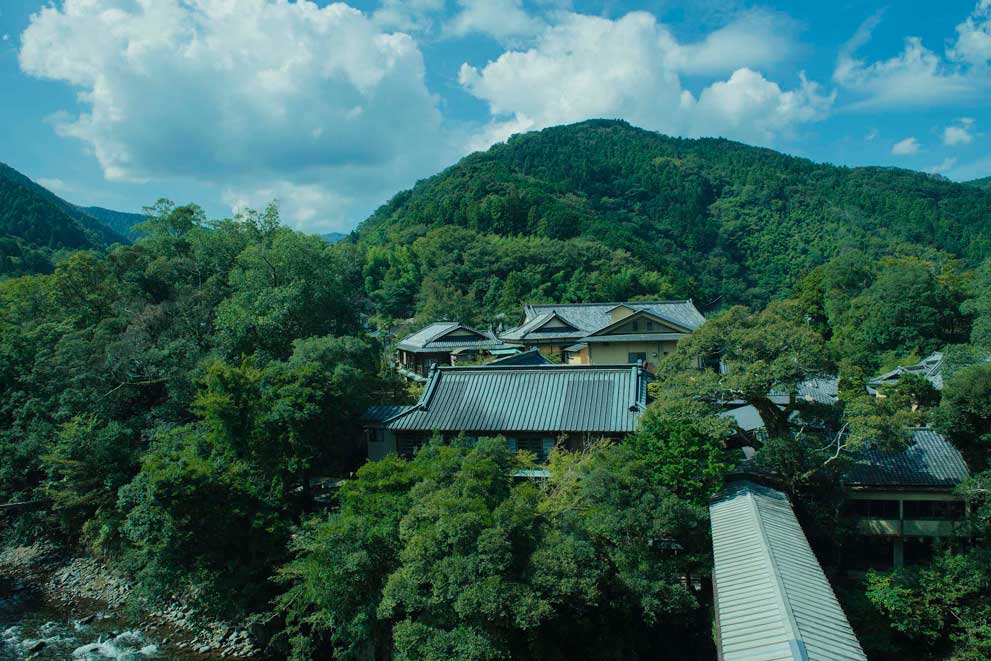
3. Arai Ryokan
A short walk from Asaba in Shuzenji, Arai Ryokan offers a different but equally compelling taste of history. Founded in 1872, this sprawling complex of wooden buildings connected by bridges and winding corridors is a Registered Tangible Cultural Property. Staying here feels like stepping into a living museum. The main draw is its collection of exquisite onsen baths, including the grand Tenpyo-do — a soaring cypress-wood bathhouse completed in 1934 after three years of construction and assembled without a single nail [verified 5-star Ryokans 2026-04-01] — a masterpiece of traditional carpentry. Rooms vary from the historic main building to the newer annex, but all offer views of the Kano River or the ryokan's meticulously kept gardens. Arai Ryokan was a favorite of artists and writers, and that creative, contemplative atmosphere remains. It provides a more accessible entry point to Shuzenji's heritage than Asaba, without compromising on authenticity. Located in Shuzenji, access is a 2-hour train ride from Tokyo.
Price tier: Mid-range to Luxury (¥35,000–¥70,000)
 Pin to Pinterest
4. Atami Sekitei
Representing the modern luxury of Izu's east coast, Atami Sekitei is a sophisticated retreat built into the hills above Atami. The ryokan is composed of individual sukiya-style villas, each with its own private rotenburo offering arresting views over Sagami Bay. This focus on privacy and modern comfort makes it a popular choice for couples and those seeking a quiet escape. While the architecture is traditional in style, the amenities are contemporary. The inn's design cleverly uses its steep hillside location to ensure each villa feels secluded. Atami itself is the most accessible of Izu's onsen towns, just a 50-minute Shinkansen ride from Tokyo Station, making Atami Sekitei an excellent option for a quick but luxurious getaway. It combines the convenience of Atami with the tranquility of a private villa experience.
Price tier: Luxury (¥50,000–¥100,000)
5. Ochiairo
Set inside the mountains of Yugashima, Ochiairo is another of Izu's precious Registered Tangible Cultural Properties. Founded in 1874 at the confluence of two rivers, this ryokan was a favored retreat for literary giants like Yasunari Kawabata, Toson Shimazaki, and Motojiro Kajii across the Meiji, Taisho, and early Showa periods [verified Ochiairo 2026-04-15]. The entire building, with its intricate wooden transoms, elegant corridors, and 1920s-era details, is a work of art. Unlike the coastal ryokans, Ochiairo's appeal is its deep connection to the forest and rivers. The sounds of flowing water are a constant companion. The ryokan features several beautiful onsen, including a unique cave bath and riverside rotenburo. It offers a quieter, more rustic, and deeply historical experience compared to the bustling coastal towns. For those interested in Japan's literary history and Meiji-era architecture, Ochiairo is an essential Izu destination. It is located in Yugashima, best accessed via Shuzenji Station.
Price tier: Luxury (¥60,000–¥120,000)
6. Yamatokan
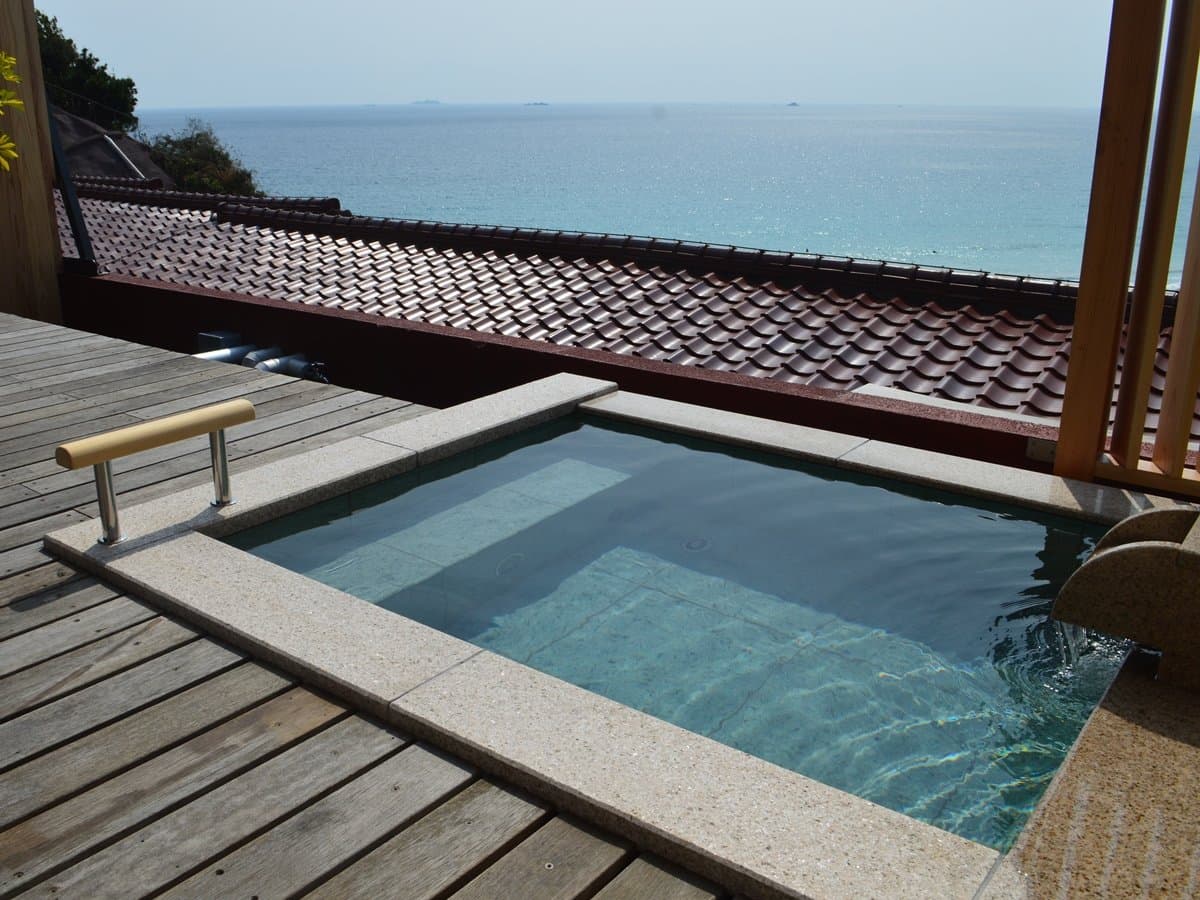
Located on the southern tip of the peninsula in Shimoda, Yamatokan delivers a classic beachside onsen experience. Its prime location directly on Tatadohama Beach means you can walk from your room to the sand in seconds. The ryokan's standout feature is its rooftop infinity onsen, which seems to merge with the Pacific Ocean, offering vast, uninterrupted sea views. This is a more casual, family-friendly ryokan compared to the formal inns of Shuzenji. Rooms are bright, modern, and all face the ocean. In addition to its rooftop bath, it has several other large communal onsen, some of which can be privately reserved. Yamatokan is the ideal choice for travelers who want to combine a hot spring holiday with a beach vacation, especially in the summer months. Shimoda is approximately a 2.5-hour train ride from Tokyo.
Price tier: Mid-range (¥25,000–¥50,000)
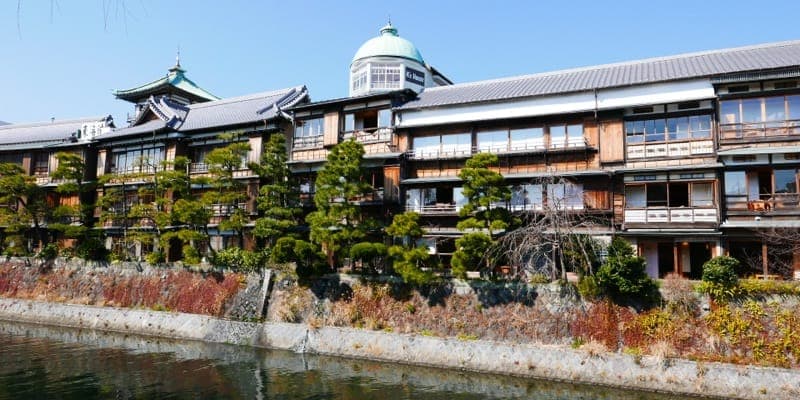
7. KS House Ito
Proving that an Izu onsen trip doesn't have to break the bank, KS House Ito offers a fantastic budget-friendly option with a twist. It's a historic ryokan building, over 100 years old and registered as a Tangible Cultural Property, that has been converted into a modern guesthouse. Guests can choose between private Japanese-style rooms or dormitories. While meals are not included, there's a large communal kitchen, and its central location in Ito Onsen town means dozens of restaurants are a short walk away. The best part? It has its own 100% natural, free-flowing onsen baths, one of which can be used privately. It's the perfect base for backpackers, solo travelers, or anyone looking to experience a piece of Izu's history and hot springs on a tight budget. Ito is on the east coast, about 100 minutes from Tokyo by train.
Price tier: Budget (¥5,000–¥15,000)
Beyond these seven picks, we keep a running list of Izu ryokans with private onsen baths across Shuzenji, Ito and the west coast. For the credentialled end of the peninsula specifically, our sister site tracks the Izu stays holding a Michelin Key or a Relais & Châteaux membership, Asaba among them.
Practical info
Access: The most convenient way to reach Izu from Tokyo is the JR Odoriko or Saphir Odoriko limited express train, which travels directly down the east coast to Ito and Shimoda, with connections to Shuzenji. For Atami, the Tokaido Shinkansen is fastest (under 1 hour).
Best Season: Izu is a year-round destination. Spring (March-April) brings cherry blossoms, notably the early-blooming Kawazu-zakura, which open in early February and continue at an uncharacteristically slow pace through early March — about a month-long viewing window unusual for cherry varieties [verified Japan-guide 2026-02-17]. Summer (June-August) is ideal for the beaches of Shimoda. Autumn (October-November) offers pleasant weather and fall foliage in the central mountains. Winter (December-February) is peak season for onsen, with clear, crisp air providing the best chance for Mt. Fuji views.
Budget: Expect to pay ¥25,000–¥50,000 per person per night for a quality mid-range ryokan with two meals. Luxury properties like Asaba or Atami Sekitei start at ¥50,000 and can exceed ¥100,000. Budget options like KS House can be found for under ¥15,000.
Tip
Book your Odoriko express train seats in advance, especially if traveling on a weekend. The front-row 'Green Car' (first class) seats offer incredible panoramic views of The Izu Peninsula coastline as the train hugs the shore.
Izu is two peninsulas inside one — the east coast (Atami, Ito, Shimoda) is the easy 50-90 minute Tokyo escape, the west coast (Dogashima, Matsuzaki) is the half-day journey worth the extra time. The 10 picks above are sorted by which coast and which budget. Book the Saphir Odoriko seat 4 weeks ahead for weekends — Izu's rail bottleneck is harder than the ryokan rooms. Next: best onsen ryokans near Tokyo for the cross-region comparison, or ryokans where the sea fills the view from the bath if Izu's coastline is what pulled you here.
Every other ryokan we list here
11 listed| Ryokan | From | Rating | Features | Book |
|---|---|---|---|---|
 | from $176 | 9.7 71 reviews | EN OKPrivate Onsen | Book on Booking.com |
| from $538 | 9.6 334 reviews | Private Onsen | Book on Agoda | |
| from $245 | 9.4 1,634 reviews | EN OKPrivate Onsen | Book on Booking.com | |
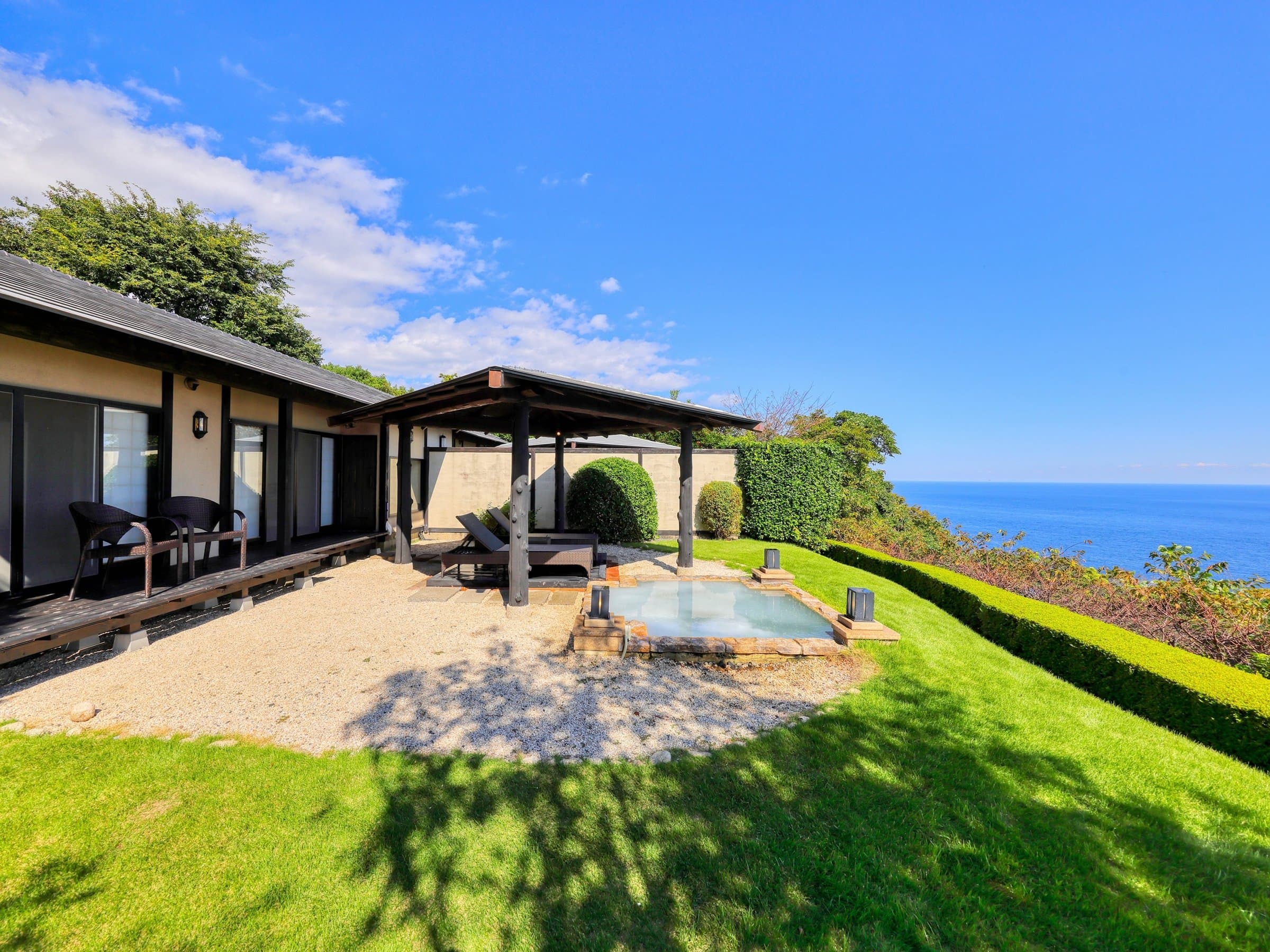 | from $580 | 9.4 327 reviews | Private Onsen | Book on Booking.com |
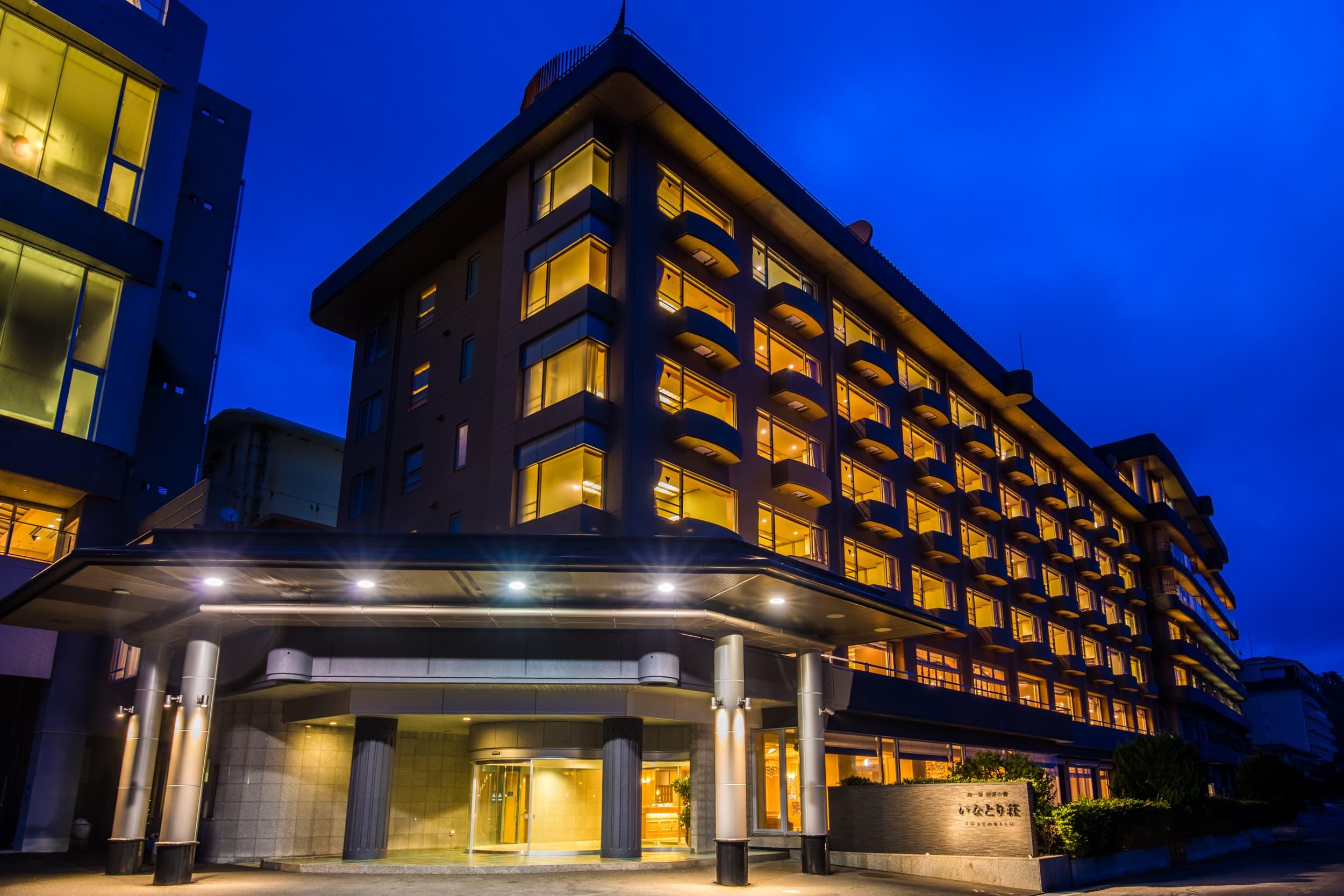 Inatoriso Izu | from $128 | 9.2 1,268 reviews | Private Onsen | Book on Booking.com |
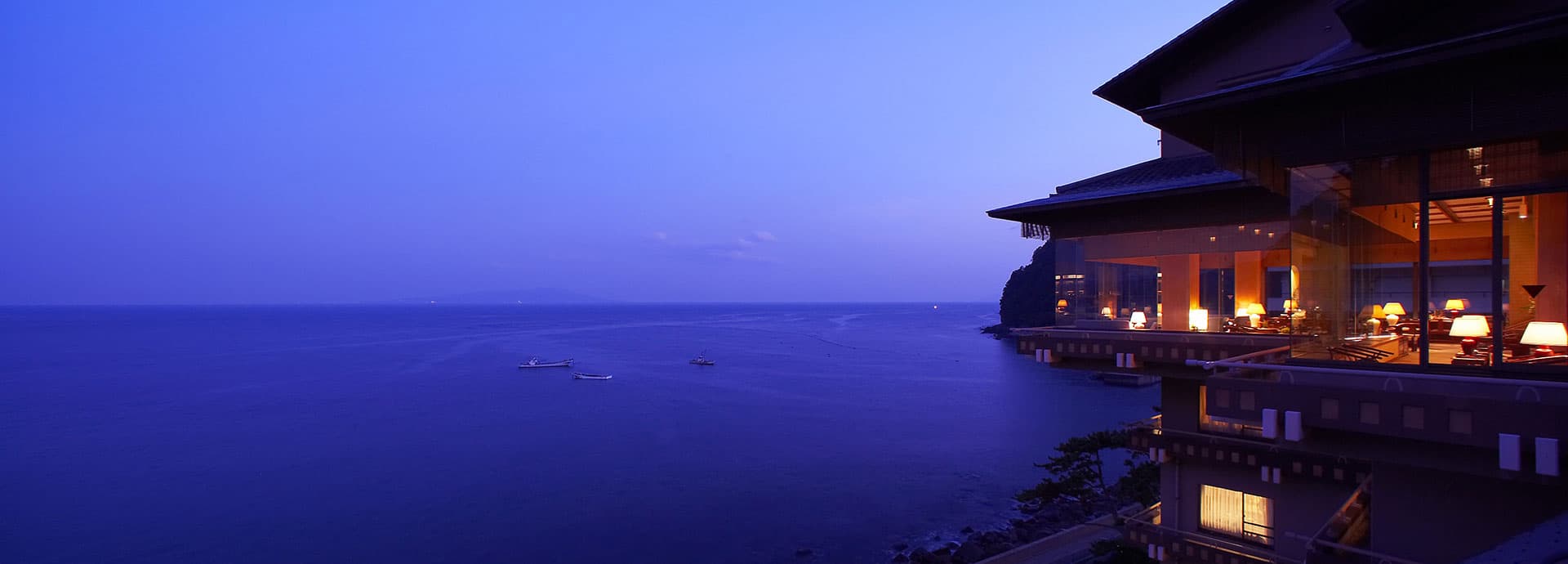 Bousui Izu | from $274 | 9.1 135 reviews | EN OKPrivate Onsen | Book on Booking.com |
| from $103 | 9.0 1,232 reviews | EN OKPrivate Onsen | Book on Booking.com | |
| from $269 | 9.0 374 reviews | EN OKPrivate Onsen | Book on Booking.com | |
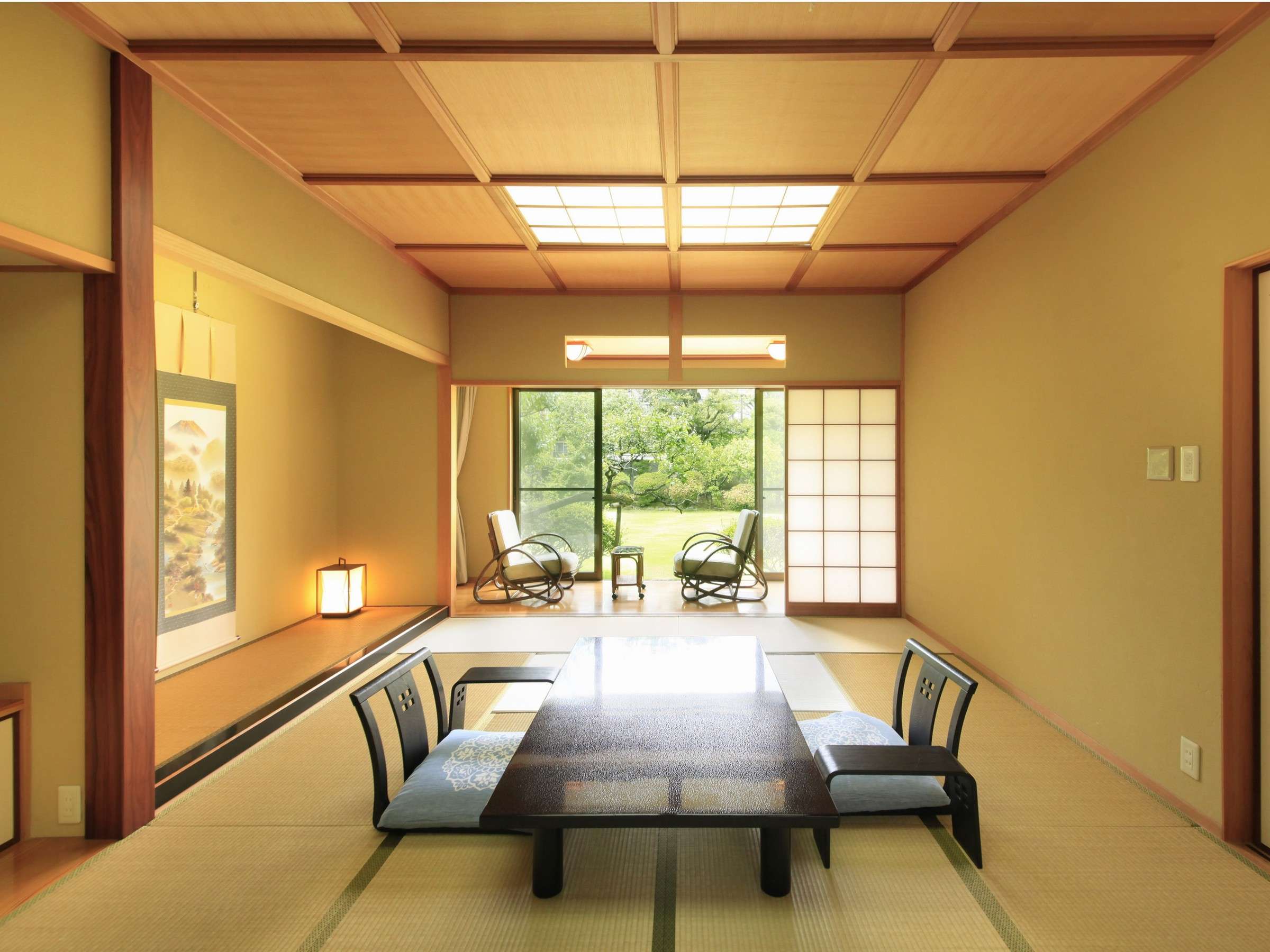 | from $80 | 8.9 89 reviews | EN OKPrivate Onsen | Book on Booking.com |
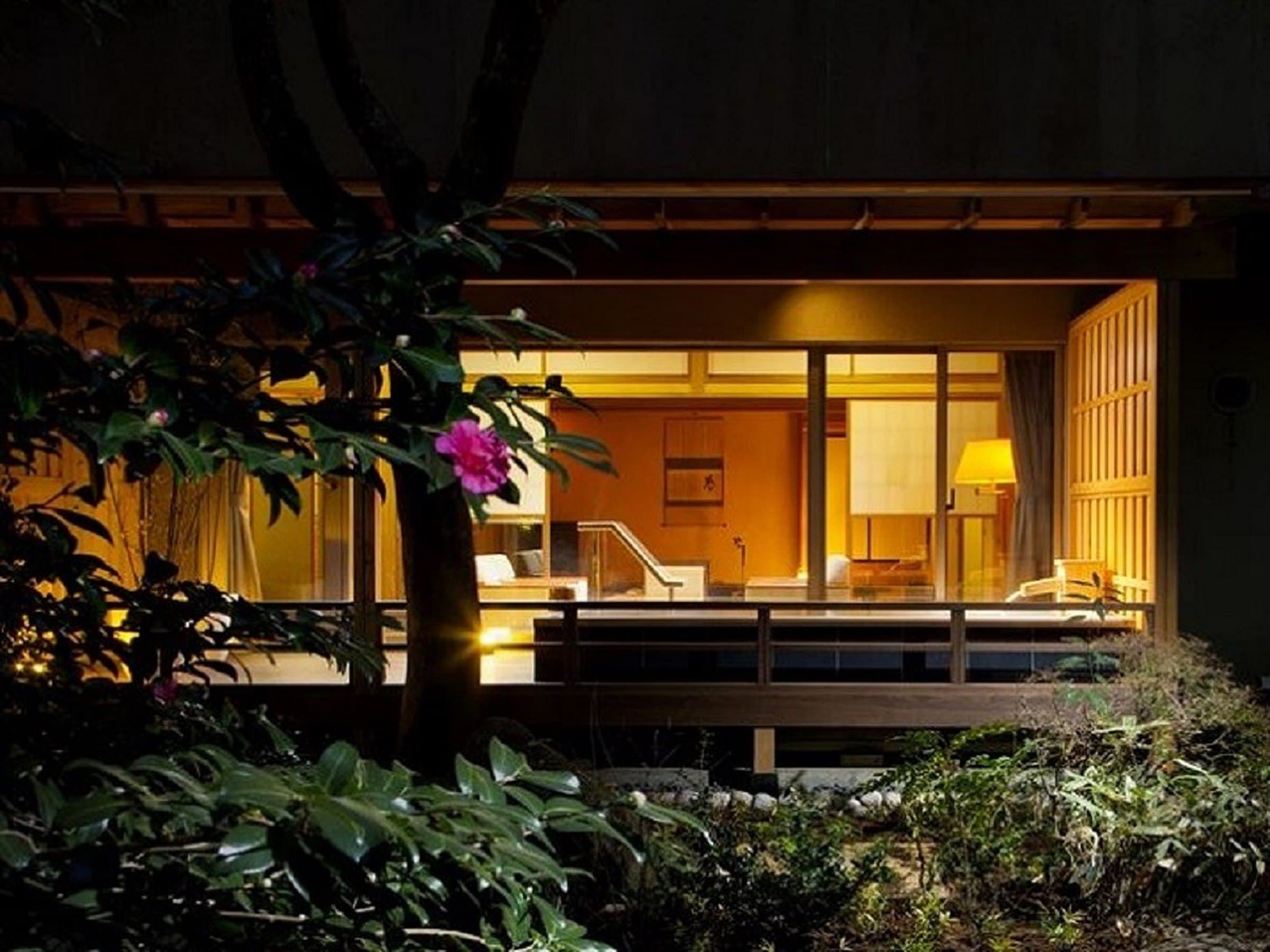 Seiryuso Izu | from $330 | 8.8 7 reviews | EN OKPrivate Onsen | Book on Booking.com |
| from $184 | 8.2 1,283 reviews | EN OKPrivate Onsen | Book on Booking.com |
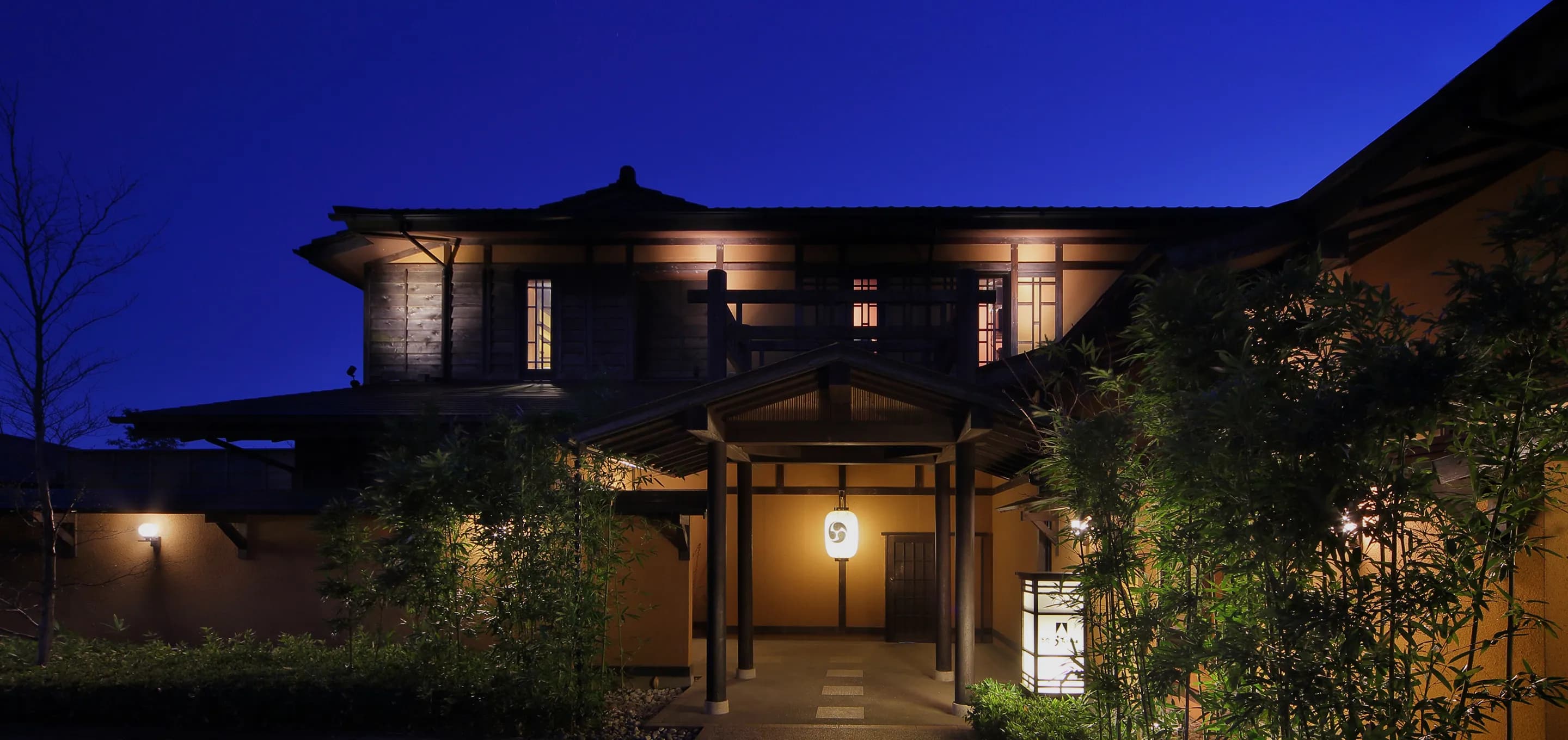
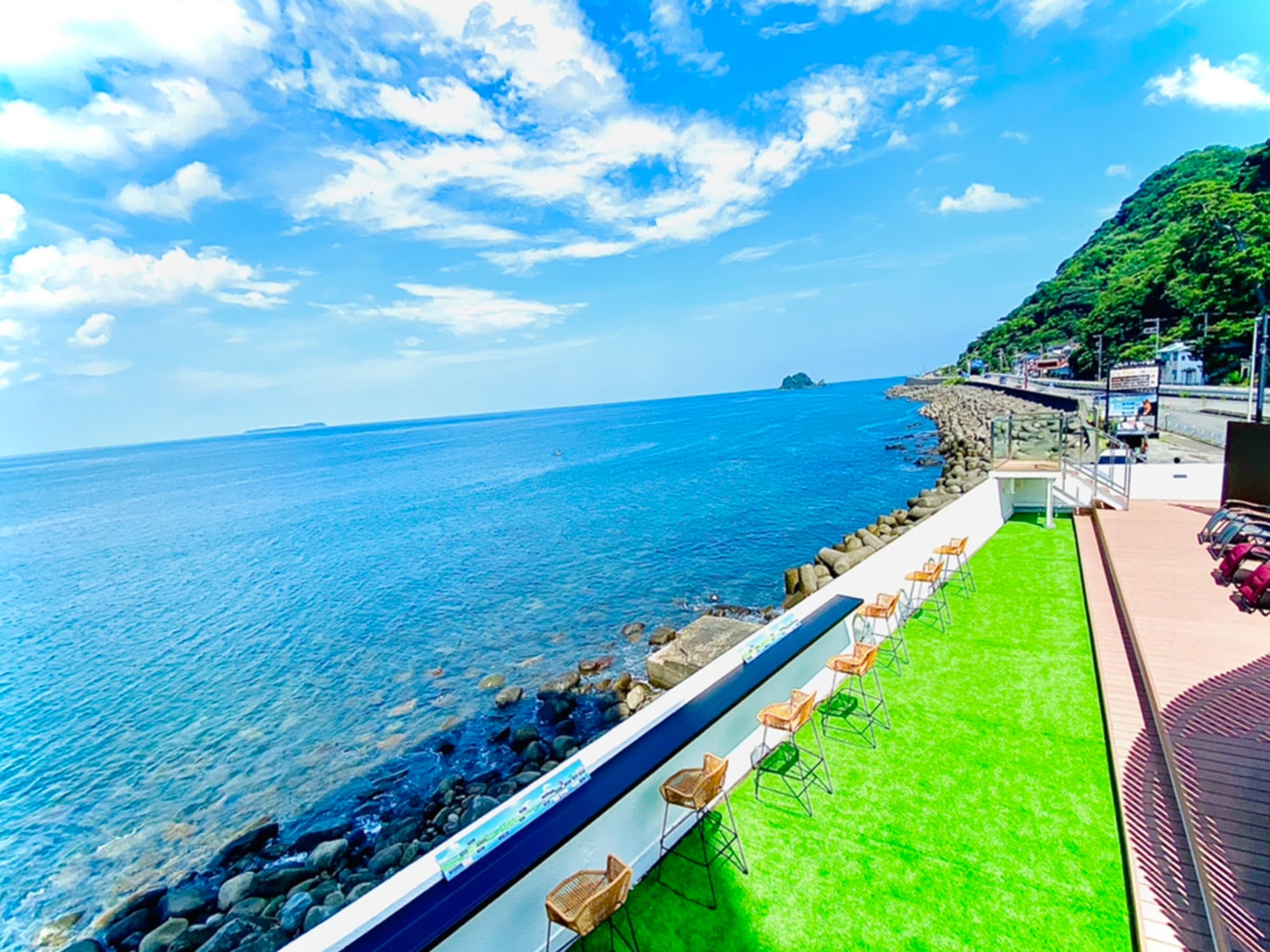
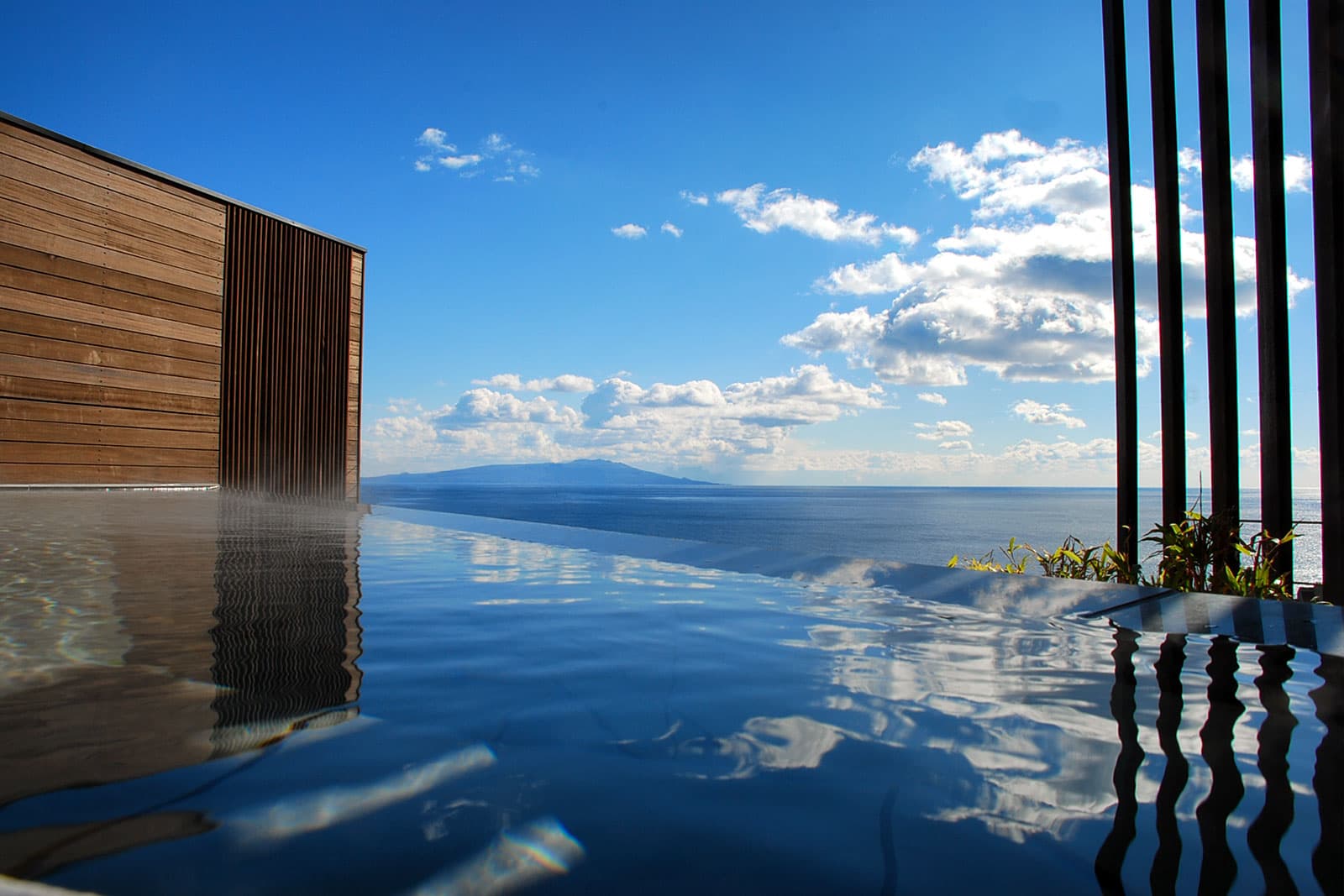
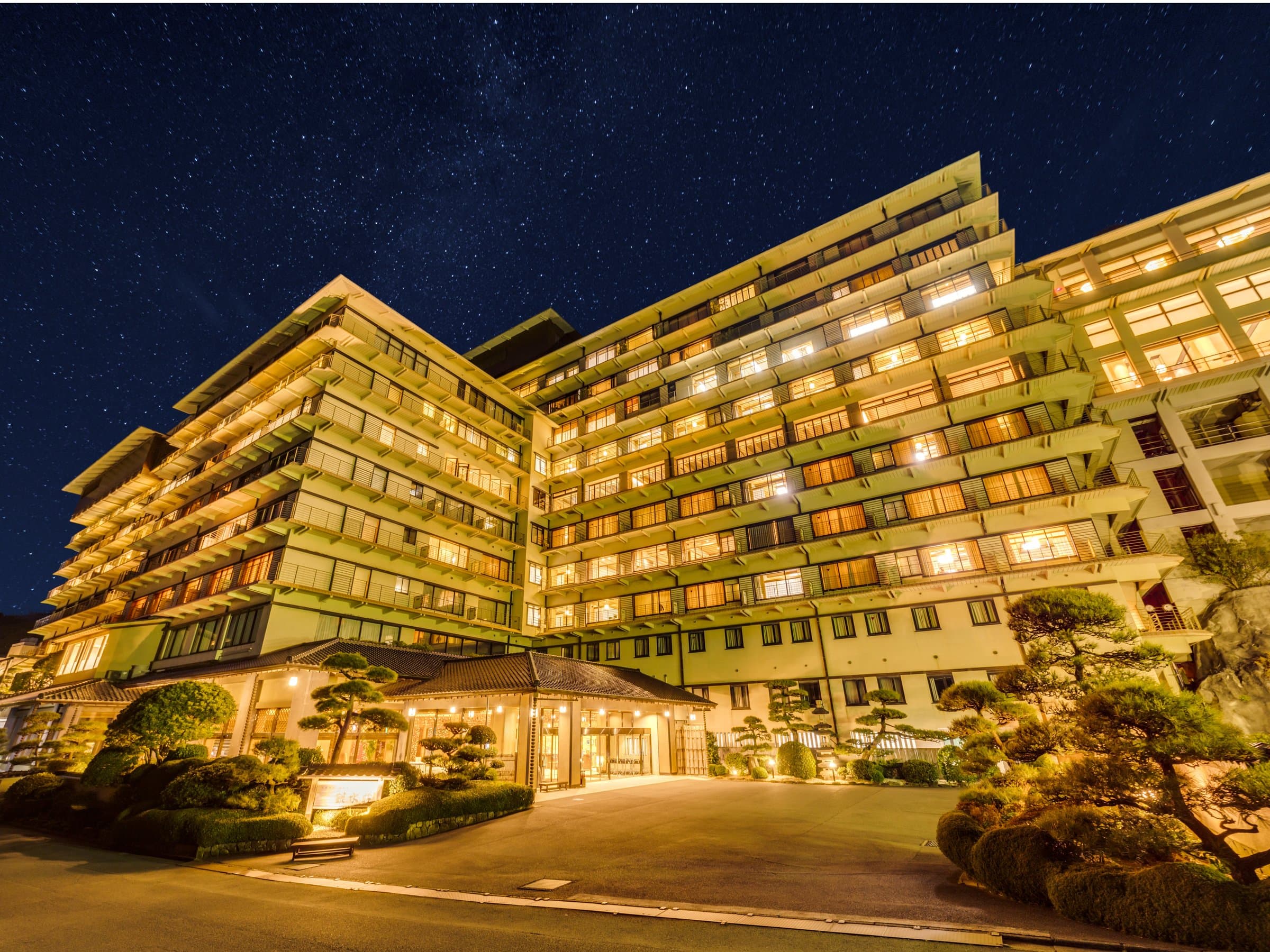
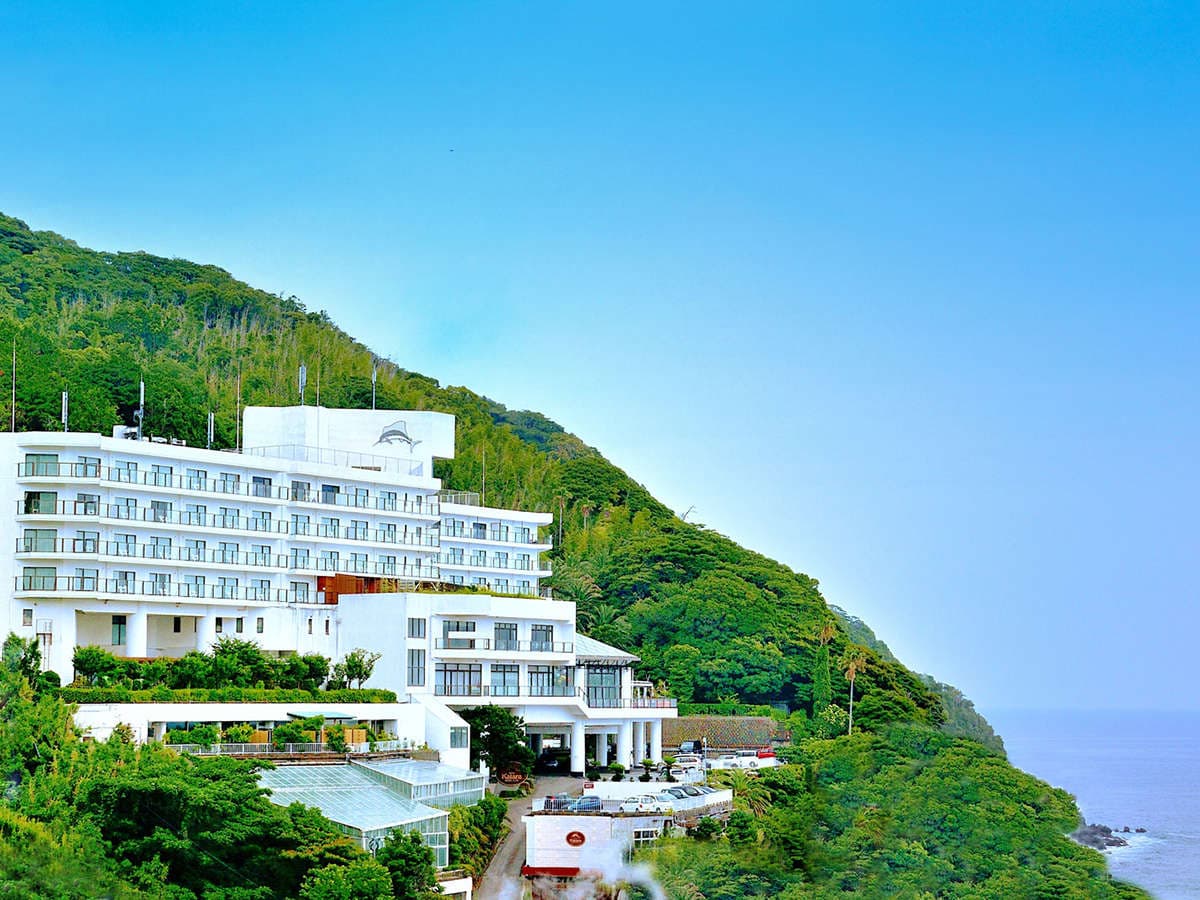
Inatoriso
Izu
Bousui
Izu
Seiryuso
Izu
Prices shown are approximate starting rates per person per night. We may earn a commission on bookings.
Ready to book?
Book one of these top picks
Compare live availability and prices across all three platforms.
Booking links may earn us a commission at no extra cost to you.
FAQ
Frequently asked questions
How far is Izu from Tokyo, and how do I get there?+
The east coast of Izu Peninsula (Atami, Ito) is 40–60 minutes from Tokyo Station by Tokaido Shinkansen (Atami) or JR Odoriko limited express (Ito). Shimoda on the southern tip takes approximately 2 hours by JR Saphir Odoriko direct express. Shuzenji in central Izu — home to Asaba and Arai Ryokan — is roughly 90 minutes by Tokaido Shinkansen to Mishima, then Izu Hakone Railway Sunzu Line to Shuzenji Station. The west coast (Dogashima, Matsuzaki) requires an additional 45–60 minutes by bus from Shuzenji or Shimoda.
What is the most famous ryokan in Izu?+
Asaba in Shuzenji is the most internationally recognized — founded in 1675, a Relais & Châteaux member, and famous for its Noh stage built over a carp pond where performances are held for guests. With only 17 rooms and rates from approximately ¥60,000–¥150,000 per person, it is also one of Japan's most difficult reservations to secure during peak season. Arai Ryokan, a short walk away and founded in 1872, is a designated Registered Tangible Cultural Property offering a similar historic ambience at slightly more accessible pricing.
Which ryokan in Izu has the best views of Mt. Fuji?+
Dogashima Ginsui on the west coast is specifically renowned for Fuji views from its outdoor rotenburo — a panoramic vista across Suruga Bay toward the Southern Alps with Mt. Fuji visible on clear days. The sunset from these west-coast baths is a defining experience. Atami Sekitei, on the east coast above Sagami Bay, offers a different mountain-meets-ocean composition from its sukiya-style private villa baths. Both require clear weather — visiting between October and February maximizes the chance of Fuji being visible.
How much does a ryokan in Izu cost per person?+
Budget to mid-range options like KS House Ito (a converted 100-year-old ryokan building turned guesthouse) start from approximately ¥5,000–¥8,000 per person without meals. Mid-range traditional ryokans in Atami and Ito run ¥20,000–¥40,000 per person including dinner and breakfast. Premium properties like Atami Sekitei range from ¥50,000–¥100,000. Asaba at the top end runs ¥60,000–¥150,000+ per person. All per-person rates include kaiseki dinner and Japanese breakfast at traditional ryokans — the pricing structure differs from Western hotel room rates.
What is Izu Peninsula known for in terms of onsen?+
Izu has Japan's second-highest concentration of hot springs after Beppu, with over 2,000 onsen sources across the peninsula — Ito Onsen alone accounts for roughly 700 sources producing 33,000 liters per minute, among the largest gushing volumes in Japan [verified Rakuten Travel 2026-04-01]. Atami's springs are chloride-rich, known for skin smoothness. Shuzenji's springs (Shuzenji Onsen, the oldest in Izu) have a long history of literary and imperial patronage — Mishima Yukio and Kawabata Yasunari both wrote about the area. Dogashima and the west coast feature iodine-chloride springs. Yugashima's mountain springs, where Ochiairo sits, are cooler and more secreted than the coast.
When is the best season to visit Izu for a ryokan stay?+
Izu is a year-round destination with distinct seasonal draws. February brings the Kawazu Zakura early cherry blossoms (Japan's first, 1–2 weeks ahead of Tokyo's varieties) along the east coast — book 3–4 months ahead for this window. Autumn (October–November) offers foliage without Kyoto-level crowds, plus the clearest Mt. Fuji views of the year. Summer is peak domestic season with beach access, but coastal ryokans are hot and crowded. Winter is the quietest and most affordable period, and onsen quality is highest when the weather is coldest.
Is there a budget-friendly ryokan option in Izu?+
Yes — KS House Ito is the standout value option: a registered Tangible Cultural Property building over 100 years old, converted into a modern guesthouse with dormitory and private rooms. Private Japanese-style rooms start from approximately ¥5,000–¥7,000 per person. The building itself retains original architectural elements while offering common-space onsen access. For travelers wanting a full traditional ryokan experience (kaiseki included) at the lower end, several Ito and Atami ryokans offer weekday plans from ¥15,000–¥20,000 per person.


