

23 min readUpdated June 2026
Quick Comparison
10 picks| Ryokan | From | Rating | Features | Book |
|---|---|---|---|---|
 | from $600 | 9.2 312 reviews | EN OKOnsen | Book on Booking.com |
| from $200 | 9.0 856 reviews | EN OKPrivate Onsen | Book on Booking.com | |
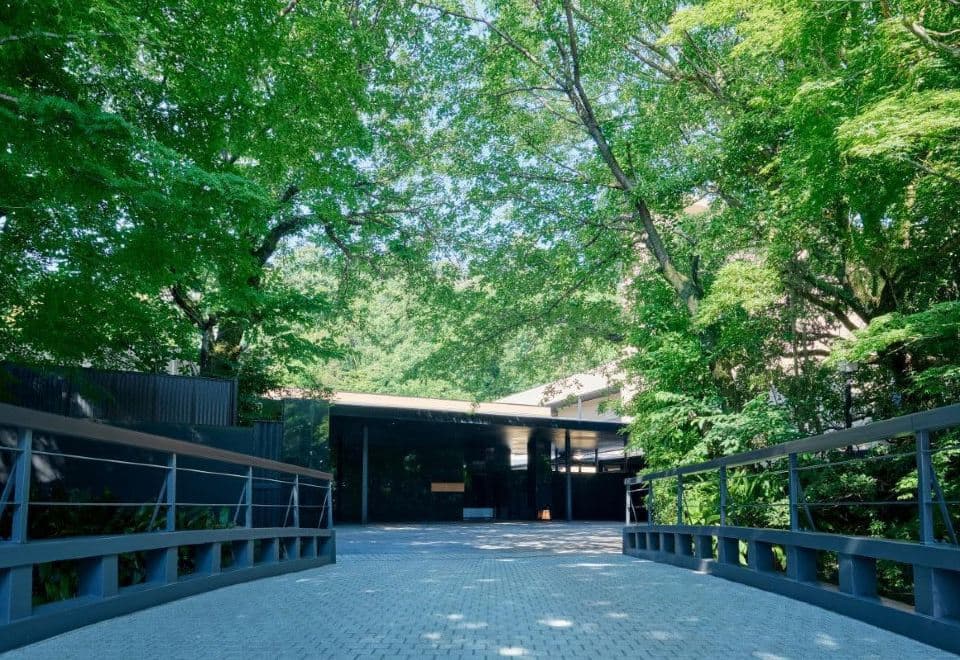 | from $739 | 8.6 8 reviews | EN OKPrivate Onsen | Book on Booking.com |
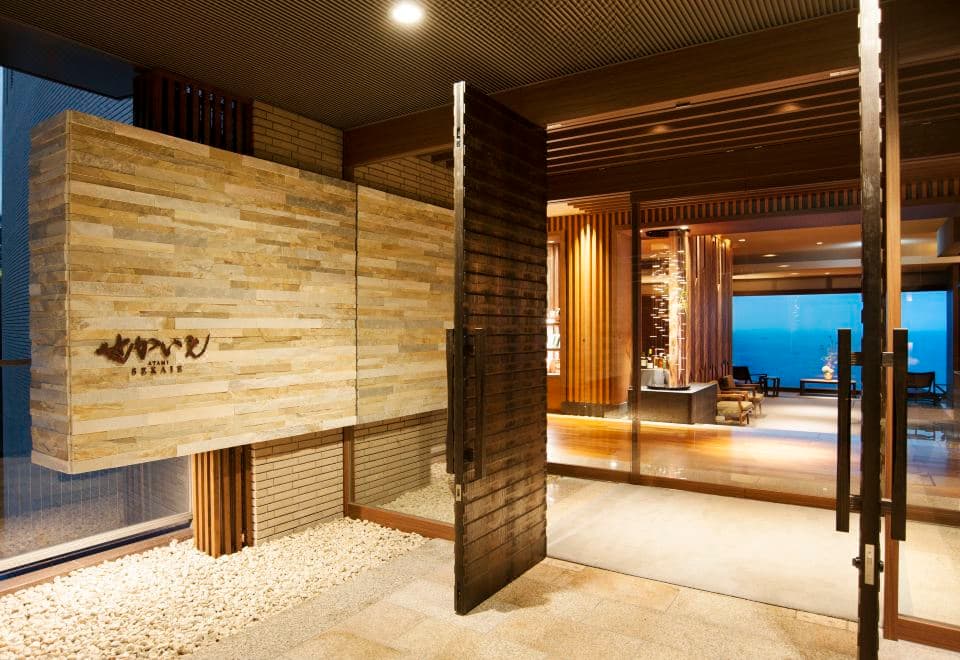 Atami Sekaie Atami | from $545 | 9.4 130 reviews | EN OKPrivate Onsen | Book on Booking.com |
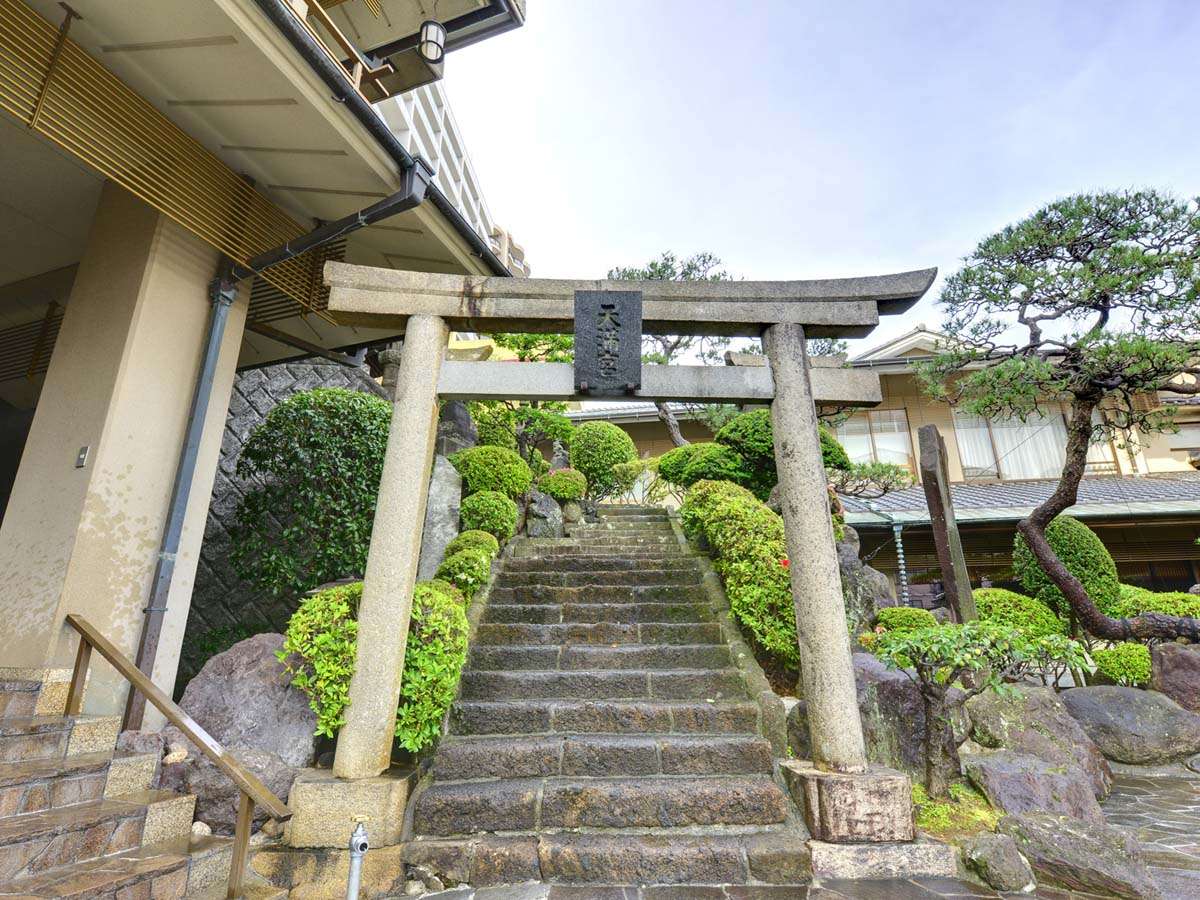 Furuya Ryokan Atami | from $450 | 9.1 29 reviews | EN OKPrivate Onsen | Book on Booking.com |
 | from $300 | 9.7 29 reviews | EN OKPrivate Onsen | Book on Booking.com |
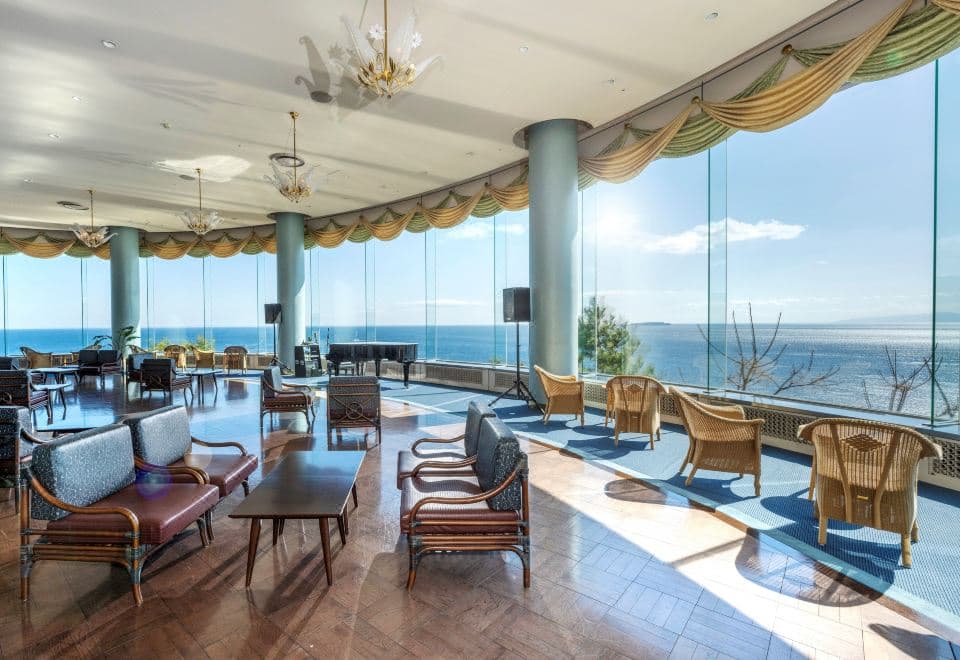 Atami Kakurezato Atami | from $157 | 9.7 237 reviews | EN OKPrivate Onsen | Book on Booking.com |
 Hakone Ginyu Hakone | from $400 | 9.3 124 reviews | EN OKPrivate Onsen | Book on Booking.com |
 Hotel Kajikaso Hakone | from $180 | 9.2 156 reviews | EN OKPrivate Onsen | Book on Booking.com |
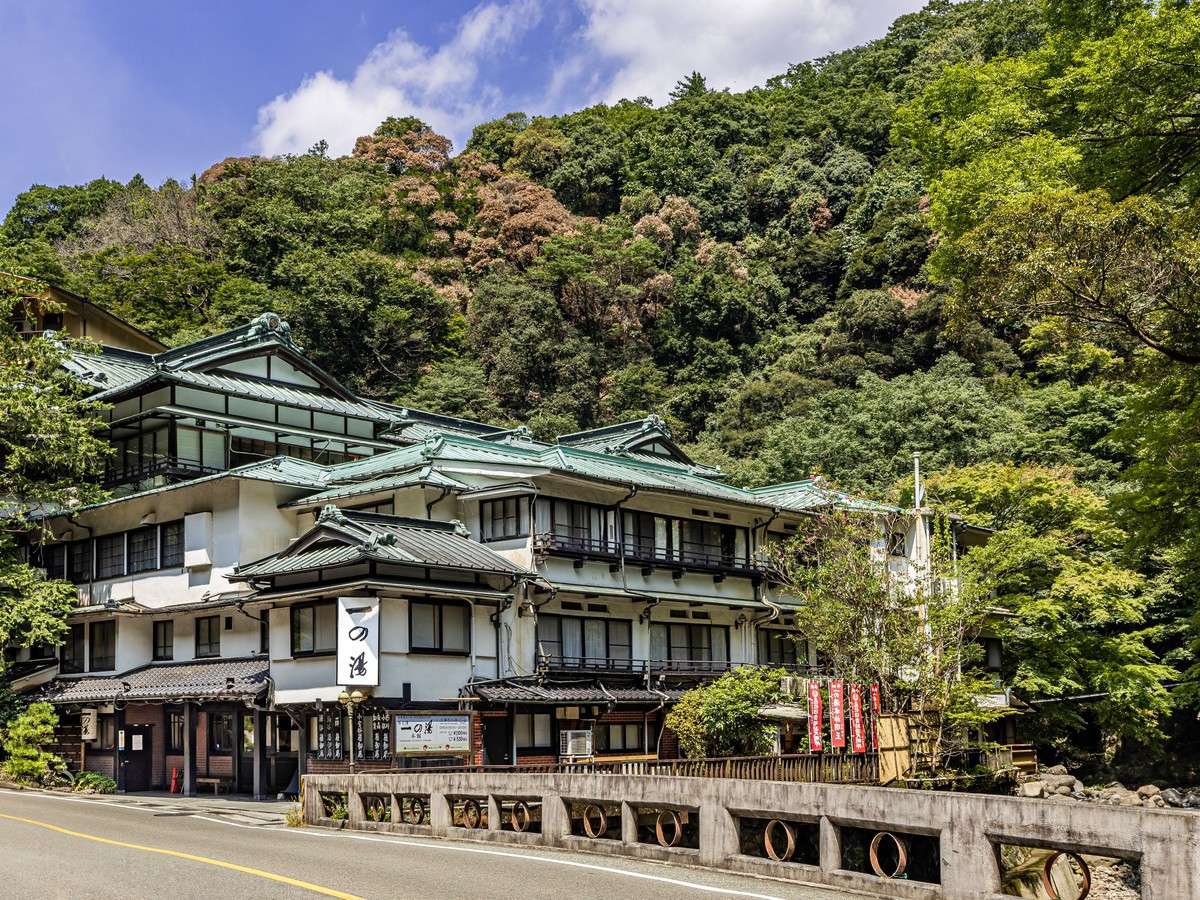 | from $70 | 9.1 187 reviews | EN OKPrivate Onsen | Book on Booking.com |

Atami Sekaie
Atami
Furuya Ryokan
Atami
Atami Kakurezato
Atami
Hakone Ginyu
Hakone
Hotel Kajikaso
Hakone
Prices shown are approximate starting rates per person per night. We may earn a commission on bookings.
The best onsen ryokans near Tokyo are the ones you can reach fastest from Tokyo Station — led by Fufu Atami, 40 minutes away on the Kodama Shinkansen (¥3,740 one-way), and HOSHINOYA Tokyo at zero transit in central Otemachi. In our experience, travel time decides the trip before price ever does.
I have made the Tokyo → onsen → Tokyo run more times than I can count — usually with English-speaking guests on a 4-7 day itinerary, sometimes solo on a Saturday to reset. The single constraint that breaks most "onsen near Tokyo" trips is travel time from Tokyo Station, and almost every listicle ignores it. The 30 ryokans below are sorted by door-to-rotenburo minutes (verified with my own travel logs), not by price tier. If you have one onsen night to add to a Tokyo trip, this is where I start the conversation.
 Pin to Pinterest
Pick Your Onsen Tier First, Then Your Property
Every Tokyo-radius onsen falls into one of three travel-time tiers from Tokyo Station. Pick the tier that matches your trip length first; only then pick the ryokan.
Tier 1 — under 90 minutes from Tokyo Station. Atami (40 minutes Shinkansen Kodama), Hakone-Yumoto (70 minutes via Shinkansen + Hakone Tozan, or 85 minutes by Odakyu Romancecar), and central Tokyo's own onsen ryokans (HOSHINOYA Tokyo, Yuen Bettei Daita) cluster here. This tier exists for the one-night escape — leave central Tokyo after work on a Friday, be in a yukata by 8pm, and back at your desk Monday morning with the entire weekend intact. Atami's Kodama is the fastest authentic onsen ride in Japan; no other onsen city within four hours of Tokyo can match its 40-minute door-to-door transit.
Tier 2 — 90 to 150 minutes from Tokyo Station. Hakone-Gora and Hakone-Kowakidani (the upper Hakone sub-districts, 90–110 minutes), Karuizawa (70 minutes Hokuriku Shinkansen), Nikko (110 minutes Tobu Spacia X), and Kinugawa (140 minutes Tobu Limited Express). This is the weekend depth tier — long enough to feel like you've left Tokyo, short enough that the train ride isn't the trip. Most of our internal-data nights cluster here; for a two-night ryokan stay this is the sweet spot.
Tier 3 — 150 to 180+ minutes from Tokyo Station. Kusatsu (3.5–4 hours via Hokuriku Shinkansen to Karuizawa + JR bus, or Joetsu Shinkansen + JR bus from Naganohara-Kusatsuguchi), Ikaho, Shima Onsen, and the deeper Izu Peninsula (Shuzenji, Kawazu, Shimoda — 150–180 minutes from Tokyo Station). This is the full-immersion tier — properties here are genuine mountain or rural ryokans where the trip out is part of the experience. Two-night minimum or you'll spend more time on trains than soaking.
The dedicated guide to Shima Onsen's 11 ryokans — including Sekizenkan, the Spirited Away inn — is at best ryokans in Shima Onsen.
| # | Ryokan | Area | From (USD) | Travel from Tokyo | Best for |
|---|---|---|---|---|---|
| 1 | HOSHINOYA Tokyo | Tokyo (Otemachi) | $600 | 0 min | Only luxury onsen tower in central Tokyo |
| 2 | Fufu Atami | Atami | $739 | 40 min Kodama | Fastest authentic luxury onsen escape |
| 3 | Atami Sekaie | Atami | $545 | 40 min Kodama | Ocean-front art ryokan, 12 suites |
| 4 | Hakone Ginyu | Hakone (Miyanoshita) | $400 | 70 min | Cliffside Hakone luxury, all-room rotenburo |
| 5 | Gora Kadan | Hakone-Gora | $500 | 100 min | Former imperial retreat, Relais & Chateaux |
| 6 | FUFU Nikko | Nikko | $400 | 120 min | Modern luxury beside Nikko's UNESCO precinct |
| 7 | Naraya | Kusatsu | $350 | 240 min | Yubatake-side luxury, Kusatsu's top-rated |
Tier 1 (Under 90 Minutes): The Quick Escapes
 Pin to Pinterest
Ten ryokans within 90 minutes of Tokyo Station, ranked by combined rating and access. Every property below was verified in our database in May 2026.
| # | Ryokan | Area | Tier | From (USD) | Travel | Best For |
|---|---|---|---|---|---|---|
| 1 | HOSHINOYA Tokyo | Tokyo | Luxury | $600 | 0 min (Otemachi) | The only luxury onsen tower in central Tokyo |
| 2 | Yuen Bettei Daita | Tokyo | Luxury | $200 | 7 min from Shinjuku | Boutique onsen with private bath in inner Tokyo |
| 3 | Fufu Atami | Atami | Luxury | $739 | 40 min Kodama | All-suite Sisley-Spa luxury at the closest authentic onsen |
| 4 | Atami Sekaie | Atami | Luxury | $545 | 40 min Kodama | 12-suite ocean-front art ryokan, Sagami Bay views |
| 5 | Furuya Ryokan | Atami | Luxury | $450 | 40 min Kodama | Atami's oldest — founded 1806, 220 years of heritage |
| 6 | Atami Sekitei | Atami | Luxury | $300 | 40 min Kodama | 10,000 m² garden estate, 9.7 rating |
| 7 | Atami Kakurezato | Atami | Luxury | $157 | 40 min Kodama | 8-room boutique hideaway, 9.7 rating |
| 8 | Hakone Ginyu | Hakone (Miyanoshita) | Luxury | $400 | 70 min | Cliffside views over Hayakawa gorge, all in-room rotenburo |
| 9 | Hotel Kajikaso | Hakone-Yumoto | Mid | $180 | 70 min | 9.2-rated mid-tier with in-room rotenburo |
| 10 | Ichinoyu Honkan | Hakone-Tonosawa | Budget | $70 | 70 min | Edo-era ryokan, registered cultural property, $70 floor |
1. HOSHINOYA Tokyo — Luxury onsen tower in Otemachi
At a glance
Tier 1 · 0 minutes from Tokyo Station · Otemachi, Chiyoda-ku.
The single anomaly in Tier 1: a luxury ryokan that didn't require any train ride at all. HOSHINOYA Tokyo opened in 2016 in a 17-storey black-lattice tower three minutes' walk from Tokyo Station Marunouchi side, and it remains the only top-tier ryokan in Japan where the hot spring is in central Tokyo. The water rises from 1,500 metres below Otemachi — genuinely natural sodium chloride onsen, not a recirculated bath . Guests change shoes for slippers at the lobby, walk on tatami to the lift, and the entire vertical building runs on traditional ryokan protocol despite the urban shell.
Why it's in Tier 1: zero travel time. For travelers whose Tokyo itinerary is non-negotiable but who want one night of authentic ryokan, this is the only credible answer. The rooftop sky bath looks out over the Marunouchi skyline; the kaiseki is by chef Noriyuki Hamada (formerly Michelin-starred). $600/night floor in low season, $1,200+ in peak. Book 4–6 weeks ahead — peak weekends sell out at 8 weeks. HOSHINOYA Tokyo's onsen tower.
2. Fufu Atami — The fastest authentic luxury onsen escape
At a glance
Tier 1 · 40 minutes Tokaido Shinkansen Kodama · Atami, Shizuoka.
The ryokan I send most first-time visitors to when the brief is "luxury, near Tokyo, one night." The Kodama Shinkansen runs Tokyo Station to Atami in 40 minutes unreserved for ¥3,740; from Atami Station it's a 5-minute taxi to Fufu's 26-suite property in a quiet residential valley above Sun Beach. Every suite is 60–100 square metres with a private open-air rotenburo fed by Atami's sodium chloride spring. The on-site Sisley Paris spa is the only such facility in any Japanese ryokan.
Why it's in Tier 1: transit friction is genuinely zero — one Shinkansen, no transfers, no Hakone-Tozan switchback acrobatics. I have left central Tokyo at 6:30pm on a Friday after work and been in the rooftop sky bath by 8pm. $739–$1,500 USD per person with meals. Book 3–4 months ahead for November (autumn foliage) and February (Plum Festival) weekends. Honest trade-off: the valley setting means no direct ocean-front rooms — for that, Atami Sekaie is the move. See the full Atami pillar for all 9 picks. Fufu Atami's suites on our directory.
3. Atami Sekaie — Ocean-front art ryokan with 12 suites
At a glance
Tier 1 · 40 minutes Kodama + 10-minute taxi from Atami Station · Izusan hillside, Atami.
The smallest-scale luxury ryokan in Tier 1 — just twelve suites split across two buildings perched on Izusan hillside, each with a Pacific-facing private rotenburo carved from cypress or stone. The hot spring water flows direct from the source to the in-room baths with no recirculation. The view straight across Sagami Bay to Hatsushima Island is the strongest in-room ocean panorama of any ryokan in this hub. If you're chasing that view above all else, Atami Sekaie also ranks among the strongest in-room ocean panoramas anywhere in Japan.
Why it's in Tier 1: still 40 minutes from Tokyo Station on the Kodama. Free pickup from Atami Station handles the Izusan climb. $545–$1,400 per person with meals; book 4–6 months ahead — 12 rooms means availability is the tightest in this list. The property is owned by economist Kenichi Ohmae and doubles as a private gallery, with paintings and ceramics from the owner's collection (some registered as Japanese national treasures) throughout the public spaces. Atami Sekaie's 12 oceanfront suites.
4. Hakone Ginyu — Cliffside Hakone luxury with all-room rotenburo
At a glance
Tier 1 · 70 minutes via Shinkansen + Hakone Tozan Line, or Odakyu Romancecar from Shinjuku · Miyanoshita, Hakone.
The Hakone pick that I default to for Tier 1 because the access is genuinely easy — Odakyu Romancecar runs direct from Shinjuku Station to Hakone-Yumoto in 85 minutes, then a 10-minute Hakone Tozan train climb up the Hayakawa gorge to Miyanoshita. Ginyu sits cliffside above the river: every one of its 19 rooms has an in-room cypress rotenburo with an unobstructed view down the gorge. The Hayakawa is one of the most dramatic onsen-river views in the entire Hakone caldera.
Why it's in Tier 1: despite the upper-Hakone elevation, the Romancecar route puts it under 90 minutes from Shinjuku — meaningfully faster than the Tier 2 Gora picks via the same line. $400–$900 per person with meals. The 9.3 rating across 124 verified reviews is the highest of any Hakone luxury property in our database. Honest trade-off: the cliffside footprint is narrow, so the property has no large communal gardens — the bath in your room is the focus. Hakone Ginyu's gorge-view suites.
5. Ichinoyu Honkan — Edo-era heritage ryokan at the budget floor
At a glance
Tier 1 · 70 minutes via Shinkansen + Hakone Tozan Line · Tonosawa, Hakone.
The budget anchor for Tier 1, and one of only three pre-Meiji ryokans in this entire 30-property list. Ichinoyu Honkan was founded in 1630 and the main building is a registered Japanese tangible cultural property — the wooden three-storey structure overhanging the Hayakawa gorge is itself a heritage object . Every room has direct gorge views. Some rooms have in-room rotenburo with kakenagashi (free-flowing, non-recirculated) onsen at this price tier, which is essentially unheard of elsewhere.
Why it's in Tier 1: the Tonosawa stop on the Hakone Tozan Line is one stop before Miyanoshita, making transit faster than the upper Hakone-Gora picks. $70 floor for non-rotenburo rooms; $150–250 for in-room rotenburo categories. 9.1 rating across 187 reviews. Honest trade-off: the 1630 structure means thin walls, narrow stairs, and basic accessibility — choose only if heritage atmosphere is the brief. Ichinoyu Honkan's heritage rooms.

Tier 2 (90–150 Minutes): The Weekend Deep-Dives
 Pin to Pinterest
Ten ryokans 90 to 150 minutes from Tokyo Station — the sweet spot for two-night stays. Hakone-Gora, Nikko, and Kinugawa dominate. Every transit time below is door-to-door from Tokyo Station including final connection.
| # | Ryokan | Area | Tier | From (USD) | Travel | Best For |
|---|---|---|---|---|---|---|
| 1 | Gora Kadan | Hakone-Gora | Luxury | $500 | 100 min | Former imperial summer retreat, Relais & Châteaux |
| 2 | Gora Kansuirou | Hakone-Gora | Luxury | $250 | 100 min | 645-review heritage luxury at half Gora Kadan's price |
| 3 | Hakone Kowakien Mikawaya | Hakone-Kowakidani | Luxury | $250 | 100 min | Forest-immersion onsen in upper Hakone |
| 4 | Mizunoto | Hakone-Kowakidani | Mid | $150 | 100 min | River-side mid-tier with in-room rotenburo |
| 5 | Setsugetsuka | Hakone-Gora | Mid | $170 | 110 min | All-room rotenburo mid-tier in upper Gora |
| 6 | FUFU Nikko | Nikko | Luxury | $400 | 120 min | Modern luxury in Nikko's UNESCO town |
| 7 | Nikko Kanaya Hotel | Nikko | Luxury | $200 | 110 min | Operating since 1873 — Japan's oldest Western-style hotel-ryokan |
| 8 | Hoshino Resorts KAI Kinugawa | Kinugawa | Luxury | $300 | 140 min | Hoshino-brand polish on the Kinugawa gorge |
| 9 | Bettei Sasane | Kinugawa | Luxury | $350 | 140 min | All in-room rotenburo, 9.2-rated boutique |
| 10 | Asaya Hotel | Kinugawa | Mid | $150 | 140 min | 2,150-review classic Kinugawa stalwart |
6. Gora Kadan — Hakone's former imperial summer retreat
At a glance
Tier 2 · 100 minutes via Romancecar to Hakone-Yumoto + Hakone Tozan Line to Gora · Hakone-Gora.
The undisputed Hakone luxury anchor, and a fixture in our national luxury ryokan ranking. Gora Kadan occupies the former summer villa of the Kan'in-no-miya imperial branch family, taken over and converted to a ryokan in 1952. The property is a Relais & Châteaux member and most of its 36 suites have private in-room rotenburo carved from cypress, fed by Gora's own carbonate spring . The garden was laid out in the late 19th century by imperial gardeners.
Why it's in Tier 2: Hakone-Gora is at the upper end of the Tozan switchback line — the train ride from Hakone-Yumoto to Gora alone takes 40 minutes and includes three reversing switchbacks up the caldera wall. Total Tokyo-to-Gora door-to-door is roughly 100 minutes. $500–$1,500+ per person with meals. Book 3 months ahead minimum; peak dates sell out within days of opening. The kaiseki is the highlight — many guests rank it among the best in Japan. See the dedicated Hakone pillar for the full Hakone analysis. Gora Kadan's imperial suites.
7. Gora Kansuirou — 645-review luxury at half Gora Kadan's price
At a glance
Tier 2 · 100 minutes · Hakone-Gora.
The under-the-radar Gora luxury pick. Kansuirou sits a 5-minute walk from Gora Station, with 36 rooms and an unusual review profile — 645 verified reviews averaging 9.0, the highest review-volume luxury ryokan in Hakone. The property is built around a traditional Japanese garden with kakenagashi onsen — Gora's signature carbonate-rich water — fed continuously from the property's own spring source. Several rooms have in-room rotenburo.
Why it's in Tier 2: same Tozan-to-Gora switchback as Gora Kadan. $250–$650 per person with meals — roughly half Gora Kadan's floor for the same neighbourhood and water profile. Honest trade-off: this is heritage rather than contemporary build; rooms vary widely in renovation date and the older categories show their age. Pay the upgrade for a refurbished Japanese-style room with rotenburo. The kaiseki uses local Hakone vegetables and Sagami Bay seafood. Gora Kansuirou's garden rooms.
8. FUFU Nikko — Modern luxury beside Nikko's UNESCO precinct
 Pin to Pinterest
At a glance
Tier 2 · 110 minutes Tobu Spacia X from Asakusa · Nikko, Tochigi.
The newest luxury ryokan in Nikko — opened 2020 in central Honcho, a 10-minute walk from the Shinkyo bridge and the gateway to Nikko's UNESCO World Heritage shrine and temple precinct (Toshogu, Futarasan, Rinnoji). All 24 suites have private in-room rotenburo with cypress soaking tubs fed by Nikko Yumoto onsen, the same alpine sulphur source as the higher-altitude Chuzenji Lake area. Multi-course kaiseki by chef Hidetaka Akagawa.
Why it's in Tier 2: Tobu Spacia X runs direct from Asakusa to Tobu-Nikko Station in 110 minutes for ¥3,180. The Spacia X is the new-generation premium service that launched on July 15, 2023 — meaningfully more comfortable than the JR-Tobu transfer route. $400–$1,200 per person with meals. Best paired with a day at Toshogu and a half-day at Lake Chuzenji. FUFU Nikko's UNESCO-adjacent suites — see also the Nikko pillar for sub-area depth.
9. Nikko Kanaya Hotel — Japan's oldest Western-style hotel-ryokan, est. 1873
At a glance
Tier 2 · 110 minutes Tobu Spacia X · Nikko.
The heritage anchor. Nikko Kanaya opened in 1873 as Japan's first Western-style hotel — Frank Lloyd Wright, Helen Keller, Albert Einstein and Charlie Chaplin all stayed here. The structure is a registered Japanese cultural property . The 70 rooms blend Western-hotel format with onsen and Japanese-style dining; it's classified as a hotel rather than a pure ryokan, but the kaiseki and on-site hot spring put it firmly in the ryokan experience.
Why it's in Tier 2: walking distance from JR/Tobu Nikko Stations and the Shinkyo bridge — the most convenient base for UNESCO-precinct sightseeing of any property in this list. $200–$600 per person, with the cheapest categories at $200 — exceptional value for the heritage. 1,840 verified reviews averaging 8.6. Honest trade-off: this is a heritage hotel-ryokan hybrid, not a contemporary onsen retreat — the bath is communal-only, no in-room rotenburo. Choose for the history, not the bath. Nikko Kanaya Hotel's heritage rooms.
10. Hoshino Resorts KAI Kinugawa — Hoshino-brand polish on the gorge
At a glance
Tier 2 · 140 minutes Tobu Limited Express · Kinugawa Onsen, Nikko.
The Kinugawa anchor — and the Hoshino Resorts KAI brand's Kanto flagship. 48 rooms perched on the Kinugawa gorge cliff, all with gorge-facing balconies. The communal baths step down toward the river with the same gorge framing. Kinugawa's onsen water is sodium chloride from the riverside springs, similar mineral profile to Atami. The KAI brand's signature evening cultural programmes (live shamisen, lacquer demonstrations) run nightly.
Why it's in Tier 2: Tobu Spacia X / Tobu Limited Express runs direct from Asakusa to Kinugawa-Onsen Station in 130 minutes for ¥3,400; the property's free shuttle handles the final 5 minutes. Total door-to-door 140 minutes. $300–$700 per person with meals. The Kinugawa gorge is dramatic year-round but peaks in late October to mid-November autumn foliage; book 3 months ahead for foliage weekends. Hoshino Resorts KAI Kinugawa's gorge rooms.

Tier 3 (150–180+ Minutes): The Full-Immersion Picks
 Pin to Pinterest
Ten ryokans 150 to 180+ minutes from Tokyo Station. These are genuine mountain or rural ryokans where the trip out is part of the experience — minimum two nights to justify the transit. Kusatsu (Japan's #1 ranked onsen town) and the deeper Izu Peninsula dominate.
| # | Ryokan | Area | Tier | From (USD) | Travel | Best For |
|---|---|---|---|---|---|---|
| 1 | Asaba | Izu (Shuzenji) | Luxury | $600 | 150 min | Relais & Châteaux on a private noh-stage pond |
| 2 | Ochiairo Murakami | Izu (Shuzenji) | Luxury | $500 | 150 min | Pre-war heritage, registered cultural property |
| 3 | Gyokuhokan | Izu (Kawazu) | Luxury | $430 | 180 min | Mountain-pass boutique luxury with all-room rotenburo |
| 4 | ABBA Resorts Izu - Zagyosoh | Izu (Ito) | Luxury | $500 | 90 min* | Beach-side modern-luxury (Ito-shi, in transition between tiers) |
| 5 | Arai Ryokan | Izu (Shuzenji) | Mid | $230 | 150 min | 1872 heritage ryokan, Meiji-era cultural property |
| 6 | Naraya | Kusatsu | Luxury | $350 | 240 min | Yubatake-side luxury, Kusatsu's top-rated property |
| 7 | Tsutsujitei | Kusatsu | Luxury | $400 | 240 min | 9.3-rated all-suite Kusatsu boutique |
| 8 | Yuyado Tokinoniwa | Kusatsu | Luxury | $300 | 240 min | All in-room rotenburo at the Kusatsu luxury entry |
| 9 | Kusatsu Hotel 1913 | Kusatsu | Mid | $130 | 240 min | 1,602-review yubatake-side heritage at mid pricing |
| 10 | Oyado Konoha | Kusatsu | Mid | $180 | 240 min | 1,033-review mid-tier with strong family-room offering |
*ABBA Resorts (Ito-shi) sits at the eastern Izu Peninsula edge and is technically reachable in 90 minutes by Odoriko Limited Express — included in Tier 3 for the broader Izu context but the actual transit profile is closer to Tier 1.*
11. Asaba — Relais & Châteaux on a private noh-stage pond
At a glance
Tier 3 · 150 minutes via Odoriko Limited Express to Shuzenji + 15-min walk · Shuzenji, central Izu Peninsula.
One of three Relais & Châteaux ryokans in Japan, and arguably the most beautiful single building site of any property in this hub. Asaba has operated since 1675 on a pond in central Shuzenji village, with a noh stage built on a small island in the pond — guests in the dining room watch occasional noh performances during peak seasons . 17 rooms, each with private in-room rotenburo fed by Shuzenji's own alkaline source.
Why it's in Tier 3: Odoriko Limited Express runs from Tokyo Station to Shuzenji in 150 minutes for ¥4,710 — direct, no transfers. $600–$1,800 per person with meals. The kaiseki is the highest-end multi-course in this hub. Honest trade-off: 17 rooms means booking pressure is extreme — 4–6 months ahead minimum for any season. Shuzenji village itself is small enough to walk end-to-end in 20 minutes, so the property is the destination. Asaba's noh-pond suites — see also the dedicated Izu pillar.
12. Ochiairo Murakami — Registered cultural property, pre-war heritage
At a glance
Tier 3 · 150 minutes Odoriko + 20-min bus · Yugashima, central Izu Peninsula.
The heritage counterpart to Asaba. Ochiairo Murakami opened in 1874 in a Yugashima river valley and the entire main building is a Japanese Registered Tangible Cultural Property — wooden three-storey, sukiya-style joinery, completely unrenovated since the 1930s. Yasunari Kawabata wrote portions of his novels here . The communal baths use natural hot spring water from the valley source; several rooms have in-room rotenburo.
Why it's in Tier 3: Yugashima sits inland on the central Izu plateau, requiring an Odoriko-plus-bus transit from Tokyo. 9.5 rating across 26 reviews — a small sample but very high quality. $500–$1,000 per person with meals. Honest trade-off: heritage means basic accessibility (no elevator, narrow stairs, traditional bedding on tatami only). Choose for atmosphere, not for modern amenities. The Yasunari Kawabata literary association makes this a pilgrimage for Japanese literature readers. Ochiairo Murakami's heritage rooms.
13. Naraya — Yubatake-side luxury, Kusatsu's top-rated property
At a glance
Tier 3 · 4 hours via Hokuriku Shinkansen to Karuizawa + JR bus, OR Joetsu Shinkansen + JR bus from Naganohara-Kusatsuguchi · Kusatsu, Gunma.
The Kusatsu luxury anchor. Naraya sits on the Yubatake — Kusatsu's signature wooden hot-spring distribution structure where roughly 4,000 litres of scalding source water per minute pours through wooden channels in the centre of town — meaning the property's communal baths use raw, undiluted yubatake water at near-source temperature. The pH 2.1 acidity is among the highest of any onsen in this hub . 9.0 rating across 310 reviews.
Why it's in Tier 3: Kusatsu requires the longest transit of any area in this hub — there is no direct train. The fastest route is Hokuriku Shinkansen Tokyo to Karuizawa (70 min) + JR bus Karuizawa to Kusatsu Onsen (80 min, ¥2,300). Alternative: Joetsu Shinkansen Tokyo to Takasaki (50 min) + JR Agatsuma Line to Naganohara-Kusatsuguchi (90 min) + bus (25 min, ¥710). Total roughly 4 hours either route. $350–$800 per person with meals. Minimum 2 nights — anything shorter and you spend more time on transit than soaking. See the Kusatsu pillar for the full Kusatsu analysis. Naraya's yubatake-side rooms.
14. Tsutsujitei — Kusatsu's 9.3-rated all-suite boutique
At a glance
Tier 3 · 4 hours · Kusatsu.
The smallest-scale Kusatsu luxury — 17 suites in a single building, all with private in-room rotenburo. Tsutsujitei sits a 5-minute walk from the Yubatake but on a quieter sub-street, trading the Yubatake-front bustle of Naraya for a more secluded entrance. The kaiseki uses local Kusatsu produce (high-altitude vegetables, Joshu beef) and the wine pairing list is the strongest of any Kusatsu property. 9.3 rating across 45 reviews — Kusatsu's highest-rated luxury option.
Why it's in Tier 3: same 4-hour Kusatsu transit. $400–$900 per person with meals. Honest trade-off: 17 rooms means booking pressure even outside peak Kusatsu season (November ski week, January Snow Festival, July fireworks). English is limited at the front desk — book via Trip.com. Tsutsujitei's all-suite rotenburo rooms.
15. Kusatsu Hotel 1913 — Yubatake-side heritage at mid pricing
At a glance
Tier 3 · 4 hours · Kusatsu.
The mid-tier Kusatsu pick that punches well above its price. Opened 1913 (hence the name), the property occupies a wooden three-storey heritage building directly on the Yubatake — the same water-source proximity as Naraya at less than half the cost. 76 rooms, mostly Japanese-style tatami, with select rooms in the newer wing offering modern Western-style. The 1,602 verified reviews averaging 8.9 make this the highest-volume Kusatsu property in our database, and the rating is genuinely earned: this is the best value-to-experience ratio in the entire Tier 3 list.
Why it's in Tier 3: $130–$300 per person with meals. The communal bath uses raw Yubatake source water — same pH 2.1 acidity, same skin-tingling effect. Honest trade-off: no in-room rotenburo at this price; rooms in the heritage wing are basic in finish; the older section shows its 1913-origin age. Choose for the Yubatake location and Kusatsu's signature water, not for amenities. Kusatsu Hotel 1913's yubatake rooms.

Compare by your budget
Budget
Under $200
More coming soon
Mid-range
$200 – $500
Atami Sekitei
from $300 · per person
9.7/10 · 29 reviewsPrivate OnsenEnglish FriendlyBookHakone Ginyu
from $400 · per person
9.3/10 · 124 reviewsPrivate OnsenEnglish FriendlyBook- More coming soon
Luxury
$500+

Gora Kadan
from $500 · per person
9.5/10 · 89 reviewsPrivate OnsenEnglish FriendlyBook- More coming soon
Transit Matrix: JR Fare + Travel Time Cheat Sheet
We maintain the table below from our internal price-and-transit scraper — fares verified May 2026, times measured door-to-door from Tokyo Station. The JR Pass column flags whether buying the pass for that destination alone makes economic sense (it almost never does — pass economics only kick in if you are also doing Kyoto/Osaka or Kansai).
| Destination | Time from Tokyo Station | Train | Cash one-way | JR Pass break-even? |
|---|---|---|---|---|
| HOSHINOYA Tokyo | 3 min walk | n/a | n/a | n/a |
| Atami | 40 min | Tokaido Shinkansen Kodama (only Kodama stops; Hikari/Nozomi skip) | ¥3,740 | No |
| Hakone-Yumoto | 70 min | Tokaido Shinkansen Kodama + Hakone Tozan / Odakyu Romancecar (Shinjuku) | ¥3,410 / ¥2,330 | No — Hakone Free Pass |
| Karuizawa | 70 min | Hokuriku Shinkansen | ¥5,490 | Marginal |
| Hakone-Gora | 100 min | Romancecar + Tozan switchback line | ¥3,140 | No — Hakone Free Pass |
| Nikko | 110 min | Tobu Spacia X from Asakusa | ¥3,180 | No (Tobu not covered by JR Pass) |
| Kinugawa Onsen | 140 min | Tobu Spacia X / Limited Express | ¥3,400 | No (Tobu not covered) |
| Shuzenji (Izu) | 150 min | Odoriko Limited Express | ¥4,710 | Marginal |
| Kusatsu (via Karuizawa) | 240 min | Hokuriku Shinkansen + JR bus | ¥7,790 | No |
| Kusatsu (via Naganohara) | 240 min | Joetsu Shinkansen + JR Agatsuma + bus | ¥6,710 | Marginal |
Three rules from this table:
Rule 1: For Tier 1 destinations, never buy a JR Pass solely for the trip. Atami round-trip on cash is ¥7,480; Hakone round-trip via Romancecar is ¥4,660. A 7-day JR Pass costs ~¥50,000. The maths only works if you are also doing Kyoto.
Rule 2: For Hakone, buy the Hakone Free Pass instead of any JR product. The Odakyu Hakone Free Pass at ¥7,100 (2-day, from Shinjuku, as of October 2025) covers the Romancecar surcharge, all Hakone Tozan trains, the cable car, the ropeway, and the Lake Ashi boat. No JR-side equivalent.
Rule 3: For Tobu destinations (Nikko, Kinugawa), JR Pass does nothing. Tobu is a separate private railway. Buy the Tobu Nikko All-Area Pass (¥8,000, 4-day, as of 2025) if you are also doing Lake Chuzenji and Yumoto, or single tickets if you are not.
How to Choose an Onsen Tier: Single-Night vs Weekend vs Deep Stay
Single night (Friday evening to Saturday morning)? Tier 1, no exceptions. The only credible options are HOSHINOYA Tokyo (zero transit) and the Atami picks (40 minutes). Anything in Tier 2 means you spend Saturday morning recovering from the train ride instead of enjoying breakfast in your yukata. For first-time visitors with a single night, my default brief is: book Fufu Atami if budget allows, Sakuraya Ryokan if mid-range, Atami Shogetsu if budget — every one of these is a Kodama Shinkansen ride from Tokyo Station.
Weekend (Friday evening to Sunday afternoon)? Tier 2 is the sweet spot. Hakone-Gora gives you the upper-caldera ryokan experience plus the Hakone Ropeway and Open-Air Museum on Saturday; Nikko gives you the UNESCO precinct (Toshogu, Futarasan, Rinnoji) on Saturday and Lake Chuzenji on Sunday morning. For a single weekend trip from Tokyo, the strongest single answer is FUFU Nikko paired with a Saturday at Toshogu — the Tobu Spacia X access is fast enough that you arrive Friday evening rested.
Three nights or more? Tier 3 finally justifies the transit. Kusatsu is the only onsen town in this list that has consistently ranked Japan's #1 onsen town in national hot-spring surveys (Jalan Research Center) and the water profile (pH 2.1 medicinal acidity) is genuinely different from anything in Tiers 1 or 2. Asaba in central Izu Peninsula is the single most beautiful site of any property here. For a 3-night ryokan-centric trip from Tokyo, the strongest itinerary is two nights at Naraya in Kusatsu + one night at Asaba en route back via Shuzenji — total transit roughly 6 hours over the trip, ryokan time roughly 50 hours.
Multi-area trips (one week)? Hub-and-spoke from Tokyo doesn't work — train backtracking eats too much time. Better strategy: Tokyo → Atami (1 night, Kodama) → return to Tokyo → Hakone (2 nights, Romancecar) → return to Tokyo → Nikko (2 nights, Spacia X). Each leg is a single direct train; the backtrack to Tokyo between segments is unavoidable but each costs only 40–110 minutes.
Mt Fuji View From Your Onsen?
Of the thirty ryokans in this hub, fewer than half have any Mt Fuji view at all, and only a handful have the symmetrical postcard angle. The Atami picks (Sekaie, Sekitei, Tensui) deliver partial west-facing winter views across Sagami Bay — Mt Fuji visible on cloudless winter mornings but weather-dependent and partial. The Hakone picks have caldera-view sub-sections — Hakone Ginyu and some upper-Gora properties catch Mt Fuji's cone from specific room categories.
For guaranteed Mt Fuji angles — the symmetrical view that comes back on the postcard — the canonical area is not in this hub at all. Kawaguchiko, Yamanakako, and the broader Fuji Five Lakes region face Mt Fuji directly across still water for the reflected-cone shot. Those areas sit 100–120 minutes from Shinjuku Station and are covered in detail at best ryokans with Mt Fuji views, which ranks 12 properties with Mt Fuji as the explicit brief. If a Fuji view is your single non-negotiable requirement, start there, not here. If a Fuji view is a nice-to-have on top of fast Tokyo access, Atami's west-facing winter rooms are the strongest secondary choice.
For the guaranteed postcard angle you need the lake itself — our best ryokans in Kawaguchiko guide covers the north-shore stays about two hours from Shinjuku.
Tattoo-Friendly Picks Within Tokyo Radius
Of the thirty ryokans here, the most reliable tattoo-friendly path is the in-room rotenburo route. Properties where every room has a private rotenburo — HOSHINOYA Tokyo, Fufu Atami, Atami Sekaie, Atami Kakurezato, Hakone Ginyu, Gora Kadan (most rooms), Bettei Sasane, FUFU Nikko, Asaba, Tsutsujitei, Yuyado Tokinoniwa — let tattooed guests bathe entirely in their private suite without ever entering shared facilities. The tattoo policy on these properties is typically `private_only` in our database, meaning the property does not accept tattoos in shared communal baths but accommodates fully in private in-room or kashikiri (reservable family bath) settings.
Mid-tier properties with kashikiri-buro (reservable private family bath) options are a credible second path: Sakuraya, Hotel Kajikaso, Kusatsu Hotel 1913, and several others have reservable 45-minute kashikiri slots that tattooed guests can book. Confirm by email when booking — the policy text in our database is verified but room categories and seasonal exceptions change. For broader Japan-wide tattoo policy guidance see tattoo-friendly ryokans. For the Hakone-specific tattoo breakdown see the Hakone pillar.
Best Time to Visit by Tier
Tier 1 (Atami / Hakone-Yumoto / Tokyo) — peak season runs January through March, plus November. Atami's Plum Festival (early January through early March) is the strongest single sub-season — the 469-tree garden blooms when the rest of Japan is bare, and pricing on Fufu and Sekaie is notably easier than peak weekends . Hakone-Yumoto's lowest-altitude properties stay open and reliable through winter without snow chains; the Tier 1 luxury floor (Fufu, Sekaie, Ginyu) all show the year's best availability in January. Avoid Golden Week (late April to early May) and Obon (mid-August) — pricing jumps 30–60% across Tier 1.
Tier 2 (upper Hakone / Karuizawa / Nikko / Kinugawa) — peak season runs late October to mid-November (autumn foliage) and mid-January (winter onsen). Nikko's foliage peak is genuinely top-tier — the colour around Lake Chuzenji and the Kegon Falls is the most dramatic of any area in this hub. The Kinugawa gorge follows about a week later. Hakone-Gora hits foliage peak roughly the same window. Karuizawa runs a touch earlier — its larch and maple turn through late October into early November, and the highland village empties of summer crowds by then, so book ahead and see our standalone Karuizawa stay guide for property-level timing. Book 3 months ahead for the second and third weekends of November — these are the highest-pricing weeks of the entire year for Tier 2.
Tier 3 (Kusatsu / Izu Peninsula) — peak runs January-February (winter onsen + ski-day access) for Kusatsu, and February-March (early plum) plus mid-November (cherry leaf colour change) for Izu. Kusatsu's snow-onsen contrast is the strongest of any area in this hub: outdoor rotenburo at 4°C ambient with steam rising from acidic water at 42°C — it features in our best winter onsen ranking alongside the nationwide snow-view picks. Kusatsu also hosts Snow Festival in late January and the yumomi (water-stirring) cultural performance year-round at the Yubatake. Izu's spring blossom — Kawazu cherry blossoms in early February — predates mainland cherry season by 6 weeks. For broader season-by-season guidance see the best season for ryokan guide.
FAQ
What's the fastest authentic onsen ryokan from Tokyo Station?
Fufu Atami at 40 minutes door-to-door on the Tokaido Shinkansen Kodama (¥3,740 unreserved one-way). HOSHINOYA Tokyo at 3 minutes' walk from Tokyo Station is faster but is an urban tower rather than a traditional standalone ryokan. For the classic ryokan format with the fastest transit, Fufu Atami is the answer.
Do I need a JR Pass for these ryokans?
No, unless you are also travelling to Kyoto, Osaka, or beyond. Round-trip cash fares from Tokyo Station: Atami ¥7,480, Hakone-Yumoto ¥6,820 (via Romancecar), Karuizawa ¥10,980, Nikko ¥6,360 (Tobu, not JR), Kinugawa ¥6,800 (Tobu), Shuzenji ¥9,420, Kusatsu ¥15,580. The 7-day JR Pass costs roughly ¥50,000 — the maths only works at the multi-region scale.
Which is cheaper — Hakone or Atami?
Atami is meaningfully cheaper at every tier. Luxury floor: Fufu Atami $739 vs Gora Kadan $1,200+. Mid-tier: Atami Tensui $165 vs Mizunoto $150 (roughly even). Budget: Atami Shogetsu $60 vs Ichinoyu Honkan $70. The biggest gap is at the luxury tier, where Atami's all-suite-rotenburo $700–$1,500 range sits a full tier below Hakone-Gora's $1,200–$2,500 luxury floor.
Can I do a one-night ryokan from Tokyo with a Monday morning meeting?
Yes — but only Tier 1 works. Leave Tokyo Station Friday 6:30pm on the Kodama, arrive Atami 7:10pm. Yukata, dinner, sleep. Saturday morning soak, breakfast, leave Atami 11:00am, back in central Tokyo 11:40am with the entire Saturday afternoon and Sunday still ahead. For Tier 2 or 3 destinations, the train ride alone eats most of Sunday — fine for a two-night trip, not viable for a single night with a Monday morning meeting.
What's the best autumn foliage near Tokyo?
Nikko's Lake Chuzenji and Kegon Falls in mid-November is the canonical answer — the colour density and the mountain-lake combination is the most dramatic of any area in this hub. FUFU Nikko or Nikko Kanaya as the base, day trip to Lake Chuzenji via the Iroha-zaka switchback road. Second choice: Hakone-Gora and the upper Hakone caldera roughly the same window. Third: the Kinugawa gorge a week later.
Are these ryokans English-friendly?
Mostly yes — 27 of the 30 properties in this hub are flagged English-friendly in our database. The exceptions are typically older heritage properties (Tsutsujitei, Bettei Sasane, Atami Yamaki Ryokan, Fukuzumiro) where the front desk operates primarily in Japanese. For these, book via Trip.com or Booking.com rather than the direct site — the OTA layer handles English communication.
Which tier is best for first-time visitors?
Tier 1 — specifically Atami. The 40-minute Kodama transit means a single mistake (wrong train, missed connection) costs minutes rather than hours. The luxury floor (Fufu, Sekaie) and the mid-tier (Sakuraya, Tensui) are both genuinely strong without requiring the Hakone-Tozan switchback navigation or the Tobu vs JR distinction. For a first-time ryokan trip, Fufu Atami is the single safest answer.
How far in advance should I book Tier 1 vs Tier 3?
Tier 1: 3–6 weeks for shoulder seasons, 3 months for foliage and plum peaks. Tier 1 properties have the highest room counts and the most flexible inventory. Tier 2: 2–3 months minimum, 4 months for autumn foliage weekends in Nikko and Hakone-Gora. Tier 3: 4–6 months for the smaller-scale picks (Asaba 17 rooms, Tsutsujitei 17 rooms) — these book out months in advance for any peak season.
Mt Fuji visibility — which area is best?
For partial Mt Fuji views integrated with your ryokan stay: Atami (west-facing winter rooms at Sekaie, Sekitei, Tensui). For the symmetrical postcard angle: Fuji Five Lakes (Kawaguchiko, Yamanakako), which sits outside this hub — see best ryokans with Mt Fuji views for that area's dedicated coverage.
What's included in the typical ryokan price?
In Japan, ryokan rates are quoted per person (not per room) and traditionally include both dinner and breakfast. The Tier 1 luxury floor ($400+) means kaiseki dinner, breakfast, all communal onsen access, and yukata robes; in-room rotenburo if the room category specifies. Mid-tier ($150–300) typically includes dinner + breakfast + onsen access. Budget ($60–150) varies — some include breakfast only (Atami Shogetsu), others include full kaiseki at the lower end (Ichinoyu Honkan). Always confirm meal inclusion at booking — the per-person quote with vs without meals can differ by ¥10,000+.
Tokyo's onsen radius is the most over-listed query in Japanese travel content, and most listicles fail because they ignore the single variable that breaks the trip — travel time from Tokyo Station. The 30 ryokans above are sorted by door-to-rotenburo minutes, with the Romancecar, Shinkansen, or Limited Express that actually matches each one. Next: best ryokans in Hakone for the 85-minute classic, best ryokans in Atami for the 50-minute coastal option, or the first-time ryokan guide if this is your first tatami night. Still weighing the bigger itinerary question — should you spend that night in Hakone or push on to Kyoto? — that breakdown settles it.
- Hakone vs Nikko: which onsen town to book — travel time, water quality, price and tattoo policy compared.
More onsen ryokans we list in these areas
20 listed| Ryokan | From | Rating | Features | Book |
|---|---|---|---|---|
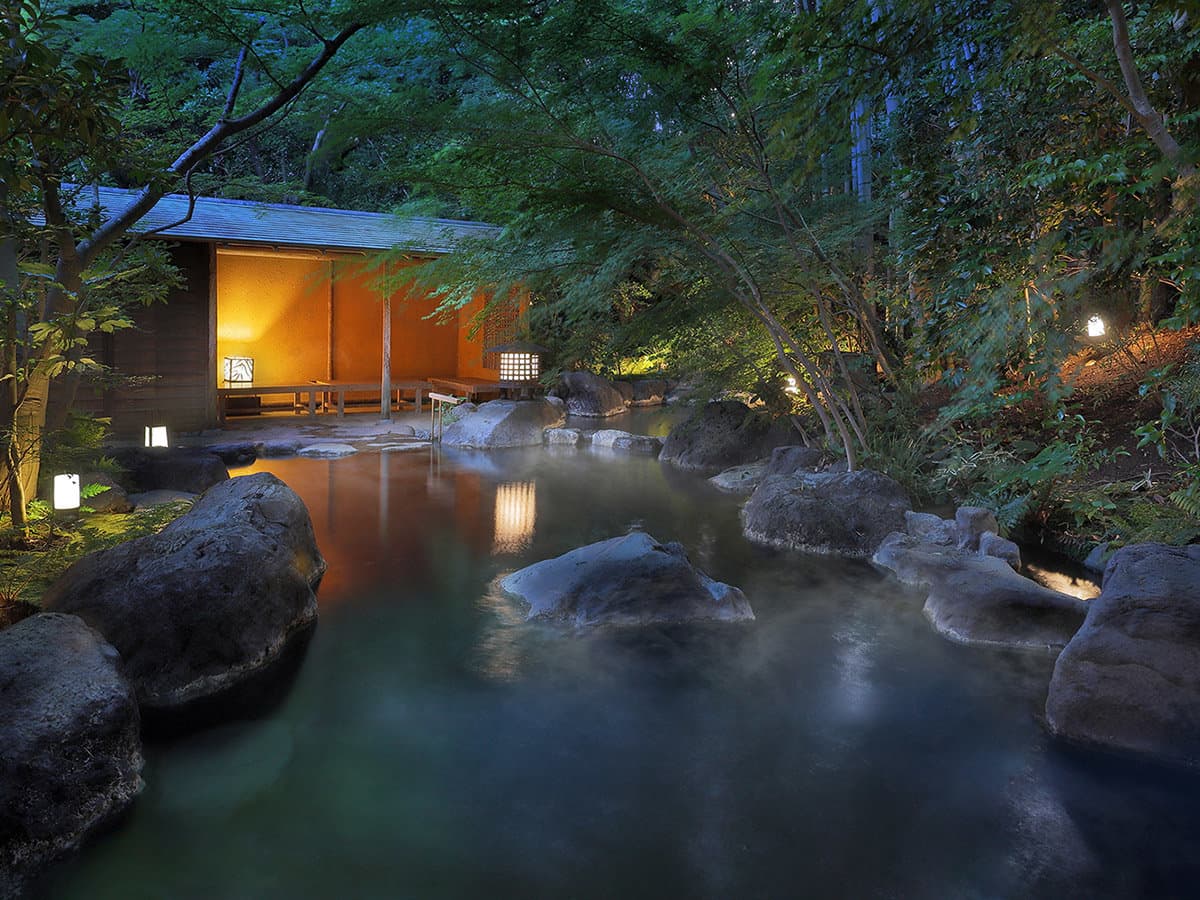 | from $429 | 10.0 44 reviews | EN OKPrivate Onsen | Book on Agoda |
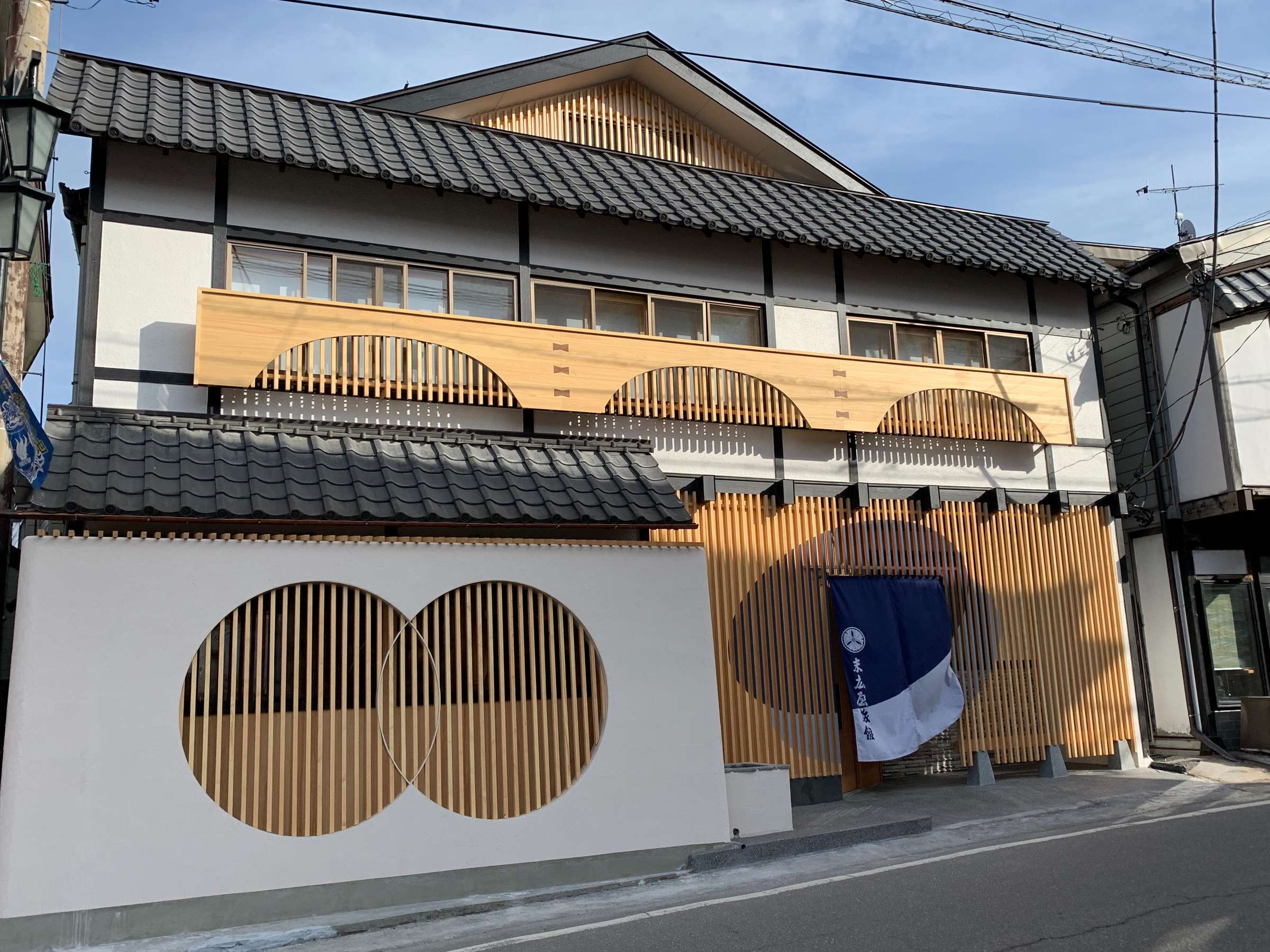 Suehiroya Ryokan Kusatsu | from $158 | 9.8 61 reviews | Private Onsen | Book on Agoda |
| from $176 | 9.7 71 reviews | EN OKPrivate Onsen | Book on Booking.com | |
| from $491 | 9.6 2,132 reviews | EN OKPrivate Onsen | Book on Booking.com | |
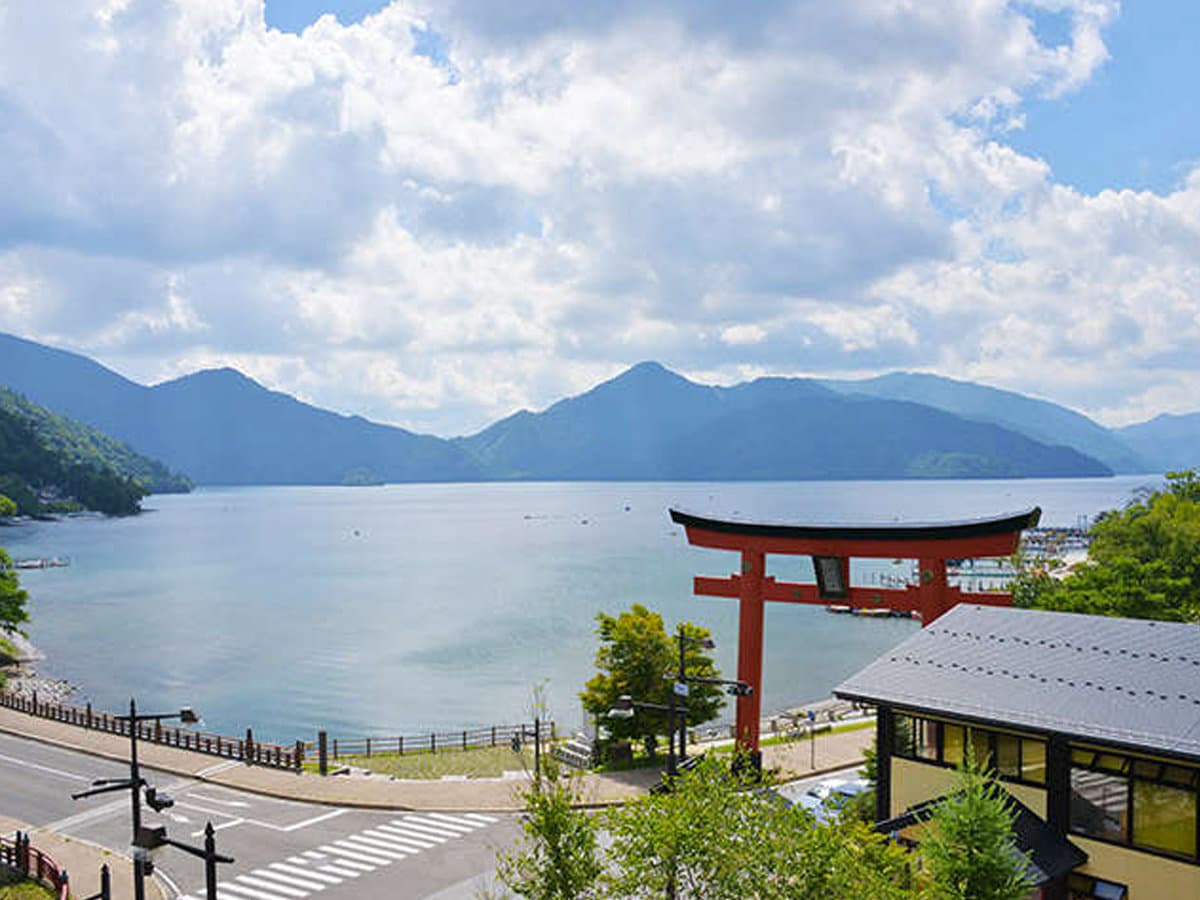 Hotel Hana-An Nikko | from $247 | 9.6 1,653 reviews | EN OKPrivate Onsen | Book on Booking.com |
| from $97 | 9.6 924 reviews | EN OKPrivate Onsen | Book on Booking.com | |
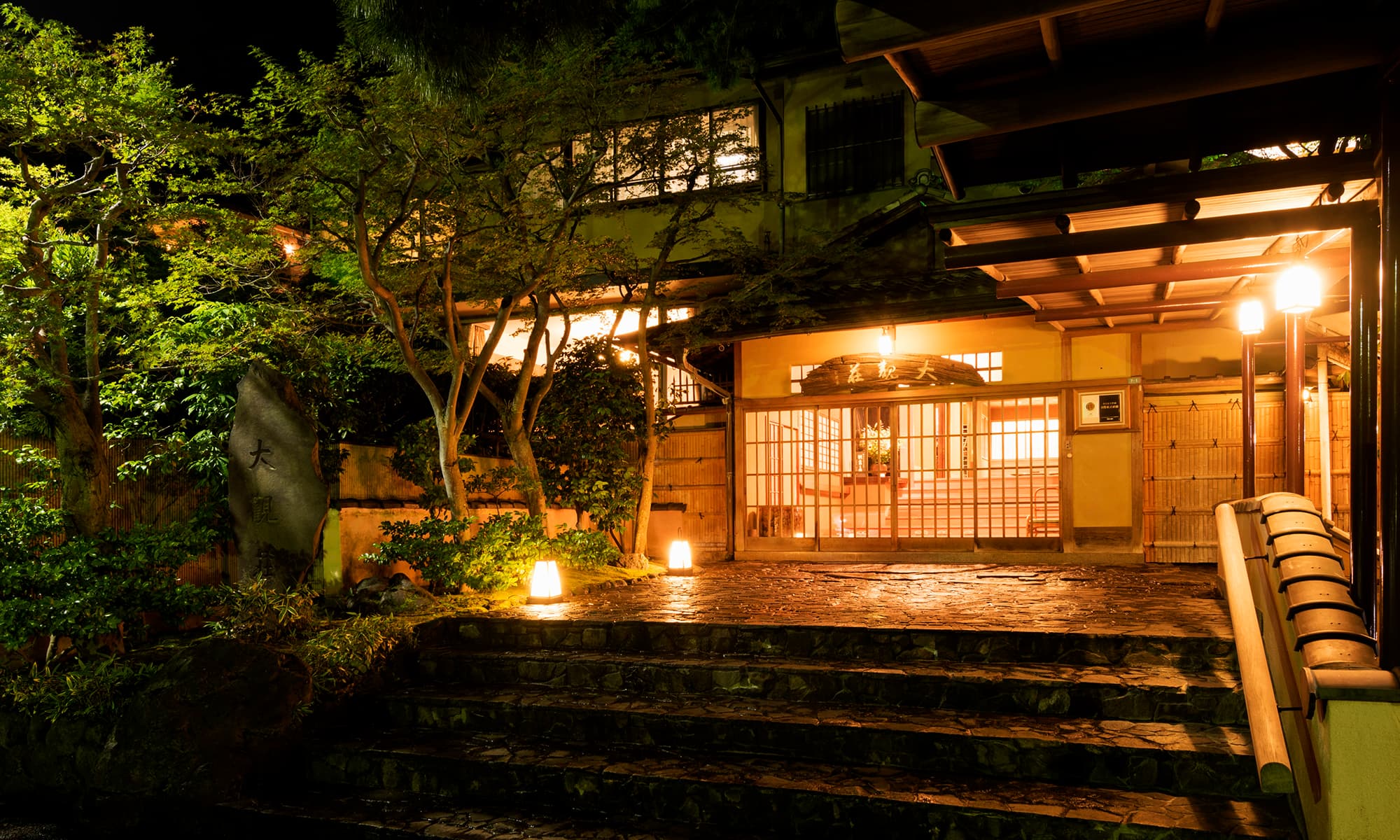 Atami Taikanso Atami | from $463 | 9.6 593 reviews | EN OKPrivate Onsen | Book on Agoda |
| from $385 | 9.6 413 reviews | Private Onsen | Book on Agoda | |
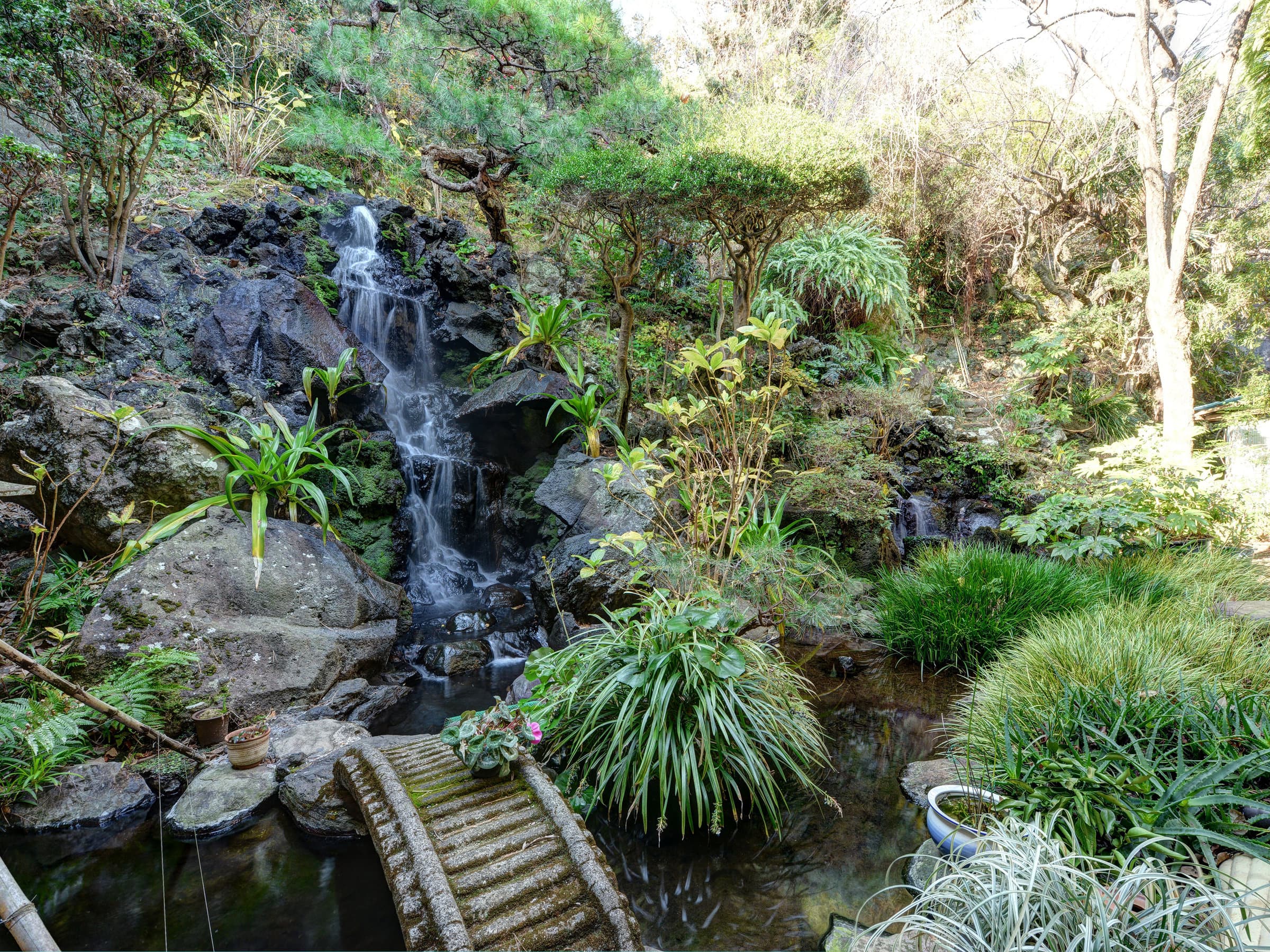 Yokikan Izu | from $220 | 9.6 351 reviews | EN OKPrivate Onsen | Book on Booking.com |
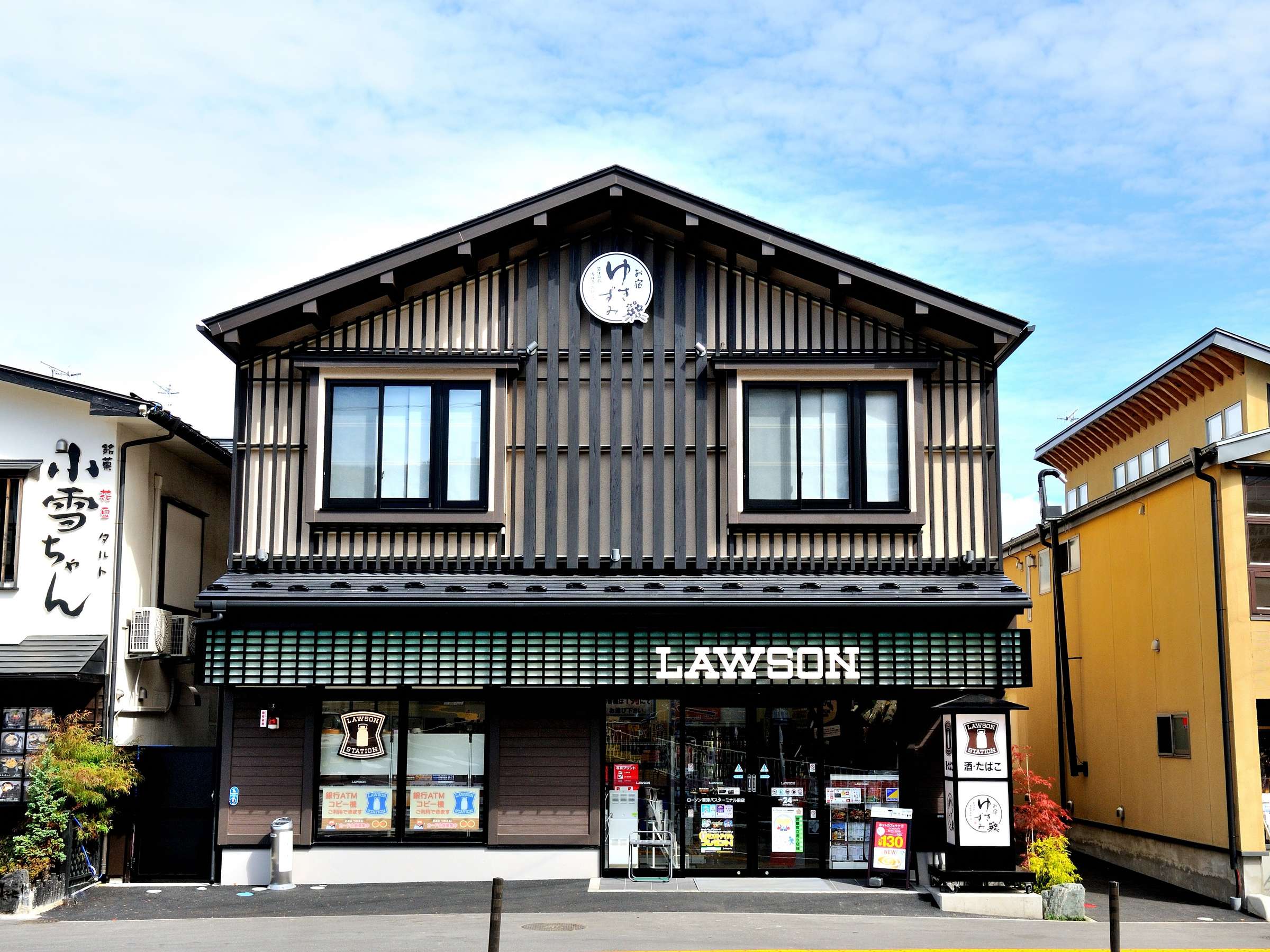 Oyado Yukizumi Kusatsu | from $70 | 9.6 348 reviews | Onsen | Book on Booking.com |
| from $538 | 9.6 334 reviews | Private Onsen | Book on Agoda | |
 Washintei Hogetsu Hakone | from $253 | 9.6 293 reviews | EN OKOnsen | Book on Agoda |
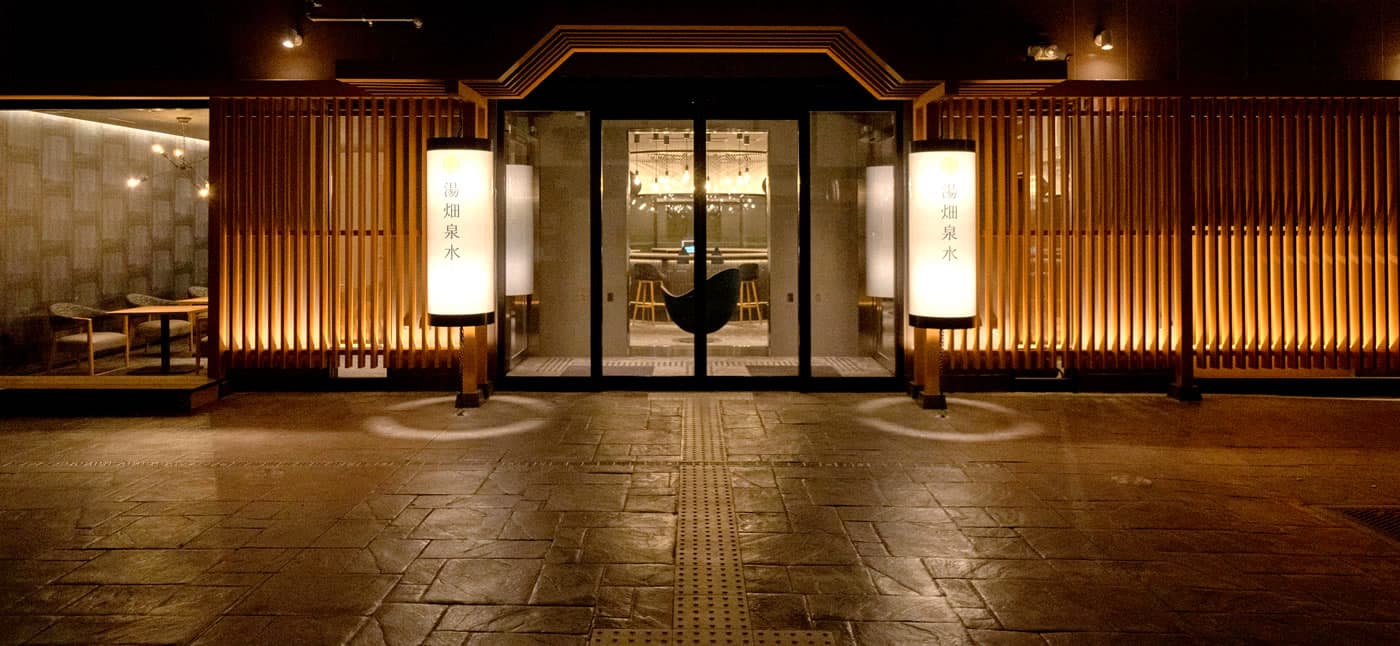 | from $215 | 9.6 213 reviews | Private Onsen | Book on Booking.com |
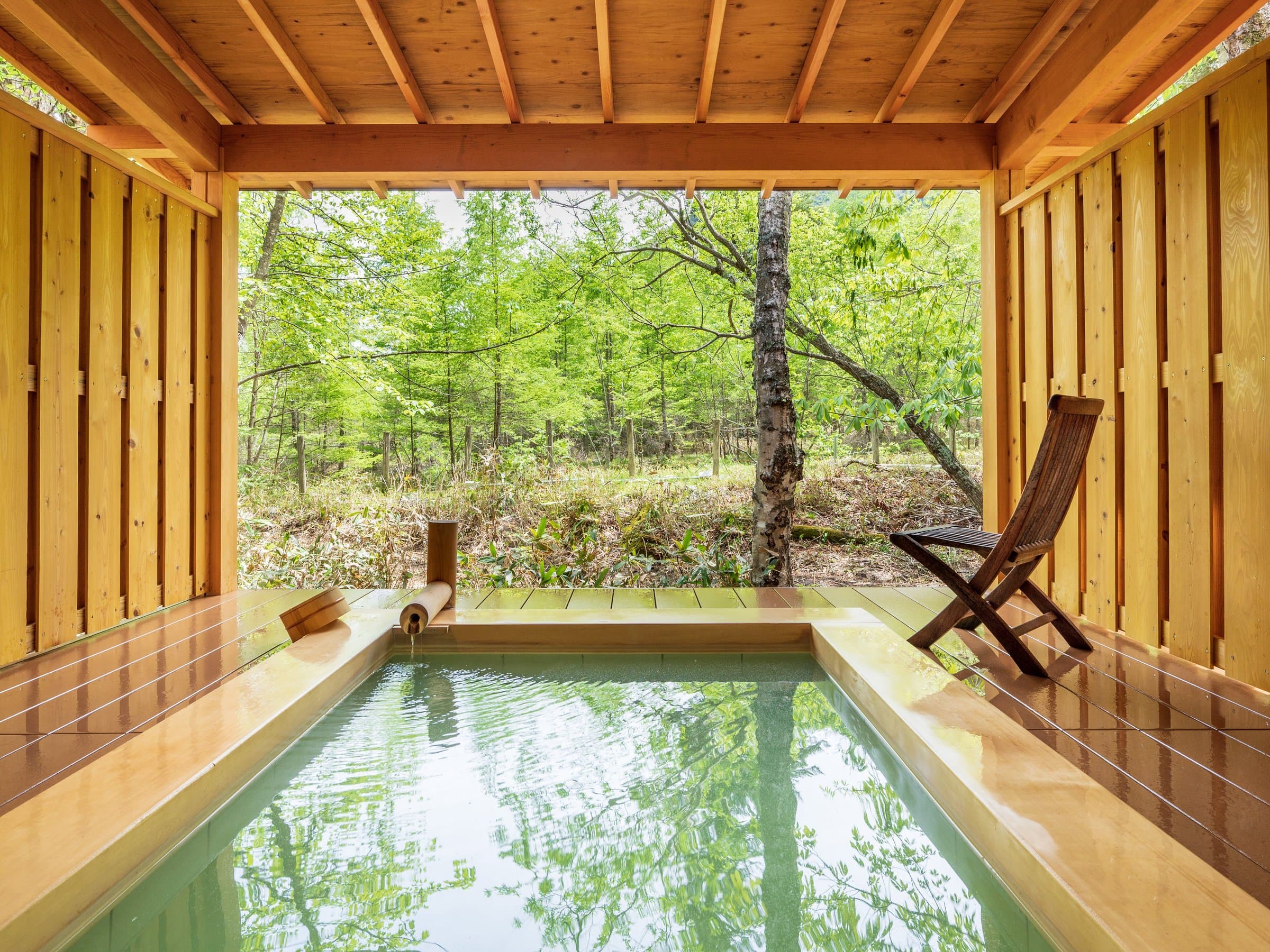 Okunikko Yuno-mori Nikko | from $264 | 9.6 106 reviews | EN OKPrivate Onsen | Book on Booking.com |
| from $355 | 9.6 65 reviews | EN OKPrivate Onsen | Book on Booking.com | |
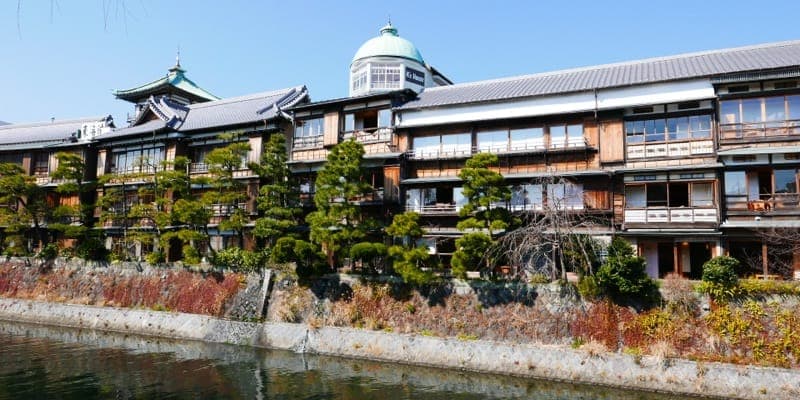 | from $35 | 9.6 45 reviews | EN OKOnsen | Book on Booking.com |
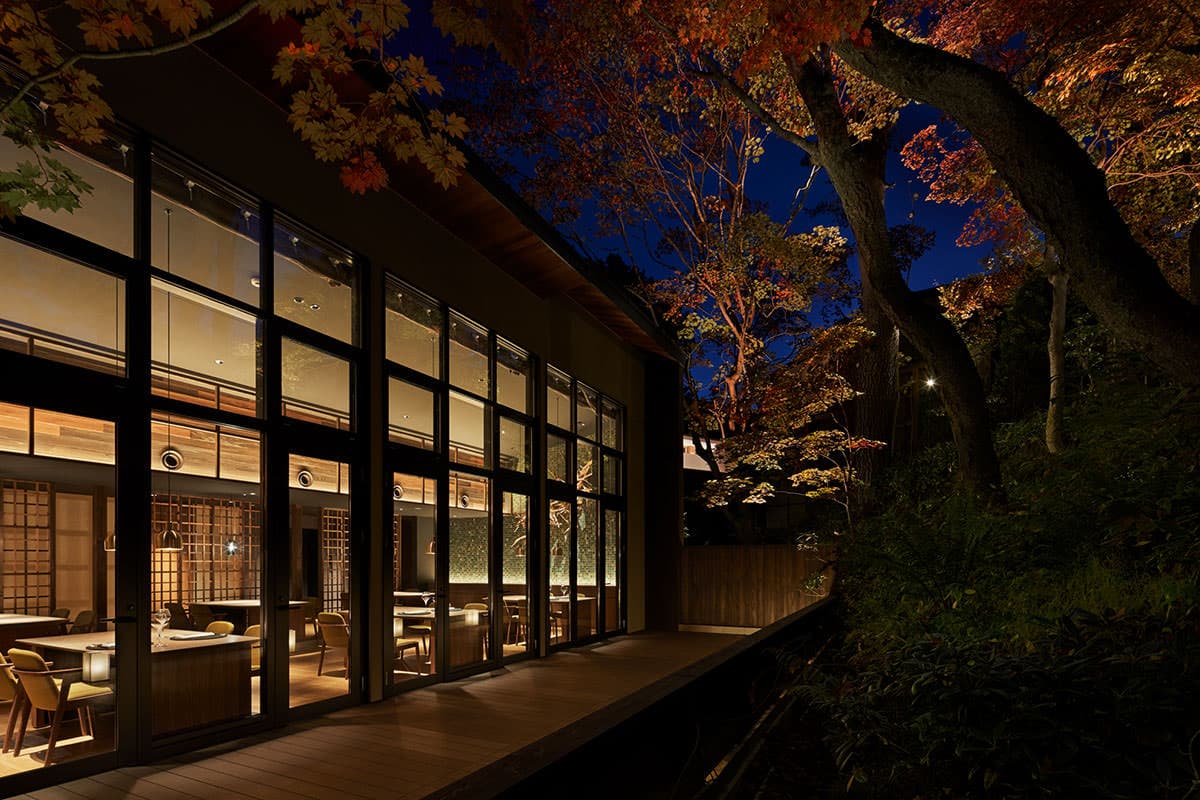 Kei Kusatsu | from $460 | 9.5 77 reviews | Private Onsen | Book on Agoda |
| from $184 | 9.5 43 reviews | EN OKOnsen | Book on Booking.com | |
| from $245 | 9.4 1,634 reviews | EN OKPrivate Onsen | Book on Booking.com | |
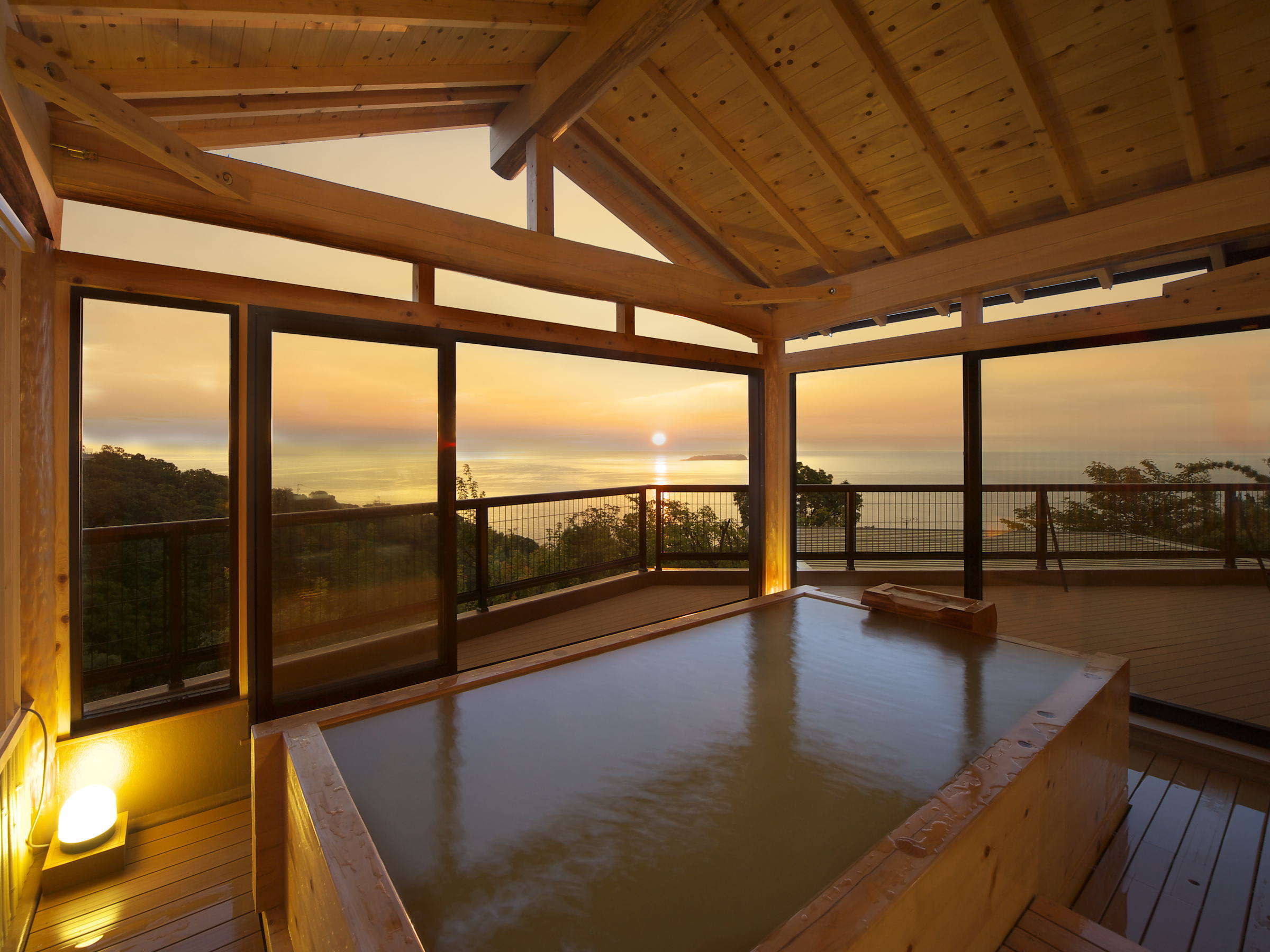 | from $585 | 9.4 714 reviews | EN OKPrivate Onsen | Book on Booking.com |
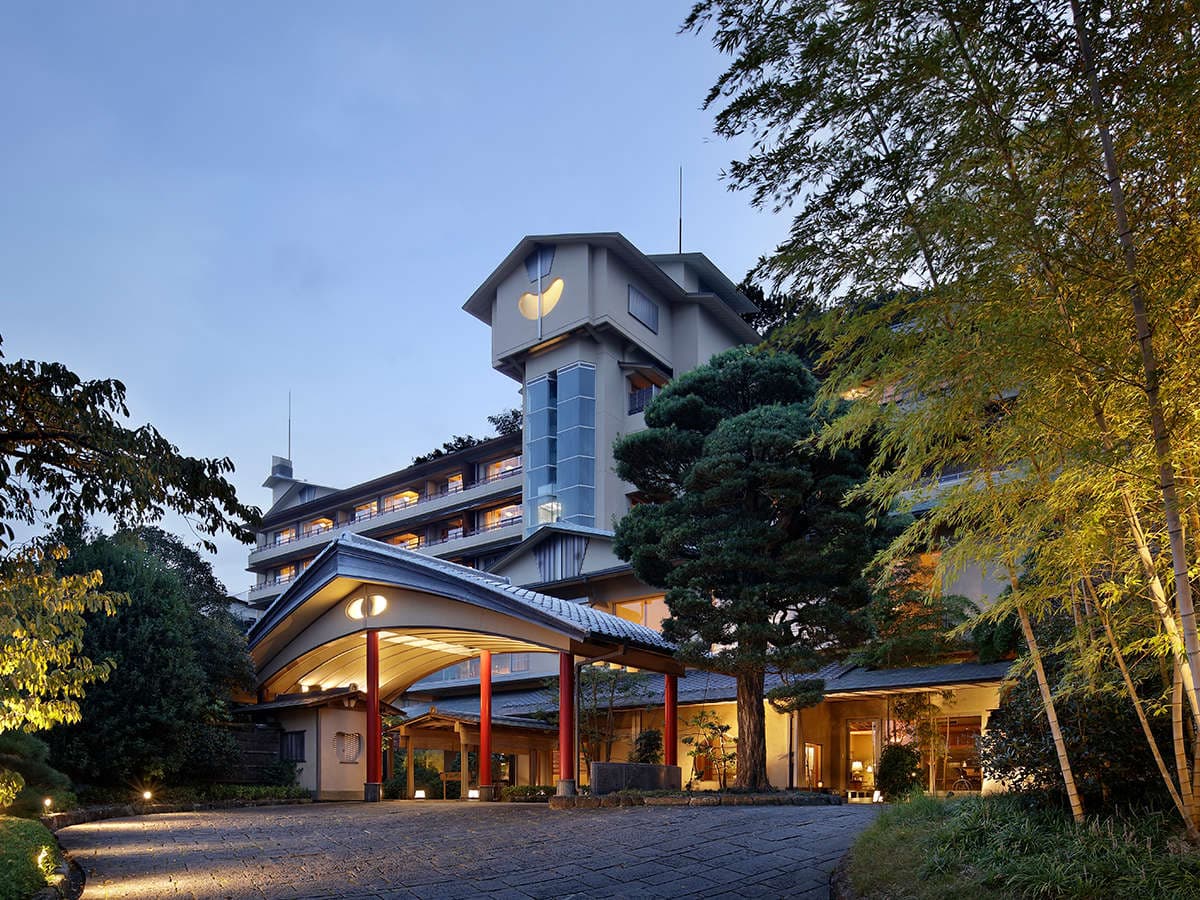
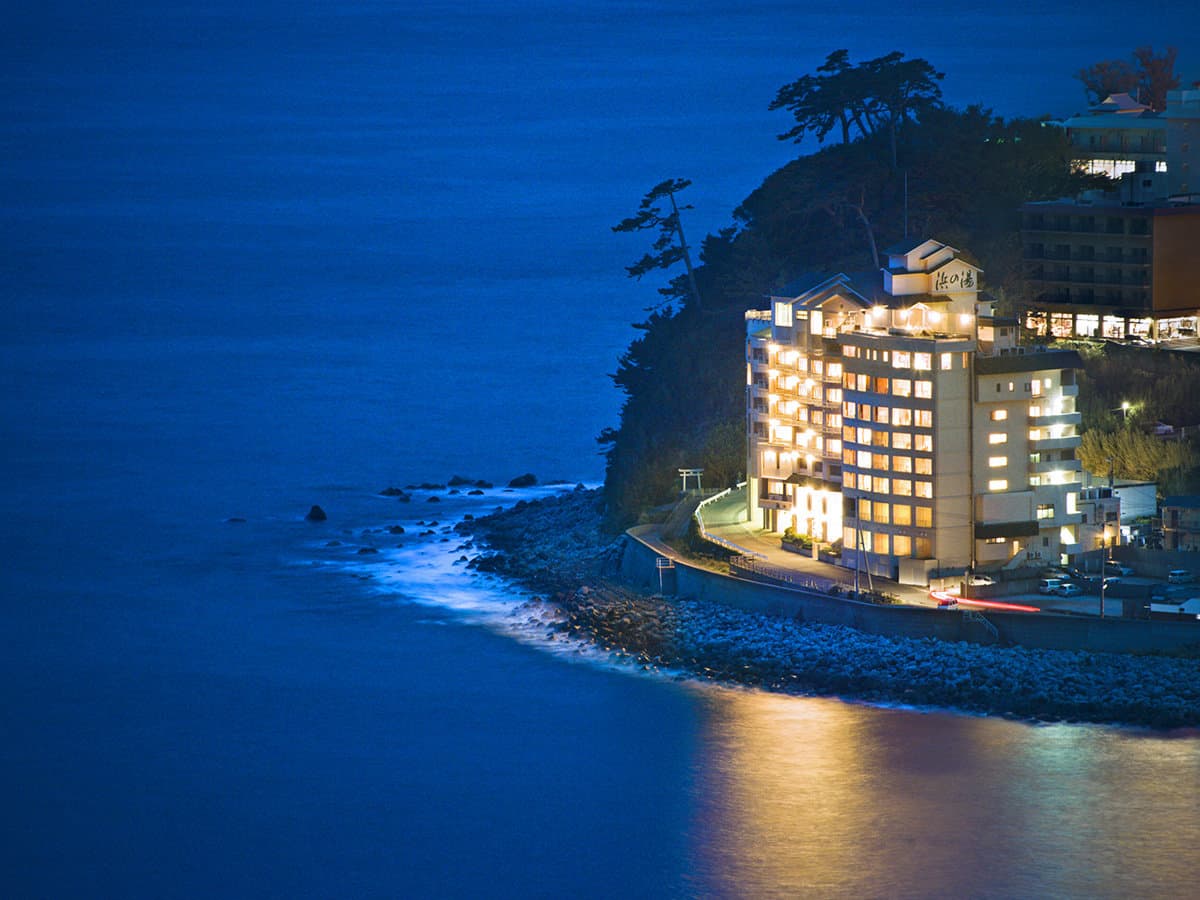
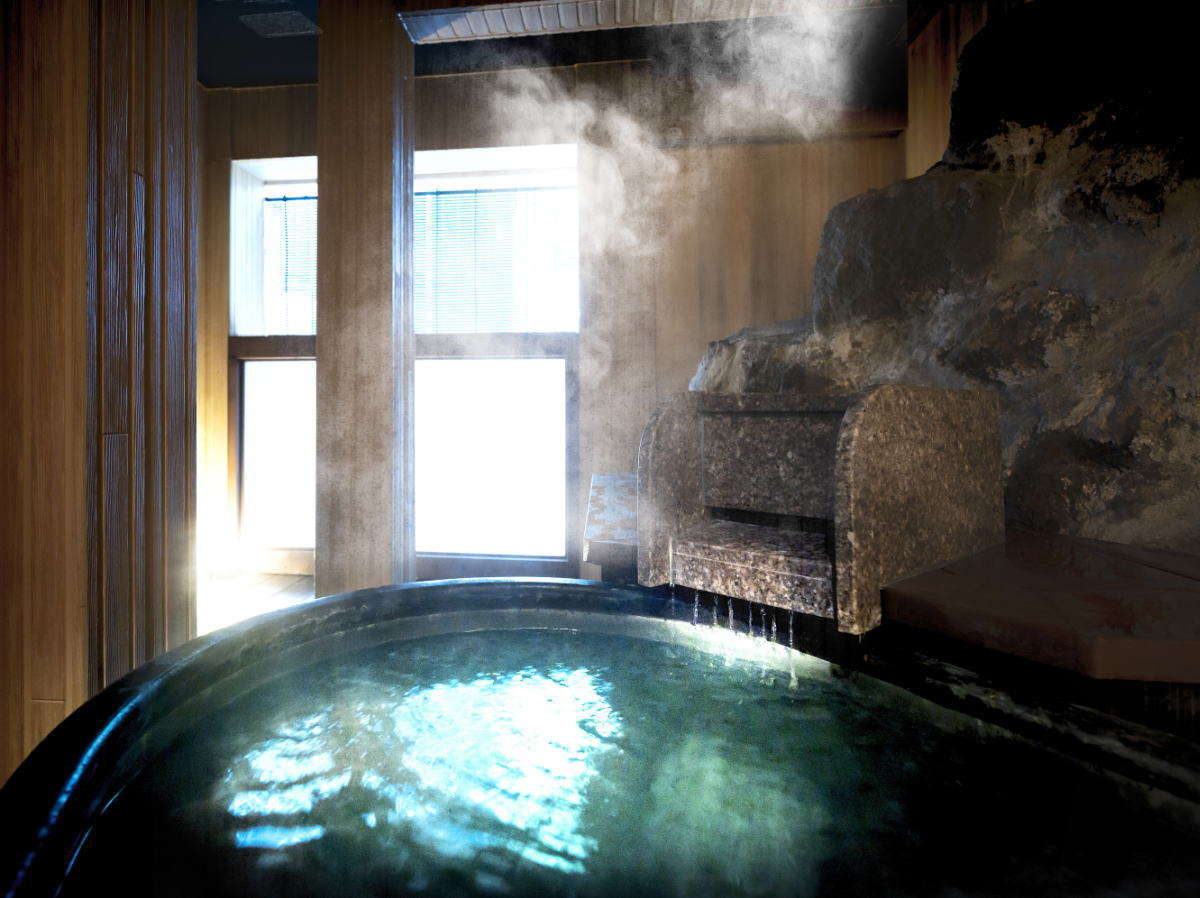
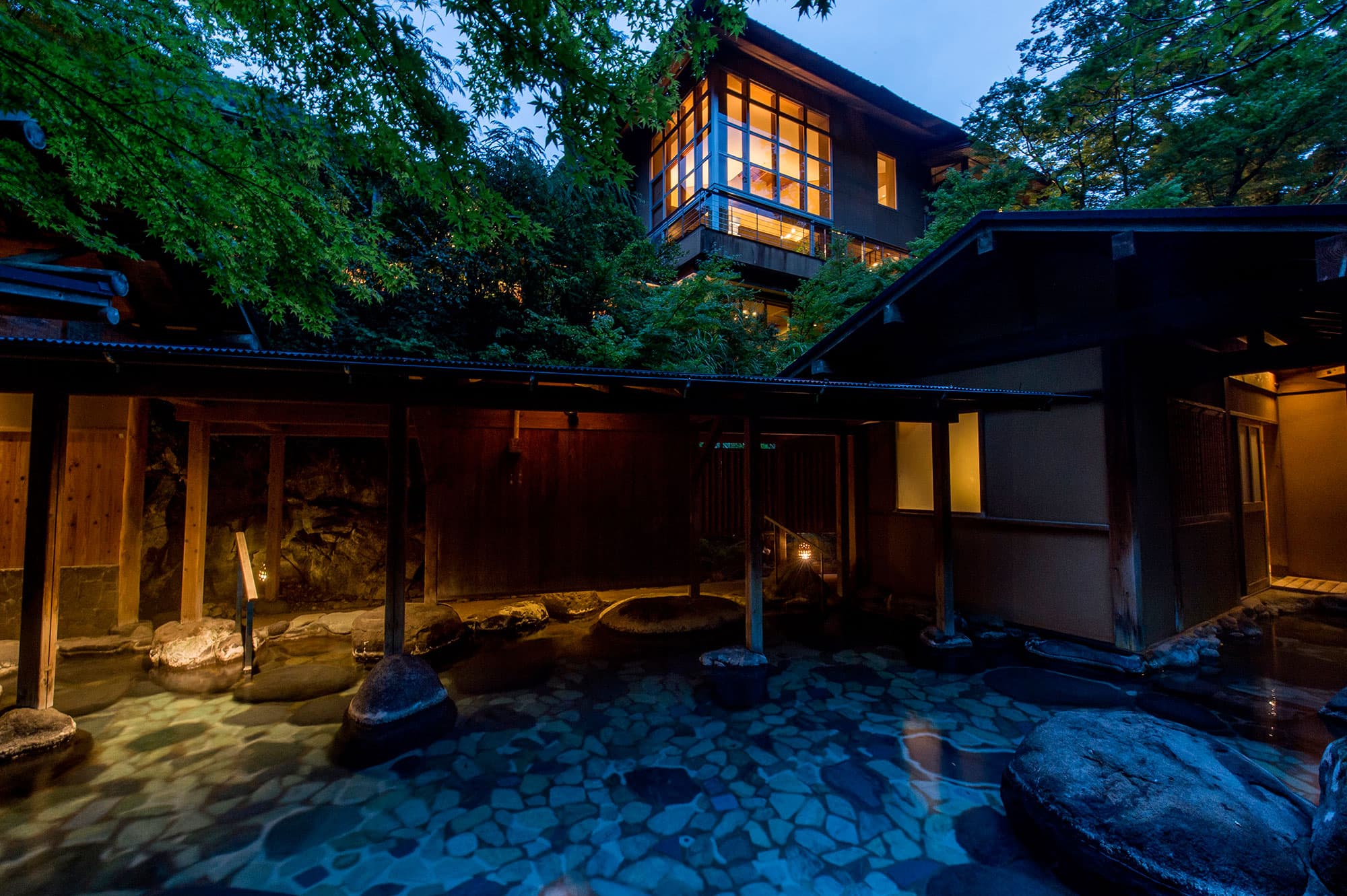
Suehiroya Ryokan
Kusatsu
Hotel Hana-An
Nikko
Atami Taikanso
Atami
Yokikan
Izu
Oyado Yukizumi
Kusatsu
Washintei Hogetsu
Hakone
Okunikko Yuno-mori
Nikko
Kei
Kusatsu
Prices shown are approximate starting rates per person per night. We may earn a commission on bookings.
Ready to book?
Book one of these top picks
Compare live availability and prices across all three platforms.
Booking links may earn us a commission at no extra cost to you.
FAQ
Frequently asked questions
What is the best onsen ryokan near Tokyo?+
The best onsen ryokan near Tokyo depends on how far you can travel, but for the fastest authentic luxury escape it is Fufu Atami, 40 minutes from Tokyo Station on the Tokaido Shinkansen Kodama (¥3,740 one-way). If you cannot leave central Tokyo at all, HOSHINOYA Tokyo is the only top-tier onsen ryokan in the city, at zero transit in Otemachi. For weekend depth, FUFU Nikko beside the UNESCO precinct is the strongest pick.
What's the fastest authentic onsen ryokan from Tokyo Station?+
Fufu Atami at 40 minutes door-to-door on the Tokaido Shinkansen Kodama (¥3,740 unreserved one-way). HOSHINOYA Tokyo at 3 minutes' walk from Tokyo Station is faster but is an urban tower rather than a traditional standalone ryokan. For the classic ryokan format with the fastest transit, Fufu Atami is the answer.
Do I need a JR Pass for these ryokans?+
No, unless you are also travelling to Kyoto, Osaka, or beyond. Round-trip cash fares from Tokyo Station are well below the 7-day JR Pass cost — Atami ¥7,480, Hakone-Yumoto ¥6,820, Karuizawa ¥10,980, Nikko ¥6,360, Kinugawa ¥6,800, Shuzenji ¥9,420, Kusatsu ¥15,580. JR Pass economics only work at the multi-region scale.
Which is cheaper — Hakone or Atami?+
Atami is meaningfully cheaper at every tier. Luxury floor: Fufu Atami $739 vs Gora Kadan $1,200+. Mid-tier: Atami Tensui $165 vs Mizunoto $150 (roughly even). Budget: Atami Shogetsu $60 vs Ichinoyu Honkan $70. The biggest gap is at the luxury tier, where Atami's all-suite-rotenburo $700-$1,500 range sits a full tier below Hakone-Gora's $1,200-$2,500 luxury floor.
Can I do a one-night ryokan from Tokyo with a Monday morning meeting?+
Yes, but only Tier 1 works. Leave Tokyo Station Friday 6:30pm on the Kodama, arrive Atami 7:10pm, dinner, sleep. Saturday morning soak, breakfast, return to central Tokyo by 11:40am with the entire Saturday afternoon and Sunday still ahead. For Tier 2 or 3 destinations the train ride alone eats most of Sunday, which is viable for a two-night trip but not for a single night with a Monday morning meeting.
What's the best autumn foliage near Tokyo?+
Nikko's Lake Chuzenji and Kegon Falls in mid-November is the canonical answer. FUFU Nikko or Nikko Kanaya Hotel as the base, day trip to Lake Chuzenji via the Iroha-zaka switchback road. Second choice: Hakone-Gora and the upper Hakone caldera roughly the same window. Third: the Kinugawa gorge about a week later.
Are these ryokans English-friendly?+
Mostly yes — 27 of the 30 properties in this hub are flagged English-friendly in our database. The exceptions are typically older heritage properties (Tsutsujitei, Bettei Sasane, Atami Yamaki Ryokan, Fukuzumiro) where the front desk operates primarily in Japanese. For these, book via Trip.com or Booking.com rather than the direct site — the OTA layer handles English communication.
Which tier is best for first-time visitors?+
Tier 1 — specifically Atami. The 40-minute Kodama transit means a single mistake (wrong train, missed connection) costs minutes rather than hours. The luxury floor (Fufu, Sekaie) and the mid-tier (Sakuraya, Tensui) are both genuinely strong without requiring the Hakone-Tozan switchback navigation or the Tobu vs JR distinction. For a first-time ryokan trip, Fufu Atami is the single safest answer.
How far in advance should I book Tier 1 vs Tier 3?+
Tier 1: 3-6 weeks for shoulder seasons, 3 months for foliage and plum peaks. Tier 1 properties have the highest room counts and the most flexible inventory. Tier 2: 2-3 months minimum, 4 months for autumn foliage weekends in Nikko and Hakone-Gora. Tier 3: 4-6 months for the smaller-scale picks (Asaba 17 rooms, Tsutsujitei 17 rooms) — these book out months in advance for any peak season.
Mt Fuji visibility — which area is best?+
For partial Mt Fuji views integrated with your ryokan stay: Atami's west-facing winter rooms at Sekaie, Sekitei and Tensui. For the symmetrical postcard angle (Mt Fuji reflected across still water), the canonical area is Fuji Five Lakes — Kawaguchiko and Yamanakako — which sit outside this hub. See best ryokans with Mt Fuji views for that area's dedicated coverage.
What's included in the typical ryokan price?+
Ryokan rates in Japan are quoted per person (not per room) and traditionally include both dinner and breakfast. Tier 1 luxury ($400+) means kaiseki dinner, breakfast, all communal onsen access, and yukata robes; in-room rotenburo if the room category specifies. Mid-tier ($150-300) typically includes dinner + breakfast + onsen access. Budget ($60-150) varies — some include breakfast only, others include full kaiseki at the lower end. Always confirm meal inclusion at booking.


