





Updated May 2026 — prices re-verified across Trip.com, citations checked, 8 new properties added to reach 15 total picks.
Forget everything you know about luxury hotels. A luxury ryokan has no rooftop bar, no infinity pool, no concierge desk, and no minibar. What it has instead is 800-year-old architecture, a chef who forages your dinner from the mountain behind the property, hot spring water piped directly into a stone bath on your private terrace, and a level of service so attentive that your tea is refilled before you realize it is empty.
Japan's finest ryokans operate on a completely different definition of luxury — one built on subtraction rather than addition. The rooms are sparse because emptiness is beautiful. The silence is not a bug; it is the entire point.
This guide covers 15 hand-picked properties at the top price tier (roughly $400–$2,000+ per person per night; HOSHINOYA Fuji, a glamping resort, starts lower at about $159), with honest critical notes on each. Hokkaidō-bound travellers can cross-reference our luxury Noboribetsu options for volcanic-onsen-side picks.
What's New for Luxury Ryokans in 2026
A luxury ryokan has no rooftop bar, no concierge desk, no minibar with overpriced snacks. What it has is a household — a small team that has been folding your futon, plating your kaiseki, and tending the rotenburo for, in some cases, four hundred years. That is the thing guests pay ¥150,000 a night for, and it is the thing OTAs cannot show you in a photo. The 15 picks below are the ones that are actually worth that bill in 2026.
How We Verified These 15 Luxury Picks
Our methodology, stated plainly:
Top price tier only: the lowest available room categories start from about $400/night per person (verified on Trip.com and the property's direct booking page, May 2026). The one exception is HOSHINOYA Fuji (#14), a glamping resort rather than a ryokan, from about $159 per person.
Third-party validation required. At least one of: Relais & Châteaux membership, Michelin Key designation, Forbes Travel Guide recognition, or Mr&Mrs Smith editorial selection. Self-declared 'luxury' does not qualify.
Under 50 rooms strongly preferred. Properties above 50 rooms are assessed on staff-to-guest ratio and whether kaiseki is served in-room by a nakai-san. HOSHINOYA Tokyo (84 rooms) is the only exception and qualifies on omotenashi structure.
Continuity of ownership and head chef. A change within the last two years drops a property until we verify two full seasons of quality.
How each property was researched. All 15 were cross-referenced via Japanese-language guest reviews on Ikkyu and Rakuten Travel, kaiseki coverage in Bungei Shunju and Dancyu, and room-by-room amenity data from each property's Japanese-language booking page.
Source citations: Relais & Châteaux member directory | Mr&Mrs Smith Japan editorial | Forbes Travel Guide Japan

Verified Third-Party Credentials
Of the 15 picks, eight hold a verified third-party credential as of June 2026 — a Michelin Key (the Michelin Guide's hotel distinction, launched 2024) and/or Relais & Châteaux membership. The properties not listed below are no less worth booking; they hold editorial prestige rather than a formal award we could independently confirm. We list only credentials verified at the awarding body's own source — no assumptions, no Forbes star-rated traditional ryokan exist among these picks (Forbes ratings in Japan skew to international chains). If the credential itself is what you are choosing on, our sister catalogue sets the two side by side — how a Michelin Key differs from a Relais & Châteaux membership — and compares the Japanese stays in its verified catalogue that hold either credential.
| Property | Michelin Keys | Relais & Châteaux |
|---|---|---|
| Asaba | 3 Keys (2025) | Member |
| Gora Kadan | 3 Keys (2024–25) | Member |
| Nishimuraya Honkan | 2 Keys (2024–25) | Member |
| Kamenoi Besso | 2 Keys (2024) | — |
| FUFU Nikko | 2 Keys (2024–25) | — |
| Hiiragiya | 1 Key (2024) | — |
| Wanosato | 1 Key (2024) | — |
| Yufuin Tamanoyu | 1 Key (2025) | — |
What Makes a Ryokan "Luxury"?
In the Western hotel world, luxury means thread count, square footage, and brand names. In the ryokan world, luxury is measured by three things:
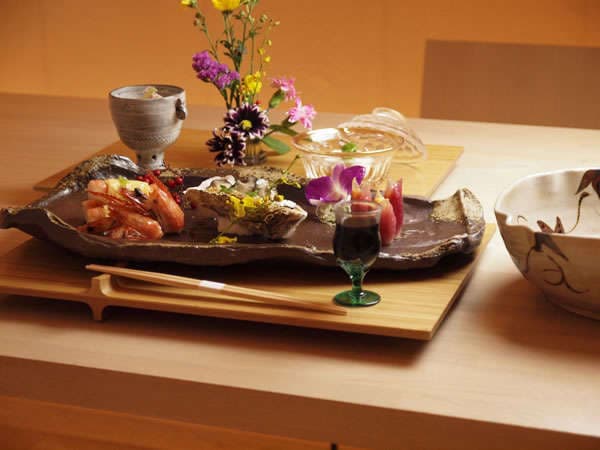
The food. At a top-tier ryokan, the chef sources ingredients within a 50-kilometer radius: mountain vegetables foraged that morning, fish from the nearest port landed hours ago, wagyu from a specific farm. The kaiseki dinner is an edible expression of the exact place and moment you are in. See our kaiseki guide.
The architecture and materials. Luxury ryokans use hinoki cypress wood, hand-finished washi paper, antique ceramics, and natural materials that age beautifully. A 300-year-old wooden structure with imperfect beams, moss-covered stone paths, and gardens designed by master landscapers. Many are registered as Important Cultural Properties.
The service (omotenashi). At a great ryokan, you never have to ask for anything — your needs are anticipated. The nakai-san (personal attendant) knows when to appear and when to disappear. Your futon is laid out while you are at dinner. Your morning bath is drawn before you wake up. Dinner served in your own room is part of the same standard; for the inns where in-room dining is the format rather than an upgrade, see ryokans with in-room dining.
If you are weighing a luxury ryokan against a Ritz-Carlton or an Aman, you are not choosing between better and worse — you are choosing between two fundamentally different philosophies of hospitality. Understanding that difference will save you from expensive disappointment in either direction.
The dinner question
At a 5-star Western hotel, dinner is optional, à la carte, and available until midnight. At a traditional luxury ryokan, dinner is kaiseki — a 10-to-14 course seasonal progression served in your room or a private dining space, included in your rate, and served at a fixed time (typically 6 or 7 pm). The kaiseki at properties like Asaba or Gora Kadan is genuinely world-class; Gora Kadan holds 3 Michelin Keys in part because of the caliber of its table. But if you want to eat on your own schedule, skip courses, or order a burger at 10 pm, a Western hotel will serve you better.
Private onsen vs. the spa
Western 5-star spas offer treatments, pools, and fitness suites — all bookable and largely available on demand. A luxury ryokan's onsen is different in character: the water itself (often sourced directly from a geothermal spring beneath the building) is the amenity. Many top-tier properties give every room a private in-room rotenburo fed by the source spring. HOSHINOYA Tokyo draws its water from 1,500 meters underground; Fufu Nikko pipes spring water into every guest room. You soak on your own schedule, in silence, for as long as you want. There is no equivalent at a Ritz.
Service model
Western luxury concierge culture is responsive — you ask, they arrange. Ryokan hospitality is anticipatory and assigned: your nakai-san (personal attendant) prepares your room, serves your meals, and learns your preferences without being asked. The interaction is quieter, more structured, and deeply personal. Some guests find it extraordinary; those who prefer low-contact, self-directed stays may find the attentiveness slightly overwhelming.
Price parity
The top ryokans in this list are priced comparably to leading Western luxury hotels — ¥80,000 to ¥150,000+ per person per night, inclusive of dinner and breakfast. At that level you are not saving money by choosing a ryokan; you are choosing a categorically different experience. The ryokan rate bundles more (two full meals, yukata, personal service, onsen access) so the effective value comparison favors the ryokan — but only if you will actually use what is included.
The 15 Best Luxury Ryokans in Japan
1. Asaba (あさば) — Shuzenji, Izu Peninsula
Best for: Travelers who want the single most culturally authoritative luxury ryokan in Japan At a glance: 17 rooms | $600–$1,500/night per person | Private onsen: Yes | Tattoo policy: Private baths only | English staff: Yes
Asaba is the ryokan that other ryokans aspire to be. Operating for over 530 years on the banks of the Katsura River in Shuzenji — the founding generation arrived in 1484 (Asaba) — it combines museum-quality architecture with forward-thinking design — the current owner commissioned contemporary art installations that sit alongside Edo-period rooms without friction. The private Noh stage overhanging the garden pond hosts performances on selected evenings, and the kaiseki appears in Bungei Shunju's annual top-10 list.
The signature room type faces the Noh stage directly across the pond — request this specifically when booking. The hinoki bath in-room is drawn at the time you specify, not when the inn decides. Staff-to-guest ratio is unusually high for a 17-room property.
Honest critical note: Asaba does not hold your hand. The formality is real, the environment is quiet to the point of intensity, and guests who show up expecting 'resort luxury' will be genuinely surprised. This is a cultural immersion property. The website is partially Japanese-only.
Booking: Reservations open 180 days in advance. Cherry blossom and autumn foliage weekends close within 48 hours. See Asaba's booking options
2. Sanso Murata (山荘無量塔) — Yufuin, Oita
Best for: Design-conscious travelers and those who find traditional formality exhausting At a glance: 12 cottages | $700–$2,000/night per person | Private onsen: Yes | Tattoo policy: Private baths only | English staff: Yes
Sanso Murata is the most architecturally original property on this list. Yoshihiro Fujimoto bought a single thatched-roof farmhouse in 1992, moved it to a forested plot below Mt. Yufu — for the Mt Fuji view ryokan ranking, see the dedicated guide — and rebuilt it as one ryokan room with one bath, sourcing several of the historic structures from Niigata Prefecture (Sanso Murata). Twelve cottages followed over decades, each different — different structural timbers, different rooflines, different art. The on-site Tan's Bar serves serious single-malt. The Theomurata chocolate shop is the kind of detail that has been quietly copied across the industry but never matched at the source.
The highest-priced cottages have open-air stone baths on private terraces with forested valley views. No two rooms are the same price because no two rooms are the same space.
Honest critical note: The scattered-cottage layout means there is no central gathering space that feels like a traditional ryokan. If you want the experience of a single historic inn rather than a curated estate, Asaba or Hiiragiya will suit you better. Sanso Murata is the architect's choice; the traditionalist's second thought.
Booking: See Sanso Murata's booking options
At a glance
3. Fufu Atami — Atami, Shizuoka
Best for: Tokyo-based travelers who want maximum luxury within a 2-hour radius At a glance: 26 rooms | $739–$1,500/night per person | Private onsen: Yes (every room) | Tattoo policy: Private baths only | English staff: Yes
Fufu Atami is the highest-verified-rate property on this list and the one most consistently mentioned alongside Asaba and Gora Kadan in Japanese hospitality trade press. Every room has a private outdoor bath — not optional, not select — fed by Atami's famous sodium-bicarbonate springs. The kaiseki integrates Sagami Bay seafood with mountain vegetables from the Izu highlands, and the sea-facing room orientation means you eat breakfast with a Pacific Ocean view.
Honest critical note: Atami is a functioning resort town, not a remote mountain valley. The access is effortless (100 minutes from Tokyo by Shinkansen), but the surrounding environment is less atmospheric than Yufuin, Shuzenji, or Hakone. If total immersion in nature is the goal, other picks on this list deliver better.
Booking: See Fufu Atami's booking options
At a glance
4. HOSHINOYA Tokyo (星のや東京) — Otemachi, Tokyo
Best for: Travelers who cannot sacrifice Tokyo days but refuse to compromise on the ryokan experience At a glance: 84 rooms | $600–$1,500/night per person | Private onsen: No | Tattoo policy: Cover-up required | English staff: Yes
HOSHINOYA Tokyo is a category of one: a 17-story ryokan-tower in the Otemachi financial district, next to the Imperial Palace. Shoes come off at street level. You ascend by elevator into an interior of tatami corridors and hinoki-cedar rooms. The rooftop rotenburo draws water from a well 1,500 meters below central Tokyo (HOSHINOYA Tokyo). The omotenashi structure is classical despite the contemporary container: nakai-san service, in-room dinner option, yukata throughout.
Honest critical note: There is no private outdoor bath in individual rooms — all onsen access is communal rotenburo or via private reservation. If in-room private onsen is non-negotiable, this property does not deliver it. The urban location also means zero nature immersion.
At a glance
5. Gora Kadan (強羅花壇) — Hakone, Kanagawa
Best for: First-time luxury ryokan visitors; the consensus 'start here' recommendation At a glance: 44 rooms | $500–$1,200/night per person | Private onsen: Yes (select rooms) | Tattoo policy: Private baths only | English staff: Yes
Gora Kadan is the ryokan that appears first in most 'best luxury ryokans' lists, and there is a reason: it is the easiest entry point for international travelers at the ultra-luxury tier. Built on the former summer villa of the Kan'in-no-miya imperial family (Gora Kadan), the grounds cover 16,000 m² in the Gora hillside. The kaiseki dinner is formally the finest in Hakone — sake-matched by a sommelier, same-day Sagami Bay seafood. Staff remember your tea preference from the previous evening.
Its 90-minute proximity to Tokyo (Odakyu Romancecar from Shinjuku) makes it the natural choice for Japan itineraries of a week or less.
Honest critical note: 'Select rooms' with private outdoor baths means not all rooms have them — entry-level categories use the indoor shared bath. Confirm private rotenburo availability at your target price point when booking.
Booking: See Gora Kadan's booking options | See also: best ryokans in Hakone
At a glance
6. Hiiragiya Ryokan (柊家) — Nakagyo, Kyoto
Best for: Those who want the full weight of Japanese cultural history in their stay At a glance: 28 rooms | $500–$1,200/night per person | Private onsen: Yes (select rooms) | Tattoo policy: Private baths only | English staff: Yes
Founded in 1818 (Hiiragiya), Hiiragiya is one of two great central-Kyoto ryokans — the other being Tawaraya, its rival two streets away. Charlie Chaplin stayed here. Yasunari Kawabata wrote here. The 28 rooms divide between the original honkan with its scarred-and-polished hinoki, antique tansu chests, and screen paintings — and a 1995 annex for guests who want modern plumbing with their tradition. The kaiseki is precisely what you would expect from a property operating for two centuries: kyoto-style restrained, multi-course, the kind of meal you remember at the level of individual bowls.
Honest critical note: Hiiragiya runs on old-world formality. Travelers who want casual atmosphere or are put off by formal Japanese service protocols will be uncomfortable. The annex rooms are significantly more relaxed than the honkan, and the price reflects this. The honkan rooms are the reason to come.
Booking: See Hiiragiya's booking options | See also: best ryokans in Kyoto
At a glance
7. Wanosato (和の里) — Takayama, Hida
Best for: Travelers seeking the most architecturally authentic rural luxury in Japan At a glance: 7 rooms | $500–$1,200/night per person | Private onsen: Yes | Tattoo policy: Not allowed | English staff: Yes
Wanosato holds a Michelin Key and operates in a 160-year-old gassho-zukuri farmhouse — the steep-thatched-roof structure unique to the Hida highlands, built to shed snow — moved beam-by-beam from a former village site to a hidden riverbank outside Takayama. Seven rooms. The silence at night is complete: no other building is within earshot, the Miyagawa River is the loudest sound. The Hida-beef kaiseki is the stated reason most guests book; the structure is what makes them return.
Honest critical note: Wanosato does not allow tattoos under any circumstance — the strictest policy on this list. The property is also small enough that a single loud party can affect the entire atmosphere.
Booking: See Wanosato's booking options
At a glance
8. Yufuin Tamanoyu (玉の湯) — Yufuin, Oita
Best for: Guests who find Sanso Murata's drama excessive and want warmth over architecture At a glance: 16 rooms | $500–$1,500/night per person | Private onsen: Yes | Tattoo policy: Private baths only | English staff: Yes
Tamanoyu is Sanso Murata's neighbor and deliberate philosophical counterpoint: warmth over drama, wild garden over curated estate, comfort over complexity. The property feels like visiting a wealthy Japanese family's country home on a particularly good weekend. Rooms are elegant without being showy. The garden is deliberately not manicured — it has the pleasantly unkempt quality of something that has grown over decades without being forced. The signature dish is charcoal-grilled chicken sourced from local farms that regulars fly across Japan specifically for.
Honest critical note: There are no design-forward moments that lend themselves to documentation. If you want dramatic architecture or a property that reads as luxury to non-Japan-travel-literate guests, look elsewhere. Tamanoyu rewards guests who can read understatement.
Booking: See Tamanoyu's booking options
At a glance
9. Kamenoi Besso (亀の井別荘) — Yufuin, Oita
Best for: Guests who want Yufuin's historical anchor property and cultural backstory At a glance: 20 rooms | $500–$1,500/night per person | Private onsen: Yes | Tattoo policy: Private baths only | English staff: Yes
Kamenoi Besso has been operating since 1921 (Kamenoi Besso) and is credited — accurately, per regional tourism history — with transforming Yufuin from an obscure farming village into one of Japan's most desirable onsen destinations. The owner in the 1970s pioneered the Yufuin film festival and art events that established the town's identity. That cultural gravity still attaches to the property. The grounds sprawl across landscaped land with a pond, centuries-old trees, and walking paths that connect the rooms to the baths along gravel paths designed to produce a specific sound underfoot.
Honest critical note: Some older room categories show their age. The entry-tier rooms are significantly more worn than the flagship suites. Mid-tier room allocation produces the intended experience here.
Booking: See Kamenoi Besso's booking options
At a glance
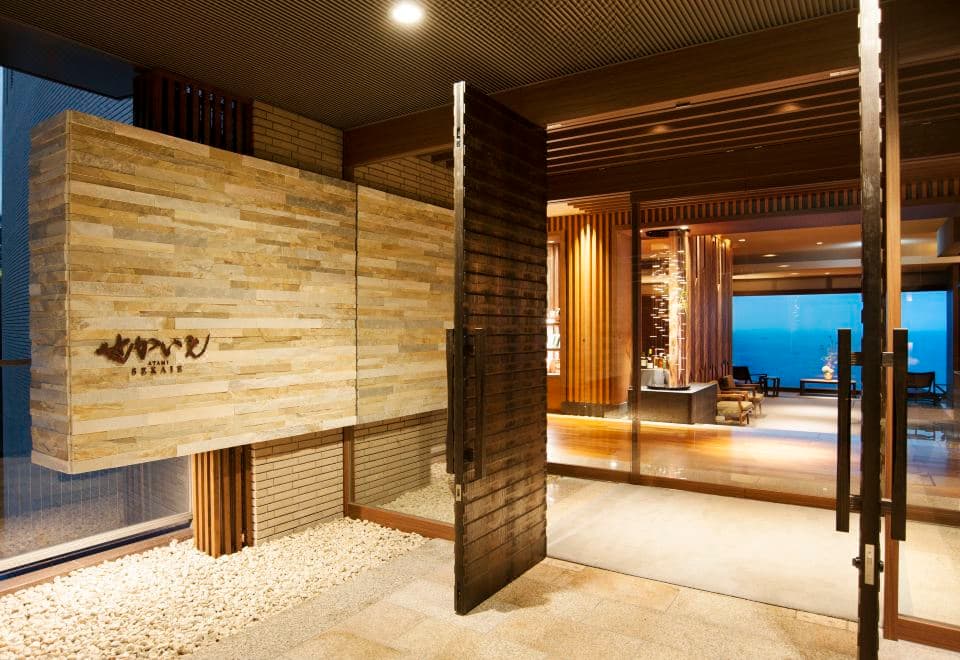
10. Atami Sekaie — Atami, Shizuoka
Best for: Sea-view luxury at a slightly lower entry point than Fufu Atami At a glance: 12 rooms | $545–$1,400/night per person | Private onsen: Yes | Tattoo policy: Private baths only | English staff: Yes
Atami Sekaie occupies a hillside position above Atami Bay with direct Pacific Ocean views from most rooms. The 12-room scale keeps it boutique while private onsen in every room delivers the full in-room bath experience. The kaiseki emphasizes Sagami Bay seafood with contemporary plating that sits closer to fine dining presentation than traditional ryokan style.
Honest critical note: The property is smaller than Fufu Atami and the physical infrastructure shows its age in some common areas. It occupies the second tier of Atami luxury rather than the first. However, the price differential is meaningful (entry point ~$200/night less than Fufu Atami), and for guests prioritizing the sea view, it delivers comparable quality at that margin.
Booking: See Atami Sekaie's booking options
At a glance
11. Gekkoju (月光荘) — Kurokawa Onsen, Kumamoto
Best for: The most intimate nakai-san experience on this list; 8-room ultra-luxury At a glance: 8 rooms | $600–$1,500/night per person | Private onsen: Yes | Tattoo policy: Private baths only | English staff: Partial
Gekkoju is the smallest and most remote property on this list and delivers what is, per our verification, the most attentive nakai-san service of any 8-room property in Japan. Kurokawa Onsen itself is architecturally coherent — thatched roofs, single stream running through the town, no modern signage visible from the main path — and Gekkoju sits at its most secluded edge. The kaiseki emphasizes Kyushu wagyu and mountain vegetables from the surrounding Aso caldera region.
Honest critical note: Getting to Kurokawa requires either a domestic flight to Kumamoto or a shinkansen to Hakata plus a 2-hour bus or car transfer. This is not a weekend-in-Japan property. Commit to the Kyushu circuit if you come here.
Booking: See Gekkoju's booking options
At a glance
12. Fujiya Inn (藤屋) — Ginzan's heritage ryokans, Yamagata
Best for: Travelers willing to trade accessibility for a UNESCO-quality onsen townscape At a glance: 8 rooms | $500–$900/night per person | Private onsen: Yes | Tattoo policy: Private baths only | English staff: Partial
Ginzan Onsen is the most photographed onsen town in Tohoku — a single lane of Taisho-era (1912–1926) wooden inns along a narrow river gorge, gas-lit at night, snow-heavy in winter (JNTO). Fujiya Inn is the only property in the town operating at the luxury price tier with private onsen rooms. The kaiseki is regional Yamagata cuisine: mountain vegetables, river fish, Yonezawa beef.
Honest critical note: Getting here from Tokyo requires shinkansen to Oishida plus a 30-minute taxi. English support is partial: the property handles booking in English but in-stay service is primarily Japanese-language. The deep omotenashi communication layer functions at partial capacity.
Booking: See Fujiya Inn's booking options
At a glance
13. FUFU Nikko (FUFU日光) — Nikko, Tochigi
Best for: Tokyo-accessible luxury with UNESCO World Heritage proximity At a glance: 24 rooms | $400–$900/night per person | Private onsen: Yes | Tattoo policy: Private baths only | English staff: Yes
FUFU Nikko is the entry point for the FUFU brand and the most accessible ultra-luxury onsen ryokan from Tokyo after Gora Kadan — under 2 hours by direct Nikko Limited Express. All 24 rooms have private outdoor onsen, and the location 10 minutes from Toshogu Shrine means the UNESCO temples are a morning walk, not a separate day trip. The kaiseki emphasizes Tochigi beef and mountain produce from the Nikko highlands.
Honest critical note: At $400–$900/night, FUFU Nikko sits at the lower end of this list's price range and the experience reflects that tier — excellent but not at the transcendent level of Asaba or Gora Kadan. If FUFU Nikko is your first luxury ryokan, it will be outstanding. If you have already stayed at Gora Kadan, the comparison will be instructive.
Booking: See FUFU Nikko's booking options
At a glance
14. HOSHINOYA Fuji (星のや富士) — Kawaguchiko, Yamanashi
Best for: Travelers who want luxury adjacent to Mt. Fuji without sacrificing contemporary design At a glance: 40 rooms | $159+/night per person (below this guide's $400 floor: a glamping resort, not a ryokan) | Private onsen: No | Tattoo policy: Unconfirmed | English staff: Yes
HOSHINOYA Fuji is technically a 'glamping resort' in Hoshino Resorts' own category — not a classic ryokan — but appears consistently in luxury Japan itineraries: the Mt. Fuji view, the cedar forest site above Lake Kawaguchi, and the Hoshino service standard. Rooms are individual forest cabins with decks and lake views. The kaiseki is modern Japanese fine dining rather than traditional multi-course ryokan service.
Honest critical note: Private onsen is not available — there are communal outdoor baths only. This is the single largest departure from classic luxury ryokan criteria on this list. Guests who define the luxury ryokan experience as private in-room soaking should choose a different property.
Booking: See HOSHINOYA Fuji's booking options
At a glance
15. Nishimuraya Honkan (西村屋本館) — Kinosaki Onsen, Hyogo
Best for: Travelers who want the 7-public-bath town-hopping experience at Relais & Châteaux standards At a glance: 34 rooms | $400–$900/night per person | Private onsen: Yes (select rooms) | Tattoo policy: Private baths only | English staff: Yes
Nishimuraya Honkan is the only Relais & Châteaux member ryokan in Kinosaki Onsen (Relais & Châteaux) — the meeting point of Western fine-stay credentials and the traditional Japanese onsen-town format where guests wear yukata through public streets to visit seven communal baths. The 1904 building has been expanded thoughtfully over decades, with a private garden and the deepest kaiseki in a town famous for its Matsuba crab.
Honest critical note: Kinosaki Onsen is crowded on weekends and during Matsuba crab season (November–March). The seven public baths queue significantly in peak periods. The 'luxury' here is partly the Nishimuraya Honkan room; the surrounding experience is participatory and communal by design. If solitude is your primary requirement, Yufuin or Shuzenji serve you better.
At a glance

Quick Comparison: All 15 Properties at a Glance
| Property | Location | Rate/night pp | Private Onsen | Tattoo | Rooms |
|---|---|---|---|---|---|
| Asaba | Shuzenji, Izu | $600–$1,500 | Yes | Private baths | 17 |
| Sanso Murata | Yufuin, Oita | $700–$2,000 | Yes | Private baths | 12 |
| Fufu Atami | Atami, Shizuoka | $739–$1,500 | Yes | Private baths | 26 |
| HOSHINOYA Tokyo | Otemachi, Tokyo | $600–$1,500 | No | Cover-up | 84 |
| Gora Kadan | Hakone | $500–$1,200 | Select | Private baths | 44 |
| Hiiragiya | Kyoto | $500–$1,200 | Select | Private baths | 28 |
| Wanosato | Takayama | $500–$1,200 | Yes | Not allowed | 7 |
| Yufuin Tamanoyu | Yufuin, Oita | $500–$1,500 | Yes | Private baths | 16 |
| Kamenoi Besso | Yufuin, Oita | $500–$1,500 | Yes | Private baths | 20 |
| Atami Sekaie | Atami, Shizuoka | $545–$1,400 | Yes | Private baths | 12 |
| Gekkoju | Kurokawa Onsen | $600–$1,500 | Yes | Private baths | 8 |
| Fujiya Inn | Ginzan Onsen | $500–$900 | Yes | Private baths | 8 |
| FUFU Nikko | Nikko | $400–$900 | Yes | Private baths | 24 |
| HOSHINOYA Fuji | Kawaguchiko | $159+ | No | Unconfirmed | 40 |
| Nishimuraya Honkan | Kinosaki Onsen | $400–$900 | Select | Private baths | 34 |
What You Actually Get for $400–$2,000 a Night
The sticker shock of luxury ryokan pricing fades when you unbundle what is included:
Two multi-course meals. A kaiseki dinner (8–14 courses) and a full Japanese breakfast are included in the rate. At most luxury ryokans, the food alone would cost ¥15,000–¥30,000 per person at a comparable restaurant. That is $100–$200 of meals built into the room price.
Unlimited onsen access. You can bathe as many times as you want — evening, late night, early morning. Properties with private in-room baths give you 24-hour access to volcanic hot spring water on your own terrace.
Personal service. A dedicated nakai-san handles everything: serving meals, preparing your futon, pouring your tea, explaining each dish, and anticipating needs you did not know you had.
The room itself. Not just a place to sleep — a meticulously designed space with antique furnishings, garden views, calligraphy scrolls, and materials you can feel: cypress wood, handmade washi paper, woven tatami.
When you add it up — two restaurant-quality meals, unlimited spa access, butler-level personal service, and a heritage room — the per-person cost compares favorably to a night at a Western five-star hotel where dinner, spa, and concierge are separately invoiced.

Quick Comparison
3 picks| Ryokan | From | Rating | Book |
|---|---|---|---|
 | from US$500/person/night≈ US$1,000 for 2 | 9.5 89 reviews | Book on Booking.com |
 | from US$500/person/night≈ US$1,000 for 2 | 9.6 67 reviews | Book on Booking.com |
 | from US$600/person/night≈ US$1,200 for 2 | 9.4 13 reviews | Book on Booking.com |
Asaba
Izu
Prices shown are approximate starting rates per person per night. We may earn a commission on bookings.
Compare by your budget
Budget
Under US$200 · per person · per night
More coming soon
Mid-range
US$200 - US$500 · per person · per night
More coming soon
Luxury
US$500+ · per person · per night
Hiiragiya Ryokan
from US$500 · per person · per nightfrom ≈ US$1,000 total for 2 guests
9.6/10 · 67 reviewsEnglish FriendlyBookGora Kadan
from US$500 · per person · per nightfrom ≈ US$1,000 total for 2 guests
9.5/10 · 89 reviewsPrivate bath (type unconfirmed)English FriendlyBookAsaba
from US$600 · per person · per nightfrom ≈ US$1,200 total for 2 guests
9.4/10 · 13 reviewsPrivate bath (type unconfirmed)English FriendlyBook
Want to see where $500-a-night actually lands by region? Our Ryokan Price Explorer charts live median prices across every inn we list.
How to Book (and Why It Is Complicated)
Booking a top-tier ryokan is not like booking a Hilton (especially during cherry blossom ryokan season). Here is why, and how to navigate it:
Many do not list on Western OTAs. Properties like Asaba, Hiiragiya, and Sanso Murata may not appear on Booking.com or Expedia. Use Japanese platforms: Ikyu (一休.com) and Relux curate luxury ryokans — both have English interfaces.
Direct booking is often superior. Luxury ryokans prefer direct reservations to understand your preferences in advance — dietary restrictions, celebration occasions, room preferences. Email the ryokan directly (most have English-speaking staff). Some properties still only accept phone reservations.
Book 4–6 months ahead for peak seasons (2026 standard). Golden Week, cherry blossom, autumn foliage, and New Year are essentially impossible to book last-minute at top properties. For shoulder season weekdays, 1–2 months is usually sufficient.
Cancellation policies are strict. Luxury ryokans typically charge 50–100% of the room rate for cancellations within 7 days. They have already purchased your ingredients and allocated staff. This is standard in Japan and non-negotiable.
Tip
Booking note: the 15 properties above span $400–$2,000+ per person per night. Within 'luxury ryokan' there is a 5x price spread, and the marginal returns flatten above $1,000/night. For most travelers, the $500–$750/night band — Gora Kadan standard room, Wanosato, Tamanoyu, FUFU Nikko — captures 90% of what the top properties deliver.
Tip
The best luxury ryokans do not market aggressively. The most reliable booking routes are Ikyu.com, Relux, the property's own direct site (often Japanese-only), or specialist concierges like Artisans of Leisure or Audley Travel who hold long-term relationships with these properties.
For the OTA route, our ryokan booking-site comparison covers where Ikyu, Rakuten, and the English-friendly platforms each win at the luxury tier.
5 Luxury Ryokan Booking Mistakes
1. Booking the cheapest room. A luxury ryokan can have a 6x internal price spread. The entry-level room at many properties lacks the in-room bath, private dining, and best garden views. Read the room-by-room amenity list. At properties with 4+ room categories, the third-cheapest tier almost always delivers the intended experience.
2. Booking through OTAs only. Many top ryokans hold named suites and standalone villas entirely off Western OTAs. If Booking.com shows only 'Standard' room types, better rooms exist. Email the property directly — English is fine.
3. Assuming a luxury hotel chain equals a luxury ryokan. The distinction: does a nakai-san serve your kaiseki in your room? Is your futon laid out while you are at dinner? If not, you are at a Japanese-aesthetic hotel, not a ryokan.
4. Underestimating booking lead time. Top properties open reservations 90–180 days ahead. Cherry blossom weekends at Hiiragiya and Asaba close within 48 hours of opening. Mark the exact opening date.
5. Consecutive luxury nights. Two back-to-back ultra-luxury stays produce kaiseki palate fatigue. Pair one luxury night with one regular ryokan or city hotel night.
Is It Worth the Splurge? An Honest Assessment
Let us be direct: not every traveler needs a luxury ryokan. A ¥15,000-per-person mid-range ryokan provides 90% of the core experience — tatami rooms, onsen, kaiseki dinner, impeccable service. The jump from ¥15,000 to ¥80,000 per person buys refinement, rarity, and transcendence, but the fundamental experience is available at a fraction of the luxury price.
That said, if you have the budget and you care about food, architecture, or Japanese culture at depth, a single night at a top-tier ryokan can be the defining memory of your Japan trip.
Our recommendation: allocate one night. Stay at a mid-range ryokan for most of your trip, save one night for a property that moves you. The contrast makes both stays more meaningful.
For romantic travel: best ryokans for couples. For in-room soaking as primary criterion: best ryokans with private onsen. For the Mt. Fuji view specifically: ryokan near Mt. Fuji.
When to Skip Luxury Ryokan (Honestly)
Not every Japan trip needs a ¥80,000-per-person night. Honest cases for skipping:
You are on a long Japan trip and dilution is real. Five luxury ryokan nights in a row produce diminishing returns. A single luxury night surrounded by mid-range ryokans and city hotels delivers the strongest memory.
You want bath-hopping more than personal service. Kinosaki and Kusatsu deliver an arguably better onsen experience at mid-tier ryokans because the bath culture is communal and town-scaled.
You are traveling with young children. Most top-tier ryokans prohibit guests under 12 or strongly discourage them. The kaiseki rhythm is wrong for children. Our ryokan with kids guide lists family-friendly mid-tier properties.
You would rather spend the premium on more nights in Japan. Three mid-range ryokan nights across three onsen towns delivers broader cultural exposure than one ultra-luxury night in a single location. Both choices are correct depending on your priorities.
Plan by Region and Distance from Tokyo
Heritage island stays:
- Iwaso — Miyajima ryokans
Under 2 hours from Tokyo:
- Gora Kadan, Hakone Ginyu — Hakone guide
- Asaba, Ochiairo — Izu guide
- Fufu Atami, Atami Sekaie — Atami area
- FUFU Nikko — Nikko area
- HOSHINOYA Karuizawa, Mampei Hotel — 75 min by Shinkansen, see the Karuizawa highland-luxury guide
- HOSHINOYA Tokyo — in central Tokyo
Kyoto and Kansai: Hiiragiya — Kyoto guide | Nishimuraya Honkan Kinosaki — 2.5h from Kyoto
Kyushu: Sanso Murata, Tamanoyu, Kamenoi Besso — Yufuin guide | Gekkoju — Kurokawa area
Tohoku: Fujiya Inn — Ginzan area
Chubu: Wanosato — Takayama guide
For Fuji-front luxury about two hours out, our Kawaguchiko ryokan guide shows where Hoshinoya Fuji and Kawaguchiko Fufu sit among the lake's verified stays.
Cross-Reference These Guides
- Best ryokans for couples — honeymoon and romance overlap with several properties from this list
- Best ryokans with private onsen — luxury overlap; filtered to in-room private bath as primary criterion
- Best ryokans in Kyoto — Hiiragiya in Kyoto context
- Best ryokans in Hakone — Gora Kadan in Hakone context
- Best ryokan for honeymoon in Japan — romance-optimized shortlist
- Kaiseki guide — full breakdown of courses, seasonal logic, how to read a kaiseki menu
- Onsen etiquette for foreigners — communal bath protocol
- Tattoo-friendly ryokans — full database of verified policies
Verified May 2026. All 15 properties confirmed operating. Prices re-checked on Trip.com. Next full verification: November 2026.

More luxury ryokans we list
20 listed| Ryokan | From | Rating | Book |
|---|---|---|---|
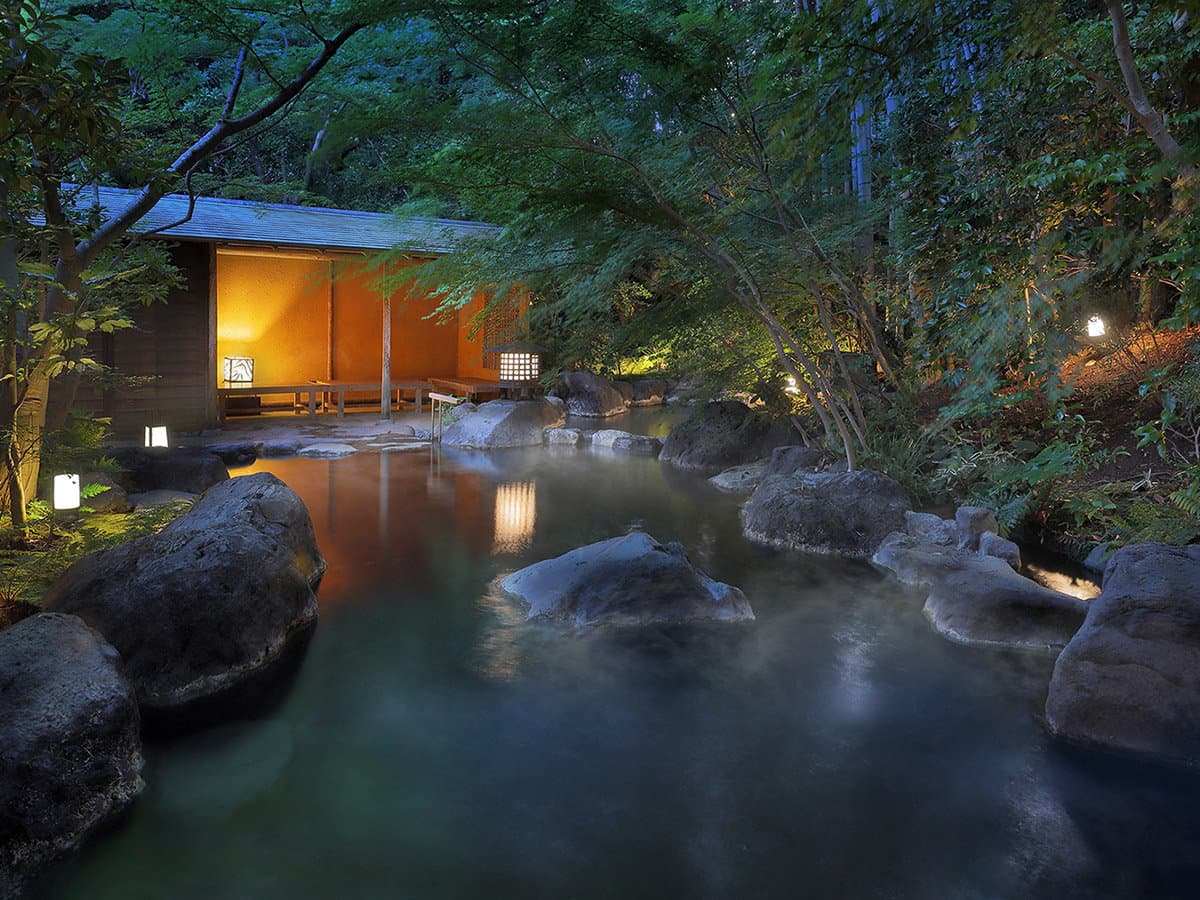 | from US$429/person/night≈ US$858 for 2 | 10.0 44 reviews | Book on Trip.com |
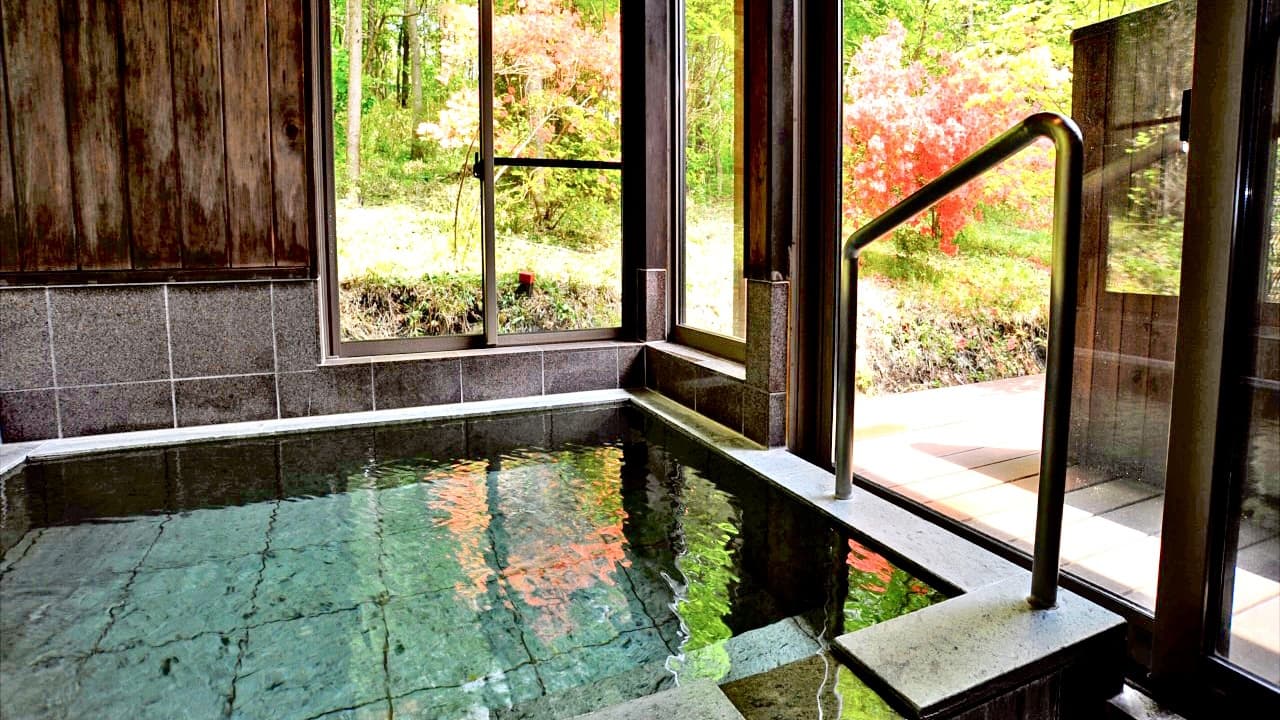 | from US$220/person/night≈ US$440 for 2 | 10.0 | Book on Trip.com |
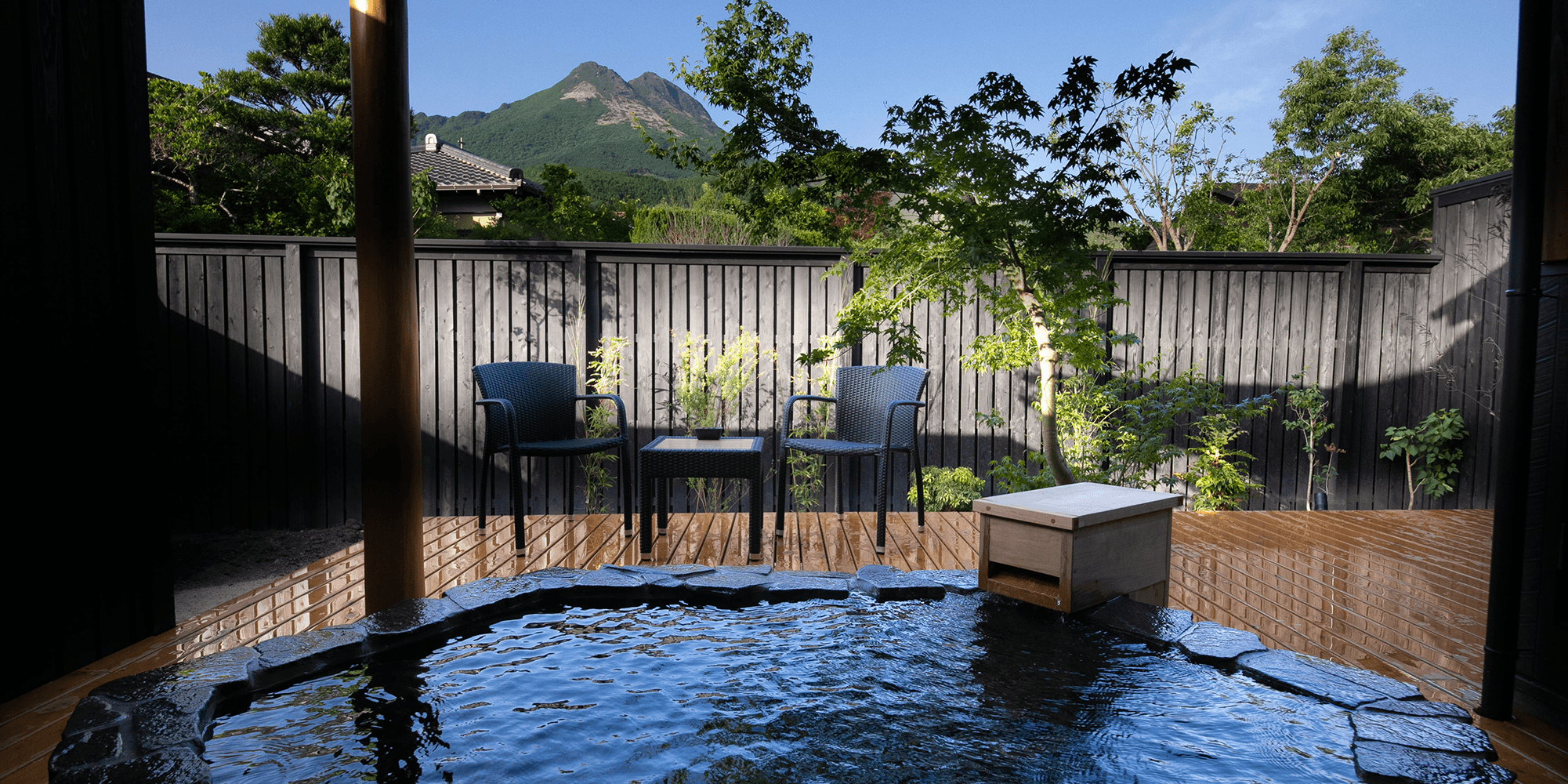 | from US$245/person/night≈ US$490 for 2 | 9.8 127 reviews | Book on Booking.com |
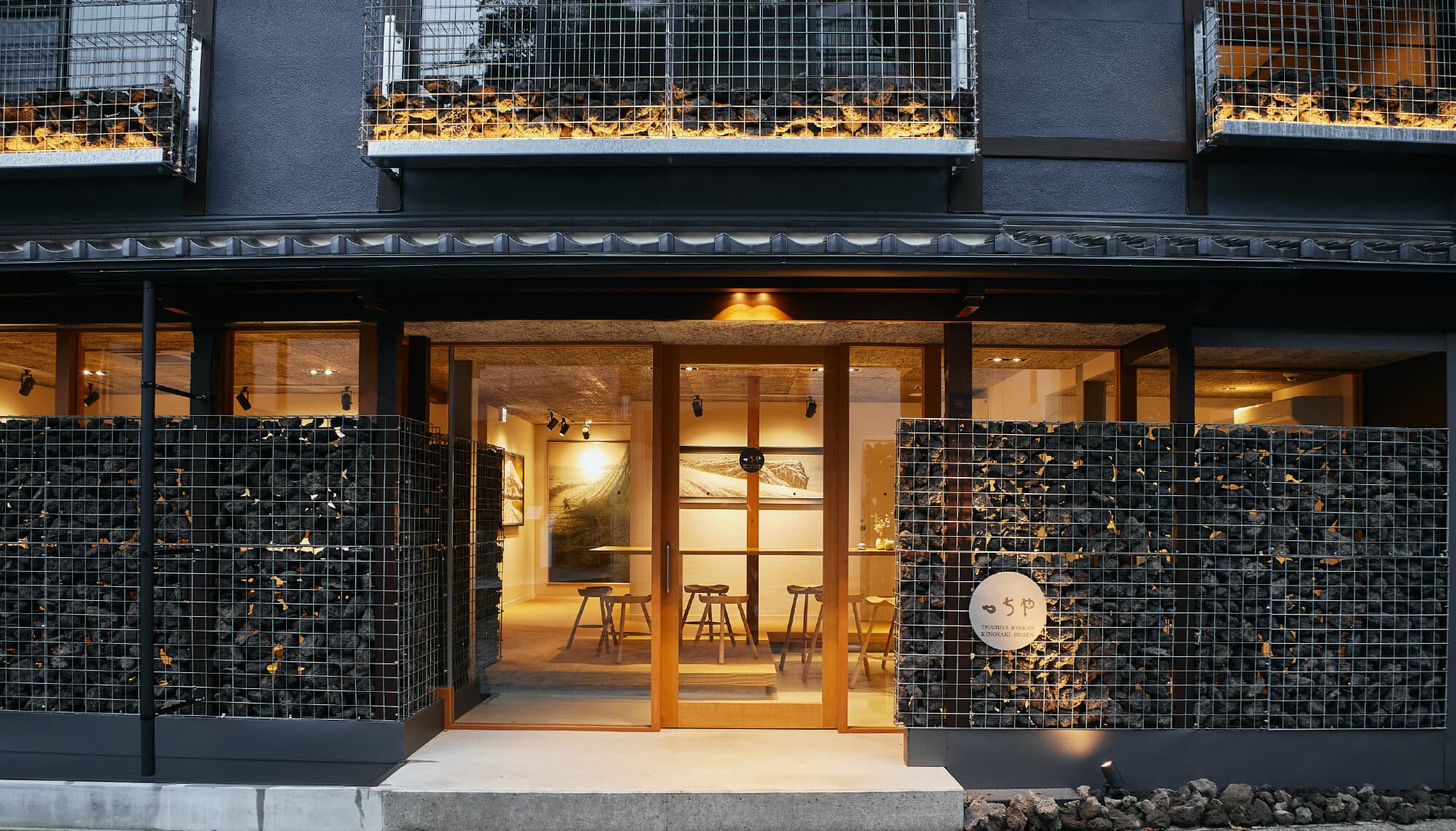 | from US$279/person/night≈ US$558 for 2 | 9.8 24 reviews | Book on Booking.com |
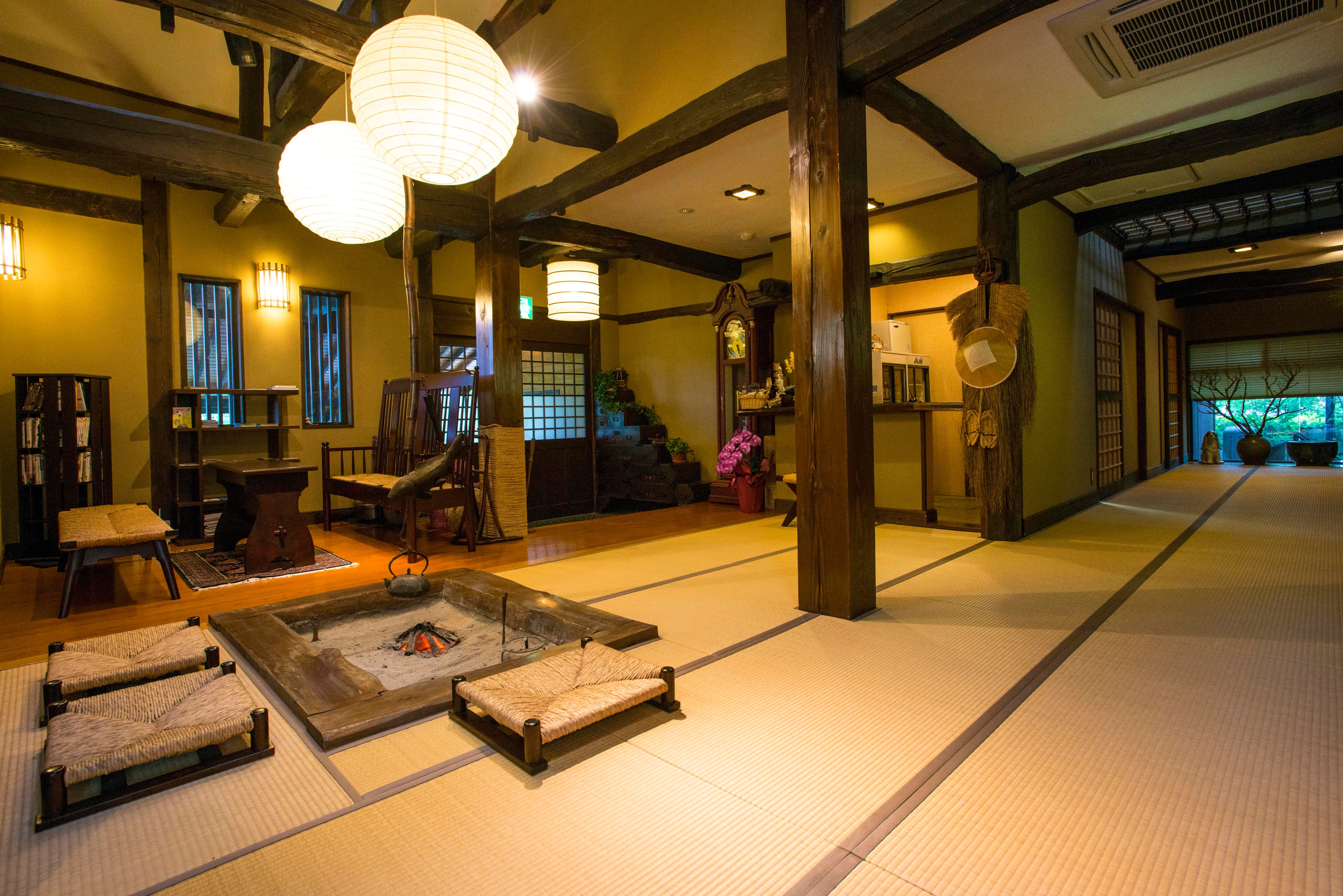 | from US$450/person/night≈ US$900 for 2 | 9.8 | Book on Trip.com |
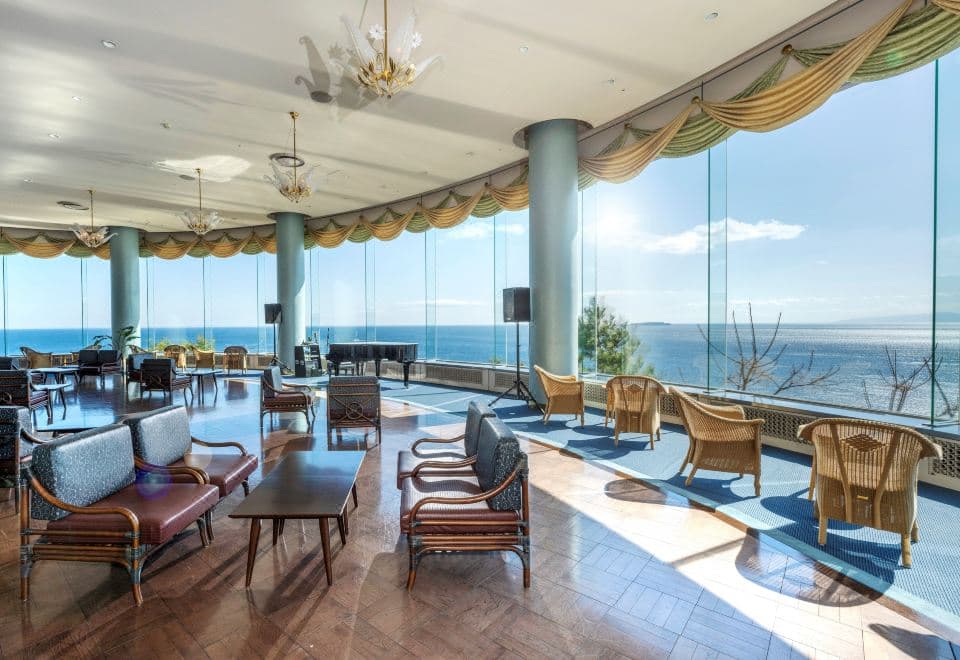 | from US$157/person/night≈ US$314 for 2 | 9.7 237 reviews | Book on Booking.com |
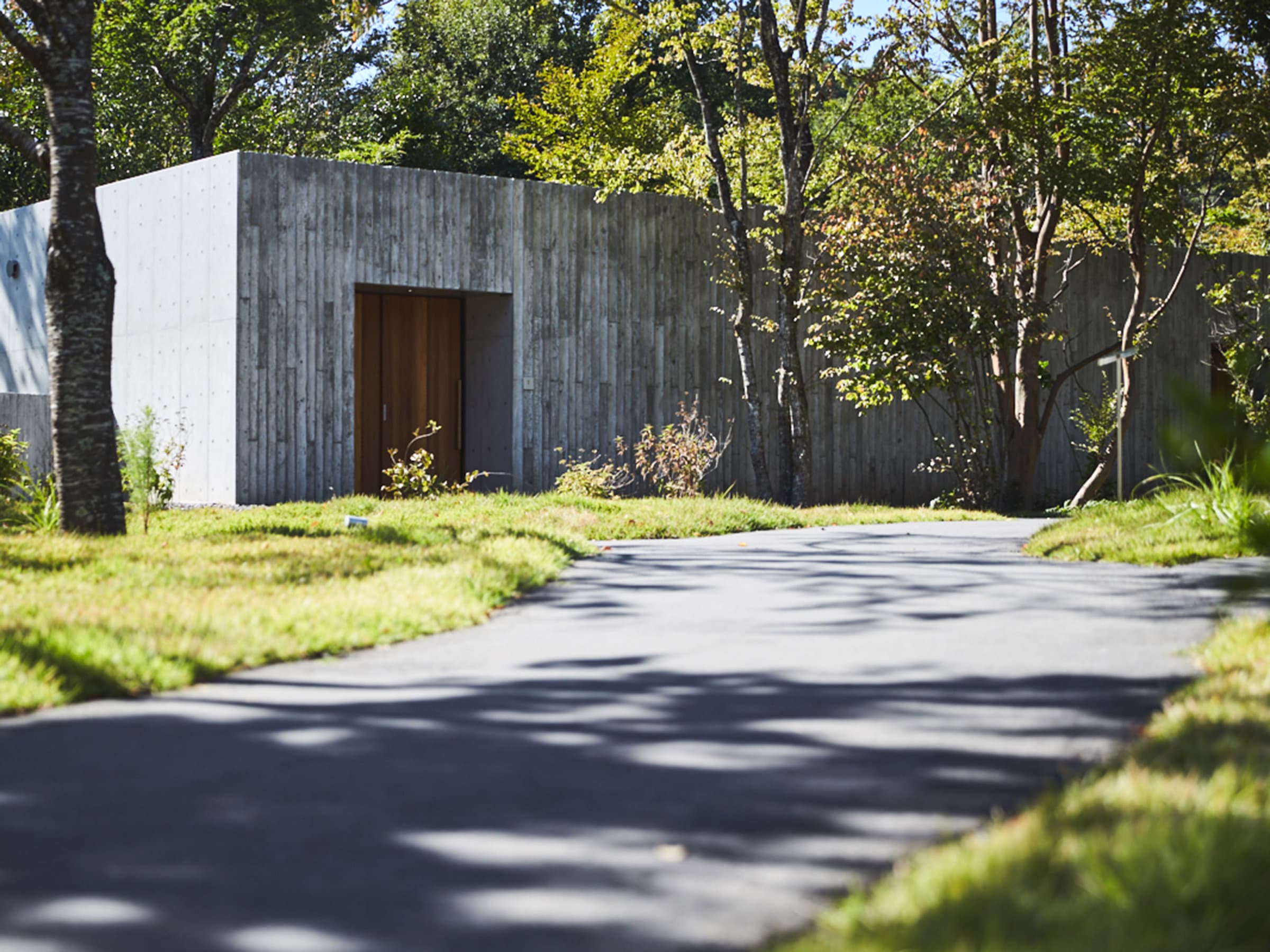 | from US$270/person/night≈ US$540 for 2 | 9.7 201 reviews | Book on Trip.com |
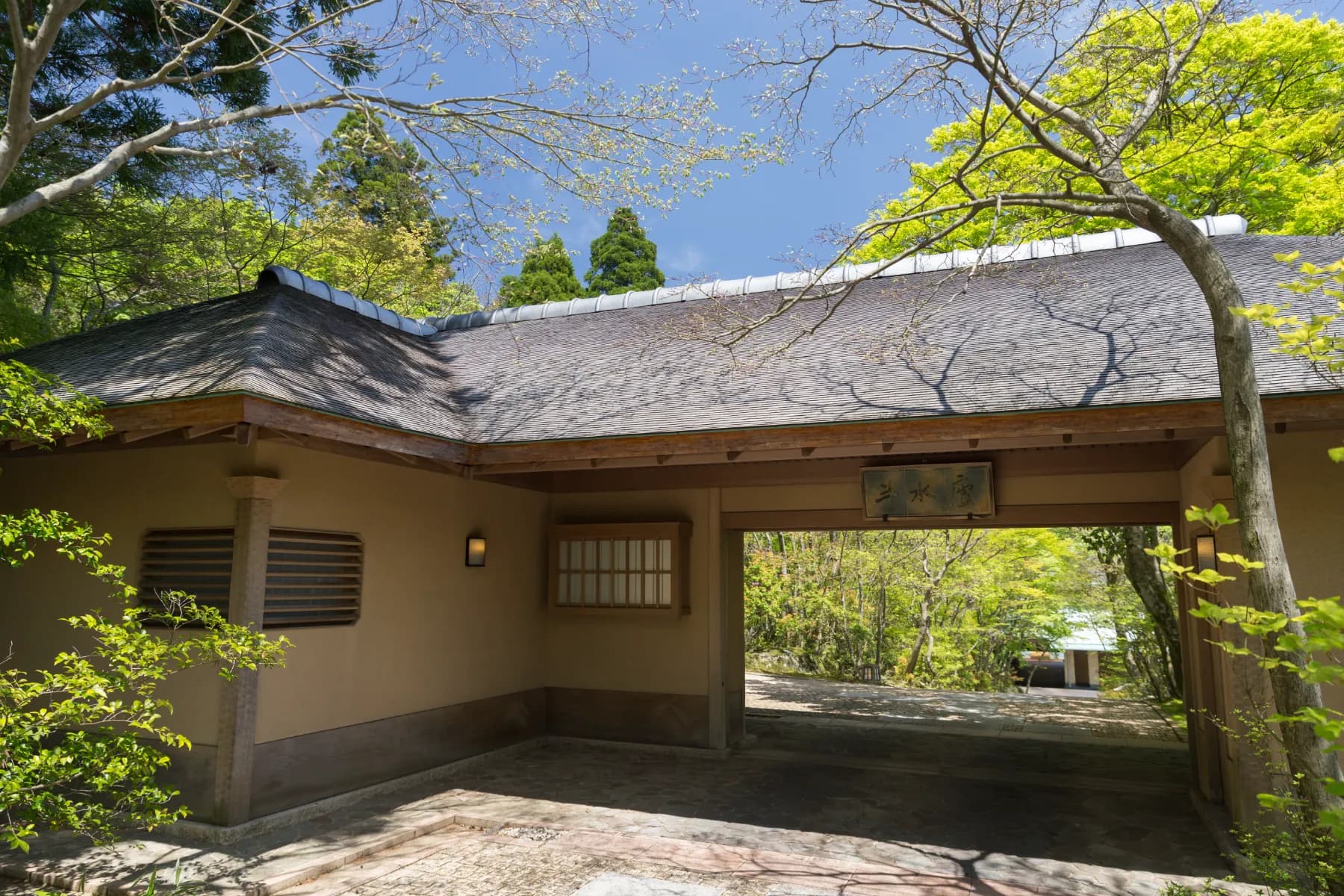 | from US$598/person/night≈ US$1,196 for 2 | 9.7 136 reviews | Book on Booking.com |
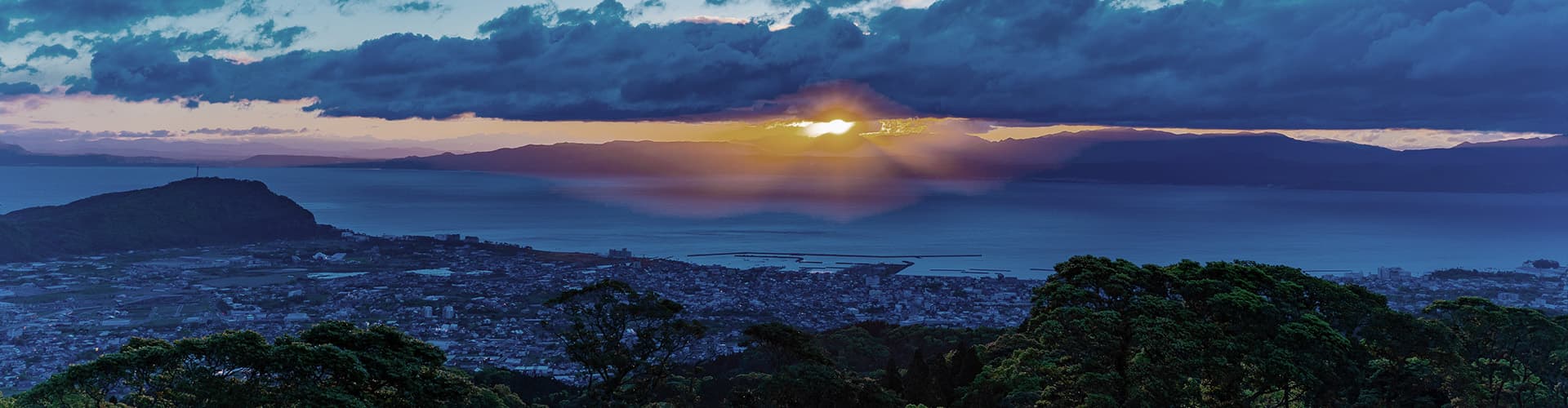 | from US$405/person/night≈ US$810 for 2 | 9.7 84 reviews | Book on Booking.com |
 | from US$250/person/night≈ US$500 for 2 | 9.7 71 reviews | Book on Booking.com |
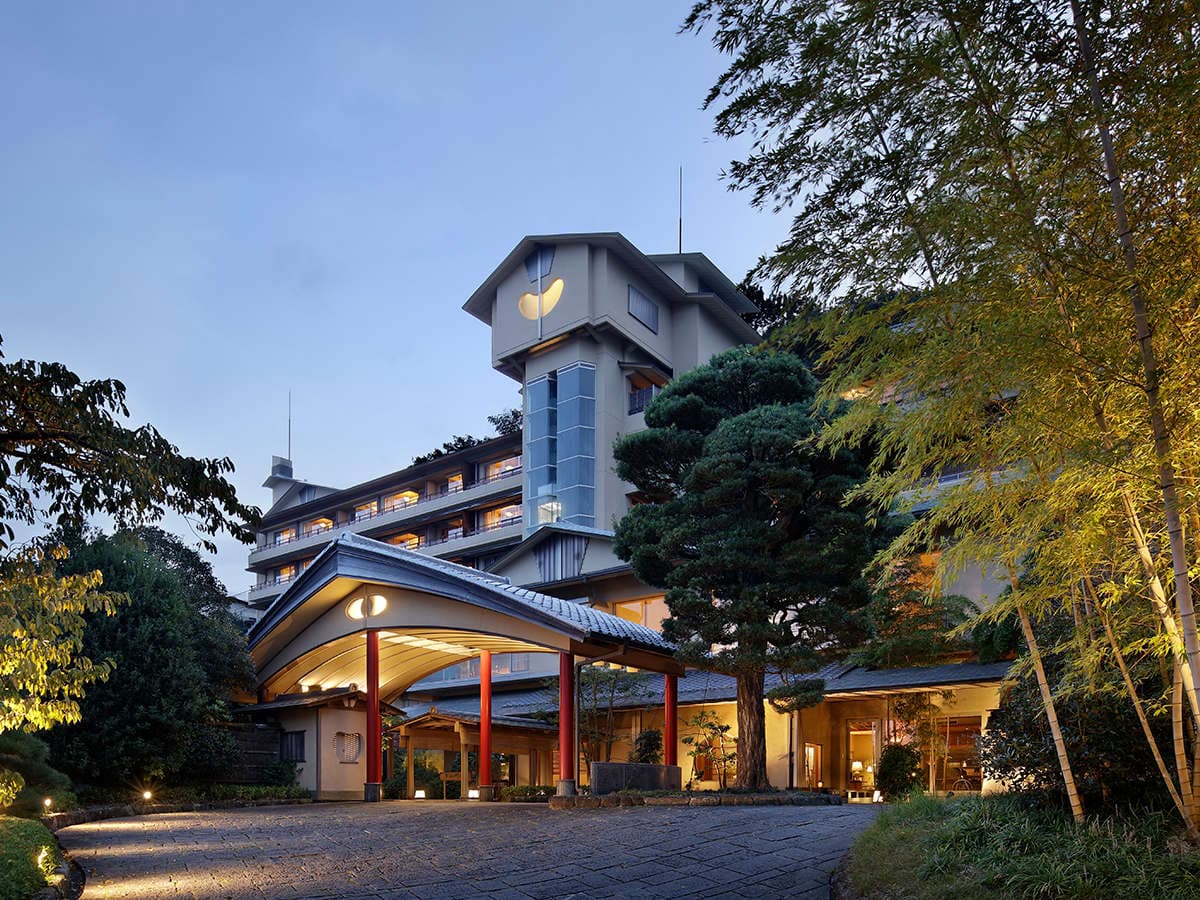 | from US$176/person/night≈ US$352 for 2 | 9.7 71 reviews | Book on Booking.com |
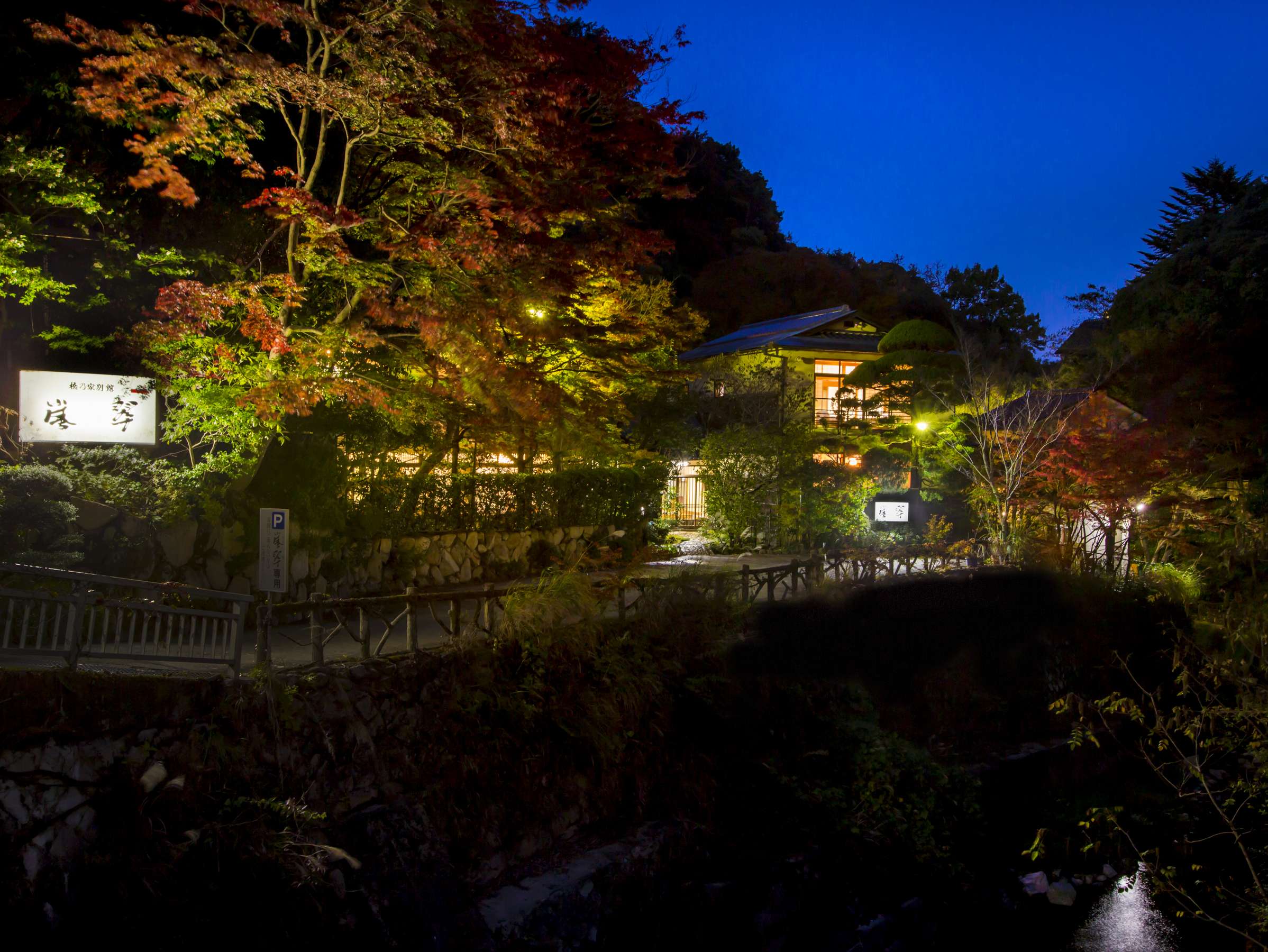 | from US$214/person/night≈ US$428 for 2 | 9.7 51 reviews | Book on Booking.com |
 | from US$300/person/night≈ US$600 for 2 | 9.7 29 reviews | Book on Booking.com |
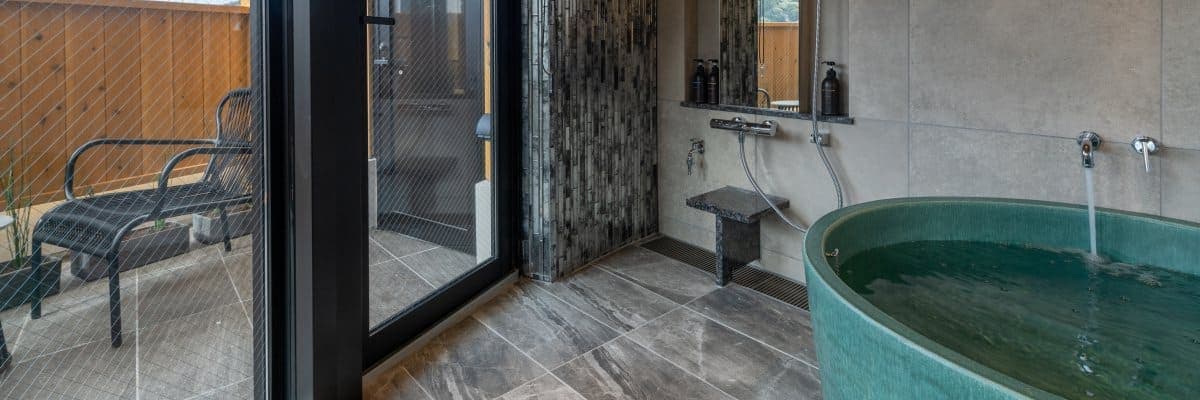 | from US$715/person/night≈ US$1,430 for 2 | 9.7 22 reviews | Book on Booking.com |
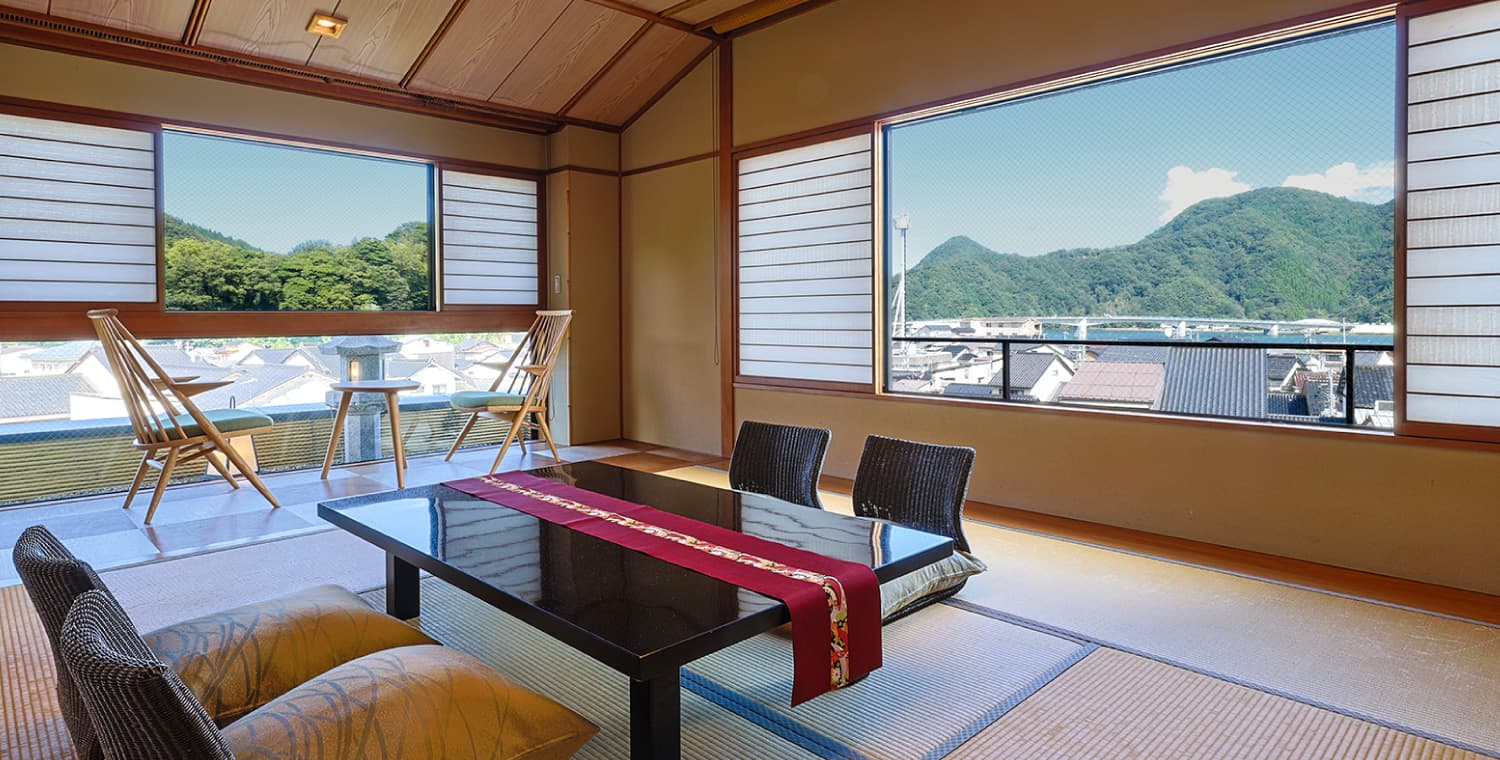 | from US$163/person/night≈ US$326 for 2 | 9.7 11 reviews | Book on Booking.com |
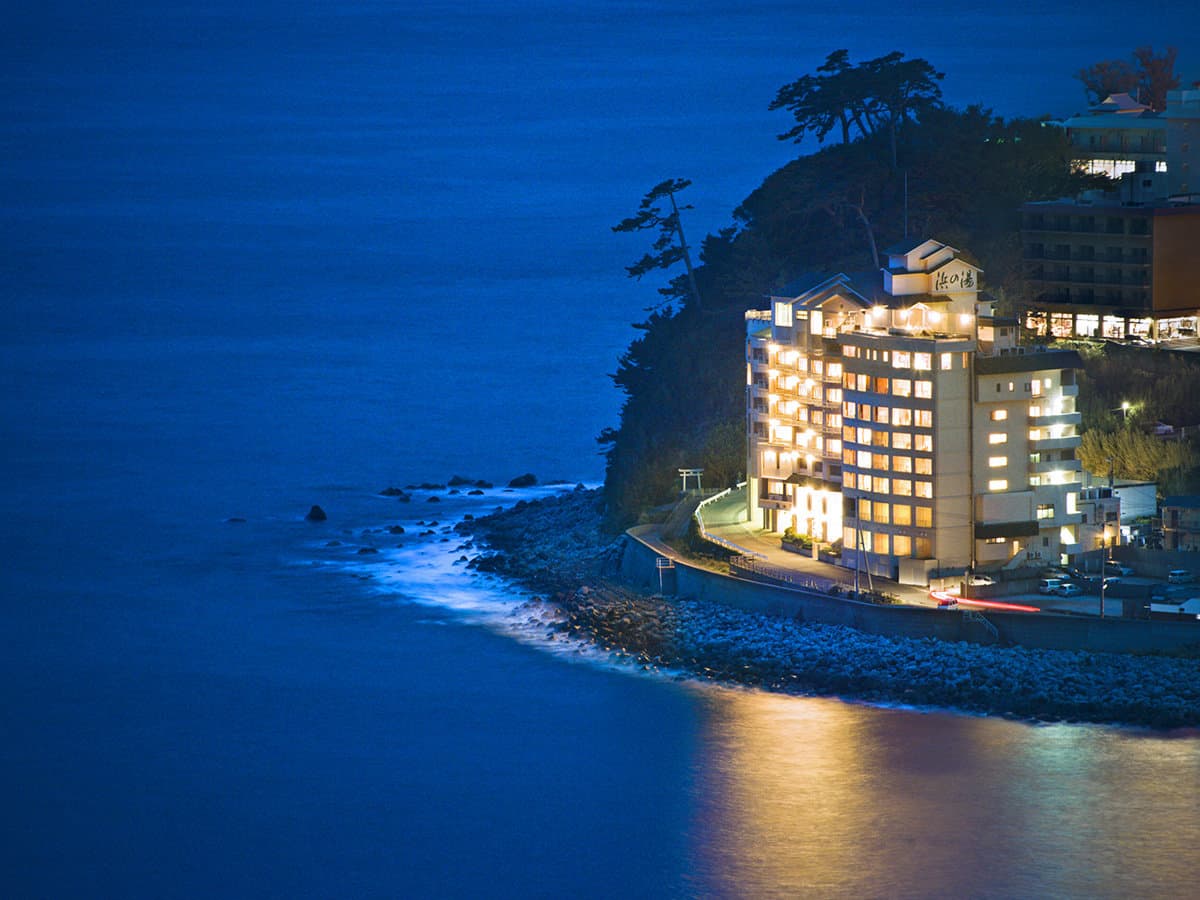 | from US$491/person/night≈ US$982 for 2 | 9.6 2,132 reviews | Book on Booking.com |
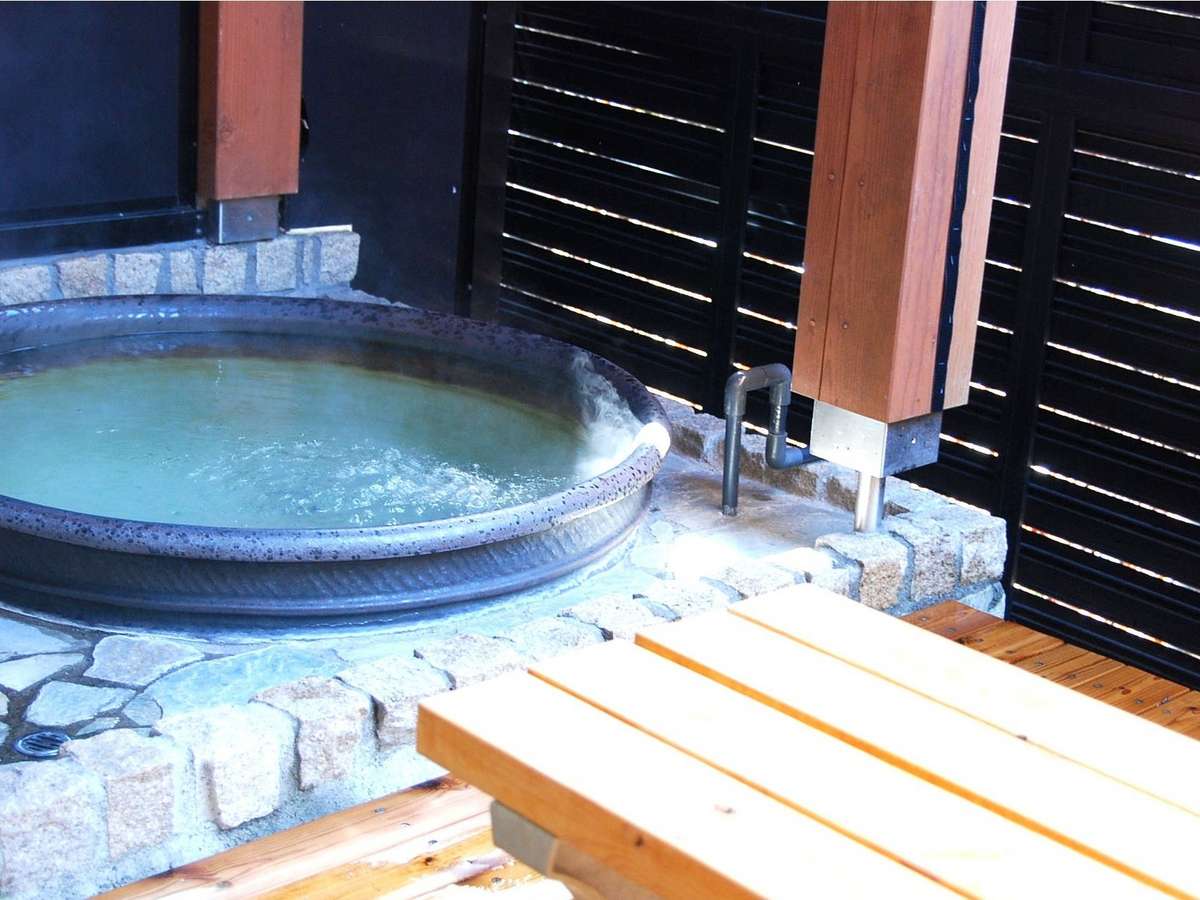 | from US$250/person/night≈ US$500 for 2 | 9.6 1,911 reviews | Book on Trip.com |
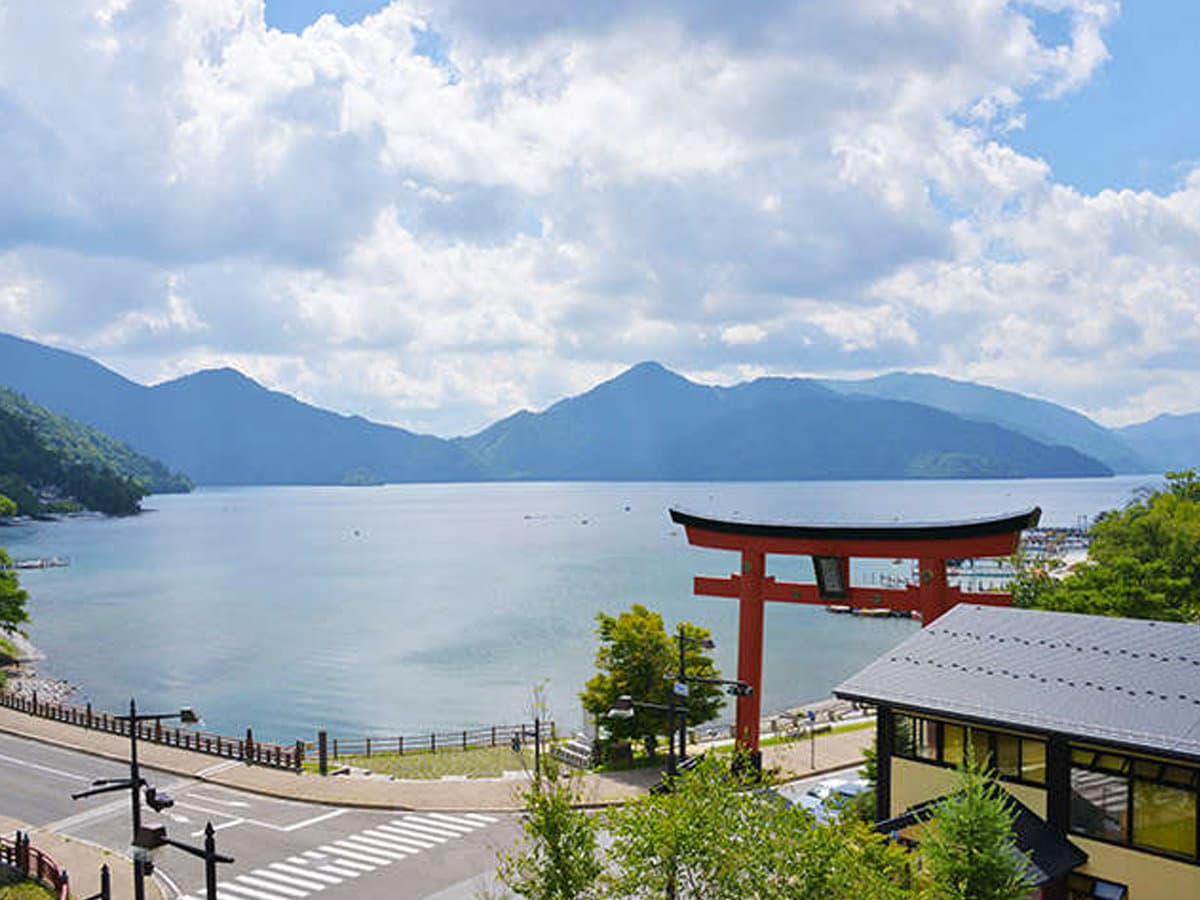 | from US$247/person/night≈ US$494 for 2 | 9.6 1,653 reviews | Book on Booking.com |
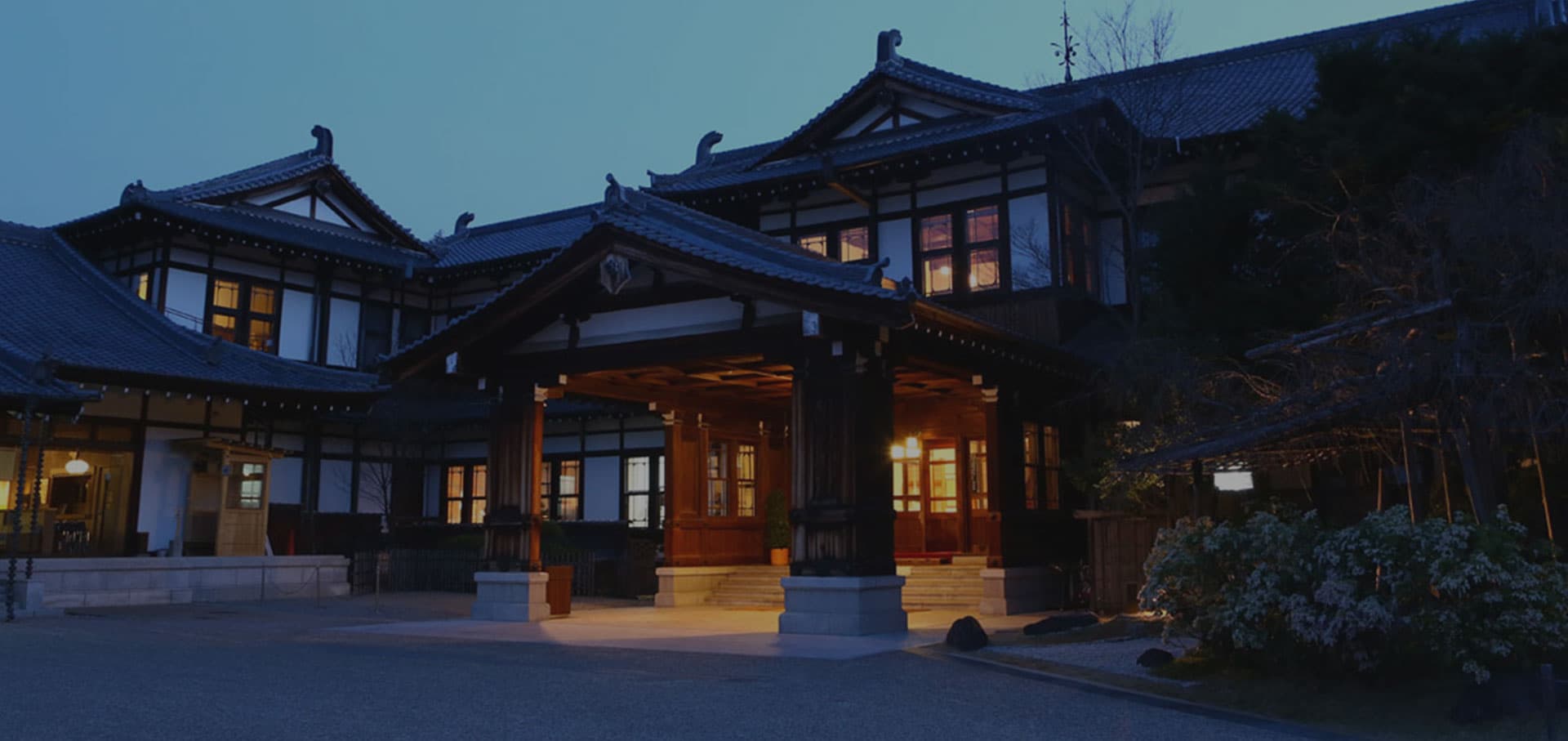 | from US$165/person/night≈ US$330 for 2 | 9.6 1,275 reviews | Book on Booking.com |
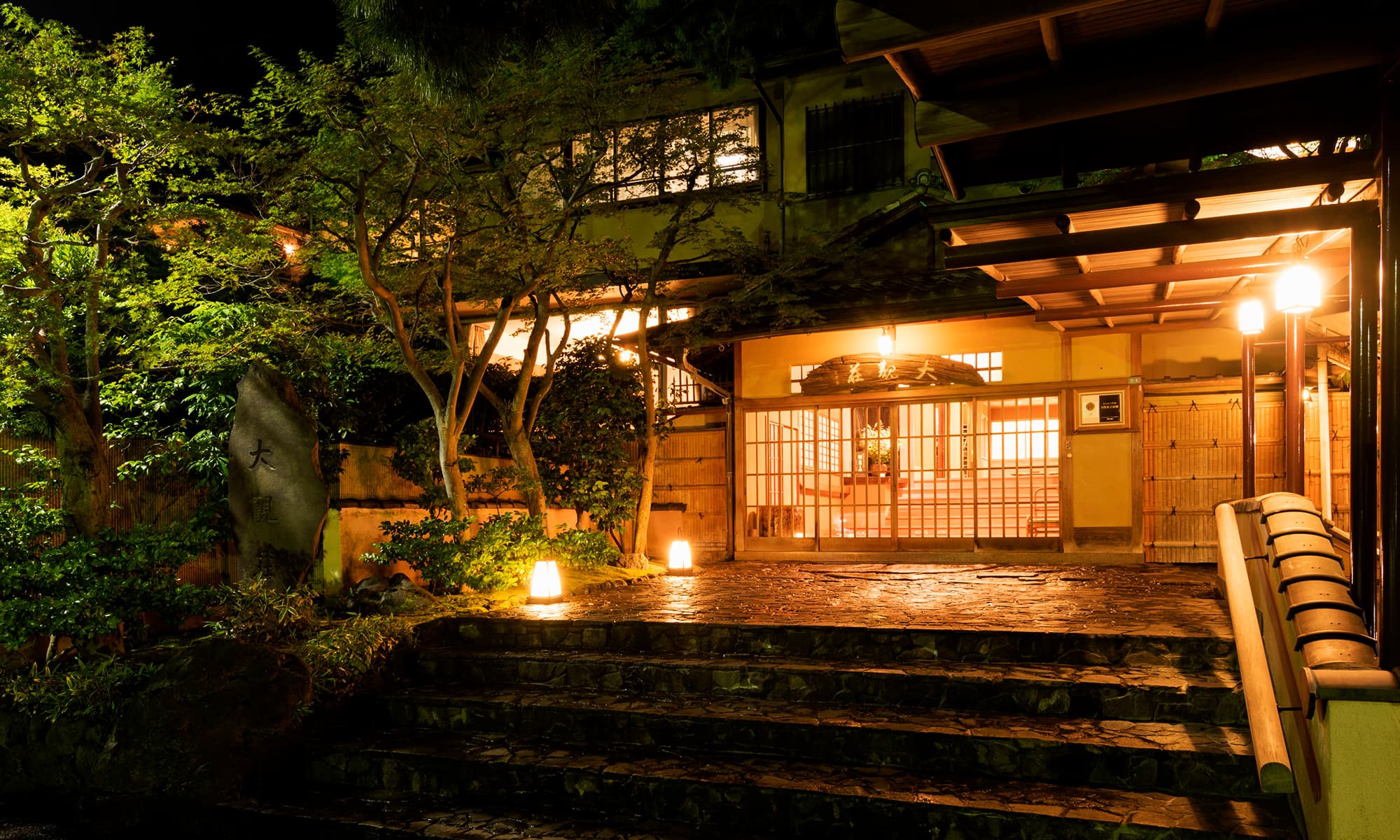 | from US$463/person/night≈ US$926 for 2 | 9.6 593 reviews | Book on Trip.com |
Akane-an
Nasu
Oyado Den Rikyu
Yufuin
Tsuchiya Ryokan
Kinosaki
Onyado Nakada
Nasu
Sanso Warabino
Yufuin
Ryotei Hanzuiryo
Unzen
Bettei Amafuru Oka
Ibusuki
Unzen Kyushu Hotel
Unzen
Atami Sekitei
Atami
Kinosaki no Yado Ryokufukaku
Kinosaki
Hotel Hana-An
Nikko
Nara Hotel
Nara
Atami Taikanso
Atami
Prices shown are approximate starting rates per person per night. We may earn a commission on bookings.
Ready to book?
Book one of these top picks
Compare live availability and prices across booking sites.
from US$500 · per person · per nightfrom ≈ US$1,000 total for 2 guests



Hiiragiya Ryokan
柊家旅館
Kyoto·Luxury
from US$500 · per person · per nightfrom ≈ US$1,000 total for 2 guests
Asaba
あさば
Izu·Luxury
from US$600 · per person · per nightfrom ≈ US$1,200 total for 2 guests
Booking links may earn us a commission at no extra cost to you.
If your definition of luxury is fewer rooms rather than grander lobbies, explore Japan's best small luxury ryokans — intimate properties nationwide.


