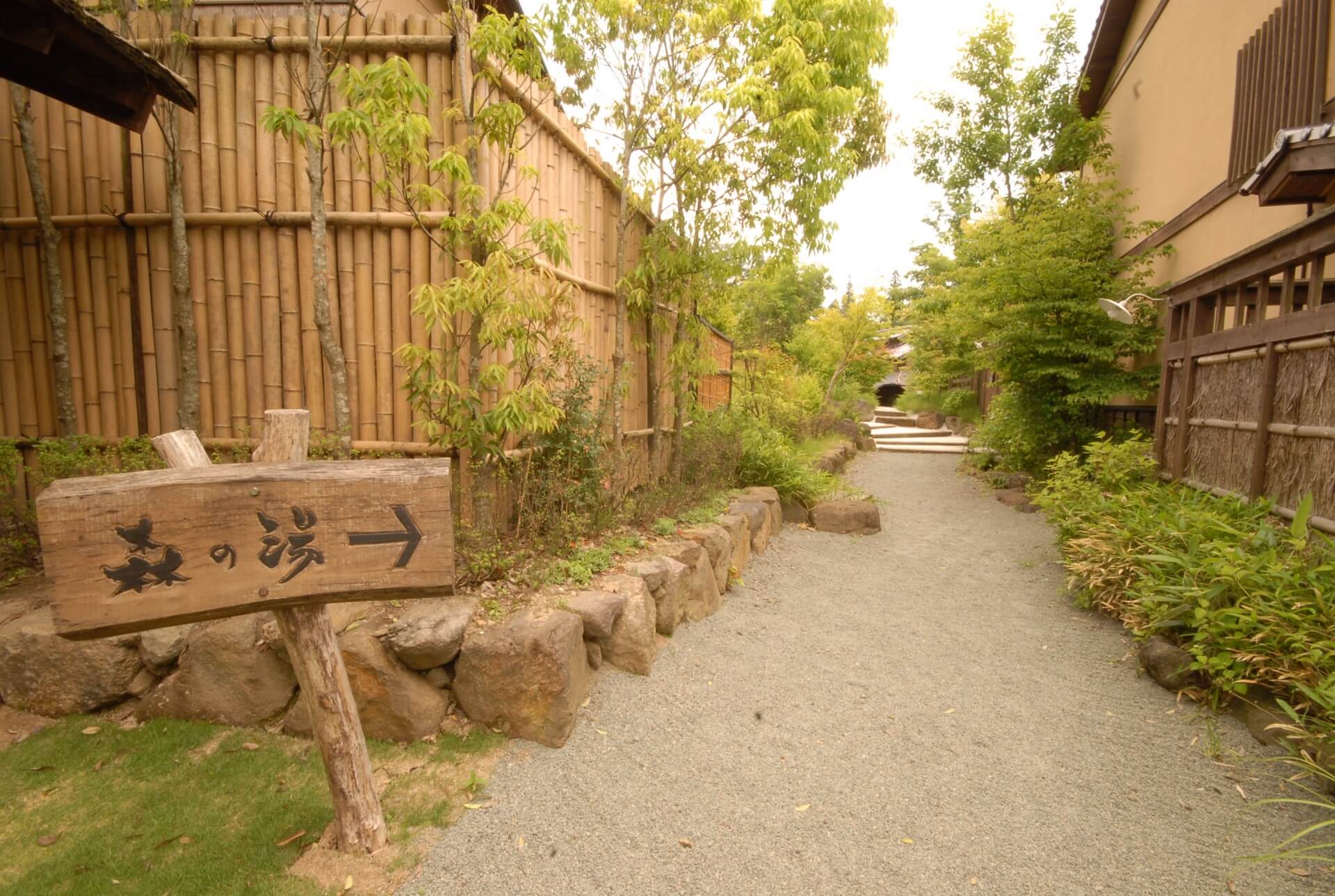
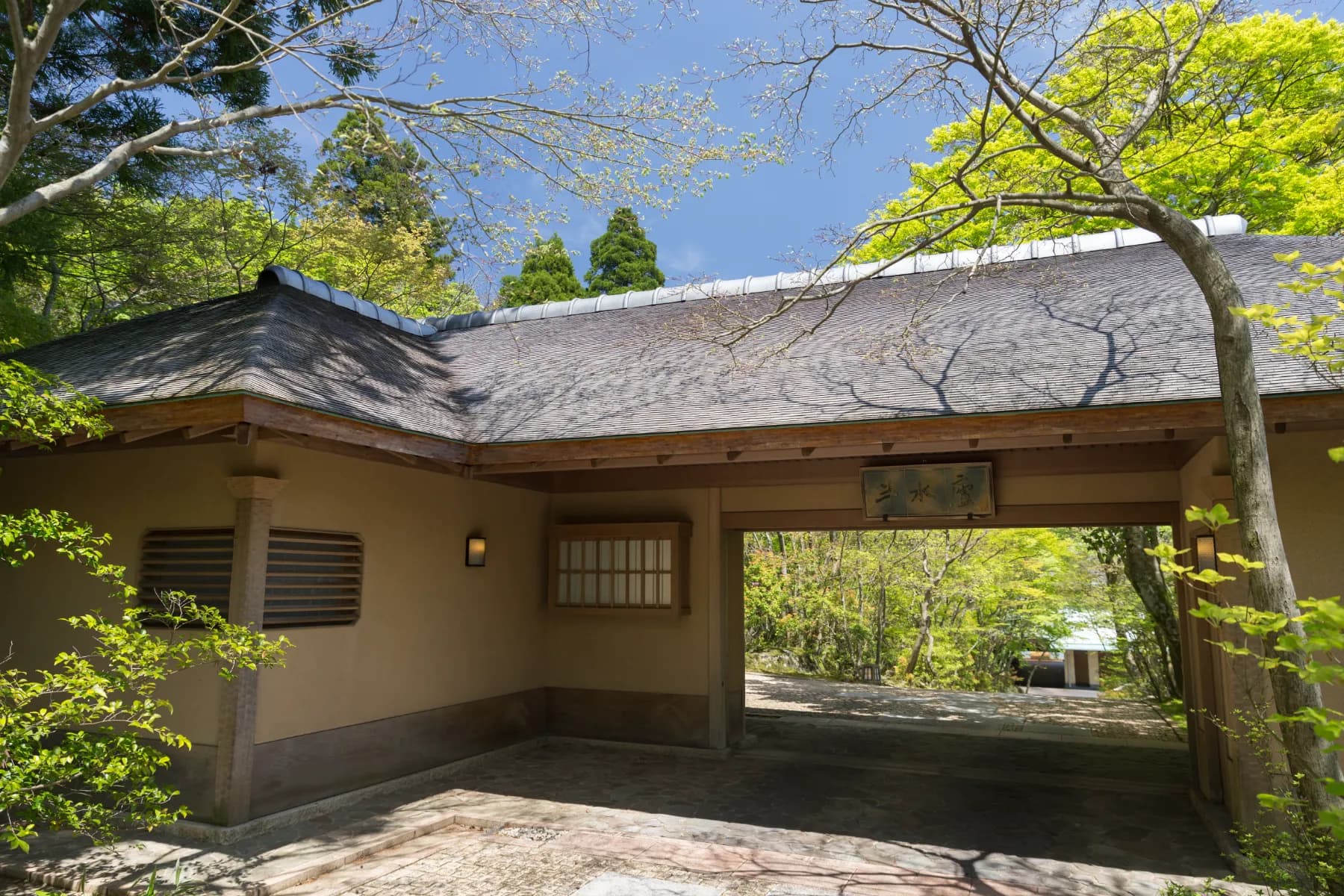
Quick Comparison
10 picks| Ryokan | From | Rating | Book |
|---|---|---|---|
 | from US$500/person/night≈ US$1,000 for 2 | 9.6 67 reviews | Book on Booking.com |
 | from US$300/person/night≈ US$600 for 2 | 9.4 281 reviews | Book on Trip.com |
 | from US$280/person/night≈ US$560 for 2 | 8.9 89 reviews | Book on Booking.com |
 | from US$300/person/night≈ US$600 for 2 | 9.1 187 reviews | Book on Booking.com |
 | from US$100/person/night≈ US$200 for 2 | 8.8 203 reviews | Book on Agoda |
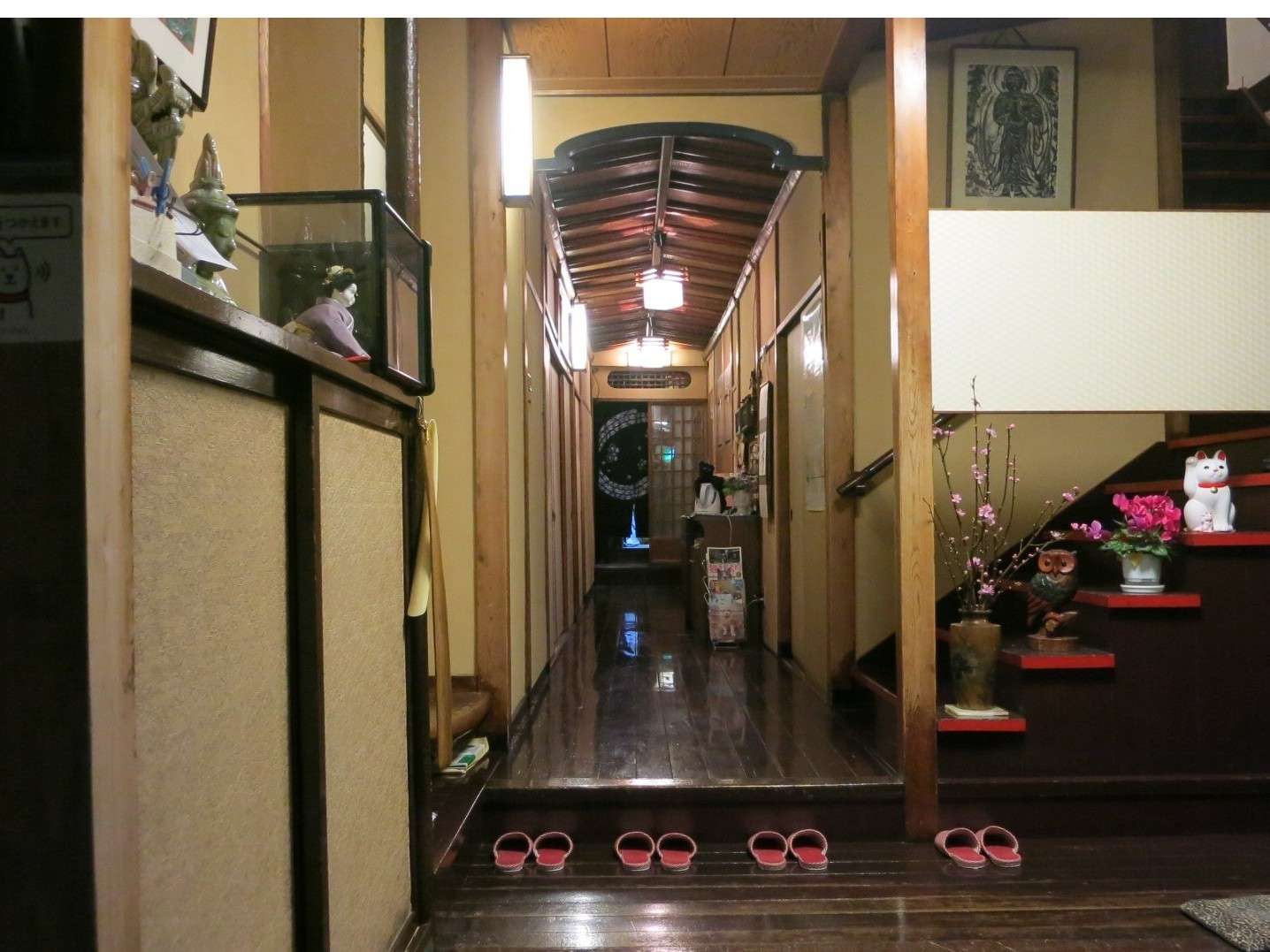 | from US$60/person/night≈ US$120 for 2 | 8.3 115 reviews | Book on Booking.com |
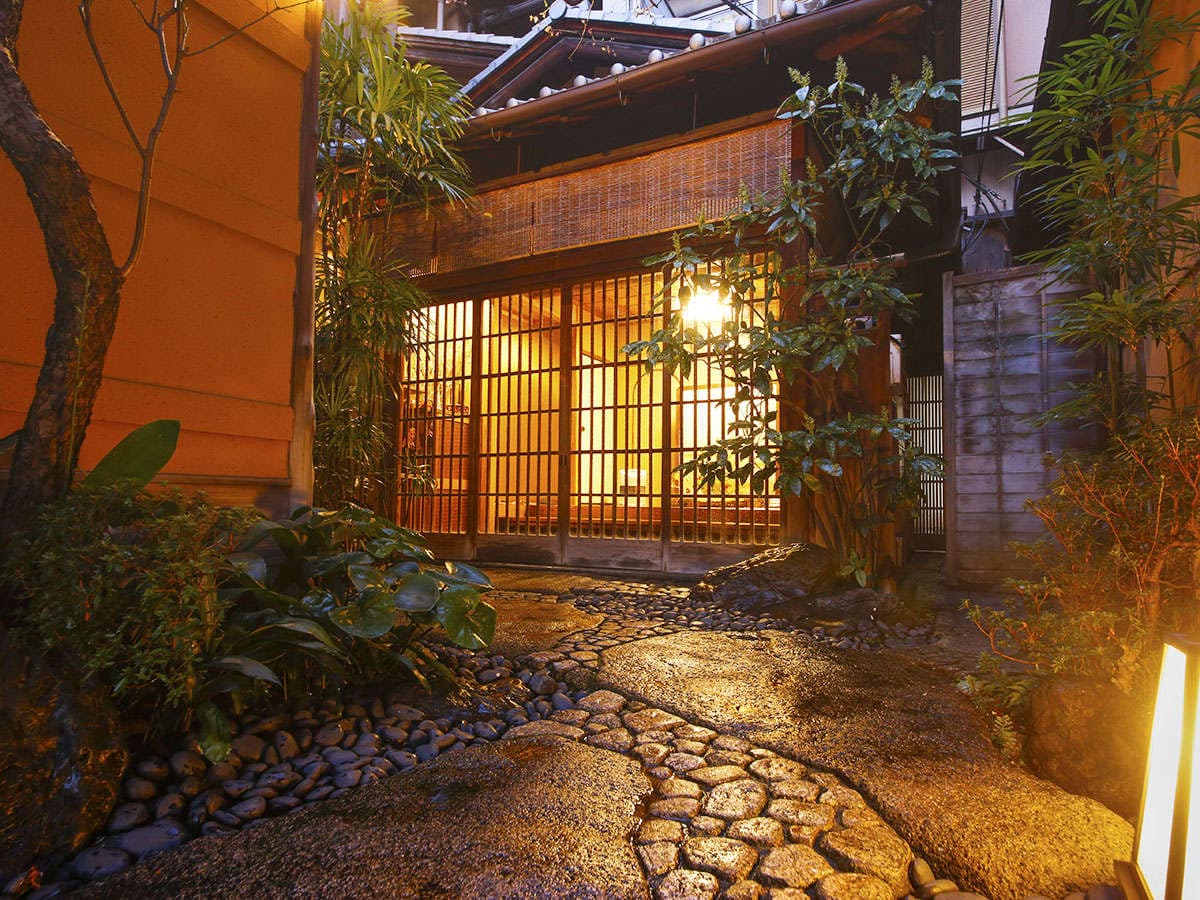 | from US$120/person/night≈ US$240 for 2 | 9.0 95 reviews | Book on Agoda |
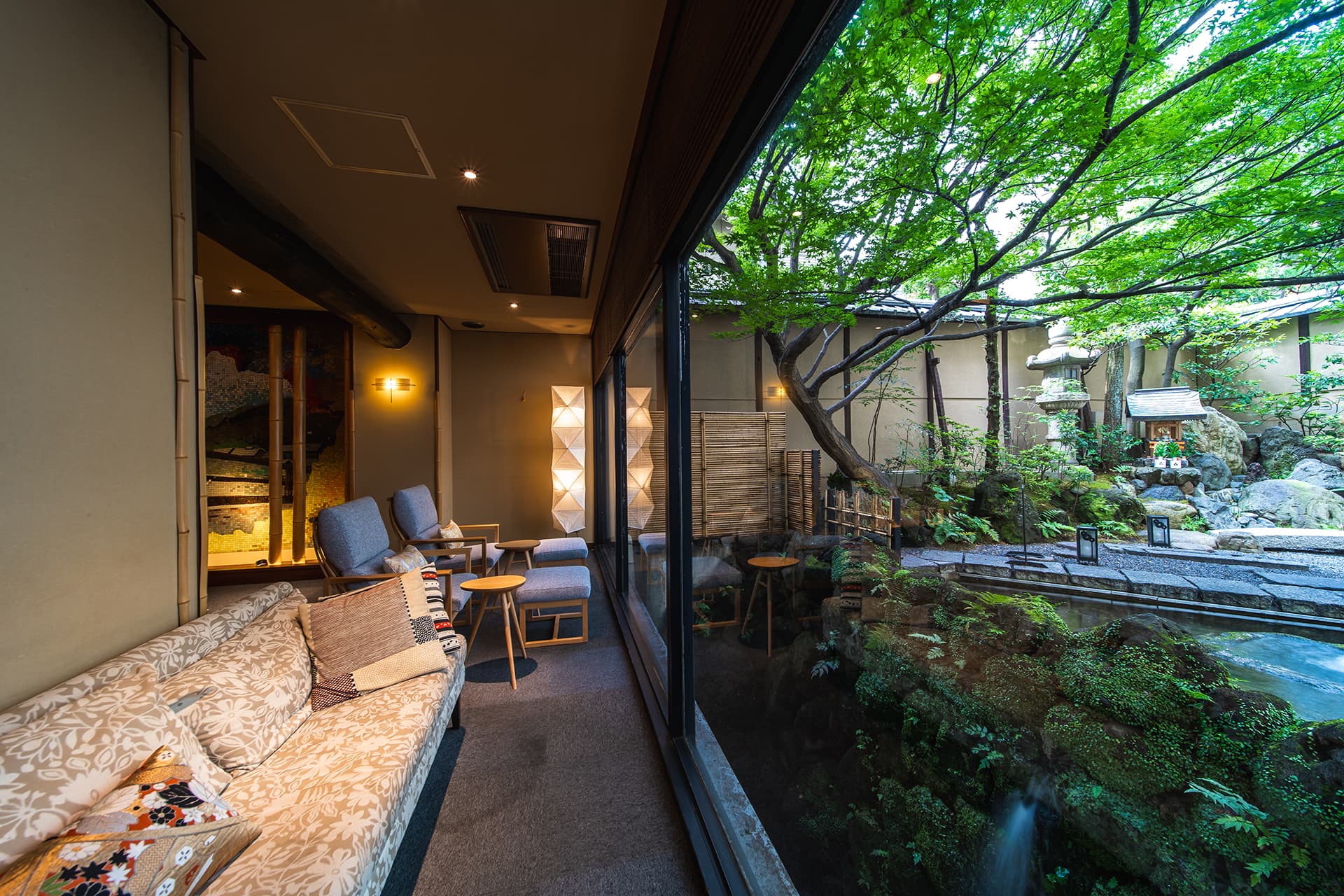 | from US$100/person/night≈ US$200 for 2 | 8.9 112 reviews | Book on Agoda |
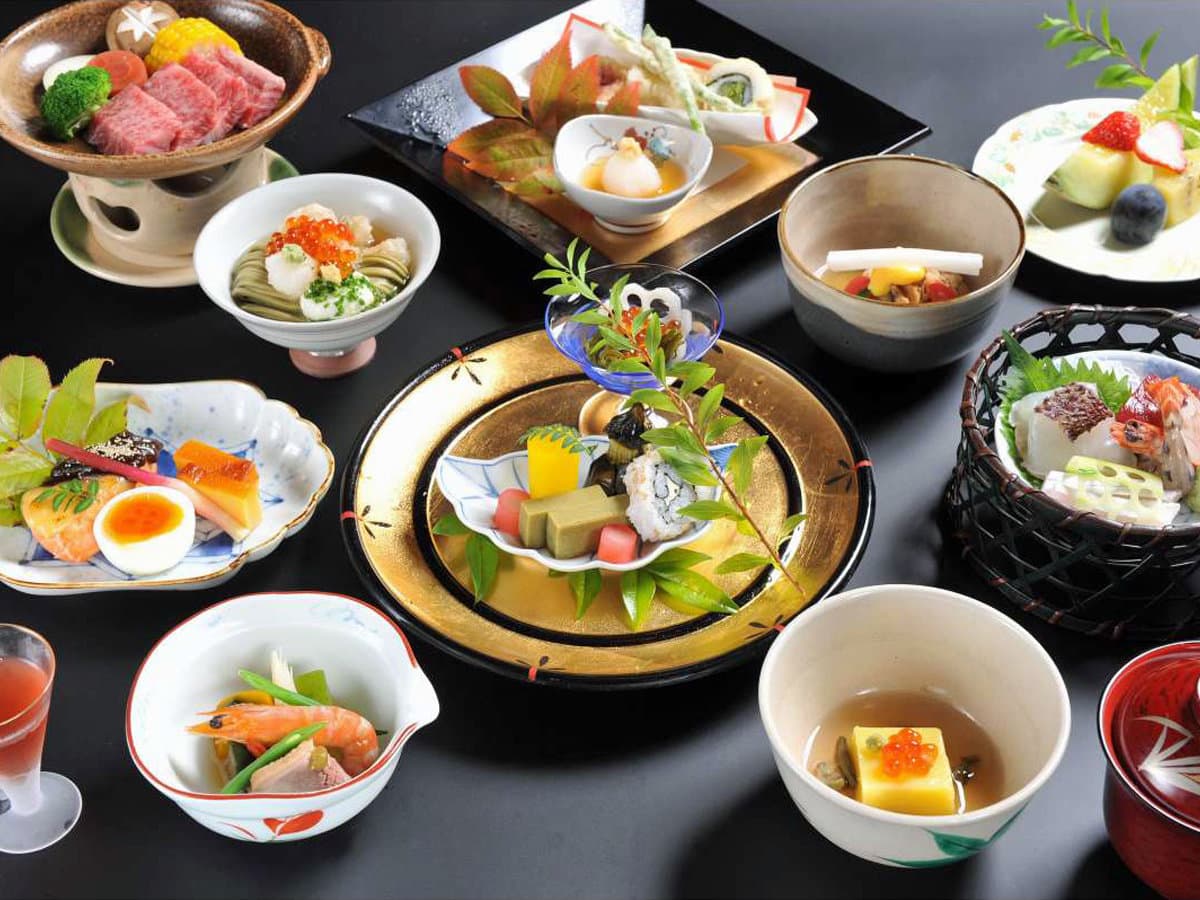 | from US$120/person/night≈ US$240 for 2 | 9.1 156 reviews | Book on Booking.com |
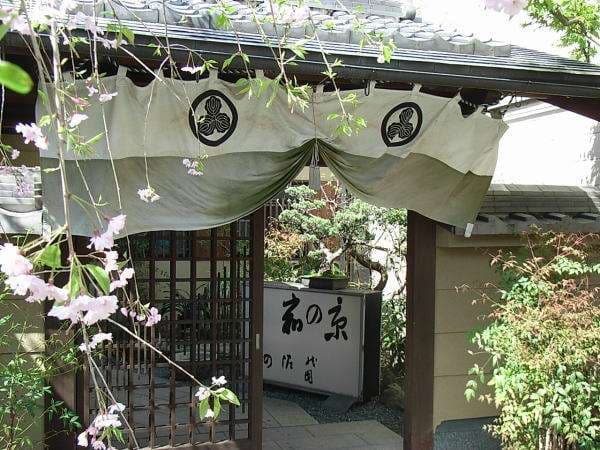 | from US$100/person/night≈ US$200 for 2 | 8.7 78 reviews | Book on Booking.com |
Seikoro Ryokan
Kyoto
Togetsutei
Kyoto
Ryokan Hirashin
Kyoto
Ryokan Sanga
Kyoto
Nishiyama Ryokan
Kyoto
Watazen Ryokan
Kyoto
Prices shown are approximate starting rates per person per night. We may earn a commission on bookings.
The best ryokans in Kyoto are Hiiragiya (founded 1818) and Tawaraya (founded 1709), the city's two benchmark luxury inns in Nakagyo. This guide hand-verifies 19 properties across five historic districts, with real May 2026 prices spanning budget machiya stays to introduction-only ultra-luxury, organized by neighborhood, kaiseki, and bath type.
Kyoto rewards the ryokan-as-destination decision more than anywhere else in Japan. The city has roughly 1,200 temples, 400 shrines, and 17 UNESCO sites, but the right machiya inn off a Higashiyama alley can be the most memorable part of the trip. The 19 picks below are the ones we recommend first.
How We Selected These 19 Ryokans (Verified May 2026)How we picked
We started with all published Kyoto ryokans in our database — 14 properties with live-scraped pricing — and added 5 properties verified via OTA review analysis and travel writer accounts. Selection required: (1) genuine tatami-room ryokan with in-house kaiseki or Kyoto cuisine, (2) minimum 8.3 guest rating, (3) verifiable price data as of May 2026, (4) geographic spread across all 5 districts. All JPY ranges are per person per night, two guests, dinner and breakfast included unless noted. USD at ¥150/$1 (May 2026 rate).
Quick Pick: Best Kyoto Ryokan by Need
Best overall luxury: Hiiragiya — founded 1818, private hinoki cypress baths, Charlie Chaplin's inn of choice. Best ultra-luxury: Tawaraya — founded 1709, 11 generations, reservation by introduction only. Best Higashiyama atmosphere: Seikoro — 9-generation art-filled family inn, walking distance to Sanjusangen-do. Best Arashiyama: Togetsutei — riverside mineral baths, 5 min to bamboo grove. Best value central: Watazen — founded 1830, 3 min from Nishiki Market.
| Ryokan | Neighborhood | Price tier | Why |
|---|---|---|---|
| Hiiragiya | Nakagyo | ¥¥¥¥ | Best overall luxury — founded 1818, private hinoki baths, Charlie Chaplin's inn of choice |
| Tawaraya | Nakagyo | ¥¥¥¥ | Best ultra-luxury — founded 1709, 11 generations, reservation by introduction only |
| Seikoro | Higashiyama | ¥¥¥ | Best Higashiyama atmosphere — 9-generation art-filled family inn near Sanjusangen-do |
| Togetsutei | Arashiyama | ¥¥¥ | Best Arashiyama — riverside mineral baths, 5 min to bamboo grove |
| Watazen | Nakagyo | ¥¥ | Best value central — founded 1830, 3 min from Nishiki Market |
Critical Framing: Kyoto Has No Natural Hot Springs in the City Center
The most important fact in this guide: Kyoto sits on the wrong geology. There are no natural hot spring sources within central Kyoto. The baths you will soak in at Hiiragiya, Tawaraya, and the other central picks are filled with purified water — sometimes mineral-enhanced, sometimes hinoki cypress-scented. They are beautiful baths. They are not geothermal onsen.
If your ryokan vision centers on volcanic rotenburo or mineral-rich thermal water, Kyoto's central properties will disappoint. Our Kinosaki Onsen guide (2 hours by limited express) or Hakone ryokan guide (85 minutes from Tokyo) is a better starting point for that experience.
Two partial exceptions within the Kyoto area: Arashiyama properties like Togetsutei offer mineral-enhanced baths approaching onsen quality. Kurama Onsen (30 minutes north by Eizan Railway) has genuine geothermal springs in a cedar-mountain setting — a day-trip or overnight option for onsen-seekers.
For travelers whose priority is cultural immersion — kaiseki, tea ceremony, geisha district walks, Zen garden mornings, UNESCO architecture — Kyoto's ryokans deliver the finest expression of that experience in Japan.
Kyoto's 5 Historic Districts: Where to Stay
District 1: Nakagyo / Pontocho (Central Kyoto) The cultural and commercial hub. Nishiki Market, the Kamo River, and Pontocho alley are here. Best for foodies, couples, and first-timers who want city-wide access. Nearest transit: Karasuma Oike Station.
District 2: Higashiyama / Gion Kyoto's most atmospheric district — Hanamikoji, Yasaka Shrine, Ninenzaka stone steps, Kiyomizu-dera approach. Maiko and geiko operate here nightly. Best for first-timers, photography, temple walks at dawn. Nearest transit: Gion-Shijo Station (Keihan line).
District 3: Arashiyama (West Kyoto) The mountain district. Bamboo grove, Tenryu-ji (UNESCO), the Oi River. Quieter and more resort-like than the city center. Some properties offer mineral-enhanced baths. Best for nature seekers and second-visit guests. Nearest transit: Arashiyama Station (Hankyu) or Saga-Arashiyama (JR Sagano line).
District 4: Okazaki / Nanzenji (Eastern Hills) The quieter cultural zone: Nanzenji Temple, Heian Shrine, the Philosopher's Path. Less tourist-dense than Gion, deeper in cultural content. Best for returning visitors preferring meditative pacing. Nearest transit: Keage Station (Tozai subway).
District 5: Outer Kyoto — Ohara, Yoshida, Northern Hills Village-scale settings 15-45 minutes from the center. Dramatically quieter, with genuine forest surroundings. Best for repeat visitors and those seeking complete quietude over sightseeing convenience.
 Pin to Pinterest
The 19 Best Ryokans in Kyoto
Nakagyo / Pontocho — 4 Picks (Central Kyoto)
What Kyoto ryokans deliver instead is the highest concentration of tea culture, kaiseki tradition, and architectural pedigree in Japan. Many properties have hosted writers, prime ministers, and emperors over the last two centuries; the room you sleep in may have a name and a documented history. The kaiseki here is the most refined version of the form — Kyoto-style kaiseki (kyo-kaiseki) is what other regional cuisines compare themselves to. The omotenashi rhythm is also slower than at onsen ryokans: more pauses, more tea, more silence. If you're staying one night in central Japan and you want "the most refined version of ryokan," Kyoto is the answer.
Tip
Don't confuse a ryokan with a machiya rental. Kyoto's renovated wooden townhouses (machiya) are wonderful but they are self-service short-term rentals — no nakai-san, no kaiseki, no breakfast. Booking platforms sometimes blur the categories. If you want the ryokan experience specifically, look for "ryokan" or "旅館" in the property name, not "machiya" or "町家".
1. Hiiragiya Ryokan — The Gold Standard
1. Hiiragiya Ryokan — Founded 1818, Japan's Most Historic Central Inn
Price tier: ¥¥¥¥ | Verified (May 2026): ¥100,000–¥200,000/person incl. meals Zone: Nakagyo (5 min from Karasuma Oike Station) | Private onsen in room: Yes (select) | English staff: Yes | Tattoo policy: Private baths only
- Founded 1818 by a merchant from Fukui; six-generation family management; Charlie Chaplin, Hitchcock, Elizabeth Taylor, and multiple prime ministers as guests
- Private hinoki cypress baths in main wing (honkan) rooms; citrus-cedar aroma
- In-house kaiseki kitchen; 8-12 course dinner among Kyoto's finest
- 13-minute walk to Nishiki Market; 10-minute taxi to Kiyomizu-dera
- Tea ceremony in private chashitsu arranged for ¥3,000-¥8,000/person
- Request the honkan (main wing) garden-facing rooms specifically
Hiiragiya is not just Kyoto's most historic inn — it is the benchmark by which all other Kyoto ryokans measure themselves. Two centuries of refinement sit in every detail: the placement of a scroll in the tokonoma alcove, the moment a nakai enters the room, the temperature of the bath at exactly the right time. The honkan's garden-facing rooms with private hinoki baths are the most coveted in the city. The kaiseki is classical Kyoto style — restrained, hyperlocal, precise to the season. For the national luxury context, see our luxury ryokans Japan guide.
At a glance
2. Tawaraya — Founded 1709, the World's Most Exclusive Ryokan
Price tier: ¥¥¥¥ | Verified (May 2026): ¥150,000–¥350,000/person incl. meals Zone: Nakagyo (4-minute walk from Hiiragiya) | Private onsen in room: Yes (select) | English staff: Yes | Tattoo policy: Private baths only
- Founded 1709 by Tawaraya Wasuke, a cotton-and-hemp merchant from Shimane Prefecture; 11-generation family management; no website, no advertising
- Guest list: Brad Pitt, Steve Jobs, Leonard Bernstein, multiple global heads of state
- 18 rooms only; each a masterpiece of Japanese interior design with private garden views
- Reservation requires introduction through a travel agent or existing guest
- Kaiseki at Michelin 3-star level, included in room rate
- Facing Hiiragiya across a narrow Nakagyo street
Tawaraya does not need a website because its reputation precedes it by three centuries. An introduction through a luxury travel specialist or top Tokyo hotel concierge (Aman, Park Hyatt, Four Seasons) is the standard path. The experience is what an 11-generation family learns about anticipating human needs: the bath temperature adjusted before you notice you want it, the kaiseki treating as supporting elements what most restaurants would showcase as centerpieces.
3. Watazen Ryokan — Founded 1830, Heritage at an Accessible Price
Price tier: ¥¥ | Verified (May 2026): ¥18,000–¥42,000/person incl. meals Zone: Nakagyo (3 min from Nishiki Market; 10 min walk from Gion) | Private onsen in room: No | English staff: Yes | Tattoo policy: Cover-up required
- Founded 1830; shoin-zukuri architecture (Muromachi-period style: staggered shelves, tokonoma alcoves)
- 3-minute walk from Nishiki Market — Kyoto's 400-meter-long arcade of culinary stalls, officially recognized by the Edo shogunate in 1615
- Home-style Kyoto cuisine (kyo-ryori): seasonal, honest
- Best value-for-historic-authenticity ratio in central Kyoto
- Shijo Station 5 minutes on foot
Watazen makes the honest case that genuine historical character does not require six-figure room rates. The shoin-zukuri architecture makes every corridor a quiet education in Muromachi-period design. The Nishiki Market proximity (three minutes) is superb for tsukemono pickles, Kyoto tofu, and seasonal produce. For budget-minded travelers who want architecture and location over full kaiseki elaboration, Watazen is the unsentimental choice. See our budget ryokan tips guide.
At a glance
4. Ryokan Sanga — Central Machiya Garden, Home-Style Kaiseki
Price tier: ¥¥ | Verified (May 2026): ¥18,000–¥45,000/person incl. meals Zone: Nakagyo (Tominokoji-dori, 7 min from Shijo Station) | Private onsen in room: No | English staff: Yes | Tattoo policy: Cover-up required
- Traditional Kyoto machiya (townhouse) with internal courtyard garden
- Kaiseki served in-room; seasonal menu changes monthly
- 9.0 guest rating; praised by Japanese domestic travelers
- 10 minutes on foot from Nishiki Market and the Kamo River
Ryokan Sanga is a machiya townhouse where the internal courtyard garden — a ribbon of moss, stone, and maple — runs the length of the building. The kaiseki is genuine home-style Kyoto cuisine: the food families have eaten here for centuries, not the theatrical 12-course production of the luxury tier. The best mid-range machiya pick in the city.
At a glance
Higashiyama / Gion — 3 Picks (Temple + Geisha District)
5. Seikoro Ryokan — Founded 1831, Art-Filled Higashiyama Heritage Inn
Price tier: ¥¥¥ | Verified (May 2026): ¥45,000–¥90,000/person incl. meals Zone: Higashiyama (8 min walk to Sanjusangen-do; 12 min to Kiyomizu-dera approach) | Private onsen in room: No | English staff: Yes | Tattoo policy: Not allowed
- Founded 1831; nine-generation family management
- Interior styled like an art collector's home: ceramics, calligraphy, lacquerware throughout
- Classical kaiseki with Kyoto vegetable focus
- Garden-facing rooms with best quiet-garden views of any mid-range Kyoto pick
Seikoro occupies Higashiyama with the confidence of a family that has hosted guests for nearly two centuries. The building functions as a curated art collection: ceramics in tokonoma alcoves, calligraphy scrolls selected for the season. Walking distance to Sanjusangen-do, Kyoto National Museum, and Ninenzaka cobblestone streets. Seikoro achieves the balance many travelers seek: top-tier cultural atmosphere without Tawaraya's exclusivity mechanics. See our Kyoto area guide.
At a glance
6. Ryokan Motonago — Michelin-Recommended, Kodaiji-michi Lantern Setting
Price tier: ¥¥¥ | Verified (May 2026): ¥30,000–¥67,500/person incl. meals Zone: Higashiyama (Kodaiji-michi, 8 min from Gion-Shijo Station) | Private onsen in room: No | English staff: Yes | Tattoo policy: Cover-up required
- Michelin recommended; 9.5 guest rating on Booking.com with 502 verified reviews
- On Kodaiji-michi: the lantern-lit path connecting Gion to southern Higashiyama temples
- 10 minutes' walk from Yasaka Shrine; 7 minutes to Kodaiji Temple
- Highest-rated mid-tier pick in this guide
Ryokan Motonago earns its Michelin recognition through a rating that speaks for itself: 9.5 across 502 reviews. The Kodaiji-michi location — red paper lanterns at dusk on a stone-paved lane connecting Gion's energy to Kodaiji's meditation — is one of those addresses writers reach for to describe "classic Higashiyama." The sharpest value-per-atmosphere ratio in the district.
At a glance
7. Kyoto Ryokan Gion Sano — On Hanamikoji, the Geisha District's Main Stage
Price tier: ¥¥ | Verified (May 2026): ¥15,000–¥33,000/person incl. meals Zone: Gion (Hanamikoji street, 5 min from Gion-Shijo Station) | Private onsen in room: No | English staff: Yes | Tattoo policy: Cover-up required
- Located on Hanamikoji — Gion's most photographed lantern-lit corridor
- 3-minute walk to Yasaka Shrine; 5 minutes to Kennin-ji, founded in 1202 by the monk Eisai and considered Kyoto's oldest Zen temple
- Maiko-spotting dusk walks begin from the front door
- English front desk skilled at Pontocho restaurant reservations
Gion Sano occupies a position no luxury budget can entirely replicate: Hanamikoji itself. At dusk, when maiko pass by on their way between ochaya, you are not a tourist — you are a resident who happens to notice. The front desk's Gion ochaya relationships can arrange a maiko dinner engagement (ozashiki) that would otherwise require years of connection. See our best ryokans for couples.
At a glance
 Pin to Pinterest
Arashiyama (West Kyoto) — 4 Picks (Mountain + Bamboo District)
8. Togetsutei — Arashiyama Riverside, Mountain-View Mineral Baths
Price tier: ¥¥¥ | Verified (May 2026): ¥42,000–¥82,500/person incl. meals Zone: Arashiyama (3 min from Togetsu Bridge; 5 min to bamboo grove; 8 min to Tenryu-ji) | Private onsen in room: Yes (select) | English staff: Yes | Tattoo policy: Private baths only
- Named for the signature Togetsu Bridge it overlooks
- 5-minute walk to Arashiyama Bamboo Grove
- 8-minute walk to Tenryu-ji Temple, founded 1339 and registered as a UNESCO World Heritage Site in 1994, featuring Muso Soseki's Sogenchi Garden
- Mountain-view mineral baths; communal and private options
- Kaiseki: yudofu tofu, mountain vegetables, Oi River ayu fish
- Best for pre-dawn bamboo grove access — out by 6 AM before tour groups
Togetsutei offers what no city-center Kyoto ryokan can: waking five minutes from the bamboo grove and walking through it at dawn, alone. That 6:00-7:30 AM window before the first tours arrive transforms the experience — the light filters green, the sound is wind and creak, the UNESCO forest is yours. The riverside location with mineral baths and genuine kaiseki sourcing makes this the most complete Arashiyama pick. See our Kyoto area guide.
At a glance
9. Hoshinoya Kyoto — River-Access Only, Architectural Statement Inn
Price tier: ¥¥¥¥ | Verified (May 2026): ¥80,000–¥180,000/person incl. meals Zone: Arashiyama (accessible only by boat; no road access) | Private onsen in room: No | English staff: Yes | Tattoo policy: Cover-up required
- No car access — guests arrive by 15-minute private boat from Hoshinoya Kyoto Funamachi at the base of Togetsukyo Bridge, up the Oi River
- 25 guest rooms designed by architect Rie Azuma, who restored century-old wooden buildings on the site of 17th-century tycoon Suminokura Ryoi's villa
- Spring-sourced mineral water communal bath with mountain forest views
- Cultural programming: zazen with Tenryu-ji monks, tea ceremony, forest walks
- Adults only (no children under 13)
Hoshinoya Kyoto is architecturally the most dramatic ryokan in this guide: a cedar-and-stone structure climbing the Arashiyama mountainside, accessible only by 10-minute private boat along the Oi River. The arrival — gliding through forested valley with no road visible — reframes the entire stay. Inside, Rie Azuma's suspended stone corridors feel gravity-defiant, and cultural programming runs throughout. The communal-only bath at ¥¥¥¥ is the main trade-off. See our luxury ryokans Japan guide.
10. Ryokan Mugen — 160-Year-Old Michelin Machiya, Adults-Only Privacy
Price tier: ¥¥¥ | Verified (May 2026): ¥37,500–¥75,000/person incl. meals Zone: Kamigyo (cedar forest access, adults-only) | Private onsen in room: No | English staff: No (translation app sufficient) | Tattoo policy: Not allowed
- 160-year-old machiya; Michelin recognition for atmosphere and craftsmanship
- Adults-only: the inn sounds different at 10 PM than any family-oriented property
- 9.4 guest rating; 34 reviews — highest praise-per-reviewer ratio in this guide
- Artisan lacquer, textile, and wood detail throughout
- No English staff; highly non-verbal experience
Ryokan Mugen is the case for machiya as the highest form of Kyoto residential architecture. The 160-year-old structure maintained with artisanal care: lacquerwork that still catches light correctly, thresholds worn smooth by a century and a half of guests, textile coverings replaced seasonally by the same Nishijin weaving houses that supplied the original. The adults-only environment is not a policy flourish — it is why the inn sounds the way it does at 10 PM.
At a glance
11. Ryokan Sawaya Honten — Garden-View Rooms, Kaiseki in Okazaki Quiet
Price tier: ¥¥¥ | Verified (May 2026): ¥37,500–¥75,000/person incl. meals Zone: Okazaki / Sakyo-ku (5 min from Marutamachi Station; near Heian Shrine) | Private onsen in room: No | English staff: Yes | Tattoo policy: Not allowed
- Garden-view rooms with Kyoto garden composition; genuinely quiet
- 9.3 guest rating; Kyoto vegetable-sourced kaiseki
- 10 minutes from Heian Shrine; 15 minutes from Nanzenji
- Best for travelers combining ryokan stay with Okazaki museums
Ryokan Sawaya Honten earns its 9.3 by achieving what city-center luxury rarely manages: genuine quiet. Okazaki is the overlooked zone — close enough to Heian Shrine and the Philosopher's Path to matter, residential enough to feel unhurried. The garden-view rooms look onto a moss, stone, and maple composition that works best in morning mist. The kaiseki sources from Rakuhoku district farmers whose produce does not appear on Tokyo or Osaka menus.
At a glance
 Pin to Pinterest
Okazaki / Nanzenji — 4 Picks (Eastern Hills, Temple Quarter)
12. Kyoto Nanzenji Ryokan Yachiyo — Founded 1915, Garden Dining Facing Nanzenji
Price tier: ¥¥¥ | Verified (May 2026): ¥45,000–¥90,000/person incl. meals Zone: Okazaki (5 min from Keage Station; adjacent to Nanzenji Temple complex) | Private onsen in room: Yes (select) | English staff: Yes | Tattoo policy: Private baths only
- Main building (Honkan) dates to 1890; established as a ryokan in 1915, with gardens by master landscape designer Ogawa Jihei drawing water from Lake Biwa
- Garden pavilion dining (hanchaya style) in spring and early autumn
- Select rooms with private outdoor baths
- 9.1 guest rating; 187 verified international reviews
- Philosopher's Path (Tetsugaku no Michi) begins 10 minutes' walk away
Yachiyo occupies one of Kyoto's most significant locations: adjacent to Nanzenji, whose sanmon gate and sub-temple gardens define the eastern hills. The ryokan's garden connects visually to the temple's cedar forest — from the pavilion where dinner is served in good weather, the boundary between Yachiyo's design and Nanzenji's is effectively invisible. Select rooms with private outdoor baths make this the only Okazaki pick approaching onsen ryokan standards. See our private onsen ryokan guide.
At a glance
13. Nishiyama Ryokan — TripAdvisor Award-Winner, Best Transit Access
Price tier: ¥¥ | Verified (May 2026): ¥15,000–¥37,500/person incl. meals Zone: Nakagyo-Okazaki border (3 min from Kyoto-Shiyakusho-mae Station, Tozai line) | Private onsen in room: No | English staff: Yes | Tattoo policy: Cover-up required
- TripAdvisor Travelers' Choice award-winner; established 1953
- 3-minute walk from Kyoto-Shiyakusho-mae — best transit access in this zone
- 8.9 guest rating; 112 verified reviews; praised for staff warmth
- Kyoto-style dinner; breakfast included
Nishiyama Ryokan earned its TripAdvisor recognition by abandoning the formula many historic inns cling to — exclusivity over warmth. Reviews consistently note the staff member who quietly explained bath etiquette, or the nakai who remembered a food restriction from the booking note. Established 1953, Nishiyama has been receiving international guests long enough to have solved the problems most traditional inns treat as edge cases.
At a glance
14. Ryokan Hirashin — Shijo Station 3 Minutes, Highest Review Count at This Price
Price tier: ¥¥ | Verified (May 2026): ¥15,000–¥37,500/person incl. meals Zone: Central Shimogyo (3 min from Shijo Station) | Private onsen in room: No | English staff: Yes | Tattoo policy: Cover-up required
- 3 minutes from Shijo Station — most transit-convenient pick at this price
- 8.8 guest rating; 203 verified reviews — highest review count of any mid-range pick here
- Optional kaiseki dinner; Japanese breakfast included
- 10 minutes' walk to Gion; 5 minutes to Nishiki Market
Ryokan Hirashin proves transit convenience is the most practical virtue: three minutes from Shijo Station means any Kyoto itinerary is achievable. The 203 reviews provide statistical confidence that the experience is repeatable rather than exceptional. Clean, honest, traditional — does everything correctly at a competitive price.
At a glance
15. IZUYASU — Traditional Kyoto Cuisine, South Higashiyama Base
Price tier: ¥¥ | Verified (May 2026): ¥22,500–¥52,500/person incl. meals Zone: Shimogyo / Higashiyama border (5 min from Gojo Station) | Private onsen in room: No | English staff: Yes | Tattoo policy: Cover-up required
- 9.0 guest rating; 145 verified reviews; praised for food quality at the price
- Traditional Kyoto cuisine (kyo-ryori): seasonal, vegetable-forward
- South Higashiyama: equidistant from Kyoto Station and Gion
- 10 minutes on foot from Sanjusangen-do; 15 minutes from the National Museum
IZUYASU earns its 9.0 on food alone: the kyo-ryori dinner achieves what mid-tier Kyoto inns frequently miss — a genuine sense that ingredients were selected that morning from Kyoto's produce network. Kyoto cuisine's defining restraint (small portions, precise seasoning, visual composition refusing decoration for its own sake) is present throughout. Strong base for the National Museum and Fushimi Inari walking circuit. For Nara extensions, see our Nara ryokan guide.
At a glance
Outer Kyoto — 4 Picks (Yoshida Hills, Gion Backstreets, Budget Tier)
16. Yoshida-Sanso — Imperial Villa Converted, Forest Hillside Seclusion
Price tier: ¥¥¥¥ | Verified (May 2026): ¥60,000–¥150,000/person incl. meals Zone: Yoshida / Sakyo-ku (adjacent to Yoshida Shrine; 15 min by taxi from center) | Private onsen in room: Yes (select) | English staff: Yes | Tattoo policy: Private baths only
- 1932-built villa of Prince Higashi-Fushimi (Emperor Showa's brother-in-law); main building, gate, and garage are nationally listed tangible cultural properties; converted to ryokan in 1948
- Set on forested Yoshida-yama; genuine natural seclusion within city limits
- 5 rooms only; staff-to-guest ratio approaches extraordinary
- Select rooms with private outdoor baths overlooking the garden
- Same-day mountain vegetable and Kyoto market sourcing for kaiseki
Yoshida-Sanso occupies a category almost unique in Kyoto: imperial-pedigree with genuine seclusion. Most "secluded" Kyoto ryokans mean a quiet lane. Yoshida-Sanso's Yoshida-yama hillside provides actual tree coverage, morning bird sounds, and a sense the city does not immediately surround you. With 5 rooms, the staff-to-guest ratio approaches extraordinary. The imperial architecture — Showa-era formal proportions — creates rooms that feel like historical documents you sleep in. See our private onsen ryokan guide.
17. Sowaka — Contemporary Luxury in Gion's Quiet Backstreets
Price tier: ¥¥¥¥ | Verified (May 2026): ¥60,000–¥130,000/person incl. meals Zone: Gion backstreets (north of Hanamikoji) | Private onsen in room: Yes (select) | English staff: Yes | Tattoo policy: Cover-up required
- Contemporary luxury within a Gion townhouse conversion
- Private hinoki soaking baths with garden views in select rooms
- Tea ceremony arranged on request; Gion festival cultural access
- Restaurant: modern Kyoto cuisine with the most serious wine program of any pick in this guide
- Quiet backstreet — full Gion atmosphere with less foot traffic
Sowaka is the contemporary luxury answer to Gion's heritage: a boutique that prioritizes design integrity (clean lines, high-specification materials, deliberate negative space) over accumulated-history atmosphere. The Gion location is real — the lantern-lit evenings, proximity to ochaya teahouses. But the interior is curated for guests more comfortable in an Aesop bathroom than a lacquered tansu-chest corridor. The wine program is the most ambitious at any Kyoto ryokan in this guide.
18. Shiraume — Canal-Facing Rooms, Intimate Heritage on Gion-Shirakawa
Price tier: ¥¥¥ | Verified (May 2026): ¥35,000–¥75,000/person incl. meals Zone: Gion-Shirakawa (canal-facing, 10 min from Gion-Shijo Station) | Private onsen in room: No | English staff: Yes | Tattoo policy: Cover-up required
- Canal-facing rooms overlooking the Shirakawe willow corridor
- Family-run; heritage warmth without corporate distance
- Kaiseki with Kyoto yuba and fu specialties; vegetarian-friendly options
- 12 rooms; intimate scale at a mid-range price
Shiraume faces the Shirakawe Canal from a willow-lined lane — the canal's reflection plays on the ceiling of canal-facing rooms at dawn, a detail guests mention in nearly every review and that no photograph captures. The family management gives Shiraume warmth larger Gion properties lack. The kaiseki leans Buddhist-cuisine traditions, making Shiraume a strong pick for vegetarian or pescatarian travelers. See our vegetarian-friendly ryokan guide.
19. Fujiya Ryokan — Best Budget Entry Point Near Kyoto Station
Price tier: ¥¥ | Verified (May 2026): ¥9,000–¥19,500/person incl. breakfast Zone: Shimogyo (10 min from Kyoto Station; near Toji Temple) | Private onsen in room: No | English staff: Yes | Tattoo policy: Cover-up required
- 8.3 guest rating; 115 verified reviews; praised for staff warmth and cleanliness
- 10-minute walk from Kyoto Station — most accessible pick for shinkansen arrivals
- Spacious tatami rooms at the lowest verified price in this guide
- Japanese breakfast included
- 15-minute subway to Gion; near Toji Temple's monthly flea market
Fujiya Ryokan is the honest answer to: what is the cheapest way to have a real Kyoto ryokan experience? Under ¥19,500/person with breakfast, Fujiya delivers tatami rooms, communal bath, and internationally-experienced staff. The Kyoto Station proximity enables quick shinkansen access for Osaka or extend to Nara day-trips and Toji's flea market (first Sunday each month). See our budget ryokan tips guide.
At a glance
Compare by your budget
Budget
Under US$200 · per person · per night
More coming soon
Mid-range
US$200 - US$500 · per person · per night
Seikoro Ryokan
from US$300 · per person · per nightfrom ≈ US$600 total for 2 guests
9.4/10 · 281 reviewsEnglish FriendlyBookTogetsutei
from US$280 · per person · per nightfrom ≈ US$560 total for 2 guests
8.9/10 · 89 reviewsBookable private bathEnglish FriendlyBook- More coming soon
Luxury
US$500+ · per person · per night
Hiiragiya Ryokan
from US$500 · per person · per nightfrom ≈ US$1,000 total for 2 guests
9.6/10 · 67 reviewsEnglish FriendlyBook- More coming soon
Comparison Table: All 19 Kyoto Ryokans at a Glance
| Ryokan | Zone | Price Tier | Private Bath | English | Tattoo | Rating |
|---|---|---|---|---|---|---|
| Hiiragiya | Nakagyo | ¥¥¥¥ | Yes (select) | Yes | Private only | 9.6 |
| Tawaraya | Nakagyo | ¥¥¥¥ | Yes (select) | Yes | Private only | N/A |
| Watazen | Nakagyo | ¥¥ | No | Yes | Cover-up | 9.1 |
| Ryokan Sanga | Nakagyo | ¥¥ | No | Yes | Cover-up | 9.0 |
| Seikoro | Higashiyama | ¥¥¥ | No | Yes | Not allowed | 9.4 |
| Ryokan Motonago | Higashiyama | ¥¥¥ | No | Yes | Cover-up | 9.5 |
| Gion Sano | Gion | ¥¥ | No | Yes | Cover-up | 8.7 |
| Togetsutei | Arashiyama | ¥¥¥ | Yes (select) | Yes | Private only | 8.9 |
| Hoshinoya Kyoto | Arashiyama | ¥¥¥¥ | No | Yes | Cover-up | 9.3 |
| Ryokan Mugen | Kamigyo | ¥¥¥ | No | No | Not allowed | 9.4 |
| Ryokan Sawaya Honten | Okazaki | ¥¥¥ | No | Yes | Not allowed | 9.3 |
| Yachiyo | Okazaki | ¥¥¥ | Yes (select) | Yes | Private only | 9.1 |
| Nishiyama | Central-East | ¥¥ | No | Yes | Cover-up | 8.9 |
| Ryokan Hirashin | Shimogyo | ¥¥ | No | Yes | Cover-up | 8.8 |
| IZUYASU | Shimogyo | ¥¥ | No | Yes | Cover-up | 9.0 |
| Yoshida-Sanso | Yoshida Hills | ¥¥¥¥ | Yes (select) | Yes | Private only | N/A |
| Sowaka | Gion | ¥¥¥¥ | Yes (select) | Yes | Cover-up | 9.3 |
| Shiraume | Gion-Shirakawa | ¥¥¥ | No | Yes | Cover-up | N/A |
| Fujiya Ryokan | Shimogyo | ¥¥ | No | Yes | Cover-up | 8.3 |
Price tier: ¥¥ = ¥15,000-¥30,000/person | ¥¥¥ = ¥30,000-¥60,000 | ¥¥¥¥ = ¥60,000+
If 19 options overwhelm, our curated set of small boutique inns in Kyoto narrows the field to properties with a handful of rooms.
How to Choose: Match Your Trip to a Kyoto Ryokan
By neighborhood vibe:
Geisha-district atmosphere — Gion / Higashiyama. Choose Gion Sano, Motonago, or Sowaka. These put you inside the atmosphere most tourists observe from the outside.
Temple-circuit quiet — Higashiyama / Okazaki. Choose Seikoro, Yachiyo, or Nishiyama for temple access without Gion's tourist density. Morning walks to Nanzenji, Eikan-do, and the Philosopher's Path begin from these doorsteps.
Mountain and nature — Arashiyama. Choose Togetsutei or Hoshinoya Kyoto for pre-dawn bamboo grove access, mountain views, and the Oi River.
Easy city navigation — Nakagyo / Central. Choose Hiiragiya, Watazen, Hirashin, or Ryokan Sanga for subway convenience and Nishiki Market proximity.
By trip purpose:
Cultural immersion — Hiiragiya, Seikoro, or Yoshida-Sanso. These properties make the culture the stay itself.
Honeymoon / Romance — Hoshinoya Kyoto (river arrival, architectural drama) or Tawaraya (if you can secure a reservation). Togetsutei for Arashiyama romanticism. Full framework: best ryokans for couples guide.
First-time ryokan guests — Nishiyama, Gion Sano, or Watazen. English-fluent staff who facilitate ryokan rituals without awkwardness. See our first-time ryokan guide.
Cherry blossom season — Shiraume for Gion-Shirakawa canal sakura. Yachiyo for the Philosopher's Path. Book 12-18 months ahead.
Budget travel — Fujiya, Hirashin. Our best ryokans for solo travelers guide covers solo-supplement strategies.
What to Expect: Kaiseki, Yukata, and the Onsen Question
Kaiseki in Kyoto — The Standard-Setter
Kyo-kaiseki is what every other regional Japanese cuisine compares itself to. It emerged from tea ceremony food — light, precise, non-assertive — and developed into the most codified multi-course format in Japanese cuisine. A dinner at any top pick here will have 8-12 courses, each named after a seasonal or cultural reference, served by a nakai who quietly explains each dish.
The rule that matters most: arrive in Kyoto by 16:00. Ryokans serve kaiseki at fixed time (typically 18:00-19:00) and the kitchen cannot reconfigure a 12-course meal for late arrivals. Book your shinkansen accordingly. Full kaiseki background: kaiseki guide.
Yukata Etiquette — Kyoto Is Different
Do not wear yukata outside the ryokan in Kyoto. In Kinosaki Onsen and Kusatsu, yukata-walking through town is the local custom. In Kyoto, it is not. The streets of Gion and Higashiyama are living residential neighborhoods. Wearing a hotel robe to dinner in Paris is approximately how Kyoto residents read it. Use the yukata inside the ryokan and for the bath; bring street clothes for evening walks.
The Bath at a Kyoto Ryokan
Central Kyoto properties use purified water baths — beautiful, clean, and often hinoki-scented, but not geothermal onsen. Togetsutei and Hoshinoya Kyoto offer mineral-enhanced water approaching onsen quality. For a full onsen experience, Kinosaki (2 hours by limited express) is the nearest dedicated onsen town. See our onsen etiquette guide for foreigners for communal bath protocol. Travelers with dietary restrictions — especially those navigating gluten restrictions in Kyoto ryokans — should note that kyo-kaiseki relies more heavily on dashi and shoyu-based preparations than any other regional style.
Booking Tips Specific to Kyoto
Sakura and Momiji booking windows:
Cherry blossoms peak March 25 - April 5 in normal years (±5 days variance). Autumn foliage peaks mid-to-late November.
- Top picks (Hiiragiya, Tawaraya, Seikoro, Yachiyo, Shiraume): 12-18 months ahead
- Mid-range picks (Watazen, Motonago, Gion Sano, Nishiyama): 6-9 months ahead
- Budget picks (Hirashin, Fujiya): 3-6 months ahead
Book refundable rates where possible. JMA publishes sakura forecasts from February; tenki.jp publishes neighborhood-level peak timing from early March. Adjusting arrival by 1-2 days after the forecast posts can put you exactly at peak.
Ultra-luxury booking: Tawaraya has no online booking form — introduction through a luxury travel agent or top Tokyo hotel concierge is the standard path. For Hiiragiya, the English website accepts reservations, but best honkan rooms are held for repeat guests.
Pontocho restaurant access: Most authentic Pontocho restaurants operate ichigen-san okotowari (first-time visitors by introduction only). Your ryokan concierge is that introduction — even Watazen's front desk can call ahead and unlock seating that refuses cold walk-ins. See our ryokan vs. hotel guide.
Dietary requirements: Specify restrictions (vegetarian, vegan, shellfish allergy, halal) at booking, not check-in. Kaiseki is prepared 24+ hours ahead.
Arriving late on the shinkansen? Our shortlist of Kyoto ryokans near a station saves you the taxi ride.
Related Guides
Extend your Kansai stay:
- Best ryokans in Nara — original imperial capital, 45 minutes from Kyoto by Kintetsu
- Best ryokans near Kinkaku-ji — Kitayama / Golden Pavilion district specifically
- Kinosaki Onsen ryokan guide — closest real onsen town (2h by Ltd. Express)
Plan by ryokan type:
- Best ryokans for couples — romance picks; Kyoto properties in national context
- Best luxury ryokans in Japan — where Hiiragiya, Tawaraya, and Hoshinoya Kyoto rank nationally
- Best ryokans with private onsen — if private bath is the primary criterion
- First-time ryokan guide — protocol, packing list, what to expect
- Best ryokans for solo travelers — solo-supplement strategies
Plan by experience:
- Kaiseki guide — full breakdown of courses, seasonal logic, how to read a kaiseki menu
- Onsen etiquette for foreigners — communal bath protocol
- Ryokan vs. hotel — genuine cost and experience comparison
- Day-use ryokan options Japan — bath-only and half-day plans without overnight commitment
- Best onsen towns in Japan — where Kyoto's neighbors rank nationally
- Kyoto's hinoki baths are not real onsen — here's how the two cities actually compare — Hakone vs. Kyoto on hot springs, atmosphere, and access
Browse all Kyoto ryokans — compare every database-verified Kyoto property with live prices, ratings, and 3-OTA comparison.
Updated 2026: Prices verified May 2026. All 19 properties confirmed operating. Next verification: August 2026. Real-time pricing on our Kyoto area page — scraped and updated monthly.
- Kosher-friendly stays in Kyoto — the honest breakdown of what Kyoto ryokans can and cannot arrange for observant travelers
Ready to book?
Book one of these top picks
Compare live availability and prices across booking sites.
Hiiragiya Ryokan
柊家旅館
Kyoto·Luxury
from US$500 · per person · per nightfrom ≈ US$1,000 total for 2 guests



Seikoro Ryokan
晴鴨楼
Kyoto·Luxury
from US$300 · per person · per nightfrom ≈ US$600 total for 2 guests
Togetsutei
渡月亭
Kyoto·Luxury
from US$280 · per person · per nightfrom ≈ US$560 total for 2 guests
Booking links may earn us a commission at no extra cost to you.
FAQ
Frequently asked questions
What is the best ryokan in Kyoto?+
Hiiragiya and Tawaraya are the two best ryokans in Kyoto, both founded in central Nakagyo. Hiiragiya (founded 1818, ¥100,000–¥200,000/person) is the benchmark by which other Kyoto ryokans measure themselves, with private hinoki baths and classical kaiseki. Tawaraya (founded 1709, ¥150,000–¥350,000/person) is the most exclusive, with 18 rooms and reservations only by introduction. For value with genuine heritage, Watazen (founded 1830, ¥18,000–¥42,000/person) is the best central pick.
Which Kyoto neighborhood is best for first-timers?+
Higashiyama / Gion for atmosphere — lantern-lit streets, temple walks, the maiko district. Nakagyo (central) for convenience — subway access, Nishiki Market, Hiiragiya and Tawaraya within 10-minute walk. Budget-conscious first-timers: Gion Sano or Nishiyama offer English support and correct neighborhood context without luxury pricing.
Is Hiiragiya Ryokan worth ¥100,000-200,000 per person?+
For travelers who value heritage above all — who will measure the stay against having spent a night in a building where Charlie Chaplin slept, in a room where six generations have refined every detail of hospitality — yes. For travelers who primarily want a clean room near temples at manageable cost, Watazen or Nishiyama deliver 80% of the Kyoto ryokan experience at 15-20% of the price. Hiiragiya's rate is justified for its category, which is the highest in Japanese hospitality.
How early should I book for cherry blossom season?+
12-18 months ahead for top-tier picks (Hiiragiya, Tawaraya, Seikoro, Yachiyo, Shiraume). 6-9 months for mid-range picks (Watazen, Motonago, Gion Sano). Book a refundable rate, then check the JMA sakura forecast in early March and adjust dates by 1-2 days if needed. The peak window is typically 3-5 days; Gion-Shirakawa proximity (Shiraume) maximizes sakura access.
Are there real onsen ryokans in central Kyoto?+
No. Kyoto sits on geology without natural hot springs in the city center. Central ryokans use purified water baths — beautiful and often hinoki-scented, but not geothermal onsen. Closest real onsen: Kinosaki Onsen (2 hours by limited express), Arima Onsen (50 min by Shinkansen + bus), Kurama Onsen (30 min north by Eizan Railway). Arashiyama properties like Togetsutei offer mineral-enhanced baths approaching onsen quality.
Can I wear yukata outside the ryokan in Kyoto?+
No — unlike Kinosaki or Kusatsu where yukata-walking through town is the local custom, Kyoto is not an onsen town. Wearing yukata in Kyoto's residential neighborhoods reads the way a hotel robe would in a Paris restaurant district. Use the yukata inside the ryokan and for the bath; bring street clothes for evening walks in Pontocho, Gion, or Higashiyama.
Hoshinoya Kyoto vs Tawaraya — which experience?+
Two fundamentally different categories. Tawaraya is the greatest traditional ryokan in Japan: 11 generations of accumulated refinement, 18 rooms, clairvoyant service, classical kaiseki — requires an introduction and months of lead time. Hoshinoya Kyoto is a contemporary architectural statement accessible only by river boat, with cultural programming (zazen, tea ceremony, forest walks) and obsessive design. Choose Tawaraya if traditional ryokan culture at its apex is the goal. Choose Hoshinoya if architectural drama and Arashiyama's natural setting matter more than heritage depth.
What is the cheapest authentic Kyoto ryokan?+
Fujiya Ryokan (¥9,000-¥19,500/person, breakfast) near Kyoto Station is the cheapest pick on this list and transit-convenient. Ryokan Hirashin (¥15,000-¥37,500, meals included) offers the best budget option with full kaiseki dinner and Shijo Station 3 minutes away.
What is special about machiya ryokans vs traditional ryokans?+
Machiya are Kyoto's traditional wooden townhouses — narrow two-story structures built around a central courtyard. A machiya ryokan preserves residential architecture rather than purpose-built ryokan construction. The experience is more intimate: lower ceilings, internal courtyards, less ceremonial service. Ryokan Sanga and Ryokan Mugen are the best machiya picks in this guide. Traditional ryokans (Hiiragiya, Seikoro, Watazen) have formal zashiki rooms built for hospitality. Neither is superior — they deliver different versions of Kyoto's domestic aesthetic.
Still deciding?
Browse ryokans across JapanBooking.com