
約25分で読めます最終更新:2026年6月
クイック比較
10選| 旅館 | 料金 | 評価 | 特徴 | 予約 |
|---|---|---|---|---|
 | $500〜 | 9.6 口コミ67件 | 英語OK貸切温泉 | Booking.comで予約する |
 Seikoro Ryokan Kyoto | $300〜 | 9.4 口コミ281件 | 英語OK温泉 | Booking.comで予約する |
 Togetsutei Kyoto | $280〜 | 8.9 口コミ89件 | 英語OK貸切温泉 | Booking.comで予約する |
| $300〜 | 9.1 口コミ187件 | 英語OK貸切温泉 | Booking.comで予約する | |
 Kyoto Ryokan Kinoe Kyoto | $70〜 | 9.2 口コミ124件 | 英語OK | Booking.comで予約する |
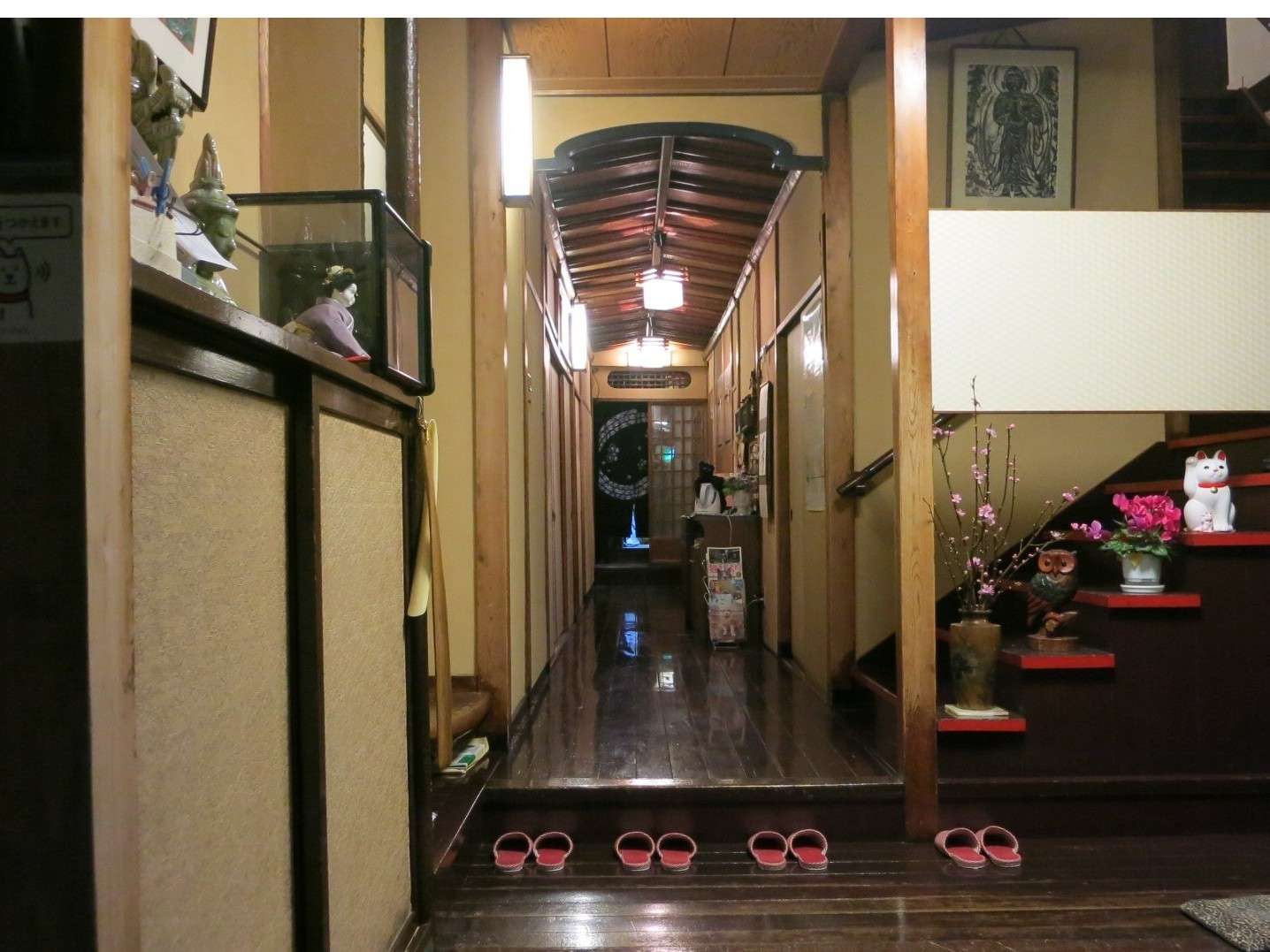
 Ryokan Hirashin Kyoto | $100〜 | 8.8 口コミ203件 | 英語OK温泉 | Booking.comで予約する |
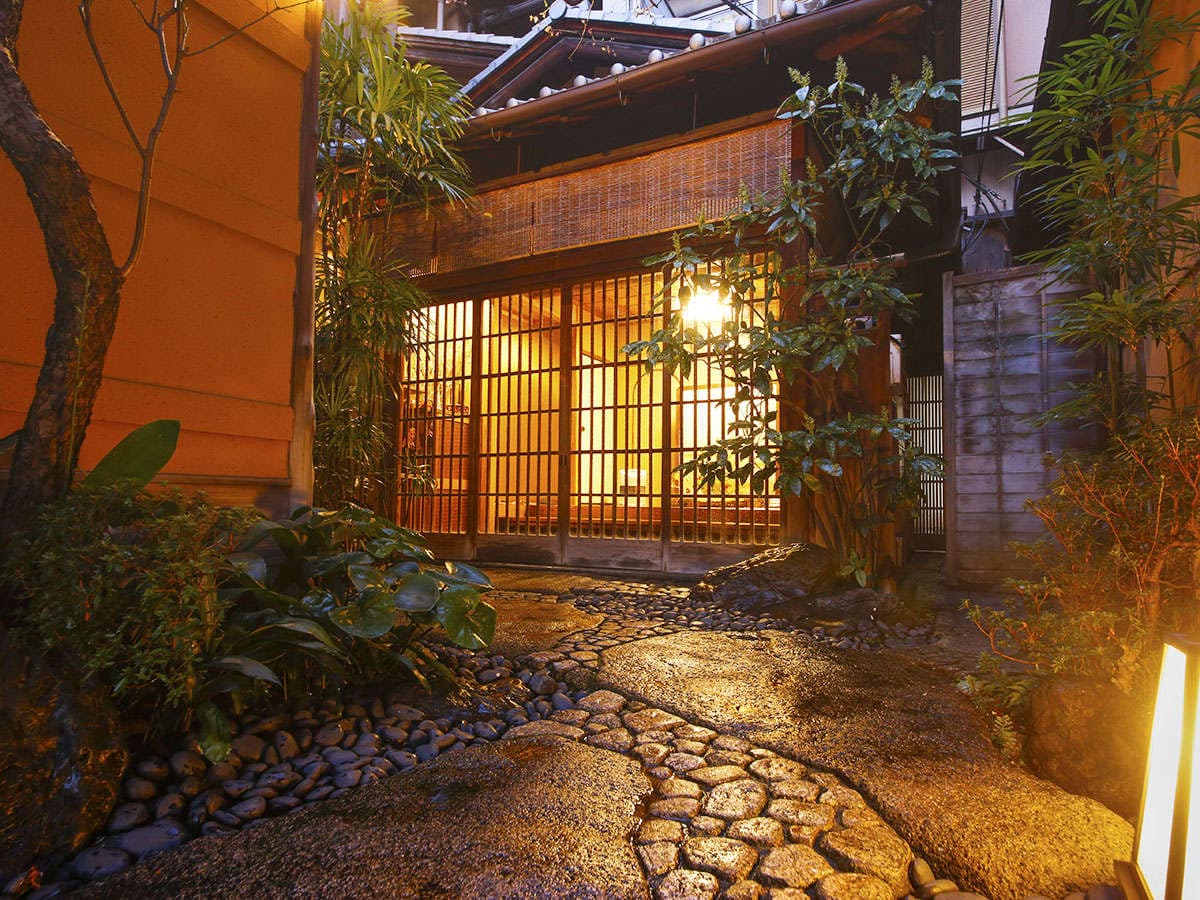
 | $60〜 | 8.3 口コミ115件 | 英語OK | Booking.comで予約する |
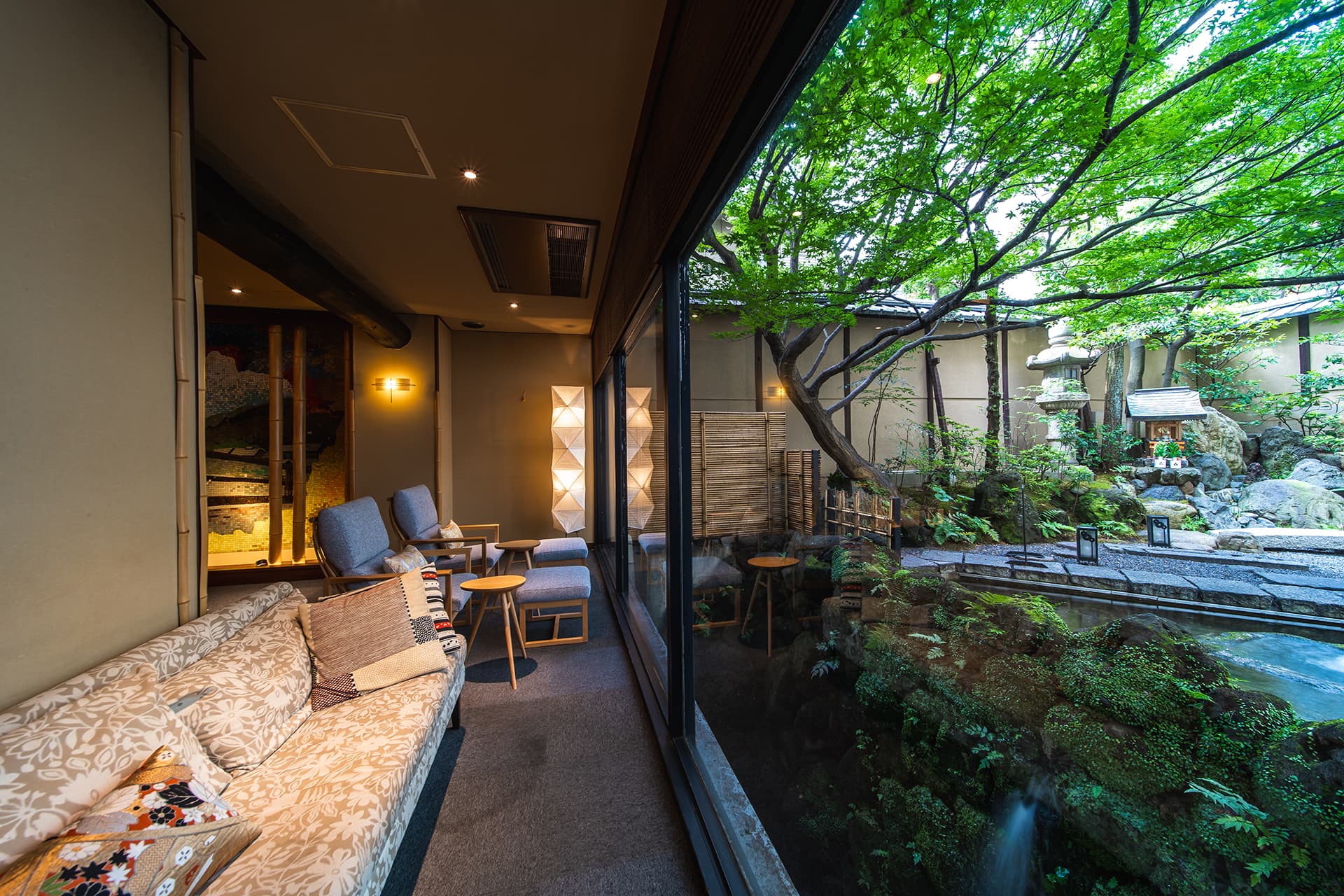
 Ryokan Sanga Kyoto | $120〜 | 9.0 口コミ95件 | 英語OK | Booking.comで予約する |
 Nishiyama Ryokan Kyoto | $100〜 | 8.9 口コミ112件 | 英語OK温泉 | Booking.comで予約する |
 Watazen Ryokan Kyoto | $120〜 | 9.1 口コミ156件 | 英語OK温泉 | Booking.comで予約する |

Seikoro Ryokan
Kyoto
Togetsutei
Kyoto
Kyoto Ryokan Kinoe
Kyoto
Ryokan Hirashin
Kyoto
Ryokan Sanga
Kyoto
Nishiyama Ryokan
Kyoto
Watazen Ryokan
Kyoto
表示価格は1名1泊あたりの目安です。当サイト経由のご予約で手数料を受け取る場合があります。
私が京都の旅館で過ごした夜は、他のどの街よりも多いと思います。半分は2019年に取得したJNTO通訳案内士の仕事がこの街を拠点にしていたから、もう半分は「旅館そのものを目的地にする」という選択が日本のどこよりも京都で報われるからです。この街には約1,200の寺院、400の神社、17のユネスコ世界遺産があります ——けれど、東山の路地裏に佇む町家宿の一夜こそが、ご案内したお客様が旅から一年経った今も語ってくれる思い出です。以下の20軒は、私がまずおすすめする宿を厳選したものです。
茶道、京懐石、そして保存された町家建築がこれほど高密度に凝縮している場所は、他にありません。1900年に柊家に宿泊した旅人は、今日の窓の外の街並みをおそらく見覚えがあるでしょう。そのような連続性は地球上でも稀であり、旅館に泊まることはその内側に直接入り込むことを意味します——博物館を訪れる観光客としてではなく、一時的な住人として。
私たちは20の宿を厳選し、2026年5月に価格を検証し、エリア別にまとめることで、旅館と拠点を同時に選べるようにしました。5地区の区分——中京・先斗町、東山・祇園、嵐山、岡崎・南禅寺、京都郊外——は、旅行者が実際にこの街を体験する方法、つまり徒歩で、それぞれ異なる歴史的ゾーンを、異なる雰囲気と観光の優先順位をもって巡る方法を反映しています。
このガイドは、京都の旅館が提供できること、できないことについて率直にお伝えします。もし火山性の露天風呂が最優先事項であれば、他の場所をご案内します。しかし、最高の京懐石、最も洗練されたおもてなし、そして日本で最も密度の高い建築遺産を求めるなら——お読み続けください。
客室露天・貸切風呂付きの旅館をお探しですか? 京都には火山性温泉源がないため、真の客室露天をお望みの方は全国の客室露天・貸切風呂付き旅館15選もご参照ください。
この20軒の選定方法(2026年5月検証済み)How we picked
私たちはデータベースに掲載されているすべての京都旅館——ライブスクレイピングで価格確認済みの15軒——を出発点とし、OTAレビュー分析と旅行ライターの報告によって検証した5軒を追加しました。選定基準は以下の通りです:(1)自館の懐石料理または京料理を提供する正真正銘の畳の間の旅館、(2)ゲスト評価8.3以上、(3)2026年5月時点で確認可能な価格データ、(4)5地区すべてにわたる地理的分布。すべての円建て価格帯は、夕朝食込み(特記なき限り)、2名利用の1泊1名あたりです。米ドルは¥150/ドルのレートです(2026年5月時点)。
目的別クイック選択:京都旅館のおすすめ
最高の贅沢: 柊家 — 1818年創業、プライベート檜風呂、チャーリー・チャップリンも愛した宿。 最高峰のウルトララグジュアリー: 俵屋 — 1709年創業、11代続く老舗、紹介制予約のみ。 東山らしい雰囲気なら: 晴鴨楼 — 9代続く芸術的な家族経営の宿、三十三間堂まで徒歩圏内。 嵐山なら: 渡月亭 — 川沿いのミネラル浴、竹林まで5分。 祇園のベストバジェット: 木乃江 — 6室の水路に面したブティック宿、1名¥21,000未満。 中心部のベストバリュー: 和多善 — 1830年創業、錦市場から3分。
重要な前提:京都市内中心部に天然温泉はありません
このガイドで最も重要な事実: 京都は地質的に恵まれていません。京都市内中心部に天然の温泉源はありません。柊家、俵屋、そして他の中心部の宿でお入りになる浴槽には、浄水——ときにミネラル成分が加えられ、ときに檜の香りがつけられた——が使われています。美しいお風呂です。しかし、地熱温泉ではありません。
旅館でのビジョンが火山性の露天風呂やミネラル豊富な温泉水を中心としているなら、京都の中心部の宿は期待に応えられないかもしれません。私たちの城崎温泉旅館ガイド(特急で約2時間)や箱根旅館ガイド(東京から85分)の方が、その体験への出発点として適しています。
京都エリア内の部分的な例外が2つあります: 渡月亭のような嵐山の宿では、温泉に近い質のミネラル浴が楽しめます。鞍馬温泉(叡山電鉄で北へ30分)には、杉山の中に本物の地熱源泉があります——温泉好きにとって日帰りや一泊の選択肢として有効です。
文化体験——京懐石、茶道、舞妓さんが行き交う祇園の散策、禅庭院の朝、ユネスコ建築——を優先する旅行者にとって、京都の旅館は日本でこの体験の最高の表現を届けてくれます。
京都の5つの歴史的エリア:どこに泊まるか
エリア1:中京・先斗町(京都市中心部) 文化と商業の中心地。錦市場、鴨川、先斗町の路地がここにあります。グルメ、カップル、市内全域へのアクセスを望む初来訪者に最適。最寄り駅:烏丸御池駅。
エリア2:東山・祇園 京都で最も趣深いエリア——花見小路、八坂神社、二寧坂の石畳、清水寺の参道。舞妓・芸妓が夜ごと活動するエリアです。初来訪者、写真撮影、夜明けの寺院散策に最適。最寄り駅:祇園四条駅(京阪線)。
エリア3:嵐山(京都西部) 山の地区。竹林、天龍寺(ユネスコ)、大堰川。市内中心部より静かで、よりリゾート的です。一部の宿でミネラル浴が楽しめます。自然を求める方や2回目以上の訪問者に最適。最寄り駅:嵐山駅(阪急)または嵯峨嵐山駅(JR嵯峨野線)。
エリア4:岡崎・南禅寺(東山丘陵) 静かな文化ゾーン:南禅寺、平安神宮、哲学の道。祇園よりも観光客が少なく、文化的な内容が充実。瞑想的なペースを好む再訪者に最適。最寄り駅:蹴上駅(東西線)。
エリア5:京都郊外——大原、吉田、北山 市内中心部から15〜45分ほどの村規模の環境。劇的なほど静かで、本物の森の環境が広がります。観光の利便性よりも完全な静寂を求める、リピーターや旅行者に最適です。
 Pinterestでピン
京都おすすめ旅館20選
中京・先斗町 — 4軒(京都市中心部)
京都の旅館が代わりに提供するのは、日本で最も高密度な茶文化、懐石の伝統、そして建築的な格式です。 多くの宿は過去2世紀の間に作家、首相、皇族を迎えており、あなたが泊まる部屋には名前と記録された歴史があるかもしれません。ここの懐石は最も洗練された形式——京懐石(きょうかいせき)は他の地方料理が自らを比べる基準です。おもてなしのリズムも温泉旅館より穏やかです:間合いが多く、お茶が多く、静寂が多い。中央日本で1泊して「最も洗練された旅館体験」を望むなら、京都が答えです。
Tip
旅館と町家レンタルを混同しないようにしましょう。京都の改装された木造町屋(町家)は素晴らしいですが、セルフサービスの短期賃貸です——仲居さんも、懐石も、朝食もありません。予約プラットフォームでカテゴリーが混同されることがあります。旅館体験を特に求めているなら、「machiya」や「町家」ではなく、「ryokan」や「旅館」という言葉が宿名にあるかを確認しましょう。
1. 柊家旅館 — ゴールドスタンダード
1. 柊家旅館 — 1818年創業、日本最高峰の中心部旅館
価格帯: ¥¥¥¥ | 検証済み(2026年5月): 食事込み1名¥100,000〜¥200,000 エリア: 中京(烏丸御池駅から5分) | 部屋付き露天風呂: あり(一部客室) | 英語スタッフ: あり | タトゥーポリシー: 貸切風呂のみ
- 1818年創業、6代続く家族経営、チャーリー・チャップリン、ヒッチコック、複数の首相が宿泊 - 本館の客室にプライベート檜風呂、柑橘系と杉の香り - 館内懐石厨房、夕食は8〜12コースで京都最高水準 - 錦市場まで徒歩13分、清水寺までタクシー10分 - 個人の茶室でのお茶体験(1名¥3,000〜¥8,000) - 本館の庭向き客室を特にリクエストしてください
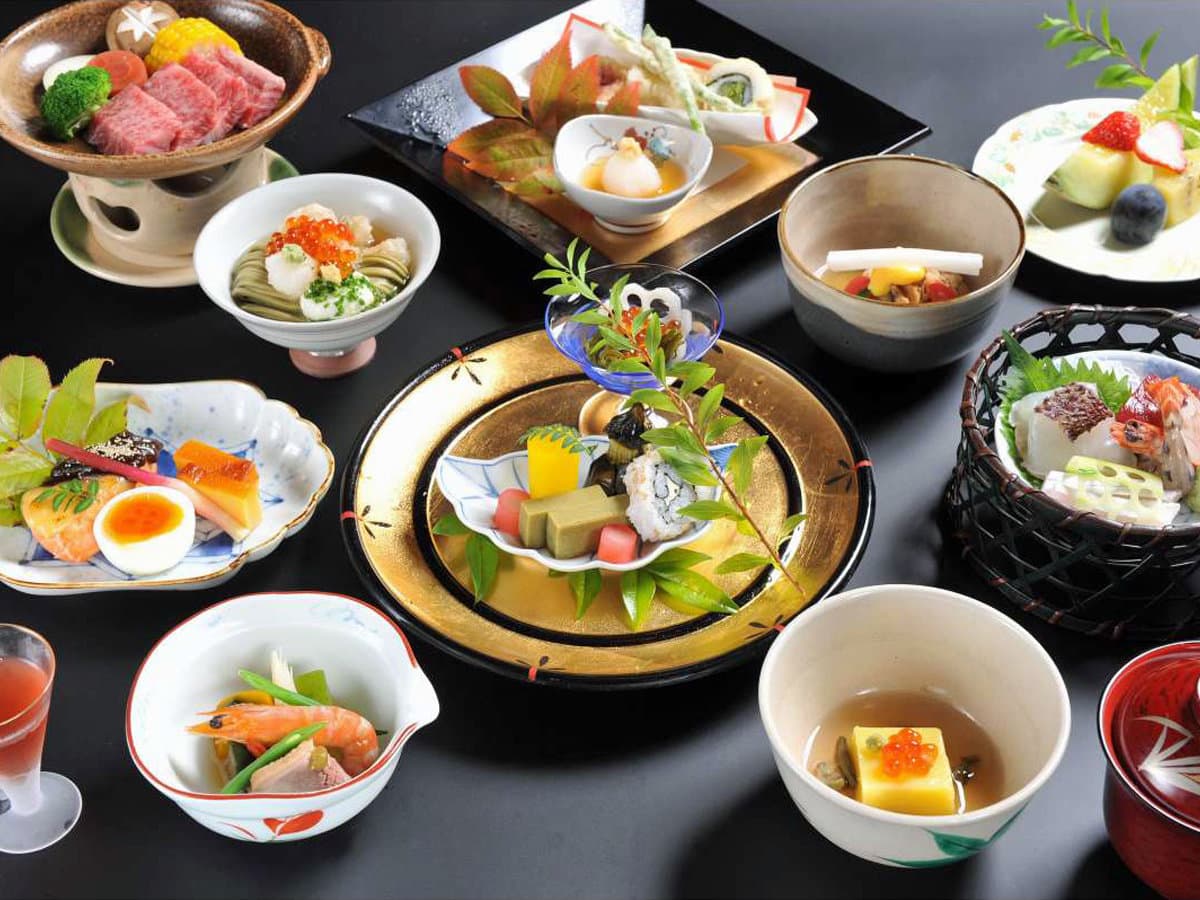
柊家は京都で最も歴史ある旅館というだけでなく、他のすべての京都旅館が自らを測る基準となる宿です。2世紀の洗練がすべての細部に宿っています:床の間の掛け軸の配置、仲居さんが部屋に入るタイミング、ちょうど良い温度のお風呂。本館の庭向き客室にプライベート檜風呂は、京都で最も求められる部屋です。懐石は古典的な京都スタイル——抑制的で、超地元産で、季節に正確です。全国の高級旅館の文脈については、私たちの日本の高級旅館ガイドをご覧ください。
ひと目で分かる
2. 俵屋 — 1709年創業、世界で最も格式高い旅館
価格帯: ¥¥¥¥ | 検証済み(2026年5月): 食事込み1名¥150,000〜¥350,000 エリア: 中京(柊家から徒歩4分) | 部屋付き露天風呂: あり(一部客室) | 英語スタッフ: あり | タトゥーポリシー: 貸切風呂のみ
- 1709年創業、岡崎家11代続く経営、ウェブサイトなし、広告なし - 宿泊ゲスト:ブラッド・ピット、スティーブ・ジョブズ、レナード・バーンスタイン、複数の国家元首 - わずか18室、各部屋がプライベートガーデンビューを持つ日本インテリアデザインの傑作 - 予約には旅行代理店または既存ゲストの紹介が必要 - ミシュラン3つ星レベルの懐石、客室料金に含まれます - 狭い中京の路地を挟んで柊家の向かい
俵屋にウェブサイトが不要なのは、その評判が3世紀先行しているからです。高級旅行スペシャリストや東京の最高級ホテルのコンシェルジュ(アマン、パーク・ハイアット、フォーシーズンズ)を通じた紹介が標準的な経路です。この体験は11代の家族が人間のニーズを先取りすることについて学んできたものです:気がつく前にお風呂の温度が調整され、懐石は多くのレストランがショーピースとして展示するものを支持要素として扱います。
3. 和多善旅館 — 1830年創業、手の届く価格の文化遺産
価格帯: ¥¥ | 検証済み(2026年5月): 食事込み1名¥18,000〜¥42,000 エリア: 中京(錦市場から3分、祇園まで徒歩10分) | 部屋付き露天風呂: なし | 英語スタッフ: あり | タトゥーポリシー: カバーアップ必須
- 1830年創業、書院造り建築(室町時代様式:違い棚、床の間の凹み) - 錦市場まで徒歩3分——京都の400軒の商店が並ぶ食の通り - 家庭的な京都料理(京料理):季節的で誠実 - 中心部における歴史的真正性に対するコストパフォーマンスが最高 - 四条駅まで徒歩5分
和多善は、本物の歴史的な趣に6桁の部屋代は必要ないという誠実な主張を体現しています。書院造りの建築は、廊下を歩くたびに室町時代のデザインについて静かに教えてくれます。錦市場の近さ(3分)は漬物、京都の豆腐、季節の食材に絶好です。懐石の豪華さよりも建築と立地を重視する予算重視の旅行者には、和多善が最も推奨できる選択です。私たちの節約旅館のコツガイドもご覧ください。
ひと目で分かる
4. 旅館山河 — 中心部の町家庭園、家庭的な懐石
価格帯: ¥¥ | 検証済み(2026年5月): 食事込み1名¥18,000〜¥45,000 エリア: 中京(富小路通り、四条駅から7分) | 部屋付き露天風呂: なし | 英語スタッフ: あり | タトゥーポリシー: カバーアップ必須
- 内庭のある伝統的な京都町家(格子戸の町家) - 室内で提供される懐石、季節のメニューは月替わり - ゲスト評価9.0、日本国内の旅行者から好評 - 錦市場と鴨川まで徒歩10分
旅館山河は、建物の長手方向に苔、石、楓のリボンが走る内庭のある町家です。懐石は本物の家庭的な京都料理——高級層の演劇的な12コースではなく、何世紀もこの土地で家族が食べてきた料理です。市内で最も優れた中程度の価格帯の町家宿です。
ひと目で分かる
東山・祇園 — 4軒(寺院・花街エリア)
5. 晴鴨楼旅館 — 1831年創業、芸術的な東山の老舗旅館
価格帯: ¥¥¥ | 検証済み(2026年5月): 食事込み1名¥45,000〜¥90,000 エリア: 東山(三十三間堂まで徒歩8分、清水寺参道まで12分) | 部屋付き露天風呂: なし | 英語スタッフ: あり | タトゥーポリシー: 不可
- 1831年創業、9代続く家族経営 - 美術収集家の家のようにコーディネートされた内装:陶器、書、漆器が随所に - 京野菜を中心とした古典的な懐石 - 庭向きの客室は中程度の価格帯の京都宿の中で最も静かな庭の眺め
晴鴨楼は、ほぼ2世紀にわたってお客様をお迎えしてきた家族の自信を持って東山に立っています。建物はキュレーションされた美術コレクションとして機能しています:季節に合わせて選ばれた床の間の陶器、書の掛け軸。三十三間堂、京都国立博物館、二寧坂の石畳の通りまで徒歩圏内です。晴鴨楼は多くの旅行者が求めるバランスを実現しています:俵屋の排他的なメカニズムなしに、最高レベルの文化的雰囲気。私たちの京都エリアガイドもご覧ください。
ひと目で分かる
6. 旅館元奈古 — ミシュラン推薦、高台寺道の提灯の雰囲気
価格帯: ¥¥¥ | 検証済み(2026年5月): 食事込み1名¥30,000〜¥67,500 エリア: 東山(高台寺道、祇園四条駅から8分) | 部屋付き露天風呂: なし | 英語スタッフ: あり | タトゥーポリシー: カバーアップ必須
- ミシュラン推薦、Booking.comで502件の検証済みレビューを持つゲスト評価9.5 - 高台寺道沿い:祇園と東山南部の寺院を結ぶ提灯が灯る石畳の道 - 八坂神社まで徒歩10分、高台寺まで7分 - このガイドで最高評価の中間価格帯の宿
旅館元奈古は自分を語る評価を通じてそのミシュランの評価を勝ち取っています:502件のレビューにわたる9.5。高台寺道の場所——石畳の通りで夕暮れ時に赤い提灯が灯り、祇園のエネルギーと高台寺の瞑想を結ぶ——は、作家たちが「東山の典型」を表現しようとする時に手を伸ばす住所の一つです。このエリアで雰囲気に対する価値の比率が最もシャープです。
ひと目で分かる
7. 京都旅館 祇園佐野 — 花見小路、花街のメインステージに位置
価格帯: ¥¥ | 検証済み(2026年5月): 食事込み1名¥15,000〜¥33,000 エリア: 祇園(花見小路、祇園四条駅から5分) | 部屋付き露天風呂: なし | 英語スタッフ: あり | タトゥーポリシー: カバーアップ必須
- 祇園で最も撮影される提灯の回廊、花見小路に位置 - 八坂神社まで徒歩3分、建仁寺(京都最古の禅寺)まで5分 - 玄関を出ると夕暮れ時に舞妓さんを見かける散策が始まる - 先斗町のレストラン予約に長けた英語対応フロント
祇園佐野は、どんな高級な予算でも完全には再現できない場所を占めています:花見小路そのものです。夕暮れ時、舞妓さんがお茶屋へ向かう際に前を通り過ぎると、あなたは観光客ではありません——たまたまそれに気づく住人です。フロントの祇園のお茶屋との関係は、本来なら何年もの繋がりが必要な舞妓さんとのお座敷を手配できます。私たちのカップルにおすすめの旅館もご覧ください。
ひと目で分かる
8. 京都旅館 木乃江 — 祇園白川運河に面した6室のブティック宿
価格帯: ¥¥ | 検証済み(2026年5月): 朝食込み1名¥10,500〜¥21,000 エリア: 祇園白川(祇園四条駅から8分) | 部屋付き露天風呂: なし | 英語スタッフ: あり | タトゥーポリシー: カバーアップ必須
- わずか6室——このリストで最もこぢんまりとした旅館 - 祇園白川:柳並木の運河とお茶屋の回廊、祇園で最も絵になる角 - 八坂神社まで徒歩6分、清水寺への道 - 朝食込み、夕食は外部手配 - 市内で最も¥21,000未満の正真正銘の京都旅館
木乃江はこのリストで最小の宿ながら、最も不釣り合いなほどの親密さを持っています:6室、6組の宿泊客、初日から名前を覚えてくれる仲居さん。祇園白川の場所——桜の旅館シーズンに最も撮影される柳の運河——は日本で最も美しい都市の環境の一つです。限られた予算で正真正銘の祇園の雰囲気を最大限に求める旅行者には、これが誠実な推薦です。私たちの初めての旅館ガイドもご覧ください。
ひと目で分かる
 Pinterestでピン
嵐山(京都西部) — 4軒(山・竹林エリア)
9. 渡月亭 — 嵐山川沿い、山ビューのミネラル浴
価格帯: ¥¥¥ | 検証済み(2026年5月): 食事込み1名¥42,000〜¥82,500 エリア: 嵐山(渡月橋から3分、竹林まで5分、天龍寺まで8分) | 部屋付き露天風呂: あり(一部客室) | 英語スタッフ: あり | タトゥーポリシー: 貸切風呂のみ
- 眼前に渡月橋を望む場所から名前がついた - 嵐山の竹林まで徒歩5分 - 天龍寺(ユネスコ枯山水庭園)まで徒歩8分 - 山ビューのミネラル浴、大浴場と貸切の両方あり - 懐石:湯豆腐、山菜、大堰川の鮎 - 早朝の竹林アクセスに最適——午前6時までに出発すると観光団の前に
渡月亭は中心部の京都旅館には提供できないものを提供します:竹林から5分のところで目覚め、夜明けに一人でその中を歩くこと。最初のツアー客が来る前の午前6時〜7時30分の時間帯は体験を一変させます——光が緑色にろ過され、音は風と軋む音だけで、ユネスコの森があなただけのものです。ミネラル浴と本物の懐石食材調達を伴う川沿いの立地は、嵐山で最も完璧な選択肢です。私たちの京都エリアガイドもご覧ください。
ひと目で分かる
10. 星のや京都 — 川からのみアクセス、建築的な宿
価格帯: ¥¥¥¥ | 検証済み(2026年5月): 食事込み1名¥80,000〜¥180,000 エリア: 嵐山(船でのみアクセス可、道路アクセスなし) | 部屋付き露天風呂: なし | 英語スタッフ: あり | タトゥーポリシー: カバーアップ必須
- 車でのアクセスなし——大堰川沿いのプライベートボートでゲストが到着 - 嵐山の杉の森の中に「浮かぶ村」として東利恵氏が設計 - 山の森を望む天然湧水ミネラルの大浴場 - 文化プログラム:天龍寺の僧侶との座禅、茶道、森の散策 - 大人のみ(13歳以下の子ども不可)
星のや京都はこのガイドで建築的に最もドラマチックな旅館です:嵐山の山腹を登る杉と石の建造物で、大堰川沿いの10分間のプライベートボートでのみアクセスできます。到着の瞬間——道路が見えない中、森の渓谷を滑るように進む——が滞在全体の枠組みを変えます。内部では、東利恵氏の吊り下げられた石の廊下が重力に逆らうように感じられ、文化プログラムが随所に展開されます。¥¥¥¥で大浴場のみというのが主なトレードオフです。私たちの日本の高級旅館ガイドもご覧ください。
11. 旅館夢源 — 160年の歴史を持つミシュラン認定の町家、大人限定の静謐さ
価格帯: ¥¥¥ | 検証済み(2026年5月): 食事込み1名¥37,500〜¥75,000 エリア: 上京区(杉林アクセス、大人のみ) | 部屋付き露天風呂: なし | 英語スタッフ: なし(翻訳アプリで十分) | タトゥーポリシー: 不可
- 160年の歴史を持つ町家、ミシュランから雰囲気と職人技を評価 - 大人のみ:夜10時の宿の音が家族向けの宿とは全く異なる - ゲスト評価9.4、34件のレビュー——このガイドで賞賛対レビュー数の比率が最高 - 漆器、織物、木材の細部が随所に - 英語スタッフなし、非言語的な体験が主
旅館夢源は、京都の居住建築の最高形式としての町家の主張を体現しています。職人技で維持された160年の歴史を持つ建物:光を正しく捉える漆器、世代を経て滑らかになった敷居、西陣の機屋によって季節ごとに替えられる織物——元々の宿を供給していた同じ機屋です。大人のみの環境はポリシーの飾りではありません——それが夜10時の宿の音の理由です。
ひと目で分かる
12. 旅館澤屋本店 — 庭向き客室、岡崎の静けさの中での懐石
価格帯: ¥¥¥ | 検証済み(2026年5月): 食事込み1名¥37,500〜¥75,000 エリア: 岡崎・左京区(丸太町駅から5分、平安神宮の近く) | 部屋付き露天風呂: なし | 英語スタッフ: あり | タトゥーポリシー: 不可
- 京都の庭構成を持つ庭向きの客室、本当に静か - ゲスト評価9.3、京野菜を調達した懐石 - 平安神宮まで10分、南禅寺まで15分 - 岡崎の博物館との旅行を組み合わせる旅行者に最適
旅館澤屋本店は都心部の高級宿がほとんど実現できないことを達成することで9.3の評価を得ています:本物の静けさ。岡崎は見過ごされているゾーン——平安神宮と哲学の道に十分近く、住宅的なために急かされる感覚がありません。庭向きの客室は朝の霧の中で最も映える苔、石、楓の構成を望んでいます。懐石は東京や大阪のメニューには現れない洛北のエリアの農家から仕入れます。
ひと目で分かる
 Pinterestでピン
岡崎・南禅寺 — 4軒(東山、寺院街)
13. 京都南禅寺旅館 八千代 — 1915年創業、南禅寺に面した庭での食事
価格帯: ¥¥¥ | 検証済み(2026年5月): 食事込み1名¥45,000〜¥90,000 エリア: 岡崎(蹴上駅から5分、南禅寺境内に隣接) | 部屋付き露天風呂: あり(一部客室) | 英語スタッフ: あり | タトゥーポリシー: 貸切風呂のみ
- 1915年創業、南禅寺とその1,000年の歴史を持つ塔頭に直接隣接 - 春と初秋に庭の茶亭スタイルでの食事(半茶屋スタイル) - 一部客室にプライベート露天風呂あり - ゲスト評価9.1、187件の検証済み国際レビュー - 哲学の道(哲学の道)まで徒歩10分
八千代は京都で最も重要な場所の一つを占めています:三門と塔頭庭園が東山を定義する南禅寺に隣接しています。旅館の庭は視覚的に寺院の杉の森につながっています——晴天のとき夕食が提供される茶亭から、八千代のデザインと南禅寺の境界は実質的に見えません。プライベート露天風呂付きの一部客室は、温泉旅館の水準に近づく唯一の岡崎の選択肢です。私たちのプライベート露天風呂旅館ガイドもご覧ください。
ひと目で分かる
14. 西山旅館 — トリップアドバイザー受賞、最高の交通アクセス
価格帯: ¥¥ | 検証済み(2026年5月): 食事込み1名¥15,000〜¥37,500 エリア: 中京・岡崎の境界(京都市役所前駅から3分、東西線) | 部屋付き露天風呂: なし | 英語スタッフ: あり | タトゥーポリシー: カバーアップ必須
- トリップアドバイザー トラベラーズチョイス受賞、1953年創業 - 京都市役所前駅から徒歩3分——このゾーンで最高の交通アクセス - ゲスト評価8.9、112件の検証済みレビュー、スタッフの温かさを評価 - 京都スタイルの夕食、朝食込み
西山旅館は多くの歴史ある宿が固執する公式——排他性より温かさを——から外れたことでトリップアドバイザーの評価を得ました。レビューでは常に、お風呂のマナーを静かに説明してくれたスタッフ、予約メモの食物制限を覚えてくれた仲居さんについて言及されています。1953年創業の西山旅館は、ほとんどの伝統的な宿がエッジケースとして扱う問題を解決するほど長い間、国際的な旅行者を受け入れてきました。
ひと目で分かる
15. 旅館平新 — 四条駅から3分、この価格帯で最多レビュー数
価格帯: ¥¥ | 検証済み(2026年5月): 食事込み1名¥15,000〜¥37,500 エリア: 下京中心部(四条駅から3分) | 部屋付き露天風呂: なし | 英語スタッフ: あり | タトゥーポリシー: カバーアップ必須
- 四条駅から3分——この価格帯で最も交通に便利な選択 - ゲスト評価8.8、203件の検証済みレビュー——このガイドの中程度の価格帯の宿で最多レビュー数 - オプションの懐石夕食、和朝食込み - 祇園まで徒歩10分、錦市場まで5分
旅館平新は交通の利便性が最も実用的な美徳であることを証明しています:四条駅から3分という立地は、京都のどんなイ旅程も実現可能にします。203件のレビューは、体験が例外的というよりも再現可能であるという統計的な信頼を提供します。清潔で、誠実で、伝統的——すべてを競争力のある価格で正しく提供します。
ひと目で分かる
16. 飯田屋(IZUYASU)— 伝統的な京料理、東山南部の拠点
価格帯: ¥¥ | 検証済み(2026年5月): 食事込み1名¥22,500〜¥52,500 エリア: 下京・東山の境界(五条駅から5分) | 部屋付き露天風呂: なし | 英語スタッフ: あり | タトゥーポリシー: カバーアップ必須
- ゲスト評価9.0、145件の検証済みレビュー、この価格での料理の質を評価 - 伝統的な京料理(京料理):季節的で野菜中心 - 東山南部:京都駅と祇園の中間 - 三十三間堂まで徒歩10分、国立博物館まで15分
飯田屋(IZUYASU)は食事だけで9.0を獲得しています:京料理の夕食は中程度の価格帯の京都旅館がよく見逃すことを達成しています——その朝に京都の食材ネットワークから食材が選ばれたという本物の感覚。京都料理の本質的な抑制(少量、正確な味付け、それ自体のための装飾を拒む視覚的な構成)が随所に存在します。国立博物館と伏見稲荷歩行回路の強い拠点です。奈良への延長については、私たちの奈良旅館ガイドをご覧ください。
ひと目で分かる
京都郊外 — 4軒(吉田の丘、祇園の路地裏、バジェット層)
17. 吉田山荘 — 皇室別荘を改修した、森の山腹の隠れ宿
価格帯: ¥¥¥¥ | 検証済み(2026年5月): 食事込み1名¥60,000〜¥150,000 エリア: 吉田・左京区(吉田神社に隣接、市内中心部からタクシーで15分) | 部屋付き露天風呂: あり(一部客室) | 英語スタッフ: あり | タトゥーポリシー: 貸切風呂のみ
- 東伏見宮の旧別荘、昭和期の皇室建築を保持 - 森深い吉田山の山腹に位置し、市内にありながら本物の自然の隠れ家 - わずか5室、スタッフ対ゲストの比率が極めて高い - 庭を望むプライベート露天風呂付き一部客室 - 懐石のために当日、山菜と京都市場からの食材を調達
吉田山荘は京都でほぼ唯一のカテゴリーを占めています:本物の隔離を持つ皇室の格式。「隔離された」京都の旅館のほとんどは静かな路地を意味します。吉田山荘の吉田山の山腹は本物の樹木に覆われており、朝の鳥の声があり、街がすぐ周囲を囲んでいるという感覚がありません。5室なので、スタッフ対ゲストの比率は極めて高い水準に達します。昭和時代の格式ある造りの皇室建築——あなたが眠る部屋が歴史的な文書のような感覚を生み出します。私たちのプライベート露天風呂旅館ガイドもご覧ください。
18. 蒼和花(ソワカ) — 祇園の静かな路地裏のコンテンポラリーラグジュアリー
価格帯: ¥¥¥¥ | 検証済み(2026年5月): 食事込み1名¥60,000〜¥130,000 エリア: 祇園の路地裏(花見小路の北) | 部屋付き露天風呂: あり(一部客室) | 英語スタッフ: あり | タトゥーポリシー: カバーアップ必須
- 祇園の町家改修によるコンテンポラリーラグジュアリー - 一部客室に庭の眺めを持つプライベート檜風呂 - リクエストにより茶道を手配、祇園祭りの文化的アクセス - レストラン:このガイドの全ての宿の中で最も本格的なワインプログラムを持つモダン京都料理 - 静かな路地裏——祇園らしい雰囲気で、人通りが少ない
ソワカは祇園の伝統に対するコンテンポラリーラグジュアリーの答えです:蓄積された歴史的な雰囲気よりもデザインの誠実さ(清潔なライン、高仕様の素材、意図的なネガティブスペース)を優先するブティック。祇園の立地は本物です——提灯の灯る夜、お茶屋への近さ。しかし、内部は漆の箪笥の廊下よりもアエソップのバスルームに快適さを感じるゲストのためにキュレーションされています。ワインプログラムはこのガイドのどの京都旅館よりも野心的です。
19. 白梅 — 運河に面した客室、祇園白川の親密な歴史的宿
価格帯: ¥¥¥ | 検証済み(2026年5月): 食事込み1名¥35,000〜¥75,000 エリア: 祇園白川(運河に面した、祇園四条駅から10分) | 部屋付き露天風呂: なし | 英語スタッフ: あり | タトゥーポリシー: カバーアップ必須
- 白川の柳並木の回廊を望む運河に面した客室 - 家族経営、企業的な距離感のない伝統的な温かさ - 京都の湯葉と麩を特徴とした懐石、ベジタリアン対応オプション - 12室、中程度の価格での親密な規模
白梅は柳が植えられた小径から白川運河に面しています——運河の反射が夜明けに運河に面した客室の天井に映り込み、ほぼすべてのレビューでゲストが言及するが、どの写真も捉えられない細部です。家族経営は大きな祇園の宿が欠く温かさを白梅に与えています。懐石は仏教料理の伝統に傾いており、ベジタリアンやペスカタリアンの旅行者への強い選択肢となっています。私たちのベジタリアン対応旅館ガイドもご覧ください。
20. 藤屋旅館 — 京都駅近くの最安値入門旅館
価格帯: ¥¥ | 検証済み(2026年5月): 朝食込み1名¥9,000〜¥19,500 エリア: 下京(京都駅から10分、東寺の近く) | 部屋付き露天風呂: なし | 英語スタッフ: あり | タトゥーポリシー: カバーアップ必須
- ゲスト評価8.3、115件の検証済みレビュー、スタッフの温かさと清潔さを評価 - 京都駅から徒歩10分——新幹線到着に最も便利な選択 - このガイドで最低価格の確認済み価格の広々とした畳の間 - 和朝食込み - 祇園まで地下鉄15分、東寺の月例フリーマーケットの近く
藤屋旅館は「本物の京都旅館体験をするための最も安い方法は何か?」という質問への誠実な答えです。朝食込み1名¥19,500未満で、藤屋は畳の間、大浴場、国際的な経験のあるスタッフを提供します。京都駅への近さは大阪や奈良への日帰り旅行の新幹線へのアクセスを容易にし、東寺のフリーマーケット(毎月第1日曜日)も近いです。私たちの節約旅館のコツガイドもご覧ください。
ひと目で分かる
予算で比較する
予算重視
Under $200
近日公開予定
ミドルレンジ
$200 – $500
Seikoro Ryokan
〜から ¥46,200 · 1名様
9.4/10 · 281 件の口コミ英語対応予約Togetsutei
〜から ¥43,120 · 1名様
8.9/10 · 89 件の口コミ貸切風呂・露天風呂付き客室英語対応予約- 近日公開予定
ラグジュアリー
$500+
Hiiragiya Ryokan
〜から ¥77,000 · 1名様
9.6/10 · 67 件の口コミ貸切風呂・露天風呂付き客室英語対応予約- 近日公開予定
比較表:京都の全20旅館を一覧で
| 旅館 | エリア | 価格帯 | 貸切風呂 | 英語 | タトゥー | 評価 |
|---|---|---|---|---|---|---|
| 柊家 | 中京 | ¥¥¥¥ | あり(一部) | あり | 貸切のみ | 9.6 |
| 俵屋 | 中京 | ¥¥¥¥ | あり(一部) | あり | 貸切のみ | N/A |
| 和多善 | 中京 | ¥¥ | なし | あり | カバーアップ | 9.1 |
| 旅館山河 | 中京 | ¥¥ | なし | あり | カバーアップ | 9.0 |
| 晴鴨楼 | 東山 | ¥¥¥ | なし | あり | 不可 | 9.4 |
| 旅館元奈古 | 東山 | ¥¥¥ | なし | あり | カバーアップ | 9.5 |
| 祇園佐野 | 祇園 | ¥¥ | なし | あり | カバーアップ | 8.7 |
| 木乃江 | 祇園 | ¥¥ | なし | あり | カバーアップ | 9.2 |
| 渡月亭 | 嵐山 | ¥¥¥ | あり(一部) | あり | 貸切のみ | 8.9 |
| 星のや京都 | 嵐山 | ¥¥¥¥ | なし | あり | カバーアップ | 9.3 |
| 旅館夢源 | 上京区 | ¥¥¥ | なし | なし | 不可 | 9.4 |
| 旅館澤屋本店 | 岡崎 | ¥¥¥ | なし | あり | 不可 | 9.3 |
| 八千代 | 岡崎 | ¥¥¥ | あり(一部) | あり | 貸切のみ | 9.1 |
| 西山旅館 | 中央・東 | ¥¥ | なし | あり | カバーアップ | 8.9 |
| 旅館平新 | 下京 | ¥¥ | なし | あり | カバーアップ | 8.8 |
| 飯田屋(IZUYASU) | 下京 | ¥¥ | なし | あり | カバーアップ | 9.0 |
| 吉田山荘 | 吉田の丘 | ¥¥¥¥ | あり(一部) | あり | 貸切のみ | N/A |
| ソワカ | 祇園 | ¥¥¥¥ | あり(一部) | あり | カバーアップ | 9.3 |
| 白梅 | 祇園白川 | ¥¥¥ | なし | あり | カバーアップ | N/A |
| 藤屋旅館 | 下京 | ¥¥ | なし | あり | カバーアップ | 8.3 |
価格帯: ¥¥ = 1名¥15,000〜¥30,000 | ¥¥¥ = ¥30,000〜¥60,000 | ¥¥¥¥ = ¥60,000以上
20軒は多すぎるという方には、客室数の少ない宿だけを集めた京都の小さな旅館特集がおすすめです。
選び方:旅のスタイルと京都旅館のマッチング
エリアの雰囲気で選ぶ:
*花街の雰囲気* — 祇園・東山。祇園佐野、木乃江、元奈古、またはソワカを選んでください。外から眺める観光客ではなく、雰囲気の内側に入れます。
*寺院巡りの静けさ* — 東山・岡崎。晴鴨楼、八千代、または西山旅館を選んでください。祇園ほどの観光客密度なしに南禅寺、永観堂、哲学の道への朝の散歩がここの玄関から始まります。
*山と自然* — 嵐山。早朝の竹林アクセス、山の眺め、大堰川のために渡月亭または星のや京都を選んでください。
*市内の移動のしやすさ* — 中京・中心部。地下鉄の利便性と錦市場の近さを求めるなら、柊家、和多善、旅館平新、または旅館山河を選んでください。
旅の目的で選ぶ:
*文化没入* — 柊家、晴鴨楼、または吉田山荘。これらの宿は滞在そのものが文化です。
*ハネムーン・ロマンス* — 星のや京都(川からの到着、建築的なドラマ)または俵屋(予約が取れれば)。嵐山らしいロマンティシズムには渡月亭。完全なフレームワーク:カップルにおすすめの旅館ガイド。
*旅館初体験の方* — 西山旅館、祇園佐野、または和多善。旅館のしきたりを違和感なく案内してくれる英語が堪能なスタッフ。私たちの初めての旅館ガイドをご覧ください。
*桜の季節* — 祇園白川沿いの桜には木乃江または白梅。哲学の道には八千代。12〜18ヶ月前の予約をおすすめします。
*予算旅行* — 木乃江、藤屋、旅館平新。私たちの一人旅おすすめ旅館ガイドではシングルサプリの戦略を紹介しています。
期待すること:懐石、浴衣、そして温泉の問題
京都の懐石——基準を設定する料理
京懐石は、他のすべての日本の地方料理が自らを比べる基準です。茶事の食事——軽く、精確で、主張しない——から生まれ、日本料理で最も体系化された多コースの形式に発展しました。ここでのトップの選択肢での夕食は8〜12コースになり、それぞれ季節や文化的な参照から名付けられ、各料理を静かに説明する仲居さんによって提供されます。
最も重要なルール:京都には16時までに到着してください。旅館では懐石を決まった時間(通常18時〜19時)に提供し、厨房は12コースの食事を遅着者のために組み替えることができません。それに合わせて新幹線を予約してください。京懐石の詳しい背景は:懐石ガイド。
浴衣のマナー——京都は違います
旅館の外で浴衣を着て出かけないようにしましょう。城崎温泉や草津では、浴衣で町を歩くことが地元の習慣です。京都ではそうではありません。祇園と東山の通りは生活する住宅街です。京都の住民の感覚では、パリのレストラン街にホテルのバスローブで夕食に行くくらいの感覚です。旅館の中やお風呂の際に浴衣を使い、夕方の散歩には街着を着てください。
京都旅館のお風呂
京都の中心部の宿は浄水——美しく、清潔で、しばしば檜の香りがしますが、地熱温泉ではありません。渡月亭と星のや京都は温泉に近い質のミネラル水を提供しています。本格的な温泉体験のためには、城崎(特急で2時間)が最寄りの専用温泉地です。大浴場のマナーについては、私たちの外国人向け温泉マナーガイドをご覧ください。
京都特有の予約のコツ
桜と紅葉の予約時期:
桜の開花は通常3月25日〜4月5日がピーク(±5日の変動あり)。紅葉は11月中旬から下旬がピーク。
- トップの選択肢(柊家、俵屋、晴鴨楼、八千代、木乃江、白梅):12〜18ヶ月前 - 中程度の価格帯(和多善、元奈古、祇園佐野、西山旅館):6〜9ヶ月前 - バジェット層(旅館平新、藤屋):3〜6ヶ月前
キャンセル可能なレートで予約してください。気象庁は2月から桜の予報を発表し、tenki.jpは3月上旬から地区別のピーク時期を発表します。予報が出た後に到着を1〜2日調整するとピーク時に間に合う可能性があります。
超高級の予約: 俵屋にはオンライン予約フォームがありません——高級旅行代理店または東京の最高級ホテルのコンシェルジュを通じた紹介が標準的な経路です。柊家については、英語のウェブサイトで予約を受け付けていますが、最良の本館の客室はリピーターのために確保されています。
先斗町のレストランへのアクセス: 本物の先斗町のレストランのほとんどは一見さんお断り(初回訪問は紹介のみ)で運営されています。旅館のコンシェルジュがその紹介——和多善のフロントデスクでさえ、電話一本で飛び込みを断るお店の席を押さえることができます。私たちの旅館とホテルの比較ガイドもご覧ください。
食事制限: 予約時に制限(ベジタリアン、ヴィーガン、甲殻類アレルギー、ハラール)を指定してください。チェックイン時ではなく。懐石は24時間以上前から準備されます。
新幹線で遅く着くなら、京都の駅近旅館を選べばタクシー要らずです。
関連ガイド
関西の旅を延長する: - 奈良のおすすめ旅館 — 元の都、近鉄で京都から45分 - 金閣寺周辺のおすすめ旅館 — 北山・金閣寺エリア特化 - 城崎温泉旅館ガイド — 最寄りの本格温泉地(特急で2時間)
旅館のタイプで選ぶ: - カップルにおすすめの旅館 — ロマンティックな選択肢、国内での京都旅館の位置づけ - 日本の最高級旅館 — 柊家、俵屋、星のや京都が全国でどのようにランクインするか - プライベート露天風呂付き旅館 — プライベートバスが主な基準の場合 - 初めての旅館ガイド — マナー、持ち物リスト、期待すること - 一人旅おすすめ旅館 — シングルサプリの戦略
体験で選ぶ: - 懐石ガイド — コースの詳細説明、季節の論理、懐石メニューの読み方 - 外国人向け温泉マナー — 大浴場のマナー - 旅館とホテルの比較 — 本当のコストと体験の比較 - 日帰り旅館オプション — 宿泊なしのお風呂のみや半日プラン - 日本のおすすめ温泉地 — 京都の近隣が全国でどうランクインするか
京都の全旅館を閲覧する — ライブ価格、評価、3つのOTA比較を備えたデータベース検証済みの15軒すべてを比較。
2026年更新: 2026年5月に価格を検証。20軒すべての運営を確認。次回検証:2026年8月。リアルタイムの価格は京都エリアページで——毎月スクレイピングして更新しています。
ご予約はこちら
人気の旅館から選んで予約
3つの予約サイトの空室・価格を見比べてください。
予約リンク経由で手数料が発生する場合がありますが、追加費用はかかりません。
FAQ
よくあるご質問
京都で初来訪者に最適なエリアはどこですか?+
東山・祇園は雰囲気抜群——提灯が灯る通り、寺院散策、舞妓さんの花街。中京(市内中心部)は利便性抜群——地下鉄アクセス、錦市場、柊家と俵屋が徒歩10分圏内。予算を意識した初来訪者には、高級な価格設定なしに英語サポートと適切なエリアの環境を提供する祇園佐野や西山旅館がおすすめです。
柊家旅館は1名¥100,000〜¥200,000の価値がありますか?+
伝統を最も重視する旅行者——チャーリー・チャップリンが眠った建物で、6世代が接待のあらゆる細部を磨いてきた部屋に一泊することを体験の基準とする旅行者——にとっては、はい。主にリーズナブルな費用で寺院近くの清潔な部屋を求める旅行者には、和多善や西山旅館が京都旅館体験の80%を価格の15〜20%で提供してくれます。柊家の料金は、日本のホスピタリティで最高のカテゴリーとして正当化されます。
桜の季節にはどのくらい早めに予約する必要がありますか?+
トップの選択肢(柊家、俵屋、晴鴨楼、八千代、木乃江、白梅)は12〜18ヶ月前。中程度の価格帯の選択肢(和多善、元奈古、祇園佐野)は6〜9ヶ月前。キャンセル可能なレートで予約し、3月上旬に気象庁の桜予報を確認して必要なら1〜2日調整してください。ピーク期間は通常3〜5日で、祇園白川への近さ(木乃江、白梅)が桜のアクセスを最大化します。
京都の中心部に本物の温泉旅館はありますか?+
いいえ。京都は市内中心部に天然温泉のない地質の上にあります。中心部の旅館は浄水——美しく、しばしば檜の香りがしますが、地熱温泉ではありません。最も近い本格温泉:城崎温泉(特急で2時間)、有馬温泉(新幹線+バスで50分)、鞍馬温泉(叡山電鉄で北へ30分)。渡月亭のような嵐山の宿は温泉に近い質のミネラル浴を提供しています。
京都の旅館外で浴衣を着ることはできますか?+
いいえ——城崎や草津と異なり、浴衣で町を歩くことが地元の習慣となっているような温泉街ではありません。京都の住宅街で浴衣を着ることは、パリのレストラン街でホテルのバスローブを着るのと同じような印象を与えます。旅館の中やお風呂の際に浴衣を使い、先斗町、祇園、東山の夕方の散策には街着を持参してください。
星のや京都 vs 俵屋——どちらの体験ですか?+
根本的に異なる2つのカテゴリーです。俵屋は日本最高の伝統的旅館:11世代の蓄積された洗練、18室、先回りするサービス、古典的な懐石——紹介と数ヶ月のリードタイムが必要です。星のや京都は川からのみアクセスできるコンテンポラリーな建築的なステートメントで、文化プログラム(座禅、茶道、森の散策)と細部へのこだわりで知られています。伝統的な旅館文化の頂点を目標とするなら俵屋を選んでください。建築的なドラマと嵐山の自然環境が歴史的な深みよりも重要なら星のや京都を選んでください。
最も安い本物の京都旅館はどこですか?+
祇園白川の木乃江(¥10,500〜¥21,000/名、朝食込み):祇園で最も絵になる運河沿いの正真正銘の畳の間の旅館、6室、個人的なサービス。京都駅近くの藤屋旅館(¥9,000〜¥19,500/名、朝食込み)はより安く、交通の便が良い。旅館平新(¥15,000〜¥37,500、食事込み)は懐石夕食完全込みで四条駅から3分のバジェットオプションとして最良です。
町家旅館と伝統的な旅館の違いは何ですか?+
町家は京都の伝統的な木造町屋——中庭を中心に建てられた狭い2階建ての建造物です。町家旅館は、旅館として建てられた建物ではなく、住居建築を保存しています。体験はより親密です:低い天井、内庭、より少ない儀礼的なサービス。旅館山河と旅館夢源がこのガイドで最良の町家の選択肢です。伝統的な旅館(柊家、晴鴨楼、和多善)はもてなしのために建てられた格式ある座敷の間があります。どちらが優れているということはありません——京都の住宅美学の異なるバージョンを提供します。


