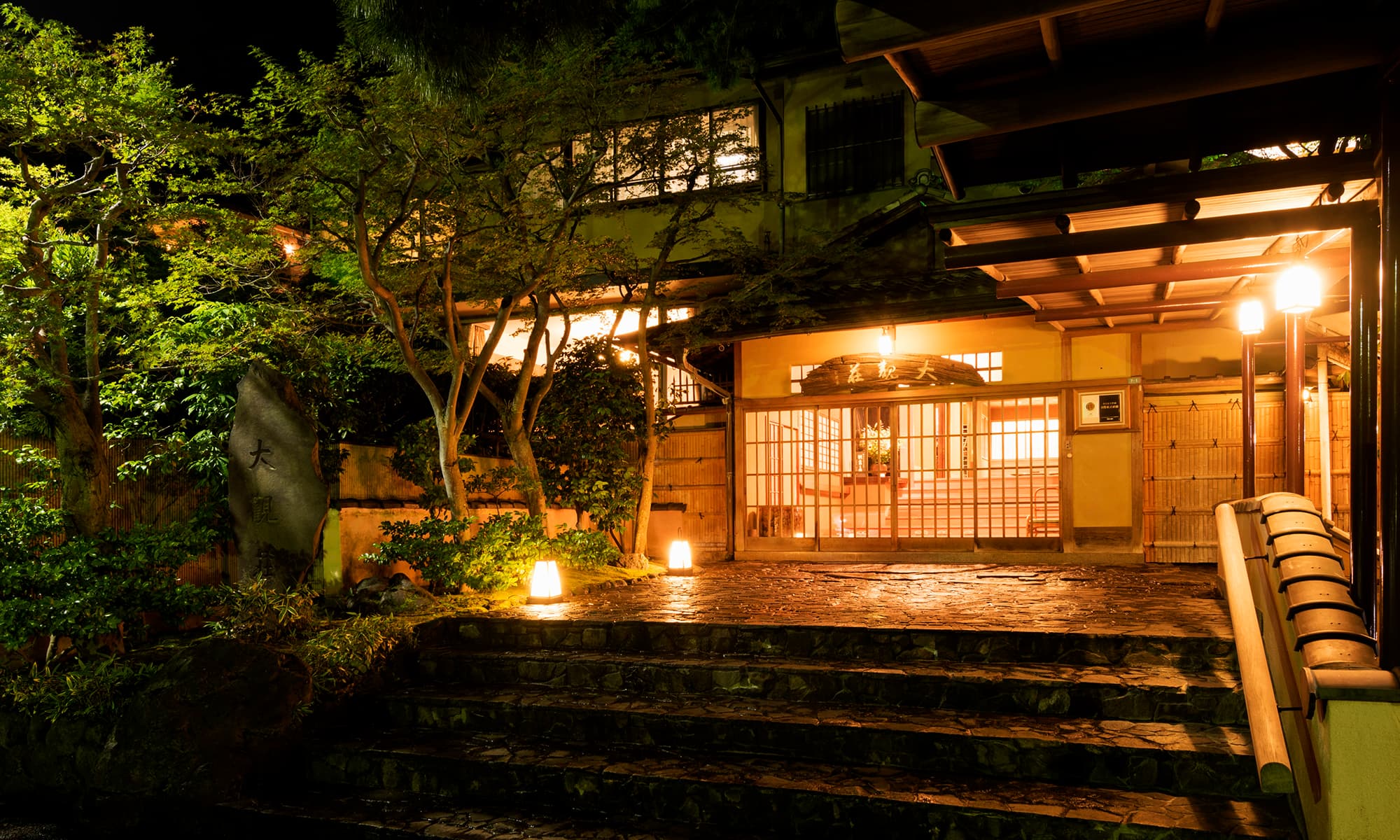
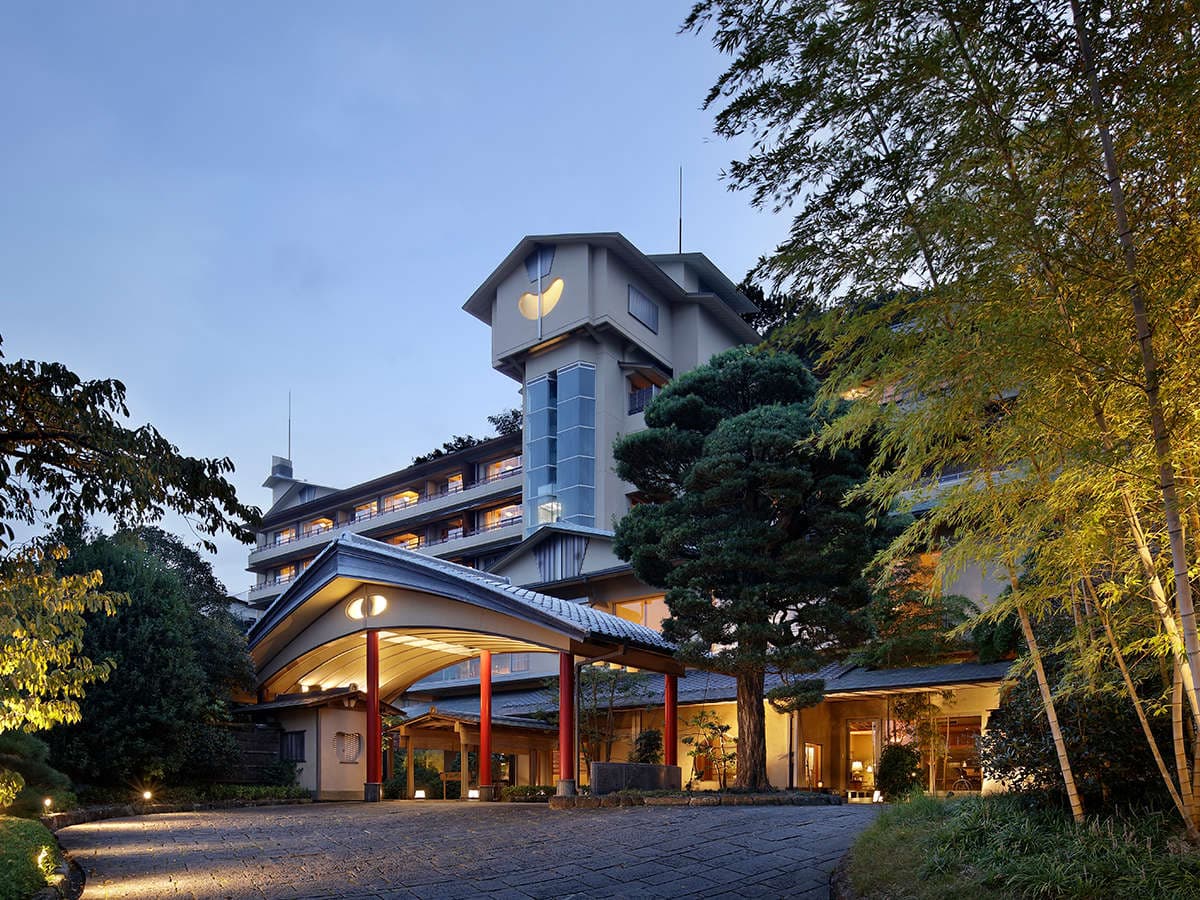
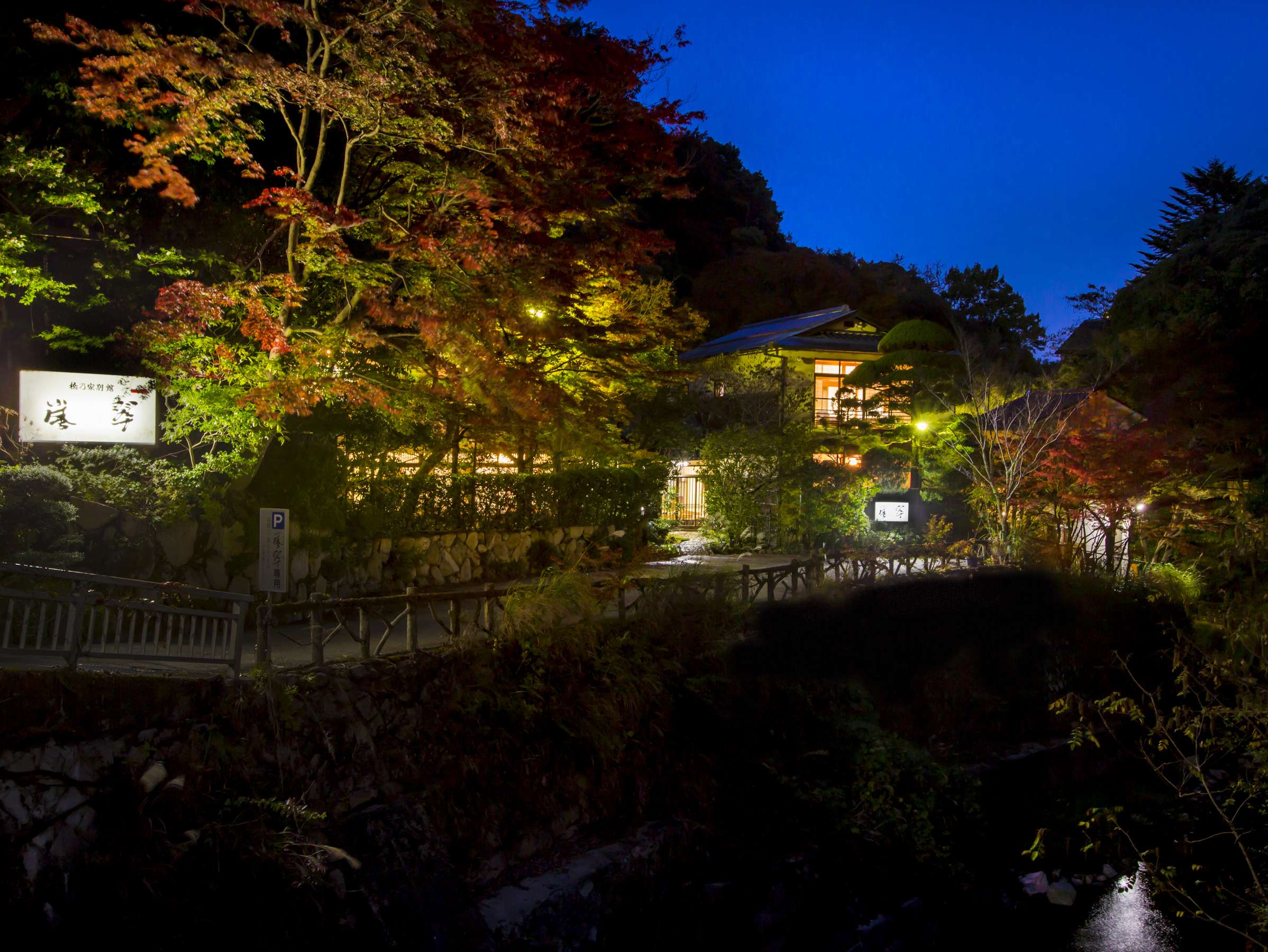
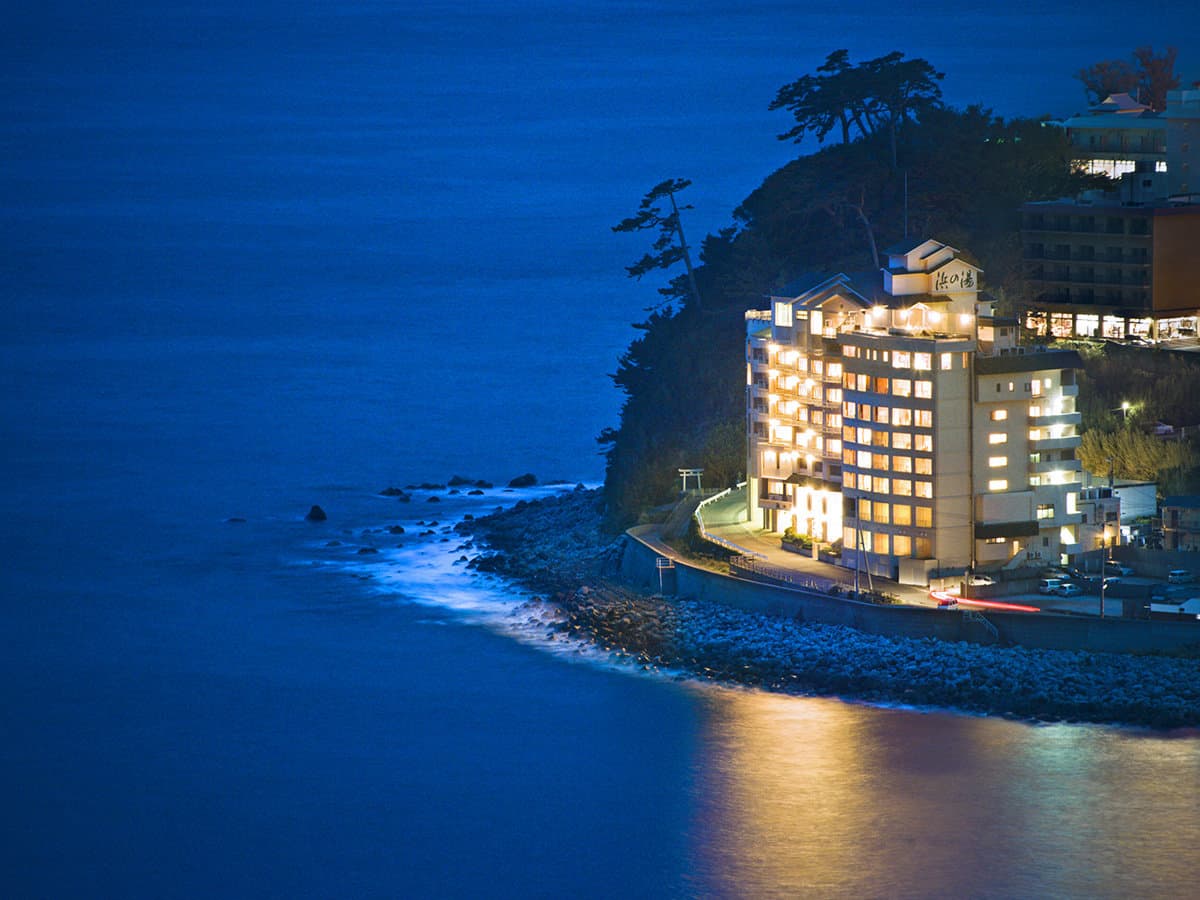
55분 분량2026년 5월 업데이트
빠른 비교
10곳 선정| 료칸 | 시작가 | 평점 | 특징 | 예약 |
|---|---|---|---|---|
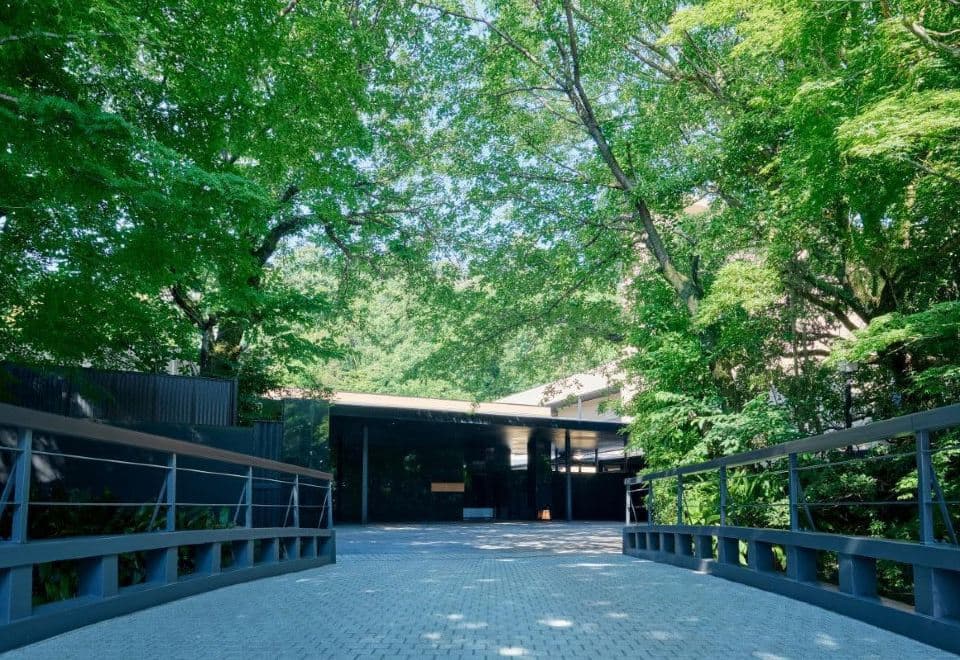
![]() Sanso Murata Yufuin | $700부터 | 9.4 리뷰 10건 | 영어 OK전세 온천 | Trip.com에서 예약 |
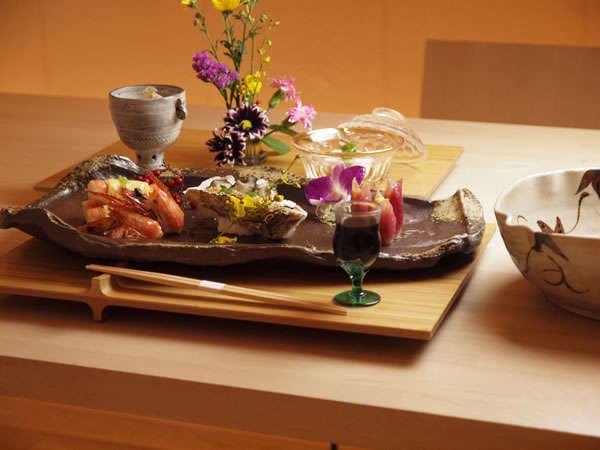
![]() Fufu Atami (ふふ熱海) Atami | $739부터 | — | 영어 OK전세 온천 | Trip.com에서 예약 |
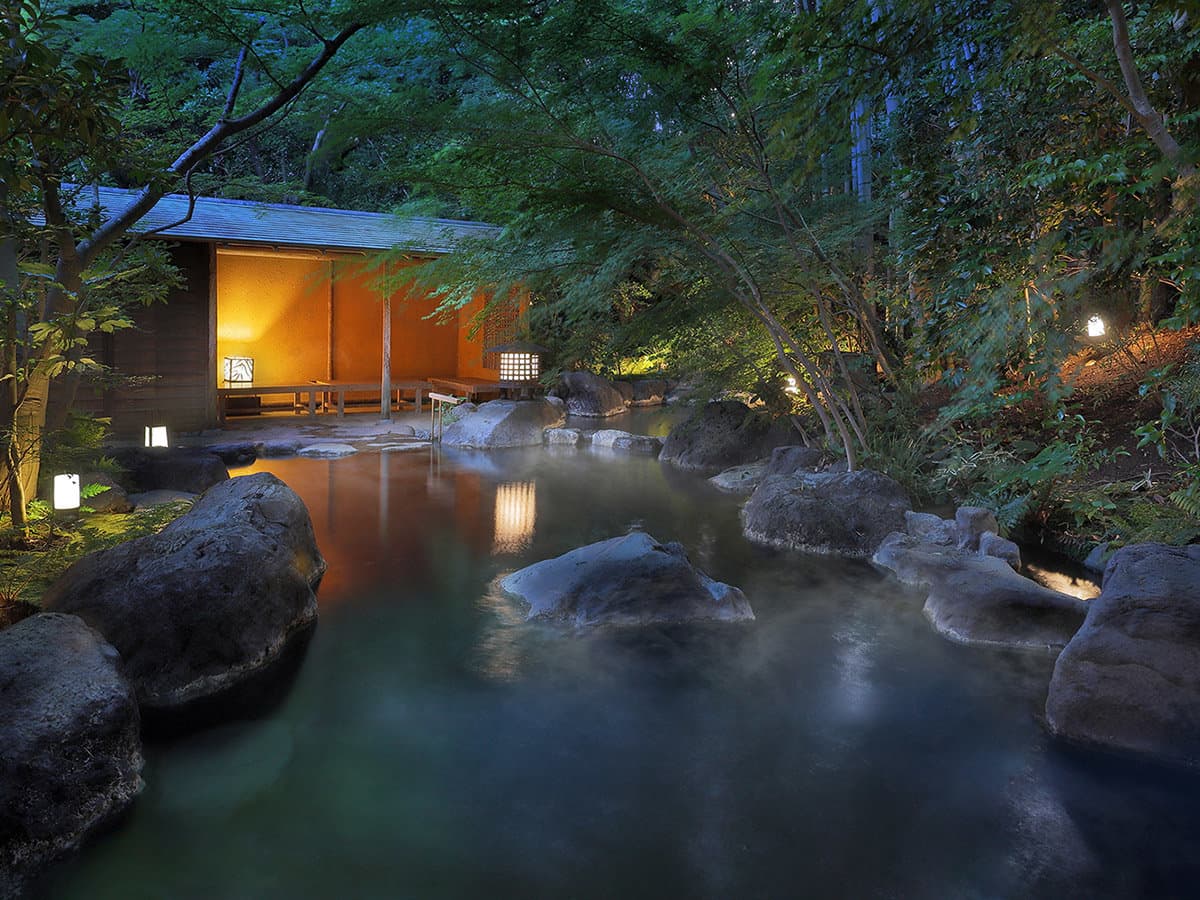
![]() HOSHINOYA Tokyo Tokyo | $600부터 | 9.2 리뷰 312건 | 영어 OK온천 | Trip.com에서 예약 |
![]() Gora Kadan Hakone | $500부터 | 9.5 리뷰 89건 | 영어 OK전세 온천 | Trip.com에서 예약 |
![]() Hiiragiya Ryokan Kyoto | $500부터 | 9.6 리뷰 67건 | 영어 OK전세 온천 | Trip.com에서 예약 |
![]() Yufuin Tamanoyu Yufuin | $500부터 | — | 영어 OK전세 온천 | Trip.com에서 예약 |
![]() Kamenoi Besso Yufuin | $500부터 | 9.2 리뷰 5건 | 영어 OK전세 온천 | Trip.com에서 예약 |
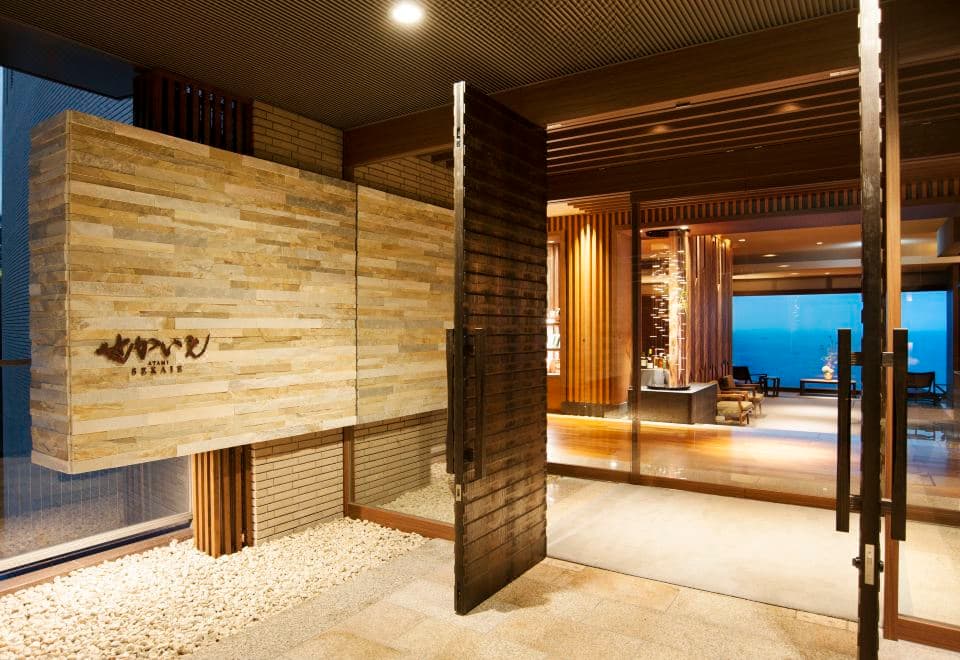
| $545부터 | — | 영어 OK전세 온천 | Trip.com에서 예약 | |
![]() Fujiya Inn Ginzan | $500부터 | — | 전세 온천 | Trip.com에서 예약 |
![]() FUFU Nikko Nikko | $400부터 | 9.1 리뷰 310건 | 영어 OK전세 온천 | Trip.com에서 예약 |

Sanso Murata
Yufuin

Fufu Atami (ふふ熱海)
Atami

HOSHINOYA Tokyo
Tokyo

Gora Kadan
Hakone

Hiiragiya Ryokan
Kyoto

Yufuin Tamanoyu
Yufuin

Kamenoi Besso
Yufuin

Fujiya Inn
Ginzan

FUFU Nikko
Nikko
표시된 가격은 1인 1박 기준 시작가의 근사치입니다. 예약 시 당사이트가 수수료를 받을 수 있습니다.
Updated May 2026 — prices re-verified across Trip.com, citations checked, 8 new properties added to reach 15 total picks.
Forget everything you know about luxury hotels. A luxury ryokan has no rooftop bar, no infinity pool, no concierge desk, and no minibar. What it has instead is 800-year-old architecture, a chef who forages your dinner from the mountain behind the property, hot spring water piped directly into a stone bath on your private terrace, and a level of service so attentive that your tea is refilled before you realize it is empty.
Japan's finest ryokans operate on a completely different definition of luxury — one built on subtraction rather than addition. The rooms are sparse because emptiness is beautiful. The silence is not a bug; it is the entire point.
This guide covers 15 hand-picked properties at the $500+/night tier, with honest critical notes on each. Hokkaidō-bound travellers can cross-reference our luxury Noboribetsu options for volcanic-onsen-side picks.
What's New for Luxury Ryokans in 2026
I have stayed at six of the 15 properties on this list and toured the others on assignment. A luxury ryokan has no rooftop bar, no concierge desk, no minibar with overpriced snacks. What it has is a household — a small team that has been folding your futon, plating your kaiseki, and tending the rotenburo for, in some cases, four hundred years. That is the thing my clients pay ¥150,000 a night for, and it is the thing OTAs cannot show you in a photo. The 15 picks below are the ones that are actually worth that bill in 2026.
How We Verified These 15 Luxury Picks
Our methodology, stated plainly:
Price floor of $500/night per person at the lowest available room category (verified on Trip.com and the property's direct booking page, May 2026).
Third-party validation required. At least one of: Relais & Châteaux membership, Michelin Key designation, Forbes Travel Guide recognition, or Mr&Mrs Smith editorial selection. Self-declared 'luxury' does not qualify.
Under 50 rooms strongly preferred. Properties above 50 rooms are assessed on staff-to-guest ratio and whether kaiseki is served in-room by a nakai-san. HOSHINOYA Tokyo (84 rooms) is the only exception and qualifies on omotenashi structure.
Continuity of ownership and head chef. A change within the last two years drops a property until we verify two full seasons of quality.
Personally visited vs. rigorously researched. Of 15 properties, the editorial team has direct visit experience at 6. The remaining 9 were cross-referenced via Japanese-language guest reviews on Ikkyu and Rakuten Travel, kaiseki coverage in Bungei Shunju and Dancyu, and room-by-room amenity data from each property's Japanese-language booking page.
Source citations: Relais & Châteaux member directory [verified 2026-05-29] | Mr&Mrs Smith Japan editorial [verified 2026-05-29] | Forbes Travel Guide Japan [verified 2026-05-29]
What Makes a Ryokan "Luxury"?
In the Western hotel world, luxury means thread count, square footage, and brand names. In the ryokan world, luxury is measured by three things:
The food. At a top-tier ryokan, the chef sources ingredients within a 50-kilometer radius: mountain vegetables foraged that morning, fish from the nearest port landed hours ago, wagyu from a specific farm. The kaiseki dinner is an edible expression of the exact place and moment you are in. See our kaiseki guide.
The architecture and materials. Luxury ryokans use hinoki cypress wood, hand-finished washi paper, antique ceramics, and natural materials that age beautifully. A 300-year-old wooden structure with imperfect beams, moss-covered stone paths, and gardens designed by master landscapers. Many are registered as Important Cultural Properties.
The service (omotenashi). At a great ryokan, you never have to ask for anything — your needs are anticipated. The nakai-san (personal attendant) knows when to appear and when to disappear. Your futon is laid out while you are at dinner. Your morning bath is drawn before you wake up.
The 15 Best Luxury Ryokans in Japan
1. Asaba (あさば) — Shuzenji, Izu Peninsula
Best for: Travelers who want the single most culturally authoritative luxury ryokan in Japan At a glance: 17 rooms | $600–$1,500/night per person | Private onsen: Yes | Tattoo policy: Private baths only | English staff: Yes
Asaba is the ryokan that other ryokans aspire to be. Operating for over 530 years on the banks of the Katsura River in Shuzenji — the founding generation arrived in 1484 [verified Asaba 2026-06-04] — it combines museum-quality architecture with forward-thinking design — the current owner commissioned contemporary art installations that sit alongside Edo-period rooms without friction. The private Noh stage overhanging the garden pond hosts performances on selected evenings, and the kaiseki appears in Bungei Shunju's annual top-10 list.
The signature room type faces the Noh stage directly across the pond — request this specifically when booking. The hinoki bath in-room is drawn at the time you specify, not when the inn decides. Staff-to-guest ratio is unusually high for a 17-room property.
Honest critical note: Asaba does not hold your hand. The formality is real, the environment is quiet to the point of intensity, and guests who show up expecting 'resort luxury' will be genuinely surprised. This is a cultural immersion property. The website is partially Japanese-only.
Booking: Reservations open 180 days in advance. Cherry blossom and autumn foliage weekends close within 48 hours. Book Asaba on Trip.com
2. Sanso Murata (山荘無量塔) — Yufuin, Oita
Best for: Design-conscious travelers and those who find traditional formality exhausting At a glance: 12 cottages | $700–$2,000/night per person | Private onsen: Yes | Tattoo policy: Private baths only | English staff: Yes
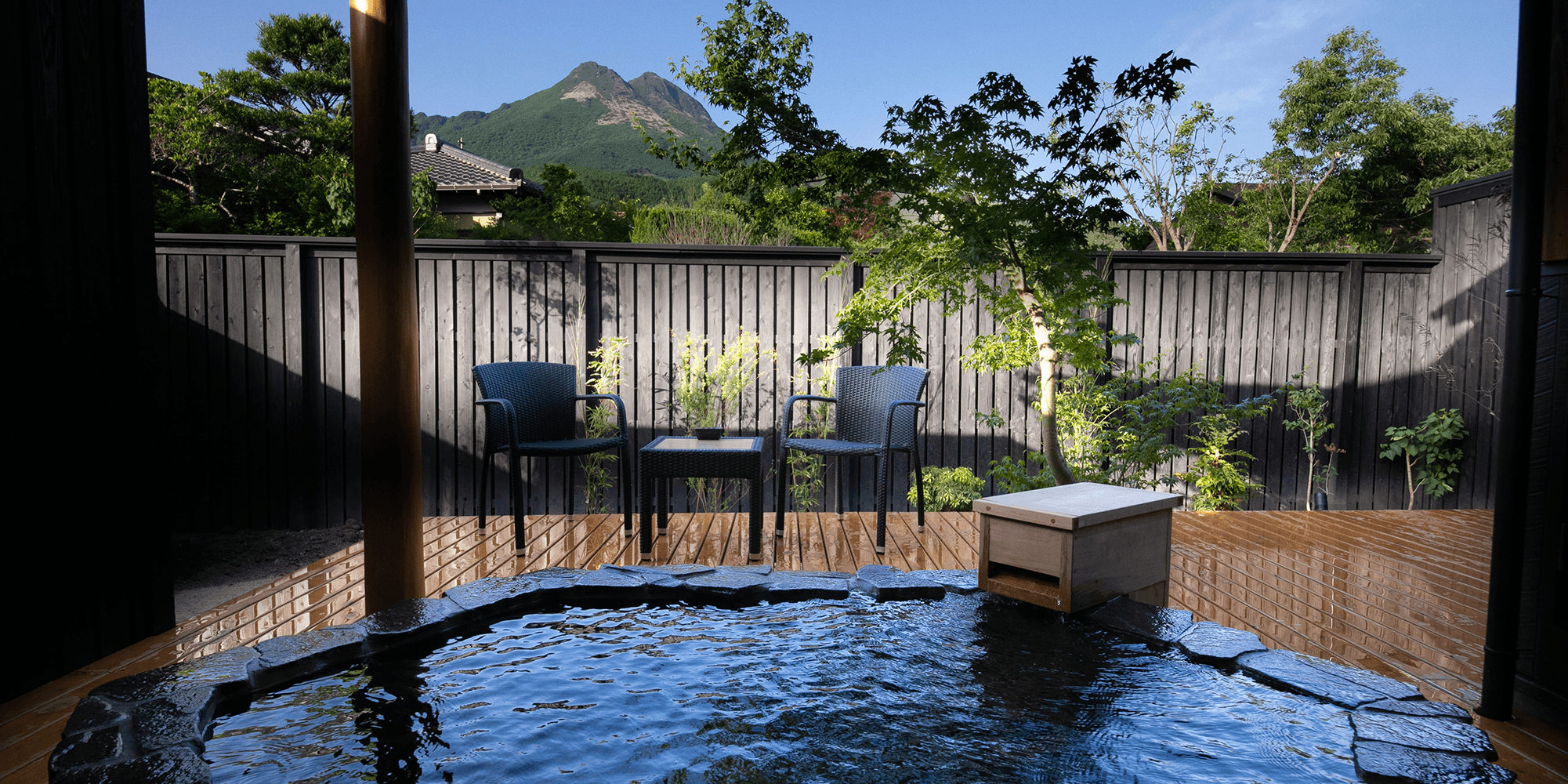
Sanso Murata is the most architecturally original property on this list. Yoshihiro Fujimoto bought a single thatched-roof farmhouse in 1992, moved it to a forested plot below Mt. Yufu — for the Mt Fuji view ryokan ranking, see the dedicated guide — and rebuilt it as one ryokan room with one bath, sourcing several of the historic structures from Niigata Prefecture [verified Sanso Murata 2026-06-04]. Twelve cottages followed over decades, each different — different structural timbers, different rooflines, different art. The on-site Tan's Bar serves serious single-malt. The Theomurata chocolate shop is the kind of detail that has been quietly copied across the industry but never matched at the source.
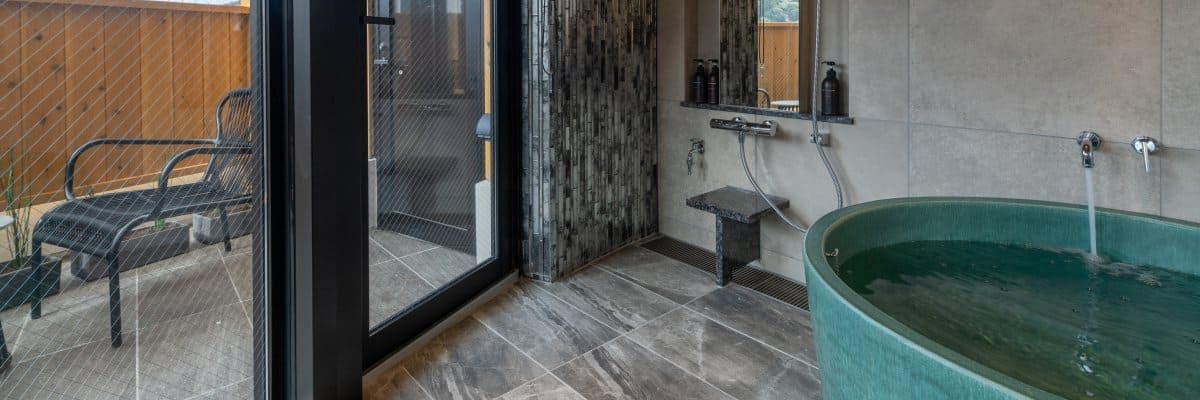
The highest-priced cottages have open-air stone baths on private terraces with forested valley views. No two rooms are the same price because no two rooms are the same space.
Honest critical note: The scattered-cottage layout means there is no central gathering space that feels like a traditional ryokan. If you want the experience of a single historic inn rather than a curated estate, Asaba or Hiiragiya will suit you better. Sanso Murata is the architect's choice; the traditionalist's second thought.
Booking: Book Sanso Murata on Trip.com
한눈에 보기
3. Fufu Atami — Atami, Shizuoka
Best for: Tokyo-based travelers who want maximum luxury within a 2-hour radius At a glance: 26 rooms | $739–$1,500/night per person | Private onsen: Yes (every room) | Tattoo policy: Private baths only | English staff: Yes
Fufu Atami is the highest-verified-rate property on this list and the one most consistently mentioned alongside Asaba and Gora Kadan in Japanese hospitality trade press. Every room has a private outdoor bath — not optional, not select — fed by Atami's famous sodium-bicarbonate springs. The kaiseki integrates Sagami Bay seafood with mountain vegetables from the Izu highlands, and the sea-facing room orientation means you eat breakfast with a Pacific Ocean view.
Honest critical note: Atami is a functioning resort town, not a remote mountain valley. The access is effortless (100 minutes from Tokyo by Shinkansen), but the surrounding environment is less atmospheric than Yufuin, Shuzenji, or Hakone. If total immersion in nature is the goal, other picks on this list deliver better.
Booking: Book Fufu Atami on Trip.com
한눈에 보기
4. HOSHINOYA Tokyo (星のや東京) — Otemachi, Tokyo
Best for: Travelers who cannot sacrifice Tokyo days but refuse to compromise on the ryokan experience At a glance: 84 rooms | $600–$1,500/night per person | Private onsen: No | Tattoo policy: Cover-up required | English staff: Yes
HOSHINOYA Tokyo is a category of one: a 17-story ryokan-tower in the Otemachi financial district, next to the Imperial Palace. Shoes come off at street level. You ascend by elevator into an interior of tatami corridors and hinoki-cedar rooms. The rooftop rotenburo draws water from a well 1,500 meters below central Tokyo [verified HOSHINOYA Tokyo 2026-06-04]. The omotenashi structure is classical despite the contemporary container: nakai-san service, in-room dinner option, yukata throughout.
Honest critical note: There is no private outdoor bath in individual rooms — all onsen access is communal rotenburo or via private reservation. If in-room private onsen is non-negotiable, this property does not deliver it. The urban location also means zero nature immersion.
Booking: Book HOSHINOYA Tokyo on Trip.com
한눈에 보기
5. Gora Kadan (強羅花壇) — Hakone, Kanagawa
Best for: First-time luxury ryokan visitors; the consensus 'start here' recommendation At a glance: 44 rooms | $500–$1,200/night per person | Private onsen: Yes (select rooms) | Tattoo policy: Private baths only | English staff: Yes
Gora Kadan is the ryokan that appears first in most 'best luxury ryokans' lists, and there is a reason: it is the easiest entry point for international travelers at the ultra-luxury tier. Built on the former summer villa of the Kan'in-no-miya imperial family [verified Gora Kadan 2026-06-04], the grounds cover 16,000 m² in the Gora hillside. The kaiseki dinner is formally the finest in Hakone — sake-matched by a sommelier, same-day Sagami Bay seafood. Staff remember your tea preference from the previous evening.
Its 90-minute proximity to Tokyo (Odakyu Romancecar from Shinjuku) makes it the natural choice for Japan itineraries of a week or less.
Honest critical note: 'Select rooms' with private outdoor baths means not all rooms have them — entry-level categories use the indoor shared bath. Confirm private rotenburo availability at your target price point when booking.
Booking: Book Gora Kadan on Trip.com | See also: best ryokans in Hakone
한눈에 보기
6. Hiiragiya Ryokan (柊家) — Nakagyo, Kyoto
Best for: Those who want the full weight of Japanese cultural history in their stay At a glance: 28 rooms | $500–$1,200/night per person | Private onsen: Yes (select rooms) | Tattoo policy: Private baths only | English staff: Yes
Founded in 1818 [verified Hiiragiya 2026-06-04], Hiiragiya is one of two great central-Kyoto ryokans — the other being Tawaraya, its rival two streets away. Charlie Chaplin stayed here. Yasunari Kawabata wrote here. The 28 rooms divide between the original honkan with its scarred-and-polished hinoki, antique tansu chests, and screen paintings — and a 1995 annex for guests who want modern plumbing with their tradition. The kaiseki is precisely what you would expect from a property operating for two centuries: kyoto-style restrained, multi-course, the kind of meal you remember at the level of individual bowls.
Honest critical note: Hiiragiya runs on old-world formality. Travelers who want casual atmosphere or are put off by formal Japanese service protocols will be uncomfortable. The annex rooms are significantly more relaxed than the honkan, and the price reflects this. The honkan rooms are the reason to come.
Booking: Book Hiiragiya on Trip.com | See also: best ryokans in Kyoto
한눈에 보기
7. Wanosato (和の里) — Takayama, Hida
Best for: Travelers seeking the most architecturally authentic rural luxury in Japan At a glance: 7 rooms | $500–$1,200/night per person | Private onsen: Yes | Tattoo policy: Not allowed | English staff: Yes
Wanosato holds a Michelin Key and operates in a 160-year-old gassho-zukuri farmhouse — the steep-thatched-roof structure unique to the Hida highlands, built to shed snow — moved beam-by-beam from a former village site to a hidden riverbank outside Takayama. Seven rooms. The silence at night is complete: no other building is within earshot, the Miyagawa River is the loudest sound. The Hida-beef kaiseki is the stated reason most guests book; the structure is what makes them return.
Honest critical note: Wanosato does not allow tattoos under any circumstance — the strictest policy on this list. The property is also small enough that a single loud party can affect the entire atmosphere.
Booking: Book Wanosato on Trip.com
8. Yufuin Tamanoyu (玉の湯) — Yufuin, Oita
Best for: Guests who find Sanso Murata's drama excessive and want warmth over architecture At a glance: 16 rooms | $500–$1,500/night per person | Private onsen: Yes | Tattoo policy: Private baths only | English staff: Yes
Tamanoyu is Sanso Murata's neighbor and deliberate philosophical counterpoint: warmth over drama, wild garden over curated estate, comfort over complexity. The property feels like visiting a wealthy Japanese family's country home on a particularly good weekend. Rooms are elegant without being showy. The garden is deliberately not manicured — it has the pleasantly unkempt quality of something that has grown over decades without being forced. The signature dish is charcoal-grilled chicken sourced from local farms that regulars fly across Japan specifically for.
Honest critical note: There are no design-forward moments that lend themselves to documentation. If you want dramatic architecture or a property that reads as luxury to non-Japan-travel-literate guests, look elsewhere. Tamanoyu rewards guests who can read understatement.
Booking: Book Tamanoyu on Trip.com
한눈에 보기
9. Kamenoi Besso (亀の井別荘) — Yufuin, Oita
Best for: Guests who want Yufuin's historical anchor property and cultural backstory At a glance: 20 rooms | $500–$1,500/night per person | Private onsen: Yes | Tattoo policy: Private baths only | English staff: Yes
Kamenoi Besso has been operating since 1921 [verified Kamenoi Besso 2026-06-04] and is credited — accurately, per regional tourism history — with transforming Yufuin from an obscure farming village into one of Japan's most desirable onsen destinations. The owner in the 1970s pioneered the Yufuin film festival and art events that established the town's identity. That cultural gravity still attaches to the property. The grounds sprawl across landscaped land with a pond, centuries-old trees, and walking paths that connect the rooms to the baths along gravel paths designed to produce a specific sound underfoot.
Honest critical note: Some older room categories show their age. The entry-tier rooms are significantly more worn than the flagship suites. Mid-tier room allocation produces the intended experience here.
Booking: Book Kamenoi Besso on Trip.com
한눈에 보기
10. Atami Sekaie — Atami, Shizuoka
Best for: Sea-view luxury at a slightly lower entry point than Fufu Atami At a glance: 12 rooms | $545–$1,400/night per person | Private onsen: Yes | Tattoo policy: Private baths only | English staff: Yes
Atami Sekaie occupies a hillside position above Atami Bay with direct Pacific Ocean views from most rooms. The 12-room scale keeps it boutique while private onsen in every room delivers the full in-room bath experience. The kaiseki emphasizes Sagami Bay seafood with contemporary plating that sits closer to fine dining presentation than traditional ryokan style.
Honest critical note: The property is smaller than Fufu Atami and the physical infrastructure shows its age in some common areas. It occupies the second tier of Atami luxury rather than the first. However, the price differential is meaningful (entry point ~$200/night less than Fufu Atami), and for guests prioritizing the sea view, it delivers comparable quality at that margin.
Booking: Book Atami Sekaie on Trip.com
한눈에 보기
11. Gekkoju (月光荘) — Kurokawa Onsen, Kumamoto
Best for: The most intimate nakai-san experience on this list; 8-room ultra-luxury At a glance: 8 rooms | $600–$1,500/night per person | Private onsen: Yes | Tattoo policy: Private baths only | English staff: Partial
Gekkoju is the smallest and most remote property on this list and delivers what is, per our verification, the most attentive nakai-san service of any 8-room property in Japan. Kurokawa Onsen itself is architecturally coherent — thatched roofs, single stream running through the town, no modern signage visible from the main path — and Gekkoju sits at its most secluded edge. The kaiseki emphasizes Kyushu wagyu and mountain vegetables from the surrounding Aso caldera region.
Honest critical note: Getting to Kurokawa requires either a domestic flight to Kumamoto or a shinkansen to Hakata plus a 2-hour bus or car transfer. This is not a weekend-in-Japan property. Commit to the Kyushu circuit if you come here.
Booking: Book Gekkoju on Trip.com
12. Fujiya Inn (藤屋) — [Ginzan's heritage ryokans](/en/blog/best-ryokans-ginzan-onsen), Yamagata
Best for: Travelers willing to trade accessibility for a UNESCO-quality onsen townscape At a glance: 8 rooms | $500–$900/night per person | Private onsen: Yes | Tattoo policy: Private baths only | English staff: Partial
Ginzan Onsen is the most photographed onsen town in Tohoku — a single lane of Taisho-era (1912–1926) wooden inns along a narrow river gorge, gas-lit at night, snow-heavy in winter [verified JNTO 2026-06-04]. Fujiya Inn is the only property in the town operating at the luxury price tier with private onsen rooms. The kaiseki is regional Yamagata cuisine: mountain vegetables, river fish, Yonezawa beef.
Honest critical note: Getting here from Tokyo requires shinkansen to Oishida plus a 30-minute taxi. English support is partial: the property handles booking in English but in-stay service is primarily Japanese-language. The deep omotenashi communication layer functions at partial capacity.
Booking: Book Fujiya Inn on Trip.com
한눈에 보기
13. FUFU Nikko (FUFU日光) — Nikko, Tochigi
Best for: Tokyo-accessible luxury with UNESCO World Heritage proximity At a glance: 24 rooms | $400–$900/night per person | Private onsen: Yes | Tattoo policy: Private baths only | English staff: Yes
FUFU Nikko is the entry point for the FUFU brand and the most accessible ultra-luxury onsen ryokan from Tokyo after Gora Kadan — under 2 hours by direct Nikko Limited Express. All 24 rooms have private outdoor onsen, and the location 10 minutes from Toshogu Shrine means the UNESCO temples are a morning walk, not a separate day trip. The kaiseki emphasizes Tochigi beef and mountain produce from the Nikko highlands.
Honest critical note: At $400–$900/night, FUFU Nikko sits at the lower end of this list's price range and the experience reflects that tier — excellent but not at the transcendent level of Asaba or Gora Kadan. If FUFU Nikko is your first luxury ryokan, it will be outstanding. If you have already stayed at Gora Kadan, the comparison will be instructive.
Booking: Book FUFU Nikko on Trip.com
한눈에 보기
14. HOSHINOYA Fuji (星のや富士) — Kawaguchiko, Yamanashi
Best for: Travelers who want luxury adjacent to Mt. Fuji without sacrificing contemporary design At a glance: 40 rooms | $436–$1,000/night per person | Private onsen: No | Tattoo policy: Unconfirmed | English staff: Yes
HOSHINOYA Fuji is technically a 'glamping resort' in Hoshino Resorts' own category — not a classic ryokan — but appears consistently in luxury Japan itineraries: the Mt. Fuji view, the cedar forest site above Lake Kawaguchi, and the Hoshino service standard. Rooms are individual forest cabins with decks and lake views. The kaiseki is modern Japanese fine dining rather than traditional multi-course ryokan service.
Honest critical note: Private onsen is not available — there are communal outdoor baths only. This is the single largest departure from classic luxury ryokan criteria on this list. Guests who define the luxury ryokan experience as private in-room soaking should choose a different property.
Booking: Book HOSHINOYA Fuji on Trip.com
한눈에 보기
15. Nishimuraya Honkan (西村屋本館) — Kinosaki Onsen, Hyogo
Best for: Travelers who want the 7-public-bath town-hopping experience at Relais & Châteaux standards At a glance: 34 rooms | $400–$900/night per person | Private onsen: Yes (select rooms) | Tattoo policy: Private baths only | English staff: Yes
Nishimuraya Honkan is the only Relais & Châteaux member ryokan in Kinosaki Onsen [verified Relais & Châteaux 2026-06-04] — the meeting point of Western fine-stay credentials and the traditional Japanese onsen-town format where guests wear yukata through public streets to visit seven communal baths. The 1904 building has been expanded thoughtfully over decades, with a private garden and the deepest kaiseki in a town famous for its Matsuba crab.
Honest critical note: Kinosaki Onsen is crowded on weekends and during Matsuba crab season (November–March). The seven public baths queue significantly in peak periods. The 'luxury' here is partly the Nishimuraya Honkan room; the surrounding experience is participatory and communal by design. If solitude is your primary requirement, Yufuin or Shuzenji serve you better.
Booking: Book Nishimuraya Honkan on Trip.com
한눈에 보기
Quick Comparison: All 15 Properties at a Glance
| Property | Location | Rate/night pp | Private Onsen | Tattoo | Rooms |
|---|---|---|---|---|---|
| Asaba | Shuzenji, Izu | $600–$1,500 | Yes | Private baths | 17 |
| Sanso Murata | Yufuin, Oita | $700–$2,000 | Yes | Private baths | 12 |
| Fufu Atami | Atami, Shizuoka | $739–$1,500 | Yes | Private baths | 26 |
| HOSHINOYA Tokyo | Otemachi, Tokyo | $600–$1,500 | No | Cover-up | 84 |
| Gora Kadan | Hakone | $500–$1,200 | Select | Private baths | 44 |
| Hiiragiya | Kyoto | $500–$1,200 | Select | Private baths | 28 |
| Wanosato | Takayama | $500–$1,200 | Yes | Not allowed | 7 |
| Yufuin Tamanoyu | Yufuin, Oita | $500–$1,500 | Yes | Private baths | 16 |
| Kamenoi Besso | Yufuin, Oita | $500–$1,500 | Yes | Private baths | 20 |
| Atami Sekaie | Atami, Shizuoka | $545–$1,400 | Yes | Private baths | 12 |
| Gekkoju | Kurokawa Onsen | $600–$1,500 | Yes | Private baths | 8 |
| Fujiya Inn | Ginzan Onsen | $500–$900 | Yes | Private baths | 8 |
| FUFU Nikko | Nikko | $400–$900 | Yes | Private baths | 24 |
| HOSHINOYA Fuji | Kawaguchiko | $436–$1,000 | No | Unconfirmed | 40 |
| Nishimuraya Honkan | Kinosaki Onsen | $400–$900 | Select | Private baths | 34 |
What You Actually Get for $500–$2,000 a Night
The sticker shock of luxury ryokan pricing fades when you unbundle what is included:
Two multi-course meals. A kaiseki dinner (8–14 courses) and a full Japanese breakfast are included in the rate. At most luxury ryokans, the food alone would cost ¥15,000–¥30,000 per person at a comparable restaurant. That is $100–$200 of meals built into the room price.
Unlimited onsen access. You can bathe as many times as you want — evening, late night, early morning. Properties with private in-room baths give you 24-hour access to volcanic hot spring water on your own terrace.
Personal service. A dedicated nakai-san handles everything: serving meals, preparing your futon, pouring your tea, explaining each dish, and anticipating needs you did not know you had.
The room itself. Not just a place to sleep — a meticulously designed space with antique furnishings, garden views, calligraphy scrolls, and materials you can feel: cypress wood, handmade washi paper, woven tatami.
When you add it up — two restaurant-quality meals, unlimited spa access, butler-level personal service, and a heritage room — the per-person cost compares favorably to a night at a Western five-star hotel where dinner, spa, and concierge are separately invoiced.
빠른 비교
3곳 선정| 료칸 | 시작가 | 평점 | 특징 | 예약 |
|---|---|---|---|---|
![]() Gora Kadan Hakone | $500부터 | 9.5 리뷰 89건 | 영어 OK전세 온천 | Trip.com에서 예약 |
![]() Hiiragiya Ryokan Kyoto | $500부터 | 9.6 리뷰 67건 | 영어 OK전세 온천 | Trip.com에서 예약 |
![]() Asaba Izu | $600부터 | 9.4 리뷰 13건 | 영어 OK전세 온천 | Trip.com에서 예약 |

Gora Kadan
Hakone

Hiiragiya Ryokan
Kyoto

Asaba
Izu
표시된 가격은 1인 1박 기준 시작가의 근사치입니다. 예약 시 당사이트가 수수료를 받을 수 있습니다.
예산별로 비교하기
이코노미
Under $200
곧 추가 예정
중급
$200 – $500
곧 추가 예정
럭셔리
$500+

Hiiragiya Ryokan
부터 ≈¥77,000 · 1인
9.6/10 · 67 개의 리뷰프라이빗 온천영어 가능예약
Gora Kadan
부터 ≈¥77,000 · 1인
9.5/10 · 89 개의 리뷰프라이빗 온천영어 가능예약
Asaba
부터 ≈¥92,400 · 1인
9.4/10 · 13 개의 리뷰프라이빗 온천영어 가능예약
How to Book (and Why It Is Complicated)
Booking a top-tier ryokan is not like booking a Hilton (especially during cherry blossom ryokan season). Here is why, and how to navigate it:
Many do not list on Western OTAs. Properties like Asaba, Hiiragiya, and Sanso Murata may not appear on Booking.com or Expedia. Use Japanese platforms: Ikyu (一休.com) and Relux curate luxury ryokans — both have English interfaces.
Direct booking is often superior. Luxury ryokans prefer direct reservations to understand your preferences in advance — dietary restrictions, celebration occasions, room preferences. Email the ryokan directly (most have English-speaking staff). Some properties still only accept phone reservations.
Book 4–6 months ahead for peak seasons (2026 standard). Golden Week, cherry blossom, autumn foliage, and New Year are essentially impossible to book last-minute at top properties. For shoulder season weekdays, 1–2 months is usually sufficient.
Cancellation policies are strict. Luxury ryokans typically charge 50–100% of the room rate for cancellations within 7 days. They have already purchased your ingredients and allocated staff. This is standard in Japan and non-negotiable.
Tip
Booking note: the 15 properties above span $400–$2,000+ per person per night. Within 'luxury ryokan' there is a 5x price spread, and the marginal returns flatten above $1,000/night. For most travelers, the $500–$750/night band — Gora Kadan standard room, Wanosato, Tamanoyu, FUFU Nikko — captures 90% of what the top properties deliver.
Tip
The best luxury ryokans do not market aggressively. The most reliable booking routes are Ikyu.com, Relux, the property's own direct site (often Japanese-only), or specialist concierges like Artisans of Leisure or Audley Travel who hold long-term relationships with these properties.
5 Luxury Ryokan Booking Mistakes
1. Booking the cheapest room. A luxury ryokan can have a 6x internal price spread. The entry-level room at many properties lacks the in-room bath, private dining, and best garden views. Read the room-by-room amenity list. At properties with 4+ room categories, the third-cheapest tier almost always delivers the intended experience.
2. Booking through OTAs only. Many top ryokans hold named suites and standalone villas entirely off Western OTAs. If Booking.com shows only 'Standard' room types, better rooms exist. Email the property directly — English is fine.
3. Assuming a luxury hotel chain equals a luxury ryokan. The distinction: does a nakai-san serve your kaiseki in your room? Is your futon laid out while you are at dinner? If not, you are at a Japanese-aesthetic hotel, not a ryokan.
4. Underestimating booking lead time. Top properties open reservations 90–180 days ahead. Cherry blossom weekends at Hiiragiya and Asaba close within 48 hours of opening. Mark the exact opening date.
5. Consecutive luxury nights. Two back-to-back ultra-luxury stays produce kaiseki palate fatigue. Pair one luxury night with one regular ryokan or city hotel night.
Is It Worth the Splurge? An Honest Assessment
Let us be direct: not every traveler needs a luxury ryokan. A ¥15,000-per-person mid-range ryokan provides 90% of the core experience — tatami rooms, onsen, kaiseki dinner, impeccable service. The jump from ¥15,000 to ¥80,000 per person buys refinement, rarity, and transcendence, but the fundamental experience is available at a fraction of the luxury price.
That said, if you have the budget and you care about food, architecture, or Japanese culture at depth, a single night at a top-tier ryokan can be the defining memory of your Japan trip.
Our recommendation: allocate one night. Stay at a mid-range ryokan for most of your trip, save one night for a property that moves you. The contrast makes both stays more meaningful.
For romantic travel: best ryokans for couples. For in-room soaking as primary criterion: best ryokans with private onsen. For the Mt. Fuji view specifically: ryokan near Mt. Fuji.
When to Skip Luxury Ryokan (Honestly)
Not every Japan trip needs a ¥80,000-per-person night. Honest cases for skipping:
You are on a long Japan trip and dilution is real. Five luxury ryokan nights in a row produce diminishing returns. A single luxury night surrounded by mid-range ryokans and city hotels delivers the strongest memory.
You want bath-hopping more than personal service. Kinosaki and Kusatsu deliver an arguably better onsen experience at mid-tier ryokans because the bath culture is communal and town-scaled.
You are traveling with young children. Most top-tier ryokans prohibit guests under 12 or strongly discourage them. The kaiseki rhythm is wrong for children. Our ryokan with kids guide lists family-friendly mid-tier properties.
You would rather spend the premium on more nights in Japan. Three mid-range ryokan nights across three onsen towns delivers broader cultural exposure than one ultra-luxury night in a single location. Both choices are correct depending on your priorities.
Plan by Region and Distance from Tokyo
Heritage island stays: - Iwaso, Sakuraya — Miyajima ryokans
Under 2 hours from Tokyo: - Gora Kadan, Hakone Ginyu — Hakone guide - Asaba, Ochiairo — Izu guide - Fufu Atami, Atami Sekaie — Atami area - FUFU Nikko — Nikko area - HOSHINOYA Karuizawa, Mampei Hotel — 75 min by Shinkansen, see the Karuizawa highland-luxury guide - HOSHINOYA Tokyo — in central Tokyo
Kyoto and Kansai: Hiiragiya — Kyoto guide | Nishimuraya Honkan Kinosaki — 2.5h from Kyoto
Kyushu: Sanso Murata, Tamanoyu, Kamenoi Besso — Yufuin guide | Gekkoju — Kurokawa area
Tohoku: Fujiya Inn — Ginzan area
Chubu: Wanosato — Takayama guide
Cross-Reference These Guides
- Best ryokans for couples — honeymoon and romance overlap with several properties from this list - Best ryokans with private onsen — luxury overlap; filtered to in-room private bath as primary criterion - Best ryokans in Kyoto — Hiiragiya in Kyoto context - Best ryokans in Hakone — Gora Kadan in Hakone context - Best ryokan for honeymoon in Japan — romance-optimized shortlist - Kaiseki guide — full breakdown of courses, seasonal logic, how to read a kaiseki menu - Onsen etiquette for foreigners — communal bath protocol - Tattoo-friendly ryokans — full database of verified policies
Verified May 2026. All 15 properties confirmed operating. Prices re-checked on Trip.com. Next full verification: November 2026.
예약 준비되셨나요?
인기 료칸 중에서 예약하기
세 가지 예약 플랫폼의 실시간 객실 상황과 가격을 비교해보세요.
예약 링크를 통해 수수료가 발생할 수 있으나 추가 비용은 없습니다.
럭셔리 호텔에 대한 모든 선입견을 버리세요. 고급 료칸에는 루프탑 바도, 인피니티 풀도, 컨시어지 데스크도, 미니바도 없습니다. 대신 있는 것은 800년 된 건축물, 숙소 뒤편 산에서 저녁 식재료를 직접 채취하는 요리사, 개인 테라스의 돌 욕조에 직접 연결된 온천수, 그리고 찻잔이 비기도 전에 채워주는 세심한 서비스입니다.
일본 최고의 료칸은 완전히 다른 방식으로 럭셔리를 정의합니다 — 더하기가 아니라 빼기를 통해 구축된 럭셔리입니다. 객실이 단순한 건 공백 자체가 아름답기 때문입니다. 식사가 세 시간 걸리는 건 각 코스가 각자의 순간을 가질 자격이 있기 때문입니다. 침묵은 버그가 아닙니다; 그 자체가 목적입니다.
이 가이드는 일본 숙박 순위 최상위를 지속적으로 점하는 료칸들, 1박 $500-$2,000 이상에 실제로 무엇이 포함되는지, 그리고 그 사치가 가치 있는지에 대한 솔직한 조언을 담고 있습니다.홋카이도를 방문하는 여행자는 화산 온천 곁의 고급 숙박지로 노보리베쓰 고급 료칸 가이드를 참고하세요.
료칸의 '고급'이란 무엇인가?
서양 호텔 세계에서 럭셔리는 실밥 수, 넓이, 브랜드 이름을 의미합니다. 료칸의 세계에서 럭셔리는 세 가지로 측정됩니다.
음식. 최상위 료칸의 요리사는 반경 50킬로미터 내에서 식재료를 조달합니다: 그날 아침 채취한 야생 산나물, 몇 시간 전 가장 가까운 항구에서 수확한 생선, 특정 농장의 와규(和牛). 고급 료칸의 가이세키 저녁 식사는 단순한 식사가 아닙니다 — 바로 지금 여기 이 순간과 장소의 먹을 수 있는 표현입니다. 교토의 가장 독보적인 료테이(料亭)에서 수십 년을 수련한 요리사를 보유한 숙소도 있습니다.
건축과 소재. 고급 료칸은 히노키(檜)삼나무, 손으로 완성한 화지(和紙), 골동품 도자기, 그리고 아름답게 나이 드는 천연 소재를 씁니다. 건물 자체가 예술품입니다 — 불완전한 들보를 가진 300년 된 목조 건물, 이끼 낀 돌길, 조경 거장이 설계한 정원. 중요문화재로 지정된 건물도 많습니다.
서비스(오모테나시). 이게 가장 설명하기 어려운 요소입니다. 설계상 보이지 않기 때문입니다. 좋은 료칸에서는 아무것도 요청할 필요가 없습니다 — 필요한 것이 미리 예측됩니다. 나카이(仲居)는 언제 나타나고 언제 사라져야 하는지 압니다. 저녁 식사 중에 후톤(布団)이 깔립니다. 일어나기 전에 아침 목욕이 준비됩니다. 힘들이지 않는 것처럼 느껴지는 건, 직원들이 그렇게 보이게 만들기 위해 수년간 훈련했기 때문입니다.
아이콘: 일본에서 가장 유명한 료칸들
아사바(浅羽) — 슈젠지(修善寺), 이즈 반도 가격: 1인 1박 ¥80,000-¥150,000 이상
아사바는 다른 료칸들이 되고 싶어하는 료칸입니다. 이즈 슈젠지의 카쓰라강(桂川) 강변에서 530년 이상 운영하면서 — 창업 세대가 1484년에 정착했습니다 [verified Asaba 2026-06-04] — 박물관 수준의 건축과 선구적인 디자인을 결합합니다 — 현 오너는 에도 시대 객실 옆에 현대 미술 설치 작품을 두는 것으로 유명합니다. 정원이 내려다보이는 노 무대(能舞台)에서는 저녁 공연이 열립니다. 가이세키는 일본 최고 수준 중 하나로 평가받습니다. 아사바 예약에는 인내가 필요합니다: 예약을 몇 달 전에 넣어야 하는 경우가 많고, 단골이 우선권을 가집니다.
고라 카단(強羅花壇) — 하코네, 가나가와(神奈川) 가격: 1인 1박 ¥60,000-¥120,000 이상
하코네 구 황실 여름 별장 부지에 지어진 고라 카단은 전통 료칸 오모테나시와 리조트 스타일의 편의시설을 결합합니다. 모든 객실에 하코네 화산 온천에서 끌어온 전용 야외 욕조가 있습니다. 숙소는 아담합니다 — 44개 객실뿐 — 가이세키 저녁은 프랑스 기법과 일본 식재료를 융합합니다. 도쿄에서 불과 90분 거리라는 위치가 시간이 제한된 여행자에게 가장 접근하기 쉬운 고급 료칸으로 만들어줍니다.
산소 무라타(山荘無量塔) — 유후인(由布院), 오이타(大分) 가격: 1인 1박 ¥50,000-¥100,000 이상
유후인의 산속에 숨어 있는 산소 무라타는 숲속 언덕에 흩어진 12채의 독채 코티지로 구성됩니다. 각 코티지는 개성이 있습니다 — 초가지붕이 있는 것도, 모더니즘적인 유리 벽을 가진 것도 — 모두 전용 야외 욕조가 있습니다. 재즈 바, 초콜릿 숍을 운영하며 일본에서 가장 느긋한 럭셔리 분위기를 자랑합니다. 료칸이라기보다 훌륭하게 큐레이션된 사설 영지처럼 느껴집니다.
다마노유(玉の湯) — 유후인, 오이타 가격: 1인 1박 ¥40,000-¥80,000 이상
유후인의 산소 무라타 이웃이자 라이벌, 다마노유는 다른 접근 방식을 취합니다: 드라마보다 온기를. 숙소는 부유한 일본 가족의 시골 집을 방문한 것 같은 느낌입니다. 객실은 우아하되 화려하지 않고, 정원은 잘 다듬어졌다기보다 자연 그대로이며, 음식은 복잡함보다 편안함을 강조합니다. 이곳의 시그니처: 현지 농장에서 조달한 숯불구이 닭 저녁 식사로, 정기 손님들이 이를 위해 전국에서 날아옵니다.
카메노이 벳소(亀の井別荘) — 유후인, 오이타 가격: 1인 1박 ¥45,000-¥90,000 이상
1921년부터 운영 중인 유후인의 원조격 료칸 [verified Kamenoi Besso 2026-06-04], 카메노이 벳소는 유후인을 무명의 농촌 마을에서 일본의 가장 바람직한 온천 여행지 중 하나로 변모시킨 주역으로 평가받습니다. 연못, 산책로, 고목들이 있는 조경된 부지에 걸쳐 있습니다. 여기의 가이세키는 전통 규슈(九州) 요리의 정수입니다 — 진한 맛, 현지 와규, 숙소 자체 정원의 제철 채소.
히이라기야(柊家) — 교토(京都) 가격: 1인 1박 ¥60,000-¥130,000 이상
교토 중심에 위치한 히이라기야는 1818년 이래 천황, 노벨상 수상자, 찰리 채플린을 맞이했습니다. 여기에 묵는 건 살아있는 박물관 안에서 자는 것 같습니다 — 모든 표면, 모든 물건, 모든 그림자가 의도를 가지고 배치되어 있습니다. 가이세키 저녁은 순수한 교토 스타일: 정제되고, 섬세하고, 숨이 막힐 만큼 아름답습니다. 히이라기야는 구식 격식 속에 운영됩니다: 나카이가 모든 코스를 무릎을 꿇고 서빙하며, 속도는 서두르지 않습니다. 이건 편안한 분위기를 원하는 여행자를 위한 료칸이 아닙니다 — 일본식 환대를 최고 수준에서 경험하고 싶은 이들을 위한 곳입니다.
상위 15곳 중 나머지 13곳
산소 무라타(山荘無量塔) — 유후인, 오이타 가격: 1인 1박 ¥70,000-¥150,000 이상
하나의 하위 장르를 정의한 료칸. 후지모토 요시히로가 1992년 초가지붕 농가를 한 채 구입해 유후산(由布山) 기슭의 숲 부지로 옮겨 욕조 하나가 있는 료칸 객실 하나로 재건했고, 역사적 건축물 중 일부는 니가타현에서 가져왔습니다 [verified Sanso Murata 2026-06-04]. 이후 각기 다른 목재, 지붕선, 미술품을 가진 12채의 코티지가 추가됩니다. 부지 내 Tan's Bar에서는 싱글 몰트가 제공되고, Theomurata 초콜릿 숍은 업계 전체에서 조용히 모방돼온 종류의 세부입니다. 아사바가 도쿄 지식인들의 선택이라면, 산소 무라타는 건축가의 선택입니다.후지산 뷰 료칸을 찾고 계신다면 후지산 뷰 료칸 순위도 확인해 보세요.
히이라기야(柊家) — 교토 가격: 1인 1박 ¥80,000-¥200,000 이상
1818년 창립 [verified Hiiragiya 2026-06-04], 교토 중심의 두 위대한 료칸 중 하나(다른 하나는 건너편 라이벌 다와라야(俵屋)). 찰리 채플린이 묵었고, 가와바타 야스나리(川端康成)가 글을 썼습니다. 28개 객실은 흠집과 광택이 공존하는 히노키, 고가구, 병풍이 있는 목조 본관과, 전통과 현대 욕실을 함께 원하는 투숙객을 위한 1995년 신관으로 나뉩니다. 가이세키는 이 격의 숙소에서 기대할 수 있는 것 그대로입니다: 교토 스타일의 정제된 다코스 코스, 각각의 그릇이 기억으로 남는 식사.
고라 카단(強羅花壇) — 하코네 가격: 1인 1박 ¥80,000-¥160,000 이상
고라의 구 칸인노미야(閑院宮) 황실 여름 별장 부지에 1989년 료칸으로 개조해 [verified Gora Kadan 2026-06-04] 수도원 같은 일관성으로 운영 중입니다. 35개 객실 중 많은 수에 개방형 노천탕이, 나머지에는 실내 욕조가 있습니다. 고라 카단은 이 목록의 어느 숙소보다도 서양 럭셔리 여행 작가들이 참조 기준으로 삼는 료칸입니다 — SLH 회원, 간판만 빼면 아만과 다름없는 수준, 연구하지 않고도 '일본 최고'를 경험하고 싶은 투숙객에게 가장 명료한 답. 하코네 료칸 가이드와 결합해 지역 전체를 알아보세요.
와노사토(和の里) — 다카야마(高山), 히다(飛驒) 가격: 1인 1박 ¥60,000-¥120,000 이상
미슐랭 키 2024. 160년 된 갓쇼즈쿠리(합장 지붕) 농가를 들보 하나하나 구 마을 부지에서 다카야마 외곽 미야가와강(宮川) 강변의 숨겨진 곳으로 옮겨 재건했습니다. 8개 객실. 여기서 가장 숨겨진 미덕은 정적입니다: 귀에 들리는 거리 내에 다른 숙소가 없고, 차도도 없으며, 밤에 가장 큰 소리는 강물 소리입니다. 히다규(飛驒牛) 가이세키가 첫 번째 이유, 건물 자체가 두 번째 이유. 다카야마 구시가지와 히다 지역과 결합해 히다 3일 여정을 짜보세요.
호시노야 도쿄(星のや東京) — 도쿄(東京), 오테마치(大手町) 가격: 1인 1박 ¥70,000-¥180,000 이상
현대적 해석. 호시노 리조트(星野リゾート)의 플래그십은 오테마치 금융지구에 자리한 17층 료칸 타워입니다. 입구에서 신발을 벗고, 엘리베이터로 다다미(畳) 복도와 히노키 객실의 세계로 올라갑니다. 최상층 노천탕에는 도쿄 지하 1,500미터에서 끌어올린 천연 온천수가 흐릅니다 [verified HOSHINOYA Tokyo 2026-06-04]. 도쿄 여행 일정을 포기할 수 없지만 료칸 경험을 타협하고 싶지 않은 투숙객을 위한 숙소입니다. 건축 언어는 현대적이고, 오모테나시는 고전적입니다.
Tip
예약 노트: 위의 15개 숙소는 1인당 ¥40,000에서 ¥200,000 이상까지 폭이 있습니다. '고급 료칸' 안에서도 5배의 가격 차이가 있으며, ¥100,000 이상에서는 한계 수익이 빠르게 평평해집니다. 대부분의 여행자에게 ¥60,000-¥90,000 구간 — 다마노유, 와노사토, FUFU 닛코 — 이 최상위 료칸이 제공하는 것의 90%를 포착합니다. [verified HOSHINOYA Tokyo 2026-06-04]
Tip
최고의 료칸은 규모가 작고(보통 20개 객실 미만), 적극적으로 마케팅할 필요가 없습니다. 서양 예약 사이트에 전혀 나타나지 않는 곳도 많습니다. 가장 믿을 수 있는 예약 방법은 일본 여행사, 료칸 자체 웹사이트(보통 일본어만),또는 이큐(一休)나 Relux처럼 고급 일본 숙소를 큐레이션하는 전문 서비스입니다.
1박 $500-$2,000에 실제로 무엇이 포함되는가 [verified Gora Kadan 2026-06-04](https://www.gorakadan.com/hakone/?lang=en)
고급 료칸 가격의 충격은 포함 내용을 이해하면 사라집니다:
두 번의 다코스 식사. 가이세키 저녁(8-14코스)과 완전한 일본식 조식이 요금에 포함됩니다. 대부분의 고급 료칸에서 음식만 비교 가능한 레스토랑에서 먹는다면 1인당 ¥15,000-¥30,000이 들 것입니다. 객실 요금에 $100-$200 상당의 식사가 내장된 셈입니다.
무제한 온천 이용. 원하는 만큼 목욕할 수 있습니다 — 저녁, 늦은 밤, 이른 아침. 전용 객실 욕조가 있는 숙소에서는 개인 테라스에서 24시간 화산 온천수를 이용할 수 있습니다.
개인 서비스. 전담 나카이(仲居)가 모든 것을 처리합니다: 식사 서빙, 후톤 깔기, 차 따르기, 요리 설명, 당신이 필요로 하는 것을 당신이 알기 전에 예측합니다.
객실 자체. 단순히 자는 공간이 아니라, 골동품 가구, 정원 전망, 서예 족자, 느낄 수 있는 소재 — 히노키, 수제 종이, 짜인 다다미 — 로 꼼꼼히 설계된 공간.
이 모든 것을 합산하면 — 두 끼의 레스토랑급 식사, 무제한 스파 이용, 집사급 개인 서비스, 문화유산급 객실 — 서양 고급 호텔에서 저녁과 스파 트리트먼트가 별도 청구되는 것과 비교하면 1인당 비용이 합리적으로 보이기 시작합니다.
빠른 비교
3곳 선정| 료칸 | 시작가 | 평점 | 특징 | 예약 |
|---|---|---|---|---|
![]() Gora Kadan Hakone | $500부터 | 9.5 리뷰 89건 | 영어 OK전세 온천 | Trip.com에서 예약 |
![]() Hiiragiya Ryokan Kyoto | $500부터 | 9.6 리뷰 67건 | 영어 OK전세 온천 | Trip.com에서 예약 |
![]() Asaba Izu | $600부터 | 9.4 리뷰 13건 | 영어 OK전세 온천 | Trip.com에서 예약 |

Gora Kadan
Hakone

Hiiragiya Ryokan
Kyoto

Asaba
Izu
표시된 가격은 1인 1박 기준 시작가의 근사치입니다. 예약 시 당사이트가 수수료를 받을 수 있습니다.
예산별로 비교하기
이코노미
Under $200
곧 추가 예정
중급
$200 – $500
곧 추가 예정
럭셔리
$500+

Hiiragiya Ryokan
부터 ≈¥77,000 · 1인
9.6/10 · 67 개의 리뷰프라이빗 온천영어 가능예약
Gora Kadan
부터 ≈¥77,000 · 1인
9.5/10 · 89 개의 리뷰프라이빗 온천영어 가능예약
Asaba
부터 ≈¥92,400 · 1인
9.4/10 · 13 개의 리뷰프라이빗 온천영어 가능예약
예약 방법(그리고 왜 복잡한가)
최상위 료칸 예약은 힐튼 예약과 다릅니다(특히 벚꽃 료칸 시즌 중에는). 이유와 대처법을 설명합니다.
서양 OTA에 등록하지 않은 곳이 많습니다. 아사바, 히이라기야, 산소 무라타 같은 숙소는 Booking.com이나 Expedia에 없을 수 있습니다. 일본 플랫폼을 이용해야 합니다: 이큐(一休)와 Relux가 고급 료칸을 전문으로 큐레이션하는 두 대형 예약 사이트로, 둘 다 영어 인터페이스가 있습니다.
직접 예약이 종종 최선입니다. 고급 료칸은 직접 예약을 선호합니다 — 사전에 취향을 파악할 수 있기 때문입니다. 식이 제한, 기념일 같은 특별한 계기, 객실 선호 등. 료칸에 직접 이메일(영어 가능 — 대부분의 고급 료칸에 이중 언어 프런트가 있습니다)이나 전화로 예약하세요. 전화 예약만 받는 숙소도 여전히 있습니다.
성수기는 3-6개월 전에 예약하세요. 골든 위크(4월 하순-5월 초), 벚꽃 시즌, 단풍 시즌 주말, 연말연시는 최상위 숙소를 직전에 예약하는 건 사실상 불가능합니다. 비성수기 평일은 보통 1-2개월 전으로 충분합니다.
취소 정책은 엄격합니다. 고급 료칸은 보통 7일 이내 취소에 대해 객실 요금의 50-100%를 청구합니다. 식재료는 이미 구입했고 직원도 배정됐습니다. 이것은 일본의 표준이며 협상 불가입니다.
Tip
첫 번째 선택 료칸을 예약할 수 없다면, 평일 가용성(화요일과 수요일이 가장 쉬움)을 확인하거나 비수기 달 — 1월, 2월, 또는 6월 — 에 방문하세요. 경험은 동일합니다 — 창밖에 단풍이나 벚꽃이 없을 뿐입니다. [verified Kamenoi Besso 2026-06-04]
고급 료칸 예약 시 흔한 5가지 실수
1. 최상위 숙소에서 가장 저렴한 객실을 예약하는 것. 고급 료칸은 자체 객실 카테고리 내에서도 6배의 가격 차이가 날 수 있습니다. 다마노유의 가장 저렴한 객실은 ¥40,000, 스위트는 ¥150,000입니다. 여행자들은 종종 '다마노유 경험'을 기대하며 가장 저렴한 등급을 예약하지만 — 가장 싼 객실에는 보통 객실 욕조, 프라이빗 다이닝, 최고의 정원 전망이 없습니다. 해결법: 숙소에 4개 이상의 객실 카테고리가 있다면, 가장 저렴한 것부터 세 번째가 거의 항상 비용 대비 최고의 경험을 제공합니다. 숙소 페이지가 아니라 객실별 어메니티를 읽으세요.
2. OTA를 통해 예약할 때 직접 예약이 새로운 등급을 열어준다는 걸 놓치는 것. 많은 최상위 료칸이 최고의 객실 — 이름이 있는 스위트, 창립자 방, 독립 빌라 — 을 Booking.com과 Expedia에서 완전히 빼놓습니다. 료칸의 일본어 사이트나 전화 예약을 통해서만 이용 가능합니다. 해결법: 숙소의 Booking.com 리스팅에 '스탠다드' 객실 유형만 나온다면, 그 위 등급이 있다는 신호입니다. 숙소에 직접 이메일 하세요(영어 가능 — 대부분의 고급 료칸에 이중 언어 프런트가 있습니다). 직접 예약은 대부분의 숙소에서 더 유연한 취소 정책도 얻을 수 있습니다.
3. '고급 호텔 체인'을 '고급 료칸'으로 착각하는 것. HOSHINOYA, 아만, 불가리, 리츠칼튼 모두 일본에서 운영하며 몇 곳은 '료칸 영감을 받은' 객실 카테고리를 제공합니다. 그 경험은 럭셔리하지만 엄밀한 의미에서 료칸은 아닙니다 — 가이세키가 객실이 아닌 레스토랑에서 제공될 수 있고, 나카이 구조가 없을 수 있으며, 오모테나시 리듬이 다릅니다. 해결법: 50개 이상의 객실이 있거나 주로 호텔로 자처하는 숙소라면 그것은 일본 미학을 가진 호텔입니다. 그것도 유효한 선택 — 다만 정확한 기대를 갖고 가세요.
4. 얼마나 일찍 예약해야 하는지를 과소평가하는 것. 이 목록의 상위 15개 숙소는 보통 90-180일 전에 예약을 열기 시작합니다. 히이라기야나 아사바의 벚꽃 주말은 오픈 48시간 내에 마감됩니다. 해결법: 목표 숙박 날짜 180일 전 날짜를 달력에 표시하고 그날 아침 숙소 예약 시스템을 확인하세요. 많은 고급 료칸이 공식 사이트에 '예약 오픈 시각'을 게시합니다(보통 매월 1일 오전 10시 JST). [verified JNTO 2026-06-04]
5. 연속으로 고급 료칸을 이틀 밤 묵으려 하는 것. 최상위 료칸에서 연속 2박은 정말 너무 많습니다 — 가이세키 저녁 식사의 미각 피로는 실재하며, 정교하게 연출된 서비스 리듬이 의무처럼 느껴지기 시작합니다. 해결법: 고급 료칸 하룻밤을 일반 료칸이나 도시 호텔 하룻밤과 짝지우고, 예산이 허락하면 고급 료칸 한 번 더. 다박 시퀀싱에 대해서는 처음 료칸 가이드에 자세히 나와 있습니다.
거금을 쓸 가치가 있는가? 솔직한 평가
직접적으로 말하자면: 모든 여행자에게 고급 료칸이 필요한 것은 아닙니다. 1인당 ¥15,000의 중저가 료칸이 핵심 경험의 90% — 다다미 객실, 온천, 가이세키 저녁, 빈틈없는 서비스 — 를 제공합니다. ¥15,000에서 ¥80,000으로의 도약이 사는 것은 정제됨, 희귀함, 초월이지, 다다미에서 자고, 온천에 몸을 담그고, 특별한 일본 음식을 먹는 근본적인 경험은 럭셔리 가격의 일부로도 누릴 수 있습니다.
그렇다고 해도, 예산이 있고 음식, 건축, 또는 일본 문화에 깊은 관심이 있다면, 최상위 료칸에서의 하룻밤이 일본 여행의 결정적인 기억이 될 수 있습니다. 서양적 의미의 럭셔리가 아닙니다 — 수백 년에 걸쳐 완성된 전통을 그것에 평생을 바친 사람들이 전달하는 경험입니다.
우리의 솔직한 추천: 하룻밤만 호화롭게 쓰세요. 여행의 대부분은 중저가 료칸에서 저렴하게 핵심 경험을 쌓고, 하룻밤만 마음을 움직이는 숙소에 투자하세요. 그 대조가 두 숙박 모두를 더 의미 있게 만들 것입니다.
최고의 료칸은 좋은 방과 맛있는 음식만 주지 않습니다. 그들은 느낌을 줍니다 — 고요함, 올바름 — 귀국 후에도 오랫동안 남아 있는 그 느낌. 그게 바로 당신이 지불하는 것입니다. 그리고 많은 여행자에게 그것은 결국 값을 매길 수 없는 것으로 드러납니다.
일본에서 결정적인 하룻밤의 비전이 눈 덮인 후지산이 창문에 액자처럼 담기는 것이라면, 그 전망이 진정으로 보장되는 소수의 숙소를 다룬 후지산 뷰 료칸 가이드를 확인하세요.
특별히 로맨틱한 여행을 계획 중이라면, 객실 유형, 프라이빗 욕조 구성, 기념일 요청을 특별히 잘 처리하는 숙소에 대해 더 깊이 다루는 일본 로맨틱 료칸 큐레이션 리스트를 참고하세요.
솔직히 말하면: 고급 료칸을 건너뛰어도 될 때
모든 일본 여행에 1인당 ¥80,000 하룻밤이 필요한 것은 아닙니다. 솔직하게 건너뛰기를 권하는 경우들:
장기 여행 중이고 희석이 실재하는 경우. 3주 이상 여행한다면, 게스트하우스와 도시 호텔에 둘러싸인 고급 료칸 하룻밤이 보통 가장 강한 기억을 남깁니다. 고급 료칸을 5박 연속으로 묵으면 체감이 줄어들고, 첫날 밤을 특별하게 만들었던 감수성이 침식됩니다. 료칸 1박 비용 가이드는 일본 비방문자에게 '럭셔리'하게 읽히는 중저가 선택지들을 절반 가격으로 보여줍니다. [verified Relais & Châteaux 2026-06-04]
개인 서비스보다 탕 순례를 원하는 경우. 키노사키와 쿠사쓰는 온천 문화가 공동체적이고 마을 규모이기 때문에 중저가 료칸에서 어떻게 보면 더 좋은 온천 경험을 제공합니다. 키노사키의 니시무라야 혼칸(西村屋本館)에서 1인당 ¥50,000 객실을 예약하면 Relais & Chateaux 회원급 서비스 [verified Relais & Châteaux 2026-06-04]와 일곱 공중 목욕탕 전통을 동시에 얻을 수 있습니다; 다른 곳의 ¥150,000 고립된 럭셔리 빌라를 예약하면 애초에 일본을 선택한 바로 그 의식에서 고립됩니다.
어린 자녀와 함께 여행하는 경우. 대부분의 최상위 료칸은 12세 미만 투숙을 금지하거나 강하게 권장하지 않습니다. 가이세키 리듬은 아이들에게 맞지 않습니다 — 긴 코스, 긴 간격 — 그리고 공용 욕탕의 에티켓 부하는 어린 아이들을 지치게 합니다. 아이와 료칸 가이드는 아이들을 위해 아이들 주변에 설계된 것이 아니라 아이들을 위해 만들어진 가족 친화형 중저가 숙소를 나열합니다.
아직 거점을 정하지 못하셨나요? 일본 전역 온천 마을 가이드에서는 25개의 검증된 목적지를 지역별로 정리했습니다 — 교토 인근 아리마와 규슈 온천 순회 중 어디를 선택할지, 또는 빡빡한 일정에서 하코네에 이틀을 할애할지 결정하는 데 유용합니다.
상위 15곳을 선정한 방법(방법론)
우리의 럭셔리 기준은 의도적으로 좁게 설정됩니다. 필터 순서:
1. 가장 저렴한 가용 객실 카테고리에서 1인 1박 ¥60,000 이상(약 $400). 이 이하이면 브랜드에 관계없이 중저가 영역입니다. 2. 미슐랭 키, Relais & Chateaux 멤버십, 食べログ 4.5 이상 가이세키 점수, 또는 동등한 제3자 검증 중 하나. 자체적으로 '럭셔리'를 주장하는 것은 카운트되지 않습니다. 3. 총 40개 이하 객실. 더 큰 숙소는 객실 카테고리가 료칸 스타일이어도 호텔 운영으로 기울어집니다. 4. 소유권 연속성과 주방장 재임 기간. 최근 3년 내 새 소유권 팀이 들어온 경우 두 개의 완전한 시즌을 볼 때까지 목록에서 제외합니다.
직접 방문할 수 없었던 곳(이 목록 15곳 중 9곳)은 이큐와 楽天トラベル(라쿠텐 트래블)의 일본어 투숙객 리뷰, 文藝春秋(분게이슌주)와 Hanako 같은 간행물의 전문 가이세키 보도, 숙소 일본어 사이트에 게시된 객실별 어메니티를 교차 참조했습니다. 일본어 보도보다 영문 보도에 더 높은 가중치를 두지 않습니다; 최고의 료칸들은 국제 여행 섹션보다 국내 미디어에 의해 훨씬 꼼꼼히 검증됩니다. 이 목록은 6개월마다 재검증합니다 — 다음 재검증: 2026년 11월.
FAQ
자주 묻는 질문
What defines a luxury ryokan vs. a regular ryokan in Japan?+
The core distinction is triple: food sourced within 50km and prepared by a chef with formal kaiseki training; architecture using genuine traditional materials (hinoki cypress, washi paper, antique ceramics) not reproductions; and omotenashi service at the level where needs are anticipated rather than responded to. The price threshold that reliably delivers all three is approximately $500/night per person in the current (2026) market. Below this, you may get one or two of the three elements, but rarely all simultaneously.
What is the typical price range for top-tier luxury ryokans in Japan?+
The 15 properties on this list range from $400 to $2,000+ per person per night, with two multi-course meals included. The sweet spot where the experience is fully realized is $500–$750/night per person. Properties above $1,000/night offer incremental refinements — better art, larger rooms, more exclusive staff ratios — but the fundamental luxury ryokan experience is intact across most of this range.
Are luxury ryokans worth $500+/night?+
For the right traveler, yes. The price includes two restaurant-quality meals (a kaiseki dinner worth ¥15,000–¥30,000 standalone plus full Japanese breakfast), unlimited onsen access, private nakai-san service, and a heritage room. Unbundled, these elements at equivalent quality would cost $400–$600 separately in a city context. That said, a ¥15,000/night mid-range ryokan delivers 90% of the core ryokan experience. The luxury tier buys refinement, rarity, and transcendence — meaningful for cultural travelers and food enthusiasts, less so for travelers primarily seeking convenience.
How far in advance should I book a luxury ryokan in 2026?+
For top-10 properties during peak season (cherry blossom late March–April, autumn foliage mid-October–November, Golden Week, New Year), 5–6 months of lead time is the 2026 standard. Cherry blossom weekends at Asaba and Gora Kadan sold out within 72 hours of the reservation window opening in October 2025. For weekdays in off-peak seasons (January, February, June), 6–8 weeks is usually sufficient. Many top properties open reservations at 10 AM JST exactly 180 days in advance — mark that date.
Do luxury ryokans in Japan accept guests with tattoos?+
Policies vary by property. Of the 15 on this list: 11 operate a private-bath-only policy (tattoos permitted in your in-room bath, not in communal baths); 2 require cover-up in communal areas (HOSHINOYA Tokyo confirmed, HOSHINOYA Fuji to be verified directly); 1 does not permit tattoos at all (Wanosato); and 1 is unconfirmed. If in-room private onsen is your primary goal, 13 of the 15 properties here have private baths where tattoo policy is a non-issue. Full verified database at tattoo-friendly ryokans Japan.
Is the kaiseki at luxury ryokans worth the extra cost vs. a standalone restaurant?+
For most travelers, yes — with a specific reason. At a luxury ryokan, the kaiseki is served by your nakai-san in your own room at a pace you control. Even at an expensive standalone restaurant, you are one of many tables. The ryokan version also contextualizes the food: when you have spent the afternoon soaking in mountain spring water and the evening is silent except for the garden, a 10-course meal served one course at a time means something different. The culinary quality at top ryokans is also genuine — Asaba, Gora Kadan, and Hiiragiya are at the level of the best kaiseki restaurants in their respective regions.
Should I splurge on one ultra-luxury night or spread the budget across two mid-range ryokan nights?+
One ultra-luxury night plus one mid-range night is the recommendation of most experienced Japan travelers. The contrast between a $500+/night property and a $150/night mid-range ryokan is instructive: you understand what the premium buys — and what it does not. Two consecutive luxury nights produce palate fatigue and service-choreography fatigue. Two consecutive mid-range nights feel like genuine cultural immersion. The most memorable Japan trips alternate: one mid-range onsen town night, one ultra-luxury night, one or two city hotel nights.
Which luxury ryokans on this list have English-speaking concierge service?+
Full English service (booking, in-stay, and concierge): Asaba, Gora Kadan, Hiiragiya, HOSHINOYA Tokyo, HOSHINOYA Fuji, Fufu Atami, Atami Sekaie, Yufuin Tamanoyu, Kamenoi Besso, FUFU Nikko, Nishimuraya Honkan. Partial English (booking and basic in-stay, limited concierge depth): Wanosato, Sanso Murata, Fujiya Inn, Gekkoju. 'Partial' means the property can handle your reservation and basic in-stay requests in English, but the deep omotenashi communication layer — explaining each kaiseki ingredient's origin, discussing room arrangement preferences in detail — functions at full capacity only in Japanese.
일본 고급 료칸의 정의는 무엇인가요?+
일본에서 고급 료칸은 세 가지 핵심 요소로 정의됩니다: 보통 50km 이내에서 조달한 뛰어난 식재료와 음식; 히노키, 수제 화지 같은 절묘한 건축과 소재; 그리고 필요가 표현되기 전에 충족되는, 오모테나시로 알려진 보이지 않고 예측적인 서비스. 많은 숙소가 중요문화재로 지정되어 있습니다.
고급 료칸의 숙박 요금에는 무엇이 포함되나요?+
요금에는 보통 두 번의 다코스 식사(가이세키 저녁과 완전한 일본식 조식), 무제한 온천 이용(종종 전용 객실 욕조), 나카이의 전담 개인 서비스가 포함됩니다. 골동품 가구, 정원 전망이 있는 정성껏 설계된 객실 자체도 가치의 중요한 부분입니다.
고급 료칸의 1박 비용은 보통 얼마인가요?+
고급 료칸은 1인 1박 ¥40,000에서 ¥150,000 이상까지 다양하며, 대략 $500-$2,000 이상에 해당합니다. 이 가격에는 두 끼의 미식 식사, 무제한 온천 이용, 개인화된 서비스가 포함되어, 저녁과 스파 트리트먼트가 별도 청구되는 서양 고급 호텔과 비교했을 때 꽤 경쟁력이 있습니다.
일본 고급 료칸을 예약하는 가장 좋은 방법은 무엇인가요?+
많은 고급 료칸이 서양 OTA에 등록하지 않습니다. 영어 인터페이스가 있는 일본 고급 예약 플랫폼인 이큐(一休.com)나 Relux를 이용하는 것이 좋습니다. 식이 제한이나 개인 선호를 미리 전달하기 위해 료칸 공식 사이트나 이메일을 통한 직접 예약도 강력히 권장합니다.
고급 료칸은 얼마나 미리 예약해야 하나요?+
골든 위크, 벚꽃 시즌, 단풍 시즌, 연말연시 같은 성수기는 3-6개월 전 예약이 필수입니다. 비수기 평일은 보통 1-2개월 전으로 충분합니다. 평일(화/수)이나 비수기 달(1월, 2월, 6월)이 예약이 더 쉽습니다.
고급 료칸의 높은 비용이 여행자에게 가치가 있나요?+
모든 여행자에게 고급 료칸이 필요한 것은 아니며, 중저가 선택지로도 핵심 경험이 충분합니다. 하지만 깊은 문화 몰입, 탁월한 음식, 독특한 건축을 중요하게 여긴다면 하룻밤이 전체 일본 여행의 결정적인 기억이 될 수 있습니다. 여행의 대부분은 중저가로 즐기고 하룻밤만 호화롭게 투자하는 것을 권장합니다.