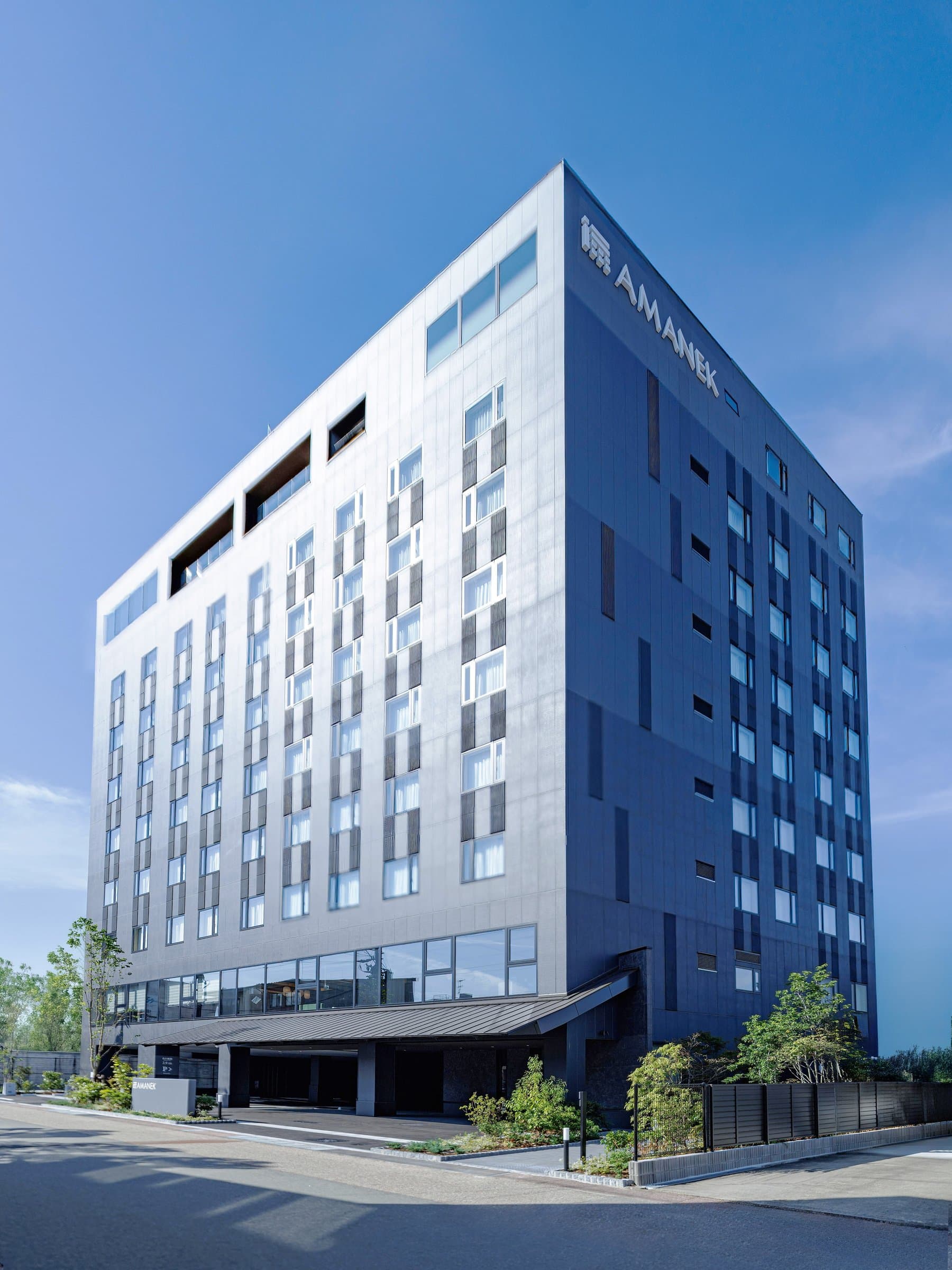
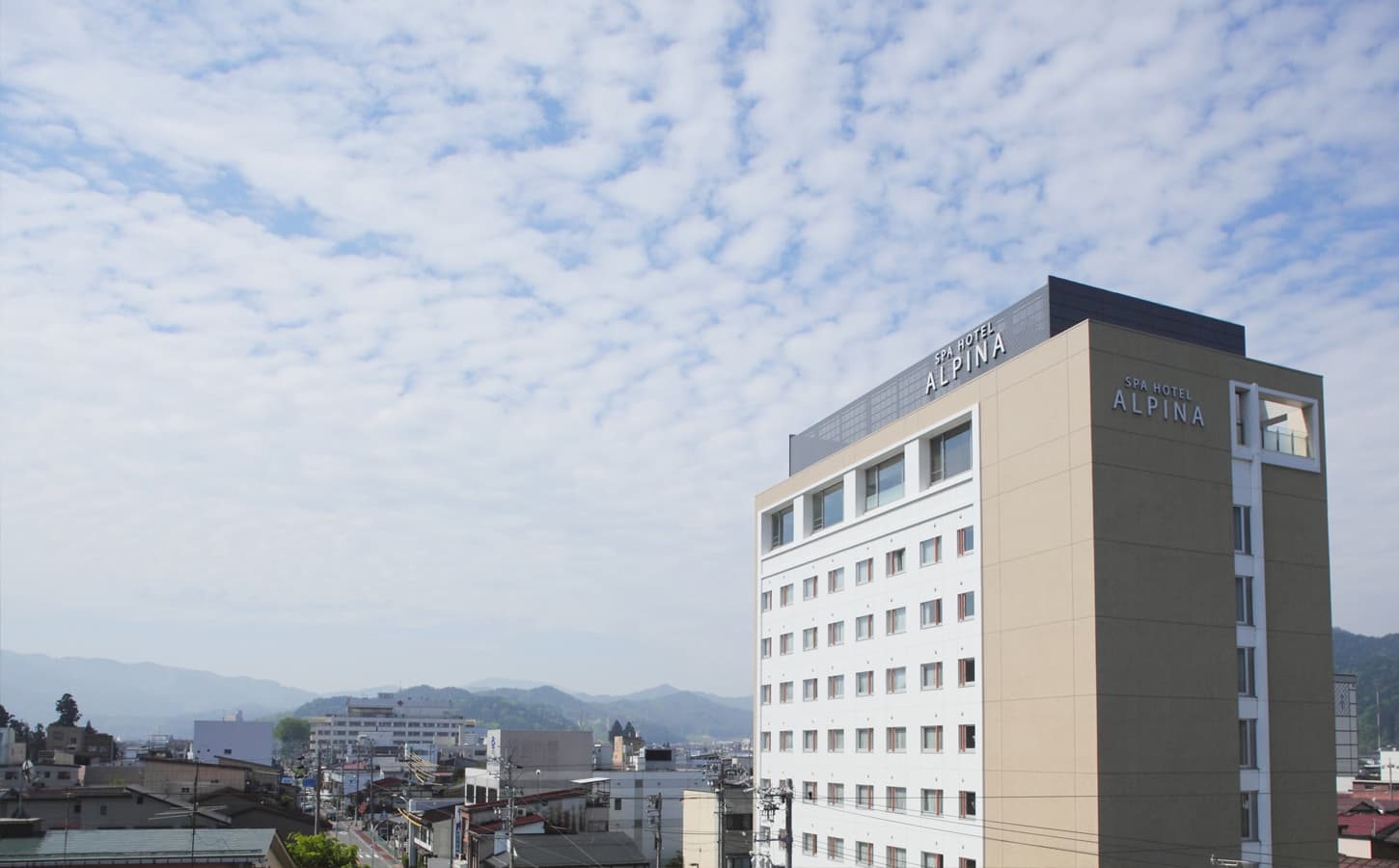
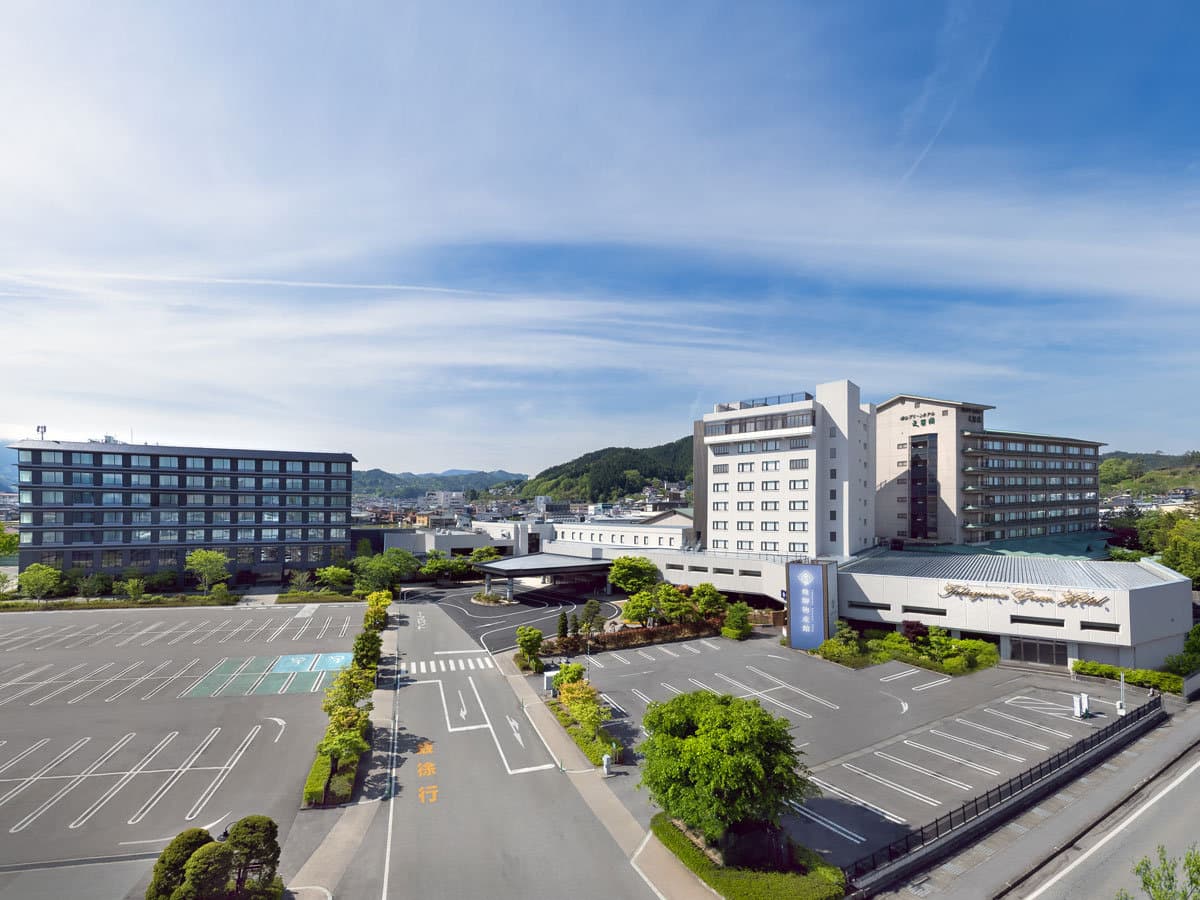
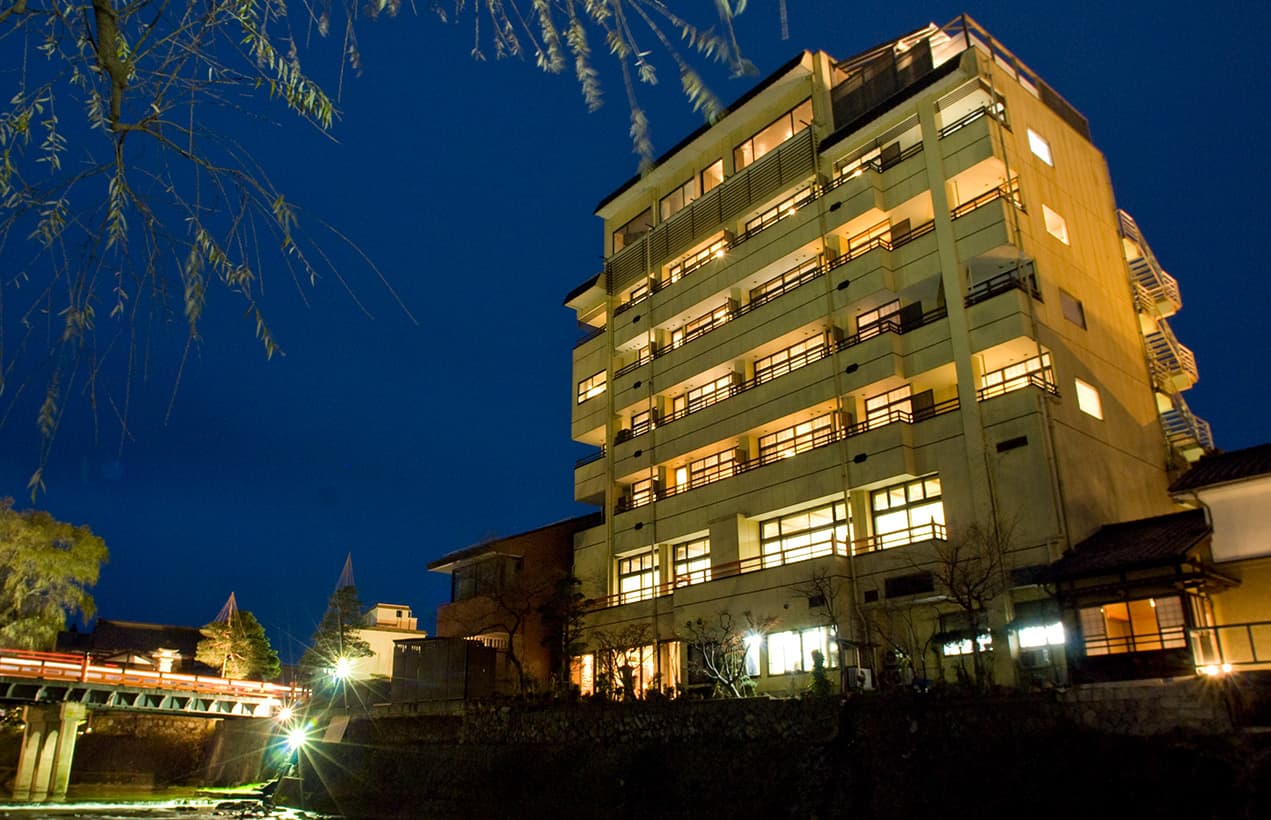
Picking the best ryokan in Takayama is harder than it looks. The first time I stayed here, I made a mistake almost every first-timer makes: I booked a place because the photos looked pretty, then realized at 8pm that I was a 25-minute walk from the lantern-lit Sanmachi old town in pouring rain. The dinner was fine, the room was fine, but I never actually *experienced* Takayama at night. The streets there empty out around 5pm when the day-trippers leave for Kanazawa, and that hour from 5 to 7 — when the wooden sake breweries glow under their cedar-ball signs and you can hear the Miyagawa river — is the entire reason to sleep here instead of bussing back to Nagoya.
So when people ask me for the best ryokan in Takayama, I don't just rank by stars. I rank by three things: how fast you can walk to Sanmachi Suji in geta sandals, how good the Hida-wagyu kaiseki actually is, and whether the host speaks enough English to explain what's on your tray. After three trips and a lot of cross-checking against Booking.com, Tripadvisor and the official ryokan sites in May 2026, here are six picks that I'd actually send my parents to — with honest pros and cons, current prices, and a Shirakawa-go day-trip plan you can tack on without backtracking.
How I chose these ryokans in Takayama
I started with a list of about 25 properties pulled from Tripadvisor's Takayama ryokan category and Booking.com's filtered "ryokan" results, then narrowed using four hard filters:
- Walkability: under 15 minutes on foot to Nakabashi Bridge (the red bridge marking the entry to Sanmachi). If a property was further out, it had to run a free shuttle that actually times with check-in/check-out. - Kaiseki with verified Hida wagyu: the menu had to specifically name Hida beef (飛騨牛), not just "wagyu" or "local beef." Hida beef is graded A4/A5 and certified by the Hida Beef Promotion Council; cheaper ryokans sometimes substitute with regional Gifu wagyu. - English-capable front desk: at minimum, written English at check-in plus one staff member who can field questions. Booking.com guest reviews in English under "staff" gave a reasonable proxy. - Onsen quality: real Hida Takayama Onsen water (the spring source matters — many central ryokans pipe in heated tap water and call it onsen). I noted which properties have private/family baths since these matter for tattooed travelers and couples.
A note on prices: every yen figure below was checked against the official site and at least one OTA (Booking.com or Tripadvisor) on May 4, 2026, for a standard double-occupancy room with two meals. Japan's accommodation tax (¥200 per person per night for stays under ¥20,000, scaling up to ¥1,000 for premium tiers) is usually added at check-in.
The 6 best ryokans in Takayama at a glance
| Ryokan | Walk to Sanmachi | Price (2 pax, dinner+breakfast) | Hida beef kaiseki | Private onsen | English | |---|---|---|---|---|---| | Honjin Hiranoya Kachoan | 4 min | from ¥48,780 | Yes (A5 options) | Some rooms | Strong | | Ryokan Tanabe | 1 min | from ¥38,000 | Yes (course or sukiyaki) | Family bath | Good | | Ryokan Asunaro | 8 min | from ¥22,000 | Yes (sukiyaki signature) | Tattoo-friendly | Strong | | Hidatei Hanaougi | Shuttle, 12 min by car | from ¥39,727 | Yes (premium) | 25 rooms with open-air | Good | | Iroriyado Hidaya | Shuttle, 18 min walk | from ¥26,600 | Yes (irori-cooked) | Two private baths | Moderate | | Oyado Koto No Yume | 10 min | from ¥35,703 | Yes (optional add-on) | Semi-open-air private | Good |
All prices verified against official reservation pages and Booking.com on 2026-05-04 for a weeknight stay in late May. Weekend and Takayama Festival dates (April 14-15 and October 9-10) run 30-60% higher and sell out a year in advance.
Tip
**Booking tip**: For festival weekends, set a Booking.com alert *and* call the ryokan directly via the official site's listed phone number. Several Takayama ryokans hold back rooms from OTAs for repeat guests and will release them by phone if you ask in basic Japanese or via a translation app.
1. Honjin Hiranoya Kachoan — best overall ryokan in Takayama
If I had one night in Takayama and a generous budget, I'd book Honjin Hiranoya Kachoan every time. It sits directly next to Nakabashi Bridge — you literally walk out the front door, cross the red bridge, and you're in Sanmachi Suji in 90 seconds. That location alone is worth the price tag, but the kaiseki is what makes this place top my list.
The room: 14 rooms across two buildings, all with tatami, futon-style bedding, and a low dining table where dinner is served. The pricier rooms in the Kachoan annex have private cypress (hinoki) tubs filled with onsen water, which I'd splurge on if you have tattoos or want to avoid the public bath schedule. The standard rooms still get full access to the rooftop open-air bath that looks across the Miyagawa river.
The food: dinner is a 9-10 course Hida-style kaiseki with A5 Hida beef as the main protein, usually served three ways — a slice of *shabu-shabu*, a *hoba-miso* grill (cooked on a magnolia leaf over a small charcoal burner at your table), and a sashimi-style raw cut. The hoba-miso is the regional dish you came here for. Breakfast includes Hida-region pickles, grilled river fish, and a hot pot.
Pricing: from ¥48,780 per night for two with dinner and breakfast in the standard wing [verified Tripadvisor and official site h-rez.com 2026-05-04]; rooms with private onsen baths run ¥75,000-95,000.
Pros: unbeatable location, the most polished kaiseki I've had in Takayama, a free station shuttle even though you barely need it (10-minute walk).
Cons: rooms are small by Western standards (about 8 tatami mats / 13 m² for the entry-level type), and the main building's wooden floors creak — fine if you sleep heavily, less fine if you don't. Booking lead time for cherry-blossom and autumn weeks is 4+ months.
Tip
**Tip**: Request a Miyagawa river-view room when you book; the price difference is small but the morning view of the open-air market on the riverbank is the moment you'll remember.
2. Ryokan Tanabe — best central pick under ¥40,000
Ryokan Tanabe is the answer when somebody asks "what's the most authentic ryokan walking distance to Sanmachi without going full luxury?" The front door is a one-minute walk to the historic district — closer than Hiranoya, in fact — and the price comes in roughly 20% lower for similar room quality.
The room: traditional 10-mat tatami rooms with shoji screens. Most rooms don't have private baths; you'll use the shared indoor stone bath and the smaller cypress family bath, which can be reserved for 40-minute private slots at no extra charge. The futons are laid out by staff while you're at dinner — a small detail that makes you feel like you're staying in someone's grandmother's beautifully maintained house, which is essentially what Tanabe is. The Tanabe family has run the ryokan for four generations.
The food: dinner is served in a private dining room rather than your guest room (the trade-off for the lower price). The Hida beef course is the highlight — you can choose a kaiseki set or upgrade to the Hida-beef *sukiyaki* dinner, which is served with raw egg dipping and the rich soy-mirin broth boiled at your table. Honestly, I prefer the sukiyaki upgrade; it's more theater and you taste the beef cleaner.
Pricing: from ¥38,000 for two with dinner and breakfast [verified Tripadvisor and Booking.com 2026-05-04]; the sukiyaki upgrade adds ¥3,500 per person.
Pros: best location-to-price ratio in this list, English-language printed menus and explanations, small enough that the okami (proprietress) personally greets you.
Cons: no in-room baths, no elevator (steep wooden stairs to the upper floors), and the walls are thin — bring earplugs if you're a light sleeper. The front street can have early-morning truck traffic delivering to nearby shops.
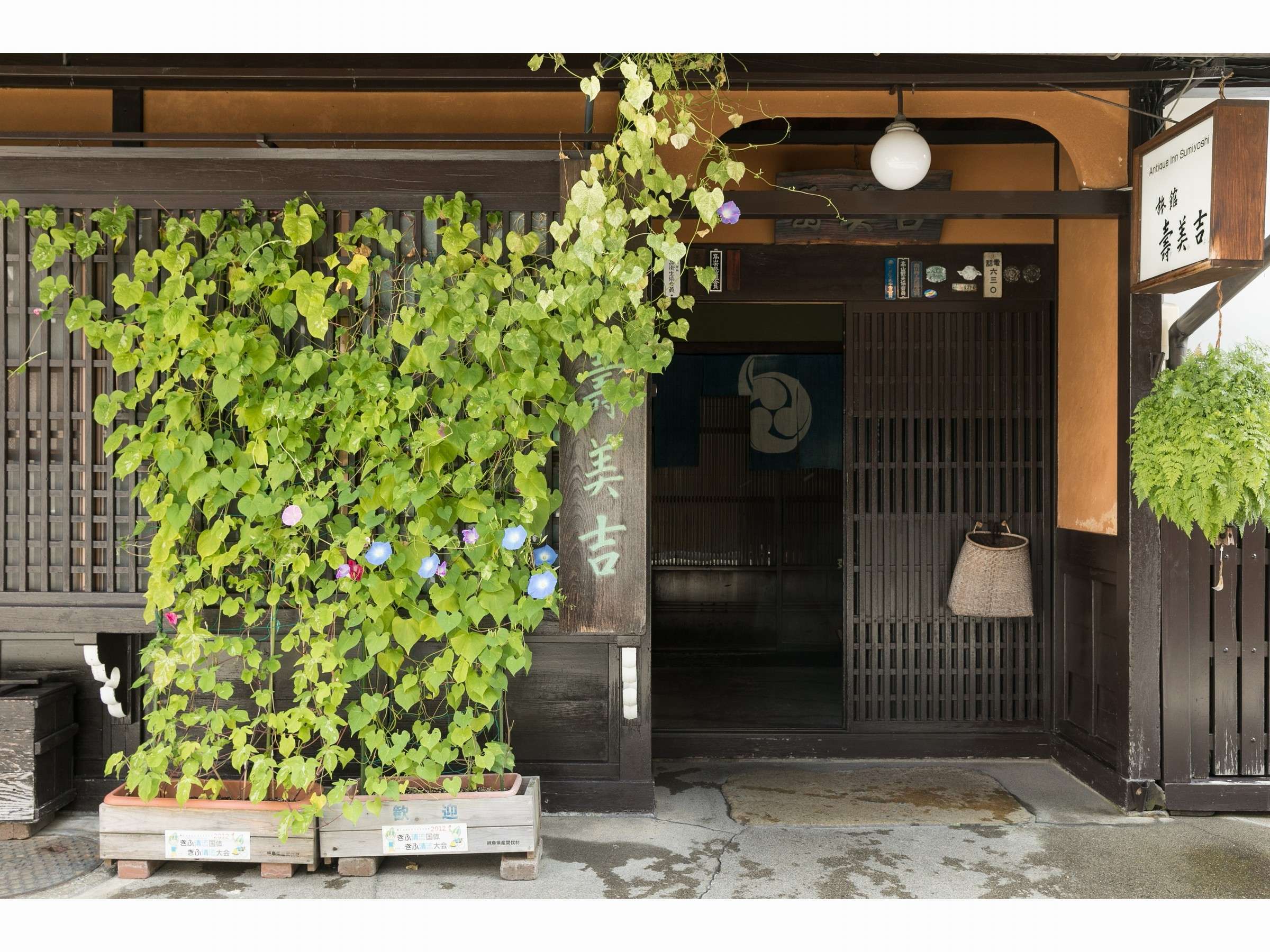
3. Ryokan Asunaro — best mid-range and tattoo-friendly option
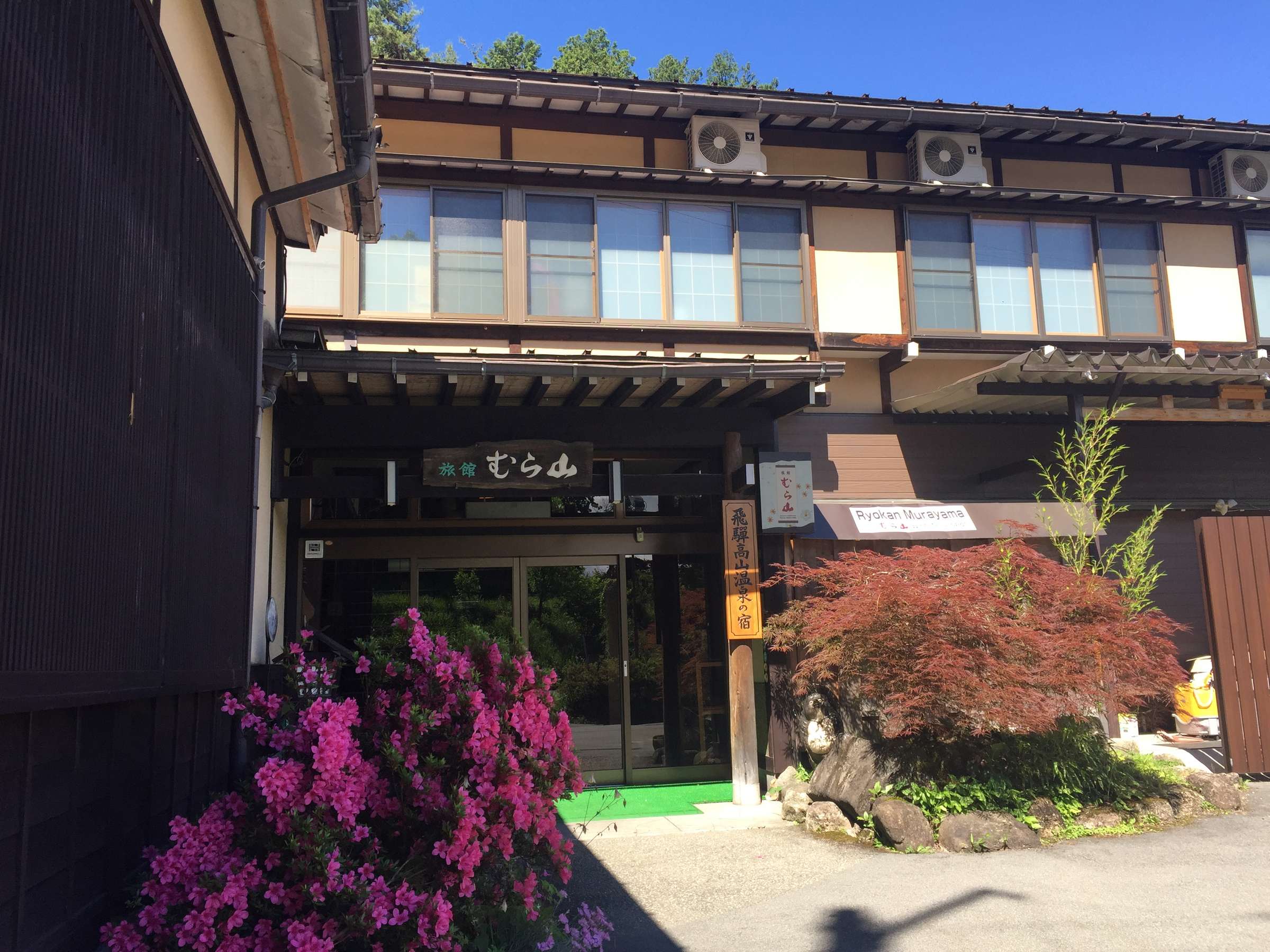
Asunaro is the rare Takayama ryokan that openly welcomes tattooed guests in its onsen baths — a detail that matters more than guidebooks let on. About 70% of mid-range Japanese ryokans still have a no-tattoo policy at the public bath, so this one fills a real gap. It's also a 6-minute walk from JR Takayama Station and 8 minutes to Sanmachi, making it the most convenient if you're arriving by train with luggage.
The room: tatami rooms in a 1973 building that was renovated in 2018. The aesthetic is more "1970s Japanese country inn" than rustic-traditional, which I actually like — there's a warmth to the wood paneling and the staff truly seem to enjoy their jobs. The onsen baths are sourced from Hida Takayama Onsen and the hot rocks are real, not artificial.
The food: the kitchen is known for its Hida-beef sukiyaki, made with Hida-raised A4-grade beef simmered in a cast-iron pot at your table. The rest of the kaiseki includes river-fish sashimi (Hida is landlocked, so the "sashimi" is sweet *iwana* trout), local mountain vegetables, and a Hida-rice rice course. It's not as refined as Hiranoya's plating, but the flavors are deeper and more home-cooked.
Pricing: from ¥22,000 per night for two with dinner and breakfast [verified Booking.com and yado-asunaro.com 2026-05-04]. This is the cheapest full-kaiseki, full-onsen ryokan I'd recommend in central Takayama.
Pros: tattoo-friendly (large pieces are fine in the public bath), strong English support — multiple staff members are bilingual, free shuttle from the station, sukiyaki is genuinely excellent.
Cons: the building shows its age in places (older bathroom fixtures in standard rooms), no in-room private bath in the entry-level rooms, and the location, while close to Sanmachi, is on a slightly less atmospheric street.
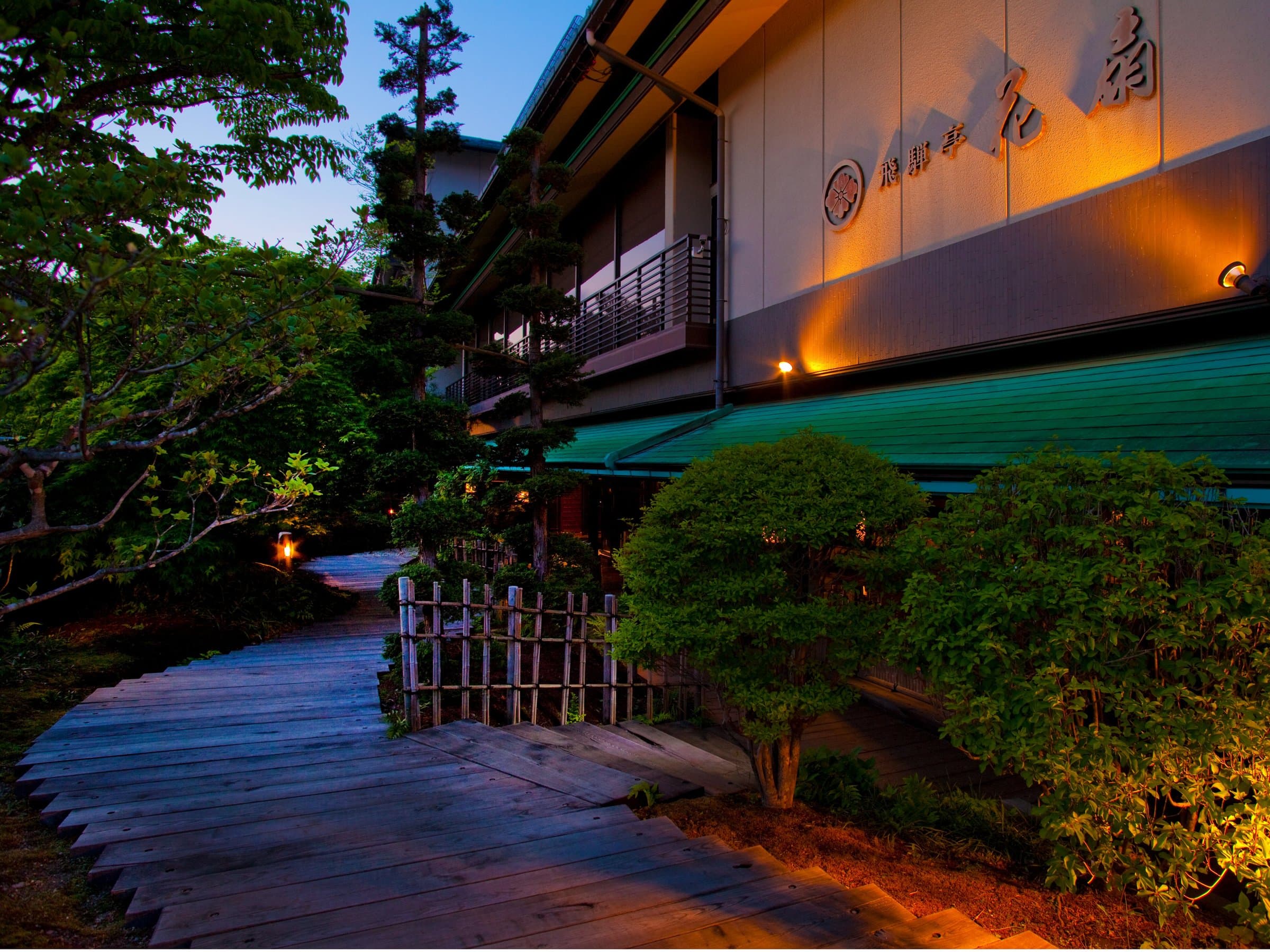
4. Hidatei Hanaougi — best for in-room private onsen
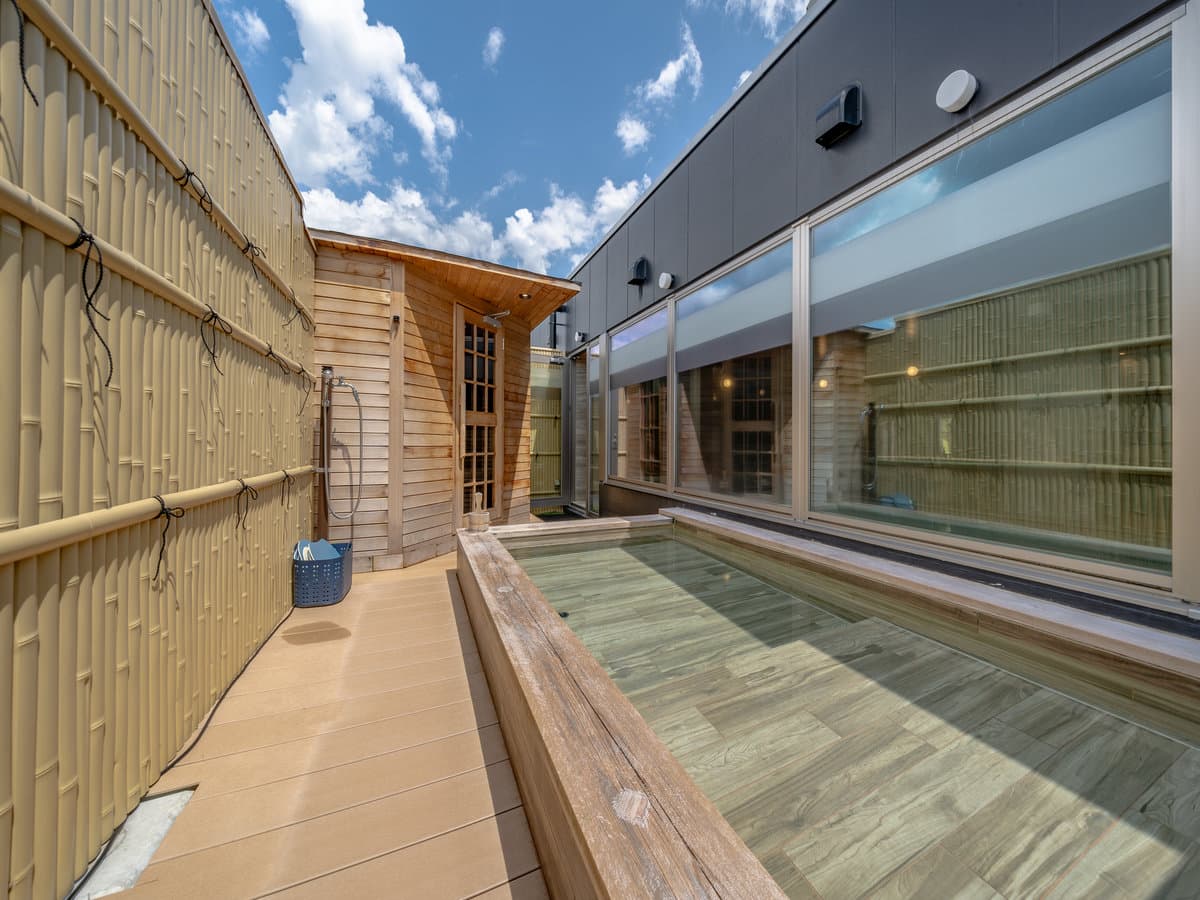
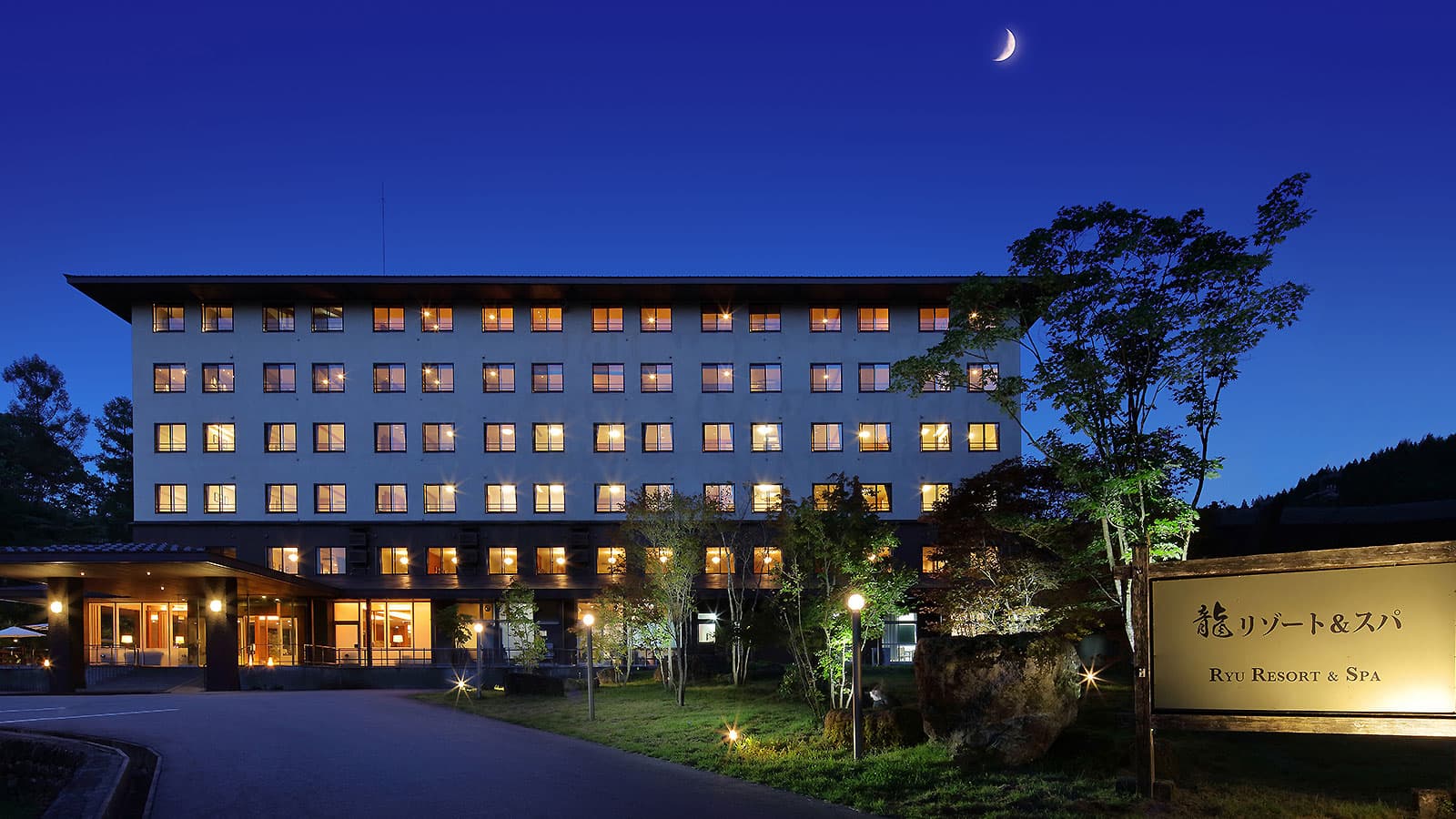
Hidatei Hanaougi sits in the Hida Takayama Onsen district, about 12 minutes by car from Sanmachi, and it's the right pick if your priority is "I want my own outdoor bath, with onsen water, on my own private terrace." Twenty-five of the rooms have open-air onsen tubs you can use any hour of the day or night — something I cannot overstate the appeal of when it's snowing in February.
The room: dedicated rooms ranging from 50 to 90 m² (huge by ryokan standards). The Hanaougi-no-Ma rooms have a wooden deck with a hinoki-wood tub continuously refilled with Hida Takayama Onsen water. The bedding is a hybrid — futon on the tatami section plus a Western-style bed in the connected room — which works well if you're not used to sleeping on the floor.
The food: served in private dining rooms, not in-room. The kaiseki uses Hida beef as the centerpiece and rotates seasonal Hida vegetables (in spring, *fuki-no-to* mountain butterbur shoots; in autumn, *matsutake* mushrooms when they're available, surcharged). I had the autumn menu and the *hoba-miso* with Hida beef and matsutake was probably the single best ryokan dish of the entire trip.
Pricing: from ¥39,727 per night for two with dinner and breakfast in a base room [verified Tripadvisor 2026-05-04]; rooms with private outdoor onsen run ¥55,000-80,000. The premium tier is closer to ¥120,000 with full kaiseki and matsutake season pricing.
Pros: the in-room onsen experience is the real thing, free shuttle to/from Takayama Station that hits Sanmachi on request, very English-friendly with bilingual concierge staff.
Cons: you're not walking to Sanmachi from here. If you want to wander the old town after dark, you'll need to time the shuttle (last run is usually 9pm) or take a ¥1,500 taxi back. The property is also large enough that it loses a bit of the small-inn intimacy you get at Tanabe or Asunaro.
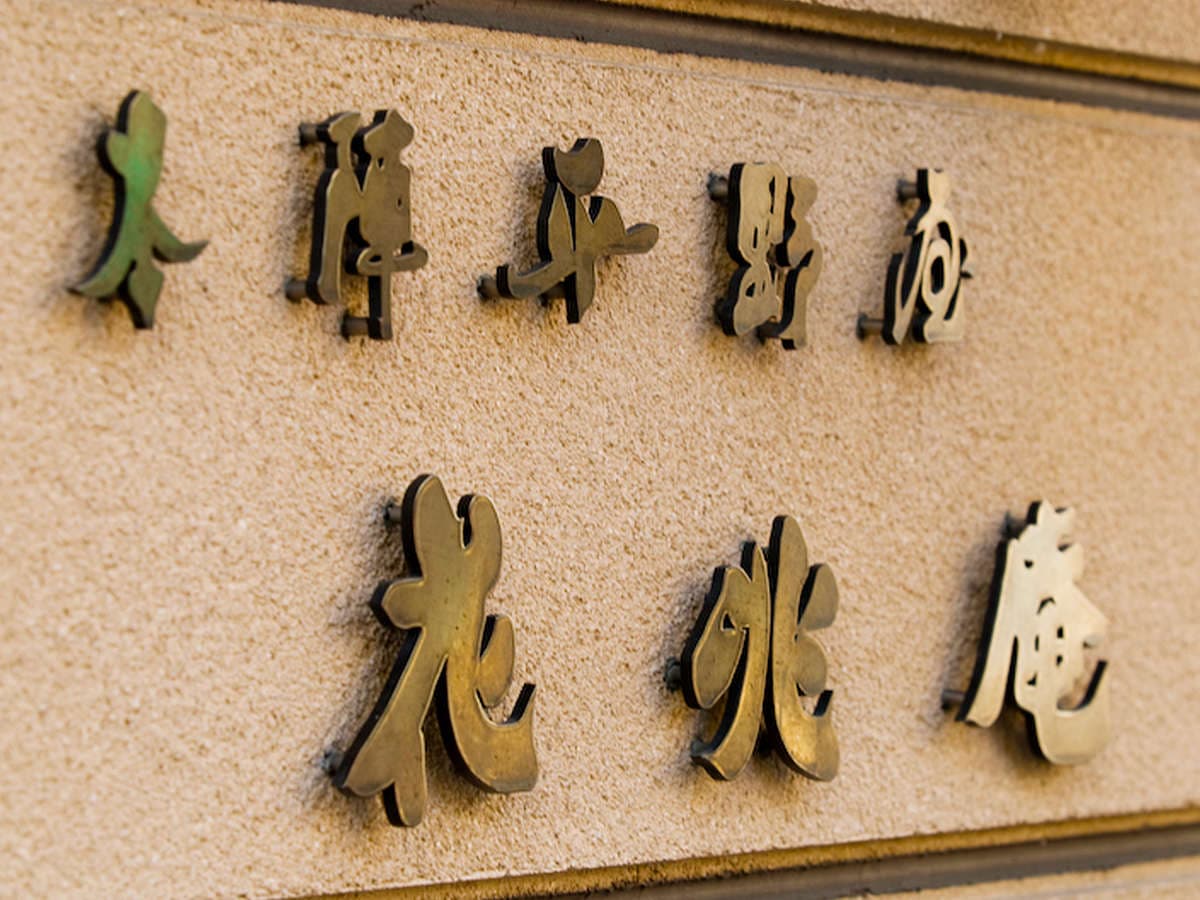
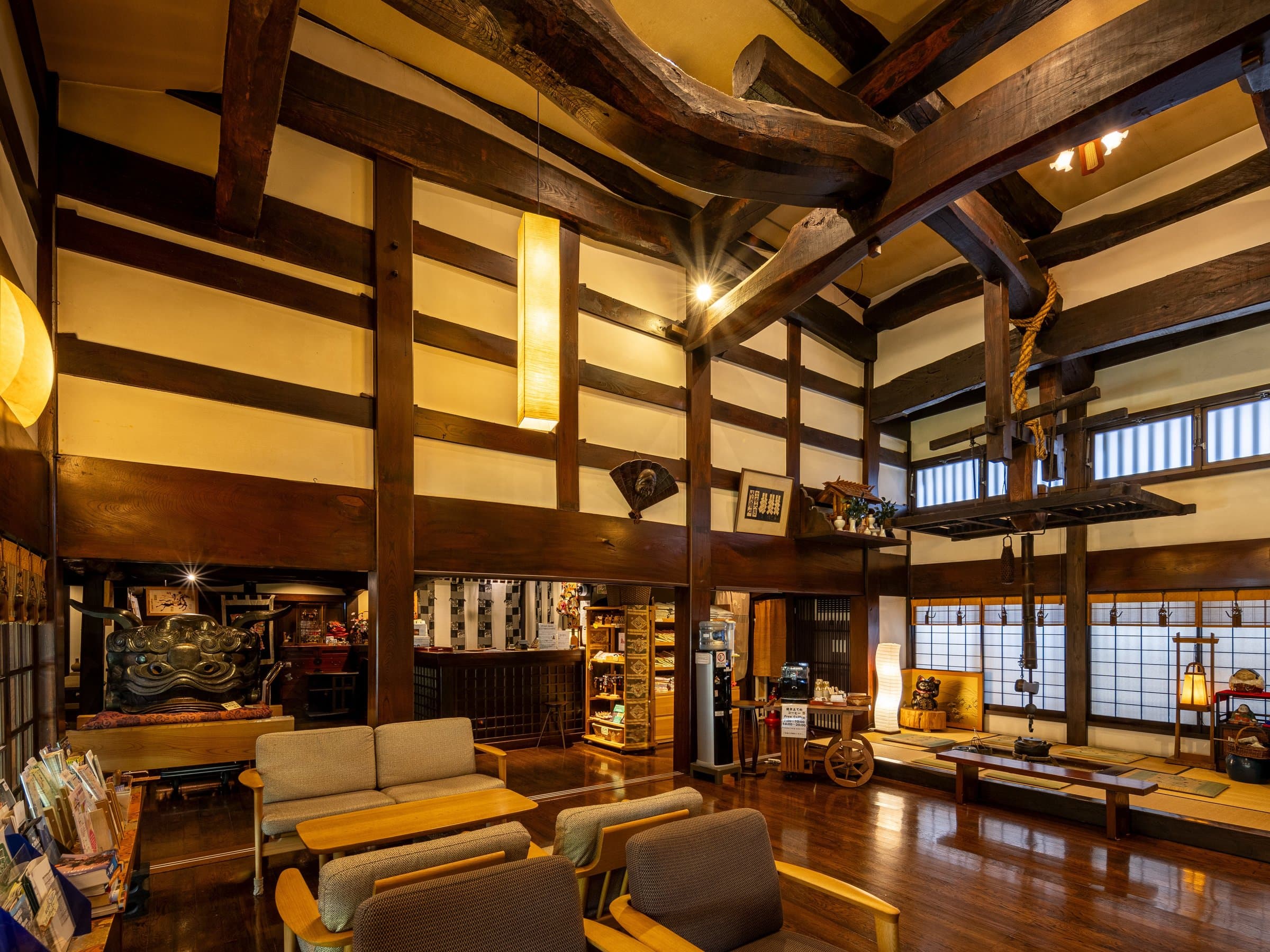
5. Iroriyado Hidaya — best 100-year-old farmhouse ryokan
This one is a curveball: Iroriyado Hidaya is a relocated and restored *gassho-style* (steep thatched-roof) farmhouse from the Hida region, over 100 years old. The name "Hyakunen Kominka" literally means "100-year old folk house." There are only six rooms, and each one has an *irori* — a sunken charcoal hearth in the floor — that the staff actually lights for you in winter.
The room: rough-hewn wooden beams, paper screens, and the irori as the centerpiece. Smaller than the chain ryokans (around 12-15 m²) but the texture of the place compensates. Two of the six rooms have private semi-open-air baths.
The food: this is where it gets memorable. Dinner is cooked partly *on your irori* — Hida beef on a skewer that you grill yourself over the charcoal, hoba-miso over the same fire, river fish on long bamboo skewers stuck into the ash. It's the most active, hands-on kaiseki experience in Takayama. The okami brings each course personally and explains it (in Japanese; staff have a tablet for English translation).
Pricing: from ¥26,600 per night for two with dinner and breakfast [verified Booking.com 2026-05-04]; the rooms with private baths run ¥36,000-42,000.
Pros: the most genuinely old-Japan atmosphere of anywhere on this list, the cooking-at-your-irori experience is unforgettable, six rooms means it's quiet.
Cons: it's an 18-minute walk to Sanmachi (or use the free shuttle, which runs three times a day), and the English support is only moderate — bring Google Translate. The historic building means thin walls and a bit of smoke smell from the irori (some guests find this charming, others tiring). Bathrooms in the standard rooms are shared down the hall.
6. Oyado Koto No Yume — best for first-time ryokan visitors
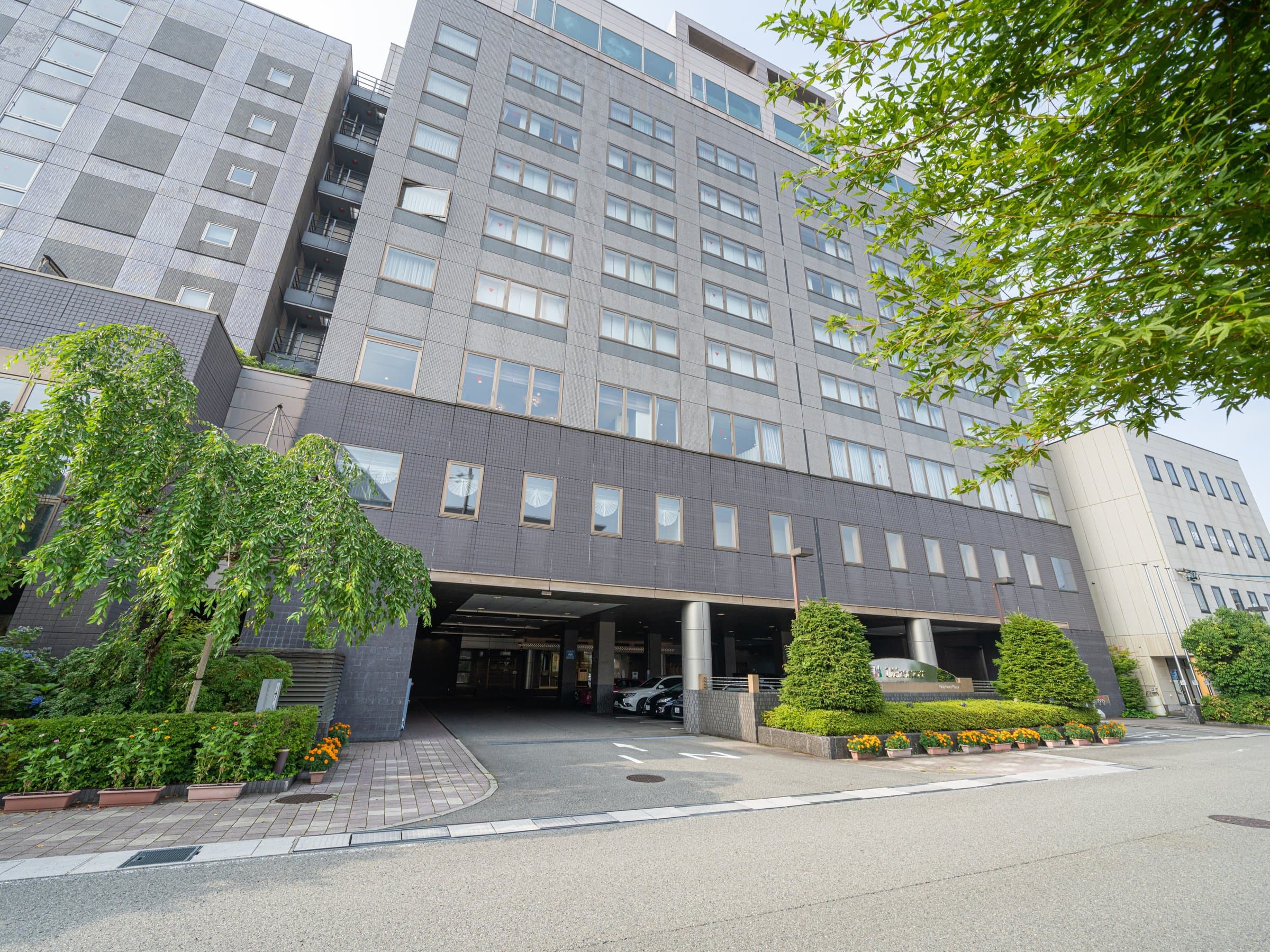
Oyado Koto No Yume is the easiest ryokan in Takayama to book, navigate, and enjoy if you've never stayed at one before. It's a two-minute walk from Takayama Station — useful when you arrive at 6pm tired from the JR train from Nagoya — and a ten-minute flat walk to Sanmachi. The whole place is built to ease Western guests into the ryokan format.
The room: 24 rooms, mostly tatami, but there's a "Japanese-Western" hybrid option with twin beds on a raised tatami platform, which I recommend for older travelers or anyone who simply doesn't want to sleep on the floor. Some rooms have a semi-open-air private hot tub on the balcony — not full onsen water in those (it's heated tap), so for a real hot-spring soak, head to the public indoor and open-air baths on the top floor, which use Hida Takayama Onsen.
The food: dinner at the on-site KAGURA restaurant offers a flexible "choose your style" approach — kaiseki, Hida-beef shabu-shabu, or Hida-beef *teppan* (iron-griddle). The teppan is a fun option if you want to see your beef cooked rather than have it served. A traditional kaiseki adds about ¥4,000-6,000 per person. Breakfast offers both Western and Japanese options, useful for kids or picky eaters.
Pricing: from ¥35,703 per night for two with dinner and breakfast [verified official site oyado-koto-no-yume.hotel-rn.com and Booking.com 2026-05-04].
Pros: closest to Takayama Station of any ryokan on this list, very flexible food options, English check-in is smooth, semi-private balcony tubs in some rooms.
Cons: the in-room "tubs" are not real onsen (the real onsen is in the shared baths), the décor leans modern-hotel rather than traditional-ryokan, and at peak season the hallways feel busy because there are more rooms than at the smaller inns above.
What to expect at any ryokan in Takayama: the practical bits
If this is your first ryokan stay anywhere in Japan, here's the pattern that all six properties above follow.
Check-in is usually 3pm–6pm, and you're expected to arrive in this window so the host can greet you with green tea and explain the bath/dinner schedule. Earlier than 3pm, most ryokans will store your luggage but the room won't be ready.
Dinner is at a fixed time — typically 6pm or 6:30pm — and you should communicate dietary restrictions (vegetarian, no shellfish, halal needs) at the time of booking, not on arrival. The kaiseki is planned days in advance and last-minute changes are stressful for the kitchen.
Yukata robes are provided for wearing inside the ryokan and to and from the bath. You can wear them to dinner. Wear them out to walk around Sanmachi at night if you want — locals expect it during festival season.
The bath etiquette: wash thoroughly at the seated showers *before* entering the bath. Bring no soap, towels, or swimwear into the soaking tub. Tie up long hair. Most ryokans have separate men's and women's baths that swap at midnight (so you experience both views).
Tipping is not done. A genuine "arigato gozaimasu" with a bow is the right thank-you.
Tip
**Tattoos**: only Asunaro on this list is openly tattoo-friendly. At the others, small concealable tattoos can be covered with the bandage patches some ryokans sell at the front desk (¥300 each), or you can use the family/private bath. Always ask at check-in.
Add-on: Shirakawa-go day trip from Takayama
Almost everyone staying at a ryokan in Takayama also wants to see Shirakawa-go, the UNESCO-listed thatched-roof village an hour to the west. Here's how to do it without backtracking and without rushing your ryokan check-out.
The bus: Nohi Bus runs the Takayama–Shirakawago line about 16 round-trips daily. One-way is ¥2,800, round-trip ¥5,000, and the journey is 50 minutes [verified Nohi Bus official site nouhibus.co.jp 2026-05-04]. Reservations are recommended in autumn and during cherry-blossom weeks; you can book through Japan Bus Online up to a month in advance.
The optimal day plan:
1. Eat ryokan breakfast at 8am (most ryokans serve until 9am). 2. Check out by 10am, leave luggage at the front desk. 3. Walk five minutes to the bus terminal next to Takayama Station. 4. Catch the 10:50am bus, arrive Shirakawa-go around 11:40am. 5. Walk to the Shiroyama Viewpoint (15 minutes uphill) for the postcard shot. 6. Lunch at one of the village restaurants — try *hoba-miso* or *Hida-gyu nigiri* (single piece of beef sushi, around ¥800). 7. Visit one of the open-house gassho-style farmhouses (Wada-ke is the largest, ¥400 entry). 8. Catch the 3:30pm or 4:30pm bus back to Takayama, retrieve luggage, and continue to Kanazawa (¥4,000, 1h15) or Tokyo via Nagoya.
If you have a second night: do Shirakawa-go on the day you arrive (drop luggage at Takayama Station coin lockers, do the village, then check into your ryokan that afternoon). This way you actually have a full evening to explore Sanmachi after dinner — the part most day-trippers miss.
Tip
**Tip**: Avoid Shirakawa-go on Saturdays from May to October. The village has narrow paths and the crowds genuinely diminish the experience. Tuesday or Wednesday is ideal.
Frequently asked questions about staying at a ryokan in Takayama
How far in advance should I book a ryokan in Takayama? For the spring (April-May) and autumn (October-November) seasons, book 3-4 months ahead. For the Takayama Festival (April 14-15 and October 9-10), book 9-12 months ahead. For winter and summer weekdays, 2-4 weeks is usually enough.
What's the best ryokan in Takayama for couples? Hidatei Hanaougi for a private-onsen splurge, or Honjin Hiranoya Kachoan if you want luxury plus the central location. Tanabe is the best mid-range romantic pick.
Are Takayama ryokans family-friendly? Some are, some aren't. Oyado Koto No Yume is the most child-friendly with Western breakfast options and Japanese-Western hybrid rooms. Iroriyado Hidaya and Hidatei Hanaougi have a more adults-focused atmosphere.
Can I stay only one night? Yes, all six properties accept single-night bookings. I'd actually argue one night is enough for Takayama itself; pair it with a night in Kanazawa or Kyoto to make the route worthwhile.
Is the Hida-beef kaiseki really worth the price? If you've never had A4 or A5 wagyu, yes — the experience of having it cooked five or six different ways in one meal is genuinely special. If you've eaten high-end wagyu before, the lower-priced ryokans (Asunaro, Tanabe) deliver 80% of the experience for half the price.
Final ranking and who each ryokan is for
The honest summary: the best ryokan in Takayama depends on what you actually want.
- Best overall: Honjin Hiranoya Kachoan — luxury, location, kaiseki, all maxed out. - Best value: Ryokan Asunaro — strong food, central location, tattoo-friendly, under ¥25,000. - Best location: Ryokan Tanabe — one-minute walk to Sanmachi. - Best private onsen: Hidatei Hanaougi — in-room outdoor baths with real spring water. - Best atmosphere: Iroriyado Hidaya — 100-year-old farmhouse with irori dining. - Best for first-timers: Oyado Koto No Yume — easy logistics, flexible food.
Whatever you book, give yourself one full evening in Sanmachi after dinner. Walk back through the lantern-lit streets in your yukata, get a small cup of sake from one of the breweries that's still open, and stand on Nakabashi Bridge for ten minutes. That's the best ryokan in Takayama — the one whose front door is closest to that moment.
다카야마 최고의 료칸을 고르는 일은 보기보다 어렵습니다. 처음 이곳에 묵었을 때 저는 거의 모든 초심자가 저지르는 실수를 했습니다. 사진이 예뻐 보인다는 이유로 숙소를 예약했고, 저녁 8시가 되어서야 등불이 켜진 산마치 옛 거리에서 도보 25분 거리에 있다는 사실을 폭우 속에서 깨달았습니다. 저녁식사도 괜찮았고 객실도 괜찮았지만, 저는 다카야마의 밤을 진정으로 *경험*하지 못했습니다. 그 거리는 당일치기 관광객들이 가나자와로 떠나는 오후 5시쯤이면 한산해지는데, 5시부터 7시까지 — 목조 양조장이 삼나무 잎 장식 아래에서 빛나고 미야가와 강물 소리가 들리는 그 시간 — 이야말로 나고야로 다시 돌아가지 않고 이곳에서 자야 하는 유일한 이유입니다.
그래서 사람들이 저에게 다카야마 최고의 료칸을 물을 때, 저는 단순히 별점으로 순위를 매기지 않습니다. 저는 세 가지 기준으로 순위를 매깁니다. 게타 샌들을 신고 산마치스지까지 얼마나 빨리 걸을 수 있는지, 히다규 가이세키가 실제로 얼마나 훌륭한지, 그리고 호스트가 트레이에 무엇이 있는지 설명할 수 있을 만큼 영어를 구사하는지입니다. 세 차례의 여행과 2026년 5월 부킹닷컴, 트립어드바이저, 공식 료칸 사이트를 교차 확인한 끝에, 제가 실제로 부모님께 추천할 만한 6곳을 — 정직한 장단점, 현재 가격, 그리고 되돌아가지 않고 추가할 수 있는 시라카와고 당일치기 계획과 함께 — 소개합니다.
다카야마 료칸을 선정한 방법
저는 트립어드바이저 다카야마 료칸 카테고리와 부킹닷컴의 "료칸" 필터 결과에서 약 25곳의 숙소 목록을 만든 뒤, 네 가지 엄격한 필터로 좁혔습니다.
- 도보 접근성: 나카바시 다리(산마치 입구를 표시하는 빨간 다리)까지 도보 15분 이내. 더 멀리 떨어진 숙소라면 체크인/체크아웃 시간에 맞춰 운영되는 무료 셔틀이 있어야 했습니다. - 검증된 히다규를 사용한 가이세키: 메뉴에 단순히 "와규"나 "지역 소고기"가 아니라 히다규(飛騨牛)가 명시되어 있어야 했습니다. 히다규는 A4/A5 등급으로 매겨지며 히다규 진흥협의회의 인증을 받습니다. 저렴한 료칸은 때때로 지역 기후산 와규로 대체하기도 합니다. - 영어 가능 프런트 데스크: 최소한 체크인 시 영문 자료와 질문에 응대할 수 있는 직원 한 명 이상이 있어야 했습니다. 부킹닷컴의 "직원" 항목 영어 후기가 합리적인 지표가 되었습니다. - 온천 품질: 진짜 히다 다카야마 온천수(원천이 중요합니다 — 많은 시내 료칸들은 데운 수돗물을 끌어와 온천이라고 부릅니다). 문신이 있는 여행자나 커플에게 중요한 전용/가족탕 보유 여부도 기록했습니다.
가격에 관한 참고: 아래 모든 엔화 금액은 2026년 5월 4일 기준으로 공식 사이트와 최소 한 곳의 OTA(부킹닷컴 또는 트립어드바이저)에서 확인된, 2인 1실 2식 포함 표준 객실 기준입니다. 일본의 숙박세(2만엔 미만 숙박 시 1인당 1박 200엔, 프리미엄 등급은 최대 1,000엔까지)는 보통 체크인 시 추가됩니다.
한눈에 보는 다카야마 최고의 료칸 6선
| 료칸 | 산마치까지 도보 | 가격 (2인, 석식+조식) | 히다규 가이세키 | 전용 온천 | 영어 | |---|---|---|---|---|---| | 혼진 히라노야 카초안 | 4분 | 48,780엔(약 439,000원)부터 | 있음 (A5 옵션) | 일부 객실 | 우수 | | 료칸 다나베 | 1분 | 38,000엔(약 342,000원)부터 | 있음 (코스 또는 스키야키) | 가족탕 | 양호 | | 료칸 아스나로 | 8분 | 22,000엔(약 198,000원)부터 | 있음 (스키야키 시그니처) | 문신 가능 | 우수 | | 히다테이 하나오기 | 셔틀, 차로 12분 | 39,727엔(약 358,000원)부터 | 있음 (프리미엄) | 노천탕 객실 25개 | 양호 | | 이로리야도 히다야 | 셔틀, 도보 18분 | 26,600엔(약 239,000원)부터 | 있음 (이로리 조리) | 전용탕 2개 | 보통 | | 오야도 코토노유메 | 10분 | 35,703엔(약 321,000원)부터 | 있음 (선택 추가) | 반노천 전용탕 | 양호 |
모든 가격은 2026년 5월 4일 기준 공식 예약 페이지 및 부킹닷컴에서 5월 말 평일 숙박 기준으로 확인되었습니다. 주말 및 다카야마 마쓰리 기간(4월 14-15일, 10월 9-10일)은 30-60% 더 비싸며 1년 전부터 매진됩니다.
Tip
**예약 팁**: 마쓰리 주말의 경우 부킹닷컴 알림을 설정하고 *동시에* 공식 사이트에 기재된 전화번호로 료칸에 직접 전화하십시오. 다카야마의 여러 료칸은 단골 고객을 위해 OTA에 객실을 내놓지 않고 보유하고 있으며, 기본적인 일본어나 번역 앱으로 요청하면 전화로 풀어줍니다.
1. 혼진 히라노야 카초안 — 다카야마 최고의 종합 료칸
다카야마에서 하룻밤만 머물 수 있고 예산이 넉넉하다면, 저는 매번 혼진 히라노야 카초안을 예약할 것입니다. 나카바시 다리 바로 옆에 위치해 있어 — 말 그대로 정문을 나서서 빨간 다리를 건너면 90초 만에 산마치스지에 도착합니다. 그 위치만으로도 가격값을 하지만, 이곳을 제 목록 1위에 올린 것은 가이세키입니다.
객실: 두 개의 건물에 걸쳐 14개의 객실이 있으며, 모두 다다미, 이불 침구, 그리고 저녁식사가 차려지는 낮은 식탁을 갖추고 있습니다. 카초안 별관의 더 비싼 객실에는 온천수로 채워진 전용 히노키(편백) 욕조가 있는데, 문신이 있거나 공중탕 일정을 피하고 싶다면 이쪽에 투자할 만합니다. 일반 객실도 미야가와 강을 내려다보는 옥상 노천탕을 자유롭게 이용할 수 있습니다.
음식: 저녁식사는 A5 히다규를 메인으로 하는 9-10코스 히다 스타일 가이세키이며, 보통 세 가지 방식으로 제공됩니다 — *샤브샤브*용 한 점, *호바미소* 구이(작은 숯불 위에 목련 잎을 깔고 테이블에서 조리), 그리고 사시미 스타일 생고기 한 점. 호바미소는 여러분이 이곳을 찾아온 바로 그 향토 요리입니다. 조식에는 히다 지역 절임 채소, 강 생선 구이, 그리고 나베 요리가 포함됩니다.
가격: 일반 동에서 2인 석식·조식 포함 1박 48,780엔(약 439,000원)부터 [트립어드바이저 및 공식 사이트 h-rez.com 2026년 5월 4일 확인]; 전용 온천탕이 있는 객실은 75,000-95,000엔(약 675,000-855,000원)입니다.
장점: 비교 불가능한 위치, 다카야마에서 먹어본 가장 세련된 가이세키, 도보 10분 거리로 거의 필요 없지만 무료 역 셔틀까지 운영합니다.
단점: 객실은 서양 기준으로 작고(입문 등급은 약 8장 다다미/13㎡), 본관의 나무 바닥은 삐걱거립니다 — 깊이 잠드는 사람에겐 괜찮지만 그렇지 않다면 거슬릴 수 있습니다. 벚꽃 및 단풍 시즌의 예약 리드타임은 4개월 이상입니다.
Tip
**팁**: 예약 시 미야가와 강 전망 객실을 요청하십시오. 가격 차이는 작지만 강변 아침 시장의 모습은 여러분이 기억할 순간이 될 것입니다.
2. 료칸 다나베 — 4만엔(약 360,000원) 이하 최고의 시내 선택
료칸 다나베는 누군가 "완전한 럭셔리는 아니면서 산마치까지 걸어갈 수 있는 가장 정통적인 료칸은 어디인가?"라고 물을 때의 답입니다. 정문에서 역사 지구까지 도보 1분 — 사실 히라노야보다 더 가깝습니다 — 그러면서도 비슷한 객실 품질에 가격은 약 20% 저렴합니다.
객실: 쇼지 장지문이 있는 전통 10장 다다미 객실. 대부분의 객실에는 전용 욕실이 없습니다. 공용 실내 석조탕과 더 작은 편백 가족탕을 사용하게 되며, 가족탕은 추가 요금 없이 40분 단위로 전용 예약이 가능합니다. 이불은 여러분이 저녁식사 중일 때 직원이 깔아 놓습니다 — 잘 관리된 누군가의 할머니 댁에 묵고 있는 듯한 기분이 들게 하는 작은 디테일이며, 다나베가 본질적으로 그러한 곳입니다. 다나베 가족이 4대째 운영하고 있습니다.
음식: 저녁식사는 객실이 아닌 전용 식당에서 제공됩니다(낮은 가격에 대한 절충점). 히다규 코스가 하이라이트입니다 — 가이세키 세트를 선택하거나 히다규 *스키야키* 디너로 업그레이드할 수 있는데, 후자는 날달걀에 찍어 먹으며 풍부한 간장-미림 육수를 테이블에서 끓여 제공합니다. 솔직히 저는 스키야키 업그레이드를 선호합니다. 더 극적이고 소고기의 맛이 더 깔끔하게 느껴집니다.
가격: 2인 석식·조식 포함 38,000엔(약 342,000원)부터 [트립어드바이저 및 부킹닷컴 2026년 5월 4일 확인]; 스키야키 업그레이드는 1인당 3,500엔(약 31,500원)이 추가됩니다.
장점: 이 목록에서 위치 대비 가격이 가장 좋고, 영어 인쇄 메뉴와 설명이 제공되며, 오카미(여주인)가 직접 인사할 만큼 작은 규모입니다.
단점: 객실 내 욕실 없음, 엘리베이터 없음(위층까지 가파른 나무 계단), 그리고 벽이 얇습니다 — 잠귀가 밝다면 귀마개를 챙기십시오. 정면 도로는 인근 상점에 배달하는 트럭이 이른 아침 다닐 수 있습니다.
3. 료칸 아스나로 — 최고의 중급 및 문신 친화적 옵션
아스나로는 온천탕에서 문신이 있는 손님을 공개적으로 환영하는 보기 드문 다카야마 료칸입니다 — 가이드북이 알려주는 것보다 훨씬 더 중요한 디테일입니다. 일본 중급 료칸의 약 70%는 여전히 공중탕에서 문신 금지 정책을 시행하고 있어, 이곳은 진짜 빈틈을 채워줍니다. 또한 JR 다카야마역에서 도보 6분, 산마치까지 도보 8분 거리로, 짐을 들고 기차로 도착하는 경우 가장 편리합니다.
객실: 1973년에 지어져 2018년에 리노베이션된 건물의 다다미 객실. 미감은 소박한 전통보다는 "1970년대 일본 시골 여관"에 가깝고, 저는 사실 이 점이 마음에 듭니다 — 목재 패널에 따뜻함이 있고 직원들은 진심으로 일을 즐기는 듯합니다. 온천탕은 히다 다카야마 온천에서 끌어왔으며 뜨거운 돌도 인공이 아닌 진짜입니다.
음식: 주방은 히다산 A4 등급 소고기를 테이블의 주물 냄비에 끓이는 히다규 스키야키로 유명합니다. 가이세키의 나머지에는 강 생선 사시미(히다는 내륙이라 "사시미"는 달콤한 *이와나* 송어), 산나물, 그리고 히다쌀 코스가 포함됩니다. 히라노야의 플레이팅만큼 세련되지는 않지만, 맛은 더 깊고 가정식에 가깝습니다.
가격: 2인 석식·조식 포함 1박 22,000엔(약 198,000원)부터 [부킹닷컴 및 yado-asunaro.com 2026년 5월 4일 확인]. 다카야마 시내에서 추천할 수 있는 풀 가이세키 + 풀 온천 료칸 중 가장 저렴합니다.
장점: 문신 친화적(공중탕에서 큰 문신도 괜찮음), 강력한 영어 지원 — 여러 직원이 이중언어 가능, 역에서 무료 셔틀 운영, 스키야키가 정말 훌륭합니다.
단점: 건물 곳곳에서 노후화의 흔적이 보입니다(일반 객실의 오래된 욕실 설비), 입문 등급 객실에는 객실 내 전용 욕실 없음, 산마치와 가깝긴 하지만 다소 분위기가 떨어지는 거리에 위치합니다.
4. 히다테이 하나오기 — 객실 내 전용 온천 최고
히다테이 하나오기는 히다 다카야마 온천 지구에 위치하며 산마치에서 차로 약 12분 거리에 있습니다. "전용 테라스에 온천수가 흐르는 나만의 노천탕을 원한다"가 우선순위라면 적합한 선택입니다. 객실 25개에는 하루 중 어느 시간이든 사용할 수 있는 노천 온천탕이 있는데 — 2월에 눈이 내릴 때 그 매력은 아무리 강조해도 지나치지 않습니다.
객실: 50-90㎡(료칸 기준 거대) 사이의 단독 객실. 하나오기노마 객실에는 히다 다카야마 온천수가 끊임없이 채워지는 히노키 욕조와 목재 데크가 있습니다. 침구는 하이브리드입니다 — 다다미 공간의 이불에 더해 연결된 방의 서양식 침대 — 바닥에서 자는 것에 익숙하지 않은 분들에게 효과적입니다.
음식: 객실이 아닌 전용 식당에서 제공됩니다. 가이세키는 히다규를 중심으로 하며 제철 히다 채소를 순환합니다(봄에는 *후키노토* 머위 새순, 가을에는 가능한 경우 *마쓰타케* 버섯, 추가 요금). 저는 가을 메뉴를 먹었는데 히다규와 마쓰타케를 곁들인 *호바미소*는 아마 전체 여행에서 단연 최고의 료칸 요리였을 것입니다.
가격: 기본 객실에서 2인 석식·조식 포함 1박 39,727엔(약 358,000원)부터 [트립어드바이저 2026년 5월 4일 확인]; 전용 노천 온천이 있는 객실은 55,000-80,000엔(약 495,000-720,000원)입니다. 프리미엄 등급은 풀 가이세키와 마쓰타케 시즌 가격 포함 시 120,000엔(약 1,080,000원)에 가깝습니다.
장점: 객실 내 온천 경험은 진짜이며, 다카야마역과 요청 시 산마치를 오가는 무료 셔틀 운영, 이중언어 컨시어지 직원이 있어 매우 영어 친화적입니다.
단점: 이곳에서 산마치까지 걸어갈 수는 없습니다. 어둠이 내린 후 옛 거리를 거닐고 싶다면 셔틀(마지막 운행은 보통 오후 9시) 시간을 맞추거나 1,500엔(약 13,500원)짜리 택시를 이용해야 합니다. 또한 시설 규모가 커서 다나베나 아스나로에서 느낄 수 있는 작은 여관의 친밀감은 다소 부족합니다.
5. 이로리야도 히다야 — 100년 된 농가 료칸 최고
이곳은 변화구입니다. 이로리야도 히다야는 히다 지역에서 옮겨와 복원된 100년 이상 된 *갓쇼즈쿠리*(가파른 초가 지붕) 농가입니다. "햐쿠넨 코민카"라는 이름은 문자 그대로 "100년 된 민가"를 의미합니다. 객실은 단 6개이며, 각 객실에는 *이로리* — 바닥에 있는 숯불 화로 — 가 있어 직원이 겨울에 실제로 불을 피워 줍니다.
객실: 거친 나무 보, 종이 장지문, 그리고 중심부의 이로리. 체인 료칸보다 작지만(약 12-15㎡) 공간의 질감이 그 부족함을 보완합니다. 6개 객실 중 2개에는 전용 반노천탕이 있습니다.
음식: 여기가 기억에 남는 부분입니다. 저녁식사는 일부를 *여러분의 이로리 위에서* 조리합니다 — 꼬치에 꿴 히다규를 숯불 위에서 직접 굽고, 같은 불 위에서 호바미소를 굽고, 긴 대나무 꼬치에 꽂은 강 생선을 재 속에 꽂아 굽습니다. 다카야마에서 가장 능동적이고 직접 참여하는 가이세키 경험입니다. 오카미가 각 코스를 직접 가져오며 설명해 줍니다(일본어로; 직원은 영어 번역용 태블릿을 가지고 있습니다).
가격: 2인 석식·조식 포함 1박 26,600엔(약 239,000원)부터 [부킹닷컴 2026년 5월 4일 확인]; 전용탕이 있는 객실은 36,000-42,000엔(약 324,000-378,000원)입니다.
장점: 이 목록에서 가장 진정한 옛 일본의 분위기, 잊을 수 없는 이로리 위 조리 경험, 객실 6개라 조용합니다.
단점: 산마치까지 도보 18분(또는 하루 세 번 운행하는 무료 셔틀 이용), 영어 지원은 보통 수준 — 구글 번역기를 챙기십시오. 역사적인 건물이라 벽이 얇고 이로리에서 약간의 연기 냄새가 납니다(어떤 손님은 매력적으로 느끼고, 어떤 손님은 피곤해합니다). 일반 객실의 욕실은 복도 끝에 있는 공용 시설입니다.
6. 오야도 코토노유메 — 첫 료칸 방문객에게 최고
오야도 코토노유메는 료칸에 머물러 본 적이 없는 분들이 다카야마에서 예약하고 이용하고 즐기기에 가장 쉬운 료칸입니다. 다카야마역에서 도보 2분 거리 — 나고야발 JR 열차로 오후 6시에 지쳐 도착할 때 유용합니다 — 그리고 산마치까지 평지 도보 10분 거리입니다. 시설 전체가 서양 손님을 료칸 형식에 익숙해지도록 설계되어 있습니다.
객실: 24개 객실로 대부분 다다미이지만, 다다미 단상에 트윈 베드가 있는 "일본-서양" 하이브리드 옵션도 있어 — 고령 여행자나 단순히 바닥에서 자고 싶지 않은 분들께 추천합니다. 일부 객실에는 발코니에 반노천 전용 욕조가 있는데 — 그 욕조는 진짜 온천수가 아닙니다(데운 수돗물). 따라서 진짜 온천욕을 원한다면 히다 다카야마 온천을 사용하는 최상층의 공용 실내 및 노천탕으로 가야 합니다.
음식: 부속 KAGURA 레스토랑의 저녁식사는 유연한 "스타일 선택" 방식을 제공합니다 — 가이세키, 히다규 샤브샤브, 또는 히다규 *뎃판*(철판). 뎃판은 소고기가 차려져 나오는 대신 조리되는 모습을 보고 싶을 때 재미있는 옵션입니다. 전통 가이세키는 1인당 약 4,000-6,000엔(약 36,000-54,000원)이 추가됩니다. 조식은 서양식과 일본식 모두 제공되어 어린이나 까다로운 입맛에도 유용합니다.
가격: 2인 석식·조식 포함 1박 35,703엔(약 321,000원)부터 [공식 사이트 oyado-koto-no-yume.hotel-rn.com 및 부킹닷컴 2026년 5월 4일 확인].
장점: 이 목록의 어떤 료칸보다 다카야마역과 가깝고, 매우 유연한 음식 옵션, 영어 체크인이 원활하며, 일부 객실에는 반전용 발코니 욕조가 있습니다.
단점: 객실 내 "욕조"는 진짜 온천이 아니며(진짜 온천은 공용탕에 있습니다), 인테리어는 전통적인 료칸보다는 모던 호텔에 가깝고, 성수기에는 복도가 분주하게 느껴집니다 — 위의 작은 여관들보다 객실이 많기 때문입니다.
다카야마의 모든 료칸에서 기대할 수 있는 것: 실용적인 부분들
일본에서 처음으로 료칸에 머무는 것이라면, 위 6곳 모두가 따르는 패턴은 다음과 같습니다.
체크인은 보통 오후 3시-6시이며, 호스트가 녹차로 맞이하고 목욕/저녁식사 일정을 설명할 수 있도록 이 시간대에 도착하는 것이 좋습니다. 오후 3시 이전에는 대부분의 료칸이 짐을 보관해 주지만 객실은 준비되지 않았을 것입니다.
저녁식사는 정해진 시간 — 보통 오후 6시 또는 6시 30분 — 이며, 식이 제한사항(채식주의, 갑각류 제외, 할랄 요구사항)은 도착 시가 아니라 예약 시점에 전달해야 합니다. 가이세키는 며칠 전부터 계획되며 막바지 변경은 주방에 부담입니다.
유카타 가운이 제공되며 료칸 내에서 입거나 목욕탕을 오갈 때 입을 수 있습니다. 저녁식사 자리에도 입고 갈 수 있습니다. 원한다면 입은 채로 산마치를 거닐어도 됩니다 — 마쓰리 시즌에는 현지인들도 그렇게 기대합니다.
목욕 예절: 욕탕에 들어가기 *전에* 앉은 자세의 샤워기에서 충분히 씻으십시오. 비누, 수건, 수영복을 욕탕에 가지고 들어가지 마십시오. 긴 머리는 묶으십시오. 대부분의 료칸은 자정에 바뀌는 남녀 별도 욕탕이 있습니다(따라서 양쪽 전망을 모두 경험할 수 있습니다).
팁은 주지 않습니다. 진심을 담은 "아리가토 고자이마스"와 함께하는 인사가 올바른 감사 표현입니다.
Tip
**문신**: 이 목록에서 아스나로만이 공개적으로 문신 친화적입니다. 다른 곳에서는 가릴 수 있는 작은 문신은 일부 료칸이 프런트에서 판매하는 밴드 패치(개당 300엔/약 2,700원)로 가릴 수 있고, 가족탕/전용탕을 이용할 수도 있습니다. 항상 체크인 시 문의하십시오.
추가 일정: 다카야마에서 시라카와고 당일치기 여행
다카야마 료칸에 머무는 거의 모든 사람들은 서쪽으로 한 시간 거리에 있는 유네스코 등재 초가 지붕 마을 시라카와고를 보고 싶어 합니다. 되돌아가지 않고 료칸 체크아웃을 서두르지 않으면서 다녀오는 방법은 다음과 같습니다.
버스: 노히 버스가 다카야마-시라카와고 노선을 하루 약 16회 왕복 운행합니다. 편도 2,800엔(약 25,200원), 왕복 5,000엔(약 45,000원), 소요 시간 50분 [노히 버스 공식 사이트 nouhibus.co.jp 2026년 5월 4일 확인]. 가을과 벚꽃 시즌에는 예약이 권장됩니다. Japan Bus Online을 통해 한 달 전부터 예약할 수 있습니다.
최적의 일정:
1. 오전 8시에 료칸 조식(대부분의 료칸은 오전 9시까지 제공). 2. 오전 10시까지 체크아웃, 짐은 프런트에 맡깁니다. 3. 다카야마역 옆 버스 터미널까지 5분 도보. 4. 오전 10시 50분 버스를 타고 오전 11시 40분경 시라카와고 도착. 5. 시로야마 전망대까지 도보(15분 오르막)로 엽서 같은 사진 촬영. 6. 마을 식당에서 점심 — *호바미소*나 *히다규 니기리*(소고기 초밥 한 점, 약 800엔/약 7,200원) 추천. 7. 일반에 공개된 갓쇼즈쿠리 농가 중 한 곳 방문(와다케가 가장 큼, 입장료 400엔/약 3,600원). 8. 오후 3시 30분 또는 4시 30분 버스로 다카야마로 돌아가 짐을 찾고, 가나자와(4,000엔/약 36,000원, 1시간 15분)나 나고야 경유 도쿄로 이동.
1박이 더 있다면: 도착하는 날에 시라카와고를 다녀오십시오(다카야마역 코인 락커에 짐을 맡기고, 마을을 둘러본 뒤 그날 오후에 료칸 체크인). 이렇게 하면 저녁식사 후 산마치를 둘러볼 온전한 저녁이 생기는데 — 대부분의 당일치기 관광객이 놓치는 부분입니다.
Tip
**팁**: 5월부터 10월까지 토요일에는 시라카와고를 피하십시오. 마을은 길이 좁고, 인파가 진짜로 경험을 떨어뜨립니다. 화요일이나 수요일이 이상적입니다.
다카야마 료칸 숙박에 관한 자주 묻는 질문
다카야마 료칸은 얼마나 미리 예약해야 합니까? 봄(4-5월)과 가을(10-11월) 시즌에는 3-4개월 전에 예약하십시오. 다카야마 마쓰리(4월 14-15일, 10월 9-10일)에는 9-12개월 전에 예약하십시오. 겨울과 여름 평일에는 보통 2-4주면 충분합니다.
커플에게 다카야마 최고의 료칸은 어디입니까? 전용 온천 럭셔리를 원한다면 히다테이 하나오기, 럭셔리와 시내 위치를 모두 원한다면 혼진 히라노야 카초안. 다나베는 최고의 중급 로맨틱 선택입니다.
다카야마 료칸은 가족 친화적입니까? 일부는 그렇고, 일부는 아닙니다. 오야도 코토노유메는 서양식 조식 옵션과 일본-서양 하이브리드 객실로 가장 어린이 친화적입니다. 이로리야도 히다야와 히다테이 하나오기는 더 성인 중심의 분위기입니다.
1박만 묵어도 됩니까? 네, 6곳 모두 1박 예약을 받습니다. 저는 사실 다카야마 자체에는 1박이면 충분하다고 봅니다. 가나자와나 교토에서의 1박과 묶으면 일정에 더 가치가 있습니다.
히다규 가이세키는 정말 가격값을 합니까? A4나 A5 와규를 먹어본 적이 없다면, 그렇습니다 — 한 끼에 다섯 여섯 가지 다른 방식으로 조리된 것을 먹는 경험은 정말 특별합니다. 고급 와규를 먹어봤다면, 더 저렴한 료칸(아스나로, 다나베)이 절반 가격으로 80%의 경험을 제공합니다.
최종 순위와 각 료칸이 누구에게 적합한지
정직한 요약: 다카야마 최고의 료칸은 여러분이 실제로 무엇을 원하는지에 따라 다릅니다.
- 종합 1위: 혼진 히라노야 카초안 — 럭셔리, 위치, 가이세키 모두 최상. - 가성비 1위: 료칸 아스나로 — 훌륭한 음식, 시내 위치, 문신 친화적, 25,000엔(약 225,000원) 미만. - 위치 1위: 료칸 다나베 — 산마치까지 도보 1분. - 전용 온천 1위: 히다테이 하나오기 — 진짜 온천수가 흐르는 객실 내 노천탕. - 분위기 1위: 이로리야도 히다야 — 이로리 식사를 즐기는 100년 된 농가. - 첫 방문객 1위: 오야도 코토노유메 — 쉬운 동선, 유연한 음식.
무엇을 예약하든, 저녁식사 후에 산마치에서 온전한 저녁 한 번을 보내십시오. 유카타 차림으로 등불이 켜진 거리를 다시 걸어, 아직 영업 중인 양조장에서 작은 사케 한 잔을 받아 들고, 나카바시 다리 위에서 10분간 서 있어 보십시오. 그것이 다카야마 최고의 료칸입니다 — 그 순간에 가장 가까운 정문을 가진 료칸 말입니다.
Ready to book?
Find Your Ryokan
Browse our curated collection of traditional ryokans. Filter by region, price, and amenities.
탐색 시작하기