高山最佳旅館:2026年6間誠實推薦(三町、飛驒牛與溫泉)
Photo: Unsplash
旅行規劃|May 2026|10 min read

高山最佳旅館:2026年6間誠實推薦(三町、飛驒牛與溫泉)

A traditional Japanese ryokan tatami room with low table and floor cushions

Picking the best ryokan in Takayama is harder than it looks. The first time I stayed here, I made a mistake almost every first-timer makes: I booked a place because the photos looked pretty, then realized at 8pm that I was a 25-minute walk from the lantern-lit Sanmachi old town in pouring rain. The dinner was fine, the room was fine, but I never actually *experienced* Takayama at night. The streets there empty out around 5pm when the day-trippers leave for Kanazawa, and that hour from 5 to 7 — when the wooden sake breweries glow under their cedar-ball signs and you can hear the Miyagawa river — is the entire reason to sleep here instead of bussing back to Nagoya.

So when people ask me for the best ryokan in Takayama, I don't just rank by stars. I rank by three things: how fast you can walk to Sanmachi Suji in geta sandals, how good the Hida-wagyu kaiseki actually is, and whether the host speaks enough English to explain what's on your tray. After three trips and a lot of cross-checking against Booking.com, Tripadvisor and the official ryokan sites in May 2026, here are six picks that I'd actually send my parents to — with honest pros and cons, current prices, and a Shirakawa-go day-trip plan you can tack on without backtracking.

How I chose these ryokans in Takayama

I started with a list of about 25 properties pulled from Tripadvisor's Takayama ryokan category and Booking.com's filtered "ryokan" results, then narrowed using four hard filters:

- Walkability: under 15 minutes on foot to Nakabashi Bridge (the red bridge marking the entry to Sanmachi). If a property was further out, it had to run a free shuttle that actually times with check-in/check-out. - Kaiseki with verified Hida wagyu: the menu had to specifically name Hida beef (飛騨牛), not just "wagyu" or "local beef." Hida beef is graded A4/A5 and certified by the Hida Beef Promotion Council; cheaper ryokans sometimes substitute with regional Gifu wagyu. - English-capable front desk: at minimum, written English at check-in plus one staff member who can field questions. Booking.com guest reviews in English under "staff" gave a reasonable proxy. - Onsen quality: real Hida Takayama Onsen water (the spring source matters — many central ryokans pipe in heated tap water and call it onsen). I noted which properties have private/family baths since these matter for tattooed travelers and couples.

A note on prices: every yen figure below was checked against the official site and at least one OTA (Booking.com or Tripadvisor) on May 4, 2026, for a standard double-occupancy room with two meals. Japan's accommodation tax (¥200 per person per night for stays under ¥20,000, scaling up to ¥1,000 for premium tiers) is usually added at check-in.

The 6 best ryokans in Takayama at a glance

| Ryokan | Walk to Sanmachi | Price (2 pax, dinner+breakfast) | Hida beef kaiseki | Private onsen | English | |---|---|---|---|---|---| | Honjin Hiranoya Kachoan | 4 min | from ¥48,780 | Yes (A5 options) | Some rooms | Strong | | Ryokan Tanabe | 1 min | from ¥38,000 | Yes (course or sukiyaki) | Family bath | Good | | Ryokan Asunaro | 8 min | from ¥22,000 | Yes (sukiyaki signature) | Tattoo-friendly | Strong | | Hidatei Hanaougi | Shuttle, 12 min by car | from ¥39,727 | Yes (premium) | 25 rooms with open-air | Good | | Iroriyado Hidaya | Shuttle, 18 min walk | from ¥26,600 | Yes (irori-cooked) | Two private baths | Moderate | | Oyado Koto No Yume | 10 min | from ¥35,703 | Yes (optional add-on) | Semi-open-air private | Good |

All prices verified against official reservation pages and Booking.com on 2026-05-04 for a weeknight stay in late May. Weekend and Takayama Festival dates (April 14-15 and October 9-10) run 30-60% higher and sell out a year in advance.

Tip

**Booking tip**: For festival weekends, set a Booking.com alert *and* call the ryokan directly via the official site's listed phone number. Several Takayama ryokans hold back rooms from OTAs for repeat guests and will release them by phone if you ask in basic Japanese or via a translation app.

1. Honjin Hiranoya Kachoan — best overall ryokan in Takayama

Open-air onsen bath with steam rising at a Japanese ryokan

If I had one night in Takayama and a generous budget, I'd book Honjin Hiranoya Kachoan every time. It sits directly next to Nakabashi Bridge — you literally walk out the front door, cross the red bridge, and you're in Sanmachi Suji in 90 seconds. That location alone is worth the price tag, but the kaiseki is what makes this place top my list.

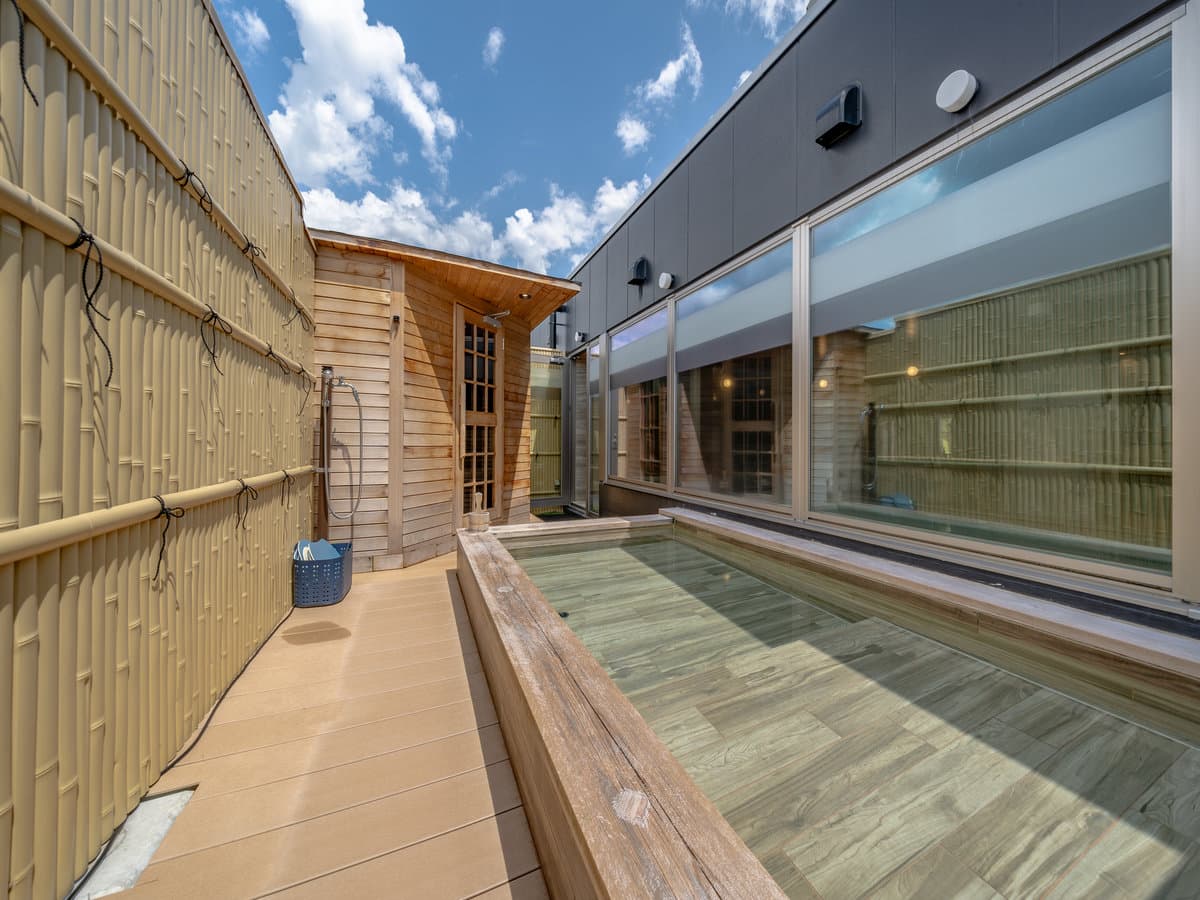
The room: 14 rooms across two buildings, all with tatami, futon-style bedding, and a low dining table where dinner is served. The pricier rooms in the Kachoan annex have private cypress (hinoki) tubs filled with onsen water, which I'd splurge on if you have tattoos or want to avoid the public bath schedule. The standard rooms still get full access to the rooftop open-air bath that looks across the Miyagawa river.

The food: dinner is a 9-10 course Hida-style kaiseki with A5 Hida beef as the main protein, usually served three ways — a slice of *shabu-shabu*, a *hoba-miso* grill (cooked on a magnolia leaf over a small charcoal burner at your table), and a sashimi-style raw cut. The hoba-miso is the regional dish you came here for. Breakfast includes Hida-region pickles, grilled river fish, and a hot pot.

Pricing: from ¥48,780 per night for two with dinner and breakfast in the standard wing [verified Tripadvisor and official site h-rez.com 2026-05-04]; rooms with private onsen baths run ¥75,000-95,000.

Pros: unbeatable location, the most polished kaiseki I've had in Takayama, a free station shuttle even though you barely need it (10-minute walk).

Cons: rooms are small by Western standards (about 8 tatami mats / 13 m² for the entry-level type), and the main building's wooden floors creak — fine if you sleep heavily, less fine if you don't. Booking lead time for cherry-blossom and autumn weeks is 4+ months.

Tip

**Tip**: Request a Miyagawa river-view room when you book; the price difference is small but the morning view of the open-air market on the riverbank is the moment you'll remember.

2. Ryokan Tanabe — best central pick under ¥40,000

Ryokan Tanabe is the answer when somebody asks "what's the most authentic ryokan walking distance to Sanmachi without going full luxury?" The front door is a one-minute walk to the historic district — closer than Hiranoya, in fact — and the price comes in roughly 20% lower for similar room quality.

The room: traditional 10-mat tatami rooms with shoji screens. Most rooms don't have private baths; you'll use the shared indoor stone bath and the smaller cypress family bath, which can be reserved for 40-minute private slots at no extra charge. The futons are laid out by staff while you're at dinner — a small detail that makes you feel like you're staying in someone's grandmother's beautifully maintained house, which is essentially what Tanabe is. The Tanabe family has run the ryokan for four generations.

The food: dinner is served in a private dining room rather than your guest room (the trade-off for the lower price). The Hida beef course is the highlight — you can choose a kaiseki set or upgrade to the Hida-beef *sukiyaki* dinner, which is served with raw egg dipping and the rich soy-mirin broth boiled at your table. Honestly, I prefer the sukiyaki upgrade; it's more theater and you taste the beef cleaner.

Pricing: from ¥38,000 for two with dinner and breakfast [verified Tripadvisor and Booking.com 2026-05-04]; the sukiyaki upgrade adds ¥3,500 per person.

Pros: best location-to-price ratio in this list, English-language printed menus and explanations, small enough that the okami (proprietress) personally greets you.

Cons: no in-room baths, no elevator (steep wooden stairs to the upper floors), and the walls are thin — bring earplugs if you're a light sleeper. The front street can have early-morning truck traffic delivering to nearby shops.

3. Ryokan Asunaro — best mid-range and tattoo-friendly option

A kaiseki meal with multiple small Japanese dishes including grilled fish and pickles

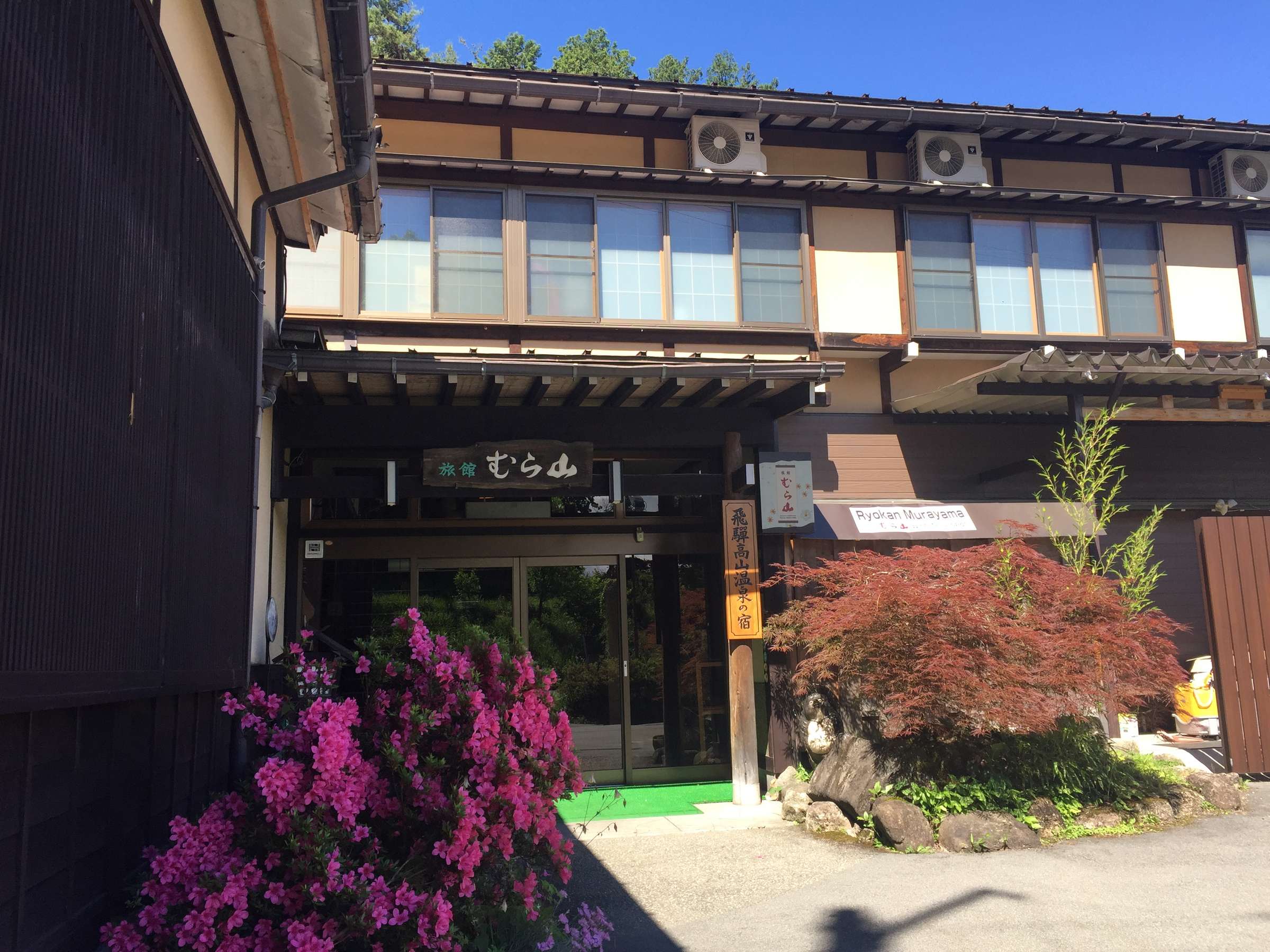
Asunaro is the rare Takayama ryokan that openly welcomes tattooed guests in its onsen baths — a detail that matters more than guidebooks let on. About 70% of mid-range Japanese ryokans still have a no-tattoo policy at the public bath, so this one fills a real gap. It's also a 6-minute walk from JR Takayama Station and 8 minutes to Sanmachi, making it the most convenient if you're arriving by train with luggage.

The room: tatami rooms in a 1973 building that was renovated in 2018. The aesthetic is more "1970s Japanese country inn" than rustic-traditional, which I actually like — there's a warmth to the wood paneling and the staff truly seem to enjoy their jobs. The onsen baths are sourced from Hida Takayama Onsen and the hot rocks are real, not artificial.

The food: the kitchen is known for its Hida-beef sukiyaki, made with Hida-raised A4-grade beef simmered in a cast-iron pot at your table. The rest of the kaiseki includes river-fish sashimi (Hida is landlocked, so the "sashimi" is sweet *iwana* trout), local mountain vegetables, and a Hida-rice rice course. It's not as refined as Hiranoya's plating, but the flavors are deeper and more home-cooked.

Pricing: from ¥22,000 per night for two with dinner and breakfast [verified Booking.com and yado-asunaro.com 2026-05-04]. This is the cheapest full-kaiseki, full-onsen ryokan I'd recommend in central Takayama.

Pros: tattoo-friendly (large pieces are fine in the public bath), strong English support — multiple staff members are bilingual, free shuttle from the station, sukiyaki is genuinely excellent.

Cons: the building shows its age in places (older bathroom fixtures in standard rooms), no in-room private bath in the entry-level rooms, and the location, while close to Sanmachi, is on a slightly less atmospheric street.

4. Hidatei Hanaougi — best for in-room private onsen

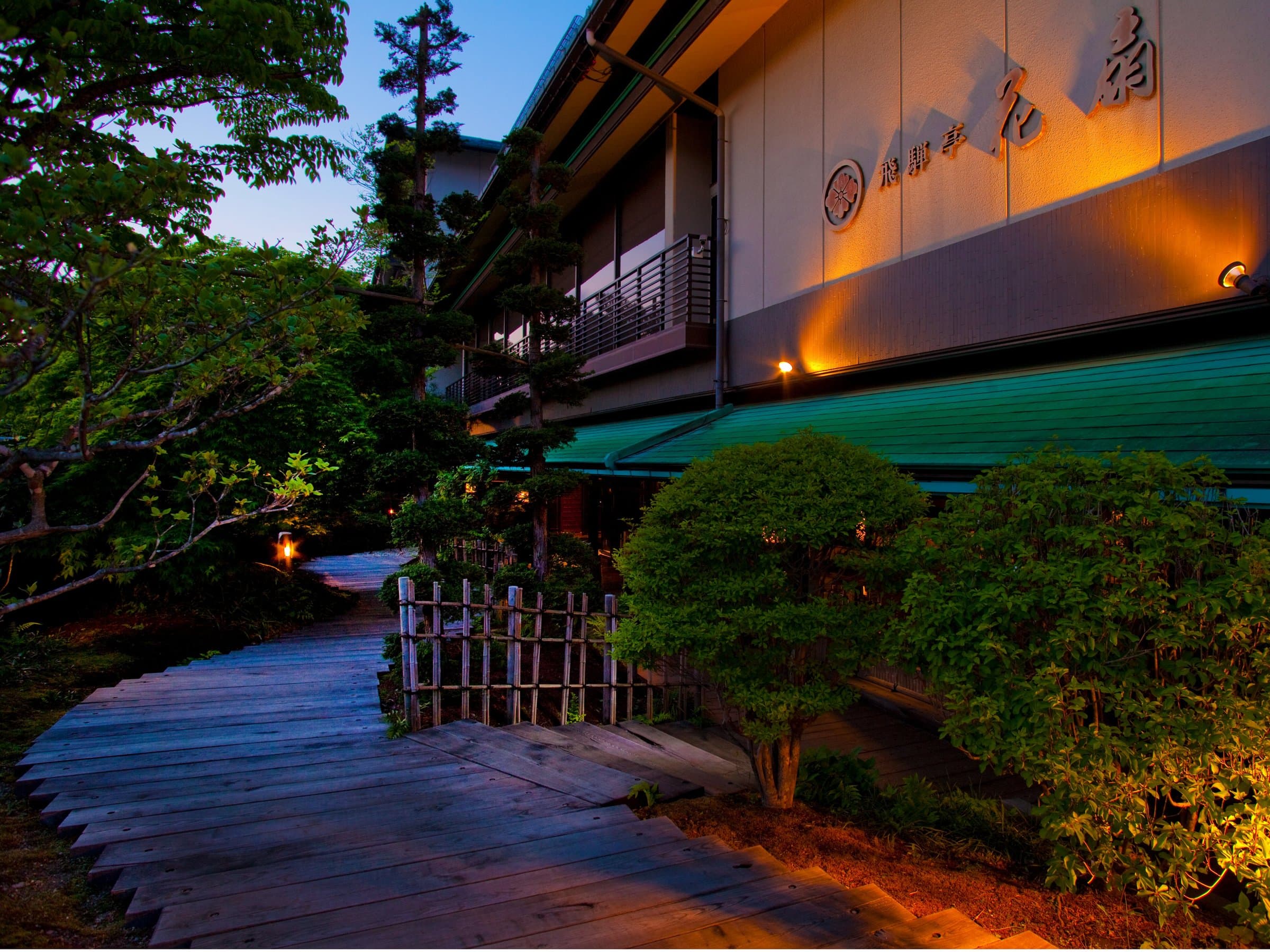
A wooden mountain ryokan exterior surrounded by trees

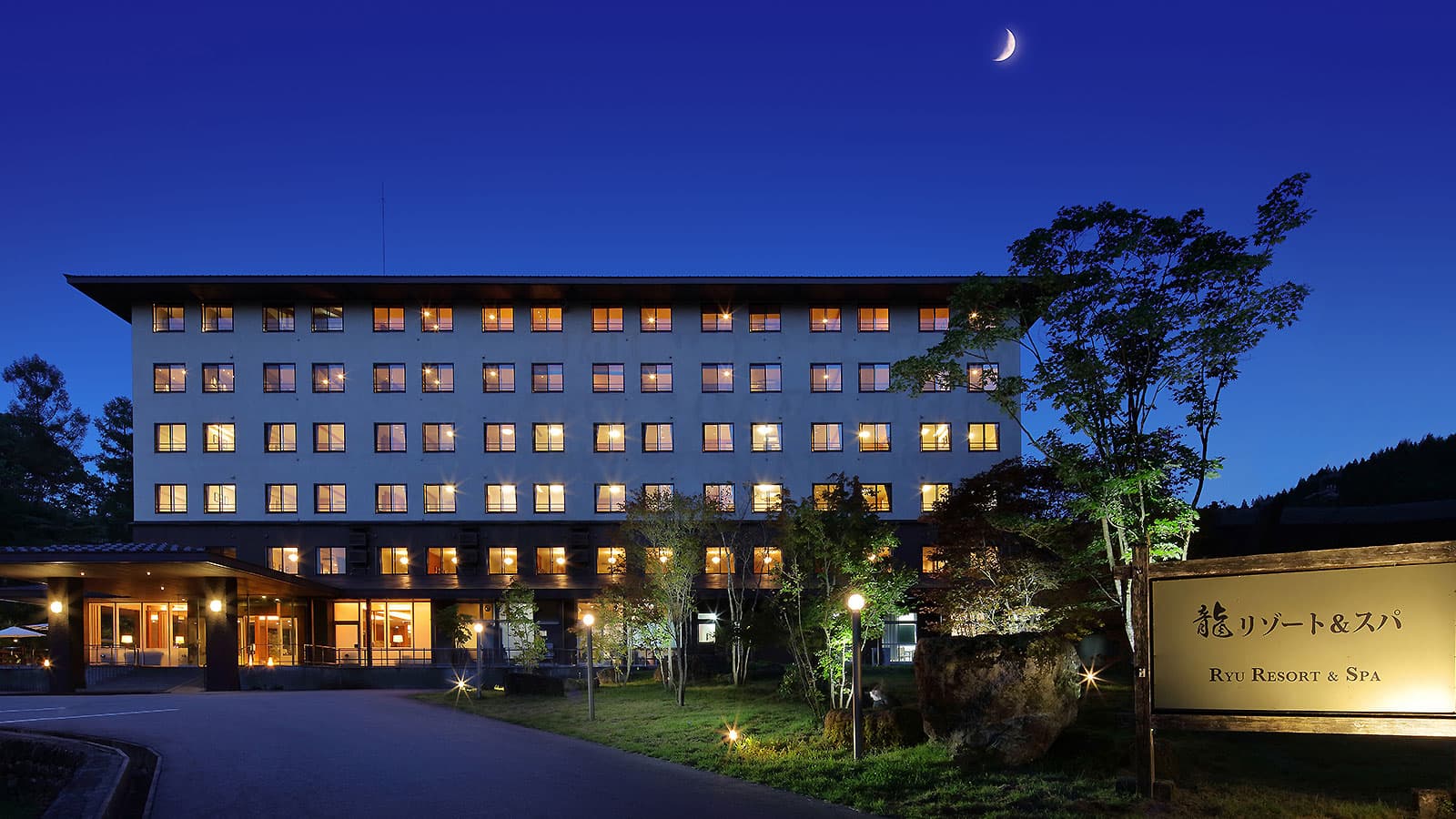
Hidatei Hanaougi sits in the Hida Takayama Onsen district, about 12 minutes by car from Sanmachi, and it's the right pick if your priority is "I want my own outdoor bath, with onsen water, on my own private terrace." Twenty-five of the rooms have open-air onsen tubs you can use any hour of the day or night — something I cannot overstate the appeal of when it's snowing in February.

The room: dedicated rooms ranging from 50 to 90 m² (huge by ryokan standards). The Hanaougi-no-Ma rooms have a wooden deck with a hinoki-wood tub continuously refilled with Hida Takayama Onsen water. The bedding is a hybrid — futon on the tatami section plus a Western-style bed in the connected room — which works well if you're not used to sleeping on the floor.

The food: served in private dining rooms, not in-room. The kaiseki uses Hida beef as the centerpiece and rotates seasonal Hida vegetables (in spring, *fuki-no-to* mountain butterbur shoots; in autumn, *matsutake* mushrooms when they're available, surcharged). I had the autumn menu and the *hoba-miso* with Hida beef and matsutake was probably the single best ryokan dish of the entire trip.

Pricing: from ¥39,727 per night for two with dinner and breakfast in a base room [verified Tripadvisor 2026-05-04]; rooms with private outdoor onsen run ¥55,000-80,000. The premium tier is closer to ¥120,000 with full kaiseki and matsutake season pricing.

Pros: the in-room onsen experience is the real thing, free shuttle to/from Takayama Station that hits Sanmachi on request, very English-friendly with bilingual concierge staff.

Cons: you're not walking to Sanmachi from here. If you want to wander the old town after dark, you'll need to time the shuttle (last run is usually 9pm) or take a ¥1,500 taxi back. The property is also large enough that it loses a bit of the small-inn intimacy you get at Tanabe or Asunaro.

5. Iroriyado Hidaya — best 100-year-old farmhouse ryokan

This one is a curveball: Iroriyado Hidaya is a relocated and restored *gassho-style* (steep thatched-roof) farmhouse from the Hida region, over 100 years old. The name "Hyakunen Kominka" literally means "100-year old folk house." There are only six rooms, and each one has an *irori* — a sunken charcoal hearth in the floor — that the staff actually lights for you in winter.

The room: rough-hewn wooden beams, paper screens, and the irori as the centerpiece. Smaller than the chain ryokans (around 12-15 m²) but the texture of the place compensates. Two of the six rooms have private semi-open-air baths.

The food: this is where it gets memorable. Dinner is cooked partly *on your irori* — Hida beef on a skewer that you grill yourself over the charcoal, hoba-miso over the same fire, river fish on long bamboo skewers stuck into the ash. It's the most active, hands-on kaiseki experience in Takayama. The okami brings each course personally and explains it (in Japanese; staff have a tablet for English translation).

Pricing: from ¥26,600 per night for two with dinner and breakfast [verified Booking.com 2026-05-04]; the rooms with private baths run ¥36,000-42,000.

Pros: the most genuinely old-Japan atmosphere of anywhere on this list, the cooking-at-your-irori experience is unforgettable, six rooms means it's quiet.

Cons: it's an 18-minute walk to Sanmachi (or use the free shuttle, which runs three times a day), and the English support is only moderate — bring Google Translate. The historic building means thin walls and a bit of smoke smell from the irori (some guests find this charming, others tiring). Bathrooms in the standard rooms are shared down the hall.

6. Oyado Koto No Yume — best for first-time ryokan visitors

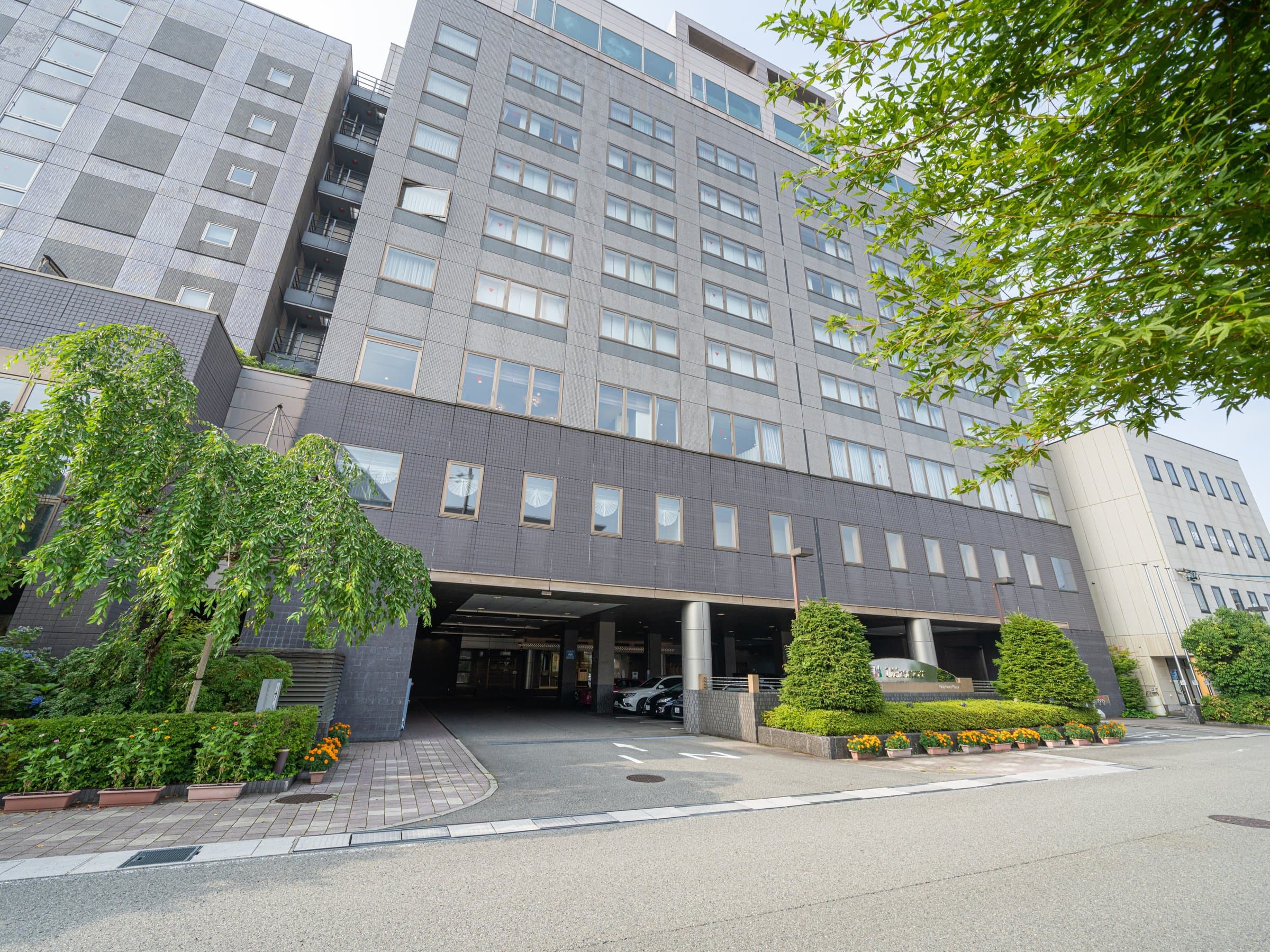
Oyado Koto No Yume is the easiest ryokan in Takayama to book, navigate, and enjoy if you've never stayed at one before. It's a two-minute walk from Takayama Station — useful when you arrive at 6pm tired from the JR train from Nagoya — and a ten-minute flat walk to Sanmachi. The whole place is built to ease Western guests into the ryokan format.

The room: 24 rooms, mostly tatami, but there's a "Japanese-Western" hybrid option with twin beds on a raised tatami platform, which I recommend for older travelers or anyone who simply doesn't want to sleep on the floor. Some rooms have a semi-open-air private hot tub on the balcony — not full onsen water in those (it's heated tap), so for a real hot-spring soak, head to the public indoor and open-air baths on the top floor, which use Hida Takayama Onsen.

The food: dinner at the on-site KAGURA restaurant offers a flexible "choose your style" approach — kaiseki, Hida-beef shabu-shabu, or Hida-beef *teppan* (iron-griddle). The teppan is a fun option if you want to see your beef cooked rather than have it served. A traditional kaiseki adds about ¥4,000-6,000 per person. Breakfast offers both Western and Japanese options, useful for kids or picky eaters.

Pricing: from ¥35,703 per night for two with dinner and breakfast [verified official site oyado-koto-no-yume.hotel-rn.com and Booking.com 2026-05-04].

Pros: closest to Takayama Station of any ryokan on this list, very flexible food options, English check-in is smooth, semi-private balcony tubs in some rooms.

Cons: the in-room "tubs" are not real onsen (the real onsen is in the shared baths), the décor leans modern-hotel rather than traditional-ryokan, and at peak season the hallways feel busy because there are more rooms than at the smaller inns above.

What to expect at any ryokan in Takayama: the practical bits

If this is your first ryokan stay anywhere in Japan, here's the pattern that all six properties above follow.

Check-in is usually 3pm–6pm, and you're expected to arrive in this window so the host can greet you with green tea and explain the bath/dinner schedule. Earlier than 3pm, most ryokans will store your luggage but the room won't be ready.

Dinner is at a fixed time — typically 6pm or 6:30pm — and you should communicate dietary restrictions (vegetarian, no shellfish, halal needs) at the time of booking, not on arrival. The kaiseki is planned days in advance and last-minute changes are stressful for the kitchen.

Yukata robes are provided for wearing inside the ryokan and to and from the bath. You can wear them to dinner. Wear them out to walk around Sanmachi at night if you want — locals expect it during festival season.

The bath etiquette: wash thoroughly at the seated showers *before* entering the bath. Bring no soap, towels, or swimwear into the soaking tub. Tie up long hair. Most ryokans have separate men's and women's baths that swap at midnight (so you experience both views).

Tipping is not done. A genuine "arigato gozaimasu" with a bow is the right thank-you.

Tip

**Tattoos**: only Asunaro on this list is openly tattoo-friendly. At the others, small concealable tattoos can be covered with the bandage patches some ryokans sell at the front desk (¥300 each), or you can use the family/private bath. Always ask at check-in.

Add-on: Shirakawa-go day trip from Takayama

A village by a lake with mountain backdrop in Japan

Almost everyone staying at a ryokan in Takayama also wants to see Shirakawa-go, the UNESCO-listed thatched-roof village an hour to the west. Here's how to do it without backtracking and without rushing your ryokan check-out.

The bus: Nohi Bus runs the Takayama–Shirakawago line about 16 round-trips daily. One-way is ¥2,800, round-trip ¥5,000, and the journey is 50 minutes [verified Nohi Bus official site nouhibus.co.jp 2026-05-04]. Reservations are recommended in autumn and during cherry-blossom weeks; you can book through Japan Bus Online up to a month in advance.

The optimal day plan:

1. Eat ryokan breakfast at 8am (most ryokans serve until 9am). 2. Check out by 10am, leave luggage at the front desk. 3. Walk five minutes to the bus terminal next to Takayama Station. 4. Catch the 10:50am bus, arrive Shirakawa-go around 11:40am. 5. Walk to the Shiroyama Viewpoint (15 minutes uphill) for the postcard shot. 6. Lunch at one of the village restaurants — try *hoba-miso* or *Hida-gyu nigiri* (single piece of beef sushi, around ¥800). 7. Visit one of the open-house gassho-style farmhouses (Wada-ke is the largest, ¥400 entry). 8. Catch the 3:30pm or 4:30pm bus back to Takayama, retrieve luggage, and continue to Kanazawa (¥4,000, 1h15) or Tokyo via Nagoya.

If you have a second night: do Shirakawa-go on the day you arrive (drop luggage at Takayama Station coin lockers, do the village, then check into your ryokan that afternoon). This way you actually have a full evening to explore Sanmachi after dinner — the part most day-trippers miss.

Tip

**Tip**: Avoid Shirakawa-go on Saturdays from May to October. The village has narrow paths and the crowds genuinely diminish the experience. Tuesday or Wednesday is ideal.

Frequently asked questions about staying at a ryokan in Takayama

How far in advance should I book a ryokan in Takayama? For the spring (April-May) and autumn (October-November) seasons, book 3-4 months ahead. For the Takayama Festival (April 14-15 and October 9-10), book 9-12 months ahead. For winter and summer weekdays, 2-4 weeks is usually enough.

What's the best ryokan in Takayama for couples? Hidatei Hanaougi for a private-onsen splurge, or Honjin Hiranoya Kachoan if you want luxury plus the central location. Tanabe is the best mid-range romantic pick.

Are Takayama ryokans family-friendly? Some are, some aren't. Oyado Koto No Yume is the most child-friendly with Western breakfast options and Japanese-Western hybrid rooms. Iroriyado Hidaya and Hidatei Hanaougi have a more adults-focused atmosphere.

Can I stay only one night? Yes, all six properties accept single-night bookings. I'd actually argue one night is enough for Takayama itself; pair it with a night in Kanazawa or Kyoto to make the route worthwhile.

Is the Hida-beef kaiseki really worth the price? If you've never had A4 or A5 wagyu, yes — the experience of having it cooked five or six different ways in one meal is genuinely special. If you've eaten high-end wagyu before, the lower-priced ryokans (Asunaro, Tanabe) deliver 80% of the experience for half the price.

Final ranking and who each ryokan is for

The honest summary: the best ryokan in Takayama depends on what you actually want.

- Best overall: Honjin Hiranoya Kachoan — luxury, location, kaiseki, all maxed out. - Best value: Ryokan Asunaro — strong food, central location, tattoo-friendly, under ¥25,000. - Best location: Ryokan Tanabe — one-minute walk to Sanmachi. - Best private onsen: Hidatei Hanaougi — in-room outdoor baths with real spring water. - Best atmosphere: Iroriyado Hidaya — 100-year-old farmhouse with irori dining. - Best for first-timers: Oyado Koto No Yume — easy logistics, flexible food.

Whatever you book, give yourself one full evening in Sanmachi after dinner. Walk back through the lantern-lit streets in your yukata, get a small cup of sake from one of the breweries that's still open, and stand on Nakabashi Bridge for ten minutes. That's the best ryokan in Takayama — the one whose front door is closest to that moment.

傳統日式旅館的榻榻米房間,配備矮桌與坐墊

挑選高山最佳旅館比想像中困難。我第一次來這裡住宿時,犯了幾乎每位初訪者都會犯的錯:因為照片漂亮就預訂,結果晚上8點才發現自己離點著燈籠的三町古街要走25分鐘,還下著大雨。晚餐還算可以,房間也還行,但我從未真正*體驗*到夜晚的高山。當地街道在下午5點左右就會空蕩,因為一日遊的旅客都離開前往金澤了——而下午5點到7點之間,當木造酒造在杉玉招牌下散發光芒、宮川的水聲清晰可聞的這一小時,正是你應該住在這裡而不是搭巴士回名古屋的全部理由。

所以當有人問我高山最佳旅館時,我不會只用星級排名。我用三件事來排序:穿著木屐能多快走到三町筋、飛驒和牛懷石料理究竟有多好吃,以及主人的英語是否足以解釋餐盤上的菜色。經過三次旅行,並在2026年5月仔細交叉比對Booking.com、Tripadvisor與旅館官網後,以下是我真正願意推薦給父母的6間旅館——附上誠實的優缺點、目前價格,以及一個無需折返的白川鄉一日遊行程。

我如何挑選這些高山旅館

我從Tripadvisor高山旅館分類與Booking.com篩選「旅館」結果中,整理出大約25間物件清單,然後用四項嚴格條件縮小範圍:

- 步行便利性:步行15分鐘內可抵達中橋(標示三町入口的紅色橋樑)。如果物件距離較遠,必須提供能配合入住/退房時間的免費接駁車。 - 使用認證飛驒和牛的懷石料理:菜單必須明確標示飛驒牛(飛騨牛),而不只是「和牛」或「在地牛肉」。飛驒牛評為A4/A5等級,並由飛驒牛振興協議會認證;較便宜的旅館有時會用區域性的岐阜和牛代替。 - 能以英語應對的櫃台:至少入住時提供英文書面資料,並有一位能回應問題的工作人員。Booking.com英文評論中「工作人員」項目可作為合理參考。 - 溫泉品質:真正的飛驒高山溫泉水(源泉很重要——許多市區旅館只是引入加熱的自來水卻稱為溫泉)。我也標註了哪些物件設有私人/家族風呂,因為這對有刺青的旅客和情侶而言至關重要。

關於價格的說明:以下每個日圓金額都已於2026年5月4日核對官網與至少一家OTA(Booking.com或Tripadvisor),以標準兩人入住附兩餐為基準。日本的住宿稅(住宿費2萬日圓以下每人每晚200日圓,依等級可累進至1,000日圓)通常會在入住時加收。

高山6間最佳旅館一覽

| 旅館 | 步行至三町 | 價格(2人,附晚餐+早餐) | 飛驒牛懷石 | 私人溫泉 | 英語 | |---|---|---|---|---|---| | 本陣平野屋花兆庵 | 4分鐘 | 48,780日圓起(約NT$10,400) | 有(A5選項) | 部分房型 | 強 | | 旅館田邊 | 1分鐘 | 38,000日圓起(約NT$8,100) | 有(套餐或壽喜燒) | 家族風呂 | 良好 | | 旅館翌檜 | 8分鐘 | 22,000日圓起(約NT$4,700) | 有(招牌壽喜燒) | 友善刺青 | 強 | | 飛驒亭花扇 | 接駁車,車程12分鐘 | 39,727日圓起(約NT$8,500) | 有(高級) | 25間房附露天 | 良好 | | 圍爐里宿飛驒屋 | 接駁車,步行18分鐘 | 26,600日圓起(約NT$5,700) | 有(圍爐里料理) | 兩處私人風呂 | 中等 | | 御宿古都之夢 | 10分鐘 | 35,703日圓起(約NT$7,600) | 有(可加價選擇) | 半露天私人風呂 | 良好 |

所有價格皆於2026年5月4日依官方訂房頁面與Booking.com核對,以5月下旬平日入住為基準。週末與高山祭(4月14-15日和10月9-10日)期間價格高出30-60%,且通常一年前即售罄。

Tip

**預訂小提示**:祭典週末請設定Booking.com價格提醒*並*透過官網列出的電話直接致電旅館。多間高山旅館會保留部分房間給回頭客而不放上OTA,若以基礎日語或翻譯App詢問,他們有時會透過電話釋出房間。

1. 本陣平野屋花兆庵——高山最佳整體旅館

日式旅館蒸氣繚繞的露天溫泉風呂

如果我在高山只能住一晚,且預算寬裕,我每次都會選擇本陣平野屋花兆庵。它就位於中橋旁——你只要走出大門,跨過紅橋,90秒內就能抵達三町筋。光是這個地點就值得這個價位,而懷石料理更是讓這裡登上我心中第一名的關鍵。

房間:兩棟建築共14間客房,皆為榻榻米、被褥式寢具,以及供應晚餐用的矮餐桌。花兆庵別館較高價的房型附私人檜木浴池,注入溫泉水——若你有刺青或想避開大眾池時段,我會推薦多花這筆錢。標準房型仍可使用屋頂露天風呂,能眺望宮川風景。

料理:晚餐是9-10道飛驒風懷石料理,主菜為A5飛驒牛,通常以三種方式呈現——一片*涮涮鍋*、*朴葉味噌*燒(在桌邊小炭爐上以朴葉燒烤),以及生切片。朴葉味噌正是你來此必嚐的鄉土料理。早餐包含飛驒地區醃菜、烤川魚和火鍋。

價格:標準館兩人附晚餐與早餐每晚48,780日圓起(約NT$10,400)[已於2026年5月4日核對Tripadvisor與官網h-rez.com];附私人溫泉風呂的房型為75,000-95,000日圓(約NT$16,000-20,300)。

優點:地點無敵、我在高山住過最精緻的懷石料理、即使你幾乎不需要也提供免費車站接駁(步行10分鐘)。

缺點:以西方標準來看房間偏小(入門房型約8疊榻榻米/13平方公尺),主館木地板會吱嘎作響——睡眠深沉者無妨,淺眠者較不適。櫻花季與紅葉週的訂房需提前4個月以上。

Tip

**小提示**:訂房時請指定宮川河景房;價差不大,但清晨從河岸朝市望出去的景致,會是你最難忘的時刻。

2. 旅館田邊——4萬日圓以下最佳市中心選擇

當有人問「在不走奢華路線的前提下,步行可達三町最道地的旅館是哪一間」時,旅館田邊就是答案。大門到歷史街區僅一分鐘——事實上比平野屋還近——而房間品質相近的價格便宜約20%。

房間:傳統10疊榻榻米房型搭配紙拉門。多數房間沒有私人風呂;你會使用共用的室內石風呂與較小的檜木家族風呂,後者可免費預約40分鐘私人時段。被褥會在你晚餐期間由工作人員鋪好——這個小細節會讓人感覺像住在某位祖母精心維護的房子裡,而田邊本質上就是這樣。田邊家族已經經營這間旅館四代了。

料理:晚餐供應於私人餐廳而非客房內(這是價格較低的取捨)。飛驒牛料理是亮點——你可以選擇懷石套餐,或升級至飛驒牛*壽喜燒*晚餐,搭配生雞蛋沾醬與在桌邊熬煮的醬油味醂濃湯。老實說,我更喜歡升級壽喜燒;更具表演性,也能更純粹地品嚐牛肉。

價格:兩人附晚餐與早餐38,000日圓起(約NT$8,100)[已於2026年5月4日核對Tripadvisor與Booking.com];壽喜燒升級每人加價3,500日圓(約NT$750)。

優點:本清單中地段與價格比最佳、提供英文印刷菜單與說明、規模小到老闆娘會親自迎接。

缺點:客房內無風呂、沒有電梯(往上層的木製樓梯陡峭)、隔間牆薄——淺眠者請帶耳塞。前方街道清晨可能有送貨卡車前往附近店家。

3. 旅館翌檜——最佳中價位與友善刺青選擇

包含烤魚與醃菜的多道日式小菜懷石料理

翌檜是高山少數公開歡迎刺青客人使用溫泉風呂的旅館——這個細節比旅遊指南所說的更重要。約70%的中價位日式旅館仍對大眾風呂實施禁刺青政策,所以這間旅館填補了真正的市場缺口。它距離JR高山站僅6分鐘步行,到三町8分鐘,若你帶著行李搭電車抵達,這是最方便的選擇。

房間:榻榻米房間位於1973年建造、2018年翻修的建築。美學風格較偏「1970年代日本鄉村旅館」而非質樸傳統,我其實滿喜歡——木質飾板帶著溫暖感,工作人員看起來真心享受工作。溫泉風呂引自飛驒高山溫泉,熱石是真的,不是人造的。

料理:廚房以飛驒牛壽喜燒聞名,使用飛驒A4等級牛肉,在桌邊鑄鐵鍋中燉煮。其餘懷石料理包括川魚生魚片(飛驒不靠海,所以「生魚片」是甜美的*岩魚*鱒魚)、當地山菜,以及飛驒米飯料理。擺盤不像平野屋那麼精緻,但風味更深厚,更有家常感。

價格:兩人附晚餐與早餐每晚22,000日圓起(約NT$4,700)[已於2026年5月4日核對Booking.com與yado-asunaro.com]。這是我會推薦在高山中心、提供完整懷石與完整溫泉體驗中最便宜的旅館。

優點:友善刺青(大面積刺青在大眾風呂也沒問題)、英語支援強——多位工作人員會雙語、車站免費接駁、壽喜燒真的非常出色。

缺點:建築物某些部位顯露歲月(標準房的浴室設備較舊)、入門房型無客房內私人風呂,且地點雖然靠近三町,街道氛圍稍弱。

4. 飛驒亭花扇——最佳客房內私人溫泉

被樹木環繞的木造山中旅館外觀

飛驒亭花扇位於飛驒高山溫泉區,距離三町車程約12分鐘,如果你的優先考量是「我想要自己的露天風呂、用溫泉水、在自己的私人露台上」,這就是正確選擇。其中25間客房附設可全天使用的露天溫泉浴池——當2月下著雪時,這份吸引力我再怎麼強調都不為過。

房間:專屬房間從50到90平方公尺不等(以旅館標準算非常大)。花扇之間房型擁有木製平台與檜木浴池,持續注入飛驒高山溫泉水。寢具是混合式——榻榻米區的被褥加上相連房間的西式床——若你不習慣睡地板,這設計很實用。

料理:供應於私人餐廳,非客房內。懷石料理以飛驒牛為主角,搭配當季飛驒蔬菜(春季為*蕗薹*山款冬芽,秋季為*松茸*若有貨,需加價)。我吃過秋季菜單,飛驒牛搭配松茸的*朴葉味噌*大概是整趟旅行中最棒的一道旅館料理。

價格:基本房型兩人附晚餐與早餐每晚39,727日圓起(約NT$8,500)[已於2026年5月4日核對Tripadvisor];附私人露天溫泉的房型為55,000-80,000日圓(約NT$11,700-17,100)。高級等級接近120,000日圓(約NT$25,600),含完整懷石與松茸季節價。

優點:客房內溫泉是真的、提供高山站免費接駁(依需求停靠三町)、英語支援極佳,配備雙語接待人員。

缺點:你無法從這裡步行到三町。若想在天黑後漫遊古街,你需要配合接駁車時段(最後一班通常為晚上9點),或搭1,500日圓(約NT$320)的計程車回來。物件規模也夠大,會稍微失去田邊或翌檜那種小旅館的親密感。

5. 圍爐里宿飛驒屋——最佳百年農舍旅館

這間是個意外驚喜:圍爐里宿飛驒屋是一棟從飛驒地區搬遷並修復的*合掌造*(陡峭茅葺屋頂)農舍,已有100多年歷史。「百年古民家」之名直譯就是「百年老民居」。僅有6間客房,每間都設有*圍爐里*——地板上的下沉式炭火爐——冬季工作人員會真的為你點燃。

房間:粗削木樑、紙拉門,以及作為核心的圍爐里。比連鎖旅館小(約12-15平方公尺),但場所的質感彌補了空間。6間房中有2間設有私人半露天風呂。

料理:精彩之處在此。晚餐部分*在你的圍爐里上*烹調——飛驒牛串自己在炭火上烤、朴葉味噌在同一爐火上煮、川魚串在長竹籤上插入灰燼。這是高山最具動手感、互動性最強的懷石體驗。老闆娘會親自端出每道菜並解釋(用日語;工作人員備有平板提供英文翻譯)。

價格:兩人附晚餐與早餐每晚26,600日圓起(約NT$5,700)[已於2026年5月4日核對Booking.com];附私人風呂的房型為36,000-42,000日圓(約NT$7,700-9,000)。

優點:本清單中最具古日本氛圍之處、在自家圍爐里烹飪的體驗難以忘懷、僅6間房意味著環境寧靜。

缺點:步行至三町需18分鐘(或搭乘每天三班的免費接駁車),英語支援僅為中等——請帶上Google翻譯。歷史建築意味著隔間牆薄,且圍爐里會有些煙味(有些客人覺得有趣,有些則覺得疲憊)。標準房型的浴室為走廊共用。

6. 御宿古都之夢——最佳初次入住旅館的選擇

御宿古都之夢是高山最容易預訂、上手且令初次入住旅館者享受的選擇。距離高山站僅兩分鐘步行——當你晚上6點搭JR電車從名古屋疲憊抵達時非常有用——而走到三町只需10分鐘平地步行。整個物件都是為了讓西方客人輕鬆熟悉旅館形式而設計。

房間:24間客房,多為榻榻米,但有「和洋」混合型房選項,配備架高榻榻米平台上的雙床——我推薦給年長旅客或單純不想睡地板的人。部分房間陽台設有半露天私人浴池——這些不是真正的溫泉水(為加熱自來水),所以若想真正泡溫泉,請前往頂樓使用飛驒高山溫泉的室內與露天大眾風呂。

料理:在館內KAGURA餐廳的晚餐提供彈性「自選風格」方式——懷石、飛驒牛涮涮鍋,或飛驒牛*鐵板燒*。鐵板燒若你想看著牛肉烹調而非端上桌,是有趣的選擇。傳統懷石每人加價約4,000-6,000日圓(約NT$850-1,300)。早餐提供西式與日式選項,對小孩或挑食者很實用。

價格:兩人附晚餐與早餐每晚35,703日圓起(約NT$7,600)[已於2026年5月4日核對官網oyado-koto-no-yume.hotel-rn.com與Booking.com]。

優點:本清單中距離高山站最近、餐飲選擇彈性極大、英語入住流程順暢、部分房型附半私人陽台浴池。

缺點:客房內「浴池」並非真溫泉(真正的溫泉在共用大浴場)、裝潢偏向現代飯店風格而非傳統旅館,且旺季時走廊會顯得擁擠,因為客房數比上述較小型旅館多。

在高山任何旅館入住須知:實用要點

如果這是你在日本第一次入住旅館,以下是上述六間物件都遵循的模式。

入住時間通常為下午3點至6點,且預期你會在這個時段內抵達,主人才能以綠茶迎接你並說明風呂/晚餐時程。下午3點以前,多數旅館會代為保管行李,但房間尚未準備好。

晚餐時間固定——通常為6點或6:30——飲食限制(素食、不吃貝類、清真需求)應在預訂時提出,而非抵達時。懷石料理會提前數天規劃,最後關頭的更動會讓廚房非常困擾。

提供浴衣供旅館內穿著及往返浴場使用。可穿著去吃晚餐。如果你想穿著走在三町夜街也可以——祭典季節當地人都這麼期待。

洗澡禮儀:在進入浴池*前*,先在坐式淋浴處仔細沖洗。不要將肥皂、毛巾或泳衣帶入浸泡池。長髮請綁起。多數旅館有男女分開的浴池,並在午夜互換(如此你能體驗兩種風景)。

不需小費。真誠的「謝謝」(arigato gozaimasu)配上鞠躬就是恰當的致謝。

Tip

**刺青**:本清單中只有翌檜公開友善刺青。在其他旅館,可遮掩的小刺青可用某些旅館櫃台販售的繃帶貼布遮蓋(每片300日圓,約NT$65),或使用家族/私人風呂。請務必入住時詢問。

加值行程:從高山出發的白川鄉一日遊

日本山景湖畔村莊

幾乎每位入住高山旅館的人也想看白川鄉,這座位於西方一小時車程、被聯合國教科文組織列名的茅葺屋頂村落。以下是不需折返、也不會打亂旅館退房節奏的行程方式。

巴士:濃飛巴士營運高山-白川鄉路線,每日約16趟往返。單程2,800日圓(約NT$600),來回5,000日圓(約NT$1,070),車程50分鐘[已於2026年5月4日核對濃飛巴士官網nouhibus.co.jp]。秋季與櫻花週建議預約;可透過Japan Bus Online於最多一個月前預訂。

最佳一日行程

1. 早上8點吃旅館早餐(多數旅館供應到9點)。 2. 10點前退房,將行李寄放於櫃台。 3. 步行5分鐘至高山站旁的巴士總站。 4. 搭乘10:50的巴士,約11:40抵達白川鄉。 5. 步行至城山展望台(上坡15分鐘)拍下明信片風景。 6. 在村內餐廳享用午餐——試試*朴葉味噌*或*飛驒牛握壽司*(單片牛肉壽司,約800日圓/NT$170)。 7. 參觀一間開放參觀的合掌造農舍(和田家最大,入場費400日圓/NT$85)。 8. 搭乘下午3:30或4:30的巴士回高山,取回行李,繼續前往金澤(4,000日圓/NT$850,車程1小時15分)或經名古屋前往東京。

若你有第二晚:抵達當天就去白川鄉(將行李寄放於高山站投幣式寄物櫃,遊覽村落,再於下午入住旅館)。這樣你晚餐後才能真正擁有完整的傍晚時間探索三町——這是多數一日遊旅客錯過的部分。

Tip

**小提示**:5月至10月的週六請避開白川鄉。村內小徑狹窄,人潮會明顯影響體驗。週二或週三最為理想。

高山旅館入住常見問題

高山旅館應該提前多久預訂? 春季(4-5月)與秋季(10-11月)應提前3-4個月預訂。高山祭(4月14-15日和10月9-10日)應提前9-12個月。冬季與夏季平日通常2-4週前即可。

高山最適合情侶的旅館是哪一間? 若想揮霍享受私人溫泉,選飛驒亭花扇;若想兼顧奢華與市中心地段,選本陣平野屋花兆庵。田邊是最佳中價位浪漫選擇。

高山旅館適合家庭嗎? 有些是,有些不是。御宿古都之夢最適合兒童,提供西式早餐選項與和洋混合房型。圍爐里宿飛驒屋與飛驒亭花扇較偏成人氛圍。

我可以只住一晚嗎? 可以,全部六間物件都接受單晚預訂。我其實認為高山本身一晚就夠了;搭配金澤或京都各住一晚,會讓行程更值得。

飛驒牛懷石料理真的值得這個價錢嗎? 若你從未吃過A4或A5和牛,是的——一餐中以五六種不同方式烹調的體驗確實特別。若你以前吃過高級和牛,較低價的旅館(翌檜、田邊)能以一半價格提供80%的體驗。

最終排名與每間旅館的適合對象

誠實的總結:高山最佳旅館取決於你真正想要什麼。

- 最佳整體:本陣平野屋花兆庵——奢華、地段、懷石全部頂級。 - 最佳CP值:旅館翌檜——優質料理、市中心地段、友善刺青、25,000日圓(約NT$5,300)以下。 - 最佳地段:旅館田邊——步行1分鐘到三町。 - 最佳私人溫泉:飛驒亭花扇——客房內露天浴池配真正的源泉水。 - 最佳氛圍:圍爐里宿飛驒屋——百年農舍配圍爐里料理。 - 最適合初次入住:御宿古都之夢——交通方便、餐飲彈性。

無論你預訂哪一間,請給自己一個完整的傍晚時光,在晚餐後漫步三町。穿著浴衣走過點亮燈籠的街道,從還在營業的酒造買一小杯清酒,在中橋上站10分鐘。那就是高山最佳旅館——大門距離那個瞬間最近的那一間。

Ready to book?

Find Your Ryokan

Browse our curated collection of traditional ryokans. Filter by region, price, and amenities.

開始探索