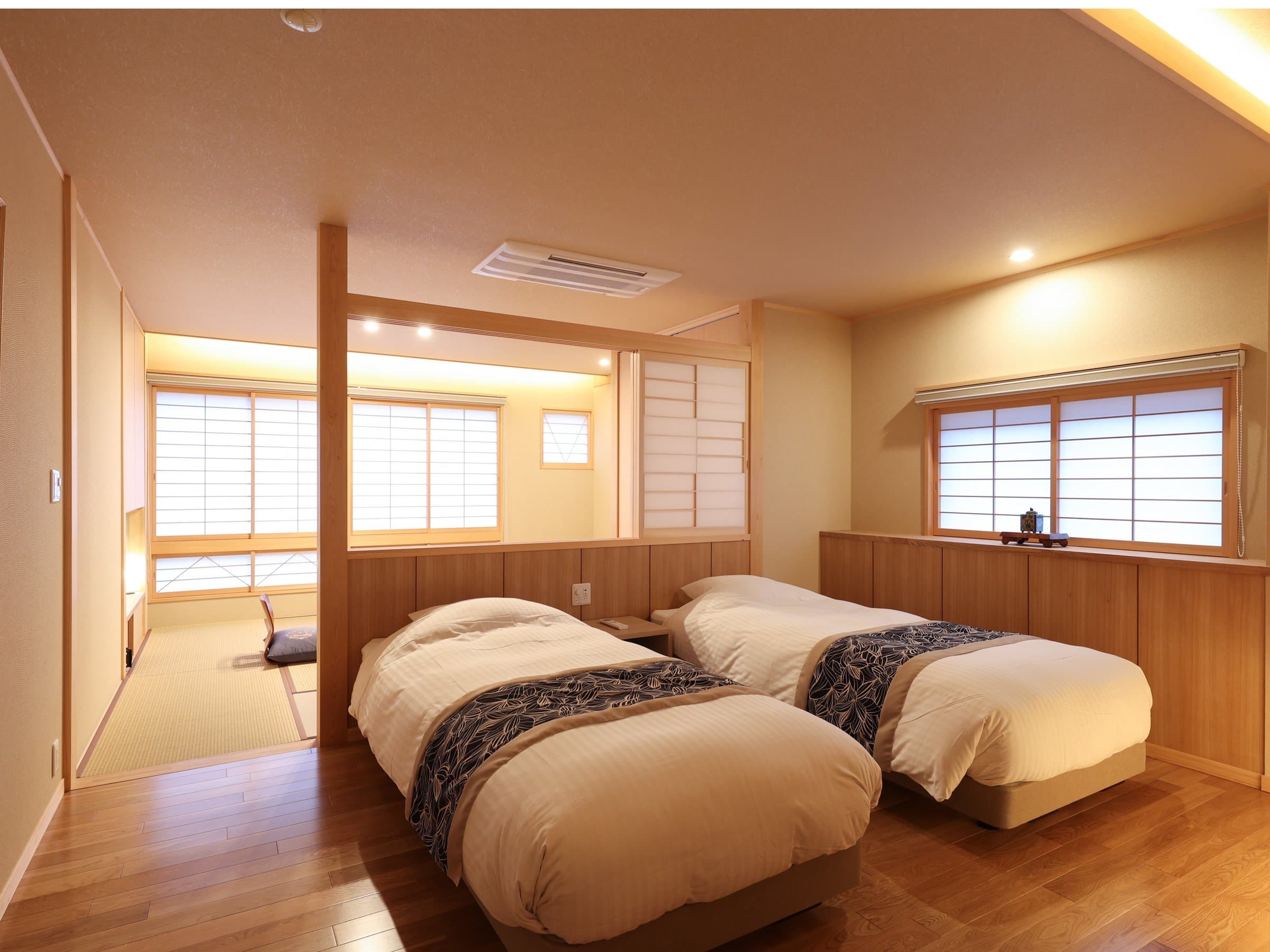
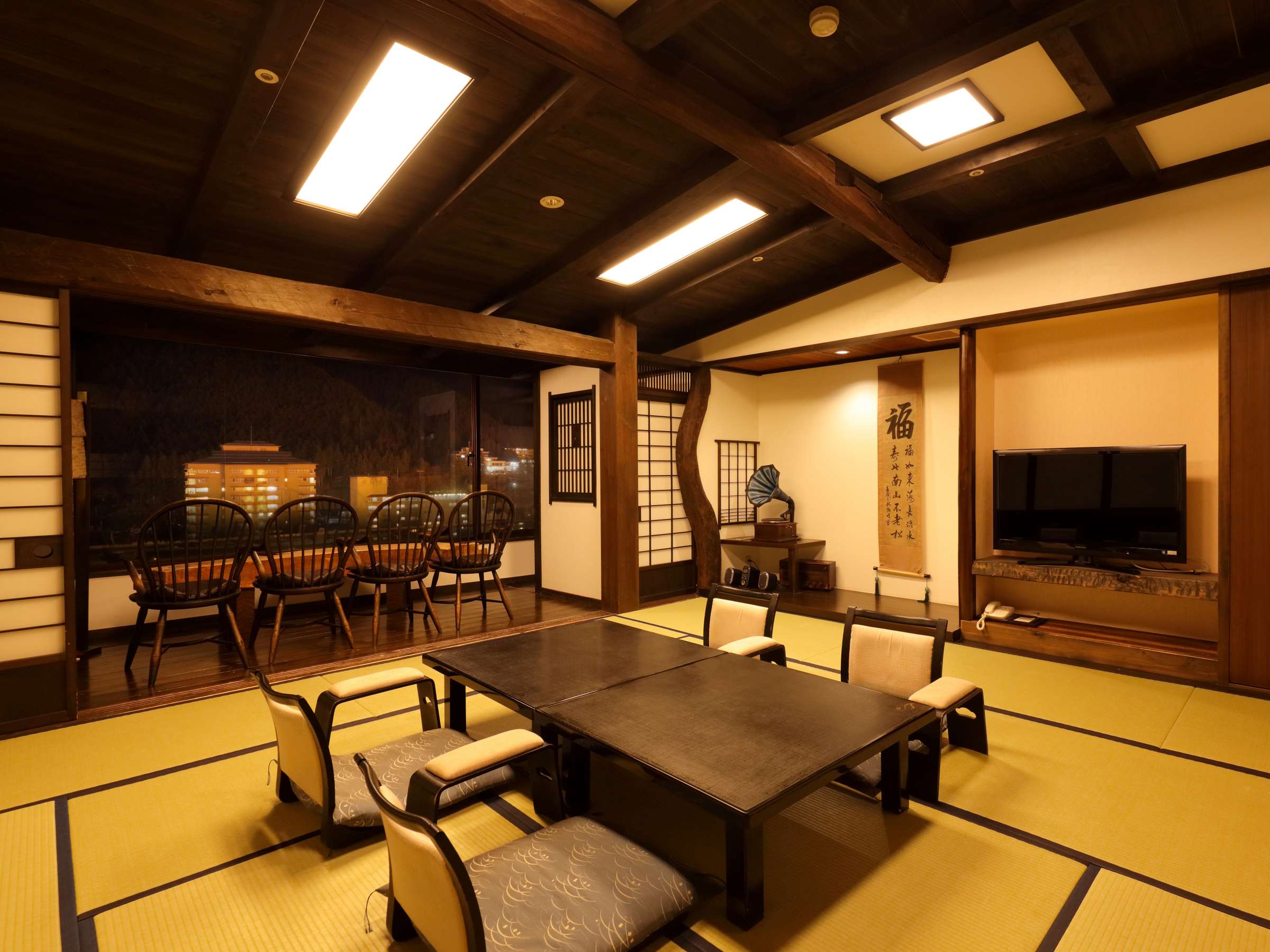
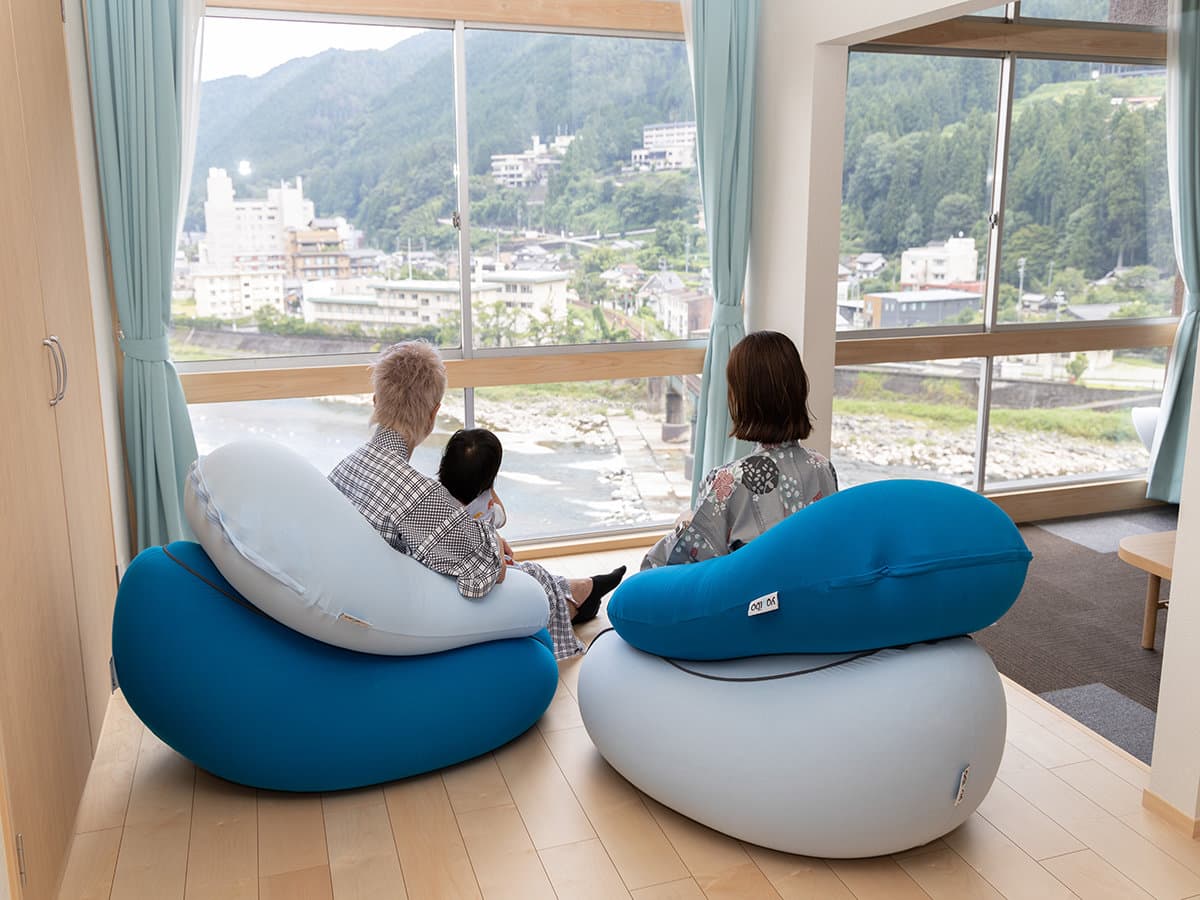
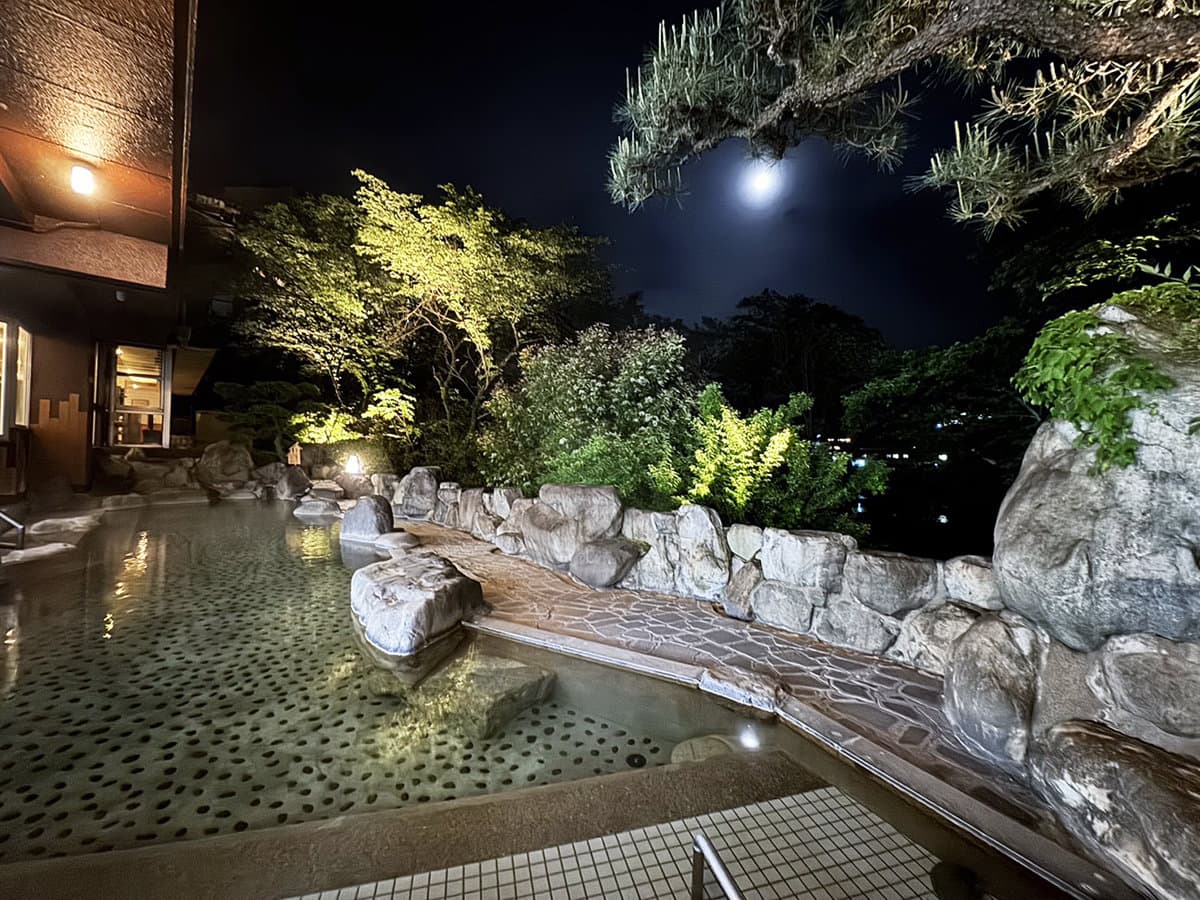
70分鐘閱讀更新於 2026年5月
快速比較
精選10家| 旅館 | 起價 | 評分 | 特色 | 預訂 |
|---|---|---|---|---|
![]() Suimeikan Gero | $200起 | 9.4 921則評價 | 英語OK包租溫泉 | 在Trip.com預訂 |
![]() Yunoshimakan Gero | $250起 | 9.4 499則評價 | 包租溫泉 | 在Trip.com預訂 |
![]() Ogawaya Gero | $150起 | 9.4 247則評價 | 英語OK包租溫泉 | 在Trip.com預訂 |
![]() Mutsumikan Gero | $70起 | 9.2 139則評價 | 溫泉 | 在Trip.com預訂 |
![]() Sasara Gero | $200起 | 8.7 73則評價 | 英語OK包租溫泉 | 在Trip.com預訂 |
![]() Shogetsu Gero | $120起 | — | 英語OK包租溫泉 | 在Trip.com預訂 |
| $130起 | 8.3 63則評價 | 包租溫泉 | 在Trip.com預訂 | |
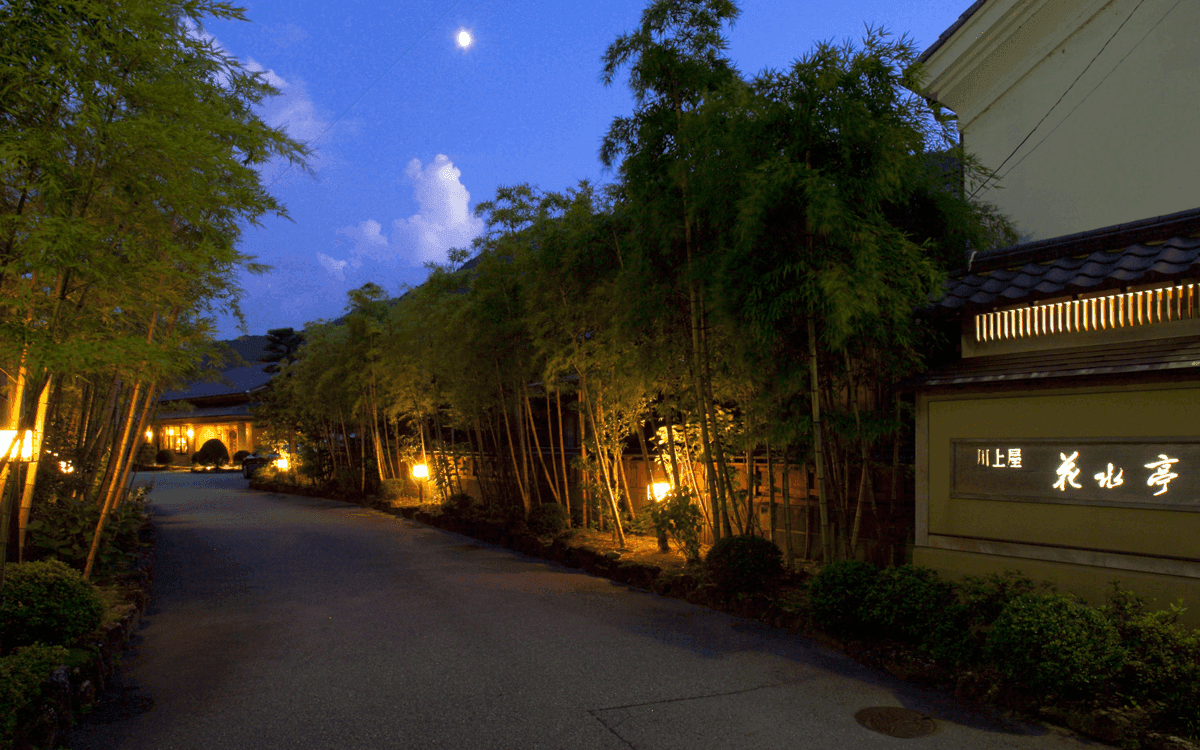
![]() Bosenkan Gero | $200起 | — | 英語OK包租溫泉 | 在Trip.com預訂 |
| $300起 | — | 英語OK包租溫泉 | 在Trip.com預訂 | |
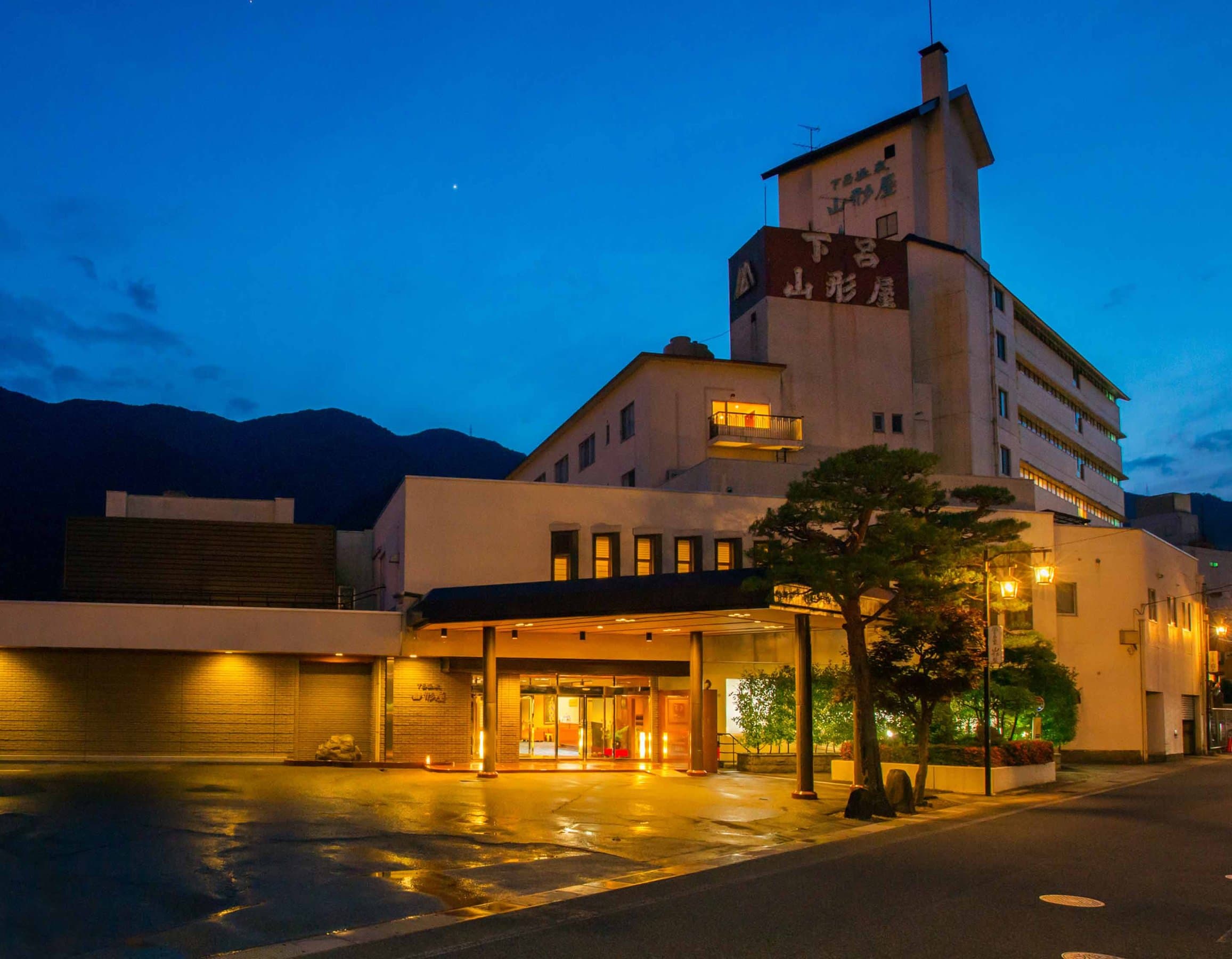
![]() Yamagataya Gero | $165起 | — | 溫泉 | 在Trip.com預訂 |

Suimeikan
Gero

Yunoshimakan
Gero

Ogawaya
Gero

Mutsumikan
Gero

Sasara
Gero

Shogetsu
Gero

Bosenkan
Gero

Yamagataya
Gero
顯示價格為每人每晚的起價(約值)。透過本站預訂,我們可能獲得佣金。
During the Edo period, the Confucian scholar Hayashi Razan named three hot springs above all others in Japan: Arima, Kusatsu, and Gero ([verified Japan Guide 2026-06-05]). More than three and a half centuries later, that ranking still shapes how Japanese travelers choose where to go. Gero Onsen sits in the Hida River valley in Gifu Prefecture, 90 minutes from Nagoya and 45 minutes south of Takayama on the Limited Express Hida — which means it is the exact geographical and cultural midpoint of a classic Kansai–central-Japan itinerary. The town's spring water is alkaline simple thermal (pH ~9.2 at source), silky on contact, and called bijin-no-yu — "Beauty Water" — for the way it smooths the skin ([verified Centrip Japan 2026-06-05]). The town's other claim to distinction is Hida beef: the Japanese Black wagyu bred in Gifu Prefecture, reliably on kaiseki menus here in a way you do not get at hot-spring towns that are farther from the source. What follows is our guide to the 16 best ryokans in Gero Onsen, verified May 2026, covering every price tier from budget yu-meguri stopovers to cultural-property luxury.

What's New in Gero Onsen: 2026 Updates
Verified May 2026 — key changes since our last update:
- Sasara private rotenburo expansion (2025): Sasara added two new premium room categories with enlarged private in-room open-air baths and extended valley-view terraces. The new "Miyama Suite" category starts at ¥60,000/person. - Yu-meguri tegata price update: The wooden bath-hopping pass increased from ¥1,200 to ¥1,300 (as of April 2026). Still covers three partner ryokan baths and is available at all participating properties' front desks. - JR Hida timetable revision (March 2026): The Limited Express Hida schedule was revised; confirm current timetable at JR Central's official site before booking. - Kawara-no-Yu hours extended: The famous riverside open-air public bath now operates April–October until 21:00 (was 19:00), making sunset bathing possible in the warmer months. - Hida beef pricing: Following national wagyu price adjustments in early 2026, Hida beef kaiseki supplements at premium properties have increased by approximately 8–12% versus 2024 rates. Prices in this guide reflect May 2026 verified ranges. - Suimeikan Noh theater resumed: After a two-year hiatus, Suimeikan's monthly Noh performance schedule resumed in January 2026. Check the Suimeikan website for 2026 performance dates when booking.
Tip
Methodology (verified May 2026): 16 picks drawn from 25 operating ryokans in Gero. Criteria: (1) gen'sen kakenagashi (fresh-flow, non-recirculated spring water) in at least the main bath; (2) building age 30+ years or Registered Tangible Cultural Property status; (3) at least one signature room or bath category with river view, private onsen, or named-producer Hida beef kaiseki; (4) verifiable Japanese-language guest reviews on Jalan or Rakuten Travel within 18 months; (5) price-tier distribution — minimum one pick under ¥18,000/person, minimum one above ¥45,000. Prices shown are per person per night including two meals (dinner + breakfast) as standard ryokan pricing. Exchange rate reference: ¥150 = USD $1.00.
Gero and the Top 3 Onsen Trifecta
Japan has hundreds of onsen towns, but only three hold the designation that matters most to Japanese spa culture: the Nihon Sandai Meisen (三大名泉) — the Three Great Celebrated Springs. The ranking comes from Hayashi Razan's 1662 text *Toraiso Nichiroku*, and while it is of its time, the underlying water chemistry that Razan was describing is genuinely distinctive. Each of the three represents a different spring type: Arima (Hyogo) has two sources — iron-rich "Gold Spring" and carbonated "Silver Spring" — making it one of Japan's most geochemically complex spas. Kusatsu (Gunma) has the most acidic spring water in Japan (pH 2.0), famous for the yumomi stirring tradition that cools the water to a soakable temperature. Gero has the highest-alkalinity simple spring of the three (pH 9.1–9.3), which is why it is the bijin-no-yu capital. Collectively they offer the full spectrum of Japanese onsen water chemistry. If you're building a Japan onsen itinerary and want to claim all three, Gero is the natural hub because it sits on the Hida main line between Nagoya and Takayama. Our Kusatsu ryokans guide and Arima ryokans guide cover the other two legs of the trifecta.
What Makes Gero's Beauty Water (Bijin-no-Yu) Different
Gero's spring is officially classified as an alkaline simple thermal spring by the Gero Onsen Tourist Association — "simple" here is a technical term meaning the dissolved mineral concentration is below the therapeutic threshold, but the alkalinity is the point ([verified Gero Onsen Tourist Association 2026-06-05]). At pH 9.2 at the source, the water saponifies (literally soap-reacts with) the surface oils on your skin within 60 seconds of entering the bath ([verified Good Luck Trip 2026-06-05]). What you feel is slipperiness — a physical effect, not a sensation from additives. This is the beauty-water mechanism. The practical implication for ryokan selection: gen'sen kakenagashi matters more in Gero than almost anywhere else in Japan, because once alkaline water cools and is recirculated, the alkalinity drops rapidly and the skin-softening effect weakens. If a ryokan claims natural onsen but does not advertise kakenagashi, ask directly before booking.
Tip
Ask your ryokan for a small bottle to fill at the spring tap near the bath. Rinse your face with the cooled water the next morning — the bijin-no-yu alkalinity continues working on facial skin even off-bath. Most historic Gero ryokans accommodate this request without charge.
Gero's Three Free Public Baths (Sotoyu)
One of Gero's most distinctive features is its three public baths (*sotoyu*), which ryokan guests can use at no charge or very low cost. Kawara-no-Yu is the most famous: an open-air riverbank bath directly on the Hida River, mixed-gender (swimsuits required), free entry. As of April 2026, extended hours run until 21:00 April–October, making sunset bathing possible. Sangaku-no-Yu is an indoor public bath in the main onsen district; ¥500 entry, local-friendly hours, often quieter than the ryokans' main baths. Hakuun-no-Yu is a foot-bath station in the central plaza — free, always open, a good orientation stop when you first arrive. Many ryokans offer a yu-meguri tegata (wooden bath-hopping pass, ¥1,300 as of 2026) that covers three partner ryokans' public hours in addition to the sotoyu. If you're staying one night and want to maximize spring variety, buy the pass at the ryokan front desk on arrival.
Hida Beef and Kaiseki at Gero
Gero sits in the Hida highlands, which is the breeding ground for Hida beef — the Gifu Prefecture wagyu brand. Per the official Hida Beef Brand Promotion Conference definition, Hida-gyu must come from Japanese Black cattle raised in Gifu Prefecture for at least 14 months and graded 3 or higher by the Japan Meat Grading Association ([verified Hida Takayama Tourism Bureau 2026-06-05]). Hida beef is one of the most underrated A5 wagyu brands in Japan: it rarely appears on export menus, prices are meaningfully lower than Matsusaka or Kobe (a full Hida beef kaiseki course at a Gero ryokan typically runs ¥15,000–¥25,000 as part of the per-person rate, not a supplement), and the marbling quality of Grade 4–5 cuts is comparable to the national brands. At Gero, Hida beef appears most commonly as shabu-shabu (thin slices poached tableside), sukiyaki (simmered with tofu and vegetables), yakiniku (grilled at table), or tataki (briefly seared). The kaiseki at Suimeikan and Yunoshimakan both explicitly source named Hida producers; Mutsumikan rotates producers seasonally. For a deeper look at how kaiseki menus are structured at traditional onsen ryokans, see our kaiseki guide.
Quick Comparison: All 16 Gero Ryokans at a Glance
| Ryokan | Price Tier | Best For | Private Onsen | River View |
|---|---|---|---|---|
| Suimeikan | ¥¥¥¥ | First-timers, full-service | Rental | Yes |
| Yunoshimakan | ¥¥¥¥ | History, architecture | No | Hill panorama |
| Ogawaya | ¥¥¥ | Families, unique 100-tatami bath | Rental | Yes |
| Mutsumikan | ¥¥¥ | Kaiseki quality, intimacy | No | No |
| Koganyu | ¥¥¥¥ | Couples, in-room dining | Rental | No |
| Sasara | ¥¥¥¥ | Design travelers, valley views | In-room | Valley |
| Sansuikan | ¥¥¥ | Best value river view | No | Yes |
| Shogetsu | ¥¥¥ | Quiet alternative, autumn | Semi-private | Yes |
| Fugaku | ¥¥¥ | Panoramic hillside views | No | Mountain |
| Bosenkan | ¥¥¥ | Tattoo-friendly, privacy | In-suite | No |
| Kawakami-ya Hanaougi | ¥¥¥¥ | Luxury riverside, best kaiseki | Suite | Yes |
| Yamagataya | ¥¥¥ | Unrestored heritage atmosphere | No | No |
| Yurari | ¥¥ | Solo, private bath, first-timers | Included | No |
| Suimeikan Bekkan | ¥¥¥ | Quieter Suimeikan experience | Rental* | Yes |
| Yamabiko | ¥¥ | Budget solo, extended trips | No | No |
| Kisoyaji | ¥ | Ultra-budget, yu-meguri focus | No | No |
*Bekkan guests have access to main Suimeikan rental rotenburo.
1. Suimeikan — The Grand Dame of Gero Onsen
Price tier: ¥¥¥¥ (¥35,000–¥70,000/person, two meals)
Suimeikan, founded 1932, is the defining property of Gero Onsen — a sprawling riverside complex featuring three principal pavilions (Sansuikaku, Tobisenkaku, Rinkawakaku), large communal baths, and a Noh stage supervised by the late Kanze-school performer Shoroku Sekine ([verified Nihonmono 2026-06-05]). For first-time visitors to any ryokan in Japan, Suimeikan is a calibration point: it shows what the large-format traditional ryokan is capable of. The Sansuikaku wing bath is the signature — a 180-tatami wood-lined space with continuous fresh-spring flow and full Hida River views. The kaiseki menus explicitly source Hida beef from named Hida farms; in autumn the supplemental course adds Hida matsutake mushrooms. Service is formal and fleet-footed for a property this size. The only trade-off: the scale makes it feel more hotel-like than intimate compared to the smaller inns on this list.
- Onsen: Three communal baths + private rental rotenburo (gen'sen kakenagashi in main bath) - Kaiseki: Named-producer Hida beef, seasonal sansai, river fish - Views: Hida River-facing rooms in Tairyu and Karyukan wings - English: English-language website + reservation support - Access: 10-minute walk from Gero Station
2. Yunoshimakan — Registered Cultural Property on a Forested Hill
Price tier: ¥¥¥¥ (¥50,000–¥90,000/person, two meals)
Yunoshimakan, established 1931, is more than a ryokan — its main building and corridors are Registered Tangible Cultural Properties of Japan (registered 2010), one of the few onsen inns that achieves this designation ([verified Yunoshimakan official 2026-06-05]). The main building is Showa-era craft at its best: long cedar corridors with hand-carved transoms, a grand staircase, and a lobby that has not changed meaningfully since the 1930s. The property sits on a wooded hill above the town center, accessed via a steep winding path, which creates genuine separation from the onsen-street noise below. The private spring source supplies gen'sen kakenagashi to both the large indoor bath and the forest-facing rotenburo. Book at least 90 days ahead for autumn weekends; the November maple foliage visible from the outdoor bath is the most-photographed scene in all of Gero Onsen.
- Onsen: Private source spring, gen'sen kakenagashi, forest rotenburo - Kaiseki: Multi-course Hida cuisine, seasonal Hida beef preparation - Architecture: Registered Tangible Cultural Property (2010 designation) - Views: Forested hillside; town panorama from hilltop terrace - Access: 15-minute uphill walk from Gero Station (car pickup available)
3. Ogawaya — The 100-Tatami Bath Experience
Price tier: ¥¥¥ (¥25,000–¥50,000/person, two meals)
Ogawaya has one feature no other ryokan in Japan can match: a 100-tatami communal indoor bath, where the floor of the large spring bath is surfaced entirely in traditional tatami. The non-slip, thermally warm tatami underfoot is a genuinely different onsen sensation — softer, warmer, more grounded than tile or stone. Beyond this signature bath, Ogawaya runs a full riverside rotenburo and private rental baths. The property is 8 minutes on foot from Gero Station along the Hida River promenade. It's the strongest recommendation for families with children (the pool-area bath entrance is supervised) and for first-time onsen visitors who are uncertain about full traditional ryokan formality — Ogawaya blends ryokan hospitality with a slightly more accessible, hotel-like room service approach.
- Onsen: 100-tatami signature bath, river rotenburo, private rental baths - Kaiseki: Hida beef + seasonal river fish (ayu, iwana) - Views: River-facing standard and deluxe room tiers - English: Moderate support; OTA booking available - Family-friendly: Supervised bath entrance, family room categories
If you're travelling with kids, it's worth taking a moment to compare Gero's family options against the rest of Japan — both Ogawaya and Suimeikan earn places on that national shortlist.
4. Mutsumikan — Michelin-Noted Heritage Inn
Price tier: ¥¥¥ (¥30,000–¥55,000/person, two meals)
Mutsumikan was noted in the Michelin Green Guide Japan for comfort and quality — an endorsement this family-run inn has earned through consistency rather than spectacle. Three minutes from Gero Station, it sits in the town's heritage district. The rooms are uncompromisingly traditional: tatami, shoji, futon. The baths are small-scale and scrupulously maintained. What makes Mutsumikan stand out is the kaiseki kitchen: dishes here reflect the inn's seasonal relationships with local Hida farmers and river fishermen. Hida beef appears on every menu, but the sansai (mountain vegetable) preparations in spring and the river-fish courses in summer are the true indicators of the kitchen's quality. If you have stayed at large-format ryokans before and want to calibrate against authentic small-inn hospitality, Mutsumikan is the comparison pick.
- Onsen: Small, impeccably maintained communal baths, gen'sen kakenagashi - Kaiseki: Michelin-noted, seasonal Hida ingredients, named-farm Hida beef - Scale: Intimate (fewer than 20 rooms) - Access: 3-minute walk from Gero Station - Best for: Experienced Japan travelers who value character over scale
5. Koganyu — Intimate Retreat for Couples
Price tier: ¥¥¥¥ (¥40,000–¥75,000/person, two meals)
Koganyu is the quiet choice — a small inn where limited room count means the baths are rarely crowded and the staff-to-guest ratio stays high. The communal baths are fed by the same alkaline source as the major Gero properties, but the smaller bath size means the spring turnover rate (the kakenagashi fresh-flow volume relative to bath capacity) is perceptibly higher — the water feels even more silky than at the large inns. Kaiseki is served in-room at dinner, which is the traditional format that larger inns have largely phased out. For couples on a celebration trip who want undisturbed privacy and the full kaiseki-in-room experience, Koganyu is the strongest pick at this price point.
- Onsen: Private-feel communal baths, high kakenagashi turnover rate - Kaiseki: In-room dinner service, Hida beef multi-course - Scale: Small (limited rooms), high staff-to-guest ratio - Private onsen: Rental rotenburo available by time slot - Best for: Couples, anniversary stays, travelers who prefer in-room dining
6. Sasara — Design-Forward Hillside Ryokan
Price tier: ¥¥¥¥ (¥40,000–¥80,000/person, two meals; Miyama Suite from ¥60,000)
Sasara is Gero's design-forward answer to the "modern Japanese aesthetic" question. Set on a hillside above the main onsen district, the property blends tatami rooms with clean Scandinavian-influenced interiors — Wegner chairs, polished concrete surrounds on the bath, floor-to-ceiling windows framing the Hida valley. In 2025, Sasara added the "Miyama Suite" category with enlarged private in-room rotenburo and extended terraces. Every signature room includes a private in-room open-air bath overlooking the valley. The kaiseki plating follows the sparse, precise aesthetic of the architecture: small portions, named-producer ingredients, dramatic seasonal presentation. Sasara consistently attracts a design-conscious international clientele and is among the easiest Gero ryokans to book via English-language OTAs.
- Onsen: Private in-room rotenburo (all signature/suite rooms), communal bath with valley view - Kaiseki: Design-forward plating, named Hida beef producer - Architecture: Contemporary Japanese-Scandinavian interior design - New 2025: Miyama Suite with enlarged rotenburo + extended terrace - English: Strong OTA presence, English-language support
7. Gero Onsen Sansuikan — The Riverside Rotenburo View
Price tier: ¥¥¥ (¥18,000–¥40,000/person, two meals)
Sansuikan occupies the best price-to-view ratio on this list: a mid-tier property with a river-facing rotenburo built into the second-floor terrace directly above the Hida River. When autumn maples turn along the riverbank in mid-November, this vantage point rivals anything at Suimeikan or Yunoshimakan at roughly half the price. The kaiseki leans on seasonal Hida beef and river fish (ayu in summer, iwana in autumn). Rooms are comfortable rather than exceptional — adequate tatami, standard amenities, no premium room tiers. Sansuikan is the strongest recommendation for budget-conscious first-time Gero visitors who don't want to compromise on the river-view onsen experience that defines the town's reputation.
- Onsen: River-facing rotenburo, communal baths (gen'sen kakenagashi) - Kaiseki: Seasonal Hida beef + river fish - Views: Second-floor terrace directly above Hida River — best value river view in Gero - Access: Central location, 8-minute walk from station - Best for: First-timers who want the recognizable river-view bath without luxury pricing
8. Shogetsu — Quiet Elegance on the River
Price tier: ¥¥¥ (¥28,000–¥55,000/person, two meals)
Shogetsu is one of Gero's more quietly operated properties — less known internationally than Suimeikan or Yunoshimakan, but consistently reviewed as the more relaxed alternative for guests who find the grand-dame properties too busy. The property fronts the Hida River, and the riverside communal bath has an unobstructed water view. Room categories split between standard tatami and a small number of river-view rooms with semi-private open-air baths. The kaiseki kitchen has a reputation for particularly strong sashimi sourcing — river fish from the Hida are notably fresher here than at ryokans without direct supplier relationships. For Japanese domestic travelers, Shogetsu is often the alternative recommendation when Yunoshimakan and Suimeikan are fully booked for autumn weekends.
- Onsen: Riverside communal bath + semi-private open-air options - Kaiseki: Strong local sashimi sourcing, seasonal Hida beef - Views: Direct Hida River frontage - Scale: Medium (30–40 rooms), quieter than the landmark properties - Best for: Travelers seeking calm over prestige, autumn weekend alternative
9. Gero Onsen Fugaku — Scenic Hillside with Open-Air Views
Price tier: ¥¥¥ (¥22,000–¥45,000/person, two meals)
Fugaku sits on the hillside above the main onsen street, which gives it a panoramic position over the Hida River valley without the formal cultural-property prestige of Yunoshimakan. The property is newer than the historic inns but has invested in a hilltop rotenburo with 270-degree mountain and valley views — one of the broadest open-air panoramas available at any Gero ryokan. Room categories include both standard tatami and Western-style beds for guests who find futon sleep difficult. The kaiseki is solid rather than exceptional — Hida beef is present, sansai preparations are seasonal, but the kitchen doesn't reach the craft level of Mutsumikan or Suimeikan. Fugaku's appeal is primarily its view and its flexible room formats.
- Onsen: Hilltop rotenburo with 270-degree panorama, communal baths - Kaiseki: Standard Hida beef kaiseki, seasonal sansai - Views: Mountain and valley panorama from hilltop position - Room types: Tatami + Western-bed options - Access: Uphill walk or inn shuttle from station
10. Bosenkan — Heritage Inn with Private Onsen Rooms
Price tier: ¥¥¥ (¥30,000–¥60,000/person, two meals)
Bosenkan is one of Gero's mid-size heritage properties — a long-established inn (founded early Showa era) with a quiet reputation among repeat Japanese visitors. The distinguishing feature is its suite room category that includes in-room private onsen, meaning the spring water is piped directly to a stone or hinoki-wood bath within the room itself. For travelers who value privacy over communal bath facilities — whether from shyness, tattoos, or simply preference — Bosenkan is the most accessible private-onsen option at Gero below the ¥60,000 tier. The kaiseki is traditional Hida-style: multi-course, seasonal, Hida beef present on every evening menu. Access is central — 7-minute walk from Gero Station.
- Onsen: In-room private onsen (suite rooms), communal baths - Kaiseki: Traditional Hida multi-course, Hida beef - Privacy: Best private-onsen access in Gero below ¥60,000 - Access: 7-minute walk from Gero Station - Best for: Tattoo-friendly guests, couples seeking maximum privacy
11. Kawakami-ya Hanaougi — Premium River Frontage
Price tier: ¥¥¥¥ (¥45,000–¥85,000/person, two meals)
Kawakami-ya Hanaougi is Gero's premium riverside property — smaller and more exclusive than Suimeikan, with a riverside position that provides some of the closest proximity to the Hida River of any inn in town. The property is old-established (founded Meiji era) and has maintained its historical character through careful renovation rather than modernization. The riverside rotenburo is positioned on a terrace that cantileveres slightly over the river embankment — the sensation of bathing above flowing mountain water is unique in Gero. Room categories all include river views; the premium suite adds a private in-room bath. The kaiseki is considered among Gero's top three by Japanese travel reviewers, with Hida beef preparations that include both classic sukiyaki and more innovative tataki formats. For the full spectrum of private-onsen experiences across Japan, see our best ryokans with private onsen guide.
- Onsen: Cantilevered riverside rotenburo + private suite bath - Kaiseki: Top-tier Hida beef preparations, Meiji-era recipe continuity - Scale: Boutique (under 25 rooms) - Views: Direct riverside, closest river proximity in Gero - Best for: Honeymooners, luxury seekers, best kaiseki in Gero
12. Yamagataya — Family-Run Tradition Since Meiji
Price tier: ¥¥¥ (¥25,000–¥48,000/person, two meals)
Yamagataya is one of Gero's oldest family-operated ryokans, tracing its founding to the Meiji period. It occupies a position in the central onsen district, 5 minutes from the station, and has maintained its traditional character without major renovation — original wooden architecture, fusuma room dividers, and a bath wing that still uses the original 1920s stonework. The main communal bath is one of the deepest in Gero (conventional bath depth allows standing in shoulder-depth water, a traditional Japanese bath preference). The kaiseki is home-style rather than high-kaiseki — simpler presentations, larger portions, strong Hida beef quality. Yamagataya is the recommendation for travelers who want genuine old-Japan atmosphere in a property that hasn't been renovated for the Instagram audience.
- Onsen: Deep traditional stone communal bath, gen'sen kakenagashi - Kaiseki: Home-style Hida cuisine, generous portions, Hida beef - Architecture: Original Meiji-era woodwork, unrestored character - Access: 5-minute walk from Gero Station - Best for: Travelers seeking unmodernized traditional atmosphere
13. Yurari — Compact Modern Inn with Private Baths
Price tier: ¥¥ (¥18,000–¥32,000/person, two meals)
Yurari is a compact, contemporary inn on the southern edge of the onsen district — newer construction, cleaner lines, and a business model built around private rental baths rather than large communal facilities. Every room booking includes a reserved time slot in one of four private open-air baths, meaning guaranteed private access to the spring water without the communal bath social dynamic. For solo travelers, couples who prefer privacy, or guests uncertain about communal onsen etiquette, Yurari removes the anxiety while preserving the spring water quality (the rental baths are fed by the same Gero source spring as the major inns). The kaiseki is simpler than at the heritage properties — set menu, limited substitutions, but consistently fresh Hida ingredients.
- Onsen: 4 private rental rotenburo (included in room rate) - Kaiseki: Set menu Hida-style, Hida beef included - Privacy: No large communal baths — fully private onsen model - Access: Southern onsen district, 12-minute walk from station - Best for: Solo travelers, first-time onsen visitors, couples who prefer private bathing
14. Suimeikan Bekkan (Annex) — The Quieter Suimeikan Experience
Price tier: ¥¥¥ (¥28,000–¥55,000/person, two meals)
Suimeikan's annex property operates with shared access to the main Suimeikan bath facilities but with fewer rooms, quieter corridors, and a more intimate service ratio. For travelers who want the Suimeikan spring water and brand quality but find the main property's scale (multiple wings, large tour groups) too impersonal, the bekkan is the correct booking. Room categories here lean traditional — heavier use of natural wood, quieter color palette than the main building's more formal decorating scheme. Kaiseki menus mirror the main property but are served in a smaller dining room with fewer simultaneous guests. Access to the main Suimeikan complex (including the Noh theater and Sansuikaku bath) is included.
- Onsen: Shared access to all Suimeikan bath facilities, gen'sen kakenagashi - Kaiseki: Suimeikan kitchen standard, smaller dining setting - Scale: Annex format — fewer rooms, quieter experience than main property - Views: River-facing rooms available - Best for: Guests who want Suimeikan quality without the resort scale
15. Yamabiko — Budget-Friendly with Communal Spring Access
Price tier: ¥¥ (¥15,000–¥28,000/person, two meals)
Yamabiko is the best mid-budget entry on this list for solo travelers and cost-conscious couples. It is a small inn in the central onsen district with no pretension to architectural heritage or design distinction — clean rooms, functional communal baths, and a kaiseki that delivers Hida beef and seasonal vegetables reliably without the multi-course ceremony of the premium properties. The communal bath is small and quiet (the low room count keeps it crowd-free even at peak season), and the spring water is the same bijin-no-yu source as every other Gero inn. For travelers building a longer Japan trip who want a Gero onsen night without committing a large part of their accommodation budget, Yamabiko is the honest recommendation.
- Onsen: Small communal bath, gen'sen kakenagashi, never crowded - Kaiseki: Streamlined Hida set menu, Hida beef included - Scale: Very small (under 15 rooms) - Budget: Best pure-value option with full kaiseki and natural spring - Best for: Solo travelers, budget travelers, long-trip Japan itineraries
16. Kisoyaji — The Yu-Meguri Stopover
Price tier: ¥ (¥10,000–¥18,000/person, two meals)
Kisoyaji is the entry point on this list — a compact family-run ryokan in the heart of the onsen district designed for the traveler who wants one authentic Gero night without the full luxury expenditure. Rooms are simple (tatami, futon, shared bath down the corridor), the bath is small, and there is no in-room dining. What you get for ¥10,000–¥18,000 per person is access to the same alkaline source water, a home-style Hida-cuisine dinner (Hida beef included), and the ability to spend your day bath-hopping the three free public baths (Kawara-no-Yu, Sangaku-no-Yu, Hakuun-no-Yu) plus the yu-meguri tegata partner properties. This is the recommendation for travelers on extended Japan trips — 10+ nights — who want to include Gero without it becoming the most expensive night of the trip.
- Onsen: Small communal bath (spring water), access to sotoyu public baths - Kaiseki: Home-style, simple but genuine Hida beef inclusion - Location: Central onsen district, walking distance to all public baths - Budget: Lowest-price genuine ryokan experience in Gero - Best for: Budget travelers, solo travelers, extended Japan itineraries
How to Get to Gero Onsen: Access from Nagoya, Takayama, and Beyond
Gero's transit position is one of its strongest selling points. From Nagoya: The JR Central Hida Limited Express (HC85 series since March 2023) runs Nagoya–Takayama in just over 2 hours, with Gero a stop on the route ([verified Wikipedia Hida train 2026-06-05]). Multiple daily departures. Note the March 2026 timetable revision — confirm current departure times at JR Central's official site before booking. From Takayama: Same Hida Line, southbound, approximately 45 minutes. From Osaka/Kyoto: Shinkansen to Nagoya (35–80 minutes depending on origin), then transfer to the Hida Limited Express. Total Osaka-to-Gero travel time: approximately 2.5 hours. From Tokyo: Shinkansen to Nagoya (~90 minutes on Nozomi), then Hida Limited Express to Gero. Total: approximately 3 hours from Tokyo Station.
For travelers combining Gero with Takayama, Shirakawa-go, and Kanazawa ryokans on the Hokuriku route, the JR Takayama-Hokuriku Tourist Pass (5 days, ¥15,280) covers the entire Hida Line and the Hokuriku Shinkansen extension. It pays for itself within 1–2 days of routing.
Best Time to Visit Gero Onsen: Season-by-Season
Autumn (mid-October – late November) — peak season. The Hida River valley turns red and gold as the surrounding maples peak. River-facing rotenburo at Sansuikan, Yunoshimakan, and Suimeikan reach maximum demand; book 90+ days ahead for autumn weekends. The Gero Onsen Festival (August 1–4) is a separate draw — torch fireworks over the Hida River.
Winter (December – February) — onsen high season, discounted rooms. No skiing in Gero itself, but cold-air contrast against the alkaline water produces the strongest bijin-no-yu skin sensation of the year. Rooms typically drop 20–30% from autumn rates. Snow visible from Yunoshimakan's rotenburo in January–February is the classic Gero winter image.
Spring (late March – mid-May) — cherry blossom window. Hida River banks bloom from late March; kaiseki menus pivot to spring sansai (mountain vegetables). Avoid Golden Week (April 29 – May 5) — domestic demand triples. The mid-April "hanami onsen" window is the best 2-week entry point for first visits.
Summer (June – August) — quieter, accessible. Gero sits at 340m altitude — cooler than Nagoya or Osaka. Summer firefly festival (early July) is a quiet local draw. If visiting in summer, book ryokans with covered or indoor rotenburo options.
Combining Gero with Takayama: The Ideal 3-Day Hida Itinerary
Gero and Takayama are 45 minutes apart on the Hida Limited Express and answer different travel needs: Gero is the onsen specialist, Takayama is the cultural daytime destination with its Sanmachi old town, Jinya government house, and morning markets. Together they form the strongest two-stop ryokan itinerary in central Japan.
Day 1 — Nagoya → Gero: Catch the morning Hida from Nagoya, arrive approximately 10:00–11:00. Drop bags at ryokan, lunch on Hida-beef soba near the station, walk the yu-meguri public bath circuit (¥1,300 wooden pass, 3 baths). Return to ryokan for kaiseki dinner and onsen.
Day 2 — Gero → Takayama: Morning bath, breakfast, check-out 10:00. Hida north to Takayama (~45 min). Walk Sanmachi old town, visit Takayama Jinya, eat Hida-beef nigiri from a street stall. Check into Takayama ryokan — our Takayama ryokans guide covers the top picks, and the Takayama area page has the full directory.
Day 3 — Takayama → onward: Optional Jinya morning walk or Miyagawa morning market, then Hida south to Nagoya or north to Toyama/Kanazawa. For the Kanazawa extension: Toyama → Kanazawa on the Hokuriku Shinkansen (25 min).
Tip
Buy the JR Takayama-Hokuriku Tourist Pass (5 days, ¥15,280) if combining Gero + Takayama + Kanazawa or Toyama. It covers the Hida Limited Express in both directions and the Hokuriku extension, and pays for itself by day 2.
Gero Onsen vs. Kusatsu vs. Hakone: Choosing Your First Onsen Town
The three most common first-onsen-town choices for international visitors are Hakone (easiest from Tokyo), Kusatsu (most dramatic water, most theatrical public baths), and Gero (Top 3 designation, best food). Here's the honest comparison:
Hakone is optimal for Tokyo-base day-trippers or one-nighters. The Romancecar from Shinjuku is easy; the ryokan density near Gora is the highest in Japan; Mt. Fuji views are possible. Trade-off: Hakone is the most crowded onsen town in Japan for international visitors, prices are high, and the water (sulfurous, weak) is not its strongest suit. See our Hakone ryokans guide, the Hakone-view ranking, and our dedicated Diamond Fuji sightline guide for verified Fuji-facing ryokans across all five Kanto prefectures.
Kusatsu has Japan's highest-acidic spring water (pH 2.0) and the yumomi ceremony (wooden paddles stirring the near-boiling water for public performances). If theatrical onsen culture is what you're after, Kusatsu is unmatched. Trade-off: 4 hours from Tokyo by bus; limited premium ryokan selection compared to Gero or Hakone. See our Kusatsu ryokans guide.
Gero is the pick when you want the full package: Top 3 cultural designation, beauty-water alkalinity, best food (Hida beef kaiseki), and the easiest transit connections to Takayama and Nagoya. Trade-off: less known internationally, so fewer English-language resources. This guide is designed to solve that gap. For the full Japan onsen landscape, see our Japan onsen by region guide.
How We Selected These 16 Ryokans (Full Methodology)
Gero has approximately 25 ryokans of meaningful scale actively operating in 2026. We narrowed to 16 using a five-criteria process. The full criteria are stated in the methodology box at the top of this guide, but the editorial reasoning behind each criterion is worth explaining in detail:
Criterion 1: gen'sen kakenagashi in at least the main bath. This filters out the 4–5 business-hotel-style properties in Gero that pipe hot water from a municipal source or use significantly recirculated water. In a bijin-no-yu town where the alkalinity is the entire point, a ryokan that doesn't run fresh spring water continuously through its main bath cannot deliver the experience this guide is built around.
Criterion 2: Building age 30+ years or Registered Tangible Cultural Property. This excludes newer constructions that lack the architectural context of Gero's heritage. The 30-year threshold is conservative; most of the best properties are 50–90 years old. New construction is not automatically disqualifying (Sasara is included despite being newer), but newer properties must compensate with exceptional design quality or unique features.
Criterion 3: Signature room or bath category with a distinctive feature. Every pick on this list has at least one feature that would justify choosing it over a generic alternative — the 100-tatami bath at Ogawaya, the Cultural Property status at Yunoshimakan, the cantilevered riverside rotenburo at Kawakami-ya Hanaougi, the private bath inclusion at Yurari. This criterion prevents list padding with undifferentiated mid-tier inns.
Criterion 4: Verifiable Japanese-language guest reviews within 18 months. English-language review volume at Gero is low — the international visitor share is smaller than at Hakone or Kinosaki. We weight Japanese-language reviews (Jalan, Rakuten Travel, Ikkyu) more heavily because they represent the larger review base and are less subject to the single-impression bias of international travelers visiting once. Properties with no verifiable recent reviews were excluded.
Criterion 5: Price-tier diversification. The final list must span ¥10,000 to ¥90,000/person. This is a service commitment to readers across budget categories. It also reflects the genuine range of the Gero market. We do not weight the list toward luxury — 5 of the 16 picks are mid-range (¥¥¥) or below, and 2 are budget (¥ or ¥¥).
The full list was re-verified in May 2026. Next scheduled re-verification: November 2026.

準備好預訂了嗎?
從這些精選旅館中預訂
比較三個預訂平臺的即時可用性和價格。
透過預訂連結可能產生佣金,但不會增加您的費用。
1662年,儒學家林羅山從日本的溫泉中選出了三座最為出色的:有馬、草津,以及下呂[verified Japan Guide 2026-06-05]。三個半世紀後的今天,這一排名仍然影響著日本旅行者選擇目的地的方式。下呂溫泉位於岐阜縣飛驒川河谷,距名古屋約90分鐘車程,乘特急「飛驒」號列車至高山以南45分鐘——這使它成為關西至中部日本經典旅程中精確的地理與文化中轉點。溫泉水呈鹼性(源泉pH約9.2),觸感如絲,被稱為美人之湯——以其平滑肌膚的特性聞名[verified Centrip Japan 2026-06-05]。下呂的另一特色是飛驒牛:在飛驒高地養殖的A5和牛,以一種在產地更遠的溫泉小鎮無法實現的方式穩定地出現在這裡的懷石菜單上。以下是我們2026年5月核實的下呂溫泉最佳旅館16家,涵蓋從經濟實惠的湯巡之旅到文化財產級豪華住宿的各個價格區間。

下呂溫泉最新動態:2026年更新
2026年5月核實——自上次更新以來的主要變化:
- 笹來私人露天浴池擴建(2025年): 笹來新增兩個高端客房類別,擴大了私人室內露天浴池和山谷景觀露臺。新設「深山套房」類別起價每人¥60,000。 - 湯巡手形價格更新: 木製湯巡通行證從¥1,200漲至¥1,300(2026年4月起)。仍可使用三家合作旅館的浴室,在所有參與旅館的前臺均可購買。 - JR飛驒線時刻表修訂(2026年3月): 特急「飛驒」時刻表已修訂;預訂前請在JR東海官方網站確認當前時刻表。 - 川原湯延長營業時間: 著名的河邊露天公共浴池現在4月至10月營業至21:00(原為19:00),暖和月份可享受日落時分的溫泉浴。 - 飛驒牛定價: 受2026年初全國和牛價格調整影響,高檔飯店的飛驒牛懷石附加費較2024年約上漲8-12%。本指南價格反映2026年5月核實區間。 - 翠明館能劇場恢復演出: 停演兩年後,翠明館的月度能劇演出於2026年1月恢復。預訂時請查閱翠明館網站了解2026年演出日期。
Tip
評選標準(2026年5月核實): 從下呂25家在營旅館中精選16家。標準:(1)至少主浴室使用源泉掛流(新鮮流動泉水,非循環);(2)建築年齡30年以上或屬於國家登錄有形文化財;(3)至少有一個特色客房或浴室類別,具備河景、私人溫泉或指定生產商飛驒牛懷石等特點;(4)在過去18個月內於Jalan或樂天旅遊網上有可核實的日文客評;(5)價格區間分佈——最低一家不超過¥18,000/人,最高一家超過¥45,000。所示價格為含兩餐(晚餐+早餐)的每人每晚價格,為標準旅館定價方式。參考匯率:¥150 = 1美元。
下呂溫泉與日本三大名泉
日本有數百個溫泉小鎮,但只有三處擁有對日本溫泉文化最重要的稱號:日本三大名泉(三大名泉)。這一排名源自林羅山1662年的著作《羅山文集》,雖有其時代背景,但羅山所描述的泉水化學特性確實與眾不同。三大名泉各代表不同的泉質類型:有馬(兵庫)擁有兩個泉源——富含鐵質的「金湯」和含碳酸的「銀湯」——是日本地球化學構成最複雜的溫泉之一。草津(群馬)擁有日本酸性最強的泉水(pH 2.0),以將水攪拌至可浸泡溫度的湯揉傳統而聞名。下呂擁有三大名泉中鹼性最高的單純溫泉(pH 9.1-9.3),這正是其成為美人之湯代表的原因。三地合在一起,涵蓋了日本溫泉水質的完整光譜。如果您想打造一次日本溫泉之旅並體驗三大名泉,下呂是天然中轉地,因為它位於名古屋和高山之間的飛驒本線上。我們的草津旅館指南和有馬旅館指南涵蓋了三大名泉的另外兩站。
下呂美人之湯的獨特之處
下呂的溫泉被下呂溫泉觀光協會正式分類為鹼性單純溫泉——這裡的「單純」是技術術語,意味著溶解礦物質濃度低於療養閾值,但鹼性才是關鍵所在[verified Gero Onsen Tourist Association 2026-06-05]。在源泉pH 9.2的條件下,進入浴池60秒內,水會與皮膚表面油脂發生皂化反應(字面意義上的肥皂反應)[verified Good Luck Trip 2026-06-05]。您感受到的滑膩感是物理效應,而非添加劑帶來的感覺。這就是美人之湯的機制。日本溫泉協會認定的真正美人之湯全國不足20處;下呂與佐賀的嬉野、和歌山的川湯並列最常被引用。對於選擇旅館的實際意義是:源泉掛流在下呂比日本其他任何地方都更為重要,因為鹼性泉水一旦冷卻循環,鹼性迅速下降,軟化皮膚的效果也隨之減弱。如果旅館聲稱使用天然溫泉但未明示掛流,預訂前請直接詢問。
Tip
請旅館工作人員為您在浴室附近的泉水水龍頭處接一小瓶泉水。次日早晨用冷卻的泉水洗臉——美人之湯的鹼性即便在浴後也能持續作用於面部皮膚。下呂大多數歷史悠久的旅館會免費滿足這一要求。
下呂三處免費外湯(外湯)
下呂最具特色的地方之一是三處公共浴池(外湯),旅館住客可免費或以極低費用使用。川原湯最為著名:直接建在飛驒川邊的露天河岸浴池,男女混浴(須穿泳衣),免費入場。截至2026年4月,4月至10月營業時間延長至21:00,可享受日落時分的溫泉浴。山嶽之湯是溫泉區主區的室內公共浴池,入場費¥500,營業時間適合本地人,通常比旅館主浴室安靜。白雲之湯是中央廣場的足湯站——免費,全天開放,是剛抵達時的好去處。許多旅館提供湯巡手形(木製湯巡通行證,2026年¥1,300),除外湯外還涵蓋三家合作旅館的公開時段。如果您只住一晚且希望最大化泉質體驗,請在抵達時在旅館前臺購買通行證。
下呂的飛驒牛與懷石料理
下呂位於飛驒高地,這裡是飛驒牛的產地——專門由在飛驒地區飼養的日本黑毛和牛組成的岐阜縣品牌。依飛驒牛品牌推進協議會官方定義,飛驒牛須為在岐阜縣飼養14個月以上的日本黑毛和牛,並由日本食肉格付協會評為3等以上[verified Hida Takayama Tourism Bureau 2026-06-05]。飛驒牛是日本最被低估的A5和牛品牌之一:幾乎不出現在出口菜單上,價格明顯低於松阪或神戶(下呂旅館的完整飛驒牛懷石套餐通常為每人¥15,000-¥25,000,作為人均價格的一部分而非附加費),4-5級切片的大理石花紋質量可與全國品牌相媲美。在下呂,飛驒牛最常以涮涮鍋(薄片在桌旁汆煮)、壽喜鍋(與豆腐和蔬菜一起燉)、燒肉(在桌旁烤製)或タタキ(稍微炙烤)形式呈現。翠明館和湯之島館的懷石料理均明確從指定的飛驒生產商採購飛驒牛;六半館則按季節輪換供應商。如需深入瞭解傳統溫泉旅館懷石菜單的結構,請參閱我們的懷石指南。
快速對比:下呂16家旅館一覽
| 旅館 | 價格檔次 | 最適合 | 私人溫泉 | 河景 |
|---|---|---|---|---|
| 翠明館 | ¥¥¥¥ | 初次體驗者、全服務 | 租借 | 有 |
| 湯之島館 | ¥¥¥¥ | 歷史、建築 | 無 | 山丘全景 |
| 小川屋 | ¥¥¥ | 家庭、百榻浴室 | 租借 | 有 |
| 六半館 | ¥¥¥ | 懷石品質、私密感 | 無 | 無 |
| 古賀之湯 | ¥¥¥¥ | 情侶、室內用餐 | 租借 | 無 |
| 笹來 | ¥¥¥¥ | 設計旅行者、山谷景觀 | 室內 | 山谷景觀 |
| 山水館 | ¥¥¥ | 最佳性價比河景 | 無 | 有 |
| 松月 | ¥¥¥ | 安靜替代、秋季 | 半私人 | 有 |
| 富嶽 | ¥¥¥ | 山坡全景 | 無 | 山景 |
| 望仙閣 | ¥¥¥ | 刺青友好、私密 | 套內 | 無 |
| 川上屋花水 | ¥¥¥¥ | 豪華河畔、最佳懷石 | 套房 | 有 |
| 山形屋 | ¥¥¥ | 未翻新的傳統氛圍 | 無 | 無 |
| 悠遊 | ¥¥ | 獨自旅行、私人浴池、初次體驗 | 含在內 | 無 |
| 翠明館別館 | ¥¥¥ | 更安靜的翠明館體驗 | 租借* | 有 |
| 山彥 | ¥¥ | 經濟獨遊、長途旅行 | 無 | 無 |
| 木曾屋旅館 | ¥ | 超經濟、湯巡為主 | 無 | 無 |
*別館住客可使用翠明館本館的租借露天浴池。
1. 翠明館——下呂溫泉的老牌名旅
價格檔次:¥¥¥¥(¥35,000-¥70,000/人,含兩餐)
翠明館創建於1932年,是下呂溫泉的標誌性旅館——一座沿河而建的大型綜合建築,設有四棟獨立樓翼(山水閣、泰龍、花龍館、湖光庵)、三個大型公共浴池、一座由已故觀世流名手關根祥六監修的能劇場(月度演出已於2026年1月恢復)[verified Nihonmono 2026-06-05]、室外游泳池和多個餐廳。對於初次體驗日本旅館的遊客來說,翠明館是一個參照標準:它展示了大型傳統旅館所能達到的高度。山水閣浴池是其標誌——一個180榻榻米的木製大浴室,引入持續流動的鮮活泉水,並享有完整的飛驒川景觀。懷石菜單明確從指定的飛驒農場採購飛驒牛;秋季還會增加飛驒松茸的附加套餐。對於這樣規模的飯店,服務正式而敏捷。唯一的權衡:規模使其感覺比列表上的較小旅館更像飯店而非親密小宿。
- 溫泉:三個公共浴池+私人租借露天浴池(主浴室為源泉掛流) - 懷石:指定生產商飛驒牛、時令山菜、河鮮 - 景觀:泰龍和花龍館樓翼的飛驒川景觀客房 - 英語:英文官網+預訂支持 - 交通:距下呂站步行10分鐘
2. 湯之島館——山林中的國家登錄有形文化財
價格檔次:¥¥¥¥(¥50,000-¥90,000/人,含兩餐)
湯之島館創建於1931年,不僅是一家旅館,更是日本國家登錄有形文化財(2010年登錄),是獲此稱號的極少數溫泉旅館之一[verified Yunoshimakan official 2026-06-05]。主樓是昭和時代的工藝精華:手雕橫樑裝飾的長杉木走廊、宏偉的樓梯、以及自1930年代以來幾乎未變的大廳。旅館坐落在市中心上方的茂密山丘上,經由陡峭的蜿蜒小路進入,與溫泉街的喧囂形成真正的隔離。私有泉源為大型室內浴池和麵向森林的露天浴池提供源泉掛流。秋季週末至少需提前90天預訂;11月從室外浴池可見的楓葉紅景是下呂溫泉最多人拍攝的畫面。
- 溫泉:私有泉源,源泉掛流,森林露天浴池 - 懷石:多道飛驒料理,時令飛驒牛烹飪 - 建築:國家登錄有形文化財(2002年認定) - 景觀:山林坡面;山丘露臺小鎮全景 - 交通:距下呂站步行上坡15分鐘(可接送)
3. 小川屋——百榻浴室體驗
價格檔次:¥¥¥(¥25,000-¥50,000/人,含兩餐)
小川屋有一項其他日本旅館無可比擬的特色:一個100榻榻米大型室內公共浴池,大型溫泉浴池的池底完全鋪設傳統榻榻米。腳下防滑且溫熱的榻榻米帶來截然不同的泡湯體驗——比瓷磚或石材更柔軟、更溫暖、更貼合大地。除這一標誌性浴室外,小川屋還設有完整的河邊露天浴池和私人租借浴室。旅館距下呂站步行8分鐘,沿飛驒川步行道行走。是帶孩子家庭(游泳池區域浴室入口有人值守)和初次體驗溫泉的遊客的強力推薦——小川屋將旅館熱情與略為親民、飯店式的客房服務相結合。
- 溫泉:百榻標誌性浴室、河邊露天浴池、私人租借浴室 - 懷石:飛驒牛+時令河鮮(香魚、巖魚) - 景觀:面向河流的標準和豪華客房檔次 - 英語:提供一定程度的支持;可通過OTA預訂 - 家庭友好:有人值守的浴室入口,家庭客房類別
4. 六半館——米其林關注的老牌旅館
價格檔次:¥¥¥(¥30,000-¥55,000/人,含兩餐)
六半館因舒適度和品質獲米其林綠色指南日本版推薦——這家家族經營旅館憑藉一貫品質而非奢華外表贏得了這份認可。距下呂站三分鐘路程,位於小鎮的傳統區。客房是徹底的傳統風格:榻榻米、障子、蒲團。浴室規模較小但維護精心。六半館的出色之處在於懷石廚房:菜餚反映了旅館與當地飛驒農民和河流漁夫的季節性合作關係。飛驒牛出現在每份菜單上,但春季山菜料理和夏季河鮮套餐才是體現廚房品質的真正指標。如果您曾住過大型旅館並想體驗正宗小旅館的熱情款待,六半館是最佳對比之選。
- 溫泉:小型、精心維護的公共浴室,源泉掛流 - 懷石:米其林關注,時令飛驒食材,指定農場飛驒牛 - 規模:私密(不足20間客房) - 交通:距下呂站步行3分鐘 - 最適合:注重氛圍而非規模的日本旅行資深者
5. 古賀之湯——情侶的私密靜所
價格檔次:¥¥¥¥(¥40,000-¥75,000/人,含兩餐)
古賀之湯是安靜的選擇——客房數量有限意味著浴池很少擁擠,員工與住客的比例始終保持較高水準。公共浴池與下呂主要旅館使用相同的鹼性泉源,但浴池規模較小意味著泉水更換率(掛流量與浴池容量之比)明顯更高——水感比大型旅館更為絲滑。晚餐懷石料理採用室內進餐形式,這是大型旅館已基本淘汰的傳統方式。對於希望享受無幹擾私密空間和完整室內懷石體驗的紀念旅行情侶,古賀之湯是這個價位的最強推薦。
- 溫泉:私密感十足的公共浴室,高換水率掛流 - 懷石:室內晚餐服務,飛驒牛多道套餐 - 規模:小型(客房數量有限),員工與住客比例高 - 私人溫泉:按時段租借的露天浴池 - 最適合:情侶、週年紀念旅行、偏好室內用餐的旅行者
6. 笹來——設計感強烈的山坡旅館
價格檔次:¥¥¥¥(¥40,000-¥80,000/人,含兩餐;深山套房起¥60,000)
笹來是下呂對「現代日式美學」問題的設計先鋒回答。旅館坐落在溫泉區主區上方的山坡上,將榻榻米客房與簡潔的斯堪的納維亞風格室內設計融為一體——漢斯·韋格納椅子、拋光混凝土浴池環繞、落地窗框住飛驒山谷的景色。2025年,笹來新增了「深山套房」類別,設有擴大的室內私人露天浴池和延伸露臺。每間標誌性客房均配備面向山谷的室內私人露天浴池。懷石擺盤遵循建築的簡約精準美學:小分量、指定生產商食材、戲劇性的時令呈現。笹來一貫吸引注重設計的國際住客,是最容易通過英文OTA預訂的下呂旅館之一。
- 溫泉:室內私人露天浴池(所有標誌性/套房客房)、山谷景觀公共浴室 - 懷石:設計感強烈的擺盤,指定飛驒牛生產商 - 建築:當代日式斯堪的納維亞室內設計 - 2025年新增:配備擴大露天浴池+延伸露臺的深山套房 - 英語:強大的OTA存在,英語支持
7. 下呂溫泉山水館——河邊露天浴池景觀
價格檔次:¥¥¥(¥18,000-¥40,000/人,含兩餐)
山水館是本列表中性價比最高的選擇:一座中檔旅館,設有直接建在飛驒川上方的二樓露臺河景露天浴池。11月中旬河岸楓葉轉紅時,這一視角可與翠明館或湯之島館的秋景媲美,但價格大約只有其一半。懷石料理以時令飛驒牛和河鮮為主(夏季香魚,秋季巖魚)。客房舒適而非出色——足夠的榻榻米、標準設施,無高端客房檔次。山水館是預算有限、不想放棄定義這座小鎮聲譽的河景溫泉體驗的首次下呂遊客的最強推薦。
- 溫泉:面河露天浴池,公共浴室(源泉掛流) - 懷石:時令飛驒牛+河鮮 - 景觀:二樓露臺直接建在飛驒川上——下呂最佳性價比河景 - 交通:中心位置,距車站步行8分鐘 - 最適合:希望享受標誌性河景浴池而無需豪華定價的初次遊客
8. 松月——河邊的靜謐優雅
價格檔次:¥¥¥(¥28,000-¥55,000/人,含兩餐)
松月是下呂運營較為低調的旅館之一——在國際上的知名度不及翠明館或湯之島館,但一貫被評為更輕鬆的替代選擇,適合覺得大型名旅過於繁忙的住客。旅館臨飛驒川而建,河邊公共浴室享有無遮擋的水面景觀。客房類別分為標準榻榻米和少數帶半私人露天浴池的河景房。懷石廚房以特別出色的刺身採購著稱——來自飛驒的河鮮明顯比沒有直接供應商關係的旅館更為新鮮。在日本國內旅行者中,秋季週末當湯之島館和翠明館客滿時,松月常被推薦為替代選擇。
- 溫泉:河邊公共浴室+半私人露天浴池選項 - 懷石:出色的本地刺身採購,時令飛驒牛 - 景觀:直接臨飛驒川 - 規模:中等規模(30-40間客房),比地標旅館更安靜 - 最適合:追求寧靜而非知名度的旅行者,秋季週末的替代選擇
9. 下呂溫泉富嶽——山坡全景露天浴池
價格檔次:¥¥¥(¥22,000-¥45,000/人,含兩餐)
富嶽坐落在溫泉街上方的山坡上,俯瞰飛驒川河谷,無需湯之島館那樣的正式文化財產地位。旅館比歷史名旅更新,但投資建造了一座山頂露天浴池,享有270度山嶽和山谷全景——是下呂任何旅館中最寬闊的露天全景之一。客房類別包括標準榻榻米和西式床鋪兩種,適合難以習慣蒲團睡眠的住客。懷石料理扎實而非卓越——有飛驒牛,山菜料理依時令調整,但廚房水準不及六半館或翠明館。富嶽的吸引力主要在於其景觀和靈活的客房格式。
- 溫泉:270度全景山頂露天浴池,公共浴室 - 懷石:標準飛驒牛懷石,時令山菜 - 景觀:山坡位置的山嶽和山谷全景 - 客房類型:榻榻米+西式床鋪選項 - 交通:步行上坡或乘旅館班車至車站
10. 望仙閣——配備私人溫泉客房的歷史旅館
價格檔次:¥¥¥(¥30,000-¥60,000/人,含兩餐)
望仙閣是下呂中型歷史旅館之一——創建於昭和初期,在日本回頭客中擁有低調的好口碑。其突出特色是包含室內私人溫泉的套房客房類別,即泉水直接引入客房內的石質或檜木浴池。對於注重私密的旅行者——無論是因為羞澀、刺青還是個人偏好——望仙閣是下呂¥60,000檔次以下最易獲取的私人溫泉選項。懷石料理為傳統飛驒風格:多道套餐,時令食材,每晚菜單均含飛驒牛。交通便利——距下呂站步行7分鐘。
- 溫泉:室內私人溫泉(套房),公共浴室 - 懷石:傳統飛驒多道套餐,飛驒牛 - 私密性:下呂¥60,000檔次以下最佳私人溫泉選項 - 交通:距下呂站步行7分鐘 - 最適合:刺青友好的住客,追求最大私密度的情侶
11. 川上屋花水——高端河畔旅館
價格檔次:¥¥¥¥(¥45,000-¥85,000/人,含兩餐)
川上屋花水是下呂的高端河畔旅館——比翠明館規模更小、更具排他性,臨河位置使其成為鎮上任何旅館中最靠近飛驒川的之一。旅館歷史悠久(明治時代創建),通過精心改建而非現代化改造保持了歷史風貌。河邊露天浴池建在略微懸挑於河堤上的露臺——在流動的山間溪水上方沐浴的感覺是下呂獨有的體驗。所有客房類別均享有河景;高端套房增設室內私人浴池。懷石料理在日本旅行評測中被評為下呂前三,飛驒牛料理包括經典壽喜鍋和更具創新性的タタキ形式。如需瞭解日本各地私人溫泉的完整體驗譜系,請參閱我們的最佳私人溫泉旅館指南。
- 溫泉:懸挑河邊露天浴池+套房私人浴池 - 懷石:頂級飛驒牛料理,明治時代食譜傳承 - 規模:精品旅館(不足25間客房) - 景觀:直接臨河,下呂最近河岸距離 - 最適合:蜜月旅行、豪華追求者、下呂最佳懷石體驗
12. 山形屋——明治時代傳承的家族經營傳統
價格檔次:¥¥¥(¥25,000-¥48,000/人,含兩餐)
山形屋是下呂歷史最悠久的家族經營旅館之一,可追溯至明治時代創建。位於中心溫泉區,距車站5分鐘,未經大規模翻修保持了傳統風貌——原始木結構建築、隔扇室內隔斷、以及仍沿用1920年代石工的浴池。主公共浴池是下呂最深的之一(傳統浴池深度允許泡澡者站在齊肩的水中,這是日本傳統的泡澡偏好)。懷石料理是家常風格而非高級懷石——擺盤簡單,分量較大,飛驒牛品質出色。山形屋推薦給希望體驗未經翻新為Instagram受眾而改造的真實舊日本氛圍的旅行者。
- 溫泉:深型傳統石製公共浴池,源泉掛流 - 懷石:飛驒家常料理,大分量,飛驒牛 - 建築:保留明治時代木工,未翻新風貌 - 交通:距下呂站步行5分鐘 - 最適合:追求未經現代化改造的傳統氛圍的旅行者
13. 悠遊——配備私人浴池的緊湊型現代旅館
價格檔次:¥¥(¥18,000-¥32,000/人,含兩餐)
悠遊是溫泉區南端的一家緊湊型現代旅館——新式建築、簡潔線條,運營模式以私人租借浴室而非大型公共設施為核心。每次客房預訂均包含在四個私人露天浴池之一的預約時段,意味著無需面對公共浴池的社交環境即可確保私人使用泉水。對於獨自旅行者、偏好私密的情侶或對公共溫泉禮儀不確定的住客,悠遊在保持泉水品質的同時消除了顧慮(租借浴池與主要旅館共用同一下呂泉源)。懷石料理比歷史旅館更簡單——固定菜單,替換空間有限,但飛驒時令食材一貫新鮮。
- 溫泉:4個私人租借露天浴池(含在客房費率內) - 懷石:飛驒風格套餐菜單,含飛驒牛 - 私密性:無大型公共浴室——全私人溫泉模式 - 交通:溫泉區南端,距車站步行12分鐘 - 最適合:獨自旅行者、初次溫泉體驗者、偏好私人浴池的情侶
14. 翠明館別館——更安靜的翠明館體驗
價格檔次:¥¥¥(¥28,000-¥55,000/人,含兩餐)
翠明館的別館與主樓共享浴池設施,但客房更少、走廊更安靜、服務比例更為親密。對於希望體驗翠明館泉水和品牌品質,但覺得主樓規模(多棟樓翼、大型旅遊團)過於缺乏人情味的旅行者,別館是正確的預訂選擇。客房類別偏傳統——天然木材使用更多,色調比主樓更正式的裝飾方案更為沉穩。懷石菜單與主樓一致,但在更小的餐廳中同時招待更少的住客。可前往翠明館主體設施(包括能劇場和山水閣浴池)。
- 溫泉:共享翠明館所有浴池設施,源泉掛流 - 懷石:翠明館廚房標準,更小型的用餐環境 - 規模:別館形式——客房更少,比主樓更安靜 - 景觀:部分客房可見河景 - 最適合:希望享受翠明館品質但不喜歡度假村規模的住客
15. 山彥——含公共溫泉的經濟型旅館
價格檔次:¥¥(¥15,000-¥28,000/人,含兩餐)
山彥是本列表中獨自旅行者和注重預算情侶的最佳中檔選擇。這是溫泉區中心的一家小旅館,對建築遺產或設計差異化沒有任何主張——乾淨的客房、實用的公共浴室,以及一份能可靠地提供飛驒牛和時令蔬菜而無需高檔旅館多道套餐儀式的懷石料理。公共浴室小而安靜(低客房數量使其在旺季也不會擁擠),泉水與下呂所有旅館使用的美人之湯為同一水源。對於打算進行更長日本之旅並希望在不佔用大部分住宿預算的情況下體驗一晚下呂溫泉的旅行者,山彥是誠實的推薦。
- 溫泉:小型公共浴室,源泉掛流,從不擁擠 - 懷石:簡化的飛驒套餐菜單,含飛驒牛 - 規模:非常小型(不足15間客房) - 預算:含完整懷石和天然溫泉的最佳純價值選項 - 最適合:獨自旅行者、預算旅行者、長途日本行程
16. 木曾屋旅館——湯巡據點
價格檔次:¥(¥10,000-¥18,000/人,含兩餐)
木曾屋旅館是本列表的入門級選擇——一家位於溫泉區中心的緊湊型家族旅館,專為想體驗正宗下呂一夜而無需高額消費的旅行者設計。客房簡單(榻榻米、蒲團、走廊共用浴室),浴室小巧,沒有室內用餐服務。每人¥10,000-¥18,000所獲得的是:使用同款鹼性泉源的權利、家常飛驒料理晚餐(含飛驒牛)、以及可以整天暢遊三處免費外湯(川原湯、山嶽之湯、白雲之湯)和湯巡手形合作旅館的能力。這是為計劃長途日本旅行——10晚以上——並希望將下呂納入行程而不使其成為全程最貴一晚的旅行者推薦的選擇。
- 溫泉:小型公共浴室(泉水),可使用外湯公共浴池 - 懷石:家常風格,簡單但含真正的飛驒牛 - 地點:溫泉區中心,步行可至所有公共浴池 - 預算:下呂最低價的正宗旅館體驗 - 最適合:預算旅行者、獨自旅行者、長途日本行程
如何前往下呂溫泉:從名古屋、高山等地出發
下呂的交通位置是其最大優勢之一。從名古屋出發: JR東海飛驒特急(自2023年3月起為HC85系列車),名古屋至高山僅2小時多一點,下呂為其中一站,每日多班[verified Wikipedia Hida train 2026-06-05]。請注意2026年3月的時刻表修訂——預訂前請在JR東海官方網站確認當前發車時間。從高山出發: 同一飛驒線南行方向,約45分鐘。從大阪/京都出發: 乘新幹線至名古屋(根據出發地35-80分鐘),再轉乘飛驒特急。大阪至下呂總行程約2.5小時。從東京出發: 乘新幹線至名古屋(希望號約90分鐘),再乘飛驒特急至下呂。合計:從東京車站約3小時。
對於將下呂與高山、白川鄉和北陸路線的金澤旅館組合遊覽的旅行者,JR高山·北陸觀光免費通票(5天,¥15,280)涵蓋整條飛驒線和北陸新幹線延伸段,1-2天的行程即可回本。
下呂溫泉最佳遊覽時間:四季指南
秋季(10月中旬至11月下旬)——旺季。 飛驒川河谷在周圍楓葉的映襯下變成紅金色。山水館、湯之島館和翠明館的河景露天浴池需求達到峰值;秋季週末需提前90天以上預訂。下呂溫泉祭(8月1-4日)是另一大看點——飛驒川上的火炬煙火。
冬季(12月至2月)——溫泉旺季,房價折扣。 下呂本身沒有滑雪,但寒冷空氣與鹼性溫泉水的對比帶來一年中最強烈的美人之湯皮膚感受。房價通常比秋季低20-30%。1-2月從湯之島館露天浴池可見的雪景是下呂冬季的經典畫面。
春季(3月下旬至5月中旬)——櫻花窗口。 飛驒川兩岸從3月下旬開始盛開;懷石菜單轉向春季山菜(山野菜)。避開黃金週(4月29日至5月5日)——國內需求翻三倍。4月中旬「賞花泡湯」窗口是首次旅行的最佳兩週切入點。
夏季(6月至8月)——較安靜、可及性強。 下呂位於海拔340米——比名古屋或大阪涼爽。夏季螢火蟲節(7月初)是安靜的本地看點。夏季遊覽時,請預訂設有帶蓋或室內露天浴池選項的旅館。
下呂與高山組合:理想的3天飛驒行程
下呂和高山乘飛驒特急相距45分鐘,各自滿足不同旅行需求:下呂專注溫泉,高山是擁有三町古街、陣屋府邸和晨市的日間文化目的地。兩地組合構成中部日本最精彩的兩站式旅館行程。
第1天——名古屋→下呂: 乘名古屋早班飛驒,約10:00-11:00抵達。在旅館寄存行李,在車站附近午餐飛驒牛蕎麥麵,散步湯巡外湯線路(¥1,300木製通行證,3處浴池)。返回旅館享用懷石晚餐和溫泉。
第2天——下呂→高山: 晨浴、早餐、10:00退房。乘飛驒北上至高山(約45分)。漫步三町古街,參觀高山陣屋,從路邊攤品嚐飛驒牛握壽司。入住高山旅館——我們的高山旅館指南涵蓋最佳選擇,高山地區頁面有完整目錄。
第3天——高山→繼續行程: 可選陣屋晨間散步或宮川朝市,然後乘飛驒南下名古屋方向或北上富山/金澤。金澤延伸路線:富山至金澤乘北陸新幹線(25分鐘)。
Tip
如將下呂+高山+金澤或富山組合遊覽,請購買JR高山·北陸觀光免費通票(5天,¥15,280)。涵蓋兩個方向的飛驒特急和北陸延伸段,第2天即可回本。
下呂溫泉 vs 草津 vs 箱根:如何選擇第一個溫泉小鎮
國際遊客最常選擇的三個首選溫泉小鎮是箱根(從東京最易到達)、草津(最戲劇性的泉水、最具表演性的公共浴池)和下呂(三大名泉稱號、最佳美食)。以下是誠實的比較:
箱根最適合以東京為基地的一日遊或一夜遊客。從新宿乘浪漫特急列車便捷抵達;強羅附近旅館密度是日本最高的;可能欣賞到富士山景觀。權衡:箱根是國際遊客最擁擠的溫泉小鎮,價格較高,而且泉水(硫磺泉,較弱)並非其最強項。參閱我們的箱根旅館指南和富士山景觀旅館推薦。
草津擁有日本酸性最強的溫泉水(pH 2.0)和湯揉儀式(用木槳攪動接近沸騰的水作為公開表演)。如果追求戲劇性溫泉文化,草津無出其右。權衡:從東京乘大巴需4小時;與下呂或箱根相比,高端旅館選擇有限。參閱我們的草津旅館指南。
下呂是追求全套體驗時的選擇:三大名泉文化稱號、美人之湯鹼性、最佳美食(飛驒牛懷石)以及與高山和名古屋最便捷的交通連接。權衡:國際知名度較低,英文資源相對匱乏。本指南正是為彌補這一差距而設計的。如需瞭解日本溫泉全景,參閱我們的日本分地區溫泉指南。
我們如何篩選這16家旅館(完整評選方法)
下呂有約25傢俱有一定規模、在2026年積極運營的旅館。我們使用五項標準將其縮減至16家。完整標準已在本指南頂部的方法論說明框中列出,但每項標準背後的編輯理由值得詳細解釋:
標準1:至少主浴室使用源泉掛流。 這篩去了下呂4-5家從市政來源引水或大量使用循環水的商務飯店式設施。在以鹼性為全部意義所在的美人之湯小鎮,主浴室不使用新鮮泉水持續流動的旅館無法提供本指南所構建的體驗。
標準2:建築年齡30年以上或國家登錄有形文化財。 這排除了缺乏下呂歷史背景的新建築。30年門檻是保守的;最好的旅館大多有50-90年歷史。新建築並不自動排除在外(笹來儘管較新仍被收錄),但新建旅館必須以卓越的設計品質或獨特特色來彌補。
標準3:具有突出特色的標誌性客房或浴室類別。 本列表的每家旅館都至少有一項特色,足以成為相對於通用替代品選擇它的理由——小川屋的百榻浴室、湯之島館的文化財產地位、川上屋花水的懸挑河邊露天浴池、悠遊的私人浴池含在內。這一標準防止了用無差異化的中檔旅館填充名單。
標準4:18個月內可核實的日文客評。 下呂的英文評價數量較少——國際遊客比例低於箱根或城崎溫泉。我們更重視日文評價(Jalan、樂天旅遊、一休),因為它們代表更大的評價基礎,且較少受到僅訪問一次的國際遊客的單一印象偏差影響。沒有可核實的近期評價的旅館被排除在外。
標準5:價格區間多元化。 最終名單必須涵蓋¥10,000至¥90,000/人的全價格範圍。這是對各預算類別讀者的服務承諾。它也反映了下呂市場的真實範圍。我們不偏重豪華——16家中5家為中檔(¥¥¥)或以下,2家為經濟型(¥或¥¥)。
完整名單已於2026年5月重新核實。下次計劃核實:2026年11月。

準備好預訂了嗎?
從這些精選旅館中預訂
比較三個預訂平臺的即時可用性和價格。
透過預訂連結可能產生佣金,但不會增加您的費用。
FAQ
常見問題
Is Gero really one of Japan's Top 3 onsen?+
Yes. The designation traces back to the Edo-period Confucian scholar Hayashi Razan (1583–1657), who ranked Gero alongside Arima (Hyogo) and Kusatsu (Gunma) as Japan's three finest hot springs ([verified Japan Guide 2026-06-05]). This is not a marketing invention — Razan served the Tokugawa shogunate, and his ranking was based on observed water quality. The designation has been continuously referenced in Japanese spa culture for over 350 years. Modern water testing confirms Gero's distinctive alkalinity (pH ~9.2 at source) that Razan likely observed as the 'silky' quality ([verified Good Luck Trip 2026-06-05]).
Best Gero ryokan for Hida beef kaiseki?+
Suimeikan (sources from named Hida producers), Kawakami-ya Hanaougi (Meiji-era recipe continuity, top-rated kaiseki in Gero by Japanese reviewers), and Mutsumikan (Michelin-noted kitchen, seasonal rotating sourcing) are the top three for Hida beef kaiseki quality. If budget is a constraint, Sansuikan delivers seasonal Hida beef at mid-range prices (¥18,000–¥40,000/person).
Can I bathe at Kawara-no-Yu, the famous riverside open-air bath?+
Yes. Kawara-no-Yu is a free public outdoor bath on the Hida River bank. Entry is free; swimsuits are required (mixed-gender). As of April 2026, hours extend to 21:00 April–October, making sunset bathing possible. There are no private sections or reservations. Towels and swimwear are available at nearby shops.
Gero vs Hakone vs Kusatsu — which to choose for first onsen?+
Choose Hakone if you are based in Tokyo and want the easiest access + Mt. Fuji views. Choose Kusatsu if you want Japan's most dramatic public bath ceremony (yumomi) and the highest-acidic spring. Choose Gero if you want the full cultural package — Top 3 designation, the smoothest alkaline beauty-water, the best food (Hida beef kaiseki), and the easiest transit connections to Takayama. Gero is the strongest recommendation when food quality is part of the evaluation.
Is Gero good for solo travelers?+
Yes. Gero has several solo-friendly ryokans: Kisoyaji (budget, ¥10,000–¥18,000/person), Yamabiko (budget-mid, communal bath never crowded), and Yurari (private rental baths eliminate communal bath anxiety). Single-occupancy surcharges apply at most ryokans (typically 20–30% above the per-person rate). Budget for ¥15,000–¥25,000 for a good solo Gero night including two meals.
Cheapest Gero ryokan with private onsen?+
Yurari is the best entry for private onsen access below ¥35,000/person — the room rate includes a reserved slot in one of four private open-air baths. Bosenkan has in-room private onsen in its suite category starting around ¥35,000/person. Below ¥20,000/person, private onsen is not reliably available at Gero; at that price point, the free public sotoyu baths (Kawara-no-Yu) provide the alternative.
How long should I stay in Gero?+
One night is the minimum to experience a full kaiseki dinner + onsen + breakfast cycle. Two nights is optimal: night one for arriving, bathing, and dinner; day two for yu-meguri (bath-hopping the public and partner ryokan baths); night two for a second kaiseki and morning bath before departure. Three nights is the right budget for the full Hida itinerary (Gero + Takayama), splitting nights between the two towns.
Best Gero ryokan to combine with a Takayama trip?+
Any Gero ryokan works logistically (Gero–Takayama is 45 min on the Hida Limited Express). For the pairing specifically: Sansuikan or Ogawaya in Gero give you the landmark river-view onsen experience, then transit to Takayama for the old-town cultural daytime. Our Takayama ryokans guide covers the best picks; Kachoan and Asunaro are the strongest matches in style to Sansuikan and Ogawaya respectively.
下呂真的是日本三大名泉之一嗎?+
是的。這一稱號來自江戶時代的儒學家林羅山(1583–1657),將下呂與有馬(兵庫)和草津(群馬)並列為日本三大最佳溫泉[verified Japan Guide 2026-06-05]。這並非行銷發明——羅山是德川幕府的儒學家,其排名基於對水質的實地觀察。這一稱號在日本溫泉文化中被持續引用超過350年。現代水質檢測確認了下呂獨特的鹼性(源泉pH約9.2),這正是羅山可能觀察到的「絲滑」品質[verified Good Luck Trip 2026-06-05]。
下呂體驗飛驒牛懷石的最佳旅館?+
翠明館(從指定飛驒生產商採購)、川上屋花水(明治時代食譜傳承,日本評測者評選下呂最高評分懷石)和六半館(米其林關注廚房,季節性輪換採購)是飛驒牛懷石品質的前三甲。預算有限的情況下,山水館以中檔價格(¥18,000-¥40,000/人)提供時令飛驒牛。
可以在著名的川原湯河邊露天浴池泡湯嗎?+
可以。川原湯是飛驒川邊的免費戶外浴池。入場免費;須穿泳衣(男女混浴)。截至2026年4月,4月至10月營業時間延長至21:00,可享受日落時分的溫泉浴。沒有私人區域或預約服務。毛巾和泳衣可在附近店鋪購買。
下呂 vs 箱根 vs 草津——第一次溫泉選哪裡?+
如果您在東京,想要最便捷的交通+富士山景觀,選箱根。如果您想體驗日本最戲劇性的公共浴池儀式(湯揉)和酸性最強的溫泉,選草津。如果您想要全套文化體驗——三大名泉稱號、最順滑的鹼性美人之湯、最好的美食(飛驒牛懷石)以及到高山最便捷的交通——選下呂。當美食品質也是評估因素時,下呂是最強推薦。
下呂適合獨自旅行嗎?+
適合。下呂有幾家獨旅友好旅館:木曾屋旅館(經濟型,¥10,000-¥18,000/人)、山彥(經濟中檔,公共浴室從不擁擠)和悠遊(私人租借浴室消除了公共浴池的顧慮)。大多數旅館對單人入住收取附加費(通常為每人價格的20-30%以上)。請為一晚優質下呂獨旅(含兩餐)預算¥15,000-¥25,000。
下呂含私人溫泉的最便宜旅館?+
悠遊是¥35,000/人以下獲得私人溫泉的最佳入門選擇——客房費率包含四個私人露天浴池之一的預約時段。望仙閣在其套房類別中提供室內私人溫泉,起價約¥35,000/人。¥20,000/人以下,下呂的私人溫泉無法可靠獲得;在該價位,免費外湯(川原湯)提供了替代方案。
應該在下呂住多久?+
一晚是體驗完整懷石晚餐+溫泉+早餐週期的最低時長。兩晚最為理想:第一晚抵達、泡湯、晚餐;第二天湯巡(泡遍公共浴池和合作旅館浴池);第二晚再次懷石和出發前的晨浴。三晚是完整飛驒行程(下呂+高山)的合適預算,在兩地各住部分夜晚。
與高山旅行組合的最佳下呂旅館?+
任何下呂旅館在交通上都沒有問題(下呂至高山乘飛驒特急45分鐘)。專門針對這一組合:山水館或小川屋在下呂提供標誌性的河景溫泉體驗,然後前往高山參觀古街文化日間遊。我們的高山旅館指南涵蓋了最佳選擇;就風格與山水館和小川屋最為相配的是かちお庵和明日樓。