
17分钟阅读更新于 2026年5月
快速比较
精选10家| 旅馆 | 起价 | 评分 | 特色 | 预订 |
|---|---|---|---|---|
 水明馆 Gero | 起价 ¥30,800 | 9.4 921条评价 | 英语OK包租温泉 | 上Booking.com订房 |
 Yunoshimakan Gero | 起价 ¥38,500 | 9.4 499条评价 | 包租温泉 | 上Booking.com订房 |
 Ogawaya Gero | 起价 ¥23,100 | 9.4 247条评价 | 英语OK包租温泉 | 上Booking.com订房 |
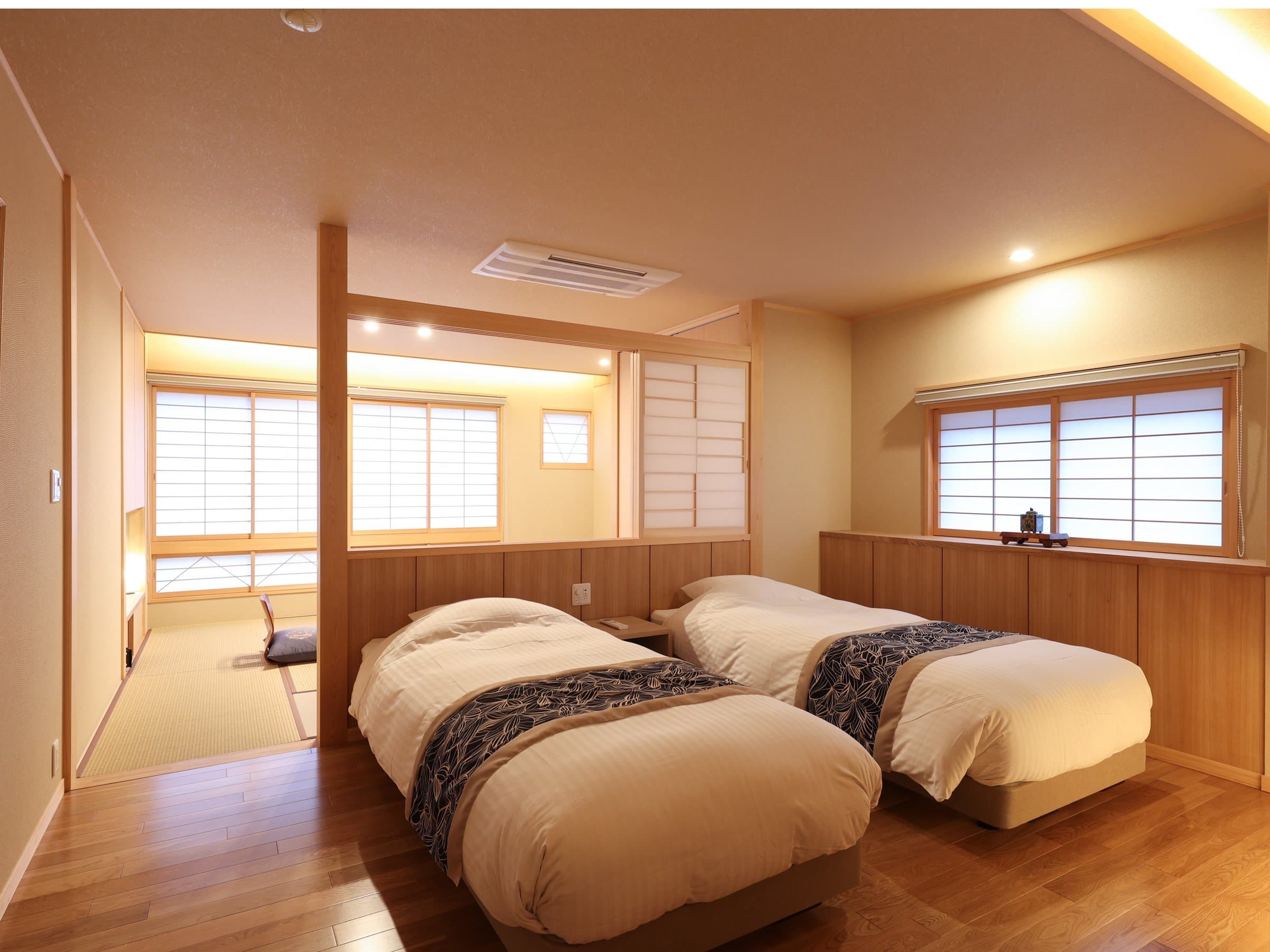 | 起价 ¥10,780 | 9.2 139条评价 | 温泉 | 上Booking.com订房 |
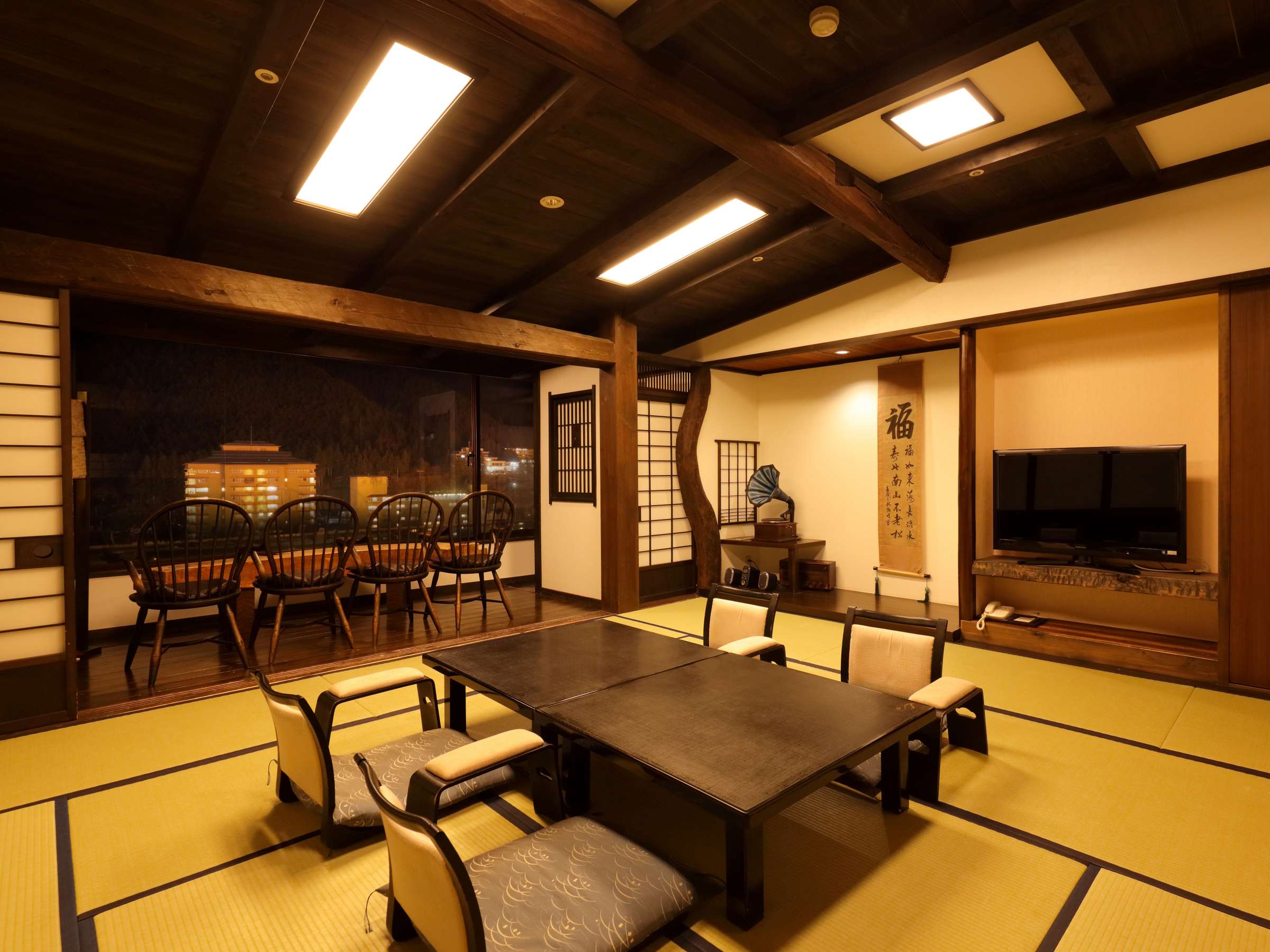 Sasara Gero | 起价 ¥30,800 | 8.7 73条评价 | 英语OK包租温泉 | 上Booking.com订房 |
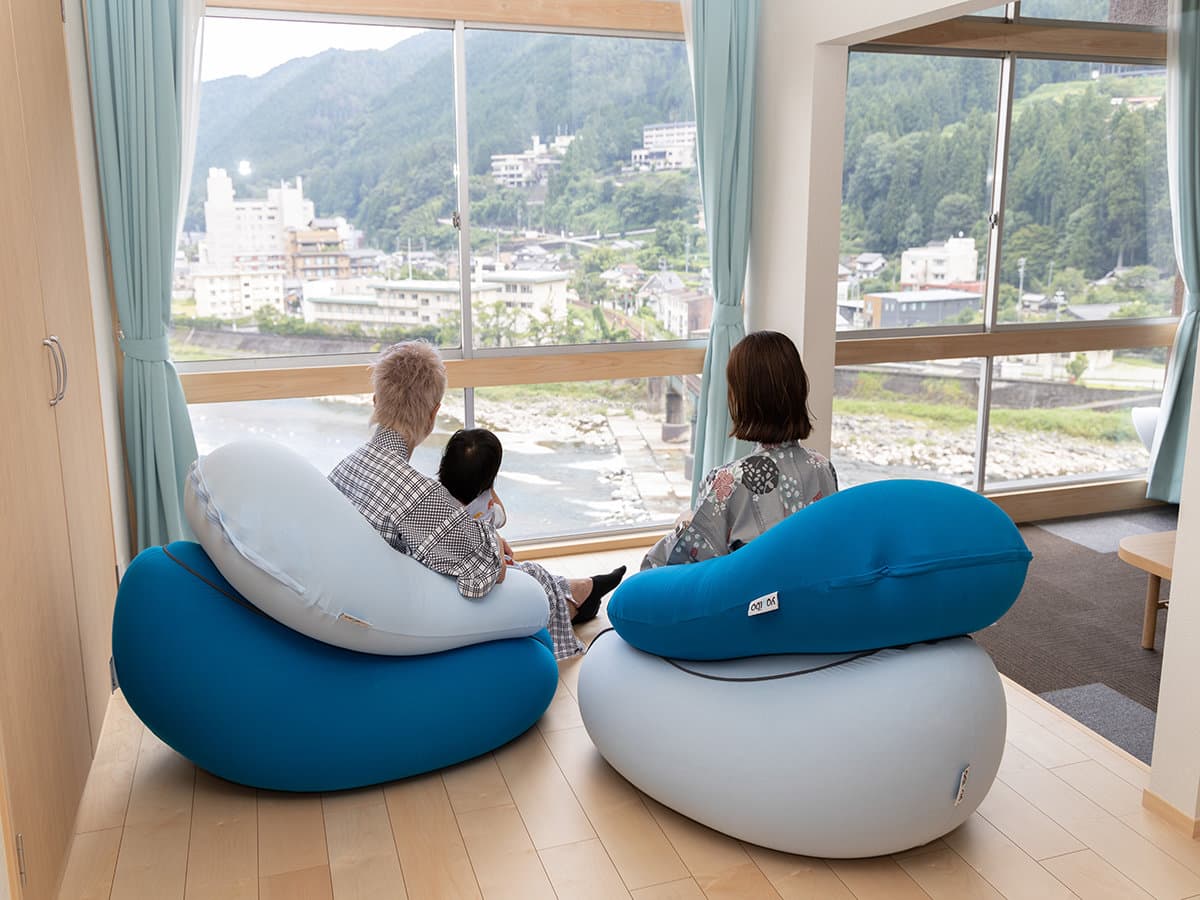 | 起价 ¥18,480 | 9.6 556条评价 | 英语OK包租温泉 | 上Booking.com订房 |
| 起价 ¥20,020 | 8.3 63条评价 | 包租温泉 | 上Booking.com订房 | |
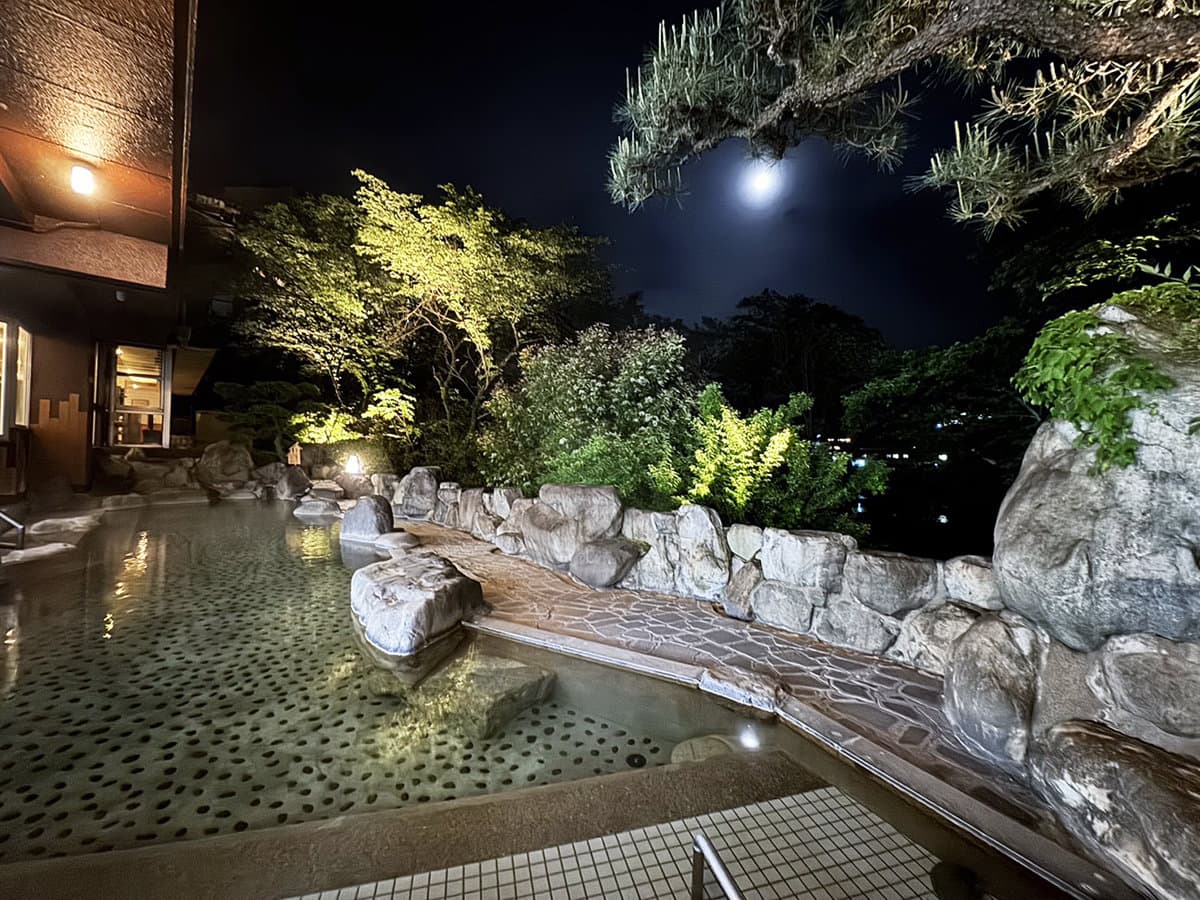 Bosenkan Gero | 起价 ¥30,800 | 8.1 2245条评价 | 英语OK包租温泉 | 上Booking.com订房 |
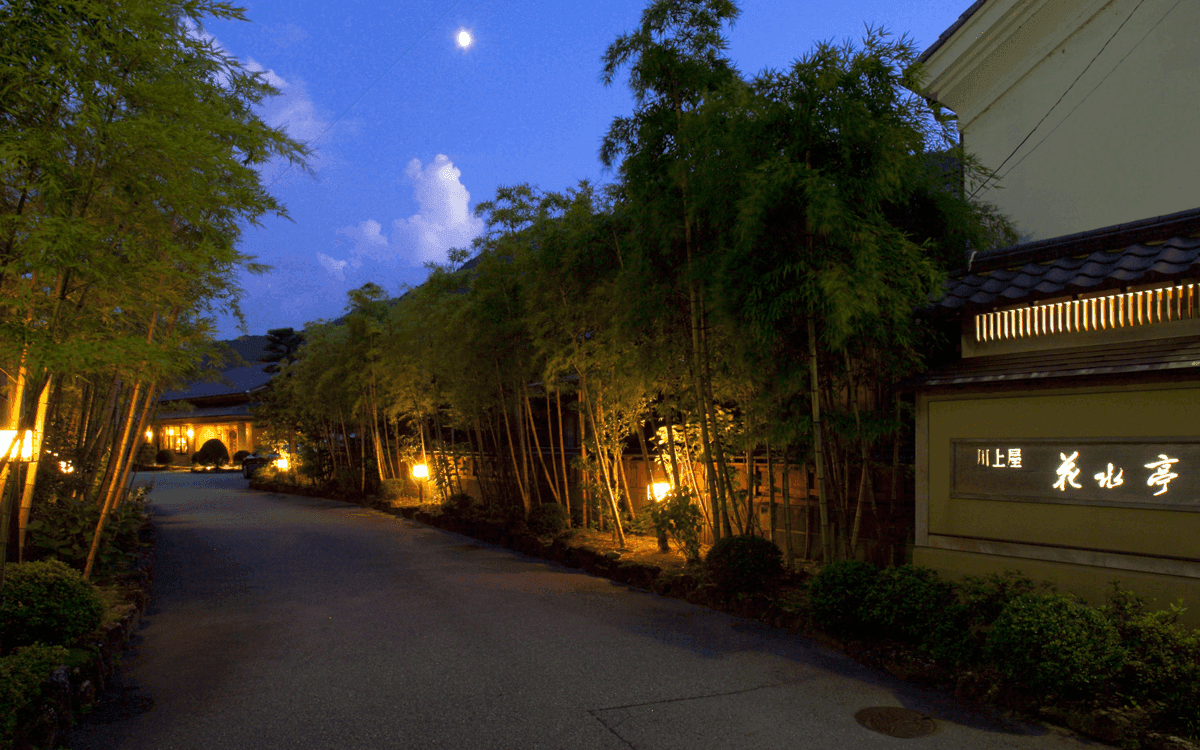 | 起价 ¥46,200 | 9.4 191条评价 | 英语OK包租温泉 | 上Booking.com订房 |
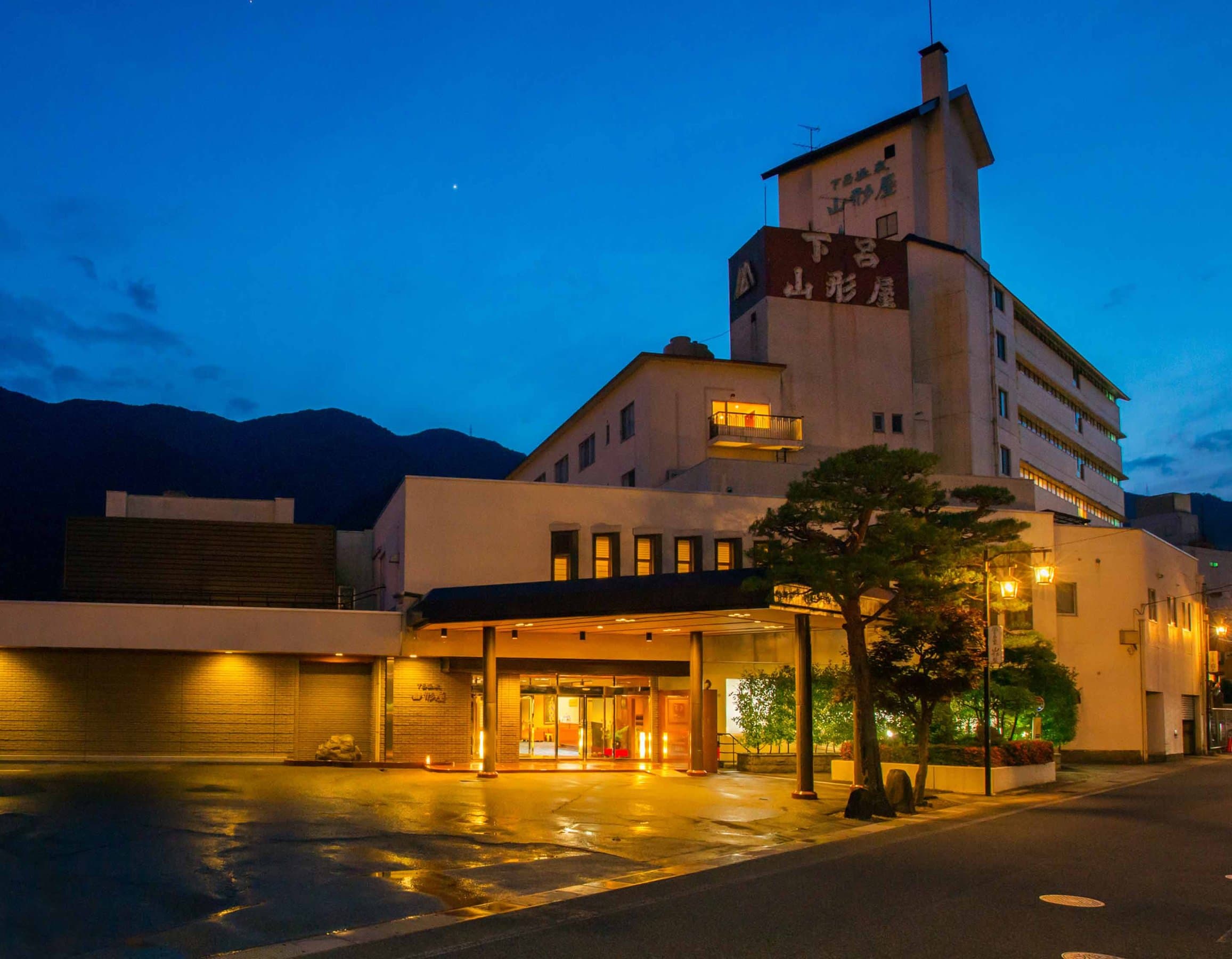 Yamagataya Gero | 起价 ¥25,410 | 8.2 489条评价 | 温泉 | 上Booking.com订房 |
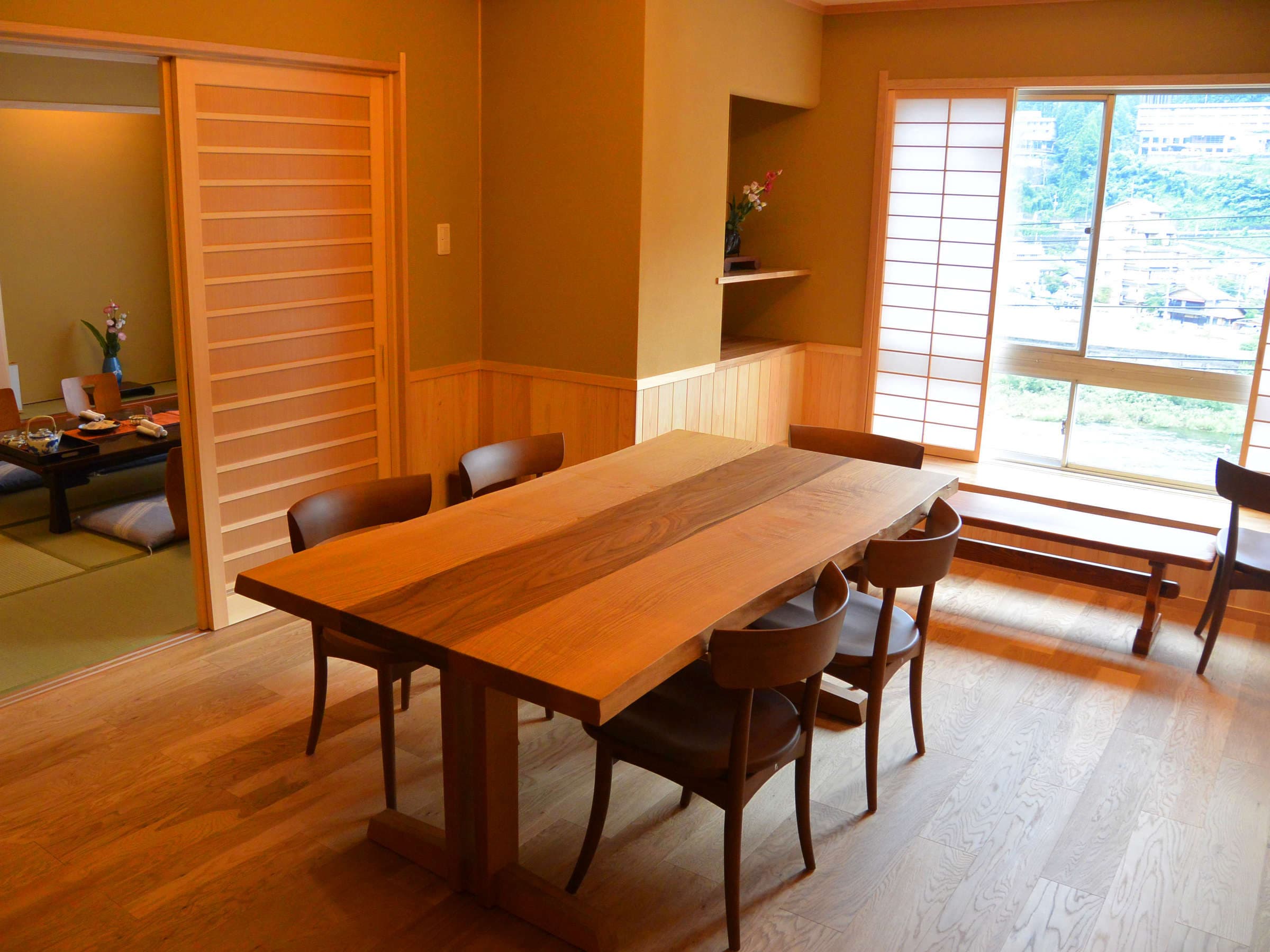
水明馆
Gero
Yunoshimakan
Gero
Ogawaya
Gero
Sasara
Gero
Bosenkan
Gero
Yamagataya
Gero
显示价格为每人每晚的起步价(约值)。通过本站预订,我们可能获得佣金。
1662年,儒学家林罗山从日本的温泉中选出了三座最为出色的:有马、草津,以及下吕 [verified Japan Guide 2026-06-05]。三个半世纪后的今天,这一排名仍然影响着日本旅行者选择目的地的方式。下吕温泉位于岐阜县飞驒川河谷,距名古屋约90分钟车程,乘特急「飞驒」号列车至高山以南45分钟——这使它成为关西至中部日本经典旅程中精确的地理与文化中转点。温泉水呈碱性单纯温泉(pH 约 9.2 源泉处),触感如丝,被称为美人之汤——因其能让肌肤变得光滑而闻名 [verified Centrip Japan 2026-06-05]。下吕的另一特色是飞驒牛:在飞驒高地养殖的A5和牛,以一种在产地更远的温泉小镇无法实现的方式稳定地出现在这里的怀石菜单上。以下是我们2026年5月核实的下吕温泉最佳旅馆12家,涵盖从经济实惠的汤巡之旅到文化财产级豪华住宿的各个价格区间。
 保存到Pinterest
下吕温泉最新动态:2026年更新
2026年5月核实——自上次更新以来的主要变化:
- 纱纱罗私人露天浴池扩建(2025年): 纱纱罗新增两个高端客房类别,扩大了私人室内露天浴池和山谷景观露台。新设「深山套房」类别起价每人¥60,000。 - 汤巡手形价格更新: 木制汤巡通行证从¥1,200涨至¥1,300(2026年4月起)。仍可使用三家合作旅馆的浴室,在所有参与旅馆的前台均可购买。 - JR飞驒线时刻表修订(2026年3月): 特急「飞驒」时刻表已修订;预订前请在JR东海官方网站确认当前时刻表。 - 川原汤延长营业时间: 著名的河边露天公共浴池现在4月至10月营业至21:00(原为19:00),暖和月份可享受日落时分的温泉浴。 - 飞驒牛定价: 受2026年初全国和牛价格调整影响,高档旅馆的飞驒牛怀石附加费较2024年约上涨8-12%。本指南价格反映2026年5月核实区间。 - 水明馆能剧场恢复演出: 停演两年后,水明馆的月度能剧演出于2026年1月恢复。预订时请查阅水明馆网站了解2026年演出日期。
Tip
评选标准(2026年5月核实): 从下吕25家在营旅馆中精选12家。标准:(1)至少主浴室使用源泉掛流(新鲜流动泉水,非循环);(2)建筑年龄30年以上或属于国家登录有形文化财;(3)至少有一个特色客房或浴室类别,具备河景、私人温泉或指定生产商飞驒牛怀石等特点;(4)在过去18个月内于Jalan或乐天旅游网上有可核实的日文客评;(5)价格区间分布——最低一家不超过¥18,000/人,最高一家超过¥45,000。所示价格为含两餐(晚餐+早餐)的每人每晚价格,为标准旅馆定价方式。参考汇率:¥150 = 1美元。
下吕温泉与日本三大名泉
日本有数百个温泉小镇,但只有三处拥有对日本温泉文化最重要的称号:日本三大名泉(三大名泉)。这一排名源自林罗山1662年的著作《罗山文集》,虽有其时代背景,但罗山所描述的泉水化学特性确实与众不同。三大名泉各代表不同的泉质类型:有马(兵库)拥有两个泉源——富含铁质的「金泉」和含碳酸的「银泉」——是日本地球化学构成最复杂的温泉之一。草津(群马)拥有日本酸性最强的泉水(pH 2.0),以将水搅拌至可浸泡温度的汤揉传统而闻名。下吕拥有三大名泉中碱性最高的单纯温泉(pH 9.1-9.3),这正是其成为美人之汤代表的原因。三地合在一起,涵盖了日本温泉水质的完整光谱。如果您想打造一次日本温泉之旅并体验三大名泉,下吕是天然中转地,因为它位于名古屋和高山之间的飞驒本线上。我们的草津旅馆指南和有马旅馆指南涵盖了三大名泉的另外两站。
下吕美人之汤的独特之处
下吕的温泉被下吕温泉观光协会正式分类为碱性单纯温泉——这里的「单纯」是技术术语,意味着溶解矿物质浓度低于疗养阈值,但碱性才是关键所在 [verified Gero Onsen Tourist Association 2026-06-05]。在pH 9.2源泉的条件下,进入浴池60秒内,水会与皮肤表面油脂发生皂化反应(字面意义上的肥皂反应) [verified Good Luck Trip 2026-06-05]。您感受到的滑腻感是物理效应,而非添加剂带来的感觉。这就是美人之汤的机制。日本温泉协会认定的真正美人之汤全国不足20处;下吕与佐贺的嬉野、和歌山的川汤并列最常被引用。对于选择旅馆的实际意义是:源泉掛流在下吕比日本其他任何地方都更为重要,因为碱性泉水一旦冷却循环,碱性迅速下降,软化皮肤的效果也随之减弱。如果旅馆声称使用天然温泉但未明示掛流,预订前请直接询问。
Tip
请旅馆工作人员为您在浴室附近的泉水水龙头处接一小瓶泉水。次日早晨用冷却的泉水洗脸——美人之汤的碱性即便在浴后也能持续作用于面部皮肤。下吕大多数历史悠久的旅馆会免费满足这一要求。
下吕三处免费外汤(外汤)
下吕最具特色的地方之一是三处公共浴池(外汤),旅馆住客可免费或以极低费用使用。川原汤最为著名:直接建在飞驒川边的露天河岸浴池,男女混浴(须穿泳衣),免费入场。截至2026年4月,4月至10月营业时间延长至21:00,可享受日落时分的温泉浴。山岳之汤是温泉区主区的室内公共浴池,入场费¥500,营业时间适合本地人,通常比旅馆主浴室安静。白云之汤是中央广场的足汤站——免费,全天开放,是刚抵达时的好去处。许多旅馆提供汤巡手形(木制汤巡通行证,2026年¥1,300),除外汤外还涵盖三家合作旅馆的公开时段。如果您只住一晚且希望最大化泉质体验,请在抵达时在旅馆前台购买通行证。
下吕的飞驒牛与怀石料理
下吕位于飞驒高地,这里是飞驒牛的产地——岐阜县和牛品牌。根据飞驒牛品牌推进协议会的官方定义,飞驒牛必须来自在岐阜县饲养至少14个月、并由日本食肉格付协会评定为3级或以上的日本黑毛和牛 [verified Hida Takayama Tourism Bureau 2026-06-05]。飞驒牛是日本最被低估的A5和牛品牌之一:几乎不出现在出口菜单上,价格明显低于松阪或神户(下吕旅馆的完整飞驒牛怀石套餐通常为每人¥15,000-¥25,000,作为人均价格的一部分而非附加费),4-5级切片的大理石花纹质量可与全国品牌相媲美。在下吕,飞驒牛最常以涮涮锅(薄片在桌旁汆煮)、寿喜锅(与豆腐和蔬菜一起炖)、烧肉(在桌旁烤制)或タタキ(稍微炙烤)形式呈现。水明馆和汤之岛馆的怀石料理均明确从指定的飞驒生产商采购飞驒牛;睦馆则按季节轮换供应商。如需深入了解传统温泉旅馆怀石菜单的结构,请参阅我们的怀石指南。
快速对比:下吕12家旅馆一览
| 旅馆 | 价格档次 | 最适合 | 私人温泉 | 河景 |
|---|---|---|---|---|
| 水明馆 | ¥¥¥¥ | 初次体验者、全服务 | 租借 | 有 |
| 汤之岛馆 | ¥¥¥¥ | 历史、建筑 | 无 | 山丘全景 |
| 小川屋 | ¥¥¥ | 家庭、百榻浴室 | 租借 | 有 |
| 睦馆 | ¥¥¥ | 怀石品质、私密感 | 无 | 无 |
| 纱纱罗 | ¥¥¥¥ | 设计旅行者、山谷景观 | 室内 | 山谷景观 |
| 松月 | ¥¥¥ | 安静替代、秋季 | 半私人 | 有 |
| 富岳 | ¥¥¥ | 山坡全景 | 无 | 山景 |
| 望川馆 | ¥¥¥ | 纹身友好、私密 | 套内 | 无 |
| 川上屋花水 | ¥¥¥¥ | 豪华河畔、最佳怀石 | 套房 | 有 |
| 山形屋 | ¥¥¥ | 未翻新的传统氛围 | 无 | 无 |
| 水明馆别馆 | ¥¥¥ | 更安静的水明馆体验 | 租借* | 有 |
| 木曾屋旅馆 | ¥ | 超经济、汤巡为主 | 无 | 无 |
*别馆住客可使用水明馆本馆的租借露天浴池。
1. 水明馆——下吕温泉的老牌名旅
价格档次:¥¥¥¥(¥35,000-¥70,000/人,含两餐)
水明馆创建于1932年,是下吕温泉的标志性旅馆——一座沿河而建的大型综合建筑,设有四栋独立楼翼(山水阁、泰龙、花龙馆、湖光庵)、三个大型公共浴池,以及由已故观世流能乐师関根祥六监修的能剧场 [verified Nihonmono 2026-06-05](月度演出已于2026年1月恢复)、室外游泳池和多个餐厅。对于初次体验日本旅馆的游客来说,水明馆是一个参照标准:它展示了大型传统旅馆所能达到的高度。山水阁浴池是其标志——一个180榻榻米的木制大浴室,引入持续流动的鲜活泉水,并享有完整的飞驒川景观。怀石菜单明确从指定的飞驒农场采购飞驒牛;秋季还会增加飞驒松茸的附加套餐。对于这样规模的旅馆,服务正式而敏捷。唯一的权衡:规模使其感觉比列表上的较小旅馆更像酒店而非亲密小宿。
- 温泉:三个公共浴池+私人租借露天浴池(主浴室为源泉掛流) - 怀石:指定生产商飞驒牛、时令山菜、河鲜 - 景观:泰龙和花龙馆楼翼的飞驒川景观客房 - 英语:英文官网+预订支持 - 交通:距下吕站步行10分钟
2. 汤之岛馆——山林中的国家登录有形文化财
价格档次:¥¥¥¥(¥50,000-¥90,000/人,含两餐)
汤之岛馆创建于1931年,不仅是一家旅馆——其主楼与走廊于2010年被列为日本国家登录有形文化财,是获此称号的极少数温泉旅馆之一 [verified Yunoshimakan official 2026-06-05]。主楼是昭和时代的工艺精华:手雕横梁装饰的长杉木走廊、宏伟的楼梯、以及自1930年代以来几乎未变的大厅。旅馆坐落在市中心上方的茂密山丘上,经由陡峭的蜿蜒小路进入,与温泉街的喧嚣形成真正的隔离。私有泉源为大型室内浴池和面向森林的露天浴池提供源泉掛流。秋季周末至少需提前90天预订;11月从室外浴池可见的枫叶红景是下吕温泉最多人拍摄的画面。
- 温泉:私有泉源,源泉掛流,森林露天浴池 - 怀石:多道飞驒料理,时令飞驒牛烹饪 - 建筑:国家登录有形文化财(2002年认定) - 景观:山林坡面;山丘露台小镇全景 - 交通:距下吕站步行上坡15分钟(可接送)
3. 小川屋——百榻浴室体验
价格档次:¥¥¥(¥25,000-¥50,000/人,含两餐)
小川屋有一项其他日本旅馆无可比拟的特色:一个100榻榻米大型室内公共浴池,大型温泉浴池的池底完全铺设传统榻榻米。脚下防滑且温热的榻榻米带来截然不同的泡汤体验——比瓷砖或石材更柔软、更温暖、更贴合大地。除这一标志性浴室外,小川屋还设有完整的河边露天浴池和私人租借浴室。旅馆距下吕站步行8分钟,沿飞驒川步行道行走。是带孩子家庭(游泳池区域浴室入口有人值守)和初次体验温泉的游客的强力推荐——小川屋将旅馆热情与略为亲民、酒店式的客房服务相结合。
- 温泉:百榻标志性浴室、河边露天浴池、私人租借浴室 - 怀石:飞驒牛+时令河鲜(香鱼、岩鱼) - 景观:面向河流的标准和豪华客房档次 - 英语:提供一定程度的支持;可通过OTA预订 - 家庭友好:有人值守的浴室入口,家庭客房类别
4. 睦馆——米其林关注的老牌旅馆
价格档次:¥¥¥(¥30,000-¥55,000/人,含两餐)
睦馆因舒适度和品质获米其林绿色指南日本版推荐——这家家族经营旅馆凭借一贯品质而非奢华外表赢得了这份认可。距下吕站三分钟路程,位于小镇的传统区。客房是彻底的传统风格:榻榻米、障子、蒲团。浴室规模较小但维护精心。睦馆的出色之处在于怀石厨房:菜肴反映了旅馆与当地飞驒农民和河流渔夫的季节性合作关系。飞驒牛出现在每份菜单上,但春季山菜料理和夏季河鲜套餐才是体现厨房品质的真正指标。如果您曾住过大型旅馆并想体验正宗小旅馆的热情款待,睦馆是最佳对比之选。
- 温泉:小型、精心维护的公共浴室,源泉掛流 - 怀石:米其林关注,时令飞驒食材,指定农场飞驒牛 - 规模:私密(不足20间客房) - 交通:距下吕站步行3分钟 - 最适合:注重氛围而非规模的日本旅行资深者
5. 纱纱罗——设计感强烈的山坡旅馆
价格档次:¥¥¥¥(¥40,000-¥80,000/人,含两餐;深山套房起¥60,000)
纱纱罗是下吕对「现代日式美学」问题的设计先锋回答。旅馆坐落在温泉区主区上方的山坡上,将榻榻米客房与简洁的斯堪的纳维亚风格室内设计融为一体——汉斯·韦格纳椅子、抛光混凝土浴池环绕、落地窗框住飞驒山谷的景色。2025年,纱纱罗新增了「深山套房」类别,设有扩大的室内私人露天浴池和延伸露台。每间标志性客房均配备面向山谷的室内私人露天浴池。怀石摆盘遵循建筑的简约精准美学:小分量、指定生产商食材、戏剧性的时令呈现。纱纱罗一贯吸引注重设计的国际住客,是最容易通过英文OTA预订的下吕旅馆之一。
- 温泉:室内私人露天浴池(所有标志性/套房客房)、山谷景观公共浴室 - 怀石:设计感强烈的摆盘,指定飞驒牛生产商 - 建筑:当代日式斯堪的纳维亚室内设计 - 2025年新增:配备扩大露天浴池+延伸露台的深山套房 - 英语:强大的OTA存在,英语支持
6. 松月——河边的静谧优雅
价格档次:¥¥¥(¥28,000-¥55,000/人,含两餐)
松月是下吕运营较为低调的旅馆之一——在国际上的知名度不及水明馆或汤之岛馆,但一贯被评为更轻松的替代选择,适合觉得大型名旅过于繁忙的住客。旅馆临飞驒川而建,河边公共浴室享有无遮挡的水面景观。客房类别分为标准榻榻米和少数带半私人露天浴池的河景房。怀石厨房以特别出色的刺身采购著称——来自飞驒的河鲜明显比没有直接供应商关系的旅馆更为新鲜。在日本国内旅行者中,秋季周末当汤之岛馆和水明馆客满时,松月常被推荐为替代选择。
- 温泉:河边公共浴室+半私人露天浴池选项 - 怀石:出色的本地刺身采购,时令飞驒牛 - 景观:直接临飞驒川 - 规模:中等规模(30-40间客房),比地标旅馆更安静 - 最适合:追求宁静而非知名度的旅行者,秋季周末的替代选择
7. 下吕温泉富岳——山坡全景露天浴池
价格档次:¥¥¥(¥22,000-¥45,000/人,含两餐)
富岳坐落在温泉街上方的山坡上,俯瞰飞驒川河谷,无需汤之岛馆那样的正式文化财产地位。旅馆比历史名旅更新,但投资建造了一座山顶露天浴池,享有270度山岳和山谷全景——是下吕任何旅馆中最宽阔的露天全景之一。客房类别包括标准榻榻米和西式床铺两种,适合难以习惯蒲团睡眠的住客。怀石料理扎实而非卓越——有飞驒牛,山菜料理依时令调整,但厨房水准不及睦馆或水明馆。富岳的吸引力主要在于其景观和灵活的客房格式。
- 温泉:270度全景山顶露天浴池,公共浴室 - 怀石:标准飞驒牛怀石,时令山菜 - 景观:山坡位置的山岳和山谷全景 - 客房类型:榻榻米+西式床铺选项 - 交通:步行上坡或乘旅馆班车至车站
8. 望川馆——配备私人温泉客房的历史旅馆
价格档次:¥¥¥(¥30,000-¥60,000/人,含两餐)
望川馆是下吕中型历史旅馆之一——创建于昭和初期,在日本回头客中拥有低调的好口碑。其突出特色是包含室内私人温泉的套房客房类别,即泉水直接引入客房内的石质或桧木浴池。对于注重私密的旅行者——无论是因为羞涩、纹身还是个人偏好——望川馆是下吕¥60,000档次以下最易获取的私人温泉选项。怀石料理为传统飞驒风格:多道套餐,时令食材,每晚菜单均含飞驒牛。交通便利——距下吕站步行7分钟。
- 温泉:室内私人温泉(套房),公共浴室 - 怀石:传统飞驒多道套餐,飞驒牛 - 私密性:下吕¥60,000档次以下最佳私人温泉选项 - 交通:距下吕站步行7分钟 - 最适合:纹身友好的住客,追求最大私密度的情侣
9. 川上屋花水——高端河畔旅馆
价格档次:¥¥¥¥(¥45,000-¥85,000/人,含两餐)
川上屋花水是下吕的高端河畔旅馆——比水明馆规模更小、更具排他性,临河位置使其成为镇上任何旅馆中最靠近飞驒川的之一。旅馆历史悠久(明治时代创建),通过精心改建而非现代化改造保持了历史风貌。河边露天浴池建在略微悬挑于河堤上的露台——在流动的山间溪水上方沐浴的感觉是下吕独有的体验。所有客房类别均享有河景;高端套房增设室内私人浴池。怀石料理在日本旅行评测中被评为下吕前三,飞驒牛料理包括经典寿喜锅和更具创新性的タタキ形式。如需了解日本各地私人温泉的完整体验谱系,请参阅我们的最佳私人温泉旅馆指南。
- 温泉:悬挑河边露天浴池+套房私人浴池 - 怀石:顶级飞驒牛料理,明治时代食谱传承 - 规模:精品旅馆(不足25间客房) - 景观:直接临河,下吕最近河岸距离 - 最适合:蜜月旅行、豪华追求者、下吕最佳怀石体验
10. 山形屋——明治时代传承的家族经营传统
价格档次:¥¥¥(¥25,000-¥48,000/人,含两餐)
山形屋是下吕历史最悠久的家族经营旅馆之一,可追溯至明治时代创建。位于中心温泉区,距车站5分钟,未经大规模翻修保持了传统风貌——原始木结构建筑、隔扇室内隔断、以及仍沿用1920年代石工的浴池。主公共浴池是下吕最深的之一(传统浴池深度允许泡澡者站在齐肩的水中,这是日本传统的泡澡偏好)。怀石料理是家常风格而非高级怀石——摆盘简单,分量较大,飞驒牛品质出色。山形屋推荐给希望体验未经翻新为Instagram受众而改造的真实旧日本氛围的旅行者。
- 温泉:深型传统石制公共浴池,源泉掛流 - 怀石:飞驒家常料理,大分量,飞驒牛 - 建筑:保留明治时代木工,未翻新风貌 - 交通:距下吕站步行5分钟 - 最适合:追求未经现代化改造的传统氛围的旅行者
11. 水明馆别馆——更安静的水明馆体验
价格档次:¥¥¥(¥28,000-¥55,000/人,含两餐)
水明馆的别馆与主楼共享浴池设施,但客房更少、走廊更安静、服务比例更为亲密。对于希望体验水明馆泉水和品牌品质,但觉得主楼规模(多栋楼翼、大型旅游团)过于缺乏人情味的旅行者,别馆是正确的预订选择。客房类别偏传统——天然木材使用更多,色调比主楼更正式的装饰方案更为沉稳。怀石菜单与主楼一致,但在更小的餐厅中同时招待更少的住客。可前往水明馆主体设施(包括能剧场和山水阁浴池)。
- 温泉:共享水明馆所有浴池设施,源泉掛流 - 怀石:水明馆厨房标准,更小型的用餐环境 - 规模:别馆形式——客房更少,比主楼更安静 - 景观:部分客房可见河景 - 最适合:希望享受水明馆品质但不喜欢度假村规模的住客
12. 木曾屋旅馆——汤巡据点
价格档次:¥(¥10,000-¥18,000/人,含两餐)
木曾屋旅馆是本列表的入门级选择——一家位于温泉区中心的紧凑型家族旅馆,专为想体验正宗下吕一夜而无需高额消费的旅行者设计。客房简单(榻榻米、蒲团、走廊共用浴室),浴室小巧,没有室内用餐服务。每人¥10,000-¥18,000所获得的是:使用同款碱性泉源的权利、家常飞驒料理晚餐(含飞驒牛)、以及可以整天畅游三处免费外汤(川原汤、山岳之汤、白云之汤)和汤巡手形合作旅馆的能力。这是为计划长途日本旅行——10晚以上——并希望将下吕纳入行程而不使其成为全程最贵一晚的旅行者推荐的选择。
- 温泉:小型公共浴室(泉水),可使用外汤公共浴池 - 怀石:家常风格,简单但含真正的飞驒牛 - 地点:温泉区中心,步行可至所有公共浴池 - 预算:下吕最低价的正宗旅馆体验 - 最适合:预算旅行者、独自旅行者、长途日本行程
如何前往下吕温泉:从名古屋、高山等地出发
下吕的交通位置是其最大优势之一。从名古屋出发: JR东海飞驒特急(自2023年3月起的HC85系列)名古屋至高山约2小时多,下吕是中途停靠站 [verified Wikipedia Hida train 2026-06-05],每日多班。请注意2026年3月的时刻表修订——预订前请在JR东海官方网站确认当前发车时间。从高山出发: 同一飞驒线南行方向,约45分钟。从大阪/京都出发: 乘新干线至名古屋(根据出发地35-80分钟),再转乘飞驒特急。大阪至下吕总行程约2.5小时。从东京出发: 乘新干线至名古屋(希望号约90分钟),再乘飞驒特急至下吕。合计:从东京站约3小时。
对于将下吕与高山、白川乡和北陆路线上的金泽旅馆组合游览的旅行者,JR高山·北陆观光免费通票(5天,¥15,280)涵盖整条飞驒线和北陆新干线延伸段,1-2天的行程即可回本。
乘飞驒号特急抵达?选下吕车站附近的旅馆就不必拖着行李爬坡。
下吕温泉最佳游览时间:四季指南
秋季(10月中旬至11月下旬)——旺季。 飞驒川河谷在周围枫叶的映衬下变成红金色。山水馆、汤之岛馆和水明馆的河景露天浴池需求达到峰值;秋季周末需提前90天以上预订。下吕温泉祭(8月1-4日)是另一大看点——飞驒川上的火炬烟火。
冬季(12月至2月)——温泉旺季,房价折扣。 下吕本身没有滑雪,但寒冷空气与碱性温泉水的对比带来一年中最强烈的美人之汤皮肤感受。房价通常比秋季低20-30%。1-2月从汤之岛馆露天浴池可见的雪景是下吕冬季的经典画面。
春季(3月下旬至5月中旬)——樱花窗口。 飞驒川两岸从3月下旬开始盛开;怀石菜单转向春季山菜(山野菜)。避开黄金周(4月29日至5月5日)——国内需求翻三倍。4月中旬「赏花泡汤」窗口是首次旅行的最佳两周切入点。
夏季(6月至8月)——较安静、可及性强。 下吕位于海拔340米——比名古屋或大阪凉爽。夏季萤火虫节(7月初)是安静的本地看点。夏季游览时,请预订设有带盖或室内露天浴池选项的旅馆。
下吕与高山组合:理想的3天飞驒行程
下吕和高山乘飞驒特急相距45分钟,各自满足不同旅行需求:下吕专注温泉,高山是拥有三町古街、陣屋府邸和晨市的日间文化目的地。两地组合构成中部日本最精彩的两站式旅馆行程。
第1天——名古屋→下吕: 乘名古屋早班飞驒,约10:00-11:00抵达。在旅馆寄存行李,在车站附近午餐飞驒牛荞麦面,散步汤巡外汤线路(¥1,300木制通行证,3处浴池)。返回旅馆享用怀石晚餐和温泉。
第2天——下吕→高山: 晨浴、早餐、10:00退房。乘飞驒北上至高山(约45分)。漫步三町古街,参观高山陣屋,从路边摊品尝飞驒牛握寿司。入住高山旅馆——我们的高山旅馆指南涵盖最佳选择,高山地区页面有完整目录。
第3天——高山→继续行程: 可选陣屋晨间散步或宫川朝市,然后乘飞驒南下名古屋方向或北上富山/金泽。金泽延伸路线:富山至金泽乘北陆新干线(25分钟)。
Tip
如将下吕+高山+金泽或富山组合游览,请购买JR高山·北陆观光免费通票(5天,¥15,280)。涵盖两个方向的飞驒特急和北陆延伸段,第2天即可回本。
下吕温泉 vs 草津 vs 箱根:如何选择第一个温泉小镇
国际游客最常选择的三个首选温泉小镇是箱根(从东京最易到达)、草津(最戏剧性的泉水、最具表演性的公共浴池)和下吕(三大名泉称号、最佳美食)。以下是诚实的比较:
箱根最适合以东京为基地的一日游或一夜游客。从新宿乘浪漫特急列车便捷抵达;强罗附近旅馆密度是日本最高的;可能欣赏到富士山景观。权衡:箱根是国际游客最拥挤的温泉小镇,价格较高,而且泉水(硫磺泉,较弱)并非其最强项。参阅我们的箱根旅馆指南和富士山景观旅馆推荐。
草津拥有日本酸性最强的温泉水(pH 2.0)和湯揉仪式(用木桨搅动接近沸腾的水作为公开表演)。如果追求戏剧性温泉文化,草津无出其右。权衡:从东京乘大巴需4小时;与下吕或箱根相比,高端旅馆选择有限。参阅我们的草津旅馆指南。
下吕是追求全套体验时的选择:三大名泉文化称号、美人之汤碱性、最佳美食(飞驒牛怀石)以及与高山和名古屋最便捷的交通连接。权衡:国际知名度较低,英文资源相对匮乏。本指南正是为弥补这一差距而设计的。如需了解日本温泉全景,参阅我们的日本分地区温泉指南。
我们如何筛选这12家旅馆(完整评选方法)
下吕有约25家具有一定规模、在2026年积极运营的旅馆。我们使用五项标准将其缩减至12家。完整标准已在本指南顶部的方法论说明框中列出,但每项标准背后的编辑理由值得详细解释:
标准1:至少主浴室使用源泉掛流。 这筛去了下吕4-5家从市政来源引水或大量使用循环水的商务酒店式设施。在以碱性为全部意义所在的美人之汤小镇,主浴室不使用新鲜泉水持续流动的旅馆无法提供本指南所构建的体验。
标准2:建筑年龄30年以上或国家登录有形文化财。 这排除了缺乏下吕历史背景的新建筑。30年门槛是保守的;最好的旅馆大多有50-90年历史。新建筑并不自动排除在外(纱纱罗尽管较新仍被收录),但新建旅馆必须以卓越的设计品质或独特特色来弥补。
标准3:具有突出特色的标志性客房或浴室类别。 本列表的每家旅馆都至少有一项特色,足以成为相对于通用替代品选择它的理由——小川屋的百榻浴室、汤之岛馆的文化财产地位、川上屋花水的悬挑河边露天浴池、悠游的私人浴池含在内。这一标准防止了用无差异化的中档旅馆填充名单。
标准4:18个月内可核实的日文客评。 下吕的英文评价数量较少——国际游客比例低于箱根或城崎温泉。我们更重视日文评价(Jalan、乐天旅游、一休),因为它们代表更大的评价基础,且较少受到仅访问一次的国际游客的单一印象偏差影响。没有可核实的近期评价的旅馆被排除在外。
标准5:价格区间多元化。 最终名单必须涵盖¥10,000至¥90,000/人的全价格范围。这是对各预算类别读者的服务承诺。它也反映了下吕市场的真实范围。我们不偏重豪华——12家中5家为中档(¥¥¥)或以下,2家为经济型(¥或¥¥)。
完整名单已于2026年5月重新核实。下次计划核实:2026年11月。
 保存到Pinterest
准备好预订了吗?
从这些精选旅馆中预订
三大订房平台的实时空房与房价,一次比较。
通过预订链接可能产生佣金,但不会增加您的费用。
FAQ
常见问题
下吕真的是日本三大名泉之一吗?+
是的。这一称号可追溯至江户时代儒学家林罗山(1583–1657),他将下吕与有马(兵库)和草津(群马)并列为日本三大最佳温泉 [verified Japan Guide 2026-06-05]。这并非营销发明——罗山是德川幕府的儒学家,其排名基于对水质的实地观察。这一称号在日本温泉文化中被持续引用超过350年。现代水质检测确认了下吕独特的碱性(pH 约 9.2 源泉处),这正是罗山可能观察到的「丝滑」品质 [verified Good Luck Trip 2026-06-05]。
下吕体验飞驒牛怀石的最佳旅馆?+
水明馆(从指定飞驒生产商采购)、川上屋花水(明治时代食谱传承,日本评测者评选下吕最高评分怀石)和睦馆(米其林关注厨房,季节性轮换采购)是飞驒牛怀石品质的前三甲。预算有限的情况下,山水馆以中档价格(¥18,000-¥40,000/人)提供时令飞驒牛。
可以在著名的川原汤河边露天浴池泡汤吗?+
可以。川原汤是飞驒川边的免费户外浴池。入场免费;须穿泳衣(男女混浴)。截至2026年4月,4月至10月营业时间延长至21:00,可享受日落时分的温泉浴。没有私人区域或预约服务。毛巾和泳衣可在附近店铺购买。
下吕 vs 箱根 vs 草津——第一次温泉选哪里?+
如果您在东京,想要最便捷的交通+富士山景观,选箱根。如果您想体验日本最戏剧性的公共浴池仪式(湯揉)和酸性最强的温泉,选草津。如果您想要全套文化体验——三大名泉称号、最顺滑的碱性美人之汤、最好的美食(飞驒牛怀石)以及到高山最便捷的交通——选下吕。当美食品质也是评估因素时,下吕是最强推荐。
下吕适合独自旅行吗?+
适合。下吕有几家独旅友好旅馆:木曾屋旅馆(经济型,¥10,000-¥18,000/人)、山彦(经济中档,公共浴室从不拥挤)和悠游(私人租借浴室消除了公共浴池的顾虑)。大多数旅馆对单人入住收取附加费(通常为每人价格的20-30%以上)。请为一晚优质下吕独旅(含两餐)预算¥15,000-¥25,000。
下吕含私人温泉的最便宜旅馆?+
悠游是¥35,000/人以下获得私人温泉的最佳入门选择——客房费率包含四个私人露天浴池之一的预约时段。望川馆在其套房类别中提供室内私人温泉,起价约¥35,000/人。¥20,000/人以下,下吕的私人温泉无法可靠获得;在该价位,免费外汤(川原汤)提供了替代方案。
应该在下吕住多久?+
一晚是体验完整怀石晚餐+温泉+早餐周期的最低时长。两晚最为理想:第一晚抵达、泡汤、晚餐;第二天汤巡(泡遍公共浴池和合作旅馆浴池);第二晚再次怀石和出发前的晨浴。三晚是完整飞驒行程(下吕+高山)的合适预算,在两地各住部分夜晚。
与高山旅行组合的最佳下吕旅馆?+
任何下吕旅馆在交通上都没有问题(下吕至高山乘飞驒特急45分钟)。专门针对这一组合:山水馆或小川屋在下吕提供标志性的河景温泉体验,然后前往高山参观古街文化日间游。我们的高山旅馆指南涵盖了最佳选择;就风格与山水馆和小川屋最为相配的是かちお庵和明日楼。


