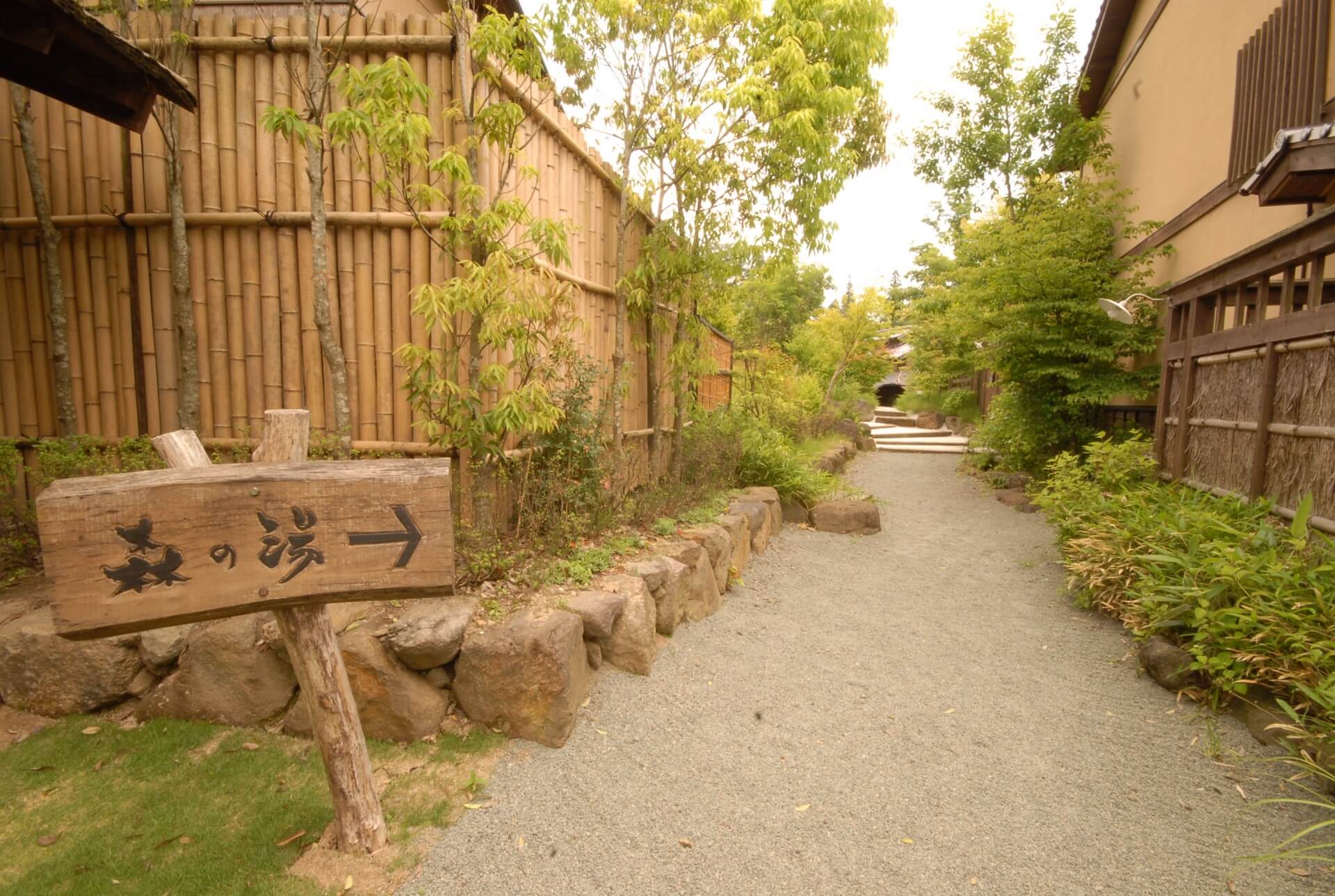
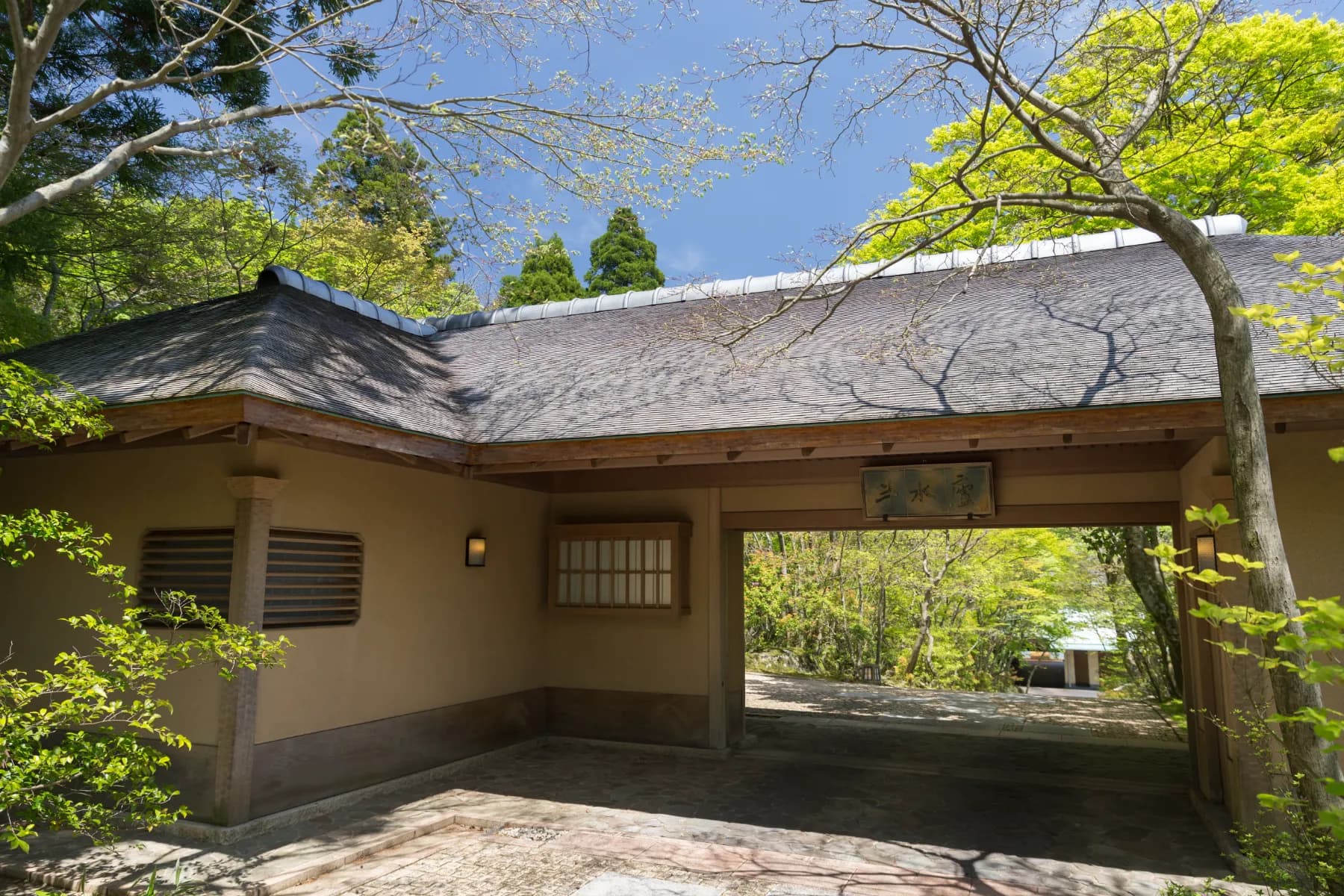
At 5:42pm on a Tuesday in March, the last Hankyu Bus from Sannomiya dropped its day-trippers at Arima Onsen Bus Terminal and turned around. Within twenty minutes, Yumotozaka — the cobblestone slope I had elbowed up at lunch — was almost empty. By 6:15pm I was walking back toward Tosen-jinja in a yukata, steam from the kinsen vents curling through paper-lantern light. The town smelled of toasted rice cracker and faintly sulphurous water. Nobody else was on the lane.
That ninety-minute window is the actual reason to book a ryokan in Arima. Day-trippers see the town between 11am and 5pm, when the Kin-no-Yu queue runs forty deep. Ryokan guests see it from 5pm to 10am the next morning. It is a different town, and choosing where to sleep is the single biggest decision you can make about a Kansai itinerary. Last verified: May 7, 2026.
I write the Kansai desk for Japan Ryokan Guide. I have stayed at four of the nine ryokans on this list across three trips since 2024, bathed in both kinsen (golden iron spring) and ginsen (silver radon-carbonate spring) at six of them. Where I have not slept the night, I say so. This is the seventh installment of our best-ryokans-by-area series after the floating-torii overnight at Miyajima, Hakone, Kyoto, Takayama, Yufuin and Kusatsu's sulfur waters.
This guide ranks nine ryokans across luxury, mid-range and budget tiers — with honest weaknesses for each, the kinsen-towel staining warning no English source spells out, and the structural reason day-trips from Osaka are the worst version of Arima. Our first-time ryokan guide covers the basics so this can focus on what makes Arima different.
The best ryokan in Arima Onsen is Nakanobo Zuien's adults-only retreat — a luxury inn with both kinsen and ginsen baths, Kobe beef kaiseki and a no-children policy across all 50 rooms. Heritage seekers should book Tocen Goshobo, an 800-year-old literary inn; design lovers want Gekkoen Korokan with its retro-modern stained-glass suites; budget travelers fit best at the modern, budget-friendly Maple Arima.
Tip
Disclosure: Japan Ryokan Guide earns a commission when you book through partner links. We do not accept payment from ryokans for inclusion or placement — every property here was selected on merit. Commission keeps the directory free in six languages.
Quick-Compare: 9 Arima Onsen Ryokans at a Glance
| # | Ryokan | Tier | From (USD) | Best For | |---|---|---|---|---| | 1 | Nakanobo Zuien | Luxury | $302 | Adults-only stays with both waters | | 2 | Tocen Goshobo | Luxury | $235 | 800-year heritage and literary kaiseki | | 3 | Gekkoen Korokan | Luxury | $350 | Retro-modern design and private rotenburo | | 4 | Hyoe Koyokaku | Mid | $200 | 700-year heritage at mid-range scale | | 5 | Taketoritei Maruyama | Mid | $250 | Intimate hillside kaiseki with both waters | | 6 | Gekkoen Yugetsusanso | Mid | $200 | Riverside scenery on a mid-range budget | | 7 | Negiya Ryofukaku | Mid | $150 | Maple-view rooms under $400 | | 8 | Arima Grand Hotel | Mid | $200 | Families and panoramic Mt. Rokko views | | 9 | Maple Arima | Budget | $100 | Budget-friendly modern stay with ginsen |
For broader pricing context across Japan's top onsen destinations, our ryokan cost-per-night guide breaks down typical kaiseki rates.
Why stay overnight in Arima instead of day-tripping from Osaka or Kobe
Yes — staying overnight in Arima is the single biggest upgrade you can make to a Kansai trip. After the last day-tripper buses leave around 5pm, Yumotozaka empties, the Kin-no-Yu queue dissolves, and the lantern-lit old town belongs to ryokan guests. Day-trippers get one rushed bath and a 90-minute ride home. Overnight guests get three to four bath sessions, a Kobe beef kaiseki, and a 6:30am soak with mountain mist over Mt. Rokko.
The math is straightforward. A day trip from Osaka costs roughly 2,800 yen for the round-trip Hankyu Bus plus 800 yen for Kin-no-Yu — and misses everything Arima was built for. Most luxury and mid-tier ryokans cost 30,000–80,000 yen per person, including Kobe beef kaiseki, breakfast and unlimited bath access. Why a ryokan beats a hotel is mostly an Arima argument.
The town is a narrow valley designed since the 8th century around overnight bathing and kaiseki dining ([Visit HYOGO 2026-05-07]). Public bathhouses close by 10pm and old-town shops shut around 6pm. Without a ryokan room you have nowhere to be after dinner — but with one, the corridor between Tosen-jinja and Taikobashi Bridge becomes the quietest hour of the day.
Pair the stay with our Kinosaki picks for a 2-stop Hyogo onsen circuit if you want crab kaiseki to balance the Kobe beef.
Kinsen vs Ginsen: Arima's two waters, explained
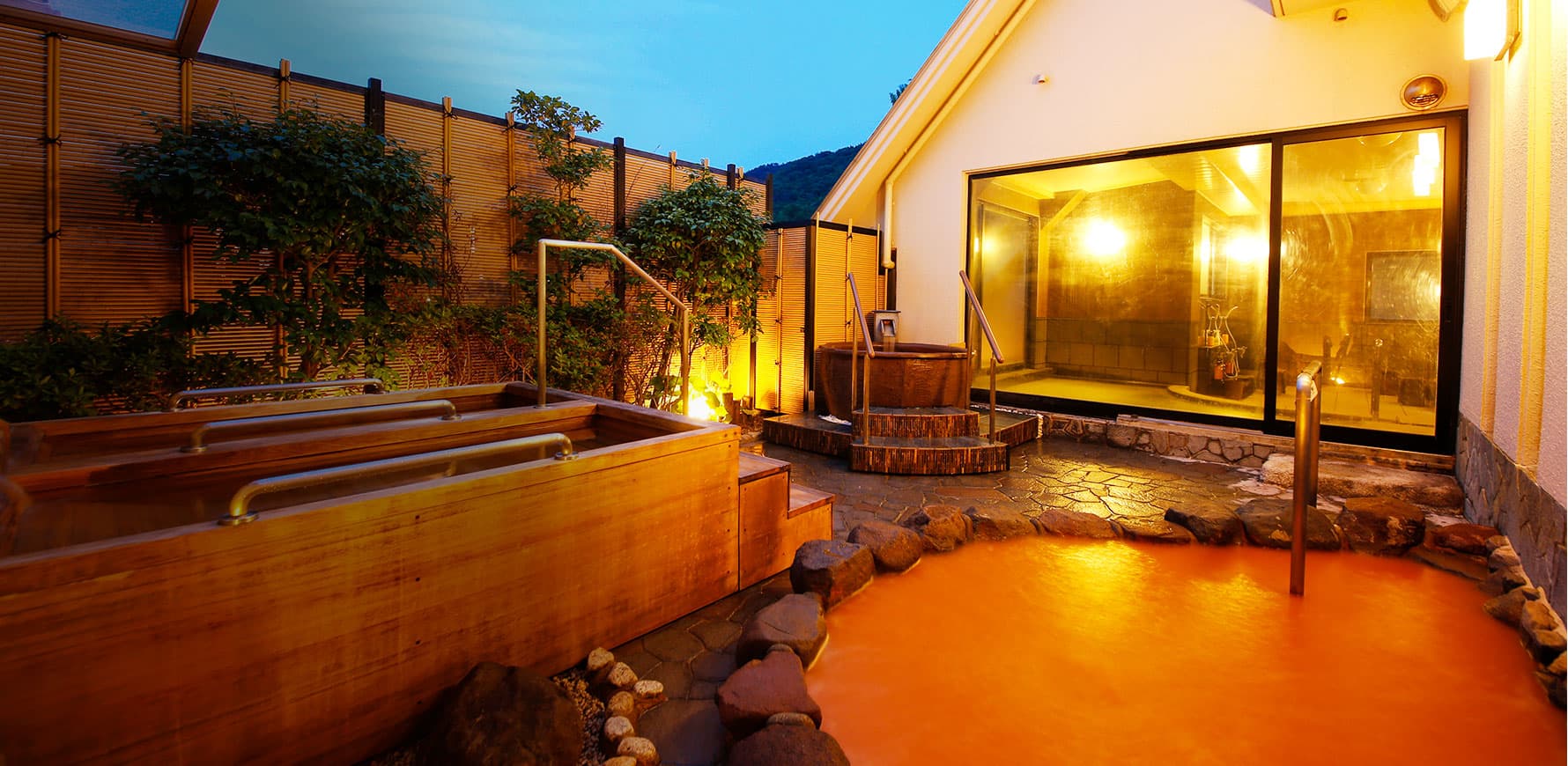
Kinsen (金泉, golden spring) is iron-and-salt water that oxidises rust-brown on contact with air, with roughly twice the salinity of seawater. Ginsen (銀泉, silver spring) is colourless and contains carbonic acid plus trace radon, lighter on the skin and globally rare. Most top Arima ryokans pipe both into separate baths so guests can compare in a single stay.
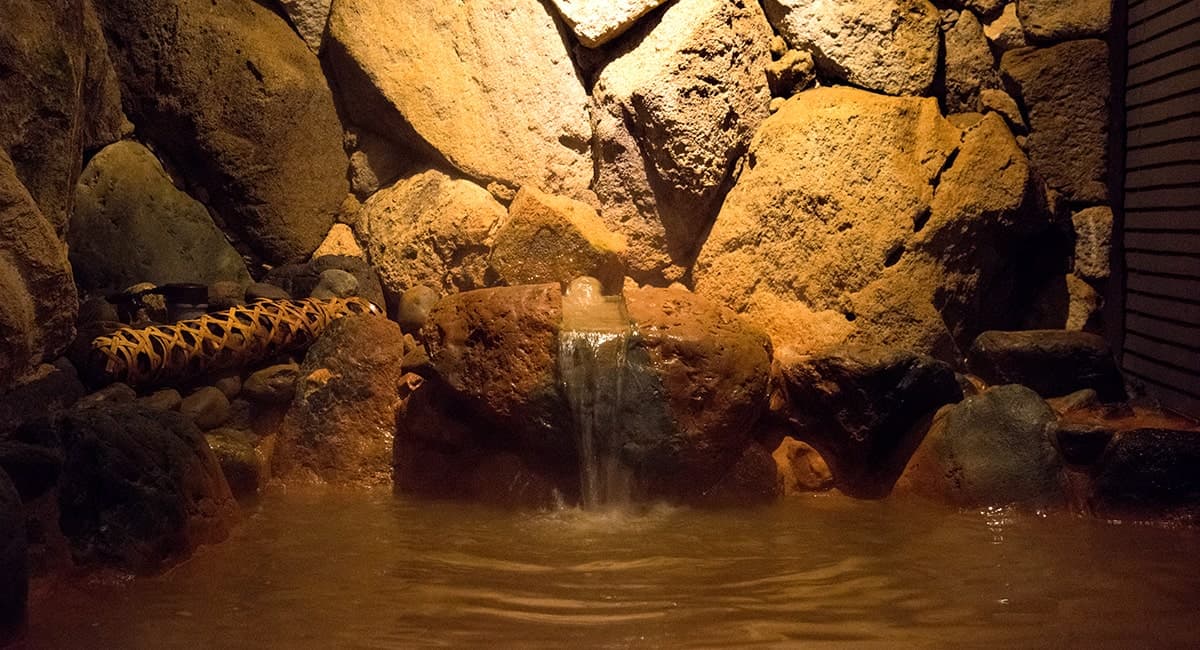
Kinsen is the photogenic one. Step out of a kinsen rotenburo and your skin glows pink-red for twenty minutes; salt residue tastes of ocean on the lips, and the water carries one of the highest salt concentrations of any hot spring in Japan ([Visit Arima Onsen 2026-05-07]). Geologically it is fossil seawater from a Philippine Plate subduction zone ([Nippon.com 2026-05-07]).
Ginsen is the one most travelers under-rate. The water looks like tap water for the first 90 seconds. Then carbonic acid bubbles cling to forearm hair like champagne, and a faint metallic tingle runs up the calves — the trace radon. Skin emerges silkier than salt-stiff. Carbonated radon springs of Arima's profile contain seven of the nine therapeutic mineral classes designated by Japan's Ministry of the Environment ([Visit HYOGO 2026-05-07]).
If you are flying across the world for an onsen, ginsen is the rarer water — the carbonated-plus-radon profile in a single bath is essentially globally unique to Arima. New to public bathing? Our onsen etiquette refresher for first-time foreign guests covers the towel rules.
Not every Arima ryokan offers both. Maple Arima pipes only ginsen. Tocen Goshobo's signature is its lithium-rich tansan sub-type. Nakanobo Zuien, Hyoe Koyokaku, Taketoritei Maruyama and Negiya Ryofukaku all offer both — check water type before you book.
Tip
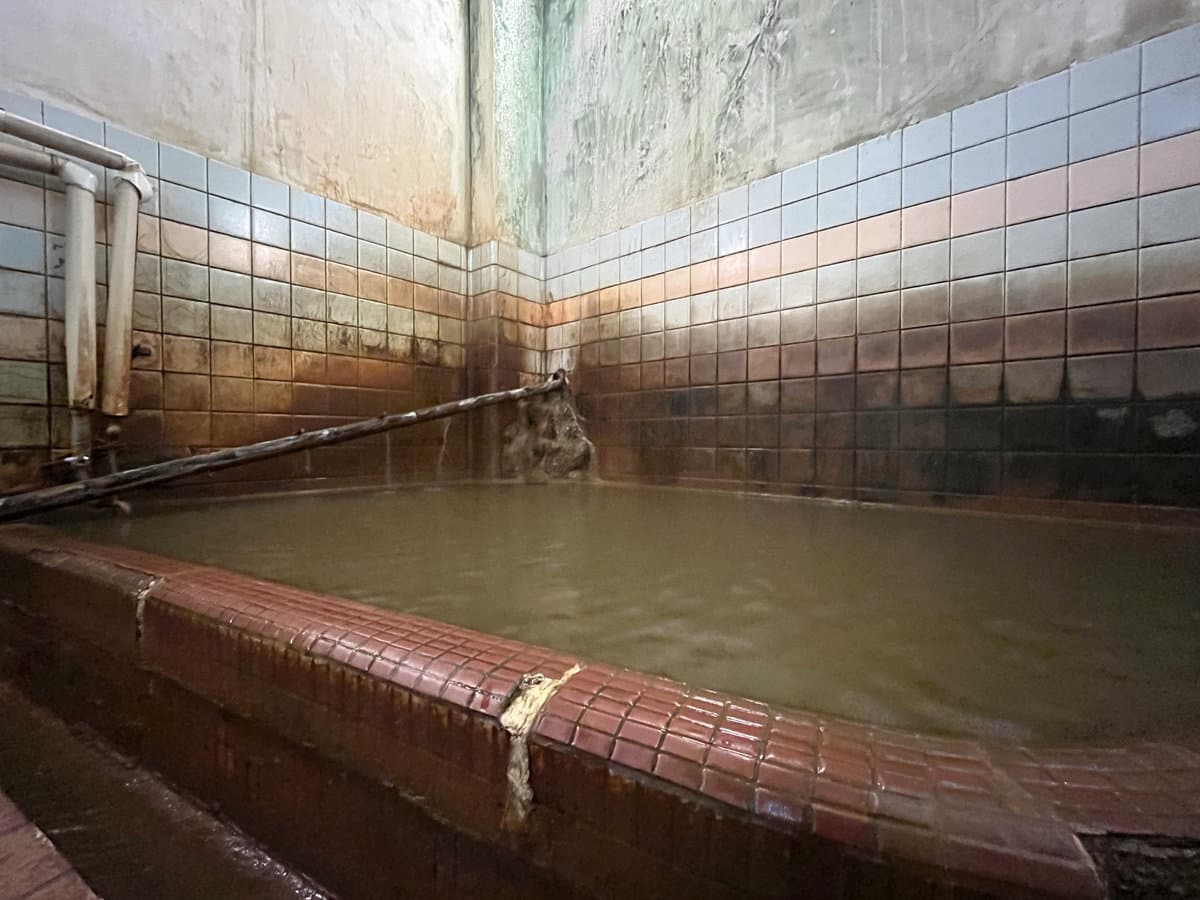
The kinsen towel will stain — that is normal. Iron in the gold spring permanently dyes light cotton ochre on contact. Most ryokans hand you a dark sacrificial towel, but English signage rarely explains why. Bring an old black or brown towel if you also want to dry off without ruining a hotel-grade one, and never wear a white yukata into a kinsen rotenburo. Local order: kinsen first (warming), ginsen after (carbonate finish).
How we picked these 9 ryokans
We screened every operating ryokan in Arima against five criteria: a verified on-site source for kinsen or ginsen, walking distance to Yumotozaka, kaiseki centred on certified Kobe beef or Hyogo wagyu, English-readable booking, and 200+ reviews averaging 4.0+ across two platforms. Nine properties cleared the bar.
No ryokan on this list paid to be included. Properties are drawn from our database of 224 vetted ryokans across 25 destinations. The peer post — best ryokans in Beppu — covers the Kyushu side, and our nationwide luxury ryokan rankings frame Arima against Hakone and Kyoto.
Arima ryokans range from about $100 per night at the modern budget tier (Maple Arima) to $900 at luxury suites with in-room kinsen rotenburo (Gekkoen Korokan, Nakanobo Zuien). Mid-range typically runs $200–$500; luxury $300–$900. Arima skews more expensive than Beppu or Kinosaki — the floor is roughly where Beppu's mid-tier ceiling sits.
1. Nakanobo Zuien — Best for adults-only luxury with both waters
Best for Couples and solo travelers prioritising silence and adults-only kinsen luxury.
At a glance 50 rooms · ~$302–$800 USD · Founded 1872 · 4-min walk from Yumotozaka · Water: kinsen + ginsen.
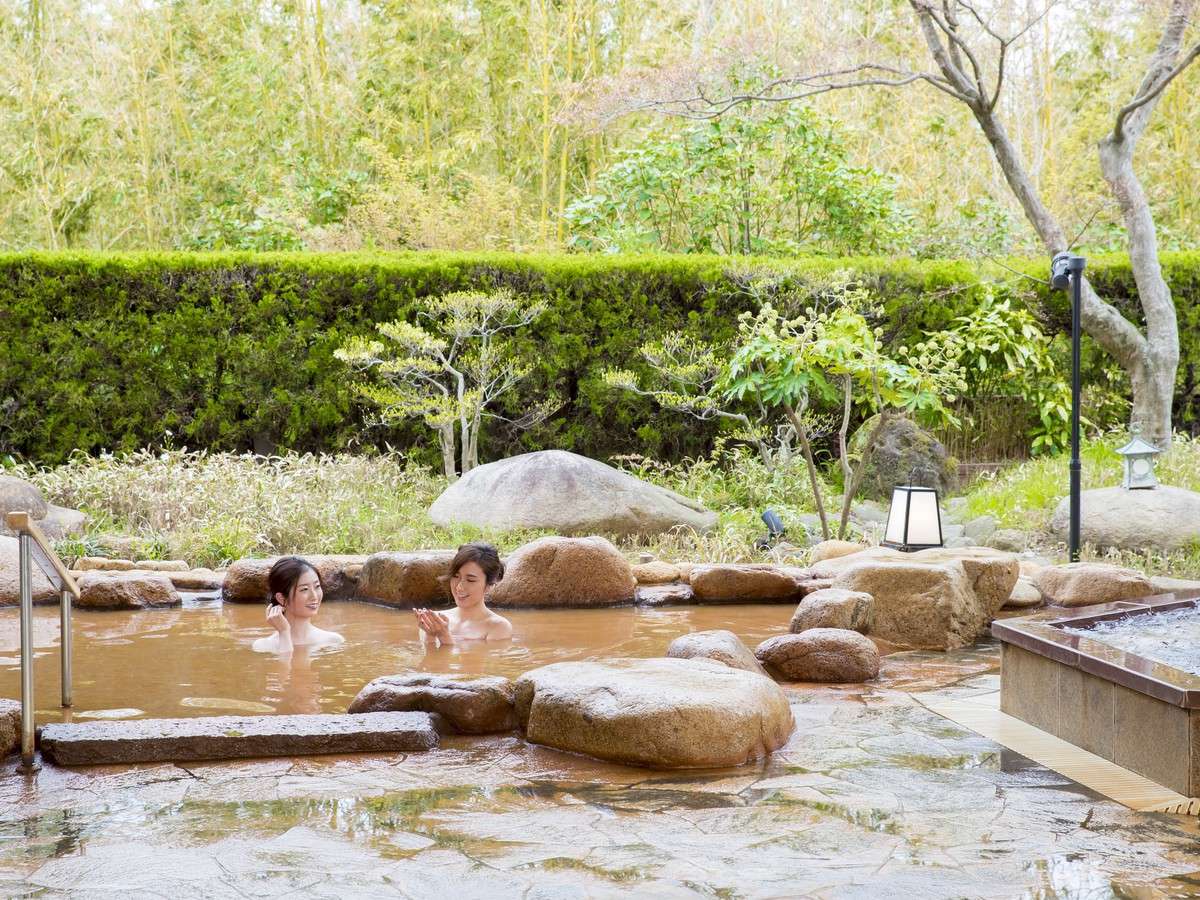
Onsen Two indoor public baths plus reservable kashikiri; select suites have an in-room kinsen rotenburo. Both waters are piped into separate halls so you can do the locals' kinsen-first, ginsen-finish order.
Kaiseki Hyogo-prefecture certified Kobe beef anchors the kaiseki — served as ishiyaki (stone-grilled) or shabu-shabu by season, in private dining alcoves rather than in-room.
Standout Adults-only across all 50 rooms — a no-children policy almost no other Arima ryokan enforces. At 7am on my December stay there was zero footsteps overhead and zero splashing, only the faint tick of the stove warming the breakfast room. For a milestone trip the silence is the product. Our adults-only and couples-friendly stays guide makes a natural companion.
Honest trade-off No children under 13. Cheapest rooms are mountain-side without a kinsen rotenburo; in-room kinsen suites book out 4–6 months ahead for November. If your dates are firm, request a standard suite plus a kashikiri at check-in. Rates run $302–$800 per person per night with two meals [approximate; verify current availability]. You can see Nakanobo Zuien's adults-only suite types on our directory.
Tip
Adults-only kinsen suites at Nakanobo Zuien sell out 6 months ahead for mid-November maple weeks. Set a calendar alert for May 1 if you want a Saturday in mid-November; the property opens that window to repeat guests first. If kinsen-suites are gone, book a standard suite and add a kashikiri at check-in — Nakanobo does not charge extra for kashikiri reservations.
2. Tocen Goshobo — Best for 800-year heritage and literary kaiseki
Best for Travelers who care about lineage — Goshobo has hosted writers and politicians since the Kamakura period.
At a glance 20 rooms · ~$235–$600 USD · Founded around 1191 · 2-min walk from Kin-no-Yu · Water: kinsen + tansan-sen (lithium-rich sub-type).
Onsen A private kinsen rotenburo (Tsukimi-no-Yu), an indoor kinsen bath, and a signature lithium-rich tansan bath that almost no other Arima ryokan offers. Kashikiri at check-in.
Kaiseki The standard plan opens with a Kobe beef tataki, moves through Inland Sea sashimi, and centres on a Kobe beef shabu-shabu over the property's own well water. Served in private sukiya-style dining rooms.
Standout Goshobo's founding date of 1191 makes it among Japan's oldest continuously operating ryokans. Junichiro Tanizaki, Yosano Akiko and Showa-era prime ministers signed the guest book before you got here. The lithium-rich tansan-sen is a sub-type you have not soaked in before. Our Japanese ryokan breakfast spread covers the morning side.
Honest trade-off The 800-year heritage building means wooden floors creak, stairs are steep, accessibility is limited. Rooms vary; some retain early-20th-century plaster, others were renovated in the 2010s. Confirm the room category at booking. Rates run $235–$600 per person per night with two meals [approximate; verify current availability]. You can browse Tocen Goshobo's heritage rooms on our directory.
3. Gekkoen Korokan — Best for retro-modern design and Mt. Rokko views
Best for Design-led couples who want stained-glass interiors, mountain views and an in-room rotenburo without sacrificing kaiseki.
At a glance 30 rooms · ~$350–$900 USD · 6-min walk from Yumotozaka · Water: kinsen + ginsen via shared rights with sister property Yugetsusanso.
Onsen Three bath halls including a Mt. Rokko-view rotenburo angled to catch the maple ridge at sunset. Top-tier rooms have private in-room kinsen baths; mid-tier rooms add reservable kashikiri.
Kaiseki The Full Moon Kaiseki pairs Kobe tenderloin with whole Ise lobster in season, served in-room or in alcoves. Marbling on the Kobe slice rendered against my fingertip when I picked it up for shabu-shabu — the visual signature of A5 Tajima beef. Of roughly 5,500 Tajima cattle slaughtered annually, only ~3,000 pass certification ([Kobe Beef Association 2026-05-07]).
Standout Stained-glass accents, Showa-era retro-modern furniture, and a Mt. Rokko view almost no other Arima property delivers. If Nakanobo Zuien is the silent retreat and Goshobo is the museum, Korokan is the architectural showpiece.
Honest trade-off Hilltop position means stairs and inclines. Cheapest rooms face inland with limited mountain visibility and no in-room rotenburo; pay the upgrade for a Mt. Rokko-side room — the view from the bath is the reason to book here. Rates run $350–$900 per person per night with two meals [approximate; verify current availability]. You can check Gekkoen Korokan's stained-glass suites on our directory.
4. Hyoe Koyokaku — Best for 700-year heritage at mid-range scale
Best for First-time Arima visitors who want heritage credentials at a mid-range price point, with three distinct bath halls to explore.
At a glance 129 rooms · ~$200–$600 USD · Founded around 1336 · 3-min walk from Yumotozaka · Water: kinsen + ginsen.
Onsen Three separate complexes — Ichi-no-Yu, Ni-no-Yu and San-no-Yu — each with kinsen and ginsen sections, rotated by gender across morning and evening. A single overnight gives you all three. The most bath variety of any Arima property.
Kaiseki Hyogo wagyu by default with a certified Kobe beef supplement — 3,000–8,000 yen to swap the sirloin for an A5 fillet. Served in a communal dining hall rather than in-room.
Standout Run by the Hyoe family across 17 generations, this is the long-history mid-range pick. Structure an evening around variety — kinsen at Ichi-no-Yu before dinner, ginsen at Ni-no-Yu after, San-no-Yu's rotenburo at 6:30am.
Honest trade-off Peak weekends bring queues at popular bath halls, and the dining hall at full occupancy feels more banquet than kaiseki. For intimacy at this price, the intimate 29-room Taketoritei Maruyama is the alternative. Rates run $200–$600 per person per night with two meals [approximate; verify current availability]. You can see Hyoe Koyokaku's three bath halls on our directory.
5. Taketoritei Maruyama — Best for intimate hillside kaiseki with both waters
Best for Couples who want kashikiri private baths, both kinsen and ginsen, and a 29-room scale that keeps the corridors quiet.
At a glance 29 rooms · ~$250–$600 USD · Hillside · 8-min walk to Kin-no-Yu · Water: kinsen + ginsen.
Onsen Eight free reservable kashikiri baths plus public kinsen and ginsen halls — the highest kashikiri-to-room ratio in Arima. Select rooms have private open-air ginsen baths. Tattoo policy accommodated through kashikiri at no extra charge.
Kaiseki Hyogo wagyu standard with a Kobe beef upgrade; in-room dining is the default — the differentiator from Hyoe Koyokaku at the same tier. 9–11 courses anchored by a Kobe beef shabu-shabu or stone-grill main.
Standout Eight kashikiri baths effectively privatise your bathing for the whole stay — one before dinner, one after, one at 6:30am. For tattooed travelers and couples who want privacy without the in-room rotenburo cost, this is the most efficient pick.
Honest trade-off The hillside walk is uphill on the way back, which matters in summer humidity or after kaiseki. No shuttle; book a taxi from Arima Onsen station if mobility is a concern. The cheapest rooms have no private rotenburo. Rates run $250–$600 per person per night with two meals [approximate; verify current availability]. You can book Taketoritei Maruyama's kashikiri baths on our directory.
6. Gekkoen Yugetsusanso — Best for riverside scenery on a mid-range budget
Best for Travelers who want a small-scale riverside ryokan with kinsen access and Gekkoen design polish at half the Korokan price.
At a glance 16 rooms · ~$200–$500 USD · Riverside on the Taki River · 5-min walk from Yumotozaka · Water: kinsen.
Onsen Three bath areas including a kinsen rotenburo overlooking the Taki River. Reservable kashikiri at check-in. No on-site ginsen — cross to Kin-no-Yu (¥800) for the silver water.
Kaiseki Hyogo wagyu with a certified Kobe beef upgrade; in-room dining available for an additional supplement. The style leans toward sumiyaki (charcoal-grill) rather than shabu-shabu.
Standout The riverside setting is the differentiator. From the rotenburo you watch the Taki River fold around the slope and the maple ridge above; in November foliage drops directly into the water from the windows. At 16 rooms the scale is closer to a small luxury ryokan than the 30+ room Korokan one minute uphill.
Honest trade-off No on-site ginsen — kinsen-only, meaning an extra walk and ¥700 to Gin-no-Yu for the full two-waters experience. Riverside rooms are the ones to book; back rooms face the slope. Rates run $200–$500 per person per night with two meals [approximate; verify current availability]. You can see Gekkoen Yugetsusanso on the riverside on our directory.
7. Negiya Ryofukaku — Best for maple-view rooms under $400
Best for Couples who want a maple-framed view from the room, both waters on-site, and a price ceiling that rarely crosses $400.
At a glance 21 rooms · ~$150–$400 USD · Hillside · 6-min walk from Yumotozaka · Water: kinsen + ginsen.
Onsen Both kinsen and ginsen in separate baths plus reservable kashikiri private baths. Tattoo policy is accommodating via kashikiri reservation — confirm by email. The kinsen rotenburo faces the maple slope.
Kaiseki Hyogo wagyu with a Kobe beef upgrade plan; the Negiya house style adds a yuba (tofu skin) course that is not standard at most Arima ryokans, and the kaiseki usually runs 9 dishes.
Standout Maple-tree-framed rooms — the hillside position produces views that turn electric orange in mid-November. For the maple-tree-framed rooms of Negiya Ryofukaku at this price tier with both waters on-site, this is the best value pick on the list.
Honest trade-off Stairs both inside and on the approach. Cheapest rooms are mountain-facing without the maple view; for koyo, pay the upgrade for a maple-side room. Rates run $150–$400 per person per night with two meals [approximate; verify current availability]. You can check Negiya Ryofukaku's maple-side rooms on our directory.
8. Arima Grand Hotel — Best for families and panoramic Mt. Rokko views
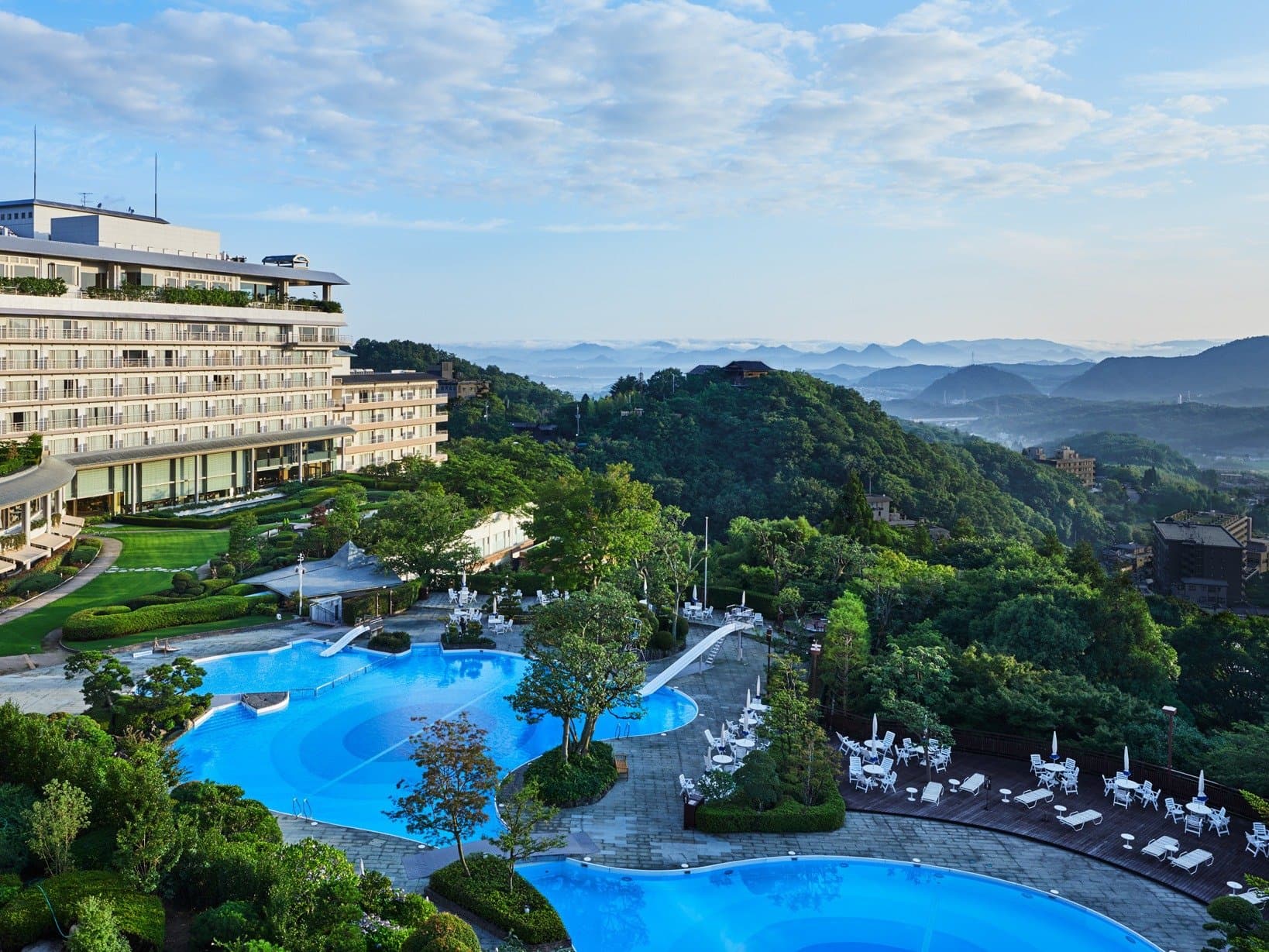
Best for Families with school-age children and groups of four-plus who want Western-bed options, a seasonal outdoor pool, and the largest panoramic onsen in town.
At a glance 246 rooms · ~$200–$500 USD · Upper slope · 10-min walk (free shuttle) · Water: kinsen + ginsen.
Onsen A 9th-floor panoramic onsen with kinsen and ginsen baths overlooking the Mt. Rokko range — the largest bath complex of any Arima ryokan. Kashikiri at check-in. Tattoo policy generally tolerant.
Kaiseki Buffet and kaiseki options both available. Kaiseki includes Hyogo wagyu with a Kobe beef supplement; the buffet adds Kobe beef carving stations during peak season. Family plans include kid-friendly udon and karaage.
Standout Tatami and Western-bed rooms across 246 keys — the largest property in Arima, with scale for multi-generation groups. The seasonal outdoor pool (summer only) is the family draw, and the 9th-floor panoramic onsen is the single best mountain view from any bath in town. For Arima Grand Hotel for panoramic Mt. Rokko views at family scale, this is the easy pick.
Honest trade-off Closer to a large traditional hotel than a small artisan ryokan. Service is professional rather than personal; the ambience is more resort than retreat. For honeymooners chasing the historic atmosphere, Nakanobo Zuien or Goshobo is the brief. Rates run $200–$500 per person per night with two meals [approximate; verify current availability].
9. Maple Arima — Best budget-friendly modern stay with ginsen
Best for Budget travelers who want their own ginsen source and six bath types under $250 — research-verified, not stayed.
At a glance 64 rooms · ~$100–$250 USD · 7-min walk from Yumotozaka · Water: ginsen (own source).
Onsen Six bath types from the property's own ginsen source — indoor and outdoor rotenburo, jet baths and a sauna. No kinsen on-site; walk to Kin-no-Yu (¥800) for the gold spring. Tattoo policy generally tolerant.
Kaiseki Plans include kaiseki with a Kobe beef supplement at booking; standard plans use Hyogo wagyu. Dining is buffet or set-menu rather than multi-tray.
Standout For budget travelers, Maple Arima is the cheapest place to stay in Arima with a real on-site ginsen source — the only sub-$200 option that does not depend on the public bathhouses. Six bath types is double most mid-tier properties; modern Western-style rooms with private bathrooms. Free shuttle from Arima Onsen station. Practical budget ryokan tactics apply: book midweek, skip the kaiseki upgrade.
Honest trade-off No kinsen on-site, no in-room rotenburo, no historic atmosphere. Closer to a budget onsen hotel than a heritage property; buffet kaiseki is a meaningful step down. Research-verified, not stayed; details cross-checked against the official site May 7, 2026. Rates run $100–$250 per person per night with two meals [approximate; verify current availability]. You can browse Maple Arima from $100 on our directory.
Kobe beef kaiseki: what to expect on the 7-course tray
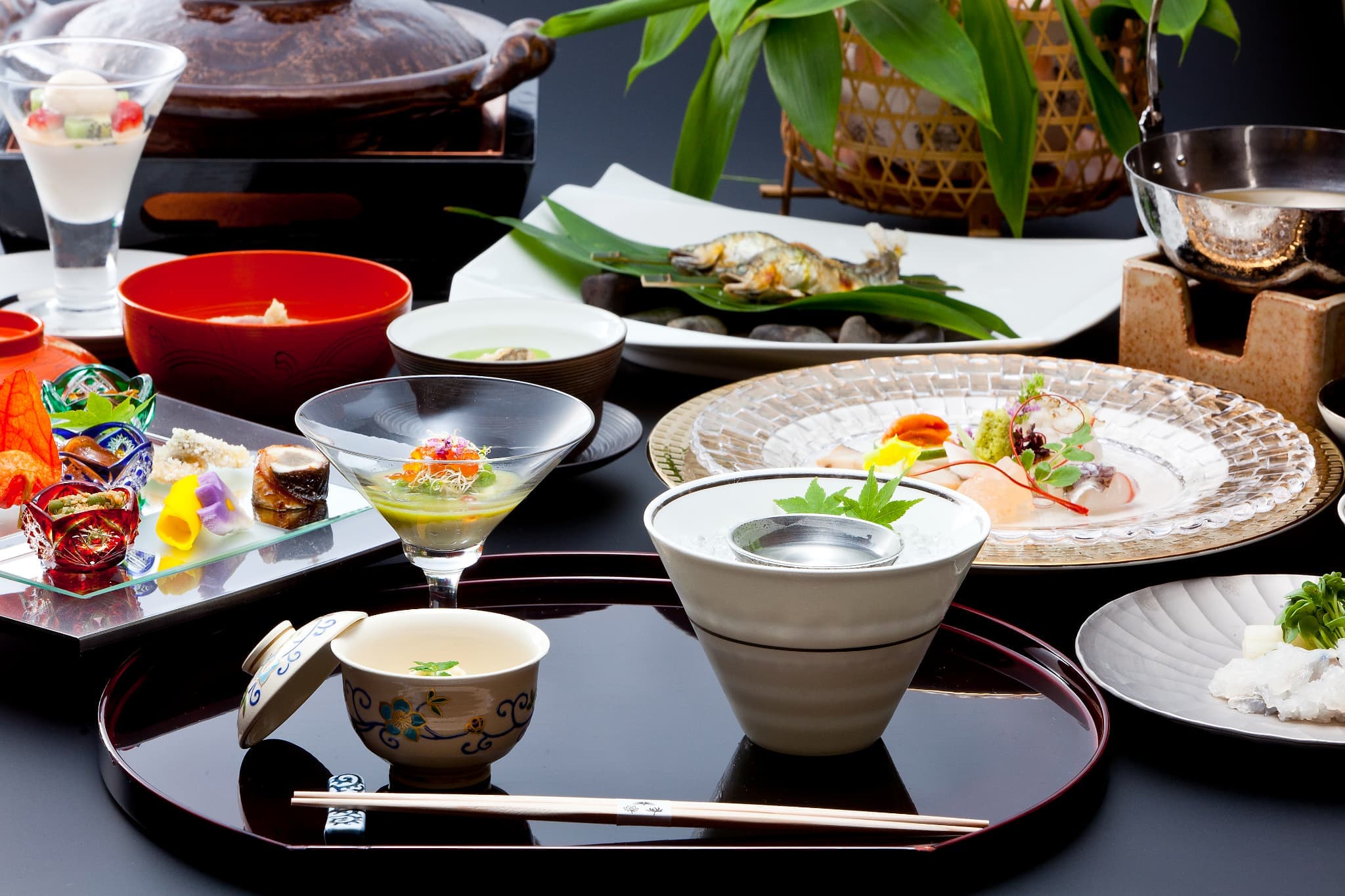
A typical Arima ryokan kaiseki runs 7–11 courses around a Kobe beef centrepiece — usually shabu-shabu, ishiyaki (stone grill) or sumiyaki (charcoal grill). Standard plans default to Hyogo wagyu; certified Kobe beef is almost always a 3,000–8,000 yen supplement. The supplement is worth it for the marbling difference.
Real Kobe beef on the kaiseki tray is identifiable before you taste it: marbling is so fine that A5 fat starts to render against your fingertip when you pick up a slice for shabu-shabu. Arima sits inside the Kobe beef production region, so most luxury and mid-tier ryokans list certified Kobe beef on their menus — but the default plan often serves Hyogo regional wagyu, which is excellent but not technically Kobe.
Nakanobo Zuien, Tocen Goshobo and Gekkoen Korokan generally include Kobe beef in the standard kaiseki at upper room tiers. Hyoe Koyokaku, Taketoritei Maruyama, Negiya Ryofukaku, Yugetsusanso, Arima Grand Hotel and Maple Arima default to Hyogo wagyu and offer Kobe beef as an upgrade. Ask for 'certified Kobe beef' (神戸ビーフ) by name at booking.
The seven-course pattern: opening sakizuke, Inland Sea sashimi, a clear soup, a charcoal-grilled fish, a Kobe beef main, a tempura or rice dish, miso soup with pickles, a small dessert. Vegetarian alternatives exist on request but require 7+ days lead time.
Tip
Request the Kobe beef supplement at booking, not at check-in. The 3,000–8,000 yen swap from default sirloin to an A5 certified Kobe fillet is the single highest-value upgrade for kaiseki-focused readers. Most ryokans need the supplement noted 3+ days ahead so the kitchen can sort the supply chain. Email the property with 神戸ビーフ・コース変更希望 in the subject line, or use the booking form's special-request field. At check-in is too late.
How to choose: old-town, hillside, or riverside?
Arima is small enough that no ryokan is far from anywhere — Yumotozaka end-to-end is a fifteen-minute walk — but the three micro-locations create different stays.
Old-town and Yumotozaka core (Tocen Goshobo, Hyoe Koyokaku, Nakanobo Zuien): the historic centre. Two-to-four-minute walks to Kin-no-Yu and Tosen-jinja, the most photogenic lantern-walk access, the highest density of tansan-senbei shops. Best for first-timers who want to maximise what they can do on foot. The trade-off is daytime crowds outside your door — though they vanish after 5pm.
Hillside (Taketoritei Maruyama, Negiya Ryofukaku, Arima Grand Hotel, Gekkoen Korokan): elevated views and a quieter atmosphere, with five-to-ten-minute walks to the old town. Best for maple-foliage views and travelers happy to trade walking convenience for the view from the bath. Mt. Rokko sunsets land best here.
Riverside (Gekkoen Yugetsusanso): the Taki River setting at the foot of the slope. Best for a smaller-scale stay with foliage dropping directly into the water in November. Cross-check the full Arima area guide and our best ryokans for couples when you pick dates.
The 5pm vanishing act: what changes when day-trippers leave
Buses arrive in waves between 11am and 3pm. By 5pm the last Hankyu service leaves, and the town empties over the next twenty minutes. This is the single best argument for booking a ryokan.
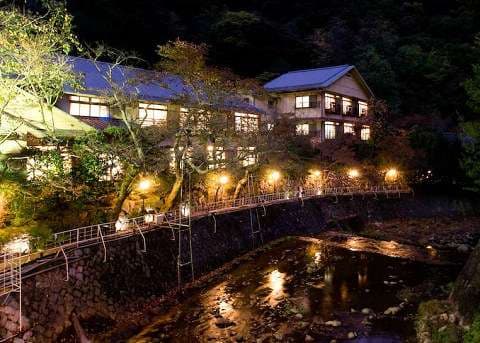
Before 5pm: Yumotozaka is shoulder-to-shoulder, Kin-no-Yu and Gin-no-Yu run thirty-minute queues. After 5pm: bath queues collapse to walk-in, the senbei shops pack up by 6pm, and the cobblestone slopes between Tosen-jinja and Taikobashi Bridge clear out. Paper lanterns switch on around 6:30pm; steam from the kinsen vents drifts through the lamplight, and you can hear the Taki River from the lanes for the first time all day.
A ryokan-issued yukata, a pair of geta, and a 30-minute loop — Tosen-jinja, Yumotozaka, Taikobashi Bridge, the Taiko-no-Ashiyu footbath — is the trip's defining 30 minutes. The lantern-lit version of Arima is only available to overnight guests, and it is the version Toyotomi Hideyoshi knew when he rebuilt the town in the 16th century after the 1581 fire ([Feel Kobe 2026-05-07]).
For the morning side: 6:30am at any upper-slope ryokan gives you mountain mist rolling off Mt. Rokko, an empty Kin-no-Yu queue at the 8am opening, and a Yumotozaka you can walk at your own pace before the 10:30am bus arrives. Most regulars book two nights for exactly this reason.
Not staying but still want to experience Arima's waters? Several ryokans on this list accept day-use hot spring ryokan visits during daytime hours — a good option if your itinerary won't stretch to an overnight.
Old-town walk: lanterns, Tansan water, and Toyotomi Hideyoshi
Arima's old town has been a hot-spring resort for at least 1,300 years, and the buildings you walk past date roughly to the 17th-century rebuild after Hideyoshi's interventions ([JNTO 2026-05-07]). Three short walks anchor an evening between dinner and bath.
The Yumotozaka loop. Walk down the slope past Mitsumori Honpo (since 1907) and the tansan-senbei stalls, and stop at the Tansan-sen public fountain — naturally carbonated mineral water bubbling out of the rock, the namesake of the carbonated rice cracker you have been smelling all day. Locals fill bottles from it.
Taiko-no-Ashiyu free footbath. Right outside Kin-no-Yu is Taiko-no-Ashiyu — a free outdoor kinsen footbath, plus Taiko-no-Insenba, a free drinking fountain where you can taste raw kinsen. Salty, mildly metallic, almost like weak miso broth. Most visitors queue inside Kin-no-Yu for 800 yen without realising the footbath outside is the same water, free, and almost always empty after 5pm ([Arima Onsen Tourism Association 2026-05-07]).
Tosen-jinja and Hideyoshi's heritage. Tosen-jinja sits at the top of Yumotozaka, dedicated in part to Toyotomi Hideyoshi, who rebuilt Arima after the 1581 fire. Stone monuments commemorate his wife Nene, after whom the Nene-no-michi back lane is named. The themed Taiko-no-Yu bath complex up the slope pumps from the same source as every ryokan here — the 2,750 yen admission is better spent on an extra kaiseki course.
Tip
Skip the Taiko-no-Yu Theme Park; do the free Taiko-no-Ashiyu footbath instead. The 26-bath Taiko-no-Yu (admission 2,750 yen weekday) opened in 2002 and pumps from the same source as every ryokan on this list. If you have already paid for a kinsen-and-ginsen ryokan, Taiko-no-Yu adds crowds, not water. The free outdoor Taiko-no-Ashiyu footbath outside Kin-no-Yu is the same kinsen, ten minutes of soak time, and almost always empty after 5pm. Spend the saved 2,750 yen on the Kobe beef supplement instead.
Getting to Arima: Hankyu bus, Hokushin Line, and the Mt. Rokko cable car
Arima is one of the easiest onsen towns to reach from a major city — three transit options, all under 90 minutes from Osaka and 30–60 minutes from Kobe.
1. Direct highway bus from Osaka. Hankyu Bus runs roughly hourly from Hankyu Umeda or Shin-Osaka to Arima Onsen Bus Terminal — 60 minutes, around 1,400 yen, no transfers. JR Bus runs a similar service. Recommended for arrival with luggage.
2. Train from Kobe-Sannomiya via the Hokushin Line. From Kobe-Sannomiya, subway one stop to Tanigami, transfer to the Hokushin Kyuko / Shintetsu Arima Line, ride to Arima-Onsen Station — 30 minutes total, around 940 yen. JR Pass does not cover the Shintetsu portion.
3. The scenic route: Mt. Rokko Cable Car + Rokko-Arima Ropeway. Take the Rokko Cable Car up Mt. Rokko (10 minutes), connect via the summit bus, then descend via the Rokko-Arima Ropeway (12 minutes). 75 minutes including transfers, and the gondola views over the Inland Sea on a clear day are the reason to do it once. The Arima-Rokko 1-Day Pass from Sannomiya bundles the route at around 2,560 yen.
From Tokyo: Shinkansen to Shin-Kobe (~2h45m), then a 30-minute taxi or the Hokushin Line. Pair with the broader Kansai onsen-towns landscape for a 4–5-day circuit, or jump south to the best ryokans in Yufuin on the Beppu side. For the full Kansai onsen landscape alongside every other region of Japan, see our complete Japan onsen destinations guide.
Tip
Take the bus in, take the ropeway out. The Hankyu Bus from Umeda is faster, cheaper and luggage-friendly for arrival — one seat, 60 minutes. The Mt. Rokko Cable Car + Arima Ropeway combo is the scenic descent, best done on the day you check out, when you have already dropped luggage. The Arima-Rokko 1-Day Pass (~2,560 yen from Sannomiya) covers both legs of the cable + ropeway loop, and you finish at Sannomiya for dinner without doubling back.
Best time of year to stay at an Arima ryokan
The four-season picture, in priority order for a one-night stay.
Mid-November for Zuihoji Park maples. The maple canopy turns electric orange in the second and third weeks of November, and the hillside ryokans (Negiya Ryofukaku, Taketoritei Maruyama, Korokan) frame the foliage from the room. Koyo peak inflates rates 30–50% and books out four to six months ahead — set a calendar alert for May 1.
Late January to early February for peak Kobe beef and Mt. Rokko snow. Winter wagyu is at its richest, the kaiseki upgrades noticeably across every property on this list, and Mt. Rokko occasionally dusts with snow visible from the panoramic baths. The Tenjin Matsuri ladle-pour ritual at Tosen-jinja on January 2 is the local festival worth timing around — free, 6am, ryokan-guest-only-feeling crowd.
Late March to early April for Zenpukuji cherry blossoms. The Zenpukuji grove behind the old town turns pale pink for about ten days. Pair with sakura at Himeji Castle for a Hyogo cherry circuit.
Avoid Golden Week (May 3–5) and Obon (mid-August) — holiday surcharges, books out four months early. Late May, June, September and early December are the under-rated shoulder windows: fewer crowds, rates 20–30% below peak.
Arima ryokan FAQ
Is it worth staying overnight in Arima Onsen instead of day-tripping from Osaka?
Yes — for one night, almost universally. Day-trippers see one bath and ride 90 minutes home. Overnight guests get the post-5pm lantern-lit lanes, three to four bath sessions, a Kobe beef kaiseki, and a 6:30am soak with Mt. Rokko mist.
What is the difference between kinsen and ginsen?
Kinsen (金泉) is iron-and-salt water that oxidises rust-brown on contact with air. Ginsen (銀泉) is colourless and contains carbonic acid plus trace radon, lighter on the skin and globally rarer. Locals soak kinsen first, ginsen after. Nakanobo Zuien, Hyoe Koyokaku, Taketoritei Maruyama and Negiya Ryofukaku pipe both.
How do I get to Arima Onsen from Osaka or Shin-Osaka?
Direct Hankyu Bus from Umeda or Shin-Osaka — 60 minutes, ~1,400 yen, no transfers. From Kobe-Sannomiya, subway to Tanigami, transfer to the Hokushin Line and Shintetsu Arima Line — 30 minutes, ~940 yen. JR Pass does not cover Shintetsu.
Which Arima ryokan is best for Kobe beef kaiseki?
Nakanobo Zuien, Tocen Goshobo and Gekkoen Korokan generally include certified Kobe beef in the standard kaiseki at upper room tiers. Hyoe Koyokaku, Taketoritei Maruyama, Negiya Ryofukaku and Arima Grand Hotel default to Hyogo wagyu and offer Kobe beef as a 3,000–8,000 yen upgrade.
Are there adults-only ryokans in Arima Onsen?
Yes — Nakanobo Zuien is the canonical adults-only luxury pick, no-children across all 50 rooms. Most other Arima ryokans accept families.
Are Arima ryokans tattoo-friendly?
Policy varies. Kin-no-Yu and Gin-no-Yu prohibit visible tattoos. Maple Arima and Arima Grand Hotel are tolerant in the public baths; Taketoritei Maruyama, Negiya Ryofukaku and Hyoe Koyokaku accommodate via reservable kashikiri at no extra charge.
Which Arima ryokans have private in-room rotenburo?
Nakanobo Zuien (kinsen suites), Gekkoen Korokan (top-tier) and Taketoritei Maruyama (open-air ginsen) are the three with true in-room rotenburo. Hyoe Koyokaku, Negiya Ryofukaku, Arima Grand Hotel and Yugetsusanso offer reservable kashikiri instead.
What is the cheapest ryokan in Arima Onsen?
Maple Arima from around $100 per person — the only sub-$200 option with its own on-site ginsen source. Expect $150 minimum for a full kaiseki plan. Arima lacks the $50 hostel tier of Kinosaki or Beppu.
Final thoughts: sleeping in Japan's oldest hot-spring town
The case for an overnight in Arima is structural rather than aspirational. The town runs on day-tripper time during the day and ryokan-guest time at night, and choosing where to sleep is how you choose which version of Arima you see. Nakanobo Zuien for adults-only luxury with both waters. Tocen Goshobo for 800-year heritage and literary kaiseki. Gekkoen Korokan for retro-modern design and Mt. Rokko views. Hyoe Koyokaku for 700-year heritage at mid-range scale. Taketoritei Maruyama for intimate kashikiri-rich kaiseki. Gekkoen Yugetsusanso for the riverside foliage trade. Negiya Ryofukaku for maple-view rooms under $400. Arima Grand Hotel for families and the 9th-floor panoramic onsen. Maple Arima for the budget floor with on-site ginsen.
Dates matter as much as property. A November maple weekend at Negiya Ryofukaku is a different trip from a late-January Kobe beef night at Nakanobo Zuien. Cross-check the koyo calendar and your tolerance for kinsen towel staining before you commit.
When you are ready, jump to the individual ryokan pages above, or browse all Arima ryokans on our area page. If Arima is one stop in a longer trip, pair it with Kinosaki Onsen for a 2-stop Hyogo onsen circuit — crab kaiseki on one side of the prefecture, gold and silver waters on the other. Arima is also one vertex of the Nihon Sandai Meisen — Japan's three great celebrated springs documented by Hayashi Razan in 1662. The other two are Kusatsu (most acidic water in Japan, full guide) and Gero Onsen (alkaline bijin-no-yu, the newest complete guide on site). *All prices, hours and access details verified May 7, 2026. Confirm Kobe beef supplements when booking.*
三月某个周二下午5点42分,从三宫开来的最后一班阪急巴士把日归游客放在有马温泉巴士总站后掉头返程。二十分钟内,午餐时人挤人的汤本坂石板坡道几乎空无一人。下午6点15分,我穿着浴衣走回汤泉神社,金泉蒸汽井口冒出的雾气在纸灯笼的光线中盘旋上升。整座小镇飘着烤米果的香气和淡淡的硫磺水气息。巷子里再没有别人。
那个90分钟的时间窗,才是在有马预订旅馆的真正理由。日归游客只能在上午11点到下午5点之间见到这座小镇——那时金之汤的排队人数能排到40人开外。旅馆住客却能从下午5点一直见到次日上午10点。这是完全不同的小镇,而决定在哪里过夜,是规划关西行程时你能做出的最重要决定。最近核实:2026年5月7日。
我为日本旅馆指南撰写关西版块。自2024年以来的三次旅程中,我亲身入住过本榜单9家旅馆中的4家,并在其中6家泡过金泉(含铁的金色温泉)和银泉(含氡的碳酸银色温泉)。没有过夜的物业,我会明确说明。这是我们"地区最佳旅馆系列"继宫岛海上大鸟居过夜之夜、箱根、京都、高山、由布院与草津的硫磺水之后的第七篇。
本指南横跨奢华、中档、经济三档对9家旅馆进行排名——每家都附上诚实的不足、英文资料从未明说的金泉毛巾染色警告,以及为什么从大阪日归是有马最糟糕的玩法。我们的初次入住旅馆指南涵盖基础知识,让本文得以专注于有马的独特之处。
有马温泉最好的旅馆是中の坊瑞苑的仅限成人隐居所——一家奢华旅馆,金泉与银泉双汤齐备,提供神户牛怀石料理,全馆50间客房一律谢绝儿童。追求历史底蕴的客人应预订拥有800年历史的文人旅馆陶泉御所坊;钟情设计的旅人则会喜欢拥有复古现代彩绘玻璃套房的月光园鸿胪馆;预算型旅人最适合现代风格、价格友好的Maple有马。
Tip
披露说明: 当您通过合作伙伴链接预订时,日本旅馆指南会获得佣金。我们不接受旅馆为入选或位置而付费——本榜单上的每一家物业都是凭真本事入选的。佣金让我们得以以六种语言免费维护这份指南。
速览对比:有马温泉9家旅馆一览
| # | 旅馆 | 档次 | 起价(美元) | 最适合 | |---|---|---|---|---| | 1 | 中の坊瑞苑 | 奢华 | $302 | 双汤齐备的成人专用住宿 | | 2 | 陶泉御所坊 | 奢华 | $235 | 800年历史与文人怀石料理 | | 3 | 月光园鸿胪馆 | 奢华 | $350 | 复古现代设计与私人露天风吕 | | 4 | 兵卫向阳阁 | 中档 | $200 | 中档价位享700年历史 | | 5 | 竹取亭丸山 | 中档 | $250 | 山坡上小而精的双汤怀石 | | 6 | 月光园游月山庄 | 中档 | $200 | 中档预算享河畔风光 | | 7 | Negiya丽风阁 | 中档 | $150 | 400美元以下的红叶景观房 | | 8 | 有马Grand Hotel | 中档 | $200 | 家庭客与六甲山全景视野 | | 9 | Maple有马 | 经济 | $100 | 含银泉的实惠现代住宿 |
为什么要在有马过夜,而不是从大阪或神户日归
没错——在有马过夜,是你能为关西之旅做出的最大升级。 当下午5点左右最后一班日归游客巴士离开后,汤本坂瞬间清空,金之汤的排队消失,灯笼点亮的老街便属于旅馆住客了。日归游客只能匆忙泡一次澡,再坐90分钟车回家。过夜住客却能享受三到四次入浴、一顿神户牛怀石料理,以及次日早上6点半在六甲山雾气中的浸泡。
算账其实很直接。从大阪日归往返阪急巴士约2,800日元,加上金之汤入浴费800日元——这样的玩法错过了有马存在的全部理由。多数奢华与中档旅馆每人收费3万至8万日元,含神户牛怀石料理、早餐与无限次入浴。为什么这类旅程旅馆胜过酒店这一论点,几乎就是为有马量身打造的。
这座小镇是一条狭窄的山谷,自8世纪起便围绕过夜入浴与怀石料理而建([Visit HYOGO 资料来源验证 2026-05-07])。公共浴场晚上10点关门,老街店铺约下午6点打烊。没有旅馆房间的话,晚餐后你将无处可去——但有了房间,汤泉神社到太鼓桥之间的小巷便会成为一天中最安静的时段。
如果你想用蟹怀石来平衡神户牛,可以把这次入住与我们的城崎选评搭配,组成兵库2站温泉环线。
金泉 vs 银泉:有马的两种泉水详解
金泉(金色温泉)是含铁与盐的温泉,接触空气后氧化成铁锈褐色,盐度约为海水的两倍。银泉(银色温泉)则无色透明,含碳酸加微量氡,对皮肤更轻柔,在全球范围内罕见。多数有马顶级旅馆都把两种泉水分别引入不同浴池,让客人能在一次入住中比较体验。
金泉是最上镜的那一种。从金泉露天风吕走出来,你的皮肤会泛粉红光二十分钟;嘴唇上的盐分残留尝起来像海水,水中盐分浓度是日本所有温泉中最高的之一([Visit Arima Onsen 资料来源验证 2026-05-07])。从地质角度看,它是来自菲律宾板块俯冲带的化石海水([Nippon.com 资料来源验证 2026-05-07])。
银泉则是多数旅人最容易低估的那一种。前90秒水看起来跟自来水没两样。然后碳酸气泡像香槟一样附着在前臂的汗毛上,淡淡的金属麻感顺着小腿往上爬——那就是微量的氡。皮肤泡完比盐水僵硬版要柔滑得多。有马这种碳酸加氡的温泉,包含日本环境省指定的九大疗效矿物分类中的七项([Visit HYOGO 资料来源验证 2026-05-07])。
如果你飞越大半个地球只为泡温泉,银泉才是更稀有的水——这种碳酸加氡的组合在单一浴池中,几乎是有马在全球独有的。第一次泡公共浴场?我们的首次海外旅人温泉礼仪指南涵盖毛巾使用规则。
并非所有有马旅馆都同时提供两种泉水。Maple有马只引银泉。陶泉御所坊的招牌是富含锂的炭酸泉亚型。中の坊瑞苑、兵卫向阳阁、竹取亭丸山与Negiya丽风阁四家都同时提供——预订前请先确认水质类型。
Tip
金泉毛巾会染色——这是正常现象。 金泉中的铁会让浅色棉布永久染上赭色。多数旅馆会发给你一条深色的"牺牲毛巾",但英文标识鲜少解释为什么。如果你也想用毛巾擦干身体而不弄毁酒店级别的好毛巾,请自带一条旧的黑色或棕色毛巾,并且千万别穿白色浴衣进金泉露天风吕。当地顺序是:先金泉(暖身),后银泉(碳酸收尾)。
我们如何挑选这9家旅馆
我们用五项标准筛选了有马所有在营的旅馆:经核实的金泉或银泉源泉、距汤本坂的步行距离、以认证神户牛或兵库和牛为核心的怀石料理、英文可读的预订渠道,以及两个平台累计200条以上点评、平均分4.0分以上。共有9家通过了门槛。
本榜单中没有任何旅馆为入选付费。所有候选均来自我们覆盖25个温泉胜地、共224家精选旅馆的数据库。姊妹篇——别府最佳旅馆——介绍九州一侧,而我们的全国奢华旅馆排行则把有马放在与箱根、京都的横向坐标中。
有马旅馆价格区间:从现代经济档(Maple有马)每晚约100美元,到带客房内金泉露天风吕的奢华套房(月光园鸿胪馆、中の坊瑞苑)每晚900美元。 中档通常每晚200至500美元;奢华则在300至900美元之间。有马整体比别府或城崎贵——它的价格下限大约相当于别府中档的上限。
1. 中の坊瑞苑——双汤齐备的成人专用奢华首选
最适合 看重宁静与成人专用金泉奢华的情侣与独旅者。
速览 50间客房 · 约$302–$800美元 · 创业于1872年 · 距汤本坂步行4分钟 · 水质:金泉+银泉。
温泉 两间室内公共浴池外加可预约的贷切风吕;部分套房配有客房内金泉露天风吕。两种泉水分别引入不同浴堂,让你能按当地人"先金泉后银泉收尾"的顺序体验。
怀石 兵库县认证神户牛主导整套怀石——按季节以石烧或涮涮锅形式呈现,在私人小餐间供应而非客房内。
亮点 全馆50间客房一律仅限成人——这条谢绝儿童的政策几乎是其他有马旅馆都不会执行的。我12月入住时,早上7点头顶没有任何脚步声,也没有任何水声,只有壁炉为早餐间预热时发出的微弱嘀嗒声。对于纪念日旅程而言,这份寂静本身就是产品。我们的成人专用与情侣友好住宿指南是天然的搭配阅读。
诚实的不足 谢绝13岁以下儿童。最便宜的山侧客房不带金泉露天风吕;带客房内金泉的套房在11月会提前4到6个月订满。如果日期固定,请预订标准套房,并在入住时加订一次贷切风吕。价位为每人每晚$302–$800美元,含两餐[价格估算;请确认实际供应情况]。你可以在我们的目录中查看中の坊瑞苑的成人专用套房类型。
Tip
11月中红叶周期间,中の坊瑞苑的成人专用金泉套房会提前6个月订完。 如果你想要11月中旬的周六,请把日历提醒设在5月1日;该物业当天会优先向回头客开放预订窗口。如果金泉套房售罄,请订标准套房并在入住时追加贷切风吕——中の坊瑞苑的贷切风吕预约不另外加价。
2. 陶泉御所坊——800年历史与文人怀石的最佳之选
最适合 看重血脉传承的旅人——御所坊自镰仓时代起便接待文人与政客。
速览 20间客房 · 约$235–$600美元 · 创业约1191年 · 距金之汤步行2分钟 · 水质:金泉+炭酸泉(富含锂的亚型)。
温泉 一间私人金泉露天风吕(月见之汤)、一间室内金泉浴池,以及一间几乎别家有马旅馆都没有的招牌富锂炭酸泉。入住时可预约贷切风吕。
怀石 标准套餐以神户牛刺身开场,行至濑户内海生鱼片,主菜是用本馆自家井水涮的神户牛涮锅。在私人数寄屋风格小餐间内享用。
亮点 御所坊1191年的创业年份让它跻身日本最古老的连续运营旅馆之列。谷崎润一郎、与谢野晶子和昭和时代的首相们都先于你在留言簿上签过名。富锂炭酸泉是你过去未曾泡过的亚型。我们的日式旅馆早餐图鉴涵盖晨间一面。
诚实的不足 800年历史的建筑意味着木地板会嘎吱作响,楼梯陡峭,无障碍条件有限。客房差异较大;部分仍保留20世纪初的灰泥饰面,部分则在2010年代翻新过。请在预订时确认房型类别。价位为每人每晚$235–$600美元,含两餐[价格估算;请确认实际供应情况]。你可以在我们的目录中浏览陶泉御所坊的历史房型。
3. 月光园鸿胪馆——复古现代设计与六甲山景观的最佳之选
最适合 想要彩绘玻璃内饰、山景与客房内露天风吕,又不愿牺牲怀石料理的设计派情侣。
速览 30间客房 · 约$350–$900美元 · 距汤本坂步行6分钟 · 水质:通过姊妹物业游月山庄共享权获取金泉+银泉。
温泉 三处浴堂,包括一间面向六甲山红叶山脊、专为日落角度设计的露天风吕。顶级房型配有客房内私人金泉浴池;中档房型可加订贷切风吕。
怀石 满月怀石将神户里脊与时令伊势龙虾整只搭配,在客房或小餐间内呈现。我捏起一片做涮锅时,神户牛切片的油花在指尖之间就开始融化——这是A5但马牛特有的视觉印记。每年约5,500头但马牛中,仅约3,000头通过认证([神户牛流通推进协议会 资料来源验证 2026-05-07])。
亮点 彩绘玻璃元素、昭和复古现代家具,以及几乎其他有马旅馆都无法提供的六甲山视野。如果说中の坊瑞苑是寂静隐居所、御所坊是博物馆,那鸿胪馆就是建筑展品。
诚实的不足 山顶位置意味着楼梯与坡道。最便宜的房型朝内陆,山景受限且无客房内露天风吕;请加价升级朝向六甲山一侧的房型——浴池里的山景才是预订这家的理由。价位为每人每晚$350–$900美元,含两餐[价格估算;请确认实际供应情况]。你可以在我们的目录中查看月光园鸿胪馆的彩绘玻璃套房。
4. 兵卫向阳阁——中档价位享700年历史的最佳之选
最适合 想以中档价位获得历史底蕴、并能在三处不同浴堂之间穿梭的有马首次访客。
速览 129间客房 · 约$200–$600美元 · 创业约1336年 · 距汤本坂步行3分钟 · 水质:金泉+银泉。
温泉 三个独立浴堂——一之汤、二之汤、三之汤——每一处都有金泉与银泉区域,按男女在早晚轮换。仅一晚住宿就能集齐三处。是有马物业中浴堂种类最丰富的一家。
怀石 标准为兵库和牛,可加价3,000–8,000日元升级为认证神户牛,把里脊换成A5菲力。在公共宴会大厅而非客房内供应。
亮点 由兵卫家族跨17代经营,是中档档次中长历史的首选。建议把晚间安排成多样性体验——晚餐前在一之汤泡金泉、晚餐后在二之汤泡银泉、早上6点半到三之汤的露天风吕。
诚实的不足 旺季周末热门浴堂会排队,宴会大厅满席时更接近宴席而非怀石。同价位想要私密性的话,小而精的29间客房竹取亭丸山是替代方案。价位为每人每晚$200–$600美元,含两餐[价格估算;请确认实际供应情况]。你可以在我们的目录中查看兵卫向阳阁的三处浴堂。
5. 竹取亭丸山——山坡小而精的双汤怀石之选
最适合 想要贷切私人浴池、金泉与银泉双汤齐备,并享受29间客房规模的安静走廊的情侣。
速览 29间客房 · 约$250–$600美元 · 山坡位置 · 距金之汤步行8分钟 · 水质:金泉+银泉。
温泉 8间免费可预约的贷切风吕,外加金泉与银泉的公共浴堂——是有马贷切风吕与客房比例最高的一家。部分客房配私人露天银泉浴池。纹身客可通过贷切风吕入浴,不另外加价。
怀石 兵库和牛为标准,可加价升级神户牛;客房内用餐为默认——这是它与同档兵卫向阳阁的差异化。9至11道菜,主菜为神户牛涮锅或石烧。
亮点 8间贷切风吕实际上让整段入住的入浴都能私密——晚餐前一次、晚餐后一次、早上6点半再一次。对于纹身旅人和不想花在客房内露天风吕预算的情侣而言,这是性价比最高的一家。
诚实的不足 山坡步道返程是上坡,夏季高温或怀石料理后会感到吃力。无接驳车;如担心行动不便,请从有马温泉站打的士。最便宜的房型不带私人露天风吕。价位为每人每晚$250–$600美元,含两餐[价格估算;请确认实际供应情况]。你可以在我们的目录中预订竹取亭丸山的贷切风吕。
6. 月光园游月山庄——中档预算享河畔风光之选
最适合 想要以鸿胪馆一半价格享受小规模河畔旅馆、金泉接入与月光园设计调性的旅人。
速览 16间客房 · 约$200–$500美元 · 滝川河畔 · 距汤本坂步行5分钟 · 水质:金泉。
温泉 三处浴池区域,包括一间俯瞰滝川的金泉露天风吕。入住时可预约贷切风吕。馆内不引银泉——可步行到金之汤(800日元)泡银色泉水。
怀石 兵库和牛,可加价升级认证神户牛;可加费用改为客房内用餐。风格更偏炭烧而非涮锅。
亮点 河畔位置是其差异化所在。从露天风吕望去,滝川绕坡折弯,红叶山脊高悬其上;11月时落叶会从窗外直接飘进水中。16间客房的规模更接近小型奢华旅馆,而非沿坡上一分钟便是的30+间客房的鸿胪馆。
诚实的不足 馆内不引银泉——只有金泉,意味着想体验完整双汤还得多走一段路、多花700日元到银之汤。河畔房型才是值得订的;后排房型面朝山坡。价位为每人每晚$200–$500美元,含两餐[价格估算;请确认实际供应情况]。你可以在我们的目录中查看河畔的月光园游月山庄。
7. Negiya丽风阁——400美元以下红叶景观房之选
最适合 想要从客房内眺望红叶取景、双汤齐备且价位上限很少超过400美元的情侣。
速览 21间客房 · 约$150–$400美元 · 山坡位置 · 距汤本坂步行6分钟 · 水质:金泉+银泉。
温泉 金泉与银泉分别设浴堂,并配可预约的贷切私人风吕。纹身客可通过贷切风吕预约——请通过邮件确认。金泉露天风吕面朝红叶山坡。
怀石 兵库和牛,可选神户牛升级套餐;Negiya家风加入一道多数有马旅馆都没有的汤叶(豆腐皮)菜,怀石通常为9道菜。
亮点 红叶取景的房型——山坡位置让客房在11月中旬变成电光橘色。在这个价位档位上同时拥有Negiya丽风阁的红叶取景房和馆内双汤,是榜单上性价比最高的一家。
诚实的不足 馆内外都有楼梯。最便宜的房型朝山而非朝红叶;想看红叶请加价升级到红叶侧房型。价位为每人每晚$150–$400美元,含两餐[价格估算;请确认实际供应情况]。你可以在我们的目录中查看Negiya丽风阁的红叶侧房型。
8. 有马Grand Hotel——家庭客与六甲山全景视野之选
最适合 带学龄儿童的家庭与4人以上团体,想要西式床房型、季节性户外泳池与全镇最大全景温泉。
速览 246间客房 · 约$200–$500美元 · 高坡位置 · 步行10分钟(提供免费接驳车) · 水质:金泉+银泉。
温泉 9楼全景温泉同时设有金泉与银泉浴池,俯瞰六甲山脉——是所有有马旅馆中规模最大的浴场。入住时可预约贷切风吕。纹身政策总体宽容。
怀石 自助餐与怀石两种选项均有。怀石以兵库和牛为基础,可加价加神户牛;自助餐在旺季增设神户牛切肉档。家庭套餐含儿童友好的乌冬与炸鸡。
亮点 246间客房同时提供榻榻米与西式床房型——是有马规模最大的物业,能容纳多代同游团体。季节性户外泳池(仅夏季)是家庭客的吸引力,9楼全景温泉则是全镇任何浴池中最佳的山景。如需家庭规模下的有马Grand Hotel六甲山全景视野,这是最稳妥的选择。
诚实的不足 更接近大型传统酒店而非小型工匠旅馆。服务专业但不够个人化;氛围更像度假村而非隐居所。追求历史氛围的蜜月客,应考虑中の坊瑞苑或御所坊。价位为每人每晚$200–$500美元,含两餐[价格估算;请确认实际供应情况]。
9. Maple有马——含银泉的实惠现代住宿之选
最适合 想要拥有自家银泉源泉、6种浴池类型且预算250美元以下的旅人——本馆为研究核实,未亲身入住。
速览 64间客房 · 约$100–$250美元 · 距汤本坂步行7分钟 · 水质:银泉(自家源泉)。
温泉 6种浴池类型,全部来自本馆自家银泉源泉——室内外露天风吕、按摩浴与桑拿。馆内不引金泉;步行至金之汤(800日元)享受金色泉水。纹身政策总体宽容。
怀石 部分套餐预订时可加神户牛;标准套餐使用兵库和牛。用餐为自助或定食而非多托盘怀石。
亮点 对预算型旅人而言,Maple有马是有马最便宜、且拥有真正馆内银泉源泉的住宿——是唯一不依赖公共浴场的200美元以下选项。 6种浴池类型是多数中档物业的两倍;现代西式客房自带私人卫浴。从有马温泉站提供免费接驳车。实用的预算旅馆攻略在此适用:选周中、跳过怀石升级。
诚实的不足 馆内无金泉、无客房内露天风吕、无历史氛围。更接近经济温泉酒店而非历史物业;自助餐怀石是明显降一档。本馆为研究核实,未亲身入住;细节已于2026年5月7日通过官网交叉核对。价位为每人每晚$100–$250美元,含两餐[价格估算;请确认实际供应情况]。你可以在我们的目录中浏览100美元起的Maple有马。
神户牛怀石料理:7道菜套餐的预期画面
典型的有马旅馆怀石料理为7至11道菜,以神户牛为核心——通常以涮锅、石烧或炭烧形式呈现。标准套餐默认使用兵库和牛;认证神户牛几乎都需要加3,000至8,000日元升级。 这笔加价仅就油花差异本身已物有所值。
怀石料理盘上的真正神户牛在入口前就能识别:油花极细,A5的脂肪在你捏起一片做涮锅时就开始在指尖之间融化。有马位于神户牛产区内,多数奢华与中档旅馆都把认证神户牛列在菜单上——但默认套餐通常上的是兵库地区和牛,品质卓越但严格意义上并非神户牛。
中の坊瑞苑、陶泉御所坊与月光园鸿胪馆通常在高房型的标准怀石中含认证神户牛。兵卫向阳阁、竹取亭丸山、Negiya丽风阁、游月山庄、有马Grand Hotel与Maple有马默认为兵库和牛,神户牛作为升级选项。预订时请按名称指明"认证神户牛"(神戸ビーフ)。
7道菜的常见结构:开胃先付、濑户内海生鱼片、清汤、炭烤鱼、神户牛主菜、天妇罗或饭物、附咸菜的味噌汤、小份甜品。素食替代菜单需提前7天以上预约。
Tip
请在预订时点神户牛升级,而不是在入住时。 默认里脊换成A5认证神户牛菲力的3,000至8,000日元加价,是怀石导向读者所能做的最高回报升级。多数旅馆需要至少提前3天通报这项加价,以便厨房安排供货链。请用邮件并在主旨写"神戸ビーフ・コース変更希望",或在预订表单的特殊要求栏中说明。入住时再提就来不及了。
如何挑选:老街、山坡,还是河畔?
有马整体很小,没有哪家旅馆离任何地方很远——汤本坂从一头到另一头是15分钟步程——但三处微地段塑造的是不同的住宿体验。
老街与汤本坂核心区(陶泉御所坊、兵卫向阳阁、中の坊瑞苑): 历史中心。距金之汤与汤泉神社2至4分钟步行,灯笼小路最上镜的入口,炭酸煎饼店密度最高。最适合想最大化步行可达体验的初次访客。代价是门外的白天人潮——不过下午5点之后就消散了。
山坡位置(竹取亭丸山、Negiya丽风阁、有马Grand Hotel、月光园鸿胪馆): 高位视野与更安静的氛围,距老街5至10分钟步行。最适合追求红叶视野、愿意以步行便利换取浴池视野的旅人。六甲山日落在此呈现得最佳。
河畔位置(月光园游月山庄): 山坡脚下的滝川河畔。最适合规模较小的住宿,11月红叶会直接落入水中。决定日期时请交叉参考完整有马地区指南与我们的最佳情侣旅馆精选。
下午5点的消失时刻:日归游客离开后的变化
巴士在上午11点到下午3点之间分批抵达。下午5点最后一班阪急离开后,小镇会在接下来的二十分钟内清空。这就是预订旅馆的最强论据。
下午5点之前:汤本坂摩肩接踵,金之汤与银之汤要排30分钟队。下午5点之后:浴池排队消散为现场可入,煎饼店在6点前打烊,汤泉神社到太鼓桥之间的石板坡道清场。纸灯笼约6点半亮起;金泉蒸汽井口冒出的雾气在灯光中飘动,你第一次能从巷子里听见滝川的水声——而那已经是一整天最后的时刻。
旅馆借出的浴衣、一双木屐,加上30分钟的循环路线——汤泉神社、汤本坂、太鼓桥、太閤足汤——就是这趟旅程的定义性30分钟。灯笼版的有马只对过夜住客开放,那也是丰臣秀吉在1581年大火后于16世纪重建小镇时所见的版本([Feel Kobe 资料来源验证 2026-05-07])。
至于晨间:早上6点半在任何高坡位置的旅馆,你都能拥有从六甲山滚落的山雾、上午8点开门时空无一人的金之汤排队,以及一条可以按自己节奏走完、上午10点半巴士到来之前的汤本坂。多数常客会订两晚,正是为了这个理由。
如果您无法安排住宿但仍想体验有马的温泉,此列表中的多家旅馆在白天接受日归温泉旅馆预约——适合行程不够宽裕的旅行者。
老街漫步:灯笼、炭酸水与丰臣秀吉
有马的老街作为温泉度假地至少已有1,300年历史,你走过的建筑大致是丰臣秀吉介入后17世纪重建的([JNTO 资料来源验证 2026-05-07])。三段短程漫步可以串起晚餐与入浴之间的整个晚间。
汤本坂循环。 沿着坡道走过三津森本铺(创业1907年)与炭酸煎饼摊,在炭酸泉公共喷泉停下——天然碳酸矿泉水从岩石中冒出,正是你一整天闻到的炭酸米果的命名源泉。当地人会带瓶子来打水。
太閤足汤免费足浴。 金之汤外面就是太閤足汤——免费户外金泉足浴,外加太閤饮泉場,一个可以尝到生金泉的免费饮用泉。咸味、淡淡的金属感,几乎像稀释的味噌汤。多数游客会在金之汤排队花800日元,却没意识到外面的足浴泡的是同一种水,免费,下午5点之后几乎总是空的([有马温泉观光协会 资料来源验证 2026-05-07])。
汤泉神社与秀吉的遗产。 汤泉神社坐落于汤本坂顶端,部分供奉丰臣秀吉——他在1581年大火后重建了有马。石碑纪念他的妻子宁宁,宁宁之路便以她命名。坡道上方的太閤之汤主题浴场综合体抽取的是与本榜单每家旅馆同源的水——2,750日元的入场费,更值得用来加点一道怀石。
Tip
跳过太閤之汤主题公园;改去免费的太閤足汤。 26汤的太閤之汤(工作日入场费2,750日元)开业于2002年,水源与本榜单每家旅馆相同。如果你已经为金泉与银泉旅馆付过钱,太閤之汤增添的是人潮,不是水。金之汤外的免费户外太閤足汤是同一种金泉、10分钟泡浴时间,且下午5点之后几乎总是空的。把省下的2,750日元花在神户牛升级上吧。
如何前往有马:阪急巴士、北神线与六甲缆车
有马是从大都市最容易抵达的温泉乡之一——三种交通方式,距大阪90分钟以内、距神户30至60分钟。
1. 大阪直达高速巴士。 阪急巴士从阪急梅田或新大阪发车,约每小时一班直达有马温泉巴士总站——60分钟、约1,400日元、无换乘。JR巴士有同类班次。带行李抵达推荐此方案。
2. 神户三宫经北神线乘电车。 从神户三宫坐地铁一站到谷上,转乘北神急行/神戸電鐵有马线,到有马温泉站——全程30分钟、约940日元。日本铁路通票不覆盖神戸電鐵段。
3. 风景线:六甲缆车 + 六甲有马空中缆车。 乘六甲缆车上山(10分钟),通过山顶巴士接驳,再乘六甲有马空中缆车下山(12分钟)。含换乘共75分钟,晴天时空中缆车俯瞰濑户内海的视野是"一辈子做一次"的理由。从三宫出发的有马—六甲一日券约2,560日元,把整段路线打包。
从东京出发: 新干线到新神户(约2小时45分),再坐30分钟出租车或换北神线。可与更广的关西温泉地全景搭配规划4至5天环线,或南下接由布院最佳旅馆的别府一侧。如需全面了解关西及日本所有地区的温泉目的地,请参阅日本温泉目的地完整指南。
Tip
进山坐巴士,下山坐空中缆车。 抵达时阪急梅田出发的巴士更快、更便宜、行李友好——一坐到底、60分钟。六甲缆车 + 有马空中缆车组合则是风景下山方案,最适合在退房当天行李已寄存后做。三宫出发的有马—六甲一日券(约2,560日元)涵盖缆车与空中缆车两段,最后落脚三宫吃晚饭,不用走回头路。
全年最佳入住有马旅馆的时机
四季画面,按一晚住宿的优先级排序。
11月中旬看瑞宝寺公园红叶。 红叶冠在11月第二、第三周转电光橘色,山坡旅馆(Negiya丽风阁、竹取亭丸山、鸿胪馆)能从客房取景红叶。红叶高峰会让价格上涨30至50%,并提前4至6个月订满——把日历提醒设在5月1日。
1月底至2月初享神户牛巅峰与六甲山雪。 冬季和牛最为浓郁,本榜单每家旅馆的怀石升级都会显著加分,六甲山偶尔会落雪,可在全景浴池中眺见。1月2日汤泉神社的天神祭舀汤仪式是值得围绕安排的当地节日——免费、清晨6点、只有旅馆住客才会到场的人群密度。
3月底至4月初看善福寺樱花。 老街背后的善福寺樱花林会浅粉一片约十天。可与姬路城樱花搭配做兵库樱花环线。
避开黄金周(5月3日–5日)与盆节(8月中旬)——节日加价、提前4个月就订满。5月底、6月、9月与12月初是被低估的肩部档期:人潮更少、价格比旺季低20至30%。
有马旅馆FAQ
从大阪日归来有马值得吗?还是应该住一晚?
值得——一晚住宿几乎在所有情况下都值。日归游客只能泡一次澡、坐90分钟车回家。过夜住客能享受下午5点之后灯笼点亮的小巷、3至4次入浴、神户牛怀石料理与早上6点半六甲山雾气中的浸泡。
金泉与银泉的区别是什么?
金泉(金泉)是含铁与盐的温泉,接触空气后氧化成铁锈褐色。银泉(銀泉)则无色透明,含碳酸加微量氡,对皮肤更轻柔,在全球范围内更稀有。当地人先泡金泉、后泡银泉。中の坊瑞苑、兵卫向阳阁、竹取亭丸山与Negiya丽风阁四家同时引入两种泉水。
从大阪或新大阪如何前往有马温泉?
梅田或新大阪发车的阪急巴士——60分钟、约1,400日元、无换乘。从神户三宫,地铁到谷上,转北神线与神戸電鐵有马线——30分钟、约940日元。日本铁路通票不覆盖神戸電鐵。
哪家有马旅馆最适合神户牛怀石料理?
中の坊瑞苑、陶泉御所坊与月光园鸿胪馆通常在高房型的标准怀石中含认证神户牛。兵卫向阳阁、竹取亭丸山、Negiya丽风阁与有马Grand Hotel默认为兵库和牛,神户牛作为3,000至8,000日元的升级选项。
有马温泉有仅限成人的旅馆吗?
有——中の坊瑞苑是经典的成人专用奢华首选,全馆50间客房一律谢绝儿童。多数其他有马旅馆都接待家庭客。
有马旅馆对纹身宽容吗?
政策因馆而异。金之汤与银之汤禁止外露纹身。Maple有马与有马Grand Hotel在公共浴池中较为宽容;竹取亭丸山、Negiya丽风阁与兵卫向阳阁可通过预约贷切风吕入浴,且不另外加价。
哪些有马旅馆有客房内私人露天风吕?
中の坊瑞苑(金泉套房)、月光园鸿胪馆(顶级房型)与竹取亭丸山(露天银泉)是真正配客房内露天风吕的三家。兵卫向阳阁、Negiya丽风阁、有马Grand Hotel与游月山庄改为提供可预约的贷切风吕。
有马温泉最便宜的旅馆是哪家?
Maple有马,每人约100美元起——是唯一拥有自家馆内银泉源泉的200美元以下选项。完整怀石套餐预计起价150美元。有马没有城崎或别府那种50美元一晚的青年旅舍档位。
结语:在日本最古老的温泉乡过夜
在有马过夜的理由是结构性的,而非愿景式的。这座小镇白天按日归游客的时间运转,夜晚按旅馆住客的时间运转,决定在哪里过夜,就是决定你看见的是哪一个版本的有马。中の坊瑞苑 适合双汤齐备的成人专用奢华。陶泉御所坊 适合800年历史与文人怀石。月光园鸿胪馆 适合复古现代设计与六甲山景观。兵卫向阳阁 适合中档价位享700年历史。竹取亭丸山 适合贷切风吕丰富的小而精怀石。月光园游月山庄 适合河畔红叶的取舍。Negiya丽风阁 适合400美元以下的红叶景观房。有马Grand Hotel 适合家庭客与9楼全景温泉。Maple有马 是含馆内银泉的预算下限。
日期与物业同等重要。11月红叶周末在Negiya丽风阁住一晚,与1月底在中の坊瑞苑享神户牛之夜,是两段完全不同的旅程。在做最终决定前,请把红叶日历与你自己对金泉毛巾染色的耐受度交叉对照清楚。
准备好后,请跳转到上文链接的各家旅馆专页,或浏览我们目录中所有的有马旅馆。如果有马只是更长行程中的一站,把它与城崎温泉搭配组成兵库2站温泉环线——一头是蟹怀石,一头是金泉与银泉。有马也是日本三大名泉之一——林羅山1662年所记。另外两泉:草津(日本酸性最强的温泉,完整指南)与下呂温泉(碱性美肌汤,网站最新完整指南)。*所有价格、营业时间与交通信息已于2026年5月7日核实。预订时请确认神户牛升级方案。*
FAQ
Frequently asked questions
Is it worth staying overnight in Arima Onsen instead of day-tripping from Osaka?+
Yes, staying overnight is the single biggest upgrade. Day-trippers see Arima between 11am and 5pm, missing the quiet, lantern-lit old town after 5pm. Overnight guests experience 3-4 bath sessions, a Kobe beef kaiseki, and a 6:30am soak with mountain mist, seeing a different version of the town.
What is the difference between Arima Onsen's kinsen and ginsen waters?+
Kinsen (golden spring) is iron-and-salt water that oxidizes rust-brown, with roughly twice the salinity of seawater. Ginsen (silver spring) is colorless, containing carbonic acid and trace radon, feeling lighter on the skin and globally rarer. Many top Arima ryokans like Nakanobo Zuien offer both for guests to compare.
How do I get to Arima Onsen from Osaka or Kobe?+
From Osaka, take a direct Hankyu Bus from Umeda or Shin-Osaka (60 minutes, ~1,400 yen). From Kobe-Sannomiya, take the subway to Tanigami, then transfer to the Hokushin Line and Shintetsu Arima Line (30 minutes, ~940 yen). The JR Pass does not cover the Shintetsu portion.
Which Arima ryokans offer certified Kobe beef kaiseki?+
Nakanobo Zuien, Tocen Goshobo, and Gekkoen Korokan generally include certified Kobe beef in their standard kaiseki at upper room tiers. Other ryokans like Hyoe Koyokaku, Taketoritei Maruyama, Negiya Ryofukaku, and Arima Grand Hotel offer it as a 3,000–8,000 yen upgrade from Hyogo wagyu.
Are there adults-only ryokans available in Arima Onsen?+
Yes, Nakanobo Zuien is the canonical adults-only luxury ryokan in Arima Onsen, enforcing a no-children policy across all 50 rooms. This ensures a silent retreat experience for couples and solo travelers. Most other Arima ryokans on the list accept families.
What is the most budget-friendly ryokan in Arima Onsen?+
Maple Arima is the cheapest ryokan, starting from around $100 per person, and is the only sub-$200 option with its own on-site ginsen source. It offers six bath types and modern Western-style rooms, though it lacks kinsen and a historic atmosphere.
从大阪去有马温泉,住一晚比一日游更值得吗?+
是的,过夜住宿是最大的体验升级。一日游的游客通常在上午11点到下午5点之间游览有马,错过了下午5点后宁静、灯火阑珊的古镇。过夜的客人可以体验3-4次泡汤、品尝神户牛肉怀石料理,还能在早上6点半伴着山间薄雾泡汤,领略小镇不一样的风情。
有马温泉的金泉和银泉有什么区别?+
金泉(黄金之汤)是富含铁和盐的泉水,氧化后呈铁锈般的棕色,盐度大约是海水的两倍。银泉(白银之汤)无色,含有碳酸和微量氡,肤感更轻盈,在全球范围内也更稀有。许多有马温泉的顶级日式旅馆,如中之坊瑞苑,都提供这两种泉水供客人体验比较。
从大阪或神户怎么去有马温泉?+
从大阪出发,可以从梅田或新大阪乘坐阪急巴士直达(60分钟,约1,400日元)。从神户三宫出发,乘坐地铁到谷上,然后换乘北神线和神户电铁有马线(30分钟,约940日元)。JR Pass不覆盖神户电铁部分。
哪些有马温泉的日式旅馆提供认证神户牛肉怀石料理?+
中之坊瑞苑、陶泉御所坊和月光园鸿胧馆通常会在较高房型的标准怀石料理中包含认证神户牛肉。其他日式旅馆,如兵卫向阳阁、竹取亭円山、ねぎや陵枫阁和有马格兰酒店,则提供3,000-8,000日元升级选项,将兵库和牛升级为神户牛肉。
有马温泉有仅限成人入住的日式旅馆吗?+
是的,中之坊瑞苑是有马温泉经典的仅限成人入住的豪华日式旅馆。它在全部50间客房中执行谢绝儿童入住的政策,这为情侣和独自旅行的客人提供了宁静的休憩体验。列表中的大多数其他有马温泉日式旅馆都接受家庭入住。
有马温泉最经济实惠的日式旅馆是哪家?+
枫叶有马(Maple Arima)是最便宜的日式旅馆,每人约100美元起,也是唯一一家每晚低于200美元且拥有自家银泉源的选项。它提供六种浴池和现代西式客房,但没有金泉,也缺乏历史氛围。
准备好预订了吗?
从这些精选旅馆中预订
比较三个预订平台的实时可用性和价格。
通过预订链接可能产生佣金,但不会增加您的费用。