2026草津温泉:9家精选旅馆,助您规划理想之行
Wikimedia Commons
旅行规划|May 2026|6 min read

2026草津温泉:9家精选旅馆,助您规划理想之行

On my third trip up the Route 292 switchbacks above 1,000 metres, I started recognising the sulfur a full minute before the bus pulled into Naganohara-Kusatsuguchi. The cabin air shifts somewhere on the climb, and by the time you drag a suitcase out at Kusatsu Bus Terminal it is unmistakable — a clean, mineral, slightly burnt-match note that locals stop noticing by day two. The smell signals that you have arrived in the most acidic onsen town in Japan, and that the ryokan you have booked will be your shelter from a hot spring strong enough to corrode an iron nail in nine days.

In the year ending March 2025, Kusatsu welcomed a record 4,019,418 visitors — its first time over four million [verified Kusatsu Town Authority via Essential Japan 2026-05-07]. That number tells you the town is busy, but not how to choose between a 1598-founded heritage inn, an all-suite retreat with private open-air baths in every room, and a Meiji-era townhouse converted into a budget room-only stay. Last verified: May 2026.

Over four visits across five years — twice in deep winter with skis, once in summer, once in autumn — I have stayed at three of the nine ryokans on this list and toured the rest. The picks below reflect that direct experience. This is the sixth installment of our best-ryokans-by-area series after Hakone, Kyoto, Takayama, Yufuin and [Miyajima](/en/blog/best-ryokans-miyajima).

This guide ranks nine Kusatsu ryokans across luxury, mid-range and budget tiers — with honest weaknesses for each, the post-5pm sotoyu window most guides miss, and the silver-jewellery warning that no English content explains in full. If you are new to ryokan culture, our [first-time ryokan guide](/en/blog/first-time-ryokan-guide) covers the basics so this article can focus on what makes Kusatsu specifically different.

Best Ryokans in Kusatsu Onsen: the 50-word answer

The best ryokan in Kusatsu Onsen overall is [Tsutsujitei](/en/ryokans/kusatsu-tsutsujitei) — a 10-room ultra-luxury retreat hidden within 5,000 tsubo of private woodland, with kaiseki served in private dining rooms. For all-suite stays with a private open-air bath in every room, [Yuyado Tokinoniwa](/en/ryokans/kusatsu-tokinoniwa); for heritage luxury, the 1598-founded [Kusatsu Onsen Boun](/en/ryokans/kusatsu-boun); for the original Kusatsu source water, [Naraya](/en/ryokans/kusatsu-naraya); for Yubatake-front mid-range, [Hotel Ichii](/en/ryokans/kusatsu-ichii); for the cheapest stylish budget pick, [Yubatake Souan](/en/ryokans/kusatsu-souan).

Tip

**Disclosure:** Japan Ryokan Guide earns a commission when you book through partner links. We do not accept payment from ryokans for inclusion or placement — every property here was selected on merit. The commission keeps the directory free in six languages.

Tip

**Pack tip:** Leave silver, brass and pearl-mounted jewelry in your hotel safe in Tokyo. Kusatsu's pH 2.0 sulfur water tarnishes silver in a single soak, and even walking past a steam plume on the village street exposes any silver you are wearing to trace hydrogen sulfide. Stainless steel, gold, platinum and titanium are the safe bets.

Quick-Compare: 9 Kusatsu ryokans at a glance

| # | Ryokan | Tier | From (USD) | Min to Yubatake | Best For | |---|---|---|---|---|---| | 1 | [Tsutsujitei](/en/ryokans/kusatsu-tsutsujitei) | Luxury | $400 | Shuttle | Couples wanting ultra-private 10-room seclusion | | 2 | [Yuyado Tokinoniwa](/en/ryokans/kusatsu-tokinoniwa) | Luxury | $300 | Shuttle | Suite stays with in-room private open-air bath | | 3 | [Kusatsu Onsen Boun](/en/ryokans/kusatsu-boun) | Luxury | $250 | 3 min | Heritage seekers — founded 1598, two source waters | | 4 | [Naraya](/en/ryokans/kusatsu-naraya) | Luxury | $350 | 1 min | Connoisseurs of Kusatsu's oldest source (Shirahata) | | 5 | [Hotel Ichii](/en/ryokans/kusatsu-ichii) | Mid | $120 | 0 min | Yubatake-front rooms with illumination views | | 6 | [Osakaya](/en/ryokans/kusatsu-osakaya) | Mid | $150 | 1 min | Yubatake-source water at mid-range price | | 7 | [Kusatsu Hotel 1913](/en/ryokans/kusatsu-hotel) | Mid | $130 | 5 min | Taisho-era wooden architecture lovers | | 8 | [Oyado Konoha](/en/ryokans/kusatsu-konoha) | Mid | $180 | Shuttle | Ski combo and 23-bath access via Tokinoniwa | | 9 | [Yubatake Souan](/en/ryokans/kusatsu-souan) | Budget | $90 | 1 min | Boutique room-only Meiji townhouse stays |

Why stay overnight in Kusatsu Onsen

Yes — staying overnight in Kusatsu is the single biggest upgrade you can make to a Gunma trip. The three free sotoyu close to non-guests around 5pm, the last bus to Naganohara leaves at roughly 4:50pm, and the Yubatake illumination only switches on at sunset and runs until midnight. A day-tripper literally cannot see the iconic Kusatsu photo, and cannot enter the sotoyu after the local shift change.

Kusatsu sits at 1,200 metres at the eastern foot of Mount Kusatsu-Shirane, an active volcano whose hydrothermal system produces the most prolific natural hot-spring flow in Japan — over 32,300 litres per minute across six named sources [verified Nippon.com 2026-05-07]. The Yubatake (湯畑) at the centre of town is not a pond as most photos suggest; it is a 60-metre wooden sluice cooling source water from roughly 70°C down to bath temperature. The sound is constant — like a small rapids — and the steam rolls northeast on most evenings because of the prevailing katabatic flow off the mountain.

The structural difference between sleeping in Kusatsu and day-tripping is the night Yubatake at 11:30pm — illuminated, half-empty and audibly alive — which exists only for guests who already have a futon waiting somewhere in town.

How we picked these 9 ryokans

We screened every operating ryokan in Kusatsu against five criteria: walking minutes to Yubatake, source-water access (which of Kusatsu's six springs feeds the bath), private-bath availability, kaiseki centred on Joshu wagyu and Gunma mountain produce, and English-readable booking. Nine properties cleared the bar — four luxury, four mid-range and one budget — and these are the nine we recommend without hedging.

No ryokan on this list paid to be included. Properties are drawn from our database of 224 vetted ryokans across 25 onsen destinations, ranked by lived experience and amenity data. For broader context, our [full Kusatsu directory](/en/area/kusatsu) lists every open ryokan in town, and [how a ryokan compares to a hotel](/en/blog/ryokan-vs-hotel) covers the dinner-included pricing model that confuses most first-timers.

A quick orientation on the price tiers below. Kusatsu ryokans range from about $90 per night for a stylish room-only Meiji townhouse at Yubatake Souan to roughly $800 per night for the top suites at Tsutsujitei. Mid-range traditional ryokans with kaiseki and onsen typically cost $150–$350 per person per night with two meals included. For a deeper breakdown of [how much a ryokan costs per night](/en/blog/ryokan-cost-per-night) across Japan, our pricing guide has the full picture.

1. Tsutsujitei — Best ultra-luxury hideaway

Best for: Couples on a milestone trip who want 10 rooms, 5,000 tsubo of private forest, and zero crossover with day-tripper Kusatsu.

At a glance: 10 rooms · ~$400–$800 USD · Private woodland a short shuttle from Yubatake.

The onsen: Source water piped privately into communal stone baths and in-room private open-air rotenburo on the higher-tier suites. Sulfur intensity is full Kusatsu strength (pH 1.6–2.1) [verified Onsenista 2026-05-07], softened slightly by the awase-yu cooling pattern.

The kaiseki: Full-course kaiseki served in private dining rooms — never a communal hall. Joshu wagyu features prominently, alongside Agatsuma river fish, mountain vegetables foraged seasonally and Gunma rice. Breakfast is a multi-tray Japanese spread served the same way.

Standout detail: This is the only Kusatsu ryokan that puts genuine physical distance between you and the town. Walk five minutes from your room and you are in cedar forest, not in a yukata stroll past souvenir shops. Our [nationwide luxury ryokan rankings](/en/blog/luxury-ryokans-japan) make a natural companion read.

Honest trade-off: You give up Yubatake walking access. The shuttle solves most evenings, but if yukata-strolling under the illumination at 11pm is the priority, Naraya or Hotel Ichii will fit better. Rates run $400–$800 per person per night with two meals [approximate; verify current availability]. You can [book a room at Tsutsujitei](/en/ryokans/kusatsu-tsutsujitei) on our directory.

2. Yuyado Tokinoniwa — Best all-suite with private open-air bath

Best for: Couples and tattooed travellers who want a private rotenburo in every single room — no kashikiri reservation, no public-bath anxiety.

At a glance: 56 rooms · ~$300–$600 USD · Hillside, shuttle to Yubatake · Sister property to Oyado Konoha (shared 23-bath complex).

The onsen: Every guest room has a private open-air bath fed by the property's own source. On top of that, the 23 communal bath types (rotenburo, indoor stone, cypress, awase-yu cooling tubs and themed baths) form one of the largest onsen complexes in Kusatsu.

The kaiseki: Half-board kaiseki centred on Joshu wagyu, river trout (yamame) and mountain vegetable hassun courses. Dining is in private alcoves rather than guest rooms — slightly less intimate than Tsutsujitei but still well above hotel standards.

Standout detail: With 23 communal baths plus an in-room rotenburo, a two-night stay rotates without repeating a single bath. For tattooed travellers this is the most frictionless property in town — your private bath is genuinely yours, not a queue-managed kashikiri slot.

Honest trade-off: You are not on the Yubatake. The shuttle solves most evenings, but you will not stumble down to the illumination in slippers. If yukata walks under the lamps is the trip's headline image, book Naraya or Ichii instead. Rates run $300–$600 per person per night with two meals [approximate; verify current availability]. You can [see Yuyado Tokinoniwa's all-suite floor plan](/en/ryokans/kusatsu-tokinoniwa) on our directory.

Tip

**Booking tip:** Tokinoniwa and its sister property Oyado Konoha share the same 23-bath complex via a free internal shuttle. Booking the cheaper Konoha and using the shuttle gives you the same bath access for roughly 40% less per night — a tactic the front desk will confirm but that no English review surfaces.

3. Kusatsu Onsen Boun — Best heritage luxury (founded 1598)

Best for: Repeat Japan travellers who want the oldest continuously operating ryokan on this list, alternating between two named source waters.

At a glance: 42 rooms · ~$250–$550 USD · 3-minute walk from Yubatake · Founded 1598 — over 425 years of continuous operation.

The onsen: Six free-flowing kakenagashi baths fed by two named natural spring sources (Bandaiko and Wataya). Indoor and outdoor sections, plus reservable family kashikiri baths. No in-room private rotenburo — the bath story here is the heritage of the source.

The kaiseki: Honest Joshu kaiseki centred on Gunma beef, Agatsuma river fish and seasonal mountain vegetables. Breakfast is a proper multi-tray Japanese set in the dining hall. Service is the unhurried, deeply trained welcome only properties that have been doing this for four centuries deliver.

Standout detail: Two distinct sources mean two distinct bathing experiences in one stay — Bandaiko is the more characterful, slightly hotter source; Wataya is softer and easier on first-time bathers. Front-desk staff briefed me on the difference at check-in with a printed diagram, complete with a towel-on-head trick for managing blood-pressure shifts at 1,200 metres elevation.

Honest trade-off: Not a modern boutique. Some corridors show their age, and rooms vary widely by wing — specify a refurbished room at booking if interior aesthetics matter. Rates run $250–$550 per person per night with two meals [approximate; verify current availability]. You can [check rates at Kusatsu Onsen Boun](/en/ryokans/kusatsu-boun) on our directory.

4. Naraya — Best for the original Kusatsu source water

Best for: Onsen connoisseurs who came to Kusatsu for the water chemistry — Naraya draws Shirahata-no-yu, the oldest of Kusatsu's six sources.

At a glance: 36 rooms · ~$350–$700 USD · 1-minute walk from Yubatake · Established 1877.

The onsen: Three indoor and three outdoor baths fed by Shirahata source — the most acidic of the six Kusatsu springs and the one Tokugawa-era visitors travelled here for. The water is full pH 1.6–1.8 strength, antibacterial, and stings if you have shaved in the past 12 hours. Reservable in-room private baths are available on higher tiers.

The kaiseki: Refined Joshu kaiseki in private dining rooms — Joshu wagyu shabu-shabu, Agatsuma yamame trout, seasonal hassun and a sake list curated specifically against the local water. Breakfast is one of the best on this list.

Standout detail: I forgot to remove a thin silver band before my first soak at Sainokawara on a previous trip — eight minutes of water, twelve hours of patina, and the ring went from polished to gunmetal grey. The front desk at Naraya keeps a small lacquer tray of forgotten jewellery behind the counter and a printed sign in four languages. That the warning is multilingual at a luxury property tells you exactly how strong the water is.

Honest trade-off: The price step from Boun is real, and the 'oldest source' premium is partly intangible — if you cannot taste a pH difference, the spend is hard to rationalise. Rates run $350–$700 per person per night with two meals [approximate; verify current availability]. The full breakdown lives on [Naraya's Shirahata-no-Yu page](/en/ryokans/kusatsu-naraya).

Tip

**Source tip:** Naraya draws from Shirahata-no-yu, the oldest of Kusatsu's six named sources. Ask the front desk for the gensen-meguri (源泉巡り) map — it shows which named source feeds each bath in town. Boun draws Bandaiko and Wataya; Osakaya draws Yubatake-gen-sen; Hotel Ichii draws directly from the Yubatake itself. Treat it like wine terroir.

5. Hotel Ichii — Best right on Yubatake

Best for: First-time visitors and photographers who want their bedroom window to look directly over the steaming Yubatake.

At a glance: 110 rooms · ~$120–$300 USD · 0-minute walk — the property faces Yubatake directly · 300-year-old institution.

The onsen: A large indoor and outdoor public bath complex fed directly from the Yubatake source, plus reservable kashikiri family baths. No in-room private rotenburo, but the public baths are the largest of any mid-range Kusatsu property.

The kaiseki: Half-board kaiseki served in private dining rooms (premium tiers) or a communal hall (standard tiers). Joshu wagyu, river fish, seasonal vegetables. Breakfast is a multi-dish Japanese set with a small Western corner for kids who refuse rice in the morning.

Standout detail: Of the 110 rooms, 23 face Yubatake directly. Booking one means you wake to the steam columns at sunrise and watch the illumination from your window at 9pm. From the southwest-facing rooms you can shoot at f/2.8 in the 30 minutes after sunset and frame the steam against the lamps — the angle most iconic Kusatsu photos use.

Honest trade-off: The 110-room scale shows. Service is professional rather than personal, and check-in can queue at peak hours. Specify a yubatake-gawa (湯畑側) room at booking — without that explicit request, you may end up back-facing at the same rate. Rates run $120–$300 per person per night with two meals [approximate; verify current availability]. You can [see Hotel Ichii's Yubatake-view rooms](/en/ryokans/kusatsu-ichii) on our directory.

6. Osakaya — Best mid-range one minute from Yubatake

Best for: Mid-range travellers who want Yubatake-source water at half the Naraya price, plus reservable in-room private baths on upper tiers.

At a glance: 31 rooms · ~$150–$350 USD · 1-minute walk from Yubatake · Draws water from Yubatake-gen-sen.

The onsen: Two public baths plus reservable kashikiri private baths, all fed from the Yubatake source — the same headline water that runs through the wooden sluice at the centre of town. Some upper-tier rooms have a private open-air bath.

The kaiseki: Half-board Joshu kaiseki in a communal dining hall — quality is consistent rather than spectacular, with Joshu wagyu and river fish on the standard course. Breakfast follows the multi-tray Japanese template.

Standout detail: Osakaya's price-to-water ratio is the most aggressive on the list. You are paying mid-range rates for the same headline source that feeds the most-photographed feature in town — the most efficient pick for first-timers on a budget who still want real Kusatsu water.

Honest trade-off: Rooms are functional rather than design-led — clean, comfortable, not photogenic. Communal dining at standard tiers is fine for solo travellers but reduces the romance for couples; pay up to a private-dining tier if that matters. Rates run $150–$350 per person per night with two meals [approximate; verify current availability]. You can browse [Osakaya's Yubatake-source bath](/en/ryokans/kusatsu-osakaya) on our directory.

Tip

**Yubatake-front tip:** The illumination runs from sunset until midnight. The best viewing window from a guest room is 8:30pm to 9:30pm — late enough that the dinner crowds have dispersed, early enough that lighting is still in full swing. Request 'yubatake-gawa' (湯畑側) explicitly when booking Osakaya, Hotel Ichii or Yubatake Souan.

7. Kusatsu Hotel 1913 — Best Taisho-era charm at mid-range

Best for: Architecture lovers who want a wooden, creaking, heritage building over a renovated modern interior.

At a glance: 40 rooms · ~$130–$300 USD · 5-minute walk from Yubatake · Built 1913 (Taisho era).

The onsen: Indoor and outdoor public baths fed by a kakenagashi free-flowing system, plus a reservable kashikiri family bath. Some rooms have a private bath. The bath buildings are wooden, period-appropriate and a working part of the architectural story.

The kaiseki: This is where the property surprised me — the kaiseki finale was a small ceramic pot of yamame (river trout) cooked over a single binchotan coal at the table. The fish came from the Agatsuma river three kilometres downhill, the pot was Mashiko-yaki and the rice was Koshihikari from Numata, an hour away. That is the entire Gunma plate in one course: river, mountain, kiln, rice paddy. For more on the morning meal, see our [Japanese ryokan breakfast](/en/blog/japanese-breakfast-ryokan) guide.

Standout detail: [The 1913 Taisho-era Kusatsu Hotel](/en/ryokans/kusatsu-hotel) is registered as a Tangible Cultural Property of Japan, and the wooden facade — white plaster offset by dark cedar trim — is genuinely from the original 1913 construction. You are sleeping in heritage architecture, not a heritage-themed renovation.

Honest trade-off: Heritage means heritage. Floors creak, soundproofing is what it was in 1913, and a few older rooms run cold in deep winter despite supplemental heating. Ask for a renovated wing room if either point matters. Rates run $130–$300 per person per night with two meals [approximate; verify current availability].

8. Oyado Konoha — Best hillside mid-range with 23-bath access

Best for: Skiers and bath-hoppers who want sister-property access to Tokinoniwa's 23-bath complex at mid-range pricing.

At a glance: 48 rooms · ~$180–$350 USD · Hillside, shuttle to Yubatake · Sister property to Yuyado Tokinoniwa.

The onsen: On-property indoor and outdoor public baths plus full shared access to Tokinoniwa's 23-bath complex via a free internal shuttle. No in-room private rotenburo at this tier — that is the trade-off versus Tokinoniwa itself.

The kaiseki: Half-board Joshu kaiseki featuring Gunma beef, river fish and a generous seasonal hassun. The property is famous for complimentary late-night ramen service after dinner — a touch that sounds gimmicky until you have soaked for two hours and need the carbohydrates.

Standout detail: [Oyado Konoha (sister property to Tokinoniwa)](/en/ryokans/kusatsu-konoha) is the cheapest way into Tokinoniwa's 23-bath system. If you spend a stay rotating baths rather than sitting in your room, this is the most cost-efficient property on the list. The free Kusatsu Onsen Ski Resort shuttle from December through March makes it the strongest ski-combo pick.

Honest trade-off: Hillside means a shuttle ride to Yubatake. The shuttle runs every 30 minutes most evenings, but late-night returns can require a taxi. If you are doing nightly Yubatake walks, factor the shuttle gap in. Rates run $180–$350 per person per night with two meals [approximate; verify current availability].

Tip

**Ski-combo tip:** The Kusatsu Onsen Ski Resort 2025–26 season runs late December through early April, and the resort is roughly 10 minutes by shuttle from Konoha and most luxury Kusatsu ryokans [verified ANA Japan Travel Planner 2026-05-07]. Confirm the shuttle schedule when booking — most properties run fixed morning departures and afternoon returns rather than on-demand service. See our [winter onsen towns](/en/blog/best-winter-onsen) ranking for the wider snow-onsen context.

9. Yubatake Souan — Best budget room-only Meiji townhouse

Best for: Solo travellers, budget couples and bath-hoppers who plan to eat at local izakaya rather than commit to kaiseki.

At a glance: 16 rooms · ~$90–$200 USD · Steps from Yubatake · Meiji-era wooden building converted into a stylish room-only inn.

The onsen: A small but characterful onsen bath fed from the Yubatake area. Some upper-tier rooms have a private bath. The on-site foot-bath cafe is open to the public and often busy — a feature, not a bug, if you want to feel embedded in town life.

The kaiseki: None. Souan is an explicit room-only operation. The trade-off is freedom — you eat where you want, when you want, for what you want to spend. Local izakaya, ramen and the foot-bath cafe itself cover most evening meals. For more tactics, see our [budget ryokan tips](/en/blog/budget-ryokan-tips) guide.

Standout detail: The building is a converted Meiji-era wooden townhouse — exposed beams, narrow corridors, period sliding doors — restyled with a contemporary boutique sensibility. For the price, the design quality is genuinely above tier; this is the rare budget pick that does not feel like a budget pick.

Honest trade-off: No kaiseki means no in-room dinner experience. If the romance of yukata-and-kaiseki-by-low-table is the reason you are coming to a ryokan, Souan is the wrong choice. The 16-room scale also means it books out three to four months ahead for spring and autumn weekends. Rates run $90–$200 per person per night, room-only [approximate; verify current availability]. You can see [Yubatake Souan room-only details](/en/ryokans/kusatsu-souan) on our directory page.

Yubatake and the three sotoyu: the Kusatsu primer

Almost every English guide says 'three free public baths for ryokan guests', and almost every English guide gets the mechanism wrong. Here is the correct version.

The three sotoyu (外湯) — Shirahata-no-yu, Chinoiri-no-yu and Jizo-no-yu — are local-managed public baths in the Kusatsu village core. Most participating ryokans hand you a 入湯手形 (Nyuto-Tegata) on check-in, a small wooden or paper token granting entry. Walk-in tourists without a participating ryokan reservation cannot enter these three. Naraya, Boun, Tsutsujitei and Tokinoniwa all participate; budget room-only inns may not — confirm at booking.

The three paid public baths — Otakinoyu, Gozanoyu and Sainokawara — are different. They are open to everyone, ryokan guest or not, and charge ¥800 to ¥900 per entry [verified Kusatsu Onsen Public Baths 2026-05-07]. Sainokawara is the famous outdoor bath in a riverside park, with seasonal hours — 7am–8pm April through November, 9am–8pm December through March [verified Visit Gunma 2026-05-07]. Otakinoyu is the place to learn the awase-yu method — four tubs at 38°C, 40°C, 42°C and 44–46°C arranged as a step ladder.

The angle for the iconic Yubatake photograph is from the southwest side of the channel, facing northeast, in the 30 minutes after sunset — that is when the steam columns frame the lamps cleanly. By 11pm on a weekday in February I have walked the whole channel with only a single resident cat for company.

Yumomi: the water-cooling performance at Netsu-no-yu

Yumomi (湯もみ) is a traditional cooling ritual in which performers stir Kusatsu's scalding source water with 180-centimetre cedar paddles while singing the local folk song Kusatsu Yoi Toko. The performance runs six times daily at Netsu-no-yu on the edge of Yubatake — at 9:30am, 10:00am, 10:30am, 3:30pm, 4:00pm and 4:30pm — for about ¥600 per adult [verified Kusatsu Onsen Tourism Assoc 2026-05-07]. On weekends and holidays between 11:30am and 2pm, audience members can pay ¥250 to try the paddle themselves.

Every guide tells you about the six daily shows; almost none tells you which is best. The 4:00pm performance is the most photographed — tour buses cluster between 3:30 and 4:30. The 9:30am show is half-empty, you can sit centre-front, and the morning light through Netsu-no-yu's upper windows hits the steam at the angle that makes every photo look like a 1960s NHK documentary. Go at 9:30am.

Sulfur, skin and silver: how to bathe in Kusatsu without surprises

Kusatsu's water is the most acidic of any major onsen town in Japan — pH 1.6 to 2.1 across the named sources, classified as a hydrogen-sulfide / acidic spring [verified Onsenista 2026-05-07]. That chemistry is the reason a single soak feels like skin treatment rather than a warm bath, and the reason Kusatsu requires a few specific precautions other onsen towns do not.

Skin response. Acidic water is bactericidal. Most bathers feel a mild tingle across the shoulders and behind the knees. Sensitive-skin guests should soak no more than 10 minutes per session, rinse with the agari-yu (finishing fresh-water tap, not the spring) before exiting, and alternate sulfur and non-sulfur days. If you have shaved within the past 12 hours, do not splash water on your face.

Silver and brass. Hydrogen sulfide aerosolises. Silver sulfide forms within minutes of contact, and walking past Yubatake or standing in a steam plume is enough to tarnish a silver chain under your collar. Toothpaste will not fix the patina once it is deep. Leave silver, brass and pearl-mounted jewellery in your safe. Stainless steel, gold, platinum and titanium are unaffected.

Two nights, not one. Single-night Kusatsu trips waste the water. The town's ancient Yu-Mawari (湯廻り) ritual — visiting all sotoyu in sequence over multiple days — exists because one rotation is not the dose. On a one-night stay you get the experience; on a two-night stay your skin texture changes, mild sinus clearing kicks in, and sleep depth shifts noticeably.

Tip

**Sensitive-skin tip:** Soak for a maximum of 10 minutes per session. Rinse with agari-yu fresh-water tap (not the spring) before exiting. Alternate sulfur and non-sulfur days where possible — a non-sulfur option is a private bath fed by a different source on the property. Read our [first-timer onsen etiquette guide](/en/blog/onsen-etiquette-foreigners) before your first soak.

How to choose your Kusatsu ryokan by trip type

Kusatsu is small enough that no ryokan is meaningfully far from town centre — the Yubatake is the gravitational point and almost everything is a 1- to 5-minute walk or short shuttle away. The trip-type decision matrix below resolves the most common reader questions in one place.

First-time couples on a milestone trip: Tsutsujitei for ultra-private 10-room seclusion, or Naraya for oldest-source water with Yubatake walking access.

Tattooed travellers: Tokinoniwa is the frictionless choice — every room has a private rotenburo, no kashikiri reservation needed. The three sotoyu are also explicitly tattoo-welcoming. See our [tattoo-friendly ryokans](/en/blog/tattoo-friendly-ryokans) cross-reference.

Families with young kids: Hotel Ichii at the standard tier — large rooms, communal dining, a bath complex big enough that nobody feels crowded, and Yubatake-front rooms for the illumination. Our [ryokans with kids](/en/blog/ryokan-with-kids) guide covers the broader logistics.

Skiers in the December–March window: Konoha for the resort shuttle and 23-bath complex access. Tokinoniwa for the upgrade option from the same family.

Budget travellers and bath-hoppers: Yubatake Souan room-only at the centre of town, eating at local izakaya and rotating sotoyu and paid public baths across two days.

Sensitive-skin guests: Boun is the gentlest of the heritage luxury options — Wataya is the softer of its two springs and the staff brief you on bathing rhythm at check-in.

Getting to Kusatsu: train, bus and the Karuizawa combo

The route from Tokyo to Kusatsu is straightforward but does not involve a shinkansen — that is the most common first-timer surprise.

Four steps, in order:

1. From Ueno or Shinjuku, take the Limited Express Kusatsu (JR) to Naganohara-Kusatsuguchi — about 2.5 hours, JR Pass valid [verified ANA Japan Travel Planner 2026-05-07]. This is the fastest rail option. 2. From Naganohara-Kusatsuguchi, board the JR Kanto bus to Kusatsu Onsen Bus Terminal — about 25 minutes, around ¥710. Most ryokans are within 5 to 10 minutes of the terminal on foot. 3. Alternative: the Shinjuku highway bus runs about 4 hours non-stop directly to Kusatsu Onsen Bus Terminal, bypassing Naganohara. JR Pass does not cover it. 4. Karuizawa combo: the JR Kanto bus runs between Kusatsu Onsen and Karuizawa Station in roughly 80 minutes. Two nights in Kusatsu plus one in Karuizawa, then the Hokuriku Shinkansen back to Tokyo, is one of the most efficient itinerary loops in the region.

Luggage tip: send the big suitcase via Yamato Takkyubin from your Tokyo hotel direct to your ryokan (about ¥2,000 per bag, next-day delivery). Arriving in Kusatsu with only an overnight bag is the cleaner solution.

Best time of year for a Kusatsu ryokan stay

The four-season picture, in priority order for an overnight stay.

Mid-December through March for snow and skiing. The Kusatsu Onsen Ski Resort is 10 minutes by shuttle and runs a long season; the steam-versus-snow contrast at Yubatake is the strongest visual the town offers. Sainokawara outdoor baths are open 9am–8pm in this window — one of the few places in Japan where you can soak in pH 1.8 sulfur water with snow falling on your hair. Book ski-combo properties — Konoha or Tokinoniwa — by October.

Late October through early November for autumn foliage. Joshinetsu Kogen National Park surrounds Kusatsu, and the larch and maple turnover at 1,200 metres elevation is spectacular. Mid-week stays in this window have far better availability than the foliage peak weekends.

Early August for the Kusatsu Onsen Festival. Three days of mikoshi processions, fireworks and special yumomi shows. Rates spike 20–30% across the festival window; book three months ahead.

Avoid late April through early May (Golden Week surcharges). Late January through early March offers the best mid-week availability across the luxury tier.

If Kusatsu is one stop on a wider trip, our guide to [Japan's best onsen towns](/en/blog/best-onsen-towns-japan) maps out where to head next, and our [winter onsen ranking](/en/blog/best-winter-onsen) covers the snow side of the calendar.

Kusatsu ryokan FAQ

Which is the best ryokan in Kusatsu Onsen?

For ultra-luxury seclusion, Tsutsujitei — 10 rooms inside 5,000 tsubo of private woodland. For oldest-source heritage one minute from Yubatake, Naraya (established 1877, Shirahata source). For Yubatake-front mid-range with illumination views from the room, Hotel Ichii. For boutique room-only stays under $200, Yubatake Souan.

How many days should I stay in Kusatsu?

Two days and one night is the standard Kusatsu trip — but two nights is the better one. One night gives you the dusk Yubatake, dinner, one onsen rotation and breakfast. Two nights add the second-day skin response, the half-empty 9:30am yumomi, the full Yu-Mawari sotoyu rotation, and time for a Mount Shirane day trip or a Karuizawa side combo.

Are Kusatsu ryokans walking distance from Yubatake?

Most are within 1 to 5 minutes on foot. Hotel Ichii sits directly on Yubatake; Naraya, Osakaya and Yubatake Souan are 1 minute away; Boun and Kusatsu Hotel 1913 are 3 to 5 minutes. Tsutsujitei, Tokinoniwa and Konoha are hillside or out-of-town and run shuttles.

Is Kusatsu's sulfur water safe for sensitive skin?

Kusatsu's pH 1.6–2.1 is the most acidic onsen water in Japan. It is bactericidal but can irritate sensitive skin and tarnishes silver jewellery. Most ryokans recommend a 10-minute maximum soak, rinsing with the agari-yu fresh-water tap before exiting, and alternating sulfur and non-sulfur days [verified Onsenista 2026-05-07].

How do I get to Kusatsu Onsen from Tokyo?

Take the Limited Express Kusatsu (JR) from Ueno or Shinjuku to Naganohara-Kusatsuguchi — about 2.5 hours, JR Pass valid — then a 25-minute JR Kanto bus to Kusatsu Onsen Bus Terminal. There is no direct shinkansen. The Shinjuku highway bus runs about 4 hours non-stop direct.

Can I combine Kusatsu Onsen with skiing?

Yes. Kusatsu Onsen Ski Resort is 10 minutes by shuttle, with a December-through-early-April season. Konoha and Tokinoniwa run dedicated ski shuttles; most luxury ryokans offer lift-discount packages.

How is Kusatsu different from Hakone?

Kusatsu is sulfur-acidic alpine onsen at 1,200 metres with the strongest water in Japan, no Tokyo day-trip option, and a winter ski combo. Hakone is varied spring chemistry at lower elevation, Mt Fuji views, and easy 90-minute access from Tokyo. See [our Japan-wide onsen comparison](/en/blog/best-onsen-towns-japan), and [how a ryokan compares to a hotel](/en/blog/ryokan-vs-hotel).

Are Kusatsu ryokans tattoo-friendly?

Kusatsu is unusually welcoming for a major onsen town — all three free sotoyu accept tattoos officially, and the paid public baths follow similar policy. For ryokan baths, Tokinoniwa is the frictionless pick because every room has a private rotenburo. See our [tattoo-friendly ryokans](/en/blog/tattoo-friendly-ryokans) directory.

Final thoughts: bathing in the most acidic water in Japan

The case for an overnight in Kusatsu is structural, not aspirational. The town runs on day-tripper time during the day and ryokan-guest time at night, and choosing where to sleep is how you choose which version of Kusatsu you see — the busy daytime Yubatake or the half-empty, fully illuminated midnight one. Tsutsujitei for ultra-private 10-room seclusion. Tokinoniwa for an in-room private rotenburo in every suite. Boun for 425 years of heritage and two source waters. Naraya for the original Shirahata source one minute from Yubatake. Hotel Ichii for Yubatake-front rooms at mid-range pricing. Osakaya for Yubatake-source water at the most efficient price. Kusatsu Hotel 1913 for genuine Taisho-era architecture. Konoha for ski combo and 23-bath access. Yubatake Souan for boutique budget room-only.

Dates matter as much as property. A late-January night at Naraya with snow falling on Sainokawara is a different trip from a late-October stay at Konoha during the larch turn. Cross-check the ski calendar and your own tolerance for pH 1.8 water before you commit.

When you are ready, jump to the individual ryokan pages linked above, or browse [our full Kusatsu directory](/en/area/kusatsu). If Kusatsu is one stop in a longer trip, our [Miyajima ryokan picks](/en/blog/best-ryokans-miyajima) round out the route.

我第三次沿着海拔1,000米以上的国道292号盘山道而上时,公交车还没驶进长野原草津口站,我就已经提前整整一分钟闻到了硫磺味。客舱里的空气在爬坡途中悄然改变,等你把行李箱从草津巴士总站拖出来的那一刻,那股气味已经无可辨认——一种纯净的、矿物质般的、略带点燃过的火柴气息,本地人到第二天就再也察觉不到。这股气味意味着你抵达了全日本酸性最强的温泉乡,意味着你订下的旅馆,将是你在一池能在九天内腐蚀掉一根铁钉的强烈温泉中的庇护所。

截至2025年3月的财年,草津迎来创纪录的4,019,418名游客——首次突破400万人次[资料来源验证:草津町当局,转引自 Essential Japan 2026-05-07]。这个数字告诉你这座小镇有多忙,却没告诉你该怎么在一家1598年创业的老牌旅馆、一家每间客房均配私人露天风吕的全套房隐居所,以及一家从明治时代町屋改造而来的纯住宿型经济旅馆之间做出选择。最近核实:2026年5月。

五年里我四度造访草津——两次深冬带着滑雪板、一次盛夏、一次秋季——本榜单的9家旅馆中我亲身入住过3家,其余也都实地走访。下文的推荐均建立在亲身体验之上。这是我们"地区最佳旅馆系列"继箱根、京都、高山、由布院与[宫岛](/zh/blog/best-ryokans-miyajima)之后的第六篇。

本指南横跨奢华、中档、经济三个价位精选9家草津旅馆——每家都附上诚实的不足之处、其他指南都漏写的下午5点后外汤黄金窗口,以及任何英文内容都未完整解释过的银饰警告。如果你对旅馆文化完全陌生,我们的[初次入住旅馆须知](/zh/blog/first-time-ryokan-guide)指南涵盖了基础知识,让本文得以专注于草津的独特之处。

草津温泉最佳旅馆:50字速答

草津温泉综合最佳旅馆是[躑躅亭](/zh/ryokans/kusatsu-tsutsujitei) ——一家仅10间客房的顶级奢华隐居所,藏匿于5,000坪私人林地之中,怀石料理在私人包间内供应。追求每间客房均配私人露天风吕的全套房入住体验,请选[汤宿 季の庭](/zh/ryokans/kusatsu-tokinoniwa);追求历史名宿奢华,请选1598年创业的[草津温泉 望雲](/zh/ryokans/kusatsu-boun);追求草津最古老的源泉水,请选[奈良屋](/zh/ryokans/kusatsu-naraya);追求汤畑前中档价位,请选[Hotel 一井](/zh/ryokans/kusatsu-ichii);追求最便宜又有格调的经济之选,请选[湯畑草庵](/zh/ryokans/kusatsu-souan)。

Tip

**信息披露:** Japan Ryokan Guide 在您通过合作链接预订时会获得佣金。我们不接受旅馆为入选或排序付费——本文每家都是凭实力入选的。佣金让这份6种语言的免费目录得以持续运营。

Tip

**行李提示:** 请把银饰、黄铜与镶珍珠的首饰留在东京酒店的保险箱里。草津 pH 2.0 的硫磺水会让银饰一次浸泡就发黑,甚至在村中街道上经过一处蒸气柱旁,你身上戴着的银饰都会暴露在微量硫化氢之中。不锈钢、黄金、铂金与钛金属是安全的选择。

速览对比:草津9家旅馆一览

| # | 旅馆 | 价位 | 起价(美元) | 至汤畑分钟 | 最适合 | |---|---|---|---|---|---| | 1 | [躑躅亭](/zh/ryokans/kusatsu-tsutsujitei) | 奢华 | $400 | 班车 | 想要10间客房极致私密的情侣 | | 2 | [汤宿 季の庭](/zh/ryokans/kusatsu-tokinoniwa) | 奢华 | $300 | 班车 | 套房入住配客房私人露天风吕 | | 3 | [草津温泉 望雲](/zh/ryokans/kusatsu-boun) | 奢华 | $250 | 3分钟 | 历史名宿爱好者——1598年创业,两口源泉 | | 4 | [奈良屋](/zh/ryokans/kusatsu-naraya) | 奢华 | $350 | 1分钟 | 草津最古老源泉(白旗)的鉴赏家 | | 5 | [Hotel 一井](/zh/ryokans/kusatsu-ichii) | 中档 | $120 | 0分钟 | 汤畑前客房可观夜间点灯 | | 6 | [大坂屋](/zh/ryokans/kusatsu-osakaya) | 中档 | $150 | 1分钟 | 中档价位享汤畑源泉水 | | 7 | [草津Hotel 1913](/zh/ryokans/kusatsu-hotel) | 中档 | $130 | 5分钟 | 大正时代木造建筑爱好者 | | 8 | [御宿 木の葉](/zh/ryokans/kusatsu-konoha) | 中档 | $180 | 班车 | 滑雪组合与季の庭23汤通用 | | 9 | [湯畑草庵](/zh/ryokans/kusatsu-souan) | 经济 | $90 | 1分钟 | 明治町屋精品纯住宿 |

为什么要在草津温泉过夜

是的——在草津过夜,是你能为群马之行做出的最大单项升级。 三处免费外汤大约下午5点对非住客关闭,开往长野原的末班车约下午4:50发出,汤畑夜间点灯则要等到日落才亮起、一直延续到深夜12点。日归游客根本拍不到草津的标志性照片,也无法在本地交班后进入外汤。

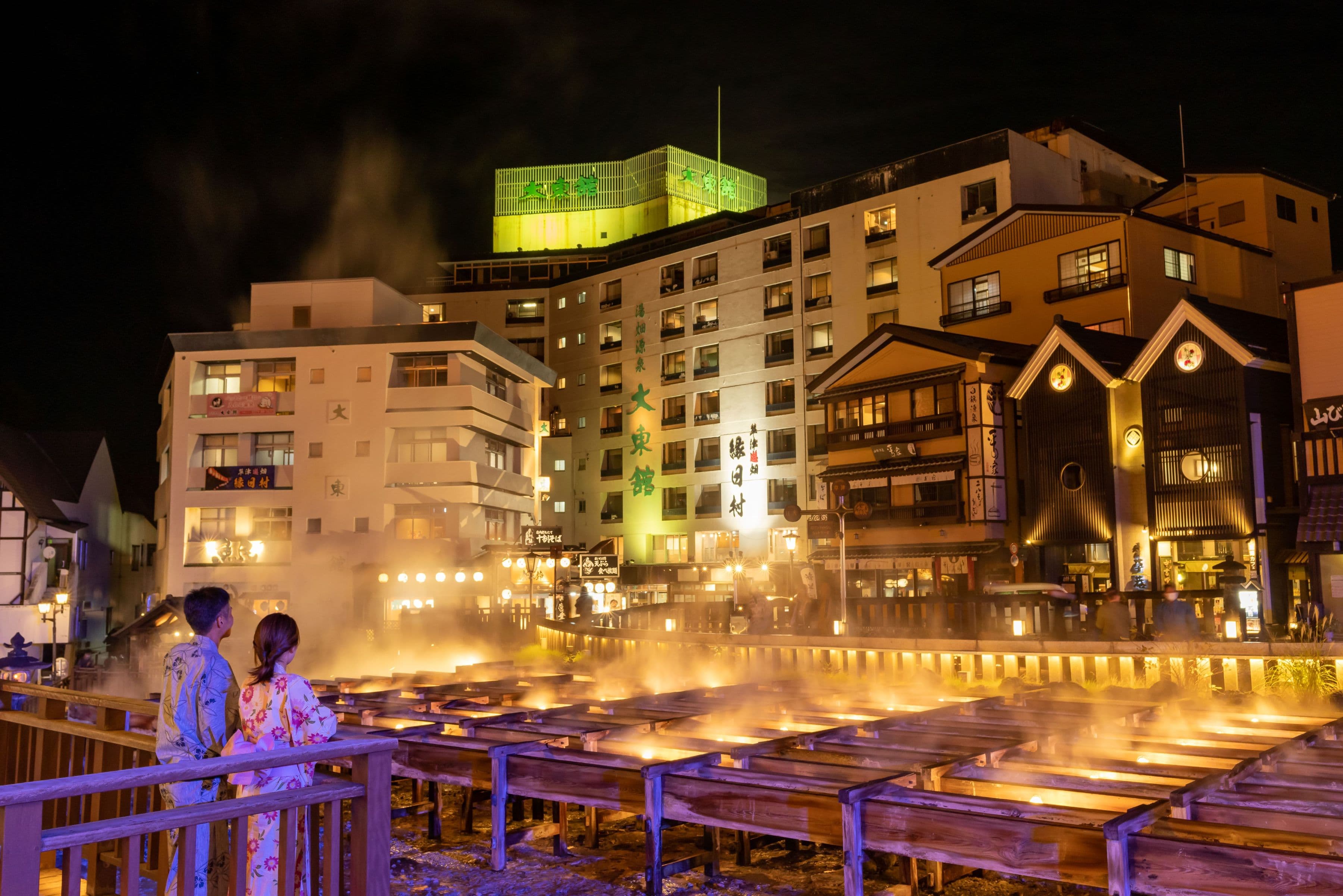
草津位于活火山草津白根山东麓海拔1,200米处,其热液系统造就了全日本流量最大的天然温泉涌出量——六口名泉合计每分钟超过32,300升[资料来源验证:Nippon.com 2026-05-07]。位于镇中心的汤畑(湯畑)并非多数照片暗示的那种水池;它是一段60米长的木造水道,把约70℃的源泉水冷却到适宜入浴的温度。声音持续不断——像一段小型急流——蒸气大多数夜晚因山间盛行的下沉气流而向东北方向缓缓飘散。

在草津过夜与日归游的结构性差异,就在晚上11:30的汤畑——亮灯、半空、声响清晰可闻——这一画面只属于早已在镇上某处铺好被褥的住客。

我们如何挑选这9家旅馆

我们以五项标准筛选了草津每一家在营旅馆:到汤畑的步行分钟、源泉水接入(草津六口名泉中是哪一口供给浴池)、私人浴池可用性、以上州和牛与群马山产为核心的怀石料理,以及英文可读的预订渠道。九家通过门槛——四家奢华、四家中档、一家经济——这就是我们毫不含糊推荐的全部九家。

本榜单中没有任何旅馆为入选付费。所有选项都来自我们覆盖25个温泉胜地、共224家精选旅馆的数据库,按亲身体验和设施数据综合排名。如想了解更广背景,我们的[草津完整目录](/zh/area/kusatsu)列出镇上每一家在营旅馆,[旅馆与酒店的差异](/zh/blog/ryokan-vs-hotel)则讲解了让大多数初次旅客困惑的"含晚餐定价模式"。

下文价位的快速说明。草津旅馆的价格从湯畑草庵每晚约90美元的明治町屋纯住宿,到躑躅亭顶级套房每晚约800美元不等。 配怀石料理与温泉的中档传统旅馆,通常每人每晚两餐合计150至350美元。如想深入了解[全日本旅馆每晚住宿价格](/zh/blog/ryokan-cost-per-night),我们的定价指南有完整说明。

1. 躑躅亭 — 顶级奢华隐居所之最

最适合 庆祝纪念日的情侣,想要10间客房、5,000坪私人林地、与日归游客的草津零交集。

概要 10间客房 · 约400至800美元 · 私人林地,距汤畑短程班车。

温泉 源泉水私管引入公共石造浴池,高级套房则配客房私人露天风吕。硫磺浓度为草津全强度(pH 1.6至2.1)[资料来源验证:Onsenista 2026-05-07],由合わせ湯(awase-yu)阶梯冷却法略作软化。

怀石 全套怀石料理在私人包间内供应——从不在公共大厅。上州和牛是主角,搭配吾妻川溪鱼、应季采摘的山菜与群马大米。早餐则是同样在私室供应的多盘日式套餐。

亮点 这是草津唯一一家在你与镇区之间留出真正物理距离的旅馆。从客房走出五分钟,你身处杉木林中,而不是在浴衣散步路上经过一排排手信店。我们的[全日本奢华旅馆排名](/zh/blog/luxury-ryokans-japan)是天然的延伸阅读。

诚实权衡 你放弃了步行至汤畑的便利。班车解决了大多数夜晚的需求,但如果你最看重的是晚上11点穿着浴衣走在夜间点灯下的体验,奈良屋或 Hotel 一井会更契合。每人每晚两餐合计400至800美元[价格仅供参考;请确认当前空房与价格]。可在我们目录[预订躑躅亭客房](/zh/ryokans/kusatsu-tsutsujitei)。

2. 汤宿 季の庭 — 全套房客房私人露天风吕之最

最适合 想要每间客房都配私人露天风吕的情侣与有纹身的旅客——无需贷切预约,无须公共浴池焦虑。

概要 56间客房 · 约300至600美元 · 山坡上,至汤畑有班车 · 御宿 木の葉的姊妹馆(共享23汤设施)。

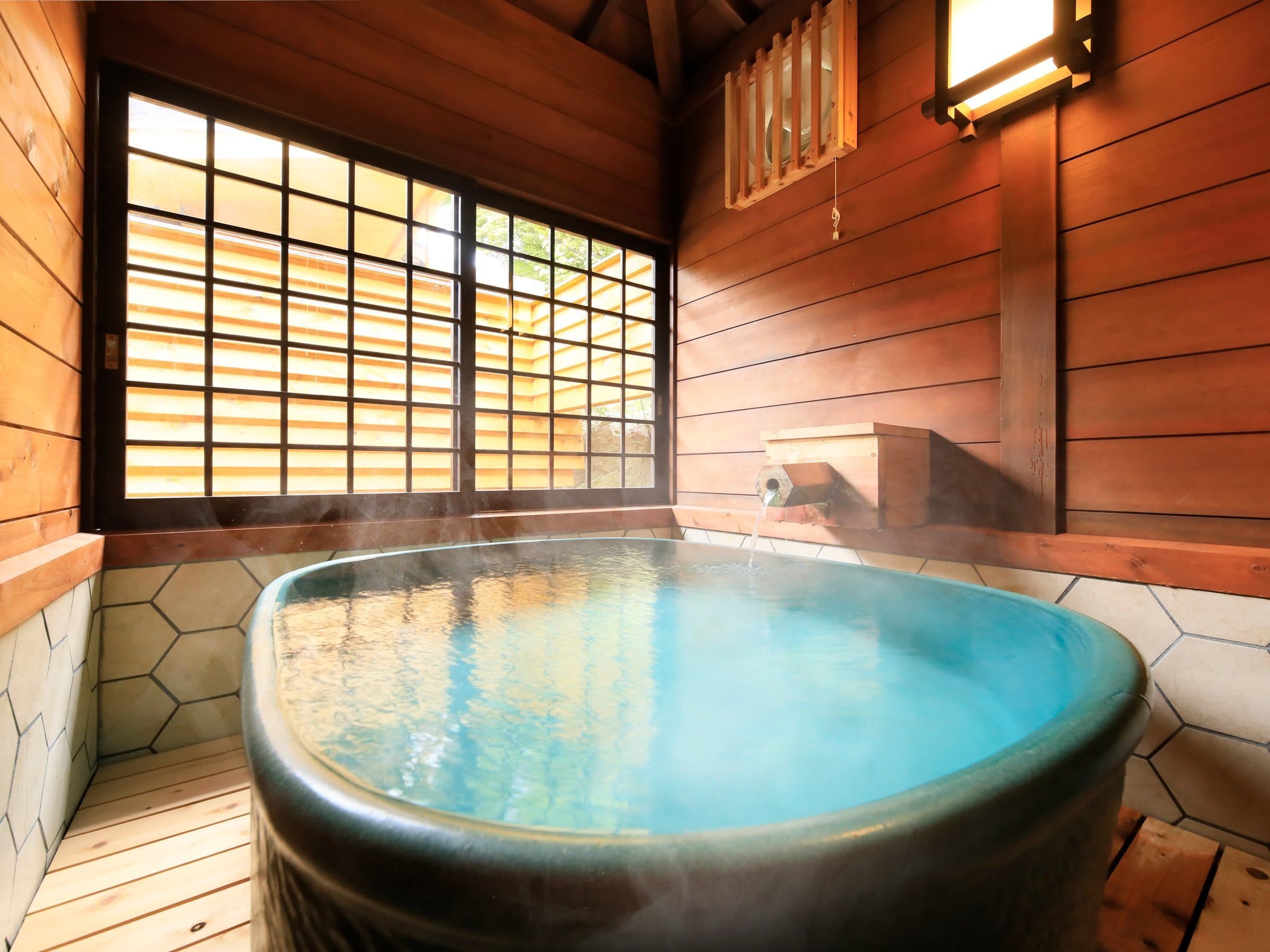
温泉 每间客房都配有由本馆自有源泉供给的私人露天风吕。除此之外,23种共用浴池(露天风吕、室内石造、桧木、合わせ湯阶梯冷却汤与主题汤)共同构成草津规模最大的温泉设施之一。

怀石 半食宿制怀石以上州和牛、溪流山女鱼(yamame)与山菜八寸为核心。用餐安排在私人小间而非客房——比躑躅亭略少一份私密感,但仍远高于酒店标准。

亮点 23种公共浴池外加客房内的私人露天风吕,两晚住下来轮换浴池都不会重复。对有纹身的旅客而言,这是镇上摩擦最少的物业——你的私人浴池真正属于你,而非排队管理的贷切时段。

诚实权衡 你不在汤畑边上。班车解决了大多数夜晚的需求,但你不会穿着拖鞋随手晃下去看夜间点灯。如果穿浴衣在灯火下漫步是这趟行程的头条画面,请改订奈良屋或一井。每人每晚两餐合计300至600美元[价格仅供参考;请确认当前空房与价格]。可在我们目录[查看汤宿 季の庭全套房楼层图](/zh/ryokans/kusatsu-tokinoniwa)。

Tip

**预订小技巧:** 季の庭与姊妹馆御宿 木の葉通过免费内部班车共享同一处23汤设施。预订较便宜的木の葉、再坐班车过来,可以以低约40%的房价享受同样的浴池权限——前台会确认这个做法,但任何英文评测都没提到。

3. 草津温泉 望雲 — 历史奢华之最(1598年创业)

最适合 多次访日旅客,想要本榜单上持续经营时间最长的旅馆,并能在两口名泉之间轮换泡汤。

概要 42间客房 · 约250至550美元 · 步行3分钟至汤畑 · 1598年创业——持续经营逾425年。

温泉 由两口名泉(万代鉱与渡月)供给的六处源泉挂流(kakenagashi)浴池。室内与室外两区,另有可预约的家庭贷切汤。本馆无客房私人露天风吕——这里的浴池故事,是源泉本身的传承。

怀石 扎实的上州怀石,以群马牛、吾妻川溪鱼与季节山菜为核心。早餐是大堂内一席正统的多盘日式套餐。服务带着一种从容不迫、训练深厚的待客之道——只有持续经营四个世纪的旅馆才做得出来。

亮点 两口截然不同的源泉,意味着一次入住即可体验两种风格的泡汤——万代鉱更具个性、温度略高;渡月较为柔和,更适合初次泡汤者。前台员工会在入住时按照印好的图示向你讲解二者差异,并附上一招把毛巾顶在头上以应对1,200米海拔下血压变化的实用秘诀。

诚实权衡 这不是现代精品旅馆。部分走廊显出年代感,房型按馆栋差异极大——若你在意室内美学,请在订房时指定已翻新房间。每人每晚两餐合计250至550美元[价格仅供参考;请确认当前空房与价格]。可在我们目录[查询草津温泉 望雲价格](/zh/ryokans/kusatsu-boun)。

4. 奈良屋 — 草津原始源泉水之最

最适合 为水质化学而来到草津的温泉鉴赏家——奈良屋汲取的是白旗の汤,草津六口名泉中最古老的一口。

概要 36间客房 · 约350至700美元 · 步行1分钟至汤畑 · 1877年创业。

温泉 三处室内、三处室外浴池均由白旗源泉供给——这是草津六口名泉中酸性最强的一口,也是江户时代旅人远道而来追寻的那一口。水质为完整的 pH 1.6至1.8 强度,具杀菌作用,若过去12小时内剃过须,下水会有刺痛感。高级房型可预约客房私人浴池。

怀石 私人包间内供应的精致上州怀石——上州和牛涮锅、吾妻山女鱼、当季八寸,以及一份依本地水质特别搭配的清酒单。早餐是本榜单中最佳之一。

亮点 上一次造访时,我泡西の河原前忘了摘下一只薄薄的银戒——八分钟泡汤、十二小时氧化,戒指从抛光银面变成了暗灰色。奈良屋前台柜后摆着一只小漆盘,里面收着客人遗忘的银饰,旁边还立着四语对照的告示牌。一家奢华旅馆都要做多语警告,足以说明这水有多强。

诚实权衡 与望雲的价差是实打实的,而"最古老源泉"溢价部分难以量化——如果你尝不出 pH 的差异,这笔钱就难以合理化。每人每晚两餐合计350至700美元[价格仅供参考;请确认当前空房与价格]。完整说明请见[奈良屋的白旗の汤页面](/zh/ryokans/kusatsu-naraya)。

Tip

**源泉小技巧:** 奈良屋汲取白旗の汤,是草津六口名泉中最古老的一口。请向前台索要源泉巡(gensen-meguri,源泉巡り)地图——上面标明镇上每口浴池所对应的名泉。望雲汲取万代鉱与渡月;大坂屋汲取汤畑源泉;Hotel 一井直接从汤畑取水。请把它当葡萄酒风土来对待。

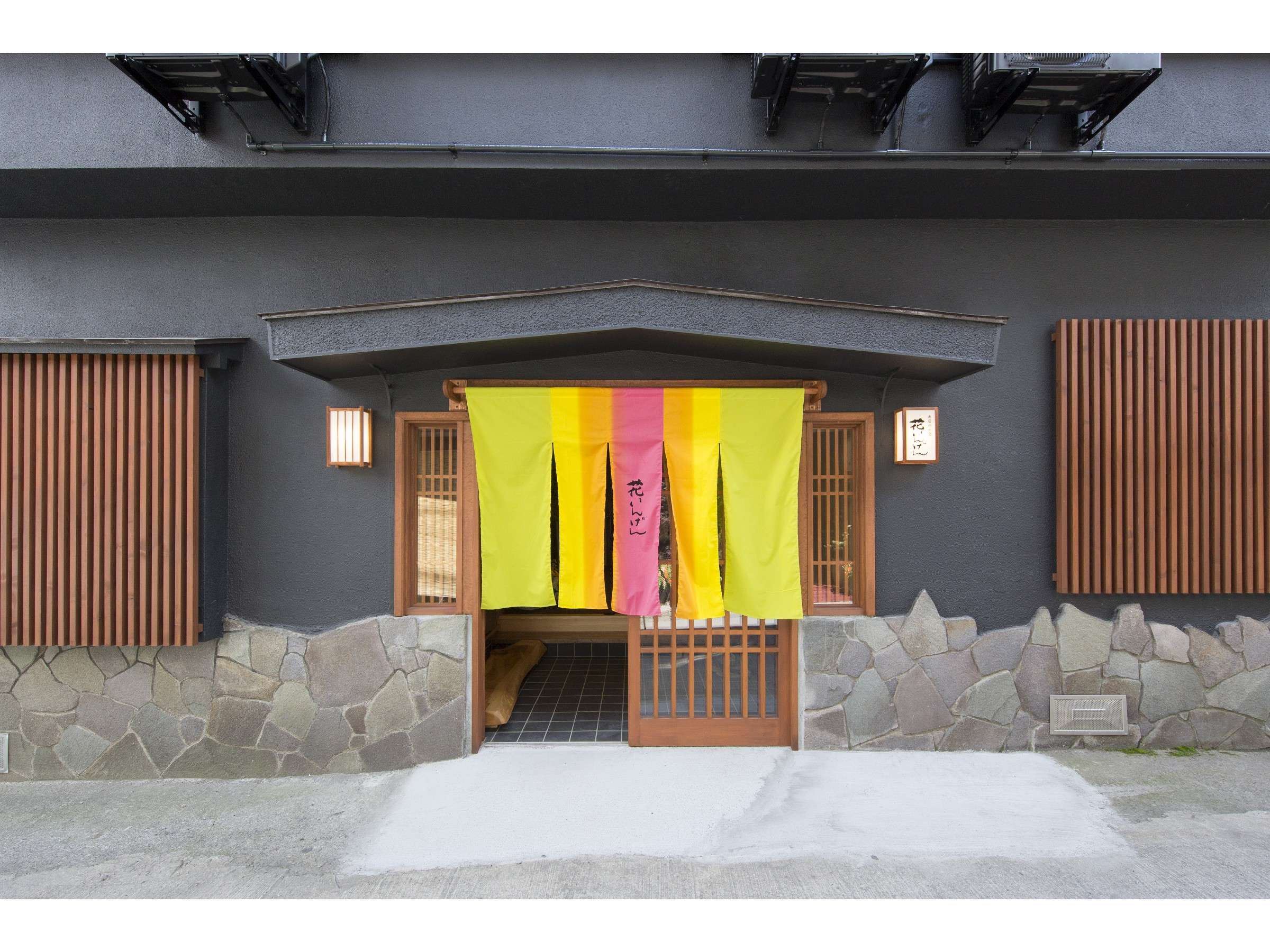
5. Hotel 一井 — 紧邻汤畑之最

最适合 想让卧室窗户直接俯瞰冒着蒸气的汤畑的初次旅客与摄影师。

概要 110间客房 · 约120至300美元 · 步行0分钟——本馆正对汤畑 · 拥有300年历史的老字号。

温泉 一处大型室内与室外公共浴池设施,直接由汤畑源泉供给,外加可预约的家庭贷切汤。本馆无客房私人露天风吕,但其公共浴池是中档草津物业中规模最大的。

怀石 半食宿制怀石,在私人包间(高级房型)或公共大厅(标准房型)供应。上州和牛、溪鱼、应季蔬菜。早餐是多碟日式套餐,另设小型西式角落,供清晨拒绝吃米饭的孩子。

亮点 110间客房中,有23间正面朝向汤畑。订到这种房间,意味着你在日出时被蒸气柱唤醒,又能从窗口看到晚上9点的夜间点灯。从西南向房间,你可以在日落后的30分钟内用 f/2.8 拍出蒸气与灯影对比鲜明的画面——这就是大多数草津标志性照片采用的角度。

诚实权衡 110间客房的规模会显现出来。服务专业但不私密,高峰时段办理入住会排队。订房时请明确要求湯畑側(yubatake-gawa)房间——若不主动提,可能在同样房价下被分到背向汤畑的房间。每人每晚两餐合计120至300美元[价格仅供参考;请确认当前空房与价格]。可在我们目录[查看 Hotel 一井的汤畑景观房](/zh/ryokans/kusatsu-ichii)。

6. 大坂屋 — 距汤畑1分钟的中档之最

最适合 想以奈良屋一半的价格享汤畑源泉水、并希望高级房型可预约客房私人浴池的中档旅客。

概要 31间客房 · 约150至350美元 · 步行1分钟至汤畑 · 取水自汤畑源泉。

温泉 两处公共浴池,外加可预约的贷切私人浴池,全部由汤畑源泉供给——也就是流经镇中心木造水道的那股头牌水。部分高级客房带客房露天风吕。

怀石 公共大厅供应的半食宿制上州怀石——质量稳定而非惊艳,标准套餐含上州和牛与溪鱼。早餐沿用多盘日式套餐的标准格式。

亮点 大坂屋的"性价比对水"是榜单上最具攻击性的。你以中档价位换来的,是注满全镇拍照最多景观的同一头牌水源——是"想喝真草津水的初次预算旅客"最高效的选择。

诚实权衡 客房功能性优先而非设计感优先——干净、舒适、不上镜。标准房型的公共用餐对独行旅客没问题,但减弱了情侣的浪漫感;如果在意,请加价升至私人用餐房型。每人每晚两餐合计150至350美元[价格仅供参考;请确认当前空房与价格]。可在我们目录浏览[大坂屋的汤畑源泉浴](/zh/ryokans/kusatsu-osakaya)。

Tip

**汤畑前小技巧:** 夜间点灯从日落开始一直亮到深夜12点。从客房观赏的最佳窗口是晚上8:30至9:30——晚到晚餐人潮散去,又早到灯光仍在全开。订大坂屋、Hotel 一井或湯畑草庵时,请明确要求"湯畑側"(yubatake-gawa)房间。

7. 草津Hotel 1913 — 中档大正时代风韵之最

最适合 偏爱木造、有岁月声响的历史建筑,多过翻新现代内饰的建筑爱好者。

概要 40间客房 · 约130至300美元 · 步行5分钟至汤畑 · 1913年(大正时代)建成。

温泉 室内与室外公共浴池采用源泉挂流自流系统,另有可预约的家庭贷切汤。部分客房带私人浴池。浴池建筑为木造、契合时代,本身就是建筑叙事的一部分。

怀石 这家旅馆出乎我意料的就是怀石——压轴是一只小陶锅装的山女鱼(溪流山女),桌边以一块备长炭炭火慢煮。鱼来自三公里外山下吾妻川,锅是益子烧,米则是一小时车程外沼田出产的越光米。这就是一道菜里完整的群马食盘:溪流、山林、窑场、稻田。关于早餐的更多说明,请见我们的[日式旅馆早餐](/zh/blog/japanese-breakfast-ryokan)指南。

亮点 [大正时代1913年开业的草津Hotel](/zh/ryokans/kusatsu-hotel)被列为日本国家登录有形文化财,木造立面——白色灰泥配深色杉木饰边——确实是1913年初建时的原貌。你睡在的是历史建筑本身,而非"历史风格翻新"。

诚实权衡 历史就是历史。地板会嘎吱响,隔音停留在1913年的水准,深冬时分若干旧房间即便加装辅助暖气仍偏冷。如果在意,请要求已翻新的馆栋客房。每人每晚两餐合计130至300美元[价格仅供参考;请确认当前空房与价格]。

8. 御宿 木の葉 — 中档山坡 + 23汤通用之最

最适合 想以中档价位换得姊妹馆季の庭23汤设施使用权的滑雪客与浴池迷。

概要 48间客房 · 约180至350美元 · 山坡上,至汤畑有班车 · 汤宿 季の庭的姊妹馆。

温泉 馆内自有室内与室外公共浴池,并通过免费内部班车完整共享季の庭的23汤设施。本档无客房私人露天风吕——这是与季の庭本馆相比的取舍。

怀石 半食宿制上州怀石,主打群马牛、溪鱼以及大方的当季八寸。本馆以晚餐后免费深夜拉面服务闻名——听起来像噱头,但你在浴池里泡过两小时再上来,就明白这碗碳水有多必要。

亮点 [御宿 木の葉(季の庭姊妹馆)](/zh/ryokans/kusatsu-konoha)是进入季の庭23汤系统最便宜的方式。如果你的入住安排是"轮换泡浴而非待在房里",本馆是榜单上最具成本效率的选择。12月至3月免费的草津温泉滑雪场班车,使其成为最强的滑雪组合之选。

诚实权衡 山坡意味着到汤畑要乘班车。班车在多数夜晚每30分钟一班,但深夜返程可能要打车。如果你计划每晚都要走汤畑,请把班车间隔考虑进去。每人每晚两餐合计180至350美元[价格仅供参考;请确认当前空房与价格]。

Tip

**滑雪组合小技巧:** 草津温泉滑雪场2025–26赛季从12月下旬开到4月初,从木の葉与多数草津奢华旅馆乘班车约10分钟可达[资料来源验证:ANA Japan Travel Planner 2026-05-07]。订房时请确认班车时间表——大多数物业是早上固定出发、下午固定返回,并非按需服务。更广的雪国温泉脉络请见我们的[冬季温泉乡](/zh/blog/best-winter-onsen)排名。

9. 湯畑草庵 — 明治町屋纯住宿经济之最

最适合 计划在本地居酒屋而非旅馆怀石用餐的独行旅客、预算情侣与浴池迷。

概要 16间客房 · 约90至200美元 · 与汤畑数步之遥 · 由明治时代木造建筑改造而成的精品纯住宿旅馆。

温泉 一处不大却颇具个性的温泉浴池,由汤畑一带的源泉供给。部分高级客房带私人浴池。馆内的足汤咖啡馆对外开放,常常人气满满——若你想真正融入镇上生活,这是优点而非缺点。

怀石 无。草庵明确以纯住宿运营。换来的是自由——你想吃什么、什么时候吃、想花多少钱,都由你自己决定。本地居酒屋、拉面以及足汤咖啡馆本身,就足以涵盖大多数的晚餐选择。更多省钱思路请见我们的[预算旅馆攻略](/zh/blog/budget-ryokan-tips)指南。

亮点 这栋建筑由明治时代木造町屋改造而来——裸露的横梁、狭长的廊道、年代感十足的拉门——加上当代精品风格的重新打理。就这个价位而言,设计水准实打实地超出档次;这是难得的、并不让人觉得"廉价"的廉价之选。

诚实权衡 没有怀石就意味着没有客房晚餐体验。如果你来旅馆是为了浴衣加矮桌怀石的浪漫感,草庵不是你的菜。16间客房的体量也意味着春秋周末提前三到四个月就会订满。每人每晚仅住宿合计90至200美元[价格仅供参考;请确认当前空房与价格]。可在我们目录页查看[湯畑草庵的纯住宿详情](/zh/ryokans/kusatsu-souan)。

汤畑与三外汤:草津入门

几乎每一份英文指南都说"三处旅馆住客免费的公共浴池",几乎每一份英文指南都搞错了机制。下面是正确版本。

三外汤(外汤) ——白旗の湯、千代の湯(Chinoiri-no-yu)与地蔵の湯——是草津村中心由本地管理的公共浴池。多数参与计划的旅馆会在入住时发给你一张"入汤手形"(Nyuto-Tegata),是一枚木质或纸质的小通行证。没有参与旅馆订单的步行游客,无法进入这三处。奈良屋、望雲、躑躅亭与季の庭都参与;经济型纯住宿旅馆未必参与——请在订房时确认。

三处付费公共浴池 ——大滝乃湯、御座之汤与西の河原——是不同的概念。它们对所有人开放,无论是否旅馆住客,每次入浴800至900日元[资料来源验证:草津温泉公共浴池 2026-05-07]。西の河原是河边公园里那处著名的露天大浴池,分季节运营——4月至11月7:00–20:00,12月至3月9:00–20:00[资料来源验证:Visit Gunma 2026-05-07]。大滝乃湯则是学习"合わせ湯"(awase-yu)四阶段冷却法的好地方——38℃、40℃、42℃与44–46℃四口浴池呈阶梯状排列。

汤畑标志性照片的取景角度,是从水道西南侧朝东北方向、日落后的30分钟内——那时蒸气柱与灯影对比最干净。我曾在二月某个工作日的晚上11点把整段水道走完,全程只有一只本地猫与我相伴。

汤揉:熱乃湯的水温调节表演

汤揉(湯もみ)是一种传统冷却仪式:表演者用180厘米长的杉木板搅动草津滚烫的源泉水,同时齐唱本地民谣《草津良いとこ》。 表演每天在汤畑边的熱乃湯举行六场——上午9:30、10:00、10:30,下午3:30、4:00、4:30——成人票价约600日元[资料来源验证:草津温泉观光协会 2026-05-07]。周末与节假日的11:30至14:00之间,观众支付250日元即可亲自体验搅板。

每份指南都告诉你有六场,几乎没人告诉你哪场最好。下午4:00场是被拍摄最多的——观光巴士在3:30至4:30扎堆。上午9:30场半空着,你能坐到正中前排,熱乃湯顶部窗户透下的晨光打在蒸气上,让任何一张照片都像1960年代 NHK 纪录片的镜头。请去9:30场。

硫磺、肌肤与银饰:在草津泡汤而不踩雷

草津的水是日本所有主要温泉乡中酸性最强的——名泉之间 pH 在1.6至2.1,归类为硫化氢/酸性泉[资料来源验证:Onsenista 2026-05-07]。正是这种水化学,让一次浸泡的感受更像皮肤护理而非热水浴,也是草津需要几条其他温泉乡用不上的特别防护的原因。

皮肤反应。 酸性水具杀菌作用。多数泡汤者会在肩头与膝盖后侧感到轻微的刺痒。敏感肌客人请单次泡汤不超过10分钟,出浴前用上り湯(agari-yu,淡水冲洗用,而非源泉)冲身,并在含硫与不含硫的日子之间交替。如果你在过去12小时内剃过须,请勿把水泼到脸上。

银饰与黄铜。 硫化氢会气化。硫化银会在数分钟内形成,仅仅是经过汤畑或站在蒸气柱中,就足以让你领口下的银项链发黑。一旦氧化层深入,牙膏也救不回来。请把银饰、黄铜与镶珍珠的首饰留在保险箱里。不锈钢、黄金、铂金与钛金属不受影响。

两晚,而非一晚。 单晚草津之行浪费了这水。古老的"湯廻り"(Yu-Mawari)巡浴仪式——按顺序在数日之内走完所有外汤——之所以存在,正是因为一轮还不够。一晚住宿你只是体验;两晚住宿,你的肌肤纹理会改变,轻度的鼻窦清通会出现,睡眠深度也会明显变化。

Tip

**敏感肌小技巧:** 单次泡汤不超过10分钟。出浴前请用上り湯淡水冲洗(不是源泉)。尽量在含硫与不含硫的日子之间交替——馆内由不同源泉供给的私人浴池就是不含硫选项。第一次泡汤前请先看我们的[初次外国人入浴礼仪](/zh/blog/onsen-etiquette-foreigners)指南。

如何按出行类型挑选你的草津旅馆

草津足够小,没有哪家旅馆离镇中心"远到要命"——汤畑是引力中心,几乎所有地方都在步行1至5分钟或短程班车之内。下面这份按出行类型分类的决策矩阵,把最常见的读者疑问一次性解决。

首次同行庆祝纪念的情侣: 躑躅亭追求10间客房极致私密,或奈良屋追求最古老源泉水加汤畑步行可达。

有纹身的旅客: 季の庭是摩擦最少的选择——每间客房都有私人露天风吕,无须贷切预约。三处外汤也明确接纳纹身客人。请参看我们的[纹身友好旅馆](/zh/blog/tattoo-friendly-ryokans)交叉索引。

带学龄儿童的家庭: 标准房型的 Hotel 一井——大房间、公共大厅用餐、规模足够大不会让人感到拥挤的浴池设施,以及夜间点灯可见的汤畑前客房。我们的[亲子旅馆](/zh/blog/ryokan-with-kids)指南涵盖更广的安排逻辑。

12月至3月的滑雪客: 木の葉的滑雪场班车与23汤设施使用权。同集团想升级请订季の庭。

预算旅客与浴池迷: 镇中心的湯畑草庵纯住宿,在本地居酒屋吃饭,并在两天内轮换外汤与付费公共浴池。

敏感肌客人: 望雲是历史奢华选项中最温和的一家——渡月是其两口源泉中较柔和的一口,员工会在入住时按你的泡汤节奏进行简报。

如何前往草津:电车、巴士与轻井泽组合

从东京到草津的路线很直接,但涉及新干线——这是初次旅客最常见的意外。

四个步骤,按顺序:

1. 从上野或新宿乘特急草津(JR)至长野原草津口——约2.5小时,JR Pass 可用[资料来源验证:ANA Japan Travel Planner 2026-05-07]。这是最快的铁路方案。 2. 从长野原草津口换JR 关东巴士至草津温泉巴士总站——约25分钟,约710日元。多数旅馆距总站步行5至10分钟。 3. 替代方案:新宿高速巴士约4小时直达草津温泉巴士总站,途中无停靠,绕开长野原。JR Pass 不覆盖。 4. 轻井泽组合: JR 关东巴士在草津温泉与轻井泽站之间运行,约80分钟。在草津住两晚加轻井泽住一晚,再从轻井泽乘北陆新干线返回东京,是该地区效率最高的行程闭环之一。

行李提示:把大件行李通过黑猫宅急便(Yamato Takkyubin)从东京酒店直接寄到旅馆(每件约2,000日元,次日达)。只带一只过夜小包到草津,是最干净的解法。

草津旅馆住宿的最佳时节

四季全景,按一晚住宿的优先顺序排列。

12月中旬至3月,看雪与滑雪。 草津温泉滑雪场乘班车10分钟可达,赛季很长;汤畑边"蒸气与雪"的对比,是这座小镇最强的视觉画面。这一窗口期的西の河原露天浴池开放9:00–20:00——这是日本极少数你能在 pH 1.8 的硫磺水中泡汤、雪花同时落在头发上的地方之一。请在10月前订下滑雪组合物业——木の葉或季の庭。

10月下旬至11月初,看红叶。 上信越高原国立公园环抱草津,1,200米海拔下落叶松与枫的转色蔚为壮观。这一窗口的工作日入住,比红叶高峰周末空房好得多。

8月初看草津温泉感谢祭。 三天的神舆游行、烟火与特别汤揉表演。节庆窗口房价上浮20%至30%;请提前三个月订房。

避开4月下旬至5月初(黄金周加价)。 1月下旬至3月初,奢华价位的工作日空房最佳。

如果草津只是更长行程中的一站,我们的[日本顶级温泉乡](/zh/blog/best-onsen-towns-japan)指南可指引下一站,[冬季温泉排名](/zh/blog/best-winter-onsen)则覆盖了行程日历的雪国一面。

草津旅馆常见问答

草津温泉哪家旅馆最好?

追求极致奢华隐居感,选躑躅亭——10间客房,藏匿于5,000坪私人林地之中。追求距汤畑1分钟的最古老源泉历史感,选奈良屋(1877年创业,白旗源泉)。追求中档价位的汤畑前客房与夜间点灯景观,选 Hotel 一井。追求200美元以下的精品纯住宿,选湯畑草庵。

草津要住几天?

两天一晚是草津的标准行程——但两晚才是更好的选择。 一晚让你看到黄昏的汤畑、晚餐、一轮泡汤与早餐。两晚则多出第二天的肌肤反应、半空的9:30汤揉表演、完整的湯廻り外汤巡浴,以及白根山一日游或轻井泽连游所需的时间。

草津旅馆都在汤畑步行可达范围内吗?

大多数都在步行1至5分钟内。Hotel 一井就紧靠汤畑;奈良屋、大坂屋与湯畑草庵距汤畑1分钟;望雲与草津Hotel 1913距汤畑3至5分钟。躑躅亭、季の庭与木の葉位于山坡或镇外,提供班车。

草津的硫磺水对敏感肌安全吗?

草津的 pH 1.6至2.1 是日本酸性最强的温泉水。它具杀菌作用,但可能刺激敏感肌肤,并使银饰发黑。多数旅馆建议单次泡汤最多10分钟,出浴前用上り湯淡水冲洗,并在含硫与不含硫的日子之间交替[资料来源验证:Onsenista 2026-05-07]。

如何从东京前往草津温泉?

从上野或新宿搭乘特急草津(JR)至长野原草津口——约2.5小时,JR Pass 可用——再换25分钟的 JR 关东巴士到草津温泉巴士总站。无直达新干线。新宿高速巴士约4小时直达,途中无停靠。

可以把草津温泉与滑雪结合吗?

可以。草津温泉滑雪场乘班车10分钟可达,赛季为12月至4月初。木の葉与季の庭运营专属滑雪班车;多数奢华旅馆提供缆车折扣套餐。

草津与箱根有什么不同?

草津是海拔1,200米、酸性硫磺的高山温泉,水质强度全日本第一,没有从东京日归的选项,并有冬季滑雪组合。箱根海拔较低、泉质多样,可见富士山,从东京90分钟即可抵达。请见[我们的全日本温泉乡比较](/zh/blog/best-onsen-towns-japan)以及[旅馆与酒店的差异](/zh/blog/ryokan-vs-hotel)。

草津旅馆对纹身友好吗?

草津在主要温泉乡中算异常欢迎纹身——三处免费外汤官方接受纹身,付费公共浴池也大致比照执行。就旅馆浴池而言,季の庭是摩擦最少的选择,因为每间客房都配私人露天风吕。请见我们的[纹身友好旅馆](/zh/blog/tattoo-friendly-ryokans)目录。

结语:在全日本酸性最强的水里泡汤

在草津过夜的理由是结构性的,不是憧憬性的。这座小镇白天按日归游客的时间运转,夜晚按旅馆住客的时间运转,决定在哪里过夜,就是决定你看见的是哪一个版本的草津——白天熙攘的汤畑,还是半空、彻底亮灯的午夜版本。躑躅亭 提供10间客房的极致私密。季の庭 让每间套房都拥有客房私人露天风吕。望雲 用425年历史与两口源泉说话。奈良屋 距汤畑1分钟、连接草津最古老的白旗源泉。Hotel 一井 以中档价位提供汤畑前客房。大坂屋 以最划算的价位享汤畑源泉水。草津Hotel 1913 提供货真价实的大正时代建筑。木の葉 提供滑雪组合与23汤通用。湯畑草庵 提供精品预算纯住宿。

日期与物业同等重要。一月底在奈良屋遇上西の河原飘雪的一晚,与十月底在木の葉赶上落叶松转色的一晚,是两段不同的旅行。在做最终决定前,请把滑雪日历与你自己对 pH 1.8 强度水的耐受度交叉对照清楚。

准备好后,请跳转到上文链接的各家旅馆页面,或浏览[我们完整的草津目录](/zh/area/kusatsu)。如果草津只是更长行程中的一站,我们的[宫岛旅馆精选](/zh/blog/best-ryokans-miyajima)能为整条线路收尾。

FAQ

Frequently asked questions

Which is the best ryokan in Kusatsu Onsen?+

For ultra-luxury seclusion, Tsutsujitei offers 10 rooms inside 5,000 tsubo of private woodland. Naraya is best for the oldest Shirahata source water, one minute from Yubatake. Hotel Ichii provides Yubatake-front rooms with illumination views at a mid-range price, while Yubatake Souan is ideal for stylish room-only stays under $200.

How many days should I stay in Kusatsu Onsen?+

While two days and one night is standard, a two-night stay is recommended for a richer experience. This allows for the second-day skin response, a half-empty 9:30 am yumomi performance, a full Yu-Mawari sotoyu rotation, and time for a Mount Shirane day trip or Karuizawa side combo.

Are Kusatsu ryokans walking distance from Yubatake?+

Most Kusatsu ryokans are within 1 to 5 minutes on foot from Yubatake. Hotel Ichii is directly on Yubatake, while Naraya, Osakaya, and Yubatake Souan are 1 minute away. Some luxury properties like Tsutsujitei, Tokinoniwa, and Konoha are hillside and provide shuttles.

Is Kusatsu's sulfur water safe for sensitive skin?+

Kusatsu's pH 1.6–2.1 water is the most acidic in Japan, making it bactericidal but potentially irritating for sensitive skin. Ryokans advise a maximum 10-minute soak, rinsing with fresh agari-yu water before exiting, and alternating sulfur and non-sulfur bathing days to prevent irritation. It also tarnishes silver jewelry.

How do I get to Kusatsu Onsen from Tokyo?+

From Tokyo, take the Limited Express Kusatsu (JR) from Ueno or Shinjuku to Naganohara-Kusatsuguchi (approx. 2.5 hours, JR Pass valid). Then, board a 25-minute JR Kanto bus to Kusatsu Onsen Bus Terminal. Alternatively, a 4-hour non-stop Shinjuku highway bus goes directly to Kusatsu.

Are Kusatsu ryokans tattoo-friendly?+

Kusatsu is notably welcoming for a major onsen town. All three free sotoyu officially accept tattoos, and paid public baths have similar policies. For ryokan baths, Tokinoniwa is ideal as every room features a private rotenburo, eliminating public bath concerns for tattooed guests.

草津温泉哪家旅馆最值得推荐?+

极致奢华、私密性好的杜鹃亭,10间客房坐落于5000坪私人林地中。奈良屋以最古老的白旗源泉水闻名,距汤畑仅一分钟。一井酒店提供汤畑景观房,可欣赏夜间点灯美景,价格中等。汤畑草庵则适合预算200美元以下、追求时尚住宿的客人。

草津温泉建议住几天比较好?+

虽然两天一夜是标准行程,但建议住两晚,体验会更丰富。这能让您感受温泉水对皮肤的第二天反应,欣赏人较少的9:30“揉汤”表演,完整体验“汤巡り”外汤,并有时间进行白根山一日游或轻井泽周边组合游。

草津的温泉旅馆离汤畑远吗?走路能到吗?+

大多数草津温泉旅馆距离汤畑步行1到5分钟内。一井酒店就在汤畑旁边,奈良屋、大阪屋和汤畑草庵距离汤畑仅1分钟路程。杜鹃亭、季之庭和木之叶等一些豪华旅馆位于山坡上,会提供接驳服务。

草津温泉的硫磺水对敏感肌刺激吗?+

草津温泉水pH值1.6-2.1,是日本酸性最强的温泉水,具有杀菌作用,但可能对敏感肌肤造成刺激。旅馆建议每次浸泡最长10分钟,离开前用新鲜的“上がり湯”冲洗,并交替泡硫磺泉和非硫磺泉以防刺激。它还会使银饰变色。

从东京怎么去草津温泉?+

从东京出发,可乘坐JR特急草津号列车(JR Pass可用)从上野或新宿到长野原草津口(约2.5小时)。然后转乘25分钟的JR关东巴士到草津温泉巴士总站。此外,也有4小时直达的新宿高速巴士可选择。

草津的温泉旅馆对有纹身的客人友好吗?+

作为主要的温泉小镇,草津对纹身客人非常友好。所有三个免费外汤都正式允许纹身,付费公共浴场也有类似规定。季之庭非常理想,因为每间客房都设有私人露天风吕,消除了有纹身客人对公共浴场的顾虑。

准备好预订了吗?

从这些精选旅馆中预订

比较三个预订平台的实时可用性和价格。

通过预订链接可能产生佣金,但不会增加您的费用。