19分钟阅读更新于 2026年7月
我曾在2月的午夜泡在银山温泉,看积雪掩埋木屋檐;也曾在1月的草津,任露天温泉的蒸汽在发丝上结霜。冬季是我个人首选的泡汤季节——41°C的泉水与寒冷空气的对比,是身体记忆最深的东西,而2023年的厚生劳动省温泉入浴指导员课程也印证了我的皮肤早已知道的事:冷空气中的入浴会放大体温调节反应,正是这一点让你睡得像块石头。以下14个精选是我按雪景、泉质化学成分和道路封闭前的交通窗口排出的冬季专属温泉。
Tip
最新动态:2026–27冬季温泉季 现在就预订积雪高峰期(12月中旬至3月上旬):冬季温泉需提前三至五个月预订——银山、野泽、藏王等标志性温泉村的12月雪见风吕日期从夏末起就开始售罄,新年时段(12月28日–1月4日)最先订满。日本气象厅将于初秋发布首份2026–27年冬季展望;作为规划基准,上一雪季(2025–26)时间略有推迟,新潟、山形和青森各县降雪高于平均水平,使北东北的最佳雪见风吕条件一直延续到3月。 野泽的标杆雪季(上个冬季的参考):野泽——依然是日本最好的滑雪+泡汤组合——在2025–26雪季录得超过11米的累计降雪量,其13座设于江户风格木造浴屋中的免费公共浴场(外汤)一直开放到3月中旬 。请记住2027年1月15日的道祖神火祭——这是日本最壮观的冬季庆典之一,当周的村内客房会提前数月售罄。滑雪场周边的旅馆推荐,请见完整指南:日本滑雪场附近最佳旅馆。 钻石富士窗口期(12月–1月)与富士山景旅馆:12月至1月日出与富士山顶重合的「钻石富士」,只能从山梨和静冈的特定观景点看到。如果你的冬季行程包含富士山周边住宿,可搭配:最佳富士山景旅馆。 暖屋文化正在兴起:东北和北海道多个温泉町现已在公共浴场之间设置专门的暖屋——小型供暖休息所,你可以在此小憩、喝一杯甘酒(温热的甜米酒),在下一场泡汤前重新暖身。银山、乳头和汤西川的设施最为完善。
*本页的北海道与东北推荐经电话核实并与三个预订平台交叉比对;我本人未曾入住。其余所有旅宿均为亲身入住验证。*
为什么冬季是终极温泉季节
日本的温泉文化可追溯千年以上,但冬季露天入浴的传统在国民想象中占有特殊地位。日语中甚至有一个专门的词:雪见风吕(雪見風呂),字面意思是「赏雪之浴」 。概念很简单——你坐在露天温泉(rotenburo)里看雪飘落——但实际体验超凡脱俗。
冬季温泉也有若干实际优势。冷空气与热水之间的极端温差会增强对血液循环和肌肉紧张的疗愈效果。许多旅馆会在新年假期高峰之外的1月和2月淡季周下调房价。而山间温泉町周围的景观此时最为壮观:光秃的枝干勾勒着白色轮廓,冰冻的瀑布在淡淡的阳光下闪烁。
雪季通常从12月下旬持续到3月中旬,视纬度和海拔而定。东北和北海道等北部地区早在11月就有大雪,而日本阿尔卑斯的高海拔地点积雪可保持到4月。
 保存到Pinterest
冬季温泉的顶级地区
以下五个地区是日本最强的冬季温泉目的地。想了解涵盖全部25个温泉町(包括非冬季推荐)的完整分类,请见我们的日本八大温泉地区完整指南。
哪些温泉町在冬季更胜一筹?
并非每个温泉目的地都在冬季达到巅峰。有些温泉町全年都便于抵达且景色优美;有些则在积雪之下蜕变得如此彻底,以至于非冬季到访完全是另一种体验。下表将真正「冬季最佳」的温泉町,与那些冬季只是众多选项之一的温泉町区分开来。
| 温泉町 | 所在县 | 冬季优势 | 最佳窗口 | 取舍 |
|---|---|---|---|---|
| 银山 | 山形 | 积雪掩映的大正建筑+煤气灯;夜景堪称标志 | 1月下旬–2月 | 房源有限;暴雪时道路缓慢 |
| 乳头温泉乡 | 秋田 | 本页所有温泉町中降雪最重;山谷的与世隔绝正是精髓 | 12月–4月上旬 | 山谷道路可能封闭 |
| 野泽温泉 | 长野 | 13座免费外汤浴场+滑雪山;道祖神火祭(1月15日) | 1月–2月 | 无新干线直达;需换乘巴士 |
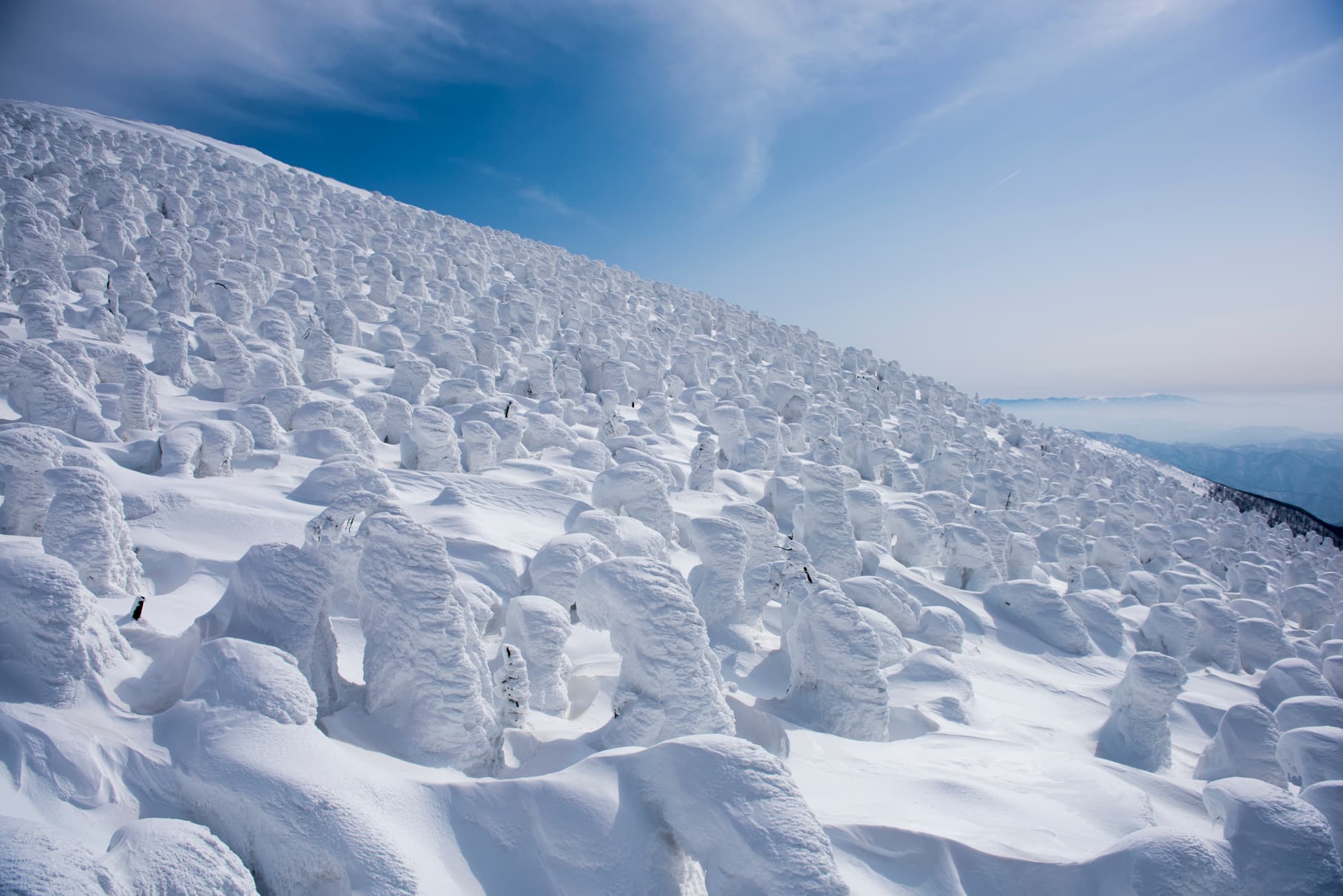
| 藏王温泉 | 山形 | 树冰「雪怪」(2月中旬–3月中旬);滑雪与温泉同村 | 2月中旬–3月中旬 | 大露天风吕冬季关闭 |
| 草津 | 群马 | 汤畑蒸汽在冷空气中最壮观;无雪季交通问题 | 1月–2月 | 无滑雪山;从东京仅有巴士 |
| 白骨 | 长野 | 乳白色泉水+寂静雪林;极致隐世 | 11月–3月 | 山路偶有封闭 |
| 登别 | 北海道 | 地狱谷蒸汽+北海道大雪;一町九种泉质 | 12月–3月 | 气温最低;大型度假区氛围 |
| 城崎 | 兵库 | 7座外汤+浴衣街;部分年份有小雪 | 10月–2月 | 积雪深度不稳定,难保证雪见风吕 |
银山温泉,山形县
 保存到Pinterest
如果你见过某座日本温泉町在雪中泛着暖光的照片,很可能看到的就是银山温泉。这个位于山形县深山中的小村落宛如浮世绘活了过来:一条窄窄的河流两岸排列着三层木造旅馆,煤气灯把暖光洒在新雪堆上,视线所及没有一栋现代建筑。
银山曾是银矿町(「银」即白银)——延泽银矿脉发现于1456年,翌年开始全面开采;现存的大正时代(1912–1926)木造旅馆是1913年洪水后重建的 。偏远的位置使它保存得近乎完美。整个町从头走到尾只需十分钟,但你会想流连数小时。最佳策略是在河畔旅馆预订一晚——能登屋旅馆(Notoya Ryokan)和藤屋(Fujiya)最负盛名——待日归游客离开后,在煤气灯点亮的街道上度过整个夜晚。
积雪高峰期为1月至2月。至少提前三个月预订;银山有限的房源很快售罄。
藏王温泉,山形县
同样位于山形,入住藏王温泉提供的是截然不同的冬季体验。这是一座山脚下带温泉村的完整滑雪度假区,以「雪怪」闻名——当地称为树冰(juhyō,字面意为「树上之冰」)——树木被冰雪层层包裹,呈现出怪异的人形轮廓;它们由西伯利亚冷空气冻结在树上形成,在2月中旬至3月中旬达到最大规模 。这里的温泉水呈强酸性且富含硫磺,乳蓝绿色的水色看似人工调制,实则完全天然。
藏王最适合想要滑雪与泡汤兼得的旅行者。在雪道上度过一天后,你可以泡进几座公共浴场之一,或在自己旅馆的私人浴池里放松。藏王大露天风吕冬季关闭,但许多旅馆都有自己的露天浴池,可眺望积雪的群山。
登别,北海道
北海道首屈一指的温泉町坐落于地狱谷(Jigokudani)之上——这个宽450米的火山口终年喷吐硫磺蒸汽,每天为山下的町供应约10,000吨温泉水 。冬季,山谷的木栈道两侧积满白雪,白色雪原与锈红色、蒸汽升腾的大地形成壮观对比。
登别地区的泉水拥有九种不同的矿物成分——包括硫磺泉、氯化钠泉、芒硝泉、酸性铁泉和镭泉——泉质之丰富几乎超过日本任何其他温泉町 。精选旅馆请见登别最佳旅馆。这里的大型度假酒店——第一泷本馆(Dai-ichi Takimotokan)最负盛名——在同一屋檐下提供数十种不同浴池。想要更私密的体验,可选择泷乃家(Takinoya)等较小的旅馆,其雅致的露天浴池俯瞰着林木葱茏的峡谷。
登别只是我们在北方核实过的六个温泉区之一——我们的北海道最佳旅馆指南为冬季之旅逐一比较了它们。
草津温泉,群马县
在日本国内人气调查中长期蝉联日本第一温泉的草津地区,位于群马县山区海拔1,200米处,其中心的汤畑每分钟涌出约32,300升天然温泉水——涌出量居日本所有温泉之首 。2026年,草津在Jalan研究中心的全国温泉人气调查中连续第三年登顶,在超过12,500名受访者被问及最想重游的温泉町的投票中击败了其他333个目的地 [verified Tokyo Weekender / nippon.com, Jalan Research Center survey data 2026-01]。它的标志是汤畑——町中心的大型木造设施,滚烫的温泉水在此冷却后再分配到全町的浴场。入夜后汤畑亮起灯光,蒸汽在冷空气中戏剧性地升腾。
草津的泉水呈强酸性(pH 2.1),据说能在接触瞬间杀灭几乎所有细菌 。传统的「汤揉」(yumomi)——用1.8米长的木板搅动滚烫泉水,在不稀释矿物成分的前提下降温——可追溯至江户时代(1603–1868),如今在热乃汤馆每天表演六场 。
白骨温泉,长野县
深藏于中部山岳国立公园内的北阿尔卑斯山中,白骨冬季旅馆(意为「白骨」)因其独特的乳白色泉水得名——泉水从源头涌出时无色,只有当硫化氢和钙成分与空气反应后才转为乳白 。这是日本最隐世的温泉之一,需经一条蜿蜒山路抵达,大雪时偶尔封闭。与世隔绝正是它的意义所在:这里只有寥寥几家旅馆,寂静是绝对的。
最大的亮点是泡之汤旅馆(Awanoyu Ryokan),其露天浴池紧邻积雪的森林。乳白的泉水、深色的树木和白色的天空构成近乎单色的画面,令摄影师欲罢不能。
乳头温泉乡,秋田县
如果说有一幅画面为国际旅行者定义了日本的冬季温泉,那几乎一定是鹤之汤(Tsuru no Yu):一池宽阔的乳白色露天浴池,四周环绕着积雪压枝的山毛榉林,蒸汽浓得几乎让画面泛白。这座浴池位于乳头温泉乡——深埋于秋田县群山之中的七家传统旅馆群,每家由不同的泉源供水,每家都在杉林间若隐若现。这条山谷是东北地区降雪最重的地带之一,从12月到4月上旬一直被白雪覆盖,这正是它赢得「日本最有雪国氛围的温泉目的地」美誉的原因 。
鹤之汤(鶴の湯)是村中最古老的旅馆,有记录显示秋田藩主佐竹义隆(Yoshitaka Satake)早在1638年就曾来此汤治 。至今仍矗立的茅草屋顶客舍最初是为藩主的武士护卫而建——建筑本身也确实透着这份历史感,深色的木梁和低矮的天花板在风中吱呀作响。它的招牌浴池是一座大型混浴(konyoku)露天温泉,乳白色泉水含碳酸氢钠、硫化氢和硫磺化合物,使水体完全不透明——这是天然形成的效果,并非人工添加 。女性经由带顶棚的独立通道入池,在露天区域前即已入水,尽管是混浴形式仍提供了实际的隐私。也备有男女分开的室内浴池供偏好者使用。
鹤之汤的日归入浴开放时间为10:00–15:00(周一休),成人票价¥700 。冬季周末排队也值得——但强烈建议住宿过夜:山谷道路在大雪时可能封闭,客满时日归客会被拒之门外,而主露天浴池在天黑后、其他客人回房时最为超现实。
其余六家旅馆——妙乃汤(Tae no Yu)、蟹场(Ganiba)、孙六(Magoroku)、黑汤(Kuroyu)、大釜(Okama)和休暇村(Kyukamura)——各自引自不同成分的泉源,从妙乃汤清澈的硫酸钠泉,到自1674年营业至今的黑汤那深色暖身的泉水不等 。入住七家旅馆中任意一家的过夜客人可购买汤巡帖通票(成人¥2,500 / 儿童¥1,000),涵盖穿梭巴士和七家旅宿各一次入浴——是遍历山谷全部泉质的最高效方式 。
交通:从东京乘JR秋田新干线(小町号)至田泽湖站——车程约2小时40分钟。从田泽湖站乘羽后交通乳头线巴士,约每小时一班,约50分钟抵达村落;车费¥950 。鹤之汤请客人提前电话告知所乘巴士班次。
Tip
汤巡帖通票(¥2,500)仅向过夜住客发售,涵盖七家旅馆各一次入浴——在你入住的任意一家旅馆办理入住时购买。穿梭巴士(汤巡号)按固定时刻在山谷内循环运行;在黑汤泡得太久之前,务必先确认末班车时间。
雪猴之乡:地狱谷与选哪座温泉町为据点
长野县北部的地狱谷野猿公苑——野生日本猕猴在专门修建的温泉池中泡汤——在11月下旬至3月间达到最壮观的时刻,此时大雪覆盖山谷,猴群在零下的空气中紧紧挤作一团 。成人门票¥800;公苑每日09:00–16:00开放。猴子自由活动,无法保证一定看到,但1月和2月的寒冷清晨(低于−5°C)概率最高。
如何前往:经汤田中站(从长野站乘长野电铁,约40分钟)。从汤田中乘志贺高原Bean Line巴士至上林温泉站(约10分钟),再步行30分钟穿过森林。路径未铺装且结冰——防水防滑靴必不可少。
选哪座温泉町为据点:
- 涩温泉:距离最近的据点(距公苑入口约2公里),一条窄巷上有9家传统旅馆和9座免费公共外汤浴场。傍晚,身着浴衣的客人在灯笼点亮的石板小巷间穿梭泡汤。2月房源售罄——尽早预订。 - 汤田中温泉:紧邻涩温泉,住宿选择更多,房源更充裕。 - 两晚模式:第一晚住涩温泉(清晨探访猴子公苑),第二晚住白骨温泉,享受更深的山中静谧。两地之间需自驾或包出租车——无直达巴士。
Tip
雪猴的时机:猴子有自由意志,森林又大。在涩温泉订两晚,给自己两个清晨的机会。不要把整个行程押在一次「保证能看到」的观猴上——没有任何公园能承诺野生动物的行为。
野泽温泉,长野县
长野县北部的野泽温泉村坐落于滑雪山脚下,温泉经营已超过300年——这一组合使它在日本的冬季目的地中几乎自成一类。它的过人之处不在于某一座著名浴池,而在于散布于村中巷弄间的13座免费公共外汤浴场网络,每座由町内会依传统的「汤仲间」制度维护——当地居民轮流分担电费、水费和清扫工作——这一结构使这些浴场自江户时代以来始终正常运转、真正属于社区 。
最醒目的是大汤(大湯),一座矗立于村中心、镇守主步行街的醒目木造浴屋;其建筑保留了该地区江户时代的风貌,寒冷的傍晚很快就会满员。河原汤(河原湯)因曾坐落的河畔得名,传统上被认为对皮肤问题有效。熊之手洗汤(熊の手洗湯——「熊爪洗浴之汤」)的名字来自一则民间传说:一头受伤的熊被发现在此泉水中疗伤。13座浴场引自村内30多个泉源 ;水温从40°C到55°C不等,另有一个例外——泷之汤——源头温度78°C,冷却后方可入浴。13座浴场均凭捐款入浴;没有固定费用,但在箱中留下少许心意是约定俗成的规矩。
在村子上缘,麻釜(Ogama)根本不是浴场:它是一处近100°C的沸腾露天泉眼,居民每天用它煮蔬菜、煮鸡蛋、清洗食材——一座运转了数百年的天然厨房,也是所有温泉町中视觉上最奇特的景观之一。
冬季,野泽温泉滑雪场拥有43条雪道、1,085米的垂直落差 ,让这里一天的节奏格外令人满足:清晨在年均480英寸降雪量的粉雪中滑行,然后步行回村,趁着暮色轮流泡遍各外汤浴场。10公里的山顶到山脚滑道是日本最长之一。
每年1月15日,村里都会举行道祖神祭(道祖神祭り)——一场大型火祭,当地男子点燃手工搭建的木造神社,另一些人则站在结构顶端守护它。该活动已被指定为重要无形民俗文化财 。自2024年起,主会场内的观礼仅限村民和祭典当晚在野泽温泉住宿的客人;日归游客无法进入主会场 。若以火祭为目标,请尽早预订1月14日晚或1月15日晚的住宿——这是长野竞争最激烈的预订窗口之一。
交通:野泽温泉不在新干线网络上。从东京最常见的路线是乘JR北陆新干线至饭山站(约80分钟),再换乘接驳巴士到村里(约20–25分钟);巴士班次与主要新干线到站时间衔接,预订时请确认最新时刻表。

这七个地区中有两个都在长野——我们的长野旅馆指南对白骨、野泽、白马和雪猴村落的住宿进行了排名。
雪见文化:赏雪之浴究竟意味着什么
雪见(雪見)——赏雪——一词遍布日本文化,比现代温泉产业早了数个世纪。清少纳言的《枕草子》(约公元1000年)将雪列为能带来独特审美愉悦的事物之一;江户时代,露天温泉吸收了这种感性,「雪见风吕」作为一种值得专门追寻的体验进入日常用语。
无论价位高低,最好的雪见风吕体验都有共同特征:
1. 浴池面向雪景——河景(银山、野泽)和林景(乳头、白骨)是经典范式;而非墙壁或停车场。 2. 露天浴池大小得当——足够私密才能沉浸于氛围;超过8–10人,意境便消散了。 3. 有天气可赏——正在飘落的雪才是这一传统的本意。晴天也宜人,但那是另一回事。 4. 寂静——头顶没有音乐或电视。声音的全部只有落雪、流水和你自己的呼吸。
直接联系旅馆时可以问:「露天風呂から雪が見えますか?」(Roten-buro kara yuki ga miemasu ka?——「从露天浴池能看到雪吗?」)。理解这个问题的员工会诚实告知哪种房型、哪个季节能保证雪景。
冬季交通实况:铁路、公路与什么会关闭
日本的新干线和主要铁路线除最极端的天气事件外均正常运行。问题出在最后一程:大多数山间温泉町位于巴士或地方铁路线的末端,大雪时班次可能停运。
各町交通速览:
- 银山温泉:JR山形新干线 → 大石田站 → 巴士35分钟(约每日5班)。道路极少封闭;预留30分钟缓冲。 - 藏王温泉:JR山形新干线 → 山形站 → 巴士40分钟(班次频密,滑雪场道路全年维护)。 - 草津:从东京仅有巴士(新宿直达特快约4小时,或新干线至轻井泽+当地巴士,全程约2小时30分)。无火车直达温泉町。暴雪时巴士会晚点;道路极少封闭。 - 野泽温泉:JR北陆新干线 → 饭山站 → 巴士20–25分钟(与新干线到站衔接,可靠)。 - 白骨温泉:JR特急 → 松本 → Alpico巴士经158号国道(约70分钟)。穿越乘鞍高原的158号国道在1–3月大雪时可能封闭。出行前致电Alpico巴士(0263-32-0910)或查看长野县道路封闭地图。 - 乳头温泉乡:JR秋田新干线(小町号)→ 田泽湖站(约2小时40分)→ 羽后交通巴士约50分钟(¥950,约每小时1班)。极端天气下山谷道路可能封闭;鹤之汤请客人上车时来电告知。 - 登别:JR北海道特急 → 登别站 → 町内巴士10分钟。可靠;北海道铁路应对大雪是家常便饭。
实际会关闭的:
- 白骨的158号国道(偶尔,1–3月) - 部分旅馆露天浴池在大雪后临时关闭以便清雪——务必提前邮件确认 - 藏王大露天风吕(整个雪季关闭;各旅馆私有浴池照常开放)
租车:1–2月的东北和北海道,除非有丰富的冬季驾驶经验,否则请避免。租车公司标配镶钉轮胎,但暗冰山路需要本地经验。火车+巴士加上预留弹性时间才是更稳妥的方案。
| 温泉町 | 新干线接驳 | 最后一程 | 道路风险 |
|---|---|---|---|
| 银山 | 山形新干线 → 大石田 | 巴士35分钟(每日5班) | 低 |
| 藏王 | 山形新干线 → 山形站 | 巴士40分钟(班次频密) | 极低 |
| 草津 | 无(从东京仅有巴士) | 直达巴士4小时 | 低–中 |
| 野泽温泉 | 北陆新干线 → 饭山 | 巴士20–25分钟 | 低 |
| 白骨 | → 松本(无新干线) | 巴士70分钟经158号国道 | 1–3月高 |
| 乳头 | 秋田新干线(小町号)→ 田泽湖 | 巴士50分钟 | 中 |
| 登别 | → 登别站(特急) | 町内巴士10分钟 | 低 |
冬季怀石料理与螃蟹季
冬季是在日本旅馆用餐的最佳季节。怀石晚宴在两个重叠的窗口达到巅峰:受管制的螃蟹季(11月至3月)与根茎类蔬菜和山间野味的旺季(12月至2月)。
螃蟹季基础知识:
- 雪蟹(松叶蟹,zuwaigani):捕捞季约于11月6日开渔(受管制),持续至3月。集中于面向日本海的各县——福井、京都丹后、兵库(城崎)、鸟取。这些地区与本页的温泉町并不重合;想一次住宿同时享受螃蟹+温泉,城崎温泉(兵库)是经典搭配。 - 登别的毛蟹(kegani):北海道的毛蟹产自札幌近海;部分登别旅馆的冬季菜单会有毛蟹,不过毛蟹的真正旺季其实是初夏。 - 螃蟹怀石的形式:7–10道菜的晚宴,以蟹刺身、螃蟹火锅(kani-suki)、烤蟹和蟹肉饭收尾为主轴。预算每人¥25,000–¥50,000(含住宿)。
本页各温泉町的冬季地方特产:
- 银山 / 藏王:米泽牛怀石(自1870年代起在当地饲养的和牛)+时令山菜 - 乳头温泉乡:切蒲英锅(kiritanpo nabe,秋田的烤米棒火锅)和叉牙鱼(hata-hata,仅11–12月为季) - 白骨 / 野泽:腌渍山菜(sansai)、本地走地鸡(jidori)、根茎蔬菜高汤
关于怀石料理包含哪些菜式、上菜顺序以及如何沟通饮食禁忌的完整解析,请见怀石料理指南。
冬季温泉之旅该带什么
 保存到Pinterest
为冬季温泉之旅打包行李,要在户外保暖与一个前提之间取得平衡:抵达后,旅馆会提供你所需的大部分物品。以下是需要携带的:
御寒必备:一件保暖、易收纳的羽绒服不可或缺。分层穿搭是关键——保暖内层、抓绒中层加防水外壳可应对绝大多数情况。带上防滑性能好的防水靴,温泉町的街道可能结冰。保暖帽、保暖手套和围巾补齐基本装备。
泡汤本身:大多数旅馆提供小毛巾,但如果你计划走访多座公共浴场,自带一条速干旅行毛巾更明智。装湿物的防水袋很实用。如果你有纹身,请带上肤色纹身遮盖贴——许多温泉仍禁止可见纹身,尽管政策正逐渐放宽。
不必多带的:旅馆会提供浴衣(棉质便袍)、拖鞋、洗漱用品,冬季通常还有保暖的丹前(棉袄外袍)。你不需要睡衣、浴袍或大瓶洗发水和香皂。
Tip
雪国的许多旅馆在冬季提供从最近火车站出发的免费或优惠接驳巴士。在预订出租车或租车前先向住宿方确认——大雪中的山路可能险象环生。
预订窗口:何时下订,何时观望
同一家旅馆在冬季,性价比最高与最低日期之间的价差可超过60%。规律如下:
竞争最激烈(需最早预订): - 12月28日–1月3日(新年):银山、乳头和草津顶级旅宿需提前六个月预订。价格比1月平均水平高40–70%。 - 情人节周末(2月13–14日):竞争第二激烈。情侣出游把浪漫系旅宿的入住率推向近100%。 - 1月15日(野泽道祖神祭):这一晚需在前一年春天预订。 - 2月第二、第三个周末:积雪最深期与需求高峰重合。提前3–4个月预订。
性价比最高(同样的雪,更低的价): - 1月4日–13日:新年人潮已散,价格回归正常,房源放开。这是性价比最高的两周窗口。 - 1月的工作日:雪况与周末完全相同,便宜10–25%。 - 3月上旬的东北:乳头和银山积雪仍在;而游客以为冬天已结束,需求随之回落。
| 时段 | 需求 | 提前预订 | 价格vs均价 |
|---|---|---|---|
| 12月28日–1月3日(新年) | 极高 | 6个月以上 | +40–70% |
| 情人节周末(2月13–14日) | 非常高 | 3–4个月 | +25–40% |
| 冬季周末(1–2月) | 高 | 2–3个月 | +15–25% |
| 1月4日–13日(最佳性价比窗口) | 中等 | 4–8周 | 与均价持平 |
| 1–2月工作日 | 低–中 | 2–6周 | −10–25% |
| 3月上旬(仅限东北) | 低 | 2–3周 | −15–30% |
冬季旺季预订技巧
冬季是日本最著名温泉町的高峰季,最抢手的旅馆提前数月就被订满。以下是锁定房间的方法:
关键日期尽早下手。新年时段(12月28日–1月3日)是全日本历法中竞争最激烈的预订窗口。如果想在此期间入住顶级旅馆,请提前六个月预订。新年后的几周(1月中旬至2月)雪景相同,房源却宽松得多。
工作日轻松得多。一家1月每个周五、周六都满房的旅馆,周二、周三很可能有空房。平日入住通常还便宜10-20%。
善用日本本土预订平台。Jalan.net 和 Ikyu.com 等网站常有国际平台上看不到的房源和价格。谷歌翻译能较好地处理这些网站,且许多都接受国际信用卡。
考虑不那么出名的替代选项。如果银山地区指南已售罄,试试秋田的乳头温泉——氛围同样出众,国际知名度更低。如果草津爆满,看看附近水上町的宝川温泉——一座绵延河畔的大型露天温泉,雪中景色壮丽。
Tip
务必确认所选旅馆的露天浴池(rotenburo)是否全年开放。有些旅馆出于安全考虑,会在降雪最猛烈的时期关闭户外设施。提前致电或发邮件确认——你最不想要的,就是抵达雪中温泉却发现没有露天浴池可泡。

隆冬房源转瞬即逝,因此平台的选择至关重要——我们的旅馆预订网站正面对比告诉你查1月和2月日期时该先看哪个网站。
冬季泡汤的礼仪
冬季温泉礼仪与其他季节相同,只是多了几条冷天注意事项。入池前务必在淋浴位彻底清洗身体。长发要扎起,不让它碰到水面。小毛巾可以放在头顶(经典的泡汤姿势),但绝不能浸入水中。
冬季尤其要注意:在室内浴池和露天浴池之间循序渐进地移动,以免刺激身体。先在室内浴池暖身,再移步室外。如果感到头晕或眩晕,立即返回室内——极端的冷热交替可能影响血压。
泡完后,不要冲掉身上的矿泉水,除非它刺激皮肤。矿物成分在你离开浴池后仍在发挥作用。轻轻拍干,裹上浴衣和丹前,然后安然入眠——这几乎肯定是你数月来睡得最好的一夜。
冬季温泉之旅不只是泡个澡——它是一次彻底的感官重置。落雪的寂静、矿泉的温暖、传统旅馆的悉心款待,以及日本冬季景观之美,共同交织成任何其他旅行体验都无法比拟的东西。如果你此生只去一次日本,请选冬天。你的身心都会感谢你。
Tip
冬季温泉町的纹身政策差异很大。草津的泉水(Sensui)允许纹身。登别的第一泷本馆允许在大多数浴池遮盖纹身入浴。银山的旅宿通常要求使用私汤(贷切)或在公共浴池贴遮盖贴——能登屋和永泽平八都提供私汤选项。各町详细政策请见纹身友好旅馆指南。
专为滑雪+泡汤旅行者:我们的日本顶级滑雪场附近旅馆指南涵盖野泽、白马、二世谷等地——缆车排队处距浴池仅5分钟步行。藏王温泉旅馆是山形县的专题推荐——著名的「雪怪」树冰与滑雪+温泉组合尽在一町。更广泛的藏王温泉住宿目录(包含酒店,不限于旅馆)在滑雪旺季周末旅馆房源售罄时很有帮助。想要专属的冬季富士体验,我们的富士山景旅馆指南涵盖河口湖畔的旅宿——从你的露天浴池就能看到白雪皑皑的富士山倒映湖中。
Tip
一日滑雪+泡汤:藏王温泉、野泽温泉和草津的滑雪场都在温泉村步行范围内——野泽温泉滑雪场近几个雪季一直出售缆车票+温泉的联票(含野泽温泉Spalina浴场),2026–27雪季的票种通常在初秋公布,预订前请再次确认滑雪场官网 。行之有效的节奏:早上8点乘首班缆车上山,趁双腿还有力气在午后早些时候收板,然后在晚餐前轮流泡两三座村内浴场。滑过雪的肌肉对矿泉水的反应与滑雪前明显不同——热力渗透得更深。
准备好预订了吗?
从这些精选旅馆中预订
三大订房平台的实时空房与房价,一次比较。


通过预订链接可能产生佣金,但不会增加您的费用。
常见问题
什么是雪见风吕?为什么冬季格外特别?
雪见风吕字面意思是「赏雪之浴」——在雪花飘落中浸泡露天温泉。这一体验融合了约41°C泉水与近冰点空气的温差、雪景的视觉之美,以及可追溯至江户时代的文化底蕴。最佳条件:一个无风夜晚正在飘落的雪,加上一座面向森林或河流而非墙壁的浴池。
冬季温泉体验的最佳访日时间是什么时候?
1月中旬至2月中旬是高峰窗口:积雪最深,新年人潮散去,工作日价格回归正常。东北和北海道(乳头、登别)可延续至3月下旬。性价比最高的单一窗口是1月第三周的工作日。
冬季温泉之旅应提前多久预订旅馆?
12月28日–1月3日(新年)需提前六个月。情人节周末提前三至四个月。普通冬季周末提前两至三个月。新年以外的平日入住:通常四至六周即可。Jalan.net 和 Ikyu.com 常有国际平台上看不到的房源。
哪座温泉町以「雪怪」闻名并可兼顾滑雪?
山形县的藏王温泉。树冰(juhyō)在2月中旬至3月中旬达到最大规模。藏王滑雪场就在同一座山上运营,多家旅馆步行即可到达缆车。大型公共的大露天风吕冬季关闭,但各旅馆私有浴池照常开放。
从温泉町的住宿能看到雪猴吗?
不能——猕猴在长野县北部地狱谷野猿公苑专门修建的池子里泡汤,从上林温泉巴士站步行30分钟可达。最近的温泉据点是涩温泉(距公苑约2公里)。建议订两晚,最大化在寒冷清晨目睹泡汤行为的机会。
乳头温泉乡的汤巡帖通票是什么?
一种¥2,500(成人)的入浴通票,面向乳头七家旅馆任意一家的过夜住客发售,涵盖每家旅宿各一次入浴,外加山谷穿梭巴士(汤巡号)。办理入住时购买;这是在一次住宿中遍历山谷全部七种泉质的最高效方式。
螃蟹季与冬季温泉在同一地方吗?
并不完全重合。最好的雪景温泉町(银山、乳头、草津、藏王、白骨、登别)位于内陆或北海道。日本顶级的松叶蟹(zuwaigani,雪蟹)季为11月至3月,集中于福井、城崎等面向日本海的地区。想一次住宿同享螃蟹+温泉,城崎温泉(兵库)是最接近的交集。在登别,北海道毛蟹(kegani)有时会出现在冬季菜单上。
银山温泉哪家旅馆评分最高?
古势起屋别馆(Kosekiya Bekkan)以9.9/10领跑——一栋民家风别馆,可共享银山庄的现代浴场,$250/晚起。永泽平八(9.8)是1925年大正时代的旅馆,拥有两座面河的私人露天浴池。能登屋旅馆(9.6)拥有银山最具标志性的建筑立面——登录有形文化财,也是全町被拍摄最多的建筑。
如何用日语询问露天浴池是否开放?
确认露天温泉冬季是否开放:「露天風呂は冬も利用できますか?」(Roten-buro wa fuyu mo riyō dekimasu ka?)。专门询问雪景:「露天風呂から雪が見えますか?」(Roten-buro kara yuki ga miemasu ka?)。大多数旅馆即使面对国际客人,也会回复日语邮件。
FAQ
常见问题
什么是雪见风吕?为什么冬季格外特别?+
雪见风吕字面意思是「赏雪之浴」——在雪花飘落中浸泡露天温泉。这一体验融合了约41°C泉水与近冰点空气的温差、雪景的视觉之美,以及可追溯至江户时代的文化底蕴。最佳条件是一个无风夜晚正在飘落的雪,加上一座面向森林或河流的浴池。
冬季温泉体验的最佳访日时间是什么时候?+
1月中旬至2月中旬是高峰窗口:积雪最深,新年人潮散去,工作日价格回归正常。东北和北海道(乳头、登别)可延续至3月下旬。性价比最高的单一窗口是1月4日至13日的工作日。
冬季温泉之旅去日本该带什么?+
防滑防水靴是最重要的单品——温泉町街道经常结冰。可收纳羽绒服、保暖内层加防水外壳即可覆盖其余需求。旅馆会提供浴衣、丹前(冬季棉袄外袍)、拖鞋和洗漱用品。如果计划走访多座公共浴场,请自带速干旅行毛巾;如有需要,带上纹身遮盖贴。
冬季温泉之旅应提前多久预订旅馆?+
12月28日–1月3日(新年)需提前六个月。情人节周末(2月13–14日)提前三至四个月。普通冬季周末提前两至三个月。新年以外的平日入住通常四至六周即可。Jalan.net 和 Ikyu.com 常有国际平台上看不到的房源。
哪座温泉町以「雪怪」闻名并可兼顾滑雪?+
山形县的藏王温泉。树冰(juhyō)在2月中旬至3月中旬达到最大规模。藏王滑雪场就在同一座山上运营,多家旅馆步行即可到达缆车。大型公共的大露天风吕冬季关闭,但各旅馆私有浴池照常开放。
从温泉町的住宿能看到雪猴吗?+
不能——猕猴在长野县北部地狱谷野猿公苑专门修建的池子里泡汤,从上林温泉巴士站步行30分钟可达。最近的温泉据点是涩温泉(距公苑约2公里)。在涩温泉订两晚,最大化在寒冷清晨目睹的机会。
乳头温泉乡的汤巡帖通票是什么?+
一种¥2,500(成人)的入浴通票,面向乳头七家旅馆任意一家的过夜住客发售,涵盖每家旅宿各一次入浴,外加山谷穿梭巴士。办理入住时购买。这是在一次住宿中遍历全部七种泉质的最高效方式。
螃蟹季与冬季温泉在同一地方吗?+
并不完全重合。最好的雪景温泉町(银山、乳头、草津、藏王、白骨、登别)位于内陆或北海道。日本顶级的松叶蟹(zuwaigani,雪蟹)季为11月至3月,集中于福井、城崎等面向日本海的地区。想一次住宿同享螃蟹+温泉,城崎温泉(兵库)是最接近的搭配。登别的旅馆有时会在冬季菜单上提供北海道毛蟹(kegani)。
银山温泉哪家旅馆评分最高?+
古势起屋别馆(Kosekiya Bekkan)以9.9/10领跑——一栋民家风别馆,可共享银山庄的现代浴场,$250/晚起。永泽平八(9.8)拥有两座俯瞰河流的私人露天浴池。能登屋旅馆(9.6)拥有银山最具标志性的建筑立面,是登录有形文化财。
如何用日语询问露天浴池是否开放?+
确认露天温泉冬季是否开放:「露天風呂は冬も利用できますか?」(Roten-buro wa fuyu mo riyō dekimasu ka?)。询问雪景:「露天風呂から雪が見えますか?」(Roten-buro kara yuki ga miemasu ka?)。大多数旅馆即使面对国际客人,也会回复日语邮件。