2월 한밤중 눈이 목조 처마를 덮어가는 긴잔, 1월 노천탕의 김이 머리카락에 얼어붙는 구사쓰. 겨울은 저희 편집팀이 가장 먼저 꼽는 계절입니다 — 차가운 공기와 41°C 온천수의 대비는 몸이 가장 오래 기억하는 감각입니다. 찬 공기 속 입욕은 체온 조절 반응을 확장시키는데, 바로 이것이 돌처럼 깊이 잠들게 해주는 요인입니다. 아래 7곳은 설경, 수질, 도로가 폐쇄되기 전 접근 가능 시기를 기준으로 저희가 겨울 기준으로 순위를 매긴 온천지입니다.
Tip
새 소식: 2026–27 겨울 온천 시즌
최고 적설기(12월 중순~3월 초)를 노린다면 지금 예약하세요: 겨울 온천 예약은 3~5개월 전부터 진행됩니다 — 대표 온천 마을(긴잔, 노자와, 자오)의 12월 유키미부로 날짜는 늦여름부터 매진되기 시작하며, 연말연시 기간(12월 28일~1월 4일)이 가장 먼저 동납니다. 일본 기상청은 초가을에 2026–27 겨울 첫 전망을 발표합니다. 계획의 기준점으로 삼자면, 지난 시즌(2025–26)은 시기가 다소 늦춰져 니가타, 야마가타, 아오모리현에 평년 이상의 눈이 내렸고 도호쿠 북부에서는 유키미부로 최적기가 3월까지 이어졌습니다.
노자와의 기준 시즌(지난겨울 참고치): 여전히 일본 최고의 스키+온천 조합지인 노자와는 2025–26 시즌 누적 강설량 11미터 이상을 기록했으며, 에도 시대풍 목조 욕장에 들어선 무료 공중탕(소토유) 13곳도 3월 중순까지 문을 열었습니다 . 일본 겨울의 대표적 장관 중 하나인 도소진 불 축제가 열리는 2027년 1월 15일을 달력에 표시해 두세요 — 그 주의 마을 숙소는 몇 달 전에 매진됩니다. 스키장 인접 료칸 추천은 전체 가이드를 참고하세요: 일본 스키 리조트 근처 최고의 료칸.
다이아몬드 후지 시기(12월–1월)와 후지산 전망 료칸: 후지산 정상 위로 해가 떠오르는 12월–1월의 다이아몬드 후지는 야마나시와 시즈오카의 특정 지점에서만 볼 수 있습니다. 겨울 여행에 후지 지역 숙박이 포함된다면 함께 보세요: 후지산 전망 최고의 료칸.
웜업 헛(warming hut) 문화 확산: 도호쿠와 홋카이도의 여러 온천 마을이 공중탕 사이에 전용 온기 쉼터를 운영하기 시작했습니다 — 다음 입욕 전에 쉬면서 아마자케(따뜻한 감주)를 마시며 몸을 데울 수 있는 작은 난방 쉼터입니다. 긴잔, 뉴토, 유니시가와의 시설이 가장 좋습니다.
겨울이 최고의 온천 계절인 이유
일본의 온천 문화는 천 년이 넘는 역사를 지녔지만, 겨울에 야외에서 목욕하는 전통은 일본인의 정서 속에서 특별한 자리를 차지합니다. 이를 가리키는 단어도 따로 있습니다: 유키미부로(雪見風呂), 문자 그대로 '설경을 보며 하는 목욕'이라는 뜻입니다 . 개념은 단순합니다 — 노천탕(로텐부로)에 앉아 내리는 눈을 바라보는 것 — 하지만 실제 경험은 초월적입니다.
겨울 온천에는 실용적인 장점도 여럿 있습니다. 차가운 공기와 뜨거운 물의 극단적인 온도 차는 혈액순환과 근육 긴장에 대한 치유 효과를 배가시킵니다. 많은 료칸이 연말연시 성수기를 지난 1월과 2월의 한산한 시기에 요금을 낮춥니다. 그리고 산속 온천 마을을 둘러싼 풍경은 하얗게 새겨진 앙상한 가지와 옅은 햇살에 반짝이는 얼어붙은 폭포로 가장 극적인 모습을 보여줍니다.
시즌은 위도와 고도에 따라 보통 12월 하순부터 3월 중순까지 이어집니다. 도호쿠와 홋카이도 같은 북부 지역은 이르면 11월부터 폭설이 내리고, 일본 알프스의 고지대는 4월까지 눈이 남기도 합니다.
 핀하기
핀하기겨울 온천 최고의 지역
아래 다섯 지역은 일본에서 가장 강력한 겨울 온천 여행지입니다. 겨울 외 추천지를 포함한 25개 온천 마을 전체 분석은 일본 8대 온천 지역 완전 가이드를 참고하세요.
어떤 온천 마을이 겨울에 더 좋을까?
모든 온천지가 겨울에 절정을 맞는 것은 아닙니다. 어떤 마을은 사계절 내내 접근성과 아름다움을 유지하고, 어떤 마을은 눈 아래에서 극적으로 변모해 겨울이 아닌 방문은 전혀 다른 경험이 됩니다. 아래 표는 진짜 겨울이 최고인 마을과 겨울이 여러 선택지 중 하나일 뿐인 마을을 구분한 것입니다.
| 마을 | 지역 | 겨울의 강점 | 절정 시기 | 단점 |
|---|---|---|---|---|
| 긴잔 | 야마가타 | 눈에 파묻힌 다이쇼 시대 파사드 + 가스등; 밤 풍경이 상징적 | 1월 하순 – 2월 | 객실 수 제한; 폭설 시 도로 정체 |
| 뉴토 온천향 | 아키타 | 소개 마을 중 최대 적설량; 계곡의 고립감 자체가 매력 | 12월 – 4월 초 | 계곡 도로 폐쇄 가능 |
| 노자와 온천 | 나가노 | 무료 소토유 욕장 13곳 + 스키장; 도소진 불 축제(1월 15일) | 1월 – 2월 | 신칸센 미연결; 버스 환승 필요 |
| 자오 온천 | 야마가타 | 주효 수빙 '스노 몬스터'(2월 중순 – 3월 중순); 스키+온천이 한 마을에 | 2월 중순 – 3월 중순 | 야외 대노천탕은 겨울 휴장 |
| 구사쓰 | 군마 | 찬 공기 속 유바타케 증기가 가장 극적; 폭설 접근 문제 없음 | 1월 – 2월 | 스키장 없음; 도쿄에서 버스만 가능 |
| 시라호네 | 나가노 | 유백색 온천수 + 고요한 설림; 극도의 은둔감 | 11월 – 3월 | 산악 도로가 가끔 폐쇄 |
| 노보리베쓰 | 홋카이도 | 지고쿠다니 증기 + 홋카이도의 눈; 한 마을에 9가지 수질 | 12월 – 3월 | 가장 추운 기온; 대형 리조트 분위기 |
| 기노사키 | 효고 | 소토유 7곳 + 유카타 거리; 해에 따라 가벼운 눈 | 10월 – 2월 | 유키미부로용 적설량이 불안정 |
긴잔 온천, 야마가타현
 핀하기
핀하기눈 속에서 빛나는 어느 특별한 일본 온천 마을의 사진을 본 적이 있다면, 십중팔구 긴잔 온천이었을 겁니다. 야마가타현 산속의 이 작은 마을은 우키요에 판화가 살아난 듯한 모습입니다: 3층 목조 료칸이 늘어선 좁은 강, 갓 쌓인 눈 위로 따스한 빛을 드리우는 가스등, 그리고 현대식 건물은 한 채도 보이지 않습니다.
긴잔은 한때 은광 마을이었습니다('긴'은 은이라는 뜻) — 노베자와 은맥이 1456년에 발견되어 이듬해 본격 채굴이 시작됐고, 현재의 다이쇼 시대(1912–1926) 목조 료칸들은 1913년 홍수 이후 재건된 것입니다 . 외딴 위치 덕분에 마을은 거의 완벽하게 보존됐습니다. 마을은 끝에서 끝까지 걸어서 10분이면 될 만큼 작지만, 몇 시간이고 머물고 싶어질 겁니다. 최선의 전략은 강변 료칸에서 하룻밤 묵는 것입니다 — 노토야 료칸과 후지야가 가장 유명합니다 — 그리고 당일치기 여행객이 떠난 뒤 등불 켜진 거리를 저녁 내내 거니는 것이죠.
적설 절정기는 1월부터 2월까지입니다. 최소 3개월 전에 예약하세요. 긴잔의 한정된 객실은 금방 매진됩니다.
자오 온천, 야마가타현
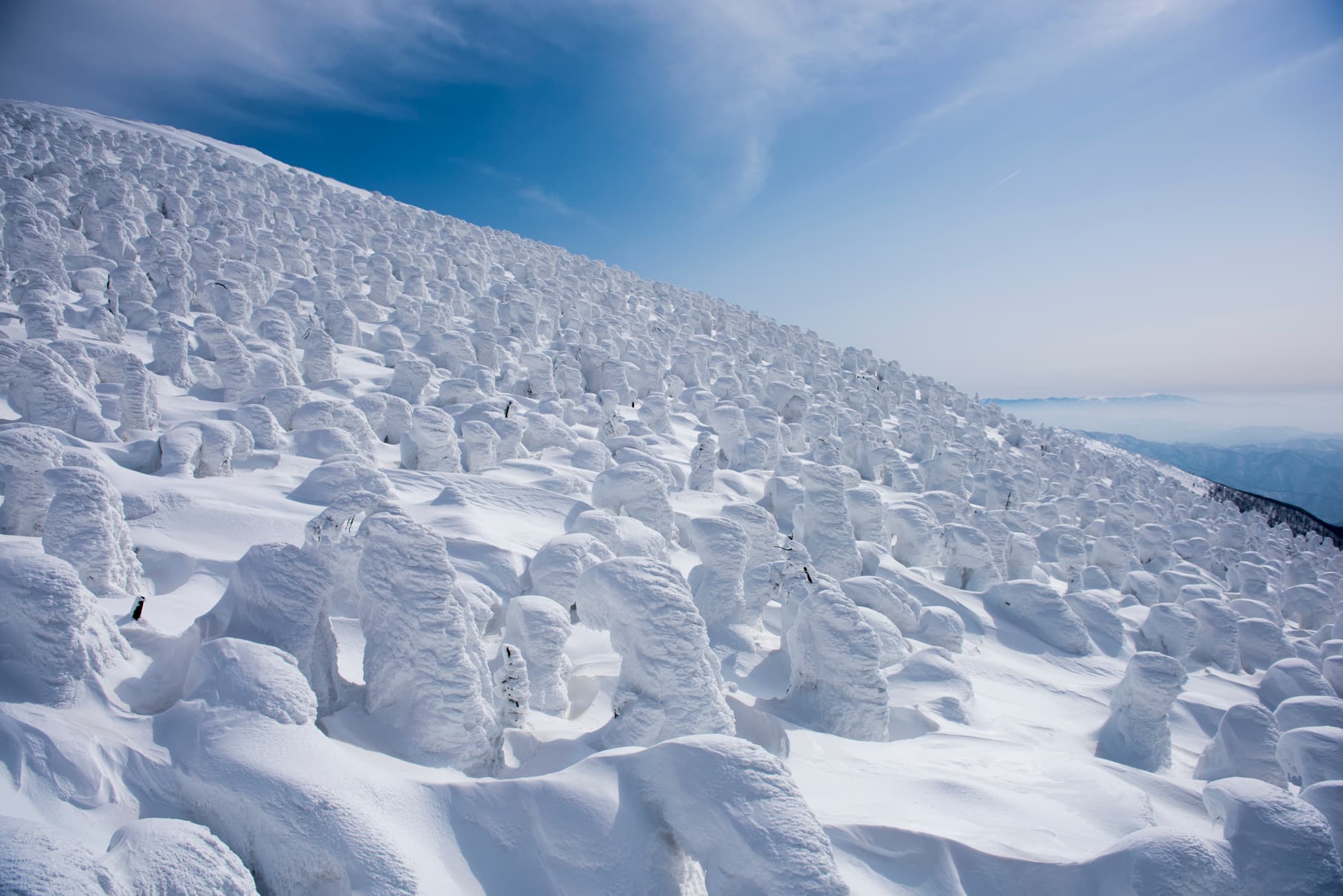
같은 야마가타에 있는 자오 온천 숙박은 전혀 다른 겨울 경험을 선사합니다. 이곳은 온천 마을을 기슭에 둔 본격 스키 리조트로, '스노 몬스터'로 유명합니다 — 현지에서는 주효(문자 그대로 '나무 얼음')라 불리며, 얼음과 눈이 두껍게 덮여 기괴한 사람 형상을 띠는 나무들입니다. 시베리아의 찬 공기가 나무에 얼어붙어 형성되며 2월 중순부터 3월 중순 사이에 최대 크기에 이릅니다 . 이곳 온천수는 강산성에 유황 성분이 강해 거의 인공처럼 보이지만 완전히 천연인 유백색 청록빛을 띱니다.
자오는 스키와 온천욕을 함께 즐기고 싶은 여행자에게 이상적입니다. 슬로프에서 하루를 보낸 뒤 여러 공중탕이나 료칸의 프라이빗 탕에 몸을 담글 수 있습니다. 자오 대노천탕(대형 야외탕)은 겨울에 문을 닫지만, 많은 료칸이 눈 덮인 산을 바라보는 자체 노천탕을 갖추고 있습니다.
노보리베쓰, 홋카이도
홋카이도 최고의 온천 마을은 지고쿠다니(지옥 계곡) 위에 자리합니다. 폭 450미터의 화산 분화구인 이곳은 일 년 내내 유황 증기를 내뿜으며 아래 마을에 하루 약 10,000톤의 온천수를 공급합니다 . 겨울이면 계곡의 산책로에 눈이 쌓이고, 하얀 설경과 김이 피어오르는 적갈색 대지의 대비가 장관을 이룹니다.
노보리베쓰 지역의 온천수는 유황, 염화나트륨, 망초, 산성 철천, 라듐천 등 9가지 서로 다른 광물 성분으로 나오는데, 일본의 그 어떤 온천 마을보다 다양한 수질입니다 . 추천 숙소는 노보리베쓰 최고의 료칸을 참고하세요. 이곳의 대형 리조트 호텔 — 가장 유명한 곳은 다이이치 다키모토칸 — 은 한 지붕 아래 수십 개의 탕을 갖추고 있습니다. 더 아늑한 경험을 원한다면 숲 우거진 협곡을 내려다보는 우아한 노천탕을 갖춘 다키노야 같은 소규모 료칸을 찾아보세요.
노보리베쓰는 저희가 검증한 북쪽 온천 지역 여섯 곳 중 하나일 뿐입니다 — 홋카이도 최고의 료칸 가이드에서 겨울 여행 기준으로 모두 비교합니다.
구사쓰 온천, 군마현
국내 인기 조사에서 꾸준히 일본 1위 온천으로 꼽히는 구사쓰 지역은 군마현 산속 해발 1,200미터에 자리하며, 중심부의 유바타케에서 분당 약 32,300리터의 천연 온천수가 솟아납니다 — 일본 온천 중 최대 용출량입니다 . 2026년 구사쓰는 자란 리서치 센터의 전국 온천 인기 조사에서 3년 연속 1위를 차지했습니다. 다시 찾고 싶은 온천 마을을 묻는 이 조사에는 12,500명 이상이 응답했고 333개 여행지가 경쟁했습니다. 구사쓰의 상징은 유바타케입니다 — 마을 중심의 대형 목조 구조물로, 펄펄 끓는 온천수를 마을 욕장에 배분하기 전에 식히는 시설입니다. 밤에는 유바타케에 조명이 켜지고, 차가운 공기 속으로 증기가 극적으로 피어오릅니다.
구사쓰의 온천수는 강산성(pH 2.1)으로, 닿는 즉시 거의 모든 세균을 죽인다고 알려져 있습니다 . 광물 성분을 희석하지 않고 1.8미터 길이의 나무 판자로 끓는 물을 저어 식히는 전통 '유모미'는 에도 시대(1603–1868)부터 이어져 온 것으로, 네쓰노유 공연장에서 하루 여섯 차례 시연됩니다 .
시라호네 온천, 나가노현
주부산가쿠 국립공원 안 북알프스 깊숙이 숨어 있는 시라호네 겨울 료칸('하얀 뼈'라는 뜻)은 특유의 유백색 온천수에서 이름을 얻었습니다 — 물은 원천에서 무색으로 솟아나며, 황화수소와 칼슘 성분이 공기와 반응해야 비로소 유백색으로 변합니다 . 이곳은 일본에서 가장 외진 온천 중 하나로, 폭설로 가끔 폐쇄되는 구불구불한 산길로만 접근할 수 있습니다. 그 고립이 바로 핵심입니다: 료칸은 몇 곳뿐이고, 정적은 절대적입니다.
최고의 볼거리는 눈 덮인 숲 옆에 노천탕이 자리한 아와노유 료칸입니다. 유백색 물, 어두운 나무들, 하얀 하늘이 만들어내는 거의 단색조의 풍경은 사진가들이 거부할 수 없는 매력입니다.
뉴토 온천향, 아키타현
해외 여행자에게 일본 겨울 온천을 상징하는 이미지가 하나 있다면, 그것은 거의 확실히 쓰루노유입니다: 눈 쌓인 너도밤나무 숲에 둘러싸인 넓은 유백색 노천탕, 화면이 하얗게 될 만큼 자욱하게 피어오르는 김. 그 탕은 뉴토 온천향 안에 있습니다 — 아키타현 산속 깊숙이 자리한 전통 여관 일곱 곳의 군락으로, 각각 서로 다른 원천에서 물을 끌어오고 삼나무 숲 사이로 간신히 보일 만큼 숨어 있습니다. 이 계곡은 도호쿠 지역에서도 손꼽히는 폭설 지대로 12월부터 4월 초까지 눈에 덮여 있으며, 바로 그 점이 일본에서 가장 운치 있는 설국 온천지라는 명성의 근거입니다 .
쓰루노유(鶴の湯)는 마을에서 가장 오래된 여관으로, 아키타 번주 사타케 요시타카(Yoshitaka Satake)가 요양차 방문했다는 기록이 1638년까지 거슬러 올라갑니다 . 지금도 서 있는 초가지붕 별채는 원래 번주의 사무라이 호위병을 재우기 위해 지어진 것인데, 검게 그을린 목재와 바람에 삐걱대는 낮은 천장이 그 세월을 그대로 보여줍니다. 대표 탕은 대형 곤요쿠(남녀 혼욕) 노천탕으로, 탄산수소나트륨·황화수소·유황 화합물이 함유된 유백색 온천수가 물을 완전히 불투명하게 만듭니다 — 화장품 첨가가 아닌 순수 자연 현상입니다 . 여성은 별도의 지붕 덮인 통로로 입장해 야외로 나가기 전에 물속에 몸을 담글 수 있어, 혼욕 방식임에도 실질적인 프라이버시가 보장됩니다. 원하는 분을 위해 남녀 분리된 실내탕도 따로 마련되어 있습니다.
쓰루노유의 당일 입욕은 10:00–15:00 운영(월요일 휴무), 성인 요금 ¥700입니다 . 겨울 주말에는 줄을 서더라도 그럴 가치가 있는 경험입니다 — 하지만 숙박이 훨씬 낫습니다: 폭설 시 계곡 도로가 폐쇄될 수 있고, 정원이 차면 당일 입욕객은 돌려보내지며, 메인 노천탕은 다른 손님들이 들어간 뒤 어두워진 밤에 가장 몽환적입니다.
나머지 여섯 여관 — 다에노유, 가니바, 마고로쿠, 구로유, 오카마, 규카무라 — 도 각각 다른 원천을 씁니다. 다에노유의 맑은 황산나트륨천부터 1674년부터 운영해온 구로유의 검고 몸을 데우는 온천수까지 다양합니다 . 일곱 여관 중 어디든 숙박객이라면 유메구리초 패스(성인 ¥2,500 / 어린이 ¥1,000)를 구입할 수 있는데, 셔틀버스와 일곱 곳 각각의 입욕 1회가 포함됩니다 — 계곡 전체의 다양한 수질을 가장 효율적으로 경험하는 방법입니다 .
교통: 도쿄에서 JR 아키타 신칸센(고마치)을 타고 다자와코역까지 약 2시간 40분. 다자와코역에서 우고 교통 뉴토선 버스가 약 1시간에 1대 운행하며 약 50분 만에 마을에 도착합니다. 요금은 ¥950입니다 . 쓰루노유는 어느 버스에 탑승하는지 미리 전화로 알려달라고 요청합니다.
Tip
유메구리초 패스(¥2,500)는 숙박객 전용으로 일곱 여관 모두의 입욕 1회가 포함됩니다 — 묵는 여관의 체크인 시 구입하세요. 셔틀버스(유메구리고)는 정해진 시간에 계곡을 순환 운행하니, 구로유에서 너무 오래 몸을 담그기 전에 막차 시간을 확인하세요.
스노 몽키의 고장: 지고쿠다니와 베이스 마을 선택
야생 일본원숭이가 전용 온천 풀에 몸을 담그는 나가노 북부의 지고쿠다니 야생원숭이 공원은 11월 하순부터 3월 사이가 가장 볼 만합니다. 폭설이 계곡을 덮고 원숭이들이 영하의 공기 속에서 서로 몸을 밀착하는 시기죠 . 입장료는 성인 ¥800, 공원은 매일 09:00–16:00 운영합니다. 원숭이들은 자유롭게 이동하므로 보장할 수는 없지만, 1월과 2월의 추운 아침(−5°C 이하)에 확률이 가장 높습니다.
가는 법: 유다나카역 경유(나가노역에서 나가노 전철, 약 40분). 유다나카에서 시가고원 빈 라인 버스를 타고 간바야시 온천 정류장까지(약 10분) 간 뒤 숲길을 30분 걷습니다. 길은 비포장에 얼음이 얼어 있으니 접지력 좋은 방수 부츠가 필수입니다.
베이스로 삼을 마을:
- 시부 온천: 가장 가까운 베이스(공원 입구에서 약 2km), 전통 여관 9곳과 무료 공중 소토유 욕장 9곳이 있는 좁은 골목길. 저녁이면 유카타 차림의 투숙객들이 등불 켜진 돌길 골목을 오가며 탕을 순례합니다. 2월엔 객실이 매진되니 서둘러 예약하세요.
- 유다나카 온천: 시부 옆, 숙박 옵션이 더 많고 예약이 수월합니다.
- 2박 패턴: 첫날 밤은 시부 온천(아침 원숭이 공원 방문), 둘째 밤은 더 깊은 산중의 고요를 위해 시라호네 온천. 두 곳 사이는 직행 버스가 없어 렌터카나 개인 택시가 필요합니다.
Tip
스노 몽키 타이밍: 원숭이들에게는 자유 의지와 넓은 숲이 있습니다. 시부 온천에서 2박을 예약해 아침 두 번의 기회를 확보하세요. 단 한 번의 확실한 관람을 전제로 전체 여행을 짜지 마세요 — 야생동물의 행동을 보장할 수 있는 공원은 없습니다.
노자와 온천, 나가노현
나가노 북부의 노자와 온천 마을은 스키 산 기슭에 자리하며 300년 넘게 온천을 운영해왔습니다 — 일본의 겨울 여행지 중에서도 거의 독보적인 조합입니다. 이곳이 특별한 이유는 하나의 유명한 탕이 아니라 마을 골목 곳곳에 흩어진 무료 공중 소토유 욕장 13곳의 네트워크 때문입니다. 각 욕장은 주민들이 전기·수도·청소를 돌아가며 분담하는 전통 유나카마 제도 아래 마을 조합이 관리하는데, 이 구조 덕분에 에도 시대부터 지금까지 탕들이 제 기능을 유지하며 진정한 공동체 공간으로 남아 있습니다 .
가장 대표적인 곳은 오유(大湯)로, 마을 중심 보행자 거리의 중심이 되는 인상적인 목조 욕장입니다. 에도 시대의 건축 양식을 간직하고 있으며 추운 저녁이면 금세 붐빕니다. 가와하라유(河原湯)는 한때 옆에 흐르던 강에서 이름을 얻었고 전통적으로 피부 질환에 효험이 있다고 여겨집니다. 구마노테아라유(熊の手洗湯 — '곰이 발을 씻는 탕')는 다친 곰이 물속에서 상처를 치유하는 모습이 발견됐다는 민담에서 이름을 얻었습니다. 13개 탕은 마을 전역의 30개 이상의 원천에서 물을 끌어오며 , 수온은 40°C에서 55°C 사이입니다. 예외인 다키노유는 78°C 원천수를 식혀서 사용합니다. 13곳 모두 기부제로 입장합니다. 정해진 요금은 없지만 기부함에 소액을 넣는 것이 관례입니다.
마을 위쪽 끝의 오가마는 욕장이 아닙니다: 100°C에 가까운 끓는 노천 원천으로, 주민들이 매일 채소를 삶고 달걀을 익히고 농산물을 씻는 곳입니다 — 수백 년간 운영되어 온 살아 있는 부엌이자 어느 온천 마을에서도 보기 힘든 진기한 광경입니다.
겨울이면 노자와 온천 스키장은 표고차 1,085미터의 슬로프 43면을 운영해 이곳에서의 하루 리듬이 유난히 만족스럽습니다: 연평균 강설량 480인치의 파우더 스노에서 아침 스키를 즐긴 뒤 걸어서 마을로 돌아와 저녁이 내려앉는 동안 소토유 욕장들을 순례하는 식이죠. 정상에서 기슭까지 10킬로미터에 이르는 코스는 일본에서 가장 긴 활강 코스 중 하나입니다.
매년 1월 15일 마을에서는 도소진 마쓰리(道祖神祭り)가 열립니다 — 마을 남성들이 직접 지은 목조 신전에 불을 붙이고, 다른 이들은 그 위에 올라 불로부터 신전을 지키는 대규모 불 축제입니다. 이 행사는 중요무형민속문화재로 지정되어 있습니다 . 2024년부터 메인 행사장 입장은 마을 주민과 축제 당일 밤 노자와 온천에 숙박하는 투숙객으로 제한되어 당일치기 방문객은 메인 행사장에 들어갈 수 없습니다 . 불 축제가 목표라면 1월 14일 밤 또는 1월 15일 밤 숙박을 최대한 일찍 예약하세요 — 나가노에서 가장 경쟁이 치열한 예약 시기 중 하나입니다.
교통: 노자와 온천은 신칸센 노선에 직접 연결되어 있지 않습니다. 도쿄에서 가는 가장 일반적인 경로는 JR 호쿠리쿠 신칸센으로 이야마역까지(약 80분) 간 뒤 연계 버스로 마을까지(약 20–25분) 가는 것입니다. 버스는 주요 신칸센 도착 시간에 맞춰 운행하니 예약 시 최신 시간표를 확인하세요.

이 일곱 지역 중 두 곳이 나가노에 있습니다 — 나가노 료칸 가이드에서 시라호네, 노자와, 하쿠바, 스노 몽키 마을들의 숙소를 순위별로 소개합니다.
유키미 문화: 설경 목욕의 진짜 의미
유키미(雪見) — 설경 감상 — 라는 말은 현대 온천 산업보다 수백 년 앞서 일본 문화 전반에 등장합니다. 세이 쇼나곤의 마쿠라노소시(枕草子, 약 1000년경)는 눈을 특별한 미적 즐거움을 주는 것 중 하나로 꼽았고, 에도 시대에 노천탕이 이 감성을 흡수하면서 '유키미부로'는 일부러 찾아가는 특정한 경험으로 자리 잡았습니다.
최고의 유키미부로 경험은 가격대와 무관하게 공통된 특징을 지닙니다:
1. 탕이 설경을 마주한다 — 강 전망(긴잔, 노자와)과 숲 전망(뉴토, 시라호네)이 전형입니다. 벽이나 주차장이 아니라요. 2. 노천탕의 크기가 적당하다 — 분위기에 젖을 만큼 아늑해야 합니다. 8–10명이 넘으면 정취가 흩어집니다. 3. 감상할 날씨가 있다 — 이 전통이 만들어진 본래 목적은 내리는 눈입니다. 맑은 날도 좋지만 다른 경험입니다. 4. 정적 — 머리 위로 음악이나 TV 소리가 없어야 합니다. 소리의 팔레트는 내리는 눈, 흐르는 물, 자신의 숨소리뿐입니다.
료칸에 직접 문의할 때는: 「露天風呂から雪が見えますか?」 (Roten-buro kara yuki ga miemasu ka? — '노천탕에서 눈이 보이나요?'). 이 질문을 이해하는 직원이라면 어떤 객실 타입과 시기여야 설경이 보장되는지 솔직하게 답해줍니다.
겨울 교통의 현실: 열차, 도로, 그리고 폐쇄되는 것들
일본의 신칸센과 주요 철도 노선은 극심한 기상 상황을 제외하면 정상 운행합니다. 문제는 마지막 구간입니다: 대부분의 산속 온천 마을은 폭설 시 운행이 중단될 수 있는 버스나 지방 철도 노선의 종점에 있습니다.
마을별 교통 요약:
- 긴잔 온천: JR 야마가타 신칸센 → 오이시다역 → 버스 35분(하루 약 5회). 도로 폐쇄는 드물지만 30분 여유 시간을 두세요.
- 자오 온천: JR 야마가타 신칸센 → 야마가타역 → 버스 40분(운행 빈번, 스키 리조트 도로는 연중 제설 관리).
- 구사쓰: 도쿄에서 버스만 가능(신주쿠발 직행 고속버스 약 4시간, 또는 신칸센으로 가루이자와까지 + 지방 버스, 총 약 2시간 30분). 마을까지 가는 철도 없음. 폭설 시 버스가 지연되지만 도로 폐쇄는 드뭅니다.
- 노자와 온천: JR 호쿠리쿠 신칸센 → 이야마역 → 버스 20–25분(신칸센 도착에 맞춰 운행, 안정적).
- 시라호네 온천: JR 특급 → 마쓰모토 → 158번 국도 경유 알피코 버스(약 70분). 노리쿠라 고원을 지나는 158번 국도는 1월–3월 폭설 시 폐쇄될 수 있습니다. 여행 전 알피코 버스(0263-32-0910)에 전화하거나 나가노현 도로 폐쇄 지도를 확인하세요.
- 뉴토 온천향: JR 아키타 신칸센(고마치) → 다자와코역(약 2시간 40분) → 우고 교통 버스 약 50분(¥950, 약 1시간 1회). 극한 상황 시 계곡 도로 폐쇄 가능. 쓰루노유는 버스 탑승 시 전화 연락을 요청합니다.
- 노보리베쓰: JR 홋카이도 특급 → 노보리베쓰역 → 마을 버스 10분. 안정적입니다. 홋카이도 철도에 폭설은 일상입니다.
실제로 폐쇄되는 것:
- 시라호네의 158번 국도(가끔, 1월–3월)
- 일부 료칸 노천탕은 폭설 직후 제설을 위해 일시 휴장 — 반드시 사전에 이메일로 확인
- 자오의 대노천탕(스키 시즌 내내 휴장; 료칸의 프라이빗 탕은 정상 운영)
렌터카: 겨울 운전에 능숙하지 않다면 1월–2월 도호쿠와 홋카이도에서는 피하세요. 렌터카 업체는 스터드 타이어를 기본 장착하지만, 블랙 아이스가 있는 산악 도로는 현지 경험이 필요합니다. 열차 + 버스에 여유 시간을 더한 계획이 더 안전합니다.
| 마을 | 신칸센 연결 | 마지막 구간 | 도로 위험도 |
|---|---|---|---|
| 긴잔 | 야마가타 → 오이시다 | 버스 35분(하루 5회) | 낮음 |
| 자오 | 야마가타 → 야마가타역 | 버스 40분(빈번) | 매우 낮음 |
| 구사쓰 | 없음(도쿄에서 버스만) | 직행 버스 4시간 | 낮음–중간 |
| 노자와 온천 | 호쿠리쿠 → 이야마 | 버스 20–25분 | 낮음 |
| 시라호네 | → 마쓰모토(신칸센 없음) | 158번 국도 경유 버스 70분 | 1월–3월 높음 |
| 뉴토 | 아키타(고마치) → 다자와코 | 버스 50분 | 중간 |
| 노보리베쓰 | → 노보리베쓰역(특급) | 마을 버스 10분 | 낮음 |
겨울 카이세키와 게 시즌
겨울은 일본 료칸에서 식사하기 가장 좋은 계절입니다. 카이세키 저녁 식사는 두 개의 겹치는 시기에 절정을 이룹니다: 규제로 정해진 게 어획 시즌(11월–3월)과 뿌리채소·산짐승 요리의 제철(12월–2월)입니다.
게 시즌 기본 정보:
- 대게(즈와이가니): 시즌은 약 11월 6일에 개장(어획 규제)해 3월까지 이어집니다. 후쿠이, 교토 단고, 효고(기노사키), 돗토리 등 동해(일본해) 연안 지역에 집중되어 있습니다. 이들은 이 페이지의 온천 마을과는 별개입니다. 게 + 온천을 한 번에 즐기려면 기노사키 온천(효고)이 고전적인 조합입니다.
- 노보리베쓰의 털게(케가니): 홋카이도의 케가니는 삿포로 인근에서 잡힙니다. 일부 노보리베쓰 료칸이 겨울 메뉴에 올리지만, 케가니의 실제 제철은 초여름입니다.
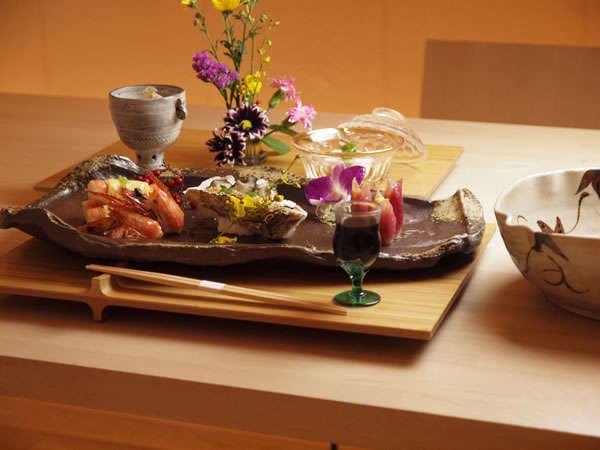
- 게 카이세키 구성: 게 사시미, 게 전골(가니스키), 구운 게, 게살 솥밥 마무리로 구성된 7–10코스 저녁 식사입니다. 1인 예산은 ¥25,000–¥50,000(숙박 포함)입니다.
이 페이지 마을들의 지역별 겨울 별미:
- 긴잔 / 자오: 요네자와 소고기 카이세키(1870년대부터 현지에서 사육된 와규) + 제철 산나물
- 뉴토 온천향: 기리탄포 나베(아키타의 찧은 쌀 꼬치 전골)와 하타하타(도루묵, 제철: 11월–12월만)
- 시라호네 / 노자와: 저장 산나물(산사이), 지역 방목 닭(지도리), 뿌리채소 국물 요리
카이세키 코스 구성, 제공 순서, 식이 제한 전달 방법의 전체 안내는 카이세키 가이드를 참고하세요.
겨울 온천 여행 준비물
 핀하기
핀하기겨울 온천 여행 짐 싸기의 핵심은 야외용 방한과, 도착하면 필요한 것 대부분을 료칸이 제공한다는 사실 사이의 균형입니다. 챙겨야 할 것들:
방한 필수품: 따뜻하고 휴대성 좋은 다운 재킷은 필수입니다. 레이어링이 핵심입니다 — 보온 베이스레이어, 플리스 미드레이어, 방수 아우터면 대부분의 상황을 커버합니다. 온천 마을 거리는 얼어 있을 수 있으니 접지력 좋은 방수 부츠를 가져오세요. 따뜻한 모자, 보온 장갑, 목도리로 기본을 완성하세요.
온천용: 대부분의 료칸이 작은 수건을 제공하지만, 여러 공중탕을 돌 계획이라면 속건성 여행용 수건을 챙기는 것이 현명합니다. 젖은 물건을 담을 방수 가방도 유용합니다. 문신이 있다면 살구색 문신 커버 패치를 준비하세요 — 정책이 점차 완화되고는 있지만 아직 많은 온천이 노출된 문신을 금지합니다.
과하게 챙기지 말 것: 료칸에서 유카타(면 가운), 슬리퍼, 세면도구를 제공하며 겨울에는 따뜻한 탄젠(솜을 넣은 겉옷)도 자주 제공합니다. 잠옷, 목욕 가운, 대용량 샴푸와 비누는 필요 없습니다.
Tip
설국 지역의 많은 료칸이 겨울철에 가장 가까운 기차역에서 무료 또는 할인 셔틀버스를 운행합니다. 택시나 렌터카를 예약하기 전에 숙소에 확인하세요 — 폭설 시 산악 도로는 위험할 수 있습니다.
예약 타이밍: 언제 예약하고 언제 기다릴까
같은 료칸이라도 겨울에는 최고 가성비 날짜와 최악 가성비 날짜의 요금 차이가 60%를 넘을 수 있습니다. 패턴은 이렇습니다:
경쟁이 가장 치열한 시기(가장 일찍 예약):
- 12월 28일 – 1월 3일 (연말연시): 긴잔, 뉴토, 구사쓰 최상급 숙소는 6개월 전 예약. 요금은 1월 평균보다 40–70% 높습니다.
- 밸런타인 주말(2월 13–14일): 두 번째로 치열합니다. 커플 여행 수요로 로맨틱한 숙소의 객실 점유율이 100%에 육박합니다.
- 1월 15일(도소진 축제, 노자와): 이 특정 날짜는 전년 봄에 예약하세요.
- 2월 둘째·셋째 주말: 적설 최고조와 수요 최고조가 겹칩니다. 3–4개월 전 예약.
최고 가성비(같은 눈, 더 낮은 가격):
- 1월 4–13일: 연말연시 인파가 빠지고 요금이 정상화되며 객실이 열립니다. 단연 최고의 2주간입니다.
- 1월 평일: 주말과 완전히 같은 설경 조건에 10–25% 저렴합니다.
- 도호쿠의 3월 초: 뉴토와 긴잔에는 눈이 그대로인데, 여행자들이 겨울이 끝났다고 여겨 수요가 줄어듭니다.
| 시기 | 수요 | 예약 시점 | 평균 대비 가격 |
|---|---|---|---|
| 12월 28일 – 1월 3일(연말연시) | 극심 | 6개월 이상 전 | +40–70% |
| 밸런타인 주말(2월 13–14일) | 매우 높음 | 3–4개월 전 | +25–40% |
| 겨울 주말(1월–2월) | 높음 | 2–3개월 전 | +15–25% |
| 1월 4–13일(최고 가성비 시기) | 보통 | 4–8주 전 | 평균 수준 |
| 1월–2월 평일 | 낮음–보통 | 2–6주 전 | −10–25% |
| 3월 초(도호쿠만) | 낮음 | 2–3주 전 | −15–30% |
겨울 성수기 예약 팁
겨울은 일본에서 가장 유명한 온천 마을들의 성수기이며, 인기 료칸은 몇 달 전에 예약이 마감됩니다. 자리를 확보하는 방법:
핵심 날짜는 일찍 예약하세요. 연말연시(12월 28일 – 1월 3일)는 일본 달력 전체에서 예약 경쟁이 가장 치열한 시기입니다. 이 기간에 최상급 료칸을 원한다면 6개월 전에 예약하세요. 연말연시 직후 몇 주(1월 중순–2월)는 같은 설경에 예약도 훨씬 쉽습니다.
평일이 압도적으로 유리합니다. 1월의 모든 금·토요일이 만실인 료칸도 화·수요일에는 빈방이 있을 수 있습니다. 주중 숙박은 대개 10-20% 저렴하기도 합니다.
일본 예약 플랫폼을 활용하세요. Jalan.net과 Ikyu.com 같은 사이트에는 해외 플랫폼에 없는 객실과 요금이 종종 올라옵니다. 구글 번역으로도 무리 없이 이용할 수 있고, 상당수가 해외 신용카드를 받습니다.
덜 알려진 대안을 고려하세요. 긴잔 지역 가이드의 숙소가 매진이라면 아키타의 뉴토 온천을 시도하세요 — 분위기는 그에 못지않은데 해외에는 덜 알려져 있습니다. 구사쓰가 붐빈다면 인근 미나카미의 다카라가와 온천을 보세요 — 눈 속에서 장관을 이루는 광활한 강변 노천탕입니다.
Tip
선택한 료칸의 노천탕(로텐부로)이 연중 운영되는지 확인하세요. 일부는 폭설 기간에 안전상 야외 시설을 닫습니다. 전화나 이메일로 미리 확인하세요 — 설경 온천에 도착했는데 노천탕이 닫혀 있는 것만큼 허탈한 일은 없습니다.

한겨울 성수기 객실은 순식간에 사라지므로 플랫폼 선택이 중요합니다 — 료칸 예약 사이트 비교에서 1월과 2월 날짜에 어느 사이트를 먼저 확인해야 하는지 알려드립니다.
겨울 입욕 에티켓
겨울 온천 에티켓은 다른 계절과 같으며, 추운 날씨용 추가 사항이 몇 가지 있습니다. 탕에 들어가기 전 샤워 자리에서 반드시 몸을 깨끗이 씻으세요. 긴 머리는 물에 닿지 않게 묶으세요. 작은 수건은 머리 위에 올려도 되지만(온천의 고전 포즈) 절대 물에 넣어서는 안 됩니다.
겨울에 특히 중요한 점: 몸에 무리가 가지 않도록 실내탕과 노천탕을 서서히 오가세요. 실내탕에서 몸을 데운 뒤 밖으로 나가세요. 어지럽거나 현기증이 느껴지면 즉시 실내로 돌아가세요 — 극단적인 열기와 한기의 조합은 혈압에 영향을 줄 수 있습니다.
입욕 후에는 피부에 자극이 되지 않는 한 온천수를 씻어내지 마세요. 미네랄 성분은 탕을 나온 뒤에도 계속 작용합니다. 부드럽게 물기를 닦아내고 유카타와 탄젠을 두른 뒤, 몇 달 만에 맛볼 최고의 숙면을 준비하세요.
겨울 온천 여행은 단순한 목욕이 아니라 완전한 감각의 리셋입니다. 눈의 정적, 온천수의 온기, 전통 료칸의 환대, 그리고 일본 겨울 풍경의 아름다움이 어우러져 그 어떤 여행 경험도 따라올 수 없는 무언가가 됩니다. 일본을 단 한 번만 방문한다면 겨울로 하세요. 몸과 마음이 고마워할 겁니다.
Tip
겨울 온천 마을의 문신 정책은 크게 다릅니다. 구사쓰 센스이는 문신 허용입니다. 노보리베쓰의 다이이치 다키모토칸은 대부분의 탕에서 가려진 문신을 허용합니다. 긴잔의 숙소들은 보통 프라이빗 탕(가시키리)을 이용하거나 공용탕에서는 커버 패치를 요구합니다 — 노토야와 나가사와 헤이하치 모두 프라이빗 탕 옵션이 있습니다. 마을별 전체 분석은 문신 프렌들리 료칸 가이드를 참고하세요.
스키+온천 여행자를 위해: 일본 최고 스키 리조트 근처 료칸 가이드는 리프트 대기줄이 탕에서 걸어서 5분 거리인 노자와, 하쿠바, 니세코 등을 다룹니다. 자오 온천의 료칸은 야마가타현 특화 추천지입니다 — 유명한 '스노 몬스터' 수빙과 스키+온천 조합을 한 마을에서 즐길 수 있습니다. 더 넓은 범위의 자오 온천 숙소 디렉터리(료칸뿐 아니라 호텔 포함)는 스키 성수기 주말에 료칸이 매진됐을 때 유용합니다. 겨울 후지 특화 경험은 후지산 전망 료칸 가이드에서 노천탕에서 눈 덮인 후지산이 호수에 비치는 가와구치코 호반 숙소들을 소개합니다.
Tip
하루에 스키+온천: 자오 온천, 노자와 온천, 구사쓰 모두 온천 마을에서 걸어갈 수 있는 거리에 스키장이 운영 중입니다 — 노자와 온천 스노 리조트는 최근 몇 시즌 동안 리프트권+온천 통합 티켓(노자와 온천 스파리나 입욕 포함)을 판매해 왔으며, 2026–27 패스 상품은 보통 초가을에 발표되므로 예약 전에 리조트 공식 사이트를 다시 확인하세요 . 효과적인 패턴: 오전 8시 첫 곤돌라로 올라가 다리에 힘이 남아 있는 이른 오후에 마무리한 뒤, 저녁 식사 전까지 마을 욕장 두세 곳을 순례하는 것입니다. 스키 후 지친 근육은 스키 전 입욕과는 확연히 다르게 온천수에 반응합니다 — 열이 더 깊이 스며듭니다.
예약 준비되셨나요?
에디터 추천 료칸, 바로 예약하세요
예약 사이트별 실시간 빈방·요금을 한 번에 비교하세요.




예약 링크를 통해 수수료가 발생할 수 있으나 추가 비용은 없습니다.
자주 묻는 질문
유키미부로란 무엇이고 왜 겨울에 특별한가요?
유키미부로는 문자 그대로 '설경을 보며 하는 목욕'입니다 — 눈이 내리는 가운데 노천탕(로텐부로)에 몸을 담그는 것이죠. 약 41°C 물과 영하에 가까운 공기의 온도 대비, 눈 덮인 풍경의 시각적 아름다움, 에도 시대로 거슬러 올라가는 전통의 문화적 무게가 어우러진 경험입니다. 최고의 조건: 바람 없는 저녁에 실제로 눈이 내리는 가운데, 벽이 아닌 숲이나 강을 마주한 탕에서요.
겨울 온천 체험을 위한 일본 방문 최적기는 언제인가요?
1월 중순부터 2월 중순이 절정입니다: 적설량이 최고조이고, 연말연시 인파가 빠지고, 평일 요금이 정상화됩니다. 도호쿠와 홋카이도(뉴토, 노보리베쓰)는 3월 하순까지 이어집니다. 가성비 최고의 시기는 1월 셋째 주 평일입니다.
겨울 온천 여행 료칸은 얼마나 미리 예약해야 하나요?
12월 28일 – 1월 3일(연말연시)은 6개월 전. 밸런타인 주말은 3–4개월 전. 일반 겨울 주말은 2–3개월 전. 연말연시 외 주중 숙박은 보통 4–6주면 충분합니다. Jalan.net과 Ikyu.com에는 해외 플랫폼에 보이지 않는 객실이 종종 올라옵니다.
'스노 몬스터'로 유명하고 스키까지 즐길 수 있는 온천 마을은 어디인가요?
야마가타현의 자오 온천입니다. 주효(수빙)는 2월 중순부터 3월 중순 사이에 최대 크기에 이릅니다. 자오 스키 리조트가 같은 산에서 운영되고, 여러 료칸이 리프트에서 걸어갈 수 있는 거리에 있습니다. 대형 공용 대노천탕은 겨울에 문을 닫지만 료칸의 프라이빗 탕은 정상 운영합니다.
온천 마을 숙소에서 스노 몽키를 볼 수 있나요?
아니요 — 원숭이들은 나가노 북부 지고쿠다니 야생원숭이 공원의 전용 풀에서 목욕하며, 간바야시 온천 버스 정류장에서 걸어서 30분 거리입니다. 가장 가까운 온천 베이스는 시부 온천(공원에서 약 2km)입니다. 추운 아침에 목욕 장면을 볼 확률을 높이려면 2박을 예약하세요.
뉴토 온천향의 유메구리초 패스란 무엇인가요?
뉴토의 일곱 여관 중 어디든 숙박객이 구입할 수 있는 ¥2,500(성인) 입욕 패스로, 각 여관 입욕 1회와 계곡 셔틀버스(유메구리고)가 포함됩니다. 체크인 시 구입하세요. 한 번의 숙박으로 일곱 곳의 수질을 모두 경험하는 가장 효율적인 방법입니다.
게 시즌과 겨울 온천은 같은 곳에서 즐길 수 있나요?
꼭 그렇진 않습니다. 최고의 설경 마을(긴잔, 뉴토, 구사쓰, 자오, 시라호네, 노보리베쓰)은 내륙이나 홋카이도에 있습니다. 일본 최고의 즈와이가니(대게) 시즌은 11월–3월, 후쿠이와 기노사키 같은 동해(일본해) 연안 지역입니다. 게 + 온천을 한 번에 즐기려면 기노사키 온천(효고)이 가장 가까운 접점입니다. 노보리베쓰에서는 홋카이도 케가니(털게)가 겨울 메뉴에 오르기도 합니다.
긴잔 온천에서 평점이 가장 높은 료칸은 어디인가요?
고세키야 벳칸이 9.9/10으로 1위입니다 — 긴잔소의 현대식 욕장을 함께 이용할 수 있는 민가풍 별관으로, 1박 $250부터입니다. 나가사와 헤이하치(9.8)는 강을 마주한 프라이빗 노천탕 두 개를 갖춘 1925년 다이쇼 시대 료칸입니다. 노토야 료칸(9.6)은 긴잔에서 가장 상징적인 파사드를 지녔습니다 — 등록 유형문화재이자 마을에서 가장 많이 촬영되는 건물입니다.
노천탕 이용 가능 여부를 일본어로 어떻게 물어보나요?
겨울에도 노천탕이 열려 있는지 확인하려면: 「露天風呂は冬も利用できますか?」(Roten-buro wa fuyu mo riyō dekimasu ka?). 설경이 보이는지 물으려면: 「露天風呂から雪が見えますか?」(Roten-buro kara yuki ga miemasu ka?). 대부분의 료칸은 외국인 손님의 일본어 이메일에도 답장합니다.
미쉐린 키나 Relais & Châteaux 같은 공인 평가를 기준으로 고르고 싶다면, 자매 사이트의 니세코 호텔·료칸 추천: 홋카이도·도호쿠 고급 숙소 비교도 참고해 보세요.
FAQ
자주 묻는 질문
유키미부로란 무엇이고 왜 겨울에 특별한가요?+
유키미부로는 문자 그대로 '설경을 보며 하는 목욕'입니다 — 눈이 내리는 가운데 노천탕(로텐부로)에 몸을 담그는 것이죠. 약 41°C 물과 영하에 가까운 공기의 온도 대비, 눈 덮인 풍경의 시각적 아름다움, 에도 시대로 거슬러 올라가는 전통의 문화적 무게가 어우러진 경험입니다. 최고의 조건은 바람 없는 저녁에 실제로 눈이 내리는 가운데, 숲이나 강을 마주한 탕에서 즐기는 것입니다.
겨울 온천 체험을 위한 일본 방문 최적기는 언제인가요?+
1월 중순부터 2월 중순이 절정입니다: 적설량이 최고조이고, 연말연시 인파가 빠지고, 평일 요금이 정상화됩니다. 도호쿠와 홋카이도(뉴토, 노보리베쓰)는 3월 하순까지 이어집니다. 가성비 최고의 시기는 1월 4–13일 평일입니다.
일본 겨울 온천 여행에는 무엇을 챙겨야 하나요?+
접지력 좋은 방수 부츠가 가장 중요한 단 하나의 아이템입니다 — 온천 마을 거리는 으레 얼어 있습니다. 휴대성 좋은 다운 재킷, 보온 베이스레이어, 방수 아우터면 나머지는 해결됩니다. 료칸에서 유카타, 탄젠(솜을 넣은 겨울 겉옷), 슬리퍼, 세면도구를 제공합니다. 공중탕 여러 곳을 돌 계획이라면 속건성 여행용 수건을, 해당된다면 문신 커버 패치를 챙기세요.
겨울 온천 여행 료칸은 얼마나 미리 예약해야 하나요?+
12월 28일 – 1월 3일(연말연시)은 6개월 전. 밸런타인 주말(2월 13–14일)은 3–4개월 전. 일반 겨울 주말은 2–3개월 전. 연말연시 외 주중 숙박은 보통 4–6주면 충분합니다. Jalan.net과 Ikyu.com에는 해외 플랫폼에 보이지 않는 객실이 종종 올라옵니다.
'스노 몬스터'로 유명하고 스키까지 즐길 수 있는 온천 마을은 어디인가요?+
야마가타현의 자오 온천입니다. 주효(수빙)는 2월 중순부터 3월 중순 사이에 최대 크기에 이릅니다. 자오 스키 리조트가 같은 산에서 운영되고, 여러 료칸이 리프트에서 걸어갈 수 있는 거리에 있습니다. 대형 공용 대노천탕은 겨울에 문을 닫지만 료칸의 프라이빗 탕은 정상 운영합니다.
온천 마을 숙소에서 스노 몽키를 볼 수 있나요?+
아니요 — 원숭이들은 나가노 북부 지고쿠다니 야생원숭이 공원의 전용 풀에서 목욕하며, 간바야시 온천 버스 정류장에서 걸어서 30분 거리입니다. 가장 가까운 온천 베이스는 시부 온천(공원에서 약 2km)입니다. 추운 아침에 볼 확률을 높이려면 시부 온천에서 2박을 예약하세요.
뉴토 온천향의 유메구리초 패스란 무엇인가요?+
뉴토의 일곱 여관 중 어디든 숙박객이 구입할 수 있는 ¥2,500(성인) 입욕 패스로, 각 여관 입욕 1회와 계곡 셔틀버스가 포함됩니다. 체크인 시 구입하세요. 한 번의 숙박으로 일곱 곳의 수질을 모두 경험하는 가장 효율적인 방법입니다.
게 시즌과 겨울 온천은 같은 곳에서 즐길 수 있나요?+
꼭 그렇진 않습니다. 최고의 설경 마을(긴잔, 뉴토, 구사쓰, 자오, 시라호네, 노보리베쓰)은 내륙이나 홋카이도에 있습니다. 일본 최고의 즈와이가니(대게) 시즌은 11월–3월, 후쿠이와 기노사키 같은 동해(일본해) 연안 지역입니다. 게 + 온천을 한 번에 즐기려면 기노사키 온천(효고)이 가장 가까운 조합입니다. 노보리베쓰 료칸들은 홋카이도 케가니(털게)를 겨울 메뉴에 올리기도 합니다.
긴잔 온천에서 평점이 가장 높은 료칸은 어디인가요?+
고세키야 벳칸이 9.9/10으로 1위입니다 — 긴잔소의 현대식 욕장을 함께 이용할 수 있는 민가풍 별관으로, 1박 $250부터입니다. 나가사와 헤이하치(9.8)는 강을 내려다보는 프라이빗 노천탕 두 개를 갖췄습니다. 노토야 료칸(9.6)은 긴잔에서 가장 상징적인 파사드를 지닌 등록 유형문화재입니다.
노천탕 이용 가능 여부를 일본어로 어떻게 물어보나요?+
겨울에도 노천탕이 열려 있는지 확인하려면: 「露天風呂は冬も利用できますか?」(Roten-buro wa fuyu mo riyō dekimasu ka?). 설경이 보이는지 물으려면: 「露天風呂から雪が見えますか?」(Roten-buro kara yuki ga miemasu ka?). 대부분의 료칸은 외국인 손님의 일본어 이메일에도 답장합니다.
아직 고민 중이신가요?
일본 전역의 료칸 보기Booking.com이번 시즌 여행을 계획 중이신가요?
Booking.com 현재 진행 중인 특가 숙소 보기Booking.com