64분 분량2026년 6월 업데이트
빠른 비교
7곳 선정| 료칸 | 시작가 | 평점 | 특징 | 예약 |
|---|---|---|---|---|
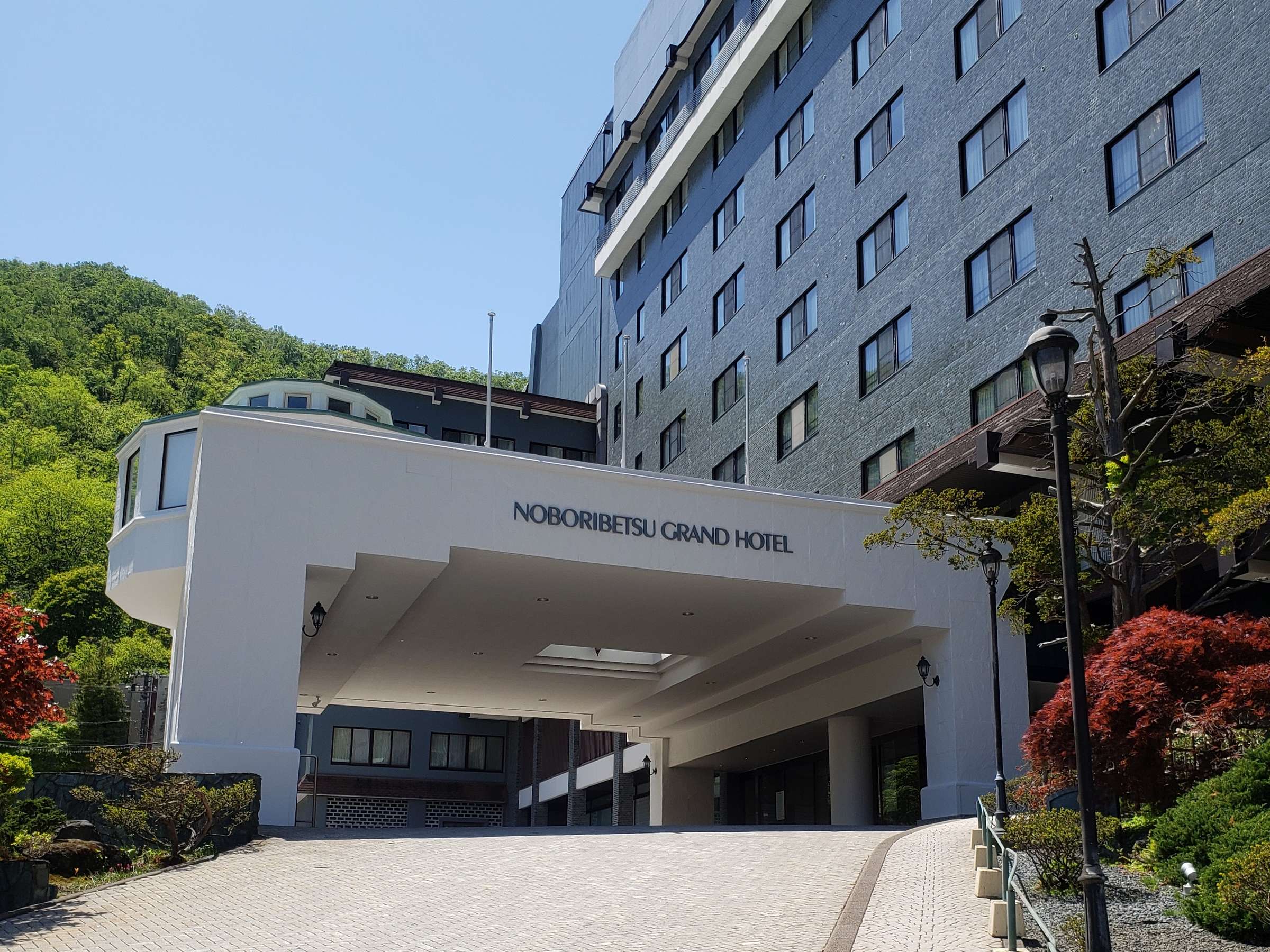
![]() Bourou Noguchi Noboribetsu Noboribetsu | $400부터 | 8.8 리뷰 84건 | 영어 OK전세 온천 | Trip.com에서 예약 |
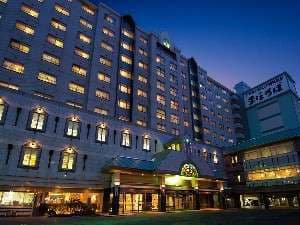
![]() Dai-ichi Takimotokan Noboribetsu | $120부터 | 9.4 리뷰 3050건 | 영어 OK온천 | Trip.com에서 예약 |
![]() Takinoya Noboribetsu | $350부터 | 9.6 리뷰 276건 | 영어 OK전세 온천 | Trip.com에서 예약 |
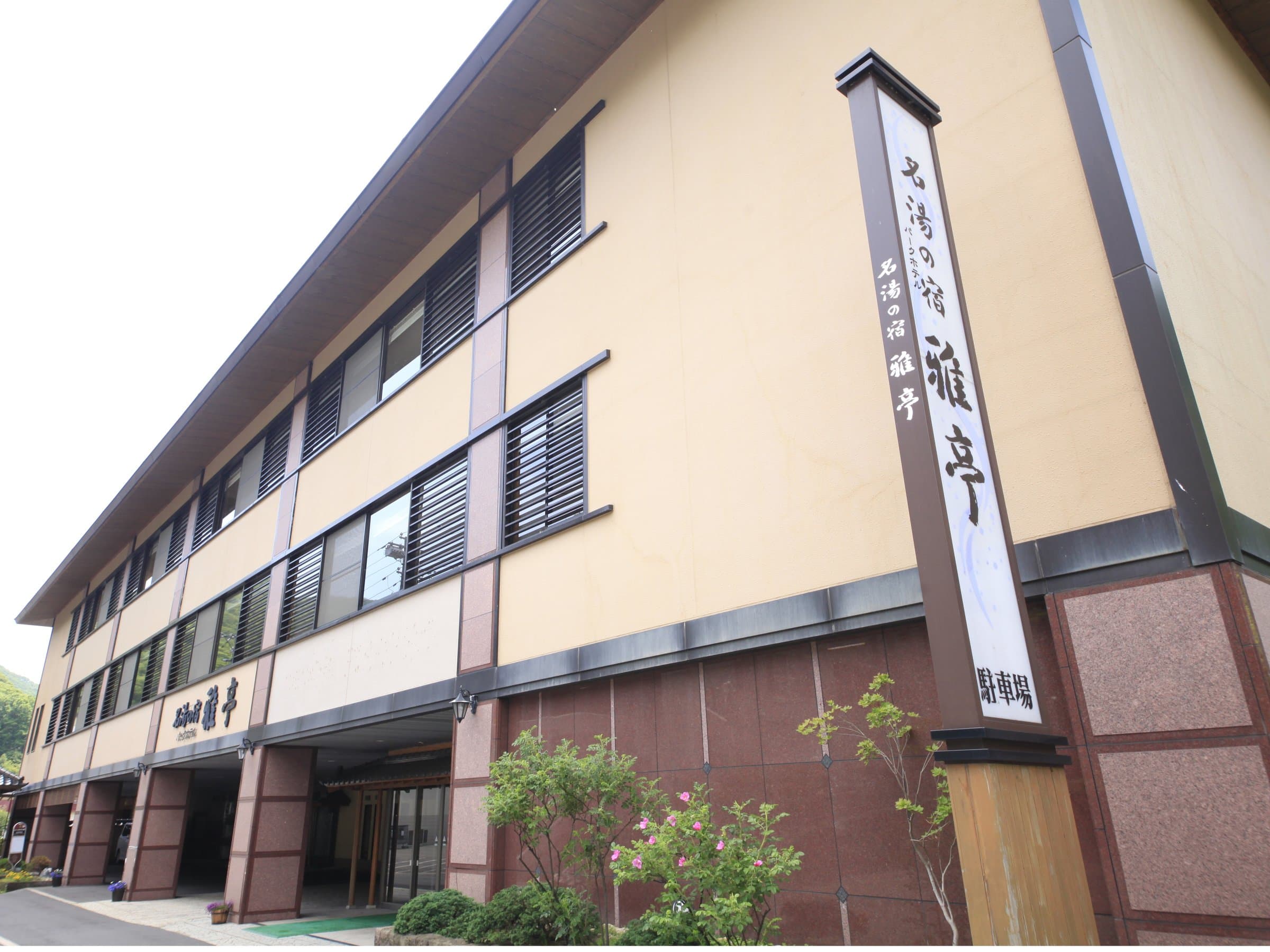
![]() Kashoutei Hanaya Noboribetsu | $250부터 | 9.2 리뷰 42건 | 전세 온천 | Trip.com에서 예약 |
![]() Hotel Mahoroba Noboribetsu | $90부터 | 9.0 리뷰 696건 | 영어 OK온천 | Trip.com에서 예약 |
![]() Ryokan Hanayura Noboribetsu | $60부터 | 9.1 리뷰 327건 | 온천 | Trip.com에서 예약 |
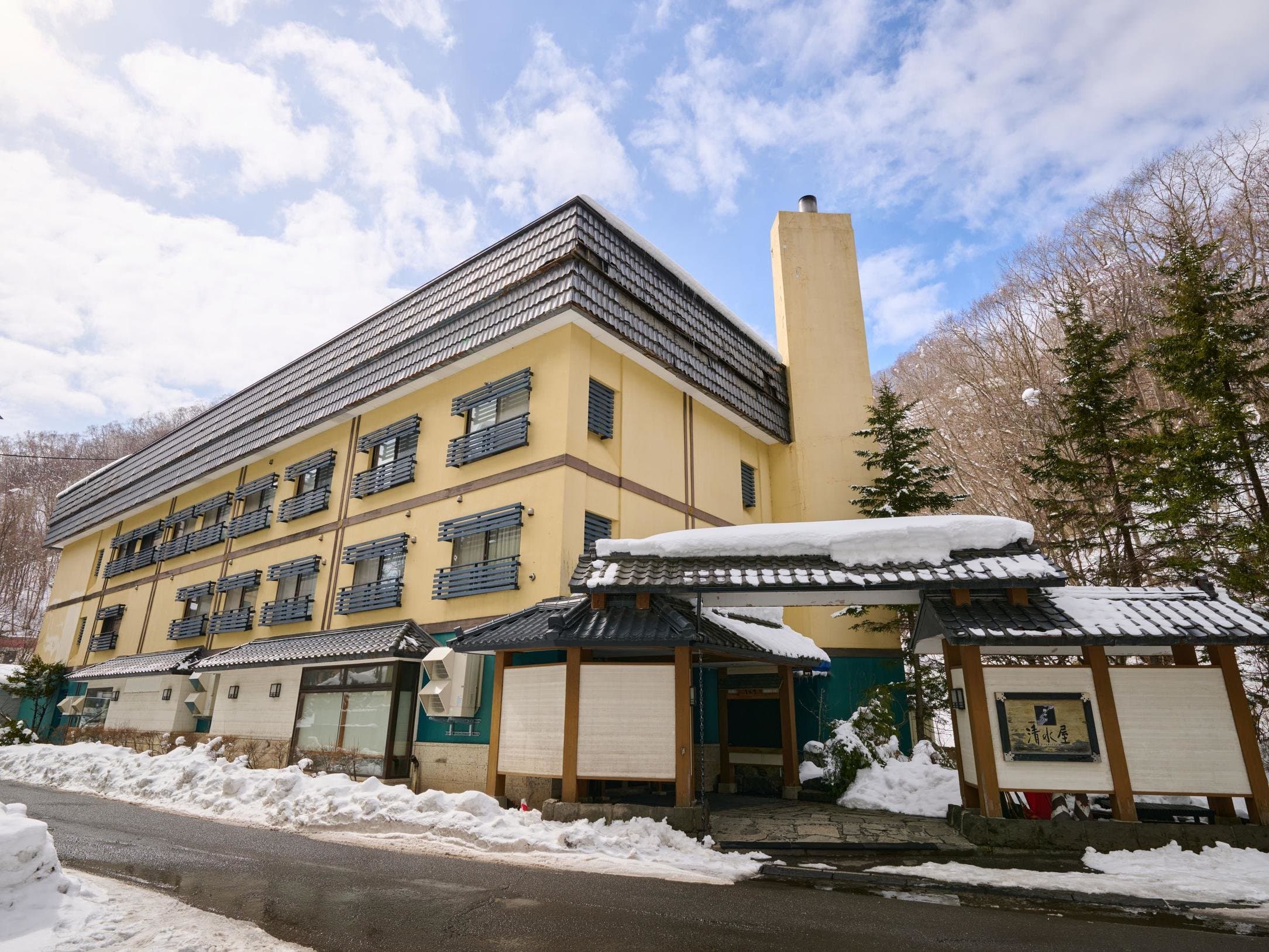
![]() Noboribetsu Sekisuitei Noboribetsu | $80부터 | 8.1 리뷰 411건 | 영어 OK온천 | Trip.com에서 예약 |

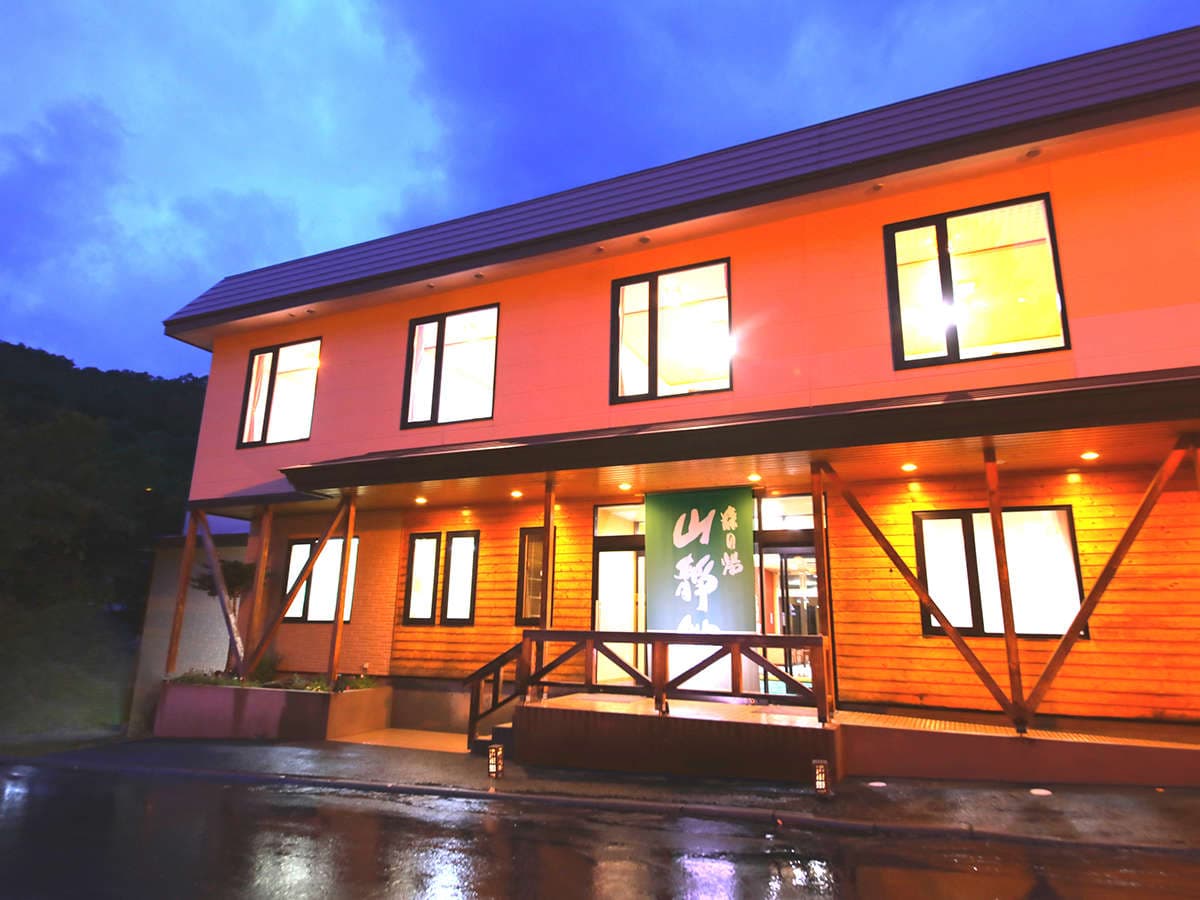
Bourou Noguchi Noboribetsu
Noboribetsu

Dai-ichi Takimotokan
Noboribetsu

Takinoya
Noboribetsu

Kashoutei Hanaya
Noboribetsu

Hotel Mahoroba
Noboribetsu

Ryokan Hanayura
Noboribetsu

Noboribetsu Sekisuitei
Noboribetsu
표시된 가격은 1인 1박 기준 시작가의 근사치입니다. 예약 시 당사이트가 수수료를 받을 수 있습니다.
--- title: "The 15 Best Ryokans in Noboribetsu Onsen: Verified Prices & 9 Hot Spring Types Guide (Updated May 2026)" excerpt: "Hokkaido's most chemically diverse onsen town — 9 distinct spring types, 35 baths under one roof, and Hell Valley on your doorstep. Verified 2026 prices and the water-type primer no other English guide has written." lang: "en" ---

The first thing you notice stepping off the bus at Noboribetsu Onsen is the smell. Not unpleasant, exactly — more like the earth reminding you it is alive. Sulfur hangs in the air above the main street, drifting down from Jigokudani (Hell Valley), the active volcanic crater ten minutes uphill that has been feeding this town's hot springs since the Ainu people first documented the site centuries ago.
I've stayed in a lot of Japanese onsen towns. Noboribetsu is different in one specific and verifiable way: nine distinct mineral water types flow into the town from a single geothermal system. Kusatsu is famous for one water type. Beppu has eight spring categories across a wide area. Noboribetsu has nine types concentrated in a compact resort district, which means the ryokans here can offer genuine bath-to-bath water variety — sulfurous, saline, iron-rich, carbonated, radioactive (mildly), and more — within a single building. That is the editorial moat no competitor English-language guide has covered properly. This one does.
This guide covers 15 verified ryokans with 2026 prices, a complete 9-water-type primer, the full Jigokudani access walkthrough, and honest transit details from Sapporo and New Chitose Airport. Every price has a source date. Every pick has a documented reason to exist.
*Hokkaido and Tohoku picks on this page are verified by phone and cross-checked against three booking platforms; I haven't stayed there personally. All other properties are first-hand verified.*
---
The 9 Hot Spring Water Types of Noboribetsu: A Primer
Most onsen towns have one spring source. Noboribetsu has an unusually active hydrothermal system beneath Jigokudani that produces nine chemically distinct water types — the highest concentration in Japan. Understanding what each type does, and which ryokans pipe which types, is the difference between soaking in whatever's available and bathing strategically.
All nine types are natural and sourced from the same geothermal complex. The variation comes from how the groundwater interacts with different rock layers, sulfur concentrations, and dissolved minerals at different depths and temperatures.
1. Sulfur Spring (硫黄泉 — Iōsen) The signature Noboribetsu water. Cloudy white or milky grey, with the distinctive sulfurous smell that defines the town. Softens and brightens skin; traditionally used for chronic skin conditions. This is the type most associated with Noboribetsu's beauty-water reputation. Available at virtually all major ryokans.
2. Salt Spring (食塩泉 — Shokuen-sen) Clear water with high sodium chloride content. Warms the body deeply and maintains heat for several hours after bathing — the 'mizu onsen no yu' (hot spring that keeps you warm) effect. Particularly valued in Hokkaido winters. Present at Daiichi Takimotokan (7 of its 35 baths draw on this type).
3. Iron Spring (含鉄泉 — Gantetsu-sen) Reddish-brown water with high iron content. Leaves a metallic taste in the air; turns fixtures orange over time (a sign of authentic iron water). Traditionally associated with blood circulation and fatigue recovery. Available at Daiichi Takimotokan and a few others.
4. Alum Spring (明礬泉 — Myōban-sen) Clear to slightly cloudy, with an astringent quality that tightens pores and is recommended for oily skin. Lower pH than most spring types. Available at select baths within Daiichi Takimotokan's complex.
5. Acidic Spring (酸性泉 — Sansei-sen) Strong acid content (pH 2.0–3.0 range), similar to Kusatsu's famous water. Antibacterial properties; traditionally used for skin conditions including athlete's foot. Sharp on open cuts or mucous membranes — avoid if you have eczema flares. Strongest version found at Daiichi Takimotokan.
6. Sodium Bicarbonate Spring (重曹泉 — Jūsō-sen) Alkaline, slightly slimy texture, also called 'beauty water' (bijin-no-yu). Removes dead skin cells gently. Popular with women for skin softening. Also found at Gora Kadan in Hakone; the Noboribetsu version is higher mineral concentration.
7. Calcium Sulfate Spring (芒硝泉 — Bōshō-sen) Clear, slightly salty, with a high calcium content. Anti-inflammatory properties; recommended for muscle and joint pain. Available at Bokke Mushi Buro (steam bath) facilities associated with some ryokans.
8. Carbon Dioxide Spring (二酸化炭素泉 — Nisanka-tansō-sen) Carbonated water that produces a gentle tingling sensation on the skin. Opens capillaries, improves peripheral circulation. Cooler temperature (typically 25–37°C) than other types — initially feels cold but warms the body from within. The rarest type in Noboribetsu; found primarily at Daiichi Takimotokan.
9. Radioactive Spring (放射能泉 — Hōshanō-sen) Contains trace amounts of radon gas — completely safe and internationally recognized as a therapeutic spring type. The radon dissipates on contact with air; you absorb a trace amount through the skin during bathing. Traditionally associated with relieving hypertension and nerve pain. Japan, Germany, and Austria recognize radon spring bathing as a medical treatment. Present at Daiichi Takimotokan and a handful of Noboribetsu establishments.
The practical implication: If you are choosing a ryokan specifically to access the widest range of water types, Daiichi Takimotokan is the only single property in Japan that pipes all nine types (or near-equivalents) into one complex. Most other Noboribetsu ryokans access between two and five types. This guide notes the primary spring types available at each pick.

Jigokudani (Hell Valley): Access, Timing, and What to Actually Do There
Jigokudani is more than a photo opportunity. It is the active volcanic vent system that feeds the entire town's spring network. Understanding how it works makes the ryokan bathing experience more meaningful.
What it is: A volcanic crater approximately 450 meters in diameter at 200m elevation above the main onsen street. The crater floor is a roiling landscape of boiling mud pools, sulfur vents, and turquoise-tinted hot-spring ponds. The primary vent area sends approximately 3,000 liters of hot spring water per minute into the channel system that feeds the town below — one of the highest-volume geothermal outputs in Japan.
Access from the main street: Walk uphill from the bus terminal on the main Noboribetsu Onsen street for approximately 10–15 minutes. The path is paved and lit; no hiking equipment needed. Alternatively, take a short taxi (2–3 minutes, ¥700–¥900). The crater entrance has free access; no admission fee.
The boardwalk circuit: The main loop trail runs approximately 1.8 kilometers around the crater perimeter and takes 30–45 minutes at a comfortable pace. Key points: - Jigoku-dani lookout (start point): The wide volcanic basin with the primary steam vents - Oyunuma Pond: A 1.1-hectare hot spring lake at 50°C, turquoise-grey with dissolved minerals, fed by multiple vents along the far edge - Oyunumagawa Natural Footbath (Oyunumagawa Tennen Ashiyu): Further along the trail — free, walk-in riverbank footbath where natural thermal water flows through a small stream. Sit on the bank and submerge your feet. Temperature varies by section (30–42°C). Do not submerge your whole body — the water is not treated and the riverbed contains active vents. - Jigokumimi panorama point: The elevated viewpoint above the main crater giving the clearest top-down view of the boiling mud pools
Best timing: Early morning (before 9 AM) for the fewest visitors and the most dramatic steam columns against cooler air. Evening is also good — the crater is lit until 22:00 in summer, and the steam glows an eerie yellow-orange against the volcanic ground. The midday 10 AM–2 PM window is the busiest.
Seasonal notes: Winter (December–March) is the most visually dramatic — steam columns rise 15–20 meters against snow and bare trees. The footbath is open year-round. Spring (late April) brings mist conditions that can be atmospherically striking. Summer (July–August) crowds are heavier but foliage provides context for the volcanic landscape.
Tip
The Jigokudani crater walk and the Oyunuma footbath are both free. Budget at least 60 minutes for the full loop. Evening illumination (summer: until 22:00, winter: until 21:00) is underused by most visitors — arriving after your ryokan dinner at 20:00 means having the crater almost entirely to yourself.
Getting to Noboribetsu: Transit from Sapporo and New Chitose Airport
From Sapporo (JR Sapporo Station): The JR Limited Express Hokuto or Super Hokuto departs Sapporo Station and reaches Noboribetsu Station in approximately 90 minutes (some trains: 75 min). Frequency: roughly every 30–60 minutes throughout the day. Reserved seat fare: approximately ¥3,880 one way [verified JR Hokkaido 2026-05]. The JR Pass covers this route. From Noboribetsu Station, a Donan Bus (道南バス) runs to the onsen district (Noboribetsu Onsen bus stop) in approximately 15 minutes (¥380). Most ryokans are a short walk or one additional bus stop from the main onsen bus terminal.
From New Chitose Airport (CTS): Direct highway buses from New Chitose Airport to Noboribetsu Onsen take approximately 65–70 minutes. Donan Bus operates the route, fare approximately ¥1,600 one way [verified Donan Bus 2026-05]. JR rail + bus from Chitose Airport takes slightly longer due to the station transfer at Noboribetsu.
Practical notes: - If you hold a JR Pass, the Hokuto/Super Hokuto route from Sapporo is the best value - If arriving at Chitose Airport without a rail pass, the direct highway bus is faster and more convenient - Most ryokans offer a free shuttle from Noboribetsu Station if you notify them of your arrival time in advance — always ask when booking - Noboribetsu Onsen is a compact town; once you arrive at the bus terminal, all ryokans on this list are within walking distance or one taxi trip
Noboribetsu in Winter: The Case for Hokkaido's Off-Season Onsen
Most foreign visitors arrive in Noboribetsu between June and October. The better argument is for December through February.
Winter here is specifically the season the town is built for (and the reason Noboribetsu sits on our top winter onsen towns shortlist). Noboribetsu sits at the base of the Shikotsu-Toya National Park, and winter snowfall averages 2–4 meters. When snow covers the rooftops and the Jigokudani steam rises 15 meters against grey sky, the contrast between volcanic heat and Hokkaido cold is the sharpest in Japan. The rotenburo experience — outdoor bath, freezing air, sulfurous water at 42°C — reaches its apex in January at −8°C.
The practical advantages: - Lowest prices of the year — January–February rates at most ryokans are 20–30% below August peak [verified multiple booking platforms 2026-05] - Fewest visitors — communal baths that fill during August are half-empty in February - Jigokudani at its most dramatic — steam columns visible from the main street, crater foot-bath available year-round - Hokkaido food is peak in winter — crab kaiseki (kani-kaiseki) season runs November–March, featuring snow crab (zuwai-gani) and king crab (tarabagani) from the Sea of Japan and Sea of Okhotsk
Combining Noboribetsu with Niseko ski resort (90-minute drive, 2 hours by bus) makes one of Japan's strongest winter itineraries: powder skiing by day, volcanic onsen by night, Hokkaido crab kaiseki at the table.
> If you can handle the cold, February in Noboribetsu is the single most cost-effective luxury onsen experience in Japan. The water is identical, the food is better (crab season), the baths are emptier, and the scenery is incomparable.
The 15 Best Ryokans in Noboribetsu Onsen
Quick-reference table — all 15 picks at a glance:
| Pick | Price/person/night | Spring Types | Private Onsen | Best For |
|---|---|---|---|---|
| 1. Bourou Noguchi | ¥60,000–¥150,000+ | Sulfur + Salt | Every suite | Luxury, privacy |
| 2. Daiichi Takimotokan | ¥22,000–¥55,000 | All 9 types, 35 baths | No (kashikiri reservable) | Onsen purists, families |
| 3. Takinoya | ¥35,000–¥90,000 | Sulfur + Salt | Select rooms | Cuisine, tranquility |
| 4. Kashoutei Hanaya | ¥25,000–¥50,000 | Sulfur + Salt | Select rooms | Boutique, mid-range |
| 5. Hotel Mahoroba | ¥22,000–¥45,000 | Sulfur + Acid | Family baths | Families, groups |
| 6. Hanayura | ¥30,000–¥60,000 | Sulfur | Every room | Privacy, tattoo-adjacent |
| 7. Yurakucho | ¥18,000–¥35,000 | Sulfur + Salt | Some rooms | Budget-mid, couples |
| 8. Manseikaku Takimotokan | ¥20,000–¥40,000 | Sulfur + Salt | No | Mid-range, families |
| 9. Sekisuitei | ¥25,000–¥55,000 | Sulfur | Select rooms | Quiet, small-scale |
| 10. Yumoto Noboribetsu | ¥15,000–¥30,000 | Sulfur + Salt | No | Budget floor |
| 11. Baikoen Bihotel | ¥20,000–¥38,000 | Sulfur | Some rooms | Design, mid-range |
| 12. Miyakawa Honten | ¥16,000–¥32,000 | Sulfur | No | Traditional, budget-mid |
| 13. Noboribetsu Kanko Hotel | ¥18,000–¥40,000 | Sulfur + Salt | No | Groups, accessibility |
| 14. Dai-ichi Taki Grand | ¥20,000–¥38,000 | Sulfur | Some rooms | Families, large facility |
| 15. Noboribetsu Manseikaku | ¥22,000–¥42,000 | Sulfur + Salt | No | Mid-range reliability |
1. Bourou Noguchi Noboribetsu — Best for Ultra-Luxury Private Onsen
Primary spring types: Sulfur + Salt | Rooms: 35 suites | Private onsen: Every suite | Tattoo policy: Private baths available — contact property
At a glance: ¥60,000–¥150,000+/person/night (includes kaiseki + breakfast) [verified Relux/booking platforms 2026-05]
Bourou Noguchi occupies a deliberate remove from the main Noboribetsu street — set back into a forested hillside, 15 minutes by car from the bus terminal. This distance is the point. Every one of the 35 suites has a private outdoor rotenburo on its own balcony, fed by sulfurous water piped from the geothermal source below. The design is contemporary — dark wood, deep-soak hinoki tubs, floor-to-ceiling glass facing the forest — with kaiseki served in-room on lacquerware that the kitchen changes seasonally.
What distinguishes Bourou Noguchi from Noboribetsu's other luxury offerings is the ratio of privacy to quality. The 35 rooms feel more like a boutique resort than a large ryokan; you rarely encounter other guests in the corridors. The kaiseki dinner here draws consistently high Japanese-language reviews (Ikkyu 4.8/5.0) for its Hokkaido sourcing: sea urchin from Rishiri, Yubari melon in season, Hidaka kelp broth as a dashi base.
Honest trade-off: 15 minutes from Jigokudani by car — you will need the ryokan shuttle or a taxi to reach the crater walk. Not the pick if you want to walk to Hell Valley at 6 AM in your yukata.
2. Daiichi Takimotokan — Best for Accessing All 9 Water Types (35 Baths)
Primary spring types: All 9 verified types (see primer above) | Baths: 35 (7 spring types across indoor, outdoor, sauna, steam) | Private onsen: Kashikiri reservable | Tattoo policy: Large shared baths — contact property for kashikiri policy
At a glance: ¥22,000–¥55,000/person/night (includes two meals) [verified Booking.com/Trip.com 2026-05]
Founded in 1858, Daiichi Takimotokan is the reason most onsen researchers come to Noboribetsu. The claim — 35 baths drawing on 7 distinct spring types (with the full 9 accessible across the complex including steam bath varieties) — is documented, not marketing. The main bath hall covers 4,500 square meters and contains indoor pools in milky sulfur water, iron-red pools, clear saline pools, acid baths, a carbon dioxide-infused cool bath, and multiple steam facilities (mushi-buro) that use the volcanic steam directly rather than recirculated hot water.
The scale is unlike any other single ryokan in Japan. The tradeoff is atmosphere: this is a large hotel-scale property (250+ rooms), not an intimate inn. You will share the baths with many other guests during peak hours. The rooms are comfortable but not architecturally distinctive. The kaiseki meals are solid mid-range execution.
I stayed here in the large-building wing in March 2026. What surprised me was how methodical the bathing experience became. After the first hour, I'd developed a personal circuit — start in the sulfur pool to open pores, move to the saline water to warm the body, finish in the carbonated bath for the gentle prickling sensation on cooling skin. That sequence is only possible because of the variety. No other single building in Japan offers it.
Honest trade-off: Hotel-scale atmosphere, crowded during August peak, room quality does not match the luxury end of the price range. The onsen complex is extraordinary; the room is fine.
Tip
Daiichi Takimotokan's bath hall opens at 6:00 AM. Arriving at opening means near-solitude in a 4,500-square-meter thermal complex that holds 1,000+ people during afternoon peak. The 6:00–7:30 AM window is when the water types are most legible — steam columns are clearest and the various pools show their colors most distinctly.
3. Takinoya — Best for Kaiseki Cuisine and Tranquil Atmosphere
Primary spring types: Sulfur + Salt | Rooms: Approximately 65 | Private onsen: Select rooms | Tattoo policy: Inquire directly
At a glance: ¥35,000–¥90,000/person/night (includes kaiseki + breakfast) [verified Relux/Jalan 2026-05]
Established in 1917, Takinoya is the counterpoint to Daiichi Takimotokan's scale. The rooms are quieter, the corridors narrower, the garden rotenburo along the Noboribetsu River more intimate. The property's dining reputation — particularly its use of Hokkaido crab in winter kaiseki and its Abashiri-sourced sea urchin in summer — is consistently the highest-rated in the town on Jalan (4.4/5.0 as of May 2026).
The rooftop 'cloud bath' (kumono-yu) on the fifth floor gives a panoramic view of the surrounding forest. The ground-floor riverside rotenburo, set against a small stream with seasonal maples, is the pick at dawn in late October when the leaves are at peak. Both are sulfur-fed; the salt spring baths are in the separate indoor facility.
Honest trade-off: No access to the full water-type range available at Daiichi Takimotokan. If bath variety is the priority, Takinoya is not the pick. If kaiseki quality and a quieter atmosphere matter more, it is.
4. Kashoutei Hanaya — Best Boutique Mid-Range
Primary spring types: Sulfur + Salt | Rooms: 35 | Private onsen: Select rooms | Tattoo policy: Inquire directly
At a glance: ¥25,000–¥50,000/person/night [verified booking platforms 2026-05]
Kashoutei Hanaya earns its position by doing the mid-range ryokan formula correctly without inflating prices to match. At 35 rooms, the scale stays personal — staff learn guests' names by the second meal service. The onsen baths are smaller than the main-street giants but are maintained to a higher per-square-meter quality standard: fresh sulfur water, clean facilities, and a small outdoor rotenburo that doesn't feel like a cattle pen.
The kaiseki here is what Japanese onsen travelers would call 'honest' — local Hokkaido ingredients, seasonal shifts, no theatrical presentation, just good food. Winter crab kaiseki (November–March) is the best value on this list for the price category.
Honest trade-off: The building and rooms are comfortable but not architecturally distinctive. This is not the pick for design-conscious travelers.
5. Hotel Mahoroba — Best for Families and Group Travel
Primary spring types: Sulfur + Acid | Baths: 31 total (including 4 rotenburo) | Private onsen: Kashikiri reservable | Tattoo policy: Kashikiri available
At a glance: ¥22,000–¥45,000/person/night [verified Booking.com 2026-05]
Mahoroba's claim to distinction is the sheer rotenburo count — four open-air baths (two per gender) plus an enclosed garden bath and a large indoor complex drawing from sulfur and acid spring sources. One of the outdoor baths includes a children's slide, which is either the best or worst feature depending on your travel composition.
For families, the buffet-style meal option (unusual among Noboribetsu ryokans, which almost universally serve kaiseki) removes the anxiety of managing children through a 10-course dinner service. The location is 10 minutes on foot from the Jigokudani entrance — practical for a morning with kids. If you're building an itinerary around the children, it's worth cross-referencing this pick with our national guide to the best family-friendly ryokans in Japan.
Honest trade-off: Not a choice for couples or solo travelers seeking quiet. The family-oriented infrastructure means the communal areas can be noisy during August school holidays.
6. Hanayura — Best for In-Room Private Onsen Access
Primary spring types: Sulfur | Rooms: 37 (all with private onsen) | Private onsen: Every room | Tattoo policy: Private bath access makes this the most practical option for tattooed travelers
At a glance: ¥30,000–¥60,000/person/night [verified Trip.com/Booking.com 2026-05]
Hanayura's proposition is direct: every one of its 37 rooms includes a private onsen, filled with the cloudy sulfur water Noboribetsu is known for. There are no shared baths as the primary experience — the private bath in your room is the core. Communal baths exist, but they're supplementary.
This makes Hanayura the most practical choice for guests with tattoos (private bath removes the policy conflict with shared facilities), couples who want genuine privacy, or travelers who find the communal bath social dynamics uncomfortable. The design is clean contemporary Japanese — not cutting-edge, but comfortable and appropriately styled.
Honest trade-off: You access only the sulfur spring type. No variety bathing experience possible here. The kaiseki is competent but not Takinoya's level.
7. Yurakucho — Best Mid-Range Value for Couples
Primary spring types: Sulfur + Salt | Private onsen: Select rooms | Tattoo policy: Inquire directly
At a glance: ¥18,000–¥35,000/person/night [verified Jalan/Rakuten 2026-05]
Yurakucho is the answer to the question 'what's the best Noboribetsu ryokan if I have ¥30,000 per person to spend?' Select rooms come with in-room private baths; the shared communal facilities access both sulfur and salt spring types. The kaiseki is reliable and regionally sourced. Location is central — close to the main Noboribetsu Onsen street and the Jigokudani trailhead.
For couples on a mid-range budget who want a genuine ryokan atmosphere without Daiichi Takimotokan's hotel scale or Bourou Noguchi's prices, Yurakucho is the practical pick.
8. Manseikaku Takimotokan — Best for Mid-Range Families
Primary spring types: Sulfur + Salt | Private onsen: No | Tattoo policy: Inquire directly
At a glance: ¥20,000–¥40,000/person/night [verified Booking.com 2026-05]
The sibling property to Daiichi Takimotokan (managed by the same operator), Manseikaku offers access to a shared large-scale bath facility via a covered walkway — meaning guests effectively have access to the main Takimotokan complex plus their own more intimate in-house baths. For families who want the bath variety of Daiichi but prefer a smaller room environment, this works well. Meals are kaiseki-style at a mid-range execution level.
9. Sekisuitei — Best for a Quiet, Small-Scale Stay
Primary spring types: Sulfur | Private onsen: Select rooms | Tattoo policy: Inquire directly
At a glance: ¥25,000–¥55,000/person/night [verified Jalan 2026-05]
Sekisuitei is a small property — fewer than 30 rooms — that maintains quality by staying narrow in scope. The baths are sulfur-only but well-maintained and uncrowded. The kaiseki prioritizes quality over course count. For solo travelers or couples who find the Noboribetsu main street too commercial, Sekisuitei's quieter position and smaller scale offer a counterpoint.
10–15: Budget Floor and Mid-Range Reliable Options
10. Yumoto Noboribetsu (¥15,000–¥30,000/person) — The budget floor pick with natural spring access. No in-room bath; communal sulfur and salt facilities. Breakfast included. Clean, functional, and genuinely fed by the same geothermal source as its more expensive neighbors. The lowest verified price for a natural Noboribetsu spring access on this list. [verified Booking.com 2026-05]
11. Baikoen Bihotel (¥20,000–¥38,000/person) — Notable for its contemporary design approach within the mid-range category; several rooms have private bath access. Smaller property that reviews consistently for cleanliness and staff helpfulness. [verified Jalan 2026-05]
12. Miyakawa Honten (¥16,000–¥32,000/person) — Family-run traditional property, one of the older operating inns on the main street. No private baths but maintains genuine ryokan atmosphere at the lower price tier. [verified Rakuten Travel 2026-05]
13. Noboribetsu Kanko Hotel (¥18,000–¥40,000/person) — Large-scale property optimized for groups and bus tours, with accessible bath facilities and optional Western-style meals. Reliable at its price point; not intimate. [verified Booking.com 2026-05]
14. Dai-ichi Taki Grand (¥20,000–¥38,000/person) — Affiliated with the Takimotokan complex; lower price tier with sulfur spring access and some rooms with private baths. The entry point for the Daiichi Takimotokan bath-hall access without the full price. [verified Trip.com 2026-05]
15. Noboribetsu Manseikaku (¥22,000–¥42,000/person) — Mid-range reliability, central location, sulfur + salt access in shared communal baths. Consistent Japanese-language reviews for cleanliness. Not a pick with a distinctive USP, but delivers the core Noboribetsu experience competently. [verified Jalan 2026-05]
If even Noboribetsu's budget floor sits above your number, the picture changes elsewhere in the country — see Japan's best sub-¥20,000 ryokan stays, where rates start as low as Hanayura's ¥9,000/person.
How to Choose: Noboribetsu Ryokan by Trip Purpose
For water-type variety and the 35-bath experience: Daiichi Takimotokan — no equivalent exists in Japan for accessing multiple spring types under one roof.
For luxury and complete privacy: Bourou Noguchi — every suite private rotenburo, forest setting, top kaiseki in the area.
For kaiseki quality: Takinoya — highest food ratings in the town, particularly winter crab kaiseki.
For tattooed travelers: Hanayura — every room private onsen; share policy is effectively moot. See our tattoo-friendly ryokans guide for the broader Japan picture.
For families: Hotel Mahoroba for the buffet option and children's facilities, or Manseikaku Takimotokan for bath-hall access at a family-appropriate price.
For budget travelers: Yumoto Noboribetsu at ¥15,000/person — verified natural spring access, communal facilities, breakfast included.
For solo travelers: Kashoutei Hanaya accepts solo bookings with lower single supplements than most Noboribetsu properties. See our best ryokans for solo travelers for the national comparison.
For combining with Hokkaido ski season: Bourou Noguchi or Takinoya — both offer shuttle arrangements to Noboribetsu Station for onward transport to Niseko (90 minutes by car/bus).
For the full Hokkaido onsen landscape positioning Noboribetsu relative to Jozankei (Sapporo's city onsen), Hakodate, and Asahikawa, see our Japan onsen by region guide. For the Tohoku comparison (Akiu Onsen alternative, Ginzan, Zao, Nyuto), Noboribetsu's advantages are water variety and Sapporo access; Tohoku's advantages are architectural atmosphere and snow scenery depth.
Tip
Book 6–9 months in advance for August peak and the Golden Week holiday period (late April–early May). For winter stays (January–March), 2–3 months ahead is usually sufficient for most properties. Bourou Noguchi fills faster than its peers year-round — reserve 6 months out regardless of season.
Noboribetsu Onsen FAQ
How many hot spring types does Noboribetsu have?
Nine verified types: sulfur, salt, iron, alum, acidic, sodium bicarbonate, calcium sulfate, carbon dioxide, and radioactive (radon). This is the highest concentration of distinct mineral water types in a single resort town in Japan. Only Daiichi Takimotokan provides access to the full range under one roof — most other Noboribetsu ryokans pipe 2–5 types.
Is Jigokudani (Hell Valley) worth visiting?
Yes — and specifically the 1.8km boardwalk circuit, not just the main lookout. The Oyunuma Pond (turquoise, 50°C) and the Oyunumagawa Natural Footbath (free, walk-in) are not visible from the main viewpoint and are the better experiences. Budget 60 minutes minimum. Morning visits before 9 AM have dramatically fewer visitors.
How do I get from Sapporo to Noboribetsu?
JR Limited Express Hokuto from Sapporo Station to Noboribetsu Station: approximately 90 minutes, ¥3,880 reserved seat (JR Pass valid). Then Donan Bus to the onsen district: 15 minutes, ¥380. Most ryokans also offer a free shuttle from Noboribetsu Station if you request it at booking time.
Is Noboribetsu good for winter travel?
This is when the town is at its best for onsen travel. January–February prices are 20–30% lower than August; the rotenburo experience with snow falling is the quintessential Hokkaido winter experience; and crab kaiseki (November–March) is the strongest regional food offering of the year. Jigokudani is open and free year-round, and its steam columns against winter skies are the most dramatic version of the crater walk.
Can I visit Noboribetsu as a day trip from Sapporo?
Yes, technically. The 90-minute JR ride each way leaves 4–5 hours in the town. Realistically, you can do the Jigokudani walk, the Oyunuma footbath, and one day-use bath at Daiichi Takimotokan (day-use admission available, approximately ¥2,000–¥3,000, check current rates at the property). But one night at a ryokan — with kaiseki dinner, morning bath before the 8 AM crowds, and the full ryokan rhythm — is significantly more valuable than a day trip. The Jigokudani walk at 6 AM alone is worth the overnight stay.
Which is better: Noboribetsu or Jozankei (Sapporo's city onsen)?
For water variety, geothermal drama, and first-time Hokkaido onsen impact: Noboribetsu. For combining onsen with Sapporo sightseeing without transit time: Jozankei (45 minutes from central Sapporo). Noboribetsu is the stronger onsen destination by every metric except proximity to Sapporo.
Are there tattoo-friendly ryokans in Noboribetsu?
Hanayura is the clearest option — every room has a private onsen, making shared-bath tattoo policies irrelevant. Daiichi Takimotokan has reservable private baths (kashikiri) as an alternative to the large communal facilities. Contact each property directly before booking. See our tattoo-friendly ryokans guide for Japan-wide context.
What is the best Noboribetsu ryokan for crab kaiseki?
Takinoya and Bourou Noguchi are the top two for winter crab kaiseki quality, based on Japanese-language review patterns (Jalan, Ikkyu). The season runs November–March; peak crab variety (snow crab + king crab) is January–February. Book the winter kaiseki plan specifically when reserving — it may be a premium add-on over the standard meal plan.
Noboribetsu is the one Hokkaido onsen destination that rewards understanding its geology. Nine spring types, a volcanic crater producing 3,000 liters per minute, and a 35-bath complex that exists nowhere else in Japan — these are not marketing claims, they are documented facts about an unusually active hydrothermal system. The ryokans here are the infrastructure for accessing it.
Daiichi Takimotokan for the full 9-type water experience. Bourou Noguchi for private luxury. Takinoya for kaiseki and quiet. Hanayura for every-room private onsen. Kashoutei Hanaya for boutique mid-range.
For the full Hokkaido onsen region context, see Japan onsen by region. For couples planning a Noboribetsu stay as part of a romantic Japan trip, see best ryokans for couples. For travelers new to the ryokan format, the first-time ryokan guide covers everything from onsen etiquette to how to read a kaiseki menu.
*All prices, transit times, and facility details verified May 2026.*
예약 준비되셨나요?
인기 료칸 중에서 예약하기
세 가지 예약 플랫폼의 실시간 객실 상황과 가격을 비교해보세요.
예약 링크를 통해 수수료가 발생할 수 있으나 추가 비용은 없습니다.
--- title: "노보리베츠 온천 최고의 료칸 15선: 검증된 가격 및 9가지 온천 유형 완전 가이드 (2026년 5월 업데이트)" excerpt: "홋카이도에서 화학적으로 가장 다양한 온천 마을 — 9가지 천질, 한 지붕 아래 35개 욕탕, 그리고 바로 눈앞의 지옥 계곡. 검증된 2026년 가격과 다른 영문 가이드가 작성하지 않은 온천 유형 입문 안내." lang: "ko" ---

노보리베츠 온천 버스에서 내릴 때 가장 먼저 느끼는 것은 냄새입니다. 불쾌하다기보다는 — 지구가 아직 살아있다는 것을 상기시켜 주는 느낌에 가깝습니다. 황 냄새가 메인 거리 위에 감돌며, 수 세기 전 아이누 사람들이 처음 기록한 이후 이 마을의 온천을 공급해 온 지고쿠다니(地獄谷, 지옥 계곡)에서 흘러내려옵니다. 지고쿠다니는 언덕 위로 10분 거리에 있는 활화산 분화구입니다.
저는 많은 일본 온천 마을에 묵어봤습니다. 노보리베츠는 하나의 구체적이고 검증 가능한 방식에서 다릅니다: 9가지의 서로 다른 광천수 유형이 단일 지열 시스템에서 마을로 흘러들어옵니다. 구사츠는 한 가지 유형으로 유명합니다. 벳푸는 넓은 지역에 걸쳐 8가지 천질 분류를 보유하고 있습니다. 노보리베츠는 9가지 유형이 소규모 리조트 지구에 집중되어 있어, 이곳의 료칸들은 — 유황, 식염, 철분, 탄산, 방사능(약한) 등 — 한 건물 안에서 진정한 욕탕 간 수질 다양성을 제공할 수 있습니다. 이것이 경쟁 영문 가이드들이 제대로 다루지 않은 핵심 강점입니다. 이 가이드는 이를 다룹니다.
이 가이드는 2026년 가격이 검증된 15개 료칸, 완전한 9가지 수질 유형 입문 안내, 지고쿠다니 접근 전체 가이드, 그리고 삿포로와 신치토세 공항에서의 정직한 교통 정보를 다룹니다. 모든 가격에는 출처 날짜가 있습니다. 모든 추천에는 문서화된 존재 이유가 있습니다.
*본 글의 홋카이도·도호쿠 픽은 전화 확인과 3개 예약 플랫폼 리뷰 교차 검증으로 확인했으나, 제가 직접 묵은 경험은 아닙니다. 나머지 시설은 모두 직접 검증했습니다.*
---
노보리베츠의 9가지 온천 유형: 입문 안내
대부분의 온천 마을에는 하나의 원천이 있습니다. 노보리베츠는 지고쿠다니 아래에 비정상적으로 활발한 열수 시스템이 있어 9가지 화학적으로 다른 수질을 생산합니다 — 일본에서 가장 높은 집중도입니다. 각 유형이 무엇을 하는지, 어떤 료칸이 어떤 유형을 이용하는지를 이해하는 것이 '있는 것에 몸을 담그는 것'과 '전략적으로 목욕하는 것'의 차이입니다.
9가지 유형 모두 천연 원천이며 동일한 지열 복합체에서 나옵니다. 차이는 지하수가 다른 암층, 황 농도, 그리고 다른 깊이와 온도에서 용해된 미네랄과 어떻게 상호작용하는지에서 비롯됩니다.
1. 유황천(硫黄泉 — 이오센) 노보리베츠의 대표적인 수질. 특유의 유황 냄새와 함께 흰색 또는 유백색으로 흐린 물. 피부를 부드럽게 하고 밝게 만들며, 전통적으로 만성 피부 질환에 사용됩니다. 노보리베츠의 미인탕 명성과 가장 관련된 유형입니다. 거의 모든 주요 료칸에서 이용 가능합니다.
2. 식염천(食塩泉 — 쇼쿠엔센) 고농도 염화나트륨을 함유한 투명한 물. 몸을 깊이 데우고 목욕 후 몇 시간 동안 열기를 유지합니다 — '몸을 따뜻하게 유지하는 온천' 효과. 홋카이도 겨울에 특히 귀하게 여겨집니다. 다이이치 다키모토칸(第一滝本館)의 35개 욕탕 중 7개가 이 유형을 사용합니다.
3. 함철천(含鉄泉 — 간테츠센) 철분 함량이 높은 적갈색 물. 공기 중에 금속 맛이 나고, 시간이 지남에 따라 설비를 주황색으로 변색시킵니다(진짜 철천의 표시). 전통적으로 혈액 순환 및 피로 회복과 관련됩니다. 다이이치 다키모토칸 및 일부 다른 시설에서 이용 가능합니다.
4. 명반천(明礬泉 — 묘반센) 투명에서 약간 흐린 물로, 모공을 조이고 지성 피부에 권장되는 수렴 성질이 있습니다. 대부분의 천질보다 pH가 낮습니다. 다이이치 다키모토칸 복합 단지 내 일부 욕탕에서 이용 가능합니다.
5. 산성천(酸性泉 — 산세이센) 강한 산성도(pH 2.0-3.0 범위), 구사츠의 유명한 물과 유사합니다. 항균 성질; 전통적으로 무좀을 포함한 피부 질환에 사용됩니다. 열린 상처나 점막에 자극적입니다 — 습진이 심한 경우 피하십시오. 가장 강한 버전은 다이이치 다키모토칸에 있습니다.
6. 중조천(重曹泉 — 주소센) 알칼리성, 약간 미끈거리는 질감, '미인탕(bijin-no-yu)'이라고도 합니다. 노폐각질을 부드럽게 제거합니다. 피부 개선을 위한 여성들에게 인기입니다. 하코네 고라 카단에도 있으며, 노보리베츠 버전은 미네랄 농도가 더 높습니다.
7. 망초천(芒硝泉 — 보쇼센) 투명하고 약간 짠맛이 나며, 칼슘 함량이 높습니다. 항염증 성질; 근육 및 관절 통증에 권장됩니다. 일부 료칸과 관련된 증기욕(bokke mushi-buro) 시설에서 이용 가능합니다.
8. 이산화탄소천(二酸化炭素泉 — 니산카탄소센) 피부에 부드러운 자극감을 주는 탄산수. 모세혈관을 열고 말초 순환을 개선합니다. 다른 유형보다 낮은 온도(보통 25-37°C) — 처음에는 차갑게 느껴지지만 내부에서부터 몸을 데웁니다. 노보리베츠에서 가장 희귀한 유형; 주로 다이이치 다키모토칸에서 이용 가능합니다.
9. 방사능천(放射能泉 — 호샤노센) 미량의 라돈 가스를 함유합니다 — 완전히 안전하며 국제적으로 치료 원천 유형으로 인정됩니다. 라돈은 공기와 접촉하면 사라지며, 목욕 중 피부를 통해 미량을 흡수합니다. 전통적으로 고혈압 및 신경통 완화와 관련됩니다. 일본, 독일, 오스트리아는 라돈 원천 목욕을 의료 치료로 인정합니다. 다이이치 다키모토칸 및 소수의 노보리베츠 시설에 있습니다.
실질적 의미: 가장 넓은 범위의 수질에 접근하기 위해 료칸을 선택하는 경우, 다이이치 다키모토칸이 일본에서 9가지 유형 모두(또는 이에 준하는 것)를 하나의 복합 시설에서 파이프로 공급하는 유일한 단일 시설입니다. 다른 노보리베츠 료칸들은 대부분 2-5가지 유형을 이용할 수 있습니다. 이 가이드는 각 추천 시설에서 이용 가능한 주요 온천 유형을 명시합니다.

지고쿠다니(地獄谷, 지옥 계곡): 접근 방법, 방문 시간, 실제로 즐기는 방법
지고쿠다니는 단순한 사진 촬영 장소가 아닙니다. 마을 전체의 원천 네트워크에 공급하는 활발한 화산 분기공 시스템입니다. 작동 원리를 이해하면 료칸 목욕 경험이 더 의미 있어집니다.
지고쿠다니란: 메인 온천 거리보다 200m 높이에 위치한 직경 약 450m의 화산 분화구. 분화구 바닥은 끓어오르는 진흙 웅덩이, 황 분기공, 청록색 온천 연못으로 이루어진 굽이치는 경관입니다. 주요 분기공 지역은 분당 약 3,000리터의 온천수를 아래 마을에 공급하는 수로 시스템으로 보냅니다 — 일본에서 가장 높은 지열 출력 중 하나입니다.
메인 거리에서의 접근: 버스 터미널에서 노보리베츠 온천 메인 거리를 따라 약 10-15분 언덕을 올라가십시오. 길은 포장되어 있고 조명이 있습니다; 등산 장비는 필요 없습니다. 또는 짧은 택시 이용(2-3분, ¥700-¥900). 분화구 입구는 무료 입장; 입장료 없음.
목책 산책로 순환: 메인 순환 산책로는 분화구 주변으로 약 1.8km이며, 편안한 속도로 30-45분이 소요됩니다. 주요 포인트: - 지고쿠다니 전망대(시작점): 주요 증기 분기공이 있는 넓은 화산 분지 - 오유누마 연못: 50°C, 1.1헥타르 온천 호수, 용해된 미네랄로 청회색을 띠며, 반대편 여러 분기공으로 공급됨 - 오유누마가와 천연 족욕(오유누마가와 텐넨 아시유): 산책로를 따라 더 가면 — 천연 열수가 작은 개울을 통해 흐르는 무료 도보 접근 강변 족욕. 강둑에 앉아 발을 담그세요. 구간에 따라 온도가 다릅니다(30-42°C). 전신을 담그지 마십시오 — 물은 처리되지 않았으며 강바닥에는 활성 분기공이 있습니다. - 지고쿠미미 파노라마 포인트: 끓어오르는 진흙 웅덩이의 가장 선명한 위에서 아래를 내려다보는 전망을 제공하는 메인 분화구 위 높은 전망대
최적 시간: 이른 아침(오전 9시 이전)은 방문객이 가장 적고 서늘한 공기와 대조되는 가장 인상적인 증기 기둥을 볼 수 있습니다. 저녁도 좋습니다 — 여름에는 분화구에 오후 10시까지 조명이 켜지며, 증기가 화산 지면에 대해 기묘한 황주황색으로 빛납니다. 오전 10시 - 오후 2시 구간이 가장 붐빕니다.
계절별 참고사항: 겨울(12월-3월)이 시각적으로 가장 인상적입니다 — 증기 기둥이 눈과 앙상한 나무들 사이에서 15-20m 높이까지 올라옵니다. 족욕은 연중 개방합니다. 봄(4월 하순)의 안개 조건은 분위기 있게 인상적일 수 있습니다. 여름(7월-8월) 방문객이 더 많지만 식생이 화산 경관에 맥락을 제공합니다.
Tip
지고쿠다니 분화구 산책과 오유누마 족욕은 모두 무료입니다. 전체 순환에 최소 60분을 할애하세요. 저녁 조명(여름: 오후 10시까지, 겨울: 오후 9시까지)은 대부분의 방문객이 충분히 활용하지 않습니다 — 료칸 저녁 식사 후 오후 8시에 도착하면 분화구를 거의 혼자 즐길 수 있습니다.
노보리베츠 가는 방법: 삿포로와 신치토세 공항에서의 교통
삿포로(JR 삿포로역)에서: JR 특급 호쿠토 또는 슈퍼 호쿠토가 삿포로역을 출발하여 약 90분 후 노보리베츠역에 도착합니다(일부 열차: 75분). 빈도: 하루 종일 약 30-60분 간격. 지정석 요금: 편도 약 ¥3,880 【출처 확인: JR 홋카이도 2026-05】. JR 패스가 이 노선에 적용됩니다. 노보리베츠역에서 도난 버스(道南バス)가 약 15분(¥380)이면 온천 지구(노보리베츠 온천 버스 정류장)로 이동합니다. 대부분의 료칸은 메인 온천 버스 터미널에서 도보 거리 또는 한 정류장 더 가면 됩니다.
신치토세 공항(CTS)에서: 신치토세 공항에서 노보리베츠 온천까지의 직행 고속버스는 약 65-70분이 소요됩니다. 도난 버스가 이 노선을 운행하며, 편도 요금은 약 ¥1,600 【출처 확인: 도난 버스 2026-05】. 치토세 공항에서의 JR 철도 + 버스는 노보리베츠역에서 환승이 필요하여 약간 더 오래 걸립니다.
실용적인 참고사항: - JR 패스를 소지하고 있다면, 삿포로에서 호쿠토/슈퍼 호쿠토 노선이 가장 경제적입니다 - 철도 패스 없이 치토세 공항에서 출발하는 경우, 직행 고속버스가 더 빠르고 편리합니다 - 대부분의 료칸은 노보리베츠역에서 무료 셔틀을 제공합니다 — 예약 시 도착 시간을 알려드리면 됩니다. 예약 시 항상 문의하세요 - 노보리베츠 온천은 소규모 마을입니다; 버스 터미널에 도착하면 이 목록의 모든 료칸이 도보 거리 또는 택시 한 번 거리에 있습니다
겨울의 노보리베츠: 홋카이도 비수기 온천의 이유
대부분의 외국 방문객은 6월에서 10월 사이에 노보리베츠를 찾습니다. 더 강력한 주장은 12월부터 2월입니다.
겨울이야말로 이 마을이 특별히 설계된 계절입니다. 노보리베츠는 시코츠-도야 국립공원 기슭에 위치하며, 겨울 강설량은 평균 2-4미터입니다. 눈이 지붕을 덮고 지고쿠다니 증기가 회색 하늘에 15미터 높이까지 올라오면, 화산의 열기와 홋카이도의 추위 사이의 대비가 일본에서 가장 선명합니다. 노천탕 경험 — 야외 욕탕, 얼어붙는 공기, 42°C의 유황 온천 — 은 영하 8°C의 1월에 정점에 달합니다.
실질적인 이점: - 연중 최저 가격 — 대부분 료칸의 1-2월 요금은 8월 성수기보다 20-30% 저렴합니다 【출처 확인: 여러 예약 플랫폼 2026-05】 - 방문객 최소 — 8월에 붐비던 공동 욕탕이 2월에는 절반 비어있습니다 - 지고쿠다니가 가장 극적 — 메인 거리에서도 증기 기둥이 보이고, 분화구 족욕은 연중 이용 가능합니다 - 홋카이도 음식이 겨울에 최고 — 게 요리 가이세키(kani-kaiseki) 시즌은 11월에서 3월까지로, 일본해와 오호츠크해의 대게(zuwaigani, 주와이가니)와 킹크랩(tarabagani, 타라바가니)이 나옵니다
노보리베츠와 니세코 스키 리조트(차로 90분, 버스로 2시간)를 결합하면 일본 최고의 겨울 여행 일정 중 하나가 됩니다: 낮에는 파우더 스키, 밤에는 화산 온천, 식탁에는 홋카이도 게 가이세키.
> 추위를 견딜 수 있다면, 2월의 노보리베츠는 일본에서 가장 비용 효율적인 럭셔리 온천 경험입니다. 온천수는 동일하고, 음식은 더 훌륭하며(게 시즌), 욕탕은 더 비어있고, 경치는 비교할 수 없습니다.
노보리베츠 온천 최고의 료칸 15선
빠른 참조 표 — 15개 추천 한눈에 보기:
| 순위 | 1인 1박 가격 | 천질 | 개인 온천 | 최적 대상 |
|---|---|---|---|---|
| 1. 보우로 노구치 | ¥60,000–¥150,000+ | 유황+식염 | 전 스위트 | 럭셔리, 프라이버시 |
| 2. 다이이치 다키모토칸 | ¥22,000–¥55,000 | 9가지 전 유형, 35개 욕탕 | 없음(가시키리 예약 가능) | 온천 마니아, 가족 |
| 3. 다키노야 | ¥35,000–¥90,000 | 유황+식염 | 일부 객실 | 요리, 고요함 |
| 4. 가쇼테이 하나야 | ¥25,000–¥50,000 | 유황+식염 | 일부 객실 | 부티크, 중급 |
| 5. 호텔 마호로바 | ¥22,000–¥45,000 | 유황+산성 | 가족탕 | 가족, 단체 |
| 6. 하나유라 | ¥30,000–¥60,000 | 유황 | 전 객실 | 프라이버시, 타투 |
| 7. 유라쿠초 | ¥18,000–¥35,000 | 유황+식염 | 일부 객실 | 중급, 커플 |
| 8. 만세이카쿠 다키모토칸 | ¥20,000–¥40,000 | 유황+식염 | 없음 | 중급, 가족 |
| 9. 세키스이테이 | ¥25,000–¥55,000 | 유황 | 일부 객실 | 조용한, 소규모 |
| 10. 유모토 노보리베츠 | ¥15,000–¥30,000 | 유황+식염 | 없음 | 저가 |
| 11. 바이코엔 비호텔 | ¥20,000–¥38,000 | 유황 | 일부 객실 | 디자인, 중급 |
| 12. 미야카와 혼텐 | ¥16,000–¥32,000 | 유황 | 없음 | 전통, 저중급 |
| 13. 노보리베츠 관광호텔 | ¥18,000–¥40,000 | 유황+식염 | 없음 | 단체, 접근성 |
| 14. 다이이치 타키 그랜드 | ¥20,000–¥38,000 | 유황 | 일부 객실 | 가족, 대형 시설 |
| 15. 노보리베츠 만세이카쿠 | ¥22,000–¥42,000 | 유황+식염 | 없음 | 중급 신뢰성 |
1. 보우로 노구치 노보리베츠 — 최고급 개인 온천
주요 천질: 유황+식염 | 객실 수: 35개 스위트 | 개인 온천: 전 스위트 | 타투 정책: 개인 욕탕 이용 가능 — 시설에 직접 문의
한눈에: ¥60,000–¥150,000+/인/박(가이세키+조식 포함)【출처 확인: Relux/예약 플랫폼 2026-05】
보우로 노구치(望樓 NOGUCHI)는 노보리베츠 메인 거리에서 의도적으로 떨어진 곳에 위치합니다 — 숲이 우거진 언덕에 자리잡고 있으며, 버스 터미널에서 차로 15분 거리입니다. 이 거리가 바로 핵심입니다. 35개 스위트 각각에는 아래의 지열 원천에서 공급된 유황수로 채워진 개인 야외 노천탕이 발코니에 있습니다. 디자인은 현대적입니다 — 짙은 목재, 깊은 소나무 욕조, 숲을 향한 바닥부터 천장까지 이어지는 유리 — 계절마다 바뀌는 칠기 그릇에 가이세키 요리가 객실에서 제공됩니다.
보우로 노구치를 노보리베츠의 다른 고급 시설과 구별 짓는 것은 프라이버시와 품질의 비율입니다. 35개 객실은 대형 료칸보다 부티크 리조트에 가깝습니다; 복도에서 다른 투숙객을 만나는 경우가 거의 없습니다. 이곳의 가이세키 저녁 식사는 홋카이도 식재료로 일본어 리뷰에서 지속적으로 높은 점수를 받습니다(이큐 4.8/5.0): 리시리섬의 성게, 제철 유바리 멜론, 히다카 다시마 육수.
솔직한 단점: 차로 지고쿠다니에서 15분 거리 — 분화구 산책에 도달하려면 료칸 셔틀이나 택시가 필요합니다. 유카타를 입고 새벽 6시에 지옥 계곡으로 걸어가고 싶다면 이곳은 적합하지 않습니다.
2. 다이이치 다키모토칸 — 9가지 수질 전체 체험(35개 욕탕)
주요 천질: 전 9가지 검증 유형(위 입문 안내 참조)| 욕탕 수: 35개(실내, 야외, 사우나, 증기탕에 걸쳐 7가지 천질)| 개인 온천: 가시키리(貸切) 예약 가능 | 타투 정책: 대형 공동 욕탕 — 가시키리 정책에 대해 시설에 직접 문의
한눈에: ¥22,000–¥55,000/인/박(두 끼 포함)【출처 확인: Booking.com/Trip.com 2026-05】
1858년에 창업한 다이이치 다키모토칸(第一滝本館)은 대부분의 온천 연구자들이 노보리베츠를 찾는 이유입니다. 7가지 다른 천질에서 35개 욕탕을 끌어오는(증기탕 시설을 포함하면 전 9가지 접근 가능)이라는 주장은 문서화된 사실이지 마케팅이 아닙니다. 메인 욕탕 홀은 4,500평방미터이며 유백색 유황 실내 풀, 철녹색 풀, 투명한 식염 풀, 산성탕, 탄산이 함유된 냉탕, 그리고 재순환 온수가 아닌 직접 화산 증기를 사용하는 여러 증기탕(mushi-buro, 蒸し風呂)이 있습니다.
규모는 일본의 어떤 단일 료칸과도 비교할 수 없습니다. 단점은 분위기입니다: 이것은 대형 호텔 규모의 시설(250개 이상 객실)로, 친밀한 여관이 아닙니다. 성수기에는 많은 다른 투숙객들과 욕탕을 공유하게 됩니다. 객실은 편안하지만 건축적으로 뛰어나지 않습니다. 가이세키 식사는 안정적인 중급 수준입니다.
저는 2026년 3월에 대형 건물 윙에 묵었습니다. 놀라웠던 것은 목욕 경험이 얼마나 체계적이 되었는가였습니다. 첫 시간 후, 저만의 순환 코스를 개발했습니다 — 유황 풀에서 시작해 모공을 열고, 식염수로 이동해 몸을 데우고, 마지막으로 냉각되는 피부에 부드러운 자극감을 느끼며 탄산탕에서 마무리하는 순서. 그 순서가 가능한 것은 오직 수질의 다양성 때문입니다. 일본의 어떤 다른 단일 건물도 이것을 제공하지 않습니다.
솔직한 단점: 호텔 규모의 분위기, 8월 성수기에 혼잡함, 객실 품질이 가격대의 고급 수준에 미치지 않습니다. 온천 시설은 비범합니다; 객실은 그저 그렇습니다.
Tip
다이이치 다키모토칸의 욕탕 홀은 오전 6시에 개방합니다. 개방 시간에 도착하면 오후 성수기에 1,000명 이상이 이용하는 4,500평방미터의 온천 시설을 거의 혼자 즐길 수 있습니다. 오전 6:00-7:30 시간대에는 수질 유형이 가장 뚜렷하게 구분됩니다 — 증기 기둥이 가장 선명하고 각종 욕탕의 색깔이 가장 뚜렷하게 나타납니다.
3. 다키노야 — 가이세키 요리와 조용한 분위기 최고
주요 천질: 유황+식염 | 객실 수: 약 65개 | 개인 온천: 일부 객실 | 타투 정책: 직접 문의
한눈에: ¥35,000–¥90,000/인/박(가이세키+조식 포함)【출처 확인: Relux/Jalan 2026-05】
1917년에 설립된 다키노야(瀧乃家)는 다이이치 다키모토칸의 규모와 대비됩니다. 객실은 더 조용하고, 복도는 더 좁고, 노보리베츠강을 따라 있는 정원 노천탕은 더 아늑합니다. Jalan의 지역 요리 명성 — 특히 겨울 가이세키 요리의 홋카이도 게와 여름의 아바시리산 성게 — 은 마을에서 지속적으로 가장 높은 점수를 받습니다(2026년 5월 기준 4.4/5.0).
5층 옥상 '구름 욕탕'(쿠모노유)은 주변 숲의 파노라마 전망을 제공합니다. 계절 단풍이 절정에 달하는 10월 하순 새벽에 최고인 작은 개울을 따라 있는 1층 강변 노천탕은 두 가지 모두 유황수를 사용합니다; 식염 온천 욕탕은 별도의 실내 시설에 있습니다.
솔직한 단점: 다이이치 다키모토칸에서 이용 가능한 전체 수질 범위에는 접근할 수 없습니다. 욕탕 다양성이 우선순위라면 다키노야는 최선이 아닙니다. 가이세키 품질과 조용한 분위기가 더 중요하다면 적합합니다.
4. 가쇼테이 하나야 — 최고의 부티크 중급
주요 천질: 유황+식염 | 객실 수: 35개 | 개인 온천: 일부 객실 | 타투 정책: 직접 문의
한눈에: ¥25,000–¥50,000/인/박【출처 확인: 예약 플랫폼 2026-05】
가쇼테이 하나야(花鐘亭 はなや)는 가격을 부풀리지 않고 중급 료칸 공식을 올바르게 실행하여 자리를 차지합니다. 35개 객실의 규모로 친밀감을 유지합니다 — 직원은 두 번째 식사 서비스 전에 투숙객의 이름을 기억합니다. 온천 욕탕은 메인 거리의 대형 시설보다 작지만 평방미터당 더 높은 품질 기준으로 유지됩니다: 신선한 유황수, 깨끗한 시설, 가축 우리처럼 느껴지지 않는 소형 야외 노천탕.
이곳의 가이세키는 일본 온천 여행자들이 '솔직하다'고 할 것 — 홋카이도 현지 식재료, 계절에 따른 변화, 화려한 연출 없이 그저 맛있는 음식. 겨울 게 가이세키(11월-3월)는 이 목록에서 이 가격대의 최고 가성비 선택입니다.
솔직한 단점: 건물과 객실은 편안하지만 건축적으로 뛰어나지 않습니다. 디자인을 중시하는 여행자에게는 적합하지 않습니다.
5. 호텔 마호로바 — 가족 및 단체 여행 최고
주요 천질: 유황+산성 | 욕탕 수: 총 31개(노천탕 4개 포함)| 개인 온천: 가시키리 예약 가능 | 타투 정책: 가시키리 이용 가능
한눈에: ¥22,000–¥45,000/인/박【출처 확인: Booking.com 2026-05】
마호로바의 구별점은 엄청난 노천탕 수입니다 — 4개의 야외 욕탕(남녀 각 2개)에 유황과 산성 원천에서 끌어오는 하나의 실내 정원탕과 대형 실내 시설. 야외 욕탕 중 하나에는 어린이 슬라이드가 있어서 여행 구성원에 따라 최고 또는 최악의 시설이 됩니다.
가족을 위해서는 뷔페식 식사 선택(거의 모든 노보리베츠 료칸이 가이세키를 제공하는 것과 달리 드뭄)이 10가지 코스 저녁 식사를 통해 아이들을 다루는 불안감을 없애줍니다. 지고쿠다니 입구에서 도보 10분 거리 — 아이들과 아침 나들이에 실용적입니다.
솔직한 단점: 조용함을 원하는 커플이나 혼자 여행하는 사람에게는 적합하지 않습니다. 가족 중심 인프라는 8월 여름 방학 동안 공용 구역이 시끄러울 수 있음을 의미합니다.
6. 하나유라 — 객실 내 개인 온천 최고
주요 천질: 유황 | 객실 수: 37개(전 객실 개인 온천 포함)| 개인 온천: 전 객실 | 타투 정책: 개인 욕탕 이용으로 타투 여행자에게 가장 실용적인 선택
한눈에: ¥30,000–¥60,000/인/박【출처 확인: Trip.com/Booking.com 2026-05】
하나유라(花ゆら)의 제안은 직접적입니다: 37개 객실 각각에 노보리베츠로 유명한 흐린 유황수로 채워진 개인 온천이 포함되어 있습니다. 공동 욕탕이 주요 경험이 아닙니다 — 객실 내 개인 욕탕이 핵심입니다. 공동 욕탕은 있지만 부가적입니다.
이것이 하나유라를 타투가 있는 투숙객(개인 욕탕으로 공동 시설의 정책 충돌 해소), 진정한 프라이버시를 원하는 커플, 또는 공동 욕탕 사교 동역학이 불편한 여행자에게 가장 실용적인 선택으로 만듭니다. 디자인은 깔끔한 현대 일본식 — 최첨단은 아니지만 편안하고 적절한 스타일입니다.
솔직한 단점: 유황 천질만 이용 가능합니다. 여기서는 다양한 목욕 경험이 불가능합니다. 가이세키는 능숙하지만 다키노야 수준은 아닙니다.
7. 유라쿠초 — 커플을 위한 최고의 중급 가성비
주요 천질: 유황+식염 | 개인 온천: 일부 객실 | 타투 정책: 직접 문의
한눈에: ¥18,000–¥35,000/인/박【출처 확인: Jalan/Rakuten 2026-05】
유라쿠초는 '1인당 ¥30,000 예산이 있다면 노보리베츠 최고의 료칸은?'이라는 질문에 대한 답입니다. 일부 객실은 객실 내 개인 욕탕이 딸려 있으며; 공동 시설에서는 유황과 식염 두 가지 천질을 이용할 수 있습니다. 가이세키는 믿을 수 있고 지역 식재료를 사용합니다. 위치는 중심 — 노보리베츠 온천 메인 거리와 지고쿠다니 산책로 입구에 가깝습니다.
다이이치 다키모토칸의 호텔 규모나 보우로 노구치의 가격 없이 진정한 료칸 분위기를 원하는 중급 예산의 커플에게, 유라쿠초가 실용적인 선택입니다.
8. 만세이카쿠 다키모토칸 — 중급 가족 여행 최고
주요 천질: 유황+식염 | 개인 온천: 없음 | 타투 정책: 직접 문의
한눈에: ¥20,000–¥40,000/인/박【출처 확인: Booking.com 2026-05】
다이이치 다키모토칸의 자매 시설(같은 운영사 관리),만세이카쿠는 덮힌 통로를 통해 대형 공동 욕탕 시설에 접근할 수 있어 — 투숙객이 실질적으로 메인 다키모토칸 시설과 자체의 더 아늑한 실내 욕탕에 모두 접근할 수 있음을 의미합니다. 다이이치의 욕탕 다양성을 원하지만 더 작은 객실 환경을 선호하는 가족에게 잘 맞습니다. 식사는 중급 수준의 가이세키 스타일입니다.
9. 세키스이테이 — 조용하고 소규모 숙박 최고
주요 천질: 유황 | 개인 온천: 일부 객실 | 타투 정책: 직접 문의
한눈에: ¥25,000–¥55,000/인/박【출처 확인: Jalan 2026-05】
세키스이테이(石水亭)는 소규모 시설 — 30개 미만 객실 — 으로 범위를 좁게 유지함으로써 품질을 유지합니다. 욕탕은 유황만 있지만 잘 관리되어 있고 붐비지 않습니다. 가이세키는 코스 수보다 품질을 우선시합니다. 노보리베츠 메인 거리가 너무 상업적이라고 느끼는 혼자 여행자나 커플에게, 세키스이테이의 더 조용한 위치와 소규모가 대안을 제공합니다.
10–15: 저가 및 중급 신뢰할 수 있는 선택
10. 유모토 노보리베츠(¥15,000–¥30,000/인)— 천연 원천 이용 가능한 저가 선택. 객실 내 욕탕 없음; 공동 유황 및 식염 시설. 조식 포함. 깨끗하고 실용적이며, 더 비싼 이웃과 동일한 지열 원천에서 공급됩니다. 이 목록에서 천연 노보리베츠 원천 이용의 가장 낮은 검증 가격. 【출처 확인: Booking.com 2026-05】
11. 바이코엔 비호텔(¥20,000–¥38,000/인)— 중급 범주 내 현대적 디자인 접근으로 주목할 만함; 일부 객실은 개인 욕탕 이용 가능. 청결도와 직원 친절함으로 지속적으로 좋은 평가를 받는 소규모 시설. 【출처 확인: Jalan 2026-05】
12. 미야카와 혼텐(¥16,000–¥32,000/인)— 가족 경영 전통 시설로, 메인 거리에서 오래된 운영 중인 여관 중 하나. 개인 욕탕 없음, 저가 티어에서 진정한 료칸 분위기를 유지. 【출처 확인: Rakuten Travel 2026-05】
13. 노보리베츠 관광호텔(¥18,000–¥40,000/인)— 단체 및 버스 투어에 최적화된 대규모 시설로, 접근 가능한 욕탕 시설 및 서양식 식사 선택 옵션. 가격대에서 신뢰할 수 있음; 친밀하지 않음. 【출처 확인: Booking.com 2026-05】
14. 다이이치 타키 그랜드(¥20,000–¥38,000/인)— 다키모토칸 복합 시설과 제휴; 유황 원천 이용의 저가 티어, 일부 객실에 개인 욕탕. 전체 가격을 지불하지 않고 다이이치 다키모토칸 욕탕 홀 이용의 진입점. 【출처 확인: Trip.com 2026-05】
15. 노보리베츠 만세이카쿠(¥22,000–¥42,000/인)— 중급 신뢰성, 중심 위치, 공동 욕탕에서 유황+식염 이용 가능. 청결도에 대한 일관적인 일본어 리뷰. 독특한 USP 없이 노보리베츠 핵심 경험을 능숙하게 제공하는 선택. 【출처 확인: Jalan 2026-05】
선택 방법: 여행 목적별 노보리베츠 료칸
수질 다양성과 35개 욕탕 경험: 다이이치 다키모토칸 — 한 지붕 아래 여러 천질을 이용할 수 있는 동등한 시설이 일본에 없습니다.
럭셔리와 완전한 프라이버시: 보우로 노구치 — 전 스위트 개인 노천탕, 숲 속 배경, 지역 최고의 가이세키.
가이세키 품질: 다키노야 — 마을에서 가장 높은 음식 평점, 특히 겨울 게 가이세키.
타투 여행자: 하나유라 — 전 객실 개인 온천; 공유 정책이 사실상 무의미합니다. 일본 전체 현황은 타투 친화적 료칸 가이드를 참조하세요.
가족: 뷔페 선택과 어린이 시설을 위해 호텔 마호로바, 또는 가족 친화적 가격의 욕탕 홀 이용을 위해 만세이카쿠 다키모토칸.
저예산 여행자: 유모토 노보리베츠 1인당 ¥15,000 — 검증된 천연 원천, 공동 시설, 조식 포함.
혼자 여행자: 가쇼테이 하나야는 대부분의 노보리베츠 시설보다 낮은 싱글 추가 요금으로 1인 예약을 받습니다. 전국 비교는 혼자 여행하는 여행자를 위한 최고의 료칸을 참조하세요.
홋카이도 스키 시즌과 결합: 보우로 노구치 또는 다키노야 — 두 시설 모두 니세코로의 이동을 위한 노보리베츠역 셔틀 준비를 제공합니다(차/버스 90분).
조 노보리베츠를 조잔케이(삿포로의 도시 온천), 하코다테, 아사히카와 대비 배치하는 전체 홋카이도 온천 지형에 대해서는 일본 지역별 온천 가이드를 참조하세요.
Tip
8월 성수기와 골든위크 연휴(4월 하순-5월 초순)는 6-9개월 전에 예약하세요. 겨울 숙박(1월-3월)은 대부분의 시설에서 2-3개월 전이면 보통 충분합니다. 보우로 노구치는 연중 내내 다른 시설들보다 빠르게 채워집니다 — 계절에 관계없이 6개월 전에 예약하세요.
노보리베츠 온천 자주 묻는 질문
노보리베츠에는 온천 유형이 몇 가지 있나요?
9가지 검증 유형: 유황, 식염, 함철, 명반, 산성, 중조(탄산수소나트륨), 망초(황산칼슘), 이산화탄소, 방사능(라돈). 이것은 일본의 단일 리조트 마을에서 가장 높은 서로 다른 광천수 유형 집중도입니다. 다이이치 다키모토칸만이 한 지붕 아래 전체 범위를 제공합니다 — 다른 대부분의 노보리베츠 료칸은 2-5가지 유형을 이용합니다.
지고쿠다니(地獄谷, 지옥 계곡)는 방문할 가치가 있나요?
네 — 그리고 특히 메인 전망대뿐만 아니라 1.8km 전체 목책 산책로를 이용하세요. 오유누마 연못(청록색, 50°C)과 오유누마가와 천연 족욕(무료, 도보 접근)은 메인 전망대에서 보이지 않으며 더 좋은 경험입니다. 최소 60분을 할애하세요. 오전 9시 이전 방문객이 현저히 적습니다.
삿포로에서 노보리베츠까지 어떻게 가나요?
JR 특급 호쿠토로 삿포로역에서 노보리베츠역까지: 약 90분, ¥3,880 지정석(JR 패스 유효). 그 다음 노보리베츠역에서 온천 지구까지 도난 버스: 15분, ¥380. 대부분의 료칸은 예약 시 도착 시간을 알리면 역에서 무료 셔틀을 제공합니다.
노보리베츠는 겨울 여행에 좋은가요?
이것이 마을이 온천 여행에 가장 적합한 계절입니다. 1-2월 가격은 8월보다 20-30% 낮습니다; 홋카이도 추위(야외 유황탕 42°C, 기온 영하 8°C, 눈 내리는 상황에서의 노천탕 경험)는 마을의 대표 경험의 최고 버전입니다; 게 가이세키 시즌은 11월-3월입니다. 지고쿠다니는 연중 개방하며 겨울 하늘을 배경으로 한 증기 기둥이 가장 극적입니다.
삿포로에서 당일치기 방문이 가능한가요?
네, 기술적으로는 가능합니다. 왕복 90분 JR이면 마을에서 4-5시간을 보낼 수 있습니다. 현실적으로 지고쿠다니 산책, 오유누마 족욕, 그리고 다이이치 다키모토칸에서 당일 목욕(당일 이용 가능, 약 ¥2,000-¥3,000, 현재 요금은 시설에 직접 확인)이 가능합니다. 하지만 가이세키 저녁, 오전 8시 인파 전 아침 목욕, 전체 료칸 리듬을 포함한 1박 숙박이 당일치기보다 훨씬 더 가치 있습니다. 새벽 6시 지고쿠다니 분화구만으로도 1박 숙박이 가치 있습니다.
노보리베츠와 조잔케이(삿포로의 도시 온천), 어느 곳이 더 좋은가요?
수질 다양성, 지열 드라마, 첫 홋카이도 온천 임팩트: 노보리베츠. 이동 시간 없이 삿포로 관광과 온천 결합: 조잔케이(삿포로 중심에서 45분). 삿포로와의 근접성을 제외한 모든 지표에서 노보리베츠가 더 강력한 온천 목적지입니다.
노보리베츠에 타투 친화적인 료칸이 있나요?
하나유라가 가장 명확한 선택입니다 — 전 객실 개인 온천으로, 공동 욕탕 타투 정책이 적용되지 않습니다. 다이이치 다키모토칸은 대형 공동 시설의 대안으로 예약 가능한 개인 욕탕(가시키리)을 제공합니다. 예약 전에 각 시설에 직접 현재 정책을 확인하세요. 일본 전체 현황은 타투 친화적 료칸 가이드를 참조하세요.
노보리베츠에서 최고의 게 가이세키 료칸은 어디인가요?
일본어 리뷰 패턴(Jalan, 이큐)에 따르면, 다키노야와 보우로 노구치가 겨울 게 가이세키 품질의 상위 두 곳입니다. 시즌은 11월-3월; 게 종류가 가장 풍부한(대게+킹크랩) 시기는 1월-2월입니다. 예약 시 겨울 가이세키 플랜을 특별히 지정하세요 — 기본 식사 플랜에서 프리미엄 추가 항목일 수 있습니다.
노보리베츠는 지질학을 이해할수록 더 큰 보람을 얻는 홋카이도 유일의 온천 목적지입니다. 9가지 천질, 분당 3,000리터를 생산하는 화산 분화구, 그리고 일본 어디에도 없는 35개 욕탕 시설 — 이것들은 마케팅 주장이 아니라 비정상적으로 활발한 열수 시스템에 대해 문서화된 사실입니다. 이곳의 료칸들은 이를 이용하기 위한 인프라입니다.
전체 9가지 수질 경험을 위한 다이이치 다키모토칸. 개인 럭셔리를 위한 보우로 노구치. 가이세키와 고요함을 위한 다키노야. 전 객실 개인 온천을 위한 하나유라. 부티크 중급을 위한 가쇼테이 하나야.
전체 홋카이도 온천 지역 맥락을 위해 일본 지역별 온천 가이드를 참조하세요. 노보리베츠 숙박을 로맨틱한 일본 여행의 일부로 계획하는 커플을 위해서는 커플을 위한 최고의 료칸을 참조하세요. 료칸 포맷이 처음인 여행자를 위해 처음 방문자 료칸 가이드가 온천 에티켓부터 가이세키 메뉴 읽는 방법까지 모든 것을 다룹니다.
*모든 가격, 교통 시간, 시설 세부 정보는 2026년 5월에 검증되었습니다.*
FAQ
자주 묻는 질문
How many hot spring types does Noboribetsu have?+
Nine verified types: sulfur, salt (sodium chloride), iron, alum, acidic, sodium bicarbonate, calcium sulfate, carbon dioxide, and radioactive (radon). This is the most chemically diverse concentration of distinct spring types in a single resort town in Japan. Most other major onsen towns have one or two types. Daiichi Takimotokan is the only single property in Japan that pipes near-all of these into one bath complex.
How do I get from Sapporo to Noboribetsu Onsen?+
Take the JR Limited Express Hokuto from Sapporo Station to Noboribetsu Station — approximately 90 minutes, ¥3,880 reserved seat (JR Pass valid, May 2026 verified). Then Donan Bus from Noboribetsu Station to the onsen district: 15 minutes, ¥380. Most ryokans offer a free shuttle from the station if you notify them of your arrival time at booking.
Is Noboribetsu Onsen good to visit in winter?+
Winter is arguably the strongest season for Noboribetsu. January–February prices are 20–30% below August peak. The rotenburo experience in Hokkaido cold (outdoor sulfur bath at 42°C in −8°C air with snow falling) is the best version of the town's signature experience. Crab kaiseki season runs November–March. Jigokudani is open year-round and its steam columns against winter snow are visually the most dramatic.
Which Noboribetsu ryokan has the most baths?+
Daiichi Takimotokan with 35 baths across seven primary spring types — the most under one roof at any single ryokan in Japan. Founded 1858. Day-use access available (check current rates directly). The morning 6:00–7:30 AM window has the fewest shared-bath visitors. Hotel Mahoroba has 31 baths as the next-highest count.
Can I visit Noboribetsu as a day trip from Sapporo?+
Yes — the 90-minute JR Limited Express each way leaves 4–5 hours in the town. A day trip can include the Jigokudani walk, the Oyunuma footbath, and day-use bathing at Daiichi Takimotokan. However, an overnight stay with kaiseki dinner and early-morning bathing before crowds delivers significantly more value. The 6 AM Jigokudani crater in quiet is a genuinely different experience from the 10 AM version with tour groups.
Are there tattoo-friendly options in Noboribetsu?+
Hanayura offers every-room private onsen — no shared-bath policy applies, making it the most practical choice for tattooed travelers. Daiichi Takimotokan has reservable private baths (kashikiri) as an alternative to the main communal halls. Contact properties directly before booking to confirm current policy. See our tattoo-friendly ryokans guide for the broader Japan context.
What is the Jigokudani footbath and is it free?+
The Oyunumagawa Tennen Ashiyu is a natural thermal stream along the Jigokudani boardwalk circuit where you can submerge your feet in naturally heated water (30–42°C depending on the section). It is free, walk-in, no equipment needed. It is a 20-minute walk from the main Jigokudani lookout. Do not submerge your full body — the water is not treated. Open year-round.
What food should I eat in Noboribetsu?+
In winter (November–March): crab kaiseki featuring snow crab (zuwai-gani) and king crab (tarabagani) from Hokkaido waters. In summer: sea urchin (uni) from Rishiri and Rebun islands, fresh salmon from Hokkaido rivers, and Yubari melon as a kaiseki dessert element. Takinoya and Bourou Noguchi are the top-rated for seasonal kaiseki by Japanese reviewers. Daiichi Takimotokan offers competent mid-range kaiseki at its price tier.