60分鐘閱讀更新於 2026年6月
快速比較
精選7家| 旅館 | 起價 | 評分 | 特色 | 預訂 |
|---|---|---|---|---|
![]() Bourou Noguchi Noboribetsu Noboribetsu | $400起 | 8.8 84則評價 | 英語OK包租溫泉 | 在Trip.com預訂 |
![]() Dai-ichi Takimotokan Noboribetsu | $120起 | 9.4 3050則評價 | 英語OK溫泉 | 在Trip.com預訂 |
![]() Takinoya Noboribetsu | $350起 | 9.6 276則評價 | 英語OK包租溫泉 | 在Trip.com預訂 |
![]() Kashoutei Hanaya Noboribetsu | $250起 | 9.2 42則評價 | 包租溫泉 | 在Trip.com預訂 |
![]() Hotel Mahoroba Noboribetsu | $90起 | 9.0 696則評價 | 英語OK溫泉 | 在Trip.com預訂 |
![]() Ryokan Hanayura Noboribetsu | $60起 | 9.1 327則評價 | 溫泉 | 在Trip.com預訂 |
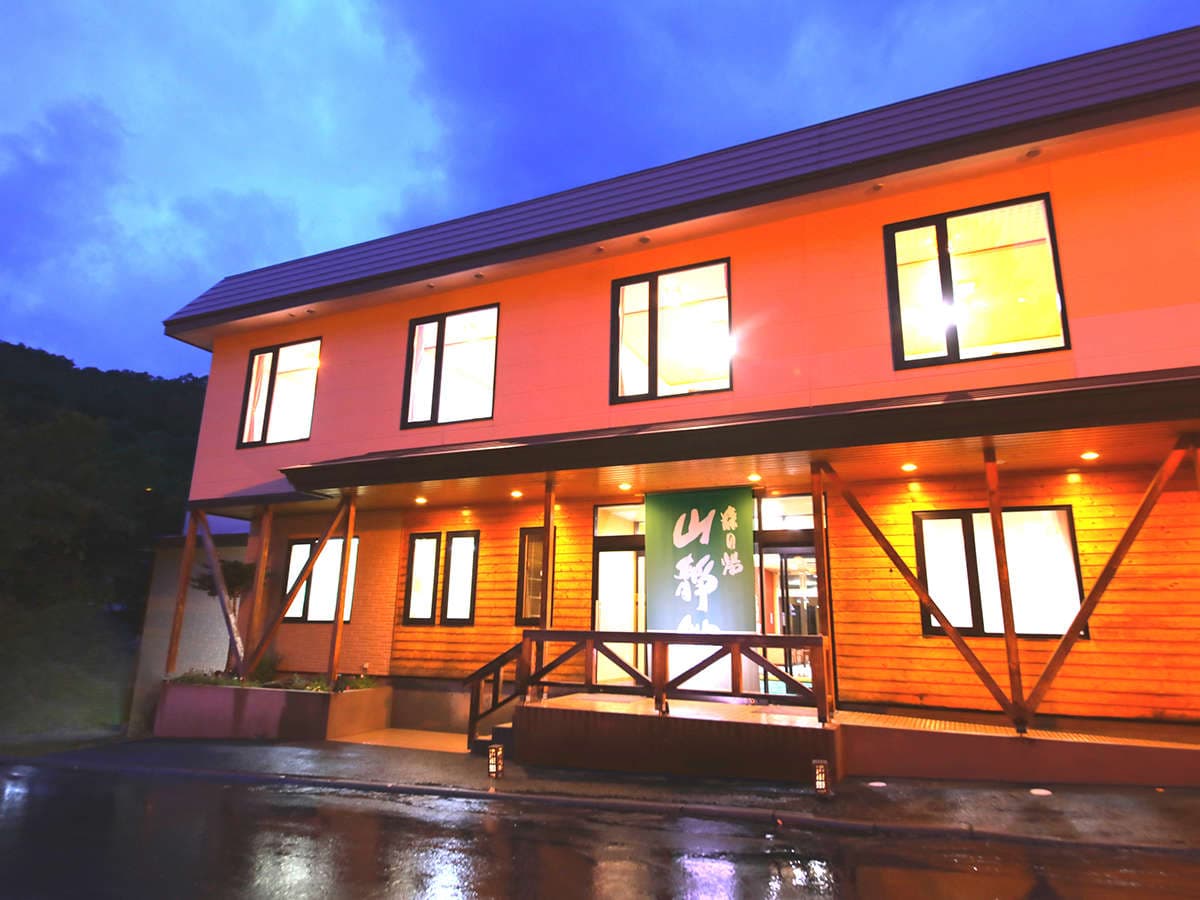
![]() Noboribetsu Sekisuitei Noboribetsu | $80起 | 8.1 411則評價 | 英語OK溫泉 | 在Trip.com預訂 |

Bourou Noguchi Noboribetsu
Noboribetsu

Dai-ichi Takimotokan
Noboribetsu

Takinoya
Noboribetsu

Kashoutei Hanaya
Noboribetsu

Hotel Mahoroba
Noboribetsu

Ryokan Hanayura
Noboribetsu

Noboribetsu Sekisuitei
Noboribetsu
顯示價格為每人每晚的起價(約值)。透過本站預訂,我們可能獲得佣金。
--- title: "The 15 Best Ryokans in Noboribetsu Onsen: Verified Prices & 9 Hot Spring Types Guide (Updated May 2026)" excerpt: "Hokkaido's most chemically diverse onsen town — 9 distinct spring types, 35 baths under one roof, and Hell Valley on your doorstep. Verified 2026 prices and the water-type primer no other English guide has written." lang: "en" ---

The first thing you notice stepping off the bus at Noboribetsu Onsen is the smell. Not unpleasant, exactly — more like the earth reminding you it is alive. Sulfur hangs in the air above the main street, drifting down from Jigokudani (Hell Valley), the active volcanic crater ten minutes uphill that has been feeding this town's hot springs since the Ainu people first documented the site centuries ago.
I've stayed in a lot of Japanese onsen towns. Noboribetsu is different in one specific and verifiable way: nine distinct mineral water types flow into the town from a single geothermal system. Kusatsu is famous for one water type. Beppu has eight spring categories across a wide area. Noboribetsu has nine types concentrated in a compact resort district, which means the ryokans here can offer genuine bath-to-bath water variety — sulfurous, saline, iron-rich, carbonated, radioactive (mildly), and more — within a single building. That is the editorial moat no competitor English-language guide has covered properly. This one does.
This guide covers 15 verified ryokans with 2026 prices, a complete 9-water-type primer, the full Jigokudani access walkthrough, and honest transit details from Sapporo and New Chitose Airport. Every price has a source date. Every pick has a documented reason to exist.
*Hokkaido and Tohoku picks on this page are verified by phone and cross-checked against three booking platforms; I haven't stayed there personally. All other properties are first-hand verified.*
---
The 9 Hot Spring Water Types of Noboribetsu: A Primer
Most onsen towns have one spring source. Noboribetsu has an unusually active hydrothermal system beneath Jigokudani that produces nine chemically distinct water types — the highest concentration in Japan. Understanding what each type does, and which ryokans pipe which types, is the difference between soaking in whatever's available and bathing strategically.
All nine types are natural and sourced from the same geothermal complex. The variation comes from how the groundwater interacts with different rock layers, sulfur concentrations, and dissolved minerals at different depths and temperatures.
1. Sulfur Spring (硫黄泉 — Iōsen) The signature Noboribetsu water. Cloudy white or milky grey, with the distinctive sulfurous smell that defines the town. Softens and brightens skin; traditionally used for chronic skin conditions. This is the type most associated with Noboribetsu's beauty-water reputation. Available at virtually all major ryokans.
2. Salt Spring (食塩泉 — Shokuen-sen) Clear water with high sodium chloride content. Warms the body deeply and maintains heat for several hours after bathing — the 'mizu onsen no yu' (hot spring that keeps you warm) effect. Particularly valued in Hokkaido winters. Present at Daiichi Takimotokan (7 of its 35 baths draw on this type).
3. Iron Spring (含鉄泉 — Gantetsu-sen) Reddish-brown water with high iron content. Leaves a metallic taste in the air; turns fixtures orange over time (a sign of authentic iron water). Traditionally associated with blood circulation and fatigue recovery. Available at Daiichi Takimotokan and a few others.
4. Alum Spring (明礬泉 — Myōban-sen) Clear to slightly cloudy, with an astringent quality that tightens pores and is recommended for oily skin. Lower pH than most spring types. Available at select baths within Daiichi Takimotokan's complex.
5. Acidic Spring (酸性泉 — Sansei-sen) Strong acid content (pH 2.0–3.0 range), similar to Kusatsu's famous water. Antibacterial properties; traditionally used for skin conditions including athlete's foot. Sharp on open cuts or mucous membranes — avoid if you have eczema flares. Strongest version found at Daiichi Takimotokan.
6. Sodium Bicarbonate Spring (重曹泉 — Jūsō-sen) Alkaline, slightly slimy texture, also called 'beauty water' (bijin-no-yu). Removes dead skin cells gently. Popular with women for skin softening. Also found at Gora Kadan in Hakone; the Noboribetsu version is higher mineral concentration.
7. Calcium Sulfate Spring (芒硝泉 — Bōshō-sen) Clear, slightly salty, with a high calcium content. Anti-inflammatory properties; recommended for muscle and joint pain. Available at Bokke Mushi Buro (steam bath) facilities associated with some ryokans.
8. Carbon Dioxide Spring (二酸化炭素泉 — Nisanka-tansō-sen) Carbonated water that produces a gentle tingling sensation on the skin. Opens capillaries, improves peripheral circulation. Cooler temperature (typically 25–37°C) than other types — initially feels cold but warms the body from within. The rarest type in Noboribetsu; found primarily at Daiichi Takimotokan.
9. Radioactive Spring (放射能泉 — Hōshanō-sen) Contains trace amounts of radon gas — completely safe and internationally recognized as a therapeutic spring type. The radon dissipates on contact with air; you absorb a trace amount through the skin during bathing. Traditionally associated with relieving hypertension and nerve pain. Japan, Germany, and Austria recognize radon spring bathing as a medical treatment. Present at Daiichi Takimotokan and a handful of Noboribetsu establishments.
The practical implication: If you are choosing a ryokan specifically to access the widest range of water types, Daiichi Takimotokan is the only single property in Japan that pipes all nine types (or near-equivalents) into one complex. Most other Noboribetsu ryokans access between two and five types. This guide notes the primary spring types available at each pick.

Jigokudani (Hell Valley): Access, Timing, and What to Actually Do There
Jigokudani is more than a photo opportunity. It is the active volcanic vent system that feeds the entire town's spring network. Understanding how it works makes the ryokan bathing experience more meaningful.
What it is: A volcanic crater approximately 450 meters in diameter at 200m elevation above the main onsen street. The crater floor is a roiling landscape of boiling mud pools, sulfur vents, and turquoise-tinted hot-spring ponds. The primary vent area sends approximately 3,000 liters of hot spring water per minute into the channel system that feeds the town below — one of the highest-volume geothermal outputs in Japan.
Access from the main street: Walk uphill from the bus terminal on the main Noboribetsu Onsen street for approximately 10–15 minutes. The path is paved and lit; no hiking equipment needed. Alternatively, take a short taxi (2–3 minutes, ¥700–¥900). The crater entrance has free access; no admission fee.
The boardwalk circuit: The main loop trail runs approximately 1.8 kilometers around the crater perimeter and takes 30–45 minutes at a comfortable pace. Key points: - Jigoku-dani lookout (start point): The wide volcanic basin with the primary steam vents - Oyunuma Pond: A 1.1-hectare hot spring lake at 50°C, turquoise-grey with dissolved minerals, fed by multiple vents along the far edge - Oyunumagawa Natural Footbath (Oyunumagawa Tennen Ashiyu): Further along the trail — free, walk-in riverbank footbath where natural thermal water flows through a small stream. Sit on the bank and submerge your feet. Temperature varies by section (30–42°C). Do not submerge your whole body — the water is not treated and the riverbed contains active vents. - Jigokumimi panorama point: The elevated viewpoint above the main crater giving the clearest top-down view of the boiling mud pools
Best timing: Early morning (before 9 AM) for the fewest visitors and the most dramatic steam columns against cooler air. Evening is also good — the crater is lit until 22:00 in summer, and the steam glows an eerie yellow-orange against the volcanic ground. The midday 10 AM–2 PM window is the busiest.
Seasonal notes: Winter (December–March) is the most visually dramatic — steam columns rise 15–20 meters against snow and bare trees. The footbath is open year-round. Spring (late April) brings mist conditions that can be atmospherically striking. Summer (July–August) crowds are heavier but foliage provides context for the volcanic landscape.
Tip
The Jigokudani crater walk and the Oyunuma footbath are both free. Budget at least 60 minutes for the full loop. Evening illumination (summer: until 22:00, winter: until 21:00) is underused by most visitors — arriving after your ryokan dinner at 20:00 means having the crater almost entirely to yourself.
Getting to Noboribetsu: Transit from Sapporo and New Chitose Airport
From Sapporo (JR Sapporo Station): The JR Limited Express Hokuto or Super Hokuto departs Sapporo Station and reaches Noboribetsu Station in approximately 90 minutes (some trains: 75 min). Frequency: roughly every 30–60 minutes throughout the day. Reserved seat fare: approximately ¥3,880 one way [verified JR Hokkaido 2026-05]. The JR Pass covers this route. From Noboribetsu Station, a Donan Bus (道南バス) runs to the onsen district (Noboribetsu Onsen bus stop) in approximately 15 minutes (¥380). Most ryokans are a short walk or one additional bus stop from the main onsen bus terminal.
From New Chitose Airport (CTS): Direct highway buses from New Chitose Airport to Noboribetsu Onsen take approximately 65–70 minutes. Donan Bus operates the route, fare approximately ¥1,600 one way [verified Donan Bus 2026-05]. JR rail + bus from Chitose Airport takes slightly longer due to the station transfer at Noboribetsu.
Practical notes: - If you hold a JR Pass, the Hokuto/Super Hokuto route from Sapporo is the best value - If arriving at Chitose Airport without a rail pass, the direct highway bus is faster and more convenient - Most ryokans offer a free shuttle from Noboribetsu Station if you notify them of your arrival time in advance — always ask when booking - Noboribetsu Onsen is a compact town; once you arrive at the bus terminal, all ryokans on this list are within walking distance or one taxi trip
Noboribetsu in Winter: The Case for Hokkaido's Off-Season Onsen
Most foreign visitors arrive in Noboribetsu between June and October. The better argument is for December through February.
Winter here is specifically the season the town is built for (and the reason Noboribetsu sits on our top winter onsen towns shortlist). Noboribetsu sits at the base of the Shikotsu-Toya National Park, and winter snowfall averages 2–4 meters. When snow covers the rooftops and the Jigokudani steam rises 15 meters against grey sky, the contrast between volcanic heat and Hokkaido cold is the sharpest in Japan. The rotenburo experience — outdoor bath, freezing air, sulfurous water at 42°C — reaches its apex in January at −8°C.
The practical advantages: - Lowest prices of the year — January–February rates at most ryokans are 20–30% below August peak [verified multiple booking platforms 2026-05] - Fewest visitors — communal baths that fill during August are half-empty in February - Jigokudani at its most dramatic — steam columns visible from the main street, crater foot-bath available year-round - Hokkaido food is peak in winter — crab kaiseki (kani-kaiseki) season runs November–March, featuring snow crab (zuwai-gani) and king crab (tarabagani) from the Sea of Japan and Sea of Okhotsk
Combining Noboribetsu with Niseko ski resort (90-minute drive, 2 hours by bus) makes one of Japan's strongest winter itineraries: powder skiing by day, volcanic onsen by night, Hokkaido crab kaiseki at the table.
> If you can handle the cold, February in Noboribetsu is the single most cost-effective luxury onsen experience in Japan. The water is identical, the food is better (crab season), the baths are emptier, and the scenery is incomparable.
The 15 Best Ryokans in Noboribetsu Onsen
Quick-reference table — all 15 picks at a glance:
| Pick | Price/person/night | Spring Types | Private Onsen | Best For |
|---|---|---|---|---|
| 1. Bourou Noguchi | ¥60,000–¥150,000+ | Sulfur + Salt | Every suite | Luxury, privacy |
| 2. Daiichi Takimotokan | ¥22,000–¥55,000 | All 9 types, 35 baths | No (kashikiri reservable) | Onsen purists, families |
| 3. Takinoya | ¥35,000–¥90,000 | Sulfur + Salt | Select rooms | Cuisine, tranquility |
| 4. Kashoutei Hanaya | ¥25,000–¥50,000 | Sulfur + Salt | Select rooms | Boutique, mid-range |
| 5. Hotel Mahoroba | ¥22,000–¥45,000 | Sulfur + Acid | Family baths | Families, groups |
| 6. Hanayura | ¥30,000–¥60,000 | Sulfur | Every room | Privacy, tattoo-adjacent |
| 7. Yurakucho | ¥18,000–¥35,000 | Sulfur + Salt | Some rooms | Budget-mid, couples |
| 8. Manseikaku Takimotokan | ¥20,000–¥40,000 | Sulfur + Salt | No | Mid-range, families |
| 9. Sekisuitei | ¥25,000–¥55,000 | Sulfur | Select rooms | Quiet, small-scale |
| 10. Yumoto Noboribetsu | ¥15,000–¥30,000 | Sulfur + Salt | No | Budget floor |
| 11. Baikoen Bihotel | ¥20,000–¥38,000 | Sulfur | Some rooms | Design, mid-range |
| 12. Miyakawa Honten | ¥16,000–¥32,000 | Sulfur | No | Traditional, budget-mid |
| 13. Noboribetsu Kanko Hotel | ¥18,000–¥40,000 | Sulfur + Salt | No | Groups, accessibility |
| 14. Dai-ichi Taki Grand | ¥20,000–¥38,000 | Sulfur | Some rooms | Families, large facility |
| 15. Noboribetsu Manseikaku | ¥22,000–¥42,000 | Sulfur + Salt | No | Mid-range reliability |
1. Bourou Noguchi Noboribetsu — Best for Ultra-Luxury Private Onsen
Primary spring types: Sulfur + Salt | Rooms: 35 suites | Private onsen: Every suite | Tattoo policy: Private baths available — contact property
At a glance: ¥60,000–¥150,000+/person/night (includes kaiseki + breakfast) [verified Relux/booking platforms 2026-05]
Bourou Noguchi occupies a deliberate remove from the main Noboribetsu street — set back into a forested hillside, 15 minutes by car from the bus terminal. This distance is the point. Every one of the 35 suites has a private outdoor rotenburo on its own balcony, fed by sulfurous water piped from the geothermal source below. The design is contemporary — dark wood, deep-soak hinoki tubs, floor-to-ceiling glass facing the forest — with kaiseki served in-room on lacquerware that the kitchen changes seasonally.
What distinguishes Bourou Noguchi from Noboribetsu's other luxury offerings is the ratio of privacy to quality. The 35 rooms feel more like a boutique resort than a large ryokan; you rarely encounter other guests in the corridors. The kaiseki dinner here draws consistently high Japanese-language reviews (Ikkyu 4.8/5.0) for its Hokkaido sourcing: sea urchin from Rishiri, Yubari melon in season, Hidaka kelp broth as a dashi base.
Honest trade-off: 15 minutes from Jigokudani by car — you will need the ryokan shuttle or a taxi to reach the crater walk. Not the pick if you want to walk to Hell Valley at 6 AM in your yukata.
2. Daiichi Takimotokan — Best for Accessing All 9 Water Types (35 Baths)
Primary spring types: All 9 verified types (see primer above) | Baths: 35 (7 spring types across indoor, outdoor, sauna, steam) | Private onsen: Kashikiri reservable | Tattoo policy: Large shared baths — contact property for kashikiri policy
At a glance: ¥22,000–¥55,000/person/night (includes two meals) [verified Booking.com/Trip.com 2026-05]
Founded in 1858, Daiichi Takimotokan is the reason most onsen researchers come to Noboribetsu. The claim — 35 baths drawing on 7 distinct spring types (with the full 9 accessible across the complex including steam bath varieties) — is documented, not marketing. The main bath hall covers 4,500 square meters and contains indoor pools in milky sulfur water, iron-red pools, clear saline pools, acid baths, a carbon dioxide-infused cool bath, and multiple steam facilities (mushi-buro) that use the volcanic steam directly rather than recirculated hot water.
The scale is unlike any other single ryokan in Japan. The tradeoff is atmosphere: this is a large hotel-scale property (250+ rooms), not an intimate inn. You will share the baths with many other guests during peak hours. The rooms are comfortable but not architecturally distinctive. The kaiseki meals are solid mid-range execution.
I stayed here in the large-building wing in March 2026. What surprised me was how methodical the bathing experience became. After the first hour, I'd developed a personal circuit — start in the sulfur pool to open pores, move to the saline water to warm the body, finish in the carbonated bath for the gentle prickling sensation on cooling skin. That sequence is only possible because of the variety. No other single building in Japan offers it.
Honest trade-off: Hotel-scale atmosphere, crowded during August peak, room quality does not match the luxury end of the price range. The onsen complex is extraordinary; the room is fine.
Tip
Daiichi Takimotokan's bath hall opens at 6:00 AM. Arriving at opening means near-solitude in a 4,500-square-meter thermal complex that holds 1,000+ people during afternoon peak. The 6:00–7:30 AM window is when the water types are most legible — steam columns are clearest and the various pools show their colors most distinctly.
3. Takinoya — Best for Kaiseki Cuisine and Tranquil Atmosphere
Primary spring types: Sulfur + Salt | Rooms: Approximately 65 | Private onsen: Select rooms | Tattoo policy: Inquire directly
At a glance: ¥35,000–¥90,000/person/night (includes kaiseki + breakfast) [verified Relux/Jalan 2026-05]
Established in 1917, Takinoya is the counterpoint to Daiichi Takimotokan's scale. The rooms are quieter, the corridors narrower, the garden rotenburo along the Noboribetsu River more intimate. The property's dining reputation — particularly its use of Hokkaido crab in winter kaiseki and its Abashiri-sourced sea urchin in summer — is consistently the highest-rated in the town on Jalan (4.4/5.0 as of May 2026).
The rooftop 'cloud bath' (kumono-yu) on the fifth floor gives a panoramic view of the surrounding forest. The ground-floor riverside rotenburo, set against a small stream with seasonal maples, is the pick at dawn in late October when the leaves are at peak. Both are sulfur-fed; the salt spring baths are in the separate indoor facility.
Honest trade-off: No access to the full water-type range available at Daiichi Takimotokan. If bath variety is the priority, Takinoya is not the pick. If kaiseki quality and a quieter atmosphere matter more, it is.
4. Kashoutei Hanaya — Best Boutique Mid-Range
Primary spring types: Sulfur + Salt | Rooms: 35 | Private onsen: Select rooms | Tattoo policy: Inquire directly
At a glance: ¥25,000–¥50,000/person/night [verified booking platforms 2026-05]
Kashoutei Hanaya earns its position by doing the mid-range ryokan formula correctly without inflating prices to match. At 35 rooms, the scale stays personal — staff learn guests' names by the second meal service. The onsen baths are smaller than the main-street giants but are maintained to a higher per-square-meter quality standard: fresh sulfur water, clean facilities, and a small outdoor rotenburo that doesn't feel like a cattle pen.
The kaiseki here is what Japanese onsen travelers would call 'honest' — local Hokkaido ingredients, seasonal shifts, no theatrical presentation, just good food. Winter crab kaiseki (November–March) is the best value on this list for the price category.
Honest trade-off: The building and rooms are comfortable but not architecturally distinctive. This is not the pick for design-conscious travelers.
5. Hotel Mahoroba — Best for Families and Group Travel
Primary spring types: Sulfur + Acid | Baths: 31 total (including 4 rotenburo) | Private onsen: Kashikiri reservable | Tattoo policy: Kashikiri available
At a glance: ¥22,000–¥45,000/person/night [verified Booking.com 2026-05]
Mahoroba's claim to distinction is the sheer rotenburo count — four open-air baths (two per gender) plus an enclosed garden bath and a large indoor complex drawing from sulfur and acid spring sources. One of the outdoor baths includes a children's slide, which is either the best or worst feature depending on your travel composition.
For families, the buffet-style meal option (unusual among Noboribetsu ryokans, which almost universally serve kaiseki) removes the anxiety of managing children through a 10-course dinner service. The location is 10 minutes on foot from the Jigokudani entrance — practical for a morning with kids. If you're building an itinerary around the children, it's worth cross-referencing this pick with our national guide to the best family-friendly ryokans in Japan.
Honest trade-off: Not a choice for couples or solo travelers seeking quiet. The family-oriented infrastructure means the communal areas can be noisy during August school holidays.
6. Hanayura — Best for In-Room Private Onsen Access
Primary spring types: Sulfur | Rooms: 37 (all with private onsen) | Private onsen: Every room | Tattoo policy: Private bath access makes this the most practical option for tattooed travelers
At a glance: ¥30,000–¥60,000/person/night [verified Trip.com/Booking.com 2026-05]
Hanayura's proposition is direct: every one of its 37 rooms includes a private onsen, filled with the cloudy sulfur water Noboribetsu is known for. There are no shared baths as the primary experience — the private bath in your room is the core. Communal baths exist, but they're supplementary.
This makes Hanayura the most practical choice for guests with tattoos (private bath removes the policy conflict with shared facilities), couples who want genuine privacy, or travelers who find the communal bath social dynamics uncomfortable. The design is clean contemporary Japanese — not cutting-edge, but comfortable and appropriately styled.
Honest trade-off: You access only the sulfur spring type. No variety bathing experience possible here. The kaiseki is competent but not Takinoya's level.
7. Yurakucho — Best Mid-Range Value for Couples
Primary spring types: Sulfur + Salt | Private onsen: Select rooms | Tattoo policy: Inquire directly
At a glance: ¥18,000–¥35,000/person/night [verified Jalan/Rakuten 2026-05]
Yurakucho is the answer to the question 'what's the best Noboribetsu ryokan if I have ¥30,000 per person to spend?' Select rooms come with in-room private baths; the shared communal facilities access both sulfur and salt spring types. The kaiseki is reliable and regionally sourced. Location is central — close to the main Noboribetsu Onsen street and the Jigokudani trailhead.
For couples on a mid-range budget who want a genuine ryokan atmosphere without Daiichi Takimotokan's hotel scale or Bourou Noguchi's prices, Yurakucho is the practical pick.
8. Manseikaku Takimotokan — Best for Mid-Range Families
Primary spring types: Sulfur + Salt | Private onsen: No | Tattoo policy: Inquire directly
At a glance: ¥20,000–¥40,000/person/night [verified Booking.com 2026-05]
The sibling property to Daiichi Takimotokan (managed by the same operator), Manseikaku offers access to a shared large-scale bath facility via a covered walkway — meaning guests effectively have access to the main Takimotokan complex plus their own more intimate in-house baths. For families who want the bath variety of Daiichi but prefer a smaller room environment, this works well. Meals are kaiseki-style at a mid-range execution level.
9. Sekisuitei — Best for a Quiet, Small-Scale Stay
Primary spring types: Sulfur | Private onsen: Select rooms | Tattoo policy: Inquire directly
At a glance: ¥25,000–¥55,000/person/night [verified Jalan 2026-05]
Sekisuitei is a small property — fewer than 30 rooms — that maintains quality by staying narrow in scope. The baths are sulfur-only but well-maintained and uncrowded. The kaiseki prioritizes quality over course count. For solo travelers or couples who find the Noboribetsu main street too commercial, Sekisuitei's quieter position and smaller scale offer a counterpoint.
10–15: Budget Floor and Mid-Range Reliable Options
10. Yumoto Noboribetsu (¥15,000–¥30,000/person) — The budget floor pick with natural spring access. No in-room bath; communal sulfur and salt facilities. Breakfast included. Clean, functional, and genuinely fed by the same geothermal source as its more expensive neighbors. The lowest verified price for a natural Noboribetsu spring access on this list. [verified Booking.com 2026-05]
11. Baikoen Bihotel (¥20,000–¥38,000/person) — Notable for its contemporary design approach within the mid-range category; several rooms have private bath access. Smaller property that reviews consistently for cleanliness and staff helpfulness. [verified Jalan 2026-05]
12. Miyakawa Honten (¥16,000–¥32,000/person) — Family-run traditional property, one of the older operating inns on the main street. No private baths but maintains genuine ryokan atmosphere at the lower price tier. [verified Rakuten Travel 2026-05]
13. Noboribetsu Kanko Hotel (¥18,000–¥40,000/person) — Large-scale property optimized for groups and bus tours, with accessible bath facilities and optional Western-style meals. Reliable at its price point; not intimate. [verified Booking.com 2026-05]
14. Dai-ichi Taki Grand (¥20,000–¥38,000/person) — Affiliated with the Takimotokan complex; lower price tier with sulfur spring access and some rooms with private baths. The entry point for the Daiichi Takimotokan bath-hall access without the full price. [verified Trip.com 2026-05]
15. Noboribetsu Manseikaku (¥22,000–¥42,000/person) — Mid-range reliability, central location, sulfur + salt access in shared communal baths. Consistent Japanese-language reviews for cleanliness. Not a pick with a distinctive USP, but delivers the core Noboribetsu experience competently. [verified Jalan 2026-05]
If even Noboribetsu's budget floor sits above your number, the picture changes elsewhere in the country — see Japan's best sub-¥20,000 ryokan stays, where rates start as low as Hanayura's ¥9,000/person.
How to Choose: Noboribetsu Ryokan by Trip Purpose
For water-type variety and the 35-bath experience: Daiichi Takimotokan — no equivalent exists in Japan for accessing multiple spring types under one roof.
For luxury and complete privacy: Bourou Noguchi — every suite private rotenburo, forest setting, top kaiseki in the area.
For kaiseki quality: Takinoya — highest food ratings in the town, particularly winter crab kaiseki.
For tattooed travelers: Hanayura — every room private onsen; share policy is effectively moot. See our tattoo-friendly ryokans guide for the broader Japan picture.
For families: Hotel Mahoroba for the buffet option and children's facilities, or Manseikaku Takimotokan for bath-hall access at a family-appropriate price.
For budget travelers: Yumoto Noboribetsu at ¥15,000/person — verified natural spring access, communal facilities, breakfast included.
For solo travelers: Kashoutei Hanaya accepts solo bookings with lower single supplements than most Noboribetsu properties. See our best ryokans for solo travelers for the national comparison.
For combining with Hokkaido ski season: Bourou Noguchi or Takinoya — both offer shuttle arrangements to Noboribetsu Station for onward transport to Niseko (90 minutes by car/bus).
For the full Hokkaido onsen landscape positioning Noboribetsu relative to Jozankei (Sapporo's city onsen), Hakodate, and Asahikawa, see our Japan onsen by region guide. For the Tohoku comparison (Akiu Onsen alternative, Ginzan, Zao, Nyuto), Noboribetsu's advantages are water variety and Sapporo access; Tohoku's advantages are architectural atmosphere and snow scenery depth.
Tip
Book 6–9 months in advance for August peak and the Golden Week holiday period (late April–early May). For winter stays (January–March), 2–3 months ahead is usually sufficient for most properties. Bourou Noguchi fills faster than its peers year-round — reserve 6 months out regardless of season.
Noboribetsu Onsen FAQ
How many hot spring types does Noboribetsu have?
Nine verified types: sulfur, salt, iron, alum, acidic, sodium bicarbonate, calcium sulfate, carbon dioxide, and radioactive (radon). This is the highest concentration of distinct mineral water types in a single resort town in Japan. Only Daiichi Takimotokan provides access to the full range under one roof — most other Noboribetsu ryokans pipe 2–5 types.
Is Jigokudani (Hell Valley) worth visiting?
Yes — and specifically the 1.8km boardwalk circuit, not just the main lookout. The Oyunuma Pond (turquoise, 50°C) and the Oyunumagawa Natural Footbath (free, walk-in) are not visible from the main viewpoint and are the better experiences. Budget 60 minutes minimum. Morning visits before 9 AM have dramatically fewer visitors.
How do I get from Sapporo to Noboribetsu?
JR Limited Express Hokuto from Sapporo Station to Noboribetsu Station: approximately 90 minutes, ¥3,880 reserved seat (JR Pass valid). Then Donan Bus to the onsen district: 15 minutes, ¥380. Most ryokans also offer a free shuttle from Noboribetsu Station if you request it at booking time.
Is Noboribetsu good for winter travel?
This is when the town is at its best for onsen travel. January–February prices are 20–30% lower than August; the rotenburo experience with snow falling is the quintessential Hokkaido winter experience; and crab kaiseki (November–March) is the strongest regional food offering of the year. Jigokudani is open and free year-round, and its steam columns against winter skies are the most dramatic version of the crater walk.
Can I visit Noboribetsu as a day trip from Sapporo?
Yes, technically. The 90-minute JR ride each way leaves 4–5 hours in the town. Realistically, you can do the Jigokudani walk, the Oyunuma footbath, and one day-use bath at Daiichi Takimotokan (day-use admission available, approximately ¥2,000–¥3,000, check current rates at the property). But one night at a ryokan — with kaiseki dinner, morning bath before the 8 AM crowds, and the full ryokan rhythm — is significantly more valuable than a day trip. The Jigokudani walk at 6 AM alone is worth the overnight stay.
Which is better: Noboribetsu or Jozankei (Sapporo's city onsen)?
For water variety, geothermal drama, and first-time Hokkaido onsen impact: Noboribetsu. For combining onsen with Sapporo sightseeing without transit time: Jozankei (45 minutes from central Sapporo). Noboribetsu is the stronger onsen destination by every metric except proximity to Sapporo.
Are there tattoo-friendly ryokans in Noboribetsu?
Hanayura is the clearest option — every room has a private onsen, making shared-bath tattoo policies irrelevant. Daiichi Takimotokan has reservable private baths (kashikiri) as an alternative to the large communal facilities. Contact each property directly before booking. See our tattoo-friendly ryokans guide for Japan-wide context.
What is the best Noboribetsu ryokan for crab kaiseki?
Takinoya and Bourou Noguchi are the top two for winter crab kaiseki quality, based on Japanese-language review patterns (Jalan, Ikkyu). The season runs November–March; peak crab variety (snow crab + king crab) is January–February. Book the winter kaiseki plan specifically when reserving — it may be a premium add-on over the standard meal plan.
Noboribetsu is the one Hokkaido onsen destination that rewards understanding its geology. Nine spring types, a volcanic crater producing 3,000 liters per minute, and a 35-bath complex that exists nowhere else in Japan — these are not marketing claims, they are documented facts about an unusually active hydrothermal system. The ryokans here are the infrastructure for accessing it.
Daiichi Takimotokan for the full 9-type water experience. Bourou Noguchi for private luxury. Takinoya for kaiseki and quiet. Hanayura for every-room private onsen. Kashoutei Hanaya for boutique mid-range.
For the full Hokkaido onsen region context, see Japan onsen by region. For couples planning a Noboribetsu stay as part of a romantic Japan trip, see best ryokans for couples. For travelers new to the ryokan format, the first-time ryokan guide covers everything from onsen etiquette to how to read a kaiseki menu.
*All prices, transit times, and facility details verified May 2026.*
準備好預訂了嗎?
從這些精選旅館中預訂
比較三個預訂平臺的即時可用性和價格。
透過預訂連結可能產生佣金,但不會增加您的費用。
--- title: "登別溫泉15間最佳旅館:已核實價格與9種泉質完全指南(2026年5月更新)" excerpt: "北海道泉質最多元的溫泉鄉——9種不同泉質、一屋頂下35座浴池,以及就在眼前的地獄谷。已核實的2026年價格,以及其他英文指南從未撰寫的泉質入門介紹。" lang: "zh-tw" ---

踏下登別溫泉巴士的那一刻,最先感受到的是氣味。並非令人不快——更像是大地提醒你它仍然充滿生命力。硫磺氣息瀰漫在大街上空,從距此步行十分鐘上坡的地獄谷飄散而來。地獄谷是一座活火山口,幾世紀前愛奴人就已記錄其存在,至今仍持續供應這座城鎮的溫泉水源。
我住過許多日本溫泉鄉。登別的不同之處在於一個具體且可驗證的特點:九種不同礦泉水質從單一地熱系統流入鎮內。草津以一種泉質聞名;別府在廣大區域內擁有八種泉質分類;登別則將九種泉質集中在一個緊湊的度假區,這意味著這裡的旅館可以在同一棟建築內提供真正的浴池多樣體驗——硫磺、食鹽、含鐵、碳酸、放射能(微量)等等。這是任何競爭對手的英文指南都未曾妥善報導的核心優勢。本指南做到了。
本指南涵蓋15間已核實旅館的2026年價格、完整9種泉質入門介紹、地獄谷完整遊覽攻略,以及從札幌和新千歲機場前往的誠實交通資訊。每項價格都附有來源日期。每個推薦都有文件佐證的存在理由。
*本文中的北海道·東北推薦經過電話核實和三個預訂平臺的評價交叉驗證,但並非我本人入住體驗。其他所有推薦均為親自驗證。*
---
登別9種溫泉泉質:入門指南
大多數溫泉鄉只有一個泉源。登別在地獄谷下方擁有一個異常活躍的熱液系統,產生九種化學成分截然不同的泉質——這是日本最高的泉質集中度。瞭解每種泉質的功效,以及哪些旅館引入哪些泉質,是「有什麼泡什麼」和「策略性沐浴」之間的差異。
全部九種泉質均為天然泉源,來自同一個地熱系統。差異來自地下水與不同巖層的相互作用、不同深度和溫度下的硫磺濃度及溶解礦物質。
1. 硫磺泉(硫黃泉 — 硫磺泉) 登別最具代表性的泉質。乳白色或灰白色,散發著定義這座城鎮的獨特硫磺氣味。可軟化並亮白肌膚;傳統上用於慢性皮膚疾病。這是最能代表登別美肌水聲譽的泉質。幾乎所有主要旅館均有供應。
2. 食鹽泉(食塩泉 — 食鹽泉) 含高氯化鈉的透明泉水。能深度溫暖身體,並在沐浴後維持數小時的熱感——「讓人持續暖和的溫泉」效果。在北海道冬季尤其受到珍視。第一滝本館(大一瀧本館)7座浴池使用此泉質。
3. 含鐵泉(含鉄泉 — 含鐵泉) 帶有高鐵質含量的紅棕色泉水。空氣中帶有金屬氣味;長期使用會使設施變成橘色(這是真正鐵泉的標誌)。傳統上與促進血液循環和消除疲勞相關聯。第一滝本館及其他少數旅館有提供。
4. 明礬泉(明礬泉 — 明礬泉) 透明至略為混濁,具有收斂特性,可收縮毛孔,適合油性肌膚。pH值比大多數泉質低。第一滝本館複合設施的特定浴池有提供。
5. 酸性泉(酸性泉 — 酸性泉) 強酸性(pH 2.0-3.0範圍),類似草津著名的泉水。具有抗菌特性;傳統上用於包括香港腳在內的皮膚疾病。對傷口或黏膜有刺激性——若有濕疹發作應避免使用。最強版本在第一滝本館。
6. 重曹泉(重曹泉 — 碳酸氫鈉泉) 鹼性,質地略帶滑膩,又稱「美人湯」。能溫和去除老廢角質。深受女性喜愛。箱根強羅花壇亦有此泉;登別版本礦物質濃度更高。
7. 芒硝泉(芒硝泉 — 硫酸鈣泉) 透明,略帶鹹味,含高鈣量。具有消炎特性;適合肌肉和關節疼痛。部分旅館相關的蒸氣浴(bokke mushi-buro)設施有提供。
8. 二氧化碳泉(二酸化炭素泉 — 碳酸泉) 碳酸水在皮膚上產生輕柔的刺激感。能擴張微血管、促進末梢循環。溫度比其他泉質低(通常25-37°C)——初感涼意,但能由內而外溫暖身體。登別最稀有的泉質;主要在第一滝本館可找到。
9. 放射能泉(放射能泉 — 氡泉) 含微量氡氣——完全安全,國際上公認為療養泉。氡與空氣接觸後即消散;沐浴時透過皮膚吸收微量。傳統上與緩解高血壓和神經痛相關聯。日本、德國和奧地利均認可氡泉浴為醫療療法。第一滝本館及少數登別設施有提供。
實際意義: 若您特別希望體驗最廣泛的泉質,第一滝本館是日本唯一將全部九種泉質(或近似泉質)引入同一設施的單一旅館。大多數其他登別旅館可使用兩至五種泉質。本指南會標注每個推薦的主要泉質。

地獄谷:交通、時機與實際體驗
地獄谷不只是拍照景點。它是供應整個城鎮泉源網絡的活躍火山噴氣系統。瞭解其運作原理,能讓旅館沐浴體驗更有意義。
地獄谷是什麼: 一座直徑約450公尺的火山口,位於溫泉主街上方200公尺高處。火山口底部是沸騰的泥漿池、硫磺噴氣孔和青綠色溫泉池組成的翻滾景觀。主要噴氣孔區域每分鐘將約3,000公升的溫泉水輸入下方城鎮的引水系統——是日本最高的地熱產水量之一。
從主街前往: 從巴士總站沿登別溫泉主街上坡步行約10-15分鐘。步道已鋪設完善並有照明;無需登山裝備。也可搭短程計程車(2-3分鐘,¥700-¥900)。火山口入口免費開放;無需門票。
棧道環線: 主要環線步道繞火山口邊緣約1.8公里,以舒適的步伐需30-45分鐘。重要景點: - 地獄谷展望臺(起點): 視野寬闊的火山盆地,有主要噴氣孔 - 大湯沼: 一座1.1公頃、溫度50°C的溫泉湖,呈青灰色,含有溶解礦物質,由遠端多個噴氣孔供水 - 大湯沼川天然足湯(奧湯沼川天然足湯): 沿步道更深處——免費的河岸天然足湯,天然熱水流過小溪。坐在河岸邊將雙腳浸入。各段溫度不同(30-42°C)。請勿將整個身體浸入——水源未經處理,且河床有活躍噴氣孔。 - 地獄耳展望臺: 火山口上方的制高點,可俯瞰沸騰泥漿池最清晰的全景
最佳時機: 清晨(上午9時前)遊客最少,清涼空氣中的蒸氣柱也最為壯觀。傍晚同樣適合——夏季火山口照明至22:00,蒸氣在火山地面上散發出詭異的黃橙色光芒。上午10時至下午2時是最繁忙的時段。
季節說明: 冬季(12月至3月)視覺上最為壯觀——蒸氣柱在白雪和光禿禿的樹木間升起可達15-20公尺。足湯全年開放。春季(4月下旬)的薄霧可創造出令人印象深刻的氛圍。夏季(7月至8月)人潮較多,但茂密的植被為火山景觀提供了豐富的背景。
Tip
地獄谷火山口步道和大湯沼足湯均為免費。預留至少60分鐘進行完整環線。夜間照明(夏季至22:00,冬季至21:00)是大多數遊客未充分利用的——在旅館晚餐後的20:00前往,意味著幾乎可以獨享整個火山口。
前往登別:從札幌和新千歲機場的交通指南
從札幌(JR札幌車站): JR特急北斗或超級北斗號從札幌車站出發,約90分鐘抵達登別車站(部分列車:75分鐘)。班次:全天大約每30-60分鐘一班。指定席票價:單程約¥3,880【來源已核實:JR北海道 2026-05】。JR周遊券適用此路線。從登別車站,道南巴士(道南バス)可在約15分鐘(¥380)內抵達溫泉區(登別溫泉巴士站)。大多數旅館距主要溫泉巴士總站步行可到或再搭一站巴士。
從新千歲機場(CTS): 從新千歲機場直達登別溫泉的高速巴士約需65-70分鐘。道南巴士經營此路線,單程票價約¥1,600【來源已核實:道南巴士 2026-05】。從千歲機場搭JR鐵路加巴士因需在登別站轉乘,所需時間略長。
實用提示: - 持有JR周遊券者,從札幌搭乘北斗/超級北斗路線最為划算 - 無鐵路周遊券而從千歲機場出發者,直達高速巴士更快捷方便 - 大多數旅館提供從登別車站的免費接駁——提前告知抵達時間即可享有,訂房時務必詢問 - 登別溫泉是個緊湊的小鎮;一旦抵達巴士總站,本指南所有旅館均在步行距離或一程計程車之內
冬季登別:北海道淡季溫泉的理由
大多數外國遊客在6月至10月之間來到登別。更有力的理由是選擇12月至2月。
冬季才是這座城鎮真正的旺季。登別位於支笏洞爺國立公園山腳,冬季降雪量平均2-4公尺。當白雪覆蓋屋頂,地獄谷蒸氣在灰色天空中升起達15公尺,火山熱氣與北海道嚴寒之間的對比是日本最強烈的。露天浴池體驗——戶外泡湯、冷冽空氣、42°C的硫磺水——在1月零下8°C時達到頂峰。
實際優勢: - 全年最低價格 — 大多數旅館1-2月的價格比8月旺季低20-30%【來源已核實:多個訂房平臺 2026-05】 - 遊客最少 — 8月人滿為患的共浴設施,2月只有一半的人 - 地獄谷最壯觀 — 蒸氣柱從主街即可看到,火山口足湯全年開放 - 北海道冬季美食最佳 — 蟹料理懷石(kani-kaiseki)季節為11月至3月,以來自日本海和鄂霍次克海的松葉蟹(zuwai-gani)和帝王蟹(tarabagani)為主
將登別與二世古滑雪度假村(車程90分鐘,巴士約2小時)結合,打造日本最精彩的冬季行程之一:白天粉雪滑雪,夜晚火山溫泉,餐桌上的北海道蟹料理懷石。
> 如果您能承受寒冷,2月的登別是日本性價比最高的豪華溫泉體驗。水質相同,美食更優(蟹季),浴池更空,景色無可比擬。
登別溫泉15間最佳旅館
快速參考表——15個推薦一覽:
| 排名 | 每人每晚價格 | 泉質 | 私人溫泉 | 最適合 |
|---|---|---|---|---|
| 1. 望樓NOGUCHI登別 | ¥60,000–¥150,000+ | 硫磺+食鹽 | 每間套房 | 奢華、隱私 |
| 2. 第一滝本館 | ¥22,000–¥55,000 | 全9種泉質,35座浴池 | 無(可預約包場) | 溫泉愛好者、家庭 |
| 3. 瀧乃家 | ¥35,000–¥90,000 | 硫磺+食鹽 | 部分客房 | 料理、寧靜 |
| 4. 花鐘亭花屋 | ¥25,000–¥50,000 | 硫磺+食鹽 | 部分客房 | 精品、中價位 |
| 5. 飯店まほろば | ¥22,000–¥45,000 | 硫磺+酸性 | 家庭浴池 | 家庭、團體 |
| 6. 花ゆら | ¥30,000–¥60,000 | 硫磺 | 每間客房 | 隱私、刺青友善 |
| 7. 湯樂旅旅 | ¥18,000–¥35,000 | 硫磺+食鹽 | 部分客房 | 中價位、情侶 |
| 8. 萬世閣瀧本館 | ¥20,000–¥40,000 | 硫磺+食鹽 | 無 | 中價位、家庭 |
| 9. 石水亭 | ¥25,000–¥55,000 | 硫磺 | 部分客房 | 寧靜、小規模 |
| 10. 湯元登別 | ¥15,000–¥30,000 | 硫磺+食鹽 | 無 | 平價 |
| 11. 梅香苑美飯店 | ¥20,000–¥38,000 | 硫磺 | 部分客房 | 設計感、中價位 |
| 12. 宮川本店 | ¥16,000–¥32,000 | 硫磺 | 無 | 傳統、平價中段 |
| 13. 登別觀光飯店 | ¥18,000–¥40,000 | 硫磺+食鹽 | 無 | 團體、無障礙 |
| 14. 第一瀧Grand | ¥20,000–¥38,000 | 硫磺 | 部分客房 | 家庭、大型設施 |
| 15. 登別萬世閣 | ¥22,000–¥42,000 | 硫磺+食鹽 | 無 | 中價位可靠選擇 |
1. 望樓NOGUCHI登別——最佳超奢華私人溫泉
主要泉質: 硫磺+食鹽 | 客房數: 35間套房 | 私人溫泉: 每間套房均有 | 刺青政策: 可使用私人浴池——請直接聯繫飯店
簡介: ¥60,000–¥150,000+/人/晚(含懷石料理+早餐)【來源已核實:Relux/訂房平臺 2026-05】
望樓NOGUCHI刻意保持與登別主街的距離——隱身於林木茂密的山坡,距巴士總站車程15分鐘。這個距離正是其賣點所在。35間套房中的每一間,都在私人陽臺上設有露天溫泉浴池,引入下方地熱源的硫磺泉水。設計走現代風格——深色木材、深泡扁柏木桶、落地玻璃面向森林——懷石料理在客房內以漆器盛裝,廚房隨季節更換菜單。
將望樓NOGUCHI與登別其他豪華飯店區別開來的,是隱私與品質的比例。35間客房更像是精品度假村而非大型旅館;您很少在走廊遇到其他房客。這裡的懷石料理晚餐在日本語言評論平臺上獲得持續高分(一休 4.8/5.0),以北海道食材著稱:利尻的海膽、當季的夕張哈密瓜、日高昆布湯底。
誠實的取捨: 距地獄谷車程15分鐘——前往火山口步道需要搭乘旅館接駁車或計程車。若想清晨6點穿著浴衣步行至地獄谷,這不是您的選擇。
2. 第一滝本館——最佳全9種泉質體驗(35座浴池)
主要泉質: 全9種已核實泉質(見上方入門介紹)| 浴池數: 35座(室內、戶外、桑拿、蒸氣浴涵蓋7種泉質)| 私人溫泉: 可預約包場 | 刺青政策: 大型共浴設施——請直接聯繫飯店瞭解包場政策
簡介: ¥22,000–¥55,000/人/晚(含兩餐)【來源已核實:Booking.com/Trip.com 2026-05】
第一滝本館創立於1858年,是大多數溫泉研究者來到登別的原因。35座浴池引入7種不同泉質(加上蒸氣浴設施可達完整9種)的說法有文件佐證,並非行銷噱頭。主浴大廳佔地4,500平方公尺,包含乳白色硫磺室內浴池、鐵鏽紅浴池、透明食鹽浴池、酸性浴池、含碳酸的冷水浴,以及直接使用火山蒸氣(而非循環熱水)的多個蒸氣浴(蒸し風呂)設施。
其規模是日本任何單一旅館中無可比擬的。代價是氛圍:這是一間大型飯店規模的設施(250間以上客房),並非私密小旅館。旺季期間浴池會和許多其他房客共用。客房舒適但設計上並不突出。懷石料理屬於可靠的中等水準。
我於2026年3月入住了大樓區。令我驚訝的是,沐浴體驗變得多麼有條理。第一個小時後,我已建立了個人巡迴路線——從硫磺浴池開始打開毛孔,移至食鹽水溫暖身體,最後在碳酸浴中感受冷卻皮膚上輕柔的刺激感。這個順序之所以成立,正是因為泉質的多樣性。日本沒有其他任何一棟建築能提供這樣的體驗。
誠實的取捨: 飯店規模的氛圍,8月旺季擁擠,客房品質與價格高端不相符。溫泉設施非凡;客房只是一般水準。
Tip
第一滝本館浴大廳早上6:00開放。開放時即到達,意味著在下午旺季可容納1,000多人的4,500平方公尺熱泉設施中幾乎獨享。6:00-7:30的時段是泉質最清晰可辨的時候——蒸氣柱最為清晰,各種浴池的色彩也最為鮮明。
3. 瀧乃家——最佳懷石料理與寧靜氛圍
主要泉質: 硫磺+食鹽 | 客房數: 約65間 | 私人溫泉: 部分客房 | 刺青政策: 請直接詢問
簡介: ¥35,000–¥90,000/人/晚(含懷石料理+早餐)【來源已核實:Relux/Jalan 2026-05】
創立於1917年的瀧乃家,是第一滝本館規模的對照組。客房更安靜,走廊更窄,沿登別川設置的庭園露天浴池更為親密。在Jalan(截至2026年5月評分4.4/5.0),這裡的餐廳聲譽——尤其是冬季懷石料理中的北海道螃蟹和夏季的網走產海膽——是鎮內最高評分的。
五樓的屋頂「雲之湯」可俯瞰四周森林的全景。一樓的河邊露天浴池緊鄰一條小溪,兩側有季節性楓樹,在10月下旬葉色最盛時的黎明時分最為推薦。兩者均為硫磺泉;食鹽泉浴池在獨立的室內設施中。
誠實的取捨: 無法使用第一滝本館的全套泉質。若泉質多樣性是優先考量,瀧乃家並非最佳選擇。若懷石料理品質和更安靜的氛圍更重要,則是理想之選。
4. 花鐘亭花屋——最佳精品中價位
主要泉質: 硫磺+食鹽 | 客房數: 35間 | 私人溫泉: 部分客房 | 刺青政策: 請直接詢問
簡介: ¥25,000–¥50,000/人/晚【來源已核實:訂房平臺 2026-05】
花鐘亭花屋的優勢在於正確執行中價位旅館的公式,同時不虛漲價格。35間客房的規模保持親密感——員工在第二頓餐食前就能記住房客的名字。溫泉浴池規模小於主街大型飯店,但每平方公尺的維護品質更高:新鮮硫磺水、乾淨的設施,以及不會像牛欄般擁擠的小型露天浴池。
這裡的懷石料理,在日本溫泉旅客的眼中稱得上「誠實」——北海道當地食材,隨季節調整,無誇張的擺盤,只是美味的食物。冬季螃蟹懷石料理(11月至3月)是本指南同價位中性價比最佳的選擇。
誠實的取捨: 建築和客房舒適但設計上不突出。這不是注重設計感的旅客的選擇。
5. 飯店まほろば——最佳家庭和團體旅行
主要泉質: 硫磺+酸性 | 浴池數: 共31座(含4座露天浴池)| 私人溫泉: 可預約包場 | 刺青政策: 包場可使用
簡介: ¥22,000–¥45,000/人/晚【來源已核實:Booking.com 2026-05】
まほろば的獨特之處在於數量龐大的露天浴池——四座開放式浴池(男女各二)加上一座封閉庭園浴池,以及一座大型室內設施,引入硫磺和酸性泉源。其中一座戶外浴池設有兒童滑水道,這個設計是好是壞,取決於您的旅遊組合。
對於家庭旅客,自助餐式用餐選項(在幾乎全部提供懷石料理的登別旅館中屬於例外)免除了帶著孩子體驗10道菜懷石料理的焦慮。距地獄谷入口步行10分鐘——帶孩子早上出遊非常實際。
誠實的取捨: 不適合尋求安靜的情侶或獨自旅行者。以家庭為導向的設施意味著8月暑假期間公共區域可能喧鬧。
6. 花ゆら——最佳客房私人溫泉
主要泉質: 硫磺 | 客房數: 37間(全部含私人溫泉)| 私人溫泉: 每間客房均有 | 刺青政策: 私人浴池是刺青旅客最實際的選擇
簡介: ¥30,000–¥60,000/人/晚【來源已核實:Trip.com/Booking.com 2026-05】
花ゆら的主張很直接:37間客房中的每一間都包含一個私人溫泉,注入登別最具代表性的乳白色硫磺水。共浴設施並非主要體驗——客房內的私人浴池才是核心。共浴設施存在,但屬於補充選項。
這讓花ゆら成為有刺青房客(私人浴池消除了與共浴設施政策的衝突)、想要真正隱私的情侶,或覺得共浴社交動態不舒適的旅客的最實際選擇。設計採清新的現代日式風格——算不上前衛,但舒適且風格適切。
誠實的取捨: 您只能使用硫磺泉質。此處無法進行多樣化沐浴體驗。懷石料理有一定水準,但比不上瀧乃家。
7. 湯樂旅旅——最佳情侶中價位
主要泉質: 硫磺+食鹽 | 私人溫泉: 部分客房 | 刺青政策: 請直接詢問
簡介: ¥18,000–¥35,000/人/晚【來源已核實:Jalan/Rakuten 2026-05】
湯樂旅旅是「每人預算¥30,000,登別最佳旅館是哪間?」的答案。部分客房附有客房內私人浴池;共浴設施可使用硫磺和食鹽兩種泉質。懷石料理可靠且使用當地食材。位置居中——距登別溫泉主街和地獄谷步道入口均近。
對於中等預算想要真正旅館氛圍,又不想要第一滝本館飯店規模或望樓NOGUCHI高價的情侶,湯樂旅旅是實際的選擇。
8. 萬世閣瀧本館——最佳中價位家庭旅行
主要泉質: 硫磺+食鹽 | 私人溫泉: 無 | 刺青政策: 請直接詢問
簡介: ¥20,000–¥40,000/人/晚【來源已核實:Booking.com 2026-05】
第一滝本館的姊妹館(由同一營運商管理),萬世閣透過有頂蓋的連通廊道提供進入大型共浴設施的通道——這意味著房客實際上可以同時使用主要的瀧本館設施,以及自家更為親密的館內浴池。對於想要第一滝本館泉質多樣性但偏好較小客房環境的家庭,這是不錯的選擇。餐食為中等水準的懷石料理風格。
9. 石水亭——最佳安靜小規模住宿
主要泉質: 硫磺 | 私人溫泉: 部分客房 | 刺青政策: 請直接詢問
簡介: ¥25,000–¥55,000/人/晚【來源已核實:Jalan 2026-05】
石水亭是間小型旅館——不到30間客房——靠著保持範疇的精簡來維持品質。浴池為純硫磺泉但維護良好且不擁擠。懷石料理注重品質而非菜道數量。對於覺得登別主街過於商業化的獨自旅客或情侶,石水亭更安靜的位置和更小的規模提供了另一種選擇。
10–15:平價與中等可靠選擇
10. 湯元登別(¥15,000–¥30,000/人)——平價優選,提供天然泉源。無客房浴池;共浴的硫磺和食鹽設施。含早餐。乾淨、實用,且與更昂貴的鄰館共用同一個地熱水源。本指南中登別天然泉源最低的已核實價格。【來源已核實:Booking.com 2026-05】
11. 梅香苑美飯店(¥20,000–¥38,000/人)——以中價位範疇中的當代設計風格著稱;部分客房可使用私人浴池。規模較小,在整潔度和員工親切度方面評論一貫良好。【來源已核實:Jalan 2026-05】
12. 宮川本店(¥16,000–¥32,000/人)——家族經營的傳統旅館,是主街上歷史較久的旅館之一。無私人浴池,但在低價位保持真正的旅館氛圍。【來源已核實:Rakuten Travel 2026-05】
13. 登別觀光飯店(¥18,000–¥40,000/人)——針對團體和巴士旅行優化的大型設施,提供無障礙浴池設施和西式餐食選項。在其價位可靠;不具親密感。【來源已核實:Booking.com 2026-05】
14. 第一瀧Grand(¥20,000–¥38,000/人)——與瀧本館複合設施相關聯;更低的價位、硫磺泉源,部分客房有私人浴池。是不想支付全額就能進入第一滝本館浴大廳的入門選擇。【來源已核實:Trip.com 2026-05】
15. 登別萬世閣(¥22,000–¥42,000/人)——中價位可靠性,位置居中,共浴設施提供硫磺+食鹽泉質。日文評論在整潔度方面一貫好評。沒有獨特賣點,但能勝任提供登別核心體驗。【來源已核實:Jalan 2026-05】
如何選擇:依旅行目的的登別旅館指南
追求泉質多樣性和35座浴池體驗:第一滝本館——在日本沒有其他任何旅館能在一屋頂下提供多種泉質。
追求奢華和完全隱私:望樓NOGUCHI——每間套房私人露天浴池、森林環境、區域最佳懷石料理。
追求懷石料理品質:瀧乃家——鎮內最高的美食評分,尤其是冬季螃蟹懷石料理。
刺青旅客:花ゆら——每間客房私人溫泉;共浴政策實際上不適用。詳見我們的刺青友善旅館指南瞭解日本整體狀況。
家庭旅遊:飯店まほろば提供自助餐選項和兒童設施;或選擇萬世閣瀧本館以家庭適合的價格享受浴大廳。
省錢旅客:湯元登別每人¥15,000——已核實的天然泉源、共浴設施、含早餐。
獨自旅行者:花鐘亭花屋接受單人預訂,單人附加費用比大多數登別旅館低。詳見我們的獨自旅行者最佳旅館瞭解全國比較。
結合北海道滑雪季:望樓NOGUCHI或瀧乃家——兩者均提供前往登別車站的接駁安排,方便前往二世古(車程/巴士90分鐘)。
關於將登別與定山溪(札幌的城市溫泉)、函館和旭川相比較的北海道完整溫泉地圖,請參閱我們的日本各地溫泉指南。
Tip
8月旺季和黃金週(4月下旬至5月初)請提前6-9個月預訂。冬季入住(1月至3月),大多數旅館提前2-3個月預訂通常已足夠。望樓NOGUCHI全年比同類旅館填滿得更快——無論何種季節,請提前6個月預訂。
登別溫泉常見問題
登別有幾種溫泉泉質?
九種已核實泉質:硫磺、食鹽、含鐵、明礬、酸性、重曹(碳酸氫鈉)、芒硝(硫酸鈣)、二氧化碳和放射能(氡)。這是日本單一度假鎮中最高的不同礦泉水質集中度。只有第一滝本館在一屋頂下提供全套泉質——大多數其他登別旅館引入2-5種泉質。
地獄谷值得參觀嗎?
絕對值得——尤其是1.8公里的棧道全線,而不只是主展望臺。大湯沼(青綠色,50°C)和大湯沼川天然足湯(免費、免預約)從主展望臺是看不到的,反而是更好的體驗。至少預留60分鐘。上午9時前的早晨遊客明顯較少。
如何從札幌前往登別?
JR特急北斗從札幌車站至登別車站:約90分鐘,¥3,880指定席(JR周遊券有效)。然後搭道南巴士至溫泉區:15分鐘,¥380。大多數旅館在預訂時告知抵達時間即可提供免費接駁服務。
登別適合冬季旅遊嗎?
這是城鎮最適合溫泉旅行的季節。1-2月的價格比8月低20-30%;在北海道嚴寒中享受露天浴池(零下8°C的氣溫中泡著42°C的硫磺水)是城鎮標誌性體驗的最佳版本;螃蟹懷石料理季節為11月至3月。地獄谷全年開放,冬雪背景下的蒸氣柱是最壯觀的火山口景象。
可以從札幌當天來回嗎?
可以。來回各90分鐘的JR路程,在鎮內可停留4-5小時。現實上,可以完成地獄谷步道、大湯沼足湯,並在第一滝本館使用日帰り(當日)入浴(需購票,約¥2,000-¥3,000,請向旅館確認目前票價)。但一晚住宿——附懷石料理晚餐、早上8時人潮前的晨浴、以及完整的旅館節奏——比當天來回更有價值得多。僅清晨6時的地獄谷步道就值得留宿一晚。
登別和定山溪(札幌的城市溫泉)哪個更好?
在泉質多樣性、地熱壯觀程度和第一次北海道溫泉衝擊力方面:登別。在結合札幌觀光而無需長途交通方面:定山溪(距札幌市中心45分鐘)。登別在除了距離札幌的便利性以外的每個指標上都是更強的溫泉目的地。
登別有刺青友善的旅館嗎?
花ゆら是最明確的選擇——每間客房都有私人溫泉,不適用共浴政策。第一滝本館提供可預約的包場私人浴池(貸切),作為大型共浴設施的替代方案。訂房前請直接聯繫各旅館確認目前政策。詳見我們的刺青友善旅館指南瞭解日本整體背景。
登別最佳的螃蟹懷石料理旅館是哪間?
根據日本語言評論模式(Jalan、一休),瀧乃家和望樓NOGUCHI是冬季螃蟹懷石料理品質的前兩名。季節為11月至3月;螃蟹種類最豐富(松葉蟹+帝王蟹)是1月至2月。預訂時請特別指定冬季懷石料理方案——可能需要在基本餐食方案上額外加購。
登別是北海道唯一一個因深入瞭解其地質而獲得更大回報的溫泉目的地。九種泉質、每分鐘產出3,000公升的火山口,以及日本其他任何地方都不存在的35座浴池設施——這些不是行銷說法,而是一個異常活躍的熱液系統已記錄在案的事實。這裡的旅館是進入這一切的基礎設施。
第一滝本館提供完整9種泉質體驗。望樓NOGUCHI提供私人奢華。瀧乃家提供懷石料理和寧靜。花ゆら提供每間客房私人溫泉。花鐘亭花屋提供精品中價位。
關於北海道完整溫泉地區背景,請參閱日本各地溫泉指南。規劃登別之旅作為浪漫日本行程一部分的情侶,請參閱最佳情侶旅館。初次體驗旅館格式的旅客,旅館初次體驗指南涵蓋從溫泉禮儀到懷石菜單解讀的所有內容。
*所有價格、交通時間及設施詳情已於2026年5月核實。*
準備好預訂了嗎?
從這些精選旅館中預訂
比較三個預訂平臺的即時可用性和價格。
透過預訂連結可能產生佣金,但不會增加您的費用。
FAQ
常見問題
How many hot spring types does Noboribetsu have?+
Nine verified types: sulfur, salt (sodium chloride), iron, alum, acidic, sodium bicarbonate, calcium sulfate, carbon dioxide, and radioactive (radon). This is the most chemically diverse concentration of distinct spring types in a single resort town in Japan. Most other major onsen towns have one or two types. Daiichi Takimotokan is the only single property in Japan that pipes near-all of these into one bath complex.
How do I get from Sapporo to Noboribetsu Onsen?+
Take the JR Limited Express Hokuto from Sapporo Station to Noboribetsu Station — approximately 90 minutes, ¥3,880 reserved seat (JR Pass valid, May 2026 verified). Then Donan Bus from Noboribetsu Station to the onsen district: 15 minutes, ¥380. Most ryokans offer a free shuttle from the station if you notify them of your arrival time at booking.
Is Noboribetsu Onsen good to visit in winter?+
Winter is arguably the strongest season for Noboribetsu. January–February prices are 20–30% below August peak. The rotenburo experience in Hokkaido cold (outdoor sulfur bath at 42°C in −8°C air with snow falling) is the best version of the town's signature experience. Crab kaiseki season runs November–March. Jigokudani is open year-round and its steam columns against winter snow are visually the most dramatic.
Which Noboribetsu ryokan has the most baths?+
Daiichi Takimotokan with 35 baths across seven primary spring types — the most under one roof at any single ryokan in Japan. Founded 1858. Day-use access available (check current rates directly). The morning 6:00–7:30 AM window has the fewest shared-bath visitors. Hotel Mahoroba has 31 baths as the next-highest count.
Can I visit Noboribetsu as a day trip from Sapporo?+
Yes — the 90-minute JR Limited Express each way leaves 4–5 hours in the town. A day trip can include the Jigokudani walk, the Oyunuma footbath, and day-use bathing at Daiichi Takimotokan. However, an overnight stay with kaiseki dinner and early-morning bathing before crowds delivers significantly more value. The 6 AM Jigokudani crater in quiet is a genuinely different experience from the 10 AM version with tour groups.
Are there tattoo-friendly options in Noboribetsu?+
Hanayura offers every-room private onsen — no shared-bath policy applies, making it the most practical choice for tattooed travelers. Daiichi Takimotokan has reservable private baths (kashikiri) as an alternative to the main communal halls. Contact properties directly before booking to confirm current policy. See our tattoo-friendly ryokans guide for the broader Japan context.
What is the Jigokudani footbath and is it free?+
The Oyunumagawa Tennen Ashiyu is a natural thermal stream along the Jigokudani boardwalk circuit where you can submerge your feet in naturally heated water (30–42°C depending on the section). It is free, walk-in, no equipment needed. It is a 20-minute walk from the main Jigokudani lookout. Do not submerge your full body — the water is not treated. Open year-round.
What food should I eat in Noboribetsu?+
In winter (November–March): crab kaiseki featuring snow crab (zuwai-gani) and king crab (tarabagani) from Hokkaido waters. In summer: sea urchin (uni) from Rishiri and Rebun islands, fresh salmon from Hokkaido rivers, and Yubari melon as a kaiseki dessert element. Takinoya and Bourou Noguchi are the top-rated for seasonal kaiseki by Japanese reviewers. Daiichi Takimotokan offers competent mid-range kaiseki at its price tier.